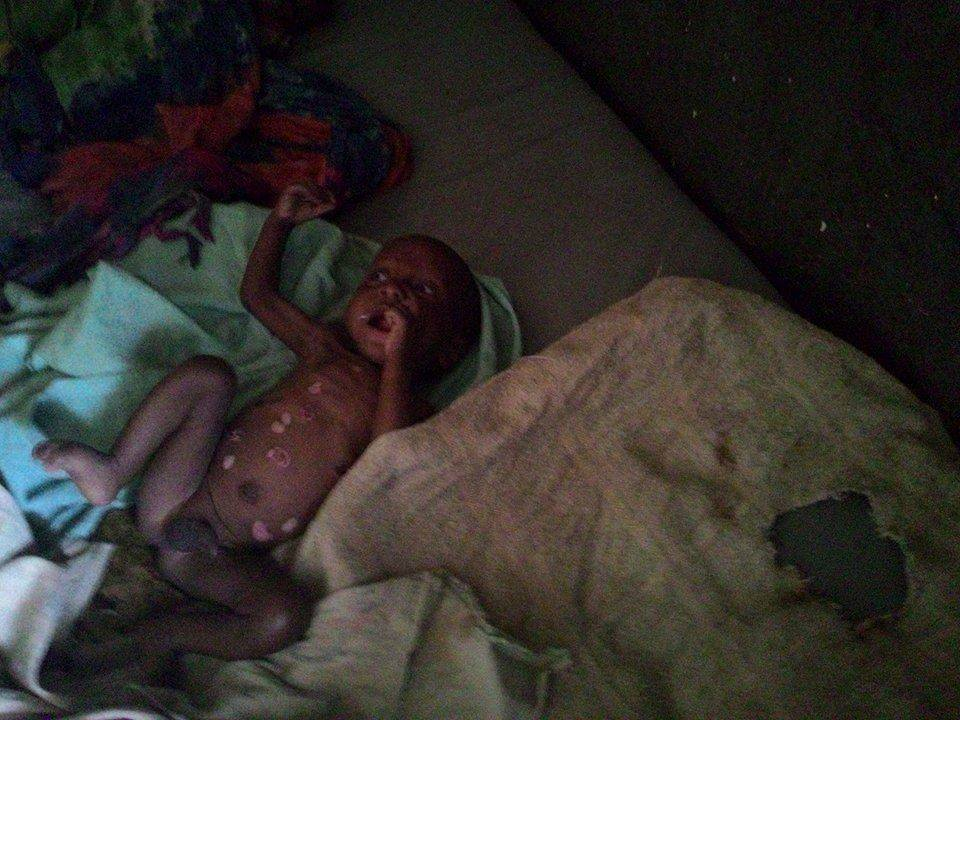
Drought, food crisis and Famine in Ethiopia 2015: Children and adults are dying of lack of food, water and malnutrition. Animals are perishing of persisting drought. The worst Affected areas are: Eastern and Southern Oromia, Afar, Ogaden and Southern nations. #Africa #Oromia August 14, 2015
Posted by OromianEconomist in Ethiopia's Colonizing Structure and the Development Problems of People of Oromia, Famine in Ethiopia, Malnutrition, Micronutrient deficiency in Oromia, The State of Food Insecurity in Ethiopia.Tags: Africa, Famine Ethiopia, Genocidal mass killings against Oromo people in Eastern Oromia conducted by Liyu Police of TPLF Ethiopia, Hunger and Micronutrient deficiency in Ethiopia, If Ethiopia’s economy is so vibrant, poverty, The extents and dimensions of poverty in Ethiopia, Undernourishment in Ethiopia
25 comments

Due to lack of rain, food crisis and famine people are dying in Ethiopia. Mainstream medias are not reporting. In the absence of free press, the TPLF/ Ethiopian government is hiding the tragedy going on. Children, women and men are dying in rural areas of Eastern and Southern Oromia, Afar state, Ogaden and southern nations. Animals are being perished due to persistent drought. The TPLF/Ethiopian government has also engaged in intensive land grabs and evictions in unaffected (food surplus) areas and intensified the destructions of food security system. In central Oromia (Burrayyuu, Sululta, Bishoftu, etc) and Western Oromia (Ilu Abbaa boraa and Wallaggaa) families in thousands become homeless and destitute because of land grabs both in urban and rural areas. Citizens are reporting the crisis and crying for help and no help is received yet both from the government and international humanitarian aid. Social media and Oromia Media network are reporting in Afaan Oromoo.
NBC Nightly News | August 14, 2015
Food crisis in Ethiopia
Aug. 5: Hunger is once again threatening vast swathes of Africa because of drought and high food prices. The United Nations has estimated that 14 million are at risk and at the heart of the looming catastrophe is Ethiopia, where over 10 million are in need of emergency food aid. ITN’s Martin Geissler reports.
Drought, food crisis and famine in Afar state (North East Ethiopia) captured through social media, August 2015
Is this famine Ethiopia or fastest economic growth? Beela moo misooma?
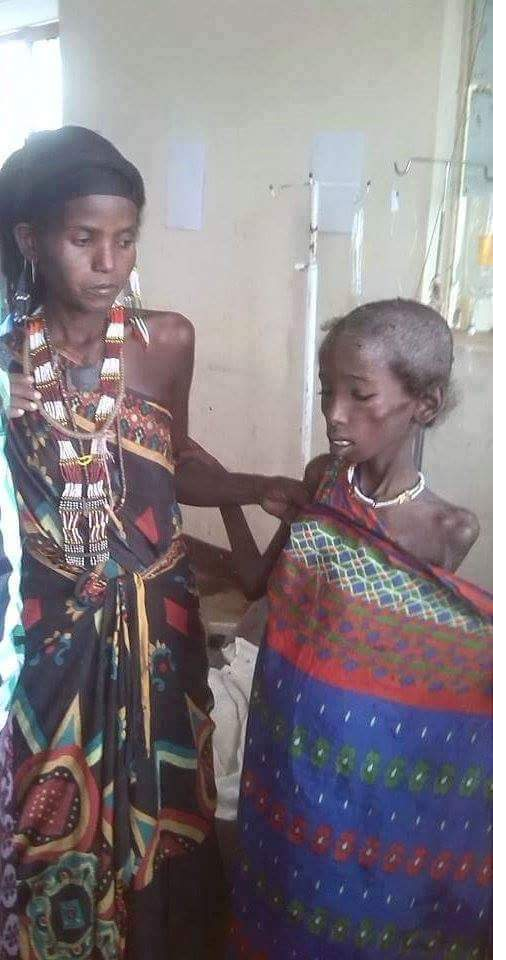
The following pictures are drought, food crisis and famine in Eastern Oromia captured through social media, August 2015

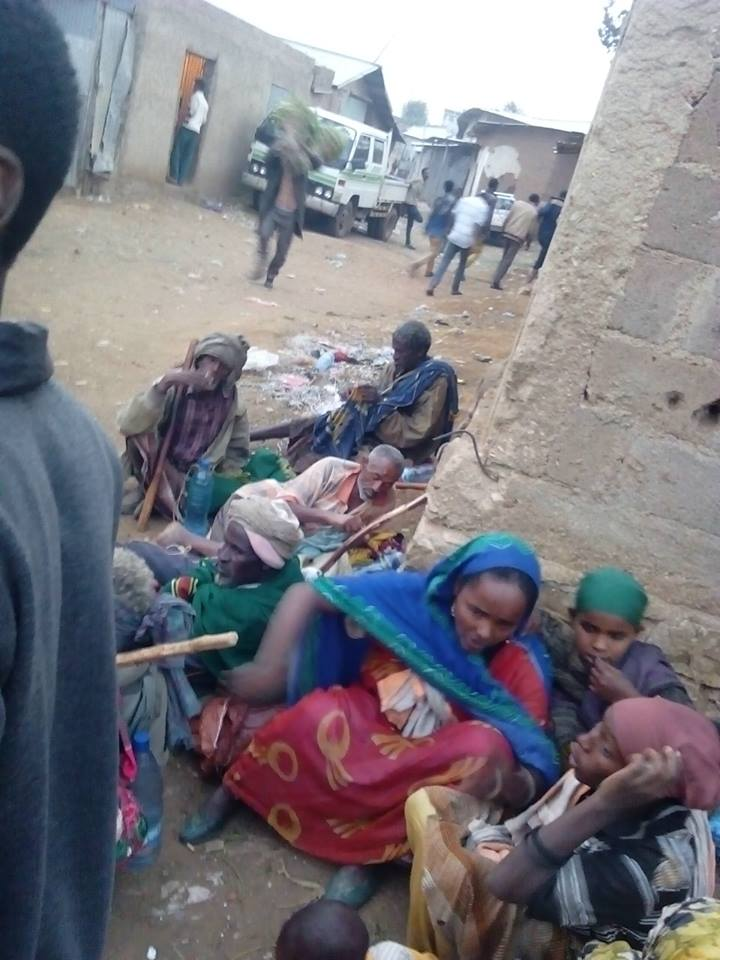
Land grabs and evictions in Oromia


The tale of two countries (Obama’s/TPLF’s Ethiopia and Real Ethiopia): The Oromo (Children, Women and elders) are dying of genocidal mass killings and politically caused famine, but Obama has been told only rosy stories and shown rosy pictures. #Africa #Oromia
http://paper.li/UNICEFEthiopia/1381134230?edition_id=be3b1460-39a8-11e5-a22c-0cc47a0d164b
Scientific Research: Iodine deficiency and women’s health: Colonialism’s malign effect on health in #Oromia May 18, 2015
Posted by OromianEconomist in Africa, Micronutrient deficiency in Oromia.Tags: Africa, African Studies, Health, Hunger and Micronutrient deficiency in Ethiopia, Iodine deficiency and women’s health in Oromia, medical services issues in Oromia, Micronutrient deficiency in Oromia
add a comment
Iodine deficiency and women’s health: Colonialism’s malign effect on health in Oromia region, in Ethiopia
http://www.scirp.org/Journal/PaperInformation.aspx?PaperID=31970#.VVo8N7lVikp
Affiliation(s), Toronto Public Health, Toronto, Canada
ABSTRACT
Objectives: Iodine is an essential nutrient needed for the synthesis of hormone thyroxin. Hormone thyroxin is involved in the metabolism of several nutrients, the regulation of enzymes and differentiation of cells, tissues and organs. Iodine deficiency (ID) impairs the development of the brain and nervous system. It affects cognitive capacity, educability, productivity and child mortality. ID hinders physical strength and causes reproductive failure. The objective of this paper is to explore if the health impacts of ID are more common and severe among women. Design: Using primary data (notes from a visit) and secondary data, this paper examines if the effects of ID are more common and severe among Oromo women inEthiopia. Findings: The health impacts of ID are more common and severe among women. Conclusions: ID is an easily preventable nutritional problem. In Oromia, the persistence of ID is explained by the Ethiopian government’s colonial social policies. Preventing ID should be seen as part of the efforts we make to enhance capacity building, promote health, gender equity and social justice. Implications: Iodine deficiency has a wide range of biological, social, economic and cultural impacts. Preventing ID can be instrumental in bringing about gender equity and building the capacity of people.
KEYWORDS
Cite this paper
| [1] | Dugassa, B. and Negassa, A. (2012) Understanding the ecology of iodine deficiency and its public health implications: The case of oromia region in Ethiopia. Journal of Community Nutrition & Health, 1, 4-17. |
| [2] | UNICEF (2008) Sustainable elimination of iodine deficiency, progress since the 1990. World Summit for Children. http://www.childinfo.org/files/idd_sustainable_elimination.pdf |
| [3] | Iodine Network (2012) Country profiles Ethiopia. http://iodinenetwork.net/countries/Ethiopia.htm#6 |
| [4] | WHO (2007) Iodine deficiency in Europe: A continuing public health problem. In: Anderson, M., De Benoist, B., Darnton-Hill, I. and Delange, F., Eds., France. http://whqlibdoc.who.int/publications/2007/9789241593960_eng.pdf |
| [5] | WHO (2010) Ethiopia: Health profile. http://www.who.int/gho/countries/eth.pdf |
| [6] | WHO (2010) Kenya: Health profile. http://www.who.int/gho/countries/ken.pdf |
| [7] | Stewart, G., Carter, J., Parker, A. and Alloway, B. (2003) The illusion of environmental iodine deficiency. Environmental Geochemistry and Health, 25, 165-170. doi:10.1023/A:1021281822514 |
| [8] | Meletis, C. and Zabriskie, N. (2007) Iodine, a critically overlooked nutrient. Alternative & Complementary Therapies, 13, 132-136. doi:10.1089/act.2007.13309 |
| [9] | Hetzel, B. and Mano, A. (1989) A review of experimental studies of iodine deficiency during fetal development. Journal of Nutrition, 119, 145-151. |
| [10] | Ingenbleek, Y. and Jung, L.B. (1999) A new iodized oil for eradicating endemic goiter. In: Abdulla, M., Bost, M., Gamon, S., Arnaud, P. and Chazot, G., Eds., New Aspects of Trace Element Research, Smith-Gordon, London.
|


 Oromian Economist
You must be logged in to post a comment.