jump to navigation
Posted by OromianEconomist in Uncategorized.
Tags: Africa, Gambela, Land grab in Oromia & Gambella, Second Genocide Being Committed Against Anuaks in Gmabella
GPLM Press Release
The Second Genocide is Being Committed against Unarmed Anuak Tribe in Gambella, Southwest Ethiopia, by South Sudanese Refugees with Ethiopian Government’s Approval
It is with deep sadness that we learned that the Ethiopian government has once again embarked on carrying out a massive massacre of unarmed Anuak civilians in Gambella town of southwest Ethiopia, using similar killing style of 2003. Unlike the December 2003 – which involved Ethiopian highlanders’ civilians, this time, the Ethiopian government used South Sudanese ethnic Nuers to carry out the genocide.
The Nuers who are spearheading the killing of Anuaks are going front, while the Ethiopian military accompany them in the back. Any Anuak seen carrying traditional weapon, such as a spear, is shot dead by the Ethiopian military forces. In addition, the government ordered all Anuaks in police and special force to be disarmed by the Ethiopian military. Leaving all Anuaks vulnerable to be killed. In this rampage killing, the Nuer refugees are armed with modern weapons, such as AK-47, garnets and bombs, and are allowed to kill Anuaks and loots their properties before burning their houses to ground.
For the last three months, the Governor of Gambella region Mr. Gatluak Tut – who by nationality is a South Sudanese Nuer, with the knowledge of Ethiopian government, brought many guns to Gambella town from the Sudanese Nuer rebel base of Dr. Riek Machar Teny. These guns are distributed to all Nuers living in Gambella town in preparation to commit such mass genocide-plan. What availed itself on Wednesday January 27, 2016 around 2am and continued up to-date is the execution of such an atrociousness plan. Clearly, the plan was coordinated, and it was a combination of a strategic long-term plan by the EPRDF/Ethiopian government, South Sudanese Nuers, and their rebel leader Dr. Riek Machar Teny to kill all Anuaks living in Gambella town.
Obviously, it was a continuation of the policy of genocide against the Anuaks which began its first implementation in December 2003. The Ethiopian government can not rest or stop its policy of genocide until all Anuaks are killed and the land is taken by the very government committing the genocide.
The Gambella People’s Liberation Movement (GPLM) strongly condemned this atrocity committed against our people by foreign forces with the support of the Ethiopian government and security organs. We believe such use of foreigners to kill Ethiopian nationals by the very government supposedly to protect them not only a violation of the country sovereignty and the constitution, but also is a violation of international law in the states obligation to protect it own citizens.
Thus, we calls on:
• International community to pressure the Ethiopian government to stop indirect and direct killing of Anuak civilians;
• To establish independent inquiries to investigate the massacre currently taking place in Gambella;
• The United States government and the Europeans community to pressure the Ethiopian government to desist from committing current genocide on our people;
• The United Nations and members nations, the African Union, in the East African countries to instruct the South Sudanese Nuer rebel leader Dr. Riek Machar Teny to immediately stop supplying his Nuer tribe with deadly weapons to be used against unarmed Anuak civilians and creating instability in Gambella.
• Unconditional remove and transfer South Sudanese Nuers out of Gambella immediately;
• Finally, calls on government of EPRDF to stop its divide-and-rule politics in Gambella.
GAMBELLA PEOPLE’S LIBERATION MOVEMENT (GPLM) EXECUTIVE COMMITTEE.
Contact Number: 1(204)-218-5988 Or 1(507)-383-0534
Posted by OromianEconomist in Uncategorized.
Tags: Afar, Africa, Benishangul, Gambela, Horn of Africa, Ogaden, Oromia, Sidama, The Peoples’ Alliance for Freedom and Democracy Statement on the Current Situation in Ethiopia
In 1992 and 1994, the Ethiopian regime declared an all out war against the civilian population in many parts in Oromia, Ogaden and the rest of Ethiopia creating humanitarian and human rights Catastrophe, hundreds of thou-sands were killed, detained, tortured or forcefully dislocated from their lands.Today the Ethiopian regime is embarking on campaign to commit grave violation of human rights and suppression of all democratic rights it even recognizes in its nominal constitution. The Oromo people whose democratic rights were never respected and subjected to consistent human right violations massively are now being systematically uprooted from their ancestral lands around Addis Ababa under the pretext of development. Similar atrocities are being committed against the people in Sidama, Gambela, Beni-shangul, Amhara,and other states.Read more at:
the-peoples_-alliance-for-freedom-and-democracy-statement-on-the-current-situation-in-ethiopia
Cunqursaa sirna wayyaanee dhabamsiisuudhaan bilisummaa, walqixxummaa, haqaa fi mirga dimokraasii Ummatoota Itoophiyaa keessa jiranii dhugoomsuuf dhaaboleen siyaasaa mirga ummata isaaniif dhaabbatan, jaarmayaaleen siiviikii fi lammiileen hundi walii tumsuun falmaa finiinsuun murteessaa tahuu, dura taa’aan Sochii Bilisummaa Ummata Gaambeellaa (GPLM) Obboo Okkeeloo Ukkidii Ubaang gaafii fi deebii Sagalee Bilisummaa Oromoo waliin taasisaniin ibsan.
Obboo Okkeeloon gaaffii fi deebii SBO Sagantaa Afaan Amaaraa waliin taasisaniin dhimmoota ummata Gaambeellaa, hacuuccaa murna wayyaanee, sochii dhaabni isaanii itti jiru, waa’ee Tumsa Bilisummaa fi Dimokraasii Ummatootaa jidduu dabre dhaabolee siyaasaa mirga hiree murteeffannaa ummatootaa hanga bilisummaatti amanan jidduutti uumamee fi dhimmoota biroo hedduu tuqaniiru.
“Miidhaan mootummaan wayyaanee erga aangoo qabatee kaasee ummata Gaambeellaa irraan gahaa turee fi ammallee itti fufiinsaan irraan gahaa jiru Ummatoota Itoophiyaatii mitii, addunyaatu beeka.” kan jedhan Obboo Okkeeloon, sirnichi ummata dachee isaarraa buqqisee godaansaaf afeeruun gamatti, sababa garaagaraatiin dharaan yakkee jumlaan hidhaa, dararaa fi ajjeesaa jiraachuu ibsan. Kana malees qabeenya uumamaa jireenyi lammiilee Gaambeellaa irratti hundaa’e kan akka bosonaa fi bishaanii mancaasaa fi ummatarraa saamee gurgurataa hegeree dhalootaa dukkaneessuutti dabalee, ummanni hamileen isaa cabee abdii kutachuun akka biyya isaa dhiisee baqatuu fi gaaffii mirgaa kaasuu dhiisuuf yakkoota adda addaa irratti raawwachaa akka jiru hubachiisan. Ummannis yakka kana didachuudhaan falmaa walitti fufiinsa qabu gaggeessaa jiraachuus eeran.
“Mootummaan wayyaanee mootummaa ummataa waan hin taaneef gaaffilee ummataa ukkaamsudhaaf yakka suukanneessaa raawwataa jira.” kan jedhan dura taa’aan SBUG, “Humni waraana mootummaa silaa mirga ummatootaa tiksuun irraa eegamu, waraanichi kan ummataa waan hin taaneef ummata ittisuu mannaa cunqursaa raawwachaa jira.” jedhan.
Hariiroo Ummata Oromoo fi ummata Gaambeellaa kan ilaallatuun ammoo, hariiroon ollummaa fi obbolummaa ummatoota lameenii kan dur irraa eegale tahuu erga ibsanii booda, hariiroon jireenya hawaasummaa, diinagdee akkasumas firummaa jidduu isaanii jiru fuulduras daran jabaatee kan itti fufu tahuu addeessan.
“Dhaabni deggarsaa fi jaalala ummata isaa hin qabne bu’uura hin qabaatu” kan jedhan Obboo Okkeeloon, dhaabni isaanii Sochiin Bilisummaa Ummata Gaambeellaa jaalalaa fi deeggarsa ummata Gaambeellaa irraa laatamuufiin falmaa mirga ummatichaa kabajchiisuuf taasisaa jiru daran jabeessaa akka jiru addeessan. Ummata Gaambeellaa mirga isaaf ka’ee wayyaanee dura dhaabbataa jiru daran dammaqsuu, ijaaruu fi sossoosuudhaan akeeka qabsichaa galiin gahuuf ciminaan hojjechaa jiraachuus eeran.
Waa’ee tumsa qabsoo ilaalchisanii “Dhaabni keenya bu’uuruma irraa kaasee barbaachisummaa tumsa qabsootti amana.” kan jedhan dura taa’aan Sochii Bilisummaa Ummata Gaambeellaa, qabsoon Ummatootni Itoophiyaa keessa jiran mata-mataatti taasisaa jiran bifa irra caalaa qindaahaa taheen shaffisaan akka galii isaa gahuu fi mirgi ummatootaa akka kabajamuuf tumsa uummachuun murteessaa tahuu addeessan. Dhaabni isaanii dhaabolee akka Adda Bilisummaa Oromoo, Adda Bilisummaa Biyyoolessaa Ogaadeen, Adda Bilisummaa Sidaamaa, Sochii Bilisummaa Ummata Benishaangul faa waliin tumsi qabsoo uummates ejjennoodhuma dhaaba isaanii fardoomina tumsaatti amanu kanarraa tahuu jala sararan.
Waan taheefis cunqursaa mootummaa wayyaanee dhabamsiisuudhaan bilisummaa, walqixxummaa, haqaa fi mirga dimokraasii ummatootaa dhugoomsuuf dhaaboleen siyaasaa mirga ummata isaaniif falman, jaarmayaaleen siiviikii fi hawaasni hundi walii tumsuun falmaa finiinsuun murteessaa tahuu, dura taa’aan Sochii Bilisummaa Ummata Gaambeellaa Obboo Okkeeloo Ukkidii Ubaang gaaffii fi deebii Sagalee Bilisummaa Oromoo waliin taasisanii ibsaniiru.
Hordoftoota keenya keenya gaaffii fi deebii dura taa’aa Sochii Bilisummaa Ummata Gaambeellaa, Obboo Okkeeloo Ukkidii Ubaang waliin Afaan Amaaraatiin taasisne, Sagantaa SBO Fulbaana 9 bara 2015 dabru keessatti caqasuu dandeessu.
Amharic version

የወያኔ ስርዓትን ጭቆና በማስወገድ በኢትዮጵያ ውስጥ ያሉ ህዝቦችን ነጻነት፤ እኩልነት፤ ፍትሕና ዲሞክራሲ እውን ለማድረግ ለህዝቦች መብት የሚታገሉ የፕፖለቲካ ድርጅቶች፤ ስቪክ ማህበራትና መላው ማህበረሰብ በመተባበር ትግል ማፋፍፋም ወሳኝ መሆኑን የጋምቤላ ህዝብ ነጻነት ንቅናቄ(GPLM) ሊቀመንበር ኣቶ ኦኬሎ ኡኪዲ ኡባንግ ከኦሮሞ ነጻነት ድምጽ ጋር ባደረጉት ቃለ-ምልልስ ገለጹ።
ኣቶ ኦኬሎ ከኦሮሞ ነጻነት ድምጽ የኣማርኛ ቋንቋ ዝግጅት ክፍል ጋር ባደረጉት ቃለ-ምልልስ የጋምቤላ ህዝብ ያለበትን ወቅታዊ ነባራዊ ሁኔታ፤ የወያኔ ስርዓት እያደረሰ ያለውን ጭቆና፤ ድርጅታቸው የጋምቤላ ህዝብ ነጻነት ንቅናቄ(GPLM) እያደረገ ያለውን እንቅስቃሴ፤ ሰሞኑን በዲሞክክራሲ የህዝቦች የራስን እድል በራስ የመወሰን እስከነጻነት በሚያምኑ የፖለቲካ ድርጅቶች መካከል ስለተመሰረተው የህዝቦች ትብብር ለነጻነትና ዲሞክራሲና ሌሎችም ጉዳዮችንም ዳስሰዋል።
“የወያኔ መንግስት ስልጣን ከያዘበት ጊዜ ኣንስቶ በጋምቤላ ህዝብ ላይ እየፈጸመ ያለውን በደል የኢትዮጵያ ህዝቦች ብቻ ሳይሆኑ መላው ዓለም ያውቀዋል” ያሉት ኣቶ ኦኬሎ ስርዓቱ ህዝቡን ከቀዬው ኣፈናቅሎ ለስደት ከመዳረጉም ባሻገር በተለያዩ ምክንያቶች ወንጅሎ እያሰረ፤ እያሰቃየና እየገደለ መሆኑን ገልጸዋል. ከዚህም ሌላ የጋምቤላ ህዝብ ህይወት መሰረት የሆኑት የደንና ውሃ ሃብት እያወደመና ዘርፎ በመሸጥ የትውልድን መጻዒ ተስፋ ከማጨለሙም በተጨምሪ ህዝቡ ቅስሙ ተሰብሮ ብአሃገሩ ተስፋ እንዲቆርጥና እንዲሰደድ እንዲሁም የመብት ትግል ማካሄዱን እንዲገታ ለማድረግ የተለያዩ ወንጀሎችን እየፈጸመ እንዳለ ገልጸዋል። ህዝቡም ይህንን ወንጀል በመቃወም ቀጣይነት ያለው የኣልገዛም-ባይነት ፍልሚያ እያካሄደ መሆኑን ኣመልክተዋል.
“የወያኔ መንግስት የህዝቦች ድጋፍና ፍቅር ይለው የህዝቡ መንግስት ስላልሆነ የህዝቡን ጥያቄ ለማፈን ወንጀል ይፈጽማል” ያሉት የጋ.ህ.ነ.ን. ሊቀመንበር፤ “የጦር ሃይሉ ህዝቡን መከላከል ሲገባው የህዝብ ሰራዊት ስላልሆነ ጭቆና እይፈጸመ ይገኛል” ብለዋል።
በኦሮሞ ህዝብና በጋምቤላ ህዝብ መካከል ያለውን ግንኙነትት በተመለከተ ደግሞ በሁለቱ ህዝቦች መካከል ያለው የመልካም ጉርብትናና ወንድማማችነት ግንኙነት ከጥንት ጀምሮ ያለ መሆኑን ገልጸው፤ የማህበራዊ ኑሮ፤ የኢኢኮኖሚ እንዲሁም የጋብቻ ትስስር በሁለቱም ህዝቦች መካከል የነበረና ወደፊትም ተጠናክሮ የሚቀጥል መሆኑን ይፋ ኣድርገዋል.
“የህዝቡ ድጋፍና ፍቅር የሌለው ድርጅት መሰረት የለውም” ያሉት ኣቶ ኦኬሎ፤ ድርጅታቸው በጋምቤላ ህዝብ ፍቅርና ድጋፍ ትግሉን ይበልጥ እያፋፋመ መሆኑን ኣመልክተዋል. ለመብቱ ወያኔን እየተፋለመ ያለውን ህዝባቸውን መቀስቀስ፤ ምደራጀትና ማንቀሳቀስ ላይ በመስራት ትግሉን እያፋፋሙ መሆኑን ገልጸዋል.
የትግል ትብብርን ኣስመልክተውም “ድርጅታችን በመሰረቱ በትግል ትብብር ኣስፈላጊነት ያምናል” ያሉት የየጋ.ህ.ነ.ን. ሊቀመንበር በኢትዮጵያ ውስጥ ያሉ ህዝቦች በተናጠል የሚያካሄዱት ትግል ይበልጥ በተቀናጀና በተፋጠነ መልኩ እንዲክሄድ ትብብር መፍጠር ውሳኝ እንደሆነ ገልጸዋል። ድርጅታቸውም እንደኦነግ. ኦብነግ. ሲነግ. ቤህነን ካሉ ድርጅቶች ጋር ትብብር የፈጠረውም ከዚሁ ኣቋም በመነሳት መሆኑን ጠቁመዋል።
ስለሆነም የወያኔ ስርዓትን ጭቆና በማስወገድ በኢትዮጵያ ውስጥ ያሉ ህዝቦችን ነጻነት፤ እኩልነት፤ ፍትሕና ዲሞክራሲ እውን ለማድረግ ለህዝቦች መብት የሚታገሉ የፕፖለቲካ ድርጅቶች፤ ስቪክ ማህበራትና መላው ማህበረሰብ በመተባበር ትግል ማፋፍፋም ወሳኝ መሆኑን የጋምቤላ ህዝብ ነጻነት ንቅናቄ(GPLM) ሊቀመንበር ኣቶ ኦኬሎ ኡኪዲ ኡባንግ ከኦሮሞ ነጻነት ድምጽ ጋር ባደረጉት ቃለ-ምልልስ ገለጹ።
ኣድማጮቻችን ከጋምቤላ ህዝብ ነጻነት ንቅናቄ(GPLM) ሊቀመንበር ኣቶ ኦኬሎ ኡኪዲ ኡባንግ ጋር ያደረግነውን ቃለ-ምልልስ ረቡዕ (መስከረም 9 ቀን 2015ዓም) በሚተላለፈው የኦሮሞ ነጻነት ድምጽ ኣማርኛ ቋንቋ ዝግጅት ክፍል መከታተል እንደምትችሉ በኣክብሮት እንገልጻለን።
Posted by OromianEconomist in Ethiopia's Colonizing Structure and the Development Problems of People of Oromia, Afar, Ogaden, Sidama, Southern Ethiopia and the Omo Valley, Omo, Omo Valley, Oromia.
Tags: Because I Am Oromo: Amnesty International Report, Ethiopia's colonizing structure and development problems in Oromia and Omo Valley, Gambela, Genocide, Genocide against the Oromo, Human rights violations, Land grabbing, Land grabs in Africa, National Self Determination, Omo Valley, Oromia, Oromiyaa, Oromo, Oromo people
Ethiopia: stealing the Omo Valley, destroying its ancient Peoples
Megan Perry* / Sustainable Food Trust
A land grab twice the size of France is under way in Ethiopia, as the government pursues the wholesale seizure if indigenous lands to turn them over to dams and plantations for sugar, palm oil, cotton and biofuels run by foreign corporations, destroying ancient cultures and turning Lake Turkana, the world’s largest desert lake, into a new Aral Sea.
What is happening in the lower Omo Valley shows a complete disregard for human rights and a total failure to understand the value these tribes offer Ethiopia in terms of their cultural heritage and their contribution to food security.
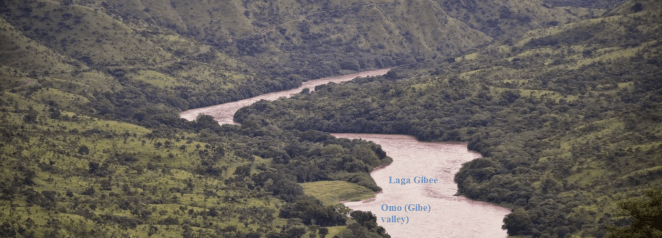
There is growing international concern for the future of the lower Omo Valley in Ethiopia. A beautiful, biologically diverse land with volcanic outcrops and a pristine riverine forest; it is also aUNESCO world heritage site, yielding significant archaeological finds, including human remains dating back 2.4 million years.
The Valley is one of the most culturally diverse places in the world, with around200,000 indigenous people living there. Yet, in blind attempts to modernise and develop whatthe government sees as an area of ‘backward’farmers in need of modernisation, some of Ethiopia’s most valuable landscapes, resources and communities are being destroyed.
A new dam, called Gibe III, on the Omo River is nearing completion and will begin operation in June, 2015, potentially devastating the lives of half a million people. Along with the dam, extensive land grabbing is forcing thousands from their ancestral homes and destroying ecosystems.
Ethiopia’s ‘villagisation’ programme is aiding the land-grab by pushing tribes into purpose built villages where they can no longer access their lands, becoming unable to sustain themselves, and making these previously self-sufficient tribes dependent on government food aid.
A total disregard for the rights of Ethiopia’s Indigenous Peoples
What is happening in the lower Omo Valley, and elsewhere, shows a complete disregard for human rights and a total failure to understand the value these tribes offer Ethiopia in terms of their cultural heritage and their contribution to food security.
There are eight tribes living in the Valley, including the Mursi, famous for wearing large plates in their lower lips. Their agricultural practices have been developed over generations to cope with Ethiopia’s famously dry climate.
Many are herders who keep cattle, sheep and goats and live nomadically. Others practice small-scale shifting cultivation, whilst many depend on the fertile crop and pasture land created by seasonal flooding.
The vital life source of the Omo River is being cut off by Gibe III. An Italian construction company began work in 2006, violating Ethiopian law as there was no competitive bidding for the contract and no meaningful consultation with indigenous people.
The dam has received investment from the Industrial and Commercial Bank of China, and the hydropower is primarily going for export rather than domestic use – despite the fact that 77% of Ethiopia’s population lacks access to electricity.
People in the Omo Valley are politically vulnerable and geographically remote. Many do not speak Amharic, the national language, and have no access to resources or information. Foreign journalists have been denied contact with the tribes, as BBC reporter Matthew Newsome recently discovered when he was prevented from speaking to the Mursi people.
There has been little consideration of potential impacts, including those which may affect other countries, particularly Kenya, as Lake Turkana relies heavily on the Omo River.
At risk: Lake Turkana, ‘Cradle of Mankind’
Lake Turkana, known as the ‘Cradle of Mankind’, is the world’s largest desert lake dating back more than 4 million years. 90% of its inflow comes from the Omo. Filling of the lake behind the dam will take three years and use up to a years’ worth of inflow that would otherwise go into Lake Turkana.
Irrigation projects linked with the dam will then reduce the inflow by 50% and lead to a drop of up to 20 metres in the lake’s depth. These projects may also pollute the water with chemicals and nitrogen run-off. Dr Sean Avery’s report explains how this could devastate the lake’s ancient ecosystems and affect the 300,000 people who depend on it for their livelihoods.
Tribal communities living around the lake rely on it for fish, as well as an emergency source of water. It also attracts other wildlife which some tribes hunt for food, such as the El Molo, who hunt hippo and crocodile. Turkana is home to at least 60 fish species, which have evolved to be perfectly adapted to the lake’s environment.
Breeding activity is highest when the Omo floods, and this seasonal flood also stimulates the migration of spawning fish. Flooding is vital for diluting the salinity of the lake, making it habitable. Livestock around the lake add nutrients to the soil encouraging shoreline vegetation, and this is important for protecting young fish during the floods.
Lake Turkana is a fragile ecosystem, highly dependent on regular seasonal activity, particularly from the Omo. To alter this ancient ebb and flow will throw the environment out of balance and impact all life which relies on the lake.
Severely restricted resources around the lake may also lead to violence amongst those competing for what’s left. Low water levels could see the lake split in two, similar to the Aral Sea. Having acted as a natural boundary between people, there is concern that conflict will be inevitable.
Fear is already spreading amongst the tribes who say they are afraid of those who live on the other side of the lake. One woman said, “They will come and kill us and that will bring about enmity among us as we turn on each other due to hunger.”
Conflict may also come from Ethiopians moving into Kenyan territory in attempts to find new land and resources.
A land grab twice the size of France
The dam is part of a wider attempt to develop the Omo Valley resulting in land grabs and plantations depending on large-scale irrigation. Since 2008 an area the size of France has been given to foreign companies, and there are plans to hand over twice this area of landover the next few years.
Investors can grow what they want and sell where they want. The main crops being brought into cultivation include, sugar, cotton, maize, palm oil and biofuels. These have no benefit to local economies, and rather than using Ethiopia’s fragile fertile lands to support its own people, the crops grown here are exported for foreign markets.
Despite claims that plantations will bring jobs, most of the workers are migrants. Where local people (including children) are employed, they are paid extremely poorly. 750km of internal roads are also being constructed to serve the plantations, and are carving up the landscape, causing further evictions.
In order to prepare the land for plantations, all trees and grassland are cleared, destroying valuable ecosystems and natural resources.
Reports claim the military have been regularly intimidating villages, stealing and killing cattle and destroying grain stores. There have also been reports of beatings, rape and even deaths, whilst those who oppose the developments are put in jail. The Bodi, Kwegi and Mursi people were evicted to make way for the Kuraz Sugar Project which covers 245,000 acres.
The Suri have also been forcibly removed to make way for the Koka palm oil plantation, run by a Malaysian company and covering 76,600 acres. This is also happening elsewhere in Ethiopia, particularly the Gambela region where 73% of the indigenous population are destined for resettlement.
Al-Moudi, a Saudi tycoon, has 10,000 acres in this region to grow rice, which is exported to the Middle East. A recent report from the World Bank’s internal watchdog has accused a UK and World Bank funded development programme of contributing to this violent resettlement.
For many tribes in the Omo Valley, the loss of their land means the loss of their culture. Cattle herding is not just a source of income, it defines people’s lives. There is great cultural value placed on the animals. The Bodi are known to sing poems to their favourite cattle; and there are many rituals involving the livestock, such as the Hamer tribe’s coming of age ceremony whereby young men must jump across a line of 10 to 30 bulls.
Losing their land also means losing the ability to sustain themselves. As Ulijarholi, a member of the Mursi tribe, said, “If our land is taken, it is like taking our lives.”
They will no longer be independent but must rely on government food aid or try to grow food from tiny areas of land with severely reduced resources.
Ethiopia’s food security
Ethiopia is currently experiencing economic growth, yet 30 million people still face chronic food shortages. Some 90% of Ethiopia’s national budget is foreign aid, but instead of taking a grass-roots approach to securing a self-sufficient food supply for its people, it is being pushed aggressively towards industrial development and intensive production for foreign markets.
There is a failure to recognise what these indigenous small-scale farmers and pastoralists offer to Ethiopia’s food security. Survival of the Fittest, a report by Oxfam, argued that pastoralism is one of the best ways to combat climate change because of its flexibility.
During droughts animals can be slaughtered and resources focused on a core breeding stock in order to survive. This provides insurance against crop failure as livestock can be exchanged for grain or sold, but when crops fail there can be nothing left. Tribal people can also live off the meat and milk of their animals.
Those who have long cultivated the land in the Omo Valley are essential to the region’s food security, producing sorghum, maize and beans on the flood plains. This requires long experience of the local climate and the river’s seasonal behaviour, as well as knowledge of which crops grow well under diverse and challenging conditions.
Support for smallholders and pastoralists could improve their efficiency and access to local markets. This would be a sustainable system which preserved soil fertility and the local ecosystem through small-scale mixed rotation cropping, appropriate use of scarce resources (by growing crops which don’t need lots of water, for example) and use of livestock for fertility-building, as well as for producing food on less productive lands.
Instead, over a billion dollars is being spent on hydro-electric power and irrigation projects. This will ultimately prove unsustainable, since large-scale crop irrigation in dry regions causes water depletion and salinisation of the soil, turning the land unproductive within a couple of generations.
Short of an international outcry however, the traditional agricultural practices of the indigenous people will be long gone by the time the disastrous consequences becomes apparent.
*Megan Perry is Personal and Research Assistant to SFT Policy Director, Richard Young.
This article was originally published by the Sustainable Food Trust.
Source: http://www.theecologist.org/News/news_analysis/2754229/ethiopia_stealing_the_omo_valley_destroying_its_ancient_peoples.html
Posted by OromianEconomist in Africa, African Poor, Amnesty International's Report: Because I Am Oromo, Colonizing Structure, Corruption in Africa, Ethiopia's Colonizing Structure and the Development Problems of People of Oromia, Afar, Ogaden, Sidama, Southern Ethiopia and the Omo Valley, Ethnic Cleansing, Gambella, Genocidal Master plan of Ethiopia, Land Grabs in Africa, Land Grabs in Oromia, Oromia, Uncategorized.
Tags: Africa, African Studies, Gambela, Genocide against the Oromo, Horn of Africa, Human rights violations, Land grabbing, Land grabs in Africa, Land Grabs in Oromia, Omo, The Tyranny of Ethiopia

Saudi Star Agricultural Development plans to pump $100 million into a rice export project in Gambella region of Ethiopia despite allegations of human rights violations surrounding the “villagization” program under which the land has been taken from indigenous Anuak pastoralists to lease to foreign investors.
The company is owned by Mohamed al-Amoudi, who was born in Ethiopia to a Saudi father and an Ethiopian mother. Al-Amoudi made a fortune from construction contracts to build Saudi Arabia’s national underground oil storage complex. Now a billionaire many times over, al-Amoudi has invested heavily in Ethiopia where he owns a gold mine and a majority stake in the national oil company.
Al-Amoudi was one of the first to invest in a new scheme under which president Meles Zenawi offered to lease four million hectares of agricultural land to foreign investors and his company was also one of the first to become the subject of controversy. After Saudi Star was awarded a 10,000 hectare (24,700 acres) lease in 2008, a dozen aggrieved Anuak villagers attacked Saudi Star’s compound in Gambella in 2010 and killed several employees.
Saudi Star abandoned work at the time but this past November the company announced that it would return to invest millions to grow rice using new large-scale flood irrigation techniques. Saudi Star hopes to sell its produce to Saudi Arabia under King Abdullah’s Food Security Program.
“We know we’re creating job opportunities, transforming skills, training local indigenous Anuak,” Jemal Ahmed, Saudi Star CEO told Bloomberg. “The government wants the project to be a success and see more Gambella people able to work and produce more, that’s the big hope.”
But activists say that Saudi Star’s newly invigorated project in Gambella is likely to have a detrimental impact on the local population, notably pastoralist groups like the Anuak as well as the Nuer.
“Sadly, right now, the Anuak, nearly all small subsistence farmers, are becoming refugees in their own land as they are internally displaced from indigenous land their ancestors have possessed for centuries,” Obang Metho, Executive Director of Solidarity Movement for a New Ethiopia, told the Africa Congress on Effective Cooperation for a Green Africa.
“They have become ‘discardable’ by a regime that wants their land, but not for them, in order to lease it to foreigners and regime-cronies for commercial farms,” he added.
All told as many as 1.5 million subsistence farmers are expected to be offered voluntary relocation to new settlements where the government has told them that they will be given housing, social services and support infrastructure under the villagization program.
However, activists like Human Rights Watch and the Oakland Institute say that the relocation process has been plagued by violence and broken promises.
Instead of getting housing, villagers are forced to build their own tukols – traditional huts – and risk beatings if they speak out, says Human Rights Watch, which conducted interviews of 100 residents during the first round of villagization that occurred in 2010.
The majority of resettlements did not have a school, health clinic or even water wells, says the Oakland Institute. Lack of agricultural assistance such as seeds, fertilizers, tools and trainings, have further exacerbated the risk of hunger and starvation among families.
The traditional pastoralist communities also say that they are having a hard time adapting to sedentary farming practices in the new settlements. “We want you to be clear the government brought us here…to die…right here,” an Anuak elder in Abobo district told Human Rights Watch. “They brought us no food, they gave away our land to foreigners so we can’t even move back. On all sides the land is given away, so we will die here in one place.”

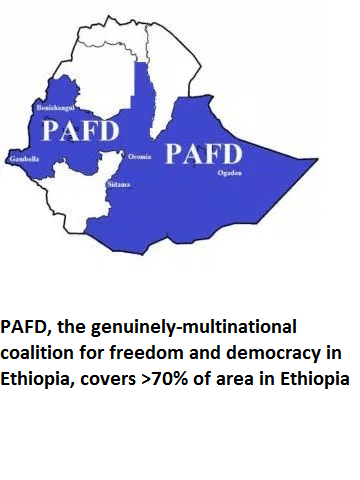
 The current situation in Ethiopia is no longer tenable and unless urgent measures are taken it will bring unmanage-able chaos in the Horn of Africa worse than the current situation in the Middle East.


 Oromian Economist
You must be logged in to post a comment.