Humanitarian Bulletin Ethiopia: IDP Rapid Response Plan for Benishangul Gumuz and the Wollegas seeks US$25.5 million December 26, 2018
Posted by OromianEconomist in Uncategorized.Tags: Humanitarian Bulletin Ethiopia, IDP
1 comment so far
IDP Rapid Response Plan for Benishangul Gumuz and the Wollegas seeks US$25.5 million
Ethiopia Humanitarian Bulletin Issue 70 | 10 – 23 December 2018
- Benishangul Gumuz IDP Rapid Response Plan seeks US$25.5 million.
- Emergency Operations Center (EOC) set up for coordinated IDP Response in East and West Wollega
- At least 2.4 million people are currently displaced by intercommunal violence across the country.
Humanitarian partners, together with Government, have finalized an operational plan for a rapid response to address urgent life-saving needs of people displaced by inter-communal violence in Benishangul Gumuz region since late September 2018. This plan combines the response plans of the three zones: Assosa zone, East Wollega zone and West Wollega zone and targets nearly 250,000 displaced persons, including 57,000 people displaced within Benishangul Gumuz (Assosa and Kemashi zones) and some 198,000 people who fled across the border in East and West Wollega zones of Oromia region.
Based on a working scenario of the displacement situation to continue for the coming three months, the response plan lays out prioritized humanitarian needs in the health, nutrition, education, WaSH, non-food items, protection and agriculture sectors.
At least $25.5 million is needed to implement the plan, including an estimated $9.6 million for NDRMC to provide relief food with 11,250Mt of cereals, 1,125Mt of CSB and 337.5Mt of Vegetable oil.
Humanitarian partners count on the continued donor support to urgently implement the plan.
Funding can be channeled through partners or via the Ethiopia Humanitarian Fund.
EOC set up for coordinated IDP Response in East and West Wollega
In response to the growing humanitarian needs of the people displaced by inter-communal violence along the Benishangul Gumuz and Oromia regional boundary that has started late September 2018, the Oromia regional authorities have decided to establish an Emergency Operation Center (EOC) in Nekemte Town of East Wollega zone.UN Office for the Coordination of Humanitarian Affairs:To learn more about OCHA’s activities, please visit https://www.unocha.org/.
REPORTfrom UN Office for the Coordination of Humanitarian AffairsPublished on 23 Dec 2018 —View Original


BBC: Letter from Africa: Africa’s history makers in 2018 December 26, 2018
Posted by OromianEconomist in Uncategorized.Tags: #March4Abiy, Abiy Ahmed, Africa, Dr. Abiy Ahmed, Ethiopia, Horn of Africa Affairs, Oromia, PM Abiy Ahmed, PM Abiy Ahmed Europe Tour, Social Change
add a comment
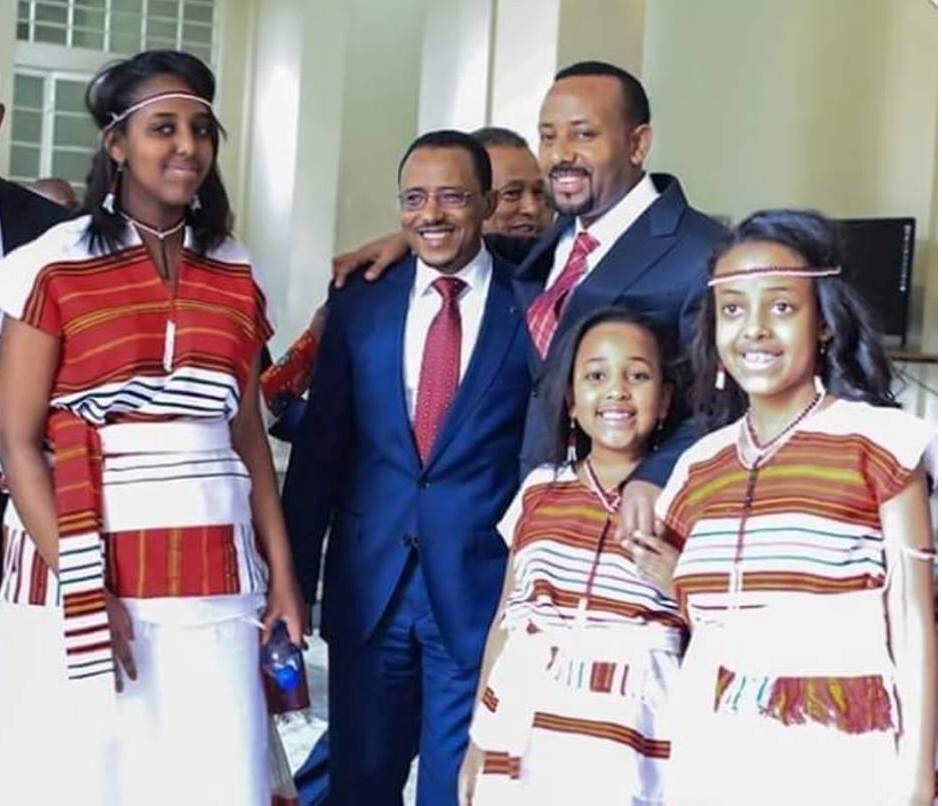
Letter from Africa: Africa’s history makers in 2018
BBC, 26 December 2018
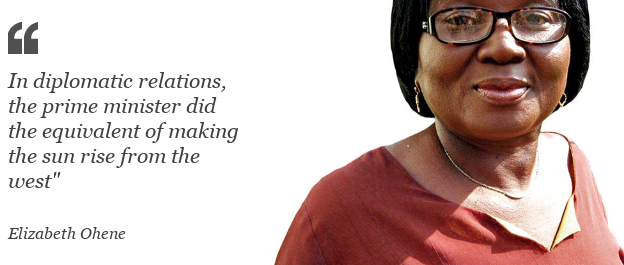
In our series of letters from African writers, Ghanaian journalist Elizabeth Ohene looks back at some of the big events on the continent in 2018.
It has been a year where one is tempted to invoke the “always something new out of Africa” theory.
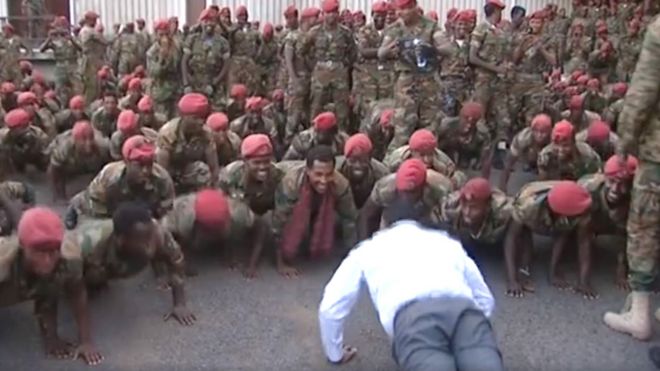
It is not every day you have a prime minister leading a group of soldiers into doing press-ups, particularly not when the armed soldiers had tried to force their way into the compound of the prime minister to protest against unpaid wages.
It is the type of scenario that used to end up in coups in the old days.
But Abiy Ahmed has been doing the seemingly impossible ever since he unexpectedly became prime minister of Ethiopia in April.
He is 42-years-old, and currently Africa’s youngest leader.
There is nothing predictable about the man and how he has set about doing his job.
Ethiopia had been seen by critics as an authoritarian state that brushed off criticism and remained an implacable foe to neighbour Eritrea.
But within a few months of taking office, Mr Abiy had lifted the state of emergency, released thousands of political prisoners, allowed dissidents to return home and unblocked hundreds of websites and TV channels.
Peace with long-time foe
Just as people were digesting the dizzying changes on the domestic front, the prime minister, in the sphere of diplomatic relations, did the equivalent of making the sun rise from the west.
He ended the state of war with Eritrea by agreeing to give up disputed border territory thereby normalising relations with the long-time foe.
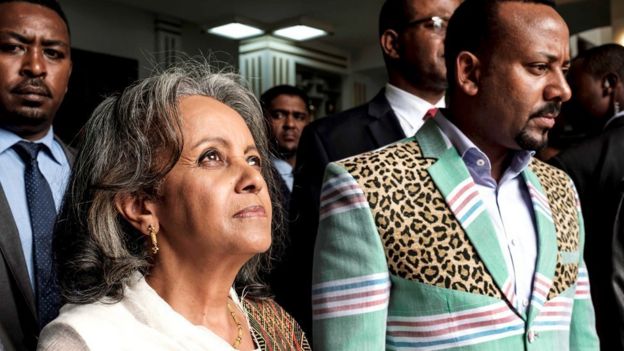
This came in an unexpected visit to the Eritrean capital, Asmara, and publicly holding hands with Eritrean President Isaias Afwerki to declare the end of the two-decade old war.
Women in power
Flights and telephone communications have been restored and there has been an outbreak of love between the two nations that has stunned the world.
And if anyone thought there had been enough surprises, in October, Mr Abiy appointed women to half of all cabinet posts.
If that does not sound impressive enough, there were other changes. Ethiopia now has a female president (Sahle-Work Zewde), a female head of the Supreme Court (Meaza Ashenafi), a female head of the electoral commission (Birtukan Mideksa), and the official spokesperson of the government is a woman (Billene Aster Seyoum).
South Africa was another country which saw a major change of leadership, but the optimism that came with the accession of Cyril Ramaphosa to the presidency has fizzled out. |Click here to read the full text at BBC


 Oromian Economist
You must be logged in to post a comment.