Economic and development analysis: Perspectives on economics, society, development, freedom & social justice. Leading issues in Oromo, Oromia, Africa & world affairs. Oromo News. African News. world News. Views. Formerly Oromia Quarterly
Sir, Your Big Read article, “The billionaire’s farm” (March 2), captures well the ramifications of the takeover of land and natural resources on the most marginalised communities in Ethiopia, a destination for many of the foreign investors. The devastating impact is way too personal for some of us.
Okello Akway Ochalla, mentioned in the article, is my father. He was kidnapped and then renditioned to Ethiopia and has been languishing in jail for two years, charged as a terrorist. His crime being — having witnessed the massacre of his people in 2003 as the governor of Gambella, having had to flee the country since he feared for his own life, having been separated from his family — my sister and I spent half of our lives as refugees in Kenya, before coming to the US in 2013 — that he dared to advocate for the human rights of the people of Gambella and the Anuak community.
On March 7, a final verdict was expected in my father’s case and yet once again to break his spirit, the verdict has been postponed to April 6. The strongest evidence the court has against my father is his own confession. A confession obtained, as my father explained in his closing statement, “after being kidnapped and suffering in detention for more than three months without any defence lawyer and communication with anyone”. He added: “The defence statement was made to look as if it was voluntarily submitted to the court… at the time I was giving the statement to the police, I was in an environment where the police investigator had put the pistol on the table in front of me and I was being tortured.”
If anyone cares to read the evidence brought forward by the defence and my father’s closing argument, it is obvious that the crime committed by my father is one of dissent and that he has committed no terrorist activities. His dissent challenges the continued suffering of Anuak people and the theft of natural resources such as our land, rivers and forests, which is igniting social and political conflict. My father is no terrorist. A good man, a good father and a good leader, my father is a land rights defender!
In the light of the excellent coverage by the FT, my sincere hope is that big donors to Ethiopia, including the US, the UK and the World Bank, will reconsider the impact of this land rush on families such as mine and urge the Ethiopian government to release my father.
Oromia, the largest regional State in the Ethiopian Federation, has been rocked by series of protests in the past 100 days since mid-November 2015. The protests began with the aim of having the proposed Master Plan of the capital, Addis Ababa, officially referred as the ‘Addis Ababa–Finfinne[1] Integrated Development Plan’ (‘Master Plan’) scrapped. The Master Plan was designed by Addis Ababa City Administration in collaboration with the government of Oromia Regional State and introduced early in 2014. The protestors opposed the Master Plan, which covers 1.1 million hectare of land (approximately twenty fold the current size of Addis Ababa), saying that its implementation will result in the eviction of millions of farmers and families from their land. The first protests against the Master Plan were held mainly by students of Oromia regional State in April/May/June 2014 which resulted in deaths, injuries and imprisonment of many people all over the state. The protests erupted again in November 2015 and continued up until now.
The ‘second round protests’, as it is called by activists, took wider area and longer time than its antecedent. Police brutality have reached its climax and deaths, injuries, mass arrest, kidnapping have tragically been reported in the State. In only the first hundred days of these protests, hundreds of towns and villages have witnessed mass incidents. In addition, death tolls have reportedly reached more than four hundred, thousands of people were injured and tens of thousands people were briefly arrested. Even though the Master Plan has been officially been scrapped by OPDO, ruling party in the regional State, on 13 January, 2016, fifty four days after the second round of the protest erupted, the third round of the protests have continued with a new momentum; what has started as an opposition to the Master Plan seems to end up looking for answers of political questions that have grown in the past two decades.
The Ethiopia Human Rights Project (EHRP) has actively followed the first 100 days of the protests and summarized the issues, causes, and the human rights violations perpetrated by government security forces in response to the protests in Oromia region. Click the next line to read the full report:-
TPLF Ethiopia’s land robbery and barbarism must end!
#OromoProtests: TPLF’s barbarism against Surma (the Suri , the Mursi and the Mekan) people of Lower Omo basin in Southern state. TPLF’s Agazi forces are conducting mass torturing of the kushitic people of Omo Valley (the Surma) in 21 century as their land is taken for woyanes sugar plantations, owned by a Tigrean.
Namoonni akkanatti Wayyaaneen hiraarfamaa jiran kun lammiilee saba Surmaa kan laga Oomoo irra galaniiti. Ummanni kun lafti isaanii irraa fudhatamee abbaa qabeenyaa Tigree tokko warshaa sukkaraa irratti dhaabuu waan mormaniifi.
The missing Oromo protesters join a long list of disappearances
By Hassen Hussein*, OPride
(Opride.com): Last week, I read an angry, anguished and daringly eloquent letter from ijoollee Jalduu, a young Oromo from the flashpoint town of Gindo in southwest Shawa, the epicenter of the still-ongoing popular resistance against the Ethiopian state.
Addressed to his countrymen — at home and abroad — the 25-page chronicle captures the depth of grievance animating today’s Oromo youth to revolt.
To a large extent, the writer dwelled on the transformation of the quarter-a-century-long indirect Tigrean rule to the current military occupation and the accompanying injustices. He also drew parallels between today’s events and emperor Menelik’s foray into the heartland of Oromo territory in the 1880s and the Italian occupation of Abyssinia in the 1930s.
There are many ways in which armies of occupation leave behind indelible marks. One is by their routine practice of snatching away — at night or broad daylight — young able-bodied men and women, some unconnected with the conflict, from their families. The luckiest of these families find their loved ones in some dingy prison or detention center. They may not have them back home again. But they take solace in their ability, however limited, to at least visit them. And the chances to sue, entreat, or pray for their release. Hearing about them, even in the form of rumors and urban legends, is a boon.
The luckier accidentally stumble upon or be alerted by neighbors or passerby to the dead, charred, mangled, mutilated, disfigured or leftover pieces and bits of the once healthy and beautiful bodies of their loved ones in the adjoining or distant ditches, forests, ravine, creek or parts sticking out from a mass grave. Lucky, because at least they get to bury them and get some closure. This does not mean the loss is any less tragic and painful as a mother wailing for her young son killed by the security forces in Olankomi chillingly stated, “they did not kill him. They have killed me.”
The unluckiest are those forever left in the dark, those who have to carry the heavy weight of the missing’s uncertain fate; those who are left with the overwhelming voids that no anguished memory can fill. Haunted by the forever wandering souls of the disappeared, future generations experience the loss—whether the story is told or the window into them is slammed shut.
Like a broken piece of glass, stories of the missing lodge themselves into the psyche stoking our historical memory. With every movement, the piece of glass shifts as if to remind us its presence. The families hold no public memorials and nurse the wound privately, allowing a void to live within them and sometimes it feels as if we also live within it—especially in times of distress such as the one we currently inhabit.
The trauma is the greatest when the missing happens to be a female relation. Growing up, I kept hearing the story of a great aunt snatched away by an unknown soldier in the service of Menelik’s army as it was making its way possibly from Anole and Azule to Calanqo through my mother’s birth village. Such stories are never complete and neither is mine. For example, I do not even know her name—having not asked. However, their incompleteness does not make such stories any less potent.
“Was she a fighter?” we would ask. “No, she was a young girl herding cattle ” my mother intoned.
“Where was her father?” we would ask. “A warrior, he believed a warrior’s code disallowed harming or taking children after an active battle is over” she would say.
“Did he try to get her back?” He did but unsuccessfully.
“Why did her mother not plead with the captors?” My mother answered, “She did, to no avail. The captors did not speak her language and nor she theirs.”
“Where did they take her?” “Nobody knew.”
“Nothing heard from her or about her ever since?”
“You ask too many questions, none,” which signaled it was time to move on to a different story or household or outdoor chore.
Ijoollee Jalduu’s haunting story prompted me to share a poem I wrote at a writers’ retreat in the thick of Minnesota’s famed winter in 2013. It is an ode to this great aunt and to my mother, an angel of a woman whose protective shield wards off dangers and unconditional love sustains, nourishes and keeps me alive to this day, a mother who experienced her share of the tragedies afflicting all mothers in times of civil unrest.
Today’s Oromo youth have more guts in responding to the cries of their mothers who have to deal with such unexplained and unexplainable losses, mothers who would forever be torn between whether to tell the story of their disappeared loved ones to their younger children and grandchildren.
I share this poem now in an attempt to situate the gushing new wounds of the Oromo in the context of our tortured history. The river of innocent young productive men and women disappearing in the hands of armies sent to quell civilians opposing unjust rule and occupation stubbornly continues to flow unbroken. And if we are to talk of a common future, we need to break the silence and end this vicious cycle of violence.
The notorious Agazi special forces unit is wreaking havoc throughout Oromia turning happy and peaceful rural villages into ghost towns. In its footsteps, it is condemning many mothers to lives of eternal anguish by taking away their precious young men and women to unknown destinations never to be seen or heard from again. The brutality is such that no self-respecting Ethiopian of any ideological bent, political orientation or ethnic background can and should remain unmoved. No organized state army should be allowed to terrorize anyone, let alone a huge chunk of society at will and with impunity, and hope to rule the vanquished talking as if its divine right to rule is affronted by our mere show of dissent. Silence towards such doubly insulting injustice is morally indefensible.
This is a human story of conflict. Many Ethiopian mothers have suffered the same unwarranted grief decade after decade. Most often than not, the perpetrators and their victims spoke no one language, literally and figuratively. The stories are told and retold not to open new wounds but to keep the memory of the disappeared alive and for some closure, which had eluded many a grieving Ethiopian mother, Oromo or otherwise, for generations.
An Ode to my Great Aunt
You stole my great aunt, so I know her only in fragments
In late night stories from my mother
When you dragged her away, after pillaging the village
Was it for a wife?
Or a lifelong joy toy, eternal symbol for your oomph and triumph over my forebears
Tell me; did you sap her youth and ditch her on the road to Calanqo?
Or smother her in a fit of martial anger to avenge a buddy’s passage to the underworld
A fart boasting to hide his fortuitous escape from Lenjiso’s righteous wrath in Anole
Only to be sent over the hill standing on great grandpa’s cliff path
Before he abandoned her doomed rescue; tell me soldier, I am speaking to you.
Or was it to desecrate the sacred land that resented your booted feet?
Tell me, I need to understand,
Did you hurl her off as war booty to your homeland, I know not where?
Or did you hand her over along with the loot to your emperor?
Tell me, how long before her spirit ceased to kick and scream against your unrelenting clutch?
Before it too slid below your iron-fitted feet soothing her into becoming one of them creatures
Falling in love with their captors dying from within to stay alive from outside
Or dead defiant to the bitter end.
Tell me, did you make her one of your many concubines to nurse and cure your manly wounds?
Please do tell me, with no language shared, did you sign or gesture to make her forget her folks or accept her forlorn fate?
Do tell me, did she bear you children, nephews and nieces I had not known?
Please tell me, did you baptize her into your religion?
To be welcomed as your captive companion into heaven
I hope you flame in hell, forever forsaken.
Then again, the fruits of your aggression
Might have been my transgressed kin
The open wound in my mother’s heart that hurt to day’s end.
—-
* Hassen Hussein teaches Leadership and Management courses at the Saint Mary’s University of Minnesota, and can be reached at hxhuss10@smumn.edu
Tigrean elites in charge of the Ethiopian regime fear us because they cannot defeat us. In equal measure, they fear that foreign donors will withdraw the aid that makes up half the country’s budget and pays for the slow genocide that we suffer.
Genocide need not manifest only in the bloody rapid mass murders of civilians as was seen in Rwanda. Genocide scholars acknowledge that genocide might masquerade as a slow elimination of a group by attrition. One dictionary defines attrition as, “a gradual process of wearing down, weakening or destroying something.” That is what the TPLF elites are doing to us.
Although the TPLF elites would like to get rid of the Oromo and other peoples of the South, they cannot achieve that goal quickly without global awareness of the international crime of genocide, the certain embarrassment, and the ensuing possible punishment. Concealed genocide by attrition provides sufficient cover so that foreign donors need not act on their dislike of the regime’s savagery.
So governing Tigrean elites cleverly camouflage their intent to destroy us, a key element of genocide, and whitewash the destructive acts themselves to imitate the poverty we suffer. The attempted theft of Finfinee by the pretext of government policy is only one more example of the theft of our land, our food and our heritage, and with it comes the kind of poverty that is close to death.
We have been so deprived of the basic needs of life that we have become one with the soil that covers our ancestors. We touch their bones with our kisses and weep for our children. We are close to heaven and our souls burn with the touch of God.
We say to the world, “We are not the cause of our own poverty. Open your eyes to the truth. Please stop funding our genocide.”
That time may be soon to come. In 2013 economics Professor William Easterly charged that the US and the UK were sending aid for foreign policy reasons and that, “The aid donors had to respond to the public embarrassment of supporting a ruler who shot down demonstrators and jailed the opposition.”
And in December of 2015, the UK Guardian reported that peaceful demonstrations against the master plan are being met with “excessive force and live ammunition.”
But although we suffer oppression, we will no longer accept the murders of our children. We no longer accept the military occupation of Oromia by TPLF Ethiopia regime. We received a report by an anonymous Oromo who told us, “We are sorry about the recent deaths of Oromo children, but as a result we are seeing the birth of freedom. Bloodied towns in … are now liberated from the enemy. This is a proud moment in our struggle”
He continued, “In the town of … government cabinet offices were burned down by the people.” Our people were brave in the and the contact is brave in the communication. Our comrades, unarmed, untrained and with families nearby are uniting and fighting for the stolen Oromo lands and stolen Oromo lives.
Our hero finishes, “Please, if we die, don’t be sorry for us. At this time, everyone has accepted that there will be spilled blood and deaths among us so that future generations of us will live in freedom. Be in peace. Oromiyaa shall be free.”
These words demanding freedom echo through the centuries from the American Founding Fathers. Patrick Henry asked in 1775, “What is it that gentlemen wish? What would they have? Is life so dear or peace so sweet, as to be purchased at the price of chains and slavery? Almighty God, I know not what course others may take, but as for me, give me liberty or give me death!”
But the British army sent by the King of England had a very long journey for supplies and soldiers who were needed win a rebellion of colonists who were armed. Our genocidaires are armed, well supplied and funded by their foreign friends.
It’s our job, we of the diaspora, to keep the plight of our people visible to the global public, and to fund the demonstrators. When asked, we must give more than we can afford. We should remember that although we may not be shedding our Oromo blood, we must support our hero kin with Oromo treasure. We must teach our children about those who have fallen and about the country about to be born.
The time is here to act. Our homeland is burning. Our people are perishing. We are all joined in the knowledge of our history. Few of us would have left Oromiyaa of our own desire and we should never forget those we left behind.
Having suffered as a Nation for so long, we have God weeping with us. We need not watch quietly as the regime continues to commit genocide on our people. . The time is now.
#Oromoprotests this mother is a 7 month pregnant and has 6 kids, lives in the West Arsi zone ofthe #Oromia state in #Ethiopia. When the Tigreans led security forces came to her home searching for her husband, she came out of her home and falled, kneeled down to his legs and begged him, not to kill her and her kids. Other militias went to her home to search for her husband and couldn’t find him. She kept begging them in #AfaanOromoo and #Sidamalanguages, as she doesn’t speak Amharic. The militias don’t speak either of these languages. Finally, they have mercilessly killed her firing five bullets to her. It is a very painfully to see such a tragedy, and her kids are now orphans. That’s how #democracy is being built in #Ethiopia by#TpLF. #ያማል
Ethiopia: Civil society calls upon Human Rights Council to investigate government crackdown on Oromo protest
Front Line Defenders, 24 February 2016
To Permanent Representatives of
Members and Observer States of the
UN Human Rights Council
Geneva, 24 February 2016
RE: Addressing restrictions on freedom of assembly and civil society in Ethiopia
Your Excellency,
The undersigned civil society organizations (CSOs) write to express our serious concerns about the Ethiopian Government’s grave restrictions on fundamental human rights, exemplified by the recent crackdown on largely peaceful protests in the Oromia region. As the UN Human Rights Council (UN HRC) prepares to release its landmark recommendations for the proper management of assemblies, we urge your delegation to address the rapidly deteriorating environment for independent dissent and violations of the right to freedom of assembly in Ethiopia at the upcoming 31st UN HRC Session.
Since December 2015, Ethiopian security forces have routinely used excessive and unnecessary lethal force to disperse and suppress peaceful protests in the Oromia region. The protesters, who have been advocating against the dispossession of land without adequate compensation under the government’s Integrated Development Master Plan, have been subjected to widespread rights violations. According to international and national human rights groups, at least 150 demonstrators, including scores of children and university students, have been killed during the protests. It is also widely reported that hundreds of people have suffered bullet wounds and beatings by the police and military.
The authorities have also arbitrarily arrested thousands of people throughout Oromia for participating in or supporting the protests. Many of those detained are being held without charge and without access to family members or legal representation. Numerous human rights activists, journalists and opposition political party leaders and supporters have been arbitrarily arrested and detained in Oromia. Among those arrested and still in detention are Bekele Gerba (Deputy Chair, Oromo Federalist Congress (OFC)), Dejene Tufa (Deputy General Secretary, OFC), Getachew Shiferaw (Editor-in-Chief of the online newspaper Negere Ethiopia), Yonathan Teressa (a human rights defender) and Fikadu Mirkana (reporter with the state-owned Oromia Radio and TV).
The government also continues to misuse the abusive 2009 Anti-Terrorism Proclamation to silence independent reporting and support of the protest movement. Specifically, on January 22, 2016, opposition leader Bekele Gerba and 21 other individuals were arraigned at the Federal First Instance Court, Arada Branch, which granted the prosecutor’s request for 28 days remand to police custody under the Anti-Terrorism Proclamation.
Moreover, weeks earlier, on December 15, 2015, the government publically described the protesters as “an organised and armed terrorist force” in a cynical and disturbing attempt to conflate their legitimate exercise of fundamental civil liberties with acts of terrorism. We remain deeply concerned that this description of the mostly peaceful protesters has also contributed to greater use of excessive force by security personnel.
Prominent human rights experts and groups, including the UN High Commissioner for Human Rights, have repeatedly condemned the deliberate misuse of the Anti-Terrorism Proclamation’s overbroad and vague provisions to target journalists and activists. The law permits up to four months of pre-trial detention and prescribes draconian prison sentences for a wide range of activities protected under international human rights law. Dozens of human rights defenders as well as journalists, bloggers, peaceful demonstrators and opposition party members have been subjected to harassment and politically motivated prosecution under the Anti-Terrorism Proclamation, making Ethiopia one of the leading jailers of journalists in the world.
There are no effective avenues to pursue accountability for abuses given the lack of independence of the judiciary and legislative constraints. During the May 2015 General Elections, the ruling EPRDF party won all 547 seats in the Ethiopian Parliament. In addition, domestic civil society organizations are severely hindered by one of the most restrictive NGO laws in the world. Specifically, under the 2009 Charities and Societies Proclamation, the vast majority of Ethiopian organizations have been forced to stop working on human rights and governance issues, a matter of great concern that has been repeatedly raised including at Ethiopia’s Universal Periodic Review (UPR).
This restrictive environment means that there are few avenues available for accountability and independent dissent in the country. It is essential that the UN Human Rights Council takes a strong position urging the Ethiopian Government to immediately end its systematic campaign to suppress peaceful protests and legitimate human rights activism.
Amid a growing chorus of concern, a number of intergovernmental bodies, including the European Parliament, have called on the Ethiopian government to immediately cease its political intimidation and persecution of peaceful protesters and human rights defenders. Recently, on 21 January, four UN Special Rapporteurs and the Working Group on Enforced or Involuntary Disappearances issued a joint statementcondemning the ongoing crackdown and further called on the Ethiopian Government to “immediately release protesters who seem to have been arrested for exercising their rights to freedom of peaceful assembly and expression, to reveal the whereabouts of those reportedly disappeared and to carry out an independent, transparent investigation into the security forces’ response to the protest.”
During the upcoming 31st session of the Human Rights Council, we urge your delegation to make joint or individual statements (for example during the high-level segment, in interactive dialogue with the High Commissioner, and under other relevant agenda items), reinforcing and building upon the concerns of these and other international bodies.
Specifically, we respectfully request your delegation to press Ethiopia to:
immediately cease the use of excessive and unnecessary lethal force by security forces against protesters in Oromia Region of Ethiopia and elsewhere in Ethiopia;
immediately and unconditionally release journalists, human rights defenders, political opposition leaders and members as well as protesters arbitrarily detained during and in the aftermath of the protests;
urgently establish a thorough, independent, impartial and transparent investigation into all of the deaths resulting from alleged excessive use of force by the security forces, and other violations of human rights in the context of the protests;
ensure that those responsible for human rights violations are prosecuted in proceedings which comply with international law and standards on fair trial and without resort to the death penalty;
and fully comply with its international legal obligations and commitments including under the, ICCPR, African Charter and its own Constitution.
Sincerely,
Article 19
Association for Human Rights in Ethiopia (AHRE)
CIVICUS: World Alliance for Citizen Participation
Civil Rights Defenders
Defend Defenders (East and Horn of Africa Human Right Defenders Project)
Oromo Protests: Why Ethiopia’s Largest Ethnic Group is Demonstrating
(Newsweek, 26 Feb. 2016) — Since the Ethiopian government announced plans to expand the territory of the capital Addis Ababa in April 2014, the country’s largest region, Oromia, has been racked with protests that have led to hundreds of deaths.
Oromia, which completely surrounds the capital of the Horn of Africa country, is home to the Oromo ethnic group. Oromos constitute the largest ethnic group in Ethiopia, yet members of the community claim to havesuffered systematic discrimination and oppression at the hands of Ethiopia’s federal government.
Newsweek explains who the Oromo are, why they are protesting and how the Ethiopian government is responding.
Who are the Oromos?
More than one in three Ethiopians hails from the Oromo ethnic group: Oromos constituted more than 25 million of the total 74 million population at the last census in 2007 (the population of Ethiopia has since grown to almost 100 million). The Oromo have their own language and culture distinct from the Amharic language, which is employed as Ethiopia’s official dialect.
The Oromo have been subject to human rights violations and discrimination under three successive regimes in Ethiopia, according to a 2009 report by U.S.-based Advocates for Human Rights group: the Abyssinian Empire under Haile Selassie, dissolved in 1974; the Marxist Derg military junta that seized power in 1974 and ruled until 1991; and the Federal Democratic Republic of Ethiopia, established in 1991 and existing until the present.
Oromo language was sidelined and not taught in schools for much of the 20th century and Oromo activists were often tortured or disappeared. A 2009 report by the United Nations Commissioner for Human Rights (OHCHR) stated that 594 extra-judicial killings and 43 disappearances of Oromos were recorded between 2005 and 2008 by an Oromo activist group. The ethnic group have clashed with the ruling Ethiopian People’s Revolutionary Democratic Front (EPRDF), in power since 1991; an Amnesty International report in October 2014 stated that at least 5,000 Oromos were arrested between 2011 and 2014 on the basis of opposition to the government.
Why have Oromos protested against the Addis Ababa master plan?
According to the Ethiopian government, the Addis Ababa Integrated Master Plan proposed to expand the capital’s territory in order to bring better services and greater economic opportunities to the rural areas surrounding Addis. For the Oromos, however, the plan constituted an attempted land grab that could result in the forced eviction of Oromo farmers and the loss of valuable arable land in a country regularly plagued by drought.
Protests began in Oromia immediately after the plan was announced—at least nine students were killed in April and May 2014, according to the government, although eyewitnesses said the total was at least 47. The most recent round of protests began in November 2015 and have spread across the entirety of the vast Oromia region. Human Rights Watch (HRW) reported in January that at least 140 protesters had been killed in demonstrations after heavy-handed crackdowns by security forces.
The Ethiopian government announced later in January that it was abandoning the Addis expansion plans after the Oromo People’s Democratic Organization (OPDO)—the ruling party in Oromia and a member of the governing EPRDF coalition—dropped its support for the scheme. Yet despite that, the crackdown has continued: HRW’s latest update on February 22 cited claims from activists that more than 200 protesters had been killed, with security forces allegedly firing on peaceful protesters and thousands detained without trial.
Ethiopian Prime Minister Hailemariam Desalegn, pictured addressing a U.N. summit in New York, September 25, 2015, has vowed to crack down on “destructive forces” the government says are hijacking Oromo protests.ANDREW KELLY/REUTERS
How have the government responded to Oromo protests?
The EPRDF has come down hard on protesters, claiming that “destructive forces”—including groups designated as terrorist organizations by the Ethiopian government—are hijacking the protests for their own means. Hailemariam Desalegn, the Ethiopian prime minister, said in December 2015 that protesters had burned down government properties and killed security forces, and that “merciless legitimate action” would be taken against those causing disorder.
In a statement sent to Newsweek on February 23, the Ethiopian embassy in London said that the claims made in HRW’s February report were based on “malicious statements, false accusations and unsubstantiated allegations from opposition propaganda materials.” The embassy claimed that the Addis expansion plans were dropped after “extensive public consultations” and an investigation into killings and destruction of property was underway.
Are Oromos seeking secession from Ethiopia?
One of the designated terrorist organizations accused of involvement in the protests by the Ethiopian government is the Oromo Liberation Front (OLF). The group wasestablished in 1973 to campaign for the Oromo’s right to self-determination. The OLF is now based out of Washington, D.C. and any accusations of its involvement in the Oromo protests is a means of “criminalizing protesters,” according to Etana Habte, Ethiopian author and PhD candidate at SOAS University of London. “I don’t believe the OLF has very significant influence on this protest,” says Habte. “[Claims the OLF is involved] have not any relevance or grain of truth within itself. Oromo protests are fundamentally peaceful and it carries a legitimate question.”
Habte claims that what the Oromo are seeking is self-determination, not secession.Article 39 of Ethiopia’s 1994 constitution affords “every nation, nationality or people in Ethiopia” the “unrestricted right to self-determination up to secession.” What the Oromo are asking for, says Habte, is a greater say in how their region is governed. “Oromos understand Oromia as their own territory where they have an absolute and constitutional right to self-rule,” says Habte. “The Oromo protests don’t ask for anything more than [what is provided by] the constitution.”
Human Rights Watch says security forces are continuing to persecute members of Ethiopia’s largest ethnic group, the Oromo. Hundreds have allegedly been killed in recent protests over a government plan to expand the capital Addis Ababa into Oromo land.
Ethiopia: Govt Accused of Bloody Crackdown On Protesters
By All Africa and Al Jazzera, 22 February 2016
Ethiopian security forces are carrying out a brutal crackdown on peaceful protests in the country’s Oromia region and thousands of people are being held without charge, a human rights group has said.
The demonstrations began in November due to a government plan to expand the boundaries of Addis Ababa into Oromia, which surrounds the capital, raising fears among Oromo people that their farms would be expropriated.
Addis Ababa, which has accused the protesters of having links with “terror groups”, dropped the plan on January 12 and announced the situation in Oromia was largely under control.
The New York-based Human Rights Watch (HRW), however, said the protests were continuing.
Ethiopia’s information minister, Getachew Reda, told Al Jazeera that he had not yet read the report and so could not comment on it.
HRW noted that researchers were unable to determine how many people have been killed or arrested because access to Oromia is restricted.
“[Ethiopian] activists allege that more than 200 people have been killed since November 12, 2015,” the rights group said.
In a previous document at the beginning of January, HRW reported at least 140 killings.
“Flooding Oromia with federal security forces shows the authorities’ broad disregard for peaceful protest by students, farmers, and other dissenters,” Leslie Lefkow, deputy Africa director at Human Rights Watch, said on Monday.
“The government needs to rein in the security forces, free anyone being held wrongfully, and hold accountable soldiers and police who used excessive force,” Lefkow added.
The rights group called on the Ethiopian government to end excessive use of force by its security forces, free everyone detained arbitrarily, and conduct an independent investigation into killings and other security force abuses.
The Oromos are the largest ethnic group in the horn of Africa country.
Ethiopia: Oromo protests will continue unless government ceases ‘killings and torture’
Human Rights Watch Reports Daily Killings As Ethiopian Government Continues Oromia Crackdown
By Manny Otiko, The Atlanta Black Star, February 23, 2016
Photo: Women mourn during the funeral ceremony of a primary school teacher who family members said was shot dead by military forces during protests in Oromia, Ethiopia in December 2015. (Reuters)
The Ethiopian government is reportedly continuing its crackdown on the Oromo people.
According to the New York-based Human Rights Watch, about 200 protesters have been killed in the latest government operation. Oromia, home to the Oromo people, is Ethiopia’s largest region. Demonstrations in the region broke out when the government attempted to clear a forest for an investment project. Protests escalated when the government decided to expand the borders of Addis Ababa, Ethiopia’s capital, to incorporate surrounding towns in Oromia, according to The International Business Times.
Government forces have used heavy-handed tactics to squash the protests, including rounding up and detaining protesters, torture and even extra-judicial killings, according to The Atlanta Blackstar. Many of the early protests were led by students, but that has not stopped the violence from security forces.
“They walked into the compound and shot three students at point-blank range,” said a 17-year-old student in a Human Rights Watch report. “They were hit in the face and were dead.”
The IBT said there are almost daily reports of killings.
“Things have become considerably more violent in the last few days,” said Felix Horne, Horn of Africa researcher at Human Rights Watch. “The government needs to back down and stop the brutal crackdown.”
It’s difficult to get accurate information about what’s going on because Ethiopia does not have a free media. Human Rights Watch says it is relying on information leaking out via social media posts. The foreign-based Oromo Media Network is also reporting on the situation. However, its signals have been jammed by the Ethiopian government. Government forces have also reportedly smashed OMN satellites and jailed people who have shown their broadcasts.
However, the Ethiopian government denies there is a problem and dismissed Human Rights Watch’s latest report.
Getachew Reda, Ethiopia’s communications minister, told the BBC the report was an “absolute lie” and questioned how Human Rights Watch could report on the situation from New York. He also blamed the latest violence on armed gangs “who are trying to stir up emotions in the public.”
According to The IBT, the European Parliament passed a January resolution condemning the government’s crackdown on largely peaceful protesters. However, the U.S. government has not criticized the Ethiopian government, and has called for dialogue. According to The IBT, Ethiopia received $580 million in aid from the U.S. in 2012. Additionally, The Washington Post reported that the U.S. government uses Ethiopian bases to fly drone missions against terrorists groups in Somalia.
Leslie Lefkow, deputy Africa director at Human Rights Watch, said countries that donate money to Ethiopia should pressure the government to stop the killing.
“Ethiopia’s donor countries have responded tepidly, if at all, to the killing of scores of protesters in Oromia,” said Lefkow. “They should stop ignoring or downplaying this shocking brutality and call on the government to support an independent investigation into the killings and other abuses.”
Killings, Detention of Protesters Enter Fourth Month
By Human Rights Watch, 21 February 2016
(Nairobi) – Ethiopian security forces are violently suppressing the largely peaceful protests in the Oromia region that began in November 2015. Almost daily accounts of killings and arbitrary arrests have been reported to Human Rights Watch since 2016 began.
Security forces, including military personnel, have fatally shot scores of demonstrators. Thousands of people have been arrested and remain in detention without charge. While the frequency of protests appears to have decreased in the last few weeks, the crackdown continues.
Protesters in Oromia region, Ethiopia, December 2015.
“Flooding Oromia with federal security forces shows the authorities’ broad disregard for peaceful protest by students, farmers and other dissenters,” said Leslie Lefkow, deputy Africa director at Human Rights Watch. “The government needs to rein in the security forces, free anyone being held wrongfully, and hold accountable soldiers and police who used excessive force.”
The Ethiopian government has said that the situation in Oromia is largely under control following the government’s retraction on January 12 of the proposed “Addis Ababa Integrated Development Master Plan.” The controversial proposal to expand the municipal boundaries of the capital, Addis Ababa, into farmland in Oromia sparked the initial demonstrations.
The plan’s cancellation did not halt the protests however, and the crackdown continued throughout Oromia. In late January 2016, Human Rights Watch interviewed approximately 60 protesters and other witnesses from various parts of the Oromia region in December and January who described human rights violations during the protests, some since mid-January. They said that security forces have shot randomly into crowds, summarily killed people during arrests, carried out mass roundups, and tortured detainees.
Women mourn during the funeral ceremony of a primary school teacher who family members said was shot dead by military forces during protests in Oromia, Ethiopia in December 2015. December 17, 2015.
While there have been some reports of violence during the protests, including the destruction of some foreign-owned farms and looting of some government buildings, most of the protests since November have been peaceful. On February 12, federal security forces fired on a bus after a wedding, killing four people, provoking further protests. A February 15 clash between federal security forces and armed men believed to be local police or militias, resulted in the deaths of seven security officers, according to the government.
On January 10, security forces threw a grenade at students at Jimma University in western Oromia, injuring dozens, eyewitnesses reported. Multiple witnesses told Human Rights Watch that security forces stormed dormitories at Jimma University on January 10 and 11, with mass arrests and beatings of Oromo students.
Security forces have arrested students, teachers, government officials, businesspeople, opposition politicians, healthcare workers, and people who provide assistance or shelter to fleeing students. Because primary and secondary school students in Oromia were among the first to protest, many of those arrested have been children, under age 18.
“They walked into the compound and shot three students at point-blank range,” one 17-year-old student said describing security force reaction to students chanting against the master plan. “They were hit in the face and were dead.”
Human Rights Watch spoke to 20 people who had been detained since the protests began on November 12, none of whom had been taken before a judge. Fourteen people said they were beaten in detention, sometimes severely. Several students said they were hung up by their wrists while they were whipped. An 18-year-old student said he was given electric shocks to his feet. All the students interviewed said that the authorities accused them of mobilizing other students to join the protests. Several women who were detained alleged that security officers sexually assaulted and otherwise mistreated them in detention.
The descriptions fit wider patterns of torture and ill-treatment of detainees that Human Rights Watch and other rights groups have documented in Oromia’s many official and secret detention facilities. Numerous witnesses and former detainees said that security forces are using businesses and government buildings in West Shewa and Borana zones as makeshift detention centers.
At time of writing, some schools and universities remain closed throughout Oromia because the authorities have arrested teachers and closed facilities to prevent further protests, or students do not attend as a form of protest or because they fear arrest. Many students said they were released from detention on the condition that they would not appear in public with more than one other individual, and several said they had to sign a document making this commitment as a condition for their release.
Human Rights Watch has not been able to verify the total numbers of people killed and arrested given restrictions on access and independent reporting in Ethiopia. Activists allege that more than 200 people have been killed since November 12, based largely on material collated from social media videos, photos, and web posts. Available information suggests that several thousand people have been arrested, many of whose whereabouts are unknown, which would be a forcible disappearance.
Human Rights Watch has documented 12 additional killings previously unreported. Most of these occurred in Arsi and Borana Zones in southern Oromia, where protests have also been taking place but have received less attention than elsewhere. This suggests that the scale of the protests and abuses across Oromia may be greater than what has been reported, Human Rights Watch said.
The Ethiopian government’s pervasive restrictions on independent civil society groups and media have meant that very little information is coming from affected areas. However, social media contains photos and videos of the protests, particularly from November and December.
The Oromia Media Network (OMN) has played a key role in disseminating information throughout Oromia during the protests. OMN is a diaspora-based television station that relays content, primarily in the Afan Oromo language, via satellite, and recently started broadcasting on shortwave radio. The Ethiopian government has reportedly jammed OMN 15 times since it began operations in 2014, in contravention of international regulations. Two business owners told Human Rights Watch they were arrested for showing OMN in their places of business. Federal police destroyed satellites dishes that were receiving OMN in many locations. Students said they were accused of providing videos for social media and of communicating information to the OMN. Arrests and fear of arrest has resulted in less information on abuses coming out of Oromia over the last month.
The Ethiopian government should end the excessive use of force by the security forces, free everyone detained arbitrarily, and conduct an independent investigation into killings and other security force abuses, Human Rights Watch said. Those responsible for serious rights violations should be appropriately prosecuted and victims of abuses should receive adequate compensation.
On January 21, the European Parliament passed a strong resolution condemning the crackdown. There has been no official statement from the United Kingdom, and the United States has not condemned the violence, instead focusing on the need for public consultation and dialogue in twostatements. Otherwise, few governments have publicly raised concerns about the government’s actions. As two of Ethiopia’s most influential partners, the United Kingdom and the United States should be doing more to halt the violent crackdown and to call for an independent investigation into the abuses, Human Rights Watch said.
“Ethiopia’s donor countries have responded tepidly, if at all, to the killing of scores of protesters in Oromia,” Lefkow said. “They should stop ignoring or downplaying this shocking brutality and call on the government to support an independent investigation into the killings and other abuses.”
For additional information and accounts from eyewitnesses and victims, please see below.
Student protests in Oromia began on November 12, 2015, in Ginchi, a small town 80 kilometers southwest of Ethiopia’s capital, Addis Ababa, when authorities sought to clear a forest for an investment project. The protests soon spread throughout the Oromia region and broadened to include concerns over the proposed expansion of the Addis Ababa municipal boundary, known as the “Addis Ababa Integrated Development Master Plan.” Farmers and others joined the protest movement as the protests continued into December.
Many protesters allege that the government’s violent response and the rising death toll changed the focus of the protests to the killing and arrest of protesters and decades of historic Oromo grievances came to the forefront. Oromia is home to most of Ethiopia’s estimated 35 million Oromo, the country’s largest ethnic group. Many Oromo feel marginalized and discriminated against by successive Ethiopian governments. Ethnic Oromo who express dissent are often arrested and tortured or otherwise ill-treated in detention, accused of belonging to the Oromo Liberation Front, which has waged a limited armed struggle against the government and which parliament has designated a terrorist organization.
On December 16, Prime Minister Hailemariam Desalegn said that the government “will take merciless legitimate action against any force bent on destabilizing the area.” The same day, the government communication affairs office minister, Getachew Reda, said that “an organized and armed terrorist force aiming to create havoc and chaos has begun murdering model farmers, public leaders and other ethnic groups residing in the region.” Since that time, federal security forces, including the army and the federal police, have led the law enforcement response in Oromia.
On January 12, the ruling coalition’s Oromia affiliate, the Oromo People’s Democratic Organization (OPDO), announced on state television that the “Addis Ababa Master Plan” would be cancelled. While the decision was an unprecedented change of policy, people Human Rights Watch interviewed suggest that there has been confusion over the actual status of the plan and whether government will follow through with the cancellation.
After the Addis Ababa master plan had originally been announced in 2014, protests occurred throughout Oromia, which security forces dispersed using live ammunition, killing at least several dozen people. Hundreds were arrested. Many of the arrested remain in custody without charge. Most of the approximately 25 students that Human Rights Watch interviewed from the 2014 protests who had been detained alleged torture and other ill-treatment. Many formerly detained students have not been permitted to return to their universities. On December 2, 2015, five Oromo students were convicted under the counterterrorism law for their role in the 2014 protests. There has been no government investigation into the use of excessive and lethal force during the 2014 protests.
Summary Killings, Unnecessary Lethal Force
In the early weeks of the 2015 protests, security forces who responded to the demonstrations were largely Oromia regional police, who used teargas against protesters, although with some incidents involving live ammunition. Many of the killings initially reported occurred after dark when security forces went house-to-house searching for protesters. They killed some students who tried to flee and others in scuffles during arrests, while the exact circumstances of many deaths are unknown.
Under international human rights standards, law enforcement officials may only use lethal force in self-defense or to prevent an imminent threat to another’s life.
After a December 16 announcement by the prime minister that the government would “take merciless legitimate action against any force bent on destabilizing the area,” witnesses said federal police and military forces were deployed in more parts of Oromia alongside the regional police. Many protesters alleged that the federal police and soldiers fired into crowds.
Wako – a 17-year-old protester from West Shewa whose name, along with others, has been changed for his protection, described the change:
During the first protest [in mid-November], the Oromia police tried to convince us to go home. We refused so they broke it up with teargas and arrested many. Several days later we had another protest. This time the [federal police] had arrived. They fired many bullets into the air. When people did not disperse they fired teargas, and then in the confusion we heard the sounds of more bullets and students started falling next to me. My friend [name withheld] was killed by a bullet. He wasn’t targeted, they were just shooting randomly into the crowd.
Gudina, a 16-year-old Grade 10 student from Arsi Negelle, described the authorities’ response to a protest in early December:
All the schools got together and took to the streets. As we protested, teargas was thrown, we kept marching and then from behind us we heard bullets, many students were hit and fell screaming. One very young student from my school I saw had been shot in throat and blood was pouring. I have dreams every night of that student.
Protesters from Arsi, West Shewa, Borana, and East Wollega zones all described similar events in which security forces, predominantly federal police, shot into crowds with live ammunition, especially since mid-December. They gave little or no warning about using teargas and live ammunition.
Three high school students from Arsi who were interviewed separately described an incident at their school. Kuma, a 17-year-old student, said:
We heard a Grade 6 student was killed in [neighboring village]. To show our solidarity we decided to protest. When the different classes came together and started marching toward the government office, security forces moved toward us. They threw teargas, and then we heard the sound of gunfire. My friend [name withheld] was shot in the chest, I saw him go down and bleeding. We ran away and I never looked back. His mother told me later he had been killed. He was 17 years old.
Security forces entered a school compound near Shashemene apparently to discourage their participation in a planned protest. Gameda, a 17-year-old Grade 9 student, said:
We had planned to protest. At 8 a.m., Oromia police came into the school compound. They arrested four students [from Grades 9-11], the rest of us were angry and started chanting against the police. Somebody threw a stone at the police and they quickly left and came back an hour later with the federal police. They walked into the compound and shot three students at point-blank range. They were hit in the face and were dead. They took the bodies away. They held us in our classrooms for the rest of the morning, and then at noon they came in and took about 20 of us including me.
Arbitrary Arrests, Detention
Several dozen people told Human Rights Watch about friends and colleagues who had been arrested without a valid basis, including many whose whereabouts remain unknown. Fifteen protesters from various parts of Oromia described their own arrests. Usually in the evening following a daytime protest, security forces would go door-to-door arresting students, including many who had not participated, including an 8-year-old in the Borana zone on January 9. They primarily targeted men and boys, but many women and girls were also arrested. Those arrested were taken to police stations, military barracks, and makeshift detention centers.
Kuma, a Grade 7 student from Borana zone, was arrested in early December, held for five days in an unknown location, and beaten with a wooden stick:
They said to me “Why were you in the demonstration? This means you do not like the government. Why? We do good for you.” Then they kept saying we had relations with the OLF [Oromo Liberation Front, which the government considers to be a terrorist group]. What does demonstrating have to do with the OLF? I was released after signing a paper that I would not go in public with more than one person. Many people in our town were released after signing this paper. Several days later there was another protest, I didn’t go, but knew I would be arrested again. I sat at home hearing gunshots all day long hoping I didn’t know any of those that would be killed.
Gameda, a Grade 7 student, said he was arrested at his school compound on the day of a planned protest:
For 10 days I was held at the police station. For the first three days, they would beat me each night on the back and legs with a wooden stick and ask me about who was behind the protests and whether I was a member of the OLF. I was released and several weeks later the protests started again in our town. They arrested me again. Same beatings, same questions. My family bribed the police and I was released.
The authorities have imposed collective punishment on people deemed to have been helping protesters. Lelisa, a woman who assisted students fleeing the security forces in Arsi in early December, said:
I wasn’t at the protests but I heard gunfire all day long and into the night. Students were running away and hiding themselves. Ten students came to me and asked for help so I hid them from the police. The police were going door-to-door at night arresting students. They came to my house, arrested all the boys and I convinced them that the three girls were my daughters. Then an hour later they came back and arrested my husband. They beat him in front of me, when I begged them not to kill him they kicked me and hit me with the butt of their gun. They took him away. I have heard nothing from him since.
Negasu, an owner of a private school, said he was arrested because students at his school were involved in the protest:
I owned a private school in [location withheld]. The students protested but the police did not break it up violently, they just filmed it and then arrested many people at night. Four of the protesters were from my school. So the police came at night and arrested me and took me to a military camp [name withheld]. For five days I was held in a dark hole by myself. It was freezing and they did not feed me for two days. I was beaten each night and accused of giving money to opposition groups, to the Oromo Federalist Congress and to OLF. They also accused me of posting videos to social media and sending to OMN. They just make things up. They closed my school and froze my bank account. They took my house also. Now I have nothing and the students are either going through what I did in detention or are not able to go to school because it’s been closed.
Students who were perceived to be vocal or had family histories of opposing government were particularly at risk. Lencho, 25, said:
I was known to be vocal and was a leader among the students. My father was known to oppose the government. I did not even participate in the protests because of fear but I was identified as one of the mobilizers. I was arrested, and when I got to the police station I saw local government officials, a local Oromo artist [singer], my teacher, and all of the outspoken students of our high school. They were arresting those that they thought were influential. I don’t even think any of them were in the protests because of fear.
Prominent Oromo intellectuals, including senior members of the Oromo Federalist Congress (OFC), a registered political party, have also been arrested. On December 23, Deputy Chairman Bekele Gerba was arrested at his home and taken to Addis Ababa’s Maekelawi prison, where torture and other ill-treatment have been documented. On January 22, he appeared in court, and prosecutors were granted an additional 28 days for investigation, suggesting he is being investigated under the abusive Anti-Terrorism Proclamation. Bekele has been a moderate voice in Oromia politics and a staunch advocate for non-violence.
In addition to those perceived to be actively involved in the protests, security forces have arrested influential people, including prominent Oromo businessman, teachers, professors, and numerous singers and artists. One teacher said:
The students protested. At night they came and arrested many of them, my students were calling me all night to tell me the police were at their door. Then I heard that most of the teachers had been arrested, too. I was away from town at the time. Then the woreda[district] administrator called and told me I was to be held responsible for my student’s behavior since I did not talk them out of it. I had already been in trouble because I did not attend a workshop at the school on the master plan and how we were to convince students it was good for them.
A well-known Oromo singer, now living in exile, said:
I released a song on Youtube [in December] that spoke about the protests and the need for students to stop the silence and speak out about the abuses our people face. I had been arrested three times previously for my songs. My songs have always focused on Oromo history and culture but I was always careful for the songs not to be seen as political in any way. But they arrest you anyway. After my third detention, I stopped censoring myself and spoke openly through my music. Hours after my song was released, I got word from the local administrator that I was to be arrested so I ran away from my home and haven’t been back.
An Ethiopian intelligence official acknowledged to Human Rights Watch in January 2016 that targeting public figures was a deliberate government policy. “It is important to target respected Oromos,” he said. “Anyone that has the ability to mobilize Oromos will be targeted, from the highest level like Bekele, to teachers, respected students, and Oromo artists.”
Human Rights Watch also interviewed a number of students who had been detained during the 2014 protests, eventually released, and then were arrested again as soon as the protests began in November 2015. Some described horrendous treatment in detention. Waysira, a then-second year university student, said:
[In 2014] I was arrested for two weeks. I was stripped to my underwear and beaten with sticks. They applied electric wires to my back. They wanted me to admit being OLF and to say where my brother was – who they suspect was OLF. Eventually they released me. I wasn’t allowed to go back to school, so I have been sitting around doing nothing ever since. I went back to my family’s village. When the protests started again in Oromia, they came to my house and arrested me again. There hadn’t been protests in that area, but there were on the campus I had been suspended from. They accused me of mobilizing students, and beat me for two days. Then I was released. They wanted to target anyone they thought might be thinking of protesting.
Torture, Ill-Treatment in Detention
All of the students interviewed who had been detained said the authorities interrogated them about who was behind the protests and about their family history. They said interrogators accused them of having connections to opposition groups – typically the legally registered Oromo Federalist Congress and the banned Oromo Liberation Front. Interrogators accused some students of providing information to diaspora or international media and a number of students said their phones, Facebook accounts, and email accounts were searched during detention. These descriptions of interrogation match patterns Human Rights Watch has documented in Oromia over several years.
Tolessa, a first-year university student from Adama University, said:
It was the evening after the protest. We were recovering from the teargas and trying to find out who had been shot during the protest. Then the security forces stormed the dormitories. They blindfolded 17 of us from my floor and drove us two hours into the countryside. We were put into an unfinished building for nine days. Each night they would take us out one by one, beat us with sticks and whips, and ask us about who was behind the protests and whether we were members of the OLF. I told them I don’t even know who the OLF are but treating students this way will drive people toward the OLF. They beat me very badly for that. We would hear screams all night long. When I went to the bathroom, I saw students being hung by their wrists from the ceiling and being whipped. There was over a hundred students I saw. The interrogators were not from our area. We had to speak Amharic [the national language]. If we spoke Oromo they would get angry and beat us more.
Meti, in her 20s, was arrested in late December for selling traditional Oromo clothes the day after a protest in East Wollega:
I was arrested and spent one week at the police station. Each night they pulled me out and beat me with a dry stick and rubber whip. Then I was taken to [location withheld]. I was kept in solitary confinement. On three separate occasions I was forced to take off my clothes and parade in front of the officers while I was questioned about my link with the OLF. They threatened to kill me unless I confessed to being involved with organizing the protests. I was asked why I was selling Oromo clothes and jewelry. They told me my business symbolizes pride in being Oromo and that is why people are coming out [to protest]. At first I was by myself in a dark cell, but then I was with all the other girls that had been arrested during the protest.
A 22-year-old woman told Human Rights Watch she was arrested the night of a protest in late December and taken to what she described as a military camp in the Borana zone. She was held in solitary confinement in total darkness. She said she was raped on three occasions in her cell by unidentified men during her two-week detention. On each occasion, she believed there were two men involved. She was frequently pulled out of her cell and interrogated about her involvement in the protests and the whereabouts of her two brothers, who the interrogators suggested were mobilizing students. She was released on the condition that she would bring her two brothers to security officials for questioning.
Right to Health, Education
The authorities have targeted health workers for arrest during the protests, and as a result some wounded protesters have been unable to get treatment. Demiksa, a student from Eastern Wollega, said that he was refused medical treatment in late December for his injured arm and face after he was pushed to the ground in a panic when Oromia regional police fired teargas at protesters: “[The health workers] said they couldn’t treat me. The day before security forces had arrested two of their colleagues because they were treating protesters. They were accused of providing health care to the opposition.”
Health workers said security forces harassed them and arrested some of their colleagues because they posted photos on social media showing their arms crossed in what has become a symbol of the protest movement. A health worker in East Wollega said he had been forced at gunpoint to treat a police officer’s minor injuries while student protesters with bullet wounds were left unattended. The health worker said at least one of those students died from his injuries that evening.
Many students said the local government closed schools to prevent students from mobilizing, or because teachers had been arrested. Some students said they were afraid to go to class or were refusing to go to school as a form of protest against the government. Four students who had been detained said that security officials told them that they would not be allowed to return to their university. A Grade 6 student who said she had the highest marks in her class the previous year said that the principal told her she would not be allowed to go back to school because she attended the protests. As a result, she decided to flee Ethiopia.
Human Rights Watch previously documented cases of students who were suspended after they participated in the 2014 protests, a pattern that is also emerging in the aftermath of the current protests.
Oromo Protests and State/Government Terrorism in Ethiopia
Western governments praise Ethiopia for achieving the fastest growing economy in Africa and for being a key ally in the fight against terrorism. This hides the brutal reality of land grabbing, state/government terrorism, and the incredible cost in human lives and livelihoods. Ethiopia is a multinational country of 100 million people, and all of these nations have suffered state brutality in varying degrees. The country is tightly gripped by the totalitarian repression of a single-party dominated by the elite of a minority ethnic group from Tigray.
This minority regime has created absolute control over the country’s politics, economy, military and media, thus stifling every form of creative dissent. To hang onto power, it has marked every legitimate dissent as terrorism and waged wars against its own people. A handful of Tigrayan elites have used economic growth as a smokescreen behind which they carry out bloody atrocities of land grabbing. They have gobbled up the wealth of the nation to satisfy their insatiable greed and lust for power, thus leaving close to 20 million of their fellow citizens to face starvation.
This regime targets Oromos particularly because they are the most populous nation inhabiting a vast arable and mineral-rich land. The current Oromo protest is an expression of deep grievances under 25 years of such state terrorism, land grabbing and violent repression. It demands the world’s immediate attention. Below is a summary of Oromo protests and the various responses.
Oromo Protests
– The protest was ignited by elementary and secondary school students in the small town of Giincii on November 12, 2015
– In no time, this spread like wild fire to all parts of Oromia, and Oromos from all walks of life joined the peaceful protests.
– Beautiful images of peaceful protests filled social media. People marching with raised crossed arms or sitting with bowed heads became powerful symbols of peaceful protests.
– The protests attracted wide-spread solidarity from the Oromo diaspora around the world, from other peoples of Ethiopia with similar grievances, and from the Ethiopian diaspora.
The Issues
– The Ethiopian government has been robbing Oromos of their ancestral lands in the name of development. It has been forcefully evicting millions without adequate compensation or anywhere to go. Hard-working people are reduced to landless, homeless beggars.
– Global land rush has intensified local land grabbing where the government has been violently robing land from the various peoples and leasing out to foreign investors.
– Land is sacred for indigenous Oromos. As they say, dubbiin lafaa dubbii lafee ti [the issue of land is the issue of bones]. Land contains the bones of ancestors symbolizing the depth of the Oromo worldview, knowledge system, history, culture, and identity – a deep spiritual connection. Evicting Oromos from their land is erasing their very existence.
– The trigger for the current peaceful protests is a small soccer field which was taken away from the local youth in the small town of Giincii. Young students in the local primary and secondary schools protested. Enraged by earlier land grab where the nearby Cillimoo Forest was taken away for clearing, parents and other citizens joined the student protests. The environment is as sacred as the land for Oromos; they protect it with their lives.
– By the time the peaceful protests spread and engulfed the whole of the Oromia Regional State, the issue had crystallized around the Addis Ababa Integrated Master Plan, which is the expansion of the capital city into the Oromo lands without any consultation with the people. The government denies that the plan is being implemented, but it is de facto forcefully evicting Oromo farmers from their land and violating their constitutional rights.
– The Master Plan represents an aspect of the ongoing systematic destruction of Oromo identity, history and culture. The protest against the Master Plan is an expression of bottled up grievances, and longstanding issues of injustice and fundamental human rights.
– In 2014, the government mercilessly massacred 78 Oromos, mostly university students peacefully protesting the Master Plan. When bullets are the answer, legitimate grievances remain unaddressed. The current protests raise the same unanswered questions.
– The Master Plan is a smokescreen behind which the government carries out systematic destruction of Oromo identity, history and culture. The Master Plan is only the visible tip of the iceberg; it only calls attention to the deeper grievances around the violation of constitutional rights fundamental human rights and justice.
Government Response: Genocide
– The government responded to peaceful protests with its usual bloody violent repression. Its inciting agents killed people, and burned property to tarnish the beauty of the peaceful protests and create an excuse to unleash the military force against unarmed protesters.
– In a dramatic move on 16 December 2015, the Prime Minister vowed to mercilessly crush the protests and deployed the draconian counter-terrorism law to crush the peaceful protesters he marked as terrorists. In effect, this is a declaration of a state of emergency where the administration of the Oromia Regional State is suspended, and Oromia is ravaged by a military force centrally commanded by the Prime Minister. The Ethiopian state turned its military on its own citizens, drowning the people in bloodbath.
– State tyranny has unleashed an all-out genocidal war against Oromos. Merciless killing, beating and mass arrests are now a daily reality in Oromia. Soldiers regularly break into homes and university dormitories, brutally beating people and savagely raping women. In this terroristic punishment of the entire Oromo population, children as young as 8 are killed alongside older people of 85. Girls as young as 12 are gang raped alongside older women. Mothers are killed along with their children. Artists, musicians and journalists are imprisoned and tortured. In universities, Oromo university students are particularly targeted, beaten and killed, imprisoned and tortured. Oromo peace activists and members of opposition political parties are beaten and imprisoned.
– In the current carnage of state terrorism alone (between November 12, 2015 and January 12, 2016), various sources report that over 200 Oromos have been killed while more bodies are still being discovered in the forests, rivers and ditches. Over 2000 people are mercilessly beaten and seriously injured while some are being denied medical treatment. Over 10,000 are imprisoned, and many of these are being tortured at this time.
– While states are responsible for protecting universities from attack according to the UN Human Rights Council, the Ethiopian State has turned universities into war zones and military camps where no critical dialogue can take place. Oromo students are hunted down and beaten, raped, killed or imprisoned. Others run away from university campuses because it is impossible to learn under such conditions of state terrorism. The Ethiopian state is systematically carrying out epistemic genocide against Oromos to destroy their intellectual capacity and stifle critical questioning.
International Response: Silence
– Human rights organizations like Amnesty International and Human Rights Watch and some Western media have been reporting the atrocities. However, the response from Western governments has been largely silence or mild statements that don’t mean much in terms of addressing the carnage.
– Nations promoting democracy have blindly endorsed the government’s shameless claim of 100% election victory, thus completely stifling dissent. While anyone with a rudimentary sense of democratic process would know how ridiculous this is, Western governments have chosen to endorse the violent totalitarian repression of fundamental freedoms and rights.
– They have emboldened the Ethiopian government to continue its atrocity with impunity. De facto condoning the brutal repression, major donor countries like the U.S.A., the UK and European Union continue to provide aid money with little or no attention to the respect of basic human rights or constitutional rights of the people.
– They continue to praise Ethiopia for development even when humanitarian organizations report that a staggering 20 million need help this year, even as they know this increasing need for food aid by a country that registers double digit economic growth is a sign of failed policy and failed governance.
Our Demand
Any nation genuinely interested in promoting peace and democracy should be outraged by the blatant massacre of peaceful protesters legitimately demanding the respect of their constitutional rights. We demand that Western governments, particularly the donor nations, denounce the atrocities of the Ethiopian government and ask it to immediately and unconditionally:
1) lift the merciless military rule imposed on the Oromo people
2) stop the killing, beating, raping, imprisoning and torturing of innocent people
3) release all peaceful protesters and political prisoners
4) bring to justice those responsible for the genocidal atrocities
5) restore the constitutional rights of the people to hold peaceful rallies
6) avail itself to the calls for peace and national reconciliation
7) allow people to participate in the affairs affecting their lives and livelihoods
8) start participatory development that includes people’s development
Appeal of Oromo Student’s Union (OSU) to International Community
February 10, 2016, Finfinne (Addis Ababa), Ethiopia
To:
Multinational organizations (UN, EU, AU, and others)
Countries supporting the Ethiopian regime in the name of development, peace and security, education, science and technology (USA, European countries, Canada, Australia, and others)
Human rights organizations (Human Rights Watch, Amnesty International, Human Rights League of the Horn of Africa, and others)
Oromo political organizations
Oromo studies Association (OSA)
Oromo community organizations all over the world and all other concerned bodies
We members of Oromo Student’s Union (OSU) appeal to the international community that we are currently living under difficult conditions. It is evident that the Ethiopian regime is committing genocidal crime on the Oromo people in general and the Oromo students in particular by deploying its military and police force and terrorizing us for peacefully protesting demanding our rights asking the legitimate and rightful questions of our people. Our questions are the questions of our people. Our demands are the demands of our people. Our demands can be divided into two major categories:
Basic human rights must be respected. While the Oromo constitute the majority of the Ethiopian population, Oromia constitute the largest territory, and the region is the economic backbone of Ethiopia, the Oromo people have been marginalized in every arena. Over the past 24 years the Oromo people do not have proportional power and economic share in the country and have been ruled under the EPRDF which in essence is maneuvered and completely controlled by the TPLF party. Since the mass base of the TPLF/EPRDF is the minority Tigrean population, it has been in constant conflict with the Oromo people in Oromia. The Oromo people are ruled under the barrel of the gun being constantly killed, arrested, tortured, students dismissed from schools, civilians kidnapped and disappeared, are forced to leave their country and become refugees in several countries around the globe. Therefore we demand that the basic human and democratic rights of the Oromo people be respected and a system based on equality, justice, democracy, and a government based on the needs of our people be established.
Master Plan must be stopped. Starting from 2014 we protested against the so called Master Plan of the TPLF/EPRDF regime, a plan which incorporates several Oromian towns into the capital Finfinne (Addis Ababa), evicts Oromo farmers from their ancestral land, eradicates Oromo culture, language and identity, planned to sell Oromo land and plunder Oromia’s natural resources, divide the map of Oromia into two, and causes pollution and environmental degradation. We presented our appeal in writing several times requesting that the Master plan be stopped. Instead of answering our request to stop the Master plan, the regime announced another plan to incorporate major Oromian towns which is another plan to incorporate the entire of Oromia under the jurisdiction of the federal government which on the other hand is controlled by the TPLF. When our requests fell into deaf ears we protested peacefully. The answer to our peaceful protest has been brutal killings, beatings, mass arrests, kidnappings and disappearances, inhuman torture by the regime’s so called Agazi troops. In addition to some 80+ people who were killed in 2014, more than 200 peaceful citizens, mostly students have been killed since November 2015. Thousands others have been wounded. Countless others have been jailed and are under severe torture. oromo-student-union-appeal-to-international-community-feb-2016-1
Ethnic Cleansing in Gambella Region, Ethiopia: What Is to Become of Its Minorities?
Unfortunately it is not unusual for the Ethiopian government to conduct ethnically-based human rights violations in its own country. Only a few weeks go, Oromo civilians were specifically targeted and killed in their home towns following peaceful protests. Today it is the Anuak community who is suffering from oppression by national authorities. The government seems to have started the conflict to repress a group of civilians suspected of affiliation to the Gambella Peoples’ Liberation Movement (GPLM). The People’s Alliance for Freedom and Democracy (PAFD) condemns these atrocities and pleads the international community to take these continuous human rights violations in consideration when engaged in relations with the Ethiopian Government.
Photo courtesy of Julio Garcia @Flickr
On January 27, 2016, around 2:00 am local time, ‘special police’ from the regional administration of Gambella aided by local militia attacked Anuak civilians all over the region. Subsequently, the death of more than four dozen of Anuak civilians have been reported; and the indiscriminate massacre of unarmed Gambella civilians is said to be continuing. Moreover, the local militia close to the regional administrator attacked a prison in Gambella town and residential areas by killing more than 8 people and destroying the regional state prison.
In Gambella, the Ethiopian government arms and trains both the special police forces and the local militias. Therefore, the government is believed to have instigated the current conflict after it has suspected that the Anuak are affiliated to Gambella Peoples’ Liberation Movement (GPLM), one of the founding members of the ‘Peoples’ Alliance for freedom and Democracy’ (PAFD). The instability of the South Sudan is also said to have negatively impacted on the intra-communal harmony.
Between 13 and 16 of December 2003, in Gambella region, the Ethiopian army has massacred over 424 Anuak people, wounding further 200 and causing the disappearances of about 85 people.
Time and again, we have witnessed such profoundly disturbing crimes perpetrated by the current Ethiopian government on civilians of all regions. Since November 2015, the Ethiopian government’s forces are committing similar massacres and brutally treating unarmed Oromo civilians in various Oromia villages and towns. The Oromo civilians are peacefully protesting TPLF’s land-grabbing policies under the pretext of expanding Addis Ababa.
The regime blatantly continues committing similar massacres in Ogaden Somali, Sidama, Tepi-Mezenger, Beni-Shangul and other regions in front of the international community. Civilians and opposition groups and their supporters are arbitrarily imprisoned, continually tortured and denied legal representation. Millions of farmers are continually uprooted from their livelihoods to vacate their land for TPLF’s business. Journalists for writing the truth and all those who dare to exercising their constitutionally guaranteed rights are classified as terrorists.
Therefore, PAFD
– Categorically condemns the Ethiopian government’s systematic instigation of the current conflict in Gambella and urges it to stop the arming of one ethnic group to stand against their own people.
– Calls upon all the Gambella civilians to exercise utmost restraint; stop massacring their own brothers and sisters- instead uniting to resist authoritarian TPLF’s regime
– Calls upon all Gambella related democratic movements and liberation fronts to unite in unanimously denouncing the Ethiopian government’s heinous tactics of inciting conflicts between fraternally co-exited brothers and sisters.
– Calls upon all the international and Ethiopian related democratic forces to unite in condemning the on-going Gambella massacre orchestrated by the Ethiopian government.
– Calls upon all the international humanitarians and Western politicians to rethink their position whilst supporting the Ethiopian TPLF’s authoritarian regime.
– Call upon all foreign groups to desist from interfering in the internal affairs of the Gambella peoples.
For the original press release please download this.
The Human Rights League of the Horn of Africa (HRLHA) would like to express its deep concerns regarding the safety of Oromo prisoners in the Kalitti Jail in Addis Ababa/Finfinne in Ethiopia. According to information leaked out from the Jail and obtained by the HRLHA, Oromo prisoners are discriminatory subjected to torture in a very harsh jail condition in underground dark rooms.
In an inhuman and extrajudicial action taken against some Oromo prisons on the 29th of January, 2016, a lot of Oromo inmates were subjected to tortures that last for over ten hours and left those victims in life-threatening situations. The attack on Oromo prisoners by the prison guards and administrators was executed in two rounds on the same nights in two different compounds of the Jail. According to the leaked documents, it first started in the compound known as “Number Two”.In an after-hour operation, a handful of Oromo inmates was taken out of their prison cells on this Number Two compounds. They were beaten up and tortured for hours and eventually taken to the compound called “Tanker”. They were all naked, their bodies covered with blood, cuts and woulds, and broken limbs.
Tanker is a compound where most of the dark prison cells are located, according to the document obtained by HRLHA. Shocked by the conditions of those tortured Oromos, the Oromo inmates who were previously in the dark cells of the Tanker compound asked as to why they were not allowed at least to have clothes on themselves. This very question triggered another round of assault and torture on some of those who raised the question. These include Kadir Zinabu, Abdisa Ifa, Fakada Abdisa, Abdii Birru, Banti Daggafa, Dajjazmach Bayyana, and Hasien Abdurahman. They were all severely beaten up; and finally transferred to another dark room within the Tanker compound.Husien Abdurahman in particular was separated from all others and taken away to a yet unknown destination; because he was bitterly crying and screaming due to the severe injuries and woulds he received from the assaults and torture. Mr. Husien Abdurahman was not seen or heard from since then (the morning of January 30, 2016). There has been a very deep fear among his fellow prisoners that he might not be alive any more.
This inhuman and extrajudicial operation of torture was headed by a prison official called Gabriel-Igzi’abiher, and took place from around 9:00 PM to about 11:00 AM Ethiopian time. According to the information obtained from the Jail, Mr. Gabre-Igzi’abiher was further threatening the whole Oromo political prisoners verbally, mentioning that he and the government led by his TPLF party could, if need be, drag Oromo prisoners out of their prison cells one by one and shoot them dead.
Such inhuman and cruel treatments added to the already harsh prison situation like that of Kalitti, the safety of political prisoners, who are categorized as enemies by the Ethiopian Government, is undoubtedly at risk. Therefore, HRLHA calls upon all regional and international human rights and diplomatic agencies so that they do all that is at their disposal to ensure the well being of the political prisoners in Kalitti Jail and elsewhere in Ethiopia.
Copied to:
UNESCO Headquarters Paris.
7, place de Fontenoy 75352 Paris 07 SP France
1, rue Miollis 75732 Paris Cedex 15 France
General phone: +33 (0)1 45 68 10 00
Website: http://www.unesco.org
United Nations Educational, Scientific and Cultural Organisation (UNESCO)- Africa Department
7 place Fontenoy,75352
Paris 07 SP
France
General phone: +33 (0)1 45 68 10 00
Website: http://www.unesco.org/new/en/africa-department/
UNESCO AFRICA RIGIONAL OFFICE
MR. JOSEPH NGU
Director
UNESCO Office in Abuja
Mail: j.ngu(at)unesco.org
Tel: +251 11 5445284
Fax: +251 11 5514936
Office of the UN High Commissioner for Human Rights
United Nations Office at Geneva 1211 Geneva 10, Switzerland Fax: + 41 22 917 9022 (particularly for urgent matters) E-mail: tb-petitions@ohchr.org this e-mail address is being protected from spambots. You need JavaScript enabled to view itOffice of the UNHCR
Telephone: 41 22 739 8111
Fax: 41 22 739 7377
Po Box: 2500
Geneva, Switzerland
African Commission on Human and Peoples‘ Rights (ACHPR)
48 Kairaba Avenue, P.O.Box 673, Banjul, The Gambia.
Tel: (220) 4392 962 , 4372070, 4377721 – 23 Fax: (220) 4390 764
E-mail: achpr@achpr.org
Office of the Commissioner for Human Rights
Council of Europe
F-67075 Strasbourg Cedex, FRANCE
+ 33 (0)3 88 41 34 21
+ 33 (0)3 90 21 50 53
Contact us by email
U.S. Department of State
Laura Hruby
Ethiopia Desk Officer
U.S. State Department HrubyLP@state.gov
Tel: (202) 647-6473
Will Expressing Concern Prevent State-Led Mass Murder in Oromia, Ethiopia?
By Habtamu Dugo*, Finfinne Tribune, 1st February 2016
The number of Oromo civilians killed, maimed, tortured, disappeared and raped by Ethiopian government forces has been increasing after Ethiopia’s Foreign Minister Dr. Tedros Adhanom met with the European Union and US Ambassador to the United Nations Samantha Powers. Ignoring concerns by the EU and Ambassador Powers over Ethiopia’s government’s violent responses to peaceful Oromo protesters, Tedros’ government has continued with the killings and many other forms of atrocities against the Oromo people, including killing children.
The number of state-led killings has now increased to 185, according Abiyi Atomsa, an Oromo activist who provided the “minimum death tolls”. Another source, Ethiopia Crisis, a group that monitors the crisis and provides updates on the violence, reported on January 29, 2015 that the number of people killed for peacefully protesting against the government over land grabbing “exceeds 200.” A month ago, Human Rights Watch reported that 140 members of the ethnic Oromo were killed for protesting a government plan to expand the boundary of Addis Ababa city into Oromia regional state by evicting Oromo farmers. HRW stated “arrest of respected politician” Bekele Gerba, Deputy Chairman of the Oromo Federalist Congress, marked the escalation of the crisis.
The European Union Parliament, which correctly assessed the crisis and debated on it and passed a 15-point “resolution on the situation in Ethiopia”, is the only international actor with concrete plans to curb massive rights abuses by the Ethiopian government in Oromia if and when this monumental resolution is translated into actions. Not only did the EU parliament condemn the excessive use of violence by government forces against peaceful protesters, it also called for impartial investigations into killings and other human rights violations and for the prosecution of responsible government actors. More importantly, the EU made it clear that aid to Ethiopia will be contingent upon the protection of human rights going forward. The resolution “stresses that financial support to Ethiopia from the EU should be measured attending to the country’s human rights record and the degree to which the Ethiopian government promotes reforms towards democratization, as the only way to ensure stability and sustainable development.”
Contemptuous of the EU and concerns of Western nations providing aid, $3 billion amounting to half of Ethiopia’s national budget, the Ethiopian regime has not taken any steps to de-escalate the situation. In fact, it’s escalating the use of lethal force against unarmed protesters in Oromia and Gambella regions.
The United States government has failed to follow the good example set by the EU parliament; the US does not yet have a concrete plan to curb the unfolding crimes against humanity against the Oromo population by the Ethiopian state. Despite a stark omission of violence against the Oromo protesters by Ethiopian government from a recent White House National Security Council statement, the State Department and some US diplomats have publically expressed increasing levels of concerns about the killings in Oromia, and urged the Ethiopian government to “allow peaceful protests” and called for “a meaningful dialogue about Oromo community [people’s] concerns.”
While increasing expressions of concern are welcome by the Oromo people, all these statements from the US government lack any concrete plans on how to stop the atrocities by the Ethiopian government. Having observed the reluctance by the United States, the Ethiopian government continued with massive atrocity crimes in the state of Oromia. These statements cleverly avoid the need for involving political actors in the said dialogue. It is very well known that the situation calls for more than a dialogue at this stage—a possible change of system or a comprehensive negotiation of a transitional order involving all political actors with opposing ethno-nationalist agenda. Activists on social media tweeted to the White House, the State Department and Ambassador Samantha Powers and demanded a more concrete action that would lead to holding the regime accountable.
Britain has also expressed concern through its member of parliament. James Duddridge, member of the UK Parliament, posted a message on Twitter saying that he, “raised concerns with Tedros Adhanom [Ethiopia’s MFA] about Oromo protests—important for authorities to exercise restraint and address the root causes.” This expression of concern on social media is welcome, but it raises a question as to whether the United Kingdom has any concrete plans to hold the government it helps finance accountable over killings and other forms of crimes against humanity in Oromia and all parts of Ethiopia. Social media activists pointed out to the UK MP that expressing concern will not alter the violent behavior of the Ethiopian government toward Oromo civilians. Activists cited that the killings continued after James Duddridge expressed concern. So, the concern did not have any impact on the behavior of the regime.
However, except for issuing foreign travel advice in Ethiopia to protect its citizens, the British Home Office has not issued a statement condemning the excessive use of force against Oromo civilians. Like the U.S., the U.K. has no publicly-available plan with which to hold its aid darling Ethiopia accountable over massive human rights abuses. The British Department for International Development has kept pumping aid into Ethiopia without accountability mechanism in place regarding how this aid would be used.
Although asking favors is not a bad thing, the Oromo people are not asking the West to do them a favor when they protest in Western cities such as Washington DC, Seattle, Minneapolis, Ottawa, London, Berlin, Melbourne and so on. They are asking for the withdrawal of foreign aid or the conditioning of aid on the protection of human rights because they believe currently the Ethiopian government is using foreign aid to finance its military campaigns in civilian quarters in Oromia and Ethiopia. Oromo demonstrators in the United States, Canada, and at the United Nations headquarters in New York City, demanded them to stop supporting “tyrannical Ethiopian government that is killing children in schools, colleges and universities across Oromia.”
The United States is not committed to democracy and human rights in Ethiopia despite decades of paying lip service. Nothing speaks louder about America’s lack of commitment to human rights and democracy in Ethiopia than US President Barack Obama infamously calling the current one-party totalitarian Ethiopian government “democratically elected,” during a visit to Ethiopia. The US government does not have a detailed plan with which to hold the autocrats in Ethiopia accountable. It is certain that expressing concern will not stop the ethno-partisan government of Ethiopia from carrying out its habitual and planned atrocities against the Oromo people.
In Oromia, none of the perennial questions raised by millions of Oromo marchers in hundreds of cities and villages have been answered so far. The Ethiopian government has not bowed to international laws, its own constitution, and toothless expressions of concern and condolences from Western diplomats and politicians over killings.
Since December 15, Oromia civilian administration has been illegally suspended in Oromia and Oromia has been brought under military rule. The Oromo people were declared “terrorists, witches and devils” by Prime Minister Hailemariam Deslagn and Information Minster Getechew Reda and centrally-coordinated merciless military actions were threatened and acted upon. Henok Gebissa, a visiting international law fellow at Washington Lee University School of Law in Lexington, Virginia, writes about the military occupation of Oromia as follows: “The current military control in Oromiya exactly resembles the famous Nazi Law known as The Third Reich of 1933 that Nazified all German law in order to grant arbitrary power to Hitler to detain and convict Jews.” In this case, the military is giving arbitrary power to elites of Tigrean Peoples Liberation Front ruling Ethiopia. Gebissa also described growing humanitarian crises where, in addition to all schools in Oromia, the government has deployed the military to hospitals in order to prevent injured individuals from getting medical treatment. People are left to die in the streets from bleeding caused by gunshots.
The first step in finding solutions to questions of land ownership and self-rule raised by the Oromo protesters is to stop the killings. Stop firing live ammunition into crowds of innocent school children with backpacks. But so far international actors have not demonstrated the will to stop the killings, let alone find a solution to politico-survival questions raised by the Oromo people.
The Oromo people have not taken the government announcement that it’s going to cancel the master plan as credible because they know that there is no written document to prove that it has canceled the plan. They also don’t trust the ruling party which was ordered to make the statement to dampen the protests and to curtail international media interest in the ever-deepening crisis. The Oromo upgraded their question to the question of national self-government, democracy, justice and release of all political prisoners.
Making over 45 million people in Ethiopia, the Oromo in the homeland and in the diaspora are asking Western partners of the Ethiopian government to at least choke the flow of aid until they (international actors) come up with plans to end pervasive violence and to ensure the creation of a new democratic order that respects the will of the people. Cutting aid to Ethiopia is no simple action since aid accounts for a good half of Ethiopia’s budget and obviously a significant part of that budget is funding the military being used by one group to persecute non-coethnics with the current rulers of Ethiopia who do not represent the Oromo or the rest of the country.
The international community must also urge that journalists, media, human rights organizations, humanitarian organizations and independent observers have access to Ethiopia in general and to hotspots of unfolding crises such as Oromia, Ogaden, Gambella and other regions needing urgent humanitarian help in particular.
The Ethiopian government thrives on massive surveillance and information control whenever it engages in massive atrocities internally. Human Rights Watch’s Ethiopia researcher, Felix Horne writes profoundly that it is such monopolistic control over information by government that has rendered the “massive crisis” invisible to the world. Horne’s recommendation to Ethiopia’s partners: “But they should also be clear that Ethiopia needs to ensure access to information and stop disrupting telecommunications and targeting social media users. The world needs to know what is happening in Oromia—and Ethiopians have a right to know what is happening in their country.”
Simon Allison writes that “Ethiopia exploits AU role to suppress international criticism,” including surveillance on AU activities by the National Intelligence and Security Service of Ethiopia. As result, AU has been effectively prevented from saying anything on Oromo protests.
If the Ethiopian regime continues to deny access to affected regions, the world is correct to assume that Ethiopia is hiding crimes against humanity against the Oromo people and others. The denial of access to information has made it difficult to assess the real magnitude of the crisis although it’s clear the crisis is massive. Number of people being killed by the government is increasing, but the world does not know about it. Death tolls cited in this piece are minimum estimates and they are just the tip of the iceberg as far as the atrocities by government forces are concerned because the regime intentionally prevents any “negative news from coming out of Ethiopia.”
—
* Habtamu Dugo is Adjunct Professor of Journalism and Communications at Howard University, Washington DC. He is also member of the OSA Board of Directors. He can be reached at hab.dugo@gmail.com
HRLHA: A Call for the UN Human Rights Council to Create a Commission of Inquiry for Oromia Regional State/Ethiopia
Dec 24, 2015
Shocked and grieved by the unprecedented tyrannical actions and gross human rights violations perpetrated by the Ethiopian Government against the Oromo Nation in the past twenty five years, since the present government came into power in1991;
Condemning the recent deadly violence against Oromo peaceful demonstrators staged against the so called “Addis Ababa Integrated Master Plan”- violence that has already claimed more than 200 lives including, children and senior citizens in December 2015 alone with more than 50,000 imprisoned;
Recalling that the Universal Declaration of Human Rights guarantees the right to life, liberty and security of person, freedom of opinion and expression, freedom of peaceful demonstration and assembly,
Recalling further that the Universal Declaration of Human Rights prohibits torture and cruel, inhuman or degrading treatment or punishment, arbitrary arrest and detention,
The HRLHA calls on the United Nations Human Rights Council:
to create an international commission of inquiry to investigate the recent alleged serious violations of international customary law and international human rights law by the Ethiopian Government
to request the UN Commissioner of Human Rights to dispatch a mission to Oromia Regional State/Ethiopia immediately to investigate the alleged violations
In the meantime, the HRLHA calls upon the UN Human Rights Council to use its mandate to put pressure on the Ethiopian Government:
to immediately bring the “Agazi” paramilitary members who cold-bloodedly attacked the peaceful demonstrators to justice
to unconditionally free all Oromo prisoners of conscience and others arbitrarily detained, including those held before for no reason and during the peaceful protests of April-March 2014 and November – December 2015 against the ” Addis Ababa Integrated Master Plan “
to refrain from reprisals against Oromos who have taken part in peaceful demonstrations
Background Reports:
The Ethiopian People Revolutionary Democratic Front (EPRDF) government’s gross human rights abuses against the Oromo Nation in the past 25 years have been widely reported by domestic, regional and international human rights organizations and international media including Human Rights Watch (HRW), Amnesty (AI), the Human Rights League of the Horn of Africa (HRLHA)[1], the British Broadcasting Corporation (BBC) and others.
Oromo Protesters’ funeral processions turn into protest as government carries violence to burial grounds
(Finfinne Tribune/ Gadaa.com, Muddee/December 15, 2015 ): The Oromo protests have expand in scope and size to stop, what protesters have put as decades-old marginalization, evictions, and politically-motivated killings and imprisonments of Oromos in Oromia, in addition to stopping the Addis Ababa Master Plan. As the Oromo protests grow in depth and size, Oromo students are joined, according to media reports, by Oromo farmers, teachers, factory workers, medical practitioners, athletes and other sectors of the society to wage the Oromo protests. In response to these Oromo civilian protests, the Ethiopian Federal government has mobilized its Special Paramilitary Police forces from other States, such as the Somali State and the Amhara State, in addition to dispatching mechanized army units to protest areas in Oromia. The government’s heavy-handed response to the escalating Oromo protests have led to the deaths of more than 50 Oromo civilians, as per the latest estimates.
While undertaking this paramilitary-police invasion of the State of Oromia, the Ethiopian government’s officials have taken to airwaves on state-owned media outlets to promise that the Master Plan ‘would be brought forward for public deliberations’ – the government has been promising this for the last year and half, but to no avail; rather, some parts of the Master Plan are said to be already underway. According to observers, this has exacerbated the situation since the Ethiopian government’s officials have blatantly continued to dismiss the ongoing peaceful Oromo protests as legitimate voices of the people saying “NO” to the Master Plan; having been given no other channel for protests, Oromo students in particular, and the Oromo public in general, are paying with their lives to say “NO” to the Master Plan. The government’s heavy-handed response emanates from its basic lack of understanding that the Oromo protests are legitimate broad-based people’s demands for rights; when protest movements reach such a point, no amount of military repression can stop them; rather, each death leads to more affected people to join and continue the protests.
According to new reports, the Ethiopian government has carried the violence into burial grounds: disrupting and harassing, and in some cases, shooting to maim and kill, mourners as they weep for and bury their loved ones. For this reason, funeral processions are no longer sober moments only, but moments to stage protests against the Master Plan and against the killings — and against the overall unjust system the Oromo have been subjected to for far too long — funeral processions have become moments to vow to continue the protests of the martyred. When the government refuses to bring forward those responsible for the killings of the unarmed peacefully-protesting Oromos and when the government refuses to take the ongoing Oromo protests as a “NO” say of the people against the Master Plan, justice becomes carrying the torches of the martyred and moving on the Oromo National protests to their final victory.
Oromia/Ethiopia: Human rights defender says attacks on Oromos are ethnic cleansing war crimes.
Oromia/Ethiopia: Region-Wide, Heavy-Handed Crackdown on Peaceful Protesters
HRLHA Urgent Action
For Immediate Release
The Human Rights League of the Horn of Africa (HRLHA) expresses its grave concern at the continuation of gross human rights violations in Oromia Regional State – violations that have regularly occurred since 1991 when the TPLF/EPRDF came into power.
The most recent heinous crime was committed – and is still being committed – against defenseless schoolchildren protesting against the approval of “the Addis Ababa Integrated Master Plan” by the Oromia Regional State Parliament a month ago. The peaceful protest involved many elementary school, high school and university students, and civilians. Among them were students in Western Oromia zones: Najo, Nekemt, Mandi high schools, and in other towns, in Central Oromia in Ginchi, Ambo, Addis Ababa high schools and the surrounding towns, Eastern and Southern Oromia zones, in Haromaya, and Bule Hora Universities, and many more schools and universities. In violation of the rights of the citizen to peaceful demonstration enshrined in the Ethiopian Constitution(1) [Chapter Two, Article 30 (1) states: “Everyone has the right to assemble and to demonstrate together with others peaceably and unarmed, and to petition. Appropriate regulations may be made in the interest of public convenience relating to the location of open-air meetings and the route of movement of demonstrators or, for the protection of democratic rights, public morality and peace during such a meeting or demonstration.”], students, in all of these places, were severely beaten, imprisoned or even killed.
The Human Rights League of the Horn of Africa emphasizes that the ongoing violence and crimes committed in Oromia Regional State for over two and a half decades by the TPLF perpetrators against the Oromo Nation amount to war crimes, and crimes against humanity – a clear failure of the Oromo People Democratic Organization (OPDO) authorities, an organization claiming to represent the Oromo Nation. The members of this bogus political organization have proved to be not the Oromo peoples’ true representatives, but rather stand-ins for their real masters who have compromised the interests of the Oromo Nation. The Oromia Regional State authorities/OPDO did not resist the TPLF regime when Oromo children, farmers, intellectuals, members of political organizations were killed, abducted, imprisoned, tortured and evicted from their livelihoods by TPLF security agents in the past two and half decades. Instead, they helped the TPLF regime to control the political and economic resources of the Oromia Regional State. TPLF high officials and ordinary level cadres in Oromia Regional State engaged in enriching themselves and their family members by selling Oromo land, looting and embezzling public wealth and properties in the occupied areas of the Oromo Nation, and committing many other forms of corruption.
Committing atrocities and crimes against humanity are failures to comply with obligations under international law, international human rights law and international humanitarian law, including the principles of proportionality and discrimination. With many civilians suffering from the crimes and serious violations of human rights, and by not taking any measures to ensure the accountability of those responsible for these crimes and violations, it has become clear that after all these years the so called Oromia Parliament (Caffee Oromiyaa) has betrayed the Oromo people by not protecting them. The OPDO members and the Oromia Parliament (Caffee Oromiyaa) members should not continue in silence while Oromo children are brutalized by Aga’azy squads deployed by the TPLF for ethnic cleansing. The Oromia Parliament(Caffee Oromiyaa) and OPDO have a moral obligation to dissolve their institutions and stand beside their people to resist the TPLF regime’s aggression.
The HRLHA believes that the gross human rights violations committed by the TPLF government, in cooperation with OPDO in the past two and half decades against Oromo Nation, have been pre-planned every time they have happened. TPLF regime security agents imprisoned, killed, tortured, kidnapped, disappeared, and evicted from their ancestral lands thousands of Oromo nationals, simply because of their ethnic backgrounds and to acquire their resources. The TPLF inhuman actions against Oromo civilians are clearly genocidal, a crime against humanity and an ethnic cleansing, which breach domestic and international laws, and all international treaties the government of Ethiopia signed and ratified.
The Human Rights League of the Horn of Africa (HRLHA) expresses its deep concern over the safety and well-being of these Oromo nationals who have been arrested without any court warrant and are being held in different police stations, military camps, “Maekelawi” compound, the main federal police investigation center, in Central Addis Ababa and in different unknown places.
Therefore, HRLHA calls upon governments of the West, all local, regional and international human rights agencies to join hands and demand an immediate halt to these extra-judicial actions, terrorizing civilians and the immediate unconditional release of the detainees.
The HRLHA also calls on all human- rights defender non-governmental, civic organizations, its members, supporters and sympathizers to stand beside the HRLHA and provide moral, professional and financial help to bring the dictatorial TPLF government and officials to international justice.
The HRLHA is a non-political organization that attempts to challenge abuses of human rights of the people of various nations and nationalities in the Horn of Africa. It works to defend fundamental human rights, including freedoms of thought, expression, movement and association. It also works to raise the awareness of individuals about their own basic human rights and those of others. It encourages respect for laws and due process. It promotes the growth and development of free and vigorous civil societies.
—– Copied to:
– UNESCO Headquarters
– UNESCO – Africa Department
– UNESCO – Africa Regional Office
– Office of the UN High Commissioner for Human Rights
– Office of the UNHCR
– African Commission on Human and Peoples’ Rights (ACHPR)
– Council of Europe
– U.S. Department of State – Ethiopia Desk
Ethiopia: The endless suffering of Oromo Nationals continued even after the landmark victory claim of the EPRDF in the election of May 2015
HRLHA Urgent Action
For Immediate Release
August 29, 2015
Even though the government of Ethiopia claimed 100% of the victory during the parliamentary election of May 2015, harassment and intimidation through arbitrary arrests, kidnappings and disappearances of civilians have continued unabated in all corners of the Oromia Regional State under the pretext they voted for opposition parties and did not give their voice for the EPRDF wing Oromo organization, the Oromo People Democratic Organization (OPDO) According to HRLHA correspondents in Oromia, the major target areas of these most recent government-sponsored human rights abuse include Bule Hora (Guji zone, Southern Oromia), Dambi Dolo (Western Oromia zone), Western and North Showa Zones (Central Oromia Regional State). According to the report obtained from Oromia, more than two thousand Oromo nationals have been arrested and many have been abducted since the May 2015 election. In another incident, the Ethiopian federal police arrested over 400 farmers, men and women in the North Showa Zone Warra Jarso district from different communities on the pretext that they harbored rebels who fought against the government. The victims were picked up from their homes and confined in Warra Jarso district administrative offices and different local schools. Although it has been difficult to identify everyone by their names, HRLHA correspondents have confirmed that the following were among those arrested. The endless suffering of Oromo Nationals
“The Mursi were told by government officials that if they didn’t sell off their cattle, the cattle would be injected with poison. This caused the Mursi in the north to leave their best cultivation land on the Omo River and in the grasslands in order to protect their cattle. They’ve lost three annual harvests so far as a result.”
US, UK, World Bank among aid donors complicit in Ethiopia’s war on indigenous tribes
Will Hurd, Ecologist, 22nd July 2015
USAID, the UK’s DFID and the World Bank are among those covering up for severe human rights abuses against indigenous peoples in Ethiopia’s Omo Valley, inflicted during forced evictions to make way for huge plantations, writes Will Hurd. Their complicity in these crimes appears to be rooted in US and UK partnership with Ethiopia in the ‘war on terror’.
The Mursi were told by government officials that if they didn’t sell off their cattle, the cattle would be injected with poison. This caused the Mursi in the north to leave their best cultivation land on the Omo River and in the grasslands.
In the fall of 2012 my cell phone rang. It was an official from Department for International Development, DFID – the UK government aid agency. He implored me to remove his name from a transcript of an audio recordingI’d translated. He worried he might lose his job, which would hurt his family.
I’d translated for this official and his colleagues, both from DFID and the United States Agency for International Development (USAID), during a joint visit they made, in January 2012, to the Lower Omo Valley of Southwest Ethiopia.
They wanted to talk to members of the Mursi and Bodi ethnic groups about a controversial government sugar development project. DFID was indirectly helping to fund the forced eviction and resettlement of thousands of people affected by this project, through a World Bank-organized funding program called ‘Promoting Basic Services’ (PBS).
DFID was the biggest state contributor to this program, which had also been accused of indirectly funding resettlement of Anuak in the nearby Gambella region. In Gambella, vast land leases were being given to international and domestic companies. During the visit to the Omo Valley, I turned on an audio recorder.
What struck me about the phone conversation with the DFID official was how much concern he had for his own livelihood and family, and how little concern he and DFID were showing for the hundreds, or even thousands, of families in the Omo Valley.
I acted on his request and left him unnamed.
Aid to ‘help the poor’ opens the way to international agribusiness
The resettlements were happening to clear the land for industrial-scale, international and national, companies. The donors deny a connection between the resettlements and the land leases, but the connection is all too obvious.
The behemoth Gibe III dam is under construction upstream on the Omo River. Its control of the river’s water level allows irrigation dams and canals to be built in the Omo Valley for plantations.
PBS is a $4.9 billion project led by the World Bank, with UK and other funding, under the guiding hand of the Development Assistance Group (DAG). The DAG is 27 of the world’s largest donor organizations, including 21 national government aid agencies.
The full membership of the DAG comprises: the African Development Bank, Australia, Austria, Belgium, Canada, Denmark, European Union, FAO, Finland, France, Germany, IMF, India, Ireland, Israel, Italy, Japan, The Netherlands, Norway, Spain (AECID), Sweden, Switzerland, Turkish International Cooperation Agency (TIKA), UK (DFID), UNDP, UNESCO, USAID, and the World Bank.
It is supposed to provide teacher and health worker salaries and water development in these resettlement sites. This is controversial in itself-only providing services to people who move off their land into resettlement sites – but some of the money was used by the Ethiopian government to pay for implementation of the resettlement scheme.
DFID and the DAG say that this resettlement plan is entirely about providing services to the people. If they believe this, they gravely misunderstand the aims of the Ethiopian Government, which have to do with political control.
Ethiopia’s long-standing plan to pin down the pastoralists
Most of the groups targeted in the southwest are people who depend on cattle and tend to move with the cattle-pastoralists. Pastoralists are difficult for governments to control. For the last 118 years pastoral peoples in the Omo Valley have successfully dodged many of the abuses suffered by settled agricultural tribes in the region, at the hands of the state.
The pastoralists simply gathered their cattle together and moved away, returning when government forces had left. With the help of the DAG, the government is now planning, finally, to pin the pastoralists down in resettlement sites.
David Turton, an anthropologist who has worked in the Omo Valley for more than 45 years, warned me about the possible motives of DFID and USAID for visiting the Omo at that particular time – January 2012.
“They may be reacting to the recent Human Rights Watch report which severely criticized their role in resettlement activities in Gambella”, he wrote. “It’s known that Human Rights watch is planning a report on the Omo, which is likely to be equally critical.
“So, by going to the Omo now, DFID and USAID will be able to argue that they have been keeping ‘a close eye’ on events there. In other words, their trip may have more to do with protecting their own backs against politically embarrassing revelations than with protecting the human rights of the Mursi and Bodi.”
But I’d once had a good experience with the World Bank, when it refused to give money to a conservation organization that was threatening to evict indigenous people from their land in the Omo Valley. I thought it might do good to show these aid agencies the gravity of the situation.
Off to the Omo Valley
We set off in a Land Rover through the grasslands of the Omo Valley. We stopped in a small Mursi village and arranged a meeting with approximately 40 Mursi. At the beginning, a Mursi man asked me, “Did you bring these people?” meaning did I vouch for them. “Yes”, I said.
This let the Mursi feel they could speak freely. DFID and USAID heard many accounts from the Mursi of forced eviction, beatings, rape, and coercion in agreements with the government. Some of these accounts were firsthand. We went on to a Bodi village and heard much the same thing.
Here is a translator telling what the Bodi next to him said:
“This man used to live in the Usso area. In that place one was able to grow a lot of grain … The government has thrown him out of his place and he doesn’t know what to do. His former place is behind that mountain. He says they are going to give it to someone else, a plantation investor.”
The accounts were irrefutable and I thought they must cause the donors to act. Months went by and the donors said they could not substantiate human rights violations in the Gambella region. But they had refused to visit Anuak refugees, although invited by the Anuak themselves, who had been evicted from their land in Gambella.
These Anuak were now living in refugee camps in Kenya and Sudan where they could have spoken of their experiences without fear of government reprisal. I was worried that the donors would also say they could find no evidence of violations in the Omo Valley.
So, I wrote DFID and USAID asking if anything had been done. I told them I had the tape recording transcripts. Had they taken this up with the DAG? I got the above call from a DFID official, after which they stopped responding to emails.
The donors report
Later DFID and USAID said in their report that the allegations of human rights abuses they had heard during their visit to the Omo Valley “could not be substantiated”.
The then British Minister for Overseas Development, Justine Greening, reported the same to UK Parliament. DFID and USAID had used the Mursi and Bodi to protect their reputation, and the reputation of the Ethiopian government.
But I had the tape recording.
At this time, there was strong disagreement between the reports that Human Rights Watch had published out about resettlement in the Gambella region, and the accounts that members of the DAG were putting out of their investigative trips to the same region.
Human Rights Watch was on the ground as the resettlement was being implemented and they also visited Anuak who had fled to refugee camps outside Ethiopia. From both populations they received reports that forced evictions, murders, and beatings had occurred.
The DAG, on the other hand, was saying it could not substantiate any human rights abuses. So, where was the disconnect?
One of the translators for the DAG investigation in Gambella said the communities had told DAG “to their face” of the human rights abuses. But still DAG reported nothing. What was important about the audio recording I’d made was it showed the inside of this investigation process by DAG, and it wasn’t pretty.
I heard in detail about one of the subsequent DAG trips in the Omo Valley in early August, 2013. Ethiopian government representatives had gone to a village in Bodi and told them they were bringing foreigners to ask what the Bodi thought of the resettlement.
The Bodi said, “This is good. When they come we will tell them the truth! How you swindle us, what you did wrong and about the people who abused us. We will tell it straight!” Some days later the villagers saw the caravan of aid agency officials and government officials drive past, on their way to another village.
Pushback
I published the recordings, HRW published a report about abuses in the Omo Valley, the World Bank Inspection Panel investigated the Bank’s resettlement program in Ethiopia, and earlier this year the tide began to turn. DFID pulled its funding from the PBS program.
The World Bank Inspection Panel report on the PBS program was also leaked. It contained damning evidence of human rights violations, and although the World Bank rejected the report findings, World Bank president Jim Yong Kim admitted to serious flaws with its resettlement programs.
This is all to the good, as the aid agencies have been faced with the consequences of their actions, but it doesn’t mean there are any protections for the ethnic groups of Southwest Ethiopia. The plantations and dam are moving ahead as before.
In April, reports surfaced that the Kwegu, the smallest ethnic group in the Omo Valley, were starving. They were not able to grow crops below an irrigation dam the government constructed on the Omo River for its sugarcane plantations. The Kwegu were giving their children to the cattle-herding Bodi to look after, so the kids would have milk to drink.
How can a $4.9 billion program be implemented and leave people starving? The answer, I think, is aid may not be the primary function of some of these organizations. Aid often is a way of paying a foreign government to provide a service for the country ‘giving’ the aid.
The long strings attached to aid
The US government needs Ethiopia as a stable and strategic place to carry out military operations in ‘the War on Terror’ in East Africa and the Middle East. The Horn of Africa has long been Washington’s ‘back-door of the Middle East’. The US now has a drone base in Arba Minch, with range to Somalia and Yemen. Arba Minch is not so far from Mursi territory. Aid has a long history of murky dealings.
In 1990, when the US was trying to get clearance from the UN to attack Iraq in the Gulf War, it bribed many UN member states for ‘yes’ votes with debt relief, gifts of weapons, and other things. When Yemen defied US wishes and voted against the attack, a senior American diplomat declared, “That was the most expensive ‘no vote’ you ever cast.” In three days, a $70 million USAID project was cancelled to one of the world’s poorest countries.
On its website, DFID explained its decision to pull its funding from the PBS Program as follows: “Recognising Ethiopia’s growing success, the UK will now evolve its approach by transitioning support towards economic development to help generate jobs, income and growth.”
But in the UK High Court where it was fighting a case brought against it by an Anuak refugee, ‘Mr O’. DFID said that it had pulled out of the PBS Program because “of ongoing concerns related to civil and political rights at the level of the overall partnership in Ethiopia … and continued concerns about the accountability of the security services.”
The DAG published a letter to the Ethiopian government on its website in February this year, in which it reported on visits it had made in August, 2014 to the Omo Valley and Bench Maji Zone. In this letter, it announced that it had found “no evidence of the Ethiopian Government forcibly resettling people.”
The truth is very different
Many more Bodi and Mursi have been imprisoned since the plantations started. Some were imprisoned after disagreeing with plantation and resettlement plans in meetings. Bodi cultivation sites and Mursi grain stores were bulldozed against their wishes.
Bodi have been in armed conflict with the police and military about the plantations. The Bodi were forbidden by the government to plant at the Omo River and told to move into the resettlement sites. When food aid didn’t arrive they went to plant against government wishes.
The Mursi were told by government officials that if they didn’t sell off their cattle, the cattle would be injected with poison. This caused the Mursi in the north to leave their best cultivation land on the Omo River and in the grasslands in order to protect their cattle. They’ve lost three annual harvests so far as a result.
Thousands of acres of Bodi territory were taken for the plantations and the Bodi ended up with small plots of land with no shade. When the Bodi left these plots, the government took them back for sugarcane. The DAG missed all of this. When are the DAG aid agencies going to start aiding the people of the Omo Valley, and Gambella, instead of participating in their demise?
Ethiopia has the right, and need, to develop its economy and industries, but impoverishing some of its most vulnerable people in the process is counterproductive.
The Mursi and Bodi have been trying to implement the Mursi-Bodi Community Conservation Area. This would capitalize on the already abundant tourism and wildlife in the area, in conjunction with Omo and Mago National Parks. If the government were to approve this, and let it be fully implemented, it may provide benefits for both local people and state.
Will Hurd lived in Ethiopia for eight years, primarily with the Mursi of the Southwest, who are now threatened by a 175,000 hectare sugar plantation. He speaks the Mursi language. He is director of the small non-profit, Cool Ground.
Godina Baalee, Aanaa Gaasaratti, lafeeleen namoota dhiiba tokkoo olii argame. Skeletons of more than 100 human bodies found buried together in Bale, Gaasara district, Dambal locality, Oromia
Ethiopia: Kwegu People starves, victims of dam and land grabs
Oliver Tickell, Ecologist
The Kwegu people of Ethiopia’s Lower Omo Valley are facing starvation because of the loss of their land to a huge sugar plantation, the destruction of their forest and the damming of the Omo river – supported by a UK, EU and World Bank funded ‘aid’ program.
There has been almost no consultation of the indigenous peoples of the Lower Omo Valley about these projects on their land, and resistance is met with brutal force and intimidation.
Local sources report that the Kwegu, the smallest and most vulnerable tribe inEthiopia’s Lower Omo Valley, are suffering severe shortages of food and facing starvation.
The situation follows from the enclosure of much of their land for the huge Kuraz sugar plantation, the destruction of their forest and the damming of the river on which they depend for fish and flood irrigation of crops.
The Kwegu, believed to number no more than 1,000, hunt, fish and grow crops along the banks of the Omo River. Although the smallest of the indigenous tribes of the Omo valley, they are the original people of the area who have lived there, according to our source,“since time immemorial”.
Now the massive Gibe III dam and associated large-scale irrigation infrastructure for commercial plantations on their land and that of other ethnic groups has stopped the Omo River’s regular annual floods.
The alarm has been raised by Survival International, which campaigns for the rights of Indigenous Peoples.
Total crop failure as floods fail to irrigate fields
Normally the Kwegu grow crops of sorgum, maize and ‘green gram’, a protein-rich lentil, on land moistened and fertilized by the receding flood waters. But last year’s flood never took place as the water instead went to fill the Gibe III reservoir – as confirmed by recent satellite images.
Fish stocks on the Omo river are also greatly depleted as a result of the low flows on the river and the total failure of the annual flood.
As well as farming, the Kwegu also maintain a hunter-gatherer lifestyle, eating a wide range of foods including wild fruits and leaves, insects including termites, wild animals and mushroms. Another delicacy is honey from their hives.
But they have been cut off from most of these food sources after their land was taken by force for the Kuraz plantation. The Kwegu have become dependent on food from neighboring tribes to survive, notably the Bodi, a pastoralist tribe with a long history of cooperation with the Kwegu.
“We have reports of children with distended bellies as the food shortage hardens”, said our source. “The Kwegu are now entrusting their children to the Bodi who are nourishing them with blood from their cattle.”
But the Bodi themselves are in an unsustainable position, as much of their grazing land has also been taken for the Kuraz plantation and their remaining pastures have also suffered from the absence of flooding.
“You have to wonder how everyone will survive”, said our source. “We are incredibly concerned that they will start dying. This has been widely predicted – and at this point there is no indication that it’s not going the way everyone warned it would go.”
“This is the first test case for all the tribes below the Gibe III dam, and the others are much more populous. The Ethiopian government promised there would be controlled floods form the dam to allow those that depend on the water to survive – but as we see that’s not true. It was just a smokescreen.”
In disturbing video testimonies filmed in 2012 during the clearing of their land, a Kwegu man said, “Maybe we will die. The river keeps us alive. If they take the water out of the riverbed where will we live? If the fish are gone what will we feed the children?”
Maybe we will die Kwegu tribespeople in Ethiopia’s Lower Omo Valley report that they are starving as a result of being forced from their land and of the irrigated plantations that are drying up the river on which they depend. Filmed in 2012, during the clearing of their land for a government sugar plantation.
Omo Valley indigenous tribes never consulted, victims of official violence
There has been almost no consultation of the indigenous peoples of the Lower Omo Valley about these projects on their land, and resistance is met with brutal force and intimidation.
Army units have been despatched to the Omo valley to quell opposition to the Gibe III dam and the Kuraz sugar plantation, and local sources report that soldiers have raped indigenous women and imprisoned both men and women for voicing their objections.
A member of the Suri, a neighboring people to the Kwegu, told Survival earlier this week,“The government has told us to live in new houses but we don’t want to … They did not try to explain what they were doing or ask us what we wanted.”
UK aid supporting forced resettlement
Several tribes are being forcibly settled by the government in a process known as ‘villagization’, which has received financial support from a massive $4.9 billion World Bank program called ‘Promoting Basic Services‘ (PBS), to which the UK government has committed almost $780 million, and the European Commission $66 million.
Ethiopia is one of the largest recipients of US, UK and German aid. DfID, the UK’s donor agency, recently announced it will stop funding the PBS program which has been linked to the forced resettlement of tribes in the Omo Valley.
However, the UK has not reduced the total amount of its aid to Ethiopia and makes no reference to the resettlement program. DfID’s total aid budget for Ethiopia is £368,424,853 for 2014/2015.
The report of a donor mission to the area in August 2014 by the Development Assistance Group – a consortium of the largest donors to Ethiopia including USA, the UK, Germany and the World Bank – has not been released, despite the growing humanitarian crisis in the Lower Omo.
Stephen Corry, Director of Survival, said: “Donor agencies need to reform to ensure taxpayers’ money is not spent propping up governments responsible for evicting tribal peoples from their lands.
“DfID says its aid supports the poorest – yet it turns a blind eye to the many reports of human rights abuses in the Lower Omo, and continues to support an oppressive government hell bent on turning self-sufficient tribes into aid-dependent internal refugees.”
Walumaagalatti egaa sabboontonni Oromoo Godina Gujiitti maqaa ABO waliin hidhata qabaachutiin ykn Oromummaa isaanii qofaan yakkamanii gara jabinaan ajjeefaman, miidhaa qaamaa fi qor-qalbiif saaxilamanii fi saamamanii hiyyoomfaman dhugaan oolee bulus awwalamuu waan hin dandeenyeef, amma ifa bahee beekkame. Miidhaa fi roorroon kun har’allee Godina Gujii dabalatee guutummaa Oromiyaa keessatti ilmaan Oromoorratti itti fufiinsaan babal’atee raawwatamaara. Kunis waa lama akeeka.
Inni duraa diinni kooraa akaakilee-abaabilee isaa kaleessa dhaale Oromiyaa gabroomfataa jiru, murni wayyaanee, Oromoorratti yakka raawwachuutti quufuu dhabee awwaaluudhaan yakka dachaa raawwachuun jibbaa fi tuffii saba keenyaaf qabu agarsiisuu itti fufuu isaa ti. Inni lammaffaan ammoo dhaamsa gochaan diinaa kun nu ilmaan Oromoo har’a lubbuun lafa kanarratti hafnee jirruuf dabarsuu dha.
Gochaan hammeenyaa diinni Oromoorratti raawwataa bahee fi ammas itti jiru kun, ilmaan Oromoo ajjeefamuu, rasaasaan reebamuu, hidhamanii dararamuu fi saamamanii hiyyoomsamuu jalaa bahuu kan danda’an yoo didatan qofa tahuu dhaamsa nuuf dabarseera. Akka sabaatti mataa walitti qabannee, gurra walii laannee, jaarmayaa keenya jabeeffannee tokkummaadhaan diinaan “Si gaha” jennuun malee falli rakkoo kana keessaa ittiin baanu gara biraan hin jiru.
Ethiopia Official Threatens to Continue Mass Murder in Oromia to Grab Land; Use the Hashtag “#StopAbayTsehaye” to Protest Abay Tsehaye and the Addis Ababa Master Plan
February 21, 2015 · Finfinne Tribune & Gadaa.com
(OromoPress) – Abay Teshaye, a member of the Executive Committee of Tigrean People’s Liberation Front (TPLF) and adviser to the current nominal Prime Minster of Ethiopia, made a genocide threat against the Oromo people who oppose the implementation of a land grabbing policy. Abay Tsehaye made the threat with a vitriolic tone of hatred and arrogance toward the Oromo:
“The master plan will be implemented now. If anyone from the Oromia regional administration or anti-peace forces oppose this, we’ll cut them to size,” OMN reported citing a leaked Amharic audio of Abay Tsehaye from a meeting that took place in Hawasa town in the south. Made against the Oromo People’s Democratic Organization (OPDO) and the wider Oromo people; the threat comes on a the heels of massacre across Oromia region from May to July 2014. Oromo media have repeatedly reported that Abay Tsehaye was one of TPLF/EPRDF masterminds of the episode of genocide that claimed the lives of over 200 Oromo students and led to the incarceration of 3,765 students and farmers across Oromia in mid-2014. The students were protesting the implementation of a land grab policy in Oromia towns and rural districts in and around Fifninnee/Addis Ababa, which led to an unexplained disappearance of over 200,000 Oromo farmers.
Abay Tsehaye made the statement at an official meeting on behalf of his party and the Tigrean-led Ethiopian government. His speech was not an empty threat since he and other TPLF officials have followed through with threats and engaged in acts of genocide in Oromia State against innocent civilians, especially the Oromo youth, over the last 24 years (since Tigreans grabbed state power). Oromo activists created a Twitter hashtag #StopAbayTsehaye to protest the angry and arrogant genocide threat by Abay Tsehaye and to spread awareness about the issue to the global audience.
Few months ago, in an interview with journalist Befekadu Moroda of Oromia Media Network (OMN), I asserted that TPLF and the Tigrean ruling class have transformed into Neftegna. Abay Tsehaye’s recent words and behavior testament to that. Remember the Neftegna system that gave monopoly over the means of violence and the sources of wealth produced chauvinistic agents who exploited and disrespected oppressed groups in Ethiopia. The system also engineered social behaviors that justified the actions of those agents and popularized myths of the dominant groups socio-cultural superiority. Overtime, the ruling class and its base began rationalizing and institutionalizing prejudice and extreme form of violent responses towards those who dissented.
During the early years of their rule, as violent and oppressive they were, TPLF differentiated themselves from their predecessors by being sensitive and showing reasonable respect for groups they subjected. However, they began abandoning such sensitivity as they consolidated power and began amassing wealth, and they have started adopting the ugly behaviors of their predecessors. Nowadays, emboldened by the absolute monopoly of the means of violence, intoxicated with abundance of wealth at their disposal and facing no so significant threat to their rule, the TPLF Tigrean rulers’ rudeness, arrogance and disrespect for other cultures have become their norm. Just like their predecessors, they have the false sense of inherent superiority which had made them feel invincible. This behavior is even worse among their rising generation – which was born into wealth and power and grew up being drugged with post-victory (post-1991) bravado of TPLF.
This is good and bad news. It’s ‘bad’ because such collective behaviors increase and justify violence and repression against the subjected populations. However, on the ‘good’ side, it makes the system intolerable – expanding the base of resistance, and, consequently, speeding up the downfall of the system. –
#StopAbayTsehaye – Abay Tsehaye’s Liyu Force (aka TPLF’s Liyu Force in Ogaden) Responsible for the Mayu Muluqqee Massacre and Other Militarized Land-Grabbing Expeditions of the Tigrean Neftegna
In 2007, as a right-hand military security man of Meles Zenawi, Abay Tsehaye was in charge of creating the TPLF “Liyu” (“Special”) Paramilitary Force in Ogaden/Somali Region. The nickname among Ogaden Nationalists for the TPLF “Liyu” Force in Ogaden was (and still is) “Abay Tsehaye’s Liyu Force.”
Abay Tsehaye’s “Liyu” Force was responsible for the Mayu Muluqqee and other massacres and uprooting of Oromos in Eastern Oromia over the last two years. The “Liyu” Force conducted military raids on innocent Oromo farmers in Eastern Oromia to rob them of their land.
Abay Tsehaye’s “Liyu” Force was also behind the Asabot/Miesso attacks in Chercher in Oromia. He’s also the main TPLF agent behind the tribal conflicts in Moyale and other areas on the Southern Oromian and Kenyan border.
In 2010, Abay Tsehaye was then moved to a newly created “Sugar Corporation” as a director (read here about the resume of Abay Tsehaye). Many were surprised by the move of a Military Security Adviser to a Sugar Corporation directorship position. However, the surprising appointment soon became clear. The main goal of this “Sugar Corporation” is to lead military-backed (Neftegna, i.e. backed with rifles) land-grabbing missions in the South (Oromia, Ogadenia, Sidama, Omo, Afar, and other Southern Parts) in the name of “expanding” commercial farmings. Abay Tsehaye has become the face of the Tigrean Neftegna in the Ethiopian Empire – he leads large land-grabbing missions (supported by TPLF’s military) just like the Menelik-II era’s grabbing of land from Southern natives (Oromo, Ogaden, Sidama, etc.)
In addition to the Mayu Muluqqee Massacres, Abay Tsehaye’s militarized land-grabbing expeditions are well documented in Gambella, Omo region, Afar – and even in the Amhara region (he was in charge of the plan to turn the Waldiba Monastery in the Amhara region into a commercial sugar farming).
#StopAbayTsehaye – The face of the Tigrean neo-imperialist Master Plan in Oromia and elsewhere in the Ethiopian Empire has recently appeared on the regime’s TV in military attire as he vows to wage a genocidal war on Oromo farmers in Central Oromia (especially those around Oromia’s center Finfinne). The “Addis Ababa Master Plan” is a plan to evict and dispossess Oromo farmers of their land, and also to cleanse Oromo from Finfinne and from areas surrounding Finfinne – in order to make the land available for Tigrean and other Habesha Neftegnas (in the name of ‘investment’ and ‘development’). Those Oromo farmers already evicted from the Kilinto area are settled in slums in Finfinne where they lead below-poverty living as security-guards and house-maids (after losing their land to Tigrean and other Habesha ‘investors’/Neftegnas). For TPLF, ‘development’ is the enrichment of Tigrean Neftegnas – not the empowerment of Oromo farmers. The struggle must continue to #StopAbayTsehaye, the face of Tigrean chauvinism and Neftegna in Oromia and elsewhere in the Ethiopian Empire. Gadaa.com
Ethiopia: stealing the Omo Valley, destroying its ancient Peoples
Megan Perry* / Sustainable Food Trust
A land grab twice the size of France is under way in Ethiopia, as the government pursues the wholesale seizure if indigenous lands to turn them over to dams and plantations for sugar, palm oil, cotton and biofuels run by foreign corporations, destroying ancient cultures and turning Lake Turkana, the world’s largest desert lake, into a new Aral Sea.
What is happening in the lower Omo Valley shows a complete disregard for human rights and a total failure to understand the value these tribes offer Ethiopia in terms of their cultural heritage and their contribution to food security.
There is growing international concern for the future of the lower Omo Valley in Ethiopia. A beautiful, biologically diverse land with volcanic outcrops and a pristine riverine forest; it is also aUNESCO world heritage site, yielding significant archaeological finds, including human remains dating back 2.4 million years.
The Valley is one of the most culturally diverse places in the world, with around200,000 indigenous people living there. Yet, in blind attempts to modernise and develop whatthe government sees as an area of ‘backward’farmers in need of modernisation, some of Ethiopia’s most valuable landscapes, resources and communities are being destroyed.
A new dam, called Gibe III, on the Omo River is nearing completion and will begin operation in June, 2015, potentially devastating the lives of half a million people. Along with the dam, extensive land grabbing is forcing thousands from their ancestral homes and destroying ecosystems.
Ethiopia’s ‘villagisation’ programme is aiding the land-grab by pushing tribes into purpose built villages where they can no longer access their lands, becoming unable to sustain themselves, and making these previously self-sufficient tribes dependent on government food aid.
A total disregard for the rights of Ethiopia’s Indigenous Peoples
What is happening in the lower Omo Valley, and elsewhere, shows a complete disregard for human rights and a total failure to understand the value these tribes offer Ethiopia in terms of their cultural heritage and their contribution to food security.
There are eight tribes living in the Valley, including the Mursi, famous for wearing large plates in their lower lips. Their agricultural practices have been developed over generations to cope with Ethiopia’s famously dry climate.
Many are herders who keep cattle, sheep and goats and live nomadically. Others practice small-scale shifting cultivation, whilst many depend on the fertile crop and pasture land created by seasonal flooding.
The vital life source of the Omo River is being cut off by Gibe III. An Italian construction company began work in 2006, violating Ethiopian law as there was no competitive bidding for the contract and no meaningful consultation with indigenous people.
The dam has received investment from the Industrial and Commercial Bank of China, and the hydropower is primarily going for export rather than domestic use – despite the fact that 77% of Ethiopia’s population lacks access to electricity.
People in the Omo Valley are politically vulnerable and geographically remote. Many do not speak Amharic, the national language, and have no access to resources or information. Foreign journalists have been denied contact with the tribes, as BBC reporter Matthew Newsome recently discovered when he was prevented from speaking to the Mursi people.
There has been little consideration of potential impacts, including those which may affect other countries, particularly Kenya, as Lake Turkana relies heavily on the Omo River.
At risk: Lake Turkana, ‘Cradle of Mankind’
Lake Turkana, known as the ‘Cradle of Mankind’, is the world’s largest desert lake dating back more than 4 million years. 90% of its inflow comes from the Omo. Filling of the lake behind the dam will take three years and use up to a years’ worth of inflow that would otherwise go into Lake Turkana.
Irrigation projects linked with the dam will then reduce the inflow by 50% and lead to a drop of up to 20 metres in the lake’s depth. These projects may also pollute the water with chemicals and nitrogen run-off. Dr Sean Avery’s report explains how this could devastate the lake’s ancient ecosystems and affect the 300,000 people who depend on it for their livelihoods.
Tribal communities living around the lake rely on it for fish, as well as an emergency source of water. It also attracts other wildlife which some tribes hunt for food, such as the El Molo, who hunt hippo and crocodile. Turkana is home to at least 60 fish species, which have evolved to be perfectly adapted to the lake’s environment.
Breeding activity is highest when the Omo floods, and this seasonal flood also stimulates the migration of spawning fish. Flooding is vital for diluting the salinity of the lake, making it habitable. Livestock around the lake add nutrients to the soil encouraging shoreline vegetation, and this is important for protecting young fish during the floods.
Lake Turkana is a fragile ecosystem, highly dependent on regular seasonal activity, particularly from the Omo. To alter this ancient ebb and flow will throw the environment out of balance and impact all life which relies on the lake.
Severely restricted resources around the lake may also lead to violence amongst those competing for what’s left. Low water levels could see the lake split in two, similar to the Aral Sea. Having acted as a natural boundary between people, there is concern that conflict will be inevitable.
Fear is already spreading amongst the tribes who say they are afraid of those who live on the other side of the lake. One woman said, “They will come and kill us and that will bring about enmity among us as we turn on each other due to hunger.”
Conflict may also come from Ethiopians moving into Kenyan territory in attempts to find new land and resources.
A land grab twice the size of France
The dam is part of a wider attempt to develop the Omo Valley resulting in land grabs and plantations depending on large-scale irrigation. Since 2008 an area the size of France has been given to foreign companies, and there are plans to hand over twice this area of landover the next few years.
Investors can grow what they want and sell where they want. The main crops being brought into cultivation include, sugar, cotton, maize, palm oil and biofuels. These have no benefit to local economies, and rather than using Ethiopia’s fragile fertile lands to support its own people, the crops grown here are exported for foreign markets.
Despite claims that plantations will bring jobs, most of the workers are migrants. Where local people (including children) are employed, they are paid extremely poorly. 750km of internal roads are also being constructed to serve the plantations, and are carving up the landscape, causing further evictions.
In order to prepare the land for plantations, all trees and grassland are cleared, destroying valuable ecosystems and natural resources.
Reports claim the military have been regularly intimidating villages, stealing and killing cattle and destroying grain stores. There have also been reports of beatings, rape and even deaths, whilst those who oppose the developments are put in jail. The Bodi, Kwegi and Mursi people were evicted to make way for the Kuraz Sugar Project which covers 245,000 acres.
The Suri have also been forcibly removed to make way for the Koka palm oil plantation, run by a Malaysian company and covering 76,600 acres. This is also happening elsewhere in Ethiopia, particularly the Gambela region where 73% of the indigenous population are destined for resettlement.
Al-Moudi, a Saudi tycoon, has 10,000 acres in this region to grow rice, which is exported to the Middle East. A recent report from the World Bank’s internal watchdog has accused a UK and World Bank funded development programme of contributing to this violent resettlement.
For many tribes in the Omo Valley, the loss of their land means the loss of their culture. Cattle herding is not just a source of income, it defines people’s lives. There is great cultural value placed on the animals. The Bodi are known to sing poems to their favourite cattle; and there are many rituals involving the livestock, such as the Hamer tribe’s coming of age ceremony whereby young men must jump across a line of 10 to 30 bulls.
They will no longer be independent but must rely on government food aid or try to grow food from tiny areas of land with severely reduced resources.
Ethiopia’s food security
Ethiopia is currently experiencing economic growth, yet 30 million people still face chronic food shortages. Some 90% of Ethiopia’s national budget is foreign aid, but instead of taking a grass-roots approach to securing a self-sufficient food supply for its people, it is being pushed aggressively towards industrial development and intensive production for foreign markets.
There is a failure to recognise what these indigenous small-scale farmers and pastoralists offer to Ethiopia’s food security. Survival of the Fittest, a report by Oxfam, argued that pastoralism is one of the best ways to combat climate change because of its flexibility.
During droughts animals can be slaughtered and resources focused on a core breeding stock in order to survive. This provides insurance against crop failure as livestock can be exchanged for grain or sold, but when crops fail there can be nothing left. Tribal people can also live off the meat and milk of their animals.
Those who have long cultivated the land in the Omo Valley are essential to the region’s food security, producing sorghum, maize and beans on the flood plains. This requires long experience of the local climate and the river’s seasonal behaviour, as well as knowledge of which crops grow well under diverse and challenging conditions.
Support for smallholders and pastoralists could improve their efficiency and access to local markets. This would be a sustainable system which preserved soil fertility and the local ecosystem through small-scale mixed rotation cropping, appropriate use of scarce resources (by growing crops which don’t need lots of water, for example) and use of livestock for fertility-building, as well as for producing food on less productive lands.
Instead, over a billion dollars is being spent on hydro-electric power and irrigation projects. This will ultimately prove unsustainable, since large-scale crop irrigation in dry regions causes water depletion and salinisation of the soil, turning the land unproductive within a couple of generations.
Short of an international outcry however, the traditional agricultural practices of the indigenous people will be long gone by the time the disastrous consequences becomes apparent.
*Megan Perry is Personal and Research Assistant to SFT Policy Director, Richard Young.
URGENT APPEAL TO INTERNATIONAL COMMUNITY AND HUMAN RIGHTS ADVOCATES
Oromo Refugee Community Welfare Association, Kenya
The Oromo Refugee Community Welfare Association is a registered organization under the Societies Act at Registrar of Societies in Kenya. It’s a non-political and non-profit making, whose mission is to promote, protect and advocate the rights of Oromo Refugee and asylum seekers in Kenya.
Thus, the Oromo community legal officials have the responsibility to appeal to the concerned body that the entire of the Oromo community here in Kenya is exposed to imminent danger from Ethiopian security agents. They used different methods to crack down innocent refugee’s, especially whom they still expected that the mastermind of unrest going on in that state. This has been found and confirmed from the invitation letter proposed by Oromo Regional State high officials.
The invitation move is intended to perpetuate the previous persecution which has been done on several refugees who are currently living here in Kenya. To highlight on this matter; the incident which encountered the innocent and surviving refugees have been drawn as follows.
Arrest and Repatriation of Asylum seekers
In 2004 for example, over 750 Oromo refugees who escaped to Kenya, majority number being students from various institutions from the Oromia region has been forcefully deported back and exposed to several persecutions. The Kenya authority arrested them in Moyale by mislead of the Ethiopian government allegation at Kenya border town. On their arrival, they reported to Moyale Police Station for a few days, then hosted for about a week at the Butiye Primary School.
They were later transferred to Odda Airstrip a few kilometers away from Moyale town, provided to tenants and food. After two weeks of their stay at the airstrip, they were visited by some people said to be officials of the UNHCR, unfortunately, while the said UNHCR officials were addressing the crowd, contingent of Kenya Military lorries, surrounded them, brutalized and forcefully loaded them into the military lorries and took them back to Ethiopia and handed over to the aggressively waiting Ethiopian security forces.
Among the deported students
Mahadi Halakhe, a former student from Moyale High School. Mr. Mahadi fled back to Kenya after serving the detention and torture, at present lives in Kenya recognized refugee with UNHCR mandate.
Adunya Dhaba, a former student from Mekele University
Legesse Abetu, a former student of Addis Ababa University.
Teshale Tesfaye, a former student of Addis Ababa University
On 4th October 2010, three Oromo asylum seekers who were registered with UNHCR were arrested from Huruma – Nairobi. The three are: –
Diida Godana – UNHCR File No. Neth 034648
Wako Godana
Guyo Biqo
The three were arrested and detained at the Gigiri Police Station for eight (8) days without any charges and trial before the law court. Through the effort of community and human rights organization that facilitated a legal representation, the three were arraigned in court with malicious charges of being unlawfully in Kenya and suspected OLF members by false allegations of Ethiopian security agents. For reference, “CMS 328/10 Nairobi, the case is pending for hearing as they are out on a cash bail of Kshs. 100,000 each.
DEPORTATION OF OROMO REFUGEES WHO LIVES WITH UNHCR MANDATE IN KENYA
Legesse Angessa and Teklu Bulcha Dhinsa were abducted from Dhadhab Refugee Camp and deported back to Ethiopia.
In 2005, Mr. Liiban Jarso, Olqabaa Lataa and Amansiisa Guutaa (former student from Addis Ababa University) were abducted from Eastleigh, Nairobi and unlawfully deported back to Ethiopia. In connection to this and many other disappearances of Oromo refugees, hundreds of Oromo refugees marched in mass demonstrations and gathered outside the UNHCR office in Nairobi on 27th December 2005 to complain the rise of insecurity and abduction cases instigated by the Ethiopian government and claimed that some had been killed.
The Kenya government authority intervened and the security detectives arrested three Ethiopian men believed to be secret security agents deployed to cause atrocities to Oromo refugees in Kenya. The three; Mr. Tesfaye Alemayo and Lulu were charged and tried before the law court which ruled and ordered their deportation to Ethiopia.
On 27th April 2007 the Kenya terrorist police arrested Engineer Tesfahun Chemeda and Mesfin Abebe from a Nairobi hotel. They have lived as recognized refugees since 2005 under the concern of UNHCR mandate. They were charged as a suspected terrorist and arraigned before a law court in Nairobi.
Efforts by members of Oromo community, the Kenya Human Rights Commission and the UNHCR to prevent their refinement went to no avail, when on 7th May 2007 during a court hearing, Kenyan officials told a local judge, the two were already deported back to Ethiopia to face terrorism charges. Later on, they were then sentenced to life imprisonment. Moreover, because of harsh conditions and torture at the prison, one of the arrested engineer Tesfahun Chemeda passed on. Nevertheless, the Ethiopian government brutally arrests, tortured, killed, and expelled innocent Oromo students from different universities who stood for their constitutional rights. Those who survived from such persecution compelled to exile from their homeland to neighboring countries like Kenya, which host a bigger number of these Oromo refugees.
OROMO REFUGEES WHO WERE ASSASSINATED BY ETHIOPIAN SECURITY IN KENYA
Jattani Ali Tandu, assassinated in Nairobi hotel on 2nd July 1992.
In 2003, asylum seeker Mr. Halakhe Diidoo was killed by Ethiopian security in the town of Moyale – Kenya as he crossed to seek asylum.
In 2004, Mr. Areeroo Galgalo was gunned down in Moyale – Kenya just some 50 metres away from Moyale Police Station as he was heading to seek asylum at the police station.
On 4th September 2007, Mr. Gaaromse Abdisaa was shot dead in Moyale town – Kenya while in bid to save his life and seek asylum.
6th November 2007, a group of ten (10) Oromo refugees was attacked in their living apartment in Eastleigh Nairobi. At least two were killed on the sport and some injured.
On 20th March 2010, Mr. Asefa Alemu Tana, a refugee with UNHCR File No.: Neth 029833/1 was found dead at his home near a bathroom, with deep head injuries. He lived in Huruma with his family members.
On 1st February 2013, Mr. Dalacha Golicha a registered asylum seeker with UNHCR appointment letter was shot dead at his home in Huruma Nairobi.
On 4th April 2013, Mr. Mohamed Kedir Helgol was shot dead and left in his private car along Eastleigh Street. It’s our great belief with no doubt that the killers of Oromo refugee are the Ethiopian secret security agents in Kenya.
In 1994 a twenty four year old Boru was found hanged on a tree at the backyard of the camp. Most Oromos believe that the EPRDF agents killed him.
In 1994 an unknown gunman, who is believed to be an EPRDF agent, shot and killed many Oromo refugees inside the refugee camp.
In the same year (1994), an Oromo religious man, Shek Abdusalam Mohammed Madare, was shot and wounded seriously. As a result, many Oromos living in the camp had protested against the discriminating killings of the Oromo refugee.
In 1995 three Oromo houses were burnt down in Kakuma camp, where a 5 year old baby girl, Hajo Ibrahim, was killed.
N 1996 a frustrated Oromo refugee, who fled from the camp and was found dead in the surrounding area, after half of his body was eaten by scavengers.
In 1998 a group of masked gunmen, showered bullets in the Oromo section of the camp for several hours.
In 1998 Mr. Rashid Abubaker was found dead in Eastleigh by gunmen believed to be EPRDF agents.
In 1999 Mr. Sulxan Adem, Awal and Mohammed Seraj were kidnapped by unknown secret agents, and disappeared.
On 3rd June, 2000 a young nationalist Abudulwasi Abdulaziz was killed by EPRDF government secret killing square on the Juja Road at Pangani. He was a member of the Oromo Traditional Band.
In the same year (2000) Mr. Alamu a well known and respected Oromo in Dadab, was killed by unidentified people, but it is believed that those killers were assisted by the Ethiopian authorities.
In the same year (2000), a UNHCR field officer named Shida had found one of the Ethiopian community members who bought a gun to kill the Oromo. She was said to have brought the person to Nairobi so that he would be charged in Kenya for his killing attempt.
In the same year (2000), one Oromo refugee was shot and lost one of his limbs.
In the same year (2000), in Dadab Mr. Solomon was shot dead.
In 2001 Ifrah Hussein was kidnapped in Kakuma by an unknown group of people and her whereabouts unknown to this date.
In 2001 Mr. Jamal Mussa, Mr. Mohammed Adem and Mr. Mohammed Jamal and Tofik Water all disappeared and their whereabouts are still unknown.
In 2001 again the one Oromo refugee was killed in a planned car accident, the car was driven by an Ethiopian who is believed to be an Ethiopian government agent.
At the beginning of 2002 Awel Mohammed Hussein was kidnapped from Dadab, and then found while he was taken to Dolo Military Camp in Ethiopia where he was killed by EPRDF soldiers two days later.
In the same year four Oromo refugees escaped in Kakuma fleeing to Nairobi from planned assassination by EPRDF squad.
On 2nd November 2002 Mr. Indalkachaw Teshome Asefa was murdered by Ethiopian security forces in Moyale town.
On the same day the body of Oromo women, believed to be murdered by security force was found in the town.
In December, 2009 an organized attempt by the Ethiopian government to deport some innocent Oromo refugee community members Mr. Mamed Said a well known elder of the community Mr. Alemu Ware and Yesuf Mohamed was reversed with the help of concerned bodies and the cry of Oromo community members.
The recent plan of the Ethiopian security agents who came here in Kenya was to trap and exhaust the survivors of Oromo refugee’s life who are residing here in Kenya.
Therefore, the entire Oromo community here in Kenya would like to appeal to its members to refrain from attending the expected meeting organized by Oromia regional state of high officials which is to be held on 14TH February 2014. Besides, the Oromo community would like to appeal to the international community and international human rights organizations as well as human rights activists to intervene the situation and provide legal protection.
Oromo Refugee community welfare Association Walda Walgargaarsa Hawaasa Baqattoota Oromoo
Torture survivor inspired by Elie Wiesel’s ‘Night’
By Feyera Negera Sobokssa*
February 10, 2015 (Washington Jewish Week) — I am a torture survivor who was persecuted by the government of Ethiopia because I was advocating for the Oromo ethnic group in the country. I suffered so much between 1991 and 1996; even now I feel the severe trauma of what I experienced at the hands of torturers. I was trying to search for the right vocabulary to explain what happened to me.
After traveling to the United States in 2000, I came across a book called Night by Holocaust survivor Elie Wiesel. This book helped me describe the human brutality and the need to speak out for others who did not have the same opportunity.
This paragraph in Night (p. viii) helped inspire me to become a voice for other victims of torture. Wiesel wrote about the importance of becoming:
“a witness who believes he has a moral obligation to try to prevent the enemy from enjoying one last victory by allowing his crimes to be erased from human memory.”
When I was a young boy in the 1950s and 60s, I witnessed how the government treated my people, the Oromos. The Oromos are the largest ethnic group in Ethiopia, more than one-third of the population. They have their own culture and traditions; our language, Afan Oromo, was banned in schools, government offices and the courts. As a child, I remember seeing Oromo boys beaten if they spoke the language. Even today, the ruling elites in Ethiopia still use the term “galla” to refer to Oromos. “Galla” is a horrible, derogatory word used to dehumanize Oromos and to keep them in a low position.
I was distributing a book called “History of the Galla” in 1991 the first time government agents arrested me. They grabbed me by the arms and took me to a military camp. They forced me to drink something, probably a hallucinogenic drug, and made me dance in front of the soldiers. They wanted to know what types of books I was reading, besides “History of the Galla,” I told them Exodus by Leon Uris was one of my favorite books.
My worst torture experience was in a military camp in 1995. Soldiers inflicted a terrible kind of torture called “Code Number Eight.” They tied my elbows together, causing terrible pain in my chest and damaging my ligaments and muscles. Then they suspended me on a metal object and kept me like that for long hours for two nights. It was so horrible I remember asking the security forces to kill me. They said “We don’t want you to die, we want you to suffer.”
I finally escaped Ethiopia in the year 2000, leaving my children behind. My wife was in a special refugee camp in Germany which used to be a Nazi concentration camp. I immediately was granted political asylum. Shortly after that I discovered the Torture Abolition and Survivors Support Coalition (TASSC). TASSC is a place that helps survivors give meaning to their lives. They assigned me a case manager who talked to me about PTSD, she listened and cared about me. She also helped my family by writing a recommendation to bring my daughter from Ethiopia to Washington. Today, TASSC provides counseling, housing, health care and pro bono legal services to survivors in the Washington area. It also has an advocacy program where survivors meet congressional staff to create awareness about the impact of torture on victims and their families.
I have always thought the Oromos and the Jewish people have a lot in common because Oromos were persecuted just like the Jews. I realized this a long time ago after readingExodus and visiting the Holocaust museum. It was unbelievable to read about the gas chambers and what happened in Auschwitz and other concentration camps. But Exodus also gave me hope. People who were persecuted can rise from the depths of despair to be free. That made me think that one day Oromos can be free too.
Last April, TASSC organized a Passover Seder that focused on the universal desire for freedom by honoring survivors and their journey from persecution to freedom. The Bible teaches us the story of Moses, Pharaoh and the Exodus. I brought Night to the seder and shared what the book means to me with the Jews and the other survivors. The Seder was a wonderful connection for survivors because it helped us transform our pain into strength.
Ultra-nationalistic totalitarian movements brought Nazism and Fascism to Germany and Italy, creating hatred for minorities. Many people do not know that we also have a totalitarian regime in Ethiopia controlled by a small ethnic group who are oppressing the Oromos and other ethnic groups. We have to fight these kinds of movements everywhere in the world. According to the human rights group Genocide Watch, Ethiopia has already committed “genocidal massacres against many of its peoples.”
Elie Wiesel was right when he said “Silence helps the perpetrators, not the victims.” For this reason, over the last ten years, I have become a TASSC “truth speaker,” going to schools, universities and churches to speak about torture and create awareness about the persecution of the Oromo people. If given the chance, I would welcome the opportunity to connect with the Jewish community in Washington by visiting synagogues and Jewish groups.
*Feyera Sobokssa is a torture survivor from Ethiopia who received political asylum in 2001. He began his political activities as a young man employed as an accountant by Ethiopian Airlines, helping to distribute publications about the Oromo ethnic group and their history of persecution by the Ethiopian government. Feyera is now a spokesman against torture with the Torture Abolition and Survivors Support Coalition (TASSC). He is a strong advocate for human rights and for raising awareness about the plight of the Oromos in Ethiopia.
Sexual violence with special emphasis on sexual aggression in Oromia Regional State in Ethiopia*
By Dr. Baro Keno | February 6, 2015
Love and Honour for our living and fallen heroes who resisted any barbarian act against Oromo nation
Addee Asli Oromo: The first woman in the history of Ethiopian Empire that sentenced to death because of her political vision about Oromo people but released after 18 years in prison as a result of international communities campaign.
Addee Urjii Dhaabaa: Is one out of many Oromo Women that survived sexual aggression of Ethiopian government military force, police and security agents.
Thank you Mr, Chairman
Your excellences member of the European parliament, Dear participants, Ladies and Gentlemen, my most heartfelt thanks are extended to the Organising Committee of this seminar. I am particularly grateful to my informants Asli Oromo, Urjii Dhaabaa, Ilfinesh Qano and Dinkinesh Dhereessaa whom I am able to speak to about the agony they endured and who also morally supported of the Oromo women survivors of sexual violence who able to speak to them while their stay in Ethiopian Prison.
Ladies and Gentlemen,
Ethiopia is the tenth largest country in Africa and it is the second most populated country in Africa with projected population of 100 million by 2020. It has a number of nations/ nationalities with distinct culture. Ethiopia consists of peoples speaking more than 80 different languages (CSA, 2006)[1]. Currently, Ethiopia is classified into nine regional states. Oromia is the largest regional state in land mass and population. Ecologically and agriculturally Oromia region is the richest region in the Horn of Africa. Oromos are accounted for more than 45% of the population of the Ethiopian empire. The population size of the Oromo people and their resources makes Oromia the heart of Ethiopia. Failure and progress in Oromia regional state is grossly contribute to the failure and progress to Ethiopia.
Oromo people are egalitarian society. Historically their democratic system of government known as “Gadaa” governed the social, economic political affairs of the Oromo people. Under Gadaa, Oromo women developed their own unique institution known as “Siiqee”. Oromo women used Siiqee institution to defend their rights, promote their interests and challenge male domination. After the Oromo people are colonized in 1880s all Oromo institutions are either totally banned or incapacitated. Since then the Oromo people are denied the right to determine on their social, economic, political and cultural affairs. For example, banning or incapacitating Siiqee hindered the Oromo women defending their rights. The colonial power not only banned and incapacitated Oromo institutions but also introduced and/or widened gender hierarchy and discriminatory social practices. This conditioned Oromo women to bear double burdens (i.e. colonial and male domination) and exposed them to sexual violence.
Ladies and Gentlemen,
The definition and the scope of sexual violence is a major problem in communications as it can be defined either narrowly or broadly. Here are four selected exemplary definitions of the term for the purpose of this presentation. The United Nations Declaration on the Elimination of Violence against Women (UN, DEVAW, 1993)[2], defines violence against women as: ‘any act of gender-based violence that results in, or is likely to result in, physical, sexual or psychological harm or suffering to women, including threats of such acts, coercion or arbitrary deprivation of liberty, whether occurring in public or private life.
The second definition of violence which is worthy to consider is one that is found in the Protocol to the African Charter on Human and Peoples’ Rights on the Rights of Women in Africa, better known as the Maputo Protocol, which was adopted by the African Union in 2003 in Maputo, Mozambique and entered into force in 2005 (AU, Maputo Protocol, 2003)[3]. As per this protocol, violence against women means: “all acts perpetrated against women which cause or could cause them physical, sexual, psychological, and economic harm, including the threat to take such acts; or to undertake the imposition of arbitrary restrictions on or deprivation of fundamental freedoms in private or public life in peace time and during situations of armed conflicts or of war” (AU, Maputo Protocol, 2003: article 1.b. paragraph. 8)
The third one is expertise definition of DeGue and DiLillo (2005)[4]. They classified these unwanted sexual behaviours into four categories: sexual offense, sexual coercion, sexual assault, and sexual aggression. According to their definition sexual aggression is referred to as perpetrating unwanted sexual intercourse through the use of physical force (DeGue & DiLillo, 2005).
The fourth one is the Security Council resolutions (1325, 1820, 1888, and 1960) that fundamentally changed the concept of considering sexual violence not as a second class crime but as a tactic of war.
In 2008, U.N. Security Council Resolution 1820 affirmed that sexual violence can constitute a war crime, a crime against humanity. In several ongoing conflicts in Africa, notably those in DRC, Darfur, and Ethiopia’s Oromia and Ogaden region, sexual violence has reportedly been used by one or more conflict parties as a tool of war.
Ladies and Gentlemen,
Despite a wide spectrum of sexual violence, there is strong limitation to get enough information in Oromia, Ethiopia. This because of the fear of social exclusion or fear of being marginalized by society, which will bring serious consequences. Occasionally survivors are silent because they felt they would never achieve any redress. Indeed, no individual perpetrators such as soldier or security officer appears to have been, or is ever likely to be, held to account. In World Health Organizations (WHO) multi-country study on domestic violence and women’s health conducted in ten countries including Ethiopia[5], indicated in rural Ethiopia, nearly half of the women had tolerated and didn’t talk the incident to anybody. Very few (6%) had fought back to defend themselves, and other 30% had left home on one or more occasions to escape from violent husbands/partners. In addition, the WHO study confirmed that between 19% and 51% of victims had ever left home for at least one night and between 8% and 21% reported leaving 2–5 times[6].
Ladies and Gentlemen,
The practices of sexual aggression or perpetrating unwanted sexual intercourse through the use of physical force in Oromia, Ethiopia is mainly politically motivated rape to destabilize the Oromo social system, ill-treatment or torture, as a reward for soldiers, for extracting of information and social humiliation.
Torture or ill- treatment
Torture and ill-treatment have been used by Ethiopia’s police, military, and other members of the security forces to punish a spectrum of perceived dissenters, including university students, members of the political opposition, and alleged supporters of insurgent groups. Human Rights advocators have documented incidents of torture and ill-treatment by the Ethiopian security forces in a range of settings. Gang rape against women is one of the frequent patterns of abuse by the security agents, soldiers and police officers of the federal and state governments involving commanding officers. In several cases information from rape survivors reveals the involvement of military commanders.
Rape in the area of insurgent zones
Rape committed during war is often intended to terrorize the population, break up families, destroy communities, and, in some instances to change the ethnic make-up of the next generation. It is rumoured that the Ethiopian government security forces use rape to deliberately infect women with HIV or render women from the targeted community incapable of bearing children. In rural areas where OLF armed forces are operating after any combat unlawful killings, gang rape, torture, beating, and abuse and mistreatment of the nearby villagers by security forces is quite common. The soldiers have collected young Oromo girls and women into their camps or base and gang raped them in front of their relatives, fathers, brothers, and husbands. This is done to humiliate and demoralize the women and the Oromo people.
Pre-trial rape or in detention centres, Military camps and unofficial prisons
Amnesty International (AI) reported in almost all its annual reports on Ethiopia’s human rights status reveals that women’s rape is an act of torture used as a form of coercion or punishment. Rape also occurs as a result of security services exploiting situations where women are held arbitrarily, incommunicado and sometimes in unofficial places of detention – in all places where women are beyond the protection of the law and at heightened vulnerability to sexual violence. For example, in its October, 2014 report describedrape including gang rape is one of the most frequently reported methods of torture.
Ladies and Gentlemen,
To be a specific I will mention the experience of few out of the many women reported their experiences and observations.
Women reporting rape against themselves and others:
Ladies and Gentlemen, I communicated with one of the victim of sexual aggression committed to her by members of Ethiopian defence force. Aaddee Urjii Dhaabaa.
Urjii is currently residing in Colorado, USA. Since 1993 until 2005 she was consistently arrested, detained without Court warranty. On our personal communication she reported during her detention in High School of Dire Dawa, Hurso, Mana Iyasuu of Gara Mul’ata and other detaining centres she said: ‘I was raped at every place of detentions now and then by six to ten armed forces every day.
The barbarity of Ethiopian troops was beyond imagination they repeatedly gang-raped her every night until she could no longer walk. She told they inserted broken beer bottle in to her genital body. They were burning a candle on her vagina. Urji told she was bleeding following the rape. Making her long story short, she subsequently developed a fistula and has urinary incontinence currently using diapers for her daily life. A woman named Haadha Oromo who currently residing in Canada faced the same problem like that of Urji because of her sympathetic expression for Urji.
Oromia Support Group (OSG), 2012[7] reported about some Oromo women victims of sexual aggressions. For instance:-
Biftu: she was detained in Dire Dawa police station, together with her sister-in-law, just after the May 2005 elections. She was raped by five policemen every night for 20 days. Her sister-in-law was also raped. She was told ‘We will do this every day until you bring your brother.’ She is now infertile because of a gynaecological infection.
Amina: estimated to be only 11 or 12 when, in 1993, soldiers took away her parents and three siblings from their home in Masala, near Chiro in West Hararge. Two soldiers took her into the forest and raped her. She was abandoned there and found by strangers from a nearby village next day.
Kadija: was only about 14 years old when three soldiers took away her mother in Kemise, Wollo, in 1991. Another soldier remained behind, threatened her with a pistol and raped her in her house
Abiba Ali Was born in Wachile, Arero, Borana Region and she was a housewife and street vendor (clothes, matches, sugar, small items). Her husband was a supporter of the OLF but not a member. He was arrested in 2004 and taken to Harero and then disappeared. She has looked for him ‘in every jail’.
Seven days after her arrest, eight uniformed soldiers came to her house demanding to see OLF documents. They took her to the bush with her one year old twin boys. From 8.00 p.m. to 12.00 midnight, the eight soldiers raped her in front of her sons and left her there. She was unable to walk and was found by neighbours 9.00 a.m. next morning. Since that time she has frequency of urination – about every 10 minutes. (OSG Press release nr.46, 2010)
Reports extracted from AI October 2014:
AI report 28 Oct 2014 reported about a woman who was released from prison. Subsequently arrested again and spent nearly three months detained without charge in Dalo Mana, in Bale Zone. She was subjected to torture, including rape, in an attempt to force her to reveal her husband’s whereabouts. At the end of this period, she told AI, she signed a condition of release that she would report her husband’s whereabouts within one month or she would be shot. She fled the country after release. In the same report AI mentioned that it interviewed over 15 people who reported one or more incidents of rape. Interviewees also reported to AI incidents of rape taking place in people’s homes, and in detention centres and perpetrated by the members of the military or police forces and by the members of the security services who came to threaten or intimidate them, search for evidence or demand information.
Rape is used as a form of torture against the victim to threaten them or their relatives, as punishment for the alleged activities of her relatives or to coerce her into giving information. In a number of these cases, women were raped by two or more perpetrators and it occurred on repeated occasions. Several of them have reported that they had had children as a result of rape and two women who were visibly pregnant during interviews told Amnesty International their pregnancies resulted from rape by security services in detention or in their homes:
One woman arbitrarily detained without charge for nine months in a military camp in Shinile told Amnesty International: “During the interrogation, I was thoroughly beaten. I cried for help saying that I was not guilty and should not be killed. One night three men came to my cell and said that I was being taken for interrogating but they just took me to a room and all raped me. After that, they just threw me back into the cell. I was not the only one – they would do the same to the other women there.”
“I was raped by three men – one after the other. I remember them very clearly and can identify them. Rape happened several times over the nine months. This was not unique to me; the other women in the cell had the same experience. There were so many soldiers in the camp and they were all taking advantage of the situation. They had no shame.”
Women reported incidents of rape against others:
Asli Oromo:
Asli was in prison for more than 18 years (from 1992 to 2010). After13 years in prison, Ethiopian government gave her death penalty. She was the first Oromo woman or the first woman in Ethiopian Empire to be sentenced to death penalty for her political and national vision. She was released with the influence of international community and fled the country and currently residing in Texas, USA. From my communication it is completely difficult to provide the information I received about her sufferings and the conciliation she did to her fellow Oromos with this little time and words. She was detained in Dire Dawa, Hurso, Sarkam, Zuway and Qaliti. For most part she was kept in confined solitary room or toilets. She was interrogated and tortured by higher military and police Officials such as General Samora, Hasan Shifaa and Military judge Liul. She was severely tortured with all miserable torture systems reported.
She is now infertile because of these sever torture mainly poking on her abdomen with barrel. She witnessed that in her stay in Hurso and Qaliti many Oromo women told her that before their arrival to the place they were gang raped. An Oromo women whom she did not want to give her name are currently residing in USA is infected by HIV as a result of gang rape.
Ilfnesh Qannoo:
Ilfnesh is a beloved professional singer of popular songs. She has been detained several times by EPRDF regime. She is currently residing in Bergen, Norway. In our communication she witnessed the case of Mrs Aberash Dabala.
Mrs. Aberash Dabala was born and lived in Chancho town about 40kms north of Finfinnee until her death on 14 December 1993 at the age of 22. Before her death she was in detention centre and raped by military officers and she was pregnant from this rape by the time of her death.
Dinkinesh Dhereessaa:
Currently residing in Washington D.C USA who was a long time prisoner in Karchale and known to many human rights advocators in which the court ruling was reversed by officials of the government told me that in prison she met some Oromo women who shared the misery they faced in Hurso sometimes before by being raped every night by the members of government armed force as a punishment.
Sexual aggressions in Refugee camps
Ethiopia has bordering neighbours: Somalia, Djibouti, Sudan, South Sudan, Kenya and Eritrea. Thousands of Oromos have subsequently fled from Oromia, Ethiopia, to these neighbouring countries either to escape the economic hardship that is the result of government discrimination and marginalization or following threats to their lives or their families for their political, media, or civil society work. Thus, this people without their intention are forced to flee their beloved Oromia to save their lives by leaving their families and possessions. As a result of lobbying and intergovernmental relation of Ethiopia’s government with neighbouring countries, in countries of asylum, the Oromo are faced with similar prejudices and discrimination in all refugee camps by security agents of Ethiopian government and/or hosting country.
For instance on 16 February 1997 the Kenyan Human Rights Commission released a report, titled “The Forgotten People”: Human Rights Violations in Moyle and Marsabit Districts, which includes accounts and testimonies of detention, torture, murder, disappearance and rape by Kenyan police on Oromo in Kenya.
Sexual aggression in human trafficking
An anonymous woman revealed that she became the victim of sex slavery after she attempted to find work as a domestic worker in Saudi Arabia. Alem Dechasa committed suicide in April 2012 in Lebanon, where she apparently sexually abused.
Infection by HIV/AIDS Virus
In Ethiopia, women account for a larger share of those directly affected by HIV/AIDS. In 2006, the national HIV prevalence was estimated to have been 3% among males and 4% among females. In the same year, 55% of the estimated1.32 million People Living with HIV/AIDS were women. They accounted for 54.5% of AIDS related deaths and 53.2% of new infections.
The ‘Single Point HIV Prevalence Estimate issued by MOH and HAPCO(2007) [8]vividly shows the gender dimension of HIV/AIDS in Ethiopia in relation to prevalence rate of the virus, the number of HIV positive, new infections with the virus and annual HIV deaths. The 2008[9], 2009[10] and 2010[11] estimates also show that the gap in HIV prevalence rate, rate of new infections with the virus and HIV death between men and women would continue. What these estimates suggest is that HIV/AIDS has become more and more a disease of the women in Ethiopia as in most countries in the Sub-Saharan region (UNFPA)[12]. War and instability are major contributing factors in the spread of the HIV/AIDS in Africa, and most military personnel are known to be HIV positive (Harker, 2001).
Benga F. Dugassa (2009)[13] analysing HIV/AIDS from the framework of human rights revealed that social, economic, political marginalization of women are social ills, which create conditions that can exacerbate biological process to the disease. On his research on Oromo women he concluded that the HIV/AIDS epidemic disproportionately affects more women than men. The fact is that, as with many other diseases, HIV/AIDS has its own social pathways. The higher number of HIV/AIDS patients among women reflects their subordination, illiteracy, and poverty level. Whether or not the resources of the country are vast or limited, they should be fairly distributed. Women should be empowered and have equal say in the social, economic, and political affairs of the country.
Impact on Victims and Communities:
Survivors of sexual violence often suffer from short-term and long-term consequences with regard to their health, psychological well-being, and social integration.
In addition to physical injuries, potential health consequences include:
Sexually transmitted diseases (including HIV/AIDS), miscarriages, forced pregnancy, and traumatic fistula—debilitating tears in the tissue of the vagina, bladder, and rectum[14].
Access to treatment and follow-up care is insufficient, location is limited, and victims were intimidated by military/security forces.
The legal provisions regarding gender based violence are specified in the gender based violence section.
Legal Framework:
The Constitution of the Federal Democratic Republic of Ethiopia ratified in 1995, made all the international conventions part of the domestic law, requires the interpretation of the human rights provisions of the Constitution to be in conformity with international conventions. The Constitution under Article 25 provides for the right to equality before the law without discrimination and under Article 35 proclaims the equal rights of women, including in marriage, and the right to be free from harmful traditional practices. Moreover, Ethiopia is a party to the Convention on the Elimination of All Forms of Discrimination against Women (CEDAW), which in Article 16 requires states parties to take appropriate measures to eliminate discrimination against women in all matters relating to marriage.
Articles 558 and 599 of the 1957 Ethiopian Penal Code allowing abductors and rapists to escape punishment through marriage contravene both the Constitution of Ethiopia and the international conventions to which Ethiopia is a party.
Article 35 of the FDRE constitution, though never specific about GBV, outlaws any custom and tradition that results in mental or bodily harm to women. Under the same article, the state also assume obligation to enforce the right of women to eliminate the influences of harmful customs.
There are also basic supportive legal grounds conducive for combating the HIV/AIDS pandemic and other related infectious diseases, among which, the following are the major ones. Article 34 (4) and article 35 (9) of the Constitution[16] provide the right to health care and the right to protection from harmful customs and practices. Moreover, Article 35 (7) of the Constitution provides equal rights for women with regard to inheritance and property rights. On the other hand, article 514 of the Penal Code[17] makes any deliberate or negligent act to transmit any kind of disease to a person punishable by law.
However, Ethiopian government always failed to comply with its constitution and covenants which it decorated on paper for the purpose of foreign aid. While arresting and intimidating Oromo women and other nationals.
Conclusion and Recommendations
Sexual violence has serious consequences for women’s physical and mental health. It affects their reproductive health i.e. unwanted pregnancy, increased HIV infection and other sexually transmitted diseases as well as complications linked to pregnancy and post-maternal. It hinders their self-steam cause depression or loss of self-confidence. It also causes injuries disability and even death.
Sexual violence is a violation of human right to liberty and freedom from fear, and torture. Human rights violation affects the physical and social wellbeing and it is now recognized as a priority public health issue. Sexual coercion exists along a continuum from forcible rape to nonphysical forms of pressure that compel girls and women to engage in sex against their will.
Culturally limited access to family planning services, high fertility, low reproductive health and emergency obstetric services, and poor nutritional status and infections all contributed to elevate maternal mortality. Although changing international and national laws are major steps towards finding lasting remedies and ending sexual violence are important, they cannot be successful without a fundamental change in the Ethiopian human rights records and in the attitudes of people towards the sexual abuse of women. On its turn this cannot be achieved until the Ethiopian government abides its own constitution and implement the principles set in ethno/national federalism and resolve the deep rooted political conflicts. Hence I recommend:-
Regarding the social, economic, political and cultural rights of the Oromo people is essential to find the lasting remedy to sexual violence in Oromia.
If the political/cultural rights of Oromo people are respected, Oromo woman would freely re-institutionalize Siiqee. At the same time, the Oromo people would develop their indigenous democratic governance Gadaa and allow the voice of women to be heard. This will reduce gender hierarchy and delegitimize harmful cultural practices.
Genital mutilation and gender hierarchy are introduced and/or widened following the colonial cultural impositions. If the cultural rights of Oromo people are respected they will be in a better position to critically evaluate the harmful practices imposed upon them and change. For example, to enhance people’s knowledge about human rights i.e. sexual violence, it is necessary to develop free media. Through free media i.e. radio, newspaper, TV and social media we can effectively educate regard for human rights and raise awareness the impacts of sexual violence.
If economic rights of the Oromo people are respected they will more effectively use their resources in raising awareness about sexual violence, support the victim and enhance recovery and rehabilitation in Oromia and in all neighbouring countries.
We need to encourage and assist Oromo women organisation in Oromia and Diaspora to make a fruitful contribution in societal change at home and abolish all forms of discrimination in Ethiopia in general and Oromia in particular.
Exert a diplomatic pressure on Ethiopian government to end impunity for perpetrators of sexual violence and seek justice for victims;
Protecting and empowering civilians who face sexual violence in conflict areas, in particular women and girls who are targeted disproportionately;
Strengthening coordination and ensuring a more coherent response from the UN system on its member states;
Increasing recognition of rape as a tactic of war as a crime against humanity;
and;
Finally the ultimate remedy for politically motivated sexual aggression is to exert a pressure on Ethiopian government to solve the deep rooted political conflict of the empire by respecting the right of people to self-determination that paves way to build a broad based peace through the initiative and ownership of the people themselves.
(M.L.King: True peace is not merely the absence of tension; it is the presence of justice).
Thank you,
——————————–
[1] Central Statistics Agency CSA. (2006) Ethiopia demographic and health survey 2005. Addis Ababa: CSA.
[2] UN Declaration on the Elimination of Violence against Women General Assembly Resolution 48/104 of 20 December 1993
[3] AU. (2003). The Protocol to the African Charter on Human and Peoples’ Rights on the Rights of Women in Africa, better known as the Maputo Protocol, adopted by the African Union.
[4] DeGue, S., & DiLillo, D. (2005). “You would if you love me”: Toward an improved conceptual and etiological understanding of nonphysical male sexual coercion. Aggression and Violent Behaviour, 10(4), 513–532
[5] WHO Multi-country Study on Women’s Health and Domestic Violence against Women
[6] WHO Multi-country Study on Women’s Health and Domestic Violence against Women summary report 005
[7] Oromia Support Group Report 48 May 2012 Djibouti: destitution and fear for refugees from Ethiopia
[8] MOH and HAPCO (2007), “Single Point HIV Prevalence Estimate”, Addis Ababa, Ethiopia
[9] Federal Democratic Republic of Ethiopia/HAPCO. 2008. Report on Progress towards Implementation of the UN Declaration of Commitment on HIV/AIDS. HAPCO: Addis Ababa.
[10] FMoH, 2008/09 Administrative Report and HAPCO, 2010 Report
[11] FMoH, 2008/09 Administrative Report and HAPCO, 2010 Report
[13] Women’s Rights and Women’s Health During HIV/AIDS Epidemics: The Experience of Women in Sub-Saharan Africa Begna F. Dugassa
[14] United Nations, In-Depth Study on All Forms of Violence against Women: Report of the Secretary-General, U.N.document A/61/122/Add.1, July 6, 2006, esp. pp. 47-49. See also CRS Report RS21773, Reproductive Health Problems in the World: Obstetric Fistula: Background Information and Responses, by Tiaji Salaam-Blyther.
[15] See, for example, LaShawn R. Jefferson, “In War as in Peace: Sexual Violence and Women’s Status,” in HRW, World Report 2004; MSF March 2009; and others
[16] FDRE (1995) the Constitution of the Federal Democratic Republic of Ethiopia. Addis Ababa.
[17] Penal Code of the Empire of Ethiopia, Proclamation No. 158 of 1957, Negarit Gazeta
Getting United, Bold, Loud and Active Key to Uncover the Suffering of Minority Women and Misuse of EU Funds in Ethiopia
On 4 February 2015, the Unrepresented Nations and Peoples Organization (UNPO) in cooperation with the Ogaden National Liberation Front (ONLF), hosted by Ana Gomes MEP (S&D) and Julie Ward MEP (S&D) at the European Parliament in Brussels, welcomed a number of international guests to speak about the serious issues facing minority groups in Ethiopia, particularly ethnic minority women. At the event titled ‘Minority Women’s Rights: An Ethiopian Inferno?’, participants spoke about the systematic persecution of Ogaden and Oromo ethnic groups in Ethiopia by the ruling regime; combining expert analysis and personal accounts to not only share views, but also help plot a course of action.
In his introduction UNPO Secretary General, Marino Busdachin, raised the hypocritical stance of the western world towards Ethiopian governance and the Ethiopian people – a theme that would run through the course of the discussions that followed. By outlining the huge amount of aid that Ethiopia receives – over $3 billion per year on average – Mr Busdachin questioned the motives of the European Union (EU). Aid constitutes over half of the total budget of the Ethiopian government (with the EU being the second largest single contributor), yet there is no transparency in the use of this aid and no safeguards or effective conditions attached to money in order to ensure its proper usage. To this end Mr Busdachin concluded by saying that the 15 May upcoming elections in Ethiopia are an opportunity for the EU to change its relationship with Ethiopia, encourage democratic opposition to the regime and wake up to its responsibilities outside of Europe.
Mr Busdachin then passed the floor to Julie Ward MEP who spoke of her political concerns surrounding the use of aid funds in the Ethiopian regime’s policy of systematic violence used against Ethiopian minorities, particularly women. Ms Ward said that the violence in Ethiopia is “causing a fractured society” and causing sections of this society to crumble like a house of cards. She said that the use of violence in any country makes minority women particularly vulnerable as the combination of deeply rooted discrimination and use of physical force in a socio-political mean that minority women lose their power to influence and improve society. Like Mr Busdachin before her, she attacked the EU’s role in providing funds to Ethiopia while turning a blind eye to how these funds are being used on the ground. Ms Ward concluded powerfully by admitting that “silence is complicity; silence is guilt”, if the EU does not speak out then it is complicit too.
Ana Gomes MEP then extrapolated on the points made by Ms Ward by talking about the inherent lack of transparency in the Ethiopian governance structure. Drawing on her personal experiences of visiting Addis Ababa, Ms Gomes talked about the Ethiopian regime’s ability to use politically correct language and let the international community hear what they want to hear. The EU in turn has used Ethiopia as an exemplary case study of what aid promotion can achieve. This reciprocal denial between the regime and the EU means that it has become very hard to actually discover the true situation in the country. Restriction on freedom of expression and the freedom of the media particularly distressed Ms Gomes, who underlined that the EU needs to support brave journalists and activists on the ground, who in turn can reveal much of the truth that is hidden by organisations, media outlets and political parties supportive of the Ethiopian government. She finished by stating that the Ethiopian diaspora also has a responsibility; they are in a position to know part of the true situation in Ethiopia but not be constrained by restrictions on their freedom of expression. Ms Gomes called on all Ethiopian ethnic minority diaspora to unite, forgoing any current disagreements and finding the right platform from where to voice their concerns and ideas.
The first panel Divide and Conquer – State Sanctioned Repression in Ethiopia was opened by Mr Abdullahi Mohamed of the African Rights Monitor, who gave an account of Ethiopia’s non-compliance with several international human rights conventions. Mr Mohamed described how the Ethiopian regime has signed many international human rights conventions but continuously fails to follow through with any of the recommendations made by international actors regulating convention implementation. Among these are examples of Ethiopian unwillingness to submit mandatory reports – the 2011 Ethiopian state review requested by the Committee on Civil and Political Rights was 17 years late – and the regular denial of access to minority regions to UN monitoring groups and special rapporteurs. Mr Mohamed also highlighted the pressing need for Ethiopia to allow access to minority regions such as Ogaden for international humanitarian organisations whose continued absence from the area is causing serious humanitarian crises.
The next speaker was Mr Abdullahi Hussein, former head of the Ethiopian state media, who had managed to smuggle over 100 hours of footage to Sweden when he fled his home country, appalled by the brutal crimes committed by the regime he had worked for. He presented his findings from the footage and personal accounts of what he experienced. His moving story recounted how he progressed in the governance structure of Ethiopia and became increasingly exposed to military fear tactics and persecution in minority areas such as the Ogaden region. He spoke of media dominance by the regime and the smokescreen that is created to prevent the outside world learning of serious persecutions that take place, especially with regard to sexual violence used against women in the infamous Prison Ogaden.
The floor was then given to Mr Ato Abebe Bogale, Vice-Chairman of the Ethiopian political opposition movement Ginbot 7, who expressed his exasperation that despite the myriad human rights reports and empty words of foreign powers, no concrete action is being taken. He stressed the extent to which systematic persecution of political opposition, minority groups and women has permeated throughout all levels of governance in Ethiopia and is a pandemic that needs to be stopped. He called on the EU to stop focusing on the apparent economic improvements that are being made in the country and to consider the human cost of achieving positive growth figures saying, “for the sake of humanity and for the betterment of Ethiopia and Africa, please stop helping the dictatorship within the country”. Mr Bogale’s speech was followed by Ms Dorothée Cambou, PhD candidate at the Free University of Brussels (VUB) specialising in the rights of indigenous groups. Ms Cambou contextualised the actions of the Ethiopian government within its national, regional and international legal obligations, and emphasised the land rights of indigenous peoples in relation to development projects.
The first speaker on the second panel Victims of Politics – Women in Ogaden and Oromia was Ms Juweria Bixi Ali who, on behalf of young Ogaden women in Ethiopia, spoke of the vulnerability that minority women in Ethiopia experience being the targets of the dictatorship’s attempts to break the will of ethnic minorities in the country. She spoke passionately about the horrors that minority women experience at the hands of military personnel who are specifically trained how to rape and abuse women in order to “shame the men and disgrace the women”. Ms Ali described how the military use tactics of sexual violence and orchestrated starvation against women in particular in order to instil the maximum amount of fear in a people.
Following Ms Ali was Mr Graham Peebles, a freelance journalist who had visited the Ogaden and surrounding regions on a number of occasions. He spoke of many of the interviews that he had conducted with both the victims and confessed perpetrators of these crimes. He spoke of how orchestrated rape and fear tactics have become a norm in Ethiopia, and the horrors that he spoke of are by no means isolated cases. He described that no woman, particularly those of targeted ethnic groups, is safe from the state sponsored persecution. He concluded with yet another plea to the EU to eliminate their hypocritical practices of providing financial support to this regime and questioned how donor countries around the world could have a clear conscience when supporting such blatant criminality.
The floor was then passed to Dr Baro Keno Deressa who gave a chilling account of the medical issues that occur from regular use of rape against women. He described how rape that is used for extracting information, political terror and as a reward for soldiers does not only undermine the social standing of women but can cause terrible, untreatable medical conditions that victims have to live with for the rest of their lives, including HIV transmission and genital deformation. He also outlined that the rape tactics used by the Ethiopian government against Oromo women are destroying the traditional social fabric of the Oromo people, creating a large gap in gender equality in a people that are traditionally egalitarian and have a long and proud history of democratic values.
The final speaker of the panel was Dr Badal Hassan, representative of the ONLF, who called on the Ethiopian regime to remove all suffering and oppression that his people face and allow them to pursue their right to self-determination. He summarised the main facts surrounding the persecution of the Ogaden and Oromo peoples: tens of thousands of civilian executions, tortures, rapes and forced migration. He also spoke of the persecutions that Ethiopia conducts against Ogaden and Oromo people who have fled to neighbouring countries making this an international issue rather than a domestic problem. He concluded by calling on all Ethiopians, regardless of ethnicity or religion, to unite and raise their collective voices against oppression.
Ms Ana Gomes MEP closed the panel discussion by reaffirming her commitment to take the issues that had been raised to the relevant parliamentary committees and push for promises to be made and firm action to be taken. Although she said it may be a slow process, she urged everyone present, especially the Ethiopian diaspora to “get united, bold, loud and active”, assuring that there are politicians like herself and Ms Julie Ward who will listen, and in time, will make others listen too.
UNPO is fully committed to work towards raising the issues of human rights and democracy in Ethiopia with all relevant international stakeholders and demand concrete action to address the persecution of innocent civilians; be they Ogadeni, Oromo, or from any other ethnic group. The 4 February conference at the European Parliament was an important first step in the right direction, but much more remains to be done to overcome the silent complicity of Western donors in relation to the Ethiopian inferno.
Ogaden: Repression of Dissent Intensifies with Approaching May 2015 Elections
According to the latest Human Rights Watch report, the Ethiopian Government has been reinforcing its campaign of arrests, persecution and unlawful violence as a strategy of silencing peaceful political dissent. In addition to the political under-representation of minorities in Ethiopia, journalists and dissenters face widespread Government censorship. All are hoping for greater political rights and freedoms in the period leading up to the May 2015 general elections.
The Ethiopian government during 2014 intensified its campaign of arrests, prosecutions, and unlawful force to silence criticism, Human Rights Watch said today [29 January 2015] in its World Report 2015.
The government responded to peaceful protests with harassment, threats, and arbitrary detention, and used draconian laws to further repress journalists, opposition activists, and critics.
“The Ethiopian government fell back on tried and true measures to muzzle any perceived dissent in 2014,” said Leslie Lefkow, deputy Africa director. “Journalists and dissenters suffered most, snuffing out any hope that the government would widen political space ahead of the May 2015 elections.”
In the 656-page world report, its 25th edition, Human Rights Watch reviews human rights practices in more than 90 countries.
In his introductory essay, Executive Director Kenneth Roth urges governments to recognize that human rights offer an effective moral guide in turbulent times, and that violating rights can spark or aggravate serious security challenges. The short-term gains of undermining core values of freedom and non-discrimination are rarely worth the long-term price.
Ethiopia’s dismal rights record faced little criticism from donor countries in 2014. Throughout the year, state security forces harassed and detained leaders and supporters of Ethiopian opposition parties.
Security personnel responded to protests in Oromia in April and May with excessive force, resulting in the deaths of at least several dozen people, and the arrests of hundreds more. The authorities regularly blocked the Semawayi (Blue) Party’s attempts to hold protests.
Media remain under a government stranglehold, with many journalists having to choose between self-censorship, harassment and arrest, and exile. In 2014, dozens of journalists fled the country following threats.
In July, the government charged seven bloggers known as Zone 9 and three journalists under the abusive Anti-Terrorism Proclamation. In August, the owners of six private publications were charged under the criminal code following threats against their publications. The government blocks websites and blogs and regularly monitors and records telephone calls.
The authorities have been displacing indigenous populations without appropriate consultation or compensation in the lower Omo Valley to make way for the development of sugar plantations. Villagers and activists who have questioned the development plans face arrest and harassment.
The government showed no willingness to amend the Anti-Terrorism Law or the Charities and Societies Proclamation, despite increasing condemnation of these laws for violating basic rights.
Authorities more rigorously enforced the Charities and Societies Proclamation, which bars organizations from working on human rights, good governance, conflict resolution, and advocacy on the rights of women, children, and people with disabilities if the organizations receive more than 10 percent of their funds from foreign sources.
“The government’s crackdown on free expression in 2014 is a bad sign for elections in 2015,” Lefkow said.
ETHIOPIA: Flagrant Human Rights Abuse against Oromo Nationals Continues
HRLHA Urgent Action
Feb 01, 2015
For immediate Release
It is cruel, brutal and inhumane to hang any person for any wrongdoing particularly in Ethiopia, a country that claims democracy is its core principle of governance. The execution of Ketama Wubetu and his friend by Ethiopian solders- by hanging on a fence- on December 09, 2014 in Salale zone of Dera District in the regional State of Oromia was barbaric. If the hanged men were members of an opposition group fighting against the government, once they were captured they should have been brought to justice.
Sadly enough, the government soldiers shamelessly displayed the bodies of these two Oromo nationals to the public- including children. This kind of inhuman and fascistic action will not solve the political crisis in the country. Rather, it will complicate and escalate it to another level. The fascistic action committed against the two Oromo nationals by the government army clearly shows that justice in the country is dysfunctional and symbolic.
By doing this the Ethiopian Government has blatantly violated international humanitarian law and international human rights law principles including international human rights standards.
The Human Rights League of the Horn of Africa highly condemns the federal armed force, as well the Oromia regional state militia, for their fascistic acts against these two individuals and calls upon the Ethiopian government to bring the killers to justice. The Government of Ethiopia should also explain the situation to the world community particularly to the UN Human Rights Council that it is a member of.
The HRLHA calls upon regional and international donors, UN member states and Organizations to take measurable steps against the Ethiopian TPLF/EPRDF government for its persistent brutal, dictatorial, and suppressive actions against civilians. It also urges all national, regional and international diplomats, donor countries and organizations and human rights groups to join hands in putting pressure on the Ethiopian government so that it invites immediately neutral body to investigate the human rights situation in the country.
BACKGROUNDS:
The Human Rights League of the Horn of Africa (HRLHA) has reported (May 1st and 13th, 2014, urgent actions, www.humanrightleague.org) on the heavy-handed crackdown of the Ethiopian Federal Government’s Agazi Special Squad and the resultant extra-judicial killings of 34 (thirty-four) Oromo nationals, and the arrests and detentions of hundreds of others. Amnesty International in its most recent report on Ethiopia – “Because I am Oromo – Sweeping repression in the Oromia region of Ethiopia” – has exposed how Oromo nationals have been regularly subjected to arbitrary arrest, prolonged detention without charge, enforced disappearance, repeated torture and unlawful state killings as part of the government’s incessant attempts to crush dissent.
RECOMMENDED ACTION: Please send appeals to the Ethiopian Government and its concerned officials as swiftly as possible, in English, Amharic, or your own language expressing:
explanation for its brutal and fascistic action against citizens and invite immediately nutria body for investigation
the Ethiopian authorities to ensure that the killers are brought to justice immediately
Send Your Concerns to:
His Excellency: Mr. Haila Mariam Dessalegn – Prime Minister of Ethiopia
Office of the UN High Commissioner for Human Rights
United Nations Office at Geneva 1211 Geneva 10, Switzerland Fax: + 41 22 917 9022 (particularly for urgent matters) E-mail: tb-petitions@ohchr
Human Rights Treaties Division (HRTD)
Office of the United Nations High Commissioner for Human Rights (OHCHR)
Palais Wilson – 52, rue des Pâquis
CH-1201 Geneva (Switzerland)
: +41 22 917 97 06
Fax: +41 22 917 90 08
E-mail: cat@ohchr.org
Secretariat contact details
Secretariat of the Subcommittee on Prevention of Torture
Office of the United Nations High Commissioner for Human Rights (OHCHR)
Palais Wilson – 52, rue des Pâquis
CH-1201 Geneva (Switzerland)
Committee on Enforced Disappearance (CED)
Human Rights Treaties Division (HRTD)
Office of the United Nations High Commissioner for Human Rights (OHCHR)
Palais Wilson – 52, rue des Pâquis
CH-1201 Geneva (Switzerland)
African Commission on Human and Peoples‘ Rights (ACHPR)
48 Kairaba Avenue, P.O.Box 673, Banjul, The Gambia.
Tel: (220) 4392 962 , 4372070, 4377721 – 23 Fax: (220) 4390 764
E-mail: achpr@achpr.org
Office of the Commissioner for Human Rights
A major UK- and World Bank-funded development programme in Ethiopia may have contributed to the violent resettlement of a minority ethnic group, a leaked report reveals. The UK’s Department for International Development was the primary funder of a World Bank-run development project aimed at improving health, education and public services in Ethiopia, contributing more than £388m of UK taxpayer funds to the project. However, a scathing draft report of the World Bank’s internal watchdog said that due to inadequate oversight, bad audit practices, and a failure to follow its own rules, the Bank has allowed operational links to form between its programme and the Ethiopian government’s controversial resettlement programme. Multiple human rights groups operating in the region have criticised the Ethiopian government’s programme for violently driving tens of thousands of indigenous people, predominantly from the minority Anuak Christian ethnic group, from their homes in order to make way for commercial agriculture projects – allegations the Ethiopian government denies. Many of those resettled remain in poor conditions lacking even basic facilities in refugee camps in South Sudan. The leaked World Bank report, obtained by the International Consortium of Investigative Journalists and seen by the Guardian, rejected claims from the Bank’s management that no link existed between their programme and villagisation. According to the report, weak audit controls meant bank funds – which included over £300m from the UK’s Department for International Development – could have been diverted to implement villagisation. The report did not itself examine whether the resettlement programme had involved human rights abuses, saying such questions were outside its remit. However, the watchdog highlighted a series of failures in the planning and implementation of the programme, including a major oversight in its failure to undertake full risk-assessments as required by bank protocol. Crucially for the Anuak people, the bank did not apply required safeguards to protect indigenous groups. Anuradha Mittal, the founder of the Oakland Institute, a California-based development NGO which is active in the region, said DfID was an active participant in the programme, and should share responsibility for its failings. “Along with the World Bank and other donors, DfID support constitutes not only financial support but a nod of approval for the Ethiopian regime to bring about ‘economic development’ for the few at the expense of basic human rights and livelihoods of its economically and politically most marginalised ethnic groups,” she said. Mittal was also critical of the World Bank panel’s draft findings, falling short of directly implicating the World Bank and its fellow donors in the resettlement programme. “It is quite stunning that the panel does not think that the World Bank is responsible for villagisation-related widespread abuses in Ethiopia resulting in destruction of livelihoods, forced displacement of Anuaks from their fertile lands and forests.” Disclosure of the draft report’s findings come as the UK government faces increasing scrutiny over its involvement in villagisation. DfID is the project’s largest donor and in March ministers will face a judicial review over whether the UK’s contributions indirectly funded the resettlement programme. The case has been brought by a farmer from the Gambela region who claims he was violently evicted from his land. Responding to the report’s findings, David Pred of Inclusive Development International – the NGO which filed the original complaint on the Anuak group’s behalf – said: “The Bank has enabled the forcible transfer of tens of thousands of indigenous people from their ancestral lands. “The Bank today just doesn’t want to see human rights violations, much less accept that it bears some responsibility when it finances those violations.” A World Bank spokesman declined to answer the Guardian’s questions about the report. “As is standard procedure, World Bank staff cannot comment on the results of the inspection panel’s investigation until the executive board of the World Bank Group has had the opportunity to review the panel’s report over the coming weeks.” In previous statements the bank’s management said there was no evidence of widespread abuses or evictions. Asked about the findings, a DfID spokesman said: “We do not comment on leaked reports. “Britain’s support to the Promotion of Basic Services Programme is specifically for the provision of essential services like healthcare, schooling and clean water, and we have no evidence that UK funds have been diverted for other purposes.” http://www.theguardian.com/world/2015/jan/20/ethiopia-human-rights-groups-development-programme-world-bank-villagisation
In recent years the Ogaden people in Eastern Ethiopia have increasingly suffered various human rights abuses as the Ethiopian State continues its mission of ethnic oppression.
These violations of human rights often compound the current humanitarian crisis that is developing in the region; with foreign aid funds supporting a state that actively deters humanitarian organisations from operating in the Ogaden region.
To help increase awareness about the worsening situation for the Ogaden people, UNPO has published a background report outlining some of the major human rights that currently exist.
This report focuses on many of the Ogaden people’s civil and political rights that have been violated by the Ethiopian Government, and puts them into the broader context of the general state of human rights compliance throughout the whole country.
Cause for serious concern continues to be the suppression of the free media and freedom of expression within Ethiopia. Silencing those willing to voice concerns of state suppression means that the outside world is never likely to know the full scale of rights violations that are taking place within the country.
Of further concern to international law is the occurrence of extra-territorial activity of the Ethiopian State in both targeting political opposition and persecuting the Ogaden people. The fact that these actions have now begun to span borders makes it even harder to encourage transparency on the issues.




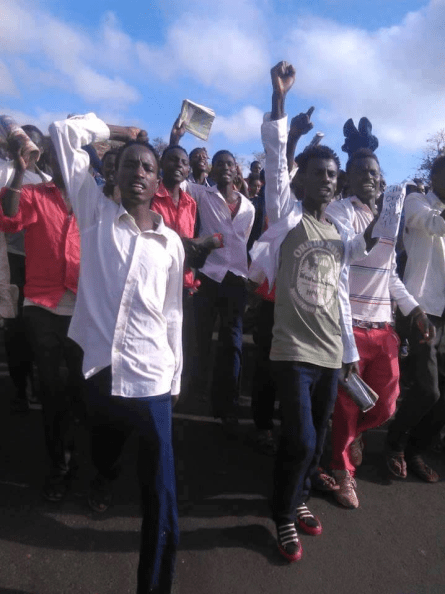
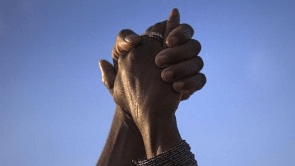
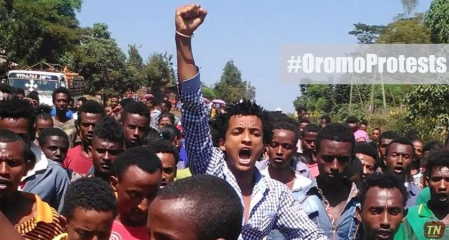
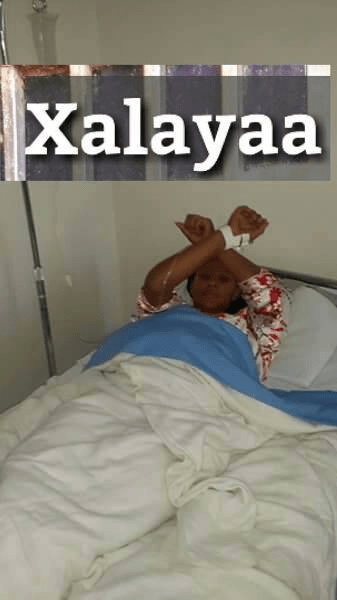
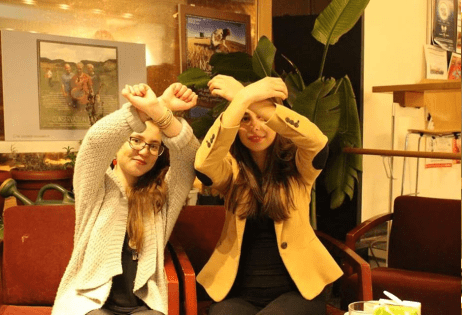
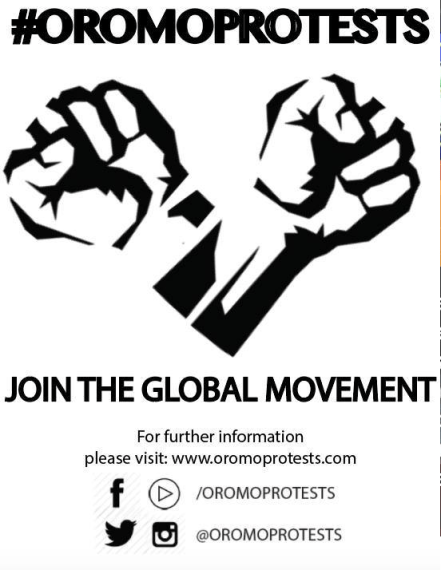
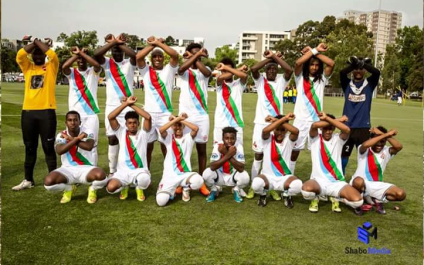
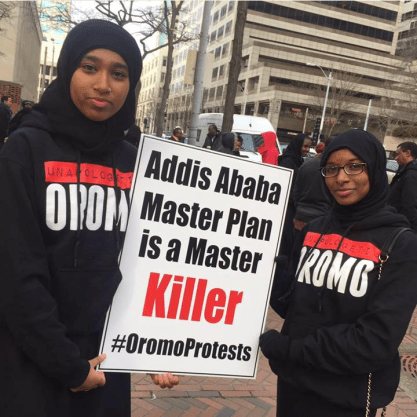
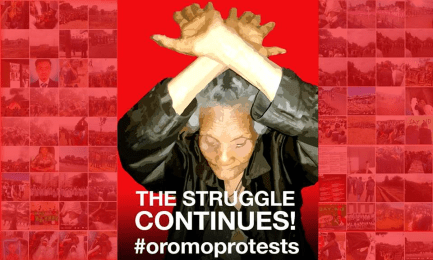
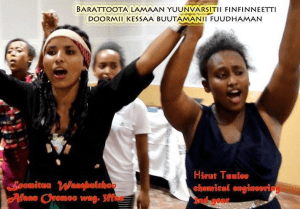
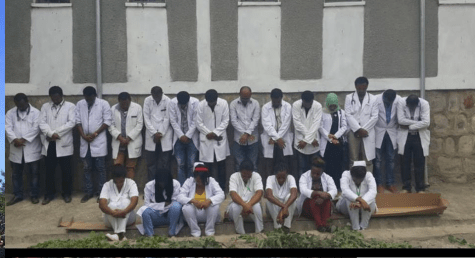

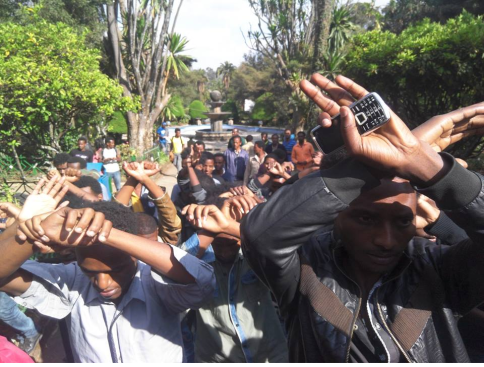
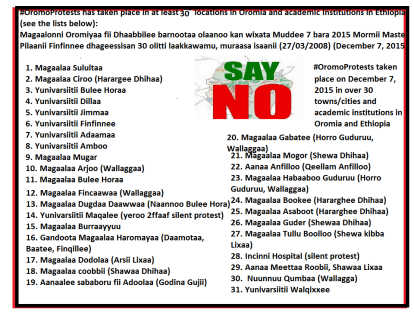
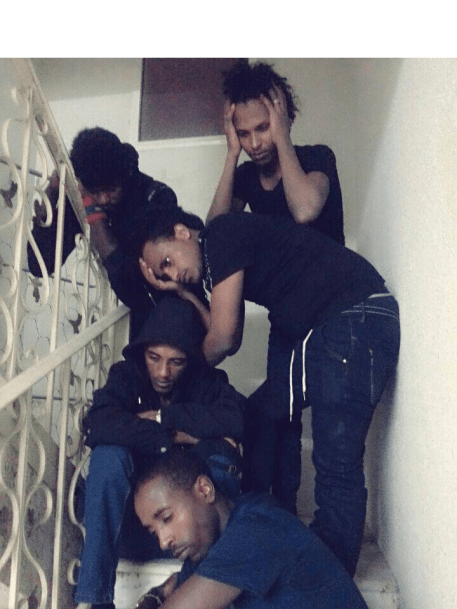
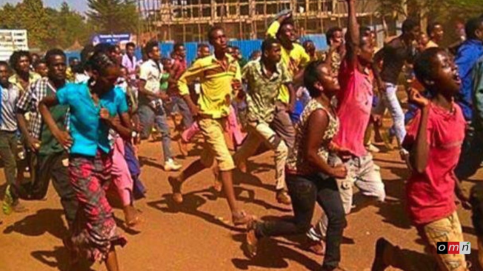
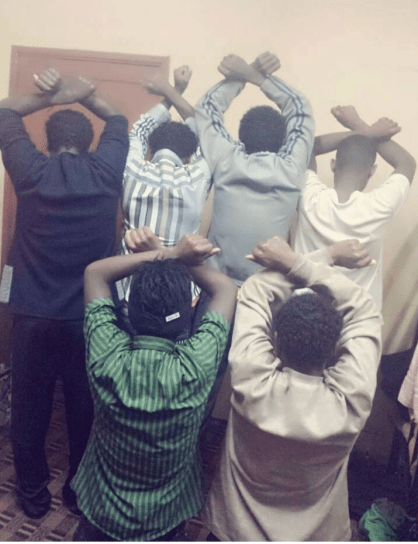
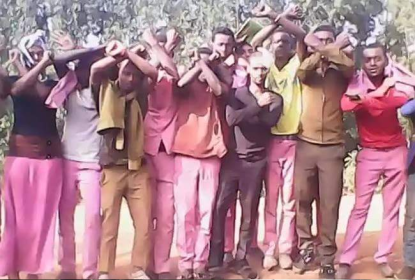
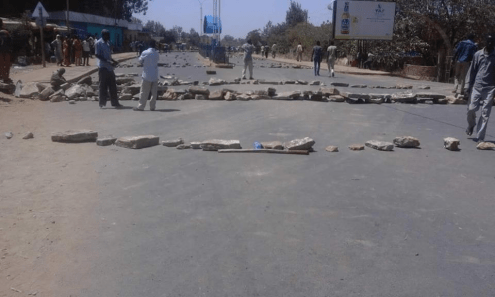
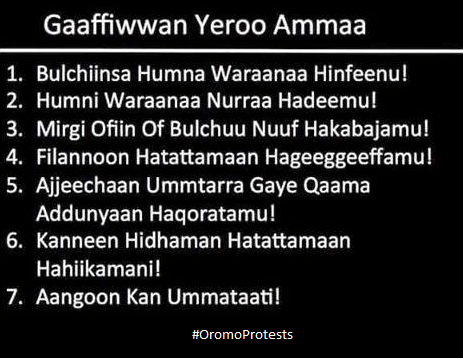
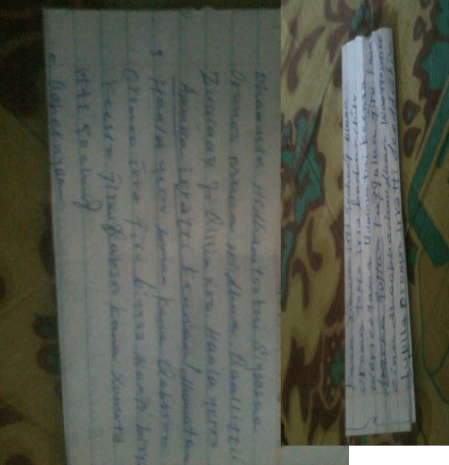
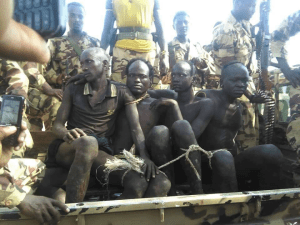

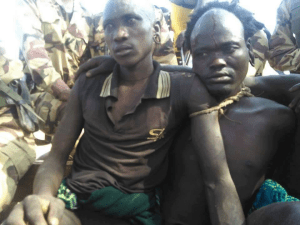
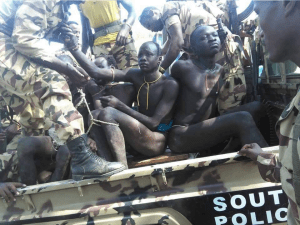


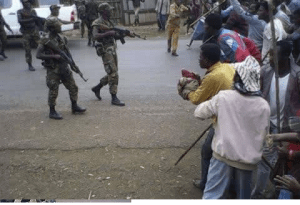
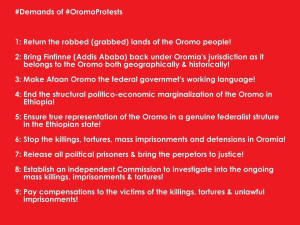

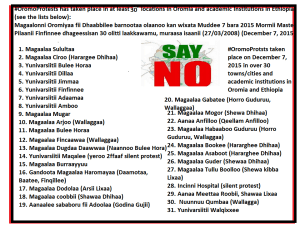
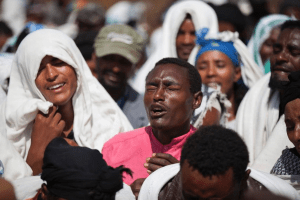
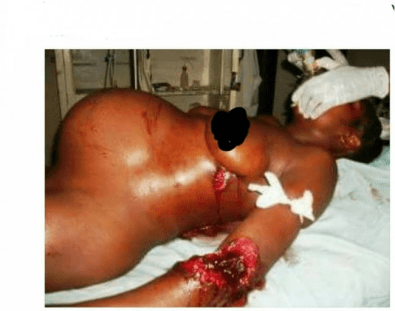
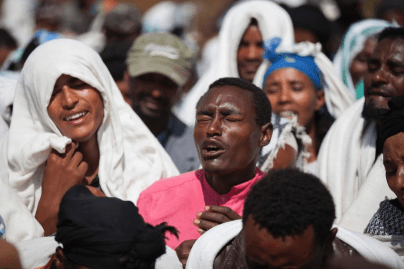

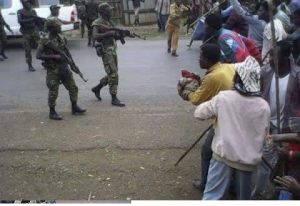
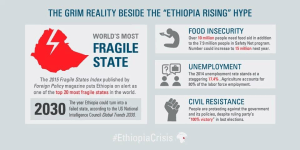
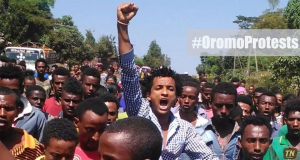
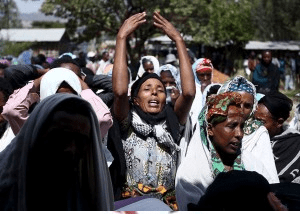


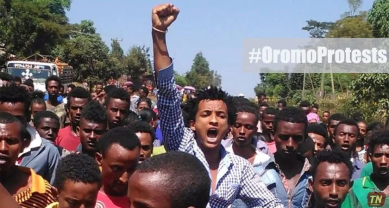
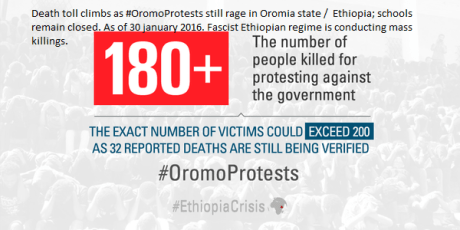
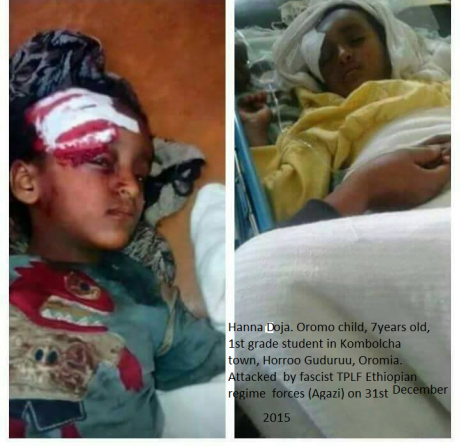
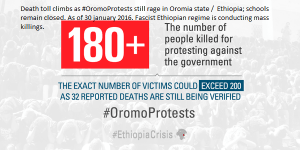



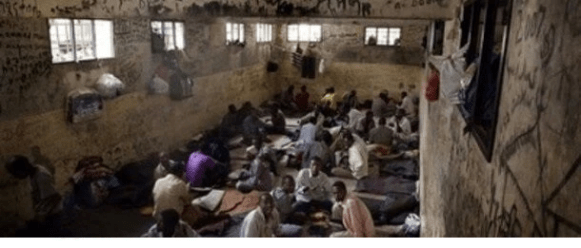

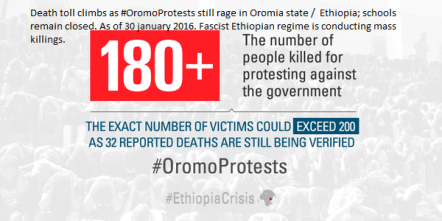
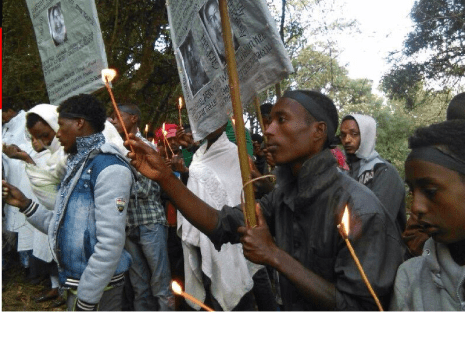


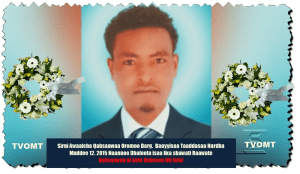

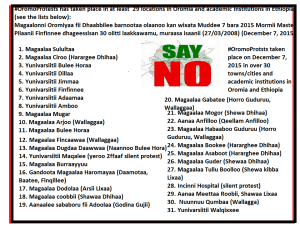
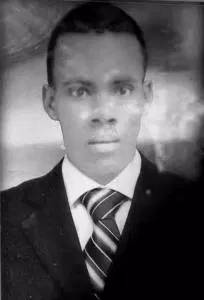

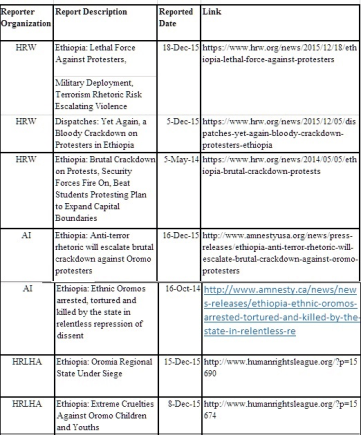

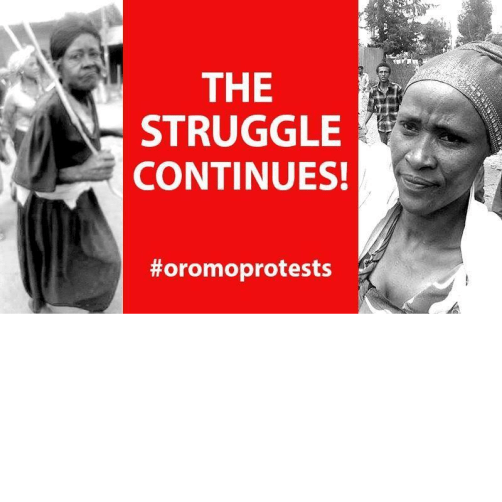
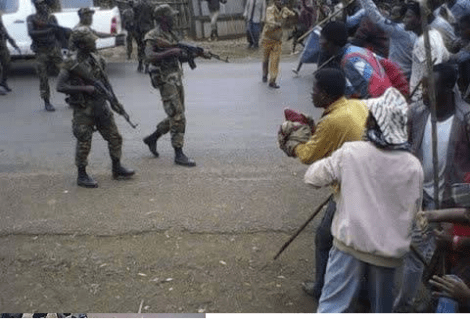
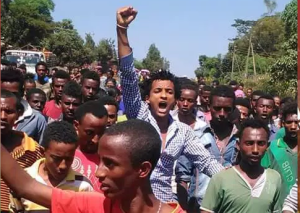











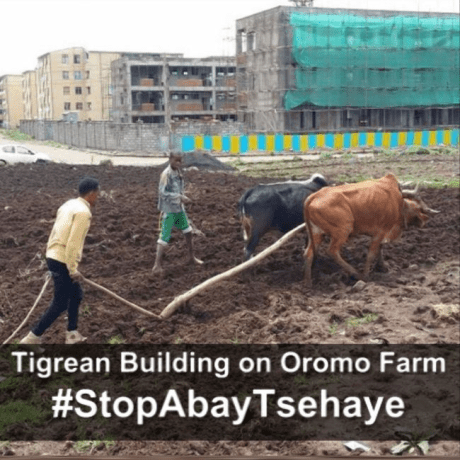
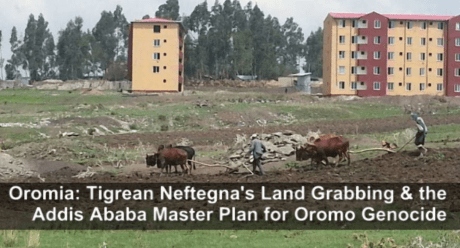

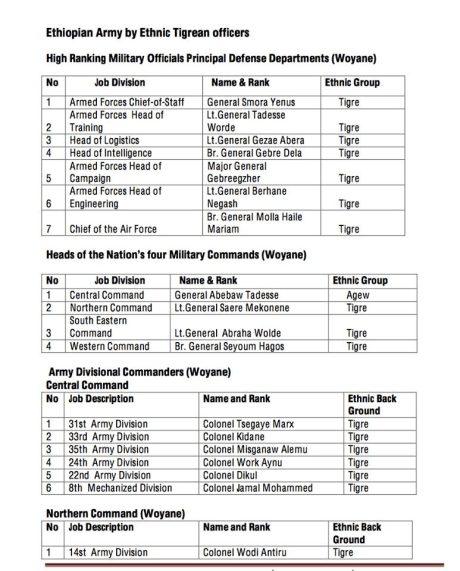



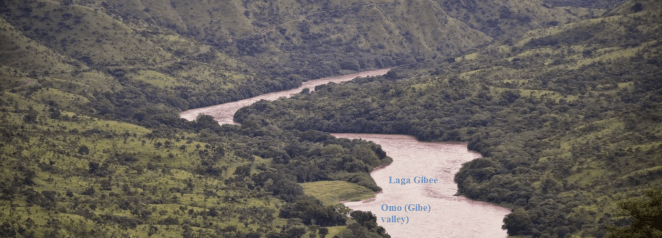
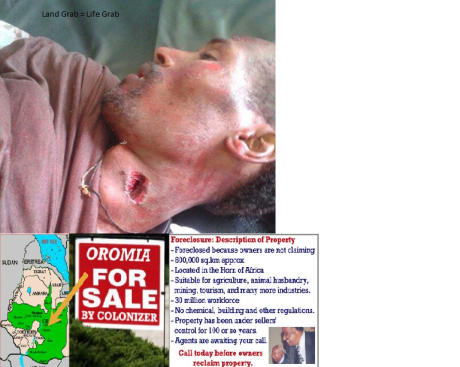

 Oromo Refugee community welfare Association



 Addee Asli Oromo: The first woman in the history of Ethiopian Empire that sentenced to death because of her political vision about Oromo people but released after 18 years in prison as a result of international communities campaign.
 Addee Urjii Dhaabaa: Is one out of many Oromo Women that survived sexual aggression of Ethiopian government military force, police and security agents.

 Ethiopia is the tenth largest country in Africa and it is the second most populated country in Africa with projected population of 100 million by 2020. It has a number of nations/ nationalities with distinct culture. Ethiopia consists of peoples speaking more than 80 different languages (CSA, 2006)
 Oromo people are egalitarian society. Historically their democratic system of government known as “Gadaa” governed the social, economic political affairs of the Oromo people. Under Gadaa, Oromo women developed their own unique institution known as “Siiqee”. Oromo women used Siiqee institution to defend their rights, promote their interests and challenge male domination. After the Oromo people are colonized in 1880s all Oromo institutions are either totally banned or incapacitated. Since then the Oromo people are denied the right to determine on their social, economic, political and cultural affairs. For example, banning or incapacitating Siiqee hindered the Oromo women defending their rights. The colonial power not only banned and incapacitated Oromo institutions but also introduced and/or widened gender hierarchy and discriminatory social practices. This conditioned Oromo women to bear double burdens (i.e. colonial and male domination) and exposed them to sexual violence.
 The definition and the scope of sexual violence is a major problem in communications as it can be defined either narrowly or broadly. Here are four selected exemplary definitions of the term for the purpose of this presentation. The United Nations Declaration on the Elimination of Violence against Women (UN, DEVAW, 1993)
 The third one is expertise definition of DeGue and DiLillo (2005)
 Despite a wide spectrum of sexual violence, there is strong limitation to get enough information in Oromia, Ethiopia. This because of the fear of social exclusion or fear of being marginalized by society, which will bring serious consequences. Occasionally survivors are silent because they felt they would never achieve any redress. Indeed, no individual perpetrators such as soldier or security officer appears to have been, or is ever likely to be, held to account. In World Health Organizations (WHO) multi-country study on domestic violence and women’s health conducted in ten countries including Ethiopia


 HRLHA Urgent Action
 By doing this the Ethiopian Government has blatantly violated international humanitarian law and international human rights law principles including international human rights standards.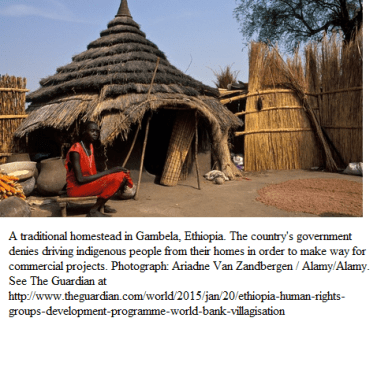


 Oromian Economist
You must be logged in to post a comment.