Irreecha: The Oromo National And Cultural Holiday Has Been Celebrated With Over 3 million Oromians In The Blessing Festival October 13, 2013
Posted by OromianEconomist in Africa, Culture, Development, Humanity and Social Civilization, Irreecha, Kemetic Ancient African Culture, Oromia, Oromiyaa, Oromo, Oromo Culture, Oromo Identity, Oromo Nation, Oromo Social System, Oromummaa, Self determination, Sirna Gadaa, The Oromo Democratic system, The Oromo Governance System, Theory of Development, Wisdom.Tags: Africa, African culture, African Studies, Democratic African institution, Development, Development and Change, Gadaa, Gadaa System, Horn of Africa, Irreecha, National Self Determination, Oromia, Oromia Region, Oromiyaa, Oromo, Oromo culture, Oromo Identity, Oromo National Day and Ancient Africa Connections, Oromo people, Oromo Thanksgiving, Oromummaa, Social Sciences
add a comment

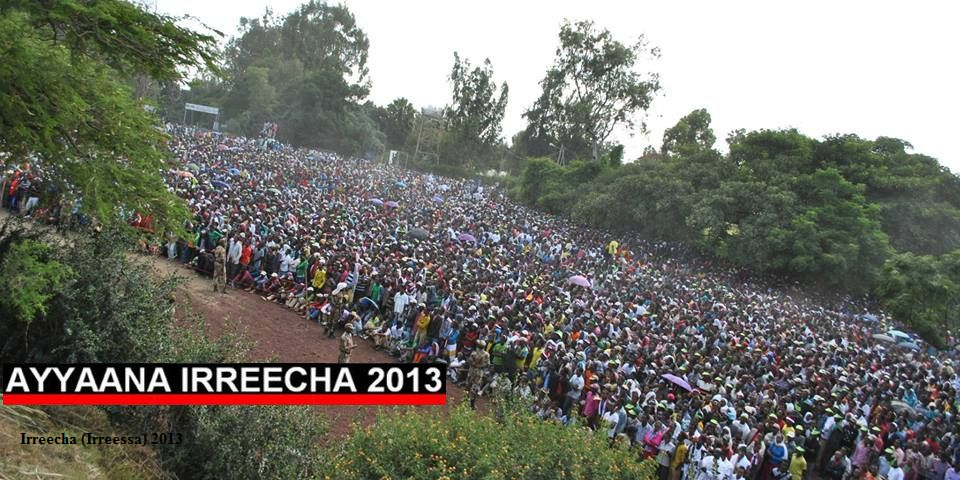
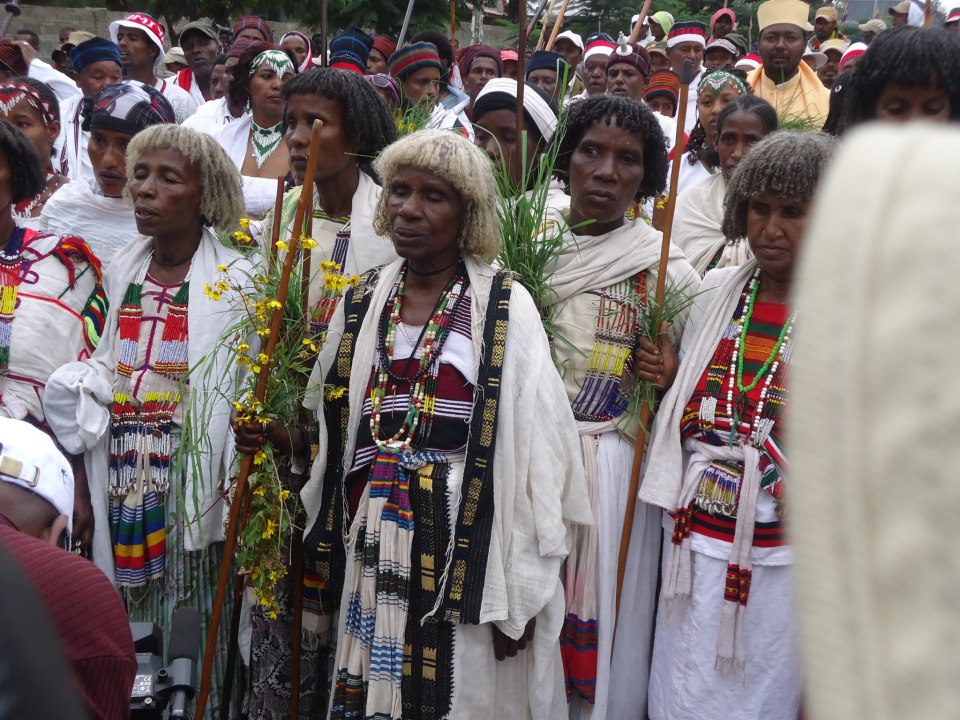
Oromo culture from ancient to present, Irrechaa time
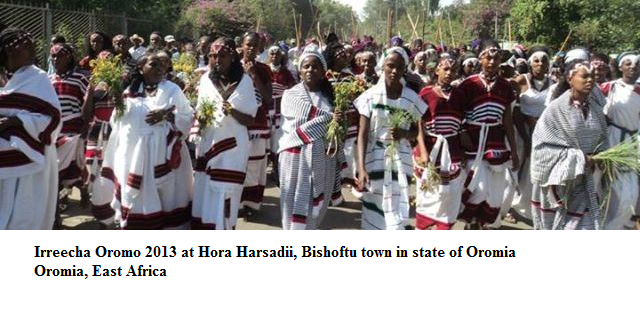
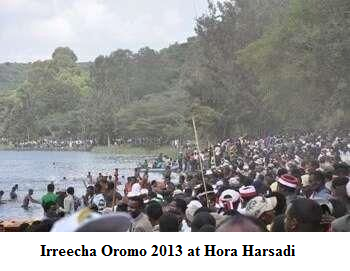

Baga ganna nagaan baatanii booqaa birraa argitan. Good that the rainy season is over for you and that you came to see the spot of the sunny flowering season. The expression signifies the end of one season and the beginning of another season, which incidentally is the beginning of a new year according to Oromo time reckoning. This is not the only expression in Irreecha festival as the event is characterized by vast and varieties of expressions, stories and sequences of cultural displays. Irreecha is the biggest and very beautiful public displays of ancient culture that Africa has performed and continue to perform. Holding the green grass and yellow flower (umama), it is the celebration of the season of blessing and love Oromians experience as Thanksgivings to God (Waaqa) the creator (Uumaa).
Irreecha celebration at Malkaa Ateetee, Burayyuu, Oromia, 6th October 2013
Irreecha is one of the most colorful and beautiful Oromo national cultural events that has been celebrated through out since the last week of August and the entire September and also in October in Oromia and globally where Oromians have been residing (Africa, Australia, Europe and North America). The main Irreecha day was celebrated at Lake Hora Harsadii, Bishoftu, Central Oromia, nearer to the capital Finfinnee on 29th September 2013. According to local news sources from Bishoftuu, over 3 million people attended this year’s Irreecha Malka celebration at Hora Harsadii. “Traditionally, the Oromo practiced Irreecha ritual as a thanksgiving celebration twice a year (in autumn and spring) to praise Waaqa (God) for peace, health, fertility and abundance they were given with regards to the people, livestock, harvest and the entire Oromo land. Irreecha is celebrated as a sign of reciprocating Waaqa in the form of providing praise for what they got in the past, and is also a forum ofprayer for the future. In such rituals, the Oromo gather in places with symbolic meanings, such as hilltops, river side and shades of big sacred trees. …These physical landscapes are chosen for their representations in the Oromo worldview, for example, green is symbolized with fertility, peace, abundance and rain. In Oromia, the core center of Irreecha celebration has been around Hora Arsadi in Bishoftu town, some 25kms to the south of Finfinne, the capital city. Annually, particularly during the Irreecha birraa (the Autumn Irreecha) in September or October, the Oromo from different parts of the country come together and celebrate the ritual. In the past few decades, Irreecha celebrations have been expanded both in content as well as geographical and demographic representations. This short commentary deals with such historical trajectories by contextualizing the changes within political discourses in Ethiopia vis-à-vis Oromo nationalism.”http://gadaa.com/oduu/21320/2013/08/24/irreecha-from-thanksgiving-ritual-to-strong-symbol-of-oromo-identity/ ”
http://gadaa.com/Irreechaa.html
Aadaa fi Duudhaa sirna Waaqeffannaa keessaa inni tokko Ayyaana irreeffannaa ykn irreechati. Sirni Duudhaa irreechaa gosa hedduutti qoodama. Kunis, Irreessa Malkaa, Irreessa Tulluu, Irreessa Galmaa / Gimbii, Irreessa Ujubaa, Irreessa Dakkii, Irreessa Jilaa fi Irreessa Eebbaa ykn Galataa fi kkf. Akkaa fi akkaataan irreeffannaas akkuma sirna isaatti addaa adda. Ammatti kan bal’inaan irraa dubbannu Irreecha yeroo ammaatti biyya keessaa fi alatti beekamee fi kabajamaa jiru, Irreecha Malkaati. Irreechi Malkaa kan kabajamu, ganni yeroon rakkinaa fi dukkanaa dabree birraan yeroo bari’u, sirni Gubaa erga raawwatee booda, ummanni gamtaan Malkaa bu’uun irreeffatee Waaqa galateeffata. Ammaaf Irreecha Malkaa isa biyya keessaa fi alatti bal’inaan beekamaa fi kabajamaa jiru irraa hanga tokko waa addeessuu yaalla. Ayyaanni irreechaa osoo hin gahiin dura waanti raawwataman hedduutu jiran. Kunis seera yayyaba shananii hordofuudhan torban shan dura eegala jechuudha. Ji’a hagayyaa torban sadaffaa keessa birraan bari’uu ykn seenuu isaa kan ibsu, sirna Muka ( korma) dhaabaa kan jedhamutu raawwata. Bakki mukti dhaabaa kun dhaabatu Mijirii jedhama. Mijiriin kun bakka Gubaan itti gubamu ykn bakka ayyaanni ibsaa gubaa raawwatudha. Mukti dhaabbatu 9 ykn 5 ta’an. Kunis hiika mataa ofii qaba. Guyyaa muka dhaabaa irraa eegalee hanga gaafa Gubaatti torban torbaniin waanti godhamu ni jira. Gaafa torban shanaffaa ykn Fulbaana ji’aa dhumaa yeroo ta’u sirna Gubaatu raawwata. Masqala jechuudha. Ayyaana masqalaa kana warri amantii Ortodoksii gara amantii isaaniitti harkisuuf haa yaalan malee gochaa fi seenaan wanti isaan deeggaru hin jiru. aadaa Oromoo fudhatan. Guyyaa gubaa kana ollaan maatii waliin walitti dhufee bakka Mijirii sanatti erga ibsaa gubee dhibaafatee, eebbifateen booda dubartoonni Qunnii (Ingiccaa) guban, dargaggoonni sirba ” Hiyyooko ykn Ya habaab yaa daree ko” jedhamu sirbaa ollaarra naannawanii kennaa fudhatan. Torban isaatti ammoo sirna Ayyaana Irreechaatu raawwata. Gubaan kan dhuunfaa fi ollaati. Irreechi ammoo ayyaana ummanni gamtaan Malkaa bu’ee, dukkana gannaa keessaa gara Booqaa Birraatti nagaan cehuu isaaf kan galateeffatu Guyyaa Galatoo ( Thanksgivings day) jechuudha. Sirni gamtaan Irreeffannaa kun osoo dhiibbaa amantii fi sirna bulchiinsa alagaatiin hin dhorkamiin dura Oromoon naannoo qubatee jiru maratti ni irreeffata ture. Keessumattuu bara mootummaa Dargii sana aadaa ” duubatti hafaa” jedhamee Galma Qaalluu gubuu fi waan Oromoon aadaadhaan raawwatu mara dhorkuun dhabamsiisuuf yaalan. Sababa kanaa fi babal’ina amantii Isilaamaa fi Protestantiin walqabatee bakka hedduutti sirni irreeffannaa fi amantiin Waaqeffannaa ni dhorkame. Dhiibbaa kana irraa damdamtee kan hafe keessaa tokko Ayyaana Irreechaa Hora Arsadii Magaalaa Bishooftuutti kabajamudha. Ayyaanni Irreecha Hora Arsadee qindoominaa fi hirmaannaa ummata bal’aan kabajamuu kan eegale bara 1997 irraa kaaseetu. Isa dura ummatuma naannoo sanaa fi keessattuu warra aadaa Waaqeffannaa hordofaniin ture. Bara 1997 keessa koreen tokko maqaa Guddinaa fi Dagaagina Aadaa Oromoo jedhuun WMT jalatti ijaaramtee Ayyaana Irreecha Bishooftuu kana ummata beeksisuu, barsiisuu fi qindoominaan guyyaa ayyaana kanaa bakka sanatti argamuun qalbii namaa harkisuu jalqabde. Ergasii waggaa waggaan achitti argamuun barumsaa fi dammaqiinsa kennameen sadarkaa har’a ummanni kumaa fi kitilaan kan herreegamu irratti argamee kabaju irraan gahe. Kana malees Oromiyaa gara dhihaatti bakka hedduutti akka kabajamuu fi babal’atuuf karaa saaqe. Baroota hedduu dura jalqabee ammoo biyya alatti walduraa duubaan, USA, Germany, Norway, Canada, Australia, Keenya, Uganda fi Ertriatti kabajamuu jalqabe. Guddinni fi babal’inni kabajaa Ayyaana Irreechaa kun qaama duula Oromoon Aadaa, Eenyumaa fi Oromummaa isaa guddisuuf gochaa jiru keessaa isa tokkoo fi guddicha ta’uu mal’isa. Fuula durallee daran akka guddatuu fi babal’atu Waaqa wajjin abdii qabna.Kabajaa ayyaana irreechaa biyya keessaa fi alatti raawwate ilaalchisee kanaan dura marsaa adda addaatti bahaa turuun ni yaadatama. Dabalataan yaadachiisuu fi bal’inaan kan hin gabaafamiin dabalatee akka armaan gadiitti kan biyyaa keessaa fi biyya alaa bakka adda addaatti kabajamaa ture laalla.”http://waaqeffannaa.org/irreecha/


http://oromoassociationvic.org/2013/10/03/oromians-seek-blessings-and-love-at-annual-oromo-festival/

Irreecha Oromo 2013 Celebration, in Sydney, Australia

Irreecha Oromo, event in London, 12 October 2013
Gubaa fi Irreecha @Galma Calalaqii, Miidaaqenyii

Related references:
https://oromianeconomist.wordpress.com/?s=twisted&searchbutton=go%21
Oromo: The Kushitic People of Africa

| ErechaThe story of Erecha – the celebration of the first harvest of the Ethiopian Spring in September – is a story better told by who else but the late Poet Laureate himself, Blattten Geta Tsegaye G/Medhin.
“….12,000 years ago, ASRA the God of sun and sky of KUSH PHARAOH begotten SETE, the older son ORA the younger of the first and daughter named as ASIS (ATETORADBAR). The older SETE killed his younger brother ORA, and ASIS (ATET OR ADBAR) planted a tree (ODA) for the memorial of her deceased brother ORA at the bank of Nile, Egypt where the murder had taken place, and requested her father who was the god of Sun to make peace among the families of SETE and ORA. Them rain was come and the tree (ODA) got grown. It symbolizes that taken place. Later, at the Stone Age, the tree that had been planted for the memorial of the killed, ORA was substituted by statue of stone that was erected 8000 years ago. This festival has been celebrated in September of every year and when Nile is flow full in NUBLA and BLACK EGYPT. In Ethiopia during the AXUMITE and PRE-AXUMITE period a great festival has been held around the sun’s statue that planted by ASIS (ATET OR ADBAR) the sister of ORA for the memorial of the later, ORA the son of god of sun, who waked up from death (ORA OMO or OR OMO) for the purpost of celebrating the peace made between the two brothers, the great herald, in thanking the good of sun and the sky with CHIBO. Then EYO KA ABEBAYE (the traditional and popular song performed at DEMERA events and new year in Ethiopia) has been started being performed since then. “KA” is the first name of God. The name of God that our KUSH Fathers have inherited to us before the old period, Christianity, and Islam is “KA”. Since then, therefore, especially the OROMO, GURAGIE and the SOUTHERN people of Ethiopia have been calling God as “WAKA or WAQA”. “or WAQA”. WAKA” or WAQA” God When we song EYOKA or EYOHA in New Year, we are praising “KA” of God. “GEDA” or KA ADA” is the law or rule of God. “GEDA” (KA ADA) is the festival by which the laws and orders of God are executed Japan, China, and India are now reached to the current civilization through making the basic traditions and cultures they received from their forefathers (HINDU, SHINTO and MAHIBERATA) be kept and receiving Islam, Christianity, and others especially Democracy and free believes. They are not here through undermining the culture and tradition of their forefathers. Culture is the collection of many CHIBOs or DEMERA. “ERCHA” or “ERESA” one of the part and parcel of GEDA (KA ADA) system is the comer stone and turning point to the new year for which ASIS (ATET OR ADBAR) has put up the dead body of her brother, ORA who was killed by his older brother like ABEL from the place he died at the river bank of NILE on and planted statue“. The Oromo people of beautiful Ethiopia believe in one God since time memorial. Their religion is called “WAKEFENA” which means believing in one God that is the creator of the whole universe. ERECHA means a celebration where people get together and perform their prayers and thanking God. WAKEFENA, the faith being in the GEDA SYSTEM is a religions ceremony that is free from any thing. The fathers of Oromo religion and the people, keeping fresh grass and flowers, perform their prayers and thank their God going to mountains, the sea or a river bank. They move to the top of mountains or bank of seas or rivers not to worship the mountains or rivers and seas; rather to distract themselves from any noise and to worship their God (WAQA) with concentration. And they go to sea and rivers because they believe that green is holy and peaceful where the spirit of God is found. In the Oromo culture, the rainy season is considered as the symbol of darkness. At the beginning of September, the darkness is gone, rivers run shallower and cleaner, and the mud is gone. As sunshine rules the land, the OROMO people of Ethiopia go out to celebrate this great natural cycle with the spirit of worshiping God (WAQA). |
http://www.ethiopians.com/photoessay/Photo_Essay_Eretcha_06.htm
Copyright © Oromianeconomist 2013 and Oromia Quarterly 1997-2013. All rights reserved. Disclaimer.
The Unravelling of a Colonized Mind by Jana-Rae Yerxa March 24, 2013
Posted by OromianEconomist in Africa, Colonizing Structure, Development, Humanity and Social Civilization, Ideas, Irreecha, Kemetic Ancient African Culture, Knowledge and the Colonizing Structure., Knowledge and the Colonizing Structure. Africa Heritage. The Genocide Against Oromo Nation, Knowledge and the Colonizing Structure. African Heritage. The Genocide Against Oromo Nation, Oromia, Oromiyaa, Oromo, Oromo Culture, Oromo First, Oromo Identity, Oromo Nation, Oromo the Largest Nation of Africa. Human Rights violations and Genocide against the Oromo people in Ethiopia, Oromummaa, Qubee Afaan Oromo, Self determination, Sirna Gadaa, Slavery, Uncategorized.Tags: Anishinaabe, Colonialism, Colony, Couchiching First Nation, Human rights violations, Little Eagle, Oromia, Oromia Region, Oromiyaa, Oromo, Oromo culture, Oromo First, Oromo people, Oromummaa, Self determination, Social work, Sub-Saharan Africa, Tyranny, Universal Declaration of Human Rights, University of Victoria
1 comment so far
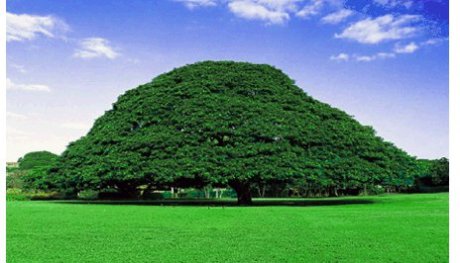
The Unravelling of a Colonized Mind by Jana-Rae Yerxa.
Sure everybody struggles. But to be born an Indigenous person, you are born into struggle. My struggle. Your struggle. Our struggle. The colonial struggle. There are many layers to this struggle. For the longest time, I didn’t even know what the true struggle was about yet I couldn’t escape it. It consumed me. Colonialism, as I have been forced to discover, is like a cancer. But instead of the cells in your body betraying itself, the thoughts in your mind work against you and eat you up from the inside out. You’re like the walking dead and you don’t even know it because you are so blinded. You can’t see the truth.
Here are some of the perverted ways colonialism infects the mind:
• With a colonized mind, I hate being Indian.
• With a colonized mind, I accept that I am Indian because that’s who the colonizer told me I am.
• With a colonized mind, I don’t understand that I am Anishinaabe.
• With a colonized mind, I believe I am inferior to the white race.
• With a colonized mind, I wish I was white.
• With a colonized mind, I draw pictures of my family with peach coloured skin, blonde hair and blue eyes because I’ve internalized that this is the ideal, what looks good and what is beautiful.
• With a colonized mind, I keep my feelings of inferiority to white people a secret from others and even from myself.
• With a colonized mind, I try diligently to mirror white people as closely as I possibly can.
• With a colonized mind, I desperately want to be accepted by white people.
• With a colonized mind, to gain the acceptance of white people, I will detach myself from all that does not mirror acceptable “white” standards, whether it is how one dresses, one speaks, or one looks.
• With a colonized mind, I feel as though I am swearing when I say “white people” in front of white people.
• With a colonized mind, I believe there is no racism.
• With a colonized mind, I believe that racism does not impact me.
• With a colonized mind, I deny my heritage and proudly say, “We are all just people.”
• With a colonized mind, when discussing issues pertaining to race, I try desperately not to offend white people.
• With a colonized mind, I do not know who I am.
• With a colonized mind, I believe I know who I am and do not understand that this isn’t so because I’ve become the distorted image of who the colonizer wants me to be and remain unaware of this reality.
• With a colonized mind, I could care less about history and think that our history don’t matter.
• With a colonized mind, I do not understand how the history created the present.
• With a colonized mind, I do not see how I have been brainwashed to be an active participant in my own dehumanization and the dehumanization of my people.
• With a colonized mind, I do not recognize how others dehumanize me and my people.
• With a colonized mind, I devalue the ways of my people- their ways of seeing, their ways of knowing, their ways of living, their ways of being.
• With a colonized mind, I cannot speak the language of my ancestors and do not care that this is so.
• With a colonized mind, I am unaware of how colonization has impacted my ancestors, my community, my family, and myself.
• With a colonized mind, I think that my people are a bunch of lazy, drunk, stupid Indians.
• With a colonized mind, I discredit my own people.
• With a colonized mind, I think that I am better than ‘those Indians’.
• With a colonized mind, I will silently watch my people be victimized.
• With a colonized mind, I will victimize my own people.
• With a colonized mind, I will defend those that perpetrate against my people.
• With a colonized mind, I will hide behind false notions of tradition entrenched with Euro-western shame and shame my own people re-creating more barriers amongst us.
• With a colonized mind, I tolerate our women being raped and beaten.
• With a colonized mind, I tolerate our children being raised without their fathers.
• With a colonized mind, I feel threatened when someone else, who is Anishinaabe, achieves something great because I feel jealous and wish it was me.
• With a colonized mind, when I see an Anishinaabe person working towards bettering their life, because my of my own insecurities, I accuse them of thinking they are ‘so good now’.
• With a colonized mind, I am unaware that I was set up to hate myself.
• With a colonized mind, I do not think critically about the world.
• With a colonized mind, I believe in merit and do not recognize unearned colonial privilege.
• With a colonized mind, I ignorantly believe that my ways of seeing, living and believing were all decided by me when in reality everything was and is decided for me.
• With a colonized mind, I am lost.
• With a colonized mind, I do not care about the land.
• With a colonized mind, I believe that freedom is a gift that can be bestowed upon me by the colonizer.
• With a colonized mind, I believe that I am powerless and act accordingly.
• With a colonized mind, I do not have a true, authentic voice.
• With a colonized mind, I live defeat.
• With a colonized mind, I will remain a victim of history.
• With a colonized mind, I will pass self-hatred on to my children.
• With a colonized mind, I do not understand the term “self-responsibility.”
• With a colonized mind, I do not recognize that I have choice and do not have to fatalistically accept oppressive, colonial realities.
• With a colonized mind, I do not see that I am a person of worth.
• With a colonized mind, I do not know I am powerful.
The colonial struggle, as I said earlier, has many layers. I am no longer being eaten from the inside. Yet it is no less painful. What is different today is that I am connected to a true source of power that was always there. It’s like my friend once said, “I come from a distinguished people whose legacy shines on me like the sun.” I now understand this and it is because of this understanding that my mind and my soul are freer than they have ever been. It is because of that gift- that awakening which came through struggle- that I will proudly continue to struggle for freedom. My freedom. Your freedom. Our freedom.
Jana-Rae Yerxa, is Anishinaabe from Little Eagle and Couchiching First Nation and belongs to the Sturgeon clan. Activist. Social Worker. Former professor. Current student. She is committed to furthering her understanding of Anishinaabe identity and resurgence as well as deconstructing Indigenous/settler relations in the contexts of colonization and decolonization. Jana-Rae is currently enrolled in the Indigenous Governance Program at University of Victoria.
http://lateralloveaustralia.com/2013/03/14/the-unravelling-of-a-colonized-mind-by-jana-rae-yerxa/
Copyright © Oromianeconomist 2014 and Oromia Quarterly 1997-2014. All rights reserved. Disclaimer.
Related articles
- The Unravelling of a Colonized Mind by Jana-Rae Yerxa (lateralloveaustralia.com)
- Colonization And Apartheid (deliberation.info)
- When Things Fall Apart (connexicon.wordpress.com)
- Op Ed: Anti Violence Against Indigenous Women and Resurgence (blackcoffeepoet.com)
Gadaa Oromo Democracy: Three Approaches to the Study of African Society September 27, 2012
Posted by OromianEconomist in Africa, Ancient African Direct Democracy, Culture, Finfinnee, Gadaa System, Humanity and Social Civilization, Irreecha, Kemetic Ancient African Culture, Oromo, Oromo Culture, Oromo First, Oromo Identity, Oromo Nation, Oromo Social System, Oromummaa, Self determination, Sirna Gadaa, State of Oromia, The Oromo Democratic system, The Oromo Governance System, Uncategorized.Tags: Africa, African culture, African Studies, Ancient African Direct Democracy, Ancient Black People, Ancient Egyptian people, Democracy, Economic and Social Freedom, From, Gadaa System, Governance issues, Horn of Africa, Kemet, Kushitic people, National Self Determination, Oromia, Oromiyaa, Oromo, Oromo culture, Oromo people, Oromummaa, Politics, Siqqee, Siqqee Oromo Women Institution, Sirna Gadaa, Social Sciences, State and Development, Sub-Saharan Africa, United Nations, Universal Declaration of Human Rights, World Bank
3 comments
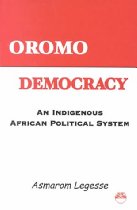
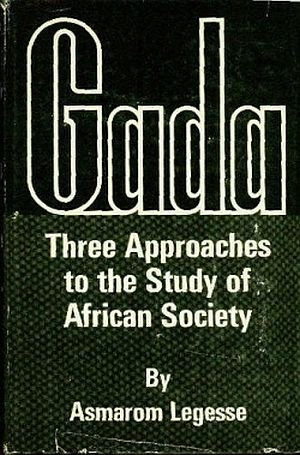
These closely related books reveal the many creative solutions an African society found for problems that people encounter when they try to establish a democratic system of governing their affairs. In much of what has been written about Africa, the common image is that of people governed by primitive customs and practices, in which only feudal roles of elders, kings, chiefs, sultans, and emirs have been acknowledged by Western observers. Little is ever shown of indigenous African democratic systems, under which there is distribution of authority and responsibility across various strata of society, and where warriors are subordinated to deliberative assemblies, customary laws are revised periodically by a national convention, and elected leaders are limited to a single eight-year terms of office and subjected to public review in the middle of their term. All these ideals and more are enshrined in the five-century old constitution of the Oromo of Ethiopia, which is the subject matter of these books.
In these books, Legesse brings into sharp focus the polycephalous or “multi-headed” system of government of the Oromo, which is based on clearly defined division of labor and checks and balances between different institutions. Revealing the inherent dynamism and sophistication of this indigenous African political system, Legasse also shows in clear and lucid language that the system has had a long and distinguished history, during which the institutions changed by deliberate legislation, and evolved and adapted with time.’ Amazon Books &
Related articles
Introduction
http://oromopress.blogspot.co.uk/2011/12/review-of-oromo-democracy-indigenous.html?m=1
http://www.readperiodicals.com/201203/2672718591.html
- Gadaa: An Oromo Democracy and the Symbol of Oromo Civilization (odaakoo.wordpress.com)
- Contours of the Emergent & Ancient Oromo Nation (oromianeconomist.wordpress.com)
- http://www.iwmi.cgiar.org/publications/CABI_Publications/CA_CABI_Series/Community_Law/protected/Ch%2009.pdf
- Oromia of Dhaqabo Ebba: The Cradle of Mankind Is Also A Home of The Oldest Living person On Earth (oromianeconomist.wordpress.com)
Copyright © Oromianeconomist 2012 and Oromia Quarterly 1997-2012. All rights reserved. Disclaimer.


 Oromian Economist
You must be logged in to post a comment.