Research Validates The Popular Skeptcism About The Africa ‘Rising’ Narrative November 3, 2013
Posted by OromianEconomist in Africa, Corruption, Development, Dictatorship, Economics: Development Theory and Policy applications, Oromia, Oromiyaa, Oromo the Largest Nation of Africa. Human Rights violations and Genocide against the Oromo people in Ethiopia, Self determination, The Colonizing Structure & The Development Problems of Oromia, Theory of Development, Uncategorized.Tags: Africa, Developing country, Development and Change, Economic, Economic and Social Freedom, Economic growth, Governance issues, Horn of Africa, Human rights, Human rights violations, Oromia, Oromo people
add a comment
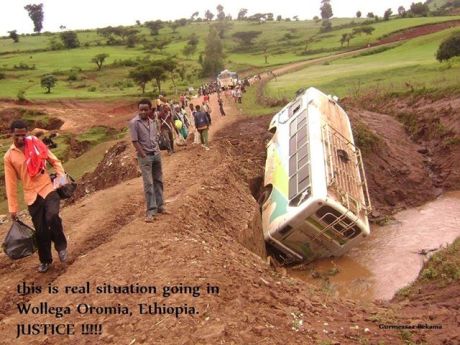
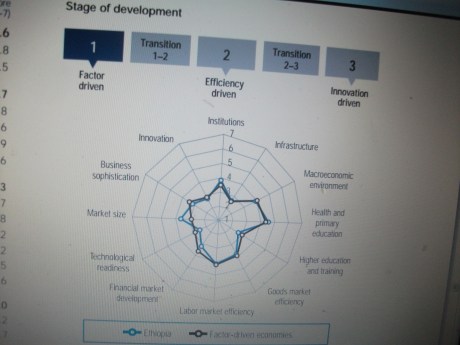
Afrobarometer which is a research project that has been coordinated by institutions in African countries and with partners in thirty-one countries. In its recent survey of public opinion across thirty-four African countries in the continent it validated the popular skepticism about the “Africa Rising” narrative.
In its 1st October 2013 research out come report, Afrobarometer’s data show that 20 percent of Africa’s population often goes without food, clean water, or medical care. More than 50 % of those surveyed think that economic conditions in their country are bad or “very bad.” Some 75% thought their government was doing a bad job in closing the gap between rich and poor. ‘John Allen, writing on AllAfrica.com, suggests that the results indicate that higher benefits of growth are going to a wealthy elite or that official statistics are overstating growth, or possibly both. Morten Jerven, in his recently book Poor Number, has shown the shortcomings of African statistics. In its report on the Nigerian economy, the World Bank observed that Nigeria’s high growth statistics could not be squared by increasing rates of poverty. These, and other inconsistencies, make Allen’s hypothesis on where the majority of Africa’s wealth is directed, look credible.’ For further readings refer to the following original sources:
http://blogs.cfr.org/campbell/2013/10/31/afrobarometer-poll-questions-the-africa-rising-narrative/
Prosperity Index 2013
Ethiopian: 126/142.
75.6% say gov’t is corrupt.
Satisfaction with gov’t efforts to address poverty: 21.2%.
The Governance sub-index dropped two places, to 118th, because of decreases in political rights, political constraints, the rule of law, and regulatory quality.
http://www.prosperity.com/#!/country/ETH
http://nai.diva-portal.org/smash/get/diva2:589071/FULLTEXT03.pdf
It Is Not Only Ethiopia Madagascar crisis Also forces girls into sex work |
Economic hardships prompt girls to take desperate measures with some deciding to sell their bodies. |
The recent and frequent reports on outstanding economic growth in Africa have quickly turned this into mainstream ‘knowledge’, but African economic statistics are very weak. Growing inequality is a key issue that needs to be in focus if all of Africa is to enjoy ‘growth’. Links between social, environmental and economic development are being downplayed. A key issue in today’s discussion on land is that governments consider unfarmed lands to be ‘unowned, vacant, idle and available’, which is completely misleading. Small scale farming in African countries has been persistent, despite efforts to replace it with ‘more efficient’, large scale agriculture.
http://naiforum.org/2013/11/beyond-african-growth/
Another example of the tplf-EFFORT over reach
The Endowment Fund for the Rehabilitation of Tigray (EEFORT) is known for its over reach way beyond its regional government borders and micro managing and being the exclusive beneficiary of the major resources of the empire.
Copyright © Oromianeconomist 2013 and Oromia Quarterly 1997-2013. All rights reserved. Disclaimer.
Oromo Political Detainees Tortured: Human Rights Watch’s Latest Document on Ethiopia October 19, 2013
Posted by OromianEconomist in Africa, Colonizing Structure, Corruption, Dictatorship, Human Rights, Oromia, Oromiyaa, Oromo, Oromo the Largest Nation of Africa. Human Rights violations and Genocide against the Oromo people in Ethiopia, The Colonizing Structure & The Development Problems of Oromia, Tyranny, Uncategorized.Tags: Africa, East Africa, Economic and Social Freedom, Genocide, Genocide against the Oromo, Governance issues, Horn of Africa, Human rights, Human rights violations, National Self Determination, Oromiyaa, Oromo, Oromo people, Oromummaa, Tyranny, Universal Declaration of Human Rights
1 comment so far

The report documents human rights abuses, unlawful investigation tactics, and detention conditions in Maekelawi between 2010 and 2013. Human Rights Watch in this latest document reports that Ethiopian authorities have subjected political detainees to torture and other ill-treatment at the main detention center in Finfinnee (Addis Ababa). The report also calls for the Ethiopian government to take urgent steps to curb illegal practices in the Federal Police Crime Investigation Sector, known as Maekelawi, impartially investigate allegations of abuse, and hold those responsible to account.
The 70-page report, “‘They Want a Confession’: Torture and Ill-Treatment in Ethiopia’s Maekelawi Police Station,” documents serious human rights abuses, unlawful interrogation tactics, and poor detention conditions in Maekelawi since 2010. Those detained in Maekelawi include scores of opposition politicians, journalists, protest organizers, and alleged supporters of ethnic insurgencies. Human Rights Watch interviewed more than 35 former Maekelawi detainees and their relatives who described how officials had denied their basic needs, tortured, and otherwise mistreated them to extract information and confessions, and refused them access to legal counsel and their relatives.
“Ethiopian authorities right in the heart of the capital regularly use abuse to gather information,” said Leslie Lefkow, deputy Africa director. “Beatings, torture, and coerced confessions are no way to deal with journalists or the political opposition.”
Since the disputed elections of 2005, Ethiopia has intensified its clampdown on peaceful dissent. Arbitrary arrest and political prosecutions, including under the country’s restrictive anti-terrorism law, have frequently been used against perceived opponents of the government who have been detained and interrogated at Maekelawi.
‘One [police officer] hit me on the back of my head with a long black stick and blindfolded me. They took me to their office. These were interrogators. They slapped me on the cheeks repeatedly…. But these interrogators are not in a position to listen to what I tell them. They beat me again with the black stick and slapped me again. I stayed in that room until midnight. I was exhausted. They took me back to the cell and then took another guy. On the second day of interrogations—the beating was worse. What they want is a confession.’—Journalist held in Maekelawi in mid-2011, Nairobi, April 2012, p. 6.
“Oromo student held in Maekelawi in 2012, said his hand was broken when he was beaten on his hand while being held in this position and that over a year later his hand continues to hurt:’In the interrogation room there was small piece of metal on the wall. They put me on it and locked my left hand to the wall and then my legs didn’t touch the ground. They beat me on my left hand. I think I was there one hour, but I don’t know as I lost my memory,’ ” p. 34.
Read further more from the following sites:
Click to access ethiopia1013_ForUpload.pdf
http://www.hrw.org/news/2013/10/18/ethiopia-political-detainees-tortured
Are Oromos Singled Out and Disproportionately Tortured in Ethiopia?
http://oromopress.blogspot.co.uk/2013/10/are-oromos-singled-out-and.html
Torture in the heart of Finfinnee (Addis), even as leaders gather in gleaming AU building
“Getachew,” a 22-year-old ethnic Oromo, was snatched from his university dorm, driven hundreds of kilometres to Addis Ababa, and locked up for eight months in Maekelawi. His parents were never informed of his whereabouts; he was never charged or given access to a lawyer ; and never appeared before court. He was ultimately released on condition that he would work for the government.Like Getachew, many of the people detained in Maekelawi over the past decade are political prisoners — arrested because of their ethnicity, their real or perceived political opinions and actions, or journalism work. Voicing peaceful dissent or criticism of government policy is increasingly risky.
Copy right © Oromianeconomist 2013 and Oromia Quarterly 1997-2013. All rights reserved. Disclaimer.
Irreecha: The Oromo National And Cultural Holiday Has Been Celebrated With Over 3 million Oromians In The Blessing Festival October 13, 2013
Posted by OromianEconomist in Africa, Culture, Development, Humanity and Social Civilization, Irreecha, Kemetic Ancient African Culture, Oromia, Oromiyaa, Oromo, Oromo Culture, Oromo Identity, Oromo Nation, Oromo Social System, Oromummaa, Self determination, Sirna Gadaa, The Oromo Democratic system, The Oromo Governance System, Theory of Development, Wisdom.Tags: Africa, African culture, African Studies, Democratic African institution, Development, Development and Change, Gadaa, Gadaa System, Horn of Africa, Irreecha, National Self Determination, Oromia, Oromia Region, Oromiyaa, Oromo, Oromo culture, Oromo Identity, Oromo National Day and Ancient Africa Connections, Oromo people, Oromo Thanksgiving, Oromummaa, Social Sciences
add a comment

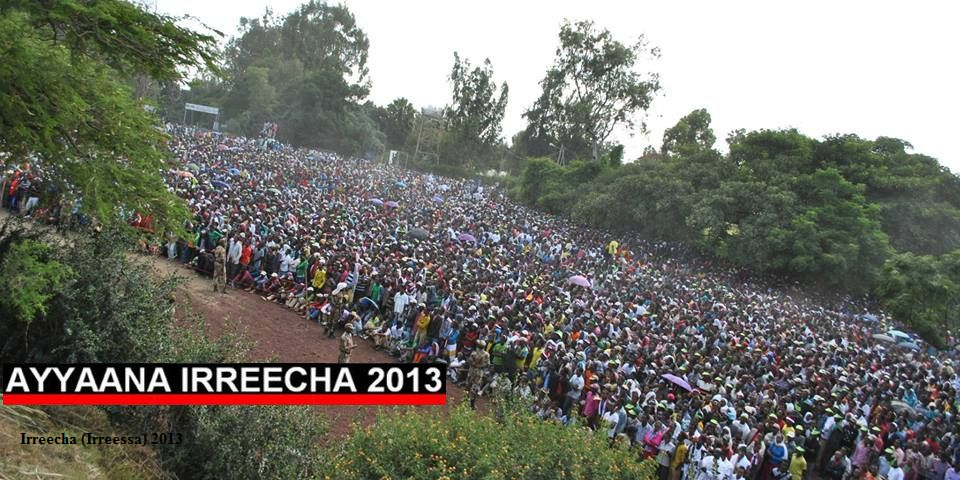
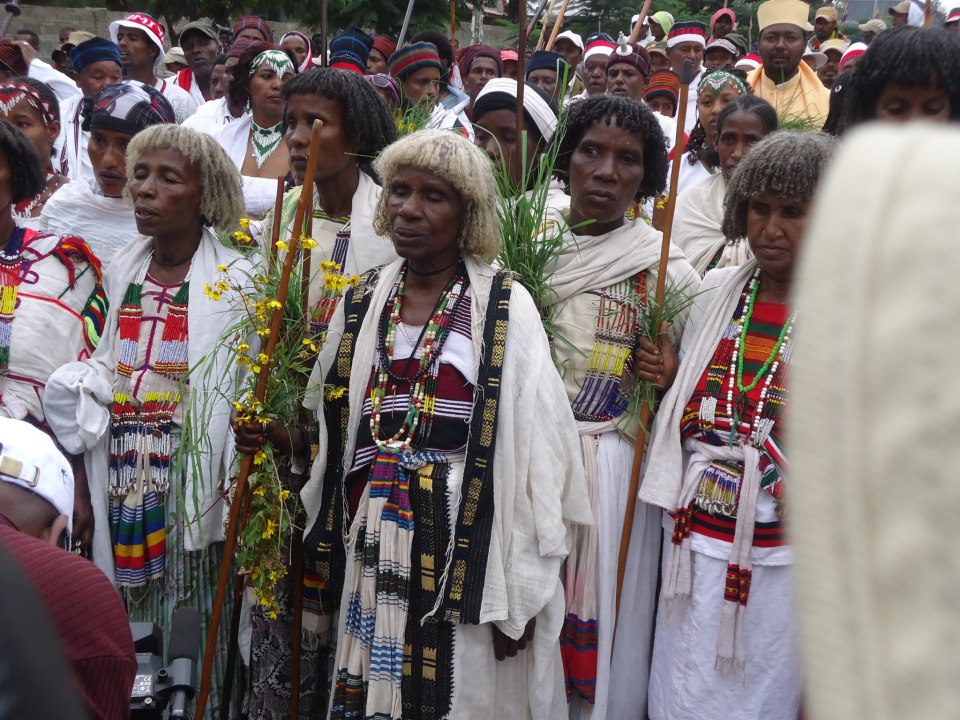
Oromo culture from ancient to present, Irrechaa time
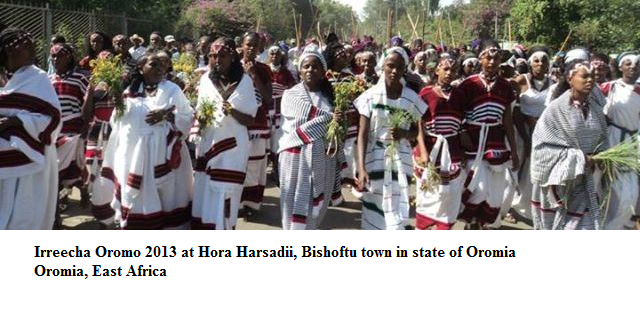

Baga ganna nagaan baatanii booqaa birraa argitan. Good that the rainy season is over for you and that you came to see the spot of the sunny flowering season. The expression signifies the end of one season and the beginning of another season, which incidentally is the beginning of a new year according to Oromo time reckoning. This is not the only expression in Irreecha festival as the event is characterized by vast and varieties of expressions, stories and sequences of cultural displays. Irreecha is the biggest and very beautiful public displays of ancient culture that Africa has performed and continue to perform. Holding the green grass and yellow flower (umama), it is the celebration of the season of blessing and love Oromians experience as Thanksgivings to God (Waaqa) the creator (Uumaa).
Irreecha celebration at Malkaa Ateetee, Burayyuu, Oromia, 6th October 2013
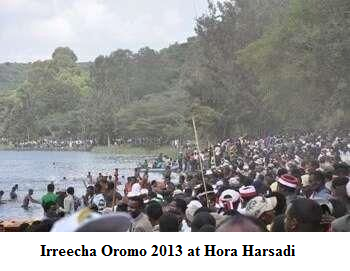
Irreecha is one of the most colorful and beautiful Oromo national cultural events that has been celebrated through out since the last week of August and the entire September and also in October in Oromia and globally where Oromians have been residing (Africa, Australia, Europe and North America). The main Irreecha day was celebrated at Lake Hora Harsadii, Bishoftu, Central Oromia, nearer to the capital Finfinnee on 29th September 2013. According to local news sources from Bishoftuu, over 3 million people attended this year’s Irreecha Malka celebration at Hora Harsadii. “Traditionally, the Oromo practiced Irreecha ritual as a thanksgiving celebration twice a year (in autumn and spring) to praise Waaqa (God) for peace, health, fertility and abundance they were given with regards to the people, livestock, harvest and the entire Oromo land. Irreecha is celebrated as a sign of reciprocating Waaqa in the form of providing praise for what they got in the past, and is also a forum ofprayer for the future. In such rituals, the Oromo gather in places with symbolic meanings, such as hilltops, river side and shades of big sacred trees. …These physical landscapes are chosen for their representations in the Oromo worldview, for example, green is symbolized with fertility, peace, abundance and rain. In Oromia, the core center of Irreecha celebration has been around Hora Arsadi in Bishoftu town, some 25kms to the south of Finfinne, the capital city. Annually, particularly during the Irreecha birraa (the Autumn Irreecha) in September or October, the Oromo from different parts of the country come together and celebrate the ritual. In the past few decades, Irreecha celebrations have been expanded both in content as well as geographical and demographic representations. This short commentary deals with such historical trajectories by contextualizing the changes within political discourses in Ethiopia vis-à-vis Oromo nationalism.”http://gadaa.com/oduu/21320/2013/08/24/irreecha-from-thanksgiving-ritual-to-strong-symbol-of-oromo-identity/ ”
http://gadaa.com/Irreechaa.html
Aadaa fi Duudhaa sirna Waaqeffannaa keessaa inni tokko Ayyaana irreeffannaa ykn irreechati. Sirni Duudhaa irreechaa gosa hedduutti qoodama. Kunis, Irreessa Malkaa, Irreessa Tulluu, Irreessa Galmaa / Gimbii, Irreessa Ujubaa, Irreessa Dakkii, Irreessa Jilaa fi Irreessa Eebbaa ykn Galataa fi kkf. Akkaa fi akkaataan irreeffannaas akkuma sirna isaatti addaa adda. Ammatti kan bal’inaan irraa dubbannu Irreecha yeroo ammaatti biyya keessaa fi alatti beekamee fi kabajamaa jiru, Irreecha Malkaati. Irreechi Malkaa kan kabajamu, ganni yeroon rakkinaa fi dukkanaa dabree birraan yeroo bari’u, sirni Gubaa erga raawwatee booda, ummanni gamtaan Malkaa bu’uun irreeffatee Waaqa galateeffata. Ammaaf Irreecha Malkaa isa biyya keessaa fi alatti bal’inaan beekamaa fi kabajamaa jiru irraa hanga tokko waa addeessuu yaalla. Ayyaanni irreechaa osoo hin gahiin dura waanti raawwataman hedduutu jiran. Kunis seera yayyaba shananii hordofuudhan torban shan dura eegala jechuudha. Ji’a hagayyaa torban sadaffaa keessa birraan bari’uu ykn seenuu isaa kan ibsu, sirna Muka ( korma) dhaabaa kan jedhamutu raawwata. Bakki mukti dhaabaa kun dhaabatu Mijirii jedhama. Mijiriin kun bakka Gubaan itti gubamu ykn bakka ayyaanni ibsaa gubaa raawwatudha. Mukti dhaabbatu 9 ykn 5 ta’an. Kunis hiika mataa ofii qaba. Guyyaa muka dhaabaa irraa eegalee hanga gaafa Gubaatti torban torbaniin waanti godhamu ni jira. Gaafa torban shanaffaa ykn Fulbaana ji’aa dhumaa yeroo ta’u sirna Gubaatu raawwata. Masqala jechuudha. Ayyaana masqalaa kana warri amantii Ortodoksii gara amantii isaaniitti harkisuuf haa yaalan malee gochaa fi seenaan wanti isaan deeggaru hin jiru. aadaa Oromoo fudhatan. Guyyaa gubaa kana ollaan maatii waliin walitti dhufee bakka Mijirii sanatti erga ibsaa gubee dhibaafatee, eebbifateen booda dubartoonni Qunnii (Ingiccaa) guban, dargaggoonni sirba ” Hiyyooko ykn Ya habaab yaa daree ko” jedhamu sirbaa ollaarra naannawanii kennaa fudhatan. Torban isaatti ammoo sirna Ayyaana Irreechaatu raawwata. Gubaan kan dhuunfaa fi ollaati. Irreechi ammoo ayyaana ummanni gamtaan Malkaa bu’ee, dukkana gannaa keessaa gara Booqaa Birraatti nagaan cehuu isaaf kan galateeffatu Guyyaa Galatoo ( Thanksgivings day) jechuudha. Sirni gamtaan Irreeffannaa kun osoo dhiibbaa amantii fi sirna bulchiinsa alagaatiin hin dhorkamiin dura Oromoon naannoo qubatee jiru maratti ni irreeffata ture. Keessumattuu bara mootummaa Dargii sana aadaa ” duubatti hafaa” jedhamee Galma Qaalluu gubuu fi waan Oromoon aadaadhaan raawwatu mara dhorkuun dhabamsiisuuf yaalan. Sababa kanaa fi babal’ina amantii Isilaamaa fi Protestantiin walqabatee bakka hedduutti sirni irreeffannaa fi amantiin Waaqeffannaa ni dhorkame. Dhiibbaa kana irraa damdamtee kan hafe keessaa tokko Ayyaana Irreechaa Hora Arsadii Magaalaa Bishooftuutti kabajamudha. Ayyaanni Irreecha Hora Arsadee qindoominaa fi hirmaannaa ummata bal’aan kabajamuu kan eegale bara 1997 irraa kaaseetu. Isa dura ummatuma naannoo sanaa fi keessattuu warra aadaa Waaqeffannaa hordofaniin ture. Bara 1997 keessa koreen tokko maqaa Guddinaa fi Dagaagina Aadaa Oromoo jedhuun WMT jalatti ijaaramtee Ayyaana Irreecha Bishooftuu kana ummata beeksisuu, barsiisuu fi qindoominaan guyyaa ayyaana kanaa bakka sanatti argamuun qalbii namaa harkisuu jalqabde. Ergasii waggaa waggaan achitti argamuun barumsaa fi dammaqiinsa kennameen sadarkaa har’a ummanni kumaa fi kitilaan kan herreegamu irratti argamee kabaju irraan gahe. Kana malees Oromiyaa gara dhihaatti bakka hedduutti akka kabajamuu fi babal’atuuf karaa saaqe. Baroota hedduu dura jalqabee ammoo biyya alatti walduraa duubaan, USA, Germany, Norway, Canada, Australia, Keenya, Uganda fi Ertriatti kabajamuu jalqabe. Guddinni fi babal’inni kabajaa Ayyaana Irreechaa kun qaama duula Oromoon Aadaa, Eenyumaa fi Oromummaa isaa guddisuuf gochaa jiru keessaa isa tokkoo fi guddicha ta’uu mal’isa. Fuula durallee daran akka guddatuu fi babal’atu Waaqa wajjin abdii qabna.Kabajaa ayyaana irreechaa biyya keessaa fi alatti raawwate ilaalchisee kanaan dura marsaa adda addaatti bahaa turuun ni yaadatama. Dabalataan yaadachiisuu fi bal’inaan kan hin gabaafamiin dabalatee akka armaan gadiitti kan biyyaa keessaa fi biyya alaa bakka adda addaatti kabajamaa ture laalla.”http://waaqeffannaa.org/irreecha/


http://oromoassociationvic.org/2013/10/03/oromians-seek-blessings-and-love-at-annual-oromo-festival/

Irreecha Oromo 2013 Celebration, in Sydney, Australia

Irreecha Oromo, event in London, 12 October 2013
Gubaa fi Irreecha @Galma Calalaqii, Miidaaqenyii

Related references:
https://oromianeconomist.wordpress.com/?s=twisted&searchbutton=go%21
Oromo: The Kushitic People of Africa

| ErechaThe story of Erecha – the celebration of the first harvest of the Ethiopian Spring in September – is a story better told by who else but the late Poet Laureate himself, Blattten Geta Tsegaye G/Medhin.
“….12,000 years ago, ASRA the God of sun and sky of KUSH PHARAOH begotten SETE, the older son ORA the younger of the first and daughter named as ASIS (ATETORADBAR). The older SETE killed his younger brother ORA, and ASIS (ATET OR ADBAR) planted a tree (ODA) for the memorial of her deceased brother ORA at the bank of Nile, Egypt where the murder had taken place, and requested her father who was the god of Sun to make peace among the families of SETE and ORA. Them rain was come and the tree (ODA) got grown. It symbolizes that taken place. Later, at the Stone Age, the tree that had been planted for the memorial of the killed, ORA was substituted by statue of stone that was erected 8000 years ago. This festival has been celebrated in September of every year and when Nile is flow full in NUBLA and BLACK EGYPT. In Ethiopia during the AXUMITE and PRE-AXUMITE period a great festival has been held around the sun’s statue that planted by ASIS (ATET OR ADBAR) the sister of ORA for the memorial of the later, ORA the son of god of sun, who waked up from death (ORA OMO or OR OMO) for the purpost of celebrating the peace made between the two brothers, the great herald, in thanking the good of sun and the sky with CHIBO. Then EYO KA ABEBAYE (the traditional and popular song performed at DEMERA events and new year in Ethiopia) has been started being performed since then. “KA” is the first name of God. The name of God that our KUSH Fathers have inherited to us before the old period, Christianity, and Islam is “KA”. Since then, therefore, especially the OROMO, GURAGIE and the SOUTHERN people of Ethiopia have been calling God as “WAKA or WAQA”. “or WAQA”. WAKA” or WAQA” God When we song EYOKA or EYOHA in New Year, we are praising “KA” of God. “GEDA” or KA ADA” is the law or rule of God. “GEDA” (KA ADA) is the festival by which the laws and orders of God are executed Japan, China, and India are now reached to the current civilization through making the basic traditions and cultures they received from their forefathers (HINDU, SHINTO and MAHIBERATA) be kept and receiving Islam, Christianity, and others especially Democracy and free believes. They are not here through undermining the culture and tradition of their forefathers. Culture is the collection of many CHIBOs or DEMERA. “ERCHA” or “ERESA” one of the part and parcel of GEDA (KA ADA) system is the comer stone and turning point to the new year for which ASIS (ATET OR ADBAR) has put up the dead body of her brother, ORA who was killed by his older brother like ABEL from the place he died at the river bank of NILE on and planted statue“. The Oromo people of beautiful Ethiopia believe in one God since time memorial. Their religion is called “WAKEFENA” which means believing in one God that is the creator of the whole universe. ERECHA means a celebration where people get together and perform their prayers and thanking God. WAKEFENA, the faith being in the GEDA SYSTEM is a religions ceremony that is free from any thing. The fathers of Oromo religion and the people, keeping fresh grass and flowers, perform their prayers and thank their God going to mountains, the sea or a river bank. They move to the top of mountains or bank of seas or rivers not to worship the mountains or rivers and seas; rather to distract themselves from any noise and to worship their God (WAQA) with concentration. And they go to sea and rivers because they believe that green is holy and peaceful where the spirit of God is found. In the Oromo culture, the rainy season is considered as the symbol of darkness. At the beginning of September, the darkness is gone, rivers run shallower and cleaner, and the mud is gone. As sunshine rules the land, the OROMO people of Ethiopia go out to celebrate this great natural cycle with the spirit of worshiping God (WAQA). |
http://www.ethiopians.com/photoessay/Photo_Essay_Eretcha_06.htm
Copyright © Oromianeconomist 2013 and Oromia Quarterly 1997-2013. All rights reserved. Disclaimer.
The Tyrannic Ethiopian Regime is Accountable for the Death of a Political Prisoner And Prisoner of Conscience, Oromo National, Engineer Tesfahun Chemeda August 27, 2013
Posted by OromianEconomist in Uncategorized.Tags: Africa, Barack Obama, Development Problems, Engineer Tesfahum Chemeda, Ethiopia, Fascist system, Genocide, Horn of Africa, Human rights, Human rights violations, Kenya, National Self Determination, Oromia, Oromo, Oromo people, poverty, Racism, The genocide against Oromo People, Tyranny
3 comments


The tyrannic and minority rule of TPLF Ethiopian government has been conducting genocidal killings against the majority (the Oromo people), nations and nationalities in Southern and Eastern Ethiopia. In its policies and strategies of Nazi and Apartheid style, it has mainly targeting the Oromo who make more than 40% of the population of the Horn of Africa. Engineer Tesfahun Chemada Gurmeessaa is the latest victim of TPLF’s planned and systematic genocide going on. Ethiopian empire (Horn of African) is one of the least developed, economically very impoverished and marginalized in the world. It is the most world food aid dependent region. The tyrannic and corrupt regime in its statistical lies and paper growth has reported that it has registered the fastest economic growth in Africa. Practical observation on the ground indicates the opposite (it is poverty alone that is growing). The politically motivated sectarian regime actually destroys the very scarce and rare resources the region holds and the dynamics of the society (Oromo and other non-Tigrayan) that it has put under its genocidal target : engineers, teachers, graduate students, the writers, the farmers, business men and women, the natural forest (the ecosystem) and the ancient human culture of the region.
The followings are republications among the latest petitions initiated and open letters made by concerned citizens and Oromo human rights advocates in the calls for the reversal of the ongoing crime against humanity. For further details and actions please refer to the original sources as they are acknowledged in this page.
Dear President Barack Obama,
The #Oromo People < http://www.oromo.org/enocide-against-the-oromo-people-of-thiopia.html> are the single largest Nation in the Horn of Africa under the brutal rule of successive Ethiopian rulers nearly for a century & half now. At this very moment, the current EPRDF regime, which controls Ethiopia for the last 22 years, has intensified the killing, detaining, displacing, expelling our people from every sectors of our society, from all corners of our country for no tangible reasons, but simply due to politics of fear and an excuse for extension of its ruling terms under various pretext.
Dear Mr. President,
In history, our people have never had such tactical gross abhorrent human rights violations of the highest order in any past Ethiopian successive governments that parallel to the current EPRDF tyrannical regime in part due to the shielding effect of present day Geopolitical dynamics.
Time and again, many peasants, students, skilled professionals, journalists, Artists, prominent nationalists, even Government ministers, and local and International activists have tried to demonstrate, petition and stage worldwide rallies to the Whitehouse and other Government and NGO institutions in various occasions in several countries to demand on Ethiopian Govt. to stop atrocities, but no concrete response was achieved yet.
There is no particular crime that our people have committed to suffer from such purposefully calculated heinous crimes by the ruling party against innocent civilians. Despite out loud preaches of Modern Democracy all over the world, our people are still well silenced and voiceless under gunpoint not to demand or petition their Govt. and no words from independent major world media outlets to expose these crimes and brutalities committed by this regime.Our people have been denied the right to collect and rest the bodies of their family members, relatives or friends who are victims of the Ethiopian Govt. The very recent cases in point among many others, are the refusal by the Govt. of the bodies of victims of Kofale Massacre & that of Engineer Tesfahun Chemeda, who was subjected to refoulement from Kenya to Ethiopia in few years back and killed this August 2013 in the notorious Kaliti Prison. Instead of allowing the family burry their son, the Govt. agents took his sister to jail accusing her of publicising Engineer Chemeda’s news of death at their hands.
Dear Obama,
We hereby so kindly seeking your urgent support in voicing our strongest objection & hold the Ethiopian ruling EPRDF accountable for all its inhuman actions and atrocities being committed under various excuses and urge this regime to respect the rule of law, human rights & Democracy in Ethiopia. There will be no time that our people seek urgent help from USG and International communities than right now! Enough is better than over, justice, peace and democracy for the Oromo & other nationalities in the Horn of Africa shall prevail.
Therefore; we, the undersigned individuals, would like to request your highest Office and all whom this may concern to influence the Ethiopian Govt. to respect the basic human & constitutional rights, stop genocide on peaceful people & obey rule of law to eventually transition itself from absolute Dictatorship to Democratic form of Government.
Thanks for your precious Mr. President,
Thanks everyone for taking your time to sign, share (on social media) & forwarding to friends.
Sincerely,
http://www.thepetitionsite.com/202/786/158/stop-atrocities-in-ethiopia/?taf_id=9925175&cid=fb_na
The HRLHA Statement
The Human Rights League of the Horn of Africa strongly condemns the atrocious torture and inhuman treatment by the Ethiopian government against its citizens and hold it accountable for the death of a political prisoner and prisoner of conscience Engineer Tesfahun Chemeda on August 24, 2013 in Kaliti prison.
HRLHA informants confirmed that Engineer Chemed died in Kaliti Penitentiary due to the severe torture inflicted on him while he was in different detentions centers from 2007 until the day he died. We also protest the fact that he was denied medical treatment by the government.
Engineer Tesfahun Chemeda, an Oromo national, was handed over by Kenyan authorities to Ethiopian Security agents in April 2007 from where he had granted a refugee status from UNHCR in Kenya after he had fled to Kenya to escape persecution by the EPRDF government of Ethiopia.
Engineer Tasfahun Chemeda was one of the 15 Oromo nationals who was sentenced to life in prison in 2010 by the Ethiopian court http://humanrightsleague.com/2010/07/a-call-for-the-reversal-of-the-racial-politically-motivated-and-discriminatory-sentence-by-a-court-in-ethiopia/ for his activism and political beliefs that were different from the ruling EPRDF government of Ethiopia.The Ethiopian Government is accountable for Torturing Mr. Chemeda in prison, thereby violating the 1984 Convention against Torture and Other Cruel, Inhuman or Degrading Treatment or Punishment, an agreement which Ethiopia signed and ratified in 1994 For denying Engineer Tesfahun medical treatment, violating the rights of prisoners which are clearly stated in international law and International covenants on civil and political rights article 10(1) “. All persons deprived of their liberty shall be treated with humanity and with respect for the inherent dignity of the human person”. and Constitution of the Federal Democratic Republic of Ethiopia, the Rights of Persons Held in Custody and Convicted Prisoners article 21 (1) “All persons held in custody and persons imprisoned upon conviction and sentencing have the right to treatments respecting their human dignity”.
By handing over the Oromo refugees and others, the Kenyan Government is also breaching its obligations under international treaties as well as customary laws.
Under the Convention against Torture and Other Cruel, Inhuman or Degrading Treatment or Punishment (1465 U.N.T.S. 185,) the Kenyan Government has the obligation not to return a person to a place where they will face torture or ill-treatment.
Article 3 of the Convention against Torture provides: No state party shall expel, return (“refouler”) or extradite a person to another state where there are substantial grounds to believe that they would be in danger of being subjected to torture.
The Human Rights League of the Horn of Africa calls upon the Ethiopian authorities to immediately carry out an independent investigation into Engineer Tesfahun’s death, including whether torture played a part in his death, and disclose to the public anyone found responsible and bring that person to justice. The HRLHA also calls upon the Western political allies of the TPLF/EPRDF Government of Ethiopia to exert pressures so that it is forced to turn around and start working on the genuine democratization of the country, halting the systematic elimination of citizens who demand basic rights and fundamental freedoms,
Finally we extend our condolences to Tesfahun’s family and friends in their time of grief as well as all Ethiopians who have been falsely accused, illegally detained or wrongly killed at the hands of a brutal and hypocritical regime. Engineer Tesfahun is just one of thousands of victims of the EPRDF government’s campaign of violence, repression and efforts to curtail basic freedoms and fundamental rights of Ethiopians at all costs.
http://ayyaantuu.com/horn-of-africa-news/ethiopia/ethiopia-the-government-is-accountable-for-the-death-of-a-political-prisoner-at-an-ethiopian-jail/
The following is an open letter of the Oromia Support Group in Australia (OSGA) to Hon. Kevin Rudd, Australian PM, on the death in Ethiopian custody of Engineer Tesfahun Chemeda, after refoulement from Kenya.
——————-
Oromia Support Group in Australia
P.O. Box 38
Noble Park, 3174, Vic
E-mail: info@osgaustralia.com
Date: August 26th 2013
Open letter
Death in Ethiopian custody of Engineer Tesfahun Chemeda, after refoulement from Kenya
To: Honourable Kevin Rudd,
Australian Prime Minister
It is with sadness and anger that Oromia Support Australia Inc. OSGA reports the death of a young Oromo in Kaliti prison, Ethiopia, on 24 August, 2013. Tesfahun Chemeda was a student activist in Ethiopia and a political asylum seeker among refugees in Kenya, where he was granted refugee status by UNHCR. He was arrested with a colleague, Mesfin Abebe, by Kenyan ‘anti-terrorist police’ on 2 April 2007.
Although cleared by the anti-terrorist unit and by the FBI, the men were subject to refoulement to Ethiopia at the request of the Ethiopian authorities. UNHCR, the Refugee Consortium of Kenya and the Kenyan Human Rights Commission were told in court, after their application for habeas corpus that the men had been returned to Ethiopia, whereas they remained in custody in Kenya for at least two more days after the court hearing.
Tesfahun and Mesfin disappeared in detention in Ethiopia until charged with terrorist offences in December 2008. They were sentenced to life imprisonment in March 2010. [1] (Mesfin’s death sentence was later commuted.)
Tesfahun was transferred from Zeway prison to Kaliti, where he had been held in solitary confinement for nearly two years before he was killed. [2]
This is not the first time young Oromo men and women have been killed in detention. For example, Alemayehu Garba, partially paralysed with polio, was shot dead with 18 others in Kaliti prison in November 2005. [3]
Refoulement of UNHCR-recognised refugees from Sudan, Djibouti and Somaliland continues. [4]
How long must we wait for Australian Government and other western governments to stop maintaining the Ethiopian People’s Revolutionary Democratic Front (EPRDF) in power? Over one third of Ethiopia’s budget is in foreign aid. Ethiopia receives more aid from the Australia than any other country in the Africa.
It is a shocking state of affairs and an appalling way to spend Australian taxpayers’ money. Oromia Support Group in Australia Inc. tired of hearing from officials that they take every opportunity to engage with representatives of the Ethiopian government at the highest level to express their serious concerns about human rights abuses and lack of democratic progress in Ethiopia.
We have been hearing this for years. When are we going to see an effective response by those who control Ethiopia’s purse strings?
If Australia is so committed to providing aid to Ethiopia, than at least we should insist on it being contingent on real, measurable benchmarks of human rights and democratisation and not the desk-based studies of government-controlled data which support the status quo in Ethiopia.
This should be backed by effective sanctions so that members of the Ethiopian government are prevented from travelling to Australia and other western countries and investing in property and businesses outside of Ethiopia.
Unless meaningful sanctions are applied, growing disaffection with the west, previously noted by former US Ambassador Yamamoto, is likely to mature further. Under the oppression of the Ethiopian regime, opposition voices are becoming more likely to find expression in the very movements which the support of Ethiopia, because of its cooperation in the ‘war on terror’, is meant to avoid.
The authoritarian regime in Ethiopia is a major cause of instability affecting the whole of the Horn of Africa. Supporting it and investing in it is a short-sighted policy.
Yours sincerely,
Marama F. Qufi
Chairperson,Oromia Support Group in Australia Inc.
(For Dr Trevor Trueman, Chair, Oromia Support Group)
——-
[1] http://www.oromo.org/osg/Report_46.pdf, pp.43-44.
[3] http://www.oromo.org/osg/Report_43.pdf, p.22
[4] For example, Badassa Geleta was among 18 refugees returned to Ethiopia from Djibouti on 31 December 2012 and detained in Dire Dawa. He was awaiting resettlement in Canada. Riyana Abdurahman, a 23 year-old teacher, was abducted from Hargeisa on 23 Novermber 2012 and imprisoned in Jigjiga, Somali Region, Ethiopia.
……………………………………………………………………………………………………………………………………………………………………………………………………………………………………………..
Dr. Trueman’s Letter to the British Government
Mark Simmonds MP
Parliamentary Under Secretary of State for Foreign and Commonwealth
Affairs (Africa)
Foreign and Commonwealth Office
King Charles Street
London SW1A 2AH
25 August 2013
Open letter
Death in Ethiopian custody of Tesfahun Chemeda, after refoulement from Kenya
Dear Minister,
It is with sadness and anger that I report the death of a young Oromo in Kaliti prison, Ethiopia, on 24 August, yesterday. Tesfahun Chemeda was a student activist in Ethiopia and a political activist among refugees in Kenya, where he was granted refugee status by UNHCR. He was arrested with a colleague, Mesfin Abebe, by Kenyan anti-terrorist police on 2 April 2007.
Although cleared by the anti-terrorist unit and by the FBI, the men were subject to refoulement to Ethiopia at the request of the
Ethiopian authorities. UNHCR, the Refugee Consortium of Kenya and the KenyanHuman Rights Commission were told in court, after their application for habeas corpus, that the men had been returned to thiopia, whereas they remained in custody in Kenya for at least two more days after the court hearing.
Tesfahun and Mesfin disappeared in detention in Ethiopia until charged with terrorist offences in December 2008. They were sentenced to lifebimprisonment in March 2010. [1] (Mesfin’s death sentence was later
commuted.)
Tesfahun was transferred from Zeway prison to Kaliti, where he had been held in solitary confinement for nearly two years before he was killed.[2]
This is not the first time young Oromo men have been killed in detention. For example, Alemayehu Garba, partially paralysed with
polio, was shot dead with 18 others in Kaliti prison in November 2005.[3] Refoulement of UNHCR-recognised refugees from Djibouti and Somaliland continues.[4]
How long must we wait for Her Majesty’s Government and other western governments to stop maintaining the EPRDF in power? Over one third of Ethiopia’s budget is in foreign aid. Ethiopia receives more aid from the UK than any other country in the world.
It is a shocking state of affairs and an appalling way to spend UK taxpayers’ money. I am tired of hearing from Ministers and officials
that they take every opportunity to engage with representatives of the Ethiopian government at the highest level to express their serious concerns about human rights abuses and lack of democratic progress in Ethiopia.
I have been hearing this for over twenty years. When are we going to see an effective response by those who control Ethiopia’s purse strings?
If the UK is so wedded to providing aid to Ethiopia, than at least we should insist on it being contingent on real, measurable benchmarks of human rights and democratisation and not the desk-based studies of government-controlled data which support the status quo in Ethiopia.
This should be backed by effective sanctions so that members of the Ethiopian government are prevented from travelling to the UK and America and investing in property and businesses outside of Ethiopia.
Unless meaningful sanctions are applied, growing disaffection with the west, previously noted by former US Ambassador Yamamoto, is likely to mature further. Under the oppression of the Ethiopian regime, opposition voices are becoming more likely to find expression in the very movements which the support of Ethiopia, because of its cooperation in the ‘war on terror’, is meant to avoid.
The authoritarian regime in Ethiopia is a major cause of instability affecting the whole of the Horn of Africa. Supporting it and investing in it is a short-sighted policy.
Yours sincerely,
Dr Trevor Trueman, Chair, Oromia Support Group.
1 http://www.oromo.org/osg/Report_46.pdf, pp.43-44.
2 http://www.opride.com/oromsis/news/horn-of-africa/3701-oromo-activist-tesfahun-chemeda-dies-in-prison-while-serving-life-sentence
3 http://www.oromo.org/osg/Report_43.pdf, p.22
4 For example, Badassa Geleta was among 18 refugees returned to Ethiopia from Djibouti on 31 December 2012 and detained in Dire Dawa. He was awaiting resettlement in Canada. Riyana Abdurahman, a 23 year-old teacher, was abducted from Hargeisa on 23 Novermber 2012 and imprisoned in Jigjiga, Somali Region, Ethiopia. Tesfahun-chemeda-dies-in-prison-while-serving-life-sentence
[3] http://www.oromo.org/osg/Report_43.pdf, p.22
[4] For example, Badassa Geleta was among 18 refugees returned to Ethiopia from Djibouti on 31 December 2012 and detained i Dire Dawa. He was awaiting resettlement in Canada. Riyana Abdurahman, a 23 year-old teacher, was abducted from Somali Land. http://qeerroo.org/2013/08/26/death-in-ethiopian-custody-of-tesfahun-chemeda-after-refoulement-from-kenya-open-letter-of-dr-trevor-trueman-of-osg-to-uks-parliamentary-under-secretary-of-state-for-foreign-and-co/
OLF Statement on the death of Engineer Tesfahun Chemeda and His Short Biography
Engineer Tesfahun was born in 1976 from his father Mr. Chemeda Gurmessa and his mother Mrs. Giddinesh Benya at Harbu village, Guduru district, eastern Wallaga, western Oromia. He was lucky enough to get the slim chance of going to school for his likes under the occupation. He completed his school starting at Looyaa, then Fincha’aa and at Shambo in 1996. His remarkably high scoreenabled him to join the university in Finfinne (Addis Abeba) where he graduated with BSc in Civil Engineering in 2001. Subsequently:
1. Sept. 2004–Jan 2005 – he worked as unit manager for the maintenance of Arsi-Bale road project run by Oromia Rural Road Maintenance Authority and Ethio-Italian Company.
2. Worked at Degele-Birbirsa RR50 project in Salle-Nonno District in extreme South-west of Ilu-Abba-Bore Zone
3. Worked on four simultaneous road projects for settlements; Kone-Chawwaqaa, Baddallee-Kolosirri, Gachi-Chate and Yanfa-Ballattii
4. Worked as a project manager for Chawwaqa district head office construction in Ilu-Harari.
5. Oct. 2001–July 2003 site engineer for Siree-Nunu-Arjo Rural Road of Wallaga district.
Because of the policy of persecution andsurveillance imposed on him, like any educated and entrepreneurial Oromo class as per TPLF’s standing policy, he decided to flee to Kenya for his safety. He sought protection from the UNHCR office in Nairobi explaining his position, and got accepted and recognized as a refugee. However, for unknown reasons, he and his colleague in skill and refugee life, Mesfin Abebe Abdisa, were arrested and eventually handed over to the Ethiopian authorities by the Kenyan counterpart on April 27, 2007, due to the agreement between the two countries.
Ethiopia, being a member of the Joint Anti-Terrorism Task Force (JATT), formed under the auspices U.S. that includes Uganda and Kenya as well, continues to abduct Oromo refugees from the neighbouring countries where they sought UN protection, under the pretext of anti-terrorism. The two innocent victims Tesfahun and Mesfin were handed over to the Ethiopian authorities who took them handcuffed and blindfolded at 2:00AM local time on May 12, 2007, purportedly to have them investigated for terrorism at the JATT Main Investigation Branch in Finfinne (Addis Abeba).
From Apr. 27 to May 12, 2007, before handing them over, they were interrogated at the Kenyan National Bureau of Investigation near Tirm Valley by American agents and Kenyan Anti-Terror Police Unit. The Kenyan officer Mr Francis, who led the investigation, concluded the innocence of these two victims and requested the Kenyan authority to immediately let them free. However, another Kenyan CID agent Ms. Lelian, who is suspected of having close connection with the Ethiopian agents, opposed the decision and facilitated the handing over of these two innocent victims.
Once in the hands of the Ethiopian agents, they were taken to the notorious dark Central Investigation compound, known as Ma’ikelawii, where they were interrogated under severe torture for a year and a quarter.
Engineer Tesfahun was then presented before a court of magistrates of all Tigrian nationals in Jul. 2008, who passed the life sentence on him on March 31, 2010. The two were subsequently moved from the maximum security prison to an unknown destination for the pretext of planning to escape. They were taken for further torture in another underground location by a squad directly commanded by the late Prime Minister Meles Zenawi. It was only since last three months that they were returned to Qallitti main prison. The beating was so severe that the engineer repeatedly requested and needed medical treatment which he was of course denied and eventually succumbed to the torture impact yesterday Aug. 24, 2013. He became the latest victim of the vicious systematic genocide against the Oromo.
Regarding the fate of these two engineers, the OLF strongly believes that the way Kenyan authorities have been handing over innocent Oromo refugees to the anti-Oromo Ethiopian criminal regime is against the relevant international conventions. We strongly request the Kenyan government to desist from this practice of the last 22 years of handing over innocent Oromo victims who seek refuge in their country. The Kenyan government cannot avoid sharing the responsibility of such murders of innocent people who they hand over to the notorious regime that is well known for its anti Oromo campaign.
The OLF extends its heartfelt condolence to the family relatives and friends of Engineer Tefahun and calls on the Oromo people to double the struggle for freedom as the only way to be free of such persecutions.
Oromia Times
Godina Dhihaa Oromiyaa bakkotaa gara garaatti sabboontotni ilmaan Oromoo ajjeechaa suukkaaneessaa mootuummaan Wayyaanee EPRDF hayyuu Oromoo Injinner Tasfahun Camadaa irratti raawwatamettii gadda guddaa itti dhaga’amee, ibsachuun
Anotaa gara garaa keessatti Hagaayyaa 25/2013 irraa egaluun reeffaa gooticha Injiner Tasfahun Camadaa eegaa turan. Keessaattuu Magaalaa Amboo, Gudarii , Geedoo fi Hanga Godina Horroo Guduruu Wallaaggaa Anaa Guduruutti sabboontotni Oromoo
reeffaa gootichaa Oromoo walqindeessuun simmannaaf egaa kan turan ta’uu gabaasi Qeerroo naannicha irraa beeksisa.
Awwaalchaa gooticha Oromoo Injineer Tafahun Camadaan walqabatee mootummaan Wayyaanee humna waaraanaa bobbaasuun uummata sodaachisuuf yaaluun, reeffii isaas guyyaa uummataan simatamuuf waan eegamaa tureef mootummaan Wayyaanee ta’e jedhee halkan akka darbuu fi maatii isaan akka dhaqabu taasise.Haalli kunis bakkaa hundatti sammuu uummataa keessaatti hadhaa kana hin jedhamne fi kulkkulfannaa uumee jira.
Sirni gaggeessaa awwaalcha hayyuu fi goota Oromoo Injiiner Tasfaahuu Camadaa Hagayya 26,2014 godina dhalotaa isaa Onaa Guduruu keessaatti ganda Harbuu iddoo jedhamu itti bakkaa hiriyoonnii isaa , sabboontotni Oromoo,Qeerroowwaan,dargaggoonnii Oromoo, Baratootni Oromoo dhaabbiilee barnotaa garaagaraa irraa boqonnaaf galanii jiran bakkoota garaagaraa irraa walitti dhammaachuun sirna awwaalcha gooticha Oromoo Enjineer Tasfahuun Camadaa irraatti argamuun marartoo fi jaalala goota kanaaf qaban agarsiisuun kabajaan aduunyaa kana irraa gaggefame.
Sirna sana irrattis haala sagalee jabaan fi dhadhannoon hangana hin jedhamneen Ummaannii fi sabboontotni dargaggoonnii Oromoo dhadannoowwaan argaman gadii dhageesisan.
1.Tasfaahuun hin dunee ummataa Oromoof jedhetu wareegame,
2. Wareegama hayyuu keenyaan bilisummaan uummataa keenyaa ni mirkana’a!!
3, Qabsoo hayyuun Oromoo Tasfahuun Camadaa irraatti, wareegamee fiixaan ni baafna.
4, Wayyaaneen diinaa uummataa keenyaati!!
5, Gumaan Hayyuu Oromoo Tasfahuun Camadaa irree qeerrootiin ni baafama!!
6, Diinni goota keenyaa qabsaa’aa kuffisuus qabsoon inni egalee hin kufuu itti fufaa kan jedhuu fi Walaloo fi seenaan Hayyuu Oromoo Injiineer Tasfahuun Camadaa uummataaf dubbifamuun haala aja’inbsiisaa ta’een sirni awwaalchaa isaa rawwate.
Walumaa galattii sirna awwaalchaa enjiiner Tasfahuun Camadaa irraatti kutaalee Oromiyaa gara dhihaa fi magaalota Finfinnee Adaamaa dabalatee Uummaannii Oromoo tilmaamaan 10,000 olitti lakkaa’amani tu irraatti kan argamee fi dargaggoonnii hedduun waraanaa Wayyaaneetiin utuu achii hin ga’iin karaattii kan dhorkamuun deebifaman ta’uu odeessii nu qaqqabee jiruu ifaa godhee jira.
Kana malees, Caasaaleen Qeerroo kan Godinotaa Lixaa Shawaa, Jimmaa, Iluu Abbaa Booraa , fi Godina kibbaa lixaa Shawaa erga gootichi Oromoo hayyuun ija uummataa ta’ee kun wareegamuu dhaga’anii gaddaa guddaa isaanitti dhaga’ame ibsachaa guyyaa sirni awwaalcha isaa rawwatamee bakkuma jiranitti maadheewwan walitti dhufuun dungoo qabsiifachuun sirna awwalchaa kana hirmaachuun gadda isaanii waliif ibsuun qabsoo gootni Oromoo kun irraatti wareegamee galmaan ga’uuf waadaa isaanii haaromsan.
Sirna Awwalchaa Gooticha Oromoo Injiineer Tasfahuun Camadaa ilaalchisuun gabaasni Qeerroo Oromiyaa gara gara irraa itti fufa.
Qbasa’an Kufus Qabsoon ittii Fufa!.
VOA Afaan Oromoo News
http://www.voaafaanoromoo.com/audio/audio/319438.html
Copyright © Oromianeconomist 2013 and Oromia Quarterly 1997-2013. All rights reserved. Disclaimer.
Related articles
- Ethiopia: The Government is accountable for the death of a political prisoner at an Ethiopian Jail (daniboy8935.wordpress.com)
- Oromo activist, Tesfahun Chemeda, dies in prison while serving life sentence (ireport.cnn.com)
- Oromo activist, Tesfahun Chemeda, dies in prison while serving life sentence (freedomfororomo.wordpress.com)
- The murder of Engineer Tesfahun Chemeda will not be a solution to the pressing problem of the Ethiopian Empire. (olfsupporterinuk.wordpress.com)
- Death in Ethiopian custody of Tesfahun Chemeda, after refoulement from Kenya (advocacy4oromia.org)
- Oromo rights activist dies in Kaliti jail (daniboy8935.wordpress.com)
- OSA’s Letter to Mr. Ban Ki-moon on the death of Engineer Tesfahun Chemeda (wiirtuuprees.wordpress.com)
- Oromo activist, Tesfahun Chemeda, dies in prison while serving life sentence (oromostruggleforfreedom.wordpress.com)
The Hidden Systematic Physical and Cultural Genocide Against the Oromo People: Who Is Responsible? July 22, 2013
Posted by OromianEconomist in Knowledge and the Colonizing Structure. African Heritage. The Genocide Against Oromo Nation.Tags: African Heritage, African history, Aid, Colonialism, cultural genocide, Development, Dr. Gemechu, Ethiopia, Gemechu Megerssa, Genocide, Genocide against the Oromo, Horn of Africa, Minnesota, National Self Determination, Oromia, Oromia Region, Oromo, Oromo Nation, Oromo people, Oromoo, Oromummaa
2 comments
Conversation on Oromo Identity, Knowledge and the Colonizing Structure
On July 4th, Oromians gathered in Minnesota to celebrate the 50th Golden Jubilee of artist Ali Birra. As a lifelong friend and compatriot, Dr. Gemechu Megerssa was in the U.S. to be a part of this celebration. He was also the keynote speaker. Prior to the celebration, Oromians and caught up with Dr. Gemechu and engaged him in a conversation about his work and life. He generously shared with them the wealth of knowledge he has gained as an Anthropologist over the last 40 years. Dr. Gemechu discusses effects of State sponsored violence on indigenous Oromo nation, their cultural heritage, legacy of systematized Abyssinian supremacy, and the historical portrayal of the Oromo in the Ethiopian State. http://www.gulelepost.com/2013/07/19/the-year-of-discovery-and-self-recovery/
Copyright © Oromianeconomist 2013 and Oromia Quarterly 1997-2013. All rights reserved. Disclaimer.
Related articles
- Abbyssinia accused of `cultural genocide’ (advocacy4oromia.org)
- Dr Gemechu Megerssa shared his in-depth knowledge and understanding of Oromummaa (advocacy4oromia.org)
Government Corruption, the Exploitation of Indigenous People and Environmental Disasters: The Case of Yayo Oromia Deforestation May 2, 2013
Posted by OromianEconomist in Uncategorized.Tags: Horn of Africa, Oromia, Oromia Region, Oromo people, UNESCO, Yayu
1 comment so far
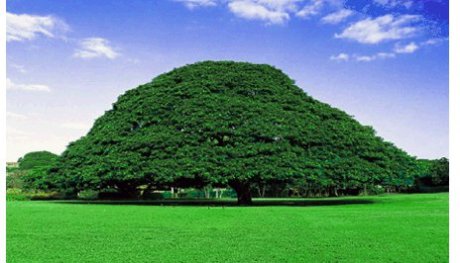

While the devastating effects of Abyssinian Ethiopian past and the present TPLF governmental corruption have certainly been not limited to the people of Oromia, as they making the most resourceful land and the largest society,they have been among the most intensely affected and cruely divastated. The government corruption has been manifested not just by the conquest, militarism and the assertion of power over the people of Oromia, but actions that are dishonest in the context of legal system, under its own rules or under international law.This corruption is characterized by illegal exploitation of land, natural resources, labor of the people, land grabbing, evictions and mass killings of the Oromo people. This happens either directly by the brutal actions of the government army, governmental officials or by these officials’ tacit acceptance of such actions by its private agents. The case now in point is the on going destruction of Yayo Arabica coffee forest in the name of development. Research studies indicate that the forest ecosystem of Yayo Oromia is endowed with a variety of plant species. The most common are Hambabessa (Albizia gummifera) Waddessa (Cordia africana), Qararoo (Aningeria adolfi friedertel), Hogda (Ficus varta), Sondi (acacia lahai), and Alale (Albizia grand ibracteata). Hence, the vegetation diversity of Yayo forest is very important for the genetic conservation of Coffea arabica and rare plant species.Apart from Coffea arabica, the Yayo forest is a habitat for different species of animals among which arboreal and species of bird are the most dominant. Anubus baboon (Jaldessaa), colobus monkey (weenni), vervet monkey (qamalee), porcupine (xaddee), fox (waango), hyena (waraabessa), bush buck (bosonuu), duiker (quruphee), birazas monkey (chena’a), several cats (Iyyanii), ant-eater (awaal diigessa, leopard (qeeransa) and bat (simbiro halkanii), are also among the wild animals living in the Yayo forest. Very small numbers of big wild animals such as lion (leenca), buffalo (gafarsa), bush pig (booyyee), and warthog (karkarro) also exist in Gabba-Dogi forest. http://hss.ulb.uni-bonn.de/2010/2160/2160.pdf
“Yayo Coffee Forest Biosphere Reserve, which is found in the Iluu Abbaa Booraa region in Oromia. The Yayu forest is one of the last remaining rainforest systems in Oromia in particular, and the Horn of Africa in general. The Yayu forest is the center of the origin for the most popular coffee in the world, coffee arabica, which has been growing wildly in the Yayu and adjacent forests for centuries. Due to its ecological signification, UNESCO (the United Nations Educational, Scientific and Cultural Organization) selected the Yayu forest system as one of its 610 biosphere reserves in the world inJune 2010 together with the Kafa forest system, which is located adjacent to Yayu, and from which the name “coffee” is said to have come from.Today in Yayu, instead of conservation and sustainable development activities, what have dotted the landscapes of this UNESCO-registered forest system are bulldozers to make way for a “fertilizer” factory in the middle of the ecological reserve. The regime of TPLF, which has been militarily occupying Oromia since 1991, says it is building the factory in Yayu since the area has some reserves of coal, from which the fertilizer is to be manufactured. Over the last 21 years, TPLF (the neo-Neftegna group in power) has used “development” and “investment” as reasons for grabbing land in Oromia. In this propaganda video made by TPLF, it boasts of grabbing farmland from Oromo farmers and bulldozing inside the UNESCO-registered biosphere reserve to “construct,” what it calls, a fertilizer factory, which will result in severe environmental consequences to one of the last remaining montane rainforests in Oromia and the Horn of Africa.”http://gadaa.com/oduu/19534/2013/04/24/deforestation-and-land-grabbing-by-the-neo-neftegna-tplf-in-the-unesco-registered-yayu-coffee-forest-biosphere-reserve-illuu-abbaa-booraa-western-oromia/
http://qeerroo.org/2013/05/03/development-and-investment-as-reason-for-land-grabbing/
Copyright © Oromianeconomist 2013 and Oromia Quarterly 1997-2013. All rights reserved. Disclaimer.
Related articles
- Deforestation and Land-Grabbing by the Neo-Neftegna (TPLF) in the UNESCO-registered Yayu Coffee Forest Biosphere Reserve, Illuu Abbaa Booraa, Western Oromia (freedomfororomo.wordpress.com)
- Greater Mekong countries ‘lost one-third of forest cover in 40 years’ (guardian.co.uk)
- Oromia Mass Media Under Arrest (advocacy4oromia.org)
- Imposing Apartheid Like Segregation in the Name of Development (oromoland.wordpress.com)
The economic Case for National Independence: Catalonia, Flemish, Scotland and Oromia April 25, 2013
Posted by OromianEconomist in Uncategorized.Tags: Catalan, Catalonia, Convergence and Union, Genocide against the Oromo, Horn of Africa, Madrid, Oromia, Oromo, Oromo people, Spain
1 comment so far
“Conventional wisdom holds that nationalism and separatism are characterized by close-knit bonds and intense allegiance to a common history, lineage, land, and language. This is largely correct, but the current situation in Spain and Belgium paints a slightly different picture. In more prosperous and federal regions, financial concerns, intensified by economic gloom apportioned unevenly, can reinforce nationalist and separatist sentiment. Relative prosperity empowers an already divergent people who wish to garner greater control of their economic destiny. Economic separatism may be the wave of the future in a more developed and globalized.”

As Catalonia or else where the Oromians make the historical, territorial,social and economic cases for their national independence. Oromia is located mainly within Ethiopia and covers an area of about 232,000 square miles (600,000 square kilometers). The 3.5 million-year-old fossilized human skeleton known as “Lucy” (or “Chaltu” in Oromo) was found by archaeologists in Oromia. Present-day Oromos also live in Kenya and Somalia. In the late nineteenth century, Oromos were colonized and mainly by Abyssinian Ethiopia. They lost their independent institutional and cultural development. Oromia has been considered the richest region of the Horn of Africa because of its agricultural and natural resources. It is considered by many to be the “breadbasket” of the Horn of Africa. Farm products, including barley, wheat, sorghum, xafi (a grain), maize, coffee, oil seeds, chat (a stimulant leaf), oranges, and cattle are raised in abundance in Oromia. Oromia is also rich in gold, silver, platinum, marble, uranium, nickel, natural gas, and other mineral resources. It has several large and small rivers used for agriculture and for producing hydroelectric power. Since colonization the Oromian economy has been structured towards serving the interests of the highly exploitative and economically poor Abyssinian colonizers. Oromo’s human rights and civil rights have been violated by one Ethiopian government after another. Oromos do not have control over their lives, lands, other properties, or country. They do not have a voice in the government, and they are not allowed to support independent Oromo political organizations. Oromos have been threatened, murdered, or imprisoned for voicing against economic exploitation and social marginalization. Oromos are not treated according to the rule of law. Today thousands of Oromos are kept in secret concentration camps and jails or being killed just for being Oromo. Their bodies are thrown into the streets to terrorize the rests of Oromo people and to prevent them from supporting the Oromo national movement. Human rights organizations such as Africa Watch, the Oromia Support Group, and Amnesty International have produced evidences upon evidences on human rights violations against the Oromians. The Oromians are voicing: Oromia shall be free! (Oromiyaan ni bilisoomti!). That is the demand for national economic, political and social independence.
‘Catalonia, with an economy the size of Portugal, could be on the brink of breaking away from one of the oldest states in the world. How did it come to this? Home to over seven million inhabitants in a region hugging the northeastern Mediterranean coast, Catalonia has long claimed a language, culture, and history different from Spain. During the Franco years, the Catalan language and even the national dance, the “sardana,” were banned. Since Franco’s death in 1975, and the ensuing democratic transition, Catalonia has received limited self-rule in Spain’s federal system, particularly in areas such as education, health, and policing. The region, up to now, has mainly focused not on outright independence, but on greater autonomy within the framework of the Spanish state. In 1979, almost ninety percent of Catalans approved the original Statute of Autonomy, which granted more powers of self-government but kept Catalonia as a regional entity within the newly democratic Spain. Separatist attitudes for a while polled relatively low, and the primary political party extolling independence, the Republican Left of Catalunya (ERC), has not been a major political force. But this dynamic is changing and rapidly. Pro-independence sentiment is on the ascent. Recent celebrations of Catalan National Day, “La Diada” – unusual in that it commemorates a defeat, in 1714 in the War of Spanish Succession – brought over a million protestors to the streets of Barcelona, the Catalan capital, in a noisy bid for greater autonomy from Madrid. La Vanguardia, an influential Catalan newspaper, published a poll in September of this year that put the independence sentiment at over fifty-four percent, a significant increase from thirty-five percent in 2009. Catalan President Artur Mas seems to be following the people’s lead, if belatedly, by joining the pro-independence bandwagon. Hailing from the mainstream center-right Convergence and Union Party (CiU), an erstwhile supporter of increased autonomy within Spain, Mas has called snap elections for November 25. This election, which many view as a de facto referendum on independence, could then be followed by an actual vote on secession from Spain in 2014. This quest for self-rule would, however, be difficult. The Spanish constitution would need to be amended and the measure would need nationwide approval from all Spaniards, not just those in Catalonia. But if Catalans do indeed vote for and unilaterally declare independence, Madrid would be under severe pressure to at least listen to their demands for fiscal autonomy. The regions of Navarra and the Basque Country already enjoy this right – although not full independence. Under the Spanish federal system – known as “café para todos” (coffee for everyone) – the country is organized into seventeen “autonomous communities,” with each sharing powers with Madrid. This serves partially as a wealth redistribution process, by which more affluent regions send a portion of their revenues, via Madrid, to poorer regions. Catalonia, whose economic success since industrialization in the 19th century has made it one of the wealthiest regions in Spain, currently accounting for roughly a fifth of Spanish GDP, increasingly views this arrangement as unfair. The recent economic turmoil has exacerbated the feeling of being unfairly gouged by Madrid. With rising unemployment and shrinking output, Catalans have called for more funds to help service their own needs. On a net basis, the region currently sends approximately eighteen billion euros, nine percent of Catalan GDP, a year more to Madrid than it receives back in investment. Moreover, Catalonia now maintains the biggest regional debt in Spain, approximately forty-two billion euros, and recently had to go hat in hand to Madrid to request five billion euros in emergency assistance from an eighteen billion euro liquidity fund launched by the government in June to help finance regional debt. The Catalan region is shut out of financial markets because of the overall Spanish fiscal situation and must repay nearly six billion of bond maturities this year. Accordingly, it is no surprise that many Catalans view greater fiscal control as a means to plug the deficit and help alleviate the economic shortfalls. Independence has been transformed into an economic issue, with proponents arguing that such a step would free Catalonia from the burden of aiding the rest of Spain and allow Catalan wealth to remain in Catalonia. President Mas recently voiced this grievance, declaring, “Spain is a backpack that is too heavy for us to keep carrying. It’s costing us our development.” Spain is not the only country in Europe facing a separatist backlash nurtured by economics. Belgium, famous for its communitarian and federalist structures, is also falling victim to this phenomenon. Split between Francophone Wallonia in the south, and Dutch-speaking Flanders to the north, the country faces the prospect of dissolution along economic lines. Walloons were the wealthier Belgians in the late nineteenth century and early twentieth century, profiting from industrialization. But now the situation is reversed. Flanders, on the back of a burgeoning services sector, is now more economically viable. A University of Leuven study notes that Flanders hands over roughly sixteen billion euros a year to Wallonia. And the Flemish, especially with the current economic turmoil in Belgium and across Europe, are growing more resentful of subsidizing their less affluent neighbors. Local elections in early October confirm the resentment, with the separatist Flemish party, New Flemish Alliance (NVA), sweeping the region. NVA won twenty out of thirty-five districts and its leader, Bart De Wever, was elected mayor of Antwerp, the de-facto capital of Flanders and a commercial hub. De Wever, just prior to his electoral victory, echoed the widely felt condemnation of fiscal transfers to Wallonia, proclaiming, “The Flemish have had enough of being treated like cows only good for their milk.” In the nearby United Kingdom, regional independence for Scotland is a major issue. The dynamic, however, is slightly different from that of Catalonia and Flanders. Unlike in Spain and Belgium, the British Government has already sanctioned a referendum on Scottish independence due to take place in 2014. Moreover, many see Scotland as more dependent on U.K. resources, rather than the other way around, as Glasgow is not the economic engine that is Barcelona and Antwerp. A recent Ipsos MORI poll indicates a drop in Scottish support for independence from thirty-nine percent in January to thirty percent now. One might conclude that independence sentiment would be higher if Scotland was richer than the rest of the U.K. and economics was more of a factor. This larger phenomenon of economic separatism can also be seen in the context of the European Union. In federalist systems, like Spain, Belgium and the EU, different provincial entities share power with a central authority, which transfers wealth among the various parties. Unity in diversity is dependent on economic reallocation of funds from richer to poorer regions to help develop the entire economy. EU Structural and Regional Funds are based on this premise. They inject capital from richer member states into lesser developed, usually new members. Ironically, Spain is often hailed as one of this program’s greatest success stories, as investments from Brussels turned the country’s economic fortunes around to the point that now Spain is a net contributor to the EU budget. Eurozone financial assistance is also based on the same thinking. But just as in Spain and Belgium, there is a backlash against fiscal transfers within the EU and Eurozone framework. Many Germans resent having to use German tax payer money to bail out fellow Eurozone members such as Greece, a country seen as economically irresponsible. Conventional wisdom holds that nationalism and separatism are characterized by close-knit bonds and intense allegiance to a common history, lineage, land, and language. This is largely correct, but the current situation in Spain and Belgium paints a slightly different picture. In more prosperous and federal regions, financial concerns, intensified by economic gloom apportioned unevenly, can reinforce nationalist and separatist sentiment. Relative prosperity empowers an already divergent people who wish to garner greater control of their economic destiny. Economic separatism may be the wave of the future in a more developed and globalized world.’ http://www.fairobserver.com/article/catalonia-and-rise-economic-separatism-europe
http://www.gadaa.com/theland.html
http://www.oromostudies.org/OSA_Apeal_letter_on_landgrab_2013final.pdf
Copyright © Oromianeconomist 2013 and Oromia Quarterly 1997-2013. All rights reserved. Disclaimer.
Related articles
- Catalan parties join forces to defy Madrid on sovereignty question (elpais.com)
- Who Ought To Celebrate Oromo Martyrs Day? (freedomfororomo.wordpress.com)
- Oromo must fulfill their historical obligations by supporting the Oromo national struggle (advocacy4oromia.org)
- OSA’s Appeal Letter to the Secretary General of the UN on Land-Grabbing in Oromia (freedomfororomo.wordpress.com)
- Oromo in Norway stage protest against TPLF delegates (freedomfororomo.wordpress.com)
Enemies of Human Development: Structural Injustices, the Lack of Social Competence and Human Insecurity March 15, 2013
Posted by OromianEconomist in Uncategorized.Tags: Activism, Cape Town, Development, Development and Change, Economic, Economic and Social Freedom, Economic development, Economic efficiency, empowerment, Horn of Africa, human, Human development Index, Human Rights and Liberties, India, Institution, John Maynard Keynes, Kolkata, micro finance, Multidimensional Poverty Index, Non-governmental organization, Oromia, Oromo, Oromo people, Oromummaa, poverty, Qubee Afaan Oromo, social competence, social development, Social justice, Social safety net, Universal Declaration of Human Rights, World Bank
add a comment

http://en.wikipedia.org/wiki/List_of_countries_by_Human_Development_Index#Africa
‘The political problem of mankind is to combine three things: Economic Efficiency, Social Justice and Individual Liberty.’ John Maynard Keynes
‘The traditional agendas for reducing poverty recognize but inadequately address its structural sources. Contemporary interventions to promote inclusive growth have tended to focus on the outcomes of development through expanding and strengthening social safety nets. While such public initiatives are to be encouraged, they address the symptoms of poverty, not its sources. The results of such restrictive interventions are reduction of income poverty to varying degrees and some improvement in human development. But across much of the South, income inequalities have increased, social disparities have widened and injustice remains pervasive, while the structural sources of poverty remain intact. Any credible agenda to end poverty must correct the structural injustices that perpetuate it. Inequitable access to wealth and knowledge disempowers the excluded from competing in the marketplace. Rural poverty, for example, originates in insufficient access to land and water for less privileged segments of rural society. Land ownership has been not only a source of economic privilege, but also a source of social and political authority. The prevailing structures of land ownership remain inimical to a functioning democratic order. Similarly, lack of access to capital and property perpetuates urban poverty. Unequal participation in the market With the prevailing property structures of society, the resource-poor remain excluded from more-dynamic market sectors. The main agents of production tend to be the urban elite, who own the corporate assets that power faster growing economic sectors. By contrast, the excluded partake only as primary producers and wage earners, at the lowest end of the production and marketing chains, leaving them with little opportunity to share in market economy opportunities for adding value to their labour. Capital markets have failed to provide sufficient credit to the excluded, even though they have demonstrated their creditworthiness through low default rates in the micro credit market. And formal capital markets have not provided financial instruments to attract the savings of the excluded and transform them into investment assets in the faster growing corporate sector.
Unjust governance:This inequitable and unjust social and economic universe can be compounded by unjust governance. Often the excluded remain voiceless in the institutions of governance and thus underserved by public institutions. The institutions of democracy remain unresponsive to the needs of the excluded, both in the design of policy agendas and in the selection of electoral candidates. Representative institutions thus tend to be monopolized by the affluent and socially powerful, who then use office to enhance their wealth and perpetuate their hold over power. Promoting structural change to correct these structural injustices, policy agendas need to be made more inclusive by strengthening the capacity of the excluded to participate on more equitable terms in the market economy and the democratic polity. Such agendas should reposition the excluded within the processes of production, distribution and governance. The production process needs to graduate the excluded from living out their lives exclusively as wage earners and tenant farmers by investing them with the capacity to become owners of productive assets. The distribution process must elevate the excluded beyond their inherited role as primary producers by enabling them to move upmarket through greater opportunities to share in adding value through collective action. Access to assets and markets must be backed by equitable access to quality health care and education, integral to empowering the excluded. The governance process must increase the active participation of the excluded in representative institutions, which is crucial to enhancing their voice in decision making and providing access to the institutions of governance.
Social competencies, human development beyond the individual: Individuals cannot flourish alone; indeed, they cannot function alone. The human development approach, however, has been essentially individualistic, assuming that development is the expansion of individuals’ capabilities or freedoms. Yet there are aspects of societies that affect individuals but cannot be assessed at the individual level because they are based on relationships, such as how well families or communities function, summarized for society as a whole in the ideas of social cohesion and social inclusion. Individuals are bound up with others. Social institutions affect individuals’ identities and choices. Being a member of a healthy society is an essential part of a thriving existence. So one task of the human development approach is to explore the nature of social institutions that are favourable for human flourishing. Development then has to be assessed not only for the short-run impact on individual capabilities, but also for whether society evolves in a way that supports human flourishing. Social conditions affect not only the outcomes of individuals in a particular society today, but also those of future generations. Social institutions are all institutions in which people act collectively (that is, they involve more than one person), other than profit-making market institutions and the state. They include formal non-governmental organizations, informal associations, cooperatives, producer associations, neighbourhood associations, sports clubs, savings associations and many more. They also consist of norms and rules of behaviour affecting human development outcomes. For example, attitudes towards employment affect material well-being, and norms of hierarchy and discrimination affect inequality, discrimination, empowerment, political freedom and so on. To describe what those institutions can be and do, and to understand how they affect individuals, we can use the term social competencies.Central to the human development perspective is that societal norms affect people’s choices and behaviours towards others, thus influencing outcomes in the whole community. Community norms and behaviours can constrain choice in deleterious ways from a human development perspective—for example, ostracizing, or in extreme cases killing, those who make choices that contravene social rules. Families trapped in poverty by informal norms that support early marriage and dowry requirements might reject changes to such entrenched social norms. Social institutions change over time, and those changes may be accompanied by social tension if they hamper the interests of some groups while favouring others. Policy change is the outcome of a political struggle in which different groups (and individuals) support or oppose particular changes. In this struggle, unorganized individuals are generally powerless, but by joining together they can acquire power collectively. Social action favouring human development (such as policies to extend education, progressive taxation and minimum wages) happens not spontaneously, but because of groups that are effective in supporting change, such as producer groups, worker associations, social movements and political parties. These organizations are especially crucial for poorer people, as demonstrated by a group of sex workers in Kolkata, India, and women in a squatter community in Cape Town, South Africa, who improved their conditions and self-respect by joining together and exerting collective pressure. Societies vary widely in the number, functions, effectiveness and consequences of their social competencies. Institutions and norms can be classified as human development–promoting, human development–neutral and human development–undermining. It is fundamental to identify and encourage those that promote valuable capabilities and relationships among and between individuals and institutions. Some social institutions (including norms) can support human development in some respects but not in others: for example, strong family bonds can provide individuals with support during upheavals, but may constrain individual choices and opportunities. Broadly speaking, institutions that promote social cohesion and human development show low levels of disparity across groups (for example, ethnic, religious or gender groups) and high levels of interaction and trust among people and across groups, which results in solidarity and the absence of violent conflict. It is not a coincidence that 5 of the 10 most peaceful countries in the world in 2012, according to the Global Peace Index, are also among the most equal societies as measured by loss in Human Development Index value due to inequality. They are also characterized by the absence of discrimination and low levels of marginalization. In some instances antidiscriminatory measures can ease the burden of marginalization and partially mitigate the worst effects of exclusion. For instance, US law mandating that hospital emergency rooms offer treatment to all patients regardless of their ability to pay partly mitigates the impact of an expensive health care system with limited coverage, while affirmative action in a range of countries (including Brazil, Malaysia, South Africa and the United States) has improved the situation of deprived groups and contributed to social stability. The study of social institutions and social competencies must form an essential part of the human development approach—including the formation of groups; interactions between groups and individuals; incentives and constraints to collective action; the relationship among groups, politics and policy outcomes; the role of norms in influencing behaviours; and how norms are formed and changed.
The 1994 Human Development Report argued that the concept of security must shift from the idea of a militaristic safeguarding of state borders to the reduction of insecurity in people’s daily lives (or human insecurity). In every society, human security is undermined by a variety of threats, including hunger, disease, crime, unemployment, human rights violations and environmental challenges. The intensity of these threats differs across the world, but human security remains a universal quest for freedom from want and fear.Consider economic insecurity. In the countries of the North, millions of young people are now unable to find work. And in the South, millions of farmers have been unable to earn a decent livelihood and forced to migrate, with many adverse effects, particularly for women. Closely related to insecurity in livelihoods is insecurity in food and nutrition. Many developing country households faced with high food prices cannot afford two square meals a day, undermining progress in child nutrition. Another major cause of impoverishment in many countries, rich and poor, is unequal access to affordable health care. Ill health in the household (especially of the head of the household) is one of the most common sources of impoverishment, as earnings are lost and medical expenses are incurred. Perspectives on security need to shift from a misplaced emphasis on military strength to a well rounded, people-centred view. Progress in this shift can be gleaned in part from statistics on crime, particularly homicides, and military spending.’
According to the United Nations Development, despite the much exaggerated recent economic growth data, Ethiopia is still near the bottom of in its Human Development Index 2013.Ethiopia ranks 173 out of 187 countries in the Human Development Index 2013 compiled by UNDP. The Index is part of the Human Development Report that is presented annually and measures life expectancy, income and education in countries around the world. Since 2000, Ethiopia has registered greater gains than all but two other countries in the world – Afghanistan and Sierra Leone. But it still ranks close to the bottom of the Index. Ethiopia is one of the countries that are known in human rights violations, government waging war against its people, marginalizing communities, political and social discrimination and where the system of structural injustices are the norms than exceptions.
Click to access HDR_2013_EN_complete.pdf
Click to access HDR_2013_EN_complete.pdf
hdr.undp.org
Click to access HDR_2013_EN_complete.pdf
http://www.thisisafrica.me/opinion/detail/19841/the-oromo-and-the-ethiopian-
http://thinkafricapress.com/ethiopia/business-usual-after-meles-human-rights-gambella-world-bank
Copyright © Oromianeconomist 2013 and Oromia Quarterly 1997-2013. All rights reserved. Disclaimer.
Related articles
- Capitalism and Poverty: A Socialist Analysis (hearheller.wordpress.com)
- Poverty; our greatest shame. (danieloliech.wordpress.com)
- Institutions and Sustainability (vaibhavgnnugupta.wordpress.com)
- Book Review: Poverty and Insecurity: Life in Low-Pay, No Pay Britain (blogs.lse.ac.uk)
Gadaa Oromo Democracy: Three Approaches to the Study of African Society September 27, 2012
Posted by OromianEconomist in Africa, Ancient African Direct Democracy, Culture, Finfinnee, Gadaa System, Humanity and Social Civilization, Irreecha, Kemetic Ancient African Culture, Oromo, Oromo Culture, Oromo First, Oromo Identity, Oromo Nation, Oromo Social System, Oromummaa, Self determination, Sirna Gadaa, State of Oromia, The Oromo Democratic system, The Oromo Governance System, Uncategorized.Tags: Africa, African culture, African Studies, Ancient African Direct Democracy, Ancient Black People, Ancient Egyptian people, Democracy, Economic and Social Freedom, From, Gadaa System, Governance issues, Horn of Africa, Kemet, Kushitic people, National Self Determination, Oromia, Oromiyaa, Oromo, Oromo culture, Oromo people, Oromummaa, Politics, Siqqee, Siqqee Oromo Women Institution, Sirna Gadaa, Social Sciences, State and Development, Sub-Saharan Africa, United Nations, Universal Declaration of Human Rights, World Bank
3 comments
These closely related books reveal the many creative solutions an African society found for problems that people encounter when they try to establish a democratic system of governing their affairs. In much of what has been written about Africa, the common image is that of people governed by primitive customs and practices, in which only feudal roles of elders, kings, chiefs, sultans, and emirs have been acknowledged by Western observers. Little is ever shown of indigenous African democratic systems, under which there is distribution of authority and responsibility across various strata of society, and where warriors are subordinated to deliberative assemblies, customary laws are revised periodically by a national convention, and elected leaders are limited to a single eight-year terms of office and subjected to public review in the middle of their term. All these ideals and more are enshrined in the five-century old constitution of the Oromo of Ethiopia, which is the subject matter of these books.
In these books, Legesse brings into sharp focus the polycephalous or “multi-headed” system of government of the Oromo, which is based on clearly defined division of labor and checks and balances between different institutions. Revealing the inherent dynamism and sophistication of this indigenous African political system, Legasse also shows in clear and lucid language that the system has had a long and distinguished history, during which the institutions changed by deliberate legislation, and evolved and adapted with time.’ Amazon Books &
Related articles
Introduction
http://oromopress.blogspot.co.uk/2011/12/review-of-oromo-democracy-indigenous.html?m=1
http://www.readperiodicals.com/201203/2672718591.html
- Gadaa: An Oromo Democracy and the Symbol of Oromo Civilization (odaakoo.wordpress.com)
- Contours of the Emergent & Ancient Oromo Nation (oromianeconomist.wordpress.com)
- http://www.iwmi.cgiar.org/publications/CABI_Publications/CA_CABI_Series/Community_Law/protected/Ch%2009.pdf
- Oromia of Dhaqabo Ebba: The Cradle of Mankind Is Also A Home of The Oldest Living person On Earth (oromianeconomist.wordpress.com)
Copyright © Oromianeconomist 2012 and Oromia Quarterly 1997-2012. All rights reserved. Disclaimer.


 Oromian Economist
You must be logged in to post a comment.