Economic and development analysis: Perspectives on economics, society, development, freedom & social justice. Leading issues in Oromo, Oromia, Africa & world affairs. Oromo News. African News. world News. Views. Formerly Oromia Quarterly
Ethiopia: State of Emergency Is Used As Systematic State Repression in Ethiopia
HRLHA Press Release, November 21, 2016
November 20, 2016 The March 2014 Oromo student protests, which began at Jima University and spread quickly to Ambo University then in a few days to all universities, colleges, high schools and elementary schools in Oromia and continued for two months, captured the attention of the world community for the first time. In those two months, over 81 Oromos, mostly university students, were killed and thousands detained by the crackdown on the protest by Agazi force and silenced. After eighteen months, the protest flared up again on November 12, 2015 in Ginchi Town in Western Showa 80 km south of the capital city. Since then, Oromia has remained in a human rights and humanitarian crisis. The Human Rights League of the Horn of Africa (HRLHA) lists over 2000 Oromo deaths, thousands of disappearances and tens of thousands of detentions. Many more thousands have left their homes behind and are now living in forests in order to escape the TPLF sponsored killing squads. To calm the peoples’ anger- after indiscriminate shootings from both the ground and the air of innocent Oromos at the Irrecha festival in Bishoftu on October 2, 2016- the government declared a state of emergency on October 8, 2016.
Ethiopia has never been an easy place to operate. But a six-month state of emergency, combined with internet and travel restrictions imposed in response to a wave of anti-government protests, means it just got a whole lot harder.
The government has targeted the mobile data connections that the majority of Ethiopians use to get online. Internet users have also been unable to access Facebook Messenger and Twitter, with a host of other services also rendered unreliable.
This has impacted everyone: from local businesses, to foreign embassies, to families, as well as the extensive and vital international aid community.
“Non-governmental organisations play crucial roles in developing countries, often with country offices in the capitals, satellite offices across remote regions, and parent organisations in foreign countries,” said Moses Karanja, an internet policy researcher at Strathmore University in Nairobi. “They need access to the internet if their operations are to be efficiently coordinated.”
A political decision
The Ethiopian government has been candid about the restrictions being in response to year-long anti-government protests in which hundreds of people have died.
It has singled out social media as a key factor in driving unrest. Since the beginning of October, there has been a spike in violence resulting in millions of dollars’ worth of damage to foreign-owned factories, government buildings and tourist lodges across Oromia Region, initially ground zero for the dissent.
“Mobile data will be permitted once the government assesses that it won’t threaten the implementation of the state of emergency,” government spokesman Getachew Reda – who has since been replaced – told a 26 October press conference in Addis Ababa.
James Jeffrey/IRIN
Security forces ready to crackdown
The Oromo are the country’s largest ethnic group, constituting 35 percent of the country’s nearly 100 million population. They have historically felt ignored by successive regimes in Addis Ababa. In August, similar grassroots protest broke out among the Amhara, Ethiopia’s second largest ethnic group. The ruling EPRDF is portrayed by opponents as a narrow, unrepresentative clique that refuses to share power.
Ethiopia is not alone in its approach to political unrest. Around the world, as countries become increasingly integrated with online technology, the more autocratic governments are blocking the internet whenever they deem it necessary.
“The trend appears to be growing because more people are going online and using the internet, often through the use of mobile connections,” said Deji Olukotun of Access Now, which campaigns for digital rights. In 2016, it documented 50 shutdowns, up from less than 20 in 2015.
“People are enjoying the freedom and opportunity that the internet provides, which enables them to organise themselves and advocate for what they want,” Olukotun told IRIN. “In response, governments are shutting down the net to stop this practice.”
Bad timing
An aid worker, who didn’t want to be identified as her agency needs to renew its government permit, explained how she relies on Skype to communicate with far-flung colleagues.
“Before, it was hard enough, but now Skype is even more unreliable,” she said. “People can’t connect with colleagues in the field; people miss invites to meetings, can’t arrange logistics.”
The squeeze comes at a particularly bad time for Ethiopia, beyond the impact of the protest movement. Ten million people are in need of food aid as a result of drought. The Oromia and Amhara regions, where most of the anti-government unrest is happening, have some of the largest numbers of people requiring assistance.
“Websites like the famine early warning system, FEWSNET, which provides detailed regional analysis and projections on food insecurity, cannot be accessed by most stakeholders,” said an international development official.
“Some modern software systems for things like pharmaceutical supply-chain management are not working to their full capacity – making it harder to accurately track inventory and deliveries.”
Andrew Heavens/Flickr
Careful what you say
Many humanitarian organisations, including UN agencies, are heavily reliant on cash transfers to government organisations that conduct work on their behalf. They are finding it much harder to account for funds.
Another aid worker, again speaking to IRIN on condition of anonymity due to the sensitivity of operating in Ethiopia, said everything was getting delayed, including the rolling out of new programmes.
“If we can’t email or phone, we can’t find out how money has been spent, and if we can’t account and there’s no transparency, we can’t authorise new spending,” the aid worker said.
Post-truth
The importance of social media to people’s lives in Ethiopia is magnified because they so distrust mainstream media, largely controlled by the EPRDF.
“Many Ethiopians are fed up with local and state media and so they turn to diaspora news,” said Lidetu Ayele, founder of the opposition Ethiopia Democratic Party. “The problem is, a lot of things they’d view as gossip if heard by mouth, when they read about it on social media, they take as fact.”
The worst disaster during Ethiopia’s protests occurred at the beginning of October. After police and protesters clashed at a traditional Oromo festival beside a holy lake, a stampede ensued that left about 100 people drowned or crushed to death.
Social media didn’t hang around. It pulsed with claims a circling government helicopter had fired down into panicking crowds.
“My brother was telling me on the phone he was about to protest, and asking me how I couldn’t after the government had done something like that,” an Addis Ababa resident, who is half Oromo and half Amhara, recalled about the days following the stampede. “But I said to him, ‘Don’t be an idiot, it isn’t true.’”
Witnesses and journalists at the event had confirmed that the circling helicopter was in fact innocently dropping leaflets saying “Happy Irreecha”, the name of the festival.
James Jeffrey/IRIN
Unintended consequences
Policy backfire?
Even before the state of emergency, Ethiopia was one of the most censored countries in the world and a top jailer of journalists, according to the Committee to Protect Journalists.
Independent media does exist in Ethiopia, but it struggles. Last month, the Addis Standard, a well-respected private magazine, announced it was stopping its print edition due to the latest round of restrictions.
“The government has created this problem for themselves,” remarked a freelance Ethiopian journalist.
The Ethiopian diaspora in the United States maintains a strong cyber presence and is rallying to the political reform movement. Jawar Mohammed, a particularly prominent US-based social media activist, has 500,000 followers on Facebook, and broadcasts information and footage from protests demanding an end to EPRDF rule.
“The diaspora do amplify what’s happening, but it didn’t start with us,” Jawar said in an interview earlier in 2016.
Internet shutdowns between mid-2015 and mid-2016 have lost the Ethiopian economy about $9 million, according to a recent report by the US-based Center for Technology Innovation at the Brookings Institution.
“Internet disruption slows growth, costs governments tax revenue, weakens innovation, and undermines consumer and business confidence in a country’s economy,” said report author Darrell West, vice president and director of governance studies at the Brookings Institution.
“As internet-powered businesses and transactions continue to grow to represent an increasingly significant portion of global economic activity, the damage from connectivity disruptions will become more severe.”
Olukotun of Access Now said such blackouts were particularly damaging for developing countries “striving to embrace the digital economy and innovation”.
“We’ve seen juice sellers, online banks, courier services, and internet companies all lose drastic amounts of money during disruptions,” he said.
But for the ruling party in Ethiopia, a country that has known centralised authoritarian rule for millennia, the concept of ceding any of that control is anathema.
“Censoring the internet is not a solution to the protests or resistance,” said Karanja, the Kenyan researcher. “It is a blockage to the democratic trajectory of a country.”
EXCLUSIVE/ Ethiopia – one of the EU’s largest recipients of development aid and a key partner in the new Emergency Trust Fund for Africa for halting the flow of migrants – garnered unwelcome headlines last summer, when Olympic athlete Feyisa Lilesa raised his arms in protest at the treatment of the Oromia and Amhara peoples.
He talked to EurActiv.com’s development correspondent, Matthew Tempest.
Since then, the government has declared a state of emergency, as – according to Human Rights Watch and Amnesty International – at least 500 people have died at the hands of the security services.
Interview by EurActiv last month, the Ethiopian Ambassador to the EU refused to put an official figure on the death toll. But speaking to EurActiv today, Feyisa said that the real death toll was over 1,000 and his home country – from which he is now about to seek political asylum – could end up in a Libya-style civil war.
[This interview was conducted via a translator]
When I spoke to the Ethiopian ambassador to the EU last month, he made a public assurance that you and your family would be safe. Do you trust that?
This is what they always say. I might be killed or imprisoned if I return home.
Ethiopia is a secure, stable country in the Horn of Africa, says Ethiopia’s Ambassador to the EU, Teshome Toga. However, he admits “gaps” in governance have fuelled year-long protests that have left hundreds dead.
The symbol that the TV cameras at the Olympics caught you doing with your arms in Rio, is that supposed to symbolise the ‘X’ of a voting ballot paper? Because Ethiopia is, at least technically, a democracy.
No. It is a sign my people make above their heads to show the police they are unarmed. If we had our hands in our pockets, we might be shot. It is to show our protests are unarmed and peaceful, and to represent the fact that we are all in a prison [Ethiopia].
And why are you here today in Brussels?
To meet with MEPs from the European Parliament to discuss our situation in Ethiopia, and with the head of cabinet for the Parliament President. It was very successful.
And what is your personal situation at the moment?
I have not sought political asylum yet. I have been in the USA long-term since two weeks after the Rio Olympics.
Have your family and relatives back in Ethiopia had any threats from the authorities there?
I am very, very concernced about my family. We live around 60 miles from Addis Ababa, west of the capital, in the Oromia region.
They might attack us in different ways, indirectly. Only 1% of my family actually have jobs. Yet the wife of my brother, who is a journalist, was fired from her job two weeks ago. With no reason given.
They are advancing on us with other measures.
The crux of the issue in Ethiopia seems to be that whilst it is a democracy in theory, the Tigray people have disproportionate power as opposed to the Omoria and Amhara peoples?
Yes – as you say, it is a “democracy”. But the key government and military and defence and police and economic positions are dominated by them [the Tigray].
The Ethiopian government on Sunday (10 October) declared a state of emergency, following a year-long spate of unrest which spiked in a week of deaths and attacks on buildings and foreign companies.
Based on what you hear from people on the ground, what do you think the death toll from protests over the last year to 18 months would be?
Oromia is a very large region – probably as big as two or three European countries. It has no big road network and very little infrastructure, so it is difficult to get numbers.
But I would say 500 is a very, very small estimate. I would say it is at least 1,000.
And as a voice and a face of the Oromia people now, what would your ideal solution be to the question of representation?
The demand from the public is really not all that complicated at all. It is a demand for equality, for basic human rights, and for an equal share of resources.
And are you optimistic that can happen without further bloodshed?
I am concerned. It is very difficult to be optimistic. At the beginning of the protests [in late 2015], for the first week or two, I was optimistic. But the government crackdown soon came, and this situation has continued.
Ethiopia could become like Libya.
Is that your worst nightmare?
I am very much concerned at this kind of conflict could emerge because they [the authorities] are trying to create tensions between the Amhara and Tigray and others, and because of that, things could get worse in the region.
All though my school life, we had this. In Grade 9, three of my friends were killed by the regime. It continued in 2014. The epicentre was to the west of Addis Ababa. There were other major incidents, killing, repression, and exile.
Repression in the past year was very intensive, even as I was training [for the Olympics]. I have no other job, I was just training. Three months before Rio, they asked me to participate [in the Olympic team], and it was at that point I decided to make my gesture.
And what is your life like currently?
I am now in Arizona. I have permission to stay in the US. Running is my job, and it is my survival. I had much help from the Ethiopian diaspora of exiles, with people helping to facilitate my visa, and fundraising there for me.
FURTHER READING
The Ethiopian embassy to the EU offered an official response to this interview, which EurActiv.com is happy to publish (15/11/2016):
Though Feyisa Lilesa has the right to share his opinion about the situation in Ethiopia, it is important to give a nuanced view of the reality in the country.
The exact number of demonstrators who died during the protests is still investigated by the Ethiopian Human Rights Commission (EHRC). A previous report by EHRC in June 2016 on the unrests that started in November 2015 established that the measures taken by the defense forces and the federal police in collaboration with the public to control the situation were proportionate, though in some specific cases security forces used excessive force to control the violence. According to this report, 173 people died including 14 members of the security forces and another 14 public administrators. Following this report, the Ethiopian Prime Minister H.E. Hailemariam Desalegn has shared the regrets of the government for the avoidable deaths which occurred despite the professional conduct of security forces.
Furthermore, the claim that the Ethiopian authorities are «trying to create tensions between the Amhara and Tigray» is not grounded in reality. Each region is self-administrated, and the national Parliament, the government cabinets and other institutions are representing the different peoples according to their size. With more than 80 ethnic groups in the country, the authorities have no better option than insuring peaceful coexistence between the different communities and exercising democracy, which has yet a very young history in the country − merely 25 years.
Finally, Feyisa Lilesa is implying that Ethiopia could become «another Libya», probably thereby meaning that the country could fall into chaos and instability. This might in fact precisely be the agenda of extreme anti-peace forces trying to divide the country and take advantage of a situation of chaos which would suit their hidden agendas. Widespread attacks encouraged by some extreme diaspora elements targeting public and private properties, including several foreign investments providing thousands of jobs to local communities testify of this agenda of destruction and chaos. However, the government is fully committed to restore order in the country for the benefit of the citizens and development of the country. The Prime Minister has, in accordance with the Constitution and with the approval of the House of People’s Representatives, announced a State of Emergency beginning of October. Since then, peace and order have been restored throughout the country, and some of the measures have been eased in the meantime, including lifting of travel restrictions for diplomats.
It is to be hoped that the commitment of the authorities and the public will further improve the situation in the country. However, unbalanced and biased comments in the media such as this interview are not helping to advance in this direction.
As Atrocity Crimes Rise in Oromia, Security Assistance and Aid Keep Flowing to Ethiopia
(Oromo Press, 14 April 2016 ) — In Oromia, Ethiopia, and in the Diasporas where significant numbers of Oromo people live, the first year anniversary of the Oromo mass uprising against the repressive policies of the Ethiopian regime is being observed worldwide this month.
The anniversary is being observed with mixed feelings and outcomes: with jubilation that the Oromo struggle for self-government has reached a critical mass effectively crippling the colonial civilian administration of the Tigrean-led Ethiopian regime in Oromia; with dismay at the failure of the international community to take meaningful action against the regime that has killed over 2500, maimed tens of thousands and imprisoned and tortured hundreds of thousands of civilians in Oromia alone.
All who observe the tragic developments in Oromia and Ethiopia know that major donor governments to Ethiopia such as the US, EU, England and Canada along with international financial institutions such as the World Bank and IMF have remained dangerously silent on the wide-ranging atrocity crimes the Ethiopian government has been committing against civilian populations in Oromia and other regions of Ethiopia.
The international community is failing once again in Oromia, Ethiopia in stopping crimes against humanity and genocide despite providing a whopping USD 3.5B a year to the Tigrean-led Ethiopian government in “development aid.”
According to a report by The Oakland Institute, a US-based public policy think tank that has produced several credible reports on massive violations of land rights in Ethiopia, development aid makes up 50-60 percent of the national budget. Instead of improving the human condition, aid has been unquestionably used by the Ethiopian government to implement contested and malicious programs aimed at enriching the ruling elites at the expense of impoverishing and dislocating millions of farmers from their ancestral lands.
In Oromia, and dozens of cities around the world Oromo communities staged protests against the mass killings and the massive abuses in their homeland all year round. They marched in front government offices in Washington, London, Ottawa, Brussels, among other cities, demanding donors to end supporting repressive Ethiopian regime and urging intervention to stop the carnage.
Despite these recurrent and desperate pleas, all the protesters have received from the US, UK, Canada, and the EU has been lukewarm press releases and expressions of concern. The protesters wanted donors to intervene in stopping mass atrocities by withdrawing aid and by imposing other sanctions against the the leadership of the regime. To their disappointment and frustration, foreign aid/security assistance to the Ethiopian government have actually increased simultaneously with massive repressive measures by the Ethiopian government, including mass killings during the Grand Oromo Protests of August 6th and the Irreecha Massacre of October 2, 2016 and the declaration of state emergency on October 9th justify military rule through “Command Posts.”
After the state of emergency, state-led mass atrocities continued in the dark because the regime fully disrupted all means of communication, including the internet, social media applications and diaspora based radio and satellite television broadcasts.
Tepid and misconstrued statements from the US State Department, the African Union, and the European Union, which contained no action or even a threat of meaningful action against the genocidal behaviors of the Ethiopian government, have at best signaled to the regime that donor inaction meant approval to the regime to proceed with violent measures against defenseless civilians.
A quick review of US security assistance to Ethiopia between April 2014 and November 2016 (periods of intense mass uprising in Oromia) shows that aid increased as state-led atrocity crimes increased there. According to Security Assistance Monitor, a Washington DC-based policy group that “tracks and analyzes U.S. security sector assistance programs worldwide,” Ethiopia received funds in the following areas and amounts: “Military & Police Aid $1,270,000(2016); Humanitarian & Development Aid $402,613,000(2016); Arms Sales $5,763,335(2014); Trainees 49 (2014).”
Data shows that US military and police aid to Ethiopia spiked from $1.5M in 2014 to $25M in 2015. This declined back to slightly over 1.5M in 2016.
The popular expectation is that donor countries and financial institutions would stop security assistance and development funds to Ethiopia at this juncture when the Ethiopian regime is engaged in massive atrocity crimes in Oromia and Ethiopia. The tragic reality is that aid money continues to flow into Ethiopia despite massive totalitarian repressions.
Donor countries and major international financial institutions are among international actors with significant leverage in their hands—aid—to demand the respect for human rights and end to genocide, and to create a new broad-based inclusive and democratic order in Ethiopia. Donors have been reluctant in using this leverage.
Generating further instability and uncertainty, donors have so far failed in their responsibility to protect majority civilian populations from atrocity crimes by an ethnic-extremist minority regime. If this trend of inaction continues, donor countries would be one of the biggest losers because they have effectively alienated the majority by enabling minority totalitarianism over them.
The Oromo and other persecuted peoples of Oromia-Ethiopia should organize and form strategic alliances not only to reverse the ongoing genocide, but also to prove to the world that a determined and organized majority shall win and install a just and democratic order worthy of international support.
Brief account on the Oromo protest from Nov. 2015 – Nov. 2016
By Tarekegn Chimdi (PhD)
Background
The Oromo people constitute over 40% of the total population and a single largest national group in Ethiopia. Since the date of colonization by the Abyssinians at the end of 19th century, their political, economic, social and cultural life was undermined. Historians noted that after more than three decades of fierce wars of resistance their demographics were reduced from 10 million to 5 million. They were faced with cruel subjugation, exploitation, discrimination and marginalization; forced to slavery and servitude. Their egalitarian and democratic system of governance known as Gadaa was abolished. Successive regimes in Ethiopia had been furthering their subjugation and repression through heavy-handed cruel, inhumane policies (be it under the guise of democracy or socialism). The current Tigrean People’s Liberation Front (TPLF) led totalitarian regime is the worst the Oromo people witnessed.
The TPLF dominated authoritarian regime ruled for a quarter of century with complete control on political, economic and social life in Ethiopia after toppling over a century old Amhara hegemony in 1991. Currently, it controls 80% of the economy through its conglomerate the Endowment Fund For the Rehabilitation of Tigray (EFFORT), 98% of the military and security leadership controlled by the TPLF membership, 100% of the parliament controlled by the TPLF and its puppet People’s Democratic Organisation (PDO)s remotely operated. As a result, the TPLF elites and PDO operatives amassed billions of dollars from trading on the natural resources under their control; restricting the ownership of businesses and industries, sprawling real estates and mansions in big cities; foreign direct investment, aid and leasing millions of hectares of lands to foreign investors. The TPLF operatives benefitted from the illicitly maintained economic, political and security power without observance of the rule of law.
On the other hand, the Oromo people were faced with rampant human rights abuses and systematic repressions that were repeatedly reported by international human rights organizations and yet largely ignored. Untold sufferings and systematic repressions in the last 25 years include extrajudicial killings, enforced disappearances, arbitrary detentions, raping and torture. However, the Ethiopian government champions itself for being the fastest growing economy and key ally in the fight against terrorism to hide its genocidal character against the Oromo people. The reality on the ground shows that the Oromo people are targeted on the basis of their racial origin. As a result, over 95% of the prison cells in Ethiopia are filled with the Oromos and Afan Oromo has become the official language in prisons.
LandgrabbingasatriggertopeacefulprotestinOromia
Land grabbing negatively affected the livelihood of millions of farmers and forcibly evicted from small subsistence farming, pastoral and grazing areas. Forced eviction and relocation in the name of investment that was orchestrated by internal and foreign actors, has evicted over 1.5 million Oromo farmers without their consent and compensation from around Finfinne (Addis Ababa) in the past ten years. Millions of hectares of arable land was confiscated mainly by agribusinesses from foreign multinational companies and the ruling regime (TPLF) cadres and their operatives resulted in the uprooting and destitution of the millions that led in part to further the starvation of the ten millions of peoples in Ethiopia. Such unethical and inequitable investment had been observed to yield abysmal poverty, food insecurity, broken communities, loss of identity and culture and aggravated environmental degradation. Above all the Oromo people in and around Finfinne (Addis Ababa) became the epicenter of the episode and in a way it reflects the way the Oromo people were conquered, robbed off their land and properties, reduced to serfs and slaves, and kept under inhumane subjugation.
The dynamics of the land grabbing that was aimed to expand Finfinne (Addis Ababa) by ~2000% from the current 54,000 ha to 1.1 million ha started with the horticulture industry, mainly the cut flower plantations. In less than a decade, several dozens of cut flower investments from within and abroad mushroomed within the radius of 80km surrounding Finfinne (Addis Ababa) to takeover the land from subsistence farmers that fed millions before the change of ownership. The establishment of these plantations and the expansion of real estate within the peripheries were the stepping stone to establish the boundary of Finfinne Special Zone of Oromia which later to be incorporated into the infamous “Addis Ababa and the Surrounding Oromia Special Zone Integrated Development Plan” or shortly “Master Plan”, in 2014. Similarly, Midroc’s and Karturi’s farms were meant to benefit and export crop produces into their countries of origin; jatropha, castor oil and sugar cane plantations were not established on non-arable terranulis land, but on small subsistence farms whose owners were forcibly evicted without (with small) compensation and the security to their livelihood deprived. In general, the Oromo people are deprived of their livelihood by the Ethiopian successive regimes. As a result of deep historical and current grievances, suffering from oppression, exploitation and persecution for years, the students staged peaceful protests over Oromia for years and the response were being quelled heavy-handedly by the security forces of the Ethiopian government. The announcement of the infamous “master plan” further triggered the already deep-rooted grievances to explode. The plan was opposed by the Oromos from all walks of life: Oromo political parties, civic organisations, students, farmers, etc. for several reasons as it was unconstitutional, not inclusive and without the consent of the people. Moreover, it was deliberated to destroy the identity, livelihood, culture and language of the Oromo people.
WaronUnarmedOromoProtesters
In May 2014, the Oromo students from different universities, secondary schools and the general public from all over Oromia engaged the Ethiopian government in a peaceful protest in tens of thousands to denounce the “master plan” and voice their legitimate concerns. In the demonstration that started at Ambo, 100km from the capital, more than 50 civilians were shot and killed by the Ethiopian government security forces. In total over 80 unarmed civilians were killed in different parts of Oromia the same momth. Several hundreds of unarmed civilians were injured and thousands were arrested. The Ethiopian government shelved the implementation for a while until it issued final version of its master plan in the last quarter of 2015.
On November 12, 2015, peaceful student protest broke at the town of Ginchi, 80km from the capital to the West of Addis Ababa, against the sale of Ginchi stadium to an investor and the clearing of Chilimo forest. The government security forces killed two students and the population were angered. As a result, peaceful protests engulfed all parts of Oromia within two weeks. In order to legitimize its discriminatory policies, the Ethiopian Government issued a decree for Oromia to be ruled under martial law from the end of December 2015. Over 50,000 regular and special army was deployed under the command post led by the Prime Minister, Head of Army, Police and Security Chief to stop the protest mercilessly.
In Figure 1, the maps in the years 2015 (upper) and 2016 (bottom) show the distribution of protests from November 2015 – November 2016. In the last one year, peaceful demonstrations were staged mainly by the students and farmers across almost all Oromia districts at least once. They were all peaceful until turned violent by the heavy-handed measures of the Ethiopian security forces. As shown in Figure 1, 2015 (upper) in the last quarter of 2015, there were sporadic protests in Oromia that matured to cover all parts of Oromia intensively, some parts of Amhara and other southern regional states after July 2016.
Table1 below shows the scale of fatalities over one year period across the states in Ethiopia. The total number of fatalities from November 12, 2015 to December 31, 2015 was 137 in total, with Oromia at 102. In the year 2016, violent crackdown from the Ethiopian security forces spread all over Oromia and a total of 1855 persons were killed in the last ten months. The security forces also reacted violently against protesters in Finfinne (Addis Ababa), Amhara, Dire Dawa, Somali and Southern Nations and Nationalities (SNNP). In the Amhara state, the protests that started in July 2016, in Gondar, was triggered by the opposition of the inclusion of Welkait district into the Tigray state. Over 233 persons were killed in this state in the last five months in Gondar, Bahir Dar etc in relation to peaceful protests. Similarly, in Konso and Gedeo districts of the Southern Nation and Nationalities and Peoples (SNNP) state dozens of protesters were killed. The data shows the cause of fatalities in the Gambela, Somali, Harari and Tigray different from peaceful protests. In general, the scale and distribution of the protests and fatalities in Oromia over the other states indicate the degree of harshness and discriminatory measures carried out by the Ethiopian government and the genocide is in the making against the Oromo people.
By definition the killings of over 1000 people from the same social group in a year qualifies the term “genocide” and killings of unarmed civilians in mass also refers to “massacre”. The graph in figure 2 shown below covers the daily fatalities across Oromia and Finfinne (Addis Ababa) where those killed are from the Oromo national group. In the graph the killing from the beginning of August 2016 to the end of October 2016 was covered. The first peak corresponds to the killings on the Oromia grand protest staged all over Oromia on the 6th of August 2016 and over 188 people were killed by the Ethiopian security forces. On this particular day, peaceful protests were held in over 200 towns and cities across Oromia and Finfinne (Addis Ababa) (see figure 3) and tens of thousands were arrested from all over Oromia and Finfinne in inhospitable remote malaria infested Tolay, Awash Arba, Huriso and Dhedhessa military camps.
The second peak corresponds to the killings at Qilinto maximum-security prison located in the southern part of Finfinne (Addis Ababa) on September 3, 2016. A local newspaper Addis Fortune reported that the government security forces indiscriminately shot at the prisoners after fire broke on the premises. The government sources report 23 prisoners died of suffocation from fire. However, the Ethiopian Human Rights Project (EHRP) put the figure to 67 and the Oromia Media Network also reported additional two killings. Local sources alleged the Ethiopian government sources for starting the fire and indiscriminately shooting the prisoners.
The third peak in Figure 2 corresponds to the Irreechaa massacre at Hora Arsadi of Bishoftu town, 40km to the East of the capital that occurred on October 2, 2016. On the Irreechaa annual thanksgiving festival, over 2 million Oromos from all over Oromia were gathered to celebrate. The Ethiopian government agitated and provoked the festival by installing its close operatives and cadres to takeover the stage from the legitimate leader of Gadaa (Abba Gadaa) who is in charge of the event. The celebrants were angered and started chanting slogans and crossing wrists above head – the popular sign of Oromo protest. The security forces deliberately started roaring Humvee in the crowd, hovering helicopter in the sky, firing the tear gas and bullets to suffocate the people on a narrow space. Most of the people perished in the ditch and the lake. Some sources put the death toll at 55 and above citing the cause of death simply as a deadly stampede. However, local and opposition sources put the figure of the death toll to at least 678. It is the responsibility of the government to protect the people away from the ditch through fencing and/or soil filling; avoiding any provocative acts, unblocking the safe exit and panicking the population on narrow space unless it deliberated and planned to cause massacre.
After the Irreechaa massacre, the Oromo people reacted with deep sorrow and responded through difference means of peaceful resistance against the Ethiopian government. The roads to different parts of the Oromia and Ethiopia were blocked, the economic boom of the TPLF elites was devastated. In a week to Irreechaa massacre, the Ethiopian government declared state of emergency that applies to the other states as well. The security forces reportedly killed more that 283 people (see figure 2, the fourth peak) in one week of the state of emergency.
Summary
The Ethiopian security forces continued their unparalleled genocidal crimes of torturing, raping and killings, largely hidden from the eyes and ears of the international observers, embassies and the media. Records show that over two thousand Oromo civilians (students, farmers, teachers, civil servants, elders, leaders and members of the Oromo opposition party) were killed in the last one year from live bullets of the Ethiopian security forces. Witnesses out of Oromia show exceptional heinous crimes of killing that includes children from age 1 to the old men to the age of 80, pregnant women and mothers, a mother killed with her two sons, three siblings from the same parent. There are evidences of mothers and siblings ordered to sit on the dead body of their loved ones after being killed by the security forces. Wives and daughters were gang raped in front their husbands, loved ones and parents. Moreover, every independent Oromo person is routinely subjected to harassment, extrajudicial killings, imprisonment, rape and torture. Several thousands were wounded from live bullets and estimated over 50,000 were arrested in different detention camps in remote areas labeled as “terrorists” without convictions and/or rare trials.
The TPLF/EPRDF is still acting with impunity despite continued call for investigation into the genocidal crimes it commit by the renowned international human rights organizations, the UN Human Rights Council, African Commission for Human and Peoples’ Rights in the last several months. The western governments such as US, UK, Canada, Australia and others issued the statements of concern and travel warnings which may not be enough to curb the looming dangerous situation. The Ethiopian government had been major recipient of direct investment and economic aid earnings mainly from the World Bank, International Monetary Fund (IMF), the US, UK and the EU used to further human sufferings. Western governments are requested to sanction, use their diplomatic leverage to pressure the Ethiopian government to allow an independent UN and African Commission investigations over the massacres, completely halt the state of emergency and remove command posts from the villages, unconditional release of Oromo politicians and civilians from detention camps. Furthermore, the perpetuators of the massacres must be brought before international tribune to curb the genocide in the making in Oromia.
References
The data for this analysis was extracted from the Armed Conflict Location and Event Data Project (ACLED) database http://www.acleddata.com/
Tarekegn Chimdi “Systematic repression and rampant human rights abuses against the Oromo People in Ethiopia (2008) ” presented at AFSAAP conference, “The Oromo People and Finfinne (2004) ” intervention at the UN office of High Commission for Human Rights http://www.ohchr.org/Documents/Issues/IPeoples/WG/IGFM1-oromo-4b.doc
Addis Fortune newspaper on Qilinto prison indiscriminate killings 4. Human Rights Watch, Society for Threatened Peoples and Amnesty
International reports in 2015 and 2016
Press releases from the UN Human Rights Council, African Commission for Human and Peoples’ Rights, foreign offices and governments
News from Oromia Media Network, Al Jazeera, VOA, DW and others
This is a video made by Swedish students in Skara about the protests going on in Ethiopia that have been going on for more than a year. Share the message and you definitely don’t need to be oromo to support this!
SHARE! SHARE! SHARE!
Deeggartoota oromoo biyya Sweden kan magaalaa Skaratti baratan. Kani oromoon fira godhatte. Qabsoo teenyaaf akkanatti fira horachuun barbaachisaadha.
Det här är en video gjord av svenska elever i Skara om oroligheterna i Etiopien som har pågått ett helt år. Dela videon och budskapet. För man behöver definitivt inte vara oromo för att stå i solidaritet med oromo folket!
DELA! DELA! DELA
Thanks to Aseel Ajaj, Asma Tribis, Avura Omorojor, Hanna Berg, Julia Andersson, Klara Mäkitalo, Martynas Valkiunas, Omar Tribis and Sam Boekelman. And Elin Abelsson for recording!
Ethiopia is descending into possible civil war. With the recent declaration of a state of emergency, the country is in turmoil due to exploitation of the long-suffering people of Oromia, Ogaden, Gambella and other ethnic groups by the ruling TPLF elite in partnership with international enablers such as China and the United States. TPLF exploitation and widespread repression have created highly rebellious resentment among the people.
The revolts in Ethiopia have the potential for creating radical, beneficial changes in the political order or instigating complete chaos that crosses its borders and destabilizes the entire fragile Horn of Africa region, for the outcomes of such uprisings have varied considerably from country to country. These protests can be the catalyst for building a new and democratic Ethiopia or end up in tears and disillusionment, as in Libya, South Sudan and many other places in the world. Countries emerging from dictatorships are particularly vulnerable and Ethiopia is certainly under a vicious dictatorship.
The events in Ethiopia are being described as “Intifada,” “Ethiopian Spring” or as something akin to the Color Revolutions in the Ukraine and Georgia and the 1989 Tiananmen Square protests in China. During the uprising in 2005 protesting the rigged election, the late chief of the Tigrean Peoples’ Liberation Front (TPLF) and Prime Minister, Meles Zenawi, did say that there would not be any more Color Revolutions in Ethiopia. That uprising was put down with hundreds dead and thousands in concentration camps.
This time, however, the revolts are widespread and they appear beyond the power of the state to control and put down. Apparently, Mr. Zenawi spoke prematurely. Technological innovation is a very important part of this current political mass mobilization which is why the government has moved with cutting Ethiopia off from the internet and dismantling satellite dishes from the homes of ordinary citizens. Drawing on satellite television, mobile phones and the Internet, the revolts are spreading. Within seconds, activists send their messages against the tyranny. Unsurprisingly, the TPLF oligarchy is extremely fearful of social media websites like Facebook, Twitter and the diaspora media.
In this piece, I want to reflect on three points:
1. The celebrity factor: Feyisa Lilesa Versus Prime Minister Halemariam Desalegn
2. Mr. Abay Tsehaye’s reference to Rwanda
3. The newly declared State of Emergency
The celebrity factor: Feyisa Lilesa versus Prime Minister Halemariam Desalegn
In the wake of the Rio Olympics, the profile of the Ethiopian uprising got a boost from Feyisa Lilesa, with his heroic act of crossing his arms on winning the silver medal for marathon, a signature symbol of solidarity of the oppressed Oromo nation to which Feyisa belongs. The influence of the celebrity athlete for social change is formidable, and Feyisa has emerged as a powerful voice for the struggle of his Oromo people, causing nervous shivers in the beleaguered regime. What the death and imprisonment of thousands of Oromos couldn’t accomplish in Ethiopia was achieved by his symbolic act at the finish line. Now the whole world is clued into the terrible conditions in Ethiopia and beginning to learn about the plight of the Oromo people.
Other Ethiopian athletes have since used their successes to follow suit. Ebsa Ejigu, Tamiru Demissie and Hirut Guangul have used their international successes to publicize the plight of their country’s men and women to an international audience. This trend is likely to continue now as other athletes and celebrities are losing their fear of retaliation and becoming more and more willing to participate in what has become a growing national movement. Yes, these athletes will pay a price. Lilesa is now separated from his wife and children and beckoning an unknown fate. Life in exile will not be easy even for famous athletes. But compared to those losing lives and limbs to bullets in Ethiopia, it is a small price to pay. They are heroes, and their names are already inscribed in history books.
The TPLF reaction to Lilesa’s heroic act can be gleaned from statements given by PM Hailemariam Desalegn. Although the PM is from the Wolayta ethnic group, which was traditionally relegated to the periphery of the Ethiopian mainstream, he has become a willing accomplice and spokesman for the TPLF. Most people regard him as an accidental PM who happened to be in the right place and at the right time when his powerful boss, PM Meles Zenawi passed away in the summer of 2012. He was handpicked as Zenawi’s deputy because he wasn’t a threat and, as a non-Tigrean, served as a convenient cover and a token representing “diversity” for the TPLF. He is so loyal to the late PM, he still refers to the Meles “vision” in his public pronouncements. Most Ethiopians know that he is just a figurehead with no real power. Yet, in an interview conducted with the online Foreign Policy.com, he is quoted as saying:
“It’s me who sent [Lilesa] to Rio for the Olympics, and we expected him to come back after winning the medal. . . . [T]his is not the capacity of the man himself. It’s something which has been orchestrated by someone else from outside.”
It is remarkable that the PM has the audacity to say he sent Feyisa Lilesa to the Olympics, as if Feyisa needed his charitable permission. It is crystal clear that Feyisa earned his place in the Olympics.
One can readily concede that he may have acquiesced to nepotism by sending to the Olympics the unqualified son of the head of the sports federation, Robel Kiros Habte, who made Ethiopia a laughing stock with his hopeless performance in a swimming race. But no one can doubt that Feyisa went to the Olympics because he was Ethiopia’s best hope for the marathon. And he delivered in no unmistakable terms by winning a silver medal competing with the best and the elites in the world. It is hard to believe that Desalegn referring to Feyisa actually said: “This is not the capacity of the man himself” – thus exposing his own pomposity, shallowness and contempt for the Oromo hero. Clearly, Desalegn has sold his soul to the TPLF devil. To suggest that Feyisa cannot think for himself and act on his own is inexcusably ignorant and arrogant and unbecoming of a prime minster.
Feyisa is not only a fine athlete; he is also a dignified, proud, principled and articulate Oromo and Ethiopian, as he amply demonstrated during the press conference in the Washington D.C. rally where Congressman Chris Smith also spoke. Also, in a direct reply to the PM’s insult, Feyisa quipped:
“I was not surprised by his comments because individuals who are always controlled by others tend to assume everyone is that way as well. . . . Unlike the prime minister, I make my own decisions and speak for myself.”
Indeed, Desalegn is a sellout with little dignity, reading and parroting whatever script is given to him by the TPLF. The pretentious PM has replaced the real world with a make-believe virtual world. It is for this reason that he is unable to see realities on the ground; he is temporarily sheltered behind a wall whose mortar is sychophantic servitude and a wicked willingness to say and do anything to appease his TPLF benefactors.
It is beyond regrettable that Desalegn is unable to see the rapid downside toward further chaos and civil war in Ethiopia that is due to the abject misery and oppression suffered by the people who are subjected to the policies of those he is serving and to whom he has sold his soul. He calls himself a born-again Christian with a straight face. How would Jesus himself, who stood up to the hypocritical Pharisees and threw the money-changers out of the temple in Jerusalem, have regarded a man like Desalegn, who is in bed with the TPLF elites who are the modern day equivalent of the Pharisees in Ethiopia and whose words and actions rarely match? The human suffering that is the result of the violent and continuous repression cannot be seen from inside their ideological castles resting on the thin air of empty rhetoric and shameless self-promotion.
Desalegn would be well advised to keep his mouth closed to spare himself more disgrace. He has already sunk into the deep end of an abyss. It is depressing to see a human being selling out his people and becoming a slave of oppressors.
Invoking the specter of Rwanda
The TPLF ideologue and one of the real powers behind the throne, Mr. Abay Tsehaye, in an interview with the pro-government Radio Fana, compared the situation of Rwanda in the early 90s to the current situation in Ethiopia. He correctly stated that Rwanda was comprised of only two ethnic groups (the Hutu and the Tutsi), really not much of a country, and was on the verge of disintegration. He went on to say that reconciliation occurred and the country recovered. In Ethiopia with over eighty ethnic groups, if the situation goes “out of control,” he concluded, Ethiopia will cease to exist as a country. Every thoughtful person worries about this. However, one can reasonably surmise from his analysis that Ethiopia under the control of his Tigray-dominated government, who make up only six percent of the Ethiopian population, is his guarantee for holding the country together. Mr. Tsehaye fails to recognize the draconian hegemonic policies of his regime as the very reasons for the grim state of affairs in the country. As the Ethiopian uprising makes clear, the various ethnicities are no longer buying TPLF shenanigans and see the TPLF itself as the main cause of Ethiopia’s predicament, as the country descends into possible civil war.
For anyone willing to see the truth, Ethiopia is in a state of turmoil due to the exploitation of the long-suffering people of Oromia, Ogaden, Gambella and other ethnic groups by the TPLF elite in partnership with international enablers such as China and the United States, the principal rivals in Africa and the Horn region. The TPLF exploitation, in which valuable resources and political roles are dominated by a minority elite that has transformed itself into an oligarchy, has created highly rebellious resentment by the victims while reinforcing a sense of ethnic identity and consciousness. Faced with increased intrusion into their lands by so-called international investors, by the displacement and stunted developments they experience and by the breakdown of their social fabric, Ethiopians are mobilizing to resist.
The government’s state-driven development projects financed by international investors and partners bypass the rural peasants and pastoralists, alienating the people and reinforcing the politics of deep ethnic hierarchy. Recent events have made it clear that TPLF’s “constitutional federalism” has more to do with its divide-and-rule strategy and its elitist allocation of national resources, comparable to actions of the former Soviet Communist Party, which retained tight control over its regions through local parties. The TPLF set up People’s Democratic Organizations, local versions of the ruling party, which squeezed out traditional authority.
The co-opted ethnic leaders from these regions have either completely lost credibility, are sitting on the fence, or are jumping ship to support the resistance. Key former government figures like Junedin Sado are breaking their silence and speaking out with scathing attacks on the regime. He has apologized to the Ethiopian people for the time that he served under the regime. The so- called coalition that the TPLF built is beginning to unravel. Some Amhara and some Oromo are coming together against the TPLF, overcoming but not necessarily forgetting, the legacy of the historic oppression by Amhara elites which began with Menelik II.
Abay Tsehaye and TPLF leaders will need to face reality — if they have it in them to be truly concerned about Ethiopian unity. Oromo historical grievances are not myths, as some revisionist history asserts. Oromo land is the most fertile and lush in Ethiopia, in contrast to the northern Ethiopian highlands with its rugged mountains and thin soils contributing relatively little to national economic production, but the Oromo have been alienated from control over their land throughout the 20th century first by the Amhara and now by the new TPLF overlords.
Acutely divided societies in which no single faction can impose its view might find an ability to arrive at political compromises in a constitutional form. But in Ethiopia, the hegemonic Amhara and now the Tigreans have excluded others from real power-sharing making true constitutionalism elusive. The leaders see the state as a prize to be won, a basis for private accumulation and patronage. But there is not enough patronage to go around, and those excluded from it mobilize their co-religionists and ethnic groups in an increasingly unmanageable opposition.
The State of Emergency
In response, the TPLF is relying on intensified repression by security forces, ethnic loyalists and the army. And for the first time in twenty-five years, the regime has declared a State of Emergency, clearly showing how rattled it is by the rebellion in the country. The Prime Minster announced:
“The cause of this (state of emergency) is that anti-peace forces in collaboration with foreign enemies of the country are making organised attempts to destabilise our country, to disrupt its peace and also to undermine the existence and security of its peoples.”
This response undoubtedly means more sticks and further erosion of civil liberties in the country but is unlikely to quell the unrest. One of the targets of the State of Emergency is the Internet and Social Media. PM Desalegn did make it a point to rant against diaspora media and the Internet during his appearance in September at the United Nations General Assembly:
“In fact, we are seeing how misinformation could easily go viral via social media and mislead many people, especially the youth…Social media has certainly empowered populists and other extremists to exploit people’s genuine concerns and spread their message of hate and bigotry without any inhibition…it is critical to underline one matter which is usually given short shrift, both by the media and others. It is simply hypocritical to deny that some of our countries have been targets for destabilization activities carried out with no accountability by people and groups who have been given shelters by States with whom we have absolutely no problems.”
The regime that Desalegn serves is responsible for suffocating the Ethiopian people by denying them any alternative media. The Ethiopian government is one of the top jailers and harassers of anyone daring to publish or practice independent journalism within the country. Now, Desalegn is shedding his crocodile tears about his inability to control and suppress social media and broadcasting emanating from the diaspora. While he has a point about the inherent potential for the abuse of social media, the regime is responsible for bringing criticisms on itself. In the absence of media freedom in the country, social media and broadcasting from the diaspora acquired enormous significance for Ethiopians hungry for information. It is clear that Ethiopians no longer trust the regime and have little confidence in official government news, which in reality is mostly propaganda.
Authoritarian regimes adopt various forms of censorship to depoliticize the population and prevent the questioning of their legitimacy. By definition, authoritarian regimes demand strict submission by the media to their political authority. They do so by publishing or broadcasting deceptions in order to maintain their power structures. For example, the regime’s media censored Feyisa’s symbolic gesture in Rio while proclaiming that Feyisa is a national hero and welcome to return home, without any consequences.
The advent of the Internet has somewhat leveled the playing field by empowering regular Internet users to become content producers by utilizing decentralized and distributed networks such as social media. These uses of media pose a great danger to dictatorial regimes, which are moving to subvert, block social media and limit internet use, as in Ethiopia today.
China is the leading culprit in creating the technology to enable censorship which it is sharing with the Ethiopian government. This suppression of the media will not succeed. Freedom-loving people find ways to circumvent these barriers and make determined efforts to stay informed – and, in turn, to inform the whole world.
Nearly one year on from the start of a wave of protests that has left at least 800 people dead at the hands of security forces, the Ethiopian government must take concrete steps to address grave human rights concerns in the country, Amnesty International said today.
The protests began in the central Oromia region on 12 November 2015, in opposition to the Addis Ababa Masterplan, a government plan to extend the capital Addis Ababa’s administrative control into parts of the Oromia.
A year after these deadly protests began, tensions in Ethiopia remain high and the human rights situation dire
“A year after these deadly protests began, tensions in Ethiopia remain high and the human rights situation dire, with mass arrests internet shutdowns and sporadic clashes between the security forces and local communities, especially in the north of the country,” said Michelle Kagari, Amnesty International’s Deputy Regional Director for East Africa, the Horn and the Great Lakes.
“It’s high time the Ethiopian authorities stopped paying lip service to reform and instead took concrete steps to embrace it, including by releasing the myriad political prisoners it is holding merely for expressing their opinions. They should also repeal the repressive laws that imprisoned them in the first place, including the draconian Anti-Terrorism Proclamation that has also contributed to the unrest.”
Even after the Addis Ababa Masterplan was scrapped in January 2016, protests continued with demonstrators demanding an end to human rights violations, ethnic marginalization and the continued detention of Oromo leaders.
The protests later expanded into the Amhara region with demands for an end to arbitrary arrests and ethnic marginalization. They were triggered by attempts by the security forces to arrest Colonel Demeka Zewdu, one of the leaders of the Wolqait Identity and Self-Determination Committee, on alleged terrorism offences. Wolqait, an administrative district in the Tigray region, has been campaigning for reintegration into the Amhara region, to which it belonged until 1991.
Just as in Oromia, security forces responded with excessive and lethal force in their efforts to quell the protests. Amnesty International estimates that at least 800 people have been killed since the protests began, most of them in the two regions.
The Ethiopian government’s heavy-handed response to largely peaceful protests started a vicious cycle of protests and totally avoidable bloodshed. If it does not address the protesters’ grievances, we are concerned that it is only a matter of time before another round of unrest erupts
One of the worst single incidents took place on 2 October 2016 when at least 55 people were trampled to death in a stampede during the Oromo religious festival of Irrecha, held in the town of Bishoftu, about 45 kilometres southeast of Addis Ababa. Oromo activists blamed the stampede on the security forces who they said fired live rounds and tear gas into the crowd causing a panic. The authorities deny any wrongdoing.
No protests have been observed since a state of emergency was declared on 9 October, but this has come at the steep price of increased human rights violations, including mass arbitrary arrests and media restrictions, including internet blockages.
“The Ethiopian government’s heavy-handed response to largely peaceful protests started a vicious cycle of protests and totally avoidable bloodshed. If it does not address the protesters’ grievances, we are concerned that it is only a matter of time before another round of unrest erupts,” said Michelle Kagari.
“The restrictive measures imposed as part of the state of emergency only sweeps the underlying issues under the carpet. To fully address the situation, the government must genuinely commit to human rights, including by amending legislation like the anti-terrorism proclamation to bring it fully in line with Ethiopia’s human rights obligations; and ensure its people can enjoy their right to express their opinions including those which criticise government policy and action; and their right to peaceful assembly.”
Background
Ethiopia’s Anti-Terrorism Proclamation of 2009 includes an overly broad and vague definition of terrorist acts and a definition of “encouragement of terrorism” that makes the publication of statements “likely to be understood as encouraging terrorist acts” punishable by 10 to 20 years in prison.
The ruling Ethiopian People’s Revolutionary Democratic Front (EPRDF) has repeatedly promised to undertake fundamental reform in governance, but has shown no overt sign of genuine commitment to reform. It continues to use excessive force against largely peaceful protesters, labelling them as anti-peace forces, instead of acknowledging and addressing their legitimate grievances.
Under the false impression that the TPLF/EPRDF are adequately democratic entities, the global community continues to uphold support and offer aid to the government. In the 2015 general elections, the ERPDF won one hundred percent of parliamentary seats. in the previous election the party won 99.6%. Election results like this one reveal that the government is, in all reality, authoritarian, masking their lack of democratic principles with elections as well as the elimination of rivaling civil society groups and independent media.
Crossing Arms: The Plight and Protest of the Oromo in Ethiopia
Equity statement: Accurate information on African politics and culture is extremely difficult to attain. Western countries routinely delegitimize African professionals and news outlets by sharing biased accounts of issues occurring in African countries to African people. I have done my absolute best to adequately research and interview in order to offer the most accurate account of the political situation in Ethiopia and plight of the Oromo people. If you or a loved one is affected by the current situation in Ethiopia or Oromia, and/or you feel that any information is not accurate, please feel free to comment and discuss below.
The Oromo community makes up nearly fourty million people, mainly residing within the borders of Ethiopia. The Horn of Africa, a pastoral hub, is continuously marred by its colonial history; one of the main factors creating ethnic, economic, political, and social instability today. Their colonization and fusion into Ethiopian society disrupted the established and independent, political structure of the Oromos while also placing a massive ethnic group in a subordinate position to two other smaller ethnic groups, the Amhara and Tigray.
The current political group in power, The Ethiopian People’s Revolutionary Democratic Front (EPRDF), is facing scrutiny for its treatment of minority groups. Following the establishment of the 1994 Constitution, after Eretria’s secession and independence, local and international sources began to suspect that the members of the Tigray People’s Liberation Front (TPLF), later reorganizing into the EPRDF, manipulated the country’s constitution for its own aims: “The TPLF-dominated EPRDF intentionally included Article 39 [The right to secession] in Ethiopia’s 1994 Constitution so that the Tigray region could loot Ethiopia of its resources, use the Ethiopian military to expand the borders of Tigray, and then secede from Ethiopia”.
Under the false impression that the TPLF/EPRDF are adequately democratic entities, the global community continues to uphold support and offer aid to the government. In the 2015 general elections, the ERPDF won one hundred percent of parliamentary seats. in the previous election the party won 99.6%. Election results like this one reveal that the government is, in all reality, authoritarian, masking their lack of democratic principles with elections as well as the elimination of rivaling civil society groups and independent media. Peaceful, anti-government protests erupted across the Amhara and Oromia regions following the election results. Between November 2015 and August 2016, at least 500 protesters were killed by security forces and thousands detained under terrorism charges.
10,000 people march for Oromo demonstration in Seattle Washington. Credits: https://biturl.io/VRsTq4
Successive government leaders have been cited by Human Rights Watch and Non-Governmental Organizations (NGOs) for human rights abuses as well as non-democratic and severe “iron-fistedness” against dissension; such as, “the Charities and Societies Proclamation of 2008. This restricts Ethiopian non-governmental organizations from embarking on any human rights-related work if they receive their funding from foreign source” according to Adeyinka Makinde of Global Research. The EPRDF has the capacity to stamp down any and all forms of dissension due to its “full control of the security apparatus, the military, the police force and the intelligence services, dominated by ethnic Tigrayans”. EPRDF also legitimizes the use of extreme force under its “vaguely drafted counter-terrorism laws”.
Why Now?
The most recent protests and government crackdown have entered international focus with figures such as Olympic silver-medalist Feyisa Lilesa crossing his arms in solidarity with the Oromo people during the Rio 2016 Olympics.
Feyisa Lilesa crosses his arms in solidarity with the Oromo people when finishing 2nd in the 2016 Rio Olympics Marathon Race. Credits: https://flic.kr/p/LgPMgh
The Oromo people endured oppression for the past century; the question remains as to why, finally, the Oromo peoples’ protests have gained traction.
In an interview with Gemechu Mekonnen, an undergraduate student studying at the University of Minnesota Twin Cities, an Ethiopian, and an Oromo, he explained that the oppression of the Oromo people reached a tipping point around a year ago when the government planned to enact what is coined “The Master Plan” to seize Oromia land. Farmers around the capital would in turn, lose their source of income with little to no compensation while the government sold their property, arguably for some the most fertile land in Africa, to foreign investors such as China.
Man holds sign in protest of Ethiopian government Master Plan to seize Oromo property. Credits: http://bit.ly/2fqlO5B
The lack of representation, subjugation and oppression of the Oromo group by ethnic groups such as the Ahmara and Tigray resulted in an “unsurprising amount of frustration and resentment”. the Ethiopian government had, “already taken the dignity, voice, and lives of so many, [that] the Oromo people finally said ‘enough is enough’ to the government’s unjust actions”.
Understanding a country’s history and human rights record, while necessary, is not sufficient to comprehend the opinions, needs, and future of an ethnic group. Mekonnen’s insight offers a rare and intimate perspective on the plight of the Oromo people, their tenacity, and their unwavering battle for self-determination:
“The ‘why now’ really comes rooted in many different now. Whether it’s the influence of globalization revealing more of the world to Ethiopians [and to] Oromos, the emboldened and educated students and youth [who] question the status quo, or the blatant lack of respect for the land and life of their people, all these [factors] were important in catalyzing the active voices for change that now exist. The more the government tries to arrest journalist, suppress independent media, and kill opposition leaders, the more the people protest”.
The more pressure the international and domestic community puts on the government, the greater the voice the Oromo people have to advocate or their rights domestically and on a global stage. However, signs of progress are small and incremental. On October 2nd 2016, an estimated 678 civilians were killed and countless injured by government forces in what is now infamously known as The Irreecha Massacre. Nearly two million people from across Oromia assembled to celebrate Irreecha, a festival marking the changing of seasons. Irreecha, for many Oromo, is a setting for “resistance and reaffirmation of identity” where attendees sing revolutionary songs and denounce human rights abuses. Following what the attendees considered a politicization of the festival, an individual openly defied the organizers (who were affiliated with the government) and spoke out against the EPRDF. Security forces responded by firing bullets and tear gas on the unarmed participants. Repeatedly hearing news about the tragic loss of life of his people leaves Mekonnen feeling “a sense of hopelessness”. He describes “a recurring feeling dread, not for what could happen to me, but for what is most likely happening to the family I have in Ethiopia”.
The situation in Ethiopia reaches far beyond its borders. The Oromo peoples’ struggle, while inadequately understood by the rest of the world, is catalyzing what will be true, grass-roots changes. There remains much reform that needs to be done regarding Oromo self-determination and within the Ethiopian government itself, but the process has begun. It is important for the international community to recognize the atrocities occurring within Ethiopia as well as stand in solidarity with the Oromo people and the victims of violence and human rights abuses.
The Final Desperate Emergency Martial Law of Ethiopia and its Implications
By Ibsaa Guutama
Emergency declaration simply means government issuing laws that could enable it control natural or man made crisis by suspending certain provisions of civil rights and/ or personal liberties for a given time and surrounding. Empire Ethiopia claims to have laws all through its existence. But it has been abusing human rights as if it was permanently under emergency situation. From among them the last twenty five years were those we tasted and are wounding our memories. Wala’ita, Sidaamaa, Ugadeen, Mazhangir, Benii Shangul, Afar and Koonsoo can be cited among those subjected to genocide. Once, Wayyaanee leader said that he can take measures simply for not liking someone’s eye colors. It has been about a year since the Oromo started uninterrupted peaceful protest because such arrogance and abuses became more burdensome and painful than ever. The energy released is so great that it has already shaken government of Wayyaanee from the foundation, attracted attention of world community and caused great devastation to human life and property. The Oromo are sure to at least end their subjugation by aliens. Protest later expanded to Amaaraa centers of Goojjam and Gondar. When they felt TPLF is losing grip over the empire many groups started to rally to get a share in the result as well as to stop Oromo national movement from dictating the outcome. Some want to share power with Wayyaanee, others want to totally replace it and still others to liberate their nations. Many look forward for the day and are making preparations, to participate in 1991 type transitional arrangement. It is like the saying, “Hearing someone saying Porridge Creek all women went out with stirring rod”. Claiming to suppress this protest, TPLF has issued what seems its last emergency declaration to enable it control the crisis itself created. This declaration is a martial law that puts the whole country under military rule. All constitutional rights are suspended. Major intentions of this declaration are continued occupation of Oromiyaa and hindering Amaaraa from getting the opportunity to replace Tigree.
The paradox is TPLF declaring that, wearing the mask of Kawa Xoonaa, the last king of free Wala’ita who was wounded and taken captive during 1884 colonial war in which half the population of the kingdom perished. This living captive mask seems to have come as harbinger of something final as the war was for Xoonaa. Southern Peoples and Oromiyaa will rise together as fallen together despite the quisling bait to derail their drive to freedom. Oromiyaa’s having rich natural resources, big manpower, intelligent and industrious population, the capacity to absorb aliens is a source of envy for so many. It is also different from the colonizers in nationality, language, culture and history that too had stayed scaring them. Therefore Oromo cannot ask “Why do they hate us?” They hate them because of what they have and who they are as well as the beacon of hope Oromo could be for all under colonial oppression. This deep sited feeling never seems to go away. A single utterance of an Oromoo nationalist at a conference they heard eavesdropping from afar had brought out all their ill wishes for Oromiyaa.
They have already taken solidarity placard at Amaaraa rally as a magic wand that has taken away Oromo aspirations for freedom and damped Oromo question once and for all. Solidarity with the abused is a righteous step of a humane society. But when it is attached to sinister motives and fail, it could create frustration among the unaware audience. There was no agreement between the two communities and so no betrayal as cried. They did not even notice that majority Oromoo have no vision for Ethiopia. Even taking it further they dared to question Lawyers’ Association leaders why they made separate meetings, “Are you not Ethiopians? They know that among them there are those that have decadent ideas like theirs but they crossed the red line because of their contempt for Oromummaa in those people. Be that as it may under the circumstance how can one come together with open heart? The so called “Forces of unity” as baseless as they are contribute to divisiveness rather than understanding among peoples. It is better to keep them at bay so that their hate does not generate harm. Contact with homeland Amaaraa and other peoples can continue if there is good faith.
The peoples generally called Habashaa stood together after crossing the Red Sea for advantage it gives them over people that were different from them in culture and language; otherwise they had never submitted to common constitution; their bond was that of marriage of convenience. They grabbed the name Ethiopia gradually from Greeks reference to peoples of Kuusaa and other African blacks and started using it off and on until Haayila Sillaasee officially declared it in 1941. It is a stolen name that replaced Kush in all records, spiritual and temporal. By adding all recorded history of Kush Itophiyaa they enriched their own. That helped them march under one mythological name, against their other African peoples. It was observable that whenever they get the opportunity they can even marginalize or push out each other from overseas relations. Without doing research on “The Book” he is carrying an opportunist Pentecostal priest who is saying people should listen to what he is thinking not to what he says, is heard meddling in nature of Ethiopia without knowing how it was formed. Ethiopia is not made in heaven but in Greek language.
The Amaaraa, leading in raids and battles in the past had taken other peoples and tried to impose on them by force Ethiopianism and their language, culture, religion, and history though not fully successful. Even that was reversed in i991 by recognition of TPLF of the right of nations and nationalities to be free. Pseudo Amaaraa organized as Ethiopian faced difficult after the fallout from power when it found it was not wholly Amaaraa. Those still are organized around the name “Ethiopia”. That is why Mallaa Amaaraa Party could not pick up because the “forces of unity” are halfhearted though more inclined to Amaara. They are mostly the “forces of unity” that formed Mallaa Amaaraa party. The gray area between Amaaraaness and Ethiopianism of “forces of unity” is blurring the cause of the Amaaraa and its relations with others. Expressing and exhibiting photo of Oromo prisoners at Amaaraa rally is a blessed deed and same was also expressed from the counterpart; but “force of unity” desecrated it. They tried to harass those with different opinion from them showing contempt for the nation. Freedom of expression is basic requirement in a democratic relation. They tried to hijack the good gesture between two struggling peoples for their own wicked end.
Tigree didn’t mix much with others but marched under the name Ethiopia without giving up own identity. Therefore when its chance set in it did not face problem but mounted the saddle under TPLF, with one army, one language and one culture betraying long standing Habashaa tradition. Old Nafxanyaa were disoriented when they dismounted from the saddle; therefore to get back to own identity came out as a test for them. It doesn’t seem Amaaraa and Tigree Nafxanyaa has ever disagreed as this time. What under lies their present quarrel is control of the empire accelerated by territorial infringement. Even the difference in banner that they made much fuss about is not difference in colors but about emblem. All past regimes had different emblems but had never been a point of dissension as the present. Historically use of flags with emblems is limited, most subjects use only green yellow red colors without emblems. Since the reign of Minilik, now for the first time Amaaraa and Tigree do not have one flag while Amaaraa and “forces of unity” seem to entertain the same.
Tigree has broken a covenant but it may not be something to complain about for they had come doing that on each other. Unlike the rift with colonies like Oromiyaa that are alien, theirs is internal contradiction emanating from TPLF’s greed, which seems momentary. From Amaaraa view, their boundary line is violated, their emblem with lion is replaced, and covenant of Habashaaness betrayed by Tigree. Oromo lost a country, identity threatened, life endangered and Oromo unity came under question. That is why transnational solidarity being fanned could be a source of misunderstanding because it is spontaneous and no agreement made as to its depth and breadth. Amaaraa grievance is between Tigray and Amaaraa and so internal Ethiopian problem. Oromoo grievance is against Ethiopian ruler at this time, the TPLF. The solution for Amaaraa is accepting Takkazee as the border line between Amaaraa and Tigray and fair power sharing in future Habashaa government. Both Amaaraa and Oromo are asking respect for their rights from TPLF; they both were answered with bullets. Therefore they can probe how to coordinate their operation for the moment to stop it. This does not change the context that Oromo and Amaaraa are sovereign and equal people that can freely determine their destiny. As free people and good neighbors they can be great together.
As for fundamental question of Oromo it will be answered when right of nations to national self-determination is implemented for them. Whoever does not accept those cannot be their partner. The Oromo nation has the largest population in the Horn of Africa. Who have the authority to tell them how to lead their lives? The only thing they asked is for the occupation by minority to end. The world is in the process of forming a new world order which hopefully will offer justice to the so far suppressed. Its mission is to bring the world closer for economic purposes not to erase national identity as some want to mistakenly interpret it. Look at Quebec, Scotland, Catalina and Britain, were they running away from their union or were they welding it? Can Ethiopian empire remain in the way it was, as aggressor? If Oromo youth says Oromiyaa is for Oromo, who can deny this legitimate demand. If you think their question is not legitimate let us put that to Oromo referendum? If you have any reasonable suggestion for the Oromo put it on the table not on the forum of insults and threats from those that call themselves “forces of unity”. These so called “forces of unity” are floating self-fabricating community of Old Nafxanyaa leftovers, who do not want to join where they legally or originally belong. These should not be confused with children of foot soldiers that lived integrated with the people even before land proclamation of 1974. The most vocal of them are from garrison centers turned towns. Still the loudest are those in Diaspora that are already citizens of another country. It is only direct discussion between peoples that could create harmony and bring to an end centuries of mistrust not those baseless “forces of unity”.
However because people do not tell each other on the face some smart Alek can create confusion so that clear demands on the other side is not understood. For example, majority Oromo don’t want to be called Ethiopians or Habashaa. Since they believe Oromiyaa belongs to the Oromiyaans any one that wants to occupy her has to cross over their dead bodies. Victories Ethiopia registered at different battles on which individuals with Oromo blood had shown heroic deeds are not taken as their own. They do not believe intermarriage and interbreeding can create political unity. They see country and individual relations separately. To treat their neighbors with respect and love is their culture. Oromo support strong union to be formed between peoples of Africa based on the will of each nationality. If a people try to put another under it without the other’s will and abuse, Oromo will stand with the abused. All relations with Oromo youth have to be based on points listed above. Don’t get surprised, after more than a century of oppression and dehumanization you have failed to break Oromo will, let alone in this era of advanced technology. If you have anything to negotiate about, base yourself on said stand. Be those neighbors or those born and brought among them, only proper and respectful approach, not insults as they used on their serfs are acceptable.
Under present treacherous situation, descendents of the Amaaraa that did not join the great colonial campaign but remained in their country are struggling to sort out themselves from myriad of peoples and assert their identity and unity. However there is now a strange breed “forces of unity” claiming to be Amaaraa after colonial campaign leaders. The campaign recruited from peoples it captured on its way as soldiers and christened and Amaaraanized them. Those are their descendant calling themselves “Forces of unity” and want status of Oromiyaa as a colony to continue. They also intend to take towns in Oromiyaa including Finfinnee as Nafxanyaa Island in Oromiyaa Sea if they cannot control the whole country. Actually their regrets are discovering being from groups they have been despising so far. They do not want to integrate with them but curb their own territory in the mindset of Oromiyaa. That will remain a dream for there shall never be half way liberation for Oromiyaa. They are also manipulating Oromo born from different ethnic groups as if they were aliens belonging to no group but ambassadors to Ethiopia from Mars. They always cite their marrying into each other, as an entitlement to the colonies. In that case Oromo have many in-laws in the world to claim Oromiyaa.
Not focusing on basic problem does not bring sustainable solution. Unlike the feudal system the capitalist system does not spend time and energy on vain glory but material benefit. These run away must realize that there is more benefit by investing as Oromiyaans than fighting the Oromo to be Ethiopian. Problems for the region are the empire system and elites with colonialist mind set. The Empire has to get uprooted and thrown away for all peoples to be free. It has been a moral burden for many thoughtful peace loving ordinary Ethiopians who could have advanced their civilization rather than wasting time suppressing other peoples and become obstacles for their freedom and progress. Maintaining colonies are no more acceptable under the new world order. It is possible to talk of the next phase between those that agree on this. Abyssinians have to be satisfied with their own territory which includes Amaaraa country and Tigray collectively called Ethiopia. The dream of Imperial Ethiopia as theorized by ancient Egyptian monks will only remain a dream. The campaign to realize it has come to the end after about one and a half century and has to march back home.
With conquest of Oromiyaa the Nafxanyaa, enriched themselves with produces and natural resources, land and man power but did not plough back to their mother country like the Tigreans are now doing; majority of its descendents didn’t even visit their ancestor’s land. In 1974 they came to realize their mistake of abandoning the mother country which they could have escaped to, but it was too late. Though it may be hard on them to get down from the pinnacle of power and live as equals with their tenants still where they were born is their country. In this case unless it is a mental problem there is no one that has no country. It is individual’s choice; but Oromiyaa will not remain under occupation for their sake. The matter did not emanate from being mix or lack of country but the desire to deny Oromo nationhood and sovereignty over Oromiyaa. This is how a mind formed by propaganda of over seven centuries thinks. The paradox of Amaaraa colonialism is thus, if not psychologically, the motherland did not get material benefit from colonial army exploits like classical colonialism or like present day Tigray, from wrong perception of pioneer Nafxanyaa. As for relations of the Ethiopian Empire and the colonies it was not different from those of the Italians, French and British except their crudeness, level of technological development and similarity of their skins.
Those that call themselves “mix” are not from different races but black begot black. They were not born into white, yellow or red races. Those that fan this issue are narrow minded segregationist with chauvinist outlook and self-created identity crisis. Because a child is born from Italians or Chinese, Oromiyaa will not become these countries. Ethiopians have codes to differentiate them and the colonies one is “Nitsu Etiyophiyaawii” (pure Ethiopian) and the other “minamintee” to mean the impure. When Oromo youth started to wash off the impurity to become pure Oromo it was taken as treachery. Oromo purity is not that of blood but that of outlook. There are youth that are of non-Oromo ancestry but Oromiyaans that are involved in Oromo struggle and are paying no less sacrifice than others. Oromo born from different ethnic groups are among the top liberation heroes Oromo have. The majority, “colonial hopefuls” instead of standing with the oppressed class started to trace DNA. They became “force of unity” and those to whom injustice was done were branded “traitors, secessionist, narrow nationalists, divisive” for fighting for independence. The most ethnically eclectic nation by policy are Oromo. It needs to be a visionary and self-confident, to recognize the right of nations to national self- determination.
Ethiopia is not a people but a myth and curtain to hide behind. It has served its purpose during colonial days. With colonial period de facto gone with its privilege for colonial hordes, Ethiopia can go back to her precolonial territory. The matter concerns Amaaraa and Tigree. As their simpletons used to write, if Oromo are considered as “ciisanyaa” (tenants) with no country, it means peace is not desired and so the struggle will continue and truth shall prevail. Peoples that lost their history, culture, tradition and flag to colonialism are now coming out raising their resistance banner to claim their proper place among nations of the world. No one can tell them you are this or that without their will, but have to be treated as equals.
Oromo do not have any problem in forming any types of relation at any level as siblings and in equality with freed peoples. Since they have identical experience in life under oppression and contempt what they require to reconstitute themselves are similar. “Forces of unity” have to take note that calling Oromo gosa (tribe) which they are not is offensive. Ethnic also means a societal group that has similar culture, language and similar experiences not “gosa”. Gosa is a division of society above family lower than “qomoo”. Oromiyaa is a nation of several ethnic groups; even if it were single ethnic nation there is nothing wrong for such a great civilization and should not be presented as if natural law was broken. One chooses what one wants to be and no one has the right to impose own will on another. Who are they that want to ensnare over forty million people?
Wayyaanee is an outlaw that originated from the people of Tigray. Its ancestors conquered Oromiyaa when it was not in a situation to defend itself. And it is now replacing them to accomplish their mission of destruction and add something of its own. Now the situation in the surrounding and in the world has changed. For this reason unless TPLF goes back to its den peacefully, it will be inevitable for it to leave by force, in the manner it came. Oromiyaa is for the Oromo, on what basis does Tigree or anybody claim to rule over them? It happened from fire power imbalance at certain point of history a little more than a century ago. Now there is no moral or legal justification for continuation of the occupation. So far TPLF and those before it have ruled threatening with gun, and frightening with imprisonment and killings.
Now being numbed by abuses and fear of sufferings gone, peoples from all corners have risen saying enough is enough to the Wayyaanee. Instead of trying to abandon inherited tradition of oppression it is issuing laws to strengthen it. It has realized that its fall is nearing and that it cannot escape from the axe of justice. For that reason TPLF has declared emergency Martial Law to cover crimes to be committed henceforth as if crimes of the last twenty five years will be forgotten. Measures it is going to take will not be different from the past in quality; number of actors and their concentration and frequency of action may change.
Free measures (netsa irmijaa) to incapacitate, loot, search, rape, kill and imprison without any consideration are going to be sanctioned, just like in their established tradition. The Oromoo had survived to the present even from the most unimaginable cruelty on human standard committed by their rulers starting from Teedros until this day. Like them all, this one also has been trying to erase the Oromo from this planet. The Oromo have sprouting stumps that no amount of cutting can stop them sending out new shoots that can continue the fight for independence replacing the fallen ones. It is over a century since Oromiyaa totally came under military occupation. The present law may be taken as a psychological war to disrupt the revolutionary momentum that has almost crippled TPLF. Even though it is deploying all war machines it acquired as dependent of foreign powers to massacre the population in a desperate move, it cannot revive but can create damage with the last kick for life, which indeed are nowadays being reported daily.
From now on home burglaries, confiscations of communication and writing materials, gold, cash and live animals and materials of high value are going to be the norm. Torture, killings and rapes are going to be committed with higher rate unseen before not by will of soldiers involved alone, but as standing policy of TPLF government. Already it is told that thousands of snitches are employed to be paid lucrative amount for any piece of information on violation of emergency law. It is tempting for many to get the payment even if it were fabricating information against innocent compatriot, which has already started to be told. Under cover of emergency many institutions and machineries are going to be moved to safety of Tigray to be used after Wayyaanee retreat. So far protesters had imposed on themselves disciplinary limitation but henceforth it should not be expected under the emergency one. Culturally Oromo gives protection for unarmed peaceful persons that do not collaborate with the enemy and those that are war captives. It should not be a surprise if they also issue a proclamation countering enemy’s emergency declaration. Everyone has to be careful that it will be difficult to live with each other if one favors the enemy, give it comfort, or serve it as snitch. The situation demands to stand with the people at this time when injustice is being done, otherwise keeping silent could be considered as being an enemy collaborator. Both the war and its outcome are going to affect many relations.
Peoples started protest against Wayyaanee when the oppression reached intolerable level. The level so reached is one that made dying fending off preferable rather than live being tortured by it. Organizations operating under people’s name did not reach out for them for unknown reasons. For this reason they rose on their own. They started unarmed protest to give TPLF a chance to rethink its policy of genocide. They showed there crossed arms in front of them to show they were unarmed. But the response they got was rain of bullets. TPLF rather burned prisons with prisoners. It even disrupted religious celebration by scaring the crowd with helicopters, bombs and guns, killing many by stampede in addition to those that fell with gun shots. TPLF crimes are no less that Laurent Gbagbo who is now in Dan Haag had the world do not have double standards. TPLF caused peaceful struggle not to work for that country. As a result it seems protests are starting to changing colors. For this TPLF is solely responsible no one else; its abuses, like killing imprisonment, lootings, humiliations and suppressions are the cause for it.
Wayyaanee is making noise against this transparent movement saying there are foreign hands like those of Eritrea and Egypt involved through local political organizations without presenting any believable evidence. This is peoples’ movement and belongs to no organization. No one would have disliked if organizations have the ability to lead. It is the expectation of all that they strengthen themselves and give the movement a pattern. But instead they seem to have been conditioned to going around and socializing with adversaries of their nation to satisfy personal egos. TPLF ‘s Agaazii and federal police are all over Oromiyaa and Somalee Special Force in Eastern Oromiyaa are raining havoc over the people but no one is seen coming for the rescue. Had the movement got foreign support as alleged those blamed were African countries. Is it not on countries outside Africa that Wayyaanee depends for most of its administrative budget including those for armaments, training and management of its army? Are not Agaazii and police that mow down the peoples in particular foreign trained? Do they believe foreign aid is blessed only for Tigrean warlords even today, like the British did after the battle of Maqadalla, when they denied captured armaments to Oromo forces that defeated Teedros with them and gave it to Tigrean outlaw? Since Oromiyaa is a country occupied by force she has all the right to defend herself with all means. The baboon sitting on its own bald butt points to another baboon’s and says look at his bald butt; Wayyaanee sits on its own bald butt and points to others’ butt that is even not bald at all.
Had Wayyaanee got the brain, it should not have opened its mouth about foreign interference in the empire’s affairs. Wayyaanee thinks it has to use all the accusations on others that Darg used against it twenty five years ago. Most part of what Darg used to say were not totally false as that of the Wayyaanee; they were true. Oromo culturally do not like lies; and they do not hide the truth. Even if their own people lie they despise and reject them. It doesn’t mean there are no persons that changed their behavior because of sniffing around with aliens like the heifer that spent a day with the donkey. Such are dregs of Oromummaa. Any one that wants to befriend the Oromo should not lie or try to cheat the Oromo if they want to be partners in peace with them. As for foreign aid if help comes from anywhere it is welcome.
Oromo protest has put Wayyaanee out of balance. The emergency declaration it put out is only to give legal coverage for what it was doing unconstitutionally just yesterday. In the short days remaining to it in power, it is going to use the declaration as a cover to loot individuals’ property and to further humiliate the peoples. It is going to go away even without taking into consideration the fate of its PDOs, which it set against their own people. It wants to rub all its dirt on other countries rather than looking around for own redemption. Like its past practice it may perform criminal acts and prepare a drama to have caught foreign agents with evidence. OLF as usual is going to be the main character in the drama. OLF as formulated by the pioneer liberation fighters is the one that is self-reliant and independent. This is what continues haunting Oromo enemies; OLF the beacon of Oromo freedom. Look for the real not the impersonation. Our people have to watch what is going on around them and get prepared physically and temperamentally. Our struggle is to win but must also be ready to accept win, win situation.
Oromo have produced many knowledgeable. But their level of political consciousness is still lagging behind that of the people. It is worrying to see some young persons ready to give up their rights before they get them. The winning Oromo outlook is that listed by the initial objective principle or Kaayyoo. That is why great value is attached to the name OLF by the Oromo even under situation of organizational weakness. Oromo intellectuals moving as professional or activists are expected to enrich and advance not emaciate it. It will be helpful if they function as people’s cadre not politicians. The recent efforts to bring together Oromo of different political views are a good beginning. From the first we learn that such meeting should stay private and no public broadcast allowed. Views raised by participants were taken out of context and some wounding words were thrown by the cacophonous “forces of unity”. It also exposed deviations in Oromo camp. It will be a step forward if such convention could achieve consensus on common rules of Safuu for all Oromo to observe. For now better keep ongoing Oromo deliberations stay within the Oromo audience until official statements are given. Any convention has to be guided from the home and reflect national aspirations not that of diaspora alone which live in freedom and have choices. Their messages have to be transparent showing clear stand and vision of the Oromo for Oromiyaa and its neighbors. What must be known is that at the end it is the Oromo people alone that can determine its future not TPLF, “Forces of unity” or even Oromo organizations. Enemy agent among cadres should be watched out.
Cadres of the people have to be the vanguard revolutionaries, courageous enough to challenge the status quo. With years of struggle the Oromo have forced the empire state to accept series of rights like those in the last constitution issued by TPLF/EPRDF government. Nothing less than that is to be considered. It is the time when only the revolutionaries can produce result not tail wagging reactionaries. Oromo struggle is a national struggle and its priority is strengthening and enabling Oromo to get ready for emancipation and also to face third parties in unison. The blood of Oromoo children that spilled is not for deceptively hogtying the nation and throwing into enemy camp. Therefore those that are waging sincere struggle to empower their people have to watch out as not to be deceived by pusillanimous spineless Oromo Ethiopianists who are openly and clandestinely conspiring to sabotage Oromo struggle.
Even though Oromo organizations are many all claim in one way or other to have objectives to make Oromo life better and different from the past. Some might has slipped from the initial objective that Oromo struggle mapped out fifty years ago. That mission is not yet accomplished. Because some slipped into opposite camp before reaching the goal, the wheels will not turn back. Unless deviants can turn the wheel of Oromo revolution back, they are of no use to “forces of unity” however much they swear loyalty and being cosmopolitans. Presence of Oromo organizations that say we are there for you must be felt in the surrounding not from far off. Leadership is one that leads and not be led. It is how such vacuum is filled and consensus on minimum rules of Safuu that Oromo conventions have to try finding panacea for.
Criticizing or praising past or present actors discriminately, is an unproductive diversion that could harm the struggle; and so needs caution as not to create rift between freedom fighters at this time of national crisis. That doesn’t mean we will pass glaring sabotages on our struggle without exposing but we have to know the right place, time and audience. Oromo at home are dying on each other to bring about freedom and justice for all. It is a mass movement that no particular group could claim except the Oromo people. Any effort to advance Oromo revolution should be supported unconditionally. There are many that are trying to have access to the field of struggle denying this is arrogance and unproductive. Rather how to coordinate all efforts that will strengthen Oromo capabilities must be sought. If wrongs are observed they have to be pointed out internally. Any negative information is of value only for the enemy.
Wayyaanee has renewed the over a hundred years campaign and declared genocidal war on the Oromo. Nafxanyaa descendants are wiggling to detract Oromo struggle for which millions were sacrificed from its right course denying the sovereignty of Oromo over Oromiyaa. To build support they are seen trying to agitate Oromo children born from non-Oromo parents to break safuu and join them. With contempt they want us to wave their flag, which they carried when they broke us and want us to applaud their rulers that committed genocide on us and suppressed our freedom and they praised our galtuu as if they are representatives we sent them. Knowing all this there are Oromo elites that trot after them like dogs conditioned to leftovers. The heroes they praise at every occasion are Teedros, Yohaanis, Minilik and other avowed enemies of Oromo. They do not realize that at least we have liberated our minds and the way we relate to them is not as before that of slave and master. The can no more impose their will on Oromiyaa and no more will Oromo bow for aliens. It is only with this understanding that they ought to approach the Oromo, their benevolent host. They always talk of Ethiopian unity which no Oromo opposes as long as that doesn’t include Oromiyaa in it. If they want unity with Oromo it is not impossible but the approach has to change. There is no one in this world that speaks for Oromiyaa except the Oromo. Let alone with preconditions to meet or talk to, Oromo are not willing to talk to any one that rejects the right of nations to national self-determination. That is also a test for Oromummaan.
Amaaraa in homeland and Oromo have no grudges between them. They have led similar life of destitution under Nafxanyaa tyrants. From Amaaraa generation of the colonial campaign era, before a century and half there were persons that participated as rank and file in those campaigns. Probably if not psychological boost they benefited them nothing but imposed on them rule of tyrants. Both have countries they love in which they bring up offspring, pursue their faith, resources, and culture and bury their dead in. These peoples if they desire, they have the opportunity to deliberate on African unity, security of Horn of Africa and the protection of their mutual interest. To overcome the danger facing them directly today, they can also coordinate their operations. Normally, peoples want their boundary, security and their identity and interest not to be abused; not one to get dominance over the other. Dominance is the usual desire of those with autocratic mindset. Oromo do not have the culture and interest to deny other people are their freedom or conduct campaign against them. The advantages Oromo have in that region include having rich natural resources, having the biggest man power and their people being intelligent and industrious. Those are also what put them in disadvantage. Rulers of empire Ethiopia are one enemy. They want to monopolize their resources, deny their freedom and keep them suppressed. The group that calls itself “force of unity” also wants to get back to past oppressive system from which it was overthrown and do the same thing. Oromo give priority to peaceful resolution for problems in that region. If one comes with violence they will not give up without defending themselves. To bring peace to the region Oromo and Amaaraa in the homeland can play a great role. Sane people know war is devastating and so do not hurry to say, “Bring it on!” There is no doubt that those that fight for birth right and justice shall overcome. Unless one sticks to national kaayyoo, there is no way to win trust from compatriots. That is why many run to the unknown rather that live in suspense with one that wavers at every turn. This problem has to be overcome in order to wage a victorious struggle. The solution may be to reexamine and put ones house in order so that there will be trust among freedom fighters and no enemy agent is implanted in their mindset. They have to be self-reliant and ready to pay necessary sacrifice until victory. The blood of our kids, mothers, fathers and siblings will not remain spilt in vain. The struggle shall continue until it germinates freedom! Oromiyaa shall be free! Justice to all human beings!
Honor and glory for the fallen heroines and heroes; liberty equality and freedom for the living and nagaa and araaraa for the Ayyaanaa of our fore parents!
Ethiopia: How Many More Must Die Before there is an Intervention?
HRLHA Calls for International Intervention to end Human Tragedy in Ethiopia
November 6, 2016
As is well known, the current state of volatility in Ethiopia was sparked off when the Killing squad “Agazi special force” started shooting directly at the Oromo high school students peacefully protesting in Ginchi town in Oromia on November 12, 2015.
The crisis that followed has been characterized by senseless killings, torture, abduction and unwarranted imprisonments in concentration camps of those who vehemently opposed the actions of the government force against peaceful protests by those demanding that the government of Ethiopia stop its injustices against the Oromo people and respect their fundamental rights.
This reckless action of TPLF/EPRDF against protestors reignited the grievances of injustice and inequality the Oromo population has faced for over two decades from minority Tigrian elites. In the next few days, the protest quickly spread all over the Oromia regional state. Since then, the protests have included Oromos from all walks of life. After nine months of protests in Oromia Regional State, the Amhara Regional State joined the protest. Meanwhile, the special force Agazi has continued killing indiscriminately the people of both regional states.
International and regional human rights organizations have continued to shed light on the killings, torture, detentions and abductions in Oromia and Amhar Regional States while the world community has remained silent.
The massacre on October 2, 2016 at Irecha,an Oromo Thanksgiving festival where over 1000 Oromos were massacred and thousands wounded- on the ground and from gunships in the air- has changed the situation dramatically. The peaceful protests have turned violent and several government owned properties have been destroyed and more killings and detentions have followed.
On October 8, 2016, the TPLF/EPRDF government declared a State of Emergency to cool down the situation. As the actions of the government show, the State of Emergency was introduced as a cover to continue the killings, torture and detain in concentration camps more Oromos and Ahmaras instead of cooling down the situation. After the State of Emergency was declared, thousands of Oromos and Amharas have been killed and tens of thousands arrested.
The HRLHA has received from its informants a partial list of those picked up from different showa zones (centeral Oromia) from October 8 – November 2, 2016 and held in Tolai Military camp .
The following are the numbers of abducted Oromo youths detained in Tolai Military Camp presently.
The following are the names of Oromos, mostly youths among the abducted and their whereabouts are unknown
The 2003/2004 Genocide against Darfur in Sudan is a striking lesson; the people there were killed indiscriminately and, more sadly, the perpetrators would go unpunished until it culminated in a full genocide. What is happening in Oromia and Ahmara regional states today resembles more or less what happened at the embryonic stage of the Darfur genocide in Sudan.
Even the AU, whose headquarters is in the center of Oromia/Addis Ababa, gave late voice after thousands of Oromo children, seniors, men and women had been massacred by the TPLF/EPRDF killing squads.
The donor governments such as USA, UK, Canada and government agencies (African Commission on Human and Peoples’ Rights, EU Human Rights Commission and UN human rights council) have expressed their concerns without taking any concrete actions. Such inaction doesn’t reflect the AU’s and the UN’s obligation under their own Constitutive Act, which provides for intervention inside a member state against genocide, crimes against humanity, and war crimes.
This is a cosmopolitan ideal of protecting people inside states against mass atrocities as a matter of common obligation. The Responsibility to Protect (R2P), coined in 2001 under the leadership of the Canadian government and adopted by 150 heads of states and governments in 2005, obliged the international community to intervene to stop atrocities.
As a matter of principle, a state shoulders the primary responsibility to prevent and protect its own citizens against horrific acts, but if it is unable or unwilling to prevent and protect its population from genocide, war crimes, ethnic cleansing and crimes against humanity, the responsibility is thus shifted to the international community. It states, “ when a state is unable or unwilling to protect its population from genocide, war crimes, crime against humanity and ethnic cleansing, the international community has the responsibility to intervene”.
The UN Charter’s first and most essential aim is to “maintain international peace and security”. However, when the UN was first created, it was an enormous undertaking based on hope.
The most immediate motivation for the creation of the UN was to save succeeding generations from the scourge of war, just the kind of war in which Allied powers were then embroiled, and to reaffirm faith in fundamental human rights which were being so fragrantly and brutally violated by the Axis powers.
Today, one critical question on everyone’s lips is whether the United Nations is living up to its mandate, more particularly, of maintaining international peace and security. Amid ongoing human rights crises in Ethiopia it is hard to figure out what exactly the UN & AU have done to uphold their responsibilities. Nevertheless, it is not too late to act today.
For the Ethiopian human rights crisis, two ways can be helpful in restoring peace and stability. In this, the international communities and agencies (AU, EU & UN) can play a decisive role:
Major donor governments, including USA, UK & Canada, should stop funding the authoritarian TPLF/EPRDF government
Put pressure on the TPLF/EPRDF government to allow neutral investigators to probe into the human rights crisis in the country as the precursor to international community intervention
Therefore, the HRLHA again calls upon the international community to act collectively in a timely and decisive manner – through the UN Security Council and in accordance with the UN charter on a case-by – case basis to stop the human tragedy in thiopian.
Copied To:
International Committee of the Red Cross
19 Avenue de la paix
1202 Geneva
Switzerland
Tel: +41 22 734 60 01
Fax: +41 22 733 20 57
UN Security Council
Office of the Ombudsperson
Room DC2 2206
United Nations
New York, NY 10017
United States of America
Tel: +1 212 963 2671
E-mail: ombudsperson@un.org
UN Human Rights Council
OHCHR address:
Office of the United Nations High Commissioner for Human Rights (OHCHR)
Palais Wilson
52 rue des Pâquis
CH-1201 Geneva, Switzerland.
Africa Union (AU)
African Union Headquarters
P.O. Box 3243
Roosevelt Street (Old Airport Area) | W21K19
Addis Ababa, Ethiopia
Tel: (251) 11 551 77 00 | Fax: (251) 11 551 78 44
Webmaster: webmaster@africa-union.org
African Commission on Human and Peoples’ Rights
31 Bijilo Annex Layout, Kombo North District
Western Region,
P.O. Box 673 Banjul, The Gambia
Tel: (220) 441 0505, 441 0506
E-mail: au-banjul@africa-union.org
The US Department of State Secretarate Secretary His Excellency Mr. John Kerry
WASHINGTON, D.C. HEADQUARTERS
(202) 895-3500
OFMInfo@state.gov
Office of Foreign Missions
2201 C Street NW
Room 2236
Washington, D.C. 20520Customer Service Center
3507 International Place NW
Washington, D.C. 20522-3303
UK Secretary of State for Foreign and Commonwealth Affairs
The Rt Hon Philip Hammond MP
Parliamentary
House of Commons, London, SW1A 0AA
Tel: 020 7219 4055
Fax: 020 7219 5851
Email: hammondp@parliament.ukDepartmental
Street,
London, SW1A 2AH
Tel: 020 7008 1500
Email: fcocorrespondence@fco.gov.uk
Minister of Foreign Affairs (Canada) His Excellency Stéphane Dion
Write to:
Enquiries Service (BCI)
Global Affairs Canada
125 Sussex Drive
Ottawa, ON
K1A 0G2
Email: Enquiry Service – On line form
Canada
Minister for Foreign Affairs (Sweden)
Her Excellency Margot Wallström
Switchboard: +46 8 405 10 00
Street address: Rosenbad 4
Postal address: SE 103 33 Stockholm
Minister of Foreign Affairs (Normway)
His Excellency BørgeBrende
Ministry of Foreign Affairs
E-mail: post@mfa.no
Phone: + 47 23 95 00 00
Address: 7. juniplassen 1, N-0032 Oslo
Hamilton’s Oromo community may be small, but they want it known they are standing with their brothers and sisters back home.
A group of about 20 members of the Oromo Community of Hamilton stood outside City Hall Friday, holding signs with photos of struggles faced by people in Ethiopia’s largest region, Oromia.
Canada is known for its tradition of peacekeeping and contributing to the United Nations, said Abraham Turem, 51.
“I hope this government will follow that line of thinking to advocate for peace in that country.”
The gathering commemorated the first anniversary of the “climax” of peaceful demonstrations in the region, which is home to most of Ethiopia’s estimated 40 million Oromo, said Solomon Germossa. The Oromo are the country’s largest ethnic group.
Since November 2015, the government has used “excessive and lethal” force against what is largely peaceful unrest started mainly by students, says a Human Rights Watch report.
The demonstration was initially a response to authorities’ decision to clear an environmental area for a development project, the report says. Protesters feared the plan would further displace Oromo farmers, many of whom already lost land for similar projects over the past decade, it says.
The plan was cancelled in January, but the unrest has continued and now reflects broader concerns shared by many Oromo, the report says. As of June, it was estimated more than 400 people had been killed, thousands injured, tens of thousands arrested and hundreds — “likely more” — taken from their families.
Friday’s group said thousands of people have been killed and tens of thousand are in prison.
Germossa, a registered nurse, said he hasn’t been able to reach his 11 brothers and sisters in Ethiopia since last month.
“We are extremely worried about our family at this point,” he said. “Even when we go to work, our mind is always there.”
The Ethiopian government restricted use of social media so connecting with family members has been impossible, he said.
“We don’t know if our mothers, our brothers, our sisters are alive or in jail,” Germossa said. “We are almost in the dark.”
There are about 50 to 60 Oromo families in the Hamilton area, he noted.
Until recently, Ethiopia has been hailed as an African success story. After a decade of strong economic growth, the country has begun to shed its image as a famine-struck wasteland.
But repression by Ethiopia’s authoritarian government has sparked demonstrations that have led to the deaths of hundreds of protesters this year.
The movement gained worldwide attention at the Rio Olympics when the country’s silver medal-winning marathon runner Feyisa Lilesa crossed his wrists above his head at the finish line in a symbol of the protest movement.
On this edition of Global Journalist, we explore the dangerous ethnic tensions fueling the unrest and the government’s effort to silence its critics after declaring a state of emergency.
Global Journalist: Ethiopia’s State of Emergency
Joining the program:
Tsedale Lemma, editor of the Addis Standard magazine, an Ethiopian magazine forced to stop publication in October
Minister of Foreign Affairs
Ministry of Foreign Affairs
P.O. Box 393
Addis Ababa
Ethiopia
Re: Human Rights Watch Reporting on Ethiopia
Dear Minister,
Human Rights Watch notes the October 22, 2016 blog post of Dr. Tedros Adhanom, then minister of foreign affairs, on the Ministry’s website about our recent presentation to the European Parliament’s subcommittee on human rights and committee on development and concerns for our research into security force abuses.
Human Rights Watch’s research and recommendations are grounded in international human rights law, including regional human rights treaties. This applies to our research on Ethiopia and the other 90 countries where we work globally. As with all countries, we welcome engaging with Ethiopian government officials regarding our research and recommendations prior to and after we publish findings. Before any major report on Ethiopia is published, we provide a summary of our findings to the government for comment and seek to meet to discuss our findings and recommendations. Our letters and responses received are included in the report or on our website. To date there has rarely been a direct response from the Ethiopian government to our communications.
Because we have not received a response to our research queries or requests for meetings, we cannot exchange information that may illuminate our conclusions, or explain to government officials how we reached our conclusions.
We go to great lengths to corroborate victim accounts and other research findings. As a general practice we make corrections to our reporting when clear and corroborated information contravening our findings comes to light. For your information, our corrections page is at: https://www.hrw.org/corrections.
In most of the contexts in which Human Rights Watch works, we do not make our sources public or reveal identifying details, because those interviewed have genuine fear of reprisals or other security concerns. The safety of those we interview is a primary consideration in everything we do.
In Ethiopia, the government’s harassment and arbitrary detention of individuals providing information to civil society has effectively been codified in the state of emergency directive, underscoring the need for those sources to remain confidential. Detention of individuals providing information to journalists, both domestic and international, has also been previously documented by Human Rights Watch and others.
The decreasing space available for independent voices to express a range of views and to have those voices be heard by the government has contributed to the current human rights crisis in Ethiopia. Recent statements directed toward international organizations who conduct independent, corroborated research is illustrative of this growing intolerance for divergent opinions and perspectives. Nevertheless, Human Rights Watch will continue to encourage the government’s feedback on the substance of our research.
Need for an independent investigation
Recent calls for an international investigation reflect the gravity of human rights violations that we and others have documented, but also the lack of a credible, transparent, and impartial national investigation into the abuses that have occurred since November 2015. The June 2016 Human Rights Commission oral report to parliament that largely exonerated the state security forces did not meet basic international standards. No one, including several parliamentarians who have spoken to Human Rights Watch, has seen a written version of the report, which reaches conclusions very different from those of all other organizations who have documented abuses. If a written version of this report exists we urge you to publicly release it. We remain concerned that an impartial international investigation is needed and those implicated in serious abuses be held to account. We have called for such investigations in other contexts, most recently Burundi, South Sudan, and Eritrea – some of which your government was quick to support. The thousands of victims of human rights violations deserve justice and accountability.
The inquiry board set up by parliament to monitor abuses under the state of emergency provides another opportunity to demonstrate impartiality. While the lack of opposition voices on that board raises concerns, it still presents an opportunity to willfully monitor abuses and show that those responsible for serious abuses will be held to account.
We reiterate our desire to meet with representatives of the government in Ethiopia or elsewhere to discuss our research findings, and welcome specific information on your efforts to meaningfully investigate allegations of abuses, hold perpetrators to account, and provide redress for victims.
People are demanding a new democratic government elected by the people. To really meet protesters’ demands, the government should release political prisoners, they should remove the military from villages, towns and universities and start a dialogue on a transition to a more democratic government.
IB Times Exclusive interview with executive director of Oromia Media Network
The Ethiopian government recently reshuffled its cabinet in a move seen by some as a result of months of anti-government protests. The parliament approved the list of 21 ministers proposed by Prime Minister Hailemariam Desalegn, who said the appointments were based on people’s skills rather than their political affiliations.
As some key posts were given to ethnic Oromo, some claimed the reshuffle was part of measures the government said it would take to reduce grievances expressed by some ethnic groups.
In October, Ethiopia declared a six-month-long state of emergency following unrest in Oromia, and occasionally in Amhara.
The response to the protests, labelled as the biggest anti-government unrest Ethiopia has witnessed in recent history, has resulted in the death of more than 500 people since November 2015, a figure the government later confirmed.
In Oromia, people demonstrated against perceived disenfranchisement and lack of inclusion in the political process as the government is dominated by the Tigray minority. They also called for an end to land grabbing, claiming Oromo farmers are forcibly evicted from their farms.
Government reshuffle ‘no meaning for Oromos’
Jawar Mohammed, executive director of Oromia Media Network (OMN), banned under the state of emergency, explained Oromo people are calling for a radical regime change, not a government reshuffle.
“People are demanding a new democratic government elected by the people. To really meet protesters’ demands, the government should release political prisoners, they should remove the military from villages, towns and universities and start a dialogue on a transition to a more democratic government,” he told IBTimes UK.
Mohammed, who lives in the US, also claimed Ethiopians have not been affected by the state of emergency , with the exception of a restriction on internet access.
“Oromia has been under a state of emergency for the last 12 months, the military is there, all the civil and political rights have been suspended, people have been arrested,” he alleged.
“Yes, some media outlets have been banned, but this is nothing new. OMN has been jammed some 20 times since March 2014. Even before the state of emergency, they were already arresting people, breaking down satellite dishes and jamming our transmission, what they did now was to officially admit what they were already doing and reassure investors that they are taking measures, beefing up security.”
People walk near a burnt-out truck in the compound of a textile factory in the town of SebetaTiksa Negeri/Reuters
Attacks on foreign-owned companies
During anti-government protests, Oromo people attacked foreign-owned factories in Oromia, acts of violence that could result in a reduction in investments in the country.
Ethiopia strongly condemned the attacks, which it blamed on “anti-peace forces who aim to destabilise the country.” The government also claimed the situation in the country has gone back to normal since the state of emergency was implemented.
However, Mohammed claimed protests have halted only because it is harvesting season and rallies are bound to restart. He also said people will, once again, attack foreign-owned factories as they were allegedly “built on lands that were illegally taken from farmers or lands owned by the ruling party.”
“These are not xenophobic attacks. In fact, protesters have not touched a single investor physically,” he said. “The targets are strategically chosen because people need to now that investments in Ethiopia, until a democratic system is in place, is not safe. Click here to read more….
Several UK holiday firms have cancelled forthcoming holidays to the East African nation of Ethiopia. The decision by the likes of Saga and Kuoni comes in the wake of a UK Foreign and Commonwealth Office (FCO) warning that many regions and towns in the country are now unsafe.
The travel companies say people with pre-booked Ethiopian holidays can choose alternate destinations or apply for refunds. The Foreign Office updated its Ethiopian travel advisory last month.
In the revision, the FCO noted that it was advising against all but necessary travel to a huge swath in the centre of the country. This stretches down from the nation’s northern frontier with Sudan to Awasa and roughly corresponds to the states of Amhara and Oromia.
This area covers the country’s capital, Addis Ababa, plus popular tourist sights and destinations such as the Debre Birhan Selassie Church to the north of Lake Lana and the Simien Mountains. The Foreign Office advice also states that Britons should avoid certain areas in the northeast, southeast and west of the country altogether.
The FCO did explain that while it was generally advisable to stay away from most of the regions close to the border with Eritrea, certain locations were reasonably safe. These include the Debre Damo mountain monastery and the town of Yeha and its renowned 2,700-year-old tower.
Following months of civil unrest and violent clashes, the government of Ethiopia declared a state of emergency on 9 October 2016. The FCO says this is expected to last for a minimum of six months. The advice added that the emergency decree empowers government security personnel to carry out random searches, break up oversized gatherings of people and enforce curfews.
Ethiopia is 12 months in to a political crisis which has seen at least 1,000 people killed. But unless the government introduces significant reforms, it will get worse, says Andrea Carboni.
An unprecedented wave of protests has shaken Ethiopia since November last year. These protests have revealed the fragility of the social contract regulating Ethiopia’s political life since 1991, when the Ethiopian People’s Revolutionary Democratic Front coalition (EPRDF) overthrew the Derg and assumed power. This tacit agreement between the ruling coalition and the Ethiopian people offered state-sponsored development in exchange for limited political liberalisation. After twenty-five years of EPRDF rule, frustrated with widespread corruption, a political system increasingly perceived as unjust and the unequal gains of economic development, hundreds of thousands of Ethiopians have now descended into the streets, triggering a violent reaction from the state.
As we enter the twelfth month of the uprising, violence shows no sign of decreasing in Ethiopia. In its efforts to put down unrest, the government has allowed the security forces to use lethal violence against the protesters. According to the Armed Conflict Location and Event Data Project, more than one thousand people are estimated to have died as a result of violent state repression since last November. Thousands of people, including prominent opposition leaders and journalists, have been arrested and are currently detained in prison.
International concern
International institutions and non-governmental organisations have expressed major concerns about the deteriorating human rights situation in the country. The UN Human Rights Council called for “international, independent, thorough, impartial and transparent investigations” over the repression in Ethiopia, a request that was swiftly rejected by the government. Ethiopia’s Information Minister instead blamed “foreign elements” linked with the Egyptian and the Eritrean political establishments for instigating the rebellion and arming the opposition.
Rather than stifling dissent, state repression has contributed to escalating protests. Violent riots have increased after the events in Bishoftu on October 2, when a stampede caused by police firing on a protesting crowd killed at least 55 people. In the following days, demonstrators have vandalised factories and flower farms – including many under foreign ownership – accused of profiting from the government’s contested development agenda. An American researcher also died when her vehicle came under attack near Addis Ababa. Although protesters have largely remained peaceful and resorted to non-violent tactics, these episodes of violence raise concerns over escalating trends in the protest movement.
Unrest and repression
The geography of unrest is also telling of the evolving protest cycle in Ethiopia. The protests originated last November in the Oromia region, where the local population mobilised to oppose a government-backed developmental plan which would displace many farmers. The Oromo people, who constitute Ethiopia’s single largest ethnic group,accuse the EPRDF of discriminating against their community, and its local ally, the Oromo People’s Democratic Organisation (OPDO), as being a puppet in the hands of the Tigray-dominated ruling coalition.
Until mid-July, the unrest had largely remained confined to Oromia’s towns and villages. Local tensions around the northern city of Gondar inaugurated a new round of protestsin the Amhara region, where regionalist demands joined the widespread discontent with state repression. In the following weeks, protests spread further into the Southern Nations, Nationalities, and Peoples’, the native region of Prime Minister Hailemariam Desalegn, as local communities began to stage anti-government protests. Episodes of communal violence and attacks against churches have been reported in Oromia as well as in other ethnically mixed areas of the country.
Despite increasing dissent, the government seems unwilling to mitigate its repressive measures. Internet access was allegedly shut down in an attempt to hamper the protest movement, which uses online media and social networks to disseminate anti-government information. On October 9, the government introduced a six-month state of emergency, the first time since the ruling EPRDF came to power in 1991. At least 1,600 people are reported to have been detained since the state of emergency was declared, while the Addis Standard, a newspaper critical of the government, was forced to stop publications due to the new restrictions on the press.
Polarised politics: government and opposition
These decisions notwithstanding, it is unclear how the EPRDF can manage to restore the government’s authority and preserve investor confidence by adopting measures that continue to feed resistance. After pressure from German Chancellor Angela Merkel, Hailemariam pledged to reform Ethiopia’s electoral system, which currently allows the EPRDF to control 500 of the 547 seats in Parliament. These limited political concessions are unlikely to satisfy the protesters’ demand for immediate and substantial change, since the proposed reform would only produce effects after the 2020 general elections.
According to the opposition, this is the evidence that the Tigray minority, which dominates the upper echelons of the government and the security apparatus, is unwilling to make any significant concessions in the short term. By labelling the opposition’s demands as racist and even denying their domestic nature, the government is leaving little room for negotiation and compromise and risks contributing to the escalation of the protests.
For over a decade, Ethiopia has been one of the fastest growing economies in Africa. Foreign investments – most notably from China – have funded large-scale infrastructure projects, including the recently inaugurated railway to the port of Djibouti.
The on-going unrest is likely to have a negative impact on Ethiopia’s economy, reducing the country’s considerable appeal among foreign investors and tourists. The demonstrations have revealed the growing discontent of the Ethiopian people, and especially of its disenfranchised youth, over the EPRDF’s authoritarian and unequal rule. The EPRDF therefore needs to implement far-reaching reforms and embrace dialogue with the opposition to prevent the current unrest from deteriorating.
(HRW, Nairobi, 31 October 2016) –An Ethiopian government directive under a state of emergency contains overly broad and vague provisions that risk triggering a human rights crisis, Human Rights Watch said today in a legal analysis. The government should promptly repeal or revise all elements of the directive that are contrary to international law.
A woman cries as she attends a prayer session at Biftu Bole Lutheran Church during a prayer and candle ceremony for those who died in the town of Bishoftu during Ireecha, the thanksgiving festival for the Oromo people, Addis Ababa, Ethiopia, October 9, 2016.
On October 9, 2016, the government announced a six-month state of emergencyfollowing the destruction of some government buildings and private property by demonstrators. Over the past year, security forces have killed hundreds of protesters and detained tens of thousands in two regions where there have been numerous protests over government policies.“Ethiopia’s state of emergency bans nearly all speech that the government disagrees with anywhere in the country for at least six months,” said Felix Horne, senior Africa researcher at Human Rights Watch. “The state of emergency hands the army new sweeping powers to crack down on demonstrators, further limiting the space for peaceful dissent.”
Under the new state of emergency, the army can be deployed country-wide for at least six months. The implementing directive prescribes draconian restrictions on freedom of expression, association, and assembly that go far beyond what is permissible under international law and signal an increased militarized response to the situation. The directive effectively codifies many of the security forces’ abusive tactics that Human Rights Watch has documented since the protests began.
The directive includes far-reaching restrictions on sharing information on social media, watching diaspora television stations, and closing businesses as a gesture of protest, as well as curtailing opposition parties’ ability to communicate with the media. It specifically bans writing or sharing material via any platform that “could create misunderstanding between people or unrest.”
It bans all protests without government permission and permits arrest without court order in “a place assigned by the command post until the end of the state of emergency.” It also permits “rehabilitation” – a euphemism for short-term detention often involving physical punishment. Many of these restrictions are country-wide and not limited to the two of Ethiopia’s nine regions where most of the unrest took place.
Under international law, during a state of emergency a government may only suspend certain rights to the extent permitted by the “exigencies of the situation.” Many of the measures, including the restrictions on freedom of expression, assembly, and association go far beyond what is permitted under international law.
The government reports that since the state of emergency began, 1,600 people have been arrested, including about 50 for closing their businesses. Human Rights Watch also has received unconfirmed reports of unlawful killings, mass arrests, and looting of houses and businesses by the security forces. There have been some armed clashes between security forces and unidentified groups. Mobile phone access to the internet has been blocked since October 5. Addis Standard, a monthly English language magazine and one of the few independent publications left in Ethiopia, announced on October 25 that it was halting publication of its print edition due to state-of-emergency restrictions.
Large-scale, and mainly peaceful anti-government protests have been sweeping through Oromia, Ethiopia’s largest region, since November 2015, and the Amhara region since July 2016. Ethiopian security forces have killed more than 500 people during protests over the last year. These protests occurred in a context of the near-total closure of political space.
Protesters have voiced a variety of concerns, including issues related to development, the lack of political space, the brutality of the security forces, and domination of economic and political affairs by people affiliated with the ruling party. The emergency measures send a strong and chilling message that rather than dealing with expressed grievances and ensuring accountability for violence by both government forces and protesters, the government will continue and probably escalate the militarized response.
On October 2, in Bishoftu, a town 40 kilometers southeast of the capital, Addis Ababa, tensions ignited at the annual Irreecha festival – an important Oromo cultural event that draws millions of people each year. Security forces confronted huge crowds with tear gas and fired shots and scores of people then died during a stampede. Since then, alleged demonstrators have damaged a number of government buildings and private businesses perceived to be close to the ruling party, setting some on fire.
The government has in part blamed human rights groups seeking to document violations of international law for the recent unrest. Human Rights Watch has repeatedly called for an independent and credible investigation into the security force response to the protests and to the deaths in Bishoftu.
“Many of the abuses committed by security forces since November 2015 have now been codified under the state of emergency,” Horne said. “Trying to use the legal cover of a state of emergency as a pretext for the widespread suspension of rights not only violates the government’s international legal obligations, but will exacerbate tensions and long-term grievances, and risks plunging Ethiopia into a greater crisis.”
The Ethiopian government’s recently imposed state of emergency, which followed months of clashes between political protesters and security forces, has imposed new curfews, limited the movement of civilians and diplomats and outlawed opposition media.
It has also largely silenced the extensive international aid community operating in the country from speaking about what effect the current political dynamic is having on their work.
The quiet itself is telling of the fear NGOs and agencies are operating under. More than a dozen agencies working in a variety of humanitarian and development fields — including the United Nations’ resident humanitarian coordinator — either did not respond to interview requests or declined to speak to Devex for this story, most citing concerns about the potential risk to staff operating in Ethiopia.
Meanwhile, some development projects have been slowed by the government’s reaction to the protests, according to NGO officials. Security forces have fired tear gas and bullets into crowds and temporarily shut down some channels of communication. Transportation restrictions threaten to wreak havoc with the ongoing efforts to address food shortages following monthslong droughts. If violence broadens, it could precipitate a larger humanitarian crisis.
International officials — including from U.N. agencies — appear reluctant to speak candidly on the situation for fear it could cost them access to the communities they are trying to assist or even result in their agencies being expelled from the country. That could be devastating in a country where 9.7 million people are estimated to need food relief before the end of the year.
In Ethiopia, the U.S. Agency for International Development has a “crucial window of time” to use disaster response tools to prevent the very worst impacts of drought.
Yet if not aid agencies, human rights activists wonder who is going to speak up about the situation in Ethiopia. They say the state of emergency has presaged a crackdown on local journalists and civil rights groups. Most diplomats have been wary about offending a key regional partner, even as the situation looks set to worsen.
“Right now the general intolerance the government is demonstrating toward criticism is only fueling people’s frustrations,” said Clementine de Montjoye, the advocacy and research manager for the East and Horn of Africa Human Rights Defenders Project. With the violence looking to continue, aid agencies will remain in the precarious position of calibrating how — or whether — to respond.
Roots of discontent
The current protests date to November 2015 and began in Oromia, the region that extends over much of the country’s south and east like a sideways “V”. Demonstrators initially reacted to a government plan to take land from Oromia to expand the capital, Addis Ababa, which falls inside the region. The proposal stoked long-simmering feelings of marginalization among the Oromo ethnic group — the country’s largest, accounting for more than a third of Ethiopia’s 100 million people.
Clashes recently spread to the Amhara region in the country’s north, home of the country’s second-largest ethnic group. Though the demonstrations are unrelated, they are both rooted in feelings of exclusion from the government, which is dominated by the Tigray — a community that makes up only 6 percent of the population. The government has acknowledged that more than 500 people may have died because of the security force’s response to the protests or in stampedes that have followed, as people have tried to escape.
The roots of the discontent extend beyond political marginalization, said Yared Hailemariam, the executive director of the Association for Human Rights in Ethiopia. Cyclical humanitarian crises — including periodic food shortages — and the slow pace of infrastructural development have deepened frustration. Despite the country’s rapid economic growth over the past decade, progress has come unevenly and left some regions lagging behind.
Oromia and Amhara, in part because they are the largest regions, have the largest numbers of people in need of food assistance, according to a midyear review by the government and aid agencies. After a failed rainy season in 2015 and a drought so far in 2016, three times more people are in need of aid this year, according to the review.
Many areas in these regions rely on domestic and international agencies for support. If the state of emergency interferes with humanitarian relief efforts or development projects, Yare said it could push more people onto the streets. The declaration includes not just a ban on protests, but also a 6 p.m. curfew and a prohibition on foreign diplomats traveling more than 40 kilometers from Addis Ababa without approval.
“Some of the embassies have development projects, for example,” he said. “If they can’t visit those areas and can’t communicate with the staff on the ground, they won’t know what’s going on. Maybe it ignites another round of protests. It’s ridiculous.”
Impact on aid work
The few NGO officials willing to talk told Devex that they are still waiting to find out how the state of emergency will impact their work. Location seems to be the most critical determinant of whether aid projects are directly affected.
Most of Mercy Corps’ projects, for example, are far from the areas where the clashes have taken place, and their services have not been interrupted, said Christine Nyirjesy Bragale, the director of media relations. The organization works on emergency responses to the droughts as well as long-term climate change and other environmental adaptation.
Some of WaterAid’s projects, have been forced to slow down as contractors have refused to show up for work if there are nearby protests, said Lydia Zigomo, the organization’s head for the East Africa region.
Focusing on access to water and raising hygiene and sanitation standards, the organization has funded more than 50 projects in Ethiopia, including ongoing sites in Oromia and Amhara.
Officials and activists also said aid projects experience some overarching challenges in communication as the government regularly shutting down the internet and phone lines.
WaterAid’s Zigomo said the organization has been helped by the perception of the water and sanitation sector as nonpolitical. “We tend not to be in the first line of any problems that are going on.”
The danger of being viewed as political is something the international community is very attuned to, and their caution is likely warranted. The government maintains acute oversight of the international community, including through a 2009 law regulating the activities of nongovernmental organizations. That alone already makes it difficult for groups to even do their work, Yared said.
His own experience is telling of the challenges: Though he operates out of Brussels after escaping into exile in 2005, he said he still gets calls from international aid agencies asking him if he has reports from communities outside Addis Ababa he can share. Relief organizations “can’t get information,” he said. “The government restricts them from moving in these conflict areas.”
Yared said he understands international agencies are in a difficult position. Even the perception of commenting on the effect of the government’s policies could prove devastating for their programs. But he also wonders who will tell the world what is happening in Ethiopia.
Ethiopia: TPLF/EPRDF Crimes Against Humanity in Oromia Escalate After the State Of Emergency is Declared
HRLHA’s Appeal to the International Community
October 30, 2016
Crimes against humanity against the Oromo nation have escalated after the State of Emergency was declared on October 8, 2016 by the TPLF. The Tigray People’s Liberation Front blocked all means of communication in order to hide the heinous crimes it perpetrated all over the Oromo and Amhara regions. According to the unconfirmed information obtained in Oromia regional state, over 1000 Oromos have been killed and about 40,000 Oromos detained in different places from October 8 – 30, 2016. The HRLHA has received a partial list of those killed and detained in the South Oromia Zone in West and Arsi Zones. According to our informants, from October 8 – 30, 2016 , 248 have been killed and 3706 were detained. Most of these were youths.
The following are the names of Oromos among the detainees in Munessa and Digalu districts of Arsii Zone , Oromia
International attention on Ethiopia has been in a continuous ebb and flow since the outbreak of the mass movement that began in November 2015 in Oromia Regional State. Lethal force has been used against the protestors. The Human Rights League of the Horn of Africa and other international human rights agencies such as Human Rights Watch and Amnesty International have repeatedly reminded the International community to stop the vicious human rights abuses in Ethiopia. However the world community has abstained from taking concrete action.
The HRLHA again calls upon the international community to act collectively in a timely and decisive manner – through the UN Security Council and in accordance with the UN charter on a case-by – case basis to stop the Ethiopian government’s assaults on its own citizens before it is too late.The International community has a responsibility to use appropriate diplomatic,humanitarian and other means to protect populations from crimes. If a State is manifestly failing to protect its population, the international community must be prepared to take collective action to protect populations,in accordance with the UN Charter.
Copied To:
UN Security Council
Office of the Ombudsperson
Room DC2 2206
United Nations
New York, NY 10017
United States of America
Tel: +1 212 963 2671
E-mail: ombudsperson@un.org
UN Human Rights Council OHCHR address:
Office of the United Nations High Commissioner for Human Rights (OHCHR)
Palais Wilson
52 rue des Pâquis
CH-1201 Geneva, Switzerland.
Africa Union (AU)
African Union Headquarters
P.O. Box 3243 | Roosvelt Street (Old Airport Area) | W21K19 | Addis Ababa, Ethiopia
Tel: (251) 11 551 77 00 | Fax:(251) 11 551 78 44
Webmaster: webmaster@africa-union.org
African Commission on Human and Peoples’ Rights
31 Bijilo Annex Layout, Kombo North District
Western Region P.O. Box 673 Banjul
The Gambia
Tel: (220) 441 05 05, 441 05 06
The US Department of State Secretarate Secretary
His Excellency Mr. John Kerry
WASHINGTON, D.C. HEADQUARTERS
(202) 895-3500
OFMInfo@state.gov
Office of Foreign Missions
2201 C Street NW
Room 2236
Washington, D.C. 20520
Customer Service Center
3507 International Place NW
Washington, D.C. 20522-3303
UK Secretary of State for Foreign and Commonwealth Affairs
The Rt Hon Philip Hammond MP
Parliamentary
House of Commons, London, SW1A 0AA
Tel: 020 7219 4055
Fax: 020 7219 5851
Email: hammondp@parliament.ukDepartmental
Street ,
London, SW1A 2AH
Tel: 020 7008 1500
Email: fcocorrespondence@fco.gov.uk
Minister of Forenien Affairs (Canada)
His Excellency Stéphane Dion
Write to:
Enquiries Service (BCI)
Global Affairs Canada
125 Sussex Drive
Ottawa, ON
K1A 0G2
Email: Enquiry Service – On line form
Canada
Minister for Foreign Affairs (Sweden)
Her Excellency Margot Wallström
Switchboard: +46 8 405 10 00
Street address: Rosenbad 4
Postal address: SE 103 33 Stockhol
Minister of Foreign Affairs (Normway)
His Excellency BørgeBrende
Ministry of Foreign Affairs
E-mail: post@mfa.no
Phone: + 47 23 95 00 00
Address: 7. juniplassen 1, N-0032 Oslo
The current situation is based on the build up of years of frustration from ethnic groups who have felt marginalized by the government. Ethiopia is made up of about 80 different ethnolinguistic groups with the Oromo nation comprising the largest ethnic group in the country. The communist regime was overthrown in 1991 and the current government, which acts essentially as a single-party, has been ruling as an authoritarian regime since that time.Throughout the years, there have been varying degrees of unrest and protest, the biggest and until now occurring in 2005 during the country’s heavily contested elections. The results of that election, which sustained the ruling party’s power (the Ethiopian People’s Revolutionary Democratic Front (EPRDF)), was considered fraudulent by both the opposition as well as outside observers. Now, the country’s two largest regions – Oromia
Ethiopia has “ruthlessly targeted” and tortured thousands of people belonging to its largest ethnic group for perceived opposition to the government, rights group Amnesty International said in a report released Tuesday.
The report, based on over 200 testimonies, said at least 5,000 members of the Oromo ethnic group, which has a distinct language and accounts for over 30 percent of the country’s population, had been arrested between 2011 and 2014 for their “actual or suspected peaceful opposition to the government.”
“The Ethiopian government’s relentless crackdown on real or imagined dissent among the Oromo is sweeping in its scale and often shocking in its brutality,” said Amnesty International researcher Claire Beston.
The rights group said those arrested included students and civil servants. They were detained based on their expression of cultural heritage such as wearing clothes in colors considered to be symbols of Oromo resistance – red and green – or alleged chanting of political slogans.
Oromia, the largest state in Ethiopia, has long had a difficult relationship with the central government in Addis Ababa. A movement has been growing there for independence. And the government has outlawed a secessionist group, the Oromo Liberation Front (OLF), which has fought for self-determination for over 40 years.
Since 1992, the OLF has waged a low-level armed struggle against the Ethiopian government, which has accused the group of carrying out a series of bombings throughout the country.
Amnesty said that the majority of Oromo people targeted are accused of supporting the OLF, but that the “allegation is frequently unproven” and that it is “merely a pretext to silence critical voices and justify repression.”
“The report tends to confirm the claims that diaspora-based Oromo activists have been making for some time now,” Michael Woldemariam, a professor of international relations and political science at Boston University, told Al Jazeera. “What it does do, however, is provide a wealth of detail and empirical material that lends credibility to claims we have heard before.”
Missing fingers, ears, teeth
Former detainees – who fled the country and were interviewed by Amnesty in neighboring Kenya, Somaliland and Uganda – described torture, “including beatings, electric shocks, mock execution, burning with heated metal or molten plastic, and rape, including gang rape,” Amnesty said.
Although the majority of former detainees interviewed said they never went to court, many alleged they were tortured to extract a confession.
“We interviewed former detainees with missing fingers, ears and teeth, damaged eyes and scars on every part of their body due to beating, burning and stabbing – all of which they said were the result of torture,” said Beston.
Redwan Hussein, Ethiopia’s government spokesman, “categorically denied” the report’s findings. He accused Amnesty of having an ulterior agenda and of repeating old allegations.
“It (Amnesty) has been hell-bent on tarnishing Ethiopia’s image again and again,” he told Agence France-Press.
The report also documented protests that erupted in April and May over a plan to expand the capital Addis Abba into Oromia territory. It said that protests were met with “unnecessary and excessive force,” which included “firing live ammunition on peaceful protestors” and “beating hundreds of peaceful protesters and bystanders,” resulting in “dozens of deaths and scores of injuries.”
Oromo singers, writers and poets have been arrested for allegedly criticizing the government or inciting people through their work. Amnesty said they, along with student groups, protesters and people promoting Oromo culture, are treated with hostility because of their “perceived potential to act as a conduit or catalyst for further dissent.”
Al Jazeera and wire services. Philip J. Victor contributed to this report.
A man attends a prayer session at Biftu Bole Lutheran Church during a prayer and candle ceremony for protesters who died in the town of Bishoftu two weeks ago during Irreecha, the thanksgiving festival of the Oromo people, in Addis Ababa, Ethiopia, October 16, 2016.
Ethiopian human rights activists, members of opposition parties and those working in the media say their freedom of movement has been severely limited since the government declared a state of emergency three weeks ago. Many are afraid to speak out while others had to stop working.
Ethiopia’s government has insisted the six-month state of emergency — declared so authorities can deal with protests in the Oromia and Amhara regions — does not affect the constitutional rights of citizens.
FILE – In this Sunday, Oct. 2, 2016 file photo, protesters chant slogans against the government during a march in Bishoftu, in the Oromia region of Ethiopia.
But while things might seem calm in the streets of Addis Ababa, those perceived as challenging the government’s views say they are often blocked from carrying out their activities.
Assefa Habtewold is the chairman of the opposition All Ethiopian Unity Party. He says it has become almost impossible for his party members to operate.
“We cannot go from region to region and visit our members,” said Habtewold. “We cannot conduct meetings with our members at different districts. All this is prohibited. All in all we cannot make a meeting of more than two persons. Totally our movement is halted. Until the end of the state of emergency we cannot do anything.”
The party, like other opposition parties, says dozens of its members have been detained or are being harassed.
Addis Standard, a weekly independent magazine, announced last week it is suspending its print edition. No printing house is willing to print their magazine following the state of emergency, says editor-in-chief Tsedale Lemma.
“It makes everybody hung onto this unspecified fear of what’s going to happen if this material is published,” said Lemma. “Will it be misunderstood, will it be used against me? So this has a huge impact on doing journalism for us. As we have seen it now with Addis Standard, it even extends to vendors, and printers, and pretty much everyone involved in making a print product.”
Tsedale says the magazine will continue online, despite the country’s internet being mostly switched off.
Ethiopia’s largest ethnic group, the Oromo, has been demonstrating for nearly a year demanding more freedom, economic inclusiveness and proper compensation for land disputes. Hundreds have been killed during clashes with police.
Ethiopia, an important security partner and ally, is heading for crisis. The country is suffering its worst unrest in years in response to the government’s intensifying abuses and restrictions on freedoms, as documented by Freedom House.When Congress adjourned in September, it had failed to vote on resolutions on Ethiopia (S.Res. 432/H.Res. 861).
When it returns, it should pass them without delay.
On Oct. 8, for the first time in the ruling government’s 25-year history, a state of emergency was declared. Thousands of people have since been detained.
The pending resolutions condemn the killing and arrests of protestors and journalists by security forces and call on the U.S. government to review security assistance and democracy strategies for Ethiopia. They are an important first step in addressing the crisis in Ethiopia, and a needed pivot from current inaction by the U.S. government.They should be passed for these reasons.
1. Tensions are worsening.
Unrest began in November 2015, sparked by the government’s plan to expand the capital by seizing land from farmers in Oromia.
This region produces most of the nation’s wealth and is home to the Oromo, Ethiopia’s largest ethnic group — and one of its most marginalized.
After security forces brutally responded to peaceful demonstrations, protests expanded, encompassing abuses and restrictions on freedoms and the dominance of Tigrayan elites in the country’s political and economic structures.
The ruling political coalition, the Ethiopian People’s Revolutionary Democratic Front (EPRDF), is led primarily by members of the Tigray ethnic group, which comprises about 6 percent of the population. Ethiopia’s constitution commits the EPRDF to uniting Ethiopia’s more than 80 ethnic groups.
Instead, the EPRDF’s policies have fueled ethnic divisions and distributed economic wealth and political power to the Tigrayan People’s Liberation Front (TPLF) and political loyalists.
Following the 2005 elections, when the opposition won a third of the seats in parliament, the EPRDF clamped down violently, jailing opposition and enacting laws effectively eliminating independent media and civil society work on human rights, governance and elections issues. The EPRDF has continued to consolidate power, “winning” all 547 seats in parliament in 2015.
The state of emergency — the full text of which is still not public — makes tensions worse. It imposes a strict curfew, travel restrictions on foreign diplomats, limitations on social media, and prohibitions on protests and opposition-supported television channels.
Security forces are going house-to-house searching for violators.
2. U.S. policy hasn’t worked.
The severity of the situation is not disputed, but some policymakers argue private pressure would be better than public resolutions.
Unfortunately, private pressure for the last decade has yielded few results.
Instead of relaxing restrictions to allow critical voices, Ethiopia has tightened them.
The Obama administration’s shifting positions on Ethiopia have proved ineffective. The State Department’s human rights reports document intimidation of political opposition, but last year Undersecretary for Political Affairs Wendy Sherman praised Ethiopia as a democracy with free and fair elections.
Since then, the State Department has expressed “concern about recent clashes,” called for dialogue with the Oromo community and was “troubled” by the recent state of emergency, but has remained silent at other key moments.
The State Department’s inconsistency and frequent public silence seem to embolden the EPRDF.
In September, the government’s spokesperson bragged, “We will not hire any lobbyists to kill the draft resolution. We have many USG officials that support our government, so we do not need additional lobbyists.”
He dismissed the resolutions as “a seasonal flu that comes every now and then,” and said he would “rather US officials not put out statements about the protests [or] the loss of lives and destruction of property in connection thereof.”
3. Passage of resolutions provides clear direction for U.S. policy.
The resolutions are mild given the severity of the situation.
But they provide key elements currently missing from our Ethiopia policy: a consistent position on the violence and how to address it; clear direction for specific actions by the executive branch; and a call for the Ethiopian government to allow a “full, credible, and transparent investigation,” the results of which can be used to inform a more robust U.S. response.
The Ethiopian government’s current repression is destructive, not only for the EPRDF, but for Ethiopia’s long-term economic growth and effectiveness as a security partner. In order to thrive, it must uphold the rights enshrined in its international commitments and its own constitution.
Passage of these resolutions will send this message and will provide much-needed direction for addressing the worsening crisis after years of inaction and inconsistency from the U.S.
Saga Holidays is among a number of major UK tour operators to cancel trips to Ethiopia as a wave of unrest spreads across the African country.
The Foreign Office (FCO) is advising against all travel to some regions in the east and all but essential travel to central parts that include places such as Lalibela, popular with tourists for its rock-cut churches.
Saga, Kuoni and Cox and Kings are among those to have cancelled tours for this year, offering refunds or alternatives to customers.
The Ethiopian government this month declared a six-month state of emergency and arrested more than 1,600 people as the FCO warned of clashes between protesters and security forces. Protests have been most fervent in the Amhara and Oromia regions.
In August, some 90 people were believed to have been killed after police used live bullets on protesters chanting anti-government slogans and waving dissident flags.
The Foreign Office has different advice for different parts of the countryCREDIT: FOREIGN OFFICE
“Demonstrations have been taking place in the Oromia and Amhara regions in 2016 and further protests are likely,” the Foreign Office said.
“Tensions in Oromia have significantly risen since October 2 when up to 100 people died during a stampede at the Irreechaa religious festival.
“There has been widespread disruption to road travel across Ethiopia. Unauthorised and official roadblocks can appear with little or no warning.”
The country had recently been experiencing a boom in its tourism industry, thanks to its unique mix of history, wildlife and culture. Last year, the country was praised by the European Council on Tourism and Trade for its “excellent preservation of humanity landmarks”.
Beside the rock-hewn churches of Lalibela, other draws include the Simien Mountains National Park, Lake Langano, and the Danakil Depression, one of the hottest places on earth.
A spokesperson for Kuoni, which offers a tour of the highlights of Northern Ethiopia, said it had stopped selling the trip and would be monitoring the situation.
A spokesperson for Saga, too, said all 2016 departures had been cancelled, adding: “The initial change to FCO advice was that some areas should be avoided. As a result tours were amended to ensure that our holidaymakers were nowhere near those areas. However… the advice changed again and advised against all but essential travel to certain regions of Ethiopia. As a result we took the decision to cancel all 2016 departures.”
Cox and Kings said it would only be able to resume its trips should the FCO advice change.
Responsible Travel, which hosts a number of tour operators on its website running trips in Ethiopia, said some of its clients are continuing to offer tours.
“Several of the holidays we market in Ethiopia are run by local tour operators, who will continue to offer and run the same trips as they always have done,” said marketing manager Sarah Faith.
“It is then up to each individual traveller to consider the FCO advice and to purchase insurance that will cover them given the FCO warnings.
“Our local operators in Ethiopia are extremely well-placed to understand the day-to-day situation on the ground in the country.”
Ethiopia:“Things are effectively on hold,” said Jim Louth, owner of Undiscovered Destinations, a UK travel company. “If anyone inquires, our policy is to say people are being advised not to go.” Financial Times
#OromoProtests: “Strikes, ‘ghost town days’ and non-violent protests are more common now because they’re so much harder to police, even under the state of emergency.” Financial Times
Protests and state of emergency see bookings to historic sites grind to a halt
A wave of anti-government protests has caused a collapse in tourist bookings to Ethiopia
A wave of anti-government protests and the imposition of a state of emergency has triggered a collapse in tourism bookings in Ethiopia, underlining the effect the unrest is having on one of Africa’s best-performing economies.
As the demonstrations spread across the country, governments, including the US, UK, Australia, Canada and Ireland, have advised their citizens against all non-essential travel to the country or Amhara and Oromia regions at the centre of the instability.
Hailemariam Desalegn, Ethiopia’s prime minister, has said the death toll from the demonstrations, which began last November and have been exacerbated by the authoritarian regime’s brutal crackdown on protesters, could be as high as 500. Thousands of people have been arrested and the government imposed a state of emergency as it grapples with the biggest threat to the Horn of Africa nation’s stability in years. The protests originally began over land disputes, but the state’s harsh response caused them to spiral into broader protests against the government.
An American woman was killed after being caught up in a protest on the outskirts of Addis Ababa, the capital, this month.
Travel companies said bookings to the country — home to ancient Christian sites and spectacular highlands — have virtually ground to halt as the unrest and travel warnings keep visitors away.
“Things are effectively on hold,” said Jim Louth, owner of Undiscovered Destinations, a UK travel company. “If anyone inquires, our policy is to say people are being advised not to go.”
Tourism has become an important part of the economy, which has been growing at an annual average of about 10 per cent over the past decade as Ethiopia has attracted increasing levels of foreign investment.
The government estimates the sector contributes about 4.5 per cent of gross domestic product, or $2.9bn. The indirect contribution, through investment, is the same, while about 1.5m people are thought to earn their living from the industry.
More than 750,000 foreign tourists visited Ethiopia last year, with the US by far the largest country of origin, followed by China, Britain and Germany, according to government data.
The blow to tourism comes amid rising investor uncertainty as foreign companies, particularly flower farms and textile factories, have been targeted in a string of attacks that have caused tens of millions of dollars of damage.
The International Monetary Fund warned just before the state of emergency was imposed this month that attracting foreign investment will be crucial to sustaining the high growth rates.
Some travel companies said one problem is that while some of Ethiopia’s most popular sites — such as the city of Aksum — are not located in Amhara or Oromia, people have to travel through those regions to reach them.
“People on their first visit will want to go to the main sites and not be stressed,” said the UK-based Ultimate Travel Company. “More adventurous travellers might still go to places like the Omo valley that haven’t been affected, but most people will simply wait.”
The Ethiopian Tourism Organisation, a government body, insisted that “all tourist areas of the country are safe”.
“It is as safe now for tourists and business visitors to travel in Ethiopia as it has been for the last 22 years since the new constitution has been introduced,” it said in a statement.
Kiros Mahari, the general manager of the Ethiopian Tour Operators Association, said that “while there has been some unrest for a while, the situation has been restored back to normal”.
Emma Gordon, an analyst at Verisk Maplecroft, a risk consultancy, said such statements “come across as unbelievable”.
“The situation is quieter now than a few weeks ago, but the protests have not stopped,” she said. “Strikes, ‘ghost town days’ and non-violent protests are more common now because they’re so much harder to police, even under the state of emergency.”
Ms Gordon predicted that once the protesters had worked out how to cope with the state of emergency, which bans all protests, political communication on social media, and political gatherings, “there will be an upsurge in unrest”.
A story told all too often, especially in Africa. Tear gas, rubber bullets, police charges: the State’s answer to public protest. Nor has the latest wave of murders come suddenly or unexpectedly; it is simply the latest in a catalogue of incidents stretching back to last November, when the Ethiopian government first made public its plans to expand the capital, Addis Ababa, into the surrounding countryside, displacing a significant number of farmers. While those plans appear to have been shelved temporarily, the danger is far from over.
On Sunday in Bishoftu, in the Oromia region, just 40km south-east of the capital, the protests grew out of the traditional Irrecha religious festival, where an estimated two million people were gathered. Community elders seen as being allied to the government were prevented from speaking, and the police responded violently, causing a stampede which saw dozens of protestors fall to their deaths from cliffs.
While in many media outlets, the focus is on ethnic tensions between the Oromo people (the single largest ethnicity in the country) and the Tigrayan minority, this doesn’t give us the full picture. The reality in Ethiopia is one of extreme food insecurity, which has been made worse this year by failed rains, with between 50 and 90 per cent of crops lost in some regions. The government itself estimated that 4.5 million people were in need of emergency food assistance in August, while UNICEF puts the total figure of people in need of humanitarian assistance in the country at over 10 million.
The importance of agriculture to the Ethiopian economy cannot be underestimated: over 80% of the workforce are directly employed in it, and it account for a similar amount of the country’s exports. The desire to increase the latter at the expense of the former threatens to make matters much worse. The government would particularly like to increase sugar production, and has announced its desire to be one of the top-ten sugar producers in the world by 2023. Such plans could mean more mass displacement of indigenous peoples, further exacerbate interethnic tensions and cause further migration out of the country.
One of the drivers in this new direction for the Ethiopian government is Chinese investment, which totals more than $20 billion since 2005. The Chinese-built railway linking the capital to the port of Dijibouti has been built for freight, not passengers: it’s for taking Ethiopian exports out of the country. Making a profit from industrial agriculture will require a large-scale shift in the economy (read: land grabbing), as 95% of agriculture in the country is still run by small-scale family farms, though this figure is being slowly eroded over time as the government seeks to sell off land to foreign investors. As part of its so-called development program, the government has earmarked more than 11 million hectares of land for foreign investment, talking of it as “potential land” as if it were not being currently used by pastoralists.
The government’s official line is that foreign investment will lift the population out of poverty, but the truth is that many will be denied access to their ancestral lands, and forced to work for the new owners in order to stay there. The Ethiopian government has the backing of the UK, the European Union and the World Bank in this endeavor, which the BBC reports will create “100,000 jobs” on two new industrial parks. But at what cost?
At the men’s marathon in the Olympic games in Brazil, the silver medallist Feyisa Lilesa crossed his arms above his head both as he crossed the finish line and again at the medal ceremony, in protest at the government’s actions. “The Ethiopian government are killing the Oromo people and taking their land and resources so the Oromo people are protesting and I support the protest as I am Oromo. My relatives are in prison and if they talk about democratic rights they are killed. I raised my hands to support with the Oromo protest.” After the games, Lilesa did not return to Ethiopia, and is seeking political asylum in the United States.
Slow Food believes that the land belongs to the people who work it with love and care. We will continue our work to support small-scale farmers in Ethiopia through our Presidia in the country and 129 gardens helping people to grow their own food, and speak out in support of people who are fighting for their right to live and work the land in peace.
One of Ethiopia’s few independent magazines has suspended its print edition after the government imposed a restrictive state of emergency in the country.
The editor-in-chief of the Addis Standard, Tsedale Lemma, told AFP that printers and vendors were afraid to be involved in producing the monthly publication in case the government interpreted it as dissent. “We have tried to convince them that the state of emergency only targets ‘inciteful material’ but they fear this can be interpreted and abused,” said Lemma.
Around half of the Standard’s 23 full-time staff are expected to lose their jobs. While the print edition is suspended indefinitely, Lemma said that the digital edition would continue and that new podcasts were in the pipeline. The English-language magazine had been in print continuously since February 2011.
Ethiopian people read newspapers a day before the country’s general election, Addis Ababa, May 22, 2015. Most of Ethiopia’s press is state-controlled.TIKSA NEGERI/REUTERS
Ethiopia’s press is largely controlled by the government. The country is ranked 142 out of 180 nations in the 2016 World Press Freedom Index, compiled by international NGO Reporters Without Borders. Ethiopia arrested ten journalists in 2015, according to the Committee to Protect Journalists.
Ethiopian Prime Minister Hailemariam Desalegn brought in the six-month state of emergency on October 9 following months of deadly clashes between security forces and anti-government protesters.
The clashes had intensified after at least 50 people died in a stampede during the Irreecha festival, an annual religious gathering held by members of the Oromo ethnic group. Protesters said that security forces provoked the stampede by firing tear gas and rubber bullets at the crowd.
Under the state of emergency, Ethiopians are barred from using social media to contact so-called “outside forces” and are not allowed to watch certain television channels that are based outside the country. The government is also cracking down on gestures of dissent, including crossed arms above the head, which has become associated with the Oromo protests and was demonstrated at the Rio 2016 Olympics by Ethiopian marathon runner Feyisa Lilesa.
Protests begun among the Oromo, Ethiopia’s largest ethnic group, in November 2015 against government plans to expand the capital Addis Ababa. The government abandoned the plans in January, but demonstrations have continued and spread to the Amhara, the country’s second-largest ethnicity.
Human Rights Watch said in June that 400 people had been killed in the course of the demonstrations, and there have been several incidents since—including the Irreecha stampede and clashes in the Amhara region in August, in which almost 100 people reportedly died. The Ethiopian government has denied that the death toll is as high as rights groups say.
The self-defeating tactics adopted by the Ethiopian government to address genuine cries against lack of job opportunities, more political inclusion and more space to enjoy freedoms and rights in the Oromo and Amhara regions may scare away investors, according to theEmbassy of the US.
Nearly a year since the Oromia protests began, and despite efforts by the Ethiopian government to hide the ugly suppression on its own citizens from the rest of the world, it has culminated into a state of emergency for the next six months to restore order in restive Oromia and Amhara regions.
The decision to put one of Africa’s fastest growing nation on lock-down came after three incidents that are likely to redefine one of the continent’s silent massacres where economic and political marginalization has for months been met with brutal force and resulted in the deaths of hundreds of people.
In September, Dutch-owned florist, Esmeralda Farms BV shut down operations in the horn of Africa nation after protesters attacked its farm in Bahir Dar, causing at least $7.8 million of destruction. Last week, the protesters attacked a Dangote Cement plant in the Amhara region.
The government linked the two attacks to the Oromia protests that have rocked the country since November last year.
Prior to the attack on Dangote Cement plant, dozens of people died in a stampede in Bishoftu after helicopter gunship fired on nearly two million celebrants attending the Irreecha festival, an annual thanksgiving ceremony by the Oromo tribe.
The stampede is so far the darkest moment in the clashes. At least 250 people died in the melee, according to social activists quoted byTesfaNews.
Two weeks after the massacre, the government decreed a state of emergency, an uncomfortable admission that state machinery has failed to suppress protests by the two biggest tribes.
Foreign investors are already developing cold feet in a nation where cheap labor and electricity has wooed manufacturers to set up operations. Ethiopia is on course to become the continent’s manufacturing hub in coming years.
The authoritarian regime under Hailemariam Desalegn accused some foreign eyes of inciting the Oromo and Amhara people to the violence. It branded opposition politicians terrorists and dissidents.
This decision follows an all-too familiar tact by African governments that cannot tolerate objective opposition, choosing to label those involved as enemies of the state.
It accused neighboring Eritrea, Egypt and other countries of arming and training the groups that attacked the two plants in the months-long violence that is threatening to undo the nation’s economic gains, The Guardian reported.
Economic and political marginalization became the fire behind the protests that have seen investors leave the nation and others incur losses running into billions of dollars. The government can no longer hide it.
The declaration came days after Ethiopia opened Africa’s first electric railway linking it to Djibouti which will boost Ethiopia’s economy by reducing the transport of imports from the port of Djibouti from three days by road to about 12 hours.
It will handle nearly 90 percent of the nation’s imports currently transported by road, BBCreported.
The government however chose economic growth over the economic inclusion of its people, despite their persistent protests and now it is paying the price through the state of emergency.
After hundreds of deaths ignored by the international community and trampled upon by the government’s security forces, the next six-months are set to be key to the country.
It will be a testing period for the nation to maintain investor confidence on the back of the Oromia protests.
The self-defeating tactics adopted by the Ethiopian government to address genuine cries against lack of job opportunities, more political inclusion and more space to enjoy freedoms and rights in the Oromo and Amhara regions may scare away investors, according to theEmbassy of the US.
(Financial Times, 25 October 2016): A wave of anti-government protests and the imposition of a state of emergency has triggered a collapse in tourism bookings in Ethiopia.
“We revolt simply because, for many reasons, we can no longer breathe.” In Ethiopia, the government’s actions have left many people with no other option but to fight.
Screen grab of a video of Irreechaa protest, published by Jawar Mohammed via France24.
Hundreds of Ethiopians have been killed by their government this year. Hundreds. You might not have known because casualty numbers have been played down; “evil forces” and accidents are blamed rather than the soldiers that fired the bullets; we are even deprived of the ability to fully grasp the situation because journalists are not allowed to report on it and the Internet is periodically shut down by the government. (In fact, last week Ethiopia finally admitted to the deaths of more than 500 anti-government protestors. Protesters insist that more people have died.) Whatever we make of the government’s prevarication, the Irreechaa Massacre that took place at the beginning of this month was a point of no return.
Irreechaa is a sacred holiday celebrated by the Oromo people, when several thousands gather annually at the banks of Lake Hora Arasadi in the town of Bishoftu to give thanks. At this year’s Irreechaa celebration, a peaceful protest broke out after government officials tried to control who was allowed to speak at the large gathering. What happened next is unpardonable.
Video footage shows government forces shooting tear gas and live ammunition into the crowd. Panic erupts. Women, children and men who had come to celebrate flee for safety but many are trampled on, drown and fall to their deaths. The government claims only 55 were killed in the incident. Non-governmental sources, however, put that figure at over 300. Mainstream media has conveniently portrayed the cause of the tragedy as a stampede yet simple logic refutes this. “When you fire on a crowd of 3 million close to a cliff and adjacent to a lake, causing mayhem, that is not a stampede. It is a massacre,” says Dr. Awol Allo, a law lecturer at Keele University in the United Kingdom.
Frustrations and grievances in Ethiopia have been growing for years. In 2014, protests began over the Master Plan to expand the capital Addis Ababa into Oromia Region. This was just the spark. Though the Master Plan has been abandoned for now, thousands of people across Oromia and more recently Amhara regions have continued to protest against the government. Their demands are fairly basic: human rights, an end to authoritarian rule, equal treatment of all ethnic groups, and restoration of ancestral lands that have been snatched and sold oftentimes under the guise of development.
The government’s brutal response has only added fuel to the fire. Irreechaa is the most recent example of this. Within days of the massacre a wave of anti-government protests erupted across the country, mostly in the Oromia Region. People are coming out in larger and larger numbers. Fear is dissipating and giving way to determination. Many activists believe it is too late for reconciliation — that “the opportunity for dialogue was closed with Ireechaa”.
No one is to blame for this but the government itself. The EPRDF government in Ethiopia has been tragically recalcitrant and short-sighted in dealing with the legitimate concerns of its citizens. Externally it has touted its success in maintaining stability and spurring double digit economic growth rates as a source of legitimacy, while internally it shoved itself into the seat of power by eradicating any form of real opposition. But anyone who has been to Ethiopia knows precisely well that the image of “Africa’s rising star” is only a façade, which tries to cover up deep rooted social and economic inequalities, abject poverty and human suffering, ethnic patronage and corruption, and a weak economy that is overly reliant on foreign investment. In short, the political, economic and social situation in Ethiopia today is not, by any stretch of the imagination, stable, despite what the EPRDF’s self-interested allies like the United States would like to believe.
Over the years, various groups that have tried many ways to peacefully seek change in Ethiopia. In 2005, opposition groups tried to compete in elections. When they almost won, they were arrested and exiled. In 2012 Muslims across the country peacefully demonstrated for more liberties and autonomy. As their movement gained momentum, many of their leaders were labeled as terrorists and sent to prison. In 2014, Oromos began to protest against the government’s ill-conceived Master Plan and are now paying the price. Throughout this period, countless activists, journalists and students have been arrested, numerous independent media outlets have been shut down, and the space for civil society groups has shrunk almost to the point of nonexistence.
The great Frantz Fanon explained that, “we revolt simply because, for many reasons, we can no longer breathe.” In Ethiopia, the government’s actions have left many people with no other option but to fight. It is a country that has experienced much civil violence in the past, and is reluctant to return to it. However, the people’s patience is limited. Already, protestors are beginning to take more desperate measures. Some have torched foreign companies to send a message to the government and its foreign investors that their concerns and frustrations can no longer be brushed aside. From Eritrea, Dr. Berhanu Nega — who once ran as part of an opposition party in the 2005 elections — is preparing for a full-fledged guerilla war.
At this point the EPRDF only has two options: cut its losses, gradually cede power and make way for meaningful elections or dig its boots deeper into the ground, like a stubborn child, and hold out for as long as it can. The consequences of the second option will be more bloodshed and in the end a much greater fall for the regime. History has shown that when Ethiopians have had enough, they have overthrown even an imperial monarchy dating back centuries. The old Ethiopian proverb should be a warning: “When spider webs unite, they can tie up a lion.”
An Irish proverb says, “Put a silk on a goat and it is still a goat.” As whatever pretext, name they attest to themselves, portrayes and propagates, history has repeatedly proved that tyrants are always tyrants independent of time and place.
They possess contradictory behaviors of an anomaly, live with fear because they do know their deeds in thier life. They consistency lies, and posses the culture of denials, hypocrsy, nepotism, fabrications used to erect false edifices that must maintain at all costs till they cought red handed, captured and brought to justice or killed. Power for the tyarnt is a license to corruption, killing, torturing, incarcerating, burning, looting and lust for wealth. Tyrants held power by armed supression, grisly combination of maschine-gun and mysticism on down-trodden populations.
They generally moves with four M’s (Motivations, Muscles or Maschine-guns, Murder and Mysticism) in their lifetime. Their primary motivation sets on lust to acquire wealth, chauvinism, cynicism, greediness, and selfishness. To achieve their goal they implementes a grisly combination of muscle; machine-gun in holding, maintaining and clinging into political power as the main means to achieve their goal and solutions for ever challenges they face.
A year after the current regime led by Meles, the architect and the brain of the TPLF–gangster clan took power planned, calculated and systematically implemented Stalin style of power-holding and maintaining. The regime began the process of elimination of the genuine political parties and their political leaders with whom they drafted the charter of transition after the collapse of the military junta in 1991.
The regime began in overt and in covert operations against them, began targeted killing, jailing in mass, hunting closed all offices, facilites, pludrerd their properties and forced to exile. The overt and covert elimination was ordered against formidable political forces, personals and institutions and systematically and cold-blooded killings followed all form atrocities committed against their sympathizers, business mean artists, e.t.c. people from all sphere of life, indiscriminately, who said no to the tyrant WAYANE hegemony.
The regime operated and still do operates under the masks of Federalism, Democracy, Terrorism, Development, e.t.c., as a client stuck with the political west, mentored, financed, blessed as “good guys” by the same people who tells us today that the regimes stakeholders belongs to one clan, the very minority and tell us the statistics.
During his Stalinist-style of power consolidation and maintenance, the regime conducted the act of genocide, in Oromia, Ogaden, Gambel, the lists go on, and evicted millions of the indigenous people from the ancestral soil, incarceration in one of the poorest barbaric, predatory empire in the horn of Africa ruled iron-fisted until his death in the year 2012.
Haile Mariam Desalgn a perfect assimilate from the south was brought to the position from nowhere to avoid the internal clashes between the deep-rooted TPLF rival groups after his master, Legesse “Meles” Zenawi has physically gone that turned his back against his own people and becomes a marionette and a talking drum of the TPLF commanded and ruled regime. fabricated, cloned, branded by Meles as a good product, loyal servant during his iron-fisted rule.That is why people official says and continues saying that “Meles is ruling from his graveyard” and that does not come out of the vacuum, rather based on the facts on the ground of the commanding power of WEYANE. Once they brought him to the post, H. Mariam sworn to proceeds with his master’s project, plans, and preaches in the name of his master.
The famous anti-slavery hero of the African-American Frederick Douglass reminds us that:
Those who profess to favor freedom; and yet depreciate agitation, are men who want crops without plowing up the ground. They want rain without thunder and lightning. They want the ocean without the awful roar of its waters. This struggle may be a moral one ; or a physical one ; or it may be both moral and physical; but it must be a struggle. Power concedes nothing without demand. It never did, and it never will. Find out just what people will submit to, and you have found out the exact amount of injustice and wrong which will be imposed upon them;and this will continue till they are resisted with other words or blows, or with both. The limits of tyrants are prescribed by the endurance of those whom they oppress. He further said: Where justice is denied, where poverty is enforced, where ignorance prevails, and any one class is made to fill that society is an organized conspiracy to oppress, rob and degrade them, neither persons nor property will be safe.
Today while we thank our Heroes and Heroines of our people who sacrificed their life to preserve our culture and tradition that went through planned, calculated and implemented wars and waged to wipe out Oromummaa:, the Gada-Seeqqee System:the unique primordial pure African culture and holidays like Irrecha, the apex of Oromo cultural celebration among many others.
Oromummaa went through extremely genocide and ethnocide for centuries by aliens of the north, the Habeshas /Abyssinia to the very date. Never theless, whatever vilification was done and still do, It survived. Now more than every, our culture is found in renaissance (the revival of of anything which has longbeen in decay or extent), in the position of flowering, in each and every angle of Oromia and no one on the planet reverses it and furthermore gained global reckon. Let the pictures of Hora Sadii speak for itself.
Irreesa as the apex of the holidays of thanksgiving to Waaqa to all Oromo people, the Omnipotent, the creator of the universe according to Oromo philosophy, and Worldview. Irreessa has been celebrated two times annually, in Birraa (Spring) and Arfaasaa /Afraasa (Autumn) seasons before it suffered extreme ethnocide since the Occupation of Oromia. Irreessa a signature of the identity of the Oromo people (Orommumaa/ Oromonesss) part and parcel of the complex unique egalitarian system of Gada-Seeqee System of Oromos in the horn of Africa.
The Oromos celebrate their symbolical rituals of their Irrecha in the open air around their Waaqas (God) given beautiful natural lakes (Hora), Malkaa (Streams), Mountains, Hills, e.t.c. Water is primordial, a source and maintains of Life in Oromo philosophy and mythology. They prepare from one to the next Irrecha holiday celebration and show up with their beautiful cultural dressings and symbolical tools and express their personal and collective experiences of the past and their hopes for the future after the Rainy season (Gana) has passed.
Nothing is new, but there are new Ears!
The Declaration of a state of emergency by TPLF tyrant regime: Today, while we thank the heroes and heroines who sacrificed their life for freedom and liberation with empty hand crossed and to the technological advances of human endeavor, Internets, face books, youtubes, twitters, google etc, an era of flowering Oromo medias and global medias like Aljazira, the gruesome acts of the regime, at list can’t leave hidden to the world. It will not stay long as untold history buried in the empire whatever major the tyrants deploys.
The planned, calculated and systematically implemented massacre (ethnocide) committed by the regime on holy Ireessa celebration of 2016 Sunday, October the 2nd in Bishooftu at Hora Arsadii on Pilgrims was brought to the world at the spot to be watched and judged.
The world had witnessed fighter jets flying lower and lower to the Masses, again and again, spraying tear- and- burning gasses, dropping stones packed with paper right from the top tanks rolling and shooting on the ground, armed disguised surrogate killers intermingled within the crowd and shooting the person next to them
The atrocities committed by trained sniper-shooters with modern automatic rifles hidden in the bushes around Hora Arsadii hills began precise shot in the head and heart. As the military jet began spraying the gas and shooting began from all sides the masses of the pilgrims were turned into panic, Hora Sadii was turned to a death toll of the beautiful colored Oromo pilgrims.
The massacre what the world has destined to witness in Horsade, Bishooftu at an umbilical cord of Oromia on the day of IRREECHA PLIGRAMAGE on October 2, 2016 is nothing more than spilling more Benzine to the Ring of Fire and Flame of the Liberation Struggle people blowing toward the the heart of OROMIA, and to others with similar historical fates and victims of genocide and ethnocide to dismantle one of the most gruesome tyrant’s, TPLF-Fascist regimes that controlled the empire at gunpoint for the last solid 25 years and conducted genocide and annihilation policy.
The year 2016 was expected to be the final phase of Irreessa or Irrecha Oromo culture and Religion celebration in Bishooftu, Hora Arsadii to be registered as the UNESCO World Heritage in Human History. For this unique holiday, a conservative estimation of about two million people who succeed to arrive at Hora Sadii/Sadee, Bishoftu to their destiny for celebration by hook or crook, breaking down all hurdles and manipulations the regime has worked on it in every angle to block them once the Abba Gada had announced the Date of celebration of Irrecha festival of year 2016 on Sunday, October the 2nd.
Right know we are witnessing that the tyrant TPLF gangsters are acting like a dog infected by theRabies virus and do not know what come out of their stinging mouth and calcified Brain. They do sense that they are sitting on the epicenter of the HOT VOLCANO at the umbilical cord of OROMIA in Finfinne surrounded by the RING OF FIRE and FLAME blowing toward them in every direction with tempo and to melts them as a piece of butter droped in to flame the very soon.
Attribute to those Pilgrims who lost their life by TPLF-Bloodthirsty Ogres in Hora Sadii, Bishooftu;Oromia. one of my favor Poet, let her Soul RIP, Maya Angelou:
Recovery
A Last love, proper in conclusion, should snip the wings forbidding further flight. But I, now, reft of that confusion, am lifted up and speeding toward the light.
Hundreds of members of Ethiopia’s ethnic communities have marched in Perth to raise awareness of a government crackdown leading to the detention of thousands of people.
Authorities in Ethiopia have detained more than 2,000 people in recent weeks, amid large anti-government protests.
President of the Oromo Community in Perth Nuru Said has called on the Australian Government to put pressure on its Ethiopian counterpart.
“What we say is the Australian Government [should] not support this terrorist government who is killing [its] citizens and also to put pressure to abide human rights in Ethiopia,” he said.
“Australia is one of the leading democratic countries with respect for human rights.
“And this Government is violating the basic human rights and the constitutional rights of the people.
“So I think the Australian Government can play a major role on this.”
State of emergency
Human rights groups say hundreds of people have died over the past year as a result of clashes with authorities.
A state of emergency was declared a week after more than 50 people died on October 2, when an Oromo religious festival in the town of Bishoftu turned into a protest and a stampede ensued.
Ethiopia’s Prime Minister said the state of emergency was declared due to the “enormous” damage to property.
An Ethiopian Government statement last week said more than 1,600 people had been detained in the Oromia and Amhara regions, on top of 1,000 arrests near the capital.
#OromoProtests peaceful global solidarity rally was held on Friday, October 21, 2016 in Washington, DC., USA. The rally was jointly organized by Oromo Communities Association-North America (OCA-NA) and Oromo Community Association of Washington, DC (OCO). A large number of Oromos who came from different states of the US were gathered in front of the White House to express their opposition and anger against the Irreecha Massacre of Bishoftu, Oromia in which TPLF/Agazi military force have committed genocide on peaceful Oromo people who have been attending the nation’s only annual Thanks Giving festival on October 02, 2016.
The rally also protesting against fascist TPLF Ethiopia’s regime emergency and the going on mass arrests and killings.
The protesters were chanting slogans that denounce the Irreechaa Massacre and the on going killing, mass incarceration and all rounded crimes against the Oromo people in all corners of Oromia by the dictatorial and minority regime led by TPLF in Ethiopia.
The rally covered a march to World Bank head office here in Washington, DC up on which president of the Oromo Communities Association-North America, Dr. Gulumma Gammada presented a letter detailing the grave human right abuses, killings, torture, forceful evictions, displacements including the recent Irrecha Massacre that the TPLF led minority regime has been committing against the Oromo and other peoples in Ethiopia with the fund it get from the World Bank and other international financial institutions under the disguise of development.
The World Bank representative after receiving the appeal letter from Dr. Gulummaa, expressed that his organization is closely following the situation in Ethiopia & Oromia and also handed to Dr. Gulumma a press release issued by World Bank (WB) on October 18, 2016 regarding the situation in Ethiopia and the Banks activities in the country.
After a brief stay in front of the World Bank the Oromo protesters who were outraged by the brutality of the TPLF Agazi marched towards the US State Department chanting slogans that request the US government to stop financing and supporting the brutal TPLF led regime in Ethiopia that is on the verge of collapse and civil war that can lead to genocide at large.
In front of the State Department, the Oromo protesters were loudly asking the US government and State Department to support the Oromo just struggle and demanded US to stop financing the undemocratic & killer regime in Ethiopia that is committing all kinds of crimes against humanity by keeping the people in dark away from international media.
The Organizers of the rally submitted another appeal letter to the Ethiopian Desk Officer in State Department. The Officer then promised to examine the concerns and demands of the Oromo protesters.
By Charlotte Allan, , Lawyer, Blogger, Hyper-Activist, Huntington Post, 20 October 2016
(Huntington Post) — The athlete looked up at the sky when he crossed the finish line, and made an X shape above his head with his wrists. The stadium cheered, a new moment in history was made. Later when he took to the podium with ‘Ethiopia’ written across his top to collect a medal for the marathon he had run, he made the gesture again.
Two months after the 2016 Olympics, this protest salute made by runner Feyisa Lilesa before a TV audience of millions, is still the most audacious red flag on what was a largely ignored iceberg. The iceberg being the Ethiopian state’s deadly crackdown on its Oromo people. His protest was in support of the struggles of an estimated forty million Oromo in Ethiopia’s Oromia region against an authoritarian rule historically committed to keeping them in their place. In a month that has seen Ethiopia call a State of Emergency in an attempt to stop the massive Oromo protests from spreading, Lilesa’s daring stand and thewill he-or-won’t he question of whether he will return to Ethiopia continues to force the subject onto the global news agenda and encourages people to ask: who are the Oromo and why are they protesting?
The answers lie in the history of the Oromo. The Oromia region was once made up of autonomous sultanates with distinct cultural traditions. Its people lived on the land for over five hundred years before the Abyssinian Empire moved in and established its new capital of Addis Ababa in the centre of Oromia at the end of the 1800s. What followed was a mass eviction of the Oromo, and then a state waged campaign against them, continued to this day by the modern Ethiopian government, which has previously sought to extinguish Oromo traditions, ban the language of Oromiffa in schools, and prevent Oromo civil and political status.
For the last year, the Oromo have been protesting the Ethiopian government’s plans to extend the capital into Oromia further still, however in recent months the protests have turned into a broader call for a multi-ethnic government, justice and the application of the rule of law. The Amhara ethnic group, their number estimated at 20 million, have now begun their own protests in the Amhara region and voiced their concern at a repressive government made up of one ethnic group. However since the protests began, at least 500 deaths have been confirmed, reports of torture and forced disappearances are widespread and an additional one thousand people have been detained so far in October alone.
Media attention on the protests therefore couldn’t come at a more important time. Since Lilesa’s salute and following a horrific stampede at an Oromo thanksgiving festival at the start of October, killing between 52 and 300 people (concrete figures are difficult to come by in Ethiopia) after police used teargas, rubber bullets and batons on protesters, the Ethiopian government has ordered a six month state of emergency. It has also continued to blame the violence and deaths at protests on banded opposition groups and gangs funded by Ethiopia and Eritrea, the former of which has already denied the claim and the latter of which has maintained a frosty silence. Human Rights groups however implicate the security forces in the deaths.
As a result of the state of emergency, Ethiopia is on lock down. Foreign diplomats have been banned from travelling more than 40kms outside the capital, protests in schools, universities and other higher education institutions are forbidden, there are country-wide curfews, security services are barred from resigning, satellite TV, pro-opposition news and foreign news are banned and posting links on social media a criminal activity. In short, there is a total news black-out of anything that is not state sponsored.
On the African continent, condemnation of Ethiopia’s actions by African governments has been very quiet. However, the protests have been well covered by African media and civil society organizations particularly in Uganda, Kenya and South Africa, while protests supporting the Oromo have taken place in South Africa and Egypt.
Although it is disappointing that African governments have not spoken out, it is important that the Ethiopian diaspora, along with African and global civil society continue to call loudly for an independent investigation into the deaths and violence occurring and that wealthy Western governments continue to evaluate their support for the increasingly authoritarian Ethiopian state.
Indeed an independent investigation is key and not without precedent. The Burundian government vowed to cooperate with an African Union investigation into state abuses only this week. However, the Ethiopian government should also be pressed to pass inclusive multi-ethnic state reforms as quickly as possible before this crisis escalates. The Oromo and Amhara are 65% of the Ethiopian population so it is suggested the Ethiopian government tread more thoughtfully and less violently because as precedents on the continent show, mismanagement can lead to devastating losses in any numbers game.
Charlotte Allan is a lawyer and human rights activist from the UK. She has lived in Egypt, Switzerland, France and Tanzania, and is currently based in Johannesburg, South Africa as the Policy & Advocacy Officer for CIVICUS: World Alliance for Citizen Participation. She has previously worked as a Protection Advisor for UNHCR and as a Legal Advisor for African Middle Eastern Refugee Assistance (AMERA). Her specialisms are refugee law, women’s rights and global protest movements while her other passion is using pop culture to engage youth in politics and activism. You may tweet with Charlotte at twitter
In Ethiopian Empires’ political history, the year 1977-78 is remembered as the year when Mangistu Haile Mariam’s political power was absolutely threatened and his rule was shaken. The opponents to his power became so strong and lethal such that Mangistu was forced to declare “Red Terror” on its real or imagined enemies to its reign in Ethiopia between 1977-78. By this declaration of “Red Terror”(Mangistu’s state of emergency), Mangistu asserted that all “progressives” were given freedom of action in helping to root out enemies of his rule. Peasants, workers, public officials and even students loyal to the Mangistu regime were provided with arms to: assassinate, kill, imprison and loot as they wished. Militia attached to the Kebeles, the neighborhood watch committees were given freedom to train their gun on anyone with whom they have even personal but no ideological disagreement. All people allied to Mangistu went into killing spree and even children were not spared. During these years of “Red Terror”, Amnesty International estimated that up to 500, 000 to 2,000,000 people were butchered and thousands were left on the street for their body to decompose. In May 1977, the Swedish general secretary of Save the Children Fund estimated too that “1000 children have been killed and their bodies are left in the streets and being eaten by wild hyenas.” Parents of the deceased were asked to collect the bodies of their loved ones by paying money for the bullet wasted killing their children.
All this crimes against humanity and genocide were planned and executed under the watch of the United Nation, United State of America, Europe and African Union. However, all this horrendous decision and action by Mangistu Haile Mariam did not safe his regime from collapse but lead to the collapse of his terrorist regime and his demise from the political scene by running for his life to Zimbabwe were he was sentenced to death in absentia in the year2008.
Having got freedom to: kill, loot, rape, arrest, imprison, and torture Oromians from the Prime Minister of Ethiopian colonial and brutal rule in Oromia, Ethiopian: military, security and administrative organs have intensified their “Red Terror” on innocent Oromians since October 11, 2016. In Oromia, bodies of innocent Oromian killed on the :street, in the forest, in the mountain, urban, towns and country sides are decomposing and being eaten by wild hyenas and rogue dogs. On the top of big trees in Oromian forests today, you can see vultures who fed on the bodies of young Oromians butchered by wayyaanee under those trees. You can see young and innocent Oromian students riddled by Ethiopian soldiers bullet who got full lee way to do whatever they want on Oromians from: Haile Mariam Dessalegn, Abbay-Tsehaye, Saamoraa and Abbaa Duulaa Gamada. The entire Oromia is in prison today.All this crimes against humanity and genocide against Oromians have continued to be committed, still under the watch of : United Nations, European Union, the USA, African Union in Oromia and all foreign Ambassadors. As we witnessed the Ruwandan genocide of the 1994 under the watch of the United Nation then lead by Kofi Anan, we are witnessing genocide being committed on Oromians under the watch of the United Nation lead by Bank Moon. As Menelik, killed 5,000,000 Oromians and reduced Oromian population by half, the reign of “Red Terror” declared on Oromians today by Haile Mariam Dessalegn and his god fathers will definitely going to be existential threat to Oromia and Oromians. This “Red Terror”by Haile Mariam and his god fathers is involving poisoning: rivers, food, drugs, alcohol and beverages. Viruses (HIV/AIDS)and bacteria, as well as using poisonous gases (chemical weapon) are being used. Than more than any time in its history of slavery under Ethiopia, Oromians are under threat of extinction today.As the Oromians struggle for the right to self-determination for Oromia started to tie a rope around the neck of Ethiopia’s colonial and brutal rule in Oromia, on October 11, 2016, the government of Ethiopian Empire lead by Wayyaanee declared its so called state of emergency, Derg’s equivalent of “Red Terror.” According to this declaration of ‘Red Terror” on Oromians, Ethiopian colonial government in Oromia suspended all rights that have never been there after all. It declared that all human right laws provided for in its colonial constitution (that have never been there after all) have been suspended for six months. According to this declaration of “Red Terror” by the terrorist Ethiopian empire government in Oromia, all military, security and administrative agents loyal to the regime have the right to: kill, arrest, rape, imprison, confiscate properties of Oromians who Wayyaanee considers real or imagined enemy. No warrant of arrest or search are required from the court to : arrest, imprison, kill, torture Oromians and confiscate the properties they got by their sweat labeling them they belong to the Oromo LiberatinFront,the vanguard, the restorer and the savior of Oromian independence and the dignity of its citizen.
The national duties under such a circumstance is to rise up in unity to defend ourselves from Ethiopia and its puppets that is bent on securing its life only by exterminating us from the face of Oromia. If we think, we are going to be immune from this reign of horror by Ethiopian colonial rule lead by Haile Mariam, the 500,000 up to 2000000 people killed by Mangistu Haile Mariam is going to be like a Christmas gift. Before it is to late, the national call for all of us Oromians from all walks of life is to rise up and save ourselves from extinction. Today, we are witnessing “the harma muraa and harka muraa Annoolee”repeating itself by the order from Haile Mariam Dessalegn. Today, we are witnessing “the Calii Callanqoo and Watar Massacre” repeating itself. Today, we are witnessing the repeat of “Boruu Meda” massacre by Yonnis of Tigray. If we do not stand up for our survival today, the killing spree of 5,000,000 Oromians by Menelik is going to look like a Christmas movie.
Today, Oromia is in crisis of unparalleled magnitude ever seen since its birth. We are under the threat of the enemy that is determined to destroy us the same way aborgines were exterminated in the USA, Australia and Europe. If we are expecting any foreign power to save us, we are going to be like a sheep that is waiting to be slaughtered on the Christmas or Arafa .
The vehicle is already on the road and moving forward toward securing our survival and freedom from all threats in its all forms from Ethiopia and its colonial governor Haile Mariam Dessalegn. That vehicle is the Oromo Liberation Front, committed from its establishment to guarantee the survival and freedoms of Oromians by defeating Ethipian colonal rule in Oromia and declaring an Independent and Democratic Republic of Oromia, the surest way to save Oromians from extinction. The Oromoo Liberation Front is our insurance and guarantee for safety and security tomorrow and for posterity. The Oromoo Liberation Front lead by Chairman Daawwud Ibsaa isour: Spear, shield and sword. Our todays situation does not need any bickering but to be at the war front defending our people from extermination. At the war front, in the trenches of Oromia, defending our people and securing our future, we find our gallant sons and daughters of Oromoo Liberation Front, the Oromoo Liberation Army and its Youth wing Qeerroo Bilisummaa. From each one of us, big or small, old or young, female or male, rich or poor, educated or uneducated, from urban or countryside, from students or teachers, from employed or unemployed, the situation in which we find ourselves need unwavering and practical support for The Oromoo Liberation Front and its armed wing, the Oromoo Liberation Army and its youth wing, Qeerroo Bilisummaa.
Haile-mariam Desalegn
By all means at our disposal, lets sharpen its capability and strength over the enemy whose dream is only to eradicate us from our God given and blessed country, The Republic of Oromia. Let’s rise up and stop this enemy from achieving its dream of finishing Oromians and bring them to the court of free Oromia. We have to redouble our effort more than ever before. We have to mobilize all our savings and wealth for our survival through The Oromo Liberation Front.We have to witness the day Haile Mariam Dessalegn and his god fathers face justice in our life time. Lets give Ethiopian colonial rule in Oromia the last blow. Lets show to our enemy the miracle of the power of Oromians. Lets defeat this enemy and freely exercise our right to self determination for Oromia through free and internationaly observed referendum.Lets realize :free, united, peaceful, prosperous and happy life the pioneers of the struggle for Oromian independence envisaged for Oromians.
The government of Ethiopia has responded to a groundswell of protests, which are calling for democracy and human rights for all, by imposing a six-month long state of emergency, effective October 8.
The list of measures curtailing freedoms through the emergency are far-reaching. They include bans on: social media; accessing news outlets such as the US-based ESAT and Oromo Media Network; participating in or organizing protests without government authorization; making gestures, including the infamous crossing of arms above your head; and visiting government, agriculture or industry facilities between 6pm and 6am. With Addis Ababa as the seat of several international organizations including the African Union, foreign diplomats are now only allowed to travel within a 25 miles radius of the capital. Security forces have been given greater powers, including the ability to search people and homes without a court order and the authority to use force, while due process is suspended. Finally, opposition groups are barred from issuing statements to the press, and Ethiopians are not allowed to discuss issues that could “incite violence” with foreigners. This includes speaking to the media or providing information to international civil society groups such as the Oakland Institute.
A poster of Olympic silver medallist Feyisa Lilesa at a protest in Oakland, California. Making the crossed arm gesture is now a criminal offense under Ethiopia’s state of emergency. Credit: Elizabeth Fraser.
These measures are appalling, especially given that a major cause of the protests was the prevailing lack of basic human rights, democracy, and freedoms of speech and assembly in the first place. Ethiopia has been under a de-facto state of emergency for a long time. These new draconian rules don’t address the situation in the country. Instead, they legalize and expand the authoritarian and repressive rule that the Ethiopian regime has maintained for years.
The international community must take swift action to denounce the state of emergency and the continuous repression of basic human rights in the country. If they do not, history will remember donor countries – including the US – as complicit, while hundreds have already been killed and thousands lie in jail for speaking out for democracy, human rights, and true development for all.
Ethiopia’s State of Emergency: Cracking Down on Basic Freedoms
The state of emergency in Ethiopia puts significant restrictions on basic freedoms of assembly and expression. But this is not new.
Numerous bloggers and journalists continue to suffer in Ethiopia’s prisons because of their vocal opposition to the government. On October 1, 2016, prominent blogger Seyoum Teshome was arrested after being quoted in a New York Times article about anti-government protests and announcing his plans to start a new blog. Seyoum is yet another addition to a long list in a country that is the third worst jailer of journalists in Africa.
Opposition parties have also experienced serious crackdowns on their ability to express themselves. Bekele Gerba, deputy chairman of one of the largest opposition parties, was arrested in August 2011 after meeting with Amnesty International. He was released prior to President Barak Obama’s visit to Ethiopia in July 2015, and re-arrested in December of the same year when protests started in Oromo. He continues to languish in jail.
Similarly, bans on social media and internet black outs are common, with numerousreports of internet shut downs this year.
This further crack down on social media and freedom of expression is an effort to shut out the international community, making it easier for the Ethiopian government to supress dissent. Repressing freedoms of expression and assembly have already created a highly volatile situation – these new measures will only worsen things.
Ruling with an Iron Fist
In early October 2016, Ethiopia’s Prime Minister admitted that 500 protesters had been killed by security forces in previous months, stating that the number of casualties was unimportant and threatening to deal with protesting groups forcefully. This declaration came a week after the Irreechaa tragedy, where between fifty-five and several hundred protesters were killed after security forces used tear gas, rubber bullets, and live ammunition on crowds at the country’s largest religious and cultural festival, triggering a stampede. It came a month after a fire in the Kilinto prison, which holds numerous political prisoners and anti-government protesters, left dozens of prisoners dead. And it came two months after the Prime Minister threatened that his government would use “its full forces to bring the rule of law” to protesting regions.
With the state of emergency, the government legalizes and legitimizes a long tradition of ruling by force. It has already had a significant impact. Between October 17 and 20, over 2,600 people were arrested under the new laws. This number will undoubtedly increase in the days, weeks, and months to come.
Due Process: A Farce in Ethiopia
Due process has long been a farce in Ethiopia. The country’s draconian Anti-Terrorism Proclamation (ATP), adopted in 2009, has been used to arbitrarily detain and arrest students, bloggers, land rights defenders, indigenous leaders, opposition politicians, religious leaders, and more for exercising basic freedoms. The law violates international human rights law, as well as modern criminal justice and due process standards.
Amongst the thousands who have been unlawfully detained under the ATP are Pastor Omot Agwa and Okello Akway Ochalla.
Pastor Omot, a former interpreter for the World Bank Inspection Panel, was arrested in March 2015 while attempting to travel to a food security conference, organized by Bread for All, in Nairobi. He was charged as a terrorist under the claim that the meeting he was attending was a terrorist meeting. He has been in jail since then, and is still waiting for a trial.
Okello Akway Ochalla was illegally kidnapped in South Sudan and renditioned to Ethiopia. His charge is based on his vocal opposition to the Ethiopian government, and its role in a massacre of indigenous Anuak people in December 2003. After two years of detention, during which Mr. Okello was forced to sign a false confession under duress, his sentence was lessened from terrorist to criminal charges. He was still given nine years in prison.
The suspension of due process under the state of emergency increases the likelihood of arbitrary detainments and unfair trials, two issues already endemic to Ethiopia and must be addressed immediately.
The Failure of the International Community
The mainstream media is finally waking up to the brutality of the Ethiopian regime. The Financial Times called this Ethiopia’s “Tiananmen Square moment.” Foreign governments are also taking notice, however, their statements remain very mild and fail to firmly condemn the violence and repression.
The US State Department declared that it was “troubled by the potential impact” of the state of emergency, reiterated its “longstanding call for the Government of Ethiopia to respect its citizens’ constitutionally-guaranteed freedoms,” and called for “peaceful dialogue” in the country. Statements by the United Nations, Canadian Minister of Foreign Affairs, andEuropean Union make similar calls for “inclusive dialogue” that are stunningly disconnected from the reality on the ground.
This toothless rhetoric fails to acknowledge the years of oppression and abuse that Ethiopians have faced under the current regime and that generated these protests. More importantly, it must be asked who can take part to the dialogue when so many political opponents and community leaders are in jail or in exile?
For years, the US, UK, and others have heralded Ethiopia as a blueprint for development, and provided massive financial support to their champion. But the model has failed. As our recent report shows, economic growth in Ethiopia has not lifted up the masses – it has happened alongside widespread hunger and poverty, forced displacements, and massive human rights abuses. This has led to the current tipping point, and tensions in the country are finally, understandably boiling over. The international community must recognize the failure of this model – and their role in it – and step in before more blood is shed.
The Ethiopian government has declared a state of emergency in the country as it intensifies a crackdown on widespread anti-government protests born of frustration that’s been fomenting for decades. In the past two weeks alone, authorities have arrested thousands of protesters, overwhelmingly young people by some accounts.
In the unprecedented anti-government protests sweeping the country, this week alone has seen more than 2,600 people detained in the Oromia and Amhara regions, with 450 arrested in the capital Addis Ababa. Those detained include business owners who closed their shops and teachers who “abandoned their schools.” In June, Human Rights Watch reported that “tens of thousands” of protesters had been arrested since the unrest that began 11 months ago.
However, the number arrested is already likely much higher than the figure quoted by the government, according to Fisseha Tekle, the chief researcher for Amnesty International in Ethiopia. He told VICE News that arrests are ongoing and that the focus is on younger people.
“They must have some list, the security forces, because they are not arresting everyone, but they really target the youths, because it is the youths who have been protesting for the last year,” Tekle said. “They don’t arrest older people; students are the main target.”
The protests began last November, triggered by plans made by the government to extend the capital, Addis Ababa, into Oromia. That plan has since been shelved, but the protests have continued, with decades-old frustration and anger at the ruling Ethiopian People’s Revolutionary Democratic Front coalition coming to the surface.
“This coalition has been in power for 25 years now and a lot of people want to see something different,” Clementine de Montjoye, the head of advocacy atDefend Defenders, a group that protects human rights workers in Ethiopia, told VICE News.
Because the Ethiopian government limits the operations of human rights activists in the country, many are wary about speaking on the record. One source within a human rights group operating in Ethiopia, who spoke on the condition of anonymity, told VICE News that protesters had told them “we don’t have anything to lose anymore, we don’t care if we get killed.”
An Amnesty International report published this week says that in total 800 protesters have been killed by security forces in Ethiopia since these protests began last November.
The government declared a state of emergency on Oct. 9, giving them sweeping powers to crush any dissenting voices. They have also cut internet connectivity in most of the country — including the capital — for the last three weeks.
This has made it difficult to get accurate details of what is happening, especially outside of Addis. And even if a connection can be made, people are still afraid to talk. “People are suspicious because of online surveillance and also mobile phone surveillance, so people might not be [comfortable] talking over the phone about what is happening,” Tekle said.
VICE News contacted several activists on the ground in Ethiopia to talk about the current situation, but due to a combination of fear and lack of connectivity, we were unable to talk to them.
The declaration of a six-month state of emergency followed a high-profile incident at the beginning of the month when a stampede during Irreecha, an Oromo holiday festival, resulted in 55 people killed. As well as increasing the powers of the security forces in Ethiopia to arbitrarily arrest and detain people, the state of emergency aims to silence criticism of the regime. It is now illegal to contact those termed “outsiders” on social media like Twitter and Facebook. “The military command will take action on those watching and posting on these social media outlets,” Siraj Fegessa, Ethiopia’s minister for defense, said.
The UN High Commissioner for Human Rights has made two calls for access to conduct an international, independent, and impartial investigation into the alleged violations, both of which have been rejected by the Ethiopian government. The regime has also sought to limit the impact of human rights organizations in the country with the Charities and Societies Proclamation, which states that if you receive more than 10 percent of your funding from foreign sources, you can’t work on human rights issues in Ethiopia.
Tekle says that Amnesty is refraining from contacting the human rights workers left in the country to avoid revealing their location.
In a report to be launched late Thursday, Defend Defenders has documented at least 27 cases of journalists who have been charged with terrorism since the Anti-Terrorism Proclamation was enacted in 2009. “They have intimidated, arrested, chased away most of the independent media. So if people want to express their frustrations, the only way they have to do it is [by taking] to the streets,” de Montjoye said.
So why isn’t the West doing more to sanction the Ethiopian government?
One reason is Ethiopia’s strategic importance in Africa, helping stem the tide of migrants entering Europe and stopping the spread of Islamic extremism.
According to the European Union’s foreign affairs head Federica Mogherini, citing a report published this week, Ethiopia is among five key African countries that have achieved “better results” in the past four months as part of the EU’s efforts to better manage migration.
Ethiopia is also viewed as a strategic bulwark against the further spread of violent Islamic extremism in the horn of Africa, and it’s been the main military player in fighting the terrorist group al Shabaab in Somalia for years.
Ethiopia is a close ally of the U.S. and given that the political climate in neighbouring countries like Eritrea, Somalia, Sudan and Egypt is fairly shaky, keeping Ethiopia relatively stable is seen as key to preventing chaos in the region.
The athlete looked up at the sky when he crossed the finish line and made an X shape above his head with his wrists. The stadium cheered, a new moment in history was made. Later when he took to the podium with ‘Ethiopia’ written across his top to collect a medal for the marathon he had run, he made the gesture again.
Two months after the 2016 Olympics, this protest salute made by runner Feyisa Lilesa before a TV audience of millions is still the most audacious red flag on what was a largely ignored iceberg. The iceberg being the Ethiopian state’s deadly crackdown on its Oromo people. His protest was in support of the struggles of an estimated forty million Oromo in Ethiopia’s Oromia region against an authoritarian rule historically committed to keeping them in their place. In a month that has seen Ethiopia call a State of Emergency in an attempt to stop the massive Oromo protests from spreading, Lilesa’s daring stand and the will he-or-won’t he question of whether he will return to Ethiopia continues to force the subject onto the global news agenda and to encourage people to ask- who are the Oromo and why are they protesting?
The answers lie in the history of the Oromo. The Oromia region was once made up of autonomous sultanates with distinct cultural traditions. Its people lived on the land for over five hundred years before the Abyssinian Empire moved in and established its new capital of Addis Ababa in the centre of Oromia at the end of the 1800s. What followed was a mass eviction of the Oromo, and then a state waged a campaign against them, continued to this day by the modern Ethiopian government, which has previously sought to extinguish Oromo traditions, ban the language of Oromiffa in schools, and prevent Oromo civil and political status.
For the last year, the Oromo have been protesting the Ethiopian government’s plans to extend the capital into Oromia further still, however, in recent months the protests have turned into a broader call for a multi-ethnic government, justice and the application of the rule of law. The Amhara ethnic group, their number estimated at 20 million, have now begun their own protests in the Amhara region and voiced their concern at a repressive government made up of one ethnic group. However since the protests began, at least 500 deaths have been confirmed, reports of torture and forced disappearances are widespread and an additional one thousand people have been detained in October alone.
Media attention on the protests, therefore, couldn’t come at a more important time. Since Lilesa’s salute and following a horrific stampede at an Oromo thanksgiving festival at the start of October, killing between 52 and 300 people (concrete figures are difficult to come by in Ethiopia) after police used teargas, rubber bullets and batons on protesters, the Ethiopian government has ordered a six-month state of emergency. It has also continued to blame the violence and deaths at protests on banded opposition groups and gangs funded by Egypt and Eritrea, the former of which has already denied the claim and the latter of which has maintained a frosty silence. Human rights groups, however, implicate the security forces in the deaths.
As a result of the state of emergency, Ethiopia is on lock down. Foreign diplomats have been banned from travelling more than 40kms outside the capital, protests in schools, universities, and other higher education institutions are forbidden, there are country-wide curfews, security services are barred from resigning, satellite TV, pro-opposition news and foreign news are banned and posting links on social media a criminal activity. In short, there is a total news black-out of anything that is not state-sponsored.
On the African continent, condemnation of Ethiopia’s actions by African governments has been very quiet. However, the protests have been well covered by African media and civil society organisations particularly in Uganda, Kenya and South Africa, while protests supporting the Oromo have taken place in South Africa and Egypt.
Although it is disappointing that African governments have not spoken out, it is important that the Ethiopian diaspora, along with African and global civil society continue to call loudly for an independent investigation into the deaths and violence occurring and that wealthy Western governments continue to evaluate their support for the increasingly authoritarian Ethiopian state.
Indeed an independent investigation is key and not without precedent. The Burundian government vowed to cooperate with an African Union investigation into state abuses only this week . However, the Ethiopian government should also be pressed to pass inclusive multi-ethnic state reforms as quickly as possible before this crisis escalates. The Oromo and Amhara are 65% of the Ethiopian population so it is suggested the Ethiopian government tread more thoughtfully and less violently because as precedents on the continent show, mismanagement can lead to devastating losses in any numbers game.






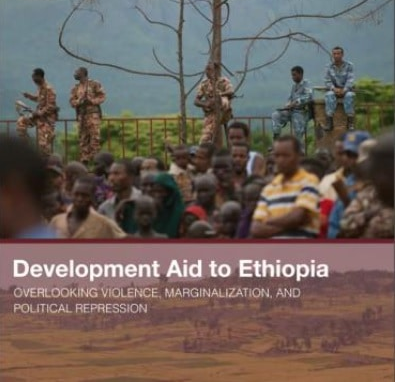

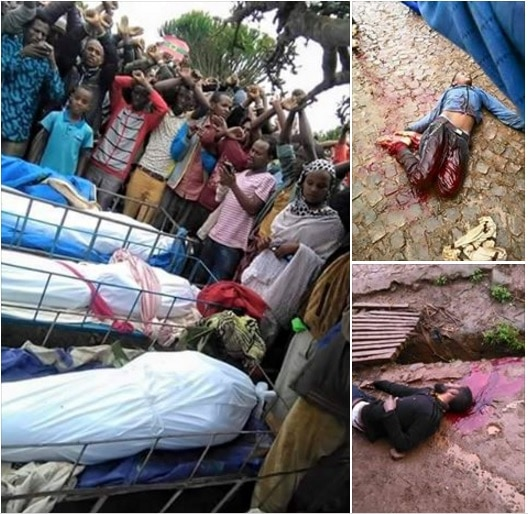

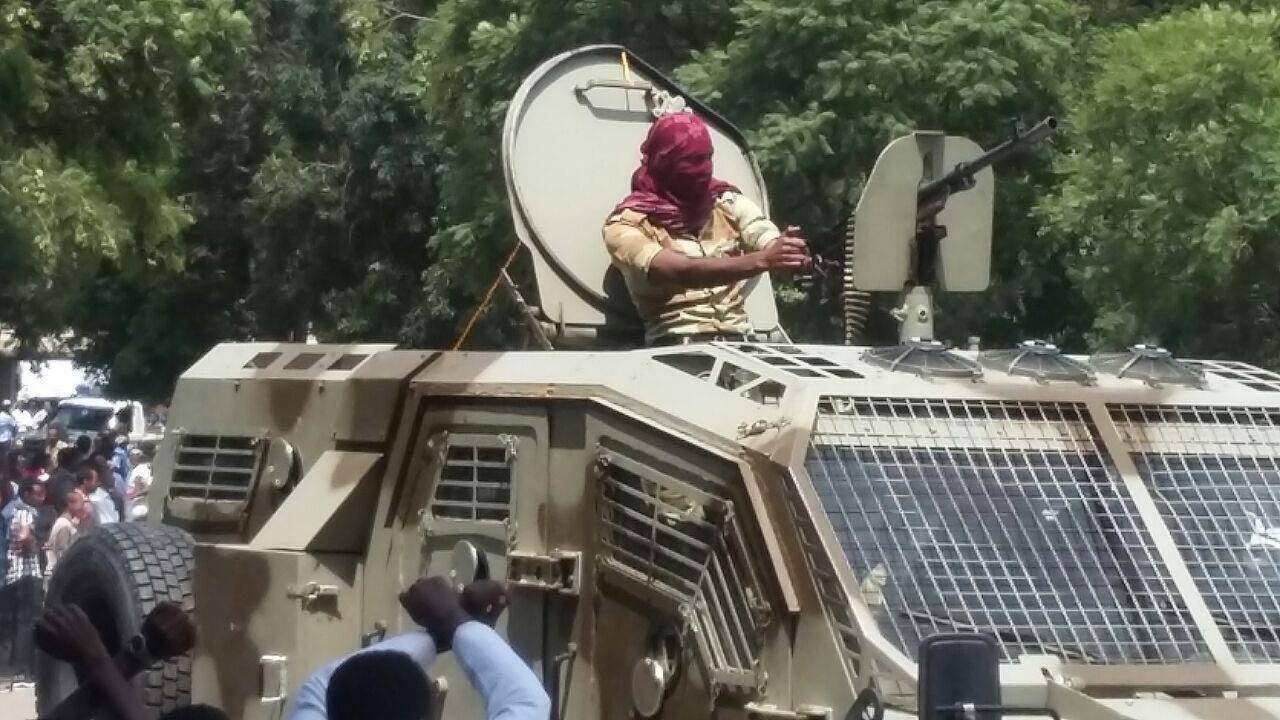
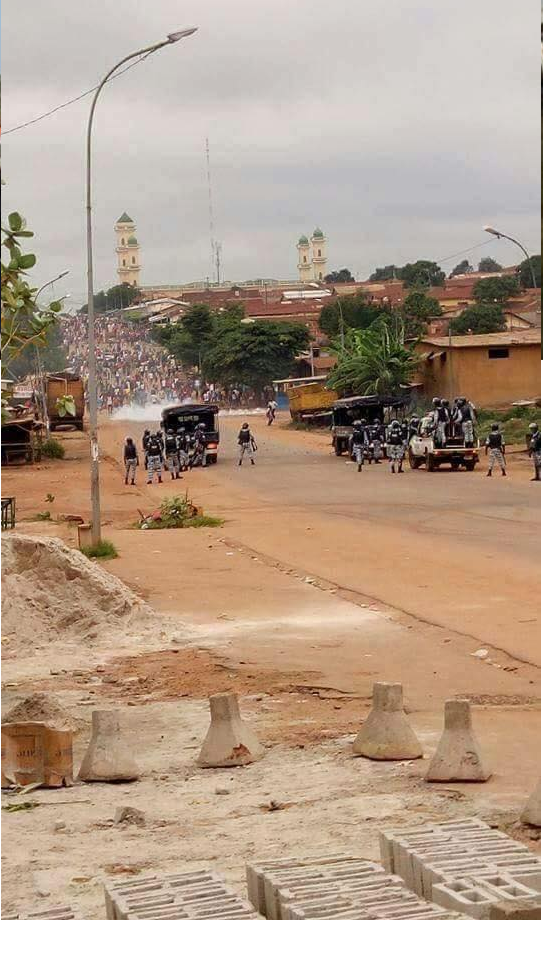
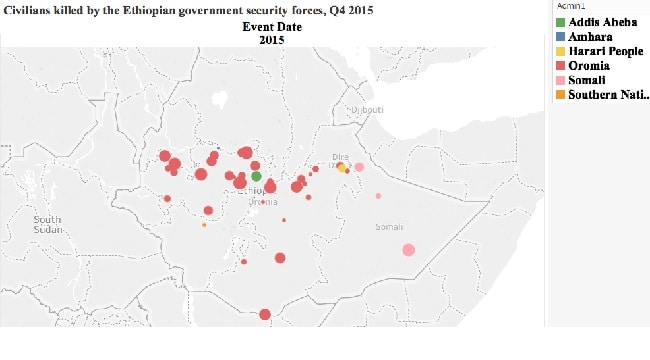
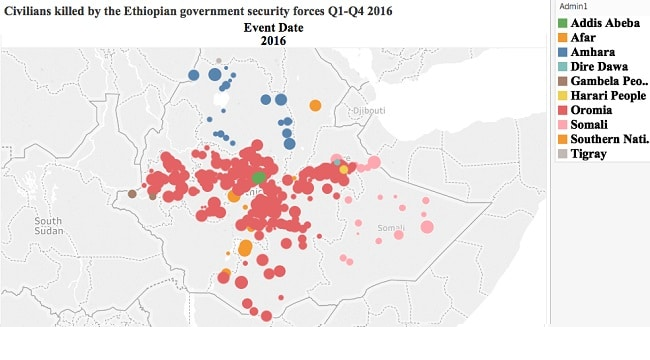
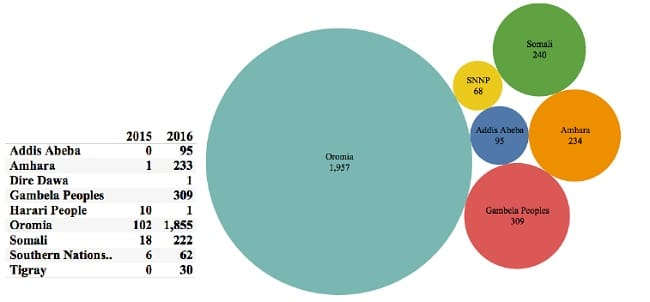
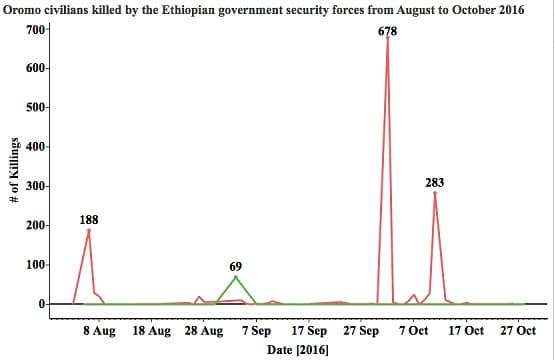
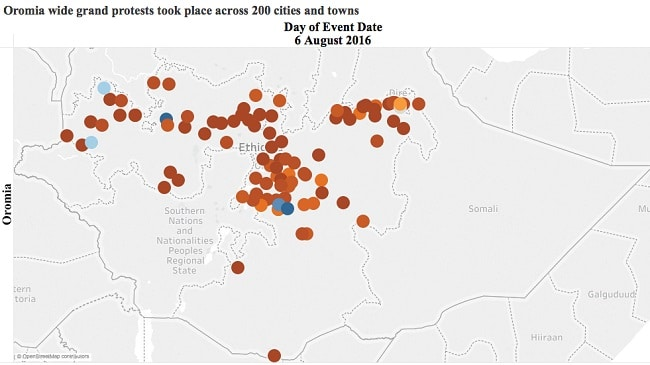


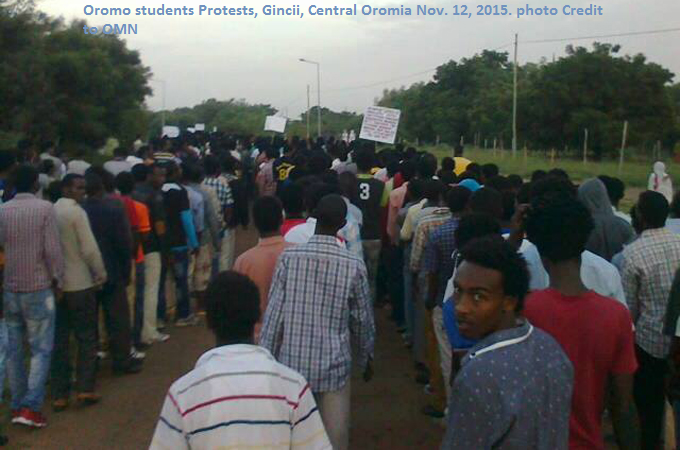
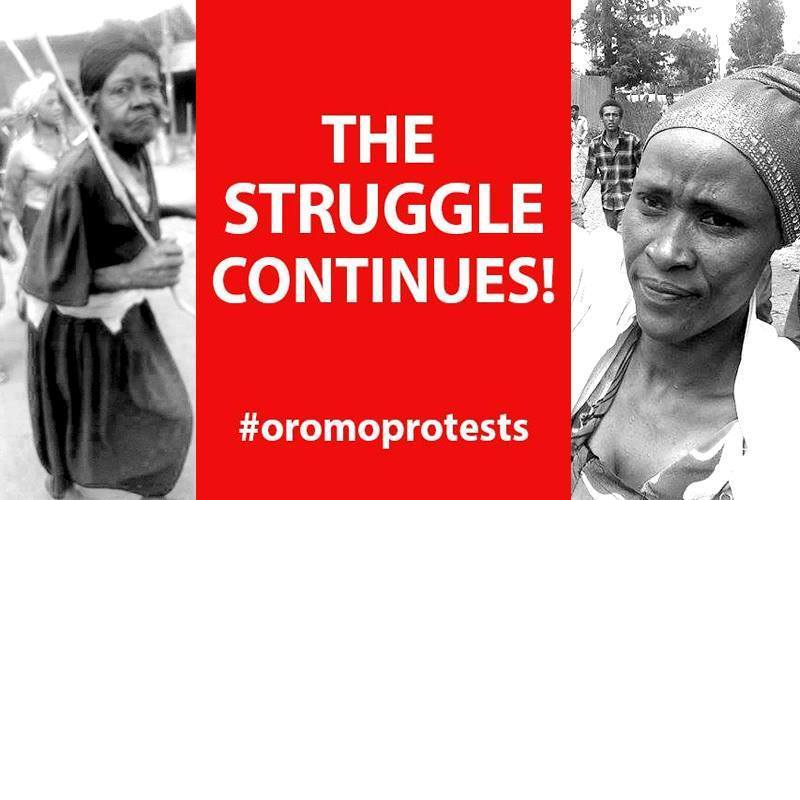


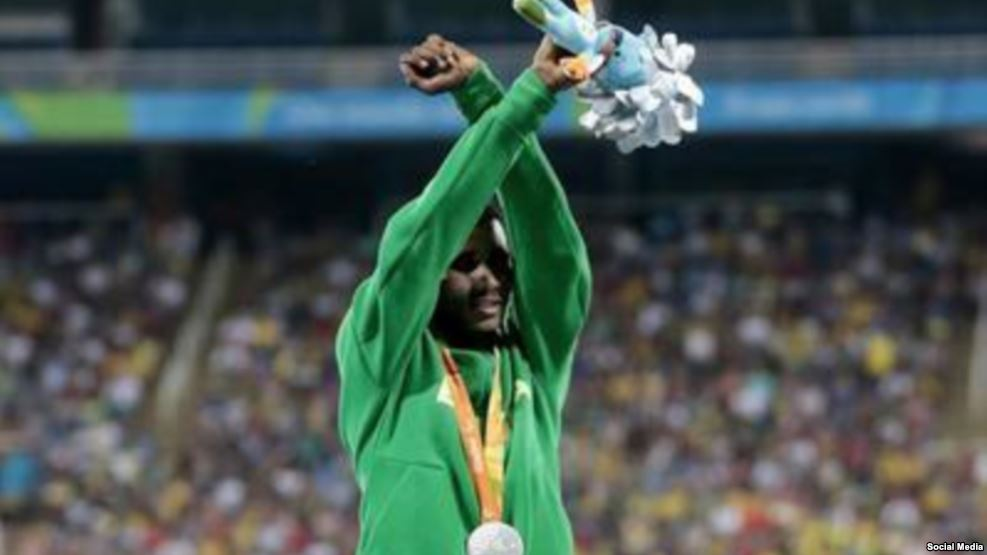


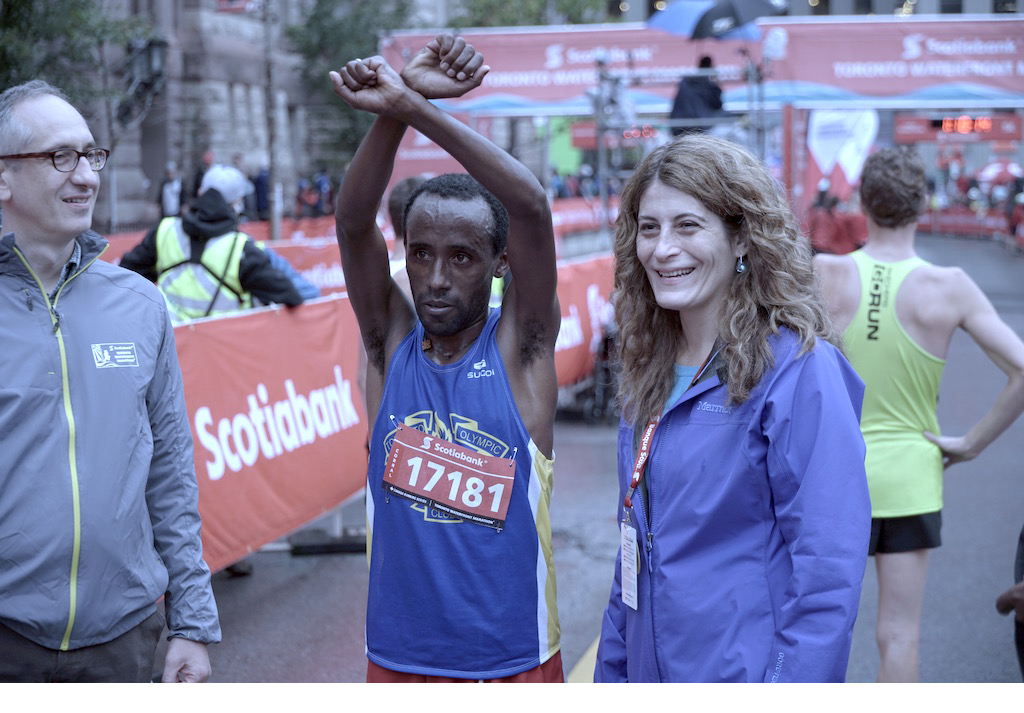



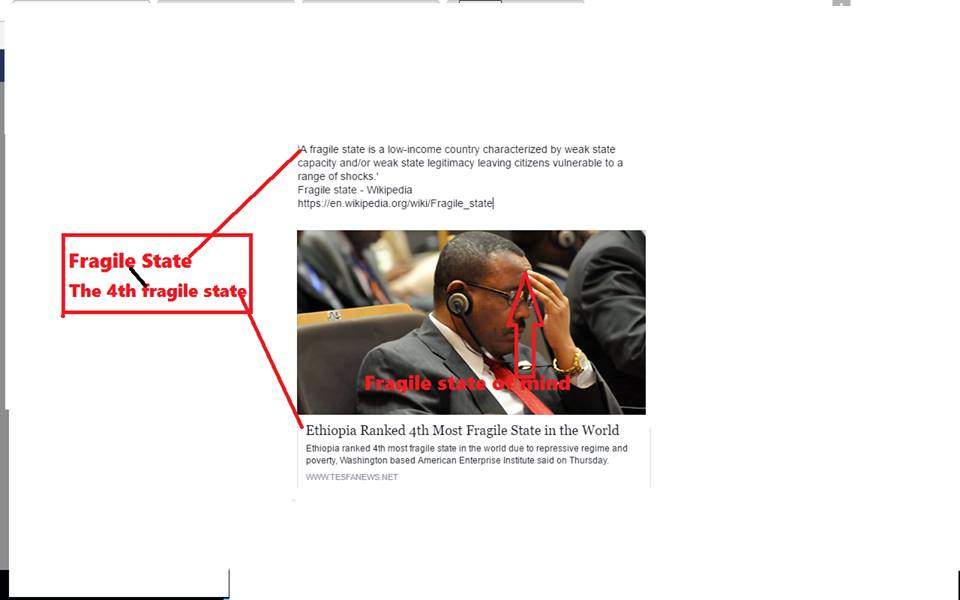


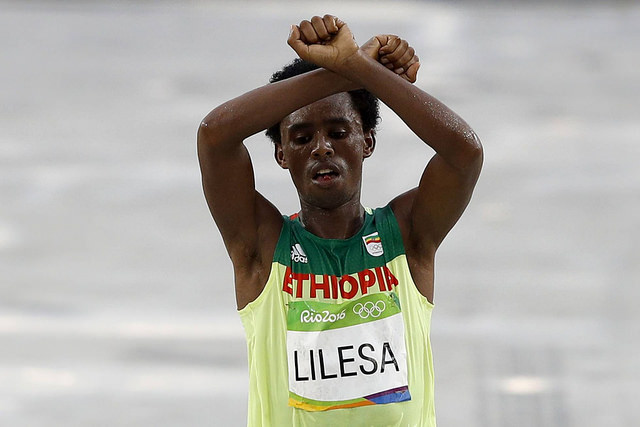

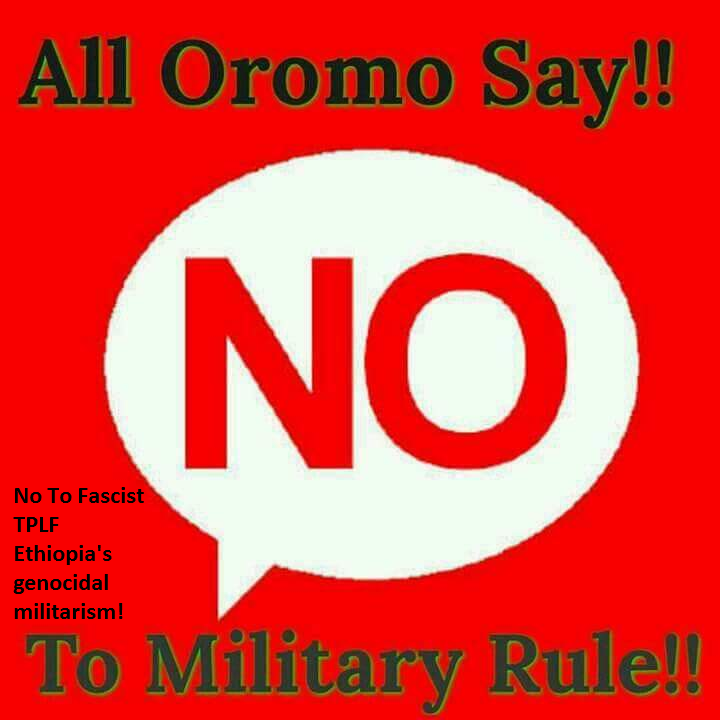

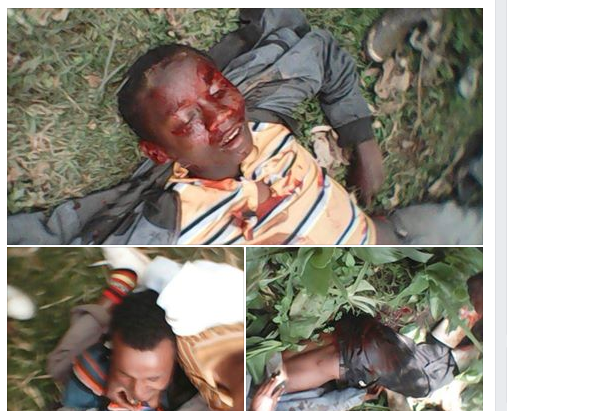
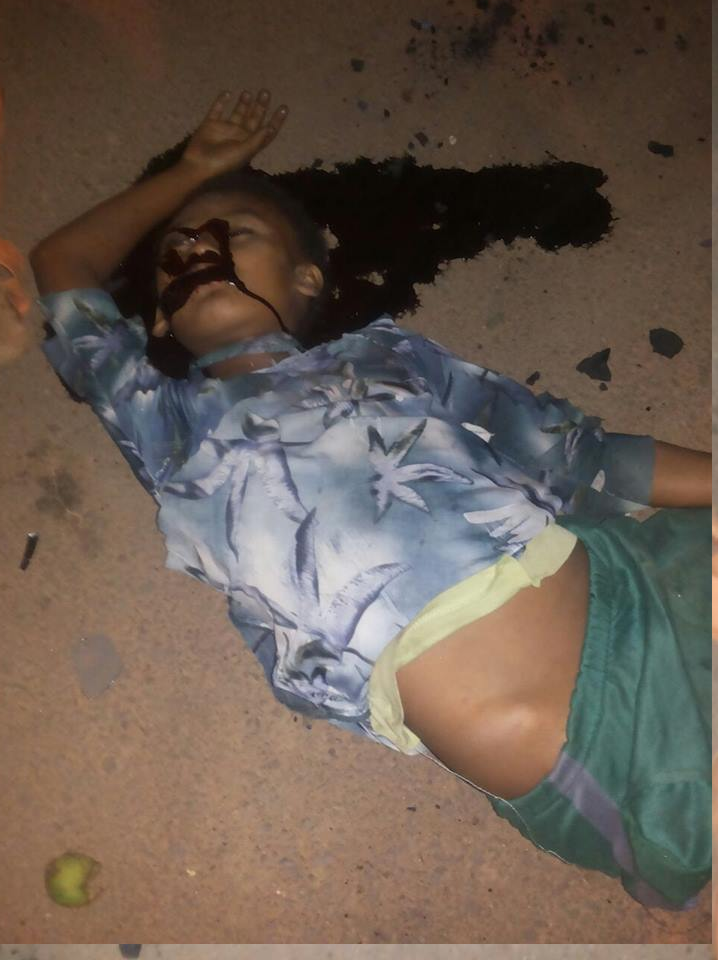
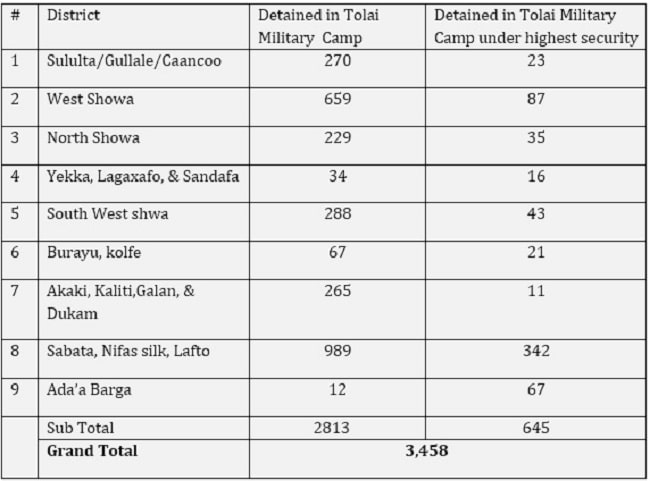
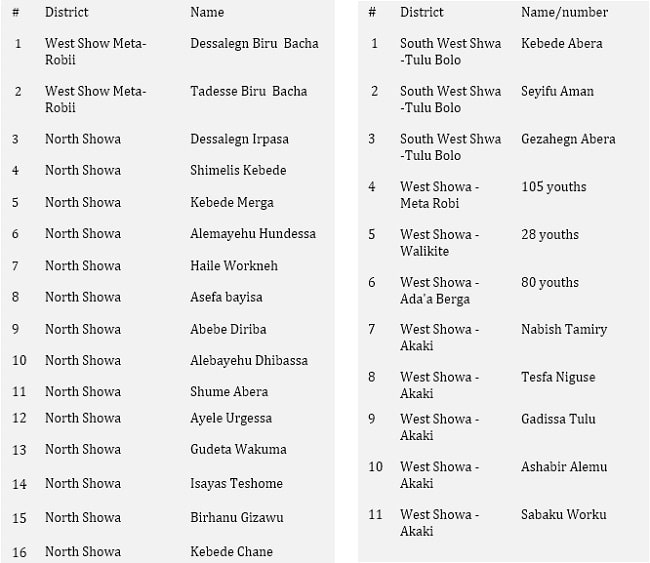
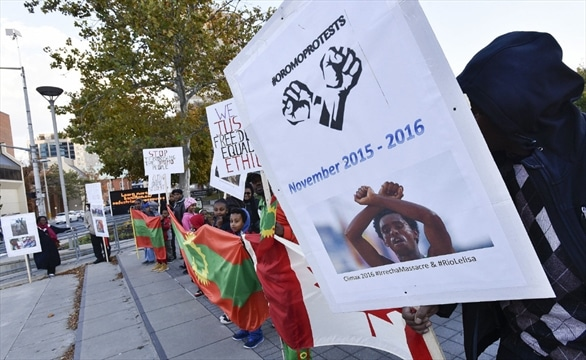
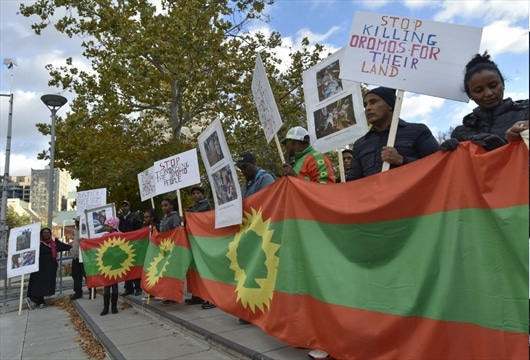

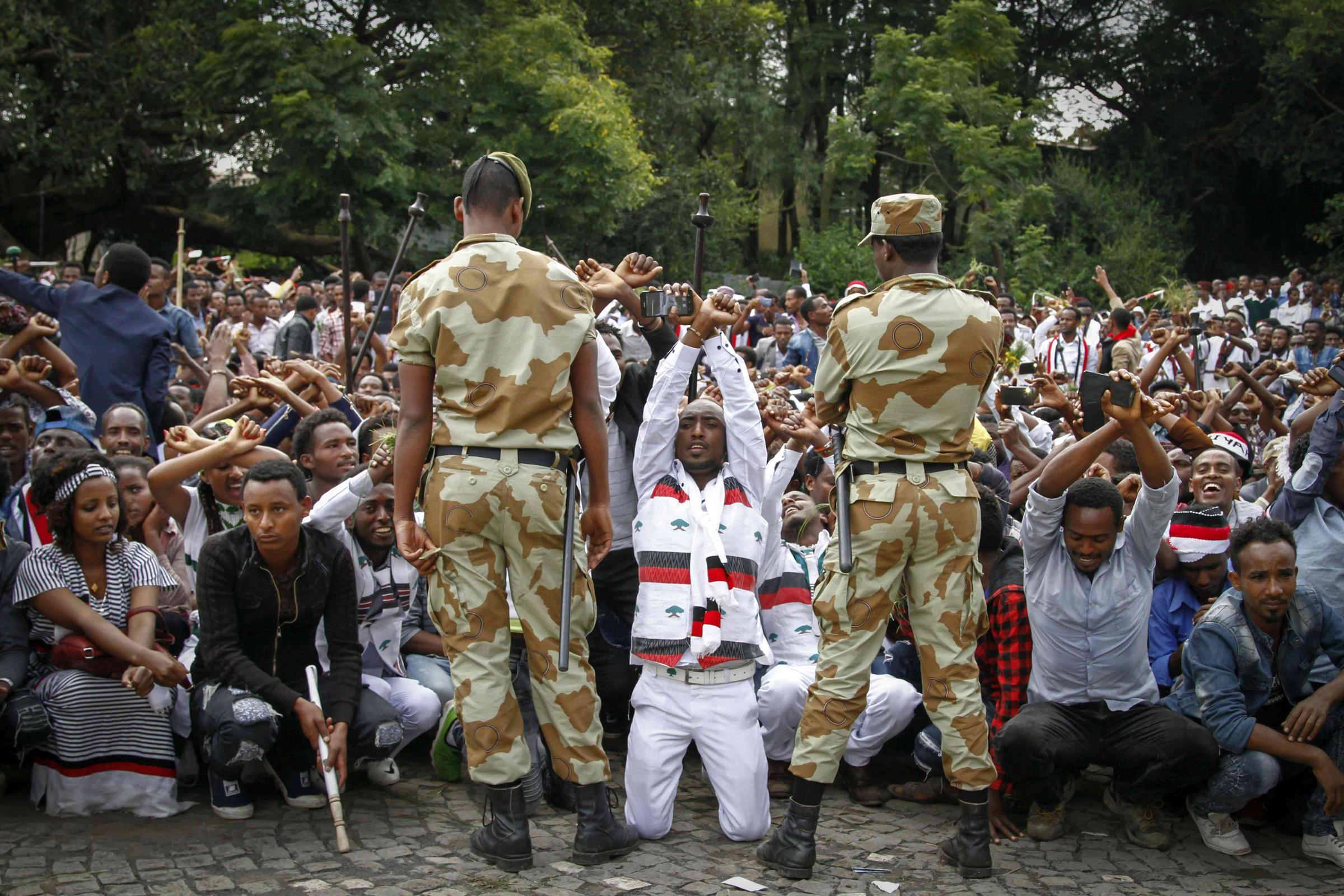
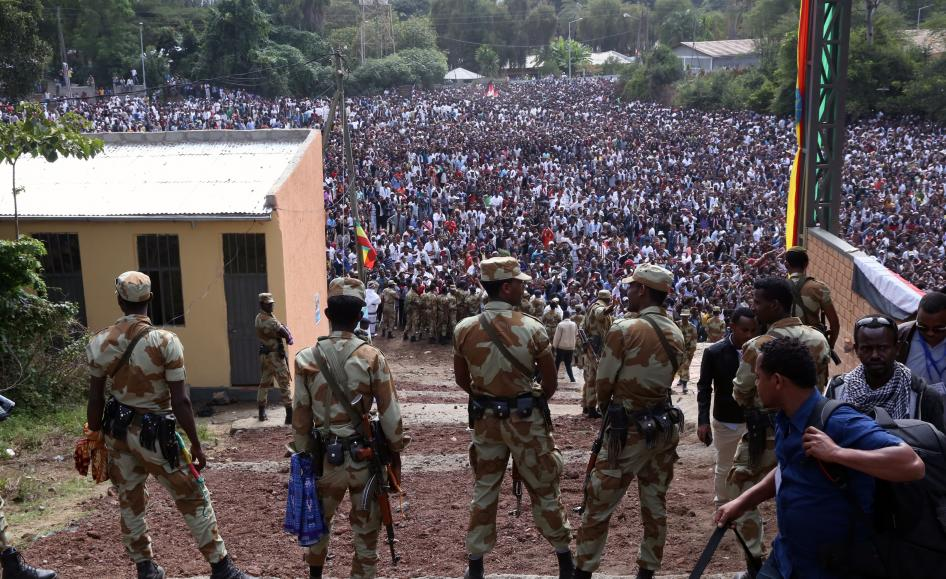

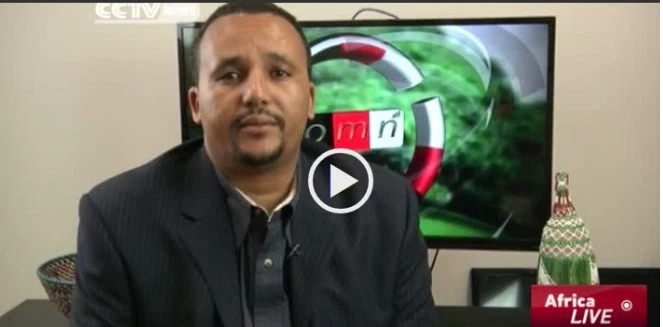
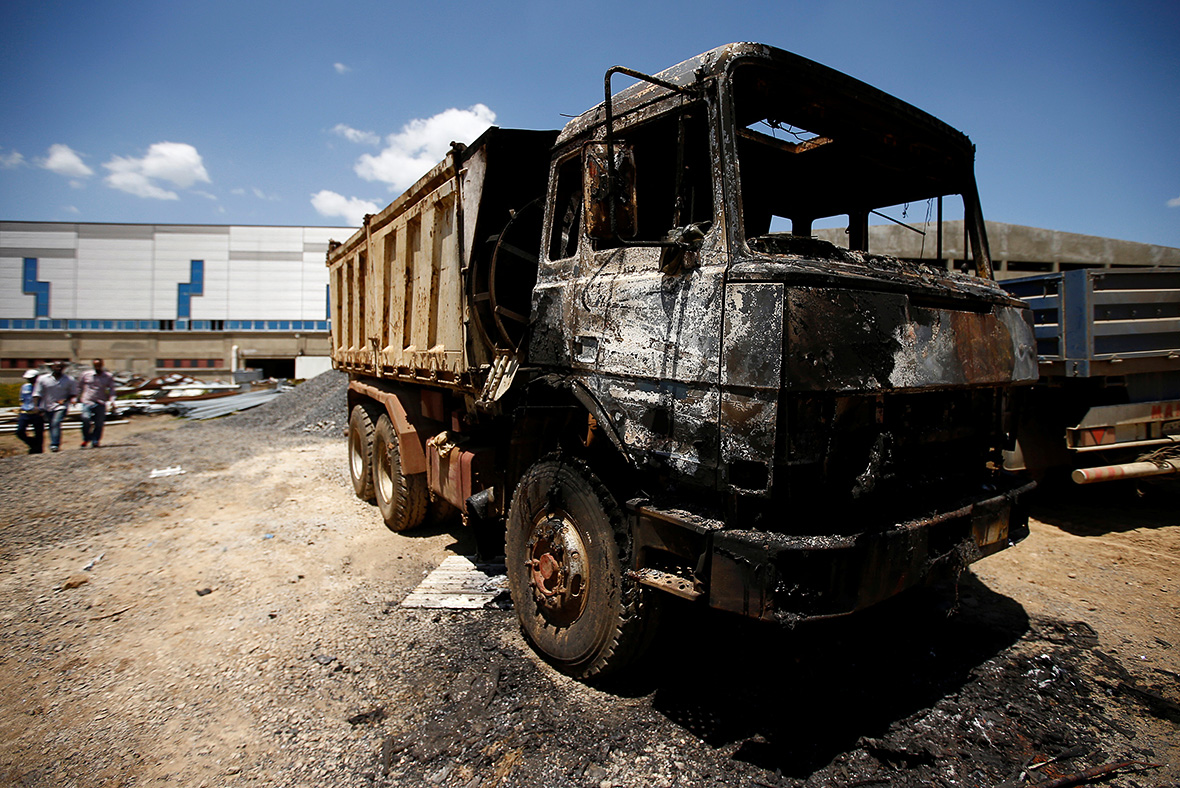

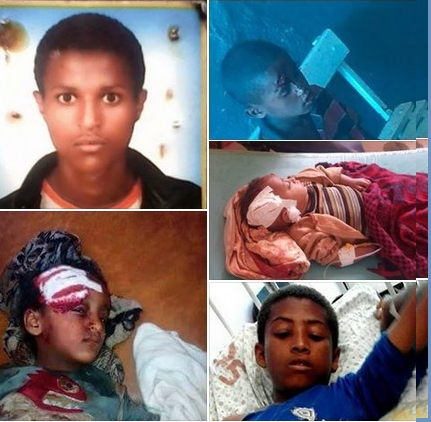


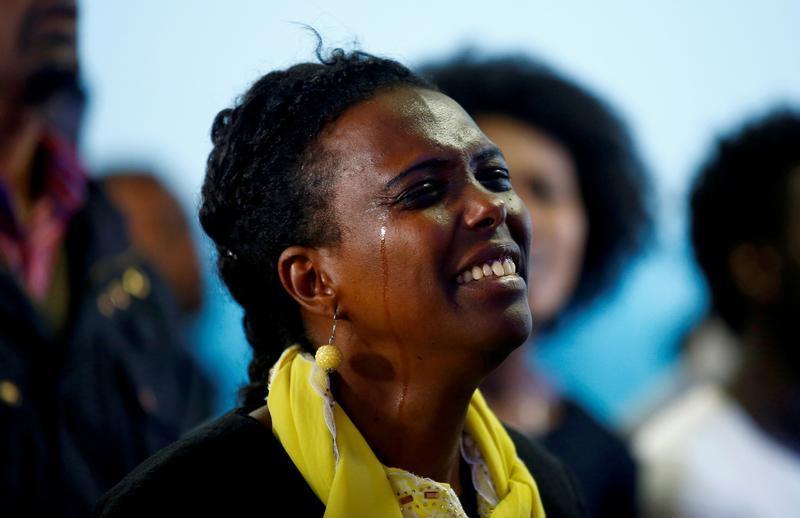

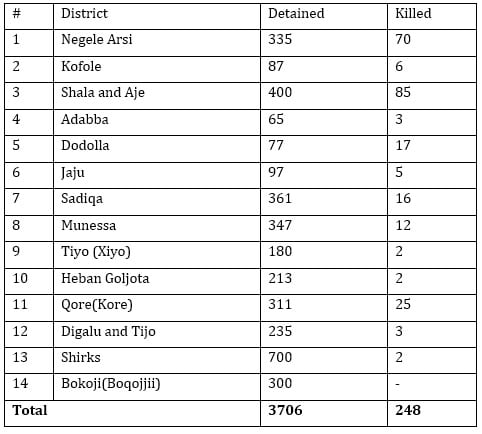
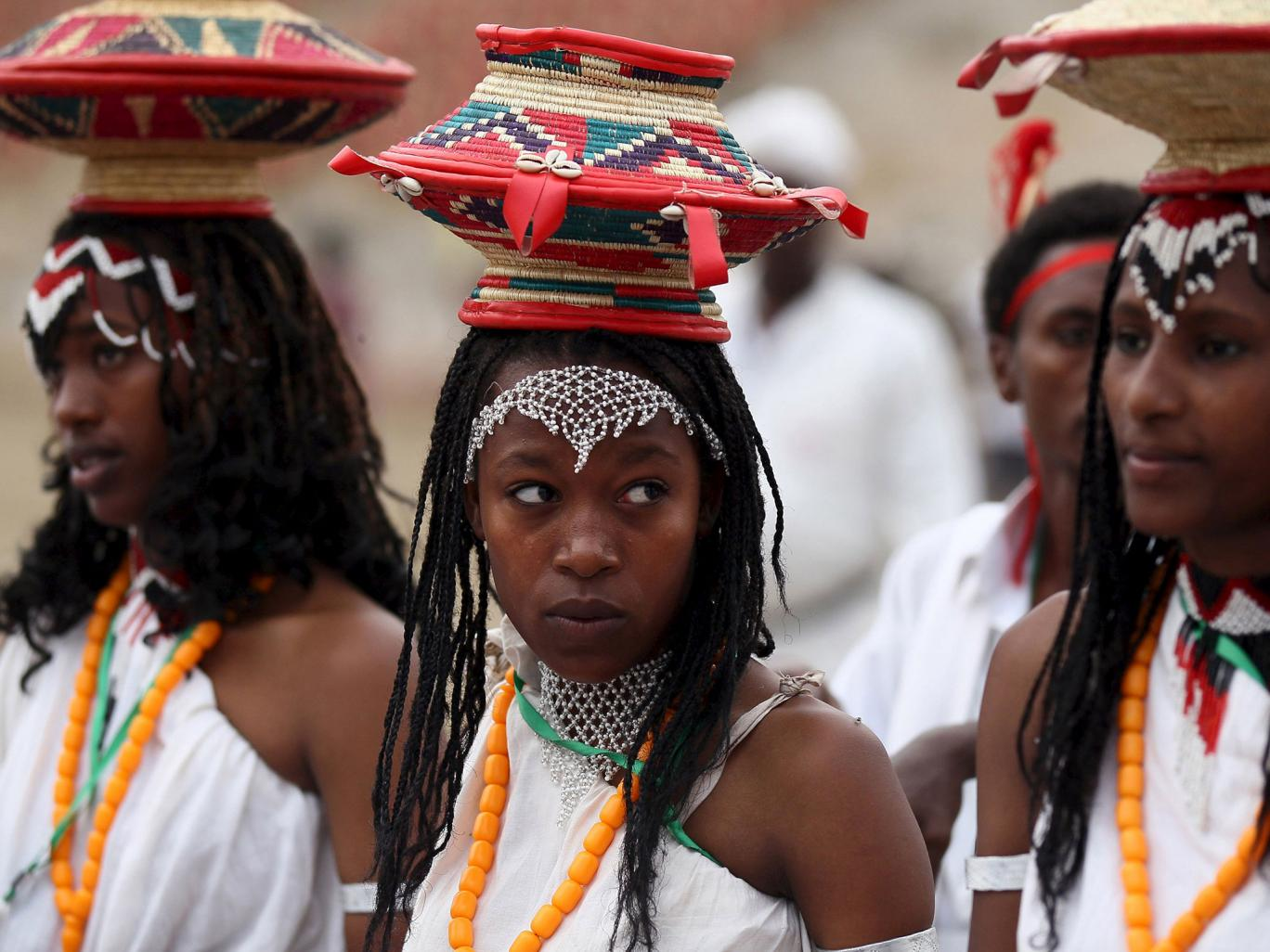




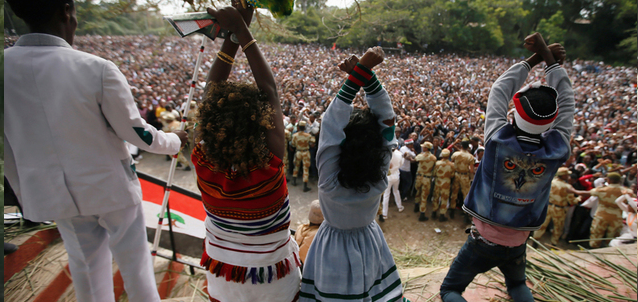




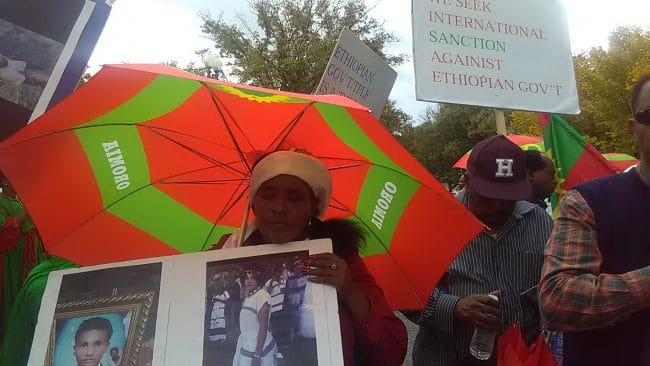
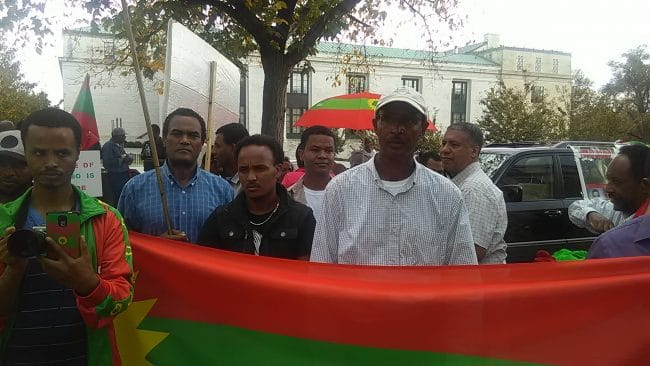
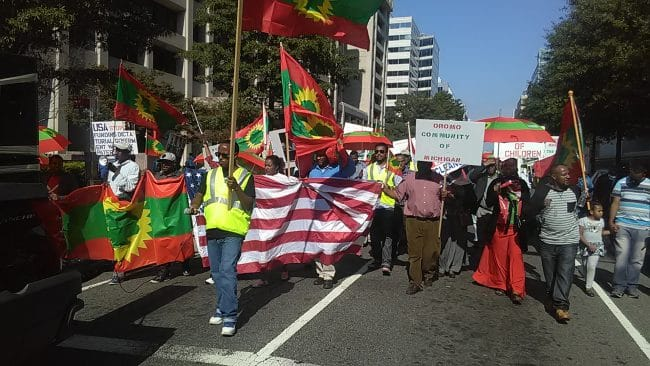


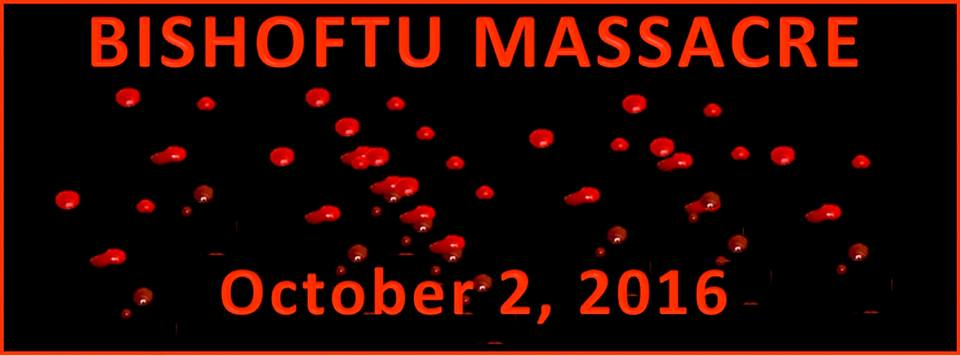

 e was shaken. The opponents to his power became so strong and lethal such that Mangistu was forced to declare “Red Terror” on its real or imagined enemies to its reign in Ethiopia between 1977-78. By this declaration of “Red Terror”(Mangistu’s state of emergency), Mangistu asserted that all “progressives” were given freedom of action in helping to root out enemies of his rule. Peasants, workers, public officials and even students loyal to the Mangistu regime were provided with arms to: assassinate, kill, imprison and loot as they wished. Militia attached to the Kebeles, the neighborhood watch committees were given freedom to train their gun on anyone with whom they have even personal but no ideological disagreement. All people allied to Mangistu went into killing spree and even children were not spared. During these years of “Red Terror”, Amnesty International estimated that up to 500, 000 to 2,000,000 people were butchered and thousands were left on the street for their body to decompose. In May 1977, the Swedish general secretary of Save the Children Fund estimated too that “1000 children have been killed and their bodies are left in the streets and being eaten by wild hyenas.” Parents of the deceased were asked to collect the bodies of their loved ones by paying money for the bullet wasted killing their children.

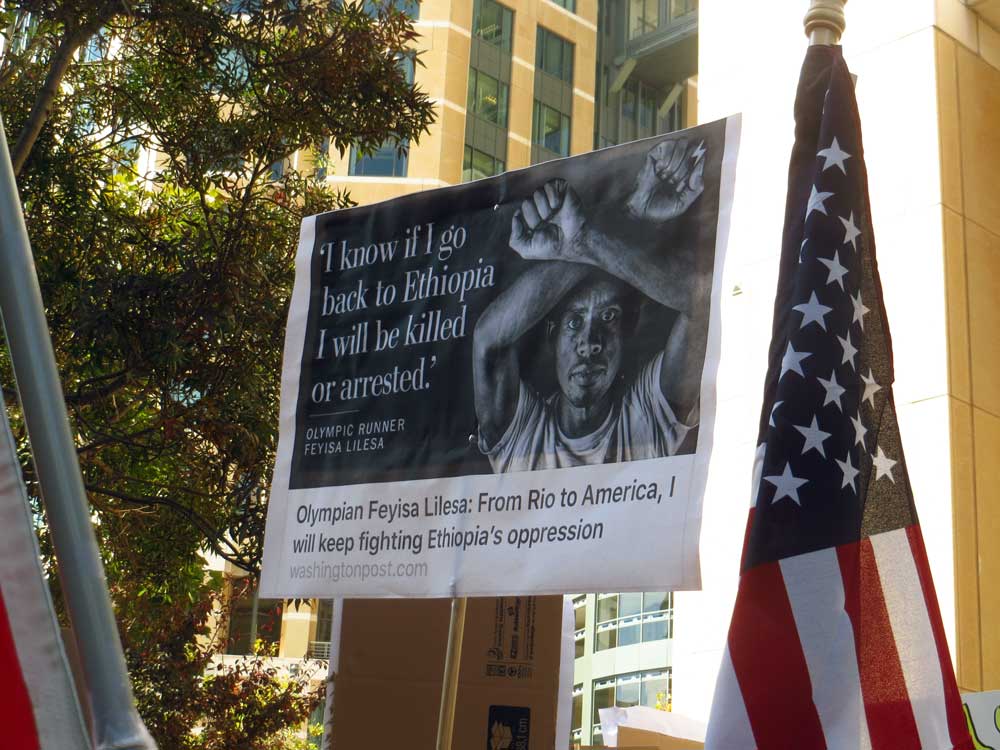


 Oromian Economist
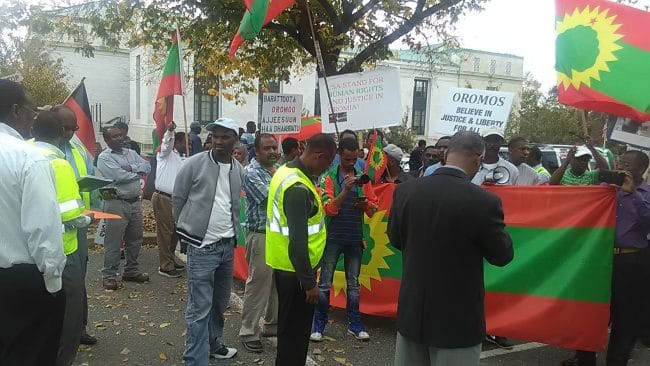
You must be logged in to post a comment.