Why trickle-down economics won’t eliminate poverty November 23, 2015
Posted by OromianEconomist in Uncategorized.Tags: Africa, economics, Poverty and Inequality, Trickle down
trackback

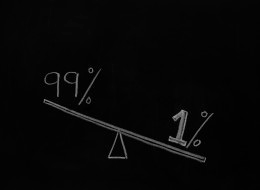
When it comes to eliminating poverty, the degree to which the benefits of growth are shared can have a significant impact on outcomes. According to Martin Ravallion, the former head of research at the World Bank, as cited in The Economist, a 1% increase in incomes in the most unequal countries produces a mere 0.6% reduction in poverty; however in the most equal countries, it yields a 4.3% cut. In other words, societies can get much more ‘bang from a boom’ if they ensure benefits are more widely shared.This brings us to the point at which trickle-down theory ends and inclusive growth begins. According to the Organisation for Economic Cooperation and Development (OECD), inclusive growth is “a new approach to economic growth that aims to improve living standards and share the benefits of increased prosperity more evenly across social groups”.Inclusive growth refers to both the pace and pattern of growth, which are considered interlinked and therefore need to be addressed together. Inclusiveness represents equality of opportunity in terms of access to markets, resources and an unbiased regulatory environment for businesses and individuals. In a nutshell, it is not just about the quantity of growth within our economies and societies, but also about its quality.


 Oromian Economist
Comments»
No comments yet — be the first.