The Heartbeat of Oromia: How the Traditional Dibbee Sustains Our Cultural Heritage October 19, 2026
Posted by OromianEconomist in Uncategorized.Tags: African culture, African music, art, Black History, cultural preservation, Culture, history, Music, Oromia music, Oromo, Oromo music, Travel, writing
add a comment
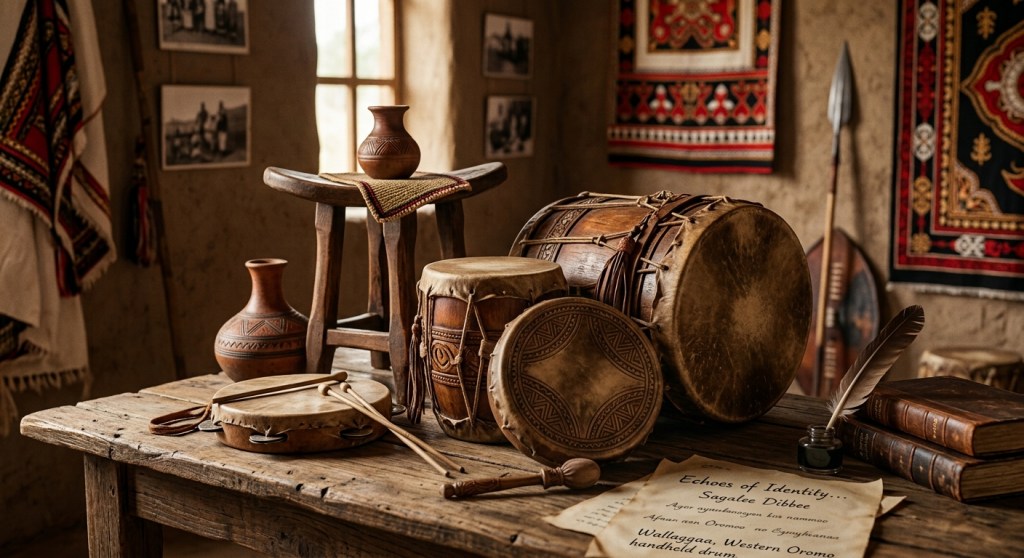
The Heartbeat of Oromia: How the Traditional Dibbee Sustains Our Cultural Heritage
Posted on Culture & Arts | By Temesgen Muleta-Erena | Reading Time: 4 mins
Music in the Oromo tradition is far more than mere entertainment—it is a living library of history, philosophy, spiritual values, and social organization. At the very center of this rich musical heritage lies the traditional drum, known in Afaan Oromoo as the dibbee.
Across Oromia, different styles of traditional drums serve distinct social, ceremonial, and musical functions. From the energetic rhythms of community dances to sacred gatherings, the dibbee carries the pulse of a nation. Recognizing, recording, and preserving these traditional instruments—especially through visual media showcasing drummers in authentic traditional attire—is an essential act of cultural safeguard.
Watch the Video:
A Tapestry of Rhythms: The Diversity of Oromo Drums
The Oromo people utilize various drum styles tailored to specific musical genres, geographic regions, and cultural events:
- The Classic Dibbee: Carved from hollowed hardwood trunks and stretched tightly with cowhide or goatskin, the classic dibbee provides the foundational rhythm for traditional dances like Dhiichisa, Geerarsa, Ragada, and Shagoyyee. Depending on where it is struck—at the center for a deep resonance or near the frame for a sharp snap—it dictates the tempo and energy of the community.
- The Handheld Wallaggaa Dibbee: Popular in Western Oromia (Wallaggaa), this portable, handheld version allows drummers mobility and fluid interaction with dancers, playing an integral role in regional celebrations and social gatherings.
- The Atamo: Lighter frame drums played with hands or thin beaters, widely used during intimate social gatherings, traditional coffee ceremonies, and festive occasions.
- Spiritual & Ritual Drums: In traditional ceremonies (such as Ateetee rituals or Irreecha gatherings), sacred drum rhythms establish a reverent atmosphere, bringing the community together in prayer, unity, and gratitude.
“The drumbeat in Oromia is not just background music; it is the rhythm to which our history, oral poetry, and community values are spoken.”
Why the Drum is a Pillar of Oromo Identity
Oromo drums do not merely accompany a melody; they structure the entire communication and story of a performance:
- Sustaining Oral History: In a culture historically anchored in oral tradition, drum rhythms serve as timekeeping markers for epic poetry, historical recitations, and heroic songs (Geerarsa).
- Fostering Social Harmony: The layered polyrhythms produced by multiple drummers responding to one another reflect core Oromo values of teamwork, mutual respect, and collective harmony (Safuu and Gadaa principles).
- Guarding Indigenous Craftsmanship: Every traditional drum represents generations of artisan knowledge—from selecting native hardwoods to preparing hides using age-old tanning techniques. Preserving the drum safeguards this irreplaceable craftsmanship.
Digital Preservation: Bringing Tradition to the World
In an era dominated by modern synthesized production, traditional acoustic instruments risk being overshadowed. Capturing authentic acoustic recordings and visual performances serves three vital purposes:
- Visual Documentation: Recording hand techniques, postures, and striking methods ensures future generations can study and replicate authentic practices.
- Cultural Pride: Pairing traditional attire (Aadaa) with native instruments highlights the deep connection between Oromo textiles, aesthetics, and musical heritage.
- Global Connection: Sharing raw, traditional percussion online connects the Oromo diaspora and introduces international audiences to the authentic sounds of East Africa.
💡 Key Takeaway: The dibbee is more than an instrument—it is the heartbeat of Oromo identity. By documenting, recording, and sharing traditional drumming, we ensure that the vibrant rhythms of Oromia continue to inspire generations to come.
Join the Conversation!
What is your favorite memory or traditional dance connected to the dibbee? Do you play any traditional Oromo instruments? Drop a comment below and share your thoughts!


You must be logged in to post a comment.