The Heartbeat of Oromia: How the Traditional Dibbee Sustains Our Cultural Heritage October 19, 2026
Posted by OromianEconomist in Uncategorized.Tags: African culture, African music, art, Black History, cultural preservation, Culture, history, Music, Oromia music, Oromo, Oromo music, Travel, writing
add a comment
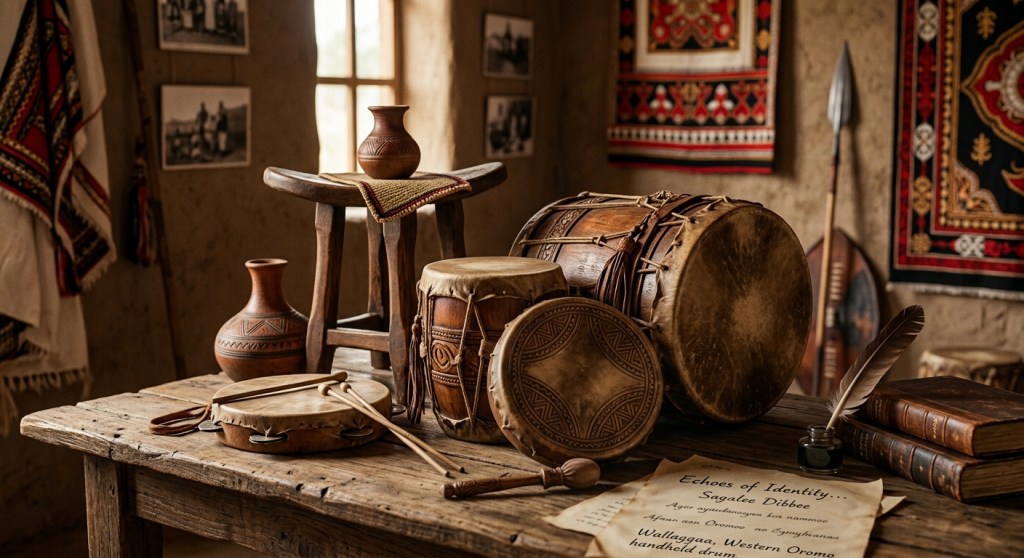
The Heartbeat of Oromia: How the Traditional Dibbee Sustains Our Cultural Heritage
Posted on Culture & Arts | By Temesgen Muleta-Erena | Reading Time: 4 mins
Music in the Oromo tradition is far more than mere entertainment—it is a living library of history, philosophy, spiritual values, and social organization. At the very center of this rich musical heritage lies the traditional drum, known in Afaan Oromoo as the dibbee.
Across Oromia, different styles of traditional drums serve distinct social, ceremonial, and musical functions. From the energetic rhythms of community dances to sacred gatherings, the dibbee carries the pulse of a nation. Recognizing, recording, and preserving these traditional instruments—especially through visual media showcasing drummers in authentic traditional attire—is an essential act of cultural safeguard.
Watch the Video:
A Tapestry of Rhythms: The Diversity of Oromo Drums
The Oromo people utilize various drum styles tailored to specific musical genres, geographic regions, and cultural events:
- The Classic Dibbee: Carved from hollowed hardwood trunks and stretched tightly with cowhide or goatskin, the classic dibbee provides the foundational rhythm for traditional dances like Dhiichisa, Geerarsa, Ragada, and Shagoyyee. Depending on where it is struck—at the center for a deep resonance or near the frame for a sharp snap—it dictates the tempo and energy of the community.
- The Handheld Wallaggaa Dibbee: Popular in Western Oromia (Wallaggaa), this portable, handheld version allows drummers mobility and fluid interaction with dancers, playing an integral role in regional celebrations and social gatherings.
- The Atamo: Lighter frame drums played with hands or thin beaters, widely used during intimate social gatherings, traditional coffee ceremonies, and festive occasions.
- Spiritual & Ritual Drums: In traditional ceremonies (such as Ateetee rituals or Irreecha gatherings), sacred drum rhythms establish a reverent atmosphere, bringing the community together in prayer, unity, and gratitude.
“The drumbeat in Oromia is not just background music; it is the rhythm to which our history, oral poetry, and community values are spoken.”
Why the Drum is a Pillar of Oromo Identity
Oromo drums do not merely accompany a melody; they structure the entire communication and story of a performance:
- Sustaining Oral History: In a culture historically anchored in oral tradition, drum rhythms serve as timekeeping markers for epic poetry, historical recitations, and heroic songs (Geerarsa).
- Fostering Social Harmony: The layered polyrhythms produced by multiple drummers responding to one another reflect core Oromo values of teamwork, mutual respect, and collective harmony (Safuu and Gadaa principles).
- Guarding Indigenous Craftsmanship: Every traditional drum represents generations of artisan knowledge—from selecting native hardwoods to preparing hides using age-old tanning techniques. Preserving the drum safeguards this irreplaceable craftsmanship.
Digital Preservation: Bringing Tradition to the World
In an era dominated by modern synthesized production, traditional acoustic instruments risk being overshadowed. Capturing authentic acoustic recordings and visual performances serves three vital purposes:
- Visual Documentation: Recording hand techniques, postures, and striking methods ensures future generations can study and replicate authentic practices.
- Cultural Pride: Pairing traditional attire (Aadaa) with native instruments highlights the deep connection between Oromo textiles, aesthetics, and musical heritage.
- Global Connection: Sharing raw, traditional percussion online connects the Oromo diaspora and introduces international audiences to the authentic sounds of East Africa.
Key Takeaway: The dibbee is more than an instrument—it is the heartbeat of Oromo identity. By documenting, recording, and sharing traditional drumming, we ensure that the vibrant rhythms of Oromia continue to inspire generations to come.
Join the Conversation!
What is your favorite memory or traditional dance connected to the dibbee? Do you play any traditional Oromo instruments? Drop a comment below and share your thoughts!
From Heritage to High Fashion October 6, 2026
Posted by OromianEconomist in Uncategorized.Tags: #Irreecha, art, creative industry, fashion, Hetritage, High fasshion, lifestyle, Oromo fashion design, style, Sustainable Fasshion, TC Press, Temesgen Muleta‑Erena, Travel
add a comment
How Irreecha Inspired a Cultural Design Revolution
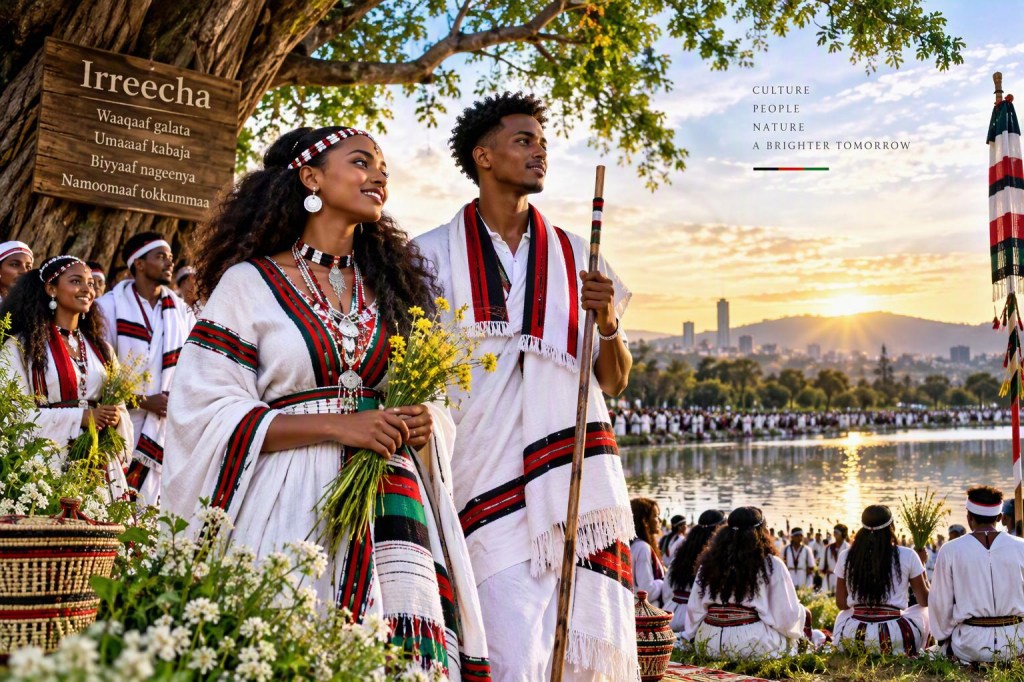
From Heritage to High Fashion
How Irreecha Inspired a Cultural Design Revolution
Every generation inherits something from the past. Some inherit buildings, some inherit languages, and others inherit knowledge. One of the most visible inheritances passed from one generation to another is cultural design.
In Ethiopia, few cultural events have influenced fashion and design as profoundly as Irreecha. While widely known as a celebration of gratitude, community, and cultural identity, Irreecha has also become an unexpected catalyst for creativity, entrepreneurship, and innovation. The celebration has helped transform traditional attire from cultural heritage into a dynamic and evolving design movement.
Today, the influence of Irreecha reaches far beyond the ceremonial field. It can be seen in photography, social media, fashion design, public events, digital art, and contemporary cultural expression.
A Living Design Archive
The success of cultural fashion did not emerge from a vacuum.
Across generations, communities preserved textile traditions, embroidery styles, jewellery designs, colour combinations, and various forms of artistic craftsmanship. These traditions formed a living archive of design knowledge.
Young designers did not need to invent a completely new visual language. Instead, they found inspiration in what already existed.
Traditional attire became a foundation upon which contemporary creativity could flourish.
Rather than looking backward, many designers discovered that cultural heritage provided a pathway forward.
The Irreecha Showcase Effect
Every year, Irreecha creates a unique public stage.
Thousands of people present their finest cultural attire. Photographs circulate widely. Videos are shared across platforms. New designs attract attention. Conversations emerge around colour, tailoring, symbolism, and craftsmanship.
This visibility matters.
For many young creatives, the celebration offers something invaluable: an audience.
A design that might once have been seen only by a small local community can now be viewed by people across continents. Through social media and digital communication, cultural attire has gained a level of visibility unimaginable only a generation ago.
For young graduates entering fashion and design, this creates opportunities that extend far beyond the celebration itself.
Confidence as an Economic Resource
Economists often discuss physical resources, financial capital, and infrastructure. Yet cultural confidence is also a resource.
When people believe their heritage has value, they invest in it.
When they invest in it, new industries emerge.
Designers create new collections.
Photographers build portfolios.
Artisans expand production.
Content creators document and promote cultural stories.
Entrepreneurs discover new markets.
The result is the development of a cultural economy built upon creativity rather than extraction.
This is particularly important because cultural industries often combine economic opportunity with social and educational value.
A Broader Cultural Wave
One of the most interesting outcomes of Irreecha’s success is its wider influence.
As Oromo cultural attire became increasingly visible, other Ethiopian communities also began promoting and celebrating their own traditions more actively.
This demonstrates the power of cultural visibility.
Confidence can be contagious.
When one community successfully presents its heritage with dignity and pride, others are often encouraged to do the same.
The result is not uniformity but diversity.
Different traditions become more visible. Different artistic styles gain recognition. Different communities contribute their own designs and interpretations to a growing cultural landscape.
In this way, cultural expression expands rather than competes.
Beyond Stereotypes
The rise of cultural fashion also challenges outdated assumptions.
Traditional attire is sometimes viewed as something belonging exclusively to ceremonies, museums, or historical memory. Yet contemporary designers increasingly demonstrate that heritage can be modern, elegant, innovative, and internationally relevant.
The growing prominence of cultural attire in public life suggests that indigenous aesthetics are fully capable of participating in global conversations about design, beauty, and creativity.
The question is no longer whether traditional fashion can be contemporary.
The question is how far contemporary cultural design can go.
A Sustainable Creative Future
The future of cultural fashion may be particularly promising because it is rooted in renewable assets.
Knowledge can be shared.
Designs can be refined.
Skills can be taught.
Creativity can multiply.
Unlike finite natural resources, cultural knowledge often grows stronger through use and transmission.
Every new designer contributes to the archive.
Every new interpretation expands the possibilities.
Every new generation adds another layer of creativity.
This makes cultural design both sustainable and adaptive.
Looking Forward
Perhaps the most important lesson of Irreecha’s fashion story is that cultural preservation and innovation are not opposites.
The most successful contemporary designs often emerge from respectful engagement with existing traditions. Heritage provides the foundation. Creativity builds upon it.
As new generations continue to reinterpret cultural attire, they are not simply preserving the past. They are creating the future.
Irreecha demonstrates what becomes possible when tradition is treated not as a constraint but as a source of inspiration.
What began as a celebration of gratitude has also become a platform for artistic excellence, entrepreneurship, and cultural confidence.
In the process, it has helped show that local heritage can have global relevance, and that cultural designs born from community traditions can stand proudly on any stage in the world.
By Temesgen Muleta-Erena
TC Press, London
Eyyoo, Ya Faacha Ishee — Ilfinash Qannoo September 10, 2026
Posted by OromianEconomist in Uncategorized.Tags: art, history, Oromo music, poetry, writing
add a comment
A Short Essay on Courage, Lineage, and Oromo Cultural Memory
Eyyoo, Ya Faacha Ishee — Ilfinash Qannoo
A Short Essay on Courage, Lineage, and Oromo Cultural Memory
Video Reference:
Essay Link:
https://theoromianeconomist.blogspot.com/2026/09/haadha-hawwii-haadha-daangaa-ilfinash.html
Oromo cultural history is carried not only by political leaders and fighters, but by women whose courage shaped the continuity of their people. Among these foundational figures stand Warqituu and Mastawat of Walloo (North Oromia) — 19th‑century Oromo women who assumed leadership after Abyssinian hegemonic forces killed many male leaders. In a period marked by severe repression and mass violence under Emperor Tewodros II, they stepped forward to protect their communities. Historical records show that they cooperated with the British Napier Expedition, whose intervention ended Tewodros’s rule, halting the mass killings in Walloo. Their leadership was an act of survival, clarity, and strategic resistance.
Alongside them stands Saartuu (Saartu) of Hararghee (Eastern Oromia) — a 20th‑century resistance figure whose courage became a symbol of Eastern Oromo endurance. Saarituu represents a later generation of Oromo women who continued the tradition of stepping into leadership when danger threatened their people. Saartuu Yuusuf — also known as Saartu Yusuf or Saartuu Bonnayaa — remains one of the most revered yet least documented Oromo women of the resistance era. A daughter of Eastern Oromia, from the Harraghee and Chercher region, she served as a combatant with OLF forces during the Dergue regime, carrying responsibilities far beyond her age. In oral accounts, Saartuu is remembered as a symbol of ultimate resistance: a woman who moved quietly, decisively, and with unwavering commitment to her people’s survival. Her sacrifices were known across villages even when her name never entered written archives. By restoring her presence in cultural memory, we honour not only her courage but the countless Oromo women whose contributions were preserved only through spoken lineage and communal remembrance.
Ilfinash Qannoo emerged in the lineage these women opened. She did not stand alone; she stood after Warqituu, Mastaw, and Saartuu, carrying forward the cultural energy they created. Her faachaa — the call that lifts, awakens, and mobilizes — was originally sung for them, for their courage, for their sacrifices, for the path they carved. In the essay on Oromo cultural activation, we explored how certain individuals become sources of motion in a community. Warqituu, Mastaw, and Saarituu were among the first. Ilfinash Qannoo became one of the strongest.
Her faachaa strengthened Hawwii. It guided Dangaa. It echoed in the footsteps of Haylee Fidaa, Abbishee Garbaa, Taaddee Birruu, and Waaqoo Guutuu — figures whose names mark the geography of Oromo resistance.
Clarifying a Common Misunderstanding
Some people ask why Ilfinash Qannoo is honoured so strongly now, even though she lived a difficult life and did not receive wide support during her lifetime. This question misunderstands the nature of Oromo resistance. Women like Ilfinash acted in periods of repression, displacement, and silence — times when public recognition was dangerous, and when cultural work happened quietly, inside families, villages, and hidden gatherings. The absence of public celebration during her life was not neglect; it was the reality of living under systems that suppressed Oromo identity. Honouring her now is not “late”—it is finally possible. It is the restoration of dignity that was denied by historical conditions, not by her people.
By turning her faachaa back toward her — Eyyoo, ya faacha ishee — we restored the cultural circle. We honoured Ilfinash Qannoo with the same force she once gave to others. This is how Oromo culture works: courage is transmitted, not consumed. It moves through lineage — from Warqituu, Mastaw, and Saarituu, to Ilfinash, to Hawwii and Dangaa, and onward to the present.
The song and the essay together remind us that heritage is an active system, not a passive memory. When we name Ilfinash Qannoo, we are not only remembering her — we are acknowledging the infrastructure of courage she inherited and expanded. And when we write, sing, or publish about her, we extend that infrastructure into the future.
This is serious work. It is for Africa. It is for the Oromo people. It is for anyone who understands that cultural memory is a form of power — one that must be read carefully, respected deeply, and put into action.
Lyrics Section
TC Press Cultural Ecology Series
Lyrics by Temesgen Muleta‑Erena
Melody by Gemini
Eyyoo Ya faacha ishee,
Kan Ilfinash Qannoo utuu ittiin garmaamsani.
Akka Warqituu,
Akka Saarituu!
Iyyoo, ya faacha ishee,
Kan haadha Hawwii utuu ittin garmaamsani,
Akka Haylee Fidaa,
Akka Abbishee Garbaa,
Akka Taaddee Birruu,
Akka Waaqoo Guutuu!
Iyyoo, ya faacha ishee,
Kan Haadha Dangaa utuu ittin garmaamsani!
Faachaa ishee — the melody she gave to those who sacrificed for Oromo causes — now returns to her, the one who carried courage in her voice and passed it to a generation.
**Haadha Hawwii, Haadha Daangaa: September 7, 2026
Posted by OromianEconomist in Uncategorized.Tags: art, history, Music, writing
add a comment
Ilfinash Qannoo — The Mother of Hope, The Mother of the Land, The Mother of Culture, The Mother of Resistance**
**Haadha Hawwii, Haadha Daangaa:
Ilfinash Qannoo — The Mother of Hope, The Mother of the Land, The Mother of Culture, The Mother of Resistance**
Author / Contributor: Temesgen Muleta-Erena
Abstract
Ilfinash Qannoo is one of the foundational figures in modern Oromo cultural history. Emerging in the early 1970s as part of a wider cohort of Oromo cultural pioneers — including, among others, Abitew Kebede and Ali Birra — she helped reverse a hegemonic strategy designed to fragment, de‑urbanize, and silence Oromo identity. Through culturally distinct regional melodies, resistance songs, and principled preservance, she urbanized Oromo culture, elevated hidden traditions to national visibility, and contributed to the formation of pan‑Oromo consciousness. Her legacy extends beyond music: she embodies a civilizational role comparable to Miriam Makeba in South Africa, serving as an exemplar for indigenous women across Africa and beyond. This essay examines her cultural mission, her Kaayyoo, her resistance, her gender‑boundary crossing, and her billion‑years frontier legacy.
Keywords: Ilfinesh Qannoo, Ilfinash Qannoo, Oromo cultural urbanization, Oromo music history, pan‑Oromo consciousness, cultural resistance, indigenous African women, Kaayyoo, geerarsaa, Oromo regional melodies, cultural preservation, Oromo identity formation, indigenous cultural revival, Miriam Makeba comparative study, Oromo women in music, Oromo cultural history, Guddattuu Wallaggaa
1. Introduction
The emergence of Ilfinash Qannoo in the early 1970s marks a turning point in Oromo cultural history. Her work did not simply entertain; it restructured the cultural landscape. At a time when Oromo identity faced systematic fragmentation, she brought regional cultural authenticity into urban spaces, transforming hidden traditions into national consciousness. Her songs became instruments of unity, dignity, and resistance. This essay situates Ilfinash within the broader cultural awakening of the Oromo and examines her enduring legacy.
2. Historical Context: The Hegemonic Strategy
The cultural environment preceding Ilfinash’s emergence was shaped by a deliberate hegemonic strategy:
- De‑urbanization of Oromo identity, pushing Oromo culture out of national visibility.
- Fragmentation of regions, preventing communication between west, east, south, and north.
- Urbanization of assimilated characters, presenting them as “modern” while regional authenticity was erased.
- Absorption of educated Oromo, using them to weaken cultural continuity.
- Suppression of Oromo language and music from national platforms.
This strategy produced cultural disconnection, regional isolation, and a broken sense of shared identity. It also obscured the regional and subgroup diversity of Oromo cultural life — including distinct melodic traditions from Maccaa, Tuulama, Wallo, Hararghe, Borana, Guji, Arsi, and others — each with its own rhythm, vocal style, and cultural symbolism.
3. Cultural Reversal: The 1970s Urbanization of Oromo Culture
Ilfinash Qannoo, Abitew Kebede, and Ali Birra initiated a cultural reversal. They were not commercial artists; they were cultural carriers. Their work:
- brought hidden regional traditions into national stages,
- introduced distinct Oromo melodies to urban audiences,
- recorded tapes that circulated across regions,
- created visibility where silence had been enforced.
Their performances in Finfinnee were transformative. They urbanized Oromo culture itself — the opposite of the hegemonic strategy.
3A. Guddattuu Wallaggaa: The Cultural Band That Shaped Ilfinash Qannoo
Before Ilfinash Qannoo emerged as a solo cultural icon, she was part of Guddattuu Wallaggaa, one of the most influential Oromo cultural bands of the early 1970s. The band brought together naturally gifted youth artists from Wallaggaa and surrounding regions — young talents whose voices carried distinct regional melodies and cultural authenticity.
Guddattuu Wallaggaa played a decisive role during the early Derg era. Its performances:
- introduced regional Oromo melodies to urban audiences,
- unified diverse subgroup traditions under one cultural platform,
- demonstrated the artistic potential of Oromo youth,
- and accelerated the cultural urbanization process.
The band’s impact was so significant that it drew the attention of the Derg regime. As elders recount, the band was banned abruptly once its cultural influence became visible. This suppression forced its members into new artistic paths.
From this rupture, solo artists emerged — most notably:
- Ilfinash Qannoo,
- Abitew Kebede,
- and others whose names remain preserved in oral histories.
These artists carried forward the mission of Guddattuu Wallaggaa. They produced iconic songs and cassette recordings that circulated widely across Oromia, further urbanizing Oromo culture and inspiring the next generation of solo artists.
The story of Guddattuu Wallaggaa demonstrates that Ilfinash’s rise was not accidental. It was rooted in a collective cultural movement — a band that served as a training ground, a cultural incubator, and a catalyst for the pan‑Oromo awakening.
4. Cultural Melodies as Instruments of National Awakening
Ilfinash’s cultural melodies were diplomatic tools of identity formation. They carried:
- regional vocal styles,
- indigenous emotional expression,
- local rhythmic patterns,
- the storytelling cadence of Oromo subgroups.
When she sang in national gatherings, Oromo from different regions heard the same cultural sound for the first time. This produced:
- shared cultural memory,
- shared emotional identity,
- recognition of common marginalisation,
- the beginning of pan‑Oromo consciousness.
Her songs became the first bridge across fragmented regions.
5. Resistance Through Melody
Ilfinash’s resistance was non‑violent but profound. Her line:
“Kolonii luka dooluu hamma jedhu hin haleeluu.” It is amputated in its leg; it cannot strike as much as it threatens.
This message provided psychological liberation. She taught her people:
- tyranny exaggerates its strength,
- fear is a tool of domination,
- dignity is stronger than intimidation,
- cultural truth is a form of resistance.
Her songs became emotional infrastructure for survival.
6. Gender Boundary Crossing: Geerarsaa
Traditionally, geerarsaa is a male genre. Ilfinash crossed this boundary, demonstrating:
- women’s cultural authority,
- the universality of resistance,
- the non‑gendered nature of cultural voice,
- the central role of women in national consciousness.
Her geerarsaa declared:
Being a woman is not a shortcoming — it is a blessing.
This was a cultural revolution.
7. Principle, Preservance, and Kaayyoo
Ilfinash’s cultural mission was guided by Kaayyoo — the national purpose. Her principles included:
- Preservance: she maintained her cultural line without compromise.
- Continuity: she carried her tradition until death.
- Dignity: she addressed injustice with character.
- Humiliation‑endurance: she faced suppression without breaking.
- National mission: she pushed for total cultural/national liberation, not partial recognition.
She was not limited by personal gain. She pursued historical justice through melody.
Her legacy belongs to what can be called the billion‑years frontier — a civilizational horizon beyond political eras.
8. Unity as Cultural Philosophy
Her message of unity was foundational:
“Wal malee maal qabna.” We have only each other.
This principle shaped:
- Oromo unity,
- national awakening,
- cultural revival,
- resistance identity.
Her songs taught that unity is not optional — it is existential.
9. Generational Impact
Ilfinash’s cultural revival created the emotional environment that later produced:
- the Qubee generation,
- the Qeerroo youth movement,
- modern Oromo cultural confidence,
- Oromo protests,
- Oromo media platforms,
- diaspora cultural revival.
These movements grew in a cultural landscape she helped create. Her songs became collective memory.
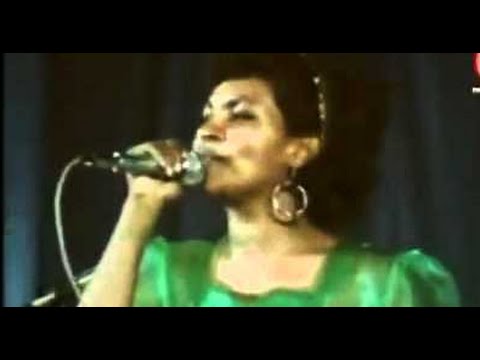
Figure 1. Ilfinash Qannoo performing in Finfinnee, September 1991 — a landmark moment showing her cultural continuity into the post‑Derg era.
10. Global Relevance: An Indigenous African Icon
When written in English, Ilfinash’s legacy becomes global. Like Miriam Makeba, she:
- preserved indigenous identity,
- resisted cultural erasure,
- elevated regional authenticity to national visibility,
- became a model for indigenous women across Africa.
Her work belongs in global discussions of cultural resistance and indigenous revival.
11. Legacy Through Her Daughters
Ilfinash’s lineage continues through her daughters:
- Hawwii — meaning Hope.
- Daangaa — meaning Territorial boundary / Oromo land.
She taught them:
- Oromo culture,
- Oromo language,
- Oromo melody,
- Oromo identity.
They became among the best Oromo singers of their generation.
12. Conclusion
Ilfinash Qannoo’s legacy is foundational. She urbanized Oromo culture, reversed hegemonic fragmentation, unified regions, liberated minds through melody, carried Kaayyoo without compromise, and became a global symbol of indigenous courage.
Her correct title is:
**Haadha Hawwii, Haadha Daangaa:
Ilfinash Qannoo — The Mother of Hope, The Mother of the Land, The Mother of Culture, The Mother of Resistance**
Her work is not a chapter in Oromo history — it is one of its foundations.
References
Books and Academic Works
- Baxter, Paul T.W. Peoples and Cultures of the Oromo. Addis Ababa: Addis Ababa University Press, 1994.
- Bulcha, Mekuria. Contours of the Emergent and Ancient Oromo Nation. Minneapolis: Kirk House Publishers, 2016.
- Hassen, Mohammed. The Oromo of Ethiopia: A History, 1570–1860. Trenton, NJ: Red Sea Press, 1990.
- Jalata, Asafa. Oromo Nationalism and the Ethiopian Discourse. Lawrenceville, NJ: Red Sea Press, 1998.
- Lewis, Herbert S. A Galla Monarchy: Jimma Abba Jifar, Ethiopia, 1830–1932. Madison: University of Wisconsin Press, 1965.
- Lydon, Ghislaine. On Trans-Saharan Trails: Islamic Law, Trade Networks, and Cross-Cultural Exchange in Nineteenth-Century Western Africa. Cambridge: Cambridge University Press, 2009.
- Makeba, Miriam. Makeba: The Miriam Makeba Story. New York: Plume, 1988.
- Muleta-Erena, Temesgen. The Game of Strategic Legacy: Essays in Behavioural Economics on Courage, Coordination, and Cultural Sovereignty. London: TC Press, 2025.
- Smith, Linda Tuhiwai. Decolonizing Methodologies: Research and Indigenous Peoples. London: Zed Books, 1999.
Journal Articles
- Benti, Getahun. “The Role of Oromo Music in Cultural Resistance.” Journal of Oromo Studies 12, no. 2 (2005): 45–68.
- Bulcha, Mekuria. “Cultural Identity, Modernity, and Nationalism: The Oromo Experience.” African Affairs 96, no. 385 (1997): 493–514.
- Gemeda, Abebe. “Women, Music, and Resistance in Oromo Society.” Northeast African Studies 10, no. 3 (2008): 23–49.
- Jalata, Asafa. “The Struggle for Knowledge: The Case of the Oromo.” International Journal of Ethiopian Studies 1, no. 2 (2004): 57–88.
- Schlee, Günther. “Cultural Fragmentation and Identity Formation in East Africa.” Africa 70, no. 3 (2000): 505–528.
Chapters in Edited Volumes
- Baxter, Paul T.W. “The Creation of the Pan‑Oromo Identity.” In Being and Becoming Oromo, edited by Paul T.W. Baxter, Jan Hultin, and Alessandro Triulzi, 167–186. Lawrenceville, NJ: Red Sea Press, 1996.
- Triulzi, Alessandro. “Songs of Resistance: Memory and Identity in the Horn of Africa.” In Cultural Memory in Africa, edited by Abebe Zegeye, 89–112. Cape Town: HSRC Press, 2002.
Primary Cultural Sources
- Ali Birra. Selected Recordings, 1970–1985. Addis Ababa: National Radio Archives.
- Abitew Kebede. Studio and Live Recordings. Finfinnee: Ethiopian Broadcasting Corporation Archives.
- Ilfinash Qannoo. Cultural and Resistance Songs (1970s–2000s). Oromo Music Preservation Archive.
- Qannoo, Ilfinash. “Kolonii Luka Dooluu.” Audio recording. Oromo Cultural Heritage Collection.
Indigenous and Oral Sources
- Oral testimonies collected from Oromo elders in East, West, South, and North Oromia (1970–2026).
- Community interviews archived in the Oromo Oral Heritage Project, Addis Ababa University.
- Field notes from cultural gatherings in Finfinnee, Ambo, Jimma, and Hararghe (1975–1995).
- Ilfinash Qannoo and the Guddattuu Wallaggaa Cultural Band (1970s): Oral Testimonies from Elders Associated with TC Press, London. Collected 2015–2026.
Beyond Official Titles: Cultural Breakthroughs in Performance and Representation September 5, 2026
Posted by OromianEconomist in Uncategorized.Tags: Africa, art, Ethiopia, history, Miss World 2026, Music, News, Oromo, Oromo culture, Oromo music, Ruth Yirgalem Weldesilasie, writing
add a comment
Beyond Official Titles: Cultural Breakthroughs in Performance and Representation
Competitions often create moments where the official winner is not the only artist who leaves a lasting impact. In the BBC Fame Academy series, David Sneddon secured the title with 3.5 million votes. Yet two other finalists — Lemar Obika and Sinéad Quinn — became widely recognised as cultural winners. Their performances resonated strongly with audiences, and both went on to build successful music careers. Their breakthrough came not from the final vote, but from the authenticity and talent they displayed on stage.
A similar dynamic is emerging with Ruth Yirgalem Weldesilasie, whose performance in traditional Oromo dance introduced a global audience to a cultural heritage that has long been underrepresented. Her appearance — authentic choreography, traditional costume, and confident cultural expression — revealed a tradition that many viewers had never encountered before. The reaction from international audiences, influencers, and cultural commentators was overwhelmingly positive, recognising the performance as a display of a rich and distinctive heritage.
For a culture that has faced historical suppression, this moment carried a different kind of significance. When given visibility, indigenous traditions often resonate far beyond expectations, and Ruth’s performance demonstrated how cultural authenticity can create its own form of victory — independent of any official result.
Her journey is also marked by personal resilience, including the loss of her senior sister to kidnappers. Despite this, she has continued to carry herself with strength and dignity, treating all cultures with equal respect. Her background, including her Tigrayan roots, has enabled her to navigate diverse cultural spaces with openness, helping to bring people together across East Africa and beyond.
Whether or not she wins an official title, Ruth’s performance at Miss World 2026 has already achieved something meaningful: it opened a window for the world to witness a cultural treasure, and it placed her on a path similar to artists who became iconic through impact rather than votes.
To support visual understanding of the cultural analysis, this essay includes a link to a publicly available YouTube clip uploaded by an independent creator. The video provides a clear view of Ruth Yirgalem Weldesilasie’s Oromo traditional dance performance:
UpFront Africa Show: Oromo visual artist Yaddi Bojia talks on using his art as a platform to speak on issues related to Oromo Culture,Social issues and Gadaa system August 7, 2017
Posted by OromianEconomist in Uncategorized.Tags: Africa, art, Gadaa System, Oromo, Oromo Art: The Next Frontier, Oromo artist (Painter), UpFront Africa Show, VOA, Yadesa Bojia
1 comment so far

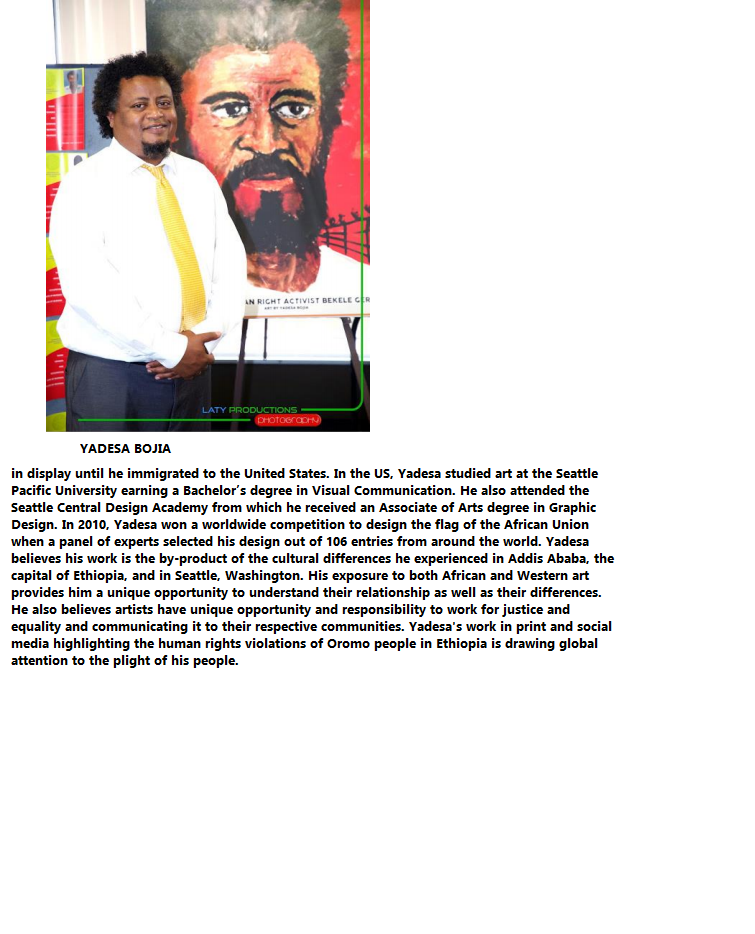
Oromo visual artist and activist Yaddi Bojia talks to Jackson Muneza M’vunganyi on using his art as a platform to speak on issues related to Oromo Culture,Social issues,Black Lives Movement etc.’Artists often see their place to provoke, to voice, to enlighten.’
Africans will spur creativity and innovation by celebrating their own excellence — Quartz November 6, 2016
Posted by OromianEconomist in Africa, African Beat, African Literature, Uncategorized.Tags: Africa, African culture, art, Business, Music, Science
add a comment

This week, Wole Soyinka, the first African to win the Nobel prize in literature, said he wanted another award: The Grammy. Speaking at Oxford University, Soyinka was responding to Bob Dylan’s recent crowning as the winner of the prestigious literature prize, when he said: “Since I’ve written quite a number of songs for my plays,…
via Africans will spur creativity and innovation by celebrating their own excellence — Quartz
Oromians pay tribute to their artist icon and Comedy genius: Hayyuun Sabaa fi Jaallatamaa Kennaa Addaa Kan Qabu Artist Admaasuu Biraanuu Magarsaa (Abbaa Lataa) Boqochuun Ibsame February 18, 2016
Posted by OromianEconomist in Oromo, Oromo film andDrama.Tags: Admaasuu Biraanuu (Abbaa Lataa), Africa, art, Oromia, Oromo, Oromo artist icon and comedian genius, Oromo film and Drama
add a comment

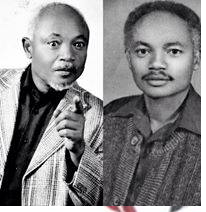
Oromo artist icon and comedic genius, Admaasuu Biraanuu Magarsaa (Abbaa Lataa), 1956 – 2016.
Biyyoon Isatti Haa Salphatu.
May His Soul Rest In Peace.
Oduu Gaddaa: Hayyuun Sabaa fi Jaallatamaa Kennaa Addaa Kan Qabu Artist Admaasuu Biraanuu Magarsaa (Abbaa Lataa) Boqochuun himame.
Artistii Beekamaa fi jallatamaa Admaasuu Biraanuu Magarsaa Guraandhala 14 bara 2016 galagala summ’ii diinann du’e reeffii Isaa mana isa keessaa argamuun ibsame. Matii Isaa fi Uummata Oromoo maraaf Hayyuu Dhabneef Waaqayyo Jajjabina Isaa Nuu Haa Kennu.
The Measure of a man: Not – “how did he die” But – “how did he live” Not – “what did he gain” But – “what did he give” These are the units to measure the worth of a man, as a man, Regardless of birth.
Artist Admaasuu Biraanuu Magarsaa: Pioneer and an icon of Oromo art, film, comedy and drama has passed away. He had played a leading role in almost all major works of Oromo films and drama and had been entertaining people for many years. Admaasuu was an amazing artist and comedian. His timeless wonderful works will continue to entertain the generation to come.
NAGAYAAN BOQODHU
Ni boqatte jedhu
Dhugaadhaa? Abbaa Lataa
Amanuu dadhabee
Lammiin si gaafata!
Diraamaamoo fiilmii
Akkamiin amanna?
Ciistee hafte jedhu
Dhibee si mudate
Mee eenyuun gaafanna!?
Saba si jaallatuuf
Maa Garaa jabaatte?
Halkan dukkanumaan
Kan deemtee fagaatte!
Nama umurii guutuu
Aadaasaaf jiraate
Aartii isaa guddisuuf
Dabarsee of laate
Akka Nama tokkoo
Qixxee namaa duute!
Garaa jabeettittiin
Duuni maal saalfatti
Cimaa akka keetiis
Isa yaraas nyaatti
Si dhukkuba jechuu
Ani homaa hin dhageenye
Niboqatte jennaan
Amanuu hin dandeenye!
Egaa ati hin deebitu
Tarii nutu dhufa
Guca ati qabsiiste
Ifee itti fufa
Dhalachuufiin duuni
Wal qixxee jiraata
Garuu kankee kuni
Garaa nama nyaata!
Atis kunoo egaa
Qixxee namaa ciistee
Diraamaafiin baacoos
Hundumasaa dhiistee !
Lubbuukeef jannata
Maatiif jajjabina
Nuyis sabni keetii
Siin dhabuuf gaddina!
Barreessaan Roobeeraa Hinsarmuu
Yaadannoon Abbaa Lataaf
BORU NUUF BIQILA
(Walaloon kun artistii keenya kabajamaa fi jaalatamaa ” Admaasuu Birhaanuu/Abbaa Lataa” yaadannoo haa taatu)
Mana murtii deemee dhaddachatti ba’ee
Afaan oromoo bara yakkamaa ta’e
Yeroo kan ofiin dubbachuun nutti taate qaanii
Bara dhangaa keenya dhoksan cuqqaaluudhaan gaanii
…
Nuti duruu miti sanyii warra badii
Afaan oromoo qooqa eenyuu gadi?
Aartii keenya kuusuun walitti itichaa
Nu boonsiteetta hayyuu oromtichaa
…
Diraamaa dheeraa fi baacoo gaggababaa
Safuu oromoo fi duudhaa biyyaaf sabaa
Dhangaa lammii keetiif kaleessa arjoomte
Maqaa dhahuu laata kan sammuun yaadate?
…
Waaqa uumaa ibsuuf kalaqa kee addaa
Isa kaan gammoojjii warra kaaniin baddaa
Tokko sooromsitee kaan hiyyoomsaa hin turree
Mana sin bulchu abbaa hojiin burree
…
Nooruu yaa du’a abbaa wal qixxeessaa
Ijoollee koo ka’aa irbaata qopheessaa
Bishaan miilaas fidaa daddafaa ho’isaa
Duti murtee malee hin beeku doorsisa
…
Kan kee raajuma bar Ayyaantuus fakkaattee
Hucuu jaartii keetii gad baaftee uffattee
Diriirfattee teessee qaama kee hurguftee
Ana Abbaa Dumburree jechuun foffoolatte
Haati manaan kees yoo sana garmalee sodaattee
Iccitii hundumaa fuutee gadi baaftee
Mala kanaan kunoo siifis araaramte
…
Diraamaa kee hedduu biyyi raajeffate
Handaaqqoo fi sangaa dhaaba horii baaftee
Walitti bitadhaa adda hin baasu jettee
Nus daawwattoota kee kolfaan nu ajjeefte
…
Mucaa xiqqaa wayiin Luuccee jettee waamte
Obboleettuma kee tiksee seetee dhaante
Hojiin kee hundumtuu bar baraan jirata
Nagaadhaan boqodhu artist abbaa Lataa
…
Admaasuu Birhaanuu mootii artistootaa
Utubaa aartii qaroo oromootaa
Kan ati facaafte lammiin haamee nyaata
Kan ati hojjateen seenaan si yaadata
…
Lubbuu itti horte aartii oromootaa
Bakka ati hin jirre qophiitu dhaamota
Uummanni oromoo kanaaf si jaalata
Lubbuudhaan jiraadhu walakkaa jannataa
…
Uummanni Oromoo lakkoofsaan kitila
Bakka kee kan bu’u boru nuuf biqila
Jan 15/2016
Kaanenus Kaasaa Baayisaa tiin
Afaan Oromoo keenya Haa Dursinu March 14, 2015
Posted by OromianEconomist in Afaan Oromoo, Africa, Kemetic Ancient African Culture, Oromo, Oromo First, Oromo Identity, Oromo Literature, Oromummaa, Qubee Afaan Oromo.Tags: Abbo Xaasoo Andreas, Afaan Oromoo, Africa, African culture, African Studies, Ancient African langauge, art, Language and Development, Oromia, Oromiyaa, Oromo, Oromo culture, Oromo people, Oromummaa, philosophy and civilization, Qubee Afaan Oromoo
1 comment so far

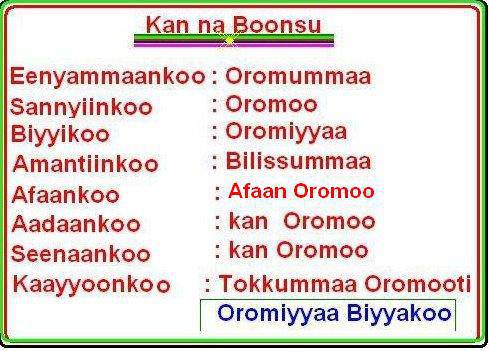
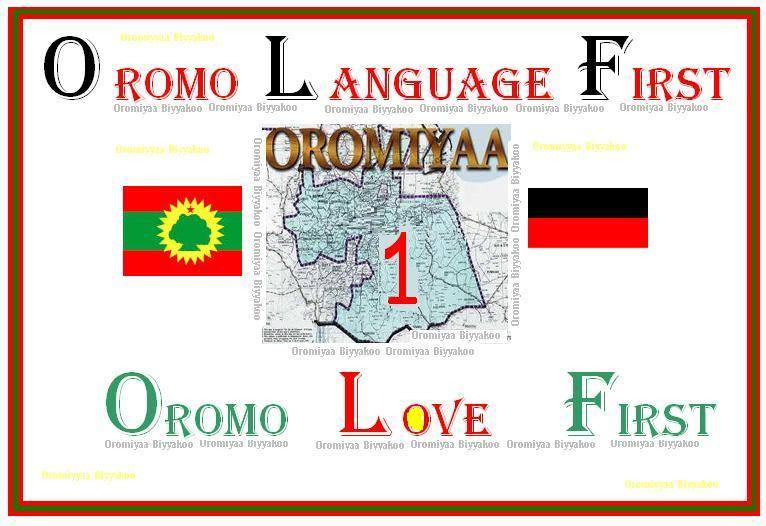
Afaan Oromo is the ancient indigenous language of Africa. Save Afaan Oromo!


You must be logged in to post a comment.