Flying Over Finfinnee October 27, 2026
Posted by OromianEconomist in Uncategorized.Tags: #Oromia, Afaan Oromo, African culture, Creative technology, Cultural Adaptation, Cultural Exchange, Cultural Heritage, Digital Creativity, Finfinnee, From Oromia to the World, Innovation, Music Video, Oromo Cultural Soundscapes, Oromo culture, Oromo Culture, Oromo Music, Finfinnee, Oromia, Cultural Exchange, Digital Creativity, Music Video, Afaan Oromo, Oromo Identity, Cultural Adaptation, Traditional Culture, Innovation, World Music, Afric, Oromo Identity, Oromo music, TC Press, Traditional Culture, world music
add a comment
Culture, Imagination, and Creative Adaptation in the Digital Age

Flying Over Finfinnee
Culture, Imagination, and Creative Adaptation in the Digital Age
Watch the Video
Modern culture is increasingly shaped by interactions between local traditions and global creative influences. Digital technologies now allow communities to reinterpret, remix, and share cultural expressions in ways that would have been difficult only a generation ago. The result is not necessarily cultural replacement. In many cases, it is cultural adaptation.
Flying Over Finfinnee: Oromo Dance Fantasy from Oromia to the World explores this process through music, imagination, and visual storytelling.
The project combines original Afaan Oromoo lyrics, an energetic Oromo-inspired vocal style, modern video technology, and a playful fantasy narrative. While the visual concept was inspired by a widely used global video template, the finished work developed its own cultural identity through language, music, and local references.
Full Lyrics
Karra si banaa,
Karra na banii,
Finfinnee balballi shanii.
Yaa shirri shirrii Boolee irraa,
Daalatti irra rooberaa.
Finfinnee biyya abbaa keenyaa,
Oromummaan qaama keenyaa.
Ni bashannanna akka boonnettii,
Anaa dhufu galama aadaa keenyatti.
Reimagining Familiar Visual Symbols
One of the interesting aspects of cultural creativity is the ability to reinterpret familiar symbols.
The original template that inspired the visual style of the video was associated with a seasonal fantasy theme. However, once Oromo characters, Afaan Oromoo lyrics, and Oromo-inspired music were introduced, the meaning shifted.
The visual no longer functioned primarily as a reference to its original setting.
Instead, it became a playful Oromo cultural fantasy.
The flying journey above Finfinnee transformed into a symbolic celebration of movement, imagination, and belonging.
Finfinnee as Cultural Space
The references to Finfinnee play an important role within the song.
Rather than describing the city in a literal or documentary way, the lyrics present it through imagination and celebration. The city becomes a cultural landscape viewed from above, a place connected to memory, identity, and everyday life.
This imaginative perspective allows music to create emotional connections with place while remaining joyful and accessible.
The song therefore uses fantasy as a creative device rather than as an escape from reality.
Tradition and Innovation Together
A common misunderstanding is that cultures must choose between preserving tradition and embracing innovation.
In practice, successful cultural traditions often do both.
They preserve continuity while remaining open to new forms of expression.
In this project:
- The language remains Afaan Oromoo.
- The cultural references remain Oromo.
- The musical inspiration draws upon Oromo vocal traditions.
- The creative tools are modern.
- The visual presentation is contemporary.
The result demonstrates that tradition and innovation can reinforce one another.
Cultural Exchange and Creativity
Many Oromos living outside Oromia encounter new customs, celebrations, technologies, and artistic styles throughout their lives.
Creative exchange naturally occurs when different cultural experiences meet.
The important question is not whether adaptation should occur, but how adaptation takes place.
When local language, memory, and identity remain present, new influences can become opportunities for creativity rather than threats to cultural continuity.
The video reflects this principle.
A familiar global visual concept becomes a distinctly Oromo artistic expression through reinterpretation rather than imitation.
Technology as a Cultural Tool
Technology increasingly allows individuals to create music, videos, essays, and cultural archives without large institutions or production teams.
The song emerged from original lyrics.
The music developed through AI-assisted composition.
The visuals were assembled using digital creative tools.
Together they demonstrate how technology can help people document, preserve, and expand cultural expression.
The creative process becomes more accessible while cultural identity remains visible.
From Oromia to the World
The subtitle From Oromia to the World reflects a broader theme that connects many TC Press projects.
Local cultures can participate in global conversations without losing their uniqueness.
A song written in Afaan Oromoo can reach audiences far beyond Oromia.
At the same time, global creative influences can be reinterpreted through local cultural perspectives.
This exchange enriches both sides.
It encourages curiosity, creativity, and cultural dialogue.
Conclusion
Flying Over Finfinnee is more than a music video.
It is an example of how cultures can remain dynamic while preserving their identity. Through language, music, imagination, and technology, the project demonstrates that new cultural expressions often emerge when tradition and innovation meet.
The result is neither entirely traditional nor entirely modern.
It is a creative conversation between the two.
From Finfinnee to the wider world, the journey continues through music, imagination, and cultural exchange.
Video
Author (Producer): Temesgen Muleta-Erena
Publisher: TC Press
Ideas, Culture, Ecology, and Strategic Truth
Culture Endures By Creating, Adapting, and Sharing.
Language, Culture, and Connection October 25, 2026
Posted by OromianEconomist in Uncategorized.Tags: Afaan Oromo, Communication, Culture, Education, english, language, Language Learning, multilingual, TC Press, Temesgen Muleta-Erena, writing
add a comment
Language, Culture, and Connection
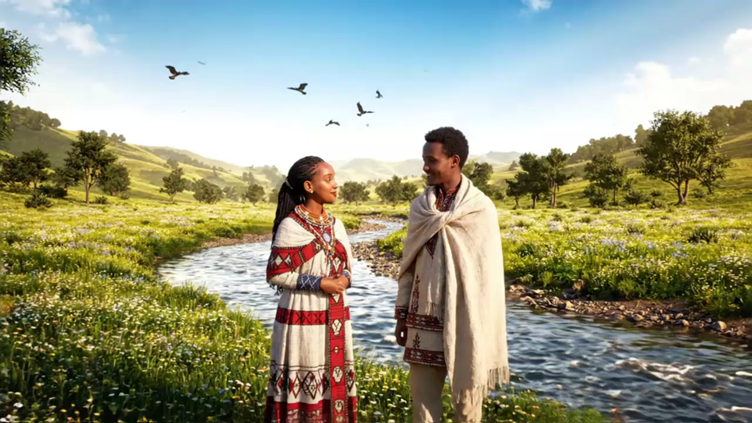
How Everyday Afaan Oromoo Phrases Help Build Bridges Across Cultures
Watch the Video
Language is one of the most powerful tools for connecting people. Long before modern technology, people used language to build trust, cooperate, share knowledge, and pass culture from one generation to the next. Today, in an increasingly interconnected world, learning even a few words from another language can help create friendships and mutual understanding across cultural boundaries.
The video From Oromia to the World: Speaking Together, Learning Together was created with this spirit in mind. Using simple everyday conversations, the project introduces Afaan Oromoo alongside several world languages while celebrating the landscapes, culture, and traditions of western Oromia.
Starting With a Simple Conversation
Every language begins with simple human interactions.
Someone asks how another person is doing.
Someone responds.
Someone expresses gratitude.
The dialogue used in the video begins with three familiar Afaan Oromoo phrases:
Akkam jirta?
How are you?
Nagaan jira.
I am well.
Galatoomi.
Thank you.
These words may seem simple, yet they represent some of the most important elements of everyday communication. Through greetings and expressions of gratitude, people establish relationships and demonstrate respect for one another.
The video then carries the same conversation into German, English, Italian, Urdu, French, Spanish, Arabic, Hausa, and Swahili, demonstrating how different languages often communicate the same human values.
The Importance of Mother Tongues
Every language contains unique knowledge.
Languages preserve histories, traditions, stories, and ways of viewing the world. Afaan Oromoo, like many indigenous languages, carries generations of cultural memory and collective experience.
Learning additional languages should never require abandoning one’s own language. Instead, multilingualism allows people to expand their understanding while remaining firmly connected to their cultural roots.
The video’s setting in western Oromia emphasizes this principle. The participants wear traditional Oromo attire and speak from within the landscapes that shaped their identity. Their engagement with global languages grows from cultural confidence rather than cultural replacement.
Western Oromia as a Classroom
The video intentionally places language learning within a rural environment.
The landscapes of western Oromia are more than a backdrop. They are part of the educational message.
The rivers, farms, trees, open grasslands, and village surroundings of the Arjo–Dhidhessaa corridor have supported generations of learning, communication, and community life. Presenting language lessons within this setting demonstrates that education does not occur only inside formal institutions. Learning also emerges from culture, place, and everyday experience.
The classroom can be a field, a pathway, a village square, or a conversation beneath a tree.
Speaking Together, Learning Together
The idea behind the project extends beyond language itself.
Language learning encourages curiosity.
Curiosity encourages understanding.
Understanding encourages respect.
The goal is not simply to memorise phrases. The deeper purpose is to create opportunities for communication between people who may come from very different backgrounds.
A person in Germany can learn an Oromo greeting.
A person in Oromia can learn a greeting from Swahili or Spanish.
A simple conversation becomes an opportunity to appreciate another culture.
Technology as a Cultural Bridge
Modern technologies have transformed the ways people learn and share languages.
A short educational video can travel across continents within minutes. People can encounter languages they have never previously heard and discover communities they may never physically visit.
The project itself combines traditional culture with modern creative tools. Rural Oromo landscapes, cultural clothing, and Afaan Oromoo expressions are presented through contemporary video technologies, allowing local cultural knowledge to participate in a global conversation.
Technology becomes most valuable when it helps people learn from one another.
A World of Many Languages
Humanity speaks thousands of languages.
Each language reflects the experiences of a particular community, yet many of the underlying human interactions remain remarkably similar. People greet each other. People thank each other. People ask about health, family, and well-being.
The words differ.
The humanity remains familiar.
By presenting multiple languages within a single conversation, the video highlights both diversity and commonality. It reminds viewers that differences in language need not prevent understanding.
Conclusion
From Oromia to the World: Speaking Together, Learning Together is a celebration of language, culture, education, and human connection.
Beginning in the landscapes of western Oromia and extending outward to the wider world, the project demonstrates how local identity and global communication can strengthen one another. Language learning becomes not only an educational activity but also an act of cultural appreciation and mutual respect.
Every new language opens a door.
Every conversation builds a bridge.
And every greeting reminds us that although humanity speaks many languages, we share a common desire to connect, learn, and understand.
Video Link
Author (Producer): Temesgen Muleta-Erena
TC Press
Ideas, Culture, Ecology, and Strategic Truth
Many Languages. One Humanity.
Gelloo Yaa Gelloo October 20, 2026
Posted by OromianEconomist in Uncategorized.Tags: African Culture,, Arjo,, Community Heritage,, Cultural Memory,, Cultural Preservation,, Dance,, Dhidhessaa Corridor,, Ecology,, history, Indigenous Knowledge, Killoo Kombolchaa,, Music, News, Oromia,, Oromo Culture,, Oromo Language,, Oromo music,, reviews, TC Press, Temesgen Muleta-Erena,, Traditional Music,, World Music,, writing
add a comment
Culture, Dance, and Cultural Exchange Along the Arjo–Dhidhessaa Corridor
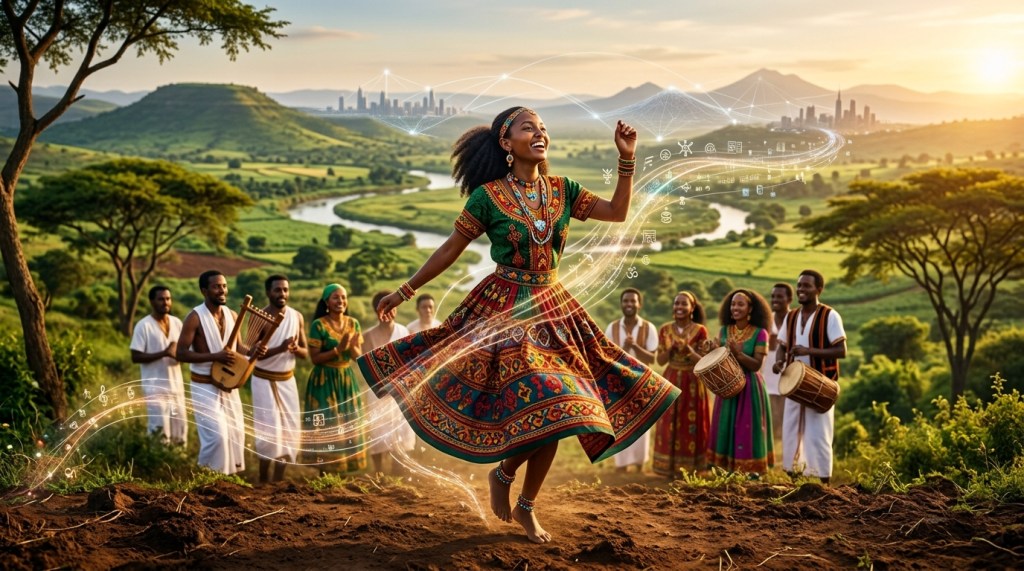
Watch the Video
Gelloo Yaa Gelloo
Culture, Dance, and Cultural Exchange Along the Arjo–Dhidhessaa Corridor
Music, dance, and cultural memory have always travelled together. Long before modern media, communities transmitted stories, values, traditions, and collective identities through songs performed at gatherings, celebrations, and social occasions. The song Gelloo Yaa Gelloo belongs to this continuing tradition.
Inspired by the cultural life of Arjo and the wider Dhidhessaa corridor of Oromia, the song combines traditional Oromo lyricism with modern creative technologies to create a new interpretation of an enduring cultural atmosphere. Through music, dance, imagery, and digital production, the project seeks to document and celebrate a living cultural landscape while making it accessible to wider audiences.
Full Lyrics
Gelloo yaa gelloo,
Gelloo raasaa buqqee,
Gelloo jennan dhuftee.
Yoona yoonaa,
Yeroon keenyaa,
Yoona yoonaa.
Koottu yaa shubbee,
Mee shabshab goonaa.
Silaa Arjotti gallaa,
Maaf adda baanee dallannaa,
Koottu gaaddissa teenyaa,
Maal abbaashee wal dhabnaa.
The Cultural Landscape of Arjo
The world represented in Gelloo Yaa Gelloo emerges from a specific cultural and ecological setting. Arjo and the wider Dhidhessaa corridor have long been places where community life, agriculture, nature, and cultural expression intersect.
Songs from such environments often reflect everyday social relationships. They carry memories of gatherings under trees, seasonal celebrations, village pathways, communal experiences, and the landscapes that shape people’s lives. The lyrics of Gelloo Yaa Gelloo capture this atmosphere through playful dialogue, invitations to dance, and references to shared cultural spaces.
Although the song is rooted in a particular locality, its themes remain familiar across many societies. Friendship, celebration, belonging, and human connection are experiences that transcend geography.
Dance as a Living Cultural Language
Dance occupies an important place within Oromo cultural expression.
It is more than movement. It is a language of participation.
Through rhythm, gesture, and collective performance, people communicate identity, community, and joy. The repeated invitation within the song to dance together reflects a longstanding tradition in which celebration becomes a shared cultural experience rather than an individual activity.
The dance imagery accompanying the song illustrates how cultural forms continue to evolve. Traditional influences remain visible while contemporary styles and technologies contribute new dimensions to presentation and preservation.
Tradition Meets Technology
One of the most distinctive aspects of this project is the fusion of traditional inspiration with modern technology.
The lyrics emerged from cultural memory and local expression. The melody was developed using AI-assisted music generation. Video technologies made it possible to transform a simple concept into a visual performance capable of reaching audiences across the world.
Rather than replacing cultural traditions, technology can support their preservation and dissemination. Songs that might previously have been limited to local performance can now become part of a permanent digital archive, available to future generations.
In this sense, technology functions as a cultural bridge.
Cultural Exchange in Both Directions
The video presents traditional Oromo attire and cultural aesthetics while simultaneously incorporating creative approaches that resonate with broader global audiences.
This creates a two-way exchange.
Culture travels from Arjo to the world through music, dance, and storytelling.
At the same time, exposure to global technologies and creative tools provides new ways of documenting and renewing local cultural expression.
The result is not cultural loss but cultural dialogue.
A community remains rooted in its heritage while participating in wider conversations about creativity, identity, and artistic expression.
Ecology, Memory, and Culture
The song also reflects a broader principle that runs throughout the TC Press Ecology Series.
Culture and ecology are deeply connected.
People inherit landscapes, but they also inherit songs about those landscapes.
Memories become attached to rivers, fields, schools, trees, pathways, and gathering places. Cultural expressions preserve those relationships long after individual events have passed.
Documenting music therefore contributes not only to cultural preservation but also to the preservation of ecological memory.
In this way, songs become part of a larger record of lived experience.
Conclusion
Gelloo Yaa Gelloo is both a cultural performance and a cultural document.
It celebrates the traditions of the Arjo–Dhidhessaa corridor while demonstrating how modern technologies can help preserve, share, and renew local heritage.
The project shows that culture does not need to choose between tradition and innovation. It can remain deeply rooted in place while engaging with the wider world.
From Arjo to global audiences and back again, the journey of the song illustrates how cultural expression continues to connect people across generations, landscapes, and communities.
TC Press
Ecology Lyrics Series – Oromo Cultural Soundscapes
Author: Temesgen Muleta-Erena
The Heartbeat of Oromia: How the Traditional Dibbee Sustains Our Cultural Heritage October 19, 2026
Posted by OromianEconomist in Uncategorized.Tags: African culture, African music, art, Black History, cultural preservation, Culture, history, Music, Oromia music, Oromo, Oromo music, Travel, writing
add a comment

The Heartbeat of Oromia: How the Traditional Dibbee Sustains Our Cultural Heritage
Posted on Culture & Arts | By Temesgen Muleta-Erena | Reading Time: 4 mins
Music in the Oromo tradition is far more than mere entertainment—it is a living library of history, philosophy, spiritual values, and social organization. At the very center of this rich musical heritage lies the traditional drum, known in Afaan Oromoo as the dibbee.
Across Oromia, different styles of traditional drums serve distinct social, ceremonial, and musical functions. From the energetic rhythms of community dances to sacred gatherings, the dibbee carries the pulse of a nation. Recognizing, recording, and preserving these traditional instruments—especially through visual media showcasing drummers in authentic traditional attire—is an essential act of cultural safeguard.
Watch the Video:
A Tapestry of Rhythms: The Diversity of Oromo Drums
The Oromo people utilize various drum styles tailored to specific musical genres, geographic regions, and cultural events:
- The Classic Dibbee: Carved from hollowed hardwood trunks and stretched tightly with cowhide or goatskin, the classic dibbee provides the foundational rhythm for traditional dances like Dhiichisa, Geerarsa, Ragada, and Shagoyyee. Depending on where it is struck—at the center for a deep resonance or near the frame for a sharp snap—it dictates the tempo and energy of the community.
- The Handheld Wallaggaa Dibbee: Popular in Western Oromia (Wallaggaa), this portable, handheld version allows drummers mobility and fluid interaction with dancers, playing an integral role in regional celebrations and social gatherings.
- The Atamo: Lighter frame drums played with hands or thin beaters, widely used during intimate social gatherings, traditional coffee ceremonies, and festive occasions.
- Spiritual & Ritual Drums: In traditional ceremonies (such as Ateetee rituals or Irreecha gatherings), sacred drum rhythms establish a reverent atmosphere, bringing the community together in prayer, unity, and gratitude.
“The drumbeat in Oromia is not just background music; it is the rhythm to which our history, oral poetry, and community values are spoken.”
Why the Drum is a Pillar of Oromo Identity
Oromo drums do not merely accompany a melody; they structure the entire communication and story of a performance:
- Sustaining Oral History: In a culture historically anchored in oral tradition, drum rhythms serve as timekeeping markers for epic poetry, historical recitations, and heroic songs (Geerarsa).
- Fostering Social Harmony: The layered polyrhythms produced by multiple drummers responding to one another reflect core Oromo values of teamwork, mutual respect, and collective harmony (Safuu and Gadaa principles).
- Guarding Indigenous Craftsmanship: Every traditional drum represents generations of artisan knowledge—from selecting native hardwoods to preparing hides using age-old tanning techniques. Preserving the drum safeguards this irreplaceable craftsmanship.
Digital Preservation: Bringing Tradition to the World
In an era dominated by modern synthesized production, traditional acoustic instruments risk being overshadowed. Capturing authentic acoustic recordings and visual performances serves three vital purposes:
- Visual Documentation: Recording hand techniques, postures, and striking methods ensures future generations can study and replicate authentic practices.
- Cultural Pride: Pairing traditional attire (Aadaa) with native instruments highlights the deep connection between Oromo textiles, aesthetics, and musical heritage.
- Global Connection: Sharing raw, traditional percussion online connects the Oromo diaspora and introduces international audiences to the authentic sounds of East Africa.
Key Takeaway: The dibbee is more than an instrument—it is the heartbeat of Oromo identity. By documenting, recording, and sharing traditional drumming, we ensure that the vibrant rhythms of Oromia continue to inspire generations to come.
Join the Conversation!
What is your favorite memory or traditional dance connected to the dibbee? Do you play any traditional Oromo instruments? Drop a comment below and share your thoughts!
From Oromia to the World October 17, 2026
Posted by OromianEconomist in Uncategorized.Tags: Communication,, Cultural Diversity,, Cultural Exchange, Education, Global Citizenship,, Humanity,, language, Language Learning, Languages,, Multilingualism, Oromo Culture,, TC Press, technology, Temesgen Muleta-Erena,, writing
add a comment
How Language Learning Builds Bridges Between Culture
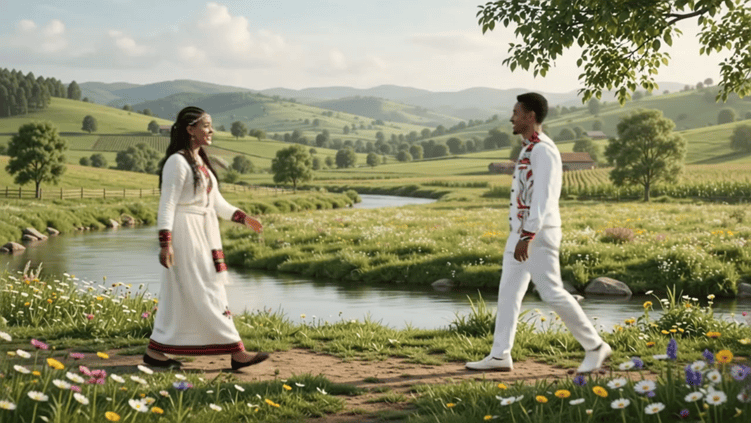
From Oromia to the World: How Language Learning Builds Bridges Between Cultures
Watch the Video:
https://youtu.be/j_UA_JlzCNs
Language is one of humanity’s most powerful tools. It allows people to exchange ideas, build friendships, preserve culture, and cooperate across borders. While geography, history, and tradition may shape different communities, language provides a pathway through which people can learn from one another.
The video From Oromia to the World explores this idea through a simple but meaningful interaction. Two young Oromo people meet in a beautiful rural setting, exchange greetings, and continue their conversation in multiple languages from different parts of the world.
Although the video begins in a specific cultural context, its message is universal: communication creates connection.
Language and Human Connection
Human societies have always depended on communication.
Before trade, diplomacy, education, or scientific collaboration can occur, people must find ways to understand one another. Languages differ in vocabulary, grammar, pronunciation, and history, yet they often serve similar purposes. People introduce themselves, ask about one another’s well-being, share knowledge, and build relationships.
A simple greeting is therefore more significant than it may appear.
When someone learns a greeting in another language, they demonstrate respect for another community and a willingness to communicate across cultural boundaries.
Cultural Confidence and Global Openness
An important feature of the video is that the participants remain connected to their cultural identity.
The setting is rural and natural.
The clothing reflects Oromo cultural traditions.
The conversation begins in Afaan Oromo.
Yet from that local foundation, the discussion expands to include numerous world languages.
This reflects an important principle:
Global engagement does not require cultural abandonment.
A person can celebrate their own heritage while learning from others.
A community can preserve its language while encouraging multilingual communication.
Identity and openness can coexist.
Speaking Together, Learning Together
The phrase Speaking Together, Learning Together captures the educational spirit of the project.
Every language contains:
- history,
- knowledge,
- traditions,
- literature,
- and unique ways of describing the world.
Learning another language therefore means more than learning words. It means gaining access to another perspective.
The exchange of greetings in Oromo, Sidama, English, German, Spanish, French, Arabic, Italian, Urdu, Chinese, and Hausa symbolises this broader process of mutual learning.
The video does not seek to promote one language over another. Instead, it highlights the value of linguistic diversity itself.
Technology and Cultural Exchange
Modern technology has transformed language learning.
A smartphone now provides access to translation tools, educational resources, cultural content, and speakers of different languages from around the world.
This creates opportunities that previous generations rarely enjoyed.
People can remain deeply connected to their communities while engaging with a global audience.
Educational and cultural projects can be produced and shared at very low cost.
Knowledge can travel across continents within seconds.
The result is a world in which learning becomes increasingly accessible.
Many Languages, One Humanity
Humanity speaks thousands of languages.
This diversity is sometimes viewed as a barrier.
Yet it can also be viewed as a source of cultural richness.
Every language contributes something unique to human civilisation.
Every language represents generations of experience, memory, and creativity.
The goal of multilingual communication is not to eliminate differences. It is to create understanding despite those differences.
When people learn one another’s languages, even at a basic level, they strengthen the foundations of cooperation and mutual respect.
Conclusion
From Oromia to the World uses a simple conversation to communicate a larger idea.
Languages do not separate humanity. They connect it.
The ability to learn, share, and communicate across cultures remains one of the most valuable skills in an increasingly interconnected world.
By remaining rooted in local identity while embracing global communication, people can preserve cultural heritage and expand human understanding at the same time.
In a world that often emphasises division, multilingual communication reminds us of something important:
Many Languages. One Humanity.
Author (Producer): Temesgen Muleta-Erena
Publisher: TC Press, London
Ideas, Culture, and Strategic Truth 🌍🗣️🌿✨
Taming Cognitive and Strategic Chaos: A Plain-Language Guide to Decision Entropy October 12, 2026
Posted by OromianEconomist in Uncategorized.Tags: Behavioural Economics, decision science, Entropy, Game theory, Institutional Design, philosophy, TC Press, temesgen-muleta-erena, The Codex Press
1 comment so far

Taming Cognitive and Strategic Chaos: A Plain-Language Guide to Decision Entropy
Temesgen Muleta-Erena (PhD), Economist, Sovereign Publisher, Epistemic Steward
Affiliation: TC Press (The Codex Press), London
Abstract
Decision science is frequently defined as the study of how human beings process choices and respond to behavioural triggers. This essay presents an alternative perspective: the primary purpose of decision science is to systematically reduce entropy across human systems. In social and cognitive contexts, entropy manifests as the accumulation of confusion, distortion, unverified assumptions, strategic errors, and institutional breakdown. These failures routinely occur when individuals, organizations, and polities rely on low-effort, impulsive, or unexamined decision habits. Drawing upon dual-process psychology, bounded rationality, game theory, and institutional analysis, this paper outlines a clear framework connecting decision quality to entropy management. Deliberate analytical reasoning, systematic verification, and aligned incentives serve as essential mechanisms that reduce chaos and improve resilience across everyday choices and complex organizations.
Keywords: Decision Science, Entropy, Dual-Process Theory, Bounded Rationality, Game Theory, Verification, Institutional Design.
Introduction
Why do smart people frequently make poor decisions? Why do successful organizations repeat avoidable mistakes? Why do modern societies fall victim to widespread misinformation despite having access to endless streams of information?
Traditional behavioural science answers these questions by identifying cognitive biases and explaining why humans act irrationally. However, simply explaining a mistake does not prevent it from happening again.
This essay argues that decision science should be understood as a discipline focused on entropy reduction. In physics, entropy refers to the natural tendency of systems to decay into disorder. In human systems, decision entropy is the accumulation of noise, misunderstanding, unverified assumptions, and poor strategic choices. The fundamental challenge of modern life is not gathering more information, but building systems that turn raw information into clear, reliable choices.
For readers interested in the complete formal mathematical proofs, proof-of-concept equations, and technical economic modeling behind this framework, refer to the full technical version of Entropy and the Architecture of Human Decisions
Theoretical Foundations made Simple
The concept of decision entropy unites four major fields of study:
Bounded Rationality
Herbert Simon showed that human beings cannot be perfectly logical actors because we have limited time, energy, and information. As a result, people settle for options that are “good enough” rather than finding the absolute best solution. This natural limitation leaves every decision vulnerable to mistakes and mental clutter.
Dual-Process Theory
Daniel Kahneman and Amos Tversky showed that human thinking relies on two interacting mental modes:
┌────────────────────────────────────────────────────────┐
│ SYSTEM 1 (Fast Gear) │
│ Autopilot • Intuitive • Low Energy • Prone to Bias │
└───────────────────────────┬────────────────────────────┘
│
[ Active Override ]
│
▼
┌────────────────────────────────────────────────────────┐
│ SYSTEM 2 (Slow Gear) │
│ Deliberate • Analytical • Checks Facts • High Effort │
└────────────────────────────────────────────────────────┘
- System 1: Fast, automatic, emotional, and intuitive. It is essential for routine daily tasks, but prone to errors when dealing with complex, unfamiliar problems.
- System 2: Slow, deliberate, logical, and verification-focused. It requires conscious mental effort, but acts as a critical filter against errors.
Game Theory and Incentives
Game theory examines how people make choices when their outcomes depend on the actions of others. Poor group decisions often occur not because individuals are foolish, but because the rules and incentives encourage bad behaviour.
Institutional Design
Research in institutional economics shows that organizations, laws, and social rules exist primarily to create stability and predictable choices. Strong institutions succeed because they lower uncertainty and encourage cooperation.
A Simple Model of Decision Entropy
Decision entropy increases whenever choices are driven by impulse, emotional reactions, unverified headlines, or peer pressure.
We can represent this relationship with a straightforward framework:

Where α,β,γ>0 represent the relative weight of each factor.
┌────────────────────────┐
│ DECISION QUALITY │
└───────────┬────────────┘
│
┌──────────────┴──────────────┐
▼ ▼
Analytical Thinking Fact Verification
(System 2 Shift) (Empirical Check)
│ │
└──────────────┬──────────────┘
│ [Drives Down]
▼
┌────────────────────────┐
│ DECISION ENTROPY │
│ (Noise & Illusions) │
└────────────────────────┘
From this core relationship, we can define Decision Quality (D):

This model yields three core principles:
- Rising Entropy Degrades Quality: As noise, confusion, and impulse increase, decision quality drops.
- Slowing Down Improves Outcomes: Engaging deliberate analytical thinking directly lowers entropy.
- Fact-Checking Creates Stability: Verification protects decision quality even when full information is unavailable.
Separating Impression from Reality
A major source of decision entropy is confusing subjective experience with objective truth.
Flawed Mental Process: [ Perception ] ═════► [ Absolute Truth ]
Correct Mental Process: [ Perception ] ──► [ Critical Analysis ] ──► [ Verification ] ──► [ Truth ]
When individuals assume that their immediate reaction or interpretation represents reality without checking the facts, entropy rises. Strategic clarity requires us to separate what we observe, how we interpret it, and what is objectively true.
Institutions as Chaos Filters
Throughout history, human civilization has built structured systems designed specifically to filter out noise and reduce collective entropy:
INSTITUTIONAL FILTERS
│
┌──────────────────┬────────────┴───────────┬──────────────────┐
▼ ▼ ▼ ▼
Scientific Judicial Market Academic
Methods Courts Prices Education
│ │ │ │
Filters out Filters out Filters out Filters out
Flawed Theories False Claims Resource Waste Ignorance
│ │ │ │
└──────────────────┴────────────┬───────────┴──────────────────┘
▼
SYSTEMIC STABILITY
- Science: Uses replication and testing to filter out false ideas.
- Legal Systems: Use rules of evidence to separate facts from rumors.
- Economic Markets: Use price signals to coordinate supply and demand.
- Education: Transmits tested knowledge to eliminate ignorance.
When these systems break down or lose public trust, overall societal entropy surges, leading to confusion and systemic instability.
Practical Interventions for Managing Entropy
To reduce decision entropy across personal, organizational, and societal domains, we can apply targeted practices:
Individual Level: Introduce Deliberate Pauses
- Establish habit-based “cooling-off” periods before making significant financial commitments or posting online.
- Practice asking basic verification questions: “What is the proof for this claim?” and “What alternative explanations exist?”
Organizational Level: Structure the Decision Process
- Use “pre-mortems” where teams imagine a project has failed before launch to discover hidden risks.
- Align employee incentives so that long-term accuracy and stability are rewarded over short-term metrics.
Societal Level: Invest in Epistemic Infrastructure
- Support educational frameworks that teach critical thinking, media literacy, and scientific reasoning.
- Design platforms and systems that reward fact verification rather than immediate emotional engagement.
Conclusion
Decision science should not merely describe how human beings act; it should provide practical tools to combat chaos.
Entropy accumulates whenever individuals and institutions rely excessively on unexamined impulses and unverified assumptions. By activating deliberate reasoning, enforcing fact-checking habits, and designing clear institutional incentives, we can lower decision entropy and build more resilient, capable systems.
Further Reading & References
For the complete technical breakdown and economic models, visit the full essay paper:
- Full Technical Paper: Entropy and the Architecture of Human Decisions (The Oromian Economist)
Key Academic Citations:
- Gibbons, Robert. Game Theory for Applied Economists. Princeton, NJ: Princeton University Press, 1992.
- Kahneman, Daniel. Thinking, Fast and Slow. New York: Farrar, Straus and Giroux, 2011.
- Muleta-Erena, Temesgen. Daily Cognitive Erosion: A Decision-Science Model of Personal Entropy and System Entropy in Modern Societies. London: TC Press, 2026.
- Muleta-Erena, Temesgen. The Epistemological Divide: Decoupling Subjective Phenomenological Certainty from Objective Truth in Decision Theory. London: TC Press, 2026.
- North, Douglass C. Institutions, Institutional Change and Economic Performance. Cambridge: Cambridge University Press, 1990.
- Ostrom, Elinor. Governing the Commons: The Evolution of Institutions for Collective Action. Cambridge: Cambridge University Press, 1990.
- Simon, Herbert A. Models of Bounded Rationality. 2 vols. Cambridge, MA: MIT Press, 1982.
- Tversky, Amos, and Daniel Kahneman. “Judgment under Uncertainty: Heuristics and Biases.” Science 185, no. 4157 (1974): 1124–1131.
- Von Neumann, John, and Oskar Morgenstern. Theory of Games and Economic Behaviour. Princeton, NJ: Princeton University Press, 1944.
The Conviction Trap: Why Our Strongest Feelings Don’t Prove Reality October 11, 2026
Posted by OromianEconomist in Uncategorized.Tags: cognitive bias, consciousness, crtical thinking, decision science, philosophy, psychology, Science, spirituality
add a comment

The Conviction Trap: Why Our Strongest Feelings Don’t Prove Reality
By Temesgen Muleta-Erena
TC Press, London
Introduction: The Raw Power of Personal Experience
Throughout history, profound moments—like dreams, visions, and life-altering awakenings—have shaped how people live and how whole cultures view the world (James 1902). Across every continent, individuals have described deeply moving encounters with forces larger than themselves, whether divine beings, ancestral spirits, or cosmic order (Otto 1923; Eliade 1959). These interior moments have inspired major faith traditions, guided historic choices, and given millions of people purpose.
Yet an essential question remains: Does a deeply personal, emotionally overwhelming experience mean that the explanation we attach to it is accurate?
Decision science, cognitive psychology, and philosophy give a straightforward answer: no (Tversky and Kahneman 1974; Gigerenzer 2007). The intense feeling of absolute certainty happens inside our own minds—it is an emotional state (Barrett 2017). Objective truth, however, depends on whether an idea matches real-world facts outside ourselves (Gettier 1963). Confusing how strongly we feel about an event with proof that our explanation is correct is one of the easiest ways human thinking goes wrong.
The Three-Stage Lens for Big Claims
To evaluate incredible stories or intense personal events fairly, decision science breaks claims down into three distinct steps (Jeffrey 1990):
- The Raw Experience: Something happens within a person’s body or mind—a vivid dream, a surge of emotion, or a near-death encounter. The reality of this internal event is rarely doubted; the person genuinely felt or saw something extraordinary (Nagel 1974).
- The Mind’s Story: The brain immediately tries to make sense of what happened (Ricoeur 1981). Depending on background, culture, or personal history, someone might interpret a sudden vision as a message from God, a spiritual breakthrough, a neurological event, or a psychological reaction (Newberg and d’Aquili 2001; Clark 2013). People from different cultures can have the exact same physical feeling yet explain it in opposite ways.
- The Real-World Check: This is where the explanation gets tested against outside evidence (Popper 1959). Logic and science do not deny that the person had a powerful experience. Instead, they ask a practical question: What evidence proves that this specific explanation is the right one?
Most mistakes happen when people jump directly from having an experience (Stage 1) to accepting their preferred explanation (Stage 2), skipping independent checking (Stage 3) entirely.
The Problem with Conflicting Revelations
Recognizing this distinction is crucial because personal revelations across time often contradict one another (Locke 1689/1975).
Prophets throughout history have delivered opposing messages about the universe. Mystics from different traditions describe fundamentally different spiritual worlds, and people who survive near-death events report afterlives that match the ideas of their own culture (Moody 1975; Zaleski 1987). Yet each person feels completely certain that their experience revealed the ultimate truth.
If feeling certain were enough to make an idea true, then completely contradictory claims would have to be true at the exact same time. Because opposing facts cannot exist simultaneously, emotional conviction alone cannot prove what is real. Independent testing is always necessary.
Why Our Brains Play Tricks on Us
Our minds do not work like objective cameras capturing the world as it is. Instead, the human brain functions as an engine designed to predict and interpret sensory signals (Friston 2010; Seth 2021).
Several built-in mental habits shape how we view what happens to us:
- Affective Realism: When a feeling is intense, our brain assumes it reflects an outside fact (“It felt so real, so it must be true”) (Barrett 2017).
- Confirmation Bias: We automatically fit unusual moments into what we already believe or what our friends and community expect (Nickerson 1998).
- Pattern and Mind Detection: Evolutionary history has primed us to look for hidden motives or intentional beings behind random or complex events (Guthrie 1993; Barrett 2000).
- Shiftable Memory: Memories are not fixed recordings. Every time we remember an event, our mind subtly edits the story to fit our current outlook (Loftus 2005).
These habits are not defects; they are standard features of how humans are wired. But because our brains naturally overlay stories onto raw feelings, we need outside, independent evidence whenever we make claims about objective reality.
Strategic Truth: Making Better Decisions
Distinguishing experience from reality leads to what decision scientists call Strategic Truth (Ramsey 1926; Savage 1954). Strategic Truth requires us to separate how passionately someone holds a belief from whether that belief is supported by solid evidence.
In critical choices—whether in medical care, financial investments, legal matters, or daily life—treating strong conviction as proof leads to costly and dangerous mistakes (Tetlock 2005; Kahneman 2011).
Applying Strategic Truth comes down to three clear habits:
- Acknowledge the Feeling: Respect the genuine emotional impact the event had on the person.
- Separate Fact from Story: Isolate what was actually observed or felt from the explanation attached to it.
- Look for Outside Proof: Require clear, repeatable evidence before treating an explanation as an established fact about the world.
Conclusion: Respecting the Mind While Demanding Evidence
Seeing the gap between feeling certain and being right does not take away the personal value of visions, insights, or life-changing moments. Interior experiences remain vital sources of art, comfort, personal growth, and human meaning.
However, the moment an inner feeling is used to assert a fact about the shared world, it must meet the standards of objective reality. Decision science gives us a dependable guide for navigating extraordinary claims:
Respect the experience. Question the interpretation. Require evidence for the truth.
By keeping these steps clear, we can honor the depth of human inner life while making wiser, evidence-based choices in the world we share.
References (Chicago Style – Author-Date)
Barrett, Justin L. 2000. “Exploring the Natural Foundations of Religion.” Trends in Cognitive Sciences 4 (1): 29–34.
Barrett, Lisa Feldman. 2017. How Emotions Are Made: The Secret Life of the Brain. Boston: Houghton Mifflin Harcourt.
Clark, Andy. 2013. “Whatever Next? Predictive Brains, Situated Agents, and the Future of Cognitive Science.” Behavioral and Brain Sciences 36 (3): 181–204.
Eliade, Mircea. 1959. The Sacred and the Profane: The Nature of Religion. Translated by Willard R. Trask. New York: Harcourt, Brace & World.
Friston, Karl. 2010. “The Free-Energy Principle: A Unified Brain Theory?” Nature Reviews Neuroscience 11 (2): 127–138.
Gettier, Edmund L. 1963. “Is Justified True Belief Knowledge?” Analysis 23 (6): 121–123.
Gigerenzer, Gerd. 2007. Gut Feelings: The Intelligence of the Unconscious. New York: Viking.
Guthrie, Stewart Elliott. 1993. Faces in the Clouds: A New Theory of Religion. Oxford: Oxford University Press.
James, William. 1902. The Varieties of Religious Experience: A Study in Human Nature. New York: Longmans, Green, & Co.
Jeffrey, Richard C. 1990. The Logic of Decision. 2nd ed. Chicago: University of Chicago Press.
Kahneman, Daniel. 2011. Thinking, Fast and Slow. New York: Farrar, Straus and Giroux.
Locke, John. (1689) 1975. An Essay Concerning Human Understanding. Edited by P. H. Nidditch. Oxford: Clarendon Press.
Loftus, Elizabeth F. 2005. “Planting Misinformation in the Human Mind: A 30-Year Investigation of the Malleability of Memory.” Learning & Memory 12 (4): 361–366.
Moody, Raymond A. 1975. Life After Life. Covington, GA: Mockingbird Books.
Nagel, Thomas. 1974. “What Is It Like to Be a Bat?” The Philosophical Review 83 (4): 435–450.
Newberg, Andrew, and Eugene d’Aquili. 2001. Why God Won’t Go Away: Brain Science and the Biology of Belief. New York: Ballantine Books.
Nickerson, Raymond S. 1998. “Confirmation Bias: A Ubiquitous Phenomenon in Many Guises.” Review of General Psychology 2 (2): 175–220.
Otto, Rudolf. 1923. The Idea of the Holy. Translated by John W. Harvey. London: Oxford University Press.
Popper, Karl R. 1959. The Logic of Scientific Discovery. London: Hutchinson.
Ramsey, Frank P. 1926. “Truth and Probability.” In The Foundations of Mathematics and other Logical Essays, edited by R. B. Braithwaite, 156–198. London: Kegan Paul.
Ricoeur, Paul. 1981. Hermeneutics and the Human Sciences. Edited and translated by John B. Thompson. Cambridge: Cambridge University Press.
Savage, Leonard J. 1954. The Foundations of Statistics. New York: John Wiley & Sons.
Seth, Anil. 2021. Being You: A New Science of Consciousness. New York: Dutton.
Tetlock, Philip E. 2005. Expert Political Judgment: How Good Is It? How Can We Know? Princeton, NJ: Princeton University Press.
Tversky, Amos, and Daniel Kahneman. 1974. “Judgment under Uncertainty: Heuristics and Biases.” Science 185 (4157): 1124–1131.
Zaleski, Carol. 1987. Otherworld Journeys: Accounts of Near-Death Experience in Medieval and Modern Times. Oxford: Oxford University Press.
From Heritage to High Fashion October 6, 2026
Posted by OromianEconomist in Uncategorized.Tags: #Irreecha, art, creative industry, fashion, Hetritage, High fasshion, lifestyle, Oromo fashion design, style, Sustainable Fasshion, TC Press, Temesgen Muleta‑Erena, Travel
add a comment
How Irreecha Inspired a Cultural Design Revolution
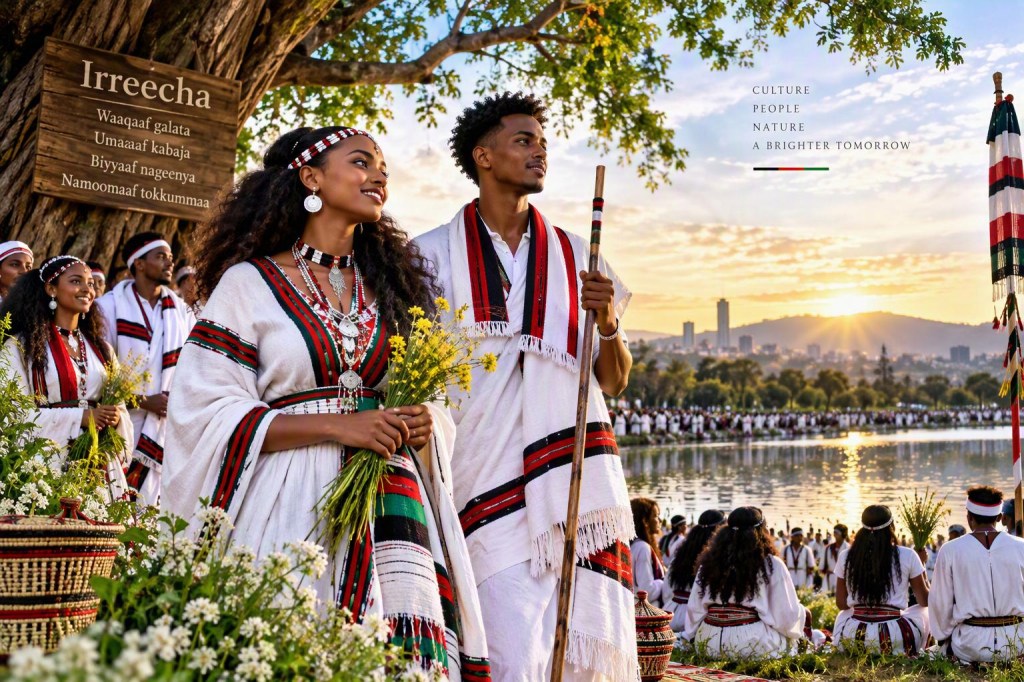
From Heritage to High Fashion
How Irreecha Inspired a Cultural Design Revolution
Every generation inherits something from the past. Some inherit buildings, some inherit languages, and others inherit knowledge. One of the most visible inheritances passed from one generation to another is cultural design.
In Ethiopia, few cultural events have influenced fashion and design as profoundly as Irreecha. While widely known as a celebration of gratitude, community, and cultural identity, Irreecha has also become an unexpected catalyst for creativity, entrepreneurship, and innovation. The celebration has helped transform traditional attire from cultural heritage into a dynamic and evolving design movement.
Today, the influence of Irreecha reaches far beyond the ceremonial field. It can be seen in photography, social media, fashion design, public events, digital art, and contemporary cultural expression.
A Living Design Archive
The success of cultural fashion did not emerge from a vacuum.
Across generations, communities preserved textile traditions, embroidery styles, jewellery designs, colour combinations, and various forms of artistic craftsmanship. These traditions formed a living archive of design knowledge.
Young designers did not need to invent a completely new visual language. Instead, they found inspiration in what already existed.
Traditional attire became a foundation upon which contemporary creativity could flourish.
Rather than looking backward, many designers discovered that cultural heritage provided a pathway forward.
The Irreecha Showcase Effect
Every year, Irreecha creates a unique public stage.
Thousands of people present their finest cultural attire. Photographs circulate widely. Videos are shared across platforms. New designs attract attention. Conversations emerge around colour, tailoring, symbolism, and craftsmanship.
This visibility matters.
For many young creatives, the celebration offers something invaluable: an audience.
A design that might once have been seen only by a small local community can now be viewed by people across continents. Through social media and digital communication, cultural attire has gained a level of visibility unimaginable only a generation ago.
For young graduates entering fashion and design, this creates opportunities that extend far beyond the celebration itself.
Confidence as an Economic Resource
Economists often discuss physical resources, financial capital, and infrastructure. Yet cultural confidence is also a resource.
When people believe their heritage has value, they invest in it.
When they invest in it, new industries emerge.
Designers create new collections.
Photographers build portfolios.
Artisans expand production.
Content creators document and promote cultural stories.
Entrepreneurs discover new markets.
The result is the development of a cultural economy built upon creativity rather than extraction.
This is particularly important because cultural industries often combine economic opportunity with social and educational value.
A Broader Cultural Wave
One of the most interesting outcomes of Irreecha’s success is its wider influence.
As Oromo cultural attire became increasingly visible, other Ethiopian communities also began promoting and celebrating their own traditions more actively.
This demonstrates the power of cultural visibility.
Confidence can be contagious.
When one community successfully presents its heritage with dignity and pride, others are often encouraged to do the same.
The result is not uniformity but diversity.
Different traditions become more visible. Different artistic styles gain recognition. Different communities contribute their own designs and interpretations to a growing cultural landscape.
In this way, cultural expression expands rather than competes.
Beyond Stereotypes
The rise of cultural fashion also challenges outdated assumptions.
Traditional attire is sometimes viewed as something belonging exclusively to ceremonies, museums, or historical memory. Yet contemporary designers increasingly demonstrate that heritage can be modern, elegant, innovative, and internationally relevant.
The growing prominence of cultural attire in public life suggests that indigenous aesthetics are fully capable of participating in global conversations about design, beauty, and creativity.
The question is no longer whether traditional fashion can be contemporary.
The question is how far contemporary cultural design can go.
A Sustainable Creative Future
The future of cultural fashion may be particularly promising because it is rooted in renewable assets.
Knowledge can be shared.
Designs can be refined.
Skills can be taught.
Creativity can multiply.
Unlike finite natural resources, cultural knowledge often grows stronger through use and transmission.
Every new designer contributes to the archive.
Every new interpretation expands the possibilities.
Every new generation adds another layer of creativity.
This makes cultural design both sustainable and adaptive.
Looking Forward
Perhaps the most important lesson of Irreecha’s fashion story is that cultural preservation and innovation are not opposites.
The most successful contemporary designs often emerge from respectful engagement with existing traditions. Heritage provides the foundation. Creativity builds upon it.
As new generations continue to reinterpret cultural attire, they are not simply preserving the past. They are creating the future.
Irreecha demonstrates what becomes possible when tradition is treated not as a constraint but as a source of inspiration.
What began as a celebration of gratitude has also become a platform for artistic excellence, entrepreneurship, and cultural confidence.
In the process, it has helped show that local heritage can have global relevance, and that cultural designs born from community traditions can stand proudly on any stage in the world.
By Temesgen Muleta-Erena
TC Press, London
Gathering in Gratitude: The Meaning of Irreecha in the Modern World October 5, 2026
Posted by OromianEconomist in Uncategorized.add a comment
Gathering in Gratitude: The Meaning of Irreecha in the Modern World
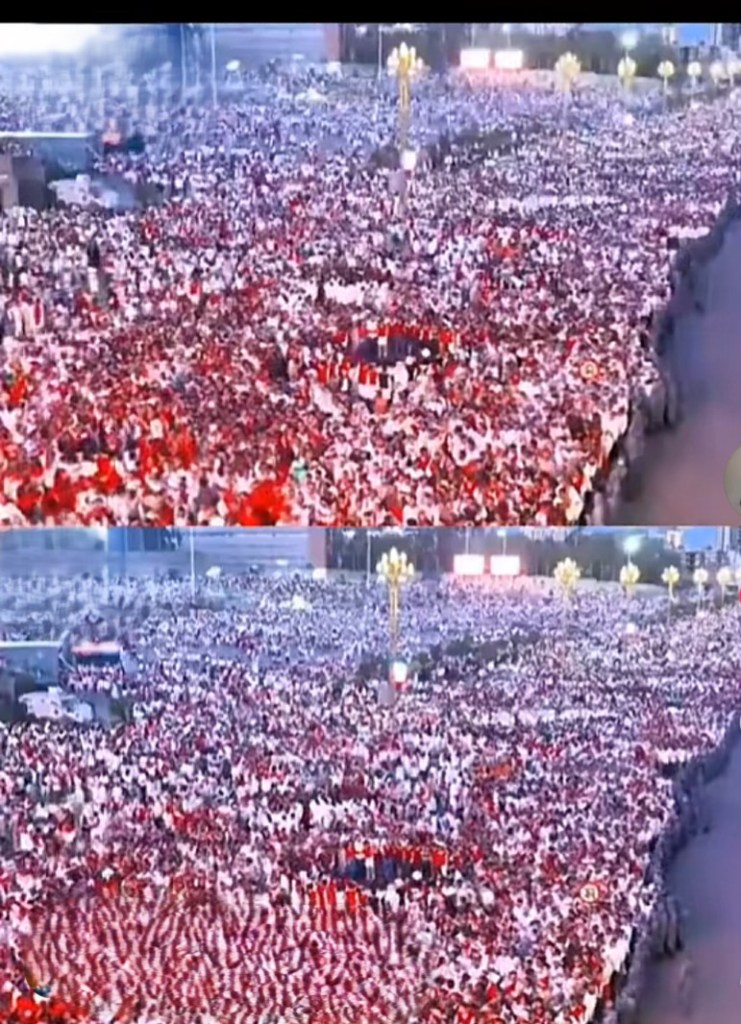
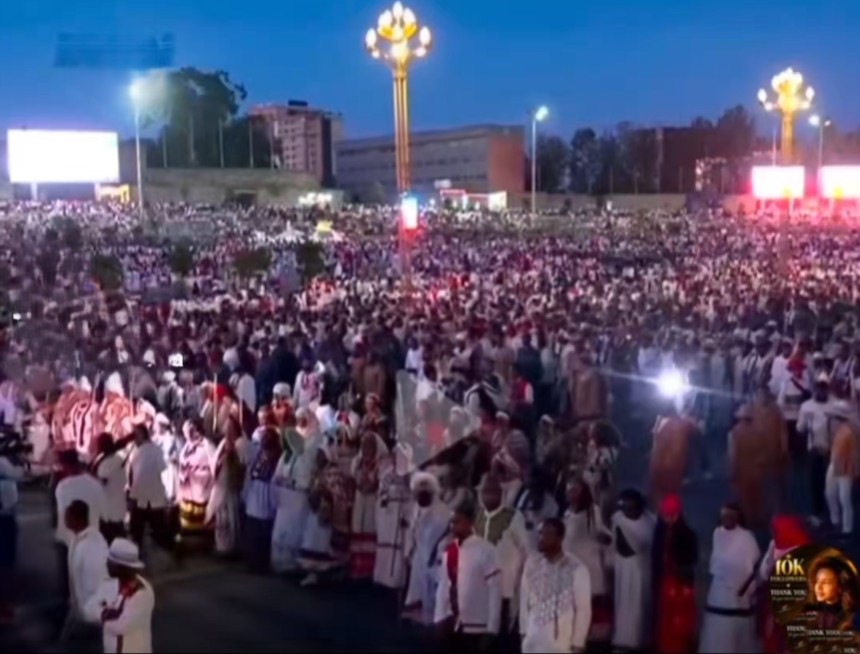
Irreecha, 3 October 2026, Hora Finfinnee, Finfinee, Oromia
How the Oromo tradition of thanksgiving, renewal, and harmony with nature continues to inspire millions in the twenty-first century
Author (Contributor): Temesgen Muleta-Erena
TC Press Culture and Ecology Series
The peaceful and successful celebration of the two major national Irreecha events at Hora Finfinnee in Finfinnee and Hora Harsadii in Bishooftuu on 3 and 4 October 2026 marked another important chapter in one of Africa’s most enduring cultural traditions. The historically high attendance at both gatherings demonstrated the continuing strength of a festival that brings people together through gratitude, renewal, cultural identity, and peaceful coexistence.
For many participants, Irreecha is far more than an annual event. It is a living expression of thanksgiving and a reminder of humanity’s relationship with nature, community, and the cycles that sustain life.
What Is Irreecha?
Irreecha is the traditional Oromo thanksgiving celebration. At its core, it is a moment for expressing gratitude to Waaqa (the Creator) for life, peace, health, family, harvests, and the blessings of nature.
Unlike many modern celebrations that revolve around consumption, Irreecha centres on appreciation. It is a time to pause, reflect, and recognise the sources of life and well-being that are often taken for granted.
Participants gather in large numbers near rivers, lakes, and other natural settings where thanksgiving is expressed through songs, prayers, cultural performances, and collective celebration.
Two Seasons of Thanksgiving
Many international observers associate Irreecha with the annual gathering during Birraa, the season that follows the long rains. This is indeed the most widely recognised celebration.
As the rains give way to clear skies, blooming flowers, green landscapes, and renewed agricultural abundance, communities gather to celebrate survival, prosperity, and renewal. The season itself becomes a visible reminder of nature’s capacity to regenerate.
However, Irreecha is not limited to Birraa alone.
In Oromo tradition, there are two major Irreecha seasons.
Irreecha Arfaasaa is celebrated at the beginning of the rainy season. It marks the arrival of the rains that make planting, cultivation, and ecological renewal possible.
Irreecha Birraa is celebrated after the rains, when the benefits of those rains become visible throughout the landscape and communities offer thanks for life, growth, and abundance.
Together, these celebrations reflect a complete ecological cycle: gratitude for the rain that enables life and gratitude for the renewal and abundance that follow.
A Celebration of Harmony with Nature
One of the most distinctive features of Irreecha is its ecological dimension.
The festival reflects an understanding that human well-being is inseparable from the health of the natural world. Rivers, rainfall, grasslands, forests, flowers, and fertile land are recognised not merely as resources but as essential foundations of life.
This perspective remains highly relevant in an age increasingly defined by environmental challenges. Across the globe, societies are searching for ways to strengthen their relationship with nature and promote sustainable living.
Irreecha offers a cultural tradition that has long encouraged gratitude, stewardship, and respect for the environment.
By gathering near water and celebrating the renewal of the landscape, participants reaffirm humanity’s connection to the ecosystems that support life.
Community and Cultural Identity
Irreecha is also a celebration of community.
Families, elders, youth, and visitors gather together in an atmosphere of peace and shared belonging. Traditional clothing, music, dance, and ceremonial practices transform the gathering into a living expression of cultural continuity.
The festival creates opportunities for knowledge to pass from one generation to another. It reinforces values of respect, unity, and cooperation while strengthening social bonds within communities.
In a rapidly changing world, such cultural gatherings help preserve heritage while allowing traditions to remain vibrant and relevant.
Music and the Spirit of Irreecha
Music has always been an important part of preserving cultural memory.
The song “Nooruu Yaa Birraa” was created to reflect the enduring spirit of Irreecha and the beauty of the Birraa season. Its message celebrates renewal, gratitude, community, and Oromummaa through a blend of traditional inspiration and contemporary musical expression.
Rather than belonging to a single year, the song is intended to accompany future generations as they continue to celebrate the values represented by Irreecha.
Like the festival itself, the music looks both backward and forward: preserving heritage while inviting new audiences to engage with it.
Irreecha in the Digital Age
The continued vitality of Irreecha is also reflected in the ways people document and share the celebration through modern media platforms. Images, videos, music, and personal reflections now allow cultural experiences to travel far beyond the physical gathering sites, reaching audiences across continents.
The first three videos accompanying this article were adapted from footage recorded and shared from the actual Irreecha celebrations at the gathering sites. They capture the atmosphere, colour, participation, and collective spirit of the events, offering viewers a glimpse into one of the world’s largest annual cultural gatherings centred on thanksgiving and peace.
The fourth video takes a different approach. It is a creative animated interpretation inspired by Irreecha traditions. The animation depicts women leading a ceremonial procession toward the water, accompanied by community members dressed in traditional attire, carrying fresh grasses and cultural symbols associated with renewal, gratitude, and collective identity.
Beyond its artistic appeal, the animated work highlights a broader ecological message. The journey toward the water symbolises humanity’s enduring relationship with nature, reminding viewers that rivers, lakes, rainfall, and healthy ecosystems remain fundamental to human well-being. While deeply rooted in Oromo cultural traditions, this message has universal relevance for communities everywhere facing environmental and sustainability challenges.
The musical accompaniment blends traditional inspiration with contemporary digital creativity, creating an experience that is both respectful of heritage and accessible to younger generations. In doing so, it demonstrates how cultural traditions can be preserved, renewed, and shared through modern storytelling platforms.
Why Irreecha Matters Today
The significance of Irreecha extends far beyond Oromia.
Its central themes resonate across cultures and continents. Gratitude, environmental stewardship, social harmony, community, and peaceful coexistence are values that remain relevant to societies everywhere.
In an era often characterised by speed, distraction, and division, Irreecha offers an alternative perspective. It reminds us of the importance of celebrating life, appreciating nature, and strengthening the bonds that connect people to one another.
The successful and peaceful gatherings at Hora Finfinnee and Hora Harsadii demonstrated that these values continue to inspire millions.
Ultimately, Irreecha is not only a celebration of a season. It is a celebration of a worldview: one that recognises gratitude as a source of strength, community as a source of resilience, and harmony with nature as a foundation for human flourishing.
Baga Ittiin Nu Gahe.
Explore the TikTok Videos
Irreecha Celebration Video 1
https://vm.tiktok.com/ZGdCNPbaH
Irreecha Celebration Video 2
https://vm.tiktok.com/ZGdCNAJVh
Irreecha Celebration Video 3
https://vm.tiktok.com/ZGdCNfPgx
Animated Irreecha Procession
https://vm.tiktok.com/ZGdCN9kwe
Watch the Music Videos
YouTube Short
Music Video
Further Reading
Irreecha 2026: Quantum Thanksgiving of the Oromo Nation
https://theoromianeconomist.blogspot.com/2026/09/irreecha-2026-quantum-thanksgiving-of.html
TC Press Culture and Ecology Series explores the relationships between culture, nature, community, history, and human flourishing through essays, music, visual storytelling, and public scholarship


You must be logged in to post a comment.