Economic and development analysis: Perspectives on economics, society, development, freedom & social justice. Leading issues in Oromo, Oromia, Africa & world affairs. Oromo News. African News. world News. Views. Formerly Oromia Quarterly
As Ethiopians ready to celebrate their New Year and the Muslim feast of Sacrifice, shops in the town of Burayu are shuttered and streets strangely empty amid fresh anti-government protests.
With New Year festivities set for Sunday and Eid parties scheduled the following day, in any other year Burayu’s sheep and cattle market would have been at its busiest this weekend.
But after months of on-off trouble in the central Oromo region — home to Ethiopia’s largest ethnic group — this small town close to the capital, Addis Ababa, is in virtual lockdown after a call for a general strike against the government’s stance on Oromo demands.
Closed shops in Burayu town, about ten kilometres from Addis Ababa in Oromia regional state
“I’ve never seen the city like this,” said a grocer manning one of the few market stalls still open.
“The police came and said we have no right to close our shops and if we close, they’ll close us for good.”
But despite incessant police patrols up and down the streets, most of the shops have remained shuttered.
“The whole Oromo region is ruled by the military,” said 26-year-old Abdisa, who vows while chatting with a couple of friends that his family’s small cafe will stay shut until the New Year, as agreed by the shopkeepers.
“This boycott is a way of showing our disagreement with the government,” adds Abdisa, who gave no family name.
The lockdown, he says, is a sign of respect for those killed in the Oromo region since November, which rights groups say number in the hundreds.
With security forces readily using live bullets against demonstrators, there have been fewer protests in recent days.
– ‘People choice is my choice’
“We don’t want to celebrate the New Year with joy … They’re killing people with guns. We need the killings to stop,” said Falmata, a young university graduate unable to find a job.
And when talk focuses on Ethiopia’s last elections in May 2015, when the ruling EPRDF coalition — in power for a quarter of a century — won every parliamentary seat, Falmata’s anger boils over. “This result is totally false,” he says.
It was a government decision a few months later to appropriate Oromo lands for an urban development scheme — a decision now rescinded — that raised fears by Oromo farmers of expropriation, triggering months of deadly trouble.
“The plan brought a lot of blood, and that blood started everything”” said Falmata.
“We don’t want this regime to continue, it’s ruled by a few people dominated by the TPLF,” he added, referring to the Tigray Liberation Front that overthrew Mengistu Haile Mariam’s dictatorial regime in 1991 but is now also accused of monopolising political power.
The unrest, the first such protests in a decade, has spread to the northern Amhara region. In August, simultaneous protests took place for the first time in the two regions that together account for 60 percent of the country’s people.
The protests were violently suppressed by security forces who opened fire on crowds in several places leaving at least 100 dead, according to rights group Amnesty International.
In Burayu, the main bus station is deserted, with activists stopping all traffic to western Oromo, where the protests have been specially violent.
Civil disobedience appears to be growing in the region, with artists now openly joining the protest movement.
“I am on the side of the people,” popular singer Abush Zeleke said on Facebook. “People choice is my choice. I am not going to perform any concert.”
Local media says around 20 artists have decided to boycott New Year celebrations on Sunday.
closed shops in Burayu town, about ten kilometres from Addis Ababa in Oromia regional state.Most traders have closed their shops and called for a general strike against the repression of anti-government movement that affects the Oromo region.
Most traders have closed their shops and called for a general strike against the repression of anti-government movement that affects the Oromo region.
Ethiopians cite disputes over land, ethnicity and indiscriminate killings of protestors as the real causes of the Ethiopian “intifada”. But if one believes the Ethiopian spokesman, Mr.Getachew Reda, the protests in Gondar and Oromia are somehow remotely orchestrated and stage managed from Eritrea. Mr. Reda, with his outrageous claims, is increasingly sounding as clownish as the late Saddam’s information minister, comical Ali. He rarely addresses the real causes of the protests: the forceful incorporation of Wolkayt region into Tigray or the daylight land robbery in Oromia― all in the name of “development”. The government spokesman attributes the Oromo, Muslim, and the Wolkayt protests to infiltration from Eritrea, Saudi Arabia or Egypt. This false claim is another example of utter contempt and disrespect for the people by an arrogant government official who is out of touch with the heartbeat of the people.
It is true that there is no love lost between the ruling regimes in Eritrea and Ethiopia but it is absurd to believe that Eritrea, even it so desires can stir up the kind of uprising occurring in Ethiopia. It simply has no such power to do so. The border between the two countries is one of the most militarized borders in the world and one under heavy surveillance. An uprising of this scale cannot be initiated by an outside force. Such a claim is an insult to the pride and intelligence of the Ethiopian people.
The overwhelming narrative in the Western media portrays Ethiopia as a source of stability in a troubled region, as an economic powerhouse with a potential to surpass Kenya and join the club of countries like South Africa as well as a pacifying regional force and a bulwark against terrorism. There is little critical reporting on the country which means international readers have a skewed and partial picture at best. Unless one has the time and the motivation to dig deeper, one would not know that the Tigrean Peoples Liberation Front (TPLF), the dominant group within the ruling coalition, has in fact destabilized the region, rules over a deeply divided and aggrieved populace, which in actual fact is responsible for worsening terrorism in Somalia. The core of the TPLF is an ideological group which behaves like a chameleon depending on the audience and responsible for the atmosphere of tension and the expensive militarization of the region.
The TPLF has carried out egregious human rights violations; the regime has become even more repressive with each year by systematically limiting political space, taking 100% parliamentary seats in the lower house, detaining members, discrimination and harassment of Amharas, Muslims and the Oromo; it has all but blocked legal political participation for these groups.
Ethiopians of all stripes and not just the Oromo, are sick and tired of the regime in Ethiopia and the suffering they must endure challenging it while Ethiopia enjoys impunity and protection from the powers that be. The ongoing protests in different parts of the country are not connected or coordinated and appear to be spontaneous protests. Participants in the protests embody resistance to their increasing marginalization, which are ongoing and spreading. More recently, the protesters in Gondar proclaimed solidarity with the Oromo uprising in the South. For a regime that thrives on divide and rule, this solidarity is a worrisome sign and perhaps signals the beginning of its dissolution.
It also seems the tired scapegoating of Eritrea for its own domestic woes is increasingly ineffective. Imaginary scapegoats and bogeymen had served the regime well but there are now indications that ordinary Ethiopians are beginning to see that Eritreans are not natural enemies of Ethiopians, as the regime has depicted. This is a good sign that the populations are beginning to recognize the essential brotherhood of all the peoples of the region: this could be the leap of faith which was missing due to the influence of intensive propaganda by dictatorial rulers for the last six plus decades. Recent headlines also give hope that the era of impunity may end sooner than later. Headlines like these from major newspapers:
are new. The massacre that occurred over the first weekend of August may have jarred the radar of the international media but their overall failure to register the pattern of it has been the norm for almost as long as the TPLF has been in power. The genocidal policies towards the Anuak in the Gambella region received little international publicity. Rioting Muslims were effectively and brutally silenced. The TPLF marginalized both the legal and the extra-legal opposition arresting prominent leaders like Professor Bekele Gerba, a prominent Oromo intellectual and human rights activist. Professor Bekele Gerba and other prominent leaders are protesting their treatment in detention by staging a hunger strike.
Resentment to TPLF rule extends to the movement’s home base of Tigray, where most of the population feel left out by the TPLF elites interested only in making money and investing it in the capital or abroad.
Despite a dishonest attempt to externalize the issue, Ethiopian Muslims, who number anywhere from 40% to 50% of the population, and the Oromo have historically been marginalized, and the protest is very much homegrown and rooted in a long list of grievances. When it comes to the thugs running Ethiopia today, whatever happened to the doctrine of the Responsibility to Protect? Rewarding the TPLF with a non-permanent membership in both the Security Council and the UN Human Rights Council, despite its dismal human rights record, is cruel and cynical.
This tribalist regime must go and the criminals at the helm must answer for their crimes. A first step is investigation by aindependent observers as recommended by the UN Human Rights Chief Zeid Ra’ad al-Hussein. Predictably and true to character, the TPLF regime is refusing to allow in neutral outside UN observers. The regime has a pattern of ignoring international norms and laws, when it doesn’t suit it.
The Ethiopian people desperately need relief and healing. The region needs to be spared from this dangerous and fanatical warmongers. Ethiopia deserves imaginative leaders who can prevent fragmentation and are cognizant of the complexity of the society, who can see beyond tribe, and discern and appreciate the mosaic of ethnicities that make the country beautiful and rich. The West should stop enabling this murderous thugs. China should stop bailing out this regime and other African dictators and begin to care about the human rights of Africans!
“They killed my son, and they forced me to sit on his dead body while they were beating me.”
If there is any doubt in one’s mind that the regime in Addis Ababa would come to its senses and respect the dignity and sanctity of human life, what happened this week in a western town of Dembi Dolo should put that doubt to rest. An act so cruel, so abhorrent, not just humans, it makes the rocks weep. A mother finds her sixteen-year-old son’s lifeless body covered with blood in the middle of the street, shot by forces loyal to the regime. Arriving at the scene, a mother, as all mothers do, began wailing while holding her son’s body. What followed next was hard to describe and painful to comprehend to any one with a minimum degree of decency. The same forces loyal to the regime ordered the mother to sit on her sixteen-year old son’s dead body as they mercilessly hit her.
It is an act so savage, so devoid of any norms and values cultural or otherwise, it reflects the psychopathic behavior of forces that do the killings in Ethiopia. Ephrem Hailu, the sixteen- year old boy, was simply in his daily routine like any other sixteen-year-old, playing and doing what sixteen-year-olds do. His life was cut short for no apparent reason except the psychopathic killing machines called Agazi have to kill someone to satisfy their addiction of killing.
The regime in Addis Ababa is at war with the Ethiopian people, young and old, men and women are being terrorized and murdered in broad daylight for simply demanding freedom of expression, assembly and respect to the rule of law.
“I was in my house knowing that my son was out playing with his friends,” said Ephrem’s mother. “Upon hearing gunshots downtown the boys, including my son, began running and that is when they shot and killed my son.” She said sobbing “He wasn’t just my son; he was looking after me like a father; he did manual labour work to support me. He was my only hope, my only lifeline. I didn’t have money for his funeral; my neighbors raised money for the funeral. I sat holding his body with my little girl by my side worried they might shoot my little girl, too.”
This is the dark and horrifying reality in the four corners of Ethiopia. Mothers are terrified to send their children to school because they have no guarantee they would return home safe. If they escape from the bullets they might not avoid the concentration camps where they are tortured and exposed to malaria infection without any proper medical service. The suffering of the Ethiopian people, particularly the young has reached an intolerable climax. While all peace and freedom loving people in Ethiopia and around the world mourn with Ephrem Hailu’s mother, it is also a reminder that the only way to have safety and security is by ridding the country from a brutal authoritarian rule once and for all.
Recently, I posted a piece titled “Refusing to be adversaries.” In this piece I was given a short poem which was written by a young man who lost his best friend to forces loyal to regime. I was moved by the poem because it describes the sorrow and pain of a mother whose child was gunned down. I have re-posted the same poem (below). It was originally written in Amharic. I translated it to English.
Tears of the moon
Gripped with an overwhelming sorrow
A mother says “I have no tears left
I have cried until I no longer see
I have wailed until I have no voice left
What is sight for, if I cannot see my child?
What is a voice for, if he cannot come to me when I call his name?
Here we have run out of tears.
Instead, our rocks, trees and fields are crying for us,
Here the birds no longer sing,
As they are mourning with us in silence.
The sun, too, weeps as we languish in the burning shadows of oppression,
And the moon sheds tears with us at night, as we hide in our blood stained forest.
When will this end?”
She asks,
“When will we relearn to laugh again?
When will peace reign?
When will the true spirit of humanity return to this land of our ancestors again?
We are collectively tired of oppressionWe are people of an exhausted nation.”
The undersigned civil society organisations write to draw your attention to grave violations of human rights in Ethiopia, including the recent crackdown on largely peaceful protests in the Oromia and Amhara regions.
As the UN Human Rights Council prepares to convene for its 33rd session between 13 – 30 September 2016, we urge your delegation to prioritise and address through joint and individual statements the escalating human rights crisis in Ethiopia.
An escalating human rights crisis in Oromia and Amhara Regions
The situation in Ethiopia has become increasingly unstable since security forces repeatedly fired upon protests in the Amhara and Oromia regions in August 2016. On 6 and 7 August alone, Amnesty International reported at least 100 killings and scores of arrests during protests that took place across multiple towns in both regions. Protesters had taken to the streets throughout the Amhara and Oromia regions to express discontent over the ruling party’s dominance in government affairs, the lack of rule of law, and grave human rights violations for which there has been no accountability.
Protests in the Amhara region began peacefully in Gondar a month ago and spread to other towns in the region. A protest in Bahir Dar, the region’s capital, on 7 August turned violent when security forces shot and killed at least 30 people. Recently, on 30 August, stay-at-home strikers took to the streets of Bahir Dar again and were violently dispersed by security forces. According to the Association for Human Rights in Ethiopia (AHRE), in the week of 29 August alone, security forces killed more than 70 protesters and injured many more in cities and towns across Northern Amhara region.
Since November 2015, Ethiopian security forces have routinely used excessive and unnecessary lethal force to disperse and suppress the largely peaceful protests in the Oromia region. The protesters, who originally advocated against the dispossession of land without adequate compensation under the government’s Addis Ababa Integrated Development Master Plan, have been subjected to widespread rights violations. According to international and national human rights groups, at least 500 demonstrators have been killed and hundreds have suffered bullet wounds and beatings by police and military during the protests.
Authorities have also arbitrarily arrested thousands of people throughout Oromia and Amhara during and after protests, including journalists and human rights defenders. Many of those detained are being held without charge and without access to family members or legal representation. Many of those who have been released report torture in detention. The continued use of unlawful force to repress the movement has broadened the grievances of the protesters to human rights and rule of law issues.
The need for international, independent, thorough, impartial and transparent investigations
Following the attacks by security forces on protesters in Oromia earlier this year, five UN Special Procedures issued a joint statement noting that “the sheer number of people killed and arrested suggests that the Government of Ethiopia views the citizens as a hindrance, rather than a partner”, and underlining that “Impunity … only perpetuates distrust, violence and more oppression”.
In response to the recent crackdown, the UN High Commissioner for Human Rights, Zeid Ra’ad Al Hussein, has called for “access for independent observers to the country to assess the human rights situation”. Ethiopia’s government, however, has rejected the call, instead indicating it would launch its own investigation. On 2 September, in a public media statement, the African Commission on Human and Peoples’ Rights reiterated the UN High Commissioner’s call to allow a prompt and impartial investigation led by regional or international human rights bodies into the crackdown.
There are no effective avenues to pursue accountability for abuses given the lack of independence of the judiciary and legislative constraints. During the May 2015 general elections, the ruling EPRDF party won all 547 seats in the Ethiopian Parliament.
Ethiopia’s National Human Rights Commission, which has a mandate to investigate rights violations, has failed to make public its June report on the Oromia protests, whileconcluding in its oral report to Parliament that the lethal force used by security forces in Oromia was proportionate to the risk they faced from the protesters. The Global Alliance of National Human Rights Institutions has rated the Ethiopian National Human Rights Commission as B, meaning the latter has failed to meet fully the Paris Principles.
The High Representative of the European Union for Foreign Affairs, Federica Mogherini, who met with Ethiopian Prime Minister Hailemariam Desalegn at the margins of the European Development Days in June 2016, has called on all parties to refrain from the use of force and for a constructive dialogue and engagement to take place without delay. On 28 August, after the EPRDF party’s general assembly, Prime Minister Hailemariam reportedly ordered the country’s military to take any appropriate measures to quell the protests, which he described as illegal and aimed at destabilising the nation. Following a similar call regarding the Oromia protests, security forces intensified the use of excessive force against protesters.
A highly restrictive environment for dialogue
Numerous human rights activists, journalists, opposition political party leaders and supporters have been arbitrarily arrested and detained. Since August 2016, four members of one of Ethiopia’s most prominent human rights organisations, the Human Rights Council (HRCO), were arrested and detained in the Amhara and Oromia regions. HRCO believes these arrests are related to the members’ monitoring and documentation of the crackdown of on-going protests in these regions.
Among those arrested since the protests began and still in detention are Colonel Demeke Zewdu (Member, Wolkait Identity Committee (WIC)), Getachew Ademe (Chairperson, WIC), Atalay Zafe (Member, WIC), Mebratu Getahun (Member, WIC), Alene Shama (Member, WIC), Addisu Serebe (Member, WIC), Bekele Gerba (Deputy Chair, Oromo Federalist Congress (OFC)), Dejene Tufa (Deputy General Secretary, OFC), Getachew Shiferaw (Editor-in-Chief of the online newspaper Negere Ethiopia), Yonathan Teressa (human rights defender) and Fikadu Mirkana (reporter with the state-owned Oromia Radio and TV).
Prominent human rights experts and groups, including the UN High Commissioner for Human Rights, have repeatedly condemned the highly restrictive legal framework in Ethiopia. The deliberate misuse of the Anti-Terrorism Proclamation’s overbroad and vague provisions to target journalists and activists has increased as protests have intensified. The law permits up to four months of pre-trial detention and prescribes long prison sentences for a range of activities protected under international human rights law. Dozens of human rights defenders as well as journalists, bloggers, peaceful demonstrators and opposition party members have been subjected to harassment and politically motivated prosecution under the Anti-Terrorism Proclamation, making Ethiopia one of the leading jailers of journalists in the world.
In addition, domestic civil society organisations are severely hindered by one of the most restrictive NGO laws in the world. Specifically, under the 2009 Charities and Societies Proclamation, the vast majority of Ethiopian organisations have been forced to stop working on human rights and governance issues, a matter of great concern that has been repeatedly raised in international forums including at Ethiopia’s Universal Periodic Review (UPR).
This restrictive and worsening environment underscores the limited avenues available for dialogue and accountability in the country. It is essential that the UN Human Rights Council take a strong position urging the Ethiopian government to immediately allow an international, thorough, independent, transparent and impartial investigation into alleged human rights abuses committed in the context of the government’s response to the largely peaceful protests.
As a member – and Vice-President – of the Human Rights Council, Ethiopia has an obligation to “uphold the highest standards” of human rights, and “fully cooperate” with the Council and its mechanisms (GA Resolution 60/251, OP 9). Yet for the past ten years, it has consistently failed to accept country visit requests by numerous Special Procedures.
During the upcoming 33rd session of the Human Rights Council, we urge your delegation to make joint and individual statements reinforcing and building upon the expressions of concern by the High Commissioner, UN Special Procedures, and others.
Specifically, the undersigned organisations request your delegation to urge Ethiopia to:
immediately cease the use of excessive and unnecessary lethal force by security forces against protesters in Oromia and Amhara regions and elsewhere in Ethiopia;
immediately and unconditionally release journalists, human rights defenders, political opposition leaders and members as well as protesters arbitrarily detained during and in the aftermath of the protests;
respond favourably to country visit requests by UN Special Procedures;
urgently allow access to an international, thorough, independent, impartial and transparent investigation into all of the deaths resulting from alleged excessive use of force by the security forces, and other violations of human rights in the context of the protests;
ensure that those responsible for human rights violations are prosecuted in proceedings which comply with international law and standards on fair trials and without resort to the death penalty; and
fully comply with its international legal obligations and commitments including under the International Covenant on Civil and Political Rights, the African Charter on Human and Peoples’ Rights, and its own Constitution.
Amnesty International
Association for Human Rights in Ethiopia
CIVICUS: World Alliance for Citizen Participation
Civil Rights Defenders
DefendDefenders (East and Horn of Africa Human Rights Defenders Project)
Ethiopian Human Rights Project
FIDH (International Federation for Human Rights)
Foundation for Human Rights Initiative
Freedom House
Front Line Defenders
Global Center for the Responsibility to Protect
Human Rights Watch
International Service for Human Rights
Reporters Without Borders
World Organisation Against Torture (OMCT)
Exclusive: Rights groups raise concerns over fate of political prisoners held in facility at the time
By Adam Withnall, The Independent, Africa Correspondent, 6 September 2016
Members of the Oromo, Ogaden and Amhara community in South Africa demonstrate against the ongoing crackdown in the restive Oromo and Amhara region of Ethiopia on August 18, 2016 AFP/Getty
Rights groups have raised serious concerns over the fate of political prisoners held at a facility on the outskirts of the Ethiopian capital Addis Ababa after 23 inmates died in a huge fire at the high-security complex.
While the cause of the blaze remains unknown, the Ethiopian government has admitted at least two of the prisoners were gunned down by the authorities as they fled the burning building.
The Kilinto prison has become notorious as a holding facility for jailed members of the opposition, including members of the Oromo ethnic group.
And the Oromo Federalist Congress, a key opposition party, said there were fears for the lives of its “entire leadership”, which it said was being detained at Kilinto at the time.
Amnesty International and New York-based Human Rights Watch, which has been monitoring the deaths of the Oromo people during a government crackdown on political protests, told The Independent it was vital the authorities released the names of those killed in the incident.
ESAT, a TV broadcaster based outside Ethiopia, showed grainy footage of the fire visible from a great distance (ESAT)
Local media groups reported gunfire could be heard from the scene, while a TV station based outside Ethiopia broadcast footage of the fire live.
Initially, the Ethiopian government said one person was killed in the fire. But in a statement released this week via the state affiliated Fana Broadcasting Corporate, it said 21 died from “stampede, fire burns and suffocation”.
Video of the fire also emerged on social media, though official reports were slow to come through (ESAT)
“The remaining two were killed while trying to escape from prison,” Fana reported, adding that two buildings were damaged in the blaze.
The government statement provided no details of how the fire began, only stating that the police were investigating, nor did it give the names of any of those killed.
And on Tuesday, OFC’s Assistant Deputy Chairman Mulatu Gemechu told the Reuters news agency: “Our entire leadership is being held in that place and we have no idea what has happened to them.
READ MORE
Ethiopian state TV censors marathon runner’s finishing line protest
“The government has a responsibility to explain to the public, no less their families. We have no idea why it is taking that long.”
Some local media have questioned the official version of events. They cited unnamed witnesses saying the prisoners were shot by wardens.
Ethiopian journalist Tesfalem Waldyes, who was detained in Kilinto prison for more than a year before his release in July 2015, told The Independent it was hard to believe reports that the fire began as an attempted jailbreak.
“It is difficult for inmates to access fire,” he said. “Prisoners are not allowed to cook or smoke. And the remand facility is a highly guarded place and security cameras are everywhere.”
Though it has become known for political imprisonments, Kilinto is a facility where suspects of all sorts of crimes are held, sometimes for many years, before trial.
As such, none of its inmates have actually been convicted of their alleged crimes. Yet Tesfalem said the prison still operates under a ruthless regime, with those who complain about abusive treatment subjected to the “Kitat Bet” (punishment house) or the “dark house”, a form of isolation.
“The political prisoners mostly face harassment, intimidation, confiscation of their written materials, denial of their visitation rights and sometimes physical abuse,” he said.
It was impossible to know, until the government releases more information, how many of those killed were political prisoners. Tesfalem said all those who are arrested on political grounds are sent to the facility to await trial, and they make up a significant proportion of the 3,000 or so inmates, though not the majority.
Human Rights Watch says more than 500 people have been killed in clashes between the security forces and protesters demanding greater political freedoms in the province of Oromia.
Last week, the African Union – which is based in Addis Abiba – expressed concerns about the unrest for the first time, while on Sunday the US ambassador to the UN said her country had raised “grave concerns” about what it called the excessive use of force against protesters in Ethiopia, a long-time ally.
Felix Horne, Human Rights Watch’s senior researcher in the Horn of Africa, told The Independent: “Numerous witnesses describe hearing heavy gunfire during the fire at Kilinto, raising serious questions about the safety and wellbeing of the prisoners held there.
“Family members of those held at Kilinto also still do not know the whereabouts of their loved ones. The authorities should immediately account for the whereabouts of all prisoners to their families, and provide details about those who died during the incident.”
Amnesty International’s Fisseha Tekle said the charity was concerned about all prisoners held at the facility, including those detained on political charges.
“We call on the authorities to inform the families of prisoners of the situation of their loved ones,” Ms Tekle said. “They have the right to know whether their relatives are dead or alive.”
The current Ethiopian government is widely recognized as a criminally organized group with high rates of human rights abuses.
THE LOCAL independent Ethiopian citizens’ news agencies are reporting outside the country that there is a huge popular mobilization against the government.
In January, 2016, Foreign Minister Tedros Adhanom was nominated as Africa’s candidate for director general of the UN World Health Organization.
Just this past week, former New York City mayor Michael Bloomberg was named global ambassador for noncommunicable diseases (NCDs) by the WHO, a position in which he will serve under whoever is ultimately appointed as the WHO’s director general. While Bloomberg, with his impeccable record of public health advocacy and international philanthropy, is clearly over-qualified for this role, what frightens me is the potential appointment of Adhanom as his superior. A rudimentary comparison of these two men’s records highlights the latter’s extreme unfitness for the office he seeks to assume and the absurdity of his even being considered.
During his unprecedented three-term tenure, mayor Bloomberg took direct control of the troubled New York City school system and oversaw a marked increase in children’s test scores; he banned smoking in restaurants, bars, parks and other indoor and outdoor public arenas; he partnered with and empowered citizens of the city by calling upon them to notify authorities of suspicious happenings they observed; he established a comprehensive information hotline that provides vital factual data to city dwellers and visitors in more than 170 languages; he banned trans-fats and mandated the posting of calorie counts in New York restaurants, measures that have since been adopted in major cities throughout the nation toward combating rising obesity rates in both adults and children; he used his own private funds to pay for a Super Bowl ad promoting stricter gun control.
And this is a mere sampling of his contributions to the quality of life of the people he governed. Now that his terms as mayor have ended, he has expanded his health, well-being and justice initiatives to the broader global community and continues to work tirelessly, and to donate generously, to promote causes at the core of human flourishing.
No model of leadership could be more divergent from Bloomberg’s than the one Ethiopian Foreign Minister Adhanom, along with his political associates, represents. The current Ethiopian government is widely recognized as a criminally organized group with high rates of human rights abuses. According to The New York Times and Human Rights Watch, tens of thousands of peaceful protesters against the government have been incarcerated, and over 700 have been killed, in recent months. The Ethiopian athlete Feyisa Lilesa made a powerful public gesture in solidarity with his oppressed countrymen at the Summer Olympics in Rio last month and was warned not to return home afterward.
The International Committee to Protect Journalists reports that Ethiopia is among Africa’s leading jailers of journalists and has destroyed its own independent civil society. The UN Commissioner for Human Rights has requested an independent evaluation of the deaths of hundreds of peaceful civilian protesters in recent months at the hands of the Ethiopian army. However, Foreign Minister Adhanom and his government have refused external evaluation of human rights abuses complained of by large numbers of citizens.
THE LOCAL independent Ethiopian citizens’ news agencies are reporting outside the country that there is a huge popular mobilization against the government.
The local citizens are demonstrating peacefully, with the following complaints: that the government is killing them indiscriminately and robbing the country of power and economic resources, which are being funneled to one small, elite tribal group (known as the Tgria Peoples Liberation Front), and that their land is being sold to the Tgrian tribe, or that this tribe is selling their land to foreign investors.
On the day that the athlete Lilesa showed his support at the Olympics in Rio, there was a demonstration planned in the capital city of Addis Ababa, but the government deployed military force to put down the peaceful citizens who organized it. Only Lilesa could make his statement, safely insulated, for the moment, from the army’s threatened violence, by a couple thousand miles.
His fellow citizens at home were not so fortunate. Just this past week, Ethiopian Prime Minister Hailemariam Desalegn announced on national television that all military personnel would be ordered to open fire on peaceful demonstrators, which, on the first day following, resulted in dozens of civilian deaths.
Britain Foreign Secretary Philip Hammond recently warned, in a meeting with Adhanom, that Ethiopia’s “repeated failure to deliver on our basic requests” regarding an Ethiopian-born English citizen being held on death row simply because he is the opposition party leader had led him be begin “looking carefully at the bilateral relationship” between the two nations. This is yet another example of the current Ethiopian government’s pervasive corruption and lawlessness.
As a chief agent of this depraved, bloody government body, how can Adhanom be considered as a prospective director general of the WHO? How does his candidacy reflect on the WHO itself, or, more broadly, the UN’s role as the world’s moral anchor and arbiter? Clearly, there is no just way forward but for the UN to investigate the current Ethiopian government’s reported abuses and to renounce the candidacy of its foreign minister for the position he seeks at the WHO.
It is perhaps in the values that underlie the actions of Bloomberg and Adhanom, respectively, that the starkest contrast between these two men might be drawn. Bloomberg has often been quoted as saying, “The thing about great wealth is that you can’t take it with you,” by way of explaining why he is choosing to give so much of his private fortune away – a total of $4.3 billion thus far, including $510 million distributed by his philanthropies in 2015 alone. Adhanom, on the other hand, is a prominent member of the Ethiopian government whose former leader, Meles Zenawi (the man who appointed Adhanom to his position), had a reported net worth of over $3b., having amassed this amount entirely during his years in office.
He took power in 1991 with an officially listed salary of $220 per month, and had no private financial resources to his name at that point. Today, all the top leaders of the TPLF are billionaires, though their nation remains an impoverished member of the Third World. Sadly, the source of these leaders’ newfound wealth is not too hard to surmise.
I have lived, for years, under the governance of both mayor Bloomberg and Finance Minister Adhanom and can thus attest, on a personal level, to the disparate impact of their leadership on the people they’ve ruled. I know, first hand, what it has been like to live under the policies of Bloomberg’s and Adhanom’s administrations, and how each has affected the daily life of his constituency.
More than all the facts and figures I have cited above, these real-life, on-the-ground experiences have shaped my conviction that Adhanom and his cronies must go if my native land is ever to prosper as my adopted city has in the past few decades. The WHO’s recent appointments, within the broader context of rising unrest in Ethiopia, where my family resides, and my own relatively secure life in New York, have brought this realization home to me as never before. I can only hope that the world will begin to see things in kind.
Although no single event seems to have triggered the 10 months of demonstrations in Ethiopia, the Oromo people complained of a plan to expand the capital, Addis Ababa, into their lands, and that they are disenfranchised by a government largely led by the Tigray grouping, from northern Ethiopia.
The EU follows the human rights situation in Ethiopia very closely.
No monies from the EU’s flagship Emergency Trust Fund (ETF) for Africa goes to the Ethiopian government or its agencies, the Commission stressed yesterday (6 September), as human rights groups say more than 400 people have been killed in clashes with the government.
The ETF was set up last year, at the Valleta migration summit, in an attempt to mitigate the ‘pull’ factors behind uncontrolled migration from sub-Saharan Africa to Europe, in the wake of the migration crisis.
Ethiopia, with a stable and West-friendly government in the Horn of Africa, is one of the major recipients of the trust fund, which aims to improve life chances and livelihoods in some of the world’s poorest countries.
However, the authoritarian government in Addis Ababa has long been the butt of accusations over its treatment of the Oromia people and their region – which surrounds the capital.
Since November 2015 – when Commission President Jean-Claude Juncker signed the ETF – some 400 people have been killed by Ethiopian government security forces during protests, according to New York-based Human Rights Watch.
Thousands more have been detained.
Credit: Human Rights Watch
Amnesty International says over 100 people were killed at a demonstration in early August.
This week, the situation deteriorated further, with the deaths of at least 23 inmates in a fire at a prison believed to be holding detained protestors.
Pictures showed smoke billowing from the jail, but the BBC cited local media reporting the sound of gunfire from the Qilinto prison.
Pressed by EurActiv.com on whether the Commission had a view on the unrest in one of its key partners in sub-Saharan Africa, and whether the ETF contained a mechanism for either reviewing or even suspending payments through the Emergency Trust Fund, a spokesman was quick to point out that no monies were channelled directly through the government in Addis Ababa, or any government agencies.
In an emailed statement later, it added, “As far as the Emergency Trust Fund for Africa is concerned, it is important to know that no funding are decentralised to, or channelled through, the beneficiary countries’ government structures.
Ethiopia is being hit hard by one the most severe El Niño phenomenon on record. Numbers speak for themselves – in the past year, the number of food insecure people has increased from 2.9 million to over 10 million at present, write Neven Mimica and Christos Stylianides.
Ethiopia, which is a close ally of Washington, is surrounded by failed states in the Horn of Africa, such as South Sudan, Somalia and Eritrea. This year it has had to deal with one of its worst droughts in 50 years, worse even than that of the famine of 1984-85, exacerbated by the El Niño weather phenomenon.
However, it has a difficult relationship with major aid agencies and NGOs, some of whom complain privately that operating in the country is dependent on not criticising the government in Addis Ababa.
The government in Addis Ababa, led by Prime Minister Hailemariam Dessalegn, has angrily dismissed the numbers cited by HRW, although admitting people have died in the protests, and blamed “illegal demonstrations and criminal attacks on property” for the unrest.
Desssalegn gave a press briefing on 30th August in which he made it clear that the government had a “responsibility to deal carry out its mandate to maintain law and order.”
“The government would never abrogate its responsibility to maintain peace, law and order. It would not allow the illegal demonstrations, violent clashes or criminal attacks on property that have been disturbing the country to continue,” he added.
Dessalegn stressed that peaceful demonstrations were allowed under the Ethiopian constitution – but must be agreed in time and in advance over location, be peaceful and “avoid disrupting day-to-day public activities or civic engagement.”
Although no single event seems to have triggered the 10 months of demonstrations in Ethiopia, the Oromo people complained of a plan to expand the capital, Addis Ababa, into their lands, and that they are disenfranchised by a government largely led by the Tigray grouping, from northern Ethiopia.
In a wide-ranging interview, Commissioner Neven Mimica tells EurActiv.com’s Matthew Tempest about the executive’s master plan for legal migration, as well as the limits of development aid to African states in the rough.
The cause of the Oromo people hit the headlines worldwide this summer, as Ethiopian runner Feyisa Lilesa crossed the finishing line at the Rio Olympics with his arms crossed in protest, before seeking political asylum abroad.
A spokesman for the Commission said, “The EU follows the human rights situation in Ethiopia very closely.
“Through high-level political contacts, the EU consistently raises concerns with the Ethiopian government.
“The EU also provides specific assistance to support human rights in the country, notably through the EU Civil Society Fund. We firmly believe that the combination of constructive dialogue and targeted development assistance will lead to positive changes in the human rights situation in Ethiopia and in the region.
“Key areas of concern are human rights, peace and stability in the country, as well as irregular migration and displacement.
Recently, the Ethiopian government began a big drive to increase its attraction as a high-end international tourism destination.
With the worst drought in 50 years, some 18 million people dependent on emergency food supplies, and aid agencies warning the money and the aid will run out in two months, it seems a strange time for Ethiopia to be marketing itself as an upmarket tourist destination.
Protests reportedly began in the Oromia region in November 2015, opposing the Federal Government’s plan to expand the boundaries of Addis Ababa. Reports indicate that despite the termination of the expansion plan, the protests continued due to the detention of activists, the use of excessive force, and killing of protestors by law enforcement officers.
More recently, protests reportedly erupted in the Amhara region of Gondar in July 2016 when armed police arrested members of the Welkait Committee who called for the recognition of the Welkait community, currently within the Tigray region, as part of the neighbouring Amhara region.
Reports further indicate that from 6 – 7 August 2016, thousands of people around the country took to the streets calling for political reform, equality, justice and the rule of law. The Commission is seriously disturbed by reports which aver that law enforcement agents responded with excessive force, including firing live bullets at protestors in Bahir Dar killing at least 30 people, and beating protestors with batons in Addis Ababa. Reports indicate that nearly 100 protestors were killed from 6 – 7 August 2016.
The Commission has also received information that the Government completely blocked internet throughout the country for 48 hours in an attempt to stop the use of social media to organise further protests. It is alleged that most social media applications are still blocked, hampering communication.
Reports allege that following the first protests in November 2015, hundreds of protestors have been killed, and many more have been beaten, arbitrarily arrested and detained.
The Commission is equally concerned about reports that members and human rights monitors of the Human Rights Council of Ethiopia (HRCO) have been arrested and detained in the Amhara and Oromo regions, while allegedly monitoring and documenting the crack-down on protestors in these regions.
Without reaching conclusions on the above allegations, the Commission is concerned that if these allegations are correct they would amount to violations of Articles 2, 3, 4, 5, 6, 7, 9, 11, 13 and 19 of theAfrican Charter on Human and Peoples’ Rights (the African Charter), as well as other regional and international human rights instruments to which the Federal Democratic Republic of Ethiopia is a party.
In view of the above, the Commission calls on the Government of the Federal Democratic Republic of Ethiopia to:
Fully investigate or allow the African Commission and other international/regional human rights mechanisms unimpeded access to the concerned areas in order to carry out prompt and impartial investigations into the allegations, so that these reports can be verified;
Ensure due process of law for those arrested and detained;
Respect peoples’ right to freedom of assembly, freedom of expression and access to information;
Ensure that perpetrators of the alleged violations are held accountable;
Ensure that the victims and their families obtain full redress, including restitution, compensation, rehabilitation, satisfaction and guarantees of non-repetition; and
Uphold its obligations under the regional and international human rights instruments to which it is a party, in particular the African Charter.
When Ethiopian security forces killed dozens of peaceful protesters in a hail of gunfire last month, the Canadian government responded with a brief tweet to say it was “disturbed” by the deaths.
But Canada’s Defence Minister Harjit Sajjan did not cancel his scheduled visit to Ethiopia.
Three days after the killings, he arrived in its capital and held a friendly meeting with Ethiopia’s defence minister and prime minister, making no public comment about the government’s actions.
Canada’s muted response to the lethal crackdown on the biggest protests in Ethiopia’s recent history is a sign of its continuing close relationship with the East African country.
Ethiopia is often among the first stops for Canadian cabinet ministers when they visit Africa, and it remains one of the biggest beneficiaries of Canadian foreign aid, receiving $108-million from Ottawa last year.
The Liberal government, which has promised a “re-engagement” with Africa, must decide how to engage with Africa’s human-rights abusers, of which Ethiopia is among the worst.
The government in Addis Ababa has a long record of jailing and killing its critics, manipulating elections and using Western food aid to reward its supporters and punish its opponents.
The question many are asking now is whether the Liberals will turn a blind eye to these abuses as it tries to revive Canada’s often-neglected relations with Africa.
The growing wave of protests against the Ethiopian government over the past 10 months, especially in the Oromiya and Amhara regions, has been the most significant in this authoritarian nation for more than a decade.
And they have spread to the Ethiopian diaspora around the world, symbolized by Ethiopian marathon runners who made protest gestures as they crossed the finish line at the Rio Olympics and elsewhere.
The protests reached Canada last Sunday, at the Quebec City Marathon, when the winning runner, Ebisa Ejigu, a Canadian resident of Ethiopian origin, clenched his fists and crossed his arms in an “X” sign above his head as he crossed the finish line.
The gesture is a sign of solidarity with the Oromo people, the largest ethnicity in Ethiopia, who have been demonstrating against government plans to expand the capital, Addis Ababa, into traditional Oromo farmland.
A week earlier, Ethiopian runner Feyisa Lilesa made the same protest gesture as he crossed the finish line at the Olympics.
He won the silver medal – and then refused to return home to Ethiopia, telling journalists that he is afraid of being imprisoned or killed for his protest actions.
“The Ethiopian government is killing my people,” he told journalists.
“My relatives are in prison, and if they talk about democratic rights they are killed.”
Ethiopian security forces killed more than 400 protesters in the Oromiya region – and arrested tens of thousands more – from last November until June, according to a Human Rights Watch report.
This was followed by the killing of a further 100 protesters last month, reports say.
Canada and other Western countries have long regarded Ethiopia as a useful ally in the fight against Islamist extremism in Somalia and elsewhere in East Africa.
Canada has been one of the biggest donors to Ethiopia in recent years, providing several hundred million dollars in development and humanitarian assistance.
The Liberal government could use this leverage to put pressure on Ethiopia to halt its killing of protesters, according to human-rights groups and Ethiopian-Canadian activists.
“We’ve been very concerned that the Ethiopian government has had a bit of a free ride from Canada and the international community,” said Alex Neve, secretary general of the Canadian branch of Amnesty International.
He said it is “utterly unacceptable” that Canadian officials and cabinet ministers don’t apply strong pressure on the Ethiopian government to halt the killing of protesters.
“It is absolutely time for Canada to make clear that this has to stop.”
Aside from the short tweet of disapproval from the Global Affairs department, there is no record of public statements by the Liberal government about the killings last month.
But a Global Affairs spokeswoman said Canada is “deeply concerned” about the reported deaths of the protesters.
“Canada has raised these concerns directly with the government of Ethiopia, and will continue to do so,” spokeswoman Jocelyn Sweet said in response to questions from The Globe and Mail.
“We continue to monitor the situation closely.”
Renée Filiatrault, deputy chief of staff to Mr. Sajjan, said the issue of the killing of protesters was “raised in private bilateral conversations” during the defence minister’s visit to Ethiopia.
“While I can’t go any further, I can say that the protection and promotion of human rights and fundamental freedoms is key to our foreign policy and was a topic of discussion in every meeting that we had,” she said.
Some activists are urging the Liberal government to halt the flow of Canadian aid to Ethiopia and find ways to penalize the regime for its crackdown on protesters.
“Canada’s aid to Ethiopia has been a failed experiment in turning brutal dictators into democrats,” said Yohannes Berhe, an Ethiopian-Canadian human-rights activist.
“Spending taxpayers’ money without any measure of accountability and without demanding true political reform is, at the very least, a wasteful endeavour, and at worst, tantamount to encouraging one of the most repressive regimes in Africa.”
Badii fi seera malee namoonni keenya mana hidhaatti guuraman yeroo dhihootti akka gadi lakkifaman sagalee tokkoon gaafanna.
Namoonni dhiiga Oromoo taatanii lammii keessan ajjeestanii fi ajjeesaa turtan, waan hamaaf dabarsitanii kennitan sobaaf raga baatan, guyyaa har’aatii kaasee yaa’ii tokkummaa abbootii gadaa oromoo kun maqaa uummata oromoo kabajamaa fi guddaatiin badii darbeef dhiifama gaafattanii,dhugaa lammii keessaniitiif akka dhaabbatan isinii dhaamaa, kanarra kan darbe kana booda gocha kana irra deebitanii yoo raawwattan lafee fi dhiigni ilmaan oromoo, akka safuu fi safeeffannaa Sirna Gadaatiin kan isin gaafatu taha.
Ilmaan Oromoo naannawaa Finfinnee lafarraa buqqaa’an akka deebi’anii manni jirenyaa kennamuuf ni gaafanna.
Irreechi hora Finfinnee akka nuuf deebi’uuf fulbaana 24/2009 ummatni Oromoo fi Abbootiin Gadaa achirratti argamuun akka kabajannu beeksisaa akka nuuf mirkanaa’u ni gaafanna.
Qotee bulaan sababa baballina masterpilaanii magaalaatiinii fi investimentiitiin uummata keenya lafarraa buqqisaa jiraachuun akka nurraa dhaabbatu ni gaafanna.
Hojii dhabdummaa Naannoo Oromiyaatti babal’ataa jiruufi naannoowwan magaalotaa fi Finfinnee jirurratti dargaggoota yuniversitii fi koollejii irraa eebbifamaniif rakkoo hojiidhabdummaatiin dararaman haalli mijachuun deeggersi barbaachisaa tahe akka
godhamuuf ni gaafanna.
Nuti uummatni Oromoo sabaa fi sablammiiwwan jiran waliin nagaan jiraachuu barbaadna. Sababa daangaan keenya sharafamaa jiruuf uummatni keenya sabaa fi sablammiiwwan ollaa jiruun walitti bu’aa jira. Kanaafuu ,mootummaaan kara lachanuu ilaaluun furmaata akka kennuuf ni gaafanna.
Sirni Gadaa Oromoo safuu fi safeeffannaa isaa ganamaa eegee caasaa qabuun akka ijaaramuu fi kan ijaaramee jiru jabinaan akka itti fufu imaanaa guddaa saba keenyaaf kallattii hundaan cimsinee haa hojjennu.
Sirni Gadaa Oromoo Sirna Bulchiinsa Oromoo karaa nagaa fi tasgabbii qabuun rakkoowwa hawaasaa hiikuun aadaa fi duudhaa hawasaa babl’isuun abbaa qabeenyummaa dinagdee hawaasichaa kan mirkaneessudha waan taheef sirni kun jabeeffamuu kan qabuu fi kan ittiin bullu tahuu uumata keenyaaf dhaamsa dabarsiina.
Sirni Gadaa Oromoo faajjii mataa isaa:- Gurraacha, Diimaa Fi Adii kan qabu dha.kanaafuu ummatni Oromoo fi ummatni Ayyaana Irreechaa fuuldura keenyaa kamirratuu kabajamu irratti Faajjii kanaan ala alaabaa dhaaba siyaasaa kamiyyuu qabatee akka hin dhufne ni akeekkachiisna.
Afaan Oromoo afaan hojii federaalaa akka tahu ni gaafanna.
Statement by the Union of Oromo Gadaa Councils on Current Affairs in Oromia
Statement by the Union of Oromo Gadaa Councils on Current Affairs in Oromia
Issued following the conclusion of a three day extraordinary assembly held from 30 August- 1st September 2016 by Abba Gaddas representing all Oromia provinces
Place: Sodere Resort Hotel
We, Oromo Gadaa elders, have been working with the government and the community to solve the societal, economic and political predicaments facing the Oromo nation. Yet, none of the recommendations we presented to the government – particularly on issues that have caused lack of stability in the country- has been implemented. The government’s decision to violently suppress legitimate questions raised in peaceful rallies instead of dealing with them calmly and in accordance with the law has failed to solve the problem. Persecutions, killings and imprisonments as a result of this are worsening, even on mere suspects whose involvements in protest activities have not been established. In the light of this, and while having regard to our earlier recommendations, we have issued the following 13-point resolution.
The people of Oromia- regardless of zones, districts or localities we hail from or our religious & political differences- will stand in unity under the umbrella of The Gadaa and uphold our customs, values and traditions.
The national defense army that should be guarding the outside borders of the country has, in clear contravention of the constitution, entered into the territory of our regional state and stationed in different parts of Oromia. The army’s inability to communicate in the local vernacular and lack of awareness of the customs, culture and traditions has created a huge problem for the people. We would like to state our position that we should be able to resolve any problems within Oromia in line with the principles and structures of the Gadaa constituting the Abbaa Duulaa (a military commander with the highest authority), Kuusaa, dabballe and foollee. We would also like to call on the federal government to withdraw its army from the territory of Oromia.
We demand that the government immediately release innocent people unlawfully held in prisons
To Oromo agents of the government who collaborate/collaborated in killings, betray/betrayed and bore/bear false witness on your own people, we plead with you in the name of the noble people of Oromia to turn from your immoral ways, to plead for forgiveness and to stand with our people from now onwards. If you refuse and continue to stand on the wrong side of history, you will be held responsible for infringement of the moral and ethical order laid down in the Gadaa rules of governance.
We request that the government return the Oromo who have been displaced from areas surrounding Finfinnee back to their land and dwellings.
We demand for the ban on Lake Finfinne as a gathering point for Irreecha (thanksgiving) celebrations to be lifted and for our right to celebrate at this location be respected. We would also like to inform the authorities of the intentions of the Gadaa elders and people of Oromia to celebrate the upcoming Irreecha on the 24th of September 2016 at Lake Finfinne and request for this to be confirmed by the government.
We request that the evictions of our farmers from their ancestral lands with the pretext of investments and city master plans be ceased.
To keep rising levels of unemployment in Oromia, regional towns and Finfinnee in check, we request that the government provide the necessary support to college & university graduates struggling to make a living and create better opportunities for them.
We –the people of Oromia- would like to live in harmony with other nations and nationalities in the country. However, encroachments on our borders are giving rise to skirmishes between our people and other nations and nationalities. We, therefore, call on the government to look into this matter and rectify the problems.
We urge members of the Oromo public to strengthen and take a keen interest in the Gadaa system of governance, which plays a crucial role in terms of dealing with societal challenges in a peaceful and orderly manner, preserving and helping flourish the cultures and values of the Oromo as well as ensuring the society’s resource ownership.
The Gadaa system has its own unique badge: Black, Red and White. We urge the people of Oromia and other Irreecha festival participants not to bring flags representing any political organization in future celebrations other than the Black, Red and White badge.
We request that Afaan Oromo become a federal working language.
It is happening again, sadly. The government in Ethiopia is back to its signature of killing, maiming and jailing its own people because they are exercising their chance of rejecting state excesses using the only means available: taking to the streets to protest.
Ethiopia is a country that has effectively obliterated several channels that normally help foster a healthy communication between citizens and the state .The sorry state of independent media and civil society organization is distressing; and every day lived experienced of Ethiopians and their contacts with authorities at any level is alarmingly toxic.
Authorities in Ethiopia should have therefore been the last ones to get started by the idea of citizens taking to the streets to make their grievances heard. Alas, that is not to be.
Hundreds and thousands of students and residents in more than 100 cities and towns in Oromiya Regional State (Oromiya for short), the largest and most populous state in Ethiopia, are in and out of the streets since early Nov. last year. Like every experience when Ethiopians were out on the streets protesting state excesses, every day is bringing heart breaking stories of Ethiopians suffering in the hands of security personnel. Since Nov.12th 2015, when the first protest broke out in Ginchi, a small town 80km west of Addis Ababa, countless households have buried their loved ones; young university students have disappeared without a trace; hundreds have lost limbs and countless others are jailed
Ethiopians are once again killing, miming and jailing Ethiopians.
The immediate trigger factor is the possible implementation of the infamous Addis Ababa and Surrounding Oromiya Special Zone Integrated Development Plan, popularly known as ‘the Addis Abeba Master Plan.’
The federal government claims it is a plan aimed at only creating a better infrastructure link between the capital Addis Abeba and eight towns located within the Oromiya Regional State Special Zone. But the reason why it is having a hard time selling this otherwise fairytale like development plan is the same reason why it is responding heavy handedly to any dissent against it: it is what it wants to do.
The current protest is led by the Oromos, who are the largest ethnic majority in Ethiopia. In all the four corners of the Addis Ababa surrounding localities, Oromos also make up the single largest majority whose way of lives have already been affected by mammoth changes Addis Ababa has been having over the last Century.
They are rejecting the central government’s top down plan because they are informed by a merciless history of eviction and dispossession. Several researches show that over the last 25 years alone about half a million Oromo farmers have unjustly lost their farmlands to give way to an expansion of a city that is xenophobic to their way to being.
Not the first time
Sadly, this is not the first time Ethiopians are pleading with their government to be heard in regards to the so-called ‘Master Plan.’ The first protest erupted in April-May 2014 when mostly Oromo student protesters from universities in Ambo and Jimma in the west, Adama in the east and Medaawalabu in south east Ethiopia, among others, expressed their disapproval of the plan. Like today, they have resorted to communicate with authorities the only way they possibly can: take to the streets to protest. And like today authorities have responded the only way they have so far responded to Ethiopian voices calling for justice: killing tens, maiming hundreds and incarcerating thousands.
As of 1991, when the current regime first came to power, students, mostly Oromo students, have staged several protest rallies calling for justice. Each time the end result has been nothing short of a disaster.
Although the 2014 Oromo students protest marked the first of the largest protest against the central government, a not so distant memory of Oromo students’ protests and subsequent crackdowns reveal a disturbing history of state brutality gone with impunity. To mention just two, in late ’90s Oromo Students at the Addis Ababa University (AAU) protested against a systematic expulsion of hundreds of Oromo students, who, authorities claimed, had links with the then rebel group, Oromo Liberation Front (OLF). But many of those who protested against the dismissal of their dorm mates soon joined the growing list of expulsion; hundreds of were also jailed. Today mothers speak of their kids who have disappeared without a trace since then. And in early 2000 Oromo students have taken to the streets to protest against the federal government’s decision to relocate the capital of the Oromiya regional state from Addis Ababa to Adama. Many of them were killed when police opened fires in several of those protests, including the one here in Addis Ababa.
Although in 2005 the federal government decided to relocate the capital of Oromiya back to Addis Ababa, fifteen years later Ethiopian prisons are hosting hundreds of students who were jailed following their protest against the decision in the first place; hundreds of them have left the country via Kenya and have become homeless in foreign lands. Less mentioned are also the lives that have been altered forever; the hopes that were dashed; the students’ quest to study and change their lives that were cut short; a country that is deprived of its young and brightest; and family fabrics that were shattered.
State impunity and all that
Following the 2014 Oromo students’ protest and the killing spree by the federal and the regional state police, Abadula Gemeda, speaker of the house of people’s representatives and former president of the Oromiya regional state, promised to bring to justice those who were responsible for the killing.
But two outstanding experiences explain why Abadula’s words were mere rhetoric. And the government in Ethiopia should address both if it wants to remain a legitimate representative of the people it claims to govern.
First, so far no one who represents the government has been held accountable for the killings, maiming, disappearances and unjust incarceration for countless Ethiopians following protest crackdowns. No matter how excessive the use of force by its security agents against unarmed protesters is, the government knows (and acts as such) it can simply get away with it, as it did several times in the past. This is wrong. A state that has no mechanism to hold its rogue agents accountable for their excesses is equally guilty.
In addition to that, in what came as a disturbing twist, the government has adopted a new strategy aimed at portraying itself as a victim of public vandalism. It is rushing to clean itself of the crimes committed by its security agents. Using its disproportionate access to state owned and affiliated media currently the government is presiding over the stories of victimhood more than those whose lives have been destroyed by it. In an act of shame and disgrace to the profession, these state owned and affiliated media are providing their helping hands to complete the act of state impunity.
Second, the central government’s first answer to the repeated cries of justice by Ethiopians is to communicate with them through its army. Like in the past, in the ongoing protests by the Oromo, which have largely focused on cities and towns within the Oromiya regional state, protesters are not only facing the regional state’s security apparatus but also the merciless hands of the federal army reserve. This is an act that not only trespasses the country’s constitutionally guaranteed federal arrangement but also makes the horrific crimes committed by necrophiliac security agents against protesters to get lost in unnecessary details, hence go unpunished.
Public protests in the past and the manner by which the current government dealt with them should teach the later a lesson or two. But the first and most urgent one is that it should stop killing, maiming and jailing its people’s questions.
In addition to the unknown numbers of those who have been killed by the police and the army in the wake of the ongoing protest, cities have seen their hospitals crowded with wounded Ethiopians of all ages; hundreds of individuals, including senior members of the opposition Oromo Federalist Congress (OFC), are already thrown into jails without due legal process. In clear violation of the constitution by none other than the state most of them are held incommunicado in places unknown to their loved ones
In the wake of his release after serving four years in prison, Bekele Gerba, the prominent opposition figure, told this magazine in April last year that prison was “not a place one appreciates to be, but I think it is also the other way of life as an Ethiopian.” Sadly, Bekele is once again thrown in to jail because that is Ethiopia does to its people’s questions. But an end to this is long overdue.
A group of civil society organizations are calling for an independent and impartial international investigation into human rights violations in Ethiopia, including the unlawful killing of peaceful protesters and a recent spate of arrests of civil society members documenting this crackdown.
DefendDefenders (East and Horn of African Human Rights Defenders Project), the Association for Human Rights in Ethiopia (AHRE), Amnesty International, the Ethiopia Human Rights Project (EHRP), Front Line Defenders, and the International Federation for Human Rights (FIDH), are concerned about the levels of persecution and detention of civil society members in the country. Since last month, four members of one of Ethiopia’s most prominent human rights organizations, the Human Rights Council (HRCO), were arrested and detained in the Amhara and Oromia regions. HRCO believes these arrests are related to the members’ monitoring and documentation of the crackdown of on-going protests in these regions.
On 14 August, authorities arrested Tesfa Burayu, Chairperson of HRCO’s West Ethiopian Regional Executive Committee at his home in Nekemte, Oromia. Tesfa, who had been monitoring the protests for the organization, was denied access to his family and his lawyer, and released on 16 August without charge. Two days earlier on 12 August, Abebe Wakene, also a member of HRCO, was arrested and taken to the Diga district police station in Oromia. Abebe Wakene remains in detention with no formal charges against him. In addition, on 13 August, Tesfaye Takele, a human rights monitor in the Amhara region, was arrested in the North Wollo zone and is still detained without charge.
The lack of independent and transparent investigation of human rights violations in Ethiopia strongly implies that the Ethiopian government’s investigation of the ongoing human rights crisis will not be independent, impartial and transparent.
HRCO’s human rights monitors were arrested for attempting to document the large-scale pro-democracy protests and the following violent crackdown by the authorities in the Oromia and Amhara regions, as well as in the capital Addis Ababa on 6 and 7 August. Amnesty International reported that close to 100 protesters were killed and scores more arrested during the largely peaceful protests.
Three journalists were also arrested and detained by Ethiopian security officials for 24 hours on 8 August 2016 in the Shashemene area of the Oromo region. According to the Foreign Correspondents’ Association of Ethiopia, Hadra Ahmed, a correspondent with Africa News Agency, was arrested along with Public Broadcasting Services (PBS) reporters Fred de Sam Lazaro and Thomas Adair, despite having proper accreditation. They were reporting on the government’s response to the drought in the Oromia region, where protests have been ongoing since November 2015. Their passports and equipment were confiscated and they were forced to return to Addis Ababa.
“Despite the systematic repression of peaceful protestors, political dissents, journalists and human rights defenders, the absence of efficient and effective grievance redress mechanisms risks plunging the country into further turmoil,” said Yared Hailemariam, Executive Director of AHRE.”
Ethiopia’s National Human Rights Commission, which has the mandate to investigate rights violations in Ethiopia, has failed to make public its own June report on the Oromo protests, whileconcluding in its oral report to Parliament that the lethal force used by security forces in Oromia was proportionate to the risk they faced from the protesters. Since November 2015, at least 500 demonstrators have been killed and thousands of others arrested in largely peaceful protests in the Oromia and Amhara regions and other locations across the country.
“The lack of independent and transparent investigation of human rights violations in Ethiopia strongly implies that the Ethiopian government’s investigation of the ongoing human rights crisis will not be independent, impartial and transparent” said Sarah Jackson, Amnesty International’s Deputy Regional Director for East Africa, the Horn and the Great Lakes. “It is time to step up efforts for an international and independent investigation in Ethiopia.”
DefendDefenders, AHRE, Amnesty International, EHRP, Front Line Defenders, and FIDH urge the Ethiopian authorities to (i) immediately and unconditionally release civil society members targeted for their work and (ii) facilitate access for international human rights monitoring bodies including the Office of the High Commissioner for Human Rights (OHCHR) to conduct thorough, independent, impartial and transparent investigations into the ongoing human rights violations in the Oromia, Amhara and Addis Ababa areas.
#OromoProtests 30 August 2016: Arsi,Dodola, Gannata Haaraa, Oromia, 30 August 2016
Hagayya 30/8 bara 2016 Godina Arsii lixaa Aanaa dodolaa Qeerroon Ganda Gannata Haaraa bifa kanaan gaddaa ilmaan Oromoo dhumaniif kanneen mana hidhaa jiraniif gaddaa fi finxilaan dabarsan.
Motummaan nama nyaata wayyaneefi jala deemtu wayyanee Opdofi yoomillee hin jilbifannuu mirga kenyaaf ni falmanna haqa qabna ni moona injifannoon kan ummaata Oromoti jedhan.
#KonsoProtests 31 August 2016: The Konso people have maintained their protests against fascist TPLF Ethiopia’s regime.
Uuummanni saba koonsoo kan naannoo uummattoota kibbaatti argamu wayyaanee waliin walitti bu’aa jiru. Barana kan wayyaanee hin jibbine hin jiru.
RUELTY of TPLF
#OromoProtests 31 August 2016: You might recall the report about killing of 15 farmers in West Hararge, masala District Choma village over the last four days. You also remember reading how the military prevented people from burying the dead and helping the wounded. Today they are dressing body of dead civilians in military uniform and video taping it. They want to make fake documentary claiming they killed armed combatants.
Guyyaa hardhaa ilmaan Oromoo 15 Harargee Lixaa Aanaa Masalaa Araddaa Coommaa keessatti ajjeefaman san reeffa isaanii huccuu waraanaa offisuun fiilmii sobaatiif viidiyoo waraabaa jiran. Source: Jawar Mohammed
Frankfurter Allgemeine, Germany’s No 1 well respected newspaper, published a big feature story about Ethiopia and Oromo Protest. It is an in-depth reporting & published on page 3 of the newspaper.
Afar people protests, #AfarProtests 29 August 2016 and solidarty with #OromoProtests
De senaste månaderna har otaliga kvinnor, män och barn dött i Etiopien. Ännu fler har fängslats. Detta för att de valde att inte blunda för de orättvisor som pågår. Detta för att de valde att säga ifrån när människor behandlas illa. De senaste dagarna har Facebook fyllts av bilder som denna, människor som visar sin heder för alla de som inte längre är bland oss. Vi fotograferas med händerna korsade, en symbol för att om några av oss fängslas för att ha krävt att mänskliga rättigheter respekteras, är vi alla fängslade med dem! Vi måste säga ifrån när människor mister livet för att helt enkelt ha brytt sig om varandra! Låt oss fylla internet med bilder som denna. Tagga dem med #OromoProtestsoch #AmharaRistance. Det visar att du står med Oromofolket, Amharafolket och alla etiopiens folk som i årtionden förtryckts av den etiopiska regimen. Visa att du bryr dig. Om vi alla gör något litet blir det tillsammans något stort. Tack! By Melody Sundberg
#Amhara Protests in Gojjam, 28 August 2016, Road closure in action in Kosobar, Gojam and also they are in solidarity with #OromoProtests. More anti TPLF protests are going on in various cities and towns in Gojjam and Gonder.
Ethiotelecom has lost at least 30 million birr in potential revenue as a result of yesterday’s hacking that enabled customers to make free call domestically and international. The company is now trying to recover its loss by billing customers although it mostly provides prepaid service. Looking at the bills it is been sending, the loss could be way higher than the above estimate.
Oromia: Athletic nation Report: Short poem (Rio) about Oromo Olympian Fayyisaa Lalisaa, the world icon of #OromoProtests (the call for social justice). Oromian EconomistAugust 23, 2016
Oromia: Athletic Nation Reports: Crowdfunding campaign for #OromoProtests world icon, Rio 2016 Olympian, Fayyisaa Lalisaa has been exceeding the target. Dirmannan Goota Oromoo Fayyisaa Lalisaaf ta’aa jiru hamma abdatamee oli ta’aa jira. Oromian EconomistAugust 22, 2016
Oromia: Athletic Nation Report: #Rio2016 Olympic Marathon: Oromo athlete Fayyisaa Lalisaa has demonstrated his Solidarity to #OromoProtests as he wins silver medal. Oromian Economist August 21, 2016
(Yahoo Sports) — With the eyes of the world upon him, Ethiopian marathonerFeyisa Lilesaused the stage of Sunday’s Olympic marathon to daringly protest his own government back home.
As he neared the finish line and a silver medal, Lilesa raised his arms to form an ‘X’. The gesture is a peaceful protest made by the Oromo people, the largest ethnic group in Ethiopia and one that is facing a brutal response to widespread protests that began late last year.
Human Rights Watch estimated in June that 400 people have been killed and thousands more injured as the government attempted to stop the estimated 500 protests that the Oromo people staged to draw attention to systemic persecution by the govermnent.
Lilesa is from Oromia, which is home to a large majority of the country’s 35 million Oromo. He didn’t back down from the protest after the race either, flashing the sign for cameras as a press conference and pledging to do it again during Sunday night’s closing ceremony.
Rule 50 of the Olympic charter bans political displays or protests and the American duo of Tommie Smith and John Carlos was famously stripped of its medals after the pair flashed the black power salute on the medal stand at the 1968 Summer Games.
Lilesa, however, has bigger things to worry about than just losing a medal as such dissent puts his life in real danger if he returns to Ethiopia.
Columbia University students in USA are in solidarity with #OromoProtests
The U.S. State Department issued a travel alert for Ethiopia on Friday 19 August 2016 over anti-government protests.
“Protests are likely to continue, and could spread to other parts of the country, including the capital, Addis Ababa,” the State Department said in a statement. The embassy said disruptions and internet services have hampered its ability to communicate with American citizens.
Hagayya 19,2016 Gguyyoota lamaa asitti godinaalee Oromiyaa hundarraa Qeerroon hidhamaa jiru. Sababa addaa hin qabu gochi addaas hin jiru garuu Bilisummaan waan dhiyateef wayyaaneen kufaatii ishees waan mirkaneessiteef jecha uummata oromoo hidhaatti guuruu murteesse. Kaan tarkaanfii ajjechaan diinni uummata oromoo irratti aggaamee jiru biraa deebihaa kan hin jirrree fi bakka uummanni fi iji namaas hin arginetti ilmaan Oromoo ajjeessuunis Oromiyaa keessa magaalota tokko tokkotti kan mul’ataa jiru tahuunis Qeerroon gabaasaa jira. kun uummata Oromoof haaraa tahuu baatus FXG oromiyaa keessatti isa xumuraa itti fufuu irraan amma hidhaan daran jabaatee jira.
Godina Qellem ona garagaraa irraa Qeerroon gabaasaa jiruun fakkeenyaaf Anfilloo irraa namotni 15 ol tahan kaleessuma ukkaamfamuu akkasuma
Jimmaa Horroo irraa
– Dargaggoo Hasan Jamaal
– Dargaggoo Bulchaa Qalbeessaa
– Dargaggoo Tizaazuu Akkattii fi
– Dargaggoo Qalbeessaa Tolasaa kan jedhaman ukkaamfamuun gabaafamee jira.
Dabalataan onuma kana manneen jireenya namoota 4 WBO jiraachisu jechuun humna waraana Wayyaaneen sakatta’amuu irraa eegamaa jiraachuun kan gabaafame
– Mana jireenyaa Lataa Wiirtuu
– Mana jireenyaa Caalii Ganjoosaa
– Mana jireenyaa Yaadasaa Danuu fi
– Mana jireeenyaa Solomoon Gurichoo
Kan jedhaman humna agaaziitiin eegamaa jira. Akkasuma ona Gaa’oo Qeebbee, Gidaamii fi Begii keessaa ijoolleen dargaggeyyiin hidhaatti guuramaa jiru. Kun godina oromiyaa maratti akka tahes Qeerroon gabaasaa jira.
Godina Shaggar kaabaa, shagger Bahaa fi shaggar Lixaa Qeerroon hidhamuun daran jabaatee jira. uummannis hidhaanii fi ajjechan Bilisummaa nun dhorku nu doorsisuun FXG hin hambisu jechuun dhaadannoo isaa itti fufee jira. Hidhamtootni hedduun bakka itti hidhaman irraa bakka biroottis jijjiiramuudhaan hedduun namootaan bakka buuteen isaanii dhabamaa jira. Kanuma keessatti FXG ammas yeroo dhumaa kanaaf kan wayyaanee aangoo isheetti xumura taasisu itti fufuun uummannis gibira diduun, walgahiin wayyaaneen oromiyaa magaalotaa fi godinaalee adda addaatti gaggeessuuf uummata mariisisuuf deemtus bakka hundatti gara FXGtti jijjiramuu fi feshelatuun Wayyaanee isa dhumaa abdii kutachiisuudhaan bifa naasuutiin uummata hidhaatti guuruu murteeffachuun beekameera.
#OromoProtests, Black Lion Medical school students in Finfinnee, the capital, Oromia, protesting fascist Ethiopia’s regime mass killings on 18 August 2016.
Hagayya 14,2016 Sochiin Warraaqsaa Biyyoolessaa Oromiyaa FXG daran jabaachuun Walqabatee Addaatti Magaalootni Gurguddoo Oromiyaa fi Magaalotni Oromiyaa naannawaa Finfinneetti argaman homaa waraana wayyaaneen shororkeeffaama jiru.
Sochiin warraaqsaa biyyoolessaa Oromiyaa utuu wal irraa hin citiin ji’oota 8 guutuu gaggeeffamaa jiruun motummaan abbaa irree raafama ulfaata keessa seenuun kasaaraa Siyaasaa , Dinagdee fi hawaasummaa ulfaataa keessa seenee kan jiru abbaan Irree Wayyaanee EPRDF/TPLF ummata Oromoo Uummata Sivilii mirgaa fi haqa dhugaa isaaf falmatu irratti hoomaa waraanaa bobbaasuun uummata shororkeessuu ittuma fufe jira . Magaalootni Oromiyaa Naannawaa Finfinnee Sulultaa, Burraayyuu, Sabbataa, Holotaa, Aqaaqii Qaallittii, Duukkam, Galaan bishooftuu, Moojoo, Adaamaa, Laga Xaafoo laga daadhii fi Sandaafaa Hoomoo waraanaan shororkeeffamaa kan jiran Yoota’uu, Oromiyaan Bulchiinsa Waraana Wayyaanee Komand post ifatti labsiin jala erga galfamtee ji’oota 8 oli lakkoofsisaa kan jiru. Uummatni Oromoo fi goototni dargaggootni Qeerroon Oromoo soda waraanaa gabrummaaf harka akka hin kennineefi hanga gaaffiin mirga abbaa Biyyummaa uummata Oromoo deebii argatutti warraaqsaa irraa duubatti akka hin deebine diinaaf mirkaneessan.
Warraaqsii Biyyoolessaa Oromiyaa FXG Gaaffiin mirga abbaa biyyummaa haalaa caalatti mootummaa wayyaanee kasaaraa guddaa keessa galchuu danda’uu fi aangoo irraa qaarisuu danda’uun jabaatee rogaa hundaan kan itti fufu malee shororkeessa waraana wayyaanee fi hidhaa jumlaa, ajjeechaa duguginsa sanyii wayyaaneen rawwachaa jirtuun kan hin dhaabbatne ta’uu Qeerroon bilisummaa Oromoo hubachiisa.
A massive deployment of police in Ethiopia’s restive Oromo and Amhara regions prevented fresh anti-government protests over the weekend, an opposition leader said Monday. #OromoProtests 15 August 2016.
Aljazeera Inside Story – What is triggering Ethiopia’s unrest?
August 14, 2016 in
Calls for an international investigation in Ethiopia have surfaced after more than 100 people were killed in demonstrations.It is a conflict that has led to 400 deaths since November, 100 of them in the last week alone, according to human rights groups.The Ethiopian government is cracking down on ethnic Oromos and Amharas, who are calling for political reforms.Human rights groups have called the reponse ruthless. And the United Nations wants to send international observers to investigate.Ethiopia has denied that request, saying it alone is responsible for the security of its citizens. But what can be done to ensure the Ethiopian government respects human rights?Presenter: Folly Bah ThibaultGuests:Getachew Reda – Ethiopian communications affairs minister.Felix Horne – Ethiopia reseracher for Human Rights Watch.Ezekiel Gebissa – Profesor of History and African studies at Kettering University.- Subscribe to our channel: http://aje.io/AJSubscribe– Follow us on Twitter:https://twitter.com/AJEnglish– Find us on Facebook:https://www.facebook.com/aljazeera– Check our website: http://www.aljazeera.com
#OromOroprotests 14 August 2016: Walfalmii mooraa OPDO keessatti deemaa jiru kam miliiqee saba gahe:
#OromoProtests: A candlelight vigil in in front of The White House in honor of innocent peaceful protesters -brutally gunned down in cold blood by Ethiopian government. 12 August 2016
“DHIIGI MUCAA KOOTII DHANGALA’EE HIN HAFU. OROMIYAAN NI BILISOOMTI!” :AKEEKA UMMATNI OROMOO BAKKAAN GAHUUF MURTEEFFATE.
Fascist Ethiopia’s regime’s detaining and torturing Oromo children.
#OromoProtests 13 August 2016: Children make up a third of the protesters jailed in connection with Grand #OromoProtests. This photo was taken at Iyasu IV prison in Gara Mulata, East Hararge. (The former emperor was jailed there after loosing power to Hailesilassie)
Ijoollee Oromoo kan Waajjira poolisii magaala Burrayyuutti hidhamanii darara hamaan irra ga’aa jiru irraa dhaamsa nu gahe. I#OromoProtests 12 August 2016.
This is martyred Oromo teenager girl Mamiituu Hirphaa who was killed by cruel fascist Ethiopia’s regime Agazi forces in Ambo town, West Shawa, Oromia on 6 August 2016, Grand #OromoProtests
Kun wareegamtuu keenya Maammituu Hirphaa, kan godina Shawaa Lixaa, magaalaa Amboo keessatti hiriira guddaa Oromoo irratti Hagayya 6 bara 2016 wararana Wayyaaneen wareegamte.
Mammituu intala sabboontuu otuu mirga saba Oromoof falmituu wareegamte. Gootota Oromoo kumaatamaa wajjin nagaan nuuf boqodhu!
Qabsoon hanga bilisummaatti itti fufa!!
Rabbi lubbuu ishii haa qananiisu.
#OromoProtests, a determination of an Oromo man, 80 years old confronting fascist Ethiopia’s regime, Agazi forces, Arsi, Oromia, 12 August 2016
Grand#OromoProtests: POWERFUL!! A woman takes the stage during saturday protest in Dallo Manna ( Bale) moves the crowd to a higher spirit of resistance.
Hidhamuun nu gaya
Ajjeefamuun nu gaya
Oromiyaa waraanni hin bulhu
oromiyaan bulchiinsa ofiitin bulti
Grand #OromoProtests 7 August 2016 in Amboo Continues:Guyyaa 07,08,2016 Oduu oromiyaa magaalaa Amboo irraa
Magaalii Amboo kaleessaa irraa kaassee hangaa ammaatti raafama guddaa keessaa jirtii ,finciili uummaata har’as itti fufee oole jedhu jirraatoon ,poolisiin oromiyaa fi poolisiin fedderaala magaalaa keessaa hin muldhatani, magaalaa kan dhunfatee jiruu raayyaa ittisaa biyyaa(agaaze) yoo ta’uu isaannis irraa caalii saba Tigiree afaan Tigirfaa dubbatani,nama argani hundaa daa’ima,jarsaa fi jartii osoo hin jedhiini mana cabsanii reeba fi hidhaa jiruu .
hangaa ammaatti sagaleen dhukaasa magaalaa keessaa dhaga’amaa jiraa ,kan hidhaa jiruuf kan du’ee addaan baafachuun hin danda’aminee jedhuu.
Finicilaa kaleessaa keessaatti magaaluma ambootti mucaa waggaa kudha sadii (13) hin caalee alaabaa abo qofaa waan qabatee deema tureef Agaazen konkolaatan ari’anii irraa baasuun gara jabbinaan ajjeesaniiru jedhuu warrii ijaan argan.
Grand #OromoProtests, Grand #OromoProtests full scale Military massacre has been conducted by Ethiopia’s fascsit regimei n Naqamte, East Walaga. 6 August 2016 pcture.
Similar genocidal mass killings all over Oromia (in town and rurals of Hararghe, Shaggar, Finfinnee, Arsi, Baalee, Boranaa, Gujii, Walloo, Wambaraa, Jimmaa and Eluu Abbaa Booraa).
Grand #OromoProtests on August 6, 2016, Norwegian Embassy in Finfinnee, travel restrictions
BBC: Oromo community calls for more protests in Ethiopia
Emmanuel Igunza
BBC Africa, Nairobi
Posted at11:43
Activists from Ethiopia’s largest ethnic group, the Oromo, have called for more anti-government protests this weekend, days after thousands of demonstrators took to the streets in the northern city of Gondar.
Activists say that hundreds have been killed in a security crackdown
They say they will hold countrywide protests against what they describe as continued killings and other abuses by the authorities.
In the latest incident earlier this week, at least six people were allegedly shot dead by police in the eastern town of Awaday.
Prime minister Hailemariam Desalegn warned on Tuesday that Ethiopia was sliding towards ethnic conflict similar to that in neighbouring countries.
Ethiopia’s second largest ethnic group, the Amhara, held a large demonstration last Sunday in Gondar.
The ruling Ethiopian People’s Revolutionary Democratic Front has been in power since 1991 and won all seats in parliament in last year’s elections.
30 August 2016 – The Centre for Human Rights, Faculty of Law, University of Pretoria, is deeply alarmed by the deteriorating human rights situation in Ethiopia, and especially, the arbitrary killing, arrest and detention of protesters.
According to reports, the Ethiopian government forces have killed more than 500 protestors since November 2015, and have arrested and detained thousands.
We recall that on the eve of calls for protests, the Ethiopian Prime Minister Haile-Mariam has warned that measures will be taken against protesters. Eventually, when protests took place in the Amhara and Oromia regions in August 2016, nearly a hundred protesters were killed. The public statements of warning by the senior government officials stirred the suspicion that the ongoing human rights abuses by government forces are happening by the approval of the Ethiopian government.
The Ethiopian government has rejected the United Nations Office of the High Commissioner for Human Rights’ (UNOHCHR) request that the government allow international observers to assess the human rights violation in Ethiopia. The government has stated that it would establish a domestic body to investigate the matter.
However, the findings of the commissions of inquiry established in the past by the Ethiopian Parliament (House of Peoples’ Representatives) have generated mistrust by stakeholders, human rights organisations and other bodies. In the past, instead of the main perpetrators of the violence that actually committed the arbitrary killings and detentions, individuals who took part in the protests have been held accountable on charges like incitement and terrorism. The commissions of inquiry have not implicated members of government forces and senior government officials, and as a result, they have not been held accountable. These commissions of inquiry have also lacked adequate participation of stakeholders and transparency.
Moreover, the fact that senior government officials have been, and continue to make statements threatening protesters from making peaceful protests amounts to approving the human rights violations. Such statements send a signal to the Ethiopian security and military forces to assume that the ongoing arbitrary killings, arrests and detentions are legitimate.
With a view to addressing these problems, making a credible, independent, impartial, effective and transparent inquiry is imperative. To this end, the Centre is convinced that international or regional inquiry mechanisms are better suited than domestic commission of inquiry in Ethiopia.
Therefore, the Centre for Human Rights makes the following requests:
The United Nations Human Rights Council should put the serious human rights violations in Ethiopia in its agenda on the 33rd regular session in September 2016. It should be noted that Ethiopia is currently a member of the Human Rights Council. The Council should consider whether to suspend Ethiopia’s membership of the Council for having committed “gross and systematic violations of human rights” (as provided for under A/RES/60/251 paragraph 8).
The United Nations Special Rapporteur on Extrajudicial, Summary or Arbitrary Killings should make an urgent appeal to the Ethiopian government, and undertake a visit to Ethiopia with a view to gather first-hand information of the arbitrary killings according to its mandate, and to release it reports.
The UN Working Group on Arbitrary Detentions should investigate the arrests and detentions of protesters in Ethiopia.
While we take note of the letter expressing grave concern about the violations by the African Commission on Human and Peoples’ Rights, we urge the Commission to undertake a visit into the country and in order to assess the human rights violations.
The Chairperson of the African Union, with its seat located in Addis Ababa, should denounce the human rights violation in Ethiopia
The Ethiopian government should consent to fully cooperate with international and regional inquiry mechanisms to undertake their investigation; it should release political detainees; it should respect the right to peaceful demonstration, which is protected in art 30(1) of the Ethiopian Constitution and various human rights treaties to which Ethiopia is a party; it should note that the limitations of this right are to be construed narrowly; and it should desist from further using excessive force and violence to disperse peaceful protests.
For more information, please contact:
Prof Frans Viljoen
Director, Centre for Human Rights, University of Pretoria
Tel: +27 (0) 12 420 3228 / 3810
Mobile: +27 (0) 73 393 4181
Email: frans.viljoen@up.ac.za
Ebisa Ejigu est le premier coureur à franchir la ligne d’arrivée en 2:30:40! Bravo!
Feyisa Lilesa of Ethiopia made headlines last Sunday when he finished second in the men’s marathon at the Olympics with his arms crossed above his head. The gesture, which was done in solidarity with the Oromo people’s anti-government protests in his home region, led Lilesa to say “If I go back to Ethiopia, they will kill me.”
#mcm#ManCrushMonday goes to this brave man Feyisa Lilesa BBC: An Olympic marathon runner from Ethiopia staged a daring protest against his home government when he crossed the line in Rio on Sunday. As he took the silver medal, Feyisa Lilesa crossed his arms above – a gesture made by the Oromo people who have suffered brutal police crackdowns. New York-based Human Rights Watch says that more than 400 people were killed in clashes with the security forces in Oromia, although the government disputes this figure. Rule 50 of the Olympic charter bans political displays or protests and the IOC say they are gathering information about the case. #FeyisaLilesa#OromoProtests
On Sunday, the winner of the Quebec City Marathon crossed the finish line in an almost-identical fashion as Lilesa did one week earlier in Brazil. Ebisa Ejigu, who is from Addis Ababa, ran 2:30:40 to win the SSQ Quebec City Marathon and formed an “X” with his arms across the line and into the finisher’s zone.
Forming an “X” with their arms is a sign of protest against the government’s treatment of the Oromo people, the largest ethnic group in the Horn of Africa. The protests were sparked after the government began extending the municipal boundary of the country’s capital, threatening parts of Oromia and the people’s land rights.
The protests began in a small town named Ginchi, approximately 80 kilometres outside of the capital. Both Lilesa and Ejigu are from Addis Ababa or the surrounding area.
Ejigu is a regular on the Canadian running scene having run the Toronto Waterfront 10K in June and winning the Mississauga Marathon in May. According to Sportstats, Ejigu has listed his place of residence as Toronto since June 25. In Quebec City, he was wearing a Toronto Olympic Club singlet. He has a lifetime marathon best of 2:12:03.
Since November 2015, Human Rights Watch reports that 400 people have been killed by the government’s security forces as part of the protests. An additional 100 people are believed to have been killed in August, according to BBC News.
Lilesa, the Olympic silver medallist, did not return to Ethiopia as scheduled after the Rio Games and is seeking asylum. The decision to not board the flight came after the government said that Lilesa would get a “heroic welcome” in Ethiopia. A crowdfunding page has raised US$157,438 in the 26-year-old’s name to cover travel costs and provide support for his wife and two children in Ethiopia.
Ejigu’s sign of protest at the Quebec City Marathon
As Feyisa Lilesa crossed the finish line to win the silver medal in Rio, he crossed his raised arms in an act of defiance against the Ethiopian government’s treatment of the Oromo people. We talk about Lilesa’s protest with Oromo activist, Seenaa Jimjimo.
East Africa has produced many great mid and long distance runners that have dominated for decades. Feyisa Lilesa became the first athlete to speak up against his oppressive government to show the world the injustice imprisonment and killings of the innocent Oromo people in Ethiopia.
The African Sports Federation (ASF) is honoring the determination, courage and the act of bravery by Feyisa Lilesa which took place in the Rio Olympics 2016. As he was crossing the finish line of the Men’s Marathon, winning his silver medal he raised his arms over his head, wrists crossed in gesture of solidarity with protestors against the killings of the Oromo people in his home country of Ethiopia. Beyond that he explained he was protesting for people everywhere who have no freedom. That defining moment at the finish line will forever live on as a gesture that defended human dignity on one of the biggest stages in the world.
ASF second annual 5k race will be named after Feyisa Lilesa, the Feyisa Lilesa Heroic Run. Not only do we want to display our gratitude to Lilesa but we also want to encourage other athletes to stand up for what they believe in.
The Feyisa Lilesa Heroic Race will take place during the championship game of the 2016 Seattle African Cup presented by African Sports Federation. The ASF would like to extend our invitation to all people out there to celebrate this heroic act.
August 28th, 2016.
Sunday 5pm Foster High School
4242 S 144thSt
Tukwila WA 98168
Renewed Declaration of Protest to Culminate Slavery
From Qeerroo Bilisummaa Oromo
August 26, 2016
The struggle of the Oromo people to regain the ownership of their country and to culminate a century old subjugation, marginalization, and slavery has reached a critical stage. The Oromo people are at a historical moment whereby the entire Oromo public in and outside of Oromia are waging a bitter struggle and are determined to regain their freedom and administer themselves and live in peace, stability, and freedom in their country, Oromia. The struggle of the Oromo people does not target any other peoples in Ethiopia. The fulfilment of the rights of the Oromo people does not infringe the rights of any other nation or nationality. More than any time in our history, the Oromo youth organization, Qeerroo Bilisummaa Oromoo (or just Qeerroo), is working to make sure that the current Oromo protest is coordinated with the struggle of other nations and nationalities in the country by devising various tactics and strategies.
The Oromo student movement, Fincila Diddaa Gabrummaa(meaning Protest Resisting Subjugation), which started in a more organized way by the organization of Qeerroo Bilisummaa Oromoo has over the years produced several small and big protests which gradually developed reaching its climax at this moment in time. These big and small protests have had enormous contribution for the current wave of mass protest that engulfed the entire Oromia and beyond. To reach this stage the Oromo youth paid the ultimate sacrifice. Thousands have left their precious lives. Tens of thousands have been critically injured and disabled. Hundreds of thousands have been jailed and brutally tortured in Ethiopian prisons. We, the Oromo youth, Qeerroo, would like to declare that we are completing the necessary preparation to retaliate the bloods of our brothers and sisters in every shape or form and realizing the freedom of our country and the dignity of our people.
At the moment, the leadership, all members and cells in the organizational structure of Qeerroo Bilisummaa Oromoo are strongly making the necessary preparation to defeat our enemy by using a more sophisticated and modern struggle technics and strategies. As we speak, the structure and cells that are organized in the various levels of the TPLF/EPRDF government, Oromo students who have been waging bitter struggle for our freedom since November 2015, and the entire Oromo people are working day and night for another wave of grand Oromo protest for the realization of their rights and for the ownership of their country.
Therefore, the leadership of Qeerroo bilisummaa declare to the Oromo people that an Oromia wide protest will be waged on the TPLF/EPRDF government and details will be announced in a short time. We call on the Oromo public in and outside of Oromia to keenly follow the upcoming widespread protest and make yourselves ready, increase your support, and physically participate on these protests.
Victory to the Oromo people
Qeerroo Bilisummaa Oromoo
August 26, 2016
Finfinnee, Oromia
In recent years, Ethiopia has seen nationwide protests sparked by land rights issues and tension between the Oromos, its largest ethnic group, and the country’s government and ruling classes. While many in D.C.’s local Ethiopian diaspora have been following the unrest, a recent act of protest at the 2016 Rio Olympic marathon finish line brought the issue to an international stage. We talk with an Ethiopian blogger living in exile in the D.C. region and a U.S. journalist who faced challenges reporting from Ethiopia about the media landscape in the country and how censorship there affects perspectives in communities around the world, including those in Washington.
Guests
Soliyana Shimeles founding member, Zone9 bloggers; human rights expert, Ethiopia Human Rights Project
Fred de Sam Lazaro Correspondent, PBS NewsHour; Executive Director, Undertold Stories Project
Feyisa Lilesa: the marathon runner’s gesture in Rio recalled the Black Power raised fists of Tommie Smith and John Carlos in Mexico in 1968.
On the final day of the Rio Olympics, as the Ethiopian runner Feyisa Lilesa crossed the finishing line in second place, he raised his arms above his head and crossed his wrists in an X.
The simple gesture was a highly political act, a sign of solidarity with the Oromo protests that have convulsed Ethiopia in recent months. The runner is from the Oromia region, where protests about land rights have mushroomed in to a larger civil-rights movement. This has prompted a ruthless government crackdown, leaving hundreds of unarmed protesters dead.
The crossed-wrists gesture has become a symbol of defiance.
As well as raising the international profile of the Oromo protests, the gesture has changed Lilesa’s life: he says he cannot safely return home, despite government assurances to the contrary, and has remained in Brazil as he seeks asylum elsewhere.
As well as raising the international profile of the Oromo protests, the gesture has changed Lilesa’s life: he says he cannot safely return home, despite government assurances to the contrary, and has remained in Brazil as he seeks asylum elsewhere.
Like Smith and Carlos before him, Lilesa has been criticised for “politicising” the games, which like to think of themselves as an apolitical sphere of human co-operation and goodwill. Indeed, the International Olympic Committee’s rule 50 imposes conditions on host nations prohibiting political signs and demonstrations.
After a number of peaceful protesters were ejected from arenas, a Brazilian judge ruled that the conditions were in violation of the Brazilian constitution. The organisers appealed the ruling.
Controlling which platforms can and cannot be used for political messages is a privilege of the powerful, of course. For Lilesa the moment he crossed the finishing line with the world watching is not merely the only platform he has but also by far the largest platform the Oromo people have.
Lilesa may have discomfited the IOC and put himself in danger, but in doing so he reclaimed part of that elusive Olympic spirit.
After crossing the finishing line in Rio Olympics, the Ethiopian marathon runner Feyisa Lilesa crossed his hands over his head. #DWMyPic takes a look at this symbol of anti-government protest in Ethiopia. DW Journalist Merga Yonas Bula says that silver medalist Feyisa has risked his life and family by making this gesture of solidarity with the Oromo Protests. Click here for more ‘My Picture of the Week – Symbol of protest in Rio’ at DW.
In the midst of celebrating one of the chief successes of his athletics career, a silver medal at the Rio 2016 Olympic Games, Feyisa Lilesa symbolised the tremendous sufferance of his people, the Oromo by crossing his arms over his head in a gesture of protest. In the following days, his gesture has reverberated around the globe making headlines in many countries as one of the images of the 2016 Olympic Games. While the fate of Lilesa remains unknown as the outcome of the act of protest moves on, the gesture of solidarity has given reasons of hope to many and definitely helped raise awareness of the struggle of his people.
The Unrepresented Nations and Peoples Organization (UNPO), which for several years has been advocating for the Oromo and other ethnic groups oppressed by the Ethiopian regime, praises Mr Lelisa for his brave gesture and hopes that it will help convince the international community to take a bolder stand on the issue.
Following his gesture, the athlete might face problems if he goes back to Ethiopia, where the authorities have been violently repressing protests for months. The protests began several months ago as peaceful demonstrations regarding development plans, before the government’s harsh and ongoing response led to the death of several people. Many in Oromia now live in fear, and gestures like the one Lilesa made are essential symbols of resistance and solidarity.
During the protests, the government had blocked internet service and scrambled social media apps to stop people from collaborating or expressing dissent. She said Lilesa’s feat exemplifies how fearful a lot of the Ethiopian diaspora is to speak out on this subject.
Lilesa’s silent statement while crossing the finish line in Rio instantly reverberated worldwide. Rule 50 of the Olympic charter bans political displays or protests and the IOC have confirmed that they are gathering information to better understand the case. Ethiopia’s government has said he will be welcomed as a hero for winning a medal, but state media is not showing photos of him crossing the line. Ethiopian state-owned television station EBC Channel 3 covered the race live, including the finish, but did not repeat the clip in subsequent bulletins – focussing instead on the winner, Kenya’s Eliud Kipchoge.
Information Minister Getachew Reda told the BBC the government had no reason to arrest him and it respected his political opinion. He also said none of Mr Feyisa’s relatives had been jailed over the Oromo protests.
Lilesa’s agent Federico Rosa stated that the runner would not be returning home after staging his protest, despite Ethiopian government assurances he would not face any problems if he went back.
A crowd-funding campaign to help Feyisa Lilesa seek asylum, has raised more than $136,000 (as of time written), to the surprise of its California-based organizer, who had initially set a target of $10,000, exceeding it within an hour.
“Among his compatriots, including those in the diaspora, Lilesa’s protest was welcomed with tears of joy,” said Mohammed Ademo, the founder and editor of OPride.com, a website that aggregates Oromo news. “A hero was born out of relative obscurity. […] I have no doubt that it will be remembered as a watershed moment in the history of Oromo people.”
Ethnic Oromo athletes have often been erased from Ethiopian lore, yet they were the first black Africans to win Olympic gold, Ademo said. Abebe Bikila did so in the 1960s while running barefoot and Derartu Tulu followed in the 1992 and 2000 Olympics. Yet, behind the scenes, these same athletes faced implicit and explicit biases. For example few Oromo athletes spoke Amharic, the language of power in Ethiopia, but Oromo translators rarely accompanied them.
“In the context of this long and tortuous history, Lilesa’s protest was revolutionary. Beyond the politics within the Ethiopian Olympics federation, his gesture brought much-needed attention to escalating human rights abuses in Ethiopia,” Ademo said.
You may find below a list to some of the news sources that covered the story:
Ethiopia’s Oromo people are systematically targeted and oppressed by its ruling regime. The athlete’s crossed arms protest shouldn’t be ignored
‘At risk to his life, and at the sacrifice of his career, Feyisa Lilesa expressed at the Olympics the collective grievances and institutional discrimination his people suffer in the Oromia region.’ Photograph: Rex/Shutterstock
When the Ethiopian Olympic marathon medallist Feyisa Lilesa crossed his arms at the finish line, the world asked what the symbol stood for. Little is known about the historical marginalisation and collective persecution of Lilesa’s people, the Oromo of north-east Africa.
Almost all Ethiopian runners come from the Oromia region; but the Ethiopian athletics federation is highly scornful of their Oromo identity. Perhaps the federation’s imperious attitude towards the athletes emanates from its paranoia and mistrust of the people, and fear that one day Oromo athletes might open Ethiopia’s Pandora’s box and spill the beans at an international sports event. Exactly what Lilesa did in Rio – and now he has not returned to Ethiopia.
At risk to his life, and at the sacrifice of his career, Lilesa was determined to express at the Olympics the collective grievances and institutional discrimination his people suffer in the Oromia region. The courageous crossing of his arms is a gesture of solidarity with the Oromo protest symbol that has been used over the last nine months in defiance of the ruling regime. In a short interview, Lelisa told what many believe is the story of the Oromo: the killings, the maimings, arbitrary detentions, profiling, enforced disappearances and economic injustices perpetrated by the Ethiopian government against the Oromo nation.
The current social and political crisis in Ethiopia was triggered by theAddis Ababa “master plan”, which was perceived by protesters as an attempt to remove the Oromo from the capital city. Even though it later dropped plans for this land grab, the regime claimed that its intention was to develop the city’s business district by further moving into the Oromo territories and neighbouring districts. No prior consultation, discussion or deliberation was had with the Oromo people, the ancestral owners of the land. Some saw this as being part of a grand scheme to ensure the long-term hegemony of the regime’s favoured ethnic group over the rest of the country. The Tigray, the regime’s dominant group, make up only 6% of the country’s population.
As Lilesa’s protest drew national attention, the situation in Ethiopia appeared to be deteriorating and having a serious impact on internal stability. It also cast a shadow of political uncertainty over the country.
Contemporary experiences teach us that economic and political inequality increases the risk of internal strife. When one ethnic group captures political power and excludes its perceived rivals, ethno-nationalist conflict is likely to increase, potentially descending into civil war. A heterogeneous society such as Ethiopia, where disparities in wealth overlap with ethnic grievances, is a good case study.
The scale of the Oromo protest over the last nine months has exposed Ethiopia’s ethnic-coded wealth distribution. According to Oxford University’s 2014Multidimensional Poverty Index (MPI), Ethiopia is the second poorest country in the world with about 58% living in acute destitution. Not all Ethiopians have benefited equally from the country’s economic growth.
The Oromia region, the nation’s agricultural breadbasket, is also the nation’s second poorest region in the federation. According to the 2014 MPI, about 90% of Oromo live in severe poverty and destitution, more than 80% of Oromo households do not have access to electricity or sanitation and more than 75% of Oromo do not have access to potable drinking water. Similarly, the UNDP’s 2014Human Development Index (HDI) placed Oromia well below the national average. Development in Ethiopia is not inclusive, not shared; many rural Ethiopians – the majority Oromo – remain in severe poverty. Oromo people are the most affected by the current drought and by the government’s response to it.
Economic inequality is echoed in the political realm. Amnesty International’s 2014 report, Because I am Oromo, chronicles targeting based on ethnic identity. Long before that, in June 2007, the UN committee on the elimination of racial discrimination had highlighted how Ethiopian military and police forces systematically targeted certain ethnic groups, in particular the Anuak and the Oromo peoples, and reported the summary executions, rape of women and girls, arbitrary detention, torture, humiliations and destruction of property and crops of members of those communities.
It is this marginalisation in the Oromia and Amhara regions that has forced the younger generation to protest in the streets, but the government response has been bloody. International human rights organisations report more than 500 lives were lost, but activists believe this figure could be more than 700. An estimated 20,000 or more people have been imprisoned, tens of thousands wounded and disappeared; many more rendered landless, homeless and jobless.
Now, with rallies taking place and with funerals in several corners of Oromia and Amhara lands, the conflict is likely to escalate and the country’s public security and stability to deteriorate. As reports continue to emerge, after several days of internet and social media blackout in the country, there is a growing fear that the regime has, knowingly or not, helped foment inter-ethnic conflict, pitting the Tigray against the Oromo and Amhara peoples. In fact, given the differences among ethnic groups, this could quickly descend into a large-scale conflict.
If there is any lesson the world can learn from Rwanda’s genocide, it is the pressing need to act as swiftly as possible to avoid this kind of worst-case scenario. Lilesa’s gesture is a request to the citizens of the world to stand with the Oromo in their quest for political and economic survival against the unjust face of Ethiopia. It is also a call for the western powers to re-evaluate their foreign policy towards Ethiopia and the Horn of Africa in the interests of real security, dignity, stability, peace and development for all the people – not a select few.
Fayyisaa Lalisaa (Feyisa Lilesa), an athlete from Oromia/ Ethiopia, caught the world’s attention Sunday 21 August 2016 when, at the finish line of the Olympic marathon, he raised his arms in solidarity with the Oromo people in his country. This is NY Times Video:-
Realted:-
Oromia: Athletic Nation Report: #Rio2016 Olympic Marathon: Oromo athlete Fayyisaa Lalisaa has demonstrated his Solidarity to #OromoProtests as he wins silver medal. Oromian Economist August 21, 2016
Oromia: Athletic nation Report: Short poem (Rio) about Oromo Olympian Fayyisaa Lalisaa, the world icon of #OromoProtests (the call for social justice). Oromian Economist August 23, 2016
Why Lilesa’s simple act of making an “X” with his arms after winning an Olympic medal was a watershed moment for so many Ethiopian people.
After nabbing a silver medal in Olympic marathon, Ethiopian runner Feyisa Lilesa hoisted his arms inches above his head in the form of an “X.”
With a seemingly innocuous gesture, the 150-pound black man was actually displaying a symbol of solidarity with the Oromo people of Ethiopia, who have protested the government’s reallocation of their land. At least 400 local protesters were killed by Ethiopian security forces over the last year, according to Human Rights Watch. The “X” symbol that Lilesa showed came into widespread use in Ethiopia four and half years ago by protesters as a mark of unarmed, civil resistance.
Following his demonstration, which he repeated on the medal stand, Lilesa toldreporters in Rio De Janeiro, “If I go back to Ethiopia, the government will kill me.” That’s the cost of protesting a government in Ethiopia that controls its media and stifles those who speak out against its will.
After Lilesa’s protest, James Peterson, the Director of Africana Studies at Lehigh University spoke to many Ethiopians in America who felt galvanized by the gesture despite the ongoing human rights violations in their homeland.
“There are a lot of complicated things folks don’t understand about continental African politics,” Peterson said. “Addis (Ababa) as a city is sort of engaged in this moment of neoliberal straw. The city is trying to expand at the expense of these rural and suburban settlements that have been in place for like thousands of years. For an Ethiopian athlete, on the largest stage of any Ethiopian of the world right now at the Olympics, to be in solidarity with them, I don’t think it’s too much to say this is the equivalent of some of the most courageous, solidarity protests that we’ve seen in athletics.”
Olympians have long used the games as a stage to draw attention to national causes.Tommie Smith and John Carlos gave a black power salute on the podium at the 1968 Summer Olympics during an American wave of Civil Rights. After Simone Manuel’s historic gold medal, she also spoke out about police brutality and black lives in America.
Such acts have caused the International Olympic Committee executive board to ban political or religious demonstrations in multiple ways in their Olympic Charter Rule 50and can result in the “disqualification or withdrawal of the accreditation of the person concerned.”
Yet for Lilesa’s protest, his defiance of the Ethiopian government didn’t open up a new wave of Oromo activism. But it did demonstrate their current struggle for the world’s purview.
“Ethiopia has been praised as a poster child for peace and stability in the last 25 years. Western governments that continued financing this government, including the U.S. Government, have turned their eyes away,” Tsedale Lemma, the editor-in-chief of the Addis Standard, a monthly magazine focusing on Ethiopian current affairs from the country’s capital Addis Ababa, told SB Nation.
“To be able to tell this to the world, where everyone can see, on this stage was monumental,” she said. “It was telling the world to its face that this country, this poster child of peace, isn’t that way. It’s killing its own people. When everyone kept silent in the wake of this excessive killing, this young man (protested) at the great cost that he might not be able to come back to his country afterwards.”
Lemma’s magazine shares the same views as Lilesa. In January, it published a widely shared cover. Employees were intimidated and threatened, and the publication’s subscription numbers in Ethiopia have drastically declined for questioning the government.
The January 2016 cover of the Addis Standard, provided by Tsedale Lemma
Since the Ethiopian government announced plans in 2014 to expand the territory of the capital Addis Ababa, the country has been racked with protests resulting in hundreds of deaths at the hands of the government. Prime Minister Hailemariam Desalegn wanted to further Addis Ababa’s territory into Oromia, where Lilesa lives.
Doing so would displace many of the Oromo people in Ethiopia who work on farmlands. It’s similar to American eminent domain, the right of the government or its agents to expropriate private property for public use. Oromo people are the largest ethnic group in Ethiopia, accounting for nearly 40 percent of its population, according to a 2007 census.
Historically, the Oromo people have been marginalized by the government. Protests started in November; and though the government has dropped proposals to widen the capital in January, protests have continued, though, with citizens corralling for wider freedoms.
Local residents and Oromos between the United States and Ethiopia have claimed that thousands have also been jailed. Many incidents happened where the Oromo have gone to the streets and they almost always end in violence. They are killed. They are exiled or tried for treason. At best, the protestors just disappear from sight.
Within Ethiopia, Oromos mostly expressed their support for Lilesa on social media, Lemma said. Current government mandates do not tolerate people flooding the streets for celebration, particularly not for a man that flashed a symbol that is the nightmare for a regime in front of billions of people.
State-run media only showed a censored version of the marathon Lilesa won, and completely blocked his protest at the games. Some have refused to mention his name at all. But in the United States, where Ethiopians are the fifth–largest source of black immigrants, their ebullience was overflowing.
“Among his compatriots, including those in the diaspora, Lilesa’s protest was welcomed with tears of joy,” said Mohammed Ademo, the founder and editor of OPride.com that aggregates Oromo news. “A hero was born out of relative obscurity. A GoFundMe account was set up within hours. I have no doubt that it will be remembered as a watershed moment in the history of Oromo people.
“Kids will be named after him. Revolutionary songs and poems will be written in his honor. For a people who have been silenced for so long this is likely to embolden and generate more momentum for the budding movement in Ethiopia.”
The overwhelming thought is that the plight of the Oromo people, and Lilesa’s protest shedding light on it, are not what Ethiopia wants the world to know. It is an extremely censored country, where most newspapers and other outlets are either controlled or affiliated with the government.
One woman, who asked for anonymity to speak to SB Nation because she feared the consequences of speaking out against the Ethiopian regime for her and her family, said that when she last visited Ethiopia around the start of the protests, the government had blocked internet service and scrambled social media apps to stop people from collaborating by using them, a form of silencing dissent.
She said Lilesa’s feat exemplifies how fearful a lot of the Ethiopian diaspora is to speak out on this subject.
“(Lilesa) acknowledged the significance of this dialogue and that he may never walk the land he’s from or see his family again,” she said. “It was meaningful and it’s going to spur the type of international engagement that is necessary to challenge the Ethiopian government to recognize their faults and consider what a just government looks like.”
American media still largely ignores the African continent and most news organizations have dramatically cut their African bureaus or rely on one person to cover the entire continent. There’s more coverage generally on terrorism with direct implications for American national security, Ademo said.
There also hasn’t been much coverage of the Oromo protests. One reason is because Oromia has largely been off-limits to journalists since the protests began, and those who go to Ethiopia often face insurmountable hurdles for access, Ademo said.
Even Lilesa’s dominance as a marathoner is unique for Ethiopia. Ethnic Oromo athletes of all genders have often been erased from Ethiopian lore, yet they are the first black Africans to win Olympic gold, Ademo said. Abebe Bikila did so in the 1960s while running barefoot and Derartu Tulu followed in the 1992 and 2000 Olympics. Yet behind the scenes these same athletes faced implicit and explicit biases.
Few Oromo athletes spoke Amharic, a language of power in Ethiopia, and they were never sent with Oromo translators. They often had to operate by the doctrine of the country’s current rulers and the official Olympics body to compete, Ademo said.
Photo by Ezra Shaw/Getty Images
Within Ethiopia, those who protest see these same issues at the micro level. Lemma described a phrase many have used to explain the discrimination and marginalization the Oromo face. Oromo have said “the prisons in Ethiopia speak Afaan Oromo,” the native language of the Oromo, which shows the disproportionate rate at which Oromo are jailed in Ethiopia.
Video this month, obtained by the Associated Press, showed Ethiopian security forces beating, kicking and dragging protestors during a demonstration in the capital as they cowered and fell to the ground.
This same fight to upend oppression in Ethiopia is one being done by current American black protestors at the height of a renewed wave of activism. Lilesa’s protest spoke to some on a bigger level. Because just like black lives, African lives also have value.
“Not even in just this particular incident, but the dominance of black athletes on the global stage is in a sense of protest, especially when you have representatives of countries under such oppression as Ethiopia and the black America,” said Kwame Rose, an activist from Baltimore most known for his stand-off with Fox News commentator Geraldo Rivera after Freddie Grey’s death.
“What he did would get a lot of people killed in Ethiopia and could’ve gotten his medal stripped,” Rose continued. “This was the time to send a message, not only about competing as an athlete, but surviving as a human and trying to better humanity.”
The reality is that what Lilesa did might not change anything for the Oromo people, but his demonstration had much more validity than to be limited to just that notion.
Ademo said it provided a crucial show of inspiration for people being disproportionately jailed, that are unheard and have yearned for a change in their government.
“In the context of this long and tortuous history, Lilesa’s protest was revolutionary. Beyond the politics within the Ethiopian Olympics federation, his gesture brought much-needed attention to escalating human rights abuses in Ethiopia,” Ademo said.
Lilesa’s act was a moment to show the shackles of systemic oppression binding the Oromo people. He took their fight to the international stage.
Oromo athlete, Fayyisaa Lalisaa (Feyisa Lelisa), who finished 2nd and took Silver in Rio 2016 Olympic in men’s Marathon, crossed the finishing line with his hands crossed, an iconic sign of Oromo social resistance (#OromoProtests) to injustices and tyranny in Ethiopia. Rio Olympic Marathon was held on 21 August 2016 and its the final day of the Olympic Games. Fayyee has made an Olympic history on Olympic history. made solidarity to #OromoProtests in the podium and at medal and after press conference.
The Significance and importance of his heroic solidarity is very understandable for those have followed the #OromoProtests the last 2 years.
Ethiopia’s state-owned TV network has refused to broadcast footage of one of its most successful Olympic athletes crossing the finishing line or receiving his medal after he staged a political protest against oppression back home.
Feyisa Lilesa won silver in the men’s marathon on the last day of events in Rio, making him Ethiopia’s joint second most successful performer after the country won just one gold in a disappointing campaign.
As he crossed the line on Sunday he raised his arms to form an “X”, a symbol of defiance that has been used by the Oromo people in Ethiopia as part of political protests against the government.
READ MORE
Why an Ethiopian silver medallist could go to jail when he gets home
Lilesa repeated the act in a press conference after the race, and said he would repeat it at the medal ceremony later. He told reporters he faced being killed for doing so if he returns home after the Games.
EBC, the Ethiopian state broadcaster, was showing Lila’s race live on TV on Sunday afternoon. As such, it was unable to avoid airing his protest as it happened the first time.
But the moment he crossed the line was cut from subsequent bulletins and, unlike with its other champions, EBC refused entirely to show footage of Lilesa being given his silver medal.
Ethiopian marathoner Fayisa shows gesture after winning Silver at #Rio2016
On its website, EBC carried a report on the result entitled “Ethiopia wins Silver medal in men’s marathon”.
While its online reports from other Rio events tended to show pictures of victorious athletes after they had finished competing, the Lilesa article was accompanied by an image of a group of the marathon runners halfway through the race.
Neither online nor on TV did the state-run broadcaster make direct reference to Lilesa’s protest.
The athlete is from Oromia, home to many of the 35 million Oroma people, Ethiopia’s largest ethnic group. At the press conference, he said: “The Ethiopian government is killing my people, so I stand with all protests anywhere, as Oromo is my tribe. My relatives are in prison and if they talk about democratic rights they are killed.”
Lilesa told reporters he would be killed or put in prison if he returned home, and said he feared for his wife and two children who are still in Ethiopia. He said he plans to try and stay in Brazil or make his way to the US.
Feyisa Lelisa, Oromo Olympic Marathon silver medalist and #OromoProtests global icon and Eliud Kipchoge of Kenya, Rio 2016 Olympic Marathon Gold medallist.
Kana malees, sabboonticha ilma Oromoo kana lammiileen Oromoo hiree itti qaban hundi isa cinaa hiriiruun gargaarsa barbaachisu hundaan akka bira dhaabbatan waamicha isaa dabarseera. Guutuu isaa kan fulduree kana tuqa dubbisaa: ilma-ummatni-oromoo-itti-boonuu-qabu
The Significance and importance of his heroic solidarity is very understandable for those have followed the #OromoProtests the last 2 years.
That is sign now widely recognized all over Ethiopia as a symbol of civil resistance. Ethiopia has been gripped by successive anti-government protests which the recent one began in Nov. 2015 in Gincii (Ginchi) town, Oromia state.
We are calling on all Ethiopians and human rights advocates to make contributions to funds needed to support Marathon athlete Feyisa Lelisa who exhibited extra-odrinary heroism by becoming an international symbol for #OromoProtests and Ethiopian Freedom Movement after winning a medal at the Rio de Janeiro
Olympic games today August 21, 2016.
Feyisa Lelisa faces persecution if he goes back to Ethiopia and he has decided to to seek assylum. Funds are needed to support him and his family in the meantime, Please donate whatever amount you can. We assure you all the money collected will go to support this Oromo/Ethiopian hero.
Co-sponsered by Abdi Fite, Lalisaa Hikaa and Solomon Ungashe
The Obama administration’s top official promoting democracy and human rights,Tom Malinowski, says the Ethiopian government’s tactics in response to protests in the Oromia and Amhara regions of the country are “self-defeating”. Writing ahead of the arrival of U.S. Secretary of State John Kerry in Nairobi for talks on East African issues, including security, Malinowski says Addis Ababa’s “next great national task is to master the challenge of political openness.”
The United States and Ethiopia have years of strong partnership, based on a recognition that we need each other. Ethiopia is a major contributor to peace and security in Africa, the U.S.’s ally in the fight against violent extremists, and has shown incredible generosity to those escaping violence and repression, admitting more refugees than any country in the world. The United States has meanwhile been the main contributor to Ethiopia’s impressive fight to end poverty, to protect its environment and to develop its economy.
Because of the friendship and common interests our two nations share, the U.S. has a stake in Ethiopia’s prosperity, stability and success. When Ethiopia does well, it is able to inspire and help others. On the other hand, a protracted crisis in Ethiopia would undermine the goals that both nations are trying to achieve together.
The recent protests in the Oromia and Amhara regions present a critical challenge. They appear to be a manifestation of Ethiopian citizens’ expectation of more responsive governance and political pluralism, as laid out in their constitution.
Almost every Ethiopian I have met during my three recent trips to the country, including government officials, has told me that as Ethiopians become more prosperous and educated, they demand a greater political voice, and that such demands must be met. While a few of the protests may have been used as a vehicle for violence, we are convinced that the vast majority of participants were exercising their right under Ethiopia’s constitution to express their views.
Any counsel that the United States might offer is intended to help find solutions, and is given with humility. As President Barack Obama said during his July, 2015 visit to Addis Ababa, the U.S. is not perfect, and we have learned hard lessons from our own experiences in addressing popular grievances.
We also know Ethiopia faces real external threats. Ethiopia has bravely confronted Al-Shabaab, a ruthless terrorist group based on its border. Individuals and groups outside Ethiopia, often backed by countries that have no respect for human rights themselves, sometimes recklessly call for violent change.
Ethiopia rightly condemns such rhetoric, and the United States joins that condemnation. But Ethiopia has made far too much progress to be undone by the jabs of scattered antagonists who have little support among the Ethiopian people. And it is from within that Ethiopia faces the greatest challenges to its stability and unity. When thousands of people, in dozens of locations, in multiple regions come out on the streets to ask for a bigger say in the decisions that affect their lives, this cannot be dismissed as the handiwork of external enemies.
Ethiopian officials have acknowledged that protestors have genuine grievances that deserve sincere answers. They are working to address issues such as corruption and a lack of job opportunities. Yet security forces have continued to use excessive force to prevent Ethiopians from congregating peacefully, killing and injuring many people and arresting thousands. We believe thousands of Ethiopians remain in detention for alleged involvement in the protests – in most cases without having been brought before a court, provided access to legal counsel, or formally charged with a crime.
These are self-defeating tactics. Arresting opposition leaders and restricting civil society will not stop people from protesting, but it can create leaderless movements that leave no one with whom the government can mediate a peaceful way forward. Shutting down the Internet will not silence opposition, but it will scare away foreign investors and tourists. Using force may temporarily deter some protesters, but it will exacerbate their anger and make them more uncompromising when they inevitably return to the streets.
Every government has a duty to protect its citizens; but every legitimate and successful government also listens to its citizens, admits mistakes, and offers redress to those it has unjustly harmed. Responding openly and peacefully to criticism shows confidence and wisdom, not weakness. Ethiopia would also be stronger if it had more independent voices in government, parliament and society, and if civil society organizations could legally channel popular grievances and propose policy solutions. Those who are critical of the government would then have to share responsibility, and accountability, for finding those solutions. Progress in reforming the system would moderate demands to reject it altogether.
Ethiopia’s next great national task is to master the challenge of political openness, just as it has been mastering the challenge of economic development. Given how far Ethiopia has traveled since the days of terror and famine, the United States is confident that its people can meet this challenge – not to satisfy any foreign country, but to fulfill their own aspirations. The U.S. and all of Ethiopia’s friends are ready to help.
Tom Malinowski is the U.S. Assistant Secretary of State for Democracy, Human Rights, and Labor.
#OromoProtests: Must Wach Press TV Africa News: Scores of people were killed across Oromia state, Ethiopia as security forces brutally suppressed a new wave of anti-government protests
#OromoProtests, Must watch Al Jazeera new video News of August 20, 2016, Hundreds have been killed by agazi police forces during a peaceful demonstration across the country (Oromia, Ethiopia).
(UN News Centre, 19 August 2016)– Voicing concern over serious human rights violations in the Oromia and Amhara regions of Ethiopia earlier this month, the United Nations human rights chief today urged the Government to ensure access for independent observers to affected areas and to work towards opening up political and democratic reforms.
Against the backdrop of extremely alarming reports on human rights abuses during public protests over the weekend of 6-8 August, the UN High Commissioner for Human Rights Zeid Ra’ad Al Hussein, appealed to the Ethiopian authorities for allowing human rights experts to access to the conflict zones and evaluate the situation.
“We welcome the decision to launch an independent investigation, and we urge the Government to ensure that the investigation has a mandate to cover allegations of human rights violations since the unrest in Oromia began in November 2015,” Ravina Shamdasani, a spokesperson for the Office of the UN High Commissioner for Human Rights (OHCHR), told reporters in Geneva.
She went on to stress that the probe should be “indeed independent, transparent, thorough and effective, with a view to establishing whether the use of excessive force occurred and with a view to bringing to justice the perpetrators of any human rights violations.”
The UN rights office is ready to assist in ensuring that the investigation is abide by international human rights standards. However, she said, it is critical to have access to areas where have been reported of ongoing arbitrary arrests, intimidation and harassment of people in the regions.
“We call on the Government to ensure that the rights to freedom of peaceful assembly and expression are protected and that those detained for exercising these rights are promptly released,” said Ms. Shamdasani.
She further urged the Government to work towards opening up the political and democratic space, including comprehensive security sector, legislative, and institutional reforms.
15 August 2016 (The Centre for Human Rights) – The Centre for Human Rights, University of Pretoria, is deeply concerned by the ongoing human rights violations in Ethiopia following popular anti-government protests in the Amhara and Oromia regional states, as well as in the capital, Addis Ababa.
The Centre is particularly dismayed by the use of force against protesters and the killing of civilians by the police, security and military forces during the protests. According to reports, nearly 100 people have been killed in the recent Amhara and Oromo protests, while more than 400 people have been killed during the earlier Oromo protests which began in November 2015.
The Centre is further concerned by the fact that the government of Ethiopia continues to suppress the human rights and fundamental freedoms of citizens including the rights to life, assembly, peaceful demonstration and the freedom of expression and association.
Considering the fact that Ethiopia is the seat of the African Union, and is regarded as a symbol of freedom against colonialism, the Ethiopian government is expected to have an exemplary human rights record to other African states. On the contrary, the government has been continually using force against peaceful protesters, which has often resulted in the death of a considerable number of people so far.
This is particularly distressing as there have been no signs of holding the perpetrators accountable. The government has often brought charges against the leaders of protests—who are often demanding human rights—while the very persons who are responsible for the deaths and injuries of many people go scot free.
Although Prime Minister Haile-Mariam Desalegn has apologised for the loss of lives and the injuries sustained by protestors earlier this year, the government has not shown improvement in handling protests, and in holding perpetrators accountable. Instead, it continues to hold a firm stand against protesters as it is shown—again—when the Prime Minister threatened that ‘measures will be taken’ against protesters. The fact that government officials, alongside members of the security forces, are involved in these human rights violations highly hampers the quest for justice at the domestic level.
The Centre is further concerned that, despite these gross violations of human rights, there has been inadequate pressure from the African Union, international organisations and the ‘international community’ in general.
Therefore, the Centre calls upon the African Union and the international community to take steps to ensure that the Ethiopian government produces tangible results with regards to its human rights record.
In particular, the Centre calls upon:
The African Commission on Human and Peoples’ Rights to condemn the human rights violations in the country; to undertake an urgent visit to the country, and to report the human rights situation in the country to the African Union Assembly;
The Government of South Africa to condemn the serious human rights violation by the Ethiopian government, and work together with other African states towards a common AU position and action towards this issue.
The Centre also calls upon the Government of Ethiopia:
To immediately stop violence against, and the killing of protesters, as well as to respect and protect the human rights and fundamental freedoms of the people, including the right to life, the right to peaceful assembly, the right to freedom of expression, the right not to be tortured, and the freedom from arbitrary arrest and detention;
To take precautionary measures to prevent the use of force during peaceful assembly;
To address all the issues raised by the people, in a democratic manner, according to the Ethiopian Constitution and the human rights treaties to which Ethiopia is a party;
To note that the right to peaceful assembly and peaceful demonstration should not be impeded by arbitrary restrictions in the pretext of protecting law and order;
To bring to justice government officials and members of security forces, who are responsible for the attack and killings as well as to provide adequate remedy for people whose properties have been destroyed and looted during the protests, and;
To promptly establish an independent and impartial commission of inquiry to investigate, report, and where required, to prosecute perpetrators.
For more information, please contact:
Prof Frans Viljoen
Director, Centre for Human Rights, University of Pretoria
Tel: +27 (0) 12 420 3228 / 3810
Mobile: +27 (0) 73 393 4181
Email: frans.viljoen@up.ac.za
Since November 2015, Ethiopia has been experiencing a wave of anti-government protests unleashed by fears by the Oromo people that the government was planning to seize their land. Hundreds of people have been killed.
In early August, anti-government demonstrations rocked the Oromia and Amhara regional states of Ethiopia. Thousands of demonstrators went on to the streets calling on the government to stop killing protesters, release those arrested, implement political reform, and respect justice and the rule of law. However, the response from government security forces, which used live ammunition against protesters, led to the death of about 100 unarmed people.
Although the government security apparatus reported that the demonstrations had been contained, “the current political situation has become volatile. Things are fast changing and developments have become increasingly unpredictable,” according to analyst Tsegaye R. Ararssa. Activists are said to be busy devising alternative methods of protest that range from weakening government institutions through staying at home and not operating businesses to organizing a Diaspora-based “grand solidarity rally.”
Change of tactics
In the town of Gondar in the state of Amhara, where the first demonstration took place, residents resorted to a new mode of protest – staying at home. A resident of the town, talking on condition of anonymity, told Deutsche Welle that from last Sunday to Tuesday the streets were deserted. Workers stayed at home and stores remained closed.
Asked why the public had opted for this type of protest, the man said “it is clear that society has demanded an answer from the government, but the response was one of bullets in return, so the public decided to launch a stay-at-home strike.”
For Tsegaye, this peaceful method of protest demonstrates “a complete rejection of the regime by the people. It also blunts the regime’s false claims that the protests were violent. The stay-at-home protest is an indication of the increasing maturity of civil disobedience in Ethiopia.”
Protesters are now leaving the streets and staying at home
Internet restrictions
Residents in both the Oromia and Amhara regions say that it is becoming increasingly difficult to get an internet connection and access to social media tools has been blocked. “The only way to get through is by using proxy servers,” one resident of Gondar told DW.
In a recent interview with Al Jazeera, Ethiopia’s Communications Affairs Minister Getachew Reda claimed that that social media had been used “to churn out false information after false information, mostly seditious remarks, trying to agitate people against security forces and also against fellow brothers and sisters.” The administration therefore decided to gag “the kind of vitriol running over social media,” he said.
However, political pundits argue that the state move to censor the internet places a strain on political discourse and the sharing of information. Despite the fact that the country has less than three percent of internet access, there are growing numbers of news and opposition websites which the regime is notorious for blocking.
Aid from the West
The Ethiopian government receives some 3.5 billion dollars (3 billion euros) annually from international donors and has remained a key strategic partner of the West, particularly the US and the EU, in the ‘war against terror.’ However, analysts argue this financial support has been toughening the regime’s resolve to silence dissenting voices. The western approach of tiptoeing around human right violations in the country and its continued support for the regime has been stirring up anger among sections of the public.
Tsegaye says that US and EU “support of the regime – which they know is clearly undemocratic – is the very cause of the state terrorism we observe in the region.”
A recent editorial in The Washington Post argues that the Obama administration, beyond releasing their “deeply concerned” statements, should put pressure on the regime to allow for “credible investigation into the killings.” Following the demonstrations in the two regions, the United Nations High Commissioner for Human Rights, Zeid Ra’ad Al Hussein, urged the Ethiopian government to “give access to international observers in the affected areas to establish what really happened.”
In an interview with DW, Ravina Shamdasani, spokesperson for the commissioner, said restrictions on internet access, the blocking of social media and lack of civil society organizations in the country have made it difficult to verify reports of deaths and casualties.
Oromo activists took to the streets of Berlin in November 2015
Mohammed Said, public relations officer with Ethiopia’s Communications Affairs Office, told DW that the government had its own system of checks and balances and the country’s own Human Rights Commission was doing its job in investigating and publicizing the human rights situation in the country.
For analyst Tsegaye, this shows that the regime “is still in denial of the injustice its policies have resulted in.” The Ethiopian government now has the opportunity to change its approach – otherwise, Ravina said, “if the situation is left to fester, there will be more outbursts, more unrest, more protests and perhaps more violence.”


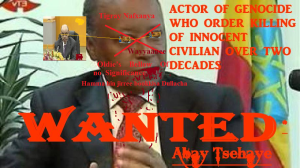


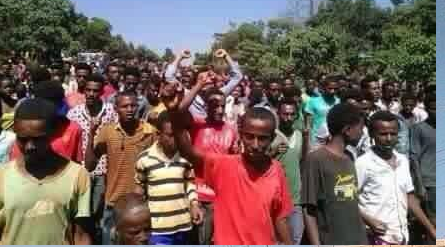


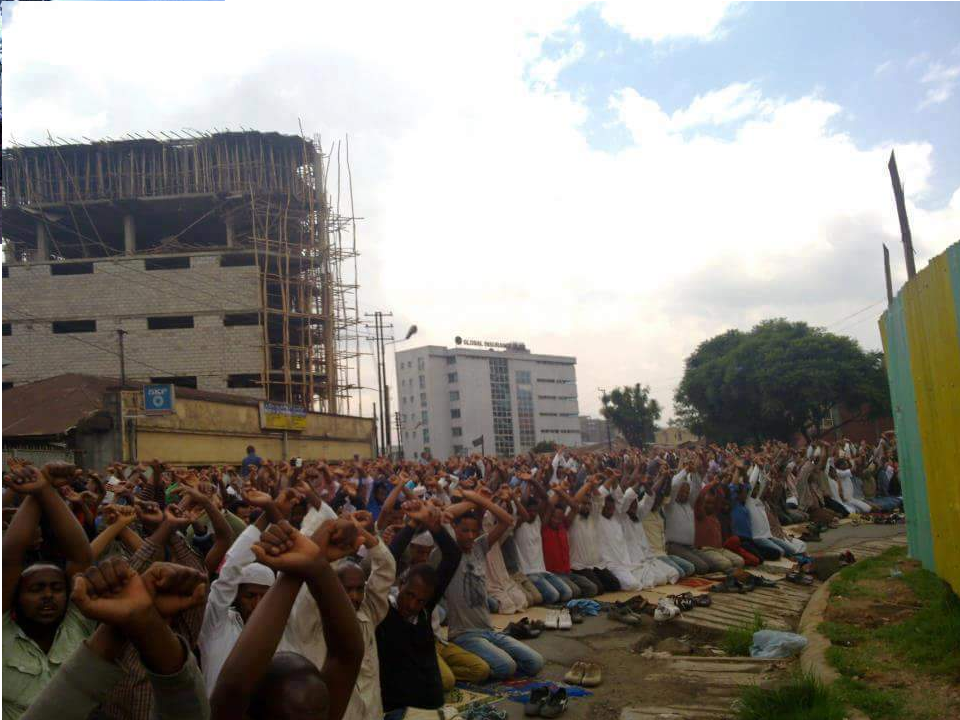






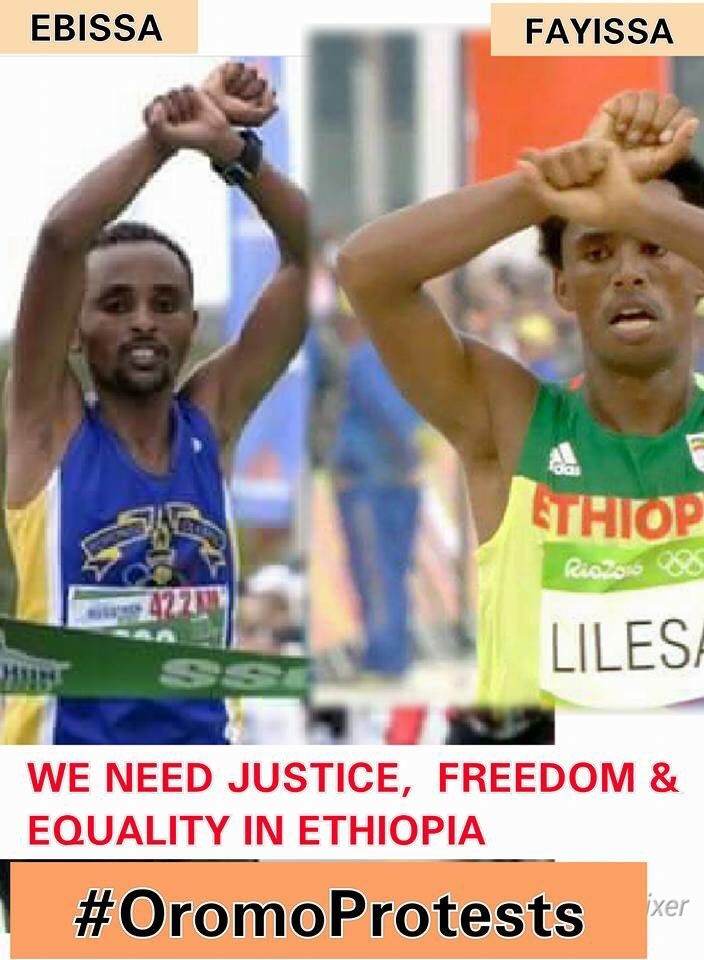


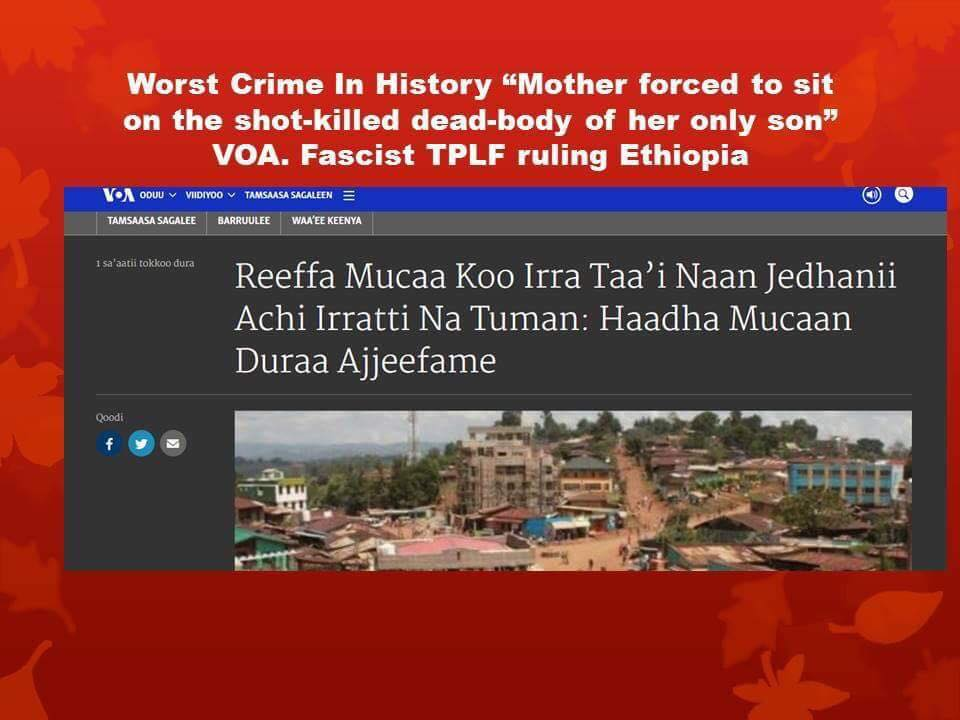



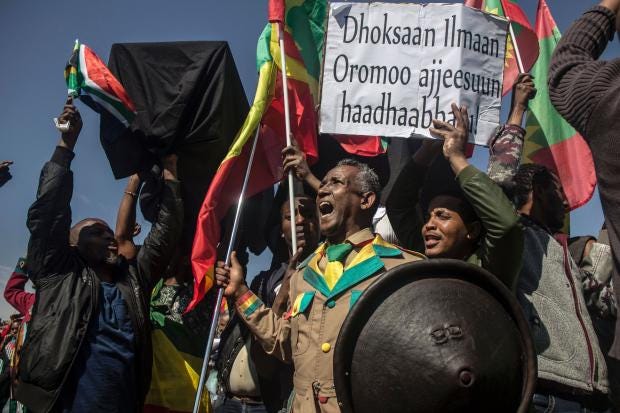
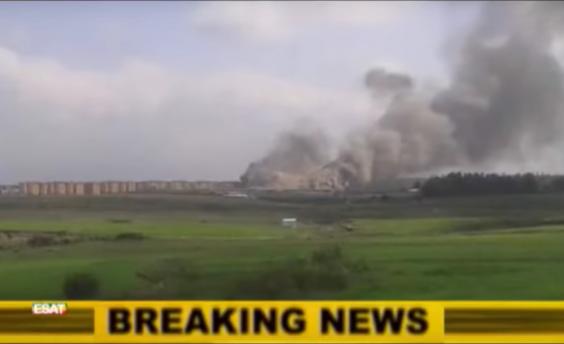

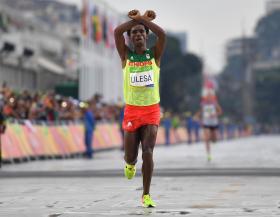
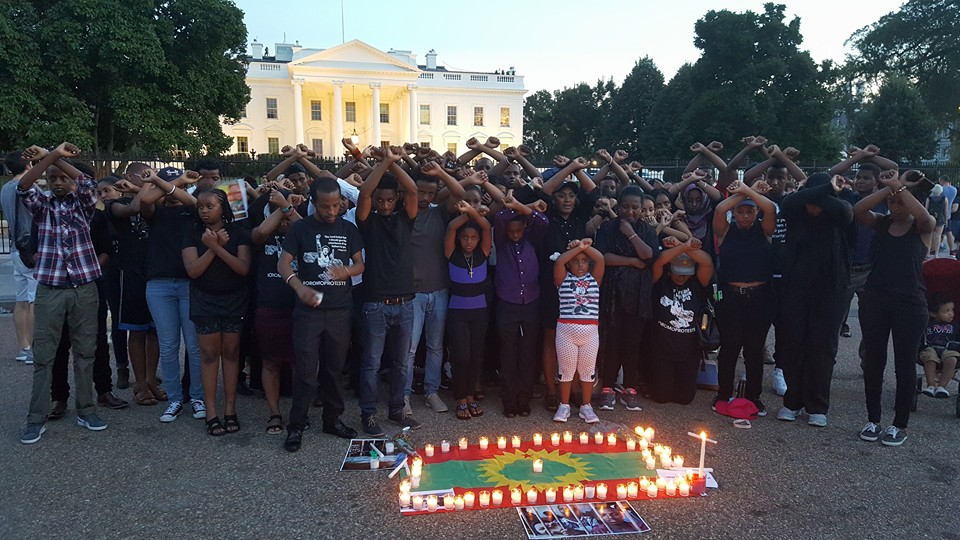



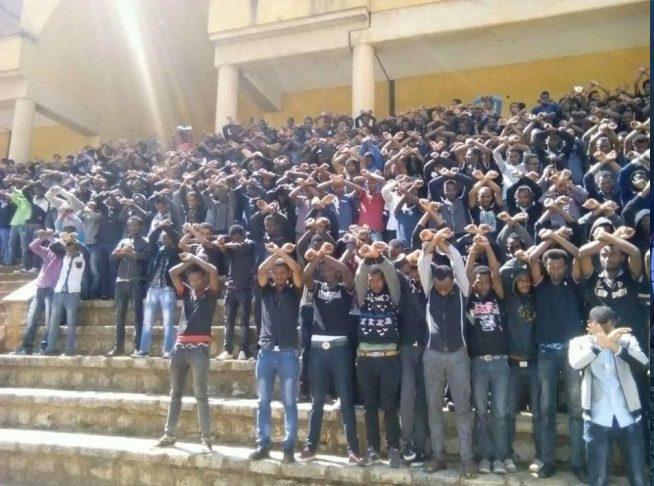

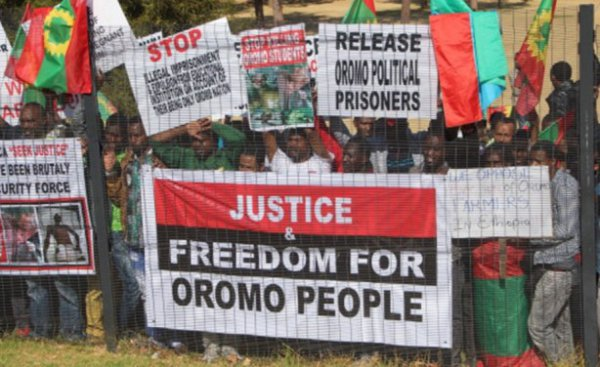

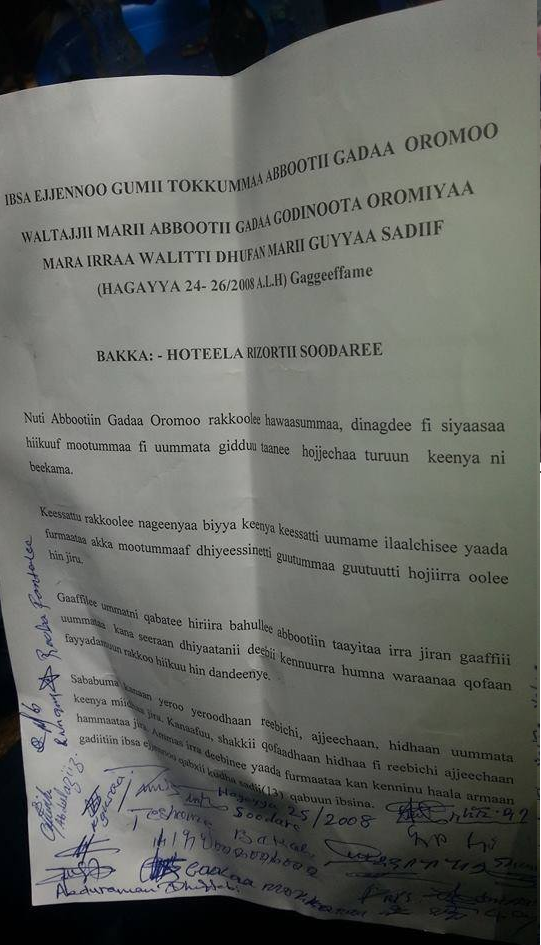
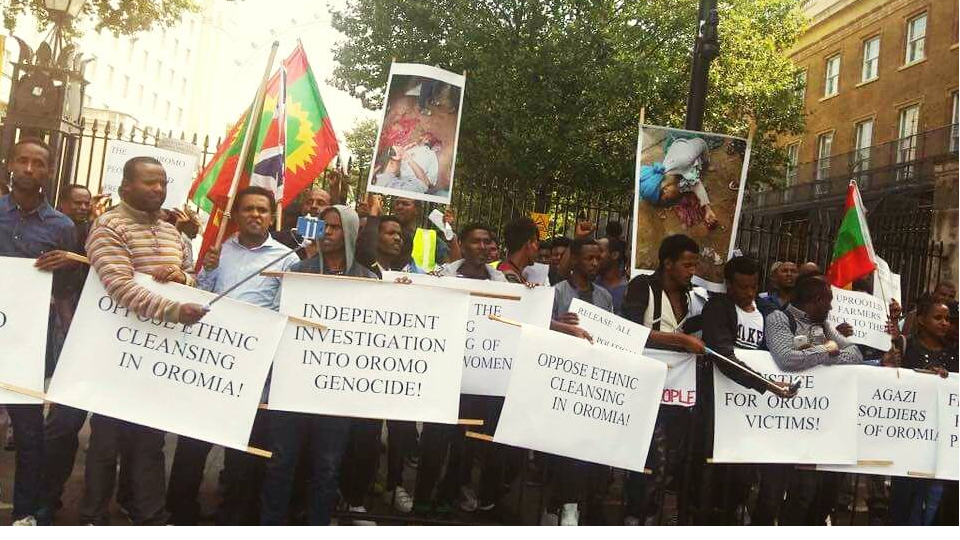
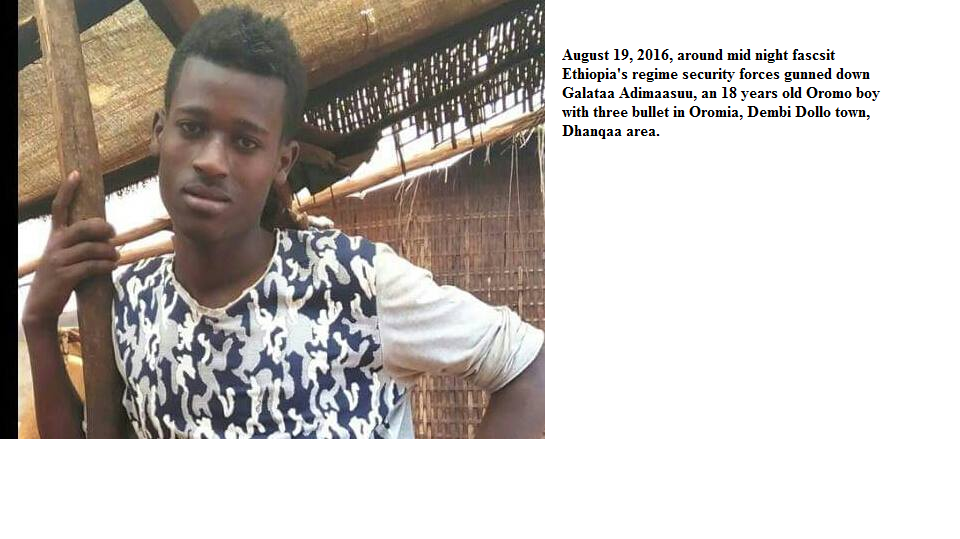
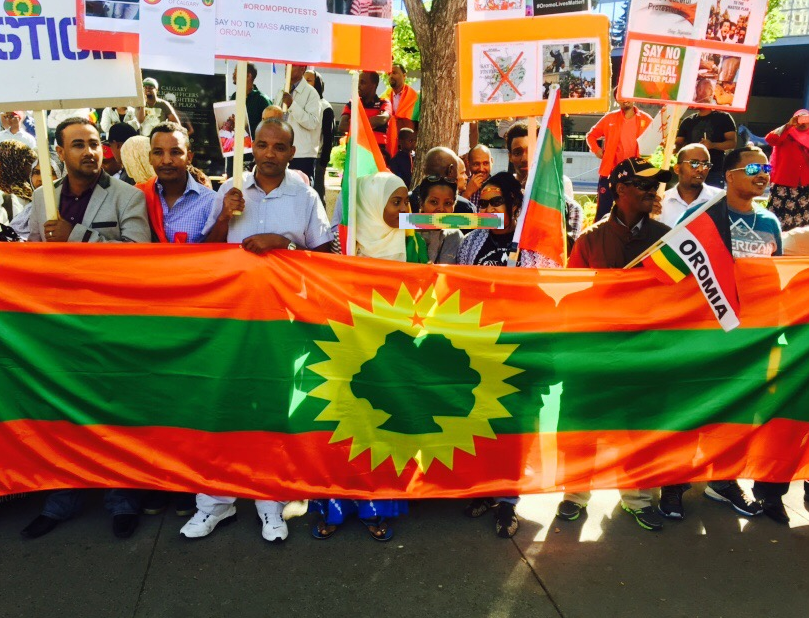




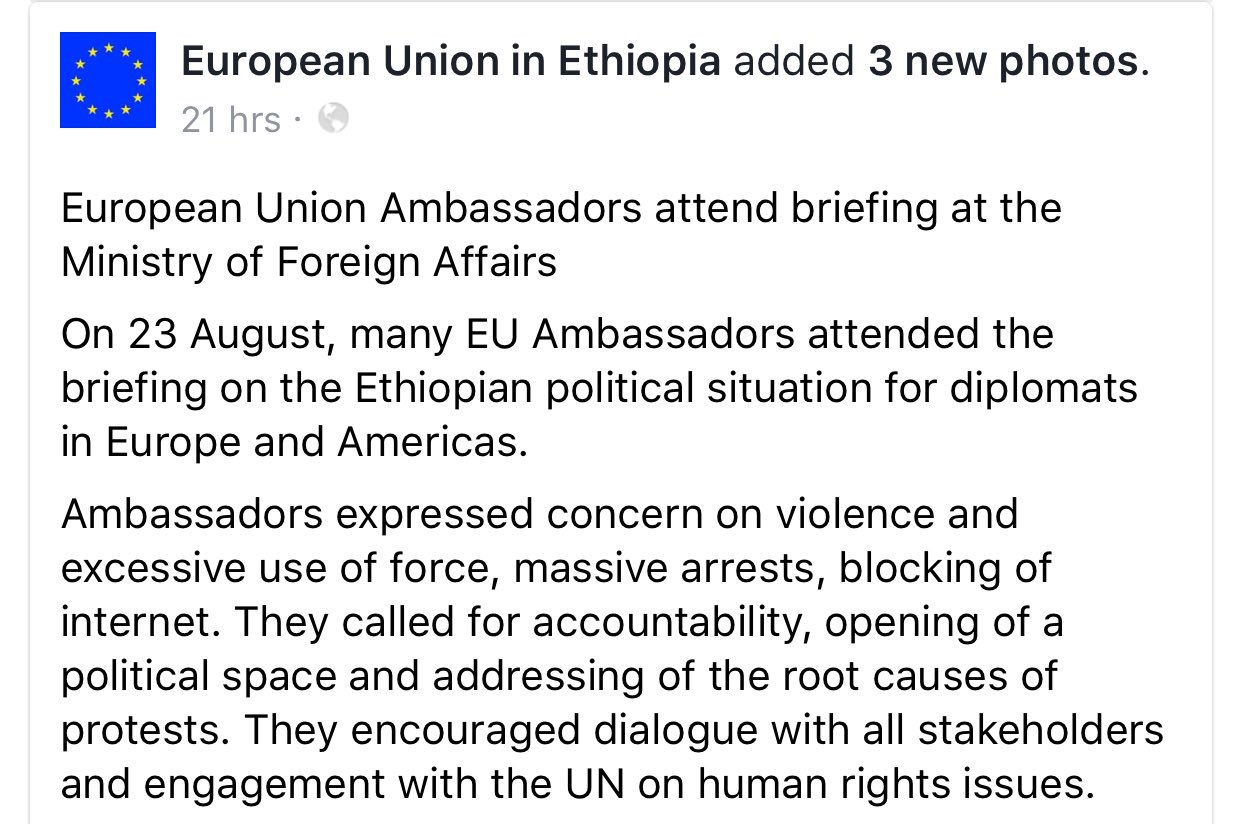
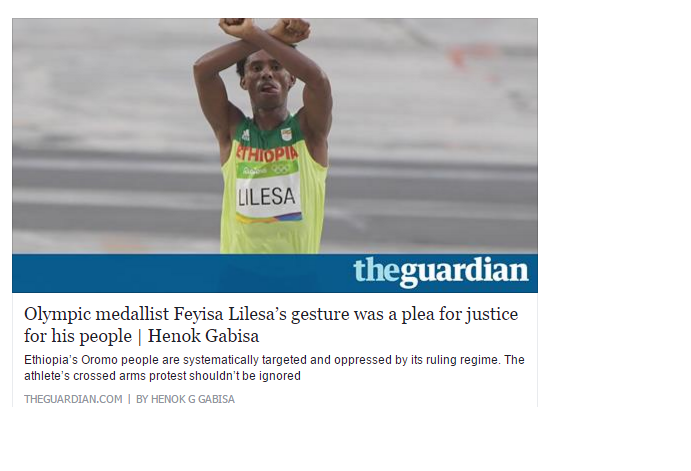

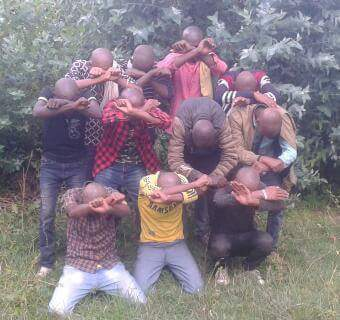
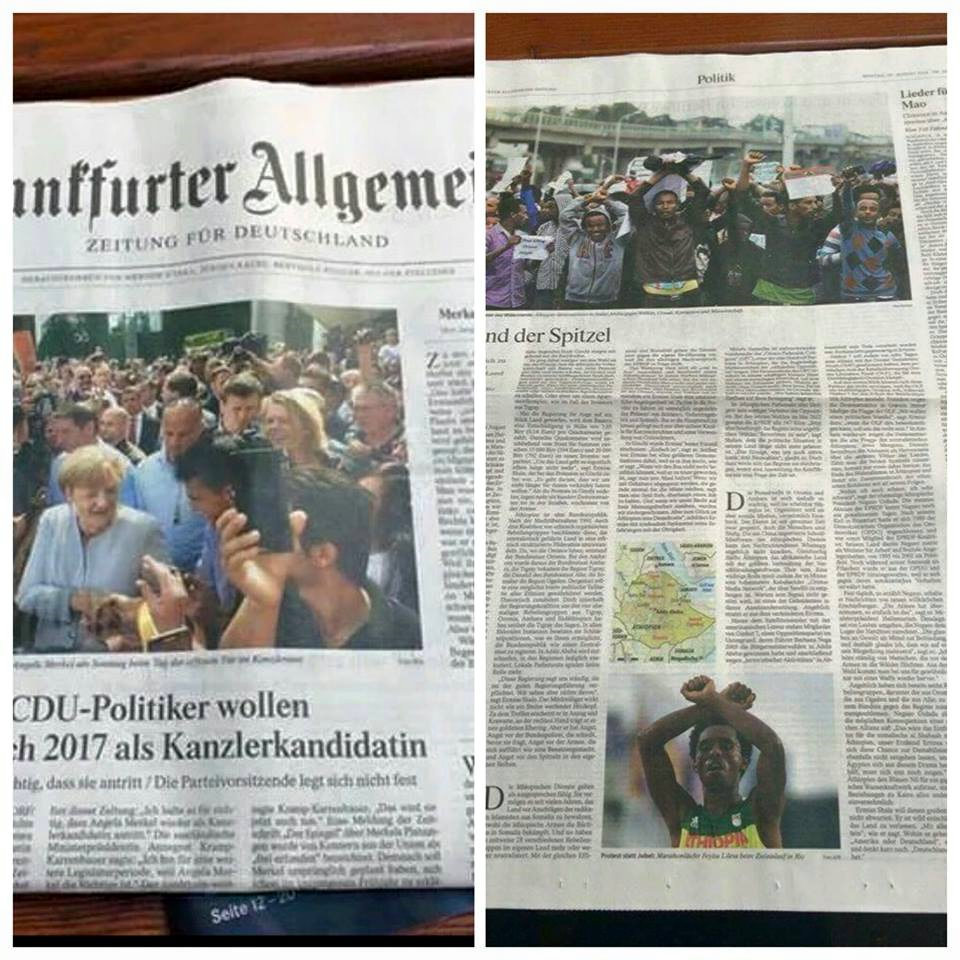
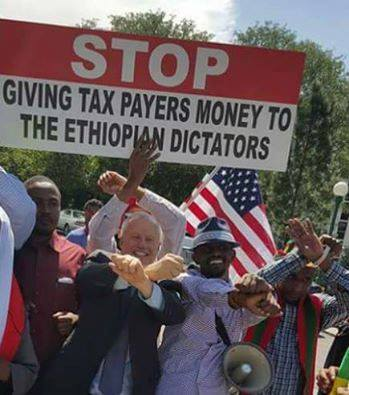

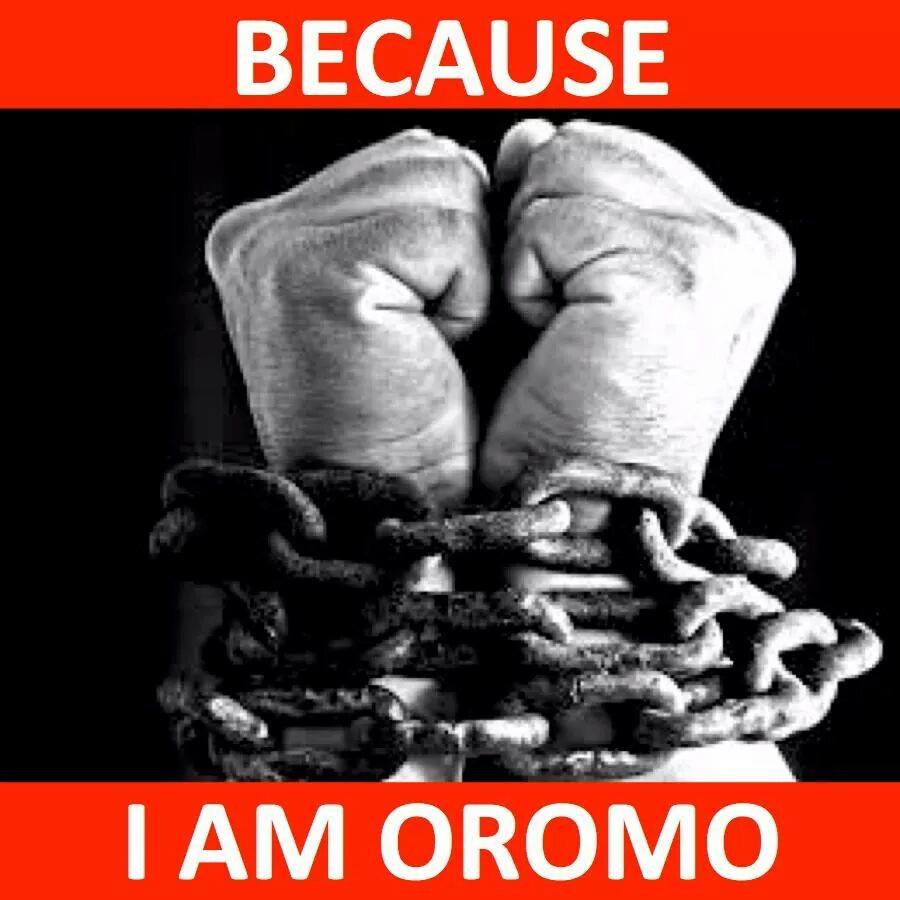 Haayya 30,2016 Mootummaan abbaa irree Wayyaanee ajjechaa suukkanneessaa amma uummata bal’aa irratti raawwataa jirutti qoosuudhaan uummata mirga isaaf falmataa jirutti maqaalee adda addaa itti maxxansuun tooftaa ittiin umurii isaa dheereffatu daandii cirataa jiraatuun beekame.
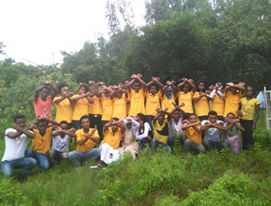 Hagayya 30,2016, Qellem, Ona Anfilloo,Jimmaa Horroo, Dambi Doolloo, Qaaqee, Qeebbee fi ona garagaraa godinicha keeysatti argaman irraa Qeerroon humna badii kan taate loltoota Wayyaanetin funaanamaa jiraachuun gabaafamaa jira. Wayyaaneen amma kan abdii kutee fi waggaan dhuftu kun Wayyaanef salphina tahuutti hubatee ilmaan Oromoo jajjabee fi abdii boruu tahan mana hidhaatti guuruun ejjennoo isaa tahee itti fufee jira. Qeerroon Qellem irra odeessa dhiyeessaa jiruun torbee kana keessa dargaggoonni hedduun dhabamaniiru halkan halkan mana mana irrra deemuun humni addaa Wayyaanee dargaggoota ukkaamsaaa jiraatuun kan gabaasanii fi akkasuma barattootni kutaa 12ffaa baratan magaala Jimmaa Horroo irraa hidhaa fi ajjechaa amma oromiyaatti gaggeeffamaa guyyaa qabxiin deebii isaanii biiroo barnota biyyattiirraa kennametti walitti dhufuudhaan mallattoo FXG sodaa malee humna wayyaanee dura dhaabbatanii agarsiisuu irraan kan ka’e ukkaamsamuun gabaafamee jira. suuran asirratti argamu barattoota kutaa 12ffaa JImmaa Horroo irraa barataniidha.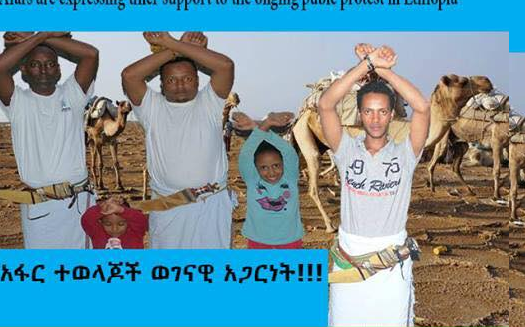
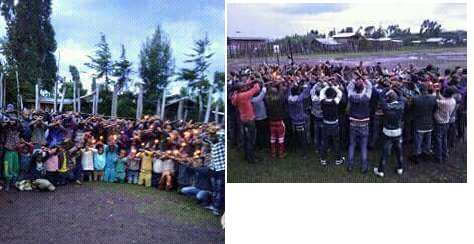

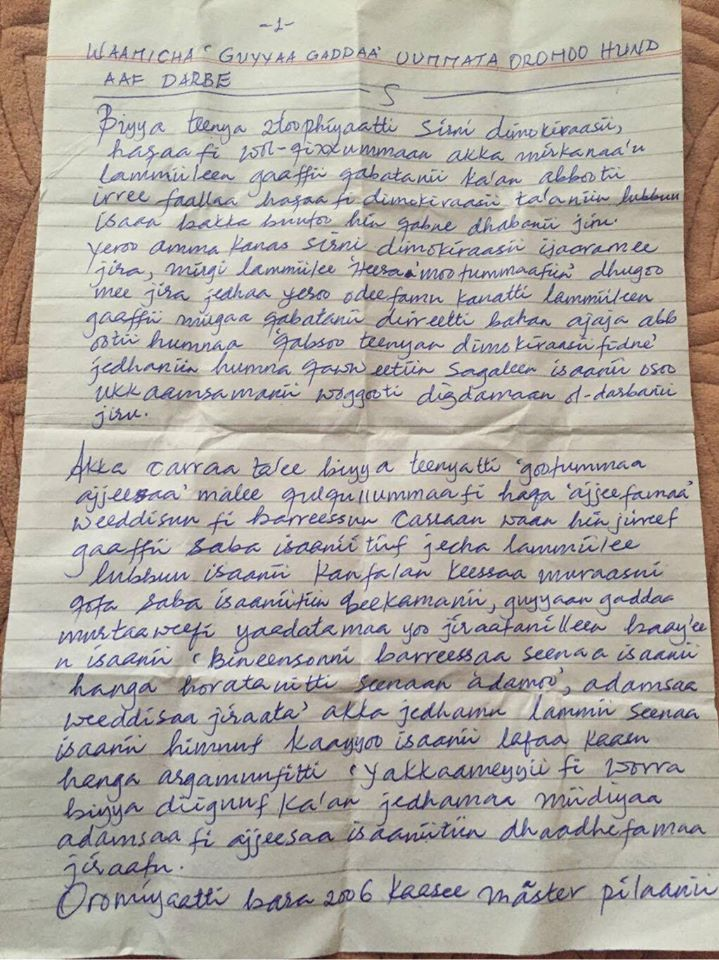
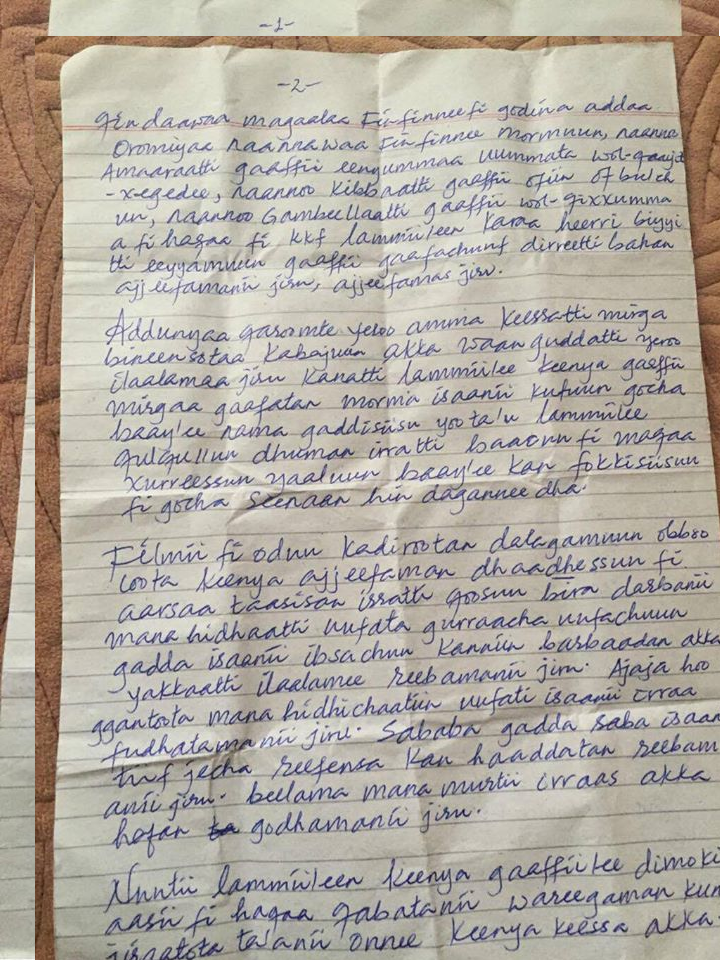
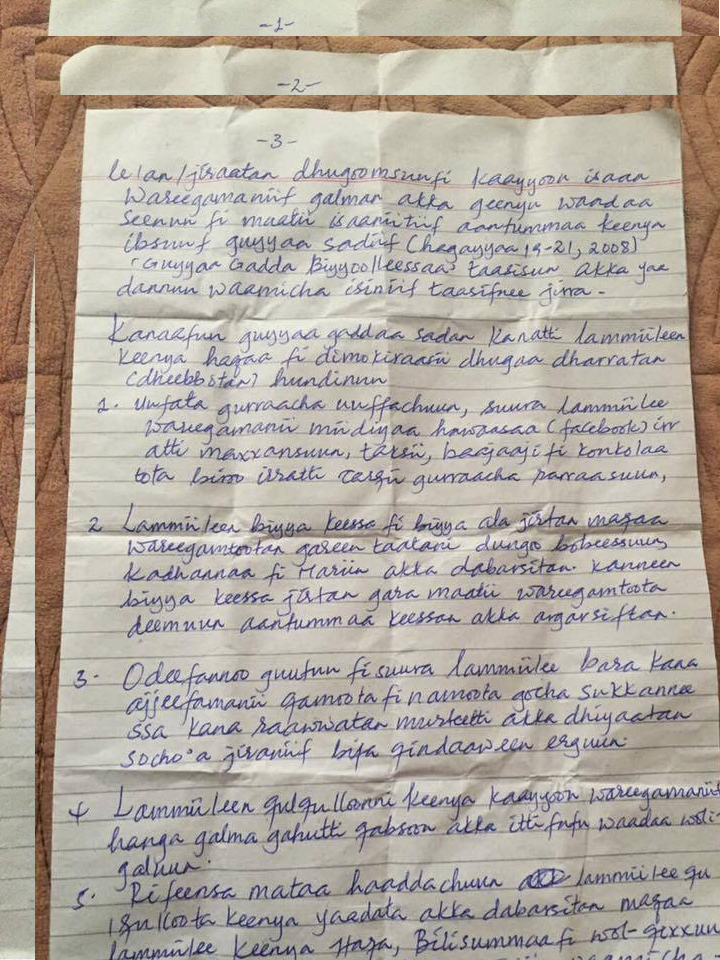


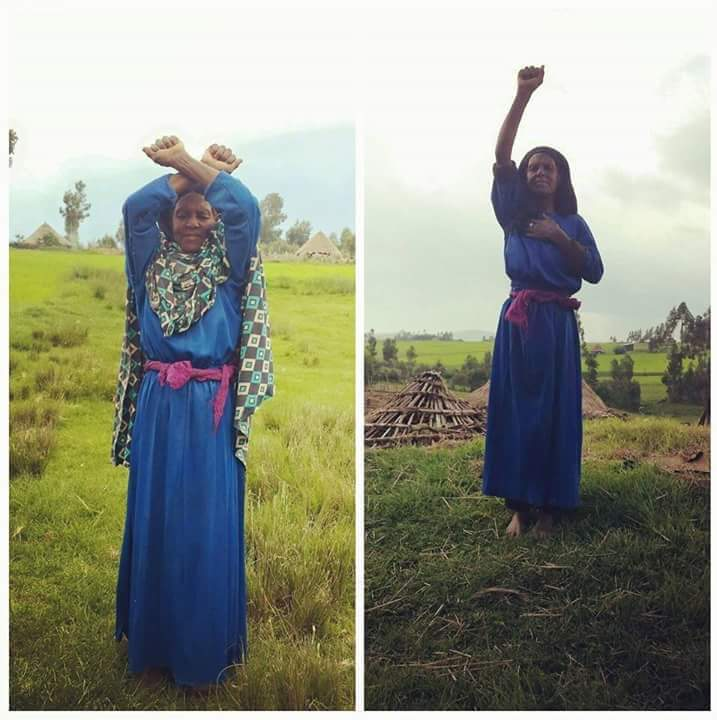

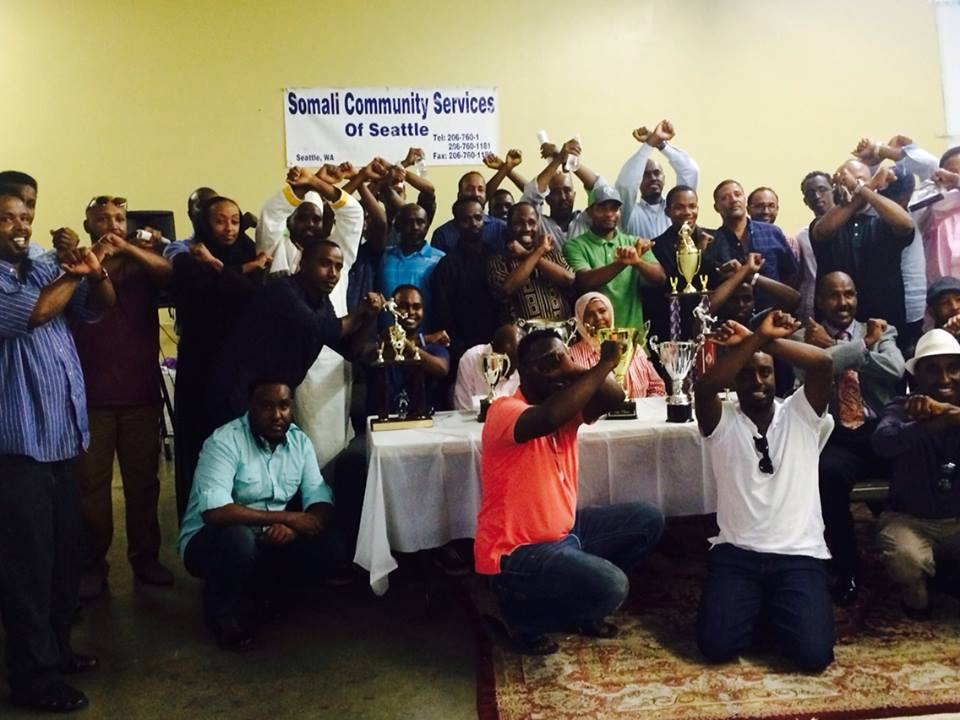
 Hagayya 26,2016 ,Gootichi beekamaan ilma Oromoo onneen isaa waa’ee saba isaaf quuqamu kun kan dhalatee guddate Godina Wallaggaa bahaa aanaa Kiiramuu nannoo Burqaa Soorumaa bakka addaa Gooftoo jedhamutti dhalatee akka guddate beekamee jira .
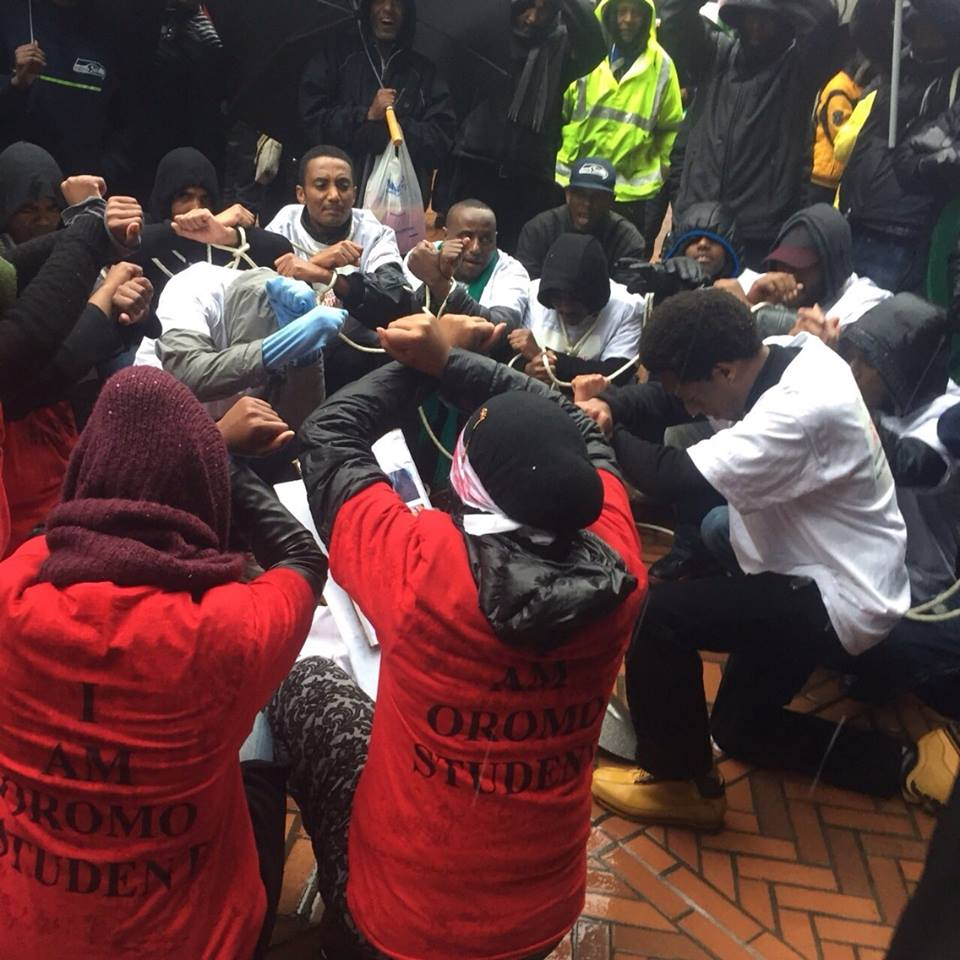
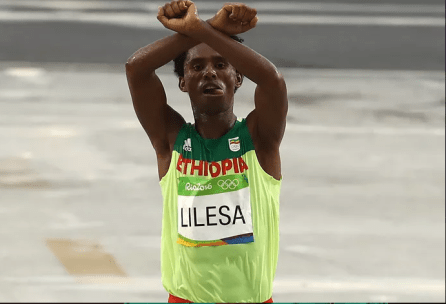
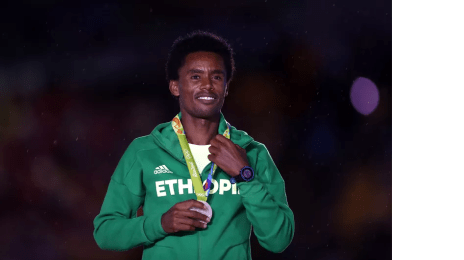
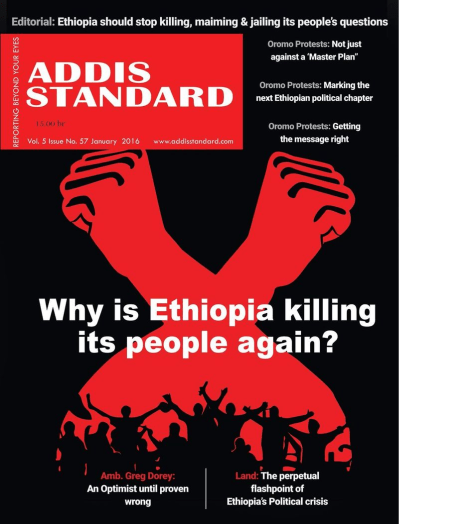
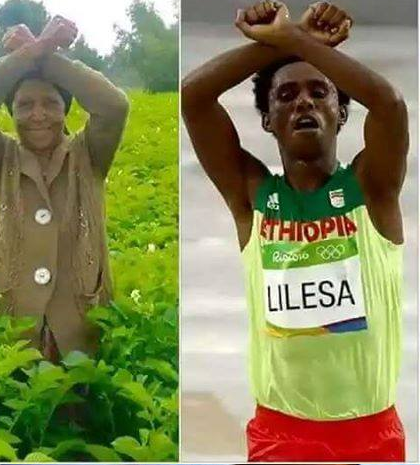
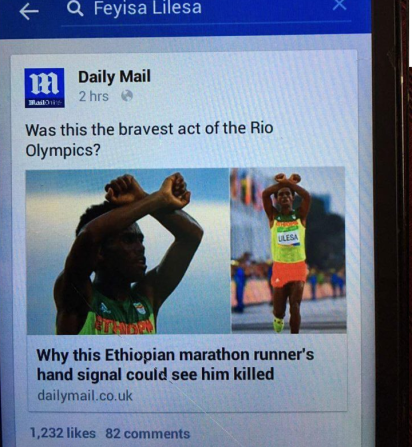
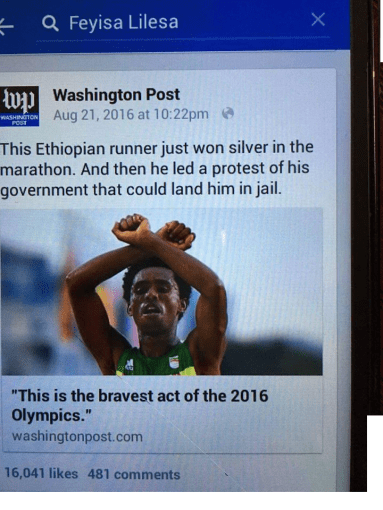
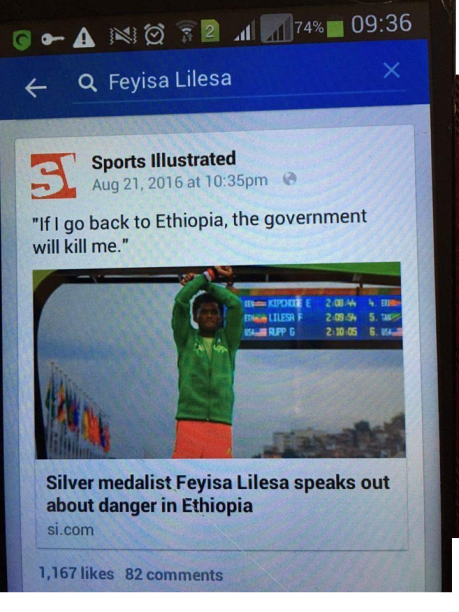
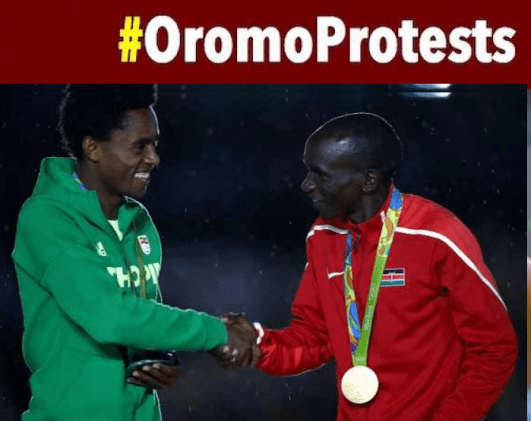

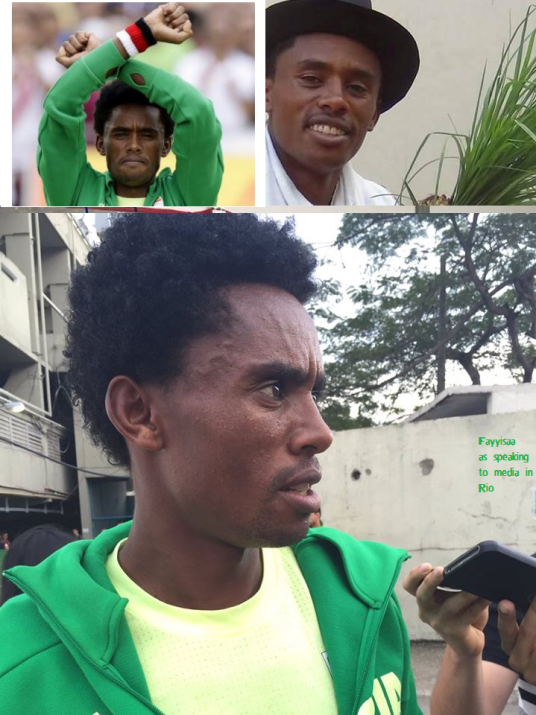
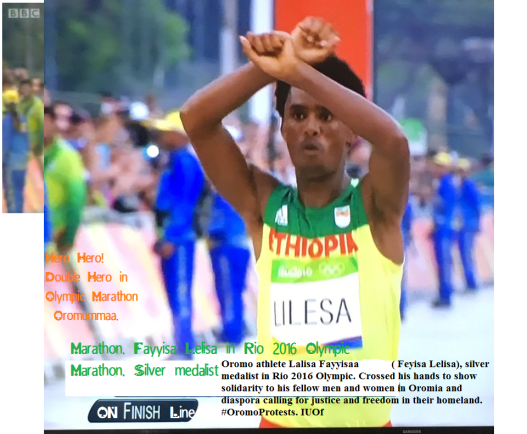
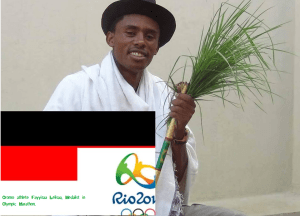

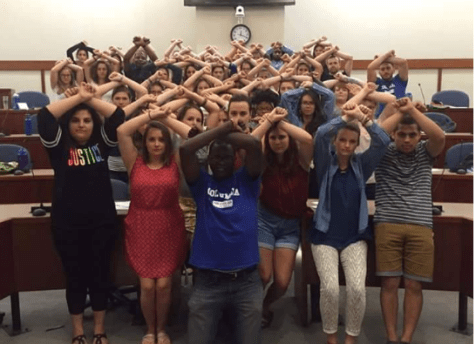
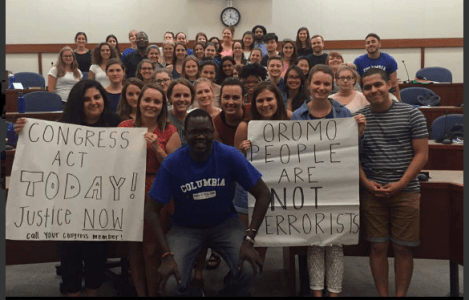
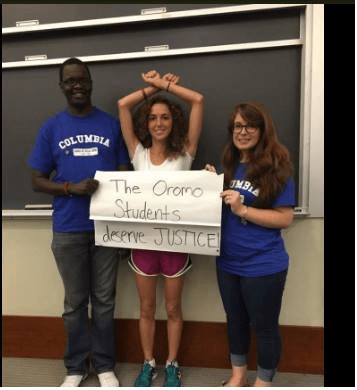


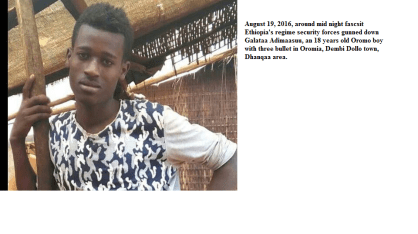
 Hagayya 19,2016 Gguyyoota lamaa asitti godinaalee Oromiyaa hundarraa Qeerroon hidhamaa jiru. Sababa addaa hin qabu gochi addaas hin jiru garuu Bilisummaan waan dhiyateef wayyaaneen kufaatii ishees waan mirkaneessiteef jecha uummata oromoo hidhaatti guuruu murteesse. Kaan tarkaanfii ajjechaan diinni uummata oromoo irratti aggaamee jiru biraa deebihaa kan hin jirrree fi bakka uummanni fi iji namaas hin arginetti ilmaan Oromoo ajjeessuunis Oromiyaa keessa magaalota tokko tokkotti kan mul’ataa jiru tahuunis Qeerroon gabaasaa jira. kun uummata Oromoof haaraa tahuu baatus FXG oromiyaa keessatti isa xumuraa itti fufuu irraan amma hidhaan daran jabaatee jira.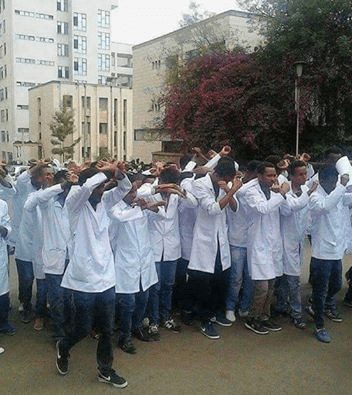

 Kaninni itti dhalatee guddate godina Wallaggaa lixaa aanaa Gullusoo jedhamtu keessatti.
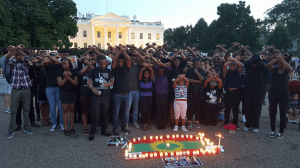
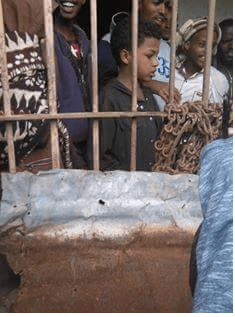
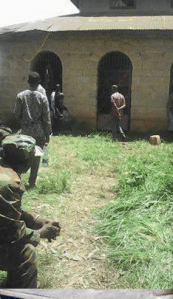
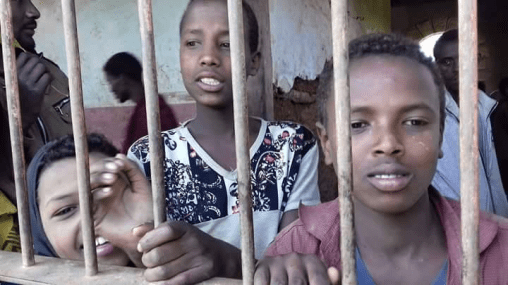
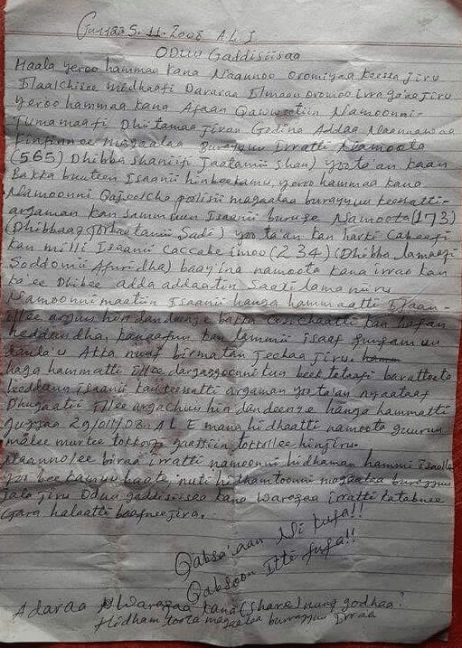
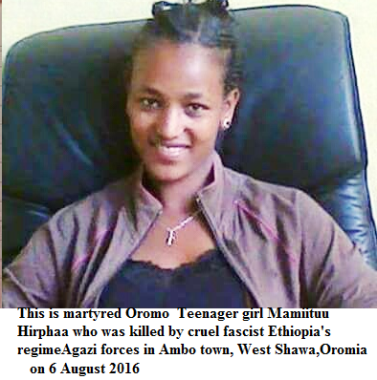
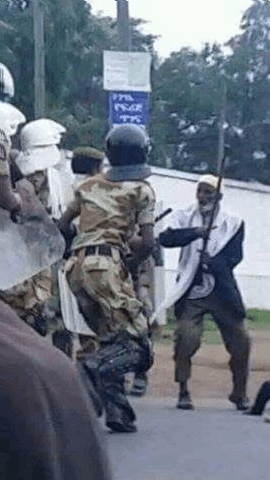
 Gooti Oromoo kun Maqaansaa Melese Teshome, jedhama.Kaninni dhalatee guddate magaalaa naqamtee keessa naannoo safara maaramii 05 bakka jedhamu keessatti nama hojii suphaa Moobaa’ilaa hojjetee jireenya isaa of jiraachisaa tureedha.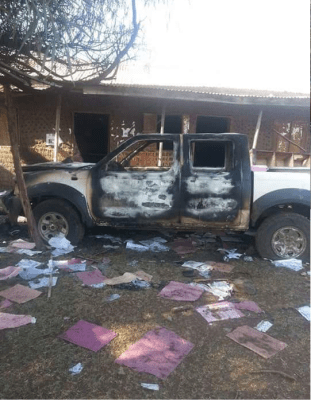
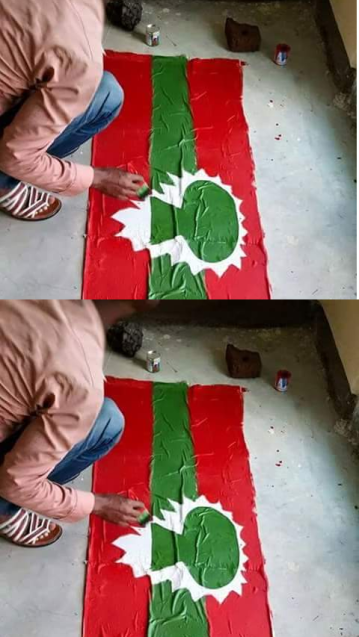
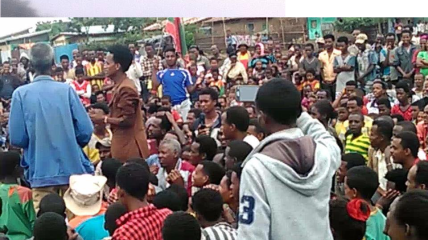
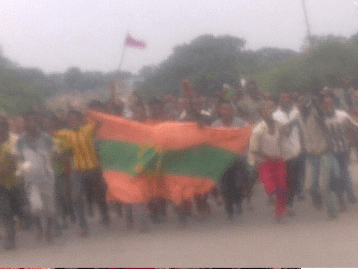
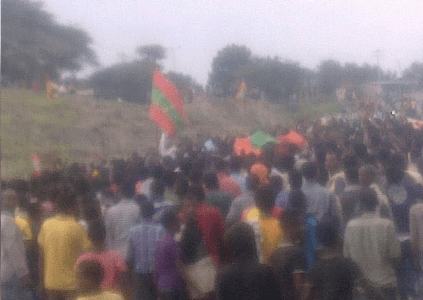
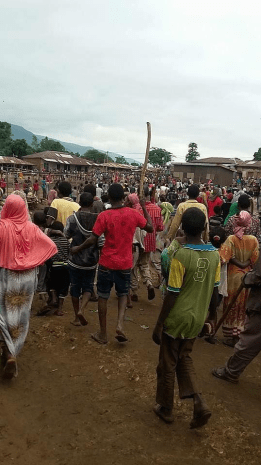
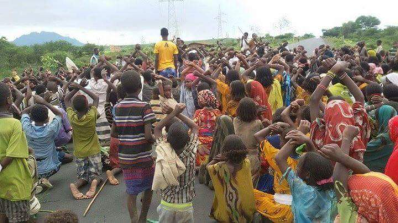
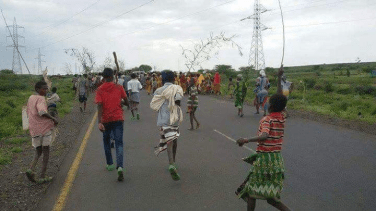
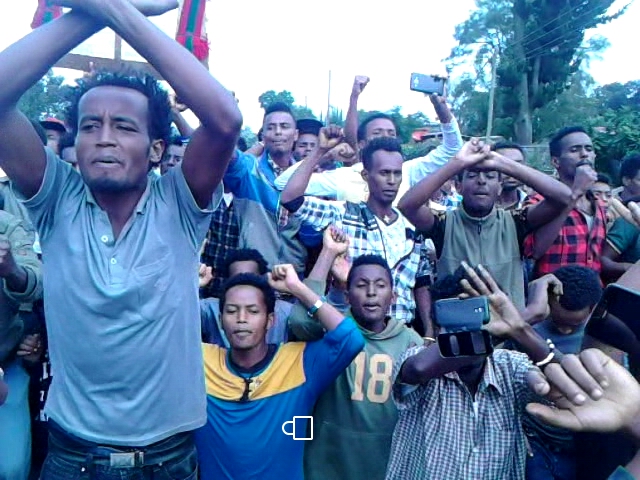
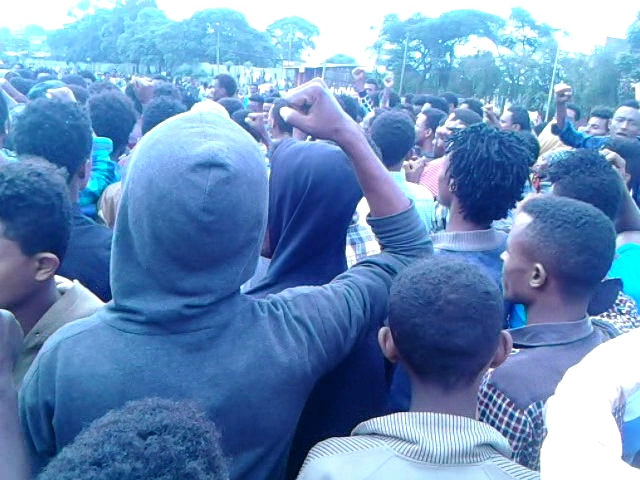
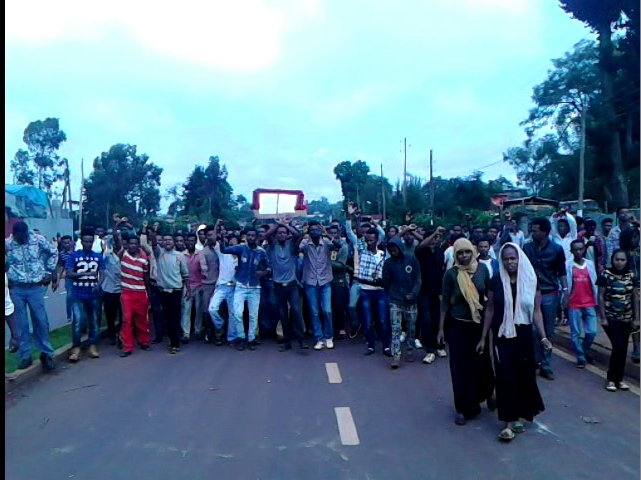

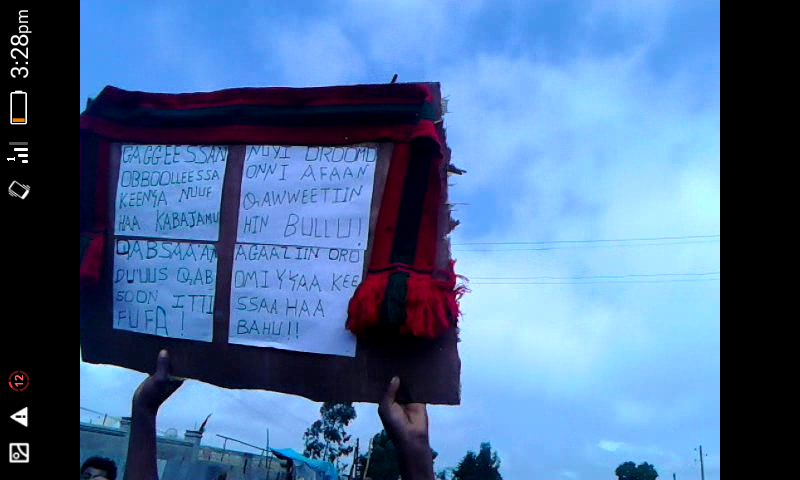
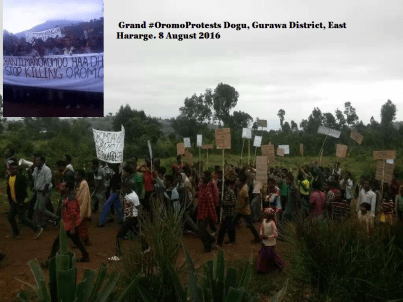
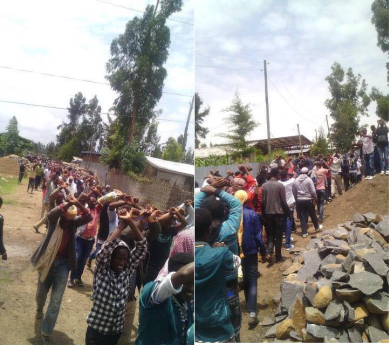
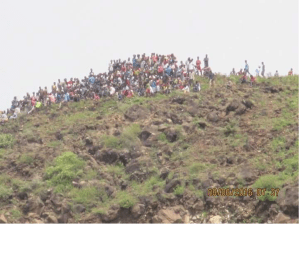
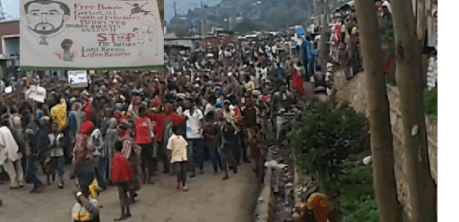
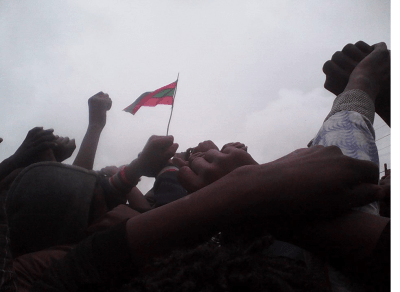
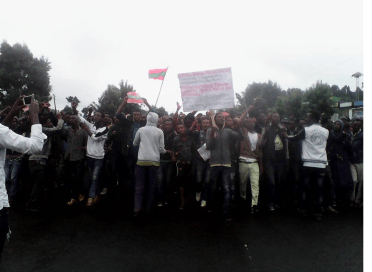
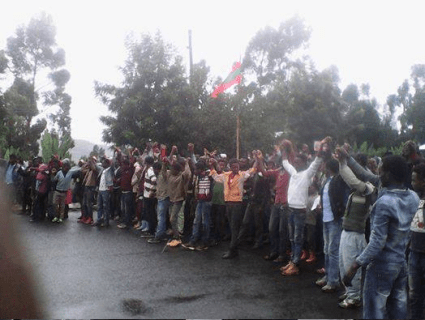
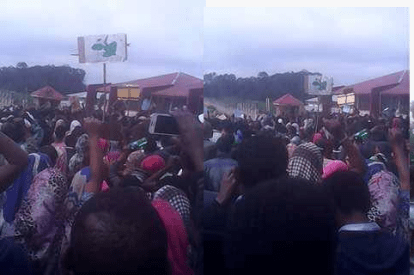

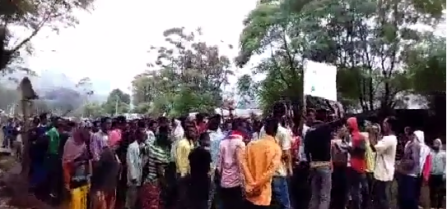


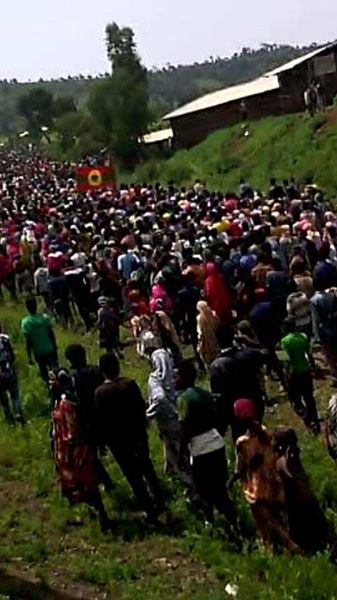

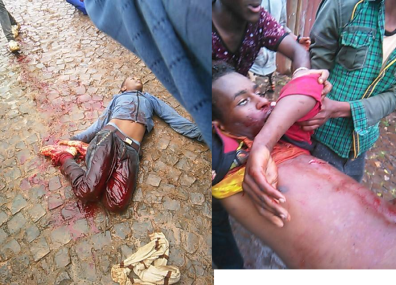
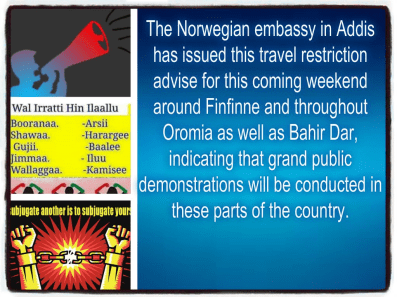
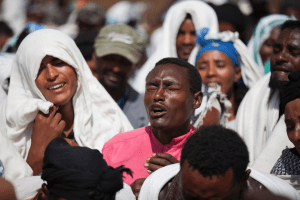


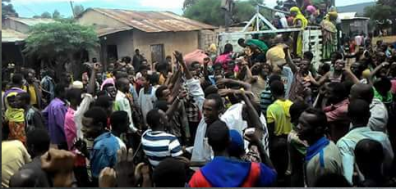

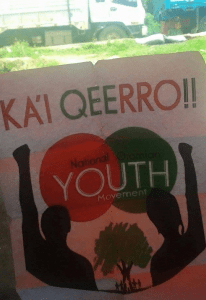
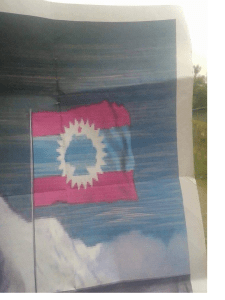
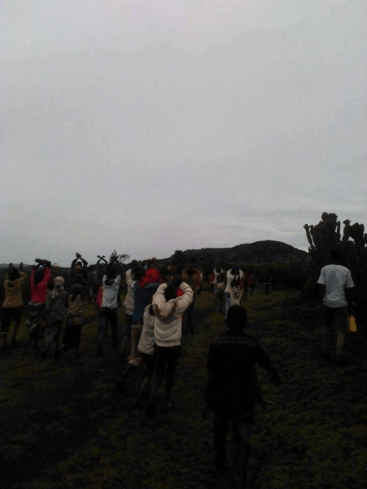

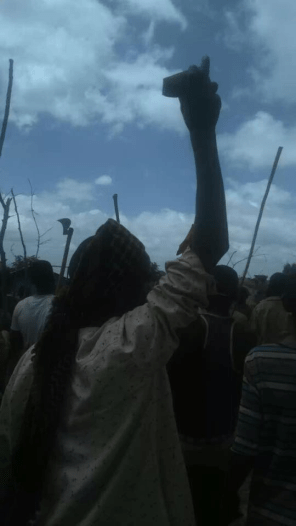
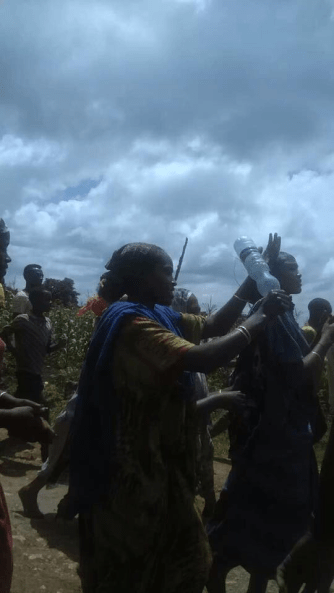
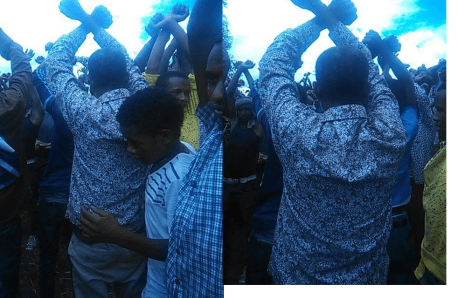
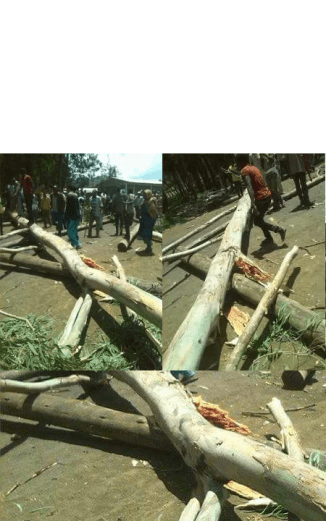
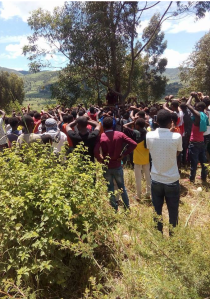
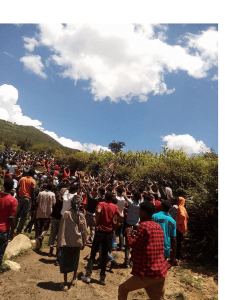



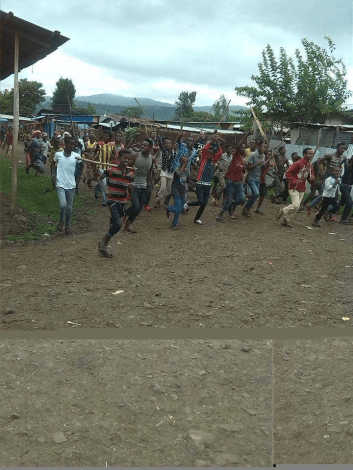
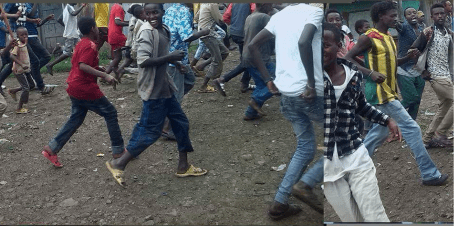
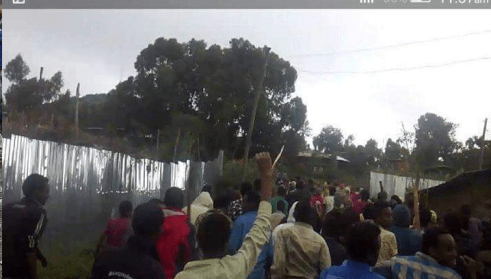
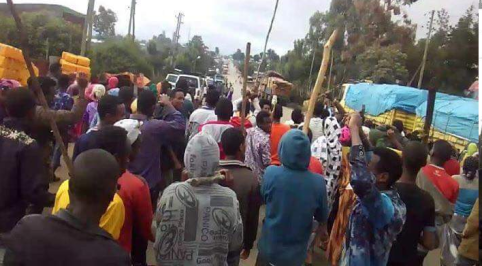

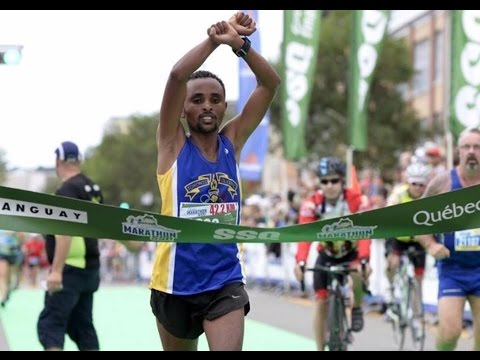
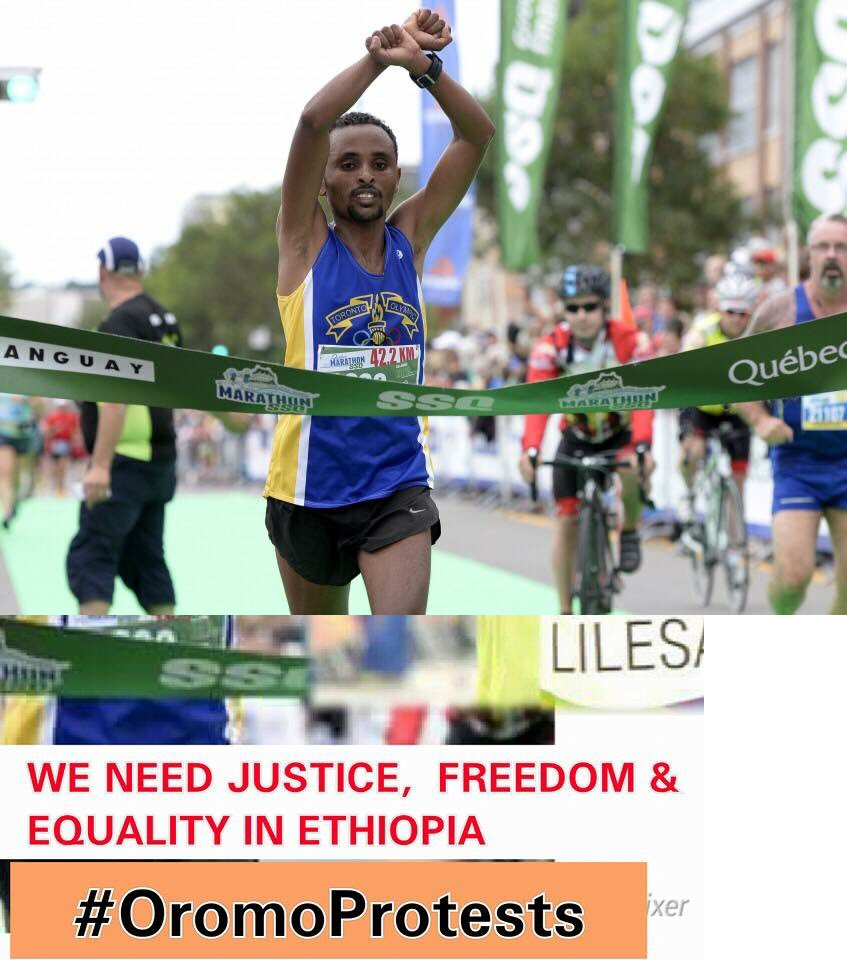
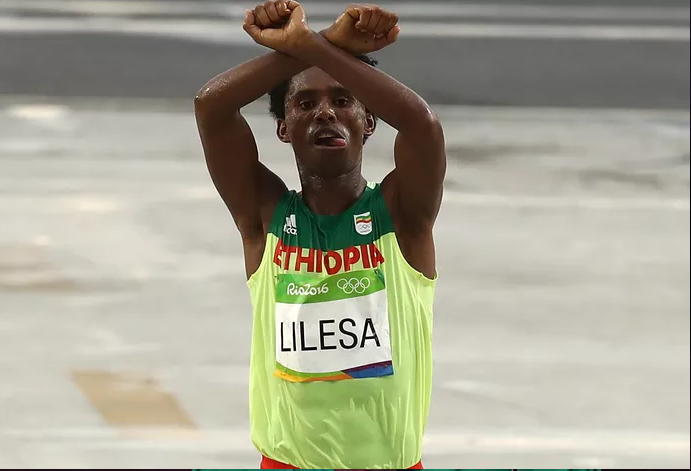
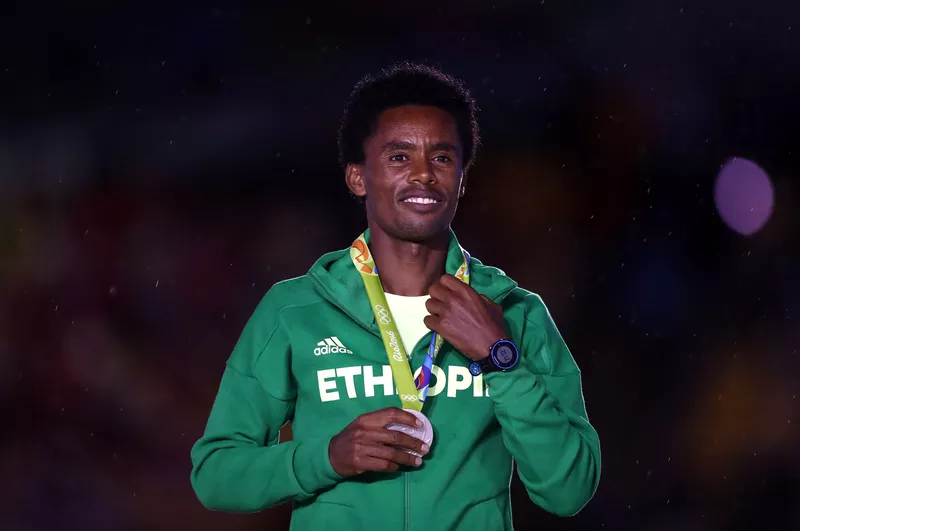





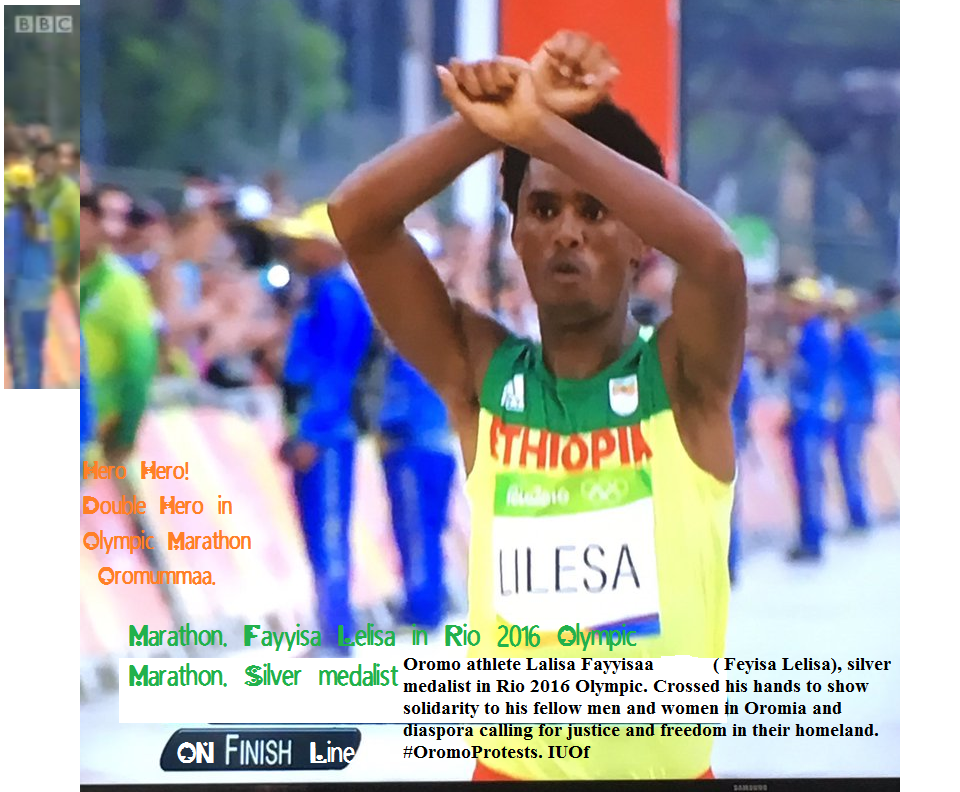
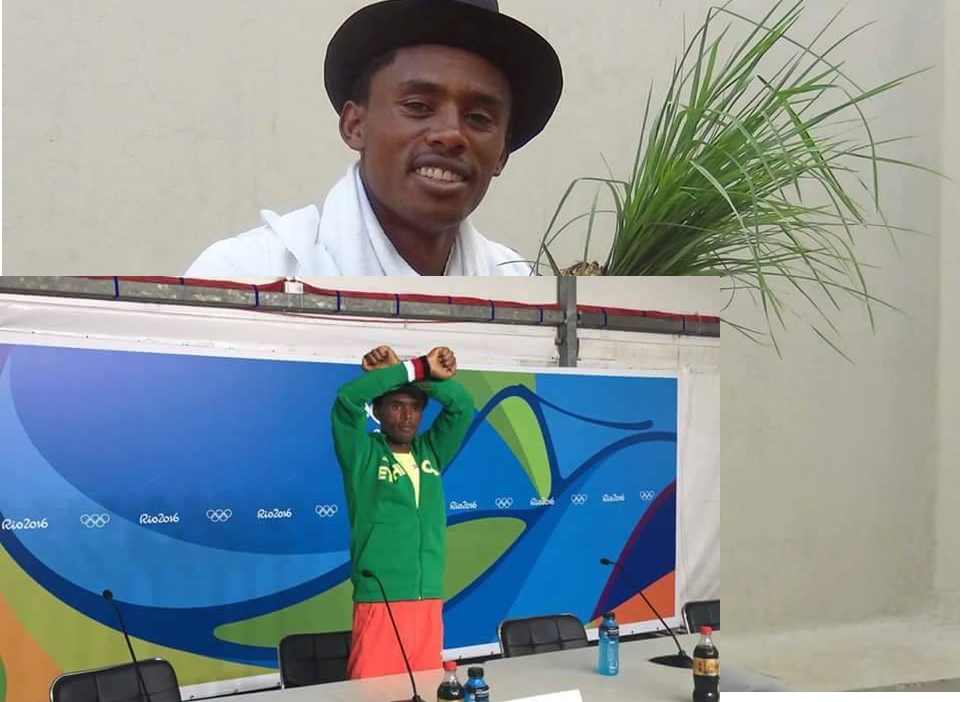

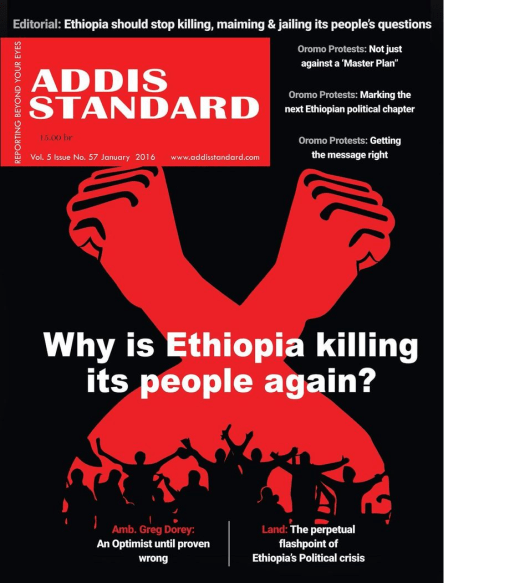
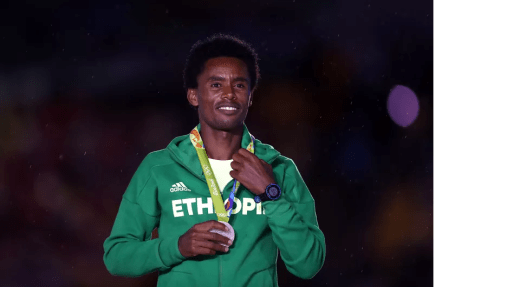

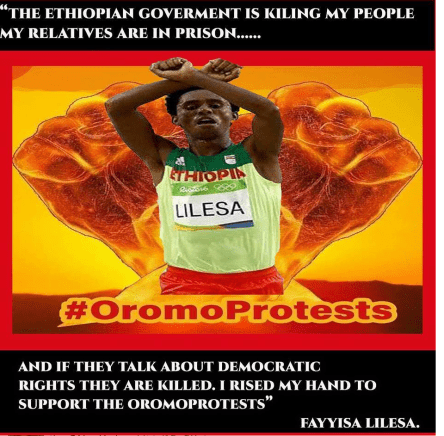

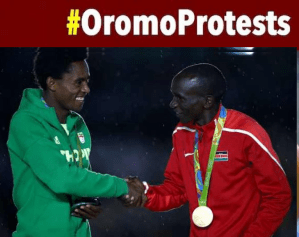


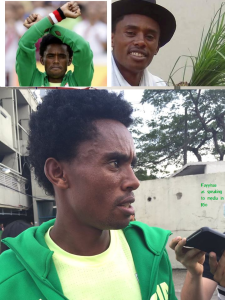
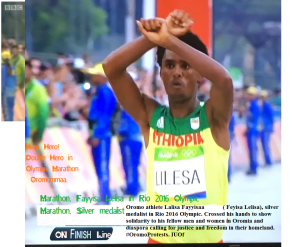
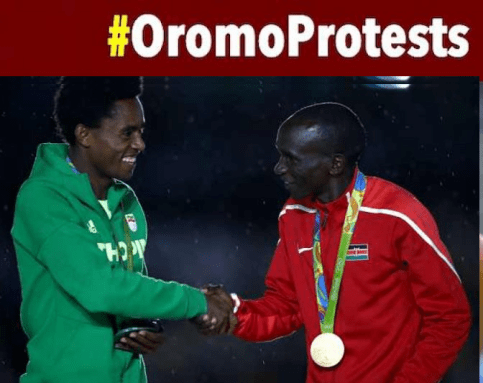
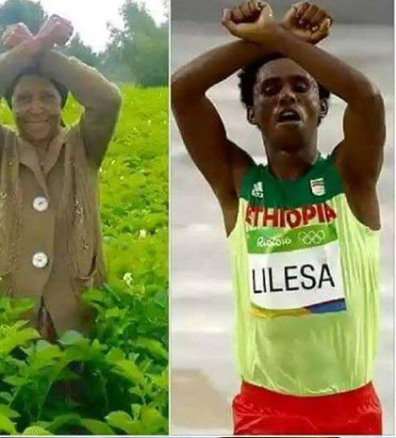
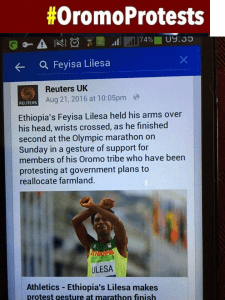
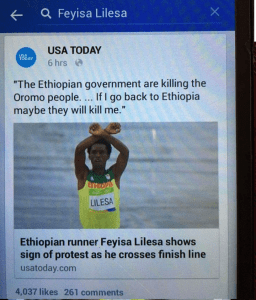
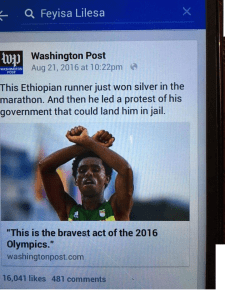





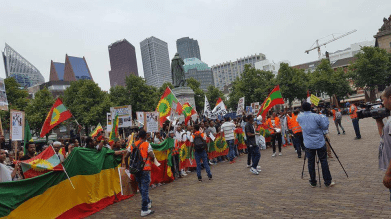
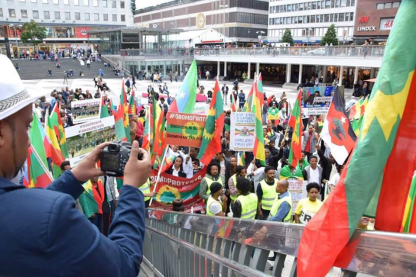


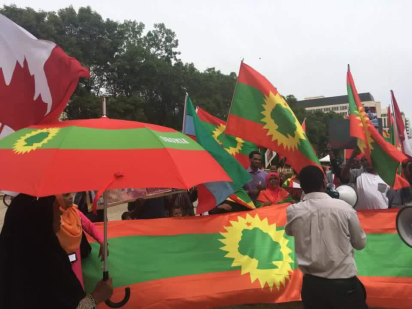
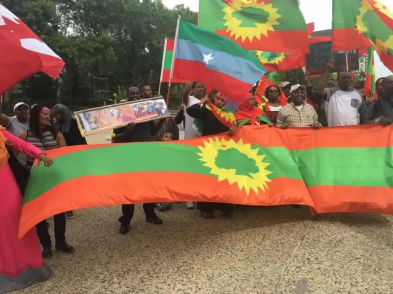
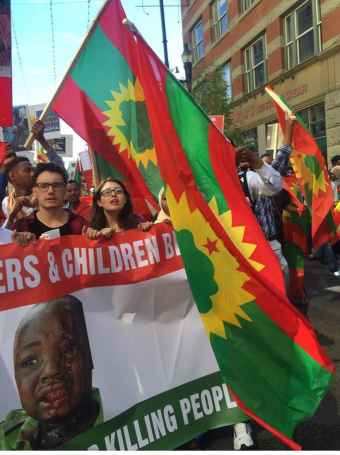


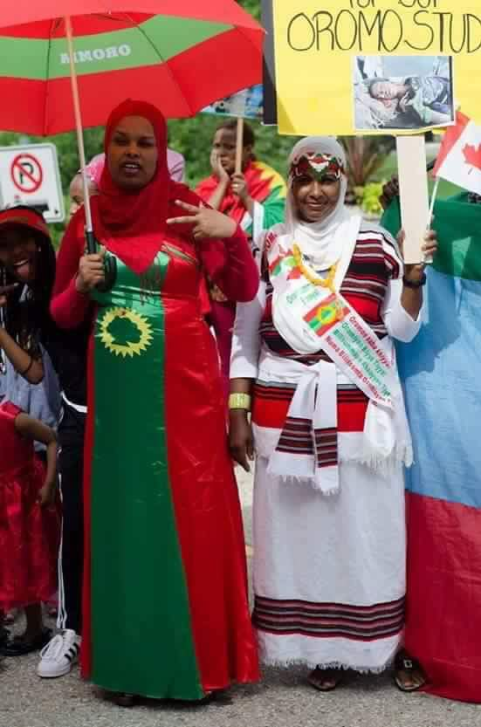
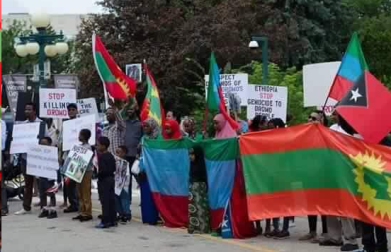
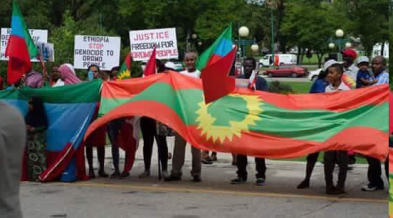
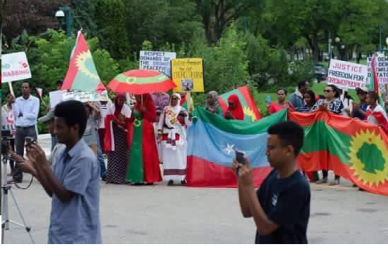
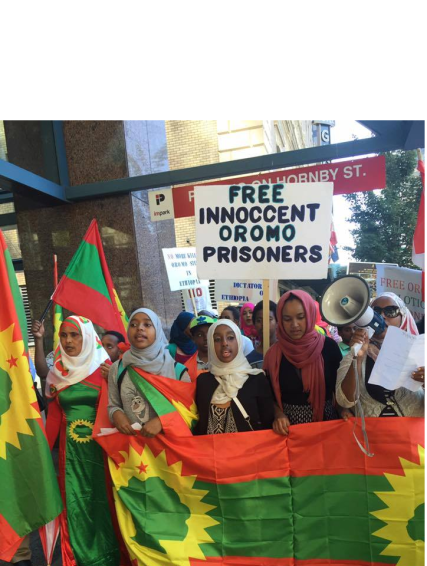
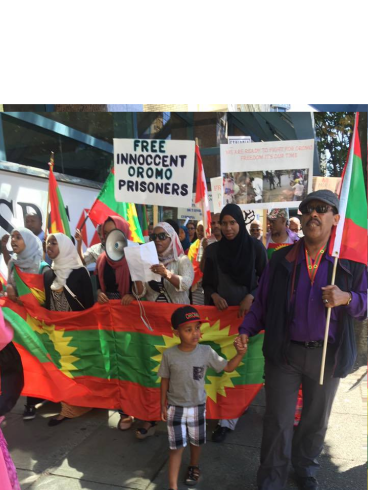


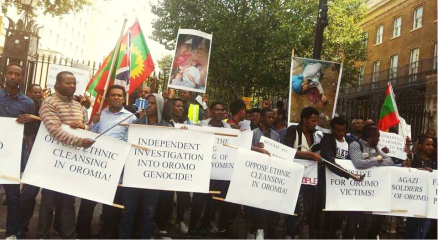

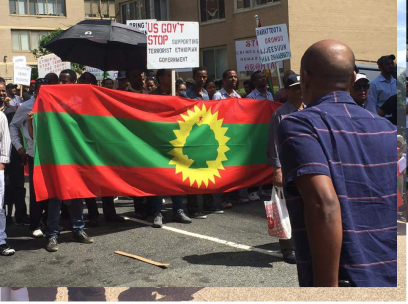

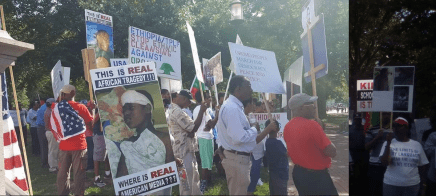
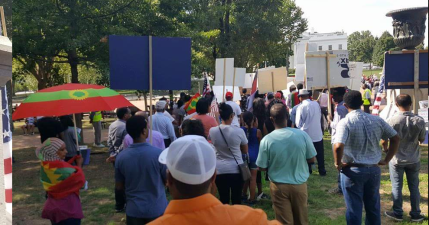
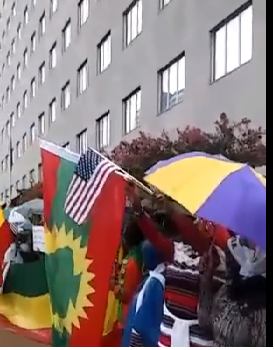

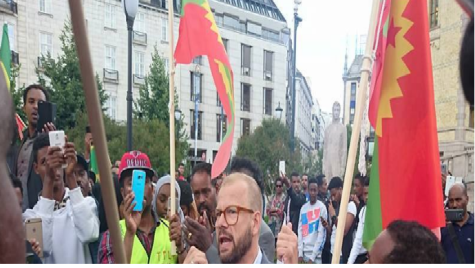


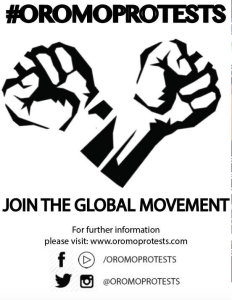
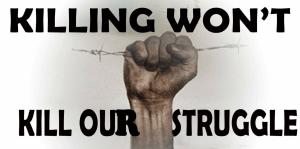
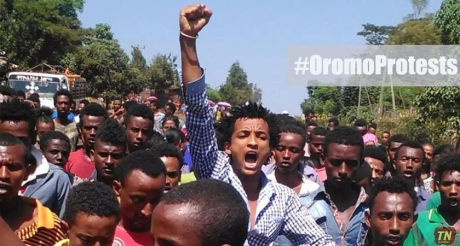

 Protesters are now leaving the streets and staying at home
 Oromo activists took to the streets of Berlin in November 2015


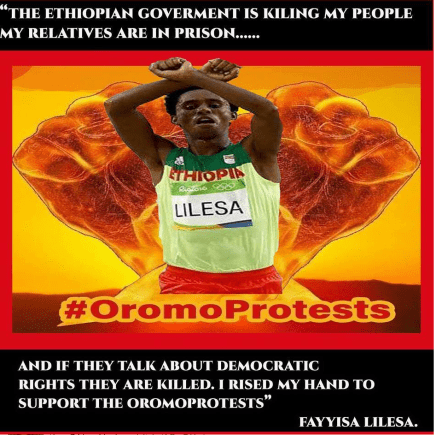

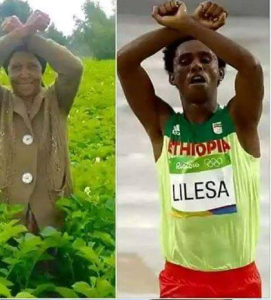
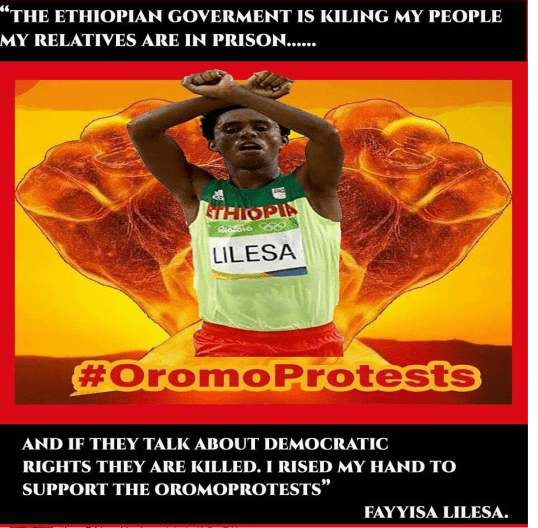


 Oromian Economist