
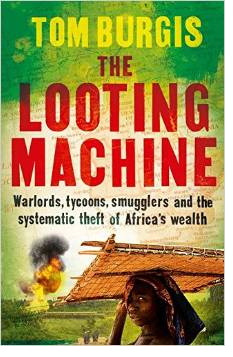


AIII #18: Re-engaging the Global: An Account of the Political and Economic Roots of Conflict in DRC August 5, 2015
Posted by OromianEconomist in Uncategorized.Tags: Africa, DR Congo
add a comment
Re-engaging the Global: An Account of the Political and Economic Roots of Conflict in DRC
(picture by the author)
Marta Iñiguez de Heredia
In the last few years there has been a shift in thinking about the roots of conflict in the DRC. From a focus on mineral wealth exploitation, the debate has shifted to land and identity as the primary reasons for conflict to continue.[i] Unresolved historical cleavages around land and power distribution, both of which are linked to identity and belonging, create the basis for political mobilisation through violence.[ii] Although these analyses have offered nuanced explanations of the micro-dynamics, two features put them at risk of reproducing previous problems.
Firstly, the focus on the local has detached these analyses from broader global political and economic structures that condition the micro-level. Secondly, the characterisation of politics, the economy and society as neo-patrimonial has pictured the DRC as…
View original post 1,461 more words
Dr Kabajaa Artistii Lammaa Guyyaa fi ManFakkii (Gallery) isaa: Renowned Oromo/ African Artist (painter), Dr Artist Lammaa Guyyaa Gammadaa August 4, 2015
Posted by OromianEconomist in Oromo Artists, Oromo Culture.Tags: African Artist (Painter), Lammaa Guyyaa Gammadaa, Lemmaa Guyyaa Gammadaa, Oromo artist (Painter), Oromo paint (Art)
add a comment

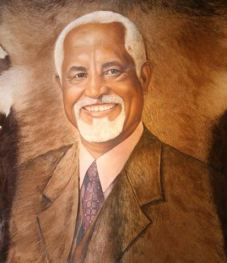


Seenaa fi Hojilee Dr Kabajaa Artist Lammaa Guyyaa fi ManFakkii (Gallery) isaa argarsiisu kanan bohaara.
Dr Artist Lamma Guya Gammadaa (Lemma Guya Gemeda) is a renowned Oromo contemporary Artist (painter). His love for art was grown in him while he was a shepherd in his boyhood. He was born from his father Obbo Guyyaa Gammadaa and his mother Aadde Maare Goobana in 1929 in Oromia, Eastern Shewa, Ada’aa Liban district, Bishoftu, Dalloo village. Lemma was a second child of 5.
Until he was 14, he was engaged in traditional games like shooting the circles by sword, boxes, climbing trees, swimming water and so on. Lemma was unique from his friend in that he always tries to practice painting different pictures and sculptures in his family wall by mixing soil, lime and ashes. He made sculptures on the wall of his family. Because of he was talentful, he was loved and respected among his parents, neighbor and friends.
When Lemma’s age reached for education, he did not go to school, rather his father made him to herd cattle as it was obvious. Due to a pressure from a friend of his father, Lemma started school, at around 14 in Bishooftu. He was admitted to teachers training college of Adama in 1943. But because of his interest in the army he left the college and joined the Ethiopian air force. During all this time, he continued developing his art skills and continued drawings different pictures. In the air force, he was employed as a general mechanics after he admirably completed training.
He taught as airplane technician in the air force. Even though he was working in the air force and gaining good salary, Lemma did not give up to develop his skill.
Lemma Guya pioneered skin-mounted portraits and those of a host of Heads of State across Africa. He is an expert in painting portraits on goat skin. His paintings have been exhibited and sold successfully in various countries of the world in Africa, North America and and winning him numerous prizes and awards. He is also the author of a book entitled,”Teaching yourself Art”. His drawing techniques were all learned from childhood. His style is generally realistic where he draws pictures of different geographical landscapes and humans in an easy and comprehensible manner. Most of his works are paintings on hides, parchments fur and boards that are related to his own life. He has also taught his 5 children (3 daughters and 2 sons) to follow in his footsteps. All 5 are good painters like their father.
He has built and the owner of Africa Art Gallery in Bishoftu, Oromia. The Gallery was established in 1983 and also known as Lemma Guya Art Gallery.
Lammaa Guyyaa Gammadaa aadaa fi jireennya saba Oromoo fi saboota biroo fakkii dhaan mul’isuun waggaa 50 oliif hojjechaa jira. Dandeettii isaatiin biyyaa keenyaaf adunnyaa irratti beekamtii guddaa argateeraa. Keessattuu rifeensa utuu irraa hin kaasiin gogaa irratti fakkii (Suuraa) hojjechuun beekama. Jiruu isaa kan adunyaa hawwate kanasi Afirkaa fi addunyaa kana irraa hedduutu bira dhufanii leenjii argachaa turan, itti jirus.
Dr Artist Lammaa Guyyaa Gammadaa Abbaa Manfakki Artii Afirka yoo ta’uu, manni Manfakkii kun Kabajaa fi yaadannoo Nelson Mandeellaf hojjetame. Wiirtuun Artii Lammaa Guuyaa namni hunduu akka barumsa irraa argataaniif yeroo hundaa hundumaaf tajaajila kenna. Dr Kabajaa Artistii Lammaa Guyyaa Gammadaa kan dhalate bara 1929 handhuura Oromiyyaa konnyaa Ada’aa Liban, Bishooftuu ganda Dalloo tti. Abbaan isaa Obbo Guyyaa Gammadaa, haati isaa immoo Aadde Maaree Goobanaa ti. Ijoolleen isaa Dubara sadii fii dhira lama yoo ta’ani shananuu jiruu aartii irratti bobba’anii jiru. Jiruu isaa kanaaf Hadoollessa bara 2015 Umbarsitii Jimmaa irra Doktorummaa kabaajaa argatee jiraa.
Reinventing the current growth model: The need to rework the current economic system to serve all of humanity rather than an elite few August 4, 2015
Posted by OromianEconomist in Economics, Economics: Development Theory and Policy applications, Growth and Inequqlity.Tags: Africa is not rising, Economic growth, economics, poverty, Poverty and Inequality
add a comment
Although the grievances voiced differed from country to country and from region to region, the belief that the incumbent economic and political system was characterised by inequity and injustice was common to all.
If we are to avoid large-scale societal upheavals in this ultra-connected world, government, business and civil society must come together to rework the current economic system to serve all of humanity rather than just an elite few.
– Fergus Simpson, The Guardian
We need to rework the current economic system to serve all of humanity rather than an elite few, writes Xyntéo’s Fergus Simpson
January saw leading figures from business, government and civil society gather at the World Economic Forum in Davos. A broad spectrum of subjects were debated, including the prospect of a legally binding climate change agreement in Paris this December, Ebola and the nefarious advance of the Islamic State in Mesopotamia. I was particularly encouraged to see one topic keep cropping up – the crisis of burgeoning disparities in wealth.
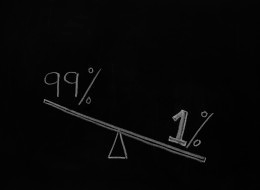
In a report released in the runup to Davos, Oxfam predicted that within two years the richest 1% of people will have accumulated more wealth than the remaining 99%. The same study found that the wealth of the richest 80 billionaires has continued to increase since 2010, while the wealth of the poorest half has decreased over the same time period. The gap between the haves and the have-nots is growing.
History has taught us that there are moments when people rise up to make a point and say that enough is enough and times must change.
On 25 January 2011, the world witnessed one such moment – pro-democracy protesters occupied Tahrir square in Egypt’s capital, Cairo, demanding self-determination, equality of opportunity and freedom from the shackles of tyranny and oppression. Some 17 long days of demonstrations and civil disobedience followed, bringing the moribund autocracy of longtime Egyptian president Hosni Mubarak to an end.
This event formed part of a much broader social movement that swept across North Africa and the Middle East, toppling sclerotic regimes and corrupt dictators. Before long people in Spain, Greece, the UK and US took to the streets as well. Although the grievances voiced differed from country to country and from region to region, the belief that the incumbent economic and political system was characterised by inequity and injustice was common to all.
And it isn’t just the poor who have been affected – the middle classes have also borne the burden of mushrooming inequalities. Companies have tended to become more productive since the 1970s, but the incomes of middle class workers have remained largely static. Returns from higher productivity have tended to go to owners and investors, not to the workers.
In many ways, inequality has become the defining issue of our time. The popular uprisings that shook the Arab world at the start of this decade were just symptoms of this most elemental of societal ills.
Fortunately, there is no reason to suppose this state of affairs is inevitable.
A promising step forward was announced at Davos, when Ajay Banga, CEO of GLTE partner MasterCard, and Donald Kaberuka, president of the African Development Bank, revealed that they intend to collaborate to foster inclusive growth in Africa.
The MasterCard Labs for Financial Inclusion, funded by an $11m (£7.24m) grant from the Bill and Melinda Gates Foundation, aims to enable more people to access banking services – generating greater equality of opportunity across the world, in developed and developing countries alike. The initiative will soon begin operations in Nairobi, Kenya, and aims to reach over 100 million people globally.
Technological advancements can support the implementation of projects designed to promote inclusive growth, such as the MasterCard Labs for Financial Inclusion. Digital innovations in payment systems and social media, for example, have enabled people to access markets, ideas and information to an extent that is unprecedented in human history.
Indeed, it has been said that the Egyptian revolution started when Whael Ghonim, a marketing executive at Google, saw the bloodied remains of Khaled Mohamed Said – a young man bludgeoned to death by the Egyptian police – pictured on Facebook. Incensed by the injustice that confronted him, Whael created the Facebook page “Kullena Khaled Said” – “We Are All Khaled Said”. Three months later 250,000 people had joined the page. Just one year later the Mubarak regime was no more.
If we are to avoid large-scale societal upheavals in this ultra-connected world, government, business and civil society must come together to rework the current economic system to serve all of humanity rather than just an elite few.
At Xyntéo, we are convinced that the current growth model has become out of date – incapable of meeting the demographic, climate and resource demands of today. Together with our partners, we believe that global business, with its clout, resources and energy, is uniquely placed to overcome this challenge. To us this means reinventing the current growth model so it brings prosperity to much larger numbers of people.
Read more at source:-
The Dummy Men – On Asmerom Legesse’s Study of the Gada System August 3, 2015
Posted by OromianEconomist in Gadaa System, Oromo, Sirna Gadaa.Tags: Africa, African Studies, Asmerom Legesse, Ateetee (Siiqqee): The Oromo Women Social Power in Gadaa System, Gadaa: Ancient Africa (Oromo) democratic system is a form of direct democracy, Genocide against the Oromo, Oromia, Oromo people, Sirna Gadaa, The Dummy Men - On Asmerom Legesse's Study of the Gada System, Xaayyaa (Tiya) Oromo Gadaa Heritage
add a comment
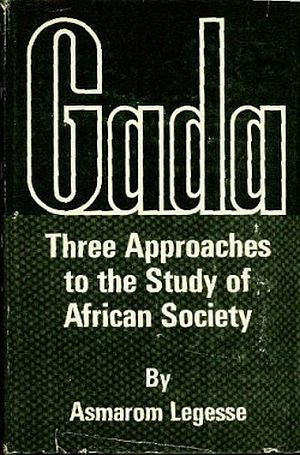

Conversation based on the seminal 1973 text written by Harvard Emeritus Professor Asmerom Legesse on his expansive study of the Oromo in East Africa entitled Gada: Three Approaches to the Study of African Society.
Oromo Studies Association 2015 Annual Conference:Keynote Speech by Prof. John Markakis and Felix Horne’s presentation of the impact on the Oromo of Conditions in Ethiopia Revealed in Recent Human Rights Watch Reports and more interesting research works August 2, 2015
Posted by OromianEconomist in Africa, Oromia, Oromo, OSA.Tags: Africa, African Studies, Oromia, Oromo, Oromo Studies Association (OSA), OSA Annual Conference 2015, OSA Conference
add a comment

“It is absurd to talk about democracy and say that Ethiopia is a democracy” Markakis #OromoStudies2015 Oromo Studies Assoc. @OromoStudies
Felix Horne (Human Rights Watch): The impact on the Oromo of Conditions in Ethiopia Revealed in Recent Human Rights Watch Reports
Once an Oromo has been in prison, it is likely they will return again and again – Felix Horne #OromoStudies2015
https://www.youtube.com/channel/UCS215n_Th3w-e6BFyjbl0Yw/videos
OSA2015AnnualFinalConferenceProgram-1
Walga’iin Idilee Waldaa Qrannoo Oromoo Washingoton DC tti jalqabame.
(OMN:Oduu Hag.01, 2015 ) Waldaan qorannoo Oromoo walga’iisaa idlee kan waggaa Waashington DC, yunivarsitii Haward galma Black Burn keessatti guyyaa har’aa jalqabee jira.
Walgahii kanarratti keessummoonni kabajaa biyyoota adda addaarraa affeeraman waraqaa qorannoosaanii kan irratti dhiheessan ta’uun beekameera.
Pirezdantiin waldaa Qorannoo Oromoo Obbo Jawaar Mohaammadii fi Daayrektarri Boordii waldichaa Dr Mohaammad Hasani walduraa duubaan haasaa anaa dhufuu taasisuun walga’icha battalumatti jalqabsisaniiru.
Walga’iin kun guyyoota lamaaf kan taa’amu oggaa ta’u dhimmoota qorannoo Oromoo irratti warqaalee qorannoo gara garaa hayyoota Oromoo fi kanneen biroon dhiyaatan dhaggeeffachuun marii kan gaggeessan ta’uun beekameera.
Namoota waraqaa qorannoo jalqaba irratti dhiyeessan keessaa Addee Toltuu Tufaa ishii tokko oggaa taatu daa’imman Oromoo afaan lammiisaanii barsisuuf duula karaa afaan publicaton jedhamu gochaa turte bal’inaan dhiyeessiteetti.
Itti aansuudhaan Dr.Steeven Toomaas waraqaa qorannoo haala rakkina guddina Filmii Afaan oromoo irratti kan dhiyeessan oggaa ta’u,wahilasaanii kan ta’e gazexessaa Dhaabaa Wayyeessaa rakkina kana furuuf hojiwwan biyya keessatti rakkina filmii Afaan Oromoo furuuf tattaafataa turan bal’inaan ibsaniiru.
The tale of two countries (Obama’s/TPLF’s Ethiopia and Real Ethiopia): The Oromo (Children, Women and elders) are dying of genocidal mass killings and politically caused famine, but Obama has been told only rosy stories and shown rosy pictures. #Africa #Oromia August 2, 2015
Posted by OromianEconomist in Ethiopia's Colonizing Structure and the Development Problems of People of Oromia, Genocidal Master plan of Ethiopia, Genocide.Tags: 'BECAUSE I AM OROMO’: SWEEPING REPRESSION IN THE OROMIA, Africa, but Obama has been told only rosy stories and shown rosy pictures., Ethiopia and poverty, Obama, Women and elders) are dying of genocidal mass killings and politically caused famine
3 comments
In Tyrannic fascist TPLF Ethiopia war, poverty and famine were not only in the past but also very true in this very moment, right now. It has spatial variations as rulers and time changes. In 1960’s and 1970’s (Hailse Sellasie Regime) Wollo and Afar regions were the mainly affected. As documented in Wikpedia:-
In 1973, a famine in Wollo killed an estimated 40,000 to 80,000, mostly of the marginalized Afar herders and Oromo tenant farmers, who suffered from the widespread confiscation of land by the wealthy classes and government of Emperor Haile Selassie. Despite attempts to suppress news of this famine, leaked reports contributed to the undermining of the government’s legitimacy and served as a rallying point for dissidents, who complained that the wealthy classes and the Ethiopian government had ignored both the famine and the people who had died.[12 https://en.wikipedia.org/wiki/1983%E2%80%9385_famine_in_Ethiopia
In 1980’s Tigray was severely affected but not the only.
Five Ethiopian provinces—Gojjam, Eritrea, Hararghe, Tigray, and Wollo—all received record low rainfalls in the mid-1980s.[17] In the south, a separate and simultaneous cause was the government’s response to Oromo Liberation Front (OLF) insurgency. In 1984, President Mengistu Haile Mariam announced that 46% of the Ethiopian Gross National Product would be allocated to military spending, creating the largest standing army in sub-Saharan Africa; the allocation for health in the government budget fell from 6% in 1973–4 to 3% by 1990–1.[18]
Although a UN estimate of one million deaths is often quoted for the 1983–5 famine, this figure has been challenged by famine scholar Alex de Waal. In a major study, de Waal criticized the United Nations for being “remarkably cavalier” about the numbers of people who died, with the UN’s one-million figure having “absolutely no scientific basis whatsoever,” a fact which represents “a trivialization and dehumanization of human misery.”[19]
Nevertheless, the magnitude of the disaster has been well documented: in addition to hundreds of thousands of deaths, millions were made destitute.[20] Media activity in the West, along with the size of the crisis, led to the Do They Know It’s Christmas? charity single and the July 1985 concert Live Aid, which elevated the international profile of the famine and helped secure international aid. In the early to mid-1980s there were famines in two distinct regions of the country, resulting in several studies of one famine that try to extrapolate to the other or less cautious writers referring to a single widespread famine. The famine in the southeast of the country was brought about by the Derg’s counterinsurgency efforts against the OLF. However, most media referring to “the Ethiopian famine” of the 1980s refers to the severe famine in 1983-5 centered on Tigray and northern Wollo, which further affected Eritrea, Begemder and northern Shewa.[21] Living standards had been declining in these government-held regions since 1977, a “direct consequence” of Derg agricultural policies.[22] A further major contributing factor to the famine were the Ethiopian government’s enforced resettlement programs, utilized as part of its counter-insurgency campaign. https://en.wikipedia.org/wiki/1983%E2%80%9385_famine_in_Ethiopia
Since 1991 as rocky Tigray has been prospering through political favoritism, nepoltism and resource transfer from green Oromia and the south that have been subjected to underdevelopment, exploitation, land grabbing, evictions, genocidal mass killings and famine. It is not Ethiopia that has been growing fast and rising, it is rocky Tigray at the expenses of the suffering Oromia and the south. What the TPLF propaganda machine shows to the world is rosy pictures of its business empire that serves only the Tigray, genocidal cliques and new colonizer from the region. During the Obama visit, what the president was shown were Coffee ceremony in government office, Lucy’s skeleton, Fafa factory near Finfinnee, Ethiopian Air Line’s Boeing plane, Abyssinian women and their cultural dances and the Chinese built African Union building in Finfinnee.
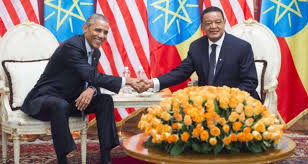
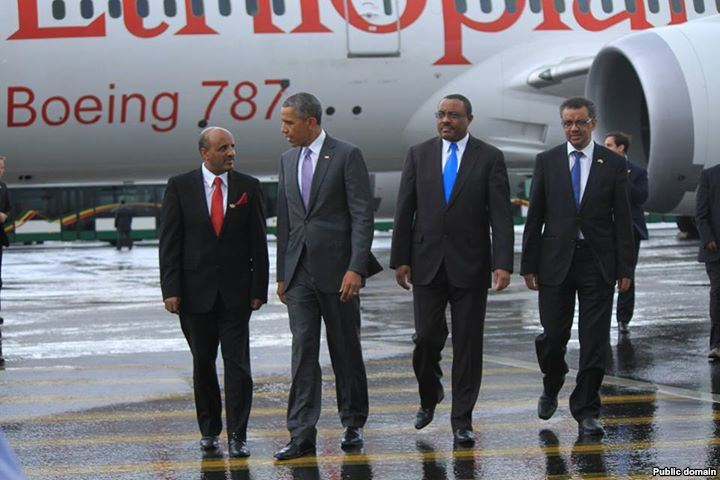
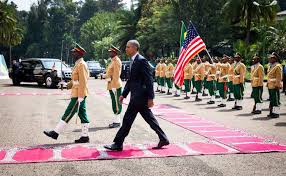
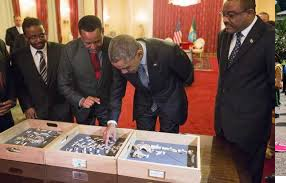

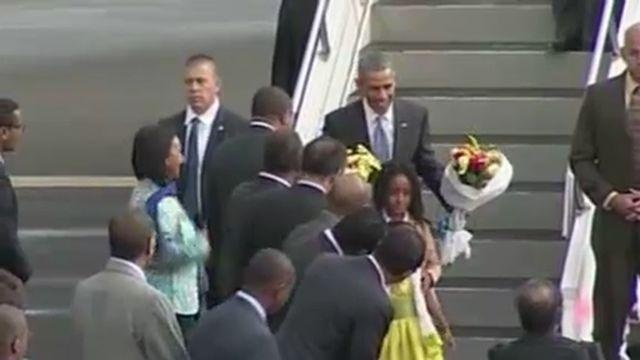
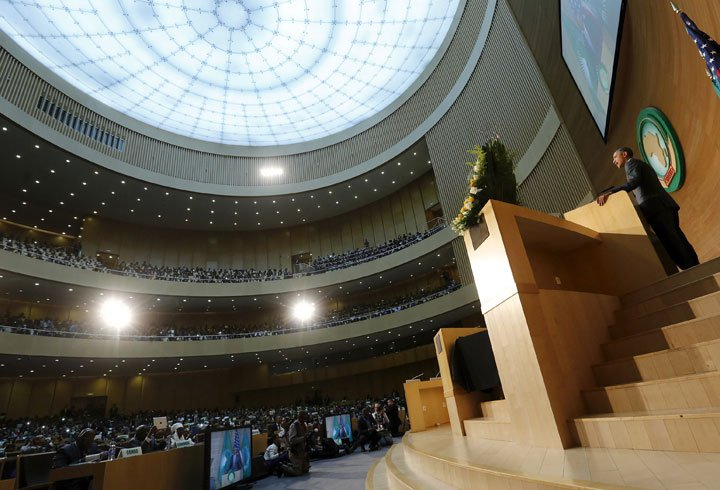
Realities in Ethiopia that Obama have not seen:-
Systematic genocidal killings, mass eviction going on against Oromo people in Burrayyuu (Central Oromia, near Fifinnee) and in Bishoftuu (Central Oromia). Thousands have been become homeless and destitute as their homes have been destroyed by Agazi (TPLF) fascist forces that has targeted Oromo for land grabs in its genocidal (Addis Ababa) master plan:-

http://odeeffannoo.com/garaa-jalaan-maastar-plaanii-finfinnee-hojii-irra-oolchaa-jiru-672
Maqaa Master Plaaniin Qonnaan Bultooti Oromoo Qe’ee fi Mana Isaanii Irraa Humnaan Arihamaa Jiru!
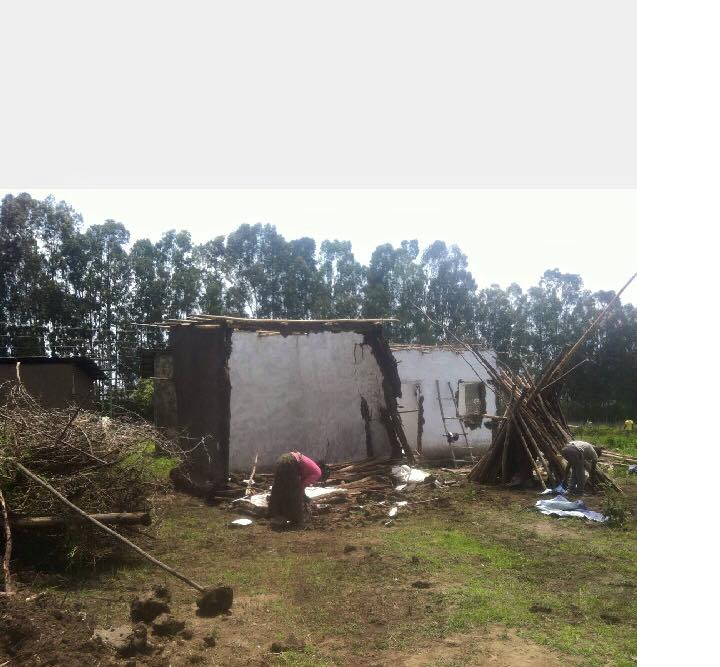
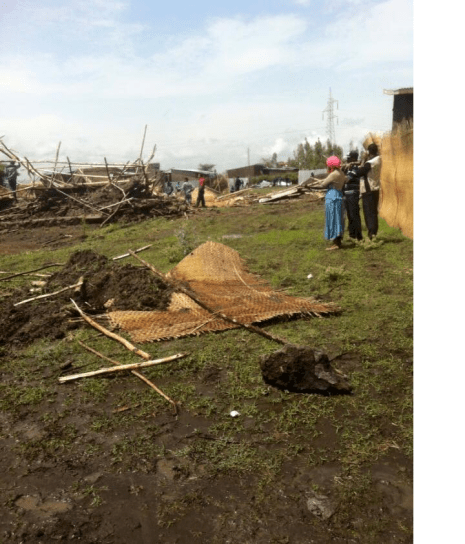
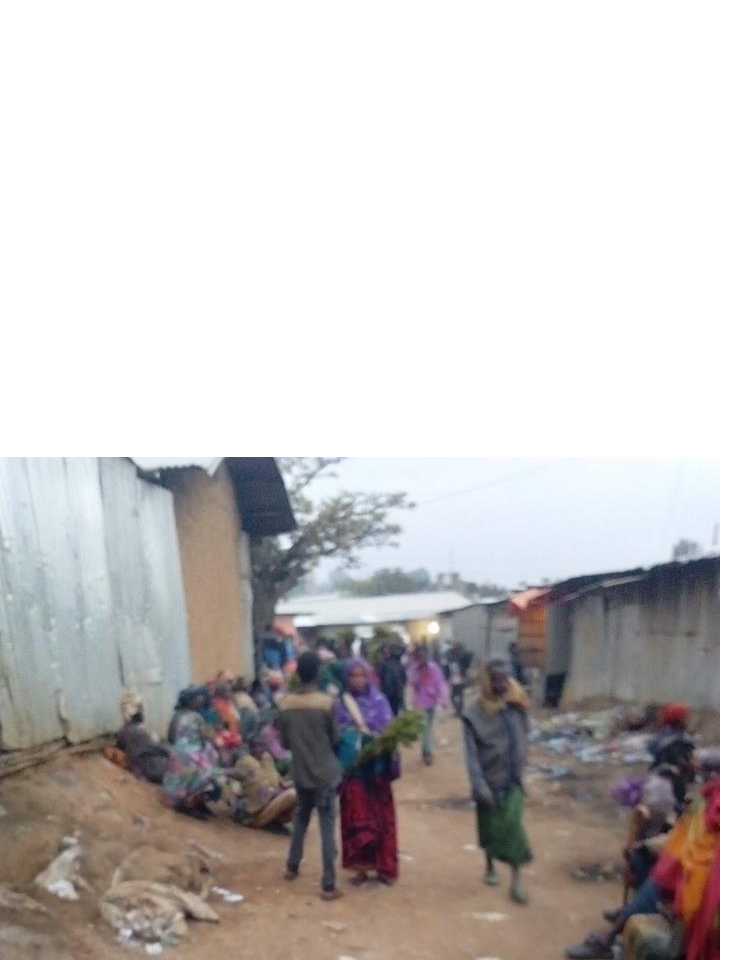
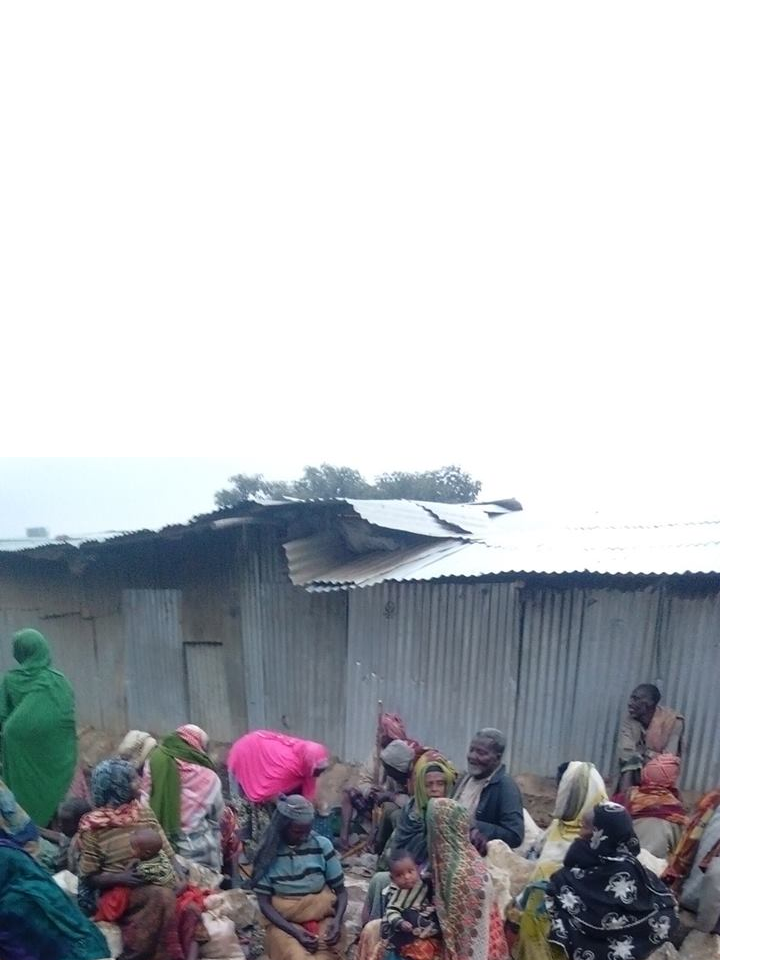
The following pictures are children, women and adults that has been exposed to famine in Eastern Oromia at the time Obama Africa/ Ethiopia visit. Thousands are exposed to famine and dying but help is reaching them. The pictures are on social media. The main stream media, TPLF and Obama are in Ethiopia’s fast growth hype, democratically elected government and war on terror. No one of them are talking war on politically caused famine.
Suuraaleen armaan gadii kun daa’imman dabalatee namoon kumaatamaan lakaawamani Godina Hargee Lixaa keessatti beelaaf saaxilaman jirachuu kan mul’isu dha. Ogeessonni fayyaa balaa beelaa hammaataa jiru kana dormannoof yoo waywaatanis haga ammaa dhageetti hin arganne. Gargaarsa tokko illee argachaa hin jiran.

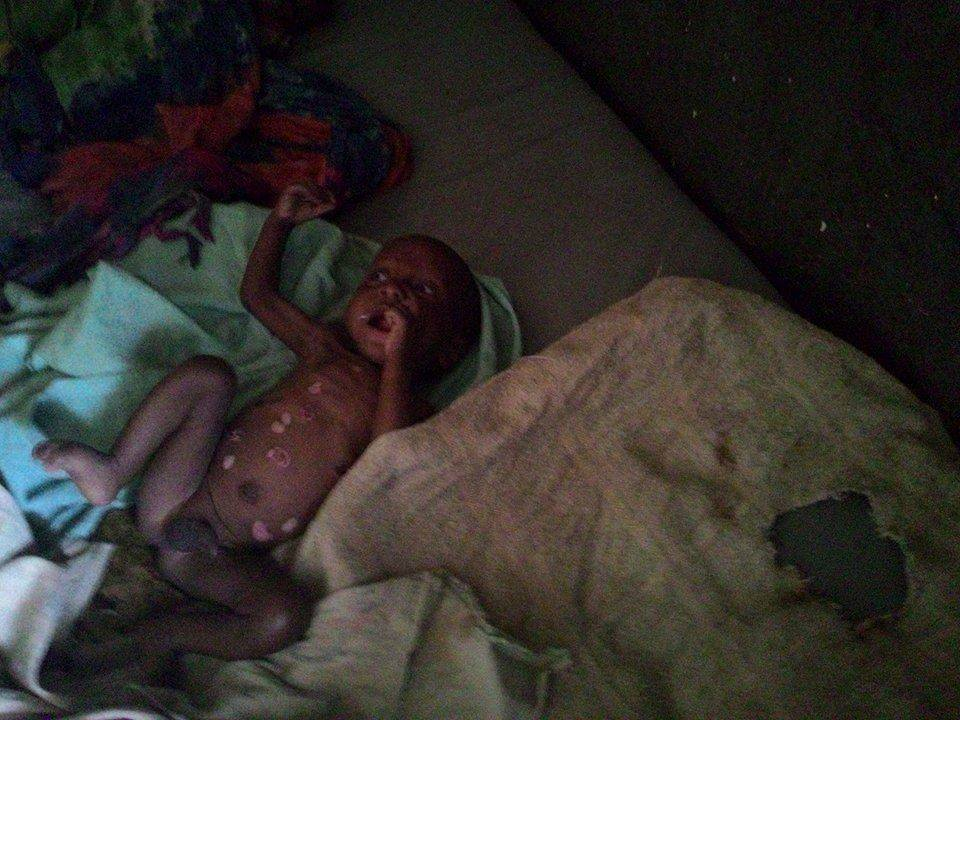
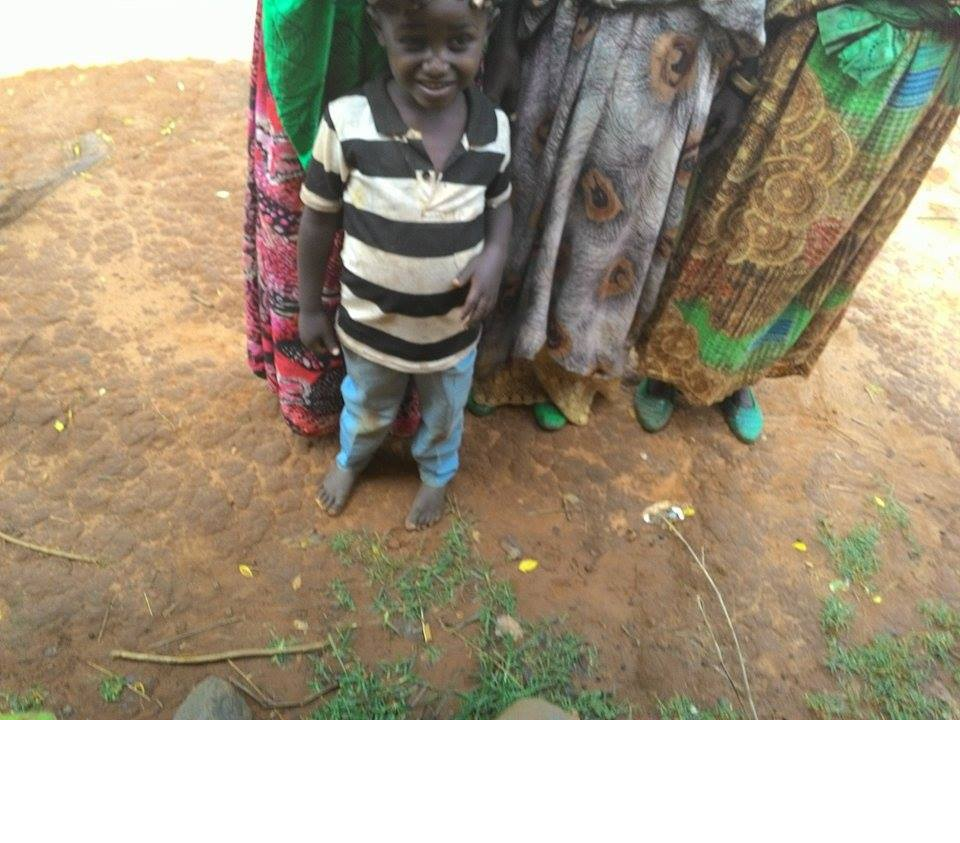
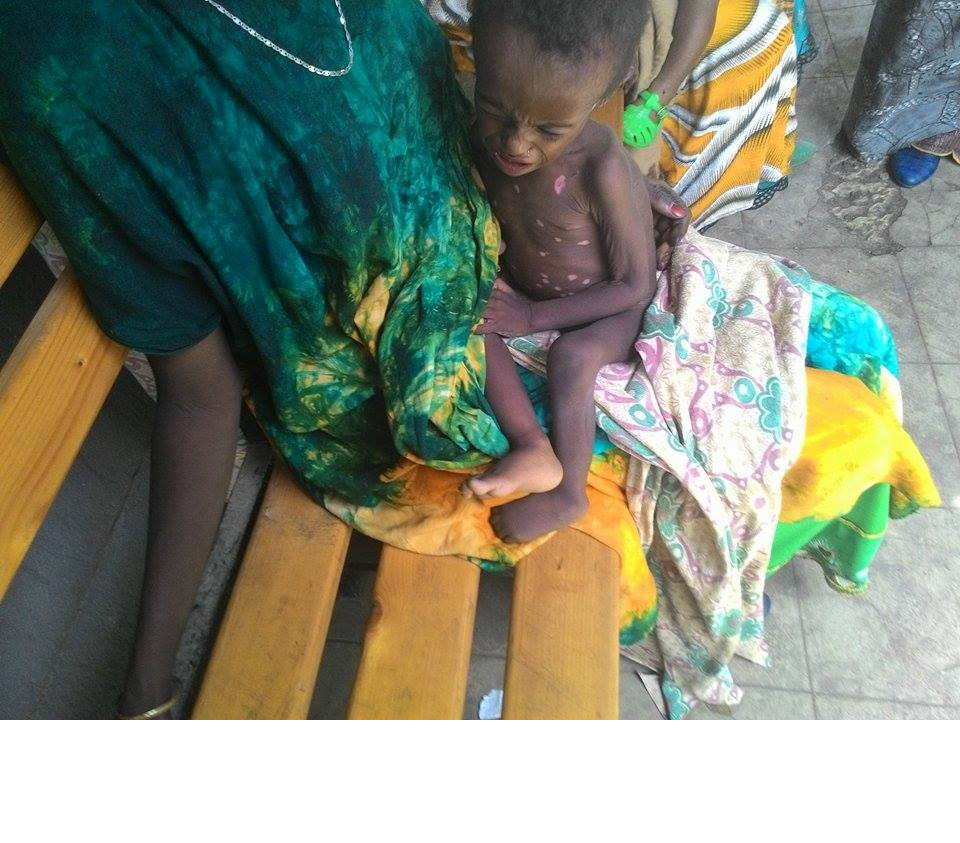
Source:- Adem Abdela Adem, social media
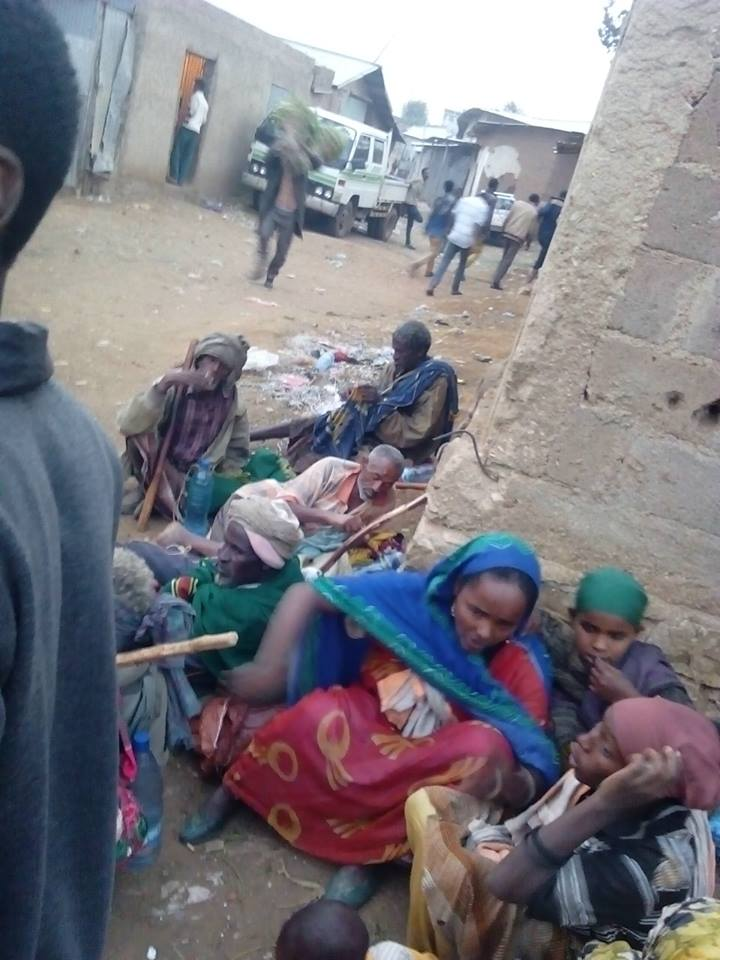


 Oromian Economist
You must be logged in to post a comment.