Silence and pain: Ethiopia’s human rights record in the Ogaden February 2, 2014
Posted by OromianEconomist in Aannolee and Calanqo, Africa, African Poor, Aid to Africa, Colonizing Structure, Corruption, Dictatorship, Ethnic Cleansing, Human Rights, ICC, Janjaweed Style Liyu Police of Ethiopia, Knowledge and the Colonizing Structure., Ogaden, Omo, Oromia, Oromiyaa, Oromo, Oromo Nation, Oromo the Largest Nation of Africa. Human Rights violations and Genocide against the Oromo people in Ethiopia, Oromummaa, The Colonizing Structure & The Development Problems of Oromia, Tyranny, Uncategorized.Tags: African culture, African Studies, Developing country, Development and Change, Economic and Social Freedom, Genocide against the Oromo, Governance issues, Human Rights and Liberties, Human Rights Violation Against Ogaden people, Land grabbing, Land grabs in Africa, National Self Determination, Ogaden, Oromia, Oromo, Politics of Ethiopia, poverty, Social Sciences, Sub-Saharan Africa, United Nations, Universal Declaration of Human Rights, World Bank
1 comment so far
Repression in the Ogaden is mainly carried out by the notorious Liyu Police; this is a locally recruited force that has been widely condemned for the repressive methods that it uses.
This is how the force is described by Human Rights Watch:[6]
“Ethiopian authorities created the Liyu (“special” in Amharic) police in the Somali region in 2007 when an armed conflict between the insurgent Ogaden National Liberation Front (ONLF) and the government escalated. By 2008 the Liyu police became a prominent counterinsurgency force recruited and led by the regional security chief at that time, Abdi Mohammed Omar (known as “Abdi Illey”), who is now the president of Somali Regional State.
The Liyu police have been implicated in numerous serious abuses against civilians throughout the Somali region in the context of counterinsurgency operations. The legal status of the force is unclear, but credible sources have informed Human Rights Watch that members have received training, uniforms, arms, and salaries from the Ethiopian government via the regional authorities.”
In January 2013 it was reported that the Liyu police numbered between 10,000 and 14,000. The force was accused of numerous human rights abuses and summary executions.[7] The Guardian newspaper reported that it had seen an internal British government document, from the Department for International Development, indicating that there were plans to spend £13m–15m of aid money on the force as part of a five year “peace-building” programme. The report was denied by the British government, which said all funding would go via United Nations agencies and not through the Ethiopian authorities.[8]
Despite these assurances concern about the behaviour of the Liyu police remains. The testimony below and the reports of atrocities carried out in recent weeks indicate these are well placed.
Testimony of Captain Hassan Mohammed Abdi aka Hassan Afo, a former member of the Liyu Police, who was active with the force in Degehbur Province. June 2012.
“In Balidhuure village (Eastern Degehbur Province) located in between Gurdumi and Koore, a Liyu police unit that left from Aware and commanded by Major Kidinbir rounded up and finally driven away most of the people that lived in the area. Among them was a disabled man who walks with a stick named Ina-Yul-yul or the son of Yul-yul. Not far from the village of Balidhuure, the handicapped man, Ina-Yul-yul could not continue walking. One of the Liyu policemen noticed this and he informed Major Kidinbir by radio. Major Kidinbir said, “He can’t walk? Then kill him where he is at right now.” That’s how Ina-Yulyul was shot and killed. He was killed because of one of his brothers was among the ONLF fighters.”
Reports of human rights atrocities committed in the Ogaden Region over the previous month.
25/12/13: In Guna’gado district of Degahbur province, at least 25 civilians were detained and 25,000 Ethiopian birr was stolen from them
5/1/14: In Gasaangas in Hamara district 5 civilians are unlawfully detained. They were: Hassan Geday, Hassan Nour Moalim Ibrahim, Rukiya Moalim Ibraahin, Anbiya Sheikh Mohammed and Nafis.
5/1/14: In Dhuhun a girl named, Halimo Duulane was detained .
10/1/14: In Eastern Iimay, Fadumo Wacdi Ahmed, Sa’ada Hassan and Gordo Abdi God were detained by the Ethiopian Security Forces.
10/1/14,In Guna’gado, Mohammed Isse Gu’had was tortured, detained and his 11 camels were stolen.
3/1/14: Hamuud-ka, in Fiq Province, the security forces detained Mohammed Ibrahim.
5/1/14: Ya’hob Village in Fiq Province, the security forced killed in a cold-blood Abdullahi Lo’bari in cold blood and injured Ahmed Hassan Awl.
5/1/14: Hamaro in Nogob Province, the security forces detained several people : Mohammed Abdi Rahman Omar, Abdirahman Bade, Ta’kal Yousouf and Ina-Barud.
Annex
Amnesty International on Ethiopia’s Ogaden region[9]
In September, the government and the ONLF briefly entered into peace talks with a view to ending the two-decade long conflict in the Somali region. However, the talks stalled in October. The army, and its proxy militia, the Liyu police, faced repeated allegations of human rights violations, including arbitrary detention, extrajudicial executions, and rape. Torture and other ill-treatment of detainees were widely reported. None of the allegations was investigated and access to the region remained severely restricted. In June, UN employee Abdirahman Sheikh Hassan was found guilty of terrorism offences over alleged links to the ONLF, and sentenced to seven years and eight months’ imprisonment. He was arrested in July 2011 after negotiating with the ONLF over the release of two abducted UN World Food Programme workers.Human Rights Watch on Ethiopia’s Ogaden region
ETHIOPIA: UPR SUBMISSION SEPTEMBER 2013 [10]
http://martinplaut.wordpress.com/2014/01/31/silence-and-pain-ethiopias-human-rights-record-in-the-ogaden/
Related References:

Silence and pain: human rights in the Ogaden
Martin Plaut
Introduction
The Ogaden is Ethiopia’s dark, dirty secret. It is far from prying international eyes, where almost anything can be done to anyone the government does not like.
The Ogaden was conquered and forcibly incorporated into Ethiopia by Emperor Menelik II in the last quarter of the 19th century. Its Somali speaking, almost exclusively Muslim community, never really accepted an Ethiopian identity. In 1977 it was the scene of an international conflict, as Somali President Siad Barre attempted to wrest the region from Ethiopia. The Soviet Union poured arms and Cuban troops into Ethiopia and the invasion was halted. The Ogaden National Liberation Front (ONLF) has been fighting the Ethiopian government since 1995, and local people have been caught up in the conflict.
 The Ethiopian authorities have sealed off the region to international journalists.
As Human Rights Watch wrote as…
View original post 3,314 more words
African Poors: Poverty, Failed Aid & Extractive Institutions January 28, 2014
Posted by OromianEconomist in Africa, African Poor, Aid to Africa, Climate Change, Dictatorship, Economics: Development Theory and Policy applications, Environment, Food Production, Human Rights, Janjaweed Style Liyu Police of Ethiopia, Knowledge and the Colonizing Structure., Land Grabs in Africa, Nelson Mandela, Nubia, Oromia, Oromiyaa, Oromo, Oromo Culture, Oromo the Largest Nation of Africa. Human Rights violations and Genocide against the Oromo people in Ethiopia, Oromummaa, Self determination, The Colonizing Structure & The Development Problems of Oromia, Theory of Development, Tyranny, Uncategorized.Tags: Africa, African Studies, Amartya Sen, Developing country, Development, Development and Change, Economic and Social Freedom, Economic development, Economic growth, economics, Genocide, Genocide against the Oromo, Governance issues, Horn of Africa, Human rights, Human Rights and Liberties, Human rights violations, Land grabbing, Land grabs in Africa, National Self Determination, Oromia, Oromiyaa, Oromo, poverty, State and Development, Sub-Saharan Africa, United Nations, Universal Declaration of Human Rights, World Bank
add a comment

‘Recognising that poor countries are poor because they have extractive institutions helps us understand how best to help them. It also casts a different light on the idea of foreign aid. We do not argue for its reduction. Even if a huge amount of aid is siphoned off by the powerful, the cash can still do a lot of good. It can put roofs on schools, lay roads or build wells. Giving money can feed the hungry, and help the sick — but it does not free people from the institutions that make them hungry and sick in the first place. It doesn’t free them from the system which saps their opportunities and incentives. When aid is given to governments that preside over extractive institutions, it can be at best irrelevant, at worst downright counter-productive. Aid to Angola, for example, is likely to help the president’s daughter rather than the average citizen. Many kleptocratic dictators such as Congo’s Mobutu Sese Seko have been propped up by foreign aid. And it wasn’t foreign aid that helped to undermine the apartheid regime in South Africa and got Nelson Mandela out of prison, but international sanctions. Those sanctions came from pressure on governments — including the British government — that would have preferred not to see them implemented. Today it is no different. Governments don’t like cutting their ties to dictators who open doors for international business, or help their geopolitical agendas. Pressure needs to come from citizens who do care enough about international development to force politicians to overcome the easy temptation of short-run political expediency. Making institutions more inclusive is about changing the politics of a society to empower the poor — the empowerment of those disenfranchised, excluded and often repressed by those monopolising power.’ –Daron Acemoglu and James A. Robinson, The Spectator magazine, 25th January 2014
Daron Acemoglu and James A. Robinson in their articles in The Spectator put forward the following interesting analysis regarding what is really at stake and leading issues in Africa’s development problems. They brought to our attentions why aid has failed and proposed how the predicaments can be tackled:-
David Cameron speaks compellingly about international aid. Eradicating poverty, he says, means certain institutional changes: rights for women and minorities, a free media and integrity in government. It means the freedom to participate in society and have a say over how your country is run. We wholeheartedly agree and were flattered to see the Prime Minister tell this magazine that he is ‘obsessed’ by our book on the subject, Why Nations Fail: The Origins of Power, Prosperity, and Poverty. But diagnosing a problem is one thing; fixing it another. And we don’t yet see the political will — in Britain or elsewhere — that could turn this analysis into a practical agenda.
The British government is strikingly generous in foreign aid donations. It spent £8.7 billion on foreign aid in 2012 — which is 0.56 per cent of national income. This is to rise to £11.7 billion, or 0.7 per cent of national income, next year. But if money alone were the solution we would be along the road not just to ameliorating the lives of poor people today but ending poverty for ever.
The idea that large donations can remedy poverty has dominated the theory of economic development — and the thinking in many international aid agencies and governments — since the 1950s. And how have the results been? Not so good, actually. Millions have moved out of abject poverty around the world over the past six decades, but that has had little to do with foreign aid. Rather, it is due to economic growth in countries in Asia which received little aid. The World Bank has calculated that between 1981 and 2010, the number of poor people in the world fell by about 700 million — and that in China over the same period, the number of poor people fell by 627 million.
In the meantime, more than a quarter of the countries in sub-Saharan Africa are poorer now than in 1960 — with no sign that foreign aid, however substantive, will end poverty there. Last year, perhaps the most striking illustration came from Liberia, which has received massive amounts of aid for a decade. In 2011, according to the OECD, official development aid to Liberia totalled $765 million, and made up 73 per cent of its gross national income. The sum was even larger in 2010. But last year every one of the 25,000 students who took the exam to enter the University of Liberia failed. All of the aid is still failing to provide a decent education to Liberians.
One could imagine that many factors have kept sub-Saharan Africa poor — famines, civil wars. But huge aid flows appear to have done little to change the development trajectories of poor countries, particularly in Africa. Why? As we spell out in our book, this is not to do with a vicious circle of poverty, waiting to be broken by foreign money. Poverty is instead created by economic institutions that systematically block the incentives and opportunities of poor people to make things better for themselves, their neighbours and their country.
Let us take for Exhibit A the system of apartheid in South Africa, which Nelson Mandela dedicated himself to abolishing. In essence, apartheid was a set of economic institutions — rules that governed what people could or could not do, their opportunities and their incentives. In 1913, the South African government declared that 93 per cent of South Africa was the ‘white economy’, while 7 per cent was for blacks (who constituted about 70 per cent of the population). Blacks had to have a pass, a sort of internal passport, to travel to the white economy. They could not own property or start a business there. By the 1920s the ‘Colour Bar’ banned blacks from undertaking any skilled or professional occupation. The only jobs blacks could take in the white economy were as unskilled workers on farms, in mines or as servants for white people. Such economic institutions, which we call ‘extractive’, sap the incentives and opportunities of the vast mass of the population and thereby keep a society poor.
The people in poor countries have the same aspirations as those in rich countries — to have the same chances and opportunities, good health care, clean running water in their homes and high-quality schools for their children. The problem is that their aspirations are blocked today — as the aspirations of black people were in apartheid South Africa — by extractive institutions. The poor don’t pull themselves out of poverty, because the basic ability to do so is denied them. You could see this in the protests behind the Arab Spring: those in Cairo’s Tahrir Square spoke in one voice about the corruption of the government, its inability to deliver public services and the lack of equality of opportunity. Poverty in Egypt cannot be eradicated with a bit more aid. As the protestors recognised, the economic impediments they faced stemmed from the way political power was exercised and monopolised by a narrow elite.
This is by no means a phenomenon confined to the Arab world. That the poor people in poor countries themselves understand their predicament is well illustrated by the World Bank’s multi-country project ‘Voices of the Poor’. One message that persistently comes across is that poor people feel powerless — as one person in Jamaica put it, ‘Poverty is like living in jail, living under bondage, waiting to be free.’ Another from Nigeria put it like this: ‘If you want to do something and have no power to do it, it is talauchi [poverty].’ Like black people in South Africa before 1994, poor people are trapped within extractive economic institutions.
But it is not just the poor who are thus trapped. By throwing away a huge amount of potential talent and energy, the entire society condemns itself to poverty.
The key to understanding and solving the problem of world poverty is to recognise not just that poverty is created and sustained by extractive institutions — but to appreciate why the situation arises in he first place. Again, South Africa’s experience is instructive. Apartheid was set up by whites for the benefit of whites. This happened because it was the whites who monopolised political power, just as they did economic opportunities and resources. These monopolies impoverished blacks and created probably the world’s most unequal country — but the system did allow whites to become as prosperous as people in developed countries.
The logic of poverty is similar everywhere. To understand Syria’s enduring poverty, you could do worse than start with the richest man in Syria, Rami Makhlouf. He is the cousin of President Bashar al-Assad and controls a series of government-created monopolies. He is an example of what are known in Syria as ‘abna al-sulta’, ‘sons of power’.
To understand Angola’s endemic poverty, consider its richest woman, Isabel dos Santos, billionaire daughter of the long-serving president. A recent investigation by Forbes magazine into her fortune concluded, ‘As best as we can trace, every major Angolan investment held by dos Santos stems either from taking a chunk of a company that wants to do business in the country or from a stroke of the president’s pen that cut her into the action.’ She does all this while, according to the World Bank, only a quarter of Angolans had access to electricity in 2009 and a third are living on incomes of less than $2 a day.
Recognising that poor countries are poor because they have extractive institutions helps us understand how best to help them. It also casts a different light on the idea of foreign aid. We do not argue for its reduction. Even if a huge amount of aid is siphoned off by the powerful, the cash can still do a lot of good. It can put roofs on schools, lay roads or build wells. Giving money can feed the hungry, and help the sick — but it does not free people from the institutions that make them hungry and sick in the first place. It doesn’t free them from the system which saps their opportunities and incentives. When aid is given to governments that preside over extractive institutions, it can be at best irrelevant, at worst downright counter-productive. Aid to Angola, for example, is likely to help the president’s daughter rather than the average citizen.
Many kleptocratic dictators such as Congo’s Mobutu Sese Seko have been propped up by foreign aid. And it wasn’t foreign aid that helped to undermine the apartheid regime in South Africa and got Nelson Mandela out of prison, but international sanctions. Those sanctions came from pressure on governments — including the British government — that would have preferred not to see them implemented.
Today it is no different. Governments don’t like cutting their ties to dictators who open doors for international business, or help their geopolitical agendas. Pressure needs to come from citizens who do care enough about international development to force politicians to overcome the easy temptation of short-run political expediency.
Making institutions more inclusive is about changing the politics of a society to empower the poor — the empowerment of those disenfranchised, excluded and often repressed by those monopolising power. Aid can help. But it needs to be used in such a way as to help civil society mobilise collectively, find a voice and get involved with decision-making. It needs to help manufacture inclusion.
This brings us back to David Cameron. When answering a question at New York University almost two years ago, he put it perfectly. ‘There is a huge agenda here,’ he said. It is time to ‘stop speaking simply about the quantity of aid’ and ‘start talking about what I call the “golden thread”.’ This, he explained, is his idea that long-term development through aid only happens if there is a ‘golden thread’ of stable government, lack of corruption, human rights, the rule of law and transparent information.
As the Prime Minister says, this is a very different thing to setting an aid spending target. Promoting his golden thread means using not just aid but diplomatic relations to encourage reform in the many parts of the world that remain in the grip of extractive institutions. It means using financial and diplomatic clout (and Britain has plenty of both) to help create room for inclusive institutions to grow. This may be a hard task — far harder than writing a cheque. But it is the surest way to make poverty history.
Daron Acemoglu and James A. Robinson are the authors of Why Nations Fail, which David Cameron last week declared one of his five favourite books of all time.
Read the full text of this article @:
http://www.spectator.co.uk/features/9121361/why-aid-fails/
This article first appeared in the print edition of The Spectator magazine, dated 25 January 2014
Further references:
Amartya Sen: Poverty and the Tolerance of the Intolerable
http://richmedia.lse.ac.uk/publiclecturesandevents/20130122_1830_povertyToleranceIntolerable.mp3
Copyright © Oromianeconomist 2014 and Oromia Quarterly 1997-2014. All rights reserved. Disclaimer
The Marks of Aannolee, Azulee, And Chalanqoo/Calanqoo Cannot Be Erased from the Memory of Oromo Generations January 24, 2014
Posted by OromianEconomist in Aannolee and Calanqo, Africa, Aid to Africa, Colonizing Structure, Corruption, Development, Dictatorship, Economics: Development Theory and Policy applications, Environment, Ethnic Cleansing, ICC, Janjaweed Style Liyu Police of Ethiopia, Land Grabs in Africa, Nubia, Oromia, Oromiyaa, Oromo, Oromo Culture, Oromo First, Oromo Identity, Oromo Nation, Oromo Social System, Oromo the Largest Nation of Africa. Human Rights violations and Genocide against the Oromo people in Ethiopia, Oromummaa, Self determination, Slavery, Tyranny, Uncategorized.Tags: Aanoolee, African culture, African Studies, Azulee, Calanqoo, Chalanqoo, Developing country, Development and Change, Economic and Social Freedom, Genocide against the Oromo, Governance issues, Horn of Africa, Human rights, Human Rights and Liberties, Land grabs in Africa, National Self Determination, Oromia, Oromia Region, Oromiyaa, Oromo, Oromo culture, Oromummaa, Politics of Ethiopia, poverty, Social Sciences, Sub-Saharan Africa, Tyranny, United Nations, Universal Declaration of Human Rights, World Bank
add a comment
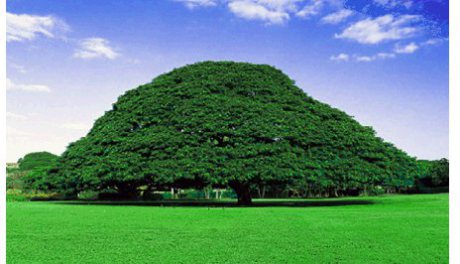

The marks of Aannolee, Azulee, and Chalanqoo/Calanqoo cannot be erased from the memory of Oromo generations The marks of Aannolee, Azulee, and Chalanqoo/Calanqoo cannot be erased from the memory of Oromo generations.
By Leenjiso Horo
The marks of Aannolee, Azulee, and Chalanqoo Cannot be erased from the memory of successive Oromo generations and from the history of the Oromo people. These marks are incorporated into our collective memory. For this, centuries may pass, generations may come and go but the crimes of Abyssinia-the mutilation of breasts of women and girls and of the right hands of men and boys at Aannolee and the mass massacres at Azulee and Chalanqoo will not be erased, will never be diminished, and never be forgotten.
Menelik II’s mutilation of breasts of women and girls and of hands of men and boys is the first one in warfare throughout written history-from antiquity to modern times, unless proven to the contray. Those who support Menelik’s genocide at Aannolee, Azulee, and Calanqoo as a “holy war” or as a war of “reunification of Ethiopia” should hold full entitlement to it.
During the campaign of colonization of the south in the late nineteenth-century king Menelik II of Abyssinia exterminated the Oromo population by 50%, Kaficho by 75%, Gimira by 80% and Madii by over 90% (Radio Simbirtu interview with Prof. Mekuria Bulcha, 19 December 2013, part 2). These are genocides of highest proportion. The basic argument of the Abyssinian genocide denials has, however, remained the same as always—it never happened, the term “genocide” does not apply-it is a “reunification of Ethiopia.” Recently, the tactics of denial of genocide has been shifted from “reunification of Ethiopia” to “holy war.”
Abyssinians always avoid public discourse of the genocide at Aannolee, Azulee, and Chalanqoo believing that sooner or later in the course of time that generation would pass from the scene and their children would become acculturated and assimilated in the Abyssinian way of life and Abyssinian political thought and then the issue of genocide dies out and will be forgotten. However, what the Abyssinians forgot or failed to understand is that the genocide at Aannolee, Azulee, and Chalanqoo shapes not only the outlook of the immediate victims of the generation of the time but also of subsequent generations of the future. It is very important for the descendents of the perpetrators- the deniers of Oromo genocide to engage introspection to face and learn from their own history. It is time for the Nafxanyaas-the deniers of genocide to ask themselves question as to how that gross mass genocide could have occurred, instead of denying it and trying to maintain a false righteous self-image.
The Abyssinians are unable or unwilling to deal with the truth. They have always refused to recognize the crimes committed against the peoples of the south, Oromo included as genocide. Instead they elevated it to the level of a “holy war/qidus xorrinnat”; then took pride in it; identified with it, enthusiastically embraced it, glorified and glamorized it. This campaign is in support of their political and religious elites, scholars, governments, institutions, and individuals those who have been preaching genocide committed against Oromo and the south as a “reunification of Ethiopia.”
The Oromo Genocide and Tigrayans’ attempt to deny it
Today, the Tigrayan regime is behind the discussion of the past genocide to divert attention from itself, while it is committing genocide itself more dangerous than that of the past ones. It has undertaken open and total war campaign against the Oromo people. It is vitally important, therefore, that we should focus our attention on current genocide the Tigrayan regime is committing, while at the same time reminding ourselves the genocide that the Amhara regime of Menelik II committed a century ago. The Amharas have been denying the genocide against the Oromo and other southern peoples that their regime of Menelik II committed and now the Tigrayans are also denying the genocide that their regime is committing.
The Amharas are simply dancing and singing to the ghost of Menelik II but they do not possess the means and capabilities to commit anther genocide. Today, it is the Tigrayan regime led by TPLF that is committing genocidal mass murder against the Oromo people; it is this regime that possesses the means and capabilities to commit genocide. Its means are the army, paramilitary unit, the police force, special police or Liyyuu police, secret state agents, Death Squads, the bureaucratic and judicial system. All of these are already fully utilized for this purpose.
The sudden descend of the Tigrayan People’s Liberation Front (TPLF) upon Oromiyaa in 1991, set in a rapid motion a process to eliminate any opposition to its rule that culminate in the arrests, tortures and killings. Then since 1992, it has been carrying out a systematic, methodical, pre-planned, and centrally-organized genocidal mass murder against the Oromo people. Meles Zenawi was the notorious architect and organizer of policy of the Oromo genocide with his culprits and other thousands of perpetrators of genocide who are still implementing his policy after his death. His brutality against Oromo people has surpassed that of all his predecessors combined. His regime has erected concentration camps across Oromiyaa, camps such as Hursoo, Bilaattee, Dhidheessaa, Zuwaay, and Qalittii are the well known ones. But numerous other clandestine prison cells where the victims are eliminated have been established across the empire. The regime has openly undertaken a major Oromiyaa-wide persecution of Oromo. Hence Ordinary people, for the first time, being rounded up and sent to these clandestine centers for interrogation through torture. In the torture, few survived and many perished.
The pattern of destruction has been repeated over and over in different parts of Oromiyaa. Many of these repetitive destructions are far from the major cities; such repetition are a centrally design one. Further, reward structure set in place. That reward is geared towards those who implement the policy. The regional governors and officials who refuses to carry out orders to annihilate the Oromo are summarily replaced as disloyal and OLF agent. Community leaders are arrested and persecuted. Many of women, children, and elderly run into forests and deserts to escape slaughter. Today, the Oromo people are in violent historical moment. They are the target of Tigrayan regime for physical extermination and forcible removal from their lands. Hundreds of thousands have been killed; millions have been forced out from their lands and their lands haven been sold or leased to local and multination land-grabbers.
The Tigrayan regime has fully undertaken the implementation of the policy of Oromo extermination since 1992. The Amhara genocidal denialists are fully subscribed to this policy. In the Tigrayan regime’s jails millions of Oromo perished as the result of starvation, disease, the harsh environment, and physical extermination.
We are the nation of heroes, heroines and victims. We were the victims of genocide yesterday and we are the victims of genocide today. Yesterday, we were victims of genocide under Amhara successive regimes and today, we are victims of genocide under the Tigrayan regime. Indeed, we are a wounded and bled nation in our country by another nation- the Abyssinian nation.
We oftentimes say, never again to genocide in Oromiyaa. We say, the seeds of Aannolee, Azulee, and Chalanqoo must not be allowed to sprout again in Oromiyaa. And yet it has already sprout; violence is again around us; violence of genocide is still consuming our people. Menelik’s genocide at Aannolee, Azulee and Chalanqoo is reconstructed and renewed by Meles Zenawi and implemented Oromiyaa wide. Hence, the past genocide has now become the present new genocide. Hence, the dead Oromo are still dead; more are still dying; expropriated Oromoland is still expropriated; The pillaging of Oromiyaa is at its height and the colonized Oromiyaa is still colonized.
The way forward
The way forward is Oromo nationalists’ unity and the fight against occupation. For this, it is important to rebuild the Oromo Liberation Army (OLA) as superior mighty force both in quantity and quality to protect the population and secure liberation. This enables the nation to drive out the Tigrayan regime and establish independent Democratic Republic of Oromiyaa. Again, it is vitally important to remove Menelik’s statue from Oromiyaa; establish National Genocide Memorial Day for the victims of Aannolee, Azulee and Chalanqoo. This Oromo Genocide Memorial Day should be established and observed annually while we are still fighting for independence. The date and the month must be different from Oromo Martyrs Day/Guyyaa Gootoota Oromoo.
No one escapes from the history of one’s people. For this, we should and must not allow the past to rest and to be forgotten. Every generation must teach the succeeding generation about the past history, their heroes and heroines. The past, the present as well as the future belong to the succeeding generations. Each new generation hold the entitlement of the past and the present. For this, the establishment of the Oromo Genocide Memorial Day is the order of the day that the marks of Aannolee, Azulee, and Chalanqoo Cannot be erased from the memory of successive Oromo generations.
Oromiyaa Shall Be Free!
Read further from its original post @:http://oromiafreevoice.blogspot.co.uk/2014/01/the-marks-of-aannolee-azulee-and.html?spref=fb
Further references
Ethiopia: land of slavery & brutality – League of Nations, Geneva 1935
Repression of the Oromo and the State of Freedom in Ethiopia: Freedom House’s Annual 2013 Survey January 23, 2014
Posted by OromianEconomist in Africa, Aid to Africa, Colonizing Structure, Corruption, Development, Dictatorship, Domestic Workers, Economics, Economics: Development Theory and Policy applications, Environment, Ethnic Cleansing, Human Rights, Human Traffickings, ICC, Janjaweed Style Liyu Police of Ethiopia, Land Grabs in Africa, Oromia, Oromiyaa, Oromo, Oromo Identity, Oromo the Largest Nation of Africa. Human Rights violations and Genocide against the Oromo people in Ethiopia, Oromummaa, Self determination, Slavery, The Colonizing Structure & The Development Problems of Oromia, Tyranny, Uncategorized.Tags: Africa, African culture, African Studies, Developing country, Development, Development and Change, Economic and Social Freedom, Economic development, Economic growth, economics, Genocide, Genocide against the Oromo, Governance issues, Human rights, Human Rights and Liberties, Human rights violations, Land grabbing, Land grabs in Africa, National Self Determination, Oromia, Oromo, Oromo people, Oromummaa, Sub-Saharan Africa, Tyranny, Universal Declaration of Human Rights, World Bank
add a comment

Ethiopia’s 2013 SCORES
STATUS:
FREEDOM RATING : 6.0
CIVIL LIBERTIES: 6.0
POLITICAL RIGHTS: 6.0
“The government tends to favor Tigrayan ethnic interests in economic and political matters, and the EPRDF is dominated by the Tigrayan People’s Liberation Front. Repression of the Oromo and ethnic Somalis, and government attempts to co-opt their parties into subsidiaries of the EPRDF, have fueled nationalism in both the Oromia and Ogaden regions.” -Freedom House
Ethiopia is not an electoral democracy. Parliament is made up of a 108-seat upper house, the House of Federation, and a 547-seat lower house, the House of People’s Representatives. The lower house is filled through popular elections, while the upper chamber is selected by the state legislatures, with both serving five-year terms. The lower house selects the prime minister, who holds most executive power, and the president, a largely ceremonial figure who serves up to two six-year terms. All of these institutions are dominated by the EPRDF, which tightly controlled the 2010 elections and the succession process following the death of Prime Minister Meles Zenawi in 2012. While the 1995 constitution grants the right of secession to ethnically-based states, the government acquired powers in 2003 to intervene in states’ affairs on issues of public security.
Corruption is a significant problem in Ethiopia. EPRDF officials reportedly receive preferential access to credit, land leases, and jobs. Petty corruption extends to lower level officials, who allegedly solicit bribes in return for processing documents. In a survey of 1,000 people conducted by Transparency International (TI) in 2011, 64 percent of respondents reported having had to pay a bribe to customs officials, and 55 percent to a member of the judiciary. Ethiopia was ranked 113 out of 176 countries surveyed in TI’s 2012 Corruption Perceptions Index.
The media are dominated by state-owned broadcasters and government-oriented newspapers. One of the few independent papers in the capital, Addis Neger, closed in 2009, claiming harassment by the authorities. Privately-owned papers tend to steer clear of political issues and have low circulations. A 2008 media law criminalizes defamation and allows prosecutors to seize material before publication in the name of national security.
Journalists reporting on opposition activities face serious harassment and the threat of prosecution under the country’s sweeping 2009 Antiterrorism Proclamation. In July 2012, six journalists were convicted of terrorism. While five were convicted in absentia, the sixth, Eskinder Nega, received 18 years in prison. The judge said that he had consorted with the political group, Ginbot 7, a designated terrorist entity in Ethiopia. The United States, European Union and the UN High Commissioner for Human Rights expressed dismay at the verdicts. In other cases, the courts reduced sentences handed out to journalists convicted of terrorism. In August, a columnist with the Feteh weekly newspaper had her 14-year sentence reduced to 5 years; while in September, two Swedish journalists who had received 11-year sentences in 2011 for assisting the ONLF were pardoned.
Due to the risks of operating inside Ethiopia, many of the country’s journalists work in exile. The Committee to Protect Journalists says that Ethiopia has driven 79 journalists into exile in the past decade, more than any other nation. The authorities use high-tech jamming equipment to filter and block news websites seen as pro-opposition. Legislation adopted in May criminalizes the use of telecommunications devices to transmit any “terrorizing message.” Critics said the vaguely worded law also effectively banned the use of Skype and other voice-over-internet protocol services that cannot be closely monitored by the government.
The constitution guarantees religious freedom, but the government has increasingly harassed the Muslim community, which has grown to rival the Ethiopian Orthodox Church as the country’s largest religious group. Muslim groups accuse the government of trying to impose the beliefs of an obscure Islamic sect, al-Ahbash, at the expense of the dominant Sufi-influenced strain of Islam. Before his death, Meles said the Muslim community was a source of extremism, claiming it had links to Al-Qaeda.
Academic freedom is restricted. The government has accused universities of being pro-opposition and prohibits political activities on campuses. There have been reports of students being pressured into joining the EPRDF in order to secure places at universities.
The presence of the EPRDF at all levels of society inhibits free private discussion. Many people are wary of speaking against the government for fear of being overheard by party officials. The EPRDF maintains a network of paid informants, and opposition politicians have accused the government of tapping their telephones.
Freedoms of assembly and association are guaranteed by the constitution but limited in practice. Organizers of large public meetings must request permission from the authorities 48 hours in advance. Applications by opposition groups are routinely denied. Peaceful demonstrations were held outside mosques in July 2012, but the security forces responded violently, detaining protestors, including several prominent Muslim leaders. A total of 29 Muslims were eventually charged with offences under the antiterrorism law. They were awaiting trial at year’s end.
The 2009 Charities and Societies Proclamation restricts the activities of foreign NGOs by prohibiting work on political and human rights issues. Foreign NGOs are defined as groups receiving more than 10 percent of their funding from abroad, a classification that captures most domestic organizations as well. NGOs have struggled to maintain operations as a result of the law, which also requires them to reregister with the authorities. According to Justice Ministry figures, there were 3,522 registered NGOs before the law was passed and 1,655 afterward. In 2010, the Human Rights Council (HRCO) and the Ethiopian Women Lawyers’ Association had their bank accounts frozen for violating the rules on receiving foreign funds. An appeal against the ruling by the HRCO was rejected by the Supreme Court in October 2012.
Trade union rights are tightly restricted. All unions must be registered, and the government retains the authority to cancel registration. Two-thirds of union members belong to organizations affiliated with the Confederation of Ethiopian Trade Unions, which is under government influence. Independent unions face harassment. There has not been a legal strike since 1993.
The judiciary is officially independent, but its judgments rarely deviate from government policy. The Antiterrorism Proclamation gives great discretion to the security forces, allowing the detention of suspects for up to four months without charge. It was used in 2011 to detain more than 100 members of opposition parties; terrorist suspects were denied legal assistance while they awaited trial. A total of 31 people have been convicted under the law, 12 of them journalists. Conditions in Ethiopia’s prisons are harsh, and detainees frequently report abuse.
The government tends to favor Tigrayan ethnic interests in economic and political matters, and the EPRDF is dominated by the Tigrayan People’s Liberation Front. Repression of the Oromo and ethnic Somalis, and government attempts to co-opt their parties into subsidiaries of the EPRDF, have fueled nationalism in both the Oromia and Ogaden regions. Persistent claims that war crimes have been committed by government troops in the Ogaden are difficult to verify, as independent media are barred from the region. However, Human Rights Watch accused government paramilitaries of executing 10 men during an operation in the Gashaamo district in March 2012.
Private business opportunities are limited by rigid state control of economic life and the prevalence of state-owned enterprises. All land must be leased from the state. The government has evicted indigenous groups from various areas to make way for projects such as hydroelectric dams. It has also leased large tracts of land to foreign governments and investors for agricultural development in opaque deals. Up to 70,000 people have been forced to move from the western Gambella region, although the government denies the resettlement plans are connected to land investments. Journalists and international organizations have persistently alleged that the government has withheld development assistance from villages perceived as being unfriendly to the ruling party.
Women are relatively well represented in Parliament, having won 152 seats in the lower house in the 2010 elections. Legislation protects women’s rights, but they are routinely violated in practice. Enforcement of the law against rape and domestic abuse is patchy, with cases routinely stalling in the courts. Forced child labor is a significant problem, particularly in the agricultural sector. Same-sex sexual activity is prohibited by law and punishable with imprisonment.
The state of freedom declined for the eighth consecutive year in 2013, according to the latest edition of Freedom House’s annual survey, ‘Freedom in the World.’
Read Further @:
Report Link: http://freedomhouse.org/report/freedom-world/2013/ethiopia#.UuFm1tLFLf8
http://freedomhouse.org/report/freedom-world/freedom-world-2014
High quality version of the map: http://www.freedomhouse.org/sites/default/files/MapofFreedom2014.pdf
Country ratings: http://freedomhouse.org/sites/default/files/FIW%202014%20Scores%20-%20Countries%20and%20Territories.pdf
Copyright © Oromianeconomist 2014 and Oromia Quarterly 1997-2014. All rights reserved. Disclaimer
Ethiopia: Human Rights Watch World Report 2014 January 22, 2014
Posted by OromianEconomist in Africa, Aid to Africa, Colonizing Structure, Corruption, Economics: Development Theory and Policy applications, Human Rights, Janjaweed Style Liyu Police of Ethiopia, Nubia, Oromia, Oromiyaa, Oromo, Oromo the Largest Nation of Africa. Human Rights violations and Genocide against the Oromo people in Ethiopia, Oromummaa, Self determination, The Colonizing Structure & The Development Problems of Oromia, Tyranny, Uncategorized, Warlords.Tags: Africa, African culture, African Studies, Developing country, Development, Economic and Social Freedom, Economic growth, Genocide against the Oromo, Governance issues, Human rights, Human Rights and Liberties, Human rights violations, Land grabbing, Land grabs in Africa, National Self Determination, Oromia, Oromo, Oromo culture, Oromo people, Oromummaa, State and Development, Sub-Saharan Africa, Universal Declaration of Human Rights, World Bank
add a comment

The following is Human Rights Watch World Report 2014 on Ethiopia:
Hopes that Ethiopia’s new leadership would pursue human rights reforms following Prime Minister Meles Zenawi’s death in August 2012 have been shattered; there was no tangible change of policy in 2013. Instead, the Ethiopian authorities continue to severely restrict the rights to freedom of expression, association, and peaceful assembly, using repressive laws to constrain civil society and independent media, and target individuals with politically motivated prosecutions.
Muslim protests against perceived government interference in their religious affairs were met by security forces with arbitrary arrests and detentions, beatings, and other mistreatment throughout the year. The trial of 29 protest leaders who were arrested in July 2012 has been closed to the public, media, and family members since January. Others convicted under the country’s deeply flawed antiterrorism law—including opposition leaders and four journalists—remain in prison.
Ethiopia’s ambitious development schemes, funded from domestic revenue sources and foreign assistance, sometimes displace indigenous communities without appropriate consultation or any compensation. Security forces have also used violence, threats, and intimidation to force some groups to relocate, such as in the Lower Omo Valley where indigenous people continue to be displaced from their traditional lands, which are earmarked for state-run irrigated sugar plantations.
Freedom of Peaceful Assembly
Since early 2012, members of Ethiopia’s Muslim community—which constitutes at least 30 percent of the country’s population—have organized regular public protests. Demonstrations were triggered by perceived government interference in the Supreme Council of Islamic Affairs and the Awalia mosque in Addis Ababa.
The government has clamped down heavily on the protests, arbitrarily detaining and beating protesters, including 29 prominent activists and leaders who were arrested in July 2012 and charged in October 2012 under the Anti-Terrorism Proclamation. In January, the High Court closed those hearings to the public, including media, diplomats, and family members. Some defendants have alleged mistreatment in detention and the trials raise a number of due process concerns, including lack of access to legal counsel for some defendants for almost two months, and erratic access to relatives.
The government has also undermined the defendants’ presumption of innocence by broadcasting inflammatory material and accusations against them on state television. In February, the state-run Ethiopian Television (ETV) broadcast a program called “Jihadawi Harakat” (“Jihad War”) that included footage of at least five of the defendants filmed in pretrial detention. The program equated the Muslim protest movement with Islamist extremist groups, casting the protest leaders as terrorists.
Despite the arrests, protests continued throughout 2013. In early August, protests were organized in the capital, Addis Ababa, as well as in other cities to commemorate Eid al Fitr, the end of Ramadan. Witnesses described a heavy police presence in Addis Ababa, and credible sources said that police used excessive force to disperse the demonstrators and detained hundreds, at least temporarily.
The Semayawi Party (“Blue Party”), a newcomer to Ethiopia’s political scene, held a peaceful protest in June—the first large-scale protest organized by a political opposition party in eight years. A planned protest in August was cancelled when the Blue Party offices were raided by security forces, resulting in the arrest of dozens of people and the confiscation of equipment. The Blue Party had earlier been denied a permit by government to hold the protest.
Arbitrary Detention and Ill-Treatment
Arbitrary detention and ill-treatment in detention continues to be a major problem. Students, members of opposition groups, journalists, peaceful protesters, and others seeking to express their rights to freedom of assembly, expression, or association are frequently detained arbitrarily.
Ill-treatment is often reported by people detained for political reasons, particularly in Addis Ababa’s Federal Police Crime Investigation Center, known as Maekelawi, where most individuals are held during pre-charge or pretrial detention. Abuse and coercion that in some cases amount to torture and other ill-treatment are used to extract information, confessions, and statements from detainees.
Individuals are often denied access to legal counsel, particularly during pre-charge detention. Mistreated detainees have little recourse in the courts and there is no regular access to prisons and detention centers by independent investigators. Although the government-affiliated Ethiopian Human Rights Commission has visited some detainees and detention centers, there is no regular monitoring by any independent human rights or other organizations.
In July, a delegation from the European Parliament was denied access to Kaliti prison in Addis Ababa by Ethiopian authorities, despite having received prior authorization.
Freedom of Expression and Association
Since 2009, when the Anti-Terrorism Proclamation and the Charities and Societies Proclamation (CSO Law) were passed, freedoms of expression and association have been severely restricted in Ethiopia. The CSO law is one of the most draconian laws regulating nongovernmental activity in the world. It bars work on human rights, good governance, conflict resolution, and advocacy on the rights of women, children, and people with disabilities if organizations receive more than 10 percent of their funds from foreign sources.
Ethiopia’s most reputable human rights groups have either dramatically scaled down their operations or removed human rights from their mandates. Several of the country’s most prominent human rights activists have fled the country due to threats.
Ethiopian media remains under a tight government stranglehold, and many journalists practice self-censorship. Webpages and blogs critical of the government are regularly blocked, and foreign radio and TV stations are routinely jammed. Journalists working for independent domestic newspapers continue to face regular harassment and threats.
The Anti-Terrorism Proclamation has been used to target political opponents, stifle dissent, and silence journalists. In May, the Supreme Court upheld the 18-year sentence of journalist and blogger Eskinder Nega Fenta, who was convicted in July 2012 for conspiracy to commit terrorist acts and participation in a terrorist organization. Eskinder received the PEN Freedom to Write award in 2012. Reeyot Alemu Gobebo, a journalist for Feteh, was convicted on three counts under the terrorism law for her writings. Her sentence was reduced from 14 to 5 years on appeal, but her appeal of the remaining five-year sentence was dismissed in January. Reeyot was awarded the prestigious 2013 UNESCO/Guillermo Cano World Press Freedom Prize.
Journalists covering the Muslim protests were threatened and arbitrarily detained. Solomon Kebede, chief editor of the now-defunct Yemuslimoch Guday (“Muslim Affairs”), was arrested in January and charged under the Anti-Terrorism Proclamation. Yusuf Getachew, his predecessor, was charged under the same law in 2012. Several other journalists fled Ethiopia in 2013, making it one of the top three countries in the world in terms of the number of journalists in exile.
Forced Displacement Associated with Development Programs
Both the government of Ethiopia and the donor community have failed to adequately investigate allegations of abuses associated with Ethiopia’s “villagization program.” Under this program, 1.5 million rural people are being relocated, ostensibly to improve their access to basic services. However, some of the relocations in the first year of the program in Gambella region were accompanied by violence, including beatings and arbitrary arrests, and insufficient consultation and compensation.
On July 12, the World Bank’s board of executive directors approved the recommendation of the Inspection Panel, the institution’s independent accountability mechanism, to investigate a complaint from ethnic Anuak refugees alleging that the bank violated its own safeguards in Gambella. The investigation was ongoing at time of writing.
Ethiopia is proceeding with development of a sugar plantation in the Lower Omo Valley, clearing 245,000 hectares of land that is home to 200,000 indigenous peoples. Displaced from their ancestral lands, these agro-pastoralists are being moved to permanent villages under the villagization program.
Key International Actors
Ethiopia enjoys warm relations with foreign donors and most of its regional neighbors. Ethiopia has forged strong ties based on its role as the seat of the African Union (AU), its contribution to United Nations peacekeeping, security partnerships with Western nations, and its progress on some of the Millennium Development Goals (MDGs). These strong relationships have contributed to the international community’s silence on Ethiopia’s dismal human rights record.
The year 2013 saw Ethiopia continue to play a mediation role between Sudan and South Sudan, while its troops maintained an uneasy calm in the disputed Abyei region. Ethiopia continues to deploy its troops inside Somalia, but outside the AU mission.
Ethiopia also continues to receive significant amounts of donor assistance—almost US$4 billion in 2013. As partners in Ethiopia’s development, donor nations remain muted in their criticism of Ethiopia’s appalling human rights record and are taking little meaningful action to investigate allegations of abuses associated with development programs.
Relations with Egypt worsened in 2013 due to Egyptian concerns that Ethiopia’s Grand Renaissance Dam will divert valuable water from the Nile River. An estimated 85 percent of the Nile’s waters originate in the Ethiopian highlands and Egypt is completely dependent on the Nile for all its water needs. At 6,000 megawatts of electricity, the dam will be Africa’s largest hydroelectric project. Construction started in 2012 and the dam is scheduled to be completed in 2018.
In addition to Western donors, China, India, and Brazil are increasingly financing a variety of large-scale development initiatives. Foreign private investment into Ethiopia is increasing with agro-business, hydroelectric, mining, and oil exploration all gaining prominence in 2013. Agro-business investment is coming mainly from India, the Gulf, and the Ethiopian diaspora, attracted to very low land prices and labor costs. As seen in several of Ethiopia’s other large-scale development projects, there is a serious risk of forced displacement of people from their land when some of these programs are implemented. The full text of the report is available@:
The genocidal Ethiopia and Its Janjaweed Style Liyu Police: The Killings of 59 Oromo Men, Women and Children, The Wounding of 42 Others, the Confiscation of Property and the Forcible Removal of People from Their Ancestral Land in Eastern Oromia January 19, 2014
Posted by OromianEconomist in Africa, Colonizing Structure, Corruption, Dictatorship, Domestic Workers, Environment, Ethnic Cleansing, Food Production, Human Rights, Human Traffickings, ICC, Janjaweed Style Liyu Police of Ethiopia, Knowledge and the Colonizing Structure., Knowledge and the Colonizing Structure. African Heritage. The Genocide Against Oromo Nation, Land Grabs in Africa, Nelson Mandela, Oromia, Oromiyaa, Oromo, Oromo Identity, Oromo Nation, Oromo Social System, Oromo the Largest Nation of Africa. Human Rights violations and Genocide against the Oromo people in Ethiopia, Oromummaa, Self determination, Slavery, South Sudan, The Colonizing Structure & The Development Problems of Oromia, Tyranny, Uncategorized, Warlords.Tags: African culture, African Studies, Aid, Developing country, Development, Development and Change, Economic and Social Freedom, economics, Ethiopia, Ethnic Cleansing, Gadaa System, Genocide, Genocide against the Oromo, Governance issues, Horn of Africa, Human rights, Human Rights and Liberties, Human rights violations, ICC, Janjaweed in Darfur Liyu Police in Oromia, Land grabbing, Land grabs in Africa, Mass killings, Oromia, Oromiyaa, Oromo, Oromo culture, Oromo people, Oromo Studies Association, Oromummaa, Politics of Ethiopia, poverty, Social Sciences, State and Development, Sub-Saharan Africa, Tyranny, United Nations, Universal Declaration of Human Rights
5 comments

Oromo Studies Association’s (OSA’s) Letter to U.S. Secretary of State on the Killings of 59 and Wounding of 42 Oromos in Eastern Oromia by Ethiopian-Trained “Liyu Police”:
January 17, 2014
The Honorable John F. Kerry
Secretary of State
U.S. Department of State
2201 C Street N.W.
Washington, DC20520
Subject: The killings of 59 Oromo men, women and children, the wounding of 42 others, the confiscation of property and the forcible removal of people from their ancestral land in eastern Ethiopia
Dear Mr. Secretary,
I am writing this letter on behalf of the Oromo Studies Association, an independent scholarly, multi-disciplinary, non-profit organization based in North American. My purpose is to bring to your attention and to protest on behalf of the members of OSA a crime committed against the Oromo in Eastern Ethiopia, that is, the killings of 59 Oromo men, women and children, the wounding of 42 others and the confiscation/destruction of property with an estimated value of Eth$14,726,000 in the eastern Oromia zone of Ethiopia. These acts of extreme and unprovoked violence, killings, violent wounding, burning of houses and confiscation of cattle and other property of the Oromo citizens in eastern Oromia zone, were committed by Ethiopian government-trained special Somali militia forces known as “Liyu Police” (translation: Special Police Force). The Ethiopian regime arms Somali in that region while disarming Oromo farmers. These actions of deliberately arming one people while equally deliberately disarming the other and, thus, by creating conflict between formerly closely related people – groups who have lived peacefully as neighbors for centuries – goes beyond abdicating governmental responsibility. It is a heinous crime that this government commits against peoples within its jurisdictional borders. The world regards these victims as citizens of Ethiopia, but they are being seriously mistreated with no proper defense available.
In the past several months, there has been a new wave of killing of Oromo nationals in particular who reside in the eastern Oromia zone of Ethiopia. Targeted Oromo victims suffer also the confiscation of their property and removal by the thousand of residents from their ancestral lands. This is a miserable new policy which constitutes nothing less than a strategy for creating a blood feud between the two culturally related people, namely, the Oromo and Somali in eastern Oromia zone of Ethiopia. In the sacred land of their birth, Oromo children, women and unarmed men are killed systematically by Ethiopian government Special Police forces. Once the slaughter is completed, these government-equipped forces then callously deny their victims even decent burial, which, in itself, is a crime against humanity.
The Ethiopian government is responsible for inflicting a great deal of harm and damage on defenseless Oromo peasants through this practice of arming Somali against disarmed Oromo farmers by building special police force comprised of Somalis. This appears to be a continuation of the callously inhuman policy of the Ethiopian regime that led to the removal of Oromo peasants from seven major ancestral regions covering extensive territories in the eastern Oromia zone of Ethiopia. Most OSA members are Oromo Americans, who closely follow events in the region and whose findings are confirmed by the reports of pain and suffering of their families – mothers, fathers, sisters, brothers, relatives and friends – who were killed, wounded and displaced, and whose livelihood was destroyed by Ethiopian government Special Police forces made up of Somali armed by the regime.
The Oromo Studies Association, OSA, was established 26 years ago by international scholars from around the globe to promote studies related and relevant to the Oromo and other peoples in the Horn of Africa. In its attempt to create academic forums where ideas and research findings about the Oromo and other people of Ethiopia and the Horn of Africa are freely discussed, OSA has established a peer-reviewed Journal of Oromo Studies, other periodic publications, as well as organizing regular mid-year and annual conferences. OSA has been involved in building a knowledge base for creating a democratic future for the peoples of Ethiopia and the Horn of Africa. In our scholarly organization Somali and Oromo scholars work together. The Journal of Oromo Studies publishes research papers on Somali studies. Our goal is to strengthen historical relations between the two related peoples.
You may be surprised to learn that Oromia, the Oromo regional state in Ethiopia, is the largest, the richest and the most densely populated regional state in Ethiopia. Because the Oromo constitute the single largest national group in Ethiopia – and in the entire region – they are regarded as the greatest threat to the ruling minority group, dominated by members historically affiliated with the Tigrayan Liberation Front (TPLF). The current government is dominated by Tigrayans persons whose ethnicity represents less than seven percent of the population of Ethiopia. Current Ethiopian government policies, which target populations on the basis of ethnicity, are best understood in light of a history of ethnic politics and ethnic discrimination. Arming Somalis to destroy Oromo in order to confiscate their lands and other resources continues ethnic politics in its most brutal form.
Oromo do not have powerful friends in the western world who bring the injustices that they suffer to the attention of international community. The Oromo Studies Association requests that you respond to our voice as a voice of conscience uttered to the international community. We urge that you immediately put pressure on the Ethiopian regime to desist from driving Oromo out their ancestral land in eastern Oromia zone of Ethiopia. We request that the State Department under your able leadership look into this critical matter take effective action while there is time to reverse a criminal policy and save the lives and livelihood of vulnerable populations in Eastern Ethiopia.
In the light of the issue raised which is only the most recent of an ongoing series of violent attacks on Oromo farmers in eastern Oromia zone during 2013, the Oromo Studies Association (OSA) urgently requests that the State Department utilize its good offices to seek justice by putting pressure on the Ethiopian government to:
• Stop immediately the Liyu Police attacks on Oromo farmers in the eastern Oromia zone of Ethiopia.
• Return, without delay, those who were forcibly driven from their ancestral lands in eastern Oromia zone of Ethiopia.
• Bring to speedy trial those who ordered the Liyu Police force to attack, killing 59 defenseless Oromo children, men and women and wounding 42 others while confiscating or destroying property estimated at Eth$14,726,000.
• Pay compensation for the lives lost and the property confiscated from those defenseless Oromo farmers in eastern Oromia zone of Ethiopia.
• Urge the Ethiopian government officials to stop the forcible removal of thousands of Oromo farmers from their ancestral lands in eastern Oromia zone of Ethiopia and make sure that such measures will never be repeated in Oromia or other parts of Ethiopia.
• Advise the leaders of the Ethiopian government to abandon the cruel and crude policy of disarming Oromo while unleashing the special police force on defenseless children, men and women.
• Strongly urge the leaders of the Ethiopian government to respect and implement the provisions in their own Constitution, which officially guarantees respect for human rights and democratic governance.
The Oromo Studies Association requests that the State Department, under your leadership, set an example by taking the above measures in a timely fashion.
You have an extraordinary opportunity to make a difference in the lives of millions of Oromo and other people in Ethiopia. Our scholarly association appreciates your good efforts in this regard.
Sincerely,
Ibrahim Elemo, President
Oromo Studies Association
P.O.Box: 6541
Minneapolis, MN 55406-0541
E-mail: ielemo@weisshospital.com
CC:
Ambassador Girma Birru
Embassy of FDRE, Washington, D.C
3506 International Drive, N.W.
Washington, D.C. 20008
Mr. Ban Ki-moon, Secretary-General
Office of the Secretary General of United Nations
885 Second Avenue
New York, NY 10017, USA
Mr. David Cameron, Prime Minister of UK
10 Downing Street, London, UK
The Hon. Tony Abbott, MP
Prime Minister
Parliament House
CANBERRA ACT 2600
Liyu Police is Ethiopia’s (TPLF’s) style of Janjaweed to conduct genocide against the Oromo people.
http://www.britannica.com/EBchecked/topic/1003597/Janjaweed
Copyright © Oromianeconomist 2014 and Oromia Quarterly 1997-2014. All rights reserved. Disclaimer
A Call for an End to Ethiopia’s Endless Violence Against Oromo Nation January 13, 2014
Posted by OromianEconomist in Africa, Colonizing Structure, Human Rights, Humanity and Social Civilization, Knowledge and the Colonizing Structure. African Heritage. The Genocide Against Oromo Nation, Oromia, Oromiyaa, Oromo, Oromo Identity, Oromo Nation, Oromo the Largest Nation of Africa. Human Rights violations and Genocide against the Oromo people in Ethiopia, Oromummaa, Self determination, Sirna Gadaa, The Colonizing Structure & The Development Problems of Oromia, Tyranny, Uncategorized, Warlords.Tags: Africa, African culture, African Studies, Development, Development and Change, Genocide, Genocide against the Oromo, Governance issues, Horn of Africa, Human rights, Human Rights and Liberties, Human rights violations, Land grabbing, Land grabs in Africa, National Self Determination, Oromia, Oromiyaa, Oromo, Oromo culture, Oromo people, Oromummaa, State and Development, Sub-Saharan Africa, Tyranny, Universal Declaration of Human Rights
add a comment


The following is an Urgent Action statement from the Human Rights League of the Horn of Africa (HRLHA). HRLHA is a nonpolitical organization (with the UN Economic and Social Council – (ECOSOC) Consultative Status), which attempts to challenge abuses of human rights of the people of various nations and nationalities in the Horn of Africa. January 12, 2014. Press Release.
http://gadaa.com/oduu/23826/2014/01/13/ethiopia-a-call-for-an-end-to-the-endless-violence-against-oromo-nationals/
In the past twenty-two years, the peoples of Ethiopia and the outside world have witnessed the EPRDF Government’s incarceration of hundreds of thousands of Oromo Nationals from all walks of life in jails, unofficial detention centers and concentration camps simply for allegedly being members or supporters of the Oromo Liberation Front (OLF), and some other opposition political organizations. Due to the inappropriate and inhuman treatments by the government security members, hundreds of Oromos have died, suffered from physical disabilities resulting from tortures, and most of those who were taken to court were given harsh sentences, including life in prison and capital punishments or death penalty. Oromo intellectuals, businessmen, and the members of legally operating Oromo parties (for example, the Oromo People’s Congress (OPC) and the Oromo Federalist Democratic Movement (OFDM)) have been among the victims of the EPRDF/TPLF Government’s suppressive political system. The most worrisome is that the Oromo youth, who were even born after the EPRDF/TPLF government came to power, have become the major victims of the Government’s brutalities under the same allegations of supporting and/or sympathizing with Oromo opposition political organizations. In the past decade or so, thousands of young Oromo students of universities, colleges, high schools and intermediate academic institutions have been criminalized for allegedly being member or sympathizers of the Oromo Liberation Front. A lot of them have killed and tortured, and thousands are still languishing behind bars, while thousands others have been banned from being part of any level of educational opportunities; and, as a result, they have become jobless, homeless, etc. Tenth of thousands have fled their homeland and become refugees in neighboring countries.
In the same manner and for the same reasons, the most recent cases of arrests and imprisonments have taken place in Gujjii Zone of Oromia State. According to the HRLHA’s informant in Gujii, more than 45 Oromo nationals have been arrested by the Federal police forces without court warrant at different times since August 25, 2013 to December 2013. This was mainly in the districts of Gorodolo, Girja and Bore of the Gujjii Zone. Most of the victims of these most recent extrajudicial actions have reportedly been taken a detention centre in Negele Town. Victims of this particular operation include members of the legally operating opposition Oromo political party of the Federalist Congress (OFC), as well as high school teachers, students of elementary and high schools, college and university students in various parts of the Gujjii Zone.
According to reports obtained by HRLHA, on August 25, 2013, the federal police arrested 8 college students from Harekello town in Goro-Dola district; and on the following day, police searched houses of many residents of the town without court warrant, and arrested another 3 more people. Among them was a high school teacher called Gobena Gemeda. The alleged reason for the arrest, detention, and search of homes in this particular campaign was the distribution and posting of leaflets in the town with contents condemning the discrimination of the government against the Gujjii Oromos. Among those who were arrested and detained, 6 people, including kedir A/ Bundha, Gobena Gemeda and Shako Bura, were released after a week; while the following five students are still in detention center in Negele Prison, according to the information HRLHA has obtained.
Imprisoned Oromo Nationals
Imprisoned Oromo Nationals
The legally registered Oromo Federalist Congress (OFC) officials and cadres, who were genuinely working for their people on behalf of their party, were also accused of allegedly being sympathizers of the Oromo Liberation Front (OLF) and arrested in Adolla town in Gujjii and in Bule Hora district of Borana Zone. Among them was Mr. Borama Jano, elected parliament member from the districts of Bore and Anna-Sorra. He was arrested on November 15, 2013, and is still detained at Adolla Police Station. Two OFC organizing cadres – Mr. Hirbaayyee Galgalo and Uturaa Adulaa – were arrested in Bulehora Wereda of Borena Zone in December 2013.
The Human Rights League of the Horn of Africa (HRLHA) expresses its deep concern over the safety and well-being of these Oromo nationals who have been picked up arbitrarily from different places at different times and are being held at various detention centers. The Ethiopian government has a well-documented record of gross and flagrant violations of human rights, including the torturing of its own citizens, who were suspected of supporting, sympathizing with and/or being members of the opposition political organizations. There have been credible reports of physical and psychological abuses committed against individuals in Ethiopian official prisons and other secret detention centers.
The HRLHA calls upon the Ethiopia Government to refrain from systematically eliminating the young generation of Oromo nationals and respect all international human rights standards in general, and of civil and political rights of the citizens it has signed in particular. HRLHA demands that the Ethiopian Government unconditionally release those arrested most recently as well as all other political detainees.
HRLHA also calls upon governments of the West, all local, regional and international human rights agencies to join hands and demand the immediate halt of such kinds of extra-judicial actions against one’s own citizens, and release the detainees without any preconditions.
RECOMMENDED ACTION: Please send appeals to the Ethiopian Government and its concerned government ministries and/or officials as swiftly as possible, both in English and Amharic, or your own language:
Gadaa.comExpressing concerns regarding the apprehension and fear of torture of the citizens who are being held in different detention centers, including the infamous Ma’ikelawi Central Investigation Office; and calling for their immediate and unconditional release;
Gadaa.comRequesting to refrain from detaining, harassing, discriminating against Oromo Nationals;
Gadaa.comUrging the Ethiopian authorities to ensure that these detainees would be treated in accordance with the regional and international standards on the treatment of prisoners;
Gadaa.comAlso, send your concerns to diplomatic representatives in Ethiopia – who are accredited to your country.
• Office of Prime Minister of Ethiopia
P.O. Box – 1031, Addis Ababa
Telephone – +251 155 20 44; +251 111 32 41
Fax – +251 155 20 30; +251 155 20 20
• Office of Min. of Justice
P.O. Box 1370, Addis Ababa, Ethiopia
Fax: +251 11 551 77 75; +251 11 552 08 74
Email: ministry-justice@telecom.net.et
——-
Cc:
Office of the High Commissioner for Human Rights
United Nations Office at Geneva
1211 Geneva 10, Switzerland
Fax: + 41 22 917 9022
(particularly for urgent matters) E-mail: tb-petitions@ohchr.org
African Commission on Human and Peoples’ Rights (ACHPR)
48 Kairaba Avenue
P.O. Box 673
Banjul, The Gambia
Tel: (220) 4392 962, 4372070, 4377721 – 23
Fax: (220) 4390 764
E-mail: achpr@achpr.org
Office of the Commissioner for Human Rights
Council of Europe
F-67075 Strasbourg Cedex, FRANCE
Tel: + 33 (0)3 88 41 34 21
Fax: + 33 (0)3 90 21 50 53
U.S. Department of State
Tom Fcansky – Foreign Affairs Officer
Washington, D.C. 20037
Tel: +1-202-261-8009
Fax: +1-202-261-8197
Email: TOfcansky@aol.com
Amnesty International – London
Tom Gibson
Telephone: +44-20-74135500
Fax number: +44-20-79561157
Email: TGibson@amnesty.org
Human Rights Watch – New York
Leslie Lefkow
lefkowl@hrw.org; rawlenb@hrw.org
Tel: +1-212-290-4700
Fax:+1-212-736-1300
Email: hrwnyc@hrw.org
http://www.unpo.org/article/16742
http://www.amnestyusa.org/sites/default/files/afr250112011en.pdf
OUTCOME OF PERSECUTION IN ETHIOPIA: 3,000 TO 5,000 OROMO HOMELESS KIDS IN HARGEISA
Outside downtown Hargeisa’s central market
No matter how prosperous Somaliland might become, it’s doubtful that any of that good fortune will trickle down to Hargeisa’s homeless children—young outcasts living completely on their own who are at best ignored and at worst abused and treated like vermin. They are a near-constant presence, crawling around the shadows of alleys and squares in a city where poverty and wealth butt heads on nearly every street corner: shiny new office blocks sit beside ancient shacks, currency traders have set up open-air stands where they display piles of cash, Hyundais brush past donkeys down the city’s sole paved street.
Behind that street is a café that serves up coffee and soup to midmorning breakfasters. This is where I first met Mohamed. “Salam,” he said quietly after I introduced myself.
Mohamed told me that if he sleeps too close to the skyscraper that shields him from the light of dawn, a security guard beats him with an acacia branch until he bleeds. I noticed that he had an old lemonade bottle tucked under his filthy sweatshirt. It was filled with glue, perhaps the only escape he has from his harsh existence. He took huffs every few minutes as he spoke to me: “I could stop. I could definitely stop. But it’s hard… And why?”
According to the Hargeisa Child Protection Network, there are 3,000 to 5,000 homeless youth in the city, most of whom are Oromo migrants from Ethiopia. Around 200 a year complete the voyage through Somaliland and across the Gulf of Aden into Yemen, where they attempt to cross the border to Saudi Arabia and find work; many more don’t make it.
For more than four decades the Oromo have been fleeing persecution in Ethiopia, where they have long been politically marginalized. Mohamed arrived in Somaliland as part of this ongoing migration. Five years ago, he told me, his family made the 500-mile trek from Addis Ababa, Ethiopia’s capital, to Hargeisa. The Somaliland government claims up to 80,000 illegal immigrants—mostly Ethiopians—reside in its territory. Many of them trickled in through the giant border of Ogaden, a vast, dusty outback on the edge of Ethiopia’s Somali Region (the easternmost of the country’s nine ethnic divisions, which, as the name implies, is mostly populated by ethnic Somalis). Some travel in cars arranged by fixers. Others make the long journey on foot. Almost all won’t make it past the border without a bribe. Given their options, a few bucks for freedom seemed liked the best deal for Mohamed’s family. But after their migration, things only got worse.
A short time after his family arrived in Somaliland—he’s not sure exactly when—Mohamed’s father died of tuberculosis. Quickly running out of options, he left his mother in a border town called Borama to try to eke out a living, working whatever job was available some 90 miles away in Hargeisa.
Instead Mohamed ended up where he is now, wandering around the city with his friends and fellow Ethiopian migrants Mukhtar and Hamza (all three have adopted Muslim-sounding names to better blend into the local population). Their days mostly consist of shining shoes for 500 Somaliland shillings (seven cents) a pop and taking many breaks in between jobs to sniff glue.
On a good day, the boys will combine their meager earnings and pay to sleep on the floors of migrant camps on the outskirts of town, where persecuted people from all over East Africa live in corrugated shanties in the desert. If they don’t shine enough shoes, it’s back to the storm drain. “I live in the walls,” Mukhtar said. “No one knows me.”
Though they fled Ethiopia to escape persecution, the Oromo migrants often endure even worse treatment in Hargeisa. The first time I met Mohamed’s friend Hamza he was plodding through the crowd at an outdoor restaurant, offering shoe shines in the midday sun. An older man dressed in a cream apparatchik suit like a James Bond villain sitting next to me shouted at the child, who cowered, turned, and ran away. “Fucking kids,” he said to me in perfect English. “God can provide for them.”

Mohamed poses for the camera while Ibrahim takes a hit from a glue bottle behind him.
Reports by the local press on Hargeisa’s growing homeless- youth population have done nothing to help the kids’ reputation. The authorities have told journalists that street kids are the city’s gravest security threat amid a backdrop of tables covered with gruesome shivs, shanks, and machetes supposedly confiscated from the wily urchins. “The grown-up street children have become the new gangsters,” local police chief Mohamed Ismail Hirsi told the IRIN news agency in 2009.
Officials are similarly apathetic to the notion of helping the young migrants get out of their rut, likely because Somaliland and Somalia are already dealing with enough horrific humanitarian crises without having to worry about another country’s displaced people—in 2012, the number of Somalis fleeing their own country topped a million.
Somaliland boasts “a vibrant traditional social-welfare support system,” according to its National Vision 2030 plan—a grand scheme unveiled in 2012 that aims to continue to improve the region’s standard of living. The plan also acknowledges that “there are, however, times when vulnerable groups such as street children, displaced people, young children, and mothers are excluded from traditional social safety nets [and] the government… has a responsibility to intervene.” So far, the only evidence that the government intends to follow through with the plan is a struggling 400-capacity orphanage in Hargeisa. Unsurprisingly, government officials in Somaliland refused repeated requests for comment on this issue or any other issues pertaining to this article.
At the Somaliland government’s last count, in 2008, the region’s population was 3.5 million, but with so many people flooding in from the south and Ethiopia each year, it’s impossible to say how many hundreds of thousands more live there now. It’s hard to assign all the blame to the burgeoning nation’s embattled and overwhelmed authorities; there’s simply no room and too few resources to think too deeply about glue-addicted kids roaming the streets.
One claim that the government can’t make is that these kids have chosen to live in squalor; for them, there are no viable alternatives. Somaliland offers no government-funded public education—schools are generally run by NGOs, and other private groups rarely accept Oromo children as students. Even if they did, enrollment would be a nightmare because the vast majority of these kids are without identification, homes, or relatives living nearby. They’re often left on their own to scratch out an existence in a city that hates them and offers them next to nothing.
Ismail Yahye, who works for the Save the Children campaign, used to be a Somaliland street kid himself. He despairs at the pipe dreams they are fed before relocating from Ethiopia—many leave home believing the rumors about how life is so much better in Somaliland.
“The main reasons they come here are for economic prosperity and job opportunities,” he said. “They pay bribes at the border and come by foot. They can’t return. They’re trapped.”
The Hargeisa Child Protection Network reports that 88 percent of the city’s homeless children have suffered some form of sexual abuse or harassment. All of the boys I met denied having been raped or abused during their time on the streets, but my fixer told me he strongly believed that they were too ashamed and scared to admit to any such incidents.
In this very unfriendly and inhospitable city, a Somali American named Shafi is one of the few residents who goes out of his way to help the kids. In another life, Shafi was a drug dealer in Buffalo, New York, a job that landed him in prison before he cleaned up his act and decided to return to the city of his birth to do good. Now he provides Hargeisa’s street urchins with the occasional meal, helps them organize games of soccer or basketball, and finds safe places where they can stay at night. But he is only one man and knows he can’t save them all. Most still end up sleeping in the drains, left to die of starvation or diseases like tuberculosis and typhoid fever. “I’ve carried quite a few dead children through these streets,” he told me.
Many kids earn small amounts of cash doing menial tasks like shoe-shining and washing cars. Others find work running alcohol, which is illegal in the Muslim state. If you ever find yourself at a party in one of Hargeisa’s sprawling, plush villas, chances are the gin in your gimlet was smuggled into the country by a kid who sleeps in a gutter.
It was with Shafi’s help that I was first able to meet Hargeisa’s Oromo children. He told me the best place to find them was around the convenience stores they visit daily to buy fresh glue. On our first attempt and without much searching, Shafi and I found a couple of kids who appeared to be homeless hanging out in an alley near a school. We spoke with them for a bit, and when I felt that everyone was comfortable I pulled out my camera. Before I could take their photos, a guy who said he was an off-duty cop appeared out of nowhere. He approached us, shouting at me in gravelly Somali and quickly confiscating the bottles of glue from the kids.
“He called you a pedophile,” Shafi translated, adding that it would benefit me to reimburse the boys for their stolen solvents.
After the cop left, one of the boys grew somber. “I hope I stop using,” he said. As he spoke I noticed the painful sores etched across his face. “I just miss my family. I haven’t seen them in years. I’m alone and no one helps me.”
The stigma that surrounds these children is such that even those trying to help them are treated with suspicion—as are reporters hoping to tell their story, as I found out the hard way one night while Shafi and I were trying to track down Mohamed and his friends.
It was a typical breezy fall evening, full of the usual scenes: men sipping tea and debating loudly, women and children hustling soup and camel meat, a mess of car horns cleaving the air. Shafi was sure the kids were nearby, but that didn’t mean much because they usually try to remain hidden so as not to cause a scene.
It didn’t take much time to spot Hamza’s tattered bootleg Barcelona soccer jersey peeking out from behind the edge of a wall. As we approached, more kids appeared from behind parked cars and emerged from alleys, and some even popped out of a nearby storm drain. Within minutes more than two dozen homeless children had surrounded us, clamoring for cash and posing for pictures. An empty square in the middle of town had suddenly transformed into a glue-sniffers’ agora.
Our time with the kids didn’t last long. A couple minutes later an old man who was lounging outside a nearby café decided he’d had enough, sprung to his feet, walked over to us, and began hitting me and the kids with his walking stick.
Some of the children scattered. Others stayed, presumably with the hope that holding out for the payout from the Western journalist would be worth the licks. In a surreal moment, as the old man continued to swing his stick and scream, one boy, who said his name was Hussein, walked over and, huffing on his glue pot, told me about his hopes and dreams. “I want to be a doctor,” he said, staggering about and staring straight through me. “Sometimes I dream when I get hungry. But there’s no food here, no help. I expected a better life. I don’t now. But sometimes, I wish.”
Just then, a scuffle broke out—the old man had lured a couple of his friends into the argument, and they came to the collective decision to grab me and smash my camera. Shafi and my driver, Mohammed, struggled to hold them back.
Two cops arrived on the scene soon after the scuffle. Instead of punishing the old man for attacking the kids and trying to destroy my camera, they dragged me off to a festering cinder-block carcass covered in graffiti that serves as the local jail.
“You cannot photograph the children without their permission,” the more senior cop said, pointing to my camera. “They do not want you to photograph them.”
Shafi translated as I tried to explain to the policeman that that the kids were clearly desperate forsomeone to be interested in their plight, and that they were even posing for pictures. That’s when I stopped, realizing that the subject wasn’t up for debate. It was clear that writing about or photographing these street children was taboo.
In the end, I compromised by deleting most of the photos I had taken and then sat in a corner of the jail while my driver, Mohammed, and my captors read one another’s horoscopes outside the gates.
A couple hours later I was released. Mohammed was waiting for me outside, and he immediately pulled me aside to tell me something that I had already accepted the moment I entered the jail: my reporting on the children had come to an end.
Mohammed looked unnerved. “We can leave now, Insha’Allah… The kids thing is over. They are invisible.” http://danieltadesse.wordpress.com/2014/01/14/outcome-of-persecution-in-ethiopia-3000-to-5000-oromo-homeless-kids-in-hargeisa/
In its January 6, 2014 Urgent Action and Appeale, the Human Rights League of the Horn of Africa (HRLHA) has also expresses its deep concern about the safety of civilians in South Sudan – who have been trapped in the conflict zone between the government troops and the opposition group militia led by former Vice President Riek Machar- since mid-December 2013. The original conflict broke out between President Salva Kiir’s SPLA government forces and rebels loyal to former Vice President Riek Machar around the strategically located town of Bor on December 15, 2013; it quickly spread out from Bor to the north to Unity State and south to the Central Equatoria State, where the capital city, Juba, is located.
Since the conflict broke out, more than 1,000 civilians have been killed and more than 300,000 displaced according to reports by HRLHA’s informants in Juba. Social services and basic necessity supplies for communities are almost paralyzed while tribal tensions and localized conflicts are on the rise.
The Human Rights League of the Horn of Africa calls upon the United Nations (UN), African Unity (AU) and sub-regional organizations to work together to halt the current crisis and rescue the youngest country before it escalates into an uncontrollable civil war. The HRLHA also calls upon the two opponents to resume immediate direct talks to resolve their differences thorough negotiation. http://gadaa.com/oduu/23816/2014/01/12/hrlha-on-south-sudan-immediate-action-needed-to-rescue-the-youngest-country-from-collapse/
Copyright © Oromianeconomist 2014 and Oromia Quarterly 1997-2014. All rights reserved. Disclaimer.
Indigenous People & Development: Protecting Collective Identities And Rights January 10, 2014
Posted by OromianEconomist in Africa, Colonizing Structure, Development, Economics: Development Theory and Policy applications, Human Rights, Humanity and Social Civilization, Kemetic Ancient African Culture, Nubia, Oromia, Oromiyaa, Oromo, Oromo Culture, Oromo Identity, Oromo Nation, Oromo Social System, Oromummaa, Self determination, Sirna Gadaa, The Colonizing Structure & The Development Problems of Oromia, Uncategorized.Tags: Africa, African culture, African Studies, Collective Identity, Collective rights, Developing country, Development, Development and Change, Economic and Social Freedom, Indigenous People, Oromiyaa, Oromo, Oromo culture, Oromo people, Oromummaa, Sub-Saharan Africa, Universal Declaration of Human Rights
add a comment
“Indigenous representatives insist that the individualistic view of the world is totally alien to the indigenous ideas of the world, their traditions, their past and their present. An exclusive emphasis on individual rights has not and cannot give effective guarantees for indigenous peoples, who require the simultaneous protection as collectivities
in order to survive and flourish as distinct peoples and cultures. Collective rights emphasise the value of protecting indigenous cultures and existence per se and reject assimilation and integration as valid modes of relating to indigenous peoples. Indigenous peoples have stated:
‘The concept of indigenous peoples’ collective rights is of paramount importance. It is the establishment of rights of peoples as groups, and not merely the recognition of individual rights, which is one of the most important purposes of this Declaration. Without this, the Declaration cannot adequately protect our most basic interests. This must not be compromised.’ (UN Sub-Commission, Indigenous Peoples Preparatory Meeting: Comments on the First Revised Text of the Draft Declaration on Rights of Indigenous Peoples, July 1989.) In contrast, some states use liberal theory in order to reject the notion of collective rights. ‘International instruments generally speak of individual not collective rights. … Making clear that the rights guaranteed are those of individuals prevents governments or groups of (sic) violating or interfering with them in the name of the greater good of a group or a state … In certain cases, it is entirely appropriate or necessary to refer to indigenous communities or groups, in order to reinforce their individual civil and political rights on the basis of full equality and non-discrimination. But characterising a right as belonging to a community, or collective, rather than an individual, can be and often is construed to
limit the exercise of that right (since only a group can invoke it), and thus may open the door to the denial of the right to the individual. This approach is consistent with the general view of the US, as developed by its domestic experience, that the rights of all people are best assured when the rights of each person are effectively protected.’
In their historical evolution, human rights have been perceived as the rights of individuals against state power.
Opponents of collective rights base their arguments on cosmopolitanism, a theory which advocates for autonomous
individuals who are free from their cultural tradition and can therefore make autonomous decisions, in contrast to the communitarian theory according to which the self has attachments to the culture he/she has grown up in. Liberals argue that the establishment of collective rights will reflect a totalitarian vision of the society and will raise tribalist or nationalistic attitudes. The extensive philosophising on the need for cultural membership and collective rights is generally perceived by international lawyers as very engaging and very relevant to legal debates on claims for collective rights; yet, sometimes it appears to be lagging behind new developments in international law. If
international law is defined as the system of rules and principles that govern international relations (Martin Dixon, Textbook on International Law, 3rd edn, London: Blackstone Press Ltd, 1996, 2), its normative direction on the issue cannot be ignored. The liberal emphasis on the dichotomy between the individual and the state ignores the existence of any intermediate groups. The rejection of collective rights derives from a notion of ‘monotheism of the state’, namely unlimited sovereignty of the state and the view that the state should be the only source of authority in each political system. However, this model appears to be inconsistent with the existing norms of international law as
well as the international political realities. In the post-national state, although sharing the state’s national identity, citizens have in most cases other loyalties as well. These loyalties may lie in groups smaller than the state, such as families, local communities, ethnic, religious and cultural groups, as well as groups bigger than the state, such as regional organisations (e.g. the European Union) or even the international society. All these groups represent a series of multiple loyalties that the individual has and consequently incorporate various cultures that influence
the individual. International law is in the process of recognising various sub-national groups other than the state. International norms are in the process of expanding the number of entities that enjoy legal personality if only for some purposes. Currently, non-state entities such as inter-governmental organisations, regional organisations, non-self-governing territories, liberation movements and insurgent communities, non-governmental organisations, corporations and autonomous local administrations can act to some extent as agents in the international arena (see Martin Dixon, op cit, 109 110, and lan Brownlie, Principles of Public International Law, 4th edn, Oxford: Clarendon Press, 1992, 58-70). International law goes even further and recognises the importance of groups in the life of the individual. The 1989 UNESCO Recommendation on the Safeguarding of Traditional Culture and Folklore protects the culture of sub-national groups. Also, the Convention on the Rights of the Child states that education must
develop respect for the child’s ‘own cultural identity, language and values’ as well as for ‘the national values of the country in which the child is living’. Although the human rights system gives the central role to the individual, protection is also given to the person as a member of groups, such as the family, ethnic, national, religious and linguistic groups and nations (peoples). Even though most of these provisions establish individual rights or individual rights in collective capacity, their spirit recognises the importance of groups for the individual and prescribes that these groups should be protected. By protecting the various sub-groups that surround the
individual, it appears that international law perceives these groups as forming concentric circles around the person. Apart from having his/her own attributes and choices as an independent agent, the person is also influenced by his/her immediate group (such as the family), peer group (such as the local group), ethnic, religious and cultural group, his/her nation” (peoples), state, continent/region and, finally, loosely by the main culture we all share as citizens of a common world. The closer the circle to the person, the more influence it has on him/her. In order to protect the individual, all the various ‘circles’ loyalties around him/her need to be protected. Thus, international law includes a different set of protection for the individual (by establishing individual rights), but also his/her family, ethnic, cultural or religious group, the society he/she lives in, and finally the culture of his/her continent and the culture of the world itself (by establishing collective rights) (see Ronald Caret, ‘Communality and Existence: The Rights of Groups’, 56 (1993) South California Law Review, 1001 1050). As Waldron argues (in Jeremy Waldron, ‘Minority Cultures and the Cosmopolitan Alternative’ 25 (1995) University of Michigan Journal of Law Reform, 751–793, as reprinted in Will Kymlicka (ed), The Rights of Minority Cultures, Oxford University Press, 1995, 93-119, 103): ‘Just as the allegedly self-made individual needs to be brought to a proper awareness of[h\s/]her dependence on social, communal and cultural structures, so too in the modern world particular cultures and national communities have an obligation to recognise their dependence on the wider social, political, international and civilisational structures that sustain them.’ ”
– Alexandra Xanthaki, Collective Rights: The Case for Indigenous People, 2000.
The full text can be read @http://sas-space.sas.ac.uk/3841/1/1428-1642-1-SM.pdf
‘The concept of collective rights emerged because individual human rights do not guarantee adequate protection forindigenous peoples and other minorities exhibiting collective characteristics. These groups face various threats to their livelihoods, to their environments, to their health and to their security, and their very survival may depend upon the recognition and protection of their collective rights. … Collective rights are intergenerational. Land rights must be understood from this perspective, as present generations have inherited the territory of previous ones, and are obliged to pass it on to future generations. For that reason, indigenous territory should not be classified as property but rather as inheritance or patrimony. In the cosmic vision of many indigenous peoples, territory is not only a physical space but also where productive systems like fishing, hunting, agriculture, extractive activities and so forth are carried out in a self-reliant manner.’
– Friend of The Earth International
http://www.foei.org/en/get-involved/take-action/solidarity-work/collective-rights
http://www.unric.org/en/indigenous-people/27309-individual-vs-collective-rights
http://www.ciemen.org/pdf/ang.PDF
Copyright © Oromianeconomist 2014 and Oromia Quarterly 1997-2014. All rights reserved. Disclaimer.
Economy: South Africa At Top Of wealth List For Africa, Ethiopia At Very Bottom January 8, 2014
Posted by OromianEconomist in Africa, Aid to Africa, Colonizing Structure, Corruption, Development, Dictatorship, Domestic Workers, Economics, Economics: Development Theory and Policy applications, Knowledge and the Colonizing Structure., Oromummaa, Self determination, The Colonizing Structure & The Development Problems of Oromia, Tyranny, Uncategorized, Warlords.Tags: Africa, African Studies, Developing country, Development, Development and Change, Economic, Economic and Social Freedom, Economic development, Economic growth, economics, Ethiopia, Genocide, Genocide against the Oromo, Governance issues, Horn of Africa, Human rights, National Self Determination, Oromia, Oromo, Oromo people, Oromummaa, Social Sciences, South Africa, Sub-Saharan Africa, Tanzania, Uganda, Universal Declaration of Human Rights
1 comment so far
Ethiopian is among the poorest in Africa, while South Africa tops the continent’s list of wealth per capita, a new survey released on Tuesday showed.
South Africa’s wealth per person last year was $11,310, according to research by consultancy New World Wealth, which has offices in the UK and South Africa. South Africa’s wealth per person grew 169% from $4,200 in 2000. Ethiopia’s wealth per capita last year stood at $260.
This was very far lower than that of Zimbabwe ($570), Tanzania ($450), Mozambique ($430) and Uganda ($360).
Wealth per capita is a measure of the net assets held by individuals including real estate, shares, business interests and intangibles, while excluding primary residences, according to the research released on Tuesday.
Libya ($11,040 wealth per capita), Tunisia ($8,400), Algeria ($6,250), Morocco ($5,780) and Egypt ($4,350) rank high on the list. Namibia, with per capita wealth of $10,500, and Botswana at $6,580 were among the top-ranked countries in Africa last year. This was, however, well below the global average of $27,600 and a fraction of that of the top-ranked countries such as Switzerland and Australia with wealth per capita of more than $250,000. When it comes to fastest-growing countries by economic growth per capita from 2000 to 2012, Angola tops the continental list, followed by Ghana and Zambia.
http://www.bdlive.co.za/economy/2014/01/08/sa-at-top-of-wealth-list-for-africa-zimbabwe-near-bottom
http://issuu.com/world.bank.publications/docs/9780821396162
Copyright © Oromianeconomist 2014 and Oromia Quarterly 1997-2014. All rights reserved. Disclaimer.
Oromo First: Oromia’s Community And Global Awareness In The Making January 8, 2014
Posted by OromianEconomist in Africa, Culture, Development, Gadaa System, Human Rights, Humanity and Social Civilization, Kemetic Ancient African Culture, Oromia, Oromiyaa, Oromo, Oromo Culture, Oromo Nation, Oromo Social System, Oromummaa, Self determination, Sirna Gadaa, The Colonizing Structure & The Development Problems of Oromia, Uncategorized.Tags: Africa, African culture, African Studies, Developing country, Development, Development and Change, Economic and Social Freedom, Gadaa System, Genocide against the Oromo, Governance issues, Horn of Africa, Human rights, Human Rights and Liberties, Human rights violations, Land grabs in Africa, Oromia, Oromo, Oromo people, Oromummaa
2 comments


Oromia map (green)
 Oromian’s at Malkaa Ateetee, Oromia: The continuity of Oromo culture, philosophy and sprituality (Waaqeffanaa)
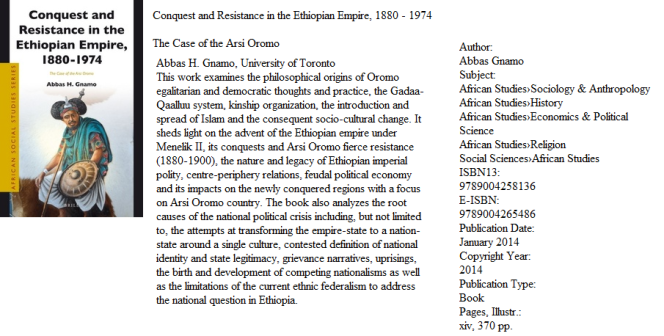
Copyright © Oromianeconomist 2014 and Oromia Quarterly 1997-2014. All rights reserved. Disclaimer.
Nubia and Oromia January 4, 2014
Posted by OromianEconomist in Africa, Colonizing Structure, Corruption, Culture, Development, Human Rights, Humanity and Social Civilization, Nubia, Oromia, Oromiyaa, Oromo, Oromo Culture, Oromo Identity, Oromo Social System, Oromo the Largest Nation of Africa. Human Rights violations and Genocide against the Oromo people in Ethiopia, Oromummaa, Self determination, The Colonizing Structure & The Development Problems of Oromia, The Oromo Democratic system, Tyranny, Uncategorized.Tags: Africa, African culture, African Studies, Democratic African institution, Developing country, Development, Development and Change, Economic and Social Freedom, Genocide, Genocide against the Oromo, National Self Determination, Nubia, Oromia, Oromia Region, Oromiyaa, Oromo, Oromo culture, Oromo people, Oromummaa, State and Development, Sub-Saharan Africa, Tyranny, Universal Declaration of Human Rights
add a comment
Brownie: Spending an evening with Oromos

Today was such a pleseant day, i was invited to the Oromo community celebration of the beginning of the new Georgian year 2013. Oromo are the Koshian people of the State of Ethiopia. they are part of the Koshian civilization which Nubians belong to. So they are my cousins.
I have been introduced to the Oromo struggle in 2009, through my work in refugees’ issue in Egypt. One of my colleagues is a great man and he is from Oromo. He taught me about the struggle of his people against the central State in Ethiopia, actually they are sharing some problems with us, as Nubians, the suppression, neglection from the central government and cultural war to omit their deep rooted culture.
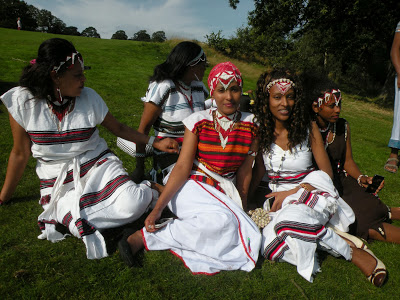
Oromo like many ethincities in Africa suffered specially after the colonization, because the colonizers built a wicked conflict in the African context which is the supremacy of a certain people or culture on the rest of the inhabitants of each country, after drawing unnatural borders.That was the case of Rwanda for example and that what lead to the genocide.
This wicked idea was entrenched through all means, political, social, economic and developmental.
Being in the trench of the unprivileged part means suffering by all means, no education, no health care, no development, complicated economic situation and for sure political prosecution if you dared to talk about your people suffering.
It is very problematic that the newly established states in Africa had hard time with the notion of nationalism, that they tried to embrace just one identity, and by that they completely deviated from the African tradition of respecting multiplicity. Africans suffered from the unnatural borders which cut some ethicities into pieces like the Nubian comminty when British cut Nubia into two part by the line of 22 north, which made some Nubians Sudanese and other Egyptians. even in the same states, some governments adopted very selective attitude in applying the notion of nationality, they made a check list and if you do not fit, you will suffer.
and Oromo do not fit, they are simply different.

That what happened to my Oromo-ian friend, he left the homeland, and he is a refugee here in Egypt, suffering from hardship of being a refugee in unwelcoming state like Egypt. but when you see him talking about his struggle you will only see the pride, that black pride which never vanishes.
Oromo people are struggling hard to be recognized and to have their human rights respected.
the Ethiopian state must stop its suppression to the Oromo people.

Respecting different people is essential, multiculturalism and persevering multiplicity is the pillar of any state.
Finally sometimes it is important to see Adhoc, this is a video showing how Oromo raised their flag in the last African cup for football:
Know more about the Oromo struggle (http://www.oromoliberationfront.org/index.htm)
See the details at original source:
http://atbrownies.blogspot.co.uk/2014/01/spending-evening-with-oromos.html
By Fatma Emam: http://www.blogger.com/profile/17426809504085760083
Copyright © OromianEconomist 2014 & Oromia Quarterly 1997-2014, all rights are reserved. Disclaimer.
South Sudan: Unmasked Wounds December 30, 2013
Posted by OromianEconomist in Africa, Aid to Africa, Colonizing Structure, Corruption, Culture, Development, Dictatorship, Economics, Economics: Development Theory and Policy applications, Human Rights, Humanity and Social Civilization, Kemetic Ancient African Culture, Knowledge and the Colonizing Structure., Knowledge and the Colonizing Structure. Africa Heritage. The Genocide Against Oromo Nation, Land Grabs in Africa, Language and Development, Oromia, Oromiyaa, Oromo, Oromo Culture, Oromo Identity, Oromo the Largest Nation of Africa. Human Rights violations and Genocide against the Oromo people in Ethiopia, Oromummaa, Self determination, Sirna Gadaa, Slavery, The Colonizing Structure & The Development Problems of Oromia, Uncategorized.Tags: Africa, African Studies, Democratisation, Developing country, Development and Change, Economic and Social Freedom, Governance issues, Horn of Africa, Human rights, Oromia, Oromo, Oromo people, Oromummaa, South Sudan, State and Development, Sub-Saharan Africa, Sudan, Universal Declaration of Human Rights
add a comment

“The elites inherited vast natural wealth and boundless international good will following the historic referendum, but they squandered both. They lapsed into a culture of corruption, conspicuous personal consumption and tribalistic political machinations. They have not been serious about democratization, institution-building or even the most basic service delivery, which they have preferred to outsource to foreign relief agencies. African leaders — backed by the United States and United Nations — have taken key steps toward pressuring South Sudan’s leaders to stop the war. But the deeper responsibility for creating a South Sudanese nation at peace with itself lies with the country’s own leaders.” -Abdul Mohammed and Alex de Waal, WP Opinions.
There is an opportunity to halt South Sudan’s slide into war and state failure, but it must be seized within days or it will be lost. This requires the leaders of South Sudan to rise above narrow, tribalistic, zero-sum politics and develop a national program. President Salva Kiir and other members of the country’s political elite — in government and in opposition, inside South Sudan and in the diaspora — must respond to this challenge now or go down in history as having betrayed their people.
Nine years ago, on Jan. 9, 2005, the Sudanese government and the southern-based Sudan People’s Liberation Movement (SPLM) signed a historic peace accord that brought an end to more than 20 years of war between northern and southern Sudan. That agreement culminated in a referendum, held from Jan. 9 to Jan. 15, 2011, in which the southern Sudanese voted overwhelmingly for independence. Africa and the international community welcomed the new Republic of South Sudan, hopeful that it would put this history of strife and suffering behind it.
But the peace agreement and the show of unity around independence masked many unhealed wounds. During those long years of civil war, the South Sudanese weren’t united, and their divisions exploded into a bloody internecine conflict in 1991 after SPLM officers challenged the leadership of Col. John Garang . The strife became a tribal war, mainly between ethnic Dinka and ethnic Nuer , involving massacres of civilians on both sides and mass starvation. The atrocities left deep scars.
For the following decade, leaders of churches and civil society and friends from abroad, including U.S. representatives, undertook a painstaking effort at “people-to-people peace” among South Sudanese communities. This task was incomplete when the 2005 north-south peace agreement was signed. Amid the euphoria of that peace and the work of reconstructing a war-ravaged land, President Kiir, who took over after Garang died in a helicopter crash in July 2005 , neglected to continue the necessary work of reconciliation. Instead, the wait for independence and plentiful oil revenues maintained a semblance of unity.
It is those unhealed wounds that are tearing South Sudan apart today.
Two years after achieving independence, a political dispute between President Kiir and Vice President Riek Machar erupted into the open. Kiir dismissed Machar and most of his cabinet. Two weeks ago, this dispute suddenly mutated from a contest over votes in the ruling bodies of the SPLM into a terrifyingly violent tribal conflict. The speed and vigor of ethnic mobilization not only threatens a widening war but also jeopardizes the very viability of the South Sudanese state.
African and international mediators are in a race against time to stem this tide. Once the political dispute descends completely into a fight for communal survival, foreign leverage disappears. Ethiopia and Kenya, acting on behalf of African nations, took key steps at a summit in Nairobi Friday to try to stop further violence. They called for a cease-fire and for the rights of 11 high-level political leaders arrested by the government to be respected. (Two were released on Saturday.) They affirmed the core African principles: no unconstitutional change in government and South Sudan must build a viable state. President Kiir stays, but he must negotiate.
Stopping the shooting is the immediate priority. But the mediators should not be content with patching together a ruling coalition and returning to business as usual in advance of scheduled elections in 2015. A power-sharing formula could become just another division of the spoils, and elections could become another exercise in ethnic division.
For too long, South Sudan’s leaders evaded their responsibilities by blaming their woes on the war and oppressive policies of the government in Khartoum. Now, having joined the club of nations, they must play by its rules. The United States, having given South Sudan the benefit of many doubts, is threatening to withhold aid if power is seized or held by force. That is quite correct. Any political process must take into account South Sudan’s unique and painful history. The biggest task is an all-inclusive national discussion on what it means to be a nation. The political elites should listen to the wisdom of pastors and civil society leaders, who are insisting that the politicians return to the path of dialogue and healing. The road to a viable state lies in national reconciliation.
The elites inherited vast natural wealth and boundless international good will following the historic referendum, but they squandered both. They lapsed into a culture of corruption, conspicuous personal consumption and tribalistic political machinations. They have not been serious about democratization, institution-building or even the most basic service delivery, which they have preferred to outsource to foreign relief agencies. Read the details in the following site:
Two weeks ago fighting broke out in Juba, the capital of the east African country that won independence from Sudan hardly two years ago. The violence quickly spread across the country, leaving at least 1,000 people dead. More than 100,000 are reportedly displaced, many seeking refuge in UN camps.High winds could slow Toronto’s ice storm recoveryVideo: High winds could slow Toronto’s ice storm recovery Toronto doing its best to restore power: Rob FordVideo: Toronto doing its best to restore power: Rob Ford It has also raised fears of an all-out civil war between the main Dinka and Nuer ethnic groups. “Political issues and tribalism are being used to pit South Sudanese against each other as our leaders fight for power,” Jal says. “Our country’s leadership hangs in the balance and ordinary citizens are paying for it with their lives.” “This is how genocide begins,” he adds.
http://www.thestar.com/news/gta/2013/12/29/torontos_south_sudanese_community_urges_end_to_killing.html
South Sudan on the verge of civil war
- Most South Sudanese interviewed for this project assert that the most obvious impediment to national cohesion is exclusion from the national platform, especially exclusion along ethnic lines. Corruption, nepotism, and exclusion from access to government jobs were also raised as issues that the government will need to address directly for citizens to have pride in their nation.
- There is a widespread sense of worry about the viability of South Sudan as a nation due to insecurity, especially insecurity rooted in the current ethnic conflicts occurring in seven out of the ten states.
- Both political leaders and ordinary citizens recognize the importance of national unity and the equitable display and celebration of cultural diversity as a national asset; representation of all ethnic nationalities and creation of a broad-based government is central to South Sudan’s transition to nationhood. The immediate challenge involves creating programs that promote citizenship in the nation over ethnic citizenship. The opaque climate of the transitional constitutional review process has not earned the government much trust from all sectors of society, and this has made for a bad start toward national consensus.
- As a multiethnic society, South Sudan also is confronted with the question of a language policy. To speed up the process of nation building, the government will need to transform current discussions on language into practical decisions regarding the development of anational language. Identifying five national languages that represent the three greater regions of the country would be one way to approach it.
- Most South Sudanese interviewed for this project assert that the most obvious impediment to national cohesion is exclusion from the national platform, especially exclusion along ethnic lines. Corruption, nepotism, and exclusion from access to government jobs were also raised as issues that the government will need to address directly for citizens to have pride in their nation.
- There is a widespread sense of worry about the viability of South Sudan as a nation due to insecurity, especially insecurity rooted in the current ethnic conflicts occurring in seven out of the ten states.
- Both political leaders and ordinary citizens recognize the importance of national unity and the equitable display and celebration of cultural diversity as a national asset; representation of all ethnic nationalities and creation of a broad-based government is central to South Sudan’s transition to nationhood. The immediate challenge involves creating programs that promote citizenship in the nation over ethnic citizenship. The opaque climate of the transitional constitutional review process has not earned the government much trust from all sectors of society, and this has made for a bad start toward national consensus.
- As a multiethnic society, South Sudan also is confronted with the question of a language policy. To speed up the process of nation building, the government will need to transform current discussions on language into practical decisions regarding the development of anational language. Identifying five national languages that represent the three greater regions of the country would be one way to approach it. http://www.usip.org/publications/diversity-unity-and-nation-building-in-south-sudan
- Copyright © OromianEconomist 2013 & Oromia Quarterly 1997-2013, all rights are reserved. Disclaimer.
Related articles
- Hundreds of S.Sudanese flee to Sudan: UN source (modernghana.com)
- Uganda warns South Sudan rebel leader (news.yahoo.com)
- Inspiring Stories from South Sudan (aidleap.wordpress.com)
- Suspicion threatens IGAD’s role in South Sudan conflict (sudantribune.com)
- Battles rage in South Sudan as cease-fire hopes fade (dailystar.com
Freedom Is Sweet December 27, 2013
Posted by OromianEconomist in Culture, Human Rights, Humanity and Social Civilization, Kemetic Ancient African Culture, Knowledge and the Colonizing Structure. African Heritage. The Genocide Against Oromo Nation, Language and Development, Oromia, Oromiyaa, Oromo, Oromo Culture, Oromo Identity, Oromo Nation, Oromo Social System, Oromo the Largest Nation of Africa. Human Rights violations and Genocide against the Oromo people in Ethiopia, Oromummaa, Self determination, Sirna Gadaa, The Colonizing Structure & The Development Problems of Oromia, The Oromo Democratic system, The Oromo Governance System, The Oromo Library, Theory of Development, Uncategorized.Tags: Africa, African culture, African Studies, Australia, Federation Square, Horn of Africa, Human rights, Human Rights and Liberties, Human rights violations, National Self Determination, Oromia, Oromiyaa, Oromo, Oromo culture, Oromo people, Oromummaa, State and Development, Sub-Saharan Africa, Universal Declaration of Human Rights
add a comment
“Freedom is Sweet” is taken from the speech made by Inga Peulich MLC , Parliamentary Secretary for Education at Oromia @ Federation Square, Melbourne Australia on 22nd of December 2013. The festival aims to bring Oromo people together, irrespective of age, gender and belief, to help promote self-empowerment. It also seek to educate the public on the lifestyle, culture and ethics of members of the Australian Oromo community. Furthermore, it’s a time to celebrate and commemorate the beauty of Australian Oromo culture and to promote both multiculturalism and diversity across Australia.
The celebration of Oromia at Federation Square marks the beginning of yet another exciting year of events that aim to bring the case of the Oromo cause.
Related articles
- Oromo Displacement Past & Present (oromianeconomist.wordpress.com)
- 99% of the prisoners are OROMO political prisoners in Ethiopia!!!!! (danieltadesse.wordpress.com)
- Oromoia Students Movement and the Current Trends of Oromo Youths and Intellectuals (oromedia.net)
- Message from Dr. Ibrahim Amae Elemo on the #BoycottBedele Campaign (freedomfororomo.wordpress.com)
- Let no one Rob you of your Identity (dhaamsaogeetti13.wordpress.com)
Global Poverty & Development Agendas: Dead Aid, Ethiopia & The West December 17, 2013
Posted by OromianEconomist in Africa, Aid to Africa, Colonizing Structure, Development, Economics: Development Theory and Policy applications, Knowledge and the Colonizing Structure. Africa Heritage. The Genocide Against Oromo Nation, Land Grabs in Africa, Oromia, Oromiyaa, Oromo, Oromo Culture, Oromo Identity, Oromo Nation, Oromo the Largest Nation of Africa. Human Rights violations and Genocide against the Oromo people in Ethiopia, Oromummaa, Self determination, The Colonizing Structure & The Development Problems of Oromia, Theory of Development, Uncategorized.Tags: Africa, African Studies, Dead Aid, Development and Change, Economic and Social Freedom, Genocide against the Oromo, Governance issues, Horn of Africa, Human rights, Human Rights and Liberties, Human rights violations, Land grabbing, National Self Determination, Oromia, Oromiyaa, Oromo, Oromo people, Oromummaa, State and Development, Sub-Saharan Africa, Tyranny, Universal Declaration of Human Rights
add a comment
In excess of 35 million Ethiopians still live in abject poverty subsisting on less that $2 a day while a tiny fraction of the country’s 85 million people has become excessively rich. As more and more ODA is pumped into the country Ethiopia’s HDI rank hasn’t improved (in fact it has gone from 169th in the world to 173rd in the last decade), journalists, academics and opposition figures are still jailed for speaking out against the regime, ethnic minorities such as the Oromo are discriminated against and forced off their lands, corruption and human rights abuses are still rife. Less people may be dying but are ordinary peoples’ lives improving at a rate that warrants the West to turn a blind eye to the crimes of those in power? It may suit certain agendas to do so but it does a massive disservice to ordinary Ethiopians. Read the full text at: http://www.transcend.org/tms/2013/12/global-poverty-and-post-colonial-development-agendas-ethiopia-and-the-west/


http://en.wikipedia.org/wiki/List_of_countries_by_percentage_of_population_living_in_poverty
Related articles
Oromo Displacement Past & Present December 12, 2013
Posted by OromianEconomist in Africa, Colonizing Structure, Dictatorship, Domestic Workers, Human Rights, Human Traffickings, Knowledge and the Colonizing Structure., Knowledge and the Colonizing Structure. African Heritage. The Genocide Against Oromo Nation, Oromia, Oromiyaa, Oromo, Oromo Culture, Oromo Identity, Oromo the Largest Nation of Africa. Human Rights violations and Genocide against the Oromo people in Ethiopia, Oromummaa, Qubee Afaan Oromo, The Colonizing Structure & The Development Problems of Oromia, Tyranny, Uncategorized.Tags: Africa, African Studies, Economic and Social Freedom, Horn of Africa, Human rights violations, Oromia, Oromo, Sub-Saharan Africa, Tyranny, Universal Declaration of Human Rights
comments closed

From slavery to freedom:the Oromo slave children of Lovedale, prosopography and profiles
Sandra Carolyn Teresa Rowoldt Shell
Student number: RWLSAN002
A dissertation submitted in fulfilment of the requirements for the award of the degree of Doctor of Philosophy in Historical Studies
Faculty of the Humanities
University of Cape Town
2013
https://www.academia.edu/3760219/From_slavery_to_freedom_the_Oromo_slave_children_of_Lovedale_prosopography_and_profiles
http://www.bbc.co.uk/news/world-africa-14357121?SThisFB

http://oromocommentary.files.wordpress.com/2010/07/machbuba-an-oromo-slave-girl-who-won-the-heart-of-a-german-prince.pdf
Related Articles:
During Ethiopian colonial expansion, Oromia, “the charming Oromo land, [would] be ploughed by the iron and the fire; flooded with blood and the orgy of pillage” (de Salviac, 2005 [1901]: 349). Calling this event as “the theatre of a great massacre,” Martial De Salviac (2005 [1901]: 349) states, “The conduct of Abyssinian armies invading a land is simply barbaric. They contrive a sudden irruption, more often at night. At daybreak, the fire begins; surprised men in the huts or in the fields are three quarter massacred and horribly mutilated; the women and the children and many men are reduced to captivity; the soldiers lead the frightened herds toward the camp, take away the grain and the flour which they load on the shoulders of their prisoners spurred on by blows of the whip, destroy the harvest, then, glutted with booty and intoxicated with blood, go to walk a bit further from the devastation. That is what they call ‘civilizing a land.'” The Oromo oral history also testifies that Ethiopians/Abyssinians destroyed and looted the resources of Oromia, and committed genocide on the Oromo people through massacre, slavery, depopulation, cutting hands, famine, and diseases during and after the colonization of Oromia.
According to Martial de Salviac (2005 [1901]: 350), “With equal arms, the Abyssinia [would] never [conquer] an inch of land. With the power of firearms imported from Europe, Menelik [Abyssinian warlord] began a murderous revenge.” The colonization of Oromia involved human tragedy and destruction: “The Abyssinian, in bloody raids, operated by surprise, mowed down without pity, in the country of the Oromo population, a mournful harvest of slaves for which the Muslims were thirsty and whom they bought at very high price. An Oromo child [boy] would cost up to 800 francs in Cairo; an Oromo girl would well be worth two thousand francs in Constantinople” (de Salviac, 2005 [1901]: 28). The Ethiopian/Abyssinian government massacred half of the Oromo population (five million out of ten million) and their leadership during its colonial expansion (de Salviac, 2005 [1901]: 608, 278; Bulatovich, 2000: 66-68). According to Alexander Bulatovich (2000: 68-69), “The dreadful annihilation of more than half of the population during the conquest took away from the [Oromo] all possibilities of thinking about any sort of uprising . . . Without a doubt, the [Oromo], with their least five million population, occupying the best land, all speaking one language, could represent a tremendous force if united.” The destruction of Oromo lives and institutions…
See the full content of this document
http://law-journals-books.vlex.com/vid/oromo-democracy-classical-civilization-411848362
‘The study confirms that there is clear nexus between authoritarian rule,
man-made famines, and genocide in Ethiopia.’
http://www.codesria.org/IMG/pdf/Mekuria_Bulcha.pdf
Copyright © OromianEconomist 2013 & Oromia Quarterly 1997-2013, all rights are reserved. Disclaimer.
The Oromo, Gadaa/Siqqee Democracy and The Liberation Of Ethiopia Colonial Subjects December 5, 2013
Posted by OromianEconomist in Africa, Development, Gadaa System, Human Rights, Humanity and Social Civilization, Knowledge and the Colonizing Structure. African Heritage. The Genocide Against Oromo Nation, Oromia, Oromiyaa, Oromo, Oromo Culture, Oromo Identity, Oromo Nation, Oromo Social System, Oromummaa, Self determination, Sirna Gadaa, The Oromo Governance System, Theory of Development, Uncategorized.Tags: Africa, African culture, African Studies, Economic and Social Freedom, Gadaa System, Governance issues, Human Rights and Liberties, Human rights violations, National Self Determination, Oromia, Oromo, Oromo people, Siqqee, Sub-Saharan Africa, Universal Declaration of Human Rights
comments closed

This paper explores the potential role of the Gadaa/Siqqee system of Oromo democracy in the development of a democratic multinational liberation movement of the colonized nations within the Ethiopian Empire in order to dismantle the Tigrayan- led Ethiopian terrorist government and replace it with a sovereign multinational democratic state in the Horn of Africa based on the principles of indigenous democracy. After a brief introduction, this study describes the presence of a democratic, Siqqee/Gadaa administration among the Oromo in the Horn of Africa in the
16th and 17th centuries and the subsequent changes that made them vulnerable to colonization. It further examines the essence and main characteristics of Gadaa/Siqqee, showing that it provides a contrasting political philosophy to the authoritarian rule of the Ethiopian Empire. The study shows that in the face of oppression and exploitation the Oromo people have struggled to preserve and redevelop their indigenous democracy, written records of which go back to the 16th century, long before European nations embraced the principles of democratic governance. It also explains how it can be adapted to the current condition of the colonized nations within the Ethiopian Empire in order to revitalize the quest for national self- determination and democracy and to build a sovereign democratic state in a multinational context. Furthermore, the piece asserts that this struggle is truly a diffi cult one in the 21st century as the process of globalization is intensifi ed and regional and local cultures are being suppressed under the pressure of dominating cultures.
Asafa Jalata, Professor, Department of Sociology, The University of Tennessee, Knoxville, Tennessee
Harwood Schaffer, Research Assistant Professor, Agricultural Policy Analysis Centre, The University of Tennessee
Read the full article from the following:
http://works.bepress.com/cgi/viewcontent.cgi?article=1104&context=asafa_jalata
http://works.bepress.com/asafa_jalata/63/
Copyright © 2013 & Oromia Quarterly 1997-2013, all rights are reserved. Disclaimer.
Scientific System, Mathematics and Ancient Kemetic Traditions November 17, 2013
Posted by OromianEconomist in Africa, Culture, Development, Gadaa System, Kemetic Ancient African Culture, Language and Development, Oral Historian, Oromia, Oromiyaa, Oromo, Oromo Culture, Oromo Identity, Oromo Social System, Oromummaa, Self determination, Sirna Gadaa, The Oromo Library, Theory of Development, Uncategorized.Tags: Africa, African culture, African Philosophy, African Studies, Ancient Black People, Ancient Egypt, Gadaa System, Kemet, Kemetic, Mathematics in Ancient Africa, Number Theory, Oromia, Oromo, Oromo people
1 comment so far
Number Mysticism
The netert (goddess) Seshat is well described in numerous titles that ascribe two main types of activities to her. She is The Enumerator, Lady of Writing(s), Scribe, Head of the House of the Divine Books (Archives).The other aspect of Seshat and obviously closely related to it is one where she is described as the Lady of Builders.
The divine significance of numbers is personified in Ancient Egyptian traditions by Seshat, The Enumerator.
The Ancient Egyptians had a “scientific and organic system” of observing reality. Modern-day science is based on observing everything as dead (inanimate). Modern physical formulas in our science studies almost always exclude the vital phenomena throughout statistical analyses. For the Ancient Egyptians, the whole universe is animated.
Animism is the concept that all things in the universe are animated (energized) by life forces. This concurs, scientifically, with the kinetic theory, where each minute particle of any matter is in constant motion, i.e., energized with life forces.
In the animated world of Ancient Egypt, numbers did not simply designate quantities but instead were considered to be concrete definitions of energetic formative principles of nature. The Egyptians called these energetic principles neteru (gods).
For Egyptians, numbers were not just odd and even—they were male and female. Every part of the universe was/is a male or a female. There is no neutral (a thing). Unlike in English, where something is he, she, or it, in Egypt there was only he or she.
These animated numbers in Ancient Egypt were referred to by Plutarch, in Moralia Vol V, when he described the Egyptian 3-4-5 Triangle:
The upright, therefore, may be likened to the male, the base to the female, and the hypotenuse to the child of both, and so Ausar [Osiris] may be regarded as the origin, Auset [Isis] as the recipient, and Heru [Horus] as perfected result. Three is the first perfect odd number: four is a square whose side is the even number two; but five is in some ways like to its father, and in some ways like to its mother, being made up of three and two. And panta [all] is a derivative of pente [five], and they speak of counting as “numbering by fives”. Five makes a square of itself.
The vitality and the interactions between these numbers shows how they are male and female, active and passive, vertical and horizontal, …etc.The Ancient Egyptian mode of calculation had a direct relationship with natural processes, as well as metaphysical ones. Even the language employed in the Egyptian papyri serves to promote this sense of vitality, of living interaction. We see this understanding as an example in Item no. 38 of the papyrus known as the Rhind Papyrus, which reads,
I go three times into the hekat (a bushel, unit of volume), a seventh of me is added to me and I return fully satisfied.
Numbers were animated and personified. Likewise, calculations were personal in Ancient Egypt. We are part of the natural process in the universe. Even in our present-day, we hear the genius among us describe how they feel the subject of their excellence. They live their work in order to excel and exhilarate.Egyptians manifested their knowledge of number mysticism and harmonical proportions in all aspects of their lives, such as art and architecture. The evidence that Egypt possessed this knowledge is commanding. As examples:
The heading of the Ancient Egyptian papyrus known as the Rhind (so-called “Mathematical”) Papyrus (1848-1801 BCE) reads,
Rules for enquiring into nature and for knowing all that exists, every mystery, every secret.
The intent is very clear that Ancient Egyptians believed and set the rules for numbers and their interactions (so-called mathematics) as the basis for “all that exists”.The famous Ancient Egyptian hymn of Leiden Papyrus J 350 confirms that number symbolism had been practiced in Egypt, at least since the Old Kingdom (2575–2150 BCE). It is a rare direct piece of evidence of the Egyptian knowledge of the subject. The Leiden Papyrus consists of an extended composition, describing the principle aspects of the ancient creation narratives. The system of numeration, in the Papyrus, identifies the principle/aspect of creation and matches each one with its symbolic number.
This Egyptian papyrus consists of 27 stanzas, numbered from 1 to 9, then from 10 to 90 in tens, then from 100 to 900 in hundreds. Only 21 have been preserved. The first word of each is a sort of pun on the number concerned.The numbering system of this Egyptian Papyrus by itself is significant. The numbers 1 to 9, and then the powers 10, 20, 30, etc., now come to constitute the energetic foundations of physical forms.
All the design elements in Egyptian buildings (dimensions, proportions, numbers, …etc.) were based on the Egyptian number symbolism.
The Ancient Egyptian name for the largest temple in Egypt, namely the Karnak Temple Complex, is Apet-sut, which means Enumerator of the Places. The temple’s name speaks for itself. This temple started in the Middle Kingdom in ca. 1971 BCE, and was added to continuously for the next 1,500 years. The design and enumeration in this temple are consistent with the number symbolism of the physical creation of the universe.
The Egyptian concept of number symbolism was subsequently popularized in the West by and through the Greek Pythagoras (ca. 580–500 BCE). It is a known fact that Pythagoras studied for about 20 years in Egypt, soon after Egypt was open to Greek exploration and immigration (in the 7th century BCE).
Pythagoras and his immediate followers left nothing of their own writing. Yet, Western academia attributed to him and the so-called Pythagoreans, an open-ended list of major achievements. They were issued a blank check by Western academia.
Pythagoras and his followers are said to see numbers as divine concepts, ideas of the God who created a universe of infinite variety, and satisfying order, to a numerical pattern.
The same principles were stated more than 13 centuries before Pythagorus’ birth, in the heading of the Egyptian’s Rhind Papyrus, which promises,
Rules for enquiring into nature and for knowing all that exists, every mystery, every secret.
Moustafa Gadalla
http://www.egypt-tehuti.org/articles/sacred-numerology.html
http://thesevenworlds.wordpress.com/2013/11/17/kemetic-numerology/
http://thesevenworlds.wordpress.com/2013/12/08/kemet-zulu-yoruba-1/
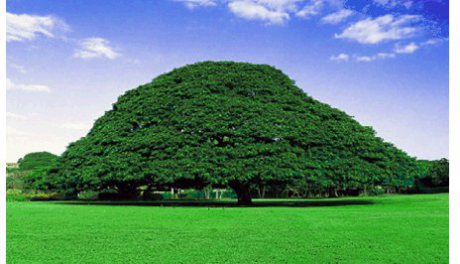


 The Egyptian Sacred Numerology
By Moustafa Gadalla (edited)
Number Mysticism
The netertSeshat is well described in numerous titles that ascribe two main types of activities to her. In Kemet, she wasThe Enumerator, Lady of Writing(s), Scribe, Head of the House of the Divine Books (Archives). The other aspect of Seshat is as the Lady of Builders.
The divine significance of numbers is personified by Seshat, The Enumerator.
Kemet had a “scientific and organic system” of observing reality. Modern-day science is based on observing everything as dead (inanimate). Modern physical formulas in our science studies almost always exclude the vital phenomena throughout statistical analyses. In Kemet, we knew the whole universe was animated.
View original post 839 more words
Ethiopia’s Land Grabs And Endangered Communities: The Indigenous People Excluded from ‘Rapid Growth’ November 11, 2013
Posted by OromianEconomist in Africa, Colonizing Structure, Corruption, Culture, Development, Dictatorship, Knowledge and the Colonizing Structure., Knowledge and the Colonizing Structure. Africa Heritage. The Genocide Against Oromo Nation, Land Grabs in Africa, Oromia, Oromiyaa, Oromo, Oromo the Largest Nation of Africa. Human Rights violations and Genocide against the Oromo people in Ethiopia, Oromummaa, Self determination, The Colonizing Structure & The Development Problems of Oromia, Theory of Development, Tyranny.Tags: Africa, African culture, Economic and Social Freedom, economics, Genocide, Genocide against the Oromo, Human rights violations, Indigenous People, Land grabbing, Land grabs in Africa, Mursi, National Self Determination, Omo, Oromia, Oromo, Oromummaa, People of Omo Valley, Universal Declaration of Human Rights
add a comment

The ethnic communities living along Ethiopia’s Omo River and depend on annual flooding to practice flood retreat cultivation for their survival and livelihood. Credit : Ed McKenna/IPS
‘The government already has trouble managing hunger and poverty [among] its citizenry. By taking over land and water resources in the Omo Valley, it is creating a new class of ‘internal refugees’ who will no longer be self-sufficient.’
OMO VALLEY, Ethiopia, Nov 11 2013 (IPS) – As the construction of a major transmission line to export electricity generated from one of Ethiopia’s major hydropower projects gets underway, there are growing concerns that pastoralist communities living in the region are under threat.
The Gibe III dam, which will generate 1,800 megawatts (MW), is being built in southeast Ethiopia on the Omo River at a cost of 1.7 billion dollars. It is expected to earn the government over 400 million dollars annually from power exports. On completion in 2015 it will be the world’s fourth-largest dam.
“We are being told to stop moving with our cattle, to stop wearing our traditional dressand to sell our cattle. Cattle and movement is everything to the Mursi.” — Mursi elder
But the dam is expected to debilitate the lives and livelihoods of hundreds of thousands of indigenous communities in Ethiopia’s Lower Omo Valley and those living around Kenya’s Lake Turkana who depend on the Omo River.
The Bodi, Daasanach, Kara, Mursi, Kwegu and Nyangatom ethnic communities who live along the Omo River depend on its annual flooding to practice flood-retreat cultivation for their survival and livelihoods.
But the semi-nomadic Mursi ethnic community are being resettled as part of the Ethiopian government’s villagisation programme to make room for a large sugar plantation, which will turn roaming pastoralists into sedentary farmers. The hundreds of kilometres of irrigation canals currently being dug to divert the Omo River’s waters to feed these large plantations will make it impossible for the indigenous communities to live as they have always done.
“We are being told that our land is private property. We are very worried about our survival as we are being forced to move where there is no water, grass or crops,” a Mursi community member told IPS.
The Omo Valley is set to become a powerhouse of large commercial farming irrigated by the Gibe III dam. To date 445,000 hectares have been allocated to Malaysian, Indian and other foreign companies to grow sugar, biofuels, cereals and other crops.
“The Gibe III will worsen poverty for the most vulnerable. The government already has trouble managing hunger and poverty [among] its citizenry. By taking over land and water resources in the Omo Valley, it is creating a new class of ‘internal refugees’ who will no longer be self-sufficient,” Lori Pottinger from environmental NGO International Rivers told IPS.
Top global financiers, including the World Bank and the African Development Bank (AfDB), have committed 1.2 billion dollars to a 1,070 km high-voltage line that will run from Wolayta-Sodo in Ethiopia to Suswa, 100 km northwest of the Kenyan capital, Nairobi. The transmission line, powered by Ethiopia’s Gibe III, will connect the country’s electrical grid with Kenya and will have a capacity to carry 2,000 MW between the two countries.
According to the AfDB, it will promote renewable power generation, regional cooperation, and will ensure access to reliable and affordable energy to around 870,000 households by 2018.
According to Prime Minister Hailemariam Desalegn, Ethiopia’s economy is set to maintain a growth rate of 11 percent in 2014. Fully exploiting its massive water resources to generate a hydropower potential of up to 45,000 MW in order to sell surplus electricity to its neighbours is central to Ethiopia’s Growth and Transformation plan, a five-year plan to develop the country’s economy.
The Horn of Africa nation currently generates 2,000 MW from six hydroelectric dams and invests more of its resources in hydropower than any other country in Africa – one third of its total GNP of about 77 billion dollars.
According to a World Bank report published in 2010, only 17 percent of Ethiopia’s 84.7 million people had access to electricity at the time of the report. By 2018, 100 percent of the population will have access to power, according to state power provider Ethiopian Electric Power Corporation (EEPCO).
“We are helping mitigate climate risk of fossil fuel consumption and also reduce rampant deforestation rates in Ethiopia. Hydropower will benefit our development,” Miheret Debebe, chief executive officer of EEPCO, told IPS.
The Ethiopian government insists that the welfare of pastoralist communities being resettled is a priority and that they will benefit from developments in the Omo Valley. “We are working hard to safeguard them and help them to adapt to the changing conditions,” government spokesperson Shimeles Kemal told IPS.
However, there are concerns that ethnic groups like the Mursi are not being consulted about their changing future. “If we resist resettlement we will be arrested,” a Mursi elder told IPS.
“We fear for the future. Our way of life is under threat. We are being told to stop moving with our cattle, to stop wearing our traditional dress and to sell our cattle. Cattle and movement is everything to the Mursi.”
The importance of ensuring that benefits from Ethiopia’s national development projects do not come at a price of endangering the lives of hundreds of thousands pastoralist tribes is critical said Ben Braga, president of the World Water Council. Braga decried governments that failed to compensate communities like the Mursi as displacement of surrounding communities is always an inevitable consequence of major dams that need plenty of advanced planning to avoid emergencies.
“How can we compensate these people so that the majority of the country can benefit from electricity? There is a need for better compensatory mechanisms to ensure that benefits are shared and that all stakeholders are included in consultations prior to construction,” he told IPS.
Read more at the original source:http://www.ipsnews.net/2013/11/ethiopias-indigenous-excluded-from-rapid-growth/?utm_source=ipsnews&utm_medium=twitter
‘Foreign investors are taking as much as they can from an impoverished nation, including its crops, land and the hard work of an Ethiopian population, to serve their own interests above others. According to the Food and Agriculture Organisation (FAO), 14.56 million hectares of Ethiopia’s 100 million hectare land mass is arable land, most of it cultivated by small hold, subsistence farmers. International investors have taken note and are rushing to this country, once synonymous with starvation, to take advantage of the government’s new push to improve its agricultural production capacity. But many fear the government’s sale of arable land to foreign nationals will create a modern form of agricultural colonialism. One such arrangement, launched in 2009 under Saudi Arabia’s King Abdullah initiative and forming part of a $100-million investment scheme in Ethiopian agriculture, had farmers grow teff (a North African cereal grass), white wheat, maize and white sorghum, among other crops, before these were exported back to the Gulf region. The Economist referred to it as an instance of a “powerful but contentious trend sweeping the poor world”, further saying that countries which export capital but import food are outsourcing farm production to countries that need capital but which have land to spare. According to Human Rights Watch, in less than five years Ethiopia has approved more than 800 foreign-financed agricultural projects. The watchdog group further said that from 2008 to 2011, the Ethiopian government leased out no less than 3.8 million hectares to foreign investors, displacing local inhabitants and resulting in tens of thousands of internally displaced persons who are often forced to migrate to urban areas. The majority of land acquisitions occur in government-to-government deals. In the past, Saudi officials and closely tied sovereign wealth funds negotiated with former Prime Minister Meles Zenawi, while presently, such discussions take place with the ruling coalition of his successor, Hailemariam Desalegn Boshe. Supporters argue that such deals increase production efficiency and improve economic outlooks but only if investors are willing to pay a fair price. In 2011, Oxfam reported that Middle Eastern and Far Eastern investors were purchasing plots in developing countries, including Ethiopia, for as little as $1 per hectare. That same year, Saudi Star Agricultural Development Plc leased 10,000 hectares for a bargain price of $9.42 per hectare annually for the next 60 years. (Saudi Star, a food company owned by Ethiopian and Saudi Arabian billionaire Mohammed Al Amoudi, and which forms part of the Derba group, produces sugar, rice and edible oil. The company is based in Addis Ababa, Ethiopia.) Advocacy groups from Spain and the US commented that the government sponsored deal had caused human rights violations as well as the forceful relocation of hundreds of thousands of residents, including the Nuek and Anuak indigenous groups. The government retorted by saying that the resettlement plan was acted out voluntarily on behalf of residents. Saudi Star claims that it acted in good faith and that the benefits of the land deal – including improvements to regional infrastructure – outweighed the consequences, despite scepticism. Fikru Desalegn, former State Minister of Capacity Building in the Ethiopian federal government and current CEO of Saudi Star, played down the negative connotations associated with the controversial foreign investment. He said there was “nobody in the 10,000 hectares” and that the company had “not paid any compensation” but that the possibility of employment opening up would “teach the public it is very useful for them”. In July 2012, the Derba Group announced plans for an additional 300,000-hectare development project in the fertile region of Gambela. While no figures have been released, industry experts suspect that the lease was contracted below cost, generating approximately $923 million per annum for the consortium. The company intends to export the majority of the crops harvested, with 45 percent destined for Jeddah.’ http://www.ventures-africa.com/2013/11/land-grabs-in-africa-a-double-edged-sword/?utm_source=buffer&utm_campaign=Buffer&utm_content=buffer675be&utm_medium=twitter
‘From Senegal in West Africa to Ethiopia in the Horn, and down to Mozambique in the South, land considered idle and available has changed hands, with profound implications for local people and the environment. With estimates ranging from 56 to 227 million hectares globally (with 60-70% of this in Africa), what is clear is a rapid transformation of landholding and agricultural systems has taken place in the past five to 10 years. Underpinning these deals is the longstanding failure of many African states to recognise, in law and practice, the customary land rightsof existing farming households and communities, and the perpetuation of the colonial legal codes that centralise control over such lands in the hands of the state as trustee of all unregistered property. And it’s not just African land and water that are now so desirable for international investors, but also the growing African consumer market. In the face of growing urbanisation and consumer demand in Africa’s cities, the challenge is to scale up production and connect small farmers to markets, lest the benefits of rising food demand in Africa’s cities be netted by importers and foreign supermarkets. The land grab raises questions not only about land rights and transparency in investment, but also what constitutes inclusive agricultural development and how to bring it about.’ Read further @http://www.theguardian.com/global-development-professionals-network/2014/jan/23/land-deals-africa-farming-investment?CMP=twt_gu
Copyright © Oromianeconomist 2013 and Oromia Quarterly 1997-2013. All rights reserved. Disclaimer.
Irreecha: The Oromo National And Cultural Holiday Has Been Celebrated With Over 3 million Oromians In The Blessing Festival October 13, 2013
Posted by OromianEconomist in Africa, Culture, Development, Humanity and Social Civilization, Irreecha, Kemetic Ancient African Culture, Oromia, Oromiyaa, Oromo, Oromo Culture, Oromo Identity, Oromo Nation, Oromo Social System, Oromummaa, Self determination, Sirna Gadaa, The Oromo Democratic system, The Oromo Governance System, Theory of Development, Wisdom.Tags: Africa, African culture, African Studies, Democratic African institution, Development, Development and Change, Gadaa, Gadaa System, Horn of Africa, Irreecha, National Self Determination, Oromia, Oromia Region, Oromiyaa, Oromo, Oromo culture, Oromo Identity, Oromo National Day and Ancient Africa Connections, Oromo people, Oromo Thanksgiving, Oromummaa, Social Sciences
add a comment

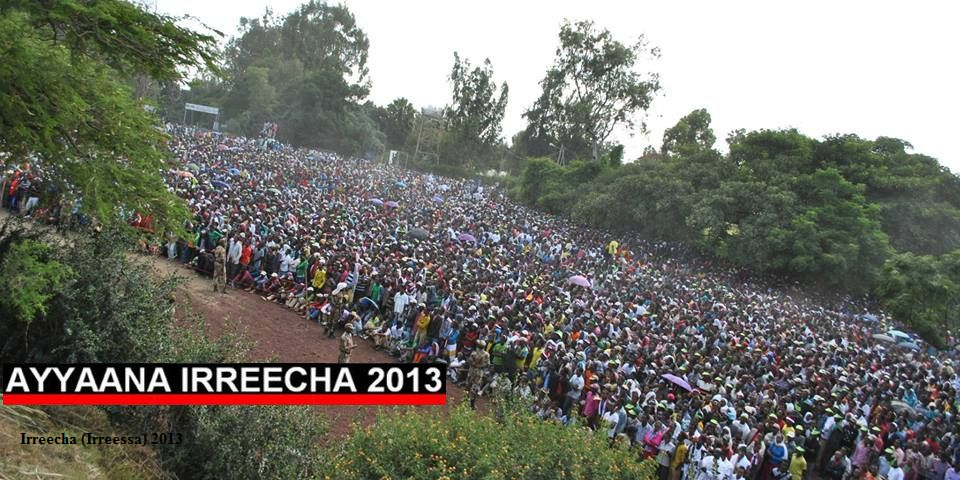
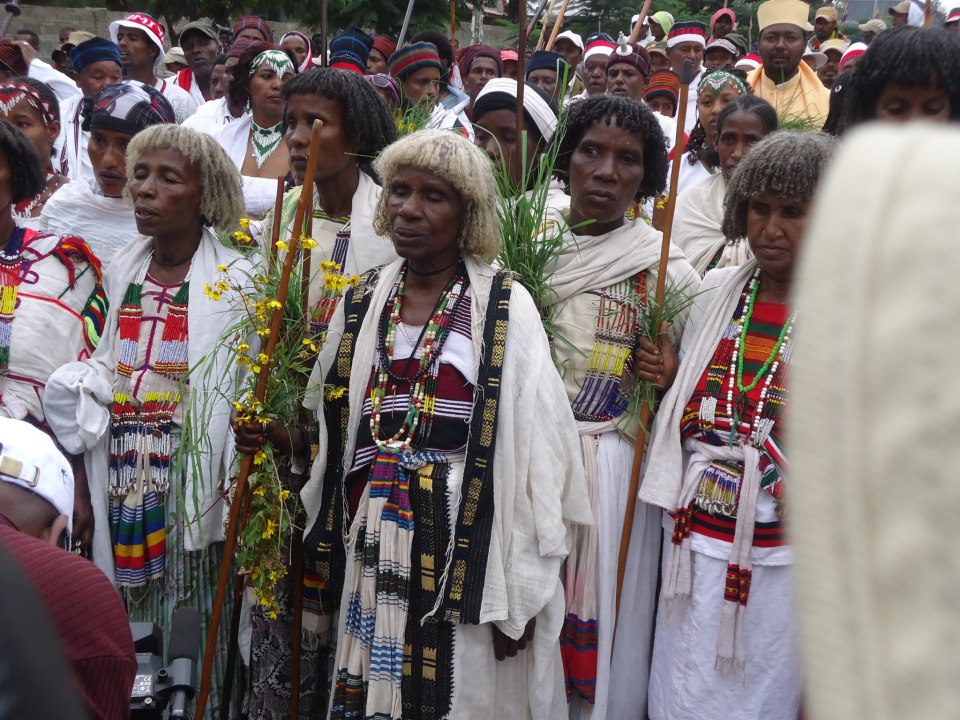
Oromo culture from ancient to present, Irrechaa time
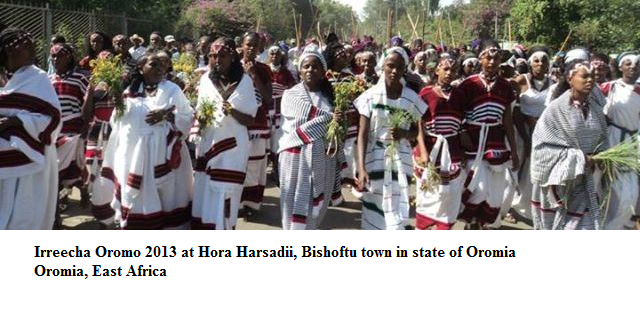
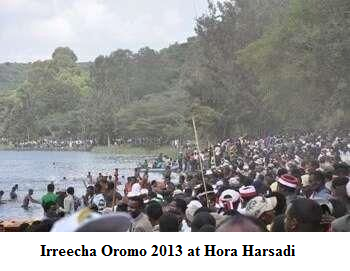

Baga ganna nagaan baatanii booqaa birraa argitan. Good that the rainy season is over for you and that you came to see the spot of the sunny flowering season. The expression signifies the end of one season and the beginning of another season, which incidentally is the beginning of a new year according to Oromo time reckoning. This is not the only expression in Irreecha festival as the event is characterized by vast and varieties of expressions, stories and sequences of cultural displays. Irreecha is the biggest and very beautiful public displays of ancient culture that Africa has performed and continue to perform. Holding the green grass and yellow flower (umama), it is the celebration of the season of blessing and love Oromians experience as Thanksgivings to God (Waaqa) the creator (Uumaa).
Irreecha celebration at Malkaa Ateetee, Burayyuu, Oromia, 6th October 2013
Irreecha is one of the most colorful and beautiful Oromo national cultural events that has been celebrated through out since the last week of August and the entire September and also in October in Oromia and globally where Oromians have been residing (Africa, Australia, Europe and North America). The main Irreecha day was celebrated at Lake Hora Harsadii, Bishoftu, Central Oromia, nearer to the capital Finfinnee on 29th September 2013. According to local news sources from Bishoftuu, over 3 million people attended this year’s Irreecha Malka celebration at Hora Harsadii. “Traditionally, the Oromo practiced Irreecha ritual as a thanksgiving celebration twice a year (in autumn and spring) to praise Waaqa (God) for peace, health, fertility and abundance they were given with regards to the people, livestock, harvest and the entire Oromo land. Irreecha is celebrated as a sign of reciprocating Waaqa in the form of providing praise for what they got in the past, and is also a forum ofprayer for the future. In such rituals, the Oromo gather in places with symbolic meanings, such as hilltops, river side and shades of big sacred trees. …These physical landscapes are chosen for their representations in the Oromo worldview, for example, green is symbolized with fertility, peace, abundance and rain. In Oromia, the core center of Irreecha celebration has been around Hora Arsadi in Bishoftu town, some 25kms to the south of Finfinne, the capital city. Annually, particularly during the Irreecha birraa (the Autumn Irreecha) in September or October, the Oromo from different parts of the country come together and celebrate the ritual. In the past few decades, Irreecha celebrations have been expanded both in content as well as geographical and demographic representations. This short commentary deals with such historical trajectories by contextualizing the changes within political discourses in Ethiopia vis-à-vis Oromo nationalism.”http://gadaa.com/oduu/21320/2013/08/24/irreecha-from-thanksgiving-ritual-to-strong-symbol-of-oromo-identity/ ”
http://gadaa.com/Irreechaa.html
Aadaa fi Duudhaa sirna Waaqeffannaa keessaa inni tokko Ayyaana irreeffannaa ykn irreechati. Sirni Duudhaa irreechaa gosa hedduutti qoodama. Kunis, Irreessa Malkaa, Irreessa Tulluu, Irreessa Galmaa / Gimbii, Irreessa Ujubaa, Irreessa Dakkii, Irreessa Jilaa fi Irreessa Eebbaa ykn Galataa fi kkf. Akkaa fi akkaataan irreeffannaas akkuma sirna isaatti addaa adda. Ammatti kan bal’inaan irraa dubbannu Irreecha yeroo ammaatti biyya keessaa fi alatti beekamee fi kabajamaa jiru, Irreecha Malkaati. Irreechi Malkaa kan kabajamu, ganni yeroon rakkinaa fi dukkanaa dabree birraan yeroo bari’u, sirni Gubaa erga raawwatee booda, ummanni gamtaan Malkaa bu’uun irreeffatee Waaqa galateeffata. Ammaaf Irreecha Malkaa isa biyya keessaa fi alatti bal’inaan beekamaa fi kabajamaa jiru irraa hanga tokko waa addeessuu yaalla. Ayyaanni irreechaa osoo hin gahiin dura waanti raawwataman hedduutu jiran. Kunis seera yayyaba shananii hordofuudhan torban shan dura eegala jechuudha. Ji’a hagayyaa torban sadaffaa keessa birraan bari’uu ykn seenuu isaa kan ibsu, sirna Muka ( korma) dhaabaa kan jedhamutu raawwata. Bakki mukti dhaabaa kun dhaabatu Mijirii jedhama. Mijiriin kun bakka Gubaan itti gubamu ykn bakka ayyaanni ibsaa gubaa raawwatudha. Mukti dhaabbatu 9 ykn 5 ta’an. Kunis hiika mataa ofii qaba. Guyyaa muka dhaabaa irraa eegalee hanga gaafa Gubaatti torban torbaniin waanti godhamu ni jira. Gaafa torban shanaffaa ykn Fulbaana ji’aa dhumaa yeroo ta’u sirna Gubaatu raawwata. Masqala jechuudha. Ayyaana masqalaa kana warri amantii Ortodoksii gara amantii isaaniitti harkisuuf haa yaalan malee gochaa fi seenaan wanti isaan deeggaru hin jiru. aadaa Oromoo fudhatan. Guyyaa gubaa kana ollaan maatii waliin walitti dhufee bakka Mijirii sanatti erga ibsaa gubee dhibaafatee, eebbifateen booda dubartoonni Qunnii (Ingiccaa) guban, dargaggoonni sirba ” Hiyyooko ykn Ya habaab yaa daree ko” jedhamu sirbaa ollaarra naannawanii kennaa fudhatan. Torban isaatti ammoo sirna Ayyaana Irreechaatu raawwata. Gubaan kan dhuunfaa fi ollaati. Irreechi ammoo ayyaana ummanni gamtaan Malkaa bu’ee, dukkana gannaa keessaa gara Booqaa Birraatti nagaan cehuu isaaf kan galateeffatu Guyyaa Galatoo ( Thanksgivings day) jechuudha. Sirni gamtaan Irreeffannaa kun osoo dhiibbaa amantii fi sirna bulchiinsa alagaatiin hin dhorkamiin dura Oromoon naannoo qubatee jiru maratti ni irreeffata ture. Keessumattuu bara mootummaa Dargii sana aadaa ” duubatti hafaa” jedhamee Galma Qaalluu gubuu fi waan Oromoon aadaadhaan raawwatu mara dhorkuun dhabamsiisuuf yaalan. Sababa kanaa fi babal’ina amantii Isilaamaa fi Protestantiin walqabatee bakka hedduutti sirni irreeffannaa fi amantiin Waaqeffannaa ni dhorkame. Dhiibbaa kana irraa damdamtee kan hafe keessaa tokko Ayyaana Irreechaa Hora Arsadii Magaalaa Bishooftuutti kabajamudha. Ayyaanni Irreecha Hora Arsadee qindoominaa fi hirmaannaa ummata bal’aan kabajamuu kan eegale bara 1997 irraa kaaseetu. Isa dura ummatuma naannoo sanaa fi keessattuu warra aadaa Waaqeffannaa hordofaniin ture. Bara 1997 keessa koreen tokko maqaa Guddinaa fi Dagaagina Aadaa Oromoo jedhuun WMT jalatti ijaaramtee Ayyaana Irreecha Bishooftuu kana ummata beeksisuu, barsiisuu fi qindoominaan guyyaa ayyaana kanaa bakka sanatti argamuun qalbii namaa harkisuu jalqabde. Ergasii waggaa waggaan achitti argamuun barumsaa fi dammaqiinsa kennameen sadarkaa har’a ummanni kumaa fi kitilaan kan herreegamu irratti argamee kabaju irraan gahe. Kana malees Oromiyaa gara dhihaatti bakka hedduutti akka kabajamuu fi babal’atuuf karaa saaqe. Baroota hedduu dura jalqabee ammoo biyya alatti walduraa duubaan, USA, Germany, Norway, Canada, Australia, Keenya, Uganda fi Ertriatti kabajamuu jalqabe. Guddinni fi babal’inni kabajaa Ayyaana Irreechaa kun qaama duula Oromoon Aadaa, Eenyumaa fi Oromummaa isaa guddisuuf gochaa jiru keessaa isa tokkoo fi guddicha ta’uu mal’isa. Fuula durallee daran akka guddatuu fi babal’atu Waaqa wajjin abdii qabna.Kabajaa ayyaana irreechaa biyya keessaa fi alatti raawwate ilaalchisee kanaan dura marsaa adda addaatti bahaa turuun ni yaadatama. Dabalataan yaadachiisuu fi bal’inaan kan hin gabaafamiin dabalatee akka armaan gadiitti kan biyyaa keessaa fi biyya alaa bakka adda addaatti kabajamaa ture laalla.”http://waaqeffannaa.org/irreecha/


http://oromoassociationvic.org/2013/10/03/oromians-seek-blessings-and-love-at-annual-oromo-festival/

Irreecha Oromo 2013 Celebration, in Sydney, Australia

Irreecha Oromo, event in London, 12 October 2013
Gubaa fi Irreecha @Galma Calalaqii, Miidaaqenyii

Related references:
https://oromianeconomist.wordpress.com/?s=twisted&searchbutton=go%21
Oromo: The Kushitic People of Africa

| ErechaThe story of Erecha – the celebration of the first harvest of the Ethiopian Spring in September – is a story better told by who else but the late Poet Laureate himself, Blattten Geta Tsegaye G/Medhin.
“….12,000 years ago, ASRA the God of sun and sky of KUSH PHARAOH begotten SETE, the older son ORA the younger of the first and daughter named as ASIS (ATETORADBAR). The older SETE killed his younger brother ORA, and ASIS (ATET OR ADBAR) planted a tree (ODA) for the memorial of her deceased brother ORA at the bank of Nile, Egypt where the murder had taken place, and requested her father who was the god of Sun to make peace among the families of SETE and ORA. Them rain was come and the tree (ODA) got grown. It symbolizes that taken place. Later, at the Stone Age, the tree that had been planted for the memorial of the killed, ORA was substituted by statue of stone that was erected 8000 years ago. This festival has been celebrated in September of every year and when Nile is flow full in NUBLA and BLACK EGYPT. In Ethiopia during the AXUMITE and PRE-AXUMITE period a great festival has been held around the sun’s statue that planted by ASIS (ATET OR ADBAR) the sister of ORA for the memorial of the later, ORA the son of god of sun, who waked up from death (ORA OMO or OR OMO) for the purpost of celebrating the peace made between the two brothers, the great herald, in thanking the good of sun and the sky with CHIBO. Then EYO KA ABEBAYE (the traditional and popular song performed at DEMERA events and new year in Ethiopia) has been started being performed since then. “KA” is the first name of God. The name of God that our KUSH Fathers have inherited to us before the old period, Christianity, and Islam is “KA”. Since then, therefore, especially the OROMO, GURAGIE and the SOUTHERN people of Ethiopia have been calling God as “WAKA or WAQA”. “or WAQA”. WAKA” or WAQA” God When we song EYOKA or EYOHA in New Year, we are praising “KA” of God. “GEDA” or KA ADA” is the law or rule of God. “GEDA” (KA ADA) is the festival by which the laws and orders of God are executed Japan, China, and India are now reached to the current civilization through making the basic traditions and cultures they received from their forefathers (HINDU, SHINTO and MAHIBERATA) be kept and receiving Islam, Christianity, and others especially Democracy and free believes. They are not here through undermining the culture and tradition of their forefathers. Culture is the collection of many CHIBOs or DEMERA. “ERCHA” or “ERESA” one of the part and parcel of GEDA (KA ADA) system is the comer stone and turning point to the new year for which ASIS (ATET OR ADBAR) has put up the dead body of her brother, ORA who was killed by his older brother like ABEL from the place he died at the river bank of NILE on and planted statue“. The Oromo people of beautiful Ethiopia believe in one God since time memorial. Their religion is called “WAKEFENA” which means believing in one God that is the creator of the whole universe. ERECHA means a celebration where people get together and perform their prayers and thanking God. WAKEFENA, the faith being in the GEDA SYSTEM is a religions ceremony that is free from any thing. The fathers of Oromo religion and the people, keeping fresh grass and flowers, perform their prayers and thank their God going to mountains, the sea or a river bank. They move to the top of mountains or bank of seas or rivers not to worship the mountains or rivers and seas; rather to distract themselves from any noise and to worship their God (WAQA) with concentration. And they go to sea and rivers because they believe that green is holy and peaceful where the spirit of God is found. In the Oromo culture, the rainy season is considered as the symbol of darkness. At the beginning of September, the darkness is gone, rivers run shallower and cleaner, and the mud is gone. As sunshine rules the land, the OROMO people of Ethiopia go out to celebrate this great natural cycle with the spirit of worshiping God (WAQA). |
http://www.ethiopians.com/photoessay/Photo_Essay_Eretcha_06.htm
Copyright © Oromianeconomist 2013 and Oromia Quarterly 1997-2013. All rights reserved. Disclaimer.
The Unravelling of a Colonized Mind by Jana-Rae Yerxa March 24, 2013
Posted by OromianEconomist in Africa, Colonizing Structure, Development, Humanity and Social Civilization, Ideas, Irreecha, Kemetic Ancient African Culture, Knowledge and the Colonizing Structure., Knowledge and the Colonizing Structure. Africa Heritage. The Genocide Against Oromo Nation, Knowledge and the Colonizing Structure. African Heritage. The Genocide Against Oromo Nation, Oromia, Oromiyaa, Oromo, Oromo Culture, Oromo First, Oromo Identity, Oromo Nation, Oromo the Largest Nation of Africa. Human Rights violations and Genocide against the Oromo people in Ethiopia, Oromummaa, Qubee Afaan Oromo, Self determination, Sirna Gadaa, Slavery, Uncategorized.Tags: Anishinaabe, Colonialism, Colony, Couchiching First Nation, Human rights violations, Little Eagle, Oromia, Oromia Region, Oromiyaa, Oromo, Oromo culture, Oromo First, Oromo people, Oromummaa, Self determination, Social work, Sub-Saharan Africa, Tyranny, Universal Declaration of Human Rights, University of Victoria
1 comment so far
The Unravelling of a Colonized Mind by Jana-Rae Yerxa.
Sure everybody struggles. But to be born an Indigenous person, you are born into struggle. My struggle. Your struggle. Our struggle. The colonial struggle. There are many layers to this struggle. For the longest time, I didn’t even know what the true struggle was about yet I couldn’t escape it. It consumed me. Colonialism, as I have been forced to discover, is like a cancer. But instead of the cells in your body betraying itself, the thoughts in your mind work against you and eat you up from the inside out. You’re like the walking dead and you don’t even know it because you are so blinded. You can’t see the truth.
Here are some of the perverted ways colonialism infects the mind:
• With a colonized mind, I hate being Indian.
• With a colonized mind, I accept that I am Indian because that’s who the colonizer told me I am.
• With a colonized mind, I don’t understand that I am Anishinaabe.
• With a colonized mind, I believe I am inferior to the white race.
• With a colonized mind, I wish I was white.
• With a colonized mind, I draw pictures of my family with peach coloured skin, blonde hair and blue eyes because I’ve internalized that this is the ideal, what looks good and what is beautiful.
• With a colonized mind, I keep my feelings of inferiority to white people a secret from others and even from myself.
• With a colonized mind, I try diligently to mirror white people as closely as I possibly can.
• With a colonized mind, I desperately want to be accepted by white people.
• With a colonized mind, to gain the acceptance of white people, I will detach myself from all that does not mirror acceptable “white” standards, whether it is how one dresses, one speaks, or one looks.
• With a colonized mind, I feel as though I am swearing when I say “white people” in front of white people.
• With a colonized mind, I believe there is no racism.
• With a colonized mind, I believe that racism does not impact me.
• With a colonized mind, I deny my heritage and proudly say, “We are all just people.”
• With a colonized mind, when discussing issues pertaining to race, I try desperately not to offend white people.
• With a colonized mind, I do not know who I am.
• With a colonized mind, I believe I know who I am and do not understand that this isn’t so because I’ve become the distorted image of who the colonizer wants me to be and remain unaware of this reality.
• With a colonized mind, I could care less about history and think that our history don’t matter.
• With a colonized mind, I do not understand how the history created the present.
• With a colonized mind, I do not see how I have been brainwashed to be an active participant in my own dehumanization and the dehumanization of my people.
• With a colonized mind, I do not recognize how others dehumanize me and my people.
• With a colonized mind, I devalue the ways of my people- their ways of seeing, their ways of knowing, their ways of living, their ways of being.
• With a colonized mind, I cannot speak the language of my ancestors and do not care that this is so.
• With a colonized mind, I am unaware of how colonization has impacted my ancestors, my community, my family, and myself.
• With a colonized mind, I think that my people are a bunch of lazy, drunk, stupid Indians.
• With a colonized mind, I discredit my own people.
• With a colonized mind, I think that I am better than ‘those Indians’.
• With a colonized mind, I will silently watch my people be victimized.
• With a colonized mind, I will victimize my own people.
• With a colonized mind, I will defend those that perpetrate against my people.
• With a colonized mind, I will hide behind false notions of tradition entrenched with Euro-western shame and shame my own people re-creating more barriers amongst us.
• With a colonized mind, I tolerate our women being raped and beaten.
• With a colonized mind, I tolerate our children being raised without their fathers.
• With a colonized mind, I feel threatened when someone else, who is Anishinaabe, achieves something great because I feel jealous and wish it was me.
• With a colonized mind, when I see an Anishinaabe person working towards bettering their life, because my of my own insecurities, I accuse them of thinking they are ‘so good now’.
• With a colonized mind, I am unaware that I was set up to hate myself.
• With a colonized mind, I do not think critically about the world.
• With a colonized mind, I believe in merit and do not recognize unearned colonial privilege.
• With a colonized mind, I ignorantly believe that my ways of seeing, living and believing were all decided by me when in reality everything was and is decided for me.
• With a colonized mind, I am lost.
• With a colonized mind, I do not care about the land.
• With a colonized mind, I believe that freedom is a gift that can be bestowed upon me by the colonizer.
• With a colonized mind, I believe that I am powerless and act accordingly.
• With a colonized mind, I do not have a true, authentic voice.
• With a colonized mind, I live defeat.
• With a colonized mind, I will remain a victim of history.
• With a colonized mind, I will pass self-hatred on to my children.
• With a colonized mind, I do not understand the term “self-responsibility.”
• With a colonized mind, I do not recognize that I have choice and do not have to fatalistically accept oppressive, colonial realities.
• With a colonized mind, I do not see that I am a person of worth.
• With a colonized mind, I do not know I am powerful.
The colonial struggle, as I said earlier, has many layers. I am no longer being eaten from the inside. Yet it is no less painful. What is different today is that I am connected to a true source of power that was always there. It’s like my friend once said, “I come from a distinguished people whose legacy shines on me like the sun.” I now understand this and it is because of this understanding that my mind and my soul are freer than they have ever been. It is because of that gift- that awakening which came through struggle- that I will proudly continue to struggle for freedom. My freedom. Your freedom. Our freedom.
Jana-Rae Yerxa, is Anishinaabe from Little Eagle and Couchiching First Nation and belongs to the Sturgeon clan. Activist. Social Worker. Former professor. Current student. She is committed to furthering her understanding of Anishinaabe identity and resurgence as well as deconstructing Indigenous/settler relations in the contexts of colonization and decolonization. Jana-Rae is currently enrolled in the Indigenous Governance Program at University of Victoria.
http://lateralloveaustralia.com/2013/03/14/the-unravelling-of-a-colonized-mind-by-jana-rae-yerxa/
Copyright © Oromianeconomist 2014 and Oromia Quarterly 1997-2014. All rights reserved. Disclaimer.
Related articles
- The Unravelling of a Colonized Mind by Jana-Rae Yerxa (lateralloveaustralia.com)
- Colonization And Apartheid (deliberation.info)
- When Things Fall Apart (connexicon.wordpress.com)
- Op Ed: Anti Violence Against Indigenous Women and Resurgence (blackcoffeepoet.com)
Gadaa Oromo Democracy: Three Approaches to the Study of African Society September 27, 2012
Posted by OromianEconomist in Africa, Ancient African Direct Democracy, Culture, Finfinnee, Gadaa System, Humanity and Social Civilization, Irreecha, Kemetic Ancient African Culture, Oromo, Oromo Culture, Oromo First, Oromo Identity, Oromo Nation, Oromo Social System, Oromummaa, Self determination, Sirna Gadaa, State of Oromia, The Oromo Democratic system, The Oromo Governance System, Uncategorized.Tags: Africa, African culture, African Studies, Ancient African Direct Democracy, Ancient Black People, Ancient Egyptian people, Democracy, Economic and Social Freedom, From, Gadaa System, Governance issues, Horn of Africa, Kemet, Kushitic people, National Self Determination, Oromia, Oromiyaa, Oromo, Oromo culture, Oromo people, Oromummaa, Politics, Siqqee, Siqqee Oromo Women Institution, Sirna Gadaa, Social Sciences, State and Development, Sub-Saharan Africa, United Nations, Universal Declaration of Human Rights, World Bank
3 comments
These closely related books reveal the many creative solutions an African society found for problems that people encounter when they try to establish a democratic system of governing their affairs. In much of what has been written about Africa, the common image is that of people governed by primitive customs and practices, in which only feudal roles of elders, kings, chiefs, sultans, and emirs have been acknowledged by Western observers. Little is ever shown of indigenous African democratic systems, under which there is distribution of authority and responsibility across various strata of society, and where warriors are subordinated to deliberative assemblies, customary laws are revised periodically by a national convention, and elected leaders are limited to a single eight-year terms of office and subjected to public review in the middle of their term. All these ideals and more are enshrined in the five-century old constitution of the Oromo of Ethiopia, which is the subject matter of these books.
In these books, Legesse brings into sharp focus the polycephalous or “multi-headed” system of government of the Oromo, which is based on clearly defined division of labor and checks and balances between different institutions. Revealing the inherent dynamism and sophistication of this indigenous African political system, Legasse also shows in clear and lucid language that the system has had a long and distinguished history, during which the institutions changed by deliberate legislation, and evolved and adapted with time.’ Amazon Books &
Related articles
Introduction
http://oromopress.blogspot.co.uk/2011/12/review-of-oromo-democracy-indigenous.html?m=1
http://www.readperiodicals.com/201203/2672718591.html
- Gadaa: An Oromo Democracy and the Symbol of Oromo Civilization (odaakoo.wordpress.com)
- Contours of the Emergent & Ancient Oromo Nation (oromianeconomist.wordpress.com)
- http://www.iwmi.cgiar.org/publications/CABI_Publications/CA_CABI_Series/Community_Law/protected/Ch%2009.pdf
- Oromia of Dhaqabo Ebba: The Cradle of Mankind Is Also A Home of The Oldest Living person On Earth (oromianeconomist.wordpress.com)
Copyright © Oromianeconomist 2012 and Oromia Quarterly 1997-2012. All rights reserved. Disclaimer.


 Oromian Economist
You must be logged in to post a comment.