A Call for an End to Ethiopia’s Endless Violence Against Oromo Nation January 13, 2014
Posted by OromianEconomist in Africa, Colonizing Structure, Human Rights, Humanity and Social Civilization, Knowledge and the Colonizing Structure. African Heritage. The Genocide Against Oromo Nation, Oromia, Oromiyaa, Oromo, Oromo Identity, Oromo Nation, Oromo the Largest Nation of Africa. Human Rights violations and Genocide against the Oromo people in Ethiopia, Oromummaa, Self determination, Sirna Gadaa, The Colonizing Structure & The Development Problems of Oromia, Tyranny, Uncategorized, Warlords.Tags: Africa, African culture, African Studies, Development, Development and Change, Genocide, Genocide against the Oromo, Governance issues, Horn of Africa, Human rights, Human Rights and Liberties, Human rights violations, Land grabbing, Land grabs in Africa, National Self Determination, Oromia, Oromiyaa, Oromo, Oromo culture, Oromo people, Oromummaa, State and Development, Sub-Saharan Africa, Tyranny, Universal Declaration of Human Rights
add a comment



The following is an Urgent Action statement from the Human Rights League of the Horn of Africa (HRLHA). HRLHA is a nonpolitical organization (with the UN Economic and Social Council – (ECOSOC) Consultative Status), which attempts to challenge abuses of human rights of the people of various nations and nationalities in the Horn of Africa. January 12, 2014. Press Release.
http://gadaa.com/oduu/23826/2014/01/13/ethiopia-a-call-for-an-end-to-the-endless-violence-against-oromo-nationals/
In the past twenty-two years, the peoples of Ethiopia and the outside world have witnessed the EPRDF Government’s incarceration of hundreds of thousands of Oromo Nationals from all walks of life in jails, unofficial detention centers and concentration camps simply for allegedly being members or supporters of the Oromo Liberation Front (OLF), and some other opposition political organizations. Due to the inappropriate and inhuman treatments by the government security members, hundreds of Oromos have died, suffered from physical disabilities resulting from tortures, and most of those who were taken to court were given harsh sentences, including life in prison and capital punishments or death penalty. Oromo intellectuals, businessmen, and the members of legally operating Oromo parties (for example, the Oromo People’s Congress (OPC) and the Oromo Federalist Democratic Movement (OFDM)) have been among the victims of the EPRDF/TPLF Government’s suppressive political system. The most worrisome is that the Oromo youth, who were even born after the EPRDF/TPLF government came to power, have become the major victims of the Government’s brutalities under the same allegations of supporting and/or sympathizing with Oromo opposition political organizations. In the past decade or so, thousands of young Oromo students of universities, colleges, high schools and intermediate academic institutions have been criminalized for allegedly being member or sympathizers of the Oromo Liberation Front. A lot of them have killed and tortured, and thousands are still languishing behind bars, while thousands others have been banned from being part of any level of educational opportunities; and, as a result, they have become jobless, homeless, etc. Tenth of thousands have fled their homeland and become refugees in neighboring countries.
In the same manner and for the same reasons, the most recent cases of arrests and imprisonments have taken place in Gujjii Zone of Oromia State. According to the HRLHA’s informant in Gujii, more than 45 Oromo nationals have been arrested by the Federal police forces without court warrant at different times since August 25, 2013 to December 2013. This was mainly in the districts of Gorodolo, Girja and Bore of the Gujjii Zone. Most of the victims of these most recent extrajudicial actions have reportedly been taken a detention centre in Negele Town. Victims of this particular operation include members of the legally operating opposition Oromo political party of the Federalist Congress (OFC), as well as high school teachers, students of elementary and high schools, college and university students in various parts of the Gujjii Zone.
According to reports obtained by HRLHA, on August 25, 2013, the federal police arrested 8 college students from Harekello town in Goro-Dola district; and on the following day, police searched houses of many residents of the town without court warrant, and arrested another 3 more people. Among them was a high school teacher called Gobena Gemeda. The alleged reason for the arrest, detention, and search of homes in this particular campaign was the distribution and posting of leaflets in the town with contents condemning the discrimination of the government against the Gujjii Oromos. Among those who were arrested and detained, 6 people, including kedir A/ Bundha, Gobena Gemeda and Shako Bura, were released after a week; while the following five students are still in detention center in Negele Prison, according to the information HRLHA has obtained.
Imprisoned Oromo Nationals
Imprisoned Oromo Nationals
The legally registered Oromo Federalist Congress (OFC) officials and cadres, who were genuinely working for their people on behalf of their party, were also accused of allegedly being sympathizers of the Oromo Liberation Front (OLF) and arrested in Adolla town in Gujjii and in Bule Hora district of Borana Zone. Among them was Mr. Borama Jano, elected parliament member from the districts of Bore and Anna-Sorra. He was arrested on November 15, 2013, and is still detained at Adolla Police Station. Two OFC organizing cadres – Mr. Hirbaayyee Galgalo and Uturaa Adulaa – were arrested in Bulehora Wereda of Borena Zone in December 2013.
The Human Rights League of the Horn of Africa (HRLHA) expresses its deep concern over the safety and well-being of these Oromo nationals who have been picked up arbitrarily from different places at different times and are being held at various detention centers. The Ethiopian government has a well-documented record of gross and flagrant violations of human rights, including the torturing of its own citizens, who were suspected of supporting, sympathizing with and/or being members of the opposition political organizations. There have been credible reports of physical and psychological abuses committed against individuals in Ethiopian official prisons and other secret detention centers.
The HRLHA calls upon the Ethiopia Government to refrain from systematically eliminating the young generation of Oromo nationals and respect all international human rights standards in general, and of civil and political rights of the citizens it has signed in particular. HRLHA demands that the Ethiopian Government unconditionally release those arrested most recently as well as all other political detainees.
HRLHA also calls upon governments of the West, all local, regional and international human rights agencies to join hands and demand the immediate halt of such kinds of extra-judicial actions against one’s own citizens, and release the detainees without any preconditions.
RECOMMENDED ACTION: Please send appeals to the Ethiopian Government and its concerned government ministries and/or officials as swiftly as possible, both in English and Amharic, or your own language:
Gadaa.comExpressing concerns regarding the apprehension and fear of torture of the citizens who are being held in different detention centers, including the infamous Ma’ikelawi Central Investigation Office; and calling for their immediate and unconditional release;
Gadaa.comRequesting to refrain from detaining, harassing, discriminating against Oromo Nationals;
Gadaa.comUrging the Ethiopian authorities to ensure that these detainees would be treated in accordance with the regional and international standards on the treatment of prisoners;
Gadaa.comAlso, send your concerns to diplomatic representatives in Ethiopia – who are accredited to your country.
• Office of Prime Minister of Ethiopia
P.O. Box – 1031, Addis Ababa
Telephone – +251 155 20 44; +251 111 32 41
Fax – +251 155 20 30; +251 155 20 20
• Office of Min. of Justice
P.O. Box 1370, Addis Ababa, Ethiopia
Fax: +251 11 551 77 75; +251 11 552 08 74
Email: ministry-justice@telecom.net.et
——-
Cc:
Office of the High Commissioner for Human Rights
United Nations Office at Geneva
1211 Geneva 10, Switzerland
Fax: + 41 22 917 9022
(particularly for urgent matters) E-mail: tb-petitions@ohchr.org
African Commission on Human and Peoples’ Rights (ACHPR)
48 Kairaba Avenue
P.O. Box 673
Banjul, The Gambia
Tel: (220) 4392 962, 4372070, 4377721 – 23
Fax: (220) 4390 764
E-mail: achpr@achpr.org
Office of the Commissioner for Human Rights
Council of Europe
F-67075 Strasbourg Cedex, FRANCE
Tel: + 33 (0)3 88 41 34 21
Fax: + 33 (0)3 90 21 50 53
U.S. Department of State
Tom Fcansky – Foreign Affairs Officer
Washington, D.C. 20037
Tel: +1-202-261-8009
Fax: +1-202-261-8197
Email: TOfcansky@aol.com
Amnesty International – London
Tom Gibson
Telephone: +44-20-74135500
Fax number: +44-20-79561157
Email: TGibson@amnesty.org
Human Rights Watch – New York
Leslie Lefkow
lefkowl@hrw.org; rawlenb@hrw.org
Tel: +1-212-290-4700
Fax:+1-212-736-1300
Email: hrwnyc@hrw.org
http://www.unpo.org/article/16742
http://www.amnestyusa.org/sites/default/files/afr250112011en.pdf
OUTCOME OF PERSECUTION IN ETHIOPIA: 3,000 TO 5,000 OROMO HOMELESS KIDS IN HARGEISA
Outside downtown Hargeisa’s central market
No matter how prosperous Somaliland might become, it’s doubtful that any of that good fortune will trickle down to Hargeisa’s homeless children—young outcasts living completely on their own who are at best ignored and at worst abused and treated like vermin. They are a near-constant presence, crawling around the shadows of alleys and squares in a city where poverty and wealth butt heads on nearly every street corner: shiny new office blocks sit beside ancient shacks, currency traders have set up open-air stands where they display piles of cash, Hyundais brush past donkeys down the city’s sole paved street.
Behind that street is a café that serves up coffee and soup to midmorning breakfasters. This is where I first met Mohamed. “Salam,” he said quietly after I introduced myself.
Mohamed told me that if he sleeps too close to the skyscraper that shields him from the light of dawn, a security guard beats him with an acacia branch until he bleeds. I noticed that he had an old lemonade bottle tucked under his filthy sweatshirt. It was filled with glue, perhaps the only escape he has from his harsh existence. He took huffs every few minutes as he spoke to me: “I could stop. I could definitely stop. But it’s hard… And why?”
According to the Hargeisa Child Protection Network, there are 3,000 to 5,000 homeless youth in the city, most of whom are Oromo migrants from Ethiopia. Around 200 a year complete the voyage through Somaliland and across the Gulf of Aden into Yemen, where they attempt to cross the border to Saudi Arabia and find work; many more don’t make it.
For more than four decades the Oromo have been fleeing persecution in Ethiopia, where they have long been politically marginalized. Mohamed arrived in Somaliland as part of this ongoing migration. Five years ago, he told me, his family made the 500-mile trek from Addis Ababa, Ethiopia’s capital, to Hargeisa. The Somaliland government claims up to 80,000 illegal immigrants—mostly Ethiopians—reside in its territory. Many of them trickled in through the giant border of Ogaden, a vast, dusty outback on the edge of Ethiopia’s Somali Region (the easternmost of the country’s nine ethnic divisions, which, as the name implies, is mostly populated by ethnic Somalis). Some travel in cars arranged by fixers. Others make the long journey on foot. Almost all won’t make it past the border without a bribe. Given their options, a few bucks for freedom seemed liked the best deal for Mohamed’s family. But after their migration, things only got worse.
A short time after his family arrived in Somaliland—he’s not sure exactly when—Mohamed’s father died of tuberculosis. Quickly running out of options, he left his mother in a border town called Borama to try to eke out a living, working whatever job was available some 90 miles away in Hargeisa.
Instead Mohamed ended up where he is now, wandering around the city with his friends and fellow Ethiopian migrants Mukhtar and Hamza (all three have adopted Muslim-sounding names to better blend into the local population). Their days mostly consist of shining shoes for 500 Somaliland shillings (seven cents) a pop and taking many breaks in between jobs to sniff glue.
On a good day, the boys will combine their meager earnings and pay to sleep on the floors of migrant camps on the outskirts of town, where persecuted people from all over East Africa live in corrugated shanties in the desert. If they don’t shine enough shoes, it’s back to the storm drain. “I live in the walls,” Mukhtar said. “No one knows me.”
Though they fled Ethiopia to escape persecution, the Oromo migrants often endure even worse treatment in Hargeisa. The first time I met Mohamed’s friend Hamza he was plodding through the crowd at an outdoor restaurant, offering shoe shines in the midday sun. An older man dressed in a cream apparatchik suit like a James Bond villain sitting next to me shouted at the child, who cowered, turned, and ran away. “Fucking kids,” he said to me in perfect English. “God can provide for them.”

Mohamed poses for the camera while Ibrahim takes a hit from a glue bottle behind him.
Reports by the local press on Hargeisa’s growing homeless- youth population have done nothing to help the kids’ reputation. The authorities have told journalists that street kids are the city’s gravest security threat amid a backdrop of tables covered with gruesome shivs, shanks, and machetes supposedly confiscated from the wily urchins. “The grown-up street children have become the new gangsters,” local police chief Mohamed Ismail Hirsi told the IRIN news agency in 2009.
Officials are similarly apathetic to the notion of helping the young migrants get out of their rut, likely because Somaliland and Somalia are already dealing with enough horrific humanitarian crises without having to worry about another country’s displaced people—in 2012, the number of Somalis fleeing their own country topped a million.
Somaliland boasts “a vibrant traditional social-welfare support system,” according to its National Vision 2030 plan—a grand scheme unveiled in 2012 that aims to continue to improve the region’s standard of living. The plan also acknowledges that “there are, however, times when vulnerable groups such as street children, displaced people, young children, and mothers are excluded from traditional social safety nets [and] the government… has a responsibility to intervene.” So far, the only evidence that the government intends to follow through with the plan is a struggling 400-capacity orphanage in Hargeisa. Unsurprisingly, government officials in Somaliland refused repeated requests for comment on this issue or any other issues pertaining to this article.
At the Somaliland government’s last count, in 2008, the region’s population was 3.5 million, but with so many people flooding in from the south and Ethiopia each year, it’s impossible to say how many hundreds of thousands more live there now. It’s hard to assign all the blame to the burgeoning nation’s embattled and overwhelmed authorities; there’s simply no room and too few resources to think too deeply about glue-addicted kids roaming the streets.
One claim that the government can’t make is that these kids have chosen to live in squalor; for them, there are no viable alternatives. Somaliland offers no government-funded public education—schools are generally run by NGOs, and other private groups rarely accept Oromo children as students. Even if they did, enrollment would be a nightmare because the vast majority of these kids are without identification, homes, or relatives living nearby. They’re often left on their own to scratch out an existence in a city that hates them and offers them next to nothing.
Ismail Yahye, who works for the Save the Children campaign, used to be a Somaliland street kid himself. He despairs at the pipe dreams they are fed before relocating from Ethiopia—many leave home believing the rumors about how life is so much better in Somaliland.
“The main reasons they come here are for economic prosperity and job opportunities,” he said. “They pay bribes at the border and come by foot. They can’t return. They’re trapped.”
The Hargeisa Child Protection Network reports that 88 percent of the city’s homeless children have suffered some form of sexual abuse or harassment. All of the boys I met denied having been raped or abused during their time on the streets, but my fixer told me he strongly believed that they were too ashamed and scared to admit to any such incidents.
In this very unfriendly and inhospitable city, a Somali American named Shafi is one of the few residents who goes out of his way to help the kids. In another life, Shafi was a drug dealer in Buffalo, New York, a job that landed him in prison before he cleaned up his act and decided to return to the city of his birth to do good. Now he provides Hargeisa’s street urchins with the occasional meal, helps them organize games of soccer or basketball, and finds safe places where they can stay at night. But he is only one man and knows he can’t save them all. Most still end up sleeping in the drains, left to die of starvation or diseases like tuberculosis and typhoid fever. “I’ve carried quite a few dead children through these streets,” he told me.
Many kids earn small amounts of cash doing menial tasks like shoe-shining and washing cars. Others find work running alcohol, which is illegal in the Muslim state. If you ever find yourself at a party in one of Hargeisa’s sprawling, plush villas, chances are the gin in your gimlet was smuggled into the country by a kid who sleeps in a gutter.
It was with Shafi’s help that I was first able to meet Hargeisa’s Oromo children. He told me the best place to find them was around the convenience stores they visit daily to buy fresh glue. On our first attempt and without much searching, Shafi and I found a couple of kids who appeared to be homeless hanging out in an alley near a school. We spoke with them for a bit, and when I felt that everyone was comfortable I pulled out my camera. Before I could take their photos, a guy who said he was an off-duty cop appeared out of nowhere. He approached us, shouting at me in gravelly Somali and quickly confiscating the bottles of glue from the kids.
“He called you a pedophile,” Shafi translated, adding that it would benefit me to reimburse the boys for their stolen solvents.
After the cop left, one of the boys grew somber. “I hope I stop using,” he said. As he spoke I noticed the painful sores etched across his face. “I just miss my family. I haven’t seen them in years. I’m alone and no one helps me.”
The stigma that surrounds these children is such that even those trying to help them are treated with suspicion—as are reporters hoping to tell their story, as I found out the hard way one night while Shafi and I were trying to track down Mohamed and his friends.
It was a typical breezy fall evening, full of the usual scenes: men sipping tea and debating loudly, women and children hustling soup and camel meat, a mess of car horns cleaving the air. Shafi was sure the kids were nearby, but that didn’t mean much because they usually try to remain hidden so as not to cause a scene.
It didn’t take much time to spot Hamza’s tattered bootleg Barcelona soccer jersey peeking out from behind the edge of a wall. As we approached, more kids appeared from behind parked cars and emerged from alleys, and some even popped out of a nearby storm drain. Within minutes more than two dozen homeless children had surrounded us, clamoring for cash and posing for pictures. An empty square in the middle of town had suddenly transformed into a glue-sniffers’ agora.
Our time with the kids didn’t last long. A couple minutes later an old man who was lounging outside a nearby café decided he’d had enough, sprung to his feet, walked over to us, and began hitting me and the kids with his walking stick.
Some of the children scattered. Others stayed, presumably with the hope that holding out for the payout from the Western journalist would be worth the licks. In a surreal moment, as the old man continued to swing his stick and scream, one boy, who said his name was Hussein, walked over and, huffing on his glue pot, told me about his hopes and dreams. “I want to be a doctor,” he said, staggering about and staring straight through me. “Sometimes I dream when I get hungry. But there’s no food here, no help. I expected a better life. I don’t now. But sometimes, I wish.”
Just then, a scuffle broke out—the old man had lured a couple of his friends into the argument, and they came to the collective decision to grab me and smash my camera. Shafi and my driver, Mohammed, struggled to hold them back.
Two cops arrived on the scene soon after the scuffle. Instead of punishing the old man for attacking the kids and trying to destroy my camera, they dragged me off to a festering cinder-block carcass covered in graffiti that serves as the local jail.
“You cannot photograph the children without their permission,” the more senior cop said, pointing to my camera. “They do not want you to photograph them.”
Shafi translated as I tried to explain to the policeman that that the kids were clearly desperate forsomeone to be interested in their plight, and that they were even posing for pictures. That’s when I stopped, realizing that the subject wasn’t up for debate. It was clear that writing about or photographing these street children was taboo.
In the end, I compromised by deleting most of the photos I had taken and then sat in a corner of the jail while my driver, Mohammed, and my captors read one another’s horoscopes outside the gates.
A couple hours later I was released. Mohammed was waiting for me outside, and he immediately pulled me aside to tell me something that I had already accepted the moment I entered the jail: my reporting on the children had come to an end.
Mohammed looked unnerved. “We can leave now, Insha’Allah… The kids thing is over. They are invisible.” http://danieltadesse.wordpress.com/2014/01/14/outcome-of-persecution-in-ethiopia-3000-to-5000-oromo-homeless-kids-in-hargeisa/
In its January 6, 2014 Urgent Action and Appeale, the Human Rights League of the Horn of Africa (HRLHA) has also expresses its deep concern about the safety of civilians in South Sudan – who have been trapped in the conflict zone between the government troops and the opposition group militia led by former Vice President Riek Machar- since mid-December 2013. The original conflict broke out between President Salva Kiir’s SPLA government forces and rebels loyal to former Vice President Riek Machar around the strategically located town of Bor on December 15, 2013; it quickly spread out from Bor to the north to Unity State and south to the Central Equatoria State, where the capital city, Juba, is located.
Since the conflict broke out, more than 1,000 civilians have been killed and more than 300,000 displaced according to reports by HRLHA’s informants in Juba. Social services and basic necessity supplies for communities are almost paralyzed while tribal tensions and localized conflicts are on the rise.
The Human Rights League of the Horn of Africa calls upon the United Nations (UN), African Unity (AU) and sub-regional organizations to work together to halt the current crisis and rescue the youngest country before it escalates into an uncontrollable civil war. The HRLHA also calls upon the two opponents to resume immediate direct talks to resolve their differences thorough negotiation. http://gadaa.com/oduu/23816/2014/01/12/hrlha-on-south-sudan-immediate-action-needed-to-rescue-the-youngest-country-from-collapse/
Copyright © Oromianeconomist 2014 and Oromia Quarterly 1997-2014. All rights reserved. Disclaimer.
Indigenous People & Development: Protecting Collective Identities And Rights January 10, 2014
Posted by OromianEconomist in Africa, Colonizing Structure, Development, Economics: Development Theory and Policy applications, Human Rights, Humanity and Social Civilization, Kemetic Ancient African Culture, Nubia, Oromia, Oromiyaa, Oromo, Oromo Culture, Oromo Identity, Oromo Nation, Oromo Social System, Oromummaa, Self determination, Sirna Gadaa, The Colonizing Structure & The Development Problems of Oromia, Uncategorized.Tags: Africa, African culture, African Studies, Collective Identity, Collective rights, Developing country, Development, Development and Change, Economic and Social Freedom, Indigenous People, Oromiyaa, Oromo, Oromo culture, Oromo people, Oromummaa, Sub-Saharan Africa, Universal Declaration of Human Rights
add a comment
“Indigenous representatives insist that the individualistic view of the world is totally alien to the indigenous ideas of the world, their traditions, their past and their present. An exclusive emphasis on individual rights has not and cannot give effective guarantees for indigenous peoples, who require the simultaneous protection as collectivities
in order to survive and flourish as distinct peoples and cultures. Collective rights emphasise the value of protecting indigenous cultures and existence per se and reject assimilation and integration as valid modes of relating to indigenous peoples. Indigenous peoples have stated:
‘The concept of indigenous peoples’ collective rights is of paramount importance. It is the establishment of rights of peoples as groups, and not merely the recognition of individual rights, which is one of the most important purposes of this Declaration. Without this, the Declaration cannot adequately protect our most basic interests. This must not be compromised.’ (UN Sub-Commission, Indigenous Peoples Preparatory Meeting: Comments on the First Revised Text of the Draft Declaration on Rights of Indigenous Peoples, July 1989.) In contrast, some states use liberal theory in order to reject the notion of collective rights. ‘International instruments generally speak of individual not collective rights. … Making clear that the rights guaranteed are those of individuals prevents governments or groups of (sic) violating or interfering with them in the name of the greater good of a group or a state … In certain cases, it is entirely appropriate or necessary to refer to indigenous communities or groups, in order to reinforce their individual civil and political rights on the basis of full equality and non-discrimination. But characterising a right as belonging to a community, or collective, rather than an individual, can be and often is construed to
limit the exercise of that right (since only a group can invoke it), and thus may open the door to the denial of the right to the individual. This approach is consistent with the general view of the US, as developed by its domestic experience, that the rights of all people are best assured when the rights of each person are effectively protected.’
In their historical evolution, human rights have been perceived as the rights of individuals against state power.
Opponents of collective rights base their arguments on cosmopolitanism, a theory which advocates for autonomous
individuals who are free from their cultural tradition and can therefore make autonomous decisions, in contrast to the communitarian theory according to which the self has attachments to the culture he/she has grown up in. Liberals argue that the establishment of collective rights will reflect a totalitarian vision of the society and will raise tribalist or nationalistic attitudes. The extensive philosophising on the need for cultural membership and collective rights is generally perceived by international lawyers as very engaging and very relevant to legal debates on claims for collective rights; yet, sometimes it appears to be lagging behind new developments in international law. If
international law is defined as the system of rules and principles that govern international relations (Martin Dixon, Textbook on International Law, 3rd edn, London: Blackstone Press Ltd, 1996, 2), its normative direction on the issue cannot be ignored. The liberal emphasis on the dichotomy between the individual and the state ignores the existence of any intermediate groups. The rejection of collective rights derives from a notion of ‘monotheism of the state’, namely unlimited sovereignty of the state and the view that the state should be the only source of authority in each political system. However, this model appears to be inconsistent with the existing norms of international law as
well as the international political realities. In the post-national state, although sharing the state’s national identity, citizens have in most cases other loyalties as well. These loyalties may lie in groups smaller than the state, such as families, local communities, ethnic, religious and cultural groups, as well as groups bigger than the state, such as regional organisations (e.g. the European Union) or even the international society. All these groups represent a series of multiple loyalties that the individual has and consequently incorporate various cultures that influence
the individual. International law is in the process of recognising various sub-national groups other than the state. International norms are in the process of expanding the number of entities that enjoy legal personality if only for some purposes. Currently, non-state entities such as inter-governmental organisations, regional organisations, non-self-governing territories, liberation movements and insurgent communities, non-governmental organisations, corporations and autonomous local administrations can act to some extent as agents in the international arena (see Martin Dixon, op cit, 109 110, and lan Brownlie, Principles of Public International Law, 4th edn, Oxford: Clarendon Press, 1992, 58-70). International law goes even further and recognises the importance of groups in the life of the individual. The 1989 UNESCO Recommendation on the Safeguarding of Traditional Culture and Folklore protects the culture of sub-national groups. Also, the Convention on the Rights of the Child states that education must
develop respect for the child’s ‘own cultural identity, language and values’ as well as for ‘the national values of the country in which the child is living’. Although the human rights system gives the central role to the individual, protection is also given to the person as a member of groups, such as the family, ethnic, national, religious and linguistic groups and nations (peoples). Even though most of these provisions establish individual rights or individual rights in collective capacity, their spirit recognises the importance of groups for the individual and prescribes that these groups should be protected. By protecting the various sub-groups that surround the
individual, it appears that international law perceives these groups as forming concentric circles around the person. Apart from having his/her own attributes and choices as an independent agent, the person is also influenced by his/her immediate group (such as the family), peer group (such as the local group), ethnic, religious and cultural group, his/her nation” (peoples), state, continent/region and, finally, loosely by the main culture we all share as citizens of a common world. The closer the circle to the person, the more influence it has on him/her. In order to protect the individual, all the various ‘circles’ loyalties around him/her need to be protected. Thus, international law includes a different set of protection for the individual (by establishing individual rights), but also his/her family, ethnic, cultural or religious group, the society he/she lives in, and finally the culture of his/her continent and the culture of the world itself (by establishing collective rights) (see Ronald Caret, ‘Communality and Existence: The Rights of Groups’, 56 (1993) South California Law Review, 1001 1050). As Waldron argues (in Jeremy Waldron, ‘Minority Cultures and the Cosmopolitan Alternative’ 25 (1995) University of Michigan Journal of Law Reform, 751–793, as reprinted in Will Kymlicka (ed), The Rights of Minority Cultures, Oxford University Press, 1995, 93-119, 103): ‘Just as the allegedly self-made individual needs to be brought to a proper awareness of[h\s/]her dependence on social, communal and cultural structures, so too in the modern world particular cultures and national communities have an obligation to recognise their dependence on the wider social, political, international and civilisational structures that sustain them.’ ”
– Alexandra Xanthaki, Collective Rights: The Case for Indigenous People, 2000.
The full text can be read @http://sas-space.sas.ac.uk/3841/1/1428-1642-1-SM.pdf
‘The concept of collective rights emerged because individual human rights do not guarantee adequate protection forindigenous peoples and other minorities exhibiting collective characteristics. These groups face various threats to their livelihoods, to their environments, to their health and to their security, and their very survival may depend upon the recognition and protection of their collective rights. … Collective rights are intergenerational. Land rights must be understood from this perspective, as present generations have inherited the territory of previous ones, and are obliged to pass it on to future generations. For that reason, indigenous territory should not be classified as property but rather as inheritance or patrimony. In the cosmic vision of many indigenous peoples, territory is not only a physical space but also where productive systems like fishing, hunting, agriculture, extractive activities and so forth are carried out in a self-reliant manner.’
– Friend of The Earth International
http://www.foei.org/en/get-involved/take-action/solidarity-work/collective-rights
http://www.unric.org/en/indigenous-people/27309-individual-vs-collective-rights
http://www.ciemen.org/pdf/ang.PDF
Copyright © Oromianeconomist 2014 and Oromia Quarterly 1997-2014. All rights reserved. Disclaimer.
Economy: South Africa At Top Of wealth List For Africa, Ethiopia At Very Bottom January 8, 2014
Posted by OromianEconomist in Africa, Aid to Africa, Colonizing Structure, Corruption, Development, Dictatorship, Domestic Workers, Economics, Economics: Development Theory and Policy applications, Knowledge and the Colonizing Structure., Oromummaa, Self determination, The Colonizing Structure & The Development Problems of Oromia, Tyranny, Uncategorized, Warlords.Tags: Africa, African Studies, Developing country, Development, Development and Change, Economic, Economic and Social Freedom, Economic development, Economic growth, economics, Ethiopia, Genocide, Genocide against the Oromo, Governance issues, Horn of Africa, Human rights, National Self Determination, Oromia, Oromo, Oromo people, Oromummaa, Social Sciences, South Africa, Sub-Saharan Africa, Tanzania, Uganda, Universal Declaration of Human Rights
1 comment so far
Ethiopian is among the poorest in Africa, while South Africa tops the continent’s list of wealth per capita, a new survey released on Tuesday showed.
South Africa’s wealth per person last year was $11,310, according to research by consultancy New World Wealth, which has offices in the UK and South Africa. South Africa’s wealth per person grew 169% from $4,200 in 2000. Ethiopia’s wealth per capita last year stood at $260.
This was very far lower than that of Zimbabwe ($570), Tanzania ($450), Mozambique ($430) and Uganda ($360).
Wealth per capita is a measure of the net assets held by individuals including real estate, shares, business interests and intangibles, while excluding primary residences, according to the research released on Tuesday.
Libya ($11,040 wealth per capita), Tunisia ($8,400), Algeria ($6,250), Morocco ($5,780) and Egypt ($4,350) rank high on the list. Namibia, with per capita wealth of $10,500, and Botswana at $6,580 were among the top-ranked countries in Africa last year. This was, however, well below the global average of $27,600 and a fraction of that of the top-ranked countries such as Switzerland and Australia with wealth per capita of more than $250,000. When it comes to fastest-growing countries by economic growth per capita from 2000 to 2012, Angola tops the continental list, followed by Ghana and Zambia.
http://www.bdlive.co.za/economy/2014/01/08/sa-at-top-of-wealth-list-for-africa-zimbabwe-near-bottom
http://issuu.com/world.bank.publications/docs/9780821396162
Copyright © Oromianeconomist 2014 and Oromia Quarterly 1997-2014. All rights reserved. Disclaimer.
Oromo First: Oromia’s Community And Global Awareness In The Making January 8, 2014
Posted by OromianEconomist in Africa, Culture, Development, Gadaa System, Human Rights, Humanity and Social Civilization, Kemetic Ancient African Culture, Oromia, Oromiyaa, Oromo, Oromo Culture, Oromo Nation, Oromo Social System, Oromummaa, Self determination, Sirna Gadaa, The Colonizing Structure & The Development Problems of Oromia, Uncategorized.Tags: Africa, African culture, African Studies, Developing country, Development, Development and Change, Economic and Social Freedom, Gadaa System, Genocide against the Oromo, Governance issues, Horn of Africa, Human rights, Human Rights and Liberties, Human rights violations, Land grabs in Africa, Oromia, Oromo, Oromo people, Oromummaa
2 comments


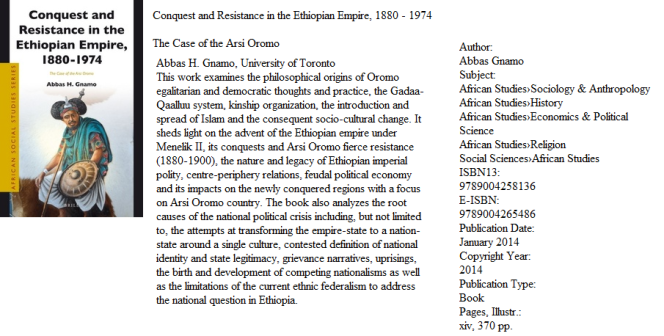
Oromia map (green)
 Oromian’s at Malkaa Ateetee, Oromia: The continuity of Oromo culture, philosophy and sprituality (Waaqeffanaa)
Copyright © Oromianeconomist 2014 and Oromia Quarterly 1997-2014. All rights reserved. Disclaimer.
The People Of South Sudan Deserve Better: Warlords Unfit To Mediate In South Sudan January 7, 2014
Posted by OromianEconomist in Africa, Aid to Africa, Colonizing Structure, Corruption, Development, Dictatorship, Economics: Development Theory and Policy applications, ICC, Knowledge and the Colonizing Structure., Knowledge and the Colonizing Structure. Africa Heritage. The Genocide Against Oromo Nation, Land Grabs in Africa, Oromia, Oromiyaa, Oromo, South Sudan, Uncategorized, Warlords.Tags: Africa, African Studies, Developing country, Development, Development and Change, Economic and Social Freedom, Genocide, Genocide against the Oromo, Governance issues, Horn of Africa, Human rights, Human Rights and Liberties, Human rights violations, ICC, Land grabbing, Land grabs in Africa, National Self Determination, Oromia, Oromiyaa, Oromo, Oromo culture, Oromo people, Oromummaa, Social Sciences, State and Development, Sub-Saharan Africa, Tyranny, Universal Declaration of Human Rights, Warlords, World Bank
add a comment
‘Ethiopia, like Uganda and the CAR, has a government that came to power through the use of military force. For over twenty years Ethiopia’s ruling party has used the army to suppress the political opposition while periodically rigging elections to remain in power.President Museveni and the IGAD leaders are not only supporting President Kiir, they are supporting themselves. The undemocratic way in which President Kiir runs the state and the SPLM is no different from how President Omar al Bashir runs Sudan, President Museveni rules Uganda, President Kabila stumbles along in the DRC and Prime Minister Hailemariam Desalegn controls Ethiopia. They are not the right people to act as mediators.’ -Alex Obote-Odora, Consultant in International Criminal Law and Policy, Stockholm.
…………………………………………………………………………………………………………………………………
The world’s newest nation, lies in a dangerous neighbourhood. It is surrounded by countries with leaders who are warlords, dictators and/or indicted for war crimes by the ICC.
These leaders have regrouped under the regional body IGAD. They blindly support President Kiir without first examining the root causes of the conflict and determining which party is at fault.
South Sudan needs honest brokers from amongst past and present leaders with high moral standing who respect human values—not the current tainted IGAD leaders.
The international community must not allow leaders investigated by the ICC for violations of serious international crimes to pretend to act like peace brokers. The people of South Sudan deserve better.
South Sudan, the world’s newest nation, lies in a dangerous neighbourhood. The ‘old’ Sudan, its most important and strategic neighbour, is headed by General Omar al-Bashir, an indicted war criminal at the International Criminal Court (ICC). He is busy pursuing his brand of peace with President Salva Kiir Mayardit.
South Sudan is one of the few countries he can visit without fear of arrest and transfer to the ICC. The Darfur conflict remains unresolved as women and children continue to be killed by his army and proxy militias.
The Democratic Republic of Congo (DRC) is another unstable neighbour. The state is kept afloat by the United Nations peace-keeping force.
President Kabila faces a plethora of armed opposition groups; he used the ICC to get rid of his political opponents while protecting his soldiers and political allies from investigations and prosecutions. Since 1996, over five millions Congolese are believed killed by his army and by proxy militias of the governments of neighbouring Uganda and Rwanda.
The ICC is currently investigating situations in the DRC. Only a few weeks ago, one of the armed militias attempted, without success, to seize power by force in Kinshasa. In the process, many civilians were killed.
President Museveni, who seized political power in Uganda in 1986, has supervised the slaughter of more than 500,000 civilians in the various wars he has fought from Luwero, through eastern to northern Uganda. Outside Uganda, commanding the Uganda Peoples Defence Force (UPDF), President Museveni is responsible for many more civilians murders carried out by his soldiers and proxy militias in the DRC, South Sudan and the CAR.
Like General Kabila of DRC, General Museveni has also used the ICC to solve some of his political problems while fiercely defending members of the UPDF from investigation and prosecution by the ICC.
South Sudan’s other neighbour, the Central African Republic (CAR), is currently being ‘ruled’ by a war lord who cannot provide security even in the country’s capital, Bangui. The French and AU soldiers are responsible for keeping him in power.
Ethiopia, like Uganda and the CAR, has a government that came to power through the use of military force. For over twenty years Ethiopia’s ruling party has used the army to suppress the political opposition while periodically rigging elections to remain in power.
Like South Sudan, the so-called ‘liberation armies’ in Uganda, DRC and Ethiopia have transformed into ruling political parties without discarding their undemocratic and dictatorial tendencies.
The Kenyan situation is different from the traditional military regimes, but their leaders are currently facing charges of crimes against humanity at the ICC for the mass murders that took place after the 2007 presidential elections.
These leaders have regrouped under the Inter-Government Authority on Development (IGAD), a regional body in Eastern Africa. On 27 December 2013, at a meeting in Nairobi, primarily because of their track record, the IGAD leaders squandered an opportunity to demonstrate neutrality when they blindly supported President Kiir against Dr Riech Machar without first examining the root causes of the conflict and determining which party is at fault.
By issuing threats and taking sides with the principal antagonists, the IGAD leaders demonstrated their common dictatorial credentials and democratic deficit.
There is still a way out of the South Sudan political crisis which unfortunately is being addressed by military means. For a credible and lasting peace in South Sudan, individuals with high moral standing who respect human values from amongst past and present leaders need to be considered for appointment as mediators by the AU or the UN. South Sudan needs honest brokers and not the current tainted IGAD leaders.
One of the persons who enjoys respect from the antagonists is Kenya’s former foreign minister Mr Kilonzo Musyoka. He was a key player in the negotiations leading to the Comprehensive Peace Agreement (CAP) that led to the creation of the Republic of South Sudan. Similarly, General Daniel Opande, another impartial participant at the negotiations leading to the CAP, is neutral and generally respected by the antagonists.
Former OAU Secretary General, Salim A Salim is another suitable candidate He has an excellent track record for tackling difficult problems during his tenure. Ghana’s former President Kuffor is yet another candidate with respectable democratic credentials.
Africa is not short of talented mediators. It is unreasonable for the AU to send war mongers to negotiate peace. What the AU and the UN can do for South Sudan is to look at stable countries with democratic credentials like Botswana, Ghana, Namibia, Senegal or Tanzania and tap mediators from any of those countries.
On the other hand, it is neither shameful nor un-African to go outside the African continent and seek the best peace mediators from any part of the world. There are many competent and credible mediators in the Nordic region with excellent track record. They can provide the much needed neutrality in the Great Lakes Region in peace-making.
Occasionally mistakes are made and it is only natural to correct past mistakes. It was, for example, an error for the UN to request President Museveni to mediate in the South Sudan conflict. Uganda is already too involved in South Sudan going back to the mysterious death of John Garang. Uganda should be kept out of the South Sudan conflict.
President Museveni is neither an honest broker nor does he have democratic credentials. He is simply one of the many war lords on the Africa continent who has used force to achieve and retain political power. Over the years, he has tried to re-brand himself as a statesman but deep down, he remains a war lord.
Both his NRM and the SPLM are ‘liberation’ armies that failed to successfully transition to multi-party politics which accepts the separation of party and state. The NRM and the SPLM have remained undemocratic, dictatorial and has continued to use force, rig elections and retain power.
What Dr Machar demands in South Sudan is similar to demands made by Dr Kizza Besigye in Uganda: seeking reform of the electoral commission, an establishment of an impartial police force and an army with a national outlook. Instead, President Museveni has consistently threatened, arrested, tortured and detained Dr Besigye and other national politicians opposed to his regime. President Kiir is following his many bad examples.
President Museveni and the IGAD leaders are not only supporting President Kiir, they are supporting themselves. The undemocratic way in which President Kiir runs the state and the SPLM is no different from how President Omar al Bashir runs Sudan, President Museveni rules Uganda, President Kabila stumbles along in the DRC and Prime Minister Hailemariam Desalegn controls Ethiopia. They are not the right people to act as mediators.
The international community must not allow leaders from the ‘ICC states’ that is, Uganda, Kenya, DRC, CAR, Sudan—countries that are currently being investigated by the ICC for violations of serious international crimes—to pretend to act like peaceful leaders seeking peace in that troubled country. The people of South Sudan deserve better.
Read more at the original text @ http://naiforum.org/2014/01/warlords-unfit-to-mediate-in-south-sudan/
Copyright © OromianEconomist 2014 & Oromia Quarterly 1997-2014, all rights are reserved. Disclaimer.
2013 in review January 5, 2014
Posted by OromianEconomist in Uncategorized.add a comment
The WordPress.com stats helper monkeys prepared a 2013 annual report for this blog.

Here’s an excerpt:
The concert hall at the Sydney Opera House holds 2,700 people. This blog was viewed about 11,000 times in 2013. If it were a concert at Sydney Opera House, it would take about 4 sold-out performances for that many people to see it.
Nubia and Oromia January 4, 2014
Posted by OromianEconomist in Africa, Colonizing Structure, Corruption, Culture, Development, Human Rights, Humanity and Social Civilization, Nubia, Oromia, Oromiyaa, Oromo, Oromo Culture, Oromo Identity, Oromo Social System, Oromo the Largest Nation of Africa. Human Rights violations and Genocide against the Oromo people in Ethiopia, Oromummaa, Self determination, The Colonizing Structure & The Development Problems of Oromia, The Oromo Democratic system, Tyranny, Uncategorized.Tags: Africa, African culture, African Studies, Democratic African institution, Developing country, Development, Development and Change, Economic and Social Freedom, Genocide, Genocide against the Oromo, National Self Determination, Nubia, Oromia, Oromia Region, Oromiyaa, Oromo, Oromo culture, Oromo people, Oromummaa, State and Development, Sub-Saharan Africa, Tyranny, Universal Declaration of Human Rights
add a comment
Brownie: Spending an evening with Oromos

Today was such a pleseant day, i was invited to the Oromo community celebration of the beginning of the new Georgian year 2013. Oromo are the Koshian people of the State of Ethiopia. they are part of the Koshian civilization which Nubians belong to. So they are my cousins.
I have been introduced to the Oromo struggle in 2009, through my work in refugees’ issue in Egypt. One of my colleagues is a great man and he is from Oromo. He taught me about the struggle of his people against the central State in Ethiopia, actually they are sharing some problems with us, as Nubians, the suppression, neglection from the central government and cultural war to omit their deep rooted culture.
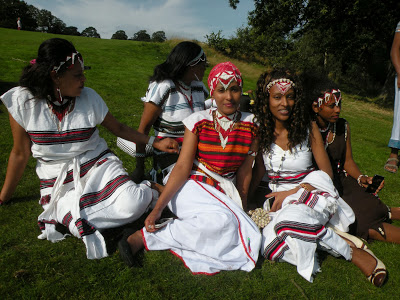
Oromo like many ethincities in Africa suffered specially after the colonization, because the colonizers built a wicked conflict in the African context which is the supremacy of a certain people or culture on the rest of the inhabitants of each country, after drawing unnatural borders.That was the case of Rwanda for example and that what lead to the genocide.
This wicked idea was entrenched through all means, political, social, economic and developmental.
Being in the trench of the unprivileged part means suffering by all means, no education, no health care, no development, complicated economic situation and for sure political prosecution if you dared to talk about your people suffering.
It is very problematic that the newly established states in Africa had hard time with the notion of nationalism, that they tried to embrace just one identity, and by that they completely deviated from the African tradition of respecting multiplicity. Africans suffered from the unnatural borders which cut some ethicities into pieces like the Nubian comminty when British cut Nubia into two part by the line of 22 north, which made some Nubians Sudanese and other Egyptians. even in the same states, some governments adopted very selective attitude in applying the notion of nationality, they made a check list and if you do not fit, you will suffer.
and Oromo do not fit, they are simply different.

That what happened to my Oromo-ian friend, he left the homeland, and he is a refugee here in Egypt, suffering from hardship of being a refugee in unwelcoming state like Egypt. but when you see him talking about his struggle you will only see the pride, that black pride which never vanishes.
Oromo people are struggling hard to be recognized and to have their human rights respected.
the Ethiopian state must stop its suppression to the Oromo people.

Respecting different people is essential, multiculturalism and persevering multiplicity is the pillar of any state.
Finally sometimes it is important to see Adhoc, this is a video showing how Oromo raised their flag in the last African cup for football:
Know more about the Oromo struggle (http://www.oromoliberationfront.org/index.htm)
See the details at original source:
http://atbrownies.blogspot.co.uk/2014/01/spending-evening-with-oromos.html
By Fatma Emam: http://www.blogger.com/profile/17426809504085760083
Copyright © OromianEconomist 2014 & Oromia Quarterly 1997-2014, all rights are reserved. Disclaimer.
Maaf Adamfamee Maaliif Dhaaname January 3, 2014
Posted by OromianEconomist in Africa, Colonizing Structure, Corruption, Culture, Development, Dictatorship, Human Rights, Knowledge and the Colonizing Structure. African Heritage. The Genocide Against Oromo Nation, Oromia, Oromiyaa, Oromo, Oromo Culture, Oromo Identity, Oromo Nation, Oromo the Largest Nation of Africa. Human Rights violations and Genocide against the Oromo people in Ethiopia, Self determination, Slavery, The Colonizing Structure & The Development Problems of Oromia, Tyranny, Uncategorized.Tags: African Studies, Economic and Social Freedom, Genocide, Genocide against the Oromo, Human rights violations, National Self Determination, Oromia, Oromo, Oromo people, Sub-Saharan Africa, Tyranny, Universal Declaration of Human Rights
add a comment
Copyright © OromianEconomist 2014 & Oromia Quarterly 1997-2014, all rights are reserved. Disclaimer.
South Sudan: Unmasked Wounds December 30, 2013
Posted by OromianEconomist in Africa, Aid to Africa, Colonizing Structure, Corruption, Culture, Development, Dictatorship, Economics, Economics: Development Theory and Policy applications, Human Rights, Humanity and Social Civilization, Kemetic Ancient African Culture, Knowledge and the Colonizing Structure., Knowledge and the Colonizing Structure. Africa Heritage. The Genocide Against Oromo Nation, Land Grabs in Africa, Language and Development, Oromia, Oromiyaa, Oromo, Oromo Culture, Oromo Identity, Oromo the Largest Nation of Africa. Human Rights violations and Genocide against the Oromo people in Ethiopia, Oromummaa, Self determination, Sirna Gadaa, Slavery, The Colonizing Structure & The Development Problems of Oromia, Uncategorized.Tags: Africa, African Studies, Democratisation, Developing country, Development and Change, Economic and Social Freedom, Governance issues, Horn of Africa, Human rights, Oromia, Oromo, Oromo people, Oromummaa, South Sudan, State and Development, Sub-Saharan Africa, Sudan, Universal Declaration of Human Rights
add a comment

“The elites inherited vast natural wealth and boundless international good will following the historic referendum, but they squandered both. They lapsed into a culture of corruption, conspicuous personal consumption and tribalistic political machinations. They have not been serious about democratization, institution-building or even the most basic service delivery, which they have preferred to outsource to foreign relief agencies. African leaders — backed by the United States and United Nations — have taken key steps toward pressuring South Sudan’s leaders to stop the war. But the deeper responsibility for creating a South Sudanese nation at peace with itself lies with the country’s own leaders.” -Abdul Mohammed and Alex de Waal, WP Opinions.
There is an opportunity to halt South Sudan’s slide into war and state failure, but it must be seized within days or it will be lost. This requires the leaders of South Sudan to rise above narrow, tribalistic, zero-sum politics and develop a national program. President Salva Kiir and other members of the country’s political elite — in government and in opposition, inside South Sudan and in the diaspora — must respond to this challenge now or go down in history as having betrayed their people.
Nine years ago, on Jan. 9, 2005, the Sudanese government and the southern-based Sudan People’s Liberation Movement (SPLM) signed a historic peace accord that brought an end to more than 20 years of war between northern and southern Sudan. That agreement culminated in a referendum, held from Jan. 9 to Jan. 15, 2011, in which the southern Sudanese voted overwhelmingly for independence. Africa and the international community welcomed the new Republic of South Sudan, hopeful that it would put this history of strife and suffering behind it.
But the peace agreement and the show of unity around independence masked many unhealed wounds. During those long years of civil war, the South Sudanese weren’t united, and their divisions exploded into a bloody internecine conflict in 1991 after SPLM officers challenged the leadership of Col. John Garang . The strife became a tribal war, mainly between ethnic Dinka and ethnic Nuer , involving massacres of civilians on both sides and mass starvation. The atrocities left deep scars.
For the following decade, leaders of churches and civil society and friends from abroad, including U.S. representatives, undertook a painstaking effort at “people-to-people peace” among South Sudanese communities. This task was incomplete when the 2005 north-south peace agreement was signed. Amid the euphoria of that peace and the work of reconstructing a war-ravaged land, President Kiir, who took over after Garang died in a helicopter crash in July 2005 , neglected to continue the necessary work of reconciliation. Instead, the wait for independence and plentiful oil revenues maintained a semblance of unity.
It is those unhealed wounds that are tearing South Sudan apart today.
Two years after achieving independence, a political dispute between President Kiir and Vice President Riek Machar erupted into the open. Kiir dismissed Machar and most of his cabinet. Two weeks ago, this dispute suddenly mutated from a contest over votes in the ruling bodies of the SPLM into a terrifyingly violent tribal conflict. The speed and vigor of ethnic mobilization not only threatens a widening war but also jeopardizes the very viability of the South Sudanese state.
African and international mediators are in a race against time to stem this tide. Once the political dispute descends completely into a fight for communal survival, foreign leverage disappears. Ethiopia and Kenya, acting on behalf of African nations, took key steps at a summit in Nairobi Friday to try to stop further violence. They called for a cease-fire and for the rights of 11 high-level political leaders arrested by the government to be respected. (Two were released on Saturday.) They affirmed the core African principles: no unconstitutional change in government and South Sudan must build a viable state. President Kiir stays, but he must negotiate.
Stopping the shooting is the immediate priority. But the mediators should not be content with patching together a ruling coalition and returning to business as usual in advance of scheduled elections in 2015. A power-sharing formula could become just another division of the spoils, and elections could become another exercise in ethnic division.
For too long, South Sudan’s leaders evaded their responsibilities by blaming their woes on the war and oppressive policies of the government in Khartoum. Now, having joined the club of nations, they must play by its rules. The United States, having given South Sudan the benefit of many doubts, is threatening to withhold aid if power is seized or held by force. That is quite correct. Any political process must take into account South Sudan’s unique and painful history. The biggest task is an all-inclusive national discussion on what it means to be a nation. The political elites should listen to the wisdom of pastors and civil society leaders, who are insisting that the politicians return to the path of dialogue and healing. The road to a viable state lies in national reconciliation.
The elites inherited vast natural wealth and boundless international good will following the historic referendum, but they squandered both. They lapsed into a culture of corruption, conspicuous personal consumption and tribalistic political machinations. They have not been serious about democratization, institution-building or even the most basic service delivery, which they have preferred to outsource to foreign relief agencies. Read the details in the following site:
Two weeks ago fighting broke out in Juba, the capital of the east African country that won independence from Sudan hardly two years ago. The violence quickly spread across the country, leaving at least 1,000 people dead. More than 100,000 are reportedly displaced, many seeking refuge in UN camps.High winds could slow Toronto’s ice storm recoveryVideo: High winds could slow Toronto’s ice storm recovery Toronto doing its best to restore power: Rob FordVideo: Toronto doing its best to restore power: Rob Ford It has also raised fears of an all-out civil war between the main Dinka and Nuer ethnic groups. “Political issues and tribalism are being used to pit South Sudanese against each other as our leaders fight for power,” Jal says. “Our country’s leadership hangs in the balance and ordinary citizens are paying for it with their lives.” “This is how genocide begins,” he adds.
http://www.thestar.com/news/gta/2013/12/29/torontos_south_sudanese_community_urges_end_to_killing.html
South Sudan on the verge of civil war
- Most South Sudanese interviewed for this project assert that the most obvious impediment to national cohesion is exclusion from the national platform, especially exclusion along ethnic lines. Corruption, nepotism, and exclusion from access to government jobs were also raised as issues that the government will need to address directly for citizens to have pride in their nation.
- There is a widespread sense of worry about the viability of South Sudan as a nation due to insecurity, especially insecurity rooted in the current ethnic conflicts occurring in seven out of the ten states.
- Both political leaders and ordinary citizens recognize the importance of national unity and the equitable display and celebration of cultural diversity as a national asset; representation of all ethnic nationalities and creation of a broad-based government is central to South Sudan’s transition to nationhood. The immediate challenge involves creating programs that promote citizenship in the nation over ethnic citizenship. The opaque climate of the transitional constitutional review process has not earned the government much trust from all sectors of society, and this has made for a bad start toward national consensus.
- As a multiethnic society, South Sudan also is confronted with the question of a language policy. To speed up the process of nation building, the government will need to transform current discussions on language into practical decisions regarding the development of anational language. Identifying five national languages that represent the three greater regions of the country would be one way to approach it.
- Most South Sudanese interviewed for this project assert that the most obvious impediment to national cohesion is exclusion from the national platform, especially exclusion along ethnic lines. Corruption, nepotism, and exclusion from access to government jobs were also raised as issues that the government will need to address directly for citizens to have pride in their nation.
- There is a widespread sense of worry about the viability of South Sudan as a nation due to insecurity, especially insecurity rooted in the current ethnic conflicts occurring in seven out of the ten states.
- Both political leaders and ordinary citizens recognize the importance of national unity and the equitable display and celebration of cultural diversity as a national asset; representation of all ethnic nationalities and creation of a broad-based government is central to South Sudan’s transition to nationhood. The immediate challenge involves creating programs that promote citizenship in the nation over ethnic citizenship. The opaque climate of the transitional constitutional review process has not earned the government much trust from all sectors of society, and this has made for a bad start toward national consensus.
- As a multiethnic society, South Sudan also is confronted with the question of a language policy. To speed up the process of nation building, the government will need to transform current discussions on language into practical decisions regarding the development of anational language. Identifying five national languages that represent the three greater regions of the country would be one way to approach it. http://www.usip.org/publications/diversity-unity-and-nation-building-in-south-sudan
- Copyright © OromianEconomist 2013 & Oromia Quarterly 1997-2013, all rights are reserved. Disclaimer.
Related articles
- Hundreds of S.Sudanese flee to Sudan: UN source (modernghana.com)
- Uganda warns South Sudan rebel leader (news.yahoo.com)
- Inspiring Stories from South Sudan (aidleap.wordpress.com)
- Suspicion threatens IGAD’s role in South Sudan conflict (sudantribune.com)
- Battles rage in South Sudan as cease-fire hopes fade (dailystar.com
Freedom Is Sweet December 27, 2013
Posted by OromianEconomist in Culture, Human Rights, Humanity and Social Civilization, Kemetic Ancient African Culture, Knowledge and the Colonizing Structure. African Heritage. The Genocide Against Oromo Nation, Language and Development, Oromia, Oromiyaa, Oromo, Oromo Culture, Oromo Identity, Oromo Nation, Oromo Social System, Oromo the Largest Nation of Africa. Human Rights violations and Genocide against the Oromo people in Ethiopia, Oromummaa, Self determination, Sirna Gadaa, The Colonizing Structure & The Development Problems of Oromia, The Oromo Democratic system, The Oromo Governance System, The Oromo Library, Theory of Development, Uncategorized.Tags: Africa, African culture, African Studies, Australia, Federation Square, Horn of Africa, Human rights, Human Rights and Liberties, Human rights violations, National Self Determination, Oromia, Oromiyaa, Oromo, Oromo culture, Oromo people, Oromummaa, State and Development, Sub-Saharan Africa, Universal Declaration of Human Rights
add a comment
“Freedom is Sweet” is taken from the speech made by Inga Peulich MLC , Parliamentary Secretary for Education at Oromia @ Federation Square, Melbourne Australia on 22nd of December 2013. The festival aims to bring Oromo people together, irrespective of age, gender and belief, to help promote self-empowerment. It also seek to educate the public on the lifestyle, culture and ethics of members of the Australian Oromo community. Furthermore, it’s a time to celebrate and commemorate the beauty of Australian Oromo culture and to promote both multiculturalism and diversity across Australia.
The celebration of Oromia at Federation Square marks the beginning of yet another exciting year of events that aim to bring the case of the Oromo cause.
Related articles
- Oromo Displacement Past & Present (oromianeconomist.wordpress.com)
- 99% of the prisoners are OROMO political prisoners in Ethiopia!!!!! (danieltadesse.wordpress.com)
- Oromoia Students Movement and the Current Trends of Oromo Youths and Intellectuals (oromedia.net)
- Message from Dr. Ibrahim Amae Elemo on the #BoycottBedele Campaign (freedomfororomo.wordpress.com)
- Let no one Rob you of your Identity (dhaamsaogeetti13.wordpress.com)
The Scramble For Africa, Big Agriculture & The Industrial Farm Land: At What Cost? December 19, 2013
Posted by OromianEconomist in Africa, Colonizing Structure, Corruption, Dhaqaba Ebba, Dictatorship, Oromia, Oromiyaa, Oromo, Oromo Culture, Oromo Identity, Oromo Nation, Oromo the Largest Nation of Africa. Human Rights violations and Genocide against the Oromo people in Ethiopia, Self determination, The Colonizing Structure & The Development Problems of Oromia, Tyranny, Uncategorized.Tags: Africa, African Studies, Developing country, Development, Development and Change, Economic and Social Freedom, Genocide against the Oromo, Horn of Africa, Human rights, Human Rights and Liberties, Human rights violations, Land grabbing, Land grabs in Africa, National Self Determination, Oromia, Oromo, Oromo people, Sub-Saharan Africa, Tyranny, Universal Declaration of Human Rights
comments closed
‘


Picture source : Gadaa.com

Green Rush In Africa
Picture Source: FP

‘There is a gold rush happening in Ethiopia, but it’s not a hunt for the yellow metal. It’s a quest for the green gold of fertile farmland. A nation more associated with periodic famine and acute childhood malnutrition than with agricultural bounty is leasing millions of hectares -an area the size of Belgium – to foreign companies, who want to grow and export food to places like Saudi Arabia, China, India, and Europe. One-third of the fertile Gambella area in western Ethiopia, for example, is being leased for the next 50 years by the Bangalore-based food company Karuturi Global. Forests are being clear-cut, swamps drained, rivers diverted, and whole villages moved to make way for flower farms and palm-oil and rice plantations. “It is very good land. It is quite cheap…. We have no land like this in India,” effused Karuturi’s project manager Karmjeet Shekhon to the Guardian soon after the lease was settled in 2011. The government in Addis Ababa says it needs foreign companies like Karuturi Global to help create jobs, raise Ethiopia’s income from food exports, and develop the agricultural technology and infrastructure that can bring the impoverished country into the mainstream of the global market economy. It has enticed investors with tax breaks alongside rock-bottom lease rates (as little as $1 per hectare per year). But at what cost — to land rights, to human health, to the environment, to national stability?’
– See more at original source: http://www.foreignpolicy.com/articles/2013/12/17/green_rush_industrial_farmland_africa#sthash.lq1Wlefk.dpuf
Copyright © OromianEconomist 2013 & Oromia Quarterly 1997-2013, all rights are reserved. Disclaimer.
Global Poverty & Development Agendas: Dead Aid, Ethiopia & The West December 17, 2013
Posted by OromianEconomist in Africa, Aid to Africa, Colonizing Structure, Development, Economics: Development Theory and Policy applications, Knowledge and the Colonizing Structure. Africa Heritage. The Genocide Against Oromo Nation, Land Grabs in Africa, Oromia, Oromiyaa, Oromo, Oromo Culture, Oromo Identity, Oromo Nation, Oromo the Largest Nation of Africa. Human Rights violations and Genocide against the Oromo people in Ethiopia, Oromummaa, Self determination, The Colonizing Structure & The Development Problems of Oromia, Theory of Development, Uncategorized.Tags: Africa, African Studies, Dead Aid, Development and Change, Economic and Social Freedom, Genocide against the Oromo, Governance issues, Horn of Africa, Human rights, Human Rights and Liberties, Human rights violations, Land grabbing, National Self Determination, Oromia, Oromiyaa, Oromo, Oromo people, Oromummaa, State and Development, Sub-Saharan Africa, Tyranny, Universal Declaration of Human Rights
add a comment
In excess of 35 million Ethiopians still live in abject poverty subsisting on less that $2 a day while a tiny fraction of the country’s 85 million people has become excessively rich. As more and more ODA is pumped into the country Ethiopia’s HDI rank hasn’t improved (in fact it has gone from 169th in the world to 173rd in the last decade), journalists, academics and opposition figures are still jailed for speaking out against the regime, ethnic minorities such as the Oromo are discriminated against and forced off their lands, corruption and human rights abuses are still rife. Less people may be dying but are ordinary peoples’ lives improving at a rate that warrants the West to turn a blind eye to the crimes of those in power? It may suit certain agendas to do so but it does a massive disservice to ordinary Ethiopians. Read the full text at: http://www.transcend.org/tms/2013/12/global-poverty-and-post-colonial-development-agendas-ethiopia-and-the-west/


http://en.wikipedia.org/wiki/List_of_countries_by_percentage_of_population_living_in_poverty
Related articles
Oromo Displacement Past & Present December 12, 2013
Posted by OromianEconomist in Africa, Colonizing Structure, Dictatorship, Domestic Workers, Human Rights, Human Traffickings, Knowledge and the Colonizing Structure., Knowledge and the Colonizing Structure. African Heritage. The Genocide Against Oromo Nation, Oromia, Oromiyaa, Oromo, Oromo Culture, Oromo Identity, Oromo the Largest Nation of Africa. Human Rights violations and Genocide against the Oromo people in Ethiopia, Oromummaa, Qubee Afaan Oromo, The Colonizing Structure & The Development Problems of Oromia, Tyranny, Uncategorized.Tags: Africa, African Studies, Economic and Social Freedom, Horn of Africa, Human rights violations, Oromia, Oromo, Sub-Saharan Africa, Tyranny, Universal Declaration of Human Rights
comments closed

From slavery to freedom:the Oromo slave children of Lovedale, prosopography and profiles
Sandra Carolyn Teresa Rowoldt Shell
Student number: RWLSAN002
A dissertation submitted in fulfilment of the requirements for the award of the degree of Doctor of Philosophy in Historical Studies
Faculty of the Humanities
University of Cape Town
2013
https://www.academia.edu/3760219/From_slavery_to_freedom_the_Oromo_slave_children_of_Lovedale_prosopography_and_profiles
http://www.bbc.co.uk/news/world-africa-14357121?SThisFB

http://oromocommentary.files.wordpress.com/2010/07/machbuba-an-oromo-slave-girl-who-won-the-heart-of-a-german-prince.pdf
Related Articles:
During Ethiopian colonial expansion, Oromia, “the charming Oromo land, [would] be ploughed by the iron and the fire; flooded with blood and the orgy of pillage” (de Salviac, 2005 [1901]: 349). Calling this event as “the theatre of a great massacre,” Martial De Salviac (2005 [1901]: 349) states, “The conduct of Abyssinian armies invading a land is simply barbaric. They contrive a sudden irruption, more often at night. At daybreak, the fire begins; surprised men in the huts or in the fields are three quarter massacred and horribly mutilated; the women and the children and many men are reduced to captivity; the soldiers lead the frightened herds toward the camp, take away the grain and the flour which they load on the shoulders of their prisoners spurred on by blows of the whip, destroy the harvest, then, glutted with booty and intoxicated with blood, go to walk a bit further from the devastation. That is what they call ‘civilizing a land.'” The Oromo oral history also testifies that Ethiopians/Abyssinians destroyed and looted the resources of Oromia, and committed genocide on the Oromo people through massacre, slavery, depopulation, cutting hands, famine, and diseases during and after the colonization of Oromia.
According to Martial de Salviac (2005 [1901]: 350), “With equal arms, the Abyssinia [would] never [conquer] an inch of land. With the power of firearms imported from Europe, Menelik [Abyssinian warlord] began a murderous revenge.” The colonization of Oromia involved human tragedy and destruction: “The Abyssinian, in bloody raids, operated by surprise, mowed down without pity, in the country of the Oromo population, a mournful harvest of slaves for which the Muslims were thirsty and whom they bought at very high price. An Oromo child [boy] would cost up to 800 francs in Cairo; an Oromo girl would well be worth two thousand francs in Constantinople” (de Salviac, 2005 [1901]: 28). The Ethiopian/Abyssinian government massacred half of the Oromo population (five million out of ten million) and their leadership during its colonial expansion (de Salviac, 2005 [1901]: 608, 278; Bulatovich, 2000: 66-68). According to Alexander Bulatovich (2000: 68-69), “The dreadful annihilation of more than half of the population during the conquest took away from the [Oromo] all possibilities of thinking about any sort of uprising . . . Without a doubt, the [Oromo], with their least five million population, occupying the best land, all speaking one language, could represent a tremendous force if united.” The destruction of Oromo lives and institutions…
See the full content of this document
http://law-journals-books.vlex.com/vid/oromo-democracy-classical-civilization-411848362
‘The study confirms that there is clear nexus between authoritarian rule,
man-made famines, and genocide in Ethiopia.’
http://www.codesria.org/IMG/pdf/Mekuria_Bulcha.pdf
Copyright © OromianEconomist 2013 & Oromia Quarterly 1997-2013, all rights are reserved. Disclaimer.
Africa: The Time is not for Currency Unions December 9, 2013
Posted by OromianEconomist in Africa, Aid to Africa, Corruption, Development, Economics, Economics: Development Theory and Policy applications, Knowledge and the Colonizing Structure., Oromia, Oromo the Largest Nation of Africa. Human Rights violations and Genocide against the Oromo people in Ethiopia, Self determination, Uncategorized.Tags: Africa, African Studies, Currency Unions, Developing country, Development, Development and Change, Economic and Social Freedom, Governance issues, National Self Determination, Oromia, Oromo, Social Sciences, Sub-Saharan Africa
comments closed

“If a region as rich as the euro zone has struggled to cope with such pressures, the likelihood that the poorer and less well-governed places hoping to adopt the eco could is tiny.”
‘Under the proposal an initial group of six countries will adopt the eco by 2015 (see map). Five years later the members of the West African Economic and Monetary Union (known as UEMOA, its French acronym), which currently share a currency called the West African CFA franc, are to adopt the eco too, creating a currency union of over 300m people. West African politicians are pushing for further integration because they, like most economists, argue that the single currency for UEMOA has been a qualified success. UEMOA member states are more fiscally disciplined than their neighbours outside the currency zone, says Cécile Couharde of the University of Paris Ouest Nanterre La Défense. The French government currently underwrites the West African CFA franc by guaranteeing to convert it to euros at a ratio of one to 0.0015. That has provided a stability rare in African currencies. Monetary unions also simplify trade: UEMOA has more intraregional trade than any other region in Africa, according to an IMF paper. But the currency union has downsides. UEMOA economies move at different speeds. According to research by Romain Houssa, at the Catholic University of Leuven in Belgium, economic changes are poorly correlated between member states. From 2007 to 2012, the IMF found, the correlation between the business cycle of Senegal, a country with strong trade links outside the zone, and the other countries in UEMOA was almost zero. Consequently, a UEMOA-wide interest rate is not ideal: as in the euro zone, some countries end up with the wrong rate. And an inflexible exchange rate makes economic adjustment difficult. From 2000 to 2012 average annual growth in output in UEMOA countries was about half that of comparable sub-Saharan economies, according to Gianluigi Giorgioni of Liverpool University. Whereas UEMOA’s currency union has drawbacks, the proposed eco zone may have fatal flaws. It would encompass even more economic diversity. Nigeria in particular stands out. Its economy is huge by its neighbours’ standards. UEMOA’s GDP is about $75 billion; Nigeria’s is about $260 billion. The GDP of the next-biggest economy in the region, Ghana, is about $40 billion. And the Nigerian economy is unusual. Unlike most other West African countries it is heavily dependent on oil, which accounts for over a third of output, according to data from the OECD, a club of mostly rich countries. IMF research shows that Nigeria’s balance of trade tends to move in the opposite direction to its neighbours’—they are largely importers of oil. During periods of high oil prices Nigeria may push for interest-rate rises. That would be disastrous for other eco-zone economies, which are likely to be gasping for lower rates. To make matters worse the eco might be vulnerable to speculative attack. France would be unlikely to guarantee it, reckons Mr Giorgioni, as the liabilities would be large and the countries involved are not former French colonies. Without such support, investors would be nervous. Any fiscal laxity would be punished. If a region as rich as the euro zone has struggled to cope with such pressures, the likelihood that the poorer and less well-governed places hoping to adopt the eco could is tiny.’
“In the run-up to achieving a common currency, the East African Community (EAC) nations aim to harmonise monetary and fiscal policies and establish a common central bank. Kenya, Uganda, Tanzania and Rwanda already present their budgets simultaneously every June. The plan by the region of about 135 million people, a new frontier for oil and gas exploration, is also meant to draw foreign investment and wean EAC countries off external aid. “The promise of economic development and prosperity hinges on our integration,” said Kenya’s President Uhuru Kenyatta. “Businesses will find more freedom to trade and invest more widely, and foreign investors will find additional, irresistible reasons to pitch tent in our region,” said Kenyatta, leader of the biggest economy in east Africa.Kenyatta, who is due to face trial at the International Criminal Court on crimes against humanity charges in February, took over the chairmanship of the bloc from Ugandan President Yoweri Museveni, hosting the summit.Kenya has launched a $13.8 billion Chinese-built railway that aims to cut transport costs, part of regional plans that also include building new ports and railways. Landlocked Uganda and Kenya have discovered oil, while Tanzania has vast natural gas reserves, which require improved infrastructure and foreign investment so they can be exploited. Tanzania, where the bloc’s secretariat is based, has complained that it has been sidelined in discussions to plan these projects, but Kenyatta said the EAC was still united. Kenneth Kitariko, chief executive officer at African Alliance Uganda, an investment advisory firm, said the monetary union would boost efficiency in the region’s economy estimated at about $85 billion in combined gross domestic product.”In a monetary union, the absence of currency risk provides a greater incentive to trade,” he said.Kitariko said, however, that achieving a successful monetary union would require convergence of the union’s economies, hinting that some challenges lay ahead.”Adjusting to a single monetary and exchange rate policy is an inescapable feature of monetary union … but this will take time and may be painful for some,” he said, referring to the fact that some countries may struggle to meet agreed benchmarks.” http://www.aljazeera.com/news/africa/2013/11/east-african-nations-agree-monetary-union-20131130175336476127.html
Copyright © OromianEconomist 2013 & Oromia Quarterly 1997-2013, all rights are reserved. Disclaimer.
The Oromo, Gadaa/Siqqee Democracy and The Liberation Of Ethiopia Colonial Subjects December 5, 2013
Posted by OromianEconomist in Africa, Development, Gadaa System, Human Rights, Humanity and Social Civilization, Knowledge and the Colonizing Structure. African Heritage. The Genocide Against Oromo Nation, Oromia, Oromiyaa, Oromo, Oromo Culture, Oromo Identity, Oromo Nation, Oromo Social System, Oromummaa, Self determination, Sirna Gadaa, The Oromo Governance System, Theory of Development, Uncategorized.Tags: Africa, African culture, African Studies, Economic and Social Freedom, Gadaa System, Governance issues, Human Rights and Liberties, Human rights violations, National Self Determination, Oromia, Oromo, Oromo people, Siqqee, Sub-Saharan Africa, Universal Declaration of Human Rights
comments closed

This paper explores the potential role of the Gadaa/Siqqee system of Oromo democracy in the development of a democratic multinational liberation movement of the colonized nations within the Ethiopian Empire in order to dismantle the Tigrayan- led Ethiopian terrorist government and replace it with a sovereign multinational democratic state in the Horn of Africa based on the principles of indigenous democracy. After a brief introduction, this study describes the presence of a democratic, Siqqee/Gadaa administration among the Oromo in the Horn of Africa in the
16th and 17th centuries and the subsequent changes that made them vulnerable to colonization. It further examines the essence and main characteristics of Gadaa/Siqqee, showing that it provides a contrasting political philosophy to the authoritarian rule of the Ethiopian Empire. The study shows that in the face of oppression and exploitation the Oromo people have struggled to preserve and redevelop their indigenous democracy, written records of which go back to the 16th century, long before European nations embraced the principles of democratic governance. It also explains how it can be adapted to the current condition of the colonized nations within the Ethiopian Empire in order to revitalize the quest for national self- determination and democracy and to build a sovereign democratic state in a multinational context. Furthermore, the piece asserts that this struggle is truly a diffi cult one in the 21st century as the process of globalization is intensifi ed and regional and local cultures are being suppressed under the pressure of dominating cultures.
Asafa Jalata, Professor, Department of Sociology, The University of Tennessee, Knoxville, Tennessee
Harwood Schaffer, Research Assistant Professor, Agricultural Policy Analysis Centre, The University of Tennessee
Read the full article from the following:
http://works.bepress.com/cgi/viewcontent.cgi?article=1104&context=asafa_jalata
http://works.bepress.com/asafa_jalata/63/
Copyright © 2013 & Oromia Quarterly 1997-2013, all rights are reserved. Disclaimer.
Death Squad: The Dynamics of Ethiopian State Terror in Oromia December 2, 2013
Posted by OromianEconomist in Colonizing Structure, Economics: Development Theory and Policy applications, Human Rights, Human Traffickings, Uncategorized.Tags: Ethiopia, Ethiopian Empire, Ethnic Cleansing, Ethnocide, Evictions, Genocide, Government, Human rights violations, Land grab, land grab in Africa, Land grabs in Africa, Leo Tolstoy, Liyu Police, Mass killings, Oromia, Oromia Region, Oromo, Oromo people, State terror, TPLF
3 comments

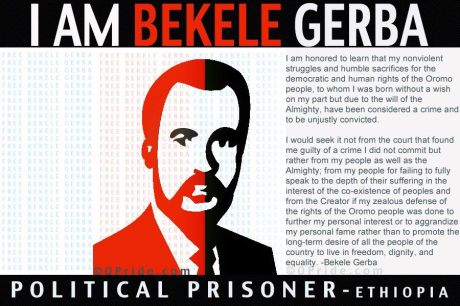
JEL: D2, D6
Death Squad: The Dynamics of State Terror in Oromia
State terror is described as a politically motivated violence, transgression, repression, torture and murder aimed at citizens by authoritarian governments. Jeffrey A. Sluka (2000, p.3) has eloquently defined as:
“State terror refers to the use or the threat of violence by the state or its agents or supporters , particularly against civilian individuals and populations, as a means of political intimidation and control (i.e., a means of repression).”Overwhelming empirical evidence demonstrates state violence has been standard in Abyssinian empire and occupied Oromia in particular.
Researchers have documented that in the end of 19th century alone 5 million Oromos were victims of Abyssinian mass killings. Prominent political leaders, cultural figures, artists, writers and enterpreueners have been murdered. The Oromo sport heroes like Ababba Biqila (during Haile Selassie regime) and Mammo Walde (by Melese regime) were murdered. Who can forget the cold blood murder of singer Ebbisa Adunya by Meles regime killing squad? Who can forget the murder of engineer Tasfahun Camadaa by the same tyrannic state?
Abyssinian rulers has been engaged in state terrorism to maintain the status quo and eliminate the courage and voice for change. Hence, the voice against subjugation has been labelled as terrorism. At present terrorism is a new ideology.
The Oromo society under the Abyssinian system has been regimented by force, fear and intimidiation. There is no recourse to justice. There is no rule of law. The media is wholly controlled by the government, it served to regulate all intellectual, cultural and political activity, and at the same time, to defame the critics and opponents of the ruling regime. There is little room for creative work; the function of art has to be entirely political, the function of a writer no other than that of a partisan. Freedom of Speech, of press, and of association has been systematically curbed. Terror has been employed to enforce obedience. The secret police subjected the dissidents to unscrupulous intimidation and tortures in order to elicit confessions from them. The government is not only annihilated dissidents but also suppressed the opposition within its ruling party. The ruling clique systematically purged the so called anti-peace and narrow nationalists from its rank and file. The Agazi and Liyu Police are conducting systematic mass genocidal killings. Recent research conducted indicates that 0ver 87% of the political prisoners by Ethiopia are Oromo nationals.
https://docs.google.com/file/d/0B-aJwZDI00JQb2RvZmV4Mm5Iamc/edit?pli=1
Reality and Vision: The Way Out
Leo Tolstoy in his masterpiece and one of the greatest novels in any language on the earth, War and Peace put forward the following compelling historical assertions:
‘All historians agree that the external activity of states and nations in their conflicts with one another is expressed in wars and that as a direct result of greater or less success in war the political strength of states and nations increases or decreases. Strange as may be the historical account of how some king or emperor, having quarrelled with another, collects an army, fights his enemy’s army, gains a victory by killing three, five , or ten thousand men, and subjugates a kingdom and an entire nation of several millions, all the facts of history (as far as we know it) confirm the truth of the statement that the greater or lesser success of one army against another is the cause, or at least an essential indication, of an increase or decrease in the strength of a nation – should obliged that whole nation to submit. An army gains a victory, and at once the rights of the conquering nation have increased to the detriment of the defeated. An army has suffered defeat, and at once a people loses its rights in proportion to the severity of the reverse, and if its army suffers a complete defeat the nation is quite subjugated.’
Tolstoy’s logical insight and historical depiction of conquer and conquest well describes the grim realities and experiences of Abyssinian and Oromian saga of 19th and 20th century and also of the present day. As a result of the defeat of the Oromian defence, Oromia has lost its rights and the power of Abyssinia stretched over Oromia to the extent of the destruction of the independent existence of Oromia and its capital Finfinnee.
As a result, the people of Oromia become dehumanised, the conquered and the colonised subject of Abyssinian oppressors. The consequences of this tragedy in development studies are what Wilber (1988) calls ‘convoluted history and convoluted development.’ This can succinctly and elegantly depicted through the Paulo Freire’s (1988) terminology of educational process also known in his world view of the development process of the oppressed as the pedagogy of the oppressed. Development in this framework taken as the recitation, in human history, of the progressive freeing of peoples and nations from the domination of nature, peoples and other nations. Accordingly, in terms of Wilber (1988): ‘Development becomes the means, not the end, for the end is to enhance what people value. Development or growth is desirable only if it is consistence with people’s deepest values.’ Development cum liberation is a means to overcome oppressive and exploitative forces of all kinds. In order to achieve those ‘deepest values’, people who are the subject of the development process have to able to hold these essential key and locus of power of this very process and their density. In the context of Oromia, the lack of holding this essential key kept the country and the people in the present grim nature development process, the underdevelopment or low level development trap.
In Tolstoy’s 19th century trajectory, Russia had to liberate itself from Napoleon (France). In the Trajectory of pedagogy of the oppressed, Freire (1988) : ‘The oppressed, having internalised the image of the oppressor and adopted his guidelines, are fearful of freedom. Freedom would require them to eject this image and replace it with autonomy and responsibility. Freedom is to be acquired by struggle, not by gift. It must be pursued constantly and responsibly. Freedom is not an ideal located outside of man; nor is it an ideal which becomes myth. It is rather indispensable condition for the quest for human completion.’ From both writers, in their evocative delineations of human experiences, we come to understand that the compelling realities of nations like Oromia and its people that they have to empower themselves and do their best to earn their intimate values.
The Critical Minimum Effort: What Role for Oromummaa?
Oromian Freedom Function
Bilisummaa (Freedom) is a positive function of Qabsoo (Struggle) and Tokummaa Oromo (Oromo Unity) (T) and the Spirit of Oromummaa ( here in after the O factor). These three variables together form the minimum critical efforts (MCE) for Bilisummaa. They are not just mere positive factors. Rather they are real causations.
B= f(Q,T,O)
Garbummaa (Subjugation cum slavery), the inverse function of bilisummaa is the positive function of Abyssinian occupation (A), Neo Gobanaa’s factor (N factor) and Lack of Oromo unity(L) and Unoromummaa (U) (lack of the Spirit of Oromummaa). These three variables (ANL) together form the primary factors or causations of Garbummaa.
G= f(A, N, L, U)
Garubummaa (G) is the negation of Bilisummaa (B) and vice versa. The N factor is the negative of the O factor and vice versa.
http://www.unpo.org/article/13167#.TmlG41taQqc.facebook
http://www.gadaa.com/culture.html
Interview with Oromo farmer who was uprooted by TPLF instigated conflict beween Oromos and Ogadenians
‘Waraannii naannoo Soomalii, Oromoo daangaa Soomaletti dhihaattu ammaas weeyrare, namni kumaan lakkaawamu
balaa haarayaaf Saaxilaman. Gabaasaan Mayyu (ona Anniyyaa) irraa nu dhaqqabe akka mirkaneeysutti. Waraannii dhaabbataan
naannoo Soomalii kan Ogaaden fii loltoonni Liyyuu Polis kan Ogaaden keeysatti ummata shoorarkeeysuun beekkame, daangaa naannoo Oromiyaa cabseee, lafa Oromoo Anniyyaa, Mayyuu Muluqee humnaan dhuunfate. Akka gabaasaa tanaatti, torbaan dabre guyyaa
Salaasaa, tuutni loltoota Somalee lamaanuu harka tokko tahanii Oromoorratti waliin bobbahanii jiraattoota Oromoo kanneen naannoo Mayyuuqubatan balaa guddaa irraan gahanii jiran. Gaafa dura humna waraanaatiin dhufanii Oromiyaa dhunfatan, Wayyaaneen Ummata
Oromoo kan amma wayyaba tahe saba xiqqatti deebisuun nidandayama yaada ja’u Mallas dubbatee ture. Sagantaa dabaa, tan ummata Oromoo xiqqeeysuufii lafa isaa dhiphisuu kana hojiirra oolchuuf Wayyaneen, ollaalee Oromiyaa gara hundaan hidhachiiftee Oromoorratti bobbaasaa jirti. Humni Liyyuu Poolis, humna wayyaaneen jaartee hidhachiifte tahuun hubatamaadha. Tarkaanfiin Liyyuu Poolis fii humna waraana Ogaaden kan amma Mayyutti bobbahee kuni Oromoo lafa isarraa buqqisani saba biraa qubsiisuuf sagantaa lafa kaayyame dalagatti
hiikuuf duula walirraa hin cinne tahee jira. Akka kanaan baatii ( ji’a ) jahan dabre baha Oromiyaa kutaa Harar, Oromoota Anniyya, Oromoo Jaarsoo tiifii Oromoo naannoo Mi’eeysoo qubatan lafa isaaniirraa buqqiftee Ogaadenootaafii Issaaf kennanii ummatoota Oromoo fii Soomalee jiddutti xifaa uumani jiran. Baatii April tana keysa, lafa Anniyyaa ona Mayyuu irratti duulli gara Ogaadeniin baname Oromoo kumaatamaan lafa isaa, Mayyurraa buqqisee jira. Oromoon meeshaa,humna waranaatiifii lojistikii (logistics) akka isaanii waan hin qabneef lola itti baname dura dhaabbatuu hin dadeenye. Warri Oromoo Anniyyaa, Jaarsoofii Mieeysoon lolaa jiru kun eenyu faa? 1, Waraana
mootummaa naannoo Soomalii fii,2, waraana addaa ka liyuu police ja’amu, ka wayyaaneen akeeka ykn dalagaa tanaaf qopheeyfatte. Mayyu lafa jidduu Cululiifii laggeen Ereriifii Gobeelle jiddutti argamti. Lafti Mayyu ja’amtu tun hedduu guddoodha. Dheerinni isii kaabaa kibbatti km 350 ni caalti, baharraa dhihatti KM 180 ni caalti. Lola haaraya kanaan Qabeenyi Anniyyarraa a’ame (saamame); Loon 475, Gaala 25 fii Harree 15. Ummanni Oromoo Anniyyaa kan ona isaarraa buqqa’ee Huusetti walitti qabamee jiru 500,000 ni gayan ja’ama. Namoonni taniis ni jira. Lafa qonnaa kani duraan qabaniifii oomisha isaanii akkasumatti dhiisanii biraa baqatan. Ummanni Oromoo qawwee gayaa
hin qaban. Bakka heddutti mootummaanirraa hiiktee jirt. Hanga xiqqaa harkatti hafeef ammoo rasaasa hin qaban. gara geejjibaatiin
akkasumatti ir’ina guddaa qaban. Yeroo kuni tahu Soomalootaafii Wayyaanota hidhannoo fii rasaasni konkolataa, xayyaaraa fii gaalatti
fe’mee jala deema. Karaa biraatiin yoo Oromoon Anniyya humna waraana Soomalee kan ofirraa dhawan OPDOn hidhannoo ni hiikkachiifti.Torbaan dabre yeroo ummanni Oromoo Anniyyaa humna Soomalee ifirraa ittisuuf tattaafate, OPDOn ajaja Wayyaneetiin amoota Oromoo kudhanirraa qawwee hiikanii turan. Balaan ammaa tuni tan Anniyya, Jaarsoo fii Mi’eeyso qofa xiyyeeffattee miti.
Balaan tuni tan Wayyaneedhaan karoorfamte; balaa duguugiinsa shanyiiti. Kanaafuu Oromoon gara hundaan harka walqabatee, duguuginsa
shannyi kan akka ummataatti isaan aaggate kanarraa if eewaluu qaba.’ Source: Oromo social networks, 7th May 2013
“The research and information unit of the Oromo Liberation Front (OLF) has conducted a study on the allegiance that accounted for some political prisoners to be sentenced or otherwise been unjustly detained. The herewith attached partial list of political prisoners has been collected from prisons of Kaliti, Torhailoch (Military Police Prison), Maikelawi and Kilinto. Almost all prisoners are charged for act of terror, violation of territorial integrity, attempts to overthrow the constitutional order by violent means and being suspected member of OLF or any other organizations. These political prisoners are ranging in age from young high school and University students to elderly civic society leaders. Professionally, they are also diverse – from farmers, businessmen, government employees, political leaders, journalists and etc. The overwhelming portions are Oromos and some are also from different nations and nationalities of Ethiopia. Most of these political prisoners already gave prison service for several years; many of them are tortured and subjected to irreversible mental damages, and some of them were shot to death in the course of time. Since the fall of Transitional Government in 1992, Ethiopian authorities continued to severely restrict basic rights of freedom of expression, association, and assembly. Violation of human rights is a daily record of the regime. Instead of solving the root cause of political conflict, it rather declared war on the Oromo people and its vanguard Organisation, the OLF. Consequently, many thousands of Oromos and other nationals were arbitrarily arrested and detained and remain at risk of torture, ill-treatment and extrajudicial killings. Many of them were executed during peaceful demonstrations due to excessive use of force by police or security agents. The TPLF regime promulgated and adopted the restrictive Anti-Terrorism Proclamation in 2009. This regime, which from its very initial, was known for its massive human rights violations is currently using this law to justify all atrocities it conducted. In this attempt to hood wink opinions of the international community, the EPRDF regime is still trying to make others believe that the current problem of the empire is act of terror but not deep rooted political conflict of domination. The OLF vehemently opposes any forms of terrorism and reject the use of terrorism neither as a form of struggle nor also for suppression of dissidents by states. Thus, we denounce the Ethiopian state terrorism that is used to crush any form of struggle and decent. OLF is cognizant of, and appreciate the concern of various human rights advocating organizations and some democratic governments that expressed their concerns about Anti-Terrorism, Press and Civic society laws of Ethiopia on various international forums. In a country like Ethiopia where the government structure is monopolized by a single ethnic group, legalizing the abuse of the universal human rights is a way that leads for the establishment of a totalitarian system which is more sustaining than a simple personal dictatorship. Therefore, OLF alarms that the dangerous political development sustaining over Ethiopia demands more than just a concern but towards a proactive action of the international communities and UN member states. We denounce legalized form of state terrorism and call up on the international community to exert diplomatic pressure on Ethiopian government to release all political prisoners unconditionally and repeal these brutal and repressive laws.”
‘The study confirms that there is clear nexus between authoritarian rule,
man-made famines, and genocide in Ethiopia.’
http://www.codesria.org/IMG/pdf/Mekuria_Bulcha.pdf
Copyright © 2013 & Oromia Quarterly 1997-2013, all rights are reserved. Disclaimer.
Related articles
- A Mafia Paradise – the Ethiopian Empire (odaakoo.wordpress.com)
- Ethiopia: Academic Institutions Are Meant to Teach; Not to Serve As Political Tools (freedomfororomo.wordpress.com)
- Imposing Apartheid Like Segregation in the Name of Development (oromoland.wordpress.com)
- Development and Investment as a Reason for Land Grabbing in Oromia from the Farmers (freedomfororomo.wordpress.com)
- Government Corruption, Exploitation of Indigenous Peoples and Environmental Disasters: The Case of Yayo Oromia Deforestation (oromianeconomist.wordpress.com)
- Oromia: Mass Media Under Arrest – World Press Freedom Day (freedomfororomo.wordpress.com)
- Oromia Mass Media Under Arrest (advocacy4oromia.org)
- Ethiopia: Loss of Lives and Displacement Due to “Border Dispute” in Eastern Ethiopia (freedomfororomo.wordpress.com)
- The Ordeal of Legendary Oromo Artist Fayessa Furi (freedomfororomo.wordpress.com)
- Unsettling Patterns of Genocidal Massacres Against Oromo in Oromia, Ethiopia (advocacy4oromia.org)
WHy The Aid To Africa Has Failed? December 1, 2013
Posted by OromianEconomist in Africa, Aid to Africa, Corruption, Development, Dictatorship, Economics, Economics: Development Theory and Policy applications, Oromia, Oromiyaa, Oromo, Oromo Culture, Oromo Identity, The Colonizing Structure & The Development Problems of Oromia, Uncategorized.Tags: Africa, African Studies, Aid to Africa, Developing country, Development, Development and Change, Economic, Economic growth, Horn of Africa, Human rights, Oromia, Oromo, Oromo people, Sub-Saharan Africa
add a comment
“Never mind that Africa receives roughly $50 billion in aid annually from foreign governments, and perhaps $13 billion more from private philanthropic institutions, according to Penta’s estimate. Never mind that Angola’s oil revenues are around $72 billion, and Nigeria’s $95 billion; that Africa boasts at least 55 verified and somewhat detached billionaires. I can testify that Africa is much worse off than when I first went there 50 years ago to teach English: poorer, sicker, less educated, and more badly governed. It seems that much of the aid has made things worse.”
Here is in the following the renowned author Paul Theroux discusses why Africa’s aid industry is in a mess. For the details and original source please refer to:
‘In its naked reality, Africa, the greenest continent, is still the most beautiful, the least developed, the wildest on earth. Vast plains, big animals, hospitable people, who have been enslaved, sidelined, colonized, and converted willy-nilly either to Christianity or Islam. This receptive amphitheater of goodwill and big game, inspires megalomania among its foreign visitors who strut upon it — it has always done so, for those who seek the singularity of a little excitement and glory. I sometimes think that if the poorer counties of America’s Deep South had rhinos and elephants, instead of raccoons and possums, the philanthropists might direct their attentions to those parts, too.A rich white donor in black Africa is a study in high contrast that puts one in mind of the gallery of role models: Tarzan, Mr. Kurtz, King Leopold, Cecil Rhodes, Livingstone, Mrs. Jellyby, Albert Schweitzer, Hemingway, Henderson the Rain King: the overlords, the opportunists, the exploiters, the visionaries, the hunters, the care-givers, the baptizers, the saviors, all of them preaching the gospel of reform and seeking a kingdom of their own, if not an empire.Henry David Thoreau, the 19th-century American author, believed that all such outgoing people had something discreditable in their past that through giving they aimed to expiate. And all are characterized by the rather touching innocence of a billionaire faced with the brutal truth that the relative simplicity of acquiring wealth is nothing compared to the extreme difficulty of giving money away, for the common good.’
‘The real helpers are not the schemers and grandstanders of the eponymous family foundations or charities; they are nameless ill-paid volunteers who spend years in the bush, learning the language and helping in small-scale manageable projects, digging wells, training mid-wives, teaching villagers that unprotected sex spreads HIV; and among these stalwarts are the long-serving teachers who have liberated Africans by simply teaching them English, and are still doing so, even as they make the local governments lazier. The so-called White Fathers (the Society of Missionaries of Africa) I met in Malawi who ran upcountry clinics used to say, “I guess I’ll be buried here.” No one ever says that now, and significantly none of the people I spoke with for this piece ever expressed a wish to spend any serious length of time in Africa. None speaks an African language. To the detriment of their aims, they are on better terms with the African politicians than the common ruck of African people. Years living simply on the ground in Africa convinced me that there was more for me to learn from Africans than to teach. I saw there were many satisfactions in the lives of people who were apparently poor; many deficits in the lives of the very wealthy. I saw that African families were large and complex and interdependent; that old age was revered, that Africa’s link to the distant past — to the dawn of the world — was something marvelous and still intact in many places. Most of all, I was impressed by the self-sufficiency of ordinary people. Without much in the way of outside help, the people in the countries I knew managed to endure, usually through the simplest traditional means, and finally to prevail. Africa has the schools, the money and the resources to fix its own problems; it’s appalling to think of donors telling them otherwise, of the whole continent terminally indebted and living on handouts.’
‘Never mind that Africa receives roughly $50 billion in aid annually from foreign governments, and perhaps $13 billion more from private philanthropic institutions, according to Penta’s estimate. Never mind that Angola’s oil revenues are around $72 billion, and Nigeria’s $95 billion; that Africa boasts at least 55 verified and somewhat detached billionaires. I can testify that Africa is much worse off than when I first went there 50 years ago to teach English: poorer, sicker, less educated, and more badly governed. It seems that much of the aid has made things worse. I am not alone observing this fact. In his new book, The Great Escape: Health, Wealth, and the Origins of Inequality, economist Angus Deaton questions the usefulness of all aid, and describes how the greater proportion of the world’s poor are found not in Africa but in the booming, yet radically unequal, economies of China and India. Zambian-born economist Dambisa Moyo calls aid a “debilitating drug,” arguing that “real per-capita income [in Africa] today is lower than it was in the 1970s, and more than 50% of the population — over 350 million people — live on less than a dollar a day, a figure that has nearly doubled in two decades.” The Kenyan economist James Shikwati takes this same line on aid, famously telling the German magazine Der Spiegel, “For God’s sake, please stop.” There have, of course, been a few successes. For all his faults, Bill Clinton’s strong-arming of pharmaceutical companies to lower the price of one-a-day AIDS medications, to less than a dollar per pill, has delivered real relief to Africa’s most vulnerable. But we also need to be honest about such grandiose ambitions: Most fail. (For lessons on what to avoid and what to do in order to execute effective philanthropy in Africa, see the box at end of story.) The most recent example of a Westerner running amok in Africa appears to be the celebrity-economist Jeffrey Sachs and his $120 million effort to end extreme poverty there. Nina Munk documents in her book The Idealist (see Penta Sept. 12) how, among other things, Sachs’ Millennium Villages Project poured $2.5 million over three years into a sparsely populated community of nomadic camel herders in Dertu, Kenya, and trumpeted its success. In actual fact, the charity’s paid-for latrines became clogged and overflowing, the dormitories it erected quickly fell into disrepair, and the livestock market it built ignored local nomadic customs and was closed within a few months. An incensed Dertu citizen filed a 15-point written complaint against Sachs’s operation, claiming it “created dependence” and that “the project is supposed to be bottom top approached but it is visa [sic] versa.” ‘
African Philanthropy Done Right
Foundation Source is the philanthropic advisor and partner to over 1,100 family foundations. Penta asked the organization’s chief philanthropic officer, Page Snow, to provide some basic guidelines on how to successfully execute philanthropic projects in Africa. Her advice:
“Beware the panacea. Millions of dollars are wasted on overly ambitious projects claiming to be a ‘killer app.” Projects that employ tried-and-true interventions, narrower in scope, usually have far greater impact. Demand responsible management. Ask tough questions if money is flowing into a charity, but isn’t flowing out to charitable causes. Avoid duplication. Be aware of other efforts already on the ground and make sure that your program isn’t a wasteful repeat but, preferably, leverages off what’s there. Support local, sustainable solutions. Avoid short term fixes by always seeking input from locals; plan for them to run the project on their own in the long-run. Beware of poor infrastructure projects. Make sure wells are dug where they’re actually needed, that the bridges and roads are integrated into existing plans by government or other NGOs.Use technology intelligently. Over 90% of households across sub-Saharan Africa don’t have access to electricity for their everyday needs, let alone power for laptops. Make sure locals have the skills, resources, and necessary tools to keep tech-dependent elements of your philanthropic project running. Be prepared to face corruption. Even when a project has been granted governmental approvals, there’s no guarantee of official cooperation; corruption and regional conflicts pose considerable challenges. Be culturally appropriate. Put on your anthropologist’s hat. Africans have their own process for dealing with grief and loss; Western-style grief counselors following a natural disaster or war aren’t appropriate.”
Copyright © Oromianeconomist 2013 and Oromia Quarterly 1997-2013. All rights reserved . Disclaimer.
Culture, Identity and the roles of Women in Oromo Society November 28, 2013
Posted by OromianEconomist in Culture, Humanity and Social Civilization, Kemetic Ancient African Culture, Oromia, Oromiyaa, Oromo, Oromo Culture, Oromo Identity, Oromo Nation, Oromo Social System, Uncategorized.Tags: African culture, African Studies, Ancient time, Democratic African institution, Development and Change, Gadaa System
1 comment so far

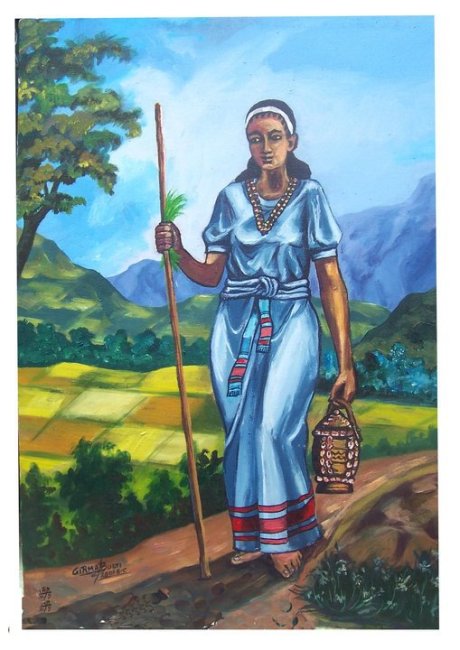
‘Oromo society views women as the dominant creators and assimilators of cultural symbols. At this time, women were independently creating their own material expressions based on the emerging nationalist consciousness sweeping the Oromo countryside, and these practices continue today through the manipulation of new materials in the production of upper torso body art. Oromo women’s dress is most closely associated with the lower body and its association with procreation.’
http://www.creative8studios.com/oromia/
Copyright © Oromianeconomist 2013 and Oromia Quarterly 1997-2013. All rights reserved. Disclaimer.
Saudi Arabia’s Extreme Brutality Against Migrants From Oromia And Other East African Nationals November 28, 2013
Posted by OromianEconomist in Africa, Colonizing Structure, Corruption, Domestic Workers, Human Traffickings, Oromo, Oromo Nation, Saudi Arabia, Slavery, The Colonizing Structure & The Development Problems of Oromia, Tyranny, Uncategorized.Tags: Africa, Domestic Workers, economics, Genocide against the Oromo, Human rights violations, Human Traffickings, Land grabs in Africa, Migrant Workers, Migrants in the Gulf States, Oromia, Oromo, Oromo people, Saudi Arabia, Tyranny
add a comment



HRLHA Appeal and Urgent Action
November 13, 2013
For Immediate Release
Honorable ABDULLAH bin Abdulaziz Al Saud, King of Saudi Arabia;
Custodian of the Two Holy Mosques
Riyadh, Royal Court: 1-488-2222, Jeddah: 2-665-4233
Taif: 2-736-5200, Makkah: 2-823-4111, Madinah: 4-857-2500
His Majesty King Abdullah bin Abdulaziz,
Upon the expiration of the three months extended deadline for migrant workers to renew their
residency and employment status ( November 4, 2013), thousands of migrant workers in Saudi Arabia
most of whom believed to be from Ethiopia were apprehended in various regions of the Kingdom by
Ministry of Labor inspection squads formed for this purpose under the pretext of flushing out workers
who violate rules regarding work and residency permits.
The most victimized of the raids to flush out illegal workers were the free visa holder migrant
workers of Ethiopian Origins. ‘Free visa’ holders are considered among the most exploited, lowest paid
and abused workforce in Saudi Arabia. The sponsor, who keeps the worker’s passport and other travel
documents with him/her, plays a crucial role in the worker’s life. All dealings with the government such
as renewal of ‘iqama’ or residency permit are through the sponsor. Sources from the capital city, Riyadh,
reported that among the total of 28000 surrounded migrants , authorities detained around 16,500 migrant
workers in the first four days (November 5 – 9, 2013) in a nationwide crackdown across seven provinces
The Saudi officials confirmed that among the seven provinces nearly half of the migrants were arrested near the southern border with Yemen and in Mecca where some Muslims stay on illegally after their pilgrimage.
Though the police officials in the capital city claim that the security forces killed the African
migrant worker in el-Manhoufa because he and others tried to resist arrest, the information from the
migrants and from the publicly released video confirmed that the three Ethiopians killed were murdered
by the brutal action of police. Among the victims was Umere Abdurahiman Ali , 24 an Oromo national
from Ethiopia who was gunned down on November 5.
After the crackdown resumed, more than 10 Ethiopians were killed and thrown into the bush and eaten by
hyenas. Your Majesty, the government of Saudi Arabia has an international obligation to treat a person
who finds him/herself inside the borders of Saudi Arabia according to International law. The Universal
declaration of Human Rights and International conventions on the protection of the rights of all migrant
workers and members of their families Article 9 & 10, states “The right to life of migrant workers and
members of their families shall be protected by law”, “no migrant worker or member of his or her family
shall be subjected to torture or to cruel, inhuman or degrading treatment or punishment” respectively. In case these migrant workers are illegal, they should be treated as human beings with human dignity and deported in a civilized manner to the destination of their choice.
The Human Rights League of the Horn of Africa calls upon all world community, UN member
states, International Civic and humanitarian Organizations and diplomatic communities and agencies to
exert pressure on the Saudi Arabian government so that it discloses the whereabouts and the current
situations of the confined migrant workers, and compensates the victims for their loss and renews their
status. The HRLHA also calls on the Saudi Arabian government to sign all international covenants and
treaties that it hasn’t yet signed.
RECOMMENDED ACTION: Please send appeals to
The Honorable ABDULLAH bin Abdulaziz Al Saud, King of Saudi Arabia and other concerned Saudi
Arabian government officials and to diplomatic representatives of Saudi Arabia who are accredited to
your country as swiftly as possible, in English, Arabic, or your own language expressing:
Your concern regarding the apprehension and possible torture of the citizens who are being held in
different detention centers; and calling for their immediate and unconditional release;
urging the Saudi Government authorities to ensure that these detainees are treated in accordance with
the regional and international standards on the treatment of prisoners,
Adhere to international conventions on the protection of the rights of all migrant workers and
members of their families to bring to justice those Police and Security agents who committed crimes against innocent
civilians by using excessive force.
To:
HRH Crown Prince Salman bin Abdulaziz Al-Saud:
Deputy Prime Minister and Ministry of Defense
Airport Road, Riyadh 11165
TEL : 1-478-5900/1-477-7313 FAX: 1-401-1336
Jeddah Office TEL: 2-665-2400
Web site: http://www.moda.gov.sa/
SAUD al-Faysal bin Abd al-Aziz Al Saud :
Ministry of Foreign Affairs
Nasseriya Street, Riyadh 11124
TEL: 1-406-7777/1-441-6836 FAX: 1-403-0159
Jeddah Office TEL: 2-669-0900
web site http://www.mofa.gov.sa/
AHMAD bin Abd al-Aziz Al Saud:
Ministry of Interior
PO Box 2933, Riyadh 11134
TEL : 1-401-1944 FAX : 1-403-1185
Jeddah Office TEL: 2-687-232
web site: http://www.moi.gov.sa/
Muhammad bin Abd al-Karim bin Abd al-Aziz al-ISA :
Ministry of Justice
University Street, Riyadh 11137
TEL : 1-405-7777/1-405-5399
Jeddah Office TEL: 2-665-0857
web site: http://www.moj.gov.sa/
Copied To
League of Arab States Headquarters
His Excellency Dr. Nabil El Araby, Secretary Genral
Egypt Cairo – Secretariat –Tahrir Square
Telephone: 5752966 – 5750511
Fax: 5740331 – 5761017
PO. Box: 11642
• Office of the High Commissioner for Human Rights
United Nations Office at Geneva 1211 Geneva 10, Switzerland
Fax: + 41 22 917 9022 (particularly for urgent matters) E-mail: tb-petitions@ohchr.org
• African Commission on Human and Peoples’ Rights (ACHPR)
48 Kairaba Avenue, P.O.Box 673, Banjul, Gambia
Tel: (220) 4392 962 , 4372070, 4377721 – 23 Fax: (220) 4390 764
E-mail: achpr@achpr.org
• U.S. Department of State
Laura Hruby
Ethiopia Desk Officer
Tel: (202) 647-6473, HrubyLP@state.gov
Foreign Affairs, Trade and Development Canada
125 Sussex Drive
Ottawa, ON
K1A 0G2
Tel: 1-800-267-8376 (toll-free in Canada), 613-944-4000
• Amnesty International – London
Clairy Beston ( Clairy or Claire?)
Telephone: +44-20-74135500
Fax number: +44-20-79561157
HRLHA is a non-political organization (with the UN Economic and Social Council – (ECOSOC) Consultative Status) which attempts to
challenge abuses of human rights of the people of various nations and nationalities in the Horn of Africa.
Tel: (647) 280 7062, E-Mail: hrldirector@mail.org, Web site: http://www.humanrightsleague.com
Click to access grnovSaudi-HRLHA-UA.pdf
The following is a letter from Ob. Mardaasa Addisu, Secretary of the Macha Tulama Cooperative and Development Association, USA.
——————
November 11, 2013
Dear Prince Naif Ibn Abdul Aziz Al-Saud
Ministry of Interior
Kingdom of Saudi Arabia
Minister of Agriculture
Kingdom of Saudi Arabia
My name is Mardaasa Addisu, an Oromo American, who is part of an international group advocating for Oromo rights. The Oromo people are an ethnic group that makes up 50% of the population in Ethiopia, but are being persecuted by the Tigrayan dictatorship. The Abyssinians (Tigray and Amhara) have committed genocide on all Cushitic people to acquire resources and reduce the indigenous populations. As a result, Oromo (and all other Cushitic people) are displaced in mass numbers around the World. More than 40% of Oromo are Muslim, with some seeking refugee in the Middle East, particularly Saudi Arabia. Many flee persecution in Ethiopia in hopes of finding refuge whereby they can practice their faith without government interference. We are aware that a large number of people are also using the Ethiopian domestic labor agencies to reach Saudi Arabia. Recently, Oromo advocates learned of your government ending the Kafala System of sponsorship for labor, which is believed to bypass Saudi Labor laws. Human Rights Watch has been critical of the Kafala System in recent times stating: “Saudi Arabia should get serious about regularizing the status of its workers and do away with an abusive labour systems that force migrants into illegal employment .” http://gadaa.com/oduu/22981/2013/11/12/macha-tulama-cooperative-and-development-association-usa-letter-on-attack-on-refugees-and-laborers-including-oromo-in-the-kingdom-of-saudi-arabia/
Ob. Jawar Mohammed on the ongoing assaults on immigrants in the Gulf State and how to end the Oromo national homelessness:
‘The savage mobocratic attack on our people in Saudi Arabia is the culmination of the horrific stories of abuses we have been hearing over the last several years. From Alem Dachasa’s heartwrenching death in Lebanon in 2012 to the weekly news of maids killed by their employers in almost all Gulf countries to the mass-scale attacks perpetrated by the Saudi police and mobs, we are observing a worsening of the situation for our people in the region. There appears to be three factors at play leading to this escalation. First, particularly in the Saudi case, instead of taking responsibilities for the extravagant waste of resources and unproductive economic policies that have resulted in the growing rate of unemployment, the Saudi government and media have been spreading blames on migrants taking away jobs. Consequently, the Saudi public has come to associate their economic hardship with ‘invasion of foreigners’ as their media like to frame the issue. Second, due to oppressive regimes that rule through exclusivist and exploitative economic conditions, the number of our refugees crossing the Red Sea has skyrocketed. The UNCHR reports show that between 100,000-120,000 refugees enter Yemen every year. Most, if not all, of these refugees aim their final destination to be Saudi Arabia. Third, that part of the world is still stuck in medieval racist views. Even before the latest xenophobic campaigns, they have been known for being cruel towards African migrants, particularly. I have heard endless tales of horrific racist rants and physical attacks against maids and laborers by their employers, the police and ordinary folks on the street. In fact, I can attest from experience that even the ‘most enlightened’ of them: diplomats, businessmen, students and princes still have a shockingly Darwinian view of humanity. The racism in that part of the world cannot be denied or excused. Its ugly face and nasty brutality are out there in full display. The latest racist outburst is nothing but a public display of what they have been subjecting our brothers and sisters in seclusion in their houses. I anticipate each of these three factors to get worse in the near future. The social and political upheaval in the region following the Arab Spring, and the expected downward spiral of the economy are likely to further fuel xenophobia as regimes will continue to rely on externalizing internal these problems to remain in power. Sadly, I cannot foresee lots of practical solutions. For instance, the humanitarian approach (advocacy and refugee service type) is unlikely to work because the Saudis just do not have room for civil societies. A person I know tried to set up a shelter for the battered maids, but he spent over a year trying to get some sort of permit to no avail. One official actually told him in plain language that they had no law for such a permit. He then decided to host some of the worst affected in house he rented. An employer of one of the battered women, the very person who brutalized her, found out the place after extracting confession by torturing her friend. He then brought the police, which raided the place, arrested the Good Samaritan, returned some of the women to their tormenting employers and deported the rest. Even during the latest crisis, an elderly person who has lived there for over 40 years and supposedly well known to the authorities, went to appeal to the government to stop the violence. Instead of heeding to his plea, he was beaten up by the officials, arrested and awaiting deportation (despite having all the legal papers). The other alternative, and perhaps more effective way, of helping them would have been the diplomatic channel. After the beheading of an Indonesian woman few years back, Jakarta responded strongly by threatening to severe economic and political ties. The Saudis gave in to the pressure, releasing hundreds of Indonesians from detentions. During the recent attack on migrants, Indonesians are said to be the least affected. However, when we come to the Ethiopian government, we are observing a reaction that borders endorsing the Saudi policy of mass violence. The foreign ministry and its diplomats downplayed the severity by blaming on social media’s exaggeration; they even tried to justify the crackdown saying the targets are only illegal immigrants. Notwithstanding the fact that the attack did not make such differentiation, whether they went there legally or illegally, a government has a solemn duty to stand up and defend its citizens, particularly when they come under attack by foreigners. Then, why is the Ethiopian government cozying up to the Saudis instead of siding with the victims? This could be attributed to multitude of factors. First, over last year, the relationship between the Ethiopian regime and the Saudi-based immigrants has deteriorated. Triggered by the protest over violations of religious freedom, the immigrant community stood firm against the regime – refusing to buy and disrupting the so-called Abbay Bond sell. Hence, it’s understandable that the regime has little love for them. In fact, the regime stands to benefit from destabilization of such resourceful and near-to-home Diaspora that is increasingly falling into the opposition’s side. This is what’s consular officers have been signaling to elders who went to speak with them. Second, we shall recall the report that the Ethiopian rulers have reached an agreement with the Saudi government to send 45,000 maids ‘legally.’ Hence, the displacement of the rebellious ‘illegals’ will make room for the new ones who – because they will be recruited, vetted monitored by the regime’s agencies while in Saudi – are less likely to stand against it. Finally, the vast majority of these brutalized refugees are Oromos (it is estimated that over half a million Oromo refugees reside in the Gulf States). The severity of the refugee crisis the Oromo nation is facing — from North Africa to South Africa, Kenya and the Middle East — is indicative of the severity of the repression and exploitation going on in our country. The past colonizers reduced our people to servitude. Back then, our people at least remained on their land even though they were robbed of most of their production. Today, our people are dispossessed of even that plot of land as the occupiers are giving it to their own and selling it to foreigners. Millions are internally displaced and have become urban squatters. Hundreds of thousands flee every year to escape political persecution and save their family from starvation by risking certain death while crossing the Red Sea and the African deserts. Put simply, as a nation, we have become homeless. No amount of humanitarian outreach and lobbying foreign charity can solve this problem for us. We could ask foreign powers and do-gooders to throw us blankets to survive the cold, and leftover food to get by. But, we will still be back to the same destitution the next day or the one after. The only and lasting solution to this humiliating national homelessness is to take back our homeland. This fact must sink.’ Ob. Jawar Mohammed
http://gadaa.com/oduu/22990/2013/11/14/ob-jawar-mohammed-on-the-ongoing-assaults-on-immigrants-in-the-gulf-states-we-must-take-back-our-homeland-to-end-the-oromo-national-homelessness/
http://gadaa.com/oduu/22984/2013/11/13/lubbuun-biyyatti-galuu-qofa-feena/
‘Despite the hullabaloo about its miraculous economic growth, Ethiopia’s pervasive youth unemployment, lack of economic and political freedom, differential access togovernment jobs, and the promise of a better life overseas are forcing hundreds of young people to take dangerous trips to the Gulf region every year. This has especially affected Oromos and other minority ethnic groups in Ethiopia. Half of the migrants in Saudi Arabia are believed to be Oromos.
Two of the three women who were stranded at the Muscat Airport for more than 48 hours in February were Oromos. One of them, a young girl from Assela said she was 20 but looked much younger. These women make up approximately 20,000 “Ethiopians” in Oman. On my return flight last April, over a hundred women were being returned to Ethiopia. A few that I approached spoke fluent Oromo.’ http://www.opride.com/oromsis/news/horn-of-africa/3719-from-one-hell-to-the-next-and-back-the-plight-of-ethiopian-migrants-in-gulf-states
“The entire system by which Saudi Arabia regulates foreign labor is failing.”
“These people have worked in this country and their blood is in the stones and buildings….You cannot just, like that, force them out.”
Garbage is piling up on streets around the mosque housing the burial site of the Prophet Muhammad. Grocery stores have shut their doors and almost half of Saudi Arabia’s small construction firms have stopped working on projects.
The mess is because foreign workers on which many businesses rely are fleeing, have gone into hiding or are under arrest amid a crackdown launched Nov. 4 targeting the kingdom’s 9 million migrant laborers. Decades of lax immigration enforcement allowed migrants to take low-wage manual, clerical and service jobs that the kingdom’s own citizens shunned for better paying, more comfortable work.
Now, authorities say booting out migrant workers will open more jobs for citizens, at a time when unemployment among Saudis is running at 12.1 percent as of the end of last year, according to the International Monetary Fund. But the nationalist fervor driving the crackdown risks making migrant workers vulnerable to vigilante attacks by Saudis fed up with the seemingly endless stream of foreigners in their country.
Since the Saudi government began issuing warnings earlier this year, hundreds of thousands of foreign workers have been deported, though some were able to avoid arrest by getting proper visas in an amnesty program. That amnesty ended last week, and some 33,000 people have since been placed behind bars. Others have gone into hiding.
With fewer people to do the job, the state-backed Saudi Gazette reported that 20,000 schools are without janitors. Others are without school bus drivers. Garbage became so noticeable around the mosque housing the Prophet Muhammad’s tomb that a top city official in Medina helped sweep the streets, the state-backed Arab News website reported.
About 40 percent of small construction firms in the kingdom also have stopped work because their foreign workers couldn’t get proper visas in time, Khalaf al-Otaibi, president of the World Federation of Trade, Industry and Economics in the Middle East, told Arab News.
Saudis say dozens of businesses like bakeries, supermarkets, gas stations and cafes are now closed. They say prices have also soared for services from mechanics, plumbers and electricians.
Adam Coogle, a Middle East researcher for Human Rights Watch, told The Associated Press that if the kingdom wants to be serious about the problem, authorities should look at the labor laws and not at the workers. Saudi Arabia’s sponsorship system, under which foreign laborers work in the kingdom, gives employers say over whether or not a foreigner can leave the country or change jobs, forcing many into illegal employment.
“The entire system by which Saudi Arabia regulates foreign labor is failing,” he said.
The owner of a multi-million dollar construction company in the Saudi capital, Riyadh, said he had to halt all of his projects. He told the AP he was not the legal sponsor of most of his laborers but that they made more money working as freelance hires.
“These people have worked in this country and their blood is in the stones and buildings,” he said, speaking anonymously for fear of government reprisal. “You cannot just, like that, force them out.”
Despite feeling the loss of the everyday work the foreign laborers provided, Saudis largely have cheered on the police. Residents have taken matters into their own hands on several occasions, despite police calling on the public not to make citizen arrests.
http://abcnews.go.com/International/wireStory/saudi-migrant-crackdown-closes-shops-raises-fears-20884516?page=2

MAAF GARAA JABAATTA??
Giddu gala bahaa dachii arabootaa
Ilmaan oromootti maaf garaa jabaattaa?
Nuun dhiiga qulqulluu hameenya hin qabnu
Biyya ormaa dhufnee biyya keenya hin jennu
Carraaqachuu dhufne biyya irraa godaannee
Mirga dhabne malee nuti biyya hin dhabnee
Osoo biyya qabnuu dirqiin manaa baanee
Gammoojjii jibuutii keessatti gubannee
Beelaa fi dhukkubaan hedduu gaagaa’amnee
Gariin bishaan nyaatee kaan qurxummiin quufee
Kaan cirracha yaman gubbaarratti kufee
Hambaa waa xiqqootu bineensa iraa hafee
Oromoo xiqqootu carraaqachuuf dhufee
Maarree ati maalif garaan si jabaataa?
Hiyyeessa lammii koo maalif galaafattaa?
Nuti sirra hin teenyu sirraa galuu yaanna
Waan cacarraaqanne guduunfannee baana
Lakkii nu qusadhu yaa dachii nageenyaa
Carraaqachuu qofa nuti kaayyoon keenyaa
Mee suuta jedhiitii addaan nu baafadhu
Eenyu akka taane sirriitti hubadhu
Duraanuu beekamna nuti hammeenya hin qabnu
Quba afaan nu ka’an tasuma hin ciniinnu
Kana miti beeka saudii seenaan kee
Nageenya jaallatta jechuuttin si beekee
Harra eessaa fiddee jijjiirte amala kee
Kun waa kan kee miti,kan biraa si booda jiraachuusaan shakkee!!!
Nu fe’adhaa jennee nu fe’achaa jirtu
Teenyee nyaachaa hn jirru ijaan ni agartu
Naamusaan bobbaanee galaa jirra nuti
Maalif lubbuun keenya badii malee baati
Warra dhalootumaan badii malee hin beekne
Warreen hiddi isaanii shira malee hin qabne
Maalif isaan waliin wal nu fakkeesitan
Nuti oromoo dha!! Habashoota waliin maaf waliin nu maktan?
Badii nam tokkootiif hunda maaf yakkitan
Habashoonni duruu qa’ee namaa dhaquun
Aadaa isaaniiti biyya namaa jeequun
Nuti oromoodha nu hubachuu qabdu
Jennee osoo himnuu maaf waliin nu dhiibdu?
Erga “nurraa ba’aa” afaaniin jettanii
Saba badii hin qabne erga yakkitanii
Nagaadhaan nuuf ergi oromoo hin miidhinii
Cal,cal,jennaan nuti sodaa hin fakkaatinii
Adaba godhadhaa yoo nagaa feetanii!!!!!!!
Seena Abdiissaa, on Facebook
Ethiopian police crackdown on anti-Saudi Arabia protest following migrant worker attacks

Foreign workers wait before boarding police buses transferring them to an assembly centre prior to their deportation on November 14, 2013 in Riyadh (AFP, Fayez Nureldine)
November 15, 2013, ADDIS ABABA, ETHIOPIA (AP) – Ethiopian police have used force to disperse hundreds of people protesting against targeted attacks on Ethiopians in Saudi Arabia. Police units Friday blocked roads to prevent the protest at Saudi Arabia Embassy from growing. Some two dozen people were detained. The police forced some journalists to delete photos. The government’s spokesman, Shimelis Kemal, wasn’t immediately available for comment.
One protester, Asfaw Michael, who was beaten, said he didn’t understand why Ethiopia wanted to shield Saudi Arabia from the protest.Many foreign workers in Saudi Arabia are fleeing or are under arrest amid a crackdown on the kingdom’s 9 million migrant laborers. Close to 500 Ethiopians have been repatriated. Last weekend, Saudi residents fought with Ethiopians. Video emerged of a crowd dragging an Ethiopian from his house and beating him. http://ayyaantuu.com/horn-of-africa-news/ethiopia/ethiopian-police-crackdown-anti-saudi-arabia-protest-following-migrant-worker-attacks/

Photo: at Finfinnee (Addis Ababa), Oromia
Arrests at anti-Saudi protest in Ethiopia |
Police crackdown on demonstrations against targetedattacks on Ethiopian migrant workers in Saudi Arabia.http://www.aljazeera.com/news/africa/2013/11/arrests-at-anti-saudi-protest-ethiopia-201311151464025832.html#.UoZ3WGaXZwg.twitter |
“It is rare to come across any other nationality groups like the Oromo from the Horn of Africa who are as subjected to overwhelming abuses at home under subjugation and occupation and overseas as refugees with no safe haven. From destructiveevents developing at unprecedented rate in Oromia and in countries of exile, we can observe that the Oromo people are facing a greater danger to their survival as a group and as individuals from Ethiopia to Saudi Arabia, Yemen to Libya, Somaliland to Kenya and everywhere in between. We hear of increasingly darker and gorier circumstances our people find themselves in every passing day. The recent crackdown in Saudi Arabia on immigrants and refugees from Oromia and Ethiopia and this Qeerroo report on massive rights abuses inside Oromia from 2012-2013 demonstrate just how much fragile, weak and endangered the Oromo species has become everywhere. The suffering is obviously enormous, but the local and global voices conveying these sufferings are tragically dwindled or hijacked. It behooves every concerned Oromo to pause and think: where are we headed as a people? And it is necessary that every Oromo political and economic organization rethinks home-based, Oromia, approaches to preventing the slow extinction of this species from the face of the earth. “
Joint Statement of OSA and Oromo Community Associations in NA
Regarding Situation of Oromo Migrant Workers, and Refugees in KSA
Dear Oromo People in Oromiya /Ethiopia, KSA and all the Oromo Diaspora Communities:
The Oromo Studies Association released this joint statement with Oromo Community Associations in North America regarding the situation of Oromo and other Ethiopian Refugees, Asylum Seekers and and Migrant Workers from Ethiopia. We heard and observed with disbelief and a profound sense of grief the awful news coming from Saudi Arabia. The graphic images and videos of indiscriminate beatings of defenseless immigrant workers, ostensibly at the hands of Saudi Arabian law enforcement officials and vigilantes, has clearly shocked and enraged us. Law enforcement officials have randomly rounded up, kept tens of thousands of the immigrants in concentration camp-type facilities, and deported many thousands more to Ethiopia without regard to individual cases and needs. Read more
OSA Letter Requesting the Correction of Erroneous Oromo Language Classifications Published on Citizenship and Immigration Canada (CIC) Website
“All along the successive Ethiopian regimes, including the current regime, have embarked on deliberate and systematic campaigns of misinformation about the Oromo people, its language and culture in order to sustain the subjugation of the Oromo people. Volumes of propaganda literatures have been written that are designed to de-humanize the people, ridicule its culture and deliberately fabricate artificial linguistic classifications among inhabitants of the various regions of Oromiya. The ultimate goal of such campaigns is to create false stories designed to weaken the unity of the Oromo people and to misinform the international community who would rely on these propaganda literatures for information on Oromo issues. We suspect the sources for the CIC’s Oromo language classification is directly based on such literatures or it is based on some genuine independent works that might have been influenced by the former. For instance, the World Languages, a Virginia-based language organization that provides information on world languages to government agencies and businesses, erroneously classifies Afaan Oromo (Oromo language) into three regions; Western, Eastern and Southern Oromo languages.” Read more
http://www.ethiotube.net/video/28483/Must-Watch
Copyright © Oromianeconomist 2013 and Oromia Quarterly 1997-2013. All rights reserved. Disclaimer.
Exploitative Investment Opportunities In Naked Africa November 19, 2013
Posted by OromianEconomist in Africa, Colonizing Structure, Corruption, Development, Dictatorship, Economics, Economics: Development Theory and Policy applications, Land Grabs in Africa, Oromia, Oromiyaa, Oromo, The Colonizing Structure & The Development Problems of Oromia, Theory of Development, Tyranny, Uncategorized.Tags: Africa, African Studies, Development and Change, Economic and Social Freedom, Governance issues, Human Rights and Liberties, Land grabbing, Land grabs in Africa, National Self Determination, Oromia, Oromo, Oromo people
add a comment
“Free market works only if there is no asymmetry. For there to be a free market and pure capitalist growth, there must be a powerful judicial system, corruption must be minimal, competition must be protected and preserved and oligopolies, banned. With these pre-conditions being scarcely present, will it be reasonable to promote capitalism in flagrantly corrupt, oppressive and deprivation riddled Africa?” –Dr. Peregrino Brimah
“Typically, narratives about Africa have been shaped by non-Africans and not been particularly complimentary. Whether through images of emaciated children fending off flies from their faces or stories of wild-eyed assault-rifle toting warlords, Africa for many has become synonymous with poverty, helplessness, and hopelessness.But in recent years, these stereotypes have been increasingly challenged by proponents of new narratives, ones that seek to reclaim Africans’ agency and emphasise the continent’s positive trends. Evangelists of these new discourses are often Africans themselves and aim to articulate the visions, histories, philosophies and aspirations of Africans, that have for so long been suppressed and misrepresented on the global stage. …One feature of many African economies which continues to define Africa’s relationship with the global economy is its continuing dependence on foreign aid. While Ethiopia is heralded as one the continent’s rising stars, for example, some estimate that 90% of its annual budget is derived from donor funding. Meanwhile Malawi, another aid darling, gets40% of its national budget from foreign benefactors.” Think Africa Press
The following is interesting and timely debate on issues of Africpitalism and whether free market system is working in African environment of flagrant corruption, absence of rule of law, minimal competition and oppressive politics.
‘Africapitalism sounds exciting, but before capitalism can be approached, there are prerequisites. The United States sells bonds and these are purchased based on “trust”. Trust is key in a successful capitalist society. Can we say that Africa has gotten to a stage where trust exists? Many will disagree. Can there be a free market where there is no middle class? This is the reason why the United States gives monthly employment records. There are two factors that predict the success and viability of capital societies—the employment report, which indicates purchase power; and the tax system.Nigeria was recently reported as the only country in the world where illicit cash flows were more than taxes paid. The rest of Africa shares these parameters. What is the suitability of capitalism in such societies? How does it benefit society and government? With unemployment levels in high double digits in sub-Saharan Africa, is capitalism the next best venture for such economies? Who will buy non essentials? This is where the bordering-on-insensitive reality of today’s Africapitalists features. As, in reality there are no jobs and no middle class, capitalists in Africa focus on investment and maximizing profits in essential utilities and not unessential/luxury items as obtains in Europe and America.“Utilities” like power, water, construction materials-cement, communication and even roads are the sole ventures the Africapitalists have invested in, knowing well that only in these areas can they secure sure sales and tasty returns on investment. It takes a certain amount of innovativeness and skill to develop a “luxury” non-utility product, market it, compete in a free economy, sell it, and to provide customer service and support for it. Africapitalists do not venture there. They simply work with their friends in the government to handle essentials of existence: Transportation, communication, power and construction. They have no marketing skills or plans. They lack innovative skill and intent. Thanks to government enforced monopolies; they have a simple secret of success and market schema—construct or die. Drive or die. Communicate or die. Eat and drink or die. Power your property or die. Their success is enforced by the government in top-down policies, banning all small business and middle men competition. In the Africapitalist expert, Elemelu, CON’s report, he mentions that he believes government should enable private sector growth with equity and transparency, without top-down management. The question to the Guru’s theory is—will he and other Africapitalists venture into any of their recent investments, like cement, mobile communication and power if they were not assured by the government of a dissolute top-down, authority enforced oligopoly to disable competition and enforce purchase at their rather, ridiculously inflated prices? Here we detect possible untruth and hypocrisy. The recent (November 13th, 2013) Afrobarometer report, surveying 51,000 Africans found that over half felt their governments did a shoddy job of controlling corruption. Currently at 54%, this was an increase from 46% 10 years ago. In contrast to the wealthy, poorer status was not surprisingly linked with greater reports of corruption and distrust. Apparently, Africa’s rich are invested, beneficial and insulated partners in the corruption. What will a campaign of ravenous capitalism predict for the future of the people with the present corruption parameters? Is there a safety-net for the poor of the continent?Publishing on a so-called Africapitalism is the bold promotion of a personal interest and brand. This is expected in the interest of self-preservation, but is clearly not honest and reflective of reality and not in the best interest of the continent, at this point in time. What is beautifully branded and offered is get-rich-quick, risky but equally rewarding, exploitative investment opportunities in naked Africa. The growing gap between the rich and poor in Africa only promises to be expanded as capitalist development is culturing underdevelopment in the continent by reinforcing exploitative dependence. The greed and selfishness of capital accumulation and market profit-seeking have been at the root of divisionism, ethnic chauvinism, tribalism and dissension in Africa. With this new Africapitalist push to divert Aid funding and foreign investment, the money that is touted as supporting the continent’s poor, is now being incriminated in financing bloody political divisionist and ethno-fractioning campaigns that the private big business sector is historically credited with in Africa’s struggling and prone democracies. An important question to ask when considering Africapitalism is; where does the Africapitalist want to take Africa to? It is important to define what the expected outcome of Afrocapitalism is, as with any other mantra, venture or policy. This end direction is hard to deduce reading through all the current material on Africapitalism. Is it all about ensuring profit for business? Is the goal the provision of jobs to Africans? Is the goal, the development of Africa?Most perturbedly: Is there a single Africapitalist product, solid and competitive enough that it has/is/can be marketed outside Africa? Is the goal of the Africapitalist, global export or rather a closed exploitative marketing to Africa, like the historic “Robber Barons” of 19th century USA?The Afrocapitalism agenda appears to be marketed toward foreigners, in soliciting foreign investment in Africa, or actually, the diversion of Aid money into African big corp. One must agree it is a great pitch for diverting the foreign Aid money through the cabal. A really super pitch! We must thank Dambisa Moyo’s “Dead Aid” –for rightly criticizing Aid—and the Nigerian “sharper” mind for this latest cabal “hustle.” That Aid money must not be lost, right?Why is democratic Africa suddenly appealingly marketed to foreign investors by its Africapitalists —with evidence— as promising quadruple the return on capital investment and bonds? The answer is simple. It is the result of the “trust,” not of African governments or clime, but of the mutually beneficial, co-dependent relationship between the political leadership and their private sector sponsors. Government radical support for oligopolies and total lack of regulation of private-sector provided utilities creates an atmosphere for frank exploitation of the masses. End utility-essential products are sold at terribly inflated, quadruple global prices to the poor who have no protection and are allowed no alternative.Talking about protection and dependency: If/when we open our doors to foreign Africapitalists, the so-called “philathrocapitalists,” are we going to encourage our farmers to sign-up for the “Golden rice,” and “WEMA,” genetically modified, patented seeds from Monsanto and the Bill Gates foundation, which will make them loan dependent in order to purchase new modified, dangerous seeds every year, eventually further crippling and destroying the farming sector? Haitians burning donated Monsanto seeds despite their post-quake hunger, comes to mind. Will the cabal protect us from hurt and extortion? This has not really been the strong point of Africa’s rich men, has it?We ask earnestly; what system exists for the protection of the masses? Even the United States, the capitalism capital of the world is being shut-down due to capitalisms shortfalls. The Occupy Wall street protests which were brutally quieted, which exhibited 99% protesting against 1% who virtually control 99% of US income, is a pure demonstration of the result of capitalism; and this in a society that has some regulations.In the US, corporate bodies, aka, Wall Street virtually controls the government. The least Africa can do is learn from the tribulations of others, which have led to a global recession that continues to cause massive unemployment, austerity and suffering in European nations , than utilize and advertise Africa as the next and last frontier of capitalist invasion.There is no food on the continent. There is stark corruption. There is poor governance. There is marked inequality. Purely capitalist ventures have been proven to never alleviate these issues, but to only foster greater deprivation, corruption and poverty while in the job-creation regard, they only provide transient slavery-like employment status for a few, while for the majority, they cripple small businesses and lead to greater job insecurity and financial dependence. Are we thinking about environmental economics? Economics of the poor? What is the sense in manufacturing cars, while we import rice? (Both ending up at more expensive prices than if we did it the other way around.)There are different types of economies. There is the China model, which is a manufacturing economy. In China, the government has supported millions of cottage industries which compete freely and are protected by the government and assisted in exportation of their products around the world. China today is one of the strongest economies in the world.A focused Dubai has a thriving trade and tourism economy. The state runs a “centrally-planned free-market capitalism” system, and this government controlled system has fostered growth with only 3% revenue from oil. A responsible government which monitors and ensures a favorable and stable society for foreigners, has sustained Dubai among the UAE states. Dubai did these things in less than 5 years. Can we not likewise develop systems tailored around our competitive and progressive advantages, without selling the people?What is in the best interest of African nations? There is great land, there is great resource, and most of all, there is the invaluable human capital. Is it to maximally exploit the continent in capitalistic ventures? Or to develop the human potential, to exploit the land and resource while ensuring the proper appraisal of Agricultural and mineral produce to promote individual and communal wealth that can now, while protected by the government, foster small-business growth and national growth? Or is it to empower a handful of super-rich Africans and their foreign invited investors to operate “toxic” industrial monopolies which will employ a percent of the population in perpetual bondage, and then maximize profits by government enforced oligopolies—marketing essential utility goods to the large catchment African population? Evidently, Africapitalism should be seriously reconsidered and debated. Before we fight to put Africa’s Aid into the hands of the Cabal and put “capital” and “profiteering” first, how about we put, “eradicating corruption,” “people,” “land,” “small business” and “Innovation” first? Trade was not invented yesterday. Common, we are all businessmen. Yes, the government must support industrialism, but not in discriminatory fashion, with advantage given to the Oilgarchs. My challenge to the Africaptalists: Let us see you produce and successfully market a single non-essential product or service within the environment of a free market to Africa and abroad. Generate power and sell it competitively, without first buying the nations grids and inhibiting state and populace power generation and sale. Manufacture cars and compete in their sale, without first banning the importation of “tokunbo” vehicles. Then we will agree that you are truly and honesty engaged in “powering Africa.” And to us commoners, we can’t sit and keep blaming the Cabal for coming up with these master schemes, each and every time. The Cabal can only think the way they know how. We the people need to rise up fight and challenge and chart our own course. Africa does need its founding fathers to develop its “strategic vision,” but not of these crop. For now, when it comes to a choice between being a slave for a white master—through Aid— or slave for an African Cabal, I think we humbly choose neither. If you want, you can keep the Aid, but please, never use it to empower those that got us and keep us “here,” any further.’
Read the full article from:
http://saharareporters.com/article/africapitalism-good-or-bad-africa-dr-peregrino-brimah
http://en.wordpress.com/read/post/id/56832612/24/
‘According to Dambisa Moyo, Zambian economist and author of Dead Aid: Why aid is not working and how there is a better way for Africa, Africa has received at least $1 trillion of development-related aid from developed countries over the past 60 years, and this has not only flattered prognoses of African development, but fostered dependency and perpetuated poor governance. Although aid may be beneficial in the short-term, so long as African nations are dependent on overseas aid for public services and development, buoyant Africa rising narratives seem premature. Economic growth so heavily bolstered by overseas aid cannot be organic, stable growth. Furthermore, this ongoing dependency perpetuates a global power imbalance between North and South. Too often, African leaders attend international conferences not in the hope of contributing to discussions, but to ask for aid. And as long as external donors have such sway over national budgets, Africa will not be able to stand on an equal footing with the rich world….But Africa’s finances are not only undermined by where they come from, but where they go. With regards to both development aid and finances generated from Africa’s vast minerals resources, money is often illicitly siphoned off to lubricate patronage networks rather than going to the most needy. A study released this May by the African Development Bank and Global Financial Integrity revealed that from 1980-2009, Africa lost up to $1.4 trillion in illicit financial outflows – whether through corruption, tax evasion, bribes or other criminal activities. This figure, as Obadia Ndabapoints out, is more than three times the total amount of foreign aid received over the same period. Nigeria is reported to have lost over $400 billion to oil corruption alone since independence in 1960. These figures are particularly staggering when one considers the majority of sub-Saharan Africa’s population live on around $2/day.’ http://thinkafricapress.com/development/lessons-africa-rising?utm_content=bufferae09b&utm_source=buffer&utm_medium=twitter&utm_campaign=Buffer
Copyright © Oromianeconomist 2013 and Oromia Quarterly 1997-2013. All rights reserved. Disclaimer.
Scientific System, Mathematics and Ancient Kemetic Traditions November 17, 2013
Posted by OromianEconomist in Africa, Culture, Development, Gadaa System, Kemetic Ancient African Culture, Language and Development, Oral Historian, Oromia, Oromiyaa, Oromo, Oromo Culture, Oromo Identity, Oromo Social System, Oromummaa, Self determination, Sirna Gadaa, The Oromo Library, Theory of Development, Uncategorized.Tags: Africa, African culture, African Philosophy, African Studies, Ancient Black People, Ancient Egypt, Gadaa System, Kemet, Kemetic, Mathematics in Ancient Africa, Number Theory, Oromia, Oromo, Oromo people
1 comment so far
Number Mysticism
The netert (goddess) Seshat is well described in numerous titles that ascribe two main types of activities to her. She is The Enumerator, Lady of Writing(s), Scribe, Head of the House of the Divine Books (Archives).The other aspect of Seshat and obviously closely related to it is one where she is described as the Lady of Builders.
The divine significance of numbers is personified in Ancient Egyptian traditions by Seshat, The Enumerator.
The Ancient Egyptians had a “scientific and organic system” of observing reality. Modern-day science is based on observing everything as dead (inanimate). Modern physical formulas in our science studies almost always exclude the vital phenomena throughout statistical analyses. For the Ancient Egyptians, the whole universe is animated.
Animism is the concept that all things in the universe are animated (energized) by life forces. This concurs, scientifically, with the kinetic theory, where each minute particle of any matter is in constant motion, i.e., energized with life forces.
In the animated world of Ancient Egypt, numbers did not simply designate quantities but instead were considered to be concrete definitions of energetic formative principles of nature. The Egyptians called these energetic principles neteru (gods).
For Egyptians, numbers were not just odd and even—they were male and female. Every part of the universe was/is a male or a female. There is no neutral (a thing). Unlike in English, where something is he, she, or it, in Egypt there was only he or she.
These animated numbers in Ancient Egypt were referred to by Plutarch, in Moralia Vol V, when he described the Egyptian 3-4-5 Triangle:
The upright, therefore, may be likened to the male, the base to the female, and the hypotenuse to the child of both, and so Ausar [Osiris] may be regarded as the origin, Auset [Isis] as the recipient, and Heru [Horus] as perfected result. Three is the first perfect odd number: four is a square whose side is the even number two; but five is in some ways like to its father, and in some ways like to its mother, being made up of three and two. And panta [all] is a derivative of pente [five], and they speak of counting as “numbering by fives”. Five makes a square of itself.
The vitality and the interactions between these numbers shows how they are male and female, active and passive, vertical and horizontal, …etc.The Ancient Egyptian mode of calculation had a direct relationship with natural processes, as well as metaphysical ones. Even the language employed in the Egyptian papyri serves to promote this sense of vitality, of living interaction. We see this understanding as an example in Item no. 38 of the papyrus known as the Rhind Papyrus, which reads,
I go three times into the hekat (a bushel, unit of volume), a seventh of me is added to me and I return fully satisfied.
Numbers were animated and personified. Likewise, calculations were personal in Ancient Egypt. We are part of the natural process in the universe. Even in our present-day, we hear the genius among us describe how they feel the subject of their excellence. They live their work in order to excel and exhilarate.Egyptians manifested their knowledge of number mysticism and harmonical proportions in all aspects of their lives, such as art and architecture. The evidence that Egypt possessed this knowledge is commanding. As examples:
The heading of the Ancient Egyptian papyrus known as the Rhind (so-called “Mathematical”) Papyrus (1848-1801 BCE) reads,
Rules for enquiring into nature and for knowing all that exists, every mystery, every secret.
The intent is very clear that Ancient Egyptians believed and set the rules for numbers and their interactions (so-called mathematics) as the basis for “all that exists”.The famous Ancient Egyptian hymn of Leiden Papyrus J 350 confirms that number symbolism had been practiced in Egypt, at least since the Old Kingdom (2575–2150 BCE). It is a rare direct piece of evidence of the Egyptian knowledge of the subject. The Leiden Papyrus consists of an extended composition, describing the principle aspects of the ancient creation narratives. The system of numeration, in the Papyrus, identifies the principle/aspect of creation and matches each one with its symbolic number.
This Egyptian papyrus consists of 27 stanzas, numbered from 1 to 9, then from 10 to 90 in tens, then from 100 to 900 in hundreds. Only 21 have been preserved. The first word of each is a sort of pun on the number concerned.The numbering system of this Egyptian Papyrus by itself is significant. The numbers 1 to 9, and then the powers 10, 20, 30, etc., now come to constitute the energetic foundations of physical forms.
All the design elements in Egyptian buildings (dimensions, proportions, numbers, …etc.) were based on the Egyptian number symbolism.
The Ancient Egyptian name for the largest temple in Egypt, namely the Karnak Temple Complex, is Apet-sut, which means Enumerator of the Places. The temple’s name speaks for itself. This temple started in the Middle Kingdom in ca. 1971 BCE, and was added to continuously for the next 1,500 years. The design and enumeration in this temple are consistent with the number symbolism of the physical creation of the universe.
The Egyptian concept of number symbolism was subsequently popularized in the West by and through the Greek Pythagoras (ca. 580–500 BCE). It is a known fact that Pythagoras studied for about 20 years in Egypt, soon after Egypt was open to Greek exploration and immigration (in the 7th century BCE).
Pythagoras and his immediate followers left nothing of their own writing. Yet, Western academia attributed to him and the so-called Pythagoreans, an open-ended list of major achievements. They were issued a blank check by Western academia.
Pythagoras and his followers are said to see numbers as divine concepts, ideas of the God who created a universe of infinite variety, and satisfying order, to a numerical pattern.
The same principles were stated more than 13 centuries before Pythagorus’ birth, in the heading of the Egyptian’s Rhind Papyrus, which promises,
Rules for enquiring into nature and for knowing all that exists, every mystery, every secret.
Moustafa Gadalla
http://www.egypt-tehuti.org/articles/sacred-numerology.html
http://thesevenworlds.wordpress.com/2013/11/17/kemetic-numerology/
http://thesevenworlds.wordpress.com/2013/12/08/kemet-zulu-yoruba-1/


 The Egyptian Sacred Numerology
By Moustafa Gadalla (edited)
Number Mysticism
The netertSeshat is well described in numerous titles that ascribe two main types of activities to her. In Kemet, she wasThe Enumerator, Lady of Writing(s), Scribe, Head of the House of the Divine Books (Archives). The other aspect of Seshat is as the Lady of Builders.
The divine significance of numbers is personified by Seshat, The Enumerator.
Kemet had a “scientific and organic system” of observing reality. Modern-day science is based on observing everything as dead (inanimate). Modern physical formulas in our science studies almost always exclude the vital phenomena throughout statistical analyses. In Kemet, we knew the whole universe was animated.
View original post 839 more words
Relaunching Africa: The Call For Pro-Poor Growth November 17, 2013
Posted by OromianEconomist in Africa, Development, Economics, Economics: Development Theory and Policy applications, Oromia, Oromiyaa, Oromo, Oromo Nation, Oromo Social System, Self determination, The Colonizing Structure & The Development Problems of Oromia, The Oromo Governance System, Theory of Development, Uncategorized.Tags: Africa, African Studies, Developing country, Development, Development and Change, Economic and Social Freedom, economics, Governance issues, Leading Issues In African Development, Oromia, Oromiyaa, Oromo, Oromo the ancient African Society, Social Sciences, State and Development, World Bank
1 comment so far
“Policies aimed at enhancing agricultural productivity and increasing food availability, especially when smallholders are targeted, can achieve hunger reduction even where poverty is widespread. When they are combined with social protection and other measures that increase the incomes of poor families, they can have an even more positive effect and spur rural development, by creating vibrant markets and employment opportunities, resulting in equitable economic growth.” F.A.O.
“Poor people feeding their babies better and sending their children to school, while also building a new chicken coop. Let governments ensure that there are teachers there to actually teach the children, and you could be on to a really promising combination. It may look less impressive than a new oil platform or a shiny airport, but it will reduce poverty just the same, if not more!”
The new Deputy Chief Economist for the World Bank in Africa in his call for evidence based debate in pursuit of African development states the following arguments and calls for pro-poor development policies:
In 1990, poverty incidence (with respect to a poverty line of $1.25) was almost exactly the same in sub-Saharan Africa and in East Asia: about 57%. Twenty years on, East Asia has shed 44 percentage points (to 13%) whereas Africa has only lost 8 points (to 49%). And this is not only about China: poverty has also fallen much faster in South Asia than in Africa. These differences in performance are partly explained by differences in growth rates during the 1990s, when emerging Asia was already on the move, and Africa was still in the doldrums. But even in the 2000s, when Africa’s GDP growth picked up to 4.6% or thereabouts, and a number of countries in the region were amongst the fastest-growing nations in the world, still poverty fell more slowly in Africa than in other regions. Why is that? Part of the answer is that Africa’s population growth rates are still very high: 2.7% per year, versus 0.7% in East Asia. So a 4.6% growth rate for GDP translates into a much more modest sounding 1.9% growth in per capita GDP – less than the developing country average in 1999-2012. But an even bigger part is that Africa just seems less efficient at transforming economic growth into poverty reduction. That conversion is measured by what economists call the “growth elasticity of poverty”, a number that tells us by how much poverty falls for each percentage point in economic growth. According to a recent (and as yet unpublished) estimate by my colleagues Luc Christiaensen, Punam Chuhan-Pole and Aly Sanoh, that elasticity was about 2.0 in the developing world as a whole (excluding China) during the 2000s, but only 0.7 in Africa. At this rate, even if countries in Africa continue to grow at the same rates as in the 2000s – a period when the external environment was particularly benign, with rising commodity prices and abundant liquidity – poverty in 2030 would be in the 26%-30% range (assuming constant inequality). Under similar assumptions for other countries, somewhere between 60% – 80% of the world’s poor would live in Africa. Why is growth in Africa apparently less pro-poor than elsewhere? And what can be done about it? At first blush, at least part of the answer (beyond rapid population growth) has to do with both levels and changes in inequality. Inequality is relatively high in Africa: seven of the world’s 10 most unequal countries in the latest data in Povcalnet are in the region – despite the fact that African inequality is almost invariably measured for consumption, rather than income, while the opposite is true in Latin America. In addition, inequality has actually been rising in a number of countries. (Although the truth is that infrequent household surveys and changing methodologies are so common that we actually know relatively little about real changes in inequality in Africa – despite the impression you may get from various sources…)This clearly reflects a growth pattern that is less inclusive than we might like. In our latest Africa’s Pulse and in our recent presentation on the State of the Africa Region to the Annual Meetings of the Bank and the Fund in Washington, we reviewed some of these data, and suggested a four-part strategy for better sharing Africa’s growth in the future:
• First, preserve macroeconomic stability. Africa’s growth success in the 2000s reflects policy improvements, but also a benign external environment. During this period, fiscal deficits and current account deficits grew in most countries (Figure 1). While that is understandable, given plentiful capital flows, the risk is that those capital flows cease – or reverse – precisely at a time when commodity prices have stopped rising and are, in many cases, falling. Countries with large fiscal and current account deficits are inevitably more vulnerable to those risks.
• Second, build more – but mostly better – human and physical capital. Of course, alongside increases in total factor productivity – this is what drives economic growth everywhere. Despite progress, the needs in Africa are enormous, in everything from health and education to transport and energy. Our emphasis here is on quality: there have been real gains in access, but children won’t learn unless the teachers show up at school and, in addition, actually teach! Similarly, the costs of power, water, transport and communications remain excessively high. That is partly due to sheer scarcity, and partly to geographic fragmentation, but not only. The way contracts are designed, the way competition is (or isn’t) promoted, and the way subsidies interact with firm incentives all need looking at as well.
• Third, promote growth in the places and sectors where the poor live and work. For most of Africa, that means in rural areas – both by finding better ways to promote higher yields in agriculture, and by strengthening the off-farm economy. Linkages to small and medium-sized towns seem to be an important ingredient. This suggests that “local investments” – in rural roads and electrification, for example – is likely to be as important as big flagship projects. Even if the political economy tends to favor the latter.
• Fourth, harness the power of growth that takes place elsewhere for investments near – or in – the poor. That is particularly pertinent for (the large and growing group of) countries with large natural resource sectors. Oil and mining are not intensive in unskilled labor and could, if left alone, develop almost as “enclave sectors”. The main policy concern with these resources is to invest as much as possible of the rents they generate into other forms of capital, to replace the natural capital being depleted. But countries should be imaginative and comprehensive in their choice of investment portfolio. The portfolio should obviously include infrastructure, health and education projects, to build physical and human capital. But it may also include foreign assets, to help with the risk of exchange-rate appreciation and “Dutch disease”.
And it should also include some cash transfers made directly to poor people. The prevailing evidence is that poor households tend to use the resources from small cash transfers rather wisely. They buy more and better food. They send their kids to school more often. And they even invest some of it in their own (very) small businesses: they buy chickens in Mexico, or goats in Tanzania.
That’s pro-poor growth for you! Poor people feeding their babies better and sending their children to school, while also building a new chicken coop. Let governments ensure that there are teachers there to actually teach the children, and you could be on to a really promising combination. It may look less impressive than a new oil platform or a shiny airport, but it will reduce poverty just the same, if not more!
For more details refer to: http://blogs.worldbank.org/africacan/sharing-africa-s-growth?cid=EXT_TWBN_D_EXT
Related Articles:
African rule of law declines despite economic gains, Ibrahim index shows
http://ethiofreespeech.blogspot.no/2013/10/african-rule-of-law-declines-despite.html
Global hunger down, but millions still chronically hungry
‘Despite the progress made worldwide, marked differences in hunger reduction persist. Sub-Saharan Africa has made only modest progress in recent years and remains the region with the highest prevalence of undernourishment, with one in four people (24.8 per cent) estimated to be hungry. No recent progress is observed in Western Asia, while Southern Asia and Northern Africa witnessed slow progress. More substantial reductions in both the number of hungry and prevalence of undernourishment have occurred in most countries of East Asia, Southeastern Asia, and in Latin America.’
https://oromianeconomist.wordpress.com/2013/08/30/poverty-deprivation-capability-and-economics/
“Terms like ‘peasant farming’ or ‘traditional farming’ evoke for many people the notion of subsistence agriculture, and peasants living in blissful harmony with nature. The truth is that many peasant farmers struggle, many are poor and ironically constitute the majority of the undernourished in the world. Smallholder farmers need what other businesses need—access to finance, markets, infrastructure, technology, the tools and knowledge to grow their businesses, get their product to market and increase their incomes. That is their route out of poverty. It’s important to avoid black-and-white dichotomies between ‘big ag’ and ‘little ag’, industrial or traditional etc. Agricultural research, for example, can be of benefit to small farms as much as large. Small farmers need new technologies, adapted to their farming circumstances. Smallholder farming needs support; the question remains of who’s going to provide that support. There are critical roles for government, the private sector, development agencies and consumers. Integration of smallholders into higher-value market chains calls for a proactive role by national governments in terms of food safety standards, building infrastructure, and making the policy and legal environment conducive. That includes protecting the rights of small farmers—a large proportion of whom are women who face inequality and barriers to access to land, credit, education and advice. Strong producers’ associations managed and owned by small farmers can make working with small farmers more attractive to the private sector and also help safeguard their interests. And the private sector has to come equipped not only with finance but also with respect for rural people and the local context. To achieve food security, a sustained increase in agricultural productivity is required, with more focus on those small farmers who tend to be the most neglected: youth, women, other disadvantaged social groups and indigenous peoples. ”
http://ifad-un.blogspot.it/2013/10/how-to-feed-world_24.html
‘The continent’s burgeoning middle class has driven much of that discourse. Stories about its growth, increasing wealth and expanding expenditure have contributed to portray an Africa on the ascent. Prospects are so promising that Mthuli Ncube, chief economist of the African Development Bank (AfDB), suggested that we recalibrate our development priorities: [Aid and development strategy] will have to concentrate less on the bottom of the pyramid and move to the middle, which means it has to be supportive of private sector initiatives, which then are the way middle class people conduct their lives.This sentiment is echoed regularly by development institutions. Never mind that the middle class is a precarious and expansive category lumping together people spending $2 to $20 a day. Let’s also ignore that the so-called ‘floating class’ at the bottom end of the spectrum represent almost 40% of said middle class, people who contend with questions like affording school fees and medical treatment on a regular basis. If we cherry pick the middle, what happens to the rest? It is one thing to use the middle class to unpack singular depictions of the continent, it is another to pivot all development policies and priorities towards them. On the continent, despite improvements in national economies, technology, and certain human development indicators, almost 2 Africans out of 3 remain affected by poverty. The number of poor people has doubled since 1980s and among the world’s 10 most unequal countries, six are in Africa. In a recent survey of more than 50,000 people in 34 African countries about current economic conditions, half say they struggle to meet daily needs like food, clear water, and medicine.’ http://naiforum.org/2013/11/against-the-gospel-of-africa-rising/
Copyright © Oromianeconomist 2013 and Oromia Quarterly 1997-2013. All rights reserved. Disclaimer.
Oromo Are The Single Largest And Indigenous National Group In East Africa November 14, 2013
Posted by OromianEconomist in Human Rights, Humanity and Social Civilization, Kemetic Ancient African Culture, Oromia, Oromiyaa, Oromo, Oromo Culture, Oromo Social System, Oromo the Largest Nation of Africa. Human Rights violations and Genocide against the Oromo people in Ethiopia, The Oromo Democratic system, The Oromo Governance System, Uncategorized.Tags: Africa, African culture, African Studies, Gadaa System, Oromia, Oromo, Oromo people, Seenaa Jimjimo
add a comment
Oromia map (green)
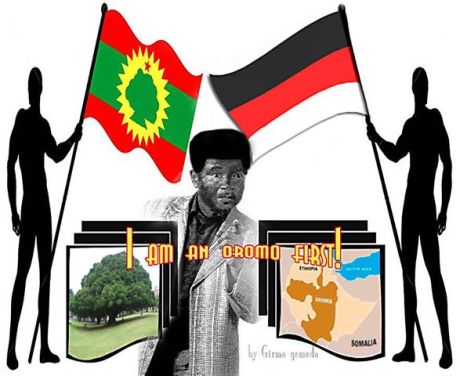
Independent nation before 1887
Mini Documentary by Seenaa Jimjimo
‘The Oromo Community Association in Chicago was featured on Chicago Public Radio’s Worldviewprogram on Wednesday, October 20, 2010. Listen below the full segment of the program on the Oromo people, the Oromo Community Association in Chicago, and the benefit jazz concert that the Association will hold on October 24, 2010.From the Chicago Public Radio: There are an estimated 40 million Oromo in Ethiopia, which makes them the nation’s largest ethnic group. Their numbers extend into Kenya and Somalia as well. Yet, despite their wide influence in the Horn of Africa, many people have never heard of the Oromo. Seenna Jimjimo of Chicago’s Oromo Community Association and Kadiro Elemo talk with Jerome about the Oromo culture, the struggle for independence and the local Oromo community in Chicago.’ Source: Gadaa.com
Listen:
Related references:
From slavery to freedom:the Oromo slave children of Lovedale, prosopography and profiles
Sandra Carolyn Teresa Rowoldt Shell
Student number: RWLSAN002
A dissertation submitted in fulfilment of the requirements for the award of the degree of Doctor of Philosophy in Historical Studies
Faculty of the Humanities
University of Cape Town
2013
https://www.academia.edu/3760219/From_slavery_to_freedom_the_Oromo_slave_children_of_Lovedale_prosopography_and_profiles
https://oromianeconomist.wordpress.com/?s=twisted&searchbutton=go%21
Research Validates The Popular Skeptcism About The Africa ‘Rising’ Narrative November 3, 2013
Posted by OromianEconomist in Africa, Corruption, Development, Dictatorship, Economics: Development Theory and Policy applications, Oromia, Oromiyaa, Oromo the Largest Nation of Africa. Human Rights violations and Genocide against the Oromo people in Ethiopia, Self determination, The Colonizing Structure & The Development Problems of Oromia, Theory of Development, Uncategorized.Tags: Africa, Developing country, Development and Change, Economic, Economic and Social Freedom, Economic growth, Governance issues, Horn of Africa, Human rights, Human rights violations, Oromia, Oromo people
add a comment
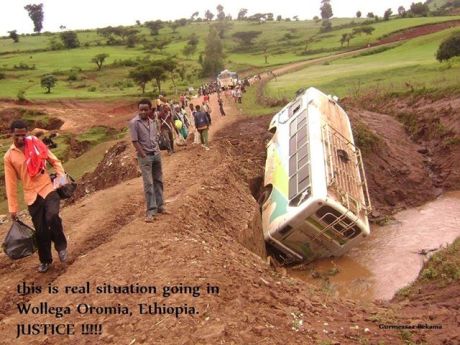
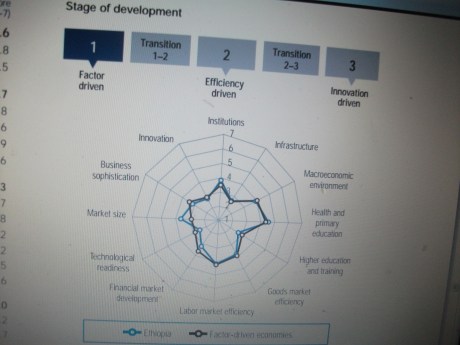
Afrobarometer which is a research project that has been coordinated by institutions in African countries and with partners in thirty-one countries. In its recent survey of public opinion across thirty-four African countries in the continent it validated the popular skepticism about the “Africa Rising” narrative.
In its 1st October 2013 research out come report, Afrobarometer’s data show that 20 percent of Africa’s population often goes without food, clean water, or medical care. More than 50 % of those surveyed think that economic conditions in their country are bad or “very bad.” Some 75% thought their government was doing a bad job in closing the gap between rich and poor. ‘John Allen, writing on AllAfrica.com, suggests that the results indicate that higher benefits of growth are going to a wealthy elite or that official statistics are overstating growth, or possibly both. Morten Jerven, in his recently book Poor Number, has shown the shortcomings of African statistics. In its report on the Nigerian economy, the World Bank observed that Nigeria’s high growth statistics could not be squared by increasing rates of poverty. These, and other inconsistencies, make Allen’s hypothesis on where the majority of Africa’s wealth is directed, look credible.’ For further readings refer to the following original sources:
http://blogs.cfr.org/campbell/2013/10/31/afrobarometer-poll-questions-the-africa-rising-narrative/
Prosperity Index 2013
Ethiopian: 126/142.
75.6% say gov’t is corrupt.
Satisfaction with gov’t efforts to address poverty: 21.2%.
The Governance sub-index dropped two places, to 118th, because of decreases in political rights, political constraints, the rule of law, and regulatory quality.
http://www.prosperity.com/#!/country/ETH
http://nai.diva-portal.org/smash/get/diva2:589071/FULLTEXT03.pdf
It Is Not Only Ethiopia Madagascar crisis Also forces girls into sex work |
Economic hardships prompt girls to take desperate measures with some deciding to sell their bodies. |
The recent and frequent reports on outstanding economic growth in Africa have quickly turned this into mainstream ‘knowledge’, but African economic statistics are very weak. Growing inequality is a key issue that needs to be in focus if all of Africa is to enjoy ‘growth’. Links between social, environmental and economic development are being downplayed. A key issue in today’s discussion on land is that governments consider unfarmed lands to be ‘unowned, vacant, idle and available’, which is completely misleading. Small scale farming in African countries has been persistent, despite efforts to replace it with ‘more efficient’, large scale agriculture.
http://naiforum.org/2013/11/beyond-african-growth/
Another example of the tplf-EFFORT over reach
The Endowment Fund for the Rehabilitation of Tigray (EEFORT) is known for its over reach way beyond its regional government borders and micro managing and being the exclusive beneficiary of the major resources of the empire.
Copyright © Oromianeconomist 2013 and Oromia Quarterly 1997-2013. All rights reserved. Disclaimer.
Is Economics A Science? October 21, 2013
Posted by OromianEconomist in Economics, Economics: Development Theory and Policy applications, Oromia, Oromo Social System, Uncategorized, Wisdom.Tags: Africa, Economic and Social Freedom, Economic development, Economic growth, economics, Oromia, Oromo
add a comment
“Yes, economics is a science”, says Harvard Professor, Raj Chetty.
The point is said Paul Krugman “while Chetty is right that economics can be and sometimes is a scientific field in the sense that theories are testable and there are researchers doing the testing, all too many economists treat their field as a form of theology instead.” and he coined: ” May be economics is a science, but many economists are not scientists.’
Of course, not every science is experiment based. According to Prof. William Easterly of NYU: “Evolution is an example of a non-experimental science; don’t need experiments to defend economics.”
In Chetty’s economics: ‘It is true that the answers to many “big picture” macroeconomic questions — like the causes of recessions or the determinants of growth — remain elusive. But in this respect, the challenges faced by economists are no different from those encountered in medicine and public health. Health researchers have worked for more than a century to understand the “big picture” questions of how diet and lifestyle affect health and aging, yet they still do not have a full scientific understanding of these connections. Some studies tell us to consume more coffee, wine and chocolate; others recommend the opposite. But few people would argue that medicine should not be approached as a science or that doctors should not make decisions based on the best available evidence. As is the case with epidemiologists, the fundamental challenge faced by economists — and a root cause of many disagreements in the field — is our limited ability to run experiments. If we could randomize policy decisions and then observe what happens to the economy and people’s lives, we would be able to get a precise understanding of how the economy works and how to improve policy. But the practical and ethical costs of such experiments preclude this sort of approach. (Surely we don’t want to create more financial crises just to understand how they work.) Nonetheless, economists have recently begun to overcome these challenges by developing tools that approximate scientific experiments to obtain compelling answers to specific policy questions. In previous decades the most prominent economists were typically theorists like Paul Krugman and Janet L. Yellen, whose models continue to guide economic thinking. Today, the most prominent economists are often empiricists like David Card of the University of California, Berkeley, and Esther Duflo of the Massachusetts Institute of Technology, who focus on testing old theories and formulating new ones that fit the evidence. This kind of empirical work in economics might be compared to the “micro” advances in medicine (like research on therapies for heart disease) that have contributed enormously to increasing longevity and quality of life, even as the “macro” questions of the determinants of health remain contested.’ Read the interesting argument on the subject further at:
http://www.project-syndicate.org/commentary/on-whether-he-is-a-scientist-by-robert-j–shiller
Copyright © Oromianeconomist 2013 and Oromia Quarterly 1997-2013. All rights reserved. Disclaimer.
Oromo Political Detainees Tortured: Human Rights Watch’s Latest Document on Ethiopia October 19, 2013
Posted by OromianEconomist in Africa, Colonizing Structure, Corruption, Dictatorship, Human Rights, Oromia, Oromiyaa, Oromo, Oromo the Largest Nation of Africa. Human Rights violations and Genocide against the Oromo people in Ethiopia, The Colonizing Structure & The Development Problems of Oromia, Tyranny, Uncategorized.Tags: Africa, East Africa, Economic and Social Freedom, Genocide, Genocide against the Oromo, Governance issues, Horn of Africa, Human rights, Human rights violations, National Self Determination, Oromiyaa, Oromo, Oromo people, Oromummaa, Tyranny, Universal Declaration of Human Rights
1 comment so far


The report documents human rights abuses, unlawful investigation tactics, and detention conditions in Maekelawi between 2010 and 2013. Human Rights Watch in this latest document reports that Ethiopian authorities have subjected political detainees to torture and other ill-treatment at the main detention center in Finfinnee (Addis Ababa). The report also calls for the Ethiopian government to take urgent steps to curb illegal practices in the Federal Police Crime Investigation Sector, known as Maekelawi, impartially investigate allegations of abuse, and hold those responsible to account.
The 70-page report, “‘They Want a Confession’: Torture and Ill-Treatment in Ethiopia’s Maekelawi Police Station,” documents serious human rights abuses, unlawful interrogation tactics, and poor detention conditions in Maekelawi since 2010. Those detained in Maekelawi include scores of opposition politicians, journalists, protest organizers, and alleged supporters of ethnic insurgencies. Human Rights Watch interviewed more than 35 former Maekelawi detainees and their relatives who described how officials had denied their basic needs, tortured, and otherwise mistreated them to extract information and confessions, and refused them access to legal counsel and their relatives.
“Ethiopian authorities right in the heart of the capital regularly use abuse to gather information,” said Leslie Lefkow, deputy Africa director. “Beatings, torture, and coerced confessions are no way to deal with journalists or the political opposition.”
Since the disputed elections of 2005, Ethiopia has intensified its clampdown on peaceful dissent. Arbitrary arrest and political prosecutions, including under the country’s restrictive anti-terrorism law, have frequently been used against perceived opponents of the government who have been detained and interrogated at Maekelawi.
‘One [police officer] hit me on the back of my head with a long black stick and blindfolded me. They took me to their office. These were interrogators. They slapped me on the cheeks repeatedly…. But these interrogators are not in a position to listen to what I tell them. They beat me again with the black stick and slapped me again. I stayed in that room until midnight. I was exhausted. They took me back to the cell and then took another guy. On the second day of interrogations—the beating was worse. What they want is a confession.’—Journalist held in Maekelawi in mid-2011, Nairobi, April 2012, p. 6.
“Oromo student held in Maekelawi in 2012, said his hand was broken when he was beaten on his hand while being held in this position and that over a year later his hand continues to hurt:’In the interrogation room there was small piece of metal on the wall. They put me on it and locked my left hand to the wall and then my legs didn’t touch the ground. They beat me on my left hand. I think I was there one hour, but I don’t know as I lost my memory,’ ” p. 34.
Read further more from the following sites:
Click to access ethiopia1013_ForUpload.pdf
http://www.hrw.org/news/2013/10/18/ethiopia-political-detainees-tortured
Are Oromos Singled Out and Disproportionately Tortured in Ethiopia?
http://oromopress.blogspot.co.uk/2013/10/are-oromos-singled-out-and.html
Torture in the heart of Finfinnee (Addis), even as leaders gather in gleaming AU building
“Getachew,” a 22-year-old ethnic Oromo, was snatched from his university dorm, driven hundreds of kilometres to Addis Ababa, and locked up for eight months in Maekelawi. His parents were never informed of his whereabouts; he was never charged or given access to a lawyer; and never appeared before court. He was ultimately released on condition that he would work for the government.Like Getachew, many of the people detained in Maekelawi over the past decade are political prisoners — arrested because of their ethnicity, their real or perceived political opinions and actions, or journalism work. Voicing peaceful dissent or criticism of government policy is increasingly risky.
Copy right © Oromianeconomist 2013 and Oromia Quarterly 1997-2013. All rights reserved. Disclaimer.
Tyrannic Ethiopia Bans Access To Student’s Critical Articles And Has Watchers In Class Rooms September 27, 2013
Posted by OromianEconomist in Colonizing Structure, Corruption, Dictatorship, Ideas, Knowledge and the Colonizing Structure. Africa Heritage. The Genocide Against Oromo Nation, Oromia, Oromo, The Colonizing Structure & The Development Problems of Oromia, Tyranny, Uncategorized.Tags: Africa, Ethiopia–United States relations, Human rights, Oromia, Oromo, Politics of Ethiopia, Tyranny, University of Pittsburgh Graduate School of Public and International Affairs
1 comment so far

‘Disguising human rights violations and oppression with positive terminology is not new to Ethiopian legislators, who passed the Freedom of the Mass Media and Access to Information Proclamation No. 590 in 2008. This idealistic-sounding law’s title belies its contents, because it enables the government to bring charges against “any person who is suspected of committing an offence through the mass media.” Such offenses include the publication of statements critical of the legislative, executive or judicial authorities that are deemed false or defamatory. It is up to the attorney general to decide if the accused journalist should be detained on remand.’ http://jurist.org/forum/2011/08/abigail-salisbury-ethiopia-terror.php#
‘Ethiopian education also differs from Western education because, Salisbury said, there could be “watchers” present at any time, in any classroom. Watchers are government representatives on the lookout for those speaking out against the government.’
Cristina Holtzer of Pitt News reports that Abigail Salisbury is an enemy of the state of Ethiopia because of an op-ed column she published online. Salisbury, a student in the Graduate School of Public and International Affairs, spoke about her article to an audience of about 10 in a “Let’s Talk Africa” lecture on Wednesday in 4130 Posvar Hall from 1:30 to 3 p.m. The Ethiopian government blocked her article, titled “Human Rights and the War on Terror in Ethiopia,” one day after she published it online. While in Ethiopia, Salisbury noticed an extreme lack of freedom of speech and press for Ethiopian people and decided to write the piece, which criticizes the Ethiopian government. Salisbury was working as an assistant professor at Mekelle University Law School, a small college outside of Addis Ababa, the capital of Ethiopia, when she published the article. After the university administration discovered her article, Salisbury said the university “basically asked [her] not to work there anymore.”
“I was told that, based on what I wrote, that if I had been an Ethiopian person, I would have been put in prison,” Salisbury said. “I don’t think they want me back.” Ironically enough, Salisbury said, she was in the country teaching international human-rights law, a class required for graduation from law school in Ethiopia. Anna-Maria Karnes, a representative of the Africana studies department, also attended the lecture and interjected throughout. Karnes, whose parents live in Ethiopia, has a thorough grasp of the political climate in the country.
“Skype was outlawed two years ago in Ethiopia,” Karnes said. “There were people jailed for using Skype.” When Karnes first discovered the Skype law, she worried that she would not be able to get in touch with her parents because that was their primary source of communication. But Skype was illegal only for Ethiopians, not for foreigners. “As a Westerner, you are treated differently,” Salisbury said. “Better.”
Ethiopians subscribe to a different race and caste system than many Americans are used to. Salisbury said that when African-Americans traveled to Ethiopia, they were treated the same as whites. Ethiopians believe that everyone else in Africa is black but that they, themselves, are red skinned. Salisbury recounted a story of when someone in the street approached her and asked, “Have you seen any black women today?”
Salisbury said she was surprised by the scale of differences between the learning environments in Ethiopia and the U.S.
Because of the country’s limited resources, students learn to memorize verbatim what professors say in lecture. Salisbury said she’s seen students reproduce a lecture right down to the “ums” and “likes.” Ethiopian education also differs from Western education because, Salisbury said, there could be “watchers” present at any time, in any classroom. Watchers are government representatives on the lookout for those speaking out against the government. “What would creep me out if I were in that class?” Salisbury said. “I don’t know if I would be raising my hand with opinions.” In addition to an extreme lack of freedom of speech, Salisbury said Ethiopians also struggle with tough racial tensions and “ethnic federalism,” or preferential treatment for one ethnic group that is officially recognized by the government. With Ethiopia located in a contentious part of the world, Salisbury said U.S.-Ethiopia relations are crucial. “Ethiopia is really instrumental in the U.S. agenda and the global war on terror that we’re engaged in,” she said. Salisbury and Karnes opened the presentation with an activity about African knowledge. They divided the audience into small groups and asked them to label a map of Africa with the names of as many countries as they could. Even with several African students and faculty in the audience, no one was able to label the entire map. “You can’t know the whole of Africa,” Director of Africana Studies Macrina Lelei said. “That’s part of why we have African studies here at Pitt … to share those experiences.”
http://www.pittnews.com/news/article_090b538c-266a-11e3-8d05-0019bb30f31a.html#.UkV1PQONt0w.facebook
http://www.ethiomedia.com/abai/ethiomedia_interviews_abigail_salisbury.html
http://www.zoominfo.com/p/Abigail-Salisbury/1255943349
Copyright © Oromianeconomist 2013 and Oromia Quarterly 1997-2013. All rights reserved. Disclaimer.
Related articles
- Abigail Salisbury is an enemy of the state of Ethiopia (daniboy8935.wordpress.com)
- Ethiopia bans access to student’s critical article (bilisummaaa.wordpress.com)
-
Ethiopia’s Leaders Misinform the World
- http://ayyaantuu.com/horn-of-africa-news/ethiopia/growing-anxiety-ethiopian-university-students-case-students-twisted-mind/
- The Tyrannic Ethiopian Regime is Accountable for the Death of a Political Prisoner And Prisoner of Conscience, Oromo National, Engineer Tesfahun Chemeda (oromianeconomist.wordpress.com)
- http://dhaamsaogeetti13.wordpress.com/2013/10/03/ethiopia-most-restrictive-sub-sahara-country-freedom-house-reports/
Africa’s Land Grabs: An Opportunity Or A New Form of Colonialism? September 25, 2013
Posted by OromianEconomist in Colonizing Structure, Economics, Land Grabs in Africa, Uncategorized.Tags: Africa, AlJazeera, Development, Land Grabs, Oromia, Oromo
add a comment


‘From hopeless continent to investment darling of the world – are land investments in Africa an answer to worldwide food insecurity or a dangerous new form of colonialism?’ Aljazeera, on its South2North talks to former Mozambican President Joaquim Chissano, Nigerian politician and Oxfam trustee Nkoyo Toyo and Philippe Heilberg, a land investor from the US. Here is the the details of interesting debates and the video:
‘Escalating energy and food prices have triggered a global scramble for Africa’s land and water resources. Eager to feed their growing populations, countries are buying up prime farmland in Africa at rock bottom prices. Land eight times the size of the UK has already been bought up by hungry investors.Redi asks Chissano if this investment is a new scramble for Africa.”‘The scramble for Africa is never good. We have known that since Berlin and we fought against it. But investment is welcomed if it is done in a win-win situation when people benefit from this investment.” Toyo explains that the trend towards buying land in Africa has come from the 2008 spike in food prices, a concern about global food security as well as an impending energy crisis. However, she warns that investments might not be as good as they seem, and that UN records show alarmingly rapid sales of African land.”The problem with this type of investment is not that we do not want to see investment. It’s that we see investments that are increasingly not addressing the needs of the continent. We hear that at least 33 million square hectares of land are lands which have been acquired in just less than 10 years.”Heilberg argues that the statistics from the UN are highly distorted because they are not closed or officialdeals. He says that his own figures have been doubled in some accounts.”Land is cheap in Africa, but there are many reasons why it’s cheap. In many parts of the continent there is little to no infrastructure whatsoever …. The frontier markets offer incredible risk-reward opportunities. Because when the growth happens it’s exponential.” Toyo disagrees that these deals have always been above-board and that they benefit local communities.’
http://www.aljazeera.com/programmes/south2north/2013/09/2013920101434517250.html
http://ecadf1.ecadf.netdna-cdn.com/wp-content/uploads/2013/09/UPR-Submission-Ethiopia.pdf
RelateCopyright © Oromianeconomist 2013 and Oromia Quarterly 1997-2013. All rights reserved. Disclaimer.d articles
- Redi Tlhabi debates the new scramble for Africa (spyghana.com)
- South2North’s Redi Tlhabi debates the new scramble for Africa (sierraexpressmedia.com)
The New Scramble for Africa: Poverty, Guns And The Weapons Market September 15, 2013
Posted by OromianEconomist in Africa, Colonizing Structure, Corruption, Development, Dictatorship, Economics, Knowledge and the Colonizing Structure., Uncategorized.Tags: Africa, Genocide, Gross domestic product, Human development Index, Human rights violations, Oromia, Oromo, Sub-Saharan Africa, Weapon
1 comment so far
The world OutLine states Africa is going to spend over $20bn on defence projects over the coming decade. ‘As the European defence market becomes ever more bereft of big spenders and Asian markets face strong competition from China, Africa’s 54 states will make the last major geopolitical frontier for defence companies.’ It has been reported that whilst for various reasons there is undoubtedly significant demand for the latest weaponry in the region, large-scale arms contracts do raise questions over the future of a continent already stricken with poverty and permanent violence. It is well known Africa is run by dictators and human rights abusers. Defence contractors with out doubt are always looking to maximize profits and increase their trade, however, it is not clear whether ethical considerations will be in place in providing such weapons in the continent run by unaccountable politicians and unelected tyrants engaging in militarism, e.g Ethiopia, Rwanda and Sudan. It is worrying that scarce public money will continue to be diverted from social and economic investment and wasted into arms deals. ‘The UN has warned that 22 of the 24 lowest Human Development Index nations are in Sub-Saharan Africa, and in some instances GDP per capita is less than $200 a year. However, pumping aid into the region is not necessarily the answer. A 2005 report suggested that a staggering proportion of the $500bn of aid sent to Africa over the last forty years has been embezzled through corrupt institutions; the so-called ‘leaky begging bowl’. It would be interesting to know how much of this will fund armaments over the next decade.’ http://theworldoutline.com/2013/09/africa/
Related articles
- Guns amid poverty: the defence industry’s new ‘Scramble for Africa’ (stratrisks.com)
- Guns amid poverty: the defence industry’s new ‘Scramble for Africa’ (phantomreport.com)
- The Not-So-Great Professor: Jeffrey Sachs’ Incredible Failure to Eradicate Poverty in Africa (psmag.com)
- How happy is sub-Saharan Africa? (one.org)
Oromia of Dhaqabo Ebba: The Cradle of Mankind Is Also A Home of The Oldest Living person Known to Humanity September 10, 2013
Posted by OromianEconomist in Africa, Dhaqaba Ebba, Gadaa System, Humanity and Social Civilization, Oral Historian, Oromia, Oromo, The Oldest Living Person Known to Mankind, The Oromo Library, Uncategorized, Wisdom.Tags: Afaan Oromo, Africa, African history, African Philosphy, Dhaqba Ebba, Ebbaa, Finfinnee, Gadaa, Gadaa System, Obbo dhaqabaa Ebbaa, Oldest Living Person, Oldest people, Oldest person, Oral History, Oromia, Oromia Region, Oromiya, Oromiyaa, Oromo Calendar, Oromo elder, oromo farmer, Oromo History, Oromo people, The Oldest Living Person, Time in Gadaa
5 comments


Dahqabo Ebba, Oromo elder, who is over 160 years is the oldest living person known to humanity.
He is a resident of Dodola town, Oromia.
http://www.unpo.org/article/16351
OTV (Oromiyaa TV)
In interviews conducted in his native language Afaan Oromo Obbo Dhaqabo Ebba counts his age based on Oromo Gadaa system calendar. According to traditional Oromo Gadaa system every member of the society goes through the Gadaa time grade. Obbo Dhaqabo Ebba has lived 4 Gadaa cycles. one Gadaa cycle has 5 stages. One stage is for 8 years. One Gadaa cycle is 40 years, (8*5). Obbo Dhaqabo has already completed 4 Gadaa cycles (4*40) which are 160 years. He involved in the Gadaa system in its full functioning time in all its structures and development stages from Dabballe to Jaarsa. He still living after the 4 cycles means he is actually over 160 years. The Journalist of Oromiyaa TV did not yet ask him how many years since his last 4 Gadaa cycles was completed. Gadaa ways of timing is exact to know own birth years and historical events. In his fascinating life that has touched 3 centuries (from middle 19th century to the present 2nd decades of 21st century which has been over 160 years he remembers all major political, social, economic and environmental events and changes. He remembers from a time when the Ethiopian empire still expanded south to Oromia such as 1880’s the time the Abyssinian Menelik start to occupy the Oromo capital Finfinnee (Abyssinians named it Addis Ababa). At this event and the time of first Italian invasion he used to travel to Finfinnee (Addis Ababa) for his livestock trading. He mentioned that he engaged in farming (crops and livestock) but also in commerce. it took eight days on horseback to cover the 150 miles between his village and Finfinnee (Addis Ababa). In 1895 ( at the time of Italian invasion) he was already a married person of two wives and his first son ( over 100 years old with him at interview) was a young boy and able person to look after his livestock. “When Italy invaded the country, I had two wives and my son was old enough to herd cattle,” he said, referring to Italy’s 1895 invasion of his country. “Not even one of my peers is alive today.” He knows and remembers by naming all Abyssinian rulers, Menelik to present who have been in Oromia (Oromo land) since the occupation of Finfinnee in 1880’s.
Mohammed Ademo of Opride said. “Given that the Oromo like many African cultures are an oral society, ‘each time an elder dies, a library is lost.’ Ebba’s is one such library from which much can still be preserved.”
http://www.voaafaanoromoo.com/content/article/1756208.html
As elaborated in the works of “Oromia: an Introduction,” by Gadaa Melbaa ( book published in Khartoum, 1988), the following is a brief description of how the Gadaa system works and the gadaa Grades: “There are two well-defined ways of classifying male members of the society, that is the hiriyya (members of an age-set all born within the period of one Gadaarule of eight years) and Gadaa grade. The Gadaa grades (stages of development through which a Gadaa class passes) differ in number (7-11) and name in different parts of Oromia although the functions are the same.”
The Gadaa grades:-
1. Dabballee (0-8 years of age)
2. Folle or Gamme Titiqaa (8-16 years of age)
3. Qondaala or Gamme Gurgudaa (16-24 years of age)
4. Kuusa (24-32 years of age)
5. Raaba Doorii (32-40 years of age)
6. Gadaa (40-48 years of age)
7. Yuba I (48-56 years of age)
8. Yuba II (56-64 years of age)
9. Yuba III (64-72 years of age)
10. Gadamojjii (72-80 years of age)
11. Jaarsa (80 and above years of age)

http://www.unpo.org/article/16351
http://now.msn.com/dhaqabo-ebba-ethiopian-farmer-is-160-years-old-reporter-claims
Copyright © Oromianeconomist 2013 and Oromia Quarterly 1997-2013. All rights reserved. Disclaimer.
Related articles
- Ethiopian peasant claims to be ‘160-year-old’ (sudantribune.com)
- Oromo farmer from Ethiopia may be the oldest living person (hornaffairs.wordpress.com)
- Reporter Claims Ethiopian Farmer Oldest Man Alive at 160 Years Old (atlantablackstar.com)
- The Oldest Living Person Ever Found in Ethiopia… Aged 160 (muzicupdate.wordpress.com)
- Ethiopian Farmer ‘At Least 160 Years Old,’ Reporter Estimates: Dhaqo Ebba Could Be The World’s Oldest Person (medicaldaily.com)
- The Oldest Living Person Ever Found in Ethiopia (naijaoddstories.wordpress.com)
- Ethiopian Farmer Could Be 160 Years Old, Oldest Man Alive (news.softpedia.com)
- Dhaqqaboo Eebbaa:The Oldest Man,160 Years, from Oromia attracts world media. (advocacy4oromia.org)
- Ethiopian farmer dubbed ‘world’s oldest living man’ after claiming he is 160 years old and has clear memories of Italy invading his country in 1895 (dailymail.co.uk)
- Ethiopian farmer dubbed ‘world’s oldest living man’ after claiming he is 160 years old and has clear memories of Italy invading his country in 1895 (thisismoney.co.uk)
Interview With Oromo Youth President, Iftu Kassim, Africa Media Australia September 7, 2013
Posted by OromianEconomist in Development, Gadaa System, Language and Development, Oromia, Oromo, Oromo Identity, Oromo Nation, The Oromo Governance System, Uncategorized.Tags: Africa Media AUstralia, Amnesty International, Development, empowerment, Freedom, Human rights, Iftu Kassim, Melbourne, Oromia, Oromo culture, Oromo people, Oromo Youth
add a comment

Melbourne Youth Oromo Association’s president Iftu Kassim speaks to AMA about her organisation and a recent event organised in Melbourne
Copyright © Oromianeconomist 2013 and Oromia Quarterly 1997-2013. All rights reserved. Disclaimer.
Related articles
- The Oromo People Need Freedom and Justice:Oromians Gathered in Front of the White House to Protest Against Ethiopia’s Human Rights Violations and Land-Grabbing (oromianeconomist.wordpress.com)
- Irrecha: From Thanksgiving Ritual to Strong Symbol of Oromo Identity (oromoassociationvic.org)
- Letter of gratitude from Oromo Youth Self-help Association (OYSA/WWDO) (oromostruggleforfreedom.wordpress.com)
- We are Oromos First! (freedomfororomo.wordpress.com)
- Oromo farmer from Ethiopia may be the oldest living person (hornaffairs.wordpress.com)
- Al Jazeera The Stream/English: We Appreciate Al Jazeera for Airing Oromo’s Persecution in Ethiopia (orofreedom.wordpress.com)
Interview with Prof. Mekuria Bulcha, TVORO September 4, 2013
Posted by OromianEconomist in Uncategorized.Tags: Afaan Oromo, Mekuria Bulcha, Oromia, Oromo, Oromo Studies, Social Sciences
add a comment
Interview with Mekuria Bulcha, author and university professor
Copyright © Oromianeconomist 2013 and Oromia Quarterly 1997-2013. All rights reserved. Disclaimer.
Poverty, Deprivation, Capability and Economics August 30, 2013
Posted by OromianEconomist in The Colonizing Structure & The Development Problems of Oromia, Uncategorized.Tags: Amartya, Amartya Sen, Chicago School, Chicago school of economics, Developing Oromia, Developing problems of Oromia, economics, Freedom as a development goal, Income distribution, John Rawls, Karl Marx, Millennium Development Goals, Multidimensional Poverty Index, Oromia and Human Right Issues, Oromo, poverty, Poverty and Famines: An Essay on Entitlement and Deprivation
1 comment so far

World map showing countries by nominal GDP per capita in 2008, IMF estimates as of April 2009. Sbw01f’s work, but converted to an SVG file instead. (Photo credit: Wikipedia)
‘It has to be known that the social structures, the power relations, that have generated and continue to generate poverty.’
In the present world, poverty, particularly as it is experienced in the developing countries, has become the main topic to a great deal of discussion among economists and policy
makers, and there have been various campaigns going on to overcome it: “to make poverty history.” The United Nations Millennium Development Goals (MDGs) project is for front of these undertakings. In these makings, the issue is absolute deprivation, and the current widely accepted standard defines poverty as living on less than $2 per day and extreme poverty as living on less than $1 per day. The $2 per day and $1 per day figures are in terms of 1990 purchasing power. The World Bank uses these standards to report each year on the number of people living in poverty and in extreme poverty. The definition of poverty in terms of absolute deprivation may make good sense. When people do not have the basic necessities – the food, the shelter, the clothing – that they need to lead a reasonable life, they are living in poverty. Although we might not agree over the exact baseline. There may look nothing wrong with the term.
However, there are problems with this absolute deprivation term of poverty. Primarily, there is the problem of whether or not an income measure can actually handle what we understand by people living in an ‘unreasonable’ condition of deprivation; not all the things that
make for a reasonable existence can be directly transformed to purchasable goods and services. Besides, there is the problem of what we mean by ‘deprivation’. Of course, economic well-being – cannot be properly measured and clearly understood by a single, absolute measure. In particular, the meaning cannot be properly captured by individual’s or a people’s absolute level of income. Actually, this issue has been widely recognized by the UN’s Human Development Index (HDI), Sen’s capabilities concept, and to some extent by the Millennium Development Goals (MDGs) campaign. Achieving an income goal alone does not eliminate poverty. A closely related issue is that poverty (or well-being) cannot be captured properly by any single measure or single combination of measures, such as the HDI. Both the terms of poverty and economic well-being do not take into account issues of inequality in the distribution of income or the distribution of other measures of well-being. This failure to take into account issues of distribution in defining poverty (economic well-being) is conceptually and practically problematic. If poverty is understood in absolute terms without consideration of distributional issues, the social structures that generate poverty tend to be ignored. It has to be known that the social structures, the power relations, that have generated and continue to generate poverty. As Arthur MacEwan of University of Massachusetts Boston argues: ‘To a large extent, the poor are poor because they lack power, and they lack power because they are poor. When power is brought into consideration, the focus of policy shifts towards such issues as land reform and the effective control of state actions – i.e., of the underlying factors that determine spending on health care, education and other social services. The problem of poverty, then, would be approached as a socio-political problem, not simply as a technical problem. (Technical changes can bring about changes in socio-political relations, and that is one of the reasons, in addition to their direct impacts, that they are often good. But technical solutions are less likely to be effective when they are implemented without consideration of power relations.’ For instance, as studies on the Horn of Africa recognize, the colonizing Abyssinian Ethiopian structure has been a very serious development problem in Oromia. In recent debates the UN and other international organizations are taking human rights issues to a center stage in the discussions of eliminating poverty as it is to define the post 2015 actions. Actually, individual human rights and collect (group) rights must be at the center stage in processes of poverty eliminations and achieving development. A person can be socially and economically deprived and made incapable to achieve life goals not only as individual but also because he/she is a member of a group. That is what we have learnt from the experiences and studies on indigenous people such as the Oromo nation under Ethiopian social and political structures.
The discussion of poverty may be as old as disciplines of economics and philosophy. Economists and philosophers including Adam Smith, Karl Marx, John Rawls, Amartya Sen, and many more have discussed the subject. The capabilities concept of economic well-being has been established and extensively discussed by Amartya Sen. He maintains that “…the right focus for assessing standard of living is … something that may be called a person’s capability…., the capability to function …that comes closest to the notion of standard of living.” The following site is interesting further discussions: http://scholarworks.umb.edu/cgi/viewcontent.cgi?article=1003&context=econ_faculty_pubs&sei-redir=1&referer=http%3A%2F%2Fwww.bing.com%2Fsearch%3Fq%3Dpoverty%252C%2520capability%2520and%2520deprivation%253Awhat%2520economists%2520say%26pc%3Dconduit%26ptag%3DADE7BA551541340B0B5F%26form%3DCONOMX%26conlogo%3DCT3210127%26ShowAppsUI%3D1#search=%22poverty%2C%20capability%20deprivation%3Awhat%20economists%20say%22
Another Interesting current economic article on the subject of poverty is rebeloged here with kind acknowledgement to the author:
“How important should the subject of poverty be within the discipline of economics? Some economists appear to think it is a very small issue compared to the magnificent mathematics of general equilibrium theory. Others believe that economics should fundamentally be about the sources of human well-being and misery, and that understanding poverty is absolutely fundamental for economics. How should we try to sort this out? Among the contemporary economists who have given the greatest attention to poverty and deprivation, Amartya Sen and Jean Dreze are particularly outstanding. Their research on well-being, quality of life, and hunger set a standard for the point of viewthat says that life quality and deprivation need to be at the top of the list of economic research goals. Here I’m thinking of books like Inequality Reexamined, Poverty and Famines: An Essay on Entitlement and Deprivation, and Hunger and Public Action. The neoclassical free market purists stand at the other end of the garden. The economists of the Chicago School put primary emphasis on the beneficent effects of untrammeled market behavior, and they give little attention to the “market imperfections” that poverty and deprivation represent. (The word “poverty” does not occur in the index of John Van Overtveldt’s good intellectual history of the Chicago School, The Chicago School: How the University of Chicago Assembled the Thinkers Who Revolutionized Economics and Business.) Poverty seems to be viewed as a normal and fair result of the workings of market institutions: some people make large contributions and earn high income, and others make small or zero contributions and earn low income.” Daniel Little, Rebloged from http://understandingsocietyglobaledition.wordpress.com/2013/08/29/poverty-and-economics/ read more from http://understandingsocietyglobaledition.wordpress.com/2013/08/29/poverty-and-economics/
As disccused in the above sources, poverty is not only a matter of lack of income. And also economic growth alone does not alleviate poverty. As it has been analysed in following sources: “The problem with seeing poverty only through the lens of income is that it leaves economic growth as the only option to remove poverty. The underlying assumption is that the poor will be someday and somehow able to earn enough money to take care of all their needs, starting with having sufficient food. The problem is that the poor also lack skills to earn sufficient money, they are denied credit or loan by the banks, they have no access to quality education and healthcare facilities, and face social discrimination and political marginalization. Therefore, it is rather naive to expect that just because the economy is doing well, they will suddenly start having good income and come out of poverty. Thanks to the efforts of eminent economists such as Indian Nobel laureate Amartya Sen and late Dr Mahbub ul Haq of Pakistan, better ways of measuring poverty and human well-being than income have emerged. If the UNDP’s Human Development Index (HDI) launched in 1990 provided the first global tool to probe the standard of living, a bigger thrust was given in 2010 by the Multidimensional Poverty Index (MPI) that uses 10 different indicators to probe various deprivations the poor face. An application of the MPI analysis on the above two countries reveals an entirely different picture. Ethiopia has 90 percent poverty while Uzbekistan reveals just 2 percent multidimensional poor. What we learn from this is that the society in Uzbekistan looks after its people much better than the Ethiopian society. Therefore, poverty is better understood in terms deprivations, not lack of income. Economic Growth Alone is not “Development.” The real purpose of development is to enhance the well being of people and raise their standard of living, for which economic development is an important tool. However, this tool has been converted into an end in itself. Another popular view sees “development” as technological development; other contemporary concepts of development are industrialization and increasing the GDP growth (and keep doing it forever!). The way international business is being steered through global treaties, it appears that the world is being converted into a big bazaar and people into mere tools of production and consumption. The per capita consumption has emerged as modern measure of development and hence, of the well being of people. Hence, people of “developed” nations are the biggest consumers on the planet. Rest of the world is catching fast to beat them in this competition.” http://goodpal.hubpages.com/hub/Looking-at-Poverty-Beyond-Lack-of-income
‘Poverty is powerlessness, lack of representation and freedom. Poverty is a call to action – for the poor and the wealthy alike – a call to change the world so that many more may have enough to eat, adequate shelter, access to education and health, protection from violence, and a voice in what happens in their communities. Poverty is the state of being without, often associated with need, hardship and lack of resources across a wide range of circumstances.’http://www.fightpoverty.mmbrico.com/poverty/what.html
“Since poverty is often so linked with human development, or lack of it, the 1996 report took a special look at poverty and concluded that income poverty is only part of the picture. “Just as human development encompasses aspects of life much broader than income, so poverty should be seen as having many dimensions,” says the report. As a result, the report introduced a new, multidimensional measure of human deprivation called the capability poverty measure, (CPM). The CPM focuses on human capabilities, just as human development index does. Instead of examining the average state of people’s capabilities, it reflects the percentage of people who lack basic, or minimally essential human capabilities, which are ends in themselves and are needed to lift one from income poverty and to sustain strong human development. The CPM considers the lack of three basic capabilities. The first is the lack of being well nourished and healthy, represented in this case by the proportion of children under five years who are underweight. The second is the lack of capability for healthy reproduction, shown by the proportion of births unattended by trained personnel. The third is the lack of capability to be educated and knowledgeable, represented by female illiteracy. The composite index emphasizes deprivation of women because, says the report, “It is now well known that the deprivation of women adversely affects the human development of families and of society.” Comparing the new capability poverty measure with the income poverty index, the report found that while 21 per cent of the people in developing countries are below the income poverty line, 37 per cent face capability poverty. That is, 900 million people in developing countries are income poor, but 1.6 billion are capability poor.” http://www.womenaid.org/press/info/poverty/cpm.html
Copyright © Oromianeconomist 2013 and Oromia Quarterly 1997-2013. All rights reserved. Disclaimer.
Related articles
- Poverty, brain power and the Chicago’s School of economics (jobmarketmonitor.com)
- The High Probability of Being Poor in America (soulbrotherspeaks.com)
- An Uncertain Glory: India and its Contradictions, by Jean Drèze and Amartya Sen, review (telegraph.co.uk)
- Poverty saps mental capacity to deal with complex tasks, say scientists (theguardian.com)
- Poverty impairs cognitive function (esciencenews.com)
- China, Africa, and Poverty Alleviation through Economic Growth (reasonablymoderate.wordpress.com)
- Poverty is not only a lack of income (jugraphia.wordpress.com)
- Ethiopia Ranked 2nd: 10 Poorest Countries in The World (daniboy8935.wordpress.com)
- The poverty of mainstream development economics (rwer.wordpress.com)
- Poverty- the social evil (ttaneshachaudhary.wordpress.com)
The Tyrannic Ethiopian Regime is Accountable for the Death of a Political Prisoner And Prisoner of Conscience, Oromo National, Engineer Tesfahun Chemeda August 27, 2013
Posted by OromianEconomist in Uncategorized.Tags: Africa, Barack Obama, Development Problems, Engineer Tesfahum Chemeda, Ethiopia, Fascist system, Genocide, Horn of Africa, Human rights, Human rights violations, Kenya, National Self Determination, Oromia, Oromo, Oromo people, poverty, Racism, The genocide against Oromo People, Tyranny
3 comments


The tyrannic and minority rule of TPLF Ethiopian government has been conducting genocidal killings against the majority (the Oromo people), nations and nationalities in Southern and Eastern Ethiopia. In its policies and strategies of Nazi and Apartheid style, it has mainly targeting the Oromo who make more than 40% of the population of the Horn of Africa. Engineer Tesfahun Chemada Gurmeessaa is the latest victim of TPLF’s planned and systematic genocide going on. Ethiopian empire (Horn of African) is one of the least developed, economically very impoverished and marginalized in the world. It is the most world food aid dependent region. The tyrannic and corrupt regime in its statistical lies and paper growth has reported that it has registered the fastest economic growth in Africa. Practical observation on the ground indicates the opposite (it is poverty alone that is growing). The politically motivated sectarian regime actually destroys the very scarce and rare resources the region holds and the dynamics of the society (Oromo and other non-Tigrayan) that it has put under its genocidal target : engineers, teachers, graduate students, the writers, the farmers, business men and women, the natural forest (the ecosystem) and the ancient human culture of the region.
The followings are republications among the latest petitions initiated and open letters made by concerned citizens and Oromo human rights advocates in the calls for the reversal of the ongoing crime against humanity. For further details and actions please refer to the original sources as they are acknowledged in this page.
Dear President Barack Obama,
The #Oromo People < http://www.oromo.org/enocide-against-the-oromo-people-of-thiopia.html> are the single largest Nation in the Horn of Africa under the brutal rule of successive Ethiopian rulers nearly for a century & half now. At this very moment, the current EPRDF regime, which controls Ethiopia for the last 22 years, has intensified the killing, detaining, displacing, expelling our people from every sectors of our society, from all corners of our country for no tangible reasons, but simply due to politics of fear and an excuse for extension of its ruling terms under various pretext.
Dear Mr. President,
In history, our people have never had such tactical gross abhorrent human rights violations of the highest order in any past Ethiopian successive governments that parallel to the current EPRDF tyrannical regime in part due to the shielding effect of present day Geopolitical dynamics.
Time and again, many peasants, students, skilled professionals, journalists, Artists, prominent nationalists, even Government ministers, and local and International activists have tried to demonstrate, petition and stage worldwide rallies to the Whitehouse and other Government and NGO institutions in various occasions in several countries to demand on Ethiopian Govt. to stop atrocities, but no concrete response was achieved yet.
There is no particular crime that our people have committed to suffer from such purposefully calculated heinous crimes by the ruling party against innocent civilians. Despite out loud preaches of Modern Democracy all over the world, our people are still well silenced and voiceless under gunpoint not to demand or petition their Govt. and no words from independent major world media outlets to expose these crimes and brutalities committed by this regime.Our people have been denied the right to collect and rest the bodies of their family members, relatives or friends who are victims of the Ethiopian Govt. The very recent cases in point among many others, are the refusal by the Govt. of the bodies of victims of Kofale Massacre & that of Engineer Tesfahun Chemeda, who was subjected to refoulement from Kenya to Ethiopia in few years back and killed this August 2013 in the notorious Kaliti Prison. Instead of allowing the family burry their son, the Govt. agents took his sister to jail accusing her of publicising Engineer Chemeda’s news of death at their hands.
Dear Obama,
We hereby so kindly seeking your urgent support in voicing our strongest objection & hold the Ethiopian ruling EPRDF accountable for all its inhuman actions and atrocities being committed under various excuses and urge this regime to respect the rule of law, human rights & Democracy in Ethiopia. There will be no time that our people seek urgent help from USG and International communities than right now! Enough is better than over, justice, peace and democracy for the Oromo & other nationalities in the Horn of Africa shall prevail.
Therefore; we, the undersigned individuals, would like to request your highest Office and all whom this may concern to influence the Ethiopian Govt. to respect the basic human & constitutional rights, stop genocide on peaceful people & obey rule of law to eventually transition itself from absolute Dictatorship to Democratic form of Government.
Thanks for your precious Mr. President,
Thanks everyone for taking your time to sign, share (on social media) & forwarding to friends.
Sincerely,
http://www.thepetitionsite.com/202/786/158/stop-atrocities-in-ethiopia/?taf_id=9925175&cid=fb_na
The HRLHA Statement
The Human Rights League of the Horn of Africa strongly condemns the atrocious torture and inhuman treatment by the Ethiopian government against its citizens and hold it accountable for the death of a political prisoner and prisoner of conscience Engineer Tesfahun Chemeda on August 24, 2013 in Kaliti prison.
HRLHA informants confirmed that Engineer Chemed died in Kaliti Penitentiary due to the severe torture inflicted on him while he was in different detentions centers from 2007 until the day he died. We also protest the fact that he was denied medical treatment by the government.
Engineer Tesfahun Chemeda, an Oromo national, was handed over by Kenyan authorities to Ethiopian Security agents in April 2007 from where he had granted a refugee status from UNHCR in Kenya after he had fled to Kenya to escape persecution by the EPRDF government of Ethiopia.
Engineer Tasfahun Chemeda was one of the 15 Oromo nationals who was sentenced to life in prison in 2010 by the Ethiopian court http://humanrightsleague.com/2010/07/a-call-for-the-reversal-of-the-racial-politically-motivated-and-discriminatory-sentence-by-a-court-in-ethiopia/ for his activism and political beliefs that were different from the ruling EPRDF government of Ethiopia.The Ethiopian Government is accountable for Torturing Mr. Chemeda in prison, thereby violating the 1984 Convention against Torture and Other Cruel, Inhuman or Degrading Treatment or Punishment, an agreement which Ethiopia signed and ratified in 1994 For denying Engineer Tesfahun medical treatment, violating the rights of prisoners which are clearly stated in international law and International covenants on civil and political rights article 10(1) “. All persons deprived of their liberty shall be treated with humanity and with respect for the inherent dignity of the human person”. and Constitution of the Federal Democratic Republic of Ethiopia, the Rights of Persons Held in Custody and Convicted Prisoners article 21 (1) “All persons held in custody and persons imprisoned upon conviction and sentencing have the right to treatments respecting their human dignity”.
By handing over the Oromo refugees and others, the Kenyan Government is also breaching its obligations under international treaties as well as customary laws.
Under the Convention against Torture and Other Cruel, Inhuman or Degrading Treatment or Punishment (1465 U.N.T.S. 185,) the Kenyan Government has the obligation not to return a person to a place where they will face torture or ill-treatment.
Article 3 of the Convention against Torture provides: No state party shall expel, return (“refouler”) or extradite a person to another state where there are substantial grounds to believe that they would be in danger of being subjected to torture.
The Human Rights League of the Horn of Africa calls upon the Ethiopian authorities to immediately carry out an independent investigation into Engineer Tesfahun’s death, including whether torture played a part in his death, and disclose to the public anyone found responsible and bring that person to justice. The HRLHA also calls upon the Western political allies of the TPLF/EPRDF Government of Ethiopia to exert pressures so that it is forced to turn around and start working on the genuine democratization of the country, halting the systematic elimination of citizens who demand basic rights and fundamental freedoms,
Finally we extend our condolences to Tesfahun’s family and friends in their time of grief as well as all Ethiopians who have been falsely accused, illegally detained or wrongly killed at the hands of a brutal and hypocritical regime. Engineer Tesfahun is just one of thousands of victims of the EPRDF government’s campaign of violence, repression and efforts to curtail basic freedoms and fundamental rights of Ethiopians at all costs.
http://ayyaantuu.com/horn-of-africa-news/ethiopia/ethiopia-the-government-is-accountable-for-the-death-of-a-political-prisoner-at-an-ethiopian-jail/
The following is an open letter of the Oromia Support Group in Australia (OSGA) to Hon. Kevin Rudd, Australian PM, on the death in Ethiopian custody of Engineer Tesfahun Chemeda, after refoulement from Kenya.
——————-
Oromia Support Group in Australia
P.O. Box 38
Noble Park, 3174, Vic
E-mail: info@osgaustralia.com
Date: August 26th 2013
Open letter
Death in Ethiopian custody of Engineer Tesfahun Chemeda, after refoulement from Kenya
To: Honourable Kevin Rudd,
Australian Prime Minister
It is with sadness and anger that Oromia Support Australia Inc. OSGA reports the death of a young Oromo in Kaliti prison, Ethiopia, on 24 August, 2013. Tesfahun Chemeda was a student activist in Ethiopia and a political asylum seeker among refugees in Kenya, where he was granted refugee status by UNHCR. He was arrested with a colleague, Mesfin Abebe, by Kenyan ‘anti-terrorist police’ on 2 April 2007.
Although cleared by the anti-terrorist unit and by the FBI, the men were subject to refoulement to Ethiopia at the request of the Ethiopian authorities. UNHCR, the Refugee Consortium of Kenya and the Kenyan Human Rights Commission were told in court, after their application for habeas corpus that the men had been returned to Ethiopia, whereas they remained in custody in Kenya for at least two more days after the court hearing.
Tesfahun and Mesfin disappeared in detention in Ethiopia until charged with terrorist offences in December 2008. They were sentenced to life imprisonment in March 2010. [1] (Mesfin’s death sentence was later commuted.)
Tesfahun was transferred from Zeway prison to Kaliti, where he had been held in solitary confinement for nearly two years before he was killed. [2]
This is not the first time young Oromo men and women have been killed in detention. For example, Alemayehu Garba, partially paralysed with polio, was shot dead with 18 others in Kaliti prison in November 2005. [3]
Refoulement of UNHCR-recognised refugees from Sudan, Djibouti and Somaliland continues. [4]
How long must we wait for Australian Government and other western governments to stop maintaining the Ethiopian People’s Revolutionary Democratic Front (EPRDF) in power? Over one third of Ethiopia’s budget is in foreign aid. Ethiopia receives more aid from the Australia than any other country in the Africa.
It is a shocking state of affairs and an appalling way to spend Australian taxpayers’ money. Oromia Support Group in Australia Inc. tired of hearing from officials that they take every opportunity to engage with representatives of the Ethiopian government at the highest level to express their serious concerns about human rights abuses and lack of democratic progress in Ethiopia.
We have been hearing this for years. When are we going to see an effective response by those who control Ethiopia’s purse strings?
If Australia is so committed to providing aid to Ethiopia, than at least we should insist on it being contingent on real, measurable benchmarks of human rights and democratisation and not the desk-based studies of government-controlled data which support the status quo in Ethiopia.
This should be backed by effective sanctions so that members of the Ethiopian government are prevented from travelling to Australia and other western countries and investing in property and businesses outside of Ethiopia.
Unless meaningful sanctions are applied, growing disaffection with the west, previously noted by former US Ambassador Yamamoto, is likely to mature further. Under the oppression of the Ethiopian regime, opposition voices are becoming more likely to find expression in the very movements which the support of Ethiopia, because of its cooperation in the ‘war on terror’, is meant to avoid.
The authoritarian regime in Ethiopia is a major cause of instability affecting the whole of the Horn of Africa. Supporting it and investing in it is a short-sighted policy.
Yours sincerely,
Marama F. Qufi
Chairperson,Oromia Support Group in Australia Inc.
(For Dr Trevor Trueman, Chair, Oromia Support Group)
——-
[1] http://www.oromo.org/osg/Report_46.pdf, pp.43-44.
[3] http://www.oromo.org/osg/Report_43.pdf, p.22
[4] For example, Badassa Geleta was among 18 refugees returned to Ethiopia from Djibouti on 31 December 2012 and detained in Dire Dawa. He was awaiting resettlement in Canada. Riyana Abdurahman, a 23 year-old teacher, was abducted from Hargeisa on 23 Novermber 2012 and imprisoned in Jigjiga, Somali Region, Ethiopia.
……………………………………………………………………………………………………………………………………………………………………………………………………………………………………………..
Dr. Trueman’s Letter to the British Government
Mark Simmonds MP
Parliamentary Under Secretary of State for Foreign and Commonwealth
Affairs (Africa)
Foreign and Commonwealth Office
King Charles Street
London SW1A 2AH
25 August 2013
Open letter
Death in Ethiopian custody of Tesfahun Chemeda, after refoulement from Kenya
Dear Minister,
It is with sadness and anger that I report the death of a young Oromo in Kaliti prison, Ethiopia, on 24 August, yesterday. Tesfahun Chemeda was a student activist in Ethiopia and a political activist among refugees in Kenya, where he was granted refugee status by UNHCR. He was arrested with a colleague, Mesfin Abebe, by Kenyan anti-terrorist police on 2 April 2007.
Although cleared by the anti-terrorist unit and by the FBI, the men were subject to refoulement to Ethiopia at the request of the
Ethiopian authorities. UNHCR, the Refugee Consortium of Kenya and the KenyanHuman Rights Commission were told in court, after their application for habeas corpus, that the men had been returned to thiopia, whereas they remained in custody in Kenya for at least two more days after the court hearing.
Tesfahun and Mesfin disappeared in detention in Ethiopia until charged with terrorist offences in December 2008. They were sentenced to lifebimprisonment in March 2010. [1] (Mesfin’s death sentence was later
commuted.)
Tesfahun was transferred from Zeway prison to Kaliti, where he had been held in solitary confinement for nearly two years before he was killed.[2]
This is not the first time young Oromo men have been killed in detention. For example, Alemayehu Garba, partially paralysed with
polio, was shot dead with 18 others in Kaliti prison in November 2005.[3] Refoulement of UNHCR-recognised refugees from Djibouti and Somaliland continues.[4]
How long must we wait for Her Majesty’s Government and other western governments to stop maintaining the EPRDF in power? Over one third of Ethiopia’s budget is in foreign aid. Ethiopia receives more aid from the UK than any other country in the world.
It is a shocking state of affairs and an appalling way to spend UK taxpayers’ money. I am tired of hearing from Ministers and officials
that they take every opportunity to engage with representatives of the Ethiopian government at the highest level to express their serious concerns about human rights abuses and lack of democratic progress in Ethiopia.
I have been hearing this for over twenty years. When are we going to see an effective response by those who control Ethiopia’s purse strings?
If the UK is so wedded to providing aid to Ethiopia, than at least we should insist on it being contingent on real, measurable benchmarks of human rights and democratisation and not the desk-based studies of government-controlled data which support the status quo in Ethiopia.
This should be backed by effective sanctions so that members of the Ethiopian government are prevented from travelling to the UK and America and investing in property and businesses outside of Ethiopia.
Unless meaningful sanctions are applied, growing disaffection with the west, previously noted by former US Ambassador Yamamoto, is likely to mature further. Under the oppression of the Ethiopian regime, opposition voices are becoming more likely to find expression in the very movements which the support of Ethiopia, because of its cooperation in the ‘war on terror’, is meant to avoid.
The authoritarian regime in Ethiopia is a major cause of instability affecting the whole of the Horn of Africa. Supporting it and investing in it is a short-sighted policy.
Yours sincerely,
Dr Trevor Trueman, Chair, Oromia Support Group.
1 http://www.oromo.org/osg/Report_46.pdf, pp.43-44.
2 http://www.opride.com/oromsis/news/horn-of-africa/3701-oromo-activist-tesfahun-chemeda-dies-in-prison-while-serving-life-sentence
3 http://www.oromo.org/osg/Report_43.pdf, p.22
4 For example, Badassa Geleta was among 18 refugees returned to Ethiopia from Djibouti on 31 December 2012 and detained in Dire Dawa. He was awaiting resettlement in Canada. Riyana Abdurahman, a 23 year-old teacher, was abducted from Hargeisa on 23 Novermber 2012 and imprisoned in Jigjiga, Somali Region, Ethiopia. Tesfahun-chemeda-dies-in-prison-while-serving-life-sentence
[3] http://www.oromo.org/osg/Report_43.pdf, p.22
[4] For example, Badassa Geleta was among 18 refugees returned to Ethiopia from Djibouti on 31 December 2012 and detained i Dire Dawa. He was awaiting resettlement in Canada. Riyana Abdurahman, a 23 year-old teacher, was abducted from Somali Land. http://qeerroo.org/2013/08/26/death-in-ethiopian-custody-of-tesfahun-chemeda-after-refoulement-from-kenya-open-letter-of-dr-trevor-trueman-of-osg-to-uks-parliamentary-under-secretary-of-state-for-foreign-and-co/
OLF Statement on the death of Engineer Tesfahun Chemeda and His Short Biography
Engineer Tesfahun was born in 1976 from his father Mr. Chemeda Gurmessa and his mother Mrs. Giddinesh Benya at Harbu village, Guduru district, eastern Wallaga, western Oromia. He was lucky enough to get the slim chance of going to school for his likes under the occupation. He completed his school starting at Looyaa, then Fincha’aa and at Shambo in 1996. His remarkably high scoreenabled him to join the university in Finfinne (Addis Abeba) where he graduated with BSc in Civil Engineering in 2001. Subsequently:
1. Sept. 2004–Jan 2005 – he worked as unit manager for the maintenance of Arsi-Bale road project run by Oromia Rural Road Maintenance Authority and Ethio-Italian Company.
2. Worked at Degele-Birbirsa RR50 project in Salle-Nonno District in extreme South-west of Ilu-Abba-Bore Zone
3. Worked on four simultaneous road projects for settlements; Kone-Chawwaqaa, Baddallee-Kolosirri, Gachi-Chate and Yanfa-Ballattii
4. Worked as a project manager for Chawwaqa district head office construction in Ilu-Harari.
5. Oct. 2001–July 2003 site engineer for Siree-Nunu-Arjo Rural Road of Wallaga district.
Because of the policy of persecution andsurveillance imposed on him, like any educated and entrepreneurial Oromo class as per TPLF’s standing policy, he decided to flee to Kenya for his safety. He sought protection from the UNHCR office in Nairobi explaining his position, and got accepted and recognized as a refugee. However, for unknown reasons, he and his colleague in skill and refugee life, Mesfin Abebe Abdisa, were arrested and eventually handed over to the Ethiopian authorities by the Kenyan counterpart on April 27, 2007, due to the agreement between the two countries.
Ethiopia, being a member of the Joint Anti-Terrorism Task Force (JATT), formed under the auspices U.S. that includes Uganda and Kenya as well, continues to abduct Oromo refugees from the neighbouring countries where they sought UN protection, under the pretext of anti-terrorism. The two innocent victims Tesfahun and Mesfin were handed over to the Ethiopian authorities who took them handcuffed and blindfolded at 2:00AM local time on May 12, 2007, purportedly to have them investigated for terrorism at the JATT Main Investigation Branch in Finfinne (Addis Abeba).
From Apr. 27 to May 12, 2007, before handing them over, they were interrogated at the Kenyan National Bureau of Investigation near Tirm Valley by American agents and Kenyan Anti-Terror Police Unit. The Kenyan officer Mr Francis, who led the investigation, concluded the innocence of these two victims and requested the Kenyan authority to immediately let them free. However, another Kenyan CID agent Ms. Lelian, who is suspected of having close connection with the Ethiopian agents, opposed the decision and facilitated the handing over of these two innocent victims.
Once in the hands of the Ethiopian agents, they were taken to the notorious dark Central Investigation compound, known as Ma’ikelawii, where they were interrogated under severe torture for a year and a quarter.
Engineer Tesfahun was then presented before a court of magistrates of all Tigrian nationals in Jul. 2008, who passed the life sentence on him on March 31, 2010. The two were subsequently moved from the maximum security prison to an unknown destination for the pretext of planning to escape. They were taken for further torture in another underground location by a squad directly commanded by the late Prime Minister Meles Zenawi. It was only since last three months that they were returned to Qallitti main prison. The beating was so severe that the engineer repeatedly requested and needed medical treatment which he was of course denied and eventually succumbed to the torture impact yesterday Aug. 24, 2013. He became the latest victim of the vicious systematic genocide against the Oromo.
Regarding the fate of these two engineers, the OLF strongly believes that the way Kenyan authorities have been handing over innocent Oromo refugees to the anti-Oromo Ethiopian criminal regime is against the relevant international conventions. We strongly request the Kenyan government to desist from this practice of the last 22 years of handing over innocent Oromo victims who seek refuge in their country. The Kenyan government cannot avoid sharing the responsibility of such murders of innocent people who they hand over to the notorious regime that is well known for its anti Oromo campaign.
The OLF extends its heartfelt condolence to the family relatives and friends of Engineer Tefahun and calls on the Oromo people to double the struggle for freedom as the only way to be free of such persecutions.
Oromia Times
Godina Dhihaa Oromiyaa bakkotaa gara garaatti sabboontotni ilmaan Oromoo ajjeechaa suukkaaneessaa mootuummaan Wayyaanee EPRDF hayyuu Oromoo Injinner Tasfahun Camadaa irratti raawwatamettii gadda guddaa itti dhaga’amee, ibsachuun
Anotaa gara garaa keessatti Hagaayyaa 25/2013 irraa egaluun reeffaa gooticha Injiner Tasfahun Camadaa eegaa turan. Keessaattuu Magaalaa Amboo, Gudarii , Geedoo fi Hanga Godina Horroo Guduruu Wallaaggaa Anaa Guduruutti sabboontotni Oromoo
reeffaa gootichaa Oromoo walqindeessuun simmannaaf egaa kan turan ta’uu gabaasi Qeerroo naannicha irraa beeksisa.
Awwaalchaa gooticha Oromoo Injineer Tafahun Camadaan walqabatee mootummaan Wayyaanee humna waaraanaa bobbaasuun uummata sodaachisuuf yaaluun, reeffii isaas guyyaa uummataan simatamuuf waan eegamaa tureef mootummaan Wayyaanee ta’e jedhee halkan akka darbuu fi maatii isaan akka dhaqabu taasise.Haalli kunis bakkaa hundatti sammuu uummataa keessaatti hadhaa kana hin jedhamne fi kulkkulfannaa uumee jira.
Sirni gaggeessaa awwaalcha hayyuu fi goota Oromoo Injiiner Tasfaahuu Camadaa Hagayya 26,2014 godina dhalotaa isaa Onaa Guduruu keessaatti ganda Harbuu iddoo jedhamu itti bakkaa hiriyoonnii isaa , sabboontotni Oromoo,Qeerroowwaan,dargaggoonnii Oromoo, Baratootni Oromoo dhaabbiilee barnotaa garaagaraa irraa boqonnaaf galanii jiran bakkoota garaagaraa irraa walitti dhammaachuun sirna awwaalcha gooticha Oromoo Enjineer Tasfahuun Camadaa irraatti argamuun marartoo fi jaalala goota kanaaf qaban agarsiisuun kabajaan aduunyaa kana irraa gaggefame.
Sirna sana irrattis haala sagalee jabaan fi dhadhannoon hangana hin jedhamneen Ummaannii fi sabboontotni dargaggoonnii Oromoo dhadannoowwaan argaman gadii dhageesisan.
1.Tasfaahuun hin dunee ummataa Oromoof jedhetu wareegame,
2. Wareegama hayyuu keenyaan bilisummaan uummataa keenyaa ni mirkana’a!!
3, Qabsoo hayyuun Oromoo Tasfahuun Camadaa irraatti, wareegamee fiixaan ni baafna.
4, Wayyaaneen diinaa uummataa keenyaati!!
5, Gumaan Hayyuu Oromoo Tasfahuun Camadaa irree qeerrootiin ni baafama!!
6, Diinni goota keenyaa qabsaa’aa kuffisuus qabsoon inni egalee hin kufuu itti fufaa kan jedhuu fi Walaloo fi seenaan Hayyuu Oromoo Injiineer Tasfahuun Camadaa uummataaf dubbifamuun haala aja’inbsiisaa ta’een sirni awwaalchaa isaa rawwate.
Walumaa galattii sirna awwaalchaa enjiiner Tasfahuun Camadaa irraatti kutaalee Oromiyaa gara dhihaa fi magaalota Finfinnee Adaamaa dabalatee Uummaannii Oromoo tilmaamaan 10,000 olitti lakkaa’amani tu irraatti kan argamee fi dargaggoonnii hedduun waraanaa Wayyaaneetiin utuu achii hin ga’iin karaattii kan dhorkamuun deebifaman ta’uu odeessii nu qaqqabee jiruu ifaa godhee jira.
Kana malees, Caasaaleen Qeerroo kan Godinotaa Lixaa Shawaa, Jimmaa, Iluu Abbaa Booraa , fi Godina kibbaa lixaa Shawaa erga gootichi Oromoo hayyuun ija uummataa ta’ee kun wareegamuu dhaga’anii gaddaa guddaa isaanitti dhaga’ame ibsachaa guyyaa sirni awwaalcha isaa rawwatamee bakkuma jiranitti maadheewwan walitti dhufuun dungoo qabsiifachuun sirna awwalchaa kana hirmaachuun gadda isaanii waliif ibsuun qabsoo gootni Oromoo kun irraatti wareegamee galmaan ga’uuf waadaa isaanii haaromsan.
Sirna Awwalchaa Gooticha Oromoo Injiineer Tasfahuun Camadaa ilaalchisuun gabaasni Qeerroo Oromiyaa gara gara irraa itti fufa.
Qbasa’an Kufus Qabsoon ittii Fufa!.
VOA Afaan Oromoo News
http://www.voaafaanoromoo.com/audio/audio/319438.html
Copyright © Oromianeconomist 2013 and Oromia Quarterly 1997-2013. All rights reserved. Disclaimer.
Related articles
- Ethiopia: The Government is accountable for the death of a political prisoner at an Ethiopian Jail (daniboy8935.wordpress.com)
- Oromo activist, Tesfahun Chemeda, dies in prison while serving life sentence (ireport.cnn.com)
- Oromo activist, Tesfahun Chemeda, dies in prison while serving life sentence (freedomfororomo.wordpress.com)
- The murder of Engineer Tesfahun Chemeda will not be a solution to the pressing problem of the Ethiopian Empire. (olfsupporterinuk.wordpress.com)
- Death in Ethiopian custody of Tesfahun Chemeda, after refoulement from Kenya (advocacy4oromia.org)
- Oromo rights activist dies in Kaliti jail (daniboy8935.wordpress.com)
- OSA’s Letter to Mr. Ban Ki-moon on the death of Engineer Tesfahun Chemeda (wiirtuuprees.wordpress.com)
- Oromo activist, Tesfahun Chemeda, dies in prison while serving life sentence (oromostruggleforfreedom.wordpress.com)
Ethiopia’s Governance And The Current Situation And Management of Natural Resources August 13, 2013
Posted by OromianEconomist in Uncategorized.Tags: Africa, Colonizing Structure, Development, Ethiopia, Governance issues, Natural resources, Oromia, Oromo, Resource Management
2 comments
“Despite the change of leadership following the death of Mr Meles last August, there are few signs of any shift away from the prevailing state-led development model. Nonetheless, it is possible that the government could be forced into a policy turnaround if it is unable to secure the financing required to support its ambitious and underfunded five-year economic plan. At present, the plan is largely financed by direct central bank financing and by forcing private banks to purchase Treasury bills (T-bills); however, this strategy is both inflationary and unsustainable.”
‘Ethiopia became a de facto one-party state following the May 2010 general election, which more or less wiped out the opposition, after years of determined progress. The ruling alliance has strengthened its grip on power through a steady erosion of political liberties, including the use of controversial anti-terrorism legislation. However, the death in August 2012 of Meles Zenawi—the long-standing prime minister, who did much to hold the ruling coalition together—has taken Ethiopia into uncharted territory. In line with the constitution, the former deputy prime minister and foreign minister, Hailemariam Desalegn, has been endorsed as prime minister following the death of Mr Meles. Nonetheless, if Mr Hailemariam fails to stamp his authority on the coalition, the risk of ethnic and religious tensions will increase. Ethiopia’s population was nearly 85m in 2011 according to World Bank estimates, making it SubSaharan Africa’s second-most populous nation after Nigeria. Its population grew by an average of 2.7% a year in 1990-2011, and is expected to reach 120m by 2025, according to projections by the UN. There are more than 80 different ethnic groups represented in the country. The population is still overwhelmingly rural, with only 17% living in towns. Economic progress—and, in turn, political stability—will be heavily dependent upon Ethiopia’s continued access to foreign aid. In this respect, the government has faced criticism for its hard-line response to any domestic opposition. Indeed, it seems likely that, for the foreseeable future, the regime will continue to protect its hegemony using restrictive legislation and periodic crackdowns by the security services. At the same time, as the largest country in the Horn of Africa, Ethiopia has positioned itself as a bulwark of Western states against Islamist terrorists in the region. This factor is likely to outweigh donor concerns about possible misuse of aid. The impasse with Eritrea over the two countries’ disputed border remains a significant political risk, although a return to all-out conflict (as occurred between 1998 and 2000) is not expected in the near future; Eritrea is unlikely to initiate any hostilities, since it would almost certainly lose, while the Ethiopian authorities are aware of the damage that renewed conflict would do to relations with, and funding from, international donors. The Ethiopian People’s Revolutionary Democratic Front (EPRDF)—an alliance of four main groups—won an overwhelming majority in parliament at the May 2010 election. Following the death of Mr Meles, the 180-member council of the EPRDF gave its unanimous—if belated—endorsement to his deputy, Mr Hailemariam. This suggests that the party wishes the latter to remain in the post, at least until the next elections, due in 2015. However, the longer-term prospects for EPRDF unity are more uncertain. Mr Hailemariam is currently attempting to rebalance the EPRDF—traditionally dominated by the Tigrayan People’s Liberation Front (TPLF).’
Ethiopia’s country profile by The Economist Intelligence Unit, 2013. To read the details on Ethiopia and other 24 African countries click the following links:
http://www.iag-agi.org/spip/The-African-Markets-Managing.html
Copyright © Oromianeconomist 2013 and Oromia Quarterly 1997-2013. All rights reserved. Disclaimer.
The Oromo People Need Freedom and Justice:Oromians Gathered in Front of the White House to Protest Against Ethiopia’s Human Rights Violations and Land-Grabbing August 5, 2013
Posted by OromianEconomist in Uncategorized.Tags: Africa, Amnesty International, Developing country, Development and Change, Economic and Social Freedom, Economic growth, Ethiopia, Ethiopian Government, Gadaa System, Human rights, Human Rights and Liberties, Human rights violations, Land grabbing, Land grabs in Africa, Oromia, Oromia Region, Oromo, Oromo people, Oromummaa, Universal Declaration of Human Rights, World Bank
2 comments
Journalist/Author Abdi Fite Reports for Oromo TV
VOA Afaan Oromo Reports:
Secretary of State of the United States
US Department of State
2201 C Street NW
Washington, DC 20520
Oromo Political Refugees need UNHCR protection
Oromo Political refugees in Egypt who fled tyranny and subjugation in Ethiopia are facing another round of attack and human right abuse from Egyptians, who have been angry at the construction of the renaissance dam on the Nile River by Ethiopia. The UNHCR and Egyptian government couldn’t provide protection to these political refugees per the UN convention. Consequently, on July 6, 2013, one young Oromo was attacked by a knife as he and his friend were looking for dinner. His friend survived the knife attack by running away.
On May 22, 2013 nine Oromo/Ethiopian refugees were arrested in front of the UNHCR Office, Djibouti branch, where they had been for the renewal of their refugee identification cards. The families and friends of those refugees have not been able to see and/or communicate with them since they were arrested and detained. Based on related past experiences and the involvement of Ethiopian security agents in the arrest and detention of those refugees, there is a high level of fear that the government of Djibouti might deport the detained refugees back to Ethiopia exposing them to detention, torture and death. Similar human rights abuses have been reported on Oromo refugees in Yemen.
Pressure Ethiopia to Release Oromo Political Prisoners in Ethiopia
In May 2013 six Oromo civilians and artists were incarcerated by the TPLF security agents from their respective homes and work places. They are Tesfaye Lammuu, Addisu Mengistu/Karrayyu (Artist), Dasse Lamu, Birraa Margaa, Dhaba Abdulqadir, and Shasho Idosa.
On November 1, 2012, two well-respected Oromo opposition politicians, Mr. Bekele Gerba (professor) and Mr. Olbana Lelisa, along with seven other Oromo nationals, Welbeka Lemi, Adem Busa, Hawa Wako, Mohamed Melu, Dereje Ketema, Addisu Mikre and Gelgelo Gufa were convicted and later sentenced to long term imprisonment under the charge of “working underground to secede Oromia from the federal government” and other concocted charges after being kept in jail for more than a year. The two opposition leaders were arrested in August 2011 after speaking with Amnesty International officials.
Dear Honorable Secretary,
Over the past 21 years, the TPLF-led and dominated Ethiopian government, has imprisoned tens of thousands of political opposition and citizens, mainly Oromos. As the result of the government’s repressive policies, thousands of innocent citizens have been languishing in prisons and secret camps, and many have been severely tortured, deformed and/or killed. Others have been abducted and made to disappear. Hundreds have been murdered in broad day-light. Well respected human rights organizations such as Amnesty International, Human Rights Watch and US State Department’s own annual reports have documented rampant arrests, unlawful killings, abductions, tortures and other human rights abuses by the Ethiopian government. These reports are consistent with our own reports and direct experiences. We are frustrated because, despite these glaring facts, Ethiopia’s allies and Western donors are reluctant to restrain the government and halt its flagrant human rights abuses. Some donors even go on record to support the government’s wrong claim that Ethiopia is “on the road to democracy.” It is troubling that despite these well documented human rights abuses, the Ethiopian government continues receiving billions of dollars of aid money every year. Using over one third of its budget from foreign aid, Ethiopia has built one of the biggest and best-equipped armies in Africa, while millions of its citizens seek food aid. In fact, the aid money is used to impose the Tigrayan dictatorship and autocratic regime on Oromos and other peoples in a multinational society.
Observing the painful agony and sufferings of the ordinary people and the political prisoners, we specifically request that you and the US government:
Use your influence and international responsibilities to force the Ethiopian Government to stop the killing of Oromo nationals, bring the violence to end and facilitate the return of the displaced Oromos back to their homes.
Use your influence and international responsibilities to force the minority regime in Ethiopia to stop the politically motivated eviction of Oromo farmers from their ancestral land and illegal selling of Oromo land immediately.
Use your enormous influence to put political, economic and diplomatic pressures upon the Ethiopian government to unconditionally release Mr. Bekele Gerba, Mr. Olbana Lelisa and thousands of Oromo political prisoners.
Influence the Ethiopian government to respect the current Ethiopian constitution and stop the regime’s extrajudicial killings, arbitrary arrests and prolonged detention of innocent people without trial.
Insist on the unconditional release of all political prisoners before providing economic aid to the regime.
Demand that the regime is committed to respecting human rights of the Oromo and other peoples of Ethiopia and allow freedom of expression and assembly.
Demand the repeal of all new laws that violate the fundamental freedom of citizens: particularly the so called Anti-terrorism Law, Press Law, the current law that prevents charitable organizations from freely moving in the country and the most recent law that criminalizes the usage of Skype and other media tools.
Demand that the regime respect freedom of religion and stop interfering in religious affairs.
Finally, we believe that unless international donors, mainly the US government, use their leverage and make meaningful pressure, the Ethiopian government will continue with political repression of the Oromo and other nations and nationalities. Therefore, we humbly request you to exert your energy and diplomatic skills to create conducive political environment for establishment of the rule of law in Ethiopia. We earnestly believe that as America’s top diplomat and principal voice on international issues, you have an extraordinary opportunity to alleviate the incredible human sufferings of the Oromo and other peoples in Ethiopia. We thank you for your interest in the wellbeing of the Oromo and other peoples of Ethiopia.
Sincerely,
Abebe Etana
Chairman, Oromo Youth Self-help Association (OYSA)
6212 3rd Street NW, Washington, DC 20011
http://washington.gaaddisaoromo.com/
Desta Yebassa, Ph.D.
Board President, Oromo Community Organization (OCO) of Washington D.C. Metropolitan area
6212 3rd Street NW, Washington, DC 20011
http://oneoromo.org/
Mosisa Aga, Ph.D.
President, Oromo Studies Association (OSA)
P.O Box 32391, Fridley, MN 55432
http://www.oromostudies.org/
Garoma Wakessa
Director, Human Rights League of the Horn of Africa (HRLHA)
994 Pharmacy Avenue, M1R 2G7, Toronto, ON, Canada
http://humanrightsleague.com/
Dr. Trevor Trueman
Director, Oromia Support Group (OSG)
60 Westminster Rd, Malvern, WR14 4ES, UK
http://www.oromo.org/
CC
Barack Obama
President of the United States
The White House
1600 Pennsylvania Avenue NW Washington, DC 20500
Tel: (202) 395-2020
António Guterres,
United Nations High Commissioner for Refugees
Case Postale 2500
CH-1211 Genève 2 Dépôt
Suisse.
Tele: +41 22 739 8111
[1] ”Ethiopia: Loss of Lives and Displacement Due to Border Dispute in Eastern Ethiopia” http://humanrightsleague.com/2013/05/ethiopia-loss-of-lives-and-displacement-due-to-border-dispute-in-eastern-ethiopia/
[3] http://www.guardian.co.uk/world/2013/jan/10/ethiopia-forces-human-rights-funding?intcmp=239
Related articles
- Joint Appeal Letter of OYSA, OCO, OSA, HRLHA and OSG on Eviction of Oromo Farmers and Human Rights Abuses in Ethiopia (bilisummaaa.wordpress.com)
- Rally to exert pressure on Ethiopia for Oromo rights abuses (dagmaibitew.wordpress.com)
- Rally to exert pressure on Ethiopia for Oromo rights abuses (olfsupporterinuk.wordpress.com)
- Journalist/Author Abdi Fite Reports for Oromo TV: More Than 200 Oromo Activists Gathered on August 2, 2013 In Front of the White House to Protest Against Ethiopia’s Human Rights Violations and Land-Grabbing (autonomousoromia.wordpress.com)
- Olf Immediate Press Release (yasyasre.wordpress.com)
- Ethiopia’s “religious abuse” may cause regional destabilization (behailumengistu.wordpress.com)
We Appreciate Al Jazeera for Airing Oromo’s Persecution in Ethiopia July 7, 2013
Posted by OromianEconomist in Uncategorized.Tags: Africa, Al Jazeera, Economic and Social Freedom, Genocide, Genocide against the Oromo, Human rights, Human rights violations, Oromia, Oromia Region, Oromo, Oromo people, United Nations, Universal Declaration of Human Rights
add a comment
Petitioning Al Jazeera The Stream/English http://stream.aljazeera.com/
Al Jazeera The Stream/English: We Appreciate Al Jazeera for Airing Oromo’s Persecution in Ethiopia
Dawaa Oromoo
Oromo, a single largest [over 40 million population] ethnic group in Ethiopia, is under repression of successive Ethiopian regimes for more than a century. Generally speaking, Ethiopia is a prison of Oromo people. Over the last 130 years, in Ethiopia, the power is under two minority ethnic groups [namely, the Amhara and Tigre]. The Oromo and other southern nations (Ogaden, Gambela, Afar, Sidama, etc) repressed by the northern, better known as Abyssinian [Amhara and Tigre] regimes. The Oromo people are uniquely targeted by consecutive Ethiopian regimes because of its resources, geographic strategy, and fear from its majority in number.
Oromos are languishing countless human right abuses and yet untold stories of persecution. As human right activists, we are advocating for the God’s given right to human being and its dignity as the United Nations identified in its The Universal Declaration of Human Rights :
“Whereas recognition of the inherent dignity and of the equal and inalienable rights of all members of the human family is the foundation of freedom, justice and peace in the world,
Whereas disregard and contempt for human rights have resulted in barbarous acts which have outraged the conscience of mankind, and the advent of a world in which human beings shall enjoy freedom of speech and belief and freedom from fear and want has been proclaimed as the highest aspiration of the common people,
Whereas it is essential, if man is not to be compelled to have recourse, as a last resort, to rebellion against tyranny and oppression, that human rights should be protected by the rule of law,”
We are witnessing the fate of Oromo under the successive Ethiopian regimes since it becomes our crucial concern. True media like Al Jazeera should be appreciated to show the countless untold stories committed against Oromo people. In Ethiopia, there are more than 25,000 political prisoners, of which 90% are Oromo prisoners.
According to Oromo Support Group (OSG), a non-political organization which attempts to raise awareness of human rights abuses in Ethiopia, as of May 2012, it has reported 4,407 extra-judicial killings and 992 disappearances of civilians suspected of supporting groups opposing the government where most of these are Oromo.
The current regime has sold out more than 3 million hectares of fertile land to the foreigner investors after forcedly displacing Oromo farmers from their ancestral land. These grabbing of land ended the indigenous people without shelter and foods. This displacement of the Oromo people accompanied by limitless human right violations set the Oromo to be the vast number of immigrants in the horn of Africa.
Currently, there are situations that engaged in genocidal cleansing in East Hararge zone of Oromia by the armed forces of the Ethiopian regime. In Central Oromia, thousands of people and their livestock died due to the industrial pollution directly released to rivers and lakes. Forests including a UNESCO’s registered and privileged as diversity of living habitat located in Ilu Aba Bora zone of Oromia are dismantled by the TPLF’s company (EFFERT).
Successive Ethiopian regimes developed lofty discriminations that mainly targeted Oromo people. This trend apparently observed among, both the past and current, Ethiopian regimes and affiliates. Since the current regime is reassuring the subjugation, marginalization and repression policy of the old regime, both systems are incorporate and consent among each other on the Oromo cause.
We very appreciated your recently casted story “Oromo Seek Justice in Ethiopia” on June 25th, 2013.
There are countless human right abuses completed against Oromo. We urge all media like Al Jazeera to dig out and show to the world. We believe Al Jazeera Stream will continue to be the voice of voice less people. We thank all the Al Jazeera teams.
Please, click here to sign the petition:
Copyright © Oromianeconomist 2013 and Oromia Quarterly 1997-2013. All rights reserved. Disclaimer.
Related articles
Helping Africans or Grabbing Their Resources in 21st Century: Just Like 1884 and After June 12, 2013
Posted by OromianEconomist in Uncategorized.Tags: Africa, Berlin Conference, Committee on World Food Security, Ivory Coast, Land grabbing, Mozambique, Oromia
1 comment so far
‘That African farming needs investment and support is indisputable. But does it need land grabbing? Yes, according to the deals these countries have signed. Mozambique, where local farmers have already been evicted from large tracts of land, is now obliged to write new laws promoting what its agreement calls “partnerships” of this kind. Ivory Coast must “facilitate access to land for smallholder farmers and private enterprises” – in practice evicting smallholder farmers for the benefit of private enterprises. Already French, Algerian, Swiss and Singaporean companies have lined up deals across 600,000 hectares or more of this country’s prime arable land. These deals, according to the development group Grain, “will displace tens of thousands of peasant rice farmers and destroy the livelihoods of thousands of small traders”. Ethiopia, where land grabbing has been accompanied by appalling human rights abuses, must assist “agriculture investors (domestic and foreign; small, medium and larger enterprises) to … secure access to land”. ‘
“One of the stated purposes of the Conference of Berlin in 1884 was to save Africans from the slave trade. To discharge this grave responsibility, Europe’s powers discovered, to their undoubted distress, that they would have to extend their control and ownership of large parts of Africa. In doing so, they accidentally encountered the vast riches of that continent, which had not in any way figured in their calculations, and found themselves in astonished possession of land, gold, diamonds and ivory. They also discovered that they were able to enlist the labour of a large number of Africans, who, for humanitarian reasons, were best treated as slaves. One of the stated purposes of the G8 conference, hosted by David Cameron next week, is to save the people of Africa from starvation. To discharge this grave responsibility, the global powers have discovered, to their undoubted distress, that their corporations must extend their control and ownership of large parts of Africa. As a result, they will find themselves in astonished possession of Africa’s land, seed and markets. David Cameron’s purpose at the G8, as he put it last month, is to advance “the good of people around the world”. Or, as Rudyard Kipling expressed it during the previous scramble for Africa: “To seek another’s profit, / And work another’s gain … / Fill full the mouth of Famine / And bid the sickness cease”. Who could doubt that the best means of doing this is to cajole African countries into a new set of agreements that allow foreign companies to grab their land, patent their seeds and monopolise their food markets? The New Alliance for Food Security and Nutrition, which bears only a passing relationship to the agreements arising from the Conference of Berlin, will, according to the US agency promoting it, “lift 50 million people out of poverty over the next 10 years through inclusive and sustained agricultural growth”. This “inclusive and sustained agricultural growth” will no longer be in the hands of the people who are meant to be lifted out of poverty. How you can have one without the other is a mystery that has yet to be decoded. But I’m sure the alliance’s corporate partners – Monsanto, Cargill, Dupont, Syngenta, Nestlé, Unilever, Itochu, Yara International and others – could produce some interesting explanations. The alliance offers African countries public and private money (the UK has pledged £395m of foreign aid) if they strike agreements with G8 countries and the private sector (in many cases multinational companies). Six countries have signed up so far. That African farming needs investment and support is indisputable. But does it need land grabbing? Yes, according to the deals these countries have signed. Mozambique, where local farmers have already been evicted from large tracts of land, is now obliged to write new laws promoting what its agreement calls “partnerships” of this kind. Ivory Coast must “facilitate access to land for smallholder farmers and private enterprises” – in practice evicting smallholder farmers for the benefit of private enterprises. Already French, Algerian, Swiss and Singaporean companies have lined up deals across 600,000 hectares or more of this country’s prime arable land. These deals, according to the development group Grain, “will displace tens of thousands of peasant rice farmers and destroy the livelihoods of thousands of small traders”. Ethiopia, where land grabbing has been accompanied by appalling human rights abuses, must assist “agriculture investors (domestic and foreign; small, medium and larger enterprises) to … secure access to land”. And how about seed grabbing? Yes, that too is essential to the wellbeing of Africa’s people. Mozambique is now obliged to “systematically cease distribution of free and unimproved seeds”, while drawing up new laws granting intellectual property rights in seeds that will “promote private sector investment”. Similar regulations must also be approved in Ghana, Tanzania and Ivory Coast. The countries that have joined the New Alliance will have to remove any market barriers that favour their own farmers. Where farmers comprise between 50% and 90% of the population, and where their livelihoods are dependent on the non-cash economy, these policies – which make perfect sense in the air-conditioned lecture rooms of the Chicago Business School – can be lethal. Strangely missing from New Alliance agreements is any commitment on the part of G8 nations to change their own domestic policies. These could have included farm subsidies in Europe and the US, which undermine the markets for African produce; or biofuel quotas, which promote world hunger by turning food into fuel. Any constraints on the behaviour of corporate investors in Africa (such as the Committee on World Food Security’s guidelines on land tenure) remain voluntary, while the constraints on host nations become compulsory. As in 1884, powerful nations make the rules and weak ones ones abide by them: for their own good, of course. The west, as usual, is able to find leaders in Africa who have more in common with the global elite than with their own people. In some of the countries that have joined the New Alliance, there were wide-ranging consultations on land and farming, whose results have been now ignored in the agreements with the G8. The deals between African governments and private companies were facilitated by the World Economic Forum, and took place behind closed doors. But that’s what you have to do when you’re dealing with “new-caught, sullen peoples, / Half devil and half child”, who perversely try to hang on to their own land, their own seeds and their own markets. Even though David Cameron, Barack Obama and the other G8 leaders know it isn’t good for them.’george Monbiot.” A fully version of this text can be found at:
Monbiot.com and http://www.guardian.co.uk/commentisfree/2013/jun/10/african-hunger-help-g8-grab?CMP=twt_gu
http://www.ipsnews.net/2013/06/u-s-malaysia-lead-worldwide-land-grabs/
Copyright © Oromianeconomist 2013 and Oromia Quarterly 1997-2013. All rights reserved. Disclaimer.
Related articles
- Corporate Carve-Up (monbiot.com)
- Africa, let us help – just like in 1884 | George Monbiot (guardian.co.uk)
- Why the G8 new alliance isn’t the answer (guardian.co.uk)
- ‘Land grab’ database reveals hype (bbc.co.uk)
- U.S., Malaysia Lead Worldwide ‘Land Grabs’ (allanapotashblog.org)
- The G8′s great land-grab (climate-connections.org)
- U.S., Malaysia Lead Worldwide ‘Land Grabs’ (camel4all.wordpress.com)
Government Corruption, the Exploitation of Indigenous People and Environmental Disasters: The Case of Yayo Oromia Deforestation May 2, 2013
Posted by OromianEconomist in Uncategorized.Tags: Horn of Africa, Oromia, Oromia Region, Oromo people, UNESCO, Yayu
1 comment so far

While the devastating effects of Abyssinian Ethiopian past and the present TPLF governmental corruption have certainly been not limited to the people of Oromia, as they making the most resourceful land and the largest society,they have been among the most intensely affected and cruely divastated. The government corruption has been manifested not just by the conquest, militarism and the assertion of power over the people of Oromia, but actions that are dishonest in the context of legal system, under its own rules or under international law.This corruption is characterized by illegal exploitation of land, natural resources, labor of the people, land grabbing, evictions and mass killings of the Oromo people. This happens either directly by the brutal actions of the government army, governmental officials or by these officials’ tacit acceptance of such actions by its private agents. The case now in point is the on going destruction of Yayo Arabica coffee forest in the name of development. Research studies indicate that the forest ecosystem of Yayo Oromia is endowed with a variety of plant species. The most common are Hambabessa (Albizia gummifera) Waddessa (Cordia africana), Qararoo (Aningeria adolfi friedertel), Hogda (Ficus varta), Sondi (acacia lahai), and Alale (Albizia grand ibracteata). Hence, the vegetation diversity of Yayo forest is very important for the genetic conservation of Coffea arabica and rare plant species.Apart from Coffea arabica, the Yayo forest is a habitat for different species of animals among which arboreal and species of bird are the most dominant. Anubus baboon (Jaldessaa), colobus monkey (weenni), vervet monkey (qamalee), porcupine (xaddee), fox (waango), hyena (waraabessa), bush buck (bosonuu), duiker (quruphee), birazas monkey (chena’a), several cats (Iyyanii), ant-eater (awaal diigessa, leopard (qeeransa) and bat (simbiro halkanii), are also among the wild animals living in the Yayo forest. Very small numbers of big wild animals such as lion (leenca), buffalo (gafarsa), bush pig (booyyee), and warthog (karkarro) also exist in Gabba-Dogi forest. http://hss.ulb.uni-bonn.de/2010/2160/2160.pdf
“Yayo Coffee Forest Biosphere Reserve, which is found in the Iluu Abbaa Booraa region in Oromia. The Yayu forest is one of the last remaining rainforest systems in Oromia in particular, and the Horn of Africa in general. The Yayu forest is the center of the origin for the most popular coffee in the world, coffee arabica, which has been growing wildly in the Yayu and adjacent forests for centuries. Due to its ecological signification, UNESCO (the United Nations Educational, Scientific and Cultural Organization) selected the Yayu forest system as one of its 610 biosphere reserves in the world inJune 2010 together with the Kafa forest system, which is located adjacent to Yayu, and from which the name “coffee” is said to have come from.Today in Yayu, instead of conservation and sustainable development activities, what have dotted the landscapes of this UNESCO-registered forest system are bulldozers to make way for a “fertilizer” factory in the middle of the ecological reserve. The regime of TPLF, which has been militarily occupying Oromia since 1991, says it is building the factory in Yayu since the area has some reserves of coal, from which the fertilizer is to be manufactured. Over the last 21 years, TPLF (the neo-Neftegna group in power) has used “development” and “investment” as reasons for grabbing land in Oromia. In this propaganda video made by TPLF, it boasts of grabbing farmland from Oromo farmers and bulldozing inside the UNESCO-registered biosphere reserve to “construct,” what it calls, a fertilizer factory, which will result in severe environmental consequences to one of the last remaining montane rainforests in Oromia and the Horn of Africa.”http://gadaa.com/oduu/19534/2013/04/24/deforestation-and-land-grabbing-by-the-neo-neftegna-tplf-in-the-unesco-registered-yayu-coffee-forest-biosphere-reserve-illuu-abbaa-booraa-western-oromia/
http://qeerroo.org/2013/05/03/development-and-investment-as-reason-for-land-grabbing/
Copyright © Oromianeconomist 2013 and Oromia Quarterly 1997-2013. All rights reserved. Disclaimer.
Related articles
- Deforestation and Land-Grabbing by the Neo-Neftegna (TPLF) in the UNESCO-registered Yayu Coffee Forest Biosphere Reserve, Illuu Abbaa Booraa, Western Oromia (freedomfororomo.wordpress.com)
- Greater Mekong countries ‘lost one-third of forest cover in 40 years’ (guardian.co.uk)
- Oromia Mass Media Under Arrest (advocacy4oromia.org)
- Imposing Apartheid Like Segregation in the Name of Development (oromoland.wordpress.com)
The economic Case for National Independence: Catalonia, Flemish, Scotland and Oromia April 25, 2013
Posted by OromianEconomist in Uncategorized.Tags: Catalan, Catalonia, Convergence and Union, Genocide against the Oromo, Horn of Africa, Madrid, Oromia, Oromo, Oromo people, Spain
1 comment so far
“Conventional wisdom holds that nationalism and separatism are characterized by close-knit bonds and intense allegiance to a common history, lineage, land, and language. This is largely correct, but the current situation in Spain and Belgium paints a slightly different picture. In more prosperous and federal regions, financial concerns, intensified by economic gloom apportioned unevenly, can reinforce nationalist and separatist sentiment. Relative prosperity empowers an already divergent people who wish to garner greater control of their economic destiny. Economic separatism may be the wave of the future in a more developed and globalized.”

As Catalonia or else where the Oromians make the historical, territorial,social and economic cases for their national independence. Oromia is located mainly within Ethiopia and covers an area of about 232,000 square miles (600,000 square kilometers). The 3.5 million-year-old fossilized human skeleton known as “Lucy” (or “Chaltu” in Oromo) was found by archaeologists in Oromia. Present-day Oromos also live in Kenya and Somalia. In the late nineteenth century, Oromos were colonized and mainly by Abyssinian Ethiopia. They lost their independent institutional and cultural development. Oromia has been considered the richest region of the Horn of Africa because of its agricultural and natural resources. It is considered by many to be the “breadbasket” of the Horn of Africa. Farm products, including barley, wheat, sorghum, xafi (a grain), maize, coffee, oil seeds, chat (a stimulant leaf), oranges, and cattle are raised in abundance in Oromia. Oromia is also rich in gold, silver, platinum, marble, uranium, nickel, natural gas, and other mineral resources. It has several large and small rivers used for agriculture and for producing hydroelectric power. Since colonization the Oromian economy has been structured towards serving the interests of the highly exploitative and economically poor Abyssinian colonizers. Oromo’s human rights and civil rights have been violated by one Ethiopian government after another. Oromos do not have control over their lives, lands, other properties, or country. They do not have a voice in the government, and they are not allowed to support independent Oromo political organizations. Oromos have been threatened, murdered, or imprisoned for voicing against economic exploitation and social marginalization. Oromos are not treated according to the rule of law. Today thousands of Oromos are kept in secret concentration camps and jails or being killed just for being Oromo. Their bodies are thrown into the streets to terrorize the rests of Oromo people and to prevent them from supporting the Oromo national movement. Human rights organizations such as Africa Watch, the Oromia Support Group, and Amnesty International have produced evidences upon evidences on human rights violations against the Oromians. The Oromians are voicing: Oromia shall be free! (Oromiyaan ni bilisoomti!). That is the demand for national economic, political and social independence.
‘Catalonia, with an economy the size of Portugal, could be on the brink of breaking away from one of the oldest states in the world. How did it come to this? Home to over seven million inhabitants in a region hugging the northeastern Mediterranean coast, Catalonia has long claimed a language, culture, and history different from Spain. During the Franco years, the Catalan language and even the national dance, the “sardana,” were banned. Since Franco’s death in 1975, and the ensuing democratic transition, Catalonia has received limited self-rule in Spain’s federal system, particularly in areas such as education, health, and policing. The region, up to now, has mainly focused not on outright independence, but on greater autonomy within the framework of the Spanish state. In 1979, almost ninety percent of Catalans approved the original Statute of Autonomy, which granted more powers of self-government but kept Catalonia as a regional entity within the newly democratic Spain. Separatist attitudes for a while polled relatively low, and the primary political party extolling independence, the Republican Left of Catalunya (ERC), has not been a major political force. But this dynamic is changing and rapidly. Pro-independence sentiment is on the ascent. Recent celebrations of Catalan National Day, “La Diada” – unusual in that it commemorates a defeat, in 1714 in the War of Spanish Succession – brought over a million protestors to the streets of Barcelona, the Catalan capital, in a noisy bid for greater autonomy from Madrid. La Vanguardia, an influential Catalan newspaper, published a poll in September of this year that put the independence sentiment at over fifty-four percent, a significant increase from thirty-five percent in 2009. Catalan President Artur Mas seems to be following the people’s lead, if belatedly, by joining the pro-independence bandwagon. Hailing from the mainstream center-right Convergence and Union Party (CiU), an erstwhile supporter of increased autonomy within Spain, Mas has called snap elections for November 25. This election, which many view as a de facto referendum on independence, could then be followed by an actual vote on secession from Spain in 2014. This quest for self-rule would, however, be difficult. The Spanish constitution would need to be amended and the measure would need nationwide approval from all Spaniards, not just those in Catalonia. But if Catalans do indeed vote for and unilaterally declare independence, Madrid would be under severe pressure to at least listen to their demands for fiscal autonomy. The regions of Navarra and the Basque Country already enjoy this right – although not full independence. Under the Spanish federal system – known as “café para todos” (coffee for everyone) – the country is organized into seventeen “autonomous communities,” with each sharing powers with Madrid. This serves partially as a wealth redistribution process, by which more affluent regions send a portion of their revenues, via Madrid, to poorer regions. Catalonia, whose economic success since industrialization in the 19th century has made it one of the wealthiest regions in Spain, currently accounting for roughly a fifth of Spanish GDP, increasingly views this arrangement as unfair. The recent economic turmoil has exacerbated the feeling of being unfairly gouged by Madrid. With rising unemployment and shrinking output, Catalans have called for more funds to help service their own needs. On a net basis, the region currently sends approximately eighteen billion euros, nine percent of Catalan GDP, a year more to Madrid than it receives back in investment. Moreover, Catalonia now maintains the biggest regional debt in Spain, approximately forty-two billion euros, and recently had to go hat in hand to Madrid to request five billion euros in emergency assistance from an eighteen billion euro liquidity fund launched by the government in June to help finance regional debt. The Catalan region is shut out of financial markets because of the overall Spanish fiscal situation and must repay nearly six billion of bond maturities this year. Accordingly, it is no surprise that many Catalans view greater fiscal control as a means to plug the deficit and help alleviate the economic shortfalls. Independence has been transformed into an economic issue, with proponents arguing that such a step would free Catalonia from the burden of aiding the rest of Spain and allow Catalan wealth to remain in Catalonia. President Mas recently voiced this grievance, declaring, “Spain is a backpack that is too heavy for us to keep carrying. It’s costing us our development.” Spain is not the only country in Europe facing a separatist backlash nurtured by economics. Belgium, famous for its communitarian and federalist structures, is also falling victim to this phenomenon. Split between Francophone Wallonia in the south, and Dutch-speaking Flanders to the north, the country faces the prospect of dissolution along economic lines. Walloons were the wealthier Belgians in the late nineteenth century and early twentieth century, profiting from industrialization. But now the situation is reversed. Flanders, on the back of a burgeoning services sector, is now more economically viable. A University of Leuven study notes that Flanders hands over roughly sixteen billion euros a year to Wallonia. And the Flemish, especially with the current economic turmoil in Belgium and across Europe, are growing more resentful of subsidizing their less affluent neighbors. Local elections in early October confirm the resentment, with the separatist Flemish party, New Flemish Alliance (NVA), sweeping the region. NVA won twenty out of thirty-five districts and its leader, Bart De Wever, was elected mayor of Antwerp, the de-facto capital of Flanders and a commercial hub. De Wever, just prior to his electoral victory, echoed the widely felt condemnation of fiscal transfers to Wallonia, proclaiming, “The Flemish have had enough of being treated like cows only good for their milk.” In the nearby United Kingdom, regional independence for Scotland is a major issue. The dynamic, however, is slightly different from that of Catalonia and Flanders. Unlike in Spain and Belgium, the British Government has already sanctioned a referendum on Scottish independence due to take place in 2014. Moreover, many see Scotland as more dependent on U.K. resources, rather than the other way around, as Glasgow is not the economic engine that is Barcelona and Antwerp. A recent Ipsos MORI poll indicates a drop in Scottish support for independence from thirty-nine percent in January to thirty percent now. One might conclude that independence sentiment would be higher if Scotland was richer than the rest of the U.K. and economics was more of a factor. This larger phenomenon of economic separatism can also be seen in the context of the European Union. In federalist systems, like Spain, Belgium and the EU, different provincial entities share power with a central authority, which transfers wealth among the various parties. Unity in diversity is dependent on economic reallocation of funds from richer to poorer regions to help develop the entire economy. EU Structural and Regional Funds are based on this premise. They inject capital from richer member states into lesser developed, usually new members. Ironically, Spain is often hailed as one of this program’s greatest success stories, as investments from Brussels turned the country’s economic fortunes around to the point that now Spain is a net contributor to the EU budget. Eurozone financial assistance is also based on the same thinking. But just as in Spain and Belgium, there is a backlash against fiscal transfers within the EU and Eurozone framework. Many Germans resent having to use German tax payer money to bail out fellow Eurozone members such as Greece, a country seen as economically irresponsible. Conventional wisdom holds that nationalism and separatism are characterized by close-knit bonds and intense allegiance to a common history, lineage, land, and language. This is largely correct, but the current situation in Spain and Belgium paints a slightly different picture. In more prosperous and federal regions, financial concerns, intensified by economic gloom apportioned unevenly, can reinforce nationalist and separatist sentiment. Relative prosperity empowers an already divergent people who wish to garner greater control of their economic destiny. Economic separatism may be the wave of the future in a more developed and globalized world.’ http://www.fairobserver.com/article/catalonia-and-rise-economic-separatism-europe
http://www.gadaa.com/theland.html
http://www.oromostudies.org/OSA_Apeal_letter_on_landgrab_2013final.pdf
Copyright © Oromianeconomist 2013 and Oromia Quarterly 1997-2013. All rights reserved. Disclaimer.
Related articles
- Catalan parties join forces to defy Madrid on sovereignty question (elpais.com)
- Who Ought To Celebrate Oromo Martyrs Day? (freedomfororomo.wordpress.com)
- Oromo must fulfill their historical obligations by supporting the Oromo national struggle (advocacy4oromia.org)
- OSA’s Appeal Letter to the Secretary General of the UN on Land-Grabbing in Oromia (freedomfororomo.wordpress.com)
- Oromo in Norway stage protest against TPLF delegates (freedomfororomo.wordpress.com)


 Oromian Economist
You must be logged in to post a comment.