Economic and development analysis: Perspectives on economics, society, development, freedom & social justice. Leading issues in Oromo, Oromia, Africa & world affairs. Oromo News. African News. world News. Views. Formerly Oromia Quarterly
In measuring national progress, Ethiopia as in its GDP per head records one of the lowest in Social Progress Index 2015. Ethiopia ranks 126 of 133 countries.
‘The Social Progress Index offers a rich framework for measuring the multiple dimensions of social progress, benchmarking success, and catalyzing greater human wellbeing…. Economic growth alone is not enough. A society that fails to address basic human needs, equip citizens to improve their quality of life, protect the environment, and provide opportunity for many of its citizens is not succeeding. We must widen our understanding of the success of societies beyond economic outcomes. Inclusive growth requires achieving both economic and social progress.’
Ethiopia (126), Niger (127), Yemen (128), Angola (130), Afghanstan (131), Chad (132) and Central African republic (133).
Ethiopia’s outcome:
One of the lowest in GDP (Income) and in SOCIAL PROGRESS Index. Social Progress Index : 41.04 (126th) Basic Human Needs: 44.04 (120th) Opportunity: 28.59 (126th) Foundations of Wellbeing: 50.49 (126th)
Water and Sanitation: 23.50
(Access to piped water, Rural access to improved water source, Access to improved sanitation facilities).
Personal Rights: 25.76
(Political rights, Freedom of speech, Freedom of assembly/association, Freedom of movement, Private property rights).
Access to Information and Communications:33.09
(Mobile telephone subscriptions, Internet users, Press Freedom Index)
Tolerance and Inclusion: 34.01
(Discrimination and violence against minorities, Religious tolerance,Community safety net).
Access to Advanced Education:5.74
(Years of tertiary schooling, Women’s average years in school,Inequality in the attainment of education, Globally ranked universities).
Ten countries in the world have been ranked as Very High Social Progress Countries as these countries generally have strong performance across all three dimensions. The average dimension scores for this tier are: Basic Human Needs is 94.77, Foundations of Wellbeing is 83.85, and Opportunity is 83.07.
As with most high-income countries, the top 10 countries score lowest on Ecosystem Sustainability and Health and Wellness.
Nearly all of the top 10 are relatively small countries, with only Canada having a population greater than 25 million.
The top three countries in the world on Social Progress are Norway, Sweden, and Switzerland with closely grouped scores between 88.36 and 87.97.
Canada is the only country among the G7 countries that has been ranked in top ten on SPI 2015
Under the High Social Progress Countries tier, there are 21 countries. This group includes a number of the world’s leading economies in terms of GDP and population, including the remaining six members of the G7: the United Kingdom, Germany, Japan, the United States, France, and Italy. The average dimension scores for this tier are: Basic Human Needs is 90.86, Foundations of Wellbeing is 77.83, and Opportunity is 73.82
The third tier of Upper Middle Social Progress Countries comprises of 25 countries. This group reveals that high GDP per capita does not guarantee social progress. Average scores for this tier are: Basic Human Needs is 80.66, Foundations of Wellbeing is 73.52, and Opportunity is 57.73.
The fourth tier Lower Middle Social Progress Countries comprises of 42 countries. The average dimension scores for this tier are: Basic Human Needs is 72.34, Foundations of Wellbeing is 66.90, and Opportunity is 47.14
Under the Low Social Progress Countries tier, there are 27 countries which include many Sub-Saharan African countries. The average dimension scores for this tier are: Basic Human Needs is 50.03, Foundations of Wellbeing is 58.01, and Opportunity is 38.35.
Under the Very Low Social Progress Countries tier, there are 8 countries. The average dimension scores for this tier are: Basic Human Needs is 38.46, Foundations of Wellbeing is 48.55, and Opportunity is 26.05.
The lowest five countries in the world on Social Progress are Ethiopia, Niger, Afghanistan, Chad, Central African Republic.
The Social Progress Index, first released in 2014 building on a beta version previewed in 2013, measures a comprehensive array of components of social and environmental performance and aggregates them into an overall framework. The Index was developed based on extensive discussions with stakeholders around the world about what has been missed when policymakers focus on GDP to the exclusion of social performance. Our work was influenced by the seminal contributions of Amartya Sen on social development, as well as by the recent call for action in the report “Mismeasuring Our Lives” by the Commission on the Measurement of Economic Performance and Social Progress.
The Social Progress Index incorporates four key design principles:
Exclusively social and environmental indicators: our aim is to measure social progress directly, rather than utilize economic proxies. By excluding economic indicators, we can, for the first time, rigorously and systematically analyze the relationship between economic development (measured for example by GDP per capita) and social development. Prior efforts to move “beyond GDP” have comingled social and economic indicators, making it difficult to disentangle cause and effect.
Outcomes not inputs: our aim is to measure the outcomes that matter to the lives of real people, not the inputs. For example, we want to measure a country’s health and wellness achieved, not how much effort is expended nor how much the country spends on healthcare.
Holistic and relevant to all countries: our aim is to create a holistic measure of social progress that encompasses the many aspects of health of societies. Most previous efforts have focused on the poorest countries, for understandable reasons. But knowing what constitutes a healthy society for any country, including higher-income countries, is indispensable in charting a course for less-prosperous societies to get there.
Actionable: the Index aims to be a practical tool that will help leaders and practitioners in government, business and civil society to implement policies and programs that will drive faster social progress. To achieve that goal, we measure outcomes in a granular way that focuses on specific areas that can be implemented directly. The Index is structured around 12 components and 52 distinct indicators. The framework allows us to not only provide an aggregate country score and ranking, but also to allow granular analyses of specific areas of strength and weakness. Transparency of measurement using a comprehensive framework allows change-makers to identify and act upon the most pressing issues in their societies.
These design principles are the foundation for our conceptual framework. We define social progress in a comprehensive and inclusive way. Social progress is the capacity of a society to meet the basic human needs of its citizens, establish the building blocks that allow citizens and communities to enhance and sustain the quality of their lives, and create the conditions for all individuals to reach their full potential.
This definition reflects an extensive and critical review and synthesis of both the academic and practitioner literature in a wide range of development topics. The Social Progress Index framework focuses on three distinct (though related) questions:
Does a country provide for its people’s most essential needs?
Are the building blocks in place for individuals and communities to enhance and sustain wellbeing?
Is there opportunity for all individuals to reach their full potential?
These three questions define the three dimensions of Social Progress: Basic Human Needs, Foundations of Wellbeing, and Opportunity.
“Under Secretary Sherman’s comments today were woefully ignorant and counter-productive,” said Daniel Calingaert, executive vice president of Freedom House. “Ethiopia remains one of the most undemocratic countries in Africa. By calling these elections credible, Sherman has tacitly endorsed the Ethiopian government’s complete disregard for the democratic rights of its citizens. This will only bolster the government’s confidence to continue its crackdown on dissenting voices.”
In response to today’s comments by Under Secretary for Political Affairs, Wendy Sherman, in which she referred to Ethiopia as a democracy and the country’s upcoming elections free, fair, and credible, Freedom House issued the following statement:
“Under Secretary Sherman’s comments today were woefully ignorant and counter-productive,” said Daniel Calingaert, executive vice president of Freedom House. “Ethiopia remains one of the most undemocratic countries in Africa. By calling these elections credible, Sherman has tacitly endorsed the Ethiopian government’s complete disregard for the democratic rights of its citizens. This will only bolster the government’s confidence to continue its crackdown on dissenting voices.”
Background:
Since coming into power in the early 1990s, the Ethiopian People’s Revolutionary Democratic Front (EPRDF) has dominated politics through a combination of political cooptation and harassment. The country experienced a degree of democratization through the early 2000’s, culminating in the most competitive elections in the county’s history in 2005. Since these elections, the EPRDF has restricted political pluralism and used draconian legislation to crack down on the political opposition, civil society organizations, and independent media. In the 2010, EPRDF and its allies won 546 out of 547 parliamentary seats.
Freedom House is an independent watchdog organization that supports democratic change, monitors the status of freedom around the world, and advocates for democracy and human rights.
U.S Department of State Endorsing of Upcoming Elections: Denial and Disrespect
The Human Rights League of the Horn of Africa (HRLHA)
HRLHA Statement:
The Human Rights League of the Horn of Africa (HRLHA) strongly opposes to the position that the U.S State Department has taken in regards to the upcoming Ethiopian election and the overall democratization process in the country in the past twenty-four years; and describes the comments by the Under Secretary of State as a sign of disrespect for ordinary citizens of Ethiopia and disregard for the human miseries that hundreds of thousands of Ethiopian have gone through under the EPRDF/TPLF-led government.
The HRLHA has no doubt at all that the U.S Government in general and U.S Department of State in particular, with the biggest and highly staffed of all Western embassies in Ethiopia, are very well aware of the political realities that have been prevailing in the country over the past two decades. An excellent proof is the Country Reports on Human Rights Practices that is issued annually by the US Department of State itself. Suppressions and denials of fundamental human rights in Ethiopia under the EPRDF/TPLF Government were being reported on by various human rights and humanitarian as well as government and diplomatic agencies; and, based on the facts revealed in such reports, the Ethiopian Government has repeatedly been ranked as the worst both at the regional and global levels.
In a country that has witnessed the highest number of political incarceration in its history, where unarmed students and other civilians were gunned down in hundreds simply because they attempted to exercise some of their fundamental rights, in “one of the ten most censored countries” where the existence of independent media has become impossible and, as a result, press freedom has been curtailed completely, where all sorts of socio-economic rights have been tied to political sympathy and supports, it would be an insult and disrespect to its ordinary citizens, and a disregard for the precious lives of innocent people that have been taken away by brutal hands to say that such a country is a democracy, and that the upcoming elections would be free and fair while intimidations and harassments of opposition candidates, as well as potential voters, were taking place out in the field even while the Under Secretary of State was making the comments. While encouraging the most repressive government and governing party towards becoming more dictatorial, the Under-Secretary of State’s comments discourage and undermine the sacrifices that the Ethiopian peoples have paid and are still paying to realize their century-old dream of building free and democratic country.
The Human Rights League of the Horn of Africa (HRLHA) requests that the Under Secretary of State retract the wrong comments and apologize to the Ethiopian peoples. It also urges the U.S State Department to recognize and acknowledge the realities in Ethiopia and use the close ties that exists between the two governments to put pressure on the ruling EPRDF/TPLF party so that it allows the implementation of a genuine democracy.
This is the state terrorism of the TPLF-led Ethiopian regime that continues to drive thousands of Oromo and other nationals in the Ethiopian empire to seek refuge in uninhabitable, volatile and inhospitable corners of the world. During today’s incident (watch the video below), it’s only because Finfinne is the Capital (with many international watching eyes) that the Tigrean regime’s elite killing squad had not used live bullets to violate the mourners’ freedom of assembly. Almost a year ago, on April 30, 2014, in Ambo (some 100 or so kilometers away from the Capital), the same federal militarized police force used deadly force during a nonviolent Oromo students protest against the ‘Addis Ababa Master Plan’ for Oromo Genocide; in a single day, more than 100 Oromo students and non-student civilians were killed by the federal security force in Ambo on April 30, 2014.
(Oromo Refugees in Aden) – Yemen seeking for international attention to the excessive discrimination made against us, in particular all the last two decades. The right delayed is the right denied.
Subject: problem of the Oromo Refugees in Yemen remains unsolved, while Other refugees enjoy with fair protection and the rights (to live or move with free, education, health, resettlement out of Yemen just for better changes of life etc) which the Oromo refugees are denied even, after more than 17 years of deprivation and discrimination. And now under fire of the war
Who is behind and why is this all about? Is it sensible to think or say that such huge discrimination and inhuman treatment against the Oromo refugees, in particular is made out of the sight of or, does the international community including the relevant law intends to discriminate against the Oromo refugees? And what will the outcome or effects of the closed eyes (of the governments, human rights etc) to the abuses facing the Oromo refugees in Yemen be on future of the human rights?
Despite the prevailing situation is serious in general and probable to deteriorate our situation from bad to worse or to expose us more to the dangers anticipated/ intended, but it is not seemed however to be much different from the war of the excessive discriminations inflicted on us, in particular since more than 17 years as refugees in Yemen. As Oromo refugees we were under constant threats, intimidation, systematical discrimination and deprivation of the rights as refugees and, or the right to seek /claim against or for fair protection and treatment as equal as the other refugees in Yemen.
Specific details
Threats: harassment and extortion the Oromo refugees with UNHCR mandates (in the streets, at their work places and even, in their home etc) by the police just for they are” Oromo refugees” that compelled the Oromo to hide under the pretense of Somalis on need (during movement out of the living area etc). Intimidation: frightening the Oromo refugees by threatening situation or forcibly deportation for claiming for the right to protection, equal treatment to other refugees, Or for claiming against the abuses. Systematical discrimination: whenever we seek for the right to (protection, education, etc), the response for this by UNHCR (national staffs) in Aden is to say that we are not allowed to have or to seek for these rights in Yemen because the authority doesn’t recognize or that it does consider the Oromo refugees as illegal.
We are honest that we should respect the irregular policy of the Yemeni government towards us because it has been clear to be unwilling to grant the Oromo refugees as others. But we are seriously pointing to UNHCR which fails a pinnacle of its obligation towards us by procrastination with our refugee protection.
Oromo refugees particularly, in Aden are trapped in the moist of systematical pressures and deprivation by UNHCR , which was and still having political outlook towards us and practicing very scathing criticism( as to blame us as though we behave to contravene against the law etc) and misinformation against us excessively as a pretext to disprove or deny as well as to blur the international attention towards the well-founded and flagrant threats facing the Oromo refugees, in particular in Yemen. Whatever we seek or claim for (e.g. Refugee protection, assistance, the rights etc as refugees) is distorted as being for resettlement (: as if our entire claim intends for resettlement) even though it is for specific assistance. On the contrary, UNHCR is giving resettlement in third countries just for better change, for non-Oromo refugees those are granted all the rights as equal as the host community. Sometimes UNHCR claims that they are treating the Oromo refugees as same as the others by offering them assistance needed including resettlement. And at the same time they contradict what they’ve already mentioned by saying that ‘our refugee status has been deaden for belonging to the (OLF), which has lost its political legitimacy in the world. But they are still unable to respond to the question says “ how could the Oromo Refugees in Aden – Yemen seeking for international attention to the excessive discrimination made against us, in particular all the last two decades. The right delayed is the right denied. failure of the” OLF” policy in the world effect on only the refugees in Yemen apart from those in other countries of asylum”?
We are under influence of the national staffs who struggle hard to hide and confuse the actual facts related to our prolonged sufferings. UNHCR expatriate doesn’t perceive severity / situation facing us, because we are denied the right to access to persons of concern, and any written letter is interceded by the staffs intend to fail our reasonable claim before reaching the person of concern. So, they use to deter and eliminate us even, our committee leaders by their guards or the police. The staffs just then give the expats distorted information and persuade them wrongly about our intention.
What kind of the humanity is this, of which the deserving people are deprived while offered for those who should be considered as secondary concern?
In spite of such flagrant abuses, unkind treatment and discrimination treated against Oromo refugees, but the international community uses to turn a blind eye towards us by relying on the distorted information given by its customers (UNHCR) concern problems of the Oromo refugees.
All this discrimination is made to us because we are defenseless and without advocate, although the situation necessitates because the general attention to the refugee protection has become less and complicated unless international advocacy is made on behalf of these refugees according to the relevant laws. But the silence of the international community, Human Rights watch etc towards these inhuman treatments against the Oromo in particular has discouraged humanity and courage much more the abusive policy of the Ethiopian government against Oromo in Yemen.
UNHCR has played very crucial role in getting the Oromo refugees deprived of not only the rights as refugee in Yemen, but also of humanitarian intervention endeavored by some government interests and supports humanity such as( the government of Canada, which made great attempts two consecutive years [ 2004, 2005 ] willingly intending to give the Oromo refugees citizenship. But UNHCR in Aden denied the two times missions preventing them even, from visiting location of the Oromo refugees. However, we never forget the praiseworthy attempts intended by government of Canada.
The prolonged deprivation or discrimination treated against us has now been affecting our children those were born under the flag of UNHCR in Yemen. If the law itself discriminates against the parents, isn’t there any of the laws which support the right of the children?
This is not for the first time but we wrote a lot of petition to you since 2004 but never brought any positive change. Instead, we have been made to face worse and badly overreacted pressures resulted from the petitions applied, because no intervention or attention has been made towards us, excepting the amnesty’s very humanitarian Endeavour which should never be forgotten. But UNHCR blocked the process before reaching destination.
Comment on the Oromo communities in (the global continents) On behalf of the Oromo refugees living under appalling condition in Yemen, we would like to mention fraternal regards to all the Oromo communities in the world and we hope for you great success in your efforts aiming for the Oromo problems inside and outside of Oromia in general and for the Oromo Refugees in Aden – Yemen seeking for international attention to the excessive discrimination made against us, in particular all the last two decades. The right delayed is the right denied. Refugees those have threatened by the abusive policies emanating from the despotic government of Ethiopia in countries of asylum.
As we believe Oromo has lots of intellectuals in many countries in the word but we are disappointed and surprising about their silence on the sufferings of their people (refugees). What is the main role they have played in bringing a possible solution for their threatened refugees particularly, those in the Arab countries although a massive petition to you has been applied? We hope this time should not be as before.
You are aware of what is going on in Yemen that has compelled the international community to take its peoples from Yemen. Refugees (Somalis) have been leaving and others even, the Eritrean refugees have been promised by the Ethiopian authority to be taken from Yemen. But what about the Oromo refugees who have nowhere to return although Oromo is the most vulnerable, the most threatened refugee in Yemen? UNHCR in Aden also has left us heedlessly and without even, a piece of advice concern the dangers surrounding despite we are the most liable refugees to any possible threats on the ground more than any others.
Effects expected from this deterioration towards us: Oromo refugees in Yemen are beset by Ethiopian abusive policy through the Saudi which is striking on Yemen.
As we know the last aggressive deportation process made against thousands of Ethiopian from Saudi Arabia was carried out by the request from the Ethiopian authority through its friendly relationship with kingdom of Saudi. And now it is controlling completely all over Yemen and it is intending to deploy its forces that can be very harmful to us in Yemen. It is believable that Saudi will carry out forcibly deportation against us on the request of Ethiopia. In addition there is rumor information that some political faction in Yemen uses to recruit and exploit peoples (refugees) in struggling. And this can make us target to any possible revenge.
As remembered last year on 7 March 2014 Ethiopian authority came to our settled area called Basateen with Yemeni authority to make plane how to deport Ethiopian refugees In Aden/ Yemen. The other side is the Ethiopian government is planning and made agreement with Djibouti government to deport Oromo refugees in Yemen by sea if by the plane is impossible, as we hearing information and we seen in this month they taken 30 Ethiopian embassy community from Aden to Ethiopia by the sea.
Therefore, we are writing this urgent appeal letter to international community( US government, human rights organizations and others) seeking your urgent attention and assistance to get us rid of this threatening situation as soon as possible.
Finally, we would like to insist you( the Oromo communities and representatives wherever they are) to give a good support to this petition and enable it reach to all peoples of concern and governments possible to give us lasting solution as humanitarian.
Thank you
You can contact to: Abdulmalik Mohamed Ahmed. Mobile No, +967-771361374
Ahmed Kamal Abdalla, Mobile No. +967-771605410/+967-734420407
Over 250,000 East African refugees trapped in Yemen
Many refugees and asylum-seekers from Somalia, Ethiopia and Eritrea say they have nowhere else to go
Tens of thousands of East African refugees and asylum-seekers are at risk of being left behind in Yemen’s roiling violence, deprived not only of safe options for evacuation but also of a home country that might take them in, activists and U.N. officials said this week.
Since pitched fighting between Yemen’s Houthi rebels and forces loyal to the ousted president erupted in March, escape from the country has been arduous even for foreign citizens and wealthy Yemenis. Airports are under fire and commercial transportation cut off, forcing the most desperate to charter simple power boats and make harrowing journeys across the Red Sea.
But for the over 250,000 registered Somali, Ethiopian and Eritrean refugees and asylum-seekers, the situation is even more trying. The U.N. High Commissioner for Refugees (UNHCR) and its partners have a contingency plan to receive 100,000 refugees in Somalia’s relatively stable regions of Somaliland and Puntland, and another 30,000 in Djibouti, but that process will unfold over the next six months. And it is barely underway.
“The reality is that there are limited options for people to get out,” said Charlotte Ridung, the Officer-in-Charge for the UNHCR in Yemen. “Some have fled by boat, but many ports are closed, and fuel is an issue so the options for escape are indeed limited.”
As gunbattles and aerial bombardment engulf the port city of Aden, at least 2,000 people have fled urban areas to take shelter in the nearby Kharraz refugee camp, Ridung said. Thousands more refugees and Yemenis alike have begun to make the dangerous voyage across the water, including 915 people who fronted $50 each for boats from the Yemeni port of Mukha to Somalia — among them Somalis returning home for the first time in decades.
There, the UNHCR registered “women and children who arrived extremely thirsty and asking for water,” Ridung said. They included a pregnant woman who was immediately transferred to a hospital to deliver her baby.
Meanwhile, asylum-seekers and migrants traveling in the opposite direction from East Africa continue to arrive in war-wracked Yemen. Last Sunday, the UNHCR registered another 251 people, mostly Ethiopians and Somalis, who arrived by boat at the port city of Mayfa’a. Whether they were unaware of the violence in Yemen or hopeful mass evacuations from the country might take them somewhere safer is unclear.
“Many people think when they reach Yemen they’ll get passage to Europe right away, but it is wrong information,” said Sana Mohamed Nour, 21, an Eritrean refugee and community leader in the Yemeni capital city of Sanaa. “We are trying our best to get out.”
For those like Nour, whose parents brought her to Yemen from politically oppressive Eritrea when she was just an infant, Yemen’s violence has made the daily hardships of refuge that much worse. Many refugees, who are only able to find informal work as maids, construction workers or day laborers, have lost their jobs in recent weeks as businesses shut down and people hole up in their homes. The closure of ports means food and other supplies are dwindling in the country, which imports roughly 90 percent of its food. “At night, we can’t sleep,” she said. “And when we go out during the day, we’ll be asked for ID or passport [by security forces], and there’s a lot of people [being] taken to prison.”
The options for escaping Yemen are somewhat more acceptable to Somalis, the largest refugee contingent in Yemen at over 236,000, according to UNHCR estimates. While violence has plagued Somalia since the early 1990s — including the Al-Qaeda-linked Al-Shabab insurgency that still terrorizes pockets of the country — many Somali refugees have taken the war in Yemen as their cue to finally return, if not to their home towns then to the Somaliand and Puntland regions.
The situation is different for political refugees, who include most of the over 14,000 Eritrean and Ethiopian refugees or asylum-seekers left in Yemen. They say returning home would mean political persecution, imprisonment or violence. “The Somali refugees can go back to their home country, because there was no problem, and it will take them,” said Abdulmalik Mohamed Ahmed, a 42-year-old ethnic Oromo refugee from Ethiopia, who lives in Aden with his five children. “But we have no place or country to welcome us. We are just waiting.”
Ahmed said many of the estimated thousands of Oromos in Yemen are fearful that the Ethiopian government, which denies it persecutes Oromos and considers them economic migrants, will try to use evacuation efforts to whisk his people back home and perhaps into prison. In recent days Ethiopian embassy officials have deployed in Oromo neighborhoods in Aden, hoping to round up volunteers for government-run charter flights back to Ethiopia, he said.
But the idea of relocating anywhere in the Horn of Africa, as the U.N. is planning, is unfeasible, Ahmed said. Somalia, which borders Ethiopia to the east, is within reach of the government in Addis Ababa that imprisoned Ahmed once and still holds his father. “If we go back it is clear, we will face our fate there,” he said.
The U.N. has told refugee community leaders that it is “working on” getting them out, Nour said, but there has been little sign of progress. Members of the Eritrean diaspora have been called upon to help negotiate transportation for refugees, but she fears “no one else is talking about refugees in Yemen.”
“We are waiting, and every day the situation gets worse.”
Ethiopians talk of violent intimidation as their land is earmarked for foreign investors
David Smith, Guardian Africa network, 14 April 2015
New report gives damning indictment of the government’s mandatory resettlement policy carried out in a political climate of torture, oppression and silencing. Breaking the Silence
Ethiopia has long faced criticism for forcibly relocating tens of thousands of people from their ancestral homes.
The human cost of Ethiopia’s “villagisation” programme is laid bare by damning first person testimony published on Tuesday. The east African country has long faced criticism for forcibly relocating tens of thousands of people from their ancestral homes to make way forlarge scale commercial agriculture, often benefiting foreign investors. Those moved to purpose-built communes are allegedlyno longer able to farm or access education, healthcare and other basic services.
The victims of land grabbing and displacement are given a rare voice in We Say the Land is Not Yours: Breaking the Silence against Forced Displacement in Ethiopia, a report from the California-based thinktank the Oakland Institute. Some of the interviewees still live in Ethiopia, while others have sought political asylum abroad, and all remain anonymous for their own safety.
‘My village refused to move so they forced us with gunshots’
“My village refused to move,” says one, from the community of Gambella. “So they forced us with gunshots. Even though they intimidated us, we did not move – this is our land, how do we move? They wanted our land because our land is the most fertile and has access to water. So the land was promised to a national investor. “Last year, we had to move. The promises of food and other social services made by the government have not been fulfilled. The government gets money from donors but it is not transferred to the communities.” The land grab is not only for agriculture, the interviewee claims, but the community has also seen minerals and gold being mined and exported. “We have no power to resist. We need support. In the villages, they promised us tractors to help us cultivate. If money is given to the government for this purpose, we don’t know how it is used. “The government receives money from donors, but they fill their pockets and farmers die of hunger. The Saudi Star rice paddy in Gambella. The government wants to voluntarily resettle 200,000 people in the region over the next three years.
Opposition will not be tolerated
Opposition to the scheme is not tolerated, according to the witness. “People are intimidated – we are forced to say positive things about villagisation, but really we refuse to accept the programme. If you challenge, the government calls you the mastermind of conflict. “One of the government officials was opposed to the government. They wanted to put him in prison. He escaped and is now in Kenya, living as a political refugee.”
Agriculture makes up nearly half the GDP of Ethiopia, where four in five people live in rural areas. But since the mid-2000s, the government has awarded millions of hectares of land to foreign investors. The commune development programme, which aims to move 1.5 million rural families from their land to new “model” villages across the country, has faced allegations of violent evictions, political coercion, intimidation, imprisonment, rapes, beatings and disappearances. A witness from Benishangul laments: “This is not development. Investors are destroying our lands and environment. There is no school, [no] food security, and they destroy wild fruits. Bamboo is the life of people. It is used for food, for cattle, for our beds, homes, firewood, everything. But the investors destroy it. They destroy our forests. “This is not the way for development. They do not cultivate the land for the people. They grow sorghum, maize, sesame, but all is exported, leaving none for the people.” In response to the report’s allegations, a spokesperson for the Ethiopian embassy in London has denied that the country engages in land-grabbing, saying: “As our economic track record clearly shows, the vast majority of Ethiopians have benefitted from the growth and sustainable development programme under implementation.”
‘The government dictates’
Another interviewee, from South Omo, says mandatory resettlement has stoked conflict among different ethnic groups. “There was no open consultation between the community and the government. If there was a common agreement based on joint consultations, perhaps the community might accept. But, the government dictates. “We are scared that the highlanders will come and destroy our way of life, culture, and pasture land. What will we do? The government says we can keep two to three cattle, but this is a challenge. Our life is based on cattle, and we cannot change overnight. I keep cows, oxen, sheep, goats – where do we go? “The investors take land in the Omo Valley. They clear all land, choose the best place where trees are, leaving the area open. They say it is for development, but they are clearing the forests. I wonder how to reconcile development with forest destruction.” Such accounts threaten to dent the image of Ethiopia, a darling of the development community that has enjoyed double digit economic growth for the best part of a decade. The government has been criticised for brooking little opposition, clamping down on civil society activism and jailing more journalists than any country in Africa, except its neighbour Eritrea.
‘Basic human rights are not being upheld’
A government employee told the researchers: “I want the world to know that the government system at the federal level does not give attention to the local community. “There are three dynamics that linger in my mind that explain today’s Ethiopia: villagisation, violent conflict, and investment. They are intertwined and interrelated. It is hard for outsiders to know what leads to what. When people are free, they talk. When they are afraid of repercussion, they stop.” Critics have claimed that British aid to Ethiopia’s promotion of basic services programme were being used by the Ethiopian government to help fund the villagisation programme. But last month the Department for International Development announced that it was ending the contributions because of Ethiopia’s “growing success”.
Ethiopia: UK Company Takes License to Produce Largest Gold and Silver Reserve in Ethiopia
The mining of gold and silver will support our national economy A United Kingdom company, KEFI Minerals Ethiopia Limited, has discovered the largest gold and silver ore reserve, and took a license from the Ministry of Mines yesterday at the Ministry. Minister of Mines Tolosa Shagi said that the type of licensing given to the company is large-scale mining in western Welega Zone. After exploring for the last 8 to 9 years in the area and fulfilling the required regulations, the Ministry has provided them with license to carry out mining in Ethiopia. http://www.directorstalk.com/ethiopia-uk-company-takes-license-to-produce-largest-gold-and-silver-reserve-in-ethiopia/ As a result more than 1600 Oromo families from Western Oromia (West Wallaggaa) are being dispossessed and evicted from their ancestral land.
A Summary of Oromos Killed, Beaten and Detained by the TPLF Armed Forces during the April 2014 Oromo Protest Against The Addis Ababa (Finfinne) Master Plan
Compiled by: National Youth Movement for Freedom and Democracy (NYMFD) aka Qeerroo Bilisummaa
While the majority of the population is getting poorer and poorer every year, a minority of the population, especially those loyal to the ruling party, are becoming millionaires overnight. The exaggerated economic development rhetoric of EPRDF is unsubstantiated for it is not based on facts and is against what is happening on the ground. It is simply a means to cover up the unspeakable atrocities they are inflicting up on the people. The inflation that we, ordinary people, are suffering from is mainly their own making. Because of inflation, an item which used to cost one Birr a year ago now costs one birr and 40 cents. This shows that the value of one Birr is approximately 72 cents. http://allafrica.com/stories/201504071221.html
Ethiopia: Why EPRDF’s Growth Rhetoric Is Faulty
Eidmon Tesfaye*
OPINION, allafrica.com
By and large, Ethiopia recorded 17 years of economic stagnation under the leadership of the Dergue, a military government. For example, in 1990/91, the growth rate of the Ethiopian gross domestic product (GDP) was negative 3.2pc, whereas cyclical unemployment was about 12pc, the rate of inflation was about 21pc, and the country’s budget was at a deficit of 29pc of GDP. For the last five years, Ethiopia has gathered momentum by recording steady economic growth. Along with this growth, however, the country has seen an accelerated, double-digit increase in the price of goods and services. The very common way that the EPRDF and its agents try to shift the public attention from lack of human and democratic rights and the daylight looting of the country’s resources, is by referring to the ‘impressive’ economic development registered in their rule. If they are talking about the only region that they are exclusively devoted to developing, then, they are absolutely right.
The reality in other regions of the country, however, speaks quite the opposite. Even if we believe the double digit economic growth that the EPRDF claims to have registered in the last five years, it all will be dwarfed by the sky high rate of inflation, the second highest in Africa – the first being Zimbabwe which is actually experiencing a currency collapse. Thus, inflation has remained a scourge of the Ethiopian economy. Stated in simple words, Ethiopia, at this juncture, is faced with an overheating economy. With the global soaring prices of oil, wheat, corn, and minerals, this condition cannot be regarded as unique to the Ethiopian situation. What makes the Ethiopian case a special one is that Ethiopia is a low-income country. The increase in the Consumer Price Index (the main gauge of inflation), has become very detrimental to the low-income groups and retirees who live with fixed incomes. The risk of inflationary pressure is reducing the purchasing power of the Ethiopian Birr. Because of inflation, an item which used to cost one Birr a year ago now costs one birr and 40 cents. This shows that the value of one Birr is approximately 72 cents. As it stands, financial liberalisation is not an option. Financial intermediaries may accelerate inflation if the National Bank of Ethiopia (NBE) relaxes its financial and monetary policies that regulate them to maintain the statutory liquidity requirement of demand and time deposits. In addition, an increase in money supply could accelerate inflation if the central bank substantially reduces the discount rate or buys existing government bonds from investors. The discount rate is the interest rate charged by the NBE when member banks borrow from it. Ethiopian banks overuse their reserve facilities to boost their credit portfolio. The excess reserve in Ethiopia was due to more savings. The demand for bank credit rose sharply to finance large scale investment projects by the public enterprises and the rapidly expanding private sector. Substantial negative real interest rates and commercial banks’ excess reserves facilitated the rapid expansion of credit. The link between money supply and other determinants of growth is not an automatic process. However, if we abide by the principles of the transmission mechanism, we might argue that the increase in money supply in Ethiopia might have contributed to an increase in investment. However, the problem of inflation in the Ethiopian economic environment cannot be tackled without addressing the large budget deficit.
More signs are appearing to suggest that what the EPRDF says regarding the economic development is incredible. For instance, recently, the Ministry of Finance & Development (MoFED) blamed the Central Statistics Agency (CSA) for its inefficiency in providing accurate data. This accusation is long overdue. An agency which cannot determine the size of population can never be trusted to give us the accurate measure of a relatively complicated matter – growth. At the time when the price of everything was doubling and tripling within a year, the inflation rate instead of being 200pc or 300pc or even more, the same statistics agency reported a much lower inflation rate. This rate is the basic component in calculating the economic development. In order to determine the change in growth, the value of domestic production has to be discounted at the current rate of inflation. If the rate of inflation assumed in discounting is far less than the actual rate, a country will, wrongly, be considered to have registered a higher rate than the actual. This is how, against World Bank and IMF predictions and the economic reality of the world, which is slowly hitting the third world, the authorities are telling us the country will register double digit growth again. While the majority of the population is getting poorer and poorer every year, a minority of the population, especially those loyal to the ruling party, are becoming millionaires overnight. The exaggerated economic development rhetoric of EPRDF is unsubstantiated for it is not based on facts and is against what is happening on the ground. It is simply a means to cover up the unspeakable atrocities they are inflicting up on the people. The inflation that we, ordinary people, are suffering from is mainly their own making. EPRDF companies and their affiliates, of course, have hugely benefitted from the manipulation and exploitation of the very thing that made our life worse and worse, inflation. So this talk of double digit economic development is simply a joke and a bluff. If Ethiopia is to achieve long-term sustainable growth, its developmental process has to be rooted in the Ethiopian system of thought and its people-centered approach, rather than depending on the Western capitalist or Chinese models of industrialisation by invitation to gain various forms of external assistance. Since agriculture is the backbone of the Ethiopian economy, its sustainable development model must be one of self-sufficiency to feed its own people instead of producing environmentally insensitive horticultural products to amass foreign currency.
Contrary to expectations, given the resources and techniques of production, the Ethiopian agricultural sector seems to have exhausted its productivity growth. To improve productivity under these conditions would require substantial investment in research and development. For example, since deforestation, desertification, increase in population, shortage of water, and air-related disease are to a large extent the symptoms of poverty, the poor need to be organised to formulate and implement their own development strategies and ensure that their basic needs are fulfilled. If policymaking is to be based on land security and adhering to environmentally-sensitive, cooperative systems, it is reasonable to assume that Ethiopia would not only achieve growth and equity (with full employment and modest inflation) but could also empower the Ethiopian people to fully participate in the design and management of long-lasting development paradigms. *Eidmon Tesfaye He Is an Expert With Master’s Degree in Agricultural Economics & Rural Development (aerd); He Can Be Contacted Via:Edimondrdae@gmail.com Source: http://allafrica.com/stories/201504071221.html
Western Governments’ Aid is Funding Human Rights Repression in Ethiopia
The Human Rights League of the Horn of Africa (HRLHA)Presented by Garoma B. Wakessa, Executive DirectorOSA Mid-Year Conference at Maximilians-University, GermanyMarch 28-29, 2015. After its first year of being in power, the TPLF government made its next step the weakening and/or eliminating of all independent opposition political organizations in the country. To pretend that it was democratizing the country, the TPLF signed five international human rights documents from 1991 to 2014. These include the “Convention against Torture and Other Cruel Inhuman or Degrading Treatment or Punishment”. Despite this, it is widely known that the TPLF has tortured many of its citizens ever since it assumed power and has continued that to the present day. The TPLF Government adopted a new constitution in 1995; based on this constitution, it formed new federal states.The new Ethiopian constitution is full of spurious democratic sentiments and human rights terms meant to inspire the people of Ethiopia and the world community. The TPLF’s pretentious promise to march towards democracy has enabled it to receive praise from people inside and outside including donor countries and organizations. The TPLF government has managed somehow to maintain a façade of credibility with Western governments including those of the USA and the UK, who have supported them since 1991. From 1991 onwards, the TPLF militia has been fully equipped with the UK government, equipment that the TPLF security force has used for intensive killings, abductions, and disappearances of a vast number of people. The victims were Oromo, Ogaden, Sidama peoples and others whom the TPLF suspected of being members, supporters or sympathizers of the Oromo Liberation Front (OLF). TPLF high officials to ordinary level cadres in the various regional states have engaged in enriching themselves and their family members by looting and embezzling public wealth and properties, raping young women in the occupied areas of the nations and nationalities of Ethiopia, and committing many other forms of corruption. The TPLF government declared, in 2004[1], an investment policy that resulted in the eviction of indigenous peoples from their lands and livelihoods. Ethiopia is receiving a significant aid package estimated at one-third of its annual budget from donor governments and governmental ganizations each year. The donations pouring into Ethiopian Government banks are in the name of development, humanitarian and security aid. The Ethiopian government is using these development aids to suppress political dissent, freedom of expression and assemblies. Human rights campaigners have repeatedly urged donor governments to ensure that their aid Money is utilized in an accountable and transparent manner- not for political repression. However, the Ethiopian government has boldly rejected even measured criticism of its human rights record with sweeping, contemptuous denials. Donor governments have appeared reluctant to challenge the Ethiopian government’s complete refusal to engage in constructive dialog about the donor government’s many human rights-related failings. Western governments have been too timid to challenge the government publicly. Instead, their aid policies are influenced by Ethiopia’s perceived status as the most stable country in the Horn of Africa and made Ethiopia their friend to fight the “global war on terrorism.” The development project funded by the UK government and run by the World Bank has been used for a violent resettlement program in Ethiopia. Britain’s Department for International Development (DfID) is the primary sponsor of the World Bank’s foreign aid initiative, supposedly set up to improve basic health, education, and public services in Ethiopia[2]. Those who attempted to oppose or resist evictions were murdered and/or jailed by the TPLF[3]. European Union (EU) is also working with the government of Ethiopia on several development programs. The partnership between Ethiopia and the EU is based on the African-EU strategic partnership[4] which gives emphasis to Peace and security and good governance and human rights. Regarding the governance and human rights under the strategic priority (b) it says,” the promotion of democratic governance and human rights constitutes a central feature of the Africa-EU dialog and partnership”. Moreover, the Cotonou/city of Benin agreement defines relations between the EU and Africa collectively, and between the EU and ACP countries. Based on this policy, EU and Ethiopia signed in Nairobi on June 19, 2014 European Union aid in favor of Ethiopia in an amount of 745.2 million EUR to be made available to Ethiopia for the period 2014-2020 based on Article 8 of the Cotonou Agreement which is to provide the basis for political relations and dialogue between Ethiopia and the EU. By providing help to the dictatorial regime in Ethiopia, the EU has breached:
The Africa-EU Strategic Partnership, a joint Africa-EU strategy policy adopted in Lisbon in 2007/ Lisbon, 9 December 2007 16344/07.”[5]
EU International Cooperation and Development policy which is primarily based on good governance and respect for human rights, their national country’s laws and international human rights standards,[6]
The giving away of Oromo land in the name of investment also includes Addis Ababa, the capital city situated at the center of Oromia Regional State. More than 30,000 Oromos were evicted by the TPLF/EPRDF Government from their lands and livelihoods in the areas around the capital city and suburbs. Their lands have been given to the TPLF officials, members and loyal cadres over the past 24 years. The TPLF government prepared a plan called “ Addis Ababa Integrated Master Plan” in 2013/2014, a project that aimed at annexing about 36 towns and surrounding villages into Addis Ababa. The project was challenged by the Oromo People’s Democracy Organization/OPDO in March 2014 in the seminar given to the members how to implement the project. The challenge was first supported by Oromo students in different universities, colleges and high schools in Oromia. The resistance then spread to Oromo farmers, Oromo intellectuals in all corners of Oromia Regional State and Oromo nationals living in different parts of the world. TPLF Agazi snipers brutalized More than seventy Oromo students from among the peaceful protestors. The “Addis Ababa integrated master plan”threatens to evict more than two million farmers from around the capital city. More than five thousand Oromos from all walks of life were imprisoned in different parts of Oromia Regional State. The inhuman military actions and crackdowns by the TPLF government against peaceful protestors were condemned by various international media such as the BBC[7], human rights organizations such as Amnesty International and the HRLHA[8]. The government admitted that it killed nine of them[9]. As well, more than seventy Oromo youths were brutalized. The HRLHA believes that the gross human rights violations committed by the TPLF government in the past 24 years against Oromo, Ogaden, Gambella, Sidama and others were pre-planned and intentional. The TPLF killed, tortured, and kidnapped and disappeared thousands of Oromo nationals, Ogaden and other nationals simply because of their resources and ethnic backgrounds. The recent research conducted by Amnesty International and released under the title “Because I am Oromo”: SWEEPING REPRESSION IN THE OROMIA REGION OF ETHIOPIA’[10], confirms that people in Ethiopia who belongs to other ethnic groups have been the victims of the TPLF. The TPLF’s inhuman actions against the citizens are clearly genocide, a crime against humanity[11]and an ethnic cleansing, acts, that breach domestic and international laws, and all international treaties the government of Ethiopia has signed and ratified. We at HRLHA firmly believe that the TPLF government leaders are accountable as a group and as individuals for the crimes they have committed and are committing against Oromos and others. Therefore, the HRLHA calls upon EU member donor states, investors and Organizations reassess their relationship with the Ethiopia TPLF/EPRDF government for its persistent brutal, dictatorial, and suppressive actions against innocent and unarmed civilians and refrain themselves from helping the dictatorial regime in Ethiopia. Recommendations:
Western Government donors should abide by their development and aid policy which says “no democracy, no aid”. The EU must respect its “Africa-EU Strategic Partnership, a joint Africa-EU strategy policy adopted in Lisbon in 2007/ Lisbon, 9 December 2007 16344/07.”[12]
The EU must abide by the Cotonou partnership agreement EU International Cooperation and Development policy which is primarily based on good governance and respect for human rights, their national country’s laws and international human rights standards,[13]
The Major Challenges of Opposition Parties in Ethiopia and the Case of Leenco Lata’s ODF
By Kiya Tesfaye*
Since the adoption of the new Constitution in 1995, Ethiopia has organized 4 elections carried out regularly ever 5 years (in 1995, 2000, 2005 and 2010); the ruling party, TPLF, claimed victories in all of these elections. Unfortunately, post-election reports always show that none of the elections in Ethiopia has so far been free, fair and democratic.
Through intimidation by local cadres, or by withholding basic government rations from rural and urban poor households, people had been forced to vote for TPLF. Through such controversial elections, TPLF had claimed victories over the majority of the votes. In some places, where the TPLF had been unable to win, stealing the ballot cards had been the case. Election frauds, reactions of the opposition parties to the unfair elections, and anger of the public had been the main reasons to see instabilities, chaos, mass arrests, deaths, harassment and disorders in the aftermaths of election periods. Therefore, due to the undemocratic nature of these elections, dissenting political parties had been unable to win over the dictatorial TPLF regime – which indirectly means that people can’t change their leaders through the ballot box in Ethiopia.
In absence of free and fair election, the election itself can’t be a means to justify the legitimacy of a given government. Thus, the 2015 election will not be different from the past. According to the National Electoral Board, nearly 35 million people had registered to vote, and 60 opposition parties had registered to run for parliamentary polls dated for May 24, 2015.
Having seen the previous elections in Ethiopia, what will we expect from the upcoming 2015 election? I have a firm belief that the upcoming election will not be any different from the previous ones unless otherwise the opposition parties can make miracles helped through the divine power. Given the totalitarian nature of TPLF, no one in Ethiopia votes for the opposition parties to win the election and form a government, but instead people vote for dissenting parties only to have some seats in the TPLF-dominated Parliament.
In meantime, it is important to remind that it is not due to lack of alternative policies that opposition parties fail to win an election in Ethiopia. The major reasons why opposition parties are unable to win elections in Ethiopia are due to the fact that they are mired in multiple challenges, unlike the ruling party. I will briefly discuss these challenges below.
Major Challenges of Opposition Parties in Ethiopia
1. ABSENCE OF FREEDOM OF MEDIA
In the absence of independent media outlets, it is almost impossible to hold free and fair elections. Unfortunately, Ethiopia, under the TPLF government, is not a friendly home for independent media. The government in Ethiopia is best known for its systematic repression of the very few independent media outlets. Especially after the Anti-Terrorist Proclamation of 2009, independent media have been subjected to intimidation, harassment, and in most cases, exile. You can hardly find a single independent, non-state affiliated media outlet in Ethiopia today. The majority of newspapers, and radio and television stations are state controlled or state affiliated. The very few pseudo-independent media, which in some cases are accused of being state-affiliated behind the screen, are also subject to strict procedures of state censorship. The main radio and television stations, which are run by the state, are usually seen broadcasting the propaganda of the TPLF regime and promote government policies; and in contrary, they have no room to broadcast the human rights violations and corruptions of the dictatorial administration of the ruling party.
Since more than 85% of the population in Ethiopia resides in rural areas, radio is the only medium of news, and hence, this gives the ruling party a significant advantage in promoting its policies and preserving itself as the irreplaceable political party by controlling the radio access to the rural population. Journalists of local media outlets, which deviate from state censorship of the government, usually face arrests, harassment, shutdowns and/or exile.
The only media opportunities available for the local opposition parties are Diaspora-based media. Usually, most of these websites are blocked and cannot be accessed in Ethiopia while popular stations like OMN [Oromia Media Network] are jammed by the government in Ethiopia. It is clear that media can have huge impacts to the mind of a society. Due to the fear of the power of media, TPLF has been denying media access to opposition parties, and at the same time, restricting the blossoming of independent media in the country – forcing opposition parties to rely on Diaspora-based media outlets.
The case for Oromo media is even worse. Being the largest nation, Oromo lacks access to media in Afan Oromo, which is the largest language spoken in the Horn of Africa; it is safe to say that there is no single Afan Oromo media outlet in Ethiopia. Due to the fear of the government for independent Oromo media, Oromo political organizations suffer from the absence of freedom of media, more than others.
2. ABSENCE OF A NEUTRAL ELECTORAL BOARD
The National Electoral Board of Ethiopia, which is theoretically supposed to be an autonomous and independent body, has been accused of being the mouthpiece of the ruling party. The Election Board, which consists of nine individuals strategically nominated by the late Prime Minister, has been the major reason for the lack of fair and free elections in Ethiopia.
Dr. Merga Bekana (Chairman) and Dr. Addisu Gebre-Egziabher (Deputy Chairman) are key figures in the Board that is accused of working for the interest of TPLF. The latter, Dr. Addisu, who is currently working as a Head of a Department in the Ministry of Federal Affairs and a close friend for members of the TPLF Central Committee, is purposely assigned in the Board to protect the interest of TPLF. The Election Board has also been accused of interfering in the internal affairs of opposition parties, and putting complicated procedures and criteria for opposition parties with the goal of expelling them from election runs when found not abiding with these complicated election procedures and criteria.
3. The NON-NEUTRALITY OF THE MILITARY
What has enabled the TPLF regime to brutally rule the country for more than two decades is not its ability to create a robust and democratic political, social and economic environment. The strength of TPLF is its military. The military, which is almost dominated by one nation, the Tigreans, from which the TPLF ruling party officials also come, has been the backbone to the dictatorial regime of TPLF. Basically, a military is responsible to maintain peace, uphold constitutional orders and protect the territorial sovereignty of the country. But, in the case in Ethiopia, the TPLF government has been usually criticized for using the military for spying, intimidating and arresting opposition party individuals. It is not uncommon to hear accusations from dissenting political parties about being spied upon and about their everyday activities being tracked by the military intelligence services, and in some cases, about physical obstacles put on their ways during election campaigns.
THE CASE OF LEENCO LATA’S ODF
Having seen the three major challenges of opposition parties in Ethiopia, ODF [Oromo Democratic Front] will never be an exception to not be mired in these aforementioned challenges, had its move to Ethiopia turned long lasting. ODF’s 24-hour stay in the country, after all, is a witness to what this article wants to address. Members of ODF are prominent politicians with ample experiences in Oromo and Ethiopian politics, and had been pioneers of the Oromo struggle for freedom, and hence, they can have the possibility to make positive impacts on the political atmosphere in Ethiopia. However, that is not what the government in Ethiopia wants at all. Although the government claims to have established a multiparty system to convince donor countries, that remains true only in books; especially, chasing away exiled politicians who had come back home for a peaceful political struggle, has proven the multiparty system in Ethiopia fake and nonexistent.
The above challenges of opposition parties deliver one clear message to outsiders who observe politics in Ethiopia. That is, the totalitarian nature of the TPLF regime. Despite holding regular elections every 5 years – visually appealing rituals for the international community, the TPLF regime wants to rule the country eternally and brutally by using brute-force. Period.
* Kiya Tesfaye is an Oromo activist and lives in Norway; he can be reached at kiyaa28@gmail.com
See more at: http://finfinnetribune.com/Gadaa/2015/03/kiya-tesfaye-the-major-challenges-of-opposition-parties-in-ethiopia-and-the-case-of-leenco-latas-odf/
ETHIOPIA EXPANDS SURVEILLANCE CAPACITY WITH GERMAN TECH VIA LEBANON
By Claire Lauterbach
25 March 2015 (Privacy International) — German surveillance technology company Trovicor played a central role in expanding the Ethiopian government’s communications surveillancecapacities, according to a joint investigation by Privacy International and netzpolitik.org.
The company, formerly part of Nokia Siemens Networks (NSN), provided equipment to Ethiopia’s National Intelligence and Security Service (NISS) in 2011 and offered to massively expand the government’s ability to intercept and store internet protocol (IP) traffic across the national telecommunications backbone. Trovicor’s proposal was to double the government’s internet surveillance capacity: two years’ worth of data intercepted from Ethiopian networks would be stored.
Trovicor’s predecessor in intelligence solutions, Siemens Pte worked closely with its British partner Gamma Group International via an offshore company in Lebanon to expand lawful interception in the east African country. Gamma Group’s highly intrusive FinFisher malware suite was used to target Ethiopian dissidents. Forensic traces of FinFisher malware have also been traced back to one of Gamma’s Lebanese operations.
Together, the companies and their Lebanese offshore subsidiaries helped one of Africa’s most repressive governments spy on one of its largest populations.
Backdoors to the backbone
Since 1991, Ethiopia has been governed by the Ethiopian People’s Revolutionary Democratic Front (EPDRF), a coalition of ethnically-based political parties that has severely restricted freedom of expression, association and peaceful assembly. Police has and security forces have been accused of torture. The National Intelligence and Security Service (NISS), an Ethiopian intelligence agency has used intercepted communications data to identify and punish targets it perceives as opposed to the government. Journalists, activists and average citizens widely assume that their communications are extensively monitored. Phone records and transcripts have also been used to extract confessions under torture, according to Human Rights Watch.
The Information Network Security Agency (INSA), created in 2011, consolidated and extended the state’s surveillance and censorship of internet traffic. It is reported to have used ‘deep packet inspection’ which allows for the inspection and rerouting of internet traffic as it passes an inspection point and fulfils certain criteria defined by the inspecting agent. In 2012, it blocked access to the anonymous browsing service Tor, further restricting safe spaces for communication. INSA is alleged to be the agency responsible for using offensive malware from Italy-based Hacking Team in 2013 and 2014 to target journalists.
Ethio Telecom runs the country’s phone and internet services as a state-owned monopoly. In 2010, the Ethiopian government contracted France Telecom to manage the company, changed its former name and embarked on a serious expansion of the country’s infrastructure. While good news for rural Ethiopians who have much less access to quality communications services, the government also expanded its surveillance capacities to match.
Trovicor was central to this expansion plan. The Munich-headquartered company sells monitoring centres to government and law enforcement clients worldwide to capture, monitor, analyse and store all data acquired during investigation activities transmitted on a wide spectrum of networks. Trovicor technicians work to integrate interception gateways provided by Trovicor or partner companies into network infrastructure of service providers to funnel communications data to the monitoring centres.
Trovicor continues the work of Nokia Siemens Network (NSN), a Helsinki-based joint venture of German conglomerate Siemens AG and Finnish telecoms company Nokia. In 2009, NSN sold its intelligence wing ‘Siemens Intelligence Solutions’ to Perusa Partners Fund 1 LP, a private investment firm, amid controversy that it supplied of surveillance systems to Iran. Perusa renamed its new acquisition ‘Trovicor.’
In January 2010, two representatives of the company presented an Ethiopian customer with a detailed operational plan to massively expand the government’s capacity to monitor IP traffic, according to a document obtained by netzpolitik.org.
Ethiopia’s fiber optic backbone carries the country’s mobile and internet traffic. Signals travel across Ethiopia through many different traffic routers including local and regional routers and international gateways. IP traffic originating or travelling abroad, for example to and from Gmail’s US-based storage servers, would pass through internet gateways at three sites. In 2010, the existing fiber optic cable routes radiated from Addis Abeba along the country’s roadways to key towns including Gonder and the Sudan border to the northwest, Mek’ele to the North, Nekemte to the West, Awassa to the south, Dire Dawa to the East and out to the Red Sea via Djibouti. That year, the government planned to add 37 new fiber routes covering a distance of around 10,000 kilometers and reaching further into rural Ethiopia.
The government required massively expanded powers to intercept IP traffic across the new and existing cables. The government was to add new local-level ‘edge routers’ (ER) to 25 new locations. At each of these ER, Trovicor proposed, the company would install its own next generation network (NGN) taps. These taps would not interfere with the transmission of the signal. Instead, they would also transmit traffic from the ER to a Trovicor aggregation switch that would transmit the signal to the government’s monitoring centre – provided by Trovicor. The monitoring centre would require data from all 25 new aggregation switches to be provided to it on a single 10GbE link.
The government would double its storage and archiving capacity under Trovicor’s plan. Two years’ worth of data transmitted across Ethiopian networks could now be analysed. A total of 3 terabytes could be stored online and actively queried by monitoring centre analysts; a further 28 terabytes of material could be archived.
With Trovicor’s plan, analysts would be able to locate a mobile caller based on his or her proximity to cell phone towers. Trovicor offered to add this geolocation capacity – a “very cheap solution in comparison to the positioning systems” – to the monitoring centre and to integrate the centre with the network architecture provided by Chinese company ZTE.
Throughout this period Ethio Telecom regularly conducted business with Nokia and Siemens companies, some of it for lawful interception, according to records obtained by Privacy International. It is not clear whether Trovicor was ultimately chosen to expand network interception capacities according to the January 2010 plan. Trovicor was, however, doing business in Ethiopia in 2011. In June 2011 the company sent a shipment to the NISS security agency from Munich to Frankfurt and onwards to Addis Abeba via an Ethiopian Airways flight, according to company records. Its exact contents are unknown. Trovicor and Siemens did not respond to requests for comment.
The Lebanese Connection
The 7th floor of Broadway Building in Beirut’s fashionable Hamra district houses two surveillance technology companies – Elaman and Gamma Group, or rather, their offshore affiliates.
Headquartered in Munich, Elaman sells a range of surveillance equipment, from communications monitoring centres to specialist cameras and body-worn call interception devices. It is also a distributor and close partner of the British surveillance consortium Gamma Group. Elaman marketed FinFisher, a malware suite that allows its user to access all stored data and even to take control of the microphone and camera, before Gamma took over the promotion and leadership behind the product in the late 2000s. The Elaman-Gamma partnership had “successfully been involved over the past five years in projects and contracts worth more than 200 million euros”, according to one brochure.
Both companies provide powerful surveillance technology via Lebanon. Four joint stock companies – Elaman – German Security Solutions SAL, Gamma Group International SAL, Gamma Cyan SAL Offshore, and Cyan Engineering Services SAL – share the same registered address, above the Beirut offices of humanitarian charity Save the Children.
Siemens paid one of these companies, Gamma Group International SAL, for an “Ethiopia Lawful Interception” project sometime before July 2011. Gamma Group International SAL’s business is facilitated by Nabil Imad who appears as a beneficiary on a bank account attributed to Gamma, according to information obtained by Privacy International. Lebanese law requires joint stock companies, known by the French acronym SAL, to have between three and 12 shareholders, the majority of whom must be Lebanese. Nabil ‘Sami’ Imad is listed as the director of both Gamma Cyan SAL and Elaman SAL while ‘Sami Nabil Imad’ appears as director of Gamma Group International SAL. Mohammad Farid Mattar, a lawyer representing the heir of assassinated former Lebanese prime minister Rafik Hariri at the Special Tribunal for Lebanon, is also listed as a director of Gamma Group International SAL. The Lebanese company’s only listed non-Lebanese shareholder is its chairman, John Alexander Nelson Louthean. Louthean directs Gamma Group International Ltd. Gamma Group and Mattar both declined to offer comment.
In a written response to Privacy International’s and Netzpolitik’s questions regarding the operation, a lawyer for Gamma would neither confirm nor deny the details of this report. The same lawyer, speaking on Mr. Mattar’s behalf, would neither confirm nor deny Mr. Mattar’s involvement.
The “Ethiopia Lawful Interception” project could have been to integrate FinFisher into an Ethiopian Trovicor monitoring centre. Trovicor has offered to supply Gamma products to governments worldwide, including inTajikistan in 2009. A 2010 Gamma Group newsletter celebrated a new partnership with Trovicor based on successful collaboration in joint ventures. Wikileaks has identified that Gamma employees Stephan Oelkers and Johnny Debs visited Ethiopia in 2013 and Elaman CEO Holger Rumscheidt visited in 2012.
The combination of the two companies’ capabilities at the time – massive monitoring centres and the deployment of the FinFisher malware – presents a very concerning capability in the hands of a repressive government. FinFisher was used to target members of the Ethiopian political movement, Ginbot 7. Researchers at the Citizen Lab, a technology laboratory based in Canada, analyzed malware samples and determined that a FinFisher campaign originating in Ethiopia used pictures of Ginbot 7 members as bait to infect users – the corrupted files, when opened, would install the spyware onto the user’s device.
FinFisher was deployed against Ethiopians living abroad as well. Tadesse Kersmo is a London-based lecturer and member of Ginbot 7. Suspecting that his device was compromised, in 2013, he submitted his computer to Privacy International which, in collaboration with a research fellow of the Citizen Lab, analysed the device and found traces of FinFisher malware. The Citizen Lab’s forensic analysis of FinFisher samples obtained elsewhere have linked certificates for the samples to Cyan Engineering Services SAL. Kersmo used to use his computer to keep in touch with his friends and family and continued to advocate for democracy back in Ethiopia. With his chats and Skype calls logged, his contacts accessed, and his video and microphone remotely switched on, it was not only Kersmo that was threatened, but also every member of the movement.
Meanwhile in Germany, where Trovicor is headquartered and Gamma GmbH had an office before they transformed into FinFisher GmBH, German authorities maintain that they are unaware of either company supplying surveillance equipment to Ethiopia. After an investigation prompted by mounting evidence that German companies are leaders in the sale of surveillance technology worldwide, the German export agency said in a letter to the Bundestag that it found no records of any sale of surveillance technology to Ethiopia. However, the absence of records does not mean that no sales were made; unlike the sale of arms and other military equipment that necessitate the consideration of the human rights implications of a sale by export authorities, the sale of surveillance technology was not covered by any export regulation at the time of its export, allowing companies and their customers to trade free from any public scrutiny.
Back in Ethiopia, journalists, activists and many ordinary citizens self-censor in the face of constant government surveillance of their private communications. “We use so many code words and avoid talking directly about so many topics that often I’m not sure I know what we are really talking about” said one person who spoke with Human Rights Watch.
Thousands of kilometres away, European companies and their slightly closer Lebanese entities are responsible for these silences.
Jaal Bunguli (Abdiisaa) Hayilee abbaa isaa obboo Hayilee Dagabaasaa Camadaa fi haadha isaa Aaddee Muluu Daammanaairraa Caamsaa 14/1986 A.L .O. ti Godina Shawaa Lixaa Aanaa Jibaat ganda Gaamoo Hadaadiitti dhalate. Yeroo umuriin isaa barnootaaf gahutti, barnoota isaa sadarkaa 1ffaa achuma aanaa Jibaat mana barumsaa iichaa hadaadiitti xumure. Barnoota isaa sadarkaa 2ffaa mana barumsaa shanan sadarkaa lammaffaatti barachuun qormaata biyyoolessaa(kutaa 10ffaa) qabxii giddugaleessaa galmeessissuun gara kolleejjii teknikaa fi oggummaa Ambootti ogummaa seeraa barachuu eegale. Ogummaa seeraa baratee osoo jiruu carraa hojii waan hin arganneef ogummaa dhuunfaa isaa hojii ijaarsaa garaa garaatiin biyyoota adda addaa deemee hojjachuu eegale. Jaal Abdiisaan nama qajeelaa dhaabbii fi ilaalchi isaa namatti tolu ture. Hawaasa naannoo isaa biratti taphataa kubbaa milaa cimaafi farda gulufuun beekama. Jaal Bunguli (Abdiisaa) bara 2014 yeroo ummanni Oromoo daangaa lafa Oromiyaa falmatu mirga saba isaatiif nama of kennee falmaa turee dha. Sababa kanaanis hiriira seeraan alaa gaggeesite; jeequmsaaf ummata kakaafte jedhamee yeroo dheeraaf hordofamaa ture. Innis hordoffiin itti hammaannaan bakka jireenyaa jijjirachuun jiraataa ture.Yeroo keessa haalli tasgabbaa’eera jedhee Ayyaana Irreechaa kan magaalaa Bishooftuutti kabajamuu kabajee gara maatiisaatti galuuf osoo deemaa jiru, osoo maatii isaa bira hingahiin magaalaa Shanan ganda 01 tti gafaa guyyaa 05/10/2014 to’annaa poolisii jala oole. Poolisiin toánnaa jala isa oolches guyyaa lamaaf achuma magaalaa Shanan waajjira poolisii tursuun guyyaaa torba booda gara waajjira qajeelcha poolisii G/Sh/Lixaa Ambootti dabarse. Achittis qorannaa guddaa erga irratti raawwatanii booda gara mana sirreessaa Ambootti dabarsuun hiriyyoota isaa otuu mirga saba isaaniif falmanii diina harka buánitti makame.Jaal Abdiisaan yeroo qorannoo poolisii jala turetti hedduu reebamaa ture. Qaamni isaa hedduu miidhamee ture. Yeroo heddduu kan mana hidhaa keessatti dubbataa tures, waaée miidhamuu isa aotuu hin taane akkamiin akka sabni Oromoo bilisummaa isaa deebifatee goonfatu akn ibsu ture. Yeroo mara kan inni dubbatu, “diinni kan hidhu qaama keenya malee yaada keenya miti; yeroo amra waa’ee bilisummaa keenyaa yaaduu dhiisuu hin qabnu,” jedhaa ture. Waa’ee reebichaa fi hiraarsaa yeroo dubbatus, “namni bilisummaa barbaadu reebicha himatuu hin qabu; gatiin bilisummaa olaanaa dha,” jechaa akka ture hiriyyoonni isaa ragaa bahu. Reebichi Jaal Abdiisaa irra gahe garuu oolee bulee isa miidhuu hin dhiifne. Yeroo hedduu gara mana yaalaa akak geessan iyyatus, manni yaalaa deebii kennuufii dide. Erga inni miidhamee du’a jala gahee booda garuu, gaafa guyyaa 14/03/2015 gara hospitaala Ambootti geeffame. Yeroo geeffame sanatti hedduu hubamee waan tureef akka irraa hin hafne ni beekama ture. Namoota isa gaafachaa turanittis akka dhibee gidiraa irraa itti dhufe irraa hin fayyine itti himaa ture. Keessayyuu, kaayyoo haqaaf falmuun itti fufuu akka qabu dubbataa ture. “Mootummaa gabroofataan nama ofitti amanu hin jaalatu; motummaanni Habashaas sabni keenya akka doofaa taée hafu barbaadu. Kan dide immoo kaan biyyaa ari’uun akka baqataa taú godhan; kaan immoo qabanii mana hidhaatti gidirsuun achuman ajjeessan. Kun har’a miti, kan eegale. Kaleessas nurra ture; har’a illee kunoo aadaa ta’ee nu nyaachaa jira. Sabni keenya qabsoo isaa itti fufuu malee fala biraa hin qabu,” jechaa ture.Abdiisaan dhibee gidiraa irraa itti dhufe irraa otuu hin dandamatiin akkuma kaateenaan hidhametti gaafa guyyaa 17/03/2015 osoo beellama mana murtiitti deddeebi’u hin xumuratiin, murtee dabaa gaaffii bilisummaa isaatiif isatti kannameef ture otuu hin argatiin lubbuun isaa ganama keessaa sa’a 6:00 irratti bakka haati manaan isaa hin jirretti maatii isaa harkatti umurii 29 tti biyya lafaa irraa boqote.Gootichi Oromoo, Jaal Abdiisaan (Bunguliin) yeroo lubbuun keessaa bahuuf jirtutti akkas jedhee barattota Oromoofi ummata Oromoo maraaf dhaamsaa dabarse.
“Yaa ummata Oromoo! Yaa hiriyoottan koo fi yaa firoottan qabsoo bilisumma Oromoo! Duuti koo, du’a goota Oromoo kan obboo H/Gammadaa, kaadhimamaa Engineer Gaaddisaa Hirphasaa fi kan gootota Oromoo biroo waliin wal fakkaata. Ani kanin hidhameef, kanin ajjeeffameefis waanan, ‘lafti Oromiyaa hintaatu kan alagaa!’ jedheef. Akkasumas, waanin Oromumma kootti booneef duá kanaaf na kaadhiman malee yakka hojjadhee miti.”
Abbaan isaa obboo Hayilee Dagabaasaa haala du’a ilma isaanii haala nama gaddisisuun ergaa dabarfatan;
“Yaa ilmaan Oromoo ilmikoo hatee ykn nama reebee, ajjeessee miti kan biyya isaa irratti hidhame; lafti ilmaan Oromoo maaf ciccirama jedheeti kan falme, maal godhu garuu ilma koo miti kan karaa baase; duuti ilmaan Oromoo walfakkaataa dha. Warri kaan reeffa ilmaan isaanii hin argiin jiran. An garuu reenfaa ilma kootii, kaatenaan hidhamee jiru argadheen jira.” jedhan.
Barruu yaadannoo isaa irraa dhaamsi argames ejjannoo dhugaa inni qabu kan ibsuu dha.
“Duuti ilmaan Oromoo amma du’a sareellee dhageettii dhabaa jira. Ani qabeenyaa keenyaafin hidhame; reebame; yoon asitti dué illee kaayyoo saba kootiifan wareegame. Namuu irra deddeebi’ee hidhii xuuxuun waa akka hin finne beekuu qabna. Kan nu baasu kaayyoo goototi keenya irratti wareegaman jabeessinee galmaan ga’uu qofaa dha; imaanaa kun kan tokkoon tokkoon Oromooti.”
Har’a Jaal Abdiisaan nu waliin hin jiru. Kaayyoon inni wareegameef immoo amma illee galii isaa hin geenye. Akak galii isaa gahuuf kan hojjatuu qabu dhaloota haaraa imaanaan eeggatuu dha. Yaadannoon Jaal Abdiisaas kanuma mirkaneessa.
“Karaan irra jirru karaa sirrii ti; karaan kun kan jaallen Oromoo itti wareegamaa jiran, karaa qajeelaa fi haqaa ti. Kana waan ta’eef, waan nu itti roorrifamnee itti ajjeeffamnu kana murannoon galmaan gahuun dhaloota keenay irraa eegama. Namuu waadaa kana tiksuu qaba; dhalooti haaraan hojii manee kana hojjatan malee Bilisummaan tola hin dhufu. Ani gama kootiin, saba guddaa gabrummaa jala jiru kanaaf osoon lubbuu lama qabaadhee kenneefii waanan itti gaabbuiu miti; waanti guddaan dagatamuu hin qabne garuu Oromoo inni hafe gumaa keenya baasuuf irbuu isaa haaromsuu qaba!”
Jaal Abdiisaan akka hawwetti fayyee dirree falmaa seenuu hin dandeenye. Garuu, irbuu isaa cabsee ergamtuu diinaa hin taane. Bakka gahe maratti otuu saba isaaf dubbatuu, otuu haqaaa fi dhugaaf falmuu dhibee roorrootiin addunyaa kana irraa darbe; seenaan isaa seenaa qabsaa’ota Oromoo keessatti hallu kabajaan barreeffamee dhalootaa dhalootatti dubbifamuun immoo mirkana. Jaal Abdiisaan, abbaa ilma tokkoo yoo ta’u, bakka haati manaa isaa hinjirretti qobaa isaa ilma isaa guddisuuf nama dhama’aa tureedha.
A Tigrean Oldie that seems misunderstanding the trend of history was heard bellowing from somewhere in Awaasaa anti-Oromo stance as if the Oromo were still those of yester years that Yohaanis had cut their tongues to impose his will. Since the colonization of Oromiyaa, Oromoo movements towards liberation had come being sabotaged by those that originated from her bosom and registered for serving the enemy knowingly or unknowingly. Oromo by nature are effective and efficient in all fields of engagement. As fighters they were known for bravery that thousands could not subdue. Believing that the colonizer gave priority to hiring them for fields that require guts and open mindedness. For internal and external conflicts including against the Oromo, it used to deploy mostly such hirelings. Those forget even the ethical and cultural obligation of their ancestors once their belly is full. In their cultural setting they used to brag by their father’s name, as galtuu to brag by the master’s name become their source of pride.
Many none Oromo anticolonial activists take the Oromo as force of reaction merely from the number of galtuu (runaways) mobilized against them. These days, those ashamed of serving the enemy are increasing. Gone are the days the Oromo join colonial camp in masse hired to strengthen colonial forces. The trend is joining liberation force to empower subjugate nations. The objective of Oromoo liberation movement that was set by the vanguard OLF is not only to liberate the land but also includes liberation of the enslaved minds. As long as there are those brainwashed, Oromiyaa will remain a forest from where everybody cuts shafts for their spears. For this reason whenever we talk about organization that are formed in the name of Oromo this should not be forgotten. To leave behind one’s nationals behind will be pilling up shame for the nation. They have to be told daily that enemy organization is not compatible with their identity. Stripping them or adding curs to humiliation they are already suffering in hands of the enemy is of no use for the nation. That should be the way progressives think. Progressivism is not a monopoly of a class or a party; it is the determination of individuals or groups from all walks of life that stand for change to betterment of society. Negotiations are possible but the nation’s kaayyoo is not negotiable.
The Tigreans are occupying Oromiyaa by changing their ancestors’ tactics keeping the major strategy constant. They had contact with Oromo activists when both were in struggle for liberation but failed to enroll them for their major mission. However it was then that they were exposed to strong and weak points of Oromo struggle. That helped them to devise ahead the means by which to thwart it. Though the basic objective is to lure and recruit from among the Oromo it was not as glaring recruitment for servitude as their forebears. But they created a pseudo organization for Oromummaa seemingly with equal status as theirs. The tither attached to it was not as discreet as they thought but was visible to the naked eye. In that way a fake organization, OPDO was molded for POW galtuu. They formed a similar “PDO” for the Amaaraa and others and created EPRDF under the leadership of TPLF that is now reigning. OPDO means Tigrean ruling Oromiyaa with mask of Oromummaa on. Thus TPLF that came pretending to be a progressive force was exposed as the most reactionary batch of all past autocratic rulers of the empire.
Those that are now called members of the OPDO are mere servants like olden times galtuu and never represent Oromiyaa. Some Oromo persons had their doubts to call openly OPDO is mere servant. But others has given it an adjective “Maxxannee”(appendage). To assure its continued loyalty periodically OPDO was called for “gimgamaa” (assessment) meeting chaired by the masters. With this “gimgamaa” members of OPDO were subjected to insults, reprimand, threat, and harassment, being chased out, disappearance and imprisonment up to this day. This time, knowingly or unknowingly sour relations between the colonizer and OPDO was leaked from a meeting hall. A Tigray oldie who gathered his “Maxxannee” leaders in an Awaasaa meeting hall was heard swearing and reprimanding them. Unless he was not drunk he would not dared provoking swarm of bees.
He treaded over sovereignty of Oromiyaa claimed to have been recognized by their constitution. The fire was not limited to OPDO alone but jumped to the people they originated from. His reprimand to his “Maxxannee” was not surprising, but what made the Oromo rise together in furry was his demand from servants to hogtie and handover the Oromo people to him. Even those in the meeting roared with laughter at his below, it seems. Oromo liberation movement had its own pre drawn program on how to handle enemy machination. Rumbling of the person seemed new because of foot drugging of Oromo revolution. His doings brought forth the true nature of EPRDF to the open and excited Oromo that were giving it benefit of the doubt; otherwise it did not surprise those that knew its nature. The oldie verified the truth for those that had doubts of OPDO being an Addeet forged arm of TPLF not of the Oromo.
Though those threatened are runaways it was because of their Oromummaa that they were sworn at. It was looking down up on Oromummaa in the open market that provoked nationalists’ anger. Many Oromo and ordinary members of OPDO might have never thought that those leaders of the organization would be censured like small kids. It was told that OPDO was equal partner of the organization that rule the empire but that was like the saying “Hoodwinking the hen they entangled her with cable to put her down”. Now their defective relations are made very public, to quietly overlook is shame. Oromo says “shame is worse than death”.
Modern technology enables one to hear what is whispered in room in Awaasaa from Shaashamannee. The Wayyaanee oldie forgot or from contempt he has for the people he pushed the Maxxannee into a corner and bellowed on them. He told them to give up their nation’s land or he will show them their size. The choice is since death is inevitable to die honorably or to kiss their feet and continue in shame. That equality of member organization is false is officially heard from true ruler of Oromiyaa. Everybody knew that relation between OPDO and EPRDF was not what is in writing but that between master and servant. If relation that had existed for the last twenty five years could accidentally leak and make all nationals to rise in fury there is no reason for it to cool off. That could guard from being kicked around by minority forever. For that reason instead of being caught by surprise and reacting to provocation of the enemy year in year out, it is high time that one firmly sticks to own program. For the time being let us sing with artist Gaaddisaa “Qeerroon mataa tuutaa hin jarjartu suuta” (The hairy head youth moves without haste). But, for how long should we drag our foot?
Habashaa government has come down kicking and suppressing Oromo and other nations with help of Oromo runaway as instrument since the last decades of 19thcentury. The Oromo can never be free from alien contempt until those who are Oromo stop serving as arm of the enemy. The Habashaa that used to shun mentioning the name Oromo now when time got harsh on them started to claim equal participation of Oromo in their administration citing services of individual runaways and POW as if the Oromo nation has ever made a pact with them to participate in their governance. All past world empires had recruited great armies from their colonies for own purposes. For example, when the British defeated the Italians and reinstituted Hayila Sillaasee to his throne except for few officers all it deployed to war fronts were persons from colonies of their own and other European countries’. From among them those from the Sudan, Congo and Asia can be mentioned. The Italians also used fighters from Eritrea, Somalia and Libya when they forced the emperor to flee his empire. Those participated not representing their countries but as individuals. Whether it is for bad or good their countries are not responsible .To say they ruled Britain and Italy together will be laughable. What is attributed as part played by Oromo individuals in Ethiopian administration was not different from those.
OPDO and its present day members are different in nature. TPLF built OPDO and filled its rank and file with demoralized prisoners of war in its captivity and those supplied it by EPLF. Those captives looked upon it with fear as their God and lived kowtowing for it for sparing them after butchering most of their comrades. Most captives survived to this day after losing stamina and lots had been purged. Now only few are left at the top. They were those that rebuke of the oldie thundered on these days. It seems the need for them is waning and they may even be considering to be replaced by better group. Because they have gained knowledge of the country and the language they might have felt no more need for a surrogate. Most OPDO members are recent recruits and are younger. They did not receive the hardship that their seniors experienced. For this reason the type of brainwashing they are subjected to is different. Unlike their elders it is not only with their belly but if they want there could be a bit of grey matter remaining in their head to think with. That there are those that comply with orders by luring or forcing and those that refuse to comply can be deduced from words of the oldie. He yelled at those he took as not conforming to his silly orders.
Most OPDO members are blamed for being opportunists. Opportunism can be viewed in two ways. One is those that went into it in masse not the chance of filling their belly. The others are those that believed it could be a short cut to find solution for problems of their people. Freedom has no short cut one has to sweat, bleed and be maimed to reach it. But they may get experience to realize their naiveté from the road they started to travel. That might give them the experience to realize their naiveté. They may also realize that objective of the guest is not only to plunder resources and honor of the nation but also to erase its identity. If that could not propel them to patriotic move nothing could. With steel strong discipline, revolutionary commitment for national cause and determination to achieve principal goal of Oromummaa, let alone Wayyaanee Mountain will not dare stand in their way. There is nothing valuable than one’s life. But no one can avoid death. For this reason it will be honorable to die cultivating priceless freedom than to live in perpetual humiliation. Even those that salivate for Ethiopianism will be respected if only they could first become themselves and stand on their feet. Then only they will be listened to respectfully. The oldie and friends that came wiping nits that struggle of liberation infested them with got not only chubby chicks and bulging belly but were also listened to and respected by the world because they had among others strong dependable rear.
It is expected from the wronged to be ever prepared rather than spontaneously boiling by periodical provocations of the enemy. Belching of the oldie after over eating should not be a point of irritation. What does “We shall reduce them to their size” means? Does it mean turning them to dust and level them with the ground? What is the unit of measure of said size? Could it mean massacring and reducing size of population to their own? So far they have never spared them; could it be possible that they got new more efficient weapons this time? Could it be that the oldie accepted Master Isaayyaas Afawarqii’s advice and going to erase article 39 of their constitution? There was nothing they did not do to tighten their domination on the Oromo. However Oromo youth had assured them that they cannot move back Oromo revolution one finger. Africa belongs to the future generation; the role of those that are in their last phase should have been reviewing and evaluating their past rather than making distortions they created transcend their time and create obstacles to bright future and understanding of coming generation. Lamenting about archaic Ethiopian empire is a backward idea. Without distinction Africans need review colonial chronic. Not leaders that see country, people and themselves as entities independent of each other but the African peoples should come forward and impose their will in reconstructing their continent. Groups that fought their ways to freedom should know how to maintain it not itching to control and enslave others in their turn. Abusing gains registered by sacrifices of thousands is dishonoring not only the nation that suffered much for it but also to memory of those patriots. They should have the courage to regret for past misdeeds and stop endless killings or herding citizens to prisons. By doing so whom are they serving, for what end? This will only send their names down to garbage bin of history with Quisling, Mussolini and Hitler. Failing to heed they know what peoples’ storm could bring. Bellowing of the oldie did not add anything different to the existing conflict, but it is possible for it to leave stigma to relations of future generation of the region.
Honor and glory for the fallen heroines and heroes; liberty equality and freedom for the living and nagaa and araaraa for the Ayyaanaa of our fore parents!
Ethiopia: Kwegu People starves, victims of dam and land grabs
Oliver Tickell, Ecologist
The Kwegu people of Ethiopia’s Lower Omo Valley are facing starvation because of the loss of their land to a huge sugar plantation, the destruction of their forest and the damming of the Omo river – supported by a UK, EU and World Bank funded ‘aid’ program.
There has been almost no consultation of the indigenous peoples of the Lower Omo Valley about these projects on their land, and resistance is met with brutal force and intimidation.
Local sources report that the Kwegu, the smallest and most vulnerable tribe inEthiopia’s Lower Omo Valley, are suffering severe shortages of food and facing starvation.
The situation follows from the enclosure of much of their land for the huge Kuraz sugar plantation, the destruction of their forest and the damming of the river on which they depend for fish and flood irrigation of crops.
The Kwegu, believed to number no more than 1,000, hunt, fish and grow crops along the banks of the Omo River. Although the smallest of the indigenous tribes of the Omo valley, they are the original people of the area who have lived there, according to our source,“since time immemorial”.
Now the massive Gibe III dam and associated large-scale irrigation infrastructure for commercial plantations on their land and that of other ethnic groups has stopped the Omo River’s regular annual floods.
The alarm has been raised by Survival International, which campaigns for the rights of Indigenous Peoples.
Total crop failure as floods fail to irrigate fields
Normally the Kwegu grow crops of sorgum, maize and ‘green gram’, a protein-rich lentil, on land moistened and fertilized by the receding flood waters. But last year’s flood never took place as the water instead went to fill the Gibe III reservoir – as confirmed by recent satellite images.
Fish stocks on the Omo river are also greatly depleted as a result of the low flows on the river and the total failure of the annual flood.
As well as farming, the Kwegu also maintain a hunter-gatherer lifestyle, eating a wide range of foods including wild fruits and leaves, insects including termites, wild animals and mushroms. Another delicacy is honey from their hives.
But they have been cut off from most of these food sources after their land was taken by force for the Kuraz plantation. The Kwegu have become dependent on food from neighboring tribes to survive, notably the Bodi, a pastoralist tribe with a long history of cooperation with the Kwegu.
“We have reports of children with distended bellies as the food shortage hardens”, said our source. “The Kwegu are now entrusting their children to the Bodi who are nourishing them with blood from their cattle.”
But the Bodi themselves are in an unsustainable position, as much of their grazing land has also been taken for the Kuraz plantation and their remaining pastures have also suffered from the absence of flooding.
“You have to wonder how everyone will survive”, said our source. “We are incredibly concerned that they will start dying. This has been widely predicted – and at this point there is no indication that it’s not going the way everyone warned it would go.”
“This is the first test case for all the tribes below the Gibe III dam, and the others are much more populous. The Ethiopian government promised there would be controlled floods form the dam to allow those that depend on the water to survive – but as we see that’s not true. It was just a smokescreen.”
In disturbing video testimonies filmed in 2012 during the clearing of their land, a Kwegu man said, “Maybe we will die. The river keeps us alive. If they take the water out of the riverbed where will we live? If the fish are gone what will we feed the children?”
Maybe we will die Kwegu tribespeople in Ethiopia’s Lower Omo Valley report that they are starving as a result of being forced from their land and of the irrigated plantations that are drying up the river on which they depend. Filmed in 2012, during the clearing of their land for a government sugar plantation.
Omo Valley indigenous tribes never consulted, victims of official violence
There has been almost no consultation of the indigenous peoples of the Lower Omo Valley about these projects on their land, and resistance is met with brutal force and intimidation.
Army units have been despatched to the Omo valley to quell opposition to the Gibe III dam and the Kuraz sugar plantation, and local sources report that soldiers have raped indigenous women and imprisoned both men and women for voicing their objections.
A member of the Suri, a neighboring people to the Kwegu, told Survival earlier this week,“The government has told us to live in new houses but we don’t want to … They did not try to explain what they were doing or ask us what we wanted.”
UK aid supporting forced resettlement
Several tribes are being forcibly settled by the government in a process known as ‘villagization’, which has received financial support from a massive $4.9 billion World Bank program called ‘Promoting Basic Services‘ (PBS), to which the UK government has committed almost $780 million, and the European Commission $66 million.
Ethiopia is one of the largest recipients of US, UK and German aid. DfID, the UK’s donor agency, recently announced it will stop funding the PBS program which has been linked to the forced resettlement of tribes in the Omo Valley.
However, the UK has not reduced the total amount of its aid to Ethiopia and makes no reference to the resettlement program. DfID’s total aid budget for Ethiopia is £368,424,853 for 2014/2015.
The report of a donor mission to the area in August 2014 by the Development Assistance Group – a consortium of the largest donors to Ethiopia including USA, the UK, Germany and the World Bank – has not been released, despite the growing humanitarian crisis in the Lower Omo.
Stephen Corry, Director of Survival, said: “Donor agencies need to reform to ensure taxpayers’ money is not spent propping up governments responsible for evicting tribal peoples from their lands.
“DfID says its aid supports the poorest – yet it turns a blind eye to the many reports of human rights abuses in the Lower Omo, and continues to support an oppressive government hell bent on turning self-sufficient tribes into aid-dependent internal refugees.”
In 2014 the Ethiopian government continued to suppress free speech and associational rights, shattering hopes for meaningful reform under Prime Minister Hailemariam Desalegn. Government harassment and arrest of prominent opposition and media members continued, including the April arrest of nine journalists who were charged under Ethiopia’s controversial antiterrorism law. In April and May, massive protests in Oromia Regional State broke out following the announcement of the planned expansion of Addis Ababa into Oromia. At least 17 people died after the military fired on unarmed protesters.
Despite nascent signs of an opening with Eritrea, formal dialogues remain frozen between the two countries. The Ethiopian-Eritrean border remains highly militarized, though no major border clashes were reported in 2014.
Sporadic violence resumed in Ethiopia’s Ogaden region after talks failed in 2013 between the government and the Ogaden National Liberation Front (ONLF), a separatist group that has fought for independence since 1991. In January 2014, two ONLF negotiators dispatched to Nairobi for a third round of talks were abducted and allegedly turned over to Ethiopian authorities by Kenyan police. The kidnappings effectively ended the talks.
Ethiopia ranked 32 out of 52 countries surveyed in the Ibrahim Index of African Governance, below the continental average and among the bottom in East Africa. The country’s modest gains in the index are due to its improvement in human development indicators, but its ranking is held back by low scores in the “Participation and Human Rights” category.
Ethiopia’s bicameral parliament is made up of a 108-seat upper house, the House of Federation, and a 547-seat lower house, the House of People’s Representatives. The lower house is filled through popular elections, while the upper chamber is selected by the state legislatures; members of both houses serve five-year terms. The lower house selects the prime minister, who holds most executive power, and the president, a largely ceremonial figure who serves up to two six-year terms. Hailemariam has served as prime minister since September 2012, and Mulatu Teshome as president since October 2013.
The 2010 parliamentary and regional elections were tightly controlled by the ruling coalition party Ethiopian People’s Revolutionary Democratic Front (EPRDF), with reports of voters being threatened with losing their jobs, homes, or government services if they failed to turn out for the EPRDF. Opposition party meetings were broken up, and candidates were threatened and detained. Opposition-aligned parties saw their 160-seat presence in parliament virtually disappear, with the EPRDF and its allies taking all but 2 of the 547 seats in the lower house. The next elections are scheduled for 2015.
B. Political Pluralism and Participation: 2 / 16
Shorn of their representation in parliament and under pressure by the authorities, opponents of the EPRDF find it difficult to operate. In July 2014, opposition members—two from Unity for Democracy Party, one from the Arena Tigray Party, and one from the Blue Party—were arrested without charges and held without access to legal representation. The Ethiopian government denies the arrests were related to 2015 elections, but the detainments follow the government’s pattern of suppressing political dissent prior to popular votes.
A series of December 2014 rallies by a coalition of opposition parties saw nearly 100 people arrested, including the chairman of the Semayawi Party. Witnesses report that police beat protesters, though nearly all those arrested were released on bail within a week.
Political parties in Ethiopia are often ethnically based. The EPRDF coalition is comprised of four political parties and represents several ethnic groups. The government tends to favor Tigrayan ethnic interests in economic and political matters, and the Tigrayan People’s Liberation Front dominates the EPRDF. While the 1995 constitution grants the right of secession to ethnically based states, the government acquired powers in 2003 to intervene in states’ affairs on issues of public security. Secessionist movements in Oromia and the Ogaden have largely failed after being put down by the military.
C. Functioning of Government: 4 / 12
Ethiopia’s governance institutions are dominated by the EPRDF, which controlled the succession process following the death of longtime Prime Minister Meles Zenawi in 2012.
Corruption remains a significant problem in Ethiopia. EPRDF officials reportedly receive preferential access to credit, land leases, and jobs. Petty corruption extends to lower-level officials, who solicit bribes in return for processing documents. In 2013, the government attempted to demonstrate its commitment to fighting corruption after the release of a World Bank study that detailed corruption in the country. As part of the effort, the Federal Ethics & Anti-Corruption Commission made a string of high-profile arrests of prominent government officials and businessmen throughout 2013 and 2014. The Federal High Court sentenced many corrupt officials in 2014, including in one case a $2,500 fine and 16 years in prison. Despite cursory legislative improvements, however, enforcement of corruption-related laws remains lax in practice and Ethiopia is still considered “highly corrupt,” ranked 110 out of 175 countries and territories by Transparency International’s 2014 Corruption Perceptions Index.
Civil Liberties: 11 / 40
D. Freedom of Expression and Belief: 3 / 16
Ethiopia’s media are dominated by state-owned broadcasters and government-oriented newspapers. Privately owned papers tend to steer clear of political issues and have low circulation. A 2008 media law criminalizes defamation and allows prosecutors to seize material before publication in the name of national security.
According to the Committee to Protect Journalists (CPJ), Ethiopia holds at least 17 journalists behind bars—the second-highest number of jailed journalists in Africa as of December 2014, after Eritrea. Restrictions are particularly tight on journalists perceived to be sympathetic to protests by the Muslim community, and journalists attempting to cover them are routinely detained or arrested. Those reporting on opposition activities also face harassment and the threat of prosecution under Ethiopia’s sweeping 2009 Antiterrorism Proclamation. At least 14 journalists have been convicted under Ethiopia’s antiterror law since 2011, and none convicted have been released.
In April 2014, police arrested nine journalists—six associated with the Zone9 blogging collective and three freelancers—and charged them with terror-related offenses. Their trial has been postponed 13 times and was closed to the public until recently; their defense lawyer claims the defendants were forced to sign false confessions while in prison.
In June, the government fired 18 people from a state-run, Oromia-based broadcaster, silencing the outlet’s reporting on Oromo protests. In August, the government charged six Addis Ababa–based publications with terrorism offenses, effectively shuttering some of the last independent news outlets inside Ethiopia. In October, three publication owners were convicted in absentia after they fled the country. The same month, Temesgen Desalegn, former editor of the weekly Feteh, was convicted under Ethiopia’s criminal code on defamation and incitement charges and sentenced to three years in prison.
Due to the risks of operating inside the country, many Ethiopian journalists work in exile. CPJ says Ethiopia drove 30 journalists into exile in 2014, a sharp increase over both 2012 and 2013. Authorities use high-tech jamming equipment to filter and block news websites seen as pro-opposition. According to Human Rights Watch (HRW), since 2010 the Ethiopian government has developed a robust and sophisticated internet and mobile framework to monitor journalists and opposition groups, block access to unwanted websites or critical television and radio programs, and collect evidence for prosecutions in politically motivated trials.
The constitution guarantees religious freedom, but the government has increasingly harassed the Muslim community, which has grown to rival the Ethiopian Orthodox Church as the country’s largest religious group. Muslim groups accuse the government of trying to impose the beliefs of an obscure Islamic sect, Al-Ahbash, at the expense of the dominant Sufi-influenced strain of Islam. A series of protests against perceived government interference in religious affairs since 2012 have ended in a number of deaths and more than 1,000 arrests.
Academic freedom is often restricted in Ethiopia. The government has accused universities of being pro-opposition and prohibits political activities on campuses. There are reports of students being pressured into joining the EPRDF in order to secure employment or places at universities; professors are similarly pressured in order to ensure favorable positions or promotions. The Ministry of Education closely monitors and regulates official curricula, and the research, speech, and assembly of both professors and students are frequently restricted. In 2014, the Scholars at Risk network catalogued three incidents in academia, including the jailing or firing of professors who expressed antigovernment opinions.
The presence of the EPRDF at all levels of society—directly and, increasingly, electronically—inhibits free private discussion. Many people are wary of speaking against the government. The EPRDF maintains a network of paid informants, and opposition politicians have accused the government of tapping their phones.
E. Associational and Organizational Rights: 0 / 12
Freedoms of assembly and association are guaranteed by the constitution but limited in practice. Organizers of large public meetings must request permission from the authorities 48 hours in advance. Applications by opposition groups are routinely denied and, in cases when approved, organizers are subject to government meddling to move dates or locations. Since 2011, ongoing peaceful demonstrations held by members of the Muslim community have been met with violent responses from security forces. Protesters allege government interference in religious affairs and politically motivated selection of members of the Ethiopian Islamic Affairs Supreme Council. Though momentum has slowed, protests continue.
After the government announced an expansion of Addis Ababa’s city limits into the Oromia Regional State in April 2014, thousands of Ethiopians took to the streets. Witnesses reported that police fired on peaceful protesters, killing at least 17—most of whom were students in nearby universities—and detained hundreds.
The 2009 Charities and Societies Proclamation restricts the activities of foreign nongovernmental organizations (NGOs) by prohibiting work on political and human rights issues. Foreign NGOs are defined as groups receiving more than 10 percent of their funding from abroad, a classification that includes most domestic organizations as well. The law also limits the amount of money any NGO can spend on “administration,” a controversial category that the government has declared includes activities such as teacher or health worker training, further restricting NGO operations even on strictly development projects. NGOs have struggled to maintain operations as a result of the law.
Trade union rights are tightly restricted. Neither civil servants nor teachers have collective bargaining rights. All unions must be registered, and the government retains the authority to cancel registration. Two-thirds of union members belong to organizations affiliated with the Confederation of Ethiopian Trade Unions, which is under government influence. Independent unions face harassment, and trade union leaders are regularly imprisoned. There has not been a legal strike since 1993.
F. Rule of Law: 3 / 16
The judiciary is officially independent, but its judgments rarely deviate from government policy. The 2009 antiterrorism law gives great discretion to security forces, allowing the detention of suspects for up to four months without charge. After August 2013 demonstrations to protest the government’s crackdown on Muslims, 29 demonstration leaders were charged under the antiterrorism law with conspiracy and attempting to establish an Islamic state; their trial remains ongoing. Trial proceedings have been closed to the public, media, and the individuals’ families. According to HRW, some defendants claimed that their access to legal counsel has been restricted.
Conditions in Ethiopia’s prisons are harsh, and detainees frequently report abuse. A 2013 HRW report documented human rights violations in Addis Ababa’s Maekelawi police station, including verbal and physical abuse, denial of basic needs, and torture.
Yemen’s June 2014 arrest and extradition of British citizen Andargachew Tsige to Ethiopia at the government’s request has sparked outrage from human rights groups. Andargachew is the secretary-general of banned opposition group Ginbot 7 and was sentenced to death in absentia in 2009 and again in 2012 for allegedly plotting to kill government officials. Reports suggest that police have denied the British Embassy consular access.
Domestic NGOs say that Ethiopia held as many as 400 political prisoners in 2012, though estimates vary significantly. Nuredine “Aslan” Hasan, a student belonging to the Oromo ethnic group, died in prison in 2014; conflicting reports about the cause of his death—including torture—have not been verified.
The federal government generally has strong control and direction over the military, though forces such as the Liyu Police in the Ogaden territory sometimes operate independently.
Repression of the Oromo and ethnic Somalis, and government attempts to coopt their parties into subsidiaries of the EPRDF, have fueled nationalism in both the Oromia and Ogaden regions. Persistent claims that government troops in the Ogaden area have committed war crimes are difficult to verify, as independent media are barred from the region. The government’s announcement of its intention to expand Addis Ababa’s city limits into the Oromia Regional State exacerbates tensions over historical marginalization of Oromia; according to activists, the expansion will displace two million Oromo farmers.
Same-sex sexual activity is prohibited by law and punishable by up to 15 years’ imprisonment.
G. Personal Autonomy and Individual Rights: 5 / 16
While Ethiopia’s constitution establishes freedom of movement, insecurity—particularly in eastern Ethiopia—prevents unrestricted movement into affected sites.
Private business opportunities are limited by rigid state control of economic life and the prevalence of state-owned enterprises. All land must be leased from the state. The government has evicted indigenous groups from various areas to make way for projects such as hydroelectric dams. It has also leased large tracts of land to foreign governments and investors for agricultural development in opaque deals that have displaced thousands of Ethiopians. Up to 70,000 people have been forced to move from the western Gambella region, although the government denies the resettlement plans are connected to land investments. Similar evictions have taken place in Lower Omo Valley, where government-run sugar plantations have put thousands of pastoralists at risk by diverting their water supplies. Journalists and international organizations have persistently alleged that the government withholds development assistance from villages perceived as being unfriendly to the ruling party.
Women are relatively well represented in parliament, holding 28 percent of seats and three ministerial posts. Legislation protects women’s rights, but these rights are routinely violated in practice. Enforcement of the law against rape and domestic abuse is patchy, and cases routinely stall in the courts. Female genital mutilation and forced child marriage are technically illegal, though there has been little effort to prosecute perpetrators. In December 2012, the government made progress against forced child labor, passing a National Action Plan to Eliminate the Worst Forms of Child Labor and updating its list of problematic occupations for children.
One day they arrested me and they showed me everything. They showed me a list of all my phone calls and they played a conversation I had with my brother. They arrested me because we talked about politics on the phone. It was the first phone I ever owned, and I thought I could finally talk freely. — Former member of an Oromo opposition party, now a refugee in Kenya, May 2013
The vast majority of the cases documented by Human Rights Watch involving access to phone recordings involved Oromo defendants organizing Oromos in cultural associations, student associations, and trade unions. No credible evidence was presented that would appear to justify their arrest and detention or the accessing of their private phone records. These interrogations took place not only in Addis Ababa, but in numerous police stations and detention centers throughout Oromia and elsewhere in Ethiopia. As described in other publications, the government has gone to great lengths to prevent Oromos and other ethnicities from organizing groups and associations.123 While the increasing usefulness of the mobile phone to mobilize large groups of people quickly provides opportunities for young people, in particular, to form their own networks, Ethiopia’s monopoly and control over this technology provides Ethiopia with another tool to suppress the formation of these organizations and restrict freedoms of association and peaceful assembly. Human Rights Watch interviews revealed that interrogations seem to follow a similar pattern in which individuals are repeatedly told that security “is monitoring everything” and they should confess to various charges. If confessions are not forthcoming, security officials reveal knowledge of individual phone calls. If a confession or information is not revealed then an entire list of phone calls is produced or an individual phone call is played. At this stage, if no confession or information is obtained, prolonged detention takes place. As is often the case in Ethiopia, arbitrary detention without formal charges is common. In the cases Human Rights Watch has documented, mistreatment in detention at this stage frequently occurs. THEY KNOW EVERYTHING WE DO
(Human Rights Watch, New York) – The Ethiopian government has renewed efforts to silence independent voices abroad by using apparent foreign spyware, Human Rights Watch said today. The Ethiopian authorities should immediately cease digital attacks on journalists, while foreign surveillance technology sellers should investigate alleged abuses linked to their products.
Independent researchers at the Toronto-based research center Citizen Lab on March 9, 2015, reported new attempts by Ethiopia to hack into computers and accounts of Ethiopian Satellite Television (ESAT) employees based in the United States. The attacks bear similarities to earlier attempts to target Ethiopian journalists outside Ethiopia dating back to December 2013. ESAT is an independent, diaspora-run television and radio station.
“Ethiopia’s government has over the past year intensified its assault on media freedom by systematically trying to silence journalists,” saidCynthia Wong, senior Internet researcher at Human Rights Watch. “These digital attacks threaten journalists’ ability to protect the safety of their sources and to avoid retaliation.”
The government has repressed independent media in Ethiopia ahead of the general elections scheduled for May, Human Rights Watch said. Many privately owned print publications heavily self-censor coverage of politically sensitive issues or have shut down. In the last year, at least 22 journalists, bloggers, and publishers have been criminally charged, at least six publications have closed amid a campaign of harassment, and many journalists have fled the country.
Many Ethiopians turn to ESAT and other foreign stations to obtain news and analysis that is independent of the ruling Ethiopian People’s Revolutionary Democratic Front. However, intrusive surveillance of these news organizations undermines their ability to protect sources and further restricts the media environment ahead of the elections. Government authorities have repeatedly intimidated, harassed, and arbitrarily detained sources providing information to ESAT and other foreign stations.
Citizen Lab’s analysis suggests the attacks were carried out with spyware called Remote Control System (RCS) sold by the Italian firm Hacking Team, which sells surveillance and hacking technology. This spyware was allegedly used in previous attempts to infect computers of ESAT employees in December 2013. If successfully installed on a target’s computer, the spyware would allow a government controlling the software access to activity on a computer or phone, including email, files, passwords typed into the device, contact lists, and audio and video from the device’s microphone and camera.
Citizen Lab also found that the spyware used in the attacks against ESAT appeared to have been updated as recently as December 2014. On November 19, a security researcher, Claudio Guarnieri, along with several nongovernmental organizations, publicly released a tool called Detekt, which can be used to scan computers for Hacking Team RCS and other spyware. Citizen Lab’s testing determined that Detekt was able to successfully recognize the version of RCS used in a November attack, but not the version used in a December attack. Citizen Lab concluded that this may indicate that the software had been updated sometime between the two attempts.
These new findings, if accurate, raise serious concerns that Hacking Team has not addressed evidence of abuseof its product by the Ethiopian government and may be continuing to facilitate that abuse through updates or other support, Human Rights Watch said.
Hacking Team states that it sells exclusively to governments, particularly law enforcement and intelligence agencies. The firm told Human Rights Watch in 2014 that “we expect our clients to behave responsibly and within the law as it applies to them” and that the firm will suspend support for its technology if it believes the customer has used it “to facilitate gross human rights abuses” or “who refuse to agree to or comply with provisions in [the company’s] contracts that describe intended use of HT [Hacking Team] software.” Hacking Team has also stated that it has suspended support for their product in the past, in which case the “product soon becomes useless.”
Media reports and research by independent human rights organizations in the past year have documented serious human rights violations by the Ethiopian government that at times have been facilitated by misuse of surveillance powers. Although spyware companies market their products as “lawful intercept” solutions used to fight serious crime or counterterrorism, the Ethiopian government has abused its counterterrorism laws to prosecute bloggers and journalists who merely report on public affairs or politically sensitive issues. Ethiopian laws that authorize surveillance do not adequately protect the right to privacy, due process, and other basic rights, and are inconsistent with international human rights requirements.
Hacking Team previously told Human Rights Watch that “to maintain their confidentiality” the firm does not “confirm or deny the existence of any individual customer or their country location.” On February 25, 2015, Human Rights Watch wrote to the firm to ask whether it has investigated possible abuse of its products by the Ethiopian government to target independent media and hack into ESAT computers. In response, on March 6 a representative of the firm emailed Human Rights Watch that the company “take[s] precautions with every client to assure that they do not abuse our systems, and, we investigate when allegations of misuse arise” and that the firm is “attempting to understand the circumstances in this case.” The company also stated that “it can be quite difficult to get to actual facts particularly since we do not operate surveillance systems in the field for our clients.” Hacking Team raised unspecified questions about the evidence presented to identify the spyware used in these attacks.
Human Rights Watch also asked the company whether contractual provisions to which governmental customers agree address governments’ obligations under international human rights law to protect the right to privacy, freedom of expression, and other human rights. In a separate March 7 response from the firm’s representative, Hacking Team told Human Rights Watch that the use of its technology is “governed by the laws of the countries of our clients,” and sales of its technology are regulated by the Italian Economics Ministry under the Wassenaar Arrangement, a multilateral export controls regime for dual-use technologies. The company stated that it relies “on the International community to enforce its standards for human rights protection.”
The firm has not reported on what, if any, investigation was undertaken in response to the March 2014 Human Rights Watch report discussing how spyware that appeared to be Hacking Team’s RCS was used to target ESAT employees in 2013. In its March 7 response, the company told Human Rights Watch that it will “take appropriate action depending on what we can determine,” but they “do not report the results of our investigation to the press or other groups, because we consider this to be an internal business matter.”
Without more disclosure of how Hacking Team has addressed potential abuses linked to its business, the strength of its human rights policy will be in question, Human Rights Watch said.
Sellers of surveillance systems have a responsibility to respect human rights, which includes preventing, mitigating, and addressing abuses linked to its business operations, regardless of whether government customers adequately protect rights.
“Hacking Team should publicly disclose what steps it has taken to avoid abuses of its product such as those alleged against the Ethiopian government,” Wong said. “The company protects the confidentiality of its customers, yet the Ethiopian government appears to use its spyware to compromise the privacy and security of journalists and their sources.”
From all corners Oromia, Oromia forests are set on fire by the TPLF! Bosonni Oromiyaa kan ibiddi itti hin jirre hin jiruu, iyyaa iyya dabarsaa! Bitootessa (March) 5, 2015
Galema forest in Cilalo and Saanatee Plateau forest in Bale Mountains that stretches hundreds of kilometerson in Oromia set on fire by the TPLF Ethiopian regime.
Bitootessa 02 bara 2015 eggalee bineensotaa fi qabeenyi uumamaa bosona Cilaaloo godina Arsii fi Saanatee Baalee keessatti argaman wayyaanee dhan abiddaan gubamuun barbadaa’anii jiru!
The regime set on fire the trading center of Hawassa city of the Sidama just week a go.
The Sidama Owned Small Businesses on Fire in Hawassa
Statement by United Sidama Parties for Freedom and Justice
February 24, 2015
It’s with deepest sadness that the United Sidama Parities for Freedom and Justice (USPFJ) express its hear felt condolences for the Sidama small scale business owners in Hawassa city New market place ‘ Addis Gebeya’ for loss of lives and property. The source of the fire has not yet been confirmed.
The incident took place on 21 February 2015 at 7 pm local time. The Fire has been left on to burn for over 2 hours. The Sidama business community who have set up these new businesses in this particular place over a decade ago had registered their plots of lands as they have been pushed away far from the city centre to give room for investors from other parts of the country.
We also condemn the slow response from the fire brigade in the region. The response of the fire brigade was awfully inadequate. The inept Fire Brigade only arrived 105 minutes after the fire has engulfed the entire shopping areas, shops and residential homes attached to these. The Fire Brigade has been delayed for a lengthy period of time to arrive at a place less than 4 kilometres away. Moreover, peoples from the neighbouring villages and neighbourhoods have been denied access to the area by police officers who have been seen blocking the entrances from all corners until all shops and attached houses have been totally burned down to ashes.
To date, the number of dead Sidama people has exceeded a dozen by the time we’ve published this press release; and the bodies of dead Sidama have been kept in the Hawassa municipality morgue and the identification process of the bodies is also difficult as they have been burnt beyond recognition. The material cost of this accident is estimated to be over hundreds of millions of Birr. Ironically the burnt out empty place is being guarded by the federal police to confirm that the previous owners are unlikely to be allowed to their places. As a result there is a suspicion among the Sidama people that the fire might have been deliberately ignited to destroy the properties to allocate the plots to other “investors.”
The fire began burning an entire market place mainly owned by the Sidama small scale traders who have been as mentioned above pushed out of Hawassa city centre which became a hot cake for the central rulers who have all considered Hawassa, a resort town for their personal entertainment. In Hawassa, the rulers spend their honeymoon, spare times and hold a special national and international conferences; with very little or nothing trickling down to the real stake holders, the Sidama people. Instead, the Sidama people are pushed away and punished by this very regime time and again including the May 24, 2002 massacre of over 70 confirmed Sidama civilians who demanded their constitutional rights to regional self-determination; at the exact place where the Sidama market has been burnt out on the aforementioned date. The regimes federal as well as regional anti-Sidama cadres work day and night to deny the Sidama nation their rights to regional self-administration. The destruction of the livelihood of the Sidama People might have been planned behind the scene to remove them from their ancestral land of Hawassa step by step; although this will never happen as the Sidama people will never give up an inch from their land.
About a week ago the Sidama farmer known as ‘Hussein Kadir’, who is the father of numerous children has been ordered by the Hawassa investment office cadres both Dehidin and SPDO’s to vacate his land for an investor. The land he has been asked to leave was the one on which his ancestors have lived and inherited to him. His livelihood depends on these plots of land as are his numerous children and family members. As he has been ordered, to leave his land for investors, he decides to climb onto a tree near his house and told the cadres that he would rather commits suicide than allowing his land to be taken by strangers. He vowed that unless the regime stops ordering him to leave his ancestors land, he never climbs down. After spending few days on the top of the tree (see bottom picture), the regime persuaded him through customary elders negotiations by promising to give him a place to live in, in Hawassa’s city administration owned place. It came to our attention that he has been indeed managed to get something for his family members and moved to a new place. This isn’t a separate incident; but it’s a daily phenomenon the Sidama farmers around the outskirts of Hawassa and all over the region are subjected to.
It’s the saddest era for the Sidama nation as it is for the other subjugated nations in a number of ways. The Sidama people for their first time in their history become beggars in their own soil as their main livelihood security around Hawassa, their land, has been taken away from them little by little to serve the interests of those who are enslaving the nation. Nevertheless, the Sidama nation never rests until its quest for freedom, justice, equality and self-governances are fully respected.
The USPFJ send its deepest and heartfelt condolences to the Sidama families and others (if any), who lost their properties and lives in Hawassa’s Addis Gebeya Market fire. We emphatically condemn the manner in which the local and regional governments managed the fire incident. Those who have planned, ordered, masterminded and implemented such abhorring crimes against humanity can’t escape from justice sooner or later in a free Sidama land. The Sidama nation must remain extra vigilant and united at this trying times.
May the souls of unlawfully burnt Sidama martyrs rest in peace!!
United Sidama Parties for Freedom and Justice (USPFJ)
Deforestation, Land-Grabbing by Neo-Neftegna (TPLF) in UNESCO-registered Yayu Forest Reserve, Oromia
Yaayyuu forest
(OPride, April 30, 2013) – A recent massive brush fire in the Illu Abba Boora zone of Oromia region, Ethiopia has wiped out a sizable portion of the UNESCO-registered Yayu Coffee Forest Biosphere Reserve, reports said. The cause of the blaze, which has spread around the Yayu forest over the last several weeks, remains unknown.
According to eyewitness accounts, the blaze has scorched an estimated 50 to 80 acres of the thick coffee forest. “Such fire has never happened before in the history of the Yayu forest and the knowledge of the people living in the area,” one Yayu resident, who asked not to be named, told OPride. “It has been burning for several weeks without any intervention from the government except that of the local community to contain it to protect its advancement to their side.” The internationally recognized Yayu forest is home to the last remaining species of wild coffee Arabica and some of Ethiopia’s rare flora and bird species.
Several diaspora-based activists have accused the government for setting the forest ablaze to make a way for its development projects. The state-run media ignored the fire, and instead reported on a new fertilizer factory being built near the area. Citing several “journalists working for the government TV and radio stations,” New York-based political analyst Jawar Mohammed said, Ethiopian authorities have once again imposed a media blackout warning local reporters, including those working for state-run media houses, not to cover the story.
EPRDF, Ethiopia’s ruling party, now in power for 22 years, has been accused of setting forest reserves on fire in the past. For example, in 1999 and early 2000, a similar forest fire in Bale and Borana, also in the Oromia region, led to Oromia-wide student protests and the government’s slow response caused a strong public outcry. At the time, instead of putting out the fire, the government resorted to cracking down on students.
As was the case in 2000, eyewitnesses said the government is blaming the current fire on locals amid reports of some arrests. “The Ethiopian regime is known for playing the blame game on others for its own crimes,” another Yayu native told OPride last week. “The government doesn’t want the image of the coal mining and fertilizer factory projects to be associated with such environmental destructions,” the source said. Eyewitness reports indicate that the government alleges, “the fire was lit by people doing forest honey collection, a process associated with the life of the local people.” The OPride source noted, the locals lived collecting honey for generations, “but never witnessed such incidents of disaster.”
According to a new research by Plos One, a peer-reviewed online international publication, while there is some wild coffee in the Bale mountains range, the Yayu forest has “the largest and most diverse populations of indigenous (wild) Arabica” anywhere in the world.
Ethiopia’s overall forest reserves have dwindled in the last two decades due to growing population, land scarcity, and uncontrolled deforestation in the name of development. In 2010, the Food and Agricultural Organization (FAO) estimated Ethiopia’s forest cover at 12.2 million hectare or 11 percent of the total landmass. The study noted a decline from 15.11 million hectare in 1990 (a year before the current regime took office). While statistics on forest fire is rare, the FAO study said, “in 2008 fire affected 16 163 hectare of land in the autonomous region of Oromiya.”
UNESCO Biosphere Reserves are meant as sustainable development test cases in efforts “to reconcile conservation of biological and cultural diversity and economic and social development through partnerships between people and nature.” The Yayu forest reserve is one such effort by the international body to find sustainable ways for the forest to be preserved. But as another Yayu native, who asked not to be identified due to fear of repercussions told OPride, little has been done besides symbolic UNESCO designation as the initiative crosses the “the political border of national development interest.”
The source added, the federal “government never really supported the designation of the Yayu afromontane forest area as a UNESCO reserve.” “Rather, a team of scientists at Addis Ababa University led by Dr. Tadesse Woldemariam, which used the forest as a research base for several advanced studies supported by German based institutions affiliated to the interest in the forest coffee put a great deal of effort into this.”
Evidently, the federal government has struggled with how to proceed with its development agenda in the area. According to our source, more than ten years ago, local youth raised concerns that the development objectives didn’t offer benefits for the local people. To “address” this local discontent and lend the projects some legitimacy, the federal government turned to few elites who grew up in the area but whose parents were relocated from Tigray during the infamous 1985 famine. Speaking about the government’s efforts to assuage local grievances, the source gave an example of certain Getachew Atsbeha, a graduate of the local high school, who flew in with an Ethiopian Defense Forces helicopter last year leading a team of visiting researchers of the new project.
While the recent Yayu forest fire has been contained, in large part thanks to heavy rain and community involvement, the lingering issues over planned projects remain. “The government seems intent on selling the land,” one caller said on ESAT Radio program last week. “People have been displaced to make ways for the factories…government officials and state-owned enterprises are moving in…even the daily laborers are coming from Tigray.”
According to sources familiar with the ongoing projects, the main project under construction is a multi-purpose fertilizer factory. “The project became a cause for developing the area such as the road in Yayu town and constructing houses for the staff in the project,” the source said. “This has direct links to other national projects such as the sugar industry…the fertilizer will be used to support the sugarcane production, while other mechanized farming in Gambella and Benishangul regions [are expected to] become immediate consumers.” As fertilizer prices continue to soar worldwide, the building of a local manufacturer would reduce the import of fertilizer. In addition, the sugar factories around the country would operate on coal that would be produced in Yayu alongside the fertilizer. The alternative energy source will then reduce over reliance on hydroelectric power.
Last January, local newspaper Capital Ethiopiareported, the state-owned engineering company, Metal and Engineering Corporation, “is on the right track to produce fertilizer for the next cropping season.”
By the end of the much-publicized Growth and Transformation Plan, which ends in 2015, “Ethiopia envisions building eight fertilizer companies in the Oromia Regional state as per its governing five-year economic plan,” the report said. “The construction of Yayu fertilizer factory number one and two will reach 65 percent and 33 percent completion rate, respectively, this year. The design work for the Dap factory is already completed, while civil work and equipment production is underway.”
The Ethiopian government has commissioned several feasibility studies on the Yayu coal reserves for many years. Most recently a Chinese firm called COMPLANT did a study with a price of 12 million birr. The study found the Yayu area has over “100 million tons of coal”, which could “produce 300,000 tons of Urea [used in the manufacture of fertilizer], 250,000 tons of Dap, 20,000 tons of ethanol and 90MW of electric power annually for decades.” Following the feasibility study, “in March 2012, METEC awarded the construction of the first fertilizer factory in the country to Tekleberhan Ambaye Construction Plc at a cost of 792 million birr,” according to Capital Ethiopia.
The government turned to COMPLANT, after a 2005 study by a European consultancy firm, Fichiner, deemed the project not environmentally responsible temporarily forcing the government to reconsider the project, according to Addis Fortune.
Year 2000 on record:Forest Fires in Oromia and Open statements of National and International Communities
Oromo: HRLHA Plea for Release of Detained Peaceful Protestors
February 8, 2015 By Stefania Butoi Varga, Human Rights Brief, Center for Human Rights & Humanitarian Law*
From March to April 2014, members of Ethiopia’s largest ethnic group, the Oromo, engaged in peaceful protests in opposition to the Ethiopian government’s implementation of the “Integrated Regional Development Plan” (Master Plan). The Oromo believe that the Master Plan violates Articles 39 and 47 in the Ethiopian Constitution, by altering administrative boundaries around the city of Addis Ababa, the Oromia State’s and the federal government’s capital. The Oromo fear they will be excluded from the development plans and that this will lead to the expropriation of their farmlands.
In response to these protests, the Ethiopian government has detained or imprisoned thousands of Oromo nationals. In a January 2005 appeal, theHuman Rights League of the Horn
of Africa (HRLHA) claimed that the Ethiopian government is breaching the State’s Constitution and several international treaties by depriving the Oromo prisoners of their liberty. Amnesty International reports that some protestors have also been victims of “enforced disappearance, repeated torture, and unlawful state killings as part of the government’s incessant attempts to crush dissent.”
Under the Ethiopian Constitution, citizens possess the rights to liberty and due process, including the right not to be illegally detained. Article 17 forbids deprivation of liberty, arrest, or detention, except in accordance with the law. Further, Article 19 provides that a person has the right to be arraigned within forty-eight hours of his or her arrest. However, according to the HRLHA, a group of at least twenty-six Oromo prisoners were illegally detained for over ninety-nine days following the protests. The HRHLA claims that these detentions were illegal because the prisoners were arrested without warrants, and because they did not appear before a judge within forty-eight hours of their arrest. The Ethiopian authorities’ actions also disregard the United Nations International Covenant on Civil and Political Rights (ICCPR), which requires that no one be subject to arbitrary arrest, and that those arrested be promptly brought before a judge. Ethiopia signed and ratified the ICCPR in 1993, and is thus bound to uphold the treaty.
Additionally, the Ethiopian Constitution deems torture and unusual punishment illegal and inhumane. According to Article 18, every citizen has the right not to be exposed to cruel, inhuman, or degrading behavior. Amnesty International reports that certain non-violent Oromo protestors suffered exactly this treatment, including a teacher who was stabbed in the eye with a bayonet for refusing to teach government propaganda to his students, and a young girl who had hot coals poured onto her stomach because her torturers believed her father was a political dissident. Amnesty International further recounts other instances of prisoners being tortured through electric shock, burnings, and rape. If these reports are an accurate account of the government’s actions, the Ethiopian authorities are not only acting contrary to their constitution, but also contrary to the United Nations Convention Against Torture (CAT). According to Article 2 of the CAT, a State Member must actively prevent torture in its territory, without exception. In addition, an order from a high public authority cannot be used as justification if torture is indeed used. Ethiopia ratified the CAT in 1994, and is thus obligated to uphold and protect its principles.
The HRLHA pleads that the Ethiopian government release imprisoned Oromo protesters. This would ensure that the intrinsic human rights of the Oromo people, guaranteed by the Ethiopian Constitution and several international treaties ratified by Ethiopia would finally be upheld. Furthermore, it would restore peace to and diminish the fear among other Oromo people who have abandoned their normal routines in the wake of government pressure, and have fled Ethiopia or have gone into hiding.
*The Human Rights Brief is a student-run publication at American University Washington College of Law (WCL). Founded in 1994 as a publication of the school’s Center for Human Rights and Humanitarian Law, the publication has approximately 4,000 subscribers in over 130 countries.
Walumaagalatti egaa sabboontonni Oromoo Godina Gujiitti maqaa ABO waliin hidhata qabaachutiin ykn Oromummaa isaanii qofaan yakkamanii gara jabinaan ajjeefaman, miidhaa qaamaa fi qor-qalbiif saaxilamanii fi saamamanii hiyyoomfaman dhugaan oolee bulus awwalamuu waan hin dandeenyeef, amma ifa bahee beekkame. Miidhaa fi roorroon kun har’allee Godina Gujii dabalatee guutummaa Oromiyaa keessatti ilmaan Oromoorratti itti fufiinsaan babal’atee raawwatamaara. Kunis waa lama akeeka.
Inni duraa diinni kooraa akaakilee-abaabilee isaa kaleessa dhaale Oromiyaa gabroomfataa jiru, murni wayyaanee, Oromoorratti yakka raawwachuutti quufuu dhabee awwaaluudhaan yakka dachaa raawwachuun jibbaa fi tuffii saba keenyaaf qabu agarsiisuu itti fufuu isaa ti. Inni lammaffaan ammoo dhaamsa gochaan diinaa kun nu ilmaan Oromoo har’a lubbuun lafa kanarratti hafnee jirruuf dabarsuu dha.
Gochaan hammeenyaa diinni Oromoorratti raawwataa bahee fi ammas itti jiru kun, ilmaan Oromoo ajjeefamuu, rasaasaan reebamuu, hidhamanii dararamuu fi saamamanii hiyyoomsamuu jalaa bahuu kan danda’an yoo didatan qofa tahuu dhaamsa nuuf dabarseera. Akka sabaatti mataa walitti qabannee, gurra walii laannee, jaarmayaa keenya jabeeffannee tokkummaadhaan diinaan “Si gaha” jennuun malee falli rakkoo kana keessaa ittiin baanu gara biraan hin jiru.
Yeroo dhiyoo keessatti (Ebla/Caamsaa, 2014) ammoo sababa maastar plaanii “Addis Ababa” tiin walqabatee motumman abba irree TPLF qaanii tokko malee barattootaf ummata harka qullaa mormii isaa dhageessisa jiru irratti waraana banuun ummata Oromoo fixaa kan ture fi ammas kan itti fufee jiru ta’uun nibeekama. Dabalatas, hidhamtoota manneen hidhaa TPLF keessatti argaman keessaa tilmaamni harki 95 Oromoo akka ta’e ni beekama. Bara 2011 hanga 2014 qofa Oromoon manneen hidhaa TPLF keessatti hidhaman kuma shan ol ni ta’a.3 Kana malees motummaan abbaa irree TPLF gargaarsa biyya guddatan kan akka UK, Australia, USA fi kanneen biraa irraa fudhatuun meeshaa waraanaa bituun ummata nagaa ajjeessuf itti fayyadamaa akka jiru nibeekama.4,5
Obbo Abbaay Tsahaayyee Waajjira Muummicha Ministeeraa keessatti Gorsaa Olaanoo Muummee Ministeera Itoophiyaa kan ofiin jedhan dubbii dhaddannoo dheekkamsa, doorsisaaf akeekkachiisa of keessaa qabuun akka beeksisanitti Yeroo kami irraa tuffii ummata Oromootif qaban ifatti kan mirkaneessedha. Akkas jedhan “karoorri kun lafarra harkisamuun isaa ijaa barattoonni wacaniif ykn waliin dhahuu qondaaltota motummaa nannoo Oromiyaa tokko tokkoon osoo hin ta’in sababa doofummaa, rincicummaaf lamsha’uu qondaalttota motummaa Oromiyaatin. Ammas karoorichi hojiirra ni oolfama! Yaa ta’u malee namni ykn qaamni kamiyyuu karoora kana gufachiisuf yaalii godha taanan tarkaanfin gahaa ta’e ykn sirriitti isa ni galchina. Bulchinsi motummaa naannoo Oromiyas hattuuf bututtuun kan keessa guutedha” jechuun haasa’a dhadannoon walmakeen ifa godhaniiru.
Adeemsi isaa kunnis Oromoo lafaaf qabeenya isaa irraa buqqisuu, aadaa, afaan fi seenaa ummata Oromoo dhabamsiisuu, biyya Oromiyaa jedhamtee waammamtu tun gara fuula duraatti akka isheen hin jiraannee gochuu, lafa Oromoo, qabeenya Oromoo fi biyya Oromoo saba Tigreef oolchuuf halkaniif guyyaa boqonnaa malee socha’aa jiru.
Dhaddannoon Ob. Abbaay Tsahaayyee kan ammaa kun seeraaf heera ittiin bulmaata biyyatti kan cabseef kabaja ummata Oromoo kan mulqe yoo ta’u saba Oromoo irratti lola dugugginsa sanyii kan labse, jibbinsaf tuffii saba bal’aa Oroomoof qaban yeroo kammi irra kan ifa baasedha.6
Dhuma irrattis yaada waliigalaa kan “Oromian Economist” kanaan xumura The Critical Minimum Effort (dhambicuu murteessaan): Gaheen Oromummaa maal?
Bilisummaa (Freedom) dhambicuu murteessan; Qabsoo (Struggle), Tokummaa Oromoo (Oromo Unity) (T) fi afuura Oromummaa (Spirit of Oromummaa) qabachhun murteessadha.
B = f(Q,T,O)
Garbummaa (subjugation-cum-slavery), faallaa bilisummaati kunis amala warra Abyssinian (A), Neo-Gobanaa’s factor (N factor), Lack of Oromo unity (L) fi Un-Oromummaa (U) (lack of the Spirit of Oromummaa). G = f (A, N, U) Garubummaa (G) faallaa Bilisummaa (B) ykn garagalcha isaa jechuudha.7
In Ethiopia they live like animals, relentlessly persecuted, hunted down like games, killed at will and incarcerated en masse. No mercy is shown even to women and children. They are the Oromos — the largest ethnic group, the most marginalised in Ethiopia and arguably one among the most oppressed people in our planet. Despite their numerical majority, the Oromos, much like the Palestinians, are facing xenophobic oppression.
Amnesty International’s report on the state of existence of the Oromos, published last year, has been damning. It painted a chilling picture of the brutality unleashed by Ethiopian government on the hapless community to which the country’s President, Mulatu Teshome, belongs. The rights group, based in London, said: “At least 5,000 Oromos have been arrested based on their actual or suspected peaceful opposition to the government”. And most of them have been “subjected to treatment amounting to torture and other cruel, inhuman or degrading treatment”.
Amnesty researcher Claire Beston has been scathing. She said, “The Ethiopian government’s relentless crackdown on real or imagined dissent among the Oromo is sweeping in its scale and often shocking in its brutality. This is apparently intended to warn, control or silence all signs of ‘political disobedience’ in the region”. Beston, in her report, said in no uncertain terms that she saw “signs of torture, including scars and burns, as well as missing fingers, ears and teeth” on those Oromos she interviewed.
The scenario in the country is perhaps far more terrifying. The United States, in its 2013 Human Rights Report, has pointed out that at least 70,000 persons, including some 2,500 women and nearly 600 children are incarcerated with their mothers, in severely overcrowded six federal and 120 regional prisons. “There also were many unofficial detention centres throughout the country, including in Dedessa, Bir Sheleko, Tolay, Hormat, Blate, Tatek, Jijiga, Holeta, and Senkele,” the report added further.
Plurality, respect for basic democratic values and tolerance for dissent have never been the fortes for which Ethiopia is known in the world. It is for reasons on the contrary the country has already earned a massive notoriety internationally. Corruptions are rampant and behind the façade of development the government in Ethiopia is infamous for selling out the country to the western world and foreign corporations and, of course, for its blatant violation of basic human rights.
What defines Ethiopia today is the greed and corruption of its politicians, especially those in power. The brazenness with which the government is trying to sell out Omo Valley to foreign corporation is a shame and a heinous crime. Twice the size of France and UNESCO World Heritage Site, Omo Valley is known as the ‘cradle of mankind’ which, according to ancient-origins.net, has the world’s largest alkaline lake as well as the world’s largest permanent desert lake.
The Ecologist says, Lake Turkana in Omo Valley was a prehistoric centre for early hominids. Some 20,000 fossil specimens have been collected from the Turkana Basin. Anthropological digs have led to the discovery of important fossilised remains, most notably, the skeleton of the Turkana Boy, (or Nariokotome Boy). Finding Turkana Boy was one of the most spectacular discoveries in palaeoanthropology. His reconstruction comes from the almost perfectly preserved skeleton found in 1984 at Nariokotome near Lake Turkana.
Discovery of the fossilised Turkana Boy, aged between seven and fifteen who lived approximately 1.6 million years ago was a milestone in the study of our origin and ancestry. Yet, to the corrupt, shameless and avaricious Ethiopian government it is of no significance. And neither is the welfare of the indigenous people of the valley who are believed to be the living descendants of the early hominids.
Alas! Ethiopian government wants to sell out this important archaeological treasure trove to foreign corporations where they want to develop sugar, cotton and biofuel plantations. A shameless land grab is underway in Omo Valley where hundreds of more fossilised skeletons of our forefathers are expected to be found and retrieved.
Misrule, human rights violations, hubris, arrogance and corruption plagues Ethiopia. Continuous demagoguery against the Oromos has made Ethiopia sit atop a huge mound of gun powder waiting for a spark to explode. The Oromo Liberation Army (OLA), the armed wing of the Oromo Liberation Front (OLF) is getting ready for yet another armed struggle to overthrow the present political dispensation in power.
And given the history of insurgency in Ethiopia the country today seems to be heading fast towards a fresh bout of armed insurrection.
A low intensity struggle has already started as the Oromos are no more in mood to take the oppression, they are in no mood to suffer in silence their marginalisation. The ethnic fire the Ethiopian government has been stoking is gradually turning into an inferno.
We know human stupidity is endless and that of Ethiopia is infinite and dark. It cannot achieve growth and progress keeping its people delegitimised and aggrieved. The oppressed and tortured shall one day erupt to claim what legitimately belongs to them as well.
The author is the Opinion Editor of Times of Oman. All the views and opinions expressed in the article are solely those of the author and do not reflect those of Times of Oman. He can be reached at opinioneditor@timesofoman.com
The UK has ended its financial support for a controversial development project alleged to have helped the Ethiopian government fund a brutal resettlement programme. Hundreds of people have been forced from their land as a result of the scheme, while there have also been reports of torture, rape and beatings.
Until last month, Britain’s Department for International Development (DfID) was the primary funder of the promotion of basic services (PBS) programme, a $4.9bn (£3.2bn) project run by the World Bank and designed to boost education, health and water services in Ethiopia.
On Thursday, DfID said it had ended its PBS contributions because of Ethiopia’s “growing success”, adding that financial decisions of this nature were routinely made after considering a recipient country’s “commitment to partnership principles”.
It has been alleged that programme funds have been used to bankroll the Ethiopian government’s push to move 1.5 million rural families from their land to new “model” villages across the country.
Opponents of the commune development programme (CDP) say it has been characterised by violence. One Ethiopian farmer is taking legal action against the British government, claiming UK money has funded abuses against Anuak peoplein the Gambella region. The man, an Anuak known as Mr O, says he was beaten and witnessed rapes and assaults as government soldiers cleared people off their land. DfID has always insisted it does not fund Ethiopia’s commune development programme.
A scathing draft report from the World Bank’s internal watchdog recently concluded that inadequate oversight, bad audit practices, and a failure to follow the bank’s own rules had allowed operational links to form between the PBS programme and the Ethiopian government’s resettlement scheme.
Although the bank’s inspection panel found that funds could have been diverted to implement villagisation, it did not look into whether the resettlement programme had involved human rights abuses, claiming such questions were outside its remit.
DfID, which has contributed nearly £745m of UK taxpayer money to the PBS programme, said the decision to withdraw financial support was prompted in part by Ethiopia’s “impressive progress” towards the millennium development goals.
“The UK will now evolve its approach by transitioning support towards economic development to help generate jobs, income and growth that will enable self-sufficiency and ultimately end poverty,” it said.
“This will go alongside additional funding for specific health, education and water programmes – where impressive results are already being delivered – resourced by ending support for the promotion of basic Services programme.”
A DfID spokesman said the move had nothing to do with Mr O’s ongoing legal action or the World Bank’s internal report, but added: “Changes to programmes are based on a number of factors including, but not limited to, country context, progress to date and commitment to partnership principles.”
The department said its overall financial commitment to Ethiopia, one of the largest recipients of UK aid, would remain unchanged, with almost £256m due to be spent between 2015 and 2016.
The Ethiopian government said DfID’s decision was not a matter of concern.
“They have been discussing it with pertinent government bodies,” said the communications minister, Redwan Hussien.
“What they said is that the aid that they’re giving will not be refused or stopped, it will be reorganised.”
The World Bank’s executive board met on Thursday to discuss the internal report on the PBS programme and the management response.
In a statement released on Friday, the bank said that although its inspection panel had concluded that the seizing of land and use of violence and intimidation were not consequences of PBS, it had determined that the programme “did not fully assess and mitigate the risks arising from the government’s implementation of CDP, particularly in the delivery of agricultural services to the Anuaks”.
The World Bank Group president, Jim Yong Kim, said that one of the institution’s core principles was to do no harm to the poor, adding: “In this case, while the inspection panel found no violations, it did point out areas where we could have done more to help the Anuak people. We draw important lessons from this case to better anticipate ways to protect the poor and be more effective in fighting poverty.”
Opponents of the villagisation process have been vocal in their criticisms of the bank’s role. Jessica Evans, senior international financial institutions researcher at Human Rights Watch, said the inspection panel’s report showed the bank had “largely ignored human rights risks evident in its projects in Ethiopia” and highlighted “the perils of unaccountable budget support” in the country.
In a leaked recording, a senior official of the Ethiopian Government, Mr Abay Tsehaye, threatens officials from Oromia regarding a delay in the implementation of the tendentious ’Addis Ababa master plan’. Oromo political and human rights activists fear an increased crackdown on the population, as they believe these threats are part of a wider persecution mainly due to the upcoming national elections, which will take place in May 2015. http://unpo.org/article/17983
The Oromo social media have been buzzing over comments attributed to senior Ethiopian official, Abay Tsehaye. In a leaked audio Tsehaye can be heard threatening officials from the state of Oromia for a delay in implementing the controversial Addis Ababa master plan.
Ethiopia is also gearing up for yet another symbolic election. The two events signal the potential return of crackdown on Oromo leaders and human rights activists.
In recent years the ruling Ethiopian People’s Revolutionary Democratic Front (EPRDF) has adopted a series of draconian legislations to profile and target dissenting Oromos. If EPRDF’s conducts during the past four elections are any guide, the persecution of the Oromo is likely to increase over the next few months ahead of the May [2015] vote.
The Tigrean Liberation Front (TPLF) controlled regime in Ethiopia associates every dissenting Oromo with the Oromo Liberation Front (OLF). After proscribing the group as a terrorist organization in 2011, authorities have turned to two legal instruments adopted in 2009 to criminalize and eliminate any presumed threat to its reign: the Civil Societies and Charities law and the Anti-Terrorism Proclamation.
Counterterrorism has been on the international agenda since 1934 when states made a failed attempt to come up with a comprehensive international convention to prevent the rising threat of terrorism.
Most states now agree on the increasing risks of terrorism and the need for collective response. However, given the lack of comprehensive convention or even an agreement on what constitutes terrorism, national counterterrorism efforts have contributed to the worsening of human rights and civil liberties, especially in authoritarian states such as Ethiopia.
In its preamble Ethiopia’s Anti-Terrorism proclamation states that it aims, inter alia, to enable the country cooperate with other states in the fight against terrorism and to enforce its international obligations. However, the EPRDF made the true purpose of the legislation clear by proscribing major opposition groups as terrorists, thereby systematically reserving legally sanctioned power to relentlessly crackdown on any opposition to its rule.
Article 3 of the law stipulates very broad and vague definitions of terrorism, which has enabled the government to severely restrict human rights in violation of both the country’s constitution and its international treaty obligations. The disproportionate targeting of the Oromo using the counterterrorism legislation has been confirmed by independent investigations by human rights organizations such as the Amnesty International and Human Rights Watch. The proscription of the OLF as a terrorist organization has made it easier for the TPLF regime to profile and intensify its crackdown on the Oromo.
The Ethiopian Constitution provides for the legitimate exercise of the right to assembly. However, the vague provisions of the anti-terrorism law has given the regime a free reign to link any attempt to advocate for the advancement of Oromo rights as a ‘moral’ support for the OLF. Authorities label any conscious Oromo as having involvement or sympathies for the OLF and hence a terrorist.
Multitudes of Oromo youth, activists and leaders involved with legally recognized political organizations, civil society groups; religious and cultural institutions have been victims of such unfounded association. Even critical members of the Oromo People’s Democratic Organization (OPDO) are not immune from this collective persecution.
The anti-terrorism law classifies ‘damage to property’, natural resources, historical or cultural heritages, and interruption or disruption of any public service as acts of terrorism. The legitimate exercise of the right to peaceful assembly could result in a minor breach involving any of these activities effectively enables the TPLF government to classify them as terrorist activities and make a prior restraint to the right to peaceful assembly. These activities could have been governed under ordinary criminal law. One of the main purposes of an anti-terrorism legislation is to tackle serious threats to civilian lives not minor offenses that could be dealt with within the bounds of the existing criminal law.
Over the past half-decade thousands of Oromo students, teachers, business owners and farmers, who took part in peaceful protests, have been charged with under the sweeping legislation. These include those who were detained, tortured or killed last year following Oromia wide protests against Addis Ababa’s master plan, which Tsehaye has vowed to implement with or without regional support.
EPRDF has no tolerance for any dissenting political views but the impact of suppressing Oromo’s freedom of expression is far reaching. The anti-terrorism law provides harsh punishment for ‘publishing or causing the publication of a statement that is likely to be understood by some or all of members of the public to whom it is published as a direct or indirect encouragement for terrorism.’
Such broad definitions have enabled the government to crackdown on Oromo journalists, bloggers and anyone who is critical about its oppressive laws and policies.
Currently, there is no active independent TV, radio, newspaper or magazine in Afaan Oromo inside Ethiopia. The government actively monitors and routinely blocks media outlets based outside the country. Oromo journalists working for state owned media that dare speak out on the interest of the Oromo nation are persecuted or threatened with dismissal. This restriction on freedom of expression has made independent Oromo press non-existent.
In theory, the 1995 Ethiopian constitution provides extensive guarantees for the rights of the Nation, Nationalities and Peoples in Ethiopia. Its preamble commences with the phrase ‘we the nations nationalities and peoples’ asserting the role of the constitution as an expression of their sovereignty and inalienable right to self-determination. The constitution also aims to rectify the oppression perpetrated against minority ethnic groups under previous Ethiopian regimes.
It makes the country’s nations and nationalities the sovereign power holders, entrusts them with the power to interpret the constitution and guarantees their right to self-determination which extends from establishing autonomous regional government to an independent State.
The formation of Oromia state was a vital step toward ending the century old yoke of oppression against the Oromo. The constitution gives Oromos the right to establish an organization, which can advocate for its self-determination. The decision to remain within federal Ethiopia or to form an independent state through a referendum is theirs to make.
The broad and vague provisions of Ethiopia’s terrorism law and its aggressive and discriminate application undermines Oromos right to self-determination, violates the country’s constitution and international treaties ratified by the country. The law has made it impossible for the Oromo to enjoy their right to self-determination in all of its expressions such as celebrations of Oromummaa, Waaqeffannaa, Afaan Oromo and Oromo history without fear of persecution. It is unthinkable to even imagine the establishment of a political organization that openly advocates for the creation of independent Oromia through referendum. All these acts are construed as terrorism and punishable under the anti-terror law.
The 1995 Constitution widely recognizes fundamental human rights for all in accordance with international human rights instruments that Ethiopia has ratified. As the supreme law of the land and its requirement of interpreting these human rights tenets in accordance with international human rights documents ratified by the country places more weight on the document. As such, any law and decisions of state organs that contravenes the constitution is null and void.
This means that the raft of oppressive legislations adopted by EPRDF, including the anti-terrorism proclamation are in clear violation of the constitution and a range of international treaties. This also includes the decision to expand Addis Ababa’s jurisdiction with clear disregard to a series of individual and collective human rights of the Oromo and the constitution’s “special status” clause with respect to Oromia’s rights.
Unfortunately, the 1995 Constitution suffers from various contradictions including some rooted in the document itself. In fact, it is used to create a facade of democracy and cover up EPRDF’s despotic rule. Besides, the constitution entrusts the task of interpreting the law to the House of Federation. The EPRDF dominated House considers the constitution as a political rather than a legal document. These factors made the constitution practically illegitimate outside the governing party. It serves the sole purpose of defending the regime’s transgressions.
Oromo activists should continue to appeal to international organizations and donors to put pressure on the Ethiopian government to respect human rights and monitor their aid disbursements. Yet real solutions to Oromos quest for liberty, equality and justice lie in locally based response. Given the circumstances, there is no better place to start than demanding the implementation of the constitution itself. Unruly officials like Abay Tsehaye must be challenged using the same constitution that they swore to uphold but break at will. And they must be brought to justice for the gross human rights violations they are committing against innocent civilians. http://unpo.org/article/17983
The Inspection Panel’s report shows that the World Bank has largely ignored human rights risks evident in its projects in Ethiopia. The bank has the opportunity and responsibility to adjust course on its Ethiopia programming and provide redress to those who were harmed. But management’s Action Plan achieves neither of these goals. – Jessica Evans, senior international financial institutions researcher
( FEBRUARY 23, 2015, Washington, DC) – The World Bank should fully address serious human rights issues raised by the bank’s internal investigation into a project in Ethiopia, Human Rights Watch said in a letter to the bank’s vice president for Africa. The bank’s response to the investigation findings attempts to distance the bank from the many problems confirmed by the investigation and should be revised. The World Bank board of directors is to consider the investigation report and management’s response, which includes an Action Plan, on February 26, 2015.
The Inspection Panel, the World Bank’s independent accountability mechanism, found that the bank violated its own policies in Ethiopia. The investigation was prompted by a formal complaint brought by refugees from Ethiopia’s Gambella region concerning the Promoting Basic Services (PBS) projects funded by the World Bank, the United Kingdom’s Department for International Development (DFID), the African Development Bank, and several other donors.
“The Inspection Panel’s report shows that the World Bank has largely ignored human rights risks evident in its projects in Ethiopia,” said Jessica Evans, senior international financial institutions researcher at Human Rights Watch. “The bank has the opportunity and responsibility to adjust course on its Ethiopia programming and provide redress to those who were harmed. But management’s Action Plan achieves neither of these goals.”
The report, leaked to the media in January, determinedthat “there is an operational link” between the World Bank projects in Ethiopia and a government relocation program known as “villagization.” It concluded that the bank had violated its policy that is intended to protect indigenous peoples’ rights. It also found that the bank “did not carry out the required full risk analysis, nor were its mitigation measures adequate to manage the concurrent rollout of the villagisation programme.” These findings should prompt the World Bank and other donors to take all necessary measures to prevent and address links between its programs and abusive government initiatives, Human Rights Watch said.
Rather than taking on these important findings and applying lessons learned, World Bank management has drafted an Action Plan that merely reinforces its problematic current course, Human Rights Watch said. The Action Plan emphasizes the role of programs designed to mobilize communities to engage in local government’s decisions without addressing the significant risks people take in speaking critically.
The Inspection Panel also found that the bank did not take the necessary steps to mitigate the risk presented by Ethiopia’s 2009 law on civil society organizations. The law prohibits human rights organizations in Ethiopia from receiving more than 10 percent of their funding from foreign sources. As a result of the law, most independent Ethiopian civil society organizations working on human rights issues have had to discontinue their work.
The plan also pledges to enhance the capacity of local government staff to comply with the bank’s policies and to provide complaint resolution mechanisms without addressing the role of the local government in human rights abuses. This continues an approach of seeing the officials implicated in human rights abuses as a source of potential resolution, Human Rights Watch said. Management has also concluded, contrary to the Inspection Panel, that the World Bank is adequately complying with the bank’s policy to protect the rights of indigenous peoples.
Human Rights Watch research into the first year of the villagization program in the western Gambella region found that people were forced to move into the government’s new villages. Human Rights Watch found that the relocation was accompanied by serious abuses, including intimidation, assaults, and arbitrary arrests by security officials, and contributed to the loss of livelihoods for the people forced to move. While the Ethiopian government has officially finished its villagization program in Gambella, it is forcibly evicting communities in other regions, including indigenous people, ostensibly for development projects such as large-scale agriculture projects.
Donors to the Ethiopia Promoting Basic Services Program, including the World Bank and the UK, have repeatedly denied any link between their programs and problematic government programs like villagization.
Human Rights Watch has long raised concerns over inadequate monitoring and the risks of misuse of development assistance in Ethiopia. In 2010 Human Rights Watch documented the government’s use of donor-supported resources and aid to consolidate the power of the ruling Ethiopian People’s Revolutionary Democratic Front (EPRDF). Government officials discriminated on the basis of real and perceived political opinion in distributing resources, including access to donor-supported programs, salaries, and training opportunities. Donors have never systematically investigated these risks to their programming, much less addressed them.
The Inspection Panel report is the first donor mechanism that has investigated the donor’s approach to risk assessment in Ethiopia. Although the Inspection Panel adopted a narrow view of its mandate and decided explicitly to exclude human rights violations, its findings underscore the need for donors to considerably enhance and broaden their risk assessment processes in Ethiopia. These processes are crucial for ensuring that their programs advance the social and economic rights of the people they are intended to benefit, without violating their human rights. Management’s response misrepresents the panel’s view of its mandate, erroneously concurring “with the panel’s conclusion that the harm alleged in the Request cannot be attributed to the Project” – the Inspection Panel report makes no such sweeping conclusion.
“The bank directors should send management’s response and Action Plan back and insist on a plan that addresses the Inspection Panel’s findings and the concerns of the people who sought the inquiry,” Evans said. “A meaningful Action Plan should address the program in question, bank-lending in Ethiopia more broadly, and how to apply lessons from these mistakes to all bank programing in high-risk, repressive environments around the world.”
The Action Plan should include provisions for high-level dialogue between the bank and the Ethiopian government to address key human rights issues that are obstacles to effective development, Human Rights Watch said. These issues include forced evictions and development-related displacement, restrictions on civil society, including attacks on independent groups and journalists, discriminatory practices, and violations ofindigenous peoples’ rights.
The plan should include provisions for identifying and mitigating all human rights risks and adverse impacts at the project level, and for independent monitoring to make sure these concerns are fully addressed. The plan should also include provisions for people affected by projects to be involved in projects from their conception and remedies for people negatively affected by bank projects.
Given the climate of fear and repression in Ethiopia, Gambella residents who brought the complaint to the bank and have taken refuge in South Sudan and Kenya are unlikely to feel safe returning home. In light of this, the Action Plan should address their most urgent needs abroad, including education and livelihood opportunities, Human Rights Watch said.
The Inspection Panel’s findings also have wider implications for donor programming in Ethiopia. Donors’ current appraisal methods do not consider human rights and other risks from their programs. The panel highlighted particular problems with budget support or block grants that cannot be tracked at the local level.
“The Inspection Panel report illustrates the perils of unaccountable budget support in Ethiopia,” Evans said. “Donors should implement programs that ensure that Ethiopia’s neediest participate in and have access to the benefits of donor aid.”
As you are aware, Human Rights Watch has researched and documented human rights violations that the government of Ethiopia has committed in the course of its “villagization” program in both Gambella and in the Lower Omo valley. We have also reported on the links between villagization and the various iterations of the World Bank’s Promoting/ Protection of Basic Services projects. With this in mind, I write to you as your staff are working to prepare an action plan responding to the Inspection Panel’s findings of non-compliance in its Ethiopia investigation.
We urge you to ensure that World Bank management responds to the Inspection Panel findings comprehensively in its action plan. Human Rights Watch has been profoundly disappointed by the lack of constructive engagement of World Bank management on the problems of villagization in Ethiopia and its unwillingness to work to address a range of human rights risks in its programming. The concerns raised in the Investigation Panel’s report are an opportunity to adjust management’s course on its Ethiopia programming and address these issues.
We believe the Action Plan should include a commitment to:
1. Enhance Management’s High Level Dialogue with the Ethiopian Government
Whenever World Bank staff, particularly you or President Kim, meet with the Ethiopian government, we urge you to raise the continuing negative impact that several Ethiopian government policies and practices are having on development efforts.
First, forced evictions and development-related displacement continues to have serious negative effects on communities in various parts of the country, well beyond Gambella. While the government has officially finished its villagization program, it continues to forcibly evict people, including indigenous peoples, from their land ostensibly for development projects, including large-scale agriculture, including for sugar plantation development in the Lower Omo Valley. Bank staff should work with other donors to highlight problems with ongoing practices, as well as pointing to key standards (which should include the UN Basic Principles and Guidelines on Development-based Evictions and Displacement, and standards and jurisprudence of the African regional human rights institutions). While we recognize bank management has discussed some concerns about villagization before and supported the development of standards for involuntary resettlement, relying on the Bank’s safeguards, dialogue needs to recognize the problems with the existing practices and advise on how to address them.
Second, it is crucial that the Bank asserts the importance of civic participation and social accountability for effective development. This means consistently raising concerns, and urging reforms of the Ethiopian government’s Charities and Societies Proclamation and Anti-Terrorism Proclamation, which have had such a devastating impact on the ability of Ethiopians to exercise their rights to freedom of expression, association and assembly. It is also crucial that the Bank and other donors press the Ethiopian government to reverse the practices of arbitrary arrest and detention, and politically motivated prosecutions of independent journalists, activists, and opposition party members including media reporting on problematic “development” initiatives. Independent nongovernmental organizations and media are essential for accountability, and these repressive policies undermine both civic participation and social accountability.
Third, you should raise concerns over discriminatory practices in the country, both on the basis of ethnic background and political opinion. President Kim has spoken passionately about the scourge of discrimination. This should translate into a dialogue with the government not only about how discrimination is wrong, but how it undermines development. Human Rights Watch and others have documented discriminatory practices against individuals not supporting the ruling party in the distribution of the benefits of development, including access to agricultural inputs like seeds and fertilizers, micro-credit loans and job opportunities. In this context, bank management should highlight these ongoing discriminatory practices, including against those who do not support the ruling party and against indigenous groups in areas where villagization occurred including Gambella and the Lower Omo valley.
Finally, it is essential that Ethiopia respect and protect the rights of indigenous peoples. You may want to consider the work of the African Commission on Human and Peoples’ Rights, which has on several occasions discussed indigenous rights within the African context. The African Commission’s Working Group on Indigenous Populations/ Communities has suggested that, in determining whether groups fall within the definition of indigenous peoples, the:
focus should be on … self-definition as indigenous and distinctly different from other groups within a state; on a special attachment to and use of their traditional land whereby their ancestral land and territory has a fundamental importance for their collective physical and cultural survival as peoples; on an experience of subjugation, marginalization, dispossession, exclusion or discrimination because these people have different cultures, ways of life or modes of production than the national hegemonic and dominant model.
The Commission has helpfully addressed common misconceptions regarding indigenous peoples in Africa, paraphrased in attachment 1.
2. Address Risks at the Project Level
The report of the Inspection Panel shows that the World Bank needs to have systems in place to analyze and avoid or mitigate the above and other human rights risks linked to its projects in Ethiopia. The Bank should acknowledge that the repressive environment in Ethiopia requires an entirely different approach to participation and social accountability. It should work with other donors to develop creative methods for participation that avoid risks of reprisals against those who express dissent and to encourage fearful individuals to use mechanisms and institutions that ensure participation and accountability, free of intimidation and fear. In recognition of the difficulties of ensuring participation and effective, secure avenues for accountability, the Bank should routinely identify security risks for project-affected persons including the risk of reprisal if individuals criticize a project or oppose resettlement.
Considering the high-risk environment, World Bank management should explicitly report to the board on how it has analyzed and addressed all risks of social and human rights impacts in each project in Ethiopia at least annually. Such a report should outline how management has addressed security risks, risks of all forms of discrimination, potential obstacles to participation and accountability, and risks related to land rights or forced evictions, as well as any other potential adverse social or human rights impact.
The World Bank should also ensure that it comprehensively complies with its Indigenous Peoples’ policy in all projects in which indigenous peoples stand to be impacted, directly or indirectly. Compliance needs to go beyond consulting with indigenous peoples in the course of undertaking a social impact assessment, and instead involve comprehensive participation of indigenous peoples in all bank-projects that affect them beginning at the project proposal stage and throughout the entire project cycle. The World Bank should only proceed with projects that affect indigenous peoples with their free, prior, and informed consent as provided by international law.
Furthermore, the bank should require independent third party monitoring and independent grievance redress mechanisms for all of its projects in Ethiopia. Until the environment for independent organizations, including nongovernmental organizations and the media, improves substantially, there is little opportunity for individuals to report problems with World Bank projects. Many of the existing grievance redress mechanisms lack independence from the government or, equally important, are perceived to lack independence.
While the bank has championed its “social accountability mechanisms” in Ethiopia, we question the effectiveness of these mechanisms within the current repressive environment. Statements from the requesters indicate that they would never utilize such mechanisms because of government involvement, and the Bank should heed these concerns. Unfortunately, to date, the bank does not appear to have addressed the question of how these mechanisms can be effective within the current repressive environment. The World Bank needs to find alternative, effective mechanisms to supervise its projects and permit people to safely complain about grievances.
Finally, in accordance with the World Bank’s commitment to and expertise regarding fiscal transparency and accountability, management should only support projects for which funds can be tracked. Tracking the funding is necessary for tracking the full impacts of a World Bank-financed project. It is also particularly relevant considering the bank’s decision not to provide direct budget support to Ethiopia because of the high-risk environment. The Inspection Panel pointed to the challenge of tracking PBS’ financing, in particular, because the government did not share key financial information. This is immensely problematic and should be promptly remedied.
3. Provide the Requesters with a Remedy
The requesters have proposed measures to remedy the problems they highlighted in their complaint and a strong Action Plan is needed to address these concerns, which Human Rights Watch supports. I attach their letter for ease of reference.
The Action Plan should provide effective development and much-needed basic services to the people of Gambella, free of the requirement to be supportive of the ruling party. As indigenous people, the requesters should be partners in the World Bank’s development initiatives, which includes the right to be meaningfully consulted and for development projects to only go forward with their consent, free of any intimidation.
Given the climate of fear and repression that exists in Ethiopia, it is unlikely that many requesters will feel safe to return home to Gambella. In light of this, the Action Plan should address some of the most urgent needs of the requesters in the refugee communities including the lack of education and livelihood opportunities.
Finally, we urge the World Bank management to present the final Action Plan to the requesters in person in Kenya and South Sudan, comprehensively explaining it and responding to the requestors’ letter.
Thank you for considering our recommendations. I would be most happy to discuss them with you or your staff further. I look forward to your response.
Sincerely,
Jessica Evans
Senior Advocate on International Financial Institutions
The African Commission’s Working Group on Indigenous Populations / Communities has debunked several misconceptions regarding indigenous peoples in Africa:
Misconception 1: To protect the rights of indigenous peoples gives special rights to some ethnic groups over and above the rights of all other groups.
Certain groups face discrimination because of their particular culture, mode of production, and marginalized position within the state. The protection of their rights is a legitimate call to alleviate this particular form of discrimination. It is not about special rights.
Misconception 2: Indigenous is not applicable in Africa as “all Africans are indigenous.”
There is no question that Africans are indigenous to Africa in the sense that they were there before the European colonialists arrived and that they were subject to subordination during colonialism. When some particular marginalized groups use the term “indigenous” to describe themselves, they use the modern analytical form (which does not merely focus on aboriginality) in an attempt to draw attention to and alleviate the particular form of discrimination they suffer from. They do not use the term in order to deny other Africans their legitimate claim to belong to Africa and identify as such.
Misconception 3: Talking about indigenous rights will lead to tribalism and ethnic conflicts.
Giving recognition to all groups, respecting their differences and allowing them all to flourish does not lead to conflict, it prevents conflict. What creates conflict is when certain dominant groups force a contrived “unity” that only reflects perspectives and interests of powerful groups within a given state, and which seeks to prevent weaker marginal groups from voicing their unique concerns and perspectives. Conflicts do not arise because people demand their rights but because their rights are violated. Protecting the human rights of particularly discriminated groups should not be seen as tribalism and disruption of national unity. On the contrary, it should be welcomed as an interesting and much needed opportunity in the African human rights arena to discuss ways of developing African multicultural democracies based on the respect and contribution of all ethnic groups.
Source: Paraphrased from Report of the African Commission’s Working Group on Indigenous Populations/Communities, Adopted by the African Commission on Human and Peoples’ Rights at its 34th Ordinary Session, November 6-20, 2003.
Getting United, Bold, Loud and Active Key to Uncover the Suffering of Minority Women and Misuse of EU Funds in Ethiopia
On 4 February 2015, the Unrepresented Nations and Peoples Organization (UNPO) in cooperation with the Ogaden National Liberation Front (ONLF), hosted by Ana Gomes MEP (S&D) and Julie Ward MEP (S&D) at the European Parliament in Brussels, welcomed a number of international guests to speak about the serious issues facing minority groups in Ethiopia, particularly ethnic minority women. At the event titled ‘Minority Women’s Rights: An Ethiopian Inferno?’, participants spoke about the systematic persecution of Ogaden and Oromo ethnic groups in Ethiopia by the ruling regime; combining expert analysis and personal accounts to not only share views, but also help plot a course of action.
In his introduction UNPO Secretary General, Marino Busdachin, raised the hypocritical stance of the western world towards Ethiopian governance and the Ethiopian people – a theme that would run through the course of the discussions that followed. By outlining the huge amount of aid that Ethiopia receives – over $3 billion per year on average – Mr Busdachin questioned the motives of the European Union (EU). Aid constitutes over half of the total budget of the Ethiopian government (with the EU being the second largest single contributor), yet there is no transparency in the use of this aid and no safeguards or effective conditions attached to money in order to ensure its proper usage. To this end Mr Busdachin concluded by saying that the 15 May upcoming elections in Ethiopia are an opportunity for the EU to change its relationship with Ethiopia, encourage democratic opposition to the regime and wake up to its responsibilities outside of Europe.
Mr Busdachin then passed the floor to Julie Ward MEP who spoke of her political concerns surrounding the use of aid funds in the Ethiopian regime’s policy of systematic violence used against Ethiopian minorities, particularly women. Ms Ward said that the violence in Ethiopia is “causing a fractured society” and causing sections of this society to crumble like a house of cards. She said that the use of violence in any country makes minority women particularly vulnerable as the combination of deeply rooted discrimination and use of physical force in a socio-political mean that minority women lose their power to influence and improve society. Like Mr Busdachin before her, she attacked the EU’s role in providing funds to Ethiopia while turning a blind eye to how these funds are being used on the ground. Ms Ward concluded powerfully by admitting that “silence is complicity; silence is guilt”, if the EU does not speak out then it is complicit too.
Ana Gomes MEP then extrapolated on the points made by Ms Ward by talking about the inherent lack of transparency in the Ethiopian governance structure. Drawing on her personal experiences of visiting Addis Ababa, Ms Gomes talked about the Ethiopian regime’s ability to use politically correct language and let the international community hear what they want to hear. The EU in turn has used Ethiopia as an exemplary case study of what aid promotion can achieve. This reciprocal denial between the regime and the EU means that it has become very hard to actually discover the true situation in the country. Restriction on freedom of expression and the freedom of the media particularly distressed Ms Gomes, who underlined that the EU needs to support brave journalists and activists on the ground, who in turn can reveal much of the truth that is hidden by organisations, media outlets and political parties supportive of the Ethiopian government. She finished by stating that the Ethiopian diaspora also has a responsibility; they are in a position to know part of the true situation in Ethiopia but not be constrained by restrictions on their freedom of expression. Ms Gomes called on all Ethiopian ethnic minority diaspora to unite, forgoing any current disagreements and finding the right platform from where to voice their concerns and ideas.
The first panel Divide and Conquer – State Sanctioned Repression in Ethiopia was opened by Mr Abdullahi Mohamed of the African Rights Monitor, who gave an account of Ethiopia’s non-compliance with several international human rights conventions. Mr Mohamed described how the Ethiopian regime has signed many international human rights conventions but continuously fails to follow through with any of the recommendations made by international actors regulating convention implementation. Among these are examples of Ethiopian unwillingness to submit mandatory reports – the 2011 Ethiopian state review requested by the Committee on Civil and Political Rights was 17 years late – and the regular denial of access to minority regions to UN monitoring groups and special rapporteurs. Mr Mohamed also highlighted the pressing need for Ethiopia to allow access to minority regions such as Ogaden for international humanitarian organisations whose continued absence from the area is causing serious humanitarian crises.
The next speaker was Mr Abdullahi Hussein, former head of the Ethiopian state media, who had managed to smuggle over 100 hours of footage to Sweden when he fled his home country, appalled by the brutal crimes committed by the regime he had worked for. He presented his findings from the footage and personal accounts of what he experienced. His moving story recounted how he progressed in the governance structure of Ethiopia and became increasingly exposed to military fear tactics and persecution in minority areas such as the Ogaden region. He spoke of media dominance by the regime and the smokescreen that is created to prevent the outside world learning of serious persecutions that take place, especially with regard to sexual violence used against women in the infamous Prison Ogaden.
The floor was then given to Mr Ato Abebe Bogale, Vice-Chairman of the Ethiopian political opposition movement Ginbot 7, who expressed his exasperation that despite the myriad human rights reports and empty words of foreign powers, no concrete action is being taken. He stressed the extent to which systematic persecution of political opposition, minority groups and women has permeated throughout all levels of governance in Ethiopia and is a pandemic that needs to be stopped. He called on the EU to stop focusing on the apparent economic improvements that are being made in the country and to consider the human cost of achieving positive growth figures saying, “for the sake of humanity and for the betterment of Ethiopia and Africa, please stop helping the dictatorship within the country”. Mr Bogale’s speech was followed by Ms Dorothée Cambou, PhD candidate at the Free University of Brussels (VUB) specialising in the rights of indigenous groups. Ms Cambou contextualised the actions of the Ethiopian government within its national, regional and international legal obligations, and emphasised the land rights of indigenous peoples in relation to development projects.
The first speaker on the second panel Victims of Politics – Women in Ogaden and Oromia was Ms Juweria Bixi Ali who, on behalf of young Ogaden women in Ethiopia, spoke of the vulnerability that minority women in Ethiopia experience being the targets of the dictatorship’s attempts to break the will of ethnic minorities in the country. She spoke passionately about the horrors that minority women experience at the hands of military personnel who are specifically trained how to rape and abuse women in order to “shame the men and disgrace the women”. Ms Ali described how the military use tactics of sexual violence and orchestrated starvation against women in particular in order to instil the maximum amount of fear in a people.
Following Ms Ali was Mr Graham Peebles, a freelance journalist who had visited the Ogaden and surrounding regions on a number of occasions. He spoke of many of the interviews that he had conducted with both the victims and confessed perpetrators of these crimes. He spoke of how orchestrated rape and fear tactics have become a norm in Ethiopia, and the horrors that he spoke of are by no means isolated cases. He described that no woman, particularly those of targeted ethnic groups, is safe from the state sponsored persecution. He concluded with yet another plea to the EU to eliminate their hypocritical practices of providing financial support to this regime and questioned how donor countries around the world could have a clear conscience when supporting such blatant criminality.
The floor was then passed to Dr Baro Keno Deressa who gave a chilling account of the medical issues that occur from regular use of rape against women. He described how rape that is used for extracting information, political terror and as a reward for soldiers does not only undermine the social standing of women but can cause terrible, untreatable medical conditions that victims have to live with for the rest of their lives, including HIV transmission and genital deformation. He also outlined that the rape tactics used by the Ethiopian government against Oromo women are destroying the traditional social fabric of the Oromo people, creating a large gap in gender equality in a people that are traditionally egalitarian and have a long and proud history of democratic values.
The final speaker of the panel was Dr Badal Hassan, representative of the ONLF, who called on the Ethiopian regime to remove all suffering and oppression that his people face and allow them to pursue their right to self-determination. He summarised the main facts surrounding the persecution of the Ogaden and Oromo peoples: tens of thousands of civilian executions, tortures, rapes and forced migration. He also spoke of the persecutions that Ethiopia conducts against Ogaden and Oromo people who have fled to neighbouring countries making this an international issue rather than a domestic problem. He concluded by calling on all Ethiopians, regardless of ethnicity or religion, to unite and raise their collective voices against oppression.
Ms Ana Gomes MEP closed the panel discussion by reaffirming her commitment to take the issues that had been raised to the relevant parliamentary committees and push for promises to be made and firm action to be taken. Although she said it may be a slow process, she urged everyone present, especially the Ethiopian diaspora to “get united, bold, loud and active”, assuring that there are politicians like herself and Ms Julie Ward who will listen, and in time, will make others listen too.
UNPO is fully committed to work towards raising the issues of human rights and democracy in Ethiopia with all relevant international stakeholders and demand concrete action to address the persecution of innocent civilians; be they Ogadeni, Oromo, or from any other ethnic group. The 4 February conference at the European Parliament was an important first step in the right direction, but much more remains to be done to overcome the silent complicity of Western donors in relation to the Ethiopian inferno.
The main challenge for Africa is to reinvent how it grows, in a way that creates opportunities for all. The opportunity to go to a good hospital; the opportunity to attend a competent school and develop technical and intellectual skills; the opportunity of not being discriminated against based on gender; or simply the opportunity to produce a couple more litres of milk and become an abundant farmer instead of a subsistence farmer. The key is having the possibility of living like Malik wanted to, by trading and sharing his goats and vegetables, or choosing a more “westernized” lifestyle.
In order to shape this new kind of growth and reverse this leadership curse, it is fundamental to reinvent leadership itself.
Africa’s “eternal” incumbent leaders – such as Equatorial Guinea’s president, Obiang; his Uganda congener, Museveni; or Cameroon’s head, Biya – have not steered the wheel in the direction of generalised prosperity. They have instead narrowed the chances for anyone else to achieve it.
Africa needs leaders from different disciplines, places and generations, who are capable of challenging the status quo and framing a new development phase. And the importance of involving both policy and business is large. The curse can only be lifted if government, civil society and business leaders collaborate to craft long-term strategies for their countries and people.
In a nutshell, there is a need to develop African leaders who are capable of acting differently. Leaders who not only have a broad understanding of the contextual world but also have an in-depth knowledge and respect for local behaviour. Leaders who are capable of composing a better future by going beyond the golden GDP growth quest or revenues pursuit; and who instead value their ecosystems as a whole: their existing human and natural resources. Leaders who Malik would be proud to go home to.
The big question remains: is Africa ready to overcome these barriers?
Xyntéo analyst Joao Sousa blogs on an encounter that made him reflect on what the golden GDP quest means for the people of Africa
Joao Sousa, The Guardian
A few weeks ago, on one of my regularly-occurring train rides to Oslo airport, I sat next to someone who would make me rethink the way I perceive the world. This man was a 40-something Somalian who had been living in Oslo for longer than he wanted. I greeted him and he greeted me back, telling me his name was Malik and that he was from Jilib, in Somalia.
I have always been curious about life in Somalia, and wondered whether the Somali novelist Nuruddin Farah’s books convey the media-blurred reality of the place.
So I asked him what it was like in Somalia. “Very good,” he said, “in Somalia we would be very rich if it were not for the war.”
I wondered what he could be talking about, considering Somalia isn’t known for riches and resources. He then showed up humans’ differing perceptions of “wealth” by saying, “We have lots of goats and we even grow our own vegetables.” Wealth, to Malik, is evidently very different from wealth according to the average westerner.
Knowing the situation in Somalia is now more stable, I asked him whether he had any plans to go back, and he told me, with watering eyes, that one of his remaining dreams is to return home and live from what he can get from the land, with his community.
The same week that I met Malik, newspapers all over the world were full of stories about Nigeria’s “miraculous” GDP recalculation, which saw its numbers double overnight despite “missing billions”. The ordinary Nigerian person, however, stood exactly in the same place as they were the day before.
Nigeria and Somalia are very different sub-Saharan countries. The first, one could say, suffers from the resource curse; the second simply suffers. Nigeria is the largest African oil producer; Somalia has one of the lowest GDP per capita (PPP) in the world, 90 times lower than in Norway.
But in spite of the differences the two countries have many similarities (and, no, I don’t mean Boko Haram and Al Shabaab). Both are highly exposed to climate change, which degrades their land and causes food and water scarcity. Both have dysfunctional educational systems, malfunctioning political arrangements, hindered rules of law, and flawed wealth distribution. (Jim Yong Kim, the World Bank president, was right when he connected all these issues in one sentence: “We will never end poverty if we don’t tackle climate change.”) And both have an enormous untapped natural and human potential that can only be met if their future leaders are visionary and transformative.
Spin the globe, close your eyes and try to point to Africa. The probability is that your finger lands on a country with similar symptoms to Nigeria and Somalia. Look at Angola, with its rocketing growth over the last decade; or the frequently-cited success story of Botswana, with its impressive economic indicators. GDP figures might indicate everything is rosy, but scratch the surface and the symptoms described above – dysfunctional education systems and so on – remain. Oil-rich, gas-rich, tanzanite-rich, just-culturally-rich or not-rich-at-all, many African countries suffer from the same syndromes. This makes me wonder if there is a resource curse or if it is instead a leadership curse.
Africa’s asymmetric and trembling growth has its foundations in models primarily designed by and for developed countries. Moreover, its success is – most times wrongfully – measured by its countries’ GDPs alone, leading to occurrences like the misleading example of Nigeria’s recent GDP recalculation.
Crucially, millions of “Maliks” don’t think GDP is relevant when they think about measuring wealth. By Malik’s measure – having the ability to live among his community and from the land – Africa is perfectly placed to create a new kind of growth, by approaching consumption and wealth in a way that isn’t simply about GDP or revenue and that is, instead, about looking holistically to people’s current and future needs and behaviours.
The main challenge for Africa is to reinvent how it grows, in a way that creates opportunities for all. The opportunity to go to a good hospital; the opportunity to attend a competent school and develop technical and intellectual skills; the opportunity of not being discriminated against based on gender; or simply the opportunity to produce a couple more litres of milk and become an abundant farmer instead of a subsistence farmer. The key is having the possibility of living like Malik wanted to, by trading and sharing his goats and vegetables, or choosing a more “westernized” lifestyle.
In order to shape this new kind of growth and reverse this leadership curse, it is fundamental to reinvent leadership itself.
Africa’s “eternal” incumbent leaders – such as Equatorial Guinea’s president, Obiang; his Uganda congener, Museveni; or Cameroon’s head, Biya – have not steered the wheel in the direction of generalised prosperity. They have instead narrowed the chances for anyone else to achieve it.
Africa needs leaders from different disciplines, places and generations, who are capable of challenging the status quo and framing a new development phase. And the importance of involving both policy and business is large. The curse can only be lifted if government, civil society and business leaders collaborate to craft long-term strategies for their countries and people.
In a nutshell, there is a need to develop African leaders who are capable of acting differently. Leaders who not only have a broad understanding of the contextual world but also have an in-depth knowledge and respect for local behaviour. Leaders who are capable of composing a better future by going beyond the golden GDP growth quest or revenues pursuit; and who instead value their ecosystems as a whole: their existing human and natural resources. Leaders who Malik would be proud to go home to.
The big question remains: is Africa ready to overcome these barriers?
The people pushed out of Ethiopia’s fertile farmland
By Matthew Newsome
January 6, 2015 (BBC) — The construction of a huge dam in Ethiopia and the introduction of large-scale agricultural businesses has been controversial – finding out what local people think can be hard, but with the help of a bottle of rum nothing is impossible.
After waiting several weeks for letters of permission from various Ethiopian ministries, I begin my road trip into the country’s southern lowlands.
I want to investigate the government’s controversial plan to take over vast swathes of ancestral land, home to around 100,000 indigenous pastoralists, and turn it into a major centre for commercial agriculture, where foreign agribusinesses and government plantations would raise cash crops such as sugar and palm oil.
After driving 800km (497 miles) over two days through Ethiopia’s lush highlands I begin my descent into the lower Omo valley. Here, where palaeontologists have discovered some of the oldest human remains on earth, some ancient ways of life cling on.
Some tourists can be found here seeking a glimpse of an Africa that lives in their imagination. But the government’s plan to “modernise” this so-called “backward” area has made it inaccessible for journalists.
As my jeep bounces down into the valley, I watch as people decorated in white body paint and clad in elaborate jewellery made from feathers and cow horn herd their cows down the dusty track.
I arrive late in the afternoon at a village I won’t name, hoping to speak to some Mursi people – a group of around 7,000 famous for wearing huge ornamental clay lip plates.
The Mursi way of life is in jeopardy. They are being resettled to make way for a major sugar plantation on their ancestral land – so ending their tradition of cattle herding.
Meanwhile, a massive new dam upstream will reduce the Omo River, ending its seasonal flood – and the food crops they grow on its banks.
It is without doubt one of the most sensitive stories in Ethiopia and one the government is keen to suppress.
Human rights groups have repeatedly criticised schemes like this, alleging that locals are being abused and coerced into compliance.
I’d spoken to local senior officials in the provincial capital of Jinka, before travelling into the remote savannah.
The suspicion is palpable as the chief of the south Omo zone lectures me. Local people and the area’s reputation have been greatly harmed by the negative reports by foreigners, he says.
Eventually a frank exchange takes place and I secure verbal permission to report on the changes taking place in the valley.
Situated approximately 300km south-west of the capital Addis Ababa, the dam is 246m high
Work started in July 2006 and was estimated to take 118 months (nearly 10 years)
The government says it will provide much needed-power and help develop the country’s economy
Authorities say no-one has been forced from their home
It seems prudent to let the Mursi tribe and attendant police warm to my presence before I start asking questions. After all, I have the whole evening.
But a brief chat with the tribe ends abruptly with the entrance of a police officer, wearing a replica Manchester United football shirt, vehemently waving a dog-eared copy of the country’s constitution.
I am prohibited from talking to anyone and must immediately climb back into my jeep, drive back up the mountain and return to Jinka, he says.
As often in Ethiopia, he doesn’t explain exactly why.
I object to driving through the wilderness at dusk on safety grounds and so a compromise is reached: I will pitch my hammock outside the police station, a short stroll away from the village, with armed guards watching my every move.
The political boss of the zone comes on the two-way radio. “This is house arrest,” I protest. “No, just a misunderstanding,” he replies.
The prospect of returning home without interviews is unthinkable. My ruse is to distract my captors.
I sit them down for a meal of pasta and vegetables – and brimming beakers of spiced rum – in front of my laptop, which is playing an Ethiopian comedy.
After saying good night I strike out through the scrubland.
I run without sense of direction through bush and bog, crawl under fences, and negotiate large herds of noisy cattle. I have to find a village elder I met earlier, and interview him before policemen and their flashlights turn up.
So I am relieved to stumble on two boys milking their cows in the moonlight. They lead me to the elder’s hut. The sound of so many rudely-awakened animals in our wake fills me with dread that searchlights are heading our way.
The moment arrives. I squat in front of the elder inside his mud dwelling, surrounded by his sleeping companions: several cows, a goat and a cat. My dictaphone is poised to record truths heard by few journalists in this media-muzzled region.
I ask him in broken Amharic what is going on. He tells me: “The government is telling us to sell our cattle and modernise like townspeople – they say our land is the property of the sugar corporation. We have not been asked what we want or need.
“If we do not accept the resettlement plans, we’ll be taken to jail. How can we survive if we have no access to land, cattle or water?”
I promptly thank the elder for his time, apologise for disrupting his evening and head back to my open-air jail.
On reaching my hammock I find several dozing policemen and an empty bottle of rum. Mission accomplished.
The Mursi people
About 10,000 Mursi people live in Ethiopia
Traditionally insert pottery plates known as debhinya in the lower lips of young women
They live in an area surrounded by the rivers Mara, Omo and Mago, which flow into Lake Turkana
Mursi territory was incorporated into Ethiopia during the reign of King Menelik II in the 19th Century
Saudi Star Agricultural Development plans to pump $100 million into a rice export project in Gambella region of Ethiopia despite allegations of human rights violations surrounding the “villagization” program under which the land has been taken from indigenous Anuak pastoralists to lease to foreign investors.
The company is owned by Mohamed al-Amoudi, who was born in Ethiopia to a Saudi father and an Ethiopian mother. Al-Amoudi made a fortune from construction contracts to build Saudi Arabia’s national underground oil storage complex. Now a billionaire many times over, al-Amoudi has invested heavily in Ethiopia where he owns a gold mine and a majority stake in the national oil company.
Al-Amoudi was one of the first to invest in a new scheme under which president Meles Zenawi offered to lease four million hectares of agricultural land to foreign investors and his company was also one of the first to become the subject of controversy. After Saudi Star was awarded a 10,000 hectare (24,700 acres) lease in 2008, a dozen aggrieved Anuak villagers attacked Saudi Star’s compound in Gambella in 2010 and killed several employees.
Saudi Star abandoned work at the time but this past November the company announced that it would return to invest millions to grow rice using new large-scale flood irrigation techniques. Saudi Star hopes to sell its produce to Saudi Arabia under King Abdullah’s Food Security Program.
“We know we’re creating job opportunities, transforming skills, training local indigenous Anuak,” Jemal Ahmed, Saudi Star CEO told Bloomberg. “The government wants the project to be a success and see more Gambella people able to work and produce more, that’s the big hope.”
But activists say that Saudi Star’s newly invigorated project in Gambella is likely to have a detrimental impact on the local population, notably pastoralist groups like the Anuak as well as the Nuer.
“Sadly, right now, the Anuak, nearly all small subsistence farmers, are becoming refugees in their own land as they are internally displaced from indigenous land their ancestors have possessed for centuries,” Obang Metho, Executive Director of Solidarity Movement for a New Ethiopia, told the Africa Congress on Effective Cooperation for a Green Africa.
“They have become ‘discardable’ by a regime that wants their land, but not for them, in order to lease it to foreigners and regime-cronies for commercial farms,” he added.
All told as many as 1.5 million subsistence farmers are expected to be offered voluntary relocation to new settlements where the government has told them that they will be given housing, social services and support infrastructure under the villagization program.
However, activists like Human Rights Watch and the Oakland Institute say that the relocation process has been plagued by violence and broken promises.
Instead of getting housing, villagers are forced to build their own tukols – traditional huts – and risk beatings if they speak out, says Human Rights Watch, which conducted interviews of 100 residents during the first round of villagization that occurred in 2010.
The majority of resettlements did not have a school, health clinic or even water wells, says the Oakland Institute. Lack of agricultural assistance such as seeds, fertilizers, tools and trainings, have further exacerbated the risk of hunger and starvation among families.
The traditional pastoralist communities also say that they are having a hard time adapting to sedentary farming practices in the new settlements. “We want you to be clear the government brought us here…to die…right here,” an Anuak elder in Abobo district told Human Rights Watch. “They brought us no food, they gave away our land to foreigners so we can’t even move back. On all sides the land is given away, so we will die here in one place.”
HRLHA Holds Public Meetings with Oromo Community Members
The Human Rights League of the Horn of Africa (HRLHA) held, over the past three weeks, public meetings with members of Oromo Communities in four cities of Canada and discussed human rights issues in the Horn of Africa in general and in Ethiopia in Particular. The Oromo communities involved were those of Toronto/Ontario, Edmonton & Calgary/Alberta and Winnipeg/Manitoba; and the major topic of discussion at all the four public meetings was the unabated gross human rights violations by the different regimes of the Ethiopian Government for over a century, with particular focus on what have been happening in the past twenty years under the current TPLF/EPRDF government.
Toronto:
The public gathering in Toronto was held on December 13, 2014 at the office of Oromo Canadian community Association. At the gathering, HRLHA Executive Director Mr. Garoma B. Wakessa explained in his presentation “the gross and Systematic violations of human rights against Oromo nation and other nationals in Ethiopia in the past and at present”by different governments that ruled the country. Extra judicial killings, mass arrests and detentions, kidnappings and disappearances, and tortures under the present government in particular have been discussed in details.
Besides, Mr. Tesfaye Dheressa Kumsa, Director of Investigations and Dissemination with HRLHA, who did a presentation on “Land Grabs and Evictions as a Cultural Genocide”, explained how forced displacements of the Oromos and others from their farm lands and the resultant detachments and disconnections from traditional rural lives have been causing destructions of precious cultural assets, values, and wisdoms from which the societies have been benefiting generation after generation.
The HRLHA presenters explained that they are working with other civil society organizations to bring the perpetrators to justice and urged all human rights advocates to stand together in this regard.
Edmonton and Calgary:
On December 20 and 21, 2014, similar public meetings were held in Edmonton and Calgary/Alberta respectively, and many Oroms participated and discussed human rights violation issues in Oromia and Other regions in Ethiopia.
At the gathering, HRLHA Executive Director Mr. Garoma B. Wakessa presented “the gross and Systematic violations of human rights against Oromo nation and other nationals in Ethiopia in the past and at present” by different governments that ruled the country.
Extra judicial killings, mass arrests and detentions, kidnappings and disappearances, and tortures under the present government in particular have been discussed in details. The participants have actively participated in discussion by giving their perspectives on the continuous gross human right violations by EPRDF government of Ethiopia against Oromo young generation in particular. At the end of the meeting, the consensus has been reached that the perpetrators should be brought to justice for genocide they had committed and also Oromos must pay all necessary sacrifices to resist the evil action of the EPRDF Government to save Oromo nation from more victimizing.
Winnipeg/Manitoba:
On Dec 27, similar meeting was held in Winnipeg/Manitoba and many Oromos participated and discussed human rights violation issues in Oromia and Other regions in Ethiopia.
Winnipeg
Extra judicial killings, mass arrests and detentions, kidnappings and disappearances, and tortures under the present government in particular have been discussed in details. After many hours’ explanations and discussions on genocide the EPRDF government has committed against Oromo nationals and others, the consensus has been reached that the perpetrators should be brought to justice for genocide they had committed and also Oromos must pay all necessary sacrifices to resist the evil action of the EPRDF Government to save Oromo nation from more victimizing.
During the discussions at four meetings held, it has been concluded that, by committing such well documented human atrocity, the Ethiopian government has violated the constitution of the land, regional, and International human rights treaties it has signed and ratified. The continued gross human right violations in Oromia, Ogadenian and Gambela regions in the past twenty three years by the EPRDF Government were/are intentionally committed genocides and crimes against humanity. For its deliberate actions of killings, torturing and disappearing its citizens, the EPRDF Government should be accountable. For the heinous human atrocity of EPRDF government against Oromo, Ogaden and Gambela people there are credible documents and proofs to hold the EPRDF Government accountable for its criminal actions and to bring the perpetrators to justice. The participants raised several questions on the possibilities of bringing the government to justice and all possibilities were explained by the presenters.
Finally Oromo participants of the four meetings thanked all HRLHA members for their commitment of defending human rights and promised to support HRLHA financially to make the organization stronger. HRLHA chapter organization was created during the meetings to help the organization’s more involvement in the communities.
The Ethiopian Government land owner¬ship right has created it easier for flower growers to get land easily. Abiy Mezgebu, 28 has lost his piece of land because of the government influence and pressure. The government paid him a small amount of money – “I had to take the small amount of money that the government offered me and they threatened me to take away my land if I would refuse to take the offer,” says Abiy. Now Abiy is a laborer in the Menagesha Farms. He has lost his land – his means of living for ages.
Aduna Workneh, father of five, lives across bunches of flower farms near Addis Ababa. Officials from the government and flower farms came and talked to him in person. They told me I will benefit better if I take the offer from the government and leave my land. Initially, I refused the offer – because they money would feed my family for a few years, but my land will feed till the ages of my grandchildren and even beyond.” However, Aduna was forced to take the offer and he is now a landless man. He is not sure about his future.
These flower farms benefit us nothing; at least they were expected to provides employment opportunity, says Aduna. Only a few members of our community got employed; as for the majority are not from this area. Showing across the valley, Aduna says – this whole valley was covered by indigenous trees – now is cut down and green houses have been constructed on them. We were able to collect firewood from leftovers and foliage in the forest – the flower farms have taken away everything from us.
This is a teenage girl working in Dugda Flower Farm. This was owned by her father in Dugda area…and taken away by the Ethiopian governemnt and given to a TPLF affiliate businessman…now she works as a labourer in this farm being paid under half a dollar a day…
The Ethiopian Government land owner¬ship right has created it easier for flower growers to get land easily. Abiy Mezgebu, 28 has lost his piece of land because of the government influence and pressure. The government paid him a small amount of money – “I had to take the small amount of money that the government offered me and they threatened me to take away my land if I would refuse to take the offer,” says Abiy. Now Abiy is a laborer in the Menagesha Farms. He has lost his land – his means of living for ages.
(31ST DECEMBER 2014, US DEPARTMENT OF STATE: OFFICE TO MONITOR AND COMBAT TRAFFICKING IN PERSONS) — Ethiopia is a source and, to a lesser extent, destination and transit country for men, women, and children who are subjected to forced labor and sex trafficking. Girls from Ethiopia’s rural areas are exploited in domestic servitude and, less frequently, prostitution within the country, while boys are subjected to forced labor in traditional weaving, herding, guarding, and street vending. The central market in Addis Ababa is home to the largest collection of brothels in Africa, with girls as young as 8-years-old in prostitution in these establishments. Ethiopian girls are forced into domestic servitude and prostitution outside of Ethiopia, primarily in Djibouti, South Sudan, and in the Middle East. Ethiopian boys are subjected to forced labor in Djibouti as shop assistants, errand boys, domestic workers, thieves, and street beggars. Young people from Ethiopia’s vast rural areas are aggressively recruited with promises of a better life and are likely targeted because of the demand for cheap domestic labor in the Middle East.
Many young Ethiopians transit through Djibouti, Egypt, Somalia, Sudan, or Yemen as they emigrate seeking work in the Middle East; some become stranded and exploited in these transit countries, and are subjected to detention, extortion, and severe abuses—some of which include forced labor and sex trafficking—while en route to their final destinations. Young women are subjected to domestic servitude throughout the Middle East, as well as in Sudan and South Sudan. Many Ethiopian women working in domestic service in the Middle East face severe abuses, including physical and sexual assault, denial of salary, sleep deprivation, withholding of passports, confinement, and even murder. Ethiopian women are sometimes exploited in the sex trade after migrating for labor purposes—particularly in brothels, mining camps, and near oil fields in Sudan and South Sudan—or after fleeing abusive employers in the Middle East. Low-skilled Ethiopian men and boys migrate to Saudi Arabia, the Gulf States, and other African nations, where some are subjected to forced labor. In October 2013, the Ethiopian government banned overseas labor recruitment. Preceding the ban, Ministry of Labor and Social Affairs (MOLSA) officials reported that up to 1,500 Ethiopians departed daily as part of the legal migration process. Officials estimated this likely represented only 30 to 40 percent of those migrating for work; the remaining 60 to 70 percent were smuggled with the facilitation of illegal brokers. Brokers serve as the primary recruiters in rural areas. Over 400 employment agencies were licensed to recruit Ethiopians for work abroad; however, government officials acknowledged many to be involved in both legal and illegal recruitment, leading to the government’s ban on labor export. Following the ban, irregular labor migration through Sudan is believed to have increased. Eritreans residing in Ethiopia-based refugee camps, some of whom voluntarily migrate out of the camps, and others who are lured or abducted from the camps, face situations of human trafficking in Sudan and Egypt’s Sinai Peninsula.
Since November 2013, the Saudi Arabian government has deported over 163,000 Ethiopians, including over 94,000 men working mostly in the construction sector and over 8,000 children working in cattle herding and domestic service; international organizations and Ethiopian officials believe thousands were likely trafficking victims. Many migrants reported not having repaid debts to those who smuggled them to Saudi Arabia, rendering some of them at risk for re-trafficking.
The Government of Ethiopia does not fully comply with the minimum standards for the elimination of trafficking; however, it is making significant efforts to do so. The Federal High Court convicted 106 traffickers and worked with international partners to shelter and provide emergency care to trafficking victims. In 2013, following an influx of trafficking victims returning to Ethiopia, the government recognized problems with its oversight of Ethiopian-based employment agencies, which were failing to protect workers sent overseas. In response, the government temporarily banned labor recruitment and began to revise the relevant employment proclamation to ensure improved oversight of these agencies and better protection of its citizens while working abroad. The government facilitated the return of thousands of Ethiopians, including many likely trafficking victims, deported from Saudi Arabia and elsewhere during the reporting period, and coordinated with NGOs and international organizations to provide services to the returning migrants. The government relied on NGOs to provide direct assistance to both internal and transnational trafficking victims and did not provide financial or in-kind support to such organizations. The government did not deploy labor attachés or improve the availability of protective services offered by its overseas diplomatic missions. The absence of government-organized trainings in 2013 was a concern. The government also did not effectively address child prostitution and other forms of internal trafficking through law enforcement, protection, or prevention efforts. It did not report on the number of victims it identified in 2013.
Recommendations for Ethiopia:
Complete amendments to the employment exchange proclamation to ensure penalization of illegal recruitment and improved oversight of overseas recruitment agencies; strengthen criminal code penalties for sex trafficking and amend criminal code Articles 597 and 635 to include a clear definition of human trafficking that includes the trafficking of male victims and enhanced penalties that are commensurate with other serious crimes; enhance judicial understanding of trafficking and improve the investigative capacity of police throughout the country to allow for more prosecutions of internal child trafficking offenses; increase the use of Articles 596, 597, and 635 to prosecute cases of labor and sex trafficking; improve screening procedures in the distribution of national identification cards and passports to ensure children are not fraudulently acquiring these; allocate appropriate funding for the deployment of labor attachés to overseas diplomatic missions; institute regular trafficking awareness training for diplomats posted abroad, as well as labor officials who validate employment contracts or regulate employment agencies, to ensure the protection of Ethiopians seeking work or employed overseas; incorporate information on human trafficking and labor rights in Middle Eastern and other countries into pre-departure training provided to migrant workers; engage Middle Eastern governments on improving protections for Ethiopian workers; partner with local NGOs to increase the level of services available to trafficking victims returning from overseas, including allocating funding to enable the continuous operation of either a government or NGO-run shelter; improve the productivity of the national anti-trafficking taskforce; and launch a national anti-trafficking awareness campaign at the local and regional levels.
Prosecution
The Government of Ethiopia maintained its anti-trafficking law enforcement efforts during the reporting period, but its efforts continued to focus wholly on transnational trafficking, with little evidence that the government investigated or prosecuted sex trafficking or internal labor trafficking cases. Ethiopia prohibits sex and labor trafficking through criminal code Articles 596 (Enslavement), 597 (Trafficking in Women and Children), 635 (Traffic in Women and Minors), and 636 (Aggravation to the Crime). Article 635, which prohibits sex trafficking, prescribes punishments not exceeding five years’ imprisonment, penalties which are sufficiently stringent, though not commensurate with penalties prescribed for other serious crimes, such as rape. Articles 596 and 597 outlaw slavery and labor trafficking and prescribe punishments of five to 20 years’ imprisonment, penalties which are sufficiently stringent. Articles 597 and 635, however, lack a clear definition of human trafficking, do not include coverage for crimes committed against adult male victims, and have rarely been used to prosecute trafficking offenses. Instead, Articles 598 (Unlawful Sending of Ethiopians to Work Abroad) and 571 (Endangering the Life of Another) are regularly used to prosecute cases of transnational labor trafficking. The absence of a clear legal definition of human trafficking in law impeded the Ethiopian Federal Police’s (EFP) and Ministry of Justice’s ability to investigate and prosecute trafficking cases effectively. Officials began drafting amendments to the Employment Exchange Services Proclamation No. 632/2009, which governs the work of approximately 400 licensed labor recruitment agencies; planned amendments will prohibit illegal recruitment and improve oversight of recruitment agencies.
During the reporting period, the EFP’s Human Trafficking and Narcotics Section, located within the Organized Crime Investigation Unit, investigated 135 suspected trafficking cases—compared to 133 cases in the previous reporting period. The federal government reported prosecuting 137 cases involving an unknown number of defendants relating to transnational labor trafficking under Article 598; of these cases, the Federal High Court convicted 106 labor traffickers—compared to 100 labor traffickers convicted in the previous reporting period. Officials indicated that these prosecutions included cases against private employment agencies and brokers, but did not provide details on these cases or the average length of applied sentences. Between June and July 2013, courts in the Southern Nations, Nationalities, and Peoples Region (SNNPR) reportedly heard 267 cases involving illegal smugglers and brokers. In addition, in Gamo Gofa, a zone within SNNPR, the zonal court convicted six traffickers in 2013—the first convictions in that area’s history. The EFP investigated allegations of complicity in trafficking-related crimes involving staff at several foreign diplomatic missions in Addis Ababa; the EFP arrested several staff at these missions.
In 2013, the government did not initiate any sex trafficking prosecutions, including for child prostitution. It also did not demonstrate adequate efforts to investigate and prosecute internal trafficking crimes or support and empower regional authorities to effectively do so. Regional law enforcement entities throughout the country continued to exhibit an inability to distinguish human trafficking from human smuggling and lacked capacity to properly investigate and document cases, as well as to collect and organize relevant data. In addition, the government remained limited in its ability to conduct international investigations. The government did not provide or fund trafficking-specific trainings for law enforcement officials, though police and other officials received training from international organizations with governmental support during the year. Seventy-seven judges also received training on both child labor and human trafficking. The government did not report any investigations, prosecutions, or convictions of public officials allegedly complicit in human trafficking or trafficking-related offenses. For example, reports suggest local kabele or district level officials accepted bribes to change the ages on district-issued identification cards, enabling children to receive passports without parental consent; passport issuance authorities did not question the validity of such identification documents or the ages of applicants.
Protection
The government did not provide adequate assistance to trafficking victims—both those exploited internally or after migrating overseas—relying almost exclusively on international organizations and NGOs to provide services to victims without providing funding to these organizations. However, following the Saudi Arabian government’s closure of its border and massive deportation of migrant workers, officials worked quickly and collaboratively with international organizations and NGOs to repatriate and accommodate over 163,000 Ethiopian returnees from Saudi Arabia and several hundred from Yemen. The government did not report the number of victims it identified and assisted during the year. It remained without standard procedures for front-line responders to guide their identification of trafficking victims and their referral to care. During the reporting period, following the return of Ethiopians exploited overseas, the Bole International Airport Authority and immigration officials in Addis Ababa referred an unknown number of female victims to eleven local NGOs that provided care specific to trafficking victims. Typically such referrals were made only at the behest of self-identified victims of trafficking. One organization assisted 70 trafficking victims during the year—often from Saudi Arabia, Kuwait, Qatar, Yemen, and Lebanon—providing shelter, food, clothing, medical and psychological treatment without government support. The government’s reliance on NGOs to provide direct assistance to most trafficking victims, while not providing financial or in-kind support to such NGOs, resulted in unpredictable availability of adequate care; many facilities lacked sustainability as they depended on project-based funding for continued operation. Despite its reliance on NGOs to provide victims care, the government at times created challenges for these organizations as a result of its 2009 Charities and Societies Proclamation. This proclamation prohibits organizations that receive more than 10 percent of their funding from foreign sources from engaging in activities that promote—among other things—human rights, the rights of children and persons with disabilities, and justice. These restrictions had a negative impact on the ability of some NGOs to adequately provide a full range of protective services, including assistance to victims in filing cases against their traffickers with authorities and conducting family tracing.
The government operated child protection units in the 10 sub-cities of Addis Ababa and six major cities, including Dire Dawa, Adama, Sodo, Arba Minch, Debre Zeit, and Jimma; staff at the units were trained in assisting the needs of vulnerable children, including potential trafficking victims. Healthcare and other social services were generally provided to victims of trafficking by government-operated hospitals in the same manner as they were provided to other victims of abuse. The government continued to jointly operate an emergency response center in the Afar Region jointly with the IOM, at which police and local health professionals provided medical and nutritional care, temporary shelter, transport to home areas, and counseling to migrants in distress, including trafficking victims. While officials reportedly encouraged victims to assist in the investigation and prosecution of their traffickers, there were no protective mechanisms in place to support their active role in these processes. For example, Ethiopian law does not prevent the deportation of foreign victims to countries where they might face hardship or retribution. There were no reports of trafficking victims being detained, jailed, or prosecuted in 2013. The limited nature of consular services provided to Ethiopian workers abroad continued to be a weakness in government efforts. Although Employment Exchange Services Proclamation No. 632/2009 requires licensed employment agencies to place funds in escrow to provide assistance in the event a worker’s contract is broken, the Ministry of Foreign Affairs (MFA) has never used these deposits to pay for victims’ transportation back to Ethiopia. Nonetheless, in one case, a young woman in domestic servitude was pushed off the fifth story of a building by her employer in Beirut; once the victim was out of the hospital, the Ethiopian Embassy assisted in her repatriation, and upon her arrival, officials referred her to an NGO for assistance.
While officials worked to facilitate the return of stranded migrants and detainees, many of whom are believed to be trafficking victims, its focus was solely emergency assistance, with minimal direct provision of or support for longer-term protective services necessary for adequate care of trafficking victims. In April 2013, through a bilateral agreement with Yemeni officials, the Ethiopian government facilitated the return of 618 Ethiopian migrants stranded in Yemen after having failed to cross the Saudi Arabian border or been deported from Saudi Arabia. The government did not coordinate humanitarian assistance for these returnees upon their arrival in Addis Ababa. IOM coordinated subsequent returns, providing shelter at the IOM transit center in Addis Ababa, where returnees received medical care and psycho-social support while UNICEF conducted family tracing. The government did not provide financial or in-kind support to these IOM-led operations.
Beginning in November 2013, the Saudi Arabian government began massive deportation of foreign workers, who lacked proper visas or employment papers. The Ethiopian government led the repatriation and closely collaborated with IOM as part of an emergency response to the deportation of 163,000 Ethiopians from Saudi Arabia—many of whom were likely trafficking victims. Ethiopian diplomats worked to identify Ethiopian detainees stuck in 64 Saudi detention camps and various ministries met twice a week in an effort to return the migrants as rapidly as possible because of inhumane conditions within Saudi deportation camps. With a peak of 7,000 returning each day, the government partnered with IOM to provide food, emergency shelter, and medical care, and facilitate the deportees’ return to their home areas. Those requiring overnight stays in Addis Ababa were accommodated in IOM’s transit center and three transit facilities set up by the government; two of these were on government training campuses and one was rented at the government’s expense. The Disaster Risk Management and Food Security Section of the Ministry of Agriculture set up incident command centers at transit centers where representatives from all ministries addressed issues among returnees. The Ministry of Health and the Ministry of Women, Children, and Youth Affairs provided blankets, food, and the approximate equivalent of $12,000 to a local NGO that assisted 87 severely traumatized trafficking victims identified among this population—believed to be only a mere fraction of the total number of victims needing comprehensive counseling and reintegration support among these deportees. Regional governments established committees to provide returnees basic assistance and planned to support their reintegration via the establishment of cooperatives and small businesses. For example, in Addis Ababa, 3,000 returnees received psychological support and 1,743 graduated from technical skills training. While the government contributed the equivalent of approximately $2.5 million towards repatriation costs, it requested reimbursement from IOM via donors for the equivalent of approximately $27,000 worth of food.
Prevention
The government made moderate efforts to prevent human trafficking. It coordinated both regional and national awareness raising campaigns. In 2013, nationally-owned media companies aired a drama series which portrayed the dangers of being trafficked. The Women’s Development Army, a government run program, raised awareness of the dangers of sending children to urban areas alone and of the potential for abuse when illegal brokers facilitate migration. Working-level officials from federal ministries and agencies met weekly as part of the technical working group on trafficking, led by MOLSA. The inter-ministerial taskforce on trafficking met quarterly and was extensively involved in responding to the deportation of Ethiopians from Saudi Arabia.
Officials acknowledged that licensed employment agencies were involved in facilitating both legal and illegal labor migration and, as a result, enacted a temporary ban on the legal emigration of low-skilled laborers in October 2013. The ban is set to remain in place until draft amendments to the employment exchange proclamation are enacted to allow for greater oversight of private employment agencies, to mandate the placement of labor attachés in Ethiopian embassies, and to establish an independent agency to identify and train migrant workers. The government monitored the activities of labor recruitment agencies and closed an unknown number of agencies that were identified as having sent workers into dangerous conditions. Officials acknowledged that the ban may encourage illegal migration; as a result, the EFP mobilized additional resources to monitor Ethiopia’s borders. In February 2014, the EFP intercepted 101 Ethiopians led by an illegal broker at the border with Sudan. In early November 2013, the government sent a delegation of officials to Saudi Arabia to visit various camps where Ethiopians were being held. Due to the poor conditions in the camps and numerous reports of abuse, the Ethiopian government acted to remove all of their citizens swiftly. During the year, a planned government-funded, six-week, pre-departure training for migrant workers was suspended due to lack of funding. Labor migration agreements negotiated in the previous reporting period with Jordan, Kuwait, and Qatar remained in place; the government negotiated new agreements in 2013 with the Governments of Djibouti, Sudan, the UAE, and Kenya. However, these agreements did not explicitly contain provisions to protect workers—such as by outlining mandatory rest periods, including grounds for filing grievances, and prohibiting recruitment fees.
In 2013, the government established the Office of Vital Records to implement a June 2012 law requiring registration of all births nationwide; however, the lack of a uniform national identification card continued to impede implementation of the law and allowed for the continued issuance of district-level identification cards that were subject to fraud. MOLSA’s inspection unit decreased in size during the reporting period from 380 to 291 inspectors as a result of high turnover rates and limited resources. In 2013, the government’s list of Activities Prohibited for Young Workers became law. MOLSA inspectors were not trained to use punitive measures upon identifying labor violations, and expressed concern that such efforts would deter foreign investment. The government provided Ethiopian troops with anti-trafficking training prior to their deployment abroad on international peacekeeping missions, though such training was conducted by a foreign donor.
“Dargaggoonni kun Imaanaa guddaatu isin irra jira.Hacuucamuu sodaattanii biyya irraa hin godaaninaa.Jaalala uummataa qabaadhaa. Walii galtee qabaadhaa. Ani amma milli koo tokko gara boollaati. Isin garuu uummata keessan haqaan tajaajiluuf humnaa fi kutannoo cimaa qabaachuu qabdu!!!” Obbo Bulchaa Dammaqsaa
The only pro-democracy Opposition Coalition Party in Ethiopia, Medrek, held a rare rally in Finfinne (Addis Ababa) on Dec. 14, 2014. According to the reports, thousands of rally goers chanted slogans in Afan Oromo, English and Amharic languages demanding the TPLF-led Ethiopian regime free Oromo political prisoners, journalists and other political prisoners. Some of the slogans included: “Free Bekele Gerba!” – “Free Oromo Students!” – “Stop Land-Grabbing” – and “Free Journalists!”
At the rally, senior leaders of Medrek gave rousing speeches; speakers included: Dr. Beyene Petros (the Coalition’s President), Mr. Bulcha Demeksa (Chairman Emeritus of the Oromo Federalist Congress/OFC – one of the political organizations in the pro-democracy Medrek), Mr. Tilahun Endeshaw of the Ethiopian Social Democratic Federal Party/ESDFP, and Mr. Desta Dinka (Leader of the Medrek Youth).
UNPO Publishes Report on Ogaden persecution in Ethiopia
In recent years the Ogaden people in Eastern Ethiopia have increasingly suffered various human rights abuses as the Ethiopian State continues its mission of ethnic oppression.
These violations of human rights often compound the current humanitarian crisis that is developing in the region; with foreign aid funds supporting a state that actively deters humanitarian organisations from operating in the Ogaden region.
To help increase awareness about the worsening situation for the Ogaden people, UNPO has published abackground report outlining some of the major human rights that currently exist.
This report focuses on many of the Ogaden people’s civil and political rights that have been violated by the Ethiopian Government, and puts them into the broader context of the general state of human rights compliance throughout the whole country.
Cause for serious concern continues to be the suppression of the free media and freedom of expression within Ethiopia. Silencing the voices of those willing voice concerns of state suppression means that the outside world is never likely to know the full scale of rights violations that are taking place within the country.
Of further concern to international law is the occurrence of extra-territorial activity of the Ethiopian State in both targeting political opposition and persecuting the Ogaden people. The fact that these actions have now begun to span borders makes it even harder to encourage transparency on the issues.
‘The second poorest country in the world according to the United Nations Development Programme (UNDP) Multidimensional Poverty Index, [2] Ethiopia consistently ranks extremely low upon a variety of socioeconomic, development and human rights indicators. [3] Recently, however, Ethiopia has experienced economic growth – making it amongst ‘Africa’s best performing economies.’ [4] This development reiterates the Ethiopian government’s lofty ambitions to attain ‘middle-income status by 2020.’ [5] The validity, sustainability, and possible ramifications of Ethiopia’s purported and ambitious economic transformation in the near future – which could prove beneficial domestically and regionally – merits closer analysis.’ – http://pambazuka.org/en/category/features/90435
To begin with, it is important that Ethiopia’s economic growth translate into broad scale development. While Ethiopia has reportedly witnessed tangible progress on the UN’s Millennium Development Goals (MDGs), [7] the International Monetary Fund (IMF) has noted that there still remains ‘a pressing need for policies to translate positive growth outcomes into stronger employment gains and further reduction in poverty and set off a dynamic, virtuous cycle of self sustaining and broad-based growth.’ Further challenges include high levels of youth and female unemployment, greater efforts being required to identify and address the needs of those in severe and chronic poverty (approximately 25 million or 27 percent of Ethiopians live in extreme poverty), and pervasive malnutrition. [8]
Ethiopia’s economic growth also arouses questions of equitable growth and redistribution. Handley et al. (2009) outline that, although essential, economic growth is not always wholly sufficient to reduce poverty or inequality. Rather, an assortment of measures must be undertaken to ensure that poorer strata of society are incorporated into national economic growth. [9] Even with Ethiopia’s past reduction of much national inequality, dramatic inequities in education and employment – and broad discrimination – along rural-urban, gender, and ethno-religious lines are starkly apparent. [10]
Another critical issue emanating from Ethiopia’s economic growth and general developmental efforts is the manner in which they have been pursued. For example, a vital component of Ethiopia’s agricultural development strategy is the ‘villagization’ program that entails the relocation of millions of people from locations reserved for industrial plantations. [11] Ethiopia is an agrarian-based society in which more than 80 percent of Ethiopians depend on agriculture and pastoralism for subsistence. Issues arising from the program have led to greater food insecurity, a destruction of livelihoods and the loss of cultural heritage. Additionally, the program, which frequently utilizes forced evictions, has been plagued by a plethora of human rights violations. A variety of human rights groups have documented beatings, killings, rapes, imprisonment, intimidation and political coercion by the government and authorities. [12]
While Ethiopia has suggested that leasing land to foreign investors is necessary to modernize farming, enhance domestic food production and generate employment, [13] it continues to struggle mightily with hunger, under-nutrition and stunting. [14] Further, a UN report has even suggested that such investment deals negatively impact local populations. [15]
Importantly, projections of Ethiopia’s forthcoming evolution into a middle-income country must address the fact that Ethiopia remains overwhelmingly dependent on foreign aid. Long unable to produce enough food for its population, the nation has been dependent on foreign food aid for decades; [16] recent World Food Programme data illustrates that the country remains one of the largest recipients of food aid in the world. [17]
Siyoum, Hilhorst, and Van Uffelen (2012) also note that more than 8 million Ethiopians rely on food aid. Furthermore, the authors find that Ethiopia’s food insecurity stems from government failures in addressing major structural problems including poor soil fertility, environmental degradation, population pressure, fragmented landholdings and a severe lack of income-generating opportunities outside of agriculture. [19]
In addition to its reliance on food aid, Ethiopia is highly dependent on external economic assistance. In 2011, Ethiopia was the world’s fifth largest recipient of official humanitarian aid and received $3.6 billion in total assistance, [20] the latter figure representing between 50-60 percent of its total budget. [21] Additionally, Ethiopia’s 2011 share of total official development assistance – approximately 4 percent – placed it behind only Afghanistan.
According to Finland’s Country Strategy for Development Cooperation in Ethiopia, published by the Finnish Ministry of Foreign Affairs, Ethiopia’s dependency challenges include the fact that its ‘…humanitarian support programmes are fragmented,’ [22] an outcome likely influenced by the expansive network of foreign development, religious, and charity organizations (2000-4000 in total). [23] The Finnish report also notes that ‘a large proportion of the Ethiopian people have limited coping mechanisms at their disposal.’ Furthermore, the country is faced with ‘an immediate need [to] transition from humanitarian aid to development [and]…without a range of dynamic and comprehensive activities to promote effective private sector development, particularly in agriculture, it will be very difficult to achieve the anticipated growth rates under the [growth and transformation plan].’ [24]
In fact, recent years have seen Ethiopia’s vaunted annual GDP growth rate decrease. [25] Utilizing World Bank data, which reports Ethiopia’s 2012 GNI per capita as $380 (current US$), [26] Ethiopia’s transition to lower middle-income status (between $1,036 – $4,085) [27] would require an annual growth rate of approximately 20 percent. This would appear to be highly unlikely, even if overlooking its recent descending economic trend or the negative effects of inflation.
These issues may be exacerbated by an array of financial risks. According to the IMF, Ethiopia faces growing external debt, [28] even though it was the beneficiary of debt cancellation in 2005 via the Heavily Indebted Poor Countries (HIPC) and Multilateral Debt Relief Initiatives (MDRI) programs. [29] Additionally, it is has experienced a worsening of its foreign exchange shortage, and a lack of sufficient financing for its growth and transformation plan. [30]
Beyond the aforementioned developmental challenges, issues of aid dependency and financial risks, domestic governance and external geopolitical factors represent critical concerns for Ethiopia. A multicultural, ethnically-diverse country with a state-structure built along institutionalized ethnic entrenchment in a nominal federal arrangement dominated by a single minority group; rising tensions with a resilient, large and historically repressed Islamic constituency; and troubled ties with neighbours are both challenges and possible impediments to Ethiopia’s projected economic growth unless adequately addressed.
Currently, political oppression, ethnic discrimination, extrajudicial executions, torture and other abuses in detention, [31] in addition to economic factors, have led hundreds of thousands of Ethiopians to flee the country. Many fall prey to human smugglers and traffickers who engage in a variety of the most depraved forms of abuse or exploitation. [32]
Additionally, Ethiopia has been at the forefront of a variety of conflicts. The separatist Ogaden National Liberation Front (ONLF) continues to wage an insurgency against the central government, [33] while terrorism – largely arising from Ethiopia’s policies and interventions in neighbouring regions – has been a constant threat. According to Global Humanitarian Assistance, in each of the years from 2002-2011 Ethiopia was engaged in some form of active conflict. [34] Prior, the 1998-2000 period saw Ethiopia wage a costly war against Eritrea. Since then, Ethiopia has failed to abide by its obligations as ruled by the international Eritrea-Ethiopia Boundary Commission, [35] and instead continues to occupy sovereign Eritrean territories – thus posing an unnecessary problem to both countries and the surrounding region. [36] Ethiopia’s recent tension with Egypt regarding the construction of Ethiopia’s Renaissance Dam is an additional dimension that complicates an already tenuous regional political landscape. [37]
Last, a potential crisis within or outright collapse of the Ethiopian state calls into question any projections of Ethiopia’s impending transition to middle-income status. Since 2006, Ethiopia has experienced a downward trend in the Fund for Peace (FFP) Failed States Index, while for 2013 it received amongst the lowest rankings. [38] This outcome is buttressed by Marshall and Cole’s (2011) State Fragility Index and Matrix which classifies Ethiopia as one of the eight ‘most fragile’ states in the world. State fragility is reported as an aggregate score of an array of governance categories including state effectiveness, legitimacy, security, armed conflict and other socio-economic and political factors. [39] Finally, the National Intelligence Council’s Global Trends 2030: Alternative Worlds (2012) suggests that Ethiopia is among the top 15 ‘high risk’ nations slated for state failure by 2030. [40]
In conclusion, Ethiopia’s recent economic growth and developmental progress are respectable achievements, particularly within a region long plagued by a variety of ailments. However, suggestions of Ethiopia’s socioeconomic transformation may prove fanciful if they fail to consider and address a variety of significant concerns.
The interactive snapshot of 125 countries showing the best and worst places in the world to eat, and the challenges people face getting enough of the right food.
Around the world, one in eight people go to bed hungry every night, even though there is enough food for everyone.
Ethiopia ranks 123 (worst) in over all food availability.

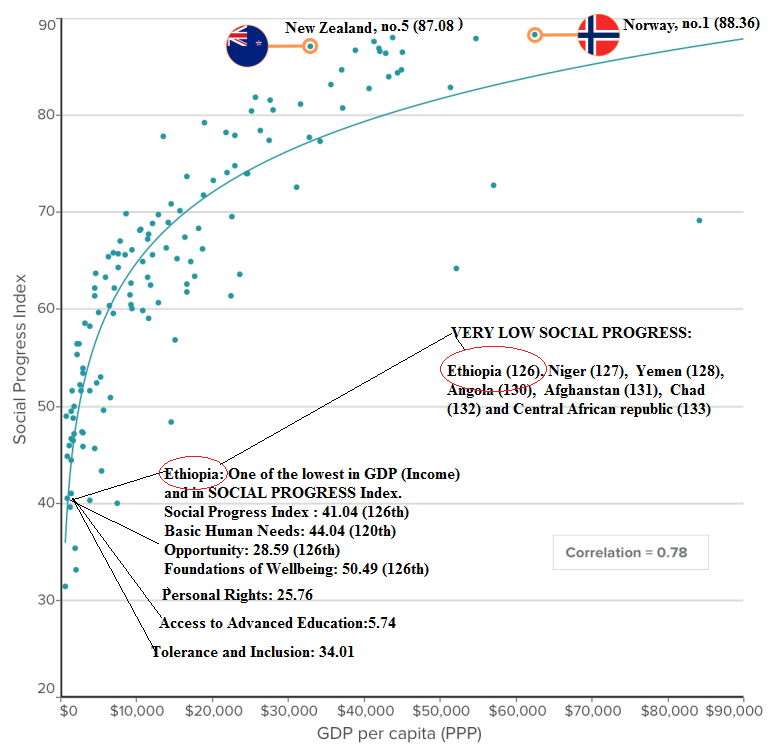


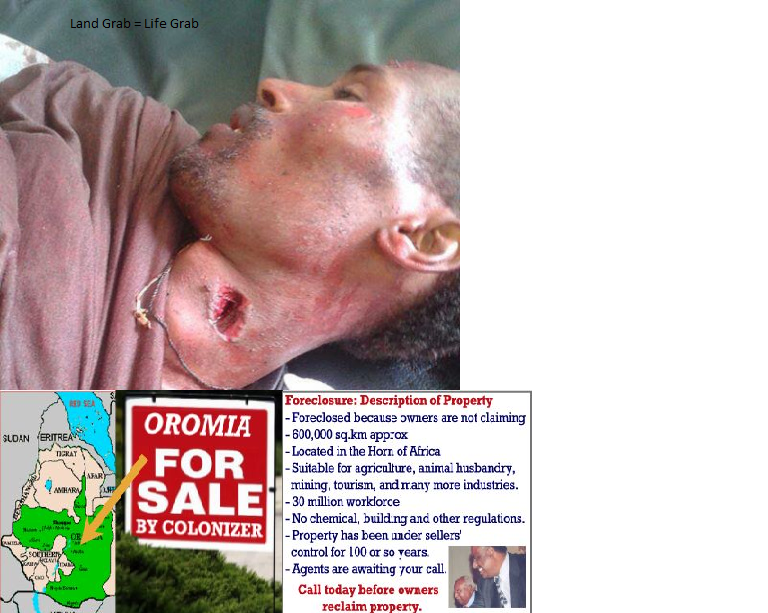
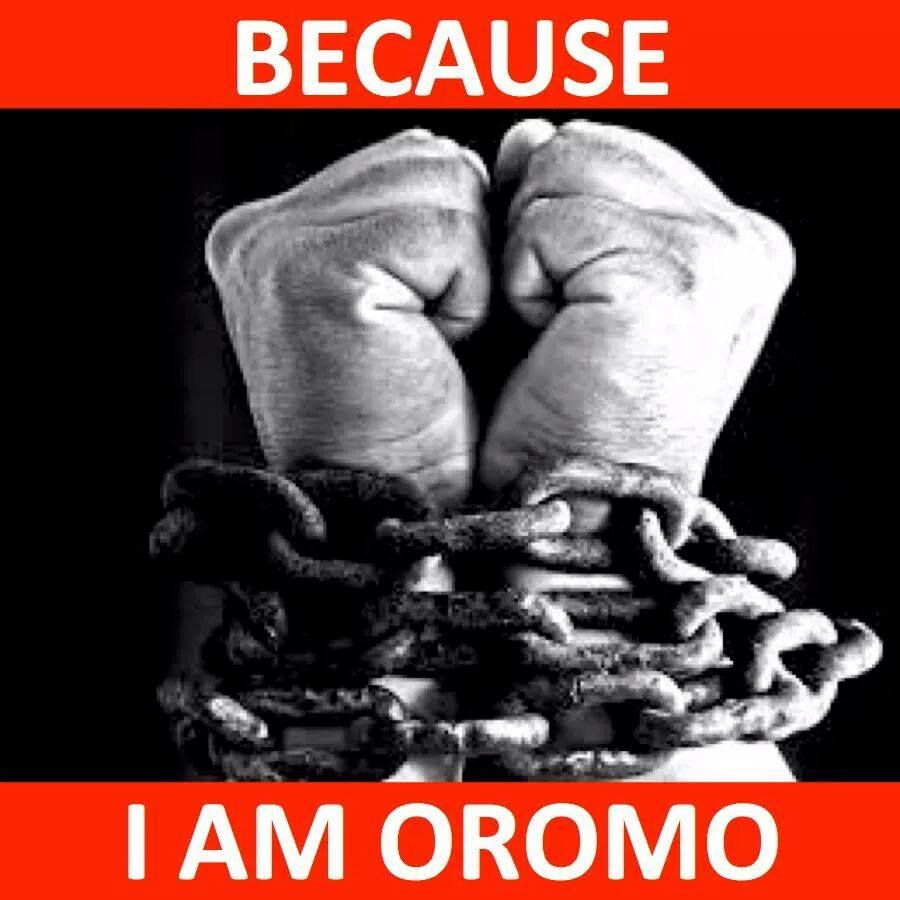
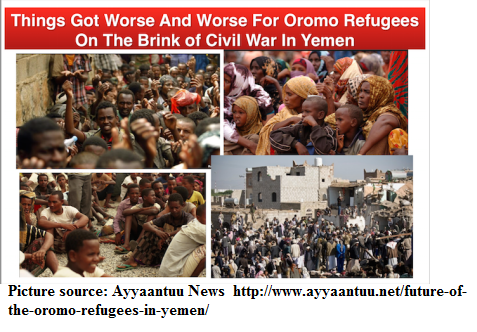

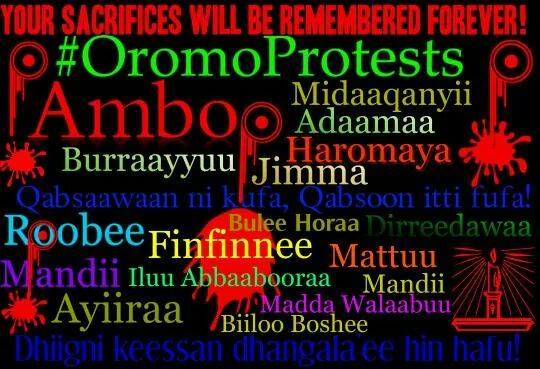
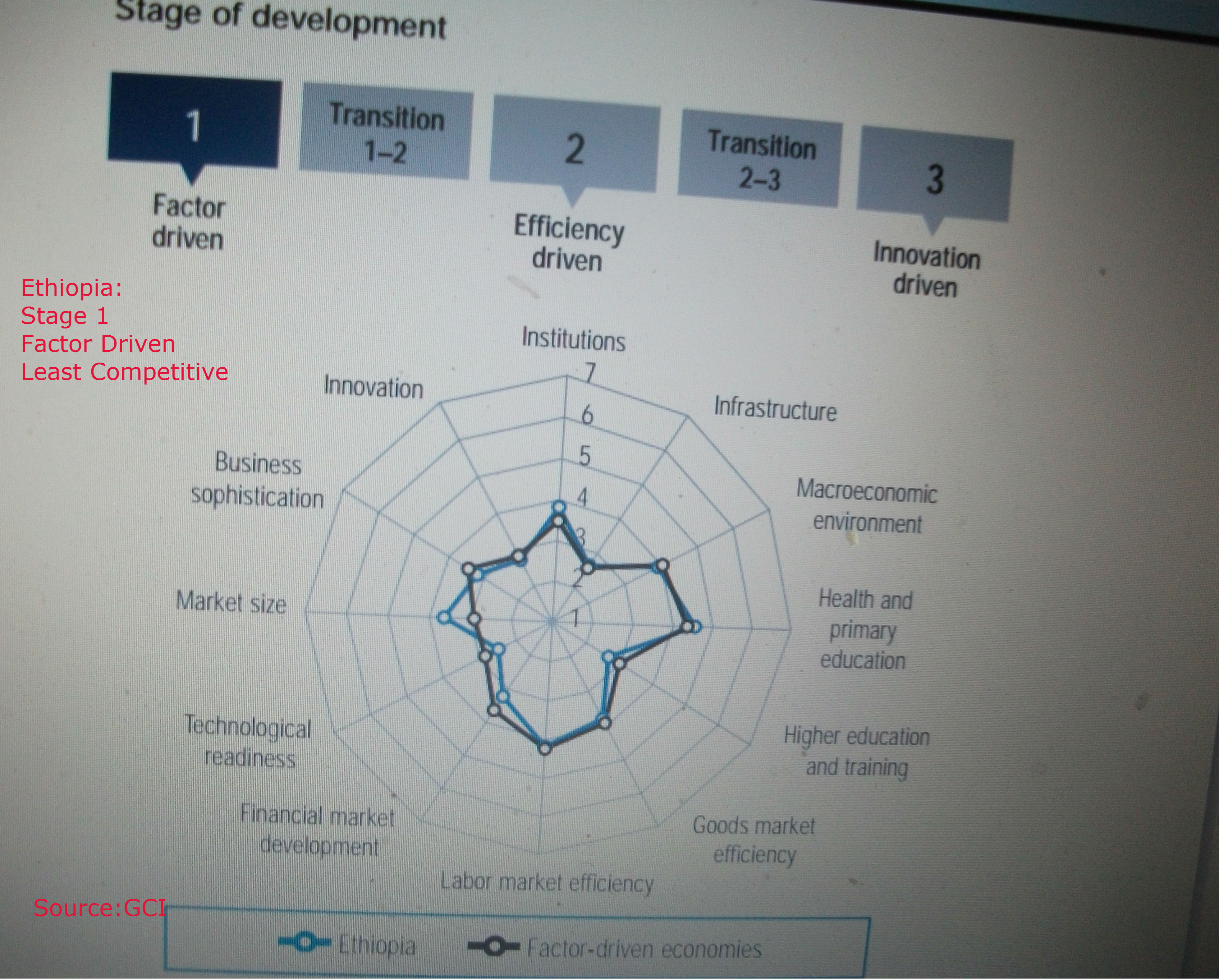

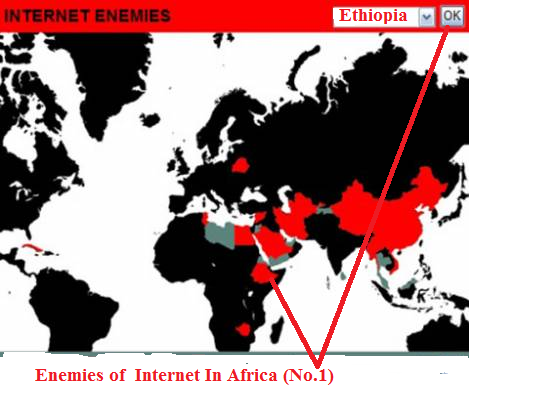
 25 March 2015 (Privacy International) — German surveillance technology company
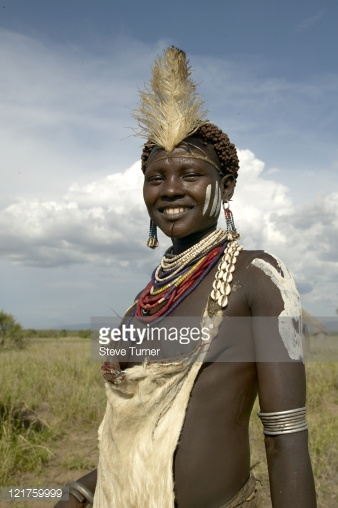



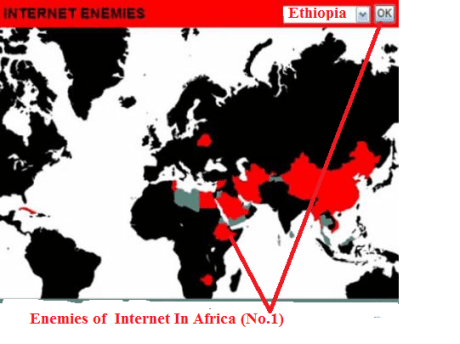

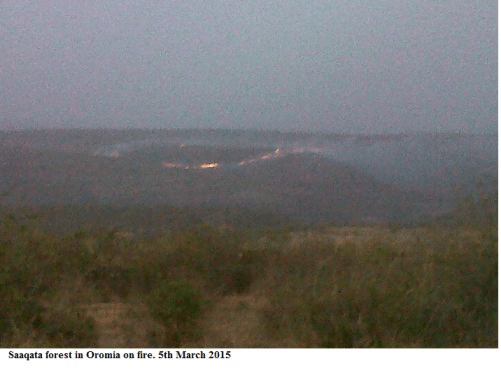
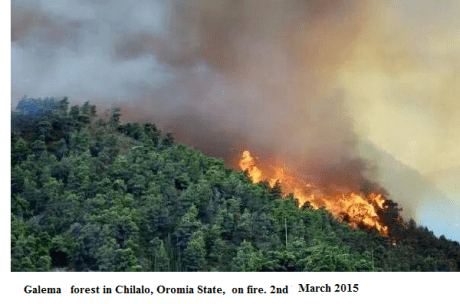
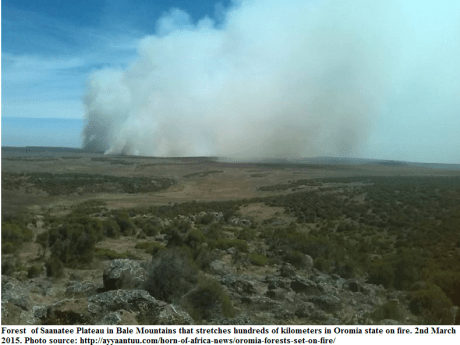
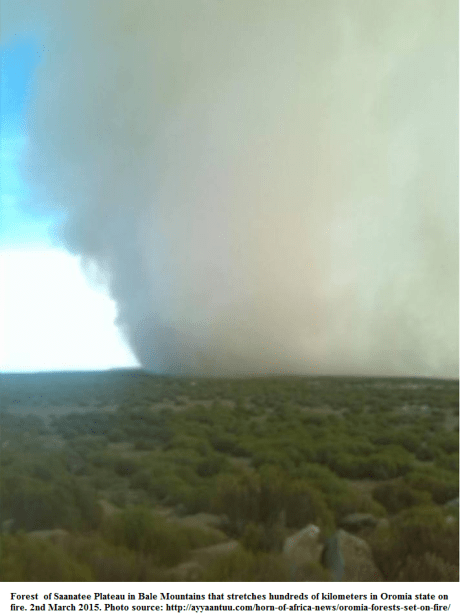
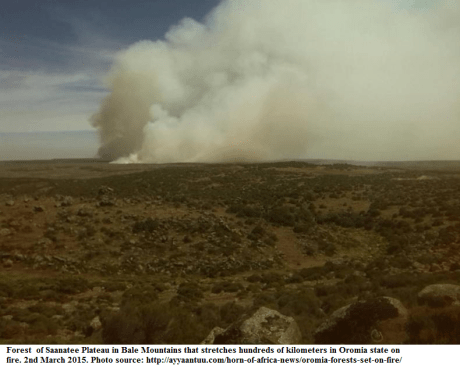
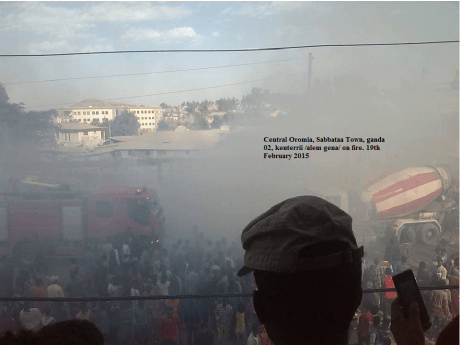

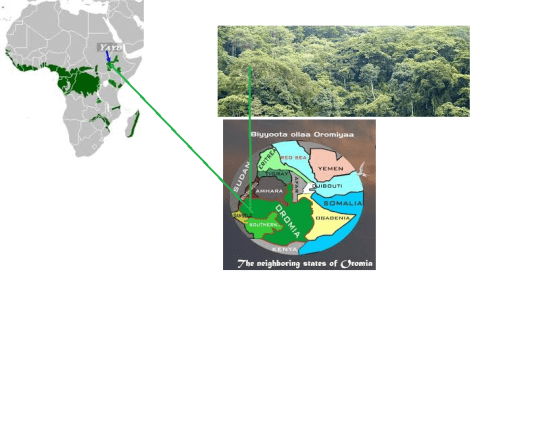



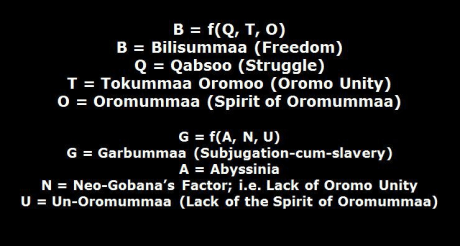


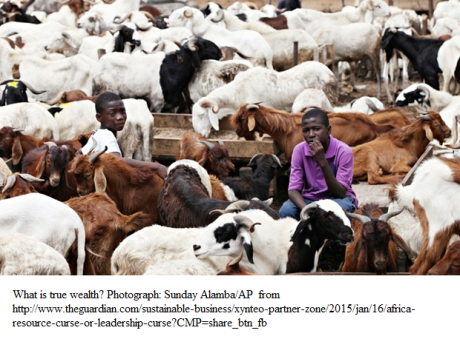
 January 6, 2015 (BBC) — The construction of a huge dam in Ethiopia and the introduction of large-scale agricultural businesses has been controversial – finding out what local people think can be hard, but with the help of a bottle of rum nothing is impossible.

 The prospect of returning home without interviews is unthinkable. My ruse is to distract my captors.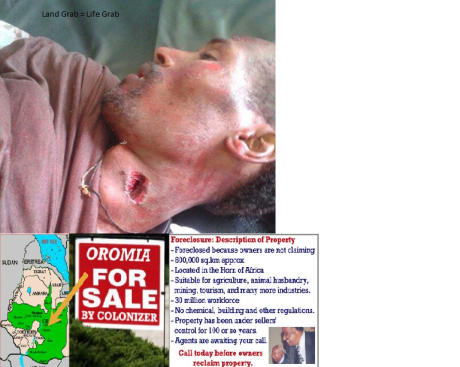

 The Human Rights League of the Horn of Africa (HRLHA) held, over the past three weeks, public meetings with members of Oromo Communities in four cities of Canada and discussed human rights issues in the Horn of Africa in general and in Ethiopia in Particular. The Oromo communities involved were those of Toronto/Ontario, Edmonton & Calgary/Alberta and Winnipeg/Manitoba; and the major topic of discussion at all the four public meetings was the unabated gross human rights violations by the different regimes of the Ethiopian Government for over a century, with particular focus on what have been happening in the past twenty years under the current TPLF/EPRDF government.
 The public gathering in Toronto was held on December 13, 2014 at the office of Oromo Canadian community Association. At the gathering, HRLHA Executive Director Mr. Garoma B. Wakessa explained in his presentation “the gross and Systematic violations of human rights against Oromo nation and other nationals in Ethiopia in the past and at present” by different governments that ruled the country. Extra judicial killings, mass arrests and detentions, kidnappings and disappearances, and tortures under the present government in particular have been discussed in details.
 Besides, Mr. Tesfaye Dheressa Kumsa, Director of Investigations and Dissemination with HRLHA, who did a presentation on “Land Grabs and Evictions as a Cultural Genocide”, explained how forced displacements of the Oromos and others from their farm lands and the resultant detachments and disconnections from traditional rural lives have been causing destructions of precious cultural assets, values, and wisdoms from which the societies have been benefiting generation after generation.
 At the gathering, HRLHA Executive Director Mr. Garoma B. Wakessa presented “the gross and Systematic violations of human rights against Oromo nation and other nationals in Ethiopia in the past and at present” by different governments that ruled the country.


 (31ST DECEMBER 2014, US DEPARTMENT OF STATE: OFFICE TO MONITOR AND COMBAT TRAFFICKING IN PERSONS) — Ethiopia is a source and, to a lesser extent, destination and transit country for men, women, and children who are subjected to forced labor and sex trafficking. Girls from Ethiopia’s rural areas are exploited in domestic servitude and, less frequently, prostitution within the country, while boys are subjected to forced labor in traditional weaving, herding, guarding, and street vending. The central market in Addis Ababa is home to the largest collection of brothels in Africa, with girls as young as 8-years-old in prostitution in these establishments. Ethiopian girls are forced into domestic servitude and prostitution outside of Ethiopia, primarily in Djibouti, South Sudan, and in the Middle East. Ethiopian boys are subjected to forced labor in Djibouti as shop assistants, errand boys, domestic workers, thieves, and street beggars. Young people from Ethiopia’s vast rural areas are aggressively recruited with promises of a better life and are likely targeted because of the demand for cheap domestic labor in the Middle East.


 Oromian Economist
Freedom House: U.S. Wrong to Endorse Ethiopia’s Elections. #Africa #Oromia April 23, 2015
Posted by OromianEconomist in Africa, Ethiopia's Colonizing Structure and the Development Problems of People of Oromia, Ethnic Cleansing, Free development vs authoritarian model, Groups at risk of arbitrary arrest in Oromia: Amnesty International Report, Sham elections, The Tyranny of TPLF Ethiopia.Tags: Africa, African Studies, Ethiopia's sham elections, Freedom House in response to comments by Under Secretary for Political Affairs, Genocide against the Oromo, The Tyranny of Ethiopia, Under Secretary Sherman’s comments, Wendy Sherman
2 comments
https://freedomhouse.org/article/us-wrong-endorse-ethiopias-elections#
U.S. Wrong to Endorse Ethiopia’s Elections
(Frredom House, Washington, April 16, 2015)
In response to today’s comments by Under Secretary for Political Affairs, Wendy Sherman, in which she referred to Ethiopia as a democracy and the country’s upcoming elections free, fair, and credible, Freedom House issued the following statement:
“Under Secretary Sherman’s comments today were woefully ignorant and counter-productive,” said Daniel Calingaert, executive vice president of Freedom House. “Ethiopia remains one of the most undemocratic countries in Africa. By calling these elections credible, Sherman has tacitly endorsed the Ethiopian government’s complete disregard for the democratic rights of its citizens. This will only bolster the government’s confidence to continue its crackdown on dissenting voices.”
Background:
Since coming into power in the early 1990s, the Ethiopian People’s Revolutionary Democratic Front (EPRDF) has dominated politics through a combination of political cooptation and harassment. The country experienced a degree of democratization through the early 2000’s, culminating in the most competitive elections in the county’s history in 2005. Since these elections, the EPRDF has restricted political pluralism and used draconian legislation to crack down on the political opposition, civil society organizations, and independent media. In the 2010, EPRDF and its allies won 546 out of 547 parliamentary seats.
Ethiopia is rated Not Free in Freedom in the World 2015, Not Free in Freedom of the Press 2014, and Not Free in Freedom on the Net 2014.
Freedom House is an independent watchdog organization that supports democratic change, monitors the status of freedom around the world, and advocates for democracy and human rights.
Join us on Facebook and Twitter (freedomhousedc) and Instagram. Stay up to date with Freedom House’s latest news and events by signing up for our RSS feeds, newsletter and our blog.
https://freedomhouse.org/article/us-wrong-endorse-ethiopias-elections#
Ethiopians dispute US official’s assessment of their ‘democracy’
U.S Department of State Endorsing of Upcoming Elections: Denial and Disrespect
The Human Rights League of the Horn of Africa (HRLHA)
The Human Rights League of the Horn of Africa (HRLHA) strongly opposes to the position that the U.S State Department has taken in regards to the upcoming Ethiopian election and the overall democratization process in the country in the past twenty-four years; and describes the comments by the Under Secretary of State as a sign of disrespect for ordinary citizens of Ethiopia and disregard for the human miseries that hundreds of thousands of Ethiopian have gone through under the EPRDF/TPLF-led government.
The HRLHA has no doubt at all that the U.S Government in general and U.S Department of State in particular, with the biggest and highly staffed of all Western embassies in Ethiopia, are very well aware of the political realities that have been prevailing in the country over the past two decades. An excellent proof is the Country Reports on Human Rights Practices that is issued annually by the US Department of State itself. Suppressions and denials of fundamental human rights in Ethiopia under the EPRDF/TPLF Government were being reported on by various human rights and humanitarian as well as government and diplomatic agencies; and, based on the facts revealed in such reports, the Ethiopian Government has repeatedly been ranked as the worst both at the regional and global levels.
In a country that has witnessed the highest number of political incarceration in its history, where unarmed students and other civilians were gunned down in hundreds simply because they attempted to exercise some of their fundamental rights, in “one of the ten most censored countries” where the existence of independent media has become impossible and, as a result, press freedom has been curtailed completely, where all sorts of socio-economic rights have been tied to political sympathy and supports, it would be an insult and disrespect to its ordinary citizens, and a disregard for the precious lives of innocent people that have been taken away by brutal hands to say that such a country is a democracy, and that the upcoming elections would be free and fair while intimidations and harassments of opposition candidates, as well as potential voters, were taking place out in the field even while the Under Secretary of State was making the comments. While encouraging the most repressive government and governing party towards becoming more dictatorial, the Under-Secretary of State’s comments discourage and undermine the sacrifices that the Ethiopian peoples have paid and are still paying to realize their century-old dream of building free and democratic country.
The Human Rights League of the Horn of Africa (HRLHA) requests that the Under Secretary of State retract the wrong comments and apologize to the Ethiopian peoples. It also urges the U.S State Department to recognize and acknowledge the realities in Ethiopia and use the close ties that exists between the two governments to put pressure on the ruling EPRDF/TPLF party so that it allows the implementation of a genuine democracy.
http://www.ayyaantuu.net/u-s-department-of-state-endorsing-of-upcoming-elections-denial-and-disrespect/