Economic and development analysis: Perspectives on economics, society, development, freedom & social justice. Leading issues in Oromo, Oromia, Africa & world affairs. Oromo News. African News. world News. Views. Formerly Oromia Quarterly
In his interview with VOA, U.S. Assistant Secretary of State for Democracy, Human Rights, and Labor, Tom Malinowski discussed the current Ethiopian situation and his concerns regarding human right protection. He said, “It’s a very difficult situation. The country is under a state of emergency, and a state of emergency by definition means that certain rights are suspended. Due process is suspended. And however much the government may feel that the state of emergency has brought calm temporarily to the country, it also brings with it certain risks. It risks adding a new layer of grievances to those grievances that initially led people in Oromia and Amhara to come out onto the streets. At first they were concerned about land seizures and lack of jobs and representation, all of which the government has acknowledge to be real and legitimate. But now they’re also upset about the arrests and the violence. And the longer this continues, the more those grievances are likely to build. At the same time, it risks giving greater power to the security apparatus in a way that could delay the introduction of the reforms that the Prime Minister and the government have, to their great credit, said are necessary.” Listen the first part of VOA interview at: http://bit.ly/2h3kmYO https://www.facebook.com/us.emb.addisababa/posts/1372399152802454
An Ethiopian government directive under a state of emergency contains overly broad and vague provisions that risk triggering a human rights crisis, Human Rights Watch said in a legal analysis. The government should promptly repeal or revise all elements of the directive that are contrary to international law. 31 October 2016.
“Internet mobile irrati fayadamuuf mali argameera… akkas agodhani qeeroon Setting..more network….mobile network… access network name…. harka mirgara + kan jedhu tuqu… name kanjedhu … et.wap… APN… et.wap…. proxy…10.204.189.211… port…9028…. authentication… PAP or CHAP kan jedhu guutu… kana booda qeerroon mirgaan galte Mobile jam Tplf irraa hanu… sanan fayadama jira amaan kana.” #OromoRevolution.
Winner of Mississauga CanKen 5K race protests in support of Ethiopia’s Oromo people.
Ethiopia’s Hajin Tola won the inaugural CanKen 5K road race in Mississauga, Ont. on Sunday and performed a political protest by crossing his wrists to form an “X.”
Oromia: Athletic Nation World Report: The Rio 2016 Paralympic: Athlete Tamiru Demisse showed solidarity with #OromoProtests against the tyrannic Ethiopia’s regime as he claimed a silver medal, following a protest gesture made by Olympic counterpart Fayyisaa Leellisaa (Feyisa Lilesa). Gootichi Oromoo AtleetTaammiruu Demisee Paralympic Riyoo tti tibba injifate mallattoo mormii Oromoo agarsiise.
Throwing up the “X” in parliament, Swedish MP Mr. Anders Österberg asked the Sweden Government to break silence on killings of Oromo & Amhara protesters in Ethiopia. 30 September 2016.#OromoProtests
Sean John Combs also known by his stage names Puff Daddy, Puffy, Diddy, and P. Diddy, is an American Hip Hop Recording Artist, Record Producer, Entrepreneur and Actor showing his support for Ethiopian Human Rights Global Movement.
A meeting called by TPLF’s puppets in Oddo Shakkiso district in Guji Zone turns into fierce protest as elders stand up and denounce the regime and vow to fight to death
=========
Godina Gujii aanaa Oddoo Shaakkisoo ganda Magaadoo keessatti walgahiin uummataa mootuummaan waamee gara mormii uummataatti jijjiirameera. Guyyaa kaleessaa Fulbaana 26, 2016 yookiin fulbaana 16, 2009tti, uummanni gaaffiiwwaan ciccima mirgaa abbaa biyyummaafi qabeenyummaa gaafachaa turane. Walgahiin mootummaan yaame kun gara mormiitti jijjiiramuun guutumaa gututti injifannoo ummataatiin xumurameera.
Birraan baranaa kan bilisummaatti. #OromoProtests during Irreechaa season. September 2016
Qabsoonis barannoonis itti fufa. #OromoProtests 27 September 2016
OromoProtests, East Hararghe, Biabbile, 27 September 2016
OPDO is neither the the cause nor solution for the political crisis
Yesterday the regime announced that the top two puppets in Oromia have been removed and replaced by not so new faces. TPLF is either still dumb and numb about the depth of the crisis or chose to continue insulting the intelligence of our people. The cause of conflict between the regime and the Oromo and other peoples of Ethiopia is TPLF’s mission of and obsession with building and maintaining the supremacy of Tigreans. They have successfully built a system whereby power and wealth is monopolized in their hand. They are killing, jailing, exiling and reshuffling to preserve such domination. The puppet parties be it OPDO, ANDM or SEPDM were built and maintained to serve as tools of advancing and protecting this Tigrean supremacy. Hence reshuffling men and women at the head of these puppet parties does not make any difference in the ongoing conflict. They could appoint an OPDO or ANDM as prime minister, and still it won’t solve the problem. Since its created to advance TPLF mission of creating and protecting Tigrean supremacy, the so called EPRDF cannot be reformed through changing of guards or policy fixes –solution will come only when the mission is defeated and the regime is dismantled.
Having said this, why are Lemma Megersa & Workineh Gebeyehu chosen as the new place holders in Oromia? It meant to achieve two tactical objectives; to pacify the growing resentment within OPDO rank and file and the bureaucracy in Oromia, and to further militarize the administration in Oromia.
– Lemma is relatively popular among the younger cadres–hence TPLF believes appointing him will give false hope to the bureaucracy and give them breathing time internally. .
– Workineh is a shrewd politician with keen understanding of the role of the cultural sphere. He has long experience of reaching out to Oromo elders and religious leaders every time the regime faces challenge. They hope he can tap into that to isolate young protesters from the masses through the elders.
-The most important reason however is this. Both men come from the security branch having worked as police and intelligence chiefs. As it anticipates and prepares for further escalation into armed confrontation, TPLF believes these guys will be easier to work with the military and intelligence than Mukar ad Aster whom were very loyal but clueless about dealing with the military generals and spy masters who took over through command post.
Well that is TPLF’s calculation. They are still using that very old calculator left behind by Meles. The input, the machine and the output is off the mark. Jawar Mohammed, 21 September 2016
Waldaan Christian Oromoo Magaalaa Finfinnee. – Oromo Christian church in Finifinnee, Oromia, in solidarity with #OromoProtests, 11 September 2016. The church held New Year prayer and solidarity with our people.
Teachers who are forced to participate in the 10 day indoctrination conference are engaged in #SilentProtest by refusing to ask, answer of comment. They are also boycotting food provided by the regime.
“Hirmii hin nyaannu!!” #OromoProtests September 2016
“Yuniavrsitii Wallaggaa Kampasii Shaambutti diddaan barsiisonni caldhisuun godhan itti fufee jira. Nama Dr. Balay Shifara jedhamuu mqaan waamtee dubbisuuf yaallaan waci eegalee achumaan dhiisan. Amma laaqana esheen qopheessites lagannee jirra.” #OromoProtests 15 September 2016
“Leenjii Barsiistota irratti Barsiistonni Kolleejjii Polii Teeknika Bishooftuu fi koolleejjiwwan dhuunfaa magaalichaa bakka yokkotti bakka leenjii koolleejjii poli Teeknika bishoftu keessatti hirmaachiseen Barsiistonni CALLISUUN DIDDAA giyyaa guutuu waan tokko otuu hin dubbatin hafanii waan ajaa’ibaati
Jarri nu teechisan keessaa obbo Caalii Xiiqii, Leggesee, fi itti aanaa diinii koollejjii pooli teeknika bishooftu kan ta’e Sulxaan ciigoo kan jedhaman dubbadhaa , yaada qabduu ……… cicci xumaaxum namni tokko dubbatu dhabamee jennaan kan duursanii warra afaan oromoo dubbatuuf hin dandeenye adda baasaanii otuu jiranuu waan jedhan wallaallan warri afaan hin dandeenye jirtu? Mee kan afaan oromoo dandeechan harka baasaa jechuun, Barssiisyonni afaan oromoo akka danda’an ibsachuuf otuu hin dubbatin harka baasan, eegas jedhan amma warri harka baastan maqaa waamanii dubadhaa jedhanii gara dirqiittis hoofuf jennaan Barsiistonni sagalee wal fakkaatun kolfa guddaa daqiiqaa walakkaaf ta’u kolfuun erga yokko deebisanii callisan guyyaan saa akka habashaatti 04/01/2009.” #OromoProtests 15 September 2016.
#OromoProtests 3 September 2016: People are rushing (Bank run) to take out their money from Commercial Bank of Ethiopia. This picture is taken from Kumsa Moroda branch in Naqamte, Oromia.
#OromoProtests mass solidarity rally in Berlin, Germany September 2, 2016.Fuulbana (Birraa) 2 bara 2016 Hiriirri deeggarsa FXG magaalaa Berlin, German keeysatti gaggeeyfamaa oole.
Solidarity with #OromoProtests at European Parliament at the conference/hrearing on crisis in Ethiopia, #OromoProtests, #AmharaProtests and land grabs in Afar state. 2nd September 2016
Hagayya 2 bara 2016 Gamtaan Awurooppaa Paarlaamaa Keessatti walgahii wa’ee yakka dhimma Oromo irraattii TPLF/EPRDF saba Oromoo fi Amahara akkaasumaan sabaa fi sabbonttotaa Ethiopia daballatee duguuggaa sanyii balleessuuf raawwatee fi Saamicha lafa Itoophiyaa keessatti gaggeffamuu keessumattuu Saamicha lafa Affaar irrati TPLF gaggessu irrati Marii guddaan gaggeeffameera.
#OromoProtests 2nd September 2016,Qobboo, East Hararge, Oromia : Funeral service for Saladin Shakim, who was wounded on the grand rally and died 1st September 2016.
#OromoProtests 31 August 2016: Cruelty of the TPLF
You might recall the report about killing of 15 farmers in West Hararge, masala District Choma village over the last four days. You also remember reading how the military prevented people from burying the dead and helping the wounded. Today they are dressing body of dead civilians in military uniform and video taping it. They want to make fake documentary claiming they killed armed combatants. Jawar Mohammed
Guyyaa hardhaa ilmaan Oromoo 15 Harargee Lixaa Aanaa Masalaa Araddaa Coommaa keessatti ajjeefaman san reeffa isaanii huccuu waraanaa offisuun fiilmii sobaatiif viidiyoo waraabaa jiran. Jawar Mohammed
The TPLF has continue indiscriminately mass killings of the peace loving Oromo people everywhere throughout Oromia.
The following 15 innocent Oromo people were killed by Agazi soldiers (Tigray People’s Libration Front) in Choma village , Masala District, West Hararge on August 27, 2016
1.Hamzaa Abdullaa
2.Mohammadnur Kaliif
3.Asiyaa Abbaas
4.Imaam Jaabir
5.Jaabir Mohammed
6.Feesal Abdallaa
7.Adam Mikaa’il
8.Mikaa’il Aliyyii
9.Kaamilee Mikaa’il
10.Shukrii Umar
11.Kaamil Hassan
12.Muraad Ahmad
13.Jaabir Hassan
14.Ahmad Imaamee
15.Jamaal Aliyyee
Our thoughts are with all the victims relatives and families.
May their soul rest in peace!!
The truth is that Ethiopians are revolting in the clearest of terms. One need not look beyond what has evolved in Oromia and Amhara regional states over the last ten months where simple, constitutional and even by the ruling party’s lexicon ‘legitimate’ requests by the people of Ethiopia was turned by the government into unimaginable horror.
For a government that deprived the people of Ethiopia any other means to either humble it or talk back to it, this shouldn’t come as a surprise. It is harvesting what it sowed and the least it can do is admit that its way of being a government is not working. If this means dissolving itself, so be it!
When news of a 100% victory by the ruling EPRDF came out shortly after the May 2015 general elections, everyone scorned the result; it was too stupid to be true. After all, democratic elections in a multinational state home to a near 100 million odd, which Ethiopia is one, were not supposed to be like this. So, the world was right to scorn the results because nowhere in it would similar experiences go down history books unchallenged.
Alas, the ruling party in Ethiopia was not only intoxicated by the victory to see what was in the offing, but it was so sure to get away with it, as it did get away with many lapses of political orders in the last quarter a century.
The reason why the world – not the government in Ethiopia – looked at the results of that fateful election with a sheer horror is because the latter is the author, director and main character of the tragic political drama which eventually dragged Ethiopia to the verge of crisis, yet again. And that election was the straw that broke the Camel’s back. From north to south and left and right Ethiopians are on the streets screaming their ultimate rejection of a government which claimed to have won a 100% of their votes.
Damage from within and outside
There is damage to be sustained when a rebel-turned-government spoils its political capital to become a bullying dictatorship. In all measures, that is what happened in Ethiopia since the advent of May 1991. A federated state tutored by party manifesto; alternative political parties decimated from inside out with their leading members often jailed, harassed and in some cases killed or simply made to disappear from the face of earth; independent media and civil society organizations persecuted in equal terms as terrorists; and academic institutions and religious establishments coerced to dance to the music of the ruling party. Regrettably, that is Ethiopia as we know it since it was declared the ‘democratic republic of Ethiopia,’ although some would discount the first 10 years as a semi-successful democratic experiment.
The result is that military violence has now become the new language in which the government is using to talk back to the people of Ethiopia. Judging by the look of events it wouldn’t be an overstatement to say that Ethiopians are betrayed by their own government which has no misgivings to turn into the military to answer their questions and control their dissenting voices.
But there is also damage to be sustained from outside when western allies of a dictatorship sugarcoat their terms of reference to declare a dictatorship “democratic” and continue to engage with it business as usual. (See story here).
Such blunders by the west are driven by several factors. Leaving aside the cliché, this magazine posits two of the often neglected factors.
The first is the burning ambition by Ethiopia’s western allies to showcase how the aid business turned a once poster child of famine into a successful budding state with a seemingly soaring economy. Calls by rights organizations, and most importantly, the people of Ethiopia for the west to use constructive diplomatic leverages to tame the government often fell on deaf ears. Ethiopia’s western allies repeatedly opted to hold their nose about the smelly human rights record and the government’s unbridled control of both the political and civic spaces in Ethiopia. But at the same time they continued pumping taxpayers’ money in the name of aid and lavish a repressive state with undeserved international legitimacy.
The second is the concept of not wanting to face the task of opening the Pandora’s Box during what’s often a constitutionally limited term in office practiced by most western governments. President Barak Obama is leaving office and he was under no illusion that speaking truth to the world that Ethiopia was going down the nasty way was going to do him more harm than good.
The result is that there remains no discourse and platform where Ethiopia’s western allies can use to discipline a government they themselves enabled to grow out of control.
True, Ethiopia is a sovereign state whose independence should not be tampered with but there are international laws, for example, that Ethiopia itself is a signatory to. Sadly no western ally is daring to speak out loud when Ethiopian officials use and abuse these laws the same way they use and abuse local laws. The recent flagrant dismissal by the government in Ethiopia of the kind reminder by the UN Human Rights Commission of the need to allow access to UN monitors to investigate recent killings and rights abuses in Ethiopia is one classic example.
This means it should now be up to the ruling party to stop playing illusory for the sake of PR consumption by the west and propaganda for Ethiopians and start facing the inevitable. That means the ruling EPRDF should admit that the country is really on the verge of crisis and that it and only it is responsible for it.
The truth is that Ethiopians are revolting in the clearest of terms. One need not look beyond what has evolved in Oromia and Amhara regional states over the last ten months where simple, constitutional and even by the ruling party’s lexicon ‘legitimate’ requests by the people of Ethiopia was turned by the government into unimaginable horror.
For a government that deprived the people of Ethiopia any other means to either humble it or talk back to it, this shouldn’t come as a surprise. It is harvesting what it sowed and the least it can do is admit that its way of being a government is not working. If this means dissolving itself, so be it!
#OromoProtests 30 August 2016: Arsi,Dodola, Gannata Haaraa, Oromia, 30 August 2016
Hagayya 30/8 bara 2016 Godina Arsii lixaa Aanaa dodolaa Qeerroon Ganda Gannata Haaraa bifa kanaan gaddaa ilmaan Oromoo dhumaniif kanneen mana hidhaa jiraniif gaddaa fi finxilaan dabarsan.
Motummaan nama nyaata wayyaneefi jala deemtu wayyanee Opdofi yoomillee hin jilbifannuu mirga kenyaaf ni falmanna haqa qabna ni moona injifannoon kan ummaata Oromoti jedhan.
#KonsoProtests 31 August 2016: The Konso people have maintained their protests against fascist TPLF Ethiopia’s regime.
Uuummanni saba koonsoo kan naannoo uummattoota kibbaatti argamu wayyaanee waliin walitti bu’aa jiru. Barana kan wayyaanee hin jibbine hin jiru.
RUELTY of TPLF
#OromoProtests 31 August 2016: You might recall the report about killing of 15 farmers in West Hararge, masala District Choma village over the last four days. You also remember reading how the military prevented people from burying the dead and helping the wounded. Today they are dressing body of dead civilians in military uniform and video taping it. They want to make fake documentary claiming they killed armed combatants.
Guyyaa hardhaa ilmaan Oromoo 15 Harargee Lixaa Aanaa Masalaa Araddaa Coommaa keessatti ajjeefaman san reeffa isaanii huccuu waraanaa offisuun fiilmii sobaatiif viidiyoo waraabaa jiran. Source: Jawar Mohammed
Frankfurter Allgemeine, Germany’s No 1 well respected newspaper, published a big feature story about Ethiopia and Oromo Protest. It is an in-depth reporting & published on page 3 of the newspaper.
Afar people protests, #AfarProtests 29 August 2016 and solidarty with #OromoProtests
De senaste månaderna har otaliga kvinnor, män och barn dött i Etiopien. Ännu fler har fängslats. Detta för att de valde att inte blunda för de orättvisor som pågår. Detta för att de valde att säga ifrån när människor behandlas illa. De senaste dagarna har Facebook fyllts av bilder som denna, människor som visar sin heder för alla de som inte längre är bland oss. Vi fotograferas med händerna korsade, en symbol för att om några av oss fängslas för att ha krävt att mänskliga rättigheter respekteras, är vi alla fängslade med dem! Vi måste säga ifrån när människor mister livet för att helt enkelt ha brytt sig om varandra! Låt oss fylla internet med bilder som denna. Tagga dem med #OromoProtestsoch #AmharaRistance. Det visar att du står med Oromofolket, Amharafolket och alla etiopiens folk som i årtionden förtryckts av den etiopiska regimen. Visa att du bryr dig. Om vi alla gör något litet blir det tillsammans något stort. Tack! By Melody Sundberg
#Amhara Protests in Gojjam, 28 August 2016, Road closure in action in Kosobar, Gojam and also they are in solidarity with #OromoProtests. More anti TPLF protests are going on in various cities and towns in Gojjam and Gonder.
Ethiotelecom has lost at least 30 million birr in potential revenue as a result of yesterday’s hacking that enabled customers to make free call domestically and international. The company is now trying to recover its loss by billing customers although it mostly provides prepaid service. Looking at the bills it is been sending, the loss could be way higher than the above estimate.
Oromia: Athletic nation Report: Short poem (Rio) about Oromo Olympian Fayyisaa Lalisaa, the world icon of #OromoProtests (the call for social justice). Oromian EconomistAugust 23, 2016
Oromia: Athletic Nation Reports: Crowdfunding campaign for #OromoProtests world icon, Rio 2016 Olympian, Fayyisaa Lalisaa has been exceeding the target. Dirmannan Goota Oromoo Fayyisaa Lalisaaf ta’aa jiru hamma abdatamee oli ta’aa jira. Oromian EconomistAugust 22, 2016
Oromia: Athletic Nation Report: #Rio2016 Olympic Marathon: Oromo athlete Fayyisaa Lalisaa has demonstrated his Solidarity to #OromoProtests as he wins silver medal. Oromian Economist August 21, 2016
(Yahoo Sports) — With the eyes of the world upon him, Ethiopian marathonerFeyisa Lilesaused the stage of Sunday’s Olympic marathon to daringly protest his own government back home.
As he neared the finish line and a silver medal, Lilesa raised his arms to form an ‘X’. The gesture is a peaceful protest made by the Oromo people, the largest ethnic group in Ethiopia and one that is facing a brutal response to widespread protests that began late last year.
Human Rights Watch estimated in June that 400 people have been killed and thousands more injured as the government attempted to stop the estimated 500 protests that the Oromo people staged to draw attention to systemic persecution by the govermnent.
Lilesa is from Oromia, which is home to a large majority of the country’s 35 million Oromo. He didn’t back down from the protest after the race either, flashing the sign for cameras as a press conference and pledging to do it again during Sunday night’s closing ceremony.
Rule 50 of the Olympic charter bans political displays or protests and the American duo of Tommie Smith and John Carlos was famously stripped of its medals after the pair flashed the black power salute on the medal stand at the 1968 Summer Games.
Lilesa, however, has bigger things to worry about than just losing a medal as such dissent puts his life in real danger if he returns to Ethiopia.
Columbia University students in USA are in solidarity with #OromoProtests
The U.S. State Department issued a travel alert for Ethiopia on Friday 19 August 2016 over anti-government protests.
“Protests are likely to continue, and could spread to other parts of the country, including the capital, Addis Ababa,” the State Department said in a statement. The embassy said disruptions and internet services have hampered its ability to communicate with American citizens.
Hagayya 19,2016 Gguyyoota lamaa asitti godinaalee Oromiyaa hundarraa Qeerroon hidhamaa jiru. Sababa addaa hin qabu gochi addaas hin jiru garuu Bilisummaan waan dhiyateef wayyaaneen kufaatii ishees waan mirkaneessiteef jecha uummata oromoo hidhaatti guuruu murteesse. Kaan tarkaanfii ajjechaan diinni uummata oromoo irratti aggaamee jiru biraa deebihaa kan hin jirrree fi bakka uummanni fi iji namaas hin arginetti ilmaan Oromoo ajjeessuunis Oromiyaa keessa magaalota tokko tokkotti kan mul’ataa jiru tahuunis Qeerroon gabaasaa jira. kun uummata Oromoof haaraa tahuu baatus FXG oromiyaa keessatti isa xumuraa itti fufuu irraan amma hidhaan daran jabaatee jira.
Godina Qellem ona garagaraa irraa Qeerroon gabaasaa jiruun fakkeenyaaf Anfilloo irraa namotni 15 ol tahan kaleessuma ukkaamfamuu akkasuma
Jimmaa Horroo irraa
– Dargaggoo Hasan Jamaal
– Dargaggoo Bulchaa Qalbeessaa
– Dargaggoo Tizaazuu Akkattii fi
– Dargaggoo Qalbeessaa Tolasaa kan jedhaman ukkaamfamuun gabaafamee jira.
Dabalataan onuma kana manneen jireenya namoota 4 WBO jiraachisu jechuun humna waraana Wayyaaneen sakatta’amuu irraa eegamaa jiraachuun kan gabaafame
– Mana jireenyaa Lataa Wiirtuu
– Mana jireenyaa Caalii Ganjoosaa
– Mana jireenyaa Yaadasaa Danuu fi
– Mana jireeenyaa Solomoon Gurichoo
Kan jedhaman humna agaaziitiin eegamaa jira. Akkasuma ona Gaa’oo Qeebbee, Gidaamii fi Begii keessaa ijoolleen dargaggeyyiin hidhaatti guuramaa jiru. Kun godina oromiyaa maratti akka tahes Qeerroon gabaasaa jira.
Godina Shaggar kaabaa, shagger Bahaa fi shaggar Lixaa Qeerroon hidhamuun daran jabaatee jira. uummannis hidhaanii fi ajjechan Bilisummaa nun dhorku nu doorsisuun FXG hin hambisu jechuun dhaadannoo isaa itti fufee jira. Hidhamtootni hedduun bakka itti hidhaman irraa bakka biroottis jijjiiramuudhaan hedduun namootaan bakka buuteen isaanii dhabamaa jira. Kanuma keessatti FXG ammas yeroo dhumaa kanaaf kan wayyaanee aangoo isheetti xumura taasisu itti fufuun uummannis gibira diduun, walgahiin wayyaaneen oromiyaa magaalotaa fi godinaalee adda addaatti gaggeessuuf uummata mariisisuuf deemtus bakka hundatti gara FXGtti jijjiramuu fi feshelatuun Wayyaanee isa dhumaa abdii kutachiisuudhaan bifa naasuutiin uummata hidhaatti guuruu murteeffachuun beekameera.
#OromoProtests, Black Lion Medical school students in Finfinnee, the capital, Oromia, protesting fascist Ethiopia’s regime mass killings on 18 August 2016.
Hagayya 14,2016 Sochiin Warraaqsaa Biyyoolessaa Oromiyaa FXG daran jabaachuun Walqabatee Addaatti Magaalootni Gurguddoo Oromiyaa fi Magaalotni Oromiyaa naannawaa Finfinneetti argaman homaa waraana wayyaaneen shororkeeffaama jiru.
Sochiin warraaqsaa biyyoolessaa Oromiyaa utuu wal irraa hin citiin ji’oota 8 guutuu gaggeeffamaa jiruun motummaan abbaa irree raafama ulfaata keessa seenuun kasaaraa Siyaasaa , Dinagdee fi hawaasummaa ulfaataa keessa seenee kan jiru abbaan Irree Wayyaanee EPRDF/TPLF ummata Oromoo Uummata Sivilii mirgaa fi haqa dhugaa isaaf falmatu irratti hoomaa waraanaa bobbaasuun uummata shororkeessuu ittuma fufe jira . Magaalootni Oromiyaa Naannawaa Finfinnee Sulultaa, Burraayyuu, Sabbataa, Holotaa, Aqaaqii Qaallittii, Duukkam, Galaan bishooftuu, Moojoo, Adaamaa, Laga Xaafoo laga daadhii fi Sandaafaa Hoomoo waraanaan shororkeeffamaa kan jiran Yoota’uu, Oromiyaan Bulchiinsa Waraana Wayyaanee Komand post ifatti labsiin jala erga galfamtee ji’oota 8 oli lakkoofsisaa kan jiru. Uummatni Oromoo fi goototni dargaggootni Qeerroon Oromoo soda waraanaa gabrummaaf harka akka hin kennineefi hanga gaaffiin mirga abbaa Biyyummaa uummata Oromoo deebii argatutti warraaqsaa irraa duubatti akka hin deebine diinaaf mirkaneessan.
Warraaqsii Biyyoolessaa Oromiyaa FXG Gaaffiin mirga abbaa biyyummaa haalaa caalatti mootummaa wayyaanee kasaaraa guddaa keessa galchuu danda’uu fi aangoo irraa qaarisuu danda’uun jabaatee rogaa hundaan kan itti fufu malee shororkeessa waraana wayyaanee fi hidhaa jumlaa, ajjeechaa duguginsa sanyii wayyaaneen rawwachaa jirtuun kan hin dhaabbatne ta’uu Qeerroon bilisummaa Oromoo hubachiisa.
A massive deployment of police in Ethiopia’s restive Oromo and Amhara regions prevented fresh anti-government protests over the weekend, an opposition leader said Monday. #OromoProtests 15 August 2016.
Aljazeera Inside Story – What is triggering Ethiopia’s unrest?
August 14, 2016 in
Calls for an international investigation in Ethiopia have surfaced after more than 100 people were killed in demonstrations.It is a conflict that has led to 400 deaths since November, 100 of them in the last week alone, according to human rights groups.The Ethiopian government is cracking down on ethnic Oromos and Amharas, who are calling for political reforms.Human rights groups have called the reponse ruthless. And the United Nations wants to send international observers to investigate.Ethiopia has denied that request, saying it alone is responsible for the security of its citizens. But what can be done to ensure the Ethiopian government respects human rights?Presenter: Folly Bah ThibaultGuests:Getachew Reda – Ethiopian communications affairs minister.Felix Horne – Ethiopia reseracher for Human Rights Watch.Ezekiel Gebissa – Profesor of History and African studies at Kettering University.- Subscribe to our channel: http://aje.io/AJSubscribe– Follow us on Twitter:https://twitter.com/AJEnglish– Find us on Facebook:https://www.facebook.com/aljazeera– Check our website: http://www.aljazeera.com
#OromOroprotests 14 August 2016: Walfalmii mooraa OPDO keessatti deemaa jiru kam miliiqee saba gahe:
#OromoProtests: A candlelight vigil in in front of The White House in honor of innocent peaceful protesters -brutally gunned down in cold blood by Ethiopian government. 12 August 2016
“DHIIGI MUCAA KOOTII DHANGALA’EE HIN HAFU. OROMIYAAN NI BILISOOMTI!” :AKEEKA UMMATNI OROMOO BAKKAAN GAHUUF MURTEEFFATE.
Fascist Ethiopia’s regime’s detaining and torturing Oromo children.
#OromoProtests 13 August 2016: Children make up a third of the protesters jailed in connection with Grand #OromoProtests. This photo was taken at Iyasu IV prison in Gara Mulata, East Hararge. (The former emperor was jailed there after loosing power to Hailesilassie)
Ijoollee Oromoo kan Waajjira poolisii magaala Burrayyuutti hidhamanii darara hamaan irra ga’aa jiru irraa dhaamsa nu gahe. I#OromoProtests 12 August 2016.
This is martyred Oromo teenager girl Mamiituu Hirphaa who was killed by cruel fascist Ethiopia’s regime Agazi forces in Ambo town, West Shawa, Oromia on 6 August 2016, Grand #OromoProtests
Kun wareegamtuu keenya Maammituu Hirphaa, kan godina Shawaa Lixaa, magaalaa Amboo keessatti hiriira guddaa Oromoo irratti Hagayya 6 bara 2016 wararana Wayyaaneen wareegamte.
Mammituu intala sabboontuu otuu mirga saba Oromoof falmituu wareegamte. Gootota Oromoo kumaatamaa wajjin nagaan nuuf boqodhu!
Qabsoon hanga bilisummaatti itti fufa!!
Rabbi lubbuu ishii haa qananiisu.
#OromoProtests, a determination of an Oromo man, 80 years old confronting fascist Ethiopia’s regime, Agazi forces, Arsi, Oromia, 12 August 2016
Grand#OromoProtests: POWERFUL!! A woman takes the stage during saturday protest in Dallo Manna ( Bale) moves the crowd to a higher spirit of resistance.
Hidhamuun nu gaya
Ajjeefamuun nu gaya
Oromiyaa waraanni hin bulhu
oromiyaan bulchiinsa ofiitin bulti
Grand #OromoProtests 7 August 2016 in Amboo Continues:Guyyaa 07,08,2016 Oduu oromiyaa magaalaa Amboo irraa
Magaalii Amboo kaleessaa irraa kaassee hangaa ammaatti raafama guddaa keessaa jirtii ,finciili uummaata har’as itti fufee oole jedhu jirraatoon ,poolisiin oromiyaa fi poolisiin fedderaala magaalaa keessaa hin muldhatani, magaalaa kan dhunfatee jiruu raayyaa ittisaa biyyaa(agaaze) yoo ta’uu isaannis irraa caalii saba Tigiree afaan Tigirfaa dubbatani,nama argani hundaa daa’ima,jarsaa fi jartii osoo hin jedhiini mana cabsanii reeba fi hidhaa jiruu .
hangaa ammaatti sagaleen dhukaasa magaalaa keessaa dhaga’amaa jiraa ,kan hidhaa jiruuf kan du’ee addaan baafachuun hin danda’aminee jedhuu.
Finicilaa kaleessaa keessaatti magaaluma ambootti mucaa waggaa kudha sadii (13) hin caalee alaabaa abo qofaa waan qabatee deema tureef Agaazen konkolaatan ari’anii irraa baasuun gara jabbinaan ajjeesaniiru jedhuu warrii ijaan argan.
Grand #OromoProtests, Grand #OromoProtests full scale Military massacre has been conducted by Ethiopia’s fascsit regimei n Naqamte, East Walaga. 6 August 2016 pcture.
Similar genocidal mass killings all over Oromia (in town and rurals of Hararghe, Shaggar, Finfinnee, Arsi, Baalee, Boranaa, Gujii, Walloo, Wambaraa, Jimmaa and Eluu Abbaa Booraa).
Grand #OromoProtests on August 6, 2016, Norwegian Embassy in Finfinnee, travel restrictions
BBC: Oromo community calls for more protests in Ethiopia
Emmanuel Igunza
BBC Africa, Nairobi
Posted at11:43
Activists from Ethiopia’s largest ethnic group, the Oromo, have called for more anti-government protests this weekend, days after thousands of demonstrators took to the streets in the northern city of Gondar.
Activists say that hundreds have been killed in a security crackdown
They say they will hold countrywide protests against what they describe as continued killings and other abuses by the authorities.
In the latest incident earlier this week, at least six people were allegedly shot dead by police in the eastern town of Awaday.
Prime minister Hailemariam Desalegn warned on Tuesday that Ethiopia was sliding towards ethnic conflict similar to that in neighbouring countries.
Ethiopia’s second largest ethnic group, the Amhara, held a large demonstration last Sunday in Gondar.
The ruling Ethiopian People’s Revolutionary Democratic Front has been in power since 1991 and won all seats in parliament in last year’s elections.
Why Have Oromo People Been Clashing With The Ethiopian Government For So Long? http://www.afrizap.com/en/why-have-oromo-people-been-clashing-with-the-ethiopian-government-for-so-long
France 24: Focus: Anger among Ethiopia’s Oromo boils over.
Partial list of Oromos mainly students that have been killed by Ethiopian regime police, security agents, Special and armed force during peaceful demonstration of last three months (updated stand. March. 2016)
Partial list of Oromos mainly students that have been killed by Ethiopian regime police, security agents, Special and armed force during peaceful demonstration of last three months (updated stand. March. 2016)
ABC News: Right Group: Oromia: #OromoProtests: Ethiopia’s security forces carrying out serious rights abuses, killings and rapes in clashes with protesters in Oromia
Jirtoota magaalaa fi baadiyaa hundaa reebichaa dhalaa namaaf hin malle reebaa kan turan yoo ta’u,namooni hundi kan garaa keessa waan qabuf bartoota isaa gara mana barumsaa osoo hin erginii mana manasitti dhowee manneen barnootaas cufamanii jiru.
Guyyaa hara’aa immo bartoota fi jirtoota fi kanen mana magaala kireefatan hundi bartoota mana keessan kireessan jiran akka walga’ii qabatan dhiyaatan jechudhaa waarani magaala fi hidhatootni magaala fi baadiyaa mana mana irra deemudha ummata fi bartoota koota walga’ii deemaa jechudhaa dorsisaa kan turaa yoo ta’u,bartootnis jirtootnis namni tokko osoo hin ba’iin haafee jira.
Battala kanatti lola cimaa magaalaa Naqamtee keessatti adeemsifame kanaan daandiin Naqamtee gara Finfinnee kan cufame yeroo ta’u, Barattoonni mana barumsaa Daaloo sagal humna waraanaan ukkaamfamaniiru
#OromoProtests at Asella Teachers College, 28 March 2016 and continues on 29 March 2016.
students at Asella Teachers Training College stage demonstration for the second day in the ray. They were joined by students of the preparatory school.
Afaan qawween dorsifamuun kan duuba hin deebifne barattoonni Yuunibarsiitii Jimmaa Mooraa Arfanirraa Wal ga’uun Walakkaa magaalaa Jimmaa Bakka City centre jedhamutti sagaleesaanii dhageessifataa oolaniiruAkkasuma waamicha eenyummaa guutummaa magaalattii keessa ka jiran ilmaan Oromoo maraaf taasisaniiru.Hirirri kun har’a sa’a ja’arraa eegaluu miidhamni tokkollee osoo barataarra hin ga’in goolabame Dhaamsa Uummata Oromoo Magaalaa Jimmaaf
Nuti ilmaan Keessan osoo osin jirtanii dahoo dhokannee dhabnee yeroo gara yerootti dararaan nurra ga’a jiraachuu hubatanii,nu cina akka dhaabbattan sochiin eegalame hanga galma ga’utti waan itti fufuuf isinilleen nu cina dhaabbadhaa
1. Bulchiinsa waraanaa fi Shoroorkeessaa waraanaa Oromiyaa keessatti uummata keenya irratti gaggeeffamaa jiruu fi yakka duguuginsa Sanyii (genocide) mootummaan Wayyaanee uummata keenyaa fi nurratti gaggeessaa jiruu gadi jabeessuun ni balaaleffanna!!
2. Hiraarsaa fi dararaa Sammuu fi Qamaa (Psychological and physical torture) Bulchiinsii Yuunibarsiitii Jimmaa ergama mootummaa abbaa irree hojii irra olchuuf jechaa barattoota Oromoo Yuunibarsiitii Jimmaa irratti rawwachaa jiruu fi yeroo amma kana immoo barattoota Oromoo 102 irratti beeksisaa baasuun dararaa qor-qalbii gaggeessa jiru gadi jabeessuun kan balaaleffannuu fi Bulchiinsii Yuunibarsiitii Jimmaa fi humnootin tikaa fi Waraanaa yeroo kanatti Jimma irra qubatee jiruu itti gaafatamaa seenaa fi seeraa jalaa yakka isin hin baafnee dalagaa jiraachuu gadi jabeessuun hubachiisuun, gochaa diinummaa fi abbaa irruummaa mootummaa faashistii wayyaanee irra deeddeebiin ni balaaleffanna!!
3. Mootummaan wayyaanee hatattamaan ilmaan oromoo sababaa gaaffii mirgaa abbaa biyyummaaf ukkaamsee ariifatee gadi lakkisuu qaba, kanneen wareegamanii fi madaa’aniif gumaa kanfaluun qaamota aangawoota qajeelfama dabarsaan Hayileemriyaam Dassaleenyii , Abbayi Tsayee, Muktar Kadir, Aster Maammoo, Getachoo Radda, fi Ajajootni waraanaa fi tikaa wayyaanee Seeraatti dhiyaachuun itti gaafatamuu qabu!!
Guyyaa har’aa Bitootessa 22,2016 ganamaa irra egale hanga ammatti dhaaddannoo gargaaraa dhaggesisisaa kan ture yoo ta’u.ammaan kana immoo baratoota Sadarkaa 2ffaa fi qopha’iina mana barumsaa Kaachisitti kan jalaqabee barnooni bilisumaa booda jechudhaa dhaddanoo dhaggeesisisa kan olan mana barumsa Kachisii fuulduratti kan jalqabee yoo ta’udha.
University students who returned home for midterm paid a visit to family of Tolasa Dhufera, the 4th year electrical engineering student who was killed at Haromaya University in December.
#OromoProtests in Sibo town, Bure District, Ilu Ababor students walk out of class and stage a sit-in protest. The picture show district administrators trying to convince them to resume class.
#OromoProtests at Ambo University Walisoo Campus, 21 March 2016
Oromo youth Girma Dereje Ayana, an 11th grade student in Gidda town, Gidda Ayana District, East Walaga. He was badly beaten up by Agazi (TPLF, Ethiopia’s regime fascist ) forces in his hometown and passed away in Naqamte Hospital on 21 March 2016.
#OromoProtests (16 March 2016) continues in Jimma University technology Campus. Agazi has set fire to a dormitory in order to force barricaded students out. They are currently beating those students who escaped the fire and captured.
#OromoProtests continues in Adama University, Oromia, March 2016. fascist forces (Agazi) is attacking students.
#OromoProtests-(16.03.2016, Oromia)This is Abbas Roobaa Bulloo a 16 years old student who was gunned down by Agazi soldiers in Adaba town, West Arsi, today March 16, 2016.
#OromoProtests in Adaabbaa, Arsi, Oromia, March 2016. This is Abbaas Roobaa Bulloo, 16 year old boy killed by fascist TPLF Agazi forces.
Kun Abbaas Roobaa Bulloo, kan waggaa 16 ti. Abbaas guyyaa har’aa Arsii Lixaa magaalaa Adaabbaa keessatti waraan Agaaziitiin ajjeefame.
Bitootessa 16,2016) Godina Harargee Lixaa fi Harargee Bahaatti magalota kannen akka Baddeessaa fi Aanaa Baabillee fi Calanqootti FXGn mootummaa abbaa irree wayyaanee akkuma raasetti itti fufeetu jira. Hidhaa fi ajjechaan kan irratti babal’ataa jiru Godina Lixa Harargee keessaa gochi diinaan raawwatamu hammaataa ta’ullee, ummatni keenya murteeffatee jira.
– Ajjechaa fi hidhaan boodatti nun deebisu
– Dhiigni dhangala’e akkasitti hin hafu; gumaa isaa BILISUMMAADHAAN baasna
– Hidhamtootni hamma bahanii fi hamma bilisummaa fi walabumma keenya
mirkaneessinutti qabson keenya itti fufa kan jedhu waraqaan gidduu kana bittimfamee jira.
Barataan kamuu hirmaannaa barumsaa dhaabee gara FXGtti fuula isaa guutummaatti deebisee kan jiru godina Harargee lamaanuutti jabeeffatee jira. Ummannis barattoota waliin dhaabbatee FXG galmaan gahuuf kutatee ka’ee jira.
Akka Oromiyaatti yeroo ammaa humni waraana wayyaanee kan qubatee jiruu fi konkolaataan daandiirraa dhagaa kaasu kan waraana magaalotaa fi dhaabbilee barnootaa yuuniversitiitti xiyyeeffatun socho’aa jiruu dha.
#BilisummaaOromoo-(16.03.2016, #XumuraGarbummaa, Oromiyaa) Godina addaa naannawaa finfinnee magaalaa sabbataa mana barumsa sadarkaa lammaffaa fi qophaa’inaa Sabbataatti ammaan tana ijoollee Oromootin FDG qabsiifame itti deemamaa jira.Humni waraana agaazii barattoota tumaa jira.
Barattooti garuu diddaa fi mormii isanaii jabeessanii jiru!
#OromoProtests-(16 March 2016, Shambuu, Oromia): These are students in Shambu ( Horo Guduru Walaga) continue with their protests.
#BilisummaaOromoo-(Bitootessa 16 bara 2016, Shambuu, Oromiyaa) Kun Diddaa Oromoo kan Bitootessa 16,2016 Barattootni mana barumsaa qophaa’ina Shaambuutiin gaggeessame. Barattooti kunneen diddaa fi mormii isaanii karaa nagaatiin gaggeessuun gaaffii abbaa biyyummaa Oromoo akka deeggarran mirkaneessan. Didda akana booda dhaadannoo addaddaa dhageessisuun mana barumsaa cufanii galanii jiru.
Barattooti hedduunis sababa Kanaan hidhaatti guuramaa jiru.
#OromoProtests continues in Malkaa Balloo, Harawaacaa town, Hararghe, Oromia, March 2016.
March 14, 2016
Kaleessa mootummaan faashistoota TPLF Adama Yuuniversitii bifa kanaan cacabsuu fi gubuun barattoota Oromoo irratti gochaa Sheexxannummaa fi shorokeesumaa daangaa hin qabne raawwate. Maaltu maal ta’ee hanga ammaatti adda baafachuun hin danda’amne. Yakkii ilmaan Oromoo fi saboota biroo irratti hojjatame kan beekamu eega mootummaan kun kufeetti booda akka ta’uu mamii malee dha. Mootummaa badii fi sanyii duguugaan hiriyyaa hin qabne ta’uuf jiraata.
#OromoProtests in Kiramu, east Wallaggaa, Oromia, 15 March 2016
#FncilaXumuraGbrummaa
March 14, 2016
#Madda Odeeffannoo #Hangaasuu Bilisumaa Oromia Dha
odeefannoo haraa waliif dabarsa……………………………………..Qeerroo shawaa lixaa aanoolee Dandii(gincii), Jalduu, Gindabarat, Amboo, gudar, Gedo, Midaa Qanyi, Noonoo, Dirree incinnii, Ada’aa Bargaa, Bakoo fi Daanoo hojii haaraa wayaaneen to’achuu hin dandeenye in raawanna jedhu. keessattuu, hojetoonni motummaa hojii ni dhabnaa, guyyaa tokko sa’ati walfakatatti dandii guddaa aanaa keenyaa qaxamuruu irraa uffataa keenyaa qorraa fi firashii keenyaa afanee ciifna. kunis, hanga motummaan tplf aangoo gadii dhisuutti ykn gaffiin keenyaa heeraa motummaan mirkana’ee hanga deebi’utti itti fufa jedhu. agazii Osoo hin tanee magaziin iyyuu firashii keenyaa irraa nuu hin kasuu.
1. garuu, abbootiin qabeenyaa fi ummannii nyaata nuu dhiyessuun nuu gargaraa.
2. dargaggoonnii umuriin keessaan waggaa 15-50 tataan kamuu dhiraa dubartii osoo hin jedhiin nuu waliin karaa irraa ciccisuu nuu Barbara.
3. kun halkanii fi guyyaa osoo him jedhiin itti fufa. bilisummaan ummata bal’aaf
#OromoProtests Yeroo amma kanatti Godina Boraana keessatti OPDOn duute off amanu dadhabde bulchoota fi manajaroota ganda bobaasuun ulaaga offi bafaateen namoota adda bafaacha jirti. Kanaaf, off eegaa ha sochoonu.
Injiffannoon Ummata Oromoo Bal’aaf!!!
Fascist TPLF forces at Adama University, 14 March 2016
Amma Univeersitin Finfiinnee fi Adaamaa poolisiifi waranaan guutamtee argamtii
Fascist TPLFAgazi forces shooting #Oromprotsters in Babbile town, East Hararge, 5 March 2016
#OromoProtests#Happening_now Agazi soldiers firing on protesters in
Babbile town, East Hararge . Additional soldiers are seen speeding
towards that direction. March 15, 2016
Amma magaalaa baabbileetti Agaaziin dhukaasa uummatatti baneera.
Akkasumaa konkolaataawwan agaazii fe’an gara magaalattiitti seenaa jiru.
#OromoProtests – Global Solidarity Rally, March 11, 2016
March 11, 2016In North America, protest rallies took place in Washington, DC., Maryland and Virginia; Utah; USA Los Angeles, California; Minneapolis/St. Paul, Minnesota; Lansing, Michigan; Seattle, Washington; Sioux Falls, South Dakota; Syracuse, New York; Seattle, Washington; Phoenix, Arizona; Raleigh, North Carolina; Saskatoon, Calgary, Toronto, Canada and other cities.In Europe, rallies took place in Berlin, Germany; Brussels, Belgium; Rome, Italy; Oslo, Norway; Stockholm, Sweden; Paris, France; London, United Kingdom; and Berne, Switzerland.
‘Journalists in Ethiopia have for years faced obstacles to press freedom. Now, two ongoing news events — a drought in the Ethiopia’s eastern regions, and protests across the central Oromia region — have called for increased travel outside of the capital Addis Ababa, which has become difficult due to a high security presence.’ #OromoProtests
#OromoProtests: This is Dr. Jabessa Dhaba, a Vet. general practitioner who was working in Furda town, Bedeno district, E. Harerge zone. The regime arrested him in Bedeno accusing him of involvement in the #OromoProtests movement. His father, Ob. Dhaba Miressa, was also imprisoned two weeks ago for same reason.
Konso People Protests the tyranny of fascist TPLF Ethiopia’s regime, 8 March 2016
#KonsoProtests- (08.03.2016, #EndSlavery, Oromia) The Konso people have been protesting over the last several months against land grab, demanding self-governing province and improvement in basic development. Last week, the regime arrested leader of their elders council. This led to eruption of protests on Saturday when farmers from various villages marched to the city. The city is currently under military control.
A professor sent me this text ” Today there are more students at Naqamte Hospital than at Walaga University Campus. The 49 you reported earlier are those injured just only at one dormitory building. They attacked 6 buildings and injured several hundreds. The attack began after every slept so it created stampede. I just visited the hospital. Because all the beds and even floors inside are filled with those injured, they are now treating students at building normally used for storage. This is horrible. I cannot live like this let alone teach.” Jawar Mohammed, 8 March 2016
#OromoProtests 8 March 2016: The following students are among those injured at Wallaga University after Agazi raided dormitories last night
1. Malkamuu urgessaa Ararsoo
2. Dasaleeny Tasfaa Galataa
3. Malasee Dukaam Booraa
4. Guddisaa Addisuu Bultumee
5. Badhaasaa Margaa Duressaa
6. Dastaa Fiqaaduu Aagaaa
7. Habtamuu Tasfayee Dajaan
8. Wakjiraa Aimee Araamee
9. Huseenkadiir Hussein
10. Lalisaa Raffisaa waktolee
11. Rattaa Baqqalaa Ayyanaaa
12. Yaasiin moloyee yusuf
13. Hambisaa yaaddaa walgahii
14. Tafarii Dalasaa Gedefaa
15. Gadaa Kumarraa Malkaa
16. Baayisaa Mosee Dhabaaa
17. Tasfayee Getuu
18. Biftuu Hirphoo
19. Kadiir huseen
20. Tasfayee Takkalee
21. Magarsaa Guddataa
22. Malkamuu Hundee
23. Fayeraa Bantii
24. Guutu Fufaa
25. Badhsaa HirkooIn the night Agazi soldiers raided student dormitories at Wallaga University injuring 49 students who are currently being treated at make shift hospital.
#OromoProtests – In Finfinne and other places, March 8, 2016
Finfinnee (Addis Ababa) University Students Have Began Renewed their Protests on March 8, 2016. As students protesting in front of US embassy, forcefully dispersed by by fascist TPLF ‘federal’ police.
Yeroo ammaa kana barattootni university Finfinnee fuula embassy America kan finfinneetti argamuu fuulduratti hiriira mormii gocha ajiru. Mootummaan Ameerikaa sirna garboonfattuu deeggaruu akka dhaabu gaaftaa jiran.
Kun kanan osoo jiruu humnooti Agaazii fi waraana wayyaanee dirmachuun barattoota bittinneessaa jiru; barattoota hedduus rebanii miidhaa irraan gahaniiru; kanneen ukkaamfamanis ni jiru. Diddaan itti fufee jira!!
Ethiopian Students Demand End to Police Crackdowns in Rare Protest in Front of the U.S. Embassy in Finfinne | #ወያኔ_ተነቃንቋል | #OromoProtests
THE NEW YORK TIMES/REUTERS) – ADDIS ABABA — Dozens of university students protested in Ethiopia’s capital on Tuesday, demanding an end to police crackdowns that followed months of demonstrations over plans to requisition farmland in the country’s Oromiya region late last year.
The government wanted to develop farmland around the capital, Addis Ababa, and its plan triggered some of the worst civil unrest for a decade, with rights groups and U.S.-based dissidents saying as many as 200 people may have been killed.
Officials suggest the figure is far lower but have not given a specific number.
Ethiopia has long been one of the world’s poorest nations but has industrialized rapidly in the past decade and now boasts double-digit growth. However, reallocating land is a thorny issue for Ethiopians, many of whom are subsistence farmers.
Authorities scrapped the land scheme in January, but sporadic demonstrations persist and, on Tuesday, students from Addis Ababa University marched in two groups toward the embassy of the United States, a major donor, holding signs that read “We are not terrorists. Stop killing Oromo people.”
Such protests are rare in a country where police are feared as heavy-handed and the government is seen as repressive.
A government spokesman did not immediately respond to requests for comment.
Ethiopia’s Prime Minister Hailemariam Desalegn has promised to address grievances in the Oromiya region and says he blames rebel groups for stoking violence.
Opponents blame harsh police tactics.
“The aim was to highlight the abuses carried out in the region,” one student told Reuters, saying he did not want to be identified for fear of reprisals.
“We waved white cloth to indicate that we were peaceful protesters. But police started beating us up,” he said.
New York-based Human Rights Watch said last month that protesters it spoke to and who had been detained after the outbreak of demonstrations in November had been subjected to severe beatings and never appeared before a judge.
The group said women suffered sexual assaults and mistreatment. It said one 18-year-old student was “given electric shocks to his feet”.
Officials dismissed the report as not worthy of comment.
OromoProtests TPLF’s barbarism against Surma (the Suri people, the Mursi people and the Mekan people) of Lower Omo basin in Southern state. TPLF is torturing the kushitic people of Omo Valley (the Surma) in 21 century as their land is taken for woyanes sugar plantations, owned by a Tigrean.
Namoonni akkanatti Wayyaaneen hiraarfamaa jiran kun lammiilee saba Surmaa kan laga Oomoo irra galaniiti. Ummanni kun lafti isaanii irraa fudhatamee abbaa qabeenyaa Tigree tokko warshaa sukkaraa irratti dhaabuu waan mormaniifi.
#OromoProtests: Taxi and other drivers go on strike in Naqamte town, East Walaga March 4, 2016. They are demanding a the military withdraw from the city and halt the daily abuse.
No vehicle in Naqamte, East Wallagga March 4, 2014
Koreen Qeerroo Kalgaariis jalqaba Qeerroon yeroo hundeeffamu akkamitti akka ka`ee fi maaliraatti hundaaa`ee Qeerroon dhaabbatee, Diinni Biyya Abbaa keenyaa keessumatti Lafa Oromoo irratti waan Diinni gootee Ragaa qabatamaa fi mul`ataa ta`ee Viidiyoon Waan Qeerroon waraabee ol kaa`ee dhiyeessaniiru. Miidhaa fi Roorroo ummata keenya irraan diinni dhaqqabiisaa jiru kana dura dhaabbachuun Qeerroon Bilisummaas saba isaaf ittisaa fi Baamsii inni godhaa turee fi ammas tarkaanfii Qeerroon Fudhataa jirus Viidiyoon Ummataaf dhiyaateera.
Keessumatti Guyyaa ha`aa Gurnaadhala 27/2016 Ummatni Oromoo Kutaa Kanaadaa keessa Jiru Guyyaan inni Tumsaa fi tinisa Qeerroo Bilisummaaf gochuuf walitti dhufe kun Guyyaa Seena qabeesaa fi yoomuu yaadatamaa afudha jedhaniiru. sababni isaas Guraandhala 26/2016 Mootummaan Wayyaanee Bulguun Oromoo fi Oromiyaa Humna qawweetin buchuuf Bulciinsa Naannoo Oromiyaa diiguun Ajaja Waraanaa jala galchuun Ummata Oromoo fi Gutummaa Oromiyaa iratti lola labsuun ishee ni yaadatama.
Ummatni Oromoo labsii Waraana ummata Oromoo irratti godhame kanaaf Naasuu fi sodaa tokko malee Ummata Keenya Biyya keessaa diinaan dhumaa, ajjeefamaa fi hidhamaa jiru bira ni dhaabbanna! Jechuun aantummaan Onnee guutun Qeerroo Bilisummaa fi Ummata Oromoo bira dhaabbachuu fi gargaarsa godhuuf Tumsaa fi dirmannaa qabsoo godhu isaaniif galata Guddaa qabdu jedhaniiru.
Ummatni Oromoo lola waraanaa Ilmaan Tigiraayii Wayyaaneen irrati labsame kana Gamtaa fi tokkummaan Sabni Oromoo kan biyya keessa fi biyya alaa jiru Diina Nu weeraraauuf Lola nurratti labse kana ofirraa qolachuu fi dura dhabbachuuf qophii ta`uu isaa tokkummaa fi gamtaan mul`see jira.
Ummatni Oromoos Yaada Wal ga`ii kana irratti kennataniin, Nuti sabni Oromoo nagaa barbaanna. Qee fi qabeenya keenya tikfannee biyya Abbaa keenyaa Oromiyaa keessaatti nagaa fi tasgabbiin jiraachuu barbaadna. Nuti Sabni Oromoo saba qee isaa fi ollaa isaafillee nagaa hawwudha.
OromoProtests 1 March 2016 continues in Gujii province of Oromia, Anna Sorraa district Me’ee Bokko town.
Bitootessa 1 bara 2016 mormiin mirga Abbaa Biyyuummaa Oromoo fi qabeenna Oromoo godina Gujii Aanaa Sorraa Magaala Me’ee Bokkotti itti fufee oolee jira. Hirirtooti karaa cufuun buufatalee woraanaa fi Pooliisii idilees guban barbadeessan jiru, qabeenna Sheikh Alamudin hedduunis gubatee jira.
#OromoProtests in Horro Guduru Wallagga, Amuru, Oromia, 1st March 2016
#OromoProtests Guyyaa har’aa 01/03 2016 Godina Horro Guduru Wallagga Aanaa Amuru mana barumsa sad 1sada 2 fi BLTO Mormii Issani har’a boda barumsa hin baranuu jechuudha debi’ani galaniruu. Mgaalaan Amuuruu tun bakkoota mormiin baatii afran darbaniif osoo addaan hin citin cichaan itti geggeeffamaa jiru keessaa tokko.
#OromoProtests continues across Oromia so is the killing. Today Agazi forces killed two brothers Teka Qabata & Boja Qabata in Shukute town, Jaldu district, West Shawa March 1, 2016. Jaldu district suffered one of the worst massacre during the first phase of the protest in December where the regime killed over 20 people people. May they join our martyrs in heaven.
#OromoProtests (1st March 2016) In Chalanqo, East Hararge, Oromia, young woman confronted TPLF fascist forces and told them to get lost when they tried to stop and search her.
===========
Gootummaa intla Oromoo intala murti guutoo tanaa laalaa mee.Suuraan tun ganama kana hararge baha magaalaa Calanqotti kaafamte. Oromtittiin tun Agaazii kararratti isii dhaabee sakatta’uu yaalee ‘ati dhiiraa quba nati ladhu mee ni gartaa jaaten!!
#OromoProtests (1st March 2016) in Awaallee, East Hararghe, Oromia
Bitooteessa 1, 2016 Godina Harargee Bahaa magaalaa Awallee gandaa amboo bakka janii hirriraa bahani mormii cimaatu geggeeffamaa jira..Alaabaa ABO fudhatanii dhaadannoo ajaa’ibaa dhageessisaa oolan.
#OromoProtests in Mana Sibuu, Bengu’aa village, 1st March 2016
#Oromoprotests, Bitooteessa 1, 2016 Lixaa wallagaa Aanaa Mana sibuu, Gaanda Bengu’aatti barattooti mana baruumsa sad. 1ffaa hiriira taasisaa oolan.
#OromoProtests (1st March 2016) in Qarsaa town. Oromo nationals Muraadii and Kadir Siraj Ahmed killed by fascist Agazi forces.
About 100 people rallied in front of Calgary MP Kent Hehr’s office Friday morning to protest police crackdowns in Ethiopia over plans to requisition farmland in the African country.
It was to support dozens of university students who protested in Ethiopia’s capital on Tuesday, demanding an end to police crackdowns that followed months of demonstrations over plans to requisition farmland in the country’s Oromia region late last year.
Protesters held signs and waved flags outside of Hehr’s Calgary office. (Colin Hall/CBC)
The government wanted to develop farmland around the capital, Addis Ababa, and its plan triggered some of the worst civil unrest for a decade, with rights groups and U.S.-based dissidents saying as many as 200 people may have been killed.
In Calgary, Gilcha Mohammed, the chairman of the Oromo Community Association of Alberta, called on the Canadian government to pressure Ethiopian authorities.
“We’re all taxpaying Canadian citizens and we want our government to send a strong message to the Ethiopian government that they can’t continue killing and arresting peaceful protestors,” said Mohammed, speaking above the shouts of the protesters gathered outside Hehr’s Calgary office.
Protesters were crossing their arms during the rally. (Colin Hall/CBC)
“They are confiscating thousands of hectares of land. There’s about 3 million farmers that have been displaced. They’re leaving farmers without anywhere to go and that’s why we’re here.”
Protesters in Calgary marched down the street holding Canadian flags and the flag for the Oromia region.
Ethiopia has long been one of the world’s poorest nations but has industrialized rapidly in the past decade and now boasts double-digit growth. However, reallocating land is a thorny issue for Ethiopians, many of whom are subsistence farmers.
Authorities scrapped the land scheme in January, but sporadic demonstrations persist.
This woman lays down in a form of protest. (Colin Hall/CBC)
Mohammed said Canada should use its influence to encourage a peaceful resolution.
“Canada is a major contributor of foreign aid to Ethiopia and it has a lot of influence over the Ethiopian government,” he said. “We just want Canada to put pressure on the Ethiopian government and even cut that aid if necessary.”
Mohammed said Hehr’s office agreed to meet with the group after the rally.
Oromia, the largest regional State in the Ethiopian Federation, has been rocked by series of protests in the past 100 days since mid-November 2015. The protests began with the aim of having the proposed Master Plan of the capital, Addis Ababa, officially referred as the ‘Addis Ababa–Finfinne[1] Integrated Development Plan’ (‘Master Plan’) scrapped. The Master Plan was designed by Addis Ababa City Administration in collaboration with the government of Oromia Regional State and introduced early in 2014. The protestors opposed the Master Plan, which covers 1.1 million hectare of land (approximately twenty fold the current size of Addis Ababa), saying that its implementation will result in the eviction of millions of farmers and families from their land. The first protests against the Master Plan were held mainly by students of Oromia regional State in April/May/June 2014 which resulted in deaths, injuries and imprisonment of many people all over the state. The protests erupted again in November 2015 and continued up until now.
The ‘second round protests’, as it is called by activists, took wider area and longer time than its antecedent. Police brutality have reached its climax and deaths, injuries, mass arrest, kidnapping have tragically been reported in the State. In only the first hundred days of these protests, hundreds of towns and villages have witnessed mass incidents. In addition, death tolls have reportedly reached more than four hundred, thousands of people were injured and tens of thousands people were briefly arrested. Even though the Master Plan has been officially been scrapped by OPDO, ruling party in the regional State, on 13 January, 2016, fifty four days after the second round of the protest erupted, the third round of the protests have continued with a new momentum; what has started as an opposition to the Master Plan seems to end up looking for answers of political questions that have grown in the past two decades.
The Ethiopia Human Rights Project (EHRP) has actively followed the first 100 days of the protests and summarized the issues, causes, and the human rights violations perpetrated by government security forces in response to the protests in Oromia region. Click the next line to read the full report:-
#OromoProtests: International Community Alarmed as Ethiopia Crisis Worsens
DW NEWS:NGO highlights plight of Oromo in Ethiopia
Human Rights Watch says security forces are continuing to persecute members of Ethiopia’s largest ethnic group, the Oromo. Hundreds have allegedly been killed in recent protests over a government plan to expand the capital Addis Ababa into Oromo land.
The Oromo people see the government’s violence as part of a systematic attempt to oppress and marginalise them. As Amnesty International (AI) states in its report ‘Because I am Oromo’: “thousands of Oromo people have been subjected to unlawful killings, torture and enforced disappearance.” People without any political affiliation are arrested on suspicion that they do not support the government – “between 2011 and 2014, at least 5,000 Oromos have been arrested”. Amnesty asserts that recent regime violence was “the latest and bloodiest in a long pattern of suppression”. This description of government intimidation and brutality will sound familiar to most Ethiopians.’http://www.counterpunch.org/2016/02/19/ethiopia-unity-in-opposition/
ETHIOPIA: FURTHER INFORMATION: DETAINED OROMO PROTESTERS MUST BE RELEASED
By Amnesty International, 17 February 2016, Index number: AFR 25/3437/2016
The Ethiopian authorities arbitrarily arrested and detained a number of peaceful protesters including journalists and opposition party leaders in recent brutal crackdown on protesters in the Oromia Region. Those detained remain at risk of torture and other illtreatment and should immediately and unconditionally be released. Amnesty International considers the peaceful protesters arrested to be prisoners of conscience detained solely for peacefully exercising their right to peaceful assembly. They continue to be at risk of torture and other ill-treatment.
Read more at:-https://oromianeconomist.wordpress.com/2016/02/18/ai-urgent-action-detained-oromo-protesters-must-be-released/
“Every social injustice is not only cruel, but causes economic waste and generational loss. Equality, free expression, justice, peace, and freedom are key for the generation’s continuation and for changing the world.”
n a letter written to the U.S. Secretary of State John Kerry [equivalent to the Minister of Foreign Affairs], U.S. Senators Amy Klobuchar and Al Franken (both from the State of Minnesota) requested Sec. Kerry for a full review of the situation in Ethiopia in order for the U.S. Congress to take “immediate actions” to protect innocent Oromo civilians in Ethiopia. The full 2-page letter is attached below.
News Fulton County (#OromoProtests Global Rally) : Oromians in SA protest in Pretoria over killings at home. Demonstrators say government scheme to expand capital Addis Ababa endangers farmers
European Parliament resolution on the situation in Ethiopia (2016/2520(RSP)). European Union strongly condemns the mass killings in Oromia. January 19, 2016
Appeal of Oromo Student’s Union (OSU) to International Community
February 10, 2016, Finfinne (Addis Ababa), Ethiopia
To:
Multinational organizations (UN, EU, AU, and others)
Countries supporting the Ethiopian regime in the name of development, peace and security, education, science and technology (USA, European countries, Canada, Australia, and others)
Human rights organizations (Human Rights Watch, Amnesty International, Human Rights League of the Horn of Africa, and others)
Oromo political organizations
Oromo studies Association (OSA)
Oromo community organizations all over the world and all other concerned bodies
We members of Oromo Student’s Union (OSU) appeal to the international community that we are currently living under difficult conditions. It is evident that the Ethiopian regime is committing genocidal crime on the Oromo people in general and the Oromo students in particular by deploying its military and police force and terrorizing us for peacefully protesting demanding our rights asking the legitimate and rightful questions of our people. Our questions are the questions of our people. Our demands are the demands of our people. Our demands can be divided into two major categories:
Basic human rights must be respected. While the Oromo constitute the majority of the Ethiopian population, Oromia constitute the largest territory, and the region is the economic backbone of Ethiopia, the Oromo people have been marginalized in every arena. Over the past 24 years the Oromo people do not have proportional power and economic share in the country and have been ruled under the EPRDF which in essence is maneuvered and completely controlled by the TPLF party. Since the mass base of the TPLF/EPRDF is the minority Tigrean population, it has been in constant conflict with the Oromo people in Oromia. The Oromo people are ruled under the barrel of the gun being constantly killed, arrested, tortured, students dismissed from schools, civilians kidnapped and disappeared, are forced to leave their country and become refugees in several countries around the globe. Therefore we demand that the basic human and democratic rights of the Oromo people be respected and a system based on equality, justice, democracy, and a government based on the needs of our people be established.
Master Plan must be stopped. Starting from 2014 we protested against the so called Master Plan of the TPLF/EPRDF regime, a plan which incorporates several Oromian towns into the capital Finfinne (Addis Ababa), evicts Oromo farmers from their ancestral land, eradicates Oromo culture, language and identity, planned to sell Oromo land and plunder Oromia’s natural resources, divide the map of Oromia into two, and causes pollution and environmental degradation. We presented our appeal in writing several times requesting that the Master plan be stopped. Instead of answering our request to stop the Master plan, the regime announced another plan to incorporate major Oromian towns which is another plan to incorporate the entire of Oromia under the jurisdiction of the federal government which on the other hand is controlled by the TPLF. When our requests fell into deaf ears we protested peacefully. The answer to our peaceful protest has been brutal killings, beatings, mass arrests, kidnappings and disappearances, inhuman torture by the regime’s so called Agazi troops. In addition to some 80+ people who were killed in 2014, more than 200 peaceful citizens, mostly students have been killed since November 2015. Thousands others have been wounded. Countless others have been jailed and are under severe torture. Read More:- Oromo Student Union appeal to International Community Feb 2016 (1)
UNDSS internal memo regarding the situation in West Arsi formerly known as East Shewa. 16 Feb. 2016
UNDSS: CLASHES IN EAST SHEWAS – WEST ARSI / OROMIYA
At least two protesters and five police officers were killed in the latest clashes in East Shewa, Oromiya.
First reports of protests date back from 8 February in the village of Amaro. Yesterday, a UN road mission was blocked by heavy clashes in Aje. In nearby Loke Kecha a bridge was destroyed and in Siraro a court office was damaged.
The town of Shashamane on the main road is tense and people fear violent protests could spread to their town.
The cancellation of the Addis Ababa Masterplan has not removed the underlying grievances that lead to the protests in Oromiya between November 2015 and Jan 2016. The volatility continues and one event or overreaction of police officers can trigger chains of retribution by angry protesters.
We currently recommend to avoid any private road travel any further south than Langano Lake. For official UN road missions please check situation with local counterparts. However, when planning road missions bear in mind that reliable real time situational information is not available. Police will usually block roads to protest sites and you should know the return time or nearest safe havens for your road trip when you are blocked from continuing your travel.
Oromo Protests have spread to southern Oromia since last week to “stop the leeching tycoon and monopolist Alamoudi,” according to the protesters. Al Amoudi is a famous monopolist of many businesses in Oromia – including gold mining, cement factory (Derba query), tanneries and farms. Al Amoudi is one of the richest persons in Africa and the world, according to the U.S.-based Forbes magazine.
Al Amoudi’s companies are criticized for failing to share profits with indigenous communities they work around (especially, in the gold mining in Guji Zone and the Derba cement query in Shawaa), and for failing to give back to the community in general; other business owners in Oromia, especially local small-business owners, also accuse Al Amoudi’s companies for receiving preferential treatments from the government and for engaging in predatory business practices to monopolize sectors of the economy. No where is this predatory practice evident than the dairy business; Oromo smallholding dairy farmers in Shawaa, especially those around Finfinne/Addis, were recently attacked in a vicious way by falsely propagating, through state-owned and government-affiliated media, that the milk from these smallholding dairy farmers causes cancer – this was done, in part, to promote Al Amoudi’s dairy company, Shola Milk, and also to drive the Oromo smallholding farmers out of their land through bankruptcy. Oromo Protesters say such abusive and predatory business practices must stop.
The government is also blamed for evicting thousands of Oromos, without compensations, to make land available to Al Amoudi’s companies whenever they request for it – especially in the gold mining region in Guji and the Derba query in Shawaa. In addition, Al Amoudi’s companies are said to have no regard for the environment; for instance, the leather/tannery and flower/horticulture companies in Oromia release toxic cancer-causing chemicals without any environmental treatment.
In many ways, Al Amoudi epitomizes what’s wrong with the current federal arrangement of Oromia in Ethipia, according to the Oromo Protesters; Al Amoudi is given the green light to “develop” in Oromia by the Federal Government in Addis Ababa – which itself is controlled by Tigrean elites of the TPLF/EPRDF ruling party; in many, if not all, cases, the business arrangements between the Tigrean-headed Federal Government and Al Amoudi are not transparent to the Federal Regional State authorities of Oromia.
The following is a report on the ongoing Oromo Protests against the “leeching tycoon and monopolist Alamoudi” in the gold-rich Guji Zone of Oromia; the protests have been staged since the mid of last week (starting around February 4, 2016, according to media reports). The government, as usual, relied on brute force to respond to the protests; the latest report says at least 1 Oromo person was killed, and 3 Oromo persons were critically wounded by the government’s special force, Agazi. Read more at:-
#OromoProtests: February 5, 2016 Oromo Protests continues in various districts of Guji Zone against Medroc Exploitation. Farmers from various villages march to the town chanting ” Okkote is our land, Al Amudin is our enemy”. Okkote is one of the mineral deposit sites that is to be given to Medroc/ Al Amudin.
Ummanni Godina Gujii mormii saamicha albuudaa jabeessee itti fufee jira. Kan agartan kun yeroo ummanni baadiyyaa dhaadannoodhaan gara magaalaa bayaa jiruudha.
Okkoteen lafa teenya Alaamuddin diina keenya
Lagi Dambi lafa teenya, Alamuddin diina keenya” jechaa deemaa jiran.
On February 5, 2016 fascist TPLF security forces and Agazi were terrorizing people of Ginici (Ginichi) town in fear of protests; every corners was under military siege.
Suuraan armaa gadii kun kan magaalaa Gincii kan Shawaa Lixaa keessatti argamu irraati . Guraandhala 5 bara 2016 humni waraanaa fi agaazii egumsaa cimaa magaalicha keessatti gochaaoole; humni dbalataas ergamee jira.
#OromoProtests in Girawaa (Doguu town), E. Hararghe, Oromia, 5 February 2016Oromoonni Harargee Bahaa, aanaa Gurawaa, magaalaa Doguu dabablloota OPDO qaanessan. Akka dabablleen OPDO olola jalqabdeen ummanni walgahii dhiitanii bahan; dargaggoo fi baratoota magaalaa wajjiin waliti makamuunis mormii qaban dhagesisan.Ummati Oromoo jajjaboo kunneen walgahii gaafa Guraandhala 4 bara 2016 DhDUOn waamte irratti diddaa fi mormii isaanii mul’isuun ololli fi sobni OPDO akka fashalu godhan.
#OromoProtests, (3 February 2016, Gujii, Oromia)
#OromoProtests in Sabbaa Boruu district of Guji zone, Oromia. In addition to the national agenda, protesters are marching exploitation of minerals by Al Amudin without no benefit to locals.
#OromoProtests ,Nuunnuu Qumba, Waamaa Adaree, East Wallaggaa, Oromia.
3rd February 2013
Last evening around 11 PM local time,Agazi soldiers raided a wedding in Adare town, Nunu Qumba District in East Wallaga and attacked youngsters who were partying during weeding. They told them not to sing particular song. Clash erupted Agazi soldirs shot one young man who is in critical condition and villagers destroyed vehicles that brought the Agazi’s. Tense situation remains in the town as farmers have closed all roads leading to the town.You might recall the news about Agazi raiding a wedding in Arjo Gudetu near Naqamte wounding three people one of whom died later. Similarly in Elu ababor, they shot Fitsum Abate on the eve of his wedding for playing music to entertian his groomsmen. Groom survived the headshot but reportedly blinded.
The person who was shot in Adare town, Nunu Qumba district of East Walaga has been identified as Desalegn Fikadu. Currently the Agazi is terrorizing people forcing residents to vacate the town seeking refuge in neighboring rural villages.
Amajii 27/2016
Arsii Bahaa magaala Asallaatti mootummaan wayyaanee Qeerroo dargaggoota lama ilmaan isaa ajajuun barattoota lama kana irratti gocha suukkanneessaa raawwatee kan jiru Qeerroon kan gabaaseedha.
Akka Qeerroon gabaasetti barattootni Yuunivarsitii Asallaa Amajji 21,2016 halkan 5:00tti barattoota lama: Isaanis
1.Kamaal Abubaker barataa saayinsii fayyaa waggaa3ffaa fi dhalataa harargee bahaa naannoo Dadarii kan tahee fi
2Tasfaayee Tashoomee barataa saayinsii fayyaa waggaa 1ffaa fi dhalataa Arsii Bahaa naannoo Boqojjii kan ta’an namoonni 4 ol tahan hucuu civil uffachuudhaan eeggatanii yeroo ijoolleen kun lamaan mana fincaanii seenan achi keessatti cuubeen waraananiinii gatanii erga deemanii booda barattoonni kun hospitaala seenuun yaalamaa jiru.
Wallaggaa lixaatti manneen barnoota sadarkaa 1ffaa irraa kaasee hanga qophaayinaatti cufamee jiraachuun Qeerroon gabaasee jira.
Maddeen oduu Qeerroo irraa akka hubannutti wallagga lixaa Aanaa Boojjii Birmajjii magaalaa Biilaa mana barumsaa sadarkaa lammaffaa Biilaatti barattoonni Amajji 22,2016 sa’a3 irratti Fincila Xumura Gabrummaa (FXG) kaasuun ni yaadatama. Yerooma sana irraa kaasuun wayyaaneen humna ishee gara barattootaatti ergiteen barattootni barumsa dhaabuun gabaafamee ture. Guyyaa kanaa kaasuun barattootni mana barumsaa akka hin deebine yoo tahu akka walii galaatti godinicha keessatti barattootni barumsa dhaabuu irratti argamu..
Magaalaa Najjootti barattoonni man barumsaa sad.2ffaa Amajji 25,2016 FXG haaressuuf gara mana barumsaatti wal gahanii turan, barattootni hunduu hirmaanna barumsaa dhaabuudhaan yaadaa fi ejjennoo tokkoon FXG itti fufna malee barumsa hin barannu jechunis barumsi hanga har’aa hin gaggeeffamin jira.
#OromoProtests 26 January 2016: Oromo political prisoners are on a hunger strike in Ma’ekelawi
According to media reports, Bekele Gerba, other imprisoned leaders of the Oromo Federalist Congress (OFC), and other Oromo political prisoners are on a hunger strike in Ma’ekelawi, the notorious prison in Addis Ababa. The report said the political prisoners started their strike on Friday, January 22, 2016, and have vowed to continue the strike until their demands are met. Some of their demands, which they have communicated to the prison’s officials, include:
1) access to legal counsels and visitations by family as guaranteed by the Constitution and internationally accepted rights of prisoners;
2) cessation of torture of political prisoners in Ma’ekelawi;
3) access to proper medical care for all political prisoners.
It has not been possible to verify how many political prisoners are taking part in the strike. However, it has been confirmed that the following leaders of OFC are part of it: Bekele Gerba, Dejene Tafa, Desta Dinka, Addisu Bulala and others. Since November 2015, thousands of Oromos have been taken to Ma’ekelawi in connection with the ongoing Oromo Protests against the lack of adequate self-rule for Oromia (of which the Master Plan is an example), and the decades-old marginalization of the Oromo people in the political, economic, social, linguistic and cultural spheres in Ethiopia as a whole. In addition to those thousands arrested in prisons and concentration camps across Oromia and Ethiopia, more than 160 Oromo persons were killed, and thousands of Oromo persons have been wounded by the Ethiopian Federal armed forces – including tens of Oromo children.
It is to be remembered that the Ethiopian government brought Bekele Gerba, Dejene Tafa, Addisu Bulala and others to a federal court in central Addis Ababa on January 22, 2016 (listen to the report in Amharic below) – this date is the same date on which the hunger strike reportedly began; many human rights organizations, such as the Human Rights Watch and Amnesty International, accuse the Ethiopian government of using draconian laws to prosecute peaceful and legitimate political dissidents in biased courts to silence voices critical of the government’s violations of human rights and unjust policies.
#OromoProtests Support Group in Switzerland organized a successful rally at the UN Office in Geneva on January 25, 2016.
The rally was attended by Oromo peace activists in Switzerland as well as other Ethiopian Nationals concerned about the deteriorating human rights violations in Oromia and across Ethiopia. The Ethiopian government’s response to the peaceful Oromo Protests has so far been violent, which has negatively contributed to the increasingly unstable political and security conditions in Ethiopia in the fragile Horn of African region. In an attempt to calm the peaceful Oromo Protests through military means, the Ethiopian government has, over the last two months alone, gunned down more than 160 Oromo persons who took part or had been suspected of taking part in the Oromo Protests, which have been staged in Oromia since April 2014, and quite intensely since mid November 2015, against the lack of adequate self-rule for Oromia (of which the Master Plan is an example), and the decades-old marginalization of the Oromo people in the political, economic, social, linguistic and cultural spheres in Ethiopia as a whole. At least 17 of those killed and wounded are Oromo children.
The following are some photos from the Geneva solidarity rally (reported byOromiaTimes.org).
In East Walaga, Digga district, Arjo Gudetu village, Agazi soldiers have fired on protesters wounding the following people last night
1) Gamachu Alamu Tasama, shot on his back
2) Zerihun Jiregna Bayana, shot on his stomach
3) Birhanu Kebede Sando, shot on his leg
These victims are currently being treated at Naqamte Hospital. Two of them are in critical condition.
https://www.oromiamedia.org/2016/01/24/omn-gabaasa-oolmaa-oromiyaa-ama-23-2016/Oromo youth and families in Gincii (Ginchi) conveyed their remembrance to Aschalew Worku Bayi. #OromoProtests, 24 January 2016.A commemoration of Aschalew Worku Bayi who was killed in Ginchi on 13 December 2015 and his remembrance service took place on 24 January 2016 at the presence of tens of thousands of people near Cillimo.Amajii 24 bara 2016 ummanni Oromoo Aanaa Giincii yaadannoo sabboonaa Oromoo Aschaaloo Warquu Bayii geggeessan. Aschaaloon Mudde 13 bara 2015 humna Wayyaaneen Gincitti wareegame. Amajii 24 bara 2016 wayita siidaan yaadannoo isaaf dhaabbate eebbifametti ummati hedduun argamuun yaadannoo kana irratti mallattoo diddaa Oromoo agarsiisaa oolan.
The PAFD extends its most sincere gratitude to the EU Parliament in general and to those who were the sponsors of the Ethiopian resolution, including members from the Socialists and Democrats (S&D), the Alliance of Liberals and Democrats for Europe (ALDE) and Greens/European Free Alliance (G/EFA) of the EU parliamentary groups in particular.
The resolution the European Parliament has adopted on 21 January 2016 offers great support to the millions oppressed in all parts of Ethiopia and gives them courage for a better democratic and just future.The multitude of committed genocides and unfolding atrocities in Oromia, Ogaden, Gambella, Sidama, Omo, Benishangul and other parts in Ethiopia will continue, unless the international community takes some urgent practical measures to stop them. The Ethiopian government has often ignored international calls for remedy of its human rights violations, knowing that there would be no follow up or significant repercussions. In 2007, for example, the UN called for an urgent investigation into the Ogaden war crimes and crimes against humanity. However, the Ethiopian government embarked on an all-out campaign of extermination and collective punishment of civilians in the region and the international community looked the other way. Similarly, the killings in Gambella and Sidama, as well as those in Finfinnee (Addis Ababa) were also condemned by the international community, while the regime shrugged its shoulders and continued its massacres and curtailment of all democratic rights, while being rewarded with more money under the pretext of development.
History has shown that development at the expenses of democratic rights has ended in disasters and grave consequences. The Ethiopian situation is much more complex than other areas which aggravates the matter further because of unresolved historical injustices.
The PAFD calls upon the UN, AU and EU to follow up to their own resolutions and send independent commissions of inquiry to look into the massive human rights allegations that have been and are being perpetrated by the Ethiopian government against the civilian population and take appropriate measures to stop any further acts. All types of Ethiopian security forces must immediately withdraw from Oromia, Ogaden, Gambela and other areas into their barracks.
The PAFD calls upon all peoples in Ethiopia to stand together and act in unison against the atrocities committed by the regime, in order to regain their denied rights to democracy and true self-determination.
Issued by The Peoples Alliance for Freedom and Democracy (PAFD)
January 23, 2016
OFFICE OF PRESIDIUM
Breaking news: there has been reports of heavy gun fire exchange in Waddessaa area near Ambo since yesterday
January 23, 2016
(Oromia Press) — There has been reports of heavy gunfire exchange in Waddessaa area near Ambo since yesterday. Particularly localities such as Haro-Xirro, Wadessa-Galan, Xulle are said to be like war zones. Civilians have been trying to escape the fighting. Residents in nearby districts confirm Agazi special forces have been moving into the area in tens of cars since the night before yesterday. It is not clear who they are fighting or firing at as network in the area is down. Source claim the clash might have been caused when the army tried to disarm local government militia suspected of being disloyal. The conflict is said to have been intensified today and heavy casualties are feared. The military has prevented ambulances that tried to reach the area from nearby towns.
Amajjii 19,2016 , Barattooti kun yeroo jalqabaaf 24 ka ta’an yoo ta’u,amma barattoota shan kan himataa jiru yeroo ta’u, adeemsi heeraa fi Seeraa kan hin eegamneefi maqaa Oromoo fi ABOtiin yakkamanii murna bicuu TPLF Tigiraayin humatamaa jiru. Barattooti kun amma mana yaalaa dhirkamuun,baay’ee kan miidhaman yoo ta’e illee haamileen oromummaa isaanii mana hidhaa maa’ikelaawwi fi Qilinxootiin utuu hin cabin mana Murtii Wayyaanee kanatti sodaa tokko malee uffata aadaa Oromoo uffatanii dhiyaatan
Himatamtoota Wayyaanee kana keessaa Barataa Magarsaa Warquu dhukkubaa fi dararaa irratti raawwatameen baay’ee hubamee kan jiru yeroo ta’u, Afaan Wayyaanee abbaa alangaa ka ifiin jettu himata irratti dhiyeessite gocha isaanii akka hin taane ibsaniiru.
Rage in Miesso following the killing of 6 peaceful protesters on 17 January 2016. has erupted in Asabot town West Hararge. #OromoProtests also in Asabot town West Hararge. Farmers from the region have moved to the city condemning the killing in neighboring Miesso town.
The 6 people killed in Miesso has been identified as:
1) Yasino Abdala Ali
2) Abdella Hassan
3) Mussa Hassan
4) Abdulhakiim
5) Ahmad
6) The six person has been badly disfigured as he was hit with grenade and hard to conclusively identify at this time.
The attack was perpetuated by TPLF’s mercenary in Somali region, the notorious Liyu Police. On Friday TPLF’s chief os intelligence for the Eastern region warned administrators of the two Hararge provinces that he will deploy Liyu police if they cannot stop the ongoing protest. As promised following yesterday’s march of farmers on Miesso town, 7 truck loads of Liyu police entered Western Hararge. This morning they invaded Miesso attacking peaceful protesters. You might recall that Liyu police attacked protesters last week in East Hararge as well.
The United States is increasingly concerned by the continued stifling of independent voices in Ethiopia, including the detention of Oromo political party leaders. These arrests have a chilling effect on much needed public consultations to resolve legitimate political grievances in Oromia.
We support the Government of Ethiopia’s December commitment to public consultation with affected communities. For these consultations to be meaningful, all interested parties must be able to express their views freely.
We reaffirm our call on the Ethiopian Government to refrain from silencing dissent and to protect the constitutionally enshrined rights of all citizens, including the right to gather peacefully, to write, and to speak freely as voices of a diverse nation. We call for the release of those imprisoned for exercising their rights, such as political party leaders and journalists.
#OromoProtests: Ethiopian Protesters Use Social Media to Bring Attention to Deadly Government Crackdown on Dissent – Atlanta Blackstar, 9 January 2016 https://shar.es/16IaqD
#OromoProtests January 10, 2016, Al Jazeera English: Holonkomi, Oromia (Ethiopia) – Security forces have killed at least 140 people during a crackdown on anti-government demonstrations in Ethiopia in recent weeks, activists and rights groups say.
The merciless fascist TPLF forces destroyed students dormitories at Madda Walabu University 9 and 10 January 2016, in the night. Soldiers have also taken away hundreds of students on the night to unknown places.
EU called emergency meeting for Monday to discuss the unrest in Ethiopia & the dire case of the Oromo people
January 7, 2016
Breaking news! Sources from European External Action Service (EU Foreign and Security Policy Branch) has indicate that European Union will convene a meeting to discuss Ethiopia with regard to ongoing #OromoProtests on January 11 (Monday) 2016. Representatives from all 28 EU member countries will attend the meeting. Fascist TPLF juntas representatives have not been invited to the meeting.Gamtaan Awurooppaa(European Union) walgahii hatantamaa waa’ee dhimma Oromoo irratti guyyaa wiixataa, 01/11/2016 waamuu beeksise!Waa’ee Oromoo irratti walgahii akkasii waamuun yeroo jalqabaa ta’us, Gamtaan Awurooppaa gochaan duguuggaa sanyii mootummaan woyyaanee ummata oromoo irraatti gaggeessaaru akka daraan isaan yaaddesseefi falmitootni mirga dhala namaa kan Akka Amnesty International walgahicha irraa qooda akka fudhatan beekameera.INJIFANNOON UMMATA OROMOOF! Falmattu malee Adunyaan dantaa kee hin qabdu..
#OromoProtests, Participants of study seminar from USA and other Philipino friends show solidarity with Oromo Student protest going on in Ethiopia here in Manila. ‘Injustice any where is injustice every where.’ 7 January, 2016.
China Town Manila, Philippines. Credit: Asefa M.Wakjira, Green Movement through social network.
#OromoProtests, Asabot ( West Hararage) Jan 7, 2016.
A 4th year Food Science Oromo student at Wallaggaa University, Horaa Banti Irranaa, was arrested on Monday January 4, 2016 by Agazi from campus. His body was found in Hadiyya on January 6, 2016. He was taken to Nekemte hospital for autopsy then his body was sent to his birth place which is Gachi, near Baddalle in Ilu Abbaabooraa.
Maqaan isaa Horaa Bantii Irranaa Yunivarsitii Wallaggaatti barataa Food Science waggaa 4ffaa tureeyyuu. Gaafa Amajjii 4 bara 2016 mooraa irraa poolisootaan fuudhamee guyyaa Amajii 6 bara 2016 ajjeefamee laga keessatti reeffi isaa gatamee argame. Horaan dhaloonni isaa Godina Ilu Abbaa boor magaala Gachii ti.Reeffi isaas garas geeffamaa jira.
Daraje Tsegaye Kitaba, Oromo teenager, kidnapped by TPLF (Agazi) forces on 26 December 2015. His whereabout is unknown. He is from Central Oromia (Xiqur incinni).
Mucaan kun Muddee 26 bara 2015 agaaziin ukaafame hangaa har’aati gara inni jiru hin beekamu. Maqaan isaa Daraje Tsegaye kitaba jedhama. Lixa shawwaa, annaa xuqur incinnii irraati.
OromoProtests: 5 January 2016 in Awaday, E Hararge, Oromia students at all levels ( elementary to preparatory) have have walked out of school informing school administrators they will not return until the military leaves school compounds, arrested students are released, those who killed students brought to justice. Students who come out of town have returned to their villages.
Amajjii 5 Bara 2015, Awwadaayii, Hargee Bahaatti Barattoonni sadarkaa hundaatu ( elemantarii hamma piripaaratorii) barnoota dhaabuun gara maatii isaanii deemanii jiran. Hamma waraanni mooraa mannaan barnootaafi araddaalee keessa bahuu, gaafiin ummataa deebi’uu, warri hidhame hiikkamuufi warri nama ajjeese seeraan gaafatamuu hin dachaanu jechuun bulchiinsita manneen barnoota hubachiisaanii jiran.
#OromoProtests, Masalaa town, West Hararghe, Oromia. 5 January 2016.
#OromoProtests continues, on 3rd January 2016 at Ambo University Waliso Campus.
Barattoonni Amboo Universitii, Kampaasii Walisoo mormii fi gadda obboleewwan isaanii kan wayyaaneen dhumaniis nyaata lagachuun yaadatan.
#OromoProtests, students in Shashamene Say No to the Master Plan and the Mass Murder, 2nd January 2016
The main road connecting Finfinnee with Eastern Region ( Harar, Dire Dawa, Jigjiga) has been closed at various villages near Hirna. 2nd January 2016, #OromoProtests
Daandin Finfinnee irraa baha biyyatti geessuu naannawa Hirnaatti araddaalee hedduu keessatti bifa kanaan cufamee jira, Amajjii 2, bara 2016
OromoProtests 2nd round continues January 1, 2016: Fichee (Salaalee), Shambuu, Dire Dawa city (LegaHarre High school), Sibuu Siree, Rift Valley University Gulale Campus, Burka Dhimtu ( East Hararge), Gimbi
Hanna Doja, Oromo child, 7 years old, 1st grade student in Kombolcha town, Horroo Guduruu, Oromia. Attacked by fascist Ethiopian regime forces ((Agazi) on 31st December 2015.
The Agazi are armed recruits from rural Tigray, TPLF’s rocky homeland. The Agazi are uneducated fascist forces trained from young age to hate, attack and kill people of non Tigray nationalities
Read more on Reports on OromoProtests in Nov./Dec. 2015 at:-
Oromo Protests: Why Ethiopia’s Largest Ethnic Group is Demonstrating
(Newsweek, 26 Feb. 2016) — Since the Ethiopian government announced plans to expand the territory of the capital Addis Ababa in April 2014, the country’s largest region, Oromia, has been racked with protests that have led to hundreds of deaths.
Oromia, which completely surrounds the capital of the Horn of Africa country, is home to the Oromo ethnic group. Oromos constitute the largest ethnic group in Ethiopia, yet members of the community claim to havesuffered systematic discrimination and oppression at the hands of Ethiopia’s federal government.
Newsweek explains who the Oromo are, why they are protesting and how the Ethiopian government is responding.
Who are the Oromos?
More than one in three Ethiopians hails from the Oromo ethnic group: Oromos constituted more than 25 million of the total 74 million population at the last census in 2007 (the population of Ethiopia has since grown to almost 100 million). The Oromo have their own language and culture distinct from the Amharic language, which is employed as Ethiopia’s official dialect.
The Oromo have been subject to human rights violations and discrimination under three successive regimes in Ethiopia, according to a 2009 report by U.S.-based Advocates for Human Rights group: the Abyssinian Empire under Haile Selassie, dissolved in 1974; the Marxist Derg military junta that seized power in 1974 and ruled until 1991; and the Federal Democratic Republic of Ethiopia, established in 1991 and existing until the present.
Oromo language was sidelined and not taught in schools for much of the 20th century and Oromo activists were often tortured or disappeared. A 2009 report by the United Nations Commissioner for Human Rights (OHCHR) stated that 594 extra-judicial killings and 43 disappearances of Oromos were recorded between 2005 and 2008 by an Oromo activist group. The ethnic group have clashed with the ruling Ethiopian People’s Revolutionary Democratic Front (EPRDF), in power since 1991; an Amnesty International report in October 2014 stated that at least 5,000 Oromos were arrested between 2011 and 2014 on the basis of opposition to the government.
Why have Oromos protested against the Addis Ababa master plan?
According to the Ethiopian government, the Addis Ababa Integrated Master Plan proposed to expand the capital’s territory in order to bring better services and greater economic opportunities to the rural areas surrounding Addis. For the Oromos, however, the plan constituted an attempted land grab that could result in the forced eviction of Oromo farmers and the loss of valuable arable land in a country regularly plagued by drought.
Protests began in Oromia immediately after the plan was announced—at least nine students were killed in April and May 2014, according to the government, although eyewitnesses said the total was at least 47. The most recent round of protests began in November 2015 and have spread across the entirety of the vast Oromia region. Human Rights Watch (HRW) reported in January that at least 140 protesters had been killed in demonstrations after heavy-handed crackdowns by security forces.
The Ethiopian government announced later in January that it was abandoning the Addis expansion plans after the Oromo People’s Democratic Organization (OPDO)—the ruling party in Oromia and a member of the governing EPRDF coalition—dropped its support for the scheme. Yet despite that, the crackdown has continued: HRW’s latest update on February 22 cited claims from activists that more than 200 protesters had been killed, with security forces allegedly firing on peaceful protesters and thousands detained without trial.
Ethiopian Prime Minister Hailemariam Desalegn, pictured addressing a U.N. summit in New York, September 25, 2015, has vowed to crack down on “destructive forces” the government says are hijacking Oromo protests.ANDREW KELLY/REUTERS
How have the government responded to Oromo protests?
The EPRDF has come down hard on protesters, claiming that “destructive forces”—including groups designated as terrorist organizations by the Ethiopian government—are hijacking the protests for their own means. Hailemariam Desalegn, the Ethiopian prime minister, said in December 2015 that protesters had burned down government properties and killed security forces, and that “merciless legitimate action” would be taken against those causing disorder.
In a statement sent to Newsweek on February 23, the Ethiopian embassy in London said that the claims made in HRW’s February report were based on “malicious statements, false accusations and unsubstantiated allegations from opposition propaganda materials.” The embassy claimed that the Addis expansion plans were dropped after “extensive public consultations” and an investigation into killings and destruction of property was underway.
Are Oromos seeking secession from Ethiopia?
One of the designated terrorist organizations accused of involvement in the protests by the Ethiopian government is the Oromo Liberation Front (OLF). The group wasestablished in 1973 to campaign for the Oromo’s right to self-determination. The OLF is now based out of Washington, D.C. and any accusations of its involvement in the Oromo protests is a means of “criminalizing protesters,” according to Etana Habte, Ethiopian author and PhD candidate at SOAS University of London. “I don’t believe the OLF has very significant influence on this protest,” says Habte. “[Claims the OLF is involved] have not any relevance or grain of truth within itself. Oromo protests are fundamentally peaceful and it carries a legitimate question.”
Habte claims that what the Oromo are seeking is self-determination, not secession.Article 39 of Ethiopia’s 1994 constitution affords “every nation, nationality or people in Ethiopia” the “unrestricted right to self-determination up to secession.” What the Oromo are asking for, says Habte, is a greater say in how their region is governed. “Oromos understand Oromia as their own territory where they have an absolute and constitutional right to self-rule,” says Habte. “The Oromo protests don’t ask for anything more than [what is provided by] the constitution.”
( Finfinne Tribune | Gadaa.com): According to media reports, Bekele Gerba, other imprisoned leaders of the Oromo Federalist Congress (OFC), and other Oromo political prisoners are on a hunger strike in Ma’ekelawi, the notorious prison in Addis Ababa. The report said the political prisoners started their strike on Friday, January 22, 2016, and have vowed to continue the strike until their demands are met. Some of their demands, which they have communicated to the prison’s officials, include:
1) access to legal counsels and visitations by family as guaranteed by the Constitution and internationally accepted rights of prisoners;
2) cessation of torture of political prisoners in Ma’ekelawi;
3) access to proper medical care for all political prisoners.
It has not been possible to verify how many political prisoners are taking part in the strike. However, it has been confirmed that the following leaders of OFC are part of it: Bekele Gerba, Dejene Tafa, Desta Dinka, Addisu Bulala and others. Since November 2015, thousands of Oromos have been taken to Ma’ekelawi in connection with the ongoing Oromo Protests against the lack of adequate self-rule for Oromia (of which the Master Plan is an example), and the decades-old marginalization of the Oromo people in the political, economic, social, linguistic and cultural spheres in Ethiopia as a whole. In addition to those thousands arrested in prisons and concentration camps across Oromia and Ethiopia, more than 160 Oromo persons were killed, and thousands of Oromo persons have been wounded by the Ethiopian Federal armed forces – including tens of Oromo children.
It is to be remembered that the Ethiopian government brought Bekele Gerba, Dejene Tafa, Addisu Bulala and others to a federal court in central Addis Ababa on January 22, 2016 (listen to the report in Amharic below) – this date is the same date on which the hunger strike reportedly began; many human rights organizations, such as the Human Rights Watch and Amnesty International, accuse the Ethiopian government of using draconian laws to prosecute peaceful and legitimate political dissidents in biased courts to silence voices critical of the government’s violations of human rights and unjust policies.
OPINION: OROMO PROTESTS: GETTING THE MESSAGES RIGHT
#OromoProtests Special coverage
By J. Bonsa, PhD, Addis Standard, January 25, 2016
The most commonly held rallying cry of the ongoing Oromo protestin Ethiopia is “Say No to the Master Plan!” There is a consensus among the protesters and the general public that the “Master Plan”, named by some campaigners as the “Master Killer”, has just served as a focal point that ignited the widespread discontent in a range of social, political and economic lives of the Oromo who finally went out en masse to express their outrage.
This piece is concerned with effective messaging of the protest. If framed wisely and clearly,messages and slogans can contribute to effective communication between the wider Oromo society in general and, most importantly, with the rest of the Ethiopian people and the international community.
It should be emphasized that the Oromo protest is a spontaneous outburst of rage among the Oromo youth and the general public at large, who had enough of the relentless and systematic oppression and dispossession by the current EPRDF led government in which the Oromo peopleare not genuinely and meaningfully represented. Since the protest is not centrally organized and coordinated, it is not surprising if the messages are not as sharp as they should.
The “Plan”
The concerns and questions related to the ‘Master Plan’ can be classified into the following sets of issues and regulations: The ‘Master Plan’– The request to scrap the ‘Master Plan’, a technical document that specifies the expansion of Addis Abeba by 20 times its current size, albeit with the ominous prospect of dissecting Oromiya into two parts through a deliberate enlargement of Addis Abeba; and Evictions and Land Grab – This follows from (a) the enlargement of Addis Abeba will inevitably get accomplished by evicting hundreds of thousands of farmers and turning pristine farm lands into a massive urban development spaces; and (b) Urban Development Law– recently passed byCaffee Oromiya, which was rushed through as an urban development law with far reaching implications, essentially obliterating Oromiya’s right on its urban centers.
If we count slogans that appeared on placards carried at demonstrations in towns and villages of Oromiya as well as solidarity rallies organized by the Oromo diaspora, then perhaps more than 90% of the cases would refer to the ‘Master Plan’, that is in the sense of (a) above. We witness similar levels of frequent references on social media; for instance, profiles of activists on Facebook often appear with a familiar red-green colored two worded slogan, “Say NO”, a shorthand for “Say No to the Master Plan”. Matters related to land grab are also referred to during chants by protesters but with less frequency than “Say No” type slogans. As far as I am aware, the “urban development law” has received a very marginal attention during the protest rallies and related discourses.
Unintended outcomes
There is an unintended consequence of heavy reference to the ‘Master Plan’ during opposition and solidarity rallies and expert discussions. The presence of the very word ‘Plan’ in ‘Master Plan’ seems to have hugely distorted the message. By definition, ‘plans’ are essentially futuristic. Therefore, any opposition to a planned activity can essentially (and easily) sound as if it is all about opposing something yet to take place. To complicate matters, even in latest press releases by Oromo political groups appear with phrases like “if implemented”; that is to say “if this Master Plan is going to be implemented”.
In rare cases when they report on Oromo protest, the western media often misrepresented Oromo protest as opposition to “development plan”, with negative connotation of portrayal as anti-economic development. The EPRDF ledgovernment has often projected this image portraying itself as pro-development and Oromo activists as obstacles againstits development plans. Even if Oromos put their cases in the best possible way, then I suspect the government would still devise ways to distort it and the Western Media would still be reluctant to provide fair coverage. Such that lack of focus in getting messages right have therefore immensely contributed to the distorted image of Oromo activism, specifically related to opposition to the ‘Master Plan’.
The excessive reference to the ‘Master Plan’ has already caused some misunderstandings and created obstacles to the ongoing Oromo uprising. For instance, government officials have reluctantly indicated their willingness for dialogue. Under pressure they have gone as far as announcing a closure of the Integrated Master Plan Project Office. The US government has provided a lip service to Oromo protest, effectively implying that “what happened is regrettable, but now that the government is willing to talk to you, stop protesting and start engaging with the authorities”. Sadly, the US government has yet again given the moral high ground to the government in Ethiopia, whose security forces have already killed more than 80 peaceful Oromo protesters, including a mother who tried to plead and protect her son.
Sharpening
In my view, what is required is simple and straightforward. The messages can get right by doing two things: Prioritize:I propose prioritization the messages in the following order: oppositions againstthe general practice of land grab; the Oromiya urban development law; and the ‘Master Plan’ itself. Meanwhile references to the later have to be kept to the minimum. Land grab, the end result of the ‘Master Plan’, has to be brought up front and protesters have to be vocal in their opposition to the ill-designed and deceitful regulation rushed through Caffee Oromiya. References to the fuzzy, vague and broad “plan” have to be relegated to a third category. However, I believe it should still remain on the placards but with less frequency than it currently appears. Balance: The message gets clearer if opposition to the ‘Master Plan’is unpacked and presented in its time dimension: past, present and future. So far, the misunderstanding emanates from the presence of the word ‘Plan’ in ‘Master Plan’, which gave totally wrong impressions that Oromos are protesting a plan that is not yet implemented. It is a known fact that this is not the spirit in which the Oromo protests have taken place. The fact of the matter is the ‘Addis Master Plan’ has already been implemented. The EPRDF government should therefore be accused and challenged not only for lack of public participation in the preparation of the ‘Master Plan’ but also for declaring a plan for City development activity which has already been substantially implemented without much say from the general public. This would mean reframing the message and challenging primarily the implemented component of the Addis Abeba Master Plan. In other words, the focus of the movement should shift from what is yet to happen to what has already happened. This will save the protest from being labeled as a protest led by “imagination” to opposition against incalculable damages and crimes already perpetrated on the Oromo people.
Focusing
The whole purpose of this analysis is to assist with sharpening the messages and messaging in the ongoing Oromo protest. I will conclude by providing rough sketches of the nature of effective messages I would like to see in future rallies. Although I put “Land Grab” as a primary target for opposition, even this would need to be framed in such a way that the message to be conveyed is a great deal more focused and sharper. In the context of Oromiya, “We Oppose Land Grab” is not good enough. Instead“Lafaa Hattee Deebisi!” or “Return Stolen Properties!” sounds sharper. I will simply outline a few focal points, and leave the task of coining effective slogans out of them. (of course, that is if my concern is shared with others colleagues).
Compensation– peaceful protesters would need to put across messages that target proper compensation for millions of families that have already been evicted over the last two decades. The justification for this is clear and straightforward. Ill-compensated farmers have legitimate cases to legally hold the authorities accountable for their dispossessed properties. There is no such a thing as bygones are bygones in such matters. In this case, the target has to be proper compensations perhaps over a longer period of time. It is possible to imagine the kinds of settlement that can be reached.
This might include establishing an inquiry that will look into the elaborate scams surrounding property development deals, amount of money collected, and then institute public fund for special compensations that will regularly pay evicted farmers and reinstate their dignities as human beings. Inevitably, such compensation funds can be sustained through property taxes, which inin tern force those who unjustly acquired land to pay back in the long run. Such guarantees will save current owners from insecurity in the short term to medium term.
‘Master Plan’– The manner in which protesters oppose part of the ‘Master Plan’yet to be implemented would need to be reframed. The aspect related to inevitable future land grab will remain as in the current rally but it should not be allowed to overshadow other aspects. However, I think it is important to express opposition to the deceitful merger of Addis Abeba with surrounding Oromiya towns in the pretext of development. Peaceful protesters would need to vocally express their opposition to “merger”. The reason is clear; it violates the basic principles of federalism. Something like this would send a strong message: Development Plan Integrations, Yes!; City-Town Mergers, No!.It can never be a difficult task to elaborate the underlying reasons for such slogans. It will also remove the unfortunate image of sounding a protest against “development plans”. Holding this slogan is like hittingtwo birds with one stone – a protest against land grab, gerrymandering, and the urban development proclamation. It also gives confidence for others who plan to settle in Oromiya.
Ed’s Note: The writer is an economist by profession and can be reached atdinade0612@gmail.com. The opinions expressed in this article are that of the author and do not necessarily reflect the editorial principles of Addis Standard magazine
The number of Oromo protesters killed as of now exceeds 150, according to campaigners.
After almost two months of clashes between Oromo protesters and security forces in Ethiopia, authorities have scrapped a “master plan” that would have expanded the boundaries of Addis Ababa and, according to protesters, would have displaced Oromo farmers.
However, observers are divided on the significance of the move by Ethiopia and whether it truly represents a change of policy or just a reaction to negative publicity.
Dr. Awol Allo, a fellow in human rights at the London School of Economics, said he believes the government will find other ways to take land it deems useful.
“I don’t actually believe that the practices of displacement and the eviction and the plunder would cease,” Allo told VOA. “Remember, the expansion of Addis began a very long time ago and it has intensified over the course of the last 10 years because of the influx of investment into the city, both foreign and domestic.”
Compiled by activists
Allo pointed to figures compiled by jailed Oromo activist and opposition leader Bekele Gerba, who said 150,000 Oromo farmers have had their land taken by the government over the past 10 years.
“The practices would continue. They just don’t call them a master plan,” Allo said. “The master plan was basically intended to sort of basically formalize and legalize the processes of annexation and expansion. It may not have that kind of name that gives it a broader mandate, sort of legitimacy and authority, but the practice would nevertheless continue.”
Earlier this week, the European Parliament adopted a 19-point resolution urging Ethiopia to respect the rights of peaceful protestors as well as to cease intimidation and imprisonment of journalists. During a recent visit to Ethiopia, U.S. Ambassador to the United Nations Samantha Power urged the government to engage in dialogue with protesters.
Approximately 140 people were killed during the protests, according activists interviewed by Human Rights Watch.
“What we are urging is that the international community should not turn a blind eye to these gross violations of human rights that have taken place in Ethiopia,” said Mandeep Tiwana, head of policy and research at CIVICUS, a group that works to strengthen civil society and civilian participation in politics.
“They should diplomatically engage with Ethiopia, institute external inquiry into this matter and also bring to court those responsible for excessive force and it appears that security forces have used excessive force against peaceful protesters and in fact there are reports that even children as young as 12 have been killed,” Tiwana said.
Confirmed deaths
The government has confirmed that 13 security forces died in the clashes. VOA made repeated requests for comment from the Ethiopian Embassy in Washington, D.C., but has not yet received an official statement.
The protests come at a particularly difficult time for Ethiopia, as the worst drought to hit the area in 30 years has caused a famine that is particularly affecting the northeast region.
The aid group Save the Children says as many as 10 million people are in need of food aid and calls it one of the two worst humanitarian crises in the world, following only Syria.
But observers hope the desire by the international community to aid those affected by the drought will not prevent them from insisting that Ethiopia respect human rights as it pertains to the Oromo protests.
Muthoni Wanyeki, Amnesty International’s regional director for East Africa, the Horn and the Great Lakes, said her organization and others are calling for three additional measures following the cancellation of the master plan.
Release, investigation
First, they want the unconditional release of the people arrested during the protests. They also want an independent investigation of police conduct, and they are calling for a national dialogue about policing and demonstrations and what is appropriate during protests.
“It is a sign of good faith that the government canceled these immediate plans,” Wanyeki said. “I think the pressure from the community and from all of the people that put aid into Ethiopia’s much wanted development progress need to insist on standards around projects like this.”
Under Ethiopian law, all land belongs to the government and people who are relocated are entitled to compensation.
However, the constitution specifically protects the rights of pastoralists and their right not to be displaced from their land.
Allo said proper compensation and due process has not occurred in the Oromo region around Addis Ababa.
“Their entire livelihood is inextricably tied to the land and land means everything. Their property is a way of living for them so to deprive them of that possibility that prospect of leaving the land that they have known, in the ecologies that they have known, without proper consultation, without appropriate compensation, I think that is a huge injustice,” he said.
Oromo Protests sustained due to lack of democratic virtues; protests natural reactions to authoritarianism
By Abdurezack Hussein, Finfinne Tribune, 24 January 2016
Outrage has engulfed Ethiopia for a couple of months now. Peaceful protests – against a plan, popularly called the Integrated Master Plan, to expand the capital city borders into the surrounding Oromia National Regional State – are being suppressed by lethal force. Beyond affecting the livelihoods and the cultural makeup of the Oromo residents in the affected region, protesters argue, the Plan to snatch an area from one Federal State by another could amount to a blatant annexation. Thanks to the phony federal structure, the Oromia National Regional State, that was supposed to guard its borders and defend the protesters, is regrettably failing on both accounts. According to the Human Rights Watch, at least 140 innocent lives have since been gunned down. Activists on the ground, however, raise the death toll even higher.
The escalation of the crises and protesters’ defiance have unusually forced the government, which had vowed to implement the Plan at any cost, to retract the Plan. For the protesters, though, the government’s latest action is too little to rejoice and too late to embrace. Protesters’ discontent seems to have gone beyond the Master Plan into the working of the Federal State of Oromia itself. The sustained political disenfranchisement and the lack of real representation in the decision-making hierarchy have produced a magma of uneasiness with the system that has waited so long to explode. As the protesters are vowing to continue the protests, and more political actors and the international community are slowly joining and acknowledging their cause, the coming days and weeks will increasingly put the autocratic Ethiopian government in a difficult position.
Had it not been for the lack of democracy in Ethiopia, such opposition to the government’s policies could have been easily defeated either in the court or at the ballot box. The tragic failure of the system to hold the government accountable for its polices in either way has ultimately compelled the public that the responsibility – to safeguard its own rights and claim these hijacked democratic virtues at any cost – rests on the people’s protests.
Doing Development in an Autocratic Way
The incursion into a vast swath of land around the congested capital city will produce more development and modernization, the Ethiopian government contends. It, accordingly, accuses protesters of being traitors and obstacles in the so-called “miraculous double-digit growth.” Under the New Master Plan, the predominantly agrarian adjacent lands are expected to be replaced by alternatives usages that are presumably more valuable in terms of their economic values. It envisages creating new infrastructures, new real estates, new industries and new dwellers. It does not matter whether the Plan causes serious law abridgments, or is hugely unpopular, as far as it is adding to the GDP [Growth and Transformation Plan] and keeps alive the double-digit narrative. Public opinions and laws are, at best, second to development, and at worst, they are completely neglected. This is what is called doing development in an autocratic way.
At the heart of an autocratic way of building an economy, there exists a blatant disregard of accountability. In a working democracy, governments and policymakers are accountable to the law and the public. Any development plan, however economically sound it might be, is prone to cancellation, if it negates any law of the country and its Constitution. Autocrats, on the other hand, keep themselves above the law and dare abridge any verse of the Constitution. Besides, such a regime lacks an independent judiciary to keep the working of the government in check. Dictators, therefore, are in a perfect position to plan and execute any development plan without fearing any intervention by the judiciary.
The Integrated Master Plan is an epitome of an autocratic way of doing development. Despite the fact that it plans to stretch the borders of the capital city into the neighboring Oromia National Regional State’s land, which is potentially tantamount to annexation in a federal arrangement, neither the judiciary nor the House of Federation has toddled to intervene in the matter. It is the land of autocrats where accountability before the law is at its lowest.
Another route to bring accountability within the policymakers’ circles and to governments is via elections. Elections provide mechanisms to reward, or to punish, politicians and their policies. Parties with popular policies are elected into office; economic policies and projects are no exceptions. While in office, incumbent governments plan and execute development plans that are feasible in economic terms, sound in terms of country’s laws and popular in the eyes of their electorates. Free, fair and transparent elections constrain politicians from pursuing risky and unpopular policies. The recurrent massive turnovers among governments that follow austerity measures can be a good example in this respect.
In no-man lands of electoral autocrats, however, elections are, at best, mere periodic anniversaries, or at worst, eves of mass imprisonments of vocal dissidents. The very role of accountability-before-the-public that elections guarantee is impossible in dictatorships. However unpopular the policies they plan and execute might be, they can go away without facing any punishment by the public during elections. When elections cease to serve their natural purpose of voting politicians and their policies, plans – as unpopular as the Integrated Master Plan, can irresponsibly be planed and implemented without any accountability at the ballot box.
Protests as Working Constraints
Political institutions, such as legislature, political parties and elections ,are eminent constraints on governments. The judiciary, with its mighty power, keeps government’s actions in check. These are the virtues of democracy that nations under the auspices of autocracy are devoid of. Ethiopia has never been short of such regimes for very long. The current government has led the country for a quarter of a century with an iron fist. Any opposition to its rule and policies have been met with decisive force and merciless crackdowns.
The absence of democratic virtues like independent judiciary and elections as a mechanism to voice citizens’ approval or rejection of the government and its polices in Ethiopia has expectedly created enormous frustrations. Sustained public protests for the past few years by Ethiopian Muslims and the current Oromo protests are results of such hopelessness in the system and the institutions it has built.
The huge protests all across the Oromia National Regional State against the Master Plan for the past few months has claimed hundreds lives. Injuries and incarcerations are in thousands. Reports of torture and extra-judiciary killings are everyday news. Had the judiciary been to its honor and sound elections were in place, projects as unlawful and unpopular as the Master Plan would have been defeated in the court or at the ballot box. When both institutions fail, sadly, the people have to either chose between eviction and disenfranchisement, or bravely confront the implementation of the Plan with protests. Oromos have preferred the later and have audaciously faced one of the most brutal autocratic states in the world.
The sustained protests have lately compelled the government, which has got away with many actions without any public approval for past twenty five years, to rescind the Master Plan. It has, for now, dissipated the ambitions of the leeching pro-government business elites. What would have been easily defeated in a democratic polity has sucked the blood of many in the autocratic Ethiopia. The fallen and the injured have paid with their blood to reclaim deserved democratic virtues. They have won back what an independent judiciary or a fair election would otherwise have secured at ease. Protests have served as constraints on the government – which has abusively compromised the foremost constraints to its power: the judiciary and periodic elections.
Unfortunate enough, when protesters reclaim their rights after months of defiant protests and force their autocratic rulers to back down on their nightmare, another feature of an autocratic regime could dangerously spoil their jubilation: the question of credibility. In the absence of any institutional mechanism to assure accountability of the government, there is no way one can guarantee the government would not renege on its promises. As Mancur Olson (1991, p. 153) argued “If he (the autocrat) runs the society, there is no one who can force him to keep his commitments.” Repeated experiences in the past, and the very nature of the regime type, further strengthens the prospect of a possible change of mind sometime in the near future. More importantly, the amount of rents the political and business elites would have collected from such massive land grabs will inevitably test their commitment to the rhetorical promise they have lately made.
Both at the Crossroads
It appears that both the protesters and the government are at the crossroads. For the protesters, they have managed to force the government to scrap the Master Plan that has been the immediate cause of the protests. It is now the right time to decide whether to believe the government, which has been the sole architect of the Master Plan, and the subsequent brutality against protesters, on its word, or escalate their struggle to address the lingering deep-rooted sense of Oromo disenfranchisement and confront the beleaguered Ethiopian government to the end. Putting it differently, the struggle to reclaim democratic virtues has to make a shift to reclaiming democracy itself. While it is difficult to sleep safe believing the word of an autocrat, it also requires massive amounts of energy, coordination, solidarity and determination to make the second choice.
For the Ethiopian government, the current protests seem to indicate that the sun is slowly setting in their autocratic empire. History and the nature of the political regime the government is politicking are not on their side in terms of citizens’ confidence on their word. Incumbent politicians have to either go by their promise and give a strong signal to their credibility, or face the consequences of the ensuing protests and the public outrage. The coming days, weeks and months will tell which ways both the protesters and the government will take. Either way, the current protests, and actors involved from both sides, have already made it to the history of a country that has never witnessed a government of the people, for the people and by the people.
The lethal actions against peaceful Oromo protesters – being undertaken by the Ethiopian government, mean that, with each passing day, the number of Oromo population, which is affected by the government’s heavy-handed response to the Oromo protests, continues to grow. An observer noted that, for each person the government’s bullets take away, a community of hundreds and thousands is impacted with the only memory of the deceased being the banner they held up at their last breath. The affected community moves forward with a resolute to press the banner of their martyr forward to its victory. At the tens of solemn funerals so far held for Oromo’s finest, its youth, in churches and mosques across Oromia, funeral-goers express this resolute to press forward through speeches, placards and slogans. On and off the funeral grounds, they continue their protests against the Ethiopian government’s persistent denial of Oromo’s self-rule (of which the Master Plan is just a symptom), and against the unabated killing, maiming and arresting of young students, farmers and other sections of the Oromo society. The following are a few of the funeral services held for Oromo students and farmers this year. According to one observer, Oromo’s finest leaving this world at this too young age is one pain the Oromo people will cope with forever through their memories; however, the government’s cruelty, which the deceased had faced during their last moments on this world, is one pain the Oromo people, the other Ethiopian people and the international community can stop — the deceased can not come back, but the injustice unleashed on them can be stopped, must be stopped, and will be stopped.
January 18, 2016: Funeral service for Biruk (Tolassa) Dhufera, a 4th-year Engineering student at Haromaya University – who was killed two days earlier. His funeral service took place at the local Orthodox church in his birth place of Abuna Gindeberet (West Shawaa) …
January 15, 2016: Funeral service for Lencho Dinkessa, a high-school Oromo student, in Dike village, near Waddessa (West Shawaa). He was killed in Ambo three days earlier while attending a funeral service for another martyr Abdata Olansa. His family was denied the right to bury him in Ambo; hence, it was forced to take his body to the countryside …
January 13, 2016: Funeral service for Chala Mohammed, a young farmer who was gunned down a day before in his farm in Haromaya (east Oromia) because he hesitated to turn off the engine of his water pump when the Ethiopian armed forces came to the area, according to media reports …
January 5, 2016: Funeral service for Abbas Abdulrahman who was martyred a day before in Masala (West Hararghee) …
The theme of this extraordinary session of the Oromo Studies Association is Understanding Land Transfers and Political Crisis in Ethiopia. The symposium was prompted by the outbreak of massive protests in the Oromia region against a decision to lease community land in a small town west of the federal capital of Addis Ababa to a private investor. Protests quickly took on a form of resistance against the federal government scheme known as the Addis Ababa Integrated Development Master Plan and the whole program of land lease that allows eviction of farmers. Within days, demonstrators took to the streets in large numbers in cities and towns all over Oromia, voicing slogans that condemned the practice of transferring smallholder arable lands to private investors. Lately, the protestors’ calls have included the reinstatement of genuine self-rule at the local level. Government response was swift and brutal, killing many people, arresting hundreds of protesters, and taking into custody even Oromo political leaders who were not directly involved in the protests. For days, it seemed that the security forces had quieted down the protests. After brief lull, protests emerged in unexpected places as the Oromia enclave in the Amhara region and resumed in the eastern and western parts of Oromia. All told, the protests have now lasted for two months. Both the Master Plan and the protests are unprecedented in Ethiopia. The Master Plan is the most blatant form of state confiscation of arable rural land of indigenous Oromo people arguably since Menelik’s conquests. It is an integral part of the massive land transfers that have been taking place in the Oromia region for quite some time. The reaction it provoked has been demonstrably visceral and sustained in the face of a military force that had no qualms summarily executing child protestors as young as eight years old. The symposium is convened to begin addressing the question of why the Master Plan provoked such profound pan-Oromo reaction. The papers are expected to explore the constitutional, political, economic, cultural and environmental consequences of the Master Plan. They will be substantive, documented and clearly articulated to be accessible to specialists and the lay public. While it is the goal of the symposium to unpack the Master Plan, it would be a mistake to boil down the protest movement to the issue of urban planning. If the Master Plan were the main cause, it would be a technical problem that would be addressed by technocrats. The Master Plan was the trigger, not the ultimate cause. The main issues are structural and the protests reveal a crisis of the state. The papers also attempt to place the Master Plan in the context of a crisis of state which now seems to have entered an advanced stage of decomposition. At this moment, the protestors’ demands now include the end of EPRDF’s stranglehold on the political landscape, ethnic discrimination in allocating national resources, and the rule of violence in Ethiopia.
Students mourning at Haromaya University. Photo shared widely on social media.
Students in Ethiopia’s largest administrative region, Oromia, have been braving state-sponsored violence and censorship since November 2015 to protest a government development plan.
Human Rights Watch has reported that at least 140 peaceful protesters have died since the demonstrations began. Those killed include university and secondary school students, farmers and school teachers.
Despite mounting evidence to the contrary, Ethiopian authorities and pro-government commentators say the number of dead is around five people.
Why are people protesting?
The protesters are speaking out against the so-called “Master Plan” to expand the capital city, Addis Ababa, into Oromia, fearing that the proposed development will result in direct persecution of the Oromo ethnic group, including mass evictions of Oromo farmers from their land.
The government claims that the plan is only meant to facilitate the development of infrastructure such as transportation, utilities, and recreation centers.
The oppression of the Oromo people
Oromo people, who represent the largest ethnic group in Ethiopia, have experienced systematic marginalization and persecution over the last quarter century. Some estimates put the number of Oromo political prisoners in Ethiopia at 20,000 as of March 2014.
The country’s ruling elite are mostly from the Tigray region, which is located in the northern part of the country.
The students also demand, among other things, that Oromo, the language of the Oromo people, be made a federal language. Despite being the most widely spoken language in Ethiopia and the fourth largest African language, it is not the working language of the federal government.
This is the second wave of protests against the plan in less than two years. The development project was stalled following protests in May 2014, but also saw at least nine demonstrators killed and hundreds of ethnic Oromo students imprisoned. Officials decided to resume implementation of the project in November 2015, sparking renewed demonstrations.
The government’s crackdown on free expression
Social media and satellite TV channels have proven to be critical communication avenues for protesters, despite Ethiopian authorities’ often cutthroat efforts to silence their critics.
Participants have captured photos, audio and video of security forces’ brutal efforts to stop the peaceful protests, including using live ammunition to disperse crowds at universities in Oromia. The material has then frequently been shared on the Facebook pages of prominent activists or uploaded on Ethiopian online platforms such as EthioTube, a video platform run by Ethiopians living abroad.
In response, the government has launched a propaganda campaign against the use of the social media, with state-owned media organizations dedicating multiple programs to the argument that online platforms are being used by so-called “forces of harm” to instigate violence and tarnish Ethiopia’s image.
Given that less than four percent of Ethiopians have access to the Internet, documentation of protests does not exist solely online. Photos and video shared online by demonstrators are regularly picked up by diaspora satellite television news programs (such as ESAT and Oromia Media Network) that broadcast to tens of millions of Ethiopians in Amharic and Afan Oromo, two of Ethiopia’s major languages.
Executives from the two satellite channels have reported that Ethiopian authorities attempted to meddle with their broadcasting services. Citizens have written posts on Facebook indicating that security forces were attempting to remove satellite dish receivers from rooftops in the Oromia region.
Oromo protesters gather in Addis Ababa in May 2014. Flickr image uploaded by user Gadaa.com. CC BY-ND 2.0
Amid the crackdown, authorities also arrested two opposition politicians, two journalists, and summoned five bloggers from Zone9 collective, who were acquitted of baseless terrorism charges just two months ago.
The government censorship machine has extended to music, as well, with at least 17 Oromo singers being banned from airwaves since December 2015 for lyrics that the Ethiopian Broadcast Authority deemed to show “nationalistic tendencies.”
Ethnic Oromo singer Hawi Tezera was reportedly beaten, arrested, released and then rearrested in the space of just seven days by government security forces in connection with her song about the protests.
An estimated 140 people killed
Security forces have been ruthless in their attempts to disrupt the protests. Photo and video evidence suggests that most of these killings were done by bullets fired at close range.
At least 10 people died from torture inflicted while they were in prison, according to Oromo rights activists.
Global Voices author Endalk created an interactive map with help from Oromo activist Abiy Atomssa of 111 people who have died during the protests in recent months. We ask that any person who has evidence of the death or disappearance of protesters please contact us at editor@globalvoicesonline.org.
Many of the photos and videos that have circulated online have done so with little to no context included, making it difficult for independent observers to verify the content. There are simple steps that citizen reporters can take in order to remedy this, such as including a recognizable landmark in an image or video and showing a current newspaper with the date clearly displayed. The following guides offer more detail:
The brutality of fascist Ethiopian regime (TPLF) against Oromo people in 21st century, Jan. 2016 https://youtu.be/G9xe7aC7aIw
In interviews in villages across the Oromo region, young students and aging farmers said the unrest was because of the plan. But there is a deeper vein of dissatisfaction among the Oromo people, who make up some 40 percent of the country’s population of nearly 100 million.
Oromos feel they are treated like second-class citizens and complain that corrupt local officials demand bribes and make money off shady land deals that don’t give farmers enough compensation.
Addis Ababa master plan: Oromo protesters ‘do not trust OPDO statement’
By Ludovica Iaccino, IBTimes UK, January 14, 2016
Oromo protesters do not trust a statement by the Ethiopian government claiming it will scrap its plan to expand the capital Addis Ababa, a demonstrator told IBTimes UK. The source, who lives in Oromia – Ethiopia’s largest state – said on condition of anonymity that protests against the expansion plan will continue in spite of the statement released by the Oromo Peoples’ Democratic Organisation (OPDO) on 13 January.
Although OPDO is the party administering Oromia, the source explained it is not regarded as representative of the Oromo people, Ethiopia’s largest group. “The statement isn’t taken seriously among the Oromo people because the party has historically been used by the Tigrayan People’s Liberation Front (TPLF) as an instrument to crackdown on all Oromo legitimate concerns,” he alleged.
The source added that the Oromo Liberation Front (OLF), created in 1973, is regarded as the organisation representing the Oromo people and their interests. “OPDO is perceived as a mere administrative representative of TPLF in Oromia region, but not the political representative of Oromo people,” he said.
More about Oromo people
Addis Ababa master plan: Who are the Oromo people, Ethiopia’s largest ethnic group?
“OLF has massive support, Oromo demonstrators both back home and in the diaspora chant OLF’s slogans and they always say they are our true representatives. The expansion plan issue is just the tip of the iceberg as far as Oromo grievances are concerned in the Ethiopian state.”
Oromo people have been protesting since last November against the so-called “Addis Ababa master plan” as they believe it will lead to forced evictions of Oromo farmers who will lose their lands and become impoverished as a result.
Demonstrators also argued that forced evictions as well as a perceived marginalisation by the government are already occurring and they threaten the survival of their culture and language.
Activists and rights groups have warned at least 140 people have been killed by the army and security forces in recent protests, with the OLF accusing the Ethiopian regime of renewing “a second round of war” against the Oromo in December 2015.
IBTimes UK has contacted the Ethiopian embassy in London for a statement, but has not received a response at the time of publishing. In a previous interview, Abiy Berhane, minister counsellor at the embassy, confirmed to IBTimes UK that an investigation had been launched to establish the exact death toll of people who “fell victim to the violent confrontation with security forces as well as the extent of property damage”.
Regarding the allegations of violence against demonstrators and civilians, he said: “These are just one of the many fabrications that are being circulated by certain opposition groups as part of their propaganda campaign. The unrest cannot be described as a national crisis.
“The disturbances orchestrated by opposition groups have now subsided as the general public understood that the integrated master plan is still at a draft stage and will only be implemented after extensive public consultation in the matter takes place and gains the support of the people.”
In Focus: Addis Ababa master plan threatens Oromos self-determination, IBTimes UK
#OromoProtests: What You Need to Know About Ethiopia’s Crisis That No One Is Talking About
January 11, 2016 by David Love, Atlanta Black Star
(Atlanta Black Star) — The Oromo protests in Ethiopia. The issue has received little attention in global mainstream media, but it is one that demands our attention. The latest news coming out of the East African nation is troubling, with at least 140 protesters killed in the past few months, according to Human Rights Watch. This represents the greatest bloodshed facing the East African nation since 2005, when 200 people died in post-election violence. Moreover, based on data from #EthiopiaCrisis, 2,000 reportedly have been injured, 30,000 arrested and 800 disappeared.
As Al Jazeera reported, police were accused of opening fire and killing dozens of protesters in April and May of 2014.
With the largest population of any of the federal states in Ethiopia, Oromia has a population of about 27 million—40 percent of the country’s population. The nation’s largest ethnic group, Oromians have their own language, Oromo, which is separate from the official language, Amharic.
At issue in the current conflict is the convergence of ethnic strife, land and economics, beginning with the expansion of the Ethiopian capital, Addis Ababa. As NPR reported, the larger picture is that the world is growing, and there is a big demand for food and arable land. Africa has 60 percent of the usable farmland, and in Ethiopia, the government, which owns all of the nation’s land, has leased large parcels of land to foreign investors from China, India and the Mideast.
In November, protests were set off when a forest was being cleared for development, as part the “master plan” by the Ethiopian government to expand the capital city into surrounding farmland in Oromia. Supporters of greater urbanization, known as the Integrated Regional Development Plan for Addis Ababa, note that the nation faces a food shortage. They believe the nation is susceptible to famine because too many Ethiopians live in rural areas and depend on agriculture. However, people in Oromia claim they are being displaced from their ancestral lands.
As VOA reported, the government plans to develop the farmland outside Addis Ababa into a new business zone. Protesters claim the plan will result in marginalization and reduced autonomy for the Oromo people living outside the nation’s capital. Meanwhile, the Ethiopian government claims the development project on the farmland will lead to new business and benefits to all groups.
As the Washington Post recently reported, President Obama has expressed concern over the events in Ethiopia, while also saying the “United States has consistently applauded Ethiopia for being a model and a voice for development in Africa.”
The nation has been hailed by the U.S. for its economic growth and engaging in the war against al-Shabab, the Somali terrorist group. And Ethiopia has reportedly received substantial aid from the U.S. in this regard. At the same time, the Ethiopian People’s Revolutionary Democratic Front regime has been accused of silencing protest and dissent. For example, Bekele Gerba, deputy chairman of the Oromo Federalist Congress—Oromia’s largest registered political party—was arrested. In addition, the government also allegedly arrested and beat Oromo singer Hawi Tezera, who has a song about the protests.
Further, there are reports of the Ethiopian government clamping down on media outlets covering the protests. According to the Committee to Protect Journalists, the nation is one of the leading jailers of journalists. Authorities have reportedly arrested journalists such as Getachew Shiferaw, editor in chief of the Negere Ethiopia news site, under terrorism charges, and Fikadu Mirkana of Oromia Radio and TV. Further, according to the Post, the government jammed the broadcasting satellite of the U.S.-based television channel ESAT, which has been reporting on the demonstrations by students and farmers.
Although the most recent catalyst for recent protests is the development plan to expand Addis Ababa into Oromia—of which millions of farmers fear displacement—there have been tensions and grievances developing for quite some time. The Oromo have expressed a sense of marginalization and being pushed out of mainstream national life.
According to the group Global Voices, of the nearly 140 peaceful protesters killed in Ethiopia since November, most were killed at close range. More than 70 percent of the dead are reportedly male students, with male farmers accounting for around 20 percent of the deaths. Also among the victims are women and school teachers, including one seven-month pregnant woman and her sister-in-law, who were killed while attempting to escape arrest. Further, at least 10 people were reportedly tortured and killed while in prison, according to Global Voices.
Meanwhile, this round of protests is believed to be unprecedented because of broad-based support and participation—with inter-ethnic coalitions despite the ethnic lines marking the country, including a number of non-Oromo civic groups and political organizations. They are also employing tactics of civil disobedience such as lunch boycotts, sit-ins and roadblocks.
However, the Ethiopian government has characterized its response as being part of the war on terror. Authorities accuse protesters of having links to terrorist groups, according to the Sudan Tribune, and announced that the nation’s Anti-Terrorism Task Force would be leading the response.
“By treating both opposition politicians and peaceful protesters with an iron fist, the government is closing off ways for Ethiopians to nonviolently express legitimate grievances,” said Felix Horne of Human Rights Watch, according to Al Jazeera. “This is a dangerous trajectory that could put Ethiopia’s long-term stability at risk,” he warned.
#OromoProtests: Ethiopian Protesters Use Social Media to Bring Attention to Deadly Government Crackdown on Dissent
January 9, 2016 Posted by Zellie Imani, Atlanta Black Star
#OromoProtests: Ethiopian Protesters Use Social Media to Bring Attention to Deadly Government Crackdown on Dissent
Ethiopian security forces have killed at least 150 people taking part in mass anti-government demonstrations according to human rights and activists groups.
Demonstrators in Oromia, Ethiopia’s largest regional state, have been protesting since Novemeber against the government’s plans to extend the boundaries of the capital Addis Ababa. Protesters say the proposed urban plan, known as Addis Ababa Integrated Master Plan or the “Master Plan”, will displace local farmers through mass evictions.
Addis Ababa is one of the fastest growing populations in the world with a population of 3,384,569 according to the 2007 population census with annual growth rate of 3.8%. In the last 10 years, the capital has steadily encroached on Oromo farmlands. In the last 10-15 years, more than 150,000 Oromo farmers have been evicted from their ancestral lands without adequate notice, compensation and proper relocation.
“Sometimes the informal settlers are given only a few days’ notices before bulldozers arrive on the scene to tear down their shabby houses and lay foundations for new investors,” said Ermias Legesse, a high profile government defector.
The government rejected the accusation, claiming that the plan is intended only to facilitate the development of infrastructure such as transportation, utilities and recreation centers to remote areas.
Protesters say the plan threatens the sovereignty of Oromo communities. According to the Ethiopian constitution, Oromia is one of the nine politically autonomous regional states in the country. However, the constitution also says that the farmers do not own their land, the government does.
Land is a common property of the Nations, Nationalities and Peoples of Ethiopia and shall not be subject to sale or to other means of exchange.
Since November, university students clashed with anti-riot police resulting in between over 100 deaths according to human rights and activist groups. Over 4,000 have been arrested, including journalists, bloggers and Oromo singer Hawi Tezera. Although the government has initiated a media blackout in the capital, protestors have been able to send videos, photos and messages through social media of the state violence.
Warning: Interactive map contains graphic and disturbing images.
Since the beginning of November 2015, at least 140 peaceful protesters have been killed in Ethiopia according to Human Rights Watch. Photo and video evidence suggests that most of the people were killed by bullets fired at close range.
There are also reports by Oromo rights activists indicating that at least 10 individuals died from torture inflicted while they were in prisons.
University students, women, farmers and school teachers have all been victims of government violence.
Among the dead, more than 70% are male students. Male farmers account for about 20% of the deaths.
The remainder are women. A seven-month pregnant woman along with her sister-in-law were killed while they were running away to escape arrest.
It was reported their bodies were discovered in scrub-land days after their disappearance.
Below is an interactive map created by this author with help from Oromo activist Abiy Atomssa. The map lists 111 people that have died during the protests in recent months.
We ask anyone who has evidence of the deaths or disappearance of protesters to contact us via editor@globalvoicesonline.org.
Despite all evidence to the contrary, the Ethiopian government and pro-governmentcommentators say the number of dead is around five people.
In a radio interview, the head of a pro-government human rights commission, Addisu Gebregziabher said for the sake of security the government was forced to use violent measures against protesters.
The protests began when the government made plans for the expansion of the capital Addis Ababa into land inhabited by the Oromo ethnic group, which accounts for almost a third of Ethiopia’s population.
The decision compounded poor relations between the Oromo and the government dominated by members of the northern Tigrayan minority.
The culturally distinct Oromo people complain of a lack of economic opportunity in Ethiopia and regular state violence against Oromo communities.
“Within a system which denies the existence of basic human rights, fear tends to be the order of the day. Fear of imprisonment, fear of torture, fear of death, fear of losing friends, family, property or means of livelihood, fear of poverty, fear of isolation, fear of failure. A most insidious form of fear is that which masquerades as common sense or even wisdom, condemning as foolish, reckless, insignificant or futile the small, daily acts of courage which help to preserve man’s self-respect and inherent human dignity. It is not easy for a people conditioned by fear under the iron rule of the principle that might is right to free themselves from the enervating miasma of fear. Yet even under the most crushing state machinery courage rises up again and again, for fear is not the natural state of civilized man.” ― Aung San Suu Kyi, Freedom from Fear
Oromo students in particular, and the Oromo public in general, have been protesting against the Ethiopian Federal government’s Master Plan to evict millions of Oromo farmers around the Capital, Sheger, and other major towns in Oromia, and transfer the ownership of the land to investors affiliated with the government. The Ethiopian Federal government’s response to the demands of the Oromo protesters has been militaristic over the last two months; according to media estimates, more than 130 Oromo persons were killed, more than 2,000 Oromo persons were wounded, more than 35,000 Oromo persons have been imprisoned, and more than 800 Oromo persons have disappeared over the last months – all for peacefully protesting against the Master Plan (or for being suspecting of protesting against the Master Plan) – and this violence of the government has continued to date. In many of these cases, the government’s actions are random as it uses terrorizing the public into fear and submission as a means of ruling over them without their consent. The heavy violence that the Ethiopian Federal government has been willing to unleash on the Oromo civilian population, however, seems to turn the Oromo public into unshakable determination for the protests – rather than into fear and submission. No conscience mind can tolerate such level of violence – including those ordering these atrocities and those carrying them out; that is why – in recent days, some members of the Ethiopian government’s police and military apparatuses have joined the popular Oromo Protests against the Master Plan and against the violence of the Ethiopian government on the Oromo people
Declaring war on its own citizens. Commandos shooting live bullets into unarmed crowds of mostly children and teens (See it to believe it – a short video by AJ+ (1 min) https://goo.gl/gbg9tf). That’s the current situation in Oromia, the largest and economically most important region in Ethiopia. School children, farmers and residents across Oromia, have been peacefully protesting for weeks against the government’s plan to expand the capital city by evicting millions of farmers and local residents.
However, instead of listening to their legitimate concerns, the government’s response to this mark of democracy was to gun down the peaceful protesters. More than 120 have been killed so far with hundreds injured and many more are currently being beaten and imprisoned. Even though major media outlets have not been able to cover the emerging crisis due to the government’s long standing policy of shutting down access to journalists and muzzling free press, citizen journalists are distributing information via videos and pictures on social media, some of which are included below. Please note that some are highly graphic and disturbing.
Unless the actions of the government are exposed, these horrific and violent attacks against civilians will continue and many more lives will be lost. Because of the fact that the current Ethiopian regime is minority led, much like that of Syria, we are fearful that similar bloodshed could occur and lead to the destabilization of the region.
These latest killings of unarmed protesters follows a similar massacre of students that happened in May of 2014. More than 70 students were estimated to have been killed by government forces and many more wounded or arrested without charges. Pictures below tell a similar story from 2014.
In mid-December of 2015, Oromos in the Diaspora demonstrated in their host countries to request their respective governments to stop supporting the Ethiopian regime by turning a blind eye to the human rights abuses.
The call by the diaspora community was also echoed by their respective state representatives.
…with all this going, the silence in major media outlets is deafening. Here are the few who broke from the norm and decided to speak up. Please join them…
Dispatches: Yet Again, a Bloody Crackdown on Protesters in Ethiopia “Student protests are spreading throughout Ethiopia’s Oromia region, as people demonstrate against the possibility that Oromo farmers and residents living near the capital, Addis Ababa, could be evicted from their lands without appropriate – or possibly any – compensation. Social media is filled with images of bloodied protesters; there are credible reports of injuries and arrests in a number of towns; and local police have publicly acknowledged that three students have died so far.” https://www.hrw.org/news/2015/12/05…
“Because I am Oromo” Amnesty International interviewed nine people arrested for actual or suspected participation in individual protests on a wide range of issues and received information from other sources about further protest-related arrests. Another 10 interviewees told Amnesty International their problems with the government had begun when they participated in a peaceful protest in previous years. https://www.amnesty.org/download/Do…
Ethiopia: Lethal Force Against Protesters “The Ethiopian government’s response to the Oromia protests has resulted in scores dead and a rapidly rising risk of greater bloodshed,” said Leslie Lefkow, deputy Africa director at Human Rights Watch. “The government’s labelling of largely peaceful protesters as ‘terrorists’ and deploying military forces is a very dangerous escalation of this volatile situation.” https://www.hrw.org/news/2015/12/18…
Crackdown Turns Deadly In Ethiopia As Government Turns Against Protesters “What’s at stake is the use of land in the Oromia region, home to the country’s largest ethnic group. They are disturbed by expansion plans for Addis Ababa, the capital. But in the last few days the protests have grown in size, and in grievance — and the government’s crackdown has become more violent.” http://www.npr.org/2015/12/19/46041…
What Is Behind the Oromo Rebellion in Ethiopia? “The Ethiopian government is now faced with unprecedented rebellion from the Oromo ethnic group, consisting 35% of the Ethiopia’s population, which it disingenuously claims is inspired by terrorism. The immediate pretext is the Addis Ababa Master Plan encroaching and displacing Oromo farmers, but this masks a deeper grievance which has been brewing for at least two decades under this regime, and for over a century under successive highland Ethiopian rulers.”http://www.huffingtonpost.com/yohan…





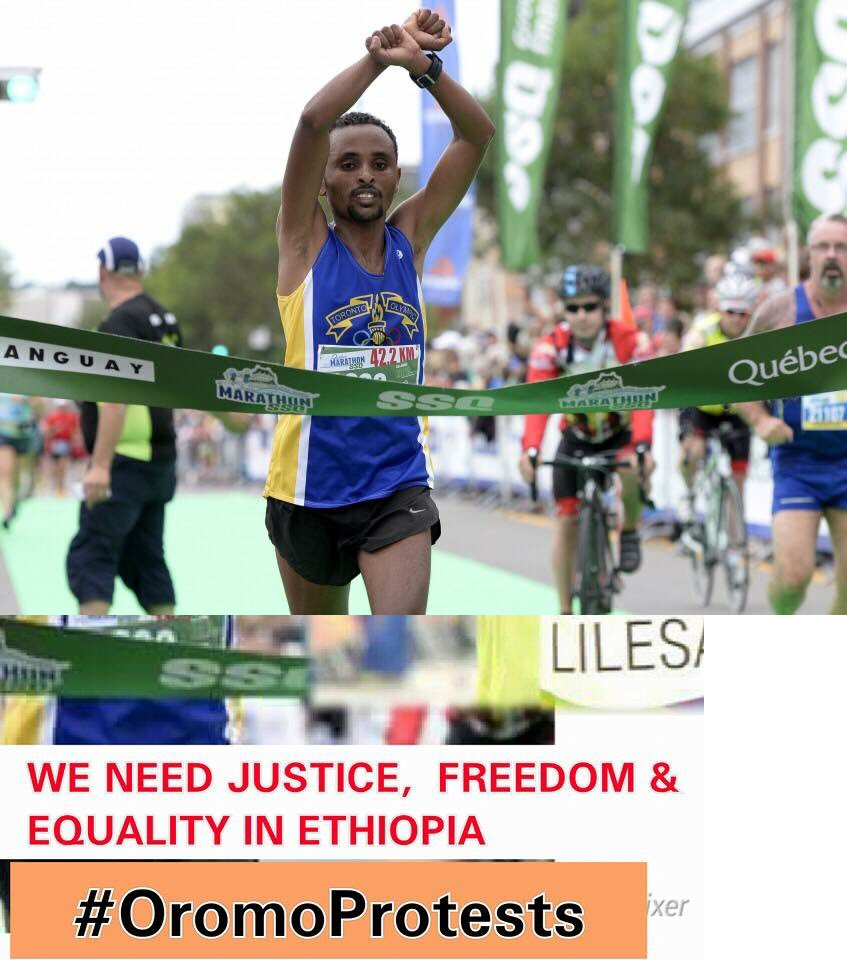


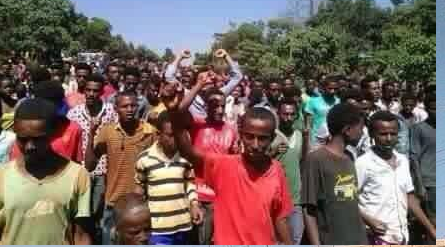


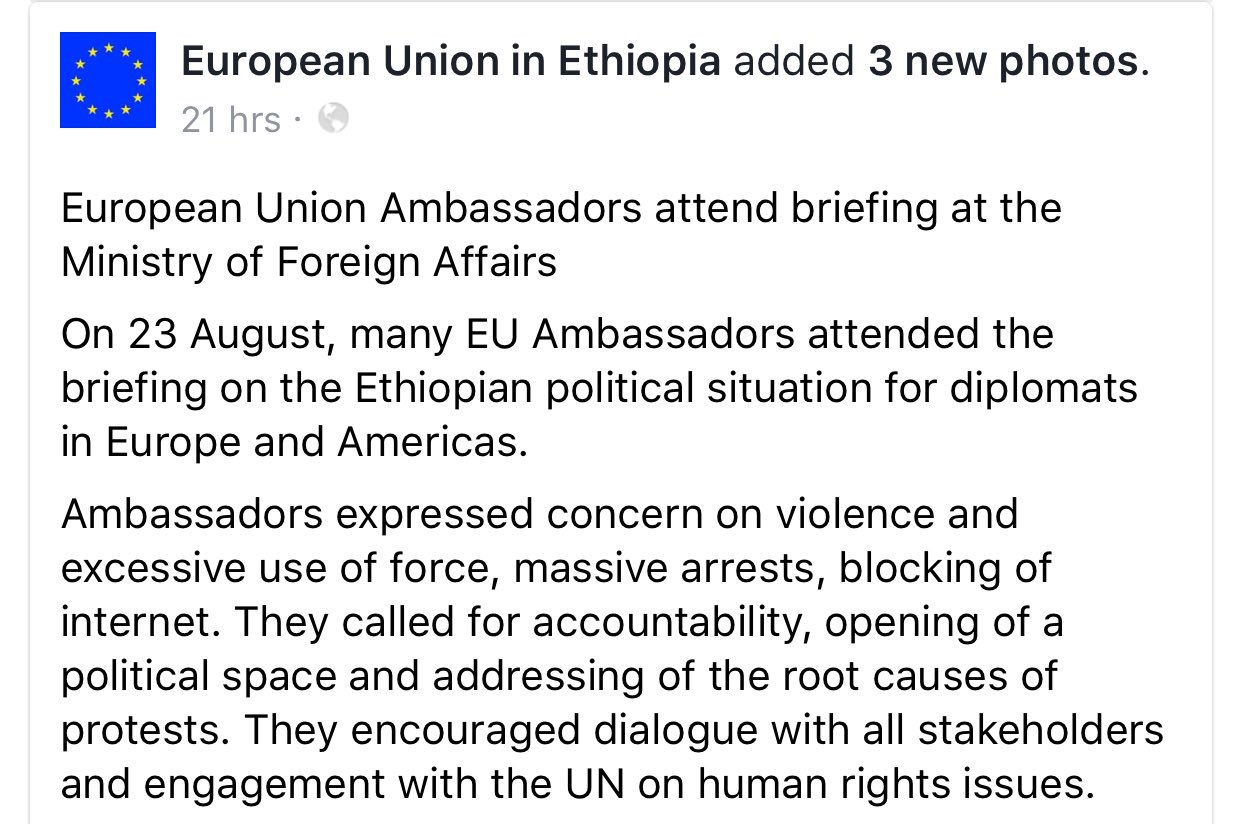
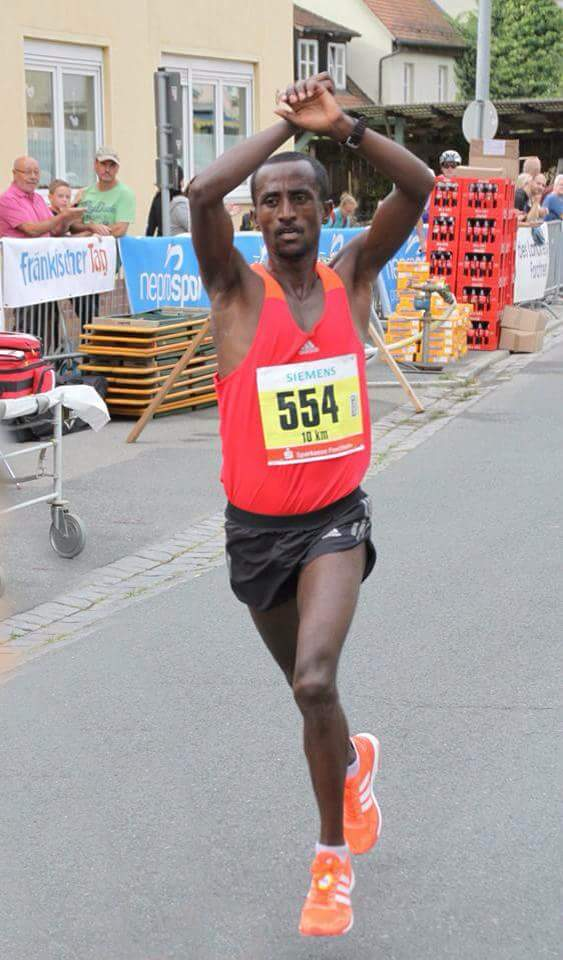


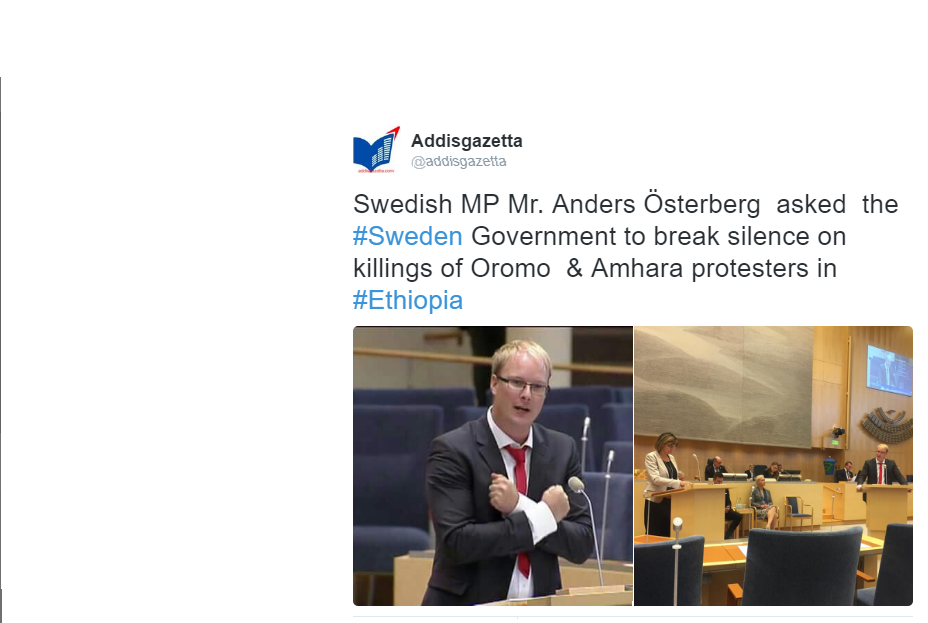
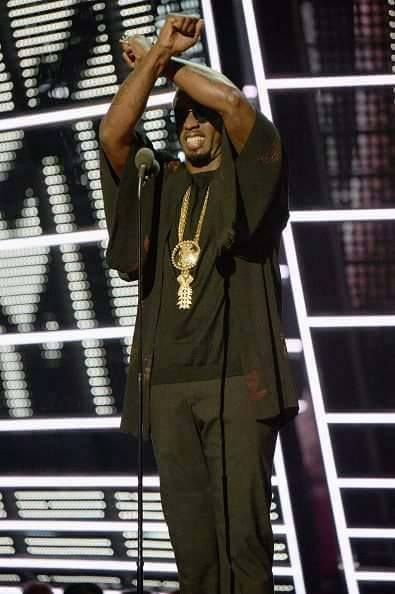
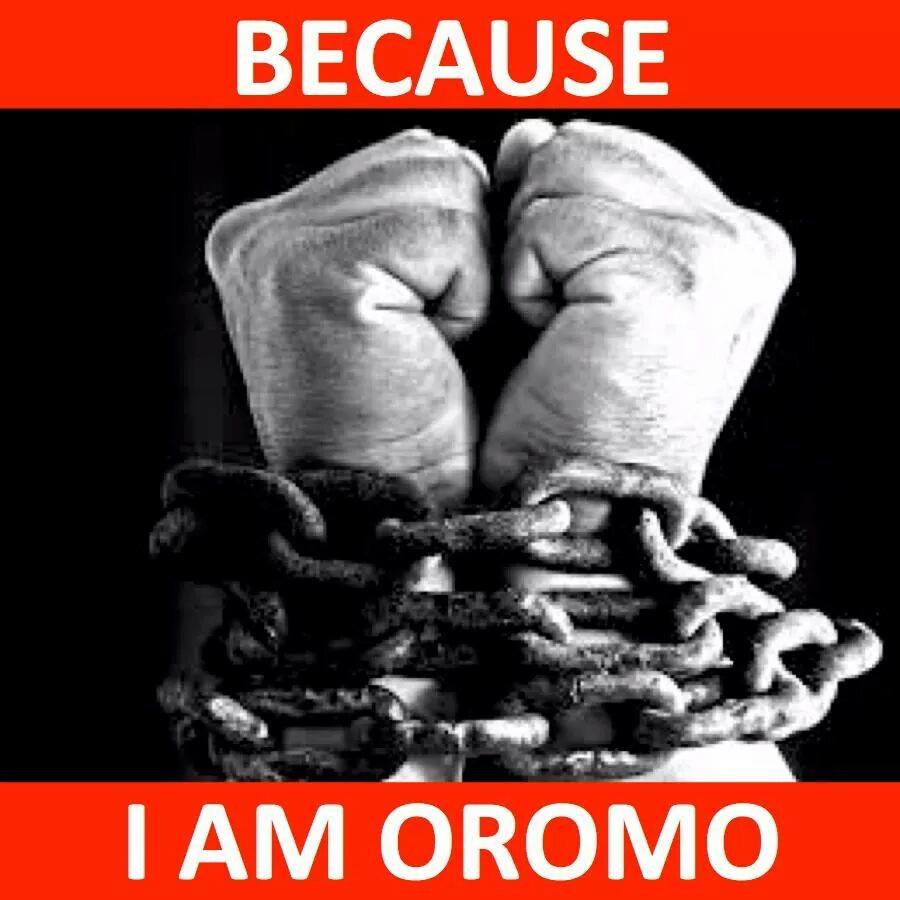


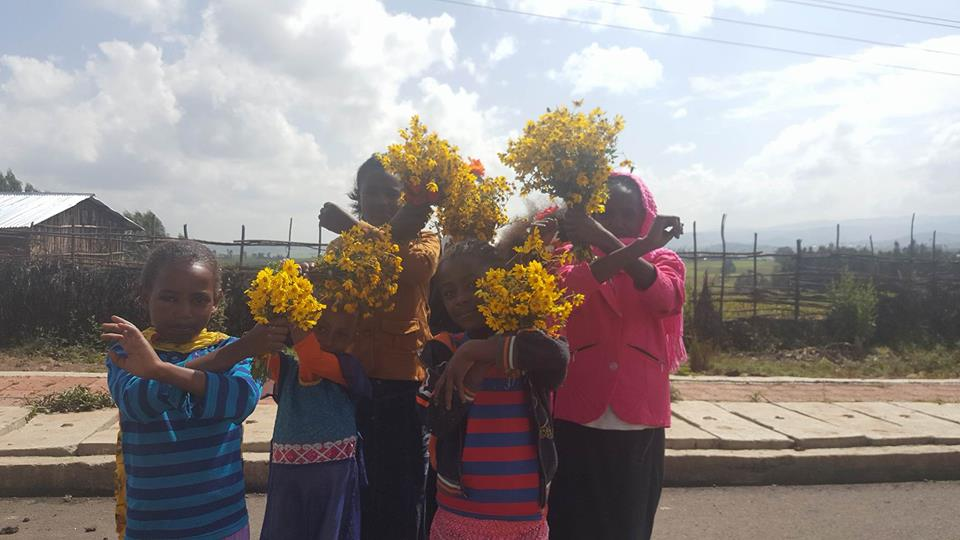
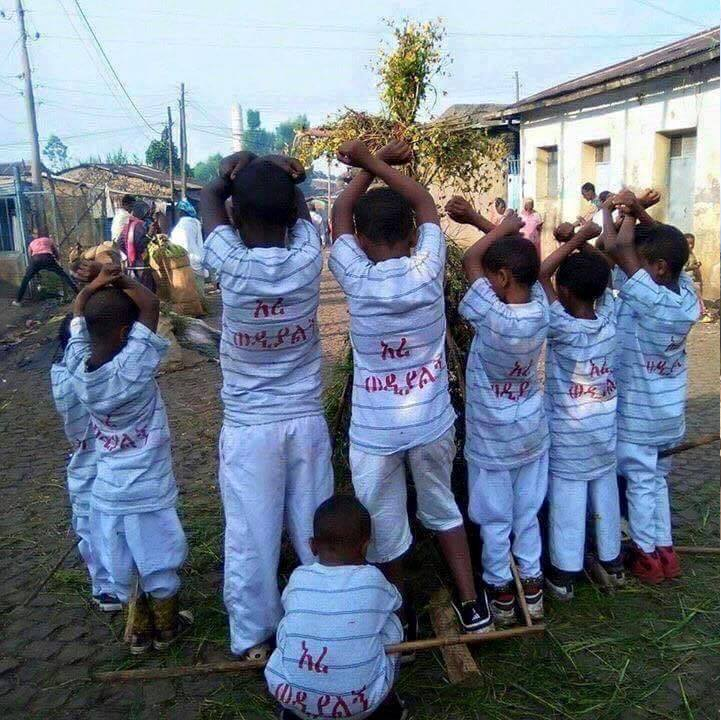
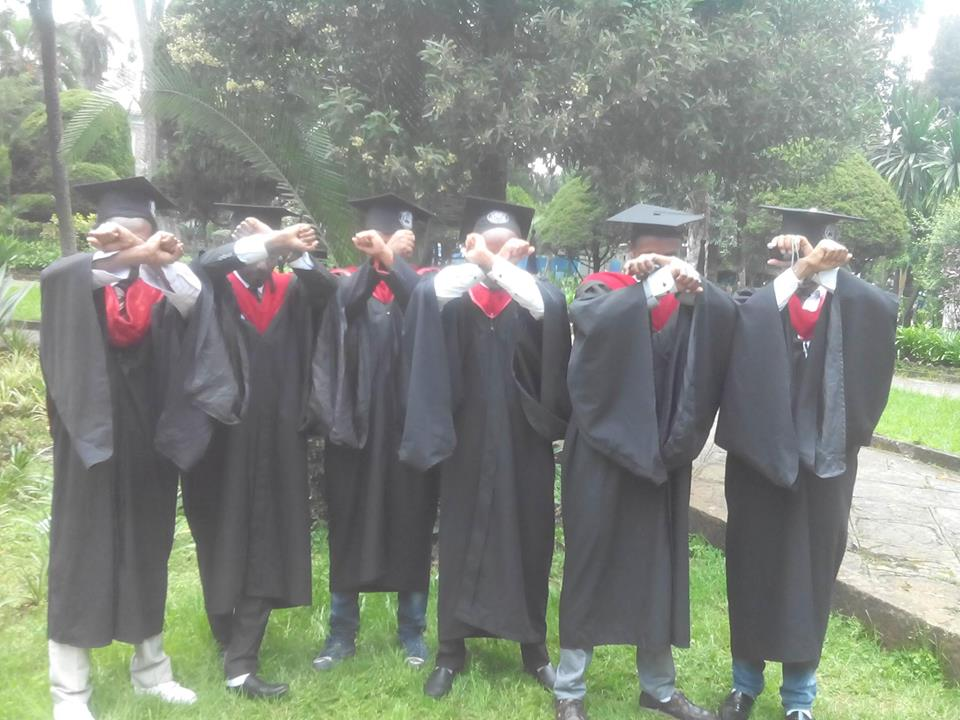
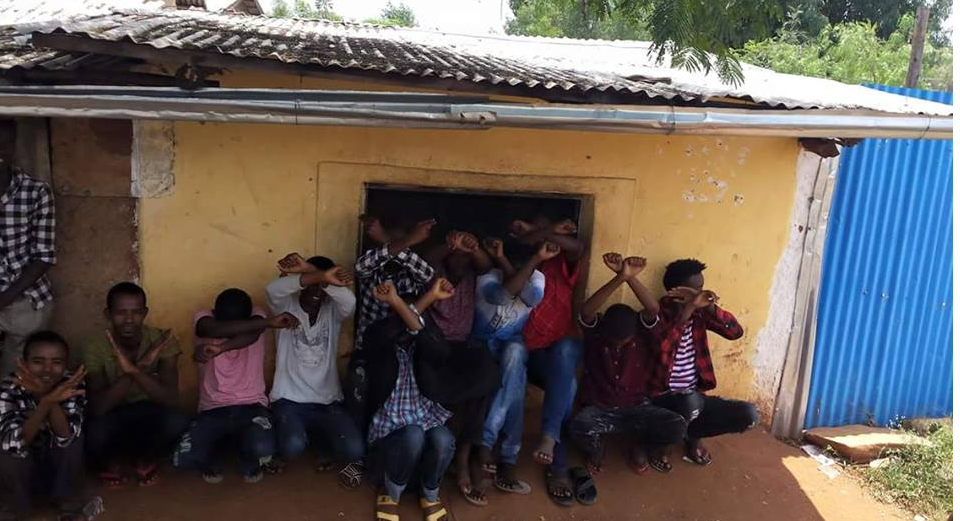


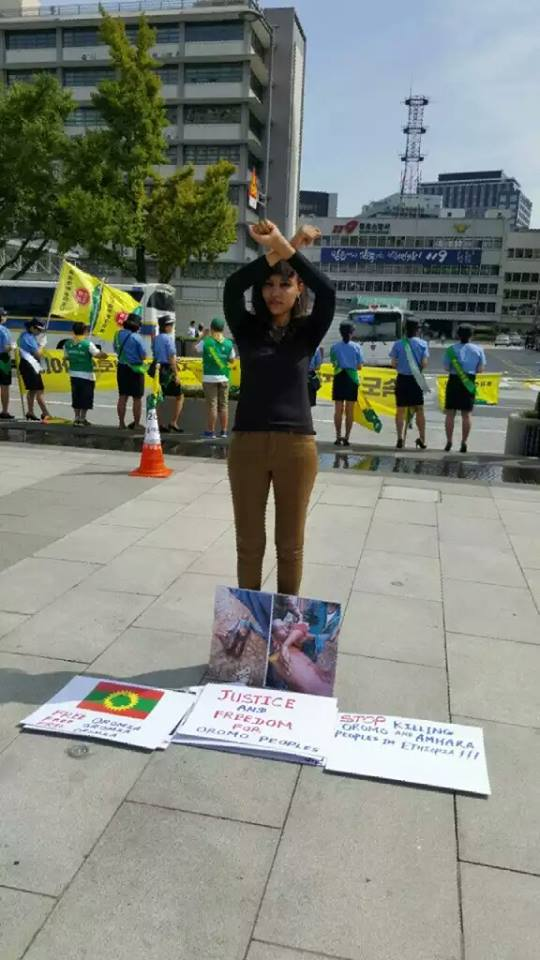
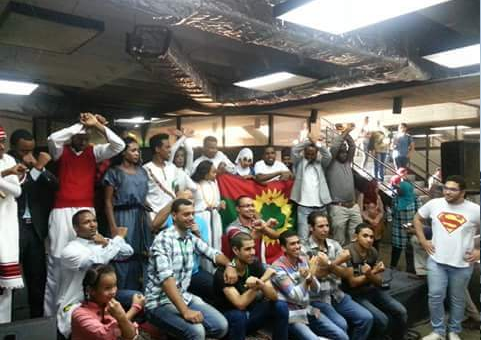
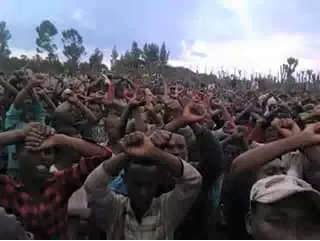
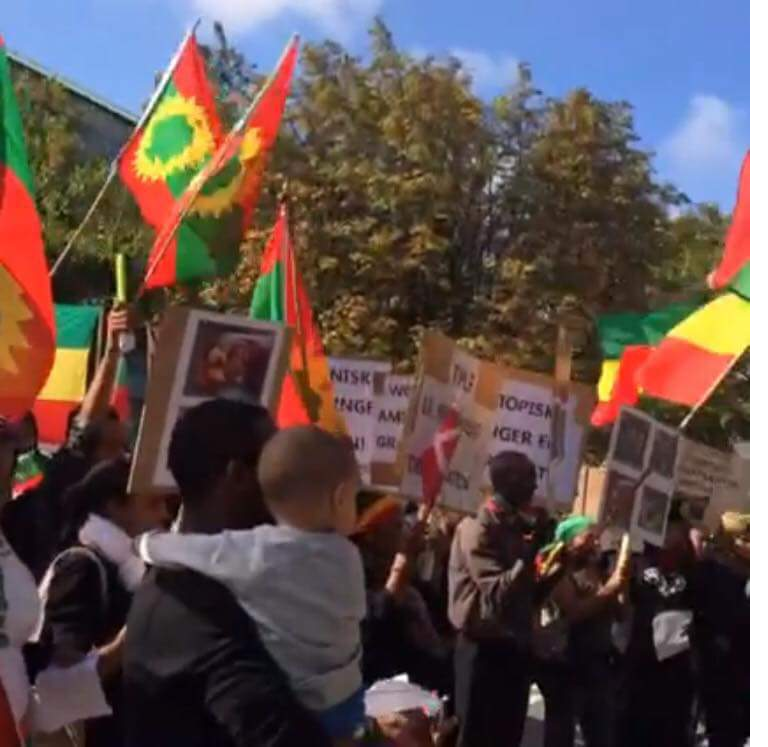
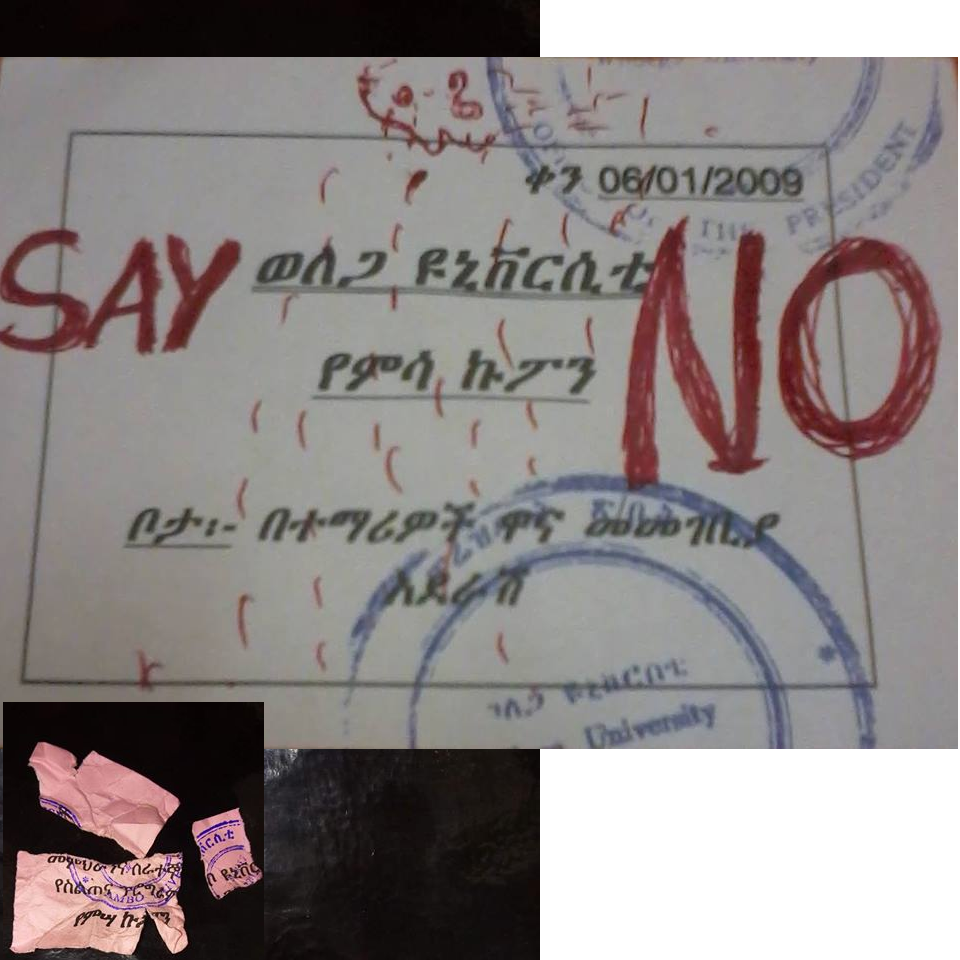
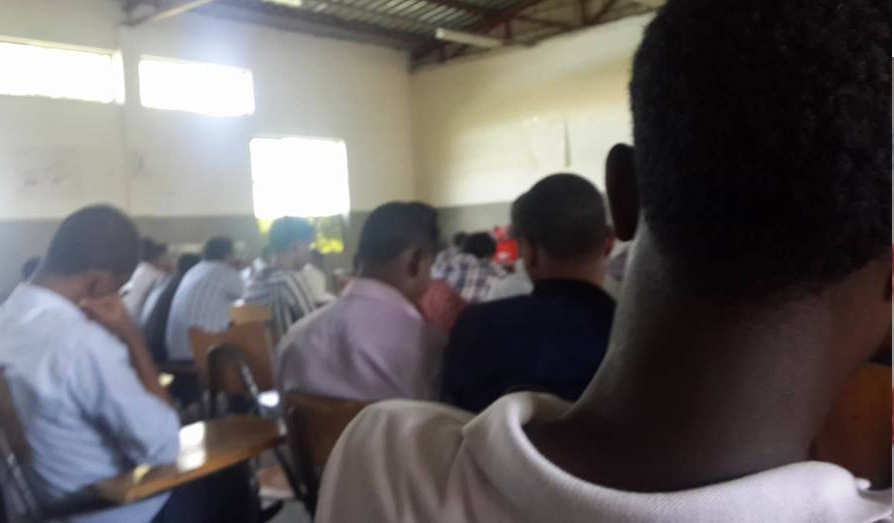
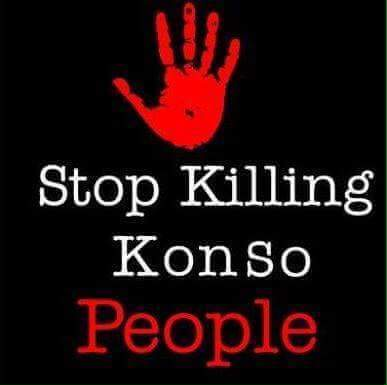


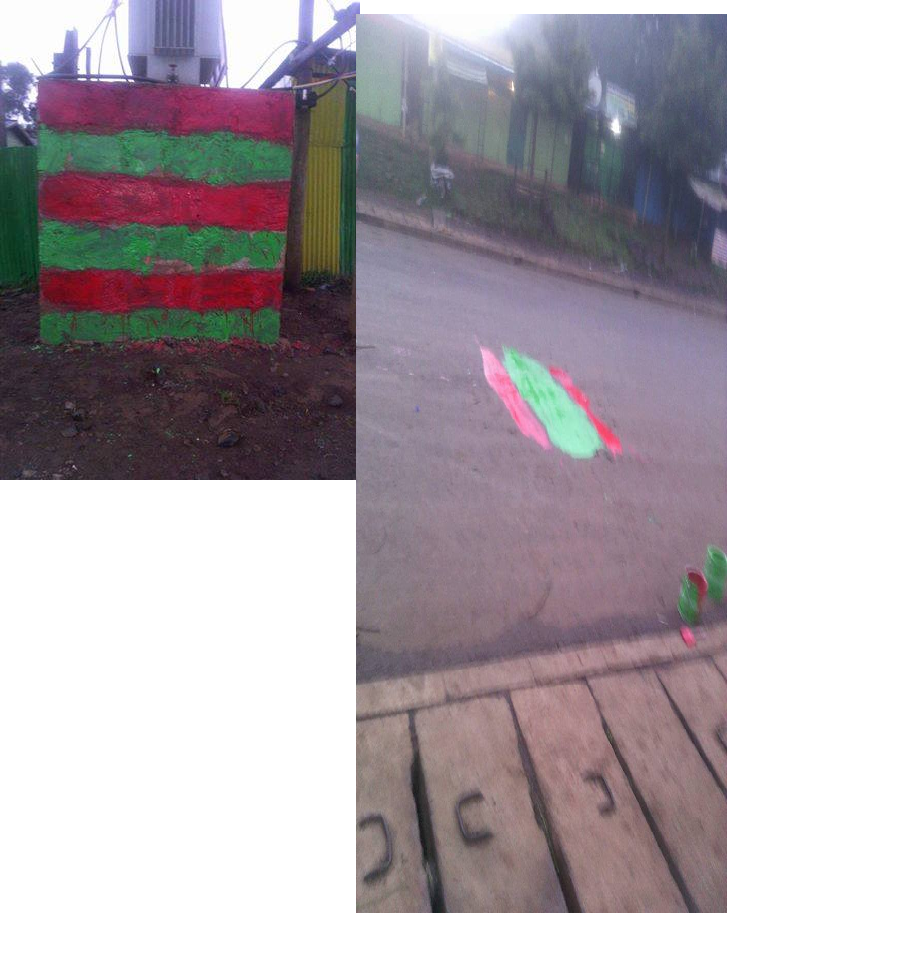
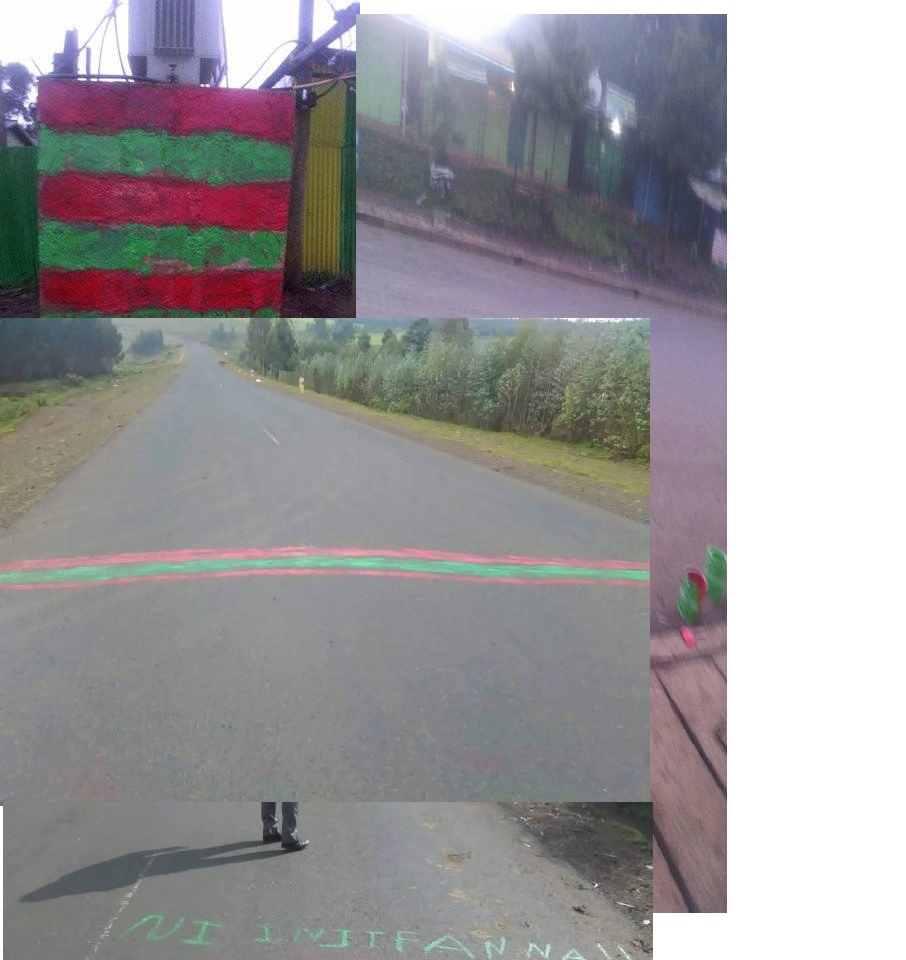
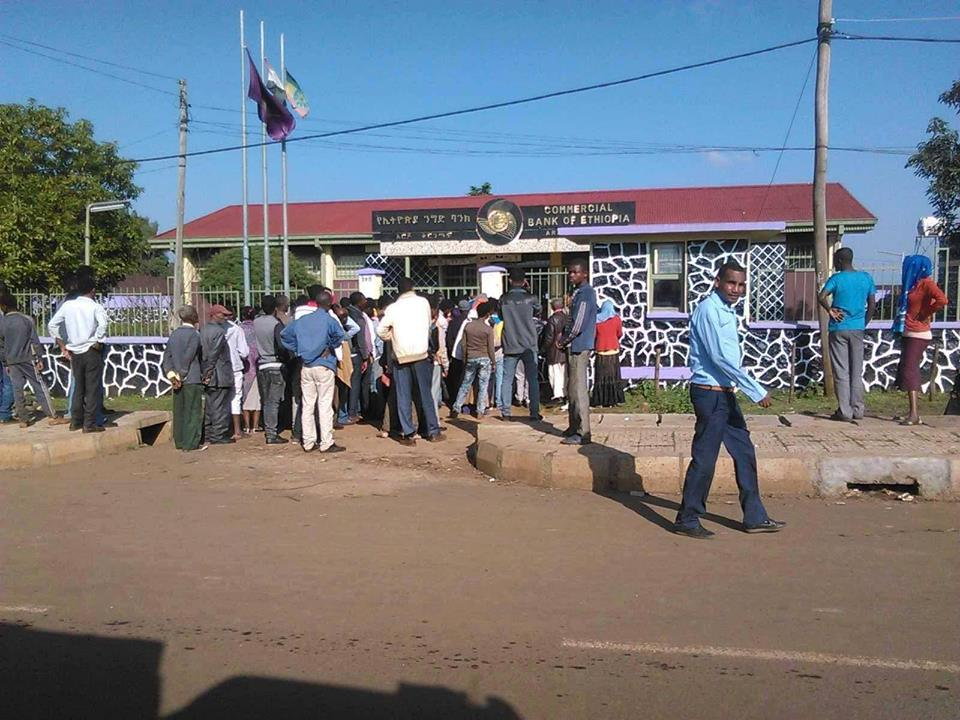
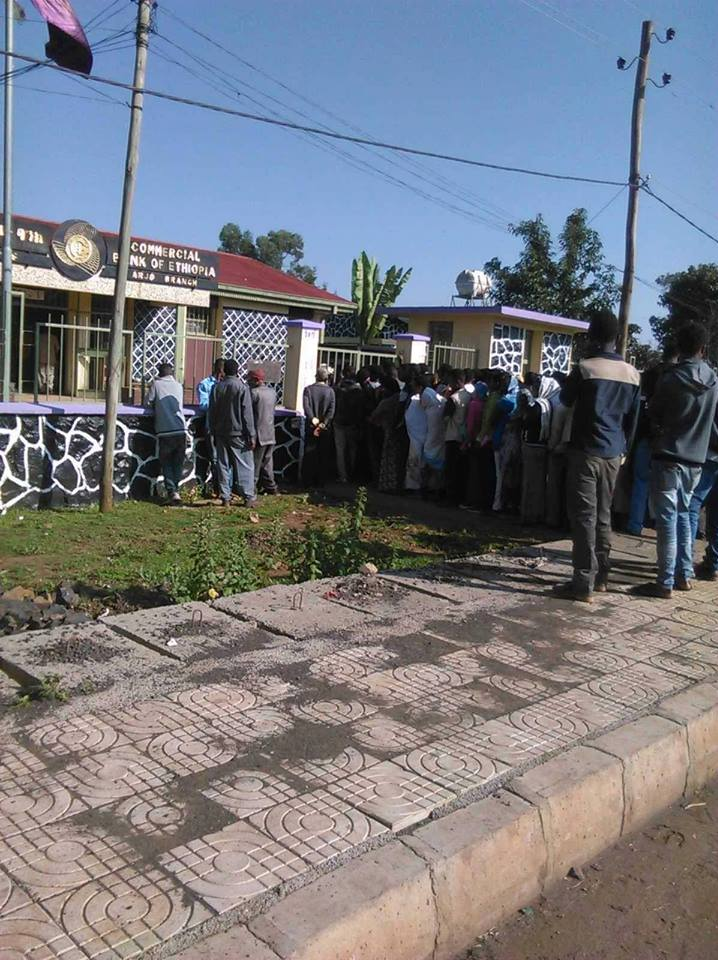


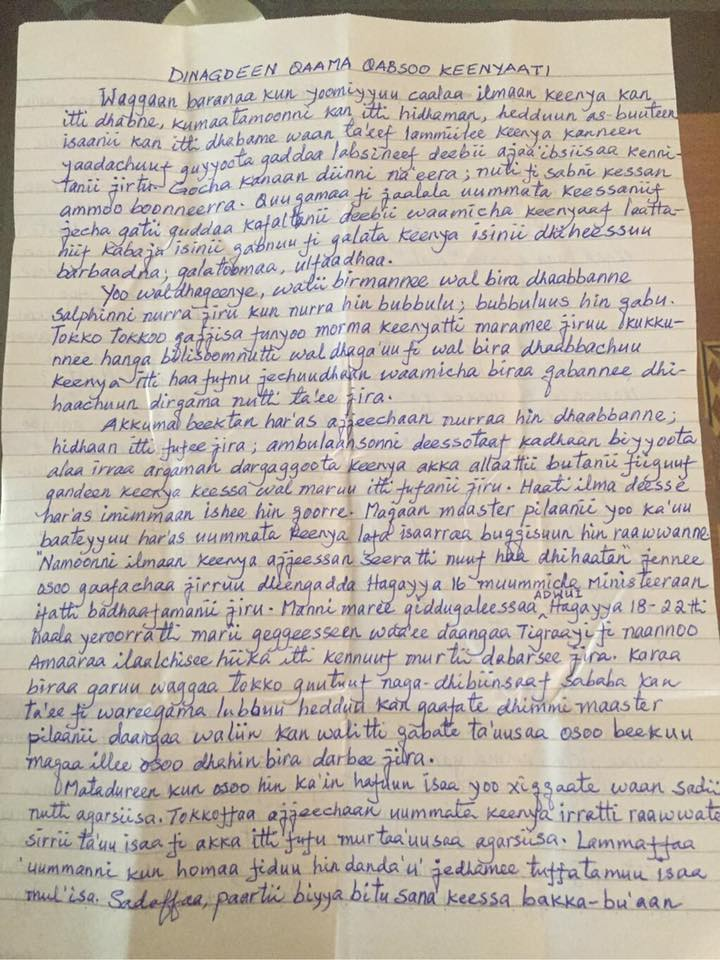
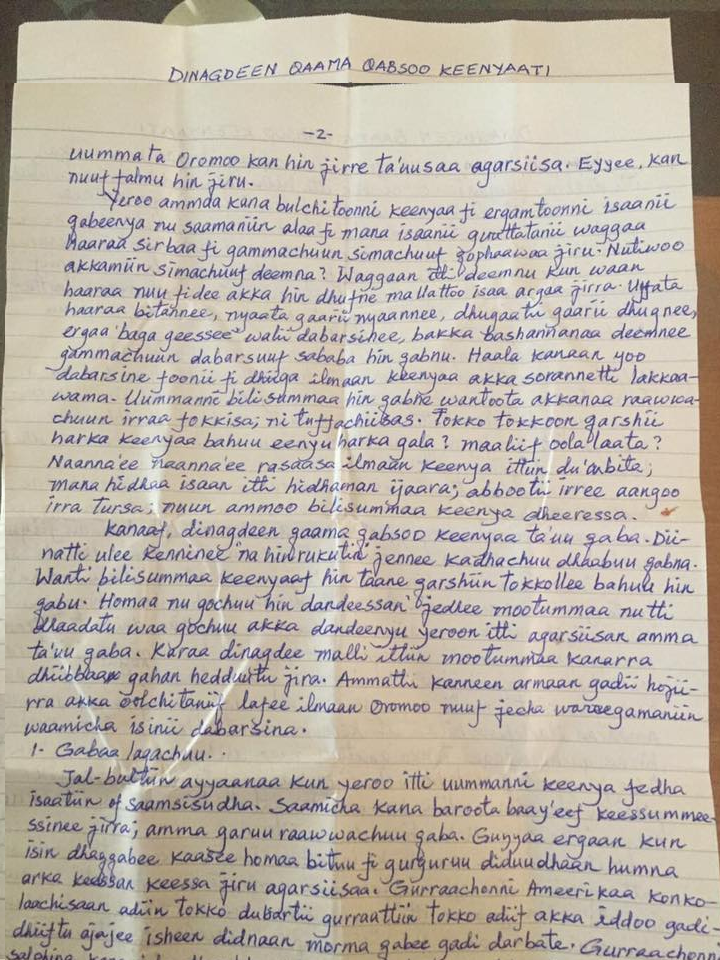
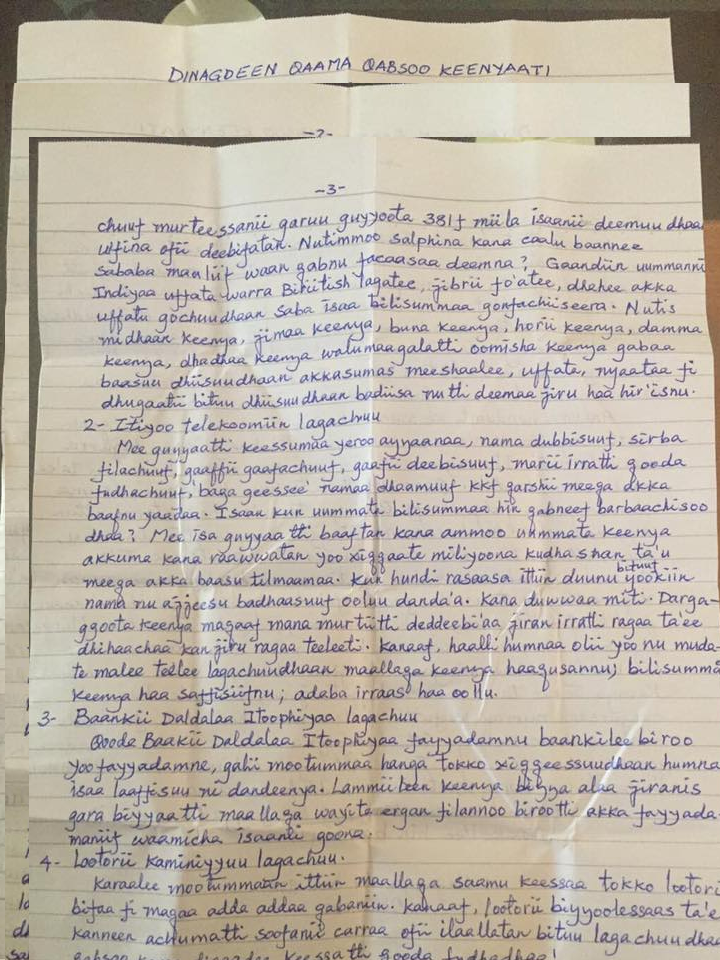
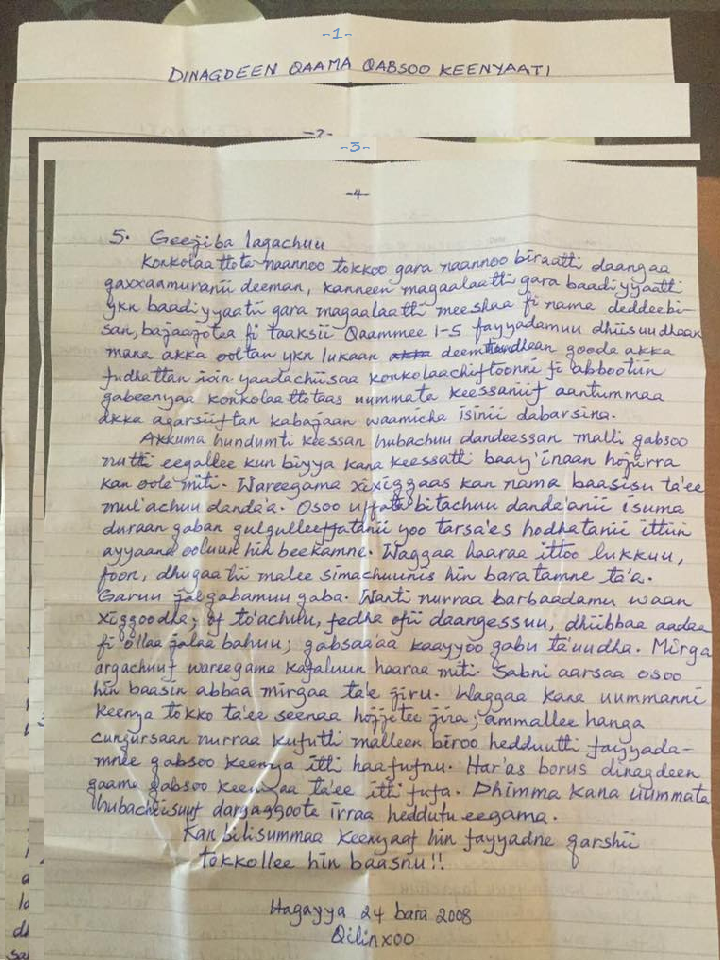


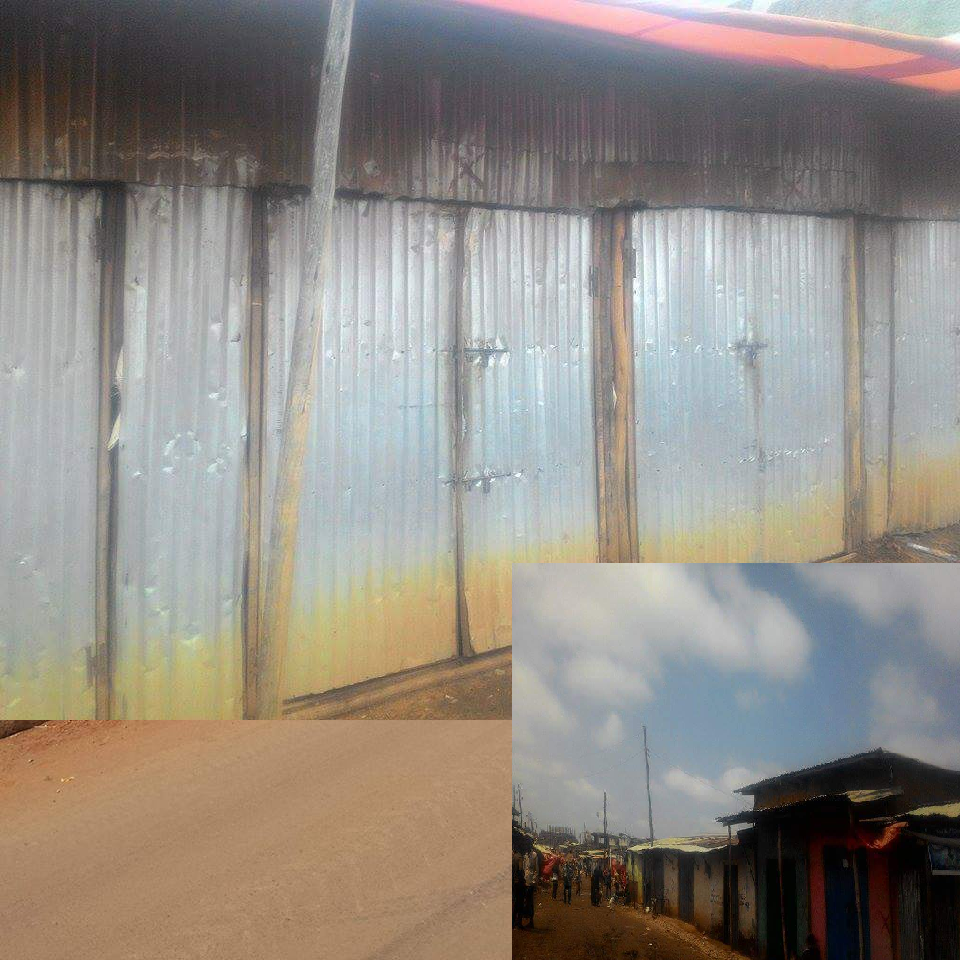


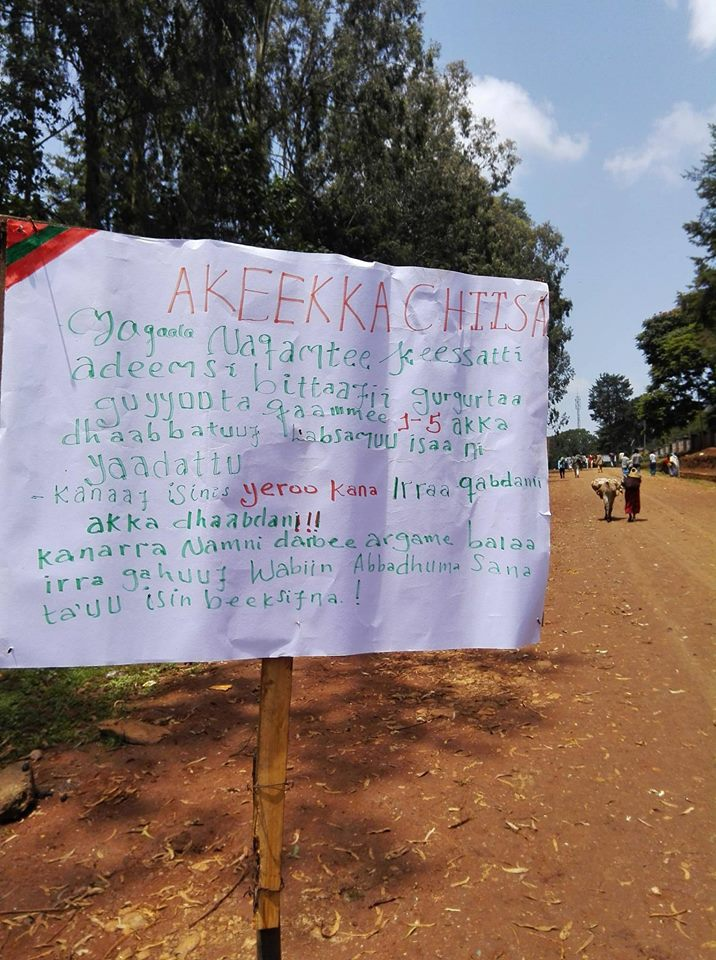


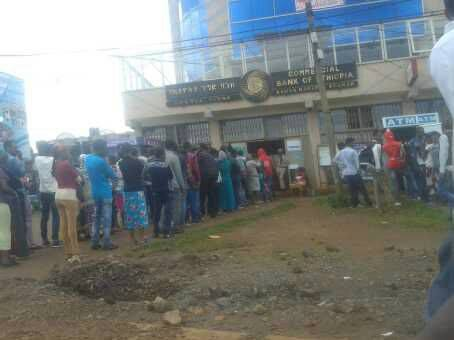
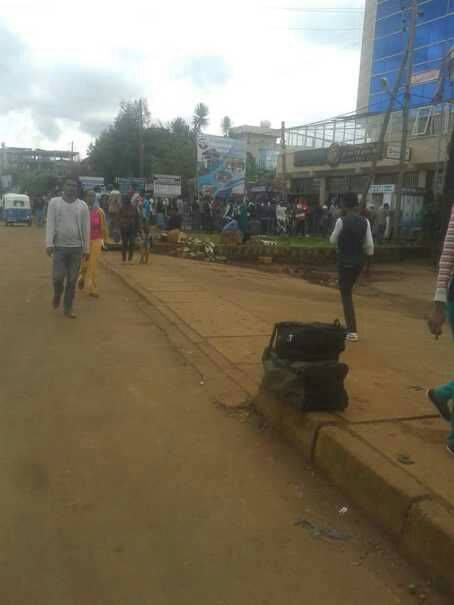
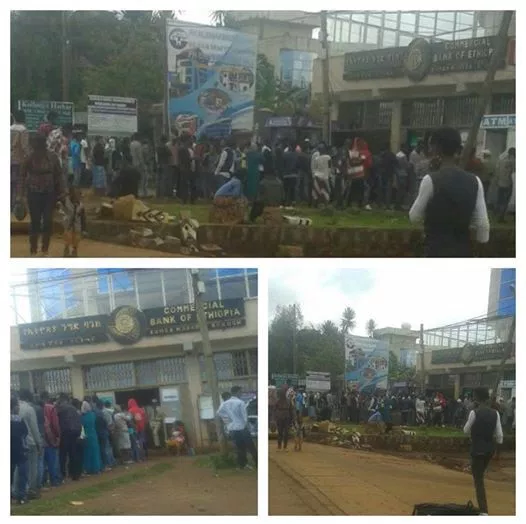
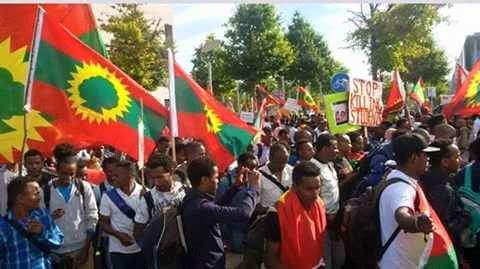
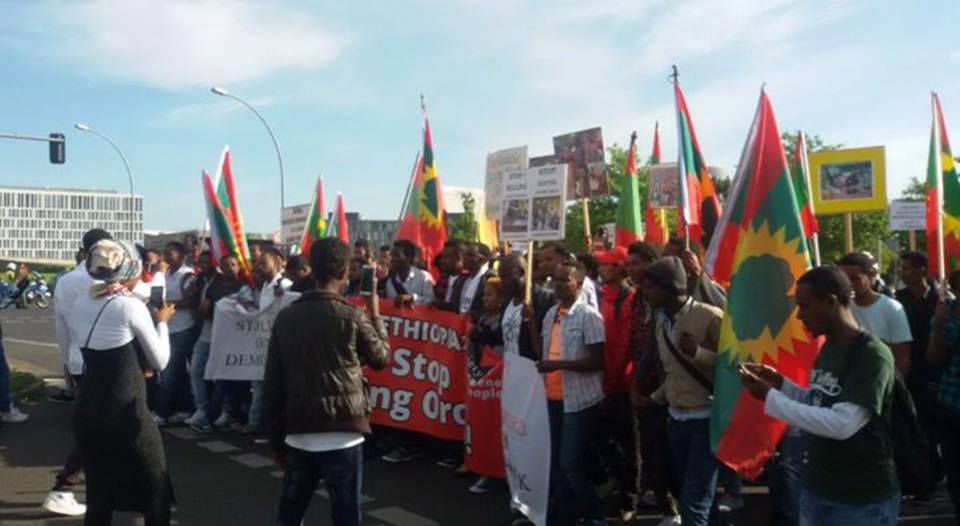
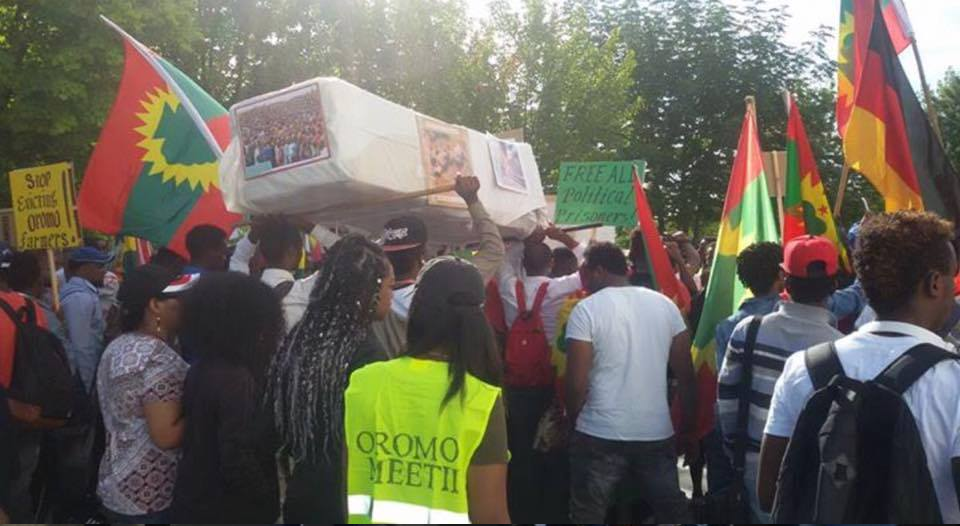
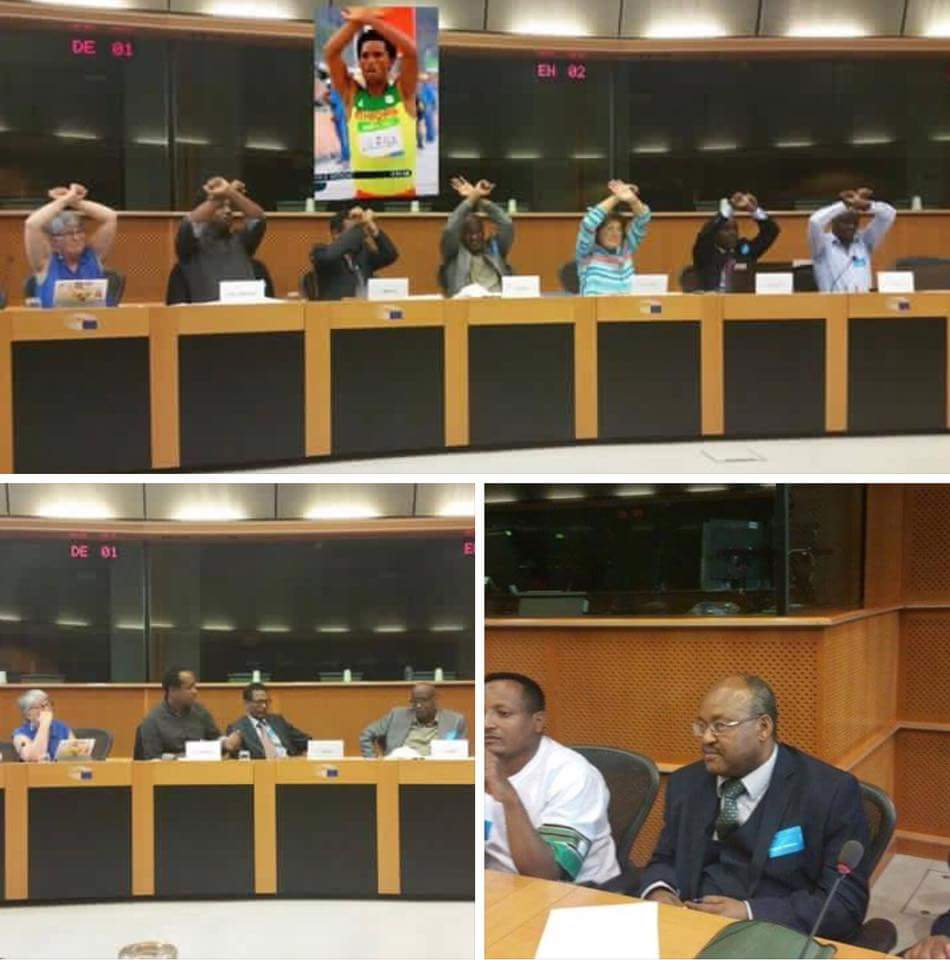
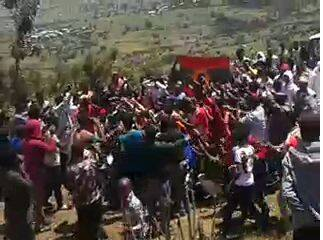
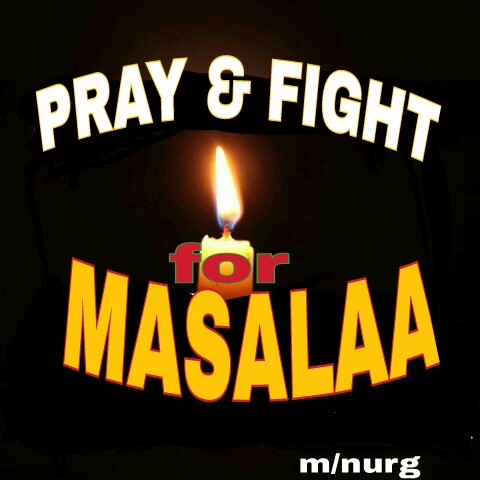


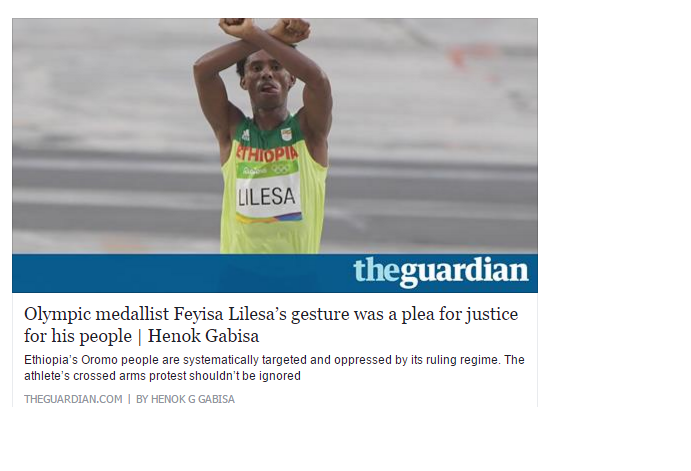

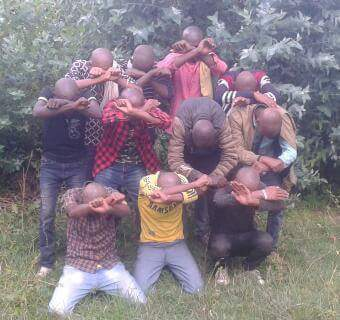
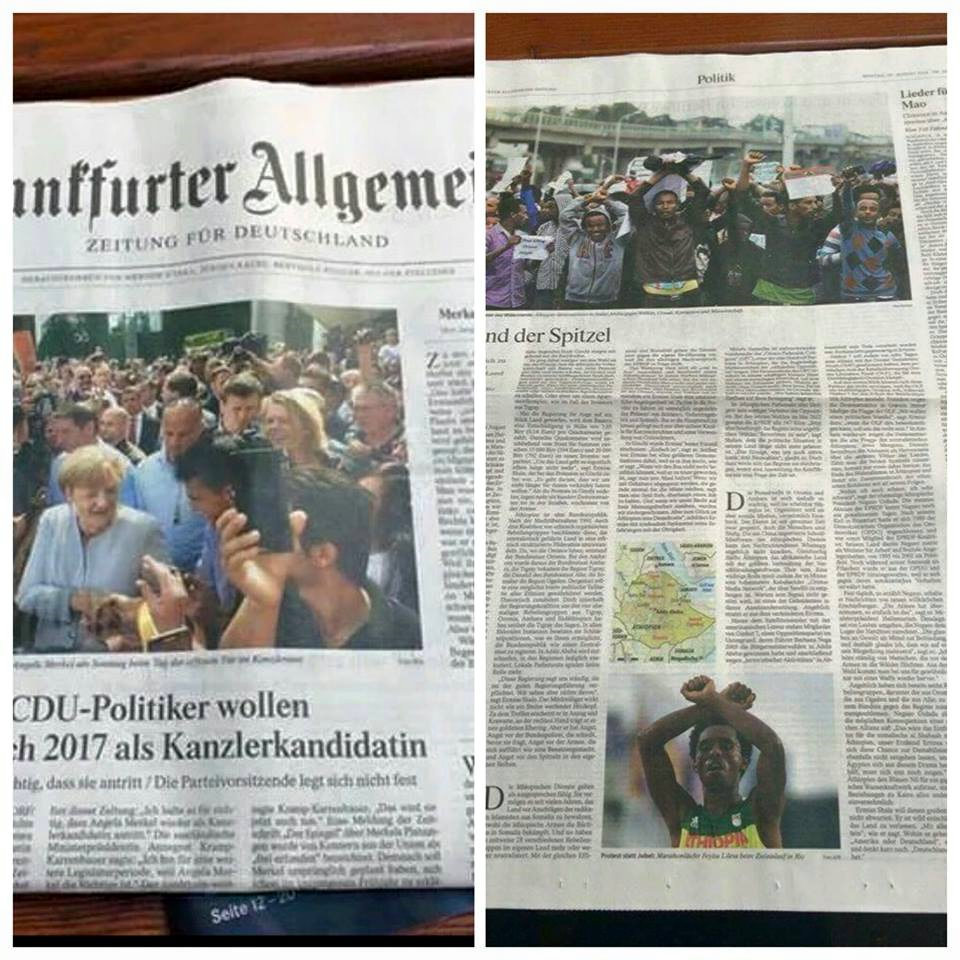
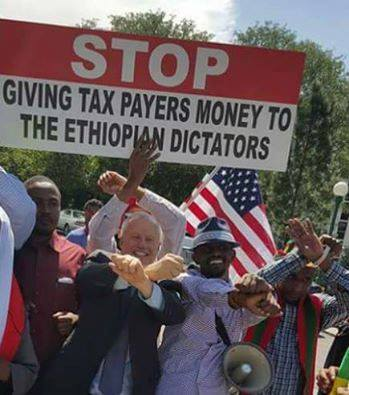

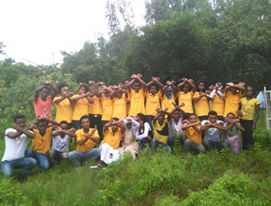
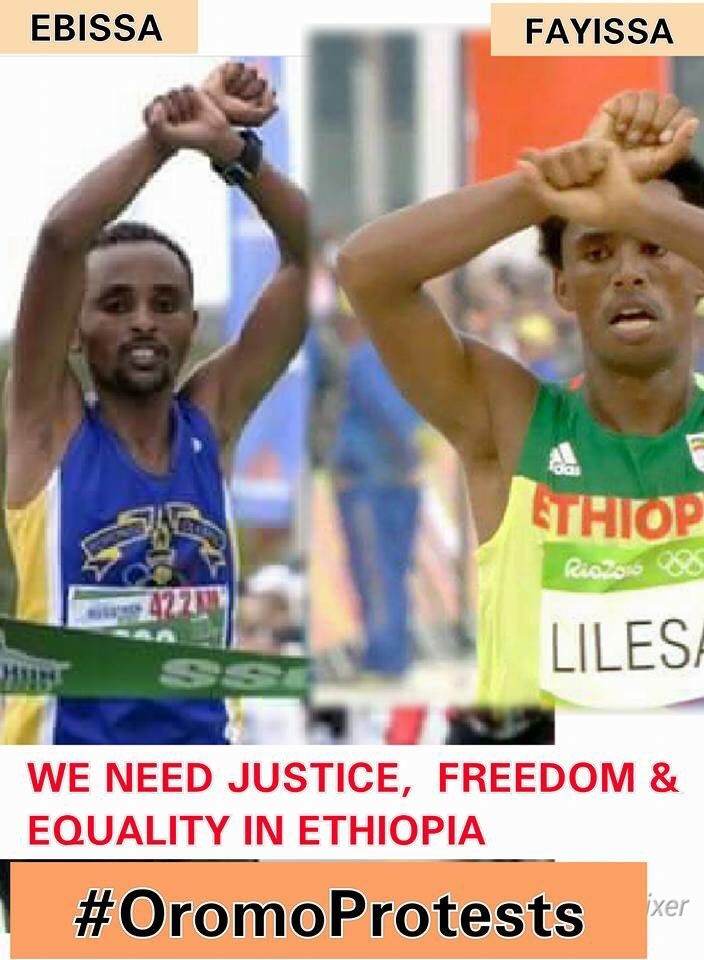
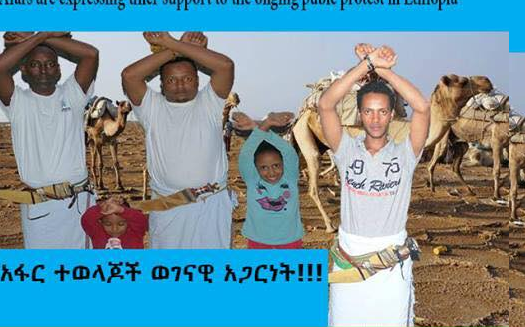



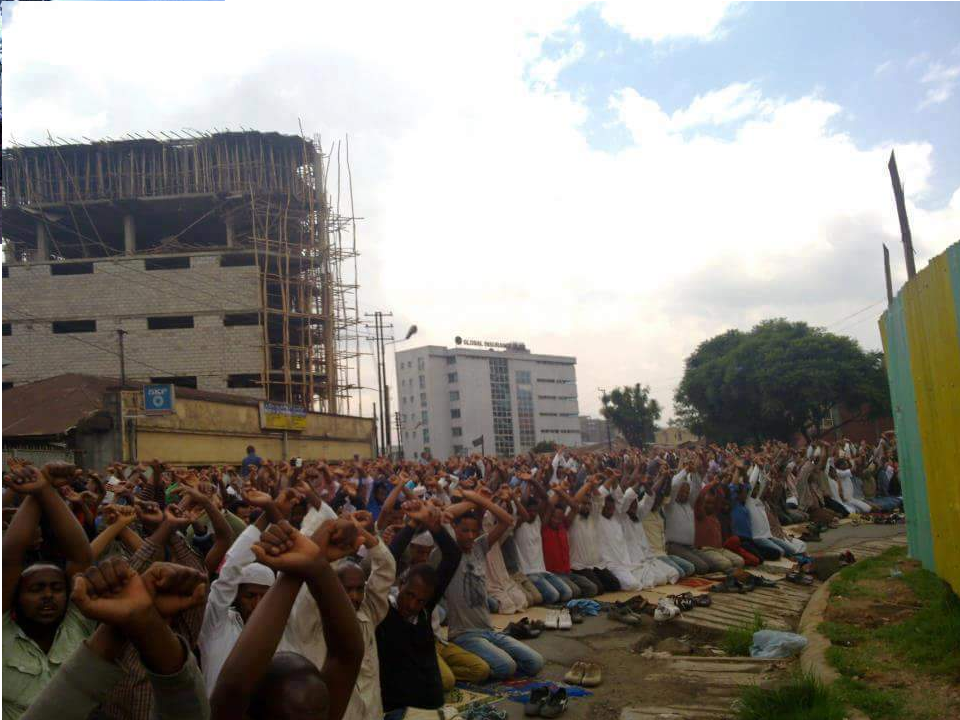
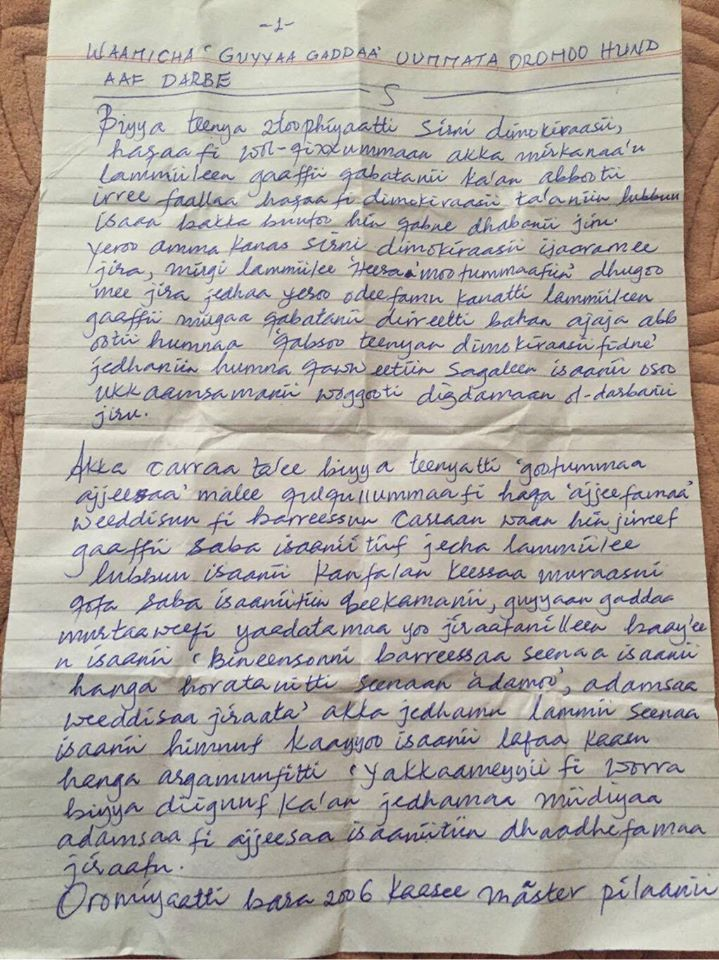
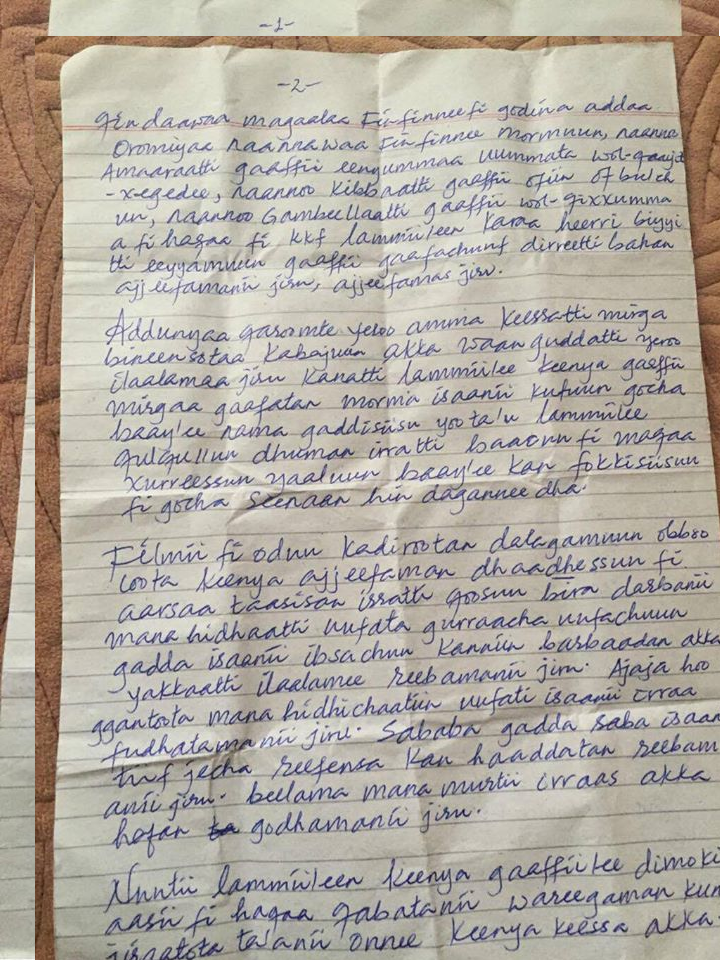
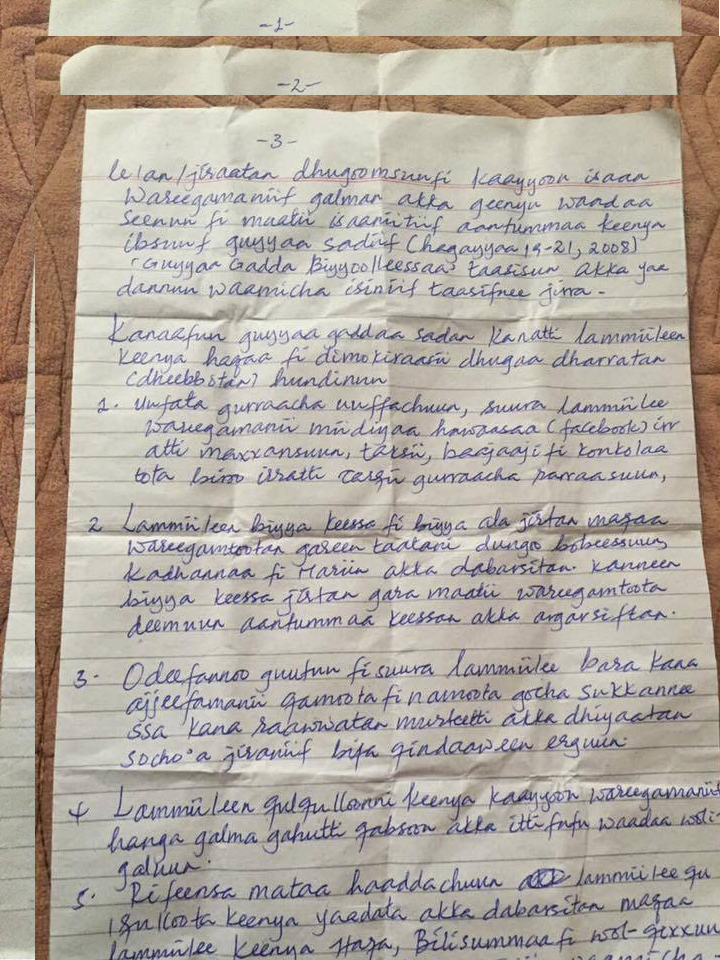


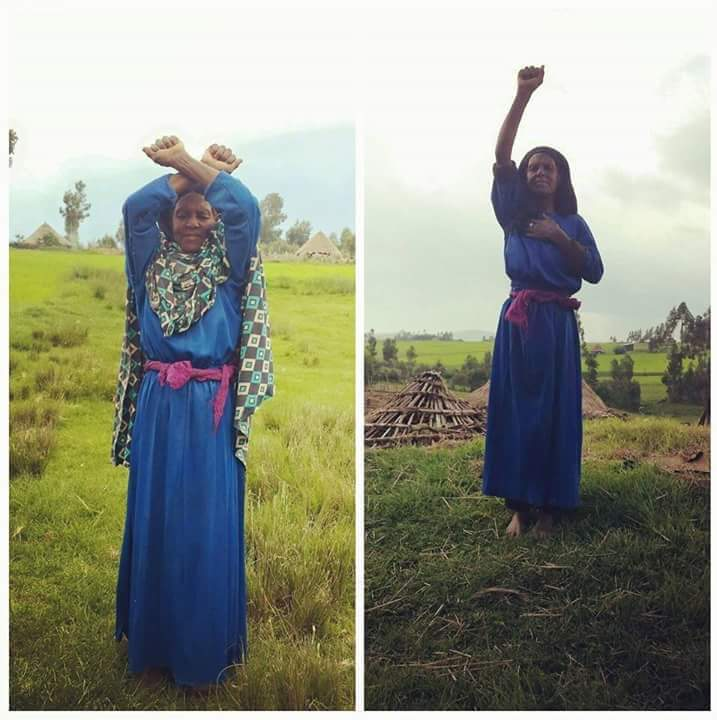

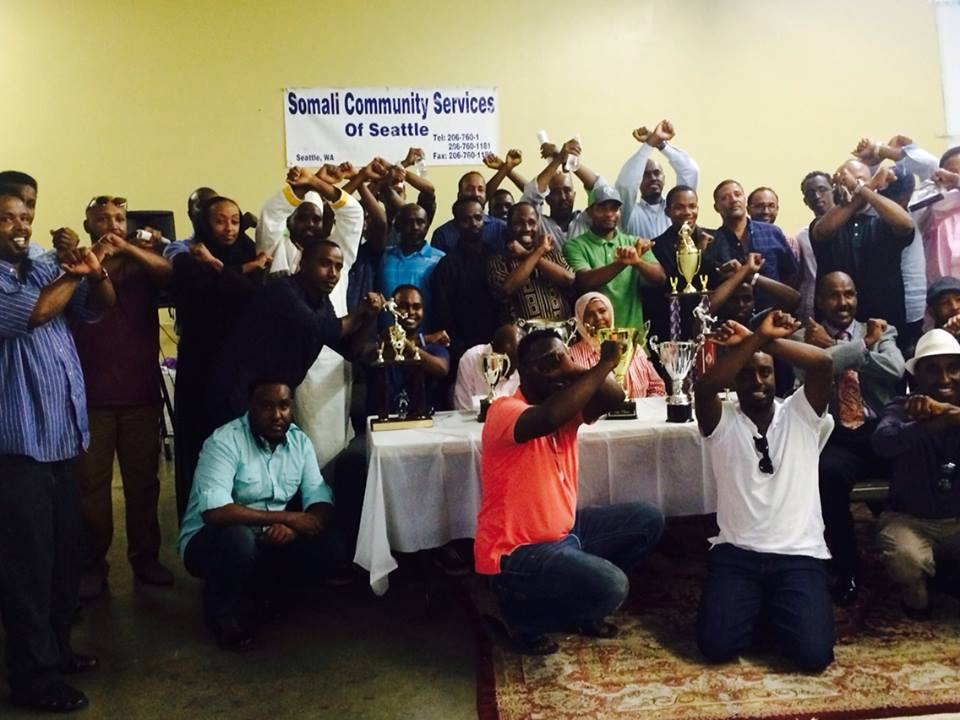


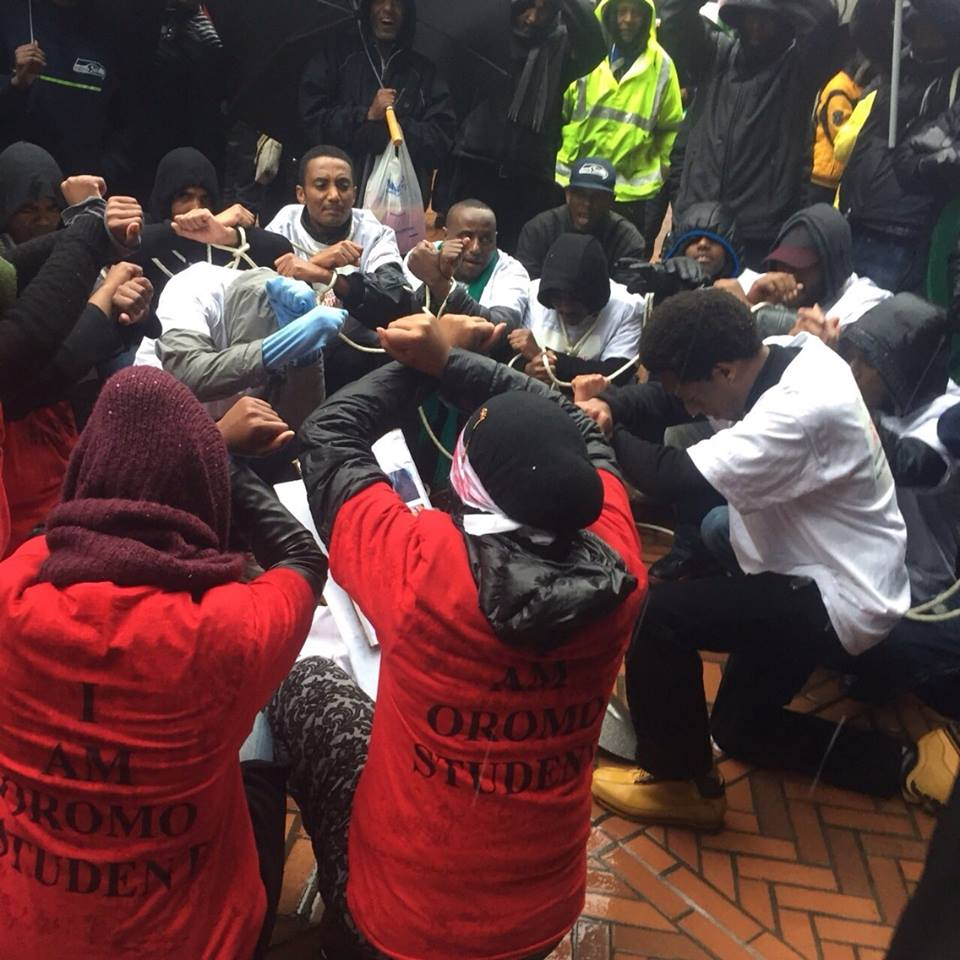
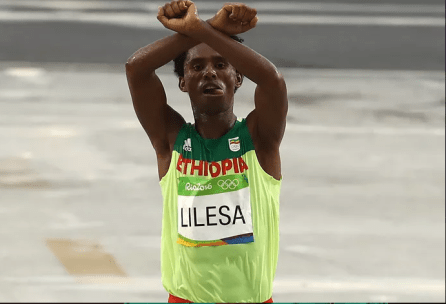
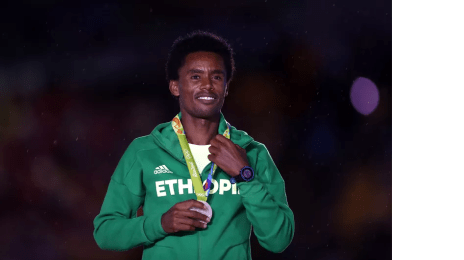
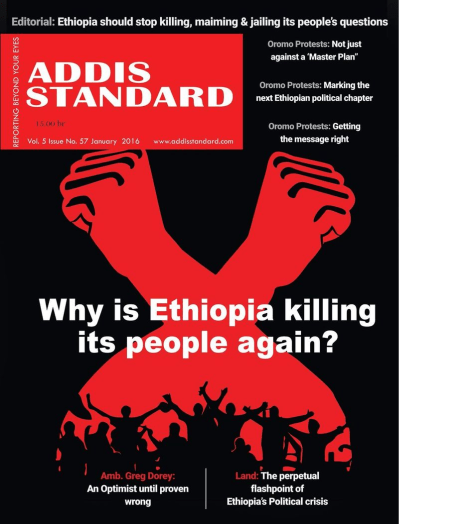
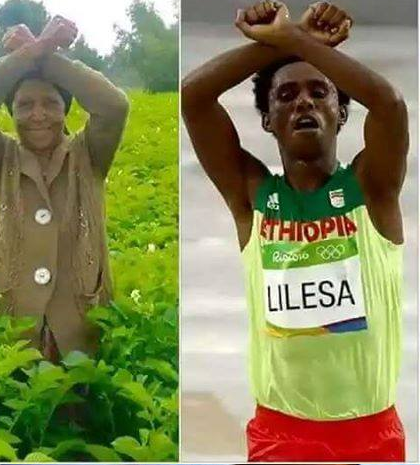
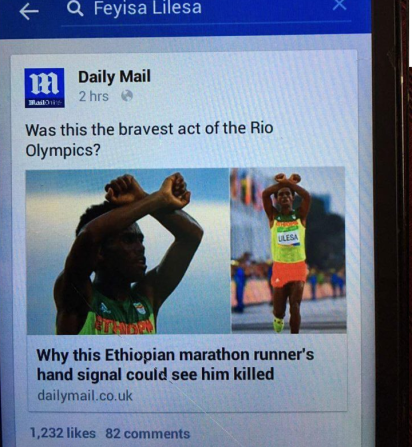
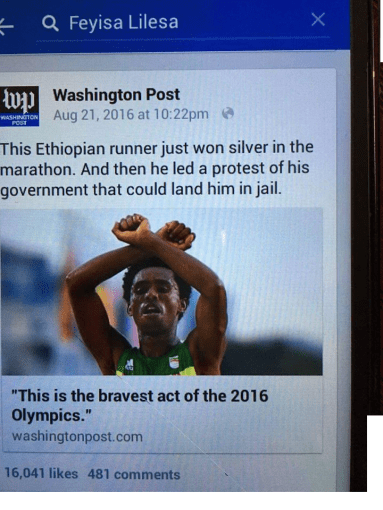
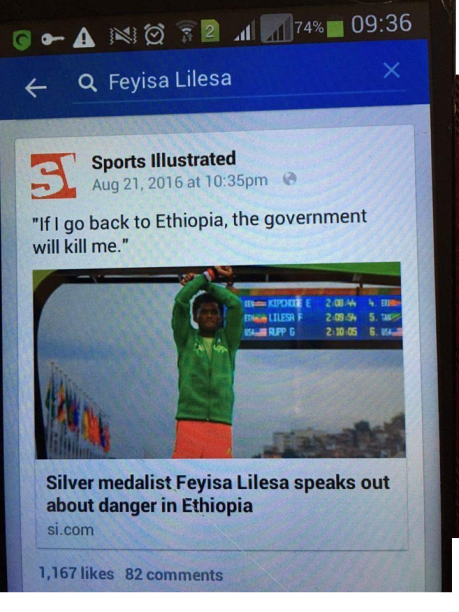
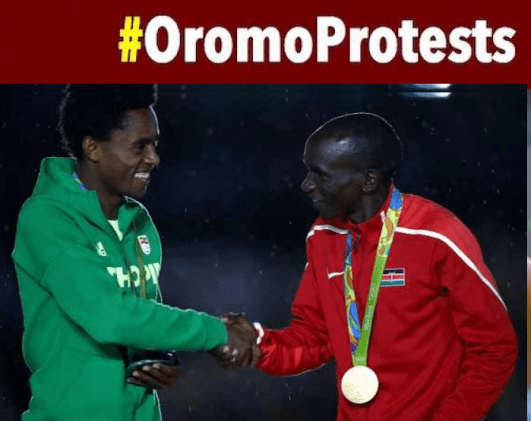

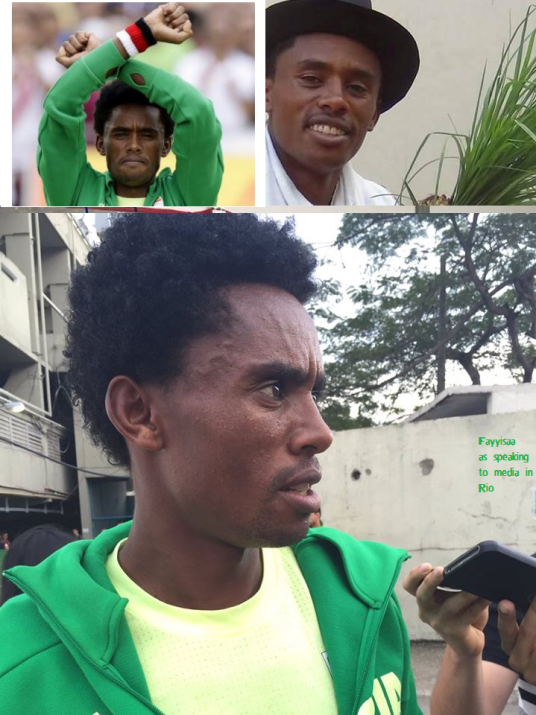
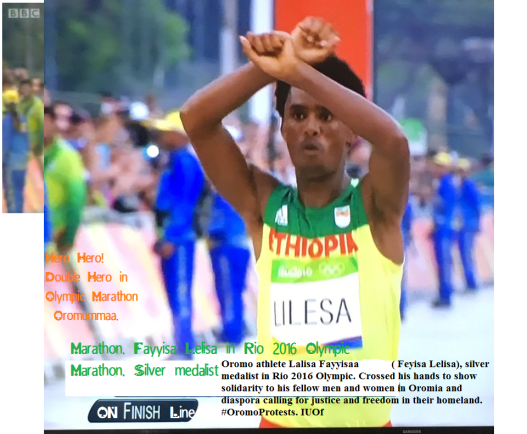
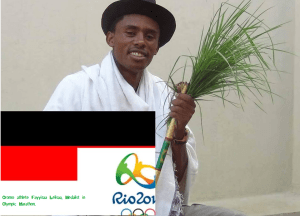

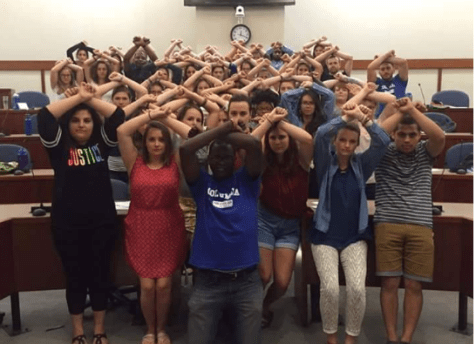
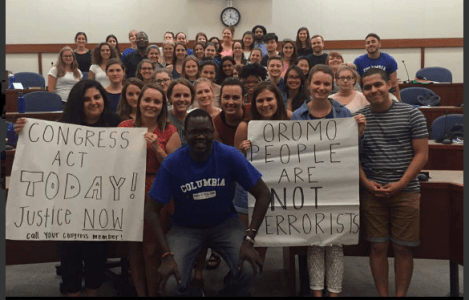
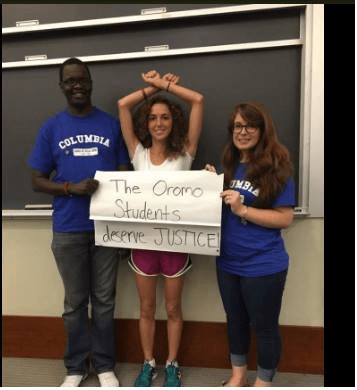


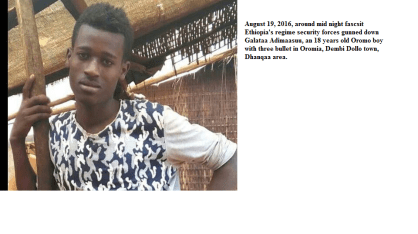
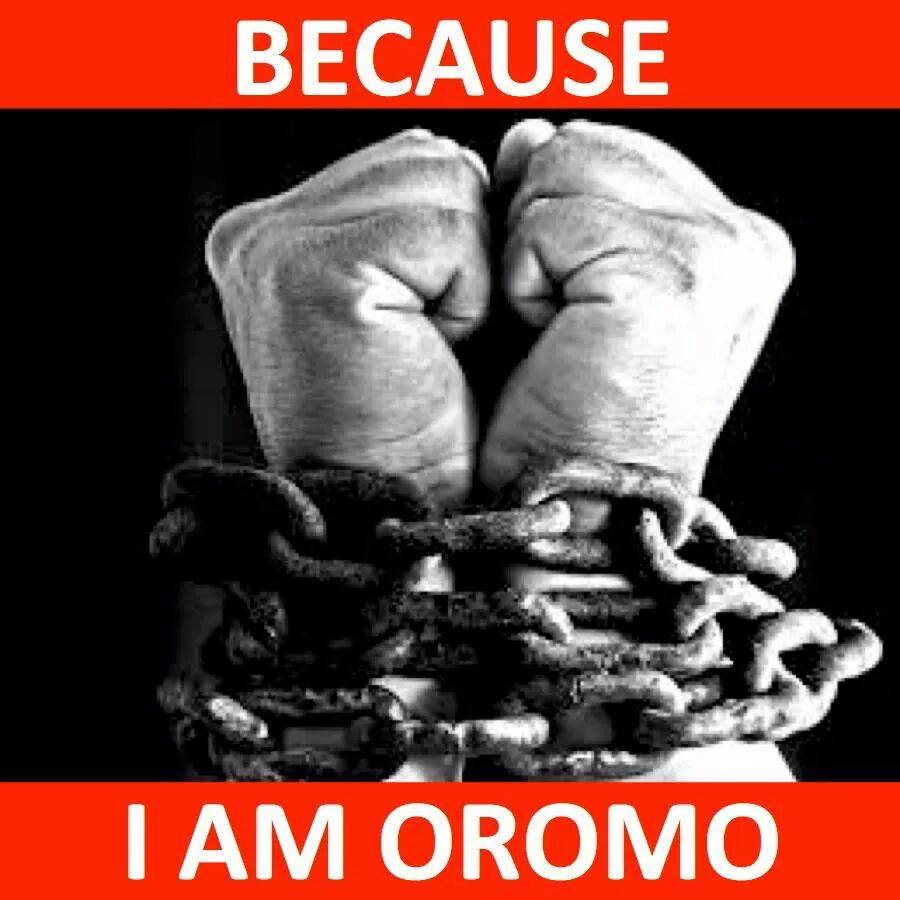
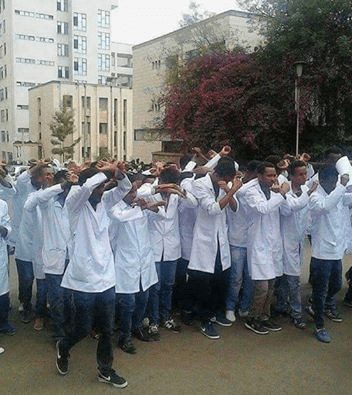


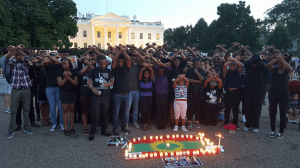
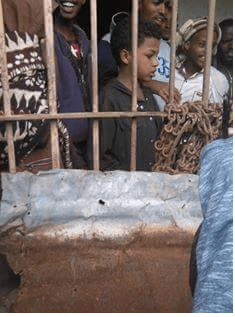
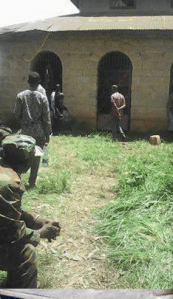
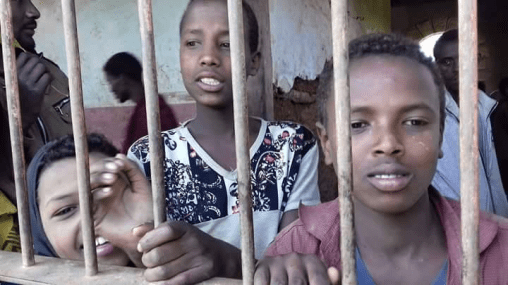
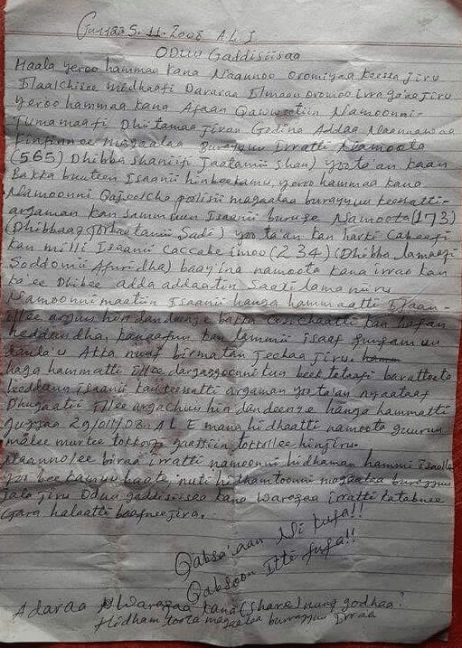
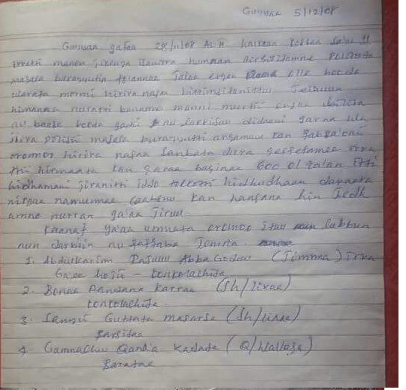
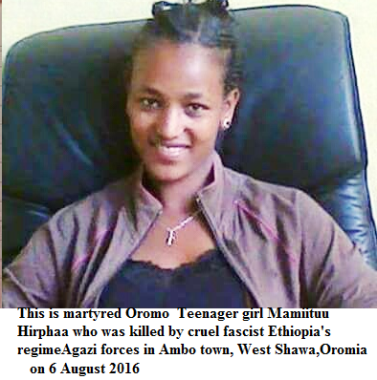
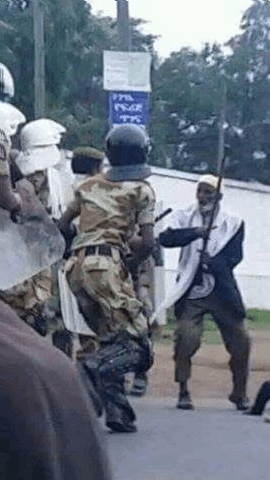

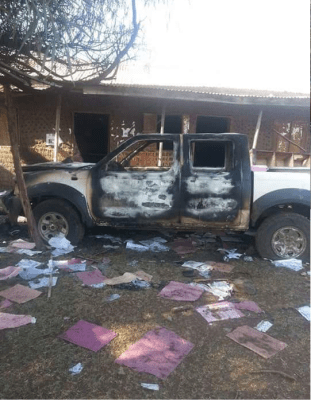
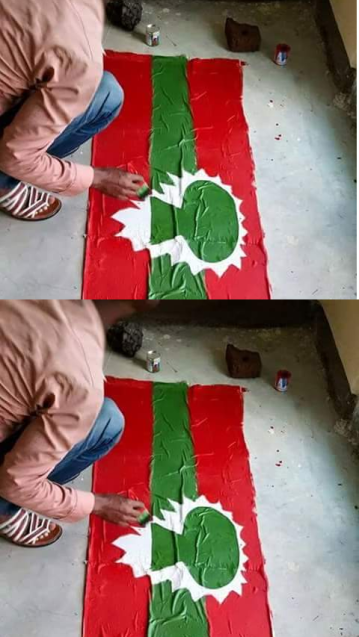
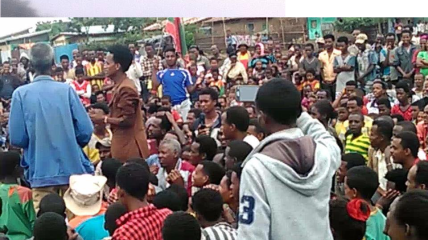
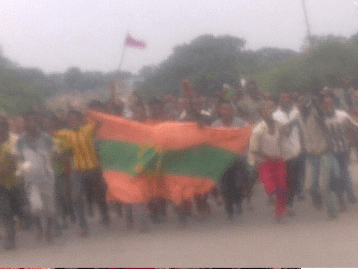
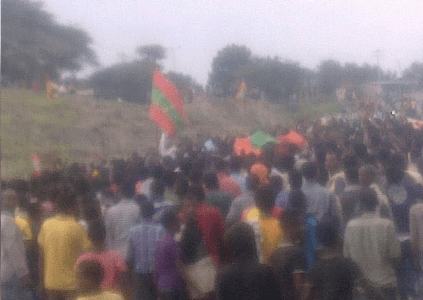
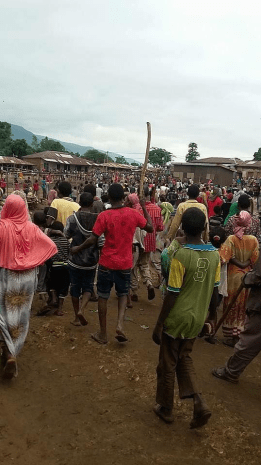
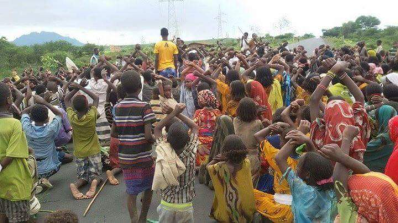
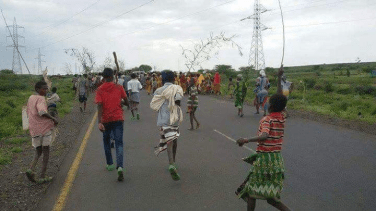
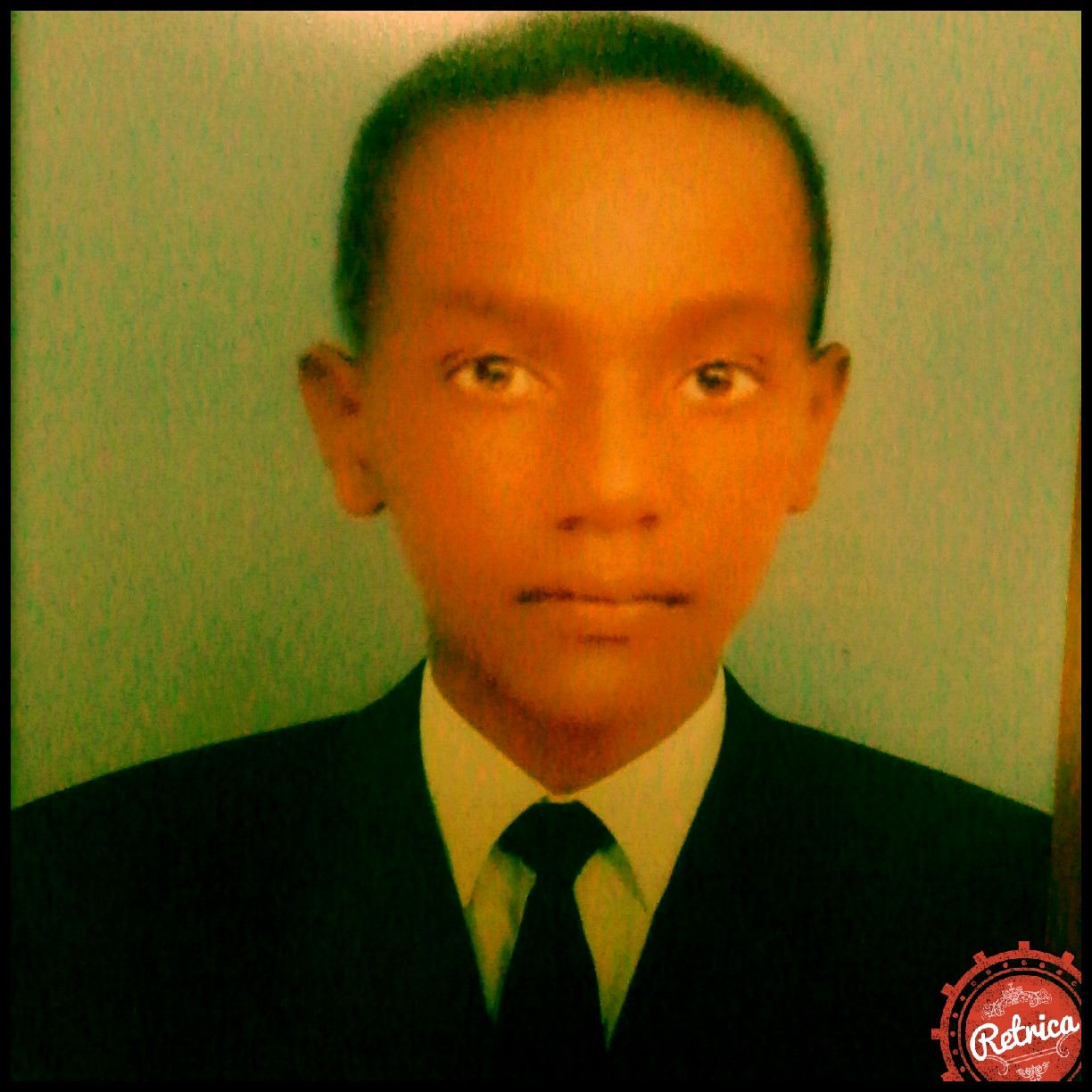
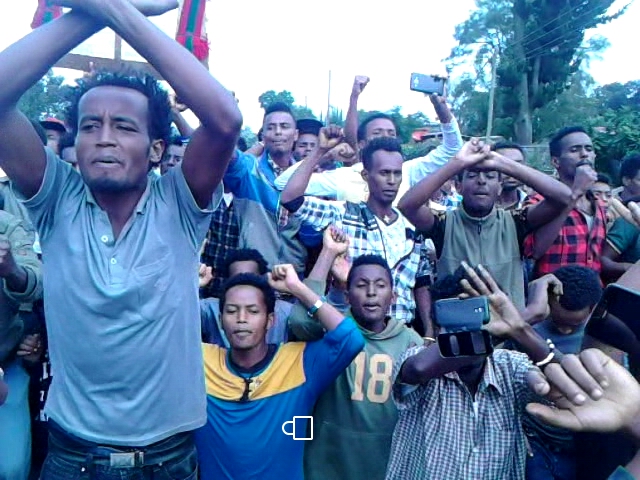
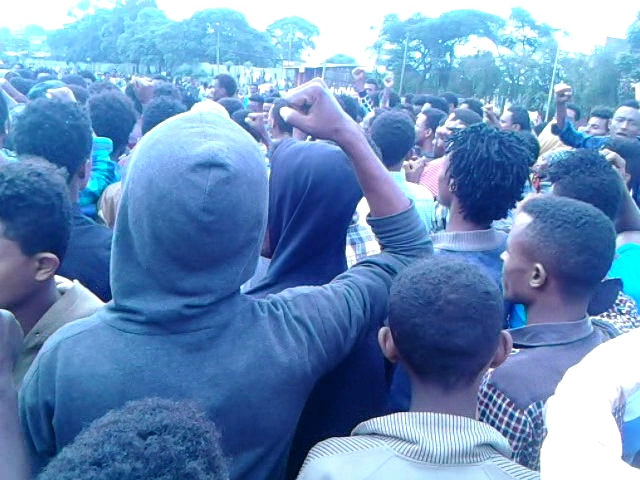
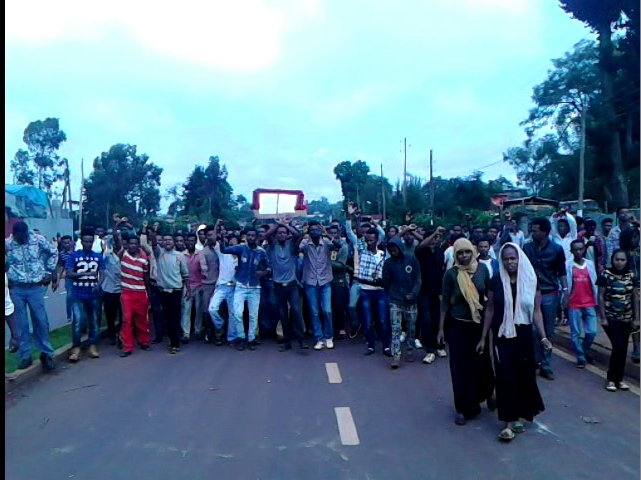

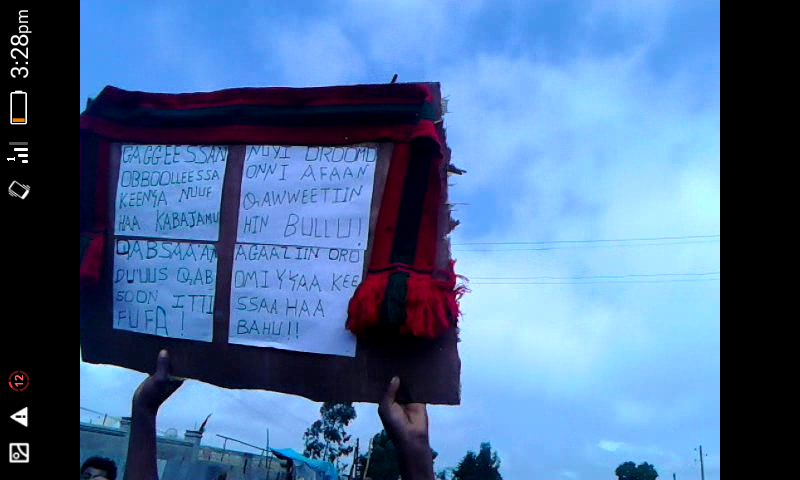
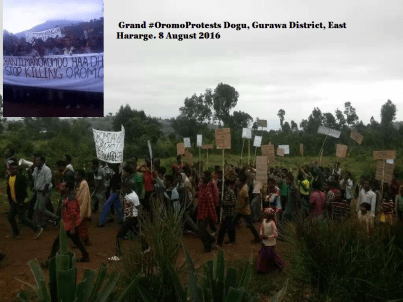
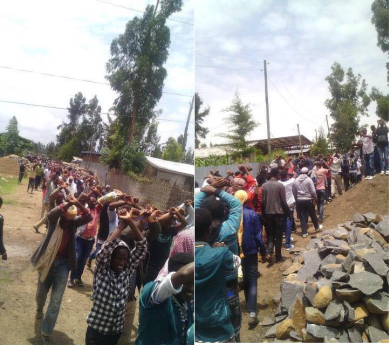
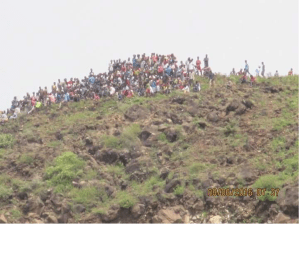
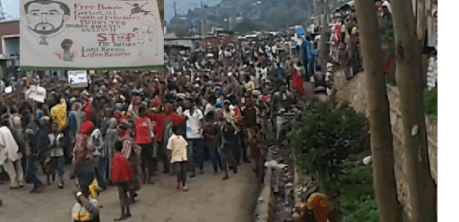
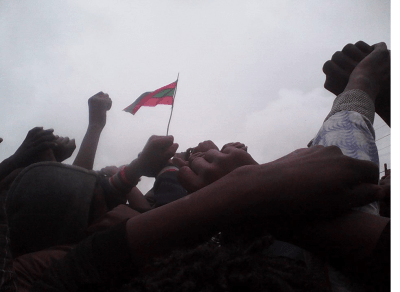
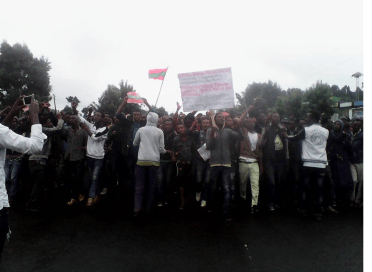
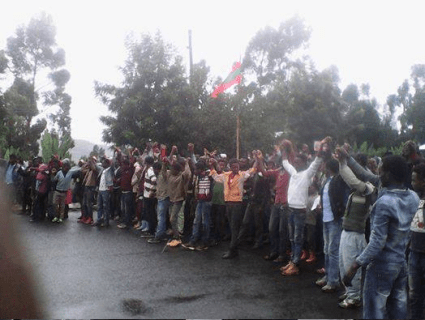

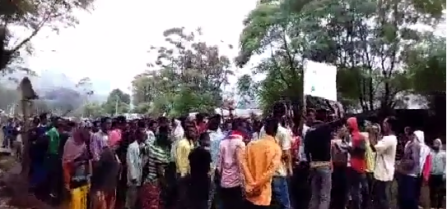


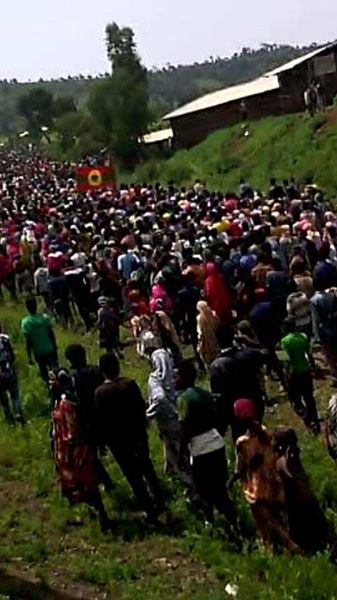

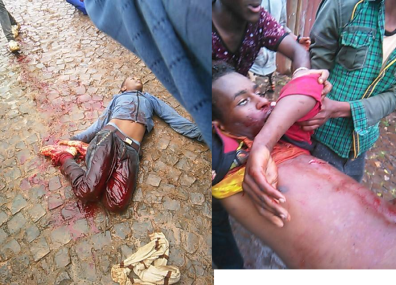
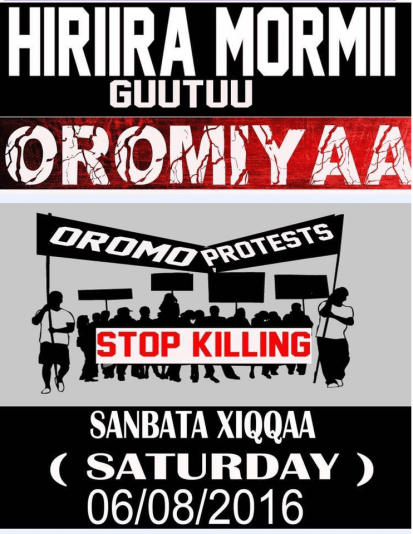
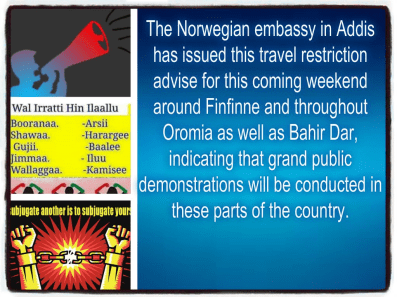
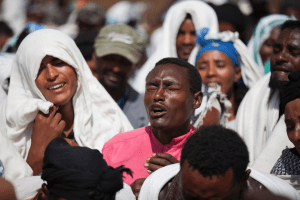


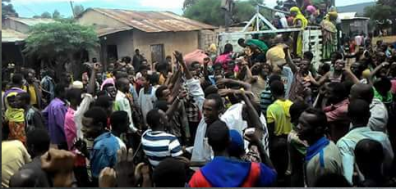

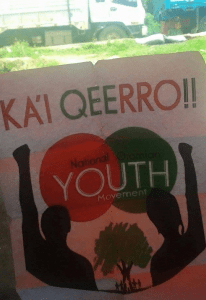
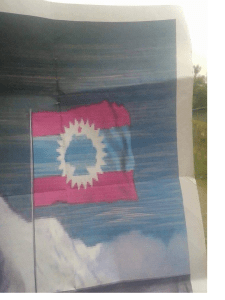
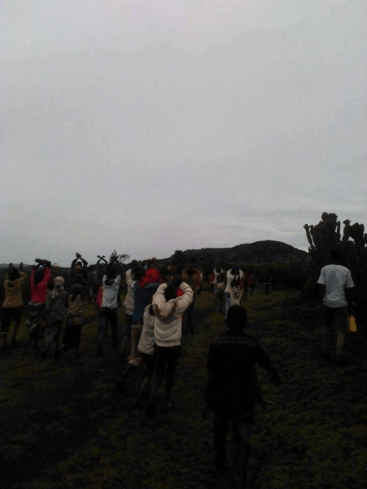

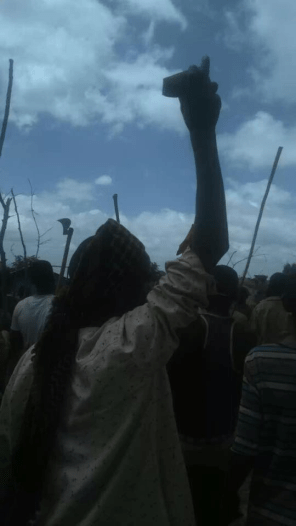
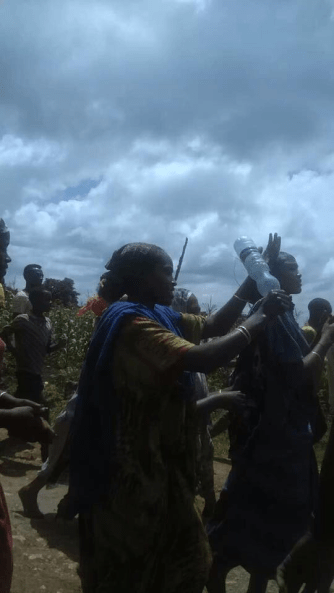
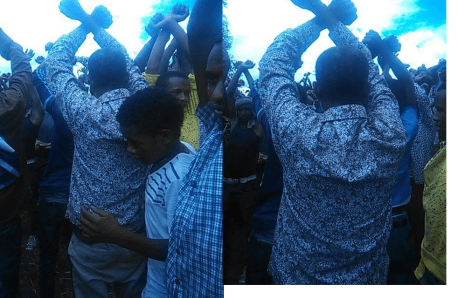
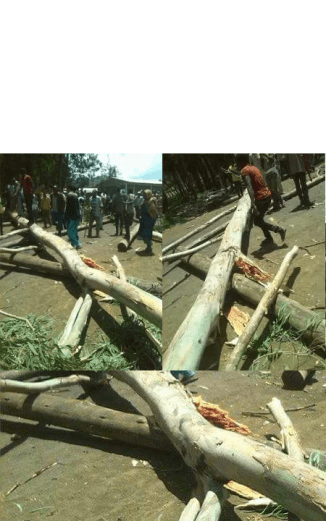
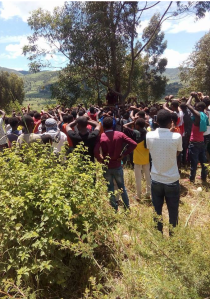
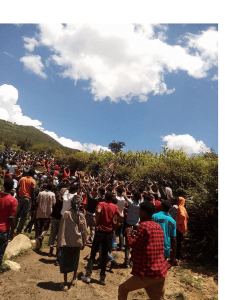



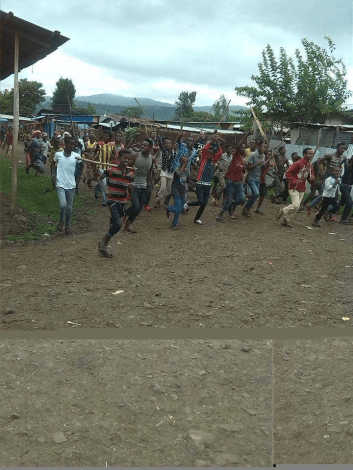
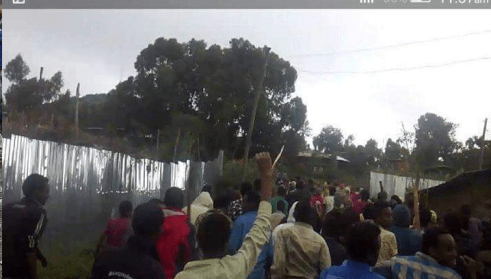
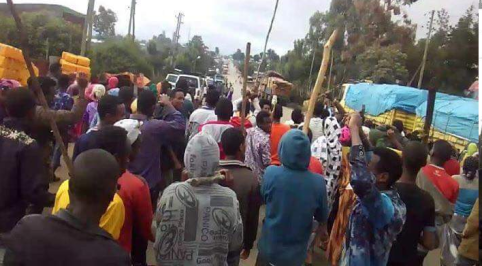



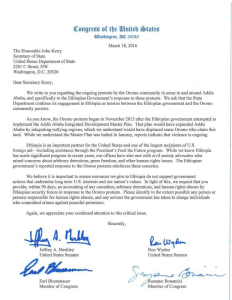

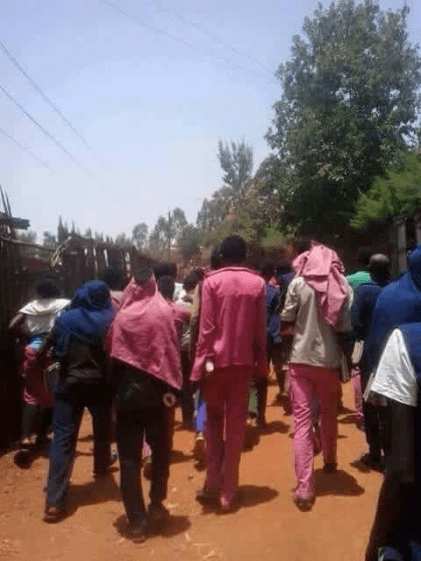


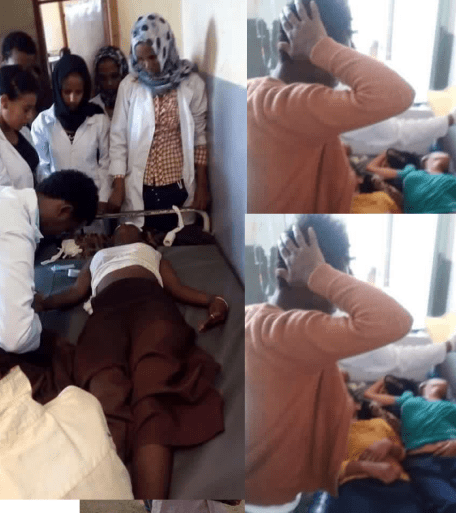
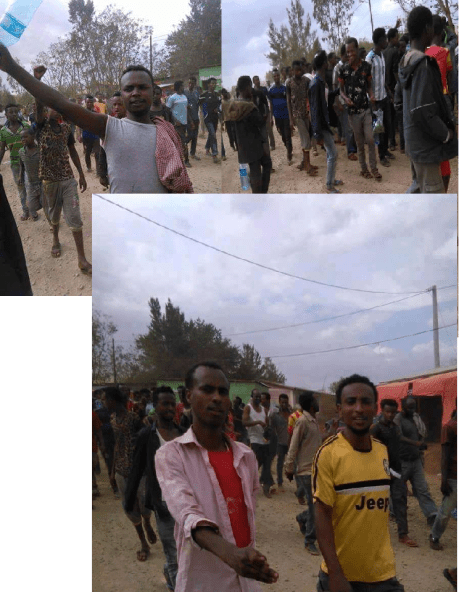

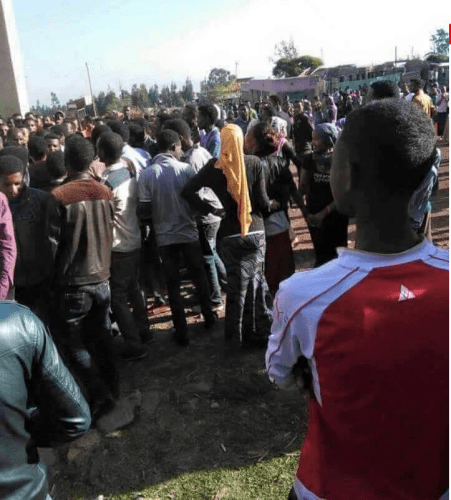

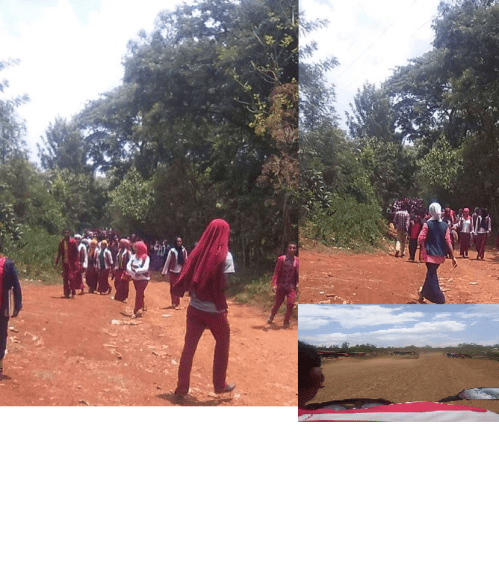


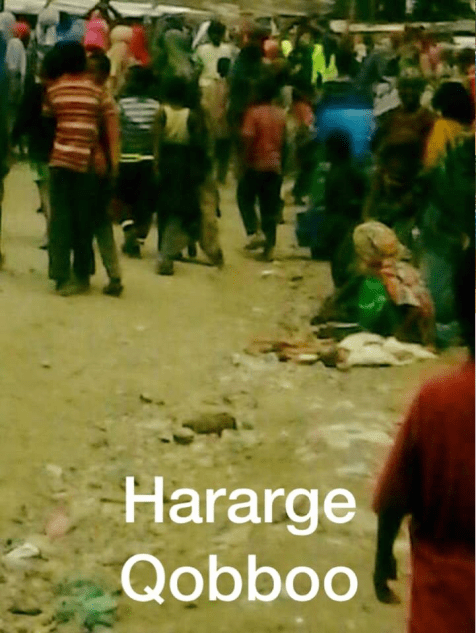
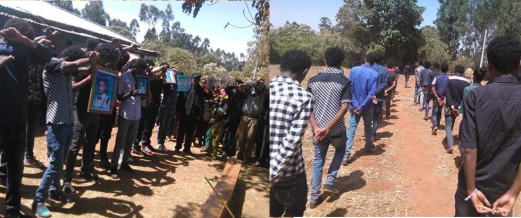
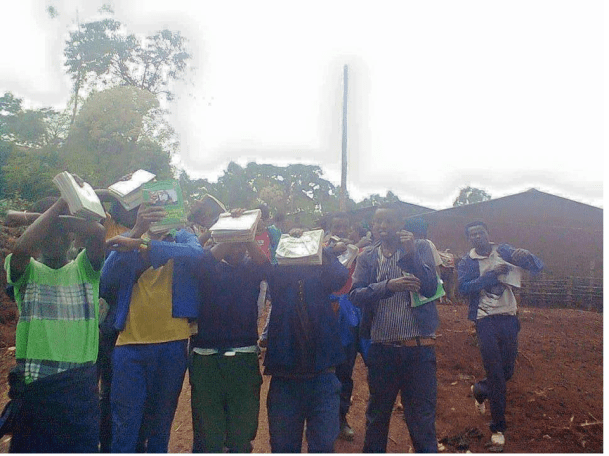


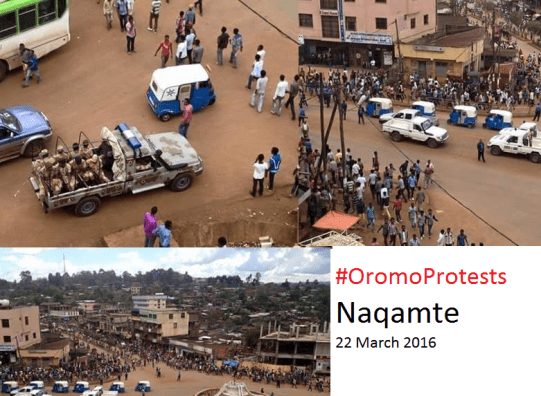
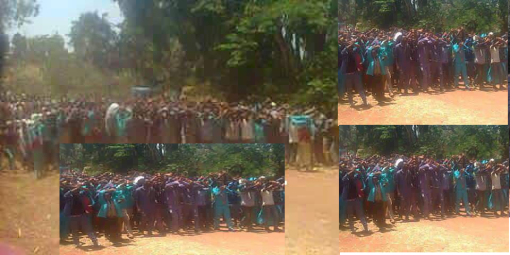
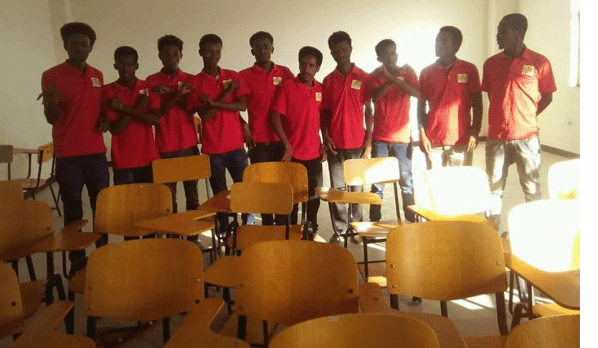
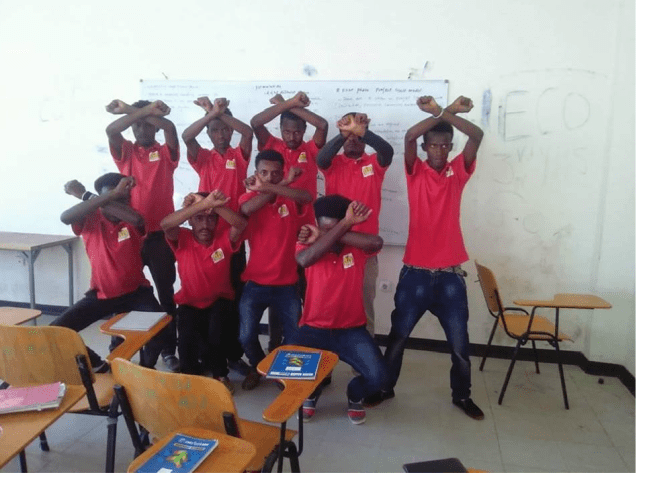
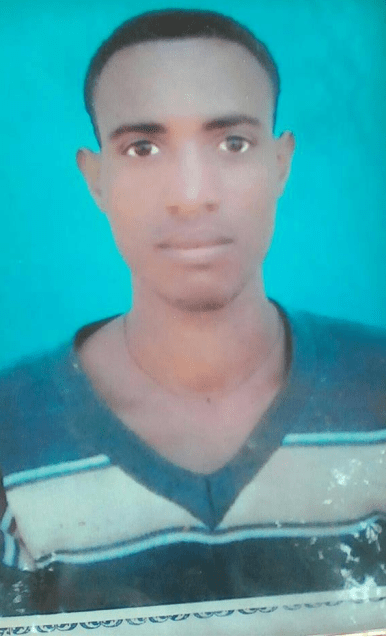

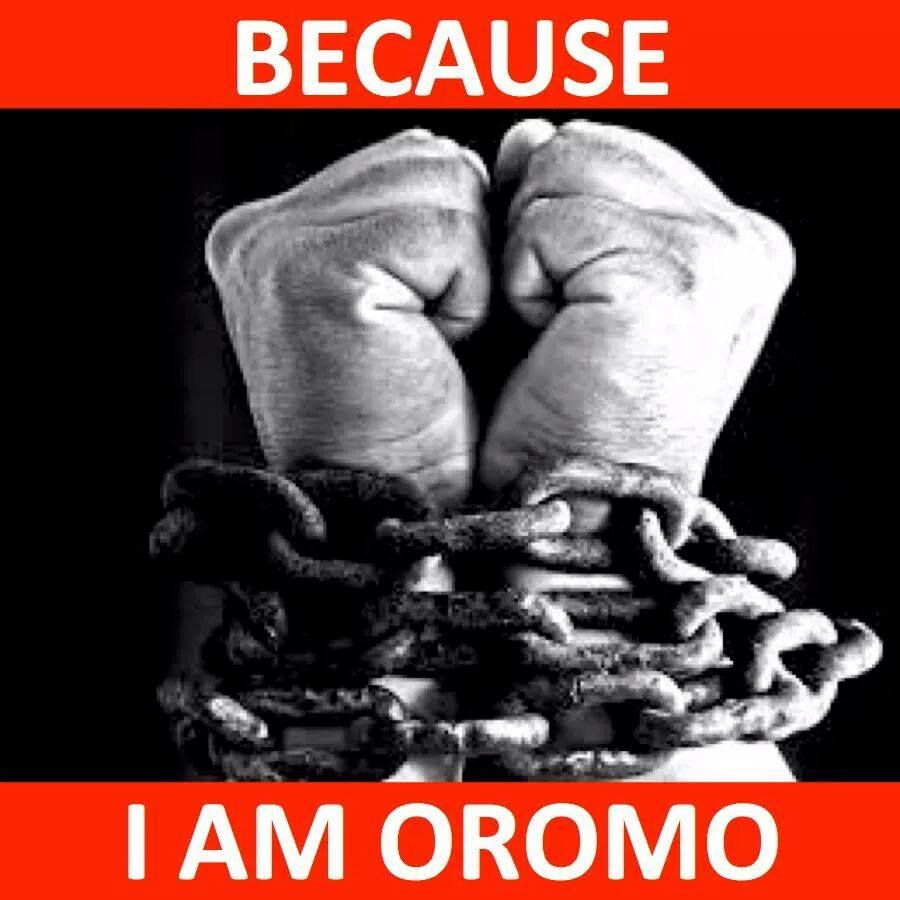


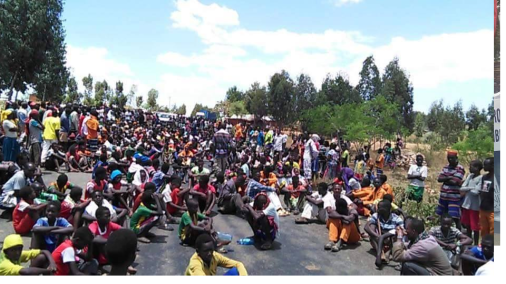
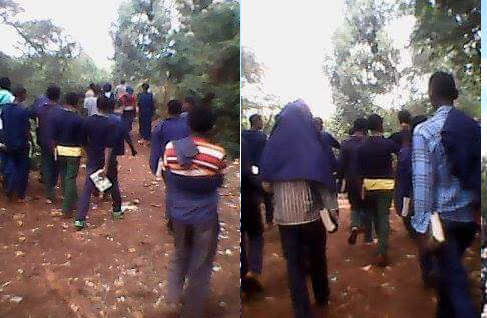


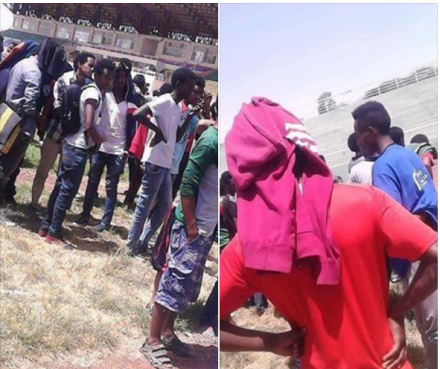
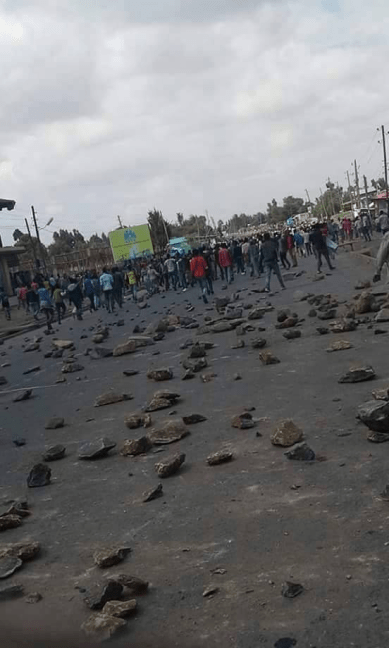
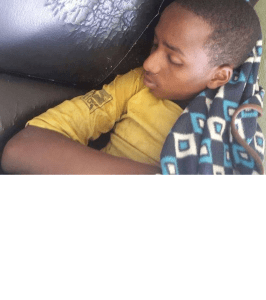
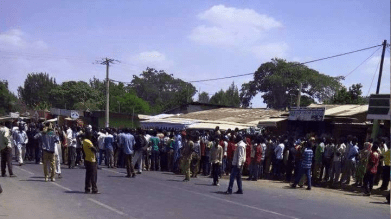
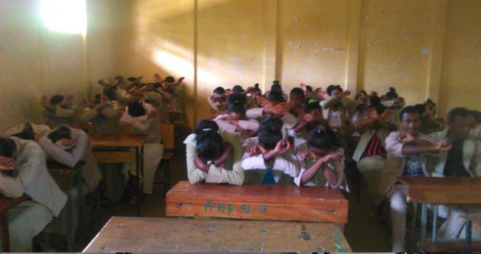
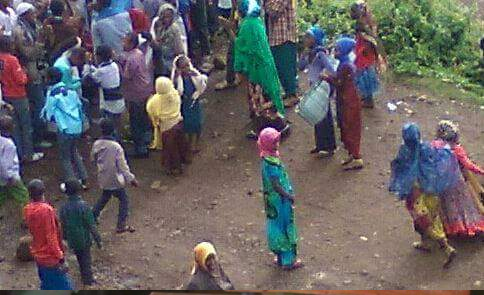
 en hiidhamaan

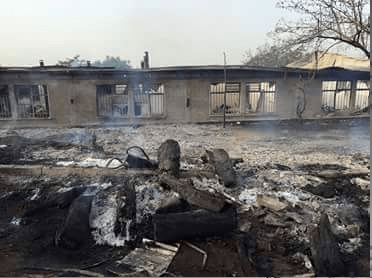
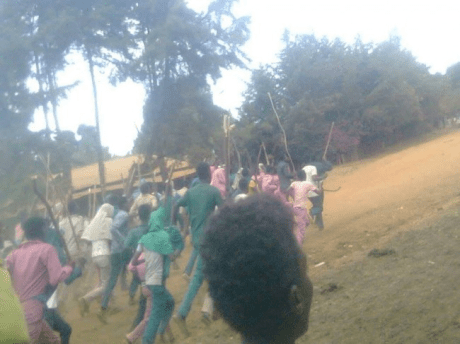
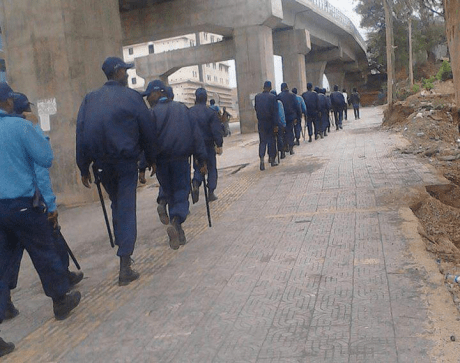
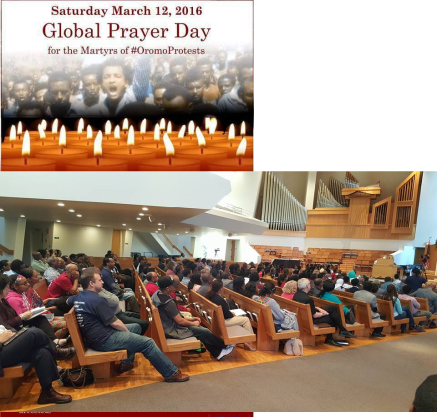
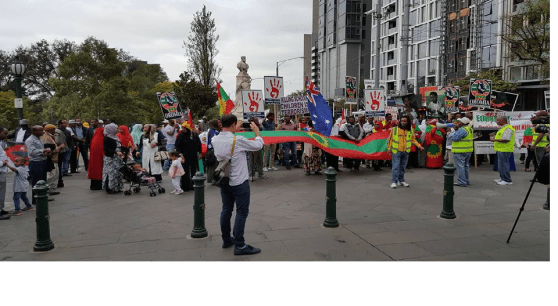

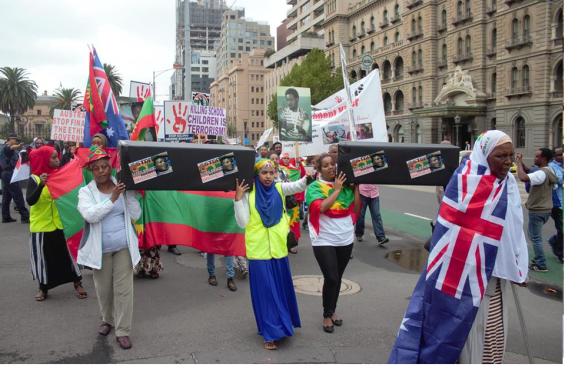

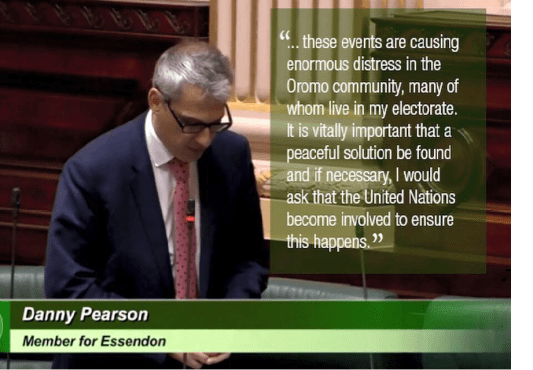
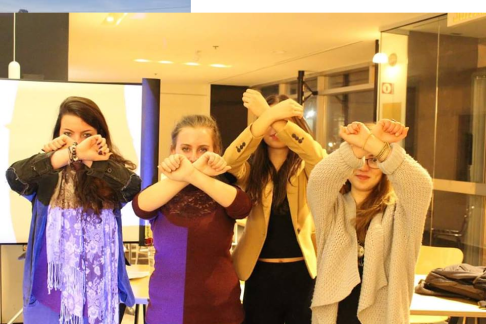
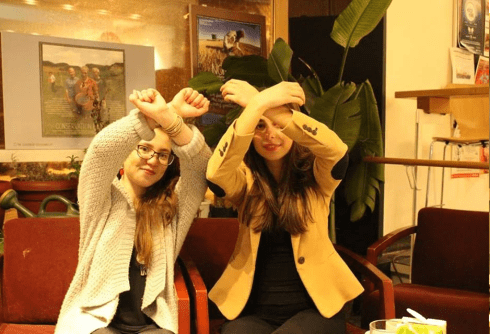
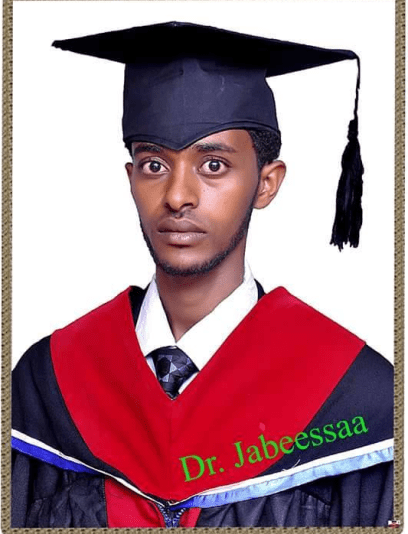
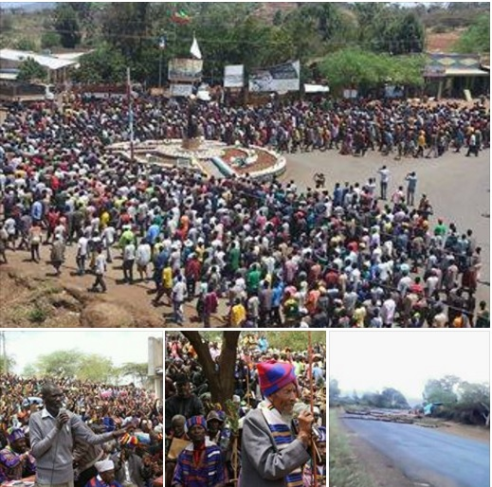
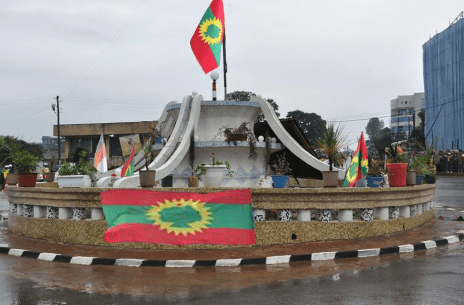


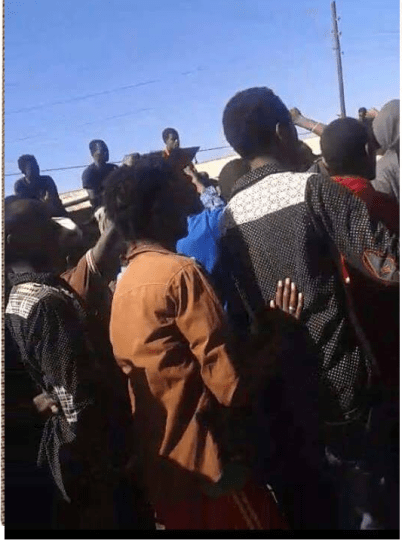
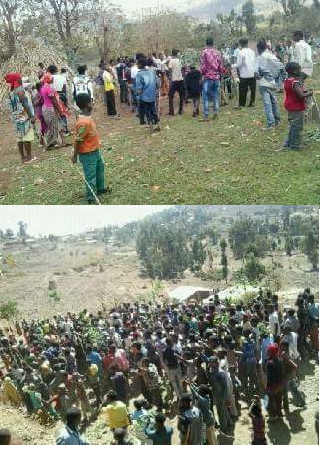
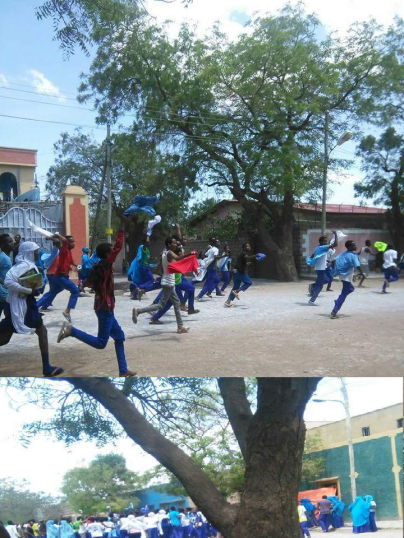
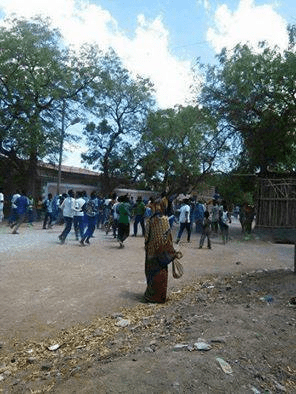


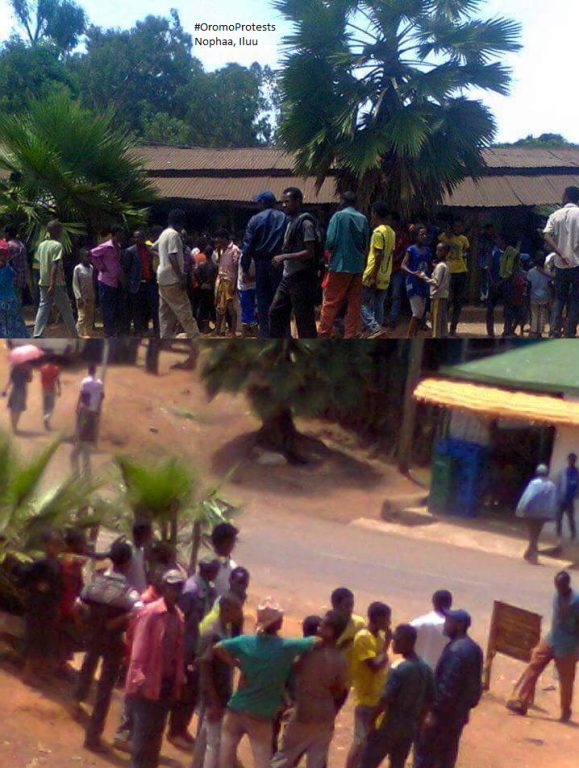
 Guyyaa Har’aa Bitootessa 8,2016 sa’a kanatti barattootni Yuuniversitii Finfinnnee dhibbaan lakkaawaman gara Embaasii Ameerikaa deemuun dhaadannoo dhageesisaa jiru, ammalle itti fufuudhaan naannoo gaar Inxooxxoo qabate qonnan bulaan gama Sulultaas bahuudhan daandi cufee mootummaa EPRDF hin barbaannu ofiin of bulchina, ABOn kallacha qabsoo keenyaati jechaa jiru.


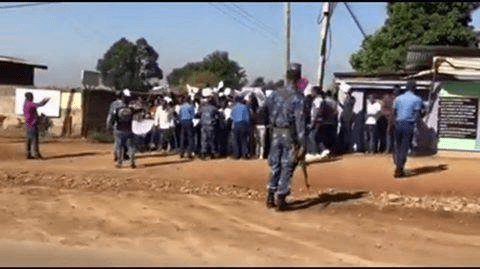


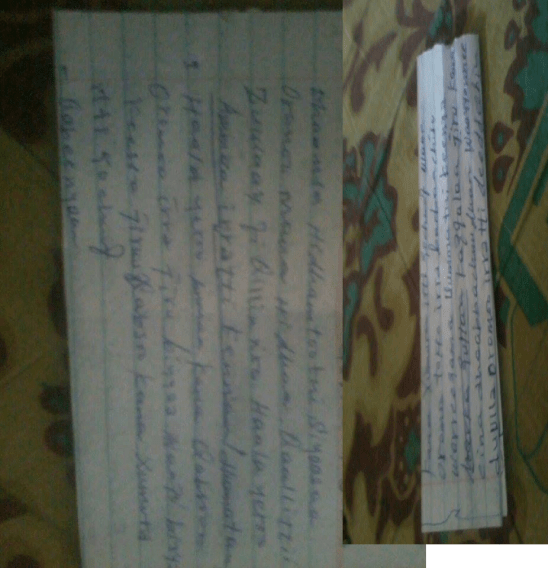
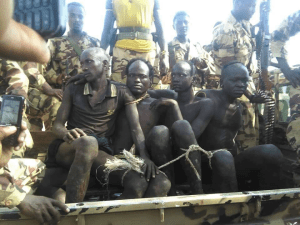

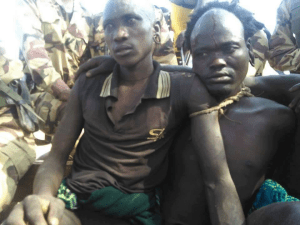
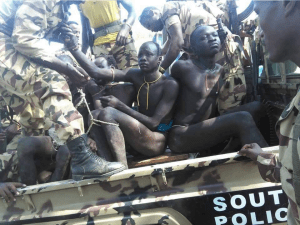


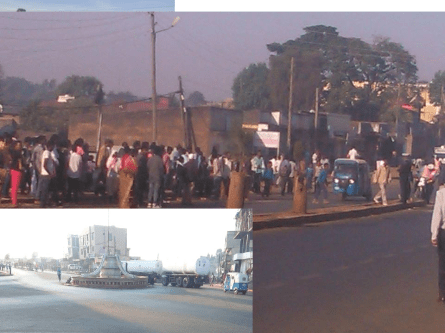


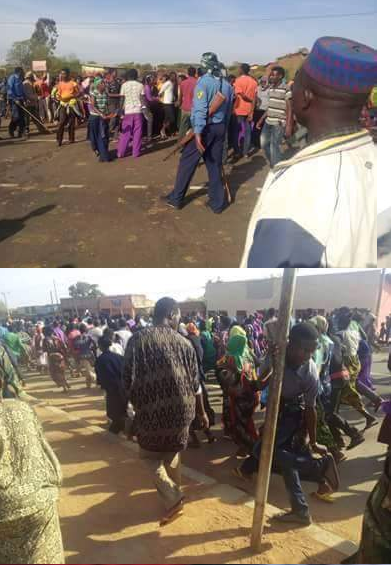


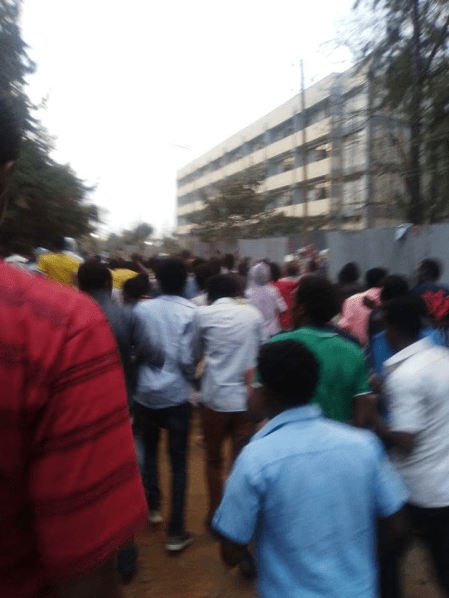


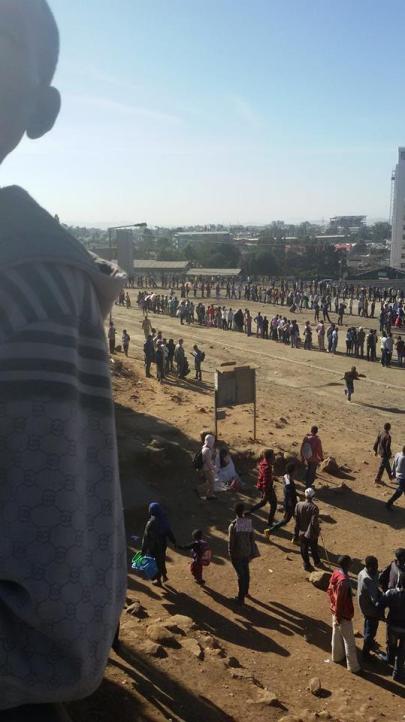


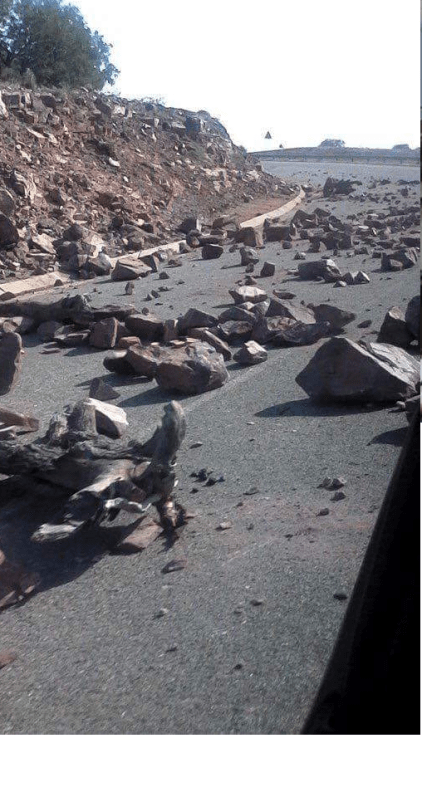
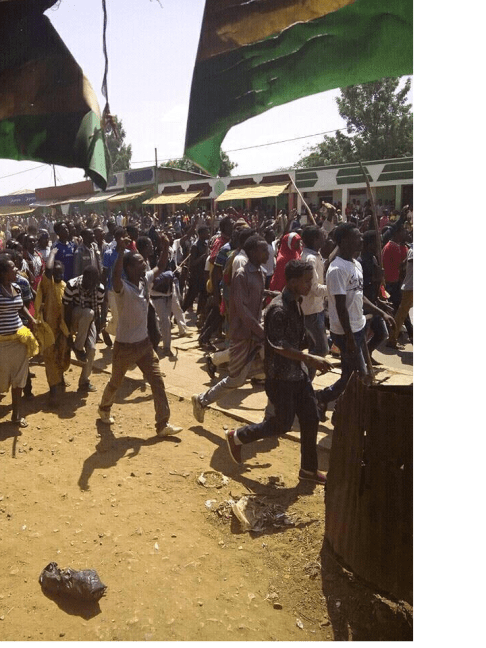
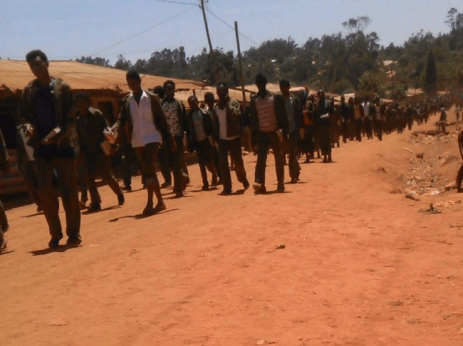
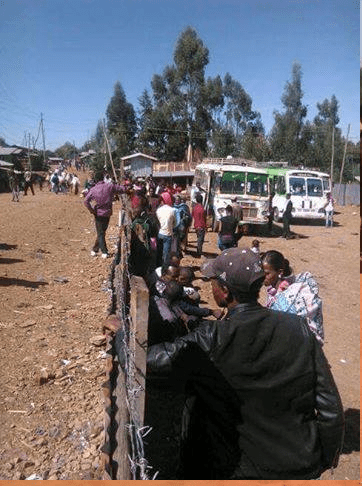
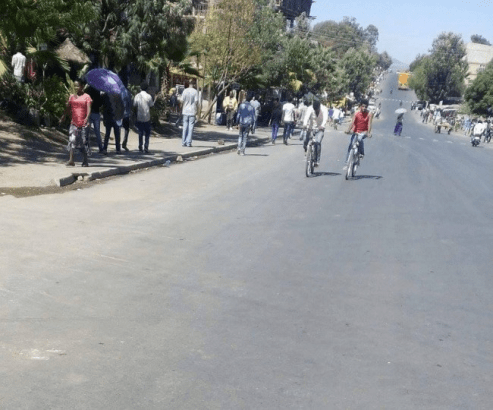
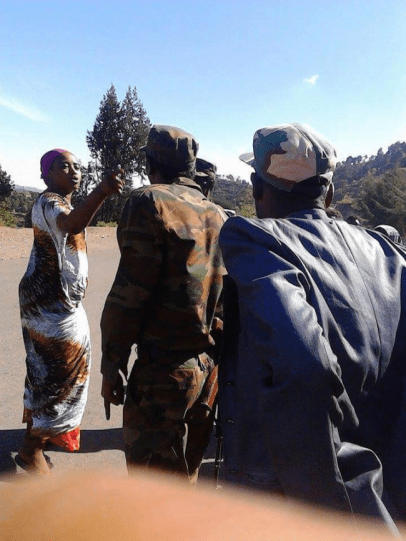
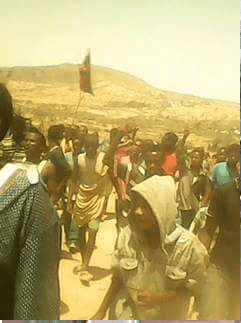
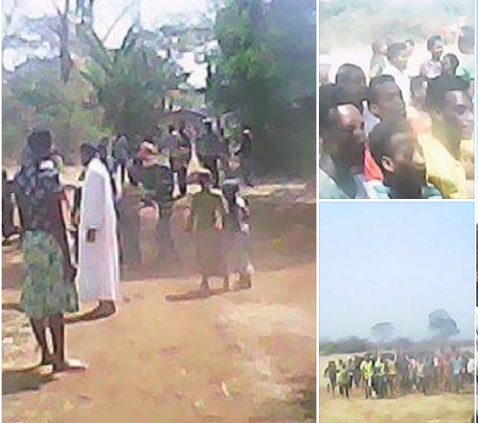
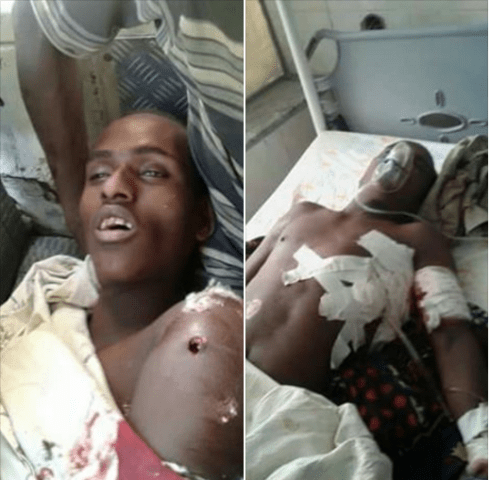


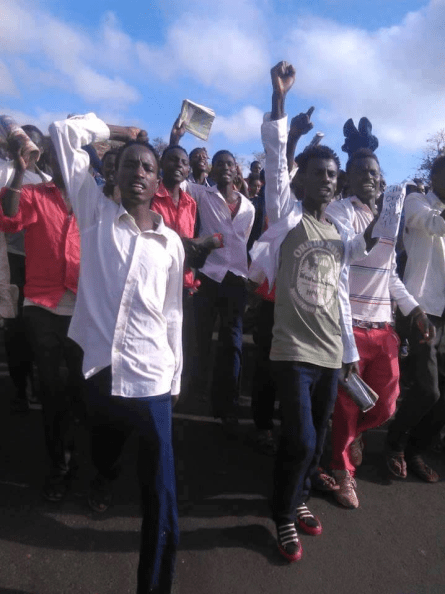
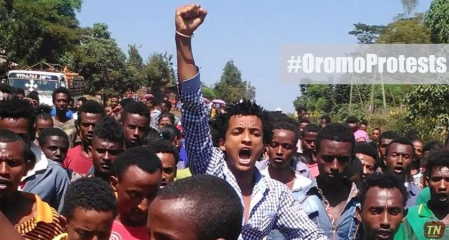
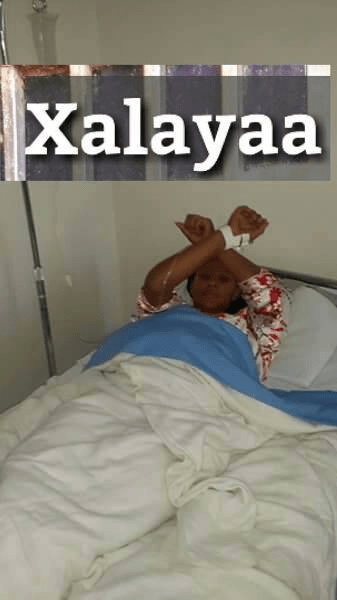
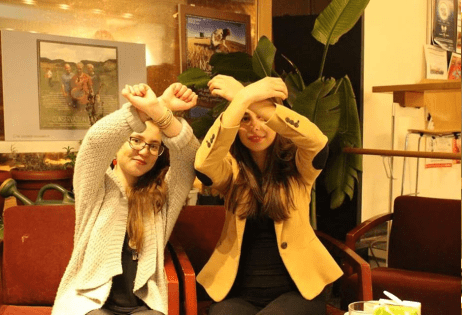

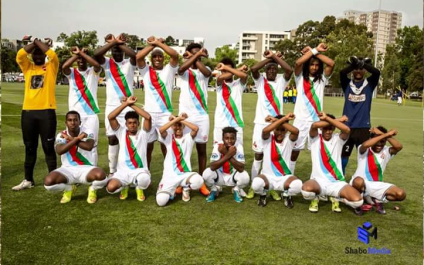
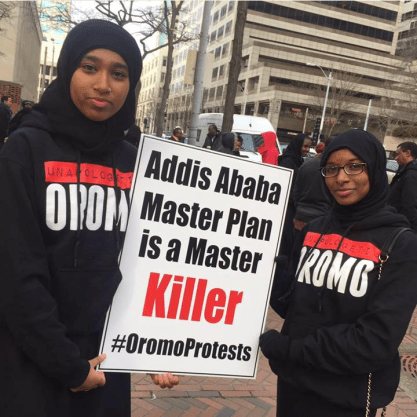
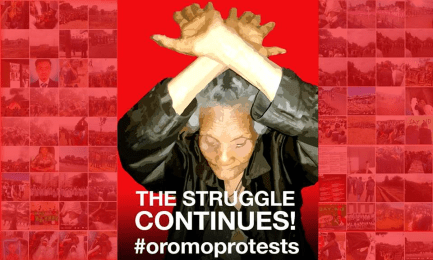
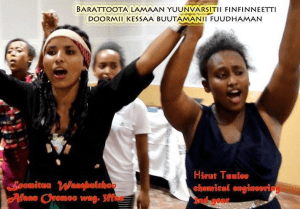
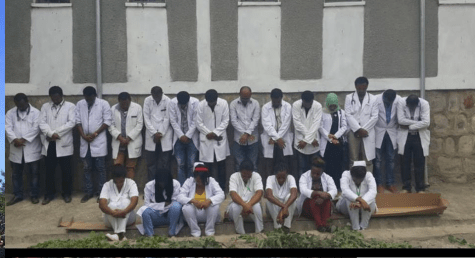

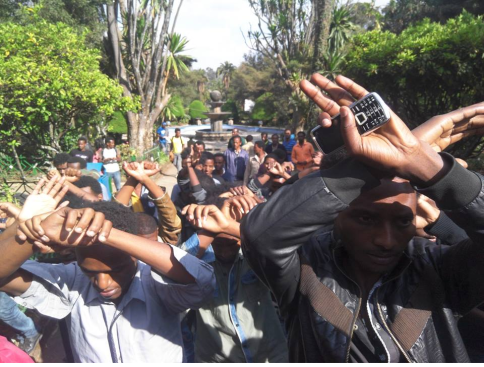
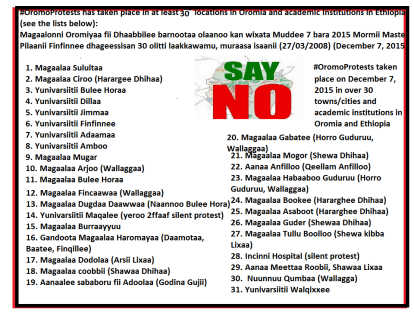
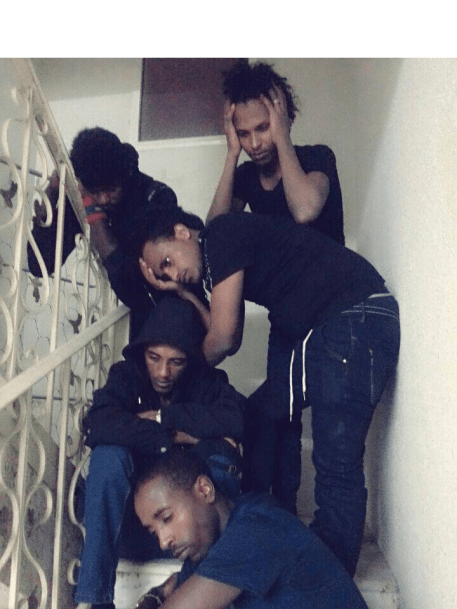
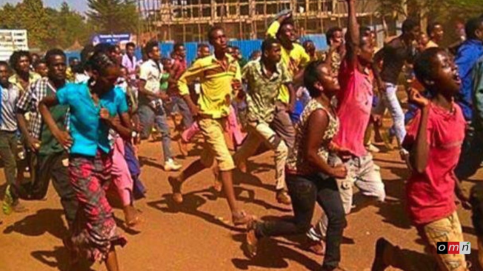
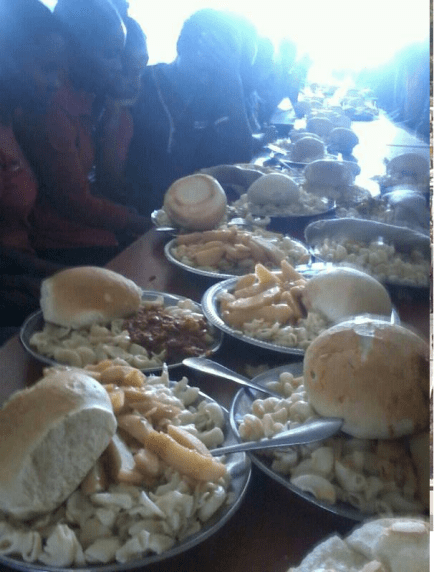
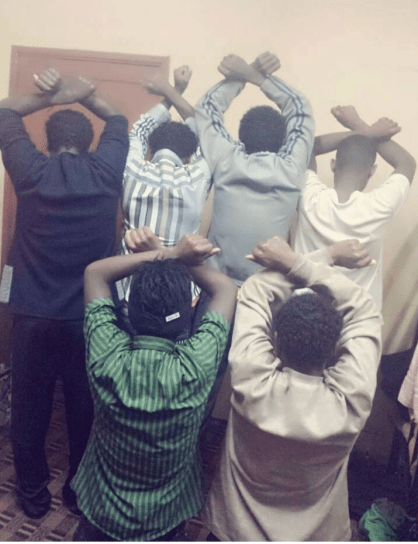
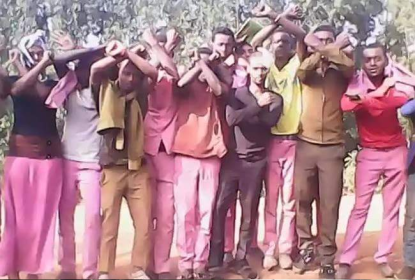
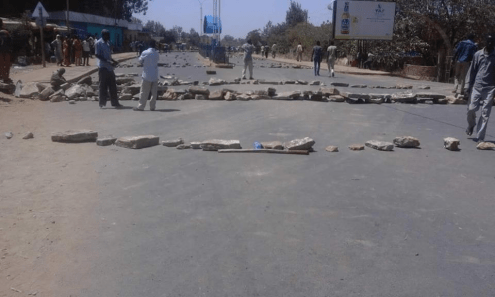
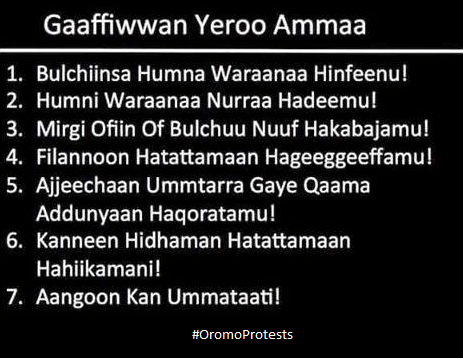
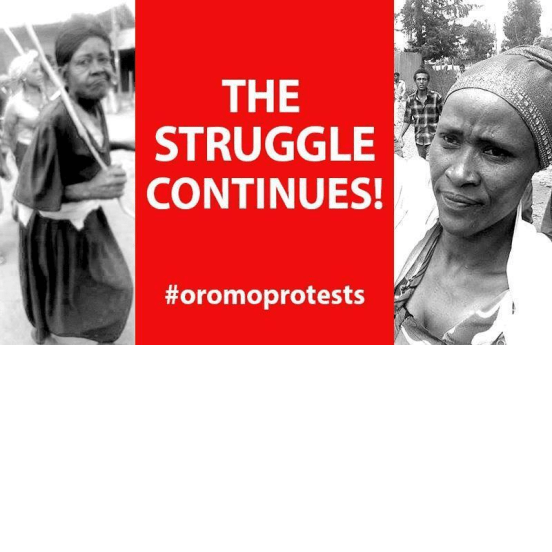
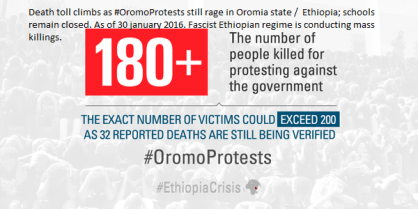
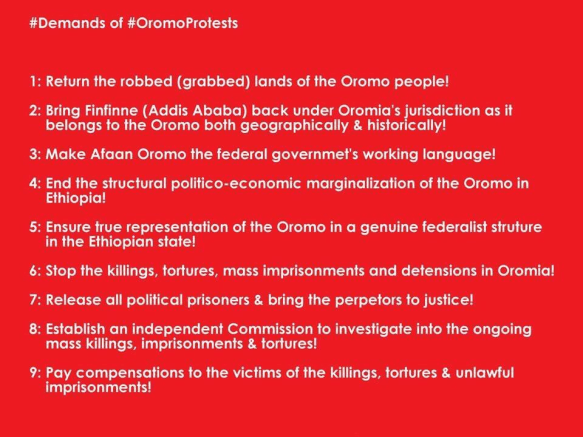


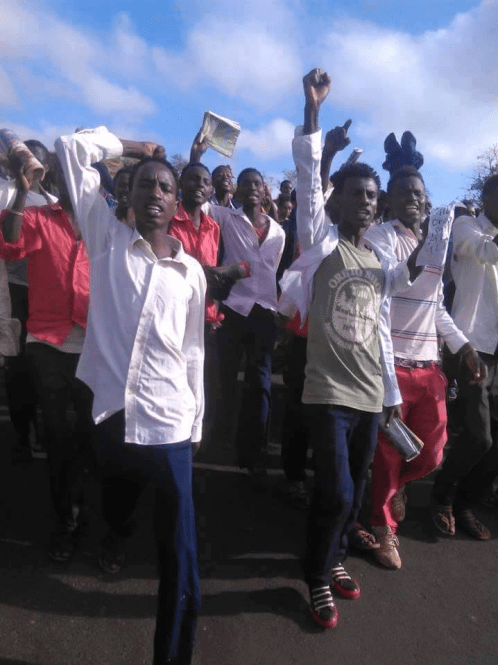
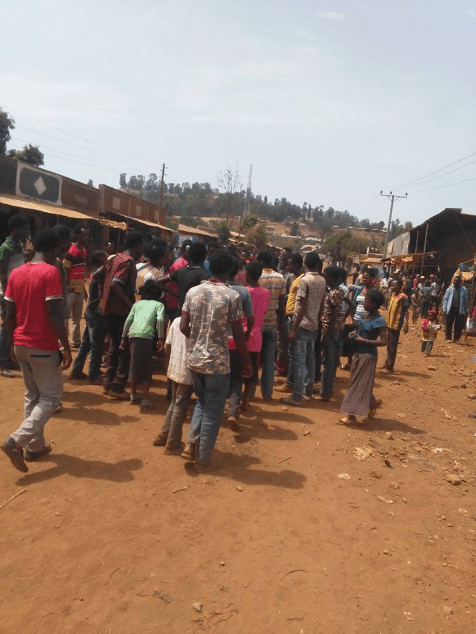
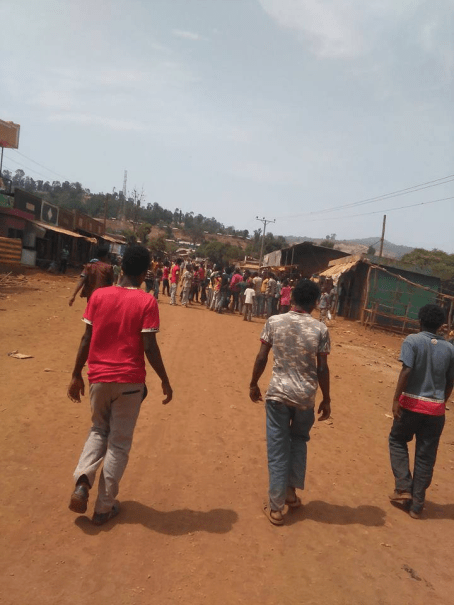
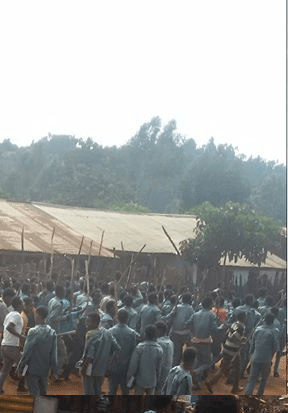

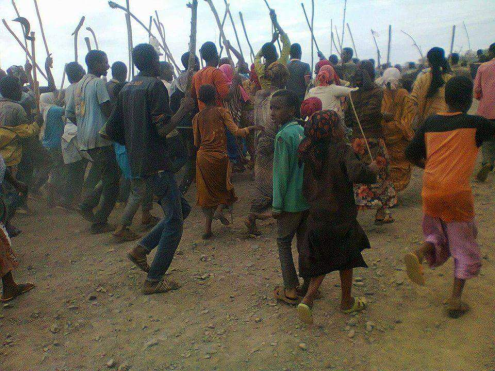
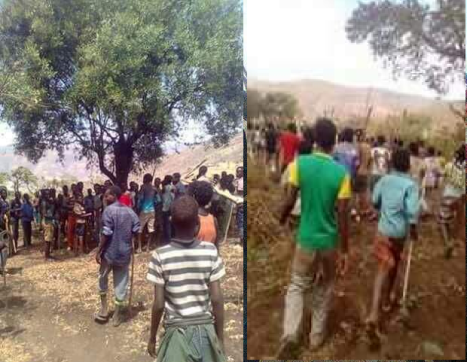
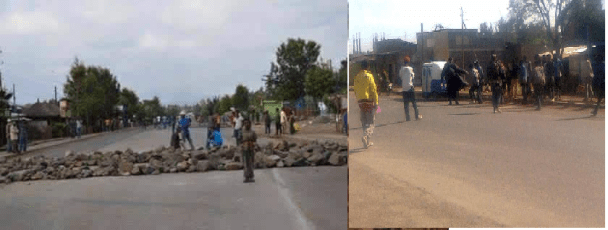
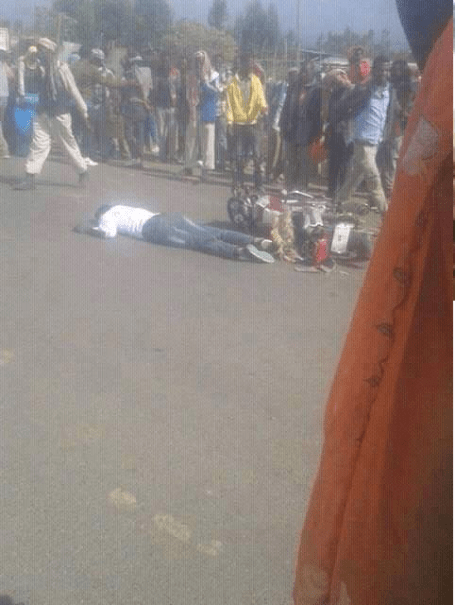
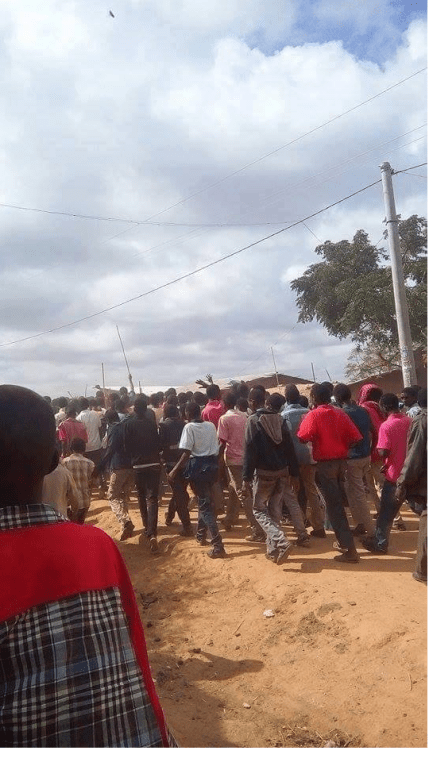
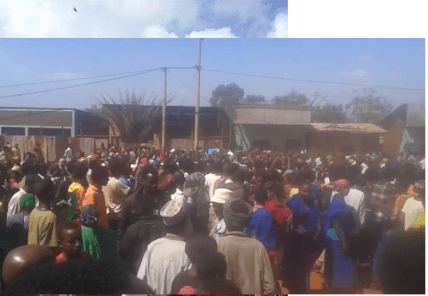
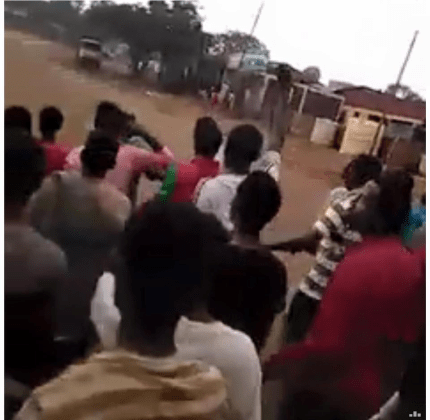
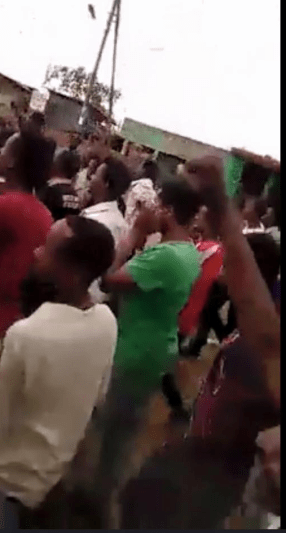


 Gurraandhala 23,2016 Ummati waanjoo gabrummaa baachuuf dhiitichaa abbaa irree damdamachuun nufisiisee lubbuusaa aarsaa gochuun diinasaa kan ta’e Shorokeessitoota Waayyaaneet bol’a qotuufsochii rog hundaan godhaa jiru jabeessuun har’a baha Wallaggaa bakkeewwaan hedduutti diinasaa hudhee kan dhaabe ta’uu bakkeewwan Leeqaa Dullachaa,Bonayyaa Boshee,Habashaa Sanbataa,Naqamte (Kibba Waachaa,Bordii,Dargee fi Mana barumsaa Qassoo) kan magaalaa Naqamteetti argaman keessatti mormiin dhiittaa namoomaa of irraa fonqolchuu ittu fifeera


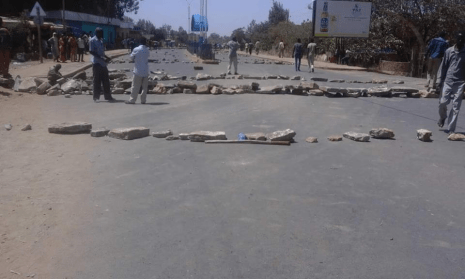
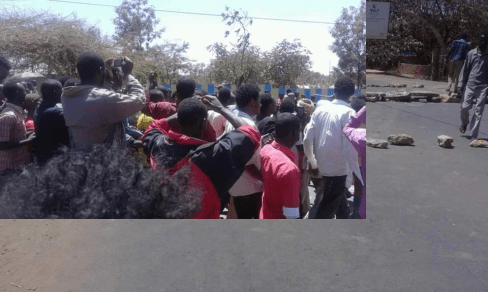
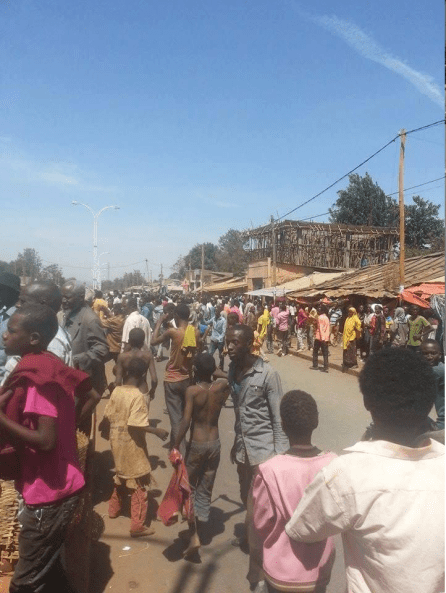
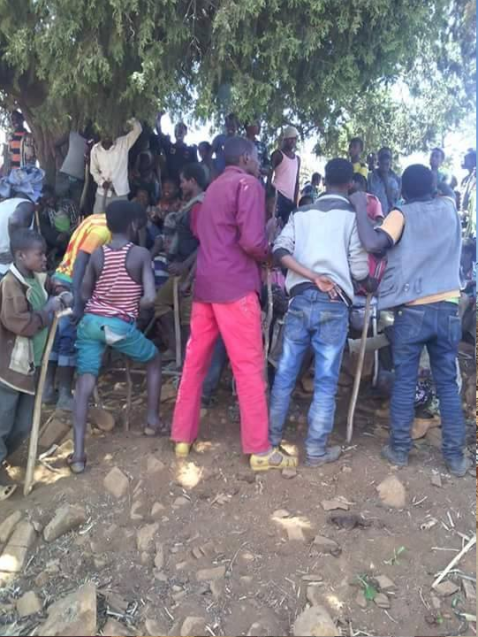
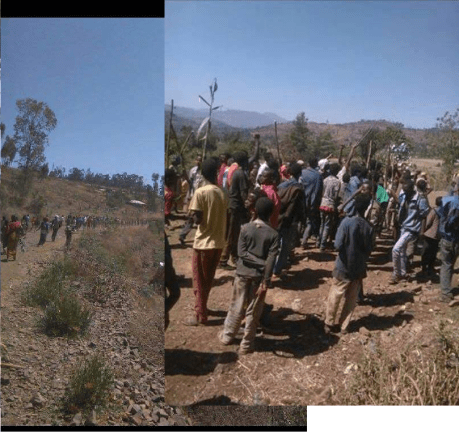


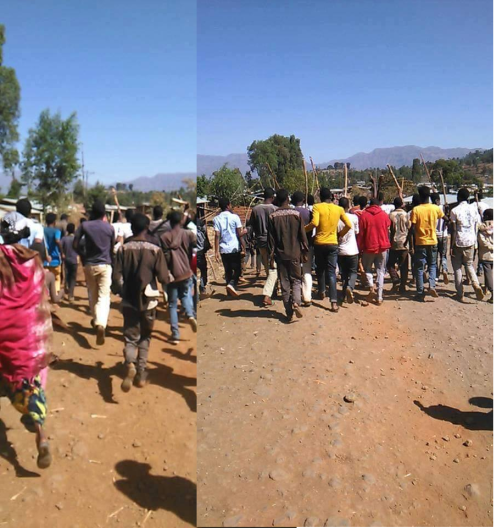
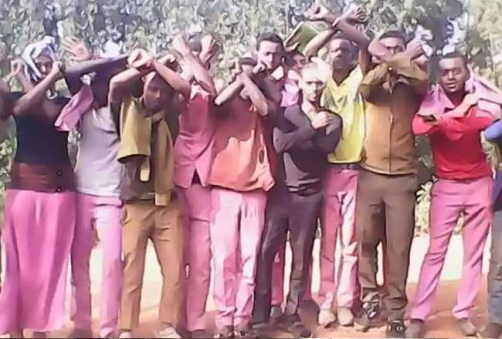
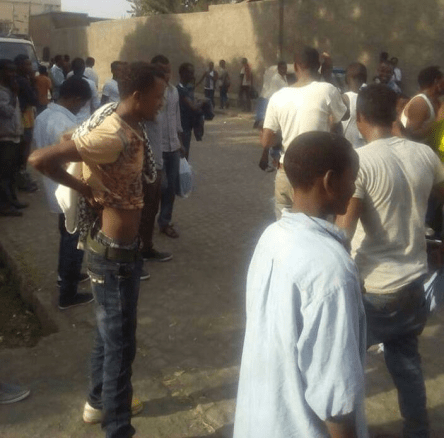


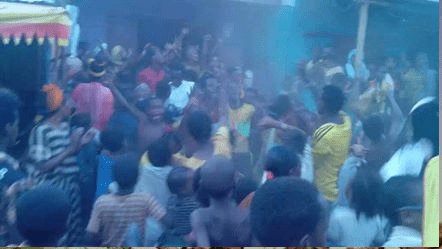
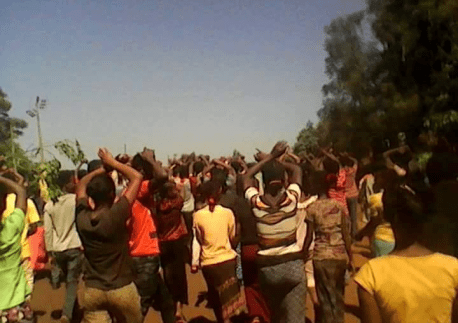
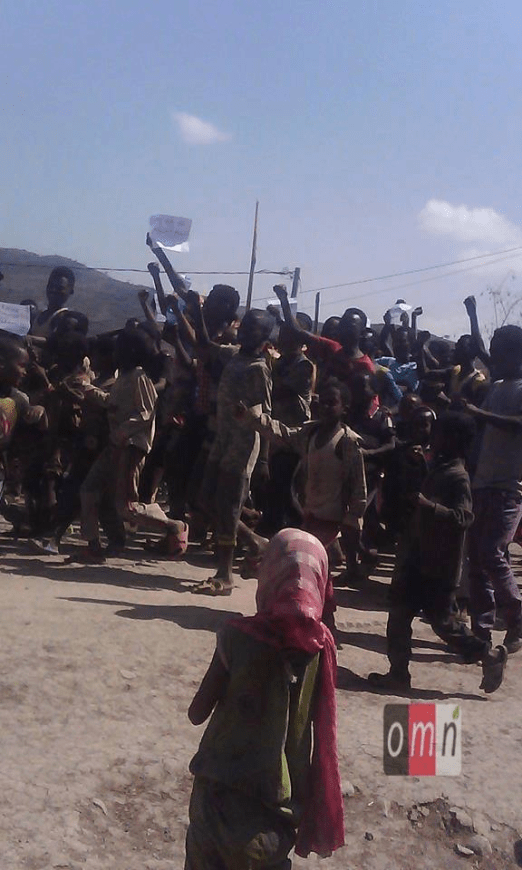
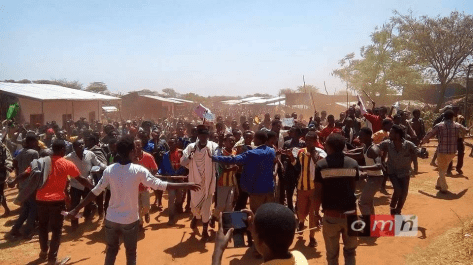


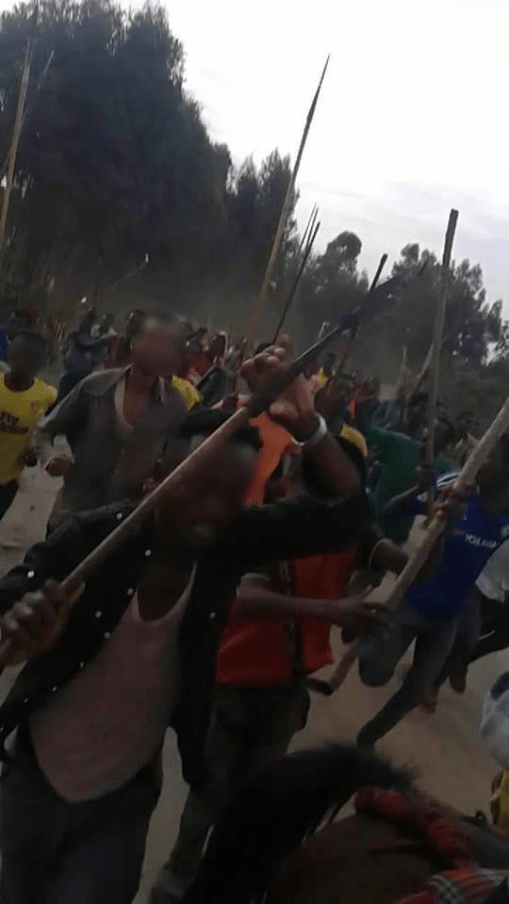


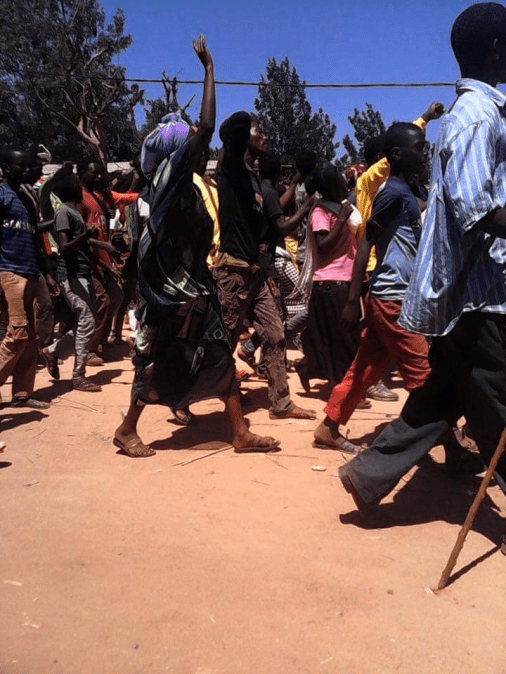
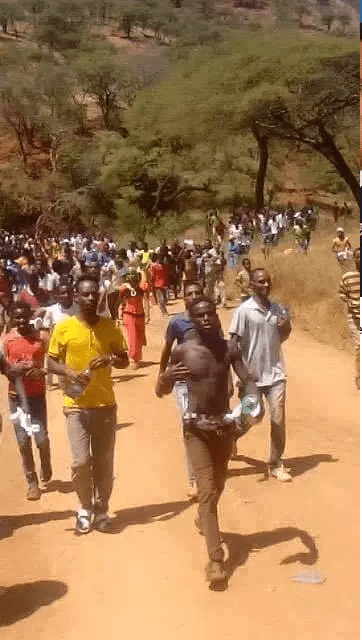
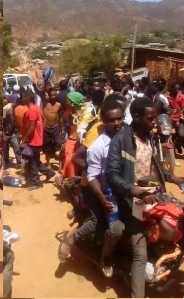
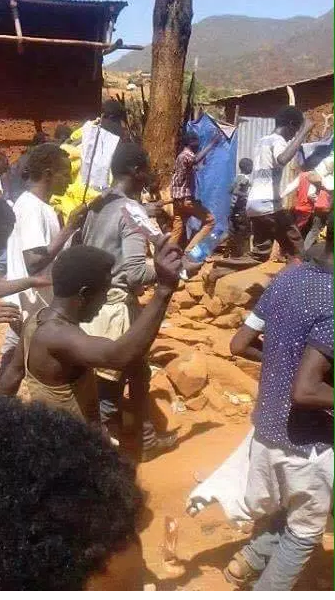
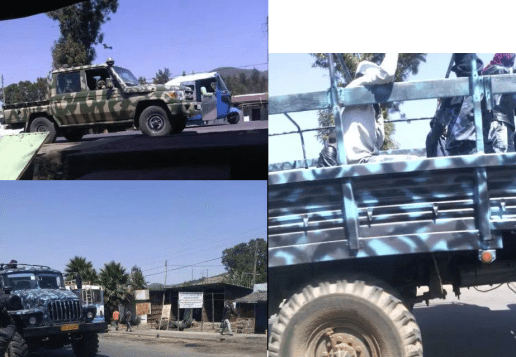
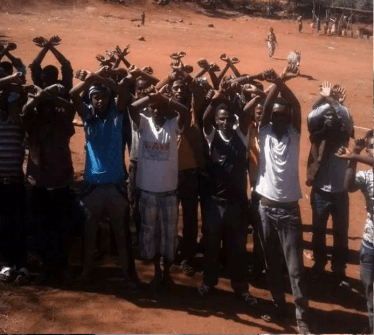
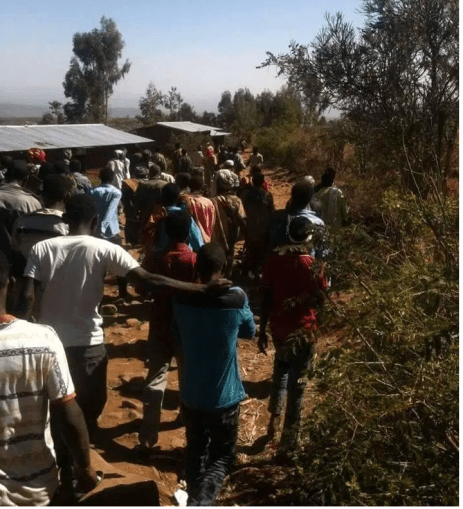
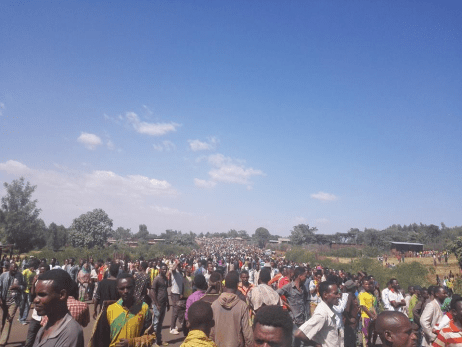

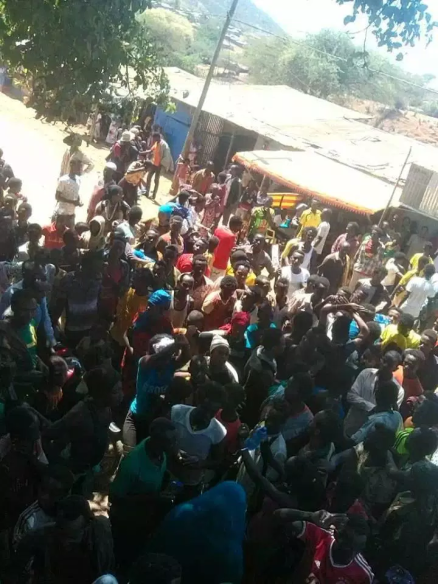


 Guyyaa Har’aa Amajjii 29,2016 Godina Wallaggaa aanaa Gidaamii fi Jimmaa Horroo akkasumas ganda Burii jedhamu keessatti FXH haala jabaa ta’een gaggeeffamaa oole,Warraanni Wayyaanee haala kanatti rifates jiraattotaa fi barattoota qabee hidhuu fi gidirsuu itti haa fufu malee uummanni naannichaa jabinaan loltoota Wayyaanee of irraa dhorkaa oolanii jiru jedha Qeerroon.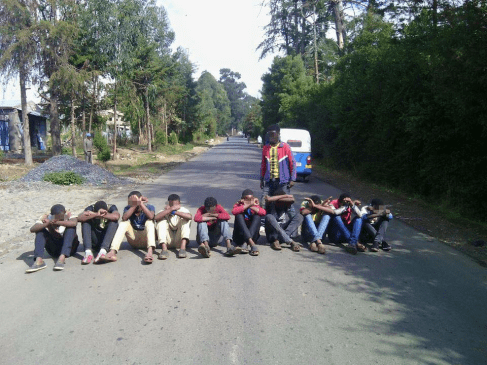
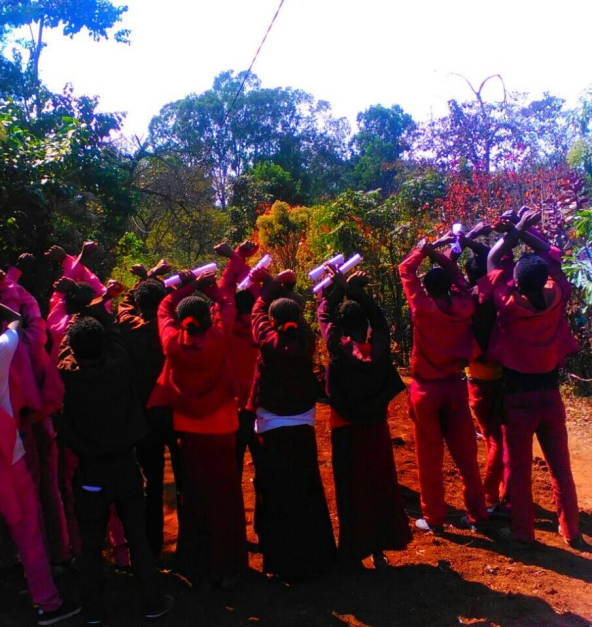
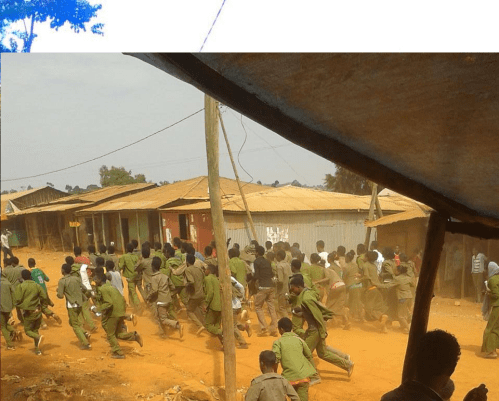




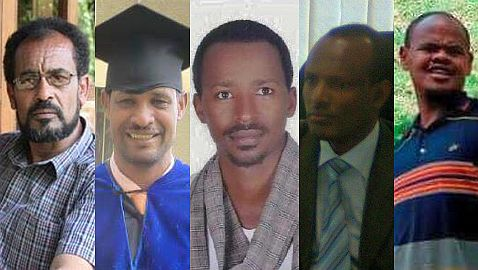

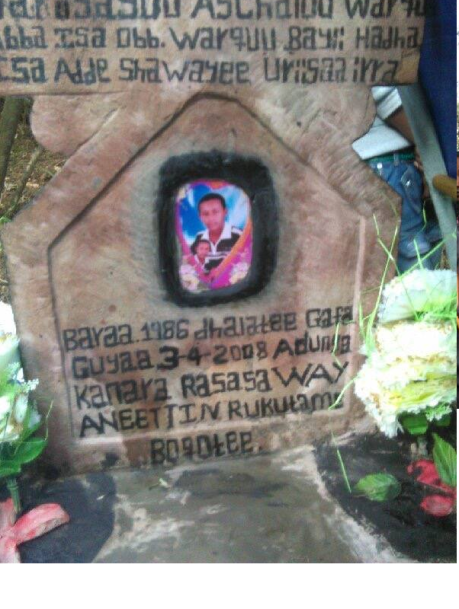
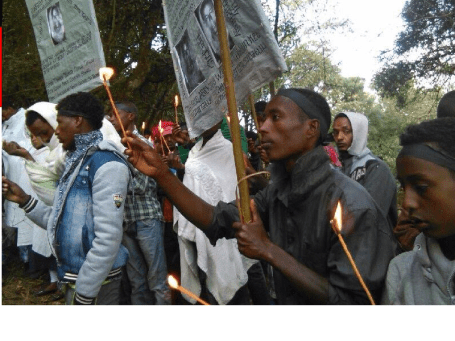
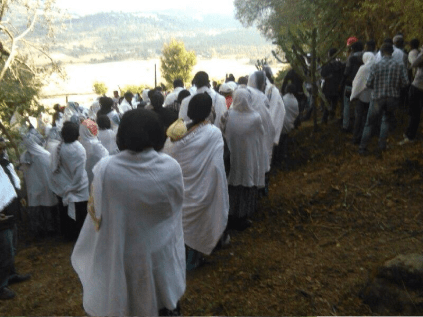
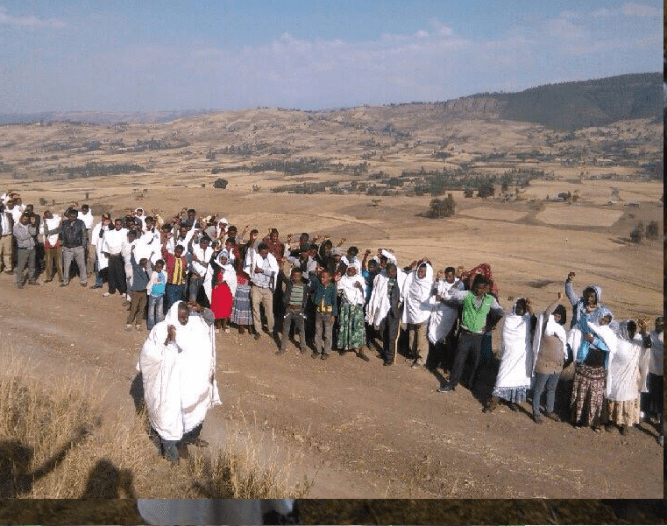


 Barattotni magaalaa Naqaamteef jiraattonni magaalatti gabrummaa of irraa fonqolchuuf wayiita carraqanitti dhamsuuf humna waraanaa


 Biraanee Fiqruu Mul’isaa jedhamti dhimma mormii MP fi FDG Oromiyaa keessattin deemamaa jiruun walqabatee godina kibba lixa Shaggar aanaa Daawootti mana hidhaa aanichatti dararamaa jirti.Kan hidhamte gaafa guyyaa 27,12,2015ti ture ergasi beellama si’aa 2irratti gaafatan yoo ta’u yeroo lachuu guyyaa 9 sagaal irratti gaafatani turan. Ammas hanga 28/1/2016tti tursisan kan akkas rawwachisa jiru immo bulchinsaa aanaa kan ta’e obboo Fayyisaa Dhaabaa jedhamu, wajjirri poolisii aanaa fi mannii murtii anichaas hojii seeraa dhisaani hojii siyaasa dalagaa jiran.


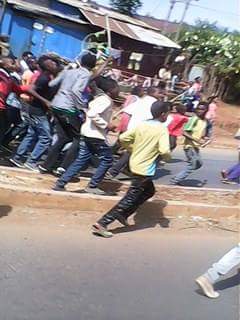


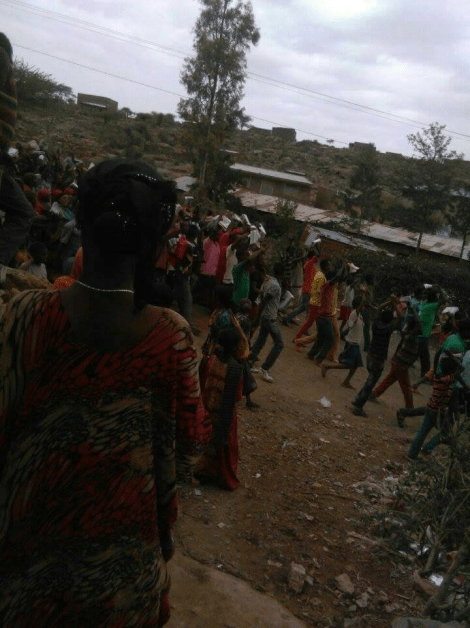
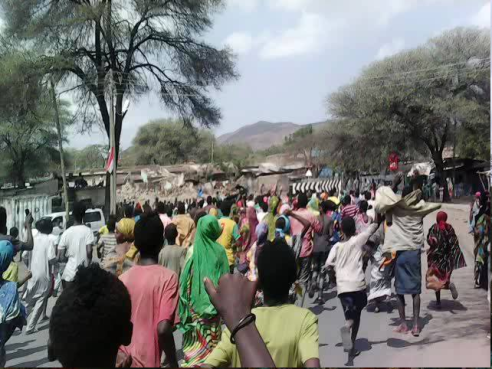


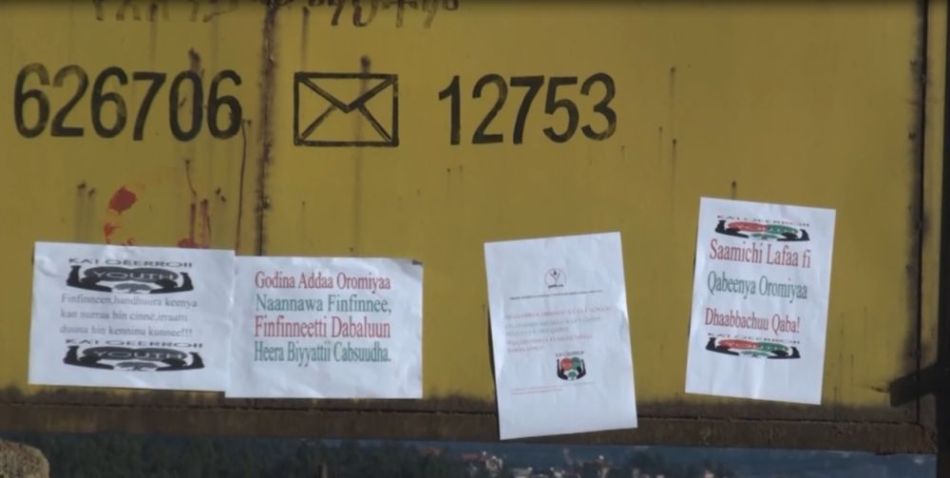

 John Kirby


 Dhumaa jaarraa 19ffaatti, yeroo gabrummaa Impaayera Ixoophiyaa jalatti kufe irraa eegalee,biyya abbaa isaa Oromiyaa irratti: bilisummaa,nagaa fi gammachuun jiraatuuf mirga seeraanis ta’e uumaan qabu sarbamee ummatni Oromoo inimmaan osoo irraa hin qoorre hanga har’aa jiraataa jira. Bara Minilik Oromiyaa weeraree ummata Oromoo miliyoona shan fixe; hedduu ammo harkaa fi harma muree fafeesse, Oromoon miliyoonni shan gadi hafee kanneen dhumaniif inimaan buusee kan dhiise qofa osoo hin taane, inimmaan isaa guyyaa tokko gabroomfataa dhiqee Oromiyaa keessaa akka baasu osuma inimmaan buusuu illee raagaa tureera. “Guyyaa itti diinni biyya keenya irraa buqqa’ee ilmaan keenya nagayaa fi gammachuun keessa jiraatan ni dhufa” jechuun kan Roobaa Bultum raage, Minilik ummata Oromoo miliyoona shanii, kan harki 70 dardaraa fi shamarrani eerga fixee booda. Kan yeroo san Roobaa Bultum raage, ummata Oromoo shanyi duguuginsa irraa hafaniif ;akeeka ittiin qajeelfaman, hawwii fi abdii bilisummaa ta’ee hanga har’aatti itti fufee jira.
 Amajjii 13/2016 Warraasii FXG Gootota Qeerroo Barattoota Oromoo Yuunibarsiitii Jimmaa Haalaan Jabachuun Mooraa Main Campus keessatti haalaan itti fufe, Waraannii Wayyaanee Dhukaasaa guddaa barattoota Oromoo Yuunibarsiitii Jimmaa irratti Banuun Mooraa Yuunibarsiitii Jimmaa dirree Waraanaa fakkeesse jira,


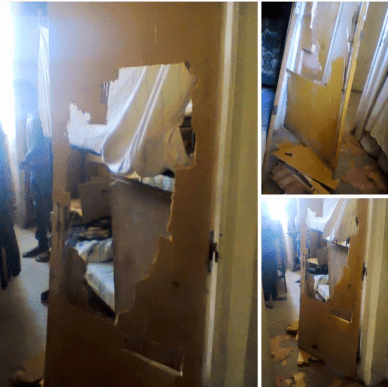


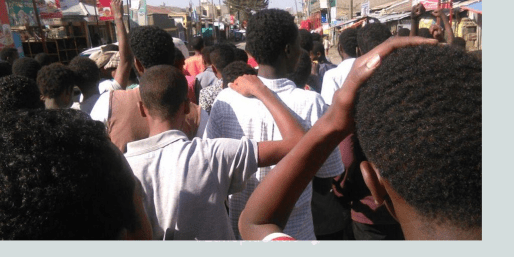
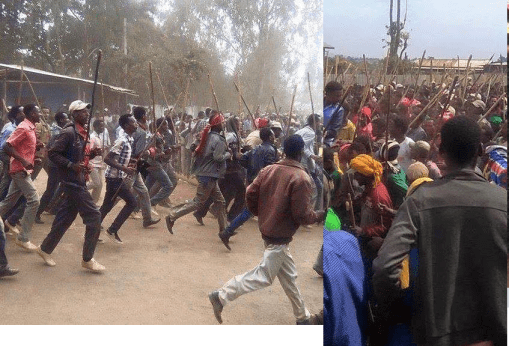


 Oromiyaa guututti FXG Amajii 1, 2016 irraa kaasee baadiyaa fi magaalaa, dhaabbata barnootaa fi amantaallee dabalachuun itti fufeera.


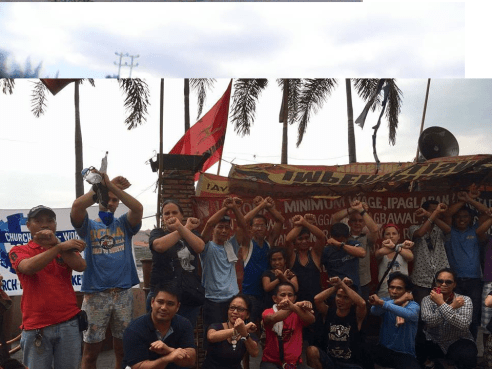
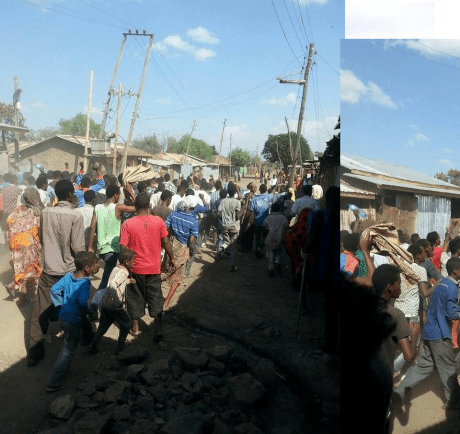
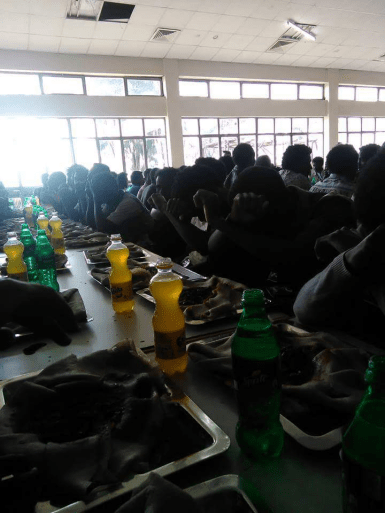
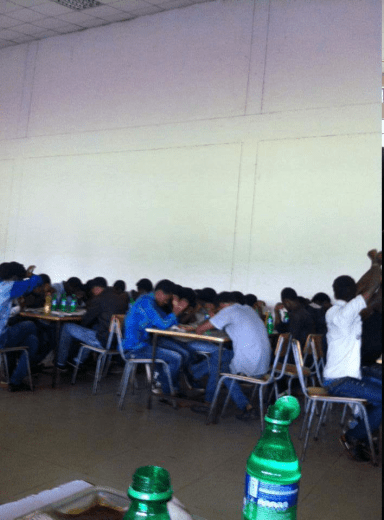




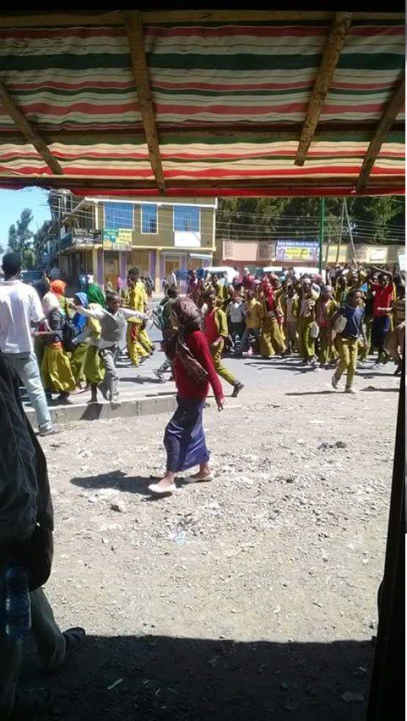
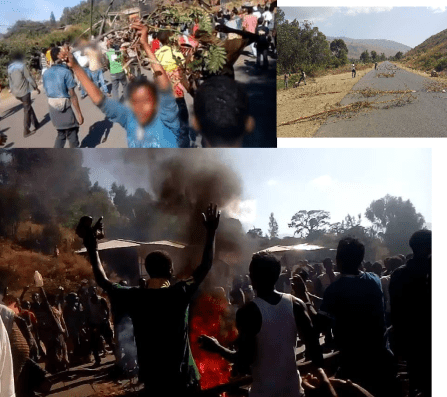
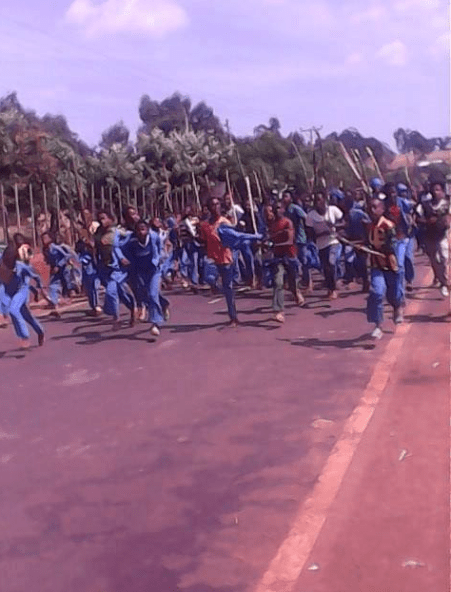
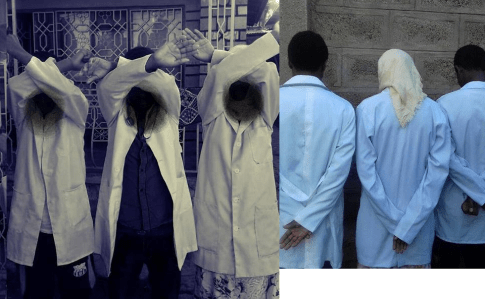


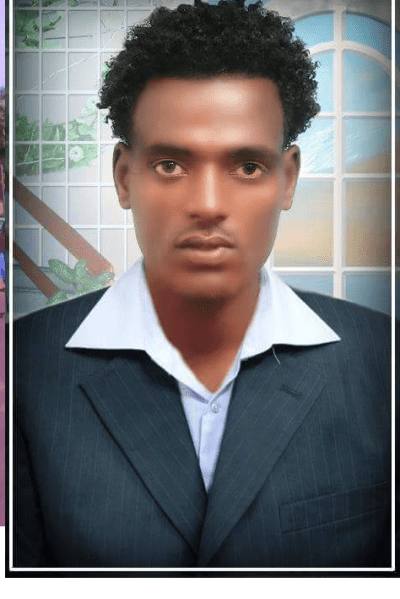
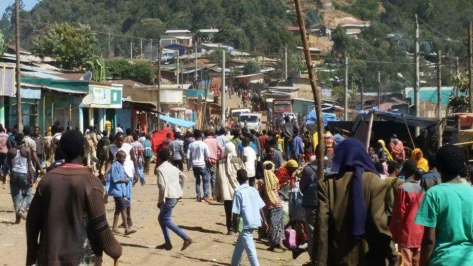
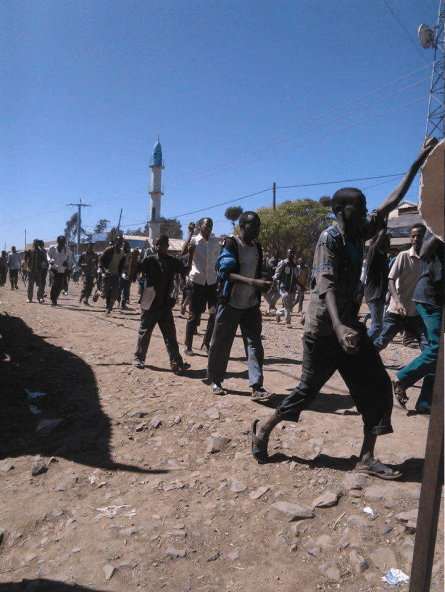
 Dargaggoon Fiqaaduu Shuumataa Waaqtolaa baatii Sadaasa 2015 keessa FDG Wallagga magaalaa Madiitti gaggeeffame keessatti hirmaachuun dhadatnoo mirga namoomaa fi mirgoota saba Oromoo kaasu dhageessisuun barattootatti onnee horee nama turedha, dhadatnoo isaan booda suuraaleen inni gaafas ka’e marsaalee hedduu keessatti faca’uun Oromoota biyya alaa fi keessa jiran qalbii hortee akka ture beekama.


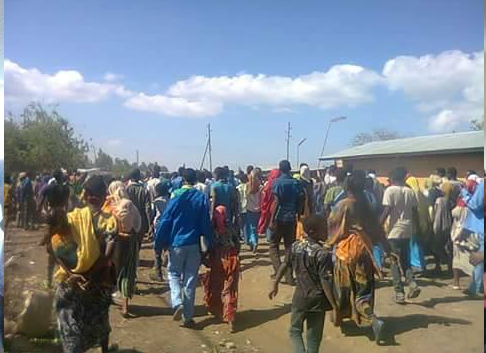
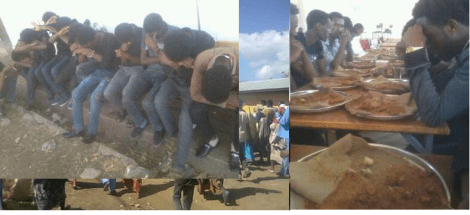
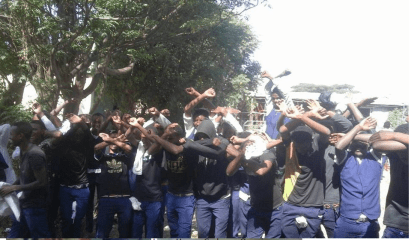
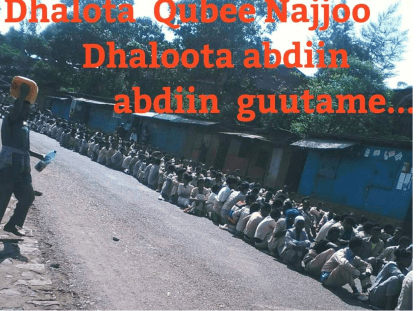
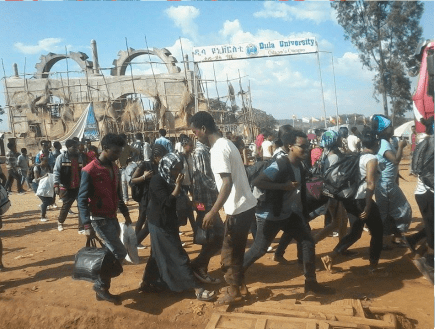
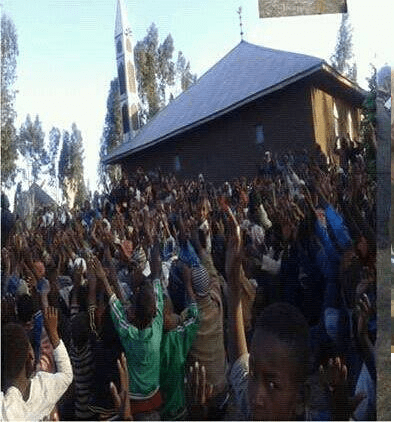
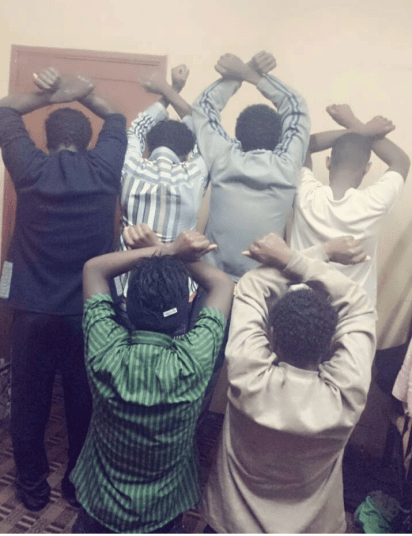
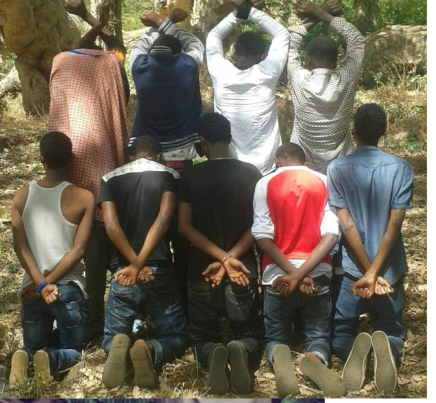
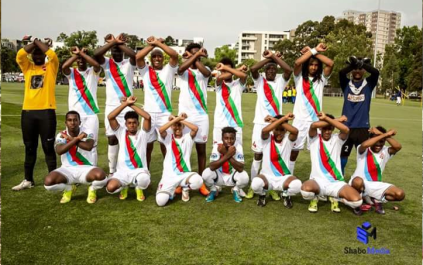
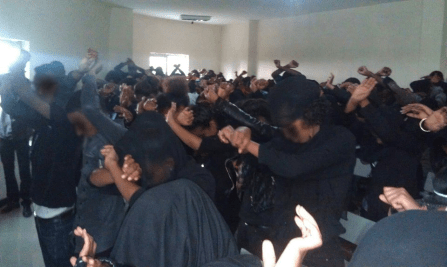
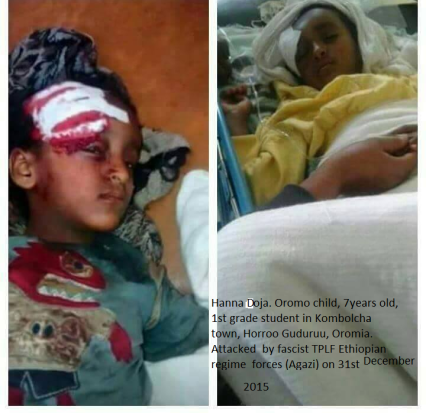


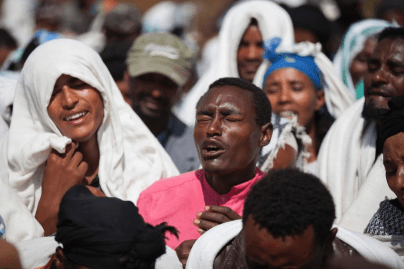



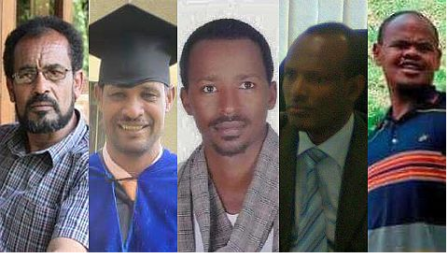

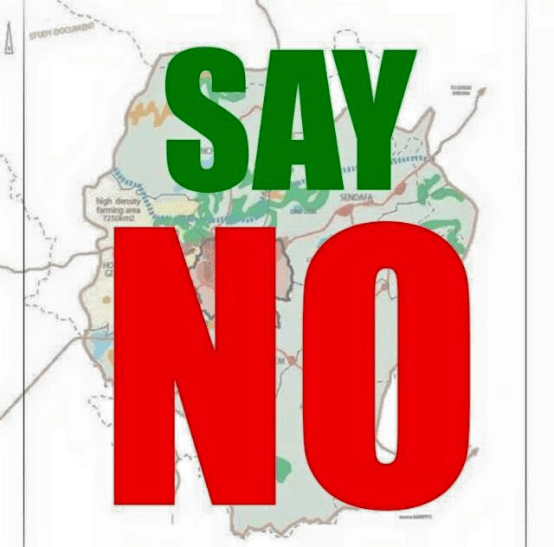
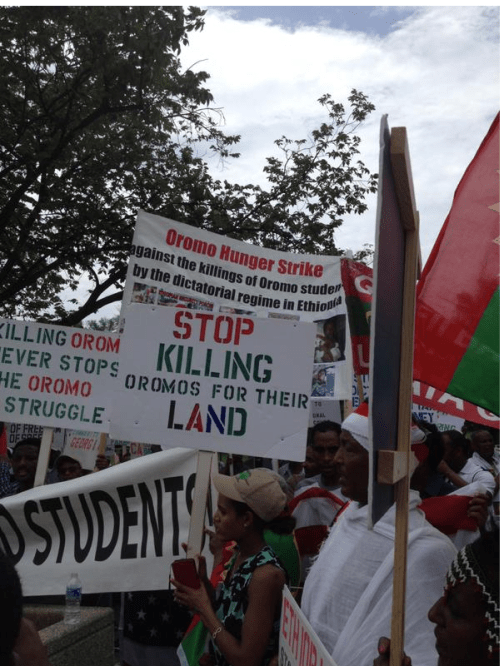

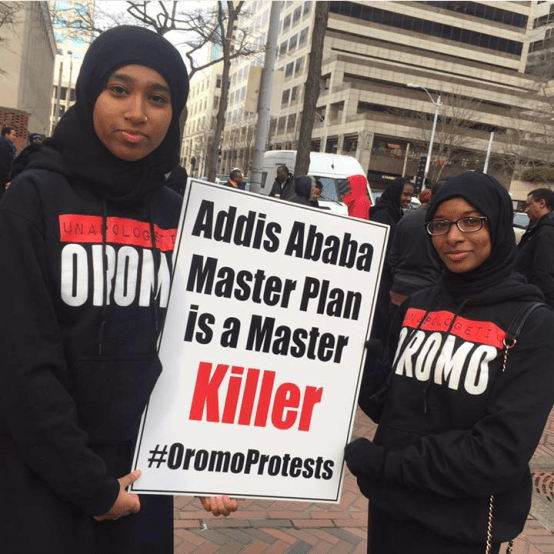
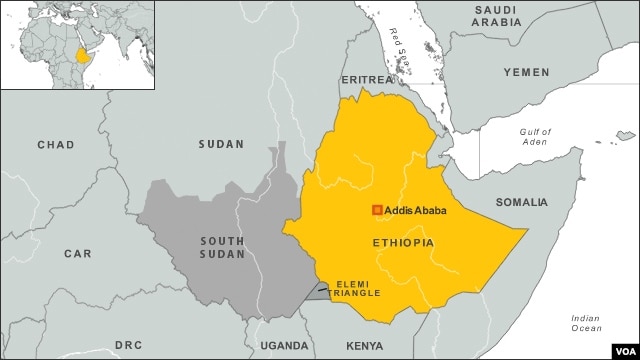
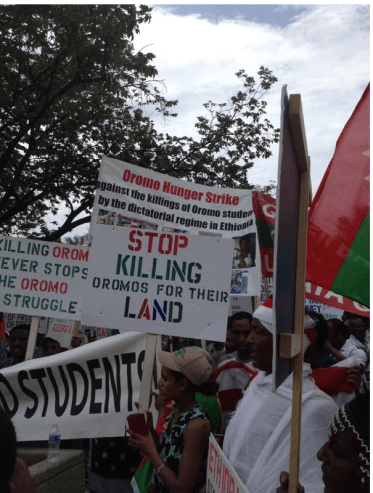
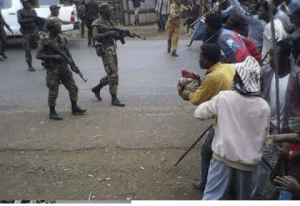
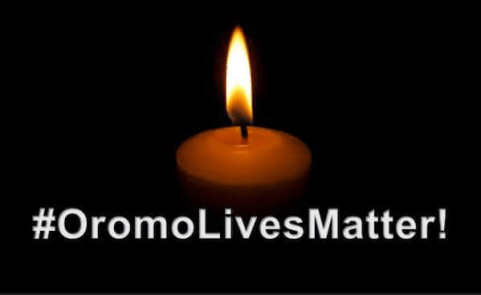

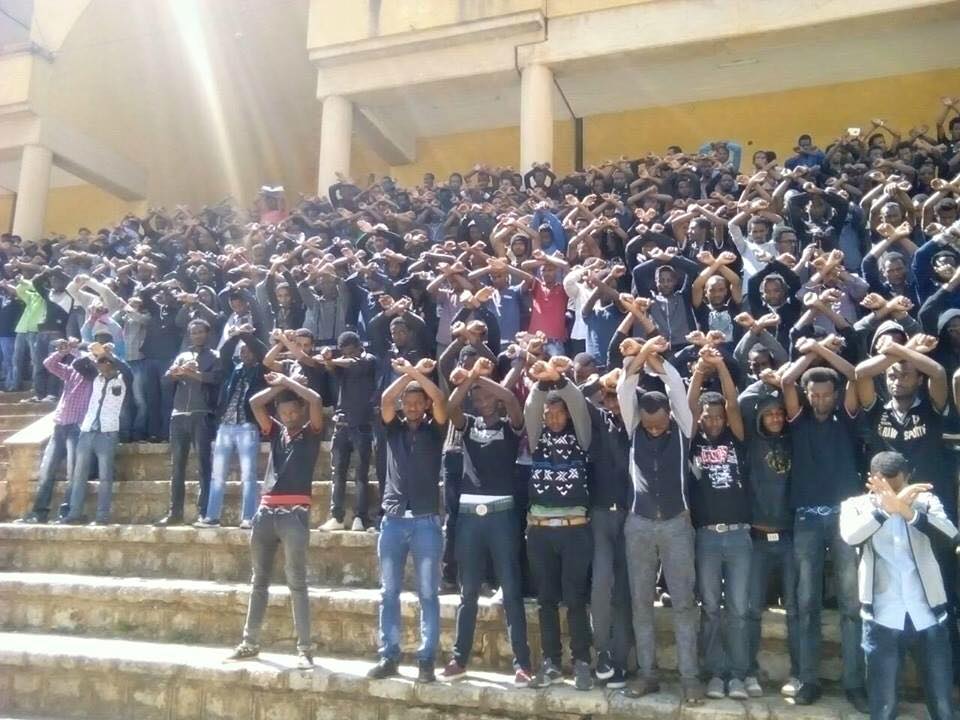
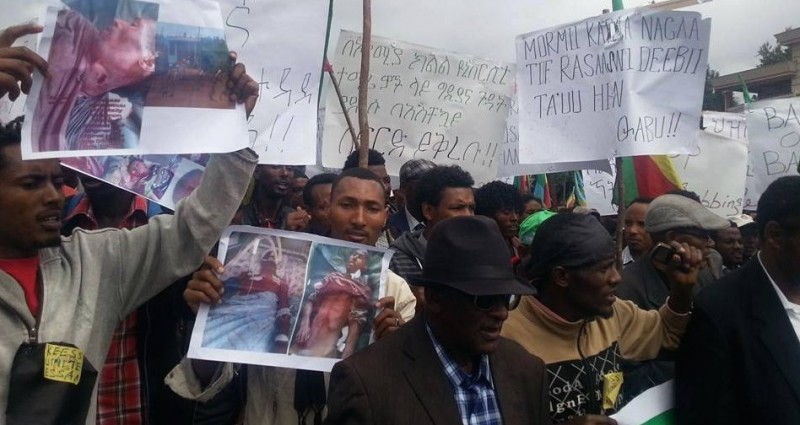
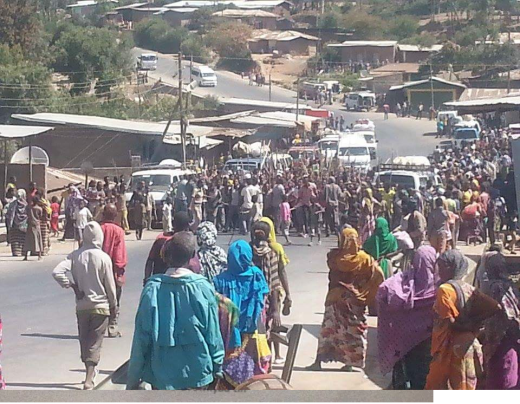
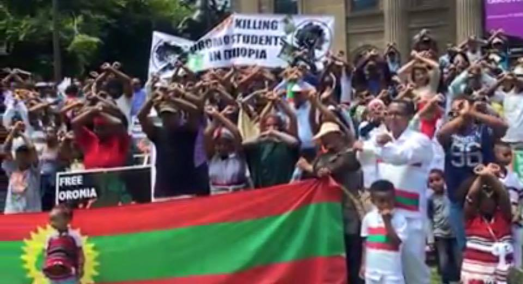
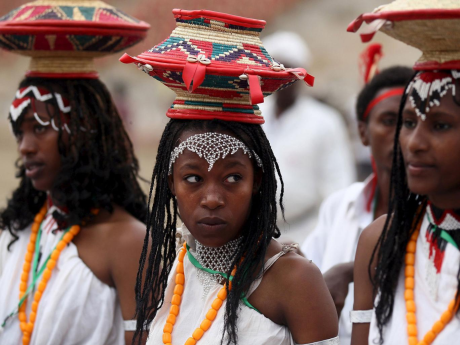
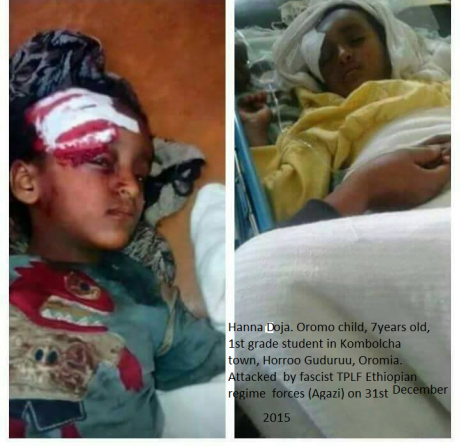
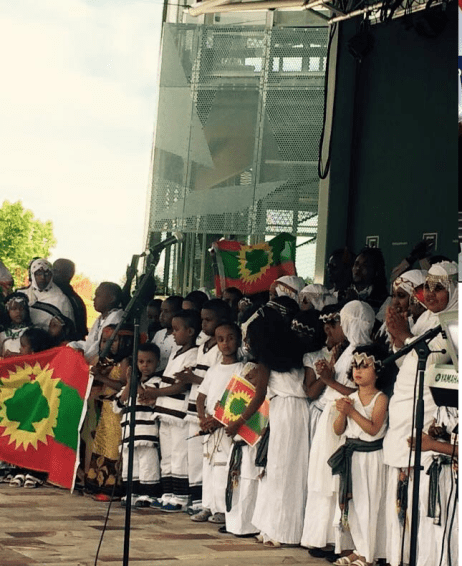
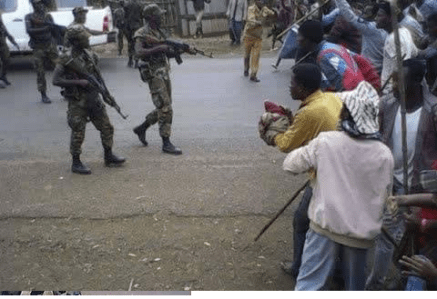
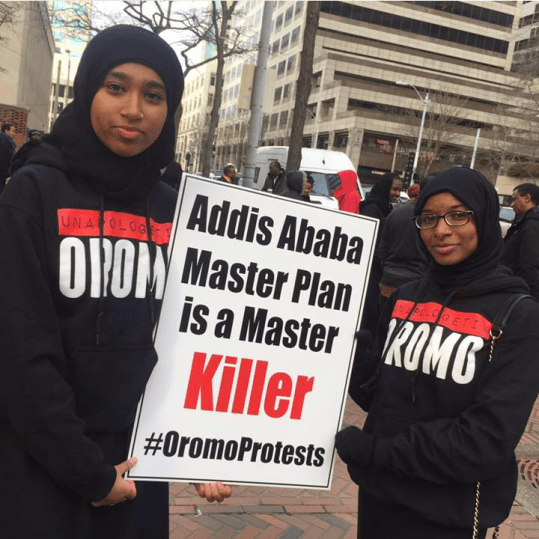
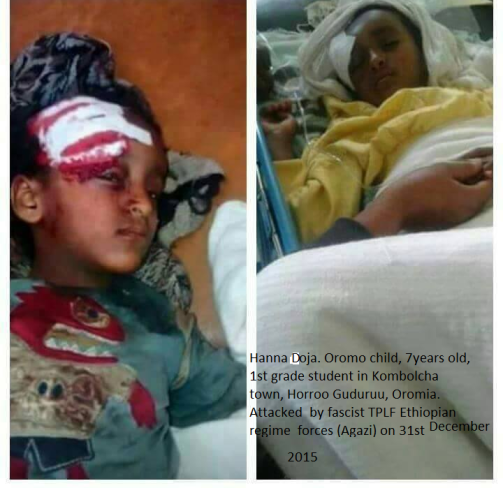

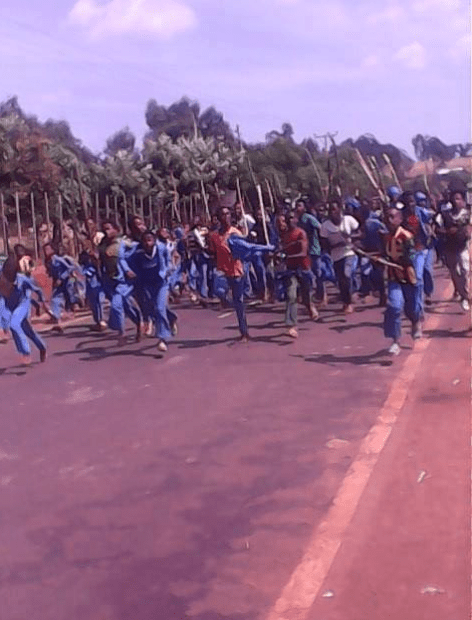
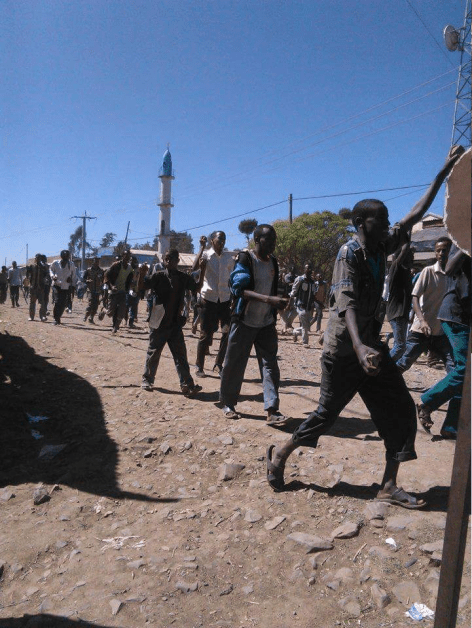
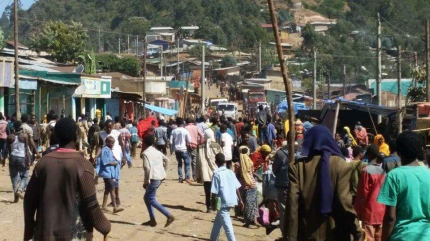
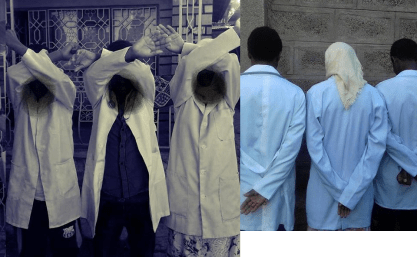
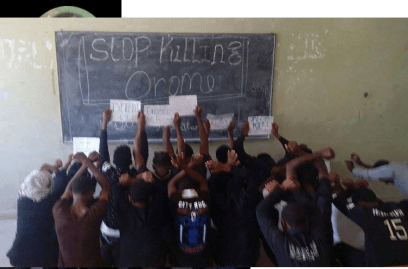
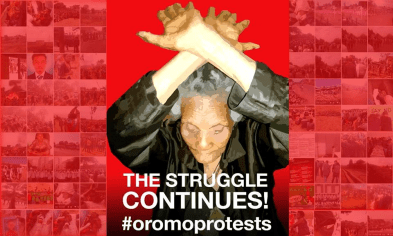
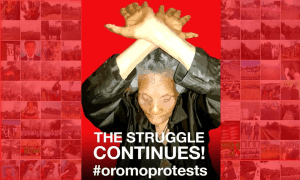
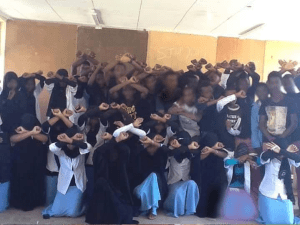
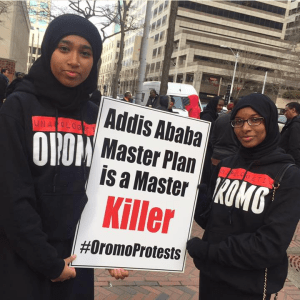
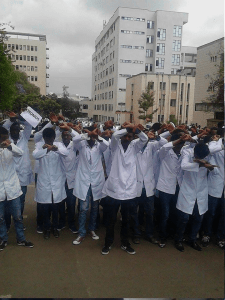
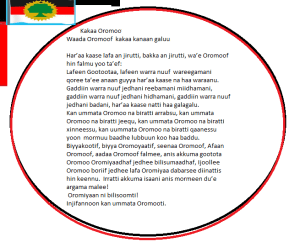
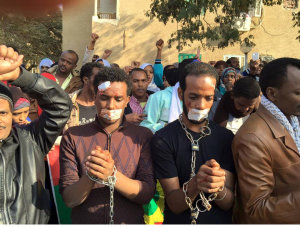
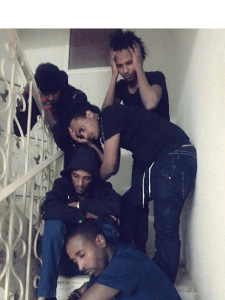

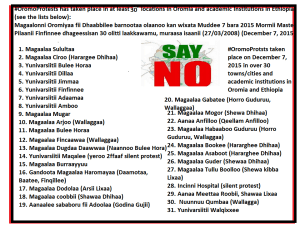
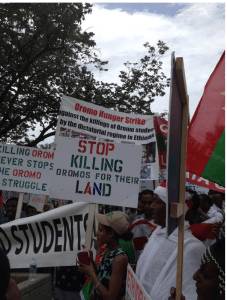
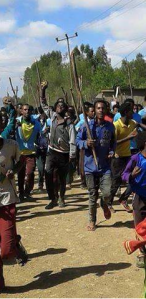
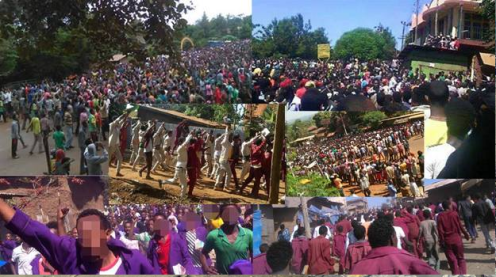
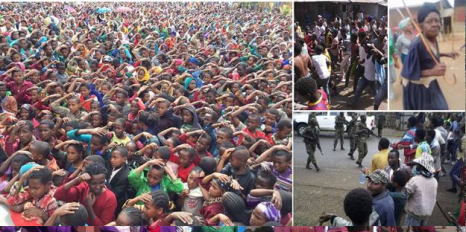
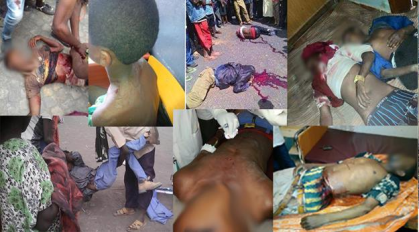
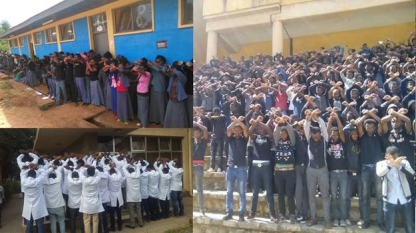
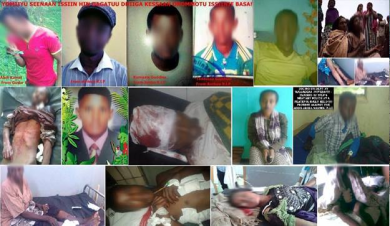
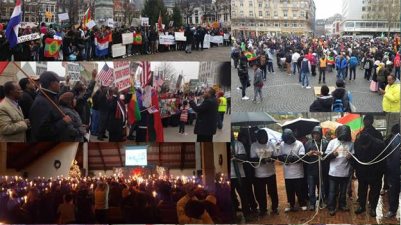
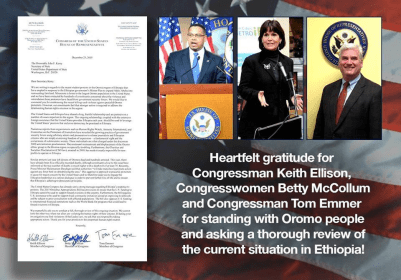


 Oromian Economist
You must be logged in to post a comment.