jump to navigation

Maaster Pilaanii Finfinnee hojiirra oolchuuf dhaadatuu eegalan. TPLF Ethiopia’s Genocidal Plan Against The Oromo People. September 1, 2015

Posted by OromianEconomist in Ethiopia's Colonizing Structure and the Development Problems of People of Oromia, Genocidal Master plan of Ethiopia.
Tags: , , ,
3 comments

???????????Tigrean Neftengna's land grabbing and the Addis Ababa Master plan for Oormo genocide

Prepare for another bigger and bitter resistance- Jawar Mohammed
Mr Hayelom is saying the Addis Ababa Master Killer will be endorsed this coming year. He must be joking. The Oromia government should not even think about this unless its prepared for another even bigger and bitter resistance. We shall prepare for an all out confrontation should they move forward with this plan that is aimed to uprooting 2 million Oromo farmers from their ancestral homeland.
———–
Tigrichi Hayaloom Xaawiyee jedhan Master Pilaannin Finfinnee bara kana hojirra akka oolu dhaadataa jira. Bulchiinsi Oromiyaa karoora qonnaan bultoota miliyoona lama qe’eerraa buqqaasee dhabamsiisuuf baafame kana ammas irra deebi’een raggaasisa jedhee yaadnaan balaaf of saaxilaa jira. Oromooni hundi bakka jiranii tokkummaafi murannoon karoora kana dura dhaabbachuuf of qopheessuu qabna.

http://www.siitube.com/articles/prepare-for-another-bigger-and-bitter-resistance-jawar-mohammed_2031.html

(OMN:Oduu Fulbaana 01, 2015 ) Master pilaaniin Finfinnee kanaan dura mormii gaggeeffameen lubbuu Oromoota hedduu galaafate bara haaraa Itoophiyaa dhufaa jiru kanatti akka hojii irra oolu beeksifame.
Obbo Baqqalaa Nagaa gama isaaniin Master Pilaanii sana hojii irra oolchuun lubbuu namaatti qoosuu akka ta’e himanii jiru.
Master Pilaaniin Magaalaa fi Magaaloota Godina Addaa Oromiyaa hedduu hammaachuun bahe bara haaraa Itoophiyaa itti aanuu kanatti akka hojii irra ooluu Itti Aaanaa Hoogannaan Biiroo Misoomaa Magaalaa Finfinnee Obbo Hayaloom Xawuyyee Gaazeexaa Reporteritti himan.
Obbo Hayaloom Gaafii fi deebii gaazexxaa Reporter waliin gaggeessaniin karoorri magaalaa Finfinnee fi Magaloota naannoo Oromiyaa walitti hidhuu bifa gaariin deemaa jiraachuu himuun tarkaanfiin hafe yoo jiraate kaabiinee Magaalaatitti dhiheessanii raggasisuu qofaa akka ta’e beeksisan.

Karoorri Master Pilaanii Finfinnee utuu hojii irra hin oolin turuun isaa iyyuu waa hedduu akka fooyyeessinuuf isaan gargaare kan himan obbo Hayaloom marii sadarkaa adda addaatti gaggeeffame irrra waa hedduu baranneera jedhu.

Akka Amantaa isaaniitti Master Pilaniin Finfinnee bara haaraa Itoophiyaan simachuuf jettu jalqaba bara 2008 tti hojii irra akka oolu beeksisan.

Dhimma kana ilaalchisuun barreessaa paartii Kongressii Oromoo obbo Baqqalaa nagaa dubbisnee jirra. Isaanis akka himanitti bara darbe heerri biyyatti kabajamee Naanoon Oromiyaa of haa bulchitu jechuun lubbuun namoota hedduu darbe yaadachisuun gaaffiin sun utuu furmaata hin argatin ammas dubbi kan biraaf deemuun rakkoo hamaa akka fiduu danda’u dubbatan.

Jaarraa tokkoon dura lafa Finfinnee guutummaan kan qabate ture Oromoo ta’uu kan himan obboo Baqqalaan amma lafti Finfinnee waan hiramee dhumeef Oromiyaa ishee hafte saamuuf deemama akka jiru dubbatan.

Yoo hammenyaaf ta’e malee Magaala tokkoof Master Pilaniin lama hin barbaachisu kan jedhan obbo Baqqalaa Nagaa tarkaanfii Qonnaan bultootaa buqqisuu hanga ammatti fudhatameen Qonnaan bultonni Oromoo Naanawwa Finfinnee hedduun lafti irra fudhatamee daandii Magaalatti irratti bahanii akka jiran himaniiru.

Gabaasaan Alamaayyoo Qannaa ti.

Pin Posts

TPLF is getting Ready to implement the Master killer:–‹‹የአዲስ አበባና የኦሮሚያ ልዩ ዞን ማስተር ፕላን በአዲሱ ዓመት ይፀድቃል ተብሎ ይጠበቃል››

01 September 2015 ተጻፈ በ       

አቶ ኃየሎም ጣውዬ፣ የአዲስ አበባ ከተማ ልማትና ማኔጅመንት ቢሮ ምክትል ኃላፊ የአዲስ አበባ ከተማ አስተዳደር 54 ሺሕ ሔክታር መሬት ስፋት አለው፡፡ አስተዳደሩ በአሥር ክፍላተ ከተሞችና 116 ወረዳዎች የተዋቀረ ነው፡፡ በዚህ የአስተዳደር ክልል ውስጥ የሚገኙ ይዞታዎች በመንግሥት፣ በግለሰብና በማኅበረሰብ

የተያዙና  በበቂ ያልተደራጀ በመሆናቸው፣ ለሙስናና ለሕገወጥ ድርጊቶች ተጋላጭ ሆነው ቆይተዋል፡፡ በተለያዩ ወቅቶች አዲስ አበባን የመሩ የአስተዳደሩ አካላት እነዚህን ችግሮች ለማስተካከል ሙከራዎችን ቢያደርጉም፣ የከተማ ቦታን በሊዝ ስለመያዝ የተደነገገው አዋጅ ቁጥር 721/2004 እስከወጣ ድረስ ለውጥ አልታየባቸውም፡፡ ከዚህ ጊዜ በኋላም በብዙ አደረጃጀቶች ያለፈው የአዲስ አበባ መሬት አስተዳደር በቢሮ ደረጃ በድጋሚ ተዋቅሮ ‹‹የአዲስ አበባ መሬት ልማትና አስተዳደር ቢሮ›› ሆኖ ተደራጅቷል፡፡ ቢሮው በሥሩ ሰባት ኤጀንሲዎች ያሉት ሲሆን፣ አንድ ዋና ሥራ አስኪያጅና ሁለት ምክትል ሥራ አስኪያጆች አሉት፡፡ ሰባቱ ዘርፎች የተቀናጀ መሬት ማዕከል ከተማ ፕላን ኢንስቲትዩት፣ የማይንቀሳቀስ ንብረት ምዝገባ ኤጀንሲ፣ የይዞታ አስተዳደር የሽግግር ጊዜ ፕሮጀክት ጽሕፈት ቤት፣ የግንባታ ፈቃድ ቁጥጥር ባለሥልጣን፣ የመሬት ልማትና ከተማ ማደስ ጽሕፈት ቤትና የመሬት ባንክና ማስተላለፍ ኤጀንሲ ናቸው፡፡

አቶ ኃየሎም ጣውዬ አራቱን የመሬት ዘርፍ ኤጀንሲዎች ይመራሉ፡፡ ቢሮው ከሊዝ አዋጅ በመነሳት ከመሬት ጋር የተገናኙ በርካታ የሕግ ማዕቀፎች አውጥቷል፡፡ የሰው ኃይሉን መንግሥት የሚፈልገውን ሥራ ማካሄድ በሚያስችል መልኩ እንደቀረፀም እየተነገረ ነው፡፡ ነገር ግን አሁንም ቢሆን በዘርፉ በርካታ ቅሬታዎች ይነሳሉ፡፡ አገልግሎት አሰጣጡም ዝግመት ያለበት ከመሆኑ በተጨማሪ፣ ተገልጋዮችን በማጉላላት የታጀበ እንደሆነ እየተገለጸ ይገኛል፡፡ ሙስና አሁንም ቢሆን በዘርፉ የሚስተዋል ችግር ከመሆኑ በተጨማሪ፣ የመልካም አስተዳደር ችግሮች፣ የማስተር ፕላኑ ተግባራዊ ተግባራዊ ሳይሆን መዘግየት ከሚነሱት መካከል ናቸው፡፡ በዚህ ጉዳይ ላይ የመሬት ልማትና ማኔጅመንት ቢሮ ምክትል ኃላፊ አቶ ኃየሎም ጣውዬን ውድነህ ዘነበ አነጋግሯቸዋል፡፡

ሪፖርተር፡- በ1995 ዓ.ም. የተዘጋጀው የአዲስ አበባ ማስተር ፕላን በ2005 ዓ.ም. የመጠቀሚያ ጊዜው አብቅቷል፡፡ ከዚያ ጊዜ በኋላ የወጣ ማስተር ፕላን ባለመኖሩ በምን እየተመራችሁ ነው ያላችሁት?

አቶ ኃየሎም፡- መዋቅራዊ ፕላኑ የመጠቀሚያው ጊዜ እንደተጠናቀቀ እኛ ክፍተት አልፈጠርንም፡፡ አንድ ፕሮጀክት ጽሕፈት ቤት በማቋቋም በተለይ ዳግም አዲስ አበባንና በዙሪያዋ ያሉት የኦሮሚያ ክልል አካባቢዎችን በማካተት መዋቅራዊ ፕላን ለማዘጋጀት ተሞክሯል፡፡ የፕላን ዝግጅቱ በጥሩ መንገድ እየሄደ ነው፡፡ መዋቅራዊ ፕላኑ በካቢኔ ስላልፀደቀ ተብሎ ያጋጠመ ችግር የለም፡፡ ለምን ቢባል ወዲያውኑ ቢፀድቅ ጥሩ ነበር፡፡ ነገር ግን ማስተር ፕላን የሚያዘጋጀው ፕሮጀክት ጽሕፈት ቤት የኦሮሚያ አካባቢዎችን አቀናጅቶ ነው እየሠራ ያለው፡፡ አዲስ አበባና የኦሮሚያ ልዩ ዞን ከተሞችም የየራሳቸው መዋቅራዊ ፕላን አላቸው፡፡ እንደየባህሪያቸውና እንደየአስተዳደራዊ ድንበራቸው የየራሳቸው ፕላን አላቸው፡፡ ስለዚህ እኛ የአዲስ አበባ ክልል መዋቅራዊ ፕላን አለን፡፡ ሁለቱን አቀናጅቶና አዋህዶ የሚሰሠራ ‹‹የአዲስ አበባና ዙሪያዋ የኦሮሚያ ልዩ ዞን የተቀናጀ ማስተር ፕላን ጽሐፈት ቤት›› ተቋቁሟል፡፡ መዋቅራዊ ፕላኑም ተሠርቷል፡፡ ፕሮጀክት ጽሕፈት ቤቱ የሠራውን መዋቅራዊ ፕላን ረቂቁን ለአዲስ አበባ  ለአስተዳደር አስረክቧል፡፡ የመሬት ልማትና ማኔጅመንት ቢሮ ደግሞ የተዘጋጀውን ረቂቅ ማስተር ፕላን ለካቢኔ አቅርቦ ያስወስናል፡፡

ሪፖርተር፡- ፕሮጀክት ጽሕፈት ቤቱ ለአዲስ አበባም ሆነ ለአሮሚያ ልዩ ዞን ይበጃል ያለውን መዋቅራዊ ፕላን አዘጋጅቷል፡፡ ነገር ግን መዋቅራዊ ፕላኑን አፅድቆ ሥራ ላይ በማዋል በኩል መዘግየት የለም ይላሉ?

አቶ ኃየሎም፡- በዋነኝነት የዘገየ ነገር የለም፡፡ እኔ ውስጡ ስላለሁ አውቀዋለሁ፡፡ ቀደም ሲል መዋቅራዊ ፕላን አዘገጃጀትን አፅድቀን እንበትናለን፡፡ የድሮ ማስተር ፕላን ግትርነት ያጠቃዋል፡፡ የአሁኑ ደግሞ የሚያሠራ ነው፡፡ የምታስተካክለው ነገር ይኖራል፡፡ የድሮው ከፀደቀ በኋላ ለማስተካከል ያስቸግራል፡፡ ያሁኑን መዋቅራዊ ፕላን ግን ማስተካከል ትችላለህ፡፡ በአዲሱ መዋቅራዊ ፕላን በርካታ ነገሮችን በሒደት ማስተካከል ችለናል፡፡ አሁን እንዲያውም እንዳጋጣሚ ሆኖ መዘግየቱ በራሱ ለአዲሱ መዋቅራዊ ፕላን ትልቅ ግብዓት ሆኗል፡፡ በተካሄዱ በርካታ የውይይት መድረኮችና በሥራ ሒደቶች ብዙ መስተካከል ያለባቸውን ክፍተቶች ነቅሰን በማውጣት እንዲስተካከሉ አድርገናል፡፡

ሪፖርተር፡- መዋቅራዊ ፕላኑ በ2008 ዓ.ም. ተጠናቆ ወደ ሥራ ይገባል ማለት ይቻላል?

አቶ ኃየሎም፡- እንደኔ ግምገማ በትክልል በ2008 ዓ.ም. ፀድቆ ወደ ሥራ ይገባል የሚል እምነት አለኝ፡፡ አዲስ አበባና የኦሮሚያ ልዩ ዞን አካባቢዎችና ከተሞች የየራሳቸው መዋቅራዊ ፕላን ይኖራቸዋል፡፡ ይህ ማለት በአጭር ቋንቋ የአዲስ አበባና ዙሪያዋ የኦሮሚያ ልዩ ዞን ማስተር ፕላን ጽሕፈት ቤት እነዚህን መዋቅራዊ ፕላኖች ማለትም የሁለቱን የአስተዳደር አካላት መዋቅራዊ ፕላን ያቀናጃል ማለት ነው፡፡ ይህ ግሩም ሐሳብ ነው፡፡ ልዩ ዞኑና እኛም ሠርተናል፡፡ የማስተር ፕላን ጽሕፈት ቤት ያቀናጀውን መዋቅራዊ ፕላን፣ የአዲስ አበባ ከተማ አስተዳደር በራሱ ክልል ውስጥ የሚገኘውን መዋቅራዊ ፕላን በ2008 ዓ.ም. ያፀድቃል፡፡ የኦሮሚያ ልዩ ዞንም ያፀድቃል ብዬ እገምታለሁ፡፡ በእርግጥ እየዘገየ ከሄደም የራሱ ችግር አለው፡፡ ባልፀደቀ መዋቅራዊ ፕላን መጠቀም ሕገወጥነት ነው፡፡ ስለዚህ የመሬት ልማትና ማኔጅመንት ቢሮ መዋቅራዊ ፕላኑ ሕጋዊ እንዲሆንና ችግሮች እንዳይፈጠሩ በአዲሱ መዋቅራዊ ፕላን ለመጠቀም የሚያስችል ሥራ ሠርቶ ያፀድቃል፡፡ በመዋቅራዊ ፕላኑ ላይ ሁሉም አመራር ሙሉ መግባባት ላይ ደርሷል፡፡

ሪፖርተር፡- የአዲስ አበባና ዙሪያዋ የኦሮሚያ ልዩ ዞን የተቀናጀ ማስተር ፕላን ጽሕፈት ቤት ያዘጋጀውን መዋቅራዊ ፕላን ለውይይት ባቀረበበት ወቅት ከፍተኛ  አለመግባባት ፈጥሮ ነበር፡፡ ባለመግባባቱ የተነሱ ሐሳቦችን መንግሥት ከግንዛቤ አስገብቷል ማለት ይቻላል?

አቶ ኃየሎም፡– እነዚህ አካባቢዎች በተቀናጀ መንገድ ቢያድጉ ሁሉም ተጠቃሚ ይሆናል፡፡ ማንም ይኼን ያምንበታል፡፡ ይህንን ድንቅ ሐሳብ አዕምሮውን ክፍት አድርጎ የመተለከተ ሁሉ የሚያደንቀው ነው፡፡ ነገር ግን በሌላ ትርጉም የሚመለከት ሰው አይደኖርም ማለት አይቻልም፡፡ ይህ ሲሆን ደግሞ አመራሩ የግንዛቤ ማስጨበጫ ሥራዎች ይሠራል፡፡ የግንዛቤ ማስጨበጫ ሥራዎች እየተሠሩ ነው፡፡ መዋቅራዊ ፕላኑ ከተጠናቀቀ በኋላ እንዴት ነው የሚፀድቀው? እንዴት ነው ተግባራዊ የሚሆነው? እንዴት ነው የምንመራው? የሚለው ጉዳይ የሚታይ ይሆናል፡፡ መዋቅራዊ ፕላን ላይ ግንዛቤ መፍጠር በአንድ ወቅት ተሠርቶ የሚያልቅ አይደለም፡፡

ሪፖርተር፡- የአዲስ አበባና ዙሪያዋ ኦሮሚያ ልዩ ዞን የተቀናጀ ማስተር ፕላን ጽሕፈት ቤት ቦርድ በዚህ ላይ አቅጣጫ ሰጥቷል?

አቶ ኃየሎም፡- እስካሁን የሰጠው አቅጣጫ የለም፡፡ በሌሎች ሥራዎች ተጠምደን ነው ያለነው፡፡ አንተም ታውቃለህ፡፡ የምርጫ ሥራ፣ የሥራ አፈጻጸም ግምገማና ለቀጣይ ዓመት የዝግጅት ሥራዎች ውስጥ ስለነበርን ወደዚህ ሥራ አልገባንም፡፡ ዞሮ ዞሮ አሁን ያለውን ያያል፡፡ በዋነኛነት እኛ ግን የአዲስ አበባ መዋቅራዊ ፕላን ግብዓት ጨምረን እናፀድቃለን፡፡ የፕሮጀክት ጽሕፈት ቤቱ ከኦሮሚያ ልዩ ዞን ጋርም እየሠራ ነው፡፡

ሪፖርተር፡- የአዲስ አበባ ከተማ አስተዳደር ከኦሮሚያ ልዩ ዞን የተለያዩ ጥቅሞችን ያገኛል፡፡ ለምሳሌ ውኃ ሲያገኝ፣ ፍሳሽ ቆሻሻ ደግሞ ይደፋል፡፡ የግድ የጋራ ጥቅም መከበር ስላለበት፣ የጋራ መግባባት ላይ መደረስ አይኖርበትም?

አቶ ኃየሎም፡– እኔ በሙያዬ ፕላነር ነኝ፡፡ የሪጅናል መዋቅራዊ ፕላን በእኛ አልተጀመረም፡፡ በሌሎች አገሮች በሰፊው ይሠራበታል፡፡ ግለሰቦች ከግንዛቤ ጉድለት ወይም ሆን ብለው ችግር ሊፈጥሩ ይችላሉ፡፡ ነገር ግን ማቀናጀት ምን ማለት ነው? የተወሳሰበ ጉዳይ አይደለም፡፡ አንተ እንዳልከው ቁምነገሩ ማኅበራዊ፣ ኢኮኖሚያዊና አካባቢያዊ ጉዳዮችን እንዴት እናሳድግ የሚለው ነው፡፡ የአንድ አካባቢ ዕድገት ከተጎራባቹ ጋር አብሮ መሄድ ይኖርበታል፡፡ የአዲስ አበባ ዕድገት በዙሪያው ያለውን ይዞ መሄድ አለበት፡፡ አዲስ አበባ ውኃ ከልዩ ዞኑ ትጠቀማለች፡፡ ሌሎች ሰፋፊ ጥቅሞች ይኖራሉ፡፡ በተመሳሳይ ልዩ ዞኑም ከአዲስ አበባ የሚጠቀመው ይኖራል፡፡ መንገድ ስትሠራና ባቡር ስትዘረጋ አንድ ላይ የተሳሰረ ነው፡፡ መዋቅራዊ ፕላኑ ለሁሉም የሚበጅ ግዙፍ ዕቅድ ነው፡፡ የሁለትዮሽ ጥቅምን በሚመለከት መንግሥት የጠራ ግንዛቤ አለው፡፡ የጋራ ማስተር ፕላኑ ይህንን ከግንዛቤ ከቶ የተዘጋጀ ነው፡፡

ሪፖርተር፡- መንግሥት በዕድገትና ትራንስፎርሜሸን ዕቅዱ ለማፋክቸሪንግ ዘርፍ ትኩረት ይሰጣል፡፡ ነገር ግን በርካታ የማኑፋክቸሪንግ ፕሮጀክቶች ለካቢኔ ቢቀርቡም ውሳኔ ግን እያገኙ አይደለም፡፡ ካቢኔው ውሳኔ የማይሰጥበት ምክንያት ምንድነው?

አቶ ኃየሎም፡- መሬት የሚቀርበው በጨረታና በምድባ ነው፡፡ መሬት በጨረታ በማቅረብ በኩል በግምገማችን በጥሩ ሁኔታ ላይ ነው ያለው፡፡ በየወሩ ጨረታ እናወጣለን፡፡ ነገር ግን በብዛት ማውጣት እንዳለብን  እናውቃለን፡፡ ይኼ ጉዳይ በቀጥታ እኔን የሚመለከት ባይሆንም፣ ባካሄድ ነው ግምገማ መሬት በሰፊውና በብዛት ማውጣት እንዳለብን ገምግመናል፡፡ ከ2006 ዓ.ም. ግማሽ ዓመት ጀምሮ ያለምንም መዛነፍ በየወሩ መሬት ለጨረታ ስናቀርብ ቆይተናል፡፡ በምደባ አግባብ ለማኑፋክቸሪንግ ዘርፍ ይሰጣል፡፡ በነገራችን ላይ ካቢኔው ራሱ ከሌሎች ጉዳዮች ይልቅ በመሬት ጉዳይ ላይ ተጠምዷል በሚል የመሬት ጉዳይ ካቢኔ ሆኗል እየተባለ ነው፡፡ የመሬት ጉዳይ በብዛት እየታየ ነው፡፡ ነገር ግን እንደዚያም ቢሆን በሚፈልገው ልክ እልታየም በሚለው ጉዳይ እኔም እስማማለሁ፡፡

ሪፖርተር፡- የከተማው አስተዳደር በሊዝ መመርያና ደንቡ አገራዊ ፋይዳ ላላቸው ፕሮጀክቶች ትኩረት እንደሚሰጥ አስቀምጧል፡፡ ነገር ግን የሆቴል፣ የሪል ስቴት፣ የትምህርትና የጤና ተቋማት ለመገንባት በርካታ ባለሀብቶች የመሬት ጥያቄ እየቀረቡ ቢሆንም ጥያቄዎች እየተስተናገዱ ግን አይደለም፡፡ ምናልባት የሊዝ ደንብና መመርያ እንዲሻሻል መወሰኑ እነዚህን የአገልግሎት መስጫ ፕሮጀክቶች ለማስተናገድ ይሆን?

አቶ ኃየሎም፡– በነገራችን ላይ የሊዝ አዋጅ የፈታችው በርካታ ችግሮች አሉ፡፡ መታወቅ ያለበት ጉዳይ ኪራይ ሰብሳቢነትን የሊዝ አዋጁ ተዋግቷል፡፡ ምንም እሴት ሳይኖር ሀብት የሚፈጥሩ ነበሩ፡፡ አመራሩም ፈጻሚውም ግለሰቦችን የማገልገል አዝማሚያ ያሳዩ ነበር፡፡ ፍትሐዊነት የለም ነበር፡፡ ይኼ ክፍተት የተሞላው በሊዝ አዋጁ ነው፡፡ መሬት የሚቀርበው በጨረታና በምደባ ያደረገው የሊዝ አዋጅ ነው፡፡ ነገር ግን አንዳንድ አላሠሩ ያሉ ጉዳዮች በመኖራቸው የሊዝ ደንብና መመርያውን ለማስተካከል እየተሠራ ነው፡፡ በ2008 ዓ.ም. ከምናያቸው የሕግ ማዕቀፎች አንዱ የሊዝ መመርያና ደንብ  ነው፡፡

ሪፖርተር፡-  ሕገወጥ ባለይዞታዎች ሕጋዊ ለማድረግ እየሠራችሁ ነው፡፡ ሥራው ምን ደረጃ ላይ ይገኛል?

አቶ ኃየሎም፡– አግባብ ባለው አካል ሳይፈቀድ የተያዙ 60 ሺሕ ይዞታዎች ነበሩ፡፡ እነዚህን ሕገወጦች ለማስተናገድ ተሞክሯል፡፡ ከዚህ በኋላም ከ1988 እስከ 1997 ዓ.ም. ደግሞ ሕገወጥ ባለይዞታዎችን ሕጋዊ መሆን አለባቸው፣ ለመንግሥትም ይጠቅማል፡፡ ለግለሰቦችም ይጠቅማል፡፡ ለወደፊቱም በፕላን ለመመራት ከዚያም በዘለለ የማይንቀሳቀሰ ንብረት ምዝገባና መረጃ ኤጀንሲ ወደ ሥራ በሚገባት ጊዜ እንቅፋት አንዳይሆኑ መፍትሔ መስጠት ይኖርበታል፡፡ ንብረት ምዝገባ ኤጀንሲ ወደ ሥራ በሚገባበት ጊዜ እያንዳንዱ መሬት ተመዝግቦ መብት ሊፈጠር ይገባል፡፡ በዚህ መሠረት በተካሄደው ጥናት 44,547 ይዞታዎች ሕገወጥ መሆናቸው ተረጋግጧል፡፡ ከዚህ ሊበልጥም ሊያንስም ይችላል ተብሎ ነው ወደ ሥራ የተገባው፡፡ የሚያስፈልጉ የሕግ ማዕቀፎች አውጥተናል፡፡ መመርያ 17/2006 አሻሽሎ በማውጣት የቀድሞው ጭምር ከ1988 ዓ.ም. በፊት ያልተስተናገዱትንም እናስተናግዳለን ብለናል፡፡ ይህን ሁሉ የምናደርገው ዘመናዊ ወደሆነ የመሬት አስተዳዳር ለመግባት ካለን ራዕይ ከመነሳት አኳያ ነው፡፡ የከተማችን ዋና ዋና ትላልልቅ ችግሮች በሦስት ይከፈላሉ፡፡ አንደኛዎቹን በፕላን አለመመራት፣ ሁለተኛው የተቀናጀ የመሬት መረጃ አያያዝ አለመኖርና ሦስተኛው ሕገወጥ ግንባታ ናቸው፡፡

ሪፖርተር፡- ባለፈው በየካ ክፍለ ከተማ የሚፈለግ 500 የይዞታ ማረጋገጫ ፋይል፣ ቦሌ ክፍለ ከተማ መገኘቱ ተገልጾ ነበር፡፡ ከዚህ ጋር ይገናኝ ይሆን?

አቶ ኃየሎም፡– ይህ መረጃ ለአንተ ከደረሰ ላስተካክለው፡፡ ምንድነው የሆነው? እነዚያ  ቀበሌዎች ቦሌ ክፍለ ከተማ ውስጥ ነበሩ፡፡ ነገር ግን ለአስተዳዳራዊ ሥራዎች ባለመመቸቱ ቀበሌዎች ወደ የካ ክፍለ ከተማ እንዲጠቃለሉ ተደረገ፡፡ ወደ የካ ክፍለ ከተማ ሲጠቃለል ግን ፋይሎቹ ተያይዘው አልመጡም ነበር፡፡ ፋይሎቹን ቦሌና የካ አልተረከቡም ነበር፡፡ ስለጠፉ አይደለም፡፡ ወይም ደግሞ ሆን ተብሎ አይደለም፡፡ የማይንቀሳቅሰ ንብረት ምዝገባ ኤጀንሲ የማረጋገጥ ሥራ በሚሠራበት ጊዜ ፋይሎቹን የካ ክፍለ ከተማ ሊያገኝ አልቻለም፡፡ የት ሄደ ተብሎ ሲፈለግ ጠፋ ተብሎ ተወራ፡፡ እኔ አስተባብሪ ሆኜ ጉዳዩን ስናጠራ ቀበሌዎች ለአስተዳደር ወደ የካ በመጠቃለላቸው፣ ግን ደግሞ ፋይሎቹ ባለመሄዳቸው ቦሌ ላይ ሲፈለጉ ሊገኝኙ ችሏል፡፡ ሰው ስላጠፋው ሳይሆን ሁኔታዎች ችግሩን እንዲፈጠር አድርገውታል፡፡ ፋይል መጥፋት ግን ይኼ ብቻ ሳይሆን እንደሀብት ካለመቁጠርና ለሌላ ዓላማ ለማዋል ሲባልም ሊጠፋ ይችላል፡፡ ንብረት ምዝገባ ኤጀንሲ ግን የፋይል መጥፋትን ለአንዴና ለመጨረሻ ጊዜ ይፈታል፡፡ ያን ጊዜ ኪራይ ሰብሳቢነት አይኖርም ለማለት ሳይሆን፣ በጣም እንዲቀንስ ሊደረግ ይችላል፡፡

ሪፖርተር፡- ወደ ሕገወጥ ባለይዞታዎች ጥያቄ ቢመልሱን? 

አቶ ኃየሎም፡– በ2007 ዓ.ም. 44,547 ሕገወጥ ባለይዞታዎችን ለማስተናገድ አቅደን ገባን፡፡ መመርያው ዘግይቶ ነው በጥር ወር የፀደቀው፡፡ ስለዚህ ወደ ሥራ በሚገባበት ጊዜ የቅድመ ዝግጅት ሥራ ሰፊ የግንዛቤ መስጫ ሰፋፊ መድረኮች አዘጋጅተን ነበር፡፡ ከዚያ ወደ ተግባር ተገብቷል፡፡ ከዚያ በኋላ ግን ብዙ ችግሮች ገጥመውን ነበር፡፡ ሁሉን አልፈን ወደ አራት ሺሕ ካርታዎችን አትመን ለመስጠት ሞክረናል፡፡ ሥራው ጥልቅና ውስብስብ ነው፡፡ ከአካባቢው ማኅበረሰብ ጋር ነው በትብብር የምንሠራው፡፡ ምዝገባውንና ማጣራቱን የምንሠራው ከማኅበረሰቡና ከኮሚቴ ጋር ነው፡፡ ከዚያ በራሳችን መዋቅር ማጣራት እናደርጋለን፡፡ ይኼን መሠረት በማድረግ ነው የምናስተናግደው፡፡ ሥራውን ግን በ2008 ዓ.ም. የማጠናቀቅ ዕቅድ ይዘናል፡፡

ሪፖርተር፡- ሕገወጥ የተባሉትን ባለይዞታዎች ወይም መሬት በወረራ የያዙትን ሕጋዊ ለማድረግ እየሠራችሁ ነው፡፡ ነገር ግን እየተቸገሩም ቢሆን መሬት ያልወረሩ አሉ፡፡ ከዚህ ሥራችሁ ተጠቃሚ ያልሆኑ ማለት ነው፡፡ እነዚህ ሰዎች ሥራችሁን ዓይተው ምን ዓይነት መርህ እየተከላችሁ ነው ቢሏችሁ ምላሽዎ ምንድነው?

አቶ ኃየሎም፡- በማንኛውም መሥፈርት ሕገወጥ ሥራ ማበረታት የለበትም፡፡ ለወደፊቱም ቢሆን፡፡ ከ1997 ዓ.ም. ወዲህ በሕገወጥ የተያዘ መሬት አለ፡፡ በዚህ በኩል ያልተገባ ድርጊት እየተፈጸመ ሊሆን ይችላል፡፡ እኛ ይህ ድርጊት ሕገወጥ ስለሆነ ዕርምጃ እንወስዳለን፡፡ ነገር ግን መሬት ሳይወሩ የተቀመጡና የመኖሪያ ቤት ችግር ያለባቸው አሉ፡፡ ወረው ደግሞ ተጠቃሚ የሆኑ አሉ፡፡ አስተዳድሩ መሬት ከመወረሩ በፊት መከላከል ነበረበት፡፡ ተወሮ ከተገነባ በኋላ የመኖሪያ ቤት ችግር  ስለነበር ነው የሚለው ሚዛን ደፍቷል፡፡ ሕጋዊ የማድረጉ ጉዳይ የመጣውም ለዚህ ነው፡፡ አሁን ሥርዓት አበጅተናል፡፡ ማኅበረሰቡ ገንብቶ እየኖረ ነው፡፡ ይኼንን ብታፈናቅል ትልቅ ችግር ትፈጥራለህ፡፡ በነገራችን ላይ መንግሥት ይህን ሲያደርግ ለመከላከል ይመቻል ወይም ተጠቃሚ ይሆናል፡፡ ለሁለቱም ጥቅም አለው፡፡ ለወደፊቱ ግን ይህ እንዳይከሰት ዕርምጃ ይወስዳል፡፡ ሕገወጦችን ሕጋዊ እያደረክ የምታቀብል ከሆነ ግን አደጋው የከፋ ነው፡፡

ሪፖርተር፡- የመሬት አስተዳድር ችግሮችን ለመፍታት በርካታ ሥራዎችን መሥራታችሁ ይነገራል፡፡ ነገር ግን አሁንም ቢሆን ችግሮች እንዳሉም ይነገራል፡፡ እናንተ ደግሞ ግምገማ አካሂዳችኋል፡፡ የግምገማችሁ ውጤት ምን ይመስላል?

አቶ ኃየሎም፡- አመራሩ ችግሮችን ለመቅረፍ ጥረት አድርጓል፡፡ የተለያዩ ሥራዎችም እየተሠሩ ነው፡፡ ከፍተኛ ለውጥ መጥቷል፡፡ አሁንም ቢሆን የመሬት ዘርፍ የኪራይ ሰብሳቢዎች እርጥብ ቦታ ነው፡፡ ያን መሠረት በማድረግ ትላልቅ ትግሎች አድርገናል፡፡ የተለያዩ ግምገማ ነክ ሥልጠናዎችን በየጊዜው አካሂደናል፡፡ በ2007 ዓ.ም. ከማዕከል ጀምሮ አስከ ወረዳ ድረስ ባሉ መዋቅሮች ከቀላል ማስጠንቀቂያ እስከ ማባረርና ለፀረ ሙስና ኮሚሽን አሳልፎ እስከ መስጠት ድረስ ዕርምጃ ወስደናል፡፡ በቁጥር ሲቀመጥ በ2007 ዓ.ም. 315 አመራሮችና ፈጻሚዎች ዕርምጃ ተወስዶባቸዋል፡፡ ቁጥሩ የበዛ ይመስላል፡፡ እኛ ግን በግምገማችን ካለው ችግር አንፃር ቁጥሩ ትንሽ ነው የምንለው፡፡ ከዚህ በተጨማሪም ቅጣቱ ሳይሆን ሰው ወዳልተገባ ሥራ እንዳይገባ የአመለካከት ለውጥ ማምጣት ዋነኛ ሥራ በመሆኑ የተለያዩ ሥራዎችን ሠርተናል፡፡ ይህን አድርገን ስናበቃ ዕርምጃ ወስደናል፡፡ በ2006 ዓ.ም. ደግሞ 90 በሚሆኑ አመራርና ፈጻሚዎች ላይ ዕርምጃ ወስደናል፡፡

ሪፖርተር፡- ብዙ ጊዜ የኢሕአዴግ ግምገማዎች ጠበቅ ያሉ ናቸው ይባል ነበር፡፡ በግምገማ ወቅት እዚህም እዚያም መሬት የያዙ መሆናቸው ማረጋገጫ የቀረበባቸው አመራሮች አሉ፡፡ ነገር ግን ማረጋገጫ የቀረበባቸው አመራሮች ተከታትላችሁ ቦታዎቹን ትረከባላችሁ? 

አቶ ኃየሎም፡– እኔ ወደዚህ ኃላፊነት ከመጣሁ ጀምሮ መሬት የሚተላለፈው ግልጽ ሥርዓት ይዞ ነው፡፡ በምደባና በጨረታ ነው፡፡ ሲወራ ትሰማለህ ከሆነ ሌላ ነገር ነው፡፡ በትክክል ግን መሬት በሁለት መንገድ ይተላለፋል፡፡ ድሮ ባለሥልጣናት ይዘው ነበር፡፡ ከባለሥልጣን የተጠጉ ሰዎች መሬት ይዘዋል፡፡ ባለሀብቶችም በሕገወጥ መንገድ መሬት ይዘዋል ከተባለ እንደማንኛውም ሰው ነው መልስ የምሰጠው፡፡ አሁን ባለሁበት ግን ለማንም አካል መሬት የሚሰጠው በግልጽ አሠራር ነው፡፡ ዝቅተኛውና መካከለኛው የኅብረተሰብ ክፍል በኮንዶሚኒየም ቤት ይስተናገዳል፡፡ አቅም ያለው የኅብረተሰብ ክፍል በጨረታ፣ ለማኑፋክቸሪንክ ኢንዱስትሪ ደግሞ በምደባ ነው፡፡ ከዚህ ውጪ አመራርም ሆነ ማንኛውም ሰው መሬት የሚያገኝበት አሠራር ዝግ ነው፡፡ የአንተ ሐሳብ ያደረ የቤት ሥራ ነው፡፡ ቀደም ሲል ግልጽ አሠራር ባለመኖሩ አስቸጋሪ ነበር፡፡ ሊኖር ይችላል፡፡ በተጨማሪም የምንሰማቸውም አሉ፡፡ አሁን ግን ወሮ የያዘ ካልሆነ በስተቀር የለም፡፡ ይኼ ደግሞ ትክክለኛ አሠራር አይደለም፡፡

Ethiopia: The endless suffering of Oromo Nationals continued even after the landmark victory claim of the EPRDF in the election of May 2015. Human rights League of the Horn of Africa Urgent Action. #Oromia #Africa August 30, 2015

Posted by OromianEconomist in Because I am Oromo.
Tags: , , , , , , ,
add a comment

???????????Human rights League of the Horn of Africa

Ethiopia: The endless suffering of Oromo Nationals continued even after the landmark victory claim of the EPRDF in the election of May 2015


For Immediate Release

August 29, 2015

Even though the government of Ethiopia claimed 100% of the victory during the parliamentary election of May 2015, harassment and intimidation through arbitrary arrests, kidnappings and disappearances of civilians have continued unabated in all corners of the Oromia Regional State under the pretext they voted for opposition parties and did not give their voice for the EPRDF wing Oromo organization, the Oromo People Democratic Organization (OPDO) According to HRLHA correspondents in Oromia, the major target areas of these most recent government-sponsored human rights abuse include Bule Hora (Guji zone, Southern Oromia), Dambi Dolo (Western Oromia zone), Western and North Showa Zones (Central Oromia Regional State). According to the report obtained from Oromia, more than two thousand Oromo nationals have been arrested and many have been abducted since the May 2015 election. In another incident, the Ethiopian federal police arrested over 400 farmers, men and women in the North Showa Zone Warra Jarso district from different communities on the pretext that they harbored rebels who fought against the government. The victims were picked up from their homes and confined in Warra Jarso district administrative offices and different local schools. Although it has been difficult to identify everyone by their names, HRLHA correspondents have confirmed that the following were among those arrested.  The endless suffering of Oromo Nationals


Sanatariin Ameerikaa Oromoof dubbatan; Ambaasaaddiriin Itoophiyaa dhiigaan Oromoo immoo warra Oromoo miidhuuf dhaabbatan. Senator Franken headed to Ethiopia to discuss plight of the Oromos and Somali refugees August 22, 2015

Posted by OromianEconomist in Because I am Oromo.
Tags: , , , , ,
add a comment

???????????

Senator Franken headed to Ethiopia to discuss plight of the Oromos and Somali refugees

http://mshale.com/2015/08/21/senator-franken-headed-ethiopia-discuss-plight-oromos-somali-refugees/

Oromedia's avatar

(Oromedia, 22 Hagayya 2015) Senatariin Ameerikaa, Al Franken, gara Itoophiyaa deemuuf jiran; imala isaanii keessatti dhimma dhiitinsa mirga namoomaa Oromoo fi Somaalee irratti aangota Itoophiyaa waliin dubbachuuf karoora qaban.

Gabaasa isaa guutuuf: Oromo TV

View original post

The tale of two countries (Obama’s/TPLF’s Ethiopia and Real Ethiopia): The Oromo (Children, Women and elders) are dying of genocidal mass killings and politically caused famine, but Obama has been told only rosy stories and shown rosy pictures. #Africa #Oromia August 2, 2015

Posted by OromianEconomist in Ethiopia's Colonizing Structure and the Development Problems of People of Oromia, Genocidal Master plan of Ethiopia, Genocide.
Tags: , , , , ,
3 comments

???????????

In Tyrannic fascist TPLF  Ethiopia war, poverty and famine were not only in the past but also very true in this very moment, right now.  It has spatial variations as rulers and time changes. In 1960’s and 1970’s (Hailse Sellasie Regime)  Wollo and Afar regions were the mainly affected. As documented in Wikpedia:-

In 1973, a famine in Wollo killed an estimated 40,000 to 80,000, mostly of the marginalized Afar herders and Oromo tenant farmers, who suffered from the widespread confiscation of land by the wealthy classes and government of Emperor Haile Selassie. Despite attempts to suppress news of this famine, leaked reports contributed to the undermining of the government’s legitimacy and served as a rallying point for dissidents, who complained that the wealthy classes and the Ethiopian government had ignored both the famine and the people who had died.[12  https://en.wikipedia.org/wiki/1983%E2%80%9385_famine_in_Ethiopia

In 1980’s  Tigray was severely affected but not the only.

Five Ethiopian provinces—Gojjam, Eritrea, Hararghe, Tigray, and Wollo—all received record low rainfalls in the mid-1980s.[17] In the south, a separate and simultaneous cause was the government’s response to Oromo Liberation Front (OLF) insurgency. In 1984, President Mengistu Haile Mariam announced that 46% of the Ethiopian Gross National Product would be allocated to military spending, creating the largest standing army in sub-Saharan Africa; the allocation for health in the government budget fell from 6% in 1973–4 to 3% by 1990–1.[18]

Although a UN estimate of one million deaths is often quoted for the 1983–5 famine, this figure has been challenged by famine scholar Alex de Waal. In a major study, de Waal criticized the United Nations for being “remarkably cavalier” about the numbers of people who died, with the UN’s one-million figure having “absolutely no scientific basis whatsoever,” a fact which represents “a trivialization and dehumanization of human misery.”[19]

Nevertheless, the magnitude of the disaster has been well documented: in addition to hundreds of thousands of deaths, millions were made destitute.[20] Media activity in the West, along with the size of the crisis, led to the Do They Know It’s Christmas? charity single and the July 1985 concert Live Aid, which elevated the international profile of the famine and helped secure international aid. In the early to mid-1980s there were famines in two distinct regions of the country, resulting in several studies of one famine that try to extrapolate to the other or less cautious writers referring to a single widespread famine. The famine in the southeast of the country was brought about by the Derg’s counterinsurgency efforts against the OLF. However, most media referring to “the Ethiopian famine” of the 1980s refers to the severe famine in 1983-5 centered on Tigray and northern Wollo, which further affected Eritrea, Begemder and northern Shewa.[21] Living standards had been declining in these government-held regions since 1977, a “direct consequence” of Derg agricultural policies.[22] A further major contributing factor to the famine were the Ethiopian government’s enforced resettlement programs, utilized as part of its counter-insurgency campaign.  https://en.wikipedia.org/wiki/1983%E2%80%9385_famine_in_Ethiopia

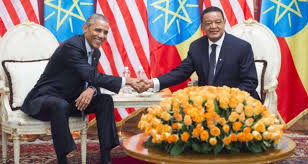
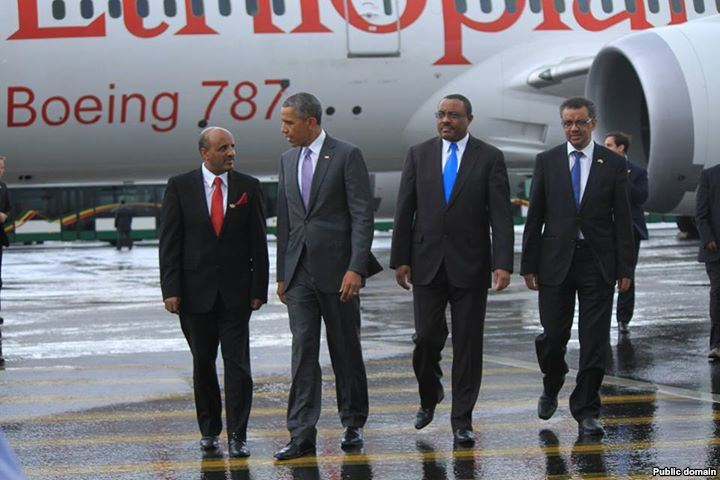
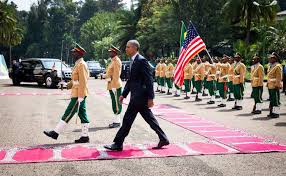
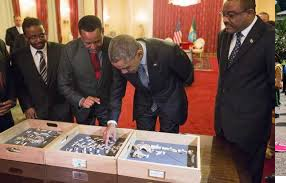
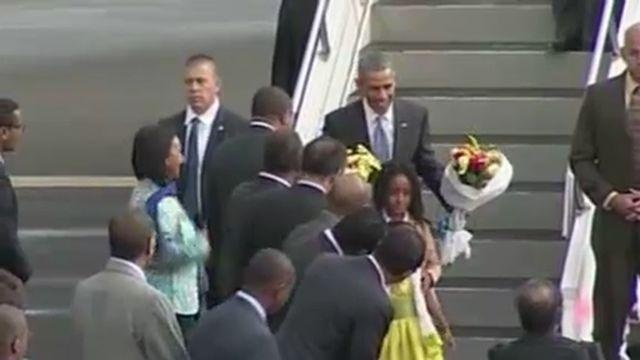
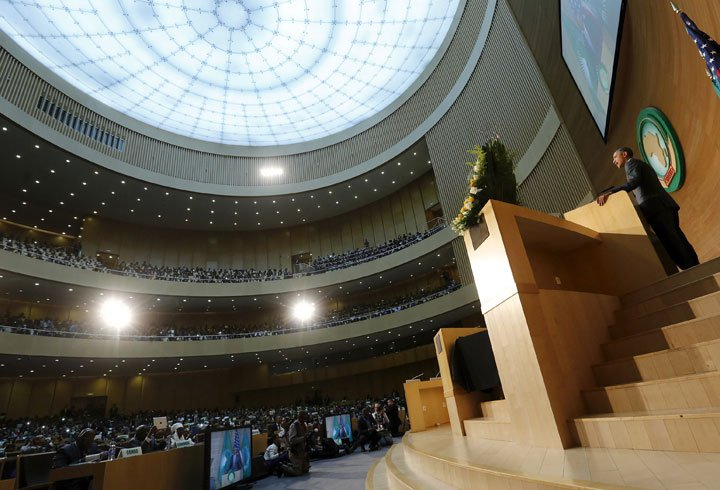
Since 1991 as rocky Tigray has been prospering through political favoritism, nepoltism and resource transfer from green Oromia and the south that have been subjected to underdevelopment, exploitation, land grabbing, evictions, genocidal mass killings and famine.  It is not Ethiopia that has been growing fast and rising, it is rocky Tigray at the expenses of the suffering Oromia and the south. What the TPLF propaganda machine shows to the world is rosy pictures of  its business empire that serves only the Tigray, genocidal cliques and new colonizer from the region. During the Obama visit, what the president was shown were Coffee ceremony in government office, Lucy’s skeleton, Fafa factory near Finfinnee, Ethiopian Air Line’s Boeing plane, Abyssinian women and their cultural dances and the Chinese built African Union building in Finfinnee.

Obama Ethiopia visit, picture with president Mulatu Teshome Wirtu JulaObama Ethiopia visit3Obama Ethiopia visit4Obama Ethiopia visit5Obama Ethiopia visit6Obama Ethiopia visit2

Obama Ethiopia visit Africa Union

Realities in Ethiopia that  Obama have not seen:-

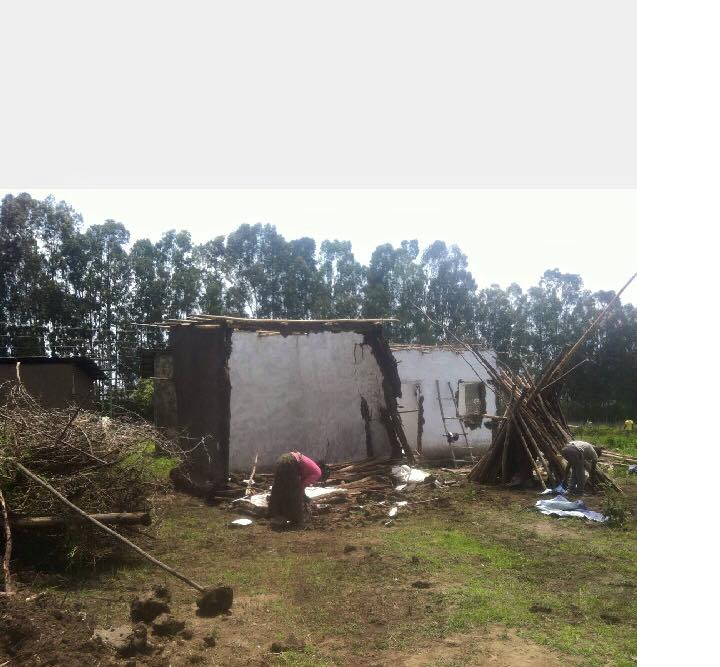
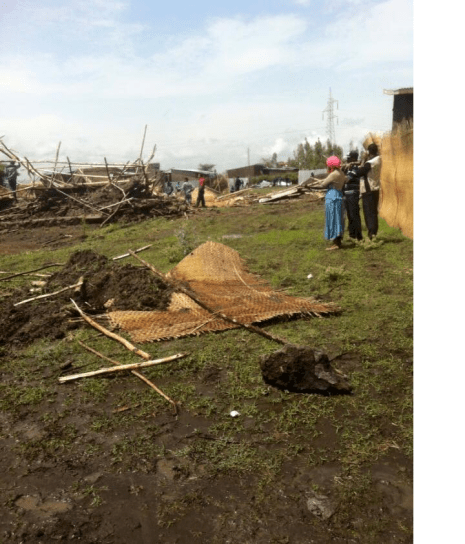
Systematic genocidal killings, mass eviction going on against Oromo people in Burrayyuu (Central Oromia, near Fifinnee) and in Bishoftuu (Central Oromia). Thousands have been become homeless and destitute as their homes have been destroyed by Agazi (TPLF) fascist forces that has targeted Oromo for land grabs in its genocidal (Addis Ababa) master plan:-

TPLF Ethiopian forces destroyed Oromo houses in Ada'a district, Central Oromia, July 2015

http://odeeffannoo.com/garaa-jalaan-maastar-plaanii-finfinnee-hojii-irra-oolchaa-jiru-672

Maqaa Master Plaaniin Qonnaan Bultooti Oromoo Qe’ee fi Mana Isaanii Irraa Humnaan Arihamaa Jiru!

11224217_1656342327911186_8171849314299360545_n11796308_1656341984577887_5825414882182086095_n11822784_1656351851243567_8731301534385438445_n11796437_1656364031242349_8956610485747594292_n11141197_1656342297911189_7202060273182108342_n

TPLF Ethiopian forces destroyed Oromo houses in Central Oromia, July 2015TPLF Ethiopian forces destroyed Oromo houses in Central Oromia1, July 2015

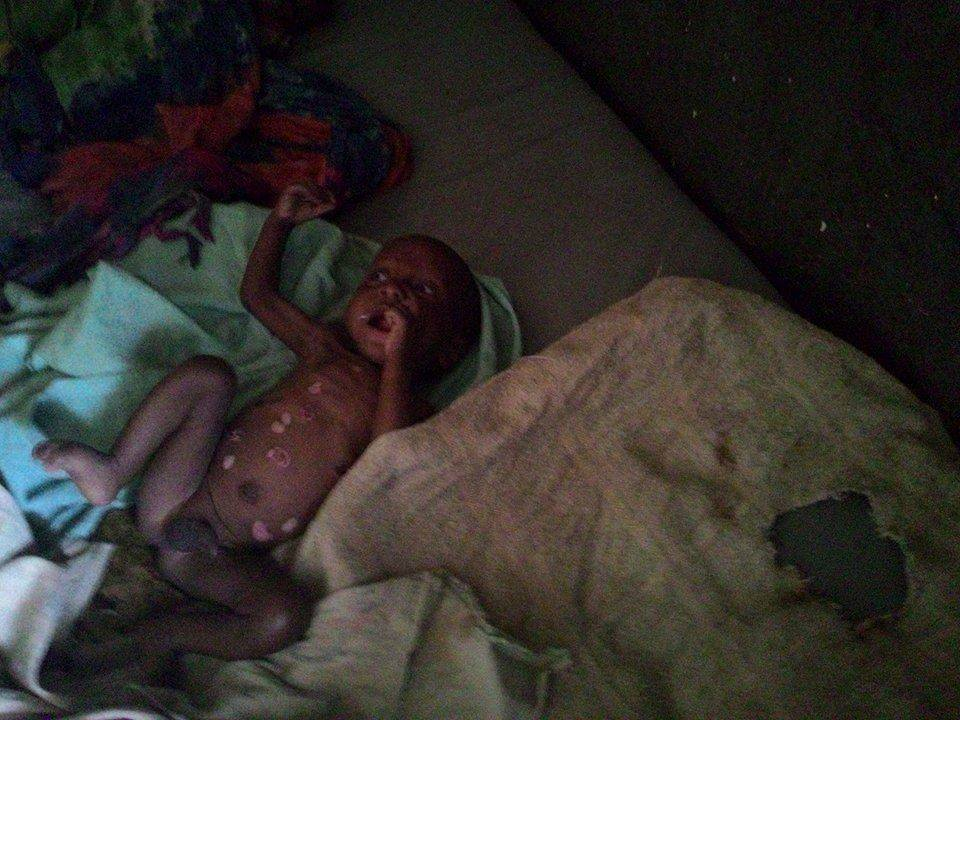
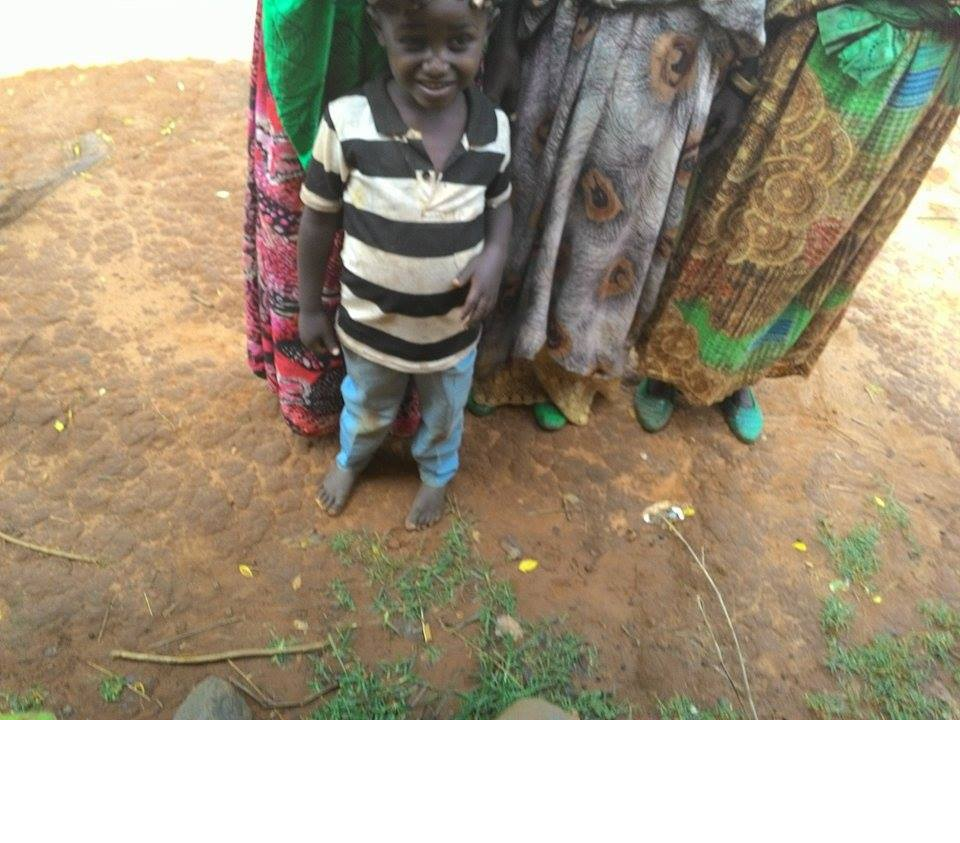
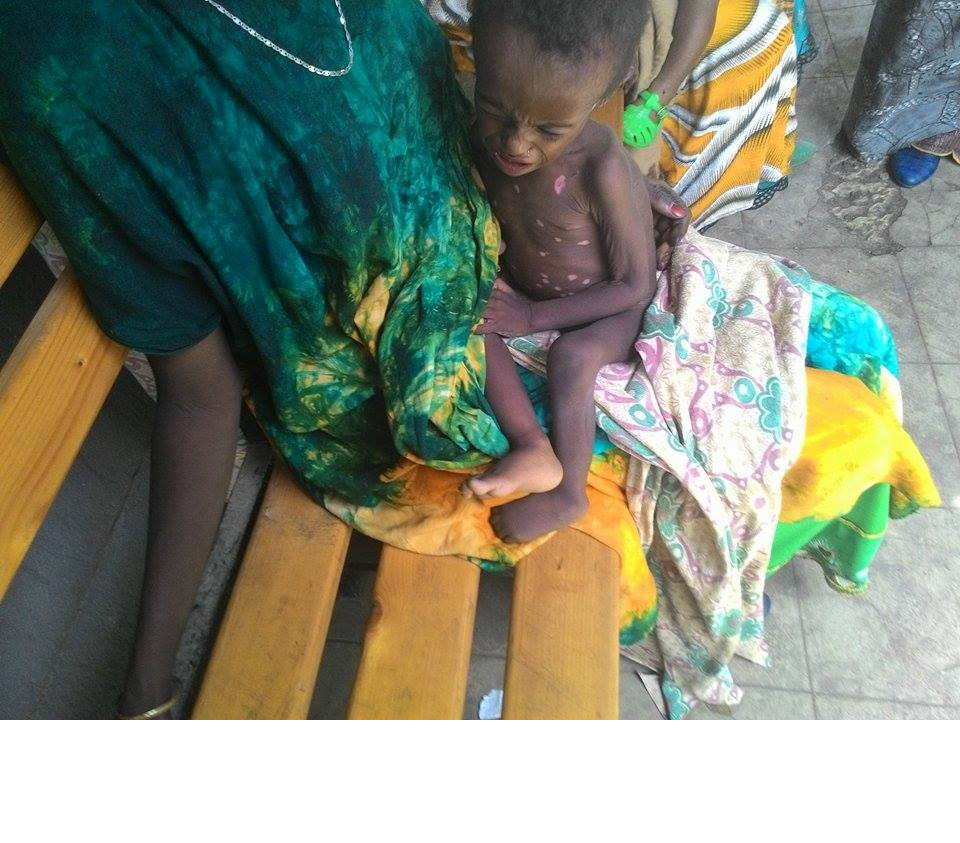
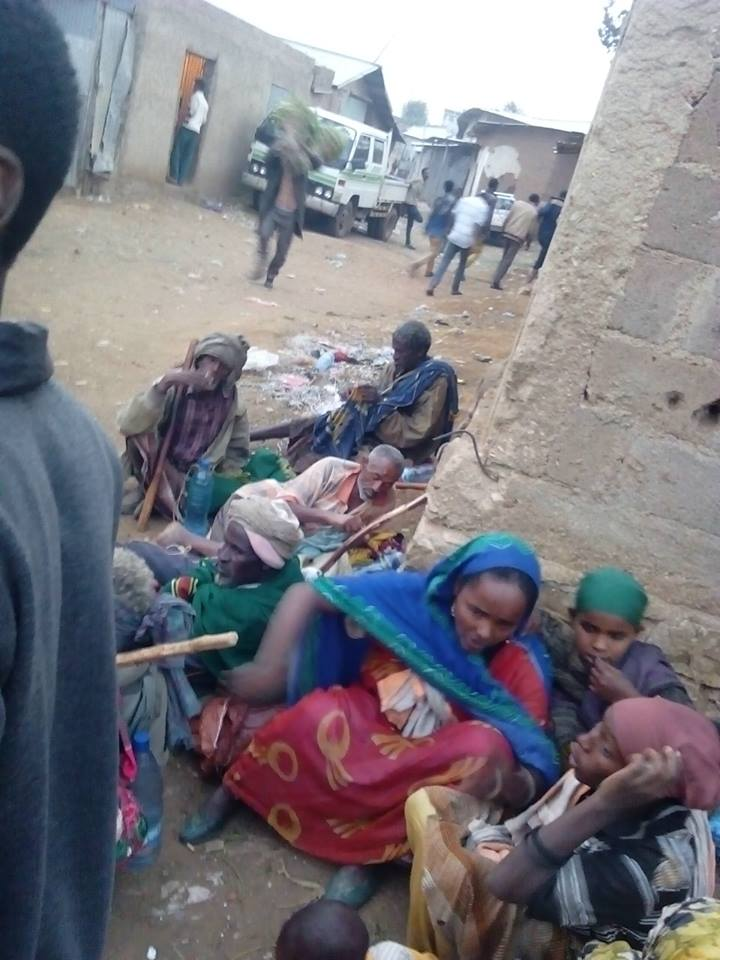
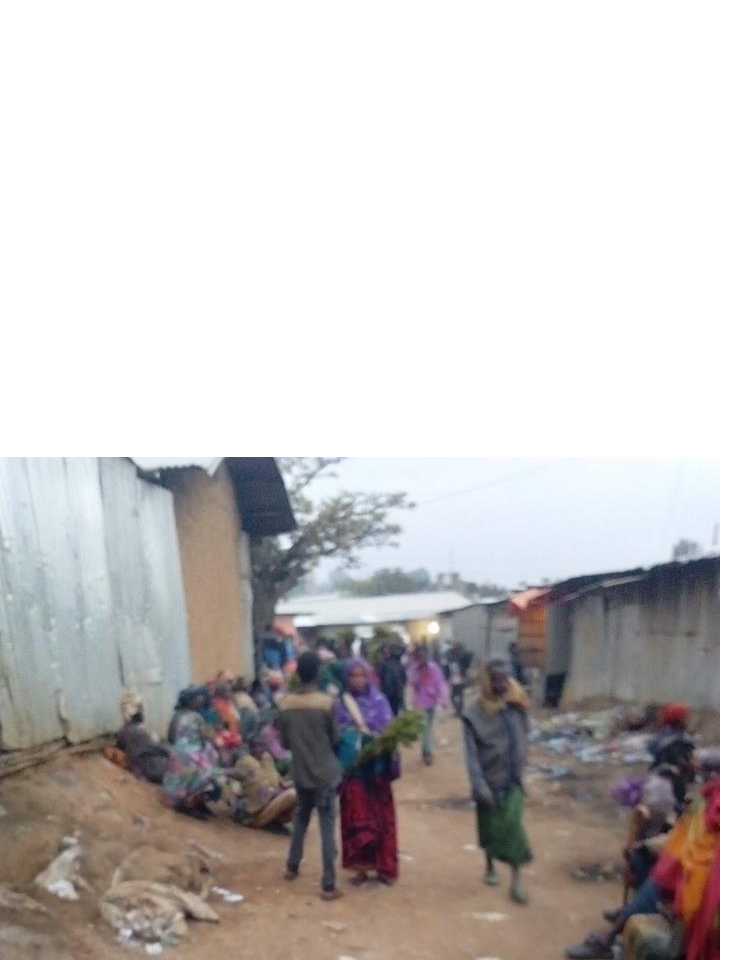
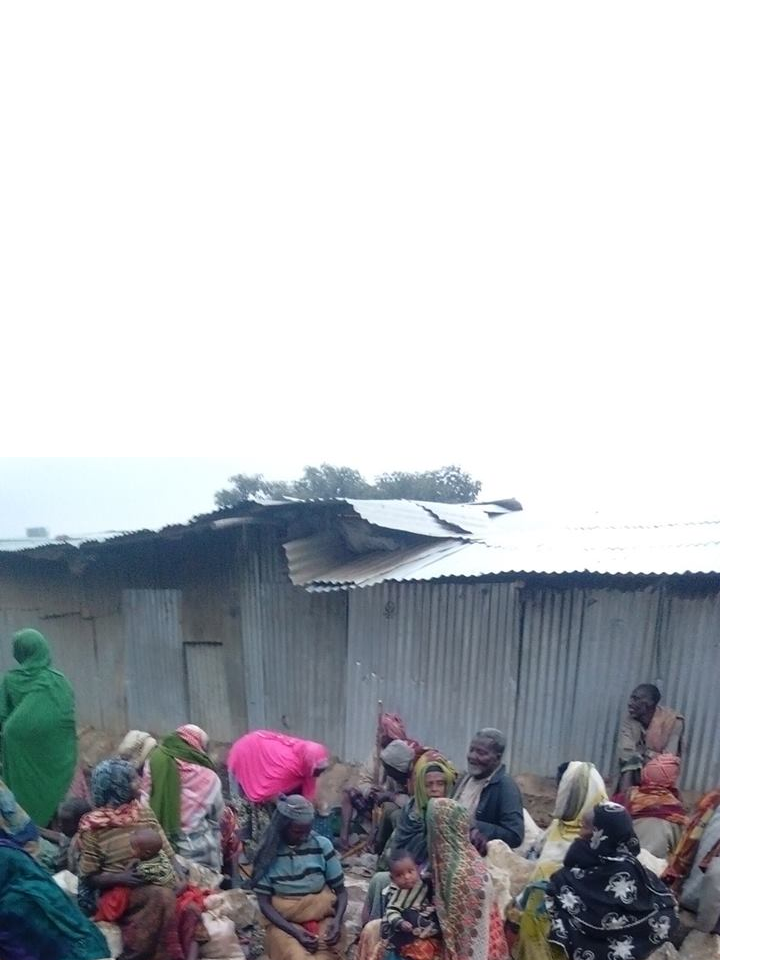
The following pictures are children, women and adults that has been exposed to famine in Eastern Oromia at the time Obama Africa/ Ethiopia visit. Thousands  are exposed to famine and dying but help is reaching them.  The pictures are on social media. The main stream media, TPLF and Obama are in Ethiopia’s fast growth hype, democratically elected government and war on terror. No one of them are talking war on politically caused famine.

Suuraaleen armaan gadii kun daa’imman dabalatee namoon kumaatamaan lakaawamani  Godina Hargee Lixaa keessatti beelaaf saaxilaman jirachuu kan mul’isu dha. Ogeessonni fayyaa balaa beelaa hammaataa jiru kana dormannoof yoo waywaatanis haga ammaa dhageetti hin arganne.  Gargaarsa tokko illee argachaa hin jiran.

People are dying of famine in Ethiopia, Hararghe including children, mothers and adults July, August 2015 during Obama  Africa visitPeople are dying of famine in Ethiopia, Hararghe including children, mothers and adults July, August 2015 during Obama  Africa visit1People are dying of famine in Ethiopia, Hararghe including children, mothers and adults July, August 2015 during Obama  Africa visit2People are dying of famine in Ethiopia, Hararghe including children, mothers and adults July, August 2015 during Obama  Africa visit3

Ummanni keenya keessattuu ,ummanni harargee, beela hamaaf saxilamaa jiran. Ummanni naannoo baadiyyaa jiraatan inumaa nyaata isaanii dhabanii magaalaa naannawa isanii jirtutti godaananii kadhachuutti jiran . Haati daa’maa qabduus daa’ima isii fudhattee godaanuuf dirqamteerti.I irra caalatti beelti tun kan isiin hubaa (miidhaa) jirtu manguddootaa fi daa’mmani. Ani gama kiyyaan hanga ammaatti hoongee(beela) nu mudatte tana miidiyaa gabaase ykn qaama wanta kana furuuf yaade hin dhageenye. Rakkoon nu mudatu kamiyyuu dilii teenyaaf tahuu beeynee gama Rabbii haa deebinu. Suuraan asiin gaditti argitan tun magaalaa awwadaayitti kadhaaf hawaasa godaane agarsiisti.

Source:- Adem Abdela Adem, social media

People are dying of famine in Ethiopia, Hararghe including children, mothers and adults July, August 2015 during Obama  Africa visit4People are dying of famine in Ethiopia, Hararghe including children, mothers and adults July, August 2015 during Obama  Africa visit5People are dying of famine in Ethiopia, Hararghe including children, mothers and adults July, August 2015 during Obama  Africa visit6

The Human Rights League of the Horn of Africa (HRLHA): An Open Letter to President Barak Obama on his Ethiopia Visit. Liigiin Mirga Ilmaan namaa kan gaanfa Afrikaa, Daawwii Obaamaa balaaleeffate. July 19, 2015

Posted by OromianEconomist in Africa, Oromia, US-Africa Summit.
Tags: , , , , , , ,
add a comment

???????????Human rights League of the Horn of Africa

July 18, 2015

An Open Letter to President Barak Obama on his Ethiopia Visit

Dear Mr. President Obama,

The Human Rights League of the Horn of Africa wants to express its deep concern about what it regards as the wrong decision made by you and your staff in making a formal visit to Ethiopia in late July 2015. This will make you the first US leader to break the US promise not to reward dictators. History teaches us that the American constitution of 1787 is the world’s first democratic constitution, a landmark document of the Western World which protects the rights of all citizens in the USA. The following examples show America’s great support of human rights: During the First World War, America entered the war against Germany in 1917 to protect the world- as President Woodrow Wilson put it, “Making the World Safe for Democracy”. Later, Eleanor Roosevelt, the widow of President Roosevelt and a human rightschampion, drafted in 1948 an internationally accepted human rights bill, the Universal Declaration of Human Rights. These and other democratic activities have made America a champion of democracy all over the world that all Americans should be proud of.

Mr. President,

Your decision to visit human rights perpetrators in Ethiopia contradicts your country’s democratic tradition. It also disrespects the Ethiopian nations and nationalities who are under the subjugation of the EPRDF/TPLF government.

Mr. President,

We can witness today the government of Ethiopia making a lot of noise about the flourishing of democracy in that country. The reality on the ground shows that the undemocratic behavior of the regime has been overshadowed by the apparently “democratic” and anti-terrorism façade that the regime has demonstrated for the past twenty-four years. During those years, thousands were killed, abducted, kidnaped, and imprisoned by this government because they simply tried to exercise their fundamental rights, such as free speech and expression, freedom of association and religion. University students, journalists, human rights activists, opposition political party members and their supporters, and farmers have been the major victims in Ethiopia.

When the EPRDF/TPLF Government took power in 1991 in Ethiopia, there were high expectations from both local and international communities that there would be an improvement in the human rights situation in Ethiopia from previous regimes. Contrary to everyone’s expectations, however, human rights abuses in Ethiopia worsened. The human rights violations in Ethiopia has been widely reported by local, regional and international human rights organizations as well as some Western governmental agencies including the US State Department’s yearly human rights reports.

Today, in Ethiopia political extra-judicial killings, kidnappings and disappearances, mass arrests and imprisonments- without warrants- in horrible prison conditions, extended imprisonment without trials, torture, denials and delaying of justice, discrimination in resource allocations and implementations, biased educational and development policies, denials of employment and job promotion opportunities and/or the misuse of coercive political tools are rampant. Social crises in Ethiopia are becoming deeper and deeper, while the socioeconomic gap between the favored (the politically affiliated groups and individuals) and the disfavored is getting wider and wider. For the majority of Ethiopians, life has become unbearable. It has even become very difficult for civil servants, the middle class, to support their families.

Mr. President,

The Human Rights League of the Horn of Africa strictly opposes your visit to Ethiopia. As the president of the country where democracy emerged and respect for human rights was first realized, we believe it would be immoral of you to reward human rights violators. We urge that you withdraw from your decision to visit Ethiopia.

HRLHA is a non-political organization (with the UN Economic and Social Council – (ECOSOC) Consultative Status) which attempts to challenge abuses of human rights of the people of various nations and nationalities in the Horn of Africa.

Liigiin Mirga Ilmaan namaa kan gaanfa Afrikaa,Daawwii Obaamaa balaaleeffate .

OMN

(OMN:Oduu Adol.19, 2015): Daawwannaa Pirezidaantiin Ameerikaa Itoophiyaatti gochuuf karoorfatan, liigiin mirga ilmaan namaa kan gaanfa Afrikaa cimsee akka mormu, Xalayayaa kaleessa liigiin kun Prezidaanti Obaamaaf ergeen beekiseera.
Imala dawwannaa Pirezidaantiin Ameerikaa Itoophiyaa dhaquuf jedhame ilaalchise, liigiin mirga ilmaan namaa kan gaanfa Afrikaa mata duree, “Pirezidaanti Obaamaan daawwanna isaan Itoophiya dhaqanii ilaaluuf deeman, damboobaa Dimookiraasii Ameerikaatiif qaaniifi Arrabsoodha” jedhuun Pireezidaantichaaf erguun, imala Obamaan gara Itoophiyaatti fuullefate balaaleffateera.
Liigiin mirga ilmaan namaa kan damee ganfa Afrikaa kun xalayaa Pirezidaanti Obaamaaf kaleessa barreesseen akka jedhetti, murtee Obaamaafi waa’iloonni hojii isaa, akka Obaamaan Itoophiyaa daawwatan muteeffame sun dogongoraafi akka Liigi mirga ilmaan namaa gaddisiisee himeera. Liingiin mirga ilmaan namaa kan gaafa Afrikaa kun itti dabaluun xalayaa Obaamaaf barreesseen akka jedhetti, waadaa Ameerikaan duraan abbootii irree akka hin gargaarreef seentee turte, pireezidaantii Ameerikaa ta’uun yeroo jalqabaatiif kan cabse Obaamaadha jedheera.
Bara 1787 Ameerikaan seera dimokiraatawa tumattee mirga lammii isii ittiin kabachiisuufi biyyoota lixaatiifille fakkeenna guddaa akka taate turte osoo beekamu, gochi Obaamaan amma raawwatuuf deemu kun aadaa dimookiraasii Ameerikaa kan faallessu akka ta’e, liigiin mirga ilmaan namaa kun xalayaa Obaamaaf ergeen himeera.
Liigiin mirga ilmaan namaa kan gaafa Afrikaa kun dabalee xalayaa bareesseen waan jedhe, daawwannaan Obaamaan Itoophiyatti fuulleffate kun, seeraafi danboobaa dimookiraasii Ameerikaa kan faallessu qofa osoo hin taane, sabaafi sab-lammoota Itoophiyaa hacuuccaa TPLF-Woyyaanee jala jiraniif akka tuffiitti ilaalama jedheera.
Woyyaaneen Itoophiyaa biyya dimimokiraatawa fakkeessuuf irra dibaa jiraatulle, haqani jiru garuu, lammiileen hidhamaa, ajjeefama, butamaa, biyyaa baafamaafi ukkaamfamaa akka jiranii Liigiin kun himee, keessumattu miidhaan hamaan baratoonni yuniversiitii, gaazexeessitoota, dura bu’oota amataalee, dhaabbileefi namoota mirga ilmaan namaatiif dubbatan, dhaabbilee siyaasaa mormituufi miseensotaafi deergatoota isaanii, akkasuma qonnaan bultoonni yeroo ammaa bulchiinsa mootummaa Woyyaaneetiin dararamaa akka jiran Xalayaa mormii Liigiin kun Obaamaaf bareesserraa hubachuun danda’ameera.
Daani’eel Bariisoo Areeriitu gabaase.

Related:-

http://https://youtu.be/kgv1f_MC1tk

Obama’s Pilgrimage of National Interest.   Godaansa Fedha Sabaawaa July 14, 2015

Posted by OromianEconomist in Because I am Oromo, Ibsaa Guutamaa, US-Africa Summit.
Tags: , , , , , , , ,
add a comment

???????????Ethiopia's scores on freedom

Obama is going to tie knots with TPLF-EPRDF’s Ethiopia, the poorest country on the planet – on behalf of the richest and the most powerful country of the world. That is his right. Forget the stereotypical consolation of discussing human rights and democratic governance. The main purpose is economy and security. Again forget about the highest economic growth rates fanned by financial institutions. That, there is no growth can be seen with necked eyes. Million are hungry and destitute. This trip will try to accomplish the deregulation of remaining sectors, like banking, telecoms, land, etc. As far as the peoples of the Ethiopian empire are concerned, these were already deregulated, but monopolized by TPLF business conglomerates. International corporations want their big share. – Ibsaa Gutamaa

Obama’s Pilgrimage of National Interest

By Ibsaa Guutama* | July 2015

The oppressed and abused of Africa, and their friends and sympathizers are making their voices heard high above the globe that President Obama refrain from legitimizing dictatorship and human rights abuse in Ethiopia. This is not a casual visit, but a pre-planned trip for which arrangements were made to pave the way for the diplomatic pampering of the most brutal regime in the area; a long-time Guerrilla-friendly ambassador was appointed in addition to a visit by the U.S. Assistant Secretary for African Affairs. The rulers of Ethiopia were among those that Clinton’s Democrats branded as the “new breeds of African Democrats.” Many have now fallen out of line. These ones are also starting wavering. This visit of the President may keep them in line before they jump to another bandwagon. Obviously, it is not a pilgrimage of democracy, but that of “NATIONAL INTEREST.”

Democracy is an ideal which all human beings aspire to attend. So far, we have seen attempts, not commitment, to it. It is a principle well defined by persons like Abraham Lincoln, “Government of the people for the people …” But, in most cases, it remains in principle, not in practice. Otherwise, it is assumed that democracy is the standard of political governance – which has, at least, as ingredients equality, freedom, fairly elected officers, and freedom of speech and expression. Any of this missing, there could be no democracy. As the Assistant Secretary of U.S. State Department once said, “America believes in ‘NO DEMOCRACY NO COOPERATION.’” Ethiopia lacks even the few ingredients of democracy mentioned; however, cooperation has never been lacking for the last quarter of a century. It is alright to delay one to three years, but not to abide by one’s promise for so long, for the greatest country of the world is tantalizing. If people’s sovereignty was respected, there was no need to petition a far off power for one’s internal affairs. Their problem could be solved within the region. But, that remaining a wish, expecting fairness and impartiality from those interfering is not too much. Considering their position, they have the moral responsibility to do that.

On part of the abused people, the assumption that democracies of the world will come to their rescue should have been given up long ago. But, unfortunately, protest is made through the social media, through demonstration marches, through written materials, etc. to oppose the continued cooperation. It is all in vain; world powers are blinded by national interests. Hence, the poor and oppressed peoples of Africa are left solely to themselves to fight for their rights. The real “survival of the fittest” theory is being practiced by the world against Africa. Africans have come so long on their own; they have to continue gallantly defending their land, interests and dignity – not to perish silently. Whatever they are doing, world powers are doing knowingly and convinced that they are doing the right thing. Thousands could go hungry, rot in prison, forced to flee their country, and thousands could die and disappear, they are not worth severing friendship relations with perpetrators of genocide.

Obama is going to tie knots with TPLF-EPRDF’s Ethiopia, the poorest country on the planet – on behalf of the richest and the most powerful country of the world. That is his right. Forget the stereotypical consolation of discussing human rights and democratic governance. The main purpose is economy and security. Again forget about the highest economic growth rates fanned by financial institutions. That, there is no growth can be seen with necked eyes. Million are hungry and destitute. This trip will try to accomplish the deregulation of remaining sectors, like banking, telecoms, land, etc. As far as the peoples of the Ethiopian empire are concerned, these were already deregulated, but monopolized by TPLF business conglomerates. International corporations want their big share.

As for security, the TPLF is “the key ally of the U.S.” in hunting down terrorism. Already, many Ethiopian empire’s recruits have perished unaccounted for in Somalia. TPLF is ever ready to engage whenever the U.S. pays without any limit to geography in their deployment. The visit may encourage the continuation of this relation. As for terrorism, TPLF is manufacturing them at its convenience – killing thousands, and terrorizing and imprisoning numberless. Yes, the people have risen and are rising further against the TPLF terror. It is a rise for “liberty equality, freedom and peace” – which no body claims to know its cause and effect more than America. But since terrorism is not defined, the whole population of the empire is branded as a terrorist and is subject to persecutions. It is without consideration to redefine that the package is going to be discussed to strengthen the relation. The peoples of the empire, in particular the Oromo and journalists, are going to continue being terrorized.

Let alone a big power, the tiniest being knows no limit in defending its interests. But, for human beings, there should have been moral restraints. Here, our concern is not that for now. It is a lesson from history. During the past regimes, and under the present one, whenever there is an occasion, the destitute in towns are rounded up, beaten and taken to unknown places. There, they live in crowded enclosure without enough food and water in a deplorable hygienic environment. Many perish unreported. Now that a leader of the most powerful country is coming, and since the coming is unprecedented, unprecedented measures are certainly going to be taken. What makes this time different is that thousands were recently uprooted from their homes by the land grab, and the policy to de-Oromize and expand Finfinne (Addis Ababa). The evicted are the majority of thousands of homeless in Finfinnee. A fate worse than that of the infamous Shoolaa Camp under the emperor is awaiting them. Then very few mothers, children and the elderly were saved from typhus epidemic after university students discovered them accidentally. In addition to rounding these up much more harsh measures are to be expected to impress U.S. intelligence that certainly will be there to bolster their efforts.

Many complain that the visit amounts to recognizing the atrocities committed by the notorious dictators of the Horn of Africa. Had Africa not been ruled by autocrats pretending to be elected democrats, the visit would not have happened. Only those types can serve as partners in plundering the wealth and service of the continent during this period of the New Scramble for Africa. Whether the President visits or not, his administration had already recognized legitimacy of the illegitimate. The endeavors made to “democratize, and the free and fair election” was praised by frontline cadres months ago. Was it true? What they should complain about must have been their not been ready to defend their interests as peoples. Assuming democratic values are intrinsically universal, and no double standard for it, it would have been just if the President did not make the trip his predecessors had avoided. Healthy human and political developments could have eventually served the interests he is after better and for a longer time to come. But, the world had never been just.

If the President does not come out with a conclusion that he was dealing, not with hooligans, but legitimate rulers, the agony of the peoples of the Horn is going to be double fold; for the hooligans will be more encouraged with their brutality. We wish the President a good trip to his father’s land and back to the White House. Here inHabashaa land, his Lou people are going to be considered as Americans for his participation in the American administration, as Oromo are considered likewise for Tafarii’s participation in the Ethiopian administration. This trip will give the Wayyaanee a moral boost. We will see the leaders gleaning sitting around this powerful leader of the world to get photographed for the last time. People of the empire will wake up to another miserable day worse than before.Bon Voyage, Mr. President! Viva Oromiyaa! The struggle shall continue!

Honor and glory for the fallen heroines and heroes; liberty, equality and freedom for the living, and nagaa and araaraa for the Ayyaanaa of our forefathers!

* Ibsaa Guutama: Gubirmans.com

Godaansa Fedha Sabaawaa

Ibsaa Guutama irraa* | Adoolessa 2015

Ummati Afrikaa cunqurfamee fi itt roorrifame fi michuulee fi mararfatooti sagaleen saanii akka dhagahamutt baaqulaa ol kaasanii Presidant Obaamaan akka abbaa hirree fi mirga ilmoo namatt roorrisaa seerawaa gochuu irraa of qoqopbatu iyyaa jiru. Kun daawwii tasaa utuu hin tahin imaltu dursee karoorfame. Bulchoota godinaa keessaa nama nyaataakan tahee qanansiisa malbeekii kennuuf karaa haxaawuuf jechuun, daawwii Ittaantu Barreessituu Murnaasa Finnaatt dabalamee ambasadara michuu riphee lolaa bara hedduu muudamteett . Bulchooti Itophiyaa kanneen demokratoti Klinton “dhaloota demokratotaa haaraa” jedheen keessaa tokko turan. Hedduun amma karaa irraa maqaniiru. Jarri kunis daddaaqaa jiru. Daawwiin Presidant kun utuu isaan kan biraatt hin utaalin karaa irra isaan buusa taha. Godaansich godaansa demokraasii miti, kan “FEDHA SABAAWAATI.”

Demokraasiin fakmishoo ilmaan namaa hundi bira gahuuf hawwani. Hanga yoonaa abbala malee hojii irra ooluu saa hin agarree.Kun akeeka namoota akka Abraham Loncolniin dansatt “Mootummaa ummataa ummataaf …” jedhamee furameera. Garuu gara caaluu shaakala utuu hin tahin akeeka tahee hafe. Kanaaf malee akka jedhamutt demokraasiin hangammeessa bulcha malbulchaa kan qabeen saa yoo xinnaate “walqixxummaa, birmadummaa, qondaalota qajeeltoon kennatamanii fi bilisummaa haasaa fi of ifsuu” of keessaa qabu. Kanneen keessaa tokko hirdhannaan demokraasiin hin jiru. Akka bar tokko Ittaanaa Barreessaan Finnaa jedhett Amerikaan “DEMOKRAASIIN HIN JIRU, GAMTAAN HIN JIRU” kan jedhutt amana. Itophiyaatt qabee yartuu dhahaman keessaa hundatu hanqata. Garuu gamtaan arfacha jaarraaf hanqatee hin beeku. Waggoota tokko fi sadii tursuun hama hin tahu; yeroo dheeraa akkasiif biyyi addunyaa keessaa dagaagaan kun irbuu seene hin guutin hafuun malalchiisaa dha. Utuu moo’ummaan ummatootaa ulfeeffame dhimma keessa waliif humna fagoott iyyachuun barbaachisaa hin turre. Dhibdeen saanii godinaa keessatt furamuu dandaha ture. Garuu sun hawwa tahee hafus jara dhimmicha keessa seenan irraa qajeeltuu eeggachuun waan guddaa miti.

Sun kan fedhe haa tahu, gara itt roorrifamootaan demokraatoti addunyaa nuu birmatu taha jedhaanii eeggachuu qaata dhaabbachuutu irra ture. Garuu kan nama dhibu mormiin, gamtaan akka dhaabbatu karaa qubqabsiisii hawaasomaa fi dhiicha hiriiraan, barruulee kkf itt fufee jira. Hundi dhama’uu qofa; anga’oon addunyaa “fedha sabaawaan” jaamaniiru. Kanaaf hiyyeeyyii fi cunqurfamoon Afriikaa akka mirga ofiif lolatan of qofaatt dhiifamani. “Baraarama kan caalaa of dandahuu” dhugaan addunyaan Afriikaa irratt shaakalamaa jira. Afriikaanoti hanga yoonaa ofumaan as gahaniiruu; callisanii dhumuu irra jannumaan lafa, fedha fi ulfina saanii irraa faccisaa itt fufuu qabu. Anga’ooti addunyaa kan godhan hunda beekaa godhu, akka waan sirrii hojjetaa jiran of amansiisaniiru. Kumooti beela’uun, hidhaa keessatt samuun, biyyaa ari’amuu fi kumooti du’uu fi baduun firummaa kanneen qacefixa raawwatanii dhiisisuuf nafii hin guutani.

Obaaman ABUT-ADWUE biyya, biyyoota addunyaa hunda keessaa deegduu taatett rakoo qaluuf deema. Sun mirga saati. Jecha mararfannaan keessa deddeebi’amu waa’ee mirga ilmaan namaa fi bulcha demokratawaa jedhamu haa irraanfannu. Mummichi manaa isa baase dhimma diinagdee fi nageenyatii. Ammas waa’ee deettii guddina diinagdee dhaabota horoon afarsamus haa irraanfannu. Akka guddinni hin jirre ija qullaan ni argama. Kumkumooti beela’oo fi deegoo dha. Daawwiin kun kutaa diinagdee dambii jalaa hin bahin hafan kan baasisuu yaalu.Ummatoota Empayera Itophiyaaf kun qaata dambii jalaa bahee, garuu hidhata daldala ABUTin dhuunfatame. Korporashinooti addunyaasi qooda guddaa ofii barbaadu.

Waan nageenya ilaalutt gooltuu duukaa bu’ee adamsuuf ABUT “gartuu furtuu U.S.” Somaliyaa keessatt madaqfamtuun Empayera Itophiyaa heeduun duruu dhumanii gabasa malee hafanii. ABUT utu lafquwiin isa hin danga’in U.S. kaffallaan ergamuuf qophee dha. Daawwich akka hariiroon kun itt fufu jajjabeessa taha. Waan gooltummaa ilaalutt ABUT akka fedhett homishee, kumoota ajjesee fi shoroorkeessee kanneen lakkofsa hin qabne hidha. Dhuguma shoroorkaa ABUTiin mormuun ummatooti ka’aniiru, caalaa ka’aas jiru. Kaka’a “gaaffii mirgaa, walqixummaa, birmadummaa fi nagaaf” godhamu, kaasaa saa fi itt baha saa Ameriika caalaan beeka kan jedhu hin jirre. Gooltummaan waan maljechi saa hin himamneef dilormaan empayeritt hundi gooltuu jedhamee unkuramaa jira. Utuu sana hin maljechisini kan amma hariiroo jabeessuuf walti qabaaman mari’atamuuf deemu. Ummatooti empayeritt keessattuu Oromoo fi jornaalistoota shororkeessuun itt fufufuuf deema jechuu dha.

Aanga’aa guddaan hafee uumaa bucureenuu fedha ofii eeggachuufn hin daangahamu. Garuu ilmoo namaaf safuun madaalaa jiraachuu qaba ture. Ammaaf dhimmi keenya sana miti. Barnoota seenaati. Bulchoota duriif isa ammaa jalattis yeroo waa tokko jiraatu deegaan magaalota keessaa marfamanii tumamaa bakka hin beekamnett geeffamu. Achitt dallaa nammi walitt gooji’e keessa nyaataa fi bishaan gahaa malee, haala qulqulinni hin eegamne jala jiraatu. Heedduun dhumanii hin gabaafaman. Amma mootiin biyya hunda caalaa jabaan dhufaa jira. Dhufaatiin akkasii kanaan dura argamee waan hin beekneef tarkaanfiin fudhatamus mamii malee kan argamee hin beekne taha. Kan isa si’anaa adda tolchuu ummati kumootaan samicha lafaa fi imaammata Finfinnee Orommiteessuu fi ballisuuf lafa saanii irraa kumootaan buqqifamuu dha. Alabul kumootaan lakkaawaman Finfinnee keessaa garri caaluu buqqifamoota sana. Hiree Mooraa Shoolaa bara Nugusaa caalaa hamatutu isaan eeggata jechuu dha. Yeroo sana haadhootaa fi ilmaanii fi Manguddoo yartuutu akka tasaa barattoota Universiitiin argamanii golfaa irraa hafanii. It dabalee jara kana marsanii qabuu fi qaruutee angoo saanii ol kaasuuf Amerikaa dhufuun saanii hin hafnett of agarsiisuuf tarkaanfii caalaa hamaa tahe fudhachuun akka hin hafne hedama.

Hedduun kan komatan, daawwichi badiisa abbaa hirree gamsiisa Ganfa Afriikaan hojjetamaa jiruun hamma ishoo jechuuti jedhaniitu. Afrikaan jara abbaa hirrootaa kan ummataan kennataman fakaatanii dhihatanii utuu hin bulfamtu taatee daawwichiyyuu hin godhamu ture. Jara akkasii qofa kan saamicha qabeenyaa fi maayi baasii waldayyichaa irratt bara Hirmannaa Afriikaa Haaraa kana miltummaan tajaajiluu kan dandahan. Presidantiin daawwatee dhiisee bulchi saa qaata seerawwoo kan hin taane, seerawoo tahuu kan beekeefi. “Ifaajjee demokratawuu fi kennata qajeelaa fi bilisa hojii irra oolchuuf deemanis” dabbaloota qaraatiin ji’oota dura farsamaniiru. Kun dhugaa dhaa? Kan isaan komachuu qaban mirga ofii irraa faccifachuuf qophee tahuu dhabuu saanii tahuu qaba ture. Demokraasiin nafii barbaachisaa halle hammataa qaba yoo jedhame fi hangammeessa lakkuu hin qabu yoo tahe Presidantiin imala angafooti saa lagatan utuu hin goonee dansa ture. Misi fayyaa qabeessi ilmoo namaa fi malbulchaa, bulee fedha inni duukaa jiru caalaatti yeroo dheeraaf tajaajilu dandaha ture.

Prsesidantichi addaggoota utuu hin tahin bulchoota seerawoo waliinin dubadhe jedhee baanaan gadadoon ummatoota Gaanfaa dacha tahuuf deema; addagooti jajjabina argatanii hammeenya saanii kan dur caalaa cimsanii itt fufu. Presidantichi milla mikii qabuun gara biyya abbaa saa gahee Waayit Hawusitt akka deebi’u hawwinaaf. Akka biyya Habashaatt ummati saa Luwoon waan inni bulcha Amerikaa keessatt qooda fudhateef Amerkaaniitt fudhatamuuf deemu; akkuma Oromoon Tafariif jedhamee ilaalaman jechuu dha. Imalli kun hamilee Wayyaanee dhiitessa. Hoogganooti see, hooggana addunyaa humna guddaa kanatt marsanii yeroo dhumaaf footoo kahuuf yoo ilkaan afan ilaaluuf deemna. Ummati empayeraa bariin dammaqee guyyaa gadadoo kan duraa caalutt gad baha. Karaa Nagaa! Oromiyaa haa jiraattu! Qabsoon itt fufa!

Ulfinaa fi surraan gootota kufaniif; walabummaa, walqixxummaa fi bilisummaan kan hafaniif; nagaa fi araarri Ayyaana abboolii fi ayyoliif haa tahu!

* Ibsaa Guutama: Gubirmans.com

Godina Baalee, Aanaa Gaasaratti, lafeeleen namoota dhibba tokkoo argame July 10, 2015

Posted by OromianEconomist in Africa, Amnesty International's Report: Because I Am Oromo, Genocide, Hetosa, Knowledge and the Colonizing Structure. African Heritage. The Genocide Against Oromo Nation, Oromia, Oromo, Oromo the Largest Nation of Africa. Human Rights violations and Genocide against the Oromo people in Ethiopia, The Tyranny of TPLF Ethiopia.
Tags: , , , , , , , ,
add a comment

???????????df346-counryriskofgenocidepoliticide

Godina Baalee, Aanaa Gaasaratti, lafeeleen namoota dhiiba tokkoo olii argame. Skeletons of  more than 100 human bodies found buried together in Bale, Gaasara district, Dambal locality, Oromia

OMN

(OMN:Oduu Adol.09, 2015): Godina Baalee aanaa Gaasaraa magaalaa Danbal ganda Askaalatti, lafeen namoota 60 ol ta’an, jumlaadhaan boolla tokkotti awwaalaman argamuun dhagahame.

Jiraattonni naannichaa akka jedhanitti,ammayyuu lafeen namoota heddu argamuu nutti himuun, gochaan raawwatame kun, sirna bulchiinsa mootummaa kam keessa akka ta’e, haga ammatti wanti beekkame hin jiru.

Godina Baalee,aanaa Gaasaraa magaalaa Danbal araddaa Askaala ykn Hirbaayyee jedhamutti, lafeen namoota 60 jumlaadhaan ajjeefamanii boolla tokkotti awwaalaman, guyyaa kaleessaa jechuun Adoolessa 8 bara 2015tti, argamuu isaa jiraattonni kun OMN tti kan himan.

Jiraataan magaalaa Danbal akka jedhanitti, lafee namootaa hedduu jimlaadhaan awwaalaman kana, ija isaaniitiin arguu nutti himuun, yoomiif eennuun, gochaan kun akka raawwatame hin beeknu jedhan.

Lafeen namoota jimlaadhaan boolla tokkotti awwaalamanii turan kun, namoonni naannawa san jiraatan osoo karaa deeman kan argan yoo ta’u, ammas lafeen namoota awwaalamanii, laakkofsaan hedduu akka ta’ellee namni kun ibsaniiru.

Akka namni kun nuuf himanitti, gochaan raawwatame kun, sirna bulchiinsa mootummaa kam keessa akka ta’e haga ammatti wanti beekkame hin jiru.
Haata’u malee, lafee namoota argamee kanarraa hubachuun akka danda’ametti, awwaalcha baroota dhihoo kan fakkaatuudha jedhan.

Jiraattonni aanaa Gaasaraa magaalaa Danbal akka jedhanitti, lafeen namoota jimlaadhaan boolla tokkotti awwalamanii argaman kunniin, namoota umriidhaan gaheessa ta’aniidha.
Wanatoonni raawwatamee ture kun, naannawaa isaanitti yeroo jalqabaa akka ta’e kan nutti himan namni kun, gochaa raawwatamee ture kana akka qorataniif, gara bulchiinsa aanichaatti ibsuu isaanillee dubbatan.

Ji’a Adoolessaa bara 2014 darbes, godina Harargee Bahaa magaalaa Harar araddaa Hammarreessatti, lafeen namoota jumlaadhaan ajjeefamanii awwalaman keessaa 400 kan ta’an, deeggartoota Adda bilisummaa Oromoo akka ta’an, jiraattota naannichaa waabeeffachuun gabaasuun keenya ni yaadatama.

Keessahuu bara 1998 hanga 2000tti, yeroo Itoophiyaa fi Eritraan waraana irra turanitti, dargaaggootaa fi manguddoota Oromoo, Adda Bilisummaa Oromoo deeggartu jechuun, naannoo Jijjigaa fi Soomali-land irraa, mootummaa Itoophiyaatiin qabamanii kan hidhaman oggaa ta’u,nyaata fi dhugaatii dhorkamuun lubbuun isaanii gaaga’amuun, jiraattoonni kun dabalanii saaxiluusaanii wayituma san gabaasuun keenya kan yaadatamudha.

Gabaasaan Usmaan Ukkumee ti.

http://https://youtu.be/D-hZHgt1_i4

OROMO STUDENT PROTESTORS RELEASED FROM JAIL. Barattooti Oromoo Jaha Hidhaa Hiikaman July 9, 2015

Posted by OromianEconomist in Oromia wide Oromo Universtiy students Protested Addis Ababa Expansion Master Plan, Oromians Protests, Oromo and the call for justice and freedom.
Tags: , , ,
add a comment

???????????The freed Oromo university students

(OroMedia, Adoolessa 9 bara 2015) Barattooti Oromoo bara 2014 keessa Yunversiitii garaa garaa irraa walitti guuramanii hidhaatti darbaman keessaa jaha bilisaan gadhiifaman.

Maddi keenya Finfinnee irraa akka gabaasetti abarattooti kunneen rakkooleen uummata Oromoo akka furmaata argatuufi uummanni Oromoo seeraan ala qe’ee isaa irraa akka hin buqqaaneef karaa nagaan gaaffii mirgaa warra dhiyeessan keessaa adda baafamanii kanneen hidhaatti darban ture.

Barattootia hiikaman Yunversiitii Saayinsiif Teknooloojii Adaamaatti Dursaa Gumii GAAO kan ture barataa Addunyaa Keessoo, barataaToofik Rashiid Yunversiitii Dirree Dhaawaa irraa, Barataa Leenjisaa Alamaayyoo, Barataa Abdii Kamaal, Barataa Magarsaa Warquu, Barataa Bilisummaa Daammanaa ta’uun beekameera.

Akka odeessa nu gahetti, abrattooti kunneen adda dureedhaan barattoota qindeessitaniittu jedhamanii kanneen himatamuudhaan Finfinnee Mana Hidhaa garaa garaa keessatti dararamaa turaniidha.

OromoPoliticalPrisoners20152

Barattooti kunneen gaafa Waxabajjii 22, 2015 murtii dhumaatiif Mana Murtii Federaalaatti dhiyaatanii sagalee isaanii erga laatanii booda barattoota wagaga tokkoof hiraarsan beenyaa tokko malee gadhiisaniiru.

Barattooti kunneen kanneen adda duree jedhamanii hanga ammaa hidhamanii turanii dha. Barattooti Oromoo hundi Bilisaan akka gadhiifamaniis beekameera.

Akk odeeffannoo nu gaheetti barattoota yeroo darbe badii malee funaanamanii Finfinneetti ukkaamfaman keessaa Alsan Hasan(kan mana hidhaa keessatti reebamee ajjeefame) waliin kijiba boombii darbattan jedhuun kan hidhame barataa Abbabaa Urgeessaa qofti beellami kan biroo qabameefii ammas mana hidhaa Qaallittii keessatti argama.

Barattooti Oromoo amam hiikamanis ta’ee kanneen mana hidhaa keessatti argaman barattoota Qulqulluu fi Falmitoota Haqaa ta’uu isaanii namooti hedduu irratti waliif galaa jiru.


http://oromedia.net/2015/07/09/barattooti-oromoo-jaha-hidhaa-hiikaman/


(Addis Standard, 9 July 2015), At least six Oromo university students were also among three journalists and two bloggers released from Ethiopian prison yesterday, according to various reports.
The freed Oromo university students include Adugna Kesso, Bilisumma Dammana, Lenjisa Alemayo, Abdi Kamal, Magarsa Warqu, and Tofik Rashid. All were students who were arrested by security agents from various universities located in the Oromiya regional states. No charges were brought against many of them in the last year and three months.


Bilisumma DammanaStudent Bilisumma Dammana 
The arrest of unknown numbers of Oromo University students followed a May 2014 brutal crackdown by the police against university students who protested when a master plan for the expansion of Addis Abeba, the city originally home to the Oromo, was introduced by the federal government.

TofikStudent Tofik Rashid

The 10th Addis Abeba and Oromia Special Zone Integrated Development Master plan, which was in the making for two years before its introduction to the public, finally came off as ‘Addis Abeba and the Surrounding Oromia Special Zone Integrated Development Plan.
The government claims the master plan, which will annex localities surrounding Addis Abeba but are under the Oromiya regional state, was aimed at “developing an internationally competitive urban region through an efficient and sustainable spatial organization that enhances and takes advantage of complementarities is the major theme for the preparation of the new plan.”
The students protested against the plan and the federal government’s meddling in the affairs of the Oromiya regional state, which many legal experts also say was against Article 49(5) of the Ethiopian Constitution that clearly states “the special interest of the State of Oromia in Addis Abeba.”


Nimona Chali

Charges against university student Nimona Chali were dropped without explanation and he was released some two months ago. 
Two months ago, student Nimona Chali, one of the detained students, was released from jail without charges. Student Aslan Hassen died in prison in what the government claimed was a suicide. However, many believe he was tortured to death. No independent enquiry was launched to investigate his death.


Alsan Hassan

Alsan Hassan died while in police custody. Government says it was a sucide, but many say he died of torture. 
By the government’s own account, eleven people were killed during university student demonstrations in many parts of the Oromia regional state. However, several other accounts put the number as high as above 50.

http://addisstandard.com/oromo-student-protestors-released-from-jail/

Obama’s Planned Visit to Ethiopia is Incompatible with Claims of Democratic Principles of the U.S. Government. Daaw’annaan Obaamaa Gara Itoophiyaatti Saganteeffame Imaammata Sirna Dimokraasii Faallessa July 7, 2015

Posted by OromianEconomist in Africa, Ethiopia's Colonizing Structure and the Development Problems of People of Oromia, OLF, Oromia, Oromiyaa, Oromo, US-Africa Summit.
Tags: , , ,
add a comment

???????????OLF logo

OLF Statement on President Obama’s Planned Visit to Ethiopia

Obama’s Planned Visit to Ethiopia is Incompatible with Claims of Democratic Principles of the U.S. Government
Statement from the Oromo Liberation Front (OLF)
OLF Statement
The Oromo Liberation Front (OLF) strongly opposes the planned visit to Ethiopia of the U.S. President Barack Obama on the end of July 2015. As Ethiopia is one of the most brutal regimes of the world, OLF believes that such a visit will result in strengthening the dictatorial minority regime, will boost the regime’s confidence to strengthen its ruthless human rights violations, will give a green light to the regime to continue its repression, economic exploitation, and marginalization of various nations and nationalities of the country under its usual pretense of democracy. OLF also believes that a lasting national and security interest of the U.S. is better protected not by blessing and supporting such a well-known ruthless regime, but by being on the side of the people, supporting the struggle of the peoples of the country for freedom, democracy and justice by using its leverage through exerting the necessary pressure on the regime on power.
In 1991, when the dictatorial military regime of Mengistu Hailemariam was overthrown by the combined struggle of the oppressed peoples of Ethiopia and a Transitional Government was about to be established, a commitment given from the U.S. government to the Ethiopian people was an assurance of “no democracy, no cooperation.” It was the then U.S. Assistant Secretary of State for African Affairs, Herman Cohen, who gave such assurance in public. However, the TPLF/EPRDF group, which took over the government not only by using the military upper hand it had, but also using the blessing of the U.S. official Herman Cohen, demonstrated its anti-democratic nature in practice in a matter of less than one year. Several organizations which struggle for the right of their people, including the Oromo Liberation Front (OLF), opposed the tyrannical and authoritarian practices of the TPLF/EPRDF party as the dominant force and left the then Transitional Government of Ethiopia.
Today, 24 years have passed under the totalitarian TPLF/EPRDF regime erected and protected by the West, mainly the United States of America. It is impossible to enumerate the widespread political repression, economic exploitation, and monopoly of a minority regime in all sectors political, economic and social life. Among many other reports, the repeated reports of human rights organizations, such as Amnesty InternationalHuman Rights Watch, the Human Rights League of the Horn of Africa, and including the Country Report U.S. State Department all shed light to the atrocities of the current Ethiopian regime committed on the peoples of the country, mainly on the Oromo people. Nonetheless, it has to be noted that all these and many other reports show only a small fraction of the repression and brutalities perpetrated by the regime. Most of the political killings, barbaric acts of torture, politically charged arrests, abductions and disappearances carried out by the regime are hidden and remain unreported. The OLF has ample evidence that most acts of ruthlessness committed on the Oromo nationals in several parts of Oromia are not reported at all.
Overall, although some knowingly or unknowingly deny or diminish the repressive nature of the current Ethiopian regime, the truth is that the basic democratic and human rights and freedom of peoples of the country is denied in Ethiopia. While Ethiopia has never seen democratic election in its history, the undemocratic and fake nature of so called “election” carried by the current regime has no parallel even in the Ethiopian standard. Over the last 24 years, the Ethiopian people have been forced to “elect” the TPLF/EPRDF party under the barrel of the gun. The 2015 so called “election” is a clear evidence that, for the people of the country, let alone electing whoever they want, any suspicion about electing the opposition parties the government conveniently put in the election drama has been a crime subjecting citizens to severe punishment. While the so called election drama and its result in which the TPLF/EPRDF declared 100% victory are officially over, as we speak, thousands of Oromo and other nationals are being hunted down and thrown into jail for suspicion of “electing” the few opposition who didn’t even win a single seat in the parliament.
If the U.S.’s claims of strengthening democratic process were true, what is expected of President Obama at the moment was not to plan an official visit to Ethiopia, but to use his leverage to put pressure on the minority Woyane (TPLF) regime to stop terrorizing its citizens, and hold democratic election by openly condemning the process and rejecting the results of the current sham election. It is disturbing that, to the contrary, the U.S. government, looking at the temporary benefit it may or may not get from alliance with the brutal regime and ignoring the suffering of the peoples of the country, is encouraging the regime towards committing more crimes and rewarding the regime for the endless atrocities it has already committed. This is not what is expected of a country which claims to be democratic and acts as the “police” of our planet.
It is to be recalled that, the U.S. Under Secretary for Political Affairs Wendy Sherman, appeared in Finfinnee (Addis Ababa) on one of the days leading to the regime’s “election” drama of 2015, and endorsed the election by suggesting that “Ethiopia had made great strides toward an open and inclusive electoral process.” She went on saying that the U.S. hopes the then upcoming election would be “free, fair, inclusive, and peaceful.” Her endorsement and blessing of the so called “election” as an official U.S. position came at a time when the regime was completing its preparation to run a sham election marred with harassment, arrests, intimidation, and several schemes of vote rigging. The irresponsible blessing and approval by Wendy Sherman of an election which is universally well-known to be full of fraud was condemned by many human rights and other international organizations. Clearly, the endorsement and blessing of this U.S. official has bolstered the confidence of the government to continue its crackdown on dissenting voices, blatantly harass the entire public, and finally, committed naked election fraud and now shamelessly declared 100% victory. The current planned visit of President Obama has no benefit to the peoples of Ethiopia or the region. To the contrary, it is another endorsement and blessing of an election which is very well known by the Ethiopian people and the entire world to be bogus.
The Oromo Liberation Front (OLF) earnestly appeals to the U.S. government to reconsider its position and cancel the planned visit to Ethiopia of President Barack Obama. The OLF would like to reiterate that, although such a visit of a U.S. President could temporarily seem to reinforce the confidence of the brutal regime on power, it will never reverse or pull back the struggle the oppressed peoples of the country are waging to gain their freedom. The history of the struggle of the peoples of the region confirms that no external force can reverse the just fight of people against dictators. Sooner or later, brutal regimes will disappear like a dust. It is only a matter of time.
Victory to the Oromo People!
Oromo Liberation Front
July 4, 2015

Daaw’annaan Obaamaa Gara Itoophiyaatti Saganteeffame Imaammata Sirna Dimokraasii Faallessa

Ibsa Adda Bilisummaa Oromoo

ABOn daaw’annaan Prezidant Obaamaan dhuma baatii Adoolessaa 2015-tti Itophiyaatti adeemsisuuf karoorfate, abbootii irree kan jajjabeessu, bittootni hacuuccaa fi saaminsa ummatoota irratti gaggeessan akka itti fufaniif kan hamilchiisu waan taheef jabeessee morma. Bara 1991 Itoophiyaa keessatti oggaa mootummaan Abbaa Irree Dargii qabsoo ummatootaan aangoo irraa darbamee Mootummaan Cehumsaa kan yeroo hundeeffamu waadaan U.S. irraa dhagahamaa ture yoo sirni dimokiraatawaan mirkanaawe malee gargaarsi gama Ameerikaa irraa hin jiraatu (“No dimokraasii, no cooperation,”) kan jedhu ture. Waadaa U.S. kana ifatti kan dubbatan I/A Gaafatamaa Haajaa Alaa U.S. oggasii Herman J. Cohen turan.

Kan yeroo sanatti caalmaa humna waraanaa qabutti gargaaramee aangoo mootummaa kan dhuunfate Wayyaaneen (EPRDF) yeroo waggaa tokko hin caalle keessatti farra dimokraasii tahuu isaa hojiidhaan mirkaneesse. Dhaabotni siyaasaa kanneen bilisummaa ummataa fi sirna dimokraasii dhugoomsuuf qabsaawan kanneen akka Adda Bilisummaa Oromoo oggasuma adeemsa farra dimokraasii Wayyaanee mormuudhaan irraa adda bahan.

Erga sanaa jalqabee waggoota 24 dabraniif sababaa adeemsa farra dimokraasii Wayyaaneen filateen hacuuccaan gama siyaasaa, dinagdee fi hawaasummaa ummatoota irra gahaa turee fi gahaa jiru kan salphaatti tarrifamee keessaa bahamu miti. Gabaasaan Dhaabbattootni mirga dhala namaa kanneen akka Amnesty International, Human Rights Watch, Human Rights League of the Horn of Africa, Country Report U.S. State Department mataan isaa … fi kkf. hedduun yeroo adda addaatti baasan, roorroo Wayyaaneen (EPRDF) ummatoota irraan gahu hundas tahuu baatu hanga tokko ni mul’isu. Haa tahu malee sunuu miidhaa suukanneessaa Wayyaaneen dhoksaadhaan goleelee biyyattii iddoo caasaan miidiyaa kamuu hin dhaqqabnetti (keessattuu goleelee Oromiyaa hunda keessatti) raaw’atu hedduu isaa kan hin dabalannee dha.

Walumaa gala warreen maalummaa Itoophiyaa isa dhugaa hin beekne yookaan osoo beekanii haalan, miidhaa mootummaa Itoophiyaatiin ummatoota irra gahu akka cabiinsa mirgoota murtaawootti dhiheessuu yaalan iyyuu, dhugaan jiru garuu, Itoophiyaa keessa hundeedhumaan bilisummaa Ummatootaatu guutuutti sarbamee jira. Waggoota 24 dabaraniif (akkuma sana duras godhamaa turetti) Ummatootni biyyattii dirqama murna aangoo irra jiru deggeruu fi filuu qawweedhaan irratti fe’ame baadhachuu malee mirga abbaa barbaadan deggeruu fi filachuu gonfachuun hafnaan yaaduunuu yakka guddaa itti tahee gidiraa hedduuf kan saaxilu akka tahe “Filannoo” Wayyaaneen dhiheenya kana gaggeesseetin 100% mohadhe jedhe caalaa ragaa biraa dhiheessuun hin feesisu.

Osoo imaammatni sirna dimokraasii jajjabeessuu kan U.S. nin hordofa jettu dhugaa tahee, yeroo ammaatti kan mootummaa U.S. irraa eegamu President Obaamaan akka Itoophiyaa daaw’atan saganteessuu osoo hin taane, murna Wayyaanee kan bilisummaa Ummatootaa guutuutti sarbee afaan qawweetiin ummatootatti akka fedhe roorrisaa turee fi jiru yoo xiqqaate ifatti balaaleffachuudhaan akka inni karaa badii kana irraa deebi’u gaafachuufaa tahuu male. Faallaa kanaa garuu U.S. dantaa yeroo kan mootummaa America qofa ilaaluudhaan gochaa Wayyaanee karaa badii inni hordofaa jiru irratti jajjabeessu raaw’achuu itti fufuun hedduu gaddisiisaa dha. Mootummaa akka poolisa addunyaatti of herreguu fi sirna dimokraatawaa hordofa ofiin jedhu irraa kan eegamus miti.

Akkuma beekamu jal-bultii “Filannoo” 5ffaa Wayyaanee dhiheenya adeemsifamee irratti aangawaan mootummaa Ameerikaa Wendy Sherman jedhamtu Finfinneetti argamuudhaan Itoophiyaa keessatti filmaatni adeemsifamu yeroo irraa gara yerootti wayyoomina argsiisaa deemuutti jira jettee ragaa bahuufiidhaan inni ammaa kunis dimokraatawaa akka tahu, iftummaa qabaatu, hunda hirmaachisuu fi nagaan kan gaggeeffamu akka tahu abdii qabna jechuudhaan filannoo doorsisa, hidhaa, dinniinaa fi hannaan geggeessuuf Wayyaaneen itti qophaa’aa ture eebbisteefii deebi’uun kan yaadatamuu dha. Kana irrattis dhaabbattoota mirga namoomaa hedduu fi jaarmayoota gara garaa irraa mormiin guddaan mudatee ture. Eebbi Wayyaaneen aangaawaa Ameerikaa kana irraa argates gochaa farrummaa filannoo irratti raawwatuuf karoorfate akka itti fufu onnachiisee haala addunyaa irratti mul’atee fi dhaga’amee hin beekneen dhibbaa-dhibbatti mo’atuu labsate. Daaw’annaan Prezidant Obbaamaa kan ammaa kunis kana eebbisuufiin alatti fayidaan biraa ummatoota Itophiyaa fi naannoo keenyaaf fidu hin jiru.

Daaw’annaan dhuma baatii Adoolessaatti saganteeffame kun, murna abbaa irree aangoo irra jiru caalaatti jajjabeessee, dhiittaan mirga namoomaa, preesii walaba ukkaamsuun, saamichaa fi roorroon ummatoota irra geessifamu biyyattii keessatti akka daran babal’atu kan taasisu dha. Hidhamtootaa Oromoo fi kanneen mirga falamatan biroo kuma kudhaniin lakkaawaman mana hidhaa keessatti akka tortoran irratti murtii gadi jabeessuu dha. Kana malees imaammatni Ameerikaan hordoftu kan dantaa ummatootaa fi mirga namoomaa herrega keessa galchu osoo hin taane dantaa Ameerikaa qofa kan dursu tahuu caalaatti hubachiisa.

ABOn daaw’annaan akkanaa abbootii irree kan jajjabeessu, bittootni hacuuccaa fi saaminsa ummatoota irratti gaggeessan akka itti fufaniif kan hamilchiisu waan taheef jabeessee morma. Hiree kanaanis mootummaan Ameerikaa karoora isaa kana akka irra deebi’ee ilaalu deddeebisee gaafata. Kanuma waliin dantaan Ameerikaas kan caalaatti tikfamuu fi iggitii qabaatu abbootii irree jajjabeessuudhaan osoo hin taane qabsoo haqaa ummatootni bilisummaa fi sirna dimokiraasii dhugoomsuuf gaggeessan deggeruu fi jajjabeessuudhaan akka tahe hubachiisa. Hundaan olitti ammoo daaw’annaan akkanaa abbootii irreef yeroof kan fayyadu tahus qabsoo ummatootaa kan boodatti deebisuu hin dandeenye tahuu hubachiisa. Seenaan qabsoo ummatootaa kan dhiheenyatti naannoo kanatti tahaa tures, ummatoota mirga isaaniif falmatuuf murteeffatan humni dhaabuu danda’u kan hin jirre tahuu mirkaneessan.

Injifatnoo Ummata Oromoof!

Adda Bilisummaa Oromoo

Adoolessa 4, 2015

Oromia: QEERROO: Adeemsi Qabsoo Qeerroo Bilisummaa Oromoo Adeemsa Qabsoo Jaarraa 21ffaati! July 1, 2015

Posted by OromianEconomist in Oromia, Self determination.
Tags: , , , ,
add a comment

???????????

Adeemsi Qabsoo Qeerroo Bilisummaa Oromoo Adeemsa Qabsoo Jaarraa 21ffaati!

Kutaa 1ffaa …

Waxabajjii  18, 2015 Finfinnee

barruu


Oromoon erga Oromiyaa dhabdee, mirga, bilisummaafi demokiraasummaa isiis walumaani dhabde.

Dhimmi amantii dhimma siyaasaati. Amantiifi Siyaasaa addaan baasanii ilaaluun hin danda’amu. Sababiinsaa mirga amantii qabaachuun mirga demokiraasummaa qabaachuudha. Namni mirga demokiraasii hin qabne waan fedhe amanuu hin danda’u!

Erga Maqaan Oromiyaa, Daangaan Oromiyaa, Qabeenyaan Oromiyaa, Bulchiinsi Oromiyaa, Dinagden Oromiyaa, … kkf Itoophiyaa jalatti kolonneeffatamee jalqabee hanga guyyaa har’aatti Oromoon mirga demokiraasummaa waan barbaadetti amanuu dhabee, Amantii bittoota isaa akka hordofu, bifa garagaraatiin dhiibbaa gurguddaan, yakki jajjabaan iratti gaggeefamaati as ga’e.

Bara Minilik amantii Ortoodooksii akka hordofu dirqisiisuuf jecha, Hordoftoonni Waaqeffataa, Musliimaafi Protestaantii qawween ajjeefamaa turan. Hordoftoota amantaa Waaqeffataa adamsanii sassaabanii bakka tokkotti jumlaan rashanaa turaniiru. Akka fakkeenyaatti erga mootii Shawaa/Gullallee Tufaa Munaa ajjeesanii booda, Qaalluu Oromoo, Naannawa Finfinneetti argaman mara mana mana isaanii irra adeemanii guuranii fidanii magaalaa Finfinnee lafa amma piyaassaa jedhamutti bataskaana Giyoorgis ammaa cinaatti Jumlaan jiraa qotanii akka owwaalan seenaafi ragaaleen ni ibsan. Bara dabre kana Bakka awwaala qaallota Orommoo kana wayyaanticha Alaamuddiiniif akka gamoo guddaa gidduu gala gabaa/isa ‘Mall’ jedhan/ akka ijaaru yeroo kennaniifiitti wayta lafa kana bu’uura gamoo kanaa dhaabuuf qochisiisutti Lafeen qaalluulee Oromoo jumlaan ajjeefamanii kumaatamaan lakkaa’amu argamuu isaa irraa, akka uummanni seenaa kana beekee fincila hin kaafne dhoksaan halkan siinoo tiraakii chaayinaan guuramee bakka yeroof hin beekamnetti akka geeffame irra gahameera.

Akkasumas, Nama Macaafa Qulqulluu, Afaan Oromootti Hiike, Oniis Moos Nasiib /Abbaa Gammachiis/ Hiikaa irrattis amantii proteestaantii akka hin lallabne murtii du’aa itti murteessee akka ture seenaan dhugaa baha!

adeemsi-qabsoo-qeerroo-bilisummaa-oromoo-adeemsa-qabsoo-jaarraa-21ffaati

Adeemsi Qabsoo Qeerroo Bilisummaa Oromoo Adeemsa Qabsoo Jaarraa 21ffaati!


Adeemsi Qabsoo Qeerroo Bilisummaa Oromoo Adeemsa Qabsoo Jaarraa 21ffaati (Kan dabreerraa kan itti fufe)

Waxabajjii 30, 2015 Finfinnee

barruuHariiroo Jorgoo – Qeerroo Bilisummaa Oromoo – Oromiyaa!

Lafa kana kan uume Waaqa yoo ta’ellee, lafa Oromiyaa kana irratti eenyuuyyuu dura kan uumame Oromoo waan ta’eef, lafti kun kennaa Waaqni Oromoof kennedha. Kanaaf lafti kun kan Oromooti! Akkasumatti Waaqxi ardiilee kaanittis biyyoota hundatti uummata uumeera. Biyyootni kunneen lafa Waaqxi isaaniif kenne seera ittiin tikfatan niqaban.  Lafti uumaa waaqaa ta’us, abbaan arge akkuma arge utaalee biyya namaatti hin seenu.

Kankeenya garuu lafuma keenya irratti; biyya abbaa keenyaa irratti kan silaa warra kaan gabbarsiisnee of jalatti seera keenya keessatti bulchuu malletti nuti halagaa biyya keenya seeraa ala humnaan nudhaaltee koloneeffatte gabbarree bulaa jirra.  Yeroo har’aa biyyattii kana irratti kan gibira ol aanaa kaffallu Oromoodha. Kan vaatiifi taaksii kkf biyyattiif galchu Oromoodha. Sharafa biyya alaatiis kan argamsiisu qabeenyaa Oromoofi Oromiyaati! Albuuda Oromoof Oromiyaa kanneen akka warqee Shaakkisoo,pilaatiniyeemii Yuubdoo, Oppaalota Harargeefi godinaalee hedduu saamanii gurgurachaa jiru.

Bunaafi jimaa gogaa beeyladaa, oomishoonni qibaa kanneen akka nuugii, salixaafi suufii kkf Oromiyaarraa maddan. Lafeen dugdaa dinagdeefii jiruu biyyattii kanaa Oromoofi

adeemsi-qabsoo-qeerroo-bilisummaa-oromoo-adeemsa-qabsoo-jaarraa-21ffaati1

Adeemsi Qabsoo Qeerroo Bilisummaa Oromoo Adeemsa Qabsoo Jaarraa 21ffaati (Kan dabreerraa kan itti fufe)


Thinking about Ethiopia June 30, 2015

Posted by OromianEconomist in Amnesty International's Report: Because I Am Oromo.
Tags:
add a comment

???????????

Great observation.
‘Here I saw people living on 1 dollar per day. And they are not beggars. They work and earn their 20-25 birr (around 1 $) per day and they pay 40% taxes to the government.’
……………………………………………
There are also these empty concrete and glass buildings in the capital, built out of prestige while people can’t afford renting the space there. So it is Ethiopia, African country without African fun and joy. The most un-African of all South Saharan African countries.
Just several decades ago they had their emperor and their Eritrea. Haile Selassie lived in a luxury and denied the reality of famine. There were no starving people in his country and live skeletons walking the streets. The emperor was old. The Lion was no longer the lion. He used to be a hero, when his country was liberated from Italian occupation. But not when he was too old to hold power. Rumors say that he was killed in his sleep.
In 1974 the Revolution took place and the Dergue military committee seized the power. Many people were tormented and killed. In mid 80th people were starving again. In 1991 communists were replaced by so called democrats, but you can still buy dollars only on the black market in Ethiopia.

Lilia's avatarobroniblog

Just several decades ago they had their emperor and their Eritrea. Haile Selassie lived in a luxury and denied the reality of famine. There were no starving people in his country and live skeletons walking the streets. The emperor was old. The Lion was no longer the lion. He used to be a hero, when his country was liberated from Italian occupation. But not when he was too old to hold power. Rumors say that he was killed in his sleep. The dynasty claiming its descent from the King Solomon and the Queen of Sheba had thus ceased to exist.

In 1974 the Revolution took place and the Dergue military committee seized the power. Many people were tormented and killed. In mid 80th people were starving again. In 1991 communists were replaced by so called democrats, but you can still buy dollars only on the black market in Ethiopia…

View original post 170 more words

Oromooti Sagal Hidhaa Hiikaman-OVR June 30, 2015

Posted by OromianEconomist in Amnesty International's Report: Because I Am Oromo.
Tags:
1 comment so far

???????????

Oromedia's avatar

(Oromedia, 30 Waxabajjii 2015) Sabboontoti Oromoo Oromummaa isaaniitiin yakkamanii wagoota turban darbaniif manneen hidhaa Itoophiyaa keessatti gidirfamaa bahan sagal hidhaa waggaa torbaa booda hiikaman.

OromoPersecution2010_2 (1)Raadiyoon Sagalee Oromoo (OVR) akka gabaasetti, hidhamtooti siyaasaa Oromoo salgan kunneen bara 2008 keessa sababa Oromummaa isaaniitiin yakkamaniii hidhaatti kanneen guuraman turan.

Akka odeessa nu gaheetti, sabboontoti hiikaman kunneen kanneen galmee Tasfahuun Camadaa faáa jalatti himatamnii turanii murtiin dabaa irratti darbee ture taúun beekameera.

Kanneen yeroo  amma hiikaman saglan,

  1. Ob Isheetuu Kitil
  2. Ob Kabbadaa Booranaa
  3. Ob Baqqalaa Nagarii
  4. Ad Aragaash Yaadataa
  5. Ob Waabee Hajii
  6. Roobaa GAddafaa
  7. Baayísaa Huseen
  8. Olaanii JAbeessaa
  9. Hayiluu Dalasaa ti.

Hidhamtoota kunneen waliin hiikamuun kan irra ture Dajanee Dhaabaa garuu haga yoonaatti mana hidhaa Zuwaay irraa akka hiikamne beekameera. Hidhamaan murtiin umurii guutuu irratti darbe  Masfin Abbabaa Abdiisaas hidhaa hidhaa umurii guutuu  baatee gidiraa argaa jira.

Akka yaadatamu, Tasfahuun Camadaa wagga tokko dura mana hidhaa keessatti ajjeefamuun isaa kan beekmuudha.

Lalisee Wadaajoo manni murtii…

View original post 29 more words

KENYA: THE PLIGHT OF OROMO REFUGEES June 28, 2015

Posted by OromianEconomist in Oromo Refugees in Kenya.
Tags: , , , , , ,
1 comment so far

???????????

THE PLIGHT OF OROMO REFUGEES

BY EMILY ONYANGO,   SautiYamtaa, 22nd June 2015

DSC_0569h

The Oromo community met recently in Eastleigh estate to discuss critical issues that for the last month, have been affecting their community.

They believe that there are people who have been sent to kidnap Oromo residents and take them back forcefully to Ethiopia where ethnic Oromo are subject to arbitrary arrest, detentions without access to lawyers, repeated torture and even targeted killings to crush dissidence.

DSC_0577h

So far, approximately 70 people have been forcefully taken back in this manner.

DSC_0565h

Many of the respondents said they had been detained in prisons, police stations, where they are subjected to repeated torture.

DSC_0572h

They listed a myriad human rights problems they faced including arbitrary killings, allegations of torture and mistreatment of detainees by security forces, harsh and at times life-threatening prison conditions, arbitrary arrest and detention, detention without charge, a weak and overburdened judiciary subject to political influence, infringement on citizens’ privacy rights including illegal searches, as well as restrictions on academic freedom and freedom of assembly, association and movement. They also alleged interference in religious affairs, violence and societal discrimination against women, abuse of children, trafficking in persons and societal discrimination against persons with disabilities.

DSC_0578h

“We are here expressing the problems we Oromo refugees are experiencing here in Kenya. We have fled our home country due to political persecution and execution targeted by the ruling government of Ethiopia, but I feel the Kenyan government are not taking concern of refugees protection seriously. We are being arrested by police and taken back to Ethiopia unlawfully. I believe our rights as refugees are not recognized fully. We have cases of our women being raped and our men taken to Ethiopia,” said Daki Waso.

DSC_0569h

“ Last Saturday some spies who are believed to come from Ethiopia were taken to the police station but at midnight they were terrorizing the community. Those who reported are not aware which criteria they used to come out from the police station since they are in the country illegally,” said Jabir Sheik-Ismail.

http://www.sautiyamtaa.com/2015/06/22/the-plight-of-oromo-refugees/

Related:

Hawaasti Oromoo Keenyaa Basaasota Saaxile

https://oromianeconomist.wordpress.com/2015/06/22/hawaasti-oromoo-keenyaa-basaasota-saaxile/

What You Need To Know About The Continues Attack on The Oromo Under Four Successive Regimes. June 27, 2015

Posted by OromianEconomist in Amnesty International's Report: Because I Am Oromo.
Tags:
add a comment

???????????Stop Torture

Ethiopia: US Bureau of Democracy, Human Rights, and Labor Country Reports on Human Rights Practices for 2014 June 26, 2015

Posted by OromianEconomist in Ethiopia's Colonizing Structure and the Development Problems of People of Oromia, Human Rights.
Tags: , , , , , ,
add a comment

???????????US Gov – Ethiopia Travel Alert
 “We all witnessed the brutality and nihilism of the horrific attacks by Pakistani Taliban and Boko Haram on schoolchildren, the assassinations of Charlie Hebdo journalists, and numerous outrages and killings carried out by ISIL. The rise of ISIL was in part a consequence of, and illustrated the dangers of, atrocities committed by the government of Syria and failures of inclusive governance in Iraq. Meanwhile, governments in China, Egypt, Eritrea, Ethiopia, Iran, Russia, and Saudi Arabia, among others, continued to stifle free and open media and the development of civil society through the imprisonment of journalists, bloggers, and non-violent critics. In Thailand, the military overthrew a democratically-elected government, repealed the constitution, and severely limited civil liberties; subsequent efforts by the military government to rewrite the country’s constitution and recast its political intuitions raised concerns about lack of inclusivity in the process. In the face of all this, the human aspiration for political liberty and honest, non-abusive governance remained strong.” – Secretary’s Preface
EXECUTIVE SUMMARY 
Ethiopia is a federal republic. The ruling Ethiopian Peoples’ Revolutionary Democratic Front (EPRDF), a coalition of four ethnically based parties, controls the government. In 2012, following the death of former prime minister Meles Zenawi, parliament elected Hailemariam Desalegn as his successor. In national parliamentary elections in 2010, the EPRDF and affiliated parties won 545 of 547 seats to remain in power for a fourth consecutive five-year term. Although the relatively few international officials allowed to observe the elections concluded technical aspects of the vote were handled competently, some also noted an environment conducive to free and fair elections was not in place prior to the election. Authorities generally maintained control over the security forces, although Somali Region Special Police and local militias sometimes acted independently.

Other human rights problems included alleged arbitrary killings; alleged torture, beating, abuse, and mistreatment of detainees by security forces; reports of harsh and at times life-threatening prison conditions; arbitrary arrest and detention; detention without charge and lengthy pretrial detention; a weak, overburdened judiciary subject to political influence; infringement on citizens’ privacy rights, including illegal searches; alleged abuses in the implementation of the government’s “villagization” program; restrictions on academic freedom; restrictions on freedom of assembly, association, and movement; alleged interference in religious affairs; limits on citizens’ ability to change their government; police, administrative, and judicial corruption; violence and societal discrimination against women and abuse of children; female genital mutilation/cutting (FGM/C); trafficking in persons; societal discrimination against persons with disabilities; clashes between ethnic minorities; discrimination against persons based on their sexual orientation and against persons with HIV/AIDS; limits on worker rights; forced labor; and child labor, including forced child labor.

Impunity was a problem. The government, with some reported exceptions, generally did not take steps to prosecute or otherwise punish officials who committed abuses other than corruption.

Factions of the Ogaden National Liberation Front (ONLF), an ethnically based, violent, and fragmented separatist group operating in the Somali Region, were responsible for abuses.

Section 1. Respect for the Integrity of the Person, Including Freedom from:Share

a. Arbitrary or Unlawful Deprivation of Life

Members of the security forces reportedly committed killings.

On April 30, a peaceful student protest in Ambo, west of Addis Ababa, escalated into violence and resulted in the deaths of at least eight persons. Human Rights Watch (HRW) reported that “witnesses said security forces fired live ammunition at peaceful protesters.”

There were no new developments in the credible allegations detainees died in detention as a result of arrests during the August 2013 Eid al-Fitr celebrations.

Scattered fighting continued between government forces–primarily regional government-backed militias–and elements of the ONLF. Clashes between ethnic groups resulted in injury and death.

On October 13, gunmen reportedly killed more than 40 security forces in Southern Nations, Nationalities, and Peoples Region (SNNPR), according to local press and NGOs in the town of Gambella. According to reports, the clash occurred between a group of ethnic Majanger and Ethiopian national and local security forces.

b. Disappearance

Unlike in previous years, there were fewer credible reports of disappearances of civilians after clashes between security forces and rebel groups.

There were no developments in determining the whereabouts of 12 residents of Alamata town detained in January 2013 by security forces following protests against government plans to demolish illegal housing units.

c. Torture and Other Cruel, Inhuman, or Degrading Treatment or Punishment

The constitution and law prohibit such practices; however, there were reports security officials tortured and otherwise abused detainees.

In April, two journalists/bloggers affiliated with the Zone 9 activist group accused police of beating and mistreating them. One journalist reported police beat him across the face, while another stated police beat the undersides of his feet (see section 2.a.). The Federal High Court regularly sought explanations from prison officials on allegations of mistreatment.

Sources widely believed police investigators often used physical abuse to extract confessions in Maekelawi, the central police investigation headquarters in Addis Ababa. HRW reported abuses, including torture, occurred at Maekelawi. In an October 2013 report, the HRW described beatings, stress positions, the hanging of detainees by their wrists from the ceiling, prolonged handcuffing, pouring of water over detainees, verbal threats, and solitary confinement at the facility. Authorities continued to restrict access by diplomats and NGOs to Maekelawi, although some NGOs reported limited access.

In 2010 the UN Committee Against Torture reported it was “deeply concerned” about “numerous, ongoing, and consistent allegations” concerning “the routine use of torture” by police, prison officers, and other members of the security forces–including the military–against political dissidents and opposition party members, students, alleged terrorists, and alleged supporters of violent separatist groups such as the ONLF and the Oromo Liberation Front (OLF). The committee reported such acts frequently occurred with the participation of, at the instigation of, or with the consent of commanding officers in police stations, detention centers, federal prisons, military bases, and unofficial or secret places of detention. Some reports of such abuses continued during the year. Based primarily on interviews with Oromo refugees in Uganda, Somaliland, and Kenya, Amnesty International (AI), which had been denied access to Ethiopia since 2011, reported thousands of ethnic Oromos, whom the government accused of terrorism, were arbitrarily arrested and in some cases tortured.

Prison and Detention Center Conditions

Prison and pretrial detention center conditions remained harsh and in some cases life threatening. There were reports that authorities beat and tortured prisoners. Medical attention following beatings reportedly was insufficient in some cases.

Physical Conditions: In 2012 there were 111,640 persons in prison, of whom approximately 2,500 were women and nearly 600 were children incarcerated with their mothers. Authorities sometimes incarcerated juveniles with adults. Male and female prisoners generally were separated.

Severe overcrowding was common, especially in prison sleeping quarters. The government provided approximately nine birr ($0.45) per prisoner per day for food, water, and health care, although this amount varied across the country. Many prisoners supplemented this amount with daily food deliveries from family members or by purchasing food from local vendors, although there were reports officials prevented some prisoners from receiving supplemental food from their families. Medical care was unreliable in federal prisons and almost nonexistent in regional prisons. Prisoners had only limited access to potable water, as did many in the country. Also water shortages caused unhygienic conditions, and most prisons lacked appropriate sanitary facilities. Many prisoners had serious health problems in detention but received little or no treatment. Information released by the Ministry of Health in 2012 stated nearly 62 percent of inmates in jails across the country suffered from mental health problems as a result of solitary confinement, overcrowding, and lack of adequate health-care facilities and services.

The country had six federal and 120 regional prisons. A local NGO ran model prisons in Adama and Mekele, with significantly better conditions than those found in other prisons. There also were many unofficial detention centers throughout the country, including in Dedessa, Bir Sheleko, Tolay, Hormat, Blate, Tatek, Jijiga, Holeta, and Senkele. Most were located at military camps.

Pretrial detention often occurred in police station detention facilities, where conditions varied widely. Reports regarding pretrial detention in police stations indicated poor hygiene and police abuse of detainees.

Administration: Due to the lack of transparency regarding incarceration, it was difficult to determine if recordkeeping was adequate. Authorities did not employ alternative sentencing for nonviolent offenders. Prisons did not have ombudspersons to respond to complaints. Legal aid clinics existed in some prisons for the benefit of prisoners. Authorities allowed the submission by detainees of complaints to judicial authorities without censorship. Courts sometimes declined to hear such complaints. The Ethiopian Human Rights Commission (EHRC) and the Federal Police Commission sometimes investigated allegations of abuse, although there were reports detainees’ discussions with them were not carried out in private, which could inhibit their ability to speak freely.

The law permits prisoners to have visitors, although in some cases police did not allow pretrial detainees access to visitors (including family members and legal counsel). For example, the attorney for Arena Tigray party leader Abraha Desta detained in early July had been able to visit his client only once in a 28-day period. Family members of prisoners charged with terrorist activity alleged blocked access to the prisoners. There were also reports authorities denied those charged with terrorist activity visits with their lawyers or with representatives of the political parties to which they belonged. Prison officials continued to limit the number of individuals permitted to visit journalist Reyot Alemu.

Prisoners generally were permitted religious observance, but this varied by prison, and even by section within a prison, at the discretion of prison management. There were some allegations authorities denied detainees adequate locations in which to pray. Prisoners could voice complaints about prison conditions or treatment to the presiding judge during their trials.

Independent Monitoring: During the year the International Committee of the Red Cross visited prisons throughout the country. The government did not permit access to prisons by international human rights organizations.

Regional authorities allowed government and NGO representatives to meet regularly with prisoners without third parties present. Civil society representatives and family members were reportedly denied access to prisoners by prison officials, including access to individuals detained in undisclosed locations. The government-established EHRC, which is funded by parliament and subject to parliamentary review, monitored federal and regional detention centers and interviewed prison officials and prisoners in response to allegations of widespread human rights abuses. A local NGO continued to have access to various prison and detention facilities around the country.

Improvements: Some government and prison authorities cooperated with NGO efforts to improve prison conditions. Reports indicated some prison conditions, including the treatment of prisoners, improved upon completion of an NGO-sponsored local legal aid clinic in 2013, although specific data was not available.

d. Arbitrary Arrest or Detention

Although the constitution and law prohibit arbitrary arrest and detention, the government often ignored these provisions. There were many reports of arbitrary arrest and detention by police and security forces throughout the country.

Civilians, international NGOs, and other aid organizations operating in the Somali Region reported government security forces and local militias committed abuses such as arbitrary arrest.

Role of the Police and Security Apparatus

The Federal Police reports to the Ministry of Federal Affairs, which is subject to parliamentary oversight. The oversight was loose. Each of the country’s nine regions has a state or special police force that reports to the regional civilian authorities. Local militias operated across the country in loose coordination with regional and federal police and the military, with the degree of coordination varying by region. In many cases these militias functioned as extensions of the ruling party.

Security forces were effective, but impunity remained a serious problem. The mechanisms used to investigate abuses by federal police were not known. There continued to be reports of abuse, including killings, by the Somali Region Special Police. The government rarely publicly disclosed the results of investigations into abuses by local security forces, such as arbitrary detention and beatings of civilians.

The government continued to support human rights training for police and army personnel. In 2013-14 the EHRC conducted training sessions for 1,622 police officers and 577 prison police on basic human rights concepts as well as rights of detained individuals as provided in the National Human Rights Action Plan. The government continued to accept assistance from certain NGOs and the EHRC to improve and professionalize its human rights training and curriculum by including more material on the constitution and international human rights treaties and conventions.

Arrest Procedures and Treatment of Detainees

Although the constitution and law require that detainees be brought to court and charged within 48 hours of arrest, authorities did not always respect this requirement. With a warrant, persons suspected of serious offenses may be detained for 14 days without charge and for additional 14-day periods if an investigation continues. Under the Anti-Terrorism Proclamation (ATP), police may request to hold persons without charge for 28-day periods, up to a maximum of four months, while an investigation is conducted. The law prohibits detention in any facility other than an official detention center; however, local militias and other formal and informal law enforcement entities used dozens of unofficial local detention centers.

A functioning bail system was in place. Bail was not available for persons charged with terrorism, murder, treason, and corruption. In most cases authorities set bail between 500 and 10,000 birr ($25 and $500), which most citizens could not afford. The government provided public defenders for detainees unable to afford private legal counsel, but only when their cases went to court. There were reports that while some detainees were in pretrial detention, authorities allowed them little or no contact with legal counsel, did not provide full information on their health status, and did not allow family visits.

Arbitrary Arrest: Authorities regularly detained persons without warrants. For example, on April 30, security officials in Addis Ababa detained Zekarias Yemanebirhan, Addis Ababa chairman of the opposition political party Unity for Democracy and Justice (UDJ), and Nebiyu Hailu, a journalist for UDJ’sFinote Netsanet newspaper, for allegedly violating zoning restrictions while mobilizing supporters in advance of a UDJ protest. On May 12, authorities released both without charge.

Pretrial Detention: Some detainees reported being held for several years without charge and without trial. Information on the percentage of the detainee population in pretrial detention and the average length of time held was not available. Trial delays were most often caused by lengthy legal procedures, the large numbers of detainees, judicial inefficiency, and staffing shortages.

Amnesty: On September 11, in keeping with a long-standing tradition of issuing pardons at the Ethiopian New Year, the federal government pardoned 995 prisoners. Regional governments also pardoned persons. For example, in 2013 the SNNPR regional government pardoned 1,984 prisoners, the Oromia regional government pardoned 2,604, and the Amhara regional government pardoned 2,084.

e. Denial of Fair Public Trial

The law provides for an independent judiciary. Although the civil courts operated with a large degree of independence, the criminal courts remained weak, overburdened, and subject to political influence. The constitution recognizes both religious and traditional or customary courts.

Trial Procedures

By law accused persons have the right to a fair public trial by a court of law within a “reasonable time,” a presumption of innocence, the right to be represented by legal counsel of their choice, and the right to appeal. The law provides defendants the right not to self-incriminate. The law gives defendants the right to present witnesses and evidence in their defense, cross-examine prosecution witnesses, and access government-held evidence. The government did not always allow defendants to access evidence it held. The court system does not use jury trials. Judicial inefficiency and lack of qualified staff often resulted in serious delays in trial proceedings and made the application of the law unpredictable. The government continued to train lower-court judges and prosecutors on effective judicial administration. Defendants were often unaware of the specific charges against them until the commencement of their trials; this also caused defense attorneys to be unprepared to provide an adequate defense.

The Public Defender’s Office provided legal counsel to indigent defendants, although its scope and quality of service remained limited due to the shortage of attorneys. Numerous free legal aid clinics around the country, based primarily at universities, provided advice to clients. In certain areas of the country, the law allows volunteers, such as law students and professors, to represent clients in court on a pro bono basis.

On February 3, the Federal High Court re-opened to the public the trial of 19 Muslims identified with July 2012 protests. The trial proceedings were previously closed for alleged national security and witness safety concerns.

Many citizens residing in rural areas generally had little access to formal judicial systems and relied on traditional mechanisms for resolving conflict. By law all parties to a dispute must agree to use a traditional or religious court before such a court may hear a case, and either party may appeal to a regular court at any time. Sharia (Islamic law) courts may hear religious and family cases involving Muslims. Sharia courts received some funding from the government and adjudicated the majority of cases in the Somali and Afar regions, which are predominantly Muslim. In addition other traditional systems of justice, such as councils of elders, continued to function. Some women stated they lacked access to free and fair hearings in the traditional court system because they were excluded by custom from participation in councils of elders and because of strong gender discrimination in rural areas.

The Access to Justice and Legal Awareness (AJLA) project, at Haramaya University, began in June 2013. The AJLA provided previously unavailable legal redress and protection for the neediest populations across East/West Hararghe Zones in Oromia and the Harari Region. By the end of the year, 128,357 vulnerable persons (73,905 women and 54,452 men) had benefited from these previously nonexistent legal services.

Political Prisoners and Detainees

Estimates by human rights groups and diplomatic missions regarding the number of political prisoners varied widely. The government did not permit access to prisoners by international human rights organizations. There were NGO reports of individuals held in unofficial detention centers throughout the country, particularly in military barracks, but also in private offices and homes.

All of the journalists, opposition members, and activists previously convicted and jailed under the ATP remained in prison.

In February the Federal Court of First Instance in Addis Ababa convicted Asrat Tassay, a prominent member of the UDJ, of contempt of court after he wrote in an opinion piece, “We should not expect justice from [Ethiopian] courts.” The judge sentenced Asrat to five months’ imprisonment but immediately suspended the sentence, opting for a two-year probationary period instead.

On July 9, police detained four opposition political-party leaders in Addis Ababa and the northern city of Mekelle in separate operations. Police reportedly did not bring Habtamu Ayalew, Daniel Shibeshi, Yeshiways Assefa, and Abraha Desta before a judge within 48 hours of their detention, as required by law. The group’s defense attorney and other political party leaders alleged police denied them access to the detainees. Police had not brought formal charges against the four defendants by year’s end.

In 2012 the government asked the Federal High Court to freeze the assets of Eskinder Nega and Andualem Arage, both convicted of terrorism and treason, while investigating whether their assets were used in conjunction with commission of the crimes for which they were convicted. The Federal High Court had not issued a decision by year’s end.

Civil Judicial Procedures and Remedies

The law provides citizens the right to appeal human rights violations in civil court. No such cases were filed during the year.

f. Arbitrary Interference with Privacy, Family, Home, or Correspondence

The law requires authorities to obtain judicial warrants to search private property; police, however, often ignored the law, and there were no reports of courts excluding evidence obtained without warrants.

There were reports throughout the year police carried out nighttime raids of Muslims’ homes in Addis Ababa to collect evidence against persons they alleged to be terrorists. The government claimed the police had warrants.

Opposition political party leaders reported suspicions of telephone tapping and other electronic eavesdropping, and they alleged government agents attempted to lure them into illegal acts by calling and pretending to be representatives of groups–designated by the parliament as terrorist organizations–interested in making financial donations.

The government reportedly used a widespread system of paid informants to report on the activities of particular individuals. Opposition members reported ruling party operatives and militia members made intimidating and unwelcome visits to their homes and offices.

Security forces continued to detain family members of persons sought for questioning by the government.

The national and regional governments continued to put in place “villagization” plans in the Afar, Benishangul-Gumuz, Gambella, SNNPR, and Somali regions. These plans involved the relocation by regional governments of scattered rural populations from arid or semiarid lands vulnerable to recurring droughts into designated clusters. The stated purposes of villagization were to improve the provision of government services (i.e., health care, education, and clean water), protect vulnerable communities from natural disasters and attacks, and change environmentally destructive patterns of shifting cultivation. Some observers alleged the purpose was to enable the large-scale leasing of land for commercial agriculture. The government described the villagization program as strictly voluntary.

International donors reported assessments from more than 18 visits to villagization sites since 2011 did not corroborate allegations of systematic human rights violations in this program. They found problems such as delays in establishing promised infrastructure. Communities and individual families appeared to have agreed to move based on assurances from authorities of food aid, health and education services, and land, although in some instances communities moved before adequate basic services such as water pumps and shelter were in place in the new locations. International human rights organizations, however, continued to express concern regarding the villagization process. A 2013 report by the Oakland Institute claimed the military forcibly relocated communities and committed human rights violations in the Omo Valley. The report noted that during a 2012 assessment in the South Omo Valley, donor representatives heard testimony from community members of human rights abuses.

Section 2. Respect for Civil Liberties, Including:Share

a. Freedom of Speech and Press

The constitution and law provide for freedom of speech and press; however, authorities arrested, detained, charged, and prosecuted journalists and other persons whom they perceived as critical of the government. Some journalists, editors, and publishers fled the country, fearing probable detention. At year’s end at least 16 journalists remained in detention; of these, 10 were arrested and charged during the year, and all but one were denied bail and remain detained; four journalists and publishers were charged, tried, and convicted in absentia.

Freedom of Speech: Authorities arrested and harassed persons for criticizing the government. NGOs reported cases of torture of individuals critical of the government. The government attempted to impede criticism through various forms of intimidation, including detention of journalists and opposition activists and monitoring and interference in the activities of political opposition groups. The authorities pressed charges against several journalists, bloggers, and independently run publications. Some persons feared authorities would retaliate against them for discussing security force abuses.

Press Freedoms: The government continued to take action to close independent newspapers. On August 4, the Ministry of Justice issued a statement accusing independently run publications Enqu, Fact, Addis Guday, Lomi, Jano, and Afro Times of “repeated acts of incitement” intended “to cause a violent overthrow of the constitutional order.” In most cases articles cited as examples of incitement were mainly critical of government action. Some called for protests of such actions but rarely, if ever, for violent action. One week after issuing the initial statement, the government began pressing criminal charges against the publications and their staff. On October 7, the Federal Court tried and sentenced, in absentia, the managers of Addis Guday, Lomi, and Factmagazines. The managers were charged with inciting violent revolts, printing and distributing unfounded rumors, and conspiring to abolish unlawfully the constitutional system of the country. Their sentences ranged from three years and three months to three years and 11 months.

The remaining 18 independent newspapers had a combined weekly circulation in Addis Ababa of more than 144,000. Most newspapers were printed on a weekly or biweekly basis, with the exception of the state-owned Amharic and English dailies and the privately run Daily Monitor.

The government controlled the only television station that broadcast nationally, which, along with radio, was the primary source of news for much of the population. Six private FM radio stations broadcast in the capital, one private radio station broadcast in the northern Tigray Region, and at least 19 community radio stations broadcast in the regions. State-run Ethiopian Radio had the largest broadcast range in the country, followed by Fana Radio, which was affiliated with the ruling party.

Government-controlled media closely reflected the views of the government and the ruling EPRDF. The government periodically jammed foreign broadcasts. The law prohibits political and religious organizations and foreigners from owning broadcast stations.

Violence and Harassment: The government continued to arrest, harass, and prosecute journalists. This included the continuing prosecution of three persons associated with the defunct Muslim Affairs magazine under the antiterrorism proclamation. There were also allegations some journalists were tortured in Maekelawi prison.

On April 25-26, police detained six bloggers affiliated with the Zone 9 activist group and three independent journalists in Addis Ababa and Ambo, a town west of the capital. Police subsequently searched the detainees’ homes and seized personal property, including laptops, and prohibited family members and supporters from visiting them in detention. The Federal High Court charged the group under the ATP in July and denied the defendants bail. The trial continued at year’s end.

On October 27, a court sentenced Temesgen Desalegn to three years in jail for “provocation and dissemination of inaccurate information.” In 2012 the authorities initiated court proceedings against Desalegn, former editor in chief of the defunct Feteh newspaper.

Censorship or Content Restrictions: Government harassment caused journalists to avoid reporting on sensitive topics. Many private newspapers reported informal editorial control by the government through article placement requests and calls from government officials concerning articles perceived as critical of the government. Private sector and government journalists routinely practiced self-censorship.

Libel Laws/National Security: The government used the ATP to suppress criticism. Journalists feared covering five groups designated by parliament in 2011 as terrorist organizations (Ginbot 7, the ONLF, the OLF, al-Qaida, and al-Shabaab), citing ambiguity on whether reporting on these groups might be punishable under the law. Several journalists, both local and foreign correspondents, reported an increase in self-censorship.

The government used libel laws to suppress criticism.

On February 11, police temporarily detained Daniel Tefera, the former UDJ organization affairs head, for questioning in relation to allegations of defamation following Tefera’s involvement in the writing of a former parliamentarian’s biography. Police did not file formal charges.

On January 28, the Sidama Zone High Court in the southwestern city of Hawassa (Awassa) acquitted the editor in chief, managing editor, and publisher of the newspaper Ethio-Mihdar on defamation charges. Officials from Hawassa University had filed the charges against the Amharic-language weekly in response to a June 2013 article reporting allegations of corruption by university employees. According to media reports, the judge said the defendants “did the right thing by exposing faulty practices committed by public institutions.”

Internet Freedom

The state-owned Ethio Telecom was the only internet service provider in the country. The government restricted access to the internet and blocked several websites, including blogs, opposition websites, and websites of Ginbot 7, the OLF, and the ONLF. The government also temporarily blocked news sites such as al-Jazeera. Websites such as Facebook, Twitter, and Yahoo! were inaccessible at times. Several news blogs and websites run by opposition diaspora groups were not accessible. These included Addis Neger, Nazret, Ethiopian Review, CyberEthiopia, Quatero Amharic Magazine, Tensae Ethiopia, and the Ethiopian Media Forum. Authorities took steps to block access to Virtual Private Network providers that let users circumvent government screening of internet browsing and e-mail. Authorities monitored telephone calls, text messages, and e-mails. There were reports such surveillance resulted in arrests. According to the International Telecommunication Union, approximately 1.9 percent of individuals used the internet in 2013.

In 2013 Citizen Lab, a Canadian research center at the University of Toronto, identified 25 countries, including Ethiopia, that host servers linked to FinFisher surveillance software. According to the report, “FinFisher has gained notoriety because it has been used in targeted attacks against human rights campaigners and opposition activists in countries with questionable human rights records.” A “FinSpy” campaign in the country allegedly “used pictures of Ginbot 7, an Ethiopian opposition group, as bait to infect users.”

Academic Freedom and Cultural Events

The government restricted academic freedom, including through decisions on student enrollment, teachers’ appointments, and curriculums. Authorities frequently restricted speech, expression, and assembly on university and high school campuses.

The ruling party, via the Ministry of Education, continued to give preference to students loyal to the party in assignments to postgraduate programs. Some university staff members commented priority for employment after graduation in all fields was given to students who joined the party.

Authorities limited teachers’ ability to deviate from official lesson plans. Numerous anecdotal reports suggested non-EPRDF members were more likely to be transferred to undesirable posts and bypassed for promotions. There were unspecified reports of teachers not affiliated with the EPRDF being summarily dismissed for failure to attend party meetings. There continued to be a lack of transparency in academic staffing decisions, with numerous complaints from individuals in the academic community alleging bias based on party membership, ethnicity, or religion.

According to multiple credible sources, teachers and high school students in grade 10 and above were required to attend training on the concepts of revolutionary democracy and EPRDF party ideology. In August the Ministry of Education announced a requirement that the 116,000 new and 250,000 existing university students attend mandatory government policy training.

A separate Ministry of Education directive prohibits private universities from offering degree programs in law and teacher education. The directive also requires public universities to align their curriculum offerings with the ministry’s policy of a 70/30 ratio between science and social science academic programs. As a result the number of students studying social sciences and the humanities at public institutions continued to decrease; private universities focused heavily on the social sciences.

Reports indicated a pattern of surveillance and arbitrary arrests of Oromo University students based on suspicion of holding dissenting opinions or participation in peaceful demonstrations. A 2014 AI report indicated students were also expelled or suspended as a result of such suspicions.

b. Freedom of Peaceful Assembly and Association

Freedom of Assembly

The constitution and law provide for freedom of assembly; however, the government did not always respect this right. Organizers of large public meetings or demonstrations must notify the government 48 hours in advance and obtain a permit. Authorities may not refuse to grant a permit but may require the event be held at a different time or place for reasons of public safety or freedom of movement. If authorities determine an event should be held at another time or place, the law requires organizers be notified in writing within 12 hours of the time of submission of their request.

The government denied some requests by opposition political parties to hold protests but permitted other requests for demonstrations. According to the Addis Ababa City Administration, during the year political parties made 22 requests to conduct peaceful demonstrations, of which the city administration granted 13 of the requests and rejected nine. Organizers in most cases alleged government interference, and authorities required several of the protests to move to different dates or locations from those the organizers requested. Protest organizers alleged the government’s claims of needing to move the protests based on public safety concerns were not credible. During April and May, demonstrations occurred on university campuses throughout the Oromia Region against a draft development plan for Addis Ababa that would expand the capital city into towns previously controlled by the surrounding Oromia Region. There were reports of security forces beating and killing protesters at these demonstrations.

Local government officials, almost all of whom were affiliated with the EPRDF, controlled access to municipal halls, and there were many complaints from opposition parties local officials denied or otherwise obstructed the scheduling of opposition parties’ use of halls for lawful political rallies. There were numerous credible reports owners of hotels and other large facilities cited unspecified internal rules forbidding political parties from utilizing their spaces for gatherings.

Regional governments, including the Addis Ababa regional administration, were reluctant to grant permits or provide security for large meetings.

The government arrested persons in relation to opposition demonstrations. For example, on January 30, police temporarily detained Semayawi Party members as the party announced plans to hold a demonstration on February 2 in Gondar, as well as UDJ members as they announced plans for a public rally in April.

In January according to media reports, government officials in the northern city of Adigrat temporarily detained two members of opposition political party Arena Tigray and then beat other party members as Arena Tigray announced plans to hold a party conference on January 26. Arena Tigray member Asgeda Gebreselassie was reportedly admitted to a hospital with injuries caused by government officials.

In March police temporarily detained UDJ members meeting in a private home in the southern town of Wolaita Sodo and accused them of holding an illegal meeting. Police reportedly destroyed the detainees’ cell phones by dipping them in chemicals.

On July 18, police detained 14 persons, primarily Muslim worshippers, and two Semayawi Party members following protests at the Anwar Mosque. After nearly one month, the detainees, some of whom reportedly suffered injuries during clashes with police, were released on bail.

Freedom of Association

Although the law provides for freedom of association and the right to engage in unrestricted peaceful political activity, the government limited this right.

A report of the UN special rapporteur on the rights to freedom of peaceful assembly and association stated, “The enforcement of these [the CSO law] provisions has a devastating impact on individuals’ ability to form and operate associations effectively.”

The CSO law bans anonymous donations to NGOs. All potential donors were therefore aware their names would be public knowledge. The same was true concerning all donations made to political parties.

International NGOs seeking to operate in the country had to submit an application via Ethiopian embassies abroad, which the Ministry of Foreign Affairs then submitted to the Charities and Societies Agency.

c. Freedom of Religion

See the Department of State’s International Religious Freedom Report at www.state.gov/religiousfreedomreport/.

d. Freedom of Movement, Internally Displaced Persons, Protection of Refugees, and Stateless Persons

Although the law provides for freedom of internal movement, foreign travel, emigration, and repatriation, the government restricted some of these rights.

The government cooperated with the Office of the UN High Commissioner for Refugees (UNHCR) and other humanitarian organizations in providing protection and assistance to internally displaced persons (IDPs), refugees, returning refugees, asylum seekers, stateless persons, and other persons of concern; however, at times authorities or armed groups limited the ability of humanitarian organizations to operate in areas of insecurity, such as on the country’s borders.

Humanitarian organizations reported 32 incidents that impeded humanitarian work in the first half of the year, compared with 36 such incidents during the same period in 2013. The majority of these cases were in the Somali Region. The incidents included hostility toward and violence against humanitarian personnel, theft of assets, interference with the implementation of humanitarian programs, and restrictions on importation of personnel and goods into the country for humanitarian work. This data referred broadly to humanitarian work and was not limited to activities focusing on IDPs or refugees.

Access to Nogob (formerly Fik) Zone in the Somali Region improved during the year. Authorities permitted several government-led, multi-agency missions including UN and NGO representatives to visit the area. Access to other parts of the Somali Region, particularly those bordering Somalia, worsened due to security concerns stemming from reports of an increase in al-Shabaab terrorists operating in these areas. In several cases NGOs delayed travel to program sites and could not assess needs. Following credible information about a possible terrorist threat against international staff, UN agencies temporarily withdrew some of their international staff from Dollo Ado in June but began to return them in August. Attacks on vehicles carrying humanitarian personnel, assault on humanitarian staff members, and harassment, including arbitrary detention, reportedly continued.

In-country Movement: The government continued to relax but did not completely remove restrictions on the movement of persons into and within the Somali Region, continuing to argue that ONLF and al-Shabaab terrorists from neighboring Somalia posed a security threat (see section 2.d., Internally Displaced Persons). Security concerns forced a temporary halt of deliveries of food and medicine in the limited areas affected by fighting. The government continued a policy that allowed refugees to live outside of a camp. According to the Administration for Returnees and Refugee Affairs (ARRA), which managed the out-of-camp program, as of August there were2,993 individuals living outside the camps (2,806 in Addis Ababa and surrounding areas and 187 from Shire), compared with 3,412 in 2012. Prior to this policy, the government gave such permission primarily to attend higher-education institutions, undergo medical treatment, or avoid security threats at the camps.

Foreign Travel: A 2013 ban on unskilled workers travelling to the Middle East for employment continued in effect at year’s end. The ban did not affect citizens travelling for investment or business reasons. The government stated it issued the ban to prevent harassment, intimidation, and trauma suffered by those working abroad, particularly in the Middle East, as domestic employees.

On March 21, National Intelligence and Security Service officials at Bole International Airport in Addis Ababa prevented Yilekal Getnet, chairman of the political opposition Semayawi Party, from travelling abroad for an exchange program sponsored by a foreign government.

Exile: Several citizens sought political asylum in other countries or remained abroad in self-imposed exile.

Internally Displaced Persons (IDPs)

The International Organization for Migration (IOM) estimated there were 426,736 IDPs in the country as of June, an increase of 51,091 from June 2013. According to the IOM, an estimated 71.4 percent of all IDPs were considered “protracted” IDPs, for whom durable solutions (return to home areas, local integration, and resettlement in other parts of the country) were not possible at the time. This was due to lack of resolution of conflicts, lack of political decisions or resources to support local integration, or undesirability of resettlement to other areas of the country.

Categories and totals of IDPs experiencing protracted displacement included victims of interclan and cross-border conflict (304,707), flooding (1,477), and volcanic eruptions (1,800). Seventy-two percent of the IDPs (308,770) resided in Somali Region; 10.3 percent (44,094) were in Oromia; 9.7 percent (41,489) in Gambella; 1.1 percent (4,580) in Harar; 0.6 percent (2,501) in SNNPR; and 5.9 percent (25,302) were in Afar Region.

Significant populations of IDPs experiencing protracted displacement included an estimated 3,500 households displaced in July 2013 in East Hararghe Zone, 1,310 households displaced in February 2013 in West Hararghe Zone, and nearly 2,000 households displaced in 2008 and 2009 in the border town of Moyale. Approximately 12,000 IDPs remained in the Gambella Region after fleeing conflicts that occurred in 2009.

Conflicts and natural disasters contributed to a rise in the number of IDPs. Conflict in the SNNPR’s South Omo Valley displaced 300 households. In March, following violence between Guji and Borena communities in the Oromia Region, approximately 120 persons were killed and another 30,700 persons displaced. In April conflict arose between Afar and Somali populations around Siti Zone, reportedly leading to the displacement of 900 households and the destruction of homes and other local infrastructure. In mid-September at least 600 households were displaced in Majang Zone of Gambella due to intercommunal violence between ethnic Majang and highlanders. In addition, storms caused flooding, which led to displacements in Afar, Gambella, SNNPR, and Somali Regions.

Following a change in Saudi Arabia’s foreign labor legislation, between mid-November 2013 and mid-March, Saudi Arabia unexpectedly deported 163,018 Ethiopian migrants. At the peak of the operation in November and December 2013, approximately 7,000 Ethiopians returned from Saudi Arabia per day. Humanitarian organizations worked with the government to provide medical care, water, food, and transportation for the returnees. The government collaborated with the Saudi Arabian government to ensure proper delivery and protection of the returnees’ possessions. As of mid-March, 94 percent of the returnees had received postarrival assistance. The government also assigned a significant number of personnel to coordinate the return operation and posted full-time staff at the transit sites set up with the help of the international community.

The government, through the Disaster Risk Management Food Security Sector (DRMFSS), continued to play an active role in delivering humanitarian assistance to IDPs. Federal and local DRMFSS officials collaborated with the IOM and its partners in monitoring IDP populations. In addition the Somali Regional State-level Disaster Prevention and Preparedness Bureau, in collaboration with the IOM and other international actors, set up a Durable Solutions Working Group to seek sustainable solutions for the protracted IDP caseload in the Somali Region.

Protection of Refugees

Access to Asylum: The law provides for the granting of asylum or refugee status, and the government has established a system for providing protection to refugees.

According to the UNHCR, by late December the country hosted 644,168 refugees. The majority of refugees were from South Sudan (248,580) and Somalia (244,066), with others coming from Eritrea (111,321), Sudan (35,606), and other countries (4,595), particularly Kenya.

The UNHCR, the ARRA, and humanitarian agencies continued to care for Sudanese arrivals fleeing from conflict in Sudan’s Blue Nile State. The government also extended support to South Sudanese asylum seekers from South Sudan’s Jonglei and Upper Nile states. As of December more than 193,960 individuals had sought refuge in Ethiopia due to the political conflict that erupted in South Sudan in December 2013.

Eritrean asylum seekers continued to arrive in the country. This included a large number of unaccompanied minors. Many Eritreans who arrived in the country regularly departed for secondary migration through Egypt and Sudan to go to Israel, Europe, and other final destinations.

Employment: The government did not grant refugees work permits.

Access to Basic Services: The UNHCR and the ARRA, with support from NGOs, provided refugees in camps with basic services including health, education, water, sanitation, and hygiene. For those outside of camps, there were no reports of discrimination in access to public services.

Durable Solutions: The government granted refugee status to asylum seekers from Eritrea, Somalia, South Sudan, and Sudan. The government welcomed refugees to settle permanently in the country but did not offer a path to citizenship or facilitate integration. It permitted Eritrean refugees to live outside refugee camps provided they sustained themselves financially. The government provided some support for Eritreans who were pursuing higher education. As of December, 6,553 refugees had departed the country for resettlement.

Section 3. Respect for Political Rights: The Right of Citizens to Change Their GovernmentShare

The constitution and law provide citizens the ability to change their government peacefully. The ruling party’s electoral advantages, however, limited this ability.

Elections and Political Participation

Recent Elections: In August 2012, following the death of Prime Minister Meles Zenawi, the ruling EPRDF elected Hailemariam Desalegn to take Meles’s place as chairman of the party and subsequently nominated him for the post of prime minister. In September 2012 parliament elected Hailemariam as prime minister.

In the 2010 national parliamentary elections, the EPRDF and affiliated parties won 545 of 547 seats to remain in power for a fourth consecutive five-year term. Government restrictions severely limited independent observation of the vote. Although the relatively few international officials allowed to observe the elections concluded technical aspects of the vote were handled competently, some also noted the lack of an environment conducive to free and fair elections prior to election day. Several laws, regulations, and procedures implemented since the 2005 national elections created a clear advantage for the EPRDF throughout the electoral process. There was ample evidence unfair government tactics, including intimidation of opposition candidates and supporters, enlarged the EPRDF victory. In addition voter education was limited to information about technical voting procedures and was provided by the National Electoral Board just days before voting began.

The African Union, whose observers arrived one week before the vote, deemed the elections to be free and fair. The EU, some of whose observers arrived a few months before the vote, concluded the elections fell short of international standards for transparency and failed to provide a level playing field for opposition parties. The EU observed a “climate of apprehension and insecurity,” noting the volume and consistency of complaints of harassment and intimidation by opposition parties was “a matter of concern” and had to be taken into consideration “in the overall assessment of the electoral process.”

The EPRDF demonstrated its continued dominance in nationwide elections for local and city council positions held in 2013. EPRDF-affiliated parties won all but five of approximately 3.6 million seats; 33 opposition parties boycotted the elections.

Political Parties and Political Participation: Political parties were predominantly ethnically based. The government, controlled by the ruling EPRDF, restricted media freedom and arrested opposition members. Constituent parties of the EPRDF conferred advantages upon their members; the parties directly owned many businesses and were broadly perceived to award jobs and business contracts to loyal supporters. Several opposition political parties reported difficulty in renting homes or buildings in which to open offices, citing visits by EPRDF members to the landlords to persuade or threaten them not to rent property to these parties.

There were reports authorities terminated the employment of teachers and other government workers if they belonged to opposition political parties. According to Oromo opposition groups, the Oromia regional government continued to threaten to dismiss opposition party members, particularly teachers, from their jobs. Government officials alleged many members of legitimate Oromo opposition parties were secretly OLF members and more broadly that members of many opposition parties had ties to Ginbot 7. At the university level, members of Medrek and its constituent parties were able to teach. There were reports unemployed youths not affiliated with the ruling coalition sometimes had trouble receiving the “support letters” from their kebeles (neighborhoods or wards) necessary to get jobs.

Registered political parties must receive permission from regional governments to open and occupy local offices.

Participation of Women and Minorities: No laws or cultural or traditional practices prevented women or minorities from voting or participating in political life on the same basis as men or nonminority citizens, although women were significantly underrepresented in both elected and appointed positions. The Tigray Regional Council included the highest proportion of women nationwide, at 48.5 percent.

The government’s policy of ethnic federalism led to the creation of individual constituencies to provide for representation of all major ethnic groups in the House of People’s Representatives. There were more than 80 ethnic groups, and small groups lacked representation in the legislature. There were 24 nationality groups in six regional states (Tigray, Amhara, Beneshangul-Gumuz, the SNNPR, Gambella, and Harar) that did not have a sufficient population to qualify for constituency seats based on the 2007 census; however, in the 2010 elections, individuals from these nationality groups competed for 24 special seats in the House of People’s Representatives. Additionally these 24 nationality groups have one seat each in the House of Federation.

Women held three of the 22 federal government ministerial positions, including one of three deputy prime minister positions and 152 of 547 seats in the national parliament.

Section 4. Corruption and Lack of Transparency in GovernmentShare

The law provides criminal penalties for corruption by officials. Despite the government’s prosecution of numerous officials for corruption, some officials continued to engage in corrupt practices. Corruption, especially the solicitation of bribes, remained a problem among low-level bureaucrats. Police and judicial corruption also continued to be problems. Some government officials appeared to manipulate the privatization process, and state- and party-owned businesses received preferential access to land leases and credit.

Corruption: The Ministry of Justice has primary responsibility for combating corruption, largely through the Federal Ethics and Anticorruption Commission (FEACC).

The FEACC continued criminal proceedings against the director general of the Ethiopian Revenues and Customs Authority, his deputy, and other government officials and private business leaders for alleged corrupt practices. On January 10, Yaregal Ayesheshum, former president of the Benishangul Gumuz Regional State, was sentenced to seven years in prison and fined 20,000 birr ($1,000) for “abuse of power” and corruption.

Financial Disclosure: The law requires all government officials and employees to register their wealth and personal property officially. The president and prime minister registered their assets. By June approximately 80,000 government officials had registered their assets as required by law (the 2010 Asset Disclosure and Registration Proclamation).

The FEACC held financial disclosure records. According to law any person seeking access to these records may do so by making a request in writing, although access to information on family assets may be restricted unless the FEACC deems the disclosure necessary. The law includes financial and criminal sanctions for noncompliance.

Public Access to Information: The law provides for public access to government information, but access was largely restricted. The law includes a sufficiently narrow list of exceptions outlining the grounds for nondisclosure. Responses generally must be made within 30 days of a written request, and fees may not exceed the actual cost of responding to the request. The law includes mechanisms for punishing officials for noncompliance, as well as appeal mechanisms for review of disclosure denials. Information on the number of disclosures or denials during the year was not available.

The government publishes laws and regulations in the national gazette prior to their taking effect. The Government Communications Affairs Office managed contacts between the government, the press, and the public; the private press reported the government rarely responded to its queries.

Section 5. Governmental Attitude Regarding International and Nongovernmental Investigation of Alleged Violations of Human RightsShare

A few domestic human rights groups operated but with significant government restrictions. The government was generally distrustful and wary of domestic human rights groups and international observers. State-controlled media were critical of international human rights groups such as HRW.

The CSO law prohibits charities, societies, and associations (NGOs or CSOs) that receive more than 10 percent of their funding from foreign sources from engaging in activities that advance human and democratic rights or promote equality of nations, nationalities, peoples, genders, and religions; the rights of children and persons with disabilities; conflict resolution or reconciliation; or the efficiency of justice and law enforcement services. The law severely curtailed civil society’s ability to raise questions of good governance, human rights, corruption, and transparency, and forced many local and international NGOs working on good governance and human rights to either close or cease advocacy. In 2012 the UN high commissioner for human rights expressed concern that civil society space “has rapidly shrunk” since the CSO law’s enactment. By year’s end approximately 3,056 NGOs had registered under the CSO law. Of these, however, only four groups were actively engaged in human rights-based advocacy.

Some human rights defender organizations continued to register either as local charities, meaning they could not raise more than 10 percent of their funds from foreign donors but could act in the specified areas, or as resident charities, which allowed foreign donations above 10 percent but prohibited advocacy activities in those areas.

One of several sets of the law’s implementing regulations, commonly known as the 70/30 rule, caps administrative spending at 30 percent of an organization’s operating budget. The regulations define training of teachers, agricultural and health extension workers, and other government officials as an “administrative” cost, contending the training does not directly affect beneficiaries, thus limiting the number of training programs that can be provided by development assistance partners who prefer to employ train-the-trainer models to reach more persons. The government addressed application of this regulation on a case-by-case basis. A Civil Society Sector Working Group, cochaired by the Ministry of Federal Affairs, three civil society organizations, and representatives of the donor community, convened periodically to monitor and discuss challenges that arose as the law was implemented.

The government denied most NGOs access to federal prisons, police stations, and undisclosed places of detention. The government permitted a local NGO, one of four organizations granted an exemption enabling them to raise unlimited funds from foreign sources and to engage in human rights advocacy, to visit prisoners. Some NGOs played a positive role in improving prisoners’ chances for clemency.

Due to security concerns, authorities limited access of human rights organizations, the media, humanitarian agencies, and diplomatic missions to conflict-affected areas, although it continued to ease such restrictions. Humanitarian access in the Somali Region in particular continued to improve; however, due to security concerns, some restrictions remained. The government lacked a clear policy on NGO access to sensitive areas, leading regional government officials and military officials frequently to refer requests for access to the federal government. Officials required journalists to register before entering conflict regions. There were isolated reports of regional police or local militias blocking NGOs’ access to particular locations on particular days, citing security concerns. Some government agencies limited project activities for security reasons.

Some persons feared authorities would retaliate against them if they met with NGOs and foreign government officials who were investigating allegations of abuse.

The United Nations or Other International Bodies: Requests to visit the country from the UN special rapporteur on torture and other cruel, inhuman, or degrading treatment or punishment remained unanswered.

Government Human Rights Bodies: The EHRC investigated human rights complaints and produced annual and thematic reports. The commission operated 112 legal aid centers in collaboration with 22 universities and two civil society organizations, the Ethiopian Women Lawyers’ Association and the Ethiopian Christian Lawyers Fellowship. The commission also signed cooperative agreements with Axum, Wolayta, Debre Berhan, and Jijiga universities.

The EHRC reported to parliament that in 2013-14 it had accepted 1,037 human rights-related grievances and completed investigations into 134 cases (13 percent of the total). In addition the EHRC claimed to have provided counseling services to 463 individuals, resolved 107 cases through negotiation, and referred 306 grievances (30 percent of the total) to the relevant government offices.

The Office of the Ombudsman has authority to receive and investigate complaints with respect to administrative mismanagement by executive branch offices. From September 2011 to September 2012, the office received 2,094 complaints. Of these, the ombudsman opened investigations into 784, and the office reported it resolved the remaining cases through alternative means. The majority of complaints dealt with social security, labor, housing, and property disputes. The Office of the Ombudsman did not compile nationwide statistics.

Section 6. Discrimination, Societal Abuses, and Trafficking in PersonsShare

The constitution provides all persons equal protection without discrimination based on race, nation, nationality or other social origin, color, gender, language, religion, political or other opinion, property, birth, or status, but the government did not fully promote and protect these rights. The constitution does not address discrimination based on disability, sexual orientation, or gender identity.

Women

Rape and Domestic Violence: The law criminalizes rape and provides for penalties of five to 20 years’ imprisonment, depending on the severity of the case; the law does not expressly address spousal rape. The government did not fully enforce the law, partially due to widespread underreporting. Recent statistics on the number of abusers prosecuted, convicted, or punished were not available.

Domestic violence is illegal, but government enforcement of laws against rape and domestic violence was inconsistent.

Domestic violence, including spousal abuse, was a pervasive social problem. Depending on the severity of damage inflicted, legal penalties range from small fines to imprisonment for up to 10 to 15 years.

Although women had recourse to the police and the courts, societal norms and limited infrastructure prevented many women from seeking legal redress, particularly in rural areas. The government prosecuted offenders on a limited scale.

Domestic violence and rape cases often were delayed significantly and given low priority. In the context of gender-based violence, significant gender gaps in the justice system remained, due to poor documentation and inadequate investigation. Gender-based violence against women and girls was underreported due to cultural acceptance, shame, fear, or a victim’s ignorance of legal protections.

“Child friendly” benches hear cases involving violence against children and women. Police officers were required to receive domestic violence training from domestic NGOs and the Ministry of Women, Children, and Youth Affairs. There was a commissioner for women and children’s affairs in the EHRC.

Female Genital Mutilation/Cutting (FGM/C): FGM/C is illegal, but the government did not actively enforce this prohibition or punish those who practiced it. The government strategy for combatting this practice was focused on community education rather than punitive measures, which had been seen to drive the practice underground in other countries (see section 6, Children).

Other Harmful Traditional Practices: The most prevalent harmful traditional practices other than FGM/C included uvula cutting, tonsil scraping, milk tooth extraction, early marriage, and marriage by abduction.

Marriage by abduction is illegal, although it continued in some regions despite the government’s attempts to combat the practice. A 2009 Population Council study of seven regions found that 2.6 percent of married female youth reported their marriages occurred through abduction. Of that number, the study found the rate to be 12.9 percent in the SNNPR, 4.4 percent in Oromia, 3 percent in Afar, and less than 1percent in Beneshangul Gumuz. The study did not include the Gambella or Somali Regions. Forced sexual relationships accompanied most marriages by abduction, and women often experienced physical abuse during the abduction. Abductions led to conflicts among families, communities, and ethnic groups. In cases of marriage by abduction, the perpetrator did not face punishment if the victim agreed to marry the perpetrator.

Sexual Harassment: Sexual harassment was widespread. The penal code prescribes penalties of 18 to 24 months’ imprisonment, but authorities generally did not enforce harassment laws.

Reproductive Rights: Individuals and couples have the right to decide freely and responsibly the number, spacing, and timing of children; to have the information and means to do so free from discrimination, coercion, and violence; and the right to attain the highest standard of reproductive health. The government fully supported reproductive rights and worked actively to ensure equitable access to reproductive health services throughout the country. Orthodox and Muslim church leadership actively promoted use of health services, including family planning if desired, to ensure healthy families. A “mini” Demographic and Health Survey (DHS) was conducted during the year to measure progress in contraceptive prevalence, total fertility rate, maternal health, and nutrition. The mini-DHS indicated a modern contraceptive prevalence of 40 percent nationwide among married women, up from 27 percent three years prior. The mini-DHS also showed delivery with a skilled birth attendant had risen from 10 to 16 percent. Modeling completed by the government with support from the Gates Foundation and UN agencies indicated the number of women dying during pregnancy and childbirth had dropped from 676 deaths per 100,000 live births to an estimated 420 deaths per 100,000 live births, indicating the country had met its UN Millennium Development Goal target of reducing maternal mortality by 70 percent since 1990. Abortion is illegal but with numerous exceptions. The incidence of illegal, unsafe abortions had declined since legislation changed, which accounted in part for the drop in maternal mortality. All maternal and child health services were provided free of charge in the public sector; however, challenges persisted in accessing quality services in more remote areas of the country due to transportation problems.

Discrimination: Discrimination against women was a problem and was most acute in rural areas, where an estimated 85 percent of the population lived. The law contains discriminatory regulations, such as the recognition of the husband as the legal head of the family and the sole guardian of children more than five years old. Courts generally did not consider domestic violence by itself a justification for granting a divorce. Irrespective of the number of years a marriage existed, the number of children raised, and joint property, the law entitled women to only three months’ financial support if a relationship ended. There was limited legal recognition of common-law marriage. A common-law husband had no obligation to provide financial assistance to his family, and consequently women and children sometimes faced abandonment. Traditional courts continued to apply customary law in economic and social relationships.

According to the constitution, all land belongs to the government. Both men and women have land-use rights, which they may pass on as an inheritance. Land law varies among regions. All federal and regional land laws empower women to access government land. Inheritance laws also enable widowed women to inherit joint property they acquired during marriage.

In urban areas women had fewer employment opportunities than men, and the jobs available did not generally provide equal pay for equal work. Women’s access to gainful employment, credit, and the opportunity to own or manage a business was further limited by their generally lower level of education and training and by traditional attitudes.

The Ministry of Education reported female participation in undergraduate and postgraduate programs rose to 172,237 women in 2012-13 from 144,286 women in 2011-12, continuing the trend of increasing female participation in higher education.

Children

Birth registration: Citizenship is derived from one’s parents. The law requires all children to be registered at birth. Children born in hospitals were registered while most children born outside of hospitals were not. The overwhelming majority of children, particularly in rural areas, were born at home.

Education: As a policy primary education was universal and tuition-free; however, there were not enough schools to accommodate the country’s youth, particularly in rural areas. The cost of school supplies was prohibitive for many families, and there was no legislation to enforce compulsory primary education. The number of students enrolled in schools expanded faster than trained teachers could be deployed. Orchestrating government, NGO, and donor resources, the government had opened 5,322 new primary schools and 715 new secondary schools since 2009.

Child Abuse: Child abuse was widespread. The African Report on Child Wellbeing 2013, published by the African Child Policy Forum, found the government had increased punishment for sexual violence against children. “Child friendly” benches heard cases involving violence against children and women. There was a commissioner for women and children’s affairs in the EHRC.

Early and Forced Marriage: The law sets the legal marriage age for girls and boys at 18; however, authorities did not enforce this law uniformly, and rural families sometimes were unaware of this provision. In several regions it was customary for older men to marry girls, although this traditional practice continued to face greater scrutiny and criticism. The government strategy to address underage marriage was focused on education and mediation rather than punishment of offenders.

According to the 2011 DHS, the median age of first marriage among women surveyed between the ages of 20 and 49 was 17.1 years. The age of first marriage appeared to be rising. In 2005 the median age of marriage for women surveyed between ages 20 and 24 was 16.5 years, and while 39 percent of women between 45 and 49 reported being married by age 15, only 8 percent of girls and young women between 15 and 19 years of age reported being or having been married.

In the Amhara and Tigray regions, girls were married as early as age seven. Child marriage was most prevalent in the Amhara Region, where the median first marriage age was 15.1 years, according to the 2011 DHS, compared with 14.7 years in 2005. Regional governments in Amhara and, to a lesser extent, Tigray offered programs to educate girls and young women on problems associated with early marriage.

Female Genital Mutilation/Cutting (FGM/C): FGM/C is illegal, but the government did not actively enforce this prohibition or punish those who practiced it. The majority of girls in the country had undergone some form of FGM/C, although the results of the 2009 Population Council survey suggested its prevalence had declined. Of female respondents ages 21 to 24, 66 percent reported they were subjected to FGM/C, compared with 56 percent of those ages 15 to 17. Of the seven regions surveyed, the study found the rates to be highest in Afar (90.3 percent), Oromia (77.4 percent), and the SNNPR (74.6 percent).

FGM/C was much less common in urban areas, where 15 percent of the population lived. Girls typically experienced clitoridectomies seven days after birth (consisting of an excision of the clitoris, often with partial labial excision) and infibulation (the most extreme and dangerous form of FGM/C) at the onset of puberty. The penal code criminalizes the practice of clitoridectomy, with imprisonment of at least three months or a fine of at least 500 birr ($25). Infibulation of the genitals is punishable with imprisonment of five to 10 years. No criminal charges, however, had ever been brought for FGM/C. The government’s strategy was to discourage the practice of FGM/C through education in public schools, the Health Extension Program, and broader mass media campaigns rather than prosecute offenders. International bilateral donors and private organizations were active in community education efforts to reduce the prevalence of FGM/C, following the government’s lead of sensitization rather than legal enforcement.

Other Harmful Traditional Practices: Societal abuse of young girls continued to be a problem. Other harmful practices included early marriage, marriage by abduction, and food and work prohibitions, uvula cutting, tonsil scraping, and milk tooth extraction.

Sexual Exploitation of Children: The minimum age for consensual sex is 18 years, but authorities did not enforce this law. The law provides for three to 15 years in prison for sexual intercourse with a minor. The law provides for one year in prison and a fine of 10,000 birr ($500) for trafficking in indecent material displaying sexual intercourse by minors. The law prohibits profiting from the prostitution of minors and inducing minors to engage in prostitution; however, commercial sexual exploitation of children continued, particularly in urban areas. Girls as young as age 11 reportedly were recruited to work in brothels. Customers often sought these girls because they believed them to be free of sexually transmitted diseases. Young girls were trafficked from rural to urban areas. They also were exploited as prostitutes in hotels, bars, resort towns, and rural truck stops. Reports indicated family members forced some young girls into prostitution.

Infanticide or Infanticide of Children with Disabilities: Ritual and superstition-based infanticide continued in remote tribal areas, particularly South Omo. Local governments worked to educate communities against the practice.

Displaced Children: According to a 2010 report by the Ministry of Labor and Social Affairs, approximately 150,000 children lived on the streets, of whom 60,000 were in the capital. The ministry’s report stated families’ inability to support children due to parental illness or insufficient household income exacerbated the problem. These children begged, sometimes as part of a gang, or worked in the informal sector.

A 2010 Population Council Young Adult Survey found that 82.3 percent of boys who lived or worked on the streets had been to or had enrolled in school, 26.4 percent had lost one parent, and 47.2 percent had lost both parents. Among these boys, 72 percent worked for pay at some point in their lives. Government and privately run orphanages were unable to handle the number of street children.

Institutionalized Children: There were an estimated 4.5 million orphans in the country in 2012, according to statistics published by the UN Children’s Fund. The vast majority lived with extended family members. Government orphanages were overcrowded, and conditions were often unsanitary. Due to severe resource constraints, hospitals and orphanages often overlooked or neglected abandoned infants. Institutionalized children did not receive adequate health care.

International Child Abductions: The country is not a party to the 1980 Hague Convention on the Civil Aspects of International Child Abduction. For country-specific information see the Department of State’s website at travel.state.gov/content/childabduction/english/country/ethiopia.html.

Anti-Semitism

The Jewish community numbered approximately 2,000 persons. There were no reports of anti-Semitic acts.

Trafficking in Persons

See the Department of State’s Trafficking in Persons Report at www.state.gov/j/tip/rls/tiprpt/.

Persons with Disabilities

The constitution does not mandate equal rights for persons with disabilities. The law prohibits discrimination against persons with physical and mental disabilities in employment and mandates access to buildings. It is illegal for deaf persons to drive.

The law prohibits employment discrimination based on disability. It also makes employers responsible for providing appropriate working or training conditions and materials to persons with disabilities. The law specifically recognizes the additional burden on women with disabilities. The government took limited measures to enforce the law, for example, by assigning interpreters for hearing-impaired civil service employees (see section 7.d.).

The law mandates building accessibility and accessible toilet facilities for persons with physical disabilities, although specific regulations that define the accessibility standards were not adopted. Buildings and toilet facilities were usually not accessible. Landlords are required to give persons with disabilities preference for ground-floor apartments, and this was respected.

Women with disabilities were more disadvantaged than men with disabilities in education and employment. The 2010 Population Council Young Adult Survey found young persons with disabilities were less likely to have ever attended school than young persons without disabilities. The survey indicated girls with disabilities were less likely than boys with disabilities to be in school; 23 percent of girls with disabilities were in school, compared with 48 percent of girls without disabilities and 55 percent of boys without disabilities. Overall, 47.8 percent of young persons with disabilities surveyed reported not going to school due to their disability. Girls with disabilities also were much more likely to suffer physical and sexual abuse than girls without disabilities. Of sexually experienced girls with disabilities, 33 percent reported having experienced forced sex. According to the same survey, approximately 6 percent of boys with disabilities had been beaten in the three months prior to the survey, compared with 2 percent of boys without disabilities.

There were several schools for hearing and visually impaired persons and several training centers for children and young persons with intellectual disabilities. There was a network of prosthetic and orthopedic centers in five of the nine regional states.

The Ministry of Labor and Social Affairs worked on disability-related problems. The CSO law continued to affect negatively several domestic associations, such as the Ethiopian National Association of the Blind, the Ethiopian National Association of the Deaf, and the Ethiopian National Association of the Physically Handicapped, as it did other civil society organizations.

National/Racial/Ethnic Minorities

The country has more than 80 ethnic groups, of which the Oromo, at approximately 35 percent of the population, is the largest. The federal system drew boundaries approximately along major ethnic group lines. Most political parties remained primarily ethnically based.

Clashes between ethnic groups resulted in injury and death. For example, in late April and May, demonstrations on university campuses throughout the Oromia Region broke out following reports that a draft development plan for Addis Ababa would expand the capital city into towns previously controlled by the surrounding Oromia regional officials. On April 30, a peaceful student protest in Ambo, west of Addis Ababa, escalated into violence and resulted in the deaths of at least eight persons. HRW reported that “witnesses said security forces fired live ammunition at peaceful protesters.”

Authorities in the western region of Benishangul-Gumuz forcibly evicted as many as 8,000 ethnic Amhara residents from their homes; some of those evicted alleged police beat and harassed them because of their ethnicity. The regional president publicly stated the evictions were a mistake and called on the evictees to return. Government officials also stated that victims would be compensated for lost property and any injuries sustained. Authorities dismissed several local officials from their government positions because of their alleged involvement in the evictions and charged some of the officials with criminal offenses.

Acts of Violence, Discrimination, and Other Abuses Based on Sexual Orientation and Gender Identity

Consensual same-sex sexual activity is illegal and punishable with three to 15 years’ imprisonment under the law. No law prohibits discrimination against lesbian, gay, bisexual, and transgender (LGBT) individuals. There were some reports of violence against LGBT individuals; reporting was limited due to fear of retribution, discrimination, or stigmatization. There are no hate crime laws or other criminal justice mechanisms to aid in the investigation of abuses against LGBT persons. Persons did not identify themselves as LGBT persons due to severe societal stigma and the illegality of consensual same-sex sexual activity. Activists in the LGBT community stated they were followed and at times feared for their safety.

The AIDS Resource Center in Addis Ababa reported the majority of self-identified gay and lesbian callers, most of whom were male, requested assistance in changing their behavior to avoid discrimination. Many gay men reported anxiety, confusion, identity crises, depression, self-ostracism, religious conflict, and suicide attempts.

HIV and AIDS Social Stigma

Societal stigma and discrimination against persons living with or affected by HIV/AIDS continued in the areas of education, employment, and community integration. Persons living with or affected by HIV/AIDS reported difficulty accessing services. Despite the abundance of anecdotal information, there were no statistics on the scale of the problem.

Section 7. Worker Rights

a. Freedom of Association and the Right to Collective Bargaining

The constitution and law provide workers, except for civil servants and certain categories of workers primarily in the public sector, with the right to form and join unions, conduct legal strikes, and bargain collectively, although other provisions and laws severely restrict or excessively regulate these rights. The law specifically prohibits managerial employees, teachers, health-care workers, judges, prosecutors, security service workers, domestic workers, and seasonal and part-time agricultural workers from organizing unions.

A minimum of 10 workers is required to form a union. While the law provides all unions with the right to register, the government may refuse to register trade unions that do not meet its registration requirements and unilaterally cancel the registration of a union. Workers may not join more than one trade union per employment. The law stipulates a trade union organization may not act in an overtly political manner. The law allows administrative authorities to appeal to the courts to cancel union registration for engaging in prohibited activities, such as political action. While the law prohibits antiunion discrimination by employers and provides for reinstatement for workers fired for union activity, it does not prevent an employer from creating or supporting a workers’ organization for the purpose of controlling it.

Other laws and regulations that explicitly or potentially infringe upon workers’ rights to associate freely and to organize include the CSO law, Council of Ministers Regulation No. 168/2009 on Charities and Societies to reinforce the CSO law, and Proclamation No. 652/2009 on Antiterrorism. The International Labor Organization (ILO) Committee of Experts on the Application of Conventions and Recommendations noted the CSO law gives the government power to interfere in the right of workers to organize, including through the registration, internal administration, and dissolution of organizations, and that the Antiterrorism Proclamation could become a means of punishing the peaceful exercise of freedom of expression and the right to organize.

While the law recognizes the right of collective bargaining, this right was severely restricted. Negotiations aimed at amending or replacing a collective agreement must be completed within three months of its expiration; otherwise the provisions on wages and other benefits cease to apply. Civil servants, including public school teachers, have the right to establish and join professional associations but are not allowed to negotiate for better wages or working conditions. Furthermore, the arbitration procedures in the public sector are more restrictive than those in the private sector. The law does not provide for effective and adequate sanctions against acts of interference by other agents in their establishment, functioning, or administration of either the workers’ or employers’ organizations.

Although the constitution and law provide workers with the right to strike to protect their interests, the law contains detailed provisions prescribing excessively complex and time-consuming formalities that make legal strike actions difficult to carry out. The law requires aggrieved workers to attempt reconciliation with employers before striking and includes a lengthy dispute settlement process. These provisions apply equally to an employer’s right to lock workers out. Two-thirds of the workers concerned must support a strike for it to be authorized. If a case has not already been referred to a court or labor relations board, workers retain the right to strike without resorting to either of these options, provided they give at least 10 days’ notice to the other party and the Ministry of Labor and Social Affairs and make efforts at reconciliation.

The law also prohibits strikes by workers who provide essential services, including air transport and urban bus service workers, electric power suppliers, gas station personnel, hospital and pharmacy personnel, firefighters, telecommunications personnel, and urban sanitary workers. The list of essential services exceeds the ILO definition of essential services. The law prohibits retribution against strikers, but also provides for excessive civil or penal sanctions against unions and workers involved in unauthorized strike actions. Unions may be dissolved for carrying out strikes in “essential services.”

The informal labor sector, including domestic workers, is not unionized and is not protected by labor laws. Lack of adequate staffing prevented the government from effectively enforcing applicable laws for those sectors protected by law. Court procedures were subject to lengthy delays and appeals.

Freedom of association and the right to collective bargaining were not respected. Although the government permits unions, the government established and controlled the major trade unions. As it had for more than four years, the government continued to use its authority to refuse to register the National Teachers’ Association (NTA) on the grounds a national teachers’ association already existed and that the NTA’s registration application was not submitted in accordance with the CSO law. According to the Education International report to the ILO in 2011, government security agents subjected members of the NTA to surveillance and harassment, with the goal of intimidating teachers into abandoning the NTA and forcing them to give up their long-standing demand for the formation of an independent union. In March the ILO’s Committee on Freedom of Association expressed its concern with regard to serious violations of the NTA’s trade union rights, including continuous interference in its internal organization that prevented it from functioning normally, as well as interference by way of threats, dismissals, arrests, detentions, and mistreatment of NTA members. In May 2013 the ILO mission made a working visit and signed the Joint Statement with the Ministry of Labor and Social Affairs, according to which the government was ready and committed to register the NTA in accordance with the CSO Law. The committee continued to urge the government to register the NTA without delay and to undertake civil service reform to protect fully the right of civil servants to establish and join organizations of their own choosing. During the year the ILO experts committee reported the government was “ready and committed” to register the NTA under the Charities and Societies Proclamation.

While the government allowed citizens to exercise the right of collective bargaining freely, representatives negotiated wages only at the plant level. It was common for employers to refuse to bargain. Unions in the formal industrial sector made some efforts to enforce labor regulations.

Despite the law prohibiting antiunion discrimination, unions reported employers fired union activists. There were reports most Chinese employers generally did not allow workers to form unions and often transferred or fired union leaders, and intimidated and pressured members to leave unions. Lawsuits alleging unlawful dismissal often take years to resolve because of case backlogs in the courts. Employers found guilty of antiunion discrimination were required to reinstate workers fired for union activities and generally did so. While the law prohibits retribution against strikers, most workers were not convinced the government would enforce this protection. Labor officials reported that high unemployment and long delays in the hearing of labor cases made some workers afraid to participate in strikes or other labor actions. Antiunion activities occurred but were rarely reported.

b. Prohibition of Forced or Compulsory Labor

The law prohibits most forms of forced or compulsory labor, including by children, but it also permits courts to order forced labor as a punitive measure. The government did not effectively enforce the forced labor prohibition, and forced labor occurred. Both adults and children were forced to engage in street vending, begging, traditional weaving, or agricultural work. Children also worked in forced domestic labor. Situations of debt bondage also occurred in traditional weaving, pottery making, cattle herding, and other agricultural activities, mostly in rural areas.

Also see the Department of State’s Trafficking in Persons Report at www.state.gov/j/tip/rls/tiprpt/.

c. Prohibition of Child Labor and Minimum Age for Employment

By law the minimum age for wage or salary employment is 14 years. The minimum age provisions, however, only apply to contractual labor and do not apply to self-employed children or children who perform unpaid work. Special provisions cover children between the ages of 14 and 18, including the prohibition of hazardous or night work. The law defines hazardous work as work in factories or involving machinery with moving parts or any work that could jeopardize a child’s health. Prohibited work sectors include passenger transport, work in electric generation plants, underground work, street cleaning, and many other sectors. The law expressly excludes children under age 16 attending vocational schools from legal protection with regard to the prohibition on young workers performing hazardous work. The law does not permit children between the ages of 14 and 18 to work more than seven hours per day, between 10 p.m. and 6 a.m., on public holidays or rest days, or on overtime.

The government did not effectively enforce these laws. The lack of labor inspectors and controls prevented the government from enforcing the law. The resources for inspections and the implementation of penalties were extremely limited. Despite the introduction of labor inspector training at Gondar University in 2011, insufficient numbers of labor inspectors and inspections resulted in lax enforcement of occupational safety and health measures and in increased numbers of children working in prohibited work sectors, particularly construction. The National Action Plan to Eliminate the Worst Forms of Child Labor was signed at the end of 2012.

While primary education is tuition-free, it is not compulsory, and net school enrollment was low, particularly in rural areas. To underscore the importance of attending school, joint NGO and government-led community-based awareness raising activities targeted communities where children were heavily engaged in agricultural work. The government invested in modernizing agricultural practices and constructing schools to combat the problem of child labor in agricultural sectors.

Child labor remained a serious problem. In both rural and urban areas, children often began working at young ages. Child labor was particularly pervasive in subsistence agricultural production, traditional weaving, fishing, and domestic work. A growing number of children worked in construction. Children in rural areas, especially boys, engaged in activities such as cattle herding, petty trading, plowing, harvesting, and weeding, while other children, mostly girls, collected firewood and fetched water. Children worked in the production of gold. In small-scale gold mining, they dug their own mining pits and carried heavy loads of water. Children in urban areas, including orphans, worked in domestic service, often working long hours, which prevented many from attending school regularly. They also worked in manufacturing, shining shoes, making clothes, as porters, directing customers to taxis, parking, public transport, petty trading, and occasionally herding animals. Some children worked long hours in dangerous environments for little or no wages and without occupational safety protection. Child laborers often faced physical, sexual, and emotional abuse at the hands of their employers.

Also see the Department of Labor’s Findings on the Worst Forms of Child Labor at www.dol.gov/ilab/reports/child-labor/findings/.

d. Discrimination with Respect to Employment or Occupation

The law prohibits discrimination on the basis of race, ethnicity, national origin, gender, marital status, religion, political affiliation, pregnancy, socioeconomic status, and disability. The law specifically recognizes the additional burden on women with disabilities (see section 6.) Sexual orientation, gender identity, and HIV-positive status are not specifically protected. The government took limited measures to enforce the law.

Discrimination in employment and occupation occurred with respect to women, who had fewer employment opportunities than men, and the jobs available did not provide equal pay for equal work.

Discrimination against migrant workers also occurred (see section 7.e.).

e. Acceptable Conditions of Work

There is no national minimum wage. Some government institutions and public enterprises set their own minimum wages. Public sector employees, the largest group of wage earners, earned a monthly minimum wage of approximately 420 birr ($21). The official estimate for the poverty income level was 315 birr ($15.75) per month.

Only a small percentage of the population, concentrated in urban areas, was involved in wage-labor employment. Wages in the informal sector generally were below subsistence levels.

The law provides for a 48-hour maximum legal workweek with a 24-hour rest period, premium pay for overtime, and prohibition of excessive compulsory overtime. The country has 13 paid public holidays per year. The law entitles employees in public enterprises and government financial institutions to overtime pay; civil servants receive compensatory time off for overtime work. The government, industries, and unions negotiated occupational safety and health standards. Workers specifically excluded by law from unionizing, including domestic workers and seasonal and part-time agricultural workers, generally did not benefit from health and safety regulations in the workplace.

The Ministry of Labor and Social Affairs’ inspection department was responsible for enforcement of workplace standards. In 2013 the country had 291 labor inspectors, down from 380. According to the Ministry of Labor and Social Affairs, the decrease was the result of high turnover and limited financial resources. Due to lack of resources, the labor inspectors did not enforce standards effectively. The ministry’s severely limited administrative capacity; lack of an effective mechanism for receiving, investigating, and tracking allegations of violations; and lack of detailed, sector-specific health and safety guidelines hampered effective enforcement of these standards. In addition penalties were not sufficient to deter violations.

Compensation, benefits, and working conditions of seasonal agricultural workers were far below those of unionized permanent agricultural employees. The government did little to enforce the law. Most employees in the formal sector worked a 39-hour workweek. Many foreign, migrant, and informal sector workers worked more than 48 hours per week.

Workers have the right to remove themselves from dangerous situations without jeopardizing their employment. Despite this law most workers feared losing their jobs if they were to do so. Hazardous working conditions existed in the agricultural sector, which was the primary base of the country’s economy. There were also reports of hazardous and exploitative working conditions in the construction and fledgling industrial sectors.

– See more at: http://www.state.gov/j/drl/rls/hrrpt/humanrightsreport/index.htm#wrapper

Obama’s plan to visit Ethiopia criticised as ‘gift’ for repressive government June 24, 2015

Posted by OromianEconomist in Amnesty International's Report: Because I Am Oromo, Ethiopia's Colonizing Structure and the Development Problems of People of Oromia, Afar, Ogaden, Sidama, Southern Ethiopia and the Omo Valley, Free development vs authoritarian model.
Tags: , , , , , , ,
add a comment

???????????AUTHORITARIAN OVER SPEECH

Obama’s plan to visit Ethiopia criticised as ‘gift’ for repressive government

Activists express anger at US president’s trip to country widely criticised for human right abuses. Global Voices report

Barack Obama during a to Wajir in Kenya, close to the Ethiopian border, before he was elected US president in 2008.
Barack Obama during a to Wajir in Kenya, close to the Ethiopian border, before he was elected US president in 2008. Photograph: Stringer/AFP/Getty Images

Barack Obama’s decision to visit Ethiopia has shocked human rights activists, who say the visit sends the wrong message to a repressive government widely accused of clamping down on dissent.

A White House statement said Obama will visit the east African country for meetings with government officials as part of his last African trip as president. As well as meeting the leadership of the African Union, the visit will form part of US efforts to strengthen economic growth, democratic institutions and improve security in the region.

But as activists and social media users have been making clear, Ethiopia’s track record on human rights and democracy is deeply troubling.

In its 2014 report, Human Rights Watch noted that Ethiopia increasingly clamps down on the freedoms of its citizens “using repressive laws to constrain civil society and independent media, and target individuals with politically motivated prosecutions”.

Last month, Ethiopians voted in parliamentary elections which were widely denounced as unfair. Though the African Union declared that the vote was peaceful, they fell short of using the words “free and fair”.

While the US state department has expressed concerns about restrictions on civil society, media, opposition parties, and independent voices, Ethiopia remains a significant recipient of foreign aid money and security support.

On Twitter Hannah McNeish, a freelance journalist , juxtaposed last month’s suspicious elections results with the White House’s decision to honour Ethiopia with an official visit:

http://www.theguardian.com/world/2015/jun/24/obama-ethiopia-online-outcry-twitter

UNPO: Election Delays Stable, Secure and Democratic Future for Ethiopia May 28, 2015

Posted by OromianEconomist in Sham elections.
Tags: , , , , , ,
add a comment

???????????UNPO

Election Delays Stable, Secure and Democratic Future for Ethiopia


UNPO, 24 May

Deja vu in 2015 Ethiopian Elections

Almost 37 million Ethiopians had registered to cast their ballots in Ethiopia’s parliamentary and regional elections which took place on Sunday 24 May 2015. Although the results will only be announced in June, history shows that the only winner will be the long-ruling Ethiopian Peoples’ Revolutionary Democratic Front (EPRDF), led by incumbent Prime Minister Hailemariam Desalegn: the party is expected to “win” nearly all – if not all – of the 547 seats in parliament and thus form the Government. Since 2005 the EPRDF has engaged in repressing any dissent and political opposition in Ethiopia, cracking down on independent media and civil society organizations, while charging government critics under harsh anti-terrorism laws. This has left the country without any viable counter voice to the ruling party and resulted in highly controlled political participation – something which according to the Ogaden National Liberation Front (ONLF), Oromo Liberation Front (OLF) and Sidama Liberation Front (SLF) is reflected in Sunday’s “fake” election.

In 2010, the EPRDF won 99.6% of the parliamentary seats, with various election observation missions (EOMs), including that of the European Union, saying the election was marred by intimidations and harassment of opposition activists. Human Rights Watch stated that the victory was the “culmination of the government’s five-year strategy of systematically closing down space for political dissent and independent criticism”. Such allegations were repeated on the occasion of this year’s election, which was the first since the death of former PM Meles Zenawi, the man who transformed the EPRDF into a powerful political organisation, while completely disregarding international standards for democratic governance and respect for human rights. The Government has denied any allegations of misconduct and accused the opposition, as well as its archenemy Eritrea, of plotting a disruption of the vote. Just before the elections, PM Desalegn claimed: “We remain vigilant and confident that the general election will be peaceful, free and fair, notwithstanding destabilisation attempts that may be tried by Eritrea or its local emissaries, which we will respond to with stern measures”.

The National Election Board of Ethiopia claims that the environment created for political parties this year was exceptional. However, the only international body present to monitor the electoral process was the African Union, the headquarters of which is based in Addis Abeba. The European Union and the United States, which monitored the 2005 and 2010 elections, did not participated this time, and their recommendations from the previous years remain largely ignored. It should also be noted that already before the Election Day, human rights groups claimed on Saturday 23 May that the polls could not be free or fair due to a lack of freedom of speech and participation byindependent media.

According to Al Jazeera, the voting process itself was smooth but the fractured opposition has complained of irregularities in the run-up to the election and of harassment and intimidation of their supporters. Furthermore, opposition groups also complained that several of their members were detained. Despite all these allegations, on the day of the election, the African Union’s EOM stated that the electoral process was held in an “orderly manner”. The polls closed at 6 pm on Sunday, but the final results will only be released by the National Electoral Board after 22 June 2015.

In a joint statement released the day after the elections, the Ogaden National Liberation Front, the Oromo Liberation Front and the Sidama Liberation Front put forth that the elections were not an expression of the democratic will of all the people, and that the preparation, the process and the final results of this election were and will be intentionally flawed. Therefore, according to international standards,  the election process cannot be considered free, fair and impartial. The three liberation fronts also argue that is not an accident that the international community opted out of observing this election, and instead purposely kept away to avoid legitimising this fake excercise of democracy. The complete statement is available here.

As highlighted during the latest in a series of conferences organised by UNPO, entitled “Cartoon Democracy: Authoritarian Rule and Elections in Ethiopia”, UNPO deeply regrets that ethnic and political opposition groups in Ethiopia were once again deprived of their basic right to freely participate in determining the future course of their country. This should serve as a wake-up call for the EU, US and UK – the three largest development donors to Ethiopia – to better monitor and condition how their funds are being spent and to increase their support to democracy and human rights. Otherwise, the much praised stability of Ethiopia is very much at risk.

http://unpo.org/article/18243

Déjà vu in Ethiopia’s May 24, 2015 Sham Elections: Marred by rampant electoral fraud, malpractice and violence by the ruling TPLF to stay on and maintain the 24 years tyrannic rules May 24, 2015

Posted by OromianEconomist in Africa, Ethiopia's Colonizing Structure and the Development Problems of People of Oromia, Sham elections.
Tags: , , , , , , , , , ,
3 comments

???????????TPLF in electoral fraud, 24 May 2015

BREAKING NEWS: Video: Oromo University Students Rally Against Vote Rigging in Oromia (Ethiopia)

https://youtu.be/KzUWhLxSAhY

http://https://youtu.be/h590XbxlGzg

“90% of MEDREK election observers in Oromia are harassed & aren’t on election observarion.”

-Obbo Bekele Naga

“BREAKING NEWS | OFC/Medrek Leaders Report Election Irregularities (OMN).”

“Merera Gudina (PhD), a candidate of MEDREK, told Fortune that observers of his party are being massively harassed. .”
-Addis Fortune

In Hadia Zone, Mehar Kerga-“Ha” Polling Station,the ballot box got moved to a nearby health centre due to power outage.

Deja vu in 2015 Ethiopian Elections
https://www.oromiamedia.org/2015/05/omn-oduu-amma-nu-gahe/
https://www.oromiamedia.org/2015/05/marii-filannoo-caamsaa-242015/
https://www.oromiamedia.org/2015/05/omn-london-election-special-part1/
https://www.oromiamedia.org/2015/05/omn-london-election-special-part2/

VOA: Mr. Elias Hadero, Hadiya National & Medrek Candidate in Southern Region, Claims Vote Rigging.

 VOA: Mr. Elias Hadero, a Hadiya National and a Regional Parliament candidate of the Ethiopian Social Democracy-Southern Ethiopian People’s Democratic Union (a Medrek party), explains the vote rigging in the Southern Nations, Nationalities and Peoples’ Region.    http://gadaa.net/FinfinneTribune/2015/05/voa-mr-elias-hadero-hadiya-national-medrek-candidate-in-southern-region-claims-vote-rigging/

-Souce: Caamsaa/May 25, 2015 · Finfinne Tribune | Gadaa.com

VOA Afaan Oromoo: Guyyaa Filannoo (Qophii Addaa)

http://www.voaafaanoromoo.com/content/article/2788607.html
http://gadaa.net/FinfinneTribune/2015/05/voa-afaan-oromoo-guyyaa-filannoo-qophii-addaa/

Oduu Owwituu!!! Oduu Owwituu!!!!!! ================================ ////////Filannoon osoo hin jalqabamiin xumurameeee!!!!!!//////// Godina Harargee Bahaa Aanaa Giraawaa Araddaa Raasaa Nagayaa je’amanitti filannoon…xumuramee tahu maddeen oduu gabaasan.

Naannoo oromiyaatti Godina Harargee Bahaa aanaa Giraawaa araddaa Raasaa nagayaa Akka maddeen keenya nuf gabaasanit Hawaasa naannichaa humna waraansatin eega waliti qaban booda Kaardi filannoo eega irra sasaaban booda Wanta irraa hafe nutu guuta jechuun ummanni gara mana isaati akka gale beekun dandayameera . Mootummaan wayyaane yeroon filannoo osoo hin gahiin humna woraana issat fayadamuudhan Gandoota baadiyyaa adda addaati gochoota akkas ni geggeeysa jedhame kan sodaatama ture yommuu tahu , akkuma jedhameeti Haraarge bahaa Aanaa Giraawwa ganda raasaa keeysati filannoon yeroo isaa male akka geggeeyfame xumurame madden keenya nuf gabaasaniiru . Akkasumaas bifuma walfakkaatuun Naanoo oromiyaa Godina Arsii Aanaa Balee Ganda Xaqqetti Waraqaan Kaardi filannoo Qaamota mootumaatin haawaasa doorsisuudhan kaardi filannoo hunda isaan irra guurani akkaxumuran madden gaabasiniiru .

Roorroo Falmataa Roobsan

ODUU GADDAA AKKA ODUUN NU GAHE IBSUTTI HOJJATTOONNI FILANNICHAA SEERA QABSISOOTA TURAN AKKA IBSANITTI MAGAALAA DIRRE DHAWAATTI HARKA 100%90 MADAREK TAHUU YEMUU ARGAN HOJJATTOOTUMA ISAANII WAAMANII WARAQAA 300 IRRATTI OFUMAA MALLEEFFATANII SANDUUQA KEESSA GALCHAN JEDHAN ODUU 100%100tti DHUGAA TAHEEDHA OF QOPHEESSAA KAN LAMMIIF HADOODDAN WANTI TOLAAN DHUFTU HIN JIRTU

– Social Network ( Facebook)

No Democracy in Ethiopia. No fair and free election in Ethiopia.   Caamsaa 24/2015 Mooraan Yuunibarsiitii Jimmaa, Mattuu, Wallaggaa, Amboo, fi Dirree Dawaa addatti humni waraanaa guddaan itti seenee jira.

Caamsaa 24/2015 Gabaasa Qeerroo Jimmaa,img101861

Qeerroon Bilisummaa Oromoo barruulee warraaqsaa belbetuu qabxiiwwaan armaan gadii of irraa qabduu Mooraalee Yuunibarsiitii biyyaatti hundarra facaasuun mootummaa Wayyaanee raafama guddaa keessa galche jira. waraanni wayyaanees bifa lamaan mooraa Yuunibarsiitii seenaa jira, inni tokko uffata sivilii uffachuun, inni lammaffaa immoo hidhannoodhan, barruulee qeerroon facaasaa jiruu adamsuufis lafa waranni kun hin seeniin hin jiru, qabxiiwwaan barruu qeerroo irra jiru muraasni isaa: 1. Dimookiraasiin hin jiru, filannoon hin jiru (No Democracy in Ethiopia and no fair and free election in Ethiopia) 2. Gaaffii mirga abbaa biyyummaa uummata Oromoof deebiin kennamuu qaba. 3. Ilmaan Oromoo jumlaan hidhaman gaaffii tokko malee hiikamuu qabu. 4. Mootummaan Ce’umsaa hundeeffamee, filmaanni demookiraatawaa ta’ee fi haqaa fi bilisa irratti hundaa’ee akka gaggeeffamu jabeessinee gaafatna. 5. Nuti Qeerroon dargaggootni barattootni Oromoo bilisummaa fi dimookiraasii barbaadna, hanga Oromoon bilisoomuu fi Oromiyaan Walaboomtutti FDG jabaatee itti fufa. 6. Waranni nagaa biyyaa,fi daangaa biyyaa eeguuf ijaarame malee dhaaba siyaasaa tokkitti EPRDF/TPLF eeguuf hundeeffame diigamuu qaba. 7. Humni waraanaa Mooraa Yuunibarsiitii seenee barattoota gooluun yakka. waraannii uummata keenya irra qubsiifame kaafamuu qaba, barruun jedhuu mooraalee dhaabbilee barnootatti raamsuun wal qabatee wayyaaneen lafa seentuu dhabuun humna waraanaa guddaa mooraalee Yuunibarsiitiitti ol seensisuuf dirqamtee jiraachuun gabaafame.. gabaasaan itti fufa!!

Ethiopia’s May 24, 2015 election in Oromia Special Zones near Finfinnee voters were not allowed their phones

https://www.cpj.org/blog/2015/05/with-limited-independent-press-ethiopians-left-vot.php

http://https://www.youtube.com/watch?v=ONxRVwmOIzk

http://https://youtu.be/1VHNcrTO5Lc

http://https://youtu.be/FqVecaIFQJ0

http://https://youtu.be/ziG9AeSyo6A

OLF Statement: The Ethiopian sham election serves only the dictatorial government. #Oromia. #Africa May 24, 2015

Posted by OromianEconomist in Africa, OMN, Oromia, Sham elections.
Tags: , , , , , ,
add a comment

???????????

OLF Statement: The Ethiopian sham election serves only the dictatorial government

  The Ethiopian sham election serves only the dictatorial government OLF logo
The Tigray dictatorial ruling class was built on excessive military power. The regime indulged the country into extreme poverty. The corruption of the ruling class was one of the main machinery that put the country into the highest level of economic inequalities where the few members of the ruling class became the richest and the majority of the citizens are unable to even earn their daily bread. This high level of inequality resulted into absolute poverty, migration and loss of lives of hundreds of thousands of people. Today hundreds of thousands of Ethiopian people are living in hunger and insecurity in their own country. Some are cherished in Sahara desert and Mediterranean Sea while they were trying to escape from unfair and abusive government. For the last 24 years, since the Tigray ruling class came to power, the corruption, displacement of people and human rights abuses have increased with the tremendous speed. This misery darken the political space and eradicated people’s hope for democracy. The Ethiopian people have been denied political freedom and rights of expression of their opinions. In this current regime, it is a crime to have different political opinion rather than supporting the Tigray ruling class’s party. The Ethiopian regime recorded highest level of Human rights abuses, killings, and intimidations not only in African continent but also in the world. The Tigray ruling class came to power with military force; it has built its dictatorial regime on military power and will continue to do so. One party dictatorship rule was the vision they had from the very beginning. They proved their vision within the last 24 years. In the future, they want to rule Ethiopia under one party dictatorship rule. The Tigray ruling class never listened to the Ethiopian people, nor willing to listen in the future. The responses to peoples’ questions were imprisonments, tortures and killings. The main priority for the Tigray ruling class is to stay on power. One of the strategy they designed to stay on power is to carry out fake election every five years. The last four elections proved that the ruling class is the most dictatorial regime on the planet. This 5th election that will take place on May 24, 2015 is not different from the previous elections. This election will not make any change to the political system and democracy in the country but it is only to renew the power of the ruling class for the next 5 years. This election is not democratic and not expected to fulfil the interest of the Ethiopian people. The election board is established by the current ruling class; the so called participating political parties are not treated fairly; the members of the opposition parties are arrested, harassed and beaten; the election process do not follow the democratic principle. Therefore, one can easily to judge the outcome of such unfair and sham election. The Ethiopian people was struggling for peace and democracy for several years. Among the people struggling for their rights the Oromo people was on the forefront. The Oromo people was struggling for many years and made huge sacrifices to regain their freedom and democracy. The Oromo people is not struggling to gain nominal seats in dictatorial government system but to become free from a century long political, economic and social domination. This objective cannot be achieved through participating in the election organised by the dictatorial ruling class. Particularly to the Oromo youngsters and students, you have made significant sacrifices to move the Oromo struggle forward. In order to make your sacrifices yield a fruit, you must continue your struggle for freedom and democracy. Participating in this fake election means that you forget the sacrifices your brothers and sisters made. Participating in this election means that you’re building the power of your perpetrators. From many years’ experience, the OLF knows the plan and behaviour the Tigray ruling class. The OLF knows that this regime is not prepared to leave its position even if they lose the election, which is unlikely within the current election process. Therefore, the OLF wants to inform the Ethiopian people in general and the Oromo people in particular, that this election stands only to serve the Tigray ruling class and to keep them in power for the next 5 years. This election does not fulfils the interest the Ethiopian people and do not lead to peace, stability and economic development of the country. The OLF wants to remind the Oromo and other people in Ethiopia that it should not mislead by this sham election. Particularly to the Oromo people, you are the first target of the Tigray ruling class. The power and strength of this regime works against you. So the OLF remind you to stay away from any activity, including the current election that build the Tigray regime and keep them in power. Victory to the Oromo people! Oromo Liberation Front May 23, 2015

Filannoon Fakkeessaa fi Kijibaa Abbootii Irree malee Ummatoota hin Fayyadu.

Filannoon Fakkeessaa fi Kijibaa Abbootii Irree malee Ummatoota hin Fayyadu. Bittaan gita bittoota Tigraay ummatootaa Itophiyaa irratti humna qawween of irroomse Itophiyaa tarree biyyoota hiyyeeyyii keessaa baasuu hin dandeenye. Kadhaa gargaarsa alagaa irraa argamuun jireessuu keessaa baasuu dadhabee har’as taanaan Impaayerittiin hiriira biyyoota gargaarsaan jiraatan keessatti akka hiriirtetti jirti. Saaminsi daangaa dhabe murna aangoo irra jiruun adeemsifamu abbootii aangoo duroomsee lammiilee sadarkaa of jiraachisuu dadhabuu fi abdii dhabuu irraa, kanneen osoo jireenya barbaadanii galaana keessatti dhuman, biyyoota gara garaa keessatti haala suukanneessaa fi gaddisiisaan ajjeefaman lakkoobsi guddaa dha. Bilisa tahanii gurmaa’uun, yaada qaban ibsatuun guutummaatti yakkatti fudhatamee hidhaa, ajjeechaa fi roorroo gosa gara garaa lammiilee irraan gahuun Itophiyaan biyyoota Afriikaa irra dabree sadarkaa addunyaatti iyyuu tarree duraa keessatti argamuun haala qabatamaa biyyattii keessaa ibsa. Saaminsi, cunqursaan, buqqa’insi fi dhiittaan mirga dhala namaa waggoota 24 dabraniif adeemsifamee fi sadarkaan har’a irra gahe egeree biyyattii kan dukkaneesse, ummatoota kan abdii dhabsiise dha. Wayyaaneen qawween dhufe. Qawweenis jiraate. Fuula duras Itophiyaa abbaa irrummaa paartii tokkoo jala tursuun murtii isaa bosonaa qabatee dhufe tahuun kan shakkamu miti. Ammas kana ifaan labsatee jira. Mootummaan Wayyaanee, ummatootni maal barbaadan? maal gaafataa jiran? Maalis hawwan? jedhee yaada ummatootaa hubatee gaaffii isaaniif deebii kennuuf kan fedhii hin qabne tahuu irraa gaaffiin ummatootaa deebii hin argatiin jiran. Kan Wayyaaneetti fardii, akkaataa itti aangoo humnaan argate tiksatuu danda’u irratti bobba’uu qofa. Waan taheef aangoo isaatti iggitii godhatuuf mala adda addaatti fayyadama. Tooftaalee aangoo irra ittiin of tursuuf itti gargaaramaa turee fi jiru keessaa filannoon kijibaa waggaa shan shanitti adeemsifamu isa tokko. Filannoon Caamsaa 24, 2015 itti baallamamee jirus Wayyaanee aangomsuun alatti faydaa biraa argamsiisu hin qabu. Sababootni isaas haalli filannoon kun ittiin adeemsifamu kan ulaagaa filannoo dimokraatwaa hin guutne tahuu qofa osoo hin taane murni Wayyaanee sagalee ummataan aangoo kan gadi hin dhiisne tahuu murteeffatuu irraa ti. Filannoon 5ffaa kun filannoota kanaan duraa irraas addummaa hin qabu. Kan filannoo kana mataa itti tahuun geggeessaa jiru boordiin filannoo kan sirnichaan sirnichaaf utubame dha. Kana waliin dorsisii fi dinniinni, hidhaa fi dhaaninsi mootummaa Wayyaaneen ummatoota irratti raawwatamaa jiru nageenya isaa kan gaaffii jala galche, bilisummaa isaa haqee sodaa itti bulche dha. ABOn akeekaa fi amala Wayyaanee bareechee waan beekuuf, akkasumas, itti bahi filannoo iftoomina hin qabnee, haqa irratti hin hundoofnee fi dimokraatawaa hin taanee maal akka tahu waan hubatuuf filannoo Caamsaa 24, 2015 hawwii fi fedhiin ummatootaa ittiin guutamaa irraa hin eegu. Kana irraa ka’uudhaanis yeroo gara garaatti ummatootni Itophiyaa addatti ammo ummatni Oromoo filannoo fakkeessii Wayyaanee akka lagatu waamichaa kan dabarsaa ture. Har’a Itophiyaa keessatti jibbinsa Wayyaanee fi sirna cunqursaa Wayyaaneen durfamu irraa ummatootni qabsoo hadhaawaa geggeessaa fi gaaffiilee adda addaa kaasaa jiran. Kanneen sirnicha irratti mormii finiinsaa jiran keessaa ummatni Oromoo durummaan hiriiree argama. Ummatni Oromoo kan ilmaan isaa wareegaa jiru, qabeenya isaa itti dhabaa fi baqaaf saaxilamee mankaraaruu irratti argamu, filannoo kijibaa keessatti hirmaatee barcuma lamaas tahe kudha lama argatuuf miti. Rakkoo siyaasaa, dinagdee fi hawaasummaa jaarraa tokkoo oliif irratti saare dhabamee walabummaan isaa dhugoomee bilisa tahee jiraachuufi. Akeeknii fi hawwiin ummata Oromoo kun ammoo filannoo sirna abbaa irrummaa jalatti geggeeffamuun tasa hin argamu. Waan taheef ummatni Oromoo haqa kana hubatuun furaan dhibdee isaa qabsoon malee kan hin argamne tahuu beekee, filannoo kijibaan akka hin dagamne ABO irra deebi’ee gadi jabeessee hubachiisuu fedha. Filannoo kana keessatti hirmaatuun mootummaa irratti qabsaawaa jiru seeressuu qofa taha. Filannoo mootummaa farra ummata Oromoo irroomsu keessatti qooda fudhatuun haada sirnichi mormatti nu kaa’ee jiru ofitti jabeessuu qofa taha. Addatti ammo dargaggoon Oromoo qabsoo bilisummaa Oromoo fuula dura tarkaanfachiisuu keessatti wareegamni baasaa turtanii fi jirtan akka firii godhatu dandeessisuuf Fincila Diddaa Gabrummaa jabeessuun filmaata isa duraa akka tahetti itti fufsiisuun murteessaa dha. Morkaa fi xiqiin ykn jibbiinsa Wayyaanee qofa irraa ka’uun filannoo kijibaa jala gugatuun wareegama kanaan dura baafame irratti bishaan naquu taha. Waan taheef ummatni keenya sochii aangoo mootummaa Wayyaanee seeressuu kamuu lagatuun mirga isaa qabsoo isaan harka galfatuuf akka qabsoo isaa finiinsu ABO gadi jabeessee waamicha isaa haaromsa. Injifatnoo Ummata Oromoof! Adda Bilisummaa Oromoo Caamsaa 18, 2015


Related:

https://www.oromiamedia.org/2015/05/omn-oduu-amma-nu-gahe/

Ethiopia’s election is a wake-up call on human rights and sound governance. The international community must challenge Ethiopia’s oppressive regime by funding local human rights and democracy groups May 23, 2015

Posted by OromianEconomist in Sham elections, The Tyranny of Ethiopia.
Tags: , , , , , , , , ,
1 comment so far

???????????TPLF's sham elections

Ethiopia’s election is a wake-up call on human rights and sound governance

‘Ethiopia’s elections are just an exercise in controlled political participation.’
Jason Mosley

On Sunday, millions of Ethiopians will line up at polling stations to participate in Africa’s largest exercise of political theatre. A decade-long campaign by Ethiopia’s government to silence dissent forcibly has left the country without a viable political opposition, without independent media, and without public challenges to the ruling party’s ideology.

For most Ethiopians, these elections are a non-event.

The one potential dividend of these sham polls, however, is the international attention they will garner for the government’s growing political repression. The blatant disregard for internationally recognised standards for free and fair elections just might convince Ethiopia’s largest donors that it is time to rethink their relationship with an increasingly authoritarian government.

As long as democratic governance and respect for human rights are pushed aside by donors in favour of economic development and security cooperation, Ethiopia’s long-term stability is at serious risk.

Since 2005, the ruling Ethiopian Peoples’ Revolutionary Democratic Front’s (EPRDF) has cracked down on independent media and human rights groups.

In 2009, parliament passed the charities and societies proclamation, which placed restrictive regulations on non-government organisations, including limitations on foreign funding. Today,only a handful of these groups exist, and most are struggling to survive.

The preferred government strategy for eliminating independent media is to file criminal charges against publishers, and to impose hefty fines and prison terms. When lawsuits do not succeed, the government simply arrests journalists, as occurred last year when bloggers and journalists affiliated with the Zone 9 blogging collective were apprehended. The group remains imprisoned and charged as terrorists.

Post-election, the EPRDF, secure in its hold on power, might be willing to allow a small degree of dissent: Ethiopian officials are increasingly wary of reactions by the international community to the crackdown on critics and in 2013 published a national human rights action plan.

Global development podcast What causes conflict and how can it be resolved? – podcast
From the ready availability of weapons to the marginalisation of women, many factors can push a population towards conflict
The US, UK and European Union – Ethiopia’s largest donors – need to increase their support for democracy and human rights because much can be done right now.

Despite years of political repression, a new generation of human rights defenders is slowly emerging. The Zone 9 bloggers represented this new generation, using new technologies to educate fellow Ethiopians on exercising and defending their rights.

The human rights and democracy groups that remain are finding creative ways to conduct their work. This includes working with traditional development organisations, which the government generally tolerates, or focusing on seemingly apolitical issues, such as government accountability and corruption, that are important in strengthening Ethiopia’s democracy.

Donor countries fall short in their support for these groups. In the US, President Barack Obama’s latest budget request includes some $400m (£257m) in assistance to Ethiopia – but only $2m of it is for democracy and human rights programming.

The UK is equally parsimonious in democracy support. One reason is that the EPRDF makes it difficult for domestic groups to accept outside aid.

Donors could take concrete action right now. First, supporting off-shore programming allows activists to travel outside Ethiopia to get technical and strategic advice. Second, donors’ strategies for Ethiopia should include funds specifically dedicated to strengthening independent media outlets and journalists; the EU intends to take this step after the election.

Placards belonging to protestors outside the Foreign Commonwealth Office to demand the immediate release of UK citizen, Andargachew Tsege, who is being held in incommunicado detention in Ethiopia, having been kidnapped in Yemen in June 2014. Facebook Twitter Pinterest
A poster demanding the release of UK citizen Andargachew Tsege, who was kidnapped in Yemen last June and is being held in Ethiopia. Photograph: Stephen Chung/Alamy
Also, donors can find ways around foreign funding restrictions by pushing for the creation of funding pools considered local under Ethiopian law. The EU did this in 2011, when it created the Civil Society Fund, providing assistance to local human rights and democracy groups. The US should use its economic and diplomatic leverage to do likewise, a move that would provide a much-needed lifeline for these groups.

Greater funding for human rights will be vital for Ethiopian activists, whose reach has been limited by the charities and societies proclamation.

Before that came into being six years ago, the country’s leading human rights organisation, the Ethiopian Human Rights Council (EHRCO), operated with a budget of $400,000 and 60 employees.

Today, its budget is less than half that figure, and staffing is down 80%. The only thing keeping EHRCO alive is financial aid from the EU Civil Society Fund.

Ethiopia receives nearly $4bn in official development assistance. This is more than any other country in Africa and makes up a significant portion of the government’s annual budget. If the US, UK, EU and Canada coordinated policies, Ethiopia would have to respond to their human rights and democracy concerns.

Ethiopia’s election should be a wake-up call for the international community. With each successive election that does not allow genuine choice, both apathy and resentment grow, and Ethiopia risks falling prey to the same instability that has plagued its neighbours.

Daniel Calingaert is executive vice-president of Freedom House. Kellen McClure is an advocacy officer in its Africa programmes.

http://www.theguardian.com/global-development/2015/may/23/ethiopia-election-wake-up-call-human-rights-governance

Related:AmnestyInternationalReport_BecauseIAmOromo014

What’s at stake when Ethiopians vote in May 2015

Even by Ethiopia’s own standard, the 2015 elections appear to be far less competitive than the last two polls. The country’s one-time vocal opposition is all but decimated, in part because of their own undoing but largely due to the ever-tightening political space and the lack of freedom to organize.

What’s at stake when Ethiopians vote in May 2015

Amnesty International: Ethiopia: Onslaught on human rights ahead of elections. #Africa. #Oromia May 23, 2015

Posted by OromianEconomist in Sham elections.
Tags: , , , , , , , ,
add a comment

???????????Because I am Oromo

Ethiopia: Onslaught on human rights ahead of elections

Amnesty International, 22 May 2015

The run-up to Ethiopia’s elections on Sunday has been marred by gross, systematic and wide-spread violations of ordinary Ethiopians’ human rights, says Amnesty International.

“The lead-up up to the elections has seen an onslaught on the rights to freedom of expression, association and assembly. This onslaught undermines the right to participation in public affairs freely and without fear as the government has clamped down on all forms of legitimate dissent,” said Muthoni Wanyeki, Amnesty International’s Regional Director for East Africa, the Horn and the Great Lakes.

The Ethiopian authorities have jailed large numbers of members of legally registered opposition political parties, journalists, bloggers and protesters. They have also used a combination of harassment and repressive legislation to repress independent media and civil society.

The lead-up up to the elections has seen an onslaught on the rights to freedom of expression, association and assembly. This onslaught undermines the right to participation in public affairs freely and without fear as the government has clamped down on all forms of legitimate dissent.
Muthoni Wanyeki, Amnesty International’s Regional Director for East Africa, the Horn and the Great Lakes.

In the run-up to Sunday’s elections, opposition political party members report increased restrictions on their activities. The Semayawi (Blue) Party informed Amnesty International that more than half of their candidates had their registration cancelled by the National Electoral Board. Out of 400 candidates registered for the House of Peoples Representatives, only 139 will be able to stand in the elections.

On 19 May, Bekele Gerba and other members of the Oromo Federalist Congress (OFC)-Medrek were campaigning in Oromia Region when police and local security officers beat, arrested and detained them for a couple of hours.

On 12 May, security officers arrested two campaigners and three supporters of the Blue Party who were putting up campaign posters in the capital Addis Ababa. They were released on bail after four days in detention.

In March, three armed security officers in Tigray Region severely beat Koshi Hiluf Kahisay, a member of the Ethiopian Federal Democratic Unity Forum (EFDUD) Arena-Medrek. Koshi Hiluf Kahisay had previously received several verbal warnings from security officials to leave the party or face the consequences.

In January, the police violently dispersed peaceful protesters in Addis Ababa during an event organized by the Unity for Democracy and Justice Party (UDJ). Police beat demonstrators with batons, sticks and iron rods on the head, face, hands and legs, seriously injuring more than 20 of them.

At least 17 journalists, including Eskinder Nega, Reeyot Alemu and Wubishet Taye, have been arrested and charged under the Anti-Terrorism Proclamation (ATP), and sentenced to between three and 18 years in prison. Many journalists have fled to neighboring countries because they are afraid of intimidation, harassment and attracting politically motivated criminal charges.

Civil society’s ability to participate in election observation has been restricted under the Charities and Societies Proclamation (CSP) to only Ethiopian mass based organizations aligned with the ruling political party.

Amnesty International calls on the Africa Union Election Observation Mission (AU EOM) currently in Ethiopia to assess and speak to the broader human rights context around the elections in both their public and private reporting. It also calls on the AU EOM to provide concrete recommendations to address the gross, systematic and widespread nature of violations of the rights to freedom of expression, association and assembly which have undermined the right to participate in public affairs freely and without fear.

“The African Union’s election observers have a responsibility to pay attention to human rights violations specific to the elections as well as more broadly,” said Wanyeki. “The African Charter on Human and Peoples’ Rights protects the right of Ethiopians to freely participate in their government. This right has been seriously undermined by violations of other civil and political rights in the lead-up to the elections.”

Background

Amnesty International has been monitoring, documenting and reporting on the human rights situation in Ethiopia for more than four decades.

Since the country’s last elections in 2010, the organization has documented arbitrary and politically motivated arrests and detentions, torture and other ill-treatment, as well as gross, systematic and wide-spread violations of the rights to freedom of expression and association.

https://www.amnesty.org/articles/news/2015/05/ethiopia-onslaught-on-human-rights-ahead-of-elections/

Related: AmnestyInternationalReport_BecauseIAmOromo014

The Human Rights League of the Horn of Africa (HRLHA) holds meetings with #Oromo Community members. #Oromia. #Africa January 3, 2015

Posted by OromianEconomist in Africa, Amnesty International's Report: Because I Am Oromo, Ethiopia's Colonizing Structure and the Development Problems of People of Oromia, Afar, Ogaden, Sidama, Southern Ethiopia and the Omo Valley, Genocidal Master plan of Ethiopia, Human Rights Watch on Human Rights Violations Against Oromo People by TPLF Ethiopia, Land Grabs in Oromia, Oromo Diaspora, Oromo Identity, Oromo Nation, Oromo Protests, Oromummaa, The Tyranny of TPLF Ethiopia.
Tags: , , , , , , , , , ,
add a comment

???????????

HRLHA Holds Public Meetings with Oromo Community Members


HRLHAThe Human Rights League of the Horn of Africa (HRLHA) held, over the past three weeks, public meetings with members of Oromo Communities in four cities of Canada and discussed human rights issues in the Horn of Africa in general and in Ethiopia in Particular. The Oromo communities involved were those of Toronto/Ontario, Edmonton & Calgary/Alberta and Winnipeg/Manitoba; and the major topic of discussion at all the four public meetings was the unabated gross human rights violations by the different regimes of the Ethiopian Government for over a century, with particular focus on what have been happening in the past twenty years under the current TPLF/EPRDF government.

Toronto:

hrlha-chairThe public gathering in Toronto was held on December 13, 2014 at the office of Oromo Canadian community Association. At the gathering, HRLHA Executive Director Mr. Garoma B. Wakessa explained in his presentation the gross and Systematic violations of human rights against Oromo nation and other nationals in Ethiopia in the past and at present” by different governments that ruled the country. Extra judicial killings, mass arrests and detentions, kidnappings and disappearances, and tortures under the present government in particular have been discussed in details.

hrlha-tesfayeBesides, Mr. Tesfaye Dheressa Kumsa, Director of Investigations and Dissemination with HRLHA, who did a presentation on “Land Grabs and Evictions as a Cultural Genocide”, explained how forced displacements of the Oromos and others from their farm lands and the resultant detachments and disconnections from traditional rural lives have been causing destructions of precious cultural assets, values, and wisdoms from which the societies have been benefiting generation after generation.

The HRLHA presenters explained that they are working with other civil society organizations to bring the perpetrators to justice and urged all human rights advocates to stand together in this regard.

Edmonton and Calgary:

On December 20 and 21, 2014, similar public meetings were held in Edmonton and Calgary/Alberta respectively, and many Oroms participated and discussed human rights violation issues in Oromia and Other  regions in Ethiopia.

hrlha-edmonton1At the gathering, HRLHA Executive Director Mr. Garoma B. Wakessa presented “the gross and Systematic violations of human rights against Oromo nation and other nationals in Ethiopia in the past and at present”  by different governments that ruled the country.

Extra judicial killings, mass arrests and detentions, kidnappings and disappearances, and tortures under the present government in particular have been discussed in details. The participants have actively participated in discussion by giving their perspectives on the continuous gross human right violations by EPRDF government of Ethiopia against Oromo young generation in particular. At the end of the meeting, the consensus has been reached that the perpetrators should be brought to justice for genocide they had committed and also Oromos must pay all necessary sacrifices to resist the evil action of the EPRDF Government to save Oromo nation from more victimizing.

Winnipeg/Manitoba:

On Dec 27, similar meeting was held in Winnipeg/Manitoba and many Oromos participated and discussed human rights violation issues in Oromia and Other regions in Ethiopia.

hrlha-edmonton

Winnipeg

Extra judicial killings, mass arrests and detentions, kidnappings and disappearances, and tortures under the present government in particular have been discussed in details. After many hours’ explanations and discussions on genocide the EPRDF government has committed against Oromo nationals and others, the consensus has been reached that the perpetrators should be brought to justice for genocide they had committed and also Oromos must pay all necessary sacrifices to resist the evil action of the EPRDF Government to save Oromo nation from more victimizing.

During the discussions at four meetings held, it has been concluded that, by committing such well documented human atrocity, the Ethiopian government has violated the constitution of the land, regional, and International human rights treaties it has signed and ratified. The continued gross human right violations in Oromia, Ogadenian and Gambela regions in the past twenty three years by the EPRDF Government were/are intentionally committed genocides and crimes against humanity. For its deliberate actions of killings, torturing and disappearing its citizens, the EPRDF Government should be accountable. For the heinous human atrocity of EPRDF government against Oromo, Ogaden and Gambela people there are credible documents and proofs to hold the EPRDF Government accountable for its criminal actions and to bring the perpetrators to justice. The participants raised several questions on the possibilities of bringing the government to justice and all possibilities were explained by the presenters.

Finally Oromo participants of the four meetings thanked all HRLHA members for their commitment of defending human rights and promised to support HRLHA financially to make the organization stronger. HRLHA chapter organization was created during the meetings to help the organization’s more involvement in the communities.

Read @ http://ayyaantuu.com/human-rights/hrlha-holds-public-meetings-with-oromo-community-members/

Repressive Ethiopia comes out as the worst place in #Africa for internet freedom. #BecauseIAmOromo December 21, 2014

Posted by OromianEconomist in 10 best Youtube videos, Afar, Africa, African Internet Censorship, Amnesty International's Report: Because I Am Oromo, Because I am Oromo, Ethiopia's Colonizing Structure and the Development Problems of People of Oromia, Ethnic Cleansing, Facebook and Africa, Free development vs authoritarian model, Genocidal Master plan of Ethiopia, Groups at risk of arbitrary arrest in Oromia: Amnesty International Report, Internet Freedom, Ogaden, Sidama, Southern Ethiopia and the Omo Valley, The Tyranny of TPLF Ethiopia.
Tags: , , , , , , , , , ,
1 comment so far

OEnemies of Internetinternet freedom

http://mashable.com/2014/12/17/internet-freedom-countries/


Sir Tim Berners-Lee, inventor of the World Wide Web and founder of the Web Foundation, has called for the Internet to be recognised as a basic human right.  Sir Tim noted that in our increasingly unequal world, the Web has the potential to be a great equalizer, but only “if we hardwire the rights to privacy, freedom of expression, affordable access and net neutrality into the rules of the game.”

In order to reverse this slide and leverage the power of technology to fight inequality, the Web Foundation is calling on policymakers to:

  • Accelerate progress towards universal access by increasing access to affordable Internet and ensuring that everyone can use the Web all of the time, safely, freely and privately.
  • Level the playing field by preventing price discrimination in Internet traffic, and treating the Internet like any other public utility.
  • Invest in high-quality public education for all to ensure that technological progress doesn’t leave some groups behind.
  • Promote participation in democracy and protect freedom of opinion by reversing the erosion of press freedom and civil liberties, using the Web to increase government transparency, and protecting the freedoms of speech, association, and privacy.
  • Create opportunities for women and poor and marginalised groups by investing more in ICTs to overcome key barriers in health, education, agriculture and gender equity.

http://thewebindex.org/blog/recognise-the-internet-as-a-human-right-says-sir-tim-berners-lee-as-he-launches-annual-web-index/

Internet freedom in Africa: Ethiopia and The Gambia most repressive; South Africa and Kenya freest

  ChristineMungaihttp://www.mgafrica.com/article/2014-12-11-internet-freedom-in-africa-ethiopia-and-the-gambia-most-repressive-south-africa-and-kenya-freest/

ETHIOPIA, The Gambia and Sudan are some of the most repressive places in Africa for online freedom, a new report by watchdog organisation Freedom House indicates, while South Africa and Kenya are the among the most free for internet users in the continent.

But the 12 African countries surveyed show a worrying trend – the majority are becoming more repressive compared to last year. Just South Africa – the best ranked – Kenya, Uganda and Malawi have maintained the same score as last year; Nigeria, Angola, Rwanda, Zimbabwe, Sudan and Ethiopia have deteriorated. Zambia and The Gambia are new entrants on the list this year.

The negative trajectory in internet freedom is mirrored around the world – the report states that in 36 of the 65 countries surveyed, internet freedom scores have become worse, as governments become increasingly nervous about their national security, and more sophisticated in surveillance and control.

“Very few countries registered any gains in internet freedom, and the improvements that were recorded largely reflected less vigorous application of existing internet controls compared with the previous year, rather than genuinely new and positive steps taken [by governments],” the report states.

Although most African countries do not explicitly censor content much, there has been an increasingly harsh manner in which users are targeted for the things they say online – in some countries, Freedom House reports, “the penalties for online expression are worse than those for similar actions offline”.

A higher score means a more repressive environment. Source: Freedom House

In July 2013, for example, the Gambian government passed amendments to the Information and Communication Act that specifically criminalised the use of the internet to criticise, impersonate, or spread false news about public officials. Anyone found guilty could face up to 15 years in prison, fines of roughly $100,000, or both—significantly harsher punishments than what the criminal code prescribes for the equivalent offenses offline.

The report reveals that breaches in cybersecurity are also eroding freedom, as government critics and human rights organisations are subject to increasingly sophisticated and personalised malware attacks, documented in 32 of the 65 countries examined.

Low internet penetration, state monopoly

Ethiopia comes out as the worst place in Africa for internet freedom. In the first place, lack of telecoms infrastructure, government monopoly and oppressive regulation means that internet penetration is just 2%, one of the lowest in Africa.

A law enacted in November 2013 gives the Information Network Security Agency (INSA) carte blanche to inspect private online activities without oversight. Facebook, Twitter, Yahoo, and CNN were inaccessible for 12 hours in July 2013, while the number of permanently blocked webpages also increased.

In the Gambia, as well as setting out punitive new laws, internet cafe registration regulations were tightened in September 2013, requiring operators to provide thorough details for a license, as well as mandating the physical layout of cafes and the signs that must be displayed.

In Nigeria too, cybercafés have to keep a log of their customers – although the mobile revolution means that these attempts at controlling internet use will become increasingly irrelevant.

But if you can’t control access, then persecution and punishment becomes the next measure – and African governments show remarkable sophistication here.

In Ethiopia, the government launched high-tech surveillance malware against several online journalists in the Ethiopian diaspora and dissidents in exile; six bloggers of the prominent Zone9 blogging collective were arrested in April 2014 on charges of terrorism.

This year shows a more repressive environment than last year in many countries. Source: Freedom House

The same was observed in Angola, where “insider sources” affirmed that a German company had assisted the Angolan military intelligence in installing a sophisticated communications monitoring system on a military base, the report states. Further evidence, as of November 2013, found that at least one major ISP hosts a spyware system directly on its server.

In Rwanda, a growing number of independent online news outlets and opposition blogs were intermittently inaccessible in Rwanda in the past year. The Law Relating to the Interception of Communications enacted in October authorised high-ranking security officials to monitor email and telephone conversations of individuals considered potential threats to “public security”.

In Sudan, a localised internet service disruption in June and a nationwide blackout in September corresponded with large anti-government protests; the blackouts were reportedly directed by the government.

Even in the countries ranked as relatively free, harassment and intimidation of journalists and bloggers – and even ordinary citizens – is a widespread form of internet control. In Malawi online journalists are “periodically detained and prosecuted for articles posted on news websites”.

Most recently, Justice Mponda,  a correspondent for the online publication Malawi Voice, was arrested in November 2013 for allegedly “intimidating the royal family” in an investigative story about former President Banda’s connection to the theft of millions of Malawian kwacha from government coffers in a scandal known as “Cashgate.”  He was later acquitted.

Mugabe’s digital ‘death’

But it’s Zimbabwe that has had some of the most bizarre persecutions. An editor at the Sunday Mail state newspaper, Edmund Kudakwashe Kudzayi, was arrested in June on accusations of running the Baba Jukwa Facebook account, an activist page of over half a million followers harshly critical of the government. In July, the government took down the facebook page, and Kudzayi’s case remains unresolved.

It gets crazier – in January 2014, teenage Facebook user Gumisai Manduwa was arrested for allegedly insulting the president after he posted on his Facebook page that President Mugabe “had died and was being preserved in a freezer.” Manduwa was released on bail two days after his arrest. His case remains on the court’s docket as of mid-2014.

And another court case, this one against 21-year old Shantel Rusike is still being dragged through the magistrate courts in Bulawayo as of mid-2014.

Rusike was arrested on December 24, 2012 and held for four days after she was reported to the police for sending an image depicting President Mugabe “in a nude state” via WhatsApp on her mobile phone. Rusike faces charges of “causing hatred, contempt or ridicule of the president”.

Ethiopia
2013                                                                        2014
Internet Freedom Status                   Not Free                                                                Not Free

Obstacles to Access (0-25)                22                                                                                23
Limits on Content (0-35)                  28                                                                               28
Violations of User Rights (0-40)      29                                                                               29
TOTAL* (0-100)                                  79                                                                               80
* 0=most free, 100=least free

Population: 89.2 million

Internet Penetration 2013:  2 percent
Social Media/ICT Apps Blocked: Yes
Political/Social Content Blocked: Yes
Bloggers/ICT Users Arrested: Yes
Press Freedom 2014 Status: Not Free
Key Developments: May 2013 – May 2014
• Telecom services worsened, characterized by frequently dropped phone calls, prolonged internet service interruptions, and slow response times to service failures (see Obstacles to Access).
• Facebook, Twitter, Yahoo, and CNN were inaccessible for 12 hours in July 2013, while the
number of permanently blocked webpages also increased (see Limits on Content).
• A law enacted in November 2013 gives the Information Network Security Agency (INSA)
carte blanche to inspect private online activities without oversight (see Violations of User
Rights).
• The government launched sophisticated surveillance malware against several online journalists
in the Ethiopian diaspora and dissidents in exile (see Violations of User Rights).
• Six bloggers of the prominent Zone9 blogging collective were arrested in April 2014 on
charges of terrorism (see Violations of User Rights).

Introduction
Ethiopia continues to have one of the lowest rates of internet and mobile phone connectivity in the world, as meager infrastructure, government monopoly over the telecommunications sector, and obstructive telecom policies have significantly hindered the growth of information and communication technologies (ICTs) in the country. Coupled with highly repressive laws and tactics aimed at restricting freedom of expression and access to information, internet freedom in Ethiopia is consistently rated the worst in sub-Saharan Africa and among the worst in the world.
Despite the country’s extremely poor telecommunications services and a largely disconnected population, Ethiopia is also known as one of the first African countries to censor the internet, beginning in 2006 with opposition blogs.1. Since then, internet censorship has become pervasive and systematic through the use of highly sophisticated tools that block and filter internet content and monitor user activity. The majority of blocked websites feature critical news and opposition viewpoints run by individuals and organizations based mostly in the diaspora. Surveillance of mobile phone and internet networks is systematic and widespread, enabled by Chinese-made technology that allows for the interception of SMS text messages, recording of phone calls, and centralized monitoring of online activities. The government also employs commentators and trolls to proactively manipulate the online news and information landscape.
During the report’s coverage period, internet freedom in Ethiopia worsened due to increasing restrictions on access to social media and communications tools, such as Storify, and the temporary blocking of Facebook and Twitter in July 2013. A new law passed in November 2013 gave the Information Network Security Agency (INSA) carte blanche to track private online communications and investigate electronic devices without oversight. In addition, a number of diaspora journalists and exiled dissidents were targeted with surveillance malware, demonstrating a growing level of sophistication in the government’s effort to silence critical voices that extends beyond the country’s borders.
In 2014, the Ethiopian authorities increased their crackdown against bloggers and online journalists, using the country’s harsh laws to prosecute individuals for their online activities and quash dissent. Most alarmingly, six bloggers from the critical Zone9 blogging collective and three journalists associated with Zone9 were arrested in late April 2014 on charges of terrorism, which, under the Telecom Fraud Offenses Law and anti-terrorism proclamation, can entail a sentence of up to 20 years in prison if the bloggers are found guilty. The Zone9 case was repeatedly stalled by the courts throughout 2014, leaving the bloggers in pre-trial detention for over six months as of late-2014. Meanwhile, two online radio journalists were arrested and detained for a week without charges in August 2013, and the prominent dissident blogger, Eskinder Nega, and award-winning journalist, Reeyot Alemu, continue to serve lengthy prison sentences, despite international pressure for their release. The overall crackdown has had a major chilling effect on internet freedom and freedom of expression in the country, leading to increasing levels of self-censorship among online journalists, bloggers, and ordinary users alike.

Obstacles to Access
In 2013 and 2014, access to ICTs in Ethiopia remained extremely limited, hampered by slow speeds and the state’s tight grip on the telecom sector. According to the International Telecommunications Union (ITU), internet penetration stood at a mere 1.9 percent in 2013, up from 1.5 percent in 2012. Only 0.25 percent of the population had access to fixed-broadband internet, increasing from 0.01 percent in 2012.Ethiopians had more access to mobile phone services, with mobile phone penetration rates increasing from 22 percent in 2012 to 27 percent in 2013 though such access rates still lag behind a regional average of 80 percent. Meanwhile, less than 5 percent of the population has a mobile-broadband subscription. Radio remains the principal mass medium through which most Ethiopians stay informed. While access to the internet via mobile phones increased slightly in the last year, prohibitively expensive mobile data packages still posed a significant financial obstacle for the majority of the population in Ethiopia, where per capita income in 2013 stood at US$470.8 Ethiopia’s telecom market is very unsaturated due to monopolistic control, providing customers with few options at arbitrary prices. Prices are set by the state-controlled Ethio Telecom and kept artificially high. As of mid-2014, monthly packages cost between ETB 200 and 3,000 (US$10 to $150) for 1 to 30 GB of 3G mobile services.

The computer remains the most practical option for going online, though in 2014, personal computers are still prohibitively expensive. The combined cost of purchasing a computer, initiating an internet connection, and paying usage charges makes internet access beyond the reach of most Ethiopians. Consequently, only 2 percent of Ethiopian households had internet access in their homes in 2013. The majority of internet users rely on cybercafes to log online, leading to a growth of
cybercafes in recent years, particularly in large cities. A typical internet user in Addis Ababa pays between ETB 5 and 7 (US$0.25 to $0.35) for an hour of access. Because of the scarcity of internet cafes outside urban areas, however, rates in rural cybercafes are more expensive.
For the few Ethiopians who can access the internet, connection speeds are known to be painstakingly slow. For years, logging into an email account and opening a single message could take as long as six minutes at a standard cybercafe with broadband in the capital city.12 According to May 2014 data from Akamai’s “State of the Internet” report, Ethiopia has an average connection speed of 1.2 Mbps (compared to a global average of 3.9 Mbps). Meanwhile, Ethiopia’s broadband adoption (characterized by connection speeds greater than 4 Mbps) is less than 3 percent,14 while the country’s narrowband adoption (connection speed below 256 Kbps) is about 20 percent among those with access. Numerous users reported that internet and text messaging speeds were extremely slow during the coverage period, with services completely unavailable at times. Frequent electricity outages are also a contributing factor to poor telecom services. Despite reports of massive investments from Chinese telecom companies in recent years,17 Ethiopia’s telecommunications infrastructure is among the least developed in Africa and is almost entirely absent from rural areas, where about 85 percent of the population resides. The country is connected to the international internet via satellite, a fiber-optic cable that passes through Sudan and connects to its international gateway, and the SEACOM cable that connects through Djibouti to an international undersea cable. In an effort to expand connectivity, the government has reportedly installed several
thousand kilometers of fiber-optic cable throughout the country over the past few years. Construction of the East African Submarine Cable System (EASSy) was completed and launched in July 2010, but its effects on Ethiopia have yet to be seen as of mid-2014. The space for independent initiatives in the ICT sector, entrepreneurial or otherwise, is extremely
limited, with state-owned Ethio Telecom holding a firm monopoly over internet and mobile phone services in the country. Consequently, all connections to the international internet are completely centralized via Ethio Telecom, enabling the government to cut off the internet at will. As a result, the internet research company Renesys classified Ethiopia “as being at severe risk of Internet disconnection,” alongside Syria, Uzbekistan, and Yemen in a February 2014 assessment. During the coverage period, one Renesys report found that 40 percent of Ethiopia’s networks were down for a few hours on July 18, 2013 as a result of a disruption on the SEACOM network, though the exact reason for the disruption was unknown. In September 2013, a number of cybercafe owners in Ethiopia reported an increasing trend of unpredictable internet connections and speeds beginning in June that resulted in a significant decline in business, with internet connections reported as unavailable for up to 15 days in a month. Mobile phone networks—also completely centralized under Ethio Telecom—are similarly vulnerable to service disruptions and shutdowns by the government, which often occur during politically sensitive times. During the coverage period, there were frequent reports of dropped cell phone and landline calls, complete network blackouts in many parts of the country, and overlapping voices in calls. The latter phenomenon led people to suspect government engagement in a widespread eavesdropping scheme (see “Violations of User Rights” for details on surveillance). Meanwhile, cybercafes are subject to onerous requirements under the 2002 Telecommunications
(Amendment) Proclamation, which requires cybercafe owners to obtain an operating license with Ethio Telecom via a murky process that can take months. During the coverage period, Ethio Telecom began enforcing its licensing  requirements more strictly in response to the increasing spread of cybercafes, reportedly penalizing Muslim cafe owners more harshly. Violations of the stringent requirements, such as a prohibition on providing Voice-over-IP (VoIP) services, entail criminal liability. Despite repeated international pressure to liberalize telecommunications in Ethiopia, the government
has not eased its grip on the sector. In June 2013, the prime minister publicly affirmed that the government would maintain a monopoly over the country’s telecoms. In the meantime, China has emerged as a key investor and contractor in Ethiopia’s telecommunications industry, and in July 2013, the government signed a US$1.6 billion agreement with the Chinese telecom companies,
Zhongxing Telecommunication Corporation (ZTE) and Huawei, to upgrade its broadband network to 4G in Addis Ababa and expand 3G across the country. The networks built by the Chinese firms have been criticized for their high costs and poor service, though the partnership has enabled Ethiopia’s authoritarian leaders to maintain their hold over the telecom sector. Furthermore, the contracts   have led to increasing fears that the Chinese may also be assisting the authorities in developing more robust internet and mobile phone censorship and surveillance capacities.
The Ethiopian Broadcasting Authority (EBA) and the Ethiopian Telecommunications Agency (ETA) are the primary regulatory bodies overseeing the telecommunications sector. These two organizations were established as autonomous federal agencies, but both are highly controlled government bodies.
Limits on Content
During the coverage period, over a hundred websites remained inaccessible in Ethiopia, with a greater number of online tools and services targeted for blocking. A June 2014 report affirmed the government’s efforts to recruit and train progovernment citizens to attack politically objectionable content online.
The Ethiopian government imposes nationwide, politically motivated internet blocking and filtering that tends to tighten ahead of sensitive political events. The majority of blocked websites are those that feature opposition or critical content run by individuals or organizations based in the country or the diaspora. The government’s approach to internet filtering generally entails hindering access to a list of specific internet protocol (IP) addresses or domain names at the level of the Ethio Telecom-controlled international gateway. A more sophisticated strategy of blocking websites based on a keyword in the URL path, known as deep-packet inspection (DPI),  was detected in May 2012 when the Tor network—an online tool that enables users to browse anonymously—was blocked. In January 2014, an independent test conducted by a researcher based in the country found 120 unique URLs that were inaccessible in the country, 62 of which were Ethiopian news websites, 14 of which were political party websites,  of which were blogs, and 7 of which were television and online
radio websites. During the test, some websites opened at the first attempt but were inaccessible when refreshed. The test also found that select tools and services on Google’s Android operating system on smart phones were inaccessible at irregular intervals but for unclear reasons. A separate test on over 1,400 URLs between July and August 2013 by the OpenNet Initiative in partnership withHuman Rights Watch similarly found 62 websites blocked altogether and numerous others intermittently inaccessible. International news outlets were increasingly targeted for censorship. Al Arabiya, a Saudi Arabia-based media outlet, and both of Al Jazeera’s Arabic and English websites were intermittently blocked during the coverage period. In July 2013, websites belonging to Yahoo and CNN were reportedly inaccessible for about 12 hours. Facebook and Twitter were also targets of the short-term July 2013 blocking. There was no evident impetus or reason for the short-term blocking, and other major services such as Gmail and new outlets such as the New York Times remained accessible. Nevertheless, the incident further increased worries over reports of government plans to block popular social media tools completely. Facebook and Twitter platforms were otherwise generally accessible, although some individual Facebook groups belonging to opposition individuals remained blocked altogether, particularly when accessed via the unencrypted (http://) URL pathway. Meanwhile, the social media curation tool Storify—first blocked in July 201241—remained blocked during the coverage period, while the URL shortening tool Bit.ly was inexplicably blocked in late 2013.
In the past few years, the authorities have become more sophisticated in their censorship techniques, electing to block select webpages as opposed to entire websites. Critical online news articles are usually targeted, such as an August 2012 Forbes article titled, “Requiem for a Reprobate Ethiopian Tyrant Should Not Be Lionized,” which was blocked for criticizing the local and global praise of the former prime minister’s debatable economic growth achievements; the article remained blocked as of June 2014.44 A July 2013 YouTube video of the anti government Muslim protests that occurred from 2012-13 was also blocked as of late 2013.
International blog-hosting platforms such as Blogspot have been frequently blocked since the disputed parliamentary elections of 2005, during which the opposition used online communication tools to organize and disseminate information that was critical of the ruling Ethiopian People’s Revolutionary Democratic Front. In 2007, the government instituted a blanket block on the domainnames of two popular blog-hosting websites, Blogspot and Nazret, though the authorities have
since become more sophisticated in their censorship techniques, now blocking select pages such as the Zone9 independent blog hosted on Blogspot, as opposed to the entire blogging platform. Nazret, however, remained completely blocked as of June 2014. Circumvention strategies have also been targeted, with the term “proxy” yielding no search results on Google, according to an independent source. Meanwhile, the terms “sex” or “porn” are still searchable.
In addition to increasing blocks of online content, politically objectionable content is often targeted for removal, often by way of threats from security officials who personally seek out users and bloggers to instruct them to take down certain content, particularly critical content on Facebook. The growing practice suggests that at least some voices within Ethiopia’s small online community are being closely monitored. Some restrictions are also placed on mobile phones, such as the  requirement for a text message to obtain prior approval from Ethio Telecom if it is to be sent to more than ten recipients. A bulk text message sent without prior approval is automatically blocked. There are no procedures for determining which websites are blocked or why, which precludes any avenues for appeal. There are no published lists of blocked websites or publicly available criteria for how such decisions are made, and users are met with an error message when trying to access
blocked content. This lack of transparency is exacerbated by the government’s continued denial of its censorship efforts. Meanwhile, the decision-making process does not appear to be controlled by a single entity, as various government bodies—including the Information Network Security Agency (INSA), Ethio Telecom, and the ministry of ICT—seem to be implementing their own lists, contributing to a phenomenon of inconsistent blocking. Lack of adequate funding is a significant challenge for independent online media in Ethiopia, as fear of government pressure dissuades local businesses from advertising with politically critical websites. Local newspapers and web outlets receive their news and information from regime critics and opposition organizations in the diaspora. While the domestic Ethiopian blogosphere has been expanding, most blogging activity on Ethiopian issues still originates in the diaspora. Few Ethiopian journalists work for both the domestic print media and overseas online outlets due to the threat of repercussions. Increasing repression against journalists and bloggers has had a major chilling effect on expression online, particularly following the arrest of the Zone9 bloggers in April 2014 (see “Violations of User Rights”). Fear of pervasive surveillance has led to widespread self-censorship, and many bloggers publish anonymously to avoid reprisals. Notably, users on social media platforms such as Facebook and Twitter seem to practice a lower degree of self-censorship, which may be due to poor awareness of privacy settings, or the perception that posts on social media are anonymous or more secure. Despite extremely low levels of internet access, the authorities employ progovernment commentators and trolls to proactively manipulate the online news and information landscape. Acrimonious exchanges between commentators on apologist websites and an array of diaspora critics and opposition figures have become common in online political debates. There was a noticeable increase in the number of progovernment commentators during the coverage period, as confirmed in a June 2014 report by the Ethiopian Satellite Television Service (ESAT) that detailed the government’s efforts to recruit and train progovernment citizens to attack politically objectionable content online. According to the ESAT report, hundreds of bloggers who report directly to government officials had been trained on how to post progovernment comments and criticize antigovernment articles on social  media platforms. As the country prepares for the upcoming 2015 National Election, the state media has stepped up its campaign against the press in general and the use of social media in particular, claiming that foreign agents and terrorists are using social media to destabilize the country. Consequently, many civil society groups based in the country are wary of mobilizing against the government, and calls for protest come mostly from the Ethiopian diaspora rather than from local activists who fear the government’s violent crackdowns against protest movements. Nevertheless, over the past few years, Facebook has become one of the most popular mediums through which Ethiopians share and consume information. Social media services have also become significant platforms for political deliberation and social justice campaigns. For example, in September 2013, a group of young Ethiopian bloggers and activists based in Addis Ababa launched a Facebook and Twitter campaign on the occasion of Ethiopia’s New Year celebration to share their vision of a better Ethiopia, using the hashtag #EthiopianDream.52 In November 2013, Ethiopians responded to the Saudi government’s crackdown on undocumented Ethiopian immigrants in Saudi Arabia by organizing the online campaign, #SomeoneTellSaudiArabia, to protest the abusive treatment of Ethiopian immigrants. Netizen activism was particularly pronounced and widespread following the arrest of six Zone9 bloggers and three journalists for their alleged affiliation with the Zone9 collective (see “Violations of User Rights”). Ethiopian bloggers and social media users flocked online to spread the #FreeZone-9Bloggers hashtag in a campaign that quickly swept across the social media sphere and garnered

widespread support from around the world. Within five days, the #FreeZone9Bloggers hashtag had been tweeted more than 8,000 times. Unfortunately, the international campaign elicited no response from the government, and the imprisoned bloggers and journalists are still awaiting trial on charges of terrorism as of late-2014.

Violations of User Rights 
During the coverage period, the Ethiopian government’s already limited space for online expression continued to deteriorate alongside its poor treatment of journalists. A new proclamation passed in November 2013 empowered INSA with sweeping surveillance capabilities without judicial oversight. Sophisticated malware was launched against online radio journalists and dissidents in exile, while repression against bloggers and ICT users in the country increased notably. Six bloggers of the critical Zone9 blogging collective were arrested for their alleged terrorist activities. The 1995 Ethiopian constitution guarantees freedom of expression, freedom of the press, and access to information, while also prohibiting censorship. These constitutional guarantees are affirmed in the 2008 Mass Media and Freedom of Information Proclamation, known as the press law, which also provides certain protections for media workers, such as prohibiting the pre-trial detention of journalists. Nevertheless, the press law also includes problematic provisions that contradict  constitutional protections and restrict free expression. For example, media outlets are required to obtain licenses to operate through an onerous registration process that applies to all outlets, regardless of size, though it is uncertain whether the press law’s broad language encompasses online media. Penalties for violating the registration requirement and other restrictions on content, such as defamation, involve high fines and up to two and three years in prison, respectively.
In September 2012, the government codified specific restrictions on various telecommunications activities through the passage of the Telecom Fraud Offences law,  which revised a 1996 law that had placed bans on certain communication applications, such as Voice over Internet Protocol (VoIP)60— including Skype and Google Voice—call back services, and internet-based fax services. Under the new law, the penalties under the preexisting ban were toughened, increasing the fine and maximum prison sentence from five to eight years for offending service providers, and penalizing users with
three months to two years in prison. The law also added the requirement for all individuals to register their telecommunications equipment—including smart phones—with the government, which security officials typically enforce by confiscating ICT equipment when a registration permit cannot be furnished at security checkpoints, according to sources in the country.

Most alarmingly, the Telecom Fraud Offences law extended the violations and penalties defined in the 2009 Anti-Terrorism Proclamation and 2004 Criminal Code to electronic communications, which are broadly defined yet explicitly include both mobile phone and internet services. The anti-terrorism legislation prescribes prison sentences of up to 20 years for the publication of statements that can be understood as a direct or indirect encouragement of terrorism, vaguely defined.64 Meanwhile, the criminal code holds any “author, originator or publisher” criminally liable for content allegedly linked to offenses such as treason, espionage, or incitement, which carries with it the penalty of up to life imprisonment or death. The criminal code also penalizes the publication of a “false rumor” with up to three years in prison. In 2014, the Ethiopian authorities increased their crackdown against bloggers and online journalists, using the country’s harsh laws to prosecute individuals for their online activities and silence dissent. Most alarmingly, six bloggers from the critical Zone9 blogging collective and three journalists associated with Zone9 were arrested in late April 2014 on charges of terrorism. They were accused of “working with foreign organizations that claim to be human rights activists… and receiving finance to
incite public violence through social media,”  though the arrests had occurred just days following Zone9’s Facebook post announcing plans to resume its activism. The blogging collective had been inactive for seven months as a result of “a considerable amount of surveillance and harassment” the bloggers had suffered at the hands of security agents for their writings and social media activism. Despite widespread international condemnation of the Zone9 arrests, the detainees were denied bail in August and remained in jail as of fall 2014, awaiting trial. Meanwhile, the well-known dissident journalist and blogger Eskinder Nega is still carrying out an 18-year prison sentence handed down in July 2012 under the anti-terrorism law. Numerous other journalists and media outlets—both online and print—were targeted for arrest and prosecutions during the coverage period, including Darsema Sori and Khalid Mohammed who were arrested in August 2013 for their work with the online radio station, Radio Bilal, which is known for its extensive coverage of the 2012-13 anti government protests organized by Ethiopian Muslims.

They were released after being held for a week without charges,71 but the arrests were in keeping with the government’s concerted efforts to silence the protests. Given the high degree of online repression in Ethiopia, some political commentators use proxy servers and anonymizing tools to hide their identities when publishing online and to circumvent filtering, though the ability to communicate anonymously has become more difficult. The Tor Network anonymizing tool was blocked in May 2012, confirming that the government has deployed deep-packet inspection technology, and Google searches of the term “proxy” mysteriously yield no results. Anonymity is further compromised by strict SIM card registration requirements. Upon purchase of a SIM card through Ethio Telecom or an authorized reseller, individuals must provide their full name, address, government-issued identification number, and a passport-sized photograph. Ethio Telecom’s database of SIM registrants enables the government to cut-off the SIM cards belonging to targeted individuals and to restrict those individuals from registering for new SIM cards. Internet subscribers are also required to register their personal details, including their home address, with the government. In 2013, an inside informant leaked worrying details of potential draft legislation that seeks to mandate real-name registration for all internet users in Ethiopia, though there are no further
details of this development as of mid-2014. Government surveillance of online and mobile phone communications is pervasive in Ethiopia, and evidence has emerged in recent years that reveal the scale of such practices. According to 2014
Human Rights Watch research, there are strong indications that the government has deployed a centralized monitoring system from the Chinese telecommunications firm ZTE, known as ZXMT, to monitor phone lines and various types of communications, including mobile phone networks and the internet.73 Known for its use by repressive regimes in Libya and Iran, ZXMT enables deep-packet inspection (DPI) of internet traffic across the Ethio Telecom network and has the ability to intercept emails and web chats. Another ZTE technology, known as ZSmart, is a customer management database installed at Ethio Telecom that provides the government with full access to user information and the ability to intercept SMS text messages and record phone conversations. ZSmart also allows security officials to locate targeted individuals through real-time geolocation tracking of mobile phones. While the extent to which the government has made use of the full range of ZTE’s sophisticated surveillance systems is unclear, the authorities frequently present intercepted emails and phone calls as evidence during trials against journalists and bloggers or during interrogations as a scare tactic. In November 2013, a new Cyber Security Law expanded the surveillance powers of the Information Network Security Agency (INSA)—the government body established in 2011 to preside overcurity of the country’s critical communications infrastructure. According to reports, the law states that “social media outlets, blogs and other internet related media have great capabilities to instigate war, to damage the country’s image and create havoc in the economic atmosphere of the country”—
setting the logic for expanding INSA’s duties to include developing offensive cyber capabilities and ICT tools. The proclamation also empowers INSA to investigate computers, networks, internet, radio, television, and social media platforms “for any possible damage to the country’s social, economic, political and psychological well being.” INSA reportedly uses sophisticated spyware, such as the commercial toolkit FinFisher—a device that can secretly monitor computers by turning on webcams, record everything a user types with a key logger, and intercept Skype calls—to target dissidents and supposed threats. A leaked document confirmed that the UK-based company, Gamma International, had provided Ethio Telecom with the FinFisher surveillance toolkit at some point between April and July 2012.80 In addition, research conducted by Citizen Lab in March 2013 worryingly found evidence of an Ethio Telecom-initiated  inSpy campaign launched against users that employed pictures of the exiled prodemocracy group, Ginbot 7, as bait. There has been an increasing trend of exiled dissidents targeted with surveillance malware in the past few years. In April 2013, Tadesse Kersmo, a senior member of Ginbot-7 living in exile in the United Kingdom since 2009, came across the above-mentioned Citizen Lab FinSpy report and noticed that one of the spyware campaign’s bait was a picture of himself. He contacted Citizen Lab to have his computer examined and found that FinSpy had been active on his computer over two days in June 2012. The spyware may have transmitted any or all of Kersmo’s emails, chats, Skype calls, files, and web searches to a server based in Ethiopia, which could have provided the authorities with names of contacts, colleagues, and family members still living in the country. In February 2014, Privacy International filed a criminal complaint to the UK’s National Cyber Crime Unit on Kersmo’s behalf, urging them to investigate the potential unlawful interception of communications.
In the same month, the Electronic Frontier Foundation filed a similar suit in the United States on behalf of another Ethiopian dissident (and American citizen) identified publicly under the pseudonym Mr. Kidane. Kidane’s computer had also been found infected with the FinSpy malware sometime between late October 2012 and March 2013, which had secretly recorded dozens of his Skype calls, copied emails he had sent, and logged a web search conducted by his son on the history of sports medicine for a school research project.86 The FinSpy IP address was linked to a server belonging to
Ethio Telecom. Recent Citizen Lab research published in February 2014 uncovered the use of Remote Control System
(RCS) spyware against two employees of the diaspora-run independent satellite television, radio, and online news media outlet, Ethiopian Satellite Television Service (ESAT), based in Alexandria, VA.87 Made by the Italian company Hacking Team, RCS spyware is advertised as “offensive technology” sold exclusively to law enforcement and intelligence agencies around the world, and has the ability to steal files and passwords, and intercept Skype calls/chats. 88 While Hacking Team claims that they do not deal with “repressive regimes,” the RCS virus sent via sophisticated bait to the two ESAT employees made it clear that the attack was targeted, and researchers have strong suspicions of the Ethiopian government’s  involvement.
While the government’s stronghold over the Ethiopian ICT sector enables it to proactively monitor users, its access to user activity and information is less direct at cybercafes. For a period following the 2005 elections, cybercafe owners were required to keep a register of their clients, but the requirement has not been enforced since mid-2010.91 Nevertheless, some cybercafe operators revealed that they are required to report any “unusual behavior” to security officials, and officials often visit cybercafes (sometimes in plainclothes) to ask questions about specific users or monitor user activity themselves.
Government security agents frequently harass and intimidate bloggers, online journalists, and ordinary users for their online activities. Independent bloggers are often summoned by the authorities to be warned against discussing certain topics online, while activists claim that they are consistently threatened by state security agents for their online activism. Bloggers from Zone9, for example, reported suffering a considerable amount of harassment for their work, leading them to go silent for several months. Shortly after the blog announced on Facebook that it was resuming activities in April 2014, six Zone9 bloggers were arrested and sent to a federal detention center in Addis Ababa where the torture of detainees is reportedly common. The active Gmail accounts belonging to several of the Zone9 bloggers94 while in detention suggests that they may have been forced give their passwords to security officials against their will.

Read more @ https://freedomhouse.org/sites/default/files/FOTN_2014_Full_Report_compressedv2_0.pdf

ETHIOPIA: ‘BECAUSE I AM OROMO’: SWEEPING REPRESSION IN THE OROMIA REGION OF ETHIOPIA

http://www.amnesty.org/en/library/info/AFR25/006/2014/en