Economic and development analysis: Perspectives on economics, society, development, freedom & social justice. Leading issues in Oromo, Oromia, Africa & world affairs. Oromo News. African News. world News. Views. Formerly Oromia Quarterly
Fitale Bulti, with a picture of her nephew Ulfata Bulti, 12, who was killed by security forces while participating in protests in December [Al Jazeera]
Addis Ababa, Ethiopia – At first sight, things seem to have returned to normality in the town of Ambo, 120 kilometres west of Ethiopia’s capital Addis Ababa. Few uniformed security forces are visible on the streets. People seem to go about their daily lives as usual.
But speak to almost any resident and a different picture emerges.
“We are living in a violent kind of peace,” says an 18-year-old student, who does not want to reveal his name. Like many people interviewed for this story, he fears he might end up in jail, or worse, for speaking his mind.
Ambo is perhaps best known for two things: being Ethiopia’s most popular mineral water, and its university, often a hot spot for anti-government demonstrations. Such displays of public dissent earned the town a reputation as the bastion of opposition in a country where the ruling party and its allies took all 547 parliament seats in last year’s election.
When people took to the streets in nearby Ginchi in November last year to object about plans to requisition public land for an investment, residents in Ambo soon joined in. Demonstrations spread like wildfire across the vast Oromia region, feeding on decade-long frustrations over political and economic marginalisation.
As the protests intensified, so did accounts of police brutality amid what regime critics describe as a widespread and systematic government crackdown on opponents. Witnesses recount tales of killings, beatings and arbitrary arrests by an array of armed forces deployed to quell what had spiralled into Ethiopia’s worst civil unrest in a decade.
The heavy-handedness of the government has further spurred anger among the Oromo. Earlier in March, students from Addis Ababa University marched in protest towards the US embassy in the capital, demanding the end to police crackdowns.
Details of the crackdowns, mostly reported through social media and by activists, have been difficult to verify. Restrictions on movement have made independent investigations risky for human rights workers and journalists alike. Two foreign journalists and their translator were recently arrested for covering the protests.
The 18-year-old student in Ambo told Al Jazeera that he was shot in his hand when the military opened fire at the protesting crowd. Even though his hand is healing, he hasn’t returned to school in fear of intelligence officers, who are allegedly combing classrooms for those who took part in the protests.
“They are still looking for people and taking them to prison,” he said, trying to conceal the dressing on his hand to avoid attracting the attention of security personnel, who many think are roaming the streets in civilian clothing.
Silenced testimonies
Such testimonies stand in stark contrast from the image the country often presents to the outside world.
Ethiopia’s state-led development plan has resulted in double-digit growth, improvement of key socio-economic indicators and has helped attract billions inaid. The country is also an important security ally for Western governments in the volatile Horn of Africa.
The family of Girma Ragassa, aged 28, who was reportedly killed by security forces in Ambo. [Al Jazeera]
It’s uncertain how many people have died in the clashes. Local observers put the figure at between 80 and above 200, while New York-based Human Rights Watch (HRW) estimates that well over 200 people may have lost their lives since November.
More than a dozen police officers have also been killed in the unrest. Protesters stand accused of attacking public buildings and burning the houses of government officials.
The government has dismissed HRW’s death toll as an exaggeration, but has yet to provide its own estimate.
“We are already taking actions, except that we are not in a shouting match with the media or self-appointed human rights activists,” said Getachew Reda, Ethiopia’s minister of Information.
The government has accused radical elements of stoking the unrest but asserts that investigations into the heavy use of force are under way. Yet many Oromo say authorities have failed to take responsibility.
Four families of victims interviewed said no government officials had come to investigate the deaths of their loved ones.
“The only time any government officials come here is to spy on us,” said Worku Bayi, the father of one of the victims killed in the protests, 22-year-old Aschalew Worku.
After his death, authorities reportedly accused Aschalew of being a member of the Oromo Liberation Front, an exiled opposition movement that the ruling party has labelled a terrorist organisation.
Witnesses blame security forces for deliberately obstructing medical care for wounded protesters. Fitale Bulti, a resident of Ambo, watched her nephew bleed to death after he was allegedly shot by security forces.
“The police wouldn’t let us take him to the hospital,” said Bulti. “For over an hour we just stood there, watching his blood run down the street.” Her nephew, Ulfata Bulti, was only 12 years old.
Just across the street, Degeneh Shugi, 36, says he was stopped and beaten by security forces while on his way to work. Accused of participating in the protests, he was then taken to the police station along with 15 others, where he was held for four days. Degeneh’s mother, Derebe Yirga, who is a member of the Oromo Federalist Congress opposition party, reportedly remains in police custody.
Rights groups and opposition leaders allege that thousands have been arrested in the most recent crackdowns, a scale that is reminiscent of mass arrests of opposition members during the turbulent aftermath (PDF) of the 2005 elections.
“There are several hundreds that have been detained from our party. But we don’t know for sure, as we have lost a lot of communication,” said Merera Gudina, chairman of the Oromo Federalist Congress opposition party in an interview in Addis Ababa.
Gudina named five members of the party’s top leadership who have been held or placed under house arrests since protests began.
The expansion of the capital Addis Ababa into the surrounding Oromia region is what sparked protests in November last year [Al Jazeera]
Al Jazeera contacted several officials in the Oromia regional government for comment, but was denied interviews amid rumours of internal reshuffling. Analysts and observers believe that the handling of the crisis has created a rift between the ruling TPLF, the lead party within the ruling collation, and its allied OPDO party, charged with governing Oromia.
The OPDO’s decision to halt a controversial “master plan” that governs the expansion of the capital into Oromia, which is what initially sparked protests, has failed to put an end to the crisis. Many Oromo demand genuine reforms and justice for those killed.
“The government said it would stop the master plan just to calm the people. But what we need is a lasting solution to this crisis,” said 23-year-old Gudisa Ragassa, the younger brother of another victim killed in Ambo.
“If the government can’t do that, they shouldn’t be in power.”
“It is because of the absence of self-rule that you see millions of farmers evicted and their land given to ruling party officials or foreign companies. The regime downplays the scale of questions raised as well as the scale of the lethal forces used.” – Habtamu Dugo, an exiled Oromo journalist and US-based professor
Ethiopia: Government says Oromia has self-rule but activists vow to continue protests
Oromo protesters in Karsa town, West Arsi Zone, Oromia state, on 16 February 2016Oromo activists
People in Ethiopia’s Oromia state already have self-rule and protesters’ demands are already in place, an Ethiopian official told IBTimes UK. Abiy Berhane, minister counsellor at the Ethiopian embassy in London, made the comment as activists said they are still on the streets of Oromia calling for self-rule, the release of political prisoners and the end of military presence in the region.
Protests in Oromia began in November 2015 against a government draft plan to expand the boundaries of the capital Addis Ababa. Demonstrators, mainly from the Oromo ethnic group, argued the so-called “Addis Ababa master plan” would lead to forced evictions of Oromo farmers from their lands and would undermine the survival of the Oromo culture and language.
Who are the Oromo people?
The Oromo people are Ethiopia’s largest ethnic group and their population amounts to more than 25 million (around 35% of Ethiopia’s total population).
Oromo people speak Afaan Oromoo, as well as Amharic, Tigrinya, Gurange and Omotic languages. They are mainly Christian and Muslim, while only 3% still follow the traditional religion based on the worshipping of the god, Waaq.
In 1973, Ethiopian Oromo created the Oromo Liberation Front (OLF), which stemmed from the discontent over a perceived marginalisation by the government and to fight the hegemony of the Amhara people, another large ethnic group in Ethiopia.
OLF – still active today – also calls for the self-determination of the Oromo people. It has been deemed as a terror organisation that carried out violent acts against people in Ethiopia, Somalia and Kenya. The group has always denied such allegations, claiming its mission is to terminate “a century of oppression” against the Oromos.
The government denied the allegations of violence and claimed the death toll was much lower, but did not give a specific figure.
Berhane explained Ethiopian authorities conducted an assessment on the unrest and admitted they took slow steps in addressing people’s legitimate grievances. “Had these demands been addressed quickly and effectively, dissident groups would not have been able to infiltrate peaceful protesters and instigate violence,” he said.
“The government does not want to see any of its people die, even the death of one person is one is one too many. What the country needs first and foremost is peace. Inciting violence, creating division, coming up with horrific stories and posting those stories on social media does not help in any way.”
Earlier in March, Prime Minster Hailemariam Desalegn apologised for the deaths and destruction for which he blamed “anti-peace forces” that infiltrated demonstrations.
Self-rule already in place
Berhane claimed that people are ruling themselves in Oromia, where the official language is Oromo, people have their own regional parliament and run their own budget. “Political problems in Oromia and indeed in any other part of Ethiopia have been for the most part resolved. If there are any that are not resolved, the Constitution provides the mechanism for resolving them so there is no need for violent conflicts,” he said.
However, Oromo activists who spoke to IBTimes UK denied Oromo people have self-rule in the region, claiming that Oromia’s ruling party, Oromo Peoples’ Democratic Organization (OPDO), is an organisation of “ex-war captives” created by the Tigrayan People’s Liberation Front (TPLF), a political party in Ethiopia’s Tigray region.
Activists also denied violent people infiltrated protests, and alleged the government iscracking down on peaceful and unarmed demonstrators, including pregnant women and children. They also claimed the government declared martial law in Oromia, which they say is now divided into eight military divisions controlled by “ethnic Tigrean generals”.
“It is because of the absence of self-rule that you see millions of farmers evicted and their land given to ruling party officials or foreign companies. The regime downplays the scale of questions raised as well as the scale of the lethal forces used,” Habtamu Dugo, an exiled Oromo journalist and US-based professor, said.
“Oromo are not able to elect their leaders in a free and fair election and the ruling party serves the interests of few ruling elites from the Tigray region. Although Afan Oromo is recognized on paper as a regional official language, people are demanding it to be made into one of the federal languages, since it is the most widely spoken language in Ethiopia.”
An Oromia-based activist who spoke to IBTimes UK on conditions of anoymity, denied the government of Oromia rules on its own budget. The source said: “While Oromia contributes 60% of Ethiopia’s GDP, OPDO has to accept 70% of its recurrent and capital budget from the TPLF-dominated federal governement.”
The source also alleged at least 40,000 Oromo people are currently imprisoned and many of them “had to suffer severe torture”.
“There are so many problems facing the Oromo people… “But those who speak about it are getting arrested. Educated people, farmers, teachers, doctors — the government accuses them all of being part of the protests.”
ADAMA, Ethiopia — For those who would speak frankly about politics in this landlocked East African country, the first challenge is to find a safe space.
But on a recent evening in Adama, a city in the heart of a region reeling from the largest protest movement Ethiopia has faced in decades, most people seemed at ease. University students poured out of the city’s main campus, spilling into claustrophobic bars and pool halls. Others crowded around a cluster of aging taxis, jostling for a quick ride home.
Though it is one of the largest cities in Oromia — where members of Ethiopia’s Oromo ethnic group have taken to the streets in recent months in unprecedented numbers to protest their political and economic marginalization — Adama has remained mostly quiet.
Hidden beneath the casual veneer of daily life, however, lurks a deep-seated suspicion of the government, which has built a massive surveillance apparatus and cracked down violently on its opponents
Hidden beneath the casual veneer of daily life, however, lurks a deep-seated suspicion of the government, which has built a massive surveillance apparatus and cracked down violently on its opponents.
Citizens feel they have to watch what they say, and where they say it. At the hangouts where crowds have gathered, a political statement might be overheard. Out on the sidewalks, government spies could be on patrol. Inside the university campus, security officials are on the lookout for suspicious behavior.
In a way, the recent unrest is rooted in Ethiopia’s rapid economic rise. The federal government claims to have notched double-digit GDP growth rates over the past decade, but its rigid, top-down approach to developing industry, and attracting foreign investment, has resulted in mass displacement and disrupted millions of lives. This, in turn, has heightened ethnic tensions that today threaten Ethiopia’s reputation for stability.
All across Oromia, government security forces have been struggling to control the spate of violent protests that erupted in November, partly in response to the government’s so-called master plan to coordinate development in Addis Ababa with nearby towns in Oromia, a sprawling central region that surrounds the capital on all sides. Like much of the country, the vast majority of Oromia is rural, home to small-scale farmers who feel left behind by the dazzling growth of Addis.
When this latest round of protests began last year, demonstrators seized on the master plan as symbolic of broader encroachments on Oromo autonomy. They also accused the government of taking land from Oromo farmers for little or no compensation, suppressing the Oromo language in schools, and unfairly redistributing the region’s natural resources.
In Adama, a 23-year-old engineering student, whose full name has been withheld for his safety, was initially reluctant to speak with this reporter for fear of reprisal. He relaxed only after he and some close friends sat down in a deserted cafe near campus, where a quiet woman brewing coffee over hot coals was the only person listening in.
“There are so many problems facing the Oromo people,” he said. “But those who speak about it are getting arrested. Educated people, farmers, teachers, doctors — the government accuses them all of being part of the protests.”
His caution was warranted. Less than two weeks later, a confrontation erupted at the university, reportedly in response to a small demonstration by students — though the details, as always, are hazy. One witness who asked not be named said he heard gunshots as security forces descended on the campus. Amid the confusion, at least two fires were sparked — one in the school’s backup generator.
“On campus, students already feared the armed forces,” said the witness, who is a student at the university. “Now, no one feels like they have any right to speak at all.”
Government security forces have been accused of exacerbating the crisis in Oromia by violently suppressing the protests. In a recent report, Human Rights Watch said it had “documented security forces firing into crowds of protesters with little or no warning, the arrests of students as young as 8, and the torture of protesters in detention.” The rights group said military and police forces have killed “several hundred peaceful protesters” since November.
Members of the Ethiopian diaspora have been equally vocal, taking to social media to call attention to alleged atrocities. Jawar Mohammed, who is based in Minnesota, is perhaps the most prominent online activist, manning a number of social media feeds featuring bloody photos of dead demonstrators and grainy videos of police brutality that have become hubs for Oromo diaspora members around the world. His Facebook page has amassed nearly a half million followers.
“We have freelancers embedded in pretty much every district across the country,” said Mohammed, who was born in Ethiopia but works abroad as the executive director of the Oromia Media Network, a news broadcaster whose satellite feed here has been repeatedly jammed by the Ethiopian government. “They infiltrate the system from top to bottom,” he said in a Skype interview.
How much of an impact social media activism has had on the actual protest movement is a matter of debate. In a country with limited Internet penetration, and where the sole government-owned telecommunications provider has the power to shut down signals and block opposition websites, online activists like Mohammed are necessarily limited in what they can do. According to the engineering student in Adama, people on the ground are driving the protests, and social media matters “only a little bit.”
Where online activists have succeeded is in channeling video and photographic evidence of abuses to the outside word
Where online activists have succeeded is in channeling video and photographic evidence of abuses to the outside word. But even this evidence is difficult to verify; several journalists, including this correspondent, have been detained by officials for attempting to report in some of the worst-affected areas.
There are also questions about the direction social media activists have steered the debate surrounding the protests. Comments by Mohammed’s passionate social media followers sometimes advocate violence against members of the Tigray People’s Liberation Front (TPLF), a political party from the northern region of Tigray that dominates the government’s security and intelligence agencies. And because he and other online activists are far from the front lines, some argue that their social media posts are ultimately a distraction. The student who witnessed the altercation at the university in Adama, for instance, said he agrees with Mohammed’s political analysis, but is concerned that the Facebook page has become a magnet for a dizzying array of viewpoints — about religion, regional politics, and ethnic strife — that make the movement more controversial than it needs to be.
Still, Mohammed has a clear strategy in mind. When it comes to human life, he advocates nonviolence. But he encourages demonstrators to block trade routes, destroy the property of companies that are seen as operating against Oromo interests, and avoid bringing crops to market in order to raise food prices.
Might such tactics be unethical during the worst drought Ethiopia has witnessed in decades, which has left 10.2 million people in need of emergency food aid? “Morally, yes,” Mohammed said. “Strategically, no.”
Officials have no time for these “activists on the other side of the Atlantic,” said government spokesman Getachew Reda. He claimed that agitators, some of whom have backing from Eritrea, Ethiopia’s archrival, have infiltrated the ranks of the protesters and are responsible for the current violence. The government security forces, by contrast, have generally handled the situation professionally, he said.
“We may have some bad apples,” Reda said. “Otherwise, the security apparatus that we have in this country is very much oriented towards serving the interests of the public.”
Amid this war of words, normal citizens are caught in the middle. In the quiet café in Adama, the engineering student spelled out a set of remarkably prosaic demands: He would like to see more Oromo professors at the university, for instance, and a fairer allocation of resources for the region. But, he said, he stays quiet for fear of Ethiopia’s pervasive security and intelligence apparatus.
“People don’t feel free,” he said. “We are all psychologically impacted.”
After two months of violent demonstrations, the government announced that it was scrapping the master plan. It wasn’t enough. Some protesters said they didn’t believe it had really been canceled. Others were motivated by grievances that run much deeper than any development scheme, citing marginalization stretching all the way back to the late 1800s, when the Ethiopian emperor Menelik II swept in from the north to expand Ethiopia’s borders and establish the capital city in Oromo lands.
On paper, today’s federal system is meant to ensure some measure of autonomy for all of the country’s ethnic groups, including the Oromos. The ruling coalition, the Ethiopian People’s Revolutionary Democratic Front (EPRDF), is made up of four regional parties, including the TPLF and the Oromo People’s Democratic Organization (OPDO). But the government lost some credibility in May, when the EPRDF and allied parties won every parliamentary seat in a national election. Though the OPDO holds more parliamentary seats than any other party, protesters say the party either cannot or will not challenge the dominance of the TPLF — and Oromos remain marginalized as a result.
Officials say they are trying to promote meaningful dialogue. “It is the government’s responsibility to make sure that people’s legitimate grievances are addressed properly,” Reda said. To that end, OPDO officials have convened meetings with concerned citizens across Oromia, and hundreds of low-level officials have been dismissed for corruption.
But the government has continued to lean on its powerful security apparatus, which has both enabled Ethiopia’s impressive, state-led economic development and imperiled it by bringing ethnic tensions to the fore. The ongoing protests in Oromia point to cracks in the facade, where citizens feel left out as the government pursues its uncompromising vision of modernization.
By continuing to crack down on demonstrators instead of listening to their demands, Ethiopia risks compromising the reputation for political stability that fueled its unprecedented decade of growth and foreign investment. In that way, the government may soon erode the very foundation of its own economic ambitions.
By Hailegabriel Gedecho, Addisstandard, 22nd March 2016
My starting point for this short reflection is my discomfort with friends and acquaintances who question (and dismiss) the morality of supporting (to use their pejorative expression‘mafafam’) Oromo Protests from overseas. As most of these critiques reside in Ethiopia (where public display of solidarity with Oromo Protests is meant risking torture, incarceration, and of course one’s life), the claim of immorality of Ethiopian diaspora showing solidarity with Oromo protesters may be interpreted as either a fear of tyranny or a disguised yearning for an Ethiopia where public display of resistance does not cost one’s freedom or life.
But there seems to be more to this argument than the fear or yearning that I alluded to above. If you push a bit further and ask why they are not themselves doing the support (if the morality of protests overseas is the issue as they claim), they end up telling you ‘order’ must be managed or Oromo Protests must first be reframed as ‘Ethiopia Protests’. So, for them, order (whatever that means) and fetishizing Ethiopia are the litmus tests of the morality of protests against the Ethiopian state. As a corollary, one can legitimately assume these people don’t care if the Ethiopian state kills, dispossess, disempowers, and denigrate Oromos as long as ‘order’ is maintained and fetish Ethiopia is thereby performed. In this piece, I will try to explain why, in many ways, the silence these resident Ethiopians seek from their overseas friends is ethically more troublesome than the solidarity (often expressed through social media outlets such as Facebook) that Ethiopians in overseas show to the victims of state terrorism in Ethiopia.
The participation of Ethiopians overseas in protests has more often involved social media activism. Although the effects of this social media activism cannot be contradicted, it is hardly the cause or the primary instigator of the Oromo Protests on the ground. In a country where internet access is limited to only less than 5% of the total population (the majority being Addis Abebans who are not apparently interested in the protest), the impact of social media activism in fuelling Oromo Protest is negligible, more so in rural Oromiya where we are witnessing the protest. Oromo Protest has its origin within Ethiopia and is related to developments there. The impossibility of the protesters’ demand to be expressed through other less explosive spaces of resistance and the eternally undemocratic and imperial nature of the Ethiopian state and its development model are its major contributors. The social media activism by the diaspora cannot be implicated in this, unless one wants to easily buy into the dull rhetoric of the Ethiopian government blaming every wrong on ‘external forces’.
Instead, complementing the voice of the subaltern in spaces where their participation is marginal (e.g. social media) is morally satisfying. As can be easily noticed, the social media is a space of its own dynamics. Though it can generally be open to all, there is every possibility that sympathisers of the violent Ethiopian state dominate the social media discussion of current affairs in the country. This makes the active complication of the suffocating state-sponsored discourses of developing, democratizing, and modernizing Ethiopia urgent. Those who perform their resistance on social media may at least vindicate the causes of the subaltern (such as the Oromo protesters) by exposing the state’s pretentiousness vis-à-vis its politically and economically marginal communities.
Of course, there is an additional reason why Ethiopians overseas should do the social media activism. Unlike their brothers and sisters at home (who are paying dearly for asking legitimate questions), Ethiopians overseas are removed from the immediate threat of state reprisal for echoing these questions. Although doing the easy thing in a virtual space cannot compensate for the pain suffered by victims of state terrorism, it is at least a blameless (as well as useful) thing than remaining silent about the injustices perpetrated by the Ethiopian state.
Another thing which seems to obsess the silent supporters of injustice relates to vocal diaspora activists and their increasing popularity. It is often argued resistance from afar is cowardice and meaningless. In their eyes, the brave is the one who dare to challenge the government from within. Admittedly, those who do their protest in Ethiopia are brave. But, their bravery cannot and should not be measured against the alleged spiritless-ness of vocal diaspora activists. In fact, numerous foreign-based Oromo protesters know what it means to challenge the Ethiopian state from home. They have experienced the brutality of the Ethiopian state for having done that.Their bodies and souls unalterably inscribe experiences of torture and other inhuman and degrading treatment under the Ethiopian state that rendered them homeless in the first place. Hence, they have every reason to fear the brutality of the evil state, least for having part of their family back at home. This fear is not illegitimate and cannot be ridiculed as cowardice, not least by sympathisers of the violent state who often rationalise their desire for status quo in terms of fear of the unknown post-Oromo protest future.
Interestingly, some admit the Ethiopian state has always (perhaps unsurprisingly) justified its excessive violence in terms of the ‘need to maintain order’. It is unclear how one can ethically and consistently claim the primacy of order (which assumes the sincerity of state’s monopoly of violence to supress any protest) as well as suggest that those who languish in Ethiopian prisons (as a result of their participation in creating ‘disorder’) are morally more righteous than runaways who make the talk from overseas.This is just like saying: ‘come and face the power of the ruthless state or don’t tarnish Ethiopia’s hard won image of stability and development by channelling the legitimate question raised by the people of Oromiya through social media outlets’. Local elites who do not want their privileged life disturbed and their demand for silence from their equally privileged friends abroad may be interpreted as a desire to normalize the violence the majority is living under in Ethiopia. If anything, the diaspora can contribute (as well as it does) in exposing the façade of development and stability that the Ethiopian state and its sympathisers deploy to invisibilize the multidimensional structural violence in the country. There is no wrong in siding with the powerless, even if that would ‘disturb’ the imperial peace of the privileged that charge the diaspora for the continued mess at home.
For me, this is not the time to worry about the good image of Ethiopia or the Oromoness of the protest. Whether the protest is framed as Ethiopian or Oromo protest it is irrelevant as long as what is at stake is an issue of social justice. Those who suspend their support to Oromo Protest because of its framing as “Oromo” cannot be more ethically wrong than this. If they sincerely believe Oromo questions are Ethiopian questions, they should have done the framing themselves and join the struggle under the banner ‘Ethiopia Protests’ instead of demanding the Oromos to reaffirm the primacy of Ethiopia (which they cannot for legitimate reasons) or wanting the likes of me (who is not an Oromo by the way) keeping silent about the plight of the Ethiopian subaltern.
I don’t understand why it is morally right to keep silent about injustices while at the same time complaining about the ‘disturbing voice’ of Ethiopians overseas that rightly believe they are supporting the cause of justice and channelling that voice to those who care to hear. Those who don’t care to hear can continue complaining about the disturbing voice. Should I worry for incidentally disturbing the privileged and the complicit in violence? No. Those who worry much are those who have something to lose (like the ruling EPRDF) or those who want the continuity of violence. And, they are the reasons why I should take my otherwise insignificant but disturbingly resistant voice seriously.
Ed’s note: Hailegabriel Gedecho former assistant professor at Bahir Dar University, Ethiopia. He now studies law at University of Melbourne, Australia
Oromo athlete Sifan Hassan claimed her first global title in women’s 1500m IAAF indoor Championships Portland 2016. On 19 March 2016, Saturday night, the 23-year-old seizing control of the women’s 1500m final with less than three laps to run and refusing to be passed thereafter to win in 4:04.96.
Hassan was followed by other Oromo athletes Dawit Seyaum and Gudaf Tsegay, who ran 4:04.96 and 4:05.71 respectively to round out the podium.
OMN in Afaan Oromoo interview with Siifan Hasan: Gaaffii fi Deebii gabaabaa Atileet Siifan Hasan Waliin Taasifame.(Bit.21,2016)
Oromo athlete Genzebe Dibaba cruised to victory and her third world indoor title, unchallenged, in 8:47.43 ahead of teammate Meseret Defar (8:54.26) and Shannon Rowbury (8:55.55).
WOMEN’S 3000M FINAL – IAAF WORLD INDOOR CHAMPIONSHIPS PORTLAND 2016.
Genzebe Dibaba gets a warm congratulatory kiss from her fan
Oromo athlete Yomif Qajelchaa cruised to victory for the world indoor title in men’s 3000m, Portland 2016, 20 March 2016
The 18 year old, Oromo athlete Yomif Qajelchaa went to Eugene in 2014 and won the world junior 5000m title. Last year, he won over the same distance at the famed IAAF Diamond League meeting there and on 20 march 2016 he took the gold medal over 3000m at the Oregon Convention Center in Portland.
By William Davison, Bloomberg Business, 21 March 2016
Building glut seen fueling biggest political crisis in decade
Fatal land protests near capital have raged since November
(Bloomberg business) — When Ethiopian farmer Mulugeta Mezemir ceded his land three years ago to property developers on the fringes of the expanding capital, Addis Ababa, he felt he had no choice.
A gated community with white picket fences and mock Roman pillars built by Country Club Developers now occupies the fields he tilled in Legetafo, Oromia region, after the 60-year-old said local government officials convinced him to accept an offer or face expropriation. He took the cash and vacated the land, which in Ethiopia is all state-owned.
“We were sad, but we thought at the time that they were going to take the land for free,” said Mulugeta, a father of 12, while feeding hay to cattle a few meters from foundations for the next phase of housing. “We thought it was better to take whatever they were paying.”
As Ethiopia, which the International Monetary Fund estimates saw 8.7 percent economic growth in the last fiscal year, undergoes a construction boom, complaints over evictions and unfair compensation have fomented the country’s most serious domestic political crisis in a decade.
Fatal Protests
In protests by the largest ethnic group, the Oromo, that began in November, security forces allegedly shot dead as many as 266 demonstrators, according to the Kenya-based Ethiopian Human Rights Project. The government says many people died, including security officers, without giving a toll. Foreign investors including Dangote Cement Plc had property damaged.
Ethiopian Communication Minister Getachew Reda said protesters were in part angry at “some crooked officials” who have been “lining their pockets by manipulating” land deals around the capital. Property developers CCD followed legal procedures, paid standard rates of compensation and employed many members of farmers’ families, according to Tedros Messele, a member of the company’s management team.
Cases such as Mulugeta’s have been a growing trend on the outskirts of the capital over the past two decades, said Nemera Mamo, an economist at Sussex University in England. No recent, independent studies have been conducted into how many people have been affected.
‘Beggars, Laborers’
“The booming construction industry has contributed to Addis Ababa’s rapid expansion that’s dispossessed many poor farmers and turned them into beggars and daily laborers,” Nemera said. “The Oromo protest movement opposes the mass eviction of poor farmers.”
Ethiopia’s state-heavy model seeks to industrialize the impoverished nation within a decade by improving infrastructure and combining investment with cheap labor, land and water to produce higher-value goods. Projects for what the IMF calls African’s fastest-growing economy include the continent’s largest hydropower dam, railways and the building of 700,000 low-cost apartments by 2020.
Construction accounted for more than half of all industry in the fiscal year that ended in July after it grew an annual 37 percent, according to National Bank of Ethiopia data. Industry comprised 15 percent of output.
Domestic Supply
Investors such as Diageo Plc, the world’s largest liquor maker, and Unilever Plc are tapping into the expansion by building Ethiopian facilities. Citizens of Africa’s second-most populous nation are using money earned there or abroad to build residences, malls and offices.
The ruling party hasn’t kept pace with the boom by improving governance and the ability of domestic manufacturers to supply the industry, said Tsedeke Yihune, who owns Flintstone Engineering, an Ethiopian contractor that’s built upmarket housing and African Union offices.
“Construction has not been used as it was supposed to, as a means of building domestic capacity, building good governance, as well as delivering the government’s development agenda,” Tsedeke said in an interview in the capital.
More than 70 percent of construction materials are imported, including cables, steel, ceramics, locks, furniture and electrical fittings, Tsedeke said. Ethiopia’s trade deficit increased by $3 billion to $14.5 billion last fiscal year.
Government Spending
Addis Ababa-based Orchid Business Group is another recipient of government capital spending, which the IMF says could double to almost $15 billion a year by 2020. Orchid’s projects include one with Italy’s Salini Impregilo SpA building the Grand Ethiopian Renaissance Dam, said Hailealem Worku, the construction and engineering head.
Cement plants built by companies including Dangote have made Ethiopia self-sufficient in the material, while manufacturing incentives means glass, paint and steel factories will play a bigger role soon, Hailealem said.
The government wants to improve regulations and change attitudes so contractors boost their skills and ethics, Construction Minister Ambachew Mekonnen said in an interview. “The construction industry suffers from a lack of good governance,” he said.
In Legetafo, Mulugeta was paid 17 birr ($0.80) a square meter in compensation. Meanwhile, people were bidding as much as 355,555 birr per meter to rent land in Addis Ababa last year. Mulugeta used the 200,000 birr he received for the plot for expenses including renting more farmland. Two of his children now work as CCD cleaners, earning 40 birr a day.
“We are getting deeper into poverty,” he said.
Oromo: Ethiopia’s Construction Boom Marred by Evictions and Unrest
Partial list of Oromos mainly students that have been killed by Ethiopian regime police, security agents, Special and armed force during peaceful demonstration of last three months (updated stand. March. 2016)
Partial list of Oromos mainly students that have been killed by Ethiopian regime police, security agents, Special and armed force during peaceful demonstration of last three months (updated stand. March. 2016)
ABC News: Right Group:Oromia: #OromoProtests: Ethiopia’s security forces carrying out serious rights abuses, killings and rapes in clashes with protesters in Oromia
Portland Senators Jeffrey A Merkley & Ron Wyden write letter to Secretary of State John Kerry urging him to ensure resource given to Ethiopia are not just for purposes that undermine US long term interst. The also request the State Dept to provide account of killings, arrest and other human right abuse in response to #OromoProtests, and to identify persons responsible for committing these crimes. We are grateful to the Senators and the Oromo Community of Portland.
Dhuma irratti WBOn waraana mootummaa faashistii wayyaanee kan ummata Oromoo karaa nagaan harka duwwaa gaaffii mirgaa gaafataa fi warraaqsa finiinsaa jiru irratti yakka waraanaa raawwataa jiru haleeluu fi lukkeelee diinaa gufuu qabsoo bilisummaa Oromoo ta’an adabuu cimsee kan itti fufu ta’uu Ajaji WBO Godina Kibba-Baha Oromiyaa beeksisee jira.
Oduu wal fakkaatu (related News):
(Oromia Press, Bitootessa 14 bara 2016): Oduu Tarkaanfii Amma Nu Gaheen
Ona Ebantuutti Itti Gaafatamaa Dhimma Tikaa fi Nageenyaa Wayyaanee Kan Ture Ajjeefame.
Godina Baha Wallaggaa Ona Ebantuutti yeroo dheeraadhaaf itti gaafatamaa dhimma tikaa fi nageenyaa Onichaa ta’uun hojjechaa fi ummata irraan dararaa ulfaataa ga’aa kan ture namni Geetaachoo Xilahun jedhamu Bitootessa 13,2016 Dilbata kaleessaa tarkaanfii irratti fudhatameen ajjeefame.
Farra ummataa fi gufuu QBO kan ta’e lukkee Geetaachoo Xilahun magaalaa Hindee maadheffatuun barattoota Oromoo fi sabboontota ilmaan Oromoo basaasaa, hiisisaa fi dararaan gara garaa akka Oromoota irra gahuuf yakka dhiifama hin qabne hanga guyyaa ajjeefamuutti raawwataa akka ture oduun SBO dhaqqabe ifa godha.
Namni kun gochaa isaa diinummaa fi farra ummataa ta’e kana irraa akka dhaabbatuuf dhaamsi isa dhaqqabus irraa dhaabbatuu waan dideef tarkaanfiin xumuraa irratti fudhatamee jira.
Tarkaanfii lukkee diinaa irratti fudhatame kanatti ummatni Oromoo Ona Ebantuu gammachuu isaa ibsataa jira jechuun oduun nu dhaqqabe ifa godhee jira.
(HRW 15 March 2016) — A human rights crisis is taking place in Ethiopia. It has received little attention internationally but is the biggest political crisis to hit Ethiopia since the 2005 elections.
Protesters in Oromia region, Ethiopia, December 2015.
Since November 12, 2015, protesters across Ethiopia’s Oromia region have been risking their lives and liberty in the face of a brutal—and sometimes lethal–response from security forces. Soldiers and police have used deadly force and killed several hundred peaceful protesters. We understand that thousands of people have been detained in official and secret detention facilities. While there have been some incidents of violent clashes and some members of the security forces have also been killed, the vast majority of the protests have been peaceful.
The protests were triggered by the so-called Addis Ababa Master Plan, which envisioned expansion of Addis Ababa’s municipal boundary 20-fold. Protesters raised concerns that ethnic Oromos living in the area of that boundary expansion would be displaced from their farms. Ethnic Oromos, who make up approximately 35 percent of Ethiopia’s population, have long felt politically marginalized and culturally discriminated against by successive governments.
The government’s cancellation of the master plan in January came weeks too late for many protesters, who have seen too many killed and arbitrarily arrested. Over the four months of the protests, Human Rights Watch has documented security forces firing into crowds of protesters with little or no warning, the arrests of students as young as 8, and the torture of protesters in detention. Security forces have also arrested teachers, artists, political opposition leaders, and other influential Oromos who they believe are mobilizing protesters.
Since 2009, the Ethiopian government has systematically restricted independent media and civil society groups, both domestic and international. As a result, there has been limited reporting on the crackdown and inadequate international attention to this ongoing crisis. These restrictions make it difficult to verify the death toll and scale of the crackdown. It is clear, however, that the crackdown is putting Ethiopia on a very dangerous trajectory that could endanger its long term stability and progress.
Human Rights Watch urges the Council to raise concerns over the serious abuses taking place in Oromia. The Council should call on the Ethiopian government to cease using excessive force against protesters and release everyone arbitrarily detained. The Council should also support an independent investigation into the killings and other abuses. Any investigation should include sufficient levels of international involvement to ensure it is independent, credible, and impartial. Thank you.
Group: Ethiopia Forces Kill, Rape in Clashes With Protesters
By THE ASSOCIATED PRESS, March 14, 2016,
A rights group is accusing Ethiopia’s security forces of carrying out serious rights abuses during recent protests in the country’s Oromia region.
The Ethiopia-based Human Rights Council said Monday that it found evidence of extrajudicial killings, tortures, beatings, illegal detentions, forced disappearances and arson attacks during and after the protests.
In November, protests erupted in the Oromia region over a proposed plan to expand the municipal boundary of the capital, Addis Ababa, which some believed would lead to the displacement of farmers.
Authorities have since abandoned the plan but clashes continue. The Human Right Council said at least 103 people have been killed.
Ethiopian Prime Minister Hailemariam Desalegn recently told lawmakers he is “apologetic for the death and destruction” that happened during the protests.
Injifannoo ilma Oromoo! Baga gammanne! Baga gammaddan! Leenconni imaan ilmaan Oromoo Bitootessa 13 bara 2016 fiigicha magaalaa liverpool Biyya UK irrati ta’ametti injifannoon galuun Alaaba keenya akkanatti addunyaa irratti ol nuf Qaban.
Athlete Dejene Gezimu has won the 2016 Vitality Liverpool Half Marathon and raised Oromo (athletic nation) national flag in the events.
The 22-year-old Oromo athlete, who has a string of other race wins under his belt, recorded a personal best for the half marathon with a time of 01:06:59 – averaging five minutes and seven seconds per mile.
He was 50 seconds faster than his nearest rival, Benjamin Douglas, who was runner-up.
The fastest woman to finish the 13.1-mile course, run in warm sunshine, was Michelle Nolan in a time of 01:20:20 – averaging 6 minutes and eight seconds per mile.
Meanwhile the winners in the 10 mile race were Connor McArdle, on a time of 58 minutes and 41 seconds, and Michelle King in 01:11:26.
Here are the top five male and female competitors in each of the races.
Large group protests the treatment of Oromo people in Ethiopia
The Star Phoenix, March 11, 2016
A group is marching today in downtown Saskatoon to draw attention to violence against the Oromo people in Ethiopia.
Ethiopian government forces killed more than 80 people in protests in the country’s Oromia region.
Ethiopia’s prime minister apologized this week for the deaths resulting from the anti-government protests in the Oromia region but accused the protesters of being responsible.
SASKATOON,SK–People protesting the treatment of Oromo protestors in Ethiopia gather and march at city hall in Saskatoon, Friday, March 11, 2016. Part of the protest included a mock display of treatment of protesters. (GREG PENDER/ SASKATOON STARPHOENIX)GREG PENDER/SASKATOON STARPHOENIXPeople protesting the treatment of Oromo protestors in Ethiopia gather and march at city hall in Saskatoon, Friday, March 11, 2016. Part of the protest included a mock display of treatment of protesters. (GREG PENDER/ SASKATOON STARPHOENIX)
The group, called the Saskatoon Oromo Self-Help Association Corporation, marched downtown and protested outside of City Hall.
“There has been rampage violence and and reckless mass murder of the Oromo people by the country’s militarily armed police forces and security agents,” the group said in a press release.
The group is “appalled” by the treatment of the Oromo people in Ethiopia.
as members of Utah’s Oromo community rally for human rights
in Salt Lake City on Friday, March 11, 2016.
Summary
Utah Oromo community members rallied in front of Salt Lake’s federal building Friday to demand U.S. help in bringing justice to their friends and families living in Ethiopia, where government forces have killed hundreds of peaceful protestors.
SALT LAKE CITY — Holding signs depicting bloodied victims of the violence that has erupted in the Oromia region of Ethiopia over the past several months, Utah’s Oromo community rallied Friday in front of the federal building.
The group is demanding U.S. help in bringing justice to their friends and families living in Ethiopia, where government forces have killed hundreds of peaceful protesters opposing the annexation of the country’s capital Addis Abada into surrounding towns.
“We’re here today to protest the killings taking place in every corner of Oromia and to bring that violation of human rights to the government of the United States so that the United States can make some pressure to stop the killing,” said Geleta Fite, who came to the U.S. in 2013. But his family, he said, remains in Ethiopia.
“We will not sit back until we see some change and we see some justice for the murdered,” he said.
Fite joined several dozen other Oromo community members to deliver letters to Utah’s U.S. senators, demanding that the United States “condemn the brutal acts of the Ethiopian government and ensure these acts stop immediately,” the letter states.
Among its requests, the group urged the U.S. to advise its business community to limit spending in Ethiopia until the violence ends and pressure the Ethiopian government to establish an independent investigation into the killings.
The Human Rights Watch has said that there have been “almost daily accounts of killings and arbitrary arrests” since the beginning of the year as Ethiopian forces have suppressed peaceful protests in a government crackdown.
The Associated Press has reported that the protests were led by students who opposed what they believed to be a government plan to expand the capital, which would ultimately lead to the displacement of thousands of families and farmers. The Ethiopian government has denied the protestors’ claims, saying it only seeks to link Addis Ababa with nearby towns.
In January, after the deadly protests erupted, the AP reported Ethiopian officials canceled plans to integrate the capital with surrounding communities. However, the Human Rights Watch has said the bloody crackdown has continued, after the plan’s cancellation did not halt protests.
“This is genocide,” said Genemo Bedaso, chairman of the Utah Oromo Community. “We appeal for America to stop it. They have the power.”
Bedaso and Fite tried to meet with Sen. Orrin Hatch and Sen. Mike Lee on Friday to deliver their group’s letter. The senators were not available, but staff members accepted the letters. Hatch’s spokeswoman, Heather Barney, said the letter will be relayed to the senator in Washington.
“Sen. Hatch is always responsive to his constituents’ concerns and has directed staff to meet with them,” she said. “He’s very concerned about the problems that they’re sketching out and he’s happy to listen.”
The European Parliament adopted a resolution in January to condemn the peaceful protest killings, call for an investigation of the violence, and demand immediate release of arrested Oromo activists.
About 100 people rallied in front of Calgary MP Kent Hehr’s office Friday morning to protest police crackdowns in Ethiopia over plans to requisition farmland in the African country.
It was to support dozens of university students who protested in Ethiopia’s capital on Tuesday, demanding an end to police crackdowns that followed months of demonstrations over plans to requisition farmland in the country’s Oromia region late last year.
Protesters held signs and waved flags outside of Hehr’s Calgary office. (Colin Hall/CBC)
The government wanted to develop farmland around the capital, Addis Ababa, and its plan triggered some of the worst civil unrest for a decade, with rights groups and U.S.-based dissidents saying as many as 200 people may have been killed.
In Calgary, Gilcha Mohammed, the chairman of the Oromo Community Association of Alberta, called on the Canadian government to pressure Ethiopian authorities.
“We’re all taxpaying Canadian citizens and we want our government to send a strong message to the Ethiopian government that they can’t continue killing and arresting peaceful protestors,” said Mohammed, speaking above the shouts of the protesters gathered outside Hehr’s Calgary office.
Protesters were crossing their arms during the rally. (Colin Hall/CBC)
“They are confiscating thousands of hectares of land. There’s about 3 million farmers that have been displaced. They’re leaving farmers without anywhere to go and that’s why we’re here.”
Protesters in Calgary marched down the street holding Canadian flags and the flag for the Oromia region.
Ethiopia has long been one of the world’s poorest nations but has industrialized rapidly in the past decade and now boasts double-digit growth. However, reallocating land is a thorny issue for Ethiopians, many of whom are subsistence farmers.
Authorities scrapped the land scheme in January, but sporadic demonstrations persist.
This woman lays down in a form of protest. (Colin Hall/CBC)
Mohammed said Canada should use its influence to encourage a peaceful resolution.
“Canada is a major contributor of foreign aid to Ethiopia and it has a lot of influence over the Ethiopian government,” he said. “We just want Canada to put pressure on the Ethiopian government and even cut that aid if necessary.”
Mohammed said Hehr’s office agreed to meet with the group after the rally.
Students believed to have been injured during protests at Wallaga University Oromo activists
UK (International Business Times) — Hundreds of people from Oromia, Ethiopia’s largest state, are still protesting on the streets calling for self-rule. An activist who spoke to IBTimes UK on condition of anonymity explained that Oromopeople, Ethiopia’s biggest ethnic group, were also protesting against the alleged violence carried out by security forces against demonstrators.
The Oromo people are Ethiopia’s largest ethnic group and their population amounts to more than 25 million (around 35% of Ethiopia’s total population). They originated in the Horn of Africa, where they are believed to have lived for millennia.
Oromo people speak Afaan Oromoo, as well as Amharic, Tigrinya, Gurange and Omotic languages. They are mainly Christian and Muslim, while only 3% still follow the traditional religion based on the worshipping of the god, Waaq.
In 1973, Ethiopian Oromo created the Oromo Liberation Front (OLF), which stemmed from the discontent over a perceived marginalisation by the government and to fight the hegemony of theAmhara people, another large ethnic group in Ethiopia.
OLF – still active today – also calls for the self-determination of the Oromo people. It has been deemed as a terror organisation that carried out violent acts against people in Ethiopia, Somalia and Kenya. The group hasalways denied such allegations, claiming its mission is to terminate “a century of oppression” against the Oromos.
The Ethiopian government scrapped the master plan following increasing agitation which activists claimed led to the death of at least 200 people.
“The issue of the master plan was only an immediate cause,” a source close to the campaigners said. “The root causes are real demands for Oromo self-rule, democracy and rule of law, among others and the government has continued to respond violently.”
The activist also claimed that during student protests which occurred on 8 March, police allegedly arrested more than 50 people and injured many.
“Student protests occurred at some large universities including Addis Ababa University,Jima University and Wallaga University,” the source added.
“AtAddis Ababa , Oromo students demonstrated for the second round in front of the US embassy chanting ‘we are not terrorists, we are Oromo, stop the killings inOromia’. In Wallaga, government forces beat and injured many students. Hospital beds were overflowing with injured students and ambulances were prevented from taking victims to hospitals in other cities around that part of Oromia,” the source alleged.
Government dismisses allegations of violence
The Ethiopian embassy in London has not responded to a request for comment on the fresh allegations.
On 21 February, Human Rights Watch (HRW) released a report warning that at least 200 people had been killed with further arrests of Oromo protesters by security forces, including the military.
However, Ethiopia dismissed the allegations with an official telling IBTimes UK the HRW report was“abysmal propaganda.” The government claimed the death toll was much lower than 200 but did not give a specific figure. Protesters were also accused of trying to secede and create an independentOromia state.
An earlier statement by the Ethiopian embassy sent to IBTimes UK stated that the government engaged in public consultations which resulted in the decision to scrap the master plan. Authorities also launched an investigation to identify people behind “corrupt land acquisition practices”, loss of innocent lives and damage to private and public properties. The investigation has led to a number of arrests.
Oromia, the largest regional State in the Ethiopian Federation, has been rocked by series of protests in the past 100 days since mid-November 2015. The protests began with the aim of having the proposed Master Plan of the capital, Addis Ababa, officially referred as the ‘Addis Ababa–Finfinne[1] Integrated Development Plan’ (‘Master Plan’) scrapped. The Master Plan was designed by Addis Ababa City Administration in collaboration with the government of Oromia Regional State and introduced early in 2014. The protestors opposed the Master Plan, which covers 1.1 million hectare of land (approximately twenty fold the current size of Addis Ababa), saying that its implementation will result in the eviction of millions of farmers and families from their land. The first protests against the Master Plan were held mainly by students of Oromia regional State in April/May/June 2014 which resulted in deaths, injuries and imprisonment of many people all over the state. The protests erupted again in November 2015 and continued up until now.
The ‘second round protests’, as it is called by activists, took wider area and longer time than its antecedent. Police brutality have reached its climax and deaths, injuries, mass arrest, kidnapping have tragically been reported in the State. In only the first hundred days of these protests, hundreds of towns and villages have witnessed mass incidents. In addition, death tolls have reportedly reached more than four hundred, thousands of people were injured and tens of thousands people were briefly arrested. Even though the Master Plan has been officially been scrapped by OPDO, ruling party in the regional State, on 13 January, 2016, fifty four days after the second round of the protest erupted, the third round of the protests have continued with a new momentum; what has started as an opposition to the Master Plan seems to end up looking for answers of political questions that have grown in the past two decades.
The Ethiopia Human Rights Project (EHRP) has actively followed the first 100 days of the protests and summarized the issues, causes, and the human rights violations perpetrated by government security forces in response to the protests in Oromia region. Click the next line to read the full report:-
(Blog Talk Radio) — Join “Africa On The Move,’ as we engage in a ‘live’ Pan-African discussion on ‘The Struggle of the Oromo Peoople & Its Movement.’ Members of the Oromo’s Movement will share their realities on what is happening to their people inside Ethiopia and Africa ….Why are there mass killings within their community? Come and join us today, Sunday, March 6, 2016, from 7 – 9 p.m. est., by dialing in at (323) 679-0841 or go online. the following invited gursts are: Mr. Daniel Dafa, Professor Asafia Jalata, Mrs. Lali Galan, Mr. Zel Negassa and Mr. Hakeem Landry. Blog Talk Radio
March 3, 2016
President Jacob Zuma
President of South Africa
Union Buildings
Private Bag X1000, Pretoria 0001
South Africa Dear Honorable President Zuma:
On behalf of many Oromo refugees in South Africa, Oromo refugees all over the world and Oromos in Ethiopia who are experiencing severe and violent oppression under the Ethiopian People Revolutionary Democratic Front, I congratulate the African National Congress, the People of South Africa and you on the 104th anniversary of the ANC.
Oromo is one of the largest and indigenous African groups on the continent and the largest single ethnic group in Ethiopia. During the nineteenth century, the country of Abyssinia was never colonized by any European power as happened to nations and regions across the rest of Africa. However, at that time, there was a struggle for power in Abyssinia. The King of Shewa (later Emperor Menelik II), in his pursuit of the imperial crown, saw an opportunity to augment his wealth, military power, and territorial domination by expropriating the lands of the Oromo people lying to the south of Abyssinia and directly or indirectly enslaving many Oromo children. He also imposed taxes on all Oromo slaves (almost all children) taken through his kingdom en route to the Arab slave markets across the Red Sea. In this way, Menelik II managed to bring the Oromo people to their knees by breaking their resistance, taking away their land, their livelihoods, and their children. The fall of the Oromo nation paved the way for the conquering of all the southern nations and nationalities including the expropriation of their lands to create the territory defined and known today as Ethiopia.
Since colonization by Menelik II, Oromo have suffered at the hands of successive Ethiopian rulers. A recent historical study has shown that a group of sixty-four liberated Oromo slave children arrived at Lovedale Institution in 1890 where they were cared for and educated. By 1910, one-third had returned home, one-third had died and one-third (23) chose to remain in South Africa. Among these was Bisho Jarsa, the grandmother of the late Dr. Alexander Neville, the renowned intellectual, educationalist, human rights activist and struggle hero.
When Menelik II was succeeded by Emperor Haile Selassie, conditions became even worse for the Oromo people and the other colonized nations and nationalities. It was under this regime that Oromos and others started to organize themselves clandestinely. The first Oromo civil organization called the Macha-Tullama Welfare Association was founded in 1960 by General Tadesse Biru and other Oromo nationals from a different part of the Oromia regions. The objective of the Macha-Tullama Welfare Association was to create awareness and lay the foundation for the Oromo liberation struggle. This civil organization was later banned by the regime of Hailie Selassie and General Tadesse Biru and others were jailed. Many members were killed and others forced to leave the country.
General Tadesse Biru was not only the founder of the Macha-Tullama Welfare Association but was also among the founding members of the Oromo Liberation Front (OLF). When the late President Nelson Mandela arrived in Ethiopia in 1962, General Tadesse Biru personally trained him in guerilla warfare.
The death of Haile Selassie and the rise of Mengistu Haile Mariam failed to bring about desired change, the change that the oppressed people had hoped for. Instead, the Soviet-backed group proved even worse, creating a one-party Communist state in 1975 under the name of Derg.Opposition political parties and civil organizations came under attack. The “red terror” under the Mengistu regime crushed all organizations and people who sought freedom, peace and democracy. Many people were treated in the barbaric and brutal manner (including the jailed General Tadesse Biru). Many Oromo sons and daughters were mercilessly murdered, their bodies tied to cars and dragged on the streets of Addis Ababa and other cities. Parents were forced to buy the bodies of their loved ones bodies in order to bury them.
Under the regime’s program of villagization, Oromo land was once again taken from them and given to settlers from the northern part of the Ethiopian empire, especially to the Amharas and Tigreans. The regime tried to stamp out the identity, language and culture of the Oromo people, replacing these, through a National Literacy Campaign, with the language and culture of the Habesha (the Amhara, Tigray and Gurage people).
After 17 years of iron-fist rule, the Derg regime was overthrown by three organizations namely the Oromo Liberation Front (OLF), the Ethiopian People Revolutionary Democratic Front (ERDF) and the Eritrean People Liberation Front (EPLF).The above mentioned three main organizations formed the Transitional Government of Ethiopia under a Transitional Charter.
There was great of hope for the people of Ethiopia in general and the Oromo nation and other colonized nationalities in particular. The oppressed people of the empire envisaged that they would soon enjoy full democracy and that all human rights would be safe-guarded in terms of the right to self-determination as recognized internationally and enshrined in the UN charter. Article 39 of the Ethiopian Constitution, adopted in 1991, clearly indicates the right of self-determination up to secession: “Every nation, nationality or people in Ethiopia shall have the unrestricted right to self-determination up to secession.”
The EPRDF is presently in power and has enjoyed the support of the USA and western governments since the collapse Mengistu regime. The idea of democracy, the rule of law and constitutionalism never materialized as promised. The Article only worked for Eritreans and Oromo and others again subjected to the same inhuman treatment under this new Abyssinian ruler. The subjugation, marginalization and all kinds of oppression have been perpetuated systematically. The suffering of the oppressed people increased more than ever before. The non-functioning, ethnic-based federal system was instituted to deceive both international communities and people of the country. The EPRDF-TPLF, led by the late Prime Minister Meles Zenawi, dominated political and economic power in the empire. Eventually, the hopes of the oppressed people evaporated and peoples’ organizations like the OLF were forced to abandon their support for the Transitional Charter. With the support of western powers, the EPRDF cemented its domination. OLF members, sympathizers and Oromo people from all walks of life have been jailed, tortured, raped, dehumanized and killed. Even the lives of those who fled, seeking refuge in neighboring countries, were not spared. They have been hunted down by EPRDF agents with the co-operation of Ethiopian embassies in these territories. These embassies have played a huge role in assassinating Oromo refugees, as well as hijacking and secretly (or openly) taken back to Ethiopia. Those who were returned to Ethiopia in this way were either killed, are languishing in jail or have simply disappeared. This happened in Djibouti, Sudan, Somalia and especially Kenya. In Kenya, not only Oromo from Oromia were faced with cruelty but also, the indigenous Kenyan citizens of Oromo origin suffered equally. The co-operation between Ethiopian and Kenya security agencies has been very strong in destroying Oromo opposition and refugees. However, the above-mentioned inhumanities have never deterred the Oromo people from demanding their birth rights. On different occasions, the people have risen against the colonizers and have continued with their resistance.
Besides organized Oromo resistance and political activities among the Oromo in the diaspora, the people residing within the empire have risen against the brutal regime of Ethiopia since the 1995 election. The system imposed at that time was marred by irregularities and the people showed their dissatisfaction and disobedience to the TPLF regime. The Ethiopian security forces and the military responded with brutality in their attempts to crush these popular uprisings.
Elections in Ethiopia are not free and fair; they are held just for formality. Post-election, many have been killed, maimed and jailed. The irregularities of these so-called elections in the empire have raised concern inside and outside the country. Many human right organizations like Human Rights Watch and Amnesty International have voiced their concern but these have only landed on deaf ears in the Ethiopian ruling party and among the international governments. Instead of pressuring the regime to desist from these irregularities, international donors have increased their material aid and support. Western funding has not been used for the purposes the donations were made. Instead of being used to support intended development programs, western aid has been used to crush opposition groups, inside the country and in the diaspora. Mostly, this external funding has been used to equip the regime’s security and military forces. The recent “election,” which reflected 100% support for the EPRDF, was another indication of dictatorship and undemocratic nature of TPLF regime. Currently, there is no one single elected opposition member of the Ethiopian Parliament. Surprisingly, this regime is enjoying legitimacy according to international countries and other African countries in general.
The most powerful tool that the EPRDF regime is using is self-crafted anti-terror law. This law overrides all laws in the country—including all human rights laws. The law is designed to silence all opposition parties, especially the Oromo Liberation Front (OLF) and the Ogaden National Liberation Front (ONLF).
Currently, the Ethiopian regime is busy changing its system of oppression. In the long and arduous struggle for freedom and democracy, Oromos and other colonized nations and nationalities have regained certain rights. These rights include the development of their culture and the right to use their languages, regaining of their geographical boundaries etc. When people try to hang on to the fragments of rights(which are the fruits of many sacrifices and struggling for more to the extent of self-determination), the EPRDF regime, on the contrary, is busy reversing these hard-won rights. This pull and push situation make Ethiopia hell on earth and the situation is worst of all in the Oromia region. Current action by the brutal EPRDF regime in the Oromia region includes:
From the period of Transition, Oromos have been locked out of any powerful political positions, including surrogate organizations like the Oromo Peoples’ Democratic Organization (OPDO). Under the EPRDF, no Oromo nationals are allowed to hold any important portfolio. All key political positions are deliberately reserved for members of the TPLF.
After war after devastating war with Mengistu H. Mariam, all regions ought to have experienced programs of rebuilding and development. However, development programs mainly focused on the Tigray region while other regions remained to suffer.
Business opportunities have been given 100% to Tigray nationals. Other businessmen and women were totally illegalized, and imports and exports were reserved to Tigray son and daughters at the expense of others.
The education system was modified to accommodate the children of the current regime, scholarships being based on proven loyalty to the regime. When it comes to job opportunities, getting a decent job is not done on merit but dependent on loyalty to the EPRDF. In order for one to get a job, he or she must be a member of the EPRDF. Oromo nationals must be members of the surrogate organization, the OPDO, to be considered for a position.
In addition, to the above-mentioned marginalization and exploitation, basic human rights—like freedom of speech, freedom of association, freedom of assembly and freedom of expression—of all the colonized peoples were nullified. The ruling regime will not tolerate any individual or group of individuals speaking out against the regime unless these individuals or organizations support the mighty EPRDF forces. The only speech allowed is praise of the ruling regime and of the individuals within these circles. Those fundamental freedoms put on paper only to deceive western donor countries and international communities.
Land-grabbing had its roots under Menelik II. The current regime is even more brutal. EPRDF is openly putting Oromo land on sale. Under the pretext of land for investors, land-grabbing reached an alarming level. Oromo farmers are losing their lands to the so-called investors, EPRDF officials are busy selling and sharing Oromo land. The farmers have not only lost their land but also their livelihood and have been reduced to begging on the streets of Addis Ababa.
As if the already existing marginalization and exploitation were not enough, the current Addis Ababa Master Plan was introduced to expropriate more Oromo land and, once and for all, to disintegrate Oromia regional boundaries. The intention was not to develop Addis Ababa but to break Oromo national unity and put down the claim of Oromo to Addis Ababa (Finfinne)—the cities surrounded by the Oromia Region—as their capital.
The current wave of Oromo resistance is to stop these unacceptable moves by Ethiopian colonizers which have targeted the very existence of the Oromo people and the Oromia Region. Many students (from primary school to university level), farmers and Oromo from all other walks of life in Oromia and in the diaspora have been openly objecting and demanding the cancelation of the Addis Ababa Master Plan. The ultimate goal is for the total freedom of Oromia from all kinds of subjugation. Oromos will continue to face unimaginable, inhumane, violent suppression and death at the hands of these colonizers unless some peace loving international communities act in time. Our nation is bleeding.
At this darkest moment, we humbly request you and your government to take timely action to save the Oromo nation and the other colonized nations and nationalities:
The Oromo people stood by the ANC and the people of South Africa during your long and difficult struggle against the illegal and unjust apartheid regime.
The Oromo people were part and parcel in fighting against the apartheid regime by giving material and technical support. In 1962, when Nelson Rolihlahla Mandela fled to Ethiopia, his personal trainer was patriot-martyr General Tadesse Biru. General Biru was the founding father of Oromo Liberation Front. While the late President Mandela lived to realize some of his dreams, General Tadesse was killed by the brutal Derg regime without seeing a free Oromia. Our humble request to you and your ANC-led government is to give attention to ending the suffering of the Oromo people.
The ANC and the South African government have significant power and influence on the African political economy. Utilizing these influences through an organization like the African Union (AU), you and your government can put pressure on the current Ethiopian regime to stop all the atrocities they are currently committing against the unarmed Oromo masses. For the sake of peace, the Article 2 of AU charter should be by-passed. According to this particular article another African country cannot interfere in another country internal matter. What is happening in Ethiopia transcends being simply an internal matter.
The current uprising of Oromo students is very similar to the 1976 Soweto Uprising. Unarmed Oromo students are falling like leaves by bullets fired by the EPRDF security forces. Primary school children as young as 8 years old have been killed. Mass arrest, torture, disappearance and rape have become daily occurrences. The current death toll has reached 178. This figure only indicates a smaller portion of the actual number of deaths. The number can be tripled but the absence of media freedom prevents such reporting. All educational institutions have become military camps and the teaching and learning process have been interrupted. While children of colonizers enjoy a normal learning environment, Oromo educational institutions have become a war front. We fear the Oromo people will be forced to produce an ignorant generation in the 21st Not only the Oromo people but the entire African continent cannot afford this. Your government can save us from this happening.
It seems the international communities have turned their backs on the African continent in generally, and on the Oromo nation in particular. The west acts according to their own interest and we have many instances indicating how their self-interest comes first rather than human suffering. Many civil wars result from neglect such as this. If the current situation Ethiopia is neglected it will lead to fully-fledged civil war which will not only destabilize the empire but the entire region as well. We have no doubt that you and your government have the power to stop this from happening.
You and the ANC-led government have experienced how failed governments eventually become the breeding ground for extremist groups and make life hell for all residents of that particular region. Refugees from these failed nations have fled as far as Europe and South Africa and have become a burden on the limited economic system. The stress on the economic system has brought about many xenophobic attacks. Solving the problem at source is preferable. This can only happen when a powerful government like South Africa can act.
There are, at long last, some signs that the international community is beginning to listen and is taking note of the ongoing human rights violations being perpetrated by the Ethiopian authorities. For example, the mainstream international media are beginning to report on the most recent uprisings starting in November in which at 178 Oromo people have been killed.
In addition, the US Department of State issued a statement on 14 January 2016 calling on the Ethiopian Government “to refrain from silencing dissent and to protect the constitutionally enshrined rights of all citizens, including the right to gather peacefully, to write, and to speak freely as voices of a diverse nation. We call for the release of those imprisoned for exercising their rights, such as political party leaders and journalists.”
And, as recently as21 January 2016, the European Parliament approved an Official Resolution of the EU on the Situation in Ethiopia which “Strongly condemns the recent use of excessive force by the security forces in Oromia and in all Ethiopian regions and the increased number of cases of human rights violations; expresses its condolences to the families of the victims and urges the immediate release of all those jailed for exercising their rights to peaceful assembly and freedom of expression …The EU, as the single largest donor, should ensure that EU development assistance is not contributing to human rights violations in Ethiopia.”
We call on you, your South African government, African heads of states and the international community, local and international right organizations that can play positive roles to act before it is too late.
Thank you
Denge Garse (Oromo People Association)
Copies to:
Amnesty International (South Africa)
3 Glenhove Street
Rosebank
2196 JOHANNESBURG
Phone: +27 011 2836000
Fax: +27 011 4471734
ACTION SUPPORT CENTRE Physical Address:
12 Clamart Street Corner Menton Street
Clamart House Lower Level 4,
Richmond, JohannesburgPostal Address:
Postnet Suite #145,
Private Bag X9, Melville, 2109
South Africa
Tel :011 482 2453/7442
Fax:011 482 2484
Blog: www.actionsupportcentre.co.za
Consortium For Refugees And Migrants In South Africa (CORMSA)
For all general information, please contact us: info@cormsa.org.za
501 Heerengracht
87 De Korte Street
Braamfontein
Johanneburg 2001
2001, South Africa.Tel: +27 11 403 7560
Fax: +27 11 403 7559
Email address: info@fhr.org.za
Telephone numbers: + 27 (0) 11-484-0390
Foundation for Human Rights
Physical Address:
Old Trafford 3 Building
Isle of Houghton
36 Boundary Road
Parktown, JohannesburgPostal Address:
Private Bag X124
Braamfontein 2017
Johannesburg
South Africa
Human Rights Information and Documentation Systems
Email: info@huridocs.org
Phone: +41 22 755 52 52
Address: 3, rue de Varembé, 1202 Geneva (4th floor)
Pan African Parliament
19 Richards Drive, Gallagher Estate
Midrand, Johannesburg
South Africa
T: +27 (011)5455000
E: info@panafricanparliament.org
Muslim Judicial Council Headquarters
20 Cashel Ave, Zwartdam, Cape Town, 7760Postal Address
P.O. BOX 38311, Gatesville, 7766
Republic of South Africa
Tel: + 27 (21) 684 4600
Fax: + 27 (21) 696 5154
E-mail: idaarah@mjc.org.za
South African Council of Churches Contact details
Telephone: +27 (0) 11 241 7800
Fax: +27 (0)11 492 1448
Email: support@sacc.org.za National Head Office
Khotso House
62 Marshall Street
Johannesburg
South Africa
South Africa Forum for International Solidarity CONTACT US
4th floor Elephant House,
105 Market Street,
Johannesburg
Tel: 011 333 1730
Fax: 011 333 1735
Website: www.safis.org.za
South African Catholic Bishops Conference Contact:
Fr Grant Emmanuel
SACBC
399 Paul Kruger Street
PO BOX 941
Pretoria
0001
Tel: +27 12 323 6458
Fax: +27 12 326 6218
The Human Rights Institute of South Africa (HURISA) Contact Us
Head Office:
31 Quinn Street,
Newtown,
Johannesburg, 2001
SOUTH AFRICA
Tel: 011 492 1103
Fax: 011 492 0552
Website: www.hurisa.org.za
The Thabo Mbeki Foundation
6-10 Riviera office park
Riviera Road
Block D
Killarney
2193, Gauteng
Economic Freedom Fighters
78 De Korte,
Braamfontein,
Johannesburg Name: Godrich Gardee Cell: 082 370 8402 Email: ggardee@effighters.org.za Rank: Secretary General
DA Leader’s Office
Tel: +27 (0) 21 465 1431
Fax: +27 (0) 21 466 8394
Email: leader@da.org.za Postal Address:
The Democratic Alliance
P.O. Box 15
Cape Town
8000Physical Address:
Marks Building (2nd and 3rd Floor)
Parliament
Plein Street
Cape Town
Institute For Security Studies (ISS)
ISS Pretoria
Block C, Brooklyn Court
361 Veale Street
New Muckleneuk
Pretoria 0181P.O. Box 1787
Brooklyn Square
Pretoria 0075
Tel +27 12 346 9500/2
Fax +27 12 460 0998
Email: pretoria@issafrica.org
The missing Oromo protesters join a long list of disappearances
By Hassen Hussein*, OPride
(Opride.com): Last week, I read an angry, anguished and daringly eloquent letter from ijoollee Jalduu, a young Oromo from the flashpoint town of Gindo in southwest Shawa, the epicenter of the still-ongoing popular resistance against the Ethiopian state.
Addressed to his countrymen — at home and abroad — the 25-page chronicle captures the depth of grievance animating today’s Oromo youth to revolt.
To a large extent, the writer dwelled on the transformation of the quarter-a-century-long indirect Tigrean rule to the current military occupation and the accompanying injustices. He also drew parallels between today’s events and emperor Menelik’s foray into the heartland of Oromo territory in the 1880s and the Italian occupation of Abyssinia in the 1930s.
There are many ways in which armies of occupation leave behind indelible marks. One is by their routine practice of snatching away — at night or broad daylight — young able-bodied men and women, some unconnected with the conflict, from their families. The luckiest of these families find their loved ones in some dingy prison or detention center. They may not have them back home again. But they take solace in their ability, however limited, to at least visit them. And the chances to sue, entreat, or pray for their release. Hearing about them, even in the form of rumors and urban legends, is a boon.
The luckier accidentally stumble upon or be alerted by neighbors or passerby to the dead, charred, mangled, mutilated, disfigured or leftover pieces and bits of the once healthy and beautiful bodies of their loved ones in the adjoining or distant ditches, forests, ravine, creek or parts sticking out from a mass grave. Lucky, because at least they get to bury them and get some closure. This does not mean the loss is any less tragic and painful as a mother wailing for her young son killed by the security forces in Olankomi chillingly stated, “they did not kill him. They have killed me.”
The unluckiest are those forever left in the dark, those who have to carry the heavy weight of the missing’s uncertain fate; those who are left with the overwhelming voids that no anguished memory can fill. Haunted by the forever wandering souls of the disappeared, future generations experience the loss—whether the story is told or the window into them is slammed shut.
Like a broken piece of glass, stories of the missing lodge themselves into the psyche stoking our historical memory. With every movement, the piece of glass shifts as if to remind us its presence. The families hold no public memorials and nurse the wound privately, allowing a void to live within them and sometimes it feels as if we also live within it—especially in times of distress such as the one we currently inhabit.
The trauma is the greatest when the missing happens to be a female relation. Growing up, I kept hearing the story of a great aunt snatched away by an unknown soldier in the service of Menelik’s army as it was making its way possibly from Anole and Azule to Calanqo through my mother’s birth village. Such stories are never complete and neither is mine. For example, I do not even know her name—having not asked. However, their incompleteness does not make such stories any less potent.
“Was she a fighter?” we would ask. “No, she was a young girl herding cattle ” my mother intoned.
“Where was her father?” we would ask. “A warrior, he believed a warrior’s code disallowed harming or taking children after an active battle is over” she would say.
“Did he try to get her back?” He did but unsuccessfully.
“Why did her mother not plead with the captors?” My mother answered, “She did, to no avail. The captors did not speak her language and nor she theirs.”
“Where did they take her?” “Nobody knew.”
“Nothing heard from her or about her ever since?”
“You ask too many questions, none,” which signaled it was time to move on to a different story or household or outdoor chore.
Ijoollee Jalduu’s haunting story prompted me to share a poem I wrote at a writers’ retreat in the thick of Minnesota’s famed winter in 2013. It is an ode to this great aunt and to my mother, an angel of a woman whose protective shield wards off dangers and unconditional love sustains, nourishes and keeps me alive to this day, a mother who experienced her share of the tragedies afflicting all mothers in times of civil unrest.
Today’s Oromo youth have more guts in responding to the cries of their mothers who have to deal with such unexplained and unexplainable losses, mothers who would forever be torn between whether to tell the story of their disappeared loved ones to their younger children and grandchildren.
I share this poem now in an attempt to situate the gushing new wounds of the Oromo in the context of our tortured history. The river of innocent young productive men and women disappearing in the hands of armies sent to quell civilians opposing unjust rule and occupation stubbornly continues to flow unbroken. And if we are to talk of a common future, we need to break the silence and end this vicious cycle of violence.
The notorious Agazi special forces unit is wreaking havoc throughout Oromia turning happy and peaceful rural villages into ghost towns. In its footsteps, it is condemning many mothers to lives of eternal anguish by taking away their precious young men and women to unknown destinations never to be seen or heard from again. The brutality is such that no self-respecting Ethiopian of any ideological bent, political orientation or ethnic background can and should remain unmoved. No organized state army should be allowed to terrorize anyone, let alone a huge chunk of society at will and with impunity, and hope to rule the vanquished talking as if its divine right to rule is affronted by our mere show of dissent. Silence towards such doubly insulting injustice is morally indefensible.
This is a human story of conflict. Many Ethiopian mothers have suffered the same unwarranted grief decade after decade. Most often than not, the perpetrators and their victims spoke no one language, literally and figuratively. The stories are told and retold not to open new wounds but to keep the memory of the disappeared alive and for some closure, which had eluded many a grieving Ethiopian mother, Oromo or otherwise, for generations.
An Ode to my Great Aunt
You stole my great aunt, so I know her only in fragments
In late night stories from my mother
When you dragged her away, after pillaging the village
Was it for a wife?
Or a lifelong joy toy, eternal symbol for your oomph and triumph over my forebears
Tell me; did you sap her youth and ditch her on the road to Calanqo?
Or smother her in a fit of martial anger to avenge a buddy’s passage to the underworld
A fart boasting to hide his fortuitous escape from Lenjiso’s righteous wrath in Anole
Only to be sent over the hill standing on great grandpa’s cliff path
Before he abandoned her doomed rescue; tell me soldier, I am speaking to you.
Or was it to desecrate the sacred land that resented your booted feet?
Tell me, I need to understand,
Did you hurl her off as war booty to your homeland, I know not where?
Or did you hand her over along with the loot to your emperor?
Tell me, how long before her spirit ceased to kick and scream against your unrelenting clutch?
Before it too slid below your iron-fitted feet soothing her into becoming one of them creatures
Falling in love with their captors dying from within to stay alive from outside
Or dead defiant to the bitter end.
Tell me, did you make her one of your many concubines to nurse and cure your manly wounds?
Please do tell me, with no language shared, did you sign or gesture to make her forget her folks or accept her forlorn fate?
Do tell me, did she bear you children, nephews and nieces I had not known?
Please tell me, did you baptize her into your religion?
To be welcomed as your captive companion into heaven
I hope you flame in hell, forever forsaken.
Then again, the fruits of your aggression
Might have been my transgressed kin
The open wound in my mother’s heart that hurt to day’s end.
—-
* Hassen Hussein teaches Leadership and Management courses at the Saint Mary’s University of Minnesota, and can be reached at hxhuss10@smumn.edu
Tigrean elites in charge of the Ethiopian regime fear us because they cannot defeat us. In equal measure, they fear that foreign donors will withdraw the aid that makes up half the country’s budget and pays for the slow genocide that we suffer.
Genocide need not manifest only in the bloody rapid mass murders of civilians as was seen in Rwanda. Genocide scholars acknowledge that genocide might masquerade as a slow elimination of a group by attrition. One dictionary defines attrition as, “a gradual process of wearing down, weakening or destroying something.” That is what the TPLF elites are doing to us.
Although the TPLF elites would like to get rid of the Oromo and other peoples of the South, they cannot achieve that goal quickly without global awareness of the international crime of genocide, the certain embarrassment, and the ensuing possible punishment. Concealed genocide by attrition provides sufficient cover so that foreign donors need not act on their dislike of the regime’s savagery.
So governing Tigrean elites cleverly camouflage their intent to destroy us, a key element of genocide, and whitewash the destructive acts themselves to imitate the poverty we suffer. The attempted theft of Finfinee by the pretext of government policy is only one more example of the theft of our land, our food and our heritage, and with it comes the kind of poverty that is close to death.
We have been so deprived of the basic needs of life that we have become one with the soil that covers our ancestors. We touch their bones with our kisses and weep for our children. We are close to heaven and our souls burn with the touch of God.
We say to the world, “We are not the cause of our own poverty. Open your eyes to the truth. Please stop funding our genocide.”
That time may be soon to come. In 2013 economics Professor William Easterly charged that the US and the UK were sending aid for foreign policy reasons and that, “The aid donors had to respond to the public embarrassment of supporting a ruler who shot down demonstrators and jailed the opposition.”
And in December of 2015, the UK Guardian reported that peaceful demonstrations against the master plan are being met with “excessive force and live ammunition.”
But although we suffer oppression, we will no longer accept the murders of our children. We no longer accept the military occupation of Oromia by TPLF Ethiopia regime. We received a report by an anonymous Oromo who told us, “We are sorry about the recent deaths of Oromo children, but as a result we are seeing the birth of freedom. Bloodied towns in … are now liberated from the enemy. This is a proud moment in our struggle”
He continued, “In the town of … government cabinet offices were burned down by the people.” Our people were brave in the and the contact is brave in the communication. Our comrades, unarmed, untrained and with families nearby are uniting and fighting for the stolen Oromo lands and stolen Oromo lives.
Our hero finishes, “Please, if we die, don’t be sorry for us. At this time, everyone has accepted that there will be spilled blood and deaths among us so that future generations of us will live in freedom. Be in peace. Oromiyaa shall be free.”
These words demanding freedom echo through the centuries from the American Founding Fathers. Patrick Henry asked in 1775, “What is it that gentlemen wish? What would they have? Is life so dear or peace so sweet, as to be purchased at the price of chains and slavery? Almighty God, I know not what course others may take, but as for me, give me liberty or give me death!”
But the British army sent by the King of England had a very long journey for supplies and soldiers who were needed win a rebellion of colonists who were armed. Our genocidaires are armed, well supplied and funded by their foreign friends.
It’s our job, we of the diaspora, to keep the plight of our people visible to the global public, and to fund the demonstrators. When asked, we must give more than we can afford. We should remember that although we may not be shedding our Oromo blood, we must support our hero kin with Oromo treasure. We must teach our children about those who have fallen and about the country about to be born.
The time is here to act. Our homeland is burning. Our people are perishing. We are all joined in the knowledge of our history. Few of us would have left Oromiyaa of our own desire and we should never forget those we left behind.
Having suffered as a Nation for so long, we have God weeping with us. We need not watch quietly as the regime continues to commit genocide on our people. . The time is now.
#OromoProtests: International Community Alarmed as Ethiopia Crisis Worsens
DW NEWS:NGO highlights plight of Oromo in Ethiopia
Human Rights Watch says security forces are continuing to persecute members of Ethiopia’s largest ethnic group, the Oromo. Hundreds have allegedly been killed in recent protests over a government plan to expand the capital Addis Ababa into Oromo land.
The Oromo people see the government’s violence as part of a systematic attempt to oppress and marginalise them. As Amnesty International (AI) states in its report ‘Because I am Oromo’: “thousands of Oromo people have been subjected to unlawful killings, torture and enforced disappearance.” People without any political affiliation are arrested on suspicion that they do not support the government – “between 2011 and 2014, at least 5,000 Oromos have been arrested”. Amnesty asserts that recent regime violence was “the latest and bloodiest in a long pattern of suppression”. This description of government intimidation and brutality will sound familiar to most Ethiopians.’http://www.counterpunch.org/2016/02/19/ethiopia-unity-in-opposition/
ETHIOPIA: FURTHER INFORMATION: DETAINED OROMO PROTESTERS MUST BE RELEASED
By Amnesty International, 17 February 2016, Index number: AFR 25/3437/2016
The Ethiopian authorities arbitrarily arrested and detained a number of peaceful protesters including journalists and opposition party leaders in recent brutal crackdown on protesters in the Oromia Region. Those detained remain at risk of torture and other illtreatment and should immediately and unconditionally be released. Amnesty International considers the peaceful protesters arrested to be prisoners of conscience detained solely for peacefully exercising their right to peaceful assembly. They continue to be at risk of torture and other ill-treatment.
Read more at:-https://oromianeconomist.wordpress.com/2016/02/18/ai-urgent-action-detained-oromo-protesters-must-be-released/
“Every social injustice is not only cruel, but causes economic waste and generational loss. Equality, free expression, justice, peace, and freedom are key for the generation’s continuation and for changing the world.”
n a letter written to the U.S. Secretary of State John Kerry [equivalent to the Minister of Foreign Affairs], U.S. Senators Amy Klobuchar and Al Franken (both from the State of Minnesota) requested Sec. Kerry for a full review of the situation in Ethiopia in order for the U.S. Congress to take “immediate actions” to protect innocent Oromo civilians in Ethiopia. The full 2-page letter is attached below.
News Fulton County (#OromoProtests Global Rally) : Oromians in SA protest in Pretoria over killings at home. Demonstrators say government scheme to expand capital Addis Ababa endangers farmers
European Parliament resolution on the situation in Ethiopia (2016/2520(RSP)). European Union strongly condemns the mass killings in Oromia. January 19, 2016
Appeal of Oromo Student’s Union (OSU) to International Community
February 10, 2016, Finfinne (Addis Ababa), Ethiopia
To:
Multinational organizations (UN, EU, AU, and others)
Countries supporting the Ethiopian regime in the name of development, peace and security, education, science and technology (USA, European countries, Canada, Australia, and others)
Human rights organizations (Human Rights Watch, Amnesty International, Human Rights League of the Horn of Africa, and others)
Oromo political organizations
Oromo studies Association (OSA)
Oromo community organizations all over the world and all other concerned bodies
We members of Oromo Student’s Union (OSU) appeal to the international community that we are currently living under difficult conditions. It is evident that the Ethiopian regime is committing genocidal crime on the Oromo people in general and the Oromo students in particular by deploying its military and police force and terrorizing us for peacefully protesting demanding our rights asking the legitimate and rightful questions of our people. Our questions are the questions of our people. Our demands are the demands of our people. Our demands can be divided into two major categories:
Basic human rights must be respected. While the Oromo constitute the majority of the Ethiopian population, Oromia constitute the largest territory, and the region is the economic backbone of Ethiopia, the Oromo people have been marginalized in every arena. Over the past 24 years the Oromo people do not have proportional power and economic share in the country and have been ruled under the EPRDF which in essence is maneuvered and completely controlled by the TPLF party. Since the mass base of the TPLF/EPRDF is the minority Tigrean population, it has been in constant conflict with the Oromo people in Oromia. The Oromo people are ruled under the barrel of the gun being constantly killed, arrested, tortured, students dismissed from schools, civilians kidnapped and disappeared, are forced to leave their country and become refugees in several countries around the globe. Therefore we demand that the basic human and democratic rights of the Oromo people be respected and a system based on equality, justice, democracy, and a government based on the needs of our people be established.
Master Plan must be stopped. Starting from 2014 we protested against the so called Master Plan of the TPLF/EPRDF regime, a plan which incorporates several Oromian towns into the capital Finfinne (Addis Ababa), evicts Oromo farmers from their ancestral land, eradicates Oromo culture, language and identity, planned to sell Oromo land and plunder Oromia’s natural resources, divide the map of Oromia into two, and causes pollution and environmental degradation. We presented our appeal in writing several times requesting that the Master plan be stopped. Instead of answering our request to stop the Master plan, the regime announced another plan to incorporate major Oromian towns which is another plan to incorporate the entire of Oromia under the jurisdiction of the federal government which on the other hand is controlled by the TPLF. When our requests fell into deaf ears we protested peacefully. The answer to our peaceful protest has been brutal killings, beatings, mass arrests, kidnappings and disappearances, inhuman torture by the regime’s so called Agazi troops. In addition to some 80+ people who were killed in 2014, more than 200 peaceful citizens, mostly students have been killed since November 2015. Thousands others have been wounded. Countless others have been jailed and are under severe torture. Read More:- Oromo Student Union appeal to International Community Feb 2016 (1)
UNDSS internal memo regarding the situation in West Arsi formerly known as East Shewa. 16 Feb. 2016
UNDSS: CLASHES IN EAST SHEWAS – WEST ARSI / OROMIYA
At least two protesters and five police officers were killed in the latest clashes in East Shewa, Oromiya.
First reports of protests date back from 8 February in the village of Amaro. Yesterday, a UN road mission was blocked by heavy clashes in Aje. In nearby Loke Kecha a bridge was destroyed and in Siraro a court office was damaged.
The town of Shashamane on the main road is tense and people fear violent protests could spread to their town.
The cancellation of the Addis Ababa Masterplan has not removed the underlying grievances that lead to the protests in Oromiya between November 2015 and Jan 2016. The volatility continues and one event or overreaction of police officers can trigger chains of retribution by angry protesters.
We currently recommend to avoid any private road travel any further south than Langano Lake. For official UN road missions please check situation with local counterparts. However, when planning road missions bear in mind that reliable real time situational information is not available. Police will usually block roads to protest sites and you should know the return time or nearest safe havens for your road trip when you are blocked from continuing your travel.
Oromo Protests have spread to southern Oromia since last week to “stop the leeching tycoon and monopolist Alamoudi,” according to the protesters. Al Amoudi is a famous monopolist of many businesses in Oromia – including gold mining, cement factory (Derba query), tanneries and farms. Al Amoudi is one of the richest persons in Africa and the world, according to the U.S.-based Forbes magazine.
Al Amoudi’s companies are criticized for failing to share profits with indigenous communities they work around (especially, in the gold mining in Guji Zone and the Derba cement query in Shawaa), and for failing to give back to the community in general; other business owners in Oromia, especially local small-business owners, also accuse Al Amoudi’s companies for receiving preferential treatments from the government and for engaging in predatory business practices to monopolize sectors of the economy. No where is this predatory practice evident than the dairy business; Oromo smallholding dairy farmers in Shawaa, especially those around Finfinne/Addis, were recently attacked in a vicious way by falsely propagating, through state-owned and government-affiliated media, that the milk from these smallholding dairy farmers causes cancer – this was done, in part, to promote Al Amoudi’s dairy company, Shola Milk, and also to drive the Oromo smallholding farmers out of their land through bankruptcy. Oromo Protesters say such abusive and predatory business practices must stop.
The government is also blamed for evicting thousands of Oromos, without compensations, to make land available to Al Amoudi’s companies whenever they request for it – especially in the gold mining region in Guji and the Derba query in Shawaa. In addition, Al Amoudi’s companies are said to have no regard for the environment; for instance, the leather/tannery and flower/horticulture companies in Oromia release toxic cancer-causing chemicals without any environmental treatment.
In many ways, Al Amoudi epitomizes what’s wrong with the current federal arrangement of Oromia in Ethipia, according to the Oromo Protesters; Al Amoudi is given the green light to “develop” in Oromia by the Federal Government in Addis Ababa – which itself is controlled by Tigrean elites of the TPLF/EPRDF ruling party; in many, if not all, cases, the business arrangements between the Tigrean-headed Federal Government and Al Amoudi are not transparent to the Federal Regional State authorities of Oromia.
The following is a report on the ongoing Oromo Protests against the “leeching tycoon and monopolist Alamoudi” in the gold-rich Guji Zone of Oromia; the protests have been staged since the mid of last week (starting around February 4, 2016, according to media reports). The government, as usual, relied on brute force to respond to the protests; the latest report says at least 1 Oromo person was killed, and 3 Oromo persons were critically wounded by the government’s special force, Agazi. Read more at:-
#OromoProtests: February 5, 2016 Oromo Protests continues in various districts of Guji Zone against Medroc Exploitation. Farmers from various villages march to the town chanting ” Okkote is our land, Al Amudin is our enemy”. Okkote is one of the mineral deposit sites that is to be given to Medroc/ Al Amudin.
Ummanni Godina Gujii mormii saamicha albuudaa jabeessee itti fufee jira. Kan agartan kun yeroo ummanni baadiyyaa dhaadannoodhaan gara magaalaa bayaa jiruudha.
Okkoteen lafa teenya Alaamuddin diina keenya
Lagi Dambi lafa teenya, Alamuddin diina keenya” jechaa deemaa jiran.
On February 5, 2016 fascist TPLF security forces and Agazi were terrorizing people of Ginici (Ginichi) town in fear of protests; every corners was under military siege.
Suuraan armaa gadii kun kan magaalaa Gincii kan Shawaa Lixaa keessatti argamu irraati . Guraandhala 5 bara 2016 humni waraanaa fi agaazii egumsaa cimaa magaalicha keessatti gochaaoole; humni dbalataas ergamee jira.
#OromoProtests in Girawaa (Doguu town), E. Hararghe, Oromia, 5 February 2016Oromoonni Harargee Bahaa, aanaa Gurawaa, magaalaa Doguu dabablloota OPDO qaanessan. Akka dabablleen OPDO olola jalqabdeen ummanni walgahii dhiitanii bahan; dargaggoo fi baratoota magaalaa wajjiin waliti makamuunis mormii qaban dhagesisan.Ummati Oromoo jajjaboo kunneen walgahii gaafa Guraandhala 4 bara 2016 DhDUOn waamte irratti diddaa fi mormii isaanii mul’isuun ololli fi sobni OPDO akka fashalu godhan.
#OromoProtests, (3 February 2016, Gujii, Oromia)
#OromoProtests in Sabbaa Boruu district of Guji zone, Oromia. In addition to the national agenda, protesters are marching exploitation of minerals by Al Amudin without no benefit to locals.
#OromoProtests ,Nuunnuu Qumba, Waamaa Adaree, East Wallaggaa, Oromia.
3rd February 2013
Last evening around 11 PM local time,Agazi soldiers raided a wedding in Adare town, Nunu Qumba District in East Wallaga and attacked youngsters who were partying during weeding. They told them not to sing particular song. Clash erupted Agazi soldirs shot one young man who is in critical condition and villagers destroyed vehicles that brought the Agazi’s. Tense situation remains in the town as farmers have closed all roads leading to the town.You might recall the news about Agazi raiding a wedding in Arjo Gudetu near Naqamte wounding three people one of whom died later. Similarly in Elu ababor, they shot Fitsum Abate on the eve of his wedding for playing music to entertian his groomsmen. Groom survived the headshot but reportedly blinded.
The person who was shot in Adare town, Nunu Qumba district of East Walaga has been identified as Desalegn Fikadu. Currently the Agazi is terrorizing people forcing residents to vacate the town seeking refuge in neighboring rural villages.
Amajii 27/2016
Arsii Bahaa magaala Asallaatti mootummaan wayyaanee Qeerroo dargaggoota lama ilmaan isaa ajajuun barattoota lama kana irratti gocha suukkanneessaa raawwatee kan jiru Qeerroon kan gabaaseedha.
Akka Qeerroon gabaasetti barattootni Yuunivarsitii Asallaa Amajji 21,2016 halkan 5:00tti barattoota lama: Isaanis
1.Kamaal Abubaker barataa saayinsii fayyaa waggaa3ffaa fi dhalataa harargee bahaa naannoo Dadarii kan tahee fi
2Tasfaayee Tashoomee barataa saayinsii fayyaa waggaa 1ffaa fi dhalataa Arsii Bahaa naannoo Boqojjii kan ta’an namoonni 4 ol tahan hucuu civil uffachuudhaan eeggatanii yeroo ijoolleen kun lamaan mana fincaanii seenan achi keessatti cuubeen waraananiinii gatanii erga deemanii booda barattoonni kun hospitaala seenuun yaalamaa jiru.
Wallaggaa lixaatti manneen barnoota sadarkaa 1ffaa irraa kaasee hanga qophaayinaatti cufamee jiraachuun Qeerroon gabaasee jira.
Maddeen oduu Qeerroo irraa akka hubannutti wallagga lixaa Aanaa Boojjii Birmajjii magaalaa Biilaa mana barumsaa sadarkaa lammaffaa Biilaatti barattoonni Amajji 22,2016 sa’a3 irratti Fincila Xumura Gabrummaa (FXG) kaasuun ni yaadatama. Yerooma sana irraa kaasuun wayyaaneen humna ishee gara barattootaatti ergiteen barattootni barumsa dhaabuun gabaafamee ture. Guyyaa kanaa kaasuun barattootni mana barumsaa akka hin deebine yoo tahu akka walii galaatti godinicha keessatti barattootni barumsa dhaabuu irratti argamu..
Magaalaa Najjootti barattoonni man barumsaa sad.2ffaa Amajji 25,2016 FXG haaressuuf gara mana barumsaatti wal gahanii turan, barattootni hunduu hirmaanna barumsaa dhaabuudhaan yaadaa fi ejjennoo tokkoon FXG itti fufna malee barumsa hin barannu jechunis barumsi hanga har’aa hin gaggeeffamin jira.
#OromoProtests 26 January 2016: Oromo political prisoners are on a hunger strike in Ma’ekelawi
According to media reports, Bekele Gerba, other imprisoned leaders of the Oromo Federalist Congress (OFC), and other Oromo political prisoners are on a hunger strike in Ma’ekelawi, the notorious prison in Addis Ababa. The report said the political prisoners started their strike on Friday, January 22, 2016, and have vowed to continue the strike until their demands are met. Some of their demands, which they have communicated to the prison’s officials, include:
1) access to legal counsels and visitations by family as guaranteed by the Constitution and internationally accepted rights of prisoners;
2) cessation of torture of political prisoners in Ma’ekelawi;
3) access to proper medical care for all political prisoners.
It has not been possible to verify how many political prisoners are taking part in the strike. However, it has been confirmed that the following leaders of OFC are part of it: Bekele Gerba, Dejene Tafa, Desta Dinka, Addisu Bulala and others. Since November 2015, thousands of Oromos have been taken to Ma’ekelawi in connection with the ongoing Oromo Protests against the lack of adequate self-rule for Oromia (of which the Master Plan is an example), and the decades-old marginalization of the Oromo people in the political, economic, social, linguistic and cultural spheres in Ethiopia as a whole. In addition to those thousands arrested in prisons and concentration camps across Oromia and Ethiopia, more than 160 Oromo persons were killed, and thousands of Oromo persons have been wounded by the Ethiopian Federal armed forces – including tens of Oromo children.
It is to be remembered that the Ethiopian government brought Bekele Gerba, Dejene Tafa, Addisu Bulala and others to a federal court in central Addis Ababa on January 22, 2016 (listen to the report in Amharic below) – this date is the same date on which the hunger strike reportedly began; many human rights organizations, such as the Human Rights Watch and Amnesty International, accuse the Ethiopian government of using draconian laws to prosecute peaceful and legitimate political dissidents in biased courts to silence voices critical of the government’s violations of human rights and unjust policies.
#OromoProtests Support Group in Switzerland organized a successful rally at the UN Office in Geneva on January 25, 2016.
The rally was attended by Oromo peace activists in Switzerland as well as other Ethiopian Nationals concerned about the deteriorating human rights violations in Oromia and across Ethiopia. The Ethiopian government’s response to the peaceful Oromo Protests has so far been violent, which has negatively contributed to the increasingly unstable political and security conditions in Ethiopia in the fragile Horn of African region. In an attempt to calm the peaceful Oromo Protests through military means, the Ethiopian government has, over the last two months alone, gunned down more than 160 Oromo persons who took part or had been suspected of taking part in the Oromo Protests, which have been staged in Oromia since April 2014, and quite intensely since mid November 2015, against the lack of adequate self-rule for Oromia (of which the Master Plan is an example), and the decades-old marginalization of the Oromo people in the political, economic, social, linguistic and cultural spheres in Ethiopia as a whole. At least 17 of those killed and wounded are Oromo children.
The following are some photos from the Geneva solidarity rally (reported byOromiaTimes.org).
In East Walaga, Digga district, Arjo Gudetu village, Agazi soldiers have fired on protesters wounding the following people last night
1) Gamachu Alamu Tasama, shot on his back
2) Zerihun Jiregna Bayana, shot on his stomach
3) Birhanu Kebede Sando, shot on his leg
These victims are currently being treated at Naqamte Hospital. Two of them are in critical condition.
https://www.oromiamedia.org/2016/01/24/omn-gabaasa-oolmaa-oromiyaa-ama-23-2016/Oromo youth and families in Gincii (Ginchi) conveyed their remembrance to Aschalew Worku Bayi. #OromoProtests, 24 January 2016.A commemoration of Aschalew Worku Bayi who was killed in Ginchi on 13 December 2015 and his remembrance service took place on 24 January 2016 at the presence of tens of thousands of people near Cillimo.Amajii 24 bara 2016 ummanni Oromoo Aanaa Giincii yaadannoo sabboonaa Oromoo Aschaaloo Warquu Bayii geggeessan. Aschaaloon Mudde 13 bara 2015 humna Wayyaaneen Gincitti wareegame. Amajii 24 bara 2016 wayita siidaan yaadannoo isaaf dhaabbate eebbifametti ummati hedduun argamuun yaadannoo kana irratti mallattoo diddaa Oromoo agarsiisaa oolan.
The PAFD extends its most sincere gratitude to the EU Parliament in general and to those who were the sponsors of the Ethiopian resolution, including members from the Socialists and Democrats (S&D), the Alliance of Liberals and Democrats for Europe (ALDE) and Greens/European Free Alliance (G/EFA) of the EU parliamentary groups in particular.
The resolution the European Parliament has adopted on 21 January 2016 offers great support to the millions oppressed in all parts of Ethiopia and gives them courage for a better democratic and just future.The multitude of committed genocides and unfolding atrocities in Oromia, Ogaden, Gambella, Sidama, Omo, Benishangul and other parts in Ethiopia will continue, unless the international community takes some urgent practical measures to stop them. The Ethiopian government has often ignored international calls for remedy of its human rights violations, knowing that there would be no follow up or significant repercussions. In 2007, for example, the UN called for an urgent investigation into the Ogaden war crimes and crimes against humanity. However, the Ethiopian government embarked on an all-out campaign of extermination and collective punishment of civilians in the region and the international community looked the other way. Similarly, the killings in Gambella and Sidama, as well as those in Finfinnee (Addis Ababa) were also condemned by the international community, while the regime shrugged its shoulders and continued its massacres and curtailment of all democratic rights, while being rewarded with more money under the pretext of development.
History has shown that development at the expenses of democratic rights has ended in disasters and grave consequences. The Ethiopian situation is much more complex than other areas which aggravates the matter further because of unresolved historical injustices.
The PAFD calls upon the UN, AU and EU to follow up to their own resolutions and send independent commissions of inquiry to look into the massive human rights allegations that have been and are being perpetrated by the Ethiopian government against the civilian population and take appropriate measures to stop any further acts. All types of Ethiopian security forces must immediately withdraw from Oromia, Ogaden, Gambela and other areas into their barracks.
The PAFD calls upon all peoples in Ethiopia to stand together and act in unison against the atrocities committed by the regime, in order to regain their denied rights to democracy and true self-determination.
Issued by The Peoples Alliance for Freedom and Democracy (PAFD)
January 23, 2016
OFFICE OF PRESIDIUM
Breaking news: there has been reports of heavy gun fire exchange in Waddessaa area near Ambo since yesterday
January 23, 2016
(Oromia Press) — There has been reports of heavy gunfire exchange in Waddessaa area near Ambo since yesterday. Particularly localities such as Haro-Xirro, Wadessa-Galan, Xulle are said to be like war zones. Civilians have been trying to escape the fighting. Residents in nearby districts confirm Agazi special forces have been moving into the area in tens of cars since the night before yesterday. It is not clear who they are fighting or firing at as network in the area is down. Source claim the clash might have been caused when the army tried to disarm local government militia suspected of being disloyal. The conflict is said to have been intensified today and heavy casualties are feared. The military has prevented ambulances that tried to reach the area from nearby towns.
Amajjii 19,2016 , Barattooti kun yeroo jalqabaaf 24 ka ta’an yoo ta’u,amma barattoota shan kan himataa jiru yeroo ta’u, adeemsi heeraa fi Seeraa kan hin eegamneefi maqaa Oromoo fi ABOtiin yakkamanii murna bicuu TPLF Tigiraayin humatamaa jiru. Barattooti kun amma mana yaalaa dhirkamuun,baay’ee kan miidhaman yoo ta’e illee haamileen oromummaa isaanii mana hidhaa maa’ikelaawwi fi Qilinxootiin utuu hin cabin mana Murtii Wayyaanee kanatti sodaa tokko malee uffata aadaa Oromoo uffatanii dhiyaatan
Himatamtoota Wayyaanee kana keessaa Barataa Magarsaa Warquu dhukkubaa fi dararaa irratti raawwatameen baay’ee hubamee kan jiru yeroo ta’u, Afaan Wayyaanee abbaa alangaa ka ifiin jettu himata irratti dhiyeessite gocha isaanii akka hin taane ibsaniiru.
Rage in Miesso following the killing of 6 peaceful protesters on 17 January 2016. has erupted in Asabot town West Hararge. #OromoProtests also in Asabot town West Hararge. Farmers from the region have moved to the city condemning the killing in neighboring Miesso town.
The 6 people killed in Miesso has been identified as:
1) Yasino Abdala Ali
2) Abdella Hassan
3) Mussa Hassan
4) Abdulhakiim
5) Ahmad
6) The six person has been badly disfigured as he was hit with grenade and hard to conclusively identify at this time.
The attack was perpetuated by TPLF’s mercenary in Somali region, the notorious Liyu Police. On Friday TPLF’s chief os intelligence for the Eastern region warned administrators of the two Hararge provinces that he will deploy Liyu police if they cannot stop the ongoing protest. As promised following yesterday’s march of farmers on Miesso town, 7 truck loads of Liyu police entered Western Hararge. This morning they invaded Miesso attacking peaceful protesters. You might recall that Liyu police attacked protesters last week in East Hararge as well.
The United States is increasingly concerned by the continued stifling of independent voices in Ethiopia, including the detention of Oromo political party leaders. These arrests have a chilling effect on much needed public consultations to resolve legitimate political grievances in Oromia.
We support the Government of Ethiopia’s December commitment to public consultation with affected communities. For these consultations to be meaningful, all interested parties must be able to express their views freely.
We reaffirm our call on the Ethiopian Government to refrain from silencing dissent and to protect the constitutionally enshrined rights of all citizens, including the right to gather peacefully, to write, and to speak freely as voices of a diverse nation. We call for the release of those imprisoned for exercising their rights, such as political party leaders and journalists.
#OromoProtests: Ethiopian Protesters Use Social Media to Bring Attention to Deadly Government Crackdown on Dissent – Atlanta Blackstar, 9 January 2016 https://shar.es/16IaqD
#OromoProtests January 10, 2016, Al Jazeera English: Holonkomi, Oromia (Ethiopia) – Security forces have killed at least 140 people during a crackdown on anti-government demonstrations in Ethiopia in recent weeks, activists and rights groups say.
The merciless fascist TPLF forces destroyed students dormitories at Madda Walabu University 9 and 10 January 2016, in the night. Soldiers have also taken away hundreds of students on the night to unknown places.
EU called emergency meeting for Monday to discuss the unrest in Ethiopia & the dire case of the Oromo people
January 7, 2016
Breaking news! Sources from European External Action Service (EU Foreign and Security Policy Branch) has indicate that European Union will convene a meeting to discuss Ethiopia with regard to ongoing #OromoProtests on January 11 (Monday) 2016. Representatives from all 28 EU member countries will attend the meeting. Fascist TPLF juntas representatives have not been invited to the meeting.Gamtaan Awurooppaa(European Union) walgahii hatantamaa waa’ee dhimma Oromoo irratti guyyaa wiixataa, 01/11/2016 waamuu beeksise!Waa’ee Oromoo irratti walgahii akkasii waamuun yeroo jalqabaa ta’us, Gamtaan Awurooppaa gochaan duguuggaa sanyii mootummaan woyyaanee ummata oromoo irraatti gaggeessaaru akka daraan isaan yaaddesseefi falmitootni mirga dhala namaa kan Akka Amnesty International walgahicha irraa qooda akka fudhatan beekameera.INJIFANNOON UMMATA OROMOOF! Falmattu malee Adunyaan dantaa kee hin qabdu..
#OromoProtests, Participants of study seminar from USA and other Philipino friends show solidarity with Oromo Student protest going on in Ethiopia here in Manila. ‘Injustice any where is injustice every where.’ 7 January, 2016.
China Town Manila, Philippines. Credit: Asefa M.Wakjira, Green Movement through social network.
#OromoProtests, Asabot ( West Hararage) Jan 7, 2016.
A 4th year Food Science Oromo student at Wallaggaa University, Horaa Banti Irranaa, was arrested on Monday January 4, 2016 by Agazi from campus. His body was found in Hadiyya on January 6, 2016. He was taken to Nekemte hospital for autopsy then his body was sent to his birth place which is Gachi, near Baddalle in Ilu Abbaabooraa.
Maqaan isaa Horaa Bantii Irranaa Yunivarsitii Wallaggaatti barataa Food Science waggaa 4ffaa tureeyyuu. Gaafa Amajjii 4 bara 2016 mooraa irraa poolisootaan fuudhamee guyyaa Amajii 6 bara 2016 ajjeefamee laga keessatti reeffi isaa gatamee argame. Horaan dhaloonni isaa Godina Ilu Abbaa boor magaala Gachii ti.Reeffi isaas garas geeffamaa jira.
Daraje Tsegaye Kitaba, Oromo teenager, kidnapped by TPLF (Agazi) forces on 26 December 2015. His whereabout is unknown. He is from Central Oromia (Xiqur incinni).
Mucaan kun Muddee 26 bara 2015 agaaziin ukaafame hangaa har’aati gara inni jiru hin beekamu. Maqaan isaa Daraje Tsegaye kitaba jedhama. Lixa shawwaa, annaa xuqur incinnii irraati.
OromoProtests: 5 January 2016 in Awaday, E Hararge, Oromia students at all levels ( elementary to preparatory) have have walked out of school informing school administrators they will not return until the military leaves school compounds, arrested students are released, those who killed students brought to justice. Students who come out of town have returned to their villages.
Amajjii 5 Bara 2015, Awwadaayii, Hargee Bahaatti Barattoonni sadarkaa hundaatu ( elemantarii hamma piripaaratorii) barnoota dhaabuun gara maatii isaanii deemanii jiran. Hamma waraanni mooraa mannaan barnootaafi araddaalee keessa bahuu, gaafiin ummataa deebi’uu, warri hidhame hiikkamuufi warri nama ajjeese seeraan gaafatamuu hin dachaanu jechuun bulchiinsita manneen barnoota hubachiisaanii jiran.
#OromoProtests, Masalaa town, West Hararghe, Oromia. 5 January 2016.
#OromoProtests continues, on 3rd January 2016 at Ambo University Waliso Campus.
Barattoonni Amboo Universitii, Kampaasii Walisoo mormii fi gadda obboleewwan isaanii kan wayyaaneen dhumaniis nyaata lagachuun yaadatan.
#OromoProtests, students in Shashamene Say No to the Master Plan and the Mass Murder, 2nd January 2016
The main road connecting Finfinnee with Eastern Region ( Harar, Dire Dawa, Jigjiga) has been closed at various villages near Hirna. 2nd January 2016, #OromoProtests
Daandin Finfinnee irraa baha biyyatti geessuu naannawa Hirnaatti araddaalee hedduu keessatti bifa kanaan cufamee jira, Amajjii 2, bara 2016
OromoProtests 2nd round continues January 1, 2016: Fichee (Salaalee), Shambuu, Dire Dawa city (LegaHarre High school), Sibuu Siree, Rift Valley University Gulale Campus, Burka Dhimtu ( East Hararge), Gimbi
Hanna Doja, Oromo child, 7 years old, 1st grade student in Kombolcha town, Horroo Guduruu, Oromia. Attacked by fascist Ethiopian regime forces ((Agazi) on 31st December 2015.
The Agazi are armed recruits from rural Tigray, TPLF’s rocky homeland. The Agazi are uneducated fascist forces trained from young age to hate, attack and kill people of non Tigray nationalities
Read more on Reports on OromoProtests in Nov./Dec. 2015 at:-
#Oromoprotests this mother is a 7 month pregnant and has 6 kids, lives in the West Arsi zone ofthe #Oromia state in #Ethiopia. When the Tigreans led security forces came to her home searching for her husband, she came out of her home and falled, kneeled down to his legs and begged him, not to kill her and her kids. Other militias went to her home to search for her husband and couldn’t find him. She kept begging them in #AfaanOromoo and #Sidamalanguages, as she doesn’t speak Amharic. The militias don’t speak either of these languages. Finally, they have mercilessly killed her firing five bullets to her. It is a very painfully to see such a tragedy, and her kids are now orphans. That’s how #democracy is being built in #Ethiopia by#TpLF. #ያማል
From: The Union of the Oromo Gadaa Councils
Re: Announcing Resolutions of the Union of the Oromo Gadaa Councils
Date: February 24, 2016
The Union of the Oromo Gadaa Councils, Alarmed by of the recent disturbances in the Oromia Regional State, Cognizant of the need to find solutions to the causes of the disturbances, Deeply disturbed that the lives of our compatriots were lost and properties damaged in connection with the unrest and disturbance of the peace in Oromia, Having deliberated on the matter as representatives all Gadaa Councils sitting together in Finfinnee on February 23-24, 2016, we
Call for the immediate cessation of the ongoing conflict; financial compensation to be paid for loss of life in accordance with Gadaa tradition; and release of all those imprisoned without any charge against them,
Request the government to address the demands of the people immediately,
Encourage our people to continue to present their demands peacefully; we plead for everyone to refrain from damaging property while doing so,
Demand an immediate halt to the practice of evicting farmers from their land without their consent and without adequate compensation. We call upon the government to look into the damage created by past mistakes and ensure that the victims are made whole,
Announce that the Union of the Oromo Gadaa Councils is ready to discuss and seek solutions to the crisis that has now disrupted the peace of our country,
Have decided that the upcoming Irreecha (Thanksgiving holiday of the Oromo people) festival be celebrated in the City of Finfinnee,
Have resolved to create an independent source of income for the Councils in order to strengthen the Gadaa system,
Have resolved that henceforth the Spring Irreecha festival be celebrated at Tullu Bossettii, Bossettii District, East Shawa and a week later at Tullu Sirree, Iluu Galaan District, East Shawa,
Call upon people with no affiliation with the Gadaa councils who are now interfering in Gadaa affairs to refrain from engaging in Gadaa-related acts for which they have no representation; and strongly urge government and media agencies not to extend any assistance to anyone who do not have the authority of the Gadaa Councils,
Demand that Oromo cultural centers and sacred sites be respected and the sites be legally-protected with issuance of title deeds; and declare that the Union of the Oromo Gadaa Councils is prepared to work with the appropriate agencies to implement this resolution,
Resolve to strengthen Waaqeffanaa, the Oromo traditional religion, in accordance with the Gadaa System, the religion’s original tenets and the Oromo moral system of safuu,
Resolve to do our part to protect our natural resources everywhere in our regional state.
The Union of the Oromo Gadaa Councils Agreed upon in Finfinnee February 24, 2016 Gadaa Will Flourish in Peace Developing a Self-Sufficient Nation
Human Rights Watch says security forces are continuing to persecute members of Ethiopia’s largest ethnic group, the Oromo. Hundreds have allegedly been killed in recent protests over a government plan to expand the capital Addis Ababa into Oromo land.
Ethiopia: Govt Accused of Bloody Crackdown On Protesters
By All Africa and Al Jazzera, 22 February 2016
Ethiopian security forces are carrying out a brutal crackdown on peaceful protests in the country’s Oromia region and thousands of people are being held without charge, a human rights group has said.
The demonstrations began in November due to a government plan to expand the boundaries of Addis Ababa into Oromia, which surrounds the capital, raising fears among Oromo people that their farms would be expropriated.
Addis Ababa, which has accused the protesters of having links with “terror groups”, dropped the plan on January 12 and announced the situation in Oromia was largely under control.
The New York-based Human Rights Watch (HRW), however, said the protests were continuing.
Ethiopia’s information minister, Getachew Reda, told Al Jazeera that he had not yet read the report and so could not comment on it.
HRW noted that researchers were unable to determine how many people have been killed or arrested because access to Oromia is restricted.
“[Ethiopian] activists allege that more than 200 people have been killed since November 12, 2015,” the rights group said.
In a previous document at the beginning of January, HRW reported at least 140 killings.
“Flooding Oromia with federal security forces shows the authorities’ broad disregard for peaceful protest by students, farmers, and other dissenters,” Leslie Lefkow, deputy Africa director at Human Rights Watch, said on Monday.
“The government needs to rein in the security forces, free anyone being held wrongfully, and hold accountable soldiers and police who used excessive force,” Lefkow added.
The rights group called on the Ethiopian government to end excessive use of force by its security forces, free everyone detained arbitrarily, and conduct an independent investigation into killings and other security force abuses.
The Oromos are the largest ethnic group in the horn of Africa country.
Ethiopia: Oromo protests will continue unless government ceases ‘killings and torture’
Human Rights Watch Reports Daily Killings As Ethiopian Government Continues Oromia Crackdown
By Manny Otiko, The Atlanta Black Star, February 23, 2016
Photo: Women mourn during the funeral ceremony of a primary school teacher who family members said was shot dead by military forces during protests in Oromia, Ethiopia in December 2015. (Reuters)
The Ethiopian government is reportedly continuing its crackdown on the Oromo people.
According to the New York-based Human Rights Watch, about 200 protesters have been killed in the latest government operation. Oromia, home to the Oromo people, is Ethiopia’s largest region. Demonstrations in the region broke out when the government attempted to clear a forest for an investment project. Protests escalated when the government decided to expand the borders of Addis Ababa, Ethiopia’s capital, to incorporate surrounding towns in Oromia, according to The International Business Times.
Government forces have used heavy-handed tactics to squash the protests, including rounding up and detaining protesters, torture and even extra-judicial killings, according to The Atlanta Blackstar. Many of the early protests were led by students, but that has not stopped the violence from security forces.
“They walked into the compound and shot three students at point-blank range,” said a 17-year-old student in a Human Rights Watch report. “They were hit in the face and were dead.”
The IBT said there are almost daily reports of killings.
“Things have become considerably more violent in the last few days,” said Felix Horne, Horn of Africa researcher at Human Rights Watch. “The government needs to back down and stop the brutal crackdown.”
It’s difficult to get accurate information about what’s going on because Ethiopia does not have a free media. Human Rights Watch says it is relying on information leaking out via social media posts. The foreign-based Oromo Media Network is also reporting on the situation. However, its signals have been jammed by the Ethiopian government. Government forces have also reportedly smashed OMN satellites and jailed people who have shown their broadcasts.
However, the Ethiopian government denies there is a problem and dismissed Human Rights Watch’s latest report.
Getachew Reda, Ethiopia’s communications minister, told the BBC the report was an “absolute lie” and questioned how Human Rights Watch could report on the situation from New York. He also blamed the latest violence on armed gangs “who are trying to stir up emotions in the public.”
According to The IBT, the European Parliament passed a January resolution condemning the government’s crackdown on largely peaceful protesters. However, the U.S. government has not criticized the Ethiopian government, and has called for dialogue. According to The IBT, Ethiopia received $580 million in aid from the U.S. in 2012. Additionally, The Washington Post reported that the U.S. government uses Ethiopian bases to fly drone missions against terrorists groups in Somalia.
Leslie Lefkow, deputy Africa director at Human Rights Watch, said countries that donate money to Ethiopia should pressure the government to stop the killing.
“Ethiopia’s donor countries have responded tepidly, if at all, to the killing of scores of protesters in Oromia,” said Lefkow. “They should stop ignoring or downplaying this shocking brutality and call on the government to support an independent investigation into the killings and other abuses.”
Oppressed and marginalized people have a shared experience: their oppressors invent a “mythical portrait” of the oppressed . Through this “mythical portrait”, the oppressed is depicted as uncivilized, savage, lacking self-control, irrational, unable to govern themselves, dangerous to themselves and to those in their midst, etc. On the other hand, the oppressor invents the opposite “mythical portrait” for itself.
This ugly portrait of the oppressed creates a mythical basis to keep the oppressed in perpetual misery. It creates a sense of fear that separates one oppressed group from another. This “mythical portraits” also helps garner support for the oppressive system from its base and outside the base as it makes the system as guarantor of the societiy’s well-being.
The successive Ethiopian government, particularly in the last 25 years, have created Oromo-phobia by inventing a mythical portrait of the Oromo. Consequently, the emancipation of the Oromo from their oppression is seen as destabilizing to Ethiopia and detrimental to the very existence of non-Oromo people in Ethiopia. Such a portrait has worked so well in the last 25 years that even those who are marginalized under the current government are unable to align their common interest with the Oromo people. The oppressive minority regime creates conflicts between oppressed groups and then portrays itself as the only rational and arbiter, thereby deserving to rule the “barbaric” others. This machination of the Ethiopian government, however, seems to be falling apart recently.
Since the eruption of the current Oromo revolution (#OromoProtests), the oppressive Ethiopian government left no stone unturned to further distort the “mythical portrait” of the Oromo people. The Communication Minister Getachew Reda called the peaceful #OromoProtests “devils” that must be dealt with , and the Prime Minister threatened to take “merciless action” labeling the unarmed and peaceful protesters “terrorists”. Once this “mythical portrait” is created, they not only justify their actions but leaves them with no choice but to intensify the repression. That is exactly what the regime has been doing since Novermber 12, 2015. What they did not manage to do this time around is to incite inter-ethnic and inter-religion conflict- despite their best effort.
Why is the Ethiopian oppressive minority regime failing to incite conflict between Oromo and others, and to incite inter-faith conflict in this time of revolt? A lot of credit should go to the tactics employed by the #OromoProtests movement, and their pre-emptive outreach to all Ethiopians and their transparent revolution.
True to the Oromo culture, the elders gathered the revolutionary youth to undertake an Oath taking ceremony during which they promulgated:
The minority groups living in Oromia should not be harmed/should be protected. They emphasized that no one but the regime is their enemy. They admonished the youth that if any one considers others as enemy because of their ethnicity, it will tarnish the good Oromo name and goes counter to the principle of Oromummaa (Oromoness)
No properties should be damaged
Any one who harms minorities and/or damage properties, is in violation of Oromo-norms and is considered enemy of the Oromo people and obstacle to the peaceful struggle against tyranny.
We have heard the same voice of reason during the early weeks of the protest in West Shewa. Obviously this expression of tolerance is not a culture that just emerged now; it’s centuries old culture that is simply captured on video at this historical time. I share this video with pride to other Ethiopians and I hope it gives them hope and understanding about the Oromo people.
The #OromoProtests movement is shattering the “mythical portrait” of the Oromo people and replacing it with a true portrait of the Oromo people that is loving, caring and welcoming. The time when the rest of Ethiopians and the Oromo people join hands in good faith is the beginning of the era for the true liberation of the multi-nation federation we call Ethiopia. There is hope and the #OromoProtests is the fountain of such hope.
Oromo: Unity Found Between Oppressed Groups in Ethiopia
By UNPO, 22nd February 2016
The oppressive Ethiopian People’s Revolutionary Democratic Front (EPRDF) has found itself facing increasing anti-government protests over the last few years and months. More significantly, these protests have shown another trend, which has been the increased action taken jointly by oppressed groups, such as the peoples of Amhara and Oromia. This comes as a result of the continual violent suppression of opposition by state forces, oftentimes resulting in arbitrary arrests, injuries and even death. The recent increase in unified response, however, gives some hope for the future of democracy in the country.
Division and fear are the age-old tools of tyrants; unity and peaceful coordinated action the most powerful weapons against them.
Frightened and downtrodden for so long, there are positive signs that the Ethiopian people are beginning to come together, – peacefully uniting in their anger at the ruling party – the Ethiopian People’s Revolutionary Democratic Front (EPRDF) — a paranoid brutal regime that suppresses the people, is guilty of wide-ranging human rights violations, and has systematically encouraged ethnic divisions and rivalries.
Anti-government protests have been growing over the last few years, and in recent months large-scale demonstrations have taken place throughout Oromia and also in Gondar, where university students have been demonstrating, demanding, academic rights, freedom, democracy and justice.
Tribal groups, particularly the peoples of Amhara and Oromia (the largest ethnic group – accounting for 35% of the population), have come together. Thousands have been marching, running, sitting, shouting and screaming.
Government slays Peaceful Protestors
The EPRDF’s response to the demonstrators’ democratic gall has been crudely predictable: brand protestors ‘anti-peace forces’ and terrorists, then shoot, arrest and imprison them.
Whilst Human Rights Watch (HRW) say security forces have killed at least 140 people, independent broadcaster ESAT news estimates the number to be over 200. The government, which human rights groups state authorised the police and military to use “excessive force, including…live ammunition against protesters, among them children as young as 12”, has so far admitted 22 fatalities.
ESAT reports at least1,500 have been injured and to date over 5,000 arrested (in Oromia alone), including Bekele Gerba, deputy chairman of the Oromo Federalist Congress (OFC), Oromia’s largest legally registered political party, and his son. Senior members of the OFC, as well as members of other opposition parties and their families, have also been imprisoned. Scores more people are harassed, their homes searched. Acting on behalf of an unaccountable government, security forces are “on a mission of wanton destruction of human lives and properties”.
State plan cancelled by protest
The under-reported protests in Gondar (in the Amhara region) were triggered by two separate, but related issues: government cession of an expanse of fertile land -– up to 1,600 square km, to Sudan under new demarcation proposals — and the widespread belief that state forces are responsible for a mass killing that took place in November 2015 against the people of Qimant. Leaders of The Gondar Union Association told ESAT news they believed the murders were “committed by TPLF [government] cadres, who then blamed it on the Amhara people to incite violence among the two groups.”
In Oromia, where protests began in April 2014 throughout the region, it was the government’s plan to expand the capital, Addis Ababa, on to agricultural land. Hundreds of smallholders would have been displaced, villages destroyed, livelihoods shattered. Following months of demonstrations the government has announced that the plan is to be scrapped. The official statement virtually dismissed the protestors’ opposition, claiming it was “based on a simple misunderstanding” created by a “lack of transparency”.
Activists reacted with derision to the government’s condescension, and vowed to continue protesting unless their longstanding grievances of political exclusion are addressed. Sit-ins and peaceful demonstrations have continued in various locations across Oromo, evoking more violence from the ruling party’s henchmen.
Oromo Rage
The Oromo people see the government’s violence as part of a systematic attempt to oppress and marginalise them. As Amnesty International (AI) states in its report ‘Because I am Oromo’: “Thousands of Oromo people have been subjected to unlawful killings, torture and enforced disappearance.” People without any political affiliation are arrested on suspicion that they do not support the government – “between 2011 and 2014, at least 5,000 Oromos have been arrested”. Amnesty asserts that recent regime violence was “the latest and bloodiest in a long pattern of suppression”. This description of government intimidation and brutality will sound familiar to most Ethiopians.
Whilst it was the ‘master-plan’ for Addis Ababa that brought thousands onto the streets, anger and discontent has been fermenting throughout the country for years. Feelings fuelled by restrictions on fundamental freedoms, and human rights violations, many of which can only be described as State Terrorism.
Power Hungry
The EPRDF have been in power for 25 long, and for many people, painful years. The ruling party was formed from the four armed groups that seized power in May 1991, including the now dominant Tigray People’s Liberation Front (TPLF).
Despite the theatre of national “elections” being staged every five years since 1995, the EPRDF has never been elected. Last year’s sham saw them take all 547 parliamentary seats. In order to convince a suspicious, if largely indifferent watching world (the EU refused to send a team of observers to legitimise proceedings) one might have expected a token seat or two for an opposition party, but the government decided they could steal every one and get away with it, their arrogance confirming their guilt.
The Tigrean ethnic group makes up a mere 6% of the country’s 95 million population, but the TPLF (or Weyane as they are commonly called) and their cohorts dominate the government, the senior military, the judiciary, and, according to Genocide Watch, intend “to internally colonize the country”, a claim that the ethnic Somalis living in the Ogaden region, as well as . the people of Amhara and Oromia, all of whom are subjected to appalling levels of persecution, would agree with.
Undemocratic, repressive regime
The Government claims to adhere to democracy, but says the introduction of democratic principles will take time. ‘Outsiders’ (critics such as HRW, Amnesty International and the EU) ‘don’t understand’ the country: thus Prime Minister Hailemariam Desalegn pretends Ethiopia “is a fledgling democracy – a house in the making”.
Well, it is not a house being built on any recognizable democratic foundations: human rights, civil society, justice and freedom, for example. Indeed there is no evidence of democracy actual or potential on the government’s part in Ethiopia. On the contrary, despite a liberally-worded constitution, the ruling party tramples on human rights, uses violence and fear to suppress the people and governs in a highly centralised manner: Opposition parties are ignored, their leaders often imprisoned or forced to live abroad; the government, Amnesty International (AI) states, routinely uses “arbitrary arrest and detention, often without charge, to suppress suggestions of dissent in many parts of the country.”
The judiciary is a puppet, as is the “investigative branch of the police”, Amnesty records, making it impossible “to receive a fair hearing in politically motivated trials”, or any other case for that matter. Federal and regional security services operate with “near total impunity” and are “responsible for violations throughout the country, including…the use of excessive force, torture and extrajudicial executions.”
There is no media freedom; virtually all press, television and radio outlets are state-owned, as is the sole telecommunications company – allowing unfettered surveillance of the Internet. The only independent broadcaster is internationally based ESAT. The Government routinely blocks its satellite signal, and employee family members who live in Ethiopia are persecuted, imprisoned, their homes ransacked.
Journalists who challenge the government are intimidated, arrested or forced abroad. Ethiopia is the fourth most censored country in the world (after Eritrea, North Korea and Saudi Arabia) according to The Committee to Protect Journalists, and “the third worst jailer of journalists on the African continent”. The widely criticized, conveniently vague “2009 Anti-Terrorism Proclamation” – used to silence journalists – and “The Charities and Societies Proclamation”, make up the government’s principle legislative weapons of suppression, which are wielded without restraint.
The 99%
The vast majority of Ethiopian people – domestic and expatriate – are desperate for change, freedom, justice and adherence to human rights; liberties that the EPRDF have total contempt for. Their primary concern is manifestly holding on to power, generating wealth for themselves, and their cohorts, and ensuring no space for political debate, dissent or democratic development.
Without a functioning electoral system or independent media, and given government hostility to open dialogue with opposition parties and community activists, there are only two options available for the discontented majority. An armed uprising against the EPRDF – and there are many loud voices advocating this – or the more positive alternative: peaceful, consistent, well-organized activism, building on the huge demonstrations in Oromia and Gondar, uniting the people and driving an unstoppable momentum for change.
Ethiopia is a richly diverse country, composed of dozens of tribal groups speaking a variety of languages and dialects. Traditions and cultures may vary, but the needs and aspirations of the people are the same, as are their grievances and fears. Tolerance and understanding of differences, cooperation and shared objectives could build a powerful coalition, establishing a platform for true democracy to take root in a country that has never known it.
People can only be trapped under a cloak of suppression for so long. Eventually they must and will rise up. Throughout the world there is a movement for change: for freedom, justice and participatory democracy, in which the 99% have a voice. The recent demonstrations in Ethiopia show that the people are at last beginning to unite and are part of this collective cry.
Oromo protests will continue unless government ceases ‘killings and torture’
By Ludovica Iaccino, International Business Time, IBTimes UK, 22 February 2016
Protesters in Oromia, Ethiopia’s largest state, are continuing as the government keeps killing, torturing and jailing peaceful demonstrators, an activist alleged during an interview with IBTimes UK. The source, who spoke on conditions of anonymity for security reasons, alleged that the death toll at the hands of security forces stands at 270.
Oromo people, Ethiopia’s largest ethnic group, have been protesting since November 2015 against a government’s draft plan that aimed to expand the boundaries of the capital Addis Ababa. Demonstrators argued the so-called “Addis Ababa master plan” would lead to forced evictions of Oromo farmers who will lose their lands and become impoverished as a result.
Protesters also claimed that forced evictions as well as a perceived marginalisation by the government are already occurring and they threaten the survival of the Oromo’s culture and language.
Although the government decided to scrap the plan following increasing demonstrations, Oromo people continued to demonstrate arguing they did not trust the authorities.
“The protests continued because the government kept on killing, jailing and torturing people for taking part in the Oromo protests,while giving contradictory press releases saying it scrapped the plan, but continuing to prosecute those who took part in the protests,” the activist told IBTimes UK.
The source added that at least 30,000 people have been arrested. “Our basic demand are: Stop the killings, release all political prisoners, bring to justice all the perpetrators of the killing, tortures and disappearances, establish independent investigators into the matter, compensate victims’ families,” the activist continued.
“We also call on the government to withdraw its army from the Oromia region, where it was deployed to crackdown on the protests as the region’s police force couldn’t control demonstrations”.
The activis’ comments came one day after Human Rights Watch released a report warning that killings of Oromo protesters at the hands of security forces, including the military, continue.
“Security forces, including military personnel, have fatally shot scores of demonstrators,” the rights group said. “Thousands of people have been arrested and remain in detention without charge. While the frequency of protests appears to have decreased in the last few weeks, the crackdown continues.”
IBTimes UK has contacted the Ethiopian embassy in London for a statement, but has not received a response at the time of publishing. Speaking to the BBC, communications minister Getachew Reda denied the government was cracking down on demonstrators.
He also denied that protests were ongoing and claimed attacks on public buildings were carried out by armed gangs “who are trying to stir up emotions in the public”.
In a previous interview with IBTimes UK, Abiy Berhane, minister counsellor at the embassy, confirmed that an investigation had been launched to establish the exact death toll of people who “fell victim to the violent confrontation with security forces as well as the extent of property damage”.
Regarding the allegations of violence against demonstrators and civilians, he said: “These are just one of the many fabrications that are being circulated by certain opposition groups as part of their propaganda campaign. The unrest cannot be described as a national crisis.
“The disturbances orchestrated by opposition groups have now subsided as the general public understood that the integrated master plan is still at a draft stage and will only be implemented after extensive public consultation in the matter takes place and gains the support of the people.”
Oromo Protests and State/Government Terrorism in Ethiopia
Western governments praise Ethiopia for achieving the fastest growing economy in Africa and for being a key ally in the fight against terrorism. This hides the brutal reality of land grabbing, state/government terrorism, and the incredible cost in human lives and livelihoods. Ethiopia is a multinational country of 100 million people, and all of these nations have suffered state brutality in varying degrees. The country is tightly gripped by the totalitarian repression of a single-party dominated by the elite of a minority ethnic group from Tigray.
This minority regime has created absolute control over the country’s politics, economy, military and media, thus stifling every form of creative dissent. To hang onto power, it has marked every legitimate dissent as terrorism and waged wars against its own people. A handful of Tigrayan elites have used economic growth as a smokescreen behind which they carry out bloody atrocities of land grabbing. They have gobbled up the wealth of the nation to satisfy their insatiable greed and lust for power, thus leaving close to 20 million of their fellow citizens to face starvation.
This regime targets Oromos particularly because they are the most populous nation inhabiting a vast arable and mineral-rich land. The current Oromo protest is an expression of deep grievances under 25 years of such state terrorism, land grabbing and violent repression. It demands the world’s immediate attention. Below is a summary of Oromo protests and the various responses.
Oromo Protests
– The protest was ignited by elementary and secondary school students in the small town of Giincii on November 12, 2015
– In no time, this spread like wild fire to all parts of Oromia, and Oromos from all walks of life joined the peaceful protests.
– Beautiful images of peaceful protests filled social media. People marching with raised crossed arms or sitting with bowed heads became powerful symbols of peaceful protests.
– The protests attracted wide-spread solidarity from the Oromo diaspora around the world, from other peoples of Ethiopia with similar grievances, and from the Ethiopian diaspora.
The Issues
– The Ethiopian government has been robbing Oromos of their ancestral lands in the name of development. It has been forcefully evicting millions without adequate compensation or anywhere to go. Hard-working people are reduced to landless, homeless beggars.
– Global land rush has intensified local land grabbing where the government has been violently robing land from the various peoples and leasing out to foreign investors.
– Land is sacred for indigenous Oromos. As they say, dubbiin lafaa dubbii lafee ti [the issue of land is the issue of bones]. Land contains the bones of ancestors symbolizing the depth of the Oromo worldview, knowledge system, history, culture, and identity – a deep spiritual connection. Evicting Oromos from their land is erasing their very existence.
– The trigger for the current peaceful protests is a small soccer field which was taken away from the local youth in the small town of Giincii. Young students in the local primary and secondary schools protested. Enraged by earlier land grab where the nearby Cillimoo Forest was taken away for clearing, parents and other citizens joined the student protests. The environment is as sacred as the land for Oromos; they protect it with their lives.
– By the time the peaceful protests spread and engulfed the whole of the Oromia Regional State, the issue had crystallized around the Addis Ababa Integrated Master Plan, which is the expansion of the capital city into the Oromo lands without any consultation with the people. The government denies that the plan is being implemented, but it is de facto forcefully evicting Oromo farmers from their land and violating their constitutional rights.
– The Master Plan represents an aspect of the ongoing systematic destruction of Oromo identity, history and culture. The protest against the Master Plan is an expression of bottled up grievances, and longstanding issues of injustice and fundamental human rights.
– In 2014, the government mercilessly massacred 78 Oromos, mostly university students peacefully protesting the Master Plan. When bullets are the answer, legitimate grievances remain unaddressed. The current protests raise the same unanswered questions.
– The Master Plan is a smokescreen behind which the government carries out systematic destruction of Oromo identity, history and culture. The Master Plan is only the visible tip of the iceberg; it only calls attention to the deeper grievances around the violation of constitutional rights fundamental human rights and justice.
Government Response: Genocide
– The government responded to peaceful protests with its usual bloody violent repression. Its inciting agents killed people, and burned property to tarnish the beauty of the peaceful protests and create an excuse to unleash the military force against unarmed protesters.
– In a dramatic move on 16 December 2015, the Prime Minister vowed to mercilessly crush the protests and deployed the draconian counter-terrorism law to crush the peaceful protesters he marked as terrorists. In effect, this is a declaration of a state of emergency where the administration of the Oromia Regional State is suspended, and Oromia is ravaged by a military force centrally commanded by the Prime Minister. The Ethiopian state turned its military on its own citizens, drowning the people in bloodbath.
– State tyranny has unleashed an all-out genocidal war against Oromos. Merciless killing, beating and mass arrests are now a daily reality in Oromia. Soldiers regularly break into homes and university dormitories, brutally beating people and savagely raping women. In this terroristic punishment of the entire Oromo population, children as young as 8 are killed alongside older people of 85. Girls as young as 12 are gang raped alongside older women. Mothers are killed along with their children. Artists, musicians and journalists are imprisoned and tortured. In universities, Oromo university students are particularly targeted, beaten and killed, imprisoned and tortured. Oromo peace activists and members of opposition political parties are beaten and imprisoned.
– In the current carnage of state terrorism alone (between November 12, 2015 and January 12, 2016), various sources report that over 200 Oromos have been killed while more bodies are still being discovered in the forests, rivers and ditches. Over 2000 people are mercilessly beaten and seriously injured while some are being denied medical treatment. Over 10,000 are imprisoned, and many of these are being tortured at this time.
– While states are responsible for protecting universities from attack according to the UN Human Rights Council, the Ethiopian State has turned universities into war zones and military camps where no critical dialogue can take place. Oromo students are hunted down and beaten, raped, killed or imprisoned. Others run away from university campuses because it is impossible to learn under such conditions of state terrorism. The Ethiopian state is systematically carrying out epistemic genocide against Oromos to destroy their intellectual capacity and stifle critical questioning.
International Response: Silence
– Human rights organizations like Amnesty International and Human Rights Watch and some Western media have been reporting the atrocities. However, the response from Western governments has been largely silence or mild statements that don’t mean much in terms of addressing the carnage.
– Nations promoting democracy have blindly endorsed the government’s shameless claim of 100% election victory, thus completely stifling dissent. While anyone with a rudimentary sense of democratic process would know how ridiculous this is, Western governments have chosen to endorse the violent totalitarian repression of fundamental freedoms and rights.
– They have emboldened the Ethiopian government to continue its atrocity with impunity. De facto condoning the brutal repression, major donor countries like the U.S.A., the UK and European Union continue to provide aid money with little or no attention to the respect of basic human rights or constitutional rights of the people.
– They continue to praise Ethiopia for development even when humanitarian organizations report that a staggering 20 million need help this year, even as they know this increasing need for food aid by a country that registers double digit economic growth is a sign of failed policy and failed governance.
Our Demand
Any nation genuinely interested in promoting peace and democracy should be outraged by the blatant massacre of peaceful protesters legitimately demanding the respect of their constitutional rights. We demand that Western governments, particularly the donor nations, denounce the atrocities of the Ethiopian government and ask it to immediately and unconditionally:
1) lift the merciless military rule imposed on the Oromo people
2) stop the killing, beating, raping, imprisoning and torturing of innocent people
3) release all peaceful protesters and political prisoners
4) bring to justice those responsible for the genocidal atrocities
5) restore the constitutional rights of the people to hold peaceful rallies
6) avail itself to the calls for peace and national reconciliation
7) allow people to participate in the affairs affecting their lives and livelihoods
8) start participatory development that includes people’s development
Struggle Towards a Peaceful Sociopolitical Transformation in Ethiopia: Bekele Gerba as one of the Leading Icons
By Begna F. Dugassa, Ph.D.
Bekele Gerba translated Martin Luther King’s book ‘I HAVE A DREAM’ into Oromo language while he was in prison.
The Tigray Peoples Liberation Front (TPLF) led government of Ethiopia is portraying Bekele Gerba as a violent man and charging him with instigating violence. Ordinary people are characterizing him as a compassionate, kind and a caring teacher, a professor and a humble political prisoner. Some people take it further and think Gerba acquired his political philosophy from the great leaders of our recent past such as Gandhi of India, Martin Luther King of America and Nelson Mandela of South Africa. If that is the case, inspired by those renowned leaders Gerba is humbly facing humiliation. In reality, who is Bekele Gerba?
Bekele Gerba is a deputy chairman of the Oromo Federalist Congress (OFC). In my short personal conversation with him, I found him to be a good listener, humble, compassionate and forgiving. I agree with the view of those who say that he has been influenced by the principles of Gandhi, Martin Luther King and Nelson Mandela. In addition, as a school teacher and professor he might have been influenced by Paulo Freire’s teaching facilitating students “learn to read the word and the world”. He has a strong character and compassion for a peaceful mass movement. At one point he said “promoting a peaceful movement is not the path that scary leaders choose to prevent personal risks, it is a strategy they follow to humbly accept personal humiliation and reduce harm to the public[2]”.
In Gerba’s mind, the principles of Gandhi, King and Mandela are not foreign ideas to him and to the Oromo people; they are indeed consistent with the Oromo principles of nagaa (peace) and (Gada) democratic system of governance which are enshrined in the Oromo culture. He believes that only a peaceful mass movement can guarantee real change and sustain building a democratic society in Ethiopia. In Gebra’s mind and heart, violence has no place. In several interviews, he repeatedly and emphatically noted that even those who are involved in the killing and those who are ordering the killings and imprisonment knew that they are wrong and in the backs of their mind they feel guilty. He believes such self-righteous individuals will realize their wrongs and gradually join the peaceful mass movement.
The first time I heard the name of Bekele Gerba was when a friend forwarded me his powerful speech that he made on the 2010 election debate. His speech was thoughtful and articulate. He is a linguist and his language skills have given him the tools needed to articulate the aspirations of the Oromo people. In many parts of the world having individuals who are thoughtful and articulate is desirable and such individuals are usually respected and rewarded. However, things are different in the eyes of the Ethiopian government officials.
Like many other dictators, the TPLF- led Ethiopian government sees human rights activists as “the enemy”. Soon after Bekele Gerba met the Amnesty International research team, the Ethiopian security forces charged him for crimes he never committed and threw him into jail. TPLF officials fear him not because he is a violent person or conspiring to promote violence, but because he is thoughtful and articulate. The Ethiopian government’s concern is that he can articulate the demands and the aspirations of the Oromo people to the Amnesty International research team. For that the TPLF officials fabricated a dramatic type of crime and sent him to jail. He was released from prison in 2015 after serving four years.
In 2015, the Oromo Studies Association (OSA invited Bekele Gerba (an Oromo) and John Markakis (a Greece-American) to be two keynote speakers. OSA always encourages diverse perspectives and views (because no one has a monopoly on knowledge) to be presented at its annual conferences. Bekele was a university professor before he was imprisoned. Before that he was a school teacher. His lived experiences, and career as a school teacher, university professor, politician and then political prisoner have given him a wide range of perspectives. He was therefore an excellent candidate to be invited by the OSA as one of the keynote speakers. When I learned he was to be one of the OSA’s keynote speakers, on the one hand I was happy that I was going to be able to hear his first hand presentation. On the other hand, I was concerned because many Oromo intellectuals are leaving the country and I wanted him to stay in Oromia to provide the leadership. My reason is I knew one of the motives of the TPLF government is to deny the Oromo people all forms of leaderships.
I know that Bekele Gerba has spent four years in prison for a crime he never committed. I know he clearly understands the social problems that afflict the Oromo people and the causes of those problems. I also know he has met hundreds of Oromo prisoners who are languishing in Ethiopian prisons “because they are Oromo”. He knows that thousands more of Oromo men and women who are languishing in several prisons “because they are Oromo”. Therefore, in my mind I pictured him asssumured in my mind assumeman. ee social conditions in which the Oromo people live. ( from “ pictured him….” to the end is a mess. Better fix it!) He meet thousands an angry man. However, when I met him and talked to him he did not look like an angry man. He was not angry at those who imprisoned him. It is not that he was not hurt. Indeed, he was deeply hurt. Yet, he overcame the pain he went through and chose to forgive those who subjected him to pain. When I clearly understood his deep commitment to a peaceful mass movement and his forgiveness to those who imprisoned him, I was deeply touched. As Hillary Clinton, the Democratic candidate for the US president, once said “forgiveness is a way of opening up the doors again and moving forward, whether it’s a personal life or a national life” I realized the motive of Gerba to forgive is to move forward. I am deeply touched by this.
Let me tell you why I am deeply touched. When I was writing my Ph.D dissertation I was interested in human rights and public health. Therefore, it was natural to associate with students who geared their research interests to peaceful social movements such as Gandhi and Martin Luther King. At that time a friend who was focusing on Gandhi’s philosophy organized a research conference and invited me to present a paper. I presented a paper on Famine and Human Rights in Oromia. In the paper I explored the ways human rights violations perpetuated by consecutive Ethiopian regimes were contributing to cause famine. One of the audience members knew the situation that I was talking about and asked me if Gandhi type leaders need to be born in Ethiopia. I answered the question saying “thousands of Gandhi types of leaders are being born every year, but the social conditions of Ethiopia do not allow them grow. If Gandhi was born in Ethiopia, he would have been killed while he was still young”. I further elaborated saying “although the British colonial rulers and the US slave holders were brutal, the system allowed many British and US citizens to be guided by a sense of “ethics”. Such a system allowed diversity within the dominant group of citizens and for this reason some of the members of the dominant group sympathized with the causes of those who were marginalized. However, the Ethiopian system does not allow diverse opinions to flourish. Abyssinians like Wallelign Mekonnen who are inclined to promote social justice for the oppressed people are killed and such killing has suppressed others. Oromo elites who tried to develop inclusive politics- like Haile Fida- and who tried to reform the Ethiopian Empire could not survive long. Consistent with Newton’s law of motion that states “to every action, there is an equal and opposite reaction” and many Oromo leaders who came after Fida chose to focus on organizing the Oromo people. I was convinced that in such political conditions Gandhi and Martin Luther King types of leaders and inclusive leaders could not grow to be national figures.
When I talked to Bekele Gerba and listened to his interviews, I started to question my own assumptions. Clearly he has successfully overcome the challenges that I identified above and developed a deep commitment to a peaceful mass movement and inclusive politics. The question I had in my mind at that time was, would the Ethiopian government allow such a thoughtful individual who fully adheres inclusive politics (diversity, equity and self-rule on one hand and unity on the other.
In December 2015, the Ethiopian government arrested Bekele Gerba again. When I heard the news, it reconfirmed my view about the system. Professor Merera Gudina rightfully characterized the ways the TPLF leadership thinks and functions when he said “although the TPLF has left the jungle behind, the jungle did not leave them behind.” The TPLF leadership needs to walk up and move away from the violent mindset that was instrumental to them when they were in the jungle. Leading a country with a population of a hundred million and leading a guerilla force are quite different things. They need to realize they are heading the second most popular and linguistically the most diverse empire or federal state in Africa. They need to understand they are heading a country where the headquarters of the African Union is located and hundreds of diplomats stationed. They need to realize that the rule of law of the jungle is unsustainable.
The TPLF leadership need to understand Newton’s law of motion that states “to every action, there is an equal and opposite reaction”. Imprisoning Bekele Gerba and his colleagues does not silence the voice of the Oromo people who are demanding social justice, human rights and rule of law. The voices that the Oromo people clearly and loudly spoke, from the North to South, and East to West in the last three months has delivered a clear message: “we do not allow any forms of injustice”. Consistent with Newton’s law of motion, as the TPLF oppress the Oromo people, evict them from their land, imprison and kill their children, the voices of the people demands for social reform and structural changes will dramatically increase. The TPLF leaders need individuals like Gerba and his colleagues who can be instrumental in facilitating smooth political change and lead social transformation in the country.
Gerba and his colleagues are the beloved sons and daughters of Oromo people and they want them free. Certainly, Gerba and his colleagues are in a better position to secure not only the Oromo children but also, the Tigray children and others. Having said this, let me leave my note with the quote below and encourage the TPLF leadership to reevaluate their framework of thinking, free all political prisoners and join the peaceful march led by Gerba and his colleagues.
Today, I see thousands of Mahatma Gandhis, Martin Luther Kings, and Nelson Mandelas marching forward and calling on us. The boys and girls [i.e. Gerba & others] have joined. I have joined in. We ask you [the TPLF leadership] to join, too.
Kailash Satyarthi
Begna F. Dugassa, Ph.D.
[1] Begna Dugassa, Ph.D., promotes human rights and health. He researches and writes in human rights and public health. His recent work is published in the Journal of Preventive Medicine in February 2016. The title of the article: Free Media as the Social Determinants of Health: The Case of Oromia Regional State in Ethiopia. [2] Translation is mine.
Oromo youth have created a new agenda that is no more limited to elites but mobilizes the whole population. It is a fluid process that can engulf any impediment on its way. During those days when Oromo were totally suppressed and placed under alien rule and all possible rights were denied no one from the colonizers camp had come out to say “please have compassion for them” When they found no way out from boundless oppression their youth of the sixties were able to find an opening and filled them with hope that liberation was possible. To fulfill that they drew a political program and vowed that they will not turn back until democratic Republic Oromiyaa is found. When they saw this, Ethiopians came out on them from all corners and threw contempt and insults. Even today no one among them has come out to say “they have the truth, wrong is being done on these people in particular, let us correct our policy and find viable solution”. They talk much about unity; its content is for them and is not meant to include non-Ethiopians like the Oromo. One person from among them, student Walalliny Makonnin is being condemned to this day for writing about the right of nations for national self-determination.
To hoodwink the question people have for ownership of their country they started saying all peoples of Ethiopia have questions of class the harm done to Oromo is no different from others and so can be overcome through class struggle. Oromo youth fooled by this rallied to fight their wars. Later they were betrayed and crushed. Some that survived joined those that had held firmly to the question of independence and freedom. Though some dropped out of the struggle by unknown pressure those that newly joined the struggle are numberless. They are still trying to repeat those lies. But there will be no turning back until what is aimed for is achieved. Youth that excel their elders and more proud of their identity are coming forth. The question is not one that can be gaged bay Wayyaanee but one that is feared to bring about her demise. She knows that people’s arms cannot be bent with Agaazii club; that is why the struggle for her is becoming the last birth pang and so catastrophic.
Oromo revolutionaries had taken vow that in Democratic Republic Oromiyaa human rights for all Oromiyaan citizens will be realized equally. In the same manner that it will be a country where universal human rights shall be respected and will not be where they are gagged and humiliated like in Ethiopia was ensured by fathers that built organization for the struggle. To get these rights respected Oromiyaa will not expect permission or suggestion from any one. The youth have asserted that the right of nations to national self-determination is a birth rights not something that someone bestows on a nation. All nations and nationalities that want to befriend them have to accept this truth. Oromiyaa is not a twig of anybody but a self-dependent country. Historically Oromiyaa is known as a country that allows others to live with it its laws not one that pushes away immigrants. With Oromo let alone human beings all living things will not be touched outside the law, it is also safuu (unethical).
Despite that knowledge, there are those that are sneaking around to create discord among Oromiyaans. To fend off these is the duty of all natural and naturalized Oromiyaa citizens. That is only to get own law respected not from fear of anyone. With Oromo anyone refusing to abide by the law is equally accountable for one’s action. If the exclusive right of the Oromo over Oromiyaa is not recognized that life for them has no meaning is already determined. Never again will they live denied the democratic heritage of their forefathers, suppressed by minority and traitors. There are groups that have taken this determination seriously and started to correct therir approaches. This is victory for Oromo youth.
To rally their constituency some Ethiopian elites still repeat what their fathers were bellowing on them that countries occupied during formation of their empire are their exclusive gift from their day of birth. That is why they are lamenting that “a country cannot be created with struggle for identity”. This shows that they are stunned by the coming forth of identity they thought to have suppressed long ago. The Oromo has nothing to fight for more than to get their Oromummaa (Oromoness). Oromummaa means personality, land, history, culture and resources. For what are they expected to fight if not for these? There is no doubt that identity of Oromo is created by Oromiyaans and identity of Ethiopia is created by Ethiopians. The Oromo had never accepted and will not accept formation of Ethiopian identity by crushing that of the Oromo. The colonies have broken their chains. Henceforth their will not be any capable “moderate” Oromo that could help driving the Oromo back to chains.
Agenda of the struggle has now changed from the first phase. The doubt about Oromo unity created between diaspora Oromo has been aborted and its being as strong as steel has been assured by Oromo youth. They have also asserted that the Oromo struggles only for one thing, for realization of being owners of their country and get back the lost right of national self-determination including independence. Oromo youth has never mentioned about secession but independence; they do not even understand what it means. The struggle is not to replay the role of Obbo Goobana Daaccee but to correct his mistakes. That did not benefit even him but rather destroyed him.
Aliens are trying to divide Oromo activists into extremists and moderates similar to the situation in 1998. That is what the Oromo say patriots and galtuu. Then without Oromo notice among them it was heard from foreign diplomats. If they say it will happen it happens. They split apart without delay. For this reason without neglecting, it is advisable to be vigilant and ward of alien hand that could possibly come through galtuu. No one should lend ears for those that say it is only from the Wayyaanee that Oromo have to guard themselves. Oromo nationals have to abstain from all that deny the right Oromo have to independence. All have to know that no one can represent all Oromo until such a time when a common leadership comes out and declare a national policy for alien relations. If they are not those that want to reinstitute Ethiopian dominance over their people, all oppressed nationalities have to worry about liberation of their country from oppression. For that first responsibility is theirs. If all could make efforts on ones part to create a peaceful environment, equality, love and happiness will not be difficult.
Those who want to reload Ethiopianess that was once forcefully imposed over others are nowadays heard groaning. Oromo had served as fountain of oppressor’s power and power of reaction over a long period of time. Now the majority of Oromo have returned to use their power for their own liberation. If there are remnants they are only the sluggish that is only burden not a force for the aliens. Based on this fact it must be known that Oromo have drawn a new political agenda of struggle. To relate to Ethiopia as oppressed and oppressor is no more but as equals. There is no weaponry that the incumbent government did not pile in its arsenal. But that cannot defeat the power of determined people. Hence what is required is to facilitate how peoples of the region could live in peace and tranquility as good African neighbors. If they try to set relations they have with the Oromo just like in the past it could be inviting catastrophe on their own people. Rather than tackling the impossible problem of mounting Oromiyaa as before, it would be better for them to adjust their tactics and strategy to reality.
Even if it was not intentional for the youth, they are able to get attention to the Oromo question by touching soft parts of Western Governments. The recent resolution of European Parliament seems that they are saying “we regret for imposing on you Minilik and Haayila Sillaasee. Had they not been enmeshed in their policy “national interest has priority over all others” and though they pushed aside their moral principle and said they will continue to give help to Ethiopia, they could not hide that situation in Oromiyaa had pricking their conscience. We hope that the condition that may result from that could make it a must for them in the course of time to take similar measures as the Europeans. Both see what is going on from the angle of their interest.
The Oromo people are under disaster. The Wayyaanee has scattered terror in them that they spend day and night with fear. Every home of Oromo mother has become a home of mourning. With pain of wounds in their hiding place and tortures in prisons Oromo youth everywhere are moaning and are subjected to live in nightmares. Families of the imprisoned are suffering from hunger, thirst and lack of necessities. The education system is disrupted and Oromiyaa is being taken back one generation. All nationals are expected to give priority for search of solutions to said problems. Though their rising together has given hope, if warding off with equal force is not started there is a possibility of untimely retreat from the struggle. At his moment what is wanted is one that stands by their side and give encouragement and help in devise strategy together not one that vaunts from a distance. Results may delay but victory for the truthful is inevitable.
Oromo political organizations are still following the old trend. They are just starting beating drums calling for unity when people back home are already fighting in unison. Even then they had never been sincere, for each want to appear as chief on every forum and the ego do not want to be swallowed in unity of decadent organizations. They are unable to pull themselves out of the force of habit of previous years. There is no one among them that clashed in the field of struggle for the cause they claim to stand for. It is like the saying, “Birds fight in the air for meat on the ground”. They think individually as opposed to collecting thinking that the struggle requires. Why did all leave OLF forming miniature Odaa, to sit idle in foreign land? There are those who say OLF lacks democratic practice and compassion. That should worry no body now; it has become history since what happened in the country. The question now must be going back to play own role or pull out of politics? Since they had been spending most of their time in fund raising they may continue with it in case they could be fringe benefit for the nation.
By this time Oromo should have a quarter where they could receive fugitives for protection. Every year, we hear about killing enemy fighters, not about liberation of a land. There were times when false information was fed. For instance, once we were shown fighters slaying camel for food. We believed the camel died to save the struggle. We did not know that she was commercial created to help in collecting alms. Be as it may what happened after that? They showed us some fighters lining up to hand over to the enemy arms supplied by the people. Many strange things not fitting the struggle for liberation were seen since then. Abba Jifaar, Mootii of Jimma is often quoted for saying “Respect starts at home” rising as the little Abba Jobir arrived at a meeting late as planned. Note that no one will remain sitted when he rises. It would be ridiculous to believe organizations that could not handle those nearest to them with due respect are sincere in their call for unity to the far offs. Unity and comradery becomes reliable only if they start at home.
But there was no soul that came out and took responsibility and accountability for all that happened. A political organization requires strict discipline and transparency. If one is not in a surrounding where one can apply own laws it will be difficult to question common member or member of the leadership for good or bad. The lack of consequences for infringement of rules is one of the causes of schism. If they melt (unite) together another episode jarring to our ears is going to be performed otherwise to expect them to bring more benefit for the country than what they did so far, will be lying to and cheating the people. People’s leadership is one that lives in the country, to deserve that they have to go back and reestablish themselves the soonest possible.
As it stands now difference between Oromo diaspora organizations and those of the Habashaa are not visible. Oromo organizations and elites are forming warm relations with Habashaa ones without any preconditions. They are taking the Oromo youth and farmers movement as giving them the opportunity to overthrow the Wayyaanee and strengthen the empire. It should have been the time to dismantle the empire system by keeping the enemy at arm’s length. Blood and sweat of Oromo children is not something to be used as negotiation tool by any one. The Oromo can communicate only with those that recognize their exclusive right over Oromiyaa beforehand.
Organizations having Oromo name and working as opposition parties are having hard time for being Oromo their Ethiopianess having been denied. They are the ones that taste the abuses Oromo people are daily undergoing. They wanted Ethiopia, which has demonstrated enough that it does not want any Oromo as equal partner. Members of legally registered organization like Bekela Gerba, Dejene Tafa, Bekele Nega, Addisu Bullala, Desta Dinka, Derejje Merga, Gurmessaa Ayana (sic) are said to have been added to old list of old prisoners for being Oromo. Baqqalaa Garbaa went back from US after promising in front of the world in mid 2015 to conduct non-violent struggle. He was trying to implement terms of the constitution in collaboration with terrorist like TPLF. It seems they imprisoned him with allegation of inciting the Oromo people’s struggle, and now he is found between life and death. He is an Oromo son whose bravery cannot be denied; it may be said he followed an erroneous policy but no one can belame him for betraying his people. At this juncture when Oromummaa is being looked down with contempt and is being humiliated, it is only Oromiyaans that can make it feared and respected. That is why Oromo children are paying the ultimate sacrifice. It is not the time one can stand aside and let an adversary harm ones own. All Oromo are obliged to rescue Baqqwala and comrades in distress. They like all of us have family and dreams. Whatever befall on him and his comrades have to be a challenge to us all.
Though some elders are stumbling, the principal objective started fifty years ago are being continued by present day youth. At this time when the struggle is heating up there is no visible difference of outlook between revolutionaries. Thanks to Wayyaanee’s push even those in doubt are being dictated by their conscience. The present condition seems that at least theoretically they have drawn a minimum program between them. Since beseeching is not helping for own survival for all to fend off the enemy has become a must. Blood has flown, such a grand people is humiliated, elderlies are slashed together all values Oromo revered are smashed. An alien without safuu or ethical values occupied them. Therefore they refused submit and kneel for inevitable death.
Be it for any cause to allow an alien build its enemy nest in Oromiyaa amounts to putting a noose around ones neck. Oromiyaans that chose to become tools for enemy force are responsible for the danger that befalls them as consequence. Traditionally Oromo respect those that come in peace and give them essential protection. Oromo had never discriminated any one for one’s identity. For this reason, to maintain the respect and benefit provided them is up to the beneficiary. Oromummaa is not a matter of blood; it is independence, equality and democratic Gadaa outlook. Let all who do not know, know and those that knowingly distort will have what they deserve. As a people that have national sovereignty, the Oromo have no alternatives to strengthening their unity more. For them to determine the level of unity they are going to have with Ethiopia and other neighbors, they have to be liberated first. It is only an independent country that can negotiate with other countries on equal terms. Unity that might be created with aliens could be viable only if based on treaty signed properly with free will of participants. Viva Oromo unity! The struggle shall not stop short of victory!!
Honor and glory for the fallen heroines and heroes; liberty, equality and freedom for the living and nagaa and araaraa for the Ayyaanaa of our forefathers!

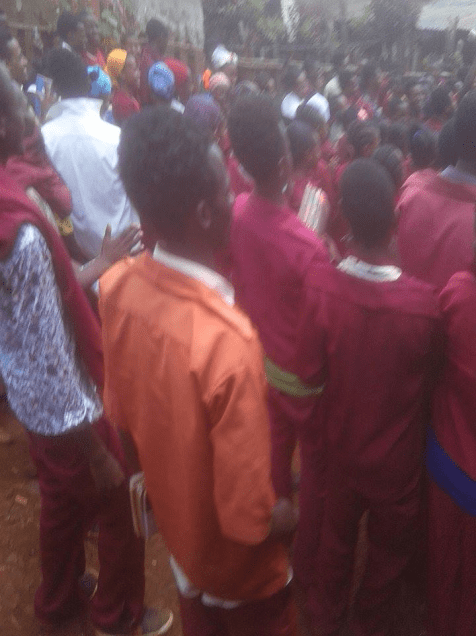


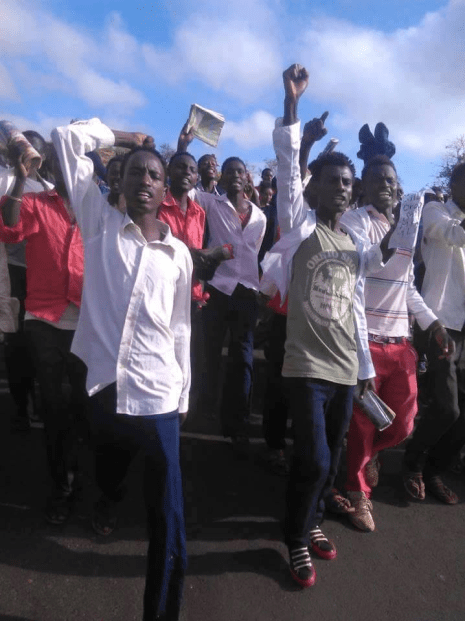
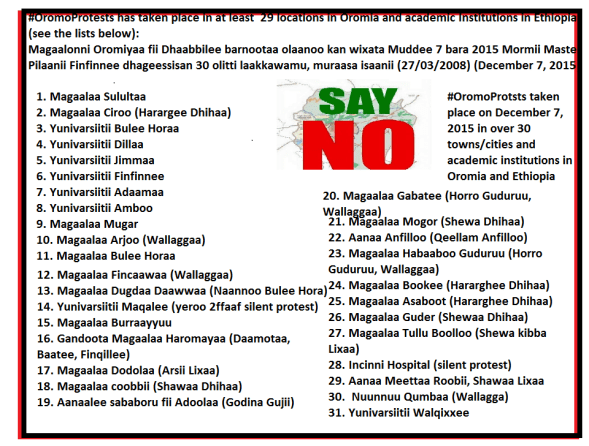
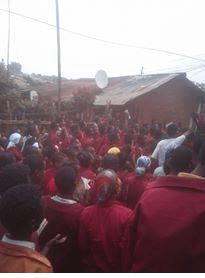
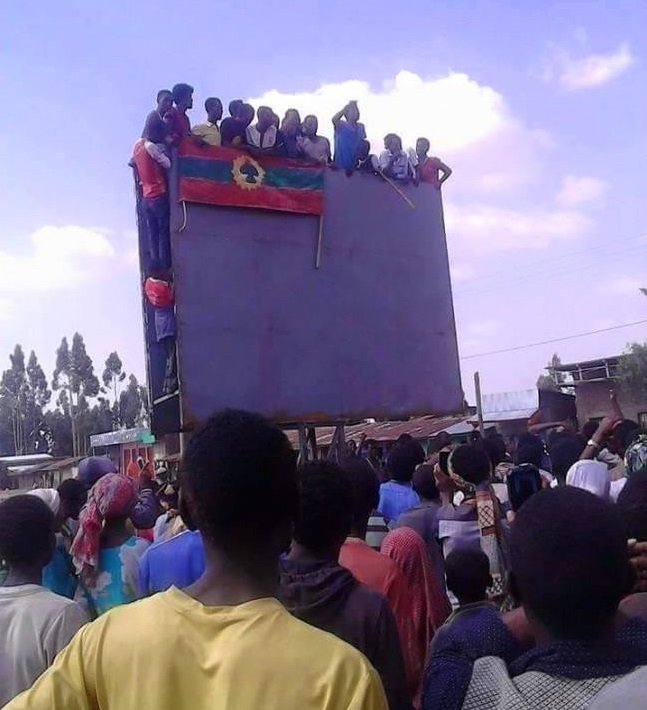

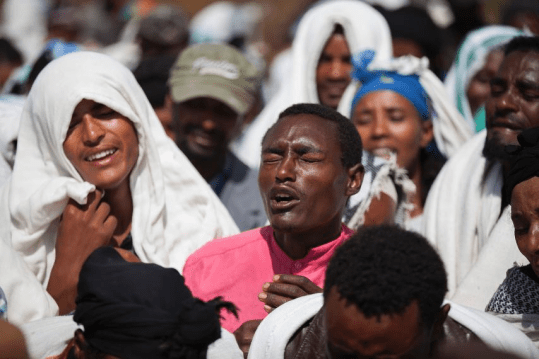

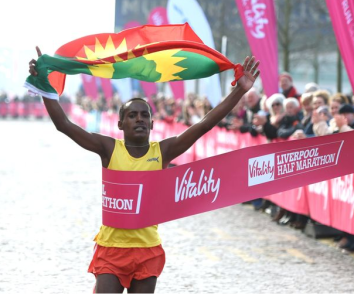



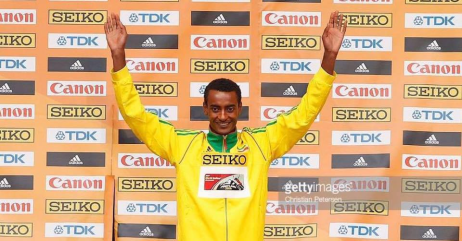
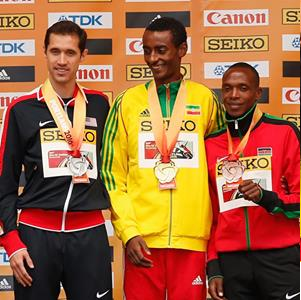
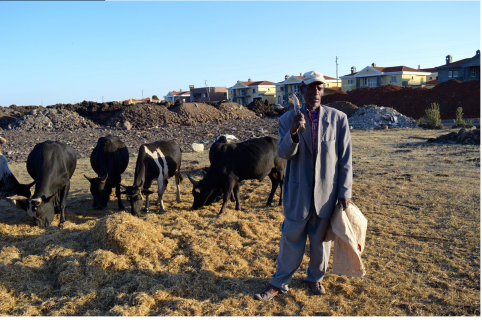
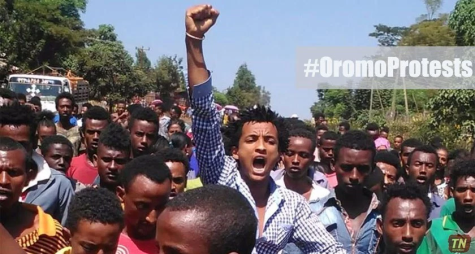
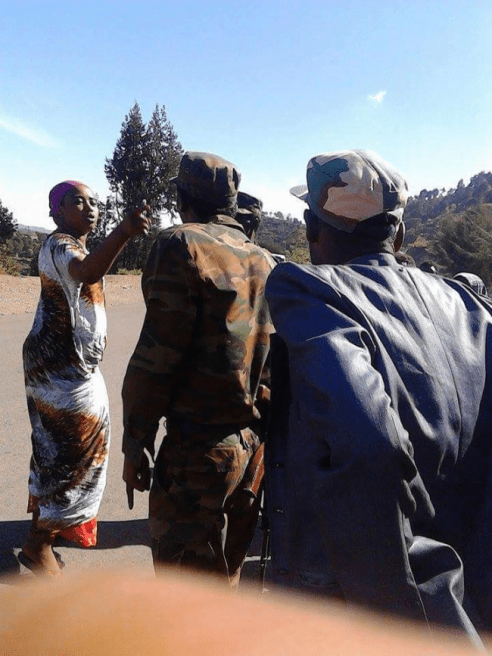


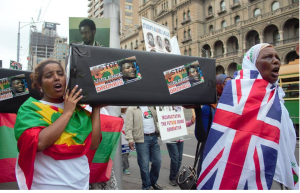

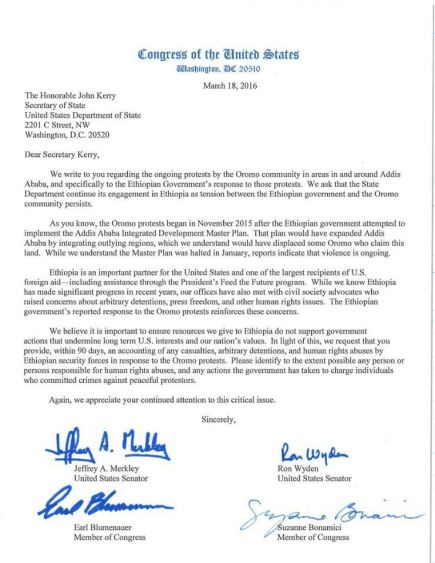

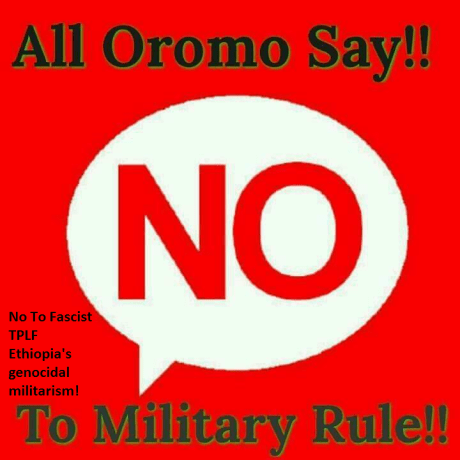


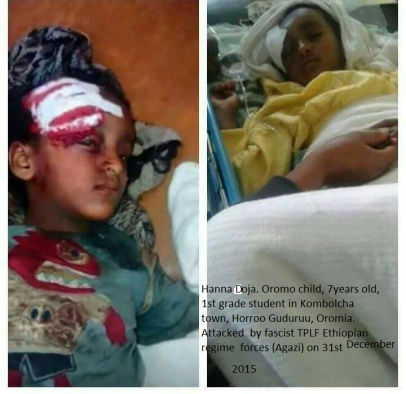
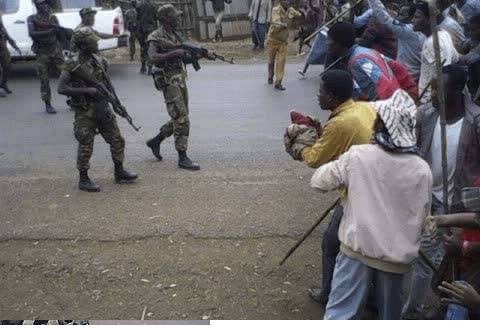
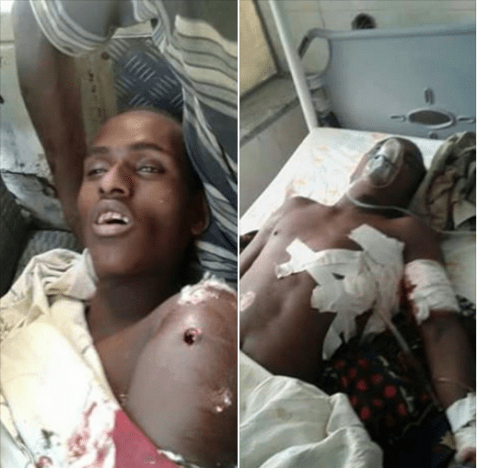

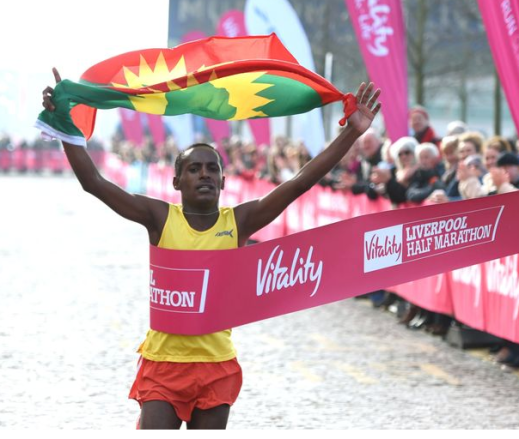
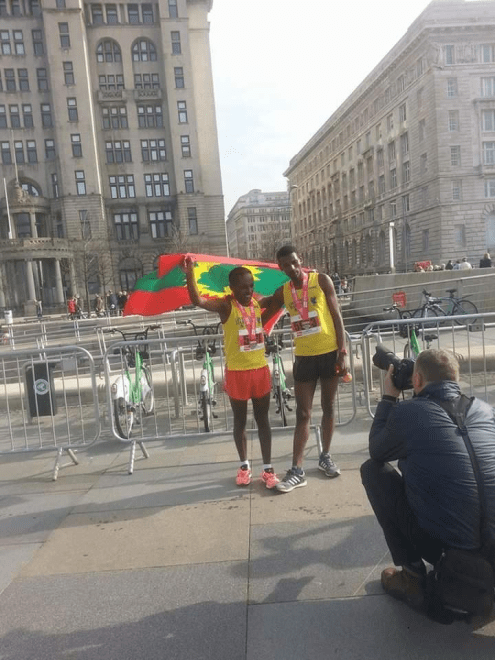
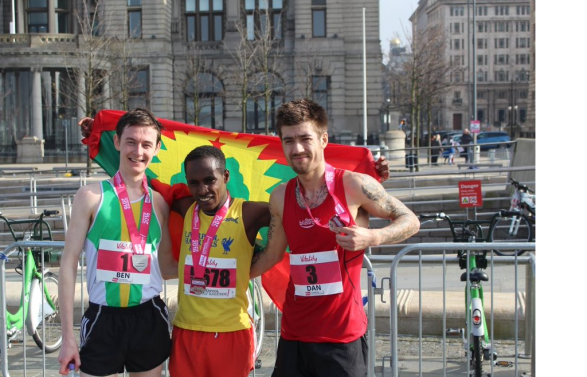
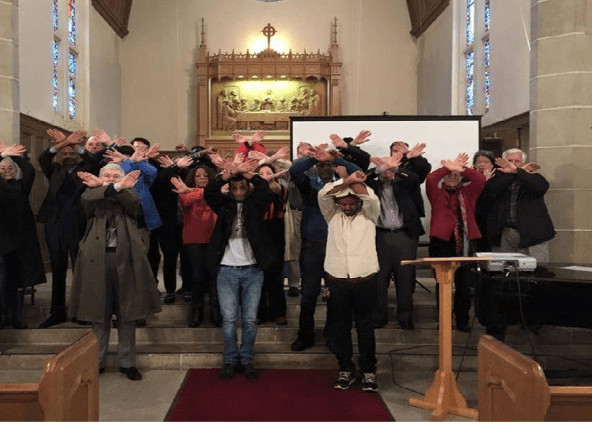
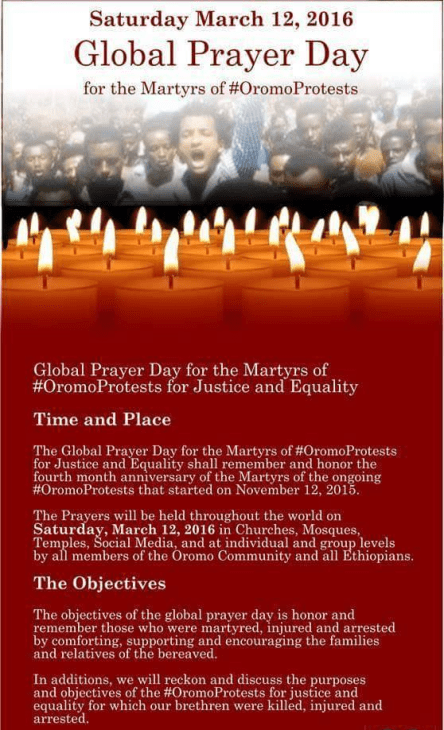
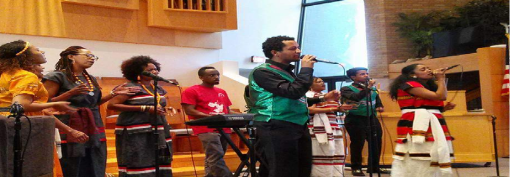
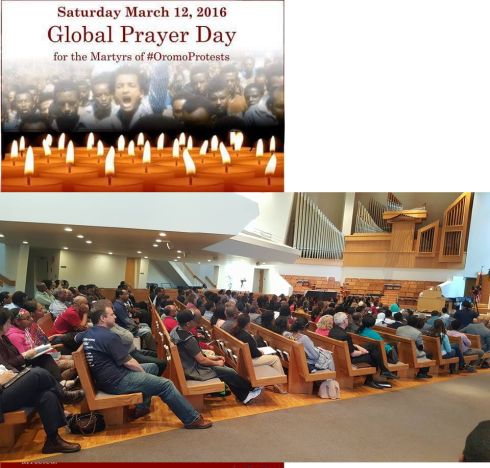
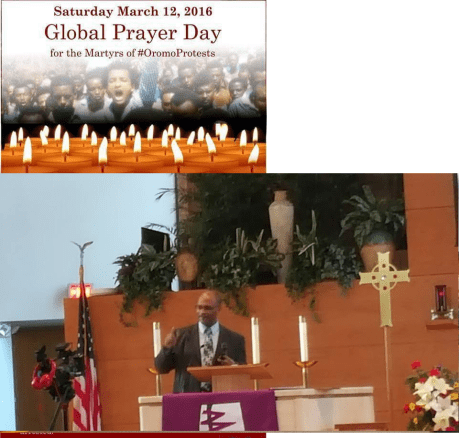
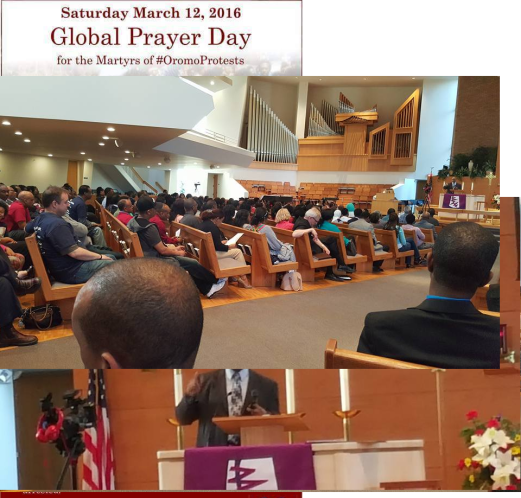


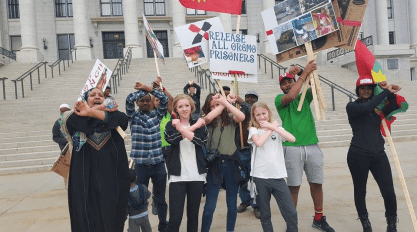
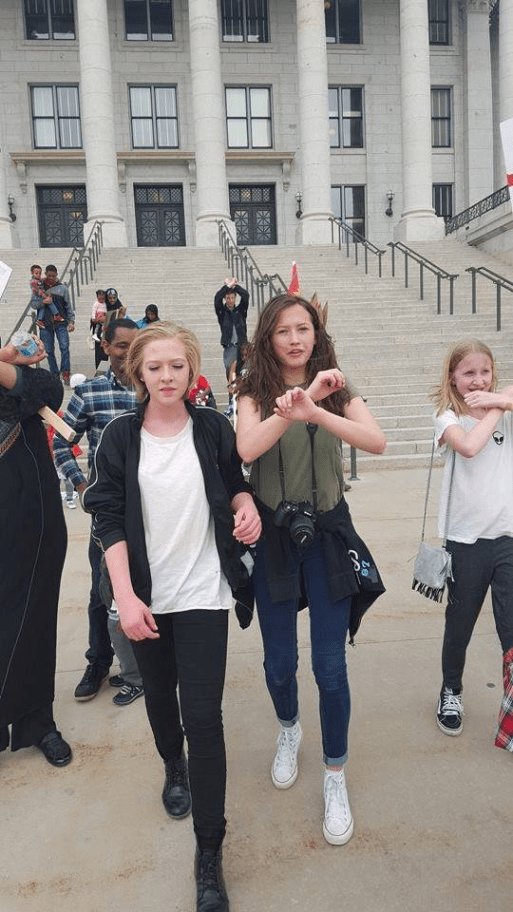





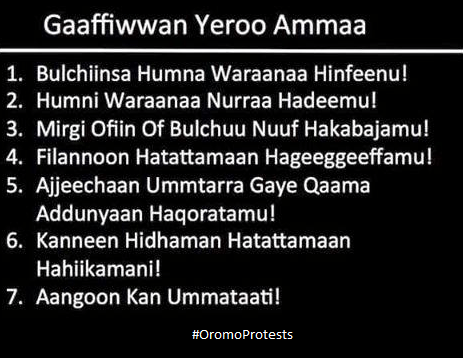
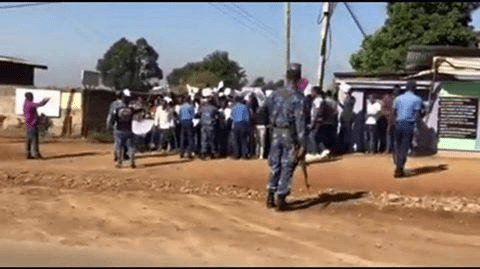
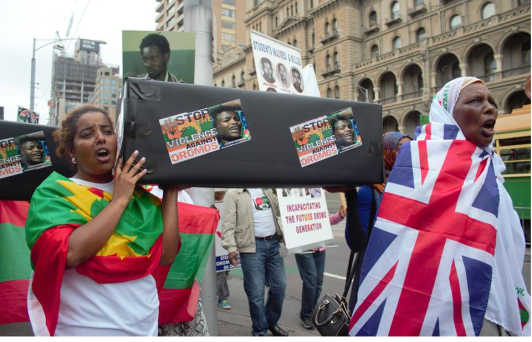
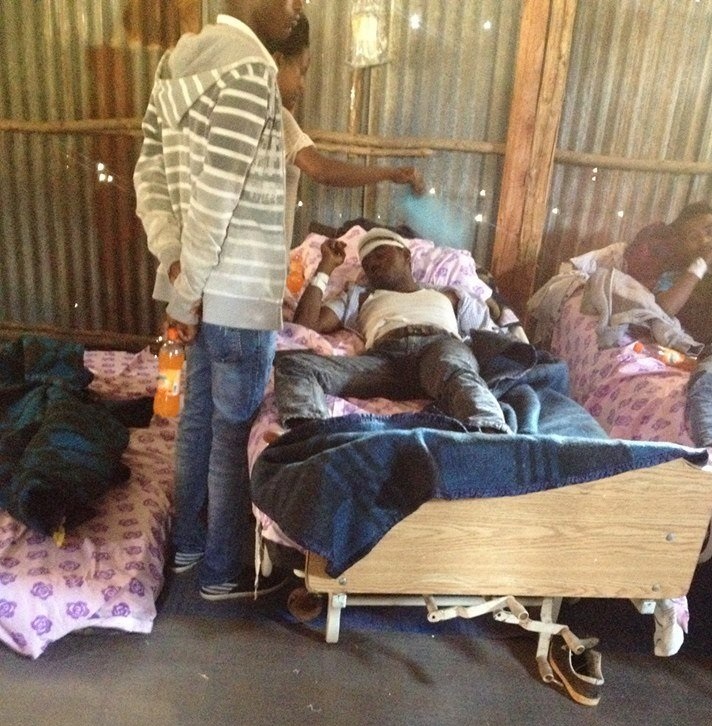
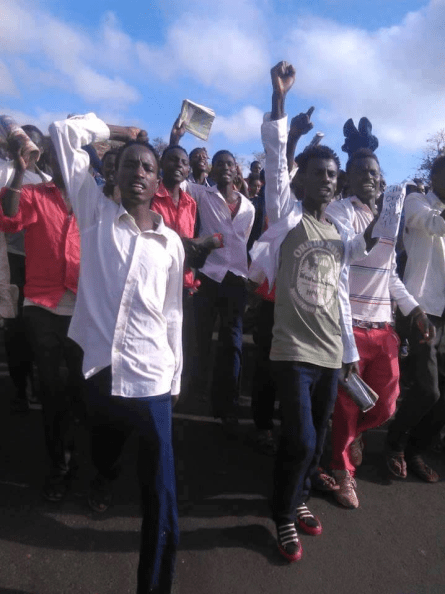
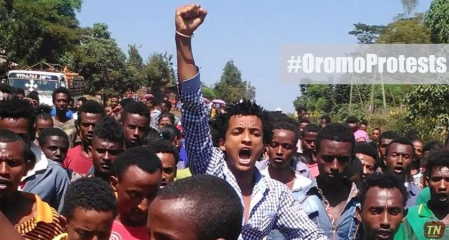
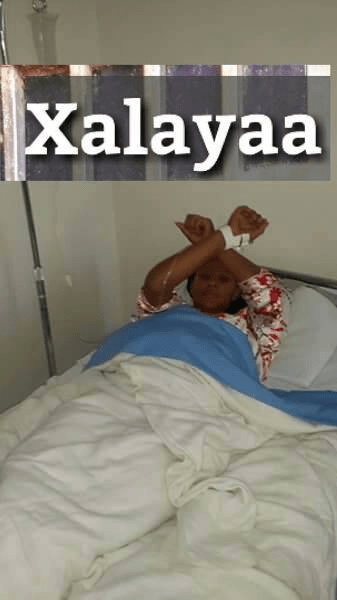
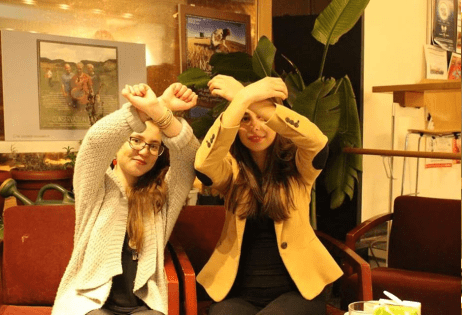
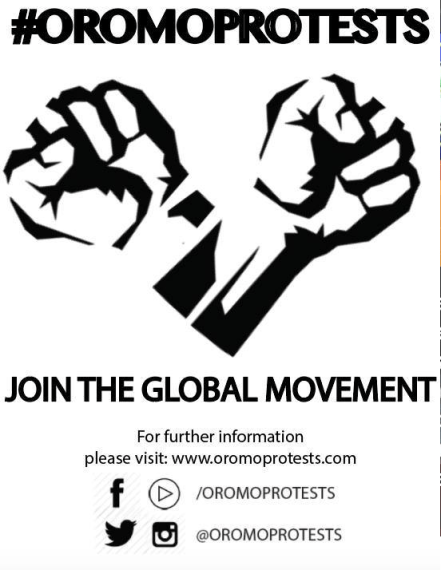
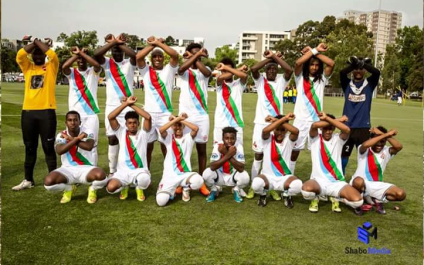
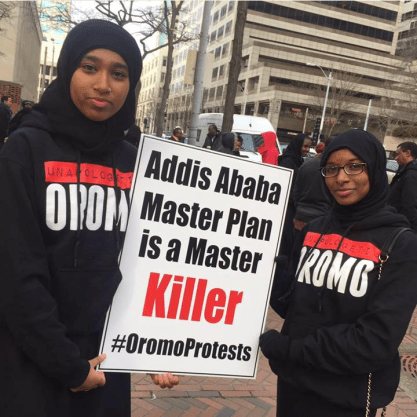
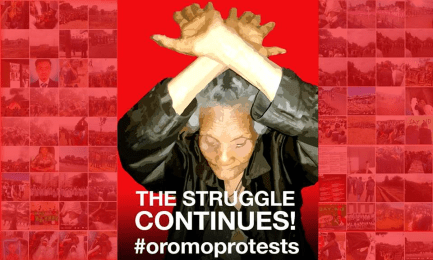
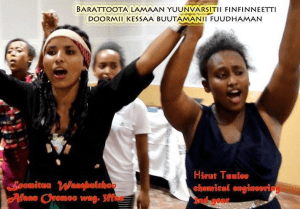
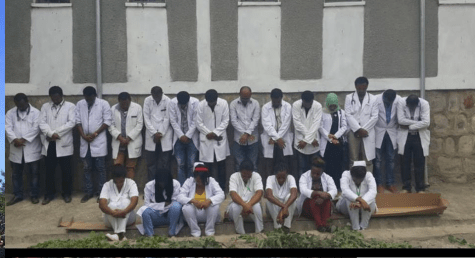

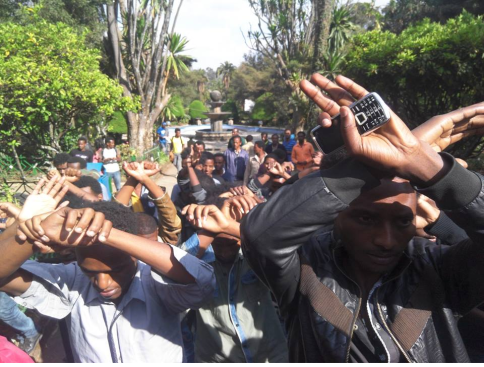
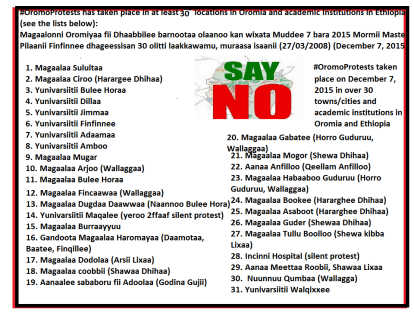
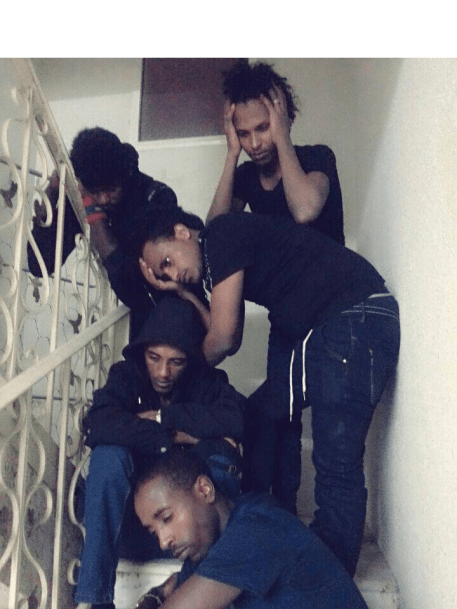
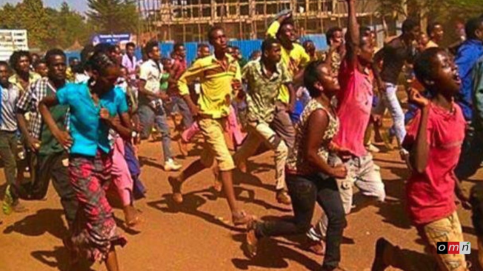
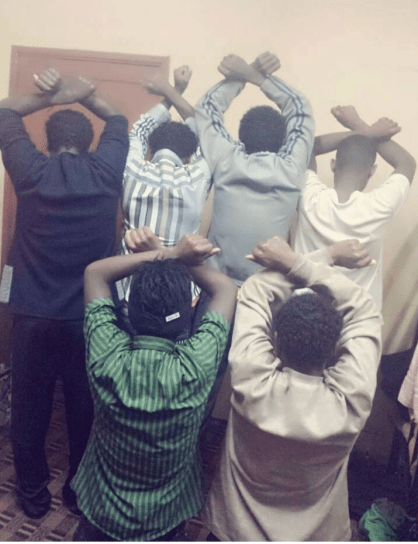
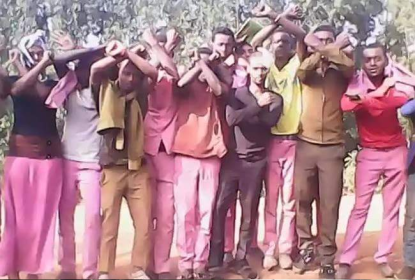
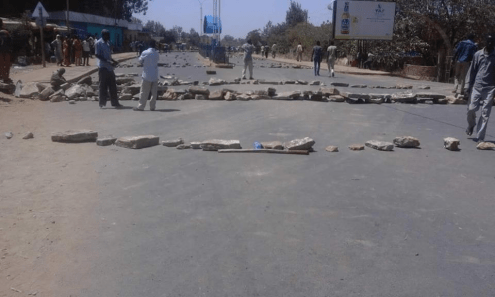
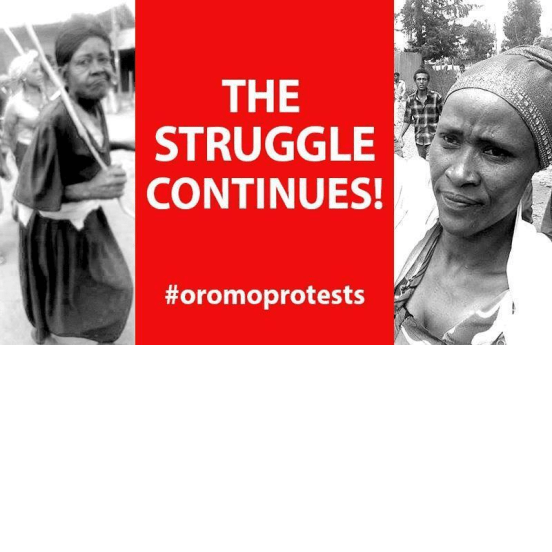
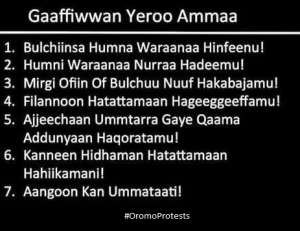

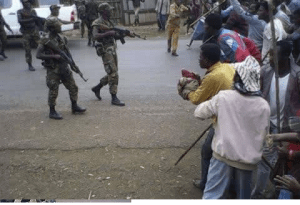
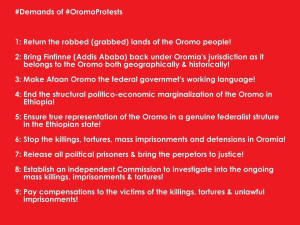
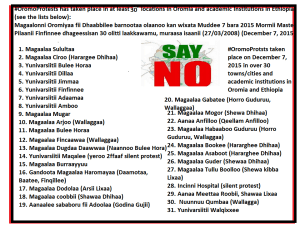


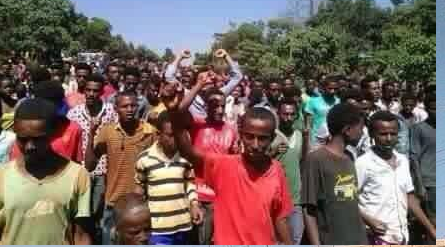


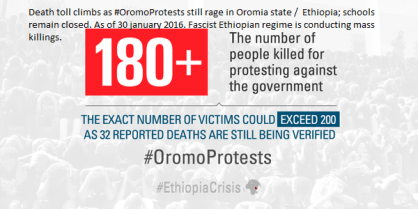
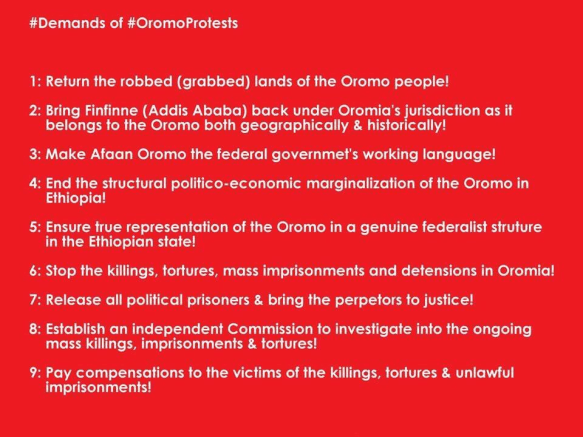


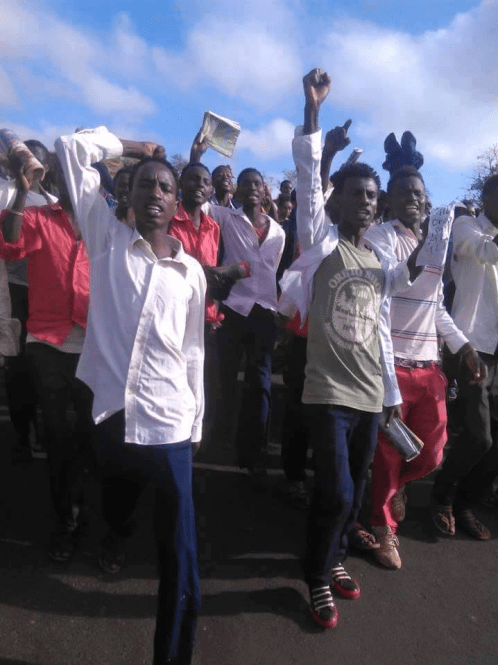
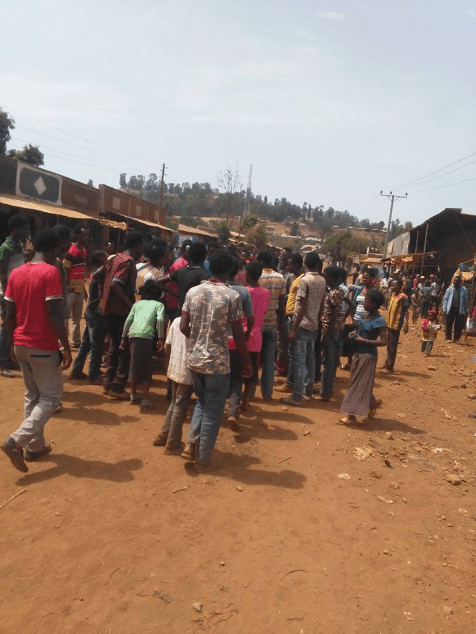
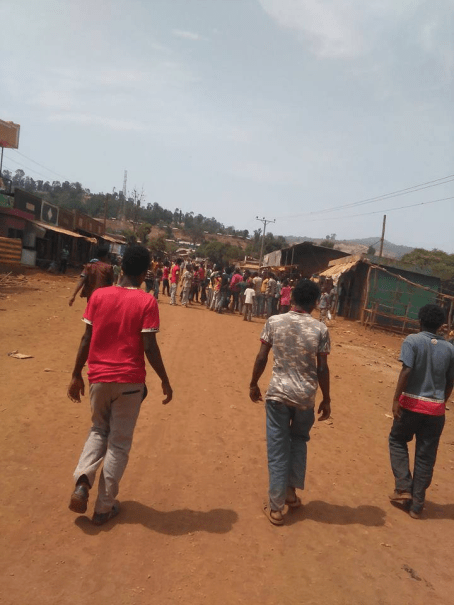
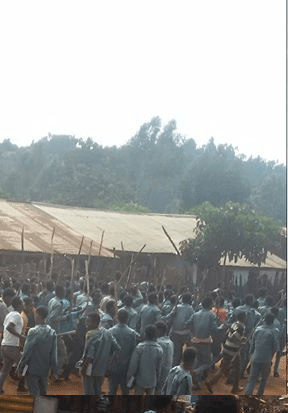

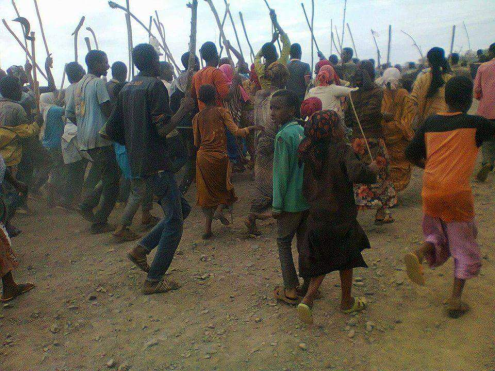
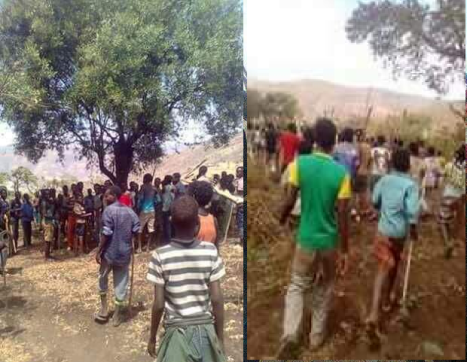
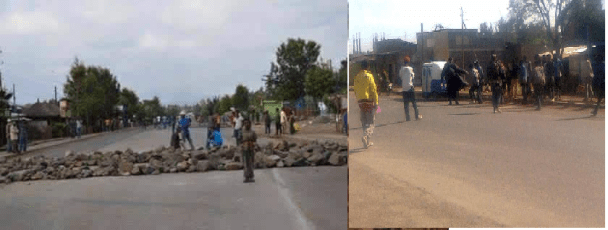
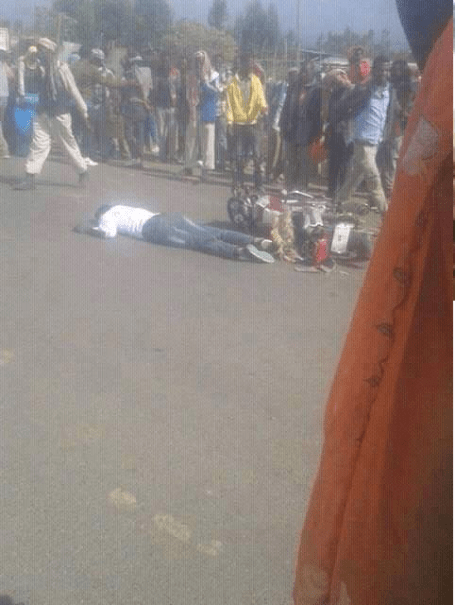
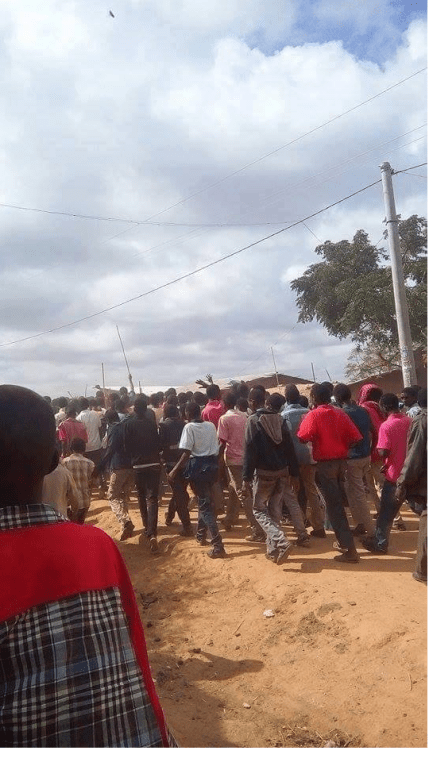
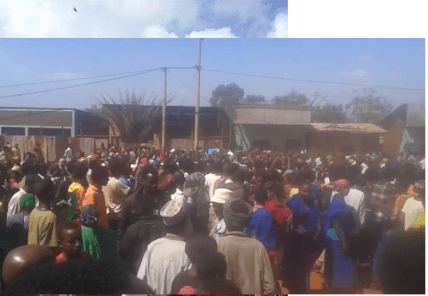
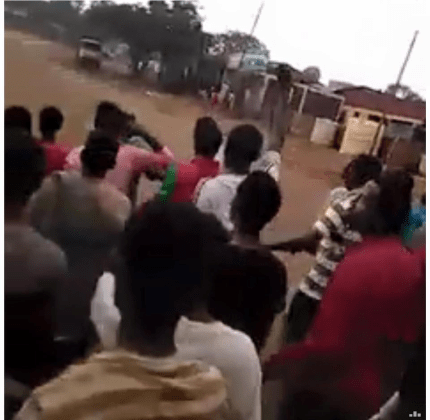
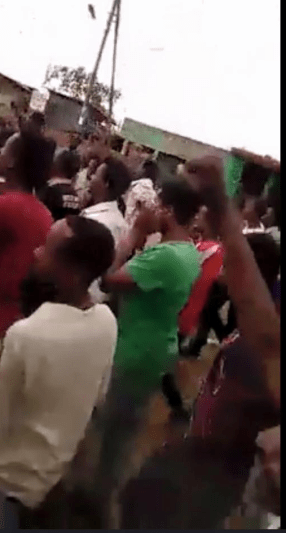


 Gurraandhala 23,2016 Ummati waanjoo gabrummaa baachuuf dhiitichaa abbaa irree damdamachuun nufisiisee lubbuusaa aarsaa gochuun diinasaa kan ta’e Shorokeessitoota Waayyaaneet bol’a qotuufsochii rog hundaan godhaa jiru jabeessuun har’a baha Wallaggaa bakkeewwaan hedduutti diinasaa hudhee kan dhaabe ta’uu bakkeewwan Leeqaa Dullachaa,Bonayyaa Boshee,Habashaa Sanbataa,Naqamte (Kibba Waachaa,Bordii,Dargee fi Mana barumsaa Qassoo) kan magaalaa Naqamteetti argaman keessatti mormiin dhiittaa namoomaa of irraa fonqolchuu ittu fifeera


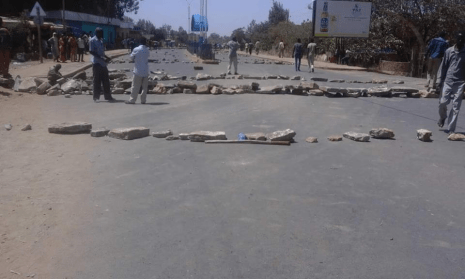
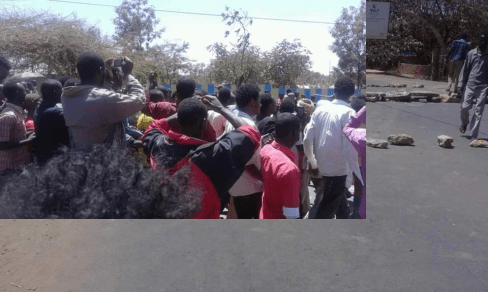
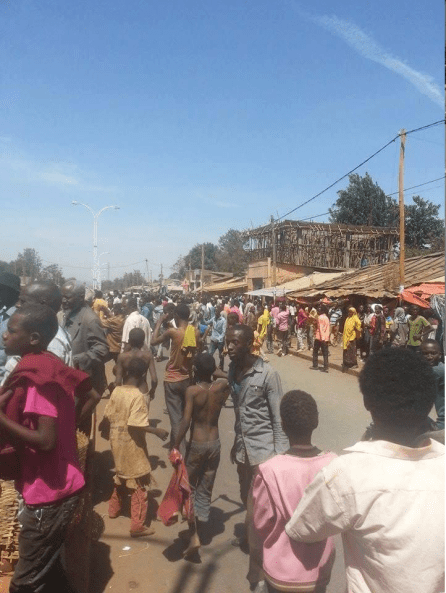
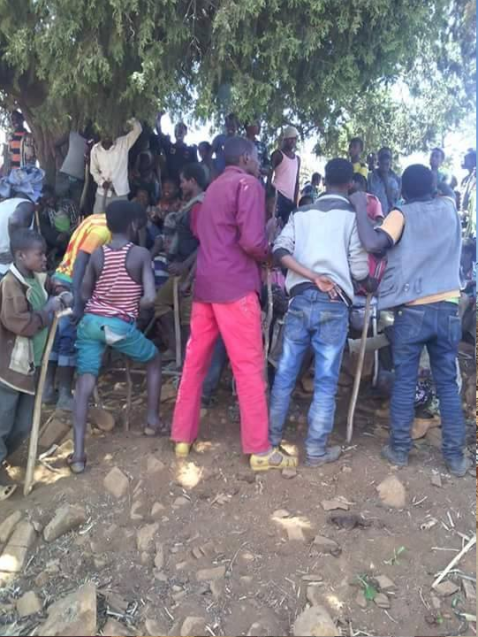
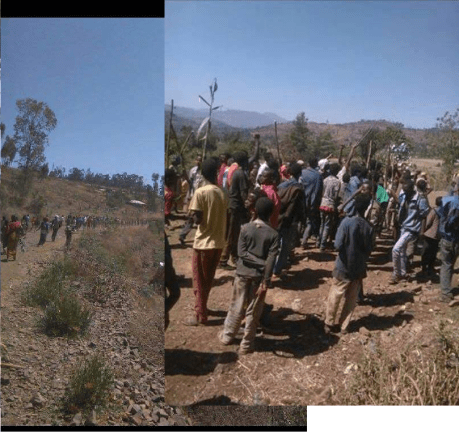


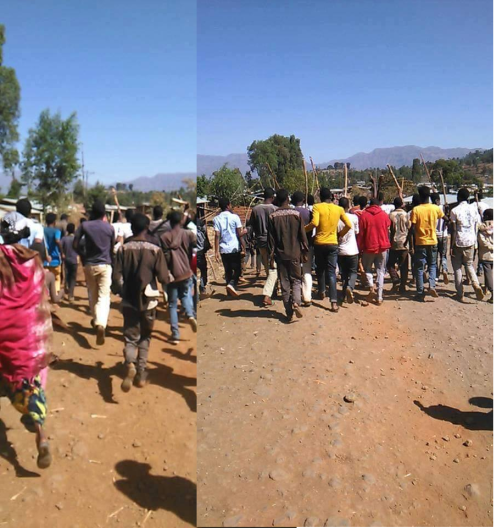
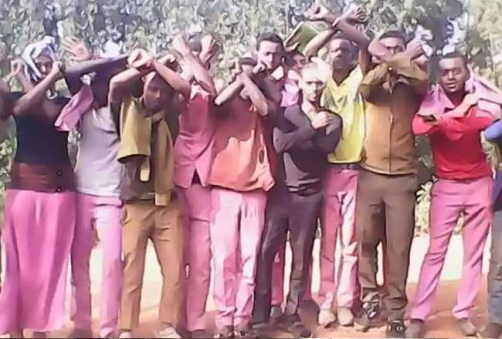
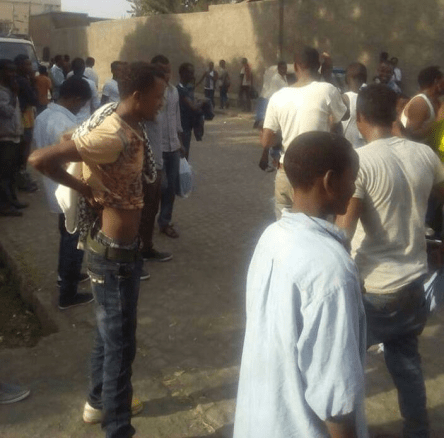


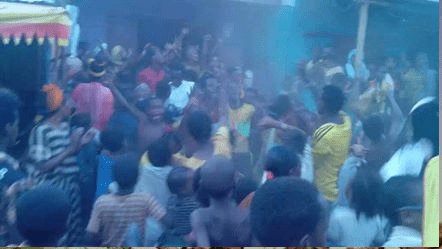
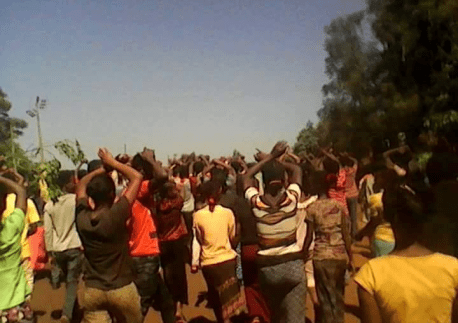
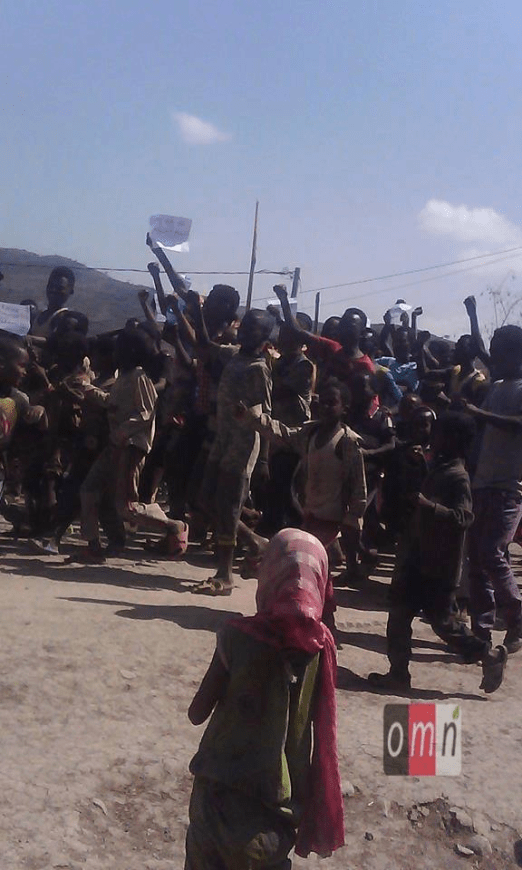
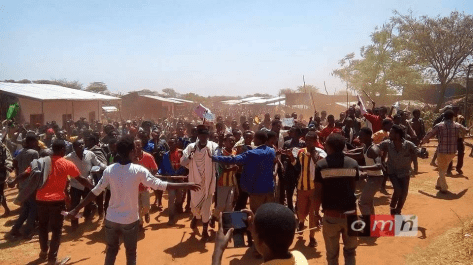


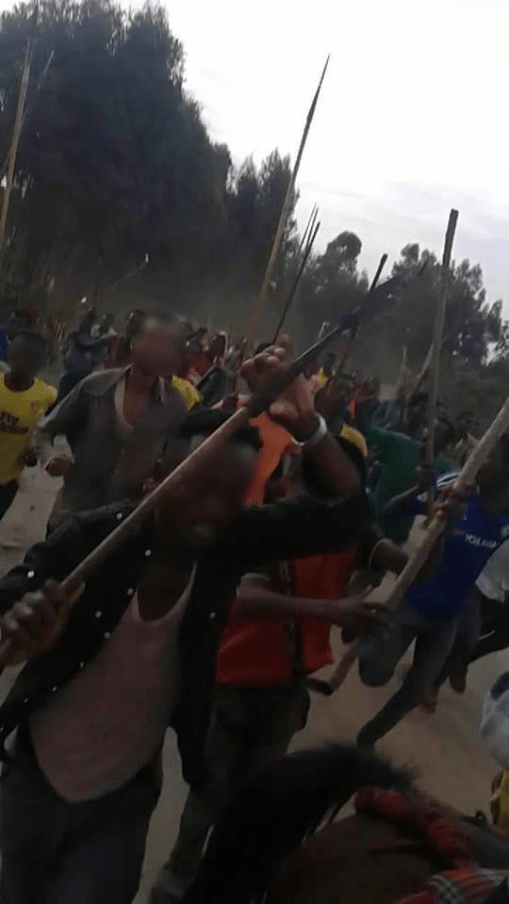


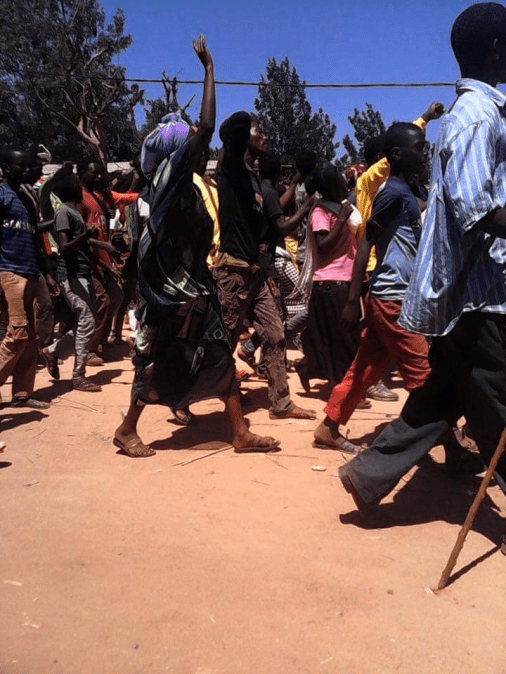
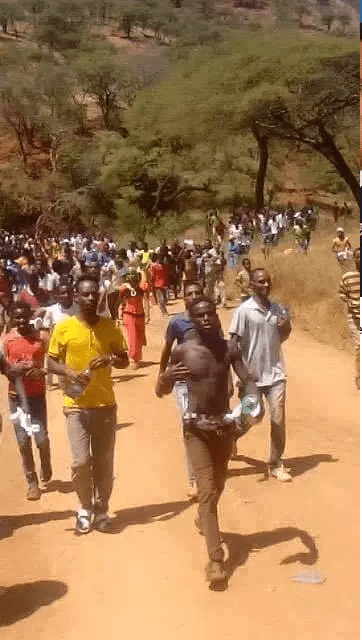
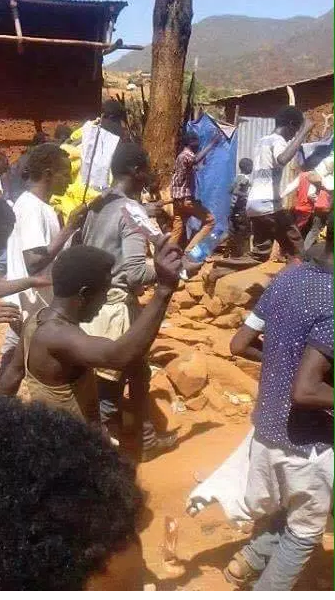
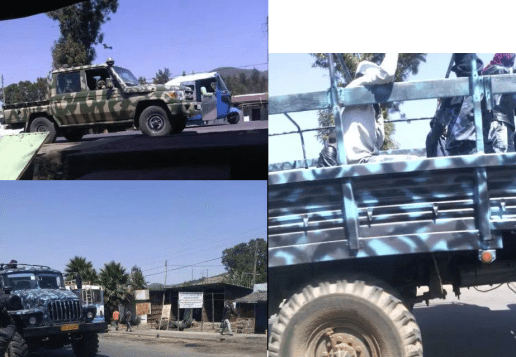
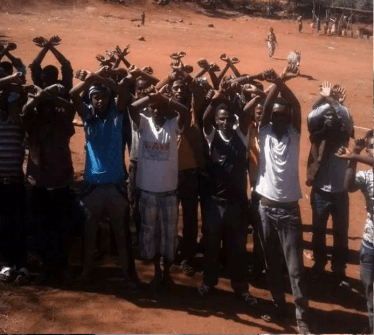
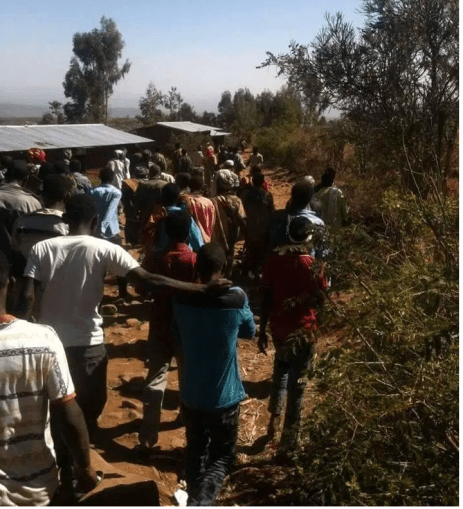
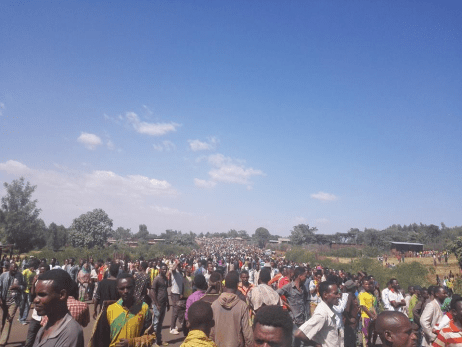

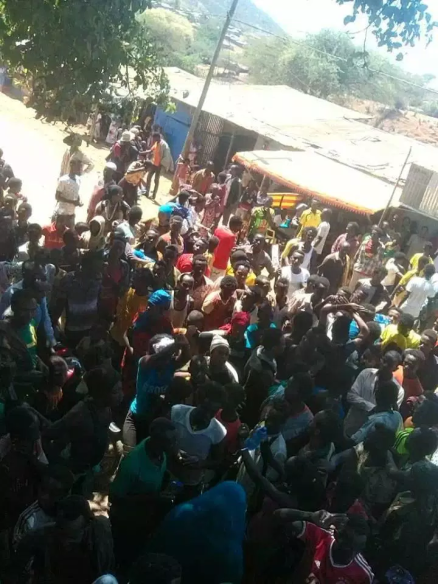


 Guyyaa Har’aa Amajjii 29,2016 Godina Wallaggaa aanaa Gidaamii fi Jimmaa Horroo akkasumas ganda Burii jedhamu keessatti FXH haala jabaa ta’een gaggeeffamaa oole,Warraanni Wayyaanee haala kanatti rifates jiraattotaa fi barattoota qabee hidhuu fi gidirsuu itti haa fufu malee uummanni naannichaa jabinaan loltoota Wayyaanee of irraa dhorkaa oolanii jiru jedha Qeerroon.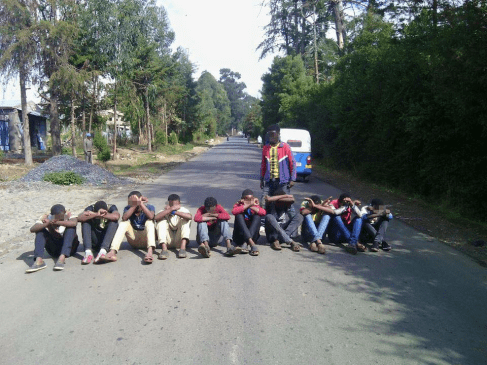
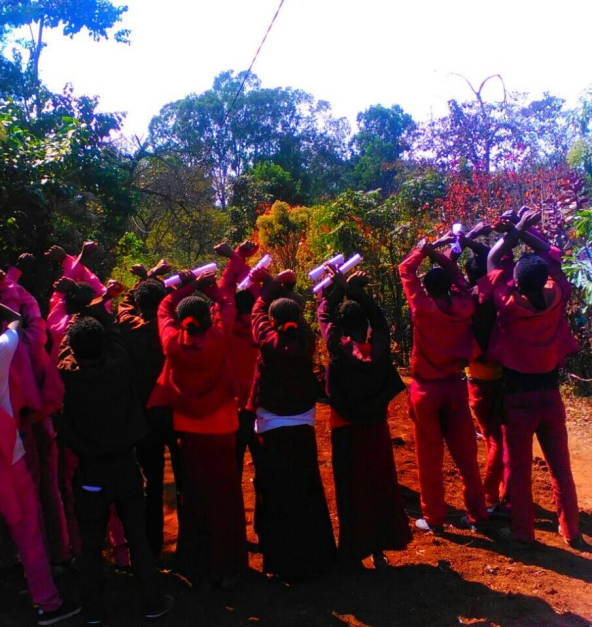
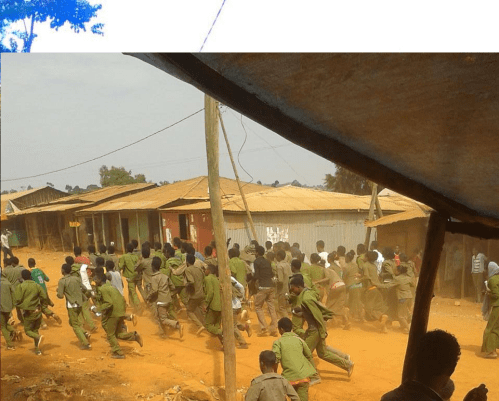




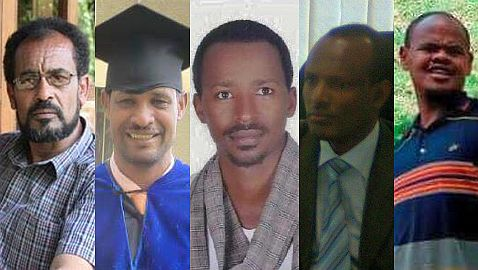

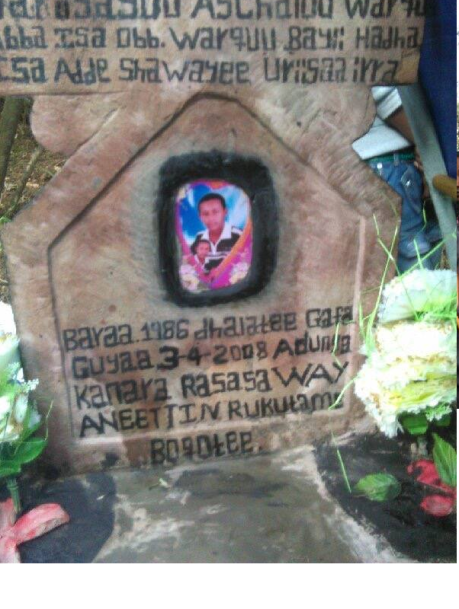
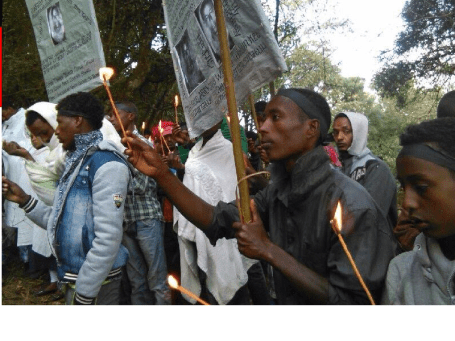
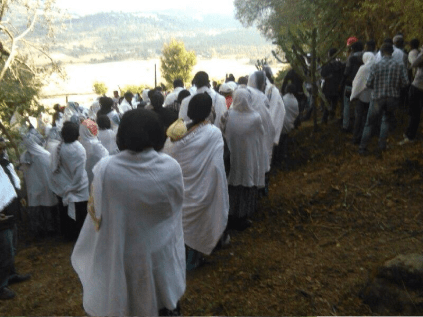
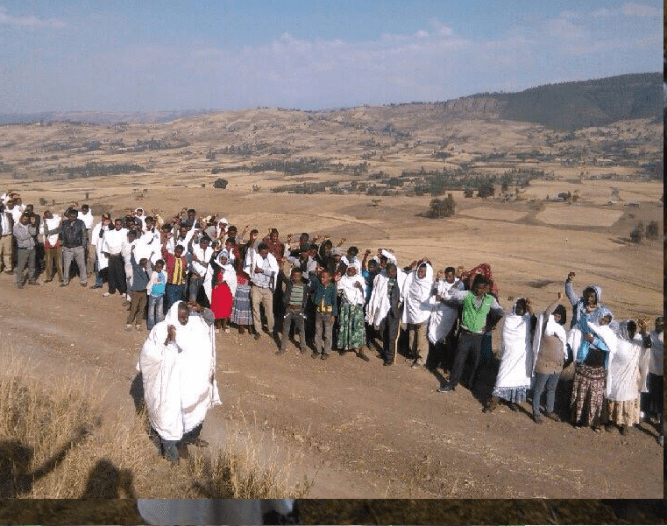


 Barattotni magaalaa Naqaamteef jiraattonni magaalatti gabrummaa of irraa fonqolchuuf wayiita carraqanitti dhamsuuf humna waraanaa


 Biraanee Fiqruu Mul’isaa jedhamti dhimma mormii MP fi FDG Oromiyaa keessattin deemamaa jiruun walqabatee godina kibba lixa Shaggar aanaa Daawootti mana hidhaa aanichatti dararamaa jirti.Kan hidhamte gaafa guyyaa 27,12,2015ti ture ergasi beellama si’aa 2irratti gaafatan yoo ta’u yeroo lachuu guyyaa 9 sagaal irratti gaafatani turan. Ammas hanga 28/1/2016tti tursisan kan akkas rawwachisa jiru immo bulchinsaa aanaa kan ta’e obboo Fayyisaa Dhaabaa jedhamu, wajjirri poolisii aanaa fi mannii murtii anichaas hojii seeraa dhisaani hojii siyaasa dalagaa jiran.


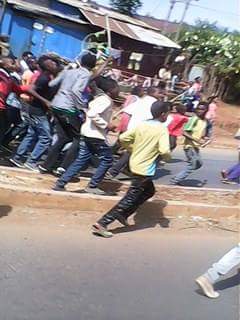


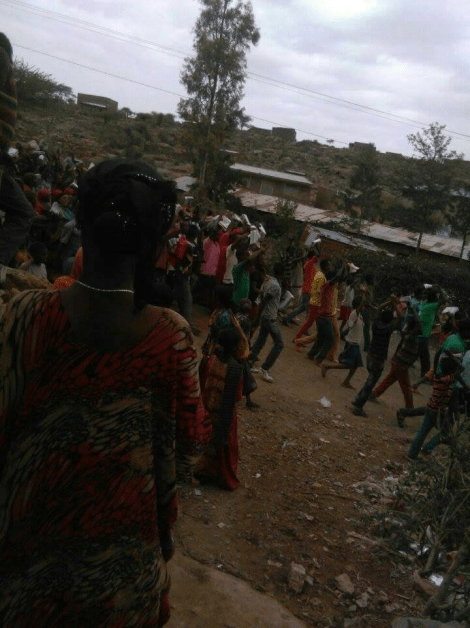
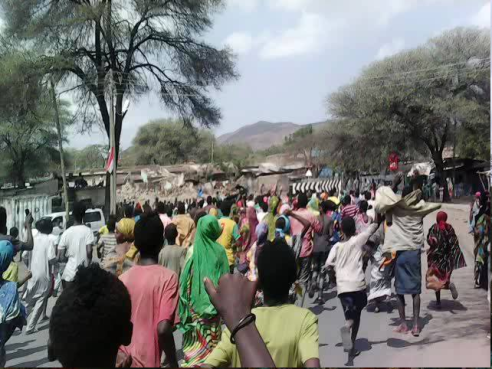


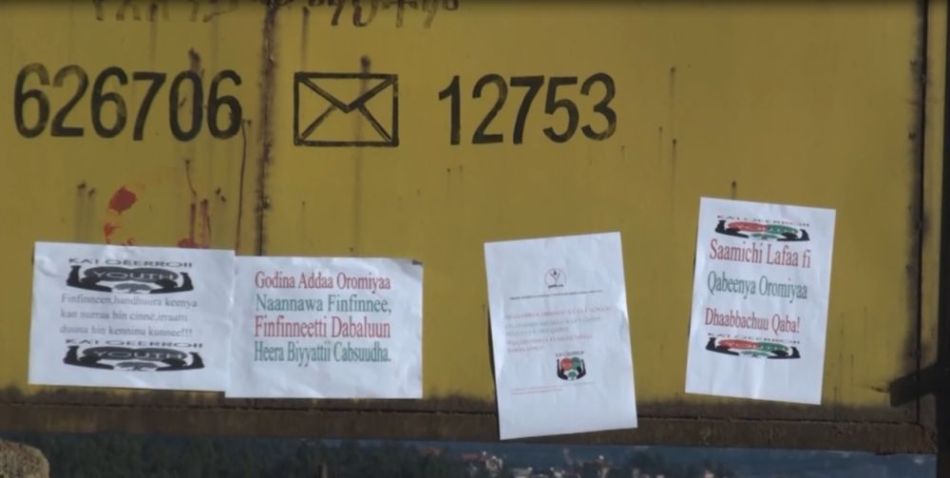

 John Kirby


 Dhumaa jaarraa 19ffaatti, yeroo gabrummaa Impaayera Ixoophiyaa jalatti kufe irraa eegalee,biyya abbaa isaa Oromiyaa irratti: bilisummaa,nagaa fi gammachuun jiraatuuf mirga seeraanis ta’e uumaan qabu sarbamee ummatni Oromoo inimmaan osoo irraa hin qoorre hanga har’aa jiraataa jira. Bara Minilik Oromiyaa weeraree ummata Oromoo miliyoona shan fixe; hedduu ammo harkaa fi harma muree fafeesse, Oromoon miliyoonni shan gadi hafee kanneen dhumaniif inimaan buusee kan dhiise qofa osoo hin taane, inimmaan isaa guyyaa tokko gabroomfataa dhiqee Oromiyaa keessaa akka baasu osuma inimmaan buusuu illee raagaa tureera. “Guyyaa itti diinni biyya keenya irraa buqqa’ee ilmaan keenya nagayaa fi gammachuun keessa jiraatan ni dhufa” jechuun kan Roobaa Bultum raage, Minilik ummata Oromoo miliyoona shanii, kan harki 70 dardaraa fi shamarrani eerga fixee booda. Kan yeroo san Roobaa Bultum raage, ummata Oromoo shanyi duguuginsa irraa hafaniif ;akeeka ittiin qajeelfaman, hawwii fi abdii bilisummaa ta’ee hanga har’aatti itti fufee jira.
 Amajjii 13/2016 Warraasii FXG Gootota Qeerroo Barattoota Oromoo Yuunibarsiitii Jimmaa Haalaan Jabachuun Mooraa Main Campus keessatti haalaan itti fufe, Waraannii Wayyaanee Dhukaasaa guddaa barattoota Oromoo Yuunibarsiitii Jimmaa irratti Banuun Mooraa Yuunibarsiitii Jimmaa dirree Waraanaa fakkeesse jira,


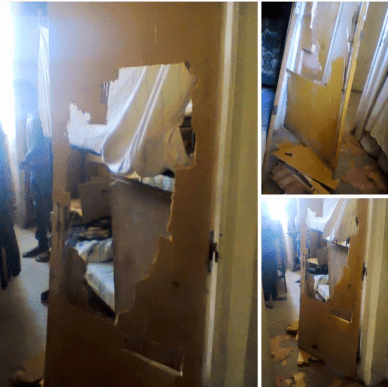


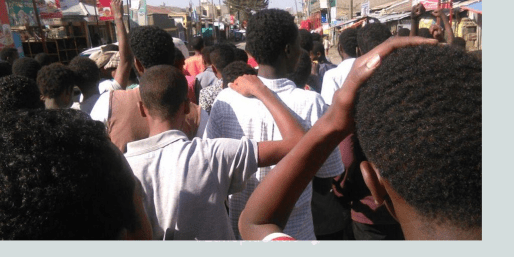
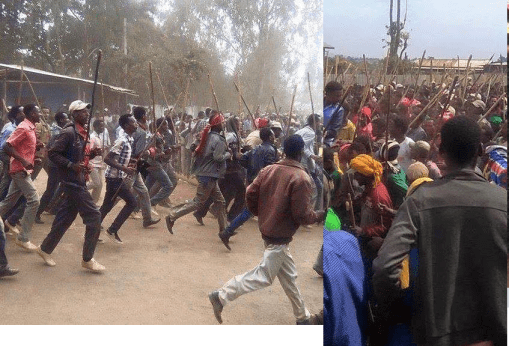


 Oromiyaa guututti FXG Amajii 1, 2016 irraa kaasee baadiyaa fi magaalaa, dhaabbata barnootaa fi amantaallee dabalachuun itti fufeera.


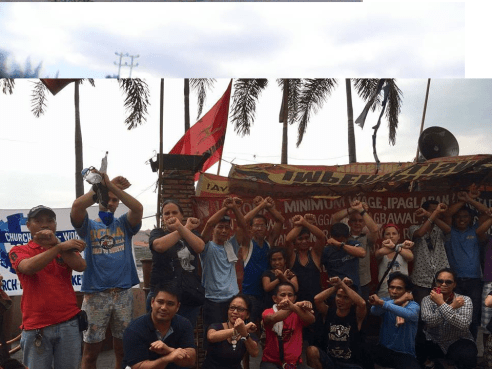
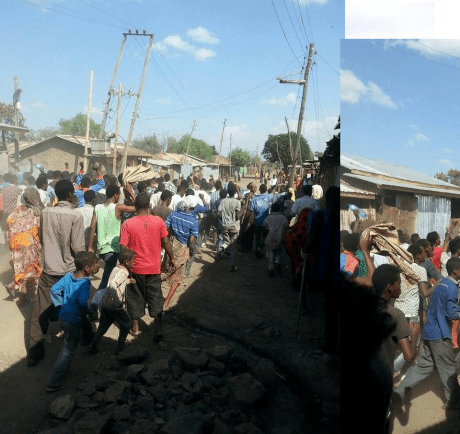
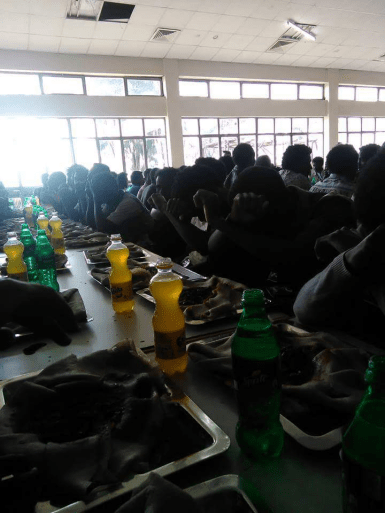
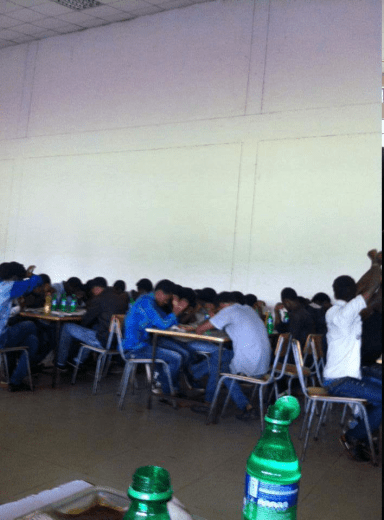




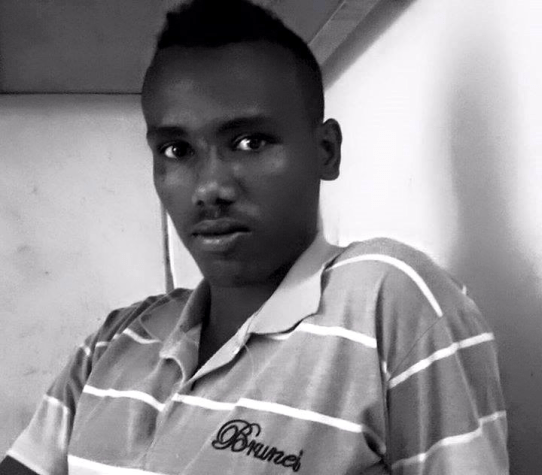
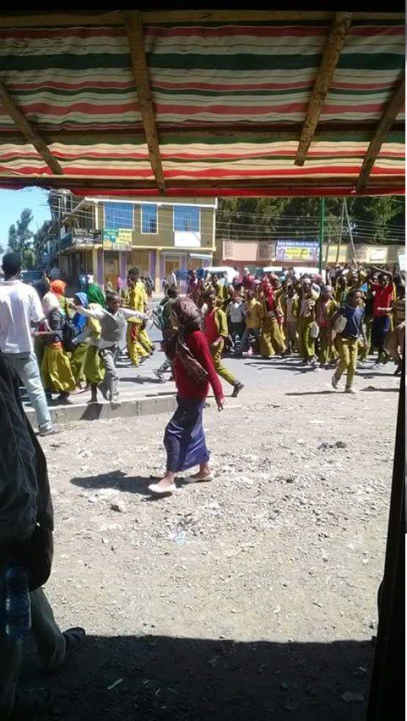
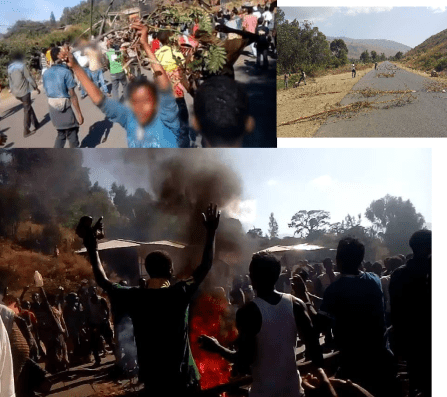
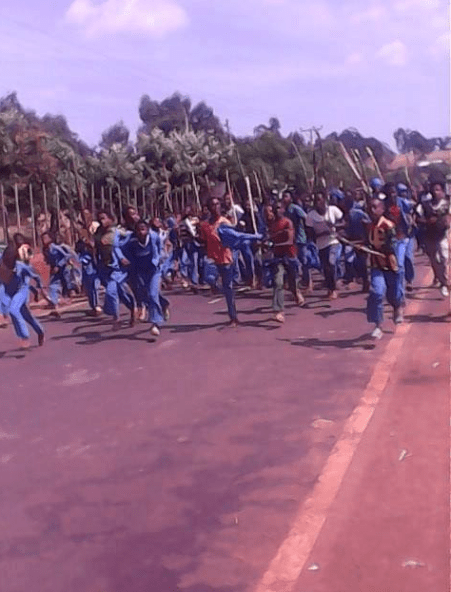
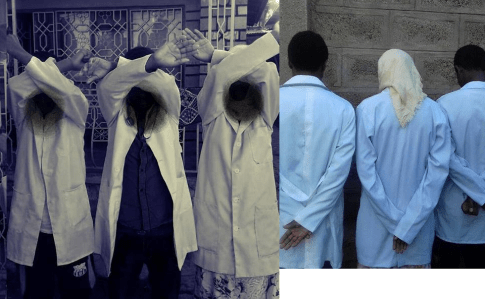


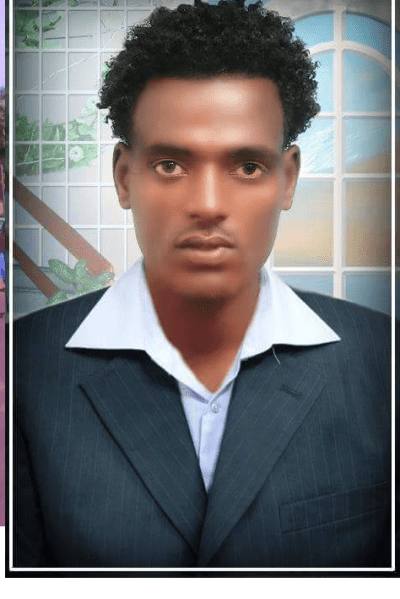
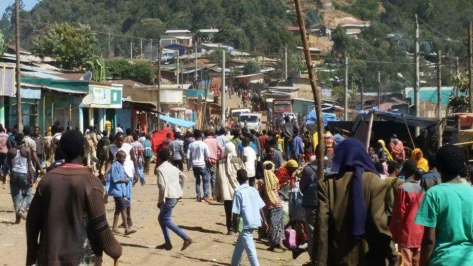
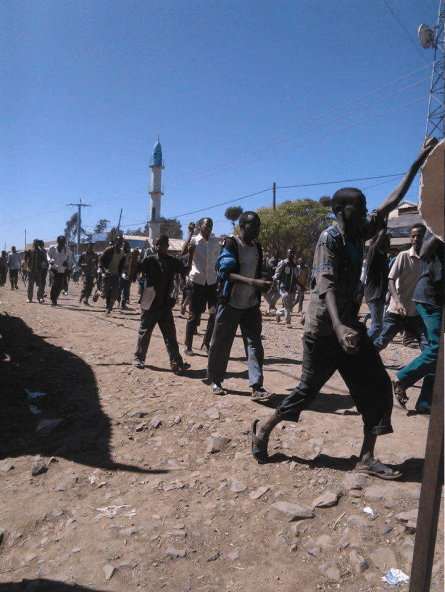
 Dargaggoon Fiqaaduu Shuumataa Waaqtolaa baatii Sadaasa 2015 keessa FDG Wallagga magaalaa Madiitti gaggeeffame keessatti hirmaachuun dhadatnoo mirga namoomaa fi mirgoota saba Oromoo kaasu dhageessisuun barattootatti onnee horee nama turedha, dhadatnoo isaan booda suuraaleen inni gaafas ka’e marsaalee hedduu keessatti faca’uun Oromoota biyya alaa fi keessa jiran qalbii hortee akka ture beekama.


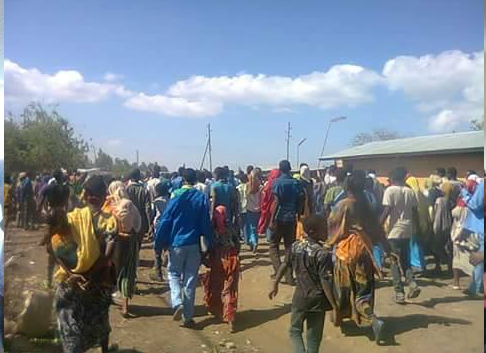
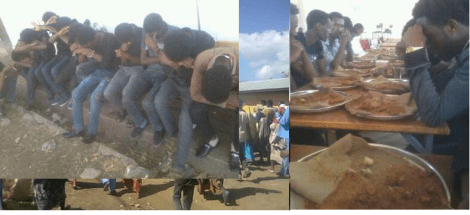
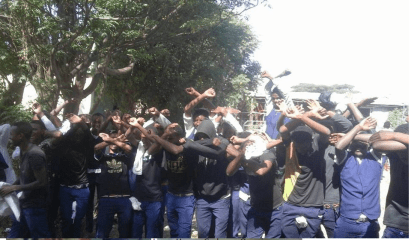
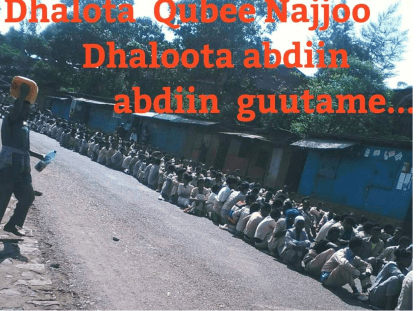
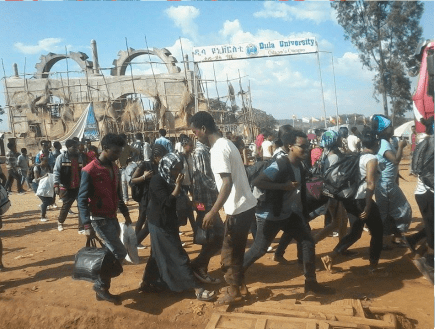
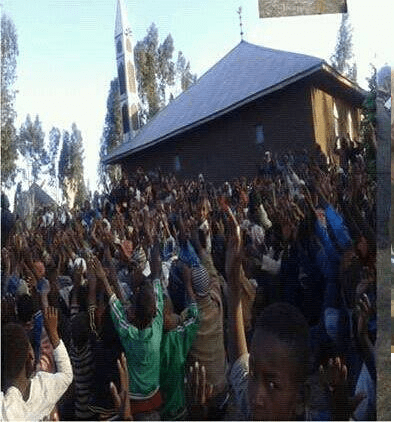
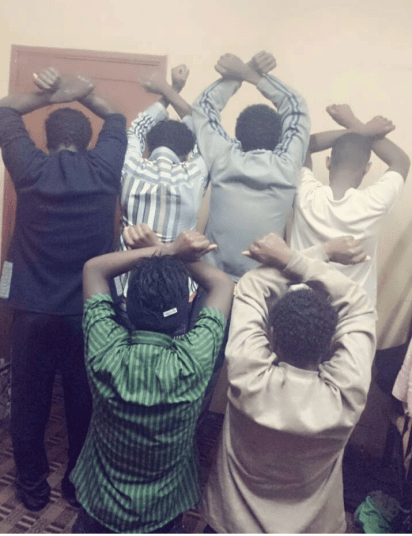
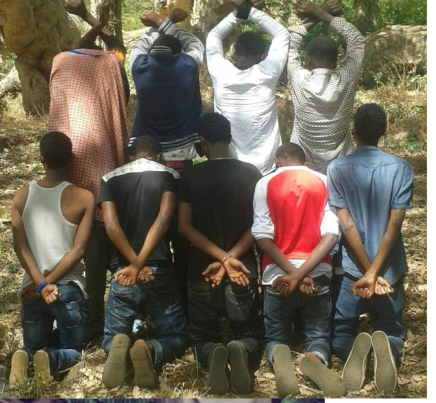
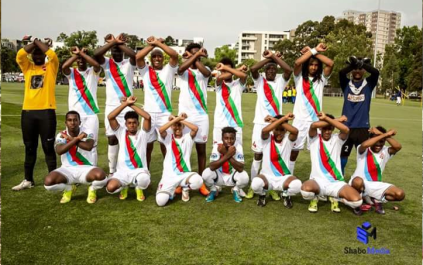
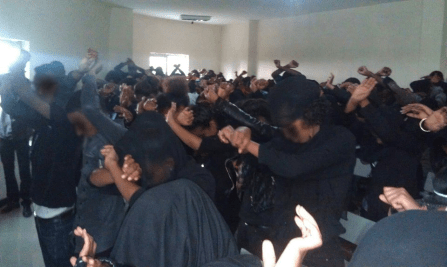
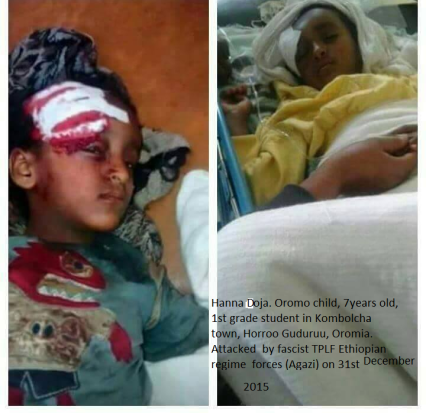
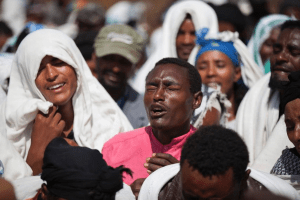
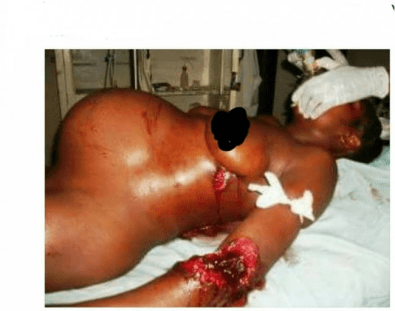

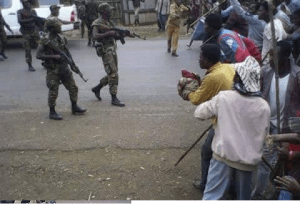

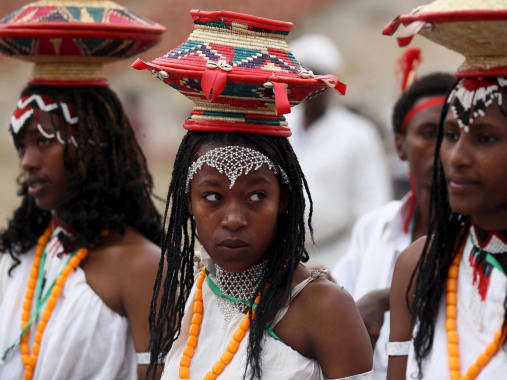


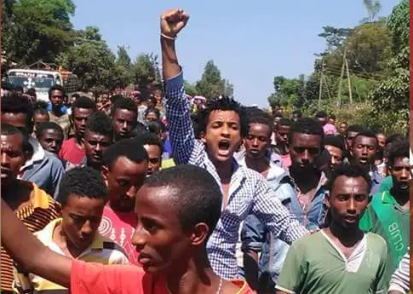

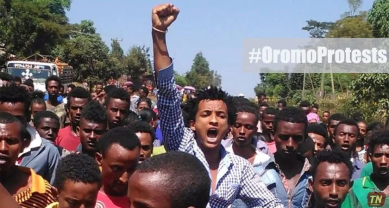
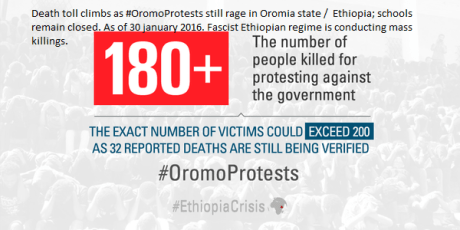
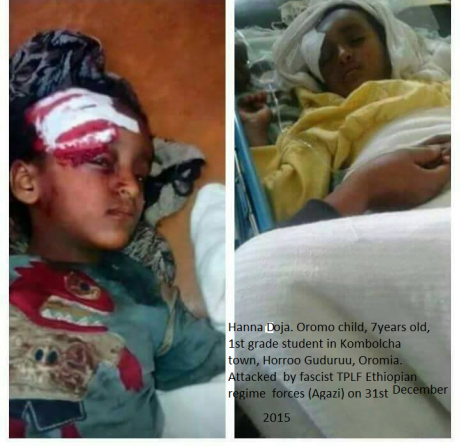


 Oromian Economist
You must be logged in to post a comment.