jump to navigation

‘How Much Is Our Environment Worth? October 9, 2015

Posted by OromianEconomist in Uncategorized.
Tags: ,
add a comment

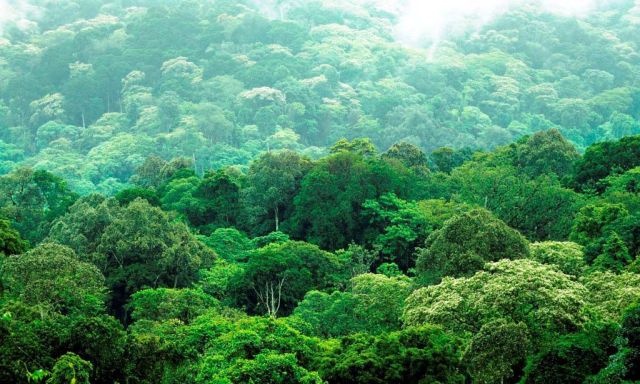
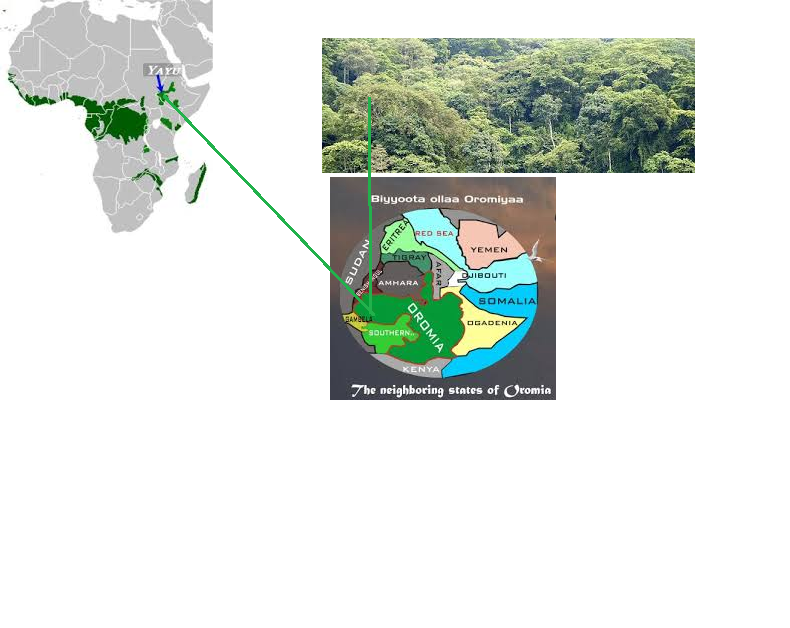
???????????Yayu Oromia

Yaayyuu forest

Yaayyuu forest

Economic benefits of ecosystems extend far beyond exploiting them for resources

The true value of the planet’s ecosystems is frequently misrepresented, if not invisible, in markets and economic decision-making. But the real economies that underpin our societies are themselves fundamentally rooted in the natural world. In a forest, the value of timber can be significant and obvious on the open market. But the capacity of the forest to prevent soil erosion in surrounding agricultural land is not so easily or readily accounted for. A mangrove swamp is an important and valuable barricade against storms. But its capacity to sequester carbon and help prevent climate change goes unappreciated in economic terms. Grasslands can be an economic foundation of communities, both for their arable land and as a draw for wildlife-based tourism. But what of their function as a water catchment, offering strategic ability to manage this resource? Without awareness of the true value of these ecosystem services, and how GDP depends on the health of ecosystems, we are bound to continue to exploit them in an unsustainable way.’

Read more at original source:-

Source: How Much Is Our Environment Worth?

Ethiopia: EVICTED AND ABANDONED: THE WORLD BANK’S BROKEN PROMISE TO THE POOR: How a World Bank Translator Became a Hunted Man October 8, 2015

Posted by OromianEconomist in Uncategorized.
Tags: , , ,
add a comment

Human rights advocates criticize the bank for failing to speak up about the jailing of a former employee

Pastor Omot Agwa knew he was in danger.

“Greetings from Ethiopia in the name of Our Lord Jesus Christ,” he wrote in an online message to friends and colleagues on March 11, 2015. “I am informing you that since yesterday I have been hunted by security.”

The gentle, round-faced church leader had long been an embarrassment to Ethiopia’s authoritarian regime. As a prominent leader of the Anuak, a heavily Christian indigenous group, Agwa had spoken out against alleged beatings and killings of his kinsmen by government forces.

Days before his message, a federal agent had come looking for him at the Mekane Yesus Seminary, the evangelical church that he belonged to in Addis Ababa.

“He wants to arrest me,” Agwa wrote. “If I keep silent without communicating I will be in custody.”

The Ethiopian regime had various reasons for wanting to arrest Agwa, but at that moment, one loomed large: he had recently served as a translator and consultant for an investigation into whether government authorities had used World Bank money to bankroll a campaign of violent evictions targeting Agwa’s Anuak community.

The soft-spoken pastor arranged interviews for the bank’s Inspection Panel, its internal watchdog, with Anuak who told World Bank investigators about beatings, rapes and summary executions by Ethiopian soldiers —placing Ethiopia’s lucrative aid package from the bank into jeopardy. Months later, Agwa translated for a reporter from the International Consortium of Investigative Journalists on a newsgathering trip to Ethiopia.

Omot AgwaPastor Omot Agwa worked as a translator for the World Bank before his arrest. Image: Dead Donkeys Fear No Hyenas / WG Films

In February 2015, the Inspection Panel released its report, faulting the bank for failing to properly scrutinize the Ethiopian government’s programs before giving money to the regime.  Soon after, Ethiopian government agents began hunting for Agwa, visiting his church, his family and leaving messages on his phone, he told human rights groups.

“I have locked myself in the room now,” the frightened pastor wrote in his distress message. “Please pray for me for God’s protection and I don’t know what to do.”

He was arrested four days later as he tried to leave the country on a flight to Kenya. In September, Ethiopian authorities indicted him on terrorism charges.

Human Rights Watch called the charges “absurd,” a transparent attempt to punish Agwa for exposing government abuses and to intimidate other Anuak into silence.

But another key player in the church leader’s case has made no public objections: his former employer, the World Bank.

World Bank officials say Ethiopian authorities have assured them that Agwa’s arrest had nothing to do with his work for the bank’s Inspection Panel. The bank won’t comment on whether it believes the charges against Agwa are valid. And the bank has continued its financial relationship with Ethiopia’s government—approving more than $1.3 billion in loans to the regime since it learned of its former employee’s arrest.

“The World Bank just abandoned him,” said Obang Metho, the executive director of the advocacy group Solidarity Movement for a New Ethiopia, who once belonged to Agwa’s congregation. “Had they not told Omot to investigate this, he would be at home today with his family.”

The World Bank’s decision to continue bankrolling Ethiopia’s government in the aftermath of allegations of human rights abuse is not unusual. The bank has repeatedly refused to intercede on behalf of protesters or local communities when they are mistreated by borrowing governments or to cut off funding in such instances, ICIJ, The Huffington Post and other media partners reported in September.

The bank maintains that as a development lender, it has a specific and limited mandate.  The bank’s rules against violent evictions, abuse of indigenous peoples and other safeguards apply to the projects it finances, not all activities of its borrowers.

Jim Yong Kim.

World Bank president Jim Yong Kim. Photo: AP Photo/Geraldo Caso Bizama

The World Bank’s charter specifies that “the Bank and its officers shall not interfere in the political affairs of any member”—a clause that the bank has long interpreted as a prohibition against advocating for human rights.

Philip Alston, the United Nations special rapporteur on extreme poverty and human rights, charged in a recent report that the bank has misinterpreted this ban on political interference  to justify treating human rights “more like an infectious disease than universal values.”

Alston said that while he generally opposes across-the-board sanctions as a reaction to wrongdoing by a borrower country, they could be justified in extreme cases and that the bank needs to develop clear guidelines for responding to cases of retaliation and other abuses by its borrowers.

The World Bank declined to answer questions for this story.

In a statement to ICIJ after the terrorism charges against Agwa were revealed, the bank said it often works “in places with complex political and social issues. When allegations of reprisal are brought to our attention, we work, within the scope of our mandate, with appropriate parties to try to address them. We have made several inquiries about Pastor Omot Agwa since his arrest in March 2015 and detention.”

The Ethiopian government did not respond to requests for comment to its embassy in Washington, D.C., and its Ministry of Foreign Affairs.

Pastor and activist

The case of Omot Agwa offers a striking view of the bank’s hands-off approach.

Agwa was born in the fertile, low-lying Ethiopian state of Gambella, a traditional homeland of the Anuak, an indigenous tribe of several hundred thousand people living in Ethiopia and South Sudan. He attended an American missionary school and was “born again” as a Christian in first grade, establishing his lifelong ties to the Protestant church. He went on to earn scholarships for Bible translation that set him on a path to church leadership.

As he drew closer to the evangelical church, Agwa retained a strong Anuak identity. When he was a teenager, Agwa had the six front teeth on the bottom half of his mouth plucked out in a traditional initiation rite.

“If your teeth are still there they say that, one, you are not pure Anuak,” the pastor explained last July, a mischievous smile crossing his face, “and second, that your face looks very ugly because your mouth looks like a goat’s mouth.”

An outbreak of violence in December 2003 prompted Agwa to take his first steps into activism. Ethiopian soldiers and members of Ethiopia’s lighter-skinned ethnic majority slaughtered hundreds of Anuak in the state of Gambella’s capital. Agwa survived by hiding inside a friend’s house.

By that time a well-known church leader, Agwa collected the names of the dead and traveled to Ethiopia’s capital, Addis Ababa, to seek out human rights groups that could spread word of the massacre beyond Ethiopia’s borders.

“I went to Oxfam America, I knocked on their door,” he said, “and they interviewed me in their office where, for the first time, I weeped. I cried loudly because I was traumatized, and it was a time now that I was released.”

Human Rights Watch later determined that 424 people from Gambella had died in the massacre.

Collecting names of the dead

Hear Omot Agwa’s account of hiding in a friend’s house as gunshots echoed outside during a 2003 massacre in Gambella, Ethiopia.

In the following years, Agwa’s fluent English and ties to the Protestant church made him a frequently sought out liaison by human rights observers and others who wanted to know more about the government’s repression of the Anuak.

In 2010, federal authorities launched the “villagization program,” a massive campaign in Gambella and three other rural states to relocate Anuak and other minorities into government-sponsored villages. The government said the plan was intended to provide health, education and other essential services, but many Anuak denounced it as a land grab and refused to move from their ancestral homes.

The former governor of Gambella described personally diverting roughly $10 million in World Bank money intended for the health and education program to finance a series of violent evictions of the Anuak, ICIJ reported in April.

When the World Bank’s Inspection Panel came to Ethiopia in February 2014 to investigate abuse accusations, it hired Agwa as a consultant and interpreter. Agwa travelled with the investigators through the communities in Gambella where he had grown up, translating interviews with Anuak villagers. One man who was interviewed reported that an Anuak who was a member of the Ethiopian military’s Special Forces was shot dead on the spot by a government police officer after he refused an order to evict fellow tribe members from their farms.

In summer 2014, Agwa worked with ICIJ during a reporting trip in Ethiopia to explore the alleged abuses linked to the villagization program. Despite his fears that he would be discovered by federal agents, Agwa assisted an ICIJ reporter with steady good humor, interspersing his painful recollections with an infectious smile and frequent references to his Christian faith.

When the Inspection Panel published its findings in February 2015, security police began looking for him soon after, Agwa reported to human rights groups.

The government claims the Swiss church charity’s workshop that Agwa was traveling to when he was arrested was a “terrorist group meeting.”

On a telephone call the night before his arrest, Agwa said the police were after him because of his work with the Inspection Panel, according to David Pred, managing director of Inclusive Development International, one of the human rights groups supporting Agwa.

On March 15, Agwa sought to leave the country for a food security workshop in Nairobi, Kenya, organized by the Swiss Protestant church charity Bread for All.

He made it as far as the airport.

Ethiopian security forces arrested Agwa in Addis Ababa’s Bole International Airport and locked him up without charges, along with six other indigenous and pastoralist leaders on their way to the gathering in Kenya, according to human rights groups.

Church in Gorom refugee campAnuak refugees, who fled Ethiopia, worship at a church in the Gorom Refugee Camp in South Sudan. Photo:Andreea CampeanuThe arrest of the well-known church leader set off a flurry of activity by Agwa’s allies. They struggled to find out why Agwa had been detained, and pressed the U.S. State Department and European embassies in Ethiopia to appeal to the Ethiopian government for his release.

Both the human rights groups and the World Bank—as well as ICIJ—agreed to keep the matter quiet so that the Ethiopian regime could release the outspoken pastor without losing face.

On March 31, little more than two weeks after Agwa’s arrest, the World Bank made a move that surprised Agwa’s defenders: it approved a $350 million loan to the Ethiopian government. The money supported a five-year initiative to improve productivity and market access among small farmers.

Agwa was locked up in the Maekelawi police station, a site notorious for the torture of political dissidents. He was held for three weeks in solitary confinement, supporters say. For months after, his family was not allowed to visit him.

His supporters still hoped that the Ethiopian government might let Agwa free.  Instead, on Sept. 7, Ethiopian authorities charged the pastor with terrorism, alleging that Agwa’s contacts with an Anuak activist in London were a conspiracy to plan armed attacks in Ethiopia, according to a charging document obtained by ICIJ. The government claims the Swiss church charity’s workshop that Agwa was traveling to when he was arrested was a “terrorist group meeting.”

Human rights groups familiar with Ethiopian law say if convicted, Agwa would face a sentence of 20 years to life in prison.

The Ethiopian government has not responded to repeated requests for comment about Agwa. It is possible that authorities are in possession of evidence that would support their claims against the pastor. But Ethiopia has a  history of using its anti-terrorism laws as a weapon against journalists and political activists, and human rights groups that are active in the country say the government trumped up the charges against Agwa in order to silence him.

On September 15, just over a week after the government filed formal charges, the World Bank approved a new $600 million loan to the Ethiopian government.

The newest round of financing is for a project the bank says is intended to improve health, education and other services. It replaced a central component of the same health and education program that Agwa had helped investigate. Despite the testimony facilitated by Agwa that detailed abuses by Ethiopian officials associated with the program, the bank decided to continue funding a similar arrangement into the year 2019.

Human rights groups say they informed the World Bank of Ethiopia’s terrorism charges almost immediately after they were filed.

“I have no doubt that if they intend to convict him, they will,” said David Pred of Inclusive Development International. “He’s facing 20 years to life, which is a death sentence.”

Obang Metho, the Ethiopian activist who remembers Agwa as his former pastor, said that losing the imprisoned church leader would be a crushing blow for the Anuak people.

“Omot is not just a translator,” Metho said. “He is a husband, he is a father, he is a pastor. . . . The community loved and respected him.”

Worldwatch Institute:Land “Grabbing” Grows as Agricultural Resources Dwindle October 8, 2015

Posted by OromianEconomist in Uncategorized.
Tags: , , , , ,
add a comment

???????????

Land “Grabbing” Grows as Agricultural Resources Dwindle

As global agricultural resources shrink or shift, countries are crossing border to obtain new farmlands

Worldwatch Institute, October 6, 2015

http://www.worldwatch.org/node/14725

Washington, D.C.Since 2000, more than 36 million hectares—an area about the size of Japan—has been purchased or leased by foreign entities, mostly for agricultural use. Today, nearly 15 million hectares more is under negotiation (www.worldwatch.org).

“Farmland is lost or degraded on every continent, while ‘land grabbing’—the purchase or lease of agricultural land by foreign interests—has emerged as a threat to food security in several countries,” writes Gary Gardner, contributing author of the Worldwatch Institute’s State of the World 2015: Confronting Hidden Threats to Sustainability.

About half of grabbed land is intended exclusively for use in agriculture, while another 25 percent is intended for a mix of agricultural and other uses. (The land that is not used for agriculture is often used for forestry.) Land grabbing has surged since 2005 in response to a food price crisis and the growing demand for biofuels in the United States and the European Union. Droughts in the United States, Argentina, and Australia, has further driven interest in land overseas.

“Today, the FAO reports that essentially no additional suitable [agricultural] land remains in a belt around much of the middle of the planet,” writes Gardner. As a result, the largest grabbers of land are often countries that need additional resources to meet growing demands.

Over half of the global grabbed land is in Africa, especially in water-rich countries like the Congo. Asia comes second, contributing over 6 million hectares, mainly from Indonesia. The largest area acquired from a single country is in Papua New Guinea, with nearly 4 million hectares (over 8 percent of the country’s total land cover) sold or leased out.

The largest investor country is the United States, a country already rich in agricultural land. The United States alone has acquired about 7 million hectares worldwide. Malaysia comes in a distant second, with just over 3.5 million hectares acquired.

Land grabbing is precipitated by the growing challenges shaking the foundation of food production: the water, land, and climate that make crop growth possible. Globally, some 20 percent of aquifers are being pumped faster than they are recharged by rainfall, stressing many key food-producing areas. Land is becoming degraded through erosion and salinization or is getting paved for development. The changing climate is projected to cause a net decline of 0.2–2 percent in crop yields per decade over the remainder of the century, according to the Intergovernmental Panel on Climate Change.

The dangers of land grabbing are evident. Large-scale purchases often do not consider the interests of smallholders who may have been working the land over a long period. Additionally, the transfer of resources from poorer countries to wealthier ones increases the vulnerability of the target countries that surrender their own access to land and water resources to foreign investors and governments.

“As demand for agricultural goods increases, and as our planet’s water and fertile land become more scarce and its atmosphere less stable, greater effort will be needed to conserve resources and to exploit opportunities for greater efficiency throughout the agricultural system,” writes Gardner.

By preventing food waste, increasing water efficiency, conserving agricultural land, and decreasing production of meat and biofuels (both of which require large quantities of land and water for grain or crops), Gardner believes that the stress on food systems can be reduced. In addition, the international adoption of the right to food, already integrated in the constitutions of 28 countries, will ensure that food cannot be withheld for political reasons.

Worldwatch’s State of the World 2015 investigates hidden threats to sustainability, including economic, political, and environmental challenges that are often underreported in the media. State of the World 2015 highlights the need to develop resilience to looming shocks. For more information on the project, visit http://www.worldwatch.org/state-world-2015-confronting-hidden-threats-sustainability-0.

—END—

http://www.worldwatch.org/node/14725

OPride: HAS ETHIOPIA REALLY ACHIEVED THE MDGS? October 8, 2015

Posted by OromianEconomist in Uncategorized.
Tags: , , ,
add a comment

???????????


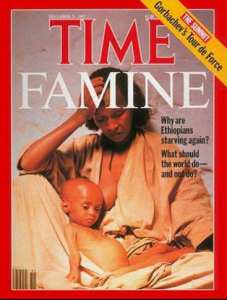
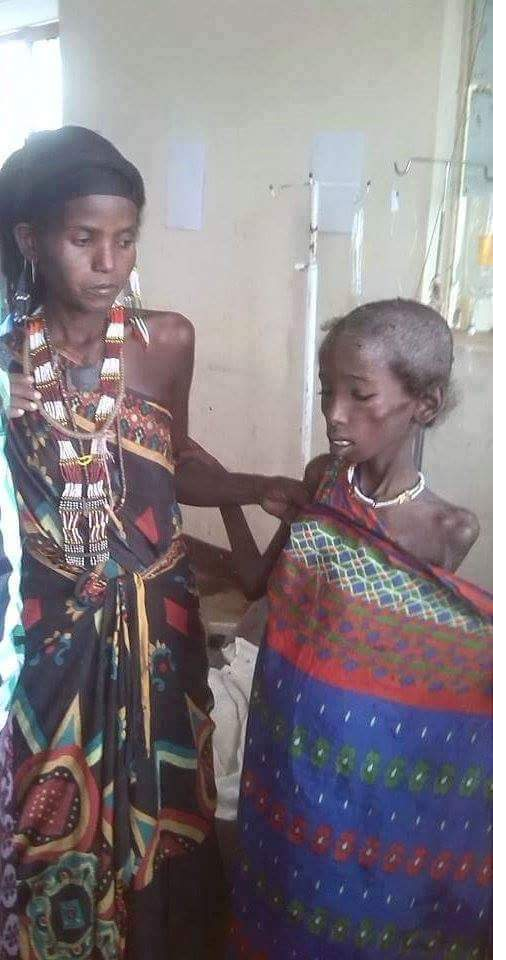
ethi_famine_30_years1414175983Drought, food crisis and famine in Afar state captured through social media, August 2015


HAS ETHIOPIA REALLY ACHIEVED THE MDGS?

By J. Bonsa,  Opride Contributors, 8 October 2015


http://opride.com/oromsis/articles/opride-contributors/3802-has-ethiopia-really-achieved-the-mdgs


On Sept.13, the BBC World Service aired the first segment of a two-part documentary entitled: Africa Surprising. As part of the series, journalist Hugh Sykes reported thatEthiopia has achieved a number of Millennium Development Goals (MDGs) ahead of schedule.

Ethiopia has long been praised for being “on track to meet most of the MDGs by 2015 if progress continues or the pace increased.” Earlier this year, the Horn of Africa nation declared achieving a few of the targets even before the end of 2015. Sykes’ aim was to capture this “exceptional success story.”

Unfortunately, the report illustrates the Western media’s sloppy and superficial coverage of African success stories. At least in Ethiopia, the much-celebrated storyline does not actually exist on the ground.

The BBC documentary

The most central and relevant part of the broadcast is Sykes’ visit to a health center in Ethiopia’s capital, Addis Ababa. It is unclear how the BBC chose to profile this particular site, but Ethiopians know that such matters are typically handled by the regime. Authorities pick a site, tidy up everything and then let unsuspecting visitors or journalists such as Sykes in at their own convenience. As Sykes walked around the clinic, he noticed that the doctors and nurses greeted him with “broad smiles.” Their exuberance looked too unreal that Sykes had to ask why they were smiling so much. “They were so happy for over achieving the MDGs ahead of time,” a health staffer murmured. Of course, they had to smile, how else could they keep their jobs and a straight face while talking about a barely existent achievement?

It is startling that an astute journalist like Sykes was not aware that the whole thing was a setup. Ethiopia’s success stories are often created by manufacturing data or instructing project managers on how to provide information to foreign journalists. (In the case of journalists at the state-run media, reporters are given instructions on how to tell such stories.) In the BBC documentary, the clinic’s staffers appear a bit overzealous to the point of making Sykes uncomfortable. He asks what exactly they did to reach their targets ahead of schedule. Among other things, they recounted their work educating families on the benefits of breastfeeding and family planning. Incidentally, one of Ethiopia’s MDG success stories is the reduction of birth rates through a “highly successful and exemplary family planning” scheme. Little do reporters like Sykes or novice Western researchers know that the decrease in birth rate has nothing to do with the government’s family planning but the excessive outmigration of large cohorts of young women to the Middle East and South Africa, among other places.

In 2012 alone, an estimated 500,000 migrants, mostly young women, migrated to the Middle East. At that rate, several millions of female in fertile age group have left the country in search of better opportunities over the past few years. (The 2012 estimate doesn’t include migration to destinations other than the Middle East.)

Importantly, the excessive outmigration of Ethiopia’s youth is a reflection of dire poverty, and failure to achieve the MDGs. This outflow has intensified since the MDGs were put in place. Despite this, Sykes seems to nod, admire and move on. “Over the last ten years we achieved more than what was achieved during the previous century,” Ethiopia’s Minister of Health, told Skyes, an audacious and superfluous claim that the journalist let stand.

The series wrapped up by paying lip service to the truth: Sykes showed high rise buildings within a few meters of slums with shabby dwellings, rusty tin roofs and muddy walls; executives with stylish modern suits walking on the same streets with bony beggars; SUVs shuffling along with donkeys and goats on the streets, etc. He then offered a faint reference to ruling party’s embarrassing declaration of 100 percent electoral victory in May, alluding to a familiar storyline — Ethiopia’s economic rise despite a few governance hiccups here and there.

The paradox of double-digit growth

Ethiopia’s so-called double-digit economic growth brings to mind German politician Joseph Goebbels’propaganda principles: “If you tell a lie big enough and keep repeating it, people will eventually come to believe it. The lie can be maintained only for such time as the State can shield the people from the political, economic and/or military consequences of the lie. It thus becomes vitally important for the State to use all of its powers to repress dissent, for the truth is the mortal enemy of the lie, and thus by extension, the truth is the greatest enemy of the State.”

The regime in Addis Ababa has ridden Ethiopia of educated manpower so much that the capacity to put numbers together and generate sensible economic statistics and estimate reasonable economic growth rates has been grossly diminished over the years. This is not a place to delve into the niceties of GDP estimation and growth rate calculations. By government’s own admission, almost all of the last five-year Growth and Transformation Plan (GTP I) targets have not been achieved, with all large infrastructural projects stuck at their early phases. However, the GDP growth rates remained more or less at the level forecast at the plan’s preparation stage. If all economic activities have not reached their goals as planned (in fact most lagged behind anticipated targets), how did Ethiopia somehow manage toachieve only the MDG targets, before schedule at that?

From SAPs to MDGs

The distribution of income and wealth are aspects of economic progress that are most relevant to the MDGs. The widening gulf between the haves and have-nots in Ethiopia does not require a journalist or any analyst to leave Addis Ababa.  The alarming increase in the number of beggars in the streets and the exodus of unemployed youth across deserts and high seas are sufficient to inform any observer interested in arriving at a balanced assessment. But such a story may not generate enough clicks in donor countries. It may also undercut the Western narrative of saviordom that’s driven by the aid-industrial complex.

Why are donor countries and their institutions so keen to tell the “Ethiopia rising” story to the extent of getting ordinary Ethiopians irritated and uncomfortable?  It is appropriate to provide a broader background on the origins of the MDGs.

Back in the 1980s, African governments were told to adjust their economies to market rules through structural adjustment programs (SAPs). There was little to no concern with “poverty” in the West. Laissez-faire economics or economic policy based on market rules was the order of the day.

By mid-1990s, the failure of SAPs became apparent, primarily because they gave rise to widening gaps in income distribution and propagation of poverty, particularly in Sub-Saharan Africa. The International Monetary Fund and the World Bank, who promoted SAPs, were at one point even referred to as Lords of Poverty. However, rich western nations were behind these multilateral agencies, arm-twisting leaders of developing countries to adjust their economies to the needs to the “global economy,” a proxy for the economies of the industrialized countries.

Western powers and their multilateral agencies reluctantly acknowledged the failure of laissez-faire economic policies and replaced them with the MDGs amid pressure from their progressive constituents, presumably to redress the damage caused to the developing countries’ economies. MDGs were grouped into sets of eight targets and handed over to developing countries with a condition that development aid would be strictly linked to achievements of the MDGs.

Statistical lies

When the MDGs came into existence, Ethiopia’s current rulers had already been in power for more than ten years. The regime immediately became a darling of the West because of massive poverty, which led to the outpouring of a substantial amount of development aid over the last two decades. The coupling of development aid with the achievement of MDGs target has created a precondition and breeding ground for misreporting on achievements of those targets.In dictatorial regimes like Ethiopia, numbers related to achievements can easily get churned out and systematically built over the years.

It is often hoped that donor countries, and the United Nations, which is responsible for monitoring the progress on MDGs, would scrutinize data accuracy and ensure that the targets have genuinely been achieved. That is the ideal scenario, but we live in the real world, not in the ideal world. In the real world, the required level of scrutiny does not often come into existence simply because it is costly to setup and operationalize them. To begin with, donors often assign inexperienced and naïve staff with skills unfit for the purpose of managing large and complex programs and projects. Additionally, donor agencies and NGOs have a responsibility to report back to their governments or fund providers on implementations of programs they are entrusted with. Therefore, it is not in the interest of such agencies to report program or project failures.

The Ethiopian regime has often presented itself as a key partner with the Western powers. Geopolitical interest and the excessive weight assigned to security concerns mean authorities in Addis Ababa could do anything and get away with it.  This has adversely affected scrutiny on MDGs progress. No analyst or reporter would dare to question records supplied by officials in Addis Ababa. A journalist or researcher, who tries to shed some doubt on the credibility of official statistics, would be harshly treated, including expulsion with short notice or even physical attacks.

It is also abundantly clear that there is a tacit understanding between the Ethiopian government and the donor agencies not to scrutinize Ethiopia’s record on MDGs to a required extent. Donors need a foreign aid success story. Besides, for fear of political backlash from the general public, Western leaders would not object to the success story lines. It is in this scheme of things that the Western media appear to be given the role of generating the “Ethiopia rising” or “Africa Rising” storylines to enhance the “feel good factor” in donor countries. The increasingly muzzled Ethiopian public can do little more than helplessly watching this drama being played out in the name of poverty reduction.

Finfinnee Radio: Journalist Yassin Jumma’s Interview with Jabber Ismael, an Oromo refguee in Kenyan Nairobi October 8, 2015

Posted by OromianEconomist in Uncategorized.
Tags: , , , , ,
add a comment

???????????

Related:-

https://oromianeconomist.wordpress.com/2015/06/04/ethiopia-spymaster-infiltrates-kenya-police/

https://oromianeconomist.wordpress.com/2015/06/28/kenya-the-plight-of-oromo-refugees/

Oromia: URGENT APPEAL TO INTERNATIONAL COMMUNITY AND HUMAN RIGHTS ADVOCATES #Oromo Refugee Community Welfare Association, Kenya February 14, 2015   

https://oromianeconomist.wordpress.com/2015/02/14/oromia-urgent-appeal-to-international-community-and-human-rights-advocates-oromo-refugee-community-welfare-association-kenya/ee/

https://oromianeconomist.wordpress.com/2013/08/27/the-tyrannic-ethiopian-regim-is-accountable-for-the-death-of-a-political-prisoner-and-prisoner-of-conscience-oromo-national-engineer-tesfahun-chemeda/

What are the 10 most competitive economies in sub-Saharan #Africa? October 8, 2015

Posted by OromianEconomist in Uncategorized.
Tags: , , , ,
add a comment

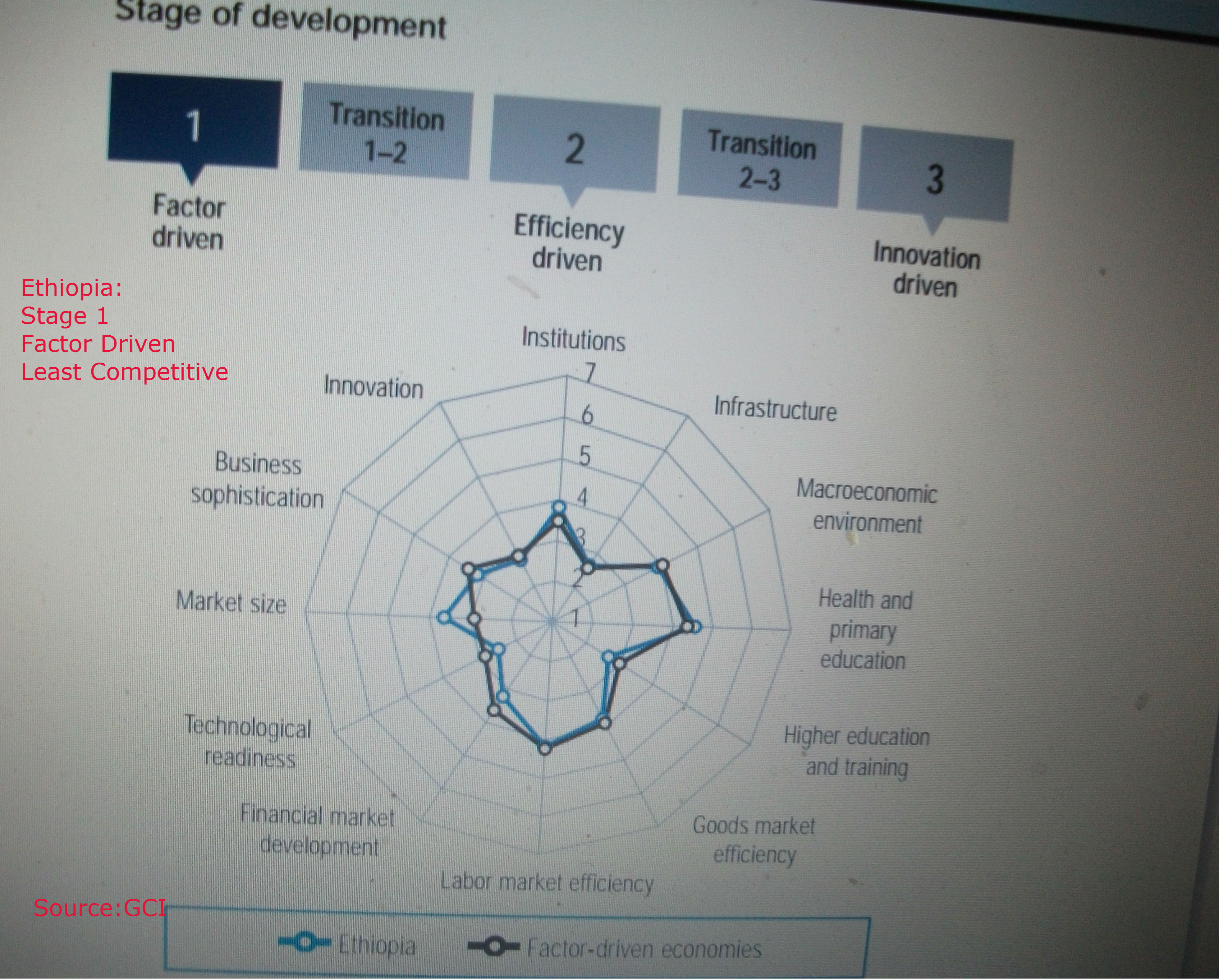
???????????Ethiopia Least competetive GCI 002

What are the 10 most competitive economies in sub-Saharan Africa?

By  Caroline Galvan, World Economic Forum, Sep 30 2015

https://agenda.weforum.org/2015/09/what-are-the-10-most-competitive-economies-in-sub-saharan-africa/?utm_content=buffercdfaa&utm_medium=social&utm_source=twitter.com&utm_campaign=buffer

Despite growth averaging more than 5% a year since the turn of the century, sub-Saharan Africa’s economies remain largely noncompetitive: only three of the region’s countries – Mauritius (46th), South Africa (49th) and Rwanda (58th) three – rank in the top half of the 2015-2016 edition of the Global Competitiveness Index, and they occupy 15 of the bottom 20 places.

In general, the region has made progress in efficiency-enhancing market reform, especially in goods market, but has much more to do to improve its institutions, infrastructure, and health and education sectors, all areas in which reforms will take time to reap benefits. With a coming youth bulge – by 2035, more people will be reaching working age in sub-Saharan Africa than in the rest of the world put together – the need to improve education systems is especially urgent.

The recent fall in commodity prices, putting more pressure on many countries in the region, has also accentuated the need to prioritize competitiveness-enhancing reforms.

Mauritius. Although still the top-ranked country in sub-Saharan Africa, Mauritius dropped seven places to 46th (out of 140) in the overall rankings this year – the first fall down the Index after a decade of improvements. This is accounted for important drops in three of the 12 pillars (overall six pillars are losing places) on which the Index is based, labour market efficiency, financial market development and market size. Still, some fundamentals remain strong: Mauritius has the region’s most efficient goods market, best infrastructure and most healthy and educated workforce. To move further up the development ladder it particularly needs to improve the quality of higher education, the rate at which it adopts new technologies and its capacity to nurture innovation.

sub-saharan-african-top-10

South Africa. Moving in the opposite direction to Mauritius, South Africa climbs seven places to 49th. It has improved year-on-year in its uptake of ICTs and established itself as the region’s most innovative economy. South Africa also tops the region for the efficiency of its financial markets, a pillar on which it ranks 12thglobally. It performs reasonably strongly on the pillars of infrastructure and institutions, although corruption and security remain concerns, but needs to make progress on health and education.

Rwanda. Advancing four places for the second year in a row, Rwanda’s overall position of 58th reflects improvements in the financial development pillar – especially regulation of securities exchanges – and business sophistication. It scores 8thglobally for labour market efficiency, thanks in part to the third-highest female labour participation rate in the world, and 17th globally for the strength of its public and private institutions. However, improvements are needed in some fundamental areas of competitiveness including infrastructure, health and higher education.

Botswana. Up three places to 71st, Botswana posts a top-10 score globally for the stability of its macroeconomic environment. It also boasts relatively strong rankings on institutions and labour market efficiency. Despite some improvements in the last year, however, the health and primary education pillar remains its weakest, with the impact of HIV/AIDS and tuberculosis contributing to the second-lowest life expectancy among the 140 economies surveyed.

Namibia. Advancing for the third year in a row, Namibia gains three places to rank 85th in the global Index. It registered year-on-year improvements in nine of the 12 pillars, most notably business sophistication and innovation – albeit from a low base. It improved its score on its strongest pillar, institutions, but slipped back on its weakest, health and primary education; as in Botswana, tuberculosis and HIV/AIDS remain among the biggest concerns.

Cote d’Ivoire. Leaping 24 places in the last year alone to reach 91st in the overall Index, Cote d’Ivoire has now progressed 40 places in the last three years. It has improved year-on-year on every pillar except for the macroeconomic environment, posting its biggest gains in areas such as innovation, financial market development and institutions – all pillars on which it scores in the top half globally. Despite progress also in health and primary education and higher education and training, they remain its weakest area.

Zambia. Although occupying the same position in the Index as last year, 96th, Zambia has noticeably progressed on some pillars while regressing on others. It has improved its score on macroeconomic stability, for example, with progress on the government budget balance – albeit from a low base – and public debt. However, it drops heavily on the pillars of business sophistication, goods market efficiency and financial market development.

Seychelles. Despite being considerably wealthier than the seven countries in the region that rank as more competitive, the Seychelles loses ground for the third year in a row, dropping five places to 97th overall. The country’s competitiveness is held back by a small market size, scoring bottom globally on this pillar. However, it still ranks in the top half globally on seven of the 12 pillars, with its strongest performances coming on infrastructure (2nd best in the region) and labour market efficiency. It also does well on technological readiness (71st, although low performing second in regional comparison).

Kenya. After two years of forward movement in the Index, Kenya slips nine places to 99th with regressions on three pillars in particular: goods market efficiency, financial market development and institutions. Corruption remains the top concern about doing business in the country, according to executives who took part in a survey which forms part of the Index calculations. Despite the decline, financial market development remains one of Kenya’s three strongest pillars, along with innovation and labour market efficiency; its weakest are the macroeconomic environment and, despite a small improvement in the last year, health and primary education.

Gabon. Improving slightly to 103rd overall, Gabon’s main strength is its macroeconomic environment, which is rated among the world’s top 20 thanks to a positive budget balance and low levels of government debt, reflective of its resource-driven economy. However, this is the only pillar on which Gabon ranks in the top half globally, and it ranks among the world’s bottom 20 on four pillars: goods market efficiency, higher education and training, business sophistication and innovation. To diversify its economy, it needs to invest in productivity-enhancing reforms across the board.

https://agenda.weforum.org/2015/09/what-are-the-10-most-competitive-economies-in-sub-saharan-africa/?utm_content=buffercdfaa&utm_medium=social&utm_source=twitter.com&utm_campaign=buffer

The Global Competitiveness Report 2015-2016 is available here

Oromia: Lubbuun Ummata Oromoo fi Dachiin Oromiyaa, Walabummaa Oromiyaa Qofaan Tikfamti. October 7, 2015

Posted by OromianEconomist in Uncategorized.
Tags: , , , ,
add a comment

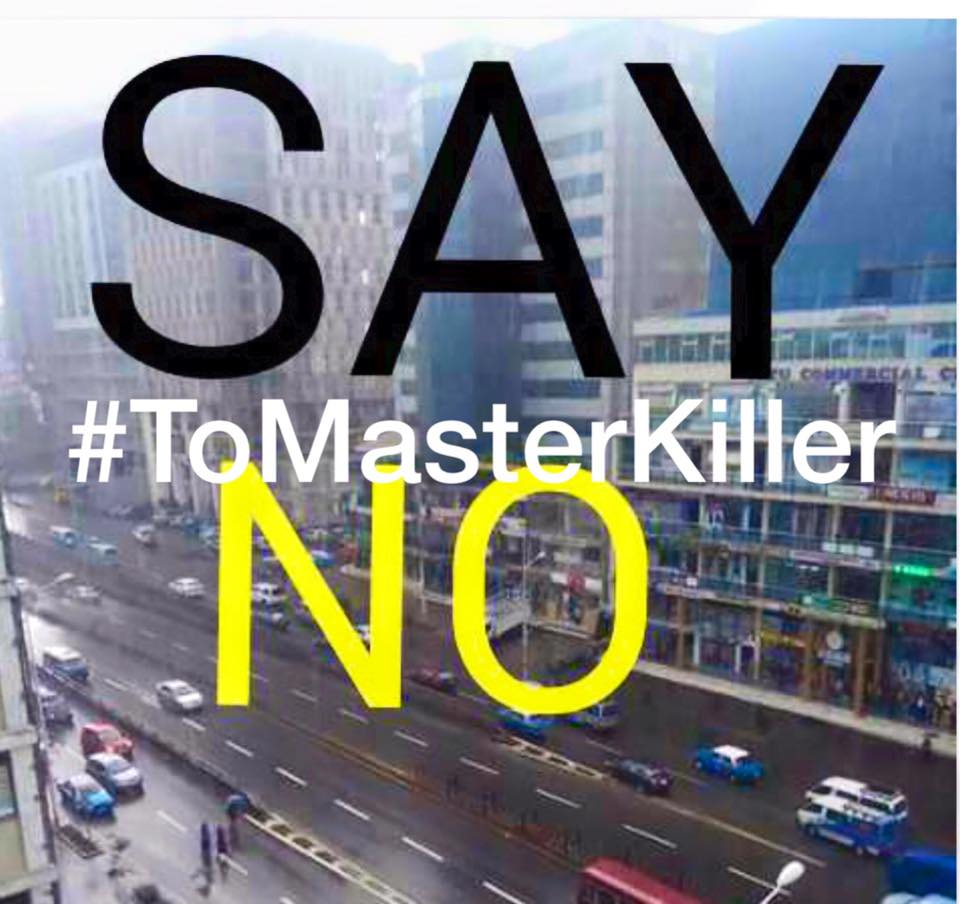
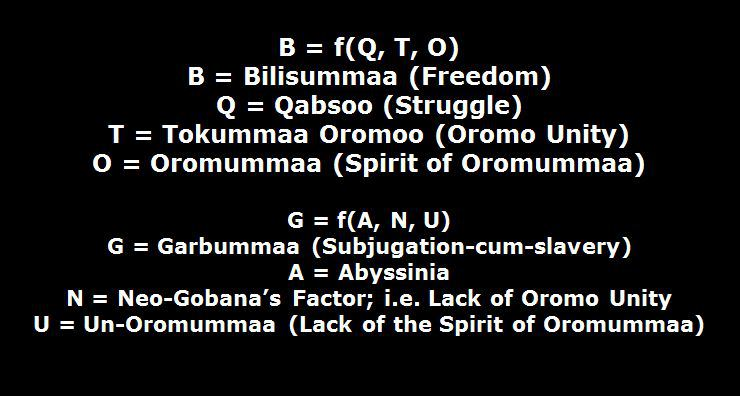
???????????Say no to the master killer. Addis Ababa master plan is genocidal plan against Oromo peopleBilisummaa (Freedom Function)

Lubbuun Ummata Oromoo fi Dachiin Oromiyaa, Walabummaa Oromiyaa Qofaan Tikfamti.

barruuOromoota wayyaba, biyyaa Oromiyaa fi ummata Oromoof: gaddan , hinaafan fi rakkoo hamaan ummatni Oromoo keessa jiru irriba  dhorku biratti, hara’aan tana, bu’ura siyaasaa guddaa ta’anii kanneen argaman keessaa tokko waa’ee ‘Master Plan’ mootummaan Impaayera Ixoophiyaa hojii irra oolchuufi deemuu ti.


Mootummaan gabroomfataa impaayera Ixoophiyaa, Oromiyaa nagaa dhowwaa jiru kun,kan  ‘Master plan’ jedhuunii fi kan ummatni Oromoo ammoo ‘Master killer of Oromoo and  Oromia’ ittiin jedhu, karoora: jireenya, eenyummaa, biyya Oromiyaa, abdii fi fuulduree Oromoo dhabamsiisuu irratti qiyyafate yeroo ta’u, mootii Impaayera Ixoophiyaa kan har’aan tana afaan qawweetiin ummata Oromoo ukkaamsee  saamaa fi ajjeessaa jiru qofaan kan jalqabe osoo hin taane wal-irraa fuudhuun ykn wal-irraa dhaaluudhaan yakka moototi Ixoophiyaa Oromoo fi Oromiyaa irratti raawwataa turanii fi ammaan tana illee itti fufee  irratti raawwataa jiruu dha.

Biyya Oromiyaa, afaan qawweetiin weeraranii, Oromoo irraa buqqisuudhaan ummata Ixoophiyaa irra qubsiisuun qabeenyaa dachii kana irratti argamu saamuu, Oromoo dachii isaa irraa buqqisan ammo hojjisiifatuu fi gabaatti baasanii gurguratuun  qawwee bitatuuf karoorfatee kan jalqaba Oromoo fi Oromiya irratti weerara bane mootummaa Aksum kan Tigraay irratti jalqaba bar-kumee ijaarame dha.Mootummaan Aksum, ummata Kibba Yamanii irraa godaanee Galaana Diimaa cehuun qarqara Galaana kanaa jalqaba bar-kumee (first millennium)  keessa ijaaramee weerara gabroomsaa gara:Kaabaa (Eritrea), Dhiha (Sudaani) fi Kibbaatti geggeessee ture. Mootummaan Aksum kun, weerara gara Kibbaatti geggeesse keessatti, laga Abbayyaa cehuun Kaaba Shawwaa qabachuuf haa yaalu maleee, duula farra gabrummaa Oromoon Waajjii bara 112 (AD) irratti geggeesseen duulli gabroomsaa mootummaa Aksum osoo bakka hin gahin hafe.lubbuun-ummata-oromoo-fi-dachiin-oromiyaa-1

Related article:-

Sirna gabroomfattuu Ixoophiyaatiin mootummaan Oromiyaa irratti ijaarame, mootummaa gabroomfattuu fi seeraan alaa ti

Mootummaan gabroomfataa Impaayera Ixoophiyaa, kan ammaan tana Oromiyaa fi biyyoota ummattoota akka: Sidaamaa, Kaffichoo, Shakkichoo, Kambaataa, Walaayitaa, Majangir, Oomoo, Beenishaangul, Gambeelaa, Ogaaden, Afaar, Agawu fi kkf bitaa jiru, akkuma gabroomfattoota Ixoophiyaa isa dura turanii, ummattoota kana: ajjeesaa, hidhaa, biyyaa baqachiisaa fi mirga hiree murteeffannoo isaa dhiitaa  afaan qawweetiin mataa isaa  irra   taa’uun ummattoota kana:hiyyummaa, beela fi wal’alummaa  eessattuu argamee hin beekne keessatti gannoota digdamaaf kan dararaa turee dha.Mootummaan kun, sirna gabrummaa fi nama nyaataa isaa kana itti fufuuf, filannoo seeraan alaa fi farra dimookraasii  Oromiyaa fi biyya ummattoota Kibba Impaayera Ixoophiyaa keessatti geggeessee, barcuma caffee gabroomfattuu Ixoophiyaa hunda injifachuu  eerga labsatee hedduu osoo hin turre,  aangoo seeraa fi dimookraatawaa osoo itti hin qabaatin, mootummaa ijaaruu isaa kaleessa gaafa 6/092015 nutti hime.

Impaayera Ixoophiyaatiin, mootummaan Oromiyaa fi biyyoota ummattoota Kibbaa keessatti ijaarame kun, uumanis ta’e dalagaan, mootummaa:Minilik, Haayile Sillaasee fi Dargii irraa adda kan hin taane, mootummaa gaabroomfattuu, mootummaa seeraan alaa fi mootummaa nama nyaataa dha. Waan kana ta’eef, seerri, tarkaanfiin, murtiin, ajaji, jaarmaani fi ramaddiin mootummaa kana irra maddu, ummata Oromoo fi ummattoota Kibba Impaayera Ixoophiyaa hin ilaallatu. Seerri, murtiin, jaarmaan, ramaddiini fi ajaji mootummaa gabroomfataaa fi seeraan alaa  kana irraa maddu fudhatee hojii irra oolchuuf ummatni Oromoos ta’e ummattooti :Walaayitaa, Kambaataa, Hadiyyaa, kaffichoo, Shakichoo, Gumuzii, Majangir, Beeniishaangul, Gambeelaa, Ogaan, Affaari fi Agawu dirqama seera irra madddu hin qaban. Seerri, murtiin, jaarmaan, ramaddiin fi ajajni mootummaa gabroomfataa kana irraa maddu kan seeraan alaa waan ta’eef, ummatni Oromoo fi ummattootni Kibba Impaayera Ixoophiyaa dura dhaabbachuun mootummaa gabroomfataa fi seeraan alaa kana of irraa kaasanii hanga walabummaatti hiree  isaanii guutuutti mirkaneeffachuuf mirga seenaa fi seeraa qabu.

Mootummaan gabroomfattuu fi seeraan alaa, mata ummata Oromoo fi ummattoota Kibba Impaayera Ixoophiyaa irra  taa’aa jiru kun, afaan qawweetiin yoo ta’e malee seera fi fedhii ummattoota kanaatiin kan bulchaa jiru waan hin taaneefi: seera, murtii, ajaja, jaarmaa fi ramaddii isa irraa madduun waldhabbii isaa fi ummattoota cunqurfamoo  gidduutti dhalatuuf deemu keessatti gaaga’ama uumamuufi  gaafatama guutuu kan fudhatu isa mataa isaa ta’uu mootummaan gabroomfataa Ixoophiyaa  beekuu qaba. Ummatni Oromoo fi ummattooti Kibba Impaayera Ixoophiyaas, mootummaan gabroomfattuu fi seeraan alaa Ixoophiyaa Tigrootaan  hoogganamu kun, dantaa ummata Tgraayiif malee, dantaa isaaf jecha Tigraay irra ka’ee qawwee baatee akka hin dhufne hubatee, mootummaa fedha isaatiin seeraan ijaarratu daddaffiin argamsiifatuufi, yeroo inni qabsoo farra gabrummaa Ixoophiyaa gamtaan daranuu  itti jabeeffatan har’a ta’uu qabu .

Sirni gabroomfataa  fi seeraan alaa, mootummaa seerawaa ijaaruu hin danda’u

Leelloo Sabaa

Oromia: “Say No” to Oppose Tigreans’ Master Plan – Which Is the “Master Killer” for Oromo Farmers October 7, 2015

Posted by OromianEconomist in Uncategorized.
Tags: ,
add a comment

???????????Say no to the master killer. Addis Ababa master plan is genocidal plan against Oromo people. Say no.Say no to the master killer. Addis Ababa master plan is genocidal plan against Oromo peopleTigrean Neftengna's land grabbing and the Addis Ababa Master plan for Oormo genocide

http://www.gopetition.com/petitions/say-no-to-the-master-plan.html

Oromia:Ijoo Dubbii Adda Bilisummaa Oromoo: Mootummaan Wayyaanee Karoora Master Plaanii Magaalaa Finfinnee Humnaan Hojii Irra Oolchuuf Murteeffachuun Isaa Qabsoo Mirga Abbaa Biyyummaa Ummata Oromoo Of Booda Hin Deebisu. October 2, 2015

https://oromianeconomist.wordpress.com/2015/10/02/oromiaijoo-dubbii-adda-bilisummaa-oromoo-mootummaan-wayyaanee-karoora-master-plaanii-magaalaa-finfinnee-humnaan-hojii-irra-oolchuuf-murteeffachuun-isaa-qabsoo-mirga-abbaa-biyyummaa-ummata-oromoo-of/

Jawar Mohammed:- Xinxalaa – Labsii ‘Magaalota Oromiyaa’ fi ‘Maastar Pilaanii Finfinnee’

Onkoloolessa/October 3, 2015 · Finfinne Tribune | Gadaa.com 

Jawar Mohammed irraa*

Labsiin** Magaalota Oromiyaa Dhaabuuf jedhamee dhihaate Caffeen marii gabaabduu booda ibsa gahaafi jijjiirama tokko malee dabarsitee jirti. Labsiin kun Maastar Pilaanii Finfinnee hojirra oolchuuf seeraan hayyame jechuudhaa? Ifatti hin hayyamne. Garuu Maastar Pilaanii bira dabree dantaa Oromoofi Oromiyaan magaalota irraa qabu miidhuuf karaa guddaa bane. Akka armaan gadiitti laalla.

Labsiin kun Maastar Pilanii Finfinnee hojirra oolchuuf suduudaan hin hayyamu. Mataduremarraayyuu ‘magaalota Oromiyaa’ waan jedhuuf ‘walitti makamiinsa’ wanni jedhame kun magaalotuma Oromiyaa jidduutti daangeffama jedhamee waan fudhatamuuf yaaliin magaalota Oromiyaa kan naannoo biraatin walitti makuuf ifatti hin hayyamne. Ammoo walitti makamuun makamuun kun magaalota Oromiyaa giddutti qofa jedhamees ifa waan hin ta’iniif warra magaalota Oromiyaa muratee fudhachuu fedhiifis baniinsa (loophole) guddaa qaba.

Kana daran ammoo labsiin kun miidhaa guddaaf karaa bana. Akkamiin?

‘Jiraattota’ magaalaatiif mirgaafi aangoo guddaa kan sadarkaa zooniifi aanattuu hin jirre kenna. Akka labsii kana keessatti irra deddeebi’amee kaayametti magaalota walitti makuun, maqaa jijjiiruun, hogganoota filachuun, imammataafi tarsiimoo magaalaa hundi ‘fedhii fi waliigaltee’ jiraattota magaalaa irratti hundaaya jedha. Caffeen Oromiyaatifi godinoonni magaalonni keessatti argaman magaalota ajajuu hin danda’an, mari’achiisuu malee.

Kana qofaa miti, galiin magaalaa irraa argamu faaydaafi tajaajila magaalaa saniitif akka oolu ammas ‘fedhiifi waliigaltee’ jiraattotaatin ta’a jedha. Akkuma beekamu magaalonni handhuura galiiti. Kan magaalaa keessatti oomishamu qofaa miti, kan badiyyaan naannawa sanii callaeessus magaluma sanitti kuufama. Akka labsii kanatti galii magaalaa keessatti kuufame kun kan fayyadamuu danda’u ‘jiraattota’ magaalaa saniiti malee qonnaan bulaan ollaa magaalaa san sooromse humaa irraa hin argatu. Waan kana daran kan hammeessu, hariiroon Caffeenifi godinoonni magaalota waliin qaban, waliiftumsuufi wal mari’achuu irratti hundaaya. Magaalaan takka Oromiyaa keessaa aangoofi mirga Oromiyaanuu sirna federaalaa keessatti hin qabne laatameef.

Amma egaa, ‘jiraattonni magaalaatiif’ mirgaafi aangoo hammana guddatu kennuun maalif barbaachise? Miidhaan isaa hoo maali?

Akkuma beekamu magaalonni Oromiyaa hedduun teessoo waraana Nafxanyaa ta’uudhaan bu’uerraffaman. Sirnoota dabran keessatti aadaan magaalaa qilleensa farra Oromoo ta’een waan guutamee, akkasumas Oromoon sirna abbaa lafaatin lafa baadiyyattin waan walitti hidhameef magaalaatti kan godaanu xiqqaa ture. Bara mootummaa kanaa ammoo magaalonni adaduma babal’ataniin qonnaan bulaa Oromoo lafarraa buqqaasaa lafa isaatirra alagaa maallaqaan lafa bitate qubsisaa jiran. Kanaafu, magaalota Oromiyaa keessa qabiyyeen jiraattotaa (demographics) alagaatu heddummaata. ‘Fedhiifi waliigaltee jiraattotaa’ yoo jedhamu ammoo kan warra magaalaa san keessatti baay’ina wayyaba qabuu (majority) jechuudha. Kanaafuu labsiin kun imaammataafi fuulduree magaalota Oromiyaa keessa jiranii harka Oromootii baasee alagaadhaaf laatee jira.

Akkuma namuu argu labsiin kun ogeeyyota Oromootin qoratamee akka hin dhiyaatin ifa. 1ffaa Afaan Amaaraatirraa garagalfamuun ifatti mul’ata. 2ffaa ‘koreen’ silaa labsii kana qopheesse jedhamee Caffeetti dhiheessi yaadrimee xixiqqaa kabsii kana keessatti hammatameeyyuu sirritti akka hin galiniif deebii isaan gaafii ka’aniif kennani irraa beekuun ni danda’ama. (Fkn. garaagarummaan regiopolis fi metropolis maal akka ta’e waan hin galiniif walitti laqaa turan)

Maarree nyaaphni labsii kana tirra diddibee Caffeettii maalif erge?

1) Karoora Maastar Pilaanii Finfinnee akka jiruun osoo dhiheessanii mormiin jabaan akka isaan qunnamu ni beekan. Kanaafuu labsii Pilaanicha suduudaan ammumatti hojirraa oolchuuf isaanif hayyamu yoo argachuu dadhaban, kan dhawaatan galmaan gahuuf isaniif karaa saaqu baafatan. Akka labsiin kun isaaniif hayyametti, lafa Oromoo bitachaafi waliif kennaa waggota muraasa keessatti qabiyyee(demographics) ‘jiraattota’ magaalota naannoo Finfinnee daran jijjiruun alagoomsu. Waggoota lamaan takka booda fedhiifi waliigaltee ummata Finfinneetifi kan Burraayyuu, Sululta, Sabataa kkf sababeeffachuun magaaloonni kun Finfinnee jalatti galan.Gaafas labsii kanaafi ‘fedhii jiraattotaa’ waabeffachuun ‘seeraan’ Masster Pilaanii sani hojirra oolfatu.

2) Labsiin kun Finfinnee qofarratti kan murtaa’u miti. Magaalota akka Jimmaa, Shaashamannee, Haramaayaa, Walisoofi kan biroos harka Oromoofi Oromiyaatii baasuuf shira xaxame ta’uun beekkamaadha. Akka ani shakkutti akkuma magaalonni kun babal’ataa magaalota naannoo biroo kan ollaa san jirinin walitti dhihaatan, ‘fedhiifi waliif galtee jiraattotaan’ walitti makanii, naannolee lamaan jalaa baasanii akkuma Finfinneefi Dirree Dhawaa federaalaan bulchuuf karoora qabu.

Walumaa galatti labsiin kun balaan inni Oromoofi Oromiyaaf qabu kan Maastar Pilaanii Finfinnee daran akkaan badaadha. Hogganoonni OPDO fi miseensonni Caffee labsi shira akkanaa of keessatti hammate kana akka dantaa saba kanaa eegsisuun osoo hin fooyyessin, akkuma gubbaa itti kennametti raggaasisuu isaanitif yakkamtoota seenaati. Ummanni keenyas balaa itti aggaamame kana bifa maraan dura dhaabbachuuf dhugaafi dirqama qaba!

Labsii-Magaalaalee-Oromiyaa

http://gadaa.net/FinfinneTribune/2015/10/jawar-mohammed-xinxalaa-labsii-magaalota-oromiyaa-fi-maastar-pilaanii-finfinnee/

Caffeen Labsii Maaster pilaanii Magaaloota Nannoo Oromiyaaf qophaa’e raggaase.

OMN:Oduu Onko.02,2015 Caffeen Oromiyaa Labsii Magaalota Naannnoo Oromiyaa walitti makuuf qophaa’ee yaa’ii idilee lammaffaa taa’een raggaase jira.

Akka Labsii kanaatti Magaalonni Oromiyaa akka walitti makaman fi Maqaan isaanis akka jijjiramuu danda’u tumamee jira.

Labsiin Caffeen Oromiyaa baase akka ibsutti Magaalonni Oromiyaa fedhii jiraattotaa qofaan walitti makamuu akka danda’an kan tume yoo ta’u sirni gita bittaa darbe Oromoon akka magaalota keessatti bu’uura hin godhane waan uumeef Magaalota Oromiyaa keessatti saboonni biroon akka murtii kennaniif kan haala mijeesseef akka ta’e himamaa jira.

Labsiin Magaaloota Oromiyaa ilaalchisuun bahe dhimma Master Pilaanii Finfinnee yoo eeruu baates kaayyoon isaa inni guddaan Maastar Pilaanii Finfinnee hojii irra oolchuuf maqaa geedaratee akka dhufe xiinxaltonnii himaa jiru.

Magaalonni walitti makamu jedhaman kunneen Magaalota Ollaa Oromiyaa ta’uu fi dhiisuu isaa yoo ifa gochuu baates labsiin kun karoora Maaster pilaanii Finfinnee kanaan dura Mormii hammaan mudatee fi lubbuu baratootaa hedduu galaafate hojiirra oolchuuf ta’e jedhamee akka qophaa’ee keessa beektonni himaa jiru.

Maqaan Magaalaa tokkoo fedhii fi waliigaltee jiraattota magaalichaatiin jijjirama inni jedhu aangoo Caffeen Oromiyaa kan dhiibuu fi Caffeen Oromiyaa labsii heera naanichaa fi mirga caffee dhiibu akka baase illee tumaan labsii kanaa ni mullisa.

Miseensonni Caffee Oromiyaa haara filatamanii seenaan danbii fi seeraa Caffichaa utuu hin hubatin jalqabumaan murtii bara dheeraaf lafa irra harkifachaa ture fi Oromiyaa guutummaatti mormamaa jiru murteesisuun bulchiinsa naanichaa jeequmsa keessa akka galchu danda’u fi ummanni ija shakiin akka ilaalu kan godhee ta’uumis beekameera.

Alamaayyoo Qannaa tiin

https://www.oromiamedia.org/2015/10/caffeen-labsii-maaster-pilaanii-magaaloota-nannoo-oromiyaaf-qophaae-raggaase/

Labsii Caffeen Oromiyaa Magaaloota Oromiyaa ilaalchisuun tume iftoomina hin qabu jedhame.

OMN:Oduu Onk.02,2015 Labsiin Caffeen Oromiyaa dhimma magaalota Oromiyaa ilaalchisuun baasee iftomina kan  hin qabne fi erga siyaasaa addaa akka of keessa qabu Pirezdantiin Mana Murtii waliigalaa Oromiyaa duraanii obbo Tashaalee Abbaraa OMN tti himan.

Master Pilaaniin Fnfinnee bara darbe bahee sirri miti jechuun guutuu Oromiyaa keessa baratonni Dhaabbilee barnoota ol aanaa utuu hin hafin hiriiraa bahuun morma turan hordofuun lubbu namootaa darbe qabeenya barbaada’e fi kanneen sababa sanaan mana hidhaa adda addaa keessatti dararaa utuu argaa jiranii Caffeen Oromiyaa labsii addaa sanaan wal qabatu tumuun rakko guddaa akka ummu danda’u Obbo Tashaalee Abbaraa himanii jiru.

Oromiyaan Finfinnee irra faayidaa addaa akka argattu heera biyyatti irratti tumammee utuu jiru waggoota 24 darban keessatti kabachiisuu kan dadhabe Mootummaan Naanno oromiyaa Magaalota Oromiyaa warreen Federaalaatti kennuuf maaliif akka tattaaftu ifaa akka hin taanes himaniiru.

Pirezdanrt Mana Murtii waliigalaa Oromiyaa kan turan fi sirna sana jibbuun biyya Ingliz kan jiraatan obbo Tashaaleen Magaalaan Guddoon oromiyaa Finfinnee irra gara Adaamaatti yemmuu jijjirames Caffeen Oromiyaa aangoo isaatti fayyadamuu dadhabee Labsii seena keessatti isaanii qaaneesse murteesuun eenyummaa isaanii mullisuu dubabtan.

Mootummaan Naannoo Oromiyaa dantaa fi faayidaa Ummata Oromoofan dhaabadha jedhu dhibba federaalaa irra itti dhufu bu’uura heera Mootummaan keesummessuu utuu qabuu faalla isaa hojjechaa waan jiruuf kun immo hegeree Oromiyaaf yaaddaoo gudda akka ta’e dubbataniiru.

Moootummaan Itoophiyaa Misooma malee Dimookirasiin hin barbaachisu sadarkaa jedhu irra gahuun abbaa irrummaa hojiin akka agarsiisaa jiru kan himan obbo Tashaalee Abbaraa bara 2005 irra eegalee dhaabileen dimookirasii hunduu cufamaa akka deeman dubbataniiru.

Alamaayyoo Qannaatu gabaase.

https://www.oromiamedia.org/2015/10/labsii-caffeen-oromiyaa-magaaloota-oromiyaa-ilaalchisuun-tume-iftoomina-hin-qabu-jedhame/

Hundreds Change Profile Pictures to “Say No” to Oppose Tigreans’ Master Plan – Which Is the “Master Killer” for Oromo Farmers

Onkoloolessa/October 1, 2015 · Finfinne Tribune | Gadaa.com

Hundreds of Oromo (and friends of the Oromo) Facebook and Twitter users have changed their ‘profile pictures’ to the “Say No” graphic asnews broke out earlier on September 30, 2015, that the Tigrean-led Ethiopian government was advancing to finalize the “Addis Ababa Master Plan” through its agent OPDO. The “Addis Ababa Master Plan” aims to evict millions of Oromo farmers from the Oromia Federal State’s localities around Finfinne (Addis Ababa) in order to take the land for Tigrean investors, Tigrean real-estate developers and Tigrean commercial farmers while Oromo farmers will become day-laborers (unskilled workers), guards, housemaids, etc. (i.e. low-wage earners) on the Tigrean investment hub (called “Industrial Zone”) in Central Oromiyaa. In addition to Central Oromiyaa, these Tigrean “Industrial Zones” are to be built all over Oromiyaa near major cities/towns, such as the Dire-Dawa Industrial Zone near Dire-Dawa, the Jimma Industrial Zone near Jimma city, and so on – more details can be read here.

https://www.oromiamedia.org/2015/10/omn-oduu-fulbaana-30-2015/

Say no to the master killer. Addis Ababa master plan is genocidal plan against Oromo people. Say no.

SayNo2MasterKiller – “Say No to Addis Ababa’s Illegal Master Plan

PETITION: SAY NO TO THE MASTER PLAN

http://www.gopetition.com/petitions/say-no-to-the-master-plan.html

Petition published by Tsegaye Ararssa & Girma Gutema on Oct 02, 2015

Target: Federal Government of Ethiopia, National Regional State of Oromia, City Gov’t of Addis Ababa

Petition Background (Preamble):

We, the Oromo people in Ethiopia, the Oromo diaspora across the globe, friends of the Oromo people in and outside of Ethiopia, all other progressive forces in Ethiopia and beyond, and all forces dedicated to the ideas and ideals of justice and democracy, and those of us committed to the principles of liberty and equality of all peoples everywhere, stand together in protest to the proposed Addis Ababa Integrated Regional Development Plan (otherwise known as the Master Plan).

In particular, we request the Federal Government of Ethiopia, that of the National Regional State of Oromia, and of the City of Addis Ababa to immediately stop the implementation of the Master Plan. As the Caffee Oromiyaa meets to adopt the Urban Development Bill of the Region (Wixilee Labsii Magaalota Motummaa Naannoo Oromiyaa Hundeessuf [dhiyaate]), a bill in which the matter of the Master Plan is to be passed in disguise, we like to remind the members that they are at a rare historical moment, a moment when each of them should try and align the call of their conscience and their constituency to that of their party. We urge them to vote the bill down and stop the implementation of the Master Plan. We urge them to start wide-ranging, consultative, and participatory meetings directly with the people in order to address discontents that emerged in relation to, and triggered by, the release of the Master Plan.

So doing is of utmost urgency to the people of Oromia (whose human rights are being violated), the Government of Oromia (whose right to self-governance is defied, whose territorial jurisdiction is bypassed, whose special interest is ignored, and whose stability is endangered), and the government of Addis Ababa (whose people’s rights and interests are ignored, whose right to just administration is repeatedly violated, and whose peace and stability is increasingly at stake).

We demand the interruption of the implementation of the Master Plan and a reconsideration of its process, content, and consequence anew. We do so fully aware of the fact that, as it stands now, the proposed Master Plan lacks legitimacy in the process of its making, in its content, and in its consequence. We believe that the process was not consultative, transparent, and participatory. Its content violates the right of Oromia to self-governance, the rights of the inhabitants to socio-economic rights (such as the right of farmers to subsistence, of people to adequate standard of living, of the Oromo inhabitants to cultural rights such as language, education, and other social services), and the power of Oromia to co-equal administration of the city as its capital. Moreover, its content illegally excises the towns and Woredas of the Special Zone out of the jurisdiction of Oromia and unconstitutionally unites them with the city of Addis Ababa. In short, it expands the territorial and jurisdictional extent of the city to Oromia. In its consequence, it is neither legally defensible nor morally justifiable.

We believe that it will have, as it already had, a negative impact on the people and governments of Oromia and the inhabitants in the area. Thousands of farmers are, and will be unjustly deprived of their only means of subsistence. They are, and will be, removed from their ancestral land and displaced by the wealthy few that favour the regime in power. These farmers and their families are and will be dispossessed, homeless, and unemployed urban poor. The development the regime claims to bring about are not development of the people but an illegal and unjust enrichment of the few. To the Oromo people, its result is eviction en masse through a systematic state act of ethnic cleansing. Its result is the unconstitutional usurpation of the region’s power. It is a forced incorporation of the Oromo territory and people into a city administration that is illegally made already outside of the administrative jurisdiction of Oromia, an administration to which the hosts, i.e., the Oromo, are made the guests. The implementation of the Master Plan exacerbates the already grave conditions in which the Oromo of the area live. It dissolves the constitutionally recognized special interest of Oromia in the city. It imposes a forced cultural assimilation of the Oromo mass by marginalizing their language, invisibilizing their culture, and misrecognizing their identity. It poses a major threat to peace by intensifying conflict between investors and the local inhabitants. It poses a major threat of pollution caused by liquid waste and other acts of environmental degradation. (This, too, is against the constitutional right to a clean and pure environment.)

The implementation of the Master Plan has provoked an Oromia-wide mass protest in 2014. In response, the government brutally murdered over 70 Oromos, wounded hundreds, and illegally detained many more. Not a single one of the perpetrators have been brought before justice to date. To continue to implement the plan now is to invite another round of protest that may result in an even worse violence that might in turn result in a more intensely violent clash between the government and the people and among interest groups in the area.

Petition:

Therefore, we the undersigned seek to draw the regime’s attention to these flaws in the process, content, and consequence of the Master Plan and we urge the government to stop causing an imminent disaster even as it disguises the issue in the new Urban Development Bill. We stand united as a voice of the underprivileged and silenced poor. We stand as a voice of conscience, a voice for justice.

We demand an immediate cessation of the implementation of the Master Plan because we believe it is legally indefensible (as it violates the constitution and other laws of the country), politically implausible (as it has been comprehensively rejected by the people, even through sacrifice in lives, limbs, and futures), and morally unjustifiable (as it is an unfair eviction of poor farmers from their land, denial of their right to the only means of subsistence, deprivation of their identity, a systematic act of mass displacement, and a blunt attempt to cleanse of the land of its Oromo inhabitants).

We also urge that the government starts to enforce the special interest of Oromia over Addis Ababa in accordance with the constitutional imperative in Article 49. We demand that the governments of FDRE, Oromia, and the city of Addis Ababa to establish, jointly or separately, independent and impartial commission(s) to inquire into the government’s violence unleashed on the protestors in 2014 and to address the discontents around it.

Facebook satellite to beam internet to remote regions in Africa October 6, 2015

Posted by OromianEconomist in Uncategorized.
Tags: ,
add a comment

???????????Facebook Internet to Africa

“Connectivity changes lives and communities. We’re going to keep working to connect the entire world – even if that means looking beyond our planet,” Zuckerberg

http://www.jpost.com/Business-and-Innovation/Tech/Facebook-pegs-Israeli-satellite-to-provide-African-Internet-421077

Facebook satellite to beam internet to remote regions in Africa

Sam Thielman, The Guardian, 6 October 2015

http://www.theguardian.com/technology/2015/oct/05/facebook-mark-zuckerberg-internet-access-africa

Mark Zuckerberg details plans on how company is ‘exploring ways to use aircraft and satellites to beam internet access down into communities from the sky’

Zuckerberg didn’t say who would provide the satellite signal receivers but as markets evolve, satellite coverage can be an intermediary measure between the internet and broadband access.
Mark Zuckerberg did not say who would provide the satellite signal receivers but as markets evolve, satellite coverage can be an intermediary measure between the internet and broadband access. Photograph: Stephen Lam/Reuters  

Facebook co-founder Mark Zuckerberg took to his own timeline on Monday to announce that the company would be providing web access … from space. A new satellite called Amos-6 will make the web accessible from big chunks of sub-Saharan Africa, orbiting over the continent and serving what Zuckerberg characterized as “large parts of west, east and southern Africa”.

“Over the last year Facebook has been exploring ways to use aircraft and satellites to beam internet access down into communities from the sky,” Zuckerberg wrote. “To connect people living in remote regions, traditional connectivity infrastructure is often difficult and inefficient, so we need to invent new technologies.”

Zuckerberg did not say who would provide the receivers for the satellite signal – the web still has to connect to computers with cables and local Wi-Fi, after all – merely that Facebook was “going to work with local partners across these regions to help communities begin accessing internet services provided through satellite”. The initiative is undertaken in partnership with a charity Facebook runs called Internet.org.

As local markets evolve, satellite coverage is often an intermediary measure between not having any internet at all and broadband access. Internet.org asks internet service providers (ISPs) to help provide “free basics” to countries where wired internet penetration is sparse or non-existent, touting the the virtues of developing markets and appealing to the tech world’s charitable instincts.

In many countries on the continent, the ISP market is beginning to boom. Until relatively recently, internet in Kenya was largely provided by satellite through a large dish in the Rift Valley; four large submarine fiber-optic cables radically changed the way the country received the web beginning in 2009 under the acronym The East African Marine System (Teams), and now several multinational internet companies have a strong presence in the country, notably Alcatel-Lucent and Fujitsu.

But cable rolls out slowly and usually into densest markets first, where it can reward investment quickly. Satellite services such as Zuckerberg’s could provide a much-needed stopgap solution for large parts of the continent where those slowly approaching fiber-optic cables are a long way off.


Oromia: Ayyaanoo Bariisoo (Jiillicha): “Odaa Roobaa” [New Oromo Music – Oct. 2015] October 6, 2015

Posted by OromianEconomist in Uncategorized.
Tags: , , , , ,
add a comment

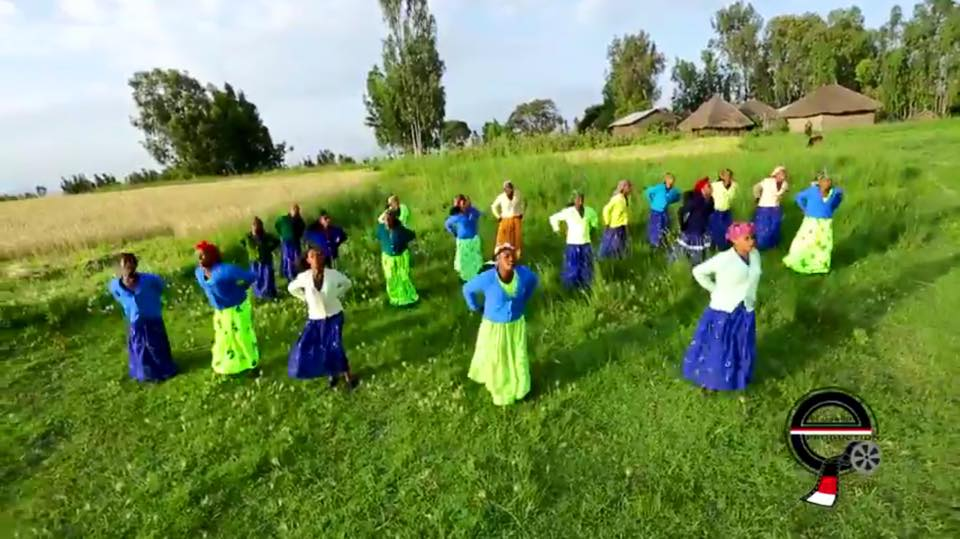
???????????Ayyaanoo Bariisoo (Jiillicha), Odaa Roobaa [New Oromo Music – Oct. 2015]


Oromia: Eliyaas kifluu (Dani) “Bara Olaanoon Gadaa” New Oromo Music Video 20151 October 2, 2015

Posted by OromianEconomist in Uncategorized.
Tags: , , , ,
add a comment

???????????Oromia, Bara Olaanoon Gadaa6Oromia, Bara Olaanoon GadaaOromia, Bara Olaanoon Gadaa3Oromia, Bara Olaanoon Gadaa8Oromia, Bara Olaanoon Gadaa7Oromia, Bara Olaanoon Gadaa1Oromia, Bara Olaanoon Gadaa4Oromia, Bara Olaanoon Gadaa5Oromia, Bara Olaanoon Gadaa2

Oromia:Ijoo Dubbii Adda Bilisummaa Oromoo: Mootummaan Wayyaanee Karoora Master Plaanii Magaalaa Finfinnee Humnaan Hojii Irra Oolchuuf Murteeffachuun Isaa Qabsoo Mirga Abbaa Biyyummaa Ummata Oromoo Of Booda Hin Deebisu. October 2, 2015

Posted by OromianEconomist in Uncategorized.
Tags: , , , , ,
1 comment so far

???????????OLF logo


sbo

Say no to the master killer. Addis Ababa master plan is genocidal plan against Oromo people. Say no.

(Sagalee Bilisummaa Oromoo – Onkoloolessa 02,2015): Mootummaan Wayyaanee Karoora Master Plaanii Magaalaa Finfinnee Humnaan Hojii Irra Oolchuuf Murteeffachuun Isaa Qabsoo Mirga Abbaa Biyyummaa Ummata Oromoo Of Booda Hin Deebisu.

(Ijoo Dubbii Adda Bilisummaa Oromoo – Onkoloolessa 02,2015).

Mootummaan Abbaa Irree Wayyaanee/EPRDF/TPLF diinummaa ummata Oromoof qabu hojiin mul’isuu kan eegale aangootti ol bahee osoo hin bubbulini. Saboota biyya sana keessatti argaman keessaa hunda caalaatti diina angafa godhatee kan irratti duulaa turee fi har’as irratti duulaa jiru ummata Oromoo ti.

Biyya Oromoo Oromiyaa humna afaan qawween qabatee bulchiinsa gabrummaa fi abbaa irrummaa ummata Oromoo irratti erga diriirsee waggoota 24n darban keessatti dinagdee fi qabeenya ummatichaa saamee lammiilee hiyyoomsuu fi deegsuun gamatti, ummaticha gaaffii mirga abbaa biyyummaa irraa deebisuuf, qabsoo isaa dadhabsiisuuf danda’amuuf ammoo bal’eessuuf hedduu ajjeesee, kumoota kudhanootaan ammoo hidhaatti guureera. Kumootni dhibbootni sirna cunqursaa fi saaminsaa kana jalaa baqatanii biyya ambaatti koolu galtummaaf dirqamaniiru.

Hiraarrii fi cunqursaan saba Oromoo irra sirna abbaa irree wayyaaneen geessifamu har’allee babal’atee dameelee hedduu yaafatee gidiraa fi dhiphuu ummata Oromoo akkaan hammeessee jira. Hidhaan, ajjechaanii fi baqi akkuma jirutti ta’ee, maqaa guddina biyyaa, misoomaa fi investimentii jedhuun qonnaan bultootni Oromoo lafa isaanii irraa buqqaafamanii maatiin diigamaniiru. Duulli maqaa misooma biyyaa fi investimentiin geggeeffamaa jiru jireenya Oromoo hundee irraa kan qoree fi lafa akaakilee fi abaabilee irraa buqqisee ilmaan Oromoo hedduun kadhattuu fi harka ormaa ilaaltuu akka ta’an taasisuun dhugaa dirreetti mul’atuu dha.

Gartuun TPLF/EPRDF sirna cunqursaa fi saaminsaa itti fufsiisuuf Oromiyaa dhabamsiisee ummata Oromoo biyya dhablee taasisuuf karoora diinummaa bal’aa lafaa akka qabu dhokataa miti. Karoora isaa keessaa tokko kan ta’ee fi bara 2014 keessa hojii irra oolchuuf yaalee kan dura dhaabbannoon ummata Oromoo isa mudachuu irraa yeroofis ta’u jalaa gufatee ture Karoora Master Plaanii Magaalaa Finfinnee fi naannawa ishee ti.

Karoorri Master Pilaanii Magaalaa Finfinnee fi naannawa ishee jedhamu dhuguma akka sirnichi ololu Oromoo lafa isaa irraa kan hin dhiibnee fi hin buqqisne, jiruu fi jireenya isaa kan hin gaagaane, aadaa, seenaa fi afaan isaa irratti gaaddidduu kan hin buusne osoo hin taane, dhugaa qabatamaan lafa irraa mul’atu Oromoota Finfinnee fi naannawa sana marsanii jiran, kanarra iyyuu darbee haga fageenyaa irratti argaman kan buqqisuu fi diigu, aadaa, seenaa fi afaan Oromoo kan dhabamsiisuu fi bulchiinsa alagaa kan warra gita bittootaa Oromoo irratti kan goobsu akka ta’e qabatamaan mul’ata. Alagaa investara taasisee Oromoo kumoota dhibbaan kan hiyyeessa gadadaawee fi kadhataa taasisuu dha.

Karoorri Master Pilaanii Magaalaa Finfinnee kun shiraan kan guutame, yakka ulfaataa ummata Oromoo irratti dalagamaa jiru ta’uu ammas ummatni Oromoo daqiiqaa tokkoof illee dagatuu hin qabu. Karoorichi imaammata mootummaan abbaa irree wayyaanee lafaa qabu Oromiyaa bakka xixiqqaatti murmuruu, yoo danda’ameef ammoo kaartaa irraa haquun Oromoo humna dhabsiisuu dha. Kanaanis qabsoo Oromoo dadhabsiisuu fi gaaffii mirga hiree murteeffannaa ummatichaa walxaxaa gochuuf kan saganteeffamee dha.

Hawaasa addunyaa, dhaabbattoota garagaraa fi Investeroota biyyoota adda addaa Finfinnee dabalatee Oromiyaatti hawatuun gartuu TPLF/EPRDF guddina biyyaa dhuguma ummatni Oromoo irraa fayyadamu argamsiisuufiif osoo hin taane, akeeka dhokataa kan of keessaa qabu sochii Oromoo kan ittiin haguuganii fi gaaffii haqaa kan mirga hiree murteeffannaa ummata Oromoo dura ittiin dhaabbachuuf akka meeshaatti kan itti fayyadamaa jiru ta’uunis ummata keenyaan, darbees hawaasa addunyaan hubatamuu qaba.

Karoorri Master Plaanii Magaalaa Finfinnee wayyaanee kun dhuguma akka Wayyaaneen haaluu osoo hin taane sochii babal’ifannoo lafaa kan of keessaa qabu akka tahe ragaa waliin kan jiruu dha. Kanaafis Finfinneen kan sq.km. 54,000 turte gara sq.km. miliyoona 1.2tti akka guddattuuf kaartaan baheefii ragaa qabatamaa waliin kan mul’atuu dha. Kanaaf karoora Master Plaanii Finfinnee kana ilaalchisee kan mootummichi jedhu dhugaa irraa kan fagaate mormii fi dura dhaabbannoo ummata Oromoo of irraa qabbaneessuun karoora dhabamsiisii kana hojii irra oolfachuuf kan afanfajjii uumuuf tattaafatuu dha.

Karoorri kun balaa ulfaataa kan ummata Oromootti fidu, Oromoo fi Oromiyaa bakkoota adda addaa 3 fi sanaa olittillee cicciru, qonnaan bultoota Oromoo Finfinnee fi naannawa sana jiran miliyoonotaan lafa irraa buqqisee kan dhabamsiisu, aadaa, seenaa fi afaan Oromoo kan bal’eessuuf karoorfame ta’uu isaa hubachuuni bara 2014 yeroo labsiin kun bahu barattootni Oromoo guutummaa Oromiyaa keessaa fi sabboontotni Oromoo kan dirreetti ba’anii FDGn dura dhaabbatanii morman. Dhiiga dhangalaasanii, lafee cabsanii, wareega lubbuu ulfaataa kafaluun karoorri Oromoo fi Oromiyaa gaaga’uuf bahe kun hojii irra akka hin oolfamneef seenaa gootaa dalaganii darbaniiru. Yoo xiqqaate diddaa fi mormii Master Plaanii kanaaf barattootnii fi sabboontotni Oromoo 73 ol ta’an wareegamuun galmee gootota Oromoo keessatti galmaa’aniiru. Hedduun isaanii hidhamaniiru; gariin haga har’aatti murtii malee hidhaa keessatti gidirfamaa jiran.

Diina innikkaa ummata Oromoo kan ta’e gartuun wayyaanee/EPRDF sochii dabaan guutame kan darbe irraa osoo hin dhaabbatne, karoorri isaa kun ummata Oromoo biratti fudhatama kan hin qabne ta’uu isaa ummata dirreetti bahee itti agarsiise tuffachuu fi maal fidduun, hidhattootaa fi qondaalota isaa kanneen dhiiga barattootaa fi sabboontota Oromoo dhangalaasan osoo seerattillee hin dhiheessin, ammas yeroo lammataaf Karoora Master Plaanii Magaalaa Finfinnee hojii irran oolcha jechuun murteeffatee bifa haaraan sochii eegalee jira. Ergamtooti isaa OPDOnis karoora kana hojii irra akka oolchaniif ajaja itti dabarsee jira. Adeemsi abbaa irrummaa mootummaa wayyaanee kun caalaatti ummata Oromoo dammaqsee, dhabama irraa akka of oolchuuf falmaa fi diddaa caaluuf yoo kakaase malee kan duuba deebisu akka hin taane diinnis firris hubachuu qaba.

Addi Bilisummaa Oromoo har’as boris Finfinneen handhuuraa fi qaama Oromiyaa ta’uutti amana. Qabsoon Finfinnee weeraraa fi saamicha gartuu abbaa irree Wayyaanee irraa oolchuuf taasifamu qaama qabsoo Oromiyaa bilisoomsuuf godhamaa jiruu ti. Rakkoon Finfinnee guutuutti dhugoomuu bilisummaa Oromiyaa keessatti kan furamu ta’ullee, Oromoon badii irraa of oolchuuf, golee jiru cufa keessatti lafa isaa gubbaatti, qe’ee isaa irratti waan qabu qabatee tokkummaan dhaabbatee of ittisuu akka qabu ABOn ni hubachiisa.

Dargaggootnii fi barattootni Oromoo, hojjettootni, qonnaan bultootnii fi horsiisee bulaan Oromoo waliigalatti qaamotni hawaasa Oromoo marti harka walqabatuun duula mootummaa wayyaanee/EPRDF Karoora Master Plaanii fi akkasumas ergamtoota isaa irroomsuuf, magaalota hedduu keessaa manneen diigee lafa ummata irraa saamee deggartootaa fi alagootaaf hiruuf sochii godhaa jiru hundi kan ummata Oromoo fi Oromiyaa dhabamsiisuuf bifa haaraan geggeeffamaa jiru waan ta’eef, kana fashalsuu fi bilisummaa Oromiyaa dhugoomsuuf harka walqabatanii FDG finiinsuu akka qaban ABOn dhaamsa isaa haaromsa.

Injifatnoo Umamta Oromoof!

FP: UN Sustainable Development Goals: No wonder the SDGs went all vague and utopian September 29, 2015

Posted by OromianEconomist in Uncategorized.
Tags: , , , , ,
add a comment

???????????Dounle digit Ethiopia

If there is something to salvage from the SDG debacle, perhaps it is the idealistic advocacy for “universal respect for human rights and human dignity,” not as a 2030 “target,” but just as an increasing recognition of poor people’s rights for self-determination. Similar language was there in the MDGs but ignored. Such advocacy is needed to accept and respect the mainly homegrown rise of the rest. Such advocacy is needed because there are still many aid programs that violate the rights of the poor (such as involuntary resettlement) or aid that supports others who callously violate the rights of the poor (such as autocratic allies of the United States in the war on terror). Such advocacy is needed, not only because the West itself is now far too prone to xenophobic insults of poor people over fears of migration. For this generation of young idealists in rich countries, development should still be a cause worth fighting for. The many humanitarian programs that have been doing good things should continue, even if they are not quite the transformational things that the MDGs promised. But the decline and fall of the pretensions of foreign aid only tell us to not put our hopes in U.N. bureaucrats or Western experts. We can put our hopes instead in the poor people we support as dignified agents of their own destiny.- WILLIAM EASTERLY

The SDGs Should Stand for Senseless, Dreamy, Garbled

The SDGs Should Stand for Senseless, Dreamy, Garbled

Nothing better reflects the decline and fall of hopes for Western foreign aid than the United Nations Sustainable Development Goals (SDGs) for 2030, just launched at a summit this past weekend. TheSDG manifesto is called the “[draft] outcome document of the United Nations summit for the adoption of the post-2015 development agenda.” This not-quite-soaring rhetoric continues for 35 pages of 17 SDGs buried among phrases like: “Thematic reviews of progress,” “Implement the 10-Year Framework of Programmes,” and “Accelerated Modalities of Action.” The 17 goals in turn have 169 targets, a list that has both too many items and too little content for each one, such as target 12.8: “By 2030, ensure that people everywhere have the relevant information and awareness for sustainable development and lifestyles in harmony with nature.”

As for foreign aid, it is barely mentioned. Has anybody else noticed the SDG emperor has a shortage of clothes? Well, the Economist called the SDGs “worse than useless.” Another commentator described them as “a high-school wish list on how to save the world,” which seems unfair to high schoolers. Even Pope Francis warned in his address to the SDG summit this past Friday against the risk to just “rest content” with a “bureaucratic exercise of drawing up long lists of good proposals.” It is a sad result for the much-hyped SDGs. Yet hope remains: The “rise of the rest” — the economic growth of low- and middle-income countries — is causing increased respect for the poor, who are mostly achieving their own homegrown development, a welcome move away from the condescension of the old aid effort.

To be fair, the SDGs sometimes do break through with welcome idealism that is ahead of the curve: “We will cooperate internationally to ensure safe … migration involving full respect for human rights and the humane treatment of migrants … of refugees and of displaced persons.” Other inspirational rhetoric is available: “We envisage a world of universal respect for human rights and human dignity…. We resolve to build a better future for … the millions who have been denied the chance to lead decent, dignified and rewarding lives.” The SDGs might have worked, and I hope could possibly still work, as just idealistic rhetoric that will motivate more people in the rich and free countries to care about the world’s poor and shackled.

But the Sustainable Development Goals are not presented that way — they really are goals and targets. They want to be like their predecessor, the Millennium Development Goals (MDGs), announced in 2000 with targets for 2015 — but they are not. The MDGs were so appealing because they were so precise and measurable. In just one paragraph in the 2000 U.N. Millennium Declaration, the U.N. announced goals to cut in half the proportion of the world’s population that was in extreme poverty, to cut in half the proportion who suffer from hunger, to cut in half the proportion without access to safe drinking water, to achieve universal primary schooling, to reduce the maternal mortality rate by three-quarters, and to reduce under-five child mortality by two-thirds — all by the year 2015. As a later U.N. document in 2005 made clear, the MDGs held everyone accountable for actually meeting these “quantified and time-bound” targets.

In the SDGs, it is hard to imagine what the time-bound and quantified target is for harmony with nature.

Unlike the MDGs, the SDGs are so encyclopedic that everything is top priority, which means nothing is a priority: “Sport is also an important enabler of sustainable development.” “Recognize and value … domestic work … and the promotion of shared responsibility within the household.” It’s unclear how the U.N. is going to get more women to play soccer and more men to do the dishes.

Beyond the unactionable, unquantifiable targets for the SDGs, there are also the unattainable ones: “ending poverty in all its forms and dimensions,” “universal health coverage,” “ending all … preventable deaths [related to newborn, child, and maternal mortality] before 2030,” “[end] all forms of discrimination against all women and girls everywhere,” and “achieve full and productive employment and decent work for all women and men.” Again, these could have been great as ideals — I share such ideals with great enthusiasm. But the SDGs are not put forth as ideals but as “targets” for the year 2030. The rejoinder to a utopian target should be: Wow, if something that great is possible, why wait until 2030? Why didn’t it happen already?

It’s a mark of how the SDGs don’t take seriously their own utopian promises that they keep repeating them over and over again for different sub-groups.

It’s a mark of how the SDGs don’t take seriously their own utopian promises that they keep repeating them over and over again for different sub-groups. After promising full employment of everyone, the SDGs also ask more modestly for full employment of “young people,” having already mentioned even more modestly they are “promoting youth employment.” They don’t seem to get how following a big promise with a much smaller one weakens the big promise’s credibility. You have already won $1 million dollars — plus a free toaster.As if the promises were not already weakened enough by being either unmeasurable or unattainable, there are still a lot of ways to opt out. The commitments “will be voluntary and country-led,” they can be modified upon demand for “different national realities, capacities and levels of development,” and they will defer to each nation’s “policy space and priorities.”

Part of the problem is the use of that word “sustainable” — the U.N. never defines it. “Sustainable” might have something to do with climate change, but the SDGs tell us that climate change will be negotiated in a different U.N. summit in Paris beginning in late November. “Sustainable” is so overused in so many different contexts that it means very little — we might as well call them the “Some-such Development Goals.”

The best chance the SDGs have at saying something with real meaning is the promise, by 2030, to “eradicate extreme poverty for all people everywhere, currently measured as people living on less than $1.25 a day.” This is one of the few endings promised by the SDGs that could actually be possible, mostly because it is such an extreme definition of extreme poverty and the trend on this poverty has already been sloping downward for decades.

Unfortunately, the one and only official international custodian of the global poverty line, the World Bank, chose just this moment to increase the confusion on where the global poverty line should be. World Bank President Jim Yong Kim announced last week that the poverty line is not really $1.25; instead, it is about $1.90 — which might add a hundred million or so poor to the global rolls (not yet determined). Princeton University’s Angus Deaton, one of the world’s leading poverty experts, suggested this confusion is because “[you’ve] got a line that no one knows where to put it,” all based on “underlying data that is bad,” creating a “statistical problem from hell.” So the headline goal of the SDGs turns out to be almost as unmeasurable as the others.

What about foreign aid? President Barack Obama endorsed the SDGs in a speech to the U.N. summit on Sunday, but if there is to be any new U.S. aid for the SDGs, he forgot to mention it. While a price tag for SDGs of $3 trillion is mentioned (with no explanation) in U.N. discussions, there is no talks in the document itself of foreign aid increasing to pay for these targets. The rich countries are “to implement fully their official development assistance commitments” (see target 17.2) — in other words, to keep previous foreign aid promises already broken. A surge in foreign aid had been at the heart of the MDGs, but the SDGs just change the subject as fast as possible — the next target (see target 17.3) is to “mobilize additional financial resources for developing countries from multiple sources.” Nothing better exemplifies the decline and fall of the millennium goals’ transformational hopes for foreign aid than this no-show for the SDGs.

So the SDGs are to monitor the attainment of goals that cannot be monitored or attained, financed by unidentified financing.

How did it wind up like this? Part of the challenge of the SDGs was following a MDG program based on meeting precise targets in 2015, which was a great success. Well, except for meeting precise targets in 2015. As the SDG manifesto notes in a buried paragraph: “[Some] of the Millennium Development Goals remain off-track, in particular those related to maternal, newborn and child health and to reproductive health. We recommit ourselves to the full realization of all the Millennium Development Goals, including the off-track Millennium Development Goals.” No wonder the SDGs went all vague and utopian.

There is something deeper at work here — that there is today a much less confident West compared to the MDGs heyday. The rise of the rest is so much more evident now than in 2000. Per capita GDP growth in low- and middle-income countries since 2000 has been rising much faster than in the West, even in sub-Saharan Africa. Africa now has twice as many cell-phone subscribers as the United States, after remarkable growth that had nothing to do with Western development aid. Remittances from the diaspora and foreign direct investment are together twice as large for Africa as foreign aid. There are so many other long-term trends in these developing countries that are positive — from poverty to health, education to sanitation, and democratization to technology. Yes, the MDG campaign itself and foreign aid commitments do deserve some credit — even if the goals were not met. But the aid was too small to significantly explain these large accomplishments — and these trends began long before the MDGs and will continue long after 2015.

The MDGs gave far too much attention to middle-aged white male experts in the West debating what should be done for the rest of the world (including this author, but far more prominently Bono, Jeffrey Sachs, and Bill Gates). Thank goodness this patronizing direction from the West is no longer seen as so acceptable. People in low- and middle-income countries must now be recognized as equals, the authors of their own development. The surprisingly savvy Pope got this: He called upon leaders at the SDG summit to recognize “these real men and women” in poverty “to be dignified agents of their own destiny.”

If there is something to salvage from the SDG debacle, perhaps it is the idealistic advocacy for “universal respect for human rights and human dignity,” not as a 2030 “target,” but just as an increasing recognition of poor people’s rights for self-determination. Similar language was there in the MDGs but ignored. Such advocacy is needed to accept and respect the mainly homegrown rise of the rest. Such advocacy is needed because there are still many aid programs that violate the rights of the poor (such as involuntary resettlement) or aid that supports others who callously violate the rights of the poor (such as autocratic allies of the United States in the war on terror). Such advocacy is needed, not only because the West itself is now far too prone to xenophobic insults of poor people over fears of migration.

For this generation of young idealists in rich countries, development should still be a cause worth fighting for. The many humanitarian programs that have been doing good things should continue, even if they are not quite the transformational things that the MDGs promised. But the decline and fall of the pretensions of foreign aid only tell us to not put our hopes in U.N. bureaucrats or Western experts. We can put our hopes instead in the poor people we support as dignified agents of their own destiny.

Hoongee fi Gogiinsa Oromiyaa Keessaa Lammiilee Hubaa Jiru September 29, 2015

Posted by OromianEconomist in Uncategorized.
Tags: , ,
add a comment

???????????

Hoongee fi Gogiinsa Oromiyaa Keessaa Lammiilee Hubaa Jiru…

Gabaasa Sagalee Bilisummaa Oromoo

SBOImpaayera Itoophiyaa keessatti imaammata dabaa murni wayyaanee hordofaa jiru irraa kan kahe hoongee fi gogiinsi uumame lubbuu lammiilee fi  beeyladaa balaa ulfaataaf saaxilaa jira. Keessumaa ammoo dacheen Oromiyaa jiidhinaa fi badhaadhinaan beekkamtu imaammatuma gartuu abbaa irree kanaatiin ontee fi gogdee lammiileen kumootaan nyaata dhabuun leeccalloo isaaniis hurgufatanii hiraara argaa jiru. Mootummaan wayyaanee wayta rakkoon kun uumamu ummata nan bulcha jedhuuf birmatee nyaataan dhaqqabuu fi hegereefis akka rakkinichi hin uumamneef hojjechuu mannaa, inumayyuu hammeessaa jiraachuu gabaasaaleen godinaalee Oromiyaa adda addaarraa nu dhaqqaban ni ibsu.

Akka odeessa godinaalee Oromiyaa adda addaa irraa nu gahe kanaatti saamichaa fi manca’iinsa qabeenya bosonaa wayyaaneen geessiserraa kan kahe dacheen qullaatti haftee rooba dhabuudhaan hoongeen uumame midhaan facaafamee fi beeyladoota miidhaaf saaxileera. Ummannis kanarraa beelaan hubamaa fi qayee dhiisee godaanaa akka jirutu ibsame.

haala-qilleensaa-fi-beela-oromiyaa-keessaa-2015-ed


Haala Qilleensaa fi Beela Oromiyaa keessaa…2015 =ED

Oromia: Oromo-TV: With Luba Balaay Mokonnin: Is this time for Oromian Orthodox Synodos? September 29, 2015

Posted by OromianEconomist in Uncategorized.
Tags: , ,
add a comment

???????????Kiristaanummaa-fi-Oromoo-dur-irraa-hanga-ammaatti, Luba Balay Mokonnon

http://borofa.com/books/kiristaanummaa-fi-oromoo-dur-irraa-hanga-ammaatti/

Oromo-TV: With Luba Balaay Mokonnin | Is this time for Oromian Orthodox Synodos?

Fulbaana/September 29, 2015 · Finfinne Tribune | Gadaa.com |

http://gadaa.net/FinfinneTribune/2015/09/oromo-tv-with-luba-balaay-mokonnin-is-this-time-for-oromian-orthodox-synodos/

Editor’s Note: The ‘Ethiopian’ Orthodox Church Synodos has unashamedly aligned itself (or more appropriately, it has continued to align itself) with the national agenda of domination of the Amhara and Tigray regions of Abyssinia over the non-Abyssinian regions in Ethiopia. Today, Oromo Orthodox Christians are debating, according to information we have gathered from our sources, whether to continue to be part of the Abyssinian-dominated ‘Ethiopian’ Orthodox Synodos, or form an Oromian Orthodox Synodos; after all, even the Amhara and Tigrayan regions of Abyssinia have their own Synodos (each headed by its own Abune). According to sources, many Oromos are thinking of forming an Afan-Oromo-speaking Orthodox Church, for starters, in order to spread the gospel of the Bible (following the Orthodox Doctrine) in their own mother-tongue. Oromo Orthodox Christian believers should not have to be silent when the ‘Ethiopian’ Orthodox Synodoses (whether it’s the exiled Amhara-aligned one, or that which is said to be aligned with the TPLF government) are continuing the Abyssinian national-domination (covered under religion). It’s time that the Diaspora leads in forming Afan-Oromo-speaking Orthodox Church; an Oromo person shall not have to be forced to abandon their faith over their rejection of the “national-domination agenda” of the ‘Ethiopian’ Orthodox Church, or an Oromo person shall not be forced to support the anti-Oromo national agenda of the ‘Ethiopian’ Synodoses in order to sustain their faith. We should hear the good news of the first Afan-Oromo-speaking Orthodox Church soon.

Oromo-TV: With Luba Balaay Mokonnin


The new book by Luba Balaay Mokonnin, “KIRISTAANUMMAA FI OROMOO DUR IRRAA HANGA AMMAATTI!,” is available on Borofa.com.RELATED: Farfanaa Ortodooksii | Afaan Oromoo (“Akeekakee”) – Be Blessed!

History of the National-Domination and Unchristian of the ‘Ethiopian’ Orthodox Synodos:
Before the 1974 Revolution that ousted the forced assimilation of the colonized nations and nationalities in Ethiopia into the Abyssinian cultural and linguistic fabric, it used be openly preached by the Abyssinian-dominated ‘Ethiopian’ Orthodox that “having sex with Galla and Camels are not allowed” – equating the Oromo as ‘beasts’/’animals.’ It’s this Church that has revamped its national-domination agenda over the last decade under the cover of religion. All Oromo nationals, especially Oromo Orthodox believers, should reject this national-domination agenda of the Abyssinian Orthodox Church without having to lose their Orthodox faith. This is one such crime against Oromos (and others) propagated by the Abyssinian Orthodox Church under the disguise of religion. In addition, the Abyssinian Church is using the Holy Baptism to de-Oromonize Oromos by re-naming them in Geez; such baptismal names should be changed to Afan-Oromo.

PHOTO: From “Ra’eye Mariam” religious book of the ‘Ethiopian’ Orthodox Church (see the front cover of the book below), in which the Abyssinian priests equated the Oromo with camels, donkeys and horses; an Oromo Orthodox believer should not be forced to support such teachings of the Abyssinian Orthodox priests just because they want to continue to be faithful Orthodox believers; it’s possible to continue to be faithful to the Orthodox doctrine by forming an Afan-Oromo-speaking Orthodox Church that is clean from such biased and unchristian national-domination agenda.

OrthodoxCrimesonOromo2015_2

Related:-

FINFINNEE RADIO 1(716)748-0835  Luba Balay Mokonnon waliin

http://www.finfinneeonline.com/store/c1/Featured_Products.html

Oromia: “Osoo walbeennuu nuu wal wallaalchisanii” – Shukrii Jamaal and Magartuu Warqinaa -Oromo Music By Raya Studio Via Lagatafo Studio September 27, 2015

Posted by OromianEconomist in Uncategorized.
Tags: , , , , ,
1 comment so far

???????????Oromo artist Shukri Jamaal1Oromo artist shukri Jamal

https://youtu.be/mVy2do-f9rM

https://www.youtube.com/watch?v=mVy2do-f9rM

“Lagatafo Studio best for Oromia entertainment”
Lagatafo Studio requests for subscription to its YouTube Channel to get the latest and exciting Oromo song/Music. Don’t forgot to share this Video with your friends and family as well. If you happen to have any new Oromo Song, please forward to Lagatafo Studio
https://www.youtube.com/channel/UCeiu

Related:-

The Colonialism of language ( Amharic and the bureaucracy): The politics of language and representative bureaucracy in Ethiopia: The case of federal government September 25, 2015

Posted by OromianEconomist in Uncategorized.
Tags: , , , , , , , ,
add a comment

???????????Afaan Oromo is the ancient indigenous language of Africa

The politics of language and representative bureaucracy in Ethiopia: The case of Federal Government,

By Milkesa Midega,

Journal of Public Administration and Policy Research,” Vol. 7, No. 1 (2015), pp. 15-23.

The politics of language and representative bureaucracy in Ethiopia, the case of Federal Government,

The politics of language and representative bureaucracy in Ethiopia, the case of Federal Government,

Click to access article1422345245_Midega.pdf

Oromia: Konsertii Siyyoo Dandanaa Irratti Aartistooti Oromoo Gamtaan Dhaabbachuun Lammii Boonsan September 22, 2015

Posted by OromianEconomist in Uncategorized.
Tags: , ,
add a comment

???????????Oromo artist, Tsaggaayee Dandanaa

Tsaggaayee (Sayyoo) Dandanaa Dhibamee Gargaarsa Lammii Barbaada. Rescue the Life of Artist Tsegaye Dandana!

Ethiopia: Early Warning Project identifies countries most at risk for state-led mass killing. Ethiopia making the top 15th in the list September 21, 2015

Posted by OromianEconomist in Uncategorized.
Tags: , , , , , , , ,
add a comment

???????????Tigrean Neftengna's land grabbing and the Addis Ababa Master plan for Oormo genocide

Report:-Which Countries Are Most Likely to Suffer Onsets of State-Led Mass Killing in 2015?

Sep 21, 2015

Read at:-

http://www.earlywarningproject.com/2015/09/18/2015-statistical-risk-assessment

The Real Reason Economic Growth Is Considered Important September 19, 2015

Posted by OromianEconomist in Uncategorized.
Tags: , ,
add a comment

???????????

rly1987's avatarAll For Israel

Economic growth is not fundamentally important.  For example, perfect egalitarian societies like many hunter-gatherer clans or the Hakka societies occupying the Fujian Tulou could experience zero economic growth and still be absolutely fine as long as they maintain the same standard of living from year to year.

Economic growth becomes far more important for backward societies that function off of hypocritical elitism, oppression, enforced poverty, and some form of forced labour.  These are the qualities of inverse civilization which includes all slave-making civilizations.

Within slave-making societies, the easiest and most convenient position is to be a slave-maker.  As long as you force others to work and keep others constantly oppressed, you get to climb to elite ranks, don’t have to do much work yourself and can get away with it because everybody else is so tired and desperate for any crumb you throw at them that they can’t rebel against you.

Inverse

View original post 848 more words

Refugees walking from danger to danger: Members of Ethiopia’s largest national group, the #Oromo, which activists charge is systematically disenfranchised by the government are still heading to #Yemen September 17, 2015

Posted by OromianEconomist in Uncategorized.
Tags: , , , , , ,
add a comment
 ???????????
Walking into danger: migrants still head to Yemen
HARGEISA, 11 August 2015 (IRIN) – Qader and Abdi are two weeks into their journey. Carrying only one empty plastic water bottle each, flattened, with no liquid to return it to its cylindrical shape, the two men figure they will be walking for another month-and-a-half before they reach the sea. From there, they will take a smuggler boat the short distance to Yemen, where another 600-kilometre walk lies ahead before they may reach their final destination, Saudi Arabia.
The pair – members of Ethiopia’s largest ethnic group, the Oromo, which activists charge is systematically disenfranchised by the government – are walking along an uncrowded road connecting the capital of Somaliland, Hargeisa, to a northern port city. They walk because they cannot afford the roughly $150-200 that a series of smugglers would charge to take them from the Ethiopian border east through Somaliland to the port of Bosaso in the neighbouring semi-autonomous region of Puntland.“We will walk until we become weak,” said 30-year-old Qader, who withheld his last name to protect his identity. He and his 19-year-old companion are dressed in dirtied long-sleeve shirts to shield them from the early morning sun, which will become unbearable by midday. They have made it this far off the good will of Somalilanders who offer them small change or meals as they pass.There is a small risk they could be arrested so they veer off the paved road near checkpoints but quickly return so as not to lose their way. Although walking along roads in Somaliland – a self-declared nation that the international community still classifies as a region of Somalia – puts migrants like them at increased risk of robbery or assault, Somalilanders generally do not wish the duo ill will. Government officials have even been known to stop and provide food and drink to migrants despite their illegal status in the country.

When they reach Bosaso the help will likely come to an end and Qader and Abdi will have to pay. Unlike on land, which the destitute can traverse without charge as long as they can avoid arrest, the sea is only passable by ships operated by smugglers, who are more than happy to continue transporting people to war-torn Yemen for a fee.

Ever more dangerous journey

Migration to and through Yemen – historically the backdoor for migrants and asylum seekers from the Horn of Africa trying to reach Saudi Arabia – has always put people at risk of death and inhumane treatment. Last year, there were numerous drownings in the Gulf of Aden and Human Rights Watch released a report in 2014 documenting “torture camps” where smugglers held newcomers for ransom.

But a civil war, precipitated by the departure of Yemen’s internationally-recognised government and a Saudi Arabian-led bombing campaign to restore its legitimacy, has made an already perilous journey for migrants all the more death-defying.

“It’s very dangerous, and I cannot stress that enough,” said Teddy Leposky, an external relations officer for the UN’s refugee agency, UNHCR, in Yemen.

Not only has the war given smugglers license to act more ruthlessly than before, but also the ability of aid agencies to provide services to migrants and refugees has been severely compromised and the conflict’s violence has been indiscriminate. Five migrants were caught in shelling near the Saudi border in May and, at the end of March, a camp for displaced people camp was bombed, killing at least 45.

But as migrants and refugees know, the grinding poverty, political persecution or violence that typically push them out of the Horn of Africa, do not conveniently abate as wars break out in their path. So they continue to risk life and liberty and end up on Yemen’s shores. According to figures from UNHCR, more than 10,500 people have arrived in Yemen since March when the bombing campaign began. Although some of those might be part of the 51,000 who are now also leaving, as war in Yemen has created a circular flow in the region.

“I know it’s a high risk, but I will take it,” said Fila Aden, 24, in a café in Hargeisa. He is familiar with what lies ahead. This is the second time he left home in Ethiopia for work in oil-rich Saudi Arabia. Although he struggles to provide a precise timeline of events, he estimates he was deported from the kingdom about a month ago after working there for almost a year.Hiding the risks

Some aid officials believe that boat smugglers in Bosaso and Djibouti (for the Red Sea route to Yemen) may be downplaying the conflict in Yemen or flat-out lying to clients about the dangers they have seen.

Fila Aden in Hargeisa doesn’t doubt smugglers are sugarcoating forecasts, but he thinks the conflict in Yemen might actually work to his advantage. He is reassured by news that one of his friends just traversed Yemen and slipped unnoticed across the border with Saudi.

“We worry about Yemen. We could be accused of fighting [for a certain side] in the conflict. People are more paranoid now,” he said. “But looking at it from the Saudi perspective, they aren’t concerned about us. They are fighting a war in Yemen.”

As long as those like Aden are willing to go, there is money to be made. Several sources said the smugglers had doubled their asking price in Bosaso, which pre-war ran from $60 to $120 for the sea crossing. Omar, who asked that a pseudonym be used, smuggles Ethiopians from the border into Somaliland. He is fairly new, joining the ranks of the illicit business just five months ago. But the job has proven lucrative. He saw a drop in numbers around the time war broke out in Yemen, but Ramadan (which straddled June and July this year) was profitable, suggesting an uptick in those still willing to go to Yemen.

“People know damn well that they are taking a risk,” he said, when IRIN asked if smugglers were taking advantage of the war and luring clients under false pretenses. But he said smugglers too were taking extra risks, and more and more fearful of arrest. “I feel bad sometimes but what can I do? I have to make a living.”

No refuge any more

While Omar continues to facilitate a migrant march east, deteriorating conditions in Yemen have destroyed a refuge that many once sought.

Abdulqader Ahmed, a 17-year-old Ethiopian migrant, arrived in Yemen in March from Djibouti right as street battles began to erupt in the southern port city of Aden. He made his way to the UN-sponsored al-Kharaz camp nearby, too afraid to begin his journey north to Saudi Arabia. He watched as the camp ran short of food and water, with aid agencies unable to get supplies in. Finally, he managed to secure passage on a ship that evacuated him to Somaliland.

At a migrant response center in Hargeisa, where he was waiting to be repatriated back to Ethiopia, Ahmed said the war in Yemen had helped him reach the realisation that his goal of getting to Saudi Arabia would likely cost him his life. He now intends to return to farming with his father in Ethiopia, even though it will be almost impossible to earn a living.

For UNHCR’s Leposky, Yemen’s collapse is particularly concerning because of the country’s history of opening its borders to refugees and asylum seekers. He told IRIN that those arriving now in Yemen are making the costly journey across the sea only to find themselves in a similar situation, if not worse.

“It’s so unfortunate that a country that has provided protection and asylum to people for so many years is now in dire straits.”

http://m.irinnews.org/report/101848/walking-into-danger-migrants-still-head-to-yemen#.VfsJXNJVikq

Oromia: OBS: Qophii Addaa, Kabaja Ayyaana Ingichaa (2015) Abbaa Muudaa Abbabaa Haayiluu faana taasifnee. September 17, 2015

Posted by OromianEconomist in Uncategorized.
Tags: , , , , , , , , ,
add a comment

???????????

Leaves in a Dry Wind September 14, 2015

Posted by OromianEconomist in Uncategorized.
Tags: , , , , , , ,
add a comment

???????????Drought, food crisis and famine in Afar state captured through social media1, August 2015ethi_famine_30_years1414175983

lifelessons's avatarlifelessons - a blog by Judy Dykstra-Brown

Version 2
The essay I am reproducing below is a reply to a comment made in my blog by OromianEconomist regarding the pictures and short essay on my blog  (You can find them HERE.) in which I referred to the Ethiopian drought of the early 1970’s. This was his comment:

“The same is going on right now in Ethiopia. Authorities are either hiding the presence of famine or stealing the food aid.”

He included the below link to an article written about the current drought which I suggest you read.  https://oromianeconomist.wordpress.com/2015/08/27/the-cause-of-ethiopias-recurrent-famine-is-not-drought-it-is-authoritarianism/      My comments follow below.

                                                           Leaves in a Dry Wind

I wrote this initially short reply to the Oromian Economist’s comment on my blog, but then I seemed to just keep writing and writing until it turned into an essay of sorts.  The facts are from memory and I realize I need to do some further research and I’d…

View original post 1,478 more words

Welcome to Oromo St in  Little Oromia, Minnesota September 14, 2015

Posted by OromianEconomist in Uncategorized.
Tags: , , ,
add a comment

(Advocacy4Oromia, 11 September 2015) Minnesota Oromos get their very own street under their community’s name-Oromo Street, today, 11 of September 2015.

Oromo St 2

Little Oromia’s ‘Oromo Street’  was officially inaugurated on September 12, 2015.

Minnesota of United States of America is widely known as “Little Oromia” among Oromos with an estimated 40,000 Oromos who flee from their homeland,Oromia, East Africa, due to political persecution.

The Oromo are the single largest national group in Ethiopia, constituting nearly half of the country’s 98 million population.

Oromo St

Public Reaction 

“To the Oromo who has for so long remained invisible in its adopted home after home, a well-deserved recognition, and a breath of warm air in the thick of Minnesota’s bitter winter,” said Hassan Hussein, the executive director of the Oromo Community of Minnesota. (http://www.opride.com/oromsis/news/3784-minneapolis-may-soon-get-a-commemorative-oromo-street)

“Picture of the Day: Little Oromia (Minneapolis) Now Has ‘Oromo Street,’” http://gadaa.net/FinfinneTribune/2015/09/picture-of-the-day-little-oromia-minneapolis-now-has-oromo-street-via-hegeree-media/

“Minnesota Oromos get their very own street under their community’s name today! How Awesome!,” said Demitu Argo on her Facebook timeline.

“It is official that the most anticipated commemoration of ‪#‎Oromo‬ and ‪#‎Somali‬ street is happening this coming Saturday. Cheers to all my East African immigrants! In celebration, the WestBank communities are hosting 1st Annual Block party. Here is the program breakdowns on Saturday 12, 2015. Can’t wait to park on Oromo street!,” said Edao Dawano on his Facebook timeline.

“Oromo Street is in effect in Minneapolis, Minnesota. Can’t wait to visit. Thank you America for recognizing the people you saved for the brutal Ethiopian government,” said Birhanie Beka Geleto on her Facebook with a feeling hopeful, from Washington, DC, United States ·

“Minneapolis to officially designate Oromo street in a ceremony on Saturday,” said on its Facebook OPride.com.

Background

This street name was proposed by Abdi Warsame who was born in Somalia and grew up in the United Kingdom of Great Britain where he studied and obtained a B.Sc. in Business and a Masters Degree in International Business.

Following that proposal, the Minneapolis City Planning Commission held a public hearing on Jan. 12 to decide on Council Member Abdi Warsame’s application for commemorative street names along the city’s Cedar riverside area.

Warsame’s proposal called for 4th Street South between Cedar Avenue and 15th Avenue South to be named “Oromo Street,” and for the stretch between 6th Street and Cedar Avenue to 15th avenue South to be called “Somali Street.”

Additional background information can be get from http://www.opride.com/oromsis/news/3784-minneapolis-may-soon-get-a-commemorative-oromo-street.

Welcome to Oromo St in Minisota, USA

http://oromedia.net/2015/09/11/karaan-ameerikaa-maqaa-oromootiin-moggaafame/

http://http://www.oromotv.com/sagantaa-odeeffannoo-oromo-street/

https://oromianeconomist.wordpress.com/2015/01/13/oromo-street/

Time: As Europe Begins to Welcome Syrians, African Refugees Fear Being Left Behind September 12, 2015

Posted by OromianEconomist in Uncategorized.
Tags: , , , ,
add a comment

???????????

Italy Migrants
Carmelo Imbesi—APMigrants wait to disembark from the Irish Navy vessel LE Niamh at the Messina harbor in Sicily, on Aug. 24, 2015. Source:- http://time.com/4031569/migrant-crisis-europe-african-refugees/

There is growing concern that Europe may unwittingly divide migrants into two distinct classes

With E.U. leaders finally working on a Europe-wide refugee policy, there is growing concern among some migrants and aid officials that the new policies might unwittingly divide the migrants into two distinct classes—with two different kinds of welcomes.

First, the hundreds of thousands of Syrians fleeing the war back home, whose stunning flight into Europe has seized world attention; and second, the hundreds of thousands of much poorer, less educated newcomers who have also fled dire circumstances in Africa.

As EU officials prepare to meet in Brussels on Monday to hash out an emergency plan, the details are sketchy as to how the continent will integrate the massive influx of migrants who have crossed into Europe from Asia, Africa, and the Middle East. On Wednesday the European Commission President Jean-Claude Juncker made it clear to the EU Parliament that the union’s 28 countries were duty-bound to help host the 160,000 asylum-seekers currently stuck in Greece, Italy, and Hungary, and emphasized that all would be treated equally. “Europe has made the mistake in the past of distinguishing between Jews, Christians, Muslims,” he said. “There is no religion, no belief, no philosophy when it comes to refugees.”

Yet, for some of the 80,000 or so who have landed in Sicily this year—the vast majority African—the promise of fairness for all sounds unconvincing.

Africans who have fled deadly, often forgotten conflicts, or various kinds of persecution—including religious and anti-gay violence—say they believe it could take years to win refugee status or residence in Europe, if they ever receive it at all. Those simply fleeing poverty, and there are many, are not eligible for asylum.

Instead, many predict a long, tough road towards acceptance and employment somewhere on the continent. Several African asylum-seekers in Sicily described overwhelming bureaucratic hurdles towards those goals — a far different picture than the tens of thousands of Syrians whom the E.U. and U.S. now appear willing to host.

Yet both sets of newcomers share one experience: life-threatening journeys to Europe. “”We risked everything to cross the Mediterranean,” says Samate, a tall 17-year-old from Senegal, sitting in a detention center in the Sicilian town of Messina on Wednesday. He said he fled his home last February after separatist rebels in the disputed Casamance region where he comes from tried to draft him into battle. The Italian Coast Guard rescued him and other migrants as they tried to cross the Mediterranean on in late July, and brought them to Sicily.

About half of those who have landed on Europe’s shores this year have been Syrian, according to the U.N. refugee agency, most crossing from Turkey to Greece, before moving quickly on to Austria, Germany and Sweden. But a large portion of the rest are Africans who have crossed from Libya to Italy—a more lethal sea route that has so far killed more than 2,200 migrants this year. Most have arrived after hair-raising treks across the vast, searing Sahara, and then weeks in Libya’s migrant jails. Samate’s five-month journey included working for traffickers in Niger and Libya at meager wages.

Far different from the Syrians clambering off boats in Greece, the Africans land in Sicily penniless and empty-handed. When I ask to see what they carried with them, most look puzzled, then point to the clothes on their back. “I arrived with nothing, not even my documents,” said Mandjo, 16, from Guinea, who fled when religious violence destroyed his village. What little he grabbed as he fled was lost to bandits along the way.

Now, the plight of African refugees like Mandjo risks getting lost amid the Syrian refugee crisis in Europe, aid officials say. “It’s important to us that Europe is now beginning to talk about opening their borders and welcoming refugees,” says Giovanna Di Benedetto of Save the Children in Sicily. “But it is not only Syrians who have to be welcomed.”

To underscore her point, Di Benedetto whips out her iPhone to show me photos of dead African infants whose bodies washed ashore on a beach off Zuwara, Libya on August 28, when their smugglers’ boat capsized. About 200 people drowned when the ship overturned.

Five days later, a photo on a beach off Bodrum, Turkey showed another dead toddler: Aylan Kurdi, a three-year-old Syrian boy. That image finally jolted EU leaders into action. “Syrians of course need help, but they are not the only ones,” Di Benedetto says. Shaking her head at the photos of dead African children on her phone, she says she wonders whether Aylan’s “white skin” made the difference.

On Wednesday, Juncker, the European Commission President, announced a new €1.8-billion fund for Africa that will be financed from the EU’s operating budget. The fund is meant to address “root causes of illegal migration in Africa,” and Juncker expects individual European countries to “pitch in” with more money to effectively persuade Africans to stay at home, rather than move to Europe. He said the money would help generate jobs in Africa, thus reducing “destabilization, forced displacement and illegal migration.”

Such programs, sorely needed, could take generations to work, however. In the meantime, thousands of African migrants await settlement inside Europe’s borders.

How the EU will address this more immediate problem that problem is less clear than the issue of the new Syrian arrivals. “The EU is talking about the Syrians,” says Valeria Morace, an Italian working in the Messina center for unaccompanied minors. “But politicians don’t talk about Africans in general, because they are not really doing anything for them.”

http://time.com/4031569/migrant-crisis-europe-african-refugees/

The alienated consciousness, dehumanized human nature and capitalism September 11, 2015

Posted by OromianEconomist in Uncategorized.
Tags: , , ,
1 comment so far

Oleg Komlik's avatarEconomic Sociology & Political Economy

alienation work“The alienated consciousness is correlative with a money economy. Its root is the compulsion to work. This compulsion to work subordinates man to things, producing at the same time confusion in the valuation of things and devaluation of the human body. It reduces the drives of the human being to greed and competition… The desire for money takes the place of all genuinely human needs. Thus the apparent accumulation of wealth is really the impoverishment of human nature, and its appropriate morality is the renunciation of human nature and desires – asceticism. The effect is to substitute an abstraction, Homo Economicus, for the concrete totality of human nature, and thus to dehumanize human nature. In this dehumanized human nature man loses contact with his own body, more specifically with his senses, with sensuality and with the pleasure-principle. And this dehumanized human nature produces an inhuman consciousness, whose only currency…

View original post 125 more words

Oromia: Caalaa Bultuume: “Wareegama Guddaa Ba’a” [New Oromo Music – 2015] September 11, 2015

Posted by OromianEconomist in Muscians and the Performance Of Oromo Nationalism, Oromian Voices, Uncategorized.
Tags: , , , , , , , , , , , ,
2 comments

 ???????????

 untitled
 Must listen: Gooticha Artist Caalaa Bultumee Wallee Haaraa Fulbaana 2015

» Caalaa Bultuume: “Wareegama Guddaa Ba’a” [New Oromo Music – 2015]

Caalaa Bultuume:

http://https://soundcloud.com/gadaa-oromo-radio/caalaa-bultumee-qeerransoo-wareegama-guddaa-baa

http://qeerroo.org/2015/09/10/must-listen-gooticha-artist-caalaa-bultumee-wallee-haaraa-fulbaana-2015/

Oromia: Duula hidhaa fi master planii Finfinnee September 10, 2015

Posted by OromianEconomist in Uncategorized.
Tags: , ,
add a comment

???????????Say no to the master killer. Addis Ababa master plan is genocidal plan against Oromo peopleTigrean Neftengna's land grabbing and the Addis Ababa Master plan for Oormo genocide


Mootummaan abbaa irree wayyaanee maaster  pilaanii  Finfinnee bara haaraa Habashootaatti hojiirran olcha jedhee dhaadataa jiruun dura Barattoota Oromoo ummata  narratti  kakaasuuf  jiran jedhee shakku    hidhaattii naqaa jira.

hidhaa


Maaster pilaanii Finfinnee Oromiyaa cicciruu fi ummata Oromoo qe’ee isaa irraa buqqaasuuf mootummaa wayyaaneen karoorfame bara haaraa Habashootatti hojii irra akka olfamu sirnichaan dhaadatamuun wal qabatee mormiin ummata Oromoo irraa yeroo lammaffaaf akka ka’aa jiru bal’inaan mul’achaa wayta jiru kanatti, mootummichi sabboontota Oromoo ummataa fi barattoota qindeessanii na irratti kakaasaa jiru kan jedhuun hidhaattii naqaa akka jiru maddeen SBO mirkaneessaniiru.

Akka maddeen SBO ifa godhanitti, bara haaraa Habashootaatti maastar pilaaniin magaalaa Finfinnee hojii irra olfamuun dura, mootummaan abbaa irree wayyaanee Oromiyaa bakkoota adda addaatii ilmaan Oromoo ummataa fi Qeerroo dargaggoota barattoota Oromoo narratti kakaasuu dandahan jedhee shakku isin hojii ABO fudhattanii jeequmsaaf deemaa jirtu jechuun dharaan yakkee hidhaatti  guuruu eegaleera.

Akka kanaan barattooti Oromoo 9 ol tahan Ona Horroo Jimmaa Gannatii, magaalaa Amboo fi magaalaa Finfinnee naannoo Sabbataa irraa maqaa isin ABO waliin taatanii ummata nurratti kakaasuun akeeka maaster pilaanii Finfinnee jeequmsaan fashalsuuf jirtu ittiin jechuun hidhaatti darbanii dararaa akka jiranii dha maddeen keenya kan ifa godhan.

Haaluma kanaan Ona Horroo Jimmaa Gannatii irraa Fulbaana 03,2015 barattooti Oromoo shan Nugusee Biraanuu, Iyyaasuu Tashoomaa, Miimmii Guddataa, Namee Dhadhaloo fi Garramuu Fayyeeraa jedhaman waajjira poolisii Onichaatti, magaalaa Amboo irraa barattooti Oromoo Tarreessaa Nagarii fi Firoomsaa jedhaman gaafa Fulbaana 05,2015 waajjira poolisii magaalaa Ambootti akkasumas magaalaa Finfinnee naannoo Sabbataa irraa barattooti Oromoo Taayyee Harqinaa fi Mangistuu Sarbeessaa jedhaman Fulbaana 08,2015 mana hidhaa magaalaa Finfinnee “Sostanyaa poolis Xaabiyaa” jedhamutti hidhamuun kanneen dararamaa jiran keessatti akka argaman beekameera.

Duula hidhaa kanas Oromiyaa bakkoota gara garaatti jabeessee itti fufuun maaster pilaanii Oromiyaa bakka adda addaatti kukutuu fi Oromoo lafa dhable taasisee aadaa, seenaa fi eenyummaa isaa dhabamsiisuuf akeekkate kana sirnichi humnaan hojii irra oolfachuuf dhaadatus, ummatni Oromoo akkuma bara 2014 dirreetti bahee biyyaa fi mirga isaaf wareegama baasee fashalse, ammas diddaa isaa jabinaan itti kan fufuu fi dura dhaabbatu ta’uu sabboontotni Oromoo hubachiisaniiru. Wareegama baafametti firii gochuuf ummatni Oromoo biyya abbaa isaa fi mirga isaa waliigalaa harka isaatti galfachuuf diddaa Master Pilaanii Finfinnee hojii irra oolfamuuf dhadatamaa jiru kana dura keessaa fi alaan gamtaan akka dhaabbatu Qeerroon Bilisummaa Oromoo yaamicha lammummaa ummata Oromoof dabarsuunis kan yaadatamuu dha.

Oromia: BBC’n Afaan Oromootiinis akka tamsaasu waamichi dhihaate: BBC: Consider Afan Oromo for your new radio-broadcasts to Ethiopia/Eritrea, as a matter of priority September 10, 2015

Posted by OromianEconomist in Uncategorized.
Tags: , , , , , , , , , ,
12 comments

???????????kemetic alphabet (Qubee)The six widely spoken languages in Africa

Awash Post: BBC’n Afaan Oromootiinis akka tamsaasu waamichi dhihaate

BBC’n Afaan Oromootiin akka tamsaasuu waamicha kan dhiheessan Dr. Birhaanamasqal Abbabaa Sanyii fi Girmabbaacabsaati

BBC’n tamsaasa Itoophiyaafi Eertiraa irratti fuulleffate akka eegaluuf deemu Fulbaana 7, 2015 labsee jira. Sababni BBC’n barbaachisummaa tamsaasa kanaaf dhiheesse ukkaamamiinsa miidiyaalee wolabaan wolqabatee hir’inni ykn hanqinni dimokraasii biyyoota lamaanuu keessatti bal’inaan mul’ataa jiraachuu isaati. Egaa kallattiin xiyyeeffannaa BBC qaawwala uumame kana cufuufi rakkoo argame kanaaf furmaata barbaaduudha. Ummataa beela odeeffannoo qabu kana odeeffannoo haqaafi madaalawaa ta’e sooruudha, kaayyoon BBC.

BBC’n tamsaasa eegaluuf karoorfachuun alatti afaan tamsaasni isaa ittiin darbu afaan kam kam akka ta’uuf deemu ammatti wanti ibse hinjiru. Kan fuulleffate Itoophiyaafi Eertiraa irratti waan ta’eef Amaariffaafi Tigriffi nihafa jedhee kan yaadu hinjiru. Jidduu kanatti kan dagatamuuf jiru, akkuma ummata isa dubbatuu, Afaan Oromooti.

Rakkoon BBC’n nifura jedhee yaadu kanniin irra jireessatti kan dhadhamaa jiru Oromoodha. Oromoon kan dubbatuufi kan qajeelatti hubatu afaan isaati. Kanaaf BBC’n rakkoo furuu ykn qaawwala cufuuf deemu san qajeelatti cufuu fedha yoo ta’e, bifa kamiinuu Afaan Oromoo dagatuun irra hinjiraatu. Afaan Oromoo afaan BBC’n ittiin tamsaasu ta’uun kan fayyadu Oromoofi kanniin Afaan Oromoo dubbatan qofaa miti. Kaayyoon BBC’s akka salphatti galma gayuu ykn milkaayuu kan danda’au tamsaasnin yaadame kuni Afaan ummanni miliyoona 40 olitti tilmaamamu dubbatutti yoo dhimma baye. Afaan Oromoo dhiisanii afaan lamaan qofaan tamsaasuu jechuun garaacha gara alaa miicanii isa gara keessaa dhiisuu wolfakkaata. Miicuun yoo hinoolle luf godhaniiti.

BBC’n Afaan Oromootiin akka tamsaasuu waamicha kan dhiheessan Dr. Birhaanamasqal Abbabaa Sanyii fi Girmabbaacabsaati. Sodaa ykn shakkii BBC’n Afaan Oromoo nidagata jedhu ta’uu hinoolle kan Dr. Birhaanamasqal faa gara murtii dursanii waamicha dhiheessuutti isaan geesse. Hirmaannaan hunda keenyaa Afaan Oromoo gara BBC’tti fiduu akka danda’u hinshakkinaa. Tamsaasa Afan Oromoo BBC irraa darbu kan dhagayuu hawwu hundi waamicha godhameef kana awwaachuu qofa kan isarraa eeggamu. Waamicha BBC’f godhame irratti hirmaachuu kan feetan as bira cuqaasa.

BBC’n afaan Hawusaa, Kiswaahilii, Somaalee, Kirundiifi Kinyaruwaandaan tamsaasa isaa ummata Afrikaa kallattii adda addaatti argamu biraan akka gayu nibeekama. Afaan Hawusaafi Kiswaahiliin alatti hundi dubbattoota Afaan Oromoo qabuu gadi hedduu xiqqaa ta’e qaban.

SHARE  (WALII DADDABARSAA)

Related:-

Ethiopian Oromo campaign for BBC language service

Emmanuel Igunza

BBC Africa, Addis Ababa

Ethiopian Oromos have started a petition asking the BBC to consider the Afan Oromo language for proposed news services for Ethiopia.

“This language is spoken as a first language by more than 30 million Oromo and neighbouring peoples in Ethiopia and parts of northern Kenya,” it says.

On Monday, the BBC announced it was proposing to introduce a news service for Eritrea and Ethiopia on medium- and short-wave radio – but gave no further details.

It would be ideal if the BBC decided to broadcast in three languages spoken in Ethiopia – Amharic, Tigrigna and Afan Oromo – the campaigners said.

http://www.bbc.co.uk/news/live/world-africa-34104064?ns_mchannel=social&ns_source=twitter&ns_campaign=bbc_live&ns_linkname=34209041%26Ethiopian%20Oromo%20campaign%20for%20BBC%20language%20service%2611:30&ns_fee=0#post_34209041

Yep, power to developing countries as simple as that September 10, 2015

Posted by OromianEconomist in Uncategorized.
Tags:
add a comment

???????????solar energy

ecoquant's avatar667 per centimeter

No tanker trucks needed, no pipelines, no roads, no utilities, no security forces to defend them, and no government back-room-deals with oil and gas companies.

Hat tip to Eco inventos for the original inspiration.

View original post

Oromia: Waraanni Bilisummaa Oromoo Godina Bahaa Tarkaanfii Humna Qubattuu Diinaa Irratti Fudhateen Loltoota Wayyaanee 42 Ol Hojiin Ala Taasise September 9, 2015

Posted by OromianEconomist in Uncategorized.
Tags: , ,
1 comment so far

Waraanni Bilisummaa Oromoo Godina Bahaa Tarkaanfii Humna Qubattuu Diinaa Irratti Fudhateen Loltoota Wayyaanee 42 Ol Hojiin Ala Taasise


sboBilisummaa (Freedom Function)

Oromo soldier

Oromo soldier


Ajaji WBO Godina Bahaa akka beeksisetti Abdii fi Gaachanni Ummata Oromoo WBOn kan Godina Bahaa keessa sossohu Fulbaana 03 fi 6, 2015 gidduutti Bahaa fi Dhiha Harargee bakkoota adda addaa keessatti tarkaanfii waraana wayyaanee irratti fudhateen 20 yeroo ajjeesu, 22 ol ammoo madoo taasisuun konkolaataa waraanaa tokkos daaressee jira.

Haaluma kanaan Fulbaana 04, 2015 Dhiha Harargee Ona Gammachiis keessaa bakka Gola-Buubaa jedhamutti WBOn waraana wayyaanee kan konkolaataa waraanaan sossohaa ture haxiidhaan haleeluun 5 yeroo irraa ajjeesu, 3 ammoo madeessee jira. Konkolaataan loltootni wayyaanee ittiin socho’aa turan kun kan daareffame oggaa ta’u, waytuma kana qawween AK-47 jedhamu 4 diina irraa hiikkatameera.

Waraanni Bilisummaa Oromoo Godina Bahaa tarkaanfii isaa itti fufuun Fulbaana 06,2015ttis Baha Harargee Fadis Ona Miidhagaa keessaa bakka Dhagaa-Gaachanaa jedhamutti waraana wayyaanee hojii ummata gooluutti bobba’ee fi sochii WBO danquuf ramadame haleeluun loltoota 9 irraa ajjeesee, 12 ol madeessuun meeshaalee adda addaa diina irraa booji’uu Ajaji WBO Godina Bahaa dabalee beeksiseera.

Fulbaana 03,2015ttis Waraanni Bilisummaa Oromoo (WBO)n Dhiha Harargee Ona Hawwii Guddinaa bakka Sakattee jedhamutti waraana diinaa sakattaaf bobbaa irra ture irratti tarkaanfii haleellaa fudhateen 6 ajjeesuun, 7 ol ammoo madeessuu Ajaji WBO Godina Bahaa mirkaneessee jira. Lola kanaan qawween AK-47 3 fi meeshaaleen adda addaa booji’amuunis gabaafameera.

Walumaagalatti WBOn Godina Bahaa Fulbaana 03, 04 fi 06, 2015 Bahaa fi Lixa Harargee Onoota Gammachiis, Miidhagaa fi Hawwii Guddinaa keessatti tarkaanfii waraana diinaa irratti fudhateen loltoota 20 yeroo ajjeesu, 22 ol madeessuu, konkolaataa waraanaa tokko barbadeessuu fi qawwee AK-47 7 diina irraa booji’uun dantaa QBOf oolchuu Ajaji WBO Godina Bahaa beeksisee jira.

Notes on Cinnamon Country and the “Peace of Jamjam”: Towards a Reconstruction of Ancient Oromo History September 9, 2015

Posted by OromianEconomist in Uncategorized.
Tags: , , , , , , ,
add a comment

???????????Oromo women necklaces1Farming in ancient kemetic (Ancient Egypt)

Notes on Cinnamon Country and the “Peace of Jamjam”: Towards a Reconstruction of Ancient Oromo History

Daniel Ayana PhD & Professor

This article is a summary of my presentation at a recent OSA conference. It is posted here in response to requests from the audience. The topic attempts to answer two interrelated questions: what do ancient Greek, Latin, and Arabic sources say about the Oromo? When did a written source first report a functioning Gadaa System? Keywords: Bia-Punt, Harusi, Jamjam, cinnamon, Cinnamon Country, Ilmawaaq, social construction, harusi ada, mna daho A variety of sources indicated the Oromo played a significant role in the ancient world, dating back to Egyptian New Kingdom times (1570-1069 B.C.E.) and here we refer to them as Proto-Oromo. Greek and Latin sources emerged following Alexander the Great’s conquest from the Mediterranean Sea to India (336-323 B.C.E). The nineteenth century classist Sir Harry Johnston has posited that first Egyptian Pharaohs, then the Persians and finally the Greeks ruling Egypt relied on the ancestors of the Oromo for information on the sources of the Nile River. The desire to learn the source of the Nile was not a mere curiosity. The Greeks in particular were interested in gathering commercial and geographic intelligence about African coasts of the Red Sea and Gulf of Aden for two reasons. The first was the search for the origins of spices: frankincense, myrrh and cinnamon. These spices were expensive as gold because they were in high demand for uses in religious rituals and to fumigate the homes in the crowded ancient cities. While frankincense and myrrh were obtained from ancient South Arabia (today’s Yemen) and northern Somali maritime zone, the source of cinnamon, burguda, was a mystery. This is because the South Arabian intermediaries concealed the sources of cinnamon to maintain a monopoly on its commerce. Alexander’s successors in Egypt were naturally interested in finding direct access to the source of cinnamon. The second was to capture live elephants to use in warfare, just as the Indians did against Alexander and the Greek army. Thus, the Greeks ruling over Egypt established trapped-elephant collecting stations along the African Red Sea littoral, today’s northern Somali coast, as far as Cape Guardafui. The geographic and commercial intelligence gathered in these projects provided new information that shed light on the regional environment, resources, cultural and political situations. This information were subsequently compiled into books. Many of these books were lost but some have survived. In the surviving sources today’s Oromo land is referred to as the Cinnamon Country.

Notes-on-Cinnamon-Country-and_-the-Peace-of-Jamjam_Towards-a-Reconstruction-of-Ancient-Oromo-History

http://gadaa.com/OromoStudies/notes-on-cinnamon-country-and-the-peace-of-jamjam-towards-a-reconstruction-of-ancient-oromo-history/#.Ve_iYeN4yz8.facebook

Hawaasti Oromoo Toronto Irreecha Kabajatan September 8, 2015

Posted by OromianEconomist in Uncategorized.
Tags:
add a comment

???????????Irreessi Irreedha

Credited: Girma Gemeda

Odeessi nu gahe akka ibsutti, AYaana kana irratti ahwaasti hedduun argamuun nagaa fi araarri akka dagaagu eebaa, kadhaa fi dhibaayyuu godhaniiru.

Sirna kana irratti akka ibsametti, Irreechi Ayyaana galateeffannaa ummati Oromoo barootaaf tifkatee dhalootaan gahuun akka addunyaan ittiin jiraatuuf gumaachee dha.

Ayyaana kana irratti aadaa fi uffannaan Oromoo sirna miidhagaa fi qajeelaan dhiyaatee jira.

Nyaati aadaa dhiyaate illee hedduu miidhagaa fi kuusaa aadaa Oromoon qabaachaa jiru kan calaqqise akka ture odeessi nu gahe addeesseera.

Credit: Girma Gemeda

Oromedia's avatar

( Oromedia, 8 Fulbaana 2015) Hawaasti Oromoo biyya Kanadaa, magaalaa Toronto keessatti argaman ayyaana Irreechaa baranaa sirna hoo’aan kabajatan.

Odeessi nu gahe akka ibsutti, AYaana kana irratti ahwaasti hedduun argamuun nagaa fi araarri akka dagaagu eebaa, kadhaa fi dhibaayyuu godhaniiru.

Sirna kana irratti akka ibsametti, Irreechaan Ayyaana galateeffannaa ummati Oromoo barootaaf tifkatee dhalootaan gahuun akka addunyaan ittiin jiraatuuf gumaachee dha.

Ayyaana kana irratti aadaa fi uffannaan Oromoo sirna miidhagaa fi qajeelaan dhiyaatee jira.

Nyaati aadaa dhiyaate illee hedduu miidhagaa fi kuusaa aadaa Oromoon qabaachaa jiru kan calaqqise akka ture odeessi nu gahe addeesseera.


View original post

OROMIA: SEENAA JIREENYA SABBOONAA QEERROO OROMIYAA, SANYII IDDOOSAA September 6, 2015

Posted by OromianEconomist in Uncategorized.
Tags: , , ,
1 comment so far

???????????SANYII IDDOOSAA, SABBOONAA QEERROO OROMOOSANYII IDDOOSAA, SABBOONAA QEERROO OROMOO1
Shambal IDDOOSAA bara 1979 A.L.H. abbaa isaa obbo IDDOOSAA TURAA fi harmee isaa addee HUNDIYYEE LABATAA irraa godina shawaa lixaa aanaa abunaa gindabarat ganda qotee bulaa SOMBOO WALISOOTTI dhalate.Shambal ykn SANYII IDDOOSAA obboleewwaan dhiiraa 3fi durbaa 4 walin dhalate yoo tahu, maatii isaatif ilma 2ffaadha.Shambal mucaa safuu fi duudhaa hawaasa isaa kabajuufi guddisuuf tattaafatuudha.SANYII ykn Shambal guddatee ganna 8booda gara aanaa Ada’aa bargaa fira bira dhufudhan barnoota isaa jalqabe. SANYII IDDOOSAA nama waan ofiitif dhahamu, nama eenyuummaa isaa kabachiiauuf halkanii guyyaa dadhabu, nama lammii isaatif duursa jaalala qabu, qeerroo waan saba isaatif hin jilbiffanne, goota oromiyaadhaf of wareegu, qeerransoo maccaafi tuulamaa kan alagaaf gad hin jenne, dhiira madaan wayyaanee qaama isaa guute, qeerroo manni hidhaa wayyaanee mana jireenya isaa taate, kan ofduuba hin deebine… .madaayee jedhee kan hin nuffinee……kan yoom bilisummaa Oromo first fi oromiyaa arguufi argamsiisuuf Yeroo lakkaayaa jiru ture.

Shambal bara 2014 tti maqaa isaa gara SANYII tti jijjiire. SANYIn nama hiyyuummaa qabsoo qabu, nama haqa malee goonkuma soba hin beekne, nama ofiif otuu hin taane namaaf qofa jiraate, Oromoo hunda amantaa, umurii, kutaan, sadarkaa baruumsan, soorummaafi hiyyuummaan……osoo adda hin baafne oromummaa isaanii fi oromiyaa isaanii sabni isaa akka beekuufi beeksisu nama hirriiba dhabee carraaqaa tureedha. SANYIIn maqaan inni uummata isaa biratti ittin beekkamuufi waammamu “mucaa uummataa” jedhamu dha.sababa diinaatif amantaan isaa kan madda waalabu irraa jalqabde Yeroo dheeraaf dhokatuus aarsaafi wareegama cimaa kanfaluun hordoftoota amantaa WAAQEEFFANNAA walin bara 2014 tti magaalaa muger muka Odaatti HORA MALKAA BIRRAATTEE tti nama dhagaa bu’uuraa kaayedha ykn ummataaf ifatti baaseedha. Kana malees SANYIIn Yeroo baratuu kaasee Hanga ammaatti nama GDASAO dhaabeefi gara ammayyaatti as ceesiseedha. SANYIIn duudhaa, aadaa, amantaa, safuu, seera, sirna gadaa fi ittin buulmaata ummata oromoo kush kan iyyaafachaafi qorachaa tureefi itti jiruudha. Nama Oromoon akka wal baruufi wal jaalatu, nama nama lammiin Oromo kamiyyuu akka waliifi biyya isaa oromiyaadhaf dhabbatu sodaa diinaa tokko malee dalagaa tureedha.

SANYIIn gama ogummaa jireenya isaatinis konkolaachisaa doozeriiti. SANYIIn fuulbaana 4/2015  sa’aatii 8 tti osoo maashinichan hojjechaa jiru sababa sigigaachuu lafaatin dhabbaata warshaa simintoo Dangotee jedhamu keessa tti lubbuun isaa dabarte…….uuuuuuuuuufffffffff SANYIIkoo Yeroo mana hidhaa keessa walin turre wal gargaaraa turre. Hardha eenyuutu sigargaara?????? Osoo naaf dandayamee sin gargaara ture…..rabbi himachuu hin dandayaani maal siif godhu??????? ofbiraa sidhabuu kiyya tti gaddi natti bubbiseeraa…..SANYII koo kaayoofi waadaa saba keenyaa walin seenne hiriyoota kee walin itti fufnee galmaan geenya. yoomiyyuu bara baraan ummata kee biraatti bakka guddaa qabda. biyyoon sitti yaa Salphattu, boolla kee daadhiin yaa guutu………..

Hiriyaa Saanyii irra,

Ijoollee Dirree Tuulamaa

Millions at risk as severe drought hits Ethiopia September 6, 2015

Posted by OromianEconomist in Uncategorized.
Tags: , ,
add a comment

???????????


Drought, food crisis and famine in Afar state captured through social media, August 2015


 Ethiopia says it is managing crisis though UN says number in need has increased by more than 55 percent this year.


(Al Jazeera, 5th September 2015) – Around 4.5 million Ethiopians could be in need of food aid because of a drought in the country, the UN has said.

Hardest-hit areas are Ethiopia’s eastern Afar and southern Somali regions, while pastures and water resources are also unusually low in central and eastern Oromo region, and northern Tigray and Amhara districts.

Reacting to the UN’s claims that the number in need had increased by more than 55% this year, Alemayew Berhanu, spokesperson for Ministry of Agriculture, told Al Jazeera that Ethiopia had “enough surplus food at emergency depots and we’re distributing it”.

“When we were informed about the problem, the federal government and the regional state authorities started an outreach programme for the affected people,” he said.

In August, the Ethiopian government said that it had allocated $35m to deal with the crisis that has been blamed on El Niño, a warm ocean current that develops between Indonesia and Peru. The UN says it needs $230m by the end of the year to attend to the crisis.

“The absence of rains means that the crops don’t grow, the grass doesn’t grow and people can’t feed their animals,” David Del Conte, UNOCHA’S chief in Ethiopia, said.

One farmer in the town of Zway told Al Jazeera that he was selling personal belongings to stay alive.

“There is nothing we can do. We don’t have enough crops to provide for our families. We are having to sell our cattle to buy food but the cattle are sick because they don’t have enough to eat,” Balcha, who has a family of nine, and grows corn and wheat, said.

El Niño
The onset of El Niño means the spatial distribution of rainfall from June to September has being very low. According to the UN children’s agency (Unicef), the El Niño weather pattern in 2015 is being seen as the strongest of the last 20 years.

Experts say it could be a major problem for the country’s economy, as agriculture generates about half of the country’s income.

Climate shocks are common in Ethiopia and often lead to poor or failed harvests which result in high levels of acute food insecurity.

Approximately 44% of children under 5 years of age in Ethiopia are severely chronically malnourished, or stunted, and nearly 28% are underweight, according to the CIA World Factbook.

Unicef says that about 264 515 children will require treatment for acute severe malnutrition in 2015 while 111 076 children were treated for severe acute malnutrition between January and May 2015

OMN: A Conversation with Prof John Markakis, the Author of ‘Ethiopia: The Last Two Frontiers’. #Oromia. #Africa September 2, 2015

Posted by OromianEconomist in Uncategorized.
Tags: , , ,
add a comment

???????????

https://www.youtube.com/watch?v=TNroZd_-Tr0

https://oromianeconomist.wordpress.com/tag/httporomianeconomist-wordpress-comwp-adminpost-new-php/

OBSTV: Utubaa Maatii, Addee Foolii Gorbaa (Haadha Kolonel Haayiluu Ragaassaa) September 2, 2015

Posted by OromianEconomist in Uncategorized.
Tags: ,
add a comment

???????????

http://https://vimeo.com/137260436

https://vimeo.com/137260436

Related:-

http://Addee Foolii Gorbaa

https://oromianeconomist.wordpress.com/2015/03/23/oromo-speaks-some-of-the-collected-inspirational-speeches-interviews-of-oromo-women/

Tsaggaayee (Sayyoo) Dandanaa Dhibamee Gargaarsa Lammii Barbaada. Rescue the Life of Artist Tsegaye Dandana! August 28, 2015

Posted by OromianEconomist in Uncategorized.
Tags:
4 comments

???????????

Oromo artist, Tsaggaayee Dandanaa

The famous Oromo artist Tsegaye Dandana (aka Sayyoo Dandanaa) who is a father of two children is reported to have been suffering from bone cancer and being treated in a hospital. Sayyoo is one of those brave artists who have contributed a lot to the advancement of Oromo music and culture. Many of us know him by his revolutionary songs of which the messages still resonate in our mind. The glorious days of Gullallee and Maccaa-Tuulamaa where he used to control the stage are here to testify.
Sayyoo is now appealing to us, and it is our moral responsibility to save his life. Rescue the Life of Tsegaye Dandana!Thank you for making contribution!http://www.gofundme.com/gn2v8bgw

(Oromedia, 26 Hagayya 2015) Weellisaan Oromoo beekamaa, Tsaggaayee Dandanaa, dhibamee gargaarsa lammii barbaadaa jira.Odeessi nu gahe akka ibsutti, Tsaggaayeen erga dhibamee ciisee bubbuleera.

“Dhibee isaas jabaa waan ta’eef, wal’aansa olaanaa isa barbaachisa,” jedha odeessi nu gahe.

Tsaggaayee Dandanaa qabsoon bilisummaa Oromoo akka jabaatuufi akka beekamuuf karaa hedduun wallee isaatiin gumaacha guddaa gochaa jiraachuun isaa kan yaadatamu.

Tsaggaayee (Sayyoo) Daandanaa sodaa tokko malee rakkoo fi fedhii ummata Oromoo beeksisuu fi tarkaanfachiisuu keessatti qooda olaanaa bahe.

“Oromoon horii bobbaasee, qajeelche gara horaatti,” kan jedhus yaadannoo jiruu fi jireenya Oromoo waliin walitti hidhateedha.

Sirboota isaa barayyuu yaadataman keessaa “Bideenni Oromoo furdaan osoo jiruu, maal barbaada deemte ganda waddi Gabru?” kan eeramuudha.

“GADAA OROMOO SHAN MALEE, DHAABNI OROMOO SHAN MITi,” kan jedhus seenaa fi aadaa Oromoo kan dhaadhessuu dha.

Artisti Tsaggaayee (Sayyoo) Daandanaa, artistoota Oromoo haaraa fi guddattootaafis fakkeenya gaarii ta’eera.

“Hedduun isaanii faana isaa hordofuun hojii boonsaa hojjachaa jiran,” kan jedhe dhaamsi karaa facebook darbe tokko, Tsaggaayeen nama dhaloota ofiin boonanii fi sabaaf of kennan qaruu keessatti hojii guddaa kan hojjate ta’uu mirkaneessa.

Akka odeessa nu gahetti, Tsaggaayee Daandanaa dhibee kaansarii lafeetiin qabamee hospitalaa ciiseera.

TsegayeDendena2015_2

“Kaleessa waltajiin isa hingahu ture,” kan jedhu dhaamsi nu gahe, weellisichi kaleessa akka quruphee as achi irra quruphessaa ture har’a immoo rakkina keessatti argamu isaa ibsa.

“Har’a garuu marmaratee ciisuuf dirqameera. Siree hospitaalaa keessa ciisee sagalee dadhabeen, ‘yaa lammii koo, maaloo NADHAQABAA!’ jedhaa jira,” jedha dhaamsi nu gahe.

Itti dabaluunis, kanneen kaleessa Tsaggaayee yaadatan, “Sagaleen kaleessaa GULLALLEE fi walga’ii MACCAA TULAMAA ittiin ho’isaa ture sun har’a garuu qabbanaa’ee, birmannaa lammii eeggachaa jira,” jechuun dhaamsa lammummaa dabarsanii jiru.

Bara Oromummaan (Oromoo ta’uun) akka cubbutti ilaalamaa ture fi Oromoon ofitti akka qaana’u dhiibbaan itti godhamaa ture sana SAYYOON Oromummaa isaatti boonudhaan midiyaa biyyatti irratti bahee weellisaa ture.

Kana malees, Tsaggaayeen sirba isaa keessatti seenaa Oromoo barsiisuu fi yaadachiisuun akka dhalooti hidhannoo jabaa argatan taasisee jira.

Namuu sirboota isaa akka “SUTUMEE YA SUUTUMEE, Been wajjin gallee Arsii, Wallaggaatti mana ijaarra,” jedhu kan yaadatuudha.

Akka namni tokko sarara walqunnamtii hawaasa irratti ibsetti, sagaleen Sayyoo dhibba dammaqsaa ture, ammaan kana “CUFAMEE JIRA!!”

Haata’uutii, dirmannaan lammii sagalee kana deebisee banuu fi waltajjiitti deebisuu akka danda’u shakkiin hin jiru.

Hagasitti immoo namuu, sirboota Tsaggaayee, “… MEE KOOTTU SIN EEGAA MAGAALAA BIYYA KOOTI, BIYYI KOO OROMOMIYAA DHAA MACAA FI TULAMAATI, BEENU WAJJIN YAANAA MOTOBILII KORREETI,” jedhuun ofjabeessuu akka danda’u abdiin jira.

Namooti Tsaggaayyee Daandanaa gargaaruu barbaaddanis teessoo armaan gadiitiin qunnamuu danda’u.

Toora Bilbilaa: +251911 652 014

Bank Account: 261042 Adama Branch, Oromia International Bank

Sayyoon osoo lubbuun jiruu haa gargaaru!

The Origins and Legacy of the Idea of the ‘Third World’ August 26, 2015

Posted by OromianEconomist in Uncategorized.
Tags: ,
add a comment

???????????

The type of corruption that really hampers Nigeria’s economy August 25, 2015

Posted by OromianEconomist in Corruption, Corruption in Africa, Uncategorized.
Tags: , , , ,
add a comment

???????????corruption-in-africa