jump to navigation

Millions at risk as severe drought hits Ethiopia September 6, 2015

Posted by OromianEconomist in Uncategorized.
Tags: , ,
add a comment

???????????


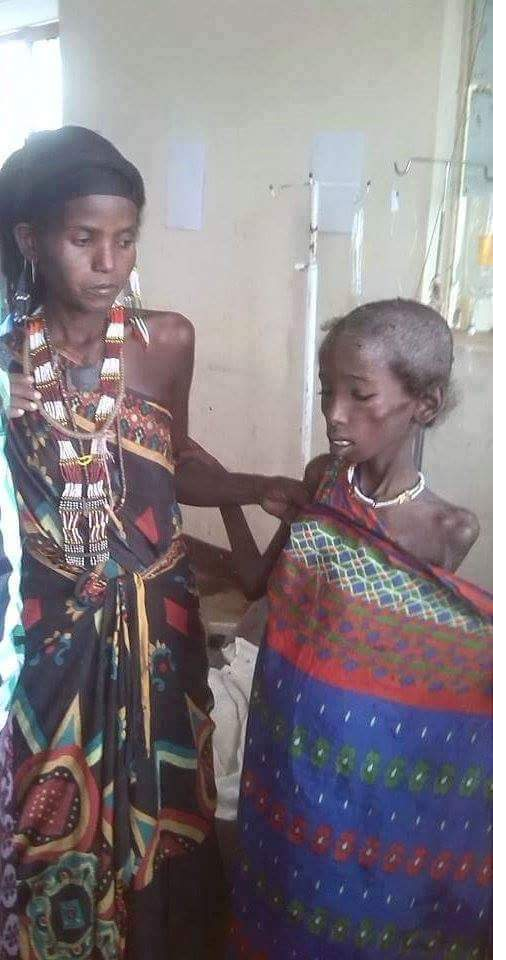
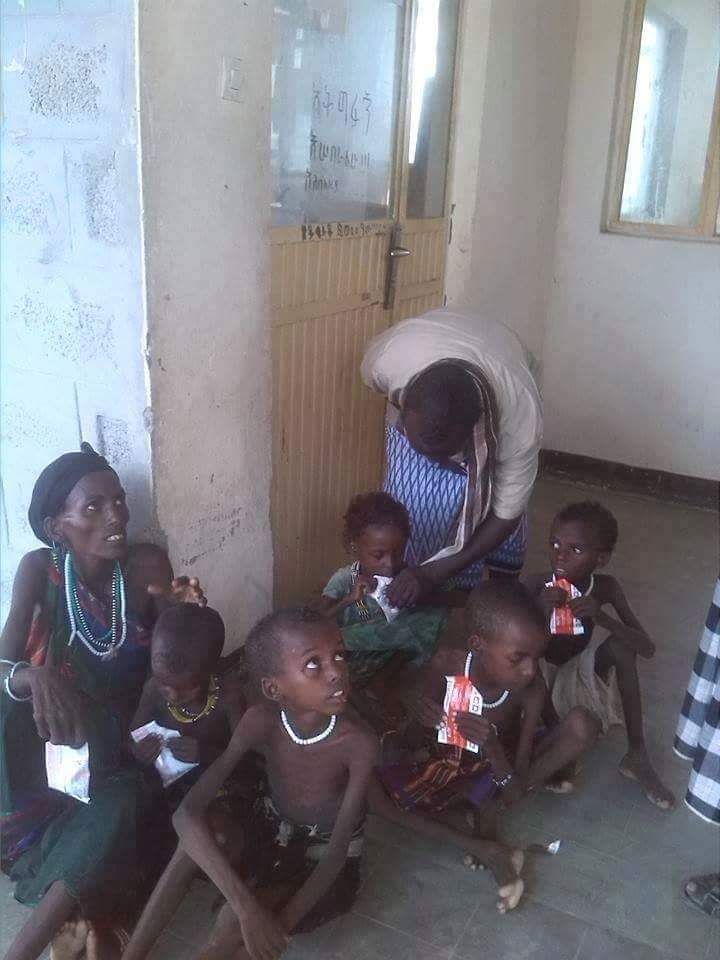
Drought, food crisis and famine in Afar state captured through social media, August 2015


 Ethiopia says it is managing crisis though UN says number in need has increased by more than 55 percent this year.


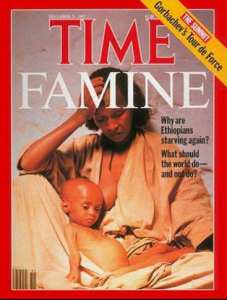
(Al Jazeera, 5th September 2015) – Around 4.5 million Ethiopians could be in need of food aid because of a drought in the country, the UN has said.

Hardest-hit areas are Ethiopia’s eastern Afar and southern Somali regions, while pastures and water resources are also unusually low in central and eastern Oromo region, and northern Tigray and Amhara districts.

Reacting to the UN’s claims that the number in need had increased by more than 55% this year, Alemayew Berhanu, spokesperson for Ministry of Agriculture, told Al Jazeera that Ethiopia had “enough surplus food at emergency depots and we’re distributing it”.

“When we were informed about the problem, the federal government and the regional state authorities started an outreach programme for the affected people,” he said.

In August, the Ethiopian government said that it had allocated $35m to deal with the crisis that has been blamed on El Niño, a warm ocean current that develops between Indonesia and Peru. The UN says it needs $230m by the end of the year to attend to the crisis.

“The absence of rains means that the crops don’t grow, the grass doesn’t grow and people can’t feed their animals,” David Del Conte, UNOCHA’S chief in Ethiopia, said.

One farmer in the town of Zway told Al Jazeera that he was selling personal belongings to stay alive.

“There is nothing we can do. We don’t have enough crops to provide for our families. We are having to sell our cattle to buy food but the cattle are sick because they don’t have enough to eat,” Balcha, who has a family of nine, and grows corn and wheat, said.

El Niño
The onset of El Niño means the spatial distribution of rainfall from June to September has being very low. According to the UN children’s agency (Unicef), the El Niño weather pattern in 2015 is being seen as the strongest of the last 20 years.

Experts say it could be a major problem for the country’s economy, as agriculture generates about half of the country’s income.

Climate shocks are common in Ethiopia and often lead to poor or failed harvests which result in high levels of acute food insecurity.

Approximately 44% of children under 5 years of age in Ethiopia are severely chronically malnourished, or stunted, and nearly 28% are underweight, according to the CIA World Factbook.

Unicef says that about 264 515 children will require treatment for acute severe malnutrition in 2015 while 111 076 children were treated for severe acute malnutrition between January and May 2015

OMN: A Conversation with Prof John Markakis, the Author of ‘Ethiopia: The Last Two Frontiers’. #Oromia. #Africa September 2, 2015

Posted by OromianEconomist in Uncategorized.
Tags: , , ,
add a comment

???????????

https://www.youtube.com/watch?v=TNroZd_-Tr0

https://oromianeconomist.wordpress.com/tag/httporomianeconomist-wordpress-comwp-adminpost-new-php/

OBSTV: Utubaa Maatii, Addee Foolii Gorbaa (Haadha Kolonel Haayiluu Ragaassaa) September 2, 2015

Posted by OromianEconomist in Uncategorized.
Tags: ,
add a comment

???????????

http://https://vimeo.com/137260436

https://vimeo.com/137260436

Related:-

http://Addee Foolii Gorbaa

https://oromianeconomist.wordpress.com/2015/03/23/oromo-speaks-some-of-the-collected-inspirational-speeches-interviews-of-oromo-women/

Tsaggaayee (Sayyoo) Dandanaa Dhibamee Gargaarsa Lammii Barbaada. Rescue the Life of Artist Tsegaye Dandana! August 28, 2015

Posted by OromianEconomist in Uncategorized.
Tags:
4 comments

???????????

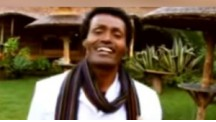
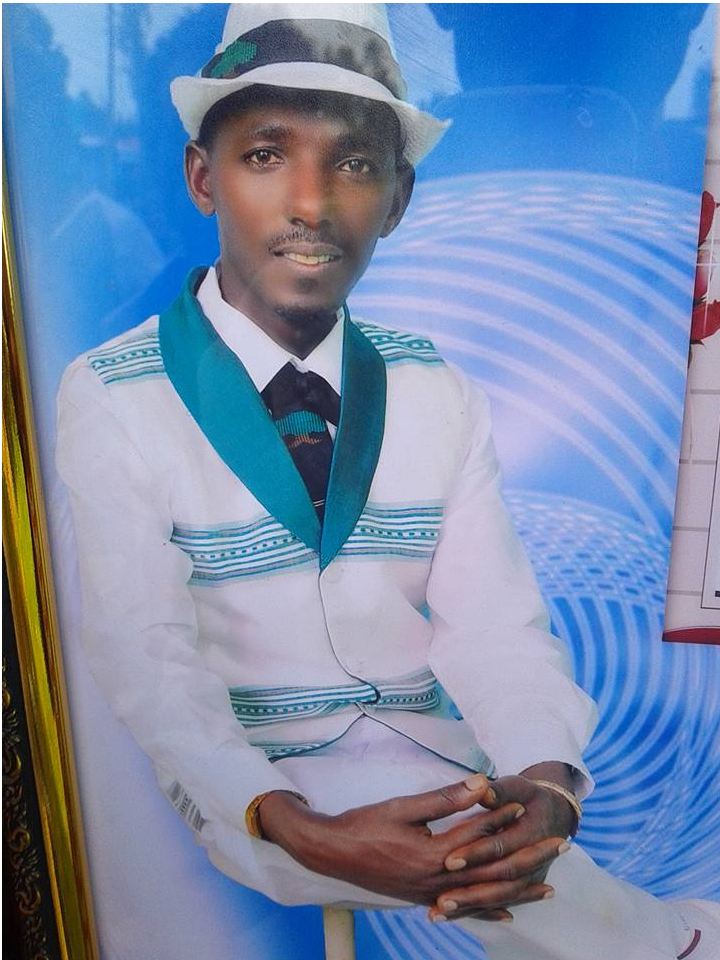
Oromo artist, Tsaggaayee Dandanaa

The famous Oromo artist Tsegaye Dandana (aka Sayyoo Dandanaa) who is a father of two children is reported to have been suffering from bone cancer and being treated in a hospital. Sayyoo is one of those brave artists who have contributed a lot to the advancement of Oromo music and culture. Many of us know him by his revolutionary songs of which the messages still resonate in our mind. The glorious days of Gullallee and Maccaa-Tuulamaa where he used to control the stage are here to testify.
Sayyoo is now appealing to us, and it is our moral responsibility to save his life. Rescue the Life of Tsegaye Dandana!Thank you for making contribution!http://www.gofundme.com/gn2v8bgw

(Oromedia, 26 Hagayya 2015) Weellisaan Oromoo beekamaa, Tsaggaayee Dandanaa, dhibamee gargaarsa lammii barbaadaa jira.Odeessi nu gahe akka ibsutti, Tsaggaayeen erga dhibamee ciisee bubbuleera.

“Dhibee isaas jabaa waan ta’eef, wal’aansa olaanaa isa barbaachisa,” jedha odeessi nu gahe.

Tsaggaayee Dandanaa qabsoon bilisummaa Oromoo akka jabaatuufi akka beekamuuf karaa hedduun wallee isaatiin gumaacha guddaa gochaa jiraachuun isaa kan yaadatamu.

Tsaggaayee (Sayyoo) Daandanaa sodaa tokko malee rakkoo fi fedhii ummata Oromoo beeksisuu fi tarkaanfachiisuu keessatti qooda olaanaa bahe.

“Oromoon horii bobbaasee, qajeelche gara horaatti,” kan jedhus yaadannoo jiruu fi jireenya Oromoo waliin walitti hidhateedha.

Sirboota isaa barayyuu yaadataman keessaa “Bideenni Oromoo furdaan osoo jiruu, maal barbaada deemte ganda waddi Gabru?” kan eeramuudha.

“GADAA OROMOO SHAN MALEE, DHAABNI OROMOO SHAN MITi,” kan jedhus seenaa fi aadaa Oromoo kan dhaadhessuu dha.

Artisti Tsaggaayee (Sayyoo) Daandanaa, artistoota Oromoo haaraa fi guddattootaafis fakkeenya gaarii ta’eera.

“Hedduun isaanii faana isaa hordofuun hojii boonsaa hojjachaa jiran,” kan jedhe dhaamsi karaa facebook darbe tokko, Tsaggaayeen nama dhaloota ofiin boonanii fi sabaaf of kennan qaruu keessatti hojii guddaa kan hojjate ta’uu mirkaneessa.

Akka odeessa nu gahetti, Tsaggaayee Daandanaa dhibee kaansarii lafeetiin qabamee hospitalaa ciiseera.

TsegayeDendena2015_2

“Kaleessa waltajiin isa hingahu ture,” kan jedhu dhaamsi nu gahe, weellisichi kaleessa akka quruphee as achi irra quruphessaa ture har’a immoo rakkina keessatti argamu isaa ibsa.

“Har’a garuu marmaratee ciisuuf dirqameera. Siree hospitaalaa keessa ciisee sagalee dadhabeen, ‘yaa lammii koo, maaloo NADHAQABAA!’ jedhaa jira,” jedha dhaamsi nu gahe.

Itti dabaluunis, kanneen kaleessa Tsaggaayee yaadatan, “Sagaleen kaleessaa GULLALLEE fi walga’ii MACCAA TULAMAA ittiin ho’isaa ture sun har’a garuu qabbanaa’ee, birmannaa lammii eeggachaa jira,” jechuun dhaamsa lammummaa dabarsanii jiru.

Bara Oromummaan (Oromoo ta’uun) akka cubbutti ilaalamaa ture fi Oromoon ofitti akka qaana’u dhiibbaan itti godhamaa ture sana SAYYOON Oromummaa isaatti boonudhaan midiyaa biyyatti irratti bahee weellisaa ture.

Kana malees, Tsaggaayeen sirba isaa keessatti seenaa Oromoo barsiisuu fi yaadachiisuun akka dhalooti hidhannoo jabaa argatan taasisee jira.

Namuu sirboota isaa akka “SUTUMEE YA SUUTUMEE, Been wajjin gallee Arsii, Wallaggaatti mana ijaarra,” jedhu kan yaadatuudha.

Akka namni tokko sarara walqunnamtii hawaasa irratti ibsetti, sagaleen Sayyoo dhibba dammaqsaa ture, ammaan kana “CUFAMEE JIRA!!”

Haata’uutii, dirmannaan lammii sagalee kana deebisee banuu fi waltajjiitti deebisuu akka danda’u shakkiin hin jiru.

Hagasitti immoo namuu, sirboota Tsaggaayee, “… MEE KOOTTU SIN EEGAA MAGAALAA BIYYA KOOTI, BIYYI KOO OROMOMIYAA DHAA MACAA FI TULAMAATI, BEENU WAJJIN YAANAA MOTOBILII KORREETI,” jedhuun ofjabeessuu akka danda’u abdiin jira.

Namooti Tsaggaayyee Daandanaa gargaaruu barbaaddanis teessoo armaan gadiitiin qunnamuu danda’u.

Toora Bilbilaa: +251911 652 014

Bank Account: 261042 Adama Branch, Oromia International Bank

Sayyoon osoo lubbuun jiruu haa gargaaru!

The Origins and Legacy of the Idea of the ‘Third World’ August 26, 2015

Posted by OromianEconomist in Uncategorized.
Tags: ,
add a comment

???????????

The type of corruption that really hampers Nigeria’s economy August 25, 2015

Posted by OromianEconomist in Corruption, Corruption in Africa, Uncategorized.
Tags: , , , ,
add a comment

???????????corruption-in-africa

Permaculture Gardening: Rainy Season Projects August 17, 2015

Posted by OromianEconomist in Uncategorized.
Tags: ,
add a comment

???????????

cdo2807's avatarWe Wander but Are Not Lost

This rainy season we missed the opportunity to get involved in a summer club program at the school.  I don’t believe any currently exist, so we decided to focus on 2 things, first a permagarden to be built at the Health Center to get the most visibility, and a bed net demo since our Woreda just got a shipment of at least 20,000 bed nets to be distributed to Becho and all the surrounding kebeles in the ‘catchment’ area.

Our permagarden focuses on filling the gap between the large farming knowledge of the area and the few but large crops that are grown here: coffee, chaat, corn, tea, honey.  The community no doubt is very successful in growing these items, but we are trying to connect the farming knowledge with a small family size garden to help nutritionally and financially.  Right now it seems that everyone with land has prioritized…

View original post 1,021 more words

Legatum Institute Africa’s Prosperity Ranking: Botswana is the most prosperous country in Africa August 10, 2015

Posted by OromianEconomist in Uncategorized.
add a comment

???????????

ETHIOPIA  HAS BEEN ONE OF THE WORST PERFORMERS IN ENTREPRENEURSHIP & OPPORTUNITY  RANKINGS (30/38) EDUCATION (29/38),  SAFETY & SECURITY  (31) AND SOCIAL CAPITAL (29/38).

2014-africa-prosperity-report-part-2—contents-and-rankings

Going beyond economic indicators, the Legatum Institute  2014 index examines a group of sub-indices in the crucial areas of Education, Governance, Health, Safety & Security, Entrepreneurship & Opportunity, Personal Freedom, and Social Capital.

The  new research (Published August 2015) has ranked prosperity in 38 African countries around criteria ranging from economics to education to health, the title belongs to Botswana, the diamond-rich country in southern Africa.

As well as posting a relatively high per capita Gross Domestic Product (GDP) of $15,176, Botswana also fared well in terms of governance, education and personal freedom. As the country spends 8% of its GDP on education, it is among the biggest proportional spenders in the world according to the World Bank. This is the third year in a row that Botswana has topped the index.

In contrast, the Central African Republic was the lowest ranked country on the continent. The country, which has a per capita GDP of $584, has seen increasing violence since the end of 2012, and only 21.5% of the population have access to sanitation according to the prosperity index.

Top in the index: 

Botswana, South Africa,  Morocco, Namibia,  Tunisia, Algeria, Ghana,  Rwanda,  Burkina Faso and Senega.

Bottom in the index:

Ethiopia,  Liberia,  Sudan,  Angola, Guinea, Sierra Leone, Togo,  Burundi, Congo (DR), Chad and  Central African Republic

The report points out that education plays a critical role in empowering people and increasing the potential for citizens to contribute economically and politically.

The report considers that entrepreneurship is critical for both income and well being. But in Africa, few nations are realizing their potential in this area as women’s contributions to business are inhibited by cultural barriers, lack of access to finance, little support from families as well as limited access to social networks.

The report also warns  “As African economies grow, a chief concern for many governments is how to ensure that the fruits of growth benefit a majority of the population and contribute to true long term prosperity.”

Oromoo Lafa Abba Isaatirraa Buqqisuun Balaa Dhalicha August 8, 2015

Posted by OromianEconomist in Uncategorized.
add a comment

???????????

Googsa's avatarOromia Tiyya

Misoomni, akkuma biyyoota guddatan keessatti argamutti barbaachisumman isaa wali nama waan gaafachiisu natti hin fakkattu. Misoomni biyyoota guddatan keessatti gaggeeffamu kan ummata mar’achiisuu fi dur-duubee (sustainability) akka qabaatutti karoorfama. Misoomni fedhii fi ilaalicha ummataa hubanna keessa hin galichine,umriin isaa gabaabadha. Armaan dura biyya Itoophiyaa keessatti mootummaan Darguu humnaan Oromoo fi ummatoota Itoophiyaa biraa fedhii isaanii malee lafa irraa buqqisuudhaan misooma adda adda gaggeessa akka ture yaadannoo yeroo dhihooti. Haa ta’uu malee, misoomni sun hundi gaafa Darguun kufu, ummatnumma itti bahuudhaa qabeenya san mancaase. Kun kan agarsiisu, gaafa misoomni sunniin karoorfaman, fedhii fi yaadni ummata akka hubanna keessa hin gallee namatti mul’isa. Ummatni, tajaajila adda addaa kan akka woldaalee misooma (Farmers’ Cooperative Associations), woldaalee tajaajila kennan (Service institutions), kkf hunda qabeenya isaan kan dhaabbattaa dabalatee ummatni mancaasutti ka’e. Kanaaf ragaan ummatuma, mootumman Woyyanees haala beeka. Asirraa maal baruun danda’ama?

  1. Misoomni fedhii fi yaada hawaasa naannoo hubanna keessa hin galichine, dur-duubni isaa…

View original post 390 more words

Oromo Art: The Next Frontier August 7, 2015

Posted by OromianEconomist in Uncategorized.
Tags: , ,
add a comment

???????????

yadesabojia's avatar

OSAlinkedin

I successfully spoke at Oromo Studies Association Annual Conference at Howard University in Washington DC. I was there in an invitation from the OSA to speak about Oromo art. My presentation was entitled Oromo Art: The Next Frontier. “For centuries, Oromo’s created art that lasted generations. Their work is a trace of proud people with rich identity and history that goes deep down for ages. Whether it is a cultural sword that passed down from one generation to another or a beautiful jewelery Oromo womens wear as a symbol of their ancestors, it contained a DNA of long and wide history of Oromo life and existence. The rich tapestry of this art, was neglected or overlooked for centuries until now. My presentation will try to show the past and analyze the present in hopes to open door for the next frontier.”

I am very grateful for the OSA board members to invite me to…

View original post 241 more words

Rainbow Nation news from PBS: Black South Africans continue persecution of other black Africans August 6, 2015

Posted by OromianEconomist in South Africa, Uncategorized.
Tags:
add a comment

???????????South Africa, flagFeatured Image -- 5695

http://www.pbs.org/newshour/bb/living-fear-attacks-migrants-south-africa/#


AIII #18: Re-engaging the Global: An Account of the Political and Economic Roots of Conflict in DRC August 5, 2015

Posted by OromianEconomist in Uncategorized.
Tags: ,
add a comment

???????????

ethuin's avatar

Re-engaging the Global: An Account of the Political and Economic Roots of Conflict in DRC

(picture by the author)

Marta Iñiguez de Heredia

In the last few years there has been a shift in thinking about the roots of conflict in the DRC. From a focus on mineral wealth exploitation, the debate has shifted to land and identity as the primary reasons for conflict to continue.[i] Unresolved historical cleavages around land and power distribution, both of which are linked to identity and belonging, create the basis for political mobilisation through violence.[ii] Although these analyses have offered nuanced explanations of the micro-dynamics, two features put them at risk of reproducing previous problems.

Firstly, the focus on the local has detached these analyses from broader global political and economic structures that condition the micro-level. Secondly, the characterisation of politics, the economy and society as neo-patrimonial has pictured the DRC as…

View original post 1,461 more words

OBSTV: Wellissaa Ibraahim Adam Maal Irra Jira? July 22, 2015

Posted by OromianEconomist in Uncategorized.
Tags:
add a comment

???????????


Gargaarsa artist Ibrahim Adam

http://www.gofundme.com/idgrms


http://www.oromp3.com/ibrahim-adam

WBOn Oromiyaa Bahaa Keeysa Socho’u Hoomaa Waraana Diinaa 28 Ol Hojiin Ala Taasise July 20, 2015

Posted by OromianEconomist in Uncategorized.
add a comment

???????????fb367-alaabaanew

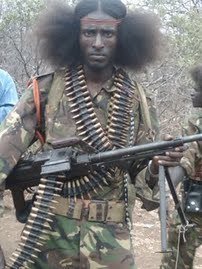
The Oromo Liberation Army (OLA) has destroyed fascist TPLF’s  camp in Eastern Oromia.

http://www.oromiapress.com/the-oromo-liberation-army-ola-has-destroyed-an-enemy-camp-in-eastern-oromia/

Oromia's avatarOromia

Sagalee Bilisummaa Oromoo's photo.

(Sagalee Bilisummaa Oromoo – Adoolessa 20,2015)

Ibsa Tarkaanfii Waraanaa ABO

Waraanni Bilisummaa Oromoo (WBO)n Humna Diinaa Magaalaa Harar Irraa KM.20 Qofa Fagaatee Ona Fadis Naannoo Bokkoo Bakka Bobbaasaa Jedhamu Qubatee Ture Barbadeesse. Loltoota Diinaa 28 Olis Hojiin Ala Taasise.

Irree fi Gaachanni Ummata Oromoo WBOn, bilisummaa ummata Oromoo fi walabummaa Oromiyaa mirkaneessuuf tarkaanfii haleellaa diina irratti fudhatu babal’isuu fi jabeessuu irratti argama. Tarkaanfii boonsaa tibbana Baha Oromiyaa keessatti fudhateenis injifannoo cululuqaa galmeessee jira.

Akka kanaan Waraanni Bilisummaa Oromoo (WBO) Godina Baha Oromiyaa keessa sossohu Adoolessa 16,2015 Baha Harargee Ona Fadis keessaa bakka Bobbaasaa jedhamu kan naannoo Bokkootti argamu mooraa qubsuma waraana Wayyaanee weeraruudhaan tarkaanfii rifachiisaa irratti fudhateen loltoota diinaa 28 ol hojiin ala gochuu fi meeshaalee waraanaa dabalatee qabeenya adda addaa booji’ee dantaa qabsoo bilisummaa Oromoof oolchuudhaan injifannoo cululuqaa galmeessuu Ajajni WBO Godina Baha Oromiyaa beeksisee jira.

Tarkaanfii laalessaa WBOn qubsuma waraana…

View original post 314 more words

Rich countries rejected an international plan to let the UN help fight tax evasion July 16, 2015

Posted by OromianEconomist in Africa, Illicit financial outflows from Ethiopia, Uncategorized.
Tags: , , , ,
add a comment

???????????Illicit financial outflows from Africa Ethiopia makes among top 10

What’s missing from celebrity activism in Africa? The people July 12, 2015

Posted by OromianEconomist in Uncategorized.
add a comment

???????????Musician Bob Gelfof arrives for the recording of the Band Aid 30 charity single

‘As recent research has shown, the problem with celebrity causes is that they tend to de-politicise policy and activism. They too often obfuscate the complex dynamics of power and socioeconomic relations in favour of a simple, catch all, solution. Celebrities can improve this situation by bringing back into the debate more stakeholders, researchers and local voices.
Thus celebrities speaking truth to power, rather than half-truths that may inadvertently serve the interests of power, may be a more promising way forward if celebrity advocacy relating to Africa is to lead to meaningful socioeconomic change.
The celebrity advocacy circuit for change in Africa lacks celebrity participation in bottom-up movements, as opposed to top-down advocacy. Bottom-up celebrity advocacy, à la Charlotte Church and Russell Brand, should itself not be void from criticism.’

#HELOO, KANNEEN BEEKTUU LAATA??? July 8, 2015

Posted by OromianEconomist in Oromo Literature, Uncategorized.
Tags: , ,
add a comment

???????????

Statistics: The Sexiest Job of the Decade July 7, 2015

Posted by OromianEconomist in 10 best Youtube videos, 25 killer Websites that make you cleverer, Economics, Uncategorized.
Tags: , ,
2 comments

???????????

Anirudh's avatarDiscovering Python & R

Anyone who’s got a formal education in economics knows who Hal Varian is. He’s most popularly known for his book Intermediate Economics. He’s also the Chief Economist at Google. He is known to have famously stated more or less, that statisticians and data analysts would be the sexiest jobs of the next decade.

That has come true, to a great extent, and we’ll be seeing more.

Great places to learn more about data science and statistical learning:
1] Statistical Learning (Stanford)
2] The Analytics Edge (MIT)

In a paper called ‘Big Data: New Tricks for Econometrics‘, Varian goes on to say that:

In fact, my standard advice to graduate students these days is “go to the computer science department and take a class in machine learning.” There have been very fruitful collaborations between computer scientists and statisticians in the last decade or so, and I…

View original post 22 more words

Oromia: Macha-Tulama Association Requests President Obama to Rethink Visit to Tyrannical, Undemocratic Ethiopia July 6, 2015

Posted by OromianEconomist in Uncategorized.
Tags: , , , ,
add a comment

???????????Machaa Tuulamaa in USA


The following is a letter to President Obama from the Macha-Tulama Association-USA, Inc.


Macha-Tulama Association – USA, Inc
811 Upshur ST NW
Washington, DC 20011
contact@machatulama.org

July 2, 2015

President Barack Obama
The White House
1600 Pennsylvania Avenue
NW Washington, DC 20500

Your Excellency President Obama,

The Board of Directors of the Macha-Tulama Association (MTA), U.S.A., is writing this urgent letter regarding your plan to visit Ethiopia in July 2015. The MTA is a non-profit organization incorporated in the U.S.A. because it was banned in Ethiopia. It advocates for human rights and for social justice for the Oromo and others in the Horn of Africa and beyond. For almost a quarter of a century, Ethiopia has been ruled by the Tigre People’s Liberation Front, which calls itself the Ethiopian People’s Revolutionary Democratic Front. This minority regime has been engaging in sham elections, which are elections only in name. The regime disregards all the principles and practices of democracy in spite of its pretension to be democratic since 1991. The regime’s promise of democratization by restructuring the state, liberalizing the economy, and respecting and protecting human rights has been subverted. While claiming to be a democratic government in order to receive ‘development aid’ and to gain political legitimacy, this regime has killed, imprisoned and tortured the Oromo and other ethno-national groups who have struggled for democracy, national self-determination, human rights, and social justice. In fact, the Oromo people have been mainly targeted for elimination and repression because they are the largest national group in Ethiopia, and they have started to recover, manifest, and exercise their rights to culture, history, and language, which have been repressed by the state of Ethiopia for over a century.

According to a recent Amnesty International report, entitled ‘Because I am Oromo: Sweeping Repression in the Oromia Region of Ethiopia,’ between 2011 and 2014 alone, at least 5000 Oromo were arrested, tortured, and sentenced with extra-judicial executions because of being Oromo and for also peacefully demonstrating against the regime’s land grabbing policies and the so-called Addis Ababa Master Plan, intended to evict millions of Oromo farmers from their homelands in and around Addis Ababa (which the Oromo call Finfinnee), the capital city of Ethiopia. Since 1992, several human rights organizations have been reporting that Oromo prisoners have been predominantly populated Ethiopian prisons and other detention places. As a result these prisons and concentration camps speak Afaan Oromo (the Oromo language), as testified by many nonOromo prisoners.

Mr. President,

It is with shock and profound sadness that we received the message of your intention to visit Ethiopia in July. As the leader of a great country that subscribes to the principles of democracy and fundamental rights and liberties for all human beings, and as the leader of a country whose foreign policy in principle is committed to promoting the ideals of human rights, the rule of law, and democracy around the world, we believe your visit will send a wrong message to the regime and its likes across the globe that they can get away with grotesque violations of human and democratic rights as long as they remain ‘strategic allies’ to the United States.

Mr. President,

Because of these reasons, we earnestly request that you rethink your intention to visit Ethiopia. We believe your visit to the country also sends three messages: First, it encourages the Ethiopian government to continue intensifying its repressive policies. If your government continues to support and finance the regime regardless of what it does, the regime will see no reasons for changing its violent and dictatorial policies. Second, your visit to Ethiopia demonstrates to the affected people that the United States government only gives lip service to democracy and human rights while supporting the dictatorial minority regime of Ethiopia. To the 90 million people who are facing massive human rights violations in Ethiopia, particularly to the over forty million Oromo, your visit will mean that the U.S.A. does not care for the aspiration to live in a free, open, and democratic society. Your visit will also mean that human rights and democratic self-governance are not part of the list of U.S. priorities in Africa and beyond. Third, it convinces the people in Ethiopia and beyond that your policy is not different from some of your officials, such as Undersecretary of State Wendy Sherman, who recently undermined the process of democratization in Ethiopia by endorsing the regime’s record whose democracy, she said, is ‘improving.’ The Undersecretary has been roundly criticized, and we believe, rightly so.

In closing, we would like to bring to your attention that when, in July 2009, you visited Ghana, you made a speech in which you promised that the U.S.A. does not, and will not, support dictatorship and strongmen, and that you seek to assist the development of “strong and sustainable democratic governments” everywhere in Africa. We believe it is only appropriate now to request that you do not ignore your commitment and promise of that historic speech you made in Accra, Ghana, by visiting Ethiopia, the graveyard and prison house of thousands of men and women who have been killed, imprisoned, tortured, maimed, and disfigured only because they have aspired to exercise their God-given rights and to live in a democracy by demanding national self-determination and democratic rights in their own country.

Sincerely,

Asafa Jalata, PhD.,
Chairman of the Board of Directors of the Macha-Tulama Association &
Professor of Sociology and Global and Africana Studies


‘Oromo Diaspora Day’ Celebration with Dictatorship Appalling, Press Release of Oromo Community in Australia July 6, 2015

Posted by OromianEconomist in Uncategorized.
Tags: ,
add a comment

???????????

The following is a press release from the Australian Oromo Community Association in Victoria Inc.


Australian Oromo Community Association in Victoria Inc
A.B.N. 52 554 165 204

Level 3. 225 Bourke Street,
Melbourne VIC 3000

P.O.BOX 2123
Footscray VIC 3011
Tel: + 61 412 795 909 | 61 422 869 709
Email: ocaustralia@gmail.com
Web: OromoCommunity.org.au

4th July 2015

Dear Oromos and friends of the Oromo worldwide,

I would like to bring to your attention the latest disgraceful plan of the Ethiopian government to divide the Oromo people’s worldwide communities under the banner of ‘Oromo Diaspora Day’ from 3rd August 2015 to 10th August 2015. This disguised and sugarcoated plan may sound attractive to some, but it is an old poisonous tactic commonly played by all dictators to divide and rule their subjects. We, members of the Australian Oromo community, completely denounce this day and urge the Oromos and friends of Oromo to refuse to celebrate this day with the Ethiopian dictatorship regime that continues to perpetrate heinous crimes against our people. Celebrating this day with the Ethiopian dictatorship regime is rewarding this government that murders women, children and elderly; that imprisons and tortures our youth, intellectuals and business people; and that confiscates our farmland and leaves our farmers destitute and beggars. We call all Oromos to not be fooled by the dictator’s plan with a hidden agenda to further subdivide us, and reduce us to humiliation and subjugation. It’s very appalling to disregard the sufferings of our people in Oromia and celebrate with the tyranny. We condemn any fake investment plan that comes with the ‘Oromo Diaspora Day’ that will lead to the displacement and the suffering of Oromo farmers and residents in Oromia.

Oromia is under occupation, and our people are under a colonial rule in Ethiopia. Our people are subjected to unimaginable sufferings unparalleled in the history of the Ethiopian empire. Our people have been persecuted, and thousands of Oromos have been killed; thousands have been abducted and disappeared; and thousand have been tortured; thousand have run for their lives and have become refugees. Our farmers have been pushed out of their land, and our people have been marginalized – and Oromia has been put for sale. Oromo has suffered direct and systematic subjugation under this government. The Australian Oromo Community does not recognize anyone or any group that takes part in this very dishonorable ‘Diaspora Day’ in the name of Oromo, for we don’t recognize people who betray their nation for selfish gains.

The August 3-10 ‘Oromo Diaspora Day’ celebration with dictatorship is an appalling day!

Yours Sincerely,

Yadata Saba
President, Australian Oromo Community Association in Victoria Inc

Ethiopia’s higher-eduction boom built on shoddy foundations, George West, The Guardian June 25, 2015

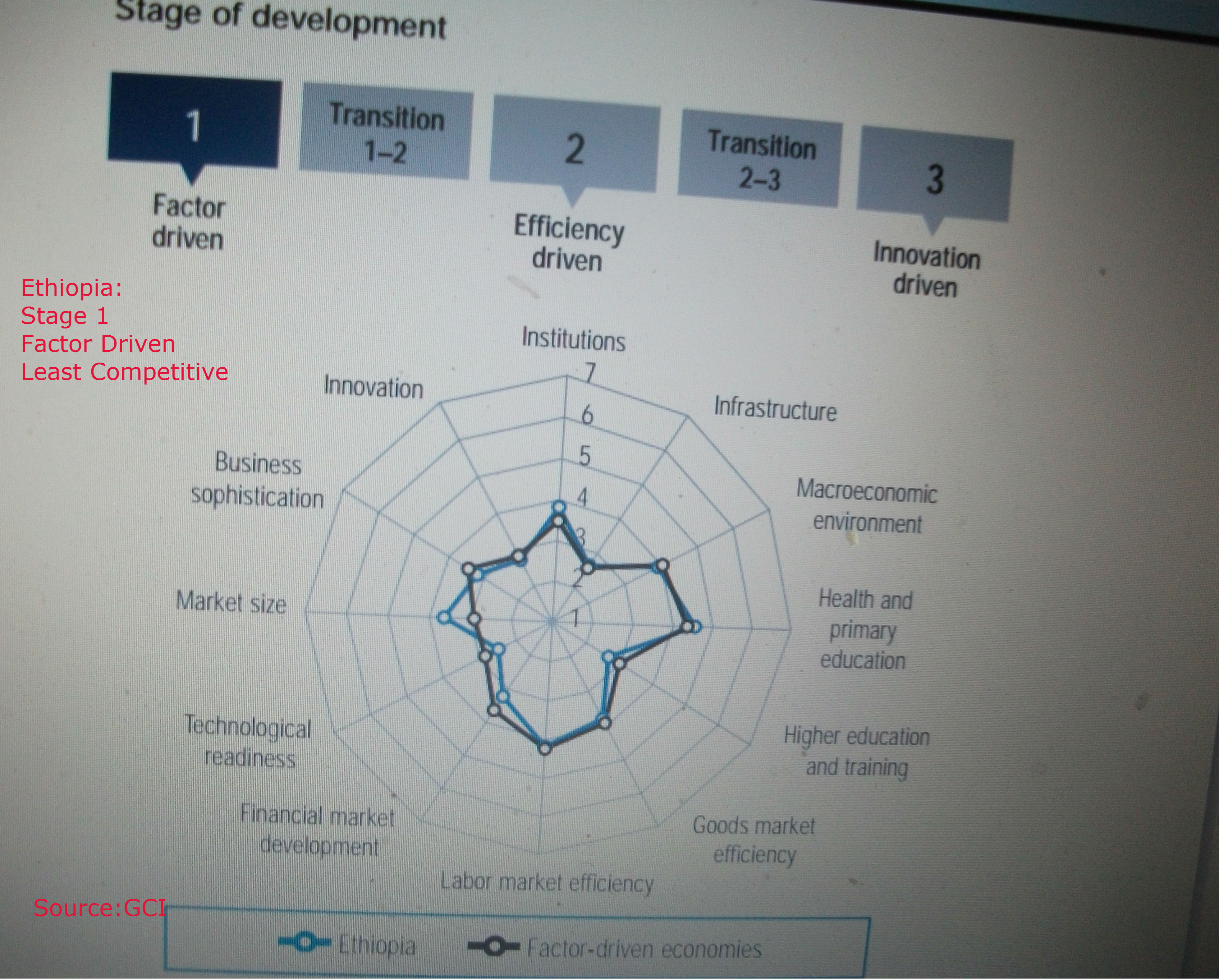
Posted by OromianEconomist in Ethiopia the least competitive in the Global Competitiveness Index, Free development vs authoritarian model, Schools in Oromia, The Global Innovation Index, Uncategorized.
Tags: , , , , , ,
add a comment

???????????

The country desperately needs new universities to drive development, but most of the 30 built in the last 15 years fall woefully short


Higher education


The declining standard of Nigeria’s premier institution, the University of Ibadan, ten years ago is reflected in Ethiopia where the quality of new universities varies widely. Photograph: George Esiri/REUTERS


Ethiopia’s higher education infrastructure has mushroomed in the last 15 years. But the institutions suffer from half-written curriculums, unqualified – but party-loyal – lecturers, and shoddily built institutions. The rapid growth of Ethiopia’s higher education system has come at a cost, but it is moving forward all the same.

Twenty years ago the Ethiopian government launched a huge and ambitious development strategy that called for “the cultivation of citizens with an all-round education capable of playing a conscious and active role in the economic, social, and political life of the country”. One of the principal results of Ethiopia’sagricultural development-led industrialisation strategy (ADLI) has been a rapid expansion in the country’s higher education system. In 2000 there were just two universities, but since then the country has built 29 more, with plans for another 11 to be completed within two years.

The quality of these new universities varies widely; from thriving research schools, to substandard institutions built to bolster the regime’s power in hostile regions. One professor recalls a hurried evacuation from part of a recently completed university while he was working there: one of the buildings had collapsed.

But there have also been success stories. The University of Jimma, for example, has come first in the Ethiopian Ministry of Education’s rankings for the past five years, and is held up as evidence of ADLI’s efficacy since its establishment in 1999. The most recent development at Jimma, the department of materials science and engineering (MSE), opened for students in 2013, and has quickly expanded to become one of the top research schools in the sub-Saharan region. The department’s founder, Dr Ali Eftekhari, has since received a fellowship from the African Academy of Sciences on the back of the project’s success.

This success is much-needed. At 8%, African higher education enrolment issignificantly lower than the global average of 32%, and Ethiopia trails even further behind, with fewer than 6% of college-age adults at university. Research in science, technology, engineering, and mathematics (Stem) is starting from a particularly low base in Africa. The World Bank reported last year that though the sub-Saharan region has “increased both the quantity and quality of its research” in recent years, much of this improvement is due to international collaboration, and a lack of native Africans is “reducing the economic impact and relevance of research”.

Dr Eftekhari echoes these concerns: “The problem for development in Ethiopiaand similar African countries is higher education itself. This is the reason that I focused on PhD programs. “For instance, Jimma’s department of civil engineering has over 3,000 undergraduate students. These civil engineers are the future builders of the country, but there is not one PhD holder among the staff; most only have a BSc.”

Eftekhari improvised and sweet-talked in order to get the department established; in its first year, the department taught 18 PhD students – all native Ethiopians – on almost zero budget, with staff donating their time and money until funding was secured from the ministry of education. Despite the Ethiopian People’s Revolutionary Democratic Front’s (EPRDF) push for development, Ethiopia’s political landscape remains a minefield for education professionals, says Eftekhari: “People are always suspicious about the political reasons behind each new project. I decided to start with zero budget to allay those doubts. In developing countries everything has some degree of flexibility. I used this to borrow staff and resources from the rest of the university until we could secure a budget.

“Many of the staff saw the project as a career opportunity,” says Eftekhari, but altruism also played a part. The department’s research focuses primarily on solving the country’s pressing poverty and development problems. “They knew they were actually saving lives,” says Jimma’s innovation coordinator, Maria Shou.

The belief that science and engineering is key to alleviating poverty propels the work of the school. Projects range from the development of super-capacitors for the provision of cheap power, to carbon nanomaterials for Ethiopia’s expanding construction industry. “You only need a couple of weeks in Ethiopia to realise that materials science is a priority,” says Pablo Corrochano, an assistant professor at the school. “Even in the capital you’ll experience cuts in power and water; in rural areas it’s even worse. Producing quality and inexpensive bricks for building houses, designing active water filters, and supplying ‘off-the-grid’ energy systems for rural areas are all vital to the country’s development.”

However, Jimma’s success could be seen as a bit of an anomaly. Paul O’Keeffe, a researcher at La Sapienza University of Rome, who specialises in Ethiopia’s higher education system, believes that similar initiatives are needed, but that the government’s politics are an obstacle: “My research indicates that the rapid expansion of the public university system has seen a dramatic decline in the quality of education offered in recent years. Instead of putting resources into improving the existing system, or establishing a few good institutions, the EPRDF has built many new universities, largely for political reasons.

“A lot of the time the universities are merely shells. They do not function as universities as we would expect and are poorly resourced, and in some cases shoddily built. It would seem that they are built almost as a token where the EPRDF can say to hostile regions ‘look we are doing something for you, we’ve built a university’.”

Even when the universities do function, the quality of education is often low: “Once the funding, say from a western development agency, is finished for a particular course, it is no longer taught as the university authorities believe they can get funding for a new course instead; whatever is the latest fashionable course. So often this type of education for development is not sustainable.”

Reports of spies, classroom propaganda, of curriculums that have been abandoned half-written due to funding cuts, and of unqualified staff are common at these universities, which make up the bulk of Ethiopian higher education, says O’Keeffe. “The party line is peddled during class, students are required to join the party, [there are] various reports of spies in the classrooms, who monitor what is said and who says it.”

A lecturer at Addis Ababa University, who wished to remain anonymous, is concerned primarily with the lack of qualifications among staff: “What is disturbing is that those who have just graduated with BAs and MAs are the lecturers. That is the manpower that they have. If you talk with students you wouldn’t believe that these students actually graduated from these so-called universities. Their inability to articulate their thoughts is breathtaking. It is extremely frustrating and you wonder how they have spent four years at university studying a doctorate.”

In this context, the MSE school provides a beacon of hope. The school’s success demonstrates that higher education – Stem research in particular – has the potential to thrive and play a central role in helping Ethiopia to reach its goal of becoming a middle-income nation by 2025, provided political interests are put to one side. Let’s hope the EPRDF takes note.

http://www.theguardian.com/global-development-professionals-network/2015/jun/22/ethiopia-higher-eduction-universities-development

Hawaasti Oromoo Keenyaa Basaasota Saaxile June 22, 2015

Posted by OromianEconomist in Oromo, Oromo Diaspora, Uncategorized.
Tags: , ,
2 comments

???????????

Oromedia's avatar

(Oromedia, 22 Waxabajjii 2015) Hawaasa Oromoo biyya isaanii Oromiyaa irraa baqatanii Keeniyaa keessa baqattummaan jiraatan irratti shirri aggaammatame akka fashale ibsame.
Oduun Naayiroobii irraa nu gahe akka addeessetti, hawaasti Oromoo Naayiroobii Wxabajjii 13 irraa eegalanii duula gaggeessaniin basaasota mootummaa Itoophiyaa lama qabanii mootummaa Keeniyaaeetti kennaniiru.

Akka oduun kun ibsutti, basaasoti kunneen hawaasa Oromoo fakkaachuun kanneen hojii diigumsaa raawwachaa turanii dha. ” Basaasoti kunneen akka baqattooti qabamanii biyya keessatti deebifaman dhoksaadhaan karaa addaddaa hojjachaa turan,” kan jedhe maddi keenya, haalli kunis jabina hawaasaatiin irratti dammaqamee saaxilamuu danda’uu isa ahuabchiise.

Miseensi Koree Bulchiinsa Hawaasaa Gaaffii fi deebii Oromedia waliin godhan keessattis akkak mirkaneessanitti, mootumaman Itoophiyaa gurmuu fi jaarmiyaa hawaasaa diiguuf shira olaanaa gaggeessee ture.

Haata’uutii jabina hawaasichaatiin kanneen ergama diinaa baatanii hawaasatti dhufan lama to’annaa jala oolchuun poolisiitti kennuu isaanii addeessan. Akaksumas, kaan illee bakka jiranitti waan saaxilamniif yeroo ammaa balaan aggaammatamee ture irra aanamaa akka jiru miseensi Koree Hawasa Oromoo addeessaniiru.

View original post 51 more words

Why we’re building an investment fund to back solar energy in Africa June 16, 2015

Posted by OromianEconomist in Alternative Energy, Solar energy, Uncategorized.
Tags: , ,
add a comment

???????????solar energy

‘Solar is a technology, not a fuel.’

Ethiopia’s Economy: Time for the West to Call a Spade a Spade June 11, 2015

Posted by OromianEconomist in Uncategorized.
Tags: , , , , , , , ,
add a comment

???????????Ethiopia is the one of the lowest in social Progress 2015AUTHORITARIAN OVER SPEECH

From Where I sit's avatarFrom Where I Sit...

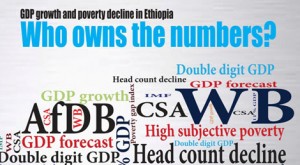
Dounle digit EthiopiaThe western media and its sponsors have gone to great lengths to present Ethiopia as a democratic nation whose economy is growing by “double digits”. The suffering Ethiopian people know better but have been muffled and prevented from expressing their aspirations and dreams by a minority mercenary regime. Over the last decade, Ethiopia has been hailed as the “fastest growing non-oil economies” in Africa, maintaining a double-digit annual economic growth rate. Ethiopia’s Gross Domestic Product may have grown (court is still out on that) but according to Simon Kuznets, “the welfare of a nation can scarcely be inferred from a measure of national income.” The measure was never intended as much more than a useful accounting device.

Reports on Ethiopia’s GDP say:

  • “…For the past 10 years, the country has registered an average 10.9 real GDP (Gross Domestic Product) growth rate and this trend has shown us that the country…

View original post 3,175 more words

Sirna waayyaanee tajaajilaa kan turan qondaaltonni waraanaa olaanoo 9 sirna abba irree kana ganuun WBOtti akka makaman odeeffame. June 7, 2015

Posted by OromianEconomist in Uncategorized.
Tags: , , , , , ,
add a comment

???????????   Moonaa Leenjii Giddu Gala ABO

Moonaa Leenjii Giddu Gala ABO

Sirna waayyaanee tajaajilaa kan turan qondaaltonni waraanaa olaanoo 9 sirna abba irree kana ganuun WBOtti akka makaman odeeffamme. Haala kanaan yaaddoo cimaa  keessa kan seente wayyaaneen sakkata’inaa qondaaltota kanaaf  akka saree maraatuu gaanfa Afrikaa keessa olii gad akka fiigaa jirtu ibsame. Qondaaltota waraanaa olaanoo sirna faashistii wayyaanee kan ganani keessaa:– 1. Kolonel Yaasin Huseen, 2. Kolonel Nagaraa Iddoosaa fi 3. Kolonel Nuuruu Aslii Akka keessatti argaman himamaa jira. Qondaaltonni waraana kun icittii karoora duulaa kan waraana wayyaneesi akka uf harkaa qaban dubbatama. Waayee dhimma kanaa kan Afaan Amaaraatiin barreessame kan armaa gadii kana irraasi hubbachuun ni danda’ama.

የሕወሓት መንግስት ስርዓቱን የከዱትን 9 የጦር መኮንኖች እያደነ ነው * መኮንኖቹ ኦነግን ተቀላቅለዋል እየተባለ ነው

(ምንሊክ ሳልሳዊ) ከደቡብ ምስራቅ እዝ የከዱ ዘጠኝ የባሌ ክፍለሃገር ተወላጅ የሆኑ የሰራዊቱ መኮንኖችን ለመያዝ ማደኑን አንደቀጠለ አና አስካሁን ከኦነግ ኣማጽያን ጋር ተቀላቅለዋል ከሚባል ውጪ ያሉበት ቦታ ምንም ፍንጭ እንደሌለ ለጦር ሃይሎች መምሪያ የደህንነት ክፍል የመጣ መረጃ መጠቆሙን የመከላከያ ምንጮች ገልጸዋል::
በተለያዩ ጊዜያት ከባለፉት ሳምንት ጀምሮ ድንበር ዘለል ወረራ በኬንያ ላይ ያደረገው የወያኔ ሰራዊት ከኦነግ ኣማጽያን ጋር ጦርነት ገጥሞ አንደነበር ሲታወስ የከዱ የመከላከያ ሰራዊት መኮንኖች ከኦነግ ኣማጽያን ጋር ተደባልቀው የወያኔን ሰራዊት አንደወጉ ቢገለጽም አስካሁን ድረስ የኦነግ ታጣቂ ሃይሎችን ያሉበትን ኣከባቢ ለማግኘት ኣለመቻሉን መረጃዎቹ ሲጠቁሙ ኣሉበት የተባሉ ኣከባቢዎችን በሃገር ውስጥ ደኖች ላይ ኣንደተለመደው አሳት በመልቀቅ አና ጎረቤት ሃገሮችን በመውረር በሃይል ለማዳከም ስራዎች አየተሰሩ አንደሆን ምንጮቹ ለምንሊክ ሳልሳዊ ተናግረዋል::
ሰራዊቱን ከድተው ወተዋል ከተባሉት ከፍተኛ መኮንኖች ውስጥ ሶስቱ ኮሎኔሎች የጦር መሪዎች መሆናቸው ሲታወቅ አነሱም ፩ = ኮሎነል ያሲን ሁሴን ፪ = ኮሎኔል ነገራ ኢደሳ ፫ = ኮሎኔል ኑሩ ኣስሊ ይገኙበታል::
የሰራዊቱ የዘመቻ እንቅስቃሴ መረጃዎች በጃቸው አንደሆነ የሚነገርላቸው የጦር መሪዎች መክዳት ከፍተኛ ድንጋጤ አንደፈጠረ ታውቋል፥፥ ይህ በእንዲህ አንዳለ በሶማሊያ አና በኢትዮጵያ ድንበር ኣከባቢ በወያኔ ሰራዊት እና በኦብነግ ኣማጽያን መካከል ግጭቱ የቀጠለ ሲሆን በክዐንያው ድርድርም አስካሁን የተገኘ ውጤት አንዳሌለ ታውቋል:

Youths, Economy and Corruption: The African Outlook at World Economic Forum on Africa 2015 June 6, 2015

Posted by OromianEconomist in Uncategorized.
Tags: , , ,
add a comment

???????????

NACT-PVS's avatarThe Nigerian Association of Criminology, Terrorism and Political Violence Studies

By Femi Senu, Director of Research – NACT-PVS

The 25th World Economic Forum (WEF) on Africa was held in Cape Town, South Africa, between 3 June 2015 and 5 June 2015. Over 1,000 leaders from business, politics and civil society convened including South Africa’s current President, Jacob Zuma and former British Prime Minister, Gordon Brown.

During the WEF, African political and business leaders made clear that transparent and accountable financial systems had to be promoted to aid social and economic rights such as education and healthcare for the continent’s youth. With Africa losing millions from illicit financial flows, the focus on economic growth has given rise to deep inequalities, pervasive poverty and struggling infrastructure despite the fact that Africa swims in mineral resources and a large labour market.

Reflecting on the three day conference, its aim has been to connect Africa to the world, creating ethical business operations with concurrent…

View original post 587 more words

Kenya’s Reprisals Against Ethiopia June 1, 2015

Posted by OromianEconomist in Uncategorized.
Tags: , ,
2 comments

???????????

Oromia's avatarOromia

Kenya’s Reprisals Against Ethiopia

Kenya's relations with Ethiopia is getting far less harmonious
Kenya’s relations with Ethiopia is getting less harmonious recently due to Ethiopia’s repeated incursions into Kenyan territory in complete disregard to the country’s sovereignty

By African Intelligence,

UNDERMINED by the incursion of the Ethiopian army into Kenyan territory in late May (at the Illeret locality, 15 km from the border), relations between Kenya and Ethiopia could deteriorate even further.

The Kenyan government has decided to break the agreement signed with Ethiopia in 2012 under which Kenya undertook to import some 400 MW of electricity for a period of 30 years, after the Gilgel Gibe III dam (southwest Ethiopia) is completed next year. 

View original post 127 more words

Fallout From FIFA Corruption Probe Intensifies May 28, 2015

Posted by OromianEconomist in Uncategorized.
add a comment

???????????Featured Image -- 6175

Half Full Or Half Empty? May 19, 2015

Posted by OromianEconomist in Uncategorized.
add a comment

???????????Half full half empty

The mathematician said that if the glass is equally half full and half empty, then half full = half empty; therefore ½ x F = ½ x E; therefore (by multiplying both sides of the equation by 2) we show that F = E; i.e. Full equals Empty!

We don’t know how many people around the world are living in poverty April 20, 2015

Posted by OromianEconomist in African Poor, Poverty, Uncategorized.
Tags: , , ,
add a comment

???????????Ethiopia


‘We live in a era of big data, but developing countries are suffering from a data drought: governments and the international community know less about the world’s poorest than they think….While the World Bank estimates that the number of people living on less than $1.25 a day is 1.01 billion, the report claims the number could be up to 350 million more than that…The report, which was based mostly on secondary research, publicly available databases, and original interviews, also claims that maternal mortality figures for sub-Saharan Africa in 2013 could be double the stated 133,000, and the number of people living with HIV/AIDS could have been overstated by 20%…“We take for granted that statistics are based on fact, and that they’re scientific or empirical when often they’re not—they’re estimations or political negotiations,” Elizabeth Stuart, a research fellow at the ODI tells Quartz…There are many reasons for this data dearth. Populations in developing countries often live either in highly spread out or dense, shifting communities like urban slums, making traditional data collection methods, such as censuses and household surveys, expensive, too infrequent and potentially dangerous. Over 40% of countries in sub-Saharan Africa have not had a survey in seven years.’

Why black South Africans are attacking foreign Africans but not foreign whites April 16, 2015

Posted by OromianEconomist in South Africa, Uncategorized.
Tags: , , ,
add a comment

O


Race_groups_of_South_Africa's_international_migrants_by_%_share__chartbuilder


Is it “Afrophobia” or xenophobia?

Afaan Oromo: Documentary Afaanif Guddicha Saba Kush April 9, 2015

Posted by OromianEconomist in Afaan Oromoo, Cushtic, Oromo Literature, Oromummaa, Uncategorized.
Tags: , , , , , , , , ,
add a comment

OThe six widely spoken languages in AfricaKan na boonsu Oromummaa


Related:

https://oromianeconomist.wordpress.com/2014/12/28/oromia-untwist-the-twisted-history/

Superfood (Camel Milk) can Beat the Challenge of Superbug (Bacterial Resistance to Antibiotics) March 15, 2015

Posted by OromianEconomist in Camel Milk, Uncategorized.
Tags:
1 comment so far

O

Camel in Borana Oromo


‘The microbiologists continuously exploring camel milk for its unique antimicrobial characteristics. They revealed that camel milk’s (CM) antimicrobial attributes are more important than other multi-dimensional benefits especially in scenario as scientists has warned about the future threat of superbug1. Scientists and health officials have been warning us about antibiotic overuse and drug-resistant “superbugs” for a long time. Antibiotics kill bacteria that cause infection but in the process they can also kill good bacteria (the human body hosts about 100 trillion). This phenomenon is developing towards a complicated two pronged dilemma, i.e. resistance of harmful bacteria to antibiotics and vanishing the good bacteria. The scientists has warned that million of people will be killed by the superbug in the years to come.’

Dr Raziq Kakar's avatarNatural Health with the Camel Milk

The microbiologists continuously exploring camel milk for its unique antimicrobial characteristics. They revealed that camel milk’s (CM) antimicrobial attributes are more important than other multi-dimensional benefits especially in scenario as scientists has warned about the future threat of superbug1.  Scientists and health officials have been warning us about antibiotic overuse and drug-resistant “superbugs” for a long time. Antibiotics kill bacteria that cause infection but in the process they can also kill good bacteria (the human body hosts about 100 trillion). This phenomenon is developing towards a complicated two pronged dilemma, i.e. resistance of harmful bacteria to antibiotics and vanishing the good bacteria. The scientists has warned that million of people will be killed by the superbug in the years to come.

super bug

Drug Resistant Bacteria Methicillin-resistant Staphylococcus aureus (MRSA)

With courtesy of CNN

Camel milk fortified with natural antibiotics (lactoferrin, lactic acid bacteria and others)with symbiotic affect to the good bacteria…

View original post 61 more words

The New Theft of Africa: The Advent of Large-Scale Land Grabbing March 13, 2015

Posted by OromianEconomist in Uncategorized.
add a comment

???????????Land grab inOromia

‘While there is no exact definition of land grabbing, one of the most recognized was drawn out by the Tirana Declaration of 2011, during a meeting of the International Land Coalition. They are defined as acquisitions or concessions of land that violate human rights, are not based on free, prior and informed consent of the affected land users, are not based on thorough assessment of environmental or economic impacts, are not transparent about binding commitments and are not based on effective democratic planning. Basically, this means that if the people currently using the land are not involved in the transaction of the land, if they are misled about how the land will be used in the future, or if they are forcibly removed from the land, it is a land grab. The poor economic climate of 2007-08 led to an increase in food prices. Countries and businesses around the world needed land to increase their agricultural capabilities. Finding very few cheap options in their own countries, they turned to the Global South, particularly Africa. In Africa, they find corrupt leaders willing to assist the foreign investors, with acres of land that in the US would cost many thousands of dollars, being sold off $.50-$7. Those who are most impacted by these practices are small farmers, who rely on the land to feed themselves and their families. After the large businesses drive them off their land (often forcefully), their livelihoods are lost. They are forced to move into the cities to attempt to find work there, or to take low-paying, sporadic jobs on the foreign-run farms. Often the foreign companies make lavish promises involving greatly increased economic opportunity, but in most cases, the local people find themselves in worse situations (for an example of this, one might research the case of Dominion Farms, an American firm from Oklahoma with operations in Kenya and other countries). Since women make up the vast majority of farmers in Sub-Saharan Africa and are usually given little say about the land deals, they are the most affected by the land grabs…. The international community has made no binding legislation regarding the abolishment of land grabbing. Thus far, the African Union and UN have been relatively silent on the issue. However, millions of people around the world are losing their livelihoods to this practice. It is an issue that needs to be given more attention, so that the problems associated with the loss of land can be brought to an end.’

sntimes's avatarSt. Norbert Times

BY JOE LYONS

Today in the Global South, millions of people are losing the ability to provide livelihoods for themselves and their families. A new practice, brought on by the need to lower prices of food production, has led countries and the corporations involved in large-scale acquisitions of land for incredibly cheap prices. These acquisitions, when done in unfair or illegal manners, are referred to as land grabs.

While there is no exact definition of land grabbing, one of the most recognized was drawn out by the Tirana Declaration of 2011, during a meeting of the International Land Coalition. They are defined as acquisitions or concessions of land that violate human rights, are not based on free, prior and informed consent of the affected land users, are not based on thorough assessment of environmental or economic impacts, are not transparent about binding commitments and are not based on effective democratic…

View original post 443 more words

Consumerism = Corruption? March 10, 2015

Posted by OromianEconomist in Economics, Uncategorized.
Tags: ,
add a comment


???????????


‘So yes, the media manipulates people into buying things they think they need to become someone they think they should be, but that is not the only way consumerism exists. We are just as easily manipulated by other people and by what is “normal” for our class – or our perceived class – in society. And of course, we always have a choice. The magazine or TV advertisement doesn’t force you off the couch and to the bank to extend your credit card limit, and drag you mercilessly to the nearest mall to purchase that iPhone you need to live . . . so next time your credit card maxes out, don’t be too quick to blame the media and advertising. It’s just as likely something (or someone) closer to home has planted and nourished that seed of consumerism inside you. And even that doesn’t have the final say, you do – so stop blaming the media and the rest of the world, and learn to budget, folks!’

Claire's avatar

Consumerism can be defined as the creation of material needs in order to swipe mediamoney off the unsuspecting consumer. It blurs the line between a need and a want, and companies all around the globe use it, via the media (TV, radio, print media etc.), to manipulate us into thinking we need their products. We will be happier, smarter, more beautiful, more popular . . . you get the picture. But do you want to know the really sad part? It nearly always works. That’s the common perception, anyway.

But is it that simple?

Consumerism is a current anxiety trend regarding contemporary media practices. And rightfully so – media practices promoting consumerism do have detrimental effects on society. Think of all the photo-shopped models in magazines. This is done to convince a person they will be of equal beauty or social status if they purchase the product the model is advertising, without the advertisement actually saying so (because…

View original post 453 more words

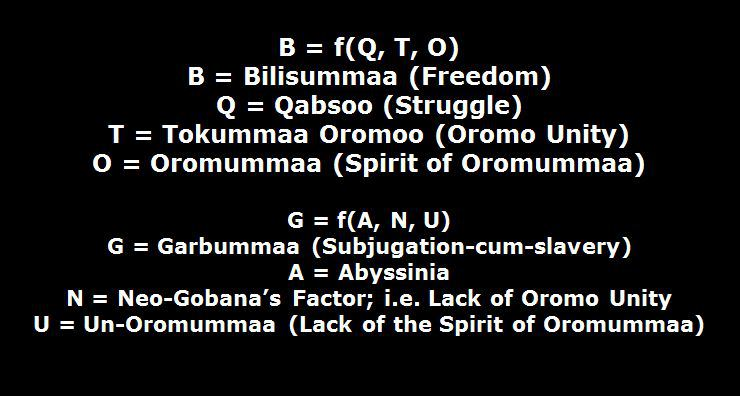
Oromia: The formulas for Bilisummaa (Freedom) and Gabrummaa (Subjugation-cum-slavery) March 3, 2015

Posted by OromianEconomist in Uncategorized.
Tags: , , , , , , , ,
add a comment


???????????


Motummaan Abisiiniyaa (TPLF) Farra Ummata Oromooti

Tasfaayyee Mootii irraa,   Finfinne Tribune | Gadaa.com |  3 March 2015


http://wp.me/p4JW8b-2s5

http://gadaa.net/FinfinneTribune/2015/03/tasfaayyee-mootii-motummaan-abisiiniyaa-tplf-farra-ummata-oromooti/

Seenaa Oromoo keessatti erga sirni abbaa irree Abysiniyaa jedhamuu aangoo afaan qawweetiin harkatti galfatee eegalee, ajjeecha suukkanneessan ummata Oromoo irraa hin cinne. Sabni Amaraa Minilik jalatti gurmaa’un meeshaalee waraana warra Awuroopaa tti fayyadamuun ajjeechaa sukkaneessaa ummata keenya irratti raawwachaa turan.

Bara 1868 fi 1900 gidduutti, ummanni Oromoo miliyoona shan dimshaasha ummata Oromoo keessaa walakkaa kan ta’u Minilikiin kan ajjefaman yoo ta’u, bara 1992 hanga 1994 ammoo Oromoo kuma shantama ABO waliin hidhata qabdan sababa jedhuun ragaa tokko malee mana hidhaatti naqamanii achitti kuma sad kan ta’an TPLFn ajjeefamaniiru. Dabalataan, bara 1992 kaasee hanga 2001 tti Oromoon 50,000 ta’u yoo ajjeeffaman 16,000 ammoo eessa buuteen isaanii hin argamin hafan bara waraana Ertiraa Oromoonni du’aaf waraana fuul duratti dabarsamanii kennamu turan.1

Akkuma sirnoota minilikif lukkeelewwan isaa dura turan sirni TPLF kayyoo Oromoo cunqursuu, ajjeesuu, qabeenya Oromoo saamuu, aadaaf seenaa Oromoo balleessuu, hedduminaan mana hidhaatti naqee achitti gidiraa adda addaaa irratti rawwachuu daran itti fufee jira.

Akka fakkeenyatti yoo kazsbe, fiigicha qaxxaamura dheeraa fuugun kan beekamu Shambal Abbaba Biqilaa, qabsa’aa Oromoo Janaral Taddasaa Birruu (motumma Hayilesillaaseen kan ajjeefaman), Maamoo Walde, weellisaa Eebbisaa Adunyaa, Inginar Tasfahun Camadaa, ijoollee Oromoo kan gargaarsa ORAn guddachaa turaniif kkf motumma TPLF ajjeechan dugiiginsa sanyii irrati rawatameera.2

Yeroo dhiyoo keessatti (Ebla/Caamsaa, 2014) ammoo sababa maastar plaanii “Addis Ababa” tiin walqabatee motumman abba irree TPLF qaanii tokko malee barattootaf ummata harka qullaa mormii isaa dhageessisa jiru irratti waraana banuun ummata Oromoo fixaa kan ture fi ammas kan itti fufee jiru ta’uun nibeekama. Dabalatas, hidhamtoota manneen hidhaa TPLF keessatti argaman keessaa tilmaamni harki 95 Oromoo akka ta’e ni beekama. Bara 2011 hanga 2014 qofa Oromoon manneen hidhaa TPLF keessatti hidhaman kuma shan ol ni ta’a.3 Kana malees motummaan abbaa irree TPLF gargaarsa biyya guddatan kan akka UK, Australia, USA fi kanneen biraa irraa fudhatuun meeshaa waraanaa bituun ummata nagaa ajjeessuf itti fayyadamaa akka jiru nibeekama.4,5

Obbo Abbaay Tsahaayyee Waajjira Muummicha Ministeeraa keessatti Gorsaa Olaanoo Muummee Ministeera Itoophiyaa kan ofiin jedhan dubbii dhaddannoo dheekkamsa, doorsisaaf akeekkachiisa of keessaa qabuun akka beeksisanitti Yeroo kami irraa tuffii ummata Oromootif qaban ifatti kan mirkaneessedha. Akkas jedhan “karoorri kun lafarra harkisamuun isaa ijaa barattoonni wacaniif ykn waliin dhahuu qondaaltota motummaa nannoo Oromiyaa tokko tokkoon osoo hin ta’in sababa doofummaa, rincicummaaf lamsha’uu qondaalttota motummaa Oromiyaatin. Ammas karoorichi hojiirra ni oolfama! Yaa ta’u malee namni ykn qaamni kamiyyuu karoora kana gufachiisuf yaalii godha taanan tarkaanfin gahaa ta’e ykn sirriitti isa ni galchina. Bulchinsi motummaa naannoo Oromiyas hattuuf bututtuun kan keessa guutedha” jechuun haasa’a dhadannoon walmakeen ifa godhaniiru.

Adeemsi isaa kunnis Oromoo lafaaf qabeenya isaa irraa buqqisuu, aadaa, afaan fi seenaa ummata Oromoo dhabamsiisuu, biyya Oromiyaa jedhamtee waammamtu tun gara fuula duraatti akka isheen hin jiraannee gochuu, lafa Oromoo, qabeenya Oromoo fi biyya Oromoo saba Tigreef oolchuuf halkaniif guyyaa boqonnaa malee socha’aa jiru.

Dhaddannoon Ob. Abbaay Tsahaayyee kan ammaa kun seeraaf heera ittiin bulmaata biyyatti kan cabseef kabaja ummata Oromoo kan mulqe yoo ta’u saba Oromoo irratti lola dugugginsa sanyii kan labse, jibbinsaf tuffii saba bal’aa Oroomoof qaban yeroo kammi irra kan ifa baasedha.6

Egaa, dhimmi kun dhimma Oromoo hundaa waan ta’eef namni kamiyyu kaayyoo diinni biyya Oromoo ballessuf ka’e kana tokkumman dura dhabbachuun murtee filannoo hinqabneedha. Dhabbileen siyaasa Oromoo kamiyyuu Hojjetaan mootummaa, miti mootummaa barattoota cinaa hiriirun tokummaan diina qe’ee fi lafa keenya irraa nu biqqisaa jiru kana ofirra darbachuun barbaachisaa ta’a jedheen abdadha.

Dhuma irrattis yaada waliigalaa kan “Oromian Economist” kanaan xumura The Critical Minimum Effort (dhambicuu murteessaan): Gaheen Oromummaa maal?

Bilisummaa (Freedom) dhambicuu murteessan; Qabsoo (Struggle), Tokummaa Oromoo (Oromo Unity) (T) fi afuura Oromummaa (Spirit of Oromummaa) qabachhun murteessadha.

B = f(Q,T,O)

Garbummaa (subjugation-cum-slavery), faallaa bilisummaati kunis amala warra Abyssinian (A), Neo-Gobanaa’s factor (N factor), Lack of Oromo unity (L) fi Un-Oromummaa (U) (lack of the Spirit of Oromummaa). G = f (A, N, U) Garubummaa (G) faallaa Bilisummaa (B) ykn garagalcha isaa jechuudha.7


Bilisummaa (Freedom Function)

Injifannoo Ka Ummata Oromoo!

——–

Toora Ilaaltaa:
1. http://www.aljazeera.com/…/opinion/2013/07/2013714133949329…

2. http://ayyaantuu.com/…/deportation-and-death-in-the-dhidhe…/

3. https://www.amnesty.org/en/documents/afr25/006/2014/en/

4. http://www.dailymail.co.uk/…/Thousands-Ethiopians-tortured-…

5. http://news.bbc.co.uk/1/hi/programmes/newsnight/9556288.stm

6. http://finfinnetribune.com/…/omn-gabaasa-addaa-maastar-pil…/

7. https://oromianeconomist.wordpress.com/tag/state-terror/

Ethiopia’s poverty reduction – who benefits? February 20, 2015

Posted by OromianEconomist in Amnesty International's Report: Because I Am Oromo, Corruption in Africa, Ethiopia the least competitive in the Global Competitiveness Index, Ethiopia's Colonizing Structure and the Development Problems of People of Oromia, Afar, Ogaden, Sidama, Southern Ethiopia and the Omo Valley, Free development vs authoritarian model, Uncategorized.
Tags: , , , , , , , , , , , , , , , , , ,
add a comment


OEthiopia poverty reduction


Tigray first

The answer is clear: it is the people of Tigray, whose party, the TPLF led the fight against the Mengistu regime and took power in 1991, who benefited most. What is also striking is that the Oromo (who are the largest ethnic group) hardly benefited at all.

This is what the World Bank says about this: “Poverty reduction has been faster in those regions in which poverty was higher and as a result the proportion of the population living beneath the national poverty line has converged to around one in 3 in all regions in 2011.”

The World Bank does little to explain just why Tigray has done (relatively) so well, but it does point to the importance of infrastructure investment and the building of roads. It also points to this fact: “Poverty rates increase by 7% with every 10 kilometers from a market town. As outlined above, farmers that are more remote are less likely to use agricultural inputs, and are less likely to see poverty reduction from the gains in agricultural growth that are made. The generally positive impact of improvements in infrastructure and access to basic services such as education complements the evidence for Ethiopia that suggests investing in roads reduces poverty.”

Not surprisingly, the TPLF under Prime Minister Meles Zenawi and beyond concentrated their investment on their home region – Tigray. The results are plain to see.

Martin Plaut's avatarMartin Plaut

The World Bank has just published an authoritative study of poverty reduction in Ethiopia. The fall in overall poverty has been dramatic and is to be greatly welcomed. But who has really benefited?

This is the basic finding:

In 2000 Ethiopia had one of the highest poverty rates in the world, with 56% of the population living on less than US$1.25 PPP a day. Ethiopian households experienced a decade of remarkable progress in wellbeing since then and by the start of this decade less than 30% of the population was counted as poor.

There are of course many ways of answering the question – “who benefited” – were they men or women, urban or rural people. All these approaches are valid.

The Ethnic Dimension

But in Ethiopia, where Ethic Federalism has been the primary driver of government policy one cannot ignore the ethnic dimension.

Here this graph is particularly telling:

View original post 234 more words

#Africa is NOT rising – Part III February 10, 2015

Posted by OromianEconomist in Africa, Africa Rising, Corruption in Africa, Ethiopia's Colonizing Structure and the Development Problems of People of Oromia, Afar, Ogaden, Sidama, Southern Ethiopia and the Omo Valley, Free development vs authoritarian model, Uncategorized.
Tags: , , , , , ,
add a comment


Ocorruption-empire

“For African farmers, what some are calling rising has been a sinking.
The sabotage of African economies by Africans is on the rise, be it through deficit theft, corruption or wars that never seem to end, our capacity to destroy our treasures and manpower is growing faster than our capacity to build them.
This definitely does not constitute rising, because:

  • You cannot rise when you do not have electricity to power your industries.
    You cannot rise without technology or industries, not in the century, not ever.
    You cannot rise with poor or not transport infrastructure.
    You cannot rise when the majority of your people are sleeping on empty stomachs, raising malnourished children whose survival in the world is made uncertain by stunted development of their brains and bodies.
    You cannot be rising if your share of profits from agricultural production is declining.
    You cannot rise if you are busy wrecking your own economy through corruption, theft and other forms of sabotage
    And you definitely cannot be rising if the environment and biodiversity that sustains life is dying in your hands.

So, what am I saying? I am not saying that Africa cannot rise, on the contrary, I am saying that Africa CAN rise but only if we work extra hard, understand the world we live in and take charge of our destiny.

I love the final quote from Mr. Annan “We should not mistake hope for achievement”. Given the situation in Africa at the moment, I am scared to think the some leaders if not all are complacent with where we are. To me, this is leadership WITHOUT vision. There are so many issue plaguing our continent right now ASIDE from diseases. The greatest illnesses that kill us are birthed from we, ourselves. Power hunger, greed, selfishness, hate, over zealous self ambition, a disgusting lack of humility and intense vanity.

Even though might be what we see at the moment, I see an Africa that is free from the above. An Africa that is led by people wanting to make a difference in the world and not in the depth of their pockets. The situation now is NOT what is will always be. However, for that to happen, WE, the fourth generation MUST stand up in belief for our Africa, pull up our socks and MAKE THINGS HAPPEN. What do you think?

No great nation was made by Wimps – You can quote me on that!”

Africa is not rising, survey shows. Research suggests that the boom benefits only a narrow elite while leaving the poor and unemployed behind.

http://www.theguardian.com/world/2013/oct/02/africa-not-rising-survey

Dear Africa Project's avatarDEAR AFRICA PROJECT

5064Here is me picking up from where I left off with my Africa is NOT rising article which is a featured presentation from Mr. AlI Mfuruki from Tanzania. The presentation was done at a Tedx event late last year. This is in fact part 3 of a 3 series post dedicated to his presentation (Simply because his assessment of the “Africa rising” media propaganda was so relevant and accurate for anyone wanting to build the continent). In case you have not had the chance to go through the first 2 posts, here you go: Africa is NOT rising – Part I & Africa is NOT rising – Part II

This is the final post in this series. Mind you; Only once you had read the first 2 posts, will you be able to get the full gist of his presentation. Please go on and click the links above then come…

View original post 822 more words

“Resistence is futile”: Central generation of electrical power is dead, and faster than anyone thinks February 9, 2015

Posted by OromianEconomist in Africa, Biofuels, Economics, Solar energy, Uncategorized.
Tags: , , ,
add a comment

Osolar energy


‘The industrial age of energy and transportation will be over by 2030. Maybe before. Exponentially improving technologies such as solar, electric vehicles, and autonomous (self-driving) cars will disrupt and sweep away the energy and transportation industries as we know it. The same Silicon Valley ecosystem that created bit-based technologies that have disrupted atom-based industries is now creating bit- and electron-based technologies that will disrupt atom-based energy industries.

Clean Disruption projections (based on technology cost curves, business model innovation as well as product innovation) show that by 2030:
– All new energy will be provided by solar and wind.
– All new mass-market vehicles will be electric.
– All of these vehicles will be autonomous (self-driving).
– The new car market will shrink by 80%.
– Gasoline will be obsolete. Nuclear is already obsolete.
– Up to 80% of highways will be redundant.
– Up to 80% of parking spaces will be redundant.
– The concept of individual car ownership will be obsolete.
– The Car Insurance industry will be disrupted.

The Stone Age did not end because we ran out of rocks. It ended because a disruptive technology ushered in the Bronze Age. The era of centralized, command-and-control, extraction-resource-based energy sources (oil, gas, coal and nuclear) will not end because we run out of petroleum, natural gas, coal, or uranium. It will end because these energy sources, the business models they employ, and the products that sustain them will be disrupted by superior technologies, product architectures, and business models. ‘ 

http://www.makeitsolar.com/solar-energy-information/01-solar-history.htm

ecoquant's avatar667 per centimeter

If you hold shares in fossil fuel industries, whether coal, oil, or natural gas, or traditional car manufacturers,

And, if Lancaster, CA, is any indication of a trend, a “McMansion” will lose its value because it is powered by (a) fossil fuels, and (b) drawing on centralized power generation which will become increasingly expensive as utility companies’ customer base shrinks. And that assumes that the local municipality doesn’t orphan homes lacking solar power which, if adopted, will drive these homes value down faster.

View original post

Nash equilibrium – Game Theory February 3, 2015

Posted by OromianEconomist in Economics, Nash equilibrium, Uncategorized.
Tags: , , , ,
add a comment


ONash Equilibrium


‘A Brief Introduction to NON-COOPERATIVE GAME THEORY – Like most really powerful ideas, the basic notion of Nash equilibrium is very simple, even obvious. Its mathematical extensions and implications are not, however. The idea of this natural “sticking point” is that no single player can benefit from unilaterally changing his or her move — a non-cooperative best-response equilibrium. Competitive Markets come to rest at Nash equilibrium, and the special structure of competitive markets makes them efficient. (As we will see in another game.) But it is important to recognize that MOST Nash-Equilibria are NOT efficient. What do we mean by not efficient? It’s just the idea of getting the “whole pie” — that if we’re really using the whole pie, then no one can get any more unless someone else takes less. That’s the economist’s basic idea of allocative efficiency. A famous game is called “Chicken,” named after a famous adolescent hot-rod ceremony from the United States of the 1950s. Say that Boeing and Airbus are both considering entering the jumbo jet market, but that because of increasing returns to scale and relatively low demand, there is only enough room for one of them. The game matrix (called the “normal form” of a game) could look like this. (This example is taken from an article by Paul R. Krugman, “Is Free Trade Passe?” in the Journal of Economic Perspectives, Fall 1987.)’

aboriginalpress's avatarModern AfroIndio Times

Game theorists use the Nash equilibrium concept to analyze the outcome of the strategic interaction of several decision makers. In other words, it provides a way of predicting what will happen if several people or several institutions are making decisions at the same time, and if the outcome depends on the decisions of the others. The simple insight underlying John Nash’s idea is that one cannot predict the result of the choices of multiple decision makers if one analyzes those decisions in isolation. Instead, one must ask what each player would do, taking into account the decision-making of the others.Nash equilibrium has been used to analyze hostile situations like war and arms races[2] (see prisoner’s dilemma), and also how conflict may be mitigated by repeated interaction (see tit-for-tat). It has also been used to study to what extent people with different preferences can cooperate (see battle of the sexes), and…

View original post 509 more words