Economic and development analysis: Perspectives on economics, society, development, freedom & social justice. Leading issues in Oromo, Oromia, Africa & world affairs. Oromo News. African News. world News. Views. Formerly Oromia Quarterly
Ethiopia: Kwegu People starves, victims of dam and land grabs
Oliver Tickell, Ecologist
The Kwegu people of Ethiopia’s Lower Omo Valley are facing starvation because of the loss of their land to a huge sugar plantation, the destruction of their forest and the damming of the Omo river – supported by a UK, EU and World Bank funded ‘aid’ program.
There has been almost no consultation of the indigenous peoples of the Lower Omo Valley about these projects on their land, and resistance is met with brutal force and intimidation.
Local sources report that the Kwegu, the smallest and most vulnerable tribe inEthiopia’s Lower Omo Valley, are suffering severe shortages of food and facing starvation.
The situation follows from the enclosure of much of their land for the huge Kuraz sugar plantation, the destruction of their forest and the damming of the river on which they depend for fish and flood irrigation of crops.
The Kwegu, believed to number no more than 1,000, hunt, fish and grow crops along the banks of the Omo River. Although the smallest of the indigenous tribes of the Omo valley, they are the original people of the area who have lived there, according to our source,“since time immemorial”.
Now the massive Gibe III dam and associated large-scale irrigation infrastructure for commercial plantations on their land and that of other ethnic groups has stopped the Omo River’s regular annual floods.
The alarm has been raised by Survival International, which campaigns for the rights of Indigenous Peoples.
Total crop failure as floods fail to irrigate fields
Normally the Kwegu grow crops of sorgum, maize and ‘green gram’, a protein-rich lentil, on land moistened and fertilized by the receding flood waters. But last year’s flood never took place as the water instead went to fill the Gibe III reservoir – as confirmed by recent satellite images.
Fish stocks on the Omo river are also greatly depleted as a result of the low flows on the river and the total failure of the annual flood.
As well as farming, the Kwegu also maintain a hunter-gatherer lifestyle, eating a wide range of foods including wild fruits and leaves, insects including termites, wild animals and mushroms. Another delicacy is honey from their hives.
But they have been cut off from most of these food sources after their land was taken by force for the Kuraz plantation. The Kwegu have become dependent on food from neighboring tribes to survive, notably the Bodi, a pastoralist tribe with a long history of cooperation with the Kwegu.
“We have reports of children with distended bellies as the food shortage hardens”, said our source. “The Kwegu are now entrusting their children to the Bodi who are nourishing them with blood from their cattle.”
But the Bodi themselves are in an unsustainable position, as much of their grazing land has also been taken for the Kuraz plantation and their remaining pastures have also suffered from the absence of flooding.
“You have to wonder how everyone will survive”, said our source. “We are incredibly concerned that they will start dying. This has been widely predicted – and at this point there is no indication that it’s not going the way everyone warned it would go.”
“This is the first test case for all the tribes below the Gibe III dam, and the others are much more populous. The Ethiopian government promised there would be controlled floods form the dam to allow those that depend on the water to survive – but as we see that’s not true. It was just a smokescreen.”
In disturbing video testimonies filmed in 2012 during the clearing of their land, a Kwegu man said, “Maybe we will die. The river keeps us alive. If they take the water out of the riverbed where will we live? If the fish are gone what will we feed the children?”
Maybe we will die Kwegu tribespeople in Ethiopia’s Lower Omo Valley report that they are starving as a result of being forced from their land and of the irrigated plantations that are drying up the river on which they depend. Filmed in 2012, during the clearing of their land for a government sugar plantation.
Omo Valley indigenous tribes never consulted, victims of official violence
There has been almost no consultation of the indigenous peoples of the Lower Omo Valley about these projects on their land, and resistance is met with brutal force and intimidation.
Army units have been despatched to the Omo valley to quell opposition to the Gibe III dam and the Kuraz sugar plantation, and local sources report that soldiers have raped indigenous women and imprisoned both men and women for voicing their objections.
A member of the Suri, a neighboring people to the Kwegu, told Survival earlier this week,“The government has told us to live in new houses but we don’t want to … They did not try to explain what they were doing or ask us what we wanted.”
UK aid supporting forced resettlement
Several tribes are being forcibly settled by the government in a process known as ‘villagization’, which has received financial support from a massive $4.9 billion World Bank program called ‘Promoting Basic Services‘ (PBS), to which the UK government has committed almost $780 million, and the European Commission $66 million.
Ethiopia is one of the largest recipients of US, UK and German aid. DfID, the UK’s donor agency, recently announced it will stop funding the PBS program which has been linked to the forced resettlement of tribes in the Omo Valley.
However, the UK has not reduced the total amount of its aid to Ethiopia and makes no reference to the resettlement program. DfID’s total aid budget for Ethiopia is £368,424,853 for 2014/2015.
The report of a donor mission to the area in August 2014 by the Development Assistance Group – a consortium of the largest donors to Ethiopia including USA, the UK, Germany and the World Bank – has not been released, despite the growing humanitarian crisis in the Lower Omo.
Stephen Corry, Director of Survival, said: “Donor agencies need to reform to ensure taxpayers’ money is not spent propping up governments responsible for evicting tribal peoples from their lands.
“DfID says its aid supports the poorest – yet it turns a blind eye to the many reports of human rights abuses in the Lower Omo, and continues to support an oppressive government hell bent on turning self-sufficient tribes into aid-dependent internal refugees.”
In 2014 the Ethiopian government continued to suppress free speech and associational rights, shattering hopes for meaningful reform under Prime Minister Hailemariam Desalegn. Government harassment and arrest of prominent opposition and media members continued, including the April arrest of nine journalists who were charged under Ethiopia’s controversial antiterrorism law. In April and May, massive protests in Oromia Regional State broke out following the announcement of the planned expansion of Addis Ababa into Oromia. At least 17 people died after the military fired on unarmed protesters.
Despite nascent signs of an opening with Eritrea, formal dialogues remain frozen between the two countries. The Ethiopian-Eritrean border remains highly militarized, though no major border clashes were reported in 2014.
Sporadic violence resumed in Ethiopia’s Ogaden region after talks failed in 2013 between the government and the Ogaden National Liberation Front (ONLF), a separatist group that has fought for independence since 1991. In January 2014, two ONLF negotiators dispatched to Nairobi for a third round of talks were abducted and allegedly turned over to Ethiopian authorities by Kenyan police. The kidnappings effectively ended the talks.
Ethiopia ranked 32 out of 52 countries surveyed in the Ibrahim Index of African Governance, below the continental average and among the bottom in East Africa. The country’s modest gains in the index are due to its improvement in human development indicators, but its ranking is held back by low scores in the “Participation and Human Rights” category.
Ethiopia’s bicameral parliament is made up of a 108-seat upper house, the House of Federation, and a 547-seat lower house, the House of People’s Representatives. The lower house is filled through popular elections, while the upper chamber is selected by the state legislatures; members of both houses serve five-year terms. The lower house selects the prime minister, who holds most executive power, and the president, a largely ceremonial figure who serves up to two six-year terms. Hailemariam has served as prime minister since September 2012, and Mulatu Teshome as president since October 2013.
The 2010 parliamentary and regional elections were tightly controlled by the ruling coalition party Ethiopian People’s Revolutionary Democratic Front (EPRDF), with reports of voters being threatened with losing their jobs, homes, or government services if they failed to turn out for the EPRDF. Opposition party meetings were broken up, and candidates were threatened and detained. Opposition-aligned parties saw their 160-seat presence in parliament virtually disappear, with the EPRDF and its allies taking all but 2 of the 547 seats in the lower house. The next elections are scheduled for 2015.
B. Political Pluralism and Participation: 2 / 16
Shorn of their representation in parliament and under pressure by the authorities, opponents of the EPRDF find it difficult to operate. In July 2014, opposition members—two from Unity for Democracy Party, one from the Arena Tigray Party, and one from the Blue Party—were arrested without charges and held without access to legal representation. The Ethiopian government denies the arrests were related to 2015 elections, but the detainments follow the government’s pattern of suppressing political dissent prior to popular votes.
A series of December 2014 rallies by a coalition of opposition parties saw nearly 100 people arrested, including the chairman of the Semayawi Party. Witnesses report that police beat protesters, though nearly all those arrested were released on bail within a week.
Political parties in Ethiopia are often ethnically based. The EPRDF coalition is comprised of four political parties and represents several ethnic groups. The government tends to favor Tigrayan ethnic interests in economic and political matters, and the Tigrayan People’s Liberation Front dominates the EPRDF. While the 1995 constitution grants the right of secession to ethnically based states, the government acquired powers in 2003 to intervene in states’ affairs on issues of public security. Secessionist movements in Oromia and the Ogaden have largely failed after being put down by the military.
C. Functioning of Government: 4 / 12
Ethiopia’s governance institutions are dominated by the EPRDF, which controlled the succession process following the death of longtime Prime Minister Meles Zenawi in 2012.
Corruption remains a significant problem in Ethiopia. EPRDF officials reportedly receive preferential access to credit, land leases, and jobs. Petty corruption extends to lower-level officials, who solicit bribes in return for processing documents. In 2013, the government attempted to demonstrate its commitment to fighting corruption after the release of a World Bank study that detailed corruption in the country. As part of the effort, the Federal Ethics & Anti-Corruption Commission made a string of high-profile arrests of prominent government officials and businessmen throughout 2013 and 2014. The Federal High Court sentenced many corrupt officials in 2014, including in one case a $2,500 fine and 16 years in prison. Despite cursory legislative improvements, however, enforcement of corruption-related laws remains lax in practice and Ethiopia is still considered “highly corrupt,” ranked 110 out of 175 countries and territories by Transparency International’s 2014 Corruption Perceptions Index.
Civil Liberties: 11 / 40
D. Freedom of Expression and Belief: 3 / 16
Ethiopia’s media are dominated by state-owned broadcasters and government-oriented newspapers. Privately owned papers tend to steer clear of political issues and have low circulation. A 2008 media law criminalizes defamation and allows prosecutors to seize material before publication in the name of national security.
According to the Committee to Protect Journalists (CPJ), Ethiopia holds at least 17 journalists behind bars—the second-highest number of jailed journalists in Africa as of December 2014, after Eritrea. Restrictions are particularly tight on journalists perceived to be sympathetic to protests by the Muslim community, and journalists attempting to cover them are routinely detained or arrested. Those reporting on opposition activities also face harassment and the threat of prosecution under Ethiopia’s sweeping 2009 Antiterrorism Proclamation. At least 14 journalists have been convicted under Ethiopia’s antiterror law since 2011, and none convicted have been released.
In April 2014, police arrested nine journalists—six associated with the Zone9 blogging collective and three freelancers—and charged them with terror-related offenses. Their trial has been postponed 13 times and was closed to the public until recently; their defense lawyer claims the defendants were forced to sign false confessions while in prison.
In June, the government fired 18 people from a state-run, Oromia-based broadcaster, silencing the outlet’s reporting on Oromo protests. In August, the government charged six Addis Ababa–based publications with terrorism offenses, effectively shuttering some of the last independent news outlets inside Ethiopia. In October, three publication owners were convicted in absentia after they fled the country. The same month, Temesgen Desalegn, former editor of the weekly Feteh, was convicted under Ethiopia’s criminal code on defamation and incitement charges and sentenced to three years in prison.
Due to the risks of operating inside the country, many Ethiopian journalists work in exile. CPJ says Ethiopia drove 30 journalists into exile in 2014, a sharp increase over both 2012 and 2013. Authorities use high-tech jamming equipment to filter and block news websites seen as pro-opposition. According to Human Rights Watch (HRW), since 2010 the Ethiopian government has developed a robust and sophisticated internet and mobile framework to monitor journalists and opposition groups, block access to unwanted websites or critical television and radio programs, and collect evidence for prosecutions in politically motivated trials.
The constitution guarantees religious freedom, but the government has increasingly harassed the Muslim community, which has grown to rival the Ethiopian Orthodox Church as the country’s largest religious group. Muslim groups accuse the government of trying to impose the beliefs of an obscure Islamic sect, Al-Ahbash, at the expense of the dominant Sufi-influenced strain of Islam. A series of protests against perceived government interference in religious affairs since 2012 have ended in a number of deaths and more than 1,000 arrests.
Academic freedom is often restricted in Ethiopia. The government has accused universities of being pro-opposition and prohibits political activities on campuses. There are reports of students being pressured into joining the EPRDF in order to secure employment or places at universities; professors are similarly pressured in order to ensure favorable positions or promotions. The Ministry of Education closely monitors and regulates official curricula, and the research, speech, and assembly of both professors and students are frequently restricted. In 2014, the Scholars at Risk network catalogued three incidents in academia, including the jailing or firing of professors who expressed antigovernment opinions.
The presence of the EPRDF at all levels of society—directly and, increasingly, electronically—inhibits free private discussion. Many people are wary of speaking against the government. The EPRDF maintains a network of paid informants, and opposition politicians have accused the government of tapping their phones.
E. Associational and Organizational Rights: 0 / 12
Freedoms of assembly and association are guaranteed by the constitution but limited in practice. Organizers of large public meetings must request permission from the authorities 48 hours in advance. Applications by opposition groups are routinely denied and, in cases when approved, organizers are subject to government meddling to move dates or locations. Since 2011, ongoing peaceful demonstrations held by members of the Muslim community have been met with violent responses from security forces. Protesters allege government interference in religious affairs and politically motivated selection of members of the Ethiopian Islamic Affairs Supreme Council. Though momentum has slowed, protests continue.
After the government announced an expansion of Addis Ababa’s city limits into the Oromia Regional State in April 2014, thousands of Ethiopians took to the streets. Witnesses reported that police fired on peaceful protesters, killing at least 17—most of whom were students in nearby universities—and detained hundreds.
The 2009 Charities and Societies Proclamation restricts the activities of foreign nongovernmental organizations (NGOs) by prohibiting work on political and human rights issues. Foreign NGOs are defined as groups receiving more than 10 percent of their funding from abroad, a classification that includes most domestic organizations as well. The law also limits the amount of money any NGO can spend on “administration,” a controversial category that the government has declared includes activities such as teacher or health worker training, further restricting NGO operations even on strictly development projects. NGOs have struggled to maintain operations as a result of the law.
Trade union rights are tightly restricted. Neither civil servants nor teachers have collective bargaining rights. All unions must be registered, and the government retains the authority to cancel registration. Two-thirds of union members belong to organizations affiliated with the Confederation of Ethiopian Trade Unions, which is under government influence. Independent unions face harassment, and trade union leaders are regularly imprisoned. There has not been a legal strike since 1993.
F. Rule of Law: 3 / 16
The judiciary is officially independent, but its judgments rarely deviate from government policy. The 2009 antiterrorism law gives great discretion to security forces, allowing the detention of suspects for up to four months without charge. After August 2013 demonstrations to protest the government’s crackdown on Muslims, 29 demonstration leaders were charged under the antiterrorism law with conspiracy and attempting to establish an Islamic state; their trial remains ongoing. Trial proceedings have been closed to the public, media, and the individuals’ families. According to HRW, some defendants claimed that their access to legal counsel has been restricted.
Conditions in Ethiopia’s prisons are harsh, and detainees frequently report abuse. A 2013 HRW report documented human rights violations in Addis Ababa’s Maekelawi police station, including verbal and physical abuse, denial of basic needs, and torture.
Yemen’s June 2014 arrest and extradition of British citizen Andargachew Tsige to Ethiopia at the government’s request has sparked outrage from human rights groups. Andargachew is the secretary-general of banned opposition group Ginbot 7 and was sentenced to death in absentia in 2009 and again in 2012 for allegedly plotting to kill government officials. Reports suggest that police have denied the British Embassy consular access.
Domestic NGOs say that Ethiopia held as many as 400 political prisoners in 2012, though estimates vary significantly. Nuredine “Aslan” Hasan, a student belonging to the Oromo ethnic group, died in prison in 2014; conflicting reports about the cause of his death—including torture—have not been verified.
The federal government generally has strong control and direction over the military, though forces such as the Liyu Police in the Ogaden territory sometimes operate independently.
Repression of the Oromo and ethnic Somalis, and government attempts to coopt their parties into subsidiaries of the EPRDF, have fueled nationalism in both the Oromia and Ogaden regions. Persistent claims that government troops in the Ogaden area have committed war crimes are difficult to verify, as independent media are barred from the region. The government’s announcement of its intention to expand Addis Ababa’s city limits into the Oromia Regional State exacerbates tensions over historical marginalization of Oromia; according to activists, the expansion will displace two million Oromo farmers.
Same-sex sexual activity is prohibited by law and punishable by up to 15 years’ imprisonment.
G. Personal Autonomy and Individual Rights: 5 / 16
While Ethiopia’s constitution establishes freedom of movement, insecurity—particularly in eastern Ethiopia—prevents unrestricted movement into affected sites.
Private business opportunities are limited by rigid state control of economic life and the prevalence of state-owned enterprises. All land must be leased from the state. The government has evicted indigenous groups from various areas to make way for projects such as hydroelectric dams. It has also leased large tracts of land to foreign governments and investors for agricultural development in opaque deals that have displaced thousands of Ethiopians. Up to 70,000 people have been forced to move from the western Gambella region, although the government denies the resettlement plans are connected to land investments. Similar evictions have taken place in Lower Omo Valley, where government-run sugar plantations have put thousands of pastoralists at risk by diverting their water supplies. Journalists and international organizations have persistently alleged that the government withholds development assistance from villages perceived as being unfriendly to the ruling party.
Women are relatively well represented in parliament, holding 28 percent of seats and three ministerial posts. Legislation protects women’s rights, but these rights are routinely violated in practice. Enforcement of the law against rape and domestic abuse is patchy, and cases routinely stall in the courts. Female genital mutilation and forced child marriage are technically illegal, though there has been little effort to prosecute perpetrators. In December 2012, the government made progress against forced child labor, passing a National Action Plan to Eliminate the Worst Forms of Child Labor and updating its list of problematic occupations for children.
According to the World Bank, companies held by business group the Endowment Fund for the Rehabilitation of Tigray (EFFORT) account for roughly half of the country’s modern economy. The group is closely allied with the ruling Ethiopian People’s Revolutionary Democratic Front (EPDRF), an alliance of four parties.
EFFORT is a conglomerate formed from assets collected in 1991 by the EPRDF to rehabilitate the Tigray region in northern Ethiopia after it had been decimated by poverty and conflict. The Tigray People’s Liberation Front (TPLF) is the lead party in the EPDRF coalition.
Tigrayans, however, only account for eight percent of the country’s 90 million people. According to Abebe Gellaw, an exiled Ethiopian journalist and founder of Addis Voice, a web platform that provides news that is otherwise censored by the Ethiopian government, EFFORT has become a business racket for the Tigrayan elite who are monopolising major sources of the country’s wealth.
“The TPLF controls key government institutions and a significant portion of the economy. For over 15 years, EFFORT has been used by the TPLF to channel public resources and funds to the coffers of the TPLF through illegal deals, contracts, tax evasion, kick-backs and all sorts of illegal operations,” he told IPS.
Azeb Mesfin, Zenawi’s widow, currently manages the multi-billion-dollar business empire.
She claims her husband paid himself a modest salary of 250 dollars a month, yet the online website “the Richest.org”, which publishes the net worth of the richest people in the world, recently divulged that Meles was in fact one of Africa’s wealthiest leaders having amassed a personal fortune of three billion dollars.
(Africa cradle, Finfinnee/London) – Ethiopia may be one of the fastest-growing, non-oil producing economies in Africa in recent years, but corruption in this Horn of Africa nation is a deterrent to foreign investors looking for stable long-term partnerships in developing countries.
“Bankers, miners and developers presenting projects to investment committees in countries that fare badly in corruption rankings frequently struggle to get investment. Corruption raises red flags because it makes local markets uncompetitive, unpredictable and therefore largely hostile to these long-term players,” Ed Hobey, the East Africa analyst at the political risk firm Africa Risk Consulting, told us.
On May 11, in the biggest crackdown on corruption in Ethiopia in the last 10 years, authorities arrested more than 50 high profile people including government officials, businessmen and a minister.
Melaku Fanta, the director general of the Revenue and Customs Authority, which is the equivalent rank of a minister, his deputy, Gebrewahid Woldegiorgis, and other officials were apprehended on suspicion of tax evasion.
But the arrests have raised questions about the endemic corruption at the heart of the country’s political elite.
Berhanu Assefa of the Federal Ethics and Anti-corruption Commission of Ethiopia told us that these arrests highlighted how corruption has insinuated itself into the higher levels of officialdom.
“Corruption is a serious problem we are facing. We now see that corruption is occurring in higher places than we had previously expected. Areas vulnerable to corruption are land administration, tax and revenue, the justice system, telecommunications, land procurement, licensing areas and the finance sector,” he said.
Ethiopia ranks 113 out of 176 countries on the Corruption Perceptions Index of Transparency International, a global civil society coalition that encourages accountability. The country has also lost close to 12 billion dollars since 2000 to illicit financial outflows, according to Global Financial Integrity (GFI), whose statistics are based on official data provided by the Ethiopian government, the World Bank, and the International Monetary Fund (IMF).
Dr. Getachew Begashaw, a professor of economics at Harper College in the United States, told IPS that there was a fear that the recent high profile arrests were merely political theatre designed to placate major donors such as the World Bank and the IMF, and to give credibility to the new regime’s fight against corruption. Prime Minister Hailemariam Desalegn took over leadership of the country after Prime Minister Meles Zenawi died in August 2012.
“They are using this as a PR stunt to appease not only the donors, but to also dupe the Ethiopian people. Because many non-party affiliated Ethiopians in the business community are complaining, and this complaint is trickling down to the average people on the streets,” he told IPS.
According to the World Bank, companies held by business group the Endowment Fund for the Rehabilitation of Tigray (EFFORT) account for roughly half of the country’s modern economy. The group is closely allied with the ruling Ethiopian People’s Revolutionary Democratic Front (EPDRF), an alliance of four parties.
EFFORT is a conglomerate formed from assets collected in 1991 by the EPRDF to rehabilitate the Tigray region in northern Ethiopia after it had been decimated by poverty and conflict. The Tigray People’s Liberation Front (TPLF) is the lead party in the EPDRF coalition.
Tigrayans, however, only account for eight percent of the country’s 90 million people. According to Abebe Gellaw, an exiled Ethiopian journalist and founder of Addis Voice, a web platform that provides news that is otherwise censored by the Ethiopian government, EFFORT has become a business racket for the Tigrayan elite who are monopolising major sources of the country’s wealth.
“The TPLF controls key government institutions and a significant portion of the economy. For over 15 years, EFFORT has been used by the TPLF to channel public resources and funds to the coffers of the TPLF through illegal deals, contracts, tax evasion, kick-backs and all sorts of illegal operations,” he told IPS.
Azeb Mesfin, Zenawi’s widow, currently manages the multi-billion-dollar business empire.
She claims her husband paid himself a modest salary of 250 dollars a month, yet the online website “the Richest.org”, which publishes the net worth of the richest people in the world, recently divulged that Meles was in fact one of Africa’s wealthiest leaders having amassed a personal fortune of three billion dollars. This has led many to question the provenance of the erstwhile leader’s wealth – when he had no known business engagements.
Illicit financial flows as a result of corruption are a major hindrance to a country’s development, undermining institutions, economies and societies. According to the Africa Progress Panel’s Africa Progress Report 2013, the continent is losing more through illicit financial outflows than it receives in aid and foreign direct investment.
A commitment to greater accountability and transparency to curtail illicit financial flows should occur on both the national and international levels, according to E. J. Fagan, deputy communications director at GFI.
“Reforms and policies are needed to strengthen customs enforcement and make governing apparatuses more transparent. The international community can create a multilateral system of automatic exchange of tax information that African countries like Ethiopia can access, so as to make it difficult for illicit actors to hide money and transfer large amounts of illicit money without detection,” he told IPS.
Begashaw added that corruption in the social sphere also breeds social inequality, disenfranchisement and a breakdown in national unity and civil society.
“The very existence of parastatals and TPLF-affiliated endowed business conglomerates like EFFORT is a major source of corruption. The Birr (Ethiopian currency) will depreciate and inflation will skyrocket. The capacity of the state to provide public goods and services will decline. Free market competition will be eroded. Government revenue will be reduced and the budget deficit will rise.
“If they are really serious about combating corruption, they should start doing so from the top,” he said.
One day they arrested me and they showed me everything. They showed me a list of all my phone calls and they played a conversation I had with my brother. They arrested me because we talked about politics on the phone. It was the first phone I ever owned, and I thought I could finally talk freely. — Former member of an Oromo opposition party, now a refugee in Kenya, May 2013
The vast majority of the cases documented by Human Rights Watch involving access to phone recordings involved Oromo defendants organizing Oromos in cultural associations, student associations, and trade unions. No credible evidence was presented that would appear to justify their arrest and detention or the accessing of their private phone records. These interrogations took place not only in Addis Ababa, but in numerous police stations and detention centers throughout Oromia and elsewhere in Ethiopia. As described in other publications, the government has gone to great lengths to prevent Oromos and other ethnicities from organizing groups and associations.123 While the increasing usefulness of the mobile phone to mobilize large groups of people quickly provides opportunities for young people, in particular, to form their own networks, Ethiopia’s monopoly and control over this technology provides Ethiopia with another tool to suppress the formation of these organizations and restrict freedoms of association and peaceful assembly. Human Rights Watch interviews revealed that interrogations seem to follow a similar pattern in which individuals are repeatedly told that security “is monitoring everything” and they should confess to various charges. If confessions are not forthcoming, security officials reveal knowledge of individual phone calls. If a confession or information is not revealed then an entire list of phone calls is produced or an individual phone call is played. At this stage, if no confession or information is obtained, prolonged detention takes place. As is often the case in Ethiopia, arbitrary detention without formal charges is common. In the cases Human Rights Watch has documented, mistreatment in detention at this stage frequently occurs. THEY KNOW EVERYTHING WE DO
(Human Rights Watch, New York) – The Ethiopian government has renewed efforts to silence independent voices abroad by using apparent foreign spyware, Human Rights Watch said today. The Ethiopian authorities should immediately cease digital attacks on journalists, while foreign surveillance technology sellers should investigate alleged abuses linked to their products.
Independent researchers at the Toronto-based research center Citizen Lab on March 9, 2015, reported new attempts by Ethiopia to hack into computers and accounts of Ethiopian Satellite Television (ESAT) employees based in the United States. The attacks bear similarities to earlier attempts to target Ethiopian journalists outside Ethiopia dating back to December 2013. ESAT is an independent, diaspora-run television and radio station.
“Ethiopia’s government has over the past year intensified its assault on media freedom by systematically trying to silence journalists,” saidCynthia Wong, senior Internet researcher at Human Rights Watch. “These digital attacks threaten journalists’ ability to protect the safety of their sources and to avoid retaliation.”
The government has repressed independent media in Ethiopia ahead of the general elections scheduled for May, Human Rights Watch said. Many privately owned print publications heavily self-censor coverage of politically sensitive issues or have shut down. In the last year, at least 22 journalists, bloggers, and publishers have been criminally charged, at least six publications have closed amid a campaign of harassment, and many journalists have fled the country.
Many Ethiopians turn to ESAT and other foreign stations to obtain news and analysis that is independent of the ruling Ethiopian People’s Revolutionary Democratic Front. However, intrusive surveillance of these news organizations undermines their ability to protect sources and further restricts the media environment ahead of the elections. Government authorities have repeatedly intimidated, harassed, and arbitrarily detained sources providing information to ESAT and other foreign stations.
Citizen Lab’s analysis suggests the attacks were carried out with spyware called Remote Control System (RCS) sold by the Italian firm Hacking Team, which sells surveillance and hacking technology. This spyware was allegedly used in previous attempts to infect computers of ESAT employees in December 2013. If successfully installed on a target’s computer, the spyware would allow a government controlling the software access to activity on a computer or phone, including email, files, passwords typed into the device, contact lists, and audio and video from the device’s microphone and camera.
Citizen Lab also found that the spyware used in the attacks against ESAT appeared to have been updated as recently as December 2014. On November 19, a security researcher, Claudio Guarnieri, along with several nongovernmental organizations, publicly released a tool called Detekt, which can be used to scan computers for Hacking Team RCS and other spyware. Citizen Lab’s testing determined that Detekt was able to successfully recognize the version of RCS used in a November attack, but not the version used in a December attack. Citizen Lab concluded that this may indicate that the software had been updated sometime between the two attempts.
These new findings, if accurate, raise serious concerns that Hacking Team has not addressed evidence of abuseof its product by the Ethiopian government and may be continuing to facilitate that abuse through updates or other support, Human Rights Watch said.
Hacking Team states that it sells exclusively to governments, particularly law enforcement and intelligence agencies. The firm told Human Rights Watch in 2014 that “we expect our clients to behave responsibly and within the law as it applies to them” and that the firm will suspend support for its technology if it believes the customer has used it “to facilitate gross human rights abuses” or “who refuse to agree to or comply with provisions in [the company’s] contracts that describe intended use of HT [Hacking Team] software.” Hacking Team has also stated that it has suspended support for their product in the past, in which case the “product soon becomes useless.”
Media reports and research by independent human rights organizations in the past year have documented serious human rights violations by the Ethiopian government that at times have been facilitated by misuse of surveillance powers. Although spyware companies market their products as “lawful intercept” solutions used to fight serious crime or counterterrorism, the Ethiopian government has abused its counterterrorism laws to prosecute bloggers and journalists who merely report on public affairs or politically sensitive issues. Ethiopian laws that authorize surveillance do not adequately protect the right to privacy, due process, and other basic rights, and are inconsistent with international human rights requirements.
Hacking Team previously told Human Rights Watch that “to maintain their confidentiality” the firm does not “confirm or deny the existence of any individual customer or their country location.” On February 25, 2015, Human Rights Watch wrote to the firm to ask whether it has investigated possible abuse of its products by the Ethiopian government to target independent media and hack into ESAT computers. In response, on March 6 a representative of the firm emailed Human Rights Watch that the company “take[s] precautions with every client to assure that they do not abuse our systems, and, we investigate when allegations of misuse arise” and that the firm is “attempting to understand the circumstances in this case.” The company also stated that “it can be quite difficult to get to actual facts particularly since we do not operate surveillance systems in the field for our clients.” Hacking Team raised unspecified questions about the evidence presented to identify the spyware used in these attacks.
Human Rights Watch also asked the company whether contractual provisions to which governmental customers agree address governments’ obligations under international human rights law to protect the right to privacy, freedom of expression, and other human rights. In a separate March 7 response from the firm’s representative, Hacking Team told Human Rights Watch that the use of its technology is “governed by the laws of the countries of our clients,” and sales of its technology are regulated by the Italian Economics Ministry under the Wassenaar Arrangement, a multilateral export controls regime for dual-use technologies. The company stated that it relies “on the International community to enforce its standards for human rights protection.”
The firm has not reported on what, if any, investigation was undertaken in response to the March 2014 Human Rights Watch report discussing how spyware that appeared to be Hacking Team’s RCS was used to target ESAT employees in 2013. In its March 7 response, the company told Human Rights Watch that it will “take appropriate action depending on what we can determine,” but they “do not report the results of our investigation to the press or other groups, because we consider this to be an internal business matter.”
Without more disclosure of how Hacking Team has addressed potential abuses linked to its business, the strength of its human rights policy will be in question, Human Rights Watch said.
Sellers of surveillance systems have a responsibility to respect human rights, which includes preventing, mitigating, and addressing abuses linked to its business operations, regardless of whether government customers adequately protect rights.
“Hacking Team should publicly disclose what steps it has taken to avoid abuses of its product such as those alleged against the Ethiopian government,” Wong said. “The company protects the confidentiality of its customers, yet the Ethiopian government appears to use its spyware to compromise the privacy and security of journalists and their sources.”
Historian Cheikh Anta Diop illustrates how as early as 10,000 BC women in Africa pioneered organized cultivation, thereby creating the pre-conditions for surplus, wealth and trade. African women are responsible for the greatest invention for the well being of human kind, namely, food security. It is the practice of organized agriculture that made population expansion, food surpluses and the emergence civilization possible. http://www.counterpunch.org/2015/03/06/the-capitalist-origins-of-the-oppression-of-african-women/
A Glorious Past Before Colonialism
The Capitalist Origins of the Oppression of African Women
by GARIKAI CHENGU, CounterPunch
Sunday marks International Women’s Day, which was founded in 1908 by the Socialist party of America in order to promote the struggle for women’s equality. Unbeknown to many, for the vast majority of human history, which took place in Africa, women have been equal if not superior to men.
The world’s first civilizations arose from the spiritual, economic and social efforts of African women and African women in turn went on to lead those Matriarchal societies.
Matriarchy in ancient Africa was not a mirror image of patriarchy today, as it was not based on appropriation and violence. The rituals and culture of matriarchy did not celebrate violence; rather, they had a lot to do with fecundity, exchange and redistribution.
Early man was unaware of the link between intercourse and birth, therefore it was thought that new life was created by the woman alone. This belief created the first concept of God as a caring, compassionate, generous, all loving and all powerful Mother, which is the basis of the African matriarchal ideology.
Historian Cheikh Anta Diop illustrates how as early as 10,000 BC women in Africa pioneered organized cultivation, thereby creating the pre-conditions for surplus, wealth and trade. African women are responsible for the greatest invention for the well being of human kind, namely, food security. It is the practice of organized agriculture that made population expansion, food surpluses and the emergence civilization possible.
Pre-capitalist matriarchal civilizations in Africa included the Nigerian Zazzau, Sudanese Kandake, Angolan Nzinga, and Ashanti of Ghana, to name but a few. The quintessential African matriarchal system was most evident and most enduring in black Ancient Egypt.
Women in Ancient Egypt owned and had complete control over both movable and immovable property such as real estate in 3000 BC. As late as the 1960s, this right could not be claimed by women in some parts of the United States.
A closer look at ancient Egyptian papyrus’ reveals that society was strictly matrilineal and inheritance and descent was through the female line. The Egyptian woman enjoyed the same legal and economic rights as the Egyptian man, and the proof of this is reflected in Egyptian art and historical inscriptions. Egypt was an unequal society but the inequality was based much more upon differences in the social classes, rather than differences in gender.
From ancient legal documents, we know that women were able to manage and dispose of private property, including: land, portable goods, servants, slaves, livestock, and financial instruments such as endowments and annuities. A woman could administer all her property independently and according to her free will and in several excavated cemeteries the richest tombs were those of women.
The independence and leadership roles of ancient Egyptian women are part of an African cultural pattern that began millennia ago and continued into recent times, until Europeans brought capitalism and Christianity to Africa.
In the 1860s, the colonial explorer Dr. David Livingstone wrote of meeting female chiefs in the Congo, and in most of the monarchical systems of traditional Africa there were either one or two women of the highest rank who occupied a position on a par with that of the king or complementary to it.
Professor of Ancient African History, Barbara Lesko illustrates how anthropologists who have studied African history and records of early travelers and missionaries tell us “everywhere in Africa that one scrapes the surface one finds ethno-historical data on the authority once shared by women.”
Under colonial misrule, black women suffered double-edged discrimination and dis-empowerment both as women and as black people.
It is difficult for many people to accept that racial discrimination and antagonism, which is such a pervasive phenomenon in the world today, has not been a permanent historical feature of humanity. In fact, the very notion of “race” and the ideology and practice of racism is a relatively modern concept.
For instance, historians recount how the Romans and Greeks attached no particular stigma to the colour of a person’s skin and there were no theories about the inferiority of darker skin. Slavery in ancient societies was not defined by color, but primarily by military fortune: conquered peoples, irrespective of their color, were enslaved.
Just before colonisation, African women were largely equal to men. The significant value of African women’s productive labour in producing and processing food created and maintained their rights in domestic, political, cultural, economic, religious and social spheres, among others. Because women were central to production in these pre-class societies, systematic inequality between the sexes was nonexistent, and elder women in particular enjoyed relatively high status.
With the creation of the capitalist colonial economy, the marginalization of women came in several ways:
Firstly, the advent of title deeds, made men the sole owners of land. Consequently, as women lost access and control of land, they became increasingly economically dependent on men. This in turn led to an intensification of domestic patriarchy, reinforced by colonial social institutions.
Secondly, as colonialism continued to entrench itself on African soil, the perceived importance of women’s agricultural contribution to the household was greatly reduced, as their vital role in food production was overshadowed by the more lucrative male-dominated cash crop cultivation for the international market. Prior to colonialism, women dominated trade. Markets were not governed by pure profit values; but rather, by the basic need to exchange, redistribute and socialize. Traditional African economic systems were not capitalist in nature.
Thirdly, colonialism brought with it Christianity and a masculine fundamentalism, which is now prevalent across Africa today. The imported patriarchal religion does not allow women to play the leading roles they have in the indigenous African religion.
In Ancient African religions it is not only God who is female, but also the main guardian spirits and sacred principles. Rosalind Jeffries, a historian, documents the concept of the Supreme Mother. In a paper entitled, “The Image of Woman in African Cave Art”, she shows how African Creation stories focused on the Primordial Mother, creating woman first, then man.
Christianity brought the monogamous nuclear family unit to Africa. Its sole purpose was to pass on private property, in the form of inheritance, from one generation of men to the next. Under capitalism, the modern family unit is founded on concealed, domestic slavery of the wife; and, the modern capitalist society is a compound made up of many individual families as its molecules.
A glance at the dictionary will reveal that the word family, has rather telling Latin origins. Famulus literally means domestic slave; andfamilia, which is also the Italian word for family, signified the total number of slaves belonging to one man. Karl Marx lays it bare: “The modern family contains in germ not only slavery (servitus) but also serfdom, since from the beginning it is related to agricultural services. It contains in miniature all the contradictions which later extend throughout society and its state.”
Finally, the introduction of wage labour affected women by uprooting men from villages to work in urban areas, causing profound, negative economic impacts on women. Colonial authorities routinely used native African males to impose taxes on women, thereby entrenching male dominance in the Native’s psyche. After all, colonialists brought to Africa the concept of the Victorian woman: a woman who should stay in the private domain and leave “real work” to the men. Due to the Victorian concept of women held by all colonialists, African women were excluded from the new political and administrative system, whose sole purpose was to extract raw materials and labour from the colony.
Colonialism replaced the role and status of the pre-colonial, African woman with a landless and disenfranchised domestic slave.
The United Nations Development Program notes that nowadays, African women perform sixty-six percent of the world’s work, produce fifty percent of the food, but earn only ten percent of the income and own only one percent of the property.
The greatest threat towards the African woman’s glorious future is her ignorance of her glorious past. Armed with knowledge, Africans must now fight to restore women to a position of respect and of economic freedom that exceeds that which she enjoyed before colonialism.
From all corners Oromia, Oromia forests are set on fire by the TPLF! Bosonni Oromiyaa kan ibiddi itti hin jirre hin jiruu, iyyaa iyya dabarsaa! Bitootessa (March) 5, 2015
Galema forest in Cilalo and Saanatee Plateau forest in Bale Mountains that stretches hundreds of kilometerson in Oromia set on fire by the TPLF Ethiopian regime.
Bitootessa 02 bara 2015 eggalee bineensotaa fi qabeenyi uumamaa bosona Cilaaloo godina Arsii fi Saanatee Baalee keessatti argaman wayyaanee dhan abiddaan gubamuun barbadaa’anii jiru!
The regime set on fire the trading center of Hawassa city of the Sidama just week a go.
The Sidama Owned Small Businesses on Fire in Hawassa
Statement by United Sidama Parties for Freedom and Justice
February 24, 2015
It’s with deepest sadness that the United Sidama Parities for Freedom and Justice (USPFJ) express its hear felt condolences for the Sidama small scale business owners in Hawassa city New market place ‘ Addis Gebeya’ for loss of lives and property. The source of the fire has not yet been confirmed.
The incident took place on 21 February 2015 at 7 pm local time. The Fire has been left on to burn for over 2 hours. The Sidama business community who have set up these new businesses in this particular place over a decade ago had registered their plots of lands as they have been pushed away far from the city centre to give room for investors from other parts of the country.
We also condemn the slow response from the fire brigade in the region. The response of the fire brigade was awfully inadequate. The inept Fire Brigade only arrived 105 minutes after the fire has engulfed the entire shopping areas, shops and residential homes attached to these. The Fire Brigade has been delayed for a lengthy period of time to arrive at a place less than 4 kilometres away. Moreover, peoples from the neighbouring villages and neighbourhoods have been denied access to the area by police officers who have been seen blocking the entrances from all corners until all shops and attached houses have been totally burned down to ashes.
To date, the number of dead Sidama people has exceeded a dozen by the time we’ve published this press release; and the bodies of dead Sidama have been kept in the Hawassa municipality morgue and the identification process of the bodies is also difficult as they have been burnt beyond recognition. The material cost of this accident is estimated to be over hundreds of millions of Birr. Ironically the burnt out empty place is being guarded by the federal police to confirm that the previous owners are unlikely to be allowed to their places. As a result there is a suspicion among the Sidama people that the fire might have been deliberately ignited to destroy the properties to allocate the plots to other “investors.”
The fire began burning an entire market place mainly owned by the Sidama small scale traders who have been as mentioned above pushed out of Hawassa city centre which became a hot cake for the central rulers who have all considered Hawassa, a resort town for their personal entertainment. In Hawassa, the rulers spend their honeymoon, spare times and hold a special national and international conferences; with very little or nothing trickling down to the real stake holders, the Sidama people. Instead, the Sidama people are pushed away and punished by this very regime time and again including the May 24, 2002 massacre of over 70 confirmed Sidama civilians who demanded their constitutional rights to regional self-determination; at the exact place where the Sidama market has been burnt out on the aforementioned date. The regimes federal as well as regional anti-Sidama cadres work day and night to deny the Sidama nation their rights to regional self-administration. The destruction of the livelihood of the Sidama People might have been planned behind the scene to remove them from their ancestral land of Hawassa step by step; although this will never happen as the Sidama people will never give up an inch from their land.
About a week ago the Sidama farmer known as ‘Hussein Kadir’, who is the father of numerous children has been ordered by the Hawassa investment office cadres both Dehidin and SPDO’s to vacate his land for an investor. The land he has been asked to leave was the one on which his ancestors have lived and inherited to him. His livelihood depends on these plots of land as are his numerous children and family members. As he has been ordered, to leave his land for investors, he decides to climb onto a tree near his house and told the cadres that he would rather commits suicide than allowing his land to be taken by strangers. He vowed that unless the regime stops ordering him to leave his ancestors land, he never climbs down. After spending few days on the top of the tree (see bottom picture), the regime persuaded him through customary elders negotiations by promising to give him a place to live in, in Hawassa’s city administration owned place. It came to our attention that he has been indeed managed to get something for his family members and moved to a new place. This isn’t a separate incident; but it’s a daily phenomenon the Sidama farmers around the outskirts of Hawassa and all over the region are subjected to.
It’s the saddest era for the Sidama nation as it is for the other subjugated nations in a number of ways. The Sidama people for their first time in their history become beggars in their own soil as their main livelihood security around Hawassa, their land, has been taken away from them little by little to serve the interests of those who are enslaving the nation. Nevertheless, the Sidama nation never rests until its quest for freedom, justice, equality and self-governances are fully respected.
The USPFJ send its deepest and heartfelt condolences to the Sidama families and others (if any), who lost their properties and lives in Hawassa’s Addis Gebeya Market fire. We emphatically condemn the manner in which the local and regional governments managed the fire incident. Those who have planned, ordered, masterminded and implemented such abhorring crimes against humanity can’t escape from justice sooner or later in a free Sidama land. The Sidama nation must remain extra vigilant and united at this trying times.
May the souls of unlawfully burnt Sidama martyrs rest in peace!!
United Sidama Parties for Freedom and Justice (USPFJ)
Deforestation, Land-Grabbing by Neo-Neftegna (TPLF) in UNESCO-registered Yayu Forest Reserve, Oromia
Yaayyuu forest
(OPride, April 30, 2013) – A recent massive brush fire in the Illu Abba Boora zone of Oromia region, Ethiopia has wiped out a sizable portion of the UNESCO-registered Yayu Coffee Forest Biosphere Reserve, reports said. The cause of the blaze, which has spread around the Yayu forest over the last several weeks, remains unknown.
According to eyewitness accounts, the blaze has scorched an estimated 50 to 80 acres of the thick coffee forest. “Such fire has never happened before in the history of the Yayu forest and the knowledge of the people living in the area,” one Yayu resident, who asked not to be named, told OPride. “It has been burning for several weeks without any intervention from the government except that of the local community to contain it to protect its advancement to their side.” The internationally recognized Yayu forest is home to the last remaining species of wild coffee Arabica and some of Ethiopia’s rare flora and bird species.
Several diaspora-based activists have accused the government for setting the forest ablaze to make a way for its development projects. The state-run media ignored the fire, and instead reported on a new fertilizer factory being built near the area. Citing several “journalists working for the government TV and radio stations,” New York-based political analyst Jawar Mohammed said, Ethiopian authorities have once again imposed a media blackout warning local reporters, including those working for state-run media houses, not to cover the story.
EPRDF, Ethiopia’s ruling party, now in power for 22 years, has been accused of setting forest reserves on fire in the past. For example, in 1999 and early 2000, a similar forest fire in Bale and Borana, also in the Oromia region, led to Oromia-wide student protests and the government’s slow response caused a strong public outcry. At the time, instead of putting out the fire, the government resorted to cracking down on students.
As was the case in 2000, eyewitnesses said the government is blaming the current fire on locals amid reports of some arrests. “The Ethiopian regime is known for playing the blame game on others for its own crimes,” another Yayu native told OPride last week. “The government doesn’t want the image of the coal mining and fertilizer factory projects to be associated with such environmental destructions,” the source said. Eyewitness reports indicate that the government alleges, “the fire was lit by people doing forest honey collection, a process associated with the life of the local people.” The OPride source noted, the locals lived collecting honey for generations, “but never witnessed such incidents of disaster.”
According to a new research by Plos One, a peer-reviewed online international publication, while there is some wild coffee in the Bale mountains range, the Yayu forest has “the largest and most diverse populations of indigenous (wild) Arabica” anywhere in the world.
Ethiopia’s overall forest reserves have dwindled in the last two decades due to growing population, land scarcity, and uncontrolled deforestation in the name of development. In 2010, the Food and Agricultural Organization (FAO) estimated Ethiopia’s forest cover at 12.2 million hectare or 11 percent of the total landmass. The study noted a decline from 15.11 million hectare in 1990 (a year before the current regime took office). While statistics on forest fire is rare, the FAO study said, “in 2008 fire affected 16 163 hectare of land in the autonomous region of Oromiya.”
UNESCO Biosphere Reserves are meant as sustainable development test cases in efforts “to reconcile conservation of biological and cultural diversity and economic and social development through partnerships between people and nature.” The Yayu forest reserve is one such effort by the international body to find sustainable ways for the forest to be preserved. But as another Yayu native, who asked not to be identified due to fear of repercussions told OPride, little has been done besides symbolic UNESCO designation as the initiative crosses the “the political border of national development interest.”
The source added, the federal “government never really supported the designation of the Yayu afromontane forest area as a UNESCO reserve.” “Rather, a team of scientists at Addis Ababa University led by Dr. Tadesse Woldemariam, which used the forest as a research base for several advanced studies supported by German based institutions affiliated to the interest in the forest coffee put a great deal of effort into this.”
Evidently, the federal government has struggled with how to proceed with its development agenda in the area. According to our source, more than ten years ago, local youth raised concerns that the development objectives didn’t offer benefits for the local people. To “address” this local discontent and lend the projects some legitimacy, the federal government turned to few elites who grew up in the area but whose parents were relocated from Tigray during the infamous 1985 famine. Speaking about the government’s efforts to assuage local grievances, the source gave an example of certain Getachew Atsbeha, a graduate of the local high school, who flew in with an Ethiopian Defense Forces helicopter last year leading a team of visiting researchers of the new project.
While the recent Yayu forest fire has been contained, in large part thanks to heavy rain and community involvement, the lingering issues over planned projects remain. “The government seems intent on selling the land,” one caller said on ESAT Radio program last week. “People have been displaced to make ways for the factories…government officials and state-owned enterprises are moving in…even the daily laborers are coming from Tigray.”
According to sources familiar with the ongoing projects, the main project under construction is a multi-purpose fertilizer factory. “The project became a cause for developing the area such as the road in Yayu town and constructing houses for the staff in the project,” the source said. “This has direct links to other national projects such as the sugar industry…the fertilizer will be used to support the sugarcane production, while other mechanized farming in Gambella and Benishangul regions [are expected to] become immediate consumers.” As fertilizer prices continue to soar worldwide, the building of a local manufacturer would reduce the import of fertilizer. In addition, the sugar factories around the country would operate on coal that would be produced in Yayu alongside the fertilizer. The alternative energy source will then reduce over reliance on hydroelectric power.
Last January, local newspaper Capital Ethiopiareported, the state-owned engineering company, Metal and Engineering Corporation, “is on the right track to produce fertilizer for the next cropping season.”
By the end of the much-publicized Growth and Transformation Plan, which ends in 2015, “Ethiopia envisions building eight fertilizer companies in the Oromia Regional state as per its governing five-year economic plan,” the report said. “The construction of Yayu fertilizer factory number one and two will reach 65 percent and 33 percent completion rate, respectively, this year. The design work for the Dap factory is already completed, while civil work and equipment production is underway.”
The Ethiopian government has commissioned several feasibility studies on the Yayu coal reserves for many years. Most recently a Chinese firm called COMPLANT did a study with a price of 12 million birr. The study found the Yayu area has over “100 million tons of coal”, which could “produce 300,000 tons of Urea [used in the manufacture of fertilizer], 250,000 tons of Dap, 20,000 tons of ethanol and 90MW of electric power annually for decades.” Following the feasibility study, “in March 2012, METEC awarded the construction of the first fertilizer factory in the country to Tekleberhan Ambaye Construction Plc at a cost of 792 million birr,” according to Capital Ethiopia.
The government turned to COMPLANT, after a 2005 study by a European consultancy firm, Fichiner, deemed the project not environmentally responsible temporarily forcing the government to reconsider the project, according to Addis Fortune.
Year 2000 on record:Forest Fires in Oromia and Open statements of National and International Communities
Oromo: HRLHA Plea for Release of Detained Peaceful Protestors
February 8, 2015 By Stefania Butoi Varga, Human Rights Brief, Center for Human Rights & Humanitarian Law*
From March to April 2014, members of Ethiopia’s largest ethnic group, the Oromo, engaged in peaceful protests in opposition to the Ethiopian government’s implementation of the “Integrated Regional Development Plan” (Master Plan). The Oromo believe that the Master Plan violates Articles 39 and 47 in the Ethiopian Constitution, by altering administrative boundaries around the city of Addis Ababa, the Oromia State’s and the federal government’s capital. The Oromo fear they will be excluded from the development plans and that this will lead to the expropriation of their farmlands.
In response to these protests, the Ethiopian government has detained or imprisoned thousands of Oromo nationals. In a January 2005 appeal, theHuman Rights League of the Horn
of Africa (HRLHA) claimed that the Ethiopian government is breaching the State’s Constitution and several international treaties by depriving the Oromo prisoners of their liberty. Amnesty International reports that some protestors have also been victims of “enforced disappearance, repeated torture, and unlawful state killings as part of the government’s incessant attempts to crush dissent.”
Under the Ethiopian Constitution, citizens possess the rights to liberty and due process, including the right not to be illegally detained. Article 17 forbids deprivation of liberty, arrest, or detention, except in accordance with the law. Further, Article 19 provides that a person has the right to be arraigned within forty-eight hours of his or her arrest. However, according to the HRLHA, a group of at least twenty-six Oromo prisoners were illegally detained for over ninety-nine days following the protests. The HRHLA claims that these detentions were illegal because the prisoners were arrested without warrants, and because they did not appear before a judge within forty-eight hours of their arrest. The Ethiopian authorities’ actions also disregard the United Nations International Covenant on Civil and Political Rights (ICCPR), which requires that no one be subject to arbitrary arrest, and that those arrested be promptly brought before a judge. Ethiopia signed and ratified the ICCPR in 1993, and is thus bound to uphold the treaty.
Additionally, the Ethiopian Constitution deems torture and unusual punishment illegal and inhumane. According to Article 18, every citizen has the right not to be exposed to cruel, inhuman, or degrading behavior. Amnesty International reports that certain non-violent Oromo protestors suffered exactly this treatment, including a teacher who was stabbed in the eye with a bayonet for refusing to teach government propaganda to his students, and a young girl who had hot coals poured onto her stomach because her torturers believed her father was a political dissident. Amnesty International further recounts other instances of prisoners being tortured through electric shock, burnings, and rape. If these reports are an accurate account of the government’s actions, the Ethiopian authorities are not only acting contrary to their constitution, but also contrary to the United Nations Convention Against Torture (CAT). According to Article 2 of the CAT, a State Member must actively prevent torture in its territory, without exception. In addition, an order from a high public authority cannot be used as justification if torture is indeed used. Ethiopia ratified the CAT in 1994, and is thus obligated to uphold and protect its principles.
The HRLHA pleads that the Ethiopian government release imprisoned Oromo protesters. This would ensure that the intrinsic human rights of the Oromo people, guaranteed by the Ethiopian Constitution and several international treaties ratified by Ethiopia would finally be upheld. Furthermore, it would restore peace to and diminish the fear among other Oromo people who have abandoned their normal routines in the wake of government pressure, and have fled Ethiopia or have gone into hiding.
*The Human Rights Brief is a student-run publication at American University Washington College of Law (WCL). Founded in 1994 as a publication of the school’s Center for Human Rights and Humanitarian Law, the publication has approximately 4,000 subscribers in over 130 countries.
Walumaagalatti egaa sabboontonni Oromoo Godina Gujiitti maqaa ABO waliin hidhata qabaachutiin ykn Oromummaa isaanii qofaan yakkamanii gara jabinaan ajjeefaman, miidhaa qaamaa fi qor-qalbiif saaxilamanii fi saamamanii hiyyoomfaman dhugaan oolee bulus awwalamuu waan hin dandeenyeef, amma ifa bahee beekkame. Miidhaa fi roorroon kun har’allee Godina Gujii dabalatee guutummaa Oromiyaa keessatti ilmaan Oromoorratti itti fufiinsaan babal’atee raawwatamaara. Kunis waa lama akeeka.
Inni duraa diinni kooraa akaakilee-abaabilee isaa kaleessa dhaale Oromiyaa gabroomfataa jiru, murni wayyaanee, Oromoorratti yakka raawwachuutti quufuu dhabee awwaaluudhaan yakka dachaa raawwachuun jibbaa fi tuffii saba keenyaaf qabu agarsiisuu itti fufuu isaa ti. Inni lammaffaan ammoo dhaamsa gochaan diinaa kun nu ilmaan Oromoo har’a lubbuun lafa kanarratti hafnee jirruuf dabarsuu dha.
Gochaan hammeenyaa diinni Oromoorratti raawwataa bahee fi ammas itti jiru kun, ilmaan Oromoo ajjeefamuu, rasaasaan reebamuu, hidhamanii dararamuu fi saamamanii hiyyoomsamuu jalaa bahuu kan danda’an yoo didatan qofa tahuu dhaamsa nuuf dabarseera. Akka sabaatti mataa walitti qabannee, gurra walii laannee, jaarmayaa keenya jabeeffannee tokkummaadhaan diinaan “Si gaha” jennuun malee falli rakkoo kana keessaa ittiin baanu gara biraan hin jiru.
Yeroo dhiyoo keessatti (Ebla/Caamsaa, 2014) ammoo sababa maastar plaanii “Addis Ababa” tiin walqabatee motumman abba irree TPLF qaanii tokko malee barattootaf ummata harka qullaa mormii isaa dhageessisa jiru irratti waraana banuun ummata Oromoo fixaa kan ture fi ammas kan itti fufee jiru ta’uun nibeekama. Dabalatas, hidhamtoota manneen hidhaa TPLF keessatti argaman keessaa tilmaamni harki 95 Oromoo akka ta’e ni beekama. Bara 2011 hanga 2014 qofa Oromoon manneen hidhaa TPLF keessatti hidhaman kuma shan ol ni ta’a.3 Kana malees motummaan abbaa irree TPLF gargaarsa biyya guddatan kan akka UK, Australia, USA fi kanneen biraa irraa fudhatuun meeshaa waraanaa bituun ummata nagaa ajjeessuf itti fayyadamaa akka jiru nibeekama.4,5
Obbo Abbaay Tsahaayyee Waajjira Muummicha Ministeeraa keessatti Gorsaa Olaanoo Muummee Ministeera Itoophiyaa kan ofiin jedhan dubbii dhaddannoo dheekkamsa, doorsisaaf akeekkachiisa of keessaa qabuun akka beeksisanitti Yeroo kami irraa tuffii ummata Oromootif qaban ifatti kan mirkaneessedha. Akkas jedhan “karoorri kun lafarra harkisamuun isaa ijaa barattoonni wacaniif ykn waliin dhahuu qondaaltota motummaa nannoo Oromiyaa tokko tokkoon osoo hin ta’in sababa doofummaa, rincicummaaf lamsha’uu qondaalttota motummaa Oromiyaatin. Ammas karoorichi hojiirra ni oolfama! Yaa ta’u malee namni ykn qaamni kamiyyuu karoora kana gufachiisuf yaalii godha taanan tarkaanfin gahaa ta’e ykn sirriitti isa ni galchina. Bulchinsi motummaa naannoo Oromiyas hattuuf bututtuun kan keessa guutedha” jechuun haasa’a dhadannoon walmakeen ifa godhaniiru.
Adeemsi isaa kunnis Oromoo lafaaf qabeenya isaa irraa buqqisuu, aadaa, afaan fi seenaa ummata Oromoo dhabamsiisuu, biyya Oromiyaa jedhamtee waammamtu tun gara fuula duraatti akka isheen hin jiraannee gochuu, lafa Oromoo, qabeenya Oromoo fi biyya Oromoo saba Tigreef oolchuuf halkaniif guyyaa boqonnaa malee socha’aa jiru.
Dhaddannoon Ob. Abbaay Tsahaayyee kan ammaa kun seeraaf heera ittiin bulmaata biyyatti kan cabseef kabaja ummata Oromoo kan mulqe yoo ta’u saba Oromoo irratti lola dugugginsa sanyii kan labse, jibbinsaf tuffii saba bal’aa Oroomoof qaban yeroo kammi irra kan ifa baasedha.6
Dhuma irrattis yaada waliigalaa kan “Oromian Economist” kanaan xumura The Critical Minimum Effort (dhambicuu murteessaan): Gaheen Oromummaa maal?
Bilisummaa (Freedom) dhambicuu murteessan; Qabsoo (Struggle), Tokummaa Oromoo (Oromo Unity) (T) fi afuura Oromummaa (Spirit of Oromummaa) qabachhun murteessadha.
B = f(Q,T,O)
Garbummaa (subjugation-cum-slavery), faallaa bilisummaati kunis amala warra Abyssinian (A), Neo-Gobanaa’s factor (N factor), Lack of Oromo unity (L) fi Un-Oromummaa (U) (lack of the Spirit of Oromummaa). G = f (A, N, U) Garubummaa (G) faallaa Bilisummaa (B) ykn garagalcha isaa jechuudha.7
In Ethiopia they live like animals, relentlessly persecuted, hunted down like games, killed at will and incarcerated en masse. No mercy is shown even to women and children. They are the Oromos — the largest ethnic group, the most marginalised in Ethiopia and arguably one among the most oppressed people in our planet. Despite their numerical majority, the Oromos, much like the Palestinians, are facing xenophobic oppression.
Amnesty International’s report on the state of existence of the Oromos, published last year, has been damning. It painted a chilling picture of the brutality unleashed by Ethiopian government on the hapless community to which the country’s President, Mulatu Teshome, belongs. The rights group, based in London, said: “At least 5,000 Oromos have been arrested based on their actual or suspected peaceful opposition to the government”. And most of them have been “subjected to treatment amounting to torture and other cruel, inhuman or degrading treatment”.
Amnesty researcher Claire Beston has been scathing. She said, “The Ethiopian government’s relentless crackdown on real or imagined dissent among the Oromo is sweeping in its scale and often shocking in its brutality. This is apparently intended to warn, control or silence all signs of ‘political disobedience’ in the region”. Beston, in her report, said in no uncertain terms that she saw “signs of torture, including scars and burns, as well as missing fingers, ears and teeth” on those Oromos she interviewed.
The scenario in the country is perhaps far more terrifying. The United States, in its 2013 Human Rights Report, has pointed out that at least 70,000 persons, including some 2,500 women and nearly 600 children are incarcerated with their mothers, in severely overcrowded six federal and 120 regional prisons. “There also were many unofficial detention centres throughout the country, including in Dedessa, Bir Sheleko, Tolay, Hormat, Blate, Tatek, Jijiga, Holeta, and Senkele,” the report added further.
Plurality, respect for basic democratic values and tolerance for dissent have never been the fortes for which Ethiopia is known in the world. It is for reasons on the contrary the country has already earned a massive notoriety internationally. Corruptions are rampant and behind the façade of development the government in Ethiopia is infamous for selling out the country to the western world and foreign corporations and, of course, for its blatant violation of basic human rights.
What defines Ethiopia today is the greed and corruption of its politicians, especially those in power. The brazenness with which the government is trying to sell out Omo Valley to foreign corporation is a shame and a heinous crime. Twice the size of France and UNESCO World Heritage Site, Omo Valley is known as the ‘cradle of mankind’ which, according to ancient-origins.net, has the world’s largest alkaline lake as well as the world’s largest permanent desert lake.
The Ecologist says, Lake Turkana in Omo Valley was a prehistoric centre for early hominids. Some 20,000 fossil specimens have been collected from the Turkana Basin. Anthropological digs have led to the discovery of important fossilised remains, most notably, the skeleton of the Turkana Boy, (or Nariokotome Boy). Finding Turkana Boy was one of the most spectacular discoveries in palaeoanthropology. His reconstruction comes from the almost perfectly preserved skeleton found in 1984 at Nariokotome near Lake Turkana.
Discovery of the fossilised Turkana Boy, aged between seven and fifteen who lived approximately 1.6 million years ago was a milestone in the study of our origin and ancestry. Yet, to the corrupt, shameless and avaricious Ethiopian government it is of no significance. And neither is the welfare of the indigenous people of the valley who are believed to be the living descendants of the early hominids.
Alas! Ethiopian government wants to sell out this important archaeological treasure trove to foreign corporations where they want to develop sugar, cotton and biofuel plantations. A shameless land grab is underway in Omo Valley where hundreds of more fossilised skeletons of our forefathers are expected to be found and retrieved.
Misrule, human rights violations, hubris, arrogance and corruption plagues Ethiopia. Continuous demagoguery against the Oromos has made Ethiopia sit atop a huge mound of gun powder waiting for a spark to explode. The Oromo Liberation Army (OLA), the armed wing of the Oromo Liberation Front (OLF) is getting ready for yet another armed struggle to overthrow the present political dispensation in power.
And given the history of insurgency in Ethiopia the country today seems to be heading fast towards a fresh bout of armed insurrection.
A low intensity struggle has already started as the Oromos are no more in mood to take the oppression, they are in no mood to suffer in silence their marginalisation. The ethnic fire the Ethiopian government has been stoking is gradually turning into an inferno.
We know human stupidity is endless and that of Ethiopia is infinite and dark. It cannot achieve growth and progress keeping its people delegitimised and aggrieved. The oppressed and tortured shall one day erupt to claim what legitimately belongs to them as well.
The author is the Opinion Editor of Times of Oman. All the views and opinions expressed in the article are solely those of the author and do not reflect those of Times of Oman. He can be reached at opinioneditor@timesofoman.com
The UK has ended its financial support for a controversial development project alleged to have helped the Ethiopian government fund a brutal resettlement programme. Hundreds of people have been forced from their land as a result of the scheme, while there have also been reports of torture, rape and beatings.
Until last month, Britain’s Department for International Development (DfID) was the primary funder of the promotion of basic services (PBS) programme, a $4.9bn (£3.2bn) project run by the World Bank and designed to boost education, health and water services in Ethiopia.
On Thursday, DfID said it had ended its PBS contributions because of Ethiopia’s “growing success”, adding that financial decisions of this nature were routinely made after considering a recipient country’s “commitment to partnership principles”.
It has been alleged that programme funds have been used to bankroll the Ethiopian government’s push to move 1.5 million rural families from their land to new “model” villages across the country.
Opponents of the commune development programme (CDP) say it has been characterised by violence. One Ethiopian farmer is taking legal action against the British government, claiming UK money has funded abuses against Anuak peoplein the Gambella region. The man, an Anuak known as Mr O, says he was beaten and witnessed rapes and assaults as government soldiers cleared people off their land. DfID has always insisted it does not fund Ethiopia’s commune development programme.
A scathing draft report from the World Bank’s internal watchdog recently concluded that inadequate oversight, bad audit practices, and a failure to follow the bank’s own rules had allowed operational links to form between the PBS programme and the Ethiopian government’s resettlement scheme.
Although the bank’s inspection panel found that funds could have been diverted to implement villagisation, it did not look into whether the resettlement programme had involved human rights abuses, claiming such questions were outside its remit.
DfID, which has contributed nearly £745m of UK taxpayer money to the PBS programme, said the decision to withdraw financial support was prompted in part by Ethiopia’s “impressive progress” towards the millennium development goals.
“The UK will now evolve its approach by transitioning support towards economic development to help generate jobs, income and growth that will enable self-sufficiency and ultimately end poverty,” it said.
“This will go alongside additional funding for specific health, education and water programmes – where impressive results are already being delivered – resourced by ending support for the promotion of basic Services programme.”
A DfID spokesman said the move had nothing to do with Mr O’s ongoing legal action or the World Bank’s internal report, but added: “Changes to programmes are based on a number of factors including, but not limited to, country context, progress to date and commitment to partnership principles.”
The department said its overall financial commitment to Ethiopia, one of the largest recipients of UK aid, would remain unchanged, with almost £256m due to be spent between 2015 and 2016.
The Ethiopian government said DfID’s decision was not a matter of concern.
“They have been discussing it with pertinent government bodies,” said the communications minister, Redwan Hussien.
“What they said is that the aid that they’re giving will not be refused or stopped, it will be reorganised.”
The World Bank’s executive board met on Thursday to discuss the internal report on the PBS programme and the management response.
In a statement released on Friday, the bank said that although its inspection panel had concluded that the seizing of land and use of violence and intimidation were not consequences of PBS, it had determined that the programme “did not fully assess and mitigate the risks arising from the government’s implementation of CDP, particularly in the delivery of agricultural services to the Anuaks”.
The World Bank Group president, Jim Yong Kim, said that one of the institution’s core principles was to do no harm to the poor, adding: “In this case, while the inspection panel found no violations, it did point out areas where we could have done more to help the Anuak people. We draw important lessons from this case to better anticipate ways to protect the poor and be more effective in fighting poverty.”
Opponents of the villagisation process have been vocal in their criticisms of the bank’s role. Jessica Evans, senior international financial institutions researcher at Human Rights Watch, said the inspection panel’s report showed the bank had “largely ignored human rights risks evident in its projects in Ethiopia” and highlighted “the perils of unaccountable budget support” in the country.
In a leaked recording, a senior official of the Ethiopian Government, Mr Abay Tsehaye, threatens officials from Oromia regarding a delay in the implementation of the tendentious ’Addis Ababa master plan’. Oromo political and human rights activists fear an increased crackdown on the population, as they believe these threats are part of a wider persecution mainly due to the upcoming national elections, which will take place in May 2015. http://unpo.org/article/17983
The Oromo social media have been buzzing over comments attributed to senior Ethiopian official, Abay Tsehaye. In a leaked audio Tsehaye can be heard threatening officials from the state of Oromia for a delay in implementing the controversial Addis Ababa master plan.
Ethiopia is also gearing up for yet another symbolic election. The two events signal the potential return of crackdown on Oromo leaders and human rights activists.
In recent years the ruling Ethiopian People’s Revolutionary Democratic Front (EPRDF) has adopted a series of draconian legislations to profile and target dissenting Oromos. If EPRDF’s conducts during the past four elections are any guide, the persecution of the Oromo is likely to increase over the next few months ahead of the May [2015] vote.
The Tigrean Liberation Front (TPLF) controlled regime in Ethiopia associates every dissenting Oromo with the Oromo Liberation Front (OLF). After proscribing the group as a terrorist organization in 2011, authorities have turned to two legal instruments adopted in 2009 to criminalize and eliminate any presumed threat to its reign: the Civil Societies and Charities law and the Anti-Terrorism Proclamation.
Counterterrorism has been on the international agenda since 1934 when states made a failed attempt to come up with a comprehensive international convention to prevent the rising threat of terrorism.
Most states now agree on the increasing risks of terrorism and the need for collective response. However, given the lack of comprehensive convention or even an agreement on what constitutes terrorism, national counterterrorism efforts have contributed to the worsening of human rights and civil liberties, especially in authoritarian states such as Ethiopia.
In its preamble Ethiopia’s Anti-Terrorism proclamation states that it aims, inter alia, to enable the country cooperate with other states in the fight against terrorism and to enforce its international obligations. However, the EPRDF made the true purpose of the legislation clear by proscribing major opposition groups as terrorists, thereby systematically reserving legally sanctioned power to relentlessly crackdown on any opposition to its rule.
Article 3 of the law stipulates very broad and vague definitions of terrorism, which has enabled the government to severely restrict human rights in violation of both the country’s constitution and its international treaty obligations. The disproportionate targeting of the Oromo using the counterterrorism legislation has been confirmed by independent investigations by human rights organizations such as the Amnesty International and Human Rights Watch. The proscription of the OLF as a terrorist organization has made it easier for the TPLF regime to profile and intensify its crackdown on the Oromo.
The Ethiopian Constitution provides for the legitimate exercise of the right to assembly. However, the vague provisions of the anti-terrorism law has given the regime a free reign to link any attempt to advocate for the advancement of Oromo rights as a ‘moral’ support for the OLF. Authorities label any conscious Oromo as having involvement or sympathies for the OLF and hence a terrorist.
Multitudes of Oromo youth, activists and leaders involved with legally recognized political organizations, civil society groups; religious and cultural institutions have been victims of such unfounded association. Even critical members of the Oromo People’s Democratic Organization (OPDO) are not immune from this collective persecution.
The anti-terrorism law classifies ‘damage to property’, natural resources, historical or cultural heritages, and interruption or disruption of any public service as acts of terrorism. The legitimate exercise of the right to peaceful assembly could result in a minor breach involving any of these activities effectively enables the TPLF government to classify them as terrorist activities and make a prior restraint to the right to peaceful assembly. These activities could have been governed under ordinary criminal law. One of the main purposes of an anti-terrorism legislation is to tackle serious threats to civilian lives not minor offenses that could be dealt with within the bounds of the existing criminal law.
Over the past half-decade thousands of Oromo students, teachers, business owners and farmers, who took part in peaceful protests, have been charged with under the sweeping legislation. These include those who were detained, tortured or killed last year following Oromia wide protests against Addis Ababa’s master plan, which Tsehaye has vowed to implement with or without regional support.
EPRDF has no tolerance for any dissenting political views but the impact of suppressing Oromo’s freedom of expression is far reaching. The anti-terrorism law provides harsh punishment for ‘publishing or causing the publication of a statement that is likely to be understood by some or all of members of the public to whom it is published as a direct or indirect encouragement for terrorism.’
Such broad definitions have enabled the government to crackdown on Oromo journalists, bloggers and anyone who is critical about its oppressive laws and policies.
Currently, there is no active independent TV, radio, newspaper or magazine in Afaan Oromo inside Ethiopia. The government actively monitors and routinely blocks media outlets based outside the country. Oromo journalists working for state owned media that dare speak out on the interest of the Oromo nation are persecuted or threatened with dismissal. This restriction on freedom of expression has made independent Oromo press non-existent.
In theory, the 1995 Ethiopian constitution provides extensive guarantees for the rights of the Nation, Nationalities and Peoples in Ethiopia. Its preamble commences with the phrase ‘we the nations nationalities and peoples’ asserting the role of the constitution as an expression of their sovereignty and inalienable right to self-determination. The constitution also aims to rectify the oppression perpetrated against minority ethnic groups under previous Ethiopian regimes.
It makes the country’s nations and nationalities the sovereign power holders, entrusts them with the power to interpret the constitution and guarantees their right to self-determination which extends from establishing autonomous regional government to an independent State.
The formation of Oromia state was a vital step toward ending the century old yoke of oppression against the Oromo. The constitution gives Oromos the right to establish an organization, which can advocate for its self-determination. The decision to remain within federal Ethiopia or to form an independent state through a referendum is theirs to make.
The broad and vague provisions of Ethiopia’s terrorism law and its aggressive and discriminate application undermines Oromos right to self-determination, violates the country’s constitution and international treaties ratified by the country. The law has made it impossible for the Oromo to enjoy their right to self-determination in all of its expressions such as celebrations of Oromummaa, Waaqeffannaa, Afaan Oromo and Oromo history without fear of persecution. It is unthinkable to even imagine the establishment of a political organization that openly advocates for the creation of independent Oromia through referendum. All these acts are construed as terrorism and punishable under the anti-terror law.
The 1995 Constitution widely recognizes fundamental human rights for all in accordance with international human rights instruments that Ethiopia has ratified. As the supreme law of the land and its requirement of interpreting these human rights tenets in accordance with international human rights documents ratified by the country places more weight on the document. As such, any law and decisions of state organs that contravenes the constitution is null and void.
This means that the raft of oppressive legislations adopted by EPRDF, including the anti-terrorism proclamation are in clear violation of the constitution and a range of international treaties. This also includes the decision to expand Addis Ababa’s jurisdiction with clear disregard to a series of individual and collective human rights of the Oromo and the constitution’s “special status” clause with respect to Oromia’s rights.
Unfortunately, the 1995 Constitution suffers from various contradictions including some rooted in the document itself. In fact, it is used to create a facade of democracy and cover up EPRDF’s despotic rule. Besides, the constitution entrusts the task of interpreting the law to the House of Federation. The EPRDF dominated House considers the constitution as a political rather than a legal document. These factors made the constitution practically illegitimate outside the governing party. It serves the sole purpose of defending the regime’s transgressions.
Oromo activists should continue to appeal to international organizations and donors to put pressure on the Ethiopian government to respect human rights and monitor their aid disbursements. Yet real solutions to Oromos quest for liberty, equality and justice lie in locally based response. Given the circumstances, there is no better place to start than demanding the implementation of the constitution itself. Unruly officials like Abay Tsehaye must be challenged using the same constitution that they swore to uphold but break at will. And they must be brought to justice for the gross human rights violations they are committing against innocent civilians. http://unpo.org/article/17983
The Inspection Panel’s report shows that the World Bank has largely ignored human rights risks evident in its projects in Ethiopia. The bank has the opportunity and responsibility to adjust course on its Ethiopia programming and provide redress to those who were harmed. But management’s Action Plan achieves neither of these goals. – Jessica Evans, senior international financial institutions researcher
( FEBRUARY 23, 2015, Washington, DC) – The World Bank should fully address serious human rights issues raised by the bank’s internal investigation into a project in Ethiopia, Human Rights Watch said in a letter to the bank’s vice president for Africa. The bank’s response to the investigation findings attempts to distance the bank from the many problems confirmed by the investigation and should be revised. The World Bank board of directors is to consider the investigation report and management’s response, which includes an Action Plan, on February 26, 2015.
The Inspection Panel, the World Bank’s independent accountability mechanism, found that the bank violated its own policies in Ethiopia. The investigation was prompted by a formal complaint brought by refugees from Ethiopia’s Gambella region concerning the Promoting Basic Services (PBS) projects funded by the World Bank, the United Kingdom’s Department for International Development (DFID), the African Development Bank, and several other donors.
“The Inspection Panel’s report shows that the World Bank has largely ignored human rights risks evident in its projects in Ethiopia,” said Jessica Evans, senior international financial institutions researcher at Human Rights Watch. “The bank has the opportunity and responsibility to adjust course on its Ethiopia programming and provide redress to those who were harmed. But management’s Action Plan achieves neither of these goals.”
The report, leaked to the media in January, determinedthat “there is an operational link” between the World Bank projects in Ethiopia and a government relocation program known as “villagization.” It concluded that the bank had violated its policy that is intended to protect indigenous peoples’ rights. It also found that the bank “did not carry out the required full risk analysis, nor were its mitigation measures adequate to manage the concurrent rollout of the villagisation programme.” These findings should prompt the World Bank and other donors to take all necessary measures to prevent and address links between its programs and abusive government initiatives, Human Rights Watch said.
Rather than taking on these important findings and applying lessons learned, World Bank management has drafted an Action Plan that merely reinforces its problematic current course, Human Rights Watch said. The Action Plan emphasizes the role of programs designed to mobilize communities to engage in local government’s decisions without addressing the significant risks people take in speaking critically.
The Inspection Panel also found that the bank did not take the necessary steps to mitigate the risk presented by Ethiopia’s 2009 law on civil society organizations. The law prohibits human rights organizations in Ethiopia from receiving more than 10 percent of their funding from foreign sources. As a result of the law, most independent Ethiopian civil society organizations working on human rights issues have had to discontinue their work.
The plan also pledges to enhance the capacity of local government staff to comply with the bank’s policies and to provide complaint resolution mechanisms without addressing the role of the local government in human rights abuses. This continues an approach of seeing the officials implicated in human rights abuses as a source of potential resolution, Human Rights Watch said. Management has also concluded, contrary to the Inspection Panel, that the World Bank is adequately complying with the bank’s policy to protect the rights of indigenous peoples.
Human Rights Watch research into the first year of the villagization program in the western Gambella region found that people were forced to move into the government’s new villages. Human Rights Watch found that the relocation was accompanied by serious abuses, including intimidation, assaults, and arbitrary arrests by security officials, and contributed to the loss of livelihoods for the people forced to move. While the Ethiopian government has officially finished its villagization program in Gambella, it is forcibly evicting communities in other regions, including indigenous people, ostensibly for development projects such as large-scale agriculture projects.
Donors to the Ethiopia Promoting Basic Services Program, including the World Bank and the UK, have repeatedly denied any link between their programs and problematic government programs like villagization.
Human Rights Watch has long raised concerns over inadequate monitoring and the risks of misuse of development assistance in Ethiopia. In 2010 Human Rights Watch documented the government’s use of donor-supported resources and aid to consolidate the power of the ruling Ethiopian People’s Revolutionary Democratic Front (EPRDF). Government officials discriminated on the basis of real and perceived political opinion in distributing resources, including access to donor-supported programs, salaries, and training opportunities. Donors have never systematically investigated these risks to their programming, much less addressed them.
The Inspection Panel report is the first donor mechanism that has investigated the donor’s approach to risk assessment in Ethiopia. Although the Inspection Panel adopted a narrow view of its mandate and decided explicitly to exclude human rights violations, its findings underscore the need for donors to considerably enhance and broaden their risk assessment processes in Ethiopia. These processes are crucial for ensuring that their programs advance the social and economic rights of the people they are intended to benefit, without violating their human rights. Management’s response misrepresents the panel’s view of its mandate, erroneously concurring “with the panel’s conclusion that the harm alleged in the Request cannot be attributed to the Project” – the Inspection Panel report makes no such sweeping conclusion.
“The bank directors should send management’s response and Action Plan back and insist on a plan that addresses the Inspection Panel’s findings and the concerns of the people who sought the inquiry,” Evans said. “A meaningful Action Plan should address the program in question, bank-lending in Ethiopia more broadly, and how to apply lessons from these mistakes to all bank programing in high-risk, repressive environments around the world.”
The Action Plan should include provisions for high-level dialogue between the bank and the Ethiopian government to address key human rights issues that are obstacles to effective development, Human Rights Watch said. These issues include forced evictions and development-related displacement, restrictions on civil society, including attacks on independent groups and journalists, discriminatory practices, and violations ofindigenous peoples’ rights.
The plan should include provisions for identifying and mitigating all human rights risks and adverse impacts at the project level, and for independent monitoring to make sure these concerns are fully addressed. The plan should also include provisions for people affected by projects to be involved in projects from their conception and remedies for people negatively affected by bank projects.
Given the climate of fear and repression in Ethiopia, Gambella residents who brought the complaint to the bank and have taken refuge in South Sudan and Kenya are unlikely to feel safe returning home. In light of this, the Action Plan should address their most urgent needs abroad, including education and livelihood opportunities, Human Rights Watch said.
The Inspection Panel’s findings also have wider implications for donor programming in Ethiopia. Donors’ current appraisal methods do not consider human rights and other risks from their programs. The panel highlighted particular problems with budget support or block grants that cannot be tracked at the local level.
“The Inspection Panel report illustrates the perils of unaccountable budget support in Ethiopia,” Evans said. “Donors should implement programs that ensure that Ethiopia’s neediest participate in and have access to the benefits of donor aid.”
As you are aware, Human Rights Watch has researched and documented human rights violations that the government of Ethiopia has committed in the course of its “villagization” program in both Gambella and in the Lower Omo valley. We have also reported on the links between villagization and the various iterations of the World Bank’s Promoting/ Protection of Basic Services projects. With this in mind, I write to you as your staff are working to prepare an action plan responding to the Inspection Panel’s findings of non-compliance in its Ethiopia investigation.
We urge you to ensure that World Bank management responds to the Inspection Panel findings comprehensively in its action plan. Human Rights Watch has been profoundly disappointed by the lack of constructive engagement of World Bank management on the problems of villagization in Ethiopia and its unwillingness to work to address a range of human rights risks in its programming. The concerns raised in the Investigation Panel’s report are an opportunity to adjust management’s course on its Ethiopia programming and address these issues.
We believe the Action Plan should include a commitment to:
1. Enhance Management’s High Level Dialogue with the Ethiopian Government
Whenever World Bank staff, particularly you or President Kim, meet with the Ethiopian government, we urge you to raise the continuing negative impact that several Ethiopian government policies and practices are having on development efforts.
First, forced evictions and development-related displacement continues to have serious negative effects on communities in various parts of the country, well beyond Gambella. While the government has officially finished its villagization program, it continues to forcibly evict people, including indigenous peoples, from their land ostensibly for development projects, including large-scale agriculture, including for sugar plantation development in the Lower Omo Valley. Bank staff should work with other donors to highlight problems with ongoing practices, as well as pointing to key standards (which should include the UN Basic Principles and Guidelines on Development-based Evictions and Displacement, and standards and jurisprudence of the African regional human rights institutions). While we recognize bank management has discussed some concerns about villagization before and supported the development of standards for involuntary resettlement, relying on the Bank’s safeguards, dialogue needs to recognize the problems with the existing practices and advise on how to address them.
Second, it is crucial that the Bank asserts the importance of civic participation and social accountability for effective development. This means consistently raising concerns, and urging reforms of the Ethiopian government’s Charities and Societies Proclamation and Anti-Terrorism Proclamation, which have had such a devastating impact on the ability of Ethiopians to exercise their rights to freedom of expression, association and assembly. It is also crucial that the Bank and other donors press the Ethiopian government to reverse the practices of arbitrary arrest and detention, and politically motivated prosecutions of independent journalists, activists, and opposition party members including media reporting on problematic “development” initiatives. Independent nongovernmental organizations and media are essential for accountability, and these repressive policies undermine both civic participation and social accountability.
Third, you should raise concerns over discriminatory practices in the country, both on the basis of ethnic background and political opinion. President Kim has spoken passionately about the scourge of discrimination. This should translate into a dialogue with the government not only about how discrimination is wrong, but how it undermines development. Human Rights Watch and others have documented discriminatory practices against individuals not supporting the ruling party in the distribution of the benefits of development, including access to agricultural inputs like seeds and fertilizers, micro-credit loans and job opportunities. In this context, bank management should highlight these ongoing discriminatory practices, including against those who do not support the ruling party and against indigenous groups in areas where villagization occurred including Gambella and the Lower Omo valley.
Finally, it is essential that Ethiopia respect and protect the rights of indigenous peoples. You may want to consider the work of the African Commission on Human and Peoples’ Rights, which has on several occasions discussed indigenous rights within the African context. The African Commission’s Working Group on Indigenous Populations/ Communities has suggested that, in determining whether groups fall within the definition of indigenous peoples, the:
focus should be on … self-definition as indigenous and distinctly different from other groups within a state; on a special attachment to and use of their traditional land whereby their ancestral land and territory has a fundamental importance for their collective physical and cultural survival as peoples; on an experience of subjugation, marginalization, dispossession, exclusion or discrimination because these people have different cultures, ways of life or modes of production than the national hegemonic and dominant model.
The Commission has helpfully addressed common misconceptions regarding indigenous peoples in Africa, paraphrased in attachment 1.
2. Address Risks at the Project Level
The report of the Inspection Panel shows that the World Bank needs to have systems in place to analyze and avoid or mitigate the above and other human rights risks linked to its projects in Ethiopia. The Bank should acknowledge that the repressive environment in Ethiopia requires an entirely different approach to participation and social accountability. It should work with other donors to develop creative methods for participation that avoid risks of reprisals against those who express dissent and to encourage fearful individuals to use mechanisms and institutions that ensure participation and accountability, free of intimidation and fear. In recognition of the difficulties of ensuring participation and effective, secure avenues for accountability, the Bank should routinely identify security risks for project-affected persons including the risk of reprisal if individuals criticize a project or oppose resettlement.
Considering the high-risk environment, World Bank management should explicitly report to the board on how it has analyzed and addressed all risks of social and human rights impacts in each project in Ethiopia at least annually. Such a report should outline how management has addressed security risks, risks of all forms of discrimination, potential obstacles to participation and accountability, and risks related to land rights or forced evictions, as well as any other potential adverse social or human rights impact.
The World Bank should also ensure that it comprehensively complies with its Indigenous Peoples’ policy in all projects in which indigenous peoples stand to be impacted, directly or indirectly. Compliance needs to go beyond consulting with indigenous peoples in the course of undertaking a social impact assessment, and instead involve comprehensive participation of indigenous peoples in all bank-projects that affect them beginning at the project proposal stage and throughout the entire project cycle. The World Bank should only proceed with projects that affect indigenous peoples with their free, prior, and informed consent as provided by international law.
Furthermore, the bank should require independent third party monitoring and independent grievance redress mechanisms for all of its projects in Ethiopia. Until the environment for independent organizations, including nongovernmental organizations and the media, improves substantially, there is little opportunity for individuals to report problems with World Bank projects. Many of the existing grievance redress mechanisms lack independence from the government or, equally important, are perceived to lack independence.
While the bank has championed its “social accountability mechanisms” in Ethiopia, we question the effectiveness of these mechanisms within the current repressive environment. Statements from the requesters indicate that they would never utilize such mechanisms because of government involvement, and the Bank should heed these concerns. Unfortunately, to date, the bank does not appear to have addressed the question of how these mechanisms can be effective within the current repressive environment. The World Bank needs to find alternative, effective mechanisms to supervise its projects and permit people to safely complain about grievances.
Finally, in accordance with the World Bank’s commitment to and expertise regarding fiscal transparency and accountability, management should only support projects for which funds can be tracked. Tracking the funding is necessary for tracking the full impacts of a World Bank-financed project. It is also particularly relevant considering the bank’s decision not to provide direct budget support to Ethiopia because of the high-risk environment. The Inspection Panel pointed to the challenge of tracking PBS’ financing, in particular, because the government did not share key financial information. This is immensely problematic and should be promptly remedied.
3. Provide the Requesters with a Remedy
The requesters have proposed measures to remedy the problems they highlighted in their complaint and a strong Action Plan is needed to address these concerns, which Human Rights Watch supports. I attach their letter for ease of reference.
The Action Plan should provide effective development and much-needed basic services to the people of Gambella, free of the requirement to be supportive of the ruling party. As indigenous people, the requesters should be partners in the World Bank’s development initiatives, which includes the right to be meaningfully consulted and for development projects to only go forward with their consent, free of any intimidation.
Given the climate of fear and repression that exists in Ethiopia, it is unlikely that many requesters will feel safe to return home to Gambella. In light of this, the Action Plan should address some of the most urgent needs of the requesters in the refugee communities including the lack of education and livelihood opportunities.
Finally, we urge the World Bank management to present the final Action Plan to the requesters in person in Kenya and South Sudan, comprehensively explaining it and responding to the requestors’ letter.
Thank you for considering our recommendations. I would be most happy to discuss them with you or your staff further. I look forward to your response.
Sincerely,
Jessica Evans
Senior Advocate on International Financial Institutions
The African Commission’s Working Group on Indigenous Populations / Communities has debunked several misconceptions regarding indigenous peoples in Africa:
Misconception 1: To protect the rights of indigenous peoples gives special rights to some ethnic groups over and above the rights of all other groups.
Certain groups face discrimination because of their particular culture, mode of production, and marginalized position within the state. The protection of their rights is a legitimate call to alleviate this particular form of discrimination. It is not about special rights.
Misconception 2: Indigenous is not applicable in Africa as “all Africans are indigenous.”
There is no question that Africans are indigenous to Africa in the sense that they were there before the European colonialists arrived and that they were subject to subordination during colonialism. When some particular marginalized groups use the term “indigenous” to describe themselves, they use the modern analytical form (which does not merely focus on aboriginality) in an attempt to draw attention to and alleviate the particular form of discrimination they suffer from. They do not use the term in order to deny other Africans their legitimate claim to belong to Africa and identify as such.
Misconception 3: Talking about indigenous rights will lead to tribalism and ethnic conflicts.
Giving recognition to all groups, respecting their differences and allowing them all to flourish does not lead to conflict, it prevents conflict. What creates conflict is when certain dominant groups force a contrived “unity” that only reflects perspectives and interests of powerful groups within a given state, and which seeks to prevent weaker marginal groups from voicing their unique concerns and perspectives. Conflicts do not arise because people demand their rights but because their rights are violated. Protecting the human rights of particularly discriminated groups should not be seen as tribalism and disruption of national unity. On the contrary, it should be welcomed as an interesting and much needed opportunity in the African human rights arena to discuss ways of developing African multicultural democracies based on the respect and contribution of all ethnic groups.
Source: Paraphrased from Report of the African Commission’s Working Group on Indigenous Populations/Communities, Adopted by the African Commission on Human and Peoples’ Rights at its 34th Ordinary Session, November 6-20, 2003.
Ethiopia Official Threatens to Continue Mass Murder in Oromia to Grab Land; Use the Hashtag “#StopAbayTsehaye” to Protest Abay Tsehaye and the Addis Ababa Master Plan
February 21, 2015 · Finfinne Tribune & Gadaa.com
(OromoPress) – Abay Teshaye, a member of the Executive Committee of Tigrean People’s Liberation Front (TPLF) and adviser to the current nominal Prime Minster of Ethiopia, made a genocide threat against the Oromo people who oppose the implementation of a land grabbing policy. Abay Tsehaye made the threat with a vitriolic tone of hatred and arrogance toward the Oromo:
“The master plan will be implemented now. If anyone from the Oromia regional administration or anti-peace forces oppose this, we’ll cut them to size,” OMN reported citing a leaked Amharic audio of Abay Tsehaye from a meeting that took place in Hawasa town in the south. Made against the Oromo People’s Democratic Organization (OPDO) and the wider Oromo people; the threat comes on a the heels of massacre across Oromia region from May to July 2014. Oromo media have repeatedly reported that Abay Tsehaye was one of TPLF/EPRDF masterminds of the episode of genocide that claimed the lives of over 200 Oromo students and led to the incarceration of 3,765 students and farmers across Oromia in mid-2014. The students were protesting the implementation of a land grab policy in Oromia towns and rural districts in and around Fifninnee/Addis Ababa, which led to an unexplained disappearance of over 200,000 Oromo farmers.
Abay Tsehaye made the statement at an official meeting on behalf of his party and the Tigrean-led Ethiopian government. His speech was not an empty threat since he and other TPLF officials have followed through with threats and engaged in acts of genocide in Oromia State against innocent civilians, especially the Oromo youth, over the last 24 years (since Tigreans grabbed state power). Oromo activists created a Twitter hashtag #StopAbayTsehaye to protest the angry and arrogant genocide threat by Abay Tsehaye and to spread awareness about the issue to the global audience.
Few months ago, in an interview with journalist Befekadu Moroda of Oromia Media Network (OMN), I asserted that TPLF and the Tigrean ruling class have transformed into Neftegna. Abay Tsehaye’s recent words and behavior testament to that. Remember the Neftegna system that gave monopoly over the means of violence and the sources of wealth produced chauvinistic agents who exploited and disrespected oppressed groups in Ethiopia. The system also engineered social behaviors that justified the actions of those agents and popularized myths of the dominant groups socio-cultural superiority. Overtime, the ruling class and its base began rationalizing and institutionalizing prejudice and extreme form of violent responses towards those who dissented.
During the early years of their rule, as violent and oppressive they were, TPLF differentiated themselves from their predecessors by being sensitive and showing reasonable respect for groups they subjected. However, they began abandoning such sensitivity as they consolidated power and began amassing wealth, and they have started adopting the ugly behaviors of their predecessors. Nowadays, emboldened by the absolute monopoly of the means of violence, intoxicated with abundance of wealth at their disposal and facing no so significant threat to their rule, the TPLF Tigrean rulers’ rudeness, arrogance and disrespect for other cultures have become their norm. Just like their predecessors, they have the false sense of inherent superiority which had made them feel invincible. This behavior is even worse among their rising generation – which was born into wealth and power and grew up being drugged with post-victory (post-1991) bravado of TPLF.
This is good and bad news. It’s ‘bad’ because such collective behaviors increase and justify violence and repression against the subjected populations. However, on the ‘good’ side, it makes the system intolerable – expanding the base of resistance, and, consequently, speeding up the downfall of the system. –
#StopAbayTsehaye – Abay Tsehaye’s Liyu Force (aka TPLF’s Liyu Force in Ogaden) Responsible for the Mayu Muluqqee Massacre and Other Militarized Land-Grabbing Expeditions of the Tigrean Neftegna
In 2007, as a right-hand military security man of Meles Zenawi, Abay Tsehaye was in charge of creating the TPLF “Liyu” (“Special”) Paramilitary Force in Ogaden/Somali Region. The nickname among Ogaden Nationalists for the TPLF “Liyu” Force in Ogaden was (and still is) “Abay Tsehaye’s Liyu Force.”
Abay Tsehaye’s “Liyu” Force was responsible for the Mayu Muluqqee and other massacres and uprooting of Oromos in Eastern Oromia over the last two years. The “Liyu” Force conducted military raids on innocent Oromo farmers in Eastern Oromia to rob them of their land.
Abay Tsehaye’s “Liyu” Force was also behind the Asabot/Miesso attacks in Chercher in Oromia. He’s also the main TPLF agent behind the tribal conflicts in Moyale and other areas on the Southern Oromian and Kenyan border.
In 2010, Abay Tsehaye was then moved to a newly created “Sugar Corporation” as a director (read here about the resume of Abay Tsehaye). Many were surprised by the move of a Military Security Adviser to a Sugar Corporation directorship position. However, the surprising appointment soon became clear. The main goal of this “Sugar Corporation” is to lead military-backed (Neftegna, i.e. backed with rifles) land-grabbing missions in the South (Oromia, Ogadenia, Sidama, Omo, Afar, and other Southern Parts) in the name of “expanding” commercial farmings. Abay Tsehaye has become the face of the Tigrean Neftegna in the Ethiopian Empire – he leads large land-grabbing missions (supported by TPLF’s military) just like the Menelik-II era’s grabbing of land from Southern natives (Oromo, Ogaden, Sidama, etc.)
In addition to the Mayu Muluqqee Massacres, Abay Tsehaye’s militarized land-grabbing expeditions are well documented in Gambella, Omo region, Afar – and even in the Amhara region (he was in charge of the plan to turn the Waldiba Monastery in the Amhara region into a commercial sugar farming).
#StopAbayTsehaye – The face of the Tigrean neo-imperialist Master Plan in Oromia and elsewhere in the Ethiopian Empire has recently appeared on the regime’s TV in military attire as he vows to wage a genocidal war on Oromo farmers in Central Oromia (especially those around Oromia’s center Finfinne). The “Addis Ababa Master Plan” is a plan to evict and dispossess Oromo farmers of their land, and also to cleanse Oromo from Finfinne and from areas surrounding Finfinne – in order to make the land available for Tigrean and other Habesha Neftegnas (in the name of ‘investment’ and ‘development’). Those Oromo farmers already evicted from the Kilinto area are settled in slums in Finfinne where they lead below-poverty living as security-guards and house-maids (after losing their land to Tigrean and other Habesha ‘investors’/Neftegnas). For TPLF, ‘development’ is the enrichment of Tigrean Neftegnas – not the empowerment of Oromo farmers. The struggle must continue to #StopAbayTsehaye, the face of Tigrean chauvinism and Neftegna in Oromia and elsewhere in the Ethiopian Empire. Gadaa.com
The answer is clear: it is the people of Tigray, whose party, the TPLF led the fight against the Mengistu regime and took power in 1991, who benefited most. What is also striking is that the Oromo (who are the largest ethnic group) hardly benefited at all.
This is what the World Bank says about this: “Poverty reduction has been faster in those regions in which poverty was higher and as a result the proportion of the population living beneath the national poverty line has converged to around one in 3 in all regions in 2011.”
The World Bank does little to explain just why Tigray has done (relatively) so well, but it does point to the importance of infrastructure investment and the building of roads. It also points to this fact: “Poverty rates increase by 7% with every 10 kilometers from a market town. As outlined above, farmers that are more remote are less likely to use agricultural inputs, and are less likely to see poverty reduction from the gains in agricultural growth that are made. The generally positive impact of improvements in infrastructure and access to basic services such as education complements the evidence for Ethiopia that suggests investing in roads reduces poverty.”
Not surprisingly, the TPLF under Prime Minister Meles Zenawi and beyond concentrated their investment on their home region – Tigray. The results are plain to see.
The World Bank has just published an authoritative study of poverty reduction in Ethiopia. The fall in overall poverty has been dramatic and is to be greatly welcomed. But who has really benefited?
This is the basic finding:
In 2000 Ethiopia had one of the highest poverty rates in the world, with 56% of the population living on less than US$1.25 PPP a day. Ethiopian households experienced a decade of remarkable progress in wellbeing since then and by the start of this decade less than 30% of the population was counted as poor.
There are of course many ways of answering the question – “who benefited” – were they men or women, urban or rural people. All these approaches are valid.
The Ethnic Dimension
But in Ethiopia, where Ethic Federalism has been the primary driver of government policy one cannot ignore the ethnic dimension.
Book Signing and Panel Discussion with Seenaa G-D Jimjimo
ayyaantuu.com
Title: The In-Between
Author: Seenaa Jimjimo
On February 23, 2015 at 5:30pm-7:30pm CST
Venue: THE ART MART, 422 E. Monroe St., Springfield, IL, 62702, Phone: 217-744-3301
February 20, 2015 (Illinois Times) — iOut of Africa Heritage Center (OOAHC), an art gallery featuring an eclectic mix of hand-crafted African sculptures, paintings, books, and crafts created by local African-American artists, is pleased to announce that visiting author and University of Illinois Chicago graduate. Ms. Jimijimo will be conducting a book signing and cultural discussion regarding the relationships, American experience, and cultural divide between African’s and African American’s from an African-Oromo woman’s point of view.
The book signing/panel discussion will be held February 23, 2015 starting promptly at 5:30pm-7:30pm CST. In The Art Mart located at 422 E. Monroe Street Springfield, Illinois 62702.
Seena Godano-Dulla Jimjimo was born in Adaba in Bale Zone. From a very young age, she felt grieved over the injustices she saw perpetrated against Oromo, particularly against Oromo-Arsi women. Wanting to help, she studied political science, public administration, and public health at University of Illinois in Chicago as well as in Springfield. While there she was Senator at Large and treasurer for the African Student Organization. Ms. Seenaa is a dedicated human right activist. She is most proud of founding the Danboboodu Scholarship Foundation, dedicated to educating women in Africa.
“While the purpose of OOAHC is to highlight unknown or relatively-known African-American artists, individuals from all social and cultural backgrounds are invited and welcome to join in the efforts to bridge cultural divides while celebrating the arts. “We are honored and fortunate to have such a dynamic accomplished visiting young author being part of the artistic partnering and community outreach initiative” says Williamson.
Anyone interested in joining our artisan initiatives or attending any workshop/class should email Lynn Williamson at outofafricahertiate@yahoo.com . For more information about the Out of Africa Heritage Center, please visit the website at http://www.outofafricaheritage.org, or call 678.851.8888. The Out of Africa Heritage Center is a member of the Springfield Business Chamber of Commerce and a proud addition to the downtown Springfield business and artisan community.
My name is Seenaa Jimjimo. I established Danboobiduu Foundation in 2014 to promote education in a community where girls are often neglected to take part in the decision making process. In rural parts of Oromia such as Bucha-Rayya, young girls are recruited and many times sent to labor at very young ages. Those who managed to stay in school will more than likely drop out at some point before they graduate from secondary school. As we know all too well, girls’ education is not only important for themselves but for the whole family and the entire community. Danboobiduu’s Foundation mission is to promote and finance girls’ education and to provide an after-school program where girls are taught a life sustaining skills.
According to a schedule released by the National Electoral Board of Ethiopia, citizens will go to the polls to elect a new government on 24 May 2015. It will be Ethiopia’s fifth national election since EPRDF came to power in 1991.
In connection with the coming National Election of Ethiopia, the ruling EPRDF government has begun to wage a widespread campaign to secure again the 99.6% of parliamentarian seats it has controlled since 2010- the seats it acquired by electoral fraud. As the election date of May 2015 approaches, the government of Ethiopia has unabashedly continued its systematic violence against opposition political parties’ leaders, members, and supporters. Candidates of the opposition political parties are the major targets in all regional states in the country including the capital city, Finfinne/Addis Ababa. For example, the information that the HRLHA has obtained through its correspondents indicates that hundreds of election candidates of the opposition OFC (Oromo Federalist Congress) party from most zones of Oromia Regional State have been arrested and sent to prisons.
In the most recent wave of arrests and imprisonments that has been going on since the first week of January, 2015 and which has touched almost all corners of Oromia, hundreds of OFC party leaders, members and supporters from all walks of life have been taken from their homes and work places and sent to prison.
According to the HRLHA reporter, in this particular political violence by the ruling party against the OFC party leaders, members and supporters in western Oromia zone Qellem, Dabidolo and Gambit districts, in the eastern Wallagga zone Guduru, Nunu Qumbq, and Wama Haagaloo districts, in the Eastern Oromia Zone in the Western Hararge zone in Masala district, in the Southern Oromia zone in Robe – Bale town Regional State of Oromia have been taken to prison.
The HRLHA reporter has managed to obtain the names of the following few OFC leaders currently held in prison: 1, Mr. Dula Maatiyoos, chairman of the OFC political party in Qelem district, 2. Mr. Abiyot Tadesse, Chairman of the OFC political party in Dambi Dollo district, 3. Mr Zelalam Shuma, chairman of the OFC political party in Sayyo district, and 4. Mr. Mezgebu Tolessa, chairman of the OFC in Gidami district.
The HRLHA strongly condemns the EPRDF government’s move towards the systematic elimination of the opposition parties from the coming election in order to control again all parliamentarians’ seats for itself as has happened in the previous four elections. It should be remembered that the EPRDF has claimed victory in the elections of 1995, 2000, 2005 and 2010- ever since the fall of the military/ Derg regime of 1991 and the adoption of a new constitution in August 1995.
The HRLHA calls on the Western allies of the ruling TPLF/EPRDF party as well as regional and international diplomatic, development and donor agencies to put pressure on the Ethiopian government and demand an immediate halt to this extra-judicial and unconstitutional act of violence and the unconditional release of those innocent citizens whose arrests and imprisonment are purely political. It also calls on those bodies to put additional pressure on the ruling TPLD/EPRDF party to organize a truly free and fair election, and prepare itself to participate accordingly.
This UA is copied to:
Current Membership of the Human Rights Council
Office of the UN High Commissioner for Human Rights
United Nations Office at Geneva 1211 Geneva 10, Switzerland Fax: + 41 22 917 9022 (particularly for urgent matters) E-mail: tb-petitions@ohchr
Human Rights Treaties Division (HRTD)
Office of the United Nations High Commissioner for Human Rights (OHCHR)
Palais Wilson – 52, rue des Pâquis
CH-1201 Geneva (Switzerland)
Tel.: +41 22 917 97 06
Fax: +41 22 917 90 08
E-mail: cat@ohchr.org
Secretariat contact details
Secretariat of the Subcommittee on Prevention of Torture
Office of the United Nations High Commissioner for Human Rights (OHCHR)
Palais Wilson – 52, rue des Pâquis
CH-1201 Geneva (Switzerland)
Mailing address
UNOG-OHCHR
CH-1211 Geneva 10
Switzerland
Tel: +41 22 917 97 44
Fax: +41 22 917 90 22
E-mail: opcat@ohchr.org
Internet: http://www.ohchr.org
Committee on Enforced Disappearance (CED)
Human Rights Treaties Division (HRTD)
Office of the United Nations High Commissioner for Human Rights (OHCHR)
Palais Wilson – 52, rue des Pâquis
CH-1201 Geneva (Switzerland)
Mailing address
UNOG-OHCHR
CH-1211 Geneva 10 (Switzerland)
Tel.: +41 22 917 92 56
Fax: +41 22 917 90 08
E-mail: ced@ohchr.org
Office of the UNHCR
Telephone: 41 22 739 8111
Fax: 41 22 739 7377
Po Box: 2500
Geneva, Switzerland
African Commission on Human and Peoples‘ Rights (ACHPR)
48 Kairaba Avenue, P.O.Box 673, Banjul, The Gambia.
Tel: (220) 4392 962 , 4372070, 4377721 – 23 Fax: (220) 4390 764
E-mail: achpr@achpr.org
• Office of the Commissioner for Human Rights
Council of Europe
F-67075 Strasbourg Cedex, FRANCE
+ 33 (0)3 88 41 34 21
+ 33 (0)3 90 21 50 53
U.S. Department of State
Short Echalar Julie A
shortJA@state.gov
U.S. Department of State
Trim, Vernelle X
Ethiopian desk officer
trimvx@state.gov
Amnesty International – London
Claire Beston
Claire Beston” <claire.beston@amnesty.org>,
Human Rights Watch
Felix Hor
“Felix Horne” <hornef@hrw.org>,
10 of the Richest (and Poorest) Countries in the World
wallstcheatsheet.com
When politicians and motivational speakers are trying to excite and inspire an audience, they’ll often talk about America as “the land of opportunity,” or as the most “powerful nation in the world.” And, while these sentiments absolutely hold some degree of truth, America is by no means number one on every chart, wiping the floor with every other nation in every area.
Several other developed nations rank higher than America in regards to medical care, and even education. In terms of wealth, we’re among the wealthiest nations, but we’re certainly not number one in that area either. Using data from The World Bank, we’ve created a list of some of the richest and poorest nations in the world.
These lists are based on each country’s GDP per capita. That is, the sum value of the all of the finished goods produced within a country during a certain time period (often a year), divided by each country’s middle-of-the-year population. To provide a bit of perspective, we’ve included information on the cost to rent a small furnished apartment in some of these places as well.
10 of the richest countries in the world (ranked in order based on their GDP per capita)
Rank
Nation
GDP Per Capita (PPP) in USD
Monthly rent for a 900-square-foot furnished apartment in an expensive area
1
Luxembourg
$110,697.00
$2,260 (in Luxembourg)
2
Norway
$100,818.50
$2,539 (in Olso)
3
Qatar
$93,714.10
$3,353 (in Doha)
4
Macao SAR, China
$91,376.00
$1,864 (in Macao)
5
Switzerland
$84,815.40
$3,506 (in Zurich
6
Australia
$67,458.40
$2,358 (in Sydney)
7
Sweden
$60,430.20
$2,088 in (Stockholm)
8
Denmark
$59,831.70
$2,206 in (Copenhagen)
9
Singapore
$55,182.50
$3,750 (in Singapore)
10
United States
$53,042.00
$4,208 (in New York City)
sources: Expatistan and The World Bank
10 of the poorest countries in the world (ranked in order based on their GDP per capita)
Nobody trusts politicians, but some governments are more despicable than others. The brutal gang ruling Ethiopia is especially nasty. They claim to govern in a democratic, pluralistic manner; they say they observe human rights and the rule of law, that the judiciary is independent, the media open and free, and public assembly permitted as laid out in the constitution. But the ruling Ethiopian People’s Revolutionary Democratic Front (EPRDF) systematically violates fundamental human rights, silences all dissenting voices and rules the country in a suppressive, violent fashion that is causing untold suffering to millions of people throughout the country.
There is no freedom of the press: Journalists are persecuted, intimidated and arrested on false charges, so too their families. All significant media outlets and print companies are state-owned or controlled, as is the sole telecommunications company – allowing for unfettered government monitoring and control of the internet. Radio is almost exclusively state-owned and, with adult literacy at around 48 percent, remains the major source of information. Where private media has survived, they are forced to self-censor their coverage of political issues: If they deviate from “approved content,” they face harassment and closure.
In many cases, journalists are forced to leave the country, and some are illegally tried in absentia and given long prison sentences or the death penalty. Human Rights Watch (HRW) states in its detailed report “Journalism Is Not a Crime,” that Ethiopia has more journalists in exile than “any country in the world other than Iran,” and estimates, “60 journalists have fled their country since 2010 while at least another 19 languish in prison.” More than 30 left in 2014, twice the number escaping in 2013 and 2012 combined, and numerous publications were closed down, revealing that the media situation and freedom of expression more widely are becoming more and more restrictive. “If they cannot indoctrinate you into their thinking, they fire you,” said a dismissed journalist from state-run Oromia Radio, summing up the approach of the ruling party to press freedom and indeed democracy as a whole.
With upcoming elections in May, the media should be allowed to perform its democratic responsibility – revealing policies and the incumbent regime’s abuses, providing a platform for opposition groups and encouraging debate. However, the guilt-ridden EPRDF government, desperate to keep a lid on the human rights violations it is committing, sees the independent media as the enemy, and denies it the freedom, guaranteed under the constitution, to operate freely.
Tools of Control
Soon after the 9/11 attacks on the World Trade Center in New York City, President George W. Bush made his now notorious speech in which he reaffirmed Ronald Reagan’s 1981 declaration to initiate a worldwide “war on terror,” against terrorism and nations that “provide aid or safe haven to terrorism.” Bush’s understandable if hypocritical political statement of intent allowed regimes perpetrating terror like the EPRDF to impose ever more repressive laws under the guise of “fighting terrorism” and “containing extremism.”
A year before the 2010 Ethiopian general election, the government introduced a raft of unconstitutional legislation to control the media, stifle opposition parties and inhibit civil society: The Charities and Societies Proclamation introduced in 2009 decimated independent civil society, and created, Amnesty International says, “a serious obstacle to the promotion and protection of human rights in Ethiopia.” It sits alongside the equally unjust Anti-Terrorism Proclamation (ATP) of the same year, which is the sledgehammer commonly used to suppress dissent and silence critical media voices both inside the country, abroad and on the internet. Overly broad and awash with ambiguity, the ATP allows for long-term imprisonment and the death penalty for so-called crimes that meet the government’s vague definition of terrorism, and allows evidence gained through torture to be admissible in court, which contravenes the UN Convention Against Torture, ratified by Ethiopia in 1994. In 2012, the government added the Telecom Fraud Offenses Proclamation to its arsenal of repression, criminalizing “the use of popular voice over IP (VoIP) communications software such as Skype for commercial purposes or to bypass the monopoly of state-owned Ethio-Telecom.” Eight years imprisonment and large fines are imposed if anyone is convicted of “using the telecommunications network to disseminate a ‘terrorizing message'” – whatever that may be.
The anti-terror legislation violates international law and has been repeatedlycondemned by Amnesty International and Human Rights Watch. In addition, in September 2014, a group of UN human rights experts urged the ruling party “to stop misusing anti-terrorism legislation to curb freedoms of expression and association in the country.” The eminent group went on to call upon the government “to free all persons detained arbitrarily under the pretext of countering terrorism,” and “let journalists, human rights defenders, political opponents and religious leaders carry out their legitimate work without fear of intimidation and incarceration.” Their visit followed one made by members of the European Parliament’s Subcommittee on Human Rights who visited Ethiopia in July 2013 when they pressured the government to release journalists and opposition activists imprisoned under the ATP.
Wrapped in arrogance and paranoia, the EPRDF disregarded these righteous demands as well as requests to allow a visit by the “Special Rapporteurs on freedom of peaceful assembly and association, on torture and other cruel, inhuman or degrading treatment or punishment” to visit the country and report “on the situation of human rights defenders.” No doubt, the people of Ethiopia would welcome such a visit; one questions the protocol that allows regimes like the EPRDF the right to deny such a request.
Keep Quiet
The ATP has been widely used to punish troublesome journalists who criticize the government or publish articles featuring opposition members and regional groups calling for self-determination. Anyone who challenges the EPRDF’s policies or draws attention to the human rights violations taking place throughout the country are branded with the T word, intimidated and silenced.
The two most prominent journalists to be imprisoned are award-winning Eskinder Nega and Reeyot Alemu Gobebo. Arrested at least seven times, Nega is currently serving an 18-year sentence for doing nothing more than calling on the government to respect freedom of expression laws enshrined in the constitution (that the EPRDF themselves penned), and end torture in the country’s prisons. Reeyot Gobebo, winner of the 2013 UNESCO-Guillermo Cano World Press Freedom Prize, is currently serving a five-year jail term (commuted from 14 years after two of the charges were dropped on appeal), after being charged with a variety of unfounded, unsubstantiated terrorist related charges. These two courageous professionals, HRW relates, have “come to symbolize the plight of dozens more media professionals, both known and unidentified, in Addis Ababa and in rural regions, who have suffered threats, intimidation, sometimes physical abuse, and politically motivated prosecutions under criminal or terrorism charges.” When an article critical of the government is published, writers or editors receive threatening phone calls and text messages (emails in my case) from government stooges. If publications and broadcasters persist in publishing such pieces, they suffer persecution, arrest and imprisonment.
The EPRDF’s paranoid desire to control everything and everybody inside Ethiopia is not restricted to the national media alone. Voice of America (VoA) and Deutsche Welle (DW), which both have a presence in Addis Ababa, are routinely targeted by the government, as is ESAT TV, a shining light of independent broadcasting in Amharic from the United States and Europe. Their satellite transmissions are regularly jammed, and their staff and family members threatened and harassed; on January 11, 2015, the wife of Wondimagegne Gashu, a British citizen, long-time human rights activist and ESAT worker, was violently detained with her three young children for two days inside Addis Ababa airport. Before the family was deported, security personnel threatened to kill her husband if he continues his associations.
The government also restricts access to numerous websites, including independent news, opposition parties and groups defined by the government as terrorist organizations and political blogs. The required technology and expertise to carry out such criminal acts is supplied by unscrupulous companies from China and Europe – companies that should “assess [the] human rights risks raised by potential business activity, including risk posed to the rights of freedom of expression, access to information, association, and privacy.” In other words: behave in a responsible, ethical manner.
State Terrorism
Freedom of the media and freedom of expression sit alongside other democratic principles, like an independent judiciary, consensual governance, participation and freedom of assembly. Where these basic tenets are absent, so too is democracy. If the state systematically crushes independent media and commits widespread human rights violations, as in Ethiopia, we see not a democratic government, but a brutal dictatorship committing acts of state terrorism.
In HRW’s damning report on media freedoms within the country, a series of commonsense recommendations are made that should be immediately enforced. Chief among these are that all journalists currently imprisoned be released; that the government immediately cease jamming radio and television stations and unblock all websites of political parties, media and bloggers; that all harassment of individuals exercising their right to freedom of expression stop and that the regime repeal or amend all laws that infringe upon privacy rights.
By essentially banning independent media and making freedom of expression a criminal offense, the Ethiopian government is in gross violation of its own legally binding constitution as well as a raft of international covenants. All of which seems not to concern the ruling party, which treats international law with the same indifference it applies to the Ethiopian people. Pressure then needs to be applied by those nations with longstanding relationships with Ethiopia: the United States and Britain come to mind as the two nations that have the biggest investment in the country and whose gross negligence borders on complicity. As major donor nations, they have a moral responsibility to act on behalf of the people, to insist on the observance of human rights and the rule of law, and to hold the EPRDF regime accountable for its repressive criminal actions.
A native African language has been brought to the pages of children’s textbooks for the first time by a Melbourne educator. More than 40 million people speak the Oromo tongue but, until now, it’s been largely passed down by word-of-mouth.
Ethiopian Intelligence Network: Who is behind the growth?
14 February 2015 ( New Delhi Times Bureau) Ethiopia is a low income country with a population of just under 92 million people. The country has since 1991 been under one party rule of the Ethiopian People’s Revolutionary Democratic Front (EPRDF). Dissidents who use the internet to criticise the one party rule have been accused of promoting terrorism and have been subjected to strict surveillance. According to Human Rights Watch, the increasing technological ability of Ethiopians to communicate, express their views, and organise, is viewed less as a social benefit and more as a political threat for the ruling party, which depends upon invasive monitoring and surveillance to maintain control of its population. Ethiopia regularly blocks websites, undertakes surveillance of websites and social media, and charges journalists over content published offline and online.
The country’s laws provide for legal sanctions against individuals for content they publish online, or the ‘illegal use’ of telecoms services. Such charges have often been framed as ‘promoting terrorism’, which can attract a 20 year jail term. Thus, the country has been creating a speedily expanding, state-of-the-art surveillance state, with tacit Western back up.
Rumors of the extent of Ethiopia’s digital surveillance and censorship state have echoed around the information security community for years. Journalists have spoken of being shown text messages, printouts of emails, and recordings of their own telephone conversations by the Ethiopian security services. From within the country, commentators connected growing telecommunications surveillance to the increasing presence of East telecommunications company ZTE.
On the external front, analysis of the targeted surveillance of exiled Ethiopians has turned up surveillance software built and sold by Western companies, such as FinFisher and Hacking Team. Observers of the country’s national Internet censorship have reported keyword filtering of websites and blocking of Tor nodes that reveal a sophisticated national firewall conducting deep packet inspection. Ethiopia’s position as an American ally also gives it the opportunity to purchase technology made in the West to carry out its campaigns of censorship and surveillance. Ethiopia has also bolstered its surveillance capabilities with drones built by Israeli company Bluebird Systems.
However, it is widely believed that Ethiopians have not developed the surveillance network using the available resources in the country. Indeed it is even futile to think that a third world country like it, which does not have enough resources to feed its poverty stricken population will invest heavily in surveillance technology.
There are many who believe that West is funding such programs. However, on a more detailed look, it looks as if East technology is behind the program.
Screenshots of extra fields on ZTE’s ZSmart customer relations management tool appear to show that Ethiopia’s telco administrators can check customers against a “blacklist,” and digitally record calls with the press of a single button.
These features could simply be a result of Ethiopia’s censorship team quickly adopting new techniques — or it could mean that Ethiopia is one of the few countries that benefits from the direct export of Great Firewall technology. In the case of Ethiopia, there have been reports that East is training the surveillance team for as period of six months and then using it for own proxy intelligence. Whether or not the activities of such companies represent cybersecurity concerns – these rapid changes in Africa’s media and telecommunications sphere are an overlooked and illustrative example of the impacts and influences of a rising East, which warrant greater study and attention from policymakers and civil society in Africa and elsewhere, in particular those who are keen to ensure both increased cooperation and connectivity and free and secure communications among citizens.
URGENT APPEAL TO INTERNATIONAL COMMUNITY AND HUMAN RIGHTS ADVOCATES
Oromo Refugee Community Welfare Association, Kenya
The Oromo Refugee Community Welfare Association is a registered organization under the Societies Act at Registrar of Societies in Kenya. It’s a non-political and non-profit making, whose mission is to promote, protect and advocate the rights of Oromo Refugee and asylum seekers in Kenya.
Thus, the Oromo community legal officials have the responsibility to appeal to the concerned body that the entire of the Oromo community here in Kenya is exposed to imminent danger from Ethiopian security agents. They used different methods to crack down innocent refugee’s, especially whom they still expected that the mastermind of unrest going on in that state. This has been found and confirmed from the invitation letter proposed by Oromo Regional State high officials.
The invitation move is intended to perpetuate the previous persecution which has been done on several refugees who are currently living here in Kenya. To highlight on this matter; the incident which encountered the innocent and surviving refugees have been drawn as follows.
Arrest and Repatriation of Asylum seekers
In 2004 for example, over 750 Oromo refugees who escaped to Kenya, majority number being students from various institutions from the Oromia region has been forcefully deported back and exposed to several persecutions. The Kenya authority arrested them in Moyale by mislead of the Ethiopian government allegation at Kenya border town. On their arrival, they reported to Moyale Police Station for a few days, then hosted for about a week at the Butiye Primary School.
They were later transferred to Odda Airstrip a few kilometers away from Moyale town, provided to tenants and food. After two weeks of their stay at the airstrip, they were visited by some people said to be officials of the UNHCR, unfortunately, while the said UNHCR officials were addressing the crowd, contingent of Kenya Military lorries, surrounded them, brutalized and forcefully loaded them into the military lorries and took them back to Ethiopia and handed over to the aggressively waiting Ethiopian security forces.
Among the deported students
Mahadi Halakhe, a former student from Moyale High School. Mr. Mahadi fled back to Kenya after serving the detention and torture, at present lives in Kenya recognized refugee with UNHCR mandate.
Adunya Dhaba, a former student from Mekele University
Legesse Abetu, a former student of Addis Ababa University.
Teshale Tesfaye, a former student of Addis Ababa University
On 4th October 2010, three Oromo asylum seekers who were registered with UNHCR were arrested from Huruma – Nairobi. The three are: –
Diida Godana – UNHCR File No. Neth 034648
Wako Godana
Guyo Biqo
The three were arrested and detained at the Gigiri Police Station for eight (8) days without any charges and trial before the law court. Through the effort of community and human rights organization that facilitated a legal representation, the three were arraigned in court with malicious charges of being unlawfully in Kenya and suspected OLF members by false allegations of Ethiopian security agents. For reference, “CMS 328/10 Nairobi, the case is pending for hearing as they are out on a cash bail of Kshs. 100,000 each.
DEPORTATION OF OROMO REFUGEES WHO LIVES WITH UNHCR MANDATE IN KENYA
Legesse Angessa and Teklu Bulcha Dhinsa were abducted from Dhadhab Refugee Camp and deported back to Ethiopia.
In 2005, Mr. Liiban Jarso, Olqabaa Lataa and Amansiisa Guutaa (former student from Addis Ababa University) were abducted from Eastleigh, Nairobi and unlawfully deported back to Ethiopia. In connection to this and many other disappearances of Oromo refugees, hundreds of Oromo refugees marched in mass demonstrations and gathered outside the UNHCR office in Nairobi on 27th December 2005 to complain the rise of insecurity and abduction cases instigated by the Ethiopian government and claimed that some had been killed.
The Kenya government authority intervened and the security detectives arrested three Ethiopian men believed to be secret security agents deployed to cause atrocities to Oromo refugees in Kenya. The three; Mr. Tesfaye Alemayo and Lulu were charged and tried before the law court which ruled and ordered their deportation to Ethiopia.
On 27th April 2007 the Kenya terrorist police arrested Engineer Tesfahun Chemeda and Mesfin Abebe from a Nairobi hotel. They have lived as recognized refugees since 2005 under the concern of UNHCR mandate. They were charged as a suspected terrorist and arraigned before a law court in Nairobi.
Efforts by members of Oromo community, the Kenya Human Rights Commission and the UNHCR to prevent their refinement went to no avail, when on 7th May 2007 during a court hearing, Kenyan officials told a local judge, the two were already deported back to Ethiopia to face terrorism charges. Later on, they were then sentenced to life imprisonment. Moreover, because of harsh conditions and torture at the prison, one of the arrested engineer Tesfahun Chemeda passed on. Nevertheless, the Ethiopian government brutally arrests, tortured, killed, and expelled innocent Oromo students from different universities who stood for their constitutional rights. Those who survived from such persecution compelled to exile from their homeland to neighboring countries like Kenya, which host a bigger number of these Oromo refugees.
OROMO REFUGEES WHO WERE ASSASSINATED BY ETHIOPIAN SECURITY IN KENYA
Jattani Ali Tandu, assassinated in Nairobi hotel on 2nd July 1992.
In 2003, asylum seeker Mr. Halakhe Diidoo was killed by Ethiopian security in the town of Moyale – Kenya as he crossed to seek asylum.
In 2004, Mr. Areeroo Galgalo was gunned down in Moyale – Kenya just some 50 metres away from Moyale Police Station as he was heading to seek asylum at the police station.
On 4th September 2007, Mr. Gaaromse Abdisaa was shot dead in Moyale town – Kenya while in bid to save his life and seek asylum.
6th November 2007, a group of ten (10) Oromo refugees was attacked in their living apartment in Eastleigh Nairobi. At least two were killed on the sport and some injured.
On 20th March 2010, Mr. Asefa Alemu Tana, a refugee with UNHCR File No.: Neth 029833/1 was found dead at his home near a bathroom, with deep head injuries. He lived in Huruma with his family members.
On 1st February 2013, Mr. Dalacha Golicha a registered asylum seeker with UNHCR appointment letter was shot dead at his home in Huruma Nairobi.
On 4th April 2013, Mr. Mohamed Kedir Helgol was shot dead and left in his private car along Eastleigh Street. It’s our great belief with no doubt that the killers of Oromo refugee are the Ethiopian secret security agents in Kenya.
In 1994 a twenty four year old Boru was found hanged on a tree at the backyard of the camp. Most Oromos believe that the EPRDF agents killed him.
In 1994 an unknown gunman, who is believed to be an EPRDF agent, shot and killed many Oromo refugees inside the refugee camp.
In the same year (1994), an Oromo religious man, Shek Abdusalam Mohammed Madare, was shot and wounded seriously. As a result, many Oromos living in the camp had protested against the discriminating killings of the Oromo refugee.
In 1995 three Oromo houses were burnt down in Kakuma camp, where a 5 year old baby girl, Hajo Ibrahim, was killed.
N 1996 a frustrated Oromo refugee, who fled from the camp and was found dead in the surrounding area, after half of his body was eaten by scavengers.
In 1998 a group of masked gunmen, showered bullets in the Oromo section of the camp for several hours.
In 1998 Mr. Rashid Abubaker was found dead in Eastleigh by gunmen believed to be EPRDF agents.
In 1999 Mr. Sulxan Adem, Awal and Mohammed Seraj were kidnapped by unknown secret agents, and disappeared.
On 3rd June, 2000 a young nationalist Abudulwasi Abdulaziz was killed by EPRDF government secret killing square on the Juja Road at Pangani. He was a member of the Oromo Traditional Band.
In the same year (2000) Mr. Alamu a well known and respected Oromo in Dadab, was killed by unidentified people, but it is believed that those killers were assisted by the Ethiopian authorities.
In the same year (2000), a UNHCR field officer named Shida had found one of the Ethiopian community members who bought a gun to kill the Oromo. She was said to have brought the person to Nairobi so that he would be charged in Kenya for his killing attempt.
In the same year (2000), one Oromo refugee was shot and lost one of his limbs.
In the same year (2000), in Dadab Mr. Solomon was shot dead.
In 2001 Ifrah Hussein was kidnapped in Kakuma by an unknown group of people and her whereabouts unknown to this date.
In 2001 Mr. Jamal Mussa, Mr. Mohammed Adem and Mr. Mohammed Jamal and Tofik Water all disappeared and their whereabouts are still unknown.
In 2001 again the one Oromo refugee was killed in a planned car accident, the car was driven by an Ethiopian who is believed to be an Ethiopian government agent.
At the beginning of 2002 Awel Mohammed Hussein was kidnapped from Dadab, and then found while he was taken to Dolo Military Camp in Ethiopia where he was killed by EPRDF soldiers two days later.
In the same year four Oromo refugees escaped in Kakuma fleeing to Nairobi from planned assassination by EPRDF squad.
On 2nd November 2002 Mr. Indalkachaw Teshome Asefa was murdered by Ethiopian security forces in Moyale town.
On the same day the body of Oromo women, believed to be murdered by security force was found in the town.
In December, 2009 an organized attempt by the Ethiopian government to deport some innocent Oromo refugee community members Mr. Mamed Said a well known elder of the community Mr. Alemu Ware and Yesuf Mohamed was reversed with the help of concerned bodies and the cry of Oromo community members.
The recent plan of the Ethiopian security agents who came here in Kenya was to trap and exhaust the survivors of Oromo refugee’s life who are residing here in Kenya.
Therefore, the entire Oromo community here in Kenya would like to appeal to its members to refrain from attending the expected meeting organized by Oromia regional state of high officials which is to be held on 14TH February 2014. Besides, the Oromo community would like to appeal to the international community and international human rights organizations as well as human rights activists to intervene the situation and provide legal protection.
Oromo Refugee community welfare Association Walda Walgargaarsa Hawaasa Baqattoota Oromoo
Torture survivor inspired by Elie Wiesel’s ‘Night’
By Feyera Negera Sobokssa*
February 10, 2015 (Washington Jewish Week) — I am a torture survivor who was persecuted by the government of Ethiopia because I was advocating for the Oromo ethnic group in the country. I suffered so much between 1991 and 1996; even now I feel the severe trauma of what I experienced at the hands of torturers. I was trying to search for the right vocabulary to explain what happened to me.
After traveling to the United States in 2000, I came across a book called Night by Holocaust survivor Elie Wiesel. This book helped me describe the human brutality and the need to speak out for others who did not have the same opportunity.
This paragraph in Night (p. viii) helped inspire me to become a voice for other victims of torture. Wiesel wrote about the importance of becoming:
“a witness who believes he has a moral obligation to try to prevent the enemy from enjoying one last victory by allowing his crimes to be erased from human memory.”
When I was a young boy in the 1950s and 60s, I witnessed how the government treated my people, the Oromos. The Oromos are the largest ethnic group in Ethiopia, more than one-third of the population. They have their own culture and traditions; our language, Afan Oromo, was banned in schools, government offices and the courts. As a child, I remember seeing Oromo boys beaten if they spoke the language. Even today, the ruling elites in Ethiopia still use the term “galla” to refer to Oromos. “Galla” is a horrible, derogatory word used to dehumanize Oromos and to keep them in a low position.
I was distributing a book called “History of the Galla” in 1991 the first time government agents arrested me. They grabbed me by the arms and took me to a military camp. They forced me to drink something, probably a hallucinogenic drug, and made me dance in front of the soldiers. They wanted to know what types of books I was reading, besides “History of the Galla,” I told them Exodus by Leon Uris was one of my favorite books.
My worst torture experience was in a military camp in 1995. Soldiers inflicted a terrible kind of torture called “Code Number Eight.” They tied my elbows together, causing terrible pain in my chest and damaging my ligaments and muscles. Then they suspended me on a metal object and kept me like that for long hours for two nights. It was so horrible I remember asking the security forces to kill me. They said “We don’t want you to die, we want you to suffer.”
I finally escaped Ethiopia in the year 2000, leaving my children behind. My wife was in a special refugee camp in Germany which used to be a Nazi concentration camp. I immediately was granted political asylum. Shortly after that I discovered the Torture Abolition and Survivors Support Coalition (TASSC). TASSC is a place that helps survivors give meaning to their lives. They assigned me a case manager who talked to me about PTSD, she listened and cared about me. She also helped my family by writing a recommendation to bring my daughter from Ethiopia to Washington. Today, TASSC provides counseling, housing, health care and pro bono legal services to survivors in the Washington area. It also has an advocacy program where survivors meet congressional staff to create awareness about the impact of torture on victims and their families.
I have always thought the Oromos and the Jewish people have a lot in common because Oromos were persecuted just like the Jews. I realized this a long time ago after readingExodus and visiting the Holocaust museum. It was unbelievable to read about the gas chambers and what happened in Auschwitz and other concentration camps. But Exodus also gave me hope. People who were persecuted can rise from the depths of despair to be free. That made me think that one day Oromos can be free too.
Last April, TASSC organized a Passover Seder that focused on the universal desire for freedom by honoring survivors and their journey from persecution to freedom. The Bible teaches us the story of Moses, Pharaoh and the Exodus. I brought Night to the seder and shared what the book means to me with the Jews and the other survivors. The Seder was a wonderful connection for survivors because it helped us transform our pain into strength.
Ultra-nationalistic totalitarian movements brought Nazism and Fascism to Germany and Italy, creating hatred for minorities. Many people do not know that we also have a totalitarian regime in Ethiopia controlled by a small ethnic group who are oppressing the Oromos and other ethnic groups. We have to fight these kinds of movements everywhere in the world. According to the human rights group Genocide Watch, Ethiopia has already committed “genocidal massacres against many of its peoples.”
Elie Wiesel was right when he said “Silence helps the perpetrators, not the victims.” For this reason, over the last ten years, I have become a TASSC “truth speaker,” going to schools, universities and churches to speak about torture and create awareness about the persecution of the Oromo people. If given the chance, I would welcome the opportunity to connect with the Jewish community in Washington by visiting synagogues and Jewish groups.
*Feyera Sobokssa is a torture survivor from Ethiopia who received political asylum in 2001. He began his political activities as a young man employed as an accountant by Ethiopian Airlines, helping to distribute publications about the Oromo ethnic group and their history of persecution by the Ethiopian government. Feyera is now a spokesman against torture with the Torture Abolition and Survivors Support Coalition (TASSC). He is a strong advocate for human rights and for raising awareness about the plight of the Oromos in Ethiopia.
With Nigeria leading the pack of top loser counties in Africa, Ethiopia alone lost a cumulative of USD 16.5 billion between 1970 and 2008. But, since 2010, Ethiopia more likely lost USD 10 billion which could have shortened significantly the 13 years journey that the country have taken to achieve MDG4 (reduce child mortality by two thirds ) to nine years. In addition to that, the panel found out that failing to curtail illicit financial flows cost the country some six percent of its GDP annually.
Ethiopia: Panel Names One of Ethiopia Top Sources for Illicit Financial Flow
By Berhanu Fekade, All Africa
A high level panel delegated by the African Union (AU) and chaired by Thabo Mbeki, the former president of South Africa, has found Ethiopia to be among the top African nations in terms of being a source of illicit financial flows (IFFs), most of which makes ways to the developed world.
The panel was tasked to find out how prone Africa is for a systematic financial theft which mostly is orchestrated by giant multinational companies operating in the continent. The panel’s report dubbed “track it, stop it and get it” found that in five decades alone, the continent is estimated to have lost one trillion dollars; and currently nations including Ethiopia are losing some 60 billion dollars due to illicit financial flows across the board. With Nigeria leading the pack of top loser counties in Africa, Ethiopia alone lost a cumulative of USD 16.5 billion between 1970 and 2008. But, since 2010, Ethiopia more likely lost USD 10 billion which could have shortened significantly the 13 years journey that the country have taken to achieve MDG4 (reduce child mortality by two thirds ) to nine years. In addition to that, the panel found out that failing to curtail illicit financial flows cost the country some six percent of its GDP annually.
This figure puts the country among the top ten losers; rather creditors via illicit financial flows. Next to Nigeria, countries like Egypt, South Africa, Morocco, Angola, Algeria, Cote d’Ivorie, Sudan, Ethiopia and the Democratic Republic of Congo are the top ten countries which are still losing out billions of dollars in form of “illegally earned, transferred or used” money as it (illicit financial flow) is defined by the panel. Names of the top illicit finance receiving nations include the US, China, India, Spain, France, Japan, Germany, South Korea, Mexico, and the like.
During the summit of heads of state and government which was concluded late last week, the panel appeared before the leaders to present its report on the findings of the three-year-long study that the panel has conducted. In its 15 main findings, the report made it loud and clear that the amount of money leaving Africa via IFFs is muscling up over the years. In 2010, the sums of dollars that flew out of the continent are estimated to be 60 billion dollars. Hence, the report went on to indicate that time has come to prompt the continent to the fact that illicit financial flows are political issues. According to Mbeki, the leaders have decided to adopt the report during the 24th ordinary summit.
The report basically made three classifications regarding the way illicit finances are flowing: via commercial activities, falsification of prices (trade mispricing), quantities and qualities of traded goods. Transfer pricing, profit shifting, tax evasion and the tax incentives which lack cost benefit analysis are some of the systemic commercial thefts the high level panel reported upon. Arms and drugs smuggling, human trafficking, poaching, oil and mineral theft are the criminal activities facilitated by illicit financial flows, the panel argued. Corruption and nontransparent deals are also the impeding factors to curtail the flight of finance from Africa. However, some studies allude to the fact that it is corruption which is extremely bleeding the continent really bad. These studies indicate that, up to 150 billion dollars annually is lost due to corrupt systems along the board in the continent.
To make matters worse, the continent faces huge gaps to finance infrastructural requirements as well as human development issues. The illicit flights alone largely exceed the official development assistants many African nations receive, Mbeki noted.
Biofuels Are Not a Green Alternative to Fossil Fuels
by Andrew Streer* and Craig Hanson**
Powering cars with corn and burning wood to make electricity might seem like a way to lessen dependence on fossil fuels and help solve the climate crisis. But although some forms of bioenergy can play a helpful role, dedicating land specifically for generating bioenergy is unwise. It uses land needed for food production and carbon storage, it requires large areas to generate just a small amount of fuel, and it won’t typically cut greenhouse gas emissions.
First, dedicating areas to bioenergy production increases competition for land.
Roughly three-quarters of the world’s vegetated land is already being used to meet people’s need for food and forest products, and that demand is expected to rise by 70 percent or more by 2050. Much of the rest contains natural ecosystems that keep climate-warming carbon out of the atmosphere, protect freshwater supplies, and preserve biodiversity.
Because land and the plants growing on it are already generating these benefits, diverting land—even degraded, under-utilised areas—to bioenergy means sacrificing much-needed food, timber, and carbon storage.
Second, bioenergy production is an inefficient use of land.
While photosynthesis may do a great job of converting the sun’s rays into food, it is an inefficient way to turn solar radiation into non-food energy that people can use. Thus, it takes a lot of land (and water) to yield a small amount of fuel from plants. In a new working paper, WRI calculates that providing just 10 percent of the world’s liquid transportation fuel in the year 2050 would require nearly 30 percent of all the energy in a year’s worth of crops the world produces today.
The push for bioenergy extends beyond transportation fuels to the harvest of trees and other sources of biomass for electricity and heat generation. Some research suggests that bioenergy could meet 20 percent of the world’s total annual energy demand by 2050. Yet doing so would require an amount of plants equal to all the world’s current crop harvests, plant residues, timber, and grass consumed by livestock–a true non-starter.
Third, bioenergy that makes dedicated use of land does not generally cut greenhouse gas emissions.
Burning biomass, whether directly as wood or in the form of ethanol or biodiesel, emits carbon dioxide just like burning fossil fuels. In fact, burning biomass directly emits a bit more carbon dioxide than fossil fuels for the same amount of generated energy. But most calculations claiming that bioenergy reduces greenhouse gas emissions relative to burning fossil fuels do not include the carbon dioxide released when biomass is burned. They exclude it based on the assumption that this release of carbon dioxide is matched and implicitly offset by the carbon dioxide absorbed by the plants growing the biomass.
Yet if those plants were going to grow anyway, simply diverting them to bioenergy does not remove any additional carbon from the atmosphere and therefore does not offset the emissions from burning that biomass. Furthermore, when natural forests are felled to generate bioenergy or to replace the farm fields that were diverted to growing biofuels, greenhouse gas emissions go up.
That said, some forms of bioenergy do not increase competition with food or land, and using them instead of fossil fuels could reduce greenhouse gas emissions. One example is biomass grown in excess of what would have grown without the demand for bioenergy, such as winter cover crops for energy. Others include timber processing wastes, urban waste wood, landfill methane, and modest amounts of agriculture residues.
Using so-called second-generation technologies to convert material such as crop residues into bioenergy has a role to play and avoids competition for land. A challenge will be to do this at scale, since most of these residues are already used for animal feed or needed for soil fertility, and others are expensive to harvest.
There are good alternatives to bioenergy made from dedicated land. For example, solar photovoltaic (PV) cells convert sunlight directly into energy that people can use, much like bioenergy, but with greater efficiency and less water use. On three-quarters of the world’s land, solar PV systems today can generate more than 100 times the usable energy per hectare as bioenergy. Because electric motors can be two to three times more efficient than internal combustion engines, solar PV can result in 200 to 300 times as much usable energy per hectare for vehicle transport compared to bioenergy.
One of the great challenges of our generation is how the world can sustainably feed a population expected to reach 9.6 billion by 2050. Using crops or land for biofuels competes with food production, making this goal even more difficult.
The world’s land is a finite resource. As Earth becomes more crowded, fertile land and the plants it supports become ever more valuable for food, timber and carbon storage—things for which we don’t have an alternative source.
*Dr Steer is president of the WRI. **Hanson is the WRI’s global director of food, forest and water programmes
This blog post was originally published in The Guardian on January 29, 2015.
“For African farmers, what some are calling rising has been a sinking.
The sabotage of African economies by Africans is on the rise, be it through deficit theft, corruption or wars that never seem to end, our capacity to destroy our treasures and manpower is growing faster than our capacity to build them.
This definitely does not constitute rising, because:
You cannot rise when you do not have electricity to power your industries.
You cannot rise without technology or industries, not in the century, not ever.
You cannot rise with poor or not transport infrastructure.
You cannot rise when the majority of your people are sleeping on empty stomachs, raising malnourished children whose survival in the world is made uncertain by stunted development of their brains and bodies.
You cannot be rising if your share of profits from agricultural production is declining.
You cannot rise if you are busy wrecking your own economy through corruption, theft and other forms of sabotage
And you definitely cannot be rising if the environment and biodiversity that sustains life is dying in your hands.
So, what am I saying? I am not saying that Africa cannot rise, on the contrary, I am saying that Africa CAN rise but only if we work extra hard, understand the world we live in and take charge of our destiny.
I love the final quote from Mr. Annan “We should not mistake hope for achievement”. Given the situation in Africa at the moment, I am scared to think the some leaders if not all are complacent with where we are. To me, this is leadership WITHOUT vision. There are so many issue plaguing our continent right now ASIDE from diseases. The greatest illnesses that kill us are birthed from we, ourselves. Power hunger, greed, selfishness, hate, over zealous self ambition, a disgusting lack of humility and intense vanity.
Even though might be what we see at the moment, I see an Africa that is free from the above. An Africa that is led by people wanting to make a difference in the world and not in the depth of their pockets. The situation now is NOT what is will always be. However, for that to happen, WE, the fourth generation MUST stand up in belief for our Africa, pull up our socks and MAKE THINGS HAPPEN. What do you think?
No great nation was made by Wimps – You can quote me on that!”
Africa is not rising, survey shows. Research suggests that the boom benefits only a narrow elite while leaving the poor and unemployed behind.
Here is me picking up from where I left off with my Africa is NOT rising article which is a featured presentation from Mr. AlI Mfuruki from Tanzania. The presentation was done at a Tedx event late last year. This is in fact part 3 of a 3 series post dedicated to his presentation (Simply because his assessment of the “Africa rising” media propaganda was so relevant and accurate for anyone wanting to build the continent). In case you have not had the chance to go through the first 2 posts, here you go: Africa is NOT rising – Part I & Africa is NOT rising – Part II
This is the final post in this series. Mind you; Only once you had read the first 2 posts, will you be able to get the full gist of his presentation. Please go on and click the links above then come…
January 28, 2015 — Farmers and local communities in north-eastern Nigeria are losing their livelihoods, as American prisons tycoon turns their land into a profit-making venture under the guise of US and UK aid
Farmers in the Taraba area affected by Dominion Farms’ takeover of the lands they’ve worked for generations
Small-scale farmers are being forced to leave the lands their families have farmed for generations so that an American corporation can set up a huge agribusiness plantation in north-eastern Nigeria, supported by the Nigerian, American and British governments.
Dominion Farms is run by evangelical Christian Calvin Burgess from Oklahoma in the United States. In the US his business Dominion Properties develops and leases properties to government bodies from the Drugs Enforcement Agency to US Border Patrol, and has also developed more high-security prison facilities than any other privately owned company in the US.
It’s clear that he personally regards his farm enterprises in Africa as missions – as it says on his own company website: “Mr Burgess is active in the organization and operation of faith-based missions focused on the citizens of poor and developing nations, including his personal investment in Dominion Farms Ltd.”
However Dominion Farms already has a questionable track record in Kenya, where it took over the Yala River area and was said to have displaced local farmers, as well as releasing chemicals and pollutants into local land and water.
In Nigeria, farmers in the state of Taraba are being ejected from lands they have traditionally used all their lives to make way for Dominion Farms to establish a 30,000 hectare rice plantation. The lands Dominion Farms is using are in fact part of a public irrigation scheme that thousands of families rely on for their food needs and wider livelihoods. People living locally were not only not informed about the Dominion Farms project but also had no opportunity to feed in to the process. Although the company has already started to occupy the land, local inhabitants have still heard nothing about any plans for compensation or resettlement.
The lands are part of an irrigation scheme that families rely on for their food needs
The lands are part of an irrigation scheme that families rely on for their food needs
The Dominion Farms project forms part of the US- and UK-backed New Alliance for Food Security and Nutrition in Africa and the Nigerian government’s Agricultural Transformation Agenda, both of which pay lip service to food security and farmers’ livelihoods but which in practice seem to have the opposite effect.
‘Food security’ is often used as a way to justify large tracts of land being subjected to agricultural industrialisation, as well as moves to single monolithic crops. In fact, many local farmers’ groups and cooperatives – in Nigeria, Kenya and other countries subject to New Alliance incursions such as Ghana – point out that the idea of food security is an illusion as it is dependent on outside forces, often with hidden agendas. In fact, ‘food sovereignty’ is a much more useful aim, where local farmers can pool knowledge of indigenous crops and crop mixing techniques that allow them to be self sustaining and beyond.
Local farmer Mallam Danladi K Jallo said: “Our land is very rich and good. We produce a lot of different crops here like rice, beans, guinea corn, cassava, soya beans, millet, yam as well as fish farming and the rearing of animals like goats, sheep and cattle. But since Dominion Farms people arrived with their machine and some of their working equipment we were asked to stop our farm work and even leave our lands as the land is completely given to the Dominion Farms project.”
Rebecca Sule, one of the affected woman farmers from the local community, said: “The only story we hear is that our land is taken away and will be given out. We were not involved at any level. For the sake of the future and our children, we are requesting governmental authorities to ask Dominion Farms to stay away from our land.”
“We are requesting authorities to ask Dominion Farms to stay away from our land.”
“We are requesting authorities to ask Dominion Farms to stay away from our land.”
Raymond Enoch, who is one of the authors of a new report on Dominion Farms in Nigeria and director of the Center for Environmental Education and Development in Nigeria, said: “The local people are united in their opposition to the Dominion Farms project. They want their lands back so that they can continue to produce food for their families and the people of Nigeria.”
Heidi Chow, food sovereignty campaigner from Global Justice Now, which has been challenging the UK Government on its role in these events, said: “Aid money should be spent supporting communities to develop sustainable agriculture rather than supporting initiatives which are enabling companies to evict those communities. Initiatives like the New Alliance seem to be more about providing opportunities for agribusiness to carve up the resources of African countries rather than trying to address poverty or hunger.”
Today’s report was produced by two Nigerian NGOs, Environmental Rights Action/Friends of the Earth Nigeria and Center for Environmental Education and Development, with the support of Global Justice Now and GRAIN. It is based on field investigations and interviews conducted with local farmers, community leaders and government officials.
Farmers, in the already volatile and insecure northern part of Nigeria, have been really left in limbo when it comes to their future livelihoods. Also affected are the pastoralists who have historically roamed across these lands with cattle. Readers in Nigeria, the US and the UK can contact their respective governments to tell them what they think about what is happening – while this has grave implications for the people affected, it is also a part of a huge US and UK-led agribusiness strategy that affects all countries that have signed up to the New Alliance (Benin, Burkina Faso, Cote d’Ivoire, Ethiopia, Ghana, Malawi, Mozambique, Nigeria, Senegal and Tanzania).
In the meantime, another Taraba farmer, Mallam Ismaila Gebi, is putting himself and his family on the line: “We had all the intention of writing to the state government. We were ready for peaceful demonstrations, dialogue and even to cry out to the whole world just to hear our voices, the voices of poor innocent farmers. But if none of the above mentioned strategies did not work out then we can mobilise against Dominion Farms for our land, the land of our forefathers, with our families and remain there until they answer us.”
Counter-terrorism operations have had a corrosive effect on local struggles for human rights and democracy in Africa. The extraordinary powers given to intelligence agencies and the police within liberal democracies enabled authoritarian governments to redefine the internal friend-enemy dynamics and situate local political conflicts within the framework of the global war on terror. The forms of knowledge and systems of truth generated by the discourse of the war on terror supplied authoritarian governments with new conceptual constellations and explanatory schemas within which to rationalise and justify their oppressive politics. In the decade since 9/11, governments that stop at nothing to secure and consolidate their power turned to the discourse of terrorism to silence opposition politicians, journalists, activists and various forms of dissenting voices under the guise of fighting terrorism.
Just as the war against communism at the height of the cold war provided authoritarian governments such as Apartheid South Africa with juridico-political instruments used to justify their violence, the war on terror has become one of the key instruments at the disposal of authoritarian governments used to harass and eliminate legitimate political adversaries from the democratic public sphere.
Awol Allo, is LSE Fellow in Human Rights at the Centre for the Study of Human Rights and Department of Sociology. For more commentary on African politics and policy, read the Africa at LSE blog:http://blogs.lse.ac.uk/africaatlse/
‘The industrial age of energy and transportation will be over by 2030. Maybe before. Exponentially improving technologies such as solar, electric vehicles, and autonomous (self-driving) cars will disrupt and sweep away the energy and transportation industries as we know it. The same Silicon Valley ecosystem that created bit-based technologies that have disrupted atom-based industries is now creating bit- and electron-based technologies that will disrupt atom-based energy industries.
Clean Disruption projections (based on technology cost curves, business model innovation as well as product innovation) show that by 2030:
– All new energy will be provided by solar and wind.
– All new mass-market vehicles will be electric.
– All of these vehicles will be autonomous (self-driving).
– The new car market will shrink by 80%.
– Gasoline will be obsolete. Nuclear is already obsolete.
– Up to 80% of highways will be redundant.
– Up to 80% of parking spaces will be redundant.
– The concept of individual car ownership will be obsolete.
– The Car Insurance industry will be disrupted.
The Stone Age did not end because we ran out of rocks. It ended because a disruptive technology ushered in the Bronze Age. The era of centralized, command-and-control, extraction-resource-based energy sources (oil, gas, coal and nuclear) will not end because we run out of petroleum, natural gas, coal, or uranium. It will end because these energy sources, the business models they employ, and the products that sustain them will be disrupted by superior technologies, product architectures, and business models. ‘
If you hold shares in fossil fuel industries, whether coal, oil, or natural gas, or traditional car manufacturers,
And, if Lancaster, CA, is any indication of a trend, a “McMansion” will lose its value because it is powered by (a) fossil fuels, and (b) drawing on centralized power generation which will become increasingly expensive as utility companies’ customer base shrinks. And that assumes that the local municipality doesn’t orphan homes lacking solar power which, if adopted, will drive these homes value down faster.
“In our recently released report – The Poor are Getting Richer and Other Dangerous Delusions – we showed that there are now almost double the number of people living on under $2 a day in sub-Saharan Africa than there were in 1981.”
“In fact, the alternatives to industrial agriculture can be more effective in combating hunger. Small-scale sustainable agriculture (agroecology) can, by cutting out the corporates and their fat profit margins, feed more people, more sustainably, than any large-scale farm using patented seed to produce food for export. Indeed, a recent study (using data from 57 developing counties) showed that farmers switching to sustainable methods on average increased their yields by 73 per cent.”
“Instead of trying to fight African farmers into submission and turning them into a disenfranchised corporate labour force, Gates should be promoting their freedom to adopt practices that help improve their livelihoods.” http://leftfootforward.org/2015/02/why-bill-gates-big-bet-for-the-future-is-wrong/
Why Bill Gates’ ‘big bet for the future’ is wrong
By Alex Scrivener is policy officer at Global Justice Now
The world’s richest man has a solution to Africa’s hunger problem – and it’s not a good one
He’s done it again. Bill Gates has saved the world.
At least, he has put out his annual letter in which the world’s richest man tells us how well things are going in the world and how a whole host of serious global problems are going to be ‘solved’ soon.
Last year, he devoted his letter to busting three ‘myths that block progress for the poor’. In it, he expounded the triumphalist argument that ‘the world is better than it has ever been’, the implication being that it is aid, alongside the benevolent hand of the market, that has helped people out of poverty.
Unfortunately, the world is not doing as well as he says. In our recently released report – The Poor are Getting Richer and Other Dangerous Delusions – we showed that there are now almost double the number of people living on under $2 a day in sub-Saharan Africa than there were in 1981.
And the countries, like Venezuela and China, where there has been significant poverty reduction have actually received very little aid and have often ignored many of the economic policies advocated by the World Bank, IMF and big business moguls like Gates.
In his new letter, Gates has turned his attention to a more specific set of problems, but the same triumphalist tone dominates.
His ‘big bet’ is that the lives of people in poor countries will improve faster in the next 15 years than at any other time in history. Child deaths will fall by half, Africa will be able to feed itself, mobile banking and better software will radically improve the lives of the poor.
I can only hope that he’s right. But if there’s one thing for sure, it’s that if we want to attain these goals, we shouldn’t follow some of the policies that he advocates.
For one of his targets, halving child deaths, Gates doesn’t even say how he sees this happening. Although the reference to pharmaceutical companies donating drugs suggests that he sees the answer in charity by the very companies that are killing many poor people by denying them cheap generic drugs. Suffice to say, I don’t share his optimism on this.
But it is his proposed solution to Africa’s hunger problem which is potentially the most dangerous.
As with pretty much every global problem one could care to mention, Gates’ answer to the problem of African hunger involves business, charity and that wonderfully vague concept of ‘innovation’.
Gates compares crop yields in Africa to those of the USA and concludes that the problem would be solved if only Africa used more intensive farming methods and introduced new strains of corn and wheat.
What he doesn’t say explicitly in the letter, is that these new grains and ‘innovative’ farming methods will come as part of a corporate takeover of African agriculture. Gates’ charitable foundation is a major backer of the Alliance for a Green Revolution in Africa (AGRA), a scheme that has been criticized because of the involvement of huge agribusiness corporation Monsanto.
AGRA is based on a similar green revolution in Asia, which raised crop yields at the cost of bringing increased rural inequality and decreased biodiversity. Asia’s green revolution certainly made the food production statistics look better, but the intensive industrial farming methods it favoured were often actually quite damaging for the rural communities the project was theoretically helping.
This is the model that Gates wants in Africa. Out with the inefficient peasant farmers, in with corporate, large-scale, intensive farms.
But if food production increases, isn’t it worth getting rid of peasant farming and replacing it with large-scale farms, despite the negative side-effects?
This argument makes sense on a superficial level. However, while industrial agriculture can increase crop yields, there are other more sustainable ways of achieving the same result.
In fact, the alternatives to industrial agriculture can be more effective in combating hunger. Small-scale sustainable agriculture (agroecology) can, by cutting out the corporates and their fat profit margins, feed more people, more sustainably, than any large-scale farm using patented seed to produce food for export. Indeed, a recent study (using data from 57 developing counties) showed that farmers switching to sustainable methods on average increased their yields by 73 per cent.
Instead of trying to fight African farmers into submission and turning them into a disenfranchised corporate labour force, Gates should be promoting their freedom to adopt practices that help improve their livelihoods.
Another part of the answer may lie in allowing Africa to go back to the future – the continent was self-sufficient in food in the 1960s. Since then, African countries have been forced to open their markets to foreign imports by countries that hypocritically preach the gospel of free markets while heavily protecting their own agricultural industries with subsidies and tariffs. Unravelling this unfair state of affairs could help African producers compete.
Bill Gates probably genuinely believes he is a force for progress. But until he wakes up to the reality that more sustainable and effective alternatives exist to the mainstream corporate solutions, he could end up doing more harm than good.
RAlex Scrivener is policy officer at Global Justice Now
Sexual violence with special emphasis on sexual aggression in Oromia Regional State in Ethiopia*
By Dr. Baro Keno | February 6, 2015
Love and Honour for our living and fallen heroes who resisted any barbarian act against Oromo nation
Addee Asli Oromo: The first woman in the history of Ethiopian Empire that sentenced to death because of her political vision about Oromo people but released after 18 years in prison as a result of international communities campaign.
Addee Urjii Dhaabaa: Is one out of many Oromo Women that survived sexual aggression of Ethiopian government military force, police and security agents.
Thank you Mr, Chairman
Your excellences member of the European parliament, Dear participants, Ladies and Gentlemen, my most heartfelt thanks are extended to the Organising Committee of this seminar. I am particularly grateful to my informants Asli Oromo, Urjii Dhaabaa, Ilfinesh Qano and Dinkinesh Dhereessaa whom I am able to speak to about the agony they endured and who also morally supported of the Oromo women survivors of sexual violence who able to speak to them while their stay in Ethiopian Prison.
Ladies and Gentlemen,
Ethiopia is the tenth largest country in Africa and it is the second most populated country in Africa with projected population of 100 million by 2020. It has a number of nations/ nationalities with distinct culture. Ethiopia consists of peoples speaking more than 80 different languages (CSA, 2006)[1]. Currently, Ethiopia is classified into nine regional states. Oromia is the largest regional state in land mass and population. Ecologically and agriculturally Oromia region is the richest region in the Horn of Africa. Oromos are accounted for more than 45% of the population of the Ethiopian empire. The population size of the Oromo people and their resources makes Oromia the heart of Ethiopia. Failure and progress in Oromia regional state is grossly contribute to the failure and progress to Ethiopia.
Oromo people are egalitarian society. Historically their democratic system of government known as “Gadaa” governed the social, economic political affairs of the Oromo people. Under Gadaa, Oromo women developed their own unique institution known as “Siiqee”. Oromo women used Siiqee institution to defend their rights, promote their interests and challenge male domination. After the Oromo people are colonized in 1880s all Oromo institutions are either totally banned or incapacitated. Since then the Oromo people are denied the right to determine on their social, economic, political and cultural affairs. For example, banning or incapacitating Siiqee hindered the Oromo women defending their rights. The colonial power not only banned and incapacitated Oromo institutions but also introduced and/or widened gender hierarchy and discriminatory social practices. This conditioned Oromo women to bear double burdens (i.e. colonial and male domination) and exposed them to sexual violence.
Ladies and Gentlemen,
The definition and the scope of sexual violence is a major problem in communications as it can be defined either narrowly or broadly. Here are four selected exemplary definitions of the term for the purpose of this presentation. The United Nations Declaration on the Elimination of Violence against Women (UN, DEVAW, 1993)[2], defines violence against women as: ‘any act of gender-based violence that results in, or is likely to result in, physical, sexual or psychological harm or suffering to women, including threats of such acts, coercion or arbitrary deprivation of liberty, whether occurring in public or private life.
The second definition of violence which is worthy to consider is one that is found in the Protocol to the African Charter on Human and Peoples’ Rights on the Rights of Women in Africa, better known as the Maputo Protocol, which was adopted by the African Union in 2003 in Maputo, Mozambique and entered into force in 2005 (AU, Maputo Protocol, 2003)[3]. As per this protocol, violence against women means: “all acts perpetrated against women which cause or could cause them physical, sexual, psychological, and economic harm, including the threat to take such acts; or to undertake the imposition of arbitrary restrictions on or deprivation of fundamental freedoms in private or public life in peace time and during situations of armed conflicts or of war” (AU, Maputo Protocol, 2003: article 1.b. paragraph. 8)
The third one is expertise definition of DeGue and DiLillo (2005)[4]. They classified these unwanted sexual behaviours into four categories: sexual offense, sexual coercion, sexual assault, and sexual aggression. According to their definition sexual aggression is referred to as perpetrating unwanted sexual intercourse through the use of physical force (DeGue & DiLillo, 2005).
The fourth one is the Security Council resolutions (1325, 1820, 1888, and 1960) that fundamentally changed the concept of considering sexual violence not as a second class crime but as a tactic of war.
In 2008, U.N. Security Council Resolution 1820 affirmed that sexual violence can constitute a war crime, a crime against humanity. In several ongoing conflicts in Africa, notably those in DRC, Darfur, and Ethiopia’s Oromia and Ogaden region, sexual violence has reportedly been used by one or more conflict parties as a tool of war.
Ladies and Gentlemen,
Despite a wide spectrum of sexual violence, there is strong limitation to get enough information in Oromia, Ethiopia. This because of the fear of social exclusion or fear of being marginalized by society, which will bring serious consequences. Occasionally survivors are silent because they felt they would never achieve any redress. Indeed, no individual perpetrators such as soldier or security officer appears to have been, or is ever likely to be, held to account. In World Health Organizations (WHO) multi-country study on domestic violence and women’s health conducted in ten countries including Ethiopia[5], indicated in rural Ethiopia, nearly half of the women had tolerated and didn’t talk the incident to anybody. Very few (6%) had fought back to defend themselves, and other 30% had left home on one or more occasions to escape from violent husbands/partners. In addition, the WHO study confirmed that between 19% and 51% of victims had ever left home for at least one night and between 8% and 21% reported leaving 2–5 times[6].
Ladies and Gentlemen,
The practices of sexual aggression or perpetrating unwanted sexual intercourse through the use of physical force in Oromia, Ethiopia is mainly politically motivated rape to destabilize the Oromo social system, ill-treatment or torture, as a reward for soldiers, for extracting of information and social humiliation.
Torture or ill- treatment
Torture and ill-treatment have been used by Ethiopia’s police, military, and other members of the security forces to punish a spectrum of perceived dissenters, including university students, members of the political opposition, and alleged supporters of insurgent groups. Human Rights advocators have documented incidents of torture and ill-treatment by the Ethiopian security forces in a range of settings. Gang rape against women is one of the frequent patterns of abuse by the security agents, soldiers and police officers of the federal and state governments involving commanding officers. In several cases information from rape survivors reveals the involvement of military commanders.
Rape in the area of insurgent zones
Rape committed during war is often intended to terrorize the population, break up families, destroy communities, and, in some instances to change the ethnic make-up of the next generation. It is rumoured that the Ethiopian government security forces use rape to deliberately infect women with HIV or render women from the targeted community incapable of bearing children. In rural areas where OLF armed forces are operating after any combat unlawful killings, gang rape, torture, beating, and abuse and mistreatment of the nearby villagers by security forces is quite common. The soldiers have collected young Oromo girls and women into their camps or base and gang raped them in front of their relatives, fathers, brothers, and husbands. This is done to humiliate and demoralize the women and the Oromo people.
Pre-trial rape or in detention centres, Military camps and unofficial prisons
Amnesty International (AI) reported in almost all its annual reports on Ethiopia’s human rights status reveals that women’s rape is an act of torture used as a form of coercion or punishment. Rape also occurs as a result of security services exploiting situations where women are held arbitrarily, incommunicado and sometimes in unofficial places of detention – in all places where women are beyond the protection of the law and at heightened vulnerability to sexual violence. For example, in its October, 2014 report describedrape including gang rape is one of the most frequently reported methods of torture.
Ladies and Gentlemen,
To be a specific I will mention the experience of few out of the many women reported their experiences and observations.
Women reporting rape against themselves and others:
Ladies and Gentlemen, I communicated with one of the victim of sexual aggression committed to her by members of Ethiopian defence force. Aaddee Urjii Dhaabaa.
Urjii is currently residing in Colorado, USA. Since 1993 until 2005 she was consistently arrested, detained without Court warranty. On our personal communication she reported during her detention in High School of Dire Dawa, Hurso, Mana Iyasuu of Gara Mul’ata and other detaining centres she said: ‘I was raped at every place of detentions now and then by six to ten armed forces every day.
The barbarity of Ethiopian troops was beyond imagination they repeatedly gang-raped her every night until she could no longer walk. She told they inserted broken beer bottle in to her genital body. They were burning a candle on her vagina. Urji told she was bleeding following the rape. Making her long story short, she subsequently developed a fistula and has urinary incontinence currently using diapers for her daily life. A woman named Haadha Oromo who currently residing in Canada faced the same problem like that of Urji because of her sympathetic expression for Urji.
Oromia Support Group (OSG), 2012[7] reported about some Oromo women victims of sexual aggressions. For instance:-
Biftu: she was detained in Dire Dawa police station, together with her sister-in-law, just after the May 2005 elections. She was raped by five policemen every night for 20 days. Her sister-in-law was also raped. She was told ‘We will do this every day until you bring your brother.’ She is now infertile because of a gynaecological infection.
Amina: estimated to be only 11 or 12 when, in 1993, soldiers took away her parents and three siblings from their home in Masala, near Chiro in West Hararge. Two soldiers took her into the forest and raped her. She was abandoned there and found by strangers from a nearby village next day.
Kadija: was only about 14 years old when three soldiers took away her mother in Kemise, Wollo, in 1991. Another soldier remained behind, threatened her with a pistol and raped her in her house
Abiba Ali Was born in Wachile, Arero, Borana Region and she was a housewife and street vendor (clothes, matches, sugar, small items). Her husband was a supporter of the OLF but not a member. He was arrested in 2004 and taken to Harero and then disappeared. She has looked for him ‘in every jail’.
Seven days after her arrest, eight uniformed soldiers came to her house demanding to see OLF documents. They took her to the bush with her one year old twin boys. From 8.00 p.m. to 12.00 midnight, the eight soldiers raped her in front of her sons and left her there. She was unable to walk and was found by neighbours 9.00 a.m. next morning. Since that time she has frequency of urination – about every 10 minutes. (OSG Press release nr.46, 2010)
Reports extracted from AI October 2014:
AI report 28 Oct 2014 reported about a woman who was released from prison. Subsequently arrested again and spent nearly three months detained without charge in Dalo Mana, in Bale Zone. She was subjected to torture, including rape, in an attempt to force her to reveal her husband’s whereabouts. At the end of this period, she told AI, she signed a condition of release that she would report her husband’s whereabouts within one month or she would be shot. She fled the country after release. In the same report AI mentioned that it interviewed over 15 people who reported one or more incidents of rape. Interviewees also reported to AI incidents of rape taking place in people’s homes, and in detention centres and perpetrated by the members of the military or police forces and by the members of the security services who came to threaten or intimidate them, search for evidence or demand information.
Rape is used as a form of torture against the victim to threaten them or their relatives, as punishment for the alleged activities of her relatives or to coerce her into giving information. In a number of these cases, women were raped by two or more perpetrators and it occurred on repeated occasions. Several of them have reported that they had had children as a result of rape and two women who were visibly pregnant during interviews told Amnesty International their pregnancies resulted from rape by security services in detention or in their homes:
One woman arbitrarily detained without charge for nine months in a military camp in Shinile told Amnesty International: “During the interrogation, I was thoroughly beaten. I cried for help saying that I was not guilty and should not be killed. One night three men came to my cell and said that I was being taken for interrogating but they just took me to a room and all raped me. After that, they just threw me back into the cell. I was not the only one – they would do the same to the other women there.”
“I was raped by three men – one after the other. I remember them very clearly and can identify them. Rape happened several times over the nine months. This was not unique to me; the other women in the cell had the same experience. There were so many soldiers in the camp and they were all taking advantage of the situation. They had no shame.”
Women reported incidents of rape against others:
Asli Oromo:
Asli was in prison for more than 18 years (from 1992 to 2010). After13 years in prison, Ethiopian government gave her death penalty. She was the first Oromo woman or the first woman in Ethiopian Empire to be sentenced to death penalty for her political and national vision. She was released with the influence of international community and fled the country and currently residing in Texas, USA. From my communication it is completely difficult to provide the information I received about her sufferings and the conciliation she did to her fellow Oromos with this little time and words. She was detained in Dire Dawa, Hurso, Sarkam, Zuway and Qaliti. For most part she was kept in confined solitary room or toilets. She was interrogated and tortured by higher military and police Officials such as General Samora, Hasan Shifaa and Military judge Liul. She was severely tortured with all miserable torture systems reported.
She is now infertile because of these sever torture mainly poking on her abdomen with barrel. She witnessed that in her stay in Hurso and Qaliti many Oromo women told her that before their arrival to the place they were gang raped. An Oromo women whom she did not want to give her name are currently residing in USA is infected by HIV as a result of gang rape.
Ilfnesh Qannoo:
Ilfnesh is a beloved professional singer of popular songs. She has been detained several times by EPRDF regime. She is currently residing in Bergen, Norway. In our communication she witnessed the case of Mrs Aberash Dabala.
Mrs. Aberash Dabala was born and lived in Chancho town about 40kms north of Finfinnee until her death on 14 December 1993 at the age of 22. Before her death she was in detention centre and raped by military officers and she was pregnant from this rape by the time of her death.
Dinkinesh Dhereessaa:
Currently residing in Washington D.C USA who was a long time prisoner in Karchale and known to many human rights advocators in which the court ruling was reversed by officials of the government told me that in prison she met some Oromo women who shared the misery they faced in Hurso sometimes before by being raped every night by the members of government armed force as a punishment.
Sexual aggressions in Refugee camps
Ethiopia has bordering neighbours: Somalia, Djibouti, Sudan, South Sudan, Kenya and Eritrea. Thousands of Oromos have subsequently fled from Oromia, Ethiopia, to these neighbouring countries either to escape the economic hardship that is the result of government discrimination and marginalization or following threats to their lives or their families for their political, media, or civil society work. Thus, this people without their intention are forced to flee their beloved Oromia to save their lives by leaving their families and possessions. As a result of lobbying and intergovernmental relation of Ethiopia’s government with neighbouring countries, in countries of asylum, the Oromo are faced with similar prejudices and discrimination in all refugee camps by security agents of Ethiopian government and/or hosting country.
For instance on 16 February 1997 the Kenyan Human Rights Commission released a report, titled “The Forgotten People”: Human Rights Violations in Moyle and Marsabit Districts, which includes accounts and testimonies of detention, torture, murder, disappearance and rape by Kenyan police on Oromo in Kenya.
Sexual aggression in human trafficking
An anonymous woman revealed that she became the victim of sex slavery after she attempted to find work as a domestic worker in Saudi Arabia. Alem Dechasa committed suicide in April 2012 in Lebanon, where she apparently sexually abused.
Infection by HIV/AIDS Virus
In Ethiopia, women account for a larger share of those directly affected by HIV/AIDS. In 2006, the national HIV prevalence was estimated to have been 3% among males and 4% among females. In the same year, 55% of the estimated1.32 million People Living with HIV/AIDS were women. They accounted for 54.5% of AIDS related deaths and 53.2% of new infections.
The ‘Single Point HIV Prevalence Estimate issued by MOH and HAPCO(2007) [8]vividly shows the gender dimension of HIV/AIDS in Ethiopia in relation to prevalence rate of the virus, the number of HIV positive, new infections with the virus and annual HIV deaths. The 2008[9], 2009[10] and 2010[11] estimates also show that the gap in HIV prevalence rate, rate of new infections with the virus and HIV death between men and women would continue. What these estimates suggest is that HIV/AIDS has become more and more a disease of the women in Ethiopia as in most countries in the Sub-Saharan region (UNFPA)[12]. War and instability are major contributing factors in the spread of the HIV/AIDS in Africa, and most military personnel are known to be HIV positive (Harker, 2001).
Benga F. Dugassa (2009)[13] analysing HIV/AIDS from the framework of human rights revealed that social, economic, political marginalization of women are social ills, which create conditions that can exacerbate biological process to the disease. On his research on Oromo women he concluded that the HIV/AIDS epidemic disproportionately affects more women than men. The fact is that, as with many other diseases, HIV/AIDS has its own social pathways. The higher number of HIV/AIDS patients among women reflects their subordination, illiteracy, and poverty level. Whether or not the resources of the country are vast or limited, they should be fairly distributed. Women should be empowered and have equal say in the social, economic, and political affairs of the country.
Impact on Victims and Communities:
Survivors of sexual violence often suffer from short-term and long-term consequences with regard to their health, psychological well-being, and social integration.
In addition to physical injuries, potential health consequences include:
Sexually transmitted diseases (including HIV/AIDS), miscarriages, forced pregnancy, and traumatic fistula—debilitating tears in the tissue of the vagina, bladder, and rectum[14].
Access to treatment and follow-up care is insufficient, location is limited, and victims were intimidated by military/security forces.
The legal provisions regarding gender based violence are specified in the gender based violence section.
Legal Framework:
The Constitution of the Federal Democratic Republic of Ethiopia ratified in 1995, made all the international conventions part of the domestic law, requires the interpretation of the human rights provisions of the Constitution to be in conformity with international conventions. The Constitution under Article 25 provides for the right to equality before the law without discrimination and under Article 35 proclaims the equal rights of women, including in marriage, and the right to be free from harmful traditional practices. Moreover, Ethiopia is a party to the Convention on the Elimination of All Forms of Discrimination against Women (CEDAW), which in Article 16 requires states parties to take appropriate measures to eliminate discrimination against women in all matters relating to marriage.
Articles 558 and 599 of the 1957 Ethiopian Penal Code allowing abductors and rapists to escape punishment through marriage contravene both the Constitution of Ethiopia and the international conventions to which Ethiopia is a party.
Article 35 of the FDRE constitution, though never specific about GBV, outlaws any custom and tradition that results in mental or bodily harm to women. Under the same article, the state also assume obligation to enforce the right of women to eliminate the influences of harmful customs.
There are also basic supportive legal grounds conducive for combating the HIV/AIDS pandemic and other related infectious diseases, among which, the following are the major ones. Article 34 (4) and article 35 (9) of the Constitution[16] provide the right to health care and the right to protection from harmful customs and practices. Moreover, Article 35 (7) of the Constitution provides equal rights for women with regard to inheritance and property rights. On the other hand, article 514 of the Penal Code[17] makes any deliberate or negligent act to transmit any kind of disease to a person punishable by law.
However, Ethiopian government always failed to comply with its constitution and covenants which it decorated on paper for the purpose of foreign aid. While arresting and intimidating Oromo women and other nationals.
Conclusion and Recommendations
Sexual violence has serious consequences for women’s physical and mental health. It affects their reproductive health i.e. unwanted pregnancy, increased HIV infection and other sexually transmitted diseases as well as complications linked to pregnancy and post-maternal. It hinders their self-steam cause depression or loss of self-confidence. It also causes injuries disability and even death.
Sexual violence is a violation of human right to liberty and freedom from fear, and torture. Human rights violation affects the physical and social wellbeing and it is now recognized as a priority public health issue. Sexual coercion exists along a continuum from forcible rape to nonphysical forms of pressure that compel girls and women to engage in sex against their will.
Culturally limited access to family planning services, high fertility, low reproductive health and emergency obstetric services, and poor nutritional status and infections all contributed to elevate maternal mortality. Although changing international and national laws are major steps towards finding lasting remedies and ending sexual violence are important, they cannot be successful without a fundamental change in the Ethiopian human rights records and in the attitudes of people towards the sexual abuse of women. On its turn this cannot be achieved until the Ethiopian government abides its own constitution and implement the principles set in ethno/national federalism and resolve the deep rooted political conflicts. Hence I recommend:-
Regarding the social, economic, political and cultural rights of the Oromo people is essential to find the lasting remedy to sexual violence in Oromia.
If the political/cultural rights of Oromo people are respected, Oromo woman would freely re-institutionalize Siiqee. At the same time, the Oromo people would develop their indigenous democratic governance Gadaa and allow the voice of women to be heard. This will reduce gender hierarchy and delegitimize harmful cultural practices.
Genital mutilation and gender hierarchy are introduced and/or widened following the colonial cultural impositions. If the cultural rights of Oromo people are respected they will be in a better position to critically evaluate the harmful practices imposed upon them and change. For example, to enhance people’s knowledge about human rights i.e. sexual violence, it is necessary to develop free media. Through free media i.e. radio, newspaper, TV and social media we can effectively educate regard for human rights and raise awareness the impacts of sexual violence.
If economic rights of the Oromo people are respected they will more effectively use their resources in raising awareness about sexual violence, support the victim and enhance recovery and rehabilitation in Oromia and in all neighbouring countries.
We need to encourage and assist Oromo women organisation in Oromia and Diaspora to make a fruitful contribution in societal change at home and abolish all forms of discrimination in Ethiopia in general and Oromia in particular.
Exert a diplomatic pressure on Ethiopian government to end impunity for perpetrators of sexual violence and seek justice for victims;
Protecting and empowering civilians who face sexual violence in conflict areas, in particular women and girls who are targeted disproportionately;
Strengthening coordination and ensuring a more coherent response from the UN system on its member states;
Increasing recognition of rape as a tactic of war as a crime against humanity;
and;
Finally the ultimate remedy for politically motivated sexual aggression is to exert a pressure on Ethiopian government to solve the deep rooted political conflict of the empire by respecting the right of people to self-determination that paves way to build a broad based peace through the initiative and ownership of the people themselves.
(M.L.King: True peace is not merely the absence of tension; it is the presence of justice).
Thank you,
——————————–
[1] Central Statistics Agency CSA. (2006) Ethiopia demographic and health survey 2005. Addis Ababa: CSA.
[2] UN Declaration on the Elimination of Violence against Women General Assembly Resolution 48/104 of 20 December 1993
[3] AU. (2003). The Protocol to the African Charter on Human and Peoples’ Rights on the Rights of Women in Africa, better known as the Maputo Protocol, adopted by the African Union.
[4] DeGue, S., & DiLillo, D. (2005). “You would if you love me”: Toward an improved conceptual and etiological understanding of nonphysical male sexual coercion. Aggression and Violent Behaviour, 10(4), 513–532
[5] WHO Multi-country Study on Women’s Health and Domestic Violence against Women
[6] WHO Multi-country Study on Women’s Health and Domestic Violence against Women summary report 005
[7] Oromia Support Group Report 48 May 2012 Djibouti: destitution and fear for refugees from Ethiopia
[8] MOH and HAPCO (2007), “Single Point HIV Prevalence Estimate”, Addis Ababa, Ethiopia
[9] Federal Democratic Republic of Ethiopia/HAPCO. 2008. Report on Progress towards Implementation of the UN Declaration of Commitment on HIV/AIDS. HAPCO: Addis Ababa.
[10] FMoH, 2008/09 Administrative Report and HAPCO, 2010 Report
[11] FMoH, 2008/09 Administrative Report and HAPCO, 2010 Report
[13] Women’s Rights and Women’s Health During HIV/AIDS Epidemics: The Experience of Women in Sub-Saharan Africa Begna F. Dugassa
[14] United Nations, In-Depth Study on All Forms of Violence against Women: Report of the Secretary-General, U.N.document A/61/122/Add.1, July 6, 2006, esp. pp. 47-49. See also CRS Report RS21773, Reproductive Health Problems in the World: Obstetric Fistula: Background Information and Responses, by Tiaji Salaam-Blyther.
[15] See, for example, LaShawn R. Jefferson, “In War as in Peace: Sexual Violence and Women’s Status,” in HRW, World Report 2004; MSF March 2009; and others
[16] FDRE (1995) the Constitution of the Federal Democratic Republic of Ethiopia. Addis Ababa.
[17] Penal Code of the Empire of Ethiopia, Proclamation No. 158 of 1957, Negarit Gazeta
According to the recent study reported in National Geographic New Science Brief, the mainly Oromia’s (Ethiopian) traditional shade coffee farms are the world’s highest relative bird friendly. It is also known that geographically and categorically Oromia is the birth place of coffee and traditional shade coffee farms have been the dominate form of coffee production practice in the state.
“Oromia is the region where coffee first originated and it is by the Oromo people that the usage of coffee as a food started in the beginning of the 5th century. Oromia is approximately located between 3 degree and 15 degree North latitude and 33 degree and 40 degree longitude. The region is known for its unique native vegetation as well as for being the center of diversity for many different species of plant. The region is the birth place of coffee. The Oromo’s use coffee as food, drink, trade, spiritual nourishment and as a tool for peace-keeping.” http://www.oromiacoffeeunion.org/
The details of study reports from National Geographic as follows:
A new study found high biodiversity on traditional coffee farms.
Shady coffee plantations in Ethiopia, where coffee has been grown for at least a thousand years, hold relatively more forest bird species than any other coffee farms in the world, new research shows.
The research suggests that traditional cultivation practices there support local forest bird biodiversity better than any other coffee farms in the world.
In Ethiopia, coffee is traditionally grown on plantations shaded by native trees. These farms boasted more than 2.5 times as many bird species as adjacent mountain forest, according to a study slated for publication February 11 in the journal Biological Conservation.
“That was a surprise,” says study co-author Cagan H. Sekercioglu, a biologist at the University of Utah and a National Geographic Society grant recipient. Further, “all 19 understory bird species we sampled in the forest were present in the coffee farms too, and that just doesn’t happen elsewhere.”
Other studies have shown that shade coffee farms provide better bird habitat than full-sun plantations, but the effect may be more prominent in Ethiopia because farmers there tend to use native trees instead of the exotic species popular elsewhere.
Coffee cherries, the fruit that contains the coffee beans, are seen up close on the plant in Ethiopia.
PHOTOGRAPH BY AMI VITALE, PANOS
Why It Matters
The new study may be the first of bird biodiversity on Ethiopian coffee farms, because the country is relatively remote and poor. Ethiopian coffee farmers face pressure—as in many countries—to convert more coffee production to full-sun plantations.
Growing coffee in the sun can reduce the risk of fungal disease, cuts labor, and can yield more coffee beans, but at the costs of lower-quality coffee that fetches less per pound and degraded habitat for wildlife, says Sekercioglu.
The Big Picture
Scientists found all but one of nine species of migratory birds on the coffee farms, but not in adjacent forest. Sekercioglu suspects that the open structure of the farms was more inviting to the birds than the denser natural forest because it more closely resembles the habitat they are used to in the north.
Still, Sekercioglu cautions that “coffee farms cannot simply replace forest for habitat.” Although all forest understory bird species were also represented on the farms, their number of individuals was about 80 percent lower. (See how coffee changed America.)
Birds such as the blue-breasted bee-eater can be found on Ethiopia’s shade coffee farms.
PHOTOGRAPH BY CAGAN SEKERCIOGLU, NATIONAL GEOGRAPHIC CREATIVE
What’s Next
The team would like to measure how birds in the canopy above the coffee farms are faring, since they only measured birds caught in the understory, or the first ten feet above the ground. The scientists also want to study long-term the breeding success and population changes of birds in forest versus shade coffee.
Sekercioglu also suggests that the Smithsonian Migratory Bird Centeror the Rainforest Alliance, which certify bird-friendly coffee from other countries, should consider extending their programs to Ethiopia. Certification allows farmers to recoup a price premium, which can help deter the impulse to convert farms to full sun or otherwise develop their land.
Correction: An earlier version of this story suggested the Ethiopian farms had the highest bird biodiversity anywhere, but it has been updated to clarify that the farms have the highest relative bird biodiversity.
Getting United, Bold, Loud and Active Key to Uncover the Suffering of Minority Women and Misuse of EU Funds in Ethiopia
On 4 February 2015, the Unrepresented Nations and Peoples Organization (UNPO) in cooperation with the Ogaden National Liberation Front (ONLF), hosted by Ana Gomes MEP (S&D) and Julie Ward MEP (S&D) at the European Parliament in Brussels, welcomed a number of international guests to speak about the serious issues facing minority groups in Ethiopia, particularly ethnic minority women. At the event titled ‘Minority Women’s Rights: An Ethiopian Inferno?’, participants spoke about the systematic persecution of Ogaden and Oromo ethnic groups in Ethiopia by the ruling regime; combining expert analysis and personal accounts to not only share views, but also help plot a course of action.
In his introduction UNPO Secretary General, Marino Busdachin, raised the hypocritical stance of the western world towards Ethiopian governance and the Ethiopian people – a theme that would run through the course of the discussions that followed. By outlining the huge amount of aid that Ethiopia receives – over $3 billion per year on average – Mr Busdachin questioned the motives of the European Union (EU). Aid constitutes over half of the total budget of the Ethiopian government (with the EU being the second largest single contributor), yet there is no transparency in the use of this aid and no safeguards or effective conditions attached to money in order to ensure its proper usage. To this end Mr Busdachin concluded by saying that the 15 May upcoming elections in Ethiopia are an opportunity for the EU to change its relationship with Ethiopia, encourage democratic opposition to the regime and wake up to its responsibilities outside of Europe.
Mr Busdachin then passed the floor to Julie Ward MEP who spoke of her political concerns surrounding the use of aid funds in the Ethiopian regime’s policy of systematic violence used against Ethiopian minorities, particularly women. Ms Ward said that the violence in Ethiopia is “causing a fractured society” and causing sections of this society to crumble like a house of cards. She said that the use of violence in any country makes minority women particularly vulnerable as the combination of deeply rooted discrimination and use of physical force in a socio-political mean that minority women lose their power to influence and improve society. Like Mr Busdachin before her, she attacked the EU’s role in providing funds to Ethiopia while turning a blind eye to how these funds are being used on the ground. Ms Ward concluded powerfully by admitting that “silence is complicity; silence is guilt”, if the EU does not speak out then it is complicit too.
Ana Gomes MEP then extrapolated on the points made by Ms Ward by talking about the inherent lack of transparency in the Ethiopian governance structure. Drawing on her personal experiences of visiting Addis Ababa, Ms Gomes talked about the Ethiopian regime’s ability to use politically correct language and let the international community hear what they want to hear. The EU in turn has used Ethiopia as an exemplary case study of what aid promotion can achieve. This reciprocal denial between the regime and the EU means that it has become very hard to actually discover the true situation in the country. Restriction on freedom of expression and the freedom of the media particularly distressed Ms Gomes, who underlined that the EU needs to support brave journalists and activists on the ground, who in turn can reveal much of the truth that is hidden by organisations, media outlets and political parties supportive of the Ethiopian government. She finished by stating that the Ethiopian diaspora also has a responsibility; they are in a position to know part of the true situation in Ethiopia but not be constrained by restrictions on their freedom of expression. Ms Gomes called on all Ethiopian ethnic minority diaspora to unite, forgoing any current disagreements and finding the right platform from where to voice their concerns and ideas.
The first panel Divide and Conquer – State Sanctioned Repression in Ethiopia was opened by Mr Abdullahi Mohamed of the African Rights Monitor, who gave an account of Ethiopia’s non-compliance with several international human rights conventions. Mr Mohamed described how the Ethiopian regime has signed many international human rights conventions but continuously fails to follow through with any of the recommendations made by international actors regulating convention implementation. Among these are examples of Ethiopian unwillingness to submit mandatory reports – the 2011 Ethiopian state review requested by the Committee on Civil and Political Rights was 17 years late – and the regular denial of access to minority regions to UN monitoring groups and special rapporteurs. Mr Mohamed also highlighted the pressing need for Ethiopia to allow access to minority regions such as Ogaden for international humanitarian organisations whose continued absence from the area is causing serious humanitarian crises.
The next speaker was Mr Abdullahi Hussein, former head of the Ethiopian state media, who had managed to smuggle over 100 hours of footage to Sweden when he fled his home country, appalled by the brutal crimes committed by the regime he had worked for. He presented his findings from the footage and personal accounts of what he experienced. His moving story recounted how he progressed in the governance structure of Ethiopia and became increasingly exposed to military fear tactics and persecution in minority areas such as the Ogaden region. He spoke of media dominance by the regime and the smokescreen that is created to prevent the outside world learning of serious persecutions that take place, especially with regard to sexual violence used against women in the infamous Prison Ogaden.
The floor was then given to Mr Ato Abebe Bogale, Vice-Chairman of the Ethiopian political opposition movement Ginbot 7, who expressed his exasperation that despite the myriad human rights reports and empty words of foreign powers, no concrete action is being taken. He stressed the extent to which systematic persecution of political opposition, minority groups and women has permeated throughout all levels of governance in Ethiopia and is a pandemic that needs to be stopped. He called on the EU to stop focusing on the apparent economic improvements that are being made in the country and to consider the human cost of achieving positive growth figures saying, “for the sake of humanity and for the betterment of Ethiopia and Africa, please stop helping the dictatorship within the country”. Mr Bogale’s speech was followed by Ms Dorothée Cambou, PhD candidate at the Free University of Brussels (VUB) specialising in the rights of indigenous groups. Ms Cambou contextualised the actions of the Ethiopian government within its national, regional and international legal obligations, and emphasised the land rights of indigenous peoples in relation to development projects.
The first speaker on the second panel Victims of Politics – Women in Ogaden and Oromia was Ms Juweria Bixi Ali who, on behalf of young Ogaden women in Ethiopia, spoke of the vulnerability that minority women in Ethiopia experience being the targets of the dictatorship’s attempts to break the will of ethnic minorities in the country. She spoke passionately about the horrors that minority women experience at the hands of military personnel who are specifically trained how to rape and abuse women in order to “shame the men and disgrace the women”. Ms Ali described how the military use tactics of sexual violence and orchestrated starvation against women in particular in order to instil the maximum amount of fear in a people.
Following Ms Ali was Mr Graham Peebles, a freelance journalist who had visited the Ogaden and surrounding regions on a number of occasions. He spoke of many of the interviews that he had conducted with both the victims and confessed perpetrators of these crimes. He spoke of how orchestrated rape and fear tactics have become a norm in Ethiopia, and the horrors that he spoke of are by no means isolated cases. He described that no woman, particularly those of targeted ethnic groups, is safe from the state sponsored persecution. He concluded with yet another plea to the EU to eliminate their hypocritical practices of providing financial support to this regime and questioned how donor countries around the world could have a clear conscience when supporting such blatant criminality.
The floor was then passed to Dr Baro Keno Deressa who gave a chilling account of the medical issues that occur from regular use of rape against women. He described how rape that is used for extracting information, political terror and as a reward for soldiers does not only undermine the social standing of women but can cause terrible, untreatable medical conditions that victims have to live with for the rest of their lives, including HIV transmission and genital deformation. He also outlined that the rape tactics used by the Ethiopian government against Oromo women are destroying the traditional social fabric of the Oromo people, creating a large gap in gender equality in a people that are traditionally egalitarian and have a long and proud history of democratic values.
The final speaker of the panel was Dr Badal Hassan, representative of the ONLF, who called on the Ethiopian regime to remove all suffering and oppression that his people face and allow them to pursue their right to self-determination. He summarised the main facts surrounding the persecution of the Ogaden and Oromo peoples: tens of thousands of civilian executions, tortures, rapes and forced migration. He also spoke of the persecutions that Ethiopia conducts against Ogaden and Oromo people who have fled to neighbouring countries making this an international issue rather than a domestic problem. He concluded by calling on all Ethiopians, regardless of ethnicity or religion, to unite and raise their collective voices against oppression.
Ms Ana Gomes MEP closed the panel discussion by reaffirming her commitment to take the issues that had been raised to the relevant parliamentary committees and push for promises to be made and firm action to be taken. Although she said it may be a slow process, she urged everyone present, especially the Ethiopian diaspora to “get united, bold, loud and active”, assuring that there are politicians like herself and Ms Julie Ward who will listen, and in time, will make others listen too.
UNPO is fully committed to work towards raising the issues of human rights and democracy in Ethiopia with all relevant international stakeholders and demand concrete action to address the persecution of innocent civilians; be they Ogadeni, Oromo, or from any other ethnic group. The 4 February conference at the European Parliament was an important first step in the right direction, but much more remains to be done to overcome the silent complicity of Western donors in relation to the Ethiopian inferno.
In the case of its broad associative definition, government normally consists of legislators, administrators, andarbitrators. Government is the means by which state policy is enforced, as well as the mechanism for determining thepolicy of the state. A form of government, or form of state governance, refers to the set of political systems and institutions that make up the organisation of a specific government.
On the surface, identifying a form of government appears to be easy, as all governments have an official form. The United States is a federal republic, while the former Soviet Union was a socialist republic. However self-identification is not objective, and as Kopstein and Lichbach argue, defining regimes can be tricky.[7] For example, elections are a defining characteristic of a democracy,[citation needed] but in practice elections in the former Soviet Union were not “free and fair” and took place in a single party state. Thus in many practical classifications it would not be considered democratic.
Identifying a form of government is also complicated because a large number of political systems originate as socio-economic movements and are then carried into governments by specific parties naming themselves after those movements; all with competing political-ideologies. Experience with those movements in power, and the strong ties they may have to particular forms of government, can cause them to be considered as forms of government in themselves. Read more at:

 Adeemsi amma biyya keenya keessatti lafa dimookiraasiin hin jirreetti filaannoo dimookiraataawaa gaggeessa jirra jechuun ololli lallabamaa jiru kun dhaabbachuu qaba. Biyyatti keessa bu’uurri dimookiraasii hin jiru, ilmaan Oromoo jumlaan hidhaatti guuramaa, Ajjeefamaa, barnoota irraa arii’atamaa fi doorsifamaa ,Oromummaan yakkamaa, akkasumas Oromoon qe’ee fi qabeenyaa isaa irraa buqqa’aa, fi mirga abbaa biyyummaa dhabnee waan jirruuf biyya dimookiraasiin hin jirree fi mirgi namummaa fi dimookiraasii dhiitamaa jiru keessatti maqaa filannoo gaggeessina jedhuun kaardii filannoo hiruu fi olola sobaa filannoo dimookiraasii jechuun lallabuu dura mirgootni dimookiraasii fi namummaa kabajamuu qabu. Haalli rakkisaa kanaan uummatni keenya xaxamee utuu jiruu adeemsi amma Mooraa Yuunibarsiitii keessatti kaardii Filannoo hiruuf jirra jechuun Mootummaan EPRDF lallabaa jiru jabeessinee balaaleffachuun, ibsa ejjennoo armaan gadii dabarsina.
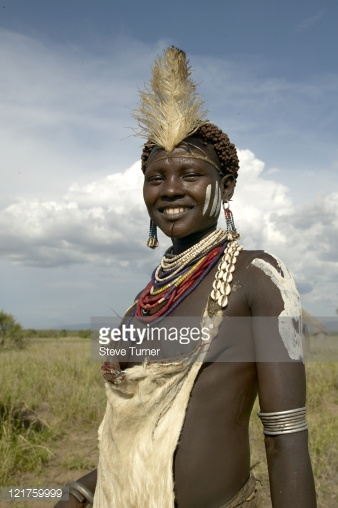



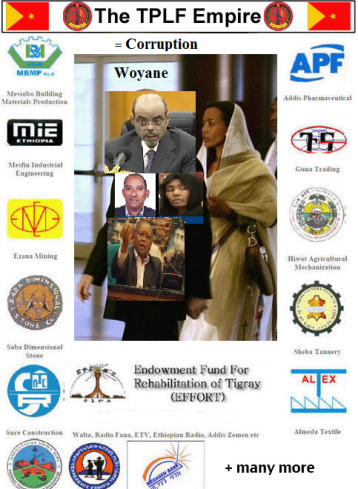
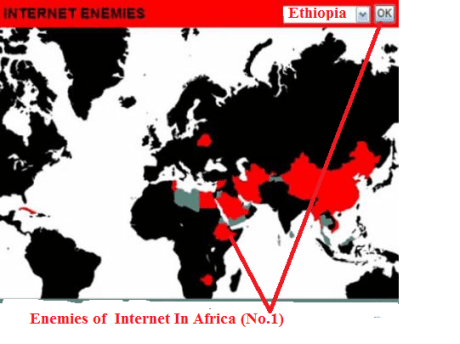


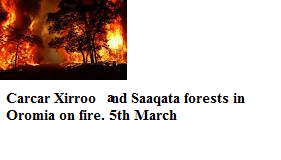
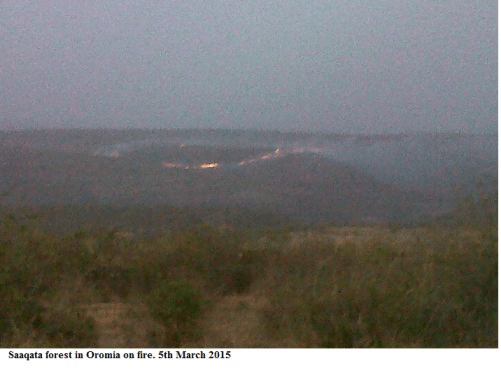
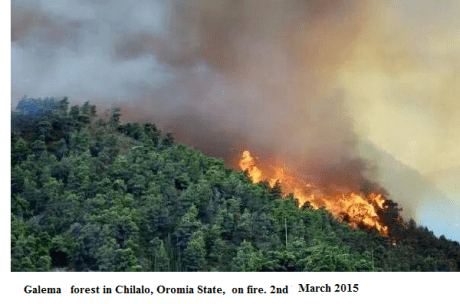
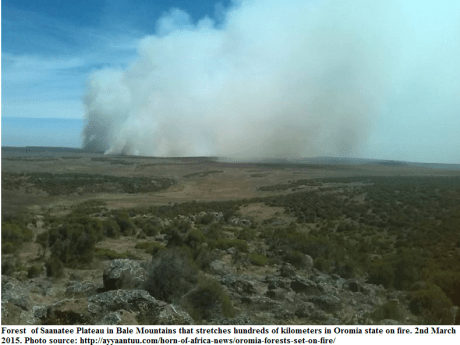
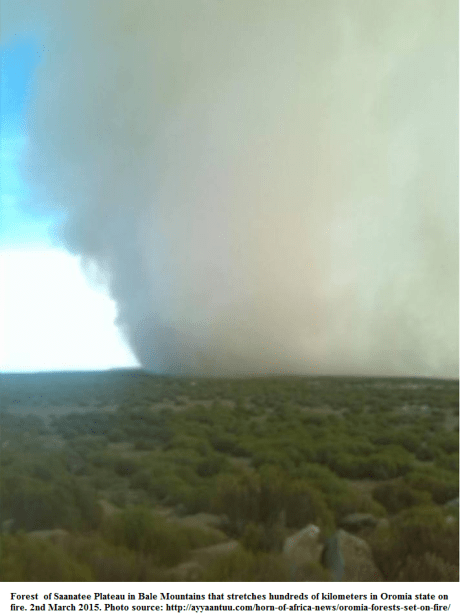
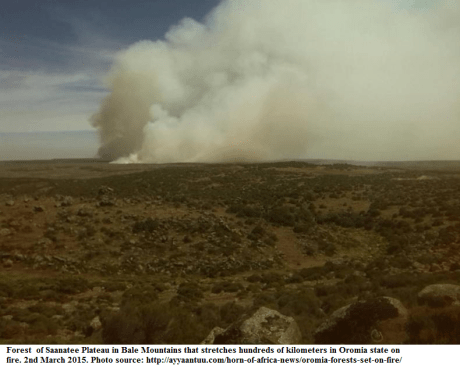
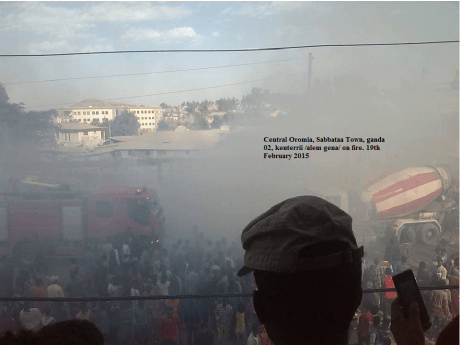

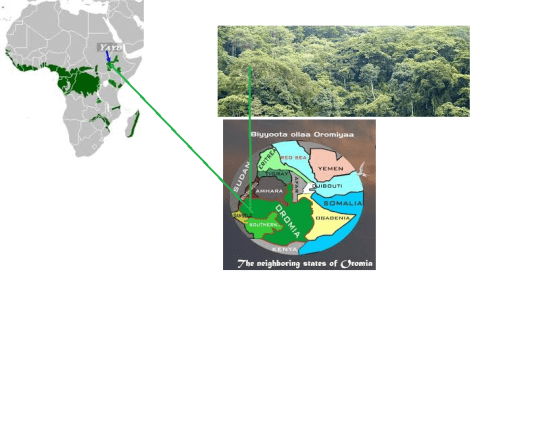



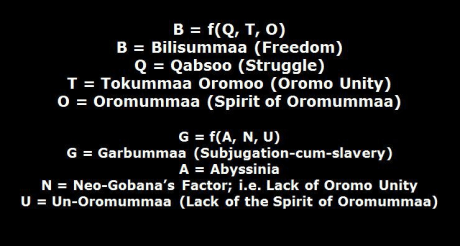


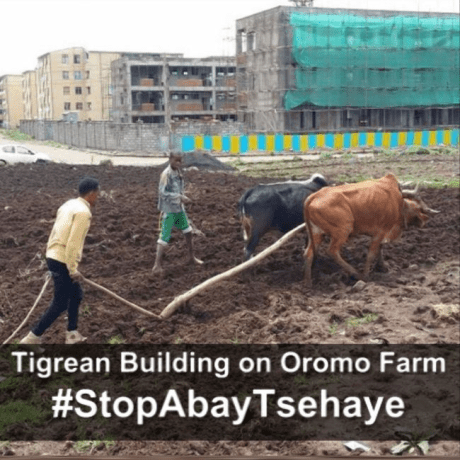
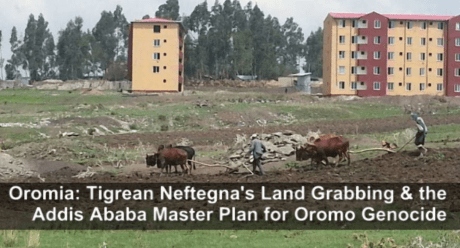

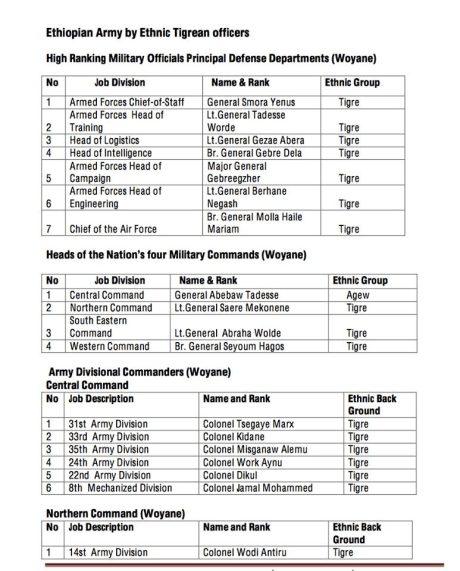


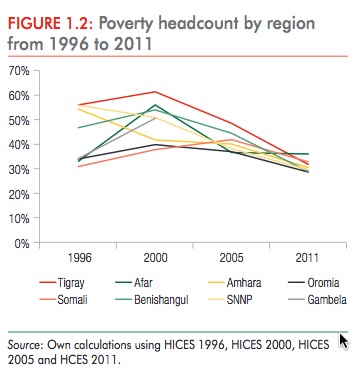

 Title: The In-Between

 HRLHA Urgent Action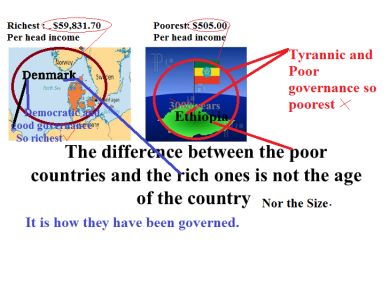
 (Image: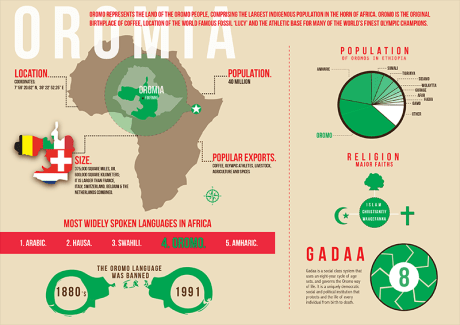

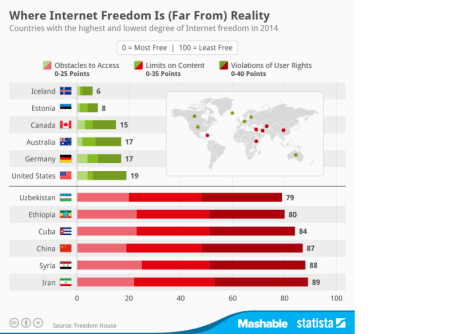

 Oromo Refugee community welfare Association


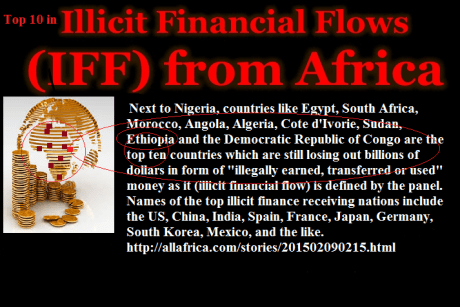
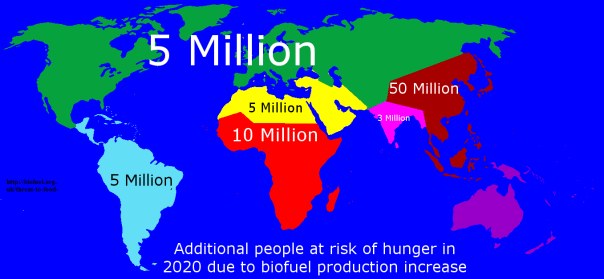


 Here is me picking up from where I left off with my Africa is NOT rising article which is a featured presentation from Mr. AlI Mfuruki from Tanzania. The presentation was done at a Tedx event late last year. This is in fact part 3 of a 3 series post dedicated to his presentation (Simply because his assessment of the “Africa rising” media propaganda was so relevant and accurate for anyone wanting to build the continent). In case you have not had the chance to go through the first 2 posts, here you go:



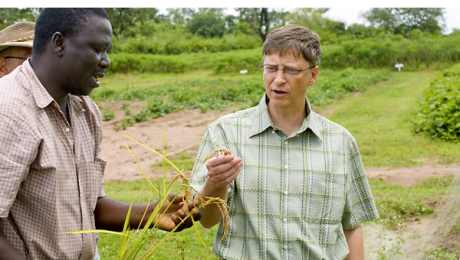
 Addee Asli Oromo: The first woman in the history of Ethiopian Empire that sentenced to death because of her political vision about Oromo people but released after 18 years in prison as a result of international communities campaign.
 Addee Urjii Dhaabaa: Is one out of many Oromo Women that survived sexual aggression of Ethiopian government military force, police and security agents.

 Ethiopia is the tenth largest country in Africa and it is the second most populated country in Africa with projected population of 100 million by 2020. It has a number of nations/ nationalities with distinct culture. Ethiopia consists of peoples speaking more than 80 different languages (CSA, 2006)
 Oromo people are egalitarian society. Historically their democratic system of government known as “Gadaa” governed the social, economic political affairs of the Oromo people. Under Gadaa, Oromo women developed their own unique institution known as “Siiqee”. Oromo women used Siiqee institution to defend their rights, promote their interests and challenge male domination. After the Oromo people are colonized in 1880s all Oromo institutions are either totally banned or incapacitated. Since then the Oromo people are denied the right to determine on their social, economic, political and cultural affairs. For example, banning or incapacitating Siiqee hindered the Oromo women defending their rights. The colonial power not only banned and incapacitated Oromo institutions but also introduced and/or widened gender hierarchy and discriminatory social practices. This conditioned Oromo women to bear double burdens (i.e. colonial and male domination) and exposed them to sexual violence.
 The definition and the scope of sexual violence is a major problem in communications as it can be defined either narrowly or broadly. Here are four selected exemplary definitions of the term for the purpose of this presentation. The United Nations Declaration on the Elimination of Violence against Women (UN, DEVAW, 1993)
 The third one is expertise definition of DeGue and DiLillo (2005)
 Despite a wide spectrum of sexual violence, there is strong limitation to get enough information in Oromia, Ethiopia. This because of the fear of social exclusion or fear of being marginalized by society, which will bring serious consequences. Occasionally survivors are silent because they felt they would never achieve any redress. Indeed, no individual perpetrators such as soldier or security officer appears to have been, or is ever likely to be, held to account. In World Health Organizations (WHO) multi-country study on domestic violence and women’s health conducted in ten countries including Ethiopia
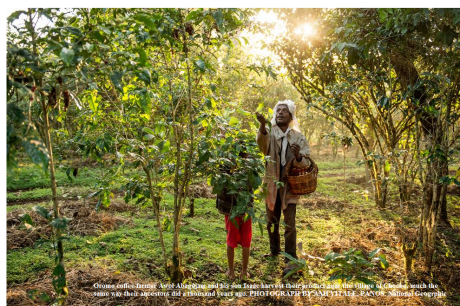
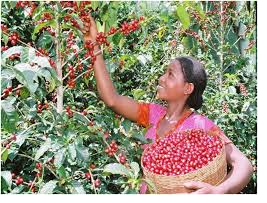



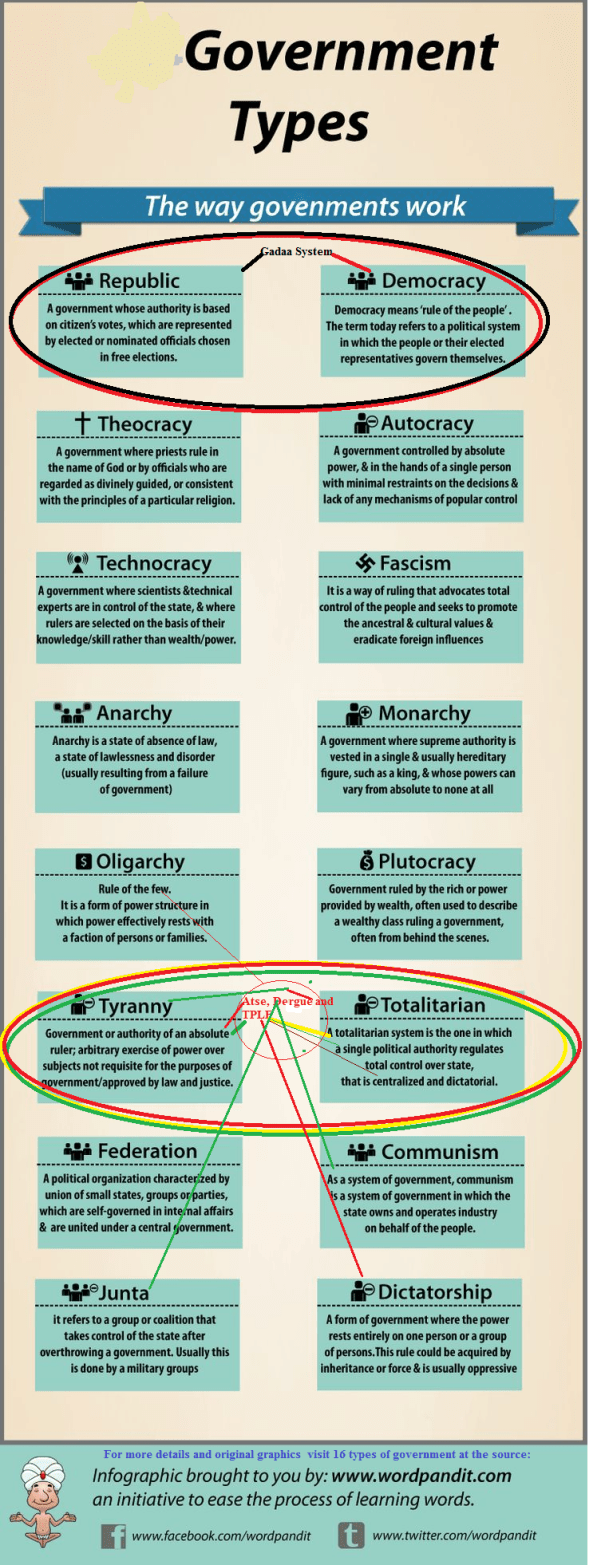


 Oromian Economist