Economic and development analysis: Perspectives on economics, society, development, freedom & social justice. Leading issues in Oromo, Oromia, Africa & world affairs. Oromo News. African News. world News. Views. Formerly Oromia Quarterly
There is also increasing examples of racist views and incidents sweeping across the West today on the pretext of protecting the homeland against extremist ideology, whether in the name of the war on terror or preserving national “identity”. In reality, of course, this is based on a fear of global openness.
Russia’s policy towards Ukraine shows it has failed this test, too. According to globalization, disputes between states cannot be solved through war but by means of dialogue, law and arbitration. However, globalization is dying and there are those who believe that it should stay dead. Others, however, believe that we need to resuscitate this phenomenon and bring it back to life. http://www.aawsat.net/author/hussein-shobokshi
Opinion: The End of Globalization?
By Hussein Shobokshi
Sunday 7th September 2014 Asharaq Al-Aswsat
Has the rising globalization that we witnessed over the past decades come to an end? There is no doubt that this seems to be the case on the political level. The US seems to have completely lost its appetite to deal with international AFFAIRS, concentrating instead on domestic concerns and devoting itself to the issues of immigration, gay marriage, taxes and unemployment. This policy shift has come at the expense of the deteriorating situation in the Middle East and the remarkable rise of Russian influence.
Europe is excluding itself from anything new, rejecting immigrant workers from Third World countries and becoming more racially discriminate on the pretext of safeguarding nationalism despite its economy’s dire need for fresh manpower. The long life expectancy rates and the negative population growth rates in Europe are threatening the success of any future ECONOMIC and development plans.
Many believe that the emergence of new barriers and the fall of globalization is due to the lack of a SHARED and unified conviction within the EU on how to deal with the US as a unified entity in the face of expanding Russian influence and Chinese incursions into Asia, Africa and elsewhere. The US had been the strongest promoter of this idea of globalization, particularly following the Bill Clinton era. However Washington today has neither the desire nor interest in guaranteeing the continuation of this policy.
At one point in time, the global FINANCIAL MARKET and the internet were the greatest icons of globalization. They accurately depicted the promises of globalization in terms of offering the world simple and easy solutions that went beyond sovereign laws and geographical borders.
But these icons were ultimately abused. Major mistakes were made, leading to the global financial crisis of 2008. No sooner did the crisis begin in the US than it moved to the old continent, harming one country after another. Gradually the dream of globalization—at least in terms of the FINANCIAL MARKETS—turned into a painful and extremely expensive nightmare.
The global financial crisis created a massive backlash, with countries seeking to secure their own national economies. US President Barack Obama stepped in to rescue America’s banking and insurance sectors by pumping millions of dollars into them to avert a financial meltdown which would have led to a complete breakdown in the US financial infrastructure. Obama did the same thing with the auto industry by providing aid, LOANS and exemptions in order to rescue the sector from complete destruction. Later, Germany led European efforts to provide financial support to debt-stricken countries, such as Greece, Spain, Cyprus and Portugal.
The main idea behind globalization is that the entire world will benefit from a closer exchange of ideas and views, including sovereign states. But ultimately, this swing towards globalization resulted in a back-swing away from his phenomenon. The West’s reaction to the FINANCIAL crisis was that it turned inwards, erecting barriers and imposing restrictions in order to “protect” national economies. Furthermore, countries gave priority to national industries. As a result of this, the idea of globalization being a uniting and unifying force that does away with borders has proven false.
There is also increasing examples of racist views and incidents sweeping across the West today on the pretext of protecting the homeland against extremist ideology, whether in the name of the war on terror or preserving national “identity”. In reality, of course, this is based on a fear of global openness.
Russia’s policy towards Ukraine shows it has failed this test, too. According to globalization, disputes between states cannot be solved through war but by means of dialogue, law and arbitration. However, globalization is dying and there are those who believe that it should stay dead. Others, however, believe that we need to resuscitate this phenomenon and bring it back to life. Read more @ http://www.aawsat.net/author/hussein-shobokshi
BBC (4 September 2014) The ONE group says money lost because of corruption would otherwise be spent on school and medicine. An estimated $1tn (£600bn) a year is being taken out of poor countries and millions of lives are lost because of corruption, according to campaigners.A report by the anti-poverty organisation One says much of the progress made over the past two decades in tackling extreme poverty has been put at risk by corruption and crime.
Corrupt activities include the use of phantom firms and money laundering. The report blames corruption for 3.6 million deaths every year.
If action were taken to end secrecy that allows corruption to thrive – and if the recovered revenues were invested in health – the group calculates that many deaths could be prevented in low-income countries.
Corruption is overshadowing natural disasters and disease as the scourge of poor countries, the report says.
One describes its findings as a “trillion dollar scandal”.
“Corruption inhibits private investment, reduces economic growth, increases the cost of doing business and can lead to political instability,” the report says.
“But in developing countries, corruption is a killer. When governments are deprived of their own resources to invest in health care, food security or essential infrastructure, it costs lives and the biggest toll is on children.”
The report says that if corruption was eradicated in sub-Saharan Africa:
Education would be provided to an additional 10 million children per year
Money would be available to pay for an additional 500,000 primary school teachers
Antiretroviral drugs for more than 11 million people with HIV/Aids would be provided
One is urging G-20 leaders meeting in Australia in November to take various measures to tackle the problem including making information public about who owns companies and trusts to prevent them being used to launder money and conceal the identity of criminals.
It is advocating the introduction of mandatory reporting laws for the oil, gas and mining sectors so that countries’ natural resources “are not effectively stolen from the people living above them”.
It is recommending action against tax evaders “so that developing countries have the information they need to collect the taxes they are due” and more open government so that people can hold authorities accountable for the delivery of essential services.
September 2, 2014 (The baines report) — Poverty can easily be seen throughout the capital of Ethiopia, but nowhere is it more evident than when you pass a beggar on the street. Beggars are everywhere in Addis Ababa, and they represent a vast range of demographics. There are men, women, children of all ages and conditions– some with their mothers, some without, and the severely disabled.
Older children, rather than begging, try to sell you gum or clean your shoes, while the younger children walk in front of you asking for money or food, not leaving you until they spot another person to ask. The women are often with young children, sometimes babies, and usually with more than one. I was once walking down the street and a young child no older than 2 or 3 who was being held by his mother made the signal they all make to ask for food or money while calling me sister. I thought this child probably learned this signal before he even learned how to speak. Women are often seen grilling corn on the sidewalk on a small grill to sell to people passing by.
I have been told the severely disabled have most likely suffered from stunting, polio or the war. I have seen men with disfigured legs so mangled that they can not walk but instead drag themselves down the sidewalk. Others are in wheelchairs and unable to walk. And this city is not easy for the disabled. The sidewalks, where they exist, are not always flat and not always paved. There are also often giant holes in the middle of the sidewalk or loose concrete slabs covering gutters. On the main roads, near where I’m staying there are tarps and blankets off to the side of the road where the beggars must sleep or live.
It is a very difficult scene to walk through. You want to help them all and give everyone a little bit of money or food. But there are so many it would be nearly impossible to give to them all. We have been told to not give to beggars because once you give to one you will be surrounded by others. When people do give money to beggars it is often very small bills or coins that will not go very far.
I have often wondered how much money they actually receive. Perhaps it would be beneficial to do more in depth look at why these people became beggars and where they come from. After a cursory search for research and reports on beggars in Addis Ababa, I found very little. There is a study on the disabled beggars and a report focusing on children. There is a documentary that follows two women who come to the capital from a rural town and become beggars in order to raise money for their family when climate change creates a food shortage.
Both the government of Ethiopia and large NGO’s, like USAID and the UN, are working to stop the “cycle of poverty.” There are major health and nutrition projects being implemented all over the country, but these are long-term projects that do not address the immediate needs of people on the streets. Short term solutions such as creating shelters or centers for the disabled and homeless could allow beggars more opportunities for housing but could also generate income potential through workshops and other skill development programs.
‘Nagaa Oromoo’ from Raya to Mombasa as We Welcome New Season, Irreecha 2014!
Finfinne Tribune | Gadaa.com |
From the Gadaa.com Editor’s Notebook
While researching about the Oromo tribes in Kenya, we ran into a video of Orma Oromo men engaged in friendly fighting competitions, where two men fight to see who will tackle their opponent first. Such a fighting match does also exist as a proud cultural element of the Raya Oromo, who nowadays speak Tigrigna or Amharic, which they have picked up from their neighbors in the North and West, respectively.
It’s to be noted that there are at least five Oromo tribes, in addition to the Borana and Garba, which call Kenya home. These five tribes, including their traditional homes, are listed below (alphabetically).
These tribes have been given many names over the last century-and-half by several authors, mainly without asking the people the name refers to (the same way the derogatory name for the Oromo made its way into academic works). The reason for this mix-up was primarily as a result of the use of second-hand sources, instead of the people themselves. It’s the task of the OromoQeerroo to conduct the researches on its own to learn about its own people’s history and roots.
Krapf, one of the early European travelers to Central Oromia (near the Tulama-land) and the southern Oromo tribes north of the Mombasa in the Tana Delta region in the 1850′s, had studied extensively about the Oromo on both sides of the border; he had published one of the early dictionaries of Oromo – one for each Oromo dialect. The dictionary by Krapf in Kenya was with Swahili and Afan Oromo. Unlike Krapf, many Kenyans do not have any idea about the ingenious Oromos who call Kenya home, and who are also their fellow citizens, in the Tana River, Isiolo and Marsabit regions; their only exposure to ‘Oromo’ is through the Ethiopian regime’s propaganda of the violence it inflicts in southern Oromia.
Reclaiming ‘Nagaa Oromoo’ Qeerroo (of both sides of the border) is at a historic position to reclaim the lost ‘Nagaa Oromoo’across the East African region; this historic mission will lead not only to the revival of Oromummaain the region, but also to the renaissance of Cushitic peoples in East Africa. ‘Nagaa Oromoo’ was disrupted by the invasion of Abyssinian warlords and the subsequent aggression of Abyssinian warlords – which still continues to this day. ‘Nagaa Oromoo’ is not only for Oromo; the Oromo people believe that, if their neighbor is not at peace, they are not at peace. ‘Nagaa Oromoo’ is not only for humans, but also for other living things and the environment. There is no peace when other living things and the environment where one thrives on and lives with – are exploited and polluted by reckless actions, like the one imposed on the Oromo Nation by Woyane thugs. ‘Nagaa Oromoo’from Raya to Mombasa as we welcome the new season, Irreecha 2014!
The Oromo Nation opposes the TPLF Ethiopian regime’s Addis Ababa Master Plan to annex the Oromo-land in Central Oromiyaa and to demographically alter the ethnic makeup of the region. Such genocidal campaigns disturb ‘Nagaa Oromoo’, and the Oromo people (old and young) will fight to regain ‘Nagaa Oromoo’ in the region.
The five tribes (in addition to the Borana and Garba) in Kenya:
1) Munyoyaya: live in the Tana River County near Garissa, Anole and Kora, and adjacent to the Orma tribe. One can listen to “Afan Munyoyaya” here; the linguistic similarity with Afan Oromo is unmistakable at a glance; more studies need to be conducted.
2) Orma: live in the Tana River County, north of the Galana River and West of the Tana River. Linguists have studied the Orma dialect of Afan Oromo, and some dictionaries are also available.
3) Waata: live in the Tana River County (a sub-group of Orma); live near the Kipini area by the Indian Ocean (by the north of Mombasa).
4) Wardei: live in the Tana River County; though Wardeis speak mainly Somali, they believe they are Oromo. As in the case of the Raya and Wollo of northern Oromia, Wardei have adopted their neighbor’s language; however, Wardeis trace their ancestry to Oromo.
Report on Wardei in Swahili:
5) Waso Boran: live in the Isiolo County. According to the book, “Being Oromo in Kenya” by Mario Aguilar, Waso Boran have still maintained many of the cultural elements of Oromummaa.
—————————
The following map below is from early 2000′s and shows the approximate distributions of Oromo in the Ethiopian Empire and Kenya:
‘Nagaa Oromoo’ from Raya to Mombasa as we welcome the new season, Irreecha 2014!
‘Most of the time we simply do not know enough to assert accurate growth rates. There are also known biases and manipulations. Ethiopia, for example, is notable for having long-standing disagreements with the IMF regarding their growth rates. Whereas the official numbers have been quoted in double digits for the past decade, a thorough analysis suggested the actual growth rates were around 5 to 6 percent per annum. More generally, one study used satellite imaging of nighttime lights to calculate alternative growth rates, and found that authoritarian regimes overstate reported rates of growth by about 0.5 to 1.5 percentage points. Another recent study argues that inflation is systematically understated in African countries – which in turn means that growth and poverty reduction is overstated.’ http://africanarguments.org/2014/08/26/why-saying-seven-out-of-ten-fastest-growing-economies-are-in-africa-carries-no-real-meaning-by-morten-jerven/
Why saying ‘seven out of ten fastest growing economies are in Africa’ carries no real meaning
By Morten Jerven @ AfricanArguments
Before, during and after the US Africa summit one of the most frequently repeated factoids supporting the Africa Rising meme was that ‘seven out of ten fastest growing economies are in Africa.’ In reality this is both a far less accurate and much less impressive statistic than it sounds. More generally, narratives on African economic development tend to be loosely connected to facts, and instead are driven more by hype.
***
The ‘seven out of ten’ meme derives from a data exercise done in 2011 by The Economist. The exercise excluded countries with a population of less than 10 million and also the post-conflict booming Iraq and Afghanistan. This left 81 countries, 28 of them in Africa (more than 3 out of 10) and, if you take out the OECD countries from the sample, (which are unlikely to grow at more than 7 percent per annum), you find that every second economy in the sample is in Africa. It might not give the same rhetorical effect to say: ‘on average some African economies are expected to grow slightly faster than other non-OECD countries,’ but that would be more accurate.
And before we literally get ahead of ourselves (The Economist was reporting forecasts made for 2011 to 2015) there is a difference between forecasted and actually measured growth. According to John Kenneth Galbraith, the only function of economic forecasting is to make astrology look respectable. So how good is the IMF at forecasting growth in Low Income Countries?
According to their own evaluation, IMF forecasts “over-predicted GDP growth and under-predicted inflation.” Another study looked at the difference between the forecasts and the subsequent growth revisions in low income countries, and found that “output data revisions in low-income countries are, on average, larger than in other countries, and that they are much more optimistic.” Forecasts are systematically optimistic all over the world, but in Low Income Countries even more so.
***
Among those on the list of the fastest growers were countries like Nigeria, Ghana and Ethiopia. The news that both Nigerian and Ghanaian GDP doubled following the introduction of new benchmark years for estimating GDP in 2010 and 2014 should remind us that the pinpoint accuracy of these growth estimates is lacking. How confident should you be about a 7 percent growth rate when 50 percent of the economy is missing in the official baseline? Recent growth in countries with outdated base years is also overstated.
While Ghana has reportedly had the highest growth rates in the world over the past years, a peer review of the Ghana national accounts noted that “neither a national census of agriculture nor other surveys, such as a crop and live-stock survey, have been conducted…there is no survey to provide benchmark data for construction, domestic trade and services.” It was recently reported that an economic census is being planned for next year. What we do know is that Ghana (together with Zambia, another of the projected ‘top ten growers’) has returned to the IMF to seek assistance following their entry into international lending markets.
Most of the time we simply do not know enough to assert accurate growth rates. There are also known biases and manipulations. Ethiopia, for example, is notable for having long-standing disagreements with the IMF regarding their growth rates. Whereas the official numbers have been quoted in double digits for the past decade, a thorough analysis suggested the actual growth rates were around 5 to 6 percent per annum. More generally, one study used satellite imaging of nighttime lights to calculate alternative growth rates, and found that authoritarian regimes overstate reported rates of growth by about 0.5 to 1.5 percentage points. Another recent study argues that inflation is systematically understated in African countries – which in turn means that growth and poverty reduction is overstated.
***
Data bias is carried across from economic growth to other metrics. The pressure on scholars, journalists and other commentators to say something general about ‘Africa’ is relentless, and so the general rule is to oblige willingly. When talking about average trends in African politics and opinion, analysis is influence by the availability of survey data, such as Afrobarometer, and the data availability is biased. According to Kim Yi Donne, on The Washington Post’s ‘Monkey Cage’ blog, of the 15 African countries with the lowest Polity IV rankings, only seven have ever been included in the Afrobarometer, whereas all but one African country rated as a democracy by the same index is included.
Any quantitative study which says something about the relationship between growth and trends in inequality and poverty, relies on the availability of household survey data. One paper boldly stated that African Poverty is Falling…Much Faster than You Think! The data basis was very sparse and unevenly distributed. There were no data points for Angola, Congo, Comoros, Cape Verde, D.R. Congo, Eritrea, Equatorial Guinea, Seychelles, Togo, Sao Tome and Principe, Chad, Liberia, and Sudan. In addition, six countries only have one survey. The database included no observations since 2004 – so the trend in poverty was based entirely on conjecture. Famously you need at least two data points to draw a line. Yet the study included a graph of poverty lines in the Democratic Republic of Congo from 1970 to 2006 – based on zero data points.
A result of doubts about the accuracy of the official evidence, and a dearth of evidence on income distributions, scholars have turned to other measurements. Data on access to education and ownership of goods such as television sets from Demographic and Health Surveys were used to compile new asset indices. In turn, these data were used to proxy economic growth and in place of having a measure of the middle class. In both cases the data may paint a misleadingly positive picture. While claiming to describe all of Africa over the past two decades, these surveys are only available for some countries sometimes.
***
The statement ‘seven out of ten fastest growing economies are in Africa’ carries no real meaning. To utter it is merely stating that you subscribe to the hype. It is particularly frustrating, and it surely stands in way of objective evaluation, that the narratives in African Economic Development switches from one extreme to the other so swiftly. The truth lies somewhere between the ‘miracles’ and ‘tragedies’. It is nothing short of stunning that in a matter of 3-4 years the most famous phrase relating to African economies has turned from ‘Bottom Billion’ to ‘Africa Rising’.
Because of a lack of awareness on historical data on economic growth it was long claimed that Africa was suffering “a chronic failure of growth”, but growth is not new to the African economies, growth has been recurring. There is no doubt that there are more goods leaving and entering the African continent today than fifteen years ago. More roads and hotels are being built and more capital is flowing in and out of the African continent than before. But what is the real pace of economic growth? Does the increase in the volume of transaction result in a sustained increase in living standards? The evidence does not yet readily provide us with an answer. It is the job of scholars to give tempered assessments that navigate between what is make-believe and what passes as plausible evidence.
Morten Jerven is Associate Professor at the Simon Fraser University, School for International Studies. His book Poor Numbers: how we are misled by African development statistics and what to do about it is published by Cornell University Press. @MJerven
Since the term “data revolution” was introduced, there has been a flurry of activity to define, develop, and implement an agenda to transform the collection, use, and distribution of development statistics. That makes sense. Assessing the international community’s next development agenda, regardless of its details, will be impossible without accurate data.
Yet, in Sub-Saharan Africa – the region with the most potential for progress under the forthcoming Sustainable Development Goals – accurate data are severely lacking. From 1990 to 2009, only one Sub-Saharan country had data on all 12 indicators established in 2000 by the Millennium Development Goals. Indeed, of the 60 countries with complete vital statistics, not one is in Africa. While most African countries have likely experienced economic growth during the last decade, the accuracy of the data on which growth estimates are based – not to mention data on inflation, food production, education, and vaccination rates – remains far from adequate.
Inaccurate data can have serious consequences. Consider Nigeria’s experience earlier this year, when GDP rebasing showed that the economy was nearly 90% larger than previously thought. The distorted picture of Nigeria’s economy provided by the previous statistics likely led to misguided decisions regarding private investment, credit ratings, and taxation. Moreover, it meant that Nigeria was allocated more international aid than it merited – aid that could have gone to needier countries.
Contrary to popular belief, the constraints on the production and use of basic data stem not from a shortage of technical capacity and knowhow, but from underlying political and systemic challenges. For starters, national statistical offices often lack the institutional autonomy needed to protect the integrity of data, production of which thus tends to be influenced by political forces and special interest groups.
Poorly designed policies also undermine the accuracy of data. For example, governments and donors sometimes tie funding to self-reported measures, which creates incentives for recipients to over-report key data like vaccination or school-enrollment rates. Without effective oversight, these well-intentioned efforts to reward progress can go awry.
Despite these failings, national governments and international donors continue to devote far too few resources to ensuring the collection of adequate data. Only 2% of official development aid is earmarked for improving the quality of statistics – an amount wholly insufficient to assess accurately the impact of the other 98% of aid. And governments’ dependency on donors to fund and gather their core statistics is unsustainable.
In fact, stronger national statistical systems are the first step toward improving the accuracy, timeliness, and availability of the data that are essential to calculating almost any major economic or social-welfare indicator. These include statistics on births and deaths; growth and poverty; tax and trade; health, education, and safety; and land and the environment.
Developing such systems is an ambitious but achievable goal. All that is needed is a willingness to experiment with new approaches to collecting, using, and sharing data.
This is where the public comes in. If private firms, media, and civil-society organizations identify specific problems and call publicly for change, their governments will feel pressure to take the steps needed to produce accurate, unbiased data – for example, by enhancing the autonomy of national statistical offices or providing sufficient funds to hire more qualified personnel. While it may be tempting to bypass government and hope for an easy technology-based solution, sustainable, credible progress will be difficult without public-sector involvement.
The recognition by governments and external donors of the need for more – and more efficient – funding, particularly to national statistical systems, will be integral to such a shift. Establishing stronger incentives for agencies to produce good data – that is, data that are accurate, timely, relevant, and readily available – would also help, with clearly delineated metrics defining what qualifies as “good.” In fact, tying progress on those metrics to funding via pay-for-performance agreements could improve development outcomes considerably.
One concrete strategy to achieve these goals would be to create a country-donor compact for better data.
Across all continents, cultures and religions, 80 per cent of men and women worldwide believe that democracy is the best available form of governance. But there is a raging democracy deficit across the world.
There is wide support for democracy in international agreements and development policy. Yet, only 2 per cent of official development aid goes to democracy support, indicating a low priority in practice.
The much larger aid flows delivered to reduce poverty also affect democratic processes and power dynamics – sometimes negatively.
The binding constraint on development is not always money or knowledge. It is also about political processes. Citizens across the world therefore call for democratic and accountable politics.
There is a raging democracy deficit across the world. Across all continents, cultures and religions, by gender, age, education or income level, 80 per cent of men and women worldwide believe that democracy is the best available form of governance.[1]
Only 30 per cent, however, are satisfied with the democracy that they are experiencing, and 85 per cent of the world’s population lives in countries where media freedom is obstructed. Democratic transitions that were promising 20 years ago have in many cases regressed.
There is wide support for democracy in international agreements and development policy. Key donor countries and international organizations have goals to support democracy within official development assistance. The UN Charter is clear that the authority of governments shall be based on the will of the people. The UN Millennium Declaration promises that no effort shall be spared to promote democracy.
Yet when it comes to the practical implementation of official development aid, supporting democracy is a low priority. The newly published book Development First, Democracy Later? (International IDEA, 2014) takes a critical look at traditional aid forms from a democracy perspective. It finds that despite donor countries’ often explicit ambitions to strengthen democracy, the picture emerging is not encouraging. In practice, democracy seems to be a low priority within official development assistance.
Supporting key democratic processes and institutions – elections, parliamentary strengthening, civil society – is a niche area of aid. But it only accounts for about 2 per cent of all development assistance. Moreover, and perhaps more importantly, the much larger aid flows delivered to reduce poverty, also affect democratic processes and power dynamics – sometimes in a negative way.
Many aid-recipient countries are ruled by either authoritarian or hybrid regimes. Among the ten countries that received most aid in 2010, all but one were ruled by authoritarian or hybrid regimes. Channelling money in such an environment requires careful consideration of the effects on the domestic political situation as it risks sustaining a dysfunctional system and reinforcing the powers that be.
Yet, the connections between development aid resources and the space for democracy are seldom explicitly discussed, the analysis in the book finds. Despite the use of political economy analysis, donors keep focusing on the executive branch of government and a limited type of civil society organisations, largely avoiding key political and social actors.
The primary focus is still establishing partnerships with governments of which some obstruct political representation, impede free speech, manipulate elections and compromise the rule of law. Despite the increased focus on accountability, development resources risk sustaining the hold on power of already overpowered executive heads of government.
Despite the rhetoric of country ownership, donors continue to prescribe policy priorities in budget reviews and to move policy formulation from domestic political processes to development aid negotiations. National actors become almost redundant in the process.
When donors eventually speak up for democracy and cleaner politics, it is often because things have got so badly wrong that they have to react. So-called ‘political crises’, are often situations which could have been foreseen and addressed in the choice of aid modalities.
Thus, not only has democracy not been a key goal on the aid agenda, but the way in which aid is organized has had challenging consequences for democracy. The development community acknowledges many of these concerns.
The Accra Agenda for Action recognized the need for inclusive ownership and the importance of involving actors such as parliaments, local government and civil society in development. In Busan, the private sector was added as a stakeholder and the term ‘democratic ownership’ was used. These are positive steps at the level of international policy deliberations, but translating the new policies into practice is a challenge.
There are many reasons for democracy being a low priority in the aid agenda. Other foreign policy goals are prioritized. It is difficult. There are disbursement pressures and practical issues in the way aid is organized. But there may also be a more ideological or theoretical reason.
The success stories in Asia, and of China in particular, have reinforced an old view that development comes first, and (hopefully) democracy later, even to the extent of seeing democracy as an obstacle that must be overcome by insulating the state from public concerns.
This is a dangerous path, however, as there is a tendency for absolute power to lead to absolute corruption – and absolute repression. Even if it is possible to find a ‘good autocrat’, he or she usually does not stay that way. Democracy is a fundamental requirement for replacing leaders peacefully. This must not be forgotten.
Moreover, despite some authoritarian successes, there is substantive empirical evidence that democracy delivers on development, even in poor countries. Among the top 50 countries that achieved the highest levels of human development in 2011, only four had either authoritarian or hybrid regimes. The rest were democracies.
One study compares the experience only across poor countries and finds that people in poor democracies live nine years longer than people in poor autocracies, have a 40 per cent greater chance of attending secondary school and benefit from agricultural yields that are 25 per cent higher. Poor democracies suffer 20 per cent fewer infant deaths than poor autocracies. Democracies fare better at avoiding political conflict and dealing with natural disasters.
But there are even more reasons why the development agenda should not ignore democracy. Over the past decade, the role of politics has come increasingly to the fore in explaining development failures. In Africa, success in terms of economic growth does not match its poor record in reducing poverty. There is little doubt that the vast majority of Africans do not get a fair share of the yields from the continent’s huge natural resource wealth.
Africa has 60 per cent of the world’s uncultivated arable land. It produces less agricultural output per person today than fifty years ago. Farmers lack access to capital for fertilizer and irrigation. They lack the roads and storage needed to get harvests to market. These are public goods that their governments should be facilitating. The economic resources exist and the solutions are known.
The binding constraint on development is not always money or knowledge. It is also about political processes. Citizens across the world know this, and therefore call for democratic and accountable politics. In a United Nations study in the post 2015-process, it was made clear that ‘honest and responsive government’ was among the top five priorities when people in 194 countries were asked.
Development experts too are finding that dysfunctional political institutions and processes are hindering development. Donor agencies are realizing the same, shown by the interest in political economy analysis. What remains, however, is making the move from analysis to considering aid modalities from the perspective of both democracy and development.
[1] All facts, definitions and references may be found in Development First, Democracy Later?, International IDEA, 2014. Free to download here.
August 25, 2014 (African Executive) — It has never known political stability after the colonial conquest and subjugation by Abyssinia. It has never enjoyed real prosperity in spite of being one of the richest nations in natural resources in the horn of Africa with a population estimated at 33 million. It is Africa’s longest political conflict that appears to have been forgotten by the international community including IGAD and Africa Union among others. It has won the unenviable accolade of being the cradle of the world’s largest forced mass movement from one country in modern African history, namely the current exodus from Ethiopia. Welcome to Oromia, the country of the Oromo people (375,000 square miles).
In the last four decades, the Horn of Africa, with Ethiopia as an epicenter, has experienced an unprecedented wave of refugee flows, resulting in large concentrations of displaced persons. Nearly all these displaced persons are from Ethiopia. Today there are an estimated over 10 million refugees originating from Ethiopia, second only to those from Afghanistan and Iraq put together.
The influx of Ethiopians fleeing their country to Kenya has always hit headlines in the local and internal press. Ironically, most are apprehended by Kenyan authorities and handed back to the Ethiopian authorities or locked up in Kenyan prisons. Some of the refugees are said to be on transit to South Africa.
The Oromo Liberation Front has for decades been embroiled in a protracted war for the liberation of the Oromia. The most striking aspect to political pundits and academics is the manner in which the international community has accorded the conflict a blind eye, and regional governments, IGAD and AU cannot explain why Ethiopians are fleeing their country in droves.
Who will save the Oromo people from institutionalized oppression and blatant abuse of basic human rights by the Addis Ababa government? What is the IGAD and the Africa Union doing to resolve the conflict? The 140 years of continuous acts of cultural genocide by successive Ethiopian regimes is a remarkable testimony to the resilience of the Oromo cultural values and democratic heritage.
Even as the international community remain silent in the face of the conflict that has claimed lives of millions of people, it is is important to note that as a geo-cultural bridge between Europe, Africa and Asia, the Horn of Africa has always been embroiled in some world-historic events, since the times of the Roman empire. The Horn remains important in security considerations of the Middle East and the increasingly competitive global economy.
It is important to observe that the current Ethiopian regime is being sustained in power by foreign western powers for imperialistic reasons. Take the case of the Tigrean People’s Liberation Front (TPLF), also known as Wayyane, which was promoted in 1991 by foreign governments, particularly that of the US, to fill the power vacuum created by the downfall of the Dergue regime. As expected, this led to replacement of the Amhara regime by a Tigrean power as was evident to those familiar with the Ethiopian political landscape.
Under the pretext of opening the country for world market and democratization, traditional supporters and partners of the Ethiopian empire used the World Bank and the International Monetary Fund (IMF) to pump huge amounts of money into the coffer of TPLF. During the first four years of its rule, the regime received about US$3 billion in bilateral grants. The Paris Club member countries granted significant debt-cancellations and rescheduling. The TPLF regime used the multilateral and bilateral assistance to dismantle Amhara-centre state apparatus and to replace it by institutions that are nothing more than appendages of a tightly controlled party-apparatus of the Tigrean ruling class.
Today, there is no public institution, be it the military, the judiciary, the civil service, the regulatory agencies, and financial institutions outside the control of the TPLF and its surrogate parties. Thus, the regime cannot claim democratic legitimacy by any standard. Most disturbing are reports of Kenyan Borana Oromo near the border being harassed and imprisoned in Kenya. These incidents are violating international law regarding refugees. They could have been taken to Kenyan courts, if suspected of any crime.
The human rights crisis in Ethiopia is so worrying. No one seems to understand the scale of the violations. targeted and systematic tortures, disappearances and extrajudicial killings are common place in that country. There seems to be no hiding place for the victims of human rights violations under the current regime in Ethiopia. Peasants in certain areas are particularly targeted and expelled in broad day light from their farmlands for the sake of the officials and of TPLF-led government financial gains.
“The peoples of Oromia and Kenya share a longstanding cordial relationship. In particular, Kenya, as a democratic and stable country, continues to provide safety for a significant number of Oromo refugees fleeing from persecution by the Ethiopian state. However, it is of also of grave concern that recently, a large number of Oromo refugees have been handed over to the Ethiopian authorities by the Kenyan agents who have been recruited by the Addis Ababa spy network. More worrying is the fact that their operations are not sanctioned by the Kenyan government. These refugees are sent back to inhumane torture and certain death in the hands of the Ethiopian security agents,” says an OLF petition to Kenya’s President Mwai Kibaki.
The petition, copied to the country’s Prime Minister Raila Odinga further notes: “We believe Kenya could play a positive and constructive role in supporting a peaceful resolution of the conflict between Oromia and Ethiopia and that would make Kenya a legitimate player in the international arena. We respectfully urge you to appraise the situation and reconsider your policy and assure supporting the just cause of the oppressed Oromo people rather than assisting the bloodthirsty regime in Ethiopia.”
In the recent months, Kenyans authorities have been accused of illegal rendition of Oromo refugees and Kenyans to Ethiopia under the pretext of cracking down on the Oromo Liberation Front (OLP) militias. While in Ethiopia, the individuals are arraigned before special courts where they are handed heavy jail sentences ranging from death to life in prison. The ORA has accused the Ethiopian government and some elements within the Kenyan government of gross violation of the basic human rights of the Oromo refugees and Kenyans shipped to Ethiopia.
The Oromo Liberation Front (OLF) was established in 1973 by Oromo nationalists to promote the right to self-determination for the Oromo people against what they call “Ethiopia colonial rule.” There are reports that the OLF has increased its activity following the general elections of 2005 and has offices in Washington, D.C. and Berlin.
The international community particularly IGAD and the AU ought to appreciate the fact that the fundamental objective of the Oromo liberation movement is to exercise the Oromo peoples’ right to national self-determination and end centuries of oppression and exploitation by Ethiopian colonialism. The foreign policy of OLF stipulates that it respects the territorial integrity and national sovereignty of Kenya and all neighbouring countries. Kenya, the host state to the refugees has been accused of violating the 1951 UN Convention and 1967 Protocol on the status of the refugees for handing over the Oromos who have fled their homes to escape persecution.
It was through the initiative of IGAD, AU and the EU that a protracted peace deal was negotiated between SPLM and the Khartoum government, effectively putting an end to one of Africa’s longest conflict then. As the Southern Sudan people undertake a decision on the future of the nation through the referendum, it is important that the international community focus attention on the Oromo conflict to save the plight of the Oromia nation.
The Oromo people’s demand of self-determination is neither a question of secession from a country with whom they have willfully integrated nor a matter of a periphery struggling for decentralization or devolution of power from a central government. It is a demand by the Oromo people to restore the sovereignty taken away from them and to freely determine their own political status. This demand does not, therefore, violate the sovereignty and territorial integrity of the Khartoum government. The Oromo people have never been meaningfully represented in Ethiopian political process. There has never been a moment in the political history of the Ethiopian empire-state when the state possessed a government representing the “whole people.”
Moreso, the Oromo people’s demand for self-determination is not an internal affair of Ethiopia. Many nations in the world including Kenya are shouldering the burden of refugees from the Ethiopia. UNHCR is spending millions of dollars to sustain refugees from Ethiopia. Much more too is spent on relocating some of the refugees to friendly countries in Europe. This indeed, makes the conflict a matter of interest and concern to the international community including regional bodies like IGAD, AU and relevant UN agencies. In the same vein, the liberation struggle of the Oromo people against successive Ethiopian regimes cannot be characterized as “an internal civil strife, banditry, terrorism, or civil war.” It is a struggle of people under alien domination.
What the international community must realize is that TPLF regime constantly fabricates false accusations to criminalize and demonise Oromo political organisations as a smokescreen to conceal the regime’s acts of genocide against Oromo social and cultural life. An attempt by the regime to link the Oromo liberation movement with fundamentalism and international terrorism is a fabrication to discredit and garner international community’s sympathy. http://www.africanexecutive.com/modules/magazine/article_print.php?article=5663
“The IGAD process was begun in haste, for good reason, since the situation was dire, but it suffers from some structural problems. It is a mediation, not a facilitation, and has tried to force antagonists to adopt positions they did not devise. This reduces the likelihood that they will honour any undertakings. Whilst there is advantage in having a regional body broker talks on its own turf, each member of IGAD has its own interests. Ethiopia and Kenya are both partners and rivals while General Sumbeiywo, who chaired IGAD’s CPA process, is now subordinate to an Ethiopian diplomat, Seyoum Mesfin. Division amongst interested parties reduces leverage, credibility and the chances of success.”
“African Solutions To African Problems”?
“Some Thoughts on the IGAD Peace Process for South Sudan”
By Phillip Winter
http://www.gurtong.net/ECM/Editorial/tabid/124/ctl/ArticleView/mid/519/articleId/15559/African-Solutions-to-African-Problems.aspx#.U_sDrnpFVow.facebook
The current IGAD-led process to bring peace to South Sudan is adjourned; the parties have spent six months wrangling and have not properly honoured their commitment to a ceasefire and negotiation. The longer the process is stalled, the more public security in South Sudan deteriorates and the less control the government has. As in the period from 1989 to 2005, the international community is obliged once more to try to protect the population from the humanitarian consequences of state failure.
IGAD
The IGAD process was begun in haste, for good reason, since the situation was dire, but it suffers from some structural problems:
It is a mediation, not a facilitation, and has tried to force antagonists to adopt positions they did not devise. This reduces the likelihood that they will honour any undertakings.
Whilst there is advantage in having a regional body broker talks on its own turf, each member of IGAD has its own interests. Thus Uganda sent troops to protect a neighbouring government and Sudan too publicly supported Salva Kiir. Many nonetheless believe Sudan is also assisting the rebellion, backing both horses as it were, and would deal with Riek Machar if it concluded Salva’s government had become too weak to protect its oil income. Ethiopia and Kenya are both partners and rivals while General Sumbeiywo, who chaired IGAD’s CPA process, is now subordinate to an Ethiopian diplomat, Seyoum Mesfin. Division amongst interested parties reduces leverage, credibility and the chances of success.
iii) The May 9th Agreement is the one visible “roadmap” or negotiating framework. It is insufficiently detailed. By contrast, the DRC peace negotiations and transitional process, between 1999 and 2006, were based on the Lusaka Accord, which was also a ceasefire agreement with provision for a national political dialogue, military monitoring, a government of transition, elections and a new political dispensation. Crucially, the Accord also specified how the national dialogue was to be structured and who was to be represented there. The parties agreed on a facilitator, with the help of the AU and, after three years, the process was concluded when the transitional government took office in 2003.
iv) The lack of international leverage on the parties is striking, particularly when China, Malaysia and India have substantial oilfield investments at risk. The US and Troika can of course twist the diplomatic arm of the disputants and the US has begun a sanctions process, but it is regional sanctions, were they imposed, that would be most likely to work on the leadership of each side, since the region is probably where most leaders hold most of their assets and have interests that could be targeted. The only leverage with any chance of success is the combined efforts of all the interested nations.
When a Process Falters
At a comparable point in the DRC process in 2002, the EU and USA encouraged the government and MLC rebels to sign a bilateral agreement in the expectation that the RCD rebels would be forced to follow. They did not, and the whole process had to be brought back on the rails by a new stratagem. The then UNSG, Kofi Annan invited all interested parties, except for the Congolese, to an “informal consultation” in New York, at which the US government representative, one Charlie Snyder, came close to apologizing for supporting this failed initiative and urged the international community to “sing from the same song sheet” – i.e. adopt a common position on the way forward and leave the parties no room to wriggle out of their commitments.
The Congolese were outraged at not being invited to the meeting, but they got the message. Subsequently, with the help of Mustapha Niasse, Haile Menkerios , Thabo Mbeki and his team, this approach got the process back on the Lusaka track. The result was a final cessation of hostilities, a transitional government, credible elections and peace in eight out of eleven provinces. The remaining three in the eastern DRC proved beyond the capacity of the new government to stabilize (the Kivus and Oriental Province.) The UN could consider convening a similar informal meeting.
It is unlikely that IGAD’s role can be terminated or that the process will be allowed to collapse, but it may have to be reinforced. For example a figure from outside the region, such as Cyril Ramaphosa, who is already involved through the ANC, could be brought in to chair a reinvigorated process, retaining the three current envoys as advisors. Additionally, the Troika could encourage China to form a new group of backers, a quartet. This Quartet, the AU and the region would also make up whatever oversight body any eventual agreement requires.
Can This Process Work ?
In the case of South Sudan today, it is possible to discern the outlines of a way forward, troubled as the process is. Whilst the President, Salva Kiir, however compromised, is the elected president, his government reaches the end of its term in April 2015. Were he promised from that point on that he would benefit from a bodyguard, pension and secure retirement in Bahr el Ghazal, to be guaranteed by the AU, IGAD, and a Quartet, Salva Kiir might be persuaded to support negotiation of a transitional government before that date and then stand down on the expiry of his mandate.
Riek Machar, whose goal is clearly the presidency, has already said that he would not wish to be part of a government of transition, presumably calculating that it may fail and he would anyway need to build an electoral support base with his new opposition movement. He may also believe that, in case IGAD fails, the military option is his best chance of becoming president. Should he wish to adopt such a course, the AU, IGAD and Quartet together might be able to dissuade him.
If the two leaders can thus be put aside, the goal of the mediators would then be to use the time before April 2015 to devise with the parties and install a government of technocrats who would oversee a constitutional debate, some measure of national reconciliation and the preparation of elections in, say, 2018. Ideally any former politician would be entitled to stand in an eventual election but not to serve in the transitional government.
The only mechanism available for ensuring some credibility in such an election is the UN mission. The UN mission supported the successful referendum process in South Sudan in 2010-11, with much help from the US and the EU. MONUC performed a similar role in the DRC in 2006, when the US and EU also funded the process and the mission devoted considerable effort to making sure it was credible. If such support can succeed in the DRC and South Sudan, then it can be surely be repeated in South Sudan.
It is rumoured that the USA favours Pagan Amum as the leader of a transitional government. Whether this is or is not true, obvious support from a foreign power is in the end detrimental to the recipient. It would be better to let Pagan Amum take his chances in future elections and persuade the parties to agree on public figures without presidential ambition or a compromised past record as the leaders of the transition –Abel Alier, Bona Malwal and Francis Deng for example, with younger figures from the churches and civil society to back them up.
The objective would be to give the people of South Sudan a realistic chance of changing their leadership by democratic means. To have any chance of success, the transitional government would need to be overseen by a body such as CIAT (Comite pour l’Appui a la Transition) in the DRC, from 2003-6. This was a regular meeting of the UNSC P3 ambassadors, plus Belgium, South Africa, Angola and other interested nations, with the government. It was designed to review progress and hold all parties to what they had agreed. When it faltered, Thabo Mbeki, then still President of South Africa, intervened. Today, a putative Quartet for South Sudan, with the assent of the UNSC, AU and IGAD, would have to form some such mechanism of oversight and support.
Lastly, the transitional government, with the help of the AU and others, would need to devise a long term process of national reconciliation based upon a documenting of atrocities, if possible a listing of the dead, an acknowledgement of responsibility and, probably, the creation of hybrid courts as well. Should either Salva Kiir or Riek Machar be indicted by a hybrid court, they would have to take their chances, but ultimate impunity should not be offered by the mediators as an inducement to them to support a negotiated transition.
Any of the suggestions above may prove impossible to negotiate or to set up. They are nonetheless offered, based in part on a comparable experience in the DRC, as a contribution to the discussion of ways in which South Sudan can be kept from further collapse.
It is assumed and perceived that it is the Intergovernmental Authority on Development (IGAD) that is mediating the South Sudan peace process, yet a closer look at the composition of the various teams and monitors established to deal with the crisis in the last 8 months, reveals a set up that is geared to fail-or perpetuate the crisis, rather than resolve the underlying issues. Most importantly, it is a process which undermines the credibility, impartiality, and most of all the trust that is needed to bring the two sides together. It is completely dominated and guided by the Ethiopian regime, which is fully controlled by the Tigrayan Peoples Liberation Front (TPLF).
It is also unclear how neutral regional governments are. Uganda, Ethiopia, Sudan and Kenya all appear to have taken positions in the conflict, and have strong bilateral interests in the outcome of the crisis.
Speaking of interests…it is Ethiopia (TPLFs) interests that are being advanced in the name of IGAD. Let us take a look into the composition of IGAD’s “Mediation Team”, “Monitoring and Verification Team”, and “Protection and Deterrent Force” and see how. Clearly, one can see Ethiopia’s (TPLF) pervasive presence, not just in the negotiation rooms, but also on the ground, including the peacekeeping missions in South Sudan.
This is a fantastic and humorous TedTalk from Italian aid worker Ernesto Sirolli.
When most well-intentioned aid workers hear of a problem they think they can fix, they go to work. This, Ernesto Sirolli suggests, is naïve. In this funny and impassioned talk, he proposes that the first step is to listen to the people you’re trying to help, and tap into their own entrepreneurial spirit. His advice on what works will help any entrepreneur.
All 17 minutes are worth watching, but the first 3 or so are especially recommended. Enjoy!
Government media in Ethiopia vs Scholars view of development: A stand-off paradox
Ameyu Etana*
It has been more than a decade since DEVELOPMENT became a buzzword in Ethiopian Radio and Television Agency. As ERTA is a pro-government media and sponsored by the state, there is a strong probability to be under the guise of social responsibility theory when addressing issues. As it is common of using development journalism as an instrument in developmental states, likewise, the Ethiopian government is using media as a big power to making the public participating in development. Television Agency (ERTA) and other media that are pro-government but run under the auspices of private media. Regrettably, probably, it is the most abused and corrupted word beyond what one could imagine. A name developmentalist came to develop a negative connotation for a journalist in Ethiopia. Quite number of academic researches has been done on the single nationwide media in Ethiopia, however; very little of them adduced and proved the professional nature of political power house of Ethiopian government, ERTA.
Ethiopia, a nation came to be a laboratory of political economy is a dish for choose and pick philosophy of politics. The political economy of Ethiopia is democratic developmental state. By their nature such states are repressive. And there has never been a country both democratic and developmental at a time except Ethiopia. Nevertheless, it seems, what we are seeing is not in accord with the political economy.
The Ethiopian government adopted United Nations General Assembly Resolution 41/128:1986. Alike, the right to development is one of the bill rights that had been included in the federal constitution of Ethiopia. Article 43 of FDRE constitution could depict this. To the contrary, mostly, what has been written and what has been practiced seems contradict each other.
As we know, what Ethiopian Television, Ethiopian Radio, Ethiopian Herald, Addis Zemen, Bariisaa, Ethiopian News Agency, Walta Information Center and other government driven media and/or news agency in Ethiopia and other whose names called under the guise of private but pro-government media view development as econometric (statistics use to view development e.g. economic development) view of development. As a result, any report that put Ethiopian development in number presumed to have high political benefit and get the major attention as it makes a headline. Infrastructure, number of investors, their capital, the KM of a road built, export and import quantities, number of graduates, number of higher institutions, and others are mostly at the desk of those media institution. Hence, what is seen is not the human side but the growth side as it uses to be.
Since the philosophy of state media in Ethiopia is development journalism, though wrongly interpreted, the issue of development vastly and exhaustively reported in a form of news, program, documentary, and other types of reports. However, most news are just a report as they lack interpretation while the journalist acts as a conduit than the one who produce it. I.e. Ethiopia is amongst the fastest growing economy in the world though third of its population lives in absolute poverty. In addition, there is been a big unequal economic distribution in the country and unemployment is getting higher albeit it is repeatedly told it is non-oil economy. If so, what is the benefit of jobless growth? Moreover, indigenous knowledge is ignored at the same time modern technology is also getting little attention by farmers, which is discrepancy right now in the country. As the journalism model, those media were supposed to critically examine and meticulously analyze issue that matters most to the people than merely reporting it.
The people of the country have long experienced the use of development for propaganda. Owing to this, it is difficult to identify the real concept of development in the mind of citizens. This resembles the sedative nature of the media in the country. Recently, journalists of Oromia Radio and Television Journalists (ORTO) did a deliberation on the controversial master plan of Addis Ababa, however, regrettably, they got an axe for the mere fact they did speak their mind. Hence, we can say that development is like politics in Ethiopia as it is untouched area to be opened for deliberation.
After all what is development? What scholars say about development?
Several scholars held a debate for decades on what development is until they came to, probably; seems agree as it is all about human development. Lamentably, as Rita Abrahamsen puts it in her book called Disciplining Democracy: Development Discourse and Good Governance in Africa the issue of development became politicized, which is unfortunate as the world came to see help poor countries based on their political ideology they might have than favoring solely for being human.
The leading professor Amartya Sen in his book Development as Freedom which was published in 1999 argues development should be seen as a process of expanding the real freedoms that people enjoy. He contrasts the view of development with the widely prevalent concentration on the expansion of real income and on economic growth as the characteristics of successful development. Poverty, the flip side of development, means capability deprivation that inhibits citizen’s freedom to live, the reason they value most. As a result, development means an expansion of freedom.
For Amartya Sen Poverty is lack of choice, socioeconomic and political deprivation while development is a freedom or emancipation from poverty, empowerment of the people. Therefore, we simply understand us development is all about a people than merely numbers.
Similarly Michael Todaro in his book Economic Development argues that development must be seen as multidimensional process involving major changes in social structure, popular attitudes, and national institutions as well as the acceleration of economic growth, the reduction of inequality and the eradication of absolute poverty. And several scholars including Thomas Alan and others believed development is about empowering and emancipating people from the agony that make them suffer most than ignoring their existence.
Having looked at this, inopportunely we see the paradox in Ethiopia. In the name of development people has been ignored freedom; few are benefiting but millions are joining poverty if not struggling to survive. Rather than sensitizing them the media is pursuing sedative under the auspices of development as submissive people at large are being produced in the country seeing that the issue of development became not open for discussion and untouchable. Regrettably, in the name of investment and several projects, millions are being displaced from the land they presumes their only property they got from their forefathers but, are treated like ignorant who could serve nothing for the development. I.e. it is the residents of Addis Ababa that were deliberating over the contentious master plan for days on the lands of farmers surrounding Addis Ababa. How could this be the right way? By no means it is democratic or developmental? It is highly nonsense and absurd but not surprise as it uses to be in the country.
If development is for the people why do ignore them or why to treating them as against development? By its nature development is not merely road or building, it is about mind development. If the big asset for human, which is mind is not well set, how to manage the entire infrastructure? It seems everything is messed up in Ethiopia. Due to this, the wider public is feeling ignorant to the plans and strategies the government drafts each time.
Consequently, here in Ethiopia, under the guise of development thousands get prisoned, displaced, ignored, dehumanized, unnerved, denied capability, bottled in poverty, whereas, few get rich, empowered, emancipate in such a way to fasten andwiden the gap of living standards of citizens, which is shockingly inhuman. Inconveniently, for the development gained it is not the people but a party or officials get recognition as personal cult is common so far.
The other vital issue we should pay attention to is making the people the participant when the plan is drafted which mean making the people the source of development. If doing so, those who decide by themselves become responsible for the accomplishment, which is a big benefit for the ruled and for the ruler. However, this was not happening rather the people are assumed as ignorant mass that could have no role prior to drafting of the plan but after. http://mohiboni.blogspot.co.uk/2014/08/government-herd-media-in-ethiopia-and.html
*Ameyu Etana is a journalist in Ethiopia and by now he is a graduate student at Addis Ababa University. Can be reached at: ameyuetana@gmail.com You can follow and comment on his articles on mohiboni.blogspot.com and mohiboni.wordpress.com. All are encouraged to challenge. Any idea is welcomed as far as it has adduced.
Family farming preserves traditional food products, while contributing to a balanced diet and safeguarding the world’s agro-biodiversity and the sustainable use of natural resources. FAO
Family farming includes all family-based agricultural activities, and it is linked to several areas of rural development. Family farming is a means of organizing agricultural, forestry, fisheries, pastoral and aquaculture production which is managed and operated by a family and predominantly reliant on family labour, including both women’s and men’s.
Both in developing and developed countries, family farming is the predominant form of agriculture in the food production sector.
Family and small-scale farming are inextricably linked to world food security. Both in developing and developed countries, family farming is the predominant form of agriculture in the food production sector. Family farmers carefully manage their lands to sustain remarkably high levels of productivity despite having less access to productive resources such as agricultural inputs and support (most research shows an inverse relationship between land size and productivity).
Family farming preserves traditional food products, while contributing to a balanced diet and safeguarding the world’s agro-biodiversity and the sustainable use of natural resources. Family farmers are the custodians of a finely adapted understanding of local ecologies and land capabilities. Through local knowledge, they sustain productivity on often marginal lands, through complex and innovative land management techniques. As a result of the intimate knowledge they have of their land and their ability to sustainably manage diverse landscapes, family farmers are able to improve many ecosystem services.
Family farming represents an opportunity to boost local economies,especially when combined with specific policies aimed at social protection and well-being of communities. Family farmers have strong economic links to the rural sector; they contribute strongly to employment, especially in developing countries where agriculture still employs the majority of the labour force. In addition, the incremental income generated by family farming is spent on housing, education, clothing etc. in the local non-farm economy.
How to strengthen family farming?
To realize the full potential of family farmers in eradicating hunger and ensuring food security, an enabling policy environment is necessary. This includes greater recognition of their multiple contributions, as well as an acknowledgment and reflection of these in national dialogues and policies. Fundamental first steps are for countries to articulate their national definitions of family farming, and collect data on the agricultural sector that recognizes and organizes farmers’ contributions systematically.
At national level, there are a number of factors that are key for a successful development of family farming, such as: agro-ecological conditions and territorial characteristics; access to markets; access to land and natural resources; access to technology and extension services; access to finance; demographic, economic and sociocultural conditions and availability of specialized education among others. Targeted agricultural, environmental and social policy interventions in support of family farmers are necessary in order to make tangible changes and sustainable improvements.
The International Year of Family Farming
The United Nations declared 2014 as the International Year of Family Farming (IYFF) and the Food and Agriculture Organization (FAO), in collaboration with Governments, International Development Agencies, farmers’ organizations and
other relevant organizations of the United Nations system, as well as relevant non-governmental organizations, is facilitating its implementation with the following objectives:
Support the development of agricultural, environmental and social policies conducive to sustainable family farming
Increase knowledge, communication and public awareness
Attain better understanding of family farming needs, potential and constraints and ensure technical support
The UN claims that its Millennium Development Campaign has reduced poverty globally, an assertion that is far from true.
The received wisdom comes to us from all directions: Poverty rates are declining and extreme poverty will soon be eradicated. The World Bank, the governments of wealthy countries, and – most importantly – the United Nations Millennium Campaign all agree on this narrative. Relax, they tell us. The world is getting better, thanks to the spread of free market capitalism and western aid. Development is working, and soon, one day in the very near future, poverty will be no more.
It is a comforting story, but unfortunately it is just not true. Poverty is not disappearing as quickly as they say. In fact, according to some measures, poverty has been getting significantly worse. If we are to be serious about eradicating poverty, we need to cut through the sugarcoating and face up to some hard facts.
False accounting
The most powerful expression of the poverty reduction narrative comes from the UN’s Millennium Campaign. Building on the Millennium Declaration of 2000, the Campaign’s main goal has been to reduce global poverty by half by 2015 – an objective that it proudly claims to have achieved ahead of schedule. But if we look beyond the celebratory rhetoric, it becomes clear that this assertion is deeply misleading.
The world’s governments first pledged to end extreme poverty during the World Food Summit in Rome in 1996. They committed to reducing the number of undernourished people by half before 2015, which, given the population at the time, meant slashing the poverty headcount by 836 million. Many critics claimed that this goal was inadequate given that, with the right redistributive policies, extreme poverty could be ended much more quickly.
But instead of making the goals more robust, global leaders surreptitiously diluted it. Yale professor and development watchdog Thomas Pogge points out that when the Millennium Declaration was signed, the goal was rewritten as “Millennium Developmental Goal 1” (MDG-1) and was altered to halve the proportion (as opposed to the absolute number) of the world’s people living on less than a dollar a day. By shifting the focus to income levels and switching from absolute numbers to proportional ones, the target became much easier to achieve. Given the rate of population growth, the new goal was effectively reduced by 167 million. And that was just the beginning.
After the UN General Assembly adopted MDG-1, the goal was diluted two more times. First, they changed it from halving the proportion of impoverished people in the world to halving the proportion of impoverished people in developing countries, thus taking advantage of an even faster-growing demographic denominator. Second, they moved the baseline of analysis from 2000 back to 1990, thus retroactively including all poverty reduction accomplished by China throughout the 1990s, due in no part whatsoever to the Millennium Campaign.
This statistical sleight-of-hand narrowed the target by a further 324 million. So what started as a goal to reduce the poverty headcount by 836 million has magically become only 345 million – less than half the original number. Having dramatically redefined the goal, the Millennium Campaign can claim that poverty has been halved when in fact it has not. The triumphalist narrative hailing the death of poverty rests on an illusion of deceitful accounting.
Poor numbers
But there’s more. Not only have the goalposts been moved, the definition of poverty itself has been massaged in a way that serves the poverty reduction narrative. What is considered the threshold for poverty – the “poverty line” – is normally calculated by each nation for itself, and is supposed to reflect what an average human adult needs to subsist. In 1990, Martin Ravallion, an Australian economist at the World Bank, noticed that the poverty lines of a group of the world’s poorest countries clustered around $1 per day. On Ravallion’s recommendation, the World Bank adopted this as the first-ever International Poverty Line (IPL).
But the IPL proved to be somewhat troublesome. Using this threshold, the World Bank announced in its 2000 annual report that “the absolute number of those living on $1 per day or less continues to increase. The worldwide total rose from 1.2 billion in 1987 to 1.5 billion today and, if recent trends persist, will reach 1.9 billion by 2015.” This was alarming news, especially because it suggested that the free-market reforms imposed by the World Bank and the IMF on Global South countries during the 1980s and 1990s in the name of “development” were actually making things worse.
This amounted to a PR nightmare for the World Bank. Not long after the report was released, however, their story changed dramatically and they announced the exact opposite news: While poverty had been increasing steadily for some two centuries, they said, the introduction of free-market policies had actually reduced the number of impoverished people by 400 million between 1981 and 2001.
This new story was possible because the Bank shifted the IPL from the original $1.02 (at 1985 PPP) to $1.08 (at 1993 PPP), which, given inflation, was lower in real terms. With this tiny change – a flick of an economist’s wrist – the world was magically getting better, and the Bank’s PR problem was instantly averted. This new IPL is the one that the Millennium Campaign chose to adopt.
The IPL was changed a second time in 2008, to $1.25 (at 2005 PPP). And once again the story improved overnight. The $1.08 IPL made it seem as though the poverty headcount had been reduced by 316 million people between 1990 and 2005. But the new IPL – even lower than the last, in real terms – inflated the number to 437 million, creating the illusion that an additional 121 million souls had been “saved” from the jaws of debilitating poverty. Not surprisingly, the Millennium Campaign adopted the new IPL, which allowed it to claim yet further chimerical gains.
A more honest view of poverty
We need to seriously rethink these poverty metrics. The dollar-a-day IPL is based on the national poverty lines of the 15 poorest countries, but these lines provide a poor foundation given that many are set by bureaucrats with very little data. More importantly, they tell us nothing about what poverty is like in wealthier countries. A 1990 survey in Sri Lanka found that 35 percent of the population fell under the national poverty line. But the World Bank, using the IPL, reported only 4 percent in the same year. In other words, the IPL makes poverty seem much less serious than it actually is.
The present IPL theoretically reflects what $1.25 could buy in the United States in 2005. But people who live in the US know it is impossible to survive on this amount. The prospect is laughable. In fact, the US government itself calculated that in 2005 the average person needed at least $4.50 per day simply to meet minimum nutritional requirements. The same story can be told in many other countries, where a dollar a day is inadequate for human existence. In India, for example, children living just above the IPL still have a 60 percent chance of being malnourished.
According to Peter Edwards of Newcastle University, if people are to achieve normal life expectancy, they need roughly double the current IPL, or a minimum of $2.50 per day. But adopting this higher standard would seriously undermine the poverty reduction narrative. An IPL of $2.50 shows a poverty headcount of around 3.1 billion, almost triple what the World Bank and the Millennium Campaign would have us believe. It also shows that poverty is getting worse, not better, with nearly 353 million more people impoverished today than in 1981. With China taken out of the equation, that number shoots up to 852 million.
Some economists go further and advocate for an IPL of $5 or even $10 – the upper boundary suggested by the World Bank. At this standard, we see that some 5.1 billion people – nearly 80 percent of the world’s population – are living in poverty today. And the number is rising.
These more accurate parameters suggest that the story of global poverty is much worse than the spin doctored versions we are accustomed to hearing. The $1.25 threshold is absurdly low, but it remains in favour because it is the only baseline that shows any progress in the fight against poverty, and therefore justifies the present economic order. Every other line tells the opposite story. In fact, even the $1.25 line shows that, without factoring China, the poverty headcount is worsening, with 108 million people added to the ranks of the poor since 1981. All of this calls the triumphalist narrative into question.
A call for change
This is a pressing concern; the UN is currently negotiating the new Sustainable Development Goals that will replace the Millennium Campaign in 2015, and they are set to use the same dishonest poverty metrics as before. They will leverage the “poverty reduction” story to argue for business as usual: stick with the status quo and things will keep getting better. We need to demand more. If the Sustainable Development Goals are to have any real value, they need to begin with a more honest poverty line – at least $2.50 per day – and instate rules to preclude the kind of deceit that the World Bank and the Millennium Campaign have practised to date.
Eradicating poverty in this more meaningful sense will require more than just using aid to tinker around the edges of the problem. It will require changing the rules of the global economy to make it fairer for the world’s majority. Rich country governments will resist such changes with all their might. But epic problems require courageous solutions, and, with 2015 fast approaching, the moment to act is now. Read more @original source http://www.aljazeera.com/indepth/opinion/2014/08/exposing-great-poverty-reductio-201481211590729809.html
*Dr Jason Hickel lectures at the London School of Economics and serves as an adviser to /The Rules.
It is a great honor to be part of the 50th anniversary celebration of the Macha Tulama Association. For a people facing complete erasure, survival itself is a revolutionary act.
The fact that we are gathered here today to honor the founding of Macha Tulama 50 years ago speaks to the fact that despite all odds, we, as a people are survivors. Ethiopian history is full of attempts to annihilate the Oromo—culturally, politically, socially, economically, in all and every ways possible.
Oromos — cast as foreign, aliens to their own lands, have been the targets of the entire infrastructure of the Ethiopian state since their violent incorporation. Our identity, primarily language, religion and belief systems and cultural heritage have been the main targets of wanton destruction.
Oromo and its personhood were already demonized, characterized as embodiments of all that is inferior, shameful and subhuman from the beginning. Oromo people were economically and politically exploited, dominated and alienated.
Oromo cultural, political and religious institutions have been under massive attacks and dismantlement by consecutive Ethiopian governments. Oromos were rendered slaves on their own lands by a colonial land tenure system.
Given the huge systematic and structural forces that have been mobilized against Oromo people and its peoplehood, it is truly astonishing that we have survived. But we have survived not by some miracle, but because our ancestors have continuously resisted violent assimilation, dehumanization, economic exploitation, and complete eradication.
We have survived because our people have courageously and wisely Organized, sang, fought and sacrificed. We have survived because of brilliantly organized Oromo institutions such as Macha Tulama, which have held our communities together.
For five decades, this organization has been the vanguard of the Oromo people’s struggle for freedom, liberty and autonomy. Macha Tulama was conceived at a time when Oromo people desperately needed institutions that would provide direction, leadership, and mobilize the financial, human, intellectual and creative resources to empower Oromo communities.
The upcoming 50th Anniversary Celebration of Macha-Tulama Association (MTA).
This historic event will be held on August 1, 2014 in Washington DC.
Please allow us to explain once again why this celebration will be held in Washington DC, thousands of miles away from Ethiopia.
The story of the establishment of the Macha-Tulama Association was an event of great drama and wonder that has captured the imagination of the Oromo public since 1963, while its banning in 1967 is story of epic proportion which demonstrates Oromo powerlessness in Ethiopia. History of modern Ethiopia includes few cases of injustice and open discrimination equal to the banning of the first Oromo peaceful civic organization, which has come to symbolize the condition of the Oromo nation under successive Ethiopian regimes to the extent that in 2014, the Oromo who constitute the single largest national group in Ethiopia, are not allowed even to celebrate the 50th anniversary of the establishment of their oldest civic organization in their own country.
The leaders of the Macha-Tulama Association came together from different parts of Oromia. They have become the symbol of courage and sacrifices that have propelled millions of Oromo into organized motion. Firm as their grasp of reality, they looked upon peaceful resistance with a boldness of imagination unsurpassed in modern Ethiopian history. What spirit was it that moved them, made them accept sufferings, torture, imprisonment, loss of property, breakup of families and loss of life itself? Without a doubt, it was the spirit of Oromo political awakening that propelled these men and women onto a new historical stage. They became the organizational expression of Oromo national consciousness. Through their struggle and sacrifices, they won a lasting place in the hearts of the Oromo nation. Within four short years the leaders of Association not only united and provided the Oromo with central leadership, but also made them conscious of their unity and their dehumanization as second-class subjects and inspired them to be agents for their freedom and human dignity. The 50th anniversary celebration is organized for honoring the sacrifices made by the leaders and members of Macha-Tulama Association and for keeping alive the spirit of freedom and human dignity for which they struggled.
Without any doubt it was the Macha-Tulama Association that planted the tree of Oromo political consciousness. The limited gains the Oromo achieved since the 1970s was the fruit from that tree of political consciousness. The Tigrayan People’s Liberation Front, which has dominated Ethiopian government since 1991, is determined to deprive the Oromo of any independent organization by banning the Macha-Tulama Association, detaining its leaders from time to time and confiscating its property, thereby demonstrating the utter absence of the rule of law in Ethiopia.
We believe that you feel the pain and the daily humiliation of our people who are even denied the simplest right of celebrating the 50th anniversary of their oldest country-wide civic organization in their own country. Those of us who live in freedom beyond the tyranny of the TPLF regime have moral responsibility for supporting the celebration of the 50th anniversary of the establishment of the Macha-Tulama Association. It will give us a wonderful opportunity for informing the Western world that the Oromo and other peoples in Ethiopia are denied their basic human and democratic rights in their own country. What is greater shame for the TPLF regime that beats the empty drum of democracy than denying the Oromo the right to celebrate the 50th anniversary of their civic organization? Together, let us expose the brutality of the Ethiopian regime and lift up the spirit of our people. Now is the time for those of who are interested in freedom, democracy and the rule of law in Ethiopia to rise to the challenge of publicizing the 50th anniversary celebration so that more people will know about the tyrannical TPLF regime.
The plan of the day is:
· Demonstration at 9AM, gathering in front of the White House, 1600 Pennsylvania Ave NW.
· Marching to US State Department, 2200 C St, NW, at 11AM – ending at 1PM.
· Official Celebration at the Ukrainian Catholic National Shrine, 4250 Harewood Rd, NE, Washington, DC 20017, starting at 4:30PM.
· Continuing with Oromo Cultural Evening at the Ukrainian Catholic National Shrine until midnight.
Please join us so that we joyously celebrate together the 50th anniversary of the Macha-Tulama Association and demonstrate to the TPLF leaders that they will never be able to kill the spirit of freedom and human dignity that the Macha-Tulama Association planted in the heart, mind and soul of the Oromo nation.
We thank you for your cooperation in this noble undertaking.
Land grabbing increased in 2008, when price shocks in the food market alerted the world to the finite limits of food production. From this came a rush to acquire farmland all over the globe and a dramatic increase in the value of arable land. “Land acquisitions,” as they are termed by their proponents, are the latest weapon in the arsenal of conventional development. Although it is claimed that they alleviate poverty and increase technological transfer, employment, and food security, the “grabs” have a range of other motives. Some are politically driven, some provide new markets for corporations, others provide food security for far-off nations. The “grabbers” range from elite businessmen to governments to multinational corporations and are not defined by any one particular demographic.
In Tanzania, the wild Serengeti Desert, home to elephants, lions and a host of other magnificent wildlife, is being carved up as Middle Eastern businessmen purchase huge parcels of land for private hunting rights. The Serengeti is home to the pastoral Masai people, who are now restricted to smaller and smaller territories. As a result they are not only being criminalized for trespassing on their ancestral lands, they are accused of over-grazing and degrading ecosystems as their herds no longer have enough room to graze without impacting grasslands.
In nearby Ethiopia, the government of the Gambela region has enacted a “Villagization” program that promises new schools, wells, medical facilities, and general infrastructure to relocated communities. Unfortunately, these promises have rarely materialized and more often than not the “villagization” process has resembled the violent forcing of communities into state-designated camps, in a process that is clearing the way for foreign agribusiness. Those that stay put in their ancestral homes often find themselves surrounded by new plantations. Two concessions of 25,000 acres and 250,000 acres are currently under development by a Saudi oil billionaire and an Indian flower agribusiness for 60 and 50 years, respectively. The latter, Karuturi Global, is growing oil palm, corn, sorghum, rice, and sugarcane for export back to India, using a labor pool comprised primarily of Indians or Ethiopians from other regions. Karuturi Global pays a measly $2.50 per acre annually – little to none of which is seen by local residents. A few local tribespeople now work for the company, although this is usually because they were left with no choice, their own land having been taken or degraded. These tribespeople used to earn their livelihoods by hunting, fishing, and making honey. When the company began cutting down the forest the bees and the animals vanished; now that the company has started draining the wetlands, the fish will soon be gone too. http://theeconomicsofhappiness.wordpress.com/2014/08/17/land-grabbing-and-the-threat-to-local-land-rights/
Land Grabbing and the Threat to Local Land Rights
By Sophie Weiss*
In recent years, foreign governments and multinational corporations have bought or leased huge tracts of sovereign land in the developing world, converting much of it to industrialized agriculture for export. This “land grabbing” – now widespread across Africa and Asia – is most common in nations with the least secure land tenure systems. Usually the land transfers involve land occupied by indigenous communities; often they are not legally registered as landholders and can be easily evicted. In terms of both ecological and cultural impacts, land grabbing has emerged as one of the most painful manifestations of the globalized economy in the 21stCentury.
Land grabbing increased in 2008, when price shocks in the food market alerted the world to the finite limits of food production. From this came a rush to acquire farmland all over the globe and a dramatic increase in the value of arable land. “Land acquisitions,” as they are termed by their proponents, are the latest weapon in the arsenal of conventional development. Although it is claimed that they alleviate poverty and increase technological transfer, employment, and food security, the “grabs” have a range of other motives. Some are politically driven, some provide new markets for corporations, others provide food security for far-off nations. The “grabbers” range from elite businessmen to governments to multinational corporations and are not defined by any one particular demographic. Many organizations have attempted to estimate how many acres are involved, though there is no central registry and little transparency. The World Bank claimed 120 million acres were transferred in 2010, while Oxfam gave a figure of 560 million acres*.
In Tanzania, the wild Serengeti Desert, home to elephants, lions and a host of other magnificent wildlife, is being carved up as Middle Eastern businessmen purchase huge parcels of land for private hunting rights. The Serengeti is home to the pastoral Masai people, who are now restricted to smaller and smaller territories. As a result they are not only being criminalized for trespassing on their ancestral lands, they are accused of over-grazing and degrading ecosystems as their herds no longer have enough room to graze without impacting grasslands.
In nearby Ethiopia, the government of the Gambela region has enacted a “Villagization” program that promises new schools, wells, medical facilities, and general infrastructure to relocated communities. Unfortunately, these promises have rarely materialized and more often than not the “villagization” process has resembled the violent forcing of communities into state-designated camps, in a process that is clearing the way for foreign agribusiness. Those that stay put in their ancestral homes often find themselves surrounded by new plantations. Two concessions of 25,000 acres and 250,000 acres are currently under development by a Saudi oil billionaire and an Indian flower agribusiness for 60 and 50 years, respectively. The latter, Karuturi Global, is growing oil palm, corn, sorghum, rice, and sugarcane for export back to India, using a labor pool comprised primarily of Indians or Ethiopians from other regions. Karuturi Global pays a measly $2.50 per acre annually – little to none of which is seen by local residents. A few local tribespeople now work for the company, although this is usually because they were left with no choice, their own land having been taken or degraded. These tribespeople used to earn their livelihoods by hunting, fishing, and making honey. When the company began cutting down the forest the bees and the animals vanished; now that the company has started draining the wetlands, the fish will soon be gone too.
In Sri Lanka, instability has given land grabbers the advantage as the country transitions out of a bloody 30-year civil war. During the conflict, the Sinhala Buddhist government claimed several large pieces of land as High Security Zones (HSZ), conveniently located in Tamil territories. In these seizures, local families were evicted from their lands in the name of security. Now that the war is over, the validity of the HSZs has come into question, but instead of returning the land to its original tenders, the government is converting many of the HSZs into Economic Processing Zones and Special Economic Zones, commonly contracting them out to large Chinese and Vietnamese corporations. Meanwhile, hundreds of thousands of Sri Lankan Tamils are relegated to “displaced person camps” with little or no access to resources.
These are only a few of the heart-wrenching examples of land deals across the globe. Large-scale land transfers like these remove all human connection from land management. If the land grabbing trend continues, we could be witnessing the true end of the commons everywhere.
While proponents claim that these land acquisitions provide development to needy regions in the form of technology transfer and employment, these lofty claims require scrutiny. Is this kind of “employment” what is needed or desired among local people? How will technology transfer help them and what kind of technology is needed? In a region thriving on small-scale farming, are large tractors and bulldozers really of any benefit?
First and foremost, what local people need to prosper are secure land rights. Then they can make choices about the technologies they want to adopt, and about how their land can be managed for the benefit of the local communities, economies and ecosystems. To this end, we need an international legal framework that restricts and regulates the ability of foreign businesses to acquire land. Regulations need to limit the size of land deals, ensuring accountability and justice for the communities and ecosystems impacted.
It speaks to the disconnection between governments and indigenous/rural peoples that the land grabbing trend continues to grow; and it speaks to the cruelty of a deregulated global economy that it allows massive industrialized food production for export from the lands of those who are already hungry. Land grabbing may seem a distant problem for those of us outside the regions where it is taking place, but we also have a role to play. Often we don’t know what we are supporting when we buy mass-produced products from global corporations. By keeping our purchases within our local communities, we are keeping our money where we can see it – supporting businesses and communities in our own backyard, rather than enabling corporations to steal someone else’s on the other side of the world. This kind of localization – at the policy and grassroots levels – empowers communities everywhere to defend their relationship to their land, and honors the deep connection and intimate dialogue between cultures and ecosystems. Read more @http://theeconomicsofhappiness.wordpress.com/2014/08/17/land-grabbing-and-the-threat-to-local-land-rights/
____________________
*Sophie Weissis an intern with Local Futures. She graduated with a BA concentration in Geography/International Development Studies from Sarah Lawrence College. She is a printmaker, designer, and critical geography researcher, focusing on indigenous land rights and anti-land grab advocacy for the Oakland Institute, a policy think tank based in Oakland, California.
Africa’s economy may be booming, but this will do little to help unemployment and poverty if growth is jobless and its spoils are limited to the few.
“What we need in Africa is balanced development. Economic success cannot be a replacement for human rights or participation, or democracy … it doesn’t work…it worries us a lot when we don’t see the trickle-through factor, when gain goes to the top 1% or 2%, leaving the rest behind.” – Mo Ibrahim October 15, 2012
It did not come as a surprise to many when, on October 15, the Mo Ibrahim Foundation announced that there was no winner for its annual $5 million African leadership award – for the third time since its inception in 2006. What was surprising, however, was that the foundation’s chair, British-Sudanese billionaire Mo Ibrahim, alsoadmonished the much-celebrated recent economic ‘success’ of the African continent for largely failing to translate into better human rights and social development, and for essentially creating a few elitist winners at the top whilst the rest were left struggling at the very bottom.
Recent reports, forecasts and editorials of influential financial magazines are incredibly optimisticabout Africa – its booming economic growth, its investment opportunities and its growing middle-class. Sub-Saharan African countries are reportedly among the fastest growing in the world with six out of ten world’s fastest growing economies, and recording growth rates averaging 4.9%, higher than the developing country average and much higher than the developed country average.
The Economist’s December 2011 print issue was boldly titled ‘Africa Rises’ and in August 2012, it again boldly proclaimed that ‘A Continent Goes Shopping’, underscoring the voracious purchasing power of the African middle-class to buy consumer and even luxury goods. The current received wisdom in these sleek reports, glossy magazine pages and glass-panelled conference rooms is that sub-Saharan Africa really is the place to be and to invest in, with all its abundant opportunities.
Jobless growth
This much-trumpeted economic success is mostly true, until one looks at the other side. Then questions arise over to what extent growth is spread across sectors of the economy, and whether such economic growth is translating into corresponding improvements in human and social development.
It is common knowledge that this new dawn of booming economic growth is largely the consequence of the recent rise in the global commodity prices of natural resources, chiefly oil, while the vibrancy of other sectors of the economy such as banking, telecommunications and construction trail behind in terms of growth. Many African countries primarily depend on the exportation of natural resources – and industry which is highly capital- (and technology-) intensive, providing few jobs. Only five of Africa’s fifty-four countries are currently not “either producing or looking for oil”.
It is therefore no surprise that many African countries, especially the economic powerhouses of the continent, are bedevilled by high unemployment, particularly amongst young people – hovering at25% in Egypt, 48% in South Africa and 42% in Nigeria. Thus, growth in capital-intensive sectors – such as resource exports, banking, and telecommunications – is barely trickling down to create jobs and economic opportunities for the vast majority of the people – a phenomenon commonly known as ‘jobless growth’.
Many sub-Saharan African countries experiencing record-level economic growth still have low rankings in human development indices, despite marginal improvements in education enrolment and, with countrywide variations, maternal health. This contradiction is further reinforced by the growing inequality that characterises many of such African ‘powerhouses’. Luanda in Angola (thanks to flowing petro-dollars) and N’Djamena in Chad were, respectively, the second and eighth most expensive cities to live as an expatriate in 2012 – ahead of Sydney, London and New York according to Mercer’s Cost of Living Survey. Juba in the newly independent South Sudan is also gaining notoriety for its high cost of living, while the price of select real estate in Abuja and Lagos in Nigeria reportedly rivals that of some Western cities. These expensive cities are in countries grouped within the ‘Low Human Development’ category of the United Nation’s Human Development Index based on indicators such as health, income and education.
A tale of two cities
There has certainly been some improvement – for one, there is now an identifiable middle-class in Africa with money to splash around in the cinemas of Abuja and pricey hotels of Accra, the malls and retail outlets of Johannesburg and the exclusive residential estates of Lagos and Nairobi. However, once you step out of these glitzy inner cities and look to the outskirts, the glaring contrast between the shiny modernity and the urban deprivation in the slums hits you like the searing tropical sun.
The task thus remains for governments to devise sustainable development strategies that are tailored specifically to suit the African context. Such strategies must sustain the momentum of economic growth while ensuring that growth spreads to and strengthens sectors such as mechanised agriculture, light manufacturing and small-scale enterprises, which have a direct impact on the lives and incomes of citizens.
Such transformational policies should ensure that revenue windfalls are utilised wisely towards social and welfare policies, which will empower millions of Africans out of poverty, thereby creating a robust middle-class rather than just enriching an already existing sliver. It also means that such funds can be saved to help with later needs, as with the Sovereign Wealth Fund embarked on by countries such as Angola and the new oil-producer Ghana.
Importantly, the African youth bulge needs to be transformed into a demographic dividend by providing employment and economic opportunities to an increasingly educated African youth and by providing critically needed infrastructure so that abundant innovative ideas, which are capable of transforming lives and societies, can materialise into reality.
Ultimately, these are still governance challenges that Africa has a long way go to overcome, but the marginal improvements in some aspects of governance, especially women’s rights, as the Mo Ibrahim Foundation’s Index has shown, gives room for some cautious optimism. Mo Ibrahim’s admonishment could not have come at a better time.
*Zainab Usman is a Nigerian freelance writer. She is currently a DPhil candidate at the University of Oxford in Governance and Political Economy of Economic Diversification in Sub-Saharan Africa. She has a BSc in International Studies from Ahmadu Bello University Zaria and a Masters in International Political Economy and Development from the University of Birmingham. Zainab is an advocate of good governance, poverty reduction and women and youth empowerment. She regularly blogs atzainabusman.wordpress.com.
The term capital flight has been given many interpretations in the economic literature and in the press, leading to confusion and misinterpretations. In the popular press, capital flight is presented as illegal or illicit financial flows. It is housed in the same domain as money laundering, tax evasion, transfer pricing, underground trafficking. Yet, while these activities are illicit, not all of them amount to capital flight. At the same time, while most capital flight may be deemed illicit. Capital flight may be illicit in one of three ways: when it consists of money acquired illegally and transferred abroad; when funds are transferred abroad illicitly by violating capital account regulations; when capital is hidden abroad and therefore not being subject to taxation and other government regulations. It is not possible to make this determination a priori from the data that is used to calculate capital flight, which involves a reconciliation of recorded capital inflows (mainly external borrowing and foreign direct investment) and the use of these resources (to cover the current account deficit and accumulation of reserves). The term capital flight means capital flows from a country that are not recorded in the country’s Balance of Payments (BoP). If all the ransactions were correctly and systematically recorded, inflows would balance out with outflows, except for small and random statistical errors as recorded in the ‘net errors and omissions’ line of the BoP. Where large discrepancies are observed, in other words, where there is substantial ‘missing money’ in the BoP, this is taken as an indication of the presence of capital flight.
Ethiopia’s capital flight is estimated at US$24.9 billion or 83.8% of the GDP
(Source: Political Economy Research Institute, the University of Massachusetts).
August 17, 2014 (PERI Research) — Ethiopia’s capital flight is estimated at about US$24.9 billion which is 83.8% of the country’s Gross Domestic Product (GDP). Ethiopia is ranked 8th in the group of 33 countries for which data are available but it stands first when compared to non-oil and/or mineral exporting countries. Even the latter was considered to be substantially lower than the actual flows give that large stock of immigrants. The true figure could be as high as one billion dollars. If so, Ethiopian capital flight would be commensurately larger than the estimated.
Capital losses through trade misinvoicing and unrecorded remittance
Substantial export underinvoicning (net outflows) couple with import underinvoicing (net inflows), with the balance resulting in a net outflow, as in the case of Sudan or a net inflow, as in the cases of Ethiopia and Ghana.
Unrecoreded remittances also contribute substantially to estimated capital flight in some countries. In Ethiopia, the volume of remittances reported by the World Bank in 2010 was about half the amount reported by the Central Bank ($661 million).
The following figures are in millions
(Source: Political Economy Research Institute, the University of Massachusetts).
A Generation, Fearless of Death and Detention, Will Crumble Mountains
By Firehiwot Guluma Tezera*
There is an Ethiopian saying, “one would lose what one has in the hand while reaching for more from the upper shelf.” While this selfish individual tries to get hold of more, what one has already have will be scattered all over the place. Lately, in the Habesha camp, fear has spread, and uneasiness has increased likewise.
Soothing, warnings, rebuking, and many others had been tried. Unfortunately, they try to tell us that the source of their problem is the national struggle of the Oromo people. In reality, the aim and goal of the struggle of the Oromo people is to get rid of authoritarian rulers, and thus, to achieve the right to self-determination for the Oromo people – based on international regulations and laws. The importance of the struggle is not only for the Oromo people, but for all peoples of the empire who are suffering under the colonial rule. So, the Oromo people trust in the united struggle of the oppressed peoples. The Oromo national movement will wedge, and has been wedging, joint struggles with forces of similar aims. In other ways, the Oromo people demonstrate peace in their cultural and administrative structures, and support fair unity. Fair unity helps the weak and stands for the oppressed. A good demonstration is the exemplary unity of the different ethnic groups living in today’s Oromiyaa – despite the numerous attempts by anti-Oromo groups to create rifts between the Oromo people and the other ethnic groups.
As the Oromo people – in their social lives and national struggle – respect the rules of human rights, by any measure, they are not threats to neighboring and same-region peoples; the information, which has been disseminated by groups wanting to re-instate the old system and TPLF jointly and independently, has turned out to be fake and false time and again.
The truth has been illustrated at various times by different individuals. But as long as those Oromo-phobic individuals who could not understand it give in, we must show and teach them theoretically and by action how the Oromo struggle has matured. Accordingly, the Oromo struggle has come a long way and has reached a stage where it cannot be averted; even though they are not going to like it, I would like to demonstrate through credible facts:
• By the sacrifices paid by its dear children, the Oromo Nation has been able to show to the whole world its country’s boundaries and its true history. By blood and bones of her children, our country Oromiyaa will be respected till eternity. This is the reality.
• The language and culture of Oromo people has been developing on solid foundation. Today Afan oromo has its own alphabets. Millions study, teach and do research by it. Medias with International audience broadcast by it. It has become language of literature. As this indicates that the struggle is nearing the end, we must take note.
• The Oromo people’s struggle has arrived at the generation which does not fear death, and which is ready to sacrifice for its dignity and for the sovereignty of Oromiyaa. This confirms all. As this reality has already been seen on the ground, there is no need for further explanations.
• The international community has not only understood, but forced to look for solutions about the arbitrary killings of the Oromo people. This is the fruit of the relentless struggle. Even if you don’t like it, you know the exact gist.
• Today, we have arrived at a historical chapter where the Oromo people have demonstrated that they will not crack by propaganda of anti-Oromo elements, and that they have stood together in unison for a common goal. This cooperation among all segments of the Oromo people has started to shake your power base – giving you high blood pressure as demonstrated by the recent uprising.
• As the Oromo national struggle consists of all options, Oromiyaan mountains, valleys and forests are witnessing strong military preparations. Accordingly, in May 2014 the Oromo Liberation Army has attacked enemy soldiers, and more than 200 soldiers have been put out of action. It has also confiscated a number of military equipment.
Overall, the Oromo people have scored important victories, and are mobilizing their human and material resources to claim the rest of their rights. So, are you trying to stop this visionary generation by imprisonment? Or trying to fool them through rebuke and fake words? To tell you the truth, that era has passed. Let me help you realize the truth. You can’t stop them. This is because you can’t stop a generation with a cause. The better way is to drop the old eyeglasses, which has twisted the truth, and straighten your views and live together. May God help you.
Abstract: Colonialism is a practice of domination, which involves the subjugation of one people to another. The etymology of the term from Latin word colonus, meaning farmer. This root reminds us that the practice of colonialism usually involves the transfer of population to new territory, where the arrivals lived as permanent settlers while maintaining political allegiance to the country of origin. Colonialism is a characteristic of all known civilizations. Books on African history teaches us that Ethiopia and Liberia are the only countries, which were not colonized by West European states, but the paper argues that Ethiopia was created by Abyssinian state colonizing its neighbouring nations during the scramble for Africa. Using comparative colonial history of Africa, the paper tries to show that Abyssinian colonialism is the worst of conquest and colonial rule of all territories in Africa, according to the number of people killed during the conquest war, brutal colonial rule, political oppression, poverty, lack of education, diseases, and contemporary land grabbing only in the colonial territories. In its arguments, the paper discusses why the Oromo were defeated at the end of 19th century whereas we do have full historical documents starting from 13th century in which the Oromo defended their own territory against Abyssinian expansion. Finally the paper will elucidate the development of Oromo national struggle for regaining their lost independence.
The levels of poverty and authoritarianism are higher in the Horn of Africa than anywhere else in the continent. Civil liberties are collateral victims. http://rsf.org/index2014/en-africa.php
World Press Index 2014: Ethiopia ranked 143/ 180
According to related index by freedom House, Ethiopia ranked 176/197
Ethiopia is rated Not Free in Freedom in the World 2014, Freedom of the Press 2014, and Freedom on the Net 2013.
The 2014 World Press Freedom Index spotlights the negative impact of conflicts on freedom of information and its protagonists. The ranking of some countries has also been affected by a tendency to interpret national security needs in an overly broad and abusive manner to the detriment of the right to inform and be informed. This trend constitutes a growing threat worldwide and is even endangering freedom of information in countries regarded as democracies. Finland tops the index for the fourth year running, closely followed by Netherlands and Norway, like last year.
The 2014 index underscores the negative correlation between freedom of information and conflicts, both open conflicts and undeclared ones. In an unstable environment, the media become strategic goals and targets for groups or individuals whose attempts to control news and information violate the guarantees enshrined in international law, in particular, article 19 of the International Covenant on Civil and Political Rights, the 1949 Geneva Conventions and the 1977 Protocols Additional 1 and 2 to the Geneva Conventions. Tyrannic countries such as Ethiopia, Turkmenistan and North Korea where freedom of information is non-existent continue to be news and information black holes and living hells for the journalists who inhabit them.
Post-Zenawi Ethiopia – a missed chance to liberalize
Prime Minister Meles Zenawi’s death in August 2012 and his replacement by Hailemariam Desalegn raised hopes of political and social reforms that would benefit freedom of information. Sadly, these hopes have been dashed. The repressive anti-terrorism law adopted in 2009 is a threat that continues to hang over journalists, forcing them to censor themselves. Media that dare to violate the code of silence, especially as regards government corruption, are systematically intimidated.
Djibouti – unable to hear the voice of those without a voice
Djibouti is a highly strategic regional crossroads. Because of its economic and geopolitical advantages, it is easy to turn a blind eye to the dictatorial methods used by Ismail Omar Guelleh, who has ruled since 1999. Under Guelleh, Djibouti has steadily cut itself off from the outside world and suppressed criticism. The list of journalists who have been jailed and tortured gets longer and longer. Releases are only ever provisional. The journalist and Guelleh opponent Daher Ahmed Farah is a case in point. He has been jailed five times and arrested a dozen times since returning to Djibouti in January 2013.
The concept of independent media is completely alien to Djibouti. The only national broadcaster, Radio-Télévision Djibouti, is the government’s mouthpiece. The few opposition newspapers have disappeared over the years. There is an independent radio station based in Europe – La Voix de Djibouti. Two of its journalists have been jailed in the past 12 months.
There are no longer any privately-owned media, and the state media are subject to such close surveillance that they have to conceal entire swathes of contemporary history such as the Arab Spring. Accessing reliable information is impossible in the absence of satellite and Internet connections. A few independent radio stations, such as Radio Erena, manage to broadcast from abroad.
Somalia – danger and authoritarianism
Those who had seen some improvement in Somalia were quickly disabused. Journalists still trying to provide objective news coverage are targeted by both terrorists and security-driven government officials. In 2013, seven journalists were the victims of terrorist attacks blamed with varying degrees of certainty on the Islamist militia Al-Shabaab. In November, Al-Shabaab deprived an entire region of television by seizing satellite dishes on the grounds they carried images that did not respect Islam. Information is seen as threat.
Unfortunately, the Somali government does not help. On the interior minister’s orders, police evicted Radio Shabelle, winner of the 2010 Reporters Without Borders Press Freedom Prize, from its building and seized its equipment in October 2013 after a series of reports criticizing the upsurge in violence in Mogadishu. It was a double blow because the station also used the building to house its journalists, for whom moving about the city is very dangerous. When the equipment was returned a few weeks later, it was so badly damaged as to be unusable. Not that the station is authorized to broadcast anyway, because the communication ministry refuses to give it a permit.
Africa’s poverty persists in the midst of a wealth of natural resources, estimated by the United Nations Economic Commission on Africa as including 12 percent of the world’s oil reserves, 42 percent of its gold, 80 to 90 percent of chromium and platinum group metals, and 60 percent of arable land in addition to vast timber resources.
If these were idle, unexploited resources, it would be one thing.
However, the reality is that they are increasingly being exploited: investment and trade in Africa’s resources sector is on the rise, largely accounting for the sustained GDP growth rates witnessed over the last decade. The Economist magazine has reported increased foreign direct investment into Africa, rising from U.S. $15 billion in 2002, to $37 billion in 2006 to $46 billion in 2012.
While trade with China alone went up from $11 billion in 2003, to $166 billion in 2012, very little can be pointed to in commensurate changes in human development and fundamental economic transformation. It is multi-national corporations and a few local elites which are benefiting disproportionately from the reported growth – exacerbating inequality and further reinforcing the characteristic “enclave economy” structural defect of most African economies.
The disparity between sustained GDP growth rates and Africa’s seemingly obstinate and perverse state of underdevelopment, extreme poverty and deepening inequality brings to the fore issues of inclusivity and responsible governance of domestic resources. The question that is being asked by many – especially Africa’s young people who have assumed the agenda for economic transformation as a generational mandate – is this: Why are we so poor? Yet we are so rich?
Working Group Must Address Trade Misinvoicing and Role of U.S. Business and Government in Facilitating Illicit Finance to Be Truly Effective, Warns GFI
Illicit Financial Flows Drain US$55.6bn Annually from African Continent, Sapping GDP, Undermining Development, and Fueling Crime, Corruption, and Tax Evasion
August 7, 2014, WASHINGTON, DC (GFI) – Global Financial Integrity (GFI) welcomed the announcement from the White House and African leaders today regarding the establishment of a bilateral U.S.-Africa Partnership to Combat Illicit Finance, but the Washington-DC based research and advocacy organization cautioned that any effective partnership must be sure to address deficiencies in both the U.S. and in Africa that facilitate the hemorrhage of illicit capital from Africa.
“We welcome the move by President Obama and certain African leaders to form this partnership on curbing illicit financial flows from African economies,” said GFI President Raymond Baker, who also serves on the UN High Level Panel on Illicit Financial Flows from Africa. “Illicit financial flows are by far the most damaging economic problem facing Africa. By announcing the creation of the U.S.-Africa Partnership to Combat Illicit Finance, President Obama and African leaders have taken the first step towards tackling the most pernicious global development challenge of our time.”
GFI research estimates that illicit financial outflows cost African (both North and Sub-Saharan African) economies US$55.6 billion per year from 2002-2011 (the most recent decade for which comprehensive data is available), fueling crime, corruption, and tax evasion. Indeed, GFI’s latest global analysis found that these illicit outflows sapped 5.7 percent of GDP from Sub-Saharan Africa over the last decade, more than any other region in the developing world. Perhaps most alarmingly, outflows from Sub-Saharan Africa were found to be growing at an average inflation-adjusted rate of more than 20 percent per year, underscoring the urgency with which policymakers should address illicit financial flows.
The problem with illicit outflows from Africa is so severe that a May 2013 joint report from GFI and the African Development Bank found that, after adjusting all recorded flows of money to and from the continent (e.g. debt, investment, exports, imports, foreign aid, remittances, etc.) for illicit financial outflows, between 1980 and 2009, Africa was a net creditor to the rest of the world by up to US$1.4 trillion.
Trade Misinvoicing at the Heart of Illicit Outflows
According to GFI’s research, most of the illicit outflows from Africa—US$35.4 billion of the US$55.6 billion leaving the continent each year—occur through the fraudulent over- and under-invoicing of trade transactions, a trade-based money laundering technique known as “trade misinvoicing.” As GFI noted in a May 2014 study, trade misinvoicing is undermining billions of dollars of investment and domestic resource mobilization in at least a number of African countries. The organization emphasized the importance of ensuring that the new U.S.-Africa partnership prioritizes the curtailment of trade misinvoicing.
“The misinvoicing of ordinary trade transactions is the most widely used method for transferring dirty money across international borders, and it accounts for the vast majority of illicit financial flows from Africa,” said Heather Lowe, GFI’s legal counsel and director of government affairs. “While it is easy to place the blame for this on corrupt officials or transnational crime networks, the truth of the matter is that the bulk of these fraudulent trade transactions are conducted by normal companies, many of them major U.S. and European companies.”
Ms. Lowe continued: “Just yesterday, President Obama announced the Doing Business in Africa Campaign, a U.S. government initiative focused on boosting trade between U.S. and African companies, without a signal mention of the elephant in the room: trade misinvoicing. Increasing trade is important to boosting economic growth across Africa, but only if the trade is done honestly and at fair market values. The single most important step that wealthy nations like the U.S. can take to help African economies curtail illicit flows is to trade legitimately and honestly with Africa. While this topic was not addressed at the U.S.-Africa Business Forum yesterday, it must be on the table as the U.S.-Africa Partnership to Combat Illicit Finance commences its work.”
U.S. Must Clean Up Its Own Backyard
GFI further emphasized the need to address the role of the U.S. financial system as a major facilitator of such outflows.
“For every country losing money illicitly, there is another country absorbing it. Illicit financial outflows are facilitated by financial opacity in tax havens and in major economies like the United States,” said GFI Policy Counsel Joshua Simmons. “Indeed, the United States is the second easiest country in the world—after Kenya—for a criminal, kleptocrat, or terrorist to incorporate an anonymous company to launder their ill-gotten-gains with impunity.
“While governance remains an issue for many African countries, structural deficiencies in the U.S. financial system are just as responsible for driving the outflow of illicit capital. This initiative cannot place the onus entirely on the shoulders of African governments. The burden for curtailing these illicit flows must be shared equally by policymakers in the U.S. and in Africa for this partnership to be effective,” added Mr. Simmons.
The truth is that humanity must now confront, not just poverty, but a convergence of mega crises, all of which are deeply interconnected: Government corruption; ecological destabilization; structural debt; and hyper-consumerism established in the west and rapidly expanding worldwide.
Martin Kirk & Joe Brewer
Right now, a long and complicated process is underway to replace the UN Millennium Development Goals (MDGs), which expire in 2015, with new Sustainable Development Goals (SDGs). These will set the parameters for international development for the next 15 years and every government, UN agency, large corporation and NGO, not to mention billions of citizens on the planet have a stake.
Judging by what’s being produced, though, we have a serious problem. The best way to describe it is with an old joke: There’s a man driving through the countryside, trying to find a nearby town. He’s desperately lost and so when he sees a woman by the side of the road he pulls over and asks for directions. The woman scratches her head and says, “Well, I wouldn’t start from here.”
The best evidence of where the SDGs are starting from is the so-called “Zero Draft” document, first released on 3 June and currently undergoing exhaustive consultation.
First things to note are the big differences with the MDGs. Most strikingly, the SDGs suggest an end to poverty is possible in the next 15 years, whereas the MDGs aimed at halving it. The implication is that we’ve made amazing progress and are now on the home stretch. Secondly, the SDGs get serious about climate change. This is a major paradigm shift and, what’s more, they aim squarely at the heart of the problem: patterns of production and consumption. Impressive. Thirdly, reducing inequality “within and between” countries is included, with a goal of its own. This suggests another paradigm shift, and a controversial one because it opens the door, just a crack, to the idea that the extremely rich might be making an undue amount of their money off the backs of the extremely poor.
Of these three goals, it is fairly certain that two will disappear before the process concludes. There is no way the world’s rich governments and corporations will allow a meaningful challenge to production and consumption patterns, or a focus on reducing inequality. This is a given.
However, there is an even more important problem in the Zero Draft document which is that the very starting point of the issue is profoundly misconceived. How do we know? Because of the language. Language is a code that contains a lot more than its literal meaning, and an analysis of semantic frames in the Zero Draft exposes the logic upon which it is built.
Let’s take the opening paragraph:
“Poverty eradication is the greatest global challenge facing the world today and an indispensable requirement for sustainable development. We are therefore committed to freeing humanity from poverty and hunger as a matter of urgency.”
Poverty can be conceptualised in many ways and in this passage it is presented as both a preventable disease (“to be eradicated”) and as a prison (“to free humanity from”). In both, the framing reveals the framers’ view, conscious or otherwise, on causation. Diseases are just part of the natural world, so if poverty is a disease, it suggest that it is something for which no-one is to blame. The logic of a prison meanwhile is that people are in it for committing a crime. The former denies the idea that human actions may be a cause of inequality and poverty; the latter invokes the idea that poverty is the fault – the crime – of the poor.
Also note the phrase: “the greatest global challenge.” This asserts a logic in which there is a hierarchy of individual issues based on relative importance, with poverty at the top. The truth, however, is that humanity must confront a convergence of mega-crises all of which are deeply interconnected. Government corruption, ecological destabilisation, structural debt, hyper-consumerism established in the West and rapidly expanding in the east and south, for example, are all closely linked. But framing poverty as “the greatest global challenge” conceals the web of interconnected systems and removes them from consideration. The result: No systemic solutions can arise from a logic that denies systemic problems.
There is a good reason for this: it protects the status quo. This logic validates the current system and ordering of power by excusing it of blame and says it can, indeed must, continue business as usual. This is the logic of the corporate capitalist system.
There’s no denying that some excellent progress has been made since 1990 – the year the MDGs measure from – but you don’t need to deny that to know there is something fundamentally wrong with a global economy in which, at a time when wealth grew by 66%, the ratio of average incomes of the richest 5% and the poorest 20% rose from 202:1 to 275:1. Or that the reality masked by the ratios is that one third of all deaths since 1990 (432 million) have been poverty-related. Using UN figures, that’s more than double the combined deaths from the Two World Wars, Mao’s Great Leap Forward, Stalin’s purges, and all military and civilian deaths from the wars in Korea, Vietnam, Afghanistan and Iraq. What’s more, even though we are now seeing around 400,000 deaths every year from climate change, we are pumping 61% more greenhouse gasses into the atmosphere annually than we were in 1990.
The point is that, in light of the logic the language exposes – and we have mentioned just two of many possible examples telling the same story – any glorification of the SDGs we hear over the next year must be seen as reinforcing the logic their language contains.
To really tackle poverty, inequality and climate change, we would need to change that logic to one that is built on an acceptance of how much these problems are the result of human actions. And that the fact of living in poverty makes no inherent comment whatsoever on the person or people concerned, other than that they live in poverty. This in turn would make a wholly different type and scale of change feel like common sense. For example, it would feel obvious to work towards taxing carbon emissions at source and putting in place sanctions against those responsible for hoardingat least $26 trillion in tax havens. We would instinctively reach to introduce laws that give local authorities everywhere the right to revoke corporate charters for serious social or environmental misdeeds anywhere. And the big one: money. Ridiculous though it may sound, right now we allow private banks to control the supply of US dollars, euros and other major currencies that surge through the global economy. These banks charge everyone, including governments, interest on every note, thereby guaranteeing that a constant river of money flows into their coffers, along with immense power. But unfortunately, none of these issues will make it into the SDGs because they contradict the current, dominant logic, and what’s more, because they might actually work and redistribute power and wealth more equitably.
We compound our problems when we allow ourselves to be drawn into processes like the SDG-design are turning out to be. Every ounce of credence given to their frames helps weigh down the center of debate far from where it needs to be. Until the UN can use its powers, resources and privileges to promote policies that grow from the logic of its highest ideals, we may help it, the planet and each other best by divesting our attention from it and finding avenues for change that can.
This article was originally published by Common Dreams.
By HELEN EPSTEIN, The New York Times, Opinion page, AUG. 1, 2014
A specter is haunting Africa — the specter of impunity. Many countries the United States considers allies are in the grip of corrupt, repressive tyrants; others are mired in endless conflict. As Washington prepares to host the first-ever U.S.-Africa Leaders Summit next week, American policy makers must acknowledge their contributions to this dismal situation. By lavishing billions of dollars in military and development aid on African states while failing to promote justice, democracy and the rule of law, American policies have fostered a culture of abuse and rebellion. This must change before the continent is so steeped in blood that there’s no way back.
The summit seeks to highlight Africa’s development successes and promote trade and investment on a continent rich in oil and natural resources. Justice and the rule of law aren’t on the agenda. But they should be, unless American C.E.O.s want to see their investments evaporate.
‘The international community’s failure to demonstrate strong opposition to the antidemocratic trajectory of many African countries is allowing authoritarian heads of state to gain more power and influence. The United States should single out and prioritize the needs of the few African leaders working to comply with international law and to promote democratic governance domestically and regionally. One way Washington can do this is by acknowledging and giving preference to the democratic states participating in the U.S.-Africa Leaders’ Summit next week. If current trends are not thwarted, the future of the continent could fall under the control of a resurgent “Dictators’ Club.”’
“Repressive leaders are also copying one another’s laws, which collectively undermine basic freedoms for the continent’s citizens. In 2009, Prime Minister Meles Zenawi of Ethiopia enacted the Anti-Terrorism Proclamation and the Charities and Societies Proclamation, which essentially aimed to eliminate independent civil society activity. Within a few years, Presidents Yoweri Museveni of Uganda and Uhuru Kenyatta of Kenya had introduced nearly identical laws, which are muzzling the work of human rights defenders, the independent media, local journalists, and members of the political opposition across East Africa.”
Reemergence of the African Rat Pack
Alyssa Rickard, Program Associate, Africa Programs
Freedom House.
(Freedom House, 30 July 2014) The reemergence of unconditional solidarity among Africa’s incumbent leaders is threatening respect for human rights and good governance throughout the continent. The phenomenon is obviously bad for the people of Africa and for the overall progress of democracy. But the worst consequence of many African leaders’ support for even their most authoritarian colleagues is the growing regional acceptance—and in some cases promotion—of deeply repressive policies.
Strong bilateral relationships in Africa, for instance between Presidents Jacob Zuma of South Africa and Robert Mugabe of Zimbabwe, are undercutting domestic and regional democratic frameworks. In Zimbabwe’s 2013 election, Zuma—acting as the chief election facilitator for the Southern Africa Development Community (SADC)—disregarded his obligation under the organization’s Principles and Guidelines Governing Democratic Elections to maintain neutrality by publicly rebuking a technical team for questioning the election preparations. Zuma then endorsed Mugabe’s reelection on behalf of SADC, even when clear evidence of vote rigging emerged, which Botswana cited as another violation of SADC’s guidelines. Nevertheless, Zuma stood by his counterpart in Zimbabwe, bolstering the idea that the region’s entrenched leaders can rely on one another in their efforts to maintain power, even if this means violating their own democratic standards.
This type of solidarity in Southern Africa has extended beyond domestic affairs to include limiting citizens’ access to justice on a regional level, as clearly demonstrated by the disbandment of the SADC Tribunal, launched in 2005 to enforce the SADC Treaty. The tribunal’s fate was sealed when it ruled that Zimbabwe’s seizure of land from white farmers without compensation was illegal and discriminatory. Mugabe refused to obey the decision, challenging the court’s authority and paving the way for its suspension in 2010. Despite the best efforts of civil society groups in the region, Southern Africa’s heads of state sided with Mugabe and voted to remove the individual mandate of the court, meaning victims of state abuse could no longer file cases against their governments. Not only was this a blow to human rights protection, but it also discouraged private-sector investment, as property owners would have no legal recourse beyond national courts. Once the SADC court ruled against the big man’s interests, political imperatives suddenly took precedence, and legal order was sidelined.
Repressive leaders are also copying one another’s laws, which collectively undermine basic freedoms for the continent’s citizens. In 2009, Prime Minister Meles Zenawi of Ethiopia enacted the Anti-Terrorism Proclamation and the Charities and Societies Proclamation, which essentially aimed to eliminate independent civil society activity. Within a few years, Presidents Yoweri Museveni of Uganda and Uhuru Kenyatta of Kenya had introduced nearly identical laws, which are muzzling the work of human rights defenders, the independent media, local journalists, and members of the political opposition across East Africa.
A similar contagion effect occurred after the signing of what UN High Commissioner for Human Rights Navi Pillay referred to as “a piece of legislation that in so few paragraphs directly violates so many basic, universal human rights.” Nigeria’s Same-Sex Marriage Prohibition Act, signed early this year, went far beyond other anti-LGBTI laws by banning association with or operation of “gay” organizations. Instead of pushing back, many of the continent’s leaders supported Nigeria with their own repressive measures, including the signing of an “anti-homosexuality” bill in Uganda, the introduction of a draft law to criminalize gay and transgender people in the Democratic Republic of the Congo, the launching of a parliamentary caucus to ensure the implementation of anti-LGBTI laws in Kenya, and the refusal of justice for victims of homophobic attacks in Cameroon. Many argue that this is not surprising given the preceding rise in homophobic rhetoric from many African leaders, but since the Nigerian bill was enacted, attacks against LGBTI people across the continent have increased, even in more tolerant countries such as Côte d’Ivoire and Sénégal. Nigeria’s leadership catalyzed a steep regression for the protection of LGBTI individuals that could take decades to reverse.
Big-man interests are also driving a movement to withdraw en masse from the International Criminal Court (ICC), which would enable impunity for mass atrocities. Urged on by President Kenyatta, who is currently accused of crimes against humanity at The Hague, the African Union (AU) held a special meeting in October 2013 to discuss an ICC withdrawal. Due to the efforts of countries like Botswana, Côte d’Ivoire, Mali, and Sénégal, the AU rejected the proposition, but Kenyatta succeeded in obtaining a resolution calling on the ICC to postpone his trial and to exempt sitting heads of state from international prosecution. As if this were not enough, an amendment to the newly established Protocol on the Statute of the African Court of Justice and Human Rights was adopted at a June 2014 summit, giving immunity to African heads of state and senior government officials (yet to be defined) at what was supposed to be the continent’s new regional human rights court.
If the immunity amendment to the African court’s statute is ratified by AU member states, leaders will not be deterred from committing the same crimes of the past, and African citizens will have one less option for protection against human rights abuses. Furthermore, the amendment is entirely at odds with the normative frameworks already ratified by the AU member states to protect human rights, including the African Charter on Democracy, Elections, and Governance and the African Charter on Human and Peoples’ Rights. Compliance with and enforcement of these frameworks are the best hope for strengthening democratic governance in Africa. However, these treaties, laws, and protocols will be useless if authoritarian leaders succeed in working together to ignore and actively undermine them.
It is therefore extremely important for countries like the United States to work actively with their African partners to uphold democratic principles on the continent. The international community’s failure to demonstrate strong opposition to the antidemocratic trajectory of many African countries is allowing authoritarian heads of state to gain more power and influence. The United States should single out and prioritize the needs of the few African leaders working to comply with international law and to promote democratic governance domestically and regionally. One way Washington can do this is by acknowledging and giving preference to the democratic states participating in the U.S.-Africa Leaders’ Summit next week. If current trends are not thwarted, the future of the continent could fall under the control of a resurgent “Dictators’ Club.” Read @http://freedomhouse.org/blog/reemergence-african-rat-pack#.U9lHW9JDvys
Title: Listening to Ethiopia’s South: Music, Musicians, and the Performance of Oromo Nationalism Author:Kay Kaufman Shelemay (Professor of Music and of African and African American Studies at Harvard University) Published:Seminar Presentation, African Studies Workshop at Harvard University Language: English Keywords: Ethnography, Ethnomusicology, Music, Oromo Nationalism
On March 3, 2014, Kay Kaufman Shelemay, G. Gordon Watts Professor of Music and of African and African American Studies at Harvard University, presented, “Listening to Ethiopia’s South: Music, Musicians, and the Performance of Oromo Nationalism.” Ingrid Monson, Quincy Jones Professor of African American Music at Harvard University, was the discussant.
Global Innovation Index (GII) 2014: This year, the theme of the report is the ‘Human Factor in Innovation’
The fundamental driver behind any innovation process is the human factor associated with it. We observe that some nations take the lead in innovation capability over others. A major factor for this disparity of innovation prowess is the quality of human capital linked to the innovation activities carried out in these nations. Other factors, such as technology and capital, also influence the innovation process; these directly correlate with the human factor. Hence nurturing human capital at all levels and in all sections of society can be crucial for developing the foundation for innovation.
Human-Centric Innovation: Inspired Talent Is the Engine of Innovation.
Out of 143 countries listed in the Global Innovation Index report released in Sydney, Australia, 18th July 2014, Ethiopia is in the 126th position. The score is 25.4.
Switzerland, the United Kingdom and Sweden are the most innovative countries in the world – and Singapore is Asia’s most innovative economy. No African country made the first 39 spot in the ranking but Mauritius tops the list for African countries coming in at 40. Mauritius (40) and Seychelles (51) beat South Africa (53rd) to the chase in the African continent. The regional winner, Mauritius, has shown an impressive improvement of 13 places from 53rd in 2013. The following Africa countries are in the first 100 rankings: Tunisia (78), Morocco (84), Kenya (85), Uganda (91), Botswana (92), Ghana (96), Cabo Verde (97), Senegal (98) and Egypt (99).
Top 10 in the 2014 rankings:
1. Switzerland
2. United Kingdom
3. Sweden
4. Finland
5. Netherlands
6. USA
7. Singapore
8. Denmark
9. Luxembourg
10. Hong Kong (China)
According to the authors of the report: “These GII leaders have created well-linked innovation ecosystems, where investments in human capital combined with strong innovation infrastructures contribute to high levels of creativity.”
“In particular, the top 25 countries in the GII consistently score high in most indicators and have strengths in areas such as innovation infrastructure, including information and communication technologies; business sophistication such as knowledge workers, innovation linkages, and knowledge absorption; and innovation outputs such as creative goods and services and online creativity.”
11 of the bottom 20 countries are from Africa ( Ethiopia, Sudan, Burundi, Angola, Niger, Algeria, Zimbabwe, Swaziland, Benin, Guinea and Togo). These countries are making the 11 worst African countries.
The Global Innovation Index surveys 143 economies around the world, using 81 indicators – to gauge both their innovation capabilities and measurable results.
The annual rankings is published by Cornell University, INSEAD and the World Intellectual Property Organization. To view the full list, click here
Western countries are using aid to Africa as a smokescreen to hide the “sustained looting” of the continent as it loses nearly $60bn a year through tax evasion, climate change mitigation, and the flight of profits earned by foreign multinational companies, a group of NGOs has claimed.
Although sub-Saharan Africa receives $134bn each year in loans, foreign investment and development aid, research released on Tuesday by a group of UK and Africa-based NGOs suggests that $192bn leaves the region, leaving a $58bn shortfall.
It says aid sent in the form of loans serves only to contribute to the continent’s debt crisis, and recommends that donors should use transparent contracts to ensure development assistance grants can be properly scrutinised by the recipient country’s parliament.
“The common understanding is that the UK ‘helps’ Africa through aid, but in reality this serves as a smokescreen for the billions taken out,” said Martin Drewry, director of Health Poverty Action, one of the NGOs behind the report. “Let’s use more accurate language. It’s sustained looting – the opposite of generous giving – and we should recognise that the City of London is at the heart of the global financial system that facilitates this.”
Supporting regulatory reforms would empower African governments “to control the operations of investing foreign companies”, the report says, adding: “Countries must support efforts under way in the United Nations to draw up a binding international agreement on transnational corporations to protect human rights.”
But NGOs must also change, according to Drewry: “We need to move beyond our focus on aid levels and communicate the bigger truth – exposing the real relationship between rich and poor, and holding leaders to account.”
Sarah-Jayne Clifton, director of Jubilee Debt Campaign, said: “Tackling inequality between Africa and the rest of the world means tackling the root causes of its debt dependency, its loss of government revenue by tax dodging, and the other ways the continent is being plundered. Here in the UK we can start with our role as a major global financial centre and network of tax havens, complicit in siphoning money out of Africa.”
A UK government spokesman said: “The UK put tax and transparency at the heart of our G8 presidency last year and we are actively working with the Organisation for Economic Co-operation and Development to ensure companies are paying the tax they should and helping developing countries collect the tax they are owed.” Read @http://www.theguardian.com/global-development/2014/jul/15/aid-africa-west-looting-continent?CMP=fb_ot
After spending almost three decades as a political prisoner in his own country, Nelson Mandela emerged from his cell and quickly became one of the most revered world leaders. 18th July, Mandel’s Birthday, has been named International Nelson Mandela Day in his honor.
Nelson Mandela was not only a great leader; he was a student of great leadership. As a boy, he was dazzled by stories of African leaders from the 17th and 18th centuries, and he saw himself as part of that grand tradition. He was raised by the Regent of the Tembu tribe, who allowed him to sit in on tribal councils. Mandela once told me that the Regent would never speak until the end, and then he would summarize what had been said and try to form a consensus. When I was working with Mandela on his autobiography, Long Walk to Freedom, I sat in on many meetings with his own senior team. He would almost always wait until the end to speak and then see if he could forge a consensus. To him that was the African way.
Mandela was not only a student of great leadership; he was intent on creating great African leaders. He believed that there was a dearth of great leaders in Africa, and he was keen on motivating a new generation of leadership for the continent.
I was with Mandela during many meetings with South African and international leaders. Afterwards, he would comment on a leader’s particular style or tactics, or even on what he wore. He would note if a leader was polite or deferential. He did not like leaders who were overly emotional or histrionic. If he described you as “measured,” that was a great compliment. He prized directness. He had no tolerance for leaders who were not honest. And he would sometimes smile ruefully if someone was in over his head.
Mandela believed that African leaders needed to be different than Western leaders. As the head of the African National Congress, and as the president of South Africa, he always sought consensus. He once told me that as a boy he had spent many days herding cattle, and that the way you lead cattle is from behind. By that he meant, you must marshal your forces and make sure that your people are ready to go in the direction where you want to lead them. Mandela led from the front and behind, and it is his spirit that is behind the Young African Leadership Initiative. And on Mandela’s 96th birthday, we get ready to welcome to Washington the 500 YALI Fellows who are the brightest of a new generation of great African leaders.
Mandela understood that leaders are made as well as born, and that circumstances bring forth great leaders. He liked the old English expression about leadership: “Cometh the moment, cometh the man – or the woman.” This is the moment for these young African leaders.
“I learned that courage was not the absence of fear, but the triumph over it. The brave man is not he who does not feel afraid, but he who conquers that fear.”
“It always seems impossible until it’s done.”
“Living isn’t just about doing for yourself, but what you do for others as well.
“For to be free is not merely to cast off one’s chains, but to live in a way that respects and enhances the freedom of others.”
“No one is born hating another person because of the color of his skin, or his background, or his religion. People must learn to hate, and if they can learn to hate, they can be taught to love, for love comes more naturally to the human heart than its opposite.”
“After climbing a great hill, one only finds that there are many more hills to climb.”
“The greatest glory in living lies not in never falling, but in rising every time we fall.”
“There is nothing like returning to a place that remains unchanged to find the ways in which you yourself have altered.”
“Education is the most powerful weapon which you can use to change the world.”
Anti-apartheid leader and African National Congress member Nelson Mandela and his wife, Winnie, raise fists upon Mandela’s release from Victor Verster prison on Feb. 11, 1990, in Paarl, South Africa.(ALEXANDER JOE/AFP/Getty Images)
Mandela at a funeral for 12 people who died during township unrest in Soweto, South Africa, Sept. 20, 1990.(ALEXANDER JOE/AFP/Getty Images)
Mandela greets supporters behind the fence in the mining town of Randfontein, west of Johannesburg, Nov. 25, 1993. He toured the area as part of his campaign for the 1994 presidential election.(WALTER DHLADHLA/AFP/Getty Images)
South African President Nelson Mandela takes the oath of office on May 10, 1994, at the Union Building in Pretoria.(WALTER DHLADHLA/AFP/Getty Images)
South African President Nelson Mandela takes the oath of office on May 10, 1994, at the Union Building in Pretoria.(WALTER DHLADHLA/AFP/Getty Images)
President Mandela goes on a walkabout round Trafalgar Square in London on his way to South Africa House, where he made a speech from the balcony.(POOL/AFP/Getty Images),
‘Over the years, Mandela’s initial military training and brief stay in Ethiopia received only a scant media coverage. It has been said that Mandela had come face-to-face with death at many junctures in his long life. But had the alleged 1962 assassination attempt in Addis Ababa, Ethiopia’s capital, succeeded, the world would have been worse off.
In ‘July 1962, Col Fekadu Wakene taught South African political activist Nelson Mandela the tricks of guerrilla warfare – including how to plant explosives before slipping quietly away into the night.’ BBC
Namoota hedduu biratti maandelaan Goota.Nama kaka’uumsa qabu nama jabaa fi mul’ata qabu. Yeroo baayyee nama gad of qabu, nama gaarii, amanamaa, nama warra biraafis yaadu.
Ta’uun beekamu. Nelson Mandelaan Adooleessa 18 bara 1918 dhalatanii naannoo dur gurraachonni Afrikaa kibbaa keessa jiraatan Transkei jedhamtu keessatti guddatan.
Gama kaaniin ammoo dhaabi fiilmii Amerikaa baasu Holly Woodii fi ka Afrikaa Kibbaalleen seenaa Maandellaafaa shugguxi Maandellaa ta baddee fi seenaa Oromoota isa waliin turanii irralleetti wa hojjachuutti jira.
His Excellency Jacob G Zuma
President
Republic of South Africa
Dear Mr. President:
It is with feelings of great sorrow that we in the Oromo Liberation Front and the Oromo people at large learned the passing of Mr. Nelson Mandela, the first elected President of South Africa and a true freedom -fighting icon. On behalf of the Oromo Liberation Front (OLF) and the Oromo people, I wish to convey my deepest condolences and sympathies to you and the people of South Africa during this time of national mourning. The passing of Former President Mandela is a tremendous loss not only to South Africa and Africa alone but to the whole world.
The world and Africa in particular has lost an extraordinary statesman; a true freedom fighter whose moral strength, dedication and determination liberated his people from the evil of apartheid and set a genuine example for the rest of world. This gallant son and leader of Africa, through his unconditional sacrifices and heroism transformed his beloved country, South Africa, into peaceful multiracial nation that continues to serve as an example of a true and genuine national reconciliation in the world.
We, Oromo, have very fond memories of Mr. Mandela’s secret visit to our country in 1962, where he was hosted by General Taddasa Biru, an Oromo hero, founder of the OLF and leader who was murdered by the Ethiopian regime in 1975, while in struggle for the liberation of his own people. General Taddasa Biru trained and prepared Mr. Mandela for armed struggle. Because of this connection in particular, Mr. Nelson Mandela has become a source of inspiration for those of us struggling for freedom, equality, peace and reconciliation. We will greatly miss this freedom icon and giant son of Africa.
History will remember President Nelson Mandela as a great man and hero. Nobel laureate Nelson Mandela’s legacy will live on and inspire generations to come.
At this moment, our prayers are with the people of South Africa and President Mandela’s family in particular and we hope that they will find strength and solace to overcome their sorrow during this period of deep grief.
May his soul rest in eternal peace!
Yours Sincerely,
Dawud Ibsa
Chairman
Oromo Libertion Front– National Council
The Oromo Studies Association (OSA) is profoundly saddened by the death of Nelson Mandela. Mandela was a father, a husband, a statesman, a global hero, an anti-apartheid symbol, an advocate of human rights, and a fearless fighter of discrimination. He fought for the equal right of the black people in Apartheid South Africa, and paid a heavy price for the freedom of his people. He was condemned to a 27-year imprisonment. Despite the prison ordeals, he defended his dignity, civility, discipline, principle, and emerged a better human being. Eventually, he led a pariah state to a new chapter of peace with itself and the world. A passionate and forgiving man, he built a common home for blacks and white races – making animosity between the once sworn enemies a matter of history. Today, the rainbow nation is a model for a racial equality and tolerance. Added to his popularity and grace was his decision to limit his presidency to one term in the continent often incumbents die in the office or removed by coup.
Mr Mandela with His Oromo Trainer, General Tadesse Biru. (Photo: Public Domain)
Mandela was a prisoner of conscience, but he was a free man at last. Today, there are tens of thousands of Oromo prisoners of conscience in Ethiopian prisons. Mandela was once considered a terrorist. Today, the Ethiopian government often labels one who advocates for the rights of the Oromo people as a terrorist. It is against this background that Mandela’s universal message of justice has a strong resonance in the Oromo nation, a nation trying to overcome a century of discrimination, oppression, marginalization, exploitation, and occupation.
The Oromo nation had a historical connection to a man who changed the world through his words and actions. He inspired General Taddasa Birru, a man who ignited the struggle of the Oromo people for freedom and equality. The Oromo nation takes pride in teaching a military science and training Mandela needed to spark the struggle of the people of South Africa. Mandela cut his teeth under General Taddasa Birru and Capt. Fekadu Wakane. The Oromo nation also foiled an assassination attempt against the life of Nelson Mandela. Captain Dinka Guta is still a living witness for that. We are also happy that Dr. Neville Alexander, a son of an Oromo slave, fought for the independence of the people of South Africa, and imprisoned with Mandela at the same prison.
Mandela has left the world for good; yet he has changed the world for good. Today, the world is a better place for humanity because of a meaningful life he lived and a remarkable legacy he left behind. We are grieving his death, but humanity is better off because of his universal message of love, peace, harmony, understanding, human rights, and democracy. Mandela’s struggle against discrimination and oppression will inspire the struggle of the Oromo people and other oppressed peoples around the world. Our prayers and thoughts are with his family and the people of South Africa during this difficult time.
————————— Dr. Ibrahim Elemo, the President of OSA, signing a condolence book at the Consulate General of South Africa, in Chicago, December 6, 2013.
Dr. Ibrahim Elemo, the President of OSA, briefed the staff of the Consulate General of South Africa about the link between the Oromo struggle and the South Africans’ struggle against the Apartheid
—————————
Ibrahim Elemo, M.D, M.P.H
President, the Oromo Studies Association/Waldaa Qorannoo Oromoo
E-mail: ielemo@weisshospital.com
‘May God bless the memory of Nelson Mandela!’ Obama
The Oromo nationals with the Oromo flag at the memorial services for Nelson Mandela in Soweto FNB Stadium, South Africa, 10th December 2013.
Qunu, South Africa—Nelson Mandela, South Africa’s first democratically-elected president and its most beloved leader, was laid to rest Sunday at a state funeral in the lush green hills he roamed barefoot as a child.
About 4,500 mourners gathered in a giant white tent on the Mandela family compound, where 95 candles—one for each year of Mandela’s life—burned behind his South African flag-draped casket. Family, friends and world leaders recalled Nelson Mandela as disciplined but mischievous, courageous yet humble.
The service concluded a 10-day period of national mourning that included a memorial gathering in Soweto, various concerts and Mandela’s body lying in state for three days in Pretoria. Organizers wanted Sunday’s service to wrap up in two-and-half hours, because a man of Mandela’s stature should be buried at noon, “when the sun is at its highest and the shadow at its shortest,” said African National Congress Deputy President Cyril Ramaphosa, who served as master of ceremonies.
“Madala, your abundant reserves of love, simplicity, honesty, service, humility, care, courage, foresight, patience, tolerance, equality and justice continually served as a source of enormous strength to many millions of people in South Africa and the world,” said Ahmed Kathrada, who gave the first eulogy, addressing Mandela with the Xhosa word for elder. “You symbolize today, and always will, qualities of collective leadership, reconciliation, unity and forgiveness.”
Kathrada, who spent 26 years in prison with Mandela, choked up several times during his address. “When Walter [former African National Congress Secretary General Sisulu] died, I lost a father,” he said. “When you died, I lost a brother. Now I don’t know who to turn to.”
Guests included luminaries like Price Charles, Oprah Winfrey and Jesse Jackson and African leaders such as Malawi’s President Joyce Banda, Tanzania’s President Jakaya Kikwete and Zambia’s former President Kenneth Kaunda.
Mandela’s granddaughter, Nandi Mandela, gave a moving tribute that recalled her grandfather’s humble roots. “He grew up from these rolling hills,” she said. “He went to school barefoot yet he rose to the highest office in the land.”
She depicted Mandela as a stern, but fun-loving and mischievous grandfather who loved telling stories.
“People always talk about his achievements, but he was a lot of fun to be around and he was a great storyteller.” She said he particularly liked to poke fun at himself, recounting a tale he told about trying to pick up a piece of chicken with his fork while at dinner with a girl he was trying to impress and her family. “Every time I stabbed the chicken, it jumped,” Nandi Mandela recalled her grandfather saying with a hearty laughter. “We shall miss your voice, we shall miss your laughter.”
Residents of Qunu and surrounding villages and ordinary South Africans who traveled from all over the country were not permitted inside the tent. Instead, hundreds watched Nandi Mandela and the other speakers on a giant screen set up in a distant field overlooking the Mandela compound, and at other public viewing sites around the country.
Draped in yellow and green Mandela t-shirts and scarves, with small South African flags attached to their hats or behind their ears, they sat quietly and intently, but jumped to their feet ululating and cheering when Mandela’s former praise poet, Zolani Mkiva, offered a rousing introduction to President Jacob Zuma.
The boos that greeted Zuma during a memorial service last week in Soweto were absent Sunday. In his speech, Zuma said Mandela offered, “hope in the place of hopelessness” and promised that South Africans would not abandon the principles that defined Mandela’s life.
“We have to continue building the type of society you worked tirelessly to construct,” Zuma said. “We have to take your legacy forward.”
As they watched the service in the field, mourners recalled how Mandela threw Christmas parties for the children of Qunu and surrounding villages, plying them with shoes, uniforms, and bags for school.
“For a big man like this, he was always there for us,” said Masibulele Magqirha, 42, of Qunu. Magqirha said he grew up playing soccer on the fields where Mandela’s house now stands. And he recalled when his entire soccer team decided they’d go ask Mandela to buy them uniforms.
“He said, ‘What are you doing here?’ But nobody wanted to talk,” Magqirha recalled. “’Gentlemen I’m talking to you, what are you coming here for?’” Mandela said, according to Magqirha. Magqirha finally spoke up: “Tata, please we are here to ask you to buy for us a kit. We are out playing soccer but we don’t have a kit.” Mandela told two team leaders to return the next day, Magqirha said. “When we came back, he said, ‘Tell me, what is your story?’ Are you studying? Please, you must go to school.’”
The next day, Magqirha returned, and was told to hop into a military truck, where he was presented with cleats, socks, shorts and shirts for the entire team.
“Where will we get a person like this again?” he asked.
Following Zuma’s speech, mourners walked behind the giant screen and paused in a vast open field. A young woman sat gazing towards the gravesite, crying. Others stood peering through binoculars towards the Mandela compound. Two police officers took a selfie, the funeral tent in the background. A man raised one fist in the air, holding a poster of Mandela in his other hand, gazing into the distance.
Then two busloads of men from neighboring KwaZulu Natal province, wielding spears and shields, offered a tribute in music and dance to Mandela, gyrating through the field.
Ultimately, Ramaphosa, the master of ceremonies, had to plead with the ancestors for extra time, as the ceremony went about an hour longer than expected. A small, private burial service followed at the family gravesite nearby.
Three helicopters carrying South African flags whizzed by, and military jets passed overhead in tribute as mourners sprinted towards them in a futile dash. A 21-canon salute boomed and smoke filled the village air.
At the Mandela family’s request, the national broadcaster cut the live feed to allow for a private burial. As coverage on the big screen ended, a woman seated in the front row wearing an elegant purple dress raised her hand and waved goodbye.
‘Much of Mandela’s belief system came from his youth in the Xhosa tribe and being raised by a local Thembu King after his own father died. As a boy, he lived in a rondavel — a grass hut — with a dirt floor. He learned to be a shepherd. He fetched water from the spring. He excelled at stick fighting with the other boys. He sat at the feet of old men who told him stories of the brave African princes who ruled South Africa before the coming of the white man. The first time he shook the hand of a white man was when he went off to boarding school. Eventually, little Rolihlahla Mandela would become Nelson Mandela and get a proper Methodist education, but for all his worldliness and his legal training, much of his wisdom and common sense — and joy — came from what he had learned as a young boy in the Transkei. Mandela might have been a more sentimental man if so much had not been taken away from him. His freedom. His ability to choose the path of his life. His eldest son. Two great-grandchildren. Nothing in his life was permanent except the oppression he and his people were under. And everything he might have had he sacrificed to achieve the freedom of his people. But all the crude jailers, tiny cells and bumptious white apartheid leaders could not take away his pride, his dignity and his sense of justice. Even when he had to strip and be hosed down when he first entered Robben Island, he stood straight and did not complain. He refused to be intimidated in any circumstance. I remember interviewing Eddie Daniels, a 5-ft. 3-in. mixed-race freedom fighter who was in cell block B with Mandela on the island; Eddie recalled how anytime he felt demoralized, he would just have to see the 6-ft. 2-in. Mandela walking tall through the courtyard and he would feel revived. Eddie wept as he told me how when he fell ill, Mandela — “Nelson Mandela, my leader!” — came into his cell and crouched down to wash out his pail of vomit and blood and excrement. I always thought that in a free and nonracial South Africa, Mandela would have been a small-town lawyer, content to be a local grandee. This great, historic revolutionary was in many ways a natural conservative. He did not believe in change for change’s sake. But one thing turned him into a revolutionary, and that was the pernicious system of racial oppression he experienced as a young man in Johannesburg. When people spat on him in buses, when shopkeepers turned him away, when whites treated him as if he could not read or write, that changed him irrevocably. For deep in his bones was a basic sense of fairness: he simply could not abide injustice. If he, Nelson Mandela, the son of a chief, tall, handsome and educated, could be treated as subhuman, then what about the millions who had nothing like his advantages? “That is not right,” he would sometimes say to me about something as mundane as a plane flight’s being canceled or as large as a world leader’s policies, but that simple phrase — that is not right — underlay everything he did, everything he sacrificed for and everything he accomplished.’
(Washington Post, 26th June 2014), There’s a lot of recent scholarship suggesting that non-democratic regimes grow faster than democratic regimes. This has led some people not only to admire the Chinese model of growth focused authoritarianism, but to suggest that it may be a better economic model for developing countries than democracy. However, this research tends to assume that both democracies and non-democracies are telling the truth about their growth rates, when they report them to multilateral organizations such as the World Bank. Is this assumption safe? The answer is no, according to aforthcoming article (temporarily ungated) by Christopher S. P. Magee and John A. Doces in International Studies Quarterly.
The problem that Magee and Doces tackle is that it’s hard to figure out when regimes are being honest or dishonest about their rates of economic growth, since it’s the regimes themselves that are compiling the statistics. It’s hard to measure how honest or dishonest they are, if all you have to go on are their own numbers. This means that researchers need to find some kind of independent indicator of economic growth, which governments will either be less inclined or unable to manipulate. Magee and Doces argue that one such indicator is satellite images of nighttime lights. As the economy grows, you may expect to see more lights at night (e.g. as cities expand etc). And indeed, research suggests that there’s a very strong correlation between economic growth and nighttime lights, meaning that the latter is a good indicator of the former. Furthermore, it’s an indicator that is unlikely to be manipulated by governments.
Magee and Doces look at the relationship between reported growth and nights at light and find a very clear pattern. The graph below shows this relationship for different countries – autocracies are the big red dots. Most of the dots are above the regression line, which means that most autocracies report higher growth levels to the World Bank than you’d expect given the intensity of lights at night. This suggests that they’re exaggerating their growth numbers.
The two countries with the biggest difference between their reported growth and their actual growth (as best as you can tell from the intensity of nighttime lights) are China (although the discrepancy was considerably larger in the mid-1990s than now) and Myanmar. More broadly:
If democracies report their GDP growth rates truthfully, then dictatorships overstate their yearly growth rate by about 1.5 percentage points on average. If democracies also overstate their true growth rates, then dictatorships exaggerate their yearly growth statistics by about 1.5 percentage points more than do democracies.
The authors conclude:
the existing literature on economic growth overestimates the impact of dictatorships because it relies on statistics that are reported to international organizations, and as we show, dictatorships tend to exaggerate their growth. Accounting for the fact that authoritarian regimes overstate growth slightly diminishes the effect of these regimes on long-run economic growth. In light of this point, much of the evidence showing growth benefits associated with authoritarian regimes is less compelling and the case for democracy looks better than before. See more @ http://www.washingtonpost.com/blogs/monkey-cage/wp/2014/06/26/dictators-lie-about-economic-growth?Post+generic=%3Ftid%3Dsm_twitter_washingtonpost
Related Article:
What if everything we know about poor countries’ economies is totally wrong?
(OPride) – Over the last decade, Ethiopia has been hailed as the fastest growing non-oil economies in Africa, maintaining a double-digit annual economic growth rate. The Ethiopian government says the country will join the middle-income bracketby 2025.
Despite this, however, as indicated by a recent Oxford University report, some 90 percent of Ethiopians still live in poverty, second only after Niger from 104 countries measured by the Oxford Multidimensional Poverty Index. The most recent data shows an estimated 71.1 percent of Ethiopia’s population lives in severe poverty.
This is baffling: how can such conflicting claims be made about the same country? The main source of this inconsistent story is the existence of crony businesses and the government’s inflated growth figures. While several multinational corporations are now eyeing Ethiopia’s cheap labor market, two main crony conglomerates dominate the country’s economy.
Meet EFFORT, TPLF’s business empire
The seeds of Ethiopia’s economic mismanagement were sown at the very outset. We are familiar with rich people organizing themselves, entering politics and protecting their group interests. But something that defies our knowledge of interactions between politics and business happened in 1991 when the current regime took power.
Ethiopia’s ruling party, the EPRDF, came to power by ousting the communist regime in a dramatic coup. A handful of extremely poor people organized themselves exceptionally well that they quickly took control of the country’s entire political and military machinery.
In a way, this is analogous to a gang of thieves becoming brutally efficient at organizing themselves to the extent of forming a government. Once in power, the ruling Tigrean elites expropriated properties from other businesses, looted national assets and began creating wealth exclusively for themselves.
This plan first manifested itself in the form of party affiliated business conglomerate known as the Endowment Fund for Rehabilitation of Tigray (EFFORT). EFFORT has its origin in the relief and rehabilitation arm of the Tigrean People Liberation Front (TPLF) and the country’s infamous 1984 famine.
As reported by BBC’s Martin Plaut and others, the TPLF financed its guerilla warfare against the Dergue in part by converting aid money into weapons and cash. That was not all. On their way to Addis Ababa from their bases in Tigray, the TPLF confiscated any liquid or easily moveable assetsthey could lay their hands on. For instance, a substantial amount of cash was amassed by breaking into safe deposits of banks all over Ethiopia. Those funds were kept in EFFORT’s bank accounts. TPLF leaders vowed to use the loot to rehabilitate and reconstruct Tigray, which they insisted was disproportionately affected by the struggle to “free Ethiopia.”
Intoxicated by its military victory, the TPLF then turned to building a business empire. EFFORT epitomizes that unholy marriage between business and politics in a way not seen before in Ethiopian history. According to a research by Sarah Vaughan and Mesfin Gebremichael, EFFORT, which is led by senior TPLF officials, currently owns 16 companies across various sectors of the economy.
This figure grossly understates the number of EPRDF affiliated companies. For example, the above list does not include the real money-spinners that EFFORT owns: Wegagen Bank, Africa Insurance, Mega Publishing, Walta Information Center and the Fana Broadcasting Corporate. The number of companies under EFFORT is estimated to be more than 66 business entities. Suffice to say, EFFORT controls the commanding heights of the Ethiopian economy.
While it is no secret that EFFORT is owned by and run exclusively to benefit ethnic Tigrean elites, it is a misnomer to still retain the phrase “rehabilitation of Tigray.” Perhaps it should instead be renamed as the Endowment Fund for Rendering Tigrean Supremacy (EFFORTS).
MIDROC Ethiopia, EPRDF’s joker card
In Ethiopia’s weak domestic private environment, EFFORT is an exception to the rule. Similarly, while Ethiopia suffers from lack of foreign direct investment, MIDROC Ethiopia enjoys unparalleled access to Ethiopia’s key economic sectors. Owned by Ethiopian-born Saudi business tycoon, Sheik Mohammed Al Amoudi, MIDROC has been used by the EPRDF as a joker card in a mutually advantageous ways. The Sheik was given a privilege no less than the status of a domestic private investor but the EPRDF can also count it as a foreign investor. For instance, the United Nations Conference on Trade and Development reported that about 60 per cent of the overall FDI approved in Ethiopia was related to MIDROC.
MIDROC stands for Mohammed International DevelopmentResearch and Organization Companies. Despite reference to development and research in its name, however, there is no real relationship between what the crony business says and what it actually does. Ironically, as with EFFORT, MIDROC Ethiopia also owns 16 companies. But this too is a gross underestimation given the vast sphere of influence and wealth MIDROC commands in that country.
Like EFFORT, Al-Amoudi’s future was also sealed long before the TPLF took power. He literally entered Addis Ababa with the EPRDF army, fixing his eyes firmly on Oromia’s natural resources. Shortly after the TPLF took the capital, Al-Amoudi allegedly donated a huge sum of money to the Oromo People’s Democratic Organization.
Why the rush?
The calculative Sheik sensed an eminent threat to his business interests from the Oromo Liberation Front (OLF), a groups that was also a partner in the transitional government at the time. In return for its “donation,” MIDROC acquired massive lands in Oromia – gold mines, extensive state farms and other agricultural lands. In a recent article entitled, “The man who stole the Nile,” journalist Frederick Kaufman aptly described Al Amoudi’s role in the ongoing land grab in Ethiopia as follows:
In this precarious world-historic moment, food has become the most valuable asset of them all — and a billionaire from Ethiopia named Mohammed Hussein Al Amoudi is getting his hands on as much of it as possible, flying it over the heads of his starving countrymen, and selling the treasure to Saudi Arabia. Last year, Al Amoudi, whom most Ethiopians call the Sheikh, exported a million tons of rice, about seventy pounds for every Saudi citizen. The scene of the great grain robbery was Gambella, a bog the size of Belgium in Ethiopia’s southwest whose rivers feed the Nile.
It is little wonder then that Al-Amoudi said, “I lost my right hand,” when Ethiopia’s strongman of two decades Meles Zenawi died in 2012. If EFFORT is a curse to the Ethiopian economy, MIRDOC is EPRDF’s poisoned drink given to the Ethiopian people.
Mutual Distrust
The marriage between politics and business has had damaging effects on the country’s economy. One of its most far-reaching consequences is the total breakdown of trust between the EPRDF and the Ethiopian people. In economic policy, trust between private investors and the government is paramount. The deficit of trust is one of the hallmarks of Ethiopia’s much-touted development.
After all youth unemployment hovers around 50 percent. Every year, hundreds of young Ethiopians risk their lives trying to reach Europe or the Middle East, often walking across the Sahara desert or paying smugglers to cross the Red Sea or Indian Ocean aboard crowded boats. The desperation is a result of the lack of confidence in the government’s ability to provide them with the kind of future they were promised.
Ironically, aside from their crony businesses, the EPRDF does not have any confidence in Ethiopian entrepreneurs either. It is this mutual distrust that culminated in the prevalence of an extremely hostile environment for domestic private investment.
This is not a speculative claim but a well-documented fact. The World Bank’s annual survey, which measures the ease with which private investors can do business, ranks Ethiopia near the bottom. In the 2014 survey, Ethiopia came in 166th out of 189 countries in terms of difficulties in starting new business or trading across borders. Moreover, year on year comparison shows that the investment climate in Ethiopia is actually getting worse, sliding down the ranking both in the ease of doing business and trading across borders.
Farms but no firms
The TPLF cronies do not engage in competitive business according to market rules but act as predators bent on killing existing and emerging businesses owned by non-Tigrean nationals. However, the ruling party, which largely maintains its grip on power using bilateral and multilateral aid, is required to report its economic progress to donors (the regime does not care about accountability to the people). In this regard, the lack of foreign direct investment (FDI) has been a thorn in the throat of the EPRDF. Donors have repeatedly questioned and pressured the EPRDF to attract more FDI. The inflow of FDI is often seen as a good indicator of the confidence in countries stability and sound governance. Despite widespread belief in the West, the EPRDF regime cannot deliver on these two fronts.
To cover up these blind spots, the regime has persuaded a handful of foreigners to invest in Ethiopia, but until recently few investors considered any serious manufacturing venture in the country. Besides, considered “cash cows” for the government, banks, the Ethiopian Airlines, telecommunication and energy sectors remain under exclusive monopoly of the state. They provide almost free service to the crony businesses. Any firm looking to invest in manufacturing and financial sectors have to overcome insurmountable bureaucratic red tape and other barriers.
One sector that stands as exception to this rule is agriculture. Since the 2008 financial crisis and the rise in the global price of food, the regime opened the door widely for foreigners who wanted to acquire large-scale farms. These farms do not hurt their crony businesses but they do harm poor subsistence farmers. Vast tracts of lands have been sold to foreigners at ridiculously cheap prices, often displacing locals and their way of life.
Contrary to the government rhetoric, the motivation for opening up the agricultural sector has nothing to do with economic growth but everything to do with politics – to silence critics, particularly in the donor community who persistently question EPRDF’s credibility in attracting FDI. In essence, hundreds of thousands of poor farmers were evicted to make way for flower growers and shore up the government’s image abroad. This tactic seems to be working so far. Earlier this year, Ethiopia received its first credit rating from Moody’s Investors Service. In the last few years, in part due to rising labor costs in China and East Asia, several manufacturers have relocated to Ethiopia.
Addis’ construction boom as a smokescreen
Crony businesses and flower growers may have created some heat but certainly no light in Ethiopian economy. EFFORT and MIDROC were in action for much of the 1990s and early 2000s but GDP growth was not satisfactory during that time. In fact, since other private businesses were in dismal conditions (and hence domestic market size is very limited), even the crony businesses encountered challenges in getting new business deals.
The setbacks in political front during the 2005 election shifted EPRDF’s strategies to economic front to urgently register some noticeable growth. This partly explains the motives behind the ongoing construction rush in and around Addis Ababa. In several rounds of interviews on ESAT TV, former Minister d’etat of Communications Affairs, Ermias Legesse, provided interesting accounts of cronyism surrounding Addis’ explosive growth and its tragic consequences for Oromo farmers.
It is important to understand the types of construction that is taking place around or near Addis. First, private property developments by crony estate agents mushroomed overnight. A lion’s share of land expropriated from Oromo farmers were allocated to these regime affiliates through dishonest bids. Luxury houses are built on such sites and sold at prices no average Ethiopian could afford, except maybe those in the diaspora. The latter group is being targeted lately due to shortages of hard currencies.
Second, EPRDF politicians and high ranking military officers own multi-storey office buildings, particularly aimed at renting to NGOs and residential villas for foreign diplomats who can afford to pay a few thousand dollars per month. It is a known fact that the monthly salary cap for Ethiopian civil servants is around 6000 birr (about $300). As such, that these individuals could invest in such expensive properties underscores the extent of the daylight robbery that is taking place in Ethiopia.
Third, the government was engaged in massive public housing construction but under extremely chaotic circumstances. The condominium rush in Addis is akin to the Dergue regime’s villagization schemes in rural Ethiopia. Families are uprooted from their homes without any due consideration for their social and economic well-being.
Most households that once occupied the demolished homes in Addis Ababa’s shantytowns made a living through informal home businesses such as brewing local drinks and preparing and selling food at prices affordable to the poor. It was clear that the condominiums were not suitable for them to continue doing such businesses. The construction of the public houses was financed by soft loans from various donor agencies to be sold to target households at affordable prices. However, the government often priced them at the going market rates for condos.
As a result, the poor households simply rented out the properties to those who could afford, while struggling to find affordable houses for themselves. Solving the public housing crisis was never the government’s intention in the first place, as they were only interested in creating business opportunities for their crony construction companies.
Fourth, roads and railway networks are by far the most important large-scale public sector construction projects taking place in Addis. There is no doubt that Addis Ababa’s crowded roads, equally shared by humans, animals and cars, need revamping. But, what is happening in the name of building roads and railways simply defies belief. First, the sheer scale and magnitude as well as the obsession with construction makes the whole undertaking look suspicious. Every time I travelled to Addis, I witness the same roads being constructed and then dug up to be reconstructed over and over again.
The ulterior motive behind these projects is nothing more than expanding TPLF’s business empire and benefit crony allies. Having exhausted opportunities within the existing perimeter of Addis, the so-called master plan had to be crafted to enlarge the size of “the construction site” by a factor of 20 to ensure that the cronies will stay in business in the foreseeable future. In effect, the large-scale construction projects are being used to siphon off public funds. And there seems to be no priority or accountability in the whole process from the project inception, planning to implementation.
Lies and damn lies
The construction boom in Addis serves as a two edged sward. On the one hand, the funds generated from selling Oromo lands to private property developers adds to the ever-expanding business empire of Tigrean political and military elites. On the other hand, the appearances of several high-rise buildings and complex road networks give the impression that Ethiopia is witnessing an economic boom. The target audience for the latter scenario is foreign journalists and the diplomatic community in Addis Ababa, some of whom are so gullible that they fall in love with ERDF’s economic “miracle” from the first aerial view even before landing at the Bole airport.
The fact remains however: no such economic miracle is actually happening in Ethiopia. A pile of concrete slabs cannot transform the economy in any meaningful way. After all, buildings and roads are only intermediaries for doing other businesses. For instance, it is not enough to build highways and rural roads – a proportionate effort is required to enhance production of goods and services to move them on the newly built roads in such a way that the roads will get utilized and investments made on them get recovered. Otherwise, the roads and buildings can deteriorate without giving any service, and hence more public money would soon be required to maintain them. This is exactly what is happening in Ethiopia.
Meanwhile, the EPRDF has been engaged in a frantic effort to generate lies and damn lies to fill the gap between the rhetoric and the reality of Ethiopia’s economy. The government-controlled media has been used for extensive propaganda campaign to create a “positive image” in the eyes of ordinary citizens. They literally compel viewers or listeners to see or feel things that do not exist on the ground. The Ethiopian television zooms onto any spot of land with a colony of green grass or lush crop fields to “prove” the kinds of wonders the government is engineering.
Barring rain failures, much of Ethiopia’s lush-green countryside has a decent climate for agriculture. But the EPRDF regime tries to convince the public that anything positive that occurs in the Ethiopia is because of its economic policies. But, as evidenced in ongoing multifaceted grievances around the country, the government is fooling no one else but itself (and perhaps a few gullible individuals in the diplomatic community).
Its lies also come in the form of dubious economic statistics, which are generated in such a way that EPRDF could report double-digit economic growth year after year. The story of the double digit economic growth rate in Ethiopia has been such that a lie told hundreds of times, no matter how shambolic the numbers are, is becoming part of the western vernacular. Donors often point to the abundance of high-rise buildings and impressive road networks in Addis Ababa in regime’s defense.
In a brief conversation, it is not possible to take such casual observers through details of the kind I have attempted to narrate in the preceding paragraphs. And, unfortunately for millions of Ethiopia’s poor, in the short run the government’s lies and crony capitalism may continue to ravage the country’s economy until it begins to combust from within.
*The writer, J. Bonsa, is a researcher-based in Asia.
A Summary of Oromos Killed, Beaten and Detained by the TPLF Armed Forces during the 2014 Oromo Protest Against The Addis Ababa (Finfinne) Master Plan Compiled by: National Youth Movement for Freedom and Democracy (NYMFD) aka Qeerroo Bilisummaa
July 05, 2014
Background
It is a well-documented and established fact that the Oromo people in general and Oromo students and youth in particular have been in constant and continuous protest ever since the current TPLF led Ethiopian government came to power. The current protest which started late April 2014 on a large scale in all universities and colleges in Oromia and also spread to several high schools and middle schools begun as opposition to the so called “Integrated Developmental Master Plan” or simply “the Master Plan”. The “Master Plan” was a starter of the protest, not a major cause. The major cause of the youth revolt is opposition to the unjust rule of the Ethiopian regime in general. The main issue is that there is no justice, freedom and democracy in the country. The said Master Plan in particular, would expand the current limits of the capital, Addis Ababa, or “Finfinne” as the Oromos prefer to call it, by 20 folds stretching to tens of Oromian towns surrounding the capital. The Plan is set to legalize eviction of an estimated 2 million Oromo farmers from their ancestral land and sell it to national and transnational investors. For the Oromo, an already oppressed and marginalised nation in that country, the incorporation of those Oromian cities into the capital Addis Ababa means once more a complete eradication of their identity, culture, and language. The official language will eventually be changed to Amharic. Essentially, it is a new form of subjugation and colonization. It was the Oromo university students who saw this danger, realized its far-reaching consequences and lit the torch of protest which eventually engulfed the whole Oromia regional state.
For the minority TPLF led Ethiopian regime, who has been already selling large area of land surrounding Addis Ababa even without the existence of the Master Plan, meeting the demands of the protesting Oromo students means losing 1.1 million of hectares of land which the regime planned to sell for a large sum of money. Therefore, the demand of the students and the Oromo people at large is not acceptable to the regime. It has therefore decided to squash the protest with its forces armed to the teeth. The regime ordered its troops to fire live ammunition to defenceless Oromo students at several places: Ambo, Gudar, Robe (Bale), Nekemte, Jimma, Haromaya, Adama, Najjo, Gulliso, Anfillo (Kellem Wollega), Gimbi, Bule Hora (University), to mention a few. Because the government denied access to any independent journalists it is hard to know exactly how many have been killed and how many have been detained and beaten. Simply put, it is too large of a number over a large area of land to enumerate. Children as young as 11 years old have been killed. The number of Oromos killed in Oromia during the current protest is believed to be in hundreds. Tens of thousands have been jailed and an unknown number have been abducted and disappeared. The Human Rights League of the Horn of Africa, who has been constantly reporting the human rights abuses of the regime through informants from several parts of Oromia for over a decade, estimates the number of Oromos detained since April 2014 as high as 50, 000
In this report we present a list of 61 Oromos that are killed and 903 others that are detained and beaten (or beaten and then detained) during and after the Oromo students protest which begun in April 2014 and which we managed to collect and compile. The information we obtain so far indicates those detained are still in jail and still under torture. Figure 1 below shows the number of Oromos killed from different zones of Oromia included in this report. Figure 2 shows the number of Oromos detained and reportedly facing torture. It has to be noted that this number is only a small fraction of the widespread killings and arrest of Oromos carried out by the regime in Oromia regional state since April 2014 to date. Our Data Collection Team is operating in the region under tight and risky security conditions not to consider lack of logistic, financial and man power to carry the data collection over the vast region of Oromia.
(OPHI) –The Global Multidimensional Poverty Index (MPI), published by Oxford University reveals that Ethiopia ranks the second poorest country in the world and Africa, just ahead of Niger. The study is based on analysis of acute poverty in 108 developing countries around the world. Despite making progress at reducing the percentage of destitute people, Ethiopia is still home to more than 76 million poor people (out of total population of 87 million). 87.3% of Ethiopians are classified as MPI poor, while 58.1% are considered destitute. Oxford University says poverty is not just about a lack of money. It’s also about not having enough food, education, healthcare and shelter, and some poor are much worse off than others.
A person is identified as multidimensionally poor (or ‘MPI poor’) if they are deprived in at least one third of the weighted MPI indicators. The destitute are deprived in at least one-third of the same weighted indicators, The Global MPI uses 10 indicators to measure poverty in three dimensions: education, health and living standards.
In rural Ethiopia 96.3% are poor while in the urban area the percentage of poverty is 46.4%.
The 10 Poorest Countries in the World:
1. Niger
2. Ethiopia
3. Mali
4. Burkina Faso
5. Burundi
6. Somalia
7. Central African Republic
8. Liberia
9. Guinea
10. Sierra Leone
According to Dr. Sabina Alkire — director of the Oxford Poverty and Human Development Initiative, the U.N. Millennium Development Goals – which set targets regarding poverty, hunger, malnutrition, health and other issues – expire at the end of next year. Thus, MPI could help in the creation of a replacement for the MDGs that gives a complete picture of poverty. “We need a replacement that keeps our eyes really focused on human poverty and the pain and suffering that it entails, but also brings in the environment. And our suggestion is really simple. That along side the $1.25 a day measure – or some extreme income poverty measure – that we bring into view these people who are multidimensionally poor. And that we can do so with a measure of destitution and a measure of multidimensional poverty and maybe even a measure of vulnerability that would be more appropriate for middle and high income countries.”
Ethiopia:
MPI Value 0.564
Percentage of Population:
MPI Poor 87.3%
MPI Poor and Destitute 58.1%
$1.25/day Poor 30.65%
Human Development Index (HDI) 0.396
Inequality (Gini Index) 0.336
Income level Low income
Gross National Income (GNI) per capita 380
Survey: DHS Year: 2011
A person is identified as multidimensionally poor (or ‘MPI poor’) if they are deprived in at least one third of the weighted indicators shown above; in other words, the cutoff for poverty (k) is 33.33%.
The proportion of the population that is multidimensionally poor is the incidence of poverty, or headcount ratio (H). The average proportion of indicators in which poor people are deprived is described as the intensity of their poverty (A). The MPI is calculated by multiplying the incidence of poverty by the average intensity of poverty across the poor (MPI = H x A); as a result, it reflects both the share of people in poverty and the degree to which they are deprived.
64.6%
Percentage of Poor People (H)(k = 33.3%)
Average Intensity Across the Poor (A)
58.1% Inequality Among the MPI Poor
Vulnerable toPoverty(k = 20%-33.3%)
In SeverePoverty(k = 50%)
See more @ Oxford and Human Development Initiative (2014). “Ethiopia Country Briefing”, Multidimensional Poverty Index Data Bank. OPHI, University of Oxford. Available at /.
In the last two or three decades, there has been a revolution in thinking about the
explanations of famines. The entitlement’s approach by Amartya Sen brought the issue
of food accessibility to the forefront of the academic debate on famine. Sen noted that,
often enough, there is enough food available in the country during famines but all
people do not have the means to access it. More specifically, famines are explained by
entitlement failures, which in turn can be understood in terms of endowments,
production possibilities, and exchange conditions among others (Sen, 1981).
Ethiopia is a good case in point where, for instance, food was moving out of Wollo
when the people in the region were affected by the 1972-3 famine (Sen, 1981), and even
today some regions in Ethiopia produce surplus, while people in other regions face
famine threats. There are of course infrastructural problems in the country to link the
surplus producing regions to the food-deficit ones. However, the question goes beyond
this simplistic level, as some people simply do not have enough entitlements to have a
share of the food available in the country, a situation which can be described as a case
of direct entitlement failures (Tully 2003: 60)7. Or else, peasants do not find the right
price for their surplus, as in the 2002 Bumper Harvest which ended up in an 80 per cent
price drop, which illustrated a failure in peasants’ exchange entitlements. Alternatively,
the most irrigated land of the country in the Awash River basin, for instance, is used
primarily for cash crop production to be exported to the western world (even when there
is drought) leading the vulnerability of various pastoralist groups to turn into famine or
underpinned by what is known as a crisis in endowments and production possibilities.
In short, while drought and population pressure can partly explain famine threats in
Ethiopia, the entitlements approach provides an explanation from an important but less
visible angle. By shifting the attention from absence of food to lack of financial access
to food, the approach points in the direction of policy failures. That only some classes in
society are affected by famine clearly indicates that policy failures are central to the
understanding of famine. http://portal.svt.ntnu.no/sites/ices16/Proceedings/Volume%203/Alexander%20Attilio%20Vadala%20-%20Understanding%20Famine%20in%20Ethiopia.pdf
In mid-2012 theAddisAbeba City Administration (AACA) has organized a project office called “Addis Ababa City Planning Project Office” and tasked it to prepare a city development plan that it claimed would work for the coming ten years. In the middle of the process, however, the Project Office was givenanadditional mandate of preparing a plan that instead should suit a metropolitan level. It was then that the project expanded its planning boundary toincludethe whole surrounding area ofAddisAbeba – covering as far as 40 to 100 kilometers in an area as big as 1.1 million hectares of land. As these surroundings belong toandare administered by the Oromia National Regional State (ONRS) a supervisory body from theregionwas established to oversee the activities of the project office. It comprised big namesincludingAbdulaziz Mohammed, deputy president oftheONRS andAsterMamo, deputy prime minister in the governance and reform cluster.The Project Office had also brought on board people from the Oromia Urban Planning Institute.Many of the Oromia regional state senior officials were enthusiastic about the idea of organizing a joint metropolitan plan and the project office was re-named ‘Addis Abeba and the Surrounding Oromia Special Zone Integrated Development Plan Project Office’.One of the achievements of Abbaaduula Gammadaa’s tenure as president of ONRS was the amalgamation in 2008 of Addis Abeba/Finfinne surrounding districts and municipalities into a single Special Zone found within 30 kilometers radius of the city of Addis Abeba. Immediately after the establishment of the Special Zone, ONRS commissioned a Regional Plan that was finalized in 2010. The Oromia regional state officials had offered this regional plan to be incorporated with the proposed metropolitan plan commissioned by the AACA.
What went wrong, where and when?
The grand plan that was warmly welcomed by ONRS senior officials failed to attract the same reception from the lower and mid-level political leadership of the Special Zone as well as local governments within the zone. Most of them were skeptical and some viewed it as an effort to annex the Special Zone of Oromia into Addis Abeba. There were few incidents where Oromia regional state officials refused to cooperate with the Project Office in making information necessary for the planning process easily accessible.
The Project Office, too, has done little to establish trust among the Special Zone and ONRS mid and lower level officials. Trust between the two had reached rock-bottom when the Project Office developed what it said was a spatial plan without involving mayors of the municipalities as well as other officials in the metropolitan area and relevant regional and Special Zone officials. In June 2013 the Project Office unveiled a readymade draft metropolitan plan in Adama town, 100km east of Addis Abeba and the capital of the ONRS, that determined, among others, the locations of waste treatment, landfill sites, industrial zones, and transportation corridors. Once again the draft metropolitan plan was welcomed by the top Oromia regional state leadership; but it left the rank and file officials disgruntled. Most of them considered it (perhaps rightly) as a violation of their autonomy. However, since the top leadership has given the grand plan its blessings the Project Office went ahead with it. Things went vividly out of control during a meeting between officials of the Oromia regional state and the Addis Abeba city administration representatives held in Adama town on March 26 and April 12-13.The questions raised in these meetings revealed that the Project Office has failed to build trust on the motive of the Master Plan let alone actively involve the ONRS officials in the planning process.
How not to make a Master Plan
What happened with the preparation of this master plan was an approach that gave strategic planning and political inclusiveness a zero chance. Five fundamental problems highlight the plan.
First, this master planning approach viewed planning as a mere technocratic process and the planner as the chief architect of the spatial area that comes up with a readymade blueprint that everyone is expected to accept.
Strategic spatial planning is as much of a political process as it is professional; it requires the active involvement of political leadership, major urban or regional actors-including the private sector, community organizations and civil society groups. In addition, the planner’s role should mainly be as a facilitator and a negotiator among the diverse actors who have conflicting (and competing) interests.
There was groundbreaking effort to shift urban planning culture to a more strategic and inclusive approach in the 2002-12 City Development Plan of Addis Abeba. In the two year planning process, for example, over 150 workshops and consultative meetings with a wide range of stakeholders, including a city exhibition and public forum, were organized. That is something the current master plan project lacked; it has organized not more than nine consultative workshops.
A grand plan such as this need to be owned as much by politicians and their constituency as by professional urban planners. The only way to do this is if the authorities and the public were involved actively in the planning process. Nevertheless, the Project Office single-handedly decided where to locate the waste treatment, the land fill site or the industrial zone with no formal consent from the respective local government officials who are supposedly the elected representatives of the constituencies in the areas affected by the plan. It was a planning process that gave way to the infamous planning syndrome known as Not in My Backyard (NIMBY). When a planner decides to put a waste treatment in one district, the least s/he needs to do is negotiate with the respective district authorities on how to mitigate the negative externalities. With the new master plan, nothing of this happened, compromising the constitutionally guaranteed autonomy of the Oromia regional state and the Special Zone to make decisions that affect their constituency.
Second,it failed to secure the legitimacy for joint planning. The reason for the suspicion by many low and middle level officials of the ONRS is twofold. The first one is metropolitan planning in Ethiopia is unheard of and Addis Abeba’s administrative boundary has been expanding for the last century, in which the latest one has more than doubled its jurisdiction in 1994. It is, therefore, totally understandable if ONRS officials and concerned citizens fear the encroachment of the Special Zone by the capital city. The second reason is the project office kept most of the process secrete.
Third, amalgamation of municipalities into one gargantuan metropolitan government has lost credence since the late 1980s and new forms of metropolitan cooperation are promoted in lieu of annexation. However, the project office failed in clarifying its intention and mobilizing support from the Oromia region officials and other stakeholders due to its closed door planning process.
Fourth,and the major limitation of the process is the composition of the planning office. As it was mentioned above the project office was initially commissioned by AACA to prepare a city development plan for Addis Abeba. The same planning team was tasked to develop a metropolitan plan with the exception of the recruitment of a handful of former Oromia Urban Planning Institute staff. Less than 10 planners from close to 80 technical staff of the project office cannot ensure Oromia’s interest, the largest and most populous region of the country, in the metropolitan plan. The majorities of the planning team members are born in Addis Abeba or have lived in the city for long or were former staff members of the Addis Abeba city administration, which makes them perfect candidates for sentimental compromise against the interests of the Oromia region.
And finally,the top leadership of ONRS welcomed the draft metropolitan plan regardless of opposition from their subordinates as well as the wider public. The stubbornness of the ruling party, which is seen in other policy arena, was also visible in this planning process. The government, rather than accommodating the reservation of various individuals and groups on the plan or on its motive, chose to label those who complained against the plan as working for the so-called obscure “anti-peace agents”. This was the major reason that led to the widespread protest in many Universities and several towns in Oromia, which claimed the lives of eleven people by the account of the government (other sources put the death as high as 49) and resulted in countless property damages. (Please see A new master plan:Complicated-turned-deadly).
he way out
Many people may believe it may be already too late. But there are things one can do to reverse courses. The first step is to establish a taskforce, which comprises ONRS officials, Special Zone officials, Mayors of the eight municipalities of the Special zone together with the Regional Urban Planning Institute planners or commissioned consultants, to review the draft metropolitan and suggest recommendations that ensure Oromia’s interest. This taskforce in turn needs to consult with the civil society, the private sector, opposition party members, residents of the Special zone, University students and other concerned bodies in its reviewing process. The second and perhaps the most important one, is clarifying the provisions of Art. 49(5) of the country’s constitution by a federal proclamation before signing the metropolitan plan into a law; the metropolitan plan need to be used as an instrument to materialize the constitutional provision of the country. Third, and most sensitive, should be bringing before justice those who ordered the killings of the students who were protesting against the plan as well as those who executed the orders.
The brutal crackdown on the Oromo people is not new. The Ethiopian state itself has been predicated upon the expropriation of Oromo lands and held together through violent assimilationist policies, the destruction of the identity of conquered and resistant people, and economic and political exploitation of groups who are not represented in government. With each changing regime state power has been retained in the hands of minority rulers and the Oromos, who are the largest group living on the richest land, have remained the main targets of Ethiopian state repression, terrorism and discrimination. Over the last two decades alone multiple human rights organizations have released reports documenting the extent of extrajudicial killings, mass imprisonment, and torture on a massive scale, mutilations and disappearances. For instance, as of May 2012, the Oromia Support Group reported 4,407 extra-judicial killings and 992 disappearances of civilians perceived to support the political and even social groups opposing the current regime. Most of these have been Oromo people.
The crisis in Ethiopia is a major international story of mass protest, wholesale dispossession of millions of peasants, and state-sponsored violence. Yet it has gone almost completely ignored in the international media.
There are a number of reasons the story hasn’t grabbed attention around the world—the situation’s complexity, the tight control of information by Ethiopian authorities, and western journalists’ unfamiliarity with Ethiopia’s tense ethnic politics, to name just a few. But the bigger issue has to do with Western media bias.
As long as this bias remains salient, the deaths of hundreds, possibly thousands, will continue to go unreported and unrecognized, and the cause for which so many have sacrificed will remain hidden. -Ayantu Tibeso
Since April 25th, thousands of high school and university students across Ethiopia’s largest region, Oromia, have turned out in peaceful protest against a government land grab that stands to displace millions of indigenous peoples from their ancestral
lands. Even though the country’s constitution theoretically allows for peaceful demonstrations, the student protesters, along with local populations in many cities and towns, have faced a ruthless crackdown from Ethiopian Special Forces, known as the Agazi Commandos. These forces have used excessive violence by indiscriminately shooting into crowds in an attempt to quash the protests. Children as young as eleven years old have been killed, according to statement issued by Amnesty International on May 13, and reports of fatal injuries, torture, imprisonment, disappearances and killings have been coming out of Ethiopia since then.
The Ethiopian government has evicted millions of indigenous peoples from their homelands at gunpoint under the pretext of “development” since it took power. In and around the capital of the country, Addis Ababa, over 200,000 of these residents have been removed from their lands without proper compensation since 2005. The newly-announced Integrated Development Master Plan for Addis Ababa (known simply as the “Master Plan”) seeks to legalize past land grab activities and to consolidate larger areas of territory displacing native peoples from their land. The Master Plan will expand the territory of Addis Ababa city administration to about 25 times its current size and is expected to forcefully remove another four to five million Oromo peasants from their lands within the coming years.
The current Ethiopian government came to power in 1991. It is a government dominated mainly by elites from a single ethnic group, the Tigray, which constitute approximately six percent of the peoples within Ethiopian boundaries. The Oromo, who are targeted by this Master Plan, make up between 40-50 percent of the population. The Ethiopian Agazi special Commando force is almost entirely Tigrayan. The government relies on this ethnic army to stamp out the Oromo protests.
The current crisis cannot be understood apart from the ethnic dynamics at play in the policy of the Master Plan and in its response. In the Ethiopian political, social and economic system, ethnicity and language are the two most important factors which influence policy preferences and choices of different sectors or communities in Ethiopia. It is also along these two dimensions that the Ethiopian state has been structured since the current regime came to power. In recognition of these factors, a formal system of Ethnic Federalism has been instituted and written into law as the centerpiece of the Constitution of the Federal Democratic Republic of Ethiopia. Oromia, where most Oromos reside, is legally recognized as one of the nine members of the Ethiopian Federation.
In practice, however, all the key government positions and institutions are controlled by elites—directly and indirectly—that come from the Tigrayan ethnic group. Key positions in security sectors, including the military, are exclusively under the control of Tigrayan rulers. It is this group of elites that have aggressively pursued policies that have drawn on the military might to remove Oromo peasants involuntarily from their homeland over the last decade or more. The new Master Plan for Addis Ababa should be seen in this context, as the protestors well understand. The Master Plan is one more chapter in implementing a disastrous policy that has already displaced thousands of the native peasants, and now officially aims to displace millions more. This is the policy against which Oromo students have gone out to protest. In keeping with their former legacy of sheer brutality, the Tigrayan ethnic armed force, the Agazi, responded to peaceful gatherings with a rain of bullets.
The brutal crackdown on the Oromo people is not new. The Ethiopian state itself has been predicated upon the expropriation of Oromo lands and held together through violent assimilationist policies, the destruction of the identity of conquered and resistant people, and economic and political exploitation of groups who are not represented in government. With each changing regime state power has been retained in the hands of minority rulers and the Oromos, who are the largest group living on the richest land, have remained the main targets of Ethiopian state repression, terrorism and discrimination. Over the last two decades alone multiple human rights organizations have released reports documenting the extent of extrajudicial killings, mass imprisonment, and torture on a massive scale, mutilations and disappearances. For instance, as of May 2012, the Oromia Support Group reported 4,407 extra-judicial killings and 992 disappearances of civilians perceived to support the political and even social groups opposing the current regime. Most of these have been Oromo people.
It is within this context that the current violent response to Oromo protests should be understood and appreciated. Like it has always been, kidnappings and/or extrajudicial killings, arbitrary arrests and disappearances continue in different parts of Oromia Regional State. Those being imprisoned face an imminent danger of death, torture or disappearance. Yet despite the fact that the situation is quickly deteriorating, it is going largely unreported in the international media. The Ethiopian government is notorious for keeping very tight control over all local and international media in the country. Information is not easily attainable. Independent journalism and human rights monitoring are securitized and criminalized. Major restrictions remain on exchange of information, as the government is known to block almost all websites it regards as forums capable of providing information about the atrocities committed by its security agents. These include all independent websites that are situated both in and outside of Ethiopian territories. Given these circumstances, it has not been possible to determine the exact number of victims of the recent retaliation against Oromo protesters. But thanks to social media and mobile technology, a view of the scale of the crisis is emerging.
Some human rights organizations have managed to get limited information and offer an insight regarding what is taking place as the protests continue. For instance, according to the above-mentioned statement released by Amnesty International, hundreds of those arrested during the protests have been held at different detention centers, including at unauthorized places such as police and military training camps. Detention in these places is almost always arbitrary, with prisoners spending months and years without being formally charged or taken to a courtroom. As the Amnesty International report notes, “military camps in Oromia have regularly been used to detain thousands of actual or perceived government opponents.” These detainees are not allowed access to lawyers or relatives, usually throughout the duration of their detention. In many instances, relatives do not know where their loved ones have been taken upon arrest. Human rights organizations, including Amnesty International have received reports of torture on a massive scale at these unofficial holding places.
In addition to Amnesty International, other human rights organizations have also released statements of concern that recent detainees face imminent risk of torture and abuse, if not death. Human Rights Watch reported that security forces beat and shot at peaceful Oromo protesters in many towns in Oromia Regional State, among others, Ambo, Nekemte, Gimbi and Jimma. The Human Rights League of Horn of Africa has also issued a report citing torture and disappearances in places where student protesters are being held in Naqamte, East Wollega zone. In one instance alone, fifty detainees were taken away by security forces in Naqamte. Their whereabouts remain unknown.
The crisis in Ethiopia is a major international story of mass protest, wholesale dispossession of millions of peasants, and state-sponsored violence. Yet it has gone almost completely ignored in the international media. To be sure, the story has attracted fleeting attention from English-language outlets like the BBC and the Guardian, while Al-Jazeera has curated what little information trickles out of the country from social media users on the ground. But sustained analysis of the causes and context of the government’s plan, the protests in response and the violent government crackdown have been hard to come by.
There are a number of reasons the story hasn’t grabbed attention around the world—the situation’s complexity, the tight control of information by Ethiopian authorities, and western journalists’ unfamiliarity with Ethiopia’s tense ethnic politics, to name just a few. But the bigger issue has to do with Western media bias. Over the years, a considerable amount of attention has rightly been given to bloggers and journalists whose individual rights have been violated by the Ethiopian government. This is not surprising. It is easy to sympathize with those trying to practice their freedom of expression or tell a difficult story in the face of authoritarianism. The repression of media in a given country is an easier account to give, and it is a simpler story to process. The miseries and violence of the other repression—that against the voiceless masses—cannot afford to be get lost in the shuffle, as the situation in Oromia makes clear. As long as this bias remains salient, the deaths of hundreds, possibly thousands, will continue to go unreported and unrecognized, and the cause for which so many have sacrificed will remain hidden.
*Ayantu Tibeso is a researcher and communications consultant based in North America. She can be reached at atibeso@gmail.com or on twitter @diasporiclife.
The local coverage of the protests offer a best case study to look at Ethiopian media’s inherent, institutional bias toward Oromo stories. Given the foregoing discussion on Ethiopia’s challenging media environment, the dangers of balanced coverage are not contested. The government’s choke-hold on the media and fear of repercussions have discouraged journalists from visiting the scenes of protests and accurately reporting on the events. Ethiopia’s independent press is saturated in Finfinne, and many simply don’t have credible regional sources, especially in Oromia, who can feed them with the news of the protests. Besides, media institutions and some journalists consider approaching the protesters or contacting the victims’ families almost existential.
There is also an ideological bias toward “ethnic” based activism. In part this explains the reluctance among many journalists to visit some of the 15 towns included in the master plan and interview local residents and farmers. However, speaking to government officials and opposition politicians about the master plan, the protests and violent crackdown could have been done with minimum effort.
A closer look at reports by six web-based publications and three international correspondents reveals much not only about Ethiopia’s handcuffed press but also the deficiency of the so-called independent press itself. It took almost a month for most local outlets to offer basic, even if lopsided coverage on the cause of the protest and the causalities. Even considering the grim media environment, there were many missing links in those reports.
Others completely disregarded the matter and kept to their business as usual. For example, Addis Fortune, a weekly English newspaper with 10,000 monthly circulations, devoted only one singlesentence to the protests its May 11 report about the master plan.
Awramba Times republished a video and text from EthioFirst blog. To his credit, the EthioFirst reporter went to the scene of protests in Ambo town. The online only publication provided coverage supported with text and videos of what it said were destroyed properties. It also interviewed residents of Ambo, students of the Ambo University and chief of the university all denouncing the destruction of property. The report’s focus on the damage caused to properties as opposed to the loss of lives and arrests of hundreds gives us a reason for pause. Besides, the reporter made no attempt to speak with protesters, victims or their families.
Others recycled government statements and news releases from opposition political parties. For example, both the English and Amharic editions of The Reporter made its first coverage based on government statements. The English edition of the newspaper tried to balance the story by asserting“independent observers and those who claim to be eyewitnesses say that the death toll and injuries might be higher than what has been officially admitted.”
Sendek Amharic newspaper, which gave its reporting five days after the protests began, referred to a press release from the opposition Oromo Federalist Congress (OFC) and later conducted interviews with the party’s leaders.
Addis Admas, another local Amharic daily, also did its initial coverage using government statement and anonymous sources from Ambo, Robe and Haromaya, where the protests took place. In a subsequent report on May 10, the paper reached out to a farmer residing in Sabata, one of the 15 towns included in the master plan, and offered local grievances over issues of compensation and threat to the farmer’s livelihood. Addis Standard, a local English magazine, also did its “best” by relying on sources from the universities where protests were reported, otherwise largely toeing the line from government statement.
Unfortunately, Finfinne-based foreign correspondents also kept to the official line. The Associated Press carried a police statement, and even went a step further linking the protests to secession andOromo Liberation Front. Bloomberg News also repurposed the government statement, with a passing reference to opposition leaders. Reuters simply ignored the news.
Other newspapers offered sensationalized stories that reflect their bias more than journalistic inclinations. For example, on May 2, Addis Guday wrote, ‘Oromia: Gize Tebikiwu Yeminfeneda Bomboch-Yetameku ye politika bisotoch. Ye tebab bihertenynet tosoch’ roughly translated as ‘ Oromia: a ticking time bomb waiting to explode and a concealed political dissatisfaction. The scar of narrow-minded ethnicity” In all, almost no attempt was made to contact to the protesters or the farmers and residents affected by the master plan. And none of the aforementioned outlets treated the incident as a breaking news item.
Ethiopian journalism is still at its infancy stage. Restrictions against the press and physical harassment of journalist make it impossible to cover issues of public interest. The reliance on government press statement reveals the challenges of obtaining first-hand reports from the scene of the incident. The country’s ethnicized politics confounds the lack of impartial coverage. In a country where there is no single Oromo media outlet and given the jamming of diaspora-based websites, the Oromo are left with no voice so to speak. Dozens of Oromo newspapers and magazines that existed in the 1990s were either banned or forced out of business when Oromo journalists fled the country.
With a varying degree, both private and government media outlets share a common hostility toward Oromo interests. While some of the private media practitioners are in government pockets, others cater to non-Oromo political groups. The rest are far more concerned with making money and they know what their audience wants. “There is little independent media in Oromia to monitor these events, and foreign journalists who have attempted to reach demonstrations have been turned away or detained,” the HRW said. A case in point is the four-hour detention of Bloomberg’s William Davison on May 1, after attempting to report on protests that took place at Addis Ababa University.
In a nutshell, independent, objective journalism has essentially become a crime in Ethiopia. Given the highly restrictive media environment, Ethiopia’s “independent” press continues to teeter on the edge of death and survival. Under the circumstances, a lot of journalists have begrudgingly embraced the “developmental state” storyline. For others, strict self-censorship has become more of a norm. As a result, the professionalism and quality of Ethiopian journalism has been significantly compromised. Still more concerning is the inherent ideological and institutional bias toward coverage of “ethnic” stories, particularly stories about Oromo activism. The role of a journalist is to report on events as objectively and truthfully as possible. Journalists should act as non-participating spectators of events. When reporters become part of a story or offer their opinions, they are expected be transparent and issue a disclosure. These ethical values are rare in Ethiopia. However, if there’s any hope for future of Ethiopian journalism, Addis Ababa-based media houses should start checking their ethnicized and detached coverage of events outside of the capital. -To read the full article, visit OPride, original source @http://www.opride.com/oromsis/news/3756-ethiopia-s-besieged-press-and-the-oromoprotests
The scale of foreign agribusiness on African soil could soon change how what we eat is grown, but also what we eat. The livelihoods of small-scale farmers hang in the balance. But a counter movement is forming. Meet three warrior queens battling for Africa’s food future.
Africa is at a tipping point – soon the scale of foreign agribusiness on African soil could change who owns vast tracts of land, how food is grown there and what the average person will consume. The livelihoods of small-scale farmers who work family farms, which still make up 80 per cent of Africa’s farms, hang in the balance.
The major actors in this drama are unsurprising: Monsanto, Unilever, Diageo, Cargill and their peers. All have identified sub-Saharan African, with its fertile lands and budding consumer markets, as a place of great opportunity, rich for the picking – African countries are not referred to as ‘frontier economies’ by the West for nothing. Many African governments have signed up to this agenda. Some buy into the notion that large scale agribusiness will bring food security, others that it will bring their country economic growth, others still are just content with the short-term financial gain that such investment often brings.
(On that concept of ‘food security’, it’s worth pointing out that between 1991 and 2011 sub-Saharan African food production increased 10 per cent per person, yet in the same decade there was a 40 per cent increase in the number of undernourished people…)
So if the political representatives of these countries will not man the barricades, who will? The good news is that, while many of the youth of Africa have joined in the clamour for KFC and Subway and see fast food as a way of belonging to global (or American) culture, others are forming movements to protect and promote real food.
“I ask them do they like beer? Beer is bitter too, but they drink that…”
While in Western economies, the consumption of fast food is often seen as a sign of poverty, and organic, fresh food a sign of middle-class identity, in many African economies it is the other way round. Your ability to stump up the cash for a junk food ‘brand’ is a sign of membership of what is in numerical terms still a small elite, whereas the cash-poor and rural dwellers will tend to a healthier diet of, for example, beans and maizemeal.
Beside the socio-economic picture, there is also the threat of climate change, already being felt clearly in many parts of Africa in the form of flooding, drought and desertification. Large-scale agribusiness with synthetic inputs would likely exacerbate the situation – whereas Africa still has the chance to lead by forward-thinking example. If there is anywhere in the world with the opportunity to combine natural, small-scale food production and distribution with clean technology, it’s this fertile continent.
Three female food warriors taking centre stage in this battle are Kenya’s Professor Mary Abukutsa-Onyango, Tanzania’s Janet Maro and South Africa’s Mariam Mayet. Between them they are teaching the health benefits of Africa’s own indigenous plants, promoting the advantages of organic agriculture, and fighting the incursions of the multinationals into Africa.
Professor Mary Abutukutsa-Onyango is professor of horticulture at Jomo Kenyatta University in Kenya.
Professor Abukutsa-Onyango has been advocating the consumption of indigenous African plants for two decades now. She says Africans have forgotten about some of the local plants that offer the greatest nutrition of all – such as jute mallow, spider plant and amaranthus. These plants offer a health kick that makes spinach look about as nutritious as chips, she explains.
It hasn’t always been easy persuading people to eat up their greens, and for her first decade she faced an uphill battle. But now her work is gaining recognition (she recently won the prestigious Edinburgh Medal for Science and is an Elder of the Order of the Burning Spear in Kenya). She has written recipes so that people can experiment with these plants at home, a commercial seed company is stocking the seeds for the first time, and she’s hoping that these varieties will finally catch on and become mainstream. “People sometimes complain that they are bitter,” she laughs, “but I ask them do they like beer? Beer is bitter too, but they drink that…”
“The truth is that when we were colonised the white folk came with their own foods and we abandoned our own foods, but with time we realised that there was something special about them.”
If she has her way an indigenous food revolution is on its way, and those with green fingers might like to try growing and cooking these plants themselves.
Janet Maro is the founder of Sustainable Agriculture Tanzania.
At 26, Janet Maro may be relatively young but she is making a serious impact. A former agriculture student herself, she identified a need for farmers to be trained in organic agriculture in order for them to be independent and have food sovereignty – choice and control over their own food production. Telling the tale of the first group of farmers that she went to visit in a bid to prevent deforestation and slash-and-burn practices, she sadly jokes that they didn’t believe she was for real, because she hiked to see them rather than turning up in a fancy vehicle.
She runs a residential centre near Morogoro for farmers (and others interested in organic farming) where people can be taught the principles of chemical-free growing, intercropping and more. Like Professor Abukutsa-Onyango she has found several plants in her work with interesting nutritional, medicinal or farming uses.
While her work is positive and rewarding, she’s not afraid to emphasise the negative – for example, the issue of village land that has been used by families for generations being allocated for foreign investment, as formal proof of ownership does not exist in these unsurveyed areas. Kilombero and Ifakara, home of Tanzania’s most famous rice, are cases in point, she says, and she’s concerned that the future of the rice and those who farm it is in jeopardy as much of this land has now been demarcated for investment.
“In most parts of Tanzania, people depend on farming, whether it’s subsistence or they make money from it. If they don’t have land to cultivate and grow food then what else will they do to feed themselves and make some income? Maybe they will have to move to the cities, where there is unemployment because there aren’t enough industries for people to work in, and an investor for sure will come with his tractors and harvesters and planters. These all need skills, but what about a farmer who cannot read or write? Who will give him an opportunity?”
Mariam Mayet is the executive director of the African Centre for Biosafety in South Africa.
Since the late 1990s, Mayet has been campaigning against genetically modified seeds and food, and she set up the African Centre for Biosafety to fight the introduction of GMOs in South Africa as well as monitoring the development of policy elsewhere on the continent.
South Africa, unlike most other African countries, is already far down the line when it comes to the industrialisation of agriculture. “Just a few big boys get to play in the system, giving them a lot of power over what is available on the market at what prices,” says Mayet. What are the solutions? They’re complex, she says, but include access to land and water as a fundamental. There is also a need to help smallholders collectively break the stranglehold of the big supermarket chains. Often persecuted urban street vendors can actually be key to making fresh, local produce available to those who commute or work long hours.
It seems odd that food, such a central part of our lives, and farming, such a core African livelihood, have taken such a low political profile. Where they are talked about, the concept of ‘food security’ is being used as a Trojan horse to persuade many nations to swallow the pill of land takeovers by foreign firms and pressure on small-scale farmers to adopt GM seed and chemical fertilisers to fill the coffers of their makers and IP owners.
Says Mayet: “We see the New Alliance and AGRA as principal ways for large corporations to secure new profits in Africa while laying the burden for infrastructural and institutional development on African states, allowing them to come in and annihilate African-owned agricultural systems virtually risk-free. All in the name of philanthropy.”
Going back to Professor Abukutsa-Onyango, by far the most established of the three, having been honoured in Kenya and won African Union and international prizes, even she is scathing about these developments:
In Western economies, organic food is a sign of middle-class identity; in African economies it is the other way round
“This New Alliance is something we look at with great caution in Africa. These multinationals when they come in… in Africa, agriculture is a livelihood and not just a business. If you deny African farmers the ability to do what they need to do by bringing in multinationals, they will take over their livelihoods. Secondly, if you do not allow the farmers to grow what they want you going to end their food sovereignty – if you give them this crop and tell them to grow it, that’s not what we want, we want diversity… I want African governments not to give leeway to the multinationals.”
But have these corporations won the PR battle in Africa? Says Mayet: “To a large extent they have [won], their story of ‘progress’ and their ‘one-size-fits-all’ quick fix philosophy is very compelling. However they will always come undone at some point because they fail to understand just how differently agriculture works in Africa and that food is not solely a commodity but agriculture is embedded in culture and social cohesion.”
“Their neat plans and intellectual property regimes are going to be severely tested in the reality of African food production. The other issue is that industrial agriculture is capital intensive and the vast majority of farmers will simply never be involved in these projects.” Read more @http://thisisafrica.me/warrior-queens-battle-africas-food-future/
The Africa Rising illusion: continent needs more than just growth – By K.Y. Amoako @ The African Arguments
We hear a lot these days about “Africa Rising” – and with good reason. … Enabled by reforms in macroeconomic management, by high commodity prices, and by increasing exports of extractives, this growth has created a spirit of optimism, encouraged foreign investment, and provided an incentive for young Africans to return home after being educated abroad. Increasing earnings among some sectors of society have supported the emergence of an African middle class, with promising purchasing power. But beneath the surface it’s not that simple. The rate of African growth may have increased, but the structure of most Sub-Saharan economies has not changed much over the past 40 years. African economies are still narrowly based on the production and export of unprocessed agricultural products, minerals, and crude oil. There is little manufacturing— indeed, in many countries the share of manufacturing in GDP is lower now than in the 1970s. Competitiveness on global markets – apart from crude extractive products – is low due to poor productivity and underdeveloped technology. And in most countries, more than 80% of the labor force is employed in low-yield agriculture or informal activities in towns and cities. Thus the headline statistics disguise both residual problems and inherent vulnerabilities. Recent economic growth has not eliminated inequalities between or within countries, and has done little to reduce hunger. While the proportion of Africa’s population living in extreme poverty is falling, the total number of extremely poor people rose by more than 20 million between 2002 and 2012. Youth unemployment threatens instability, and while access to education has improved significantly, standards are still low. This is not the first time that the continent has experienced growth of an unequal or unstable nature. Indeed, in the years after independence, the region’s economy was booming. But growth faltered in the mid-1970s following the first oil price shock, and the 1980s and the first half of the 1990s saw incomes fall and poverty increase. How can we prevent this pattern repeating itself? – Read more @http://africanarguments.org/2014/05/29/the-africa-rising-illusion-continent-needs-more-than-just-growth-by-k-y-amoako/
The silent recolonisation of Africa is happening on a mass scale.
Tragically, a silent recolonisation on a mass scale is happening through further dispossession in areas where the original colonisation had not been complete. The new colonisation is dressed in the language of economic development and fighting poverty but its interest is the satisfaction of the needs of multinational companies for markets and land to grow food for export – to satisfy the food needs of their primary market while depriving Africans the satisfaction of their needs.- Read more @
Dr. Maya Angelou is one of the most renowned and influential voices of our time. Hailed as a global renaissance woman, Dr. Angelou is a celebrated poet, memoirist, novelist, educator, dramatist, producer, actress, historian, filmmaker, and civil rights activist.
Born on April 4th, 1928, in St. Louis, Missouri, Dr. Angelou was raised in St. Louis and Stamps, Arkansas. In Stamps, Dr. Angelou experienced the brutality of racial discrimination, but she also absorbed the unshakable faith and values of traditional African-American family, community, and culture. Read more @Welcome to Maya Angelou’s Official Site- http://mayaangelou.com/
Maya Angelou in 1969, the year of her landmark memoir
‘We write for the same reason that we walk, talk, climb mountains or swim the oceans — because we can. We have some impulse within us that makes us want to explain ourselves to other human beings. That’s why we paint, that’s why we dare to love someone — because we have the impulse to explain who we are. Not just how tall we are, or thin… but who we are internally… perhaps even spiritually. There’s something, which impels us to show our inner-souls. The more courageous we are, the more we succeed in explaining what we know.’
We are reaching out to you as the Board of officers of the International Oromo Youth Association (IOYA) whose nation is in turmoil back in Oromia, Ethiopia. Recently, Oromo students have been protesting against the new Addis Ababa “Integrated Master Plan” which aims at incorporating smaller towns surrounding Addis Ababa for the convenience of vacating land for investors by displacing millions of Oromo farmers. As a political move, this will essentially result in the displacement of the indigenous peoples and their families. Oromo farmers will be dispossessed of their land and their survival both economic and cultural terms will be threatened. The Oromos strongly believe that this plan will expose their natural environment to risk, threaten their economic means of livelihood (subsistence farming), and violate their constitutional rights.
The Ethiopian government is executing its political agenda of progressive marginalization of the Oromo people from matters that concern them both in the Addis Ababa city and the wider Oromia region. The master plan is an unconstitutional change of the territorial expansion over which the city administration has a jurisdiction. The government justifies the move in the name of enhancing the development of the city and facilitating economic growth. The justification is merely a tactical move masked for the governments continued abuse of human rights of the Oromo people. While the Oromos understand that Addis Ababa itself is an Oromo city that serves as the capital of the federal government, they also consider this move as an encroachment on the jurisdiction and borders of the state of Oromia.
The protesters peacefully demonstrated against this move. University students and residents have been in opposition to the plan, but their struggle has been met by a brutal repression in the hands of the military police (famously known as the Agazi). It has been reported that shootings, arrests, and imprisonments are becoming rampant. It is also reported that the death toll is increasing by the hour. Recently, sources indicate that over 80 people have been shot dead, others severally injured and thousands arrested. In addition, Oromo students have been protesting peacefully for over three weeks now, despite mass killings and arrests by Ethiopian security forces. University and high school students from more than ten universities have been engaging in the Oromo protests. The peaceful rally has now spread across the whole country and is expected to continue until the Ethiopian government refrains from incorporating over 36 surrounding smaller towns into Addis Ababa. It is stated to be displacing an estimate of 6.6 million people and violating constitutional rights of regional states.
As an organization subscribing to broader democratic engagement of the Oromo youth, we oppose the brutal violence that the Ethiopian government is meting out on innocent, unarmed young students who are peacefully protesting. As leaders of the Oromo community, we support and stand in solidarity with Oromo protests in Ethiopia. The human rights violations being carried out by the Ethiopian government against innocent students are unacceptable. Continuous assaults, tortures, and killings of innocent civilians must be stopped. We urge you to join us in denouncing these inhumane and cruel activities carried out by the Ethiopian government. We believe it is imperative that the international community raise its voice and take action to stop the ongoing atrocities that are wreaking havoc to families and communities in the Oromia region.
We urgently request that such actions be taken in an attempt to pressure the Ethiopian government to stop terrorizing and killing peaceful protesters:
The US government and other International organizations should condemn the Ethiopian government’s brutal action taken on unarmed innocent civilians. Furthermore, we demand over 30,000 innocent protesters to be released from prisons, as they will be subjected to torture and ill treatment.
The Ethiopian People’s Revolutionary Democratic Front (EPRDF) is currently terrorizing its own electorates/nation. Under the law of R2P in the UN constitution, the international community is obliged to protect a nation that is being terrorized by its own government and EPRDF should be taken accountable.
We demand Ethiopia to be expelled from any regional and international cooperation including and not limited to AU and UN for its previous and current human rights violations. The International community should stop providing support in the name of AID and development to Ethiopia as it is violating the fundamental and basic needs of its nation.
The Ethiopian government should be stopped on immediate effect; its forceful displacement of the indigenous peoples across Ethiopia is unjust and unconstitutional. We ask the United States, European Union, and the United Nations to stand in solidarity with peaceful student protesters who are condemning such injustice.
The onus is on the international community to act in favor of the innocent and civilian populace that is seeking its fundamental right. Punitive actions towards this government should be taken for cracking down on freedom of expression and other democratic rights being expressed by its citizens.
We believe it is in the interest of our common humanity to take responsibility, to pay attention to this problem, to witness the plight of the voiceless victims, and to raise concerns to the Ethiopian government so it can desist from its brutal acts of repression.
We count on your solidarity to help the Oromo youth be spared from arbitrary arrest, incarceration, and shootings.
‘Debt and Corruption are an awful mix: The appetite for debt by African governments is particularly concerning given that there does not appear to be any serious action to end the gross mismanagement of public funds. Getting into debt only makes sense if you plan to use the money properly. But if substantial sums of money end up in the pockets of faceless politicians, then Africa is ransoming future earnings with no future benefits. This is self-sabotage at its best. There is no need to belabour the point. Don’t take on billions of dollars of debt if corruption is still an untamed beast…the consequences for Africa’s economy and people will be dire….. ‘Many of the Chinese contracts in Africa lay down that repayments be made in natural resources, with complex institutional contracts that make repayments unpredictable in financial terms’. [2] How can we be comfortable with our governments getting into deals into the billions of dollars and yet these are shrouded in mystery? With no information at hand, we do not really know how deep of a hole we’re digging for ourselves.’
Step away from the debt plate Africa, you need to watch what you’re eating
Africa is bingeing on debt and risks overeating at the buffet of financial offers from China, India, Brazil and many others. Kenya just recently signed a series of financial agreements worth billions with China during Prime Minister Lee Keqiang’s visit to the country this last weekend making it clear that we live in a multipolar world. In this new world order Africa is spoilt for choice with regard to who to partner with to fund development. But we (Africa) seem to have an insatiable appetite for this new money and do not seem to be fully aware of the implications of accepting all these tasty offers of cash. We also don’t seem to be thinking about whether we can, or how we can absorb these volumes of cash. Don’t get me wrong, Africa’s excitement at promises of billions apparently with ‘no conditions’ is understandable. Having spent the past decades grovelling at the doors of donors and investors from Europe and North America, many Africans felt we were giving away our pride for monies tied to what many felt were onerous conditions. So now, we are whistling our way to the bank with our new financials ‘partners’.
But is this truly smart? The reality is that all borrowing has conditions. So allow me to digress briefly and go slightly further with this point. China enjoys talking about about how it provides money with ‘no conditions’, but closer analysis reveals that this is not strictly true. The Chinese government, like any other government, will protect its investments; investments made almost exclusively with African governments…which seems to suggest that if China has to back up (even unpopular or despotic) African governments to protect its investments, it will. Look at the incriminating allegations that China funded Mugabe’s election ‘victory’ last year. Documents from Zimbabwe’s Central Intelligence Organization suggest that the success of Mugabe and his ZANU-PF party, ‘reflected direct intervention by the Chinese Communist Party’. (See more here and here). Perhaps for Zimbabwe the conditions that make China feel most secure in its investments is if Mugabe is in power. So maybe there are some conditions tied to money from China. The point I’m making is that it is important Africans analyse reality and not get spellbound by the rhetoric. But that is an aside; let’s get to the real problems behind Africa’s debt binge
1. We don’t really know the scale of the debt we’re getting into
By ‘we’ I mean Africans not on the inside corridors of power, but on whose behalf these deals are being made. It is absolute madness that in the case of countries such as China, we actually don’t know how much debt we’re getting into. Over the weekend Kenya and China signed several agreements but, ‘The two leaders did not disclose the actual financial value of most of the agreements and protocols signed but their aides said the deals run into billions of Kenya shillings.’[1] Why the secrecy? How much of this money from China is grants vs debt? What are the interest rates (there are references to ‘concessional loans’ but that’s about it), what are the terms of repayment, what are the penalties for defaulting? Also bear in mind that in the past, ‘Many of the Chinese contracts in Africa lay down that repayments be made in natural resources, with complex institutional contracts that make repayments unpredictable in financial terms’. [2] How can we be comfortable with our governments getting into deals into the billions of dollars and yet these are shrouded in mystery? With no information at hand, we do not really know how deep of a hole we’re digging for ourselves.
2. Do we have the absorptive capacity to handle all this money?
We are getting into debt to fund numerous development projects that range from infrastructure to agriculture, to security and wildlife but, pray tell, do we have the absorptive capacity to soak up these billions? Because whether we can absorb the money or not, we will be paying it back. Absorptive capacity here relates to the macro and micro constraints that recipient countries face in using resources, in this case money, effectively.[3] Does Africa have the physical, intellectual and systems-related infrastructure, expertise and culture to competently implement all these projects? For example, do county governments have the technical savoir faire to implement agriculture projects worth millions? One of the issues of serious concern is that investment in educational infrastructure rarely features prominently in these deals. There are very limited (if any) provisions for building the educational capacity of African countries especially at tertiary and vocational levels. So great, we’re getting money to build railways, but how many Africans can be effectively put to task on this, especially at managerial positions? Bear in mind that already, with regards to China, Africa has fallen into a trap where, 1) China is allowed to bring in Chinese nationals to provide labour and, 2) When African labour is used, it is cheap, unskilled labour.[4] This situation is untenable. Africa should be using every single government- funded project to hire Africans and build the capacity of Africans to do the job competently in the future. Africa cannot continue to so fundamentally rely on outsiders to do the basics for us such as building roads. But sadly, African countries seem to be happy with outsourcing all the large-scale projects, sometimes back to companies from the country that gave us the loans in the first place. This leads to the next point.
3. With limited absorptive capacity, Africa will continue to outsource big contracts
Africa is not being very bright. We get loans then outsource the implementation of the projects back to companies from the donor country. In short, we’re paying China to pay itself. Why? Generally however, using outsourcing as the default strategy for large-scale project implementation is problematic in at least two ways: 1) It hides and exacerbates Africa’s skills deficit and, 2) It pumps money out of the country. The first point is obvious, if we continue to rely on others to build our roads, we will continue to lack the skillsets and capacity to competently build and maintain our roads ourselves. But since the roads are being built, we never feel the weight of our incompetence in this area and therefore have no sense urgency to rectify this problem. Secondly, companies implementing projects in Africa make a profit then expatriate the profit. So we’re getting into debt and then haemorrhaging some of that expensive money out of the continent through outsourcing. This makes no long-term sense. Ideally we should use local contractors to implement projects however, as elucidated in point 2, we do not seem to have sufficient volumes of companies capable of absorbing this workload. But rather than fix that, African governments go to the default setting labelled ‘outsource’. We’re getting into a vicious cycle as follows: We don’t have the capacity to implement large-scale projects → we outsource but fail to ensure skills transfer → exacerbates the skills deficit → we don’t have the capacity to implement large-scale projects. African governments should essentially use the development projects led by non-Africans as structured training opportunities for newly qualified professionals as well as building more seasoned professionals into the management structure of projects.
4. Debt and Corruption are an awful mix
The appetite for debt by African governments is particularly concerning given that there does not appear to be any serious action to end the gross mismanagement of public funds. Getting into debt only makes sense if you plan to use the money properly. But if substantial sums of money end up in the pockets of faceless politicians, then Africa is ransoming future earnings with no future benefits. This is self-sabotage at its best. There is no need to belabour the point. Don’t take on billions of dollars of debt if corruption is still an untamed beast…the consequences for Africa’s economy and people will be dire.
5. Overleveraged?
This issue relates to point number 1. There is limited information on the scale of the debt Africa is getting into with certain parties so at what point will we in Africa know when we’re overleveraged? It seems like the answer to that is ‘not any time soon’. The scary part is that some African governments seem to think debt will fix all our problems with Heads of States expecting hearty praise when they secure even more debt for the continent. It is true that structures such as the Debt Sustainability Framework (DSF) exist which seek to stop lenders from lending more money to countries that have exceeded their debt ceilings. But, ‘to work well, the DSF needs close co-ordination between all creditors. This is hard enough to do between public and private lenders from the traditional partners, but is even more difficult with the new lenders [such as China].[5],[6]Sadly, African countries do not seem to be keen on tabulating public debt figures at either national or pan African levels, and sharing them.
Two things happened simultaneously on May 1st, both involving the U.S. State Department and its relation to Ethiopia. Thing one was the State Department’s news program, Voice of America, broadcasting its brief account of Ethiopian security forces firing upon student demonstrations the previous day (April 30) at three universities resulting in 17 dead and many wounded. Thing two was the Secretary of State John Kerry in Ethiopia giving a speech full of praise for Ethiopia’s rapid economic development as well as the U.S.-Ethiopia partnership in addressing the violence against civilians in neighboring Sudan and Somalia. Apparently, Kerry was unaware that the day before, just a two-hour’s drive down the road from where he was speaking, America’s supposed partner, the Ethiopian government, had committed acts of violence against its citizens. In fact, thousands of individuals at universities and in cities across the Oromia region of Ethiopia had been protesting for days, and as the journalist Mohammed Ademo’s article for Think Africa pointed out on Tuesday (August 29), what they were protesting was precisely the consequences of the rapid economic development and foreign direct investment that Kerry praised in his speech – the eviction and displacement of tenant farmers and poor people due to the expansion of the capital city Addis Ababa into the Oromia region.
We might observe a contradiction here within the same State Department. While the State Department’s news program laments an event and clearly points to the root cause, the State Department’s secretary appears ignorant of the event and also strangely unable to discern the causes of ethnic unrest across Africa. An Al Jazeera op-ed responding to Kerry’s speech suggests that the United States fails to see the contradiction in its policy that talks about democracy and human rights but in practice emphasizes security for foreign direct investment (as per the State Department’s own report on such investment in Ethiopia published shortly before Kerry’s visit.) Noticeably, two contradictory ideas are coming out of the State Department simultaneously. What do we make of that contradiction?
Before I answer that question, I might add on to this strange state of affairs by pointing out that Kerry did criticize the Ethiopian government for using repressive tactics against its journalists — the famous Zone 9 bloggers — but what strikes me is that at the very moment that Kerry criticizes the state of journalism in Ethiopia, the mainstream American news outlets such as CNN, National Public Radio, and the NY Times have for a long time neglected to give any serious coverage of the issues within Ethiopia and in fact did not report on the student demonstrations. The only American media mention of the recent student demonstrations and deaths is a very brief Associated Press article that appeared the day after Kerry’s speech (May 2) and that article embarrassingly gets its facts wrong about what happened and why. Such poor journalism is increasingly perceived to be the norm of America’s once celebrated media whose many factual inaccuracies and lack of any genuine will to truth arguably contributed to the Iraq War back in 2003. Curiously, the only news organization in America that did its job (the VOA) is the news organization intended to serve communities outside of America. Moreover, the VOA is part of the very same “department” that Kerry heads. The quality of mainstream American media coverage might seem excusable if it weren’t for the fact that BBC covered these tragic events in Ethiopia reasonably well, first on its radio program immediately after the massacre (May 1st) and then more comprehensively on its website the following day.
Two things happened simultaneously on May 1st, both involving the U.S. State Department and its relation to Ethiopia. Thing one was the State Department’s news program, Voice of America, broadcasting its brief account of Ethiopian security forces firing upon student demonstrations the previous day (April 30) at three universities resulting in 17 dead and many wounded. Thing two was the Secretary of State John Kerry in Ethiopia giving a speech full of praise for Ethiopia’s rapid economic development as well as the U.S.-Ethiopia partnership in addressing the violence against civilians in neighboring Sudan and Somalia. Apparently, Kerry was unaware that the day before, just a two-hour’s drive down the road from where he was speaking, America’s supposed partner, the Ethiopian government, had committed acts of violence against its citizens. In fact, thousands of individuals at universities and in cities across the Oromia region of Ethiopia had been protesting for days, and as the journalist…



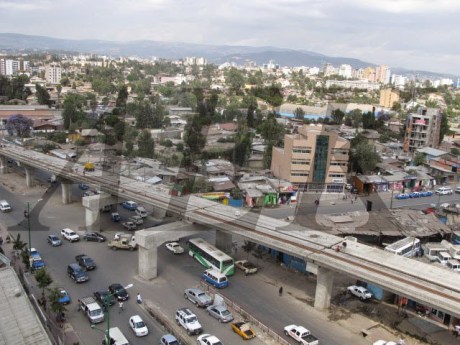
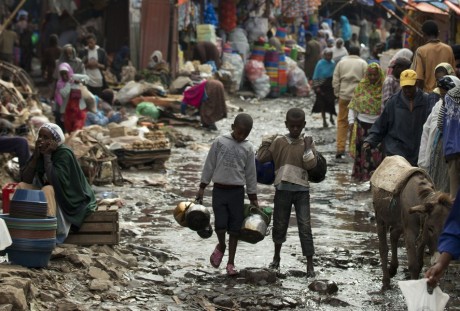


 Working Group Must Address Trade Misinvoicing and Role of U.S. Business and Government in Facilitating Illicit Finance to Be Truly Effective, Warns GFI
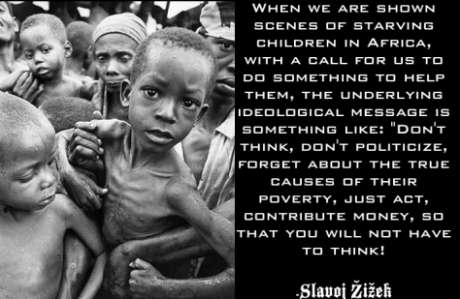








 A man who single-handedly saved Mandela has recently come forward with his story. Captain Guta Dinka, 78, was one of the two guards assigned to protect the future icon of peace during his training’ in Finfinnee. Read more at
 Nelesen Maandeellaa


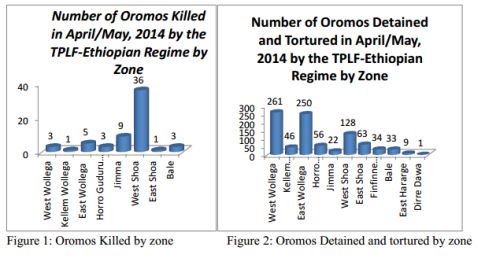

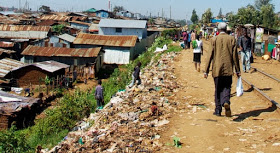



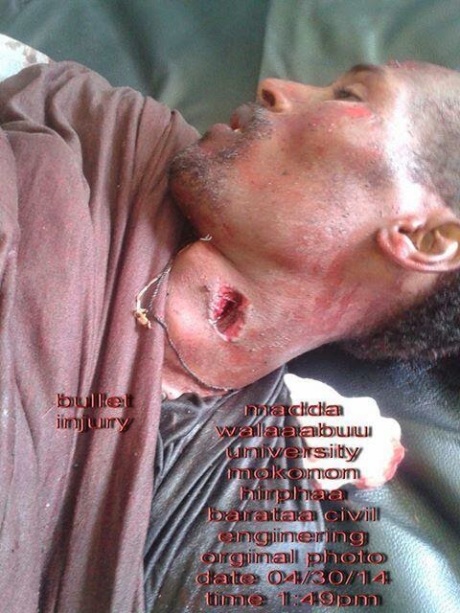


 Oromian Economist