
Oromia: Saliha Sami: Ni Baafna Gumaa (New Oromo Music) October 4, 2017
Posted by OromianEconomist in Oromo Music, Saliha Sami, Uncategorized.Tags: Africa, Ni baafna gumaa, Oromia, Oromo Artist Saliha Sami Releases Raya Music "Sanggawwee Raayyaa/Gumaayyee" in Afan Oromo [the National Language of Raya & Azebo], Oromo music
add a comment

Africa Times: Ethiopia’s Oromo hold peaceful memorial at Irreecha festival October 2, 2017
Posted by OromianEconomist in Oromo Protests, Uncategorized.Tags: #OromoProtests, Africa, Ethiopia, Irreecha 2017, Oromia, Oromo
1 comment so far

Ethiopia’s Oromo hold peaceful memorial at Irreecha festival
In Ethiopia, this year’s Irreecha festival brought peaceful but powerful protest as the Oromo people marked the anniversary of last year’s massacre at Bishoftu.
More than 1.5 million people were expected to attend the annual thanksgiving celebration. Despite the rainy skies, they came; once there, the crowds chanted anti-government slogans with the now-familiar crossed arms symbol of protest against Ethiopian authorities they say have long persecuted them – and who, in 2016, opened fire as the scene at Bishoftu deteriorated into chaos.
“May the almighty avenge those that are killing our people,” said the traditional Oromo Gadaa leader as he delivered a blessing. “May the almighty avenge those who killed our people here last year. May the almighty avenge the unavenged. May the almighty end our national ordeals.”
The Ethiopian Human Rights Commission denied the military used lethal force in an official report on unrest in Oromia released in April. The EHRC said 669 people had died in ethnic clashes overall, including 465 Oromo civilians, while blaming the Oromo Media Network (OMN), other diaspora sources, and Oromo political opposition groups for escalating the crisis while defending all national security measures as appropriate.
The report results were questioned by international governments and human rights organizations who say they are consistently denied the access needed for an independent investigation. Many of the thousands who were arrested during a 10-month state of emergency remain detained, including key Oromo political opposition leaders.
Security remained tight for this year’s Irreecha celebration, as Ethiopian authorities banned weapons and set up security checkpoints while promising that armed forceswould remain on the perimeter of the event but not venture inside.
Related:-
“Sifan Lola Yaa WBO” Irreecha Bishooftuu 2017
“ABO Mormoon Gaara Dhitanii Jigsuu Yaaluu Dha”


Irreecha 2017: The Oromo National And Cultural Holiday, Oromians in Millions Celebrating the Blessing Festival in Oromia and all over the Globe. And also remembering the October 2nd 2017 Bishoftu (Irreecha) Massacre October 1, 2017
Posted by OromianEconomist in Irreecha, Irreecha Birraa, Uncategorized.Tags: Africa, Irreecha, Irreecha 2017, Irreecha Birraa 2017, Oromia, Oromo, Oromo culture
7 comments

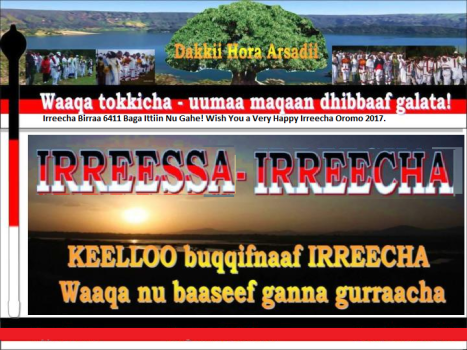
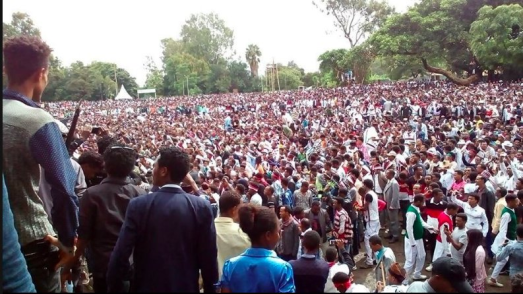
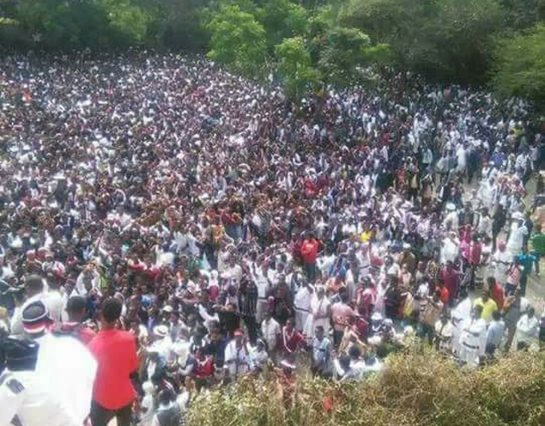

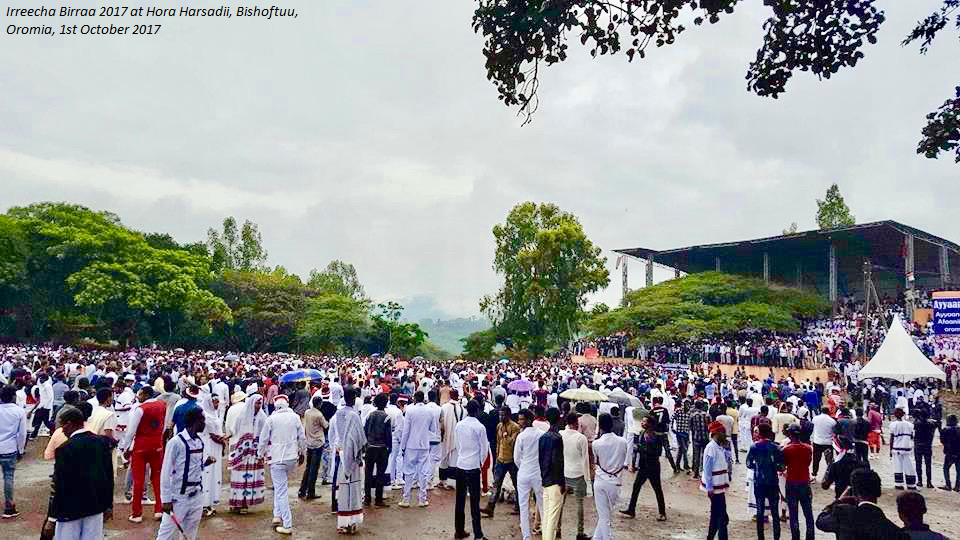
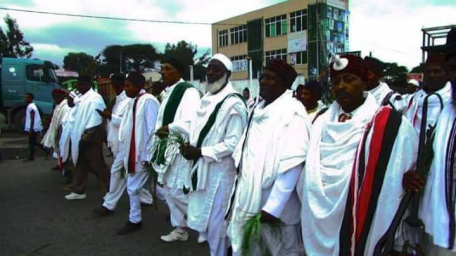

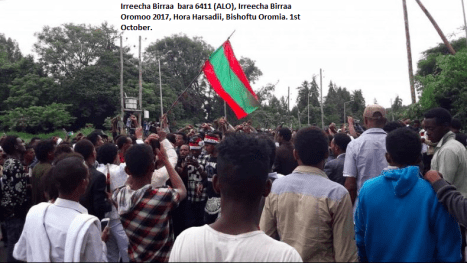


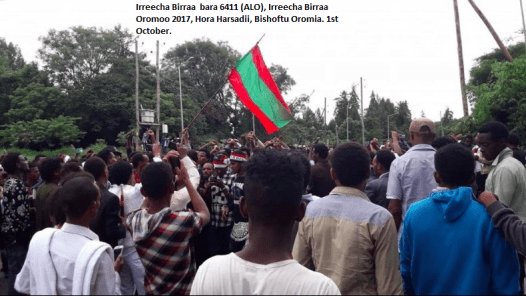
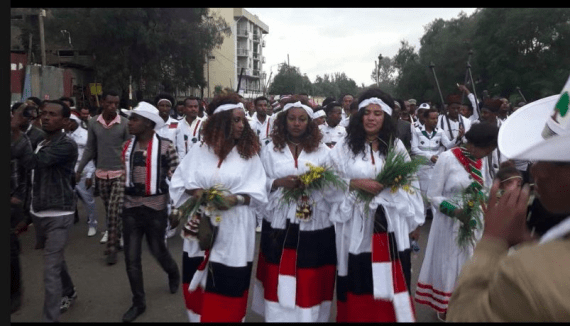
Irreecha (Irreessa) Birraa Oromoo kan Bara 2017 (akka lakkoobsa Oromootti kan Bara 6411) akka gaariitti karooreffatamee, haala oo’aa fi bareedan kabajamaa jira. Lammi keenya bara darbe ajjeechi sanyii daguugga irratti rawwateefi yaadannoon godhamaatti jira. Here are some of live pictures, videos and reports refer to Irreecha Oromo Thanksgiving 2017 (6411 in Oromo Calendar) Celebrations. The blessing and colorful event that started in mid August and continue to be celebrated Birraa (September- October). Millions have attended Hora Harsadi (Bishoftuu, Oromia) with success on 1st October 2017. Irreecha is the most important event (season) in Oromo people national calendar. #Irreecha2017
(OPride)―On this festive yet somber occasion, the Oromo are out in great numbers, as colorful and vibrant as ever. It’s Irreecha, the “thanksgiving holiday,” as was described by a host of foreign media outlets in the wake of the disaster that left hundreds dead last year. With the grievances that led to the tipping of the vase last year left unaddressed, justice long sought over the massacre still a pipe dream, with countless remaining behind bars, the Oromo people are back in Bishoftu having unanimously declared that the show must go on. Click here to read more.
In Pictures: Irreecha celebrated colorfully, and peacefully, in Oromia: Click here to see full text of Finfinne Tribune | Gadaa.com
Irreechi 2017: Rakkoo nageenyaa malee, mormii cimaa waliin kabajame. BBC Afaan Oromoo gutummatti ilaaluf as tuqaa.
Ayyaanni Irreechaa bara 2017 suuraan yoo ibsamu. BBC Afaan Oromoo as tuqa ilaalaa.
“Uummanni ofiin of eeguunsaa nageenya buuse” Poolisii Oromiyaa,” BBC Afaan Oromoo
የኢሬቻ በዓል ተቃውሞ ቢሰማበትም በሰላም ተጠናቀቀ click here to read full text, BBC Amharic
BBC News Afaan Oromoo – #Irreecha2017 biyyoota addunyaa gara garaa keessatti. Dabalataan as tugaa ilaalaa. #OromoUnity . Irreecha Birraa 2017 Celebration over the world, click here for more.
Ethiopia’s Oromo community has staged their thanksgiving celebrations known as Irreecha. Click here for more CGTN report.
Africa Times: Ethiopia’s Oromo hold peaceful memorial at Irreecha festival
https://twitter.com/roobsan/status/914412014247796736
https://www.facebook.com/100009377299297/videos/1909312559391302/
https://youtu.be/DX7wiYz52Hs
https://www.youtube.com/watch?v=zNeubD28rFg
OROMIA: IRREECHAA: THE CHERISHED OROMO HERITAGE AND ITS CHALLENGING TASk
Africa News: Ethiopia’s ethnic Oromos, tourists gather for Irreecha 2017
Oromia: Haala Kabaja Ayyaana Irreecha Malkaa bara 2017 ilaalchisee ibsaafi qajeelfama
https://twitter.com/dethiopien/status/914390341628899329
https://twitter.com/addisgazetta/status/914388728986169344
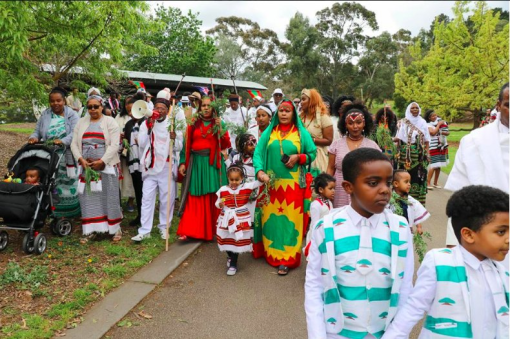
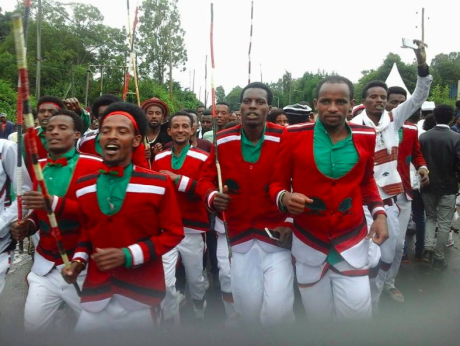
Irreecha bara 2016: “Iddoon ija koo itti dhabedha” BBC Afaan Oromoo irratti guutuutti dubbisuuf as tuqaa.
Africa News: Ethiopia’s ethnic Oromos, tourists gather for Irreecha 2017 September 30, 2017
Posted by OromianEconomist in Irreecha, Uncategorized.Tags: Africa, Irreecha, Oromo, Oromo culture
1 comment so far
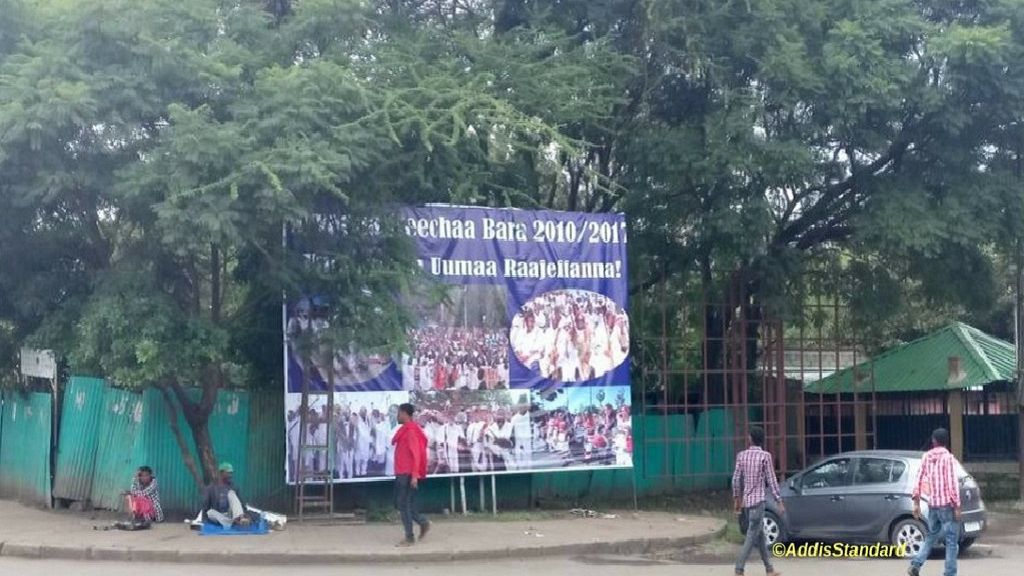
![[Photos] Ethiopia's ethnic Oromos, tourists gather for Irreecha 2017](https://static.euronews.com/articles/390909/400x225_390909.jpg?1506766716)
ETHIOPIA
The Irreecha festival is an annual thanksgiving festival by Ethiopia’s Oromo ethnic group. It takes place in the town of Bishoftu – located about 45km away from the capital Addis Ababa.
The 2016 edition was marred by deadly chaos after security operatives were said to have fired live bullets towards protesting participants. Millions of attendees are expected to gather on this occasion at Lake Arsede, Bishoftu (Debre Zeit), and surrounding areas.
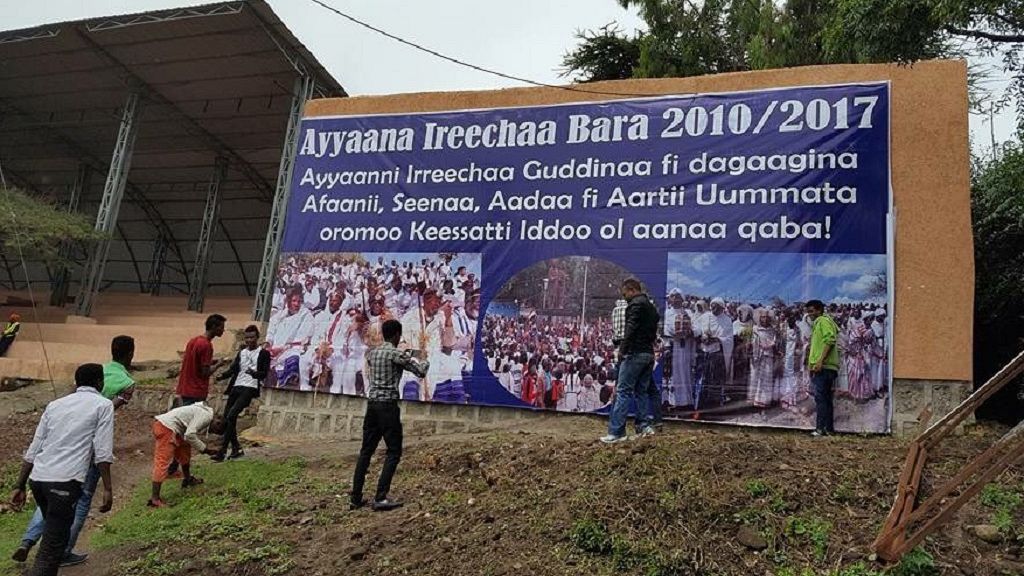
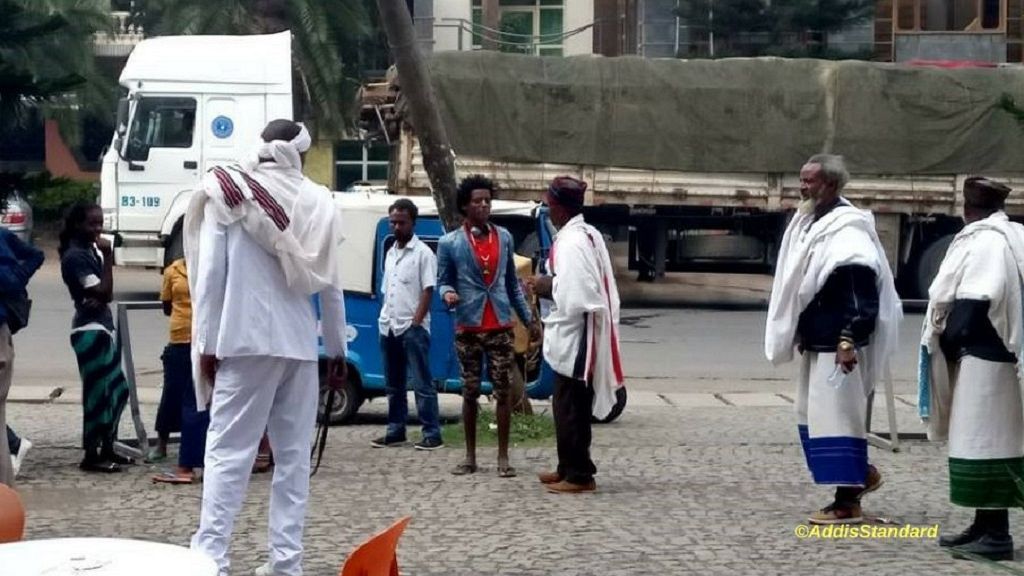
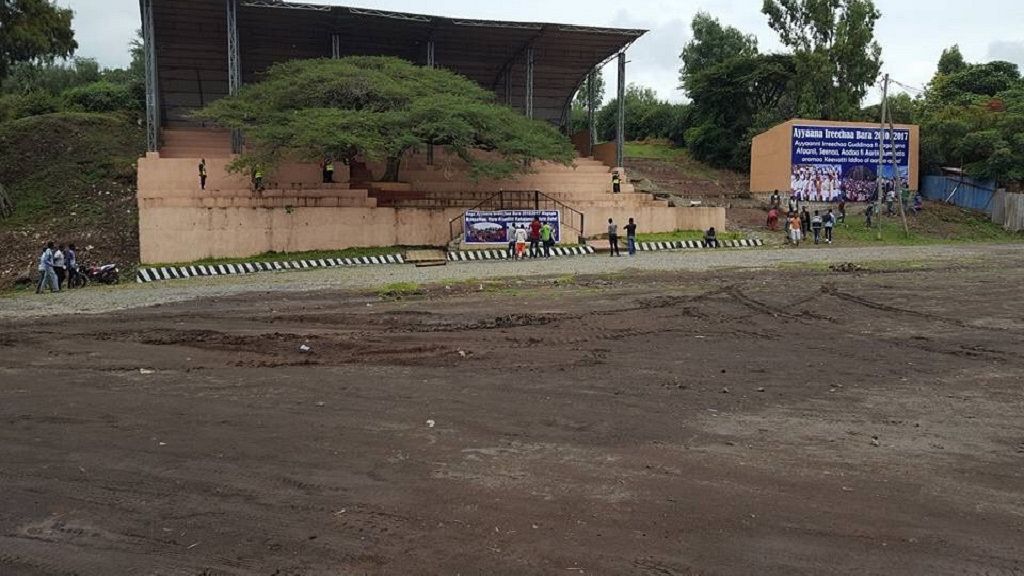
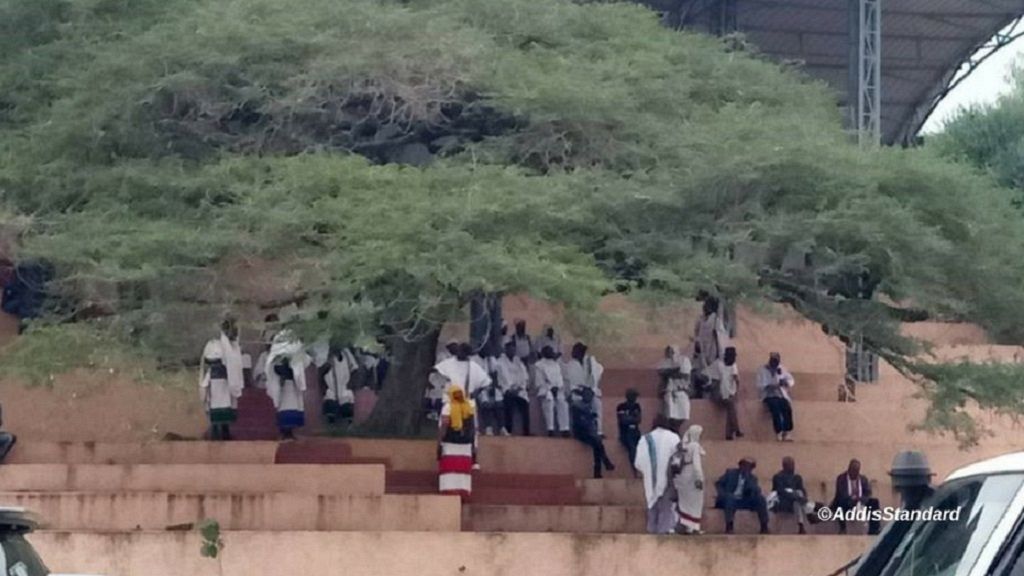
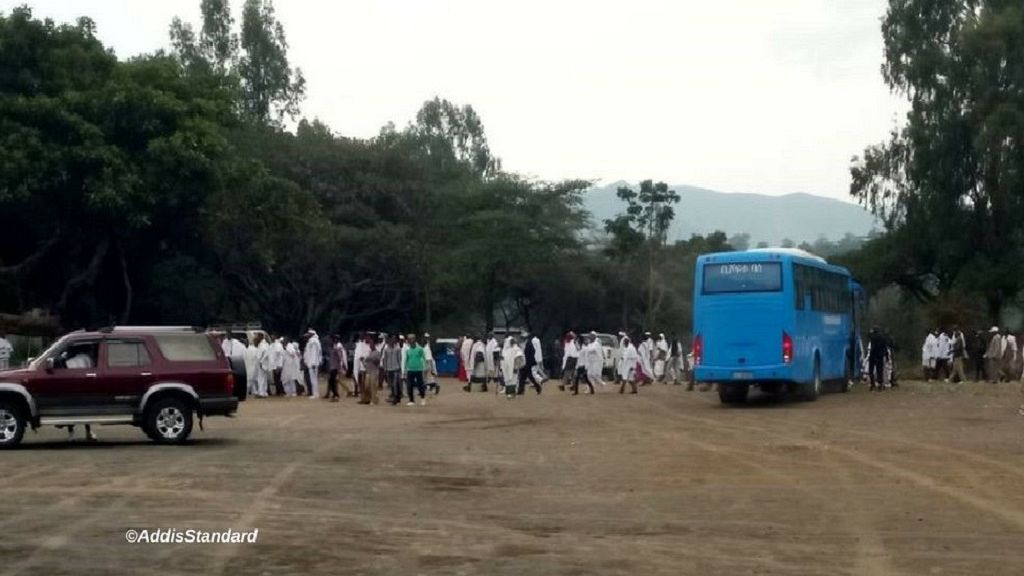
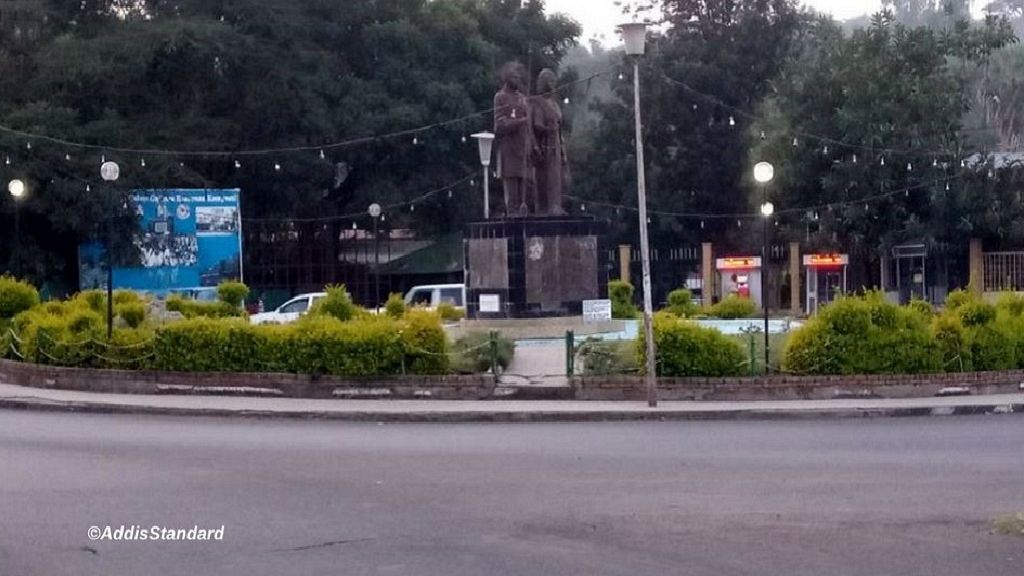
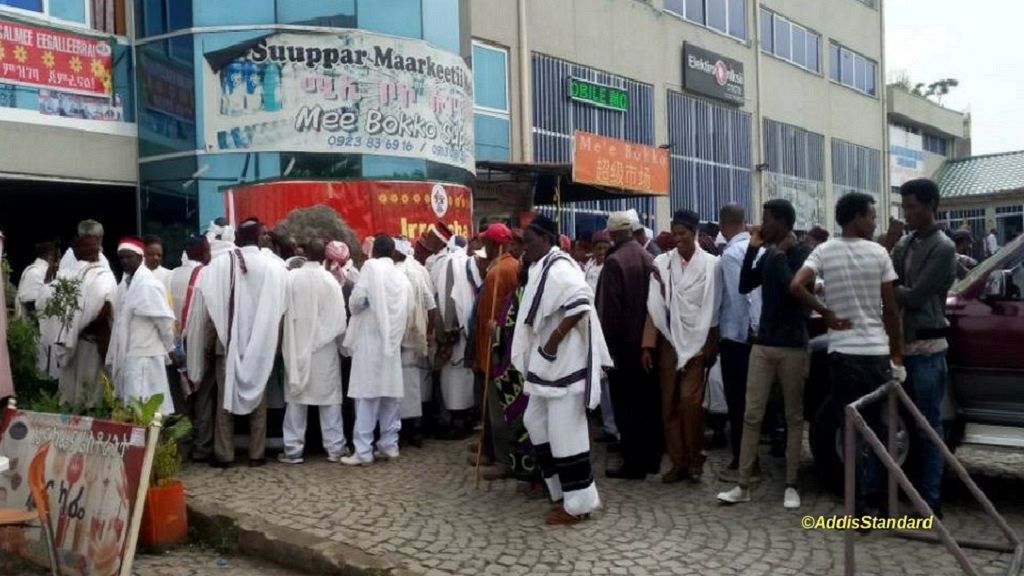
Preparations are underway for the weeklong event which starts from October 1 and concludes on or around October 8, in the the Oromia region. We present pictures from preparations thanks to Ethiopian news portal, Addis Standard.
Related Articles (Oromian Economist Sources):-
https://twitter.com/Abbaacabsa/status/914171824572915717
OPRIDE: Oromia gears up for Irreecha 2017: Reports, photos and analysis from Bishoftu

The United States Embassy in Ethiopia has issued a security message for its citizens with respect to Sunday, October 1 Irreecha festival in the Oromia region.
The September 29, 2017 statement titled ‘Security Message for U.S. citizens: Security Awareness in Oromia Region,’ cited the deadly chaos of last year as a key reason for its latest alert.
Millions of people – ethnic Oromos from across the country, around the world and tourists – are expected in the town of Bishoftu – located about 45km from Addis Ababa for the annual thanksgiving ceremony.
The chaos of last year is a major concern for rights groups and political watchers in the region. The Oromo regional authorities a week ago announced that there will be no armed personnel deployed for this year’s session.
The U.S. has in recent past issued alerts for the Oromia region but more to do with supposed ethnic clashes between people in the region and the adjoining Somali region.
The full statement from the embassy read:
“The U.S. Embassy informs U.S. citizens that, beginning on October 1 and concluding on or around October 8, the Oromia region will celebrate its annual Irreecha. Millions of attendees are expected to gather on this occasion at Lake Arsede, Bishoftu (Debre Zeit), and surrounding areas.
“Noting that at last year’s Irreecha a tragic stampede resulted in numerous deaths, and given the ongoing potential for civil unrest, the Embassy advises U.S. citizens to postpone travel to Bishoftu (Debre Zeit) and its surrounding areas until after the celebration has concluded.
“Review your personal security plans, remain aware of your surroundings, including local events, and monitor local news stations for updates. Be vigilant and take appropriate steps to enhance your personal security,” it concluded.
Ethiopians gather for festival marred by bloodshed
At least 50 Oromo people died last year at the Irreecha festival after police fired tear gas and started a stampede.

A year ago, Firommisa Darasa barely made it out of Ethiopia‘s Irreecha festival alive, managing to escape from a deep ditch where dozens perished.
The tragedy happened after police fired tear gas at anti-government protesters, sparking a stampede.
Last year’s bloodshed at the annual religious festival held by Ethiopia’s largest ethnic group, the Oromo people, became a turning point in months of anti-government protests that prompted the government to declare a nationwide state of emergency.
While dissatisfaction with Ethiopia’s government still runs deep among the Oromo, last year’s protests have since died down.
Those planning to attend this year’s Irreecha festival say they are hoping for the best when Sunday’s gathering begins in the resort town of Bishoftu, southeast of the capital Addis Ababa.
“I feel fear inside but if I don’t come, the people around me won’t come. This is our ancestral celebration and we will have to keep it,” said one of the festival-goers, 28-year-old Firommisa,
At least 50 killed
The Oromo people began protesting in late 2015, angered by a government proposal to expand Addis Ababa that they feared would deprive them of land without proper compensation.
Those tensions exploded at last year’s Irreecha when activists took to the stage and began shouting anti-government slogans, prompting police to open fire with tear gas.
At least 50 people were killed in the ensuing stampede, according to government figures. Activists put the death toll much higher.
Changes have been made this year at the festival grounds adjacent to a lake in the town 60km southeast of the capital.
A new open-air amphitheatre has been built and cobblestones laid on the ground, while the ditch that claimed so many lives last year has been fenced off.
The presence of armed security forces was seen as exacerbating last year’s chaos, but the Oromia regional government said this year there would be no weapons.
“This year will be different because there will be no political involvement from the government and no security from them as well,” said attendee Dachassa Gosa, 22.
WATCH: Ethiopia’s bereaved families seek justice (2:31)
Irreecha, or thanksgiving, is the most important annual festival of the Oromo people and it celebrates the end of the months-long rainy season and the upcoming harvest.
While traditionally a time to give thanks and pray for prosperity and abundance, it has increasingly been an opportunity for the Oromo to assert their identity and criticise government policies they say marginalise them.
Last year’s deaths re-ignited the protests across the Oromo region, but this time the targets were government and foreign-owned businesses, with several destroyed.
All told, the months of violence left more than 940 people dead, according to the government’s human rights commission, while arrests topped 22,000.
The bloodshed only ended with the declaration of a state of emergency, which was lifted in August.
However many Oromo say their grievances were not addressed and sporadic strikes and protests still occur.
READ MORE: 669 killed in Ethiopia violence since August
US-based Human Rights Watch (HRW) has urged the Ethiopian government to “act with restraint” this time around and to take measures to ensure there is no repeat of last year’s tragedy, while calling for a proper investigation into what happened.
“Certainly, if there were to be a return to what happened at least year’s Irreecha, you would expect that would lead to much wider unrest,” HRW researcher Felix Horne told AFP news agency.
Oftaha Oromoo travelled from a district hours away to join the celebration but expects a more subdued event this weekend.
“Personally I am still angry, but we have to be patient and celebrate,” he said. “This year, we want to remember the people who died.”
Source: AFP news agency
Statement of International Oromo Lawyers Association In Commemoration Of Irreecha Massacre, 2nd October 2016. September 30, 2017
Posted by OromianEconomist in Uncategorized.Tags: Africa, Bishoftu Massacre, Bishoftu Massacre 2nd October 2016 at Irreecha, Ethiopia, Genocide Against Oromo People, Oromia, Oromo
add a comment
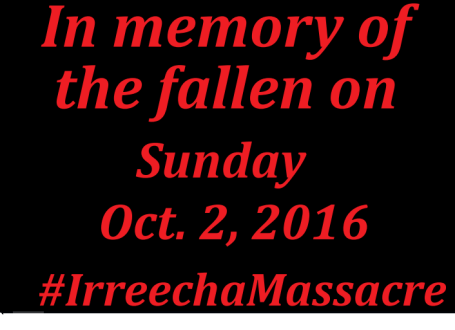
Statement of International Oromo Lawyers Association In Commemoration Of Irrecha Massacre.
It is one year ago that the world witnessed the naked brutality of the TPLF-led Ethiopian regime, when it carried out a large scale massacre against the Oromo people gathered at the annual thanks-giving festival – Ireecha, in Bishoftu, some 45 kilometers, south of the capital.
According to reliable information, close to 1000 civilians were killed as a result of combination of stampede and use of life bullets as well as blockade of paths by the security forces. By all accounts, and conclusions by human rights experts, the tragedy was a well-designed and pre-planned government action against the Oromo people, who were already engaged in a year-long peaceful demonstration in the entire Oromia State region, demanding respect for their fundamental human rights.
Today, a year later, the government did not carry an investigation nor hold any official accountable for the death of the thousand civilians which resulted from the use of disproportionate use of force. To the contrary, it arrested and detained thousands of Oromo civilians for alleged instigation of disturbances.
This year, the festival is going to take place at the usual place following established rituals. What is now becoming everyone’s worry is that, participants of the festival may try to use the opportunity to express their dissatisfaction with the way the government addresses, or failed to address at all, their demand for respect for their fundamental rights, which may be used as a pretext by the security forces to react with a force which is disproportional to the demand and the civilian character of the demanding population.
That being the case, IOLA would like to join the international community in general and human rights institutes in particular in expressing its deepest concern regarding the possibility of unrest and subsequent harm to the civilian population during this year’s celebration of Ireecha.
It therefore demands that the government should:
- Take advance measures to put in place all what is needed for the citizens to peacefully celebrate Ireecha as per established ritual and without disturbances by the security forces;
- Ensure that security forces use proportionate force needed to maintain law and order;
- Take all the necessary security measures to ensure that the physical safety and security of civilians festival-goers is not compromised;
- Remind its security forces and give them clear guidance that Ethiopia is bound by the international Covenants and Conventions it had signed and that they should adhere and properly implement the United Nations Basic Principles on the use of Fire Arms.
International Oromo Lawyers Association.
OROMIA: IRREECHAA: THE CHERISHED OROMO HERITAGE AND ITS CHALLENGING TASK September 30, 2017
Posted by OromianEconomist in Irreecha Birraa, Irreecha Oromo, Irreessa, Uncategorized.Tags: Africa, Irreecha, Irreecha (Irreesa) Oromoo, Irreecha (Oromo Thanksgiving), Irreecha Birraa (Malkaa), Irreecha Malkaa, Irreessa, Oromia, Oromo, Oromo culture
1 comment so far
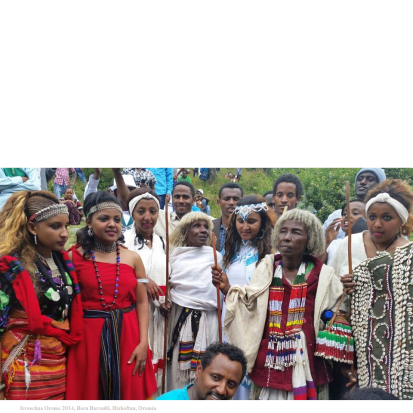
IRREECHAA: THE CHERISHED OROMO HERITAGE AND ITS CHALLENGING TASK
Getaachew Chemeda ( Member: Gadaa Meelbaa)
 Since time immemorial Oromo men, women, youths, and elders have been rallying together to express thanks and happiness to their Waaqa, who according to the Oromo concept of colour is symbolised by the colour gurraacha, meaning black. By its very original concept the colour gurraacha (black) did not stand for mourning, grief or for the expression of sorrow. It was used to symbolise the invisible supreme power that can do and undo anything anywhere in the universe. Having this narrative tradition in mind, the Oromos have been getting together around rivers or lakes to thank their Waaqa Gurraacha at the end of the rainy season. They strongly believe that, it was Waaqa who delivered them from the restraining rainy season and brought them to the cherished flowery season. This great event, called Irreecha in Afaan Oromoo, is celebrated every year at the end of September or in the first week of October. https://youtu.be/Pk3W49aKXDY
Irreecha holds an important social event in Oromo people’s aspiration for peace, prosperity, abundance, fertility, and a hope for the renewal of a new social life. Like ancient Egyptians who used to celebrate the yearly inundation of the River Nile as a symbol of life giving, Oromos have been celebrating their new year on the side of river banks or lakes which, according to Oromo mythology, is the source of all life. Some of the hymens ancient Egyptians sang while praising the Nile were:
Oh Nile! You rise out of the earth and come to nourish Egypt! You quench the thirsty desert! You bring forth the barley! You create the wheat! You fill the granaries and the storehouses, not forgetting the poor. For You we pluck our harps, for You we sing! [1]
Creation Narrative Stories
It was not only the ancient Egyptians or the Oromos who had creation stories in relation to water. In the Japanese telling stories, we find water holding the core of the dawn of creation. First, there was an ocean, out of which the many Japanese Islands were believed to have been created. There was a god known as Izanagi and a goddess Izanami. The gods, as a couple, had three children, of whom the grandson of the Sun Goddess had become the first Emperor of Japan, Nippon, as known to the native population.[2]
The gods used a long spear and stirred up mud at the bottom of the ocean. It was out of the stirred up mud those more than 6000 Japanese islands were believed to have been created. On the eastern side, out of the glittering Pacific Ocean, the sun rose every morning. It was the cherished sun’s rays which had a big role in illumining, nourishing, and bringing up the Japanese archipelagos to life. This is the Japanese thought of their land, Mount Fuji being the most beautiful and sacred one.[3]
For the Japanese, Japan has not only been their country. Japan has been their world and their religion. The creation story the people share in common and the passionate love they have for their country has continued to make up the coherent faith of their oneness. And, out of the cherished mythology, they have undoubtedly benefited enormous groundwork principles for their social and technological advancement we are witnessing today.
When we come to the antique Scandinavians of northern Europe, we find similar watery creation stories. In the beginning there was an abyss filled with water. The water froze; and lastly melted down. Out of the melted water, a giant being of human form called Ymir emerged. Thereafter, a man and woman were created out of Ymir’s armpits. In short, this was the beginning of ancient Scandinavian telling stories about the myth of human creation.[4]
The Oromo myth of creation holds the view that water being the source of androgynous being. According to Oromo narration story, by the unfathomable wisdom of Waaqa Gurraacha, the androgyny was divided in to two parts and became male and female. After the division, the two opposite sexes began to live separately on the either side of the river. Though they were able to see each other across the river, they were hampered from joining each other by the overflow of the river. When the river subsided and sank down into its course, during the flowering season, they were able to cross the river and embraced each other.[5] Here was the point, during the flowering season, according to Oromo belief, when the first gaa’ila (engagement for marriage) started to blossom.
Many of us may remember when newly married Oromo couples were coming to Irreecha at Hora Harsadii, enforced by nobody but only inspired by the tradition to get the blessings of the hayyuus and Abbaa Gadaas. But that was not performed on October 2, 2016 because of the heinous massacre carried out by the incumbent Ethiopian regime that disrupted the whole process of the ceremony.
Having this entire narrative story in mind, defending and combatting all challenging obstacles and heinous crimes imposed on them, the Oromos have continued to celebrate their yearly thanksgiving Irreecha festival, dressing beautiful national costumes suited for the occasion.
Norms of Irreecha Celebration
Today, at national level, millions of Oromos are celebrating Irreecha Birraa, on the side of Hora Harsadii in Bishooftuu town. At national or local levels, there are traditionally agreed upon norms that govern the whole process of the ceremony from the beginning to the end, which is deeply rooted in the strongly and humanely established Oromo views for peace, love, prosperity, and human dignity. Based on Oromo clans’ successive generation by birth, there are individuals who offer blessings first, second, and so on. This is dually (angafaa fi qixisuu) restructured in Oromo kinship organisations whose function of check and balance has become basic foundation for the indigenous Gadaa Oromo Democracy to flourish.
The ceremony commences first by offering thanks and greeneries to Waaqa, followed by blessing all creatures of Waaqa to be at peace with each other. They also give admiration and honour to Waaqa’s wisdom who gave them a perfect bliss of land with abundant natural resources. This is one of the inherent reasons why the Oromos are cherishing their ancestral homeland, Oromiyaa (Biyya Oromoo) as part of their natural right, be it in peace or war times.
In the case of Irreecha Birraa, it is the Abbaa Malkaa who ‘opens the door’ of the malkaa (river) by charmingly welcoming those who arrived at the site in peace.[6] Those distinguished hayyuus from senior and junior clans (mana angafaa fi qixisuu) and the Abbaa Gadaa from the incumbent Gadaa party are traditionally honoured to take leading positions in giving thanks and blessings to all. Even the Ayyaantu-Qaalluus, who are believed to be the guardians of the laws of Waaqa and the custodians of Oromo traditional religion, have no seniority right to claim either to take the leading position or to give blessings first. They have their own defined time and place to do so. Failure to honestly follow those agreed upon traditional charter, could lead to chaos and eventually to the disintegration of the society. Nevertheless, despite so many apartheid walls erected among Oromo regions by builders of the imperial palace of political Ethiopia (in contradiction to historical Ethiopia), the Oromos are not able to be divided by the walls. They are chiselling down the walls and are patiently moving forward in unison.
Is Irreecha a Religion?
As common to any Oromo meetings or conferences, thanking Waaqa and blessing each other precede the opening of the agenda of the meetings. There is no exception for the thanksgiving Oromo new year celebration, Irreecha. Since the Oromo name of Waaqa is the centre of Oromo Natural Religion, the solemn invocation of Waaqa at Irreecha or elsewhere cannot be avoided. This is the core issue, the authenticity of Oromo natural religion and Oromo morality that seem to have scared general managers of ‘Revelation Industries’ and their sponsors in Oromia. They are prompted to develop phobic images against essential Oromo values: vilifying, desecrating, defaming, and bedevilling Oromo material and spiritual assets as a whole. Why? The answer is so unilineal, not parallel.
Irreecha has been one of the major Oromo events that distinguishes, makes, and marks the identity of an Oromo personality as a member of the nation.
- It is a social festival that praises Waaqa who helped them come together in peace and embrace the incoming bright-sunny season.
- It is a social festival that sees off the out-going rainy season, wishing its recurrent appearance in peace, happiness, abundance, fertility, equality, fraternity and a hope for victory against all forms of evils.
But, as has obviously been duplicated by foreign media outlets, particularly after the Irreecha massacre of October 2, 2016, there is a clear tendency to look on Irreecha as a ‘religious festival’. It is quite villainous and sinisterial to depict the general Oromo sense of Oromo-self only from a single perspective. Is Habasha’s Inkutatash not Qiddus Yohannes’ religious celebration or is it a new year festival? Is Tigrian’s Ashanda the worshipping of Churches of Saints or season greetings? Is European Christmas the celebration of Christ’s birth day, or is it the continuation of pre-Christianity European culture of winter solstice celebration?
When it comes to Irreecha Oromo, it is propagated as heathenish or animist religion that makes a tree or a river the centre of worship. This can simply be attested from the recently publicised sub-human propaganda by a self-declared “Prophet” named Suraphael Demise. https://youtu.be/u2hrjMaSeqM
We do not understand whether such inconsiderate propaganda is really a reflection from a fully-developed human brain or is it a proxy psychological war sponsored by the monstrous Satan. If one wants to talk or know about Oromo religion, it is called Waaqeffanna, not Irreecha. Where is the self-organised Waaqeffannaa religion right now? One may ask the Tigrian Ethiopian regime, sitting in Minilk’s imperial palace; muddling the peoples of that empire, sponsoring divisive and xenophobic people like Suraphel Demise.
Waaqeffannaa by its natural origin, contrary to revelationists’ assertions who claimed to have seen visions and heard voices, is neither a claimed vision nor claimed heard voices. Had it been a claimed vision or claimed voices, it could have been dwelling on narrating about a place of everlasting torture or about a place of eternal delight in the afterlife. In the narrative story telling of Waaqeffannaa there were no individuals who did claim any visions or heard voices for its establishment as a religious institution. It emerged naturally out of the organised Oromo people’s activities in the remote antiquity. Henceforth, Waaqeffannaa, as a natural religion, has become the common vision of Oromo people’s common mind. It is free from claiming any received information of the afterlife, be it from the chamber of the sinners or from the chamber of the pious. However, Waaqeffannaa may wonder or speculate what could be happening beyond the veil of a man’s soul (lubbuu) after his dead body was ceremonially buried. Revealed religions claimed and are still claiming that they had unveiled the veil, saw the souls, and heard their voices from chambers of the ‘hell and heaven’.
In its strictest sense, Irreecha is not a religious institution. It is a ritualised social event; certainly, adorned and accompanied by Oromo Natural Religion known as Waaqeffannaa. Waaqeffannaa and Irreecha have been with the Oromos, by the Oromos, and for the Oromos since the dawn of creation long before the conception of revealed religions.
The Irreecha Massacre and the “Tasa” Monument
An attempt to ban the Irreecha festival started the time when Oromos lost their sovereign rights to Abyssinian firearms under the supreme commandship of King Minilk of Shewa. After the Tigrian-led Ethiopian regime took the imperial palace by force in 1991, the orchestration to ban the Irreecha ceremony was concluded. This time, the regime took the first apartheid action by banning the revived Matcha-Tulama Self-Help Association and the freely organised Waaqeffaanaa religious association. Instead of directly banning Irreecha, however, like Matcha-Tulama and Waaqeffanaa, the regime renewed the old Nugus-Orthodox tactics of hijacking anything good of the Oromos and good for the Oromos.
A delegate led by Abba Duulaa Gammadaa, the then president of ‘Oromia Regional State’ was despatched to Hora Harsadii to hijack Irreecha. The delegate failed to accomplish the mission it intended to seal and returned to the palace in dismay. Here was planted the seed of the evil action that took thousands of innocent lives on October 2, 2016 at Hora Harsadii, Bishooftuu.
Ahead of the massacre, the regime meticulously orchestrated provocative tactics that could incite the people against itself. It imposed rules that are too antagonistic to the established Irreecha tradition. When the people reacted to the evil provocation, its ill-behaved security forces started firing life bullets from the ground and from armoured vehicles against millions of celebrants. Military helicopter flew over them spraying teargas on them. On this day, that barbaric action changed the happy Oromo Irreecha event to a bloody grief. https://www.youtube.com/watch?v=R_3miIwY4mQ&t=33s
The regime and its killing forces rejoiced the success of their fascistic actions on human carnages. The regime’s trumpet Prime Minister, Haile Mariam Desalegn, was so quick to deny the massacre and said, “No single bullet was heard; but because of stampede about 52 people were killed.” Finally, like Muktar Kadir who thanked the Agazi killing forces, Ethiopia’s Prime Minister thanked the regime’s mercilessly firing forces https://youtu.be/Q6cSzgiZdc8
To remember the success of their evil plan, the Tigrian-Ethiopian regime erected a very offensive stone they call “Memorial Monument”. A deaf monument, that speaks of nothing about the root cause of the massacre. Sadly, what is inscribed on the monument seems to be articulated in the way it could depict the lost human lives as unworthy ones. It reads in Afaan Oromoo “Tasa Lubbuun Isaanii dabreef, for suddenly passed away lives”
This “Tasa Monument” was erected in a faraway place where the actual massacre did not take place
Conclusion
The Oromos have tried to do everything positive for Ethiopia. But why are they being reciprocated with negativity for their positive generosity? When the Oromos are coming out for peace, those who are making huge business in the name of “Ethiopia” are incessantly confronting them with vibrant forms of violence, persecution and marginalisation.
In former days, before Oromo country and their central holy site, Walaabu, had fallen to naftenya’s bayonet, Oromo generations in every Oromo clan were making pilgrimage to Walaabu. The purpose of the journey was more of religious, that they sought the anointment and blessings of Abbaa Muudaa, who was believed to be the eldest son of Oromo [Orma], the Spiritual Father of the nation holding the centre of Oromo Natural Religion, the belief in Waaqa Tokkicha.[7]
The pilgrims, who were scattered in north-east Africa, representing their clans, used to travel a long journey and arrived at the Muuda site. On their return to their clans, they came back with qumbii (myrrh), which the Abbaa Muuda distributed to them as a symbol of his fatherly holy blessings. This had been considered as dangerous and anti-peace to Abyssinian crosses and crowns. Subsequently, with the invention and consolidation of the ‘New Ethiopia’, qinyi gizaat, (the Amharic version for colonial empire) by King Minilik of Shewa, Oromo’s journey to the Muuda holy site was prohibited. It was finally banned at the beginning of the twentieth century. Huntingford who collected good information from various sources wrote:
”—after the Abyssinian conquest of [Oromia], however, the pilgrimage was forbidden owing to its political and nationalistic influence.—as opportunities for stirring up Oromo patriotism and forming plans of rebellion for men of all the Oromo tribes met at Walaabu.”[8]
This inhumane and erratic ideology will get nowhere. It is now far from halting down Oromo people’s aspiration for regaining their lost freedom. We, including those in ati-Oromo camps, are daily watching and witnessing the reality on the ground. The more direct wars and propaganda campaigns are pouring on the Oromos, the more their heroisms are reinvigorated. Irreecha will continue to march forward with its noble objectives of thanksgiving social festivities: vitalising, remaking, and remarking Oromummaa (Oromo-ness).
Related:-
IRREECHA – THE COLORS, THE IDENTITY AND THE PRIDE OF OROMO NATION
Oromia: Farm land grab: Game over for Flora EcoPower September 28, 2017
Posted by OromianEconomist in Land and Water Grabs in Oromia, Land Grabs in Africa, Land Grabs in Oromia, Uncategorized.Tags: Africa, Ethiopia, land grab in Africa, Land grabbing, Land grabs in Oormia, Oromia
add a comment
Africa Intelligence | 22 September 2017 [FR], INDIAN OCEAN NEWSLETTER ISSUE 1458
One final straw for the German company which owns 70,000 ha of land in Oromia has put a definitive end to its Ethiopian adventure.
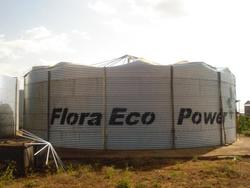
According to information obtained by the Indian Ocean Newsletter, the oil production and biofuel refining company Flora EcoPower Ethiopia, a subsidiary of the German group Acazis AG, has been ravaged by the fighting between Oromos and Somalis (ION 1457). Despite statements of reassurance from Prime Minister Hailemariam Desalegn, the conflict between the two communities is intensifying with each passing day. Already affected by the anti-government demonstrations which have broken out in Oromia National Regional State (ONRS), foreign business operators, like the Saudi-Ethiopian magnate Mohammed Hussein al-Amoudi (ION 1421), are now having to deal with ethnic clashes too.
Ethiopia allocated 70,000 ha of land to Flora EcoPower in the region of West Hararghe, which straddles the districts of Daro Lube and Boke, to enable it to produce castor, groundnut and eucalyptus oil. However, this region, where al-Amoudi’s Horizon Plantations Ethiopia is also active, borders onto the Somali National Regional State (SNRS, see here).
Flora EcoPower, which is run by Patrick Bigger and Andreas Burger, has never managed to turn the venture into a success. Subject to insolvency proceedings since July 2015, for many years the company has been trying to attract investment for its farm and refinery, and for a long time thought it would succeed in the case of Herakles Farm. Run by Bruce Wrobel, the company is the public face in Africa of the American investment firm Blackstone Group, founded by Stephen A. Schwarzman.
In 2013, managers from Herakles’ operation in Cameroon came to assess Flora EcoPower’s production resources and its performance, but no partnership ultimately came of it. In the end, Patrick Bigger and Andreas Burger entrusted the running of their oil refinery in Fetachu, near to Harar, to the Ethiopian firm K&S, which is run by Pakistanis from Sudan and Yemen who have already worked in Ethiopia for the Endowment Fund for the Rehabilitation of Tigray (EFFORT, a group of companies with links to the EPRDF, Ethiopia’s ruling coalition) and for Al-Habesha Sugar Mills, owned by the Pakistani investor Abdul Majeed Pardesi.
ETHIOPIA IS GRAPPLING WITH HEIGHTENED RISK OF STATE COLLAPSE, IT IS TIME FOR ORDERLY TRANSITION September 27, 2017
Posted by OromianEconomist in #OromoProtests, Ethiopia's Colonizing Structure and the Development Problems of People of Oromia, Afar, Ogaden, Sidama, Southern Ethiopia and the Omo Valley, Ethiopian Empire, Ethnic Cleansing, Horn of Africa Affairs, Uncategorized.Tags: #OromoProtests, Addis Standard, Africa, Ethiopia, Janjaweed in Darfur Liyu Police in Oromia, Oromia, State collapse, TPLF/EPRDF Ethiopian Regime is a Contra to a Developmental State
add a comment

Oromia: Athletic Nation Report: The Story Of The Only Man Bold Enough To Gap Kipchoge In Berlin September 25, 2017
Posted by OromianEconomist in Athletic nation, Uncategorized.Tags: 2017 Berlin Marathon, Africa, Athletic Nation Report, Ethiopia, Guye Adola, Marathon, Oromia, Oromo, Oromo athlete Guye Adola
1 comment so far
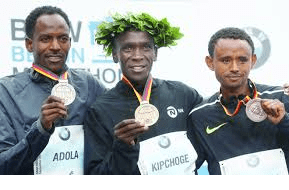
To be fair, Adola didn’t come in to the race penniless — he won the world half marathon bronze medal three years ago, and his half marathon PR of 59:06 was (albeit marginally) faster than that of any of the “Big Three.” But as we’ve learned from Zersenay Tadese, a half-marathon ace doth not a great marathoner make, so the 26-year-old Adola was expected to go out conservatively in the second pace group for his first-ever marathon, possibly hoping to pick up the scraps for a fourth-place finish.
But that didn’t stop Adola from abandoning conventional wisdom and crossing the half-marathon with group one at a suicidal pace of 61:30, right alongside the Big Three and Vincent Kipruto. Despite his untidy stride, he seemed comfortable, and his strength prevailed once Bekele and Kipruto fell off the pack early.
The true moment of glory for Adola was just after 30K. When Kipsang walked off the course nauseous at the timing mat, the unthinkable had happened — all but one of the Big Three were out, and the marathon debutant was the only runner to remain with Kipchoge with just over 10K to go in the race. As we would soon learn, Adola wasn’t content to simply run with the best — he wanted to dethrone the best, so he made the boldest move in the race to create a two-second gap on Kipchoge with 5K to go. The move sent Twitter into a storm.
The duel was on, and the odds seemed to be stacked against Adola; he ran like a beginner to the roads, drifting alongside Kipchoge rather than in front or behind him, and running wide of every turn despite several mid-race pointers from his competition. The timing of his late-race move will no doubt be questioned for weeks to come, but ultimately Adola had to settle for second in Berlin as Kipchoge played the patient game and drifted past Adola in the final miles.
Though Adola came up just short of the win, he was rewarded with a shiny new 2:03:46 de-facto PR — a mark that would have been an outright PR for all but seven runners in history. Discounting Moses Mosop’s wind-aided Boston run from 2011, his time was also the fastest marathon debut in history, taking that title away from current marathon world-record holder Dennis Kimetto.
He was brash, young, and his run was rife with tactical mistakes. But Guye Adola’s run in Berlin meant much more than his time or place — it could mean the coming of the world’s next great marathoner, and, yes, possibly even the world’s next marathon all-time record holder.


Eliud Kipchoge won the 2017 Berlin Marathon in 2:03:32, coming just short of his goal to break the world record of 2:02:57, set on the German capital course in 2014 by Dennis Kimetto, but outlasting one of the greatest marathon fields ever assembled to prove his status as the best in the world. Runner-up Guye Adola ran 2:03:46 in his debut marathon, the fastest time for a debutante and 10th-fastest time in world history, as top competitors Kenenisa Bekele and Wilson Kipsang dropped out and did not finish the race.
A bizarre exchange between Eliud Kipchoge and Guye Adola near the 35K mark of the 2017 Berlin Marathon
Oromia: Ethiopia: Making Sense of the Liyyu Police Aggression September 23, 2017
Posted by OromianEconomist in Horn of Africa Affairs, Uncategorized.Tags: Africa, Ethiopia, Genocidal mass killings against Oromo people in Eastern Oromia conducted by Liyu Police of TPLF Ethiopia, Genocide, Janjaweed in Darfur Liyu Police in Oromia, Liyu Police of Ethiopia, Ogaden, Oromia, Science, TPLF, TPLF/EPRDF Ethiopian Regime is a Contra to a Developmental State
add a comment
Making Sense of the Liyyu Police Aggression
By Tsegaye R Ararssa, 21 September 2017
1. Introduction
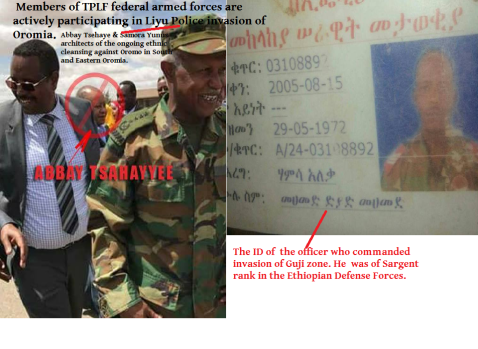
The Liyyu Police aggression in Eastern and South Eastern Oromia has caused the death of hundreds and the displacement of tens, if not hundreds, of thousands. Needless to say, it has immensely exacerbated the already fragile conditions of human security in the region. Human suffering is piling.
The actual impact of the aggression is yet to be accounted for. The real story of the conflict is yet to be told. To date, the aggression has been (mis)conceived by many as an ethnic conflict, a border dispute, a counter-insurgency measure, etc. In part, this is because of the deliberate mischarachterization of the aggression by TPLF as a conflict between ethnic Somalis and ethnic Oromos.
In this piece, I consider the question of how to make sense of this phenomenon. In so doing, I shall try to explore what Abdi Ile’s war is and what it is not. I will also explore the actors and interests involved, the motivations behind their involvement, what challenges there are to solve the problem, and what needs to be done as we look ahead.
2. Making Sense of the Conflict: What it is not
Contrary to what apologists of TPLF say, the atrocities perpetrated by the Liyyu Police are NOT about ethnic conflict. Nor are they about a border conflict. Granted, there have always been low key conflicts among pastoralists living in the border areas. Often, these conflicts are over shared water wells or grazing land. When these occur, elders from both sides of the border (usually the Gurtii from the neighbouring Somali villages and the Abba Gadaas from the neighbouring Oromia villages) settle the disputes in accordance with the traditional laws (known also as Xeer in the Somali region and Seera Aadaa Oromoo in Oromia) of the two groups.
As numerous studies by anthropologists and other social scientists routinely show, such conflicts over shared resources do occur frequently and seasonally, especially in times when drought affects one or the other, or both, sides of the borders.
They are never perceived and performed as border conflicts between Oromia and Somali regions. They never involved regional (and federal) forces with heavily mechanized military facilities. Security forces of the formal sector appear on the scene only when the conflict escalates beyond the capacity of the elders and the local security actors (Peace Committees, local militias, district police, and other law-enforcement agents including the social and district courts). There has never been a time when a mechanized military formation invades local towns; perpetrates unspeakable atrocities on residents (including arbitrary executions, rapes of women and children, forced disappearances, eviction of residents, looting and vandalzing offices of local administration, etc); hoists the Somali region’s flag in the place of Oromia flags in Oromo towns; issues new Somali identity cards; etc. There has never been a time when a paramilitary force brutalized civilian local population claiming that the territory belongs to the Somali, and not to the Oromia, region.
Granted, the inter-state borders in the Ethiopian federation are porous. And that is as it should be. Granted, given most of the borders are drawn top-down (often without any consultation of the consent of the local populations), there are spots where peoples’ settlement pattern do not fit the political map of the regions. There are thus demands for reassignment of people into regions that they have been cut off at the moment of forming the regional self-governments (as per Proclamation No 7/1992) and later sates (as per the provisions of the 1995 constitution).
The fact that the boundaries are not properly delineated at the time the states were constitutionally recognized as such made inter-state and inter-ethnic borders open to adjustments through ad hoc political negotiations and/or decisions, constitutional litigations, and/or referendum. There have been areas between the Somali and Oromia regions where such border-related issues were variably politically negotiated, constitutionally adjudicated, and popularly decided through referenda (in 2004). However, none of these areas were raised even as a pretext for the current Liyyu Police aggression in East and West Hararghe Zones, in Baale Zone, in Gujii Zone, and in Borana Zone. The only towns at issue in the referendum were Mi’essoo (in Hararghe Zone) and Moyyaale (Borana Zone). None of these warranted such a vast aggression that, in time, led to the murder of hundreds of peoples and the displacement of hundreds of thousands of peoples.
Apologists of the TPLF regime in Addis Ababa often invoke the Ethio-Somali war of 1977 to revive a remembered sentiment widely held among the habesha public that there is a covert measure orchestrated by ONLF to satisfy the irredentist dream to secede from Ethiopia and form ‘Greater Somalia’. Given Somalia itself is a failed state whose future is yet uncharted at this point in time; given Somaliland is a quasi-sovereign state waiting to be recognized by the international community; and given the ONLF is denied a space by years of brutal attack by the Ethiopian military and Abdi Ile’s Liyyu Police (especially since 2007/8); any casual observer of the region knows that the Liyyu Police aggression on Oromia has NNOTHING to do with the urge to suppress irredentist movements. Nor does it have any semblance to the ethio-Somalian war of 1977. That it is NOT a war conducted to form ‘Greater Somalia’ (the propaganda in some circles aside) cannot be overstressed.
TPLF seeks to portray this as a counter-insurgency war against the Oromo Liberation Front (OLF) and Ogaden National Liberation Front (ONLF), operating in the area. It is NOT! It was a memory of a short time ago that Prime Minister Hailemariam and the then spokesperson of the Ethiopian government, Getachew Redda, asserted that “the OLF is dead and buried in Oromia.” These phantoms of OLF and ONLF as ‘terrorist organizations’ are deliberately ‘produced’ at will in order to justify the state violence in the areas.
While the President of the Somali region, Abdi Iley officially talks about border issues as the reason for his soldiers’ aggression, the TPLF government in Addis Ababa claims that the cause of the violence is the existence of “insurgents, terrorists, and extremist forces” bent on destroying “the constitutional order.” (The question to ask in this regard is: if the constitutional is in danger, what then is the Federal Government doing to avert the danger? Of course, the answer is too obvious to need reflection: this is TPLF’s war on Oromos, this time, from the outside in.)
It should also be clear that, contrary to the TPLF propaganda otherwise, this is NOT a counter-terrorist war. If it is a counter-terrorist war, according to law, it is not a regional force that is supposed to act unilaterally to wage war on another region. As per the counter terrorism law and the general principle that terrorism is a matter of national concern, combatting terrorism is primarily the responsibility of Federal Security Forces (Federal Police, Federal Army, and the Federal Intelligence, alias National Security, office).
3. Making Sense of the Conflict II: What it is
If, as we have seen above, the violence is not about inter-ethnic rivalry, border disputes, suppressing irredentism, counter-insurgency, counter-terrorism, combatting extremism, etc), what then is it about? How should we understand what the conflict is about? First and foremost, one needs to understand the Liyyu Police aggression in juxtaposition with the ongoing Oromo revolution and the political dynamics emerging in Oromia. Pressed by a survival instinct, the ‘ruling party’ in Oromia, OPDO, has started to make a few symbolic concessions (albeit feeble ones at that) to some demands of the Oromo Revolution. Whether OPDO is doing this as a strategy of co-opting the revolution to calm down the region for TPLF rule, or as a populist alignment of interests with the revolution so that they can have a better bargaining capacity vis-à-vis TPLF, or out of a genuine interest to see the just demands of the Oromo be heard and vindicated is rather dubious.
Spearheaded by the Qeerroo Oromiyaa, the Oromo Revolution had demanded, inter alia, autonomy from TPLF in administering the region; more self-rule in the federation and better representation in the country (shared rule), protection from eviction from one’s own land, evacuation of the Agazi from Oromia, withdrawal of the infamous Master Plan, greater representation (cultural, socio-economic, and political) in Finfinnee, implementation of constitutional ‘Special Interest’ (I Article 49(5), land justice for the displaced, linguistic justice for Afaan Oromoo (the demand to make Afaan Oromoo a co-equal working language of the Federal Government), accountability of the federal forces for the Irreechaa Massacre of 2016 and the over 1000 killings since October 2015, release of all political prisoners, etc.
These demands were all made manifest peacefully in demonstrations, boycotts, strikes, and other forms of civil resistance. Very soon, OPDO’s gesture of wanting to address these demands, albeit reluctantly, and its gaining a hearing among some sectors of the Oromo public, started sending shockwaves to the TPLF’s leaders and a measure of tremors in the TPLF patchwork of coalition called EPRDF. The populist rhetoric of the new team of OPDO leaders (of the relatively more visible Lammaa Magarsaa, Dr Abiy Ahmed, and Addisu A Kitessa) started to unsettle the TPLF officials. The gestures towards economic empowerment of the Oromo youth through a program they called ‘The Economic Revolution’ agitated TPLF’s special interest groups (whose largely illicit business empire is based in Oromia). In this new OPDO, the TPLF saw more a threat than an ally who rules Oromia for TPLF. If the Oromo Revolution has to be crushed or tamed somehow, then this OPDO team must be sabotaged, distracted, or removed altogether. Abdi Ile’s war on Oromia, aimed as it was at achieving these goals easily, was TPLF’s response to the threat the Oromo demands posed against their interest in Oromia.
The Liyyu Police aggression should thus be characterized as nothing but a counter-protest war on Oromia. In addition to deflecting the questions being asked, the war is planned as a vengeful act of destabilizing and eventually dismembering Oromia. The TPLF’s portrayal of this as an ethnic clash between Oromos and Somalis was a deliberate act of mischaracterizing and hyping the conflict so that TPLF comes intervene in the name of ensuring peace and security in Oromia (thereby authorizing itself to remove the administration, and decide unilaterally on the boundaries and reconfigure the standing of Oromia as a constituent unit in the Federation in such a way that it benefits the economic and political power of TPLF and embedded Tigrayan elite).
The war conducted by Liyyu Police is TPLF’s usual act of trading in fear and terror. As the major conflict entrepreneur in the Horn of Africa in the last several decades, TPLF has made it a habit to contrive sub-national conflicts and manipulate them to its advantages. It instigates, or directly enacts, violence and creates a narrative that entrenches hostility and mistrust among groups. When the conflict escalates, it acts as a peace-maker and entrenches its presence as a peace keeper. In this way, it circulates hostilities intermittently and manipulates the groups to view each other as permanent enemies.
This rule through fabrication of conflicts is TPLF’s mode of operation as the party that has captured the state that literally embodies the rule of violence. The inaugural violence encoded into the body politic known as the modern Ethiopian state continues to simmer and boil. The State is still saddled with political contradictions that it never found a resolution for. TPLF’s rule, instead of finding the much needed resolution, conserves the contradictions and cashes them out as needed to play groups against each other.
For TPLF, war is—and has always been–a way of doing politics. This war by Abdi Ile now is TPLF’s way of repressing dissident politics through war. One can even go further to say that it is TPLF’s governance style to fabricate contrived, often low key, conflicts as a way of galvanizing (international) legitimacy as a peace-maker.
More concretely, we need to remember that Abdi Ile’s war is TPLF’s method of destabilizing the Oromia regional government in order to undermine its efforts to check contraband trade trafficking in weapons and small arms, illegal export of commodities such as caat, food items, sugar, etc to neighboring countries and importing various other commodities therefrom.
Owing to the heavy investment of TPLF’s economic elite in the region’s illicit trade and trafficking, this can as well be characterized as a war of special interest groups against accountability. The people with these ‘special interests’ are linked to, or are themselves, senior political, intelligence, and military officials.
As such, it is also a war of lawlessness against incipient forces of legality. That is why even the OPDO repeatedly invokes legality, respect for the constitution, and justice as a justification and a vindicating ground in its power struggle with the ‘gentry’ in TPLF’s business, political, and military complex.
To the extent that it is also a war against OPDO, as Abdi Iley makes it look like, the war may be the first signs of a ‘house divided against itself’. It may be the beginning of the end of TPLF and EPRDF as we knew it so far.
From statements by the regime’s propaganda machine (online and offline), TPLF now has developed a distaste for federalism pluralism, and democracy (even as a rhetorical tool). Federalism checks its unbridled power in the regions. The TPLF media machine flirts with the rhetoric of national unity and territorial integrity as more paramount than federalism. The recognition of diversity and the rhetoric of plural (almost consociational) democracy is seen as an obstacle to ‘unipolar rule’ by TPLF as a hegemon.
Seen in this light, Abdi Ile’s war is a war against federalism and the plural democracy it promises in the light of popular demand for democratic self-expression at the regional level.
In the remaining sections, I will explore the actors involved, their interests, and their motivations in greater detail. I will also reflect on what needs to be done to resolve the problem and submit some ‘modest proposals’ for the ‘way forward…..
Related articles to read:-
The Wire: Decoding the Eastern Ethiopian Conflict
ANALYSIS: RISING DEATH TOLL, DISPLACEMENT AND PROTESTS IN EAST, SOUTH AND SOUTH EAST ETHIOPIA. WHAT LIES BENEATH?
Ethiopia’s Liyyu Police – Devils on Armored Vehicles
“List of TPLF Military and Intelligence officers involved in planning and commanding the Somali region Liyu Police mercenary paramilitary!!
=====================================
1. Col. Gebremedihin Gebre, Shhinelle Zone Coordinator and deputy commander of Somali Special Forces
2 Col. Fiseha, chief of intelligence of somali regional government, specializing particularly in Oromos and Oromia issue, also heads and supervises Fefem zone security
3. Col. Gitet Tesfaye , coordinates and leads disputed borders issue and security
4. Major Desalegn Haddish, Babile front intelligence chief
5 Major Abraha Sisay, heads training of mercenaries and
somali recruits at Bobas training center
6 Brigadier General Hadgu Belay, advisor to the president of Somali region on security and organizational affairs on
security at regional government level
7 Col. Gebretensae, heads and coordinates Somali militias organization Oromo mercenaries working with the TPLF officials
1. Lieutenant Hassan Ali, former member of defense forces of Ethiopia, now commands a Liyu Police unit consisting 120 members at attacking Erer district( wereda)
2. Captain Mohammed Ibrahim, with a unit of 120 members at Babile front( WEREDA)
3 Sergeant Usman Mohammed, Garalencha district
4 Sergeant Jibril Ahmed spies on Oromo militia in Gursum district, to Fafam direction
5 Sergeant Mohamed Usman, Raqe, Meyu Muluke areas military operations
6 Sergeant Fuad Aliyi, Chinaksen district
* The Liyu Police and Somali region militia are organized in 26 regiment each consisting up to 500 personnel.”
Oromia: Haala Kabaja Ayyaana Irreecha Malkaa bara 2017 ilaalchisee ibsaafi qajeelfama September 21, 2017
Posted by OromianEconomist in Irreecha, Uncategorized.Tags: Africa, Irreecha (Irreesa) Oromoo, Irreecha (Oromo Thanksgiving), Irreecha 2017, Oromia, Oromo, UNESCO world Heritage
1 comment so far
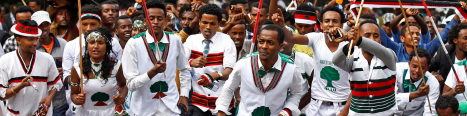
Haala Kabaja Ayyaana Irreecha Malkaa Hora Harsaditti bara /2017 ilaalchisee ibsaafi qajeelfama
Tumaa Caffee Gumii Tokkummaa Abbootii Gadaa Oromiyaa kan Fulbaana 06, 2010 teessuma Odaa Bultumitti dhimma Irreechaa ilaalchise baase irratti erga mari’annee booda fudhannee jirra. Abbootiin Gadaatis dhimma kana sirriitti gadi fageessanii erga mari’atanii booda murtii bilchaataafi ejjannoo cimaan gadi bahuu isaaniitiif ni galatoomfanna. Haaluma kanaan ayyaana bara kanaa Qeerroon godinaalee hundaa erga mari’annee booda akkaataa kabaja ayyaana Irreechaa irratti ibsaafi qajeelfama armaan gadii baafnee jirra.
Akkuma nu hundi gaddaan yaadannu irreecha bara dabree irratti yakka seenaan hin irraanfanne nurratti hojjatamee obboleeyyan keenya dhibbaatamaan wareegamanii jiran. Ayyaanni baranaa kan yakka san itti yaadannuudha. Kanaaf waamicha Gumii Abbootii Gadaa fudhachuudhaan;
1) Ayyaanni baranaa kan obboleeyyan keenya bara dabre harka diinaatiin wareegaman itti yaadannu ta’a.
2) Ayyaanni kun nagayaan akka raawwatamuuf waamicha Gumuu Abbootii Gadaa fudhachuun Qeerroon tumsa irraa barbaadamu hunda akka goonu waadaa galla.
3) Ayyaanni kun akkuma aadaan ajajutti abbummaan Gumii Abbootii Gadaa Oromiyaatiin geggeeffamuu qaba.
4) Waltajjiin ayyaanichaa hooggansa Abbootii Gadaa jalatti dargaggoota saba biratti jaal’atamoo ta’aniin geggeeffama. Sagantaan ayyanichaa dursee waliigalteedhaan kan qophaa’u ta’a
5) Yakka bara dabre hojjatameef mootummaan hanga ammaa yakkamaa tokkos adda baasee hin adabne. Haala kana keessatti waltajjii irreechaa irratti qondaalli mootummaa kamiyyuu argamuun miira hirmaattotaa jeequun rakkoo uumuu waan maluuf akka hin argamne cimsinee akeekkachiifna.
6) Poolisiin Oromiyaa, hidhannaa maalee, nagaa fi tasgabbii uummata keenyaa eeguuf, hojii tikaa fi tasgabeessuu seeraan irraa eegamuu dhiibbaa tokko malee gochuutu irraa eegama. Hojii sakatta’iinsaa poolisiin Oromiyaafi namoonni Gumiin Abbootii Gadaa dursee filee leenjisuun geggeeffama. Namoonni kunis mallattoo addaa ittin beekaman laatamuufi qaba.
7) Akkaataan wareegamtoota bara dabree ittiin yaadannu
– Jala bultii ayyaanchiaa irratti sangataan doongoo obsuu mooraa Gumii Abbootii Gadaatti geggeeffama.
– Hirmaattonni wareegamtoota yaadachuudhaaf muraa sabbataa ykn huccuu adii harka mirgaattii hidhatu
– Kaayyoo qabsoo isaan irratti wareegaman bakkaan gahuuf murannoo fi waadaa haaromsuuf sabbata ykn muraa huccuu diimaa mataatti hidhatu
– Waltajjiin yeroo banametti daqiiqaa lamaaf caldhisuudhaan wareegamtoota erga yaadannee booda manguddoon warra wareegameef kadhannaa godhu. Walaloon yaadannoo gootota wareegaman yaadachiisuuf ta’u kan dursee Gumii Abbootii Gadaatiin raggaasifme ni dubbifama.
Haaluma kanaan Qeerroofi uummanni keenya akkuma durii baay’inaan Irreecha baranaa irratti hirmaachuun, gootota bara dabre nu biraa kufan kabajaan yaadachaa, haala Oromiyaafi Oromoo yeroo ammaa mari’achaa, ayyaana qabsoo hadhaawaan as gahe kana daran miira Oromummaatiin akka miidhagsinu waamicha isiniif dhiheessina.
Qeerroo Oromiyaa
HRW: Ethiopia: Exercise Restraint at Upcoming Irreecha Festival. International Inquiry Needed into Deaths at 2016 Event September 21, 2017
Posted by OromianEconomist in Human Rights Watch on Human Rights Violations Against Oromo People by TPLF Ethiopia, Irreecha, Uncategorized.Tags: Africa, Bishoftu Massacre, Bishoftu Massacre 2nd October 2016 at Irreecha, Ethiopia, Genocide Against Oromo People, HRW, Human rights violations, Irreecha, Oromia, Oromo
add a comment

Ethiopia: Exercise Restraint at Upcoming Festival
International Inquiry Needed into Deaths at 2016 Event
(Nairobi) – Ethiopian government and security officials should act with restraint and take concrete steps to prevent injuries and deaths at this year’s Irreecha festival on October 1, 2017, Human Rights Watch said in a report and video released today. Many people, likely hundreds, died in a stampede at last year’s festival, triggered by security forces’ use of teargas and obstruction of exits.
The 33-page report, “‘Fuel on the Fire’: Security Force Response to the 2016 Irreecha Cultural Festival,” details the Ethiopian government’s use of force in response to restive crowds at 2016’s Irreecha. The festival, attended by massive crowds, is the most important cultural festival to Ethiopia’s 40 million ethnic Oromos, who gather to celebrate the end of the rains and welcome the harvest. Human Rights Watch found evidence that security force personnel not only triggered the stampede that caused many deaths but subsequently shot and killed some members of the crowd.
“The security forces’ disastrous and disproportionate use of force should not be repeated this year,” said Felix Horne, senior Africa researcher at Human Rights Watch. “With longstanding grievances still unanswered, this year’s Irreecha could be fraught with tensions. The government and the security forces should take all steps necessary before and during the festival to protect human life and de-escalate tensions.”
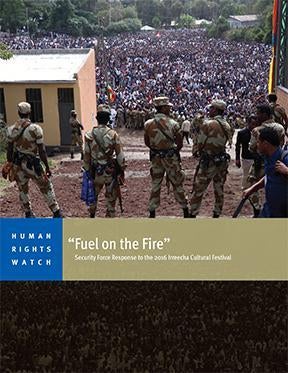
Human Rights Watch carried out more than 50 interviews in Ethiopia and abroad with attendees, witnesses, health workers, and others, and analyzed dozens of videos. Dozens of witnesses said they believed this was an intentional planned massacre by the government. Human Rights Watch has seen no evidence of that, but the perception, coupled with the past two years of brutality and unaddressed grievances, makes this year’s Irreecha a potential flashpoint, Human Rights Watch said.Tensions were already high ahead of the 2016 festival – held every year at Bishoftu, 40 kilometers southeast of Addis Ababa – following a year of protests against the government and security force aggression that left more than 1,000 people dead and tens of thousands in detention. The government attempted to play a more central role in the management of the festival than in previous years, including imposing stringent security measures and flying military helicopters low overhead. A former traditional leader with close ties to the government appeared onstage.
All of this contributed to a tense and militarized air at a festival that had not in prior years had a significant security force presence. Shortly after the former traditional leader appeared, a man went on stage and shouted anti-government slogans. As the crowd grew more tense, security forces shot teargas, triggering a stampede, which left many dead.

Some people suffocated after falling into a nearby trench, while others were trampled in the ensuing chaos. Others fled toward nearby Lake Hora and drowned. Armed security forces were at the exits from the festival site, leaving those seeking to escape with few options. Numerous witnesses reported seeing dead bodies with bullet wounds in the stampede’s immediate aftermath. Two witnesses reported seeing plain clothes officers with pistols shooting at people during the stampede.There were numerous protests around Bishoftu in the hours after the event. Witnesses said that people were killed with gunfire during these protests. In the week that followed, many people who attended Irreecha were arrested back in their home communities. Anger at the Irreecha deaths triggered unrest across Oromia as mobs of youths destroyed or looted government buildings and private businesses. On October 9, the government announced a far-reaching state of emergency that codified vague and overly broad restrictions on basic rights. The state of emergency was only lifted in August 2017.

A close-up map of the Irreecha festival site.
26-year old Gemechu told Human Right Watch, “The 2016 Irreecha was different from what we know. We were already angry with the government from a year of protests, and when they tried to control our sacred event the crowd grew very angry – but we were still peaceful. The same soldiers who had been killing us during the year of protests fired teargas and bullets at Irreecha, triggering the stampede. It is their fault all those people died.”No credible and independent investigation of the 2016 deaths has been carried out. The government has expressed condolences for the deaths but have stated that security forces were not armed, despite photographic and video evidence to the contrary. The prime minister congratulated security forces for their efforts to “maintain peace and order.” Government officials also have stated repeatedly that the situation was exacerbated by “anti-peace” elements in the crowd.
The government routinely blocks independent investigators, and does not cooperate with international mechanisms. The Ethiopian Human Rights Commission (EHRC), whose own investigation into the 2016 Irreecha was not credible, is affiliated with the government and is in no sense independent.
International guidelines, such as the United Nations Basic Principles on the Use of Force and Firearms, stipulate that security forces should seek to avoid the use of force and ensure that its use, where necessary, is strictly proportionate. Security forces should exercise restraint when using teargas in situations when its use could cause death or serious injury.
“Last year’s tragedy was triggered by the government’s botched effort to control the event,” Horne said. “This year, the government should consider whether a much lighter security force presence would best serve to minimize the potential for violence, and in any case, ensure that security force personnel minimize and seek to avoid any use of force.”
HRW: The Long Arm of Ethiopia Reaches for Those Who Fled September 21, 2017
Posted by OromianEconomist in Ethiopia's Colonizing Structure and the Development Problems of People of Oromia, Afar, Ogaden, Sidama, Southern Ethiopia and the Omo Valley, Ethnic Cleansing, Genocide, Horn of Africa Affairs, Human Rights, Human Rights Watch on Human Rights Violations Against Oromo People by TPLF Ethiopia, Oromian Affairs, Uncategorized.Tags: Africa, Current Horn of Africa news, Ethiopia, ETHIOPIA SPYMASTER INFILTRATES KENYA POLICE, Genocide Against Oromo People, Horn of Africa, Horn of Africa Affairs, HRW, Human rights violations, Human Rights Watch, Oromo, Oromo community in Kenya, Oromo Refugees, Oromo Refugess in Kenya, Refugee Crisis, The tyranny of TPLF Ethiopia, TPLF, TPLF/EPRDF Ethiopian Regime is a Contra to a Developmental State, United Nations High Commissioner for Refugees
add a comment
The Long Arm of Ethiopia Reaches for Those Who Fled
Ethiopia’s Refugees Unsafe in Kenya and Elsewhere
Ethiopia’s economic growth hides fears and repression in one-party rule September 21, 2017
Posted by OromianEconomist in Horn of Africa Affairs, Human Rights, Uncategorized.Tags: Africa, Ethiopia, Ethiopia: The chronic shortage economy, Human rights violations, TPLF/EPRDF Ethiopian Regime is a Contra to a Developmental State
add a comment
Ethiopia’s economic growth hides fears and repression in one-party rule
By Graham Peebles, September 19, 2017
Scan the mainstream media for news about Ethiopia and discover headline after headline describing the country’s economic successes: double-digit economic growth, foreign investment and aspirations to become a middle-income country by 2030. Ethiopia, we are told, is a functioning democracy, an African tiger economy and an important ally of Western governments.
According to such eminent sources as the BBC, CNN, the World Bank and the US State Department, Ethiopia is an African success story; a beacon of stability and growing prosperity in a region of dysfunctional states. Dig a little deeper, speak to Ethiopians inside the country or within the diaspora and a different, darker image surfaces: A violent picture of brutal state suppression, state corruption, widespread human rights violations and increasing levels of hardship as the cost of living escalates.
For a country to be regarded as broadly democratic a series of foundational pillars and interconnected principles are required to exist and be in operation: the observation of human rights, political pluralism, a flourishing independent media, an autonomous judiciary and police force, a vibrant civil society and a pervasive atmosphere of tolerance, inclusion and freedom. Where these are found to be absent so too is democracy.
The Ethiopian government – the Ethiopian People’s Revolutionary Democratic Front (EPRDF) maintains that it governs in accordance with democratic ideals: a brief overview of their methods however makes clear this is far from the truth. The EPRDF rules in a highly suppressive manner and has created an atmosphere of fear and suspicion throughout the country, employing a largely uneducated security apparatus to keep the increasingly mobilized populace in order, and a state-run judiciary to lock troublemakers away.
Political dissent is all but outlawed, and should protestors take to the streets they are shot at, beaten and/or arbitrarily arrested; opposition leaders are imprisoned, branded terrorists, intimidated and persecuted; all major media outlets as well as the sole telecommunications company are state owned or controlled — outspoken journalists are routinely jailed, trade unions are controlled by the government, and humanitarian aid, including food and fertilizer, is distributed on a partisan basis, as are employment opportunities and university places. Refuse to pledge allegiance to the EPRDF and see that job offer withdrawn, the seeds, fertilizer and humanitarian support withheld.
In justification of this tyrannical rule, the government states that Ethiopia is an evolving democracy, that change takes time and that economic growth is their primary concern and not the annoying niceties of universal human rights law, much of which is written into the liberally worded, systematically ignored constitution. And whilst the EPRDF commits wide-ranging human rights violations, and acts of state terrorism, the country’s major donors, America, Britain and the European Union, remain virtually silent. Indeed their irresponsible actions go beyond mere silence — they promote the fictitious image of democracy and stability in Ethiopia, and in some cases conspire with the regime against opposition party activists, as many believe the UK has done in the case of Tadesse Kersmo, a British citizen and leading member of the opposition party Ginbot 7 – Movement for Unity and Democracy in Ethiopia. He was recently arrested at Heathrow on vague terrorism charges, as well as Andargachew Tsege another British citizen. Tsege was kidnapped while transiting through Sanaan airport in Yemen, and rendered to Ethiopia as part of a brutal crackdown on political opponents and civil rights activists. He has been imprisoned inside Ethiopia ever since, and the British government, to their utter shame, has said little and done nothing.
Development aid from these and other benefactors, including the World Bank, flows through and supports “a virtual one-party state with a deplorable human rights record,” Human Rights Watch (HRW) states in its aptly named report, Development without Freedom. The Ethiopian government’s “practices include jailing and silencing critics and media, enacting laws to undermine human rights activity, and hobbling the political opposition.”
Who benefits?
In 1995 the then Prime Minister Meles Zenawi stated that the plan was for Ethiopia to “sustain current double-digit rates of growth for the next 15 years so that by 2025 we become a middle-income country.” And they would achieve this in a manner that would “allow us to have zero net carbon emissions by 2030.” Economic reforms and growth controlled by a highly centralized political system, mirroring, many have suggested, the methodology of China, is the EPRDF’s approach. It is largely Chinese money and organization that has built the new dams, roads and railways. Industrial parks have sprung up offering new jobs at increased wages, and the government plans to build another nine such facilities. But manufacturing is a tiny part of the country’s economy: almost 85% of the workforce is employed in agriculture, which accounts for 41% of GDP, coffee being the main export.
Certainly there have been some economic achievements over the past 25 years and the country’s carbon emissions during the period 1999 to 2012, have, according to the World Bank, remained static. This is indeed positive, as is the commitment to hydro, geothermal, wind and solar power. Overall unemployment has fallen slightly to 19.8% (from 2009 when it was 20.4%), but 50% of young people remain unemployed, and Gross Domestic Product (GDP), the famous ‘double-digit growth rates’, has been consistently high, averaging 11.35% in the years since 2010, according to Trading Economic, although this dropped to 8% in 2015/16. The UN relates that there has also been substantial progress in the achievement of Millennium Development Goals, particularly relating to those living in extreme poverty. This figure has fallen from 45% in 1995/6 to 30%.
Whilst these figures and the commitment of sustained investment are encouraging, no level of economic growth, green or otherwise, can justify violent, suppressive governance, as is being perpetrated in Ethiopia, and a nation’s GDP is only one measure of a country’s health, and a narrow one at that. It reveals nothing of the political landscape, the human rights conditions under which people are forced to live, the dire levels of poverty or where any new wealth has settled. Many claim ‘crony capitalism’ abounds in Ethiopia, that the principle beneficiaries of economic growth have been government members and close supporters and people from Tigray, the regional home of the majority of the government and senior members of the armed forces.
Desperate for change
With a population of almost 100 million, Ethiopia is the second most populous country in Africa after Nigeria. And with a population growth rate at a tad under 3% it’s growing apace (in the EU e.g. its 0.23%, the US 0.81%), meaning over the coming five years the country will have 25 million more people to feed.
The median age is a mere 17 years of age (44% are under 14), life expectancy is just 67 years of age (158th out of 198 countries) and the country (according to the US State Department) is still regarded as one of the 10 poorest nations in the world, with some of the lowest per capita income figures on the planet – just $590 (World Bank): it’s hard to live on $49 a month anywhere. The combination of low income, low life expectancy and poor education levels – only 39% of adults are literate and 85% of rural youth don’t complete primary school – means that Ethiopia is ranked 174th (of 198 countries) on the United Nations Human Development Index.
None of this, plus other stark details of daily life, the inflated cost of living for example, increased taxes, or the lowest level of Internet access in Africa – just 3.7%, is featured in the country’s routinely championed GDP figures. Headline numbers which mean nothing to the majority of people: most can barely feed themselves and their families, are increasingly angry at the level of state suppression and live in fear of government retribution should they dare to express dissent. As HRW correctly states, “visitors and diplomats alike are impressed with the double-digit economic growth, the progress on development indicators, and the apparent political stability. But in many ways, this is a smokescreen: many Ethiopians live in fear.”
Fear that has kept the people silent and cowering for years, but, encouraged by movements elsewhere, long-held frustration and anger spilled over in 2015 and 2016, when large-scale demonstrations erupted. Unprecedented demonstrations that followed hard on the heel of elections in May 2015, which, despite widespread discontent with the ruling party saw the EPRDF miraculously win 100% of the seats in both the federal and regional parliaments.
Thousands marched; firstly in the Oromia region than in parts of Amhara (areas that constitute the two largest ethnic groups in the country), until in October, after scores of people were killed in a stampede at Bishoftu in Oromia, a State of Emergency was announced by the ruling regime. Extreme measures of control were contained in the clampdown that lasted for 10 months. Draconian rules, which undermined the rights of free expression and peaceful assembly, and prohibited any association with groups labeled terrorist organizations, such as independent media stations, ESAT TV and Radio and the Oromia Media Network. Break the rules and face up to five years in jail, where torture is commonplace.
HRW made clear that the Directive, which was lifted in August, went “far beyond what is permissible under international human rights law,” and “signaled a continuation of the militarized response” that characterized the government’s reaction to people’s legitimate grievances, peacefully expressed. Tens of thousands of protestors, including opposition party leaders, were arrested and detained without due process. Hundreds of people killed, many more beaten by security forces that act with total impunity. None of this is contained in the World Bank data, the IMF forecasts or the BBC news headlines, nor is the state terrorism taking place in the Ogaden region and elsewhere, where murder and false imprisonment of pastoralists is routine and women tell of multiple rapes at the hands of soldiers and the quasi Para-military group the Liyu Police.
Ethiopia desperately needs a renaissance, true development built on a firm foundation of human rights, inclusion and political pluralism. Human development that caters to the needs of all its citizens, not economic growth based on a prescribed outdated, unjust economic model, which inevitably benefits a few, strengthens inequality and fosters corruption.
Far from building a democratic society in which freedoms are observed and valued, an atmosphere of fear, suspicion, and inhibition has been cultivated by the EPRDF government, a brutal regime that is determined to maintain power, no matter the cost to the people of Ethiopia, the vast majority of whom are desperate for democratic change.
Graham Peebles is a freelance writer. He can be reached at: graham@thecreatetrust.org
Statement by the U.S. Embassy Addis Ababa on Reports of Ethnic Violence on the Oromia-Somali Border September 19, 2017
Posted by OromianEconomist in Horn of Africa Affairs, Human Rights, Uncategorized.Tags: Africa, Ethiopia, Ethnic cleansing Against Oromo People, Genocide, Genocide Against Oromo People, Janjaweed in Darfur Liyu Police of Ethiopian in Oromia, Liyu Police of Ethiopia, Oromo, TPLF, TPLF/EPRDF Ethiopian Regime is a Contra to a Developmental State
add a comment

Addis Ababa, September 19, 2017 :– We are disturbed by the troubling reports of ethnic violence and the large-scale displacement of people living along the border between the Oromia and Somali regions, particularly in Hararge, although the details of what is occurring remain unclear.
We urge the Ethiopian government to conduct a transparent investigation into all allegations of violence and to hold those responsible accountable. At the same time, on the local level, communities must be encouraged and given space to seek peaceful resolutions to the underlying conflicts.
We believe Ethiopia’s future as a strong, prosperous, and democratic nation depends on open and inclusive political dialogue for all Ethiopians, greater government transparency, and strengthening the institutions of democracy and justice. These recent events underscore the need to make more rapid and concrete progress on reform in these areas.
###
የአሜሪካ ኤምባሲ በኦሮሚያ-ሶማሌ ድንበር የተከሰተውን የጎሳ ግጭት አስመልክቶ ያወጣው መግለጫ
አዲስ አበባ፤ መስከረም 9፤ 2010 ዓ.ም. – በኦሮሚያ እና ሶማሌ አዋሳኝ አካባቢዎች በተለይም በሐረርጌ የጎሳ ግጭትን እና የበርካታ ሰዎችን መፈናቀል አስመልክቶ በሚወጡ አሳሳቢ ዘገባዎች ተረብሸናል፤ ምንም እንኳ ዘገባዎቹ ስለሁኔታው ዝርዝር መረጃ ስለማቅረባቸው ግልጽ ባይሆንም፡፡
በመሆኑም የኢትዮጵያ መንግሥት ግጭቱን ግልጽ በሆነ አካሄድ እንዲያጣራ እና አጥፊዎችን ተጠያቂ እንዲያደርግ እንጠይቃለን፡፡ በተመሳሳይ ሁኔታ፤ ግጭቱ በተከሰተባቸው አካባቢዎች የሚኖሩ የኅብረተሰብ ክፍሎች ለችግሩ ሰላማዊ መፍትሔ እንዲሹ መበረታታት ይኖርባቸዋል፡፡
ኢትዮጵያ ጠንካራ፤ የበለጸገች እና ዴሞክራሲያዊት ሀገር መሆን የምትችለው፤ ግልጽና ሁሉን አቀፍ የፖለቲካ ውይይት፤ ግልጽ የመንግሥት አሰራር፤ እንዲሁም የዴሞክራሲ እና የፍትህ ተቋማትን ማጠናከር ስትችል እንደሆነ እናምናለን፡፡ የሰሞኑ ሁነቶች በተጠቀሱ ዘርፎች ይበልጥ ፈጣን እና ተጨባጭ ለውጥ አስፈላጊ እንደሆነ አመላካች ናቸው፡፡
###
Petitioning the Ethiopian Government and United Nations Security Council: Stop Unspeakable Abuses, Prevent Deportation of Oromo September 19, 2017
Posted by OromianEconomist in Ethnic Cleansing, Horn of Africa Affairs, Human Rights, Uncategorized.Tags: Africa, Because I am Oromo, Ethiopia, Genocide Against Oromo People, Janjaweed in Darfur Liyu Police of Ethiopian in Oromia, Liyu Police of Ethiopia, Oromia, Oromo, The tyranny of TPLF Ethiopia, TPLF
1 comment so far
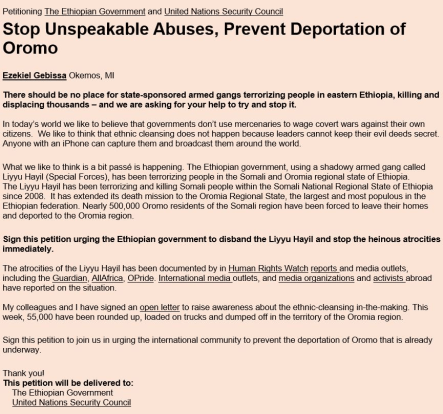
There should be no place for state-sponsored armed gangs terrorizing people in eastern Ethiopia, killing and displacing thousands – and we are asking for your help to try and stop it.
In today’s world we like to believe that governments don’t use mercenaries to wage covert wars against their own citizens. We like to think that ethnic cleansing does not happen because leaders cannot keep their evil deeds secret. Anyone with an iPhone can capture them and broadcast them around the world.
What we like to think is a bit passé is happening. The Ethiopian government, using a shadowy armed gang called Liyyu Hayil (Special Forces), has been terrorizing people in the Somali and Oromia regional state of Ethiopia.
The Liyyu Hayil has been terrorizing and killing Somali people within the Somali National Regional State of Ethiopia since 2008. It has extended its death mission to the Oromia Regional State, the largest and most populous in the Ethiopian federation. Nearly 500,000 Oromo residents of the Somali region have been forced to leave their homes and deported to the Oromia region.
Sign this petition urging the Ethiopian government to disband the Liyyu Hayil and stop the heinous atrocities immediately.
The atrocities of the Liyyu Hayil has been documented by in Human Rights Watch reports and media outlets, including the Guardian, AllAfrica, OPride. International media outlets, and media organizations and activists abroad have reported on the situation.
My colleagues and I have signed an open letter to raise awareness about the ethnic-cleansing in-the-making. This week, 55,000 have been rounded up, loaded on trucks and dumped off in the territory of the Oromia region.
Sign this petition to join us in urging the international community to prevent the deportation of Oromo that is already underway.
Thank you!
This petition will be delivered to:
- The Ethiopian Government
- United Nations Security Council
Ethiopia: Addressing the alarming conflict in the border areas of Oromia National Regional State and Ethiopia’s Somali Regional State September 18, 2017
Posted by OromianEconomist in Horn of Africa Affairs, Human Rights, Uncategorized.Tags: Africa, Ethiopia, Genocide, Genocide Against Oromo People, Janjaweed in Darfur Liyu Police of Ethiopian in Oromia, Liyu Police, Liyu Police of Ethiopia, The fascism of TPLF, TPLF
add a comment
Ethiopia: Addressing the alarming
conflict in the border areas of Oromia National Regional State and Ethiopia’s Somali Regional State
Press Release
Association for Human Rights in Ethiopia
September 14, 2017
Your Excellences,
The General Assembly of the United Nations
United Nations Human Rights Council
African Commission on Human and Peoples Rights
The Subcommittee on Human Rights of the European Parliament
Association for Human Rights in Ethiopia (AHRE) writes to draw your attention to the alarming conflict in the border areas of Oromia National Regional State and Ethiopia’s Somali Regional State that has led to grave violations of human rights; and to call for the establishment of an independent, impartial, and international investigation into the violations being committed in the aforementioned border areas of Ethiopia.
Ethiopia is currently in a highly volatile situation whereby a border dispute in borders of the regional states of Oromia and Ethiopia’s Somali has escalated and claimed the lives of several peaceful civilians. According to AHRE’s source, thousands of civilians are also displaced from the regions because of their ethnicity. A special police force, called Liyu Police, established by the current regional state of Somali is reportedly responsible for the killings of several civilians. Liyu police has a repulsive reputation of committing heinous crimes against civilians, including killings. This is not the first time where conflicts, mainly instigated by border and economic reasons have led to conflicts in the Nation states of Oromia and Ethio-Somali borders.
The Heads of the two regions recently gave conflicting accounts regarding the cause of the incident, one accusing the other. The Communication Minister of Ethiopia Dr. Negeri Lencho said the federal government has taken the situation under control; he admitted to the killings and also said that around 600 civilians are displaced from Jijiga (the capital of the Somali region) and Awoday (a town in Oromia region) and surroundings, but stated that situations are now calming and the displaced residents are now being relocated back to their homes.
However, AHRE has enough evidence that clearly indicates the seriousness of the conflicts; we believe that this could escalate into a violent full-fledged ethnic conflict which could spread to other regions in Ethiopia. We are already aware of similar sporadic ethnic disputes in other regions in Ethiopia. We have received disturbing images, and have been informed that, the police forces instigated and perpetrated the killings; however, it is deliberately being staged to appear as if civilians and anti-peace forces are responsible for the killings.
Therefore, we kindly urge your delegation to look into the situation with utmost consideration and caution; and to immediately set up and send an independent inquiry commission to Ethiopia that investigates the alarming situation and the alleged killings and displacement of innocent civilians.
We also call upon your delegation to urgently demand the government of Ethiopia to:
Call upon the Liyu police to immediately stop killing civilians and ensure that those responsible be brought to justice.
End the border dispute peacefully by bringing both regional offices to come to agreement.
Allow an independent, impartial and thorough inquiry into the alleged killings and displacement.
Collaborate with international institutions and other local stake holders to put an end to the highly alarming conditions in the area, and other regions that are currently facing sporadic ethnic conflicts.
With assurance of your highest consideration,
Sincerely,
Association for Human Rights in Ethiopia
ONLF: Press release on the conflict between Somalis and Oromos created by TPLF. September 17, 2017
Posted by OromianEconomist in Horn of Africa Affairs, Uncategorized.Tags: Africa, Ethiopia, Genocide, Genocide against Ogaden People, Genocide Against Oromo People, Horn of Africa Affairs, Janjaweed in Darfur Liyu Police in Oromia, Liyu Police, Liyu Police of Ethiopia, Ogadenia, Oromia, TPLF
add a comment
Press release on the conflict between Somalis and Oromos created by TPLF
September 16, 2017
TPLF regime has created deadly conflict between Somali and Oromo nations in Ethiopia. Hundreds of innocent civilians have been reported dead and many others have been displaced.
The cause of the conflict is not about land dispute as the regime and its puppet administrations claim.
The TPLF regime in Addis Ababa has been working to instigate violence and hostility between the two fraternal nations by using the puppet administrations in Somali and Oromo regions. The purpose of this action is to weaken the struggle of these nations and to divert them from their strategic goals.
The regime in Addis Ababa is well known for creating conflicts and hostilities between nations in order to redirect the attacks from freedom and democratic organisations and diminish the effects of the countrywide people’s uprising against the minority TPLF regime.
Somali and Oromo nations are under TPLF rule and they fight for their rights, they have a long history of cooperation and coexistence. Therefore, both nations are reminded to understand that this violence has been instigated by the TPLF regime to thwart their struggles to achieve their goals and thus, to sabotage the popular uprising in many parts of Ethiopia.
Therefore, ONLF calls upon Somali and Oromo nations to stop immediately this hostility between them and to respect each other and live peacefully side by side as they used to be for centuries.
ONLF also calls upon political organisations, civil society organisations and intellectuals of both nations which are against the divide and rule policy of TPLF to work hard toward easing of the fighting and the hostility.
ONLF strongly condemns the Ethiopian government for creating hostility between neighbourly nations and calls upon the international community to make the TPLF regime accountable for war crimes and the crimes against humanity.
Ogaden National Liberation Front ( ONLF)
Relief support for people affected in ongoing conflicts in the border areas between the Oromia and Somali Regions of Ethiopia, which has caused the death of many people, and the displacement of thousands in east, south and South East Ethiopia. September 16, 2017
Posted by OromianEconomist in Uncategorized.Tags: Africa, Ethiopia, Internally displaced people, Oromia, Oromo, Relief fund for displaced people in Oromia and South and Eastern EThiopia
add a comment
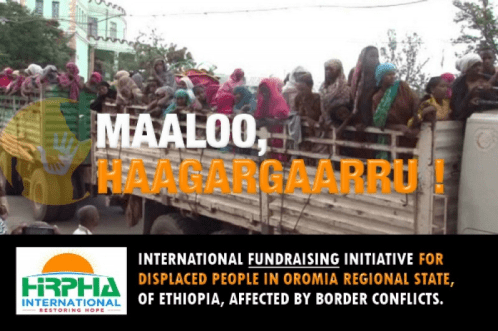
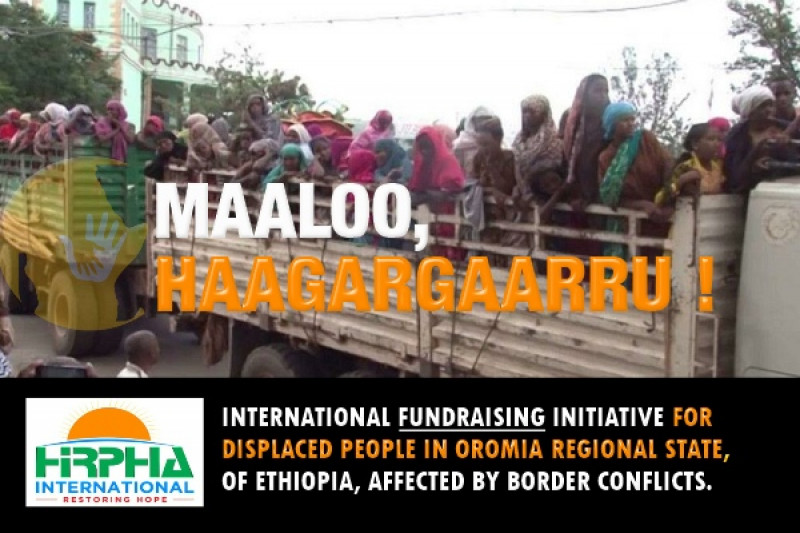
Relief fund for displaced people
Relief support for people affected in ongoing conflicts in the border areas between the Oromia and Somali Regions of Ethiopia., which has caused the death of many people, and the displacement of thousands in east, south and South East Ethiopia.
Your donation will help the displaced and those who lives were adversely affected by the death of income earners of a family, through HIRPHA International.
HIRPHA International is Oromo humanitarian organization incorporated in the Sate of Minneapolis, Minnesota.

ANALYSIS: RISING DEATH TOLL, DISPLACEMENT AND PROTESTS IN EAST, SOUTH AND SOUTH EAST ETHIOPIA. WHAT LIES BENEATH? September 14, 2017
Posted by OromianEconomist in Uncategorized.Tags: Africa, Colonizing Structure, Ethiopia, Ethiopia's colonizing Structure, Genocide, Genocide against Ogaden People, Genocide Against Oromo People, Horn of Africa Afairs, Janjaweed in Darfur Liyu Police of Ethiopian in Oromia, Liyu Police, Liyu Police of Ethiopia, Ogaden, Oromia, The regime in Ethiopia (Fascsit TPLF) has lost any semblance of humanity, The tyranny of TPLF Ethiopia, TPLF, TPLF's thievery in the name of taxation in Ethiopia
2 comments
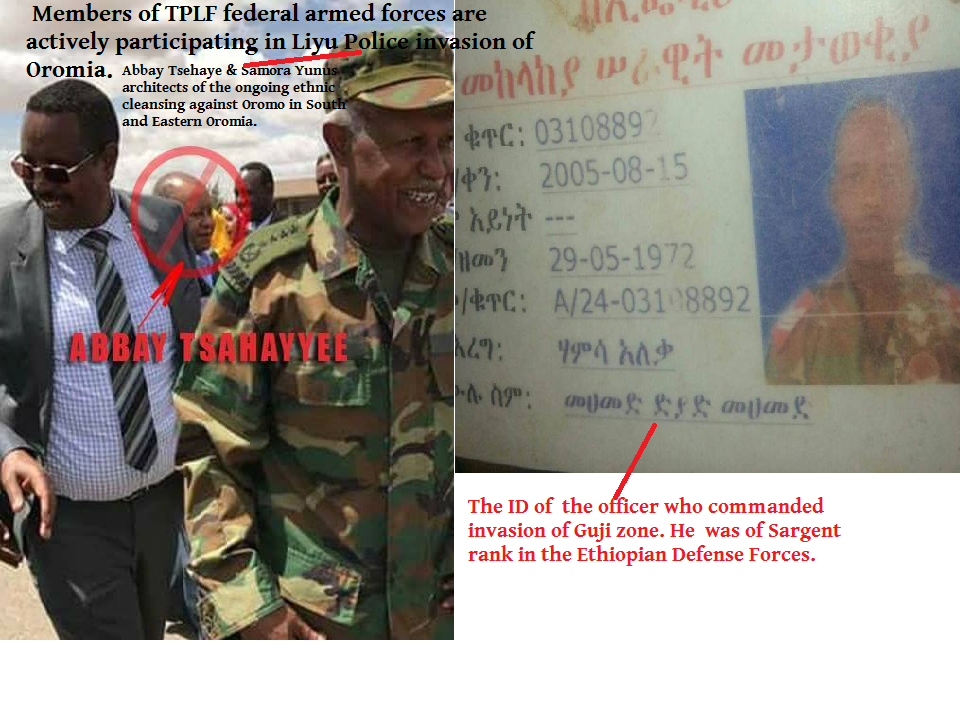

The Dictatorial and Predatory Ethiopian TPLF Regime Will Never Succeed in Instigating Conflicts Between The Sisterly Oromo And Sidama Nations! September 13, 2017
Posted by OromianEconomist in Uncategorized.Tags: #OromoProtests, Africa, Ethiopia, Ethiopia's colonizing structure and development problems in Oromia and Omo Valley, Ethiopia's colonizing structure and development problems in Sidama, Gambella, Genocide Against Oromo People, Genocide Against people of Omo Valley, Genocide against the Ogaden People, Horn of Africa Affairs, Ogaden, Omo Valley, Oromia, Sidama, The fascism of TPLF Ethiopia, TPLF/EPRDF Ethiopian Regime is a Contra to a Developmental State
add a comment
The Dictatorial and Predatory Ethiopian TPLF Regime Will Never Succeed in Instigating Conflicts Between The Sisterly Oromo And Sidama Nations!
SNLF Press Release, 12 September 2017
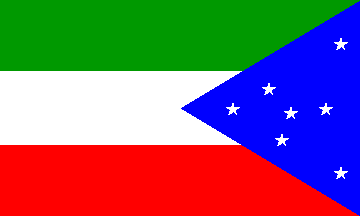
The predatory Tigre Ethiopian Empire is crumbling from within and without. It is destroying itself from endemic economic and political corruption from within. The demise of the brutal regime is precipitated from without by the mass uprising of the majority Oromo nation who are demanding an end to the over a century of political and economic marginalization, and restoration of freedom, justice and self-rule in their vast Oromia land. The Oromo uprising has been continuing since 2015.
Instead of answering the legitimate question of the Oromo nation by granting them their inalienable democratic rights to self-determination, the TPLF regime embarked on desperate measures to cling onto illegitimate political power. It has also monopolised the economic aspects of the entire country. The political aspects in Oromia alone included, brutal massacre of over 1,500 peaceful Oromo protesters since 2015; mass imprisonment of over 60,000 Oromo civilians; imprisonments of the entire leadership of the Oromo Federalist Congress including the renowned Professor of Political Science, Marara Gudina and prominent politician, Bekele Gerba, as well as a dozen Sidama political activists including a prominent business person, Solomon Naayu, and Dawassa Daaka, most of whom are languishing in Qilinxo prison today.
When the regime realized its genocidal measures were insufficient to quell the mass uprising engulfing the entire country, it resorted to yet other barbaric measures of divide and rule among the sisterly oppressed nations. First, the TPLF trained, armed, aided and abetted the Somali militia to attack the innocent Oromo civilians causing death of hundreds of our Oromo brothers and sisters and destruction of properties since 2016. Using a mercenary puppet Ogadeni Somali regional renegade leader, the TPLF regime continues to relentlessly instigate conflicts between the two sisterly Ogadeni Somali and the Oromo nations as we speak. The TPLF regime is also perpetrating similar crime by mobilising a similarly downtrodden Gambella civilians to fight the Oromo nation.
Moreover, having failed to stir conflict between the Sidama and Oromo nations, the TPLF recently attempted to ignite instability in the border between the Sidama and Wolayita nations. The regime attempted to sow discord between the two nations over the 6 disputed villages (Kebeles) where the Sidama people lived for hundreds of years in peace with their Wolayita neighbours. The people on both sides understood and rejected the relentless attempt by the TPLF rogue empire to sow seeds of hatred and conflict among the two nations that lived side by side in peace for millennia.
The desperate and crumbling Tigre Ethiopian Empire seems to neither give in to the popular demands nor give up its genocidal acts of stirring conflicts among the various oppressed nations of the south. We also understand that the TPLF regime is instigating such conflicts in northern part of Ethiopia. In the past two months, the TPLF went deep into the eastern Sidama land where the people have lived together with their Oromo neighbours in peace and harmony for generations and attempted to ignite conflicts between the two peoples. TPLF’s attempts to ignite such conflicts between the Sidama and Oromo cousins have been foiled time and again, with wise and sensitive management of these attempts by the elders of both nations. Both nations have time and again rejected the plots of the TPLF regime as they wholly denounce its interference in their affairs.
However, in the past two months, the TPLF managed to cause unnecessary deaths and damage to the properties of the Sidama residents in eastern Sidama by aiding and abetting its local surrogates in Oromia as well as Sidama region to commit crimes against the will of the two sisterly peoples. Dozens of the Sidama citizens have been displaced from their homes.
The primary objective of the TPLF’s primitive divide and rule measures are sustaining the crumbling Tigre Empire by undermining the unity among the oppressed nations of the south. Therefore, the Sidama National Liberation Front (SNLF) understands that these measures are, further aimed specifically at weakening the Peoples’ Alliance for Freedom and Democracy (PAFD), the political movement that encompasses the Oromo, Sidama, Ogadeni Somali, Gambella and Banishangul and Gumuz nations that accounts for over 60% of the population and 70% of land mass of the empire. However, we assure the TPLF regime that the unity among the oppressed nations of the south is rock solid, thus will never be dented by its primitive tactics of divide and rule.
Finally, the SNLF unconditionally condemns in the strongest possible terms the barbaric and relentless attempts by the Ethiopian TPLF regime to aid and abet genocide among the oppressed nations of the south. The sisterly Sidama and the Oromo nations will conquer once again any attempt to divide them. Our wise elders will ensure peace, stability and harmony not only between the sisterly Sidama and Oromo nations but among all Cushitic and other oppressed nations of the south and work hand in hand to hasten the demise of the predatory TPLF regime that has been plundering their resources and massacring their peoples for far too long.
Sidama National Liberation Front (SNLF),
September 12, 2017
Related:-
ONE FOOT IN THE GRAVE: THE CURRENT STAGE OF THE TPLF-FASCISTS OF FAKE ETHIOPIA
Oromia: Atheltic Nation Reports: Olympian and the global icon of #OromoProtests Feyisal Lilesa finishes 3rd in his the Great North Run Half Marathon Debut. Sir Mo Farah 1st and Jake Robertson 2nd. September 11, 2017
Posted by OromianEconomist in Uncategorized.Tags: #OromoProtests, #Rio2016, Africa, Athletic Nation, Athletic Nation Report, Fayyisaa Leellisaa, Feyisa Lilesa, Great North Run, Half Marathon, Marathon, Olympic Games, Oromia, Oromo
add a comment
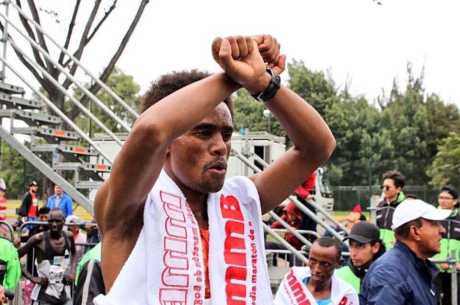
Olympian and the global icon of #OromoProtests Feyisal Lilesa finishes 3rd in his the Great North Run Debut on 10 September 2017. Sir Mo Farah 1st and Jake Robertson was 2nd.

https://twitter.com/seddonnews/status/906833921366687744
Mo Farah and Feyisa Lilesa to go head-to-head at Great North Run
Ethiopia: The Never Ending Horror Against the Oromo Nation September 11, 2017
Posted by OromianEconomist in Uncategorized.Tags: Africa, Ethiopia, Genocide, Genocide Against Oromo People, Horn of Africa, Human Rights League of the Horn of Africa, Janjaweed in Darfur Liyu Police of Ethiopian in Oromia, Liyu Police, Liyu Police of Ethiopia, Oromia, Oromo, TPLF/EPRDF Ethiopian Regime is a Contra to a Developmental State
1 comment so far
Ethiopia: The Never Ending Horror Against the Oromo Nation
Ethiopia is Descending into Civil War
HRLHA Urgent Action
Sept 9, 2017
The peaceful street protests in Oromia that shook Ethopia for over one year (November 2015-October 2016) turned violent after the reckless action by the government when its military attacked civilians and murdered over 700 at the Oromo Irrecha Festival on October 2, 2016.
The fascistic action of the Ethiopian government turned a peaceful protest into a violent one in which many people were killed and government property was destroyed by the angry protesters.
The TPLF/EPRDF government declared a six- month state of emergency- later extended to ten months- on October 8, 2016 with the pretext of calming the violence in Oromia. During the State of Emergency, the government killing squad members were deployed in all villages of the Oromia Regional state where they committed killings, kidnappings, and arrests during the ten months of the State of Emergency.
Under the State of Emergency, the TPLF/ EPRDF government- trained Liyu Police led by the killing Squad Agazi were deployed along the long border between Somali and Oromia regional states and occupied 32 districts of Oromo land from the south Borana zone to the northeast Hararge zone; many people were killed from both sides. During the six- month war between the federal government force backed Liyu Police and Oromo farmers over 500 people have been killed, and many other Oromos have been forcefully kidnapped and taken to Somali Region.
The border crisis between Somali and Oromia regional states was settled as a result of negotiations between the Oromia and Somali state authorities by annexing 15 Oromia villages into the Somali regional state.
However, two months after the signing of the agreement between the two sides, the pre-planned and unprecedented war against the Oromo nation was re-aggravated along the borders of all sides of Oromia by the Ethiopian Federal government- sponsored regional militias. As a result, intense fighting has occurred from mid- August 2017 until this report was compiled in the Eastern Oromia, Gursum, East Hararge, Rayitu and Saweena, Bale zone, Chamug Borana zone, Wachile and Moyale Gujji zones- over 56 people have already been killed from both sides.
The HRLHA informant has also reported similar war is happening on the border of Benshangul in the west, Gambela in the southwest, Afar in the North. As a result, the Oromo people are currently essentially at war with the Federal government-backed regional militias in all directions.

The current Oromia Regional State Authorities could not protect their people from the aggression of neighbor states backed by the Federal Killing squads.
The Ethiopian Federal government, which in theory has a state duty and a responsibility to bring peace and harmony among the nations and nationalities in the country, actually instigated the conflict between Oromia and all its neighboring states. The TPLF/EPRDF government’s killing squad Agazi force collaborated with the invaders and continued its ruthless repression which will probably drive the country into a full-fledged civil war.The Oromo farmers, who were disarmed by the Oromo People’s Democratic Organization (OPDO) during the State of emergency, have no option other than to confront the attacks perpetrated against them from all directions.

To reverse the shadow of the looming civil war which could result in human tragedy, and atrocity in Ethiopia, the donor governments such as the USA, the UK, Canada, Swedin, Norway and government agencies like the UN, AU and EU and subsidiary organizations (African Commission on Human and Peoples’ Rights, EU Human Rights Commission and UN human rights council) have to express their concerns to the government of Ethiopia to stop backing small groups from fighting against the largest ethnic group- the Oromos- and instead act responsibly to stabilize the country.
This is a cosmopolitan ideal of protecting people inside states against mass atrocities as a matter of common obligation. The Responsibility to Protect (R2P), coined in 2001 under the leadership of the Canadian government and adopted by 150 heads of states and governments in 2005, obliges the international community to intervene to stop atrocities.
As a matter of principle, a state shoulders the primary responsibility to prevent and protect its own citizens against horrific acts, but if it is unable or unwilling to prevent and protect its population from genocide, war crimes, ethnic cleansing and crimes against humanity, the responsibility is thus shifted to the international community. The R2P states, “ when a state is unable or unwilling to protect its population from genocide, war crimes, crimes against humanity and ethnic cleansing, the international community has the responsibility to intervene”.
The UN Charter’s first and most essential aim is to “maintain international peace and security”. However, when the UN was first created, it was an enormous undertaking based on hope.
Today, one critical question on everyone’s lips is whether the United Nations is living up to its mandate, more particularly, of maintaining international peace and security. Amid ongoing human rights crises in Ethiopia it is hard to figure out what exactly the UN & AU have done to uphold their responsibilities. Nevertheless, it is not too late to act today.
Recommendation:
The international communities and agencies can play a decisive role to stop the looming civil war in Oromia/Ethiopia by::
- Major donor governments, including the USA, the UK & Canada, Sweden, Norway and Australia should stop funding the authoritarian TPLF/EPRDF government
- Putting pressure on the government of Ethiopia to respect the principle of R2P, and shoulder its primary responsibility to prevent and protect its own citizens against horrific acts
- Putting pressure on the TPLF/EPRDF government to allow neutral investigators to probe into the political crisis in the country as the precursor to international community intervention
The HRLHA therefore calls, yet again, upon the international community to act collectively in a timely and decisive manner – through the UN Security Council and in accordance with the UN charter on a case-by – case basis to stop the looming Civil War in Oromia/Ethiopia
Copied To:
- UN Security Council
Office of the Ombudsperson
Room DC2 2206
United Nations
New York, NY 10017
United States of America
Tel: +1 212 963 2671
E-mail: ombudsperson@un.org
- UN Human Rights Council
OHCHR address:
Office of the United Nations High Commissioner for Human Rights (OHCHR)
Palais Wilson
52 rue des Pâquis
CH-1201 Geneva, Switzerland.
- Africa Union (AU)
African Union Headquarters
P.O. Box 3243 | Roosevelt Street (Old Airport Area) | W21K19 | Addis Ababa, Ethiopia
Tel: (251) 11 551 77 00 | Fax: (251) 11 551 78 44Webmaster: webmaster@africa-union.org
- African Commission on Human and Peoples’ Rights
31 Bijilo Annex Layout, Kombo North DistrictWestern Region,
P.O. Box 673
Banjul, The Gambia
Tel: (220) 441 05, 05, 441 05 06
- The US Department of State
WASHINGTON, D.C. HEADQUARTERS
(202) 895-3500
OFMInfo@state.gov
Office of Foreign Missions
2201 C Street NW
Room 2236
Washington, D.C. 20520
Customer Service Center
3507 International Place NW
Washington, D.C. 20522-3303
- UK Secretary of State for Foreign and Commonwealth Affairs
Parliamentary
House of Commons, London, SW1A 0AA
Tel: 020 7219 4055
Fax: 020 7219 5851
Email: hammondp@parliament.uk
Departmental
Street,
London, SW1A 2AH
Tel: 020 7008 1500
Email: fcocorrespondence@fco.gov.uk
- Minister of Foreign Affairs (Canada)
Write to:
Enquiries Service (BCI)
Global Affairs Canada
125 Sussex Drive
Ottawa, ON
K1A 0G2
Email: Enquiry Service – On line form
Canada
- Minister for Foreign Affairs (Sweden)
Her Excellency Margot Wallström
Switchboard: +46 8 405 10 00
Street address: Rosenbad 4
Postal address: SE 103 33 Stockhol
- Minister of Foreign Affairs (Normway)
His Excellency BørgeBrende
Ministry of Foreign Affairs
E-mail: post@mfa.no
Phone: + 47 23 95 00 00
Address: 7. juniplassen 1, N-0032 Oslo

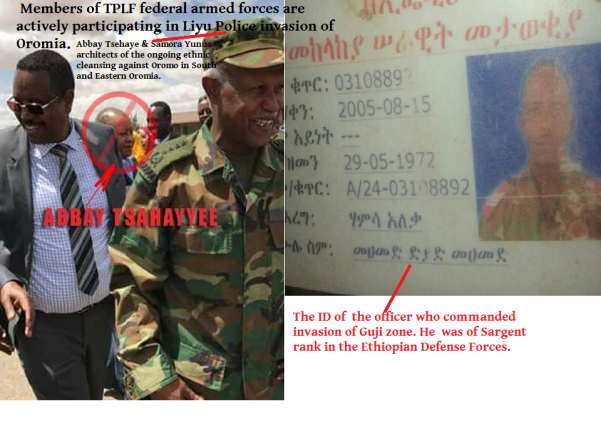


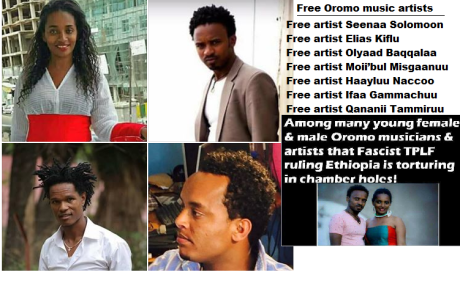


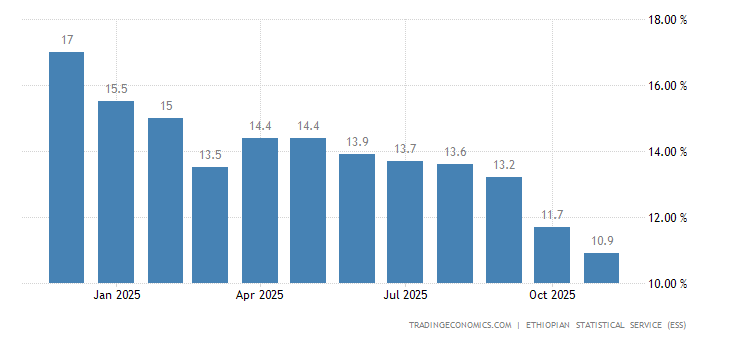
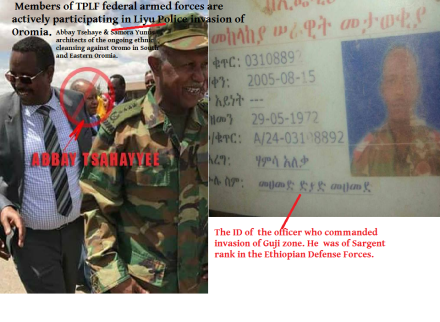





 Kenya’s supreme court has declared the results of last month’s presidential election invalid and ordered a new vote. Incumbent Uhuru Kenyatta won 54% of the now-nullified vote, defeating opposition leader Raila Odinga.
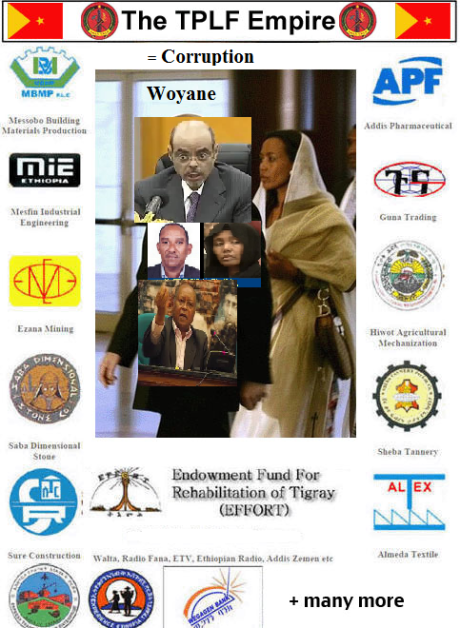





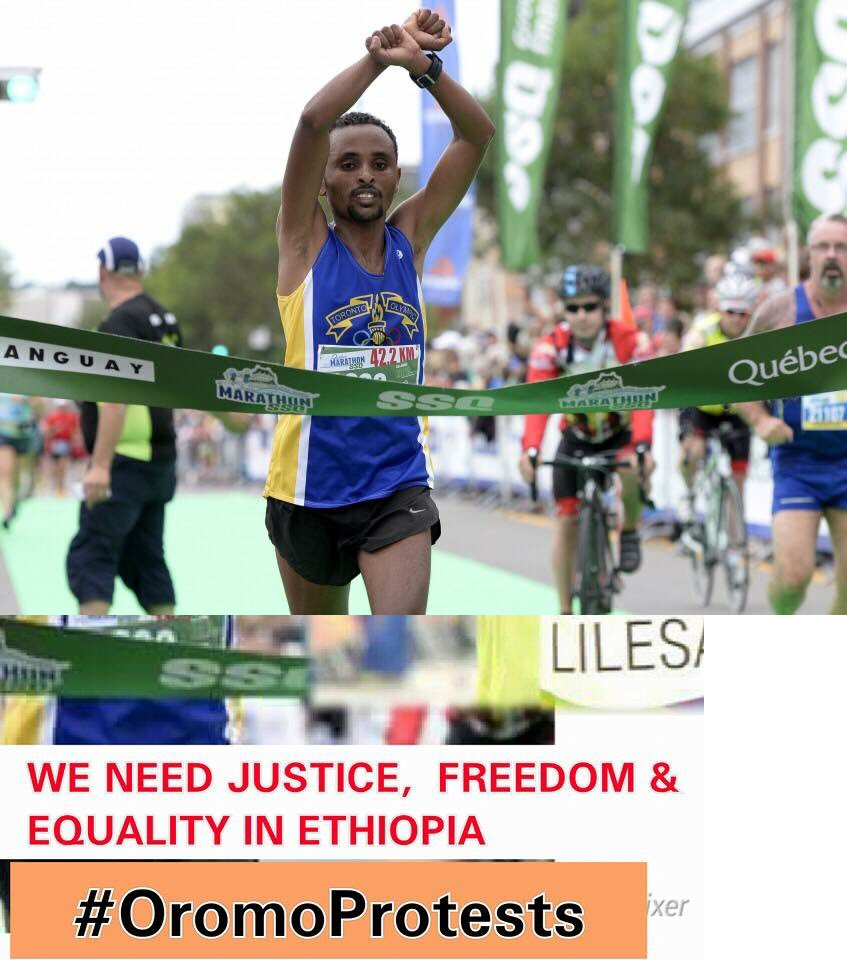


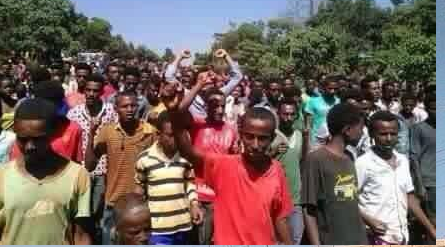


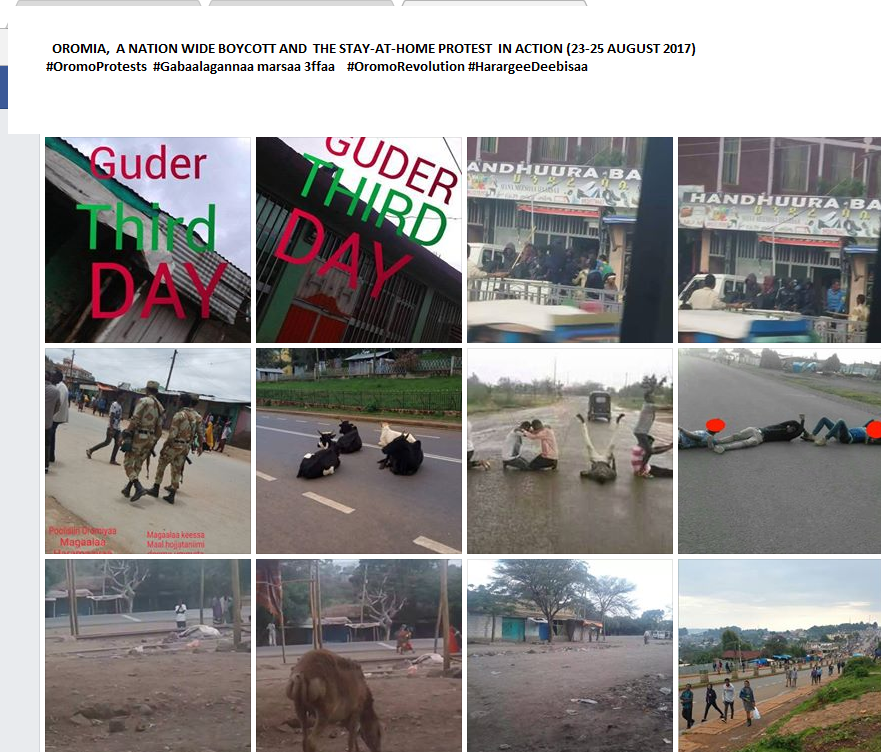
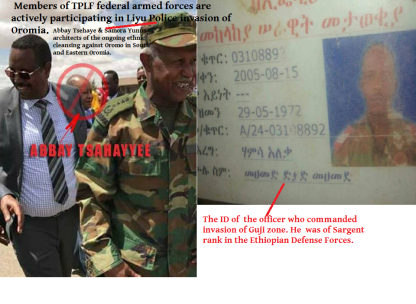


 Oromian Economist
Prof Al Mariam: ‘My Letter to President Trump Requesting Targeted Sanctions Against the TPLF Regime in Ethiopia’ October 3, 2017
Posted by OromianEconomist in Horn of Africa Affairs, Human Rights, Uncategorized.Tags: Africa, Al Mariam's Commentaries, Bishoftu Massacre, Bishoftu Massacre 2nd October 2016 at Irreecha, Ethiopia, Genocide, Letter to President Trump, Oromia, TPLF, TPLF/EPRDF Ethiopian Regime is a Contra to a Developmental State
1 comment so far
My Letter to President Trump Requesting Targeted Sanctions Against the TPLF Regime in Ethiopia
Posted in Al Mariam’s Commentaries By almariam On October 1, 2017
October 2, 2017
Donald Trump
President of the United States
The White House
1600 Pennsylvania Avenue NW
Washington, DC 20500
Re: REQUEST FOR SANCTIONS AGAINST PERSONS AND ENTITIES INVOLVED IN THE IRRECHA MASSACRES ON OCTOBER 2, 2016 AND OTHER CRIMES AGAINST HUMANITY COMMITTED IN ETHIOPIA
Dear Mr. President:
I am writing this letter for two purposes. First, I wish to thank you for imposing sanctions[1] on certain senior current and former South Sudan government officials and South Sudanese companies responsible for undermining peace, security and stability in that violence-wracked country.
Second, I am writing to request imposition of similar sanctions against members of the ruling regime in Ethiopia self-styled as the “Ethiopian People’s Revolutionary Democratic Front” led and dominated by the Tigrean People’s Liberation Front (TPLF), an entity listed as a terrorist organization in the Global Terrorism Database[2] (GTD).
The last act of terrorism committed by the TPLF, according to the GTD, was on August 16, 2016[3].
I believe it is fair and proper to give credit where credit is due. While some have claimed the sanctions imposed on South Sudan’s leaders and their accomplices are meager and inadequate[4], I believe the action sends a clear and unambiguous message to all Africans in positions of power that protection of human rights is a central component of an America-first U.S. foreign policy in Africa, a fact that has been underscored by Secretary of State Rex Tillerson[5].
I am especially elated to learn the U.S. Treasury Department “will forcefully respond to the atrocities ongoing in South Sudan by targeting those who abuse human rights, seek to derail the peace process, and obstruct reconciliation in South Sudan.” Such a resolute statement goes a long way in reassuring not only the people of South Sudan but also all Africans that the U.S. will not merely talk the talk about being on the “right side of history” but also walk the talk by acting decisively and selectively against individuals and entities engaged in gross human rights violations.
I wish to point out for the record that the sanctions you have imposed in South Sudan are in stark contrast to the Obama administration’s lifting of sanctions against the Sudan in its last week in office.
During his presidential candidacy in 2007, Barack Obama said[6], the “genocide in Darfur [Sudan] is a stain on our souls… As a president of the United States I don’t intend to abandon people or turn a blind eye to slaughter.”
In the final week of his presidency, on January 13, 2017, Mr. Obama turned a blind eye to the genocidal Sudanese regime and stood on the “wrong side of history” when he rescinded sanctions authorized pursuant to Executive Order 13067[7] of November 3, 1997 and Executive Order 13412[8] of October 13, 2006 related to the policies and actions of the Government of Sudan.
In issuing his rescission of Executive Order 13761[9], Mr. Obama whitewashed the bloody genocidal crimes of the Sudanese regime by speciously claiming that regime has shown “positive actions over the past 6 months”. The “actions” allegedly included maintaining cessation of hostilities in conflict areas in the Sudan, improving humanitarian access and counterterrorism cooperation.
It is said, “one swallow does not make a summer.” It is incomprehensible to me how Mr. Obama could gloss over and excuse atrocities committed over a period exceeding two decades on mere gestures of good behavior over six months.
What is even more appalling is Mr. Obama’s duplicity and hypocrisy in completely ignoring Sudan’s close ties with North Korea and purchase of weapons from that rogue regime for use in the commission of human rights violations and atrocities. In lifting sanctions against the Sudan, Mr. Obama also conveniently ignored the fact that Sudan has been on the list[10] of state sponsors of terrorism since 1993 and had provided a haven to Osama bin Laden.
Perhaps one should not be surprised by Mr. Obama’s stratagems and sophistry in exculpating those on the “wrong side of history”, as he used to call them. When Mr. Obama visited Ethiopia in July 2015, he unabashedly declared the TPLF regime, which claimed electoral victory by capturing 100 percent of the “parliamentary” seats, as “democratically elected[11].”
In light of Mr. Obama’s double-speak and duplicity on human rights in Africa, I find your recent targeted sanctions against South Sudan and the tenor of your administration’s emerging human rights policy forthright, refreshing and encouraging.
I believe selective and targeted sanctions such as the one imposed against South Sudanese leaders and companies can serve as effective tools of an America-first foreign policy in advancing the cause of human rights globally, and particularly in Africa. Targeted sanctions selectively and purposefully focus on leaders, their family members and supporters, political elites and segments of society known to be directly responsible for human rights violations or in aiding, abetting and giving material support in the commission of such violations. Blanket sanctions are more likely to inflict greater hardship and suffering on the general population, and often those engaged in gross human rights violations find ways to circumvent them. It has been observed that “targeted sanctions” or “smart sanctions” are like “smart bombs”, considerably reducing collateral damage on civilian populations.
I believe in the old saying, “What is sauce for the goose is sauce for the gander.” What is good for South Sudan is good for Ethiopia.
I am requesting that you follow up with targeted sanctions against current and senior members of the “Ethiopian People’s Revolutionary Democratic Front” led and dominated by the Tigrean People’s Liberation Front and other entities aiding and abetting that regime in the commission of human rights violations in Ethiopia. The evidence of human rights violations supporting targeted sanctions against the TPLF regime is overwhelming, incontrovertible, substantial and compelling.
The Irreecha Massacres of October 2, 2016
On October 2, 2016, troops loyal to the ruling Tigrean Peoples’ Liberation Front opened fire indiscriminately on crowds at a religious festival known as “Irreecha” attended by an “estimated 2 million people”[12] in the town of Bishoftu, some 45 miles southeast of the capital Addis Ababa.
The TPLF regime reported 52 dead from what it said was crowd “stampede[13] caused by anti-government elements”. In a televised address, the regime’s prime minster blamed the victims for provoking troops into using indiscriminate deadly force.
On October 3, 2016, Freedom House issued a statement[14] on the Irreecha Massacres demanding an independent investigation: “The deaths in Bishoftu occurred because security forces fired tear gas and live ammunition at a crowd of over a million people celebrating a religious occasion. The government of Ethiopia should allow a truly independent body to investigate the tragedy at Bishoftu as well as security forces’ well-documented record of using excessive force against peaceful gatherings.”
Eyewitness reports including statements by accredited Voice of America Amharic Service program journalists revealed that heavily armed regime troops had taken tactical positions behind the VIP grandstand hidden from direct view of the crowd and suddenly opened live fire on the unarmed and peacefully protesting crowd after the official program could not proceed due to crowd demands and chants against the regime.
On October 8, the TPLF regime declared a “state of emergency” suspending the constitution and instituting martial law under an entity called “Command Post[15]”.
On November 12, 2016, the regime officially reported[16] arresting “11,607 people, including 347 women”. The U.S. State Department in its 2016 human rights report[17]stated, “Many [of the thousands arrested] were never brought before a court, provided access to legal counsel, or formally charged with a crime.” The actual number of persons arrested was significantly higher than officially reported. In March 2017, the Command Post “announced that 4,996 of the 26,130 people detained for allegedly taking part in protests would be brought to court.”
An “investigative report” on the Irreecha Massacres released by the regime’s human rights organization in April 2016 rubberstamped the regime’s original position: “The violence happened because the protesters were using guns and so security forces had no other option.”
In its June 2016 report entitled “Such a Brutal Crackdown’: Killings and Arrests in Response to Ethiopia’s Oromo Protest”, Human Rights Watch stated, “security forces in Ethiopia have used excessive and lethal force against largely peaceful protests that have swept through Oromia, the country’s largest region, since November 2015.”
On September 19, 2017, Human Rights Watch in its 33-page report entitled “Fuel on the Fire’: Security Force Response to the 2016 Irreecha Cultural Festival” provided details on the regime’s “use of force in response to restive crowds at 2016’s Irreecha.” The report “found evidence that security force personnel not only triggered the stampede that caused many deaths but subsequently shot and killed some members of the crowd.”
Over the past year, the TPLF regime has committed unspeakable atrocities in Northern Ethiopia including Gonder, Wolkait, Bahr Dar and other locations.
The Irreecha Massacres are only the latest in the 26-year sordid history of gross and egregious human rights violation by the TPLF regime in Ethiopia.
On May 16, 2005, one day after the general election, the late leader of the TPLF regime, Meles Zenawi, also declared a state of emergency, outlawed all public gatherings and placed under his direct personal command and control all police, security and military forces in the country. Zenawi personally authorized the use of deadly force against any protesters in the post-election period. As a result, nearly a thousand people were either killed or severely wounded by regime troops. Zenawi subsequently set up an Inquiry Commission. That Commission was forced to go into exile following harassment and threats by the TPLF regime to falsify its findings. In November 2006, that Commission shared[18] its findings with members of the Africa Subcommittee in the House of Representatives. The Inquiry Commission laid the entire blame at the feet of the TPLF regime and rejected their spurious claims and justifications for use of deadly force.
A partial list of the names of the victims of the Meles Massacres is publicly available.
A list of names of those security, military and police officials directly involved in the post-2005 election massacres is also available. The TPLF regime to date has taken no action against these officials.
In May 2014, troops loyal to the TPLF regime massacred at least 47 university and high school students in the town of Ambo 80 miles west of the capital Addis Ababa. Eyewitnesses reported significantly higher casualties and fatalities than officially reported. Human Rights Watch (HRW) issued a statement[19] condemning the “shooting at and beating [of] peaceful protesters in Ambo, Nekemte, Jimma, and other towns”. According to HRW, the student “protests erupted over the release of the proposed Addis Ababa Integrated Development Master Plan” which would “expand Addis Ababa’s municipal boundary to include more than 15 communities in Oromia” and displace Oromo farmers and residents.
In December 2003, the TPLF massacred hundreds of Anuak people in Gambella in Western Ethiopia. Human Rights Watch documented that TPLF troops “subjected Anuak communities throughout the region to widespread and systematic acts of murder, rape, torture, arbitrary imprisonment and the destruction of entire villages.” Genocide Watch sent a fact-finding team in Gambella and secured[21] authentic documents “proving that the Gambella massacres were planned at the highest levels of the Ethiopian government, and even given the code name “Operation Sunny Mountain”. A report[20] by the Harvard Law School Human Rights Program on the Anuak Massacre concluded, “From December 2004 to at least January 2006, the ENDF (Ethiopian National Defense Forces) attacked and abused Anuak civilians in Gambella region – wantonly killing, raping, beating, torturing, and harassing civilians.”
In 2007, the TPLF regime massacred hundreds of people in the Ogaden region of Ethiopia. Human Rights Watch in its June 2008 report[22] entitled “Collective Punishment: War Crimes and Crimes against Humanity in the Ogaden area of Ethiopia’s Somali Region” documented, “Ethiopian troops have forcibly displaced entire rural communities, ordering villagers to leave their homes within a few days or witness their houses being burnt down and their possessions destroyed and risk death.”
The TPLF regime has refused to undertake meaningful and credible investigations into these crimes against humanity despite requests by human rights groups and even the U.N. The TPLF regime has refused entry to all UN special rapporteurs since 2007 to investigate human rights violations in Ethiopia.
The TPLF regime has dismissed and ignored all calls for an independent investigation of the Irreecha Massacres by United Nations top human rights official[23], the African Commission[24], the European parliament[25], and members of United States Congress[26].
The difference between the South Sudanese regime and the TPLF regime on human rights is the difference between Tweedledee and Tweedledum. Both regimes are peas in a pod. Thus, what is good enough for the South Sudanese regime is good enough for the TPLF regime.
I believe an America-first human rights policy which employs targeted sanctions to promote human rights, democracy and peace in Africa is not only necessary but also likely to produce outcomes that are consistent with the values and principles of American taxpayers.
Millions of refugees are leaving Africa to come go to Europe and North America because life is hell for them in Africa under brutal and bloodthirsty dictatorships, not merely to seek better economic opportunities. The U.S. can effectively deal with this problem by addressing the root cause of migration out of Africa, namely, brutal and oppressive dictatorships that treat their citizens as slaves and their countries’ treasuries and resources as their private estates. Selective and targeted sanctions aimed at the financial and logistical incapacitation of leaders, political elites and segments of society known to be directly responsible for human rights violations or engaged in aiding, abetting and giving material support in the commission of such violations in Africa is the proverbial two-by-four that will quickly get their attention.
For well over a decade, I have argued without pause that the best way to help Africa is to let Africa help itself. Africa can never be free until African leaders are held to account and forced to abandon the culture of panhandling, which have perfected as an art form. The U.S. must end its aid welfare program to African dictators who siphon off much of that aid and deposit it in their private offshore bank accounts. Your transition team hit the nail on the head when it demndaed answers from the State Department to the following question: “With so much corruption in Africa, how much of our funding is stolen?”
I wish I could definitively answer that question for you. But I can say definitively that to begin the effort to find out “how much of our funding is stolen” in Africa, we must make targeted sanctions a central part of the America-first foreign policy in Africa.
Mr. President, what I am asking is not anything extraordinary. I am merely requesting that you impose the same targeted sanctions you imposed on the leaders, supporters and business entities in South Sudan to the leaders, supporters and business entities responsible for human rights violations in Ethiopia. What is good enough for South Sudan is good enough for Ethiopia.
Mr. President, when Mr. Obama visited Ghana in his first trip to Africa in July 2009, he said, “Now, make no mistake: History is on the side of these brave Africans, not with those who use coups or change constitutions to stay in power. Africa doesn’t need strongmen, it needs strong institutions.”
The people of Ethiopia and the people of Africa are on tenterhooks to find out if you are going to stand with African dictators or the common people yearning to breathe free.
I am betting my bottom dollar that you will stand with the people of Africa and not the dictators who lord over them, as did Mr. Obama.
I will guarantee that you will have 100 million fans in Ethiopia if you institute targeted sanctions against members of the TPLF regime and its cronies involved in gross human rights violations, and win more than a 1.2 billion Africans if you make targeted sanctions a core part of your America-first policy in Africa.
I guarantee it!
Sincerely,
Alemayehu (Al) G. Mariam, M.A., Ph.D., J.D.
Professor and Attorney at Law
Cc: Hon. Rex Tillerson, U.S. Secretary of State
Hon. Steven T. Mnuchin, U.S. Secretary of the Treasury
Hon. Nimrata “Nikki” Haley, U.S. Ambassador to the United Nations
==========================
[1] https://www.treasury.gov/press-center/press-releases/Pages/sm0152.aspx
[2] http://www.start.umd.edu/gtd/search/Results.aspx?perpetrator=2127
[3] http://www.start.umd.edu/gtd/search/IncidentSummary.aspx?gtdid=201608260003
[4] http://foreignpolicy.com/2017/09/06/u-s-sanctions-south-sudanese-leaders/
[5] https://www.state.gov/secretary/remarks/2017/05/270620.htm
[6] https://www.youtube.com/watch?v=QEd583-fA8M
[7] https://www.treasury.gov/resource-center/sanctions/Documents/13067.pdf
[8] https://www.treasury.gov/resource-center/sanctions/Documents/13412.pdf
[9] https://www.gpo.gov/fdsys/pkg/DCPD-201700026/pdf/DCPD-201700026.pdf
[10] https://www.state.gov/j/ct/list/c14151.htm
[11] https://www.nytimes.com/2015/07/28/world/africa/obama-calls-ethiopian-government-democratically-elected.html?mcubz=3&mtrref=www.google.com&gwh=BBE0F6C584580DEF4C73E4D0F43ECE1F&gwt=pay
[12] http://www.cnn.com/2016/10/03/africa/ethiopia-oromo-deaths/index.html
[13] http://www.independent.co.uk/news/world/africa/ethiopia-stampede-violent-clashes-death-toll-oromia-disaster-bishoftu-protest-more-than-100-a7342951.html
[14] https://freedomhouse.org/article/ethiopia-more-150-dead-after-security-forces-fire-crowd
[15] http://www.ena.gov.et/en/index.php/politics/item/2067-command-post-established-to-oversee-implementation-of-emergency-rule
[16] http://www.aljazeera.com/news/2016/11/ethiopia-state-emergency-arrests-top-11000-161112191919319.html
[17] https://www.state.gov/j/drl/rls/hrrpt/humanrightsreport/#wrapper
[18]http://www.ethiomedia.com/addfile/ethiopian_inquiry_commission_briefs_congress.html
[19] https://www.hrw.org/news/2014/05/05/ethiopia-brutal-crackdown-protests
[20] http://hrp.law.harvard.edu/wp-content/uploads/2013/02/Ethiopia_2006_Report.pdf
http://www.genocidewatch.org/ethiopia.html[21]
[22]https://www.hrw.org/report/2008/06/12/collective-punishment/war-crimes-and-crimes-against-humanity-ogaden-area-ethiopias
[23] http://www.reuters.com/article/us-ethiopia-violence-un-idUSKCN10L1SY
[24] http://www.achpr.org/sessions/59th/resolutions/356/
[25] http://www.europarl.europa.eu/sides/getDoc.do?pubRef=-//EP//TEXT+TA+P8-TA-2016-0023+0+DOC+XML+V0//EN&language=EN
[26] https://www.congress.gov/115/bills/hres128/BILLS-115hres128ih.pdf