The Inspirational Nelson Mandela: The Long Walk To Freedom (1918 – 2013) July 18, 2014
Posted by OromianEconomist in Africa, Colonizing Structure, Human Rights, Humanity and Social Civilization, Knowledge and the Colonizing Structure., Knowledge and the Colonizing Structure. Africa Heritage. The Genocide Against Oromo Nation, Nelson Mandela, Oromia, Oromiyaa, Oromo, Oromo Culture, Oromo Identity, Oromo Nation, Self determination, Uncategorized.Tags: Africa, African culture, African Studies, Democratic African institution, Development, Economic and Social Freedom, Governance issues, Human Rights and Liberties, Human rights violations, Mandela, Nelson Mandela and Taddasaa Birruu, Oromia, Oromo, Oromo language, Oromo people, Oromummaa, Sub-Saharan Africa, Taddasaa Birruu
comments closed

International Nelson Mandela Day
After spending almost three decades as a political prisoner in his own country, Nelson Mandela emerged from his cell and quickly became one of the most revered world leaders. 18th July, Mandel’s Birthday, has been named International Nelson Mandela Day in his honor.


http://gadaa.com/oduu/23325/2013/12/08/oromo-studies-associations-press-release-on-the-death-of-nelson-mandela/?utm_source=feedburner&utm_medium=twitter&utm_campaign=Feed%3A+gadaa%2FBiJG+%28Gadaa.com+Oduu+-+News%29
Nelson Mandela was not only a great leader; he was a student of great leadership. As a boy, he was dazzled by stories of African leaders from the 17th and 18th centuries, and he saw himself as part of that grand tradition. He was raised by the Regent of the Tembu tribe, who allowed him to sit in on tribal councils. Mandela once told me that the Regent would never speak until the end, and then he would summarize what had been said and try to form a consensus. When I was working with Mandela on his autobiography, Long Walk to Freedom, I sat in on many meetings with his own senior team. He would almost always wait until the end to speak and then see if he could forge a consensus. To him that was the African way.
Mandela was not only a student of great leadership; he was intent on creating great African leaders. He believed that there was a dearth of great leaders in Africa, and he was keen on motivating a new generation of leadership for the continent.
I was with Mandela during many meetings with South African and international leaders. Afterwards, he would comment on a leader’s particular style or tactics, or even on what he wore. He would note if a leader was polite or deferential. He did not like leaders who were overly emotional or histrionic. If he described you as “measured,” that was a great compliment. He prized directness. He had no tolerance for leaders who were not honest. And he would sometimes smile ruefully if someone was in over his head.
Mandela believed that African leaders needed to be different than Western leaders. As the head of the African National Congress, and as the president of South Africa, he always sought consensus. He once told me that as a boy he had spent many days herding cattle, and that the way you lead cattle is from behind. By that he meant, you must marshal your forces and make sure that your people are ready to go in the direction where you want to lead them. Mandela led from the front and behind, and it is his spirit that is behind the Young African Leadership Initiative. And on Mandela’s 96th birthday, we get ready to welcome to Washington the 500 YALI Fellows who are the brightest of a new generation of great African leaders.
Mandela understood that leaders are made as well as born, and that circumstances bring forth great leaders. He liked the old English expression about leadership: “Cometh the moment, cometh the man – or the woman.” This is the moment for these young African leaders.
http://www.bbc.co.uk/news/world-africa-23515879
“I learned that courage was not the absence of fear, but the triumph over it. The brave man is not he who does not feel afraid, but he who conquers that fear.”
“It always seems impossible until it’s done.”
“Living isn’t just about doing for yourself, but what you do for others as well.
“For to be free is not merely to cast off one’s chains, but to live in a way that respects and enhances the freedom of others.”
“No one is born hating another person because of the color of his skin, or his background, or his religion. People must learn to hate, and if they can learn to hate, they can be taught to love, for love comes more naturally to the human heart than its opposite.”
“After climbing a great hill, one only finds that there are many more hills to climb.”
“The greatest glory in living lies not in never falling, but in rising every time we fall.”
“There is nothing like returning to a place that remains unchanged to find the ways in which you yourself have altered.”
“Education is the most powerful weapon which you can use to change the world.”


Anti-apartheid leader and African National Congress member Nelson Mandela and his wife, Winnie, raise fists upon Mandela’s release from Victor Verster prison on Feb. 11, 1990, in Paarl, South Africa.(ALEXANDER JOE/AFP/Getty Images)

Mandela at a funeral for 12 people who died during township unrest in Soweto, South Africa, Sept. 20, 1990.(ALEXANDER JOE/AFP/Getty Images)

Mandela greets supporters behind the fence in the mining town of Randfontein, west of Johannesburg, Nov. 25, 1993. He toured the area as part of his campaign for the 1994 presidential election.(WALTER DHLADHLA/AFP/Getty Images)

South African President Nelson Mandela takes the oath of office on May 10, 1994, at the Union Building in Pretoria.(WALTER DHLADHLA/AFP/Getty Images)

South African President Nelson Mandela takes the oath of office on May 10, 1994, at the Union Building in Pretoria.(WALTER DHLADHLA/AFP/Getty Images)

President Mandela goes on a walkabout round Trafalgar Square in London on his way to South Africa House, where he made a speech from the balcony.(POOL/AFP/Getty Images),
See more at@http://www.nationaljournal.com/pictures-video/nelson-mandela-day-20140718
‘Over the years, Mandela’s initial military training and brief stay in Ethiopia received only a scant media coverage. It has been said that Mandela had come face-to-face with death at many junctures in his long life. But had the alleged 1962 assassination attempt in Addis Ababa, Ethiopia’s capital, succeeded, the world would have been worse off.
 A man who single-handedly saved Mandela has recently come forward with his story. Captain Guta Dinka, 78, was one of the two guards assigned to protect the future icon of peace during his training’ in Finfinnee. Read more at http://www.opride.com/oromsis/news/horn-of-africa/3723-captain-guta-dinka-the-man-who-saved-mandela

Col Fekadu Wakene, Oromo man
In ‘July 1962, Col Fekadu Wakene taught South African political activist Nelson Mandela the tricks of guerrilla warfare – including how to plant explosives before slipping quietly away into the night.’ BBC
WASHINGTON, DC (VOA, Afaan Oromo) — Prezidaantiin Afrikaa kibbaa duraanii Nelson Maandeellaa umrii isaanii 95tti kamiisa kaleessaa du’an boqotanii jiran.Uummanni addunyaa irra jiru prezidaantii gurraacha Afrikaa kibbaaf isa jalqabaa ta’an kanaaf gadda itti dhaga’ame ibsaa jira.
Namoota hedduu biratti maandelaan Goota.Nama kaka’uumsa qabu nama jabaa fi mul’ata qabu. Yeroo baayyee nama gad of qabu, nama gaarii, amanamaa, nama warra biraafis yaadu.
Ta’uun beekamu. Nelson Mandelaan Adooleessa 18 bara 1918 dhalatanii naannoo dur gurraachonni Afrikaa kibbaa keessa jiraatan Transkei jedhamtu keessatti guddatan.
 Nelesen Maandeellaa
Bara dargaggummaa isaanii sochii farra Apaartaayiid keessa seenuun paartii Afrikaan Nashinaal Kongrees ykn ANC jedhamutti dabalaman.Bara 1940 ANC keessatti damee dargaggotaaf hogganaa ta’an.
Maandeellaan kooleejii fi mana barnootaa kan seeraa yeroo seenan nama ANC keessaa Oliver Thamboo wajjin turan.
Yeroo jalqabaafiis waajiira gurraachaa kan waa’ee seeraa irratti hojjatu Afrikaa kibbaa keessatti banan.Gurraachootaaf gorsa seeraa baasii tokko malee tola ykn gatii xiqqoo gaafachuun gargaaraa turan.
http://www.voaafaanoromoo.com/content/article/1804939.html
WASHINGTON,DC — Perzdaantiin Afrikaa Kibbaa ka durii,Nelson Maandellaa nama addunyaan waan hedduun faarsitu.
Akka xiinxalyaan siyaasaa Jawaar Mohaammad yuniversitii New York jedhetti ammoo wannii Maandellaa jaalataniif “nama kana nama bilisummaa sabaatii fi ummata isaatiif falmeen jaalatama…jaarmiyaa paartii Afrikaa Kibbaa ,ANC jijjiiree paartii ummataa godhee.Ummatii cunqurfamoon addunyaa ammoo isa akka fkn laalan.”
Akka Jawaaritti wanti Maandellaa biyya alaatti akkana jaalataniif bara Maandeellaa hidhaa bahe sunitti:
“Oggaa innii qabsoo san injifannoon irra aanee mana hidhaatii bahu san sodaan guddaan… ummata isaa sun qabatee ummata adii biyya san jiru biyya sanii hari’uu, biiluu bahuu dandahaa sodaa jettutti jira..sun ammoo hin taane.”
Dubbii tana araaraan fixuutti akka Maandellaan jaalatamu tolche.Gama kaaniin ammoo Maandellaan gaafa leenjii waraanaatiif Finfinnee dhufe jeneraalii waraanaa bara sunii Taaddasaa Birruu jalatti leenjifame.
Itti gaafatamtootii waraana Oromoo ta bara 1960s keessaa tun Jeneraal Taaddasaa Birruu, Koloneel Fiqaaduu Waakkanneetii,Kumaalaa Fiqaaduu Dibaabaatii fi Kumaalaa Guutaa Dinqaa faan Perz.Maandellaa leenjisanii nagaa isaallee eegaa bahe.haga Maandellaan Finfinnee jiru sunitti leenjisaa waan hedduun gargaaraa bahan.
Kumaalaa Guutaa Dinqaa akka Maandellaa ijjeesu sobamulee “sobamuu didee lubbu Maandeellaa oolche.”
Gaafa Maandeellaan leenjii fixatee Afrikaa Kibbaatti deebihullee kumaalaa Guutaan shugguxii tokkoo fi rasaasa 200 Maandellaa kenne.Jennaan Maandellaan poolisiin itti dhufnaan shugguxii sun gatee ammallee horii guddaan barbaaduutti jiran.
Gama kaaniin ammoo dhaabi fiilmii Amerikaa baasu Holly Woodii fi ka Afrikaa Kibbaalleen seenaa Maandellaafaa shugguxi Maandellaa ta baddee fi seenaa Oromoota isa waliin turanii irralleetti wa hojjachuutti jira.
http://www.voaafaanoromoo.com/content/article/1806836.html?utm_source=dlvr.it&utm_medium=facebook
http://america.aljazeera.com/opinions/2013/12/what-mandela-meanttoafricanactivists.html
His Excellency Jacob G Zuma
President
Republic of South Africa
Dear Mr. President:
It is with feelings of great sorrow that we in the Oromo Liberation Front and the Oromo people at large learned the passing of Mr. Nelson Mandela, the first elected President of South Africa and a true freedom -fighting icon. On behalf of the Oromo Liberation Front (OLF) and the Oromo people, I wish to convey my deepest condolences and sympathies to you and the people of South Africa during this time of national mourning. The passing of Former President Mandela is a tremendous loss not only to South Africa and Africa alone but to the whole world.
The world and Africa in particular has lost an extraordinary statesman; a true freedom fighter whose moral strength, dedication and determination liberated his people from the evil of apartheid and set a genuine example for the rest of world. This gallant son and leader of Africa, through his unconditional sacrifices and heroism transformed his beloved country, South Africa, into peaceful multiracial nation that continues to serve as an example of a true and genuine national reconciliation in the world.
We, Oromo, have very fond memories of Mr. Mandela’s secret visit to our country in 1962, where he was hosted by General Taddasa Biru, an Oromo hero, founder of the OLF and leader who was murdered by the Ethiopian regime in 1975, while in struggle for the liberation of his own people. General Taddasa Biru trained and prepared Mr. Mandela for armed struggle. Because of this connection in particular, Mr. Nelson Mandela has become a source of inspiration for those of us struggling for freedom, equality, peace and reconciliation. We will greatly miss this freedom icon and giant son of Africa.
History will remember President Nelson Mandela as a great man and hero. Nobel laureate Nelson Mandela’s legacy will live on and inspire generations to come.
At this moment, our prayers are with the people of South Africa and President Mandela’s family in particular and we hope that they will find strength and solace to overcome their sorrow during this period of deep grief.
May his soul rest in eternal peace!
Yours Sincerely,
Dawud Ibsa
Chairman
Oromo Libertion Front– National Council
http://ethiofreespeech.blogspot.no/2013/12/olf-sends-condolence-letter-on-mandela.html
http://www.bbc.co.uk/news/world-africa-23515879
The Oromo Studies Association (OSA) is profoundly saddened by the death of Nelson Mandela. Mandela was a father, a husband, a statesman, a global hero, an anti-apartheid symbol, an advocate of human rights, and a fearless fighter of discrimination. He fought for the equal right of the black people in Apartheid South Africa, and paid a heavy price for the freedom of his people. He was condemned to a 27-year imprisonment. Despite the prison ordeals, he defended his dignity, civility, discipline, principle, and emerged a better human being. Eventually, he led a pariah state to a new chapter of peace with itself and the world. A passionate and forgiving man, he built a common home for blacks and white races – making animosity between the once sworn enemies a matter of history. Today, the rainbow nation is a model for a racial equality and tolerance. Added to his popularity and grace was his decision to limit his presidency to one term in the continent often incumbents die in the office or removed by coup.

Mr Mandela with His Oromo Trainer, General Tadesse Biru. (Photo: Public Domain)
Mandela was a prisoner of conscience, but he was a free man at last. Today, there are tens of thousands of Oromo prisoners of conscience in Ethiopian prisons. Mandela was once considered a terrorist. Today, the Ethiopian government often labels one who advocates for the rights of the Oromo people as a terrorist. It is against this background that Mandela’s universal message of justice has a strong resonance in the Oromo nation, a nation trying to overcome a century of discrimination, oppression, marginalization, exploitation, and occupation.
The Oromo nation had a historical connection to a man who changed the world through his words and actions. He inspired General Taddasa Birru, a man who ignited the struggle of the Oromo people for freedom and equality. The Oromo nation takes pride in teaching a military science and training Mandela needed to spark the struggle of the people of South Africa. Mandela cut his teeth under General Taddasa Birru and Capt. Fekadu Wakane. The Oromo nation also foiled an assassination attempt against the life of Nelson Mandela. Captain Dinka Guta is still a living witness for that. We are also happy that Dr. Neville Alexander, a son of an Oromo slave, fought for the independence of the people of South Africa, and imprisoned with Mandela at the same prison.
Mandela has left the world for good; yet he has changed the world for good. Today, the world is a better place for humanity because of a meaningful life he lived and a remarkable legacy he left behind. We are grieving his death, but humanity is better off because of his universal message of love, peace, harmony, understanding, human rights, and democracy. Mandela’s struggle against discrimination and oppression will inspire the struggle of the Oromo people and other oppressed peoples around the world. Our prayers and thoughts are with his family and the people of South Africa during this difficult time.
—————————

Dr. Ibrahim Elemo, the President of OSA, signing a condolence book at the Consulate General of South Africa, in Chicago, December 6, 2013.

Dr. Ibrahim Elemo, the President of OSA, briefed the staff of the Consulate General of South Africa about the link between the Oromo struggle and the South Africans’ struggle against the Apartheid
—————————
Ibrahim Elemo, M.D, M.P.H
President, the Oromo Studies Association/Waldaa Qorannoo Oromoo
E-mail: ielemo@weisshospital.com
December 7, 2013

‘May God bless the memory of Nelson Mandela!’ Obama
The Oromo nationals with the Oromo flag at the memorial services for Nelson Mandela in Soweto FNB Stadium, South Africa, 10th December 2013.
Qunu, South Africa—Nelson Mandela, South Africa’s first democratically-elected president and its most beloved leader, was laid to rest Sunday at a state funeral in the lush green hills he roamed barefoot as a child.
About 4,500 mourners gathered in a giant white tent on the Mandela family compound, where 95 candles—one for each year of Mandela’s life—burned behind his South African flag-draped casket. Family, friends and world leaders recalled Nelson Mandela as disciplined but mischievous, courageous yet humble.
The service concluded a 10-day period of national mourning that included a memorial gathering in Soweto, various concerts and Mandela’s body lying in state for three days in Pretoria. Organizers wanted Sunday’s service to wrap up in two-and-half hours, because a man of Mandela’s stature should be buried at noon, “when the sun is at its highest and the shadow at its shortest,” said African National Congress Deputy President Cyril Ramaphosa, who served as master of ceremonies.
“Madala, your abundant reserves of love, simplicity, honesty, service, humility, care, courage, foresight, patience, tolerance, equality and justice continually served as a source of enormous strength to many millions of people in South Africa and the world,” said Ahmed Kathrada, who gave the first eulogy, addressing Mandela with the Xhosa word for elder. “You symbolize today, and always will, qualities of collective leadership, reconciliation, unity and forgiveness.”
Kathrada, who spent 26 years in prison with Mandela, choked up several times during his address. “When Walter [former African National Congress Secretary General Sisulu] died, I lost a father,” he said. “When you died, I lost a brother. Now I don’t know who to turn to.”
Guests included luminaries like Price Charles, Oprah Winfrey and Jesse Jackson and African leaders such as Malawi’s President Joyce Banda, Tanzania’s President Jakaya Kikwete and Zambia’s former President Kenneth Kaunda.
Mandela’s granddaughter, Nandi Mandela, gave a moving tribute that recalled her grandfather’s humble roots. “He grew up from these rolling hills,” she said. “He went to school barefoot yet he rose to the highest office in the land.”
She depicted Mandela as a stern, but fun-loving and mischievous grandfather who loved telling stories.
“People always talk about his achievements, but he was a lot of fun to be around and he was a great storyteller.” She said he particularly liked to poke fun at himself, recounting a tale he told about trying to pick up a piece of chicken with his fork while at dinner with a girl he was trying to impress and her family. “Every time I stabbed the chicken, it jumped,” Nandi Mandela recalled her grandfather saying with a hearty laughter. “We shall miss your voice, we shall miss your laughter.”
Residents of Qunu and surrounding villages and ordinary South Africans who traveled from all over the country were not permitted inside the tent. Instead, hundreds watched Nandi Mandela and the other speakers on a giant screen set up in a distant field overlooking the Mandela compound, and at other public viewing sites around the country.
Draped in yellow and green Mandela t-shirts and scarves, with small South African flags attached to their hats or behind their ears, they sat quietly and intently, but jumped to their feet ululating and cheering when Mandela’s former praise poet, Zolani Mkiva, offered a rousing introduction to President Jacob Zuma.
The boos that greeted Zuma during a memorial service last week in Soweto were absent Sunday. In his speech, Zuma said Mandela offered, “hope in the place of hopelessness” and promised that South Africans would not abandon the principles that defined Mandela’s life.
“We have to continue building the type of society you worked tirelessly to construct,” Zuma said. “We have to take your legacy forward.”
As they watched the service in the field, mourners recalled how Mandela threw Christmas parties for the children of Qunu and surrounding villages, plying them with shoes, uniforms, and bags for school.
“For a big man like this, he was always there for us,” said Masibulele Magqirha, 42, of Qunu. Magqirha said he grew up playing soccer on the fields where Mandela’s house now stands. And he recalled when his entire soccer team decided they’d go ask Mandela to buy them uniforms.
“He said, ‘What are you doing here?’ But nobody wanted to talk,” Magqirha recalled. “’Gentlemen I’m talking to you, what are you coming here for?’” Mandela said, according to Magqirha. Magqirha finally spoke up: “Tata, please we are here to ask you to buy for us a kit. We are out playing soccer but we don’t have a kit.” Mandela told two team leaders to return the next day, Magqirha said. “When we came back, he said, ‘Tell me, what is your story?’ Are you studying? Please, you must go to school.’”
The next day, Magqirha returned, and was told to hop into a military truck, where he was presented with cleats, socks, shorts and shirts for the entire team.
“Where will we get a person like this again?” he asked.
Following Zuma’s speech, mourners walked behind the giant screen and paused in a vast open field. A young woman sat gazing towards the gravesite, crying. Others stood peering through binoculars towards the Mandela compound. Two police officers took a selfie, the funeral tent in the background. A man raised one fist in the air, holding a poster of Mandela in his other hand, gazing into the distance.
Then two busloads of men from neighboring KwaZulu Natal province, wielding spears and shields, offered a tribute in music and dance to Mandela, gyrating through the field.
Ultimately, Ramaphosa, the master of ceremonies, had to plead with the ancestors for extra time, as the ceremony went about an hour longer than expected. A small, private burial service followed at the family gravesite nearby.
Three helicopters carrying South African flags whizzed by, and military jets passed overhead in tribute as mourners sprinted towards them in a futile dash. A 21-canon salute boomed and smoke filled the village air.
At the Mandela family’s request, the national broadcaster cut the live feed to allow for a private burial. As coverage on the big screen ended, a woman seated in the front row wearing an elegant purple dress raised her hand and waved goodbye.
http://www.channel4.com/news/nelson-mandela-funeral-madiba-live-south-africa-qunu-video
http://www.newsweek.com/mandela-laid-rest-mourners-bid-final-farewell-224567
‘Much of Mandela’s belief system came from his youth in the Xhosa tribe and being raised by a local Thembu King after his own father died. As a boy, he lived in a rondavel — a grass hut — with a dirt floor. He learned to be a shepherd. He fetched water from the spring. He excelled at stick fighting with the other boys. He sat at the feet of old men who told him stories of the brave African princes who ruled South Africa before the coming of the white man. The first time he shook the hand of a white man was when he went off to boarding school. Eventually, little Rolihlahla Mandela would become Nelson Mandela and get a proper Methodist education, but for all his worldliness and his legal training, much of his wisdom and common sense — and joy — came from what he had learned as a young boy in the Transkei. Mandela might have been a more sentimental man if so much had not been taken away from him. His freedom. His ability to choose the path of his life. His eldest son. Two great-grandchildren. Nothing in his life was permanent except the oppression he and his people were under. And everything he might have had he sacrificed to achieve the freedom of his people. But all the crude jailers, tiny cells and bumptious white apartheid leaders could not take away his pride, his dignity and his sense of justice. Even when he had to strip and be hosed down when he first entered Robben Island, he stood straight and did not complain. He refused to be intimidated in any circumstance. I remember interviewing Eddie Daniels, a 5-ft. 3-in. mixed-race freedom fighter who was in cell block B with Mandela on the island; Eddie recalled how anytime he felt demoralized, he would just have to see the 6-ft. 2-in. Mandela walking tall through the courtyard and he would feel revived. Eddie wept as he told me how when he fell ill, Mandela — “Nelson Mandela, my leader!” — came into his cell and crouched down to wash out his pail of vomit and blood and excrement. I always thought that in a free and nonracial South Africa, Mandela would have been a small-town lawyer, content to be a local grandee. This great, historic revolutionary was in many ways a natural conservative. He did not believe in change for change’s sake. But one thing turned him into a revolutionary, and that was the pernicious system of racial oppression he experienced as a young man in Johannesburg. When people spat on him in buses, when shopkeepers turned him away, when whites treated him as if he could not read or write, that changed him irrevocably. For deep in his bones was a basic sense of fairness: he simply could not abide injustice. If he, Nelson Mandela, the son of a chief, tall, handsome and educated, could be treated as subhuman, then what about the millions who had nothing like his advantages? “That is not right,” he would sometimes say to me about something as mundane as a plane flight’s being canceled or as large as a world leader’s policies, but that simple phrase — that is not right — underlay everything he did, everything he sacrificed for and everything he accomplished.’
Read more: Nelson Mandela Dead at 95 | TIME.com http://world.time.com/2013/12/05/nelson-mandela-1918-2013-remembering-an-icon-of-freedom/#ixzz2nfn3oxN0
Copyright © OromianEconomist 2013 & Oromia Quarterly 1997-2013, all rights are reserved. Disclaimer.
Related articles
- Nelson Mandela is home (thehindu.com)
- In Memoriam – Nelson Mandela, 1918 – 2013 (chiefwritingwolf.com)
- Nelson Mandela 1918 – 2013 (prmktgsales.wordpress.com)
- Nelson Mandela, 1918 – 2013: Remembering an Icon of Freedom. Nelson Mandela Dead at 95 (lubwamai.wordpress.com)
WHY OROMO WILL STOP THE AAMP BY ANY MEANS, AT ANY COST: STRUGGLE OVER FINFINNEE IS STRUGGLE FOR OROMIA, Part 1 & Part 2 June 1, 2014
Posted by OromianEconomist in Colonizing Structure, Corruption, Dictatorship, Finfinne is Oromia's land, Finfinnee, Finfinnee is the Capital City of Oromia, Finfinnee n Kan Oromoo ti, Free development vs authoritarian model, Genocidal Master plan of Ethiopia, Land and Water Grabs in Oromia, No to land grabs in Oromia, No to the Addis Ababa Master Plan, NO to the Evictions of Oromo Nationals from Finfinnee (Central Oromia), Ogaden, Omo Valley, Oromia wide Oromo Universtiy students Protested Addis Ababa Expansion Master Plan, Oromian Voices, Oromians Protests, Oromiyaa, Oromo Culture, Oromo Diaspora, Oromo students movement, Oromo students protests, Oromo University students and their national demands, Oromummaa, Sidama, State of Oromia, Stop evicting Oromo people from Cities, The Colonizing Structure & The Development Problems of Oromia.Tags: African Studies, Economic and Social Freedom, Genocide against the Oromo, Governance issues, Horn of Africa, Oromia, Oromiyaa, Oromo, State and Development
1 comment so far


PART ONE: WHY THE OROMO WILL STOP THE AAMP BY ANY MEANS, AT ANY COST: THE STRUGGLE OVER FINFINNEE IS THE STRUGGLE FOR OROMIA
By Mekuria Bulcha, Ph.D.*
The so-called Addis Ababa Master Plan (AAMP[1]) has ignited an Oromia-wide protest involving university and high school students. The TPLF-led Ethiopian regime has responded to the peaceful protests staged by Oromo students against the plan with tanks and live ammunition, killing dozens in the crowds. The protest, which started on April 24, 2014 at Jimma University, is joined, not only by tens of thousands of the students of all the universities in Oromia, but also tens of thousands of high school students and members of the local population in many cities, towns and villages. The voice of this massive Oromo rally against the AAMP cannot be silenced by bullets and tanks as in the past. It concerns, not only the cause of the Oromo farmers in Central Oromia, whose livelihoods will be affected by the AAMP, but also that of all the Oromo farmers and pastoralists throughout Oromia whose farms and pasturelands have already been sold and are targeted to be sold to land grabbers by the present Ethiopian regime. In short, it concerns the survival of the Oromo as a nation.
It is important to note that that conflict over the AAMP is an extension of the conflict which was ignited by the 2003 decision of the TPLF regime to evict Oromo institutions from Finfinnee (Addis Ababa) city and relocate them to Adama, a town about 100km to the southeast. Then, the Oromo attempted to stop the eviction with peaceful protest, but were met with atrocities by the TPLF regime. Leaders of the Maccaa Tuulama Association (MTA) and university students, who organized that protest, were arrested and jailed. The property of the MTA, a self-help organization which was established in 1963, was confiscated outright by the government. More than 300 students were expelled from the Addis Ababa University alone. Regrettably, the struggle over Finfinnee which started 11 years ago is not over. The impunity of the TPLF regime, as reflected in the killings of many students who opposed so-called Addis Ababa Master Plan, has continued.
In this article, I will attempt to explain why the present regime is consistently refusing to pay attention to Oromo claims even when expressed through peaceful means in keeping with the current constitution, such as the present student protest. I will also point out why the opposition started by the students of Jimma University on April 24 against the AAMP has turned into an Oromia-wide movement within a very short time. I will discuss how the uprising will reinvigorate the Oromo struggle for independence. In a speech he made at a demonstration staged to oppose the removal of Oromia’s capital from Finfinnee in 2003, the late Secretary General of the Maccaa Tuulamaa Association, Obbo Bekele Nadhi said that:
“The decision that Finfinnee [the Oromo name for Addis Ababa] is no more the Oromo capital is wrong. Oromo claim over Finfinnee is historical and legal. Therefore, we demand that the decision be revoked. Until the decision is revoked we will continue with our protest. If our protests will not change the situation, we will continue with the next phase of our struggle (Gadaa.com. April, 2014)”
The TPLF regime was forced to halt the eviction of Oromo institutions from the city in 2005 under pressure from both Oromo and non-Oromo opposition. That did not mean that Finfinnee was made to serve the Oromo people. In reality, the regime did not withdraw its decision, and the struggle over Finfinnee was not concluded. For unknown reasons, the Oromia Regional State did not build Oromo institutions in the city during the last two decades. Finfinnee (Addis Ababa), which is constitutionally the capital city of Oromia, is without a single public school that uses the Oromo language as a medium of instruction or a single newspaper which is printed in Afaan Oromoo. All of the newspapers which were started in the early 1990s were banned, and their journalists were in jail or in exile by the end of the decade. To paraphrase what the young Oromo artist Jaafar Yuusuf has expressed with poetic eloquence and for which he was detained and tortured, Finfinnee is the capital city of Oromia and of over 35 million Oromos only in name. Thus, despite their historical and “special constitutional interests,” the Oromo, who number between half a million and eight hundred thousand (or 20% of 4 million inhabitants of the city, UN Habitat, 2007), are marginalized and denied the use of their language. Finfinnee remains an Oromo city under a foreign occupation.
The ‘right of conquest’ versus the Ethiopian Constitution of 1995
Many observers refer to the expansion of Finfinnee city as unconstitutional. They refer particularly to Article 49 (5) of the TPLF Constitution of 1995 which talks about “the special interest of the state of Oromia with respect to supply of services, the utilization of resources and joint administrative matters.” The late Prime Minister Meles Zenawi conceded to Oromia’s claim over Finfinnee city in 1991 to convince the OLF to stay in the Transitional Government. In retrospect, it appears that the concession was made to appease the Oromo only until the Meles regime consolidated its control over opponents rather than a genuine recognition of Oromo rights. The arrangement with OLF was included as a provision in the Ethiopian Constitution of 1995. The TPLF regime, however, did not implement the terms of the agreement it had entered with the Oromo Liberation Front (OLF) over the city of Finfinnee. The agreement was forgotten as soon the OLF left the Transitional Government in June 1992. In fact, the TPLF does not see what it does in Oromia in legal or constitutional terms. It considers its control over Oromo territory and its resources in terms of the traditional colonial notion of “the right of conquest.” [2]
Although the right of conquest was once recognized formally in international law it is no longer, yet the TPLF regime is still exercising it. As the TPLF representative has clearly, and indeed arrogantly, told the OPDO at a televised meeting in Adama recently (ETV April 14, 2013), the regime will implement the AAMP irrespective what the Oromo think (his exact word, in translation were “there is nothing you Oromo can do about it”). This statement was directed at the OPDO party members he was addressing. In plain language, he was saying that the Oromo should keep quiet; they do not have rights to land. What he meant was carried out in practice after a few days. Those who peacefully gathered to protest the AAMP were cut down in Ambo, Naqamtee, Jimma, and Haramaya by bullets, or were beaten and imprisoned. In short, the TPLF leaders were asserting an illegitimate “right of conquest” when they drew up the AAMP without consulting the very OPDO members who are legally entitled to make all decisions that affect Oromia. The leaders of the international community (the UN member states) appear to recognize the TPLF-led regime, not because it has achieved internally legitimacy, but because it exhibits the power to maintain “peace and order” in the country. Regrettably, the definition of “peace,” and the choice of the means used to maintain “peace and order” are left to the discretion of Ethiopian authorities. Oddly, what is being exercised as maintenance of peace and order by the Ethiopian regime is, by and large, accepted by the UN and its member states as “normal.” But, what may seem normal for them from distance is in reality state terrorism from the vantage point of Oromo and other peoples in Ethiopia.
Yet Oromo appeals to the international community or attempts to employ legal discourse, have not managed to stop the Ethiopian regime from pursuing an antiquated “rights of conquest” at all. The Greek historian John Markakis (see his Ethiopia: the Last Two Frontiers, 2011: 284) has reminded the Oromo (particularly the leaders of the OLF) to learn from the past, and give up all expectations for external intervention on behalf of our people. The question of Oromo survival cannot wait for the time when the big powers will prioritize human rights over strategic interests and take action by going beyond the barricades of sovereignty to take action against the regime for its egregious violation of human rights. Neither can the people wait until the international community is finally repulsed by the immorality involved in the persecution of the Oromo and advocate for Oromo rights, pushing for big powers to take action. The present Oromo situation requires immediate action. That means Oromo action. I do not mean that advocates should stop presenting the Oromo cause to the international community, but that it is not enough even to ensure the survival of the Oromo as a people, let alone the achievement of their national emancipation. It is well known among observers that the TPLF leaders have been using or subverting the law to advance their interests, and that they do not respect the same law when it does not serve their purpose. Therefore, it is naïve to argue about the unconstitutionality of the AAMP with them. It is futile to expect the TPLF to honor or work to implement the provisions of their own constitution.
The role of the OPDO: some signs of change in the right direction
The fact that OPDO officials and members were not informed about the Addis Ababa Master Plan until the Oromo students of Jimmaa University started to protest should not surprise us. The TPLF rules Oromia with a decision-making arrangement made of two tiers of which the upper occupied by the Tigrayans and the lower by the native conquered peoples, of which the Oromo is the largest group. The structure is hegemonic and colonial. Those who occupy the upper tier make all of the important economic and political decisions often without consulting those who are in the lower tier. The latter are made to implement the decisions irrespective of the negative impacts they may have on them and “their” Oromo constituency. That is why the few OPDO officials, such as Mr. Kuma Damaksa, the former Mayor of Finfinnee and Mrs. Aster Mammo, the Deputy Prime Minister, who might have known about the AAMP, did not inform other OPDO members until the project was ready for implementation. When the controversy broke out, both of these Oromo officials were praising the “government” as a guarantor of peace, justice and equality on the national TV, while the next day the forces of the same government were using live bullets and killing Oromo students who were peacefully exercising their democratic rights in protest. According to a political scientist from the Addis Ababa University, all the top leaders of the OPDO, including those who have ministerial positions are, in the parlance of the Oromo population, “zabanya Tigree” – “the house keepers of Tigrayans.” That is to say, they are not the protectors of Oromo rights and interests.
It seems that the OPDO’s behaviour described above is changing now. It is encouraging to hear particularly about the resolution of the local Oromo police who, in many places, such as Jimma and Naqamtee, have allowed the students to continue with the peaceful protests against the AAMP – apparently refusing to take orders from the federal authorities to stop the students. It is said that some of the local Oromo police have been disarmed and dismissed from their posts for lack loyalty to the regime. It was to be expected that part of the Oromia regional police force would eventually stop serving as zabanya Tigree while the rights of the Oromo people are blatantly violated by the TPLF regime. However, as reflected in the comment of the TPLF representative at the Adama meeting on the AAMP, the regime does not care about what the OPDO think, but will proceed to implement the project as scheduled.
Ethiopia: the predatory state
The historian Tibebu Teshale (see his The Making of Modern Ethiopia, 1995) has pointed out that the Abyssinian state was “by and large a predatory state” that lived by looting the peasants. When one speaks about a predatory state one refers to the habits and practices of its rulers and their agents. In practice, Abyssinian rulers relate to the Oromo as predators relate to prey. The Ethiopian state has survived for more than 130 years mainly on Oromo resources. To this day, its ruling elites have failed to change the predatory behavior that characterizes their relationship to the Oromo people. They have continued to be as cruel to the Oromo as predator is to prey. Predators do not produce. They hunt, kill and consume. They survive on their prey. Predation and violence are interrelated even among humans. A robber often has to frighten or kill the owner to get his or her property. Conquerors and colonizers must suppress and intimidate the conquered or colonized to exploit their resources. The degree of violence used to exploit the conquered differs from one conqueror to another conqueror, and can vary from persuasive intimidation to violent acts that can cause the feelings of terror. Violent methods have been used by the Ethiopian rulers to control resources that belonged to the Oromo and the other conquered peoples. The TPLF regime has surpassed its predecessor in using extreme forms of violence against the Oromo to expropriate their resources. It has been using summary arrests, concentration camps, torture, extra-judicial killings and “disappearances” to terrorize them. The ongoing killings and imprisonment of students, who have voiced their opposition against the AAMP peacefully, show that the regime will terrorize the people in order to implement its projects.
The leaders and members of the TPLF have benefited enormously from the use violence during the last two decades. It is common knowledge that many of the TPLF leaders and fighters, whose southward march was caused by the great Ethiopian famine of 1984-85, and who came to Oromia with empty pockets in 1991, are extremely rich today. Thousands of them have become owners of luxurious homes in Finfinnee and other cities, expensive cars, fat bank accounts and vast assets in real estate, commercial farms and businesses in record time. They could do this, because, soon after they took power by force in 1991, they expropriated banks, industrial plants, commercial farms, transport firms and travel agencies which belonged to the state (built on the resources of the southern people, primarily the Oromo) under the Dergue. Since they controlled the state, no one could question what they did with the expropriated state properties. Therefore, they had used the assets, sold the state properties to themselves, and had set up a conglomeration called the Endowment Fund for the Rehabilitation of Tigray (EFFORT) in 1995 as a holding company for an expanding group of industrial, financial and service enterprises that came to dominate the entire economy of Ethiopia.
However, the TPLF leaders did not stop after the expropriation of the above mentioned assets. They continued with their predatory activities and became, albeit indirectly, owners of all urban and rural land which was nationalized by the state during the Dergue era, and as eloquently laid out in Bekele Garba’s speech from 2010, have amassed (and are amassing) enormous amounts of assets in real estate and bank deposits (the speech is accessed at Gadaa.com.com., archive, May, 21, 2014). Consequently, they have been evicting the Oromo and the other non-Abyssinian peoples from their homes, and selling their land to domestic and foreign land grabbers during the last fifteen years. By and large, the indigenous people are not consulted about or compensated for the land from which they are evicted. Instead, they are treated as squatters. A case in point is what happened in Bakko in western Oromia when the Karuturi Universal moved in with bulldozers and tractors, and destroyed the pastures of the indigenous people, blocked their access to water and to their farmlands (Vidal, the Guardian, March 21, 2011). In the language of some cynical ‘economists’ this is called ‘development.’
Only a few of the indigenous inhabitants are employed as laborers while the majority are cleared off the land altogether. What is also remarkable is that the majority of domestic commercial farm owners are Tigrayans. According to researchers from the Oakland Institute (OI) in California, USA, “almost all of the domestic agricultural investment lands are held by the Tigrayans” (OI, 2011: 23). Citing a regional government official in Gambella, they wrote that “75 percent of the domestic investors in Gambella were from Tigray” and that many of them “seem to have limited, if any, farming experience”, and were engaged primarily in charcoal production activities, cutting down the trees and leaving the land bare. Although detailed information is lacking, the overall situation in Oromia where the regime has leased land to 899 contractors (OI, 2011: 26) may not differ much from that in Gambella.
Much of the so-called double-digit growth ascribed to the Ethiopian economy in recent years is the phenomenal increase of the assets of TPLF leaders and their supporters; it has little to do with the improvement of the living conditions of the millions famine victims who survive on international food handouts from year to year. The leaders of the TPLF and their agents are clever, not only at creating fear, but also in benefiting enormously from the terror they use, particularly against the Oromo people. The AAMP is essentially an extension of the two-decades-long profitable TPLF undertaking described above. When implemented, it will become one of the biggest sources of income for its leaders and their agents. The huge chunk of territory which the AAMP is designed to cover will be divided between the TPLF leaders, TPLF members and their supporters. It will provide them with an opportunity to invest the financial assets they have been amassing so far in new real estate that will bring them more money and power. They will also sell the land, from which the Oromo farmers are evicted to others in order to make larger amounts of money.
Politically, the AAMP may also profit the TPLF regime. The income from it will, without doubt, enhance its political power. It can buy lobbyists in Washington, London, Brussels, etc. and garner diplomatic support from political leaders and opinion makers. The Amhara elites who have been critical of what they call the TPLF ‘ethnic politics’ (which recognized Oromo identity and allowed them to use the Oromo language officially) will, without doubt, support the implementation of the AAMP, albeit in silence. On the other hand, the regime has underestimated the great risk it is taking by trampling on Oromo national rights so blatantly. It has undermined the survival of the Ethiopian state it will continue to rule. To start with, through the AAMP the TPLF regime has, as its predecessors had done in the past, proved that the interest of the Abyssinian elites and the rights of the Oromo people are irreconcilable. Gains to be made by the Tigrayan leaders and their followers through the expansion of Finfinnee city are costing the Oromo their lives and livelihood. It has made the democratization of Ethiopia, which is the slogan of pro-Ethiopia Oromo parties, an illusion. The attempts by pro-Ethiopia Oromo politicians who tend to overlook the colonial history of Ethiopia and wish to build an Ethiopian state to suit Oromo interest have lost the limited relevance they may have had hitherto among some Oromos. The TPLF policy has alienated those Oromos who were sympathizers of the TPLF regime, including a section within the OPDO. This was reflected in the indignity felt and the opposition voiced by the OPDO who participated in an information meeting on the AAMP in Adama (ETV April 14, 2004).
2014 is not 1878 – the Oromo have rallied to oppose the AAMP
As I have discussed elsewhere (see Bulcha, Contours of the Emergent and Ancient Oromo Nation, 2011), the Gullellee Oromo lost the battle over Finfinnee in 1878 against Amhara forces led by Menelik’s cousin Meshesha Seifu because they lacked firearms. They were not supported by other Oromos. Few Oromos knew what was happening in Finfinnee. Those who knew about it might have not considered what happened in Finfinnee their business, and did not come to rescue them. But 2014 is not 1878. The Oromo have learnt from experience that what affects an Oromo community anywhere affects the Oromo as a whole. Collective memory helps a society to understand both its past, present, and by implication, to imagine its future. It is needless to emphasis here that it is the memory of past injustices and the sinister aim of the TPLF regime against the future of the Oromo nation which stirs the present opposition against the AAMP. The AAMP violates the territorial integrity and identity of Oromo and their aspiration to nationhood to live as a free and sovereign people in their homeland. Therefore, they are rallying in self-defense, not only across Oromia, but also across the globe. Rallies in support of those who are opposing the AAMP at home have been organized simultaneously by Oromo communities in over 40 cities across the world starting from Wellington in New Zealand in the east to Los Angeles in the west, and from Stockholm in the north to Johannesburg in the south. The rallies have brought together men and women, young and old, Christians, Muslims and Waqeefffataa who demand that the AAMP be stopped immediately. More than 90 percent of the tens of thousands of the diaspora Oromo who participated in the rallies are refugees displaced from their homeland by the TPLF regime during the last two decades. For them, as it is for the Oromo at home, the struggle over Finfinnee is a struggle for Oromia. The Gullallee Oromo were alone when they faced the Shawan forces in 1878. It is not the case with the inhabitants of the districts over which the TPLF regime will implement the AAMP. Their cause is the cause of the Oromo people at large.
The AAMP, land grabbing and Oromia’s territorial identity
It is estimated that over the last twenty years more than 150,000 Oromos have been displaced as the city expanded. The AAMP aims to expand the city over an area of more than one million hectares affecting 10 districts and many towns. The majority of the inhabitants of these places cannot avoid eviction. Those who will manage to stay will be marginalized like present Oromo inhabitants of Finfinnee city. In addition, that the so-called Addis Ababa Master Plan is a scheme that will destroy Oromia as a territorial entity seems to be clear to every Oromo. Oromo artists, poets and political commentators described as a dagger pointed at Oromia’s heart. Territorially, the project will cut out the Tuulama highlands – which constitute the heartland of the Oromo territory – and call it Greater Addis Ababa. Figuratively expressed, the AAMP is indeed a dagger pointed at the “heart” of Oromia. The uprising which is triggered by the AAMP among the Oromo at home and in the diaspora concerns, not only the survival of Oromia as a contiguous geographical entity, but also the survival of the Oromo as a nation. It is no wonder that the Oromo youth are ready to make sacrifices and oppose the implementation of the AAMP. The project is an attack on their national identity and their future. Therefore, they are acting in spite of the danger posed to their lives by the ruthless security forces of the TPLF regime. As has been expressed eloquently in poems, songs and articles produced by Oromos at home and in the diaspora during the last three weeks, the Oromo cannot afford to leave the regime alone to implement its anti-Oromo project. To put this analogically, the AAMP has put the Oromo nation in a state which looks like the situation of a person who is threatened with a knife pointed at him or her by an assailant. Such a person must not be paralyzed by fear of death. He or she must defeat fear and fight back in order to survive. That is what the Oromo youth are doing and are also expecting from the rest of the Oromo population. For an oppressed or a colonized people, defeating fear is a crucial initial step toward liberation. It is common knowledge that it is not the first time for the Oromo to make great sacrifices in defense of their human rights, but it can be concluded that the current uprising led by the Oromo youth is the beginning of a new chapter in the struggle for the liberation of the Oromo nation. The situation demands a revolution, and what they have set in motion is a revolution for survival.
The Tigrayan elites who are ruling Ethiopia today are more destructive than the Haile Selassie and the Dergue regimes had been. They are displacing the Oromo from the land of their ancestors and are selling it to outsiders. They are destroying, not only Oromo homes, Oromo communities, and Oromo lives, but also changing the demographic identity of the land the Oromo have inherited from their ancestors. The Haile Selassie regime “Amharized” Oromo place names, such as Bishoftu, Adama, etc. to Amharic names, such as Debre Zeit and Nazret. It tried, but it did not succeed in destroying the Oromo culture and language or Amharize their inhabitants. With its demise in 1974, the Oromo reclaimed their old place names, and Debre Zeit became Bishoftu and Nazret became Adama. The TPLF regime is changing the demographic (hence linguistic and cultural) identity of rural and urban Oromo territories by displacing their indigenous inhabitants. The method used by the TPLF regime is direct and brutal — it uproots and displaces the people; it kills those who oppose its plans. If the AAMP is implemented and the majority of their Oromo inhabitants are displaced, Sululta, Sabbataa, Akaki, etc. may remain as place names without the sociological, cultural and historical content they possess at present. They will lose their Oromo culture, their Oromo language and identity. They will cease to be part of the Oromo territory. By and large, that is what the TPLF regime is doing, and will continue to do by implementing the AAMP and similar projects in other parts of Oromia if the current Oromo uprising fails to stop it once for all.
[1] “Addis Ababa Master Plan” (AAMP) sometimes also known as the “Master Plan” has become the shorthand reference for government-announced Integrated Development Master Plan for Addis Ababa.
[2] The “right of conquest” has a long tradition and was accepted among states in the past. This is because it was believed that the forces of the conquering state, being by definition stronger than those who are lawfully entitled to rule the conquered territory in question, are more likely to secure peace and maintain order. That was particularly the case with European colonies in Africa, Latin America and Asia in the past.
—————-
* Mekuria Bulcha, PhD and Professor of Sociology, is an author of widely read books and articles. His most recent book, Contours of the Emergent and Ancient Oromo Nation, is published by CASAS (Centre for Advanced Studies of African Society), Cape Town, South Africa, in 2011. He was also the founder and publisher of The Oromo Commentary (1990-1999). He is an active member of the OLF and has served in the different branches of the national movement since the 1970s.
See original article @ Gadaa.com
May 25, 2014
PART TWO: PROTEST AGAINST LETHAL CRIMES COMMITTED IN THE NAME OF DEVELOPMENT – THE STRUGGLE OVER FINFINNEE IS THE STRUGGLE FOR OROMIA
By Mekuria Bulcha, Ph.D.*
As I have indicated in Part One of this article, the message in the slogans of the Oromo rallies at home and abroad, among other things, is against evictions caused by land grabbing. The Oromo are evicted from their land which is being leased or sold by the TPLF-led Ethiopian regime to foreign and domestic land grabbers. The so-called “Integrated Development Master Plan for Addis Ababa,” which is generally known as the Addis Ababa Master Plan (AAMP), is part of the same scheme. Whether it is for urban expansion or commercial farming, the eviction of the indigenous landowners is conducted in the name of development. The TPLF regime is accusing the opponents of the AAMP as instruments used by “terrorist” organizations to disturb peace and oppose democracy (BBC, May 2, 2014). Although it is instigated by the AAMP, the present students uprising in Oromia is against the crimes which are being perpetrated by the TPLF regime in the name of development. In addition to the defense of Oromia’s territorial integrity and identity mentioned in the previous part of this article, the protest is against eviction and displacement inflicted upon the Oromo as well as about the environmental destruction caused by urban and rural “development” schemes of the present Ethiopian regime.
As correctly indicated by the Oakland Institute (OI, 2011), land lease or land grab is a “legal” transfer of ownership rights forever. What is being transferred is the right belonging to the indigenous peoples, such as the Oromo and the Anuak. Of the 3.6 million hectares (36,000 sq.km. or one and half times the size of the state of Djibouti) of land which the TPLF regime has transferred to domestic and foreign land grabbers (up to 2011), over 1.3 million hectares (13,000 sq.km.) are located in Oromia (OI, 2011). This does not include the thousands of hectares of land leased to mining companies, such as the British company Nyota Minerals in western, and MIDROC in southern Oromia. It should be noted here that MIDROC’s Laga Dambi gold and tantalum mines and Nyota’s new concessions at Tullu Kapi (read Kaphii) cover thousands of hectares of forest and farm lands. The Addis Ababa Master Plan, which covers 1.1 million hectares of land, constitutes an additional transfer of Oromo ownership rights to others forever. It will, as the farming and mining companies have done, displace tens of thousands of Oromo households from their homes without proper compensation, which often means no compensation.
The commercial farmers and the miners are not only displacing the Oromo from their lands, but are destroying the eco-system that nurtures human life. They destroy the future of the indigenous populations by cutting down forests and polluting rivers, lakes, and underground water. As expressed gleefully by Mr. Karmjeet Sekhon, the manager of the Indian company, Karuturi Global, the land lease program of the TPLF regime has opened an opportunity to foreign and domestic investors to make enormous profits. But, as revealed by reporters (see, for example, John Vidal, “Ethiopia’s land rush: Feeding the world”, March 21, 2011, Video) it has brought disasters upon communities, such as the Oromo and Anuak, who were evicted from their homes as their farm and pasturelands are leased to foreign speculators. The environmental destruction being caused as the consequence of the policy is beyond estimation. Mr. Sekhon told John Vidal, the environment editor of the Guardian, that the destruction of the forests and trees that cover much of the 300,000 hectares of land (about 3,000 sq.km.), which his company is leasing for 50 years in Gambella, is inevitable. The owners of Karuturi Global will stay in Gambella as long as the farms bring profits. They will depart as soon as the profits start to decline leaving behind a desert-like landscape, contaminated soil, polluted sources of water and a local population who are suffering from diseases as the consequence of toxic chemicals they had dumped into the soil and sources of water to make quick profits from the farms.
The disastrous consequences of land grabbing for the Oromo are reflected clearly in the rivers and lakes of the Rift Valley which are polluted by chemicals used in the flower farms and processing plants in central Oromia. Ethiopia is the second largest cut-flower exporter in Africa after Kenya. The availability of fertile land, cheap labor, free ground water and generous tax free holidays has brought hordes of land grabbers to Ethiopia starting the year 2000. In 2008, there were 814 flower plantations covering about 1,400 hectares of land, nearly all of which is located in Oromia in four clusters in the districts of Bishoftu, Sabbata, Managesha and Ziway. The first three clusters of farms are located within a distance of 30 to 50 km from Finfinnee while the Ziway cluster is about 100 km away from it. The implementation of the AAMP will evict the rest. Four in five (83%) of farmers leased land from the government and the rest rented it from private owners (Abiy Tamrat, Flower Industry Threatens Right to Water in Ethiopia, 2011). It is important to note, in connection, how land grabbing (eviction of the indigenous Oromo population) for commercial farming is overlapping with the AAMP here. A large section of the Oromo peasant households in Sabbata, Managasha and Bishoftu districts are already displaced by the flower farms. Moreover, if the AAMP is implemented, it wouldn’t be long before the districts lose their Oromo culture and language.
The flower farmers are accused of intensive chemical and fertilizer application, criticized for lack of skills for waste management, and improper use of water. There is no proper inspection or monitoring by concerned authorities. Pollution is most evident in Lake Koka; and flower plantations are pointed out as its main cause. In February 2009 the Al Jazeera TV produced a documentary titled the Green Lake. The lake was once beautiful, and a source of clear and fresh water. Today, much of it is covered by green algae. A deadly variety of algae known as microcystis produce the green color. The algae release toxins that cause severe health impacts to human beings. Professor Brian Whitton of the Environmental Research Centre of the University of Durham who studied the case concluded that the high level of phosphates found in agricultural runoffs and factory effluents are the causes of the excessive growth of the deadly algae in Lake Koka. His study linked the phosphates to flower farms and factories which are located on the banks of the Awash, and its tributaries the Akaki (read Aqaaqii) and Mojo Rivers, which flow into Lake Koka. More than 17,000 people who live in the villages around the lake use it as source of water for drinking, cleaning, animal watering, recreation, irrigation and fishing. The consequences of the pollution to the human and livestock population of the area have been terrible. The human tragedy is reflected in Amina’s story (Al Jazeera, February 21, 2009) who said,
“I gave birth to nine children. Six of them died: Makida, Hadiri, Tahir, Sultan, Kasim, Kalil. Three survived. My husband also died. I have lost seven members of my family. They were all vomiting and having diarrhea with blood in it. We visited a health center, but we were told the problem was associated with water. I feel sad about my dead children and husband. I wake at night thinking of them, and I now worry if my remaining children will survive. I don’t even know if I will survive. Except for God, we have no hope.”
There are tens thousands of mothers who share Amina’s tragedy throughout Oromia. Her grief and fear are shared by all mothers in Oromia and elsewhere who are victims of similar developments in their rural communities. For the Oromo communities which depend on Lake Koka, the economic consequences of pollution are equally disastrous. According to the Al Jazeera report, most of the fish in the lake are dead. The livestock are also dead. The toxic water not only kills humans, but also livestock. The government does not want to let environmental concerns to slow down its economic exploitation of Oromia. Flower farmers and factory owners are not held accountable for the pollution which their economic activities are causing.
The Al Jazeera report reveals the hopelessness felt by the affected inhabitants. A local farmer whose family drinks the contaminated water tells the reporter that his wife has died, and adds:
“We are all internally ill”. Another local resident says “It is better to die thirsty than to drink this water. We are drinking a disease. We told the local authorities that our cattle and goats died due to this polluted water, but nobody helped. We are just waiting to perish.”A social worker who shares the agony of the local residents told the Al Jazeera reporter that:
“The people here have great potential, but we are losing them, specially the children. I am very upset. If I have the ability to do something, I will do it. But I can’t do anything.”
The medical workers who serve the community say the same thing. They reported thousands of people are sick and that the cause is the polluted water they drink. But the concerned authorities have been criminally negligent. Consequently, the Oromo are left hopeless and helpless against the environmental destruction and water pollution caused by the commercial farms and industries owned mainly by outsiders.
It is important to note here that it is not only those who use the contaminated waters of the Awash, Mojo, Akaki rivers and Lake Koka for drinking and washing that are affected by the flower farms in question. Since proper safeguards are not provided by owners of these businesses, workers who are employed on the farms and in the packing workshops are also victims of various diseases related to the chemicals used in the plantations. In addition, since the wage they earn is far below subsistence level, workers cannot afford the medical expenses for the job-related health problems they often experience. A worker is paid about one US dollar a day which is less than the cost of a single rose in Amsterdam or Stockholm. Yet flower farming is said to be the most profitable industry in Ethiopia. According to the Ethiopian Horticulture Development Agency (EHDA, 2010), Ethiopia exported cut-flowers for US$250 million in 2010.
It is no exaggeration to state that, while the Tigrayan ruling elites and businessmen, and foreign land grabbers are getting rich, the majority of the Oromo people are becoming poorer and hungrier than ever before.Gold, Ethiopia’s second largest export commodity after coffee fetched US$ 578.8 million in 2012-13 (William Davison, Bloomberg News: July 6, 2013). Following the recent discovery of large deposits of gold, particularly in western and southern Oromia, revenues from its export are expected to triple soon. However, the realization of profits and revenues from the extraction of minerals and precious metals by investors and the Ethiopian government does not benefit the Oromo people. For them, the consequence of gold mining has been eviction from their land, irreversible environmental damage and severe health problems so far. Consequently, the country’s largest gold mine at Laga Dambi in southern Oromia has been a source of conflict between the local Oromo population, on the one hand, and MIDROC Company and the Ethiopian state, on the other since 2009. Many students and members of the local population who demanded environmental protection and compensation for the damages caused by the mining companies have been imprisoned and persecuted on several occasions during the last five years (see for example Environmental Allegations generate Protest, Mass Arrest” report by the US Embassy, Addis Ababa, February 22, 2010, released by Weakileaks, August 30, 2011; Gadaa-com, Sept 15, 2011).
In general, it is no exaggeration to state that the Tigrayan ruling elites and businessmen and foreign land grabbers are getting rich while the majority of the Oromo people are becoming poorer and hungrier than ever before. As noted above, public health is deteriorating and Oromia is undergoing an irreversible ecological devastation. One often hears people quoting the late Meles Zenawi who said allegedly that “a majority can be reduced to a minority and that a minority can be made to become a majority.” Whether what he meant was political influence or demographic size was not clear, but it is speculated by observers that his comment was about Oromo demography. In fact, given the intensity and multi-dimensionality of the ongoing persecutions, and the rate of displacement that is making Oromo livelihood difficult and almost impossible, the reduction of the Oromo to a minority is not surprising.A noted scholar has argued that masses of people may not be killed overnight, in a week, or in a month for genocide to occur. Small scale killings, repression, and violence that target a category of people, can develop into large scale killings and then into genocide (see Ervin Staub, The Roots of Evil: The Origins of Genocide and Other Group Violence, 1992). Human history is filled with cases where settler minorities have successfully reduced politically oppressed majorities to minorities. The white settlers in the Americas and Australia were for example settler minorities who overtime reduced indigenous majorities to insignificant minorities. In Ethiopia, the killings I have described in previous articles (see Mekuria Bulcha in Gadaa.com; or Ayyaantuu.com, May and July 2013) are signposts on the road to large scale killings unless we stop the present development in time. Genocide is committed, not only through physical destruction of a community, but also committed by imposing conditions that make the survival of its members impossible.The large scale sale of farm- and pasturelands to domestic and international farming and mining companies which are poisoning the rivers, lakes and ground waters in Oromia, and the disintegration of communities by displacing them from their ancestral homes are part of the ongoing process of destruction which the policy of the TPLF regime is inflicting on the Oromo people. The AAMP is part of the disastrous process of destruction and genocide.
In 1993, John Markakis asked the late Meles Zenawi why the TPLF had abandoned the idea of an independent state of Tigray (which was its objectives in the beginning) and decided to capture political power in Addis Ababa. The TPLF leader’s answer was, “When we reached the borders of Tigray, we looked back and saw nothing there” (Markakis, Ethiopia: The Last Frontier, 2011: 192). Meles was talking about the grinding poverty that had affected Tigrayans and the dearth of natural resources of his native province. The situation is quite different today. Tigray is in no desperate need. As indicated above, the Tigrayan middle which came into being during the last two decades is the most powerful and probably the most prosperous class in Ethiopia today. The experience of the Oromo people is the opposite. They are poorer than ever before and are grossly persecuted. They are pushed to the edges and are dehumanized. As I have indicated above, they are being killed in the manner mad dogs are killed in societies that do not have respect for animal life. The ongoing student protest is an uprising in defense of Oromo humanity. It is a struggle for life worthy of human beings.
A crime with multiple dimensions – a crime of the century
Surprised by what he was told by Mr. Karmjeet Sekhon about the conditions under which his company Karuturi Global Ltd. could lease such a vast area of virgin fertile land in Gambella from the Ethiopian regime, John Vidal (The Guardian, March 21, 2011) exclaimed this is “the deal of the century!” In deed it is. Vidal was talking about not only the give-away price of £150 a week at which the Karuturi Universal Ltd. leased the 3000 sq.km of land for 50 years, but also the freedom the company was given to do what it wants with the land and water. The TPLF land deal is the cheapest in the world. Mr. Sekhon told Vidal that his company was given the land almost for free, and that they grabbed it. As described by Mr. Sai R. Karuturi, CEO of Karuturi Global Ltd., his company’s contract with the Ethiopian government is “mouthwatering” in that it includes tax holidays, hassle-free entry into the industry at very low lease rates, tax holidays, and duty free. Mr. Karuturi, who is not only a shareholder in the vast Gambella farm mentioned above but also owner of 11,700 hectare farm in Bakko and 100 hectare flower plantation in Oromia, said that his firm has no commitment to build infrastructure or services that may benefit the local population. He maintains that “There is nothing in the contract that stipulates anything, but payment in cash. The Ethiopian government expects us to pay in cash and we are doing that.”
In other words, his entry into business is “hassle free” because: it includes no commitment to workers’ safety or worry about environmental protection. In general, water for irrigation, whether it is drawn from underground sources, or the rivers, is free of charge. The terms of the contract signed by Karuturi Global Ltd. with the Ethiopian regime do not limit the amount of water the commercial farms can draw from the rivers and the underground water sources. Aditya Agarwal, director of the Emami Biotech company which has leased 30,000 hectares of land for oil seeds cultivation in Oromia says: “We have chosen Ethiopia for investment because of availability of cheap labour, contiguous land and congenial business environment” (OI, 2010:14).
Regrettably, the policy that makes business engagement “hassle free” or “congenial” for investors in Oromia and other places in Ethiopia has filled the life of the affected people such as the Oromo with untold tragedies. As we have seen above, it has brought death to thousands of families who fetch drinking water from Lake Koka. The same can also be said about the tens of thousands of families who depend on water from the Awash, Akaki and Mojo rivers for human and livestock consumption. Karuturi’s flower farm, which is the biggest flower farm in Ethiopia, is one of the contributors to the pollution of Lake Koka. While the hassle-free and congenial policy of the TPLF regime enables domestic and foreign land grabbers to make huge profits, it denies thousands of families the basic human rights of access to food and clean water. The best fertile land on which Oromo farming communities of Ada’aa Bargaa, Akaki Basaqaa, Galaan, Shanoo, Bachoo, etc. produced food for themselves and for city dwellers in the past is leased by the TPLF regime to commercial farmers who produce cash crops, particularly flowers for export. Farmers who were food producers twenty years ago are starving beggars in town- and city streets today. I am not blaming the lucky businessmen such as Mr. Karuturi, but a regime that has betrayed the people it claims to represent.
There are observers who argue that a rapid “economic growth” is taking place in Ethiopia under the current regime. They admit that it may have some negative effects on some people. But they blame its critics for not seeing what they call the positive side of the ongoing economic development. They tell us not to focus on what might have gone wrong in the process. The philosophy of the Ethiopian regime was summarized by Dr. Towldebirhan Gebregziabher, former head of the Ethiopian Environmental Protection, in an interview he gave to a BBC journalist in March 2009. He said “There is no human impact that is not felt by other species or other people. Even when you walk, you kill insects”. He was commenting the criticism directed against the construction of the Gibe III Dam by the Ethiopian regime. However, according to Terry Hathaway, director of the International Rivers’ Africa Program, “Gibe III is the most destructive dam under construction in Africa. The project will condemn half a million of the region’s most vulnerable people to hunger and conflict” (BBC March 26, 2009). My point is that the Ethiopian regime and its supporters will, as implied in Dr. Towldebirhan’s comment, trivialize the consequences of the Gibe III, as well as of commercial farming described above, for the indigenous populations as “normal”. They have little concern, if at all, about the agony felt by mothers such as Amina (mentioned above) over the loss of their children and worries about the future of their families. They tend to see the predicament of Oromo or Anuak households who are evicted from their land as given and an unavoidable aspect of what they call “development”. They do not recognize the helplessness of Oromo communities who are forced to drink water that is contaminated by toxic pollutants from the commercial farms run by land grabbers. Generally economists use Gross National Product (GNP) or the value of the final goods and services produced by a country per annum as a rough measure of economic growth, and not economic development in terms of the improvement of well-being enjoyed by ordinary men, women and children. Commercial crops that are produced for export and concrete high-rise buildings which stand amid shanty towns in a few of the cities constitute a significant part of the GDP growth reported by the media and are owned largely by the TPLF members and their supporters. It is true that Ethiopia is a veritable Eldorado for the leaders and agents of the TPLF regime and a goldmine for domestic and foreign investors such as the Karuturi Global Ltd. As aptly remarked by Mr. Karuturi, the fertile green stretches of land in Gambella and Oromia which are leased to investors is “green gold” (see, Planet for Sale – The New World Agricultural Order, Documentary produced by KAPA Presse TV, 2011). The consequence of land grabbing is the opposite for the Oromo, the Anuak and other peoples. They are denied their property rights by the Tigrayan ruling elites who have illegally made themselves the owners of all land in the non-Abyssinian regions of the Ethiopian state. It means deprivation, displacement, starvation and death. That is what the protest of the Oromo student movement is about.
In general, the land policy of the Ethiopian regime constitutes a crime of a special character. That is why the Oromo students took to the streets in mass everywhere in Oromia peacefully defying live bullets fired at them by the security forces of the regime. In the context of northeast Africa, and particularly Oromia, what John Vidal has called “the deal of the century” can been seen as “the crime of the century”. What makes it such a crime is the multi-dimensional harm it is causing and will continue to cause. It is harmful to human beings and nature. It is a crime against the environment and wildlife. As mentioned above most of the fish in Lake Koka are dead and the lake itself is dying. That will be the fate of the fish and marine life in Lake Ziway and of the lake itself soon. Lake Ziway, which is 420sq.m in area and is the only large body of freshwater in the Central Rift Valley, is already affected by fertilizers used on a cluster of flower farms in the area owned by domestic and foreign contractors. A high fish mortality which is associated with effluent discharge from a flower farm is reported. Growth of algae blooms similar to that in Lake Koka is observed in the lake (Tamrat, 2011). The sparkling life-giving waters of the Akaki and Mojo rivers of yesteryears are murky poisonous morass today. Let alone drinking from them, it is repulsive and at the same time painful to look at pictures that depict them. The waters of the Awash River which sustain life in the Afar desert will soon have the same qualities unless necessary measures are taken now.
As I have described elsewhere,[1] one of the consequences of the TPLF regime’s policy is the disintegration of the affected Oromo, Anuak and other communities. The process of social disintegration is eloquently articulated by Bekele Garba (Gadaa.com – June 9, 2012, who said that in many places, land which was productive in the past is now fenced and looked after by watchmen until buildings will be erected on it. The guard often is a lonely individual, perhaps an evicted former owner of the land employed by the new owner – a land grabber. The land could be where the homestead of the watchman stood in the past. He is there alone because his family could have been disintegrated, as is often the case, by eviction. The community to which his family belonged does not exist anymore. There are tens of thousands of individuals who share the bitter experience of the dispossessed farmer depicted by Bekele Garba. The former English lecturer at the Addis Ababa University and former Deputy Chairperson of Oromo Federalist Democratic Movement (OFDM), Bekele Garba, was arrested in August 2011 and was sentenced to eight years of imprisonment for speaking the truth. He was charged of “provocation of crimes against the state and collaboration with the OLF.” Today, the regime is killing Oromo students with unimaginable impunity for speaking the same truth.
It should be noted here that the Ethiopian region and the regional state of Oromia in particular, is the “water tower” of the Horn of Africa. The Awash which sustains human and animal life in the Afar region, the Wabe Shabelle, the Ganale on which the Ogaden Somali and the inhabitants of Somalia depend for water, the Baro River which flows through Gambella and drains into the White Nile, and the Mugar, Gudar, Angar, Dhidheessa and Dabus rivers which flow into the Blue Nile contribute more than 70 percent of the water it carries down to Khartoum where it mingles with the White Nile are all from Oromia. In fact, more than 50 percent of Nile water that reaches Egypt comes from Oromia. This should compel us to conclude that the threat posed by the ongoing environmental destruction in Oromia is greater than the threat posed by the controversial Grand Dam.
In general, the extensive land grabbing in Oromia is a threat to the survival of the African peoples who depend on the rivers mentioned above. Therefore, it not an exaggeration to construe that the cause for which Oromo students are conducting peaceful protests all over Oromia, and for which many of them are suffering in Ethiopian prisons or are being killed by the Ethiopian security forces now, is also the cause of most of the peoples of northeast Africa. Regrettably, however, the crime being committed against them by the Ethiopian regime has been treated with indifference by the governments of the countries of northeast Africa. Needless to say that their silence, while the Oromo are being mercilessly murdered en masse, is tantamount to betraying the future of their own citizens.
A regime that commits crimes and tells lies without any sense of guilt
The TPLF regime has many infamous methods to suppress the voice of the people against whom it commits crimes. Deception is its modus operandi. It uses lies as an instrument to create conflict between the Oromo and other peoples in Ethiopia and to advance its divide and strategy. It tells the international community blatant lies to frame the opposition as “terrorists” bent on disrupting peace and democratic development in Ethiopia. Its leaders lack a sense of guilt. They seem to have no feeling of shame in the ordinary sense of the word. They commit crimes and accuse others as the culprits. They displace people forcefully from their land and call it “voluntary eviction” (Vidal, the Guardian March 21, 2011 on Video). In addition, the regime forces the people to participate in public demonstrations that actually contradict their interests and moral values, For example, demonstrations are organized to condemn the victims of the regime’s crimes. Lack of participation in such a “required” demonstration has risks. Those who do not cooperate face strong negative consequences. For public servants it means dismissal from their jobs. For businessmen, it means loss of work permits. For farmers it means denial of seeds and fertilizers, the distributions of which is in the monopoly control of companies owned by the regime. For those who depend on international food aid, absence from such demonstrations means withdrawal of the handouts they need for survival. Having forced the people to participate in fake demonstrations the regime tells the world that the people are supporting its policies and actions against “terrorists,” “criminals” and “secessionists.”
The regime’s notorious but futile strategy is already at work to discredit the Oromo students. It is reported that the very people who are to lose their land to the AAMP were forced to participate in a demonstration on May 17th in support of the AAMP condemning the Oromo students as “anti-peace elements.” According to the report, a similar demonstration was organized in Robe in Bale on the 16th of May. The people are forced to“support” their own destruction. Regrettably, the role of the OPDO should be mentioned here. It is pathetic to hear the same OPDO leaders who did not have courage to press their TPLF bosses to implement what Article 49 of the Ethiopian Constitution promises the Oromo during the last two decades are now coercing the Oromo to support their enemy, the TPLF regime, to implement its AAMP and to condemn their own children who oppose it.
I should add here that there are elements in the Ethiopian diaspora who, in support of the TPLF regime, will label the current protests of Oromo students as hostile against the other ethnic groups who live among them. However, the student uprising is for justice and, as such, benefits not only the Oromo but all the other peoples in Ethiopia. It exposes the lies on which the Ethiopian state is built and survives.
Courage for survival and human dignity — learning from others
In Hindu philosophy the greatest gift for an individual or a nation is courage or the ability to defeat fear. Courage was what Mahatma Gandhi instilled in the psyche of the Indian population to resist the British. Martin Luther King did the same with the African Americans. He persuaded them to defy the pain caused by police batons and the fangs of police dogs and continue their march to freedom. He taught them to face the white police without showing signs of fear. Indeed, the determination of the marching masses he had mobilized did not waver. His inspiring words instilled courage in their hearts and pulled thousands of them to join the historical march on Washington where they listened to the famous speech, “I have a dream” on 28 August 1963. Nelson Mandela’s role in the liberation of South Africa from the evils of apartheid is similar. For 27 years he armed the South Africans with inexhaustible courage to continue with the liberation struggle even from his prison cell on Robben Island.
While Oromo political leaders have much to learn from the great leaders mentioned above, Oromo religious leaders must follow the examples which were set by religious leaders such as Martin Luther King and Desmond Tutu and preach courage from the podia in the churches and mosques. Popular resistance cannot be conducted without courage and sacrifice irrespective of the form—armed or peaceful—in which it is to be conducted. Courage is also what our community leaders must instill in the Oromo everywhere. We need to muster moral and intellectual courage to defend our rights and humanity against the TPLF regime as the Indians, the African Americans and the South Africans were armed with courage to fight colonialism and racism. Gandhi’s peaceful method may not work for us, because the British and the Tigrayans are not the same. Although the British were not happy to give up their jewel colony, India, they did not revert to systematic terror to defend their hold on it. The TPLF are unlikely to change their present position on the Oromo peacefully. The adoptability of Mandela’s approach to our situation is also doubtful for two main reasons. To start with, there were whites who fought against apartheid as members or supporters of the ANC. As bridge-builders, their contribution in making reconciliation between the white and black South Africans possible was not negligible. In the absence of their role Mandela could have not convinced his constituency to settle for a multi-racial democratic South Africa peacefully. He may have not even tried. Those type of bridge builders are not yet born in the Tigrayan-Amhara societies. Secondly, apartheid South Africa used terror to maintain white supremacy over the black population. But it was sensitive to the reaction of the world community. The TPLF leaders do not bother much about international opinion or about the human dignity of the people they oppress. Unfortunately, so far the UN and their foreign supporters do not seem bothered by their horrific human rights records. But that will not make us lose hope. In our present situation what we should adopt from both Gandhi and Mandela is their principled and consistent courage to continue with the ongoing revolution to achieve national freedom from the grip of oppression. We should stand for the truth and for what we believe in. In other words, whatever approach we will use to achieve freedom, we must be equipped with courage that targets the oppressor, and cares about the innocent bystander.
The Oromo struggle concerns freedom from fear
The Oromo will lead a life worthy of human beings. As the Burmese winner of the 1991 Nobel Peace Prize and ex-political prisoner, Aung San Suu Kyi, has stated, among the basic freedoms to which humans aspire to lead a full and unhampered life, freedom from fear stands out. The deadliest weapon which tyrannical regimes use against their subjects is fear; they create fear in the minds of those they oppress. Writing about apartheid and its laws Steve Bantu Biko, the murdered anti-apartheid activist and leader of Black Consciousness Movement (BCM) argued, “No average black man can ever at any moment be absolutely sure that he is not breaking a law. There are so many laws governing the lives and behaviour of black people that sometimes one feels that the police only need to page at random their statute book to be able to get a law under which to charge a victim.” In other words, the laws of apartheid spread among the black population a feeling of uncertainty, fear and powerlessness.The TPLF regime has been doing in Oromia during the last two decades what the apartheid regime did before its demise. The regime made the life of millions of Oromo worse than the life of the black South Africans had been during the darkest days of apartheid. Every aspect of Oromo life is impacted by feelings of fear and uncertainty. The Oromo fear the agents of the Tigrayan rulers who can put them in prison without due process of law or make them “disappear” without trace. It is common knowledge that thousands of Oromos have “disappeared” since the TPLF took power in Finfinnee in 1991. They fear the Oromo underdogs who serve the Tigrayan rulers. Through the system called “one to five” (one person spying on five others), the TPLF has planted its “antennae” in every community, every village and homestead throughout Oromia. For an Oromo, it is difficult to tell which head, among his neighbors, is the “antenna” tuned on him or which pair of eyes that are watching him. Hence no Oromo is sure when the ever-present terror of the TPLF regime will strike him or her.Ethiopia is a country of fitesha (endless search) that turns a person, particularly an Oromo, into a perpetual suspect, a criminal by birth. An Oromo is made to fear his/her neighbours, friends, and even relatives because, forced by poverty, many honest people have joined the TPLF’s pack of informers in order to survive. The sniffing dogs of the regime are everywhere, in street corners, in work places, in schools and university lecture halls, and above all in the kebeles— neighborhoods.
For an Oromo in the diaspora, Ethiopia is a country which he/she visits at the risk of causing danger to his/her relatives. It is a country where an innocent telephone call from a son or a daughter from abroad can send a father or mother to prison. It is a country which makes mothers, fathers, brothers and sisters dread to communicate with a family member who lives abroad. The Oromo struggle is about freedom from the climate of fear created by the Tigrayan regime. Oromo artist need freedom to exercise their profession. He/she needs an audience to develop his/her profession as the audience needs art that makes life enjoyable. Oromo art and scholarship must serve the progress and happiness of the Oromo people and humanity at large. Therefore, for those concerned with the development of Oromo art and culture their right place is within the battle being fought for freedom. Indeed, Oromo artists have taken the front line and are making their contributions with courage. That is also what is expected from Oromo scholars: their studies should contribute to the development of the Oromo society.
The Oromo people need political independence to read what they want to read, and enjoy the music they relish without fear for being accused of narrow nationalism, terrorism or of being arrested put in jail, tortured, raped and killed. Ethiopia is a state in which the Oromo are made to fear to speak their mother tongue. They need political freedom to speak their language without fear or looking back on their shoulders fearing that someone is listening to their conversation and reporting them to the security organs of the regime just because they were “committing the crime” of talking in Afaan Oromoo. The right of speaking one’s mother tongue without worry and harassment is a human right. Needless to say here that it is not the case in Oromia even today. It may not happen at all before Oromia is free land. This may seem banal to pro-Ethiopia Oromos who will argue that this dilemma will be solved through the democratization of the Ethiopian state. In my view, those who would hope to inoculate the Ethiopian state against the hegemonic passions of the Abyssinian ruling elites with a “democratic” constitution and empty talk about justice are fooling themselves.
A revolution in need of coordination
The fact that the Oromo people have lived in fear for a long time is not a result of cowardice, but of a deep sense of powerlessness. Today, one can see that this feeling of powerlessness is rapidly changing into a simmering anger of the Oromo population and the readiness of tens of thousands of Oromo youth to sacrifice their lives for freedom. During the last twenty years, the Oromo have expressed their grievances in poetry and music. Above all Oromo music has been an expression of the popular grievance against injustice. The price paid by Oromo youth for waging the struggle has been mass expulsion from educational institutions, exile, torture and death. Many of them were beaten to death by the security agents of the TPLF as if the victims were not human beings. The list of Oromo artists who were jailed, tortured and murdered by the Tigrayan regime for their songs against injustice is very long.
In short, the Oromo have learnt from experience the need for solidarity to defy terror and powerlessness. They are learning that fear and the sense of powerlessness are defeated when they act together. They have witnessed what common action can do in the so-called Arab Spring. Indeed, signs of common action among the Oromo have been increasing both at home and in the diaspora in recent years. The uprising which the AAMP has ignited is a revolutionary signpost of the trend described above. It is a revolution that needs coordination. The way it is coordinated and the goal it aims to achieve matter. The ability of the Oromo political organizations to use the currents which the uprising has set in motion, mobilize our people for a sustained struggle, and lead our nation to freedom is crucial.The uprising should be given the right direction to be effective and fruitful. It should give dividends which will benefit the Oromo as a nation. It is an opportunity that should not be wasted or misused. It should not be hijacked or exploited by political parties who are biding their time to ride back to Menelik’s palace in Finfinnee. They have nothing against the “Addis Ababa Plan” of the TPLF regime. As we all know, they will implement it with great pleasure if they get the chance.Let no Oromo organization become their Trojan horse or another OPDO. If they are wise enough, there is also an opportunity for the current members of the OPDO to abandon their subservient status under the TPLF, and join the national struggle for freedom not only to defend the right of the nation to which they belong, but even to regain the of respect of their countrymen and women. This is the time for every Oromo to get up and be counted on the side of justice and freedom.
————
[1] See for example Mekuria Bulcha, “Landownership, Land Grabbing and Human Rights in Ethiopia: The Indigenous Peoples’ Perspective and Experience”, paper presented at the OSA Mid-Year Conference, 7-8 April 2012 Kennedy School of Government, Harvard University, Cambridge, Massachusetts
———————-
* Mekuria Bulcha, PhD and Professor of Sociology, is an author of widely read books and articles. His most recent book, Contours of the Emergent and Ancient Oromo Nation, was published by CASAS (Centre for Advanced Studies of African Society), Cape Town, South Africa, in 2011. He was also the founder and publisher of The Oromo Commentary (1990-1999). He is an active member of the OLF and has served in the different branches of the national movement since the 1970s.
Related Videos:
Oromo historian Bizuwarq Baalla on land ownership issues, part 1
Oromo historian Bizuwarq Baalla on land ownership issues, part 2
Oromo historian Bizuwarq Baalla on land ownership issues, part 3
Related Articles:
All tactics are to strengthen hegemony; Tooftaa hundi olhantummaa jabeessuufii
By Ibsaa Guutamaa | May 25, 2014
Protests, State Violence, and the Manufacture of Dissent in Ethiopia May 6, 2014
Posted by OromianEconomist in Africa, Africa Rising, America, Colonizing Structure, Corruption, Development, Ethnic Cleansing, Finfinne is Oromia's land, Finfinnee, Finfinnee is the Capital City of Oromia, Finfinnee n Kan Oromoo ti, Free development vs authoritarian model, Genocidal Master plan of Ethiopia, Hetosa, Human Rights, Human Rights Watch on Human Rights Violations Against Oromo People by TPLF Ethiopia, Janjaweed Style Liyu Police of Ethiopia, Knowledge and the Colonizing Structure., Meroetic Oromo, No to land grabs in Oromia, NO to the Evictions of Oromo Nationals from Finfinnee (Central Oromia), Ogaden, Omo, Oromia, Oromia wide Oromo Universtiy students Protested Addis Ababa Expansion Master Plan, Oromian Voices, Oromiyaa, Oromo Culture, Oromo Diaspora, Oromo Protests, Oromo Protests in Ambo, Oromo students protests, Oromo the Largest Nation of Africa. Human Rights violations and Genocide against the Oromo people in Ethiopia, Oromo University students and their national demands, Oromummaa, Say no to the expansions of Addis Ababa, State of Oromia, Stop evicting Oromo people from Cities, The Colonizing Structure & The Development Problems of Oromia, The Tyranny of Ethiopia, Uncategorized.Tags: African Studies, Development, Economic and Social Freedom, Genocide against the Oromo, Governance issues, Horn of Africa, Human rights, Human Rights and Liberties, Human rights violations, Land grabbing, Land grabs in Africa, Oromo, Oromo people, Oromummaa, State and Development, Sub-Saharan Africa, The Tyranny of Experts, Tyranny, Universal Declaration of Human Rights, World Bank
add a comment
Two things happened simultaneously on May 1st, both involving the U.S. State Department and its relation to Ethiopia. Thing one was the State Department’s news program, Voice of America, broadcasting its brief account of Ethiopian security forces firing upon student demonstrations the previous day (April 30) at three universities resulting in 17 dead and many wounded. Thing two was the Secretary of State John Kerry in Ethiopia giving a speech full of praise for Ethiopia’s rapid economic development as well as the U.S.-Ethiopia partnership in addressing the violence against civilians in neighboring Sudan and Somalia. Apparently, Kerry was unaware that the day before, just a two-hour’s drive down the road from where he was speaking, America’s supposed partner, the Ethiopian government, had committed acts of violence against its citizens. In fact, thousands of individuals at universities and in cities across the Oromia region of Ethiopia had been protesting for days, and as the journalist Mohammed Ademo’s article for Think Africa pointed out on Tuesday (August 29), what they were protesting was precisely the consequences of the rapid economic development and foreign direct investment that Kerry praised in his speech – the eviction and displacement of tenant farmers and poor people due to the expansion of the capital city Addis Ababa into the Oromia region.
We might observe a contradiction here within the same State Department. While the State Department’s news program laments an event and clearly points to the root cause, the State Department’s secretary appears ignorant of the event and also strangely unable to discern the causes of ethnic unrest across Africa. An Al Jazeera op-ed responding to Kerry’s speech suggests that the United States fails to see the contradiction in its policy that talks about democracy and human rights but in practice emphasizes security for foreign direct investment (as per the State Department’s own report on such investment in Ethiopia published shortly before Kerry’s visit.) Noticeably, two contradictory ideas are coming out of the State Department simultaneously. What do we make of that contradiction?
Before I answer that question, I might add on to this strange state of affairs by pointing out that Kerry did criticize the Ethiopian government for using repressive tactics against its journalists — the famous Zone 9 bloggers — but what strikes me is that at the very moment that Kerry criticizes the state of journalism in Ethiopia, the mainstream American news outlets such as CNN, National Public Radio, and the NY Times have for a long time neglected to give any serious coverage of the issues within Ethiopia and in fact did not report on the student demonstrations. The only American media mention of the recent student demonstrations and deaths is a very brief Associated Press article that appeared the day after Kerry’s speech (May 2) and that article embarrassingly gets its facts wrong about what happened and why. Such poor journalism is increasingly perceived to be the norm of America’s once celebrated media whose many factual inaccuracies and lack of any genuine will to truth arguably contributed to the Iraq War back in 2003. Curiously, the only news organization in America that did its job (the VOA) is the news organization intended to serve communities outside of America. Moreover, the VOA is part of the very same “department” that Kerry heads. The quality of mainstream American media coverage might seem excusable if it weren’t for the fact that BBC covered these tragic events in Ethiopia reasonably well, first on its radio program immediately after the massacre (May 1st) and then more comprehensively on its website the following day.

Two things happened simultaneously on May 1st, both involving the U.S. State Department and its relation to Ethiopia. Thing one was the State Department’s news program, Voice of America, broadcasting its brief account of Ethiopian security forces firing upon student demonstrations the previous day (April 30) at three universities resulting in 17 dead and many wounded. Thing two was the Secretary of State John Kerry in Ethiopia giving a speech full of praise for Ethiopia’s rapid economic development as well as the U.S.-Ethiopia partnership in addressing the violence against civilians in neighboring Sudan and Somalia. Apparently, Kerry was unaware that the day before, just a two-hour’s drive down the road from where he was speaking, America’s supposed partner, the Ethiopian government, had committed acts of violence against its citizens. In fact, thousands of individuals at universities and in cities across the Oromia region of Ethiopia had been protesting for days, and as the journalist…
View original post 1,351 more words
How Long the Sufferings of the Oromo People go on under the Unjust and Tyrannic Rule of Ethiopia? April 22, 2014
Posted by OromianEconomist in Aannolee and Calanqo, Colonizing Structure, Corruption, Dictatorship, Human Rights, Human Traffickings, Janjaweed Style Liyu Police of Ethiopia, Oromia Support Group, Oromian Voices, Oromiyaa, Oromo Artists, Oromo Culture, Oromo Identity, Oromo Media Network, Oromo the Largest Nation of Africa. Human Rights violations and Genocide against the Oromo people in Ethiopia, Oromummaa, Poverty, Self determination, Slavery, State of Oromia, The Colonizing Structure & The Development Problems of Oromia, The Tyranny of Ethiopia, Tyranny.Tags: African Studies, Finfinnee, Genocide against the Oromo, Human Rights and Liberties, Land grabbing, Land grabs in Africa, National Self Determination, Oromia, Oromiyaa, Oromo, Oromo people, Oromummaa, State and Development, Tyranny, Universal Declaration of Human Rights
add a comment
The TPLF Ethiopian government is a government controlled by one person, or a small group of people. In this form of government the power rests entirely in the hands of one person or cliques, and can be obtained by force or inheritance.
The dictator(s) may also take away much of its peoples’ freedom. In contemporary usage, dictatorship refers to an autocratic form of absolute rule by leadership unrestricted by law, constitution, or other social and political factors within the state.
In the 20th century and in this early 21st century hereditary dictatorship remained a relatively common phenomenon.
For some scholars, a dictatorship is a form of government that has the power to govern without consent for those who are being governed (similar to authoritarianism, while totalitarianism describes a state that regulates nearly every aspect of public and private behavour of the people. In other words, dictatorship concerns the source of the governing power (where the power comes from) and totalitarianism concerns the scope of the governing power (what is the government).
In this sense, dictatorship (government without people’s consent) is a contrast to democracy (government whose power comes from people) and totalitarianism (government controls every aspect of people’s life) opposes pluralism.
There for, in the case of Ethiopian’s dictatorial system , not only disappearance of exercising democracy, free speech, free election, free mass media and freedom of demonstrations but also the existence of droughts, poverty and hunger through out the ages of Ethiopian empire.
In fact, Ethiopia today is 123 out of 125 worst fed countries in the world. According to a new Oxfam food database “while the Netherlands ranks number one in the world for having the most plentiful, nutritious, healthy and affordable diet, Chad is last on 125th behind Ethiopia and Angola.”
In the presence of democratic right, according to the International Covenant on Economic, Social, and Cultural Rights:
Here, we’ve got all we need: Article 1, paragraphs 1 and 2 (International Covenant on Civil and Political Rights, which includes the exact same text as the first article) :
- All peoples have the right of self-determination. By virtue of that right they freely determine their political status and freely pursue their economic, social and cultural development.
- All people may, for their own ends, freely dispose of their natural wealth and resources without prejudice to any obligations arising out of international economic cooperation, based upon the principle of mutual benefit, and international law. In no case may a people be deprived of its own means of subsistence.
On the contrary Ethiopia is facing an ecological catastrophe: deforestation, desertification, soil erosion, overgrazing and population explosion .Tens of thousands of Oromo’s who are sick and dying from drinking the polluted waters of Lake Koka, once a pristine lake, located some 50km south of FINFINNE. Like the people who are dying around Lake Koka, the people who live in the Omo River Basin in South-western Ethiopia are facing an environmental disaster that could push them not only to hunger, starvation, dislocation and conflict, but potentially to extinction through habitat destruction. According to International Rivers, a highly respected environmental and human rights organization committed to protecting rivers and defending the rights of communities that depend on them. Furthermore, in 2004 when the then President of Oromia ( now Refugee) agreed to move Caffe Oromia from Finfinne To Adama, Oromo students peacefully demonstrated to oppose the systematic disposition of Finfinne from Oromia. Hundreds of students dismissed from universities, dozens of Metcha Tulema leaders thrown to prison, the Organization which was functional for over 40 years get closed.
In the last 100 years under various regimes of Abyssinians, Oromo farmers and peasants were systematically displaced from the land they lived on for generations. Under TPLF Wayanes regime, oromos in areas around Finfinne have been snatched off their land and left for destitution and forced to work as a daily laborer on their own land or their whereabout is unknown.
Obviously the present project of displacing Oromo’s by Tigrians and amharas is complete, and the next step is the official take over, that is including these areas under Finfinne. When will these expansions stop? Holota? Ambo? Bushoftu? Who is next? We have stopped fighting for ownership of Finfinne since 2004, and they want to take more!
The rights based response to the problem of land and grabbing article 11:
- The States Parties to the present Covenant recognize the right of everyone to an adequate standard of living for himself and his family, including adequate food, clothing and housing, and to the continuous improvement of living conditions. The States Parties will take appropriate steps to ensure the realization of this right, recognizing to this effect the essential importance of international co-operation based on free consent.
- The States Parties to the present Covenant, recognizing the fundamental right of everyone to be free from hunger, shall take, individually and through international co-operation, the measures also including specific programmers, which are needed:
- To improve methods of production, conservation and distribution of food by making full use of technical and scientific knowledge, by disseminating knowledge of the principles of nutrition and by developing or reforming agrarian systems in such a way as to achieve the most efficient development and utilization of natural resources;
- Taking into account the problems of both food-importing and food-exporting countries, to ensure an equitable distribution of world food supplies in relation to need.
In additional, the government has a responsibility to respect his people’s rights!!
The right to life and freedom from torture and degrading treatment. Freedom from slavery and forced labor.
The right to liberty.
The right to a fair trial.
The right not to be punished for something that wasn’t a crime when you did it.
The right to respect for private and family life freedom of thought, conscience and religion, and freedom to express your beliefs freedom of expression freedom of assembly and association.
The right to marry and to start a family.
The right not to be discriminated against the respect of these rights and freedoms.
The right to peaceful enjoyment of your property.
The right to have an education.
The right to participate in free elections.
The right not to be subjected to the death penalty.
Read more @: http://ayyaantuu.com/horn-of-africa-news/oromia/how-long-injustice-and-suffering-of-the-oromo-people-go-on/
The Historic Inauguration of Aannolee Oromo Martyrs’ Memorial Monument and Aannoolee Historical Museum: Siidaa Wareegamtoota Aannolee April 12, 2014
Posted by OromianEconomist in Aannolee and Calanqo, Aannolee Oromo Martyrs’ Memorial Monument, Dhaqaba Ebba, Finfinnee, Hetosa, Oromia, Oromian Voices, Oromiyaa, Oromo, Oromo Culture, Oromo Identity, Oromummaa, Qubee Afaan Oromo, Self determination, Sidama, State of Oromia, The Colonizing Structure & The Development Problems of Oromia, The Tyranny of Ethiopia.Tags: Aannolee Oromo Martyrs’ Memorial Monument, African Studies, Economic and Social Freedom, Governance issues, Hetosa, Human rights, Human Rights and Liberties, Land grabbing, Land grabs in Africa, National Self Determination, Oromia, Oromo, Oromo culture, Oromo people, Oromummaa, State and Development
2 comments


The Abyssinian war lord Menelik, also known as African Hitler, cut the right hands and breasts of men and women, respectively, during his conquest of Oromia and the rest of today’s people and lands of Southern Ethiopia in 1880s. During Emperor Hailesellasie and Mengistu Hailemariam’s Dergue time the erection of Aannole memorial monument was not thinkable. The present state of Oromia has spent over a million dollar to build the Aanolee Oromo Martyrs’ memorial monument. Many admirers of the genocidal Menelik have opposed to the erection of memorial center but there is nothing they could do to prevent this inauguration. Aannole observed the largest human gathering on the 6th April 2014 on the event of inauguration of the monument and the historical museum.


The Aannolee Oromo Martyrs’ Memorial Monument was unveiled in Hetosa, Arsi, Oromiyaa, on April 6, 2014 – also inaugurated was the Aannolee Cultural/Historical Museum. The Monument commemorates the Oromo martyrs whose limbs and breasts were cut off atrociously by the invading Abyssinian/Shoan Amhara army of Menelik II in 1886. Known as the harmaf harka muraa Aannolee, the Menelik’s Abyssinian/Shoan Amhara army mutilated an unknown number of Oromo men’s right hands and Oromo women’s breasts for resisting Abyssinia’s conquest of the Oromo land.
According to the recently published book by Prof. Abbas H. Gnamo, “Conquest and Resistance in the Ethiopian Empire, 1880-1974 – The Case of the Arsi Oromo,” the Aannolee Oromo Martyrdom has “become the symbol of Oromo resistance.”
Prof. Gnamo continues:
“Of all the brutalities committed by the Shoan army and its leaders against the Oromo, the worst was the Anole mutilation known as harmaf harka muraa Anole (the mutilation of hands and breasts at Anole) – a tragedy on which Ethiopian sources are silent …
… Anole is located about 25km north of Asella, an area where most battles took place and where the Arsi inflicted heavy losses on the Shoan army. Anole seemed to have been chosen to avenge Shoan losses and to teach a lesson to the Arsi who still resisted after their shattering defeat at Azule on September 6, 1886. Arsi strong men and women were assembled under the pretext of concluding peace. All the men and women present, whose exact number was unknown perhaps more than thousand people, were mutilated; their right hands and right breasts were cut off. As a further form of humiliation, fear and terror, the mutilated breasts and hands were tied around the necks of the victims who were then sent back home.”
http://gadaa.com/oduu/25205/2014/04/06/in-pictures-the-unveiling-of-the-aannolee-oromo-martyrs-memorial-monument-in-hetosa-oromiyaa/


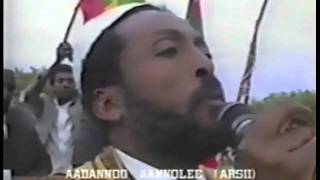
The Quest for Oromo’s Indigenous Knowledge and Institutions April 3, 2014
Posted by OromianEconomist in Aannolee and Calanqo, Abbush Zallaqaa, Afaan Publication, Africa, Ancient African Direct Democracy, Finfinnee, Free development vs authoritarian model, Gadaa System, Haile Fida, Humanity and Social Civilization, Irreecha, Kemetic Ancient African Culture, Knowledge and the Colonizing Structure., Language and Development, Oral Historian, Oromia, Oromia Satelite Radio and TV Channels, Oromian Voices, Oromiyaa, Oromo, Oromo Artists, Oromo Culture, Oromo First, Oromo Identity, Oromo Media Network, Oromo Nation, Oromo Social System, Oromo Sport, Oromummaa, Self determination, State of Oromia, The Colonizing Structure & The Development Problems of Oromia, The Oldest Living Person Known to Mankind, The Oromo Democratic system, The Oromo Governance System, The Oromo Library, The Tyranny of Ethiopia, Theory of Development, Toltu Tufa, Uncategorized, Wisdom.Tags: Africa, African culture, African Studies, Development and Change, Economic and Social Freedom, Gadaa, Gadaa System, Genocide against the Oromo, Human Rights and Liberties, National Self Determination, Oromia, Oromiyaa, Oromo, Oromo culture, Oromo people, Oromummaa, State and Development, United Nations, Universal Declaration of Human Rights, World Bank
add a comment
By Iddoosaa Ejjetaa, Ph.D.*
The classical definition of knowledge was given by Plato as “justified true belief.” There are many philosophical theories to explain knowledge. The online Oxford dictionaries define knowledge as a theoretical or practical understanding of a subject [online]. The same source explain knowledge that can be implicit (as with practical skill or expertise) or explicit (as with the theoretical understanding of a subject); it can be more or less formal or systematic. According to Stanley Cavell, “Knowing and Acknowledging” the “knowledge acquisition involves complex cognitive processes: perception, communication, association and reasoning; while knowledge is also said to be related to the capacity of acknowledgment in human beings.” I am not here to write the theory of knowledge, but trying to bring the human society acknowledgement and recognition for the Oromoo nation’s indigenous knowledge.
The Oromoo Gadaa System (OGS) is an indigenous knowledge reserve institution of the Oromoo nation. It is an organic system, which is self-refining every eight years (in two four-year terms) to meet the needs of the society. The OGS is a well-structured and organized indigenous knowledge reserve that encompasses social, political, economic and military institutions that operate mainly based on self-reliance principles while Oromummaa is an act of embracing these institutions and applying the indigenous knowledge to manifest an authentic Oromoo’s cultural and national identity.
The essence of scientific education is to understand Mother Nature, daachee haadha marggoo, and human experience in relation to Mother Nature. Through scientific education we can ask questions and try to investigate or do research to find out the facts and report the new knowledge about the subject. For example, who is responsible for the creation of human being, other living and non-living things as a part of the whole nature? What if I told you that the answer to the question is Mother Nature? I guess, you would not be satisfied with the answer because it leads to another subsequent philosophical questions such as who is responsible for the creation of the Mother Nature. Again, what if I told you the answer is a God? This time, probably you would be settled and agree with me. But how do you know for sure that it is a God who is responsible for the creation of nature?
I have thought deeply about these questions and tried to find the best possible answers. I would like to share the final answer with you later on if you continue the journey with me through reading and thinking about the perplexities of human life experience.
The purpose of this paper is to share my points of view with you and highlight that the Oromoo Gadaa System is the prima source of Oromo indigenous knowledge reserve that every Oromoo person should safeguard it and reclaim it as a shared-value that can be manifested through applied Oromoo knowledge and life experience, which is often called Oromummaa. Hence, the Oromoo Qubee generation are highly encouraged to embark their scientific studies and discoveries on our forefathers’ indigenous knowledge and bring it to light to show the world that our forefathers had made significant contribution to human society and civilization by creating and developing a comprehensive and complex democratic system: the Oromoo Gadaa System and its Institutions. For the qubee Oromoo generation, I would say they have a gold mining opportunity on their own backyards and they have to go for it.
Oromoo’s Indigenous Knowledge
Indigenous knowledge is local by nature. It is primarily based on social skills and production techniques. Both social skills and production techniques employ indigenous knowledge that in turn involves the process of life-long learning and teaching. The Oromoo Gadaa System provides such indigenous knowledge reserve so as to enable the new generation to learn from and teach the generations to come. For example, Oromummaa is a social skill. The Oromoo children learn social skills: respect, love, sympathy, empathy, ethics (Safuu), sharing, helping others, communications, etc from their parents and through well-organized Gadaa institutions such as the Age group (Hiriyyaa) and Qalluu.
Like every society, the Oromoo Gadaa Society had engaged in production of goods and services for long time or millenniums. They have millennium years of farming and animal husbandry experience and knowledge. The Oromoo farmers were the first people who domesticated barley as cereal crop in the region and a coffee plant and used the coffee beans in the world. This means the Oromoo farmers had possessed a primary indigenous knowledge about these crops. This indigenous knowledge reserve, however, needs a substantial effort in the field of scientific research and documentation for learning and teaching purposes by present and future Oromoo generations.
The lack of self-ruling political right in Ethiopian Empire and the decline of the Oromoo Gadaa System of Self-governance lead to the deterioration of the Indigenous knowledge and Institutions. In addition, the absence of curiosities from the Oromoo educated class for long time and self-inflicted prejudices against Oromoo indigenous knowledge had played a significant role on its underdevelopment. The educated class is the first social group who run away from their villages and turn their back to their culture and traditional ways of life. Consequently they find themselves in the garrison cities where almost everything is imitation of modernity that has no root in the local culture or traditions. Moreover, the educated elites had been played an agent role to introduce exogenous values including foreign religion, culture of conspicuous consumption and other copy-cut life styles from the West, and Middle-East world.
As I mentioned above, because of the lack of basic human right the Oromoo as a nation has no formal indigenous institutions yet. Instead, the institutions are maintained by the Oromoo Gadaa fathers and mothers who have been serving as Oromo indigenous knowledge reserve as institution. . This means the Qubee generation scientific research and discoveries are highly dependent on the existence of Gadaa Oromoo fathers and mothers (abbootii Gadaa Oromoo) and time because if they die the institutions and knowledge will die with them. For many of them, a biological time is about running out now. One day they will leave us for good. So it is responsibilities and sacred duties of this generation to secure and backup these precious indigenous “documents” that had been inherited form the previous generations.
As JF Kennedy said, the purpose of education is to advance human knowledge and dissemination of truth. However, contrary he said, the education system in Ethiopia has been harboring ignorance, distortion and denial of the truth that effectively disabled the process of learning, thinking and bringing positive changes to our society. So I suggest to the new generation regardless of their ethnic and cultural background to use the best three doses of pills/prescription for ignorance, distortion and denial of history. They are: genuine education, genuine education, and genuine education (3-GE). Through genuine education one can learn the true essence of love (jaalala), which is unselfishness, the creator, and creatures, uumaa fi uumammaa.
Generally, indigenous knowledge (IK) are the outcome of true and genuine collective human experience. It could be knowledge about culture, tradition, history, philosophy, belief system, art, farming, biodiversity, medicine, family, economic distribution, etc. The Oromoo Gadaa System is one of such collective human experience that need to be learned as universal value to human society and pass down to the next generations.
The Predicaments of Indigenous Knowledge in Ethiopia Politically speaking, Ethiopia as a nation had never been colonized and maintained its independence while all African countries had been colonized by European states. To some extent, this is true. Practically, however, the Ethiopian Empire State had been constructed and maintained by European states and continued to operate under indirect-colonialism of Anglo-American and European States. Like all African Republics or States, the Ethiopia’s government structure, military structure, religious institutions, political and social, educational, and legal systems are highly influenced mainly by Anglo-American and European institutions including British, France, Italian, Germany, American, Japan, China, etc. Consequently, indigenous knowledge had been systematically marginalized and ignored, unfairly criticized as primitive, static and simple idea by semi-literate domestic elites or agents of exogenous institutions.
These exogenous institutions such as the Orthodox Coptic Church officials (clergy/priests) and collusion of feudal neftenyaa and self-serving local balabats in Ethiopia, for instance, had played a key role in dismantling indigenous institutions, discrediting and condemning indigenous knowledge and even blessing Menelik’s genocidal and unjust war against our people and indigenous people of the south. Here one must note that the local Oromoo balabats had played a primary role in sponsoring, defending and assigning a commanding site Oromoland to the Orthodox Churches in Oromiyaa today. In addition to the neftenyaa system, these social class is accountable historically for the decline of the Oromoo Gadaa System and underdevelopment of its Institutions. Beside this, at present the decedent of these social class still maintained their loyalty to the Orthodox Church and Ethiopia’s empire state. Some individuals even have been involving in the Oromoo liberation struggle by dressing a sheep skin to saboteur the genuine aspiration of Oromians for freedom and independence. This author suspect that this very social class had contributed to the weakness of Oromia liberation camp.
The Impacts of Church Education on Indigenous knowledge
The Orthodox Coptic church jealously dominated the education system in Ethiopia. The Orthodox Coptic Church in Ethiopia had provided training in reading and writing in Ge’ez and Amarigna (Amharic) at primary school level to limited areas and people of the country. To summarize the church education in Ethiopia: elementary pupils had to learn to read, write, and recite the Dawit Medgem (Psalms of David). There are 15 sections, called negus (kings), which normally took two years to master. Next they learned to sing kum zema (church hymns), which took four years, and msaewait zema (advanced singing), which took an additional year to learn. Liturgical dancing and systrum holding required three years. Qine (poetry) and law required five years to learn. The interpretation of the Old and New Testaments, as well as the Apostles’ Creed, took four years on average, while the interpretation of the works of learned monks and priests took three years. When a student knew the psalms by heart, he had mastered the “house of reading” and was now considered an elementary school graduate. As one can see there is no a single grain of indigenous knowledge or belief system had been taught by the Orthodox Church.
The Orthodox Coptic Tewahido Church is considered by government as indigenous institution, when it is imported and imposed on native culture. Both religions Christian and Islam were imported and imposed on native population, such as the early Christianized ethnic Tigray and Amhara and then ethnic Oromoo, Sidama, and other people of the south, by few clergies and foreign religious crusaders. These institutions had replaced the indigenous belief system, institutions and knowledge over time. As a result, the majority, if not the entire population, ethnic Tigray and Amhara believe that Bible is the source of their history and culture. As one can easily understand, the people of Tigray and Amhara have lived far more years than the bible does, which is two thousand years. As people who residing in East Africa, the Tigray and Amhara people must have had indigenous culture and knowledge. What are they?
Despite the claim of three thousand years history of civilization, Ethiopians exposed to non-church education or modern education in 1920s. The ministry of education established in 1930s. Secondary schools established in 1940s, and higher education, Addis Ababa University, established in 1960s. In similar way, the modern education system had also failed in teaching and conducting research on indigenous knowledge so as to integrate it into the modern education. As a result, creativity, inventions and innovations have seen as odd culture to our society. On the contrary, receiving aid, economic migration, conspicuous consumption of imported goods including education and dependency on Western advanced societies or institutions have become a culture.
Therefore, it is up to the Habesha (Tigre and Amhara), the Oromoo and other ethnic groups of the new generation to dig deep down to find out their respective indigenous knowledge that deep rooted in their culture and traditions and pass down from one generation to other generations by their native ancestors if any and re-evaluate the existing very controversial written history, which is biased and by large based on fiction history. The cycle of self-discrimination must end by the new generation. By doing this they can find shared human values that would allow them to live in peace without disrespecting one another as good neighbors and citizens of their respective nation. So one must understand that no one would agree on imported history that was written by the followers and supporters of Christianity crusaders, war lords, kings, dictators and agents of the Western discriminatory and racist institutions of the time as shared human value and history of our respective people in our time. The time and world have changed forever.
The present suspicion, political conflicts and all forms of problems in our region will not be solved without recognizing and applying indigenous knowledge. The lasting resolutions for the problems can be achieved if every member of our society or nation adults learn and teach their younger generation good social skills, which are critical to successfully functioning society. Basic social skills enable adults and children to know what to say, how to make good choices, and how to behave in adverse situations. The extent to which young people possess good social skills can influence their adult behavior in decision making, conflict management and problem solving. Social skills are also linked to the quality of the school environment. The Church and modern education in Ethiopia, unfortunately, had been denying members of our society these good basic skills such as respect, appreciation, empathy, apology, truthfulness, positive attitude about others, etc. Instead, the system allowed social ignorance such disrespect, occupational despise, ethnic chauvinism, fear, the divine right of the kings and honor for ruling class. As a result, the Ethiopian empire has produced highly educated class like Dr. Getachew Haile without basic and good social skills; it seems that he passed through poor socialization as one can understand the meaning of his name, ‘lord of …power’, which is false-self has given to him by his parents
and trying his best to make them proud by being discourteous and rude to the Oromoo people. Dr. Getachew Haile, be nice!
The black people or African descents are subject to institutional discrimination and racism more than any other races in the world including the holy land- Israel and Saud Arabia. Do you know why? The reasons can be many, but one of the reasons is imitation of ideas. The black people are the most imitating of other societies’ idea. They did not protect and develop their own indigenous institutions (political, religious, cultural and socio-economic institutions) to shape their lifestyle and influence others. No other nations are imitating Africans’ culture, religion, lifestyles but the Africans tend to imitate others about everything that life needs. Some African or extremists trying to be more imitator and more knowledgeable about the culture, religion and ideology than the original inventor or creator of the idea. It is understandable that human being has ability to imitate and all cultures imitate ideas from original culture. The question I would like ask the readers is why the changes are in one direction only. Why African descents imitate ideas of the other culture when the other culture do not imitate the African idea or world view?
For example, black Africans including Ethiopians has been pretending as if they have better known about the Jesus of Nazareth more than the Israelis and Prophet Muhammad more than the Arabs; Marxism and Leninism or communism more than Russians; democracy more than Americans and Western societies. These blind optimists about other’s idea are cynical at the same time about their own indigenous knowledge; they are willing to abuse, jail, torture and murder their own innocent people for the authenticity of imported ideas, religious and political ideology. In the case of Ethiopia, the king Menelik II and Yohanness II – holy war and wildish conquests were a case in point. They had imitated from the history of European middle-age idea of religious crusaders and empire builders. The Abyssinian kings had been acted as proxy war lords of European colonial powers and committed incalculable atrocity against the Oromo people and other black people in East Africa. In addition, these Abyssinian kingdom were one of the worst Africa’s kingdoms who sold Africans, their own race, to British, Arabs and other European white race for the exchange of European firearms to conquer the land of other nations and subjugate the people and build the empirical institutions based on European ideas and political model. What most disgracing is when people like Dr. Getachew Haile and his like trying to keep the truth elusive and misrepresent the history of the black people and glorifying the history of the White colonial proxy war lords like Menelik II as great black king, who was cowardly cut women’s breast, mutilate men’s hand and embarrassingly sold his own black race to the European white race.
In conclusion, the quest for truth shall continue by present and future Oromo generations. The root cause for conflicts in Africa is an imported knowledge and imitation of ideas. In many cases, imitation represent a false-self or an act to hiding a true-self. Discriminatory and racist attitude against black people had been partly brought up by European’s colonial power proxy war lords in Africa such as Menelik II of Abyssinia/Ethiopia kingdom. Although most black people tend to cherish and assimilate their cultural identity into the Middle-Eastern and Western cultural identity and ways of life, the very culture of the societies they imitating have been reciprocating or holding discrimination against them based on race, stereotypes and historical disadvantages. Institutional racism still exist and there are also significant number of individuals who think that Africans have not yet acquired culture and civilization. The imitation of others’ ideas, belief system and political institutions by Africans including my fellow Oromoo has kept the racist believes alive. It is suffice to mention the 2013 incidents against African immigrants in Saud Arabia and recently in Israel. The majority of Africans believed that embracing Christianity and Islam would lead to heaven via holy land. Unfortunately, it turned out differently; they end up in hell in the holy land. So, the lasting solution would be revitalizing indigenous knowledge and institutions that demands for real efforts, courage and sacrifices. As to the Oromo’s quest for indigenous knowledge and institutions, revitalization of the Gadaa Republic of Oromia and its institutions would be the lasting solution for century old colonial extraction, subjugation and embarrassment.
___________________
* About the author: Iddoosaa Ejjetaa, Ph.D., native to Oromiyaa, Ethiopia. Independent and Naturalist Thinker; An activist and advocator for the revitalization of Authentic Oromummaa, Oromoo Indigenous knowledge and institutions, and for the formation of Biyyaa Abbaa Gadaa,Oromiyaa-The Gadaa Republic of Oromia.
Read more @
http://ayyaantuu.com/horn-of-africa-news/oromia/the-quest-for-oromos-indigenous-knowledge-and-institutions/
Urban centers in Oromia:The integration of indigenous Oromo towns into the Ethiopian colonial structure and the formation of garrison and non-garrison cities and towns April 3, 2014
Posted by OromianEconomist in Aannolee and Calanqo, Africa, Colonizing Structure, Finfinnee, Free development vs authoritarian model, Janjaweed Style Liyu Police of Ethiopia, Land and Water Grabs in Oromia, Nubia, Ogaden, OMN, Omo Valley, Oromia Support Group Australia, Oromian Voices, Oromiyaa, Oromo, Oromo Culture, Oromummaa, Self determination, Sidama, State of Oromia, The Colonizing Structure & The Development Problems of Oromia, The Tyranny of Ethiopia, Youth Unemployment.Tags: African Studies, Development and Change, Governance issues, Horn of Africa, Human Rights and Liberties, Human rights violations, Land grabbing, National Self Determination, Oromia, Oromiyaa, Oromo people, Oromummaa, State and Development, Sub-Saharan Africa, Universal Declaration of Human Rights, World Bank
1 comment so far
Since urban areas and cities are primarily populated by Ethiopian colonial settlers and their collaborators, they are the ones who have access to the limited public facilities such as schools and hospitals. Oromo urbanites like the rural counter parts have been exposed to massive and absolute poverty and have been denied fundamental human rights and needs that Ron Shiffman (1995, 6-8) calls subsistence, protection, affection, and understanding. Most Oromos in urban and rural areas have low levels of subsistence because they lack adequate income, enough food, and livable homes. they do not have protection from disease because they are denied adequate access to health and
medical services.They do not have protection from political violence because the Ethiopian state engages in massive human rights violations and state terrorism ( Jalata 2000). Oromos have been ruled by successive authoritarian-terrorist regimes which have exploited and impoverished them by expropriating their resources. ….The Oromos have been prevented from developing autonomous institutions, organizations, culture, and language, and have been subordinated to the
institutions and organizations of the Habasha colonial settlers in their own cities, towns, and homeland.
Read more @http://works.bepress.com/cgi/viewcontent.cgi?article=1052&context=asafa_jalata
Oromia Media Network Launch — Live! March 27, 2014
Posted by OromianEconomist in Africa, Africa Rising, African Beat, African Music, Ancient African Direct Democracy, Dictatorship, Ethnic Cleansing, Finfinnee, Gadaa System, Hadiya and the Omo Valley, Human Rights, Human Traffickings, Humanity and Social Civilization, Ideas, Kemetic Ancient African Culture, Knowledge and the Colonizing Structure., Language and Development, Nubia, Ogaden, OMN, Omo, Omo Valley, Oromia, Oromiyaa, Oromo, Oromo Artists, Oromo Culture, Oromo First, Oromo Identity, Oromo Media Network, Oromo Music, Oromo Nation, Oromo Social System, Oromo Sport, Oromo the Largest Nation of Africa. Human Rights violations and Genocide against the Oromo people in Ethiopia, Oromummaa, Poverty, Qubee Afaan Oromo, Self determination, Sidama, Sirna Gadaa, Slavery, State of Oromia, The Colonizing Structure & The Development Problems of Oromia, The Oromo Democratic system, The Oromo Governance System, The Oromo Library, The Tyranny of Ethiopia, Theory of Development, Uncategorized, Wisdom, Youth Unemployment.Tags: Africa, Development and Change, Economic and Social Freedom, Governance issues, Horn of Africa, Human Rights and Liberties, Human rights violations, Oromia, Oromia Region, Oromiyaa, Oromo, Oromo culture, Oromo people, State and Development, Sub-Saharan Africa, Universal Declaration of Human Rights
add a comment


Oromia Media Network Launch — Live! 1st March 2014
Millions of Oromos now have the chance to enjoy quality media focusing on the needs and aspirations of the Oromo people.


https://www.oromiamedia.org/donorship/
“The Oromia Media Network (OMN) is an independent, nonpartisan and nonprofit news enterprise whose mission is to produce original and citizen-driven reporting on Oromia, the largest and most populous state in Ethiopia. OMN seeks to offer thought-provoking, contextual, and nuanced coverage of critical public interest issues thereby bringing much needed attention to under-reported stories in the region. Our goal is to create a strong and sustainable multilingual newsroom that will serve as a reliable source of information about the Oromo people, the Ethiopian state, and the greater Horn of Africa region. ” – http://www.oromiamedia.org/
Copyright © OromianEconomist 2014 and Oromia Quarterly 1997-2014. All rights reserved. Disclaimer.
Tribute to the Legendary Oromo artist Almaz Tafarraa (1957- 2014) March 24, 2014
Posted by OromianEconomist in African Beat, African Music, Artist Almaz Tafarraa, Oromia, Oromiyaa, Oromo, Oromo Artists, Oromo Culture, Oromo First, Oromo Identity, Oromo Media Network, Oromo Music, Oromo Nation, Oromo Social System, Oromummaa, State of Oromia, The Oromo Library, Uncategorized.Tags: Afaan Oromo, African culture, African Studies, Almaz Tafarraa, Economic and Social Freedom, Music of Oromia, Oromia, Oromiyaa, Oromo, Oromo Artists, Oromo culture, Oromo people, Oromummaa
add a comment


Artist Almaz Tafarra: the founding member of Afran Qalloo Band: Miseensa Baandi Afran Qalloo jalqabaa
Arstist Almaz Tafarra, the founding member of the Afran Qalloo died on 22nd March 2014 at Police Referral Hospital in Finfinnee. Tafara began singing in Afaan Oromo in early 1970s. Artist Almaz Tafarra was born in 1957 in Oromia,Western Hararghe, Doba district.
In outstanding and successful career that extended across nearly four decades, artist Almaz Tafara recorded and released a total of ten albums. Her lyrical message usually concentrates on her own and collective socio-political issues in Oromia. Tafara released her first solo album in 1983. During her career, Tafara has collaborated and worked with pioneering Oromo artists including Ali Shabo, Kadir Said, Adam Harun, Musa Turki, Worku Bikila and the late poet and singer Abdi Mohamed Qophe. Tafara deeply loved her culture and sang in Afaan Oromo. She released her tenth and final album in 2005.
(Oromedia, 23 Bitootessa 2014) Dhukkuba kaansarii dhiigaan dhukkubsattee yaalamaa kan turte, Artisti Almaaz Tafarraa Bitootess 22, 2014 addunyaa kana irraa du’aan boqochuun ishee beekame.
Bara jireenya ishii aartii fi Afaan Oromoo guddisuu irratti gahee guddaa kan gumaachaa turte artisti Alamaaz Tafarraa, addunyaa kana irraa kan dabarte hospitaala Poolisii Finfinnee keessatti otuu wal’aanamaa jirtu ta’uu oduun nu gahe addeesse jira.
Akka odeeffannoo argannetti, sirni awwaalchi ishe Duilbata- Bitootessa 23, 2014 waaree booda saatii 4:00 irrati magaalaa Harar keessatti akka ta’u beekameera.
Bara 1957 Oromiyaa Bahaa, Harargee Lixaa, Aanaa Doobbaatti kan dhalatte Artisti Almaaz Tafarraa, sirba ishii duraa bara 1983 kaasettaan baafte. Yeroo sanaa eegalees haga dhukkubsattee waltajjii irraa haftetti kaassettoota sirbaa sagal baaftee ummataaf gumaachitee jirti.
Akka seenaa artistoota Oromoo keessaa hubatamutti, artisti Almaaz Tafarraa miseensa baandii Afran Qalloo turte. Sirboota sirbaa turteenis ummta Oromoo biraa jaalalaa fi kabajaa guddaa yeroo argattu, humnoota guddinaa fi dagaagina aadaa fi eenyummaa Oromoo jibbaniin immoo hedduu dararamaa fi miidhamaa akka turte seenaan ishii kan ragaa bahuudha.
Bara 2014 keessa hedduu waan dhukkubsatteef mana yaalaatti deddeebi’aa kan turte, Artisti Alamaaz, deeggarsa ummataan wal’aansa adda addaa Harar irraa gara Finfinneetti deddeebitee fudhachaa akka turte beekameera.
Sirbooti Artisti Almaaz Tafarraa kan yeroo fi barri ittii hin darbinee fi kan dhalootaa dhalootatti barayyuu yaadatamuu dha.
Akka qormaata Oromediaatti, Artisti Almaaz Tafarraa hojii boonsaa aartii Oromoo keessatti gara waggoota 40f dalagneen dhaloota dhalootatti kan yaadatamuudha.
Kan malees, hojii boonsaa yeroo hamtuu fi sodaachisaa keessa ifatti baatee dalagdeen galmee sabboontotaa fi gootota Oromoo Oromummaa jiraachisan keessatti kan ramadamtuudha.
Kanaan dura oduu karaa Oromedia darbee tureen, sabboontoti Oromoo biyya Jarmanii, biyya Ameerikaa fi Sa’udi Arabiyaa qunnamtii karaa Oromedia argataniin gargaarsa maallaqaatiin birmatanii akka wal’aansa gahaa argattu godhan iyyuu, Artisti Almaaz Tafarraa dhukkubicha irra hafuu hin dandenye.
Akka Artisti Alamaaz Tafarraa akka fayyituu fi dhintu kanneen dhuunfaanis ta’ee gamtaan gumaachitan maraaf seenaan isin yaadata jechaa, Rabbi Isin haa jajjabeeysu jenna.
Gareen Oromedia du’aan adunyaa kana irraa boqochuu artistii fi qabsooftu Almaaz Tafarraatin gadda nuuti dhagahamee ibsaa, lubbuun isaanii Waaqin akka qananiisuuf yeroo kadhannu, firootaa fi hiriyyoota ishii akkasums mararfatootta ishiif jajjabin isinif haa kennu jenna.
Seenaa Artist Almaaz Tafarraa
Bara 1957 Aanaa Doobbaatti keessatti dhalatte.
Bara 1973 Hawwisoo poolisii Harar seente.
Bra 1983 kaassetta duraa baafte.
Bitootessa 22, 2014 addunyaa kana irraa boqotte.
http://oromedia.net/…/artisti-almaaz-tafarraa-boqotte…/ http://oromedia.net/…/artisti-almaaz-tafarraa-boqotte…/
http://www.oromiamedia.org/2014/03/breaking-news-artist-almaz-tefera-passed-away/
http://www.opride.com/oromsis/news/horn-of-africa/3738-beloved-oromo-singer-almaza-tafara-dies
Tribute to the Late Dr. Paul Baxter (1925-2014) March 20, 2014
Posted by OromianEconomist in Aannolee and Calanqo, Afaan Publication, African Beat, Ancient African Direct Democracy, Colonizing Structure, Oromia, Oromo, Oromo Culture, Oromo First, Oromo Identity, Oromo Nation, Oromo Social System, Oromo the Largest Nation of Africa. Human Rights violations and Genocide against the Oromo people in Ethiopia, Oromummaa, Sidama, State of Oromia, The Colonizing Structure & The Development Problems of Oromia, Uncategorized.1 comment so far


The Oromo Studies Association’s Tribute to the Late Dr. Paul Baxter (1925-2014)
It is with great sadness that the Oromo Studies Association (OSA) informs the Oromo and friends of Oromo about the passing away of Dr. Paul Baxter on March 2, 2014. He was 89. Dr. Paul Baxter was a distinguished British anthropologist who devoted his life to Oromo studies. He is one of the finest human being, who contributed immensely to the development of Oromo studies at the time when the scholarship on the Oromo people was extremely discouraged in Ethiopia. His death is a significant loss for his family, all those who knew and were touched by his humanity and kindness, and for the students of Oromo studies. Dr. Paul Baxter is survived by his wife, Pat Baxter, his son, Adam Baxter, and his three grandsons and their children.
Born on January 30, 1925 in England, Paul Trevor William Baxter, popularly known as Paul Baxter or P.T.W. Baxter, earned his BA degree from Cambridge University. Influenced by famous scholars such as Bronisław Kasper Malinowski, Charles Gabriel Seligman, and Evans Pritchard, Paul Baxter had a solid affection for social anthropology. He went to the famous Oxford University to study social anthropology.
It was at the zenith of the Amharization project of Emperor Haile Selassie that he developed a strong interest to study the social organization of the Oromo people. In fact, in 1952, he wanted to go to Ethiopia to study the Oromo Gada system. Let alone tolerating this type of research, Ethiopia was in the middle of the massive project to eradicate the memory of the Oromo from their historic and indigenous territories. The Assimilation policy was in the full swing. Little spared from an attempt was made to change everything Oromo into Amharic. Even the Oromo names of urban centers were rechristened into Amharic names. It is no wonder that Ethiopia was reluctant to welcome a researcher like Baxter who was looking for the soul of the Oromo culture in the homogenizing Ethiopian Empire. Nonetheless, the challenge did not bother the young and exuberant Baxter to pursue his studies. He was determined more than ever to study the social fabric of the Oromo nation. Failed to get permission to do research among the Oromo in Ethiopia, he went to the British Colony Kenya to study the Borana Oromo social organization in northern Kenya. He spent two years (1952 and 1953) among them, which resulted in his PhD dissertation: ‘The Social Organization of the Oromo of Northern Kenya’, in 1954. This research became a foundation for more of his researches to come and a reference for the students of Oromo studies. Besides, the research disqualified many of the myths and pseudo facts that assume the Oromos were a people without civilization, culture, and history. Dr. Paul Baxter did not stop here. He continued with his studies and spent several decades studying different aspects of the Oromo society. It was through his extended research among the Oromos that he deconstructed some of the myths that portrayed the Oromo people as a “warlike” or “barbarian” nation. The title of essays in his honor, in 1994, “A River of Blessings” speaks to his perception and reality of the Oromo as a peace-loving nation. In his article, “Ethiopia’s Unacknowledged Problem: The Oromo,” he highlighted some of the Oromophobic and barbaric manners of the Ethiopian Empire, and he suggested that peace with the Oromo nation was the only lasting panacea to the Ethiopian political sickening.
In his long academic and research career, he studied the Oromo from northern Kenya to Wallo and Arsi to Guji and so on. He edited a number of books on Oromo studies and published many other articles and book chapters in the field of social anthropology. He participated several times on OSA annual conferences. During the 1960s and 1970s, Dr. Paul Baxter was known as the finest living social anthropologist in the United Kingdom. Besides his impressive scholarship on the Oromo society, Dr. Paul Baxter’s lasting legacy is that he educated so many scholars who have studied Oromo culture both in Kenya and Ethiopia. Dr. Paul Baxter’s passion and determination will inspire the generation of students of the Oromo studies. Our prayers and thoughts are with his family, friends, and Oromos and friends of Oromo studies during this difficult time.
Ibrahim Elemo, M.D., M.P.H
President, the Oromo Studies Association
Mohammed Hassen, Ph.D.
Board Chairman, the Oromo Studies Association
———————-
A partial list of his scholarly works on the Oromo includes the followings:
1. “The Social Organization of the [Oromo] of Northern Kenya,” Ph.D. Dissertation, Oxford University, 1954.
2. “Repetition in Certain Boran Ceremonies” In African Systems of Thought, ed. M. Fortes and G. Dieterlin, (London: Oxford University Press for International African Institute, 1960), 64-78.
3. “Acceptance and Rejection of Islam among the Boran of the Northern Frontier District of Kenya” In Islam in Tropical Africa, edited by I.O. Lewis (London: Oxford University Press, 1966), 233-250.
4. “Stock Management and the Diffusion of Property Rights among the Boran” In Proceedings of the Third International Conference of Ethiopian Studies, (Addis Ababa: Institute of Ethiopian Studies, Haile Selassie I University, 1966), 116-127.
5. “Some Preliminary Observations on a type of Arssi Song” In Proceedings of the Third International Congress of Ethiopian Studies, ed. E. Cerulli (Rome: 1972).
6. “Boran Age-Sets and Generation-set: Gada, a Puzzle or a maze?” In Age Generation and time: Some Features of East African Age Oroganisations, ed. P.T.W. Baxter and U. Almagor, ( London: C. Hurst, 1978), 151-182.
7. “Ethiopia’s Unacknowledged Problem: The Oromo”, African Affairs, Volume 77, Number 208 (1978): 283-296.
8. “Atete: A Congregation of Arssi Women” North East African Studies, Volume I (1979), 1-22.
9. Boran Age-Sets and Warfare”, in Warfare among East African Herders, ed. D. Turton and K. Fukui, Senri Ethnological Studies, Number 3, Osaka: National Museum of Ethnology( 1979), 69-95.
10. “Always on the outside looking in: A view of the 1969 Ethiopian elections from a rural constituency” Ethnos, Number 45(1980): 39-59.
11. “The Problem of the Oromo or the Problem for the Oromo” in Nationalism and Self-Determination in the Horn of Africa, ed. I.M. Lewis, (London: Ithaca Press, 1983), 129-150.
12. “Butter for Barley and Barley for Cash: Petty Transactions and small Transformations in an Arssi Market” In Proceedings of Seventh Congress of Ethiopian Studies (Lund: 1984), 459-472.
13. “The Present State of Oromo Studies: a Resume,” Bulletin des Etudes africaine de l’ Inalco, Vol. VI, Number 11(1986): 53-82.
14. “Giraffes and Poetry: Some Observations on Giraffe Hunting among the Boran” Paiduma: Mitteilungen fur Kulturkunde Volume 32 (1986), 103-115.
15. “Some Observations on the short Hymns sung in Praise of Shaikh Nur Hussein of Bale” In The Diversity of the Muslim Community, ed. Ahmed el –Shahi, (London: Ithaca Press, 1987), 139-152.
16. “L’impact de la revolution chez les Oromo: Commentl’ont-ils percu, comment ont-ils reagi?” In La Revolution ethiopienne comme phenomene de societe, edited by Joseph Tubiana, (Paris: l’Harmattan, Bibliotheque Peiresc, 1990), 75-92.
17. “Big men and cattle licks in Oromoland” Social change and Applied Anthropology; Essays in Honor of David David W. Brokensha, edited by Miriam Chaiken & Anne K. Fleuret,( Boulder: Westview Press, 1990), 246-261.
18. “Oromo Blessings and Greetings” In The Creative Communion, edited by Anita Jacoson-Widding & W. Van Beek (Uppsala, Uppsala Studies in Cultural Anthropology , 1990), 235-250.
19. “Introduction “In Guji Oromo Culture in Southern Ethiopia by J. Van de Loo, ( Berli: ReinMer, 1991).
20. “Ethnic Boundaries and Development: Speculations on the Oromo Case” In Inventions and Boundaries: Historical and Anthropological Approaches to the Study of Ethnicity & Nationalism, edited by Kaarsholm Preben & Jan Hultin, (Denmark: Roskilde University, 1994): 247-260.
21. “The Creation & Constitution of Oromo Nationality” In Ethnicity & Conflict in the Horn of Africa, edited by Fukui Katsuyoshi & John Markarkis, (London: James Currey, 1994): 166-86.
22. “Towards a Comparative Ethnography of the Oromo” In Being and Becoming Oromo: Historical & Anthropological Enquiries, edited by Paul Baxter et al, (Uppsala: Nordiska Afikanistitutet, 1996): 178-189.
23. “Components of moral Ethnicity: The case of the Oromo.” In Ethnicity and the state in Eastern Africa, edited by Mohammed Salih & John Markarkis, (Uppsala: OSSREA & SIAS, 1998).
http://gadaa.com/oduu/24792/2014/03/03/the-oromo-studies-associations-tribute-to-the-late-dr-paul-baxter-1925-2014/
“…The efflorescence of feelings of common nationhood and of aspirations of self-determination among the the cluster of peoples who speak Oromo has not been much commented upon. Yet the problem of the Oromo people has been a major and central one in the Ethiopian Empire ever since it was created by Menelik in the last two decades of the nineteenth century. If the Oromo people only obtain a portion of the freedoms which they seek the balance of political power will be completely altered. If the Oromo act with unity they must necessarily constitute a powerful force. … If the Ogaden and Eritrea were detached Ethiopia would merely be diminished, but if the Oromo were to detach themselves, then it is not just that the centre could not hold, the centre would be part of the detached Oromo land. The Empire, which Menelik stuck together and Haile Selassie held together, would just fall apart. The Amhara would then forced back to their barren and remote hills. … The slogan of the Oromo Liberation Front is ‘Let Oromo freedom flower today! (addi bilisumma Oromo Ha’dararuu!).This may be a very over-optimistic hope but, if not today, the time of flowering and fruiting cannot be delayed forever.”
Professor Paul Baxter, Manchester University, in his article
Ethiopia’s Unacknowledged Problem: The Oromo
African Affairs 1978 Volume LXXVII (pp. 283-296) Published for Royal African Society by Oxford University Press.
Baxter daadhiin jala haa yaatu
http://www.opride.com/oromsis/news/horn-of-africa/3737-baxter-daadhiin-jala-haa-yaatu
My friend, the social anthropologist PTW (Paul) Baxter, who has died aged 89, made a significant contribution to western understanding of the Oromo peoples of northern Kenya and Ethiopia and championed their culture, which was frequently denigrated by colonial and local elites.
His work on the plight of the Ethiopian Oromo became a standard text in Oromo studies and a rallying point for the Oromo cause. Paul was not always comfortable with the praise he received as a result, and was often self-deprecating, describing himself as the world’s most unpublished anthropologist. That was a harsh judgment, since a complete list of his output is respectably long. He also made a wider contribution by editing the journal Africa and sitting on the Royal African Society board.
Born in Leamington Spa – his father was a primary school headteacher in the town – Paul attended Warwick school. Academic ambitions were put aside when he joined the commandos in 1943, serving in the Netherlands and occupied Germany. He married Pat, whom he had met at school, in 1944, and after the war went to Downing College, Cambridge, studying English under FR Leavis before switching to anthropology.
On graduation he moved to Oxford, where anthropology under EE Evans-Pritchard was flourishing. Field research on the pastoral Borana people in northern Kenya followed for two years, accompanied by Pat and their son, Timothy. He gained his DPhil in 1954 and more fieldwork followed among the Kiga of Uganda.
With UK jobs scarce, he took a position at the University College of Ghana. This was a happy time for the family, who found Ghana delightful. Returning to the UK in 1960, he was offered a one-year lectureship at the University of Manchester by the sociology and social anthropology head, Max Gluckman, after a recommendation by Evans-Pritchard. He then spent two years at the University College of Swansea (now Swansea University) before returning permanently to the University of Manchester. Over the next 26 years Paul contributed significantly to anthropological studies and to Oromo research, spending 12 months among the Arssi Oromo of Ethiopia before retiring in 1989.
Paul was never interested in winning academic prizes; instead his focus was on helping people. Generations of students, both at home and overseas, benefited from friendship and, often, a warm welcome in his home.
Paul’s life was touched by sadness, particularly Timothy’s death from multiple sclerosis in 2005, but he took great pleasure in his family. He is survived by Pat, their son Adam, four grandchildren and three great-grandchildren.
http://www.theguardian.com/science/2014/mar/18/ptw-baxter-obituary#
Africa’s youth and the self-seeking repressive elites March 15, 2014
Posted by OromianEconomist in Africa, Africa Rising, African Beat, African Poor, Agriculture, Aid to Africa, Ancient African Direct Democracy, Colonizing Structure, Comparative Advantage, Corruption, Development, Dictatorship, Economics: Development Theory and Policy applications, Environment, Ethnic Cleansing, Facebook and Africa, Finfinnee, Food Production, Human Rights, International Economics, International Trade, Janjaweed Style Liyu Police of Ethiopia, Land and Water Grabs in Oromia, Nubia, Ogaden, OMN, Omo, Omo Valley, Opportunity Cost, Oromia, Oromia Support Group, Oromiyaa, Oromo, Oromo Culture, Oromo Identity, Oromo Media Network, Oromo Nation, Oromo Social System, Oromummaa, Poverty, Saudi Arabia, Self determination, Slavery, South Sudan, Specialization, State of Oromia, The Tyranny of Ethiopia, Tweets and Africa, Tyranny, Uncategorized, Youth Unemployment.Tags: Africa, Africa's repressive elites, African culture, African Studies, Developing country, Development and Change, Economic, Economic and Social Freedom, Economic development, Economic growth, Genocide, Genocide against the Oromo, Governance issues, Horn of Africa, Human rights, Human Rights and Liberties, Human rights violations, Land grabbing, Land grabs in Africa, National Self Determination, Oromia, State and Development, Universal Declaration of Human Rights
add a comment

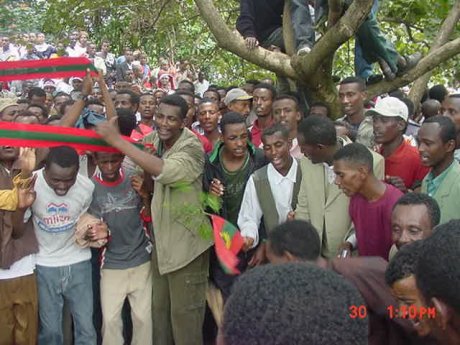
Africa’s youth will protest to remove self-seeking and repressive elites
“Some examples: authoritarian regimes, as in Ethiopia and Rwanda, are consolidating their positions. In Zambia, Angola and Mozambique, the press, civil society organisations and the opposition are under threat for demanding that the proceeds from raw material exports and billion dollar multinational corporate investments should benefit everyone. ….Short-term greed is, once again, depriving the African populations of the right to share in the continent’s immense riches. No-one can predict the future, but what can be said with certainty is that the possibility of a sustainable long-term and fair development that is currently at hand in Africa is being put at risk. The frustration that is fuelled among populations that are hungry and feel ignored by their rulers will bring about increasingly strident and potentially violent protest. In the near future, this will change the political climate, not least in urban areas. Utilising the internet and their mobile phones, Africa’s youth and forgotten people will mobilise and act together to remove self-seeking and repressive elites. But the situation is not hopeless, on the contrary. Civil society is growing stronger in many places in Africa. The internet makes it possible for people to access and disseminate information in an unprecedented way. However, I get really disappointed when I hear all the ingenuous talk about the possibilities to invest and make quick profits in the ‘New Africa’. What is in reality new in the ‘New Africa’? Today, a worker in a Chinese-owned factory in Ethiopia earns one-tenth of the wage of an employee in China. Unless African governments and investors act more responsibly and ensure long-term sustainable construction for people and the environment ‒ which is currently not the case ‒ we must all ask ourselves if we should not use the consumer power we all possess to exert pressure. There are no excuses for letting African populations and their environment once again pay for the global demand for its raw materials and cheap consumer goods.” – Marika Griehsel, journalist, film-maker and lecturer
“Thousands of people are demonstrating on the streets to protest against low salaries, the highcost of living and an insufficient state safety net. A reaction to austerity measures in Greece? Or a follow-up to the Arab Spring? No, these are protests for greater equality in Sub-Saharan Africa, most recently in Burkina Faso. The widening gap between rich and poor is as troubling in Africa as in the rest of the world. In fact, many Africans believe that inequalities are becoming more marked: A tiny minority is getting richer while the lines of poor people grow out the door. The contrast is all the more striking in Africa since the poverty level has been at a consistently high level for decades, despite the continent’s significant average GDP growth. Some take a plane to get treated for hay fever, while others are pushing up daisies because they can’t afford basic malaria treatment.”
– Global Voices: http://globalvoicesonline.org/2014/03/11/reducing-the-gap-between-africas-rich-and-poor/
It is now evident that the African ‘lion economies’ have hardly even begun the economic and democratic transformation that is absolutely necessary for the future of the continent.
The largest movement ever in Africa of people from rural to urban areas is now taking place. Lagos, Nigeria, and Nairobi, Kenya, are among the world’s fastest growing cities.
The frustration that is fuelled among populations that are hungry and feel ignored by their rulers will bring about increasingly strident and potentially violent protest.
Soon, this will change the political climate, not least in urban areas. Utilising the internet and their phones, Africa’s youth and forgotten people will mobilise to remove self-seeking and repressive elites.
This piece was written in Namibia, where I was leading a tour around one of Africa’s more stable nations. There are several signs confirming the World Bank’s reclassification of Namibia as a middle-income country, which in turn means that many aid donors, including Sweden, have ended their bilateral cooperation.
I see newly constructed, subsidised single-family homes accessible for low-income families. I drive on good roads and meet many tourists, although this is off-season. I hear about a growing mining sector, new discoveries of natural gas and oil deposits. I read about irregularities committed by people in power, in a reasonably free press whose editors are not thrown into jail. There is free primary level schooling and almost free health care.
Most people I talk to are optimistic. A better future for a majority of Namibians is being envisaged. This is in all probability the result of the country having a small population ‒ just above 2 million ‒ and a functioning infrastructure despite its large area.
In Namibia, economic growth can hopefully be matched by implementing policies for long-term, sustainable social and economic development that will benefit more than the élite.
But Namibia is an exception. Because it is now evident that the African ‘lion economies’ have hardly even begun the economic and democratic transformation that is absolutely necessary for the future of the continent.
Some examples: authoritarian regimes, as in Ethiopia and Rwanda, are consolidating their positions. In Zambia, Angola and Mozambique, the press, civil society organisations and the opposition are under threat for demanding that the proceeds from raw material exports and billion dollar multinational corporate investments should benefit everyone.
The International Monetary Fund, IMF, predicts continued high growth rates across Africa with an average of over 6 per cent in 2014. That is of course good news for the continent. Perhaps the best, from a macroeconomic viewpoint, since the 1960s, when many of the former colonies became independent. This growth is mainly driven by the raw material needs of China, India and Brazil.
Meanwhile, the largest movement ever in Africa of people from rural to urban areas is now taking place. Lagos, Nigeria, and Nairobi, Kenya, are among the world’s fastest growing cities. But, in contrast with China, where the migrants from the rural areas get employment in the manufacturing industry, the urban migrants in Africa end up in the growing slums of the big cities.
In a few places, notably in Ethiopia, manufacturing is beginning to take off. But the wages in the Chinese-owned factories are even lower than in China, while the corporations pay minimal taxes to the Ethiopian state.
Short-term greed is, once again, depriving the African populations of the right to share in the continent’s immense riches. No-one can predict the future, but what can be said with certainty is that the possibility of a sustainable long-term and fair development that is currently at hand in Africa is being put at risk.
The frustration that is fuelled among populations that are hungry and feel ignored by their rulers will bring about increasingly strident and potentially violent protest. In the near future, this will change the political climate, not least in urban areas. Utilising the internet and their mobile phones, Africa’s youth and forgotten people will mobilise and act together to remove self-seeking and repressive elites.
But the situation is not hopeless, on the contrary. Civil society is growing stronger in many places in Africa. The internet makes it possible for people to access and disseminate information in an unprecedented way. However, I get really disappointed when I hear all the ingenuous talk about the possibilities to invest and make quick profits in the ‘New Africa’.
What is in reality new in the ‘New Africa’?
Today, a worker in a Chinese-owned factory in Ethiopia earns one-tenth of the wage of an employee in China. Unless African governments and investors act more responsibly and ensure long-term sustainable construction for people and the environment ‒ which is currently not the case ‒ we must all ask ourselves if we should not use the consumer power we all possess to exert pressure.
There are no excuses for letting African populations and their environment once again pay for the global demand for its raw materials and cheap consumer goods.
Some examples: authoritarian regimes, as in Ethiopia and Rwanda, are consolidating their positions. In Zambia, Angola and Mozambique, the press, civil society organisations and the opposition are under threat for demanding that the proceeds from raw material exports and billion dollar multinational corporate investments should benefit everyone.
http://naiforum.org/2014/03/africas-youth-will-protest/
The World Bank paints an optimistic picture of African potential, but warns against persistently high inequalities:
Economic growth in Sub-Saharan Africa (SSA) remains strong with growth forecasted to be 4.9% in 2013. Almost a third of countries in the region are growing at 6% and more, and African countries are now routinely among the fastest-growing countries in the world […] [however the report] notes that poverty and inequality remain “unacceptably high and the pace of reduction unacceptably slow.” Almost one out of every two Africans lives in extreme poverty today.
 http://globalvoicesonline.org/2014/03/11/reducing-the-gap-between-africas-rich-and-poor/
Africa: Legacy of Pre-colonial Empires and Colonialism March 13, 2014
Posted by OromianEconomist in Aannolee and Calanqo, Afaan Publication, Africa, Africa Rising, African Beat, African Poor, Agriculture, Aid to Africa, Ancient African Direct Democracy, Colonizing Structure, Comparative Advantage, Corruption, Culture, Development, Dhaqaba Ebba, Dictatorship, Domestic Workers, Economics, Economics: Development Theory and Policy applications, Environment, Ethnic Cleansing, Finfinnee, Haacaaluu Hundeessaa, Hadiya, Hadiya and the Omo Valley, Haile Fida, Human Rights, Human Traffickings, Humanity and Social Civilization, ICC, Janjaweed Style Liyu Police of Ethiopia, Kemetic Ancient African Culture, Knowledge and the Colonizing Structure., Land and Water Grabs in Oromia, Language and Development, Nubia, Ogaden, OMN, Omo, Omo Valley, Oromia, Oromia Support Group, Oromiyaa, Oromo, Oromo Artists, Oromo Culture, Oromo First, Oromo Identity, Oromo Nation, Oromo Social System, Oromo Sport, Oromo the Largest Nation of Africa. Human Rights violations and Genocide against the Oromo people in Ethiopia, Oromummaa, Poverty, Self determination, Sidama, Sirna Gadaa, South Sudan, Specialization, State of Oromia, The Colonizing Structure & The Development Problems of Oromia, The Oldest Living Person Known to Mankind, The Tyranny of Ethiopia, Tweets and Africa, Tyranny, Youth Unemployment.Tags: Africa, African Studies, Development, Economic and Social Freedom, Economic development, economics, Ethiopia, Gadaa System, Genocide against the Oromo, Human Rights and Liberties, Human rights violations, Land grabs in Africa, National Self Determination, Oromia, Oromiyaa, Oromo, Oromo culture, Oromo people, Oromummaa, Politics of Ethiopia, poverty, Social Sciences, State and Development, Sub-Saharan Africa, Tyranny, United Nations, Universal Declaration of Human Rights, World Bank
add a comment
‘Our knowledge of the nature of identity relations in pre-colonial Africa is less than complete. However, there is little doubt that many parts of the continent were torn apart by various wars, during that era. Many of the pre-colonial wars revolved around state formation, empire building, slave raids, and control over resources and trade routs. The slave raiding and looting empires and kingdoms, including those of the 19th century, left behind complex scars in inter-identity relations. It is beyond the scope of this paper to discuss in detail the nature of pre-colonial empires in Africa. The examples of the Abyssinian Empire and the Mahdiyya state in Sudan provide a glimpse of the impacts of pre-colonial empires on the prevailing problems in inter-identity relations. The Abyssinian Empire, for example, is credited for creating the modern Ethiopian state during the second half of the 19th century and defending it from European colonialism. However, it also left behind a deeply divided country where the populations in the newly incorporated southern parts of the country were ravaged by slave raids and lootings and, in many cases, reduced into landless tenants, who tilled the land for northern landlords (Pankhurst, 1968). The Empire also established a hierarchy of cultures where the non-Abyssinian cultures in the newly incorporated territories were placed in a subordinate position. There are claims, for instance, that it was not permissible to publish, preach, teach or broadcast in Oromiya [Afaan Oromo] (language of the Oromo people) in Ethiopia until the end of the reign of Emperor Haile Selassie (Baxter, 1978, 228). It requires a great deal of sensitivity to teach Ethiopian history in the country’s schools, since the empire-builders of the 19th century are heroes to some identities while they are viewed as villains who brought destruction and oppression by others. Similarly, Sudan’s Mahdiyya state, which professed Arab identity and was supported by slave raiding communities, left behind complex scars in inter-identity relations, which still plague the country (Francis Deng, 2010).’ pp 10-12
Diversity Management in Africa: Findings from the African Peer Review Mechanism
and a Framework for Analysis and Policy-Making , 2011.
http://www.uneca.org/sites/default/files/publications/3-diversity-management.pdf
Click to access 3-diversity-management.pdf
Related articles:
A country is not about its leaders but of its people. It goes without saying that the people are the symbolic mirror of their nation. That is exactly why foreigners particularly the development partners assess and evaluate a nation through its people. In other words, a happy people are citizen of not only a peaceful and happy nation but one which accepts the principles of democracy, rule of law and human and people’s right. On the contrast, heartbroken, timid and unhappy people are subjects of dictatorial, callous and brutal regimes. Such people are robbed of their humanity and identity through systematic harassment, intimidation, unlawful detention, extra judicial killing and disappearances by the leaders who transformed themselves into creators of human life or lords. The largest oromo nation in Ethiopia through the 22years of TPLF/EPRDF repressive leadership has turned into a nation sobbing in the dark. One does not need to be a rocket scientist to figure this out. All it takes is a closer look at any Oromos in the face. The story is the same on all the faces: fear, uncertainty, and an unquenchable thirst for freedom. The disturbing melody of the sobs in the dark echo the rhythmic desire to break free from TPLF dictatorial shackles.
The Horn African region of the Ethiopia is home to just 90 million people, it is also home to one of the world’s most ruthless, and eccentric, tyrannical regime .TPLF/EPRDF is ruling the nation particularly the Oromos with an iron fist for the past two decades and yet moving on. Today dissents in Oromia are frequently harassed, arrested, tortured, murdered and put through sham trials, while the people are kept in a constant state of terror through tight media control, as repeatedly reported by several human rights groups. It has been long time since the Woyane government bans most foreign journalists and human rights organizations and NGOs from operating in the country for the aim of hiding its brutal governance from the world. While the people in Ethiopia are being in terrorized by TPLF gangs, the western powers are yet looking at the country as a very strategic place to fight the so called terrorism in horn African region. But In today’s Ethiopia; as an Oromo, No one can speak out against the dictatorship in that country. You can be killed. You can be arrested. You can be kept in prison for a long time. Or you can disappear in thin air. Nobody will help. Intimidations, looting Oromo resources and evicting Oromos from their farm lands have become the order of the day everywhere across Oromia.
No Oromo has constitutional or legal protection from the killing machinery of the TPLF securities. The recent murdering of Tesfahun Chemeda in kallitti prison is a case book of the current Circumstance.
The So called EPRDF constitution, as all Ethiopian constitutions had always been under the previous Ethiopian regimes, is prepared not to give legal protections to the Oromo people, but to be used against the Oromo people. Prisons in the Ethiopia have become the last home to Oromo nationalists, human right activists or political opponent of the regime. Yet the international community is either not interested or have ignored the numerous Human Right abuses in Ethiopia simply because, they think there is stability in the country. Is there no stability in North Korea? I don’t understand why the international community playing double standard with dining and wining with Ethiopian brutal dictators while trying to internationally isolate other dictators. For crying out loud, all dictators are dangerous to humanity and shaking their hands is even taboo much more doing business with them.
Without the support of the USA and EU, major pillars of the regime would have collapsed. Because one reason why TPLF is sustaining in power is through the budgetary support and development funding of the EU, the United States and offered diplomatic validation by the corrupted African Union. Foremost, the US and EU as the largest partners are responsible for funding the regime’s sustainability and its senseless brutality against ordinary citizens. They would have the capacity to disrupt the economic might of this regime without negatively impacting ordinary citizens, and their failure to do so is directly responsible for the loss of many innocent lives, the torture of many and other grievous human rights abuses. Helping dictators while they butcher our people is what I cannot understand. What I want to notify here is, on the way of struggling for freedom it is very essential to call on the western powers to stop the support they are rendering to dictators in the name of fighting the so called terrorism in Horn Africa, otherwise it will remain an obstacle for the struggle.
Holding elections alone does not make a country democratic. Where there is no an independent media, an independent judiciary (for the rule of law), an independent central bank, an independent electoral commission (for a free and fair vote); neutral and professional security forces; and an autonomous (not a rubber stamp) parliament, no one should expect that the pseudo election will remove TPLF from power. The so-called “Ethiopian constitution” is a façade that is not worth the paper which it is written on. It does not impose the rule of law; and does not effectively limit governmental power. No form of dissent is tolerated in the country.
As my understanding and as we have observed for more than two decades, it is unthinkable to remove TPLF regime without a military struggle or without popular Uprisings. They are staying, staying, and staying in power – 10, 20, 22 and may be 30 or 40 years. They have developed the mentality of staying on power as their own family and ethnic property. So that they are grooming their clans, their wives, sons, cats, dogs and even goats to succeed them. They are simply the worst mafia regime and the most politically intolerant in the Africa. It is impossible to remove them electorally because we have been witnessing that the electoral system is fundamentally flawed and indomitably skewed in favor them. Every gesture and every words coming from TPLF gangs in the last several years have confirmed that to remove them by election is nothing but like to dream in daylight.
The late dictator “Meles Zenawi” had once said that TPLF “shall rule for a thousand years”, asserting that elections SHALL NOT remove his government. He also said: “the group who want the power must go the forest and fight to achieve power”. Therefore, taking part in Pseudo election will have no impact on reducing the pain of the oppressed people. Evidently, the opposition and civil societies have been rendered severely impotent, as any form of dissent attracts the ultimate penalty in Ethiopia. Furthermore, we are watching that this regime is intensifying its repression of democracy each day, and ruling strictly through the instrument of paralyzing fear and the practice of brutality against ordinary citizens.
As we are learning from history, Dictators are not in a business of allowing election that could remove them from their thrones. The only way to remove this TPLF dictatorship is through a military force, popular uprising, or a rebel insurgency: Egypt (2011), Ivory Coast (2011), Tunisia (2011), Libya (2011), Rwanda (1994), Somalia (1991), Liberia (1999), etc. A high time to fire up resistance to the TPLF killings and resource plundering in Oromia, is now. To overthrow this brutal TPLF dictatorship and to end the 22 years of our pain, it is a must to begin the resistance with a nationwide show of defiance including distributing postures of resistance against their brutality across Oromia and the country. Once a national campaign of defiance begins, it will be easy to see how the TPLF regime will crumble like a sand castle. Besides, we the Oromo Diaspora need to work on strengthening the struggle by any means we can. It is the responsibility of the Diaspora to advance the Oromo cause, and at the same time to determine how our efforts can be aided by the international community. As well, it is a time for every freedom thirsty Oromo to take part in supporting our organization Oromo liberation Front by any means we can.
These days, TPLF regime is standing on one foot and removing it is easier than it appears. Let all oppressed nations organize for the final push to liberty. The biggest fear of Woyane regime is people being organized and armed with weapons of unity, knowledge, courage, vigilance, and justice. What is needed is a unified, dedicated struggle for justice and sincerity. Oromo’s are tired of the dying, the arrests, the detentions, the torture, the brutality and the forced disappearances. This should come to an end! DEATH FOR TPLF LEADERES ,.long live FOR OROMIYA
_____________________________________
The author, ROBA PAWELOS, can be reached by bora1273@yahoo.com
Africa’s spin doctors (mostly American and European) deliberately choose to represent what the Free Africa Foundation’s George Ayittey so refreshingly describes as “Swiss-bank socialists”, “crocodile liberators”, “quack revolutionaries”, and “briefcase bandits”. Mr Ayittey – a former political prisoner from Ghana – pulls us a lot closer to the truth.
If the mainstream media adopts Mr Ayittey’s language, the free governments of the world would be forced to face the truth and take necessary steps to tie their aid and trade deals to democratic reform for the benefit of Africa’s population. Sunlight is the best disinfectant, and we must combat the work of firms that provide “reputation management” to oppressive states by exposing their role in abetting injustice.
Those firms may want to consider atoning by volunteering for the civil society groups, human rights’ defenders and economic opportunity organisations working to make Africa free and prosperous.’…………………………………………………
A number of African governments accused of human rights abuses have turned to public relations companies to salvage the image of their countries.
The BBC’s Focus on Africa magazine asked two experts whether “reputation management” is mostly a cover-up for bad governance.
NO: Thor Halvorssen is president of the New York-based Human Rights Foundation and founder of the Oslo Freedom Forum.
Thor Halvorssen has published extensively on the subject of lobbying
For Public Relations (PR) companies and their government clients, “reputation management” can be a euphemism of the worst sort. In many cases across Africa, it often means whitewashing the human rights violations of despotic regimes with fluff journalism and, just as easily, serving as personal PR agents for rulers and their corrupt family members.
But they also help governments drown out criticism, often branding dissidents, democratic opponents and critics as criminals, terrorists or extremists.
Today, with the preponderance of social media, anyone with an opinion, a smart phone and a Facebook account can present their views to an audience potentially as large as any major political campaign can attract.
This has raised citizen journalism to a level of influence unknown previously. Yet, this communication revolution has also resulted in despotic governments smearing not just human rights advocates, but individuals with blogs as well as Twitter, YouTube and Facebook accounts. This undermines the power and integrity of social media.
And as PR firms help regimes “astroturf” with fake social media accounts, they do more damage than just muddling legitimate criticism with false comments and tweets linking back to positive content – they also make the general public sceptical about social media.
It is no surprise that ruthless governments that deny their citizens basic freedoms would wish to whitewash their reputations. But PR professionals who spin for them should be exposed as amoral.
It is no surprise that ruthless governments that deny their citizens basic freedoms would wish to whitewash their reputations”
For instance, Qorvis Communications, a PR and lobbying firm in the United States, represents Equatorial Guinea – among other allegedly repressive governments – for a reported $55,000 a month. The firm is said to have amassed more than $100 million by helping their clients with “reputation management”.
By burying opposing public opinions or spinning false, positive stories of stability and economic growth on behalf of President Teodoro Obiang Nguema’s brutal regime, the firm is seriously hampering the progress of human rights in the country.
In response, Qorvis says that customers with troublesome human rights records are a very small part of its client base, and that these governments are using Qorvis as a means to be heard in the “court of public opinion”.
Washington Media Group, another American PR firm, was hired in 2010 by the Tunisian government. The autocracy was subsequently described in various media outlets as a “stable democracy” and a “peaceful, Islamic country with a terrific story to share with the world”. Only after the regime’s snipers began picking off protesters did Washington Media Group end its $420,000 contract.
‘Limited engagement’
When a PR firm spins a dictator’s story, it does not just present a different viewpoint, as the firm might want you to believe; rather, it undermines the resources from which people can draw opinions. If a website or magazine commends the government, how is an average citizen to know for certain if the information is accurate or true?
President Teodoro Obiang Nguema
Teodoro Obiang Nguema is accused of leading a brutal regime in Equatorial Guinea
Many firms that operate, or have done, on behalf of kleptocracies in Africa are based not only in the US but also in the United Kingdom. They include Bell Pottinger (Hosni Mubarak’s Egypt), Brown Lloyd James (Muammar Gaddafi’s Libya) and Hill & Knowlton (Yoweri Museveni’s Uganda).
There are likely many more that continue to do this work under the cover of corporate secrecy. When firms get caught or criticised for their activities many say it is “limited engagement” for only a few months or that the task only involved “tourism” or “economic progress”.
If, for instance, a firm served the questionable government in the Democratic Republic of the Congo they would probably insist they are “consultants” helping to create “economic opportunity” and, no doubt, providing a “guiding hand” to the current president as he improves the lot of the Congolese poor.
Yet the spin doctors most probably ignore the fact that President Joseph Kabila’s security forces killed Floribert Chebeya, arguably the DR Congo’s leading human rights defender, and likely “disappeared” his driver (he is still missing). Only after an international uproar were the policemen directly responsible for the killing brought to justice.
Meanwhile, political opponents routinely disappear, journalists are arrested for criticising the government and any comprehensive human rights report contains appalling anecdotes and painful analysis about a country with little judicial independence and respect for the rule of law.
PR agents do not create “economic opportunities” – they alter reality so that certain deals and foreign aid can flow faster and in larger quantities – all the while being rewarded handsomely.
‘Briefcase bandits’
Africa’s spin doctors (mostly American and European) deliberately choose to represent what the Free Africa Foundation’s George Ayittey so refreshingly describes as “Swiss-bank socialists”, “crocodile liberators”, “quack revolutionaries”, and “briefcase bandits”.
Mr Ayittey – a former political prisoner from Ghana – pulls us a lot closer to the truth.
If the mainstream media adopts Mr Ayittey’s language, the free governments of the world would be forced to face the truth and take necessary steps to tie their aid and trade deals to democratic reform for the benefit of Africa’s population.
Sunlight is the best disinfectant, and we must combat the work of firms that provide “reputation management” to oppressive states by exposing their role in abetting injustice.
Those firms may want to consider atoning by volunteering for the civil society groups, human rights’ defenders and economic opportunity organisations working to make Africa free and prosperous.

The Universal Declaration of Human Rights March 13, 2014
Posted by OromianEconomist in Aannolee and Calanqo, Africa, Development, Ethnic Cleansing, Human Rights, Human Traffickings, Humanity and Social Civilization, ICC, Janjaweed Style Liyu Police of Ethiopia, Land and Water Grabs in Oromia, Nubia, Ogaden, Omo, Oromia, Oromia Support Group Australia, Oromiyaa, Oromo, Oromo Culture, Oromo Nation, Oromo Social System, Oromo the Largest Nation of Africa. Human Rights violations and Genocide against the Oromo people in Ethiopia, Self determination, Sidama, Slavery, State of Oromia, The Tyranny of Ethiopia, Tweets and Africa, Tyranny, Uncategorized, Youth Unemployment.Tags: Africa, African Studies, Development and Change, Economic and Social Freedom, Economic development, Genocide against the Oromo, Governance issues, Horn of Africa, Human Rights and Liberties, Human rights violations, Human Rights Violations in oromia, Land grabs in Africa, National Self Determination, Oromia, Oromiyaa, Oromummaa, State of Oromia, Sub-Saharan Africa, Tyranny, United Nations, Universal Declaration of Human Rights, World Bank
add a comment
The Universal Declaration of Human Rights: What is it? Who uses it? Why was it created?
The Universal Declaration of Human Rights, which was adopted by the UN General Assembly on 10 December 1948, was the result of the experience of the Second World War. With the end of that war, and the creation of the United Nations, the international community vowed never again to allow atrocities like those of that conflict happen again. World leaders decided to complement the UN Charter with a road map to guarantee the rights of every individual everywhere.(http://www.un.org/en/documents/udhr/history.shtml)
http://www.un.org/en/documents/udhr/index.shtml
http://oneworldrights.wordpress.com/2014/02/26/udhr-article-2/
The Oromo are the second largest indigenous population in Africa March 11, 2014
Posted by OromianEconomist in Aannolee and Calanqo, Afaan Publication, Africa, African Beat, Ancient African Direct Democracy, Colonizing Structure, Development, Dictatorship, Ethnic Cleansing, Facebook and Africa, Fatuma Roba, Finfinnee, Gadaa System, Haacaaluu Hundeessaa, Human Rights, Human Traffickings, Humanity and Social Civilization, Irreecha, Janjaweed Style Liyu Police of Ethiopia, Kemetic Ancient African Culture, Knowledge and the Colonizing Structure., Language and Development, Nubia, OMN, Oromia, Oromia Support Group, Oromiyaa, Oromo, Oromo Artists, Oromo Culture, Oromo First, Oromo Identity, Oromo Media Network, Oromo Music, Oromo Nation, Oromo Social System, Oromo Sport, Oromo the Largest Nation of Africa. Human Rights violations and Genocide against the Oromo people in Ethiopia, Oromummaa, Poverty, Qubee Afaan Oromo, Saudi Arabia, Self determination, Sidama, Sirna Gadaa, Slavery, State of Oromia, The Colonizing Structure & The Development Problems of Oromia, The Oldest Living Person Known to Mankind, The Oromo Democratic system, The Oromo Governance System, The Oromo Library, The Tyranny of Ethiopia, Theory of Development, Uncategorized.Tags: Africa, African culture, African Studies, Development, Genocide, Genocide against the Oromo, Governance issues, Horn of Africa, Human Rights and Liberties, Human rights violations, National Self Determination, Oromia, Oromia and Australia, Oromiyaa, Oromo people, Oromummaa, poverty, State and Development, United Nations, Universal Declaration of Human Rights, World Bank
1 comment so far
Hard roads to freedom: The Oromo fight for recognition in their new home
refugeeweek
‘We have to tell people we are the second largest indigenous population in Africa
because nobody knows about us.’

http://advocacy4oromia.files.wordpress.com/2013/05/oromo-fight-for-recognition-in-their-new-home.pdf
The tyranny of experts vs the real cause of poverty:The unchecked power of the state against poor people without rights March 11, 2014
Posted by OromianEconomist in Africa, Africa Rising, Agriculture, Aid to Africa, Development, Dictatorship, Domestic Workers, Economics, Economics: Development Theory and Policy applications, Environment, Ethiopia's Colonizing Structure and the Development Problems of People of Oromia, Afar, Ogaden, Sidama, Southern Ethiopia and the Omo Valley, Ethnic Cleansing, Janjaweed Style Liyu Police of Ethiopia, Knowledge and the Colonizing Structure., Land and Water Grabs in Oromia, Oromiyaa, Oromo, Oromo Culture, Poverty, Self determination, The Colonizing Structure & The Development Problems of Oromia, The Tyranny of Ethiopia, Uncategorized.Tags: Africa, African Studies, Aid, Developing country, Development, Development and Change, Economic and Social Freedom, Economic development, Economic growth, economics, Ethiopia, Genocide against the Oromo, Horn of Africa, Human rights, Human Rights and Liberties, Human rights violations, Land grabs in Africa, National Self Determination, Oromia Region, Oromiyaa, Oromo, Oromummaa, Sub-Saharan Africa, Tyranny, Universal Declaration of Human Rights, World Bank
add a comment

How development experts have empowered dictators and helped to trap millions and millions of people in poverty
“Ethiopia, for example, reaps money and plaudits from development giants such as the Gates Foundation while remaining a bastion of authoritarian rule. Economic growth and other positive development outcomes in such states are a mirage, the author argues. His central claim is that no matter how much international aid is poured in, the lives of citizens won’t durably improve without freedom.” -SARAH CHAYES, Book Review, Wall Street Journal
‘The international professionals perpetrate an illusion that poverty is purely a technical problem, distracting attention away from the real cause: the unchecked power of the state against poor people without rights. The dictators whom experts are advising are not the solution — they are the problem. The individual economic and political rights crucial to development include all those we take for granted at home, such as the right to your own property, the right to trade with whomever you wish, the right to protest bad government actions (don’t burn down our houses!), and the right to vote for politicians who do beneficial actions (clean our water!). Technical experts in development sometimes concede some rights and deny others, which disrespects rights for what they are: unalienable. The Uganda story shows the Mubende farmers’ lack of both economic rights (rights to their own property) and political rights (prevented at gunpoint from protesting). The tyranny of experts that neglects rights is first of all a moral tragedy. It reflects a double standard in which we respect rights for the world’s rich — is it conceivable that we would forget these farmers if the story had happened in Ohio? — but not for the poor.
The technocratic approach of dictators advised by experts is also a pragmatic tragedy, because it does not actually work to end poverty. New research by economists on history and modern experience suggest that free individuals with political and economic rights make up remarkably successful problem-solving systems. Such systems based on rights reward a decentralized array of people: Economic entrepreneurs with property rights get to keep the rewards of solving the problems of their consumers. Political entrepreneurs at many government levels and in many departments get rewarded with a longer tenure in office if they solve the citizens’ problems, and they are driven out of office if they don’t. …Focusing on rights yields two perspectives on how development success happens. First, societies that have already attained individual freedom are likely to have already escaped poverty. Economists have gone back deep into our own history to confirm this widely-accepted story for how we in the West escaped our own poverty, but we seem unwilling to consider that the same story could play out in the rest of the world. Second, societies in which there is a positive change in in freedom will likely see a positive change in prosperity (ergo, rapid economic growth and fall in poverty). So what should we do about rights for the poor? Possible starting places for Western policy changes are to not fund dictators, to not support projects that torch farms, to not break promises to investigate rights abuses, and to not let us forget such abuses and missing investigations. But obsessing too much on the “what should we do?” question should not hand the agenda back to the same technical experts who have showed so little interest in the rights of the poor in the first place. The danger of such a tyranny of experts is illustrated by a long history of politicians using technical poverty debates as an excuse to avoid debating rights for the poor. The danger of such a tyranny of experts is illustrated by a long history of politicians using technical poverty debates as an excuse to avoid debating rights for the poor.’ – Read the details and analysis at the original source: http://www.foreignpolicy.com/articles/2014/03/10/the_new_tyranny
Book Review: ‘The Tyranny of Experts: Economists, Dictators, and the Forgotten Rights of the Poor’ by William Easterly
 The notion of development assistance was born in a period of unabashed racism.
By SARAH CHAYES
March 7, 2014 (The Wall Street Journal) — Why does poverty persist across so much of the world, despite billions of dollars in international aid and the efforts of armies of development professionals? That is the question that William Easterly explores in “The Tyranny of Experts: Economists, Dictators, and the Forgotten Rights of the Poor.” His answer: a lack of respect for liberty—not just on the part of governments of impoverished countries but also, more provocatively, on the part of the would-be developers themselves.
Mr. Easterly, an economics professor at New York University, joins other students of international aid in decrying the preference for technical fixes when the political structures of recipient states are built to deny political participation and economic opportunity to most of their citizens. “The technocratic illusion,” he writes, “is that poverty results from a shortage of expertise, whereas poverty is really about a shortage of rights.”
Ethiopia, for example, reaps money and plaudits from development giants such as the Gates Foundation while remaining a bastion of authoritarian rule. Economic growth and other positive development outcomes in such states are a mirage, the author argues. His central claim is that no matter how much international aid is poured in, the lives of citizens won’t durably improve without freedom.
Mr. Easterly recalls that the very notion of development assistance was born in a period of unabashed racism, out of a conjunction of two opposing demands. One was the need for late colonial empires to provide a different rationale than racial superiority for their continued domination of the Third World. The other was the desire of Third World leaders to legitimize seizing authoritarian power themselves.
Touting the virtues of development designed by “experts” and delivered by autocrats proved to be a useful strategy for both camps. “Sun Yat-sen,” writes Mr. Easterly of China in 1924, “suggested the idea of technocratic development to resist European imperialism in China, while at the same time in Versailles, the Allies suggested technocratic development to expand European imperialism in Africa.” And, a few decades later, “the new African leaders found state-led technocratic development to be a justification for their own aspirations to unchecked power.”
This marriage of convenience may have sabotaged democracy’s chances of emerging from the rubble of empire, Mr. Easterly suggests, drawing on evidence from China, Colombia and West Africa. The bias in favor of technocratic fixes, and against fundamental political reform, has certainly helped enable autocratic regimes, which, now as then, capture development aid like any other rent. In Yemen, for example, before counterterrorism security cooperation grew to its current scale, aid was a key source of funding for the Ali Abdullah Saleh regime.
Mr. Easterly’s alternative to the autocrat-driven, technocratic model of development is simple: Apply abroad what we know has worked at home—bottom-up solutions, a free flow of ideas leading to innovative experiments and democratic politics. His positive examples aren’t drawn from the international-assistance realm but rather from the organic emergence of economic prosperity in such environments as 12th-century Italian city-states or the Korean auto industry. Hyundai’s rise is presented as an example of an efficient division of labor engineered almost as a matter of course by free-market forces. Unable to farm his infertile land, Chung Ju Yung, who liked tinkering with cars, set up as a mechanic, thereby exchanging “his problem-solving talents . . . for the problem-solving talents of others in producing food for him.” He would go on to found Hyundai.
Mr. Easterly is hardly the first to criticize the international-development community for its avoidance of politics and fixation on technical solutions. But his belabored insistence that freedom and democracy are the only reliable paths to economic prosperity is too general and thus not very helpful for anyone thinking seriously about how to reform development assistance. While he is right to castigate the many aid efforts undertaken in autocratic contexts, few serious Western development professionals today actively promote dictatorship. Indeed, acceptance of much of Mr. Easterly’s reasoning has driven, from the 1990s on, a sharp increase in support for grass-roots development and democratization efforts.
But Mr. Easterly fails to acknowledge such evolutions. And he thereby misses an opportunity to highlight the obstacles that this approach, in turn, has encountered: the tendency of such grass-roots organizations to respond to the desires of donors rather than their own constituencies, their inability to live up to outsize expectations or, when successful, their tendency to suffer repression at the hands of authoritarian states. Nor does Mr. Easterly contend in detail with the fundamental question raised by his book: What explains the persistence of such a “momentous double standard on rights for the West and not for the Rest?”
Some explanations do emerge in passing. Geostrategic priorities, for example, have impelled the U.S. to use foreign aid to reward autocratic allies in the fights against Communism and terrorism. Racism, blatant or otherwise, has made Westerners doubt non-white non-Westerners’ desire for rights and ability to handle them. The desire to self-perpetuate has also been a powerful motive to stick to the status quo for an industry as large as international assistance—a motive Mr. Easterly doesn’t emphasize. Challenging entrenched power structures is a good way to get thrown out of a country, as a number of democracy-promotion organizations recently learned in Egypt.
Apart from these gaps, and the book’s lack of explicit recommendations, its analysis raises some philosophical problems. It draws too sharp an opposition between individualism and collective values. By depicting a global “East” caught in a feedback loop of autocracy and “collectivist values,” Mr. Easterly falls into Samuel Huntingtonesque generalizations. Similarly, he seems to suggest that geography and climate predisposed the Southern Hemisphere to slave-based or extractive economies.
The generalizations, moreover, evade a lot of contrary nuance. The Nordic countries are widely seen as more respectful of community values than the U.S. or Britain. And many of their health and development outcomes outstrip ours. Some might argue that these are smaller, more homogeneous societies, but so are some of the negative examples of “collectivist values” that Mr. Easterly cites, such as the “Maghribi” network, a 10th-century Cairo-based Jewish trading community. And the world economic meltdown of 2008, with devastating development effects for tens of millions, was the result not of excessively collectivist values but the reverse. Poor development outcomes, in other words, aren’t only a matter of rights, as Mr. Easterly argues. At issue is also the distribution of power—justice as well as liberty.
The book’s argument about the power of freedom and democracy to beget development is made by way of a vast historical tableau. From the 12th-century Italian city-states, the narrative winds past the slave trade, expounds the virtues of migration, explores the ideas of Adam Smith and ruminates on the structure of technological innovation. Supporting anecdotes include a Senegalese religious trading community, the Korean automotive industry and an evolving Manhattan neighborhood.
It is hard to trust an author to command such a welter of detail. And indeed, the result is too often haphazard, self-contradictory or erroneous. For example, while the Maghribi traders are said to demonstrate self-sabotaging collectivist values, the Mourides, a modern Somali religious brotherhood that is organized along nearly the same principles, is cited to illustrate the virtues of migration. The Korean auto industry, depicted as embodying “the amazing potentials of specialization and trade,” emerged under an autocratic government applying protectionist laws.
By my count, finally, about 15% of Mr. Easterly’s text recaps what was just said or announces items from later chapters. Subheadings like “Another Key Moment in This Book” suggest an argument that isn’t tight enough to convince on its own merits. And that’s too bad. Mr. Easterly calls for a profound overhaul of the way powerful nations conceive of and implement aid—and, more important, of the broader foreign-policy decision-making of which aid is a component. That change is needed. It’s just not clear this book is crisp or cogent enough to help advance it.
—Ms. Chayes is a senior associate at the Carnegie Endowment for International Peace
To buy this book Click Here
Why Should We Protect Endangered Languages? February 24, 2014
Posted by OromianEconomist in Africa, Ethiopia's Colonizing Structure and the Development Problems of People of Oromia, Afar, Ogaden, Sidama, Southern Ethiopia and the Omo Valley, Ethnic Cleansing, Finfinnee, Janjaweed Style Liyu Police of Ethiopia, Kambata, Kemetic Ancient African Culture, Language and Development, Nubia, Ogaden, Omo, Omo Valley, Oral Historian, Oromia, Oromia Support Group, Oromiyaa, Oromo, Oromo Culture, Oromo First, Oromo Nation, Oromo the Largest Nation of Africa. Human Rights violations and Genocide against the Oromo people in Ethiopia, Oromummaa, Qubee Afaan Oromo, Self determination, Sirna Gadaa, State of Oromia, The Oromo Library, Theory of Development, Toltu Tufa, Uncategorized, Wisdom.Tags: Afaan Oromo, Afaan Oromo Kushitic Kemetic language, African culture, African Studies, Development and Change, Genocide against the Oromo, Human Rights and Liberties, Oromia, Oromo, Oromo culture, Universal Declaration of Human Rights
1 comment so far

How to end poverty? February 22, 2014
Posted by OromianEconomist in Africa, Africa Rising, Colonizing Structure, Corruption, Development, Economics, Economics: Development Theory and Policy applications, Environment, Ethiopia's Colonizing Structure and the Development Problems of People of Oromia, Afar, Ogaden, Sidama, Southern Ethiopia and the Omo Valley, Ethnic Cleansing, Food Production, Janjaweed Style Liyu Police of Ethiopia, Land and Water Grabs in Oromia, Nubia, Ogaden, Omo, Omo Valley, Oromia, Oromia Support Group, Oromia Support Group Australia, Oromiyaa, Oromo, Oromo Culture, Oromo the Largest Nation of Africa. Human Rights violations and Genocide against the Oromo people in Ethiopia, Poverty, Self determination, Slavery, The Colonizing Structure & The Development Problems of Oromia, The Tyranny of Ethiopia, Tyranny, Uncategorized, Youth Unemployment.Tags: Africa, African Studies, Development, Development and Change, Economic and Social Freedom, Economic growth, Governance issues, Horn of Africa, Human Rights and Liberties, Human rights violations, Land grabs in Africa, National Self Determination, Oromia, Oromo people, Parliament, Politics of Ethiopia, poverty, Sub-Saharan Africa, Tyranny, United Nations, Universal Declaration of Human Rights, World Bank
1 comment so far
“Nations fail economically because of extractive institutions. These institutions keep poor countries poor and prevent them from embarking on a path to economic growth. This is true today in Africa, in South America, in Asia, in the Middle East and in some ex-Soviet Union nations. While having very different histories, languages and cultures, poor countries in these regions have similar extractive institutions designed by their elites for enriching themselves and perpetuating their power at the expense of the vast majority of the people on those societies. No meaningful change can be expected in those places until the exclusive extractive institutions, causing the problems in the first place, will become more inclusive.” http://otrazhenie.wordpress.com/2014/02/16/how-to-end-poverty/#
“If we are to build grassroots respect for the institutions and processes that constitute democracy,” Mo Ibrahim writes for Project Syndicate, “the state must treat its citizens as real citizens, rather than as subjects. We cannot expect loyalty to an unjust regime. The state and its elites must be subject, in theory and in practice, to the same laws that its poorest citizens are.” http://www.huffingtonpost.com/dr-mo-ibrahim/africa-needs-rule-of-law_b_4810286.html?utm_hp_ref=tw


I was always wondering about the most effective way to help move billions of people from the rut of poverty to prosperity. More philanthropy from the wealthy nations of the West? As J.W. Smith points it, with the record of corruption within impoverished countries, people will question giving them money as such ‘donations’ rarely ‘reach the target’. Building industries instead? While that approach seems to provide better results (see few examples described by Ray Avery in his book ‘Rabel with a cause‘), it still did not provide a silver bullet solution, as it does not address the roots of poverty and prosperity.
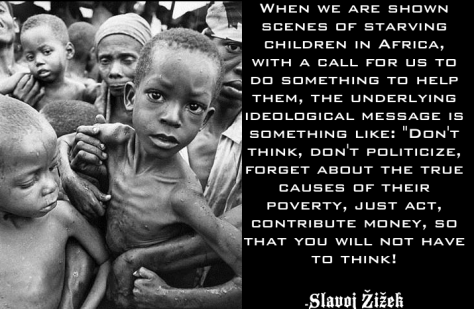
From Christian Bowe
In their book ‘Why nations fail?‘, that examines the origin of poverty and prosperity, Daron Acemoglu and James Robinson conclusively show that it is man-made political and economic institutions that underlie economic success (or the lack of it). Therefore only the development of inclusive…
View original post 844 more words
Afaan Oromo After 100 Years of Disincentives: Toltu Tufa of the Afaan Publications on radio with Jon Faine on the Conversation Hour at ABC Studios Melbourne February 19, 2014
Posted by OromianEconomist in Afaan Publication, Africa, Humanity and Social Civilization, Kemetic Ancient African Culture, Language and Development, Oromia, Oromiyaa, Oromo, Oromo Artists, Oromo Culture, Oromo First, Oromo Identity, Oromo Social System, Oromummaa, Qubee Afaan Oromo, Self determination, Sirna Gadaa, The Colonizing Structure & The Development Problems of Oromia, The Oromo Democratic system, The Oromo Governance System, The Oromo Library, Toltu Tufa, Uncategorized.Tags: Afaan Oromo, Afaan Oromo Kushitic Kemetic language, Afaan publication, Africa, African culture, African Studies, Development and Change, Gadaa System, Genocide against the Oromo, Kushitic Languages, Language and Development, National Self Determination, Oromia, Oromia Region, Oromiyaa, Oromo people, Oromummaa, Qubee Afaan Oromo, Toltu Tufa, Universal Declaration of Human Rights
add a comment

‘EVERY CHILD HAS THE RIGHT TO LEARN THEIR MOTHER TONGUE.’
Related:
http://ayyaantuu.com/horn-of-africa-news/oromia/toltu-tufa-oprides-oromo-person-2013/
AFAAN Publication: Commemorating UNESCO’s International Mother Language Day on Feb. 21, 2014; Highlighting Past Achievements; and Laying out Plans for 2014
February 21 is UNESCO’s International Mother Language Day. AFAAN Publications’ successful campaign to raise funds to produce children books in Afaan Oromo is the highlight of 2013. The Oromo language, Afaan Oromo, is Africa’s 4th most widelyspoken language, which was banned for 100 years until 1991. AFAAN Publications is based in Melbourne.
AFAAN Publication recounts the 2013 successfulfundraising campaign by recognizing some of the international cities which supported the Melbourne’s drive to create children’s books in Afaan Oromo, and AFAAN Publications was also featured last week on 774 Radio ABC Melbourne.
The communications team is available for comments and interview via telephone. Enquiries can be made via email on connect@afaan.com.au
AFAAN Publication: Commemorating UNESCO’s International Mother Language Day on Feb. 21, 2014; Highlighting Past Achievements; and Laying out Plans for 2014.
Copyright © OromianEconomist 2014 & Oromia Quarterly 1997-2014, all rights are reserved. Disclaimer.
US Congress Takes a Historic Stance Against Land Grabs-Related Forced Evictions in Ethiopia February 13, 2014
Posted by OromianEconomist in Africa, Aid to Africa, Colonizing Structure, Corruption, Development, Economics: Development Theory and Policy applications, Environment, Food Production, Human Rights, Janjaweed Style Liyu Police of Ethiopia, Land Grabs in Africa, Nubia, Omo, Oromia, Oromiyaa, Oromo, Oromo Culture, Oromo First, Oromo Identity, Oromo Nation, Oromummaa, Self determination, The Colonizing Structure & The Development Problems of Oromia, Theory of Development, Tyranny, Uncategorized.Tags: African culture, African Studies, Developing country, Development, Development and Change, Economic and Social Freedom, Economic development, Economic growth, Genocide against the Oromo, Gibe Valley, Governance issues, Horn of Africa, Human rights, Human Rights and Liberties, Human rights violations, Land grabbing, Land grabs in Africa, Lower Omo, National Self Determination, Oromia, Oromiyaa, Oromo, Oromo culture, Oromo people, Politics of Ethiopia, poverty, State and Development, Sub-Saharan Africa, Tyranny, United Nations, Universal Declaration of Human Rights, World Bank
1 comment so far

See the Omnibus Appropriations Bill (p. 1295-1296) @
http://docs.house.gov/billsthisweek/20140113/CPRT-113-HPRT-RU00-h3547-hamdt2samdt_xml.pdf
Oakland, CA – In a historic move, the US Congress has taken a stance on land grabs-related human rights abuses in Ethiopia. The 2014 Omnibus Appropriations Bill contains provisions that ensure that US development funds are not used to support forced evictions in Ethiopia.
The bill prevents US assistance from being used to support activities that directly or indirectly involve forced displacement in the Lower Omo and Gambella regions. It further requires US assistance in these areas be used to support local community initiatives aimed at improving livelihoods and be subject to prior consultation with affected populations. The bill goes further and even instructs the directors of international financial institutions to oppose financing for any activities that directly or indirectly involve forced evictions in Ethiopia.
According to Anuradha Mittal, Executive Director of the Oakland Institute, “We welcome this move as it aims to address one major flaw of US assistance to Ethiopia. The step taken by the US Congress is very significant, as it signals to both the Ethiopian government and the US administration that turning a blind eye to human rights abuses in the name of development is no longer an option.”
Several reports from the Oakland Institute have raised alarm about the scale, rate, and negative impacts of large-scale land acquisitions in Ethiopia that would result in the forced displacement of over 1.5 million people. This relocation process through the government’s villagization scheme is destroying the livelihoods of small-scale farmers and pastoralist communities. Ethiopian security forces have beaten, arrested, and intimidated individuals who have refused to relocate and free the lands for large-scale agricultural plantations.
Ethiopia’s so-called development programs cannot be carried out without the support of international donors, primarily the US, one of its main donors. Oakland Institute’s on-the-ground research has documented the high toll paid by local people as well as the role of donor countries such as the US in supporting the Ethiopian policy.
This language represents an important first step towards Congress initiating a comprehensive examination of US development practices in Ethiopia. As the oversight authority of the State Department, Congress must now ensure that the law is fully upheld and implemented. This warrants thorough scrutiny of USAID programs to Ethiopia and their contribution to forced resettlements and human rights abuses.
With this bill, USAID, the State Department, as well as the World Bank, will have to reconsider the terms and modalities of the support they provide to the Ethiopian government. According to Frederic Mousseau, Oakland Institute’s Policy Director, “This is a light of hope for the millions of indigenous people in Ethiopia who have sought international support from the international community to recognize their very destruction as communities and people.” Read Further @
USAID’s cover-up of Ethiopia abuses overruled by Congress 12 February 2014
The United States Congress has acted to prevent its aid to Ethiopia being used to fund forced evictions of tribal peoples in the south west of the country.
The provisions in the Omnibus Appropriations Bill for 2014 represent a slap in the face for USAID, which last month said that ‘there are no reports of widespread or systematic human rights abuses’ in the region.
In fact, tribes of the Lower Omo Valley are being violently evicted from their villages by the government to make way for lucrative cotton, palm oil, and sugarcane plantations whose irrigation will be made possible by the controversial Gibe III dam. Transferred to designated resettlement areas, the once self-sufficient tribes will be left with no access to their livestock or lands and, consequently, will be unable to sustain themselves. Intimidation tactics, such as rape and beatings, have reportedly been used against those who resist resettlement.
One Mursi man told Survival International, ‘We are waiting to die. We are crying. When the government collects people into one village there will be no place for crops, and my children will be hungry and have no food.’
The Ethiopian government has not consulted any indigenous communities over its aggressive plantation plans in the Omo Valley, and very few were consulted over the construction of the Gibe III dam.
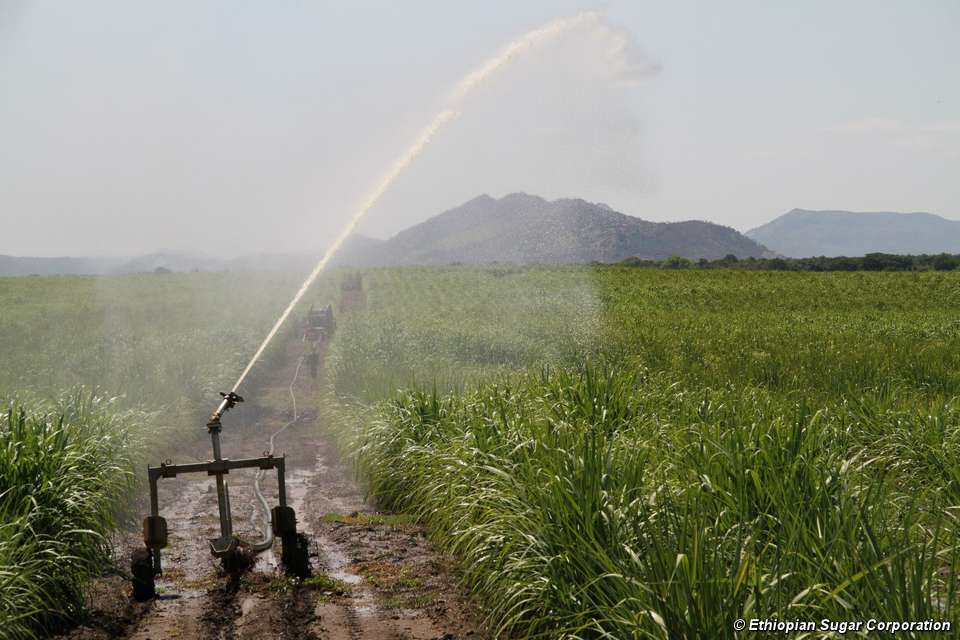
The region’s top human rights body, the African Commission on Human and Peoples’ Rights, has written to the Ethiopian government asking it to halt the forced resettlement of the Lower Omo tribes while it investigates Survival’s submission regarding human rights violations in the area.
Ethiopia is one of the biggest recipients of American and British aid through the United States Agency for International Development (USAID) and the UK Department for International Development (DFID).
Although the provisions in the recent spending bill will force USAID to reevaluate the funding given to Ethiopia, it will ultimately be the responsibility of Congress to guarantee that the terms are upheld.
Survival International Director Stephen Corry said today, ‘This bill is a huge step in the right direction, and shows that USAID’s shameful denials of the human rights abuses being committed in the Lower Omo simply haven’t been believed.
‘American taxpayers want to be sure that their money isn’t going toward the destruction of tribal peoples’ lives. Hopefully the historic provisions in this year’s spending bill will ensure that’s the case. It is now high time that British parliamentarians follow suit and ensure that DFID does not use UK taxpayers’ money to fund human rights violations in the Lower Omo.’ http://www.survivalinternational.org/news/9983
Further References on land grabs in Africa
Around 90 percent of the population of 87 million still suffers from numerous deprivations, ranging from insufficient access to education to inadequate health care; average incomes are still well below $1500 a year; and more than 30 million people still face chronic food shortages.
And while there are a number of positive and genuine reasons for the growth spurt – business and legislative reforms, more professional governance, the achievements of a thriving service sector – many critics say that the growth seen in agriculture, which accounts for almost half of Ethiopia’s economic activity and a great deal of its recent success, is actually being driven by an out of control ‘land grab’, as multinational companies and private speculators vie to lease millions of acres of the country’s most fertile territory from the government at bargain basement prices.
At the ministry of agriculture in Addis Ababa, this land-lease programme is often described as a “win-win” because it brings in new technologies and employment and, supposedly, makes it easier to improve health care, education and other services in rural areas.
“Ethiopia needs to develop to fight poverty, increase food supplies and improve livelihoods and is doing so in a sustainable way,” said one official.
But according to a host of NGO’s and policy advocates, including Oxfam, Human Rights Watch and the Oakland Institute, the true consequences of the land grabs are almost all negative. They say that in order to make such huge areas available for foreign investors to grow foodstuffs and bio-fuels for export – and in direct contravention of Ethiopia’s obligations under international law – the authorities are displacing hundreds of thousands of indigenous peoples, abusing their human rights, destroying their traditions, trashing the environment, and making them more dependent on food aid than ever before.
“The benefits for the local populations are very little,” said renowned Ethiopian sociologist Dessalegn Rahmato. “They’ve taken away their land. They’ve taken away their natural resource, because these investors are clearing the land, destroying the forest, cutting down the trees. The government claims that one of the aims of this investment was to enable local areas to benefit by investing in infrastructure, social services … but these benefits are not included in the contract. It’s only left up to the magnanimity of the investor.”
And those investors, he continued, are simply not interested in anything other than serving their own needs: “They can grow any crop they want, when they want it, they can sell in any market they want, whether it’s a global market or a local market. In fact most of them are not interested in the local markets.”
He cited as an example a massive Saudi-owned plantation in the fertile Gambella region of south west Ethiopia, a prime target area for investors: “They have 10,000 hectares and they are producing rice. This rice is going to be exported to the Middle East, to Saudi Arabia and other places. The local people in that area don’t eat rice.”
But the most controversial element of the government’s programme is known as ‘villagisation’ – the displacement of people from land they have occupied for generations and their subsequent resettlement in artificial communities.
In Gambella, where two ethnic groups, the Anuaks and the Nuers, predominate, it has meant tens of thousands of people have been forced to abandon a traditional way of life. One such is Moot, an Anuak farmer who now lives in a government village far from his home.
“When investors showed up, we were told to pack up our things and to go to the village. If we had decided not to go, they would have destroyed our crops, our houses and our belongings. We couldn’t even claim compensation because the government decided that those lands belonged to the investors. We were scared … if you get upset and say that someone stole your land, you are put in prison. If you complain about being arrested, they will kill you. It’s not our land anymore; we have been deprived of our rights.”
Despite growing internal opposition and international criticism, the Ethiopian government shows no sign of scaling the programme back. According to the Oakland Institute, since 2008, an area the size of France has already been handed over to foreign corporations. Over the next few years an area twice that size is thought to be earmarked for leasing to investors.
So what does all this mean for the people on the ground? In Ethiopia – Land for Sale, filmmakers Veronique Mauduy and Romain Pelleray try and find out.
http://www.aljazeera.com/programmes/peopleandpower/2014/01/ethiopia-land-sale-20141289498158575.html
Farming and food in Africa and the battle over land, water and resource rights
Africa is being heralded as the new frontier for commercial farming but, as governments and investors sign deals, a counter movement of family farmers is promoting alternative pathways to development.
The International Year of Family Farming is now underway, and never before have family farmers in Africa been more under threat.
Large land deals between African governments and usually foreign (and sometimes domestic) investors have seen swathes of the countryside leased or conceded, often for as much as 50-99 years. From Senegal in West Africa to Ethiopia in the Horn, and down to Mozambique in the south, land considered idle and available has changed hands, with profound implications for local people and the environment.
Stop Clearing Oromo from their Land in the Name of Boosting Economic Development: Who Will Stand for the Oromo People Living on the Outskirts of Finfinnee? February 11, 2014
Posted by OromianEconomist in Aannolee and Calanqo, Africa, African Poor, Aid to Africa, Climate Change, Colonizing Structure, Corruption, Culture, Development, Dictatorship, Domestic Workers, Economics, Economics: Development Theory and Policy applications, Environment, Ethnic Cleansing, Finfinnee, Food Production, Gadaa System, Human Rights, Human Traffickings, Humanity and Social Civilization, ICC, Ideas, Janjaweed Style Liyu Police of Ethiopia, Knowledge and the Colonizing Structure., Knowledge and the Colonizing Structure. African Heritage. The Genocide Against Oromo Nation, Land Grabs in Africa, Nubia, Ogaden, Omo, Oromia, Oromo, Oromo Culture, Oromo First, Oromo Identity, Oromo Nation, Oromo Social System, Oromo the Largest Nation of Africa. Human Rights violations and Genocide against the Oromo people in Ethiopia, Oromummaa, Self determination, Sirna Gadaa, Slavery, The Tyranny of Ethiopia, Uncategorized, Youth Unemployment.Tags: Africa, African Studies, Developing country, Development, Development and Change, Economic and Social Freedom, economics, Ethiopia, Finfinnee, Gadaa System, Genocide, Genocide against the Oromo, Governance issues, Horn of Africa, Human rights, Human Rights and Liberties, Human rights violations, Land grabbing, Land grabs in Africa, National Self Determination, Ogaden, Omo, Oromia, Oromia Region, Oromiyaa, Oromo, Oromo culture, Oromo people, Oromummaa, Politics of Ethiopia, poverty, Raya under destruction, Social Sciences, State and Development, Sub-Saharan Africa, Tyranny, United Nations, World Bank
add a comment


It is to be recalled that Finfinnee (Addis Ababa) was founded as the present capital city the so called Ethiopian in 1886 by a man called Minilik II. During this time, the area was inhabited by the Oromo people and the area was almost covered with natural forest. Initially the Shawa government made it seat at Ankober. Hence, before the founding of Finfinee as a political and economic capital of the king, all the areas within the present Finfinnee and the surround areas was free like any other Oromia lands. However, after 1886 the Semitic people from the northern segments and others had taken the land and the Oromo people who were used to live in these areas were forced lost their land through time.
For example, according to Central Statistics Agency of Ethiopia (2007) Out of the 2,738,248 100% total population living in Finfinnee, the total number of the Oromo people living in the city was only 534,255 (19.51%). Since its founding as a capital, Finfinnee remained the capital city for the successive Ethiopian regimes (Menilik II, Lij Eyassu, Zawuditu, Hailesillasse I, Mengistu, Melles and HaileMariam). Through time, the number of inhabitants increased and urbanization expanded greatly. The deliberate and implicitly planned mission and decision of the Semitic people to erase any sign of Oromo history from Finfinnee was started during the forcefully integration of Oromo people into Ethiopia as second-class citizens and the process has continued in the present government.
Different people mostly from the northern part of the so called Ethiopia have come from the various ethnic groups come and settled in the capital owing to its supper suitable agro-climatic and exploit the natural within the outside today’s Finfinne from the near distance in the name of work and investment. Where did those Oromo farmers go when Finfinnee became the property of new invaders? Be in mind that the Oromo’s are pushed to the peripheral areas of the capital and the number of Oromo people inhabitants decreased from time to time, as the above data depicts. The indigenous people of the land were pushed out one after the other and were replaced by the invaders from the north. What is happening to the Oromo people living on the outskirt of Finfinne today? It is simply the continuation of a process, which had resulted in a massive displacement of an indigenous Oromo people.
B. The New Master Plan of Fifinnee and Areas to be Incorporated
For the last 100 or so years the Master Plan of Finfinnee city was revised several times. The recent proposal of preparing new Master Plan for City administration that planned to incorporates all the towns and districts lying within the range of 1 hour commuting distance from the Finfinnee, justifies the blatant violation of the constitution and their voracious appetite to systematically replacing resource and land deficient people to these fertile lands owned by the Oromo people. According to the proposed plan of established the “Integrated Regional Development Plan”, an additional 36 towns and 17 districts currently administered by the Oromia regional State will be merged with Finfinnee so that the right of the land use will be determined by the central mayor .
The new Master Plan was intended to incorporate Oromia’s land locating in 100kms around the Finfinnee city. According to Ethiopia Government preparation, the following 36 Towns and 17 Districts are included in the newly planned Master plan. (See the figure 1.)
Some of the Towns are: Adama, Sodere, Mojo, Wenji Adama, Ejere, Alem Tena, Koka, Adulala, Bushoftu, Dukem, Gelen, Akaki Beseka, Godino, Chefe Donsa, Sebeta , Sendafa, Milkewa, Wendoda, Sirti, Duber,Gorfo, Chancho, Mulo, Debra,Muger , Ulo, Adis Alem, Holota, Burayu,Debre Genet, Illu Teji, Tefki, Sebeta, Boneya, Melka Kunture and etc.
Some of the Districts areas are: Adama, Dodota, Bora, Lome, Liben chukala, Adea (around Bushoftu), Akaki, Gimbichu, Bereh(around Sebeta), Aleltu, Jida, Sulultu, Ejere, Welmera, Illu, Sebeta Hawas and etc.
Today, when the world is concerned about preserving ecology and wild life in their natural habitat, it is an Ethiopian Government that is clearing an indigenous Oromo people from their home Land in the name of inequitable Economic Development. Hence, who should stand and speak for these innocent people and argue to preserve the right of the extremely vulnerable Oromo people living in the proposed territories and to preserve the indigenous Oromo people, culture, Languages and etc. Otherwise sooner than latter these great people will be marginalized and lost their identities.

Figure 1: The newly Developed and proposed Master Plan of the tomorrow’s Finfinne over the coming 25 years
C. The Agenda behind the “Integrated Regional Development Plan (IRDP)”
An office called “Addis Ababa and the surrounding Oromia Integrated Development Plan” prepared an International and National Conference on June 2013 at Adama Town, Galma Abba Gadaa. The Objective of organizing the conference of the top ranking government cadres (mostly OPDO’s) was to work on the manifesting of the proposed Integrated Regional Development Plan (IRDP) and prepare the cadre’s to work on the people.
On the Conference, it was stated that, the Purposes of the “IRDP” are:
Instrumental to unleashing Regional Development Potentials
Enables localities addressing their mutual development challenges
Enables localities addressing their mutual development challenges
Strengthens complementarities and interconnection of localities
These purposes can be the explicit or clear objectives of the plan. However, the plan have hidden or implicit agenda. Systematically bringing the land under their custody so that, it will sooner or later scramble among their impoverished people in their region. For example, the Finfinnee City Administration and Finfinnee Special Zone can address their mutual development challenges without being incorporated into one master plan. However, the Master plan is not prepared on mutual benefit as the plan is solely prepared by Finfinnee City Administration, despite the name of the office. Hence, though development is boldly emphasized, the main purpose seems to clear the Oromo farmers from their lands in the name of unfair Economic Development.
It was also stated that the Pillars of the Integrated Regional Development Plan are:
Regional Infrastructure Networks
Natural Resource and Environment Stewardship
Cross – Boundary Investments/ e.g FDI)
Joint Regional Projects
However, there seem hidden agenda behind these pillars. For example, in the name of cross-Boundary Investments, local Oromo farmers are going to lose their land for the so-called “investors” and under the pretext of promoting national economy through FDI initiatives In addition, if the plan is going to be realized natural and environmental degradation is inevitable.
In addition, the Basic Principles of the Integrated Regional Development Plan are:
Ensuring Mutual Benefits
A joint development Framework – not a substitute for local plans
An Integrated Regional Plan voluntarily accepted by participating partners
Differences resolved through negotiation and under in-win scenario
Nevertheless, the plan will not ensure a mutual benefit at it is largely intended to displace Oromo farmers from their land. In additions, the populations of the two areas are not homogenous. Hence, they have no common interest. Even though it is said the “IRDP’ will be voluntarily accepted by participating partners, the top cadres in Oromia themselves have strongly opposed the plan on the conference. Beside, the implicit objective of the plan is to remove/avoid the differences in language and culture there by to plant “Ethiopianism or Tigreans” on Oromo land. The plan is intended to say good bye to Oromo Culture and language. The other thing is that the differences between Oromo and others cannot be resolved as it is intended to eradicate Oromo identity, culture and language. As we know from history, Oromo’s never compromised on these issues. Hence, if the plan is to be implemented, peaceful co-existence may not be there.
D. Problems that may come because of the Integrated Regional Development Plan
As different sources shown, many Oromo’s living in Special Zone has already lost their land in the name of foreign direct investment and land grasping. This is because of several fa3ctories are constructed in the special zone by taking the Lands from local Oromo farmers. It is not new to see Oromo labor workers or guards in their own land. Family members are highly displaced by this measure. Many went to street. Not only the displaced Oromos damaged by this. It is said chemical coming out of the factories are also hurting the health of the remaining Oromos. It is said that “In Central Oromia, thousands of people and their livestock died due to the industrial pollution directly released to rivers and lakes.”
Taking the above as an experience, there also different reasons why the newly Master plan of Finfinne should not be implemented on Oromo people. Some of the reasons are:
1. It will bring Extreme Poverty: It is inevitable that the local Oromo farmers lost their land in the name of investment and urbanization. This means that the Oromos are systematically cleaned from their own land, as they were cleaned from Finfinnee in earlier days. Hence, the local farmers lose their land which is part of their permanent asset. After the lose their land, the farmers will going to work for 300 birrr in the factory or serve as house servant or home guard, which is already started. By doing so, the farmers face extreme poverty. In addition, the gap between rich and poor will very high. For example, one writer described the impact of “investment” saying:
“The current regime has sold out more than 3 million hectares of fertile land to the foreigner investors after forcefully displacing Oromo farmers from their ancestral land. The grabbing of land ended the indigenous people without shelter and foods. This displacement of the Oromo people accompanied by limitless human rights violations set the Oromo to be the vast number of immigrants in the Horn of Africa.”
2. Family displacement and disintegration: Members of a family will be displaced and disintegrated as a result of loosing their land. In addition, the workers of Finfinnee special zone will be displaced as they are working in Afan Oromo.
3. Abuse of constitutional rights: After long year of struggle and sacrifice of thousands of Life, Afan Oromo given constitution right to be used in administration, school and other sectors in Oromia region. This is one of the basic objectives that Oromos has been struggling. However, if the master plan is going to be implemented, working language of Finfinnee City, Amharic, is going to be used in the areas. By doing so, the local people will be forced to learn new language to use it for different purpose. The measure will take back Oromo to the “Atse” region. The Federal Constitution states “Every people, nation and nationality have the right to speak, to write and to develop their own language, as well as to express, to develop and to promote their culture and history.Article 39” will be clearly violated. The Oromo living in Finfinnee Special Zone will lose the rights that the FDRE constitution guarantees them.
4. Academic and psychological impacts on Oromo students: If the newly proposed master plan of Finfinnee City is going to be implemented, Oromo students living in the surrounding area will attend their education in Amharic, which is second language to the students. It is strongly argued that using the native languages of students as a medium of instruction is a decisive factor for effective learning However, this situation, failure to give a role to native languages and largely depending on second/foreign language instruction, brought various difficulties to students. The students are expected to entangle not only with learning the subject matters but also the language itself. It also creates difficulty to students in expressing themselves and as a result it limits their classroom participation as there is fear of making mistakes. In addition, it is a barrier to smooth classroom communication. It is also argued that use of a second/foreign language in education negatively affects the ability and the ease with which knowledge is acquired by students. It also affects the performance of students and creates difficulties in developing their cognitive skills. Moreover, giving low status to native languages of students in educational setting leads to marginalization of majority of the citizens from active engagement in the development arena. In general, the master plan will have negative impacts on Oromo students in various academic aspects.
5. Impact on Identity and Culture of Local Oromo People: The new plan will make Oromos to lose their identity and culture, like the previous regimes did. This is because people having different identity and culture are going to settle on Oromo land. The settlers will push out the Oromo identity and replace by their own. The Oromo’s will have very limited opportunity to exercise their cultural value and linguistic form. The language and cultural development will be also hampered by the new plan.
6. Economic impact: If the master plan is going to be realized, the Finfinnee City Adminstration will control all economic aspects of the areas. The income that is collected from different factories will be taken. The Oromiya government will loose great income to Finfinnee city administration.
7. Impact on Natural Resource and Environment: As the result of the plan, there will be overspread ground and surface water pollution. In addition, there will be severe deforestation and natural resource depletion.
8. Cutting Oromia into East and West Regions: The new Master Plan of Finfinne city will cut the current Oromia into two parts i.e. Eastern and Western. This is because the Central and great part of Oromia is proposed to be taken and incorporated into Finfinnee. Hence, the Central part that joins East and West will be taken.
D. What Should be done to Save the Oromo People around Finfinnee
As shown above, the master plan is so disadvantage for Oromia. In general, if we see the plan, it will affect local Oromo people in various aspects. However, the government who is supposed to represent the Oromo people is unable to see the danger. So we kindly ask the Oromos at home and Diaspora and other concerned bodies to forward ways and mechanisms to stop the intended plan. We ask the Oromo people and international communities, who will stand for the Oromo’s living around Finfinnee??
If we read an honest history of the present and past Governments of Ethiopia, we would conclude that the present Government is truly facing a difficult dilemma. At the dawn of the 21st century, we can neither run away from ourselves nor hide our realities. We have to face our generation and the historical realities of our time. It is undeniable that today, people demand respect for their human and national rights. Above all, people will not rest until their identity and their sovereignty over what is theirs is ensured. These are the peoples’ most burning issues. They realize that they have to make utmost effort of their own. It is within the context of the above-mentioned framework that the Oromo people resolutely demand their rights and freedom. It is to those who want to deny the rights and freedoms of the people that we are most bitterly opposed. It is a crime to deny the national identity and sovereignty of a people no matter how sophisticated the tactics used to do so. It is equally wrong to see the national desire of a people from a selfish perspective. It is based on the above concepts and precepts that the Oromo people continue their unceasing and bitter struggle against being treated as second class citizens. We know that our struggle is just for it is motivated by our desire to preserve our dignity and identity as a people.
We, the sons and daughters of the Oromo people, strenuously oppose the implementation of new Master Plan for Finfinne administration because we fully understand the historical development of the desire of other people to displace the Oromo people in order to benefit the non-Oromo new comers and their lackeys in this country. This highly orchestrated conspiracy, the present Oromo generation shall not tolerate at any cost. It will steadfastly and resolutely resist the conspiracy.
We also request international communities to put pressure on FDRE/TPLF Government and Finfinnee City Administration to stop the proposed Master Plan, which directly or indirectly harm the Oromo people.
We call on the Federal Government of Ethiopia, House of Peoples’ Representatives, the Federation Council, the Oromia Council to stop clearing Oromo people from their home Land in the name of inequitable Development and replacing others on their land.
Please generate comments as many as possible on what should be done about the plan.
May Waaq Gurraacha help us!
From: Sabbontoota Oromoo, Oromia.
We are always Oromo First!!!!
Sabbontoota Oromo can be reached at sabboontotaaoromo@yahoo.in
Ethiopia: Raya under destruction
 Raya refers a tract of land stretching from Ala wuha in the south to Alaje in the north. That is bigger than Adwa and Axum awrajas combined. Historically, this is where the Weyane rebellion started in 1928 as a spontaneous reaction to a repressive system of the time. Originating in their present day Kobo wereda, the revolt would quickly spread to cover the entire Raya and Wejerat provinces. Later, the inhabitants of Enderta joined the revolt and a sort of quasi-organized alliance was formed after a decade of Raya and Wejerat rebellion. This alliance, Weyane, would emerge so potent that by its heyday it practically liberated the provinces of Raya, Wejerat and Enderta. The imperial government with the support of British Air force resorted to aerial bombardment of the rebel held areas which caused a wide-spread damage, including complete erasure of villages. However, the most detrimental factor that actually caused the demise of Weyane was to come from none other than Adwa people. In 1943, Dejazmach Gebrehiwot Meshesha along with a dozen of Adwans exploited the trust vested on them to assassinate the leaders of the Weyane movement. This is significant for in the Ethiopian tradition, at least until then, if one manages to kill the leader one will win the battle. Meshesha and co. breach of the traditional trust and value was so venomous that even to this date mistrust and resentment runs high in Raya. It is to be noted that if not for Meshesha of Adwa, the people were in a very strong bargaining position and if one has to look how similar revolts in Bale and other regions were resolved, the rebels demand for better governance was within reach. As a thank you for their contribution, Meshesha and his fellow Adwans were rewarded heavily by Haileselasse while a series of punitive attacks continued on the ‘originators’ of Weyane and ultimately Raya was divided between Wollo and Tigray.
When the TPLF started the armed insurrection in Ethiopia, it took little time to transform itself as an Adwa-only club by the same inherited act of treachery. The legacy of resentment that Meshesha and co. left means TPLF-Adwa had hard time to set foot in Raya. Hence, they needed to come up with a trick and did it so by cosmetically inserting the word Weyane in the Tigrigna version of its name. Taken with the harsher realities under DERG, Rayans reluctantly sided with TPLF on the principle of the lesser devil. Soon, tens of thousands of Raya youth joined the TPLF, including forming the majority and the backbone of Hadush “Hayelom” Ariaya’s fighting force that brought the little known“Hayelom” into prominence. However, if the experience of my village is anything, it is fair to conclude that almost all the Raya recruits ended up as cannon fodders. Those who survived, especially the independent and rational ones, would have never escaped the Meles-Sebhat death squad. In Raya, for example, it is not uncommon to talk to your relative TPLF fighter over the phone in the morning only to be notified of his death of “natural” consequences on the same day. I will say more on the motives next time. But for now, I want to draw your attention to the following Table, which is taken from the 1994 and 2007 population census of Ethiopia. I think this illustrates how the Raya and Adwa are faring under the TPLF-Adwa administration.

Clearly, 7 towns (Robit, Gobiye, Waja, Mersa, Korem, Wedisemro, Chelena) of Raya from the total 11, i.e., 64% of the town that existed in the 1994 Census Ethiopia have died or are dying. Well, with Adwa awraja towns the figures show a hard-to-believe growth registering as ridiculous as 1033% for Gerhusenay, Idegaarbi(377%), Nebelet(266%); even noticeable is the emergence of a novel city (Diobdibo) in the 2007 census, attesting to the developmental and modernization campaigns in Adwa rural areas as well. The bar graph of the rate at which towns are expanding (Adwa) or shrinking (Raya) shown below can only be a proof that in the so-called Tigray “killil” both, depending on the area, de-constructive and constructive policies are in operation. To the unsuspecting, it may occur that this might have to do with the pre-1991 TPLF bandit caused civil war. However, it is not quite so for, for instance, there was no single bomb that was dropped on Adwa towns nor was a confrontation in populated areas in the entire Adwa awraja. There was insignificant causality as far as the civilian population of Adwa is concerned for the TPLF military engagement tactic in Adwa/Axum area was totally different from the rest awrajas. For example, Korem town alone might have received far more arial bombardment than the entire Adwa awraja. From SehulMikael (the Godfather of Ethiopia’s disintegration), to Meshesha-Sebhat-Meles-Sebhat(again), there exist very little dissimilarity. Right now, Alamata, the only remaining city not to die fast enough as Adwans would have liked to see, is under open destruction. The residents never complained on the absence of developmental activity but never expected that the Adwa administration of the city will come-up with a destruction agenda. Surprised by the revelation, the unsuspecting residents went to Mekelle to air their grievances in the hope that the big men there might be rational and take proper action. However, Abay Woldu’s administration did not give it a second to listen; just ordered more Bulldozers, armored tanks and a battalion to effectively carry out the planned destruction. Worse, those who complained the demolishing of their belonging are rounded-up and now languish in Adwa operated secret Tigrayan jails
Reference:
- Central Statistical Authority Ethiopia: The 1994 populaion and Housing Census of Ethiopia. Results for Tigray region, Volume 1, Statistical report.Table 2.2, Page 11
- Central Statistical Authority Ethiopia: The 1994 populaion and Housing Census of Ethiopia. Results for Amhara Region, Volume 1, Statistical report.Table 2.2, Page 13
- The 2007 Population and Housing Census of Ethiopia: Statistical Report for Tigray Region, Table 2.1, page 7
- The 2007 Population and Housing Census of Ethiopia: Statistical Report for Amhara Region, Table 2.2, page 11
http://ethiofreespeech.blogspot.co.uk/2014/02/ethiopia-raya-under-destruction.html?spref=fb


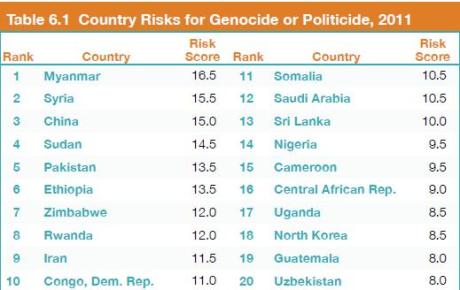



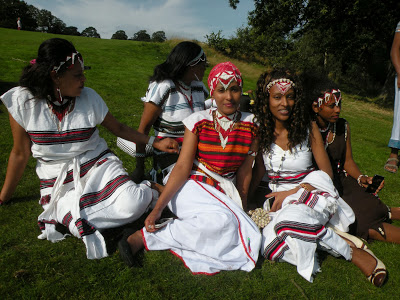


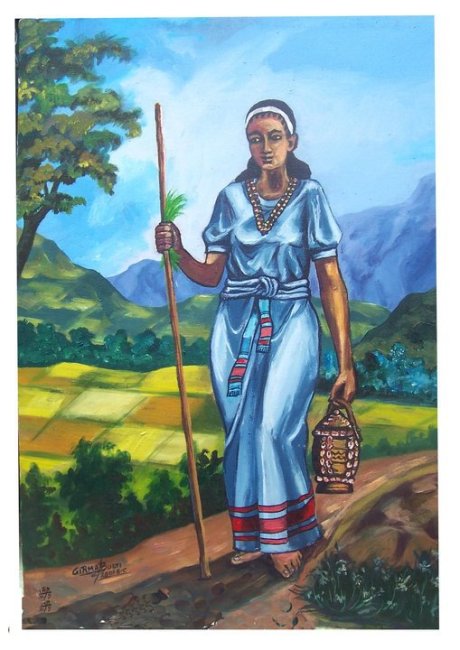


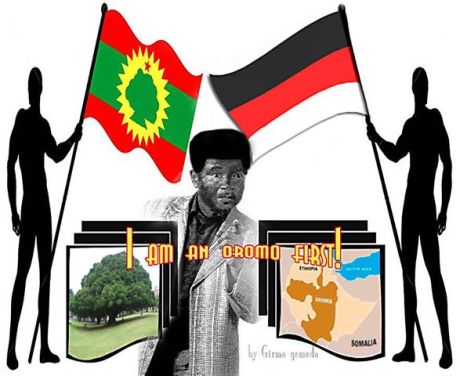


 Oromian Economist
You must be logged in to post a comment.