Economic and development analysis: Perspectives on economics, society, development, freedom & social justice. Leading issues in Oromo, Oromia, Africa & world affairs. Oromo News. African News. world News. Views. Formerly Oromia Quarterly
Biofuels Are Not a Green Alternative to Fossil Fuels
by Andrew Streer* and Craig Hanson**
Powering cars with corn and burning wood to make electricity might seem like a way to lessen dependence on fossil fuels and help solve the climate crisis. But although some forms of bioenergy can play a helpful role, dedicating land specifically for generating bioenergy is unwise. It uses land needed for food production and carbon storage, it requires large areas to generate just a small amount of fuel, and it won’t typically cut greenhouse gas emissions.
First, dedicating areas to bioenergy production increases competition for land.
Roughly three-quarters of the world’s vegetated land is already being used to meet people’s need for food and forest products, and that demand is expected to rise by 70 percent or more by 2050. Much of the rest contains natural ecosystems that keep climate-warming carbon out of the atmosphere, protect freshwater supplies, and preserve biodiversity.
Because land and the plants growing on it are already generating these benefits, diverting land—even degraded, under-utilised areas—to bioenergy means sacrificing much-needed food, timber, and carbon storage.
Second, bioenergy production is an inefficient use of land.
While photosynthesis may do a great job of converting the sun’s rays into food, it is an inefficient way to turn solar radiation into non-food energy that people can use. Thus, it takes a lot of land (and water) to yield a small amount of fuel from plants. In a new working paper, WRI calculates that providing just 10 percent of the world’s liquid transportation fuel in the year 2050 would require nearly 30 percent of all the energy in a year’s worth of crops the world produces today.
The push for bioenergy extends beyond transportation fuels to the harvest of trees and other sources of biomass for electricity and heat generation. Some research suggests that bioenergy could meet 20 percent of the world’s total annual energy demand by 2050. Yet doing so would require an amount of plants equal to all the world’s current crop harvests, plant residues, timber, and grass consumed by livestock–a true non-starter.
Third, bioenergy that makes dedicated use of land does not generally cut greenhouse gas emissions.
Burning biomass, whether directly as wood or in the form of ethanol or biodiesel, emits carbon dioxide just like burning fossil fuels. In fact, burning biomass directly emits a bit more carbon dioxide than fossil fuels for the same amount of generated energy. But most calculations claiming that bioenergy reduces greenhouse gas emissions relative to burning fossil fuels do not include the carbon dioxide released when biomass is burned. They exclude it based on the assumption that this release of carbon dioxide is matched and implicitly offset by the carbon dioxide absorbed by the plants growing the biomass.
Yet if those plants were going to grow anyway, simply diverting them to bioenergy does not remove any additional carbon from the atmosphere and therefore does not offset the emissions from burning that biomass. Furthermore, when natural forests are felled to generate bioenergy or to replace the farm fields that were diverted to growing biofuels, greenhouse gas emissions go up.
That said, some forms of bioenergy do not increase competition with food or land, and using them instead of fossil fuels could reduce greenhouse gas emissions. One example is biomass grown in excess of what would have grown without the demand for bioenergy, such as winter cover crops for energy. Others include timber processing wastes, urban waste wood, landfill methane, and modest amounts of agriculture residues.
Using so-called second-generation technologies to convert material such as crop residues into bioenergy has a role to play and avoids competition for land. A challenge will be to do this at scale, since most of these residues are already used for animal feed or needed for soil fertility, and others are expensive to harvest.
There are good alternatives to bioenergy made from dedicated land. For example, solar photovoltaic (PV) cells convert sunlight directly into energy that people can use, much like bioenergy, but with greater efficiency and less water use. On three-quarters of the world’s land, solar PV systems today can generate more than 100 times the usable energy per hectare as bioenergy. Because electric motors can be two to three times more efficient than internal combustion engines, solar PV can result in 200 to 300 times as much usable energy per hectare for vehicle transport compared to bioenergy.
One of the great challenges of our generation is how the world can sustainably feed a population expected to reach 9.6 billion by 2050. Using crops or land for biofuels competes with food production, making this goal even more difficult.
The world’s land is a finite resource. As Earth becomes more crowded, fertile land and the plants it supports become ever more valuable for food, timber and carbon storage—things for which we don’t have an alternative source.
*Dr Steer is president of the WRI. **Hanson is the WRI’s global director of food, forest and water programmes
This blog post was originally published in The Guardian on January 29, 2015.
“For African farmers, what some are calling rising has been a sinking.
The sabotage of African economies by Africans is on the rise, be it through deficit theft, corruption or wars that never seem to end, our capacity to destroy our treasures and manpower is growing faster than our capacity to build them.
This definitely does not constitute rising, because:
You cannot rise when you do not have electricity to power your industries.
You cannot rise without technology or industries, not in the century, not ever.
You cannot rise with poor or not transport infrastructure.
You cannot rise when the majority of your people are sleeping on empty stomachs, raising malnourished children whose survival in the world is made uncertain by stunted development of their brains and bodies.
You cannot be rising if your share of profits from agricultural production is declining.
You cannot rise if you are busy wrecking your own economy through corruption, theft and other forms of sabotage
And you definitely cannot be rising if the environment and biodiversity that sustains life is dying in your hands.
So, what am I saying? I am not saying that Africa cannot rise, on the contrary, I am saying that Africa CAN rise but only if we work extra hard, understand the world we live in and take charge of our destiny.
I love the final quote from Mr. Annan “We should not mistake hope for achievement”. Given the situation in Africa at the moment, I am scared to think the some leaders if not all are complacent with where we are. To me, this is leadership WITHOUT vision. There are so many issue plaguing our continent right now ASIDE from diseases. The greatest illnesses that kill us are birthed from we, ourselves. Power hunger, greed, selfishness, hate, over zealous self ambition, a disgusting lack of humility and intense vanity.
Even though might be what we see at the moment, I see an Africa that is free from the above. An Africa that is led by people wanting to make a difference in the world and not in the depth of their pockets. The situation now is NOT what is will always be. However, for that to happen, WE, the fourth generation MUST stand up in belief for our Africa, pull up our socks and MAKE THINGS HAPPEN. What do you think?
No great nation was made by Wimps – You can quote me on that!”
Africa is not rising, survey shows. Research suggests that the boom benefits only a narrow elite while leaving the poor and unemployed behind.
Here is me picking up from where I left off with my Africa is NOT rising article which is a featured presentation from Mr. AlI Mfuruki from Tanzania. The presentation was done at a Tedx event late last year. This is in fact part 3 of a 3 series post dedicated to his presentation (Simply because his assessment of the “Africa rising” media propaganda was so relevant and accurate for anyone wanting to build the continent). In case you have not had the chance to go through the first 2 posts, here you go: Africa is NOT rising – Part I & Africa is NOT rising – Part II
This is the final post in this series. Mind you; Only once you had read the first 2 posts, will you be able to get the full gist of his presentation. Please go on and click the links above then come…
January 28, 2015 — Farmers and local communities in north-eastern Nigeria are losing their livelihoods, as American prisons tycoon turns their land into a profit-making venture under the guise of US and UK aid
Farmers in the Taraba area affected by Dominion Farms’ takeover of the lands they’ve worked for generations
Small-scale farmers are being forced to leave the lands their families have farmed for generations so that an American corporation can set up a huge agribusiness plantation in north-eastern Nigeria, supported by the Nigerian, American and British governments.
Dominion Farms is run by evangelical Christian Calvin Burgess from Oklahoma in the United States. In the US his business Dominion Properties develops and leases properties to government bodies from the Drugs Enforcement Agency to US Border Patrol, and has also developed more high-security prison facilities than any other privately owned company in the US.
It’s clear that he personally regards his farm enterprises in Africa as missions – as it says on his own company website: “Mr Burgess is active in the organization and operation of faith-based missions focused on the citizens of poor and developing nations, including his personal investment in Dominion Farms Ltd.”
However Dominion Farms already has a questionable track record in Kenya, where it took over the Yala River area and was said to have displaced local farmers, as well as releasing chemicals and pollutants into local land and water.
In Nigeria, farmers in the state of Taraba are being ejected from lands they have traditionally used all their lives to make way for Dominion Farms to establish a 30,000 hectare rice plantation. The lands Dominion Farms is using are in fact part of a public irrigation scheme that thousands of families rely on for their food needs and wider livelihoods. People living locally were not only not informed about the Dominion Farms project but also had no opportunity to feed in to the process. Although the company has already started to occupy the land, local inhabitants have still heard nothing about any plans for compensation or resettlement.
The lands are part of an irrigation scheme that families rely on for their food needs
The lands are part of an irrigation scheme that families rely on for their food needs
The Dominion Farms project forms part of the US- and UK-backed New Alliance for Food Security and Nutrition in Africa and the Nigerian government’s Agricultural Transformation Agenda, both of which pay lip service to food security and farmers’ livelihoods but which in practice seem to have the opposite effect.
‘Food security’ is often used as a way to justify large tracts of land being subjected to agricultural industrialisation, as well as moves to single monolithic crops. In fact, many local farmers’ groups and cooperatives – in Nigeria, Kenya and other countries subject to New Alliance incursions such as Ghana – point out that the idea of food security is an illusion as it is dependent on outside forces, often with hidden agendas. In fact, ‘food sovereignty’ is a much more useful aim, where local farmers can pool knowledge of indigenous crops and crop mixing techniques that allow them to be self sustaining and beyond.
Local farmer Mallam Danladi K Jallo said: “Our land is very rich and good. We produce a lot of different crops here like rice, beans, guinea corn, cassava, soya beans, millet, yam as well as fish farming and the rearing of animals like goats, sheep and cattle. But since Dominion Farms people arrived with their machine and some of their working equipment we were asked to stop our farm work and even leave our lands as the land is completely given to the Dominion Farms project.”
Rebecca Sule, one of the affected woman farmers from the local community, said: “The only story we hear is that our land is taken away and will be given out. We were not involved at any level. For the sake of the future and our children, we are requesting governmental authorities to ask Dominion Farms to stay away from our land.”
“We are requesting authorities to ask Dominion Farms to stay away from our land.”
“We are requesting authorities to ask Dominion Farms to stay away from our land.”
Raymond Enoch, who is one of the authors of a new report on Dominion Farms in Nigeria and director of the Center for Environmental Education and Development in Nigeria, said: “The local people are united in their opposition to the Dominion Farms project. They want their lands back so that they can continue to produce food for their families and the people of Nigeria.”
Heidi Chow, food sovereignty campaigner from Global Justice Now, which has been challenging the UK Government on its role in these events, said: “Aid money should be spent supporting communities to develop sustainable agriculture rather than supporting initiatives which are enabling companies to evict those communities. Initiatives like the New Alliance seem to be more about providing opportunities for agribusiness to carve up the resources of African countries rather than trying to address poverty or hunger.”
Today’s report was produced by two Nigerian NGOs, Environmental Rights Action/Friends of the Earth Nigeria and Center for Environmental Education and Development, with the support of Global Justice Now and GRAIN. It is based on field investigations and interviews conducted with local farmers, community leaders and government officials.
Farmers, in the already volatile and insecure northern part of Nigeria, have been really left in limbo when it comes to their future livelihoods. Also affected are the pastoralists who have historically roamed across these lands with cattle. Readers in Nigeria, the US and the UK can contact their respective governments to tell them what they think about what is happening – while this has grave implications for the people affected, it is also a part of a huge US and UK-led agribusiness strategy that affects all countries that have signed up to the New Alliance (Benin, Burkina Faso, Cote d’Ivoire, Ethiopia, Ghana, Malawi, Mozambique, Nigeria, Senegal and Tanzania).
In the meantime, another Taraba farmer, Mallam Ismaila Gebi, is putting himself and his family on the line: “We had all the intention of writing to the state government. We were ready for peaceful demonstrations, dialogue and even to cry out to the whole world just to hear our voices, the voices of poor innocent farmers. But if none of the above mentioned strategies did not work out then we can mobilise against Dominion Farms for our land, the land of our forefathers, with our families and remain there until they answer us.”
Counter-terrorism operations have had a corrosive effect on local struggles for human rights and democracy in Africa. The extraordinary powers given to intelligence agencies and the police within liberal democracies enabled authoritarian governments to redefine the internal friend-enemy dynamics and situate local political conflicts within the framework of the global war on terror. The forms of knowledge and systems of truth generated by the discourse of the war on terror supplied authoritarian governments with new conceptual constellations and explanatory schemas within which to rationalise and justify their oppressive politics. In the decade since 9/11, governments that stop at nothing to secure and consolidate their power turned to the discourse of terrorism to silence opposition politicians, journalists, activists and various forms of dissenting voices under the guise of fighting terrorism.
Just as the war against communism at the height of the cold war provided authoritarian governments such as Apartheid South Africa with juridico-political instruments used to justify their violence, the war on terror has become one of the key instruments at the disposal of authoritarian governments used to harass and eliminate legitimate political adversaries from the democratic public sphere.
Awol Allo, is LSE Fellow in Human Rights at the Centre for the Study of Human Rights and Department of Sociology. For more commentary on African politics and policy, read the Africa at LSE blog:http://blogs.lse.ac.uk/africaatlse/
‘The industrial age of energy and transportation will be over by 2030. Maybe before. Exponentially improving technologies such as solar, electric vehicles, and autonomous (self-driving) cars will disrupt and sweep away the energy and transportation industries as we know it. The same Silicon Valley ecosystem that created bit-based technologies that have disrupted atom-based industries is now creating bit- and electron-based technologies that will disrupt atom-based energy industries.
Clean Disruption projections (based on technology cost curves, business model innovation as well as product innovation) show that by 2030:
– All new energy will be provided by solar and wind.
– All new mass-market vehicles will be electric.
– All of these vehicles will be autonomous (self-driving).
– The new car market will shrink by 80%.
– Gasoline will be obsolete. Nuclear is already obsolete.
– Up to 80% of highways will be redundant.
– Up to 80% of parking spaces will be redundant.
– The concept of individual car ownership will be obsolete.
– The Car Insurance industry will be disrupted.
The Stone Age did not end because we ran out of rocks. It ended because a disruptive technology ushered in the Bronze Age. The era of centralized, command-and-control, extraction-resource-based energy sources (oil, gas, coal and nuclear) will not end because we run out of petroleum, natural gas, coal, or uranium. It will end because these energy sources, the business models they employ, and the products that sustain them will be disrupted by superior technologies, product architectures, and business models. ‘
If you hold shares in fossil fuel industries, whether coal, oil, or natural gas, or traditional car manufacturers,
And, if Lancaster, CA, is any indication of a trend, a “McMansion” will lose its value because it is powered by (a) fossil fuels, and (b) drawing on centralized power generation which will become increasingly expensive as utility companies’ customer base shrinks. And that assumes that the local municipality doesn’t orphan homes lacking solar power which, if adopted, will drive these homes value down faster.
“In our recently released report – The Poor are Getting Richer and Other Dangerous Delusions – we showed that there are now almost double the number of people living on under $2 a day in sub-Saharan Africa than there were in 1981.”
“In fact, the alternatives to industrial agriculture can be more effective in combating hunger. Small-scale sustainable agriculture (agroecology) can, by cutting out the corporates and their fat profit margins, feed more people, more sustainably, than any large-scale farm using patented seed to produce food for export. Indeed, a recent study (using data from 57 developing counties) showed that farmers switching to sustainable methods on average increased their yields by 73 per cent.”
“Instead of trying to fight African farmers into submission and turning them into a disenfranchised corporate labour force, Gates should be promoting their freedom to adopt practices that help improve their livelihoods.” http://leftfootforward.org/2015/02/why-bill-gates-big-bet-for-the-future-is-wrong/
Why Bill Gates’ ‘big bet for the future’ is wrong
By Alex Scrivener is policy officer at Global Justice Now
The world’s richest man has a solution to Africa’s hunger problem – and it’s not a good one
He’s done it again. Bill Gates has saved the world.
At least, he has put out his annual letter in which the world’s richest man tells us how well things are going in the world and how a whole host of serious global problems are going to be ‘solved’ soon.
Last year, he devoted his letter to busting three ‘myths that block progress for the poor’. In it, he expounded the triumphalist argument that ‘the world is better than it has ever been’, the implication being that it is aid, alongside the benevolent hand of the market, that has helped people out of poverty.
Unfortunately, the world is not doing as well as he says. In our recently released report – The Poor are Getting Richer and Other Dangerous Delusions – we showed that there are now almost double the number of people living on under $2 a day in sub-Saharan Africa than there were in 1981.
And the countries, like Venezuela and China, where there has been significant poverty reduction have actually received very little aid and have often ignored many of the economic policies advocated by the World Bank, IMF and big business moguls like Gates.
In his new letter, Gates has turned his attention to a more specific set of problems, but the same triumphalist tone dominates.
His ‘big bet’ is that the lives of people in poor countries will improve faster in the next 15 years than at any other time in history. Child deaths will fall by half, Africa will be able to feed itself, mobile banking and better software will radically improve the lives of the poor.
I can only hope that he’s right. But if there’s one thing for sure, it’s that if we want to attain these goals, we shouldn’t follow some of the policies that he advocates.
For one of his targets, halving child deaths, Gates doesn’t even say how he sees this happening. Although the reference to pharmaceutical companies donating drugs suggests that he sees the answer in charity by the very companies that are killing many poor people by denying them cheap generic drugs. Suffice to say, I don’t share his optimism on this.
But it is his proposed solution to Africa’s hunger problem which is potentially the most dangerous.
As with pretty much every global problem one could care to mention, Gates’ answer to the problem of African hunger involves business, charity and that wonderfully vague concept of ‘innovation’.
Gates compares crop yields in Africa to those of the USA and concludes that the problem would be solved if only Africa used more intensive farming methods and introduced new strains of corn and wheat.
What he doesn’t say explicitly in the letter, is that these new grains and ‘innovative’ farming methods will come as part of a corporate takeover of African agriculture. Gates’ charitable foundation is a major backer of the Alliance for a Green Revolution in Africa (AGRA), a scheme that has been criticized because of the involvement of huge agribusiness corporation Monsanto.
AGRA is based on a similar green revolution in Asia, which raised crop yields at the cost of bringing increased rural inequality and decreased biodiversity. Asia’s green revolution certainly made the food production statistics look better, but the intensive industrial farming methods it favoured were often actually quite damaging for the rural communities the project was theoretically helping.
This is the model that Gates wants in Africa. Out with the inefficient peasant farmers, in with corporate, large-scale, intensive farms.
But if food production increases, isn’t it worth getting rid of peasant farming and replacing it with large-scale farms, despite the negative side-effects?
This argument makes sense on a superficial level. However, while industrial agriculture can increase crop yields, there are other more sustainable ways of achieving the same result.
In fact, the alternatives to industrial agriculture can be more effective in combating hunger. Small-scale sustainable agriculture (agroecology) can, by cutting out the corporates and their fat profit margins, feed more people, more sustainably, than any large-scale farm using patented seed to produce food for export. Indeed, a recent study (using data from 57 developing counties) showed that farmers switching to sustainable methods on average increased their yields by 73 per cent.
Instead of trying to fight African farmers into submission and turning them into a disenfranchised corporate labour force, Gates should be promoting their freedom to adopt practices that help improve their livelihoods.
Another part of the answer may lie in allowing Africa to go back to the future – the continent was self-sufficient in food in the 1960s. Since then, African countries have been forced to open their markets to foreign imports by countries that hypocritically preach the gospel of free markets while heavily protecting their own agricultural industries with subsidies and tariffs. Unravelling this unfair state of affairs could help African producers compete.
Bill Gates probably genuinely believes he is a force for progress. But until he wakes up to the reality that more sustainable and effective alternatives exist to the mainstream corporate solutions, he could end up doing more harm than good.
RAlex Scrivener is policy officer at Global Justice Now
Sexual violence with special emphasis on sexual aggression in Oromia Regional State in Ethiopia*
By Dr. Baro Keno | February 6, 2015
Love and Honour for our living and fallen heroes who resisted any barbarian act against Oromo nation
Addee Asli Oromo: The first woman in the history of Ethiopian Empire that sentenced to death because of her political vision about Oromo people but released after 18 years in prison as a result of international communities campaign.
Addee Urjii Dhaabaa: Is one out of many Oromo Women that survived sexual aggression of Ethiopian government military force, police and security agents.
Thank you Mr, Chairman
Your excellences member of the European parliament, Dear participants, Ladies and Gentlemen, my most heartfelt thanks are extended to the Organising Committee of this seminar. I am particularly grateful to my informants Asli Oromo, Urjii Dhaabaa, Ilfinesh Qano and Dinkinesh Dhereessaa whom I am able to speak to about the agony they endured and who also morally supported of the Oromo women survivors of sexual violence who able to speak to them while their stay in Ethiopian Prison.
Ladies and Gentlemen,
Ethiopia is the tenth largest country in Africa and it is the second most populated country in Africa with projected population of 100 million by 2020. It has a number of nations/ nationalities with distinct culture. Ethiopia consists of peoples speaking more than 80 different languages (CSA, 2006)[1]. Currently, Ethiopia is classified into nine regional states. Oromia is the largest regional state in land mass and population. Ecologically and agriculturally Oromia region is the richest region in the Horn of Africa. Oromos are accounted for more than 45% of the population of the Ethiopian empire. The population size of the Oromo people and their resources makes Oromia the heart of Ethiopia. Failure and progress in Oromia regional state is grossly contribute to the failure and progress to Ethiopia.
Oromo people are egalitarian society. Historically their democratic system of government known as “Gadaa” governed the social, economic political affairs of the Oromo people. Under Gadaa, Oromo women developed their own unique institution known as “Siiqee”. Oromo women used Siiqee institution to defend their rights, promote their interests and challenge male domination. After the Oromo people are colonized in 1880s all Oromo institutions are either totally banned or incapacitated. Since then the Oromo people are denied the right to determine on their social, economic, political and cultural affairs. For example, banning or incapacitating Siiqee hindered the Oromo women defending their rights. The colonial power not only banned and incapacitated Oromo institutions but also introduced and/or widened gender hierarchy and discriminatory social practices. This conditioned Oromo women to bear double burdens (i.e. colonial and male domination) and exposed them to sexual violence.
Ladies and Gentlemen,
The definition and the scope of sexual violence is a major problem in communications as it can be defined either narrowly or broadly. Here are four selected exemplary definitions of the term for the purpose of this presentation. The United Nations Declaration on the Elimination of Violence against Women (UN, DEVAW, 1993)[2], defines violence against women as: ‘any act of gender-based violence that results in, or is likely to result in, physical, sexual or psychological harm or suffering to women, including threats of such acts, coercion or arbitrary deprivation of liberty, whether occurring in public or private life.
The second definition of violence which is worthy to consider is one that is found in the Protocol to the African Charter on Human and Peoples’ Rights on the Rights of Women in Africa, better known as the Maputo Protocol, which was adopted by the African Union in 2003 in Maputo, Mozambique and entered into force in 2005 (AU, Maputo Protocol, 2003)[3]. As per this protocol, violence against women means: “all acts perpetrated against women which cause or could cause them physical, sexual, psychological, and economic harm, including the threat to take such acts; or to undertake the imposition of arbitrary restrictions on or deprivation of fundamental freedoms in private or public life in peace time and during situations of armed conflicts or of war” (AU, Maputo Protocol, 2003: article 1.b. paragraph. 8)
The third one is expertise definition of DeGue and DiLillo (2005)[4]. They classified these unwanted sexual behaviours into four categories: sexual offense, sexual coercion, sexual assault, and sexual aggression. According to their definition sexual aggression is referred to as perpetrating unwanted sexual intercourse through the use of physical force (DeGue & DiLillo, 2005).
The fourth one is the Security Council resolutions (1325, 1820, 1888, and 1960) that fundamentally changed the concept of considering sexual violence not as a second class crime but as a tactic of war.
In 2008, U.N. Security Council Resolution 1820 affirmed that sexual violence can constitute a war crime, a crime against humanity. In several ongoing conflicts in Africa, notably those in DRC, Darfur, and Ethiopia’s Oromia and Ogaden region, sexual violence has reportedly been used by one or more conflict parties as a tool of war.
Ladies and Gentlemen,
Despite a wide spectrum of sexual violence, there is strong limitation to get enough information in Oromia, Ethiopia. This because of the fear of social exclusion or fear of being marginalized by society, which will bring serious consequences. Occasionally survivors are silent because they felt they would never achieve any redress. Indeed, no individual perpetrators such as soldier or security officer appears to have been, or is ever likely to be, held to account. In World Health Organizations (WHO) multi-country study on domestic violence and women’s health conducted in ten countries including Ethiopia[5], indicated in rural Ethiopia, nearly half of the women had tolerated and didn’t talk the incident to anybody. Very few (6%) had fought back to defend themselves, and other 30% had left home on one or more occasions to escape from violent husbands/partners. In addition, the WHO study confirmed that between 19% and 51% of victims had ever left home for at least one night and between 8% and 21% reported leaving 2–5 times[6].
Ladies and Gentlemen,
The practices of sexual aggression or perpetrating unwanted sexual intercourse through the use of physical force in Oromia, Ethiopia is mainly politically motivated rape to destabilize the Oromo social system, ill-treatment or torture, as a reward for soldiers, for extracting of information and social humiliation.
Torture or ill- treatment
Torture and ill-treatment have been used by Ethiopia’s police, military, and other members of the security forces to punish a spectrum of perceived dissenters, including university students, members of the political opposition, and alleged supporters of insurgent groups. Human Rights advocators have documented incidents of torture and ill-treatment by the Ethiopian security forces in a range of settings. Gang rape against women is one of the frequent patterns of abuse by the security agents, soldiers and police officers of the federal and state governments involving commanding officers. In several cases information from rape survivors reveals the involvement of military commanders.
Rape in the area of insurgent zones
Rape committed during war is often intended to terrorize the population, break up families, destroy communities, and, in some instances to change the ethnic make-up of the next generation. It is rumoured that the Ethiopian government security forces use rape to deliberately infect women with HIV or render women from the targeted community incapable of bearing children. In rural areas where OLF armed forces are operating after any combat unlawful killings, gang rape, torture, beating, and abuse and mistreatment of the nearby villagers by security forces is quite common. The soldiers have collected young Oromo girls and women into their camps or base and gang raped them in front of their relatives, fathers, brothers, and husbands. This is done to humiliate and demoralize the women and the Oromo people.
Pre-trial rape or in detention centres, Military camps and unofficial prisons
Amnesty International (AI) reported in almost all its annual reports on Ethiopia’s human rights status reveals that women’s rape is an act of torture used as a form of coercion or punishment. Rape also occurs as a result of security services exploiting situations where women are held arbitrarily, incommunicado and sometimes in unofficial places of detention – in all places where women are beyond the protection of the law and at heightened vulnerability to sexual violence. For example, in its October, 2014 report describedrape including gang rape is one of the most frequently reported methods of torture.
Ladies and Gentlemen,
To be a specific I will mention the experience of few out of the many women reported their experiences and observations.
Women reporting rape against themselves and others:
Ladies and Gentlemen, I communicated with one of the victim of sexual aggression committed to her by members of Ethiopian defence force. Aaddee Urjii Dhaabaa.
Urjii is currently residing in Colorado, USA. Since 1993 until 2005 she was consistently arrested, detained without Court warranty. On our personal communication she reported during her detention in High School of Dire Dawa, Hurso, Mana Iyasuu of Gara Mul’ata and other detaining centres she said: ‘I was raped at every place of detentions now and then by six to ten armed forces every day.
The barbarity of Ethiopian troops was beyond imagination they repeatedly gang-raped her every night until she could no longer walk. She told they inserted broken beer bottle in to her genital body. They were burning a candle on her vagina. Urji told she was bleeding following the rape. Making her long story short, she subsequently developed a fistula and has urinary incontinence currently using diapers for her daily life. A woman named Haadha Oromo who currently residing in Canada faced the same problem like that of Urji because of her sympathetic expression for Urji.
Oromia Support Group (OSG), 2012[7] reported about some Oromo women victims of sexual aggressions. For instance:-
Biftu: she was detained in Dire Dawa police station, together with her sister-in-law, just after the May 2005 elections. She was raped by five policemen every night for 20 days. Her sister-in-law was also raped. She was told ‘We will do this every day until you bring your brother.’ She is now infertile because of a gynaecological infection.
Amina: estimated to be only 11 or 12 when, in 1993, soldiers took away her parents and three siblings from their home in Masala, near Chiro in West Hararge. Two soldiers took her into the forest and raped her. She was abandoned there and found by strangers from a nearby village next day.
Kadija: was only about 14 years old when three soldiers took away her mother in Kemise, Wollo, in 1991. Another soldier remained behind, threatened her with a pistol and raped her in her house
Abiba Ali Was born in Wachile, Arero, Borana Region and she was a housewife and street vendor (clothes, matches, sugar, small items). Her husband was a supporter of the OLF but not a member. He was arrested in 2004 and taken to Harero and then disappeared. She has looked for him ‘in every jail’.
Seven days after her arrest, eight uniformed soldiers came to her house demanding to see OLF documents. They took her to the bush with her one year old twin boys. From 8.00 p.m. to 12.00 midnight, the eight soldiers raped her in front of her sons and left her there. She was unable to walk and was found by neighbours 9.00 a.m. next morning. Since that time she has frequency of urination – about every 10 minutes. (OSG Press release nr.46, 2010)
Reports extracted from AI October 2014:
AI report 28 Oct 2014 reported about a woman who was released from prison. Subsequently arrested again and spent nearly three months detained without charge in Dalo Mana, in Bale Zone. She was subjected to torture, including rape, in an attempt to force her to reveal her husband’s whereabouts. At the end of this period, she told AI, she signed a condition of release that she would report her husband’s whereabouts within one month or she would be shot. She fled the country after release. In the same report AI mentioned that it interviewed over 15 people who reported one or more incidents of rape. Interviewees also reported to AI incidents of rape taking place in people’s homes, and in detention centres and perpetrated by the members of the military or police forces and by the members of the security services who came to threaten or intimidate them, search for evidence or demand information.
Rape is used as a form of torture against the victim to threaten them or their relatives, as punishment for the alleged activities of her relatives or to coerce her into giving information. In a number of these cases, women were raped by two or more perpetrators and it occurred on repeated occasions. Several of them have reported that they had had children as a result of rape and two women who were visibly pregnant during interviews told Amnesty International their pregnancies resulted from rape by security services in detention or in their homes:
One woman arbitrarily detained without charge for nine months in a military camp in Shinile told Amnesty International: “During the interrogation, I was thoroughly beaten. I cried for help saying that I was not guilty and should not be killed. One night three men came to my cell and said that I was being taken for interrogating but they just took me to a room and all raped me. After that, they just threw me back into the cell. I was not the only one – they would do the same to the other women there.”
“I was raped by three men – one after the other. I remember them very clearly and can identify them. Rape happened several times over the nine months. This was not unique to me; the other women in the cell had the same experience. There were so many soldiers in the camp and they were all taking advantage of the situation. They had no shame.”
Women reported incidents of rape against others:
Asli Oromo:
Asli was in prison for more than 18 years (from 1992 to 2010). After13 years in prison, Ethiopian government gave her death penalty. She was the first Oromo woman or the first woman in Ethiopian Empire to be sentenced to death penalty for her political and national vision. She was released with the influence of international community and fled the country and currently residing in Texas, USA. From my communication it is completely difficult to provide the information I received about her sufferings and the conciliation she did to her fellow Oromos with this little time and words. She was detained in Dire Dawa, Hurso, Sarkam, Zuway and Qaliti. For most part she was kept in confined solitary room or toilets. She was interrogated and tortured by higher military and police Officials such as General Samora, Hasan Shifaa and Military judge Liul. She was severely tortured with all miserable torture systems reported.
She is now infertile because of these sever torture mainly poking on her abdomen with barrel. She witnessed that in her stay in Hurso and Qaliti many Oromo women told her that before their arrival to the place they were gang raped. An Oromo women whom she did not want to give her name are currently residing in USA is infected by HIV as a result of gang rape.
Ilfnesh Qannoo:
Ilfnesh is a beloved professional singer of popular songs. She has been detained several times by EPRDF regime. She is currently residing in Bergen, Norway. In our communication she witnessed the case of Mrs Aberash Dabala.
Mrs. Aberash Dabala was born and lived in Chancho town about 40kms north of Finfinnee until her death on 14 December 1993 at the age of 22. Before her death she was in detention centre and raped by military officers and she was pregnant from this rape by the time of her death.
Dinkinesh Dhereessaa:
Currently residing in Washington D.C USA who was a long time prisoner in Karchale and known to many human rights advocators in which the court ruling was reversed by officials of the government told me that in prison she met some Oromo women who shared the misery they faced in Hurso sometimes before by being raped every night by the members of government armed force as a punishment.
Sexual aggressions in Refugee camps
Ethiopia has bordering neighbours: Somalia, Djibouti, Sudan, South Sudan, Kenya and Eritrea. Thousands of Oromos have subsequently fled from Oromia, Ethiopia, to these neighbouring countries either to escape the economic hardship that is the result of government discrimination and marginalization or following threats to their lives or their families for their political, media, or civil society work. Thus, this people without their intention are forced to flee their beloved Oromia to save their lives by leaving their families and possessions. As a result of lobbying and intergovernmental relation of Ethiopia’s government with neighbouring countries, in countries of asylum, the Oromo are faced with similar prejudices and discrimination in all refugee camps by security agents of Ethiopian government and/or hosting country.
For instance on 16 February 1997 the Kenyan Human Rights Commission released a report, titled “The Forgotten People”: Human Rights Violations in Moyle and Marsabit Districts, which includes accounts and testimonies of detention, torture, murder, disappearance and rape by Kenyan police on Oromo in Kenya.
Sexual aggression in human trafficking
An anonymous woman revealed that she became the victim of sex slavery after she attempted to find work as a domestic worker in Saudi Arabia. Alem Dechasa committed suicide in April 2012 in Lebanon, where she apparently sexually abused.
Infection by HIV/AIDS Virus
In Ethiopia, women account for a larger share of those directly affected by HIV/AIDS. In 2006, the national HIV prevalence was estimated to have been 3% among males and 4% among females. In the same year, 55% of the estimated1.32 million People Living with HIV/AIDS were women. They accounted for 54.5% of AIDS related deaths and 53.2% of new infections.
The ‘Single Point HIV Prevalence Estimate issued by MOH and HAPCO(2007) [8]vividly shows the gender dimension of HIV/AIDS in Ethiopia in relation to prevalence rate of the virus, the number of HIV positive, new infections with the virus and annual HIV deaths. The 2008[9], 2009[10] and 2010[11] estimates also show that the gap in HIV prevalence rate, rate of new infections with the virus and HIV death between men and women would continue. What these estimates suggest is that HIV/AIDS has become more and more a disease of the women in Ethiopia as in most countries in the Sub-Saharan region (UNFPA)[12]. War and instability are major contributing factors in the spread of the HIV/AIDS in Africa, and most military personnel are known to be HIV positive (Harker, 2001).
Benga F. Dugassa (2009)[13] analysing HIV/AIDS from the framework of human rights revealed that social, economic, political marginalization of women are social ills, which create conditions that can exacerbate biological process to the disease. On his research on Oromo women he concluded that the HIV/AIDS epidemic disproportionately affects more women than men. The fact is that, as with many other diseases, HIV/AIDS has its own social pathways. The higher number of HIV/AIDS patients among women reflects their subordination, illiteracy, and poverty level. Whether or not the resources of the country are vast or limited, they should be fairly distributed. Women should be empowered and have equal say in the social, economic, and political affairs of the country.
Impact on Victims and Communities:
Survivors of sexual violence often suffer from short-term and long-term consequences with regard to their health, psychological well-being, and social integration.
In addition to physical injuries, potential health consequences include:
Sexually transmitted diseases (including HIV/AIDS), miscarriages, forced pregnancy, and traumatic fistula—debilitating tears in the tissue of the vagina, bladder, and rectum[14].
Access to treatment and follow-up care is insufficient, location is limited, and victims were intimidated by military/security forces.
The legal provisions regarding gender based violence are specified in the gender based violence section.
Legal Framework:
The Constitution of the Federal Democratic Republic of Ethiopia ratified in 1995, made all the international conventions part of the domestic law, requires the interpretation of the human rights provisions of the Constitution to be in conformity with international conventions. The Constitution under Article 25 provides for the right to equality before the law without discrimination and under Article 35 proclaims the equal rights of women, including in marriage, and the right to be free from harmful traditional practices. Moreover, Ethiopia is a party to the Convention on the Elimination of All Forms of Discrimination against Women (CEDAW), which in Article 16 requires states parties to take appropriate measures to eliminate discrimination against women in all matters relating to marriage.
Articles 558 and 599 of the 1957 Ethiopian Penal Code allowing abductors and rapists to escape punishment through marriage contravene both the Constitution of Ethiopia and the international conventions to which Ethiopia is a party.
Article 35 of the FDRE constitution, though never specific about GBV, outlaws any custom and tradition that results in mental or bodily harm to women. Under the same article, the state also assume obligation to enforce the right of women to eliminate the influences of harmful customs.
There are also basic supportive legal grounds conducive for combating the HIV/AIDS pandemic and other related infectious diseases, among which, the following are the major ones. Article 34 (4) and article 35 (9) of the Constitution[16] provide the right to health care and the right to protection from harmful customs and practices. Moreover, Article 35 (7) of the Constitution provides equal rights for women with regard to inheritance and property rights. On the other hand, article 514 of the Penal Code[17] makes any deliberate or negligent act to transmit any kind of disease to a person punishable by law.
However, Ethiopian government always failed to comply with its constitution and covenants which it decorated on paper for the purpose of foreign aid. While arresting and intimidating Oromo women and other nationals.
Conclusion and Recommendations
Sexual violence has serious consequences for women’s physical and mental health. It affects their reproductive health i.e. unwanted pregnancy, increased HIV infection and other sexually transmitted diseases as well as complications linked to pregnancy and post-maternal. It hinders their self-steam cause depression or loss of self-confidence. It also causes injuries disability and even death.
Sexual violence is a violation of human right to liberty and freedom from fear, and torture. Human rights violation affects the physical and social wellbeing and it is now recognized as a priority public health issue. Sexual coercion exists along a continuum from forcible rape to nonphysical forms of pressure that compel girls and women to engage in sex against their will.
Culturally limited access to family planning services, high fertility, low reproductive health and emergency obstetric services, and poor nutritional status and infections all contributed to elevate maternal mortality. Although changing international and national laws are major steps towards finding lasting remedies and ending sexual violence are important, they cannot be successful without a fundamental change in the Ethiopian human rights records and in the attitudes of people towards the sexual abuse of women. On its turn this cannot be achieved until the Ethiopian government abides its own constitution and implement the principles set in ethno/national federalism and resolve the deep rooted political conflicts. Hence I recommend:-
Regarding the social, economic, political and cultural rights of the Oromo people is essential to find the lasting remedy to sexual violence in Oromia.
If the political/cultural rights of Oromo people are respected, Oromo woman would freely re-institutionalize Siiqee. At the same time, the Oromo people would develop their indigenous democratic governance Gadaa and allow the voice of women to be heard. This will reduce gender hierarchy and delegitimize harmful cultural practices.
Genital mutilation and gender hierarchy are introduced and/or widened following the colonial cultural impositions. If the cultural rights of Oromo people are respected they will be in a better position to critically evaluate the harmful practices imposed upon them and change. For example, to enhance people’s knowledge about human rights i.e. sexual violence, it is necessary to develop free media. Through free media i.e. radio, newspaper, TV and social media we can effectively educate regard for human rights and raise awareness the impacts of sexual violence.
If economic rights of the Oromo people are respected they will more effectively use their resources in raising awareness about sexual violence, support the victim and enhance recovery and rehabilitation in Oromia and in all neighbouring countries.
We need to encourage and assist Oromo women organisation in Oromia and Diaspora to make a fruitful contribution in societal change at home and abolish all forms of discrimination in Ethiopia in general and Oromia in particular.
Exert a diplomatic pressure on Ethiopian government to end impunity for perpetrators of sexual violence and seek justice for victims;
Protecting and empowering civilians who face sexual violence in conflict areas, in particular women and girls who are targeted disproportionately;
Strengthening coordination and ensuring a more coherent response from the UN system on its member states;
Increasing recognition of rape as a tactic of war as a crime against humanity;
and;
Finally the ultimate remedy for politically motivated sexual aggression is to exert a pressure on Ethiopian government to solve the deep rooted political conflict of the empire by respecting the right of people to self-determination that paves way to build a broad based peace through the initiative and ownership of the people themselves.
(M.L.King: True peace is not merely the absence of tension; it is the presence of justice).
Thank you,
——————————–
[1] Central Statistics Agency CSA. (2006) Ethiopia demographic and health survey 2005. Addis Ababa: CSA.
[2] UN Declaration on the Elimination of Violence against Women General Assembly Resolution 48/104 of 20 December 1993
[3] AU. (2003). The Protocol to the African Charter on Human and Peoples’ Rights on the Rights of Women in Africa, better known as the Maputo Protocol, adopted by the African Union.
[4] DeGue, S., & DiLillo, D. (2005). “You would if you love me”: Toward an improved conceptual and etiological understanding of nonphysical male sexual coercion. Aggression and Violent Behaviour, 10(4), 513–532
[5] WHO Multi-country Study on Women’s Health and Domestic Violence against Women
[6] WHO Multi-country Study on Women’s Health and Domestic Violence against Women summary report 005
[7] Oromia Support Group Report 48 May 2012 Djibouti: destitution and fear for refugees from Ethiopia
[8] MOH and HAPCO (2007), “Single Point HIV Prevalence Estimate”, Addis Ababa, Ethiopia
[9] Federal Democratic Republic of Ethiopia/HAPCO. 2008. Report on Progress towards Implementation of the UN Declaration of Commitment on HIV/AIDS. HAPCO: Addis Ababa.
[10] FMoH, 2008/09 Administrative Report and HAPCO, 2010 Report
[11] FMoH, 2008/09 Administrative Report and HAPCO, 2010 Report
[13] Women’s Rights and Women’s Health During HIV/AIDS Epidemics: The Experience of Women in Sub-Saharan Africa Begna F. Dugassa
[14] United Nations, In-Depth Study on All Forms of Violence against Women: Report of the Secretary-General, U.N.document A/61/122/Add.1, July 6, 2006, esp. pp. 47-49. See also CRS Report RS21773, Reproductive Health Problems in the World: Obstetric Fistula: Background Information and Responses, by Tiaji Salaam-Blyther.
[15] See, for example, LaShawn R. Jefferson, “In War as in Peace: Sexual Violence and Women’s Status,” in HRW, World Report 2004; MSF March 2009; and others
[16] FDRE (1995) the Constitution of the Federal Democratic Republic of Ethiopia. Addis Ababa.
[17] Penal Code of the Empire of Ethiopia, Proclamation No. 158 of 1957, Negarit Gazeta
According to the recent study reported in National Geographic New Science Brief, the mainly Oromia’s (Ethiopian) traditional shade coffee farms are the world’s highest relative bird friendly. It is also known that geographically and categorically Oromia is the birth place of coffee and traditional shade coffee farms have been the dominate form of coffee production practice in the state.
“Oromia is the region where coffee first originated and it is by the Oromo people that the usage of coffee as a food started in the beginning of the 5th century. Oromia is approximately located between 3 degree and 15 degree North latitude and 33 degree and 40 degree longitude. The region is known for its unique native vegetation as well as for being the center of diversity for many different species of plant. The region is the birth place of coffee. The Oromo’s use coffee as food, drink, trade, spiritual nourishment and as a tool for peace-keeping.” http://www.oromiacoffeeunion.org/
The details of study reports from National Geographic as follows:
A new study found high biodiversity on traditional coffee farms.
Shady coffee plantations in Ethiopia, where coffee has been grown for at least a thousand years, hold relatively more forest bird species than any other coffee farms in the world, new research shows.
The research suggests that traditional cultivation practices there support local forest bird biodiversity better than any other coffee farms in the world.
In Ethiopia, coffee is traditionally grown on plantations shaded by native trees. These farms boasted more than 2.5 times as many bird species as adjacent mountain forest, according to a study slated for publication February 11 in the journal Biological Conservation.
“That was a surprise,” says study co-author Cagan H. Sekercioglu, a biologist at the University of Utah and a National Geographic Society grant recipient. Further, “all 19 understory bird species we sampled in the forest were present in the coffee farms too, and that just doesn’t happen elsewhere.”
Other studies have shown that shade coffee farms provide better bird habitat than full-sun plantations, but the effect may be more prominent in Ethiopia because farmers there tend to use native trees instead of the exotic species popular elsewhere.
Coffee cherries, the fruit that contains the coffee beans, are seen up close on the plant in Ethiopia.
PHOTOGRAPH BY AMI VITALE, PANOS
Why It Matters
The new study may be the first of bird biodiversity on Ethiopian coffee farms, because the country is relatively remote and poor. Ethiopian coffee farmers face pressure—as in many countries—to convert more coffee production to full-sun plantations.
Growing coffee in the sun can reduce the risk of fungal disease, cuts labor, and can yield more coffee beans, but at the costs of lower-quality coffee that fetches less per pound and degraded habitat for wildlife, says Sekercioglu.
The Big Picture
Scientists found all but one of nine species of migratory birds on the coffee farms, but not in adjacent forest. Sekercioglu suspects that the open structure of the farms was more inviting to the birds than the denser natural forest because it more closely resembles the habitat they are used to in the north.
Still, Sekercioglu cautions that “coffee farms cannot simply replace forest for habitat.” Although all forest understory bird species were also represented on the farms, their number of individuals was about 80 percent lower. (See how coffee changed America.)
Birds such as the blue-breasted bee-eater can be found on Ethiopia’s shade coffee farms.
PHOTOGRAPH BY CAGAN SEKERCIOGLU, NATIONAL GEOGRAPHIC CREATIVE
What’s Next
The team would like to measure how birds in the canopy above the coffee farms are faring, since they only measured birds caught in the understory, or the first ten feet above the ground. The scientists also want to study long-term the breeding success and population changes of birds in forest versus shade coffee.
Sekercioglu also suggests that the Smithsonian Migratory Bird Centeror the Rainforest Alliance, which certify bird-friendly coffee from other countries, should consider extending their programs to Ethiopia. Certification allows farmers to recoup a price premium, which can help deter the impulse to convert farms to full sun or otherwise develop their land.
Correction: An earlier version of this story suggested the Ethiopian farms had the highest bird biodiversity anywhere, but it has been updated to clarify that the farms have the highest relative bird biodiversity.
Getting United, Bold, Loud and Active Key to Uncover the Suffering of Minority Women and Misuse of EU Funds in Ethiopia
On 4 February 2015, the Unrepresented Nations and Peoples Organization (UNPO) in cooperation with the Ogaden National Liberation Front (ONLF), hosted by Ana Gomes MEP (S&D) and Julie Ward MEP (S&D) at the European Parliament in Brussels, welcomed a number of international guests to speak about the serious issues facing minority groups in Ethiopia, particularly ethnic minority women. At the event titled ‘Minority Women’s Rights: An Ethiopian Inferno?’, participants spoke about the systematic persecution of Ogaden and Oromo ethnic groups in Ethiopia by the ruling regime; combining expert analysis and personal accounts to not only share views, but also help plot a course of action.
In his introduction UNPO Secretary General, Marino Busdachin, raised the hypocritical stance of the western world towards Ethiopian governance and the Ethiopian people – a theme that would run through the course of the discussions that followed. By outlining the huge amount of aid that Ethiopia receives – over $3 billion per year on average – Mr Busdachin questioned the motives of the European Union (EU). Aid constitutes over half of the total budget of the Ethiopian government (with the EU being the second largest single contributor), yet there is no transparency in the use of this aid and no safeguards or effective conditions attached to money in order to ensure its proper usage. To this end Mr Busdachin concluded by saying that the 15 May upcoming elections in Ethiopia are an opportunity for the EU to change its relationship with Ethiopia, encourage democratic opposition to the regime and wake up to its responsibilities outside of Europe.
Mr Busdachin then passed the floor to Julie Ward MEP who spoke of her political concerns surrounding the use of aid funds in the Ethiopian regime’s policy of systematic violence used against Ethiopian minorities, particularly women. Ms Ward said that the violence in Ethiopia is “causing a fractured society” and causing sections of this society to crumble like a house of cards. She said that the use of violence in any country makes minority women particularly vulnerable as the combination of deeply rooted discrimination and use of physical force in a socio-political mean that minority women lose their power to influence and improve society. Like Mr Busdachin before her, she attacked the EU’s role in providing funds to Ethiopia while turning a blind eye to how these funds are being used on the ground. Ms Ward concluded powerfully by admitting that “silence is complicity; silence is guilt”, if the EU does not speak out then it is complicit too.
Ana Gomes MEP then extrapolated on the points made by Ms Ward by talking about the inherent lack of transparency in the Ethiopian governance structure. Drawing on her personal experiences of visiting Addis Ababa, Ms Gomes talked about the Ethiopian regime’s ability to use politically correct language and let the international community hear what they want to hear. The EU in turn has used Ethiopia as an exemplary case study of what aid promotion can achieve. This reciprocal denial between the regime and the EU means that it has become very hard to actually discover the true situation in the country. Restriction on freedom of expression and the freedom of the media particularly distressed Ms Gomes, who underlined that the EU needs to support brave journalists and activists on the ground, who in turn can reveal much of the truth that is hidden by organisations, media outlets and political parties supportive of the Ethiopian government. She finished by stating that the Ethiopian diaspora also has a responsibility; they are in a position to know part of the true situation in Ethiopia but not be constrained by restrictions on their freedom of expression. Ms Gomes called on all Ethiopian ethnic minority diaspora to unite, forgoing any current disagreements and finding the right platform from where to voice their concerns and ideas.
The first panel Divide and Conquer – State Sanctioned Repression in Ethiopia was opened by Mr Abdullahi Mohamed of the African Rights Monitor, who gave an account of Ethiopia’s non-compliance with several international human rights conventions. Mr Mohamed described how the Ethiopian regime has signed many international human rights conventions but continuously fails to follow through with any of the recommendations made by international actors regulating convention implementation. Among these are examples of Ethiopian unwillingness to submit mandatory reports – the 2011 Ethiopian state review requested by the Committee on Civil and Political Rights was 17 years late – and the regular denial of access to minority regions to UN monitoring groups and special rapporteurs. Mr Mohamed also highlighted the pressing need for Ethiopia to allow access to minority regions such as Ogaden for international humanitarian organisations whose continued absence from the area is causing serious humanitarian crises.
The next speaker was Mr Abdullahi Hussein, former head of the Ethiopian state media, who had managed to smuggle over 100 hours of footage to Sweden when he fled his home country, appalled by the brutal crimes committed by the regime he had worked for. He presented his findings from the footage and personal accounts of what he experienced. His moving story recounted how he progressed in the governance structure of Ethiopia and became increasingly exposed to military fear tactics and persecution in minority areas such as the Ogaden region. He spoke of media dominance by the regime and the smokescreen that is created to prevent the outside world learning of serious persecutions that take place, especially with regard to sexual violence used against women in the infamous Prison Ogaden.
The floor was then given to Mr Ato Abebe Bogale, Vice-Chairman of the Ethiopian political opposition movement Ginbot 7, who expressed his exasperation that despite the myriad human rights reports and empty words of foreign powers, no concrete action is being taken. He stressed the extent to which systematic persecution of political opposition, minority groups and women has permeated throughout all levels of governance in Ethiopia and is a pandemic that needs to be stopped. He called on the EU to stop focusing on the apparent economic improvements that are being made in the country and to consider the human cost of achieving positive growth figures saying, “for the sake of humanity and for the betterment of Ethiopia and Africa, please stop helping the dictatorship within the country”. Mr Bogale’s speech was followed by Ms Dorothée Cambou, PhD candidate at the Free University of Brussels (VUB) specialising in the rights of indigenous groups. Ms Cambou contextualised the actions of the Ethiopian government within its national, regional and international legal obligations, and emphasised the land rights of indigenous peoples in relation to development projects.
The first speaker on the second panel Victims of Politics – Women in Ogaden and Oromia was Ms Juweria Bixi Ali who, on behalf of young Ogaden women in Ethiopia, spoke of the vulnerability that minority women in Ethiopia experience being the targets of the dictatorship’s attempts to break the will of ethnic minorities in the country. She spoke passionately about the horrors that minority women experience at the hands of military personnel who are specifically trained how to rape and abuse women in order to “shame the men and disgrace the women”. Ms Ali described how the military use tactics of sexual violence and orchestrated starvation against women in particular in order to instil the maximum amount of fear in a people.
Following Ms Ali was Mr Graham Peebles, a freelance journalist who had visited the Ogaden and surrounding regions on a number of occasions. He spoke of many of the interviews that he had conducted with both the victims and confessed perpetrators of these crimes. He spoke of how orchestrated rape and fear tactics have become a norm in Ethiopia, and the horrors that he spoke of are by no means isolated cases. He described that no woman, particularly those of targeted ethnic groups, is safe from the state sponsored persecution. He concluded with yet another plea to the EU to eliminate their hypocritical practices of providing financial support to this regime and questioned how donor countries around the world could have a clear conscience when supporting such blatant criminality.
The floor was then passed to Dr Baro Keno Deressa who gave a chilling account of the medical issues that occur from regular use of rape against women. He described how rape that is used for extracting information, political terror and as a reward for soldiers does not only undermine the social standing of women but can cause terrible, untreatable medical conditions that victims have to live with for the rest of their lives, including HIV transmission and genital deformation. He also outlined that the rape tactics used by the Ethiopian government against Oromo women are destroying the traditional social fabric of the Oromo people, creating a large gap in gender equality in a people that are traditionally egalitarian and have a long and proud history of democratic values.
The final speaker of the panel was Dr Badal Hassan, representative of the ONLF, who called on the Ethiopian regime to remove all suffering and oppression that his people face and allow them to pursue their right to self-determination. He summarised the main facts surrounding the persecution of the Ogaden and Oromo peoples: tens of thousands of civilian executions, tortures, rapes and forced migration. He also spoke of the persecutions that Ethiopia conducts against Ogaden and Oromo people who have fled to neighbouring countries making this an international issue rather than a domestic problem. He concluded by calling on all Ethiopians, regardless of ethnicity or religion, to unite and raise their collective voices against oppression.
Ms Ana Gomes MEP closed the panel discussion by reaffirming her commitment to take the issues that had been raised to the relevant parliamentary committees and push for promises to be made and firm action to be taken. Although she said it may be a slow process, she urged everyone present, especially the Ethiopian diaspora to “get united, bold, loud and active”, assuring that there are politicians like herself and Ms Julie Ward who will listen, and in time, will make others listen too.
UNPO is fully committed to work towards raising the issues of human rights and democracy in Ethiopia with all relevant international stakeholders and demand concrete action to address the persecution of innocent civilians; be they Ogadeni, Oromo, or from any other ethnic group. The 4 February conference at the European Parliament was an important first step in the right direction, but much more remains to be done to overcome the silent complicity of Western donors in relation to the Ethiopian inferno.
In the case of its broad associative definition, government normally consists of legislators, administrators, andarbitrators. Government is the means by which state policy is enforced, as well as the mechanism for determining thepolicy of the state. A form of government, or form of state governance, refers to the set of political systems and institutions that make up the organisation of a specific government.
On the surface, identifying a form of government appears to be easy, as all governments have an official form. The United States is a federal republic, while the former Soviet Union was a socialist republic. However self-identification is not objective, and as Kopstein and Lichbach argue, defining regimes can be tricky.[7] For example, elections are a defining characteristic of a democracy,[citation needed] but in practice elections in the former Soviet Union were not “free and fair” and took place in a single party state. Thus in many practical classifications it would not be considered democratic.
Identifying a form of government is also complicated because a large number of political systems originate as socio-economic movements and are then carried into governments by specific parties naming themselves after those movements; all with competing political-ideologies. Experience with those movements in power, and the strong ties they may have to particular forms of government, can cause them to be considered as forms of government in themselves. Read more at:
‘A Brief Introduction to NON-COOPERATIVE GAME THEORY – Like most really powerful ideas, the basic notion of Nash equilibrium is very simple, even obvious. Its mathematical extensions and implications are not, however. The idea of this natural “sticking point” is that no single player can benefit from unilaterally changing his or her move — a non-cooperative best-response equilibrium. Competitive Markets come to rest at Nash equilibrium, and the special structure of competitive markets makes them efficient. (As we will see in another game.) But it is important to recognize that MOST Nash-Equilibria are NOT efficient. What do we mean by not efficient? It’s just the idea of getting the “whole pie” — that if we’re really using the whole pie, then no one can get any more unless someone else takes less. That’s the economist’s basic idea of allocative efficiency. A famous game is called “Chicken,” named after a famous adolescent hot-rod ceremony from the United States of the 1950s. Say that Boeing and Airbus are both considering entering the jumbo jet market, but that because of increasing returns to scale and relatively low demand, there is only enough room for one of them. The game matrix (called the “normal form” of a game) could look like this. (This example is taken from an article by Paul R. Krugman, “Is Free Trade Passe?” in the Journal of Economic Perspectives, Fall 1987.)’
Game theorists use the Nash equilibrium concept to analyze the outcome of the strategic interaction of several decision makers. In other words, it provides a way of predicting what will happen if several people or several institutions are making decisions at the same time, and if the outcome depends on the decisions of the others. The simple insight underlying John Nash’s idea is that one cannot predict the result of the choices of multiple decision makers if one analyzes those decisions in isolation. Instead, one must ask what each player would do, taking into account the decision-making of the others.Nash equilibrium has been used to analyze hostile situations like war and arms races[2] (see prisoner’s dilemma), and also how conflict may be mitigated by repeated interaction (see tit-for-tat). It has also been used to study to what extent people with different preferences can cooperate (see battle of the sexes), and…
‘GDP is a highly inappropriate measure to gauge progress in Africa and moving beyond GDP will open up creative opportunities to fight poverty and achieve sustainable wellbeing. GDP does not capture informal economies, the contribution of subsistence farming, non-commercial agriculture and other localized forms of production and consumption. Through the introduction of new progress indicators that focus on human wellbeing, health and education, decent work and natural welfare, African countries may be encouraged to promote a different development paradigm . A networked economy, founded on localized forms of self-production and consumption would empower the millions of people that are at the moment left out of the apparent African economic miracle.’
‘Moreover, as an aggregate figure (or as an average, in the case of GDP per capita) it hides unequal distribution of income. Against this backdrop, it becomes clear that there are important structural reasons why one should be suspicious of the ‘Africa rising’ mantra. Most fastgrowing African economies are heavily dependent on exports of commodities. This means that when commodity prices drop at the global level, African economies languish. More dangerously, it means that the ‘growth’ we have seen in the past few years is largely the result of a statistical mirage. Most natural resources in Africa are not renewable: once they are taken out of the ground, they do not grow back. GDP does not measure the ‘loss’ of selling out the most precious resources African countries possess. What would the picture look like if such losses were deducted from GDP? The World Bank in 2013 adjusted net savings statistics, which subtracts natural resources depletion and environmental damage from national income, gives us the following: African countries have been reducing their wealth at the tune of 1.2% a year. Rather than growing, our continent’s economies have been shrinking.’
GSDR 2015 Brief How moving beyond GDP may help fight poverty in Africa
By Lorenzo Fioramonti*, University of Pretoria
The gross domestic product (GDP) is the world’s most powerful statistical measure. Its underlying economic principles have contributed to splitting the planet into two worlds: the ‘developed’ and the ‘developing’ countries and/or the North and the South. Paradoxically, the GDP mantra was imposed on poorer nations in spite of its creators’ conclusion that its approach should not be applied to countries largely dependent on informal economic structures, as these are not considered by income accounts, which are threatened by policies designed to increase GDP (Fioramonti 2013). The economist Simon Kuznets, one of the architects of the GDP system, is also known for having demonstrated how income inequality rises in times of fast GDP growth. His famous ‘curve’ shows how relative poverty is exacerbated, especially in under-industrialized countries, leading to a concentration of resources and income in the hands of a few. This brief makes the argument that GDP is a highly inappropriate measure to gauge progress, especially in the so-called developing world. It will therefore focus on Africa to show how moving beyond GDP may open up creative opportunities to fight poverty and achieve sustainable wellbeing. How the GDP measure is misleading Africa In May 2013, even the billionaire turned philanthropist Bill Gates, who is a fervent supporter of metric-driven approaches to development, publicly contested the validity of GDP: “I have long believed that GDP understates growth even in rich countries, where its measurement is quite sophisticated, because it is very difficult to compare the value of baskets of goods across different time periods,” but this problem is “particularly acute in Sub-Saharan Africa, owing to weak national statistics offices and historical biases that muddy crucial measurements” (Gates 2013). GDP does not capture informal economies, the contribution of subsistence farming, non-commercial agriculture and other localized forms of production and consumption (Jerven 2013). According to estimates published by the IMF in 2002, informal economies accounted for up to 44% of economic output in developing nations, 30% in transition economies, and 16% in the OECD countries (Schneider and Enste 2002), which fall outside the GDP net. Moreover, as an aggregate figure (or as an average, in the case of GDP per capita) it hides unequal distribution of income. Against this backdrop, it becomes clear that there are important structural reasons why one should be suspicious of the ‘Africa rising’ mantra. Most fastgrowing African economies are heavily dependent on exports of commodities. This means that when commodity prices drop at the global level, African economies languish. More dangerously, it means that the ‘growth’ we have seen in the past few years is largely the result of a statistical mirage. Most natural resources in Africa are not renewable: once they are taken out of the ground, they do not grow back. GDP does not measure the ‘loss’ of selling out the most precious resources African countries possess. What would the picture look like if such losses were deducted from GDP? The World Bank in 2013 adjusted net savings statistics, which subtracts natural resources depletion and environmental damage from national income, gives us the following: African countries have been reducing their wealth at the tune of 1.2% a year. Rather than growing, our continent’s economies have been shrinking. Sierra Leone has experienced net losses of about 20% of its entire GDP, Angola of 40%, Chad of 50% and the DRC of over 57%. The Bank confirms that “in poorer countries, natural capital is more important than produced capital,” thus suggesting that properly managing natural resources should become a fundamental component of development strategies, “particularly since the poorest households in those countries are usually the most dependent on these resources” (World Bank 2006: p. XVI). The real costs of GDP growth in Africa are the elephant in the room of the world’s economic debates. The current GDP paradigm sacrifices nature, which must be commoditized to become productive. It also neglects important components of the real economy, such as the informal sector, because they are not part of the formal market system. Policies that are designed to support GDP growth thus replace the informal (e.g. street vendors, subsistence farming, flea markets, family businesses, household production) with the formal (e.g. shopping malls, commercial farming, large infrastructure). While some can take advantage of this concentration of wealth, many are left behind. The OECD has confirmed the intimate link between rising inequality and GDP growth across the world (OECD 2011). This is further amplified in those countries where the informal economy provides a fundamental safety net to many poor households, as is the case throughout Africa. Why going ‘beyond’ GDP may create new opportunities The GDP model of growth privileges the formal at the expense of the informal, the big at the expense of the small. While complacent politicians, economists and the media celebrate Africa’s GDP ‘miracle’, there is another part of the continent rising. Disillusioned with the limited gains of market society, many Africans are raising their collective voices, whether through service delivery protests (as is the case in South Africa) or through permanent mobilizations (as we have seen in North Africa). This could very well be the beginning of a new era, in which more and more citizens repudiate an economic model that is losing traction also in the West, to explore new forms of human progress. Going beyond GDP in Africa may open a myriad of possibilities to redefine progress in the continent. Through the introduction of new indicators that focus on human wellbeing, health and education, decent work (rather than superficial counting of ‘employment’) and natural welfare, African countries may be encouraged to promote a different development paradigm. Various elements of Africa’s local cultures, from the widely heralded (and often abused) concept of Ubuntu to traditional experiences with cooperative schemes of production and consumption as well as communitydriven governance, may provide a fertile ground for localized and decentralized forms of development, in which enhancing human capabilities will overtake nominal income as the key objective of economic progress. Moreover, the abundance of solar energy should make it possible for entire communities to become energy independent through small-scale offthe-grid solutions, thus reinforcing a transition to a citizens-driven development model, rather than an economic paradigm based on exploitation of nature and mass consumption. A networked economy, founded on localized forms of self-production and consumption, in which the distinction between producers and consumers becomes increasingly fuzzier (this is a concept encapsulated in the idea of ‘prosumers’) would challenge the GDP conceptualizations of production and asset boundary, thus resulting in lower rates of nominal growth. Yet, it3 would empower the millions of people that are at the moment left out of the apparent African economic miracle. It would for instance allow for alternative forms of governance of natural resources, in which local communities would need to identify the best ways to interact with their ecosystems in a sustainable fashion, rather than resorting to the structural exploitation we have seen throughout the continent in times of state-led or market-driven accelerated growth. It would mean respecting the commons for what they are, rather than subjecting them to marketization and commodification as dictated by the GDP mantra.
* Lorenzo Fioramonti is the director of the Centre for the Study of Governance Innovation at the University of Pretoria, South Africa (www.governanceinnovation.org). He is one of the leading voices in the ‘Beyond GDP’ debate and the author of the bestselling books Gross Domestic Problem: The Politics Behind the World’s Most Powerful Number (2013) and How Numbers Rules the World: The Use and Abuse of Statistics in Global Politics (2014), both published by Zed Books. The views and opinions expressed are the authors’ and do not represent those of the Secretariat of the United Nations. Online publication or dissemination does not imply endorsement by the United Nations.
Money flows clockwise and goods flow counterclockwise.
Equilibrium is the point at which the demand and supply curve meet. If the market price is above this, there is a surplus. If it is below there is a shortage. Eventually the shortage and surplus will decrease and go back to equilibrium.
When there is a shortage, consumers bid the price up to comet for goods until the price goes back to equilibrium.
An increase of demand causes a shortage until equilibrium is reached at a higher price and quantity.
When there is a decrease in demand, there is a surplus. The excess goods decrease the price until a new equilibrium is reached.
A shift in supply and and demand causes a change in the quantity and price. One is always the indeterminate.
Price ceiling:
A price ceiling sets the maximum price that can be charged for a good, like rent control…
Ogaden: Repression of Dissent Intensifies with Approaching May 2015 Elections
According to the latest Human Rights Watch report, the Ethiopian Government has been reinforcing its campaign of arrests, persecution and unlawful violence as a strategy of silencing peaceful political dissent. In addition to the political under-representation of minorities in Ethiopia, journalists and dissenters face widespread Government censorship. All are hoping for greater political rights and freedoms in the period leading up to the May 2015 general elections.
The Ethiopian government during 2014 intensified its campaign of arrests, prosecutions, and unlawful force to silence criticism, Human Rights Watch said today [29 January 2015] in its World Report 2015.
The government responded to peaceful protests with harassment, threats, and arbitrary detention, and used draconian laws to further repress journalists, opposition activists, and critics.
“The Ethiopian government fell back on tried and true measures to muzzle any perceived dissent in 2014,” said Leslie Lefkow, deputy Africa director. “Journalists and dissenters suffered most, snuffing out any hope that the government would widen political space ahead of the May 2015 elections.”
In the 656-page world report, its 25th edition, Human Rights Watch reviews human rights practices in more than 90 countries.
In his introductory essay, Executive Director Kenneth Roth urges governments to recognize that human rights offer an effective moral guide in turbulent times, and that violating rights can spark or aggravate serious security challenges. The short-term gains of undermining core values of freedom and non-discrimination are rarely worth the long-term price.
Ethiopia’s dismal rights record faced little criticism from donor countries in 2014. Throughout the year, state security forces harassed and detained leaders and supporters of Ethiopian opposition parties.
Security personnel responded to protests in Oromia in April and May with excessive force, resulting in the deaths of at least several dozen people, and the arrests of hundreds more. The authorities regularly blocked the Semawayi (Blue) Party’s attempts to hold protests.
Media remain under a government stranglehold, with many journalists having to choose between self-censorship, harassment and arrest, and exile. In 2014, dozens of journalists fled the country following threats.
In July, the government charged seven bloggers known as Zone 9 and three journalists under the abusive Anti-Terrorism Proclamation. In August, the owners of six private publications were charged under the criminal code following threats against their publications. The government blocks websites and blogs and regularly monitors and records telephone calls.
The authorities have been displacing indigenous populations without appropriate consultation or compensation in the lower Omo Valley to make way for the development of sugar plantations. Villagers and activists who have questioned the development plans face arrest and harassment.
The government showed no willingness to amend the Anti-Terrorism Law or the Charities and Societies Proclamation, despite increasing condemnation of these laws for violating basic rights.
Authorities more rigorously enforced the Charities and Societies Proclamation, which bars organizations from working on human rights, good governance, conflict resolution, and advocacy on the rights of women, children, and people with disabilities if the organizations receive more than 10 percent of their funds from foreign sources.
“The government’s crackdown on free expression in 2014 is a bad sign for elections in 2015,” Lefkow said.
ETHIOPIA: Flagrant Human Rights Abuse against Oromo Nationals Continues
HRLHA Urgent Action
Feb 01, 2015
For immediate Release
It is cruel, brutal and inhumane to hang any person for any wrongdoing particularly in Ethiopia, a country that claims democracy is its core principle of governance. The execution of Ketama Wubetu and his friend by Ethiopian solders- by hanging on a fence- on December 09, 2014 in Salale zone of Dera District in the regional State of Oromia was barbaric. If the hanged men were members of an opposition group fighting against the government, once they were captured they should have been brought to justice.
Sadly enough, the government soldiers shamelessly displayed the bodies of these two Oromo nationals to the public- including children. This kind of inhuman and fascistic action will not solve the political crisis in the country. Rather, it will complicate and escalate it to another level. The fascistic action committed against the two Oromo nationals by the government army clearly shows that justice in the country is dysfunctional and symbolic.
By doing this the Ethiopian Government has blatantly violated international humanitarian law and international human rights law principles including international human rights standards.
The Human Rights League of the Horn of Africa highly condemns the federal armed force, as well the Oromia regional state militia, for their fascistic acts against these two individuals and calls upon the Ethiopian government to bring the killers to justice. The Government of Ethiopia should also explain the situation to the world community particularly to the UN Human Rights Council that it is a member of.
The HRLHA calls upon regional and international donors, UN member states and Organizations to take measurable steps against the Ethiopian TPLF/EPRDF government for its persistent brutal, dictatorial, and suppressive actions against civilians. It also urges all national, regional and international diplomats, donor countries and organizations and human rights groups to join hands in putting pressure on the Ethiopian government so that it invites immediately neutral body to investigate the human rights situation in the country.
BACKGROUNDS:
The Human Rights League of the Horn of Africa (HRLHA) has reported (May 1st and 13th, 2014, urgent actions, www.humanrightleague.org) on the heavy-handed crackdown of the Ethiopian Federal Government’s Agazi Special Squad and the resultant extra-judicial killings of 34 (thirty-four) Oromo nationals, and the arrests and detentions of hundreds of others. Amnesty International in its most recent report on Ethiopia – “Because I am Oromo – Sweeping repression in the Oromia region of Ethiopia” – has exposed how Oromo nationals have been regularly subjected to arbitrary arrest, prolonged detention without charge, enforced disappearance, repeated torture and unlawful state killings as part of the government’s incessant attempts to crush dissent.
RECOMMENDED ACTION: Please send appeals to the Ethiopian Government and its concerned officials as swiftly as possible, in English, Amharic, or your own language expressing:
explanation for its brutal and fascistic action against citizens and invite immediately nutria body for investigation
the Ethiopian authorities to ensure that the killers are brought to justice immediately
Send Your Concerns to:
His Excellency: Mr. Haila Mariam Dessalegn – Prime Minister of Ethiopia
Office of the UN High Commissioner for Human Rights
United Nations Office at Geneva 1211 Geneva 10, Switzerland Fax: + 41 22 917 9022 (particularly for urgent matters) E-mail: tb-petitions@ohchr
Human Rights Treaties Division (HRTD)
Office of the United Nations High Commissioner for Human Rights (OHCHR)
Palais Wilson – 52, rue des Pâquis
CH-1201 Geneva (Switzerland)
: +41 22 917 97 06
Fax: +41 22 917 90 08
E-mail: cat@ohchr.org
Secretariat contact details
Secretariat of the Subcommittee on Prevention of Torture
Office of the United Nations High Commissioner for Human Rights (OHCHR)
Palais Wilson – 52, rue des Pâquis
CH-1201 Geneva (Switzerland)
Committee on Enforced Disappearance (CED)
Human Rights Treaties Division (HRTD)
Office of the United Nations High Commissioner for Human Rights (OHCHR)
Palais Wilson – 52, rue des Pâquis
CH-1201 Geneva (Switzerland)
African Commission on Human and Peoples‘ Rights (ACHPR)
48 Kairaba Avenue, P.O.Box 673, Banjul, The Gambia.
Tel: (220) 4392 962 , 4372070, 4377721 – 23 Fax: (220) 4390 764
E-mail: achpr@achpr.org
Office of the Commissioner for Human Rights
Companies allegedly linked to African criminals, fraudsters and money launderers have been given tens of millions of pounds of taxpayers’ money, a report has found, as the full scale of the UK’s foreign aid folly emerged.
The Private Infrastructure Development Group, an aid group set up by the Department for International Development which invests in projects in developing countries, also spent thousands of pounds on business class flights.
The report will raise further questions about the Government’s overseas aid budget, which has grown in recent years as ministers try to meet a commitment in the Coalition agreement to spend 0.7 per cent of the GDP on developing countries from 2013.
The UK government will have given PIDG £700million over the three years leading up to this March, meaning Britain has given around 70 per cent of the group’s income since it was set up.
However the report by the influential committee of MPs criticised the department’s management of the agency, saying DFID’s oversight of the group has been “unacceptably poor”.
In one case, PIDG’s Emerging Africa Infrastructure Fund invested almost £20million in a project designed to support the gas processing and distribution activities of Seven Energy, a Nigerian energy company.
“Seven Energy was named by the former Governor of the Central Bank of Nigeria in a 2014 investigation he conducted into the allegations of looting of Nigerian oil revenues,” noted the MPs.
PIDG’s Emerging Africa Infrastructure Fund also put almost £19 million into a power plant in the Ivory Coast, where a fellow investor was allegedly a notorious fraudster called James Ibori.
Ibori was jailed in 2012 for 13 years after admitting fraud of nearly £50million. The judge in his case said that the £50million figure could be “ludicrously low”, and that the amount pocketed by the former governor of Nigeria’s Delta state was “unquantified”.
Margaret Hodge, the chair of the Committee of Public Accounts, said that DFID’s oversight of the group had left it open to questions about the integrity of PIDG’s investments and some of the companies it partnered.
“Concerns were raised with us about the complex corporate structures that PIDG’s partners have sometimes established, making it difficult to be certain about the ownership of companies and creating a risk that those involved may have criminal connections,” she said.
PIDG operates around the world, in countries including Ivory Coast, the Democratic of Congo and Sierra Leone. Mrs Hodge said MPs accepted that these countries could be “challenging”, but that PIDG needed “much tougher scrutiny” from the department, which is headed by Justine Greening.
PIDG also left an average of £27million in a bank account for almost two years – earning interest of 0.016 per cent a year. The MPS said that the loss was likely to have been between £200,000 and £2million and said that the bank in question, SG Hambros, was likely to have made a financial return from the “idle” funds.
“We questioned how it had been possible for the Department, PIDG, and [SG Hambros] not to have been aware of this matter for 18 months,” stated the report.
DFID has been ordered to write to SG Hambros and demand a donation to charity working against Ebola in west Africa in return for the lost interest.
The foreign-aid quango also continued to allow staff to book fully flexible business class flights for two years after DFID ordered the group to “tighten up” its travel policy.
The National Audit Office found that between January 2011 and July 2014, PIDG employees booked 15 flights which cost more than £5,000 each, at a total cost in excess of £75,000.
“It is essential for public confidence in spending on overseas aid that the Department for International Development is able to demonstrate that UK taxpayers’ money is being used for its intended purpose – of helping the world’s poorest people – and not ending up in the wrong hands,” said Mrs Hodge.
“Every pound that is lost to fraud and corruption is a pound that could have been spent on educating a child, improving health systems or supporting economic development.”
Mary Creagh MP, Labour’s Shadow Development Secretary, attacked the government’s management of the agency.
“David Cameron promised value for money on aid but this report shows he has failed to deliver. The NAO and now the Public Accounts Committee have exposed that the Tory-led Government has been pouring hundreds of millions of pounds of taxpayers’ money into projects without checking where it went,” said Ms Creagh.
“Ministers have sat on their hands while Britain’s aid efforts have been undermined. If the Tories and Lib Dems don’t know where aid money is going then how can they measure if it is working?”
A DFID spokesman denied that PIDG had links to known criminals.
He said: “Britain’s investment in the Private Infrastructure Development Group (PIDG) has helped to create 200,000 jobs and driven £6.8billion of private investment into some of the world’s poorest countries, developing their economies and making them less dependent on aid.
“This PAC report suggests that UK funds are at risk of ending up in the wrong hands, citing alleged links between a convicted fraudster and a PIDG-backed company.
“These have been investigated thoroughly by the National Audit Office, as well as DFID and PIDG, and absolutely no evidence has been found to substantiate them.
“We already have strong oversight of PIDG’s activities and have recently clamped down on excessive travel rates. An independent review of their operations, backed by Britain, will ensure they continue to kick start growth in the developing world.”
DFID spending has attracted criticism over the years. Last year, the Independent Commission for Aid Impact so found that some British aid money was funding corruption abroad.
One development project in Nepal encouraged people to forge documents to gain grants while police stations in Nigeria linked to British aid were increasingly demanding bribes, the report discovered.
It also emerged that civil servants went on a £1billion spending spree in just eight weeks to hit the 0.7 per cent spending target.
”””””””””””HANDHUURA!””””””””
Nuti handhuura qabna magarsitu
Kan namaa hin barbaannu maseensitu
Mukeenii fi gaarreewwan hundaan badhaatu
Lageenii fi allaattiwwan hundaa kan hawwatu
Kana hundaa ilaaltee halkanii fi guyyaa
Gurra qeensita akka ilmoo iyyaa
Ni bashannanta godaan baatee gubbaa
Ni elenfatta waan qabnu hundaa
Rakkinakee hubannee si jalaa callisnee
Har’a bor galta jennee hafnee si ciibsinee
Homaa siif galuu dide akka horii hormaa
Gola keessa deemta akka saree ollaa
===/////=============/////=====
Hantuunni maraatte adurree dhungatti
Lafan fudhadha jettee abjuu dhumaa abjootti
Harki hanna bare dooluu isaatu munyuuqa
Ati kan jalqabde jaarraa hedduun duuba
===/////=============/////=====
Sanyiikootu dhaabe handhuura maccaa fi tuulamaa
Akkamitti waliin jiraata hafuurri hadhaa fi gumaa
Seenaan si haa gaafatu inni beeku waan hundaa
===/////=============/////=====
Amma sittan hima mee dhiisi oduu
Sirriitti ilaalladhu arrabakee sobduu
Asuma baafadhu waanta qabdu oduu
Ittanaa ooltu, intalli heeruma hin ooltu
Jaallattus jibbitus ‘’Plan’’ hojii irra hin ooltu!
“””””””””””””””HANDHUURA!”””””””””””””
Yooseef Hambaa 26 /08/ 2014.
***********NAASUU! **********
Qilleensa jabaa kan kibbaa fi kaabaa
Kakawwee hamaa kan dhihaa fi bahaa
Danbalii fi yaa’a kan handhuura lafaa
Didachanii dhufani nagaa wal gaafachaa
Mee natti himi karaa malattu
Gurras na buusi maal akka yaaddu
Of hin beeknee kan baraa dhufaa yartuu
Sitti fakkaanne kan of hin beekne raatuu
Eessa abbaakee dhaqxa barana hin baatu
Nutis si barreerra atis nu barteetta
Naasuu fi sodaakee nutis hubanneerra
Beekaan si ilaalee addaan si baafate
Cabsee si ilaale dugugguruu lafeeke
Barataanis hubatee kaayyoo fi mul’atakee
Sobaa fi dinagdee waliin fakkeessitee
Naasuun si qabatee olii gadi kaattee
Barataa fi maatii addaan fageessitee
Kutaa fi gandaan gargar faffacaastee
Barumsamoo siyaasaa kan ati qindeessite?
Dirqamni maali mirgis maali?
Heerri maali seerris maali?
Ani kana hundaa hin deebisu
Keeyyannikee siif haa deebisu
Maaliif wal fakkeessitaa adii fi gurraacha?
Maaliif walitti maktaa sobaa fi dhugaa?
Naasuu si qabateef jettee muka sagal hin korin
Qaaniif yeellookee dhoksuuf jettee laga sagal hin ce’in
Kaleessa bineensa har’a miseensa
Agaazii fi loltuu walfaana itti roobsa
Rasaasaa fi dullaa akka bokkaa roobsa
Kana hundaa dagattee akka harmee batattee
Dhiiga irra adeemta akka ishee of dagattee
Safuu! Safuu! Mee of ilaali eessa akka jirtu
Bitaa fi mirga ilaallaan warra gumaa gidduu
Olii fi gadi ilaallaan safuu yaa dhiiga iyyuu
Kun hunduu ragaadha egaan hin milkooftu
***********NAASUU! ***************
Walaleessaa: Yosef Hamba
Finifinnee Tribune A monthly bilingual electronic newsletter (e-newsletter ) covers community and civic topics that are relevant to the Oromo nation and the Horn of African region. The e-newsletter is named FinfinneTribune, and presents information in English & Oromo. Read/share/print/distribute/email now: click here to get the first edition of FinfinneTribune (Vol. 01, No. 01, March 2013, Bitootessa 2013) – p2.secure.hosting…
New Oromo book. Must read Conquest and resistance in the Ethiopian Empire, 1880-1974
Chaltu as Helen The story of Oromo Girl. Chaltu’s is a truly Oromo story. Chaltu is a single character in Tesfaye’s book www.opride.com/…
(OPride) – Author and novelist Tesfaye Gebreab released his eighth book “Ye Sidetengaw Mastawesha” – an immigrant’s memoir – online, as a free PDF, after an alleged fallout with his publisher, Netsanet Publishing Agency (NPA). The dramatic decision to distribute the book for free – at an estimated loss of $30,000 – came, according to Tesfaye’s people, after NPA leaked a doctored copy of the book following the author’s refusal to omit two controversial chapters, one of which is about Oromo. Tesfaye is not new to controversy, especially one involving the divergent Oromo and Ethiopian narratives. His well-received book, YeBurqa Zimita – the silence of Burqa – is the first major work of contemporary Amharic fiction with main Oromo characters based on a true story. Tesfaye, who is of an Eritrean descent, grew up in Bishoftu in Oromia, central Ethiopia. He identifies himself as “Ijjoollee Bushooftu” meaning a proud Bishoftu native. His third major novel “Ye Bishoftu Qorxoch” and two subsequent memoirs, although less controversial, dealt with the plight of Oromo people under successive Ethiopian regimes. Suffice to say, over the years, Tesfaye had distinguished himself as a controversial, introspective, and critical novelist by going against the tide of mainstream Ethiopianist narrative. For this, he’s been accused of many things, like being a paid Eritrean spy. In the latest disputed book, one of the chapters that the publishers allegedly sought to censor was “Chaltu as Helen”, which is based on a novelized story of Chaltu Midhaksa, a young Oromo girl from Ada’aa Barga district, also in central Oromia. Born to a farming family in Koftu, a small village south of Addis Ababa near Akaki, Chaltu led an exuberant childhood. Raised by her grandmother’s sister Gode, a traditional storyteller who lived over 100 years, the impressionable Chaltu mastered the history and tradition of Tulama Oromos at a very young age. Chaltu’s captivating and fairytale like story, as retold by Tesfaye, begins when she was awarded a horse named Gurraacha as a prize for winning a Tulama history contest. Though she maybe the first and only female contestant, Chaltu won the competition by resoundingly answering eleven of the twelve questions she was asked. Guraacha, her pride and constant companion, became Chaltu’s best friend and she took a good care of him. Gurraacha was a strong horse; his jumps were high, and Chaltu understood his pace and style. A masterful rider and an envy to even her male contemporaries, Chaltu soon distinguished herself as bold, confident, outspoken, assertive, and courageous. For this, she quickly became a household name among the Oromo from Wajitu to Walmara, Sera to Dawara, Bacho to Cuqala, and Dire to Gimbichu, according to Tesfaye. Chaltu traces her lineage to the Galan, one of the six clans of Tulama Oromo tribe. At the height of her fame, admirers – young and old – addressed her out of respect as “Caaltuu Warra Galaan!” – Chaltu of the Galan, and “Caaltuu Haadha Gurraacha!” – Chaltu the mother of Gurraacha. Chaltu’s disarming beauty, elegance, charisma, and intelligence coupled with her witty personality added to her popularity. Chaltu’s tattoos from her chin to her chest, easily noticeable from her light skin, made her look like of a “Red Indian descent” (Tesfaye’s words). As per Tesfaye’s account, there wasn’t a parent among the well-to-do Oromos of the area who did not wish Chaltu betrothed to their son. At 14, Chaltu escaped a bride-kidnapping attempt by outracing her abductors. Chaltu’s grandfather Banti Daamo, a well-known warrior and respected elder, had a big family. Growing up in Koftu, Chaltu enjoyed being surrounded by a large network of extended family, although she was the only child for her parents. Recognizing Chaltu’s potential, her relatives suggested that she goes to school, which was not available in the area at the time. However, fearing that she would be abducted, Chaltu’s father arranged her marriage to a man of Ada’aa family from Dire when she turned 15. Locals likened Chaltu’s mannerism to her grandfather Banti Daamo, earning her yet another nickname as “Caaltuu warra Bantii Daamo” – Chaltu of Banti Daamo. She embraced the namesake because many saw her as an heir to Banti Daamo’s legacy, a role usually preserved for the oldest male in the family. Well-wishers blessed her: prosper like your grandparents. She embraced and proudly boasted about continuing her grandfather’s heritage calling herself Chaltu Banti Daamo. Others began to call her Akkoo [sic] Xinnoo, drawing a comparison between Chaltu and a legendary Karrayu Oromo woman leader after whom Ankobar was named. Chaltu’s eccentric life took on a different trajectory soon after her marriage. She could not be a good wife as the local tradition and custom demanded; she could not get along with an alcoholic husband who came home drunk and abused her. When Chaltu threatened to dissolve the marriage, as per Oromo culture, elders intervened and advised her to tolerate and reconcile with her husband. Rebellious and nonconformist by nature, Chaltu, who’s known for challenging old biases and practices, protested “an alcoholic cannot be a husband for Banti Daamo’s daughter!” Soon she left her husband and moved to Addis Ababa, Ethiopia’s capital, to attend formal education and start a new chapter in life. Trouble ensues. In Addis Ababa, her aunt Mulumebet’s family welcomed Chaltu. Like Chaltu, Mulumebet grew up in Koftu but later moved to Addis Ababa, and changed her given name from Gadise in order to ‘fit’ into the city life. Subsequently, Mulumebet sat down with Chaltu to provide guidance and advice on urban [Amhara] ways. “Learning the Amharic language is mandatory for your future life,” Mulumebet told Chaltu. “If you want to go to school, first you have to speak the language; in order to learn Amharic, you must stop speaking Afaan Oromo immediately; besides, your name Chaltu Midhaksa doesn’t match your beauty and elegance.” “I wish they did not mess you up with these tattoos,” Mulumebet continued, “but there is nothing I could do about that…however, we have to give you a new name.” Just like that, on her second day in Addis, Caaltuu warra Galaan became Helen Getachew. Chaltu understood little of the dramatic twists in her life. She wished the conversation with her aunt were a dream. First, her name Chaltu means the better one, her tattoos beauty marks. She quietly wondered, “what is wrong with my name and my tattoos? How can I be better off with a new name that I don’t even know what it means?” Of course she had no answers for these perennial questions. Most of all, her new last name Getachew discomforted her. But she was given no option. The indomitable Chaltu had a lot to learn. A new name, new language, new family, and a whole new way of life, the way of civilized Amhara people. Chaltu mastered Amharic in a matter of weeks. Learning math was no problem either, because Chaltu grew up solving math problems through oral Oromo folktale and children’s games like Takkeen Takkitumaa. Chaltu’s quick mastery amazed Dr. Getachew, Mulumebet’s husband. This also made her aunt proud and she decided to enroll Chaltu in an evening school. The school matched Chaltu, who’s never set foot in school, for fourth grade. In a year, she skipped a grade and was placed in sixth grade. That year Chaltu passed the national exit exam, given to all sixth graders in the country, with distinction. But her achievements in school were clouded by a life filled with disappointments, questions, and loss of identity. Much of her troubles came from Mulumebet packaged as life advice. “Helen darling, all our neighbors love and admire you a lot,” Mulumebet told Chaltu one Sunday morning as they made their way into the local Orthodox Church. “There is not a single person on this block who is not mesmerized by your beauty…you have a bright future ahead of you as long as you work on your Amharic and get rid of your Oromo accent…once you do that, we will find you a rich and educated husband.” Chaltu knew Mulumebet had her best interest at heart. And as a result never questioned her counsel. But her unsolicited advises centered mostly on erasing Chaltu’s fond childhood memories and making her lose touch with Oromummaa – and essentially become an Amhara. Chaltu spent most of her free time babysitting Mulumebet’s children, aged 6 and 8. She took care of them and the kids loved her. One day, while the parents were away, lost in her own thoughts, Chaltu repeatedly sang her favorite Atetee – Oromo women’s song of fertility – in front of the kids. That night, to Chaltu’s wild surprise, the boys performed the song for their parents at the dinner table. Stunned by the revelation, Mulumebet went ballistic and shouted, “Are you teaching my children witchcraft?” Mulumebet continued, “Don’t you ever dare do such a thing in this house again. I told you to forget everything you do not need. Helen, let me tell you for the last time, everything you knew from Koftu is now erased…forget it all! No Irreechaa, no Waaree, no Okolee, no Ibsaa, No Atetee, and no Wadaajaa.” Amused by his wife’s dramatic reaction, Getachew inquired, “what does the song mean, Helen?” Chaltu told him she could not explain it in Amharic. He added, “If it is indeed about witchcraft, we do not need a devil in this house…Helen, praise Jesus and his mother, Mary, from now on.” “Wait,” Getachew continued, “did you ever go to church when you were in Koftu? What do they teach you there?” Chaltu acknowledged that she’s been to a church but never understood the sermons, conducted in Amharic, a language foreign to her until now. “Getachew couldn’t believe his ears,” writes Tesfaye. But Getachew maintained his cool and assured Chaltu that her mistake would be forgiven. Chaltu knew Atetee was not a witchcraft but a women’s spiritual song of fertility and safety. All Oromo women had their own Atetee. Now in her third year since moving to Addis, Chaltu spoke fluent Amharic. But at school, in the market, and around the neighborhood, children bullied her daily. It was as if they were all given the same course on how to disgrace, intimidate, and humiliate her. “You would have been beautiful if your name was not Chaltu,” strangers and classmates, even those who knew her only as Helen, would tell her. Others would say to Chaltu, as if in compliment, “if you were not Geja (an Amharic for uncivilized), you would actually win a beauty pageant…they messed you up with these tattoos, damn Gallas!” Her adopted name and mastery of Amharic did not save Chaltu from discrimination, blatant racism, hate speech, and ethnic slurs. As if the loss of self was not enough, seventh grade was painfully challenging for Chaltu. One day when the students returned from recess to their assigned classes, to her classmate’s collective amusement, there was a drawing of a girl with long tattooed neck on the blackboard with a caption: Helen Nikise Gala – Helen, the tattooed Gala. Gala is a disparaging term akin to a Nigger used in reference to Oromos. As Chaltu sobbed quietly, their English teacher Tsige walked in and the students’ laughter came to a sudden halt. Tsige asked the classroom monitor to identity the insulting graffiti’s artist. No one answered. He turned to Chaltu and asked, “Helen, tell me who drew this picture?” She replied, “I don’t know teacher, but Samson always called me Nikise Gala.” Tsige was furious. Samson initially denied but eventually admitted fearing corporal punishment. Tsige gave Samson a lesson of a lifetime: “Helen speaks two language: her native Afaan Oromo and your language Amharic, and of course she is learning the third one. She is one of the top three students in the class. You speak one language and you ranked 41 out of 53 students. I have to speak to your parents tomorrow.” Athletic and well-mannered, Chaltu was one of the best students in the entire school. But she could not fathom why people gossiped about her and hurled insults at her. Banned from speaking Afaan Oromo, Chaltu could not fully express feelings like sorrow, regrets, fear and happiness in Amharic. To the extent that Mulumebet wished Chaltu would stop thinking in Oromo, in one instance, she asked Chaltu to go into her bedroom to lament the death of a relative by singing honorific praise as per Oromo custom. Chaltu’s break came one afternoon when the sport teacher began speaking to her in Afaan Oromo, for the first time in three years. She sobbed from a deep sense of loss as she uttered the words: “I am from Koftu, the daughter of Banti Daamo.” Saying those words alone, which were once a source of her pride, filled Chaltu with joy, even if for that moment. Chaltu anxiously looked forward to her summer vacation and a much-needed visit to Koftu. But before she left, Mulumebet warned Chaltu not to speak Afaan Oromo during her stay in Koftu. Mulumebet told Chaltu, “Tell them that you forgot how to speak Afaan Oromo. If they talk to you in Oromo, respond only in Amharic. Also, tell them that you are no longer Chaltu. Your name is Helen.” Getachew disagreed with his wife. But Chaltu knew she has to oblige. On her way to Koftu, Chaltu thought about her once golden life; the time she won Gurracha in what was only a boys’ competition, and how the entire village of Koftu sang her praises. Her short stay in Koftu was dismal. Gurraacha was sold for 700 birr and she did not get to see him again. Chaltu’s parents were dismayed that her name was changed and that she no longer spoke their language. A disgruntled and traumatized Chaltu returns to Addis Ababa and enrolls in 9th grade. She then marries a government official and move away from her aunt’s protective shield. The marriage ends shortly thereafter when Chaltu’s husband got caught up in a political crosshair following Derg’s downfall in 1991. Chaltu was in financial crisis. She refused an advice from acquintances to work as a prostitute. At 24, the once vibrant Chaltu looked frail and exhausted. The regime change brought some welcome news. Chaltu was fascinated and surprised to watch TV programs in Afaan Oromo or hear concepts like “Oromo people’s liberation, the right to speak one’s own language, and that Amharas were feudalists.” Chaltu did not fully grasp the systematic violence for which was very much a victim. She detested how she lost her values and ways. She despised Helen and what it was meant to represent. But it was also too late to get back to being Chaltu. She felt empty. She was neither Helen nor Chaltu. She eventually left Addis for Koftu and asked her parents for forgiveness. She lived a few months hiding in her parent’s home. She avoided going to the market and public squares. In a rare sign of recovery from her trauma, Chaltu briefly dated a college student who was in Koftu for a winter vacation. When he left, Chaltu lapsed back into her self-imposed loneliness and state of depression. She barely ate and refused interacting with or talking to anyone except her mother. One afternoon, the once celebrated Chaltu warra Galaan took a nap after a coffee break and never woke up. She was 25. The bottom line: Fictionalized or not, Chaltu’s is a truly Oromo story. Chaltu is a single character in Tesfaye’s book but lest we forget, in imperial Ethiopia, generations of Chaltu’s had to change their names and identity in order to fit in and be “genuine Ethiopians.” Until recently, one has to wear an Amhara mask in order to be beautiful, or gain access to educational and employment opportunities. Likewise, in the Ethiopia of today’s “freedom of expression advocates” – who allegedly sought to censor Tesfaye – it appears that a story, even a work of fiction, is fit to print only when it conforms to the much-romanticized Ethiopianist storyline. So much has changed since Chaltu’s tragic death a little over a decade ago, yet, clearly, much remains the same in Ethiopia. Honor and glory to Oromo martyrs, whose selfless sacrifices had allowed for me to transcribe this story, the Oromo today – a whole generation of Caaltuus – are ready to own, reclaim, and tell their stories. Try, as they might, the ever-vibrant Qubee generation will never be silenced, again. — *The writer, Tigist Geme, is a DC-based citizen journalist and an Oromo rights activist. Editor’s note: the above cover photo by William Palank is not in any way related to Chaltu or Geme’s story. It is used here only as a place holder.
Amna Dheeraa” – A New eBook As Afan Oromo literature continues to burgeon in Oromiyaa and beyond, the online digital shelf is also filling up fast with Afan Oromo eBooks. The newest addition to this digital shelf is Daani’eel Tafarraa Dibaabaa’s “Amna Dheeraa” with editor Jaalala Biyyaa
Human rights advocacy takes many forms, and human rights activists can be found in every corner of the world.
This manual provides practical, step-by-step guidance for individuals and community groups who want to use human rights monitoring, documentation, and advocacy in their work to change policy and improve human rights conditions throughout the world. From framing an issue in terms of internationally recognized human rights standards to submitting a detailed complaint to an international human rights body, advocates can use this manual to plan and implement their work. The manual is designed to aid advocates undertaking a variety of activities—from the relatively simple to the more complex. With background information, key questions to consider, case examples, and practitioner’s tips, this manual provides tools to combat human rights abuses and change social institutions and structures to promote the full realization of human rights.
The practice-oriented sections help advocates to do the following:
Monitor: identify ongoing human rights abuses and collect the information advocates need about these issues;
Document: analyze, present that information, and make recommendations within the framework of international human rights standards;
Advocate: choose and implement a strategy to bring the lived reality closer to the ideals proclaimed by international human rights treaties, including through advocacy at international and regional human rights mechanisms;
Address Impunity and Accountability: identify strategies and legal mechanisms i for holding perpetrators and governments accountable for human rights violations; and
Build Capacity to Improve Human Rights: develop a better understanding of the international human rights system, identify strategies for applying a human rights framework, and develop competence in setting up and effectively running an organization in safety and security.’
‘Many governments have responded to the turmoil by downplaying or abandoning human rights. Governments directly affected by the ferment are often eager for an excuse to suppress popular pressure for democratic change. Other influential governments are frequently more comfortable falling back on familiar relationships with autocrats than contending with the uncertainty of popular rule. Some of these governments continue to raise human rights concerns, but many appear to have concluded that today’s serious security threats must take precedence over human rights. In this difficult moment, they seem to argue, human rights must be put on the back burner, a luxury for less trying times. That subordination of human rights is not only wrong, but also shortsighted and counterproductive. Human rights violations played a major role in spawning or aggravating most of today’s crises. Protecting human rights and enabling people to have a say in how their governments address the crises will be key to their resolution. Particularly in periods of challenges and difficult choices, human rights are an essential compass for political action. ‘ in Tyranny’s False Comfort, http://www.hrw.org/world-report/2015/essays/tyranny-false-comfort?page=1
‘Ethiopia Hopes that Ethiopia’s government would ease its crackdown on dissent ahead of the May 2015 elections were dashed in 2014.’
‘In April and May, protests erupted in towns throughout the region of Oromia against the planned expansion of Addis Ababa’s municipal boundary into Oromia. Security personnel used excessive force, including live ammunition, against protesters in several cities. At least several dozen people were confirmed dead and hundreds were arrested. Many of them remain in custody without charge. Restrictions on human rights monitoring and on independent media make it difficult to ascertain the precise extent of casualties and arrests. Foreign journalists who attempted to reach the demonstrations were turned away or detained by security personnel. Ethnic Oromos make up approximately 45 percent of Ethiopia’s population and are often arbitrarily arrested and accused of belonging to the banned Oromo Liberation Front (OLF).’
Ethiopia Hopes that Ethiopia’s government would ease its crackdown on dissent ahead of the May 2015 elections were dashed in 2014. Instead the government continued to use arbitrary arrests and prosecutions to silence journalists, bloggers, protesters, and supporters of opposition political parties; police responded to peaceful protests with excessive force; and there was no indication of any government willingness to amend repressive legislation that was increasingly condemned for violating international standards, including at Ethiopia’s Universal Periodic Review at the United Nations Human Rights Council. Freedom of Peaceful Assembly Security forces have harassed and detained leaders and supporters of Ethiopian opposition parties. In July, leaders of the Semawayi (“Blue”) Party, the Unity for Democracy and Justice (UDJ), and the Arena Tigray Party were arrested. At time of writing, they had not been charged but remained in detention. The Semawayi Party’s attempts to hold protests were regularly blocked in 2014. Its applications to hold demonstrations were denied at least three times and organizers were arrested. Over the course of the year, authorities repeatedly harassed, threatened, and detained party leaders. In June, Andargachew Tsige, a British citizen and secretary general of the Ginbot 7 organization, a group banned for advocating armed overthrow of the government, was deported to Ethiopia from Yemen while in transit. The transfer violated international law prohibitions against sending someone to a country where they are likely to face torture or other mistreatment. Tsige had twice been sentenced to death in absentia for his involvement with Ginbot 7. He was detained incommunicado in Ethiopia without access to family members, legal counsel, or United Kingdom consular officials for more than six weeks. He remains in detention in an unknown location. Protests by members of some Muslim communities against perceived government interference in their religious affairs continued in 2014, albeit with less frequency. As in 2013, these protests were met by excessive force and arbitrary arrests from security forces. The trials continue of the 29 protest leaders who were arrested and charged under the Anti-Terrorism Proclamation in July 2012.
In April and May, protests erupted in towns throughout the region of Oromia against the planned expansion of Addis Ababa’s municipal boundary into Oromia. Security personnel used excessive force, including live ammunition, against protesters in several cities. At least several dozen people were confirmed dead and hundreds were arrested. Many of them remain in custody without charge. Restrictions on human rights monitoring and on independent media make it difficult to ascertain the precise extent of casualties and arrests. Foreign journalists who attempted to reach the demonstrations were turned away or detained by security personnel. Ethnic Oromos make up approximately 45 percent of Ethiopia’s population and are often arbitrarily arrested and accused of belonging to the banned Oromo Liberation Front (OLF). Freedom of Association The Charities and Societies Proclamation (CSO law), enacted in 2009, has severely curtailed the ability of independent nongovernmental organizations to work on human rights. The law bars work on human rights, good governance, conflict resolution, and advocacy on the rights of women, children and people with disabilities if organizations receive more than 10 percent of their funds from foreign sources. The law was more rigorously enforced in 2014. In March, Ethiopia was approved for membership in the Extractive Industries Transparency Initiative (EITI), which promotes transparency on oil, gas, and mining revenues, despite the requirement for candidate countries to make a commitment to meaningful participation of independent groups in public debate on natural resource management. Ethiopia’s previous application was denied in 2010 based on concerns over the CSO law. Freedom of Expression Media remain under a government stranglehold, with many journalists having to choose between self-censorship, harassment and arrest, or exile. In 2014, dozens of journalists and bloggers fled the country following threats. In August 2014, the owners of six private newspapers were charged following a lengthy campaign of threats and harassment against their publications. According to the Committee to Protect Journalists, Ethiopia is one of three countries in the world with the highest number of journalists in exile. Since 2009, the Anti-Terrorism Proclamation has been used to target political opponents, stifle dissent, and silence journalists. In July, Ethiopia charged 10 bloggers and journalists known as the Zone 9 Collective under the Anti-Terrorism Proclamation after they spent over 80 days in pre-charge detention. The charges included having links to banned opposition groups and trying to violently overthrow the government. The bloggers regularly wrote about current events in Ethiopia. Among the evidence cited was attending a digital security training course in Kenya and the use of “security in-a-box”-a publicly available training tool used by advocates and human rights defenders. Due process concerns have marred the court proceedings. Other journalists convicted under the Anti-Terrorism Proclamation-including Eskinder Nega, Reeyot Alemu, and Woubshet Taye-remain in prison. The government continues to block even mildly critical web pages and blogs. The majority of opposition media websites are blocked and media outlets regularly limit their criticism of government in order to be able to work in the country. The government regularly monitors and records telephone calls, particularly international calls, among family members and friends. Such recordings are often played during interrogations in which detainees are accused of belonging to banned organizations. Mobile networks have been shut down during peaceful protests and protesters’ locations identified using information from their mobile phones. The government has monitored digital communications using highly intrusive spyware that monitors all activity on an individual’s computer, including logging of keystrokes and recording of skype calls. The government’s monopoly over all mobile and Internet services through its sole, state-owned telecom operator, Ethio Telecom, facilitates abuse of surveillance powers. Abuses of Migrant Workers Hundreds of thousands of Ethiopians continue to pursue economic opportunities in Saudi Arabia, Yemen, Bahrain, and other Gulf countries, risking mistreatment from human traffickers along the migration routes. In Yemen, migrants have been taken captive by traffickers in order to extort large sums of money from their family members. In late 2013 and early 2014, hundreds of thousands of migrant workers, mainly Ethiopians, were detained and deported from Saudi Arabia to Ethiopia. Saudi security forces and civilians attacked Ethiopians, prompting restrictions on migration to certain countries.
Forced Displacement
Both the government of Ethiopia and the donor community failed to adequately investigate allegations of abuses associated with Ethiopia’s “villagization program.” Under this program, 1.5 million rural people were planned to be relocated, ostensibly to improve their access to basic services. Some relocations during the program’s first year in Gambella region were accompanied by violence, including beatings, arbitrary arrests, and insufficient consultation and compensation. A 2013 complaint to the World Bank’s Inspection Panel from Ethiopian refugees, the institution’s independent accountability mechanism, continues to be investigated. Ethiopian refugees alleged that the bank violated its own policies on indigenous people and involuntary resettlement in the manner a national program was implemented in Gambella. In July, a UK court ruled that allegations that the UK Department for International Development (DFID) did not adequately assess evidence of human rights violations in the villagization program deserved a full judicial review. The judicial review had yet to be heard at time of writing. Ethiopia is continuing to develop sugar plantations in the Lower Omo Valley, clearing 245,000 hectares of land that is home to 200,000 indigenous people. Indigenous people continue to be displaced without appropriate consultation or compensation. Households have found their grazing land cleared to make way for state-run sugar plantations, and access to the Omo River, used for growing food, restricted. Individuals who have questioned the development plans face arrest and harassment. Local and foreign journalists have been restricted from accessing the Omo Valley to cover these issues.
HUMAN RIGHTS WATCHLGBT Rights
Ethiopia’s criminal code punishes consensual adult same-sex relations with up to 15 years in prison. In March, Ethiopia’s lawmakers proposed legislation that would make same-sex conduct a non-pardonable offense, thereby ensuring that LGBT people convicted under the law could not be granted early leave from prison. However, in April the government dropped the proposed legislation.
Ethiopia came for Universal Periodic Review in May 2014, and they rejected all recommendations to decriminalize same-sex conduct and to take measures to combat discrimination based on sexual orientation.
Key International Actors
Ethiopia continues to enjoy unquestioned support from foreign donors and most of its regional neighbors, based on its role as host of the African Union (AU); its contribution to UN peacekeeping, security and aid partnerships with Western countries; and its stated progress on development indicators. Its relations with Egypt are strained due to Ethiopia’s construction of the Grand Renaissance Dam, which will divert water from the Nile and is due to be completed in 2018. In 2014, Ethiopia negotiated between warring parties in South Sudan, and its troops maintained calm in the disputed Abyei Region. Ethiopia continues to deploy its troops inside Somalia; they were included in the AU mission as of January. Ethiopia is one of the largest recipients of donor aid in Africa, receiving almost US$4 billion in 2014, which amounted to approximately 45 percent of its budget. Donors remain muted in their criticism of Ethiopia’s human rights record and took little meaningful action to investigate allegations of abuses. Donors, including the World Bank, have yet to take the necessary measures to ensure that their development aid does not contribute to or exacerbate human rights problems in Ethiopia. Ethiopia rejected recommendations to amend the CSO law and the Anti-Terrorism Proclamation that several countries made during the examination of its rights record under the Universal Periodic Review in May.
Being and Becoming A Global Nation: The Oromo of East Africa
By Dorii Abbaa Fugug,
ayyaantuu.com
Globalization is a phenomenon that has been metamorphosing from negative imperialistic connotation background to more positive, progressive and cherished representation. However, it is still suffering from cynicism and prejudice as some group of nations continuously prospering on the expense of others mortification. Long before the existence of the term globalization and when the concept of globalization is not as comprehensive as today people were fighting over the dominance and some of them with the only rudimentary awareness of the glob and aspired to dominate the world mainly to maximize their sphere of influence or revenues. Others had mainly focused in strongly defending their territory and live in peace and tranquility for many centuries. The Oromo people were among those strong, democratic and peaceful nations in the region.
However, their unshakeable power in the region for many centuries prior to European conquest was deranged; and with help of colonizers’ superior armaments; the once dying Abyssinian enclave happened to control the mighty Oromo nation. Thus with extraordinary weaponry supplies and unrelenting advice of their masters, this “dependent colony” strived and maintained its power over the Great Nation for over a century.
During this time, the Abyssinians tried their best not only to completely eradicate the Oromo identities (language, cultural, etc.), but they had also committed ethnic cleansing in which the Oromo population was reduced in half. They prohibited the Afaan Oromo from spoken in public or in offices and further worked hard to make the Oromo totally ignorant of the world around them. In other words they destroyed all traditional relationships with their neighbors and effectively blocked their interaction with them and the entire world at large.
For instance, until the Italian period in 1935-41, the Oromo males were not allowed to go to market (magalaa/gaba’aa/ katama) as they were killed by Naftangas as “cursed and unruly enemies”. On the other hand, the Oromo were also neither surrendered their dignity easily or stopped fighting them during this time. Patriotic Oromos like Muce Ahmed Muce was remembered by countless banana trees he planted on the graves of Naftanyas he killed. He is also remembered by eating Minelik’s commander, waldegebriel Aba Seyxan’e ear. I am very sure many Oromos from different corners of the Country have similar stories to tell.
During the emperor period and afterwards, the Oromo were discouraged to have any access to outside world be it in terms of business, education or any travels. They were geven, derogatory mistrusting nomenclatures like Aligaza bay “galla” (unruly “gella”) during Menilek; Banda(collaborators) during Hailesillasie; sargogab ( infiltrators) during Mengistu and OLF during Melles Zenawi (wayyane) regime only for the purpose of justifying the killing or robbing of the innocent Oromos. Yet, the Oromo continued to abjure such Abyssinian aspersion and illegally trekked to the neighbouring Somalia, Yemen, Sudan and other Arab countries.
These assiduous and risky defiant encounters resulted in creating Oromo heroes like Waqo Gutu, Jarra Abba Gada, Elemo Qilxu and many, many others who were the key for the formation of Oromo Liberation Army. History also witnesses thousands of Oromo who were captured and massacred by Abyssinian militias while crossing the border. Some of them were even followed and killed in neighboring countries. People like Ayyub Abubake, Jahatani Gurmu, Mullis Ababa Gada, etc, are the case in point. It was in this defiant and antipathy of Abyssinian anathema that the most precious Oromo freedom fighters, the eleven members the top OLF leaders, perished in the hands of hostile Ogadenian bandits, while travelling to Somalia for diplomatic purposes.
However, with EPRDF policy of killing some Oromos and expelling other from the country, thousands of Oromians took flight out of the country, all for the purpose of defending the Oromo nation right for self-determination and to become one of free world nation. In a nut shell, the Oromo have paid ultimate sacrifice for their independence not less than Algerians or Eritreans in any standards which most of us should be proud of. As I tried to mention above I don’t mean in anyways that globalization is a trend or a phenomenon that Africans have benefited from and as a result we cherish it. No, not at all. My point is that While becoming a victim of globalization, in general, is a bad thing, yet being deprived of your national identity, as Oromo, in the globalized world, is the worst thing ever and the opposite is true.
My other point here is that although the Oromo as a nation with its own national boundary and sovereign rule is in waiting, our diaspora efforts are already making Oromians a global citizen/nation in short cut. Today the Oromo have very strong community organization, vibrant civic and political organizations in Diaspora. Most importantly the majority of the Oromo have long been mentally liberated and completely forgotten Ethipiawinet.
Now that, we have seen how the Oromo were defiantly absconding the country sadistically since the beginning of the Abyssinian colonialization of Oromia and particularly during the 1950s and 1960s of Jarra Abba Gada-Waqoo Guutuu generations, which brought about the Oromo freedom fighting that continued to swelter like conflagration .
On the other hand, unprecedented new fashion of defiant flees or mass exodus of Oromo happened after 1991-2 Revolution. While few OLF left the country through Bole many thousands had flocked to the different corners of the countries’ border. As it goes, if we cannot succeed through Bole we will be making it through Bale became a motto. Anyway, most of these people destined to refugee in neighboring countries only to seek eventual resettlement to the third countries (to western world). As a result most of these refugees succeeded in resettling in countries like Australia, Germany, Denmark, Finland, Norway, Sweden, the Netherland, the UK, The United States and Canada. Although the trauma of refugee camps and establishing in new counties are not simple matter, many of these refugees are quickly established themselves and involved in the doing Oromummaa projects.
Although deserting the country especially by few top OLF leader during the crisis was seen as an abhorrent historical disaster for the Oromo struggle for independence, there are people who believe that leaving the countries enabled the Oromo people to be free of oppressive government and work for the Oromo struggle from outside of the country. Leaving the former for history, we are witnessing the latter becoming the reality.
That doesn’t mean however every Oromo in Diaspora is working for the benefit of Oromians, there is a group of Diaspora Oromo that chose to seek yet another Ethiopiawinet citizenship. How on earth someone can seek a new citizenship in the country where he was born and where the citizenship right in the county is already by birth.
On the contrary, however, those who left the country for the genuine pursuit of Bilisumaa continued working on a plethora of Oromummaa projects here in Diaspora. For example, all the proliferated Oromo free Medias, strong community organizations and other civic organization like OSA, OSG, ORA, HRLHA, Mada Walabu, IOYA, Barnoota and many other organizations are only the tip of the iceberg. These actives are undoubtedly becoming the reliable means for the Oromo to being and becoming the global nation. Furthermore, these are the outcomes of the Oromo defiance against the Abyssinians policy of concealment, camouflaging and containment. It is also a remarkable confirmation of the total failure of Abyssinian century old struggle against the Oromo or the demise of Ethipiawinet for good.
Thus, the assiduous process of reintroducing or reconnection of the Oromo nation to the world community as independent entity, of course, has reached the stage where no one can relapse it. We can see a multifaceted movement in continuums. The diaspora Oromo Students Organizations, Oromo community associations, the OLF and OSA and Oromo Medias are the leading champions of these developments.
The OMN which is envisioned by young Oromo student Obbo Jawar Mohammed and his friends started its role as a giant media outlet. They mobilized the diaspora Oromo behind the mission and the OMN has successfully been launched in March 2014. The OMN not only informs about what is going on in the world concerning the Oromo and the Horn of Africa’s natios but is also instilled the moral and spiritual connection of the Oromians all over the world as well as demonstrated that the Oromo can do so many great things when worked together. It also showed the Oromo that for every problem they are suffering from now, the solutions are always right in their hand.
The other promising Oromo project of our time in diaspora is Toltus Tufa’s’ Education project(Afaan). Toltu Tufa is an outstanding Australian born Oromo girl who envisions the greatness of educating her people in diaspora. Started with small project in Melbourn, Adde Tultu expanded the horizon of her vision to reach all the Oromo children in every corner of the globe. Currently she is touring around the world to distribute the children books she authored.
Totlu project is so crucial for the Oromo people in diaspora for several reasons: First, Oromiffaa/Afaan Oromoo is one of the few languages that survived the language genocide. Please refer to the UN Genocide Convention definitions,( Art. 2b & 2e), which clearly stipulates what the linguistic genocide means, and how it occures. So Toltu’s project of teaching Afaan Oromoo is not only helps us to survive our languages from the threatening foreign media and scholastic language genocide in diaspora; but it makes our children be active future leader and inheritors of our struggle for independence. Secondly, it preserves Oromo identity as intact as it was. Toltu, herself, is a role model and charismatic leading light for our young foreign born Oromians.
There are many other emerging young talented Oromo leaders of Qube Generation like Toltu and Jawar whose achievements in the field of Oromumma are yet to be witnessed. As they are marching on natural course of actions( for a just cause), these young leaders are always successful to the detriment of those time-worn old gantuus Oromos who are derailed from the right trajectory.
The other acclaimed successful diaspora Oromo achievements are the naming of Minneapolis Oromo Street and the Melbourne Oromo community, hosting Oromo flag (right beside the Australian National flag) on Melbourne Street only to represent the Oromo nation as a distinct entity. These are shining Oromo community achievements in diaspora which shows the being and becoming of global nation. The OLF participation on “world stateless nations” conference in last year was nothing more than a confirmation for the world community that we are the nation without the state. Indirectly that means we are a state in exile or Oromia is the state in waiting.
Generally the Oromo in diaspora do actually know the fact that strengthening their organizational capacities and becoming viable global citizen enables them to revive and reconnect to their age older brotherly relationship with East African nations to work hard for the demise of the crumbling Ethiopian Empire. Many neighbouring nations have already joined hand in hand against tyrannical Ethiopian regime. Thus the disintegration of Ethiopia Empire will definitely paves the way for the integration and re-alliance of eastern African loving nations.
Mind you, while the Abyssinian in Washington reaffirmed their deep-rooted hatred to the Oromo her in the USA, the Somali and Oromo in Minneapolis demonstrated their Cushitic ties by working to together to make their dream of enshrining their names on the street of Minnesota. This trend of working together with brotherly spirit for the revitalization of old Cushitic bonds should continue with other East African communities.
Finally, we must be well aware of the multiple opportunities ahead of us to make difference in making the great Oromo Nation more known to the world communities and for the ultimate of Bilisummaa Oromoo. Each Oromo community association in diaspora has to bear the responsibility of doing at least one thing in their cities that make Oromo lined up among free nations. We become one of the independent World nations in our own rights!!!!
“The new battle for Africa does not deploy strong-arm tactics, it is now a soft power game: economic and humanitarian aid, interest-free loans, preferential trade agreements and investments in infrastructure are currency across a continent that is, for the world’s established and emerging powers, seemingly up for grabs.” Al Jazeera
“Some private-equity money is going into private health clinics and educational institutions such as universities. In much of the rich world, bringing the profit motive into public services is controversial; in Africa, where there is so much unmet need for such services, there is less of a taboo. In general, African entrepreneurs have begun to appreciate how private equity can help their businesses expand and, by improving such things as internal auditing and book-keeping, make them more robust. The rich world’s negative association of private equity with asset-stripping “vultures” does not apply here.” The Economist
Decades after the European powers carved up the African continent for their own imperial needs, Africa is undergoing a new wave of resource and strategic exploitation – some are calling it the new scramble for Africa.
The United States is increasing its footprint across Africa with AFRICOM, fighting terrorism and ensuring stability are the trumpeted motivations. Resource security is a more hushed objective.
But it is not just about the US.
During the last decade, China’s trade with Africa not only caught up with America’s, it has more than doubled it.
The new battle for Africa does not deploy strong-arm tactics, it is now a soft power game: economic and humanitarian aid, interest-free loans, preferential trade agreements and investments in infrastructure are currency across a continent that is, for the world’s established and emerging powers, seemingly up for grabs.
India, Brazil and Russia are all invested in Africa’s present and future, and old imperial powers like France are fixing to retain their loosening grip on the riches of former colonies.
So what does all this mean for Africa and Africans?
Many developing country governments have transferred large swathes of community land to agri-businesses, extractive industries, infrastructure developers and other investors as a way to grow their economies. These actions often come at the expense of local communities, who lose rights to the lands they’ve lived on for generations. The transfer of community land is especially pervasive and problematic in Africa, where 60 percent of the population is rural and dependent on land and natural resources for food and livelihoods.
But development doesn’t need to come at the expense of local communities. As one community in Tanzania is showing, alternative business models can allow citizens to retain their lands and resources while also capitalizing on economic opportunities.
An Alternative Business Model for Community Empowerment
Northern Tanzania is home to Kilamanjaro, the Ngorongoro Crater, the Serengeti and some of the world’s largest populations of wildlife. It’s also the location of Ololosokwan, a village in Loliondo Division made up principally of the Maasai people. Maasai pastoralists raise livestock on communal rangelands across Tanzania’s northern drylands.
Ololosokwan is among the first villages in Tanzania to establish community-based eco-tourism. Beginning in the late 1990s, the Village Council (village governing body), representing the Village Assembly (comprised of all villagers above the age of 18), established several joint ventures with tour operators. One agreement is for the construction of a tourist lodge in a 25,000-acre concession area, for which the company is paying Ololosokwan an annual land rent of $ about 50,000, as well as a fee per tourist per night. Another venture allows selected luxury tour operators to establish campsites on village land in exchange for payments. In 2007, Ololosokwan earned approximately US$ 96,000 per year from the tourism operations.1 The joint ventures have also generated employment for villagers and helped establish a crafts market for local artists.
Ololosokwan’s Village Council has allocated much of its revenue toward education, especially building classrooms, employing teachers and sponsoring children to attend secondary school and university. The Village Council has also used some of its revenue to build a village dispensary, develop several water projects and reinvest in conservation to ensure wildlife populations thrive on Ololosokwan land.
Recipe for Success
Tanzania has relatively progressive land laws compared to other African nations. The 1999 Land Act and Village Land Act both recognize customary ownership of lands and allow local communities to lease their land and enter into collaborative business ventures. This legislation is complemented by the Local Government Act of 1982, which empowers the Village Council and Village Assembly to manage community lands and natural resources.
In addition to supportive legislation, local and international NGOs have aided communities by conducting capacity-building trainings with villagers. For example, the Catholic Archdiocese of Arusha assisted a number of villages in Loliondo Division—including Ololosokwan—to obtain title deeds for their lands in the 1990s. The Pastoral Women Council (PWC) helped empower village women to participate in community decision-making. And the Ujamaa Community Resource Team (UCRT) and Sand County Foundation trained villagers on land and resource rights, and on negotiating contracts with investors, specifically tour operators. These groups also worked with villagers on how they could spend their revenues wisely.
The trainings paved the way for Ololosokwan to enact village by-laws, which establish a land-use plan for the community and mandate that the Village Council enact and enforce conservation measures like controlling illegal hunting, and report to the Village Assembly the community’s wildlife-related earnings and expenditures.
Land Rights Challenges Remain
Despite successes, Ololosokwan—along with other communities in Africa—continues to face threats to their land rights. In 2013, for example, Tanzania’s Minister of Natural Resources announced a plan to demarcate 1,500 km2 of village lands in Loliondo, including Ololosokwan land, as a reserve under government control. Reports suggested that the government intended to grant a concession to a Dubai-based luxury safari company for big game hunting in the region.
While the Prime Minister suspended the plan after outcry from affected community members, recent reports indicate that the government has revived its plan to create the reserve, which would evict the Maasai from their ancestral lands.
This threat notwithstanding, the case of Ololosokwan demonstrates the importance of communities managing and benefiting from their own natural resources. It shows that, given appropriate legal support and the right tools, communities can take charge of their own development and lift themselves out of chronic poverty.
The case of Ololosokwan also supports the global movement calling for bottom-up business models that work for communities and investors alike, such as the Our Land, Our Business campaign made up of more than 260 farmers, NGOs and civil society groups from around the world. It is time to take note and replicate successes like Ololosokwan’s across Africa.
*This post is co-authored by Emmanuel Sulle, a researcher and PhD student at the Institute for Poverty, Land and Agrarian Studies in South Africa. His research areas include inclusive business models, land tenure and rural livelihoods in sub-Saharan Africa.
Read more at: http://www.wri.org/blog/2015/01/one-village-tanzania-shows-locally-managed-development-makes-good-business-sense?utm_campaign=socialmedia&utm_source=facebook.com&utm_medium=wri-page
‘The political ponerology is an interdisciplinary study of social issues primarily associated with Polish psychiatrist Andrzej Łobaczewski. As a discipline it makes use of data from psychology, sociology, philosophy, and history to account for such phenomena as aggressive war, ethnic cleansing, genocide, and despotism… A form of government interesting to ponerologists is one they have called pathocracy, in which individuals with personality disorders (especially psychopathy) occupy positions of power and influence. The result is a totalitarian system characterized by a government turned against its own people. A pathocracy may emerge when a society is insufficiently guarded against the typical and inevitable minority of such abnormal pathology, which Łobaczewski asserts is caused by biology or genetics. He argues that in such cases these individuals infiltrate an institution or state, prevailing moral values are perverted into their opposite, and a coded language like Orwell’s doublethink circulates into the mainstream, using paralogic and paramoralism in place of genuine logic and morality.’ http://www.systemsthinker.com/interests/ponerology/
The majority of the 500,000-strong Borana tribe live in Kenya but some also live in Ethiopia and Somalia
Women use clarified butter (ghee) to keep their hair in perfect condition and wear it in elaborate plaits
Girls have the crown of their heads shaved, with the hair only allowed to grow after they marry
Other beliefs include the fear that having your photo taken removes some blood and steals your shadow
They also believe in a single god named Wak, although more are converting to Christianity and Islam
By Ruth Styles for MailOnline
January 24, 2015 (TKG News) Split between Kenya, Ethiopia and Somalia, the 500,000-strong Borana tribe might be numerous but their fascinating customs and religious beliefs are entirely unique.
A nomadic people, their lives revolve around finding good grazing for their herds of camels and cattle, which combined, provide everything they need to survive in the striking semi-arid scrub land they inhabit.
But while men dominate village life and are in charge of the herds, women play a vital role and are in sole charge of building Borana homes and performing the elaborate dances that signal the birth of a baby.
Dressed in her best: A Borana woman wearing traditional garb made from goat skins. The expensive dresses are now kept only for best
Rules: Many of the Borana’s rules apply to children, including a prohibition on addressing anyone older than themselves by their first name
With so little water to be had, their beauty routine is an unusual one and involves anointing their locks with ghee (clarified butter) to keep hair smooth and shiny.
Girls are given the most striking hairdos and wear the crown of their heads shaved until they marry, at which point the hair is allowed to grow back while the rest is plaited into elaborate designs.
But hair isn’t the only part of life governed by the Borana’s centuries-old laws. The majority of rules apply to children who, for instance, aren’t allowed to call anyone older than themselves by their first names.
Those names are also governed by tribal law and are inspired by the time of day they were born. ‘Boys born in broad daylight are always called Guyo,’ explains photographer Eric Lafforgue who took these incredible pictures.
‘Some are named after a major event, a ceremony (Jil), a rainy season (Rob) or a dry season (Bon). Others are named after weekdays while a few get odd names such as Jaldes (ape), Funnan (nose), Gufu (tree stump) and Luke (lanky long legs).’
Whatever their parents decide to call them, all children are given a place in the social pecking order at birth – and once done, it is rare for it to be changed.
Welcome: The birth of a baby of either gender is marked by a traditional women-only dance which welcomes the infant into the world
Hard work: Women are in sole charge of building Borana homes and since they move four times a year, have to work extremely hard
Elaborate: A woman carries milk in an engraved gourd and shows off a bead ring (left). Right: The chief’s wife is given special jewellery
Shaved: Girls such as this one have the crowns of their heads shaved until marriage. Afterwards, hair grows back and is plaited
Changing times: Traditionally, the Borana believed in a single god called Wak. Now Islam and Christianity are beginning to make inroads
Moving: Many of the young people are leaving the tribe behind for jobs in town, among them this trio who send money home to their families
Screened: Borana women are not allowed to come face-to-face with their son-in-laws. If they do, both must immediately cover their faces
The luckiest are the sons of village chiefs who are placed in the top grade, daballe, at birth and show their status with long locks that make them resemble girls.
As future chiefs themselves, no one is allowed to punish them, even when they misbehave, while their mothers gain an honoured place in society and are frequently asked to bless well-wishers.
These women are also given special jewellery to wear usually made from colourfully beaded leather, enlivened on occasion with recycled Coca-Cola caps.
Those who aren’t married to a chief, although often forced to share a husband, do get some special benefits including being in sole charge of who can and cannot enter their homes – spouses included.
‘A wife always decides who will enter in the house,’ explains Lafforgue. ‘If her husband comes back and finds another man’s spear stuck into the ground outside her house, he cannot go in.’
Women are also in sole charge of raising their daughters and usually insist that they become excellent housewives. Men, when they come to choose a wife, will often judge the girl by her mother, which makes getting it right all the more important.
Older women are honoured as the keepers of tribal lore, although not all of it makes sense to Western ears. ‘Old people are afraid of having their picture taken,’ says Lafforgue. ‘They believe that when you take their photo, you remove their blood and steal their shadow.’
New religion: An increasing number of Borana are becoming Muslim and have adopted Islamic customs such as the headscarf
Respected: Older women are honoured as keepers of village lore while this boy (right) is the son of a chief and can never be punished
Important man: This man is the overseer of one of the Borana’s network of wells. It is taboo to fight over water
Chief: The Borana elect a leader every eight years. The ‘father of the village’ wears a special headdress called a kalacha
Home: Women have the final say on who can enter their homes. If a man finds another man’s spear outside his wife’s hut, he can’t go in
Laborious: Women are tasked with building all the houses, as well as dismantling and rebuilding them when the village moves on
Livelihood: The Borana’s cattle and camels are their most precious possessions and are nearly always cared for by men
“The conventional public’s view of Central Banks is that a man walks into a bank and deposits money. Another man walks in and borrows it and the interaction of savings and borrowing with regard to risk and security form the rate of interest. IS-LM goes a bit further to explain this.
The reality – The Socialist Dictator Model. The Socialist Dictator is the Governor of the Central Bank. The Committee are the other board members. Together they ‘plan’ the interest rate for the entire country or continent i.e. ‘forward guidance’. Instruments; The Base Rate is short term market manipulation, Quantitative Easing is long term market manipulation. The Committee have the objectives of low, stable inflation and ‘financial stability’.”
Oromo athletes: Lemi Berhanu surprises while Aselefech Mergia makes magnificent Marathon Comeback in the 2015 Dubai Marathon
Note: 90% of Athletes in the ranking positions are Oromo athletes from Oromia
January 23, 2015 (IAAF) — Ethiopia’s Lemi Berhanu emerged as the unexpected champion at the 2015 Standard Chartered Dubai Marathon, crossing the line at the IAAF Gold Label Road Race in a world-leading time and big personal best of 2:05:28 on Friday (23)
It was not a debutants’ triumph as has been the case for the past three years but it was definitely surprise as the 21-year-old Ethiopian – wearing a bib with his extended family name of Hayle on it – left behind some of the biggest names in long-distance running.
Lelisa Desisa, the 2013 Dubai and Boston Marathon champion, took second in 2:05:52 while Deribe Robi completed the all-Ethiopian podium with a time of 2:06:06.
Fourth was Ethiopia’s Feyisa Lilesa in 2:06:35 followed by two more Ethiopians, Sisay Lemma in a personal best of 2:07:06 and Bazu Worku in 2:07:09. Indeed, the top 12 men were all Ethiopian runners.
Split times of 14:39 for 5km and 29:22 for 10km initially pointed towards a sub-2:04 finishing time.
However, the pacemakers could not sustain the pace and when a group of 15 runners reached the 25km mark in 1:13:57, none of them was left in the race.
Five more runners lost contact during the next five kilometres, among them Kenenisa Bekele.
It was Desisa who surged ahead at the 30km refreshment station to take his bottle. The Ethiopian kept going and five countrymen went with him: Robi, Lemma, Lelisa, Girmay Birhanu and Lemi Berhanu.
Five kilometres from the finish a duel between Desisa, who was also second in New York last November, and Lemi Berhanu developed and the latter was able to drop the much more experienced Desisa with about one kilometre to go.
Dream come true in Dubai
“I would never have thought that I could win this race,” said Berhanu, who had won his debut race in Zurich last year with 2:10:40. “It was my dream to do this in Dubai one day, but not this year! With around one kilometre to go, I sensed that I could succeed.”
He has now improved by more than five minutes and is unbeaten in two races.
“If my federation selects me then I would really like to run the marathon in the World Championships in the summer,” added Berhanu, who said he had no idea what to do with the first prize cheque of US$200,000. “I never thought about the money. I really don’t know what I will do with it.”
By contrast, Dubai proved a tough and disappointing marathon experience for Bekele.
Ethiopia’s superstar, in his third marathon, dropped out just beyond the 30km mark, appearing to suffer from a leg injury. He had been in the leading group up to the 28km mark.
“Kenenisa suffered hamstring problems in both legs,” explained his coach Renato Canova.
“But I think the real problem is in his right achilles tendon. At the end of November, he had to reduce training because of this but then it got better and, actually, his final training sessions looked encouraging. A world record was never a realistic target, but a 2:04 time seemed realistic.
“However, when I saw him running today he did not look relaxed, he looked tight. I think this is the reason why he developed hamstring problems. Something must have happened in the final few days before the race,” added the Italian coach. “We now have to solve this tendon problem but for his future marathon career I remain very confident. I think he will do really well.”
Mergia a motivated mother
Making it a marvellous day for Ethiopian runners, other than Bekele, Aselefech Mergia produced a perfect comeback in the women’s race.
Having taken an extensive break from competition to have a baby, the 2011 and 2012 Dubai champion returned to run a marathon for the first time since her disappointing 42nd place at the 2012 Olympics and won in 2:20:02, just 31 seconds outside her course record from three years ago.
In a thrilling battle right to the line, Kenya’s world half marathon champion Gladys Cherono was beaten by just one second in what was the third-fastest marathon debut.
Another Kenyan, Lucy Kabuu, was third in 2:20:21 in a race which saw 10 women run faster than 2:24.
Ethiopia’s Tigist Tufa broke clear shortly after the start and maintained a daunting pace, leading a talented chasing group by a minute at 20km, which was reached in 1:05:23 and suggested a 2:18 finishing time.
However, Tufa paid the price in the end and was caught at 34km by a five-woman group consisting of Mergia, fellow Ethiopians Aberu Kebede and Shure Demissie, Kabuu and Cherono.
The group was reduced to three with just over three kilometres remaining after Kebede and Demissie were dropped, before Mergia eventually proved the strongest in the final kilometre.
“I told myself after having my daughter that I could win a marathon again,” said Mergia, who was watched by her husband and baby daughter. “We used the prize money from my first two wins in Dubai to begin building a hotel back home, now we’ll be able to complete the job.”
Ethiopian runners took the next four places. Fourth was teenager Demissie in a world junior best of 2:20:59, and the fifth fastest debut on record; with Kebede in 2:21:17, 2014 Dubai champion Mulu Seboka in 2:21:56 and then Alemu Bekele in 2:22:51 the next three women across the line.
Men’s results:
Women’s results:
Source: IAAF
Read more at: http://ayyaantuu.com/sport/lemi-berhanu-surprises-while-aselefech-mergia-makes-magnificent-marathon-comeback-in-dubai/
(EBIL, Iraq) — As you walk around the streets of this city of 500,000, you could be forgiven for thinking you’re in the capital of a small but up-and-coming Middle Eastern country. Police officers and soldiers sport the national flag on their uniforms — the same flag that flies proudly on public buildings, and, in a giant version, from a towering pole in the center of town. There’s a national anthem, which you might hear on the national evening TV news, broadcast solely in the local language. You’ll also notice imposing buildings for parliament and the prime minister, as well as thediplomatic missions of a number of foreign states, some of them offering visas.
Yet appearances deceive: This is not an independent state.
Yet appearances deceive: This is not an independent state. You’re in Iraq — more precisely, the part of northern Iraq known officially as the Kurdistan Regional Government (KRG). You’ll be reminded of this fact when you open your wallet to pay for something: the local currency is still the Iraqi dinar (though the U.S. dollar circulates widely). Nor do any of the foreign governments that maintain consulates in Erbil recognize Kurdish statehood; nor, for that matter, does the government of the KRG itself. For the time being, Iraqi Kurdistan is still under Baghdad’s writ.
Emphasis on “for the time being.” In July of last year, KRG President Massoud Barzani asked his parliament to start preparing for a referendum on independence. It was a suitably dramatic response to the stunning disintegration of the Iraqi state under then-Prime Minister Nouri al-Maliki. Earlier, in January 2014, Maliki’s government had cut off financial transfers to the Kurds as part of a fight over control of oil resources, enraging Erbil even as his repressive policies toward Iraq’s Sunni Arabs were fueling the dramatic rise of the Islamic State (IS). Last summer, after IS forces shocked the world by seizing control of Mosul, Iraq’s second-largest city, the jihadists pushed from there deep into Kurdish territory, at one point getting within 25 miles of Erbil.
Buoyed by U.S.-led airstrikes on IS positions, the Kurdish army, the Peshmerga, soon rallied, forcing the Islamic State to retreat. But the Kurds didn’t stop there. The collapse of the demoralized Iraqi Army in large swathes of northern Iraq had created a vacuum that Kurdish troops were only too happy to fill. Almost by accident, KRG leaders abruptly found themselves ruling 40 percent more territory than at the start of the conflict.
This expansionbrought a particularly important prize: Kirkuk, the city long hailed by Iraqi Kurdish nationalists as “our Jerusalem,” the spiritual and political focus of a future state.
This expansion brought a particularly important prize: Kirkuk, the city long hailed by Iraqi Kurdish nationalists as “our Jerusalem,” the spiritual and political focus of a future state. It also helps that Kirkuk sits at the center of one of Iraq’s biggest oil fields, and that gives the Kurds a lucrative source of income that could help to sustain the economy of a new country. Iraq’s Kurds, Arabs, and Turkmen have long squabbledover control of the city; in the 1980s, Saddam Hussein poured huge resources into an “Arabization” campaign that used forced population transfers to undermine Kurdish influence there. In June 2014, by contrast, the government in Baghdad could only look on helplessly as Peshmerga forces supplanted fleeing Iraqi troops and took over the city.
The 30 million Kurds of the Middle East don’t only live in Iraq, of course. But all of them are feeling the tremors of change. Iran, which has a significant Kurdish minority of its own, is strengthening its ties with the KRG, which it views as a vital ally in the fight against IS. In Syria, the civil war has enabled Kurds to set up wide-ranging self-administration in the northeast of the country — thus eroding the border between Syrian and Iraqi Kurds, who now travel back and forth across the line without visas. And in Turkey, home to the region’s largest Kurdish minority, the government of President Recep Tayyip Erdogan has abandoned long-held policies aimed at the suppression of a distinct Kurdish identity and is conducting peace talks with the Kurdish Workers’ Party (PKK), responsible for a decade-long insurgency in eastern Turkey.
All of this means that the Kurds, who enjoy the unenviable status of the world’s largest nation without a state, now find themselves on the verge of establishing their first viable national homeland — nearly a century after the Great Powers carved up the post-World War I Ottoman Empire into the countries of today’s Middle East, ultimately leaving the Kurds out in the cold. (The Soviet Union sponsored the creation of a Kurdish republic in Iran in 1946, but it quickly collapsed when the Soviets withdrew their support.)
“An independent Kurdistan is something that all Kurds dream of,” retiree Ramzi Maaroof, 65, told me as we chatted in the Erbil bazaar. “I’ve been waiting all my life to see it.”
“An independent Kurdistan is something that all Kurds dream of,” retiree Ramzi Maaroof, 65, told me as we chatted in the Erbil bazaar. “I’ve been waiting all my life to see it.”
If the dream finally becomes a reality, there is one nation in particular that the Kurds will have to thank for it: the United States. Even though U.S. policy toward the Kurds has often been subordinated to the same spirit of realpolitik that defines so many of Washington’s policies in the region, today’s Iraqi Kurdistan traces its origins to two key events: the establishment of a no-fly zone over the region after the Allied victory over Saddam in 1991, and the overthrow of the Iraqi dictator in the U.S.-led invasion in 2003. As a result, Kurds tend to be overwhelmingly pro-American — to an extent that comes as quite a jolt to anyone who’s spent time in other parts of the Middle East.
And yet President Obama and his predecessors in the White House have all been notably reluctant to give their blessing to Kurdish statehood — out of the not entirely unreasonable fear that creating a new player in such a volatile neighborhood could invite serious instability. To name but one possible risk: a declaration of secession by Iraqi Kurdistan could prompt the final collapse of rump Iraq into separate Sunni and Shiite statelets, intensifying sectarian conflict throughout the region.
This climate of uncertainty helps to explain why Kurdish leaders respond to questions about their timetable for statehood with perceptible caution. “The path is full of obstacles,” says Fuad Hussein, President Barzani’s chief of staff. Iraqi Kurds, he says, are still a long way from standing on their own feet economically. Kirkuk may give them a promising source of petroleum, but since they have no access to the sea, they’re dependent on the goodwill of Baghdad or their neighbors to ship their oil to world markets. And even if matters have improved in recent years, Hussein notes, that goodwill is far from given. Over the past century all the governments that harbor big Kurdish minorities have embarked on brutal efforts to tamp down any hint of Kurdish self-determination — and Kurds haven’t forgotten. More urgently, Iraqi Kurds still face a major existential threat from the new Islamic State stretching along a 600-mile border to the south. Andcollapsing oil prices certainly don’t help.
Far from wholeheartedly embracing President Barzani’s announcement of the independence referendum, most Kurdish officials now hasten to downplay it. “There will come a time when Kurdistan will become an independent state,” Deputy Prime Minister Qubad Talabani told me. “Whether now is the right time is not clear.” For his part, Hussein stressed that the Kurds are intent on giving Iraq another chance — especially now that the troublesome Maliki, who resigned in September, has given way to the much more congenial Prime Minister Haider al-Abadi, who recently signed a deal with the Kurds ensuring them a 17 percent share of Iraqi oil revenues as well as funding for the Kurdish military. (Indeed, Barzani’s referendum announcement may have been aimed partly at pressuring Baghdad to get serious about negotiations.)
“We want to give Iraq a chance to be a democratic state,” Hussein assured me.
“We want to give Iraq a chance to be a democratic state,” Hussein assured me. He didn’t have to add that the Kurds have been waiting for just such an outcome for more than a decade now, and that they can’t be expected to wait forever.
But they’ll still need to proceed carefully. Given the vulnerabilities of their position, the Kurds can’t afford to be seen as the ones responsible for the final demise of Iraq. If Iraqi Kurdistan really does decide to grab the ring of independence, it will need to make sure that Baghdad, its own neighbors, and, perhaps, most importantly, the United States, are all more or less reconciled with the move. Hussein compares the birth of a Kurdish state to a newborn baby: “We don’t want to have a child that has many illnesses, and that will pass away after a few months. A child must have a good environment, and parents that will take care of it.” If Kurdistan is to be born, he says, “it must be a part of stability in this area.” Of course, even the healthiest babies have sometimes been known to give fits to the neighbors. The Kurds may yet pull it off. But don’t bet on it anytime soon.
Ethiopia’s media landscape is heavily state-controlled, and dominated by Amharic-language publications and broadcasts focused on events and issues in the capital, Addis Ababa. The Ethiopian Broadcasting Authority has regulatory authority over all media licensing and content for print publications and television and radio stations. It is accountable to the information ministry, which in 2008 was renamed the Government Communications Affairs Office.[10]
Ethiopia’s sole television broadcaster is the state-run Ethiopian Broadcasting Corporation (EBC, formerly known as ETV) and its regional affiliates. Satellite television is increasingly common with Al-Jazeera and BBC World News drawing significant numbers of viewers, particularly in Addis Ababa. Two diaspora-run television networks, Ethiopian Satellite Television (ESAT) and Oromia Media Network (OMN), are increasingly popular.
The 81 percent of Ethiopians who live in rural areas[11] are largely dependent on state-controlled radio and television broadcasts, particularly radio.[12] The few private licensed radio stations tend to steer clear of politics and sensitive content and focus on issues such as sports or entertainment.
Print publications are almost exclusively in Amharic, focus heavily on Addis Ababa, and are usually only available in major cities.[13] According to one source, 49 percent of respondents in Addis Ababa read newspapers, but only 9 percent of respondents in Oromia region and 14 percent in Amhara region do.[14]
“In March 2014 the diaspora-run Oromia Media Network began operating. OMN is a private satellite television channel that focuses on news and analysis of events in Oromia region, Ethiopia, and the greater Horn of Africa.[66] Government officials have subsequently threatened viewers and harassed individuals who have provided information to OMN. An independent documentary filmmaker said he was threatened by security personnel after being contacted by a high-profile individual within OMN to ask for technical advice: I was called by security personnel to come to the local council office where they told me, “There is much data that is going to OMN, all of this data must be coming from you, you are giving technical support to OMN. Since they are terrorists, you are assisting terrorists. We understand what you are doing, if you do not stop it will be your end.” I had only communicated via phone with OMN but I stopped communication at that time because I was afraid, but the harassment continued from security officials.”
Legal, Policy Reforms Crucial Prior to May Elections
Human Rights Watch, 22nd January 2015
(Nairobi) – The Ethiopian government’s systematic repression of independent media has created a bleak landscape for free expression ahead of the May 2015 general elections, Human Rights Watch said in a report released today. In the past year, six privately owned publications closed after government harassment; at least 22 journalists, bloggers, and publishers were criminally charged, and more than 30 journalists fled the country in fear of being arrested under repressive laws.
The 76-page report, “‘Journalism is Not a Crime’: Violations of Media Freedom in Ethiopia,” details how the Ethiopian government has curtailed independent reporting since 2010. Human Rights Watch interviewed more than 70 current and exiled journalists between May 2013 and December 2014, and found patterns of government abuses against journalists that resulted in 19 being imprisoned for exercising their right to free expression, and that have forced at least 60 others into exile since 2010.
“Ethiopia’s government has systematically assaulted the country’s independent voices, treating the media as a threat rather than a valued source of information and analysis,” said Leslie Lefkow, deputy Africa director. “Ethiopia’s media should be playing a crucial role in the May elections, but instead many journalists fear that their next article could get them thrown in jail.”
Most of Ethiopia’s print, television, and radio outlets are state-controlled, and the few private print media often self-censor their coverage of politically sensitive issues for fear of being shut down.
The six independent print publications that closed in 2014 did so after a lengthy campaign of intimidation that included documentaries on state-run television that alleged the publications were linked to terrorist groups. The intimidation also included harassment and threats against staff, pressure on printers and distributors, regulatory delays, and eventually criminal charges against the editors. Dozens of staff members went into exile. Three of the owners were convicted under the criminal code and sentenced in absentia to more than three years in prison. The evidence the prosecution presented against them consisted of articles that criticized government policies.
While the plight of a few high-profile Ethiopian journalists has become widely known, dozens more in Addis Ababa and in rural regions have suffered systematic abuses at the hands of security officials.
The threats against journalists often take a similar course. Journalists who publish a critical article might receive threatening telephone calls, text messages, and visits from security officials and ruling party cadres. Some said they received hundreds of these threats. If this does not silence them or intimidate them into self-censorship, then the threats intensify and arrests often follow. The courts have shown little or no independence in criminal cases against journalists who have been convicted after unfair trials and sentenced to lengthy prison terms, often on terrorism-related charges.
“Muzzling independent voices through trumped-up criminal charges and harassment is making Ethiopia one of the world’s biggest jailers of journalists,” Lefkow said. “The government should immediately release those wrongly imprisoned and reform laws to protect media freedom.”
Most radio and television stations in Ethiopia are government-affiliated, rarely stray from the government position, and tend to promote government policies and tout development successes. Control of radio is crucial politically given that more than 80 percent of Ethiopia’s population lives in rural areas, where the radio is still the main medium for news and information. The few private radio stations that cover political events are subjected to editing and approval requirements by local government officials. Broadcasters who deviate from approved content have been harassed, detained, and in many cases forced into exile.
The government has also frequently jammed broadcasts and blocked the websites of foreign and diaspora-based radio and television stations. Staff working for broadcasters face repeated threats and harassment, as well as intimidation of their sources or people interviewed on international media outlets. Even people watching or listening to these services have been arrested.
The government has also used a variety of more subtle but effective administrative and regulatory restrictions such as hampering efforts to form journalist associations, delaying permits and renewals of private publications, putting pressure on the few printing presses and distributors, and linking employment in state media to ruling party membership.
Social media are also heavily restricted, and many blog sites and websites run by Ethiopians in the diaspora areblocked inside Ethiopia. In April, the authorities arrested six people from Zone 9, a blogging collective that provides commentary on social, political, and other events of interest to young Ethiopians, and charged them under the country’s counterterrorism law and criminal code. Their trial, along with other media figures, has been fraught with various due process concerns. On January 14, 2015, it was adjourned for the 16th time and they have now been jailed for over 260 days. The arrest and prosecution of the Zone 9 bloggers has had a wider chilling effect on freedom of expression in Ethiopia, especially among critically minded bloggers and online activists.
The increased media repression will clearly affect the media landscape for the May elections,.
“The government still has time to make significant reforms that would improve media freedoms before the May elections,” Lefkow said. “Amending oppressive laws and freeing jailed journalists do not require significant time or resources, but only the political will for reform.”
Ever since the ruling Ethiopian People’s Revolutionary Democratic Front (EPRDF) won 99.6 percent of parliamentary seats in the 2010 elections, the government of Ethiopia has escalated its repression of the independent media, limiting the rights to freedom of expression and access to information. At least 60 journalists have fled their country since 2010 while at least another 19 languish in prison. The government has shut down dozens of publications and controls most television and most radio outlets, leaving few options for Ethiopians to acquire independent information and analysis on domestic political issues. With elections scheduled for May 2015, the media could be playing a key role educating and informing the public on the issues, and providing public forums for debate. But the ruling party has treated the private media as a threat to its hegemony, and is using various techniques to decimate private media, independent reporting, and critical analysis, with drastic results.
Ethiopia now has the most journalists in exile of any country in the world other than Iran, according to Committee to Protect Journalists’ statistics and Human Rights Watch research. Under repressive laws, the authorities frequently charge and the courts invariably convict journalists for their reports and commentaries on events and issues. Individuals like Eskinder Nega and Reeyot Alemu have come to symbolize the plight of dozens more media professionals, both known and unidentified, in Addis Ababa and in rural regions, who have suffered threats, intimidation, sometimes physical abuse, and politically motivated prosecutions under criminal or terrorism charges. Their trials are fraught with due process violations and the courts have demonstrated little independence in the adjudication of their cases.
Most print publications in Ethiopia are closely affiliated with the government and rarely stray from government perspectives on critical issues. Private print publications face numerous regulatory challenges and regular harassment from security personnel. Publications critical of government are regularly shut down, and printers and distributors of critical publications are closed. Journalists critical of government policies and their families live in constant fear of harassment, arrest, and losing their livelihoods. The state controls most of the media, and the few surviving private media self-censor their coverage of politically sensitive issues for fear of being shut down.
This report documents the strategies used by the Ethiopian government to control independent reporting and analysis and restrict access to information. Based on more than 70 interviews with current and former journalists and media professionals, the report describes the dire state of Ethiopia’s media and the resulting impact on freedom of expression and the media.
Despite international outcry over the most publicized cases, the Ethiopian government shows no sign of greater tolerance of independent media voices as the crackdown against independent media escalated in 2014. Ten journalists and bloggers joined the list of journalists under prosecution and five magazines and one newspaper were shut down after a government campaign of threats and intimidation. The campaign included programs on state-run television portraying the publications as supporters of terrorism, harassment of the printing presses that printed the publications, government interference in distribution of publications, and numerous threats from security officials. This culminated in dozens of journalists and several owners of these publications fleeing Ethiopia and criminal charges against the owners. Courts have sentenced three owners in absentia each to more than three years in prison, without any real evidence being presented other than articles that criticized government policies. The trials of the other owners continue.
But beyond the more newsworthy arrests, the government has used various other pernicious yet more subtle techniques to stifle and silence the media. Security personnel subject journalists who write about sensitive political issues to regular threats and harassment. These threats often extend beyond the journalists to their families and friends. Those who do not censor their coverage following warnings are often arbitrarily detained, usually without charge, and threatened and harassed. Outside of Addis Ababa, mistreatment and beatings of journalists in detention are common and are often followed by criminal charges. Many longtime private journalists have been detained numerous times and have received hundreds of threats from security officials, ruling party cadres, and officials from Ethiopia’s ministry of information, now called the Government Communications Affairs Office (GCAO).
The net effect is that Ethiopian journalists have to make the difficult decision between self-censoring their coverage to promote the ruling party’s agenda or providing reporting or commentary that may put them and their families in danger.
In addition to threats against individual journalists, the authorities use various means to stymie the private printing presses where independent media owners print their publications. The state-owned printer, which is the only printing press with the capacity to print newspapers regularly, delays or refuses to print private publications—in one case burning 40,000 copies of a newspaper that published reports the government considered critical. Security personnel are also increasingly targeting and threatening distributors of private publications. Increasingly journalists’ sources are being targeted and individuals are more and more afraid to speak to the media.
Government has stifled attempts to organize independent journalist associations, and security officials conduct extensive background checks into the political affiliations of private publications. The authorities routinely delay required permits and renewals for private publications deemed less than fully supportive of the government and ruling party.
New media has not fared much better. Many blog sites and websites being run by Ethiopians in the diaspora are blocked inside Ethiopia. In 2014, bloggers from Zone 9, a blogging collective that provides commentary on current events in Ethiopia, were charged under the anti-terrorism law and the criminal code after spending 80 days in pre-charge detention. Among the evidence the prosecution cited in its charge sheets was digital security training the bloggers took through Tactical Technology Collective, an international nongovernmental organization (NGO) that provides activists with tools to protect their privacy online. The arrest and prosecutions of the Zone 9 bloggers has had a wider chilling effect on freedom of expression in the country, elevating the level of fear among bloggers and online activists who increasingly fear posting critical commentary on Facebook or other social media platforms.
The picture for radio and television broadcasting is similar. Most of the country’s radio and television stations are state-run and do not offer independent news coverage and analysis. This is critically important given that over 80 percent of Ethiopia’s population lives in rural areas, where the radio is still the main medium to acquire news and information. The few private radio stations that cover political events told Human Rights Watch that local government officials have had to edit and approve their programs days before they are aired. Broadcasters who deviate from the approved content had to contend with detention and harassment by government officials.
Rather than face a life of constant harassment and fear, many journalists choose to work for one of the state-affiliated publications. Some walk the fine line of being as critical as they can be without upsetting the authorities, while others are content to churn out the government propaganda promoting and exaggerating the government’s development successes. Membership in the EPRDF is often a requirement for upward mobility in these publications.
Foreign media has a limited presence in Ethiopia. Both Voice of America (VOA) and Deutsche Welle (DW) join several Ethiopian diaspora stations in providing television and radio coverage. However, the government has used various strategies to limit their domestic audience including jamming of their signals, constant threats and harassment of their staff and their sources, and most recently the targeting and arrest of individuals who are watching or listening to the diaspora-based services.
Since the 2009 enactment of the Charities and Societies Proclamation, independent civil society has largely been eviscerated while severe restrictions on the remaining opposition political parties make a vibrant and independent media sector all the more important for participation in governance and greater respect for human rights in the country. Unfortunately, what little space there was for independent coverage and analysis of news and political events has shrunk even further in 2014. The opportunity for Ethiopian citizens to access different political perspectives and analysis leading up to the May 2015 elections is bleak.
Still, much can be done to improve the media situation in Ethiopia in both the short and long-term. As a first step, the government should immediately drop charges and release detained and convicted journalists and bloggers. Ethiopia’s leaders should realize that a vibrant and independent media contributes to the country’s development. As such, in the coming weeks and months, the government should amend repressive laws used to target the media, including the Anti-Terrorism Proclamation. Authorities should also ensure that both law and practice are in line with Ethiopia’s constitution and international standards.
Recommendations
To the Government of Ethiopia
Immediately drop all charges and release all journalists and bloggers arbitrarily detained and prosecuted under the criminal code or anti-terrorism law.
Repeal or substantially amend the Anti-Terrorism Proclamation and the Freedom of the Mass Media and Access to Information Proclamation so that they comply with the right to freedom of expression under Ethiopia’s constitution and regional and international human rights law.
Amend article 613 of the criminal code to remove criminal penalties for defamation.
Limit government ownership over the print and broadcast media, and take legislative and policy measures, including the removal of barriers to private ownership, that encourage an independent and vibrant private media.
Streamline and depoliticize regulatory processes for new publications and radio stations. Regulatory agencies should be independent and administratively and functionally separate from the state security apparatus and the Government Communications Affairs Office.
Implement reforms to ensure the independence of the Ethiopian Broadcasting Authority (EBA).
Eliminate restrictions on the right to freedom of movement of domestic and foreign journalists throughout Ethiopia, including in areas where serious human rights abuses are allegedly occurring. Instruct police and security personnel to permit freedom of movement of the press. Discipline any officer, regardless of rank, for restricting movement of journalists through threat, harassment, or detention.
Cease blocking and censoring the websites of political parties, media, and bloggers, and publicly commit not to block such websites in the future.
Cease jamming radio and television stations and publicly commit not to jam radio and television stations in the future.
Extend an invitation to the UN Special Rapporteur on the promotion and protection of the right to freedom of opinion and expression to visit Ethiopia to evaluate the media environment for private print and electronic media and to examine the situation of imprisoned journalists.
To Ethiopia’s International Donors, including European Union States and the United States
Publicly call and privately press for the release of all journalists and bloggers arbitrarily detained and prosecuted under the criminal code or anti-terrorism law.
Improve and increase monitoring of trials of journalists and other media professionals to ensure trials meet international fair trial standards.
Seek access to prisons and detention centers to monitor the conditions of imprisoned journalists and bloggers.
Publicly and privately raise with government officials concerns about freedom of expression and how these human rights violations may undermine development and security priorities.
Provide support for improving the capacity and professionalism of Ethiopia’s media, including the creation of independent journalism associations. Ensure that there are specific opportunities available for journalists with private publications and make special effort to include initiatives aimed at improving media capacity outside of Addis Ababa.
Support efforts to ensure independent newspapers and other publications have access to printing facilities that are not government owned or controlled.
To All State-Owned or State-Affiliated Printing Houses
Impartially print all licensed private publications in an appropriate timeframe and manner consistent with timelines for state-affiliated publications.
To Foreign Radio and Television Operators in Ethiopia
Strengthen procedures for identifying sources that are at particular risk and develop mitigation measures for those sources. This could include consistent use of techniques such as anonymizing the identity of the individual, keeping identities confidential, and making high-profile individuals aware of the risks.
To the Governments of Kenya, South Sudan, and Uganda
Ensure that asylum seekers, including journalists and other media professionals applying for asylum, receive prompt processing of their applications and protection from targeted threats.
Methodology
This report, on the Ethiopian government’s strategies to control independent reporting and analysis and restrict access to information, is based on research conducted between May 2013 and December 2014 in Ethiopia and three other countries.
Over 70 individuals were interviewed, including victims of human rights violations, current and former journalists, other media professionals, and former government officials. Interviews focused on the interviewee’s experiences since the May 2010 elections. All were interviewed individually. Interviews were carried out either in person or via telephone. Interviewees included people from both private and state-affiliated publications and a wide range of backgrounds, age, ethnicity, urban, rural, and geographic origin in order to get as broad a perspective as possible.
Interviews were conducted in English or with interpretation from Afan Oromo, Amharic, or various Ethiopian local languages into English. Several interpreters were used. Human Rights Watch took various precautions to verify the credibility of interviewees’ statements. None of the interviewees were offered any form of compensation and all interviewees were informed of the purpose of the interview and its voluntary nature, including their right to stop the interview at any point. They all gave informed consent to be interviewed.
In addition to interviews, Human Rights Watch consulted court documents and various secondary material, including academic articles and reports from nongovernmental organizations, that corroborate details or patterns of abuses described in the report. This material includes previous Human Rights Watch research as well as information collected by other credible experts and independent human rights investigators. All the information in this report was based on at least two and usually more than two independent sources,including both interviews and secondary material.
In part because the Ethiopian government restricts human rights research in the country, this report is not a comprehensive assessment of the media freedom situation in Ethiopia. Human Rights Watch and other independent national and international human rights organizations face extraordinary challenges in carrying out investigations in Ethiopia given the government’s hostility towards human rights investigation and reporting. As a result it is extremely difficult to assure the safety and confidentiality of victims of human rights abuses. Increasingly, the families of individuals outside of Ethiopia who provide information can also be at risk of reprisals. Ethiopian journalists and other individuals also face significant security and protection challenges in neighboring Djibouti, Kenya, Uganda, Sudan, South Sudan, and Somaliland.
The Ethiopian government routinely denies allegations of serious human rights violations and has regularly sought to identify the victims and witnesses providing information published in human rights reports. In the past the authorities have harassed and detained individuals for providing information to, or meeting with, international human rights investigators, journalists, and others. This heightens concerns that any form of involvement with Human Rights Watch, including speaking to the organization, could be used against individuals, including in politically motivated prosecutions.
Human Rights Watch conducted research for this report inside Ethiopia, but many of the victims were interviewed outside of the country, making it easier for them to speak openly about their experiences. Given concerns for their protection and and the possiblity of reprisals against family members, all names and identifying information of interviewees have been removed, and locations of interviews withheld where such information could suggest someone’s identity. In certain cases, pertinent information has been omitted altogether because of concerns that disclosing that information would reveal the identity of interviewees.
Human Rights Watch wrote to the government of Ethiopia on December 12, 2014, to share the findings of this report and to request input on those findings. No response was received from the government.
I. Background
Ethiopia has some history of a free press. When the ruling Ethiopian People’s Revolutionary Democratic Front (EPRDF) coalition came to power in 1991, the media environment was quickly liberalized, in contrast to the situation during the ousted Derg regime.[1] The end of censorship prompted a vibrant free press, but the relationship between the government and the new private press quickly soured in the early 1990s as the media voiced criticism of government policy, particularly on perennially sensitive political issues such as the right to self-determination of Ethiopia’s regions, land tenure, and ethnic representation in government.[2] Dozens of journalists were arrested and accused of publishing false information or violating other provisions of the 1992 press law, which allowed government authorities to detain journalists without charge.[3]
The Ethiopian government relaxed media restrictions ahead of the 2005 elections,[4] but the opening was brief. The election results sparked controversy, protests, and a bloody government crackdown. Up to 200 people were killed, tens of thousands of people were detained, and scores of opposition leaders, journalists, and human rights activists were arrested. Six publishing houses and more than 20 journalists, many of them connected to the publishing houses, were among a group of more than 120 people charged in December 2005 and prosecuted in 2006 and 2007 for “outrages against the constitution” and other crimes, a number of them in absentia.[5]
The impact of the 2005 election controversy on Ethiopia’s media—and on every facet of political and associational activity—has been dramatic. Since 2005 the government has reinforced its strategy to manage and control information flows, including the media, and ensure that its policies are promoted but not critiqued. The government periodically jams radio broadcasts and uses other means to control access to information to the rural audience, which largely depends on radio for information. But events of the past few years show that even the relative tolerance in urban areas like Addis Ababa for greater access to information and media diversity is dwindling.
Since 2008 the government has passed laws to systematically restrict the press. In July 2008 Ethiopia’s parliament adopted the Freedom of the Mass Media and Access to Information Proclamation. The law made some positive changes from the previous media law, such as barring the pre-trial detention of journalists, but it added alarming new features, including broad powers to initiate defamation suits and to demand corrections in print publications.[6] In July 2009 parliament passed the Anti-Terrorism Proclamation, which has been used extensively against the media, both directly and indirectly.
Independent print journalism took a massive blow in December 2009 when Addis Neger, one of the largest independent Amharic weekly newspapers, was forced to close following a campaign of threats and harassment that resulted in most of its senior staff fleeing Ethiopia.[7] The government claimed that Addis Neger had ulterior political motives, while the European Union and the United States embassy in Ethiopia both expressed concern over the declining media space, shortly after Addis Neger ceased publication.[8]
Five months later federal elections were held in an atmosphere of complete ruling party control, resulting in the EPRDF coalition winning 99.6 percent of parliamentary seats.[9]
II. Ethiopia’s Media Landscape
Ethiopia’s media landscape is heavily state-controlled, and dominated by Amharic-language publications and broadcasts focused on events and issues in the capital, Addis Ababa. The Ethiopian Broadcasting Authority has regulatory authority over all media licensing and content for print publications and television and radio stations. It is accountable to the information ministry, which in 2008 was renamed the Government Communications Affairs Office.[10]
Ethiopia’s sole television broadcaster is the state-run Ethiopian Broadcasting Corporation (EBC, formerly known as ETV) and its regional affiliates. Satellite television is increasingly common with Al-Jazeera and BBC World News drawing significant numbers of viewers, particularly in Addis Ababa. Two diaspora-run television networks, Ethiopian Satellite Television (ESAT) and Oromia Media Network (OMN), are increasingly popular.
The 81 percent of Ethiopians who live in rural areas[11] are largely dependent on state-controlled radio and television broadcasts, particularly radio.[12] The few private licensed radio stations tend to steer clear of politics and sensitive content and focus on issues such as sports or entertainment.
Print publications are almost exclusively in Amharic, focus heavily on Addis Ababa, and are usually only available in major cities.[13] According to one source, 49 percent of respondents in Addis Ababa read newspapers, but only 9 percent of respondents in Oromia region and 14 percent in Amhara region do.[14] Print publications have traditionally offered critical analysis and political opinion.
According to the EBA, as of April 2014 there were 17 licensed newspapers (9 of which focus on political, economic, and social affairs) and 20 licensed magazines (11 of which focus on political, economic and social affairs) in a country of more than 90 million people.[15] There are a variety of state-run and private printing presses that can print magazines but only one large, state-run printer that can consistently print newspapers. For a list of publications licensed by the EBA as of April 2014 that cover political, economic, and social issues, see Annex II.
Social media use is limited given that just 1.9 percent of the population has access to the Internet.[16] Internet access is much higher in Addis Ababa and other cities and it is an increasingly important medium to access information that is otherwise unavailable given restrictions on traditional media.[17] The Internet and social media are playing a growing role in conveying ideas, information, and perspectives among the young and educated.
The ruling party’s high level of repression of Ethiopia’s media environment has already had an adverse impact on the 2010 elections and bodes ill for Ethiopia’s next elections, scheduled for May 2015. Open and vibrant space for both traditional and “new” media plays a critical role in the spread of ideas and information, stimulates political debate, and shapes public perceptions about current events and issues. The media also plays a fundamental role in ensuring that different political perspectives and opinions are represented, an especially important element in any free and fair election contest.
III. Abuses against Media Professionals and Sources
It is simply part of what we do. If you want to write anything that is not pro-government you will receive these threats and harassment against your life and your family. For a lot of us it is terrifying and we limit our writings as a result. For those that refuse to do that, the pressure and strategies get worse until eventually we are in prison or we are exiled from our homeland.—Recently exiled Ethiopian journalist, October 2014
The Ethiopian government uses a variety of techniques, including targeting individual journalists with threats and prosecutions and regulatory measures against publishers and printers, to restrict critical analysis of political events and public discussion of divisive issues. The government’s apparent aim is to ensure that media promote—and never criticize—government initiatives and policies.
Journalists working for both state and independent publications told Human Rights Watch that they are being targeted through these various techniques, which often escalate in severity over time. If mild threats do not silence critical journalists then harsher techniques are used. As one exiled journalist said:
They use every tool in their toolbox to shut you up … and because they control everything in the country they have many ways to keep us down. If one technique does not work they use something else to beat us down until we just can’t fight anymore. Eventually we just give up and end up here [in exile].[18]
The most common technique employed against the media is threats and harassment by ruling party cadres, government officials, and security officials. Independent journalists are forced to self-censor or face a distinct pattern of threats and intimidation against them as described in the following subsections, while journalists with state-affiliated media outlets report being under constant pressure to promote EPRDF programs and priorities and to refrain from undertaking journalism seen as contrary to those priorities.
Attacks, Arbitrary Detentions, and Harassment of Journalists
Owners and editors of publications that are regularly critical of government policy or journalists who are known to write critical articles face regular and intense pressure from security officials. While some of these publications are viewed or indeed are connected with registered opposition parties, many seek to be independent, offer perspectives from all sides of the political spectrum, regularly seek the perspective of government and opposition parties alike, and generally meet the norms of independent journalism. At the same time, there are often-voiced concerns about the quality and professional standards of some of these publications. Those publications or journalists with real or perceived professional or personal ties to opposition parties, both registered and unregistered, seem to be under increased scrutiny.[19]
Once a critical article is published, authors or managers of the publication regularly receive threatening phone calls and text messages from ruling party cadres and security officials. A journalist who wrote an article critiquing the government’s approach to development issues said, “They would threaten me to stop working against the government, and promise me a better life if I would work in their favor.”[20] Many other individuals received text messages or phone calls from unidentified sources with various unsophisticated threats.
Sometimes security officials confront journalists on the street; in other cases police summon individuals to the federal police center, known as Maekelawi, or the Government Communications Affairs Office for questioning or interrogation.[21] Occasionally the individuals identify themselves as security officers, but often they do not identify themselves. In such cases, detentions are usually for short periods, no more than a couple of days, and mistreatment infrequent.
A freelance journalist who worked for Fact magazine said that after he wrote an article that criticized the government, the authorities accused him of being a foreign agent. “I criticized the government’s approach to foreign NGOs and [said it] was over the top. I was told by security officials: ‘You are an agent of a foreign enemy, you are trying to destabilize the country so you will be responsible. The next time you will see. We will not take you to prison but you will see’.” The journalist told Human Rights Watch that the threats terrified him: “Now I am more careful what I write. I cannot be as open as a journalist as I was before.”[22]
A journalist, who had worked for Feteh and Le’elina newspapers and the Addis Times magazine, described repeated harassment and threats to his family:
The government secret service agents started following my every movement and tried to stop me from working forFeteh by discouraging and insulting me. One morning I was walking to work when a well-built man called me by name and forced me to accompany him to a red hatchback. There were two other people in the car. As the driver started the engine the one who sat next to the driver started telling me in detail how my parents and my sister spend their time, where they work, at which hour of the morning my mother usually went to church. He threatened me that if I care about my family then I should stop working with Temesgen Desalegn [the owner of Feteh]…. I was afraid not just because they were repeatedly pointing their gun at my face but because I did not want to cause any danger to my parents.[23]
He eventually fled the country out of fear for his own safety. After several years of threats and arrests due to several opinion pieces published in Feteh, Temesgen Desalegn was charged in August 2012. A court convicted him of incitement and criminal defamation and on October 27, 2014, was sentenced to three years in prison.[24] The publisher of the now-defunct Feteh, Mastewal Birhanu, was also convicted in absentia.
Many journalists told Human Rights Watch that these types of threats are common. They said that officials made repeated references to the anti-terrorism law and the treatment meted out to other journalists, particularly imprisoned journalists Reeyot Alemu and Eskinder Nega, to instill fear.[25] Experienced journalists with private publications reported receiving dozens, sometimes hundreds, of these threats via telephone, text message, email, and in person.[26]
Several journalists reporting on sensitive subjects said that senior officials of the Government Communications Affairs Office, including GCAO state minister Shimeles Kemal, invited them to meetings. The owner of Jano magazine said:
In June 2014, after I wrote about the Muslim protests,[27] I was called by the police to come to Maekelawi. I went there and then was taken directly [by car] to the office of Shimeles Kemal [at GCAO]. I was told by his employees, “This Muslim issue is calming down but you are inciting by writing on this.” After I left there I was followed home, I received phone threats over the following days.[28]
Another journalist described the progression of threats leading to eventual criminal charges:
After many threats and harassment, we continued our reporting as usual. I received calls warning, “Stop doing this action, or you will get a big punishment.” And then they started calling on my home line. They also started intimidating my family. They told my mother, “Tell your children to stop what they are doing.” More than 20 people called, different people, different numbers, some called from the number that we all know at Maekelawi, some from security. They had information about my family throughout the world. They knew everything. One person kept calling wanting information on my sources. I refused. He then asked about my connections with CPJ [Committee to Protect Journalists], Article 19, and then the threats became harsher: “You will taste the consequences like Eskinder Nega.” Once we published an article about the arrest of Andargachew [a Ginbot 7 leader and UK citizen] in Yemen, the threats became unbearable: “We will kill you since you refuse to stop.”[29]
Shortly thereafter, the authorities shut down his magazine and filed criminal charges against the owner.
Many journalists unsurprisingly soften their positions following constant threats and harassment. For those who do not, arbitrary detention is often the next step. The authorities will conduct interrogations to intimidate the individual into backing down from their critical coverage. They frequently follow a line of questioning about who finances the newspaper and will attempt to connect the publication to the banned political opposition party Ginbot 7, the diaspora television network ESAT, and various foreign nongovernmental organizations or other foreign organizations.
Since mid-2014 the authorities have more frequently questioned journalists about their connections to freedom of expression organizations such as Article 19 and the Committee to Protect Journalists. They regularly question ethnic Oromo about alleged connections to Oromo opposition groups, such as the Oromo Liberation Front (OLF). Other times questioning involves pressure to reveal sources of information. Security officials usually continue the harassment after release, encouraging friends and family to pressure the individual to censor their writings, while constantly using the threat of criminal charges under the anti-terrorism law as a final incentive.
A journalist working for Finote Netsanet,a publication connected with the registered opposition party Unity for Democracy and Justice (UDJ), described the threats and his eventual arrest and detention in August 2014:
I was walking near [a location in Addis] with my friend, and one black car stopped ahead of us. Someone got out and told us to get into the car. They showed us their pistols, we got in, they covered our faces with blindfolds, and they took us to a villa somewhere in Addis, and took off our blindfolds and they threatened us. They told me everything about my family: my children’s names, where they go to school, what [my son’s] clothes are, what my wife looks like, all my history, all to scare me. For the next 10 hours, they pointed guns at our heads, insulted us, and warned us to stop writing anti-government stories. They released us after 10 hours of this. They asked me about connections with foreign organizations like Article 19 and CPJ, and asked about my connections to specific ESAT employees. They forced me to give up my password for Facebook, Twitter, and email. I interviewed [a CPJ employee] for a magazine, they even brought that magazine when they interrogated me, and went through it.[30]
The authorities have also targeted entire publications. In mid-2014 in a tactic repeatedly used against human rights groups, organizers of the Muslim protests, and others, the Ethiopian Broadcasting Corporation produced and aired propaganda programs that vilified specific magazines and newspapers.[31] The programs zoomed in on the front covers of five publications and suggested they were against Ethiopia’s development, were trying to “destabilize” the government, and were being used as the mouthpieces of terrorist organizations. The owners of the publications told Human Rights Watch that the impact of the programs on their magazines included a decline in sales and in advertising, a reluctance of freelance journalists to work for them, and increased difficulty finding printers and distributors.[32] A former resident of Addis Ababa said: “I used to be a regular reader of Afro Times [one of the targeted publications] but after the documentary when they said it was supporting terrorism, I was afraid to be seen buying it or reading it. I knew it wasn’t true but that doesn’t matter in Ethiopia.”[33]
Any articles viewed as critical of Ethiopia’s development programs, coverage of politically sensitive topics such as public protests, or articles focused on any of the organizations Ethiopia has deemed to be terrorist organizations have caused particular problems for their authors and publications.[34] One sensitive topic that triggered escalated threats by security officials was the health of longtime Prime Minister Meles Zenawi, who died in August 2012.[35] One journalist wrote a series of editorials on Meles, including one criticizing the secrecy surrounding his health in the weeks before his death. The journalist said:
Somebody from Maekelawi called me to office #38 at Maekelawi in August 2012, because of my editorial[s]…. They told me to stop writing or I would be prosecuted under the anti-terrorism law. I was there for eight days before being released on bail…. There was no political motive [to my editorials]. They were looking for information on who I was working with and why I was writing these articles. They would beat me with a stick on the back of the head. My family did not know where I was. For three days they would beat me at night.[36]
Journalists report also having problems with officials when they try to report on abuses by the Ethiopian National Defense Force or other security forces including in the Somali, Gambella, or Oromia regions. Coverage of controversial criminal trials also causes problems. For example, several people told Human Rights Watch that they faced difficulties after providing commentary on the trials of the Zone 9 bloggers in 2014.[37] One person working for a private magazine described reprisals for tweeting from the Zone 9 trials: “They would continue their harassment during the [Zone 9] trials. They would talk about what I was writing and say: ‘Always you are exaggerating, you are degrading the country’s stature again.’ I should be able to write about what is said in a courtroom, but they wanted to stop me.”[38]
Criminal Charges against Media Professionals
The Ethiopian government has charged at least 38 journalists with various crimes under the Anti-Terrorism Proclamation or the Criminal Code since the 2010 elections.[39] In all cases, security officials threatened and harassed individuals before criminal charges were filed. In most cases they were charged with criminal defamation or “inciting the public through false rumors,” grounds that should not be the basis for criminal punishment. Serious due process concerns, including lengthy pre-charge detentions, no access to legal counsel, and absence of judicial independence, marred all of the nine trials that Human Rights Watch monitored.[40]
The following section summarizes five cases.
Reeyot Alemu Gobebo, a school teacher and regular contributor to the weekly newspaper Feteh, was arrested in June 2011. In January 2012 she was sentenced to 14 years in prison under the anti-terrorism law and the criminal code.[41] According to court records, she was accused of accepting a terrorist mission, and was responsible for “the collection and transfer of information helpful for terrorist action” based on innocuous emails accessed from her email account while she was in custody.[42] In August 2012 two of the charges were dropped on appeal and her sentence reduced to five years. Evidence introduced at trial included intercepted phone calls and emails with journalists in the diaspora. In 2013 she received the UNESCO/Guillermo Cano World Press Freedom Prize and Human Rights Watch’s Hellman/Hammett press freedom prize.[43]
Woubshet Taye Abebe and Elias Kifle were both convicted under the anti-terrorism law and criminal code. Elias is the editor of Washington DC-based Ethiopian Review and was sentenced to life in prison in absentia. The website of Ethiopian Review is now blocked in Ethiopia.[44] Woubshet was the editor of Awramba Timesand is currently serving a 14-year sentence. Intercepted phone calls and emails were key pieces of evidence in the trials—none of which were acquired through appropriate legal channels and should not have been admissible in court under Ethiopian law.[45] In October 2013 Woubshet received the Free Press Award from the CNN MultiChoice African Journalist Awards.[46]
Eskinder NegaFenta has repeatedly faced government hostility for his journalism and blogging, with eight arrests and detentions since 1993. Eskinder and his wife, Serkalem Fasil, were imprisoned for 17 months following the 2005 elections. In 2011 Eskinder wrote articles about the Arab Spring uprisings and called for peaceful protests. In July 2012, after nine months in detention, he was sentenced to 18 years in prison for conspiracy to commit terrorist acts, as well as participation in a terrorist organization and treason. Five other journalists were charged at the same time and sentenced to between eight years and life in prison, mostly in absentia.[47] In 2012 Eskinder received the PEN/Barbara Goldsmith Freedom to Write Award and in 2014 won the Golden Pen Award of Freedom.[48] In December 2012 the UN Working Group on Arbitrary Detention concluded that Eskinder’s detention was arbitrary and called for his immediate release and reparations.[49] Eskinder remains in prison. In October 2014 Eskinder and Reeyot filed an appeal with the African Commission on Human and Peoples’ Rights asserting that their convictions and imprisonment violate their rights to freedom of expression and to a fair trial.[50]
In July 2012, at the height of the Muslim protests in Ethiopia, chief editor Yusuf Getachew at Muslimoch Guday (Muslim Affairs) magazine was arrested and charged with incitement under the anti-terrorism law. He had written articles about the Muslim protests and the concerns of protesters that the government was interfering in religious affairs.[51] Yusuf’s charge sheet states that “he [Yusuf] has established media that preaches Islamic extremism after he has taken full responsibility of the media he has printed and reported articles that are violence initiators.”[52] Lawyers for Yusuf allege he was mistreated in detention.[53] In January 2013 managing editor Solomon Kebede was also arrested and charged under the anti-terrorism law in February 2013. The publication ceased operations after Yusuf’s arrest. Other staff members fled the country.
The crackdown escalated in 2014. In April six members of the prominent blogging collective Zone 9 were arrested in Addis Ababa, alongside three journalists. Blogging under the slogan “we blog because we care,” the Zone 9-ers covered social, political, and other events of interest to young Ethiopians. The six bloggers in custody are Atnaf Berahane, Befekadu Hailu, Abel Wabela, Mahlet Fantahun, Natnael Feleke, andZelalem Kibret. Soliana Shimeles, a seventh blogger, was charged in absentia. Three journalists,Tesfalem Waldyes, Edom Kassaye, and Asmamaw Hailegiorgis, an editor at weekly magazine Addis Guday, were arrested in April.[54]
All 10 were charged under the criminal code and anti-terrorism law in July 2014. Their trials, marred by various due process concerns, continued at time of writing.[55] According to the charge sheet, evidence presented to support the charge included their participation in a digital security training course organized by the Tactical Technology Collective.[56]
The crackdown continued in August 2014 when the Ministry of Justice said in a press release that six magazines and newspapers—Lomi, Enku, Fact, Jano, Addis Guday, and Afro Times—had been charged with “encouraging terrorism, endangering national security, repeated incitement of ethnic and religious hate, and smears against officials and public institutions.”[57] The press release was the first that their owners and editors heard about the charges. The charges followed a lengthy campaign of threats and harassment from security officials, ETV accusations that the publications were a “mouthpiece for terrorist groups,” and targeting of their printers and distributors.
The charges focused on various articles that appeared in the magazines. For example, the charges against Lomimagazine’s owners were based on three articles, including one titled: “The Adornments of Terrorism.” According to the charge sheet, the article stated: “It is not too long ago that EPRDF, worrying for its power, has started hunting and incarcerating, all in the name of terrorism, journalists and strong dissidents who, in the spirit of competitiveness, are raising opposing ideas.”[58] Another article cited on the charge sheet was written by British freelance journalist Graham Peebles.[59] On October 7, 2014, Addis Guday publisher Endalkachew Tesfaye, Lomi publisher Gizaw Taye, and Fact publisher Fatuma Nuriya were sentenced in absentia to between three and four years each.[60]
Targeting of Sources, Interviewees, and Informants
Ethiopian security officials often target individuals who speak to the media. Journalists at various media outlets told Human Rights Watch that in the past 12 months it has become increasingly difficult to find witnesses to events and experts who are willing to be interviewed from inside Ethiopia. This is even more of a challenge for foreign-based media such as the Voice of America, Deutsche Welle, Ethiopian Satellite Television (ESAT), and Oromia Media Network.
Much of the reluctance to be interviewed stems from increasing fear of speaking out on sensitive issues, and there have been cases in which security officials have singled out individuals because of their connections with these foreign broadcasters. In most cases the officials just warned them, but several cases resulted in people being detained. Five individuals Human Rights Watch interviewed were arrested because they had phone conversations with media outlets. Pervasive telephone surveillance, both real and perceived, has dramatically limited the amount of information that is communicated to media via telephone both within Ethiopia and internationally.[61]
One well-known Addis Ababa-based journalist who works for a large state-affiliated publication described the challenges of gathering information in rural areas:
There is little coverage of sensitive events outside of Addis. It’s expensive for us to go there and local officials often make it hard for us to speak with people. And then when we get there people are just too afraid to speak. If they don’t know you they won’t speak. I speak their language [but] it doesn’t matter. But I understand: if they speak to me someone will know and they will have problems.[62]
A journalist for TV Oromia, a state-run television broadcaster, who said that she was accompanied by local security officials when interviewing students about arrests at Adama University in June 2013, told Human Rights Watch:
I recorded what they said about how government was trying to portray them as terrorists, but they were just students trying to learn. The people I was with [security officials] took them away to another room; two and a half hours later they came back and they were crying and were shaken up. Their story had changed completely and they told me how they had planned to blow up government institutions and public places. They clearly were just students who had been threatened. I left the campus right there so angry with my government, and after that I had many problems with security officials at my workplace. I was compelled to report to security every day after that.[63]
Shortly thereafter she was removed from her position and now lives abroad.
These government techniques have been very effective at suppressing independent voices within Ethiopia’s domestic media. But they are ineffective against foreign and diaspora media who, given that they are based outside Ethiopia, cannot as easily be intimidated into silence. For these outlets, the government uses various strategies including jamming of broadcast signals and systematic targeting of their sources, informants, and anyone who shares information with them.
Human Rights Watch documented 10 cases of individuals being targeted for speaking to VOA, ESAT, OMN, or other foreign stations. For example, in December 2010 a man who had been displaced from his land in Gambella to make way for investors described his experience to VOA. Shortly thereafter he and his colleagues were forced to flee Ethiopia into South Sudan amid threats from security personnel. Their photographs and information had been shared by Ethiopian security officials with their security colleagues in South Sudan.[64]VOA had used a pseudonym but had not altered his voice or the details of the story. Given the small population of both his ethnic group and the town he lived in and the content of the story, his identity was evident to government officials. The individual now lives in a refugee camp in a neighboring country. According to the VOA reporter on that story, he asked the individual if he would like to use a pseudonym or alter his voice. The individual, either unaware of the risk or enthusiastic to share his story, declined these protections and has now has been compelled to live abroad.[65]
In March 2014 the diaspora-run Oromia Media Network began operating. OMN is a private satellite television channel that focuses on news and analysis of events in Oromia region, Ethiopia, and the greater Horn of Africa.[66] Government officials have subsequently threatened viewers and harassed individuals who have provided information to OMN. An independent documentary filmmaker said he was threatened by security personnel after being contacted by a high-profile individual within OMN to ask for technical advice:
I was called by security personnel to come to the local council office where they told me, “There is much data that is going to OMN, all of this data must be coming from you, you are giving technical support to OMN. Since they are terrorists, you are assisting terrorists. We understand what you are doing, if you do not stop it will be your end.” I had only communicated via phone with OMN but I stopped communication at that time because I was afraid, but the harassment continued from security officials.
Two weeks later he fled the country fearful for his life.[67]
An employee from a woreda (district) in Oromia spoke to VOA about the failure of the government to payworeda salaries on time. After appearing on VOA’s Afan Oromo service he was arrested. He told Human Rights Watch:
They [the authorities] told me I was a terrorist and put me in jail for 21 days. I was beaten each night for the first week and they would burn me on my arms with their cigarettes. They chained me to a table and would beat me and hit me with sticks while they accused me of exposing government secrets to the foreign media. Since I have been released they have not allowed me go back to work.[68]
In another case, a radio journalist was attempting to cover a story on displacement due to clashes between Somali and Oromo communities in eastern Oromia in 2013, but security forces stopped him from accessing the area. He told Human Rights Watch: “We couldn’t cover the story but VOA managed to report on it. I was then arrested for three months because they said, ‘We deprived you to cover this so you leaked it to them’.” The journalist said he was interrogated nightly for two weeks: “They would ask me to confess to leaking information to VOA. They also wanted me to work with them and provide information on others. I refused. They would beat me with sticks. I have scars all over my body from this.” He was never charged, and never saw a lawyer during his three months in detention.[69]
A man working for Ethio Telecom in a very remote area in Southern Nation, Nationalities and Peoples’ Region (SNNPR) described being pressured by the authorities to monitor who was using the VSAT phone in the local Ethio Telecom office. This was the only phone available to the community and during times of conflict between local ethnic groups, individuals within those communities spoke to Voice of America and Deutsche Welle. He said, “I was supposed to monitor who was using the phone and record any phone calls that were suspicious. When the information began appearing on VOA/DW, I was arrested and spent 18 days in prison for allowing this to happen.”[70]
Exiled Ethiopians reported being intimidated by both foreign and Ethiopian security officials outside of Ethiopia once they appeared on ESAT or VOA. Several individuals told Human Rights Watch that they spoke to ESAT or VOA about their ordeals and the rights abuses they were subject to inside Ethiopia after they sought asylum abroad. One man said:
I spoke to VOA in December 2012 about my experiences in Ethiopia and then became a target of the police in Nairobi. I had five interactions. In one case they had Ethiopian people with them who told me, “In Ethiopia you oppose government policy. When you leave, you speak about human rights. You didn’t stop your mission, this is a problem. This is not good for our reputation.”[71]
Other individuals said that their family members inside Ethiopia were targeted once an exiled family member appeared on VOA or ESAT.
Both ESAT and VOA use various strategies to protect the identities of individuals including using pseudonyms, altering voices, and omission of certain details, but these techniques seem to be used inconsistently. Individuals, particularly from rural areas, also seem largely unaware of the risks of speaking to these outlets.
Threats and Harassment from Opposition and Diaspora Groups
Journalists from both state-run and private media reported that threats, harassment, and intimidation came not only from government officials but also from opposition groups, particularly those groups in the diaspora. One journalist based outside Ethiopia said:
We are accused of being mouthpieces of [EPRDF], but then we are accused by the government of being the mouthpiece of Ginbot 7. We can’t win…. From a repressive government you would expect it, but from diaspora trying to paint themselves as an alternative, it is unacceptable. Being an independent journalist does not mean siding with the opposition, it means looking at the issues of the day in a critical manner regardless of who gains politically. But if we do not criticize the government for everything, the opposition media attacks us mercilessly with online smear campaigns and by email, phone, and even in person.[72]
Different diaspora journalists have described receiving threats via telephone, email, and in person from unknown individuals.
IV. Regulatory and Other Restrictions on Media
The Ethiopian government uses various strategies and techniques to close down publications that are deemed to be too critical. Private publications close because key individuals are imprisoned, because of excessive harassment of staff, lack of options for printing the publication, and because of financial difficulties brought about at least in part by government harassment, or denial or revocation of required licenses. In other cases government officials de facto shut down publications, although it is rarely clear who is responsible or under what authority.
For example, Lomi magazine employees arrived at their office one day in July 2014 to find a notice on the door that the magazine had been “shut down.”[73]
Many publications produce one issue and then close after publication under pressure from security officials. A publication owner told Human Rights Watch:
They [security officials] harassed my staff, they targeted my printers, they detained me three times, they accused me of supporting terrorism, they kept asking questions about where our financing came from, they threatened us with closure, and then our landlord started threatening us. It was too much, so we just closed. They didn’t legally shut us down but did everything in their power to ensure that we shut down. If I didn’t do it myself, eventually they would’ve done it formally for me.[74]
A man who worked for a radio station in Oromia described a verbal order to close:
After Meles died, the radio station was closed down because we did not use the exact wording regarding the public displays of mourning that we were told to by government. We indicated the mourning was optional, not mandatory. They gave us specific words to read on the air in our story and we changed them to make it optional.
The man told Human Rights Watch that his movement was restricted after the closure: “We were called to the zonal office in Harerghe and were told by the chief administrator of the zone, ‘This station is supposed to reflect the government message but you were straying from your mandate so you are closed’.”[75] The radio station never reopened.
Politicization of the Regulatory System
The government of Ethiopia uses its regulation of the media to stifle new private publications. Rather than regulators overseeing the media industry in line with international standards, publications that are not affiliated with the ruling party are subject to onerous background checks and regular interactions with security officials. A variety of new magazines and newspapers told Human Rights Watch about the difficulties they faced in acquiring the necessary broadcast license despite meeting all requirements.
While the Ethiopian Broadcasting Authority has the legal authority to regulate media, according to the Broadcasting Service Proclamation it is ultimately responsible to the Government Communications Affairs Office, the former Ministry of Information. The GCAO is accountable to the prime minister, making the EBA far from an independent regulatory authority.
Any licenses acquired from the EBA are fraught with delays and questioning about the background of the individuals involved, the financing of the organization, and the political orientation of key employees.[76] This line of questioning goes far beyond the mandate of the organization as outlined in the Broadcasting Service Proclamation and the Freedom of the Mass Media and Access to Information Proclamation.[77]
A journalist described the process: “Once you apply for the license, they ask with whom you have relations, both inside and outside of the country. It is very difficult to get the permits to do your work, they study your background—your family, your friends, your history, and your political connections. It’s all about politics and control and whether you are likely to criticize the government in your writings.”[78]
In rural areas similar challenges exist. An Afan Oromo magazine started publishing without proper registration. Its first issue covered cultural issues and sports along with an analysis of the right to education in Oromia. Following that issue, the publisher became aware of the requirement for a permit—he applied and was refused by federal authorities in Addis Ababa. Security officials then called and threatened him because of the content of the first issue. The magazine ceased production after just one issue.[79]
Even if a publication has the necessary permits and licenses, renewals are used as another pressure point against critical journalists. In January 2013 the EBA declined to renew the professional competence certificate of then-Addis Times publisher Temesgen Desalegn because he had not reported a change of address and ownership of his newspaper’s shareholders, and failed to “submit the required two copies of every edition within 24 hours of their dissemination.”[80] This excessive action was taken after officials had repeatedly warned Temesgen about his critical coverage.
Efforts to establish private radio stations are equally fraught with problems. An individual who wanted to launch a new private radio station said, “We had raised money from Ethiopian investors since Ethiopia does not allow foreign citizens to invest in media. We carried out a scoping mission in Addis. When I was leaving I was stopped at the airport and was questioned by security officials about my work as a journalist, what I intend to achieve in opening broadcast media in Ethiopia, as well as my journalism colleagues, resulting in me missing my flight. They took my belongings only returning them five days later.” He added, “Their final message to me was ‘We know you inside out. We know you try to be an independent reporter but I can assure you if you work with us not only will you get the license you will get land and benefits. Be wise’.’’ The station was never established.[81]
International broadcasters, including VOA and DW, reported difficulties in getting licenses for stringers to work in Ethiopia.[82] A foreign journalist or an Ethiopian journalist working for a foreign station in Ethiopia is required to have a license.
There is no legal justification for media regulations to be used for political purposes either to deny licenses altogether or compel censorship of critical coverage.
Rewarding Political Patronage
Within state-affiliated publications, a number of journalists told Human Rights Watch that they were being pressured to join the EPRDF ruling party. A number of journalists who refused to join in “order to maintain our independence” faced problems and, in interviews with Human Rights Watch, they mentioned the lack of party membership in several cases as a reason why individuals had not been promoted or wages were deducted. Several journalists reported joining the ruling party after pressure against them became too strong. One journalist said: “Whenever there was an opportunity for promotion or to work on an interesting story they bypassed me for someone with far less experience because I refused to join the party. Finally I gave in and joined and I was immediately promoted, given a salary increase, and the problems I had had stopped.”[83] This journalist still works for one of the leading Addis-based government-affiliated newspapers.
A government official within a woreda communications bureau said:
Historically I was known as a member of a [registered] opposition party, so if I was to work in that office they forced me to be a party member. When I would refuse they will give you another label—opposition, terrorist, and so on. They detained me twice in a military barracks because of this. I saw what happened to my colleagues who gave in and joined—they give you improved positions and salaries. For example, the one who manages me didn’t complete high school, he is an OPDO member[84]—me, I completed university but refuse to be a member. There is always a conflict with those people—they work with the interest of the party and nothing else.[85]
Pressure to join the EPRDF also existed in journalism programs in major universities—in some cases this pressure was very direct with potential members being told they would receive good jobs in newspapers or television stations after they completed their studies if they joined. In other cases it was more indirect—party members would get invited to more networking events and training opportunities.[86]
Restrictive Financial Environment
In Ethiopia, where literacy levels are low, particularly outside of major cities, and discretionary household income is low, it is very difficult for private publications to remain financially solvent. Given direct and indirect government control over various parts of the media supply chain, the authorities use this control to restrict revenues and increase expenses—making it more difficult for small publications to remain financially solvent. One owner of a now-defunct magazine told Human Rights Watch:
Our [profit] margins are low to begin with. What little profit we have disappears when government targets us and our printers. When we have to bail out our employees it costs us financially. When they don’t like what we write, they accuse us of not paying taxes and our taxes go up. When government calls us terrorists or says we are working to destabilize the state, then people are afraid to buy our magazine and advertisers won’t advertise, so our revenues drop…. In these cases, the outside world sees that a small newspaper couldn’t make it financially, which happens, but in reality government harassment is driving our costs up and our revenues down…. In the end we can’t pay our staff enough and we can’t make enough money to survive.[87]
Targeting Printers and Distributors
Private publications have tried to pool resources and import expensive newspaper printing equipment but they allege their equipment gets tied up in bureaucratic delays at Ethiopian customs for years on end.[88]
Given challenges with the state-run Berhanena Selam Printing Enterprise (BSPE) and the lack of options for private printing presses, many new publications opt for magazine format because the equipment is cheaper, easier to import, and paper is more easily acquired. However, magazine printers are also under similar threats and pressure from security officials once a private magazine is known. One magazine owner said, “Once we print something government doesn’t like, it then becomes very difficult to find anyone to print our magazines. They are either pressured from government not to print or just scared of being associated with content that is not government propaganda.”[89]
Printers who refuse to yield to government pressure have faced higher than usual taxes on imported paper, regulatory challenges, occasional closures, and loss of lucrative contracts with government sponsored publications. Some printers have closed doors completely because of these challenges, unable to compete financially with the larger state-run printer.[90]
As a result of such threats and intimidation, private printing presses often refuse to print private publications. Virtually every private print publication had serious challenges finding a printing press that is willing to print. Some printing presses will take on publications when print runs are small, but once those publications reach a certain size of print run they come under pressure from security personnel to refrain from printing copies.
In other cases, security officials made no direct threats per se, but the fear of being associated with the magazines resulted in the printer dropping them. After Lomi, Addis Guday, and Fact were charged under the criminal code in August 2014, their printers stopped printing their publications. One well-known private printer who published one of the five magazines that were charged in 2014 stated: “After the [magazine] was charged, a plainclothes security officer came to me and told me not to print that magazine anymore. He said ‘If you print again you will go to jail.’ I signed a form so I will not print them anymore. It’s not worth it.”[91]
In several other cases, government officials apparently offered printing presses very lucrative contracts for school examinations or school books as an incentive to printers to stop printing private publications.[92] As one printer told Human Rights Watch, “Given government control of key sectors if you want to survive as a printer you need government contracts. You won’t get those if you publish private publications, none of which get us enough revenue to make it worth taking the risk.”[93] In one case, a security official allegedly told a printer directly they would receive lucrative government contracts if they stopped printing one specific private publication.[94]
In an attempt to protect printers from any crackdowns against the publications themselves, many private publications contain the disclaimer inside the front page: “Any article/s printed on this newspaper is/are not related to the printing press.”
Many private publications state that lack of printing options caused their publications to go out of business. The owner of one private news magazine with a circulation of between 12,000 and 20,000 copies said:
Things were fine until I published an article about Ginbot 7. For the first time I even used their name in that article. My printer dropped me, I went to [another printer], they refused, then to [yet another printer], and they refused. In all I went to 16 different printers. They all refused because they were scared and I could not print my magazine anymore.[95]
A number of publication owners and editors in chief told Human Rights Watch that cadres or security officials had targeted their distributors in the same way as printers. The owner of a private magazine said, “Security officials came to the office and asked for a list of the distributors we were using. They then went and told them not to distribute our magazine anymore. We had 30 or 40 distributors.” But the pressure did not stop there according to the owner. “Then they went and pressured the magazine sellers. Most of those that were new sellers would just stop, the more experienced ones would take less copies…. We also heard of security agents coming and grab the papers from the sellers.”[96]
Large-scale distributors are state-affiliated and several publications report that once a private newspaper becomes more known then distributors take less copies, or refuse outright to distribute what copies they take. They said that publications are confiscated from shops or from newspaper sellers on the streets in Addis Ababa, either by uniformed police or by unknown persons. There have been reports of some distributors being arrested for continuing to distribute certain private publications but Human Rights Watch was not able to confirm these incidents.
Targeting Advertisers
Advertising revenues are crucial for any media publication. The majority of advertising revenues in the media sector come from government agencies or parastatal companies, both of which advertise primarily in state-affiliated publications.[97] Given high levels of state ownership in key industrial sectors, the extent of private business that is able to offer advertising revenues to private publications is very limited.
Many smaller, private advertisers choose to avoid aligning themselves with private publications in order to avoid government reprisals. While this seems to be largely from the fear of being associated with the publications rather than direct threats from security officials, Human Rights Watch did find several situations where advertisers had been directly or indirectly warned by government not to advertise in private publications.
The owner of Enku magazine said: “Once you are cast in that light by the government, no advertiser wants to be near you. After the first ETV documentary, most of our advertisers dropped out, even those that had a contract with us broke the contract. They were just too scared.”[98]
Individuals at Feteh told Human Rights Watch that a regular advertiser told them: “‘We cannot advertise, we are afraid, we got an order from the government. Your paper is dangerous….’ They tell us we can’t advertise anymore or we will face problems.”[99]
The offer of lucrative government advertising was also used as a lure to limit critical coverage in private publications. At least one editor and owner of a private newspaper that was struggling financially said that security officers repeatedly told him on the phone and in person at the GCAO that if they limit their critical coverage of political issues they would receive lucrative government advertising contracts:
This is a huge lure for a small newspaper. It is very difficult to survive financially as a private paper. Government advertising revenues that allow the state papers to be comfortable financially aren’t available for us as long as we do not write pro-government articles.[100]
V. Suppressing Access to Information
Restricting Movement of Journalists
Ethiopian authorities regularly limit the ability of both Ethiopian and international journalists to access sensitive areas and investigate important events, both within and outside Addis Ababa.
While Ethiopia’s media is very concentrated in Addis Ababa, some journalists do attempt to report on events outside of the capital. Addis-based journalists report being turned back by security forces at Ethiopia’s numerous roadblocks, usually when they are attempting to cover events, such as the 2014 protests in Oromia. Those journalists that were able to access the areas faced numerous problems, including harassment and threats from security personnel, and many were arbitrarily detained until after the protest. Certain parts of the country where there are allegations of grave human rights violations are inaccessible to independent journalists, including the Ogaden area of Somali region.[101] Journalists have also found it difficult to access areas with longstanding human rights concerns associated with government’s development projects, including Gambella and the Lower Omo Valley. Areas around large-scale development projects, such as the Grand Renaissance Dam in Benishangul-Gumuz, are off-limits to journalists unless when part of a state-organized visit.
While security is often cited by officials as the main reason limiting their movement, state-affiliated journalists and other foreign journalists are occasionally permitted to visit these areas, suggesting that access limitations are more linked to the profile of the journalist than security risks.
In other remote areas, journalists are required to register with local government officials who either permit the journalist to undertake their activities, deny them permission, or require them to take a government minder or translator with them for the duration of their visit. A number of journalists report undertaking long and expensive journeys only to be prevented from doing their job by local government officials.
It is critical that international journalists be given access to sensitive areas of the country in order to cover news stories that would otherwise go unreported given restrictions on domestic media. Foreign journalists have also faced harassment and interrogations upon entry or exit to the country, being denied permission by local government at the woreda or kebele level despite having national government authorization, high levels of state surveillance, and a requirement to use government translators, logistics coordinators, or drivers.[102] Increasingly, journalists are being denied entry visas, particularly for visits related to human rights issues or development projects.
Several Ethiopian journalists based outside of Addis Ababa (largely in Oromia) told Human Rights Watch that, after encountering all sorts of problems with government and security officials, they had to report to the local police station each morning to ensure they do not go outside of the home community to cover events or spread information. In one case a television journalist was fired for refusing ruling party membership, while a radio journalist was detained for trying to cover a controversial story about an agricultural investor: “We were not allowed to travel anywhere, were not allowed to report on anything anymore, and had to report to the police stations each morning so that they knew we were still in town.”[103]
Where journalists are unable to access areas, for both financial reasons and government restrictions, telephone is one of the few options left for acquiring information. As mobile phone coverage increases in Ethiopia, it could be an option for journalists to communication with sources in the rural areas, but Ethiopia’s capacity to monitor the telephone is also rising.[104] As one journalist said, “The phone is not an option. We know our phones are monitored, and it is very possible the people we want to speak with have their phone monitored as well. But even if they are not, very few people are willing to speak to us on the phone anymore. They’re just scared of us if they don’t know us.”[105]
Despite the vast majority of Ethiopia’s population living in rural areas,[106] there is very little coverage of news in these areas. While the reasons for this are complex, the concentration of Ethiopia’s media in Addis Ababa and restrictions on movement outside of the capital ensures that there is greatly disproportionate coverage of issues on Addis Ababa. Many significant events occurring in rural Ethiopia are never reported in Addis Ababa or outside of the country.
The 2014 Oromia Protests
During sensitive political events, the government uses a variety of tools to control the spread of information. For example, in April and May 2014 the government severely limited information about protests that swept through Oromia Region sparked by the proposed Addis Ababa Integrated Development Master Plan. The plan proposes to expand the city of Addis Ababa’s municipal boundary and absorb more than 15 communities in Oromia. Demonstrators were concerned about the change of municipal jurisdiction and the displacement of Oromo farmers and residents. The protests quickly spread to involve other long-standing Oromo grievances with the government. [107]
Many international journalists said they had great difficulties contacting individuals involved in the protests either in person, by phone, or by email. Foreign journalists trying to access the area were turned back at roadblocks by security personnel, while Ethiopian reporters who managed to report on the issue were detained or harassed by the authorities. Protesters who spoke to media were threatened or detained by the authorities while individuals watching diaspora-run television stations were harassed and threatened for viewing. Months later, foreign journalists who went to these areas reported that local people still fear speaking about these events given the possibility of reprisals against them and their families.
Several people told Human Rights Watch that in the early days of the protests the authorities arrested them immediately after they spoke to journalists. In each case the person was severely beaten in detention and released after several days. Security officials accused them of organizing the protests and asked why they were spreading “lies” to the media. In several cases they were accused of leaking information or “telling lies” to Voice of America or Ethiopian Satellite Television—those held said they had not provided information to these outlets.
The protests began just two months after the Oromia Media Network started its operation. A number of individuals in Oromia reported authorities threatened or even arrested them because they were watching OMN. A local government employee said that the woreda administrator questioned him:
Several of us had been watching what was happening on OMN and he threatened us: “Whoever is watching OMN will be considered an enemy by this government and will be arrested.” At least four government employees were arrested for being found to be watching it in their homes after this. Government was afraid of OMN because they believed, as they were, that they were spreading news about the protest. But isn’t that what media is supposed to do?… We couldn’t get the information anywhere else. [108]A journalist working for a private magazine described her experience covering the protests in Oromia:
I was interviewing people and asking them about their opinions. While this was happening, I was grabbed and forced into a car. They were security officers—they harassed and threatened me, “Don’t take part in this, it is against the government.” They took my mobile phones and my voice recorder. They then locked me in their car for the duration of the protests that day. When they came back they forced me to sign a paper that said I would not interfere in government issues. They then drove me out into the forest and dropped me off there…. I felt like a criminal. Journalism is not a crime, but in Ethiopia you are treated like a criminal just for being a journalist.[109]The owner of the same magazine told Human Rights Watch that security officials threatened them: “If any of these issues appear in the magazine you will be shot.” Articles appeared about the protests and he was arrested, taken to Maekelawi, placed in solitary confinement for two days, and then released on bail. This was the eighth time he had been detained in Maekelawi.[110]
The net effect of the repression was that a massive protest movement that engulfed large parts of Ethiopia’s largest region, in which at least nine people died, likely many more, and hundreds were arrested, received little domestic coverage, including in Ethiopia’s Amharic language media, and barely a mention in the international media. As one international journalist told Human Rights Watch: “We would love to do something on this issue, but if we can’t get the information easily we can’t cover the story.” [111]
Censorship and Self-Censorship
Censorship? If you are a journalist you censor everything you do, if you don’t then you are no longer a journalist—you become a prisoner or a refugee.—Journalist living abroad, October 2014
To be a journalist in Ethiopia requires considerable self-censorship, muting any criticism of government or facing ongoing harassment. Journalists working for state-run publications know that their stories must reflect government rhetoric. Several reporters suggested that government cadres are given key positions in state-run newspapers and effectively censor content. They rarely have a journalism background and have no university education—their main concern is ensuring that content follows the government line.
Private newspapers and magazines often try to walk the fine line between censoring their coverage to avoid harassment from the authorities while trying to be independent and provide critical commentary of news events. Subjects that many publications avoid or limit their coverage of include anything to do with the groups designated as terrorist organizations under the anti-terrorism law. The editor-in-chief of one private magazine described particular pressures around the anti-terrorism law:
Anything to do with terrorism is the worst. We get lots of info about the OLF [Oromo Liberation Front] and ONLF [Ogaden National Liberation Front] but it is very difficult to publish anything, regardless of whether the coverage is good or bad for the government. We particularly try to avoid using their names even though everybody would know who we are talking about. Ginbot 7 is the same. When Andargachew [a Ginbot 7 leader and UK citizen] was sent back to Ethiopia, we all covered it, but we would not mention Ginbot 7 by name. We’re just too scared of government twisting what we say and accusing us of being terrorists.[112]
Within state-run publications, journalists report being under frequent pressure to write stories that promote a government narrative and many spoke about examples where pieces that they wrote were dramatically edited to take out anything remotely critical about government. “All journalism has to promote the government narrative about how everything government is doing is good,” explained a journalist. “If a school is built but there are no teachers the story will be about how government is now providing education to thousands of people when in reality nothing has changed.”[113]
One radio journalist described producing a story about a hospital near Dire Dawa that was built by a US Catholic mission:
When my editor reviewed it, he changed it to say that the government sympathized with the local people and built the hospital themselves. It was a complete lie, but because it’s in the local language [Afan Oromo] the foreigners would never know.[114]
Editors-in-chief will personally ensure that any articles covering sensitive subjects do not contain any perceived anti-government content. One journalist said:
The only thing they [editors] are concerned with is ensuring that there is no content that will offend government. Sections critical of government are removed or edited, while sections are added that promote government agenda. There are no edits for quality or anything else, they don’t know anything about that—the edits are just to advance government goals—it’s like having our own government censors in every paper. The new laws in place [Freedom of the Mass Media and Access to Information Proclamation] hold editors-in-chief responsible for content so in a way they are just protecting themselves from problems with government.[115]
Larger radio stations said they have similar editorial policies and perspectives. Smaller radio stations in Oromia had a more direct relationship with government censors—having to regularly submit stories to a zonal orworeda communications office ahead of airing. A journalist working for a semi-autonomous radio station in eastern Oromia said:
Once we wanted to write a story about drought in the area and the impact it was having on farmers. We were told not to air the story because it would make government look bad. Before we air something we have to go to the “command post” at the zonal office, they [zonal leader and cadres] say yes/no or change things around.[116]
There exists similar pressure within government communications offices. A government spokesperson for aworeda communications office said he was under constant harassment because he challenged the government narrative:
They would tell me to lie directly: If we construct a hospital, tell the people—it took this amount of money even when the actual amount of money was much lower. If you don’t do what they tell you, we will accuse you of being OLF. Before I would speak to a newspaper or a radio station, I would be prepared by the government. If I strayed from that version to tell the truth you would have your salary deducted or they would demote you.[117]
In most cases, however, journalists employed by state-run publications censored their writings in order to continue enjoying the many benefits of working as a journalist in the state-run sector. Journalists in both private and state-run media said these benefits include higher wages, access to government press conferences, access to training opportunities, and the ability to work without harassment from authorities.[118]
A radio journalist described what happened when he aired a controversial story about the 2010 elections without going through the local government censors:
I interviewed a local Oromo Federal Congress opposition member. He talked about how the results had been manipulated by government in that area. He outlined all the evidence in my story and there was a quote from him that said “They stole the voice of the people.” I knew this one would not be allowed to be aired so we just put it on the air ourselves without going through the local administration. We would always submit our stories to the local government communications office for approval. I was arrested [and detained] for three months as a result and taken to a military camp. My colleagues were arrested and I’ve never heard of their whereabouts since.[119]
Foreign stations broadcasting in Ethiopia are also under pressure to censor their coverage to ensure they do not upset the government. In 2012, diaspora groups accused Deutsche Welle of self-censoring their criticism of government in order to be able to work in the country, a claim it denied.[120]
Jamming of Radio and Television Broadcasts
The Ethiopian government completely controls the content of radio and television broadcasts that emanate from inside the country. The government owns the majority of these broadcasters and what few private stations exist avoid sensitive topics or are kept under control by threats against staff, regulatory challenges, refusal of advertisers to advertise, and other measures. For those stations that broadcast either on satellite or from transmitters outside of the country (including Voice of America and Deutsche Welle), Ethiopia occasionally deliberately jams these broadcasts, preventing people inside Ethiopia from accessing these stations. Given the importance of radio in rural areas, this limits individual’s access to information and independent, reliable, and critical analysis.
Radio jamming has a lengthy history in Ethiopia, but the practice increased in 2009 with the government particularly jamming both VOA and DW.[121] In 2010 the late prime minister Meles Zenawi notoriously stated in response to a question from a VOA reporter about jamming that “we have for some time now been trying to beef up our capacity to deal with this, including … jamming.” He also compared the VOA broadcasts to the Rwandan radio station Mille Collines, which was implicated in inciting genocide in 1994, calling VOA broadcasts “destabilizing propaganda.”[122]
Government jamming increases at politically sensitive times, including around elections. It increased around both the 2005 and 2010 elections with VOA and DW programs sometimes unavailable for several days. A US embassy cable leaked by Wikileaks noted that the incidence of VOA jamming increases “in line with GoE [Government of Ethiopia] protests about VOA content.”[123]
Frequency monitoring carried out by DW in August 2012, in the period just after Meles died, revealed that programming was blocked on at least one of their three frequencies in Ethiopia 60 percent of the time (18 days out of 30). DW was jammed on all three frequencies 30 percent of the time (9 of the 30 days). By contrast, in January 2013 there was no jamming of DW radio transmissions, only for jamming to start again in mid-February 2013.[124] DW reports that the Ethiopian government has not interfered with satellite radio and web-based broadcasts, and that since March 2013 jamming of their radio transmissions had stopped entirely.[125]VOA also reports a similar absence of jamming during this period.[126]
DW regularly engaged with the government to resolve the jamming. According to DW, government representatives told them “that we jam DW on the grounds of national security. DW is a threat to our national security.”[127] The US government publicly criticized the jamming of VOA in March 2010, stating that the “decision to jam VOA broadcasts contradicts the Government of Ethiopia’s frequent public commitments to freedom of the press.”[128]
Between 2010 and 2012 Ethiopian Satellite Television,[129] a popular diaspora-run satellite television station, reported being frequently jammed, but there has been no jamming since October 2012.[130] ESAT’s shortwave radio broadcasts are routinely jammed and ESAT’s website was also blocked as of August 2013.[131]
The Oromia Media Network has reported being jammed twice since its March 2014 startup. On each occasion, jamming occurred for several days until OMN was taken off of that satellite.[132] When the government chooses to jam a station on a satellite provider, this has the unintended outcome of jamming many of the other stations that also use that satellite. For example, when Ethiopia jammed OMN it also inadvertently jammed other channels on Saudi-based Arabsat including the British Broadcasting Corporation.[133] Satellite providers identified the source of the jamming as coming from northeast Ethiopia.[134] It was not the first time Ethiopia had inadvertently blocked other satellite stations—in early 2012 reports suggested that jamming originating from Ethiopia was responsible for stations hosted on Arabsat being blocked as far away as Lebanon. This prompted a complaint from Lebanese authorities.[135]
Techniques to get around jamming are expensive and out of reach of all but the largest international media outlets.
As the Ethiopian economy grows and the middle class expands, more and more Ethiopians are turning to OMN, ESAT, and other foreign television stations for access to independent information on Ethiopian affairs.[136]
These practices put these satellite providers in a difficult situation: if they agree to host a channel that could be jammed, this endangers all its other programming on that satellite. As a result, satellite providers have required increased security deposits or other guarantees should they host foreign stations that are at risk of jamming from Ethiopian authorities. This has further increased the cost of setting up a television station. Several satellite providers have told ESAT that the Ethiopian government has contacted them to pressure them not to host ESAT.[137]
In addition to restricting freedom of expression and access to information, the deliberate jamming of commercial radio and television broadcasts contravenes International Telecommunication Union (ITU) regulations.[138]
Restricting Online Content
While online media is still in its infancy in Ethiopia, many Ethiopians living both inside and outside the country have turned to online news sites and blogs for access to information and perspectives that are unavailable through domestic media and also to express themselves without having to self-censor their tone or content. Many of them do this anonymously or under pseudonyms to protect themselves from possible government reprisals.
In response, the government of Ethiopia regularly blocks media websites that contain critical content. Popular diaspora media websites including Ethiomedia, Goolgule, Ethiopian Review, and Nazret are all unavailable inside Ethiopia.[139] Many blogsites offering Ethiopian content are also blocked inside of Ethiopia. The vast majority of blocked sites are those that focus exclusively on Ethiopian content and are run by Ethiopian organizations or individuals (either in Ethiopia or in the diaspora), although both Al-Jazeera and al-Arabiya have been blocked in Ethiopia at different times following critical news coverage.[140] In May 2012 Al-Jazeera’s website and YouTube channel were briefly blocked following a documentary that was critical of Ethiopia’s handling of the Muslim protests. On August 2, 2012, Al-Jazeera’s website was once again blocked the day an Al-Jazeera program appeared online that was critical of Ethiopia’s handling of Muslim issues.[141]Three days prior to the blocking another article appeared on Al-Jazeera about clashes in southern Ethiopia.[142] Videos uploaded on YouTube that showed police using excessive force against protesters during the Muslim protests were also blocked.[143]
Ever since the arrest in April 2014 and prosecution of the Zone 9 bloggers, individuals told Human Rights Watch of increased self-censorship on blogs, Facebook, and other social media platforms. People also reported pressure to censor blogsites and Facebook postings. This usually comes from either threatening messages on Facebook (often from unknown persons), or harassing phone calls or visits from security officials.
Whereas online media could provide access to new ideas and sharing of experiences as it has in many parts of the world, in Ethiopia, the government is using what means it has available to restrict any online content that is perceived to harm the interests of the government or ruling party.
VI. Other Controls on the Media
The Ethiopian government uses various other controls to restrict the freedom of the press.
Journalism Associations and Freedom of Association
Since January 30, 2014, when independent journalists attempted to establish the Ethiopian Journalists Forum (EJF) with a mandate to “protect and promote Ethiopian journalists” and assist in “defending the freedom of speech and of the press,” executives of the proposed association have faced continual harassment and security problems.[144] While some of the problems arise out of their work as journalists, some appear connected to their efforts to form an independent association. Executive committee members regularly received phone calls from security officials after EJF events. State-run media also regularly published articles suggesting that the journalists involved with the EJF had been planning to commit terrorist acts and were communicating with banned organizations.[145] Based on these articles, many journalists avoided participating in EJF activities, fearful of being associated with the organization.
The association also had difficulties registering with the Ethiopian Charities and Societies Agency (CSO Agency). One executive committee member told Human Rights Watch:
Someone from the CSO Agency called me and wanted to speak with me. I went to the office to speak to that person. He was not from the CSO Agency after all as he had said. He showed me his ID card, he was an intelligence officer…. He asked about the June 22, 2014 panel discussion on press freedom I organized and told me: “This is the last warning. You will not get a license. The time is coming that if you continue the activities of the association you will end up like the other [Zone 9] bloggers and journalists. We have much information about you and the association. We also obtained detail about you from those who detained individuals in Maekelawi. So you have to stop the association activity and nobody will license the EJF because we know who you and your colleagues are. Otherwise be ready to take the coming final risk of you.”[146]
Several days later, the CSO Agency announced on ETV state media that EJF was “illegal and not allowed to act as a legal organization.” No legitimate reason was given by the CSO Agency for not registering the EJF.[147]
After speaking on Voice of America on February 4, 2014, security officials questioned two executive committee members at their office about EJF’s sources of funding. The committee members said that at the meeting security officials instructed them not to proceed with EJF’s formation, otherwise authorities would accuse them of supporting terrorism and have them arrested.[148] Shortly thereafter two executive committee members fled Ethiopia. The EJF is no longer operational.
There are several other media professional associations in Ethiopia,[149]but many are aligned with the government. The Freedom of the Mass Media and Access to Information Proclamation states: “Journalists have a right to organize themselves into professional associations of their choice.” The problems faced by the EJF were not the first time that independent media associations have had difficulties with Ethiopian security. For example, the Ethiopian Free Press Journalists’ Association (EFJA) was regularly subject to harassments, threats, and arrest before its leaders fled the country in 2005.[150]
Lack of Government Response to Private Journalists
Many journalists, from both private and state-affiliated media, report having difficulties getting government officials to comment on their stories. Private publications told Human Rights Watch that this often makes their stories appear unbalanced with quotes from opposition parties but nothing from government officials. An editor of a private magazine said, “We want to get government perspectives, we want to be balanced, but they do not respond to us. I don’t know if it is because they are scared or because they want to eventually show that we are not balanced in our coverage.… But we try.”[151]
In many cases, junior government officials do not speak to the media for fear of saying something politically damaging. As a former official put it, “Many of us have the same fear as journalists, if we say something wrong we are disciplined. If we stray from the government rhetoric we are disciplined. We also don’t know how the media will twist what we say, so we are hesitant to speak too much in case we have problems because of it.”[152]
The editor-in-chief of one private publication said that government officials told him “they don’t want to be associated with our magazines because they are seen as pro-opposition.”[153]
A journalist with the state-affiliated Sendek newspaper described one incident:
We wrote a story on the US State Department’s human rights report [on Ethiopia]. We wanted quotes from government but they refused to comment on that report. I did have quotes form opposition groups though. In the end, the piece was heavily censored by my editor because it appeared unbalanced.”[154]
Government Organized Training Sessions
A number of journalists from both state-affiliated and private outlets described to Human Rights Watch being “encouraged” to participate in the Ministry of Federal Affairs training programs. One journalist told Human Rights Watch:
We get some training from Ministry of Federal Affairs, often directly in Shiferaw’s [the federal affairs minister’s] office. I went to this five times. We’re not forced, but we know what will happen if we don’t go. Basically we go there and they just criticize all of our papers: “Why do you print this, this is not good. Why do you always write bad things about the government?” Then they tell us what we should write which is all about promoting the government’s development agenda and its policies and perspectives. We only are to mention development successes and promote the new roads and schools. The course name changes, sometimes: “good journalism for development;” other times “developmental journalism.” Shiferaw is always there at the beginning and the end to set the tone.[155]
Recruitment of Informants
Other journalists describe being pressured by security officials to become informants against other journalists. Some report once they began snooping on their colleagues the pressure stopped. Said one journalist, “I felt horrible about doing it, but I couldn’t take the pressure anymore, if I provided information on their background, their sources, and their whereabouts then my family and I could live in peace.”[156] This approach has resulted in journalists not trusting each other, being suspicious of colleagues when pressure on those colleagues from government lessened, and less discussion about the common challenges facing journalists.
VII. Applicable National and International Law
Freedom of speech and the media are essential rights in a democratic society. The ability to practice journalism free from undue interference, to peacefully criticize government representatives, and to express critical views are crucial to the exercise of many other rights and freedoms.
Under Ethiopia’s constitution and international law, the Ethiopian government is obligated to respect the right to freedom of expression, including media freedom. Ethiopia is a party to the International Covenant on Civil and Political Rights (ICCPR),[157] which under article 19 imposes legal obligations on states to protect freedom of expression and information:
Everyone shall have the right to hold opinions without interference;… Everyone shall have the right to freedom of expression; this right shall include freedom to seek, receive and impart information and ideas of all kinds, regardless of frontiers, either orally, in writing or in print, in the form of art, or through any other media of his choice.[158]
The ICCPR, in article 19(3), permits governments to impose certain restrictions or limitations on freedom of expression, if such restrictions are provided by law and are necessary: (a) for respect of the rights or reputations of others; or (b) for the protection of national security, public order, public health, or morals.[159]
The UN Human Rights Committee, the independent expert body that monitors state compliance with the ICCPR, in its General Comment No. 34 on the right to freedom of expression, states that the restrictions specified in article 19(3) should be interpreted narrowly and that the restrictions “may not put in jeopardy the right itself.”[160] The government may impose restrictions only if they are prescribed by existing legislation and meet the standard of being “necessary in a democratic society.” This implies that the limitation must respond to a pressing public need and be oriented along the basic democratic values of pluralism and tolerance. “Necessary” restrictions must also be proportionate, that is, balanced against the specific need for the restriction being put in place. General Comment No. 34 also provides that “restrictions must not be overbroad” and that “the value placed by the Covenant upon uninhibited expression is particularly high in the circumstances of public debate in a democratic society concerning figures in the public and political domain.”[161]
In applying a limitation, the government should use no more restrictive means than are absolutely required. The lawfulness of government restrictions on speech and the dissemination of information are thus subject to considerations of proportionality and necessity. So, for example, the government may prohibit media procurement and dissemination of military secrets, but restrictions on freedom of expression to protect national security “are permissible only in serious cases of political or military threat to the entire nation.” Since restrictions based on protection of national security have the potential to completely undermine freedom of expression, “particularly strict requirements must be placed on the necessity (proportionality) of a given statutory restriction.”[162]
With respect to criticism of government officials, the Human Rights Committee has stated that in circumstances of public debate concerning public figures, “the value placed by the Covenant upon uninhibited expression is particularly high.” The “mere fact that forms of expression are considered to be insulting to a public figure is not sufficient to justify the imposition of penalties.” Thus, “all public figures, including those exercising the highest political authority such as heads of state and government, are legitimately subject to criticism and political opposition.” [163]
In addition, the Human Rights Committee has said that “defamation laws must be crafted with care to ensure that they … do not serve, in practice, to stifle freedom of expression.… States parties should consider the decriminalization of defamation and, in any case, the application of the criminal law should only be countenanced in the most serious of cases and imprisonment is never an appropriate penalty.” [164]
Ethiopia is also a party to the African Charter on Human and Peoples’ Rights,[165]which in article 9 states that “every individual shall have the right to receive information,” and “every individual shall have the right to express and disseminate his opinions within the law.” The African Commission’s 2002 Declaration of Principles on Freedom of Expression in Africa sets out regional norms guaranteeing free expression. The African Commission has held that governments should not enact provisions that limit freedom of expression “in a manner that override constitutional provisions or undermine fundamental rights guaranteed by the [Charter] and other international human rights documents.”[166]
Ethiopian Law
Article 29 of the Ethiopian constitution of 1995 provides strong protections for freedom of opinion and expression and underscores the importance of the independence of the media.[167] The constitution includes a prohibition on censorship and affirms the need for access to information of public interest.[168] It also states that “the press shall, as an institution enjoy legal protection to ensure its operational independence and its capacity to entertain diverse opinions.”[169] It notes the importance of media “financed by or under the control of the State … to entertain diversity in the expression of opinions.”[170]
However, article 29 also contains some qualifications to media freedom that are contrary to international law. While the constitution provides that imitations to freedom of expression cannot be based “on account of the content or effect of the point of view expressed,”[171] the limitations included in article 29 contain several overly vague provisions that are vulnerable to broad and abusive interpretation. Limiting freedom of expression in the interest of protecting “the well-being of the youth, and the honour and reputation of individuals,” is one such provision. Article 29 also allows for limitations on “the public expression of opinion intended to injure human dignity,” an ill-defined concept that is vague and prone to misuse.[172]
Laws Regulating the Media
Broadcasting Service Proclamation and Mass Media Law
Ethiopia has several laws and directives governing the media, including the Broadcasting Service Proclamation and the Freedom of the Mass Media and Access to Information Proclamation of 2008 (“Mass Media Law”). While both laws reaffirm constitutional protections and prohibition of censorship, they also contain problematic provisions that grant broad powers to initiate defamation suits, impose harsh financial penalties, demand corrections in print publications, and empower government to arbitrarily deny licenses and permits.
The Mass Media Law states that defamation and false accusation against “constitutionally mandated legislators, executives and judiciaries will be a matter of the government and prosecutable even if the person against whom they were committed chooses not to press charge.”[173] As a result, journalists can be prosecuted for defamation by government even when no individual government official initiates legal action. Fines are also very high for defamation, as high as 100,000 Ethiopian birr (US$5,000).[174] Article 613 of the Criminal Code also allows penalties of a fine or up to one year in prison for defamation.[175]
The Mass Media Law also contains overly broad and discretionary provisions that force publications to publish apologies or corrections from government without defining the limits of this requirement.[176]
While ostensibly providing for improved access to information, the Mass Media Law puts a number of restrictions in place that actually hinder access to information. It provides too much discretion to government officials, allowing them to use a variety of clauses to deny access to government information including “on the pretext that the request will place an individual in jeopardy; harm commercial activities or financial welfare; or negatively impact policy, national security, or international relations.”[177]
The law does not directly authorize censorship, but the threats of politically motivated defamation suits, high fines, and difficulty in acquiring permits effectively limit what the private press is willing to print. It is not clear if this law also applies to online content.
Broadcasting Service Proclamation
The Broadcasting Service Proclamation of 2007 empowers the Ethiopian Broadcasting Authority to regulate radio broadcasters—state-run, commercial (private), and community-based. Concerns persist about the independence of the EBA. While the EBA is established as “an autonomous federal agency having its own legal personality,” it is legally accountable to the Ministry of Information, which as of 2008 is the Government Communications Affairs Office.
The EBA is empowered, among other responsibilities, to “[e]nsure that the broadcasting service is conducted in such a manner that contributes to the proper social, economic, political and cultural development of the country.”[178] This is overly broad and far exceeds international norms and best practices on media regulation.
The Broadcasting Service Proclamation also states that public broadcasting service shall “enhance the participation of the public through the presentation of government policies and strategies as well as activities related to development, democracy and good governance.”[179] This clause is absent in the law for commercial (private) broadcasters, however the community broadcasting service shall among other things “carry out its activities based on the needs of the community regarding development, education and good governance.”[180]There are also limitations on broadcasting licenses being granted to “an organization of a political organization or of which a political organization is a shareholder or a member of a political organization’s supreme leadership is a shareholder or member of its management at any level.”[181] Restricting licenses only to organizations without political connections is contrary to constitutional provisions about the freedom of the media. As previously discussed, licensing and regulation of the broadcast media in Ethiopia is prone to politicization.
Additional Legislation
Other problematic laws include the Advertisement Proclamation, which gives government arbitrary and broad control over the regulation of advertising. The law states that one of the intents of advertising is to “protect the dignity and interests of the country” and does not permit advertisement that “instigates chaos, violence, terror, conflict or fear among people.”[182] These overly broad and discretionary terms can be used by government to control advertisement that does not promote government rhetoric or perspectives. It also prevents advertisements from firms “whose capital is shared by foreign nationals,”[183] limiting the ability of publications to freely decide who it is willing to accept as an advertiser and depriving publications of much needed foreign revenue.[184]
The courts have convicted many journalists under Ethiopia’s criminal code. The criminal code includes provisions for “participation in crimes by the mass media.” This overly broad section outlines criminal responsibility for the content of periodicals, holding printers, publishers, and distributors liable in certain situations. One clause holds the importer of foreign published periodicals liable for content of those publications.[185] The law also has broad and vague provisions around disclosure of sources.[186]
Various sections of the criminal code are regularly misused to charge journalists, with penalties that can range from 3 to 25 years. The most commonly used sections against journalists include defamation (article 613), attacks against the state (article 244), inciting the public through false rumors (article 486), and “outrages against the Constitution or the Constitutional Order” (article 238). The death penalty and life imprisonment are sentences available under article 238.
Article 486(a) states: “Whoever … starts or spreads false rumours, suspicions or false charges against the Government or the public authorities or their activities, thereby disturbing or inflaming public opinion, or creating a danger of public disturbances … is punishable.” This over-broadly worded section has been interpreted widely and used by the authorities to charge journalists who report on stories that are critical of government including against the owners of the magazines that were charged in 2014.[187]
In addition to being charged under the criminal code, journalists have also been charged under the repressive anti-terrorism law. The anti-terrorism law is easily subject to abuse with its overly broad and vague definition of terrorist acts and a definition of “encouragement of terrorism” that makes the publication of statements “likely to be understood as encouraging terrorist acts” punishable by 10 to 20 years in prison.[188] The authorities have prosecuted journalists publishing opinions or criticisms of government policy for encouraging terrorism. Since 2011 at least 12 journalists have been convicted under this law.
VIII. Ethiopian Government Response
Ethiopia’s usual response to criticism of its stance on media freedom is to quote its strong constitutional provisions about freedom of the press. Senior Ethiopian government officials, including the prime minister, often speak to press freedom NGOs and international publications in very strong terms about the imprisonment of high-profile journalists described in this report. The typical response is to reference the constitutional provisions and to stress the rule of law and reiterate allegations of involvement of journalists with “terrorist networks.” There is rarely an acknowledgement of restrictions on press freedoms.
For example, the head of the Government Communications Affairs Office, Redwan Hussein, spoke harshly about imprisoned journalist Reeyot Alemu winning the UNESCO/Guillermo Cano World Press Freedom Prize in 2013: “No one convicted by a sovereign nation as a terrorist could be glorified and awarded with awards. That is an insult to the sovereignty of the nation…. They have not been accused for their writings … it is because they were guilty of working with terrorists.”[189]
There have been repeated denials that journalists are being targeted for prosecution. Following the 18-year-sentence handed down to Eskinder Nega in October 2012, then-head of the GCAO, Bereket Simon, stated: “But to start with the facts, you know, in the first place no practicing journalists in this manner had been summoned or charged because of his journalistic practices. None of them were sued or charged because of journalistic practices.”[190]
The government regularly defends the Anti-Terrorism Proclamation and its application against journalists. In a meeting with the Committee to Protect Journalists in 2012, Bereket reportedly said: “We in the government so far have not invoked this anti-terrorism law against any individual journalist…. It’s not an instrument for censorship, for stifling dissent, or for attacking press freedom; it is an instrument that ultimately shall be used to protect Ethiopians enjoying their constitutional rights.”[191]
Following criticism of the Anti-Terrorism Proclamation by Frank La Rue, the UN Special Rapporteur on the promotion and protection of the right to freedom of opinion and expression, Bereket told Bloomberg News: “Ethiopia clearly differentiates between freedom of expression and terrorism … is simply a very wrong defense of foreign journalists who have been caught red-handed when assisting terrorists.”[192]
The arrest of the Zone 9 bloggers saw a spate of statements from government officials on the involvement of the bloggers with groups the government considers to be terrorist organizations. For example, in July 2014, following the charging of the bloggers, Prime Minister Hailemariam Desalegn stated: “Anyone who is seen and acting within this terrorist network … will be eligible for the course of law…. When you put yourself into this network and you try to become a blogger, don’t think that you are going to escape from the Ethiopian government.”[193]
Concerning the closing down of the six publications in 2014, GCAO chief Redwan told the International Federation of Journalists (IFJ) on September 24, 2014, that “the journalists had no justification to run away as they were not charged.” According to the IFJ statement, Redwan “reiterated the commitment of the Ethiopian government to respect the diversity of thoughts as long as ethical journalism is exercised. He said Ethiopia’s democracy is based on accepting and acknowledging ethnic, religious and ideological differences and this is manifested in the Constitution which everyone should uphold.”[194] Shortly thereafter, the authorities charged many of the owners and publishers of those publications.
Human Rights Watch wrote to the government of Ethiopia regarding the findings in this report. No response was received.
IX. International Response
Ethiopia enjoys a strong relationship with a variety of regional, Western, and other bilateral and multilateral donors due to its perceived strong advances in development, relative lack of corruption, economic progress, its role as host of the African Union, as a key security partner, and in regional peacekeeping operations. As a result, the international community’s public criticism of Ethiopia’s worsening human rights record has been minimal. Some governments say that human rights issues are best raised by quiet diplomacy alone, arguing that public condemnations are counter-productive. The trajectory of Ethiopia’s rights record over the past decade, however, does not indicate that quiet diplomacy has been effective.
UN human rights special procedures and experts have provided a rare and consistent source of condemnation of Ethiopia’s growing repression, and particularly the government’s use of the anti-terrorism law against the media. The Human Rights Committee’s 2011 Concluding Observations on Ethiopia’s report on its compliance with the ICCPR expressed concern for provisions of the Freedom of the Mass Media and Access to Information Proclamation, in particular the registration requirements for newspapers, the severe penalties for criminal defamation, and the inappropriate application of this law in the fight against terrorism, as illustrated by the closure of many newspapers and legal charges brought against journalists. The committee said that the government should revise its legislation to ensure that any limitations on the rights to freedom of expression strictly comply with article 19, and in particular it should “review the registration requirements for newspapers and ensure that media are free from harassment and intimidation.”[195]
In September 2014, five UN Special Rapporteurs expressed concern over the use of the anti-terrorism law to curb freedom of expression.[196] In July 2012, then-UN High Commissioner for Human Rights Navi Pillay voiced concern over “the precarious situation of journalists [in Ethiopia].”[197] In May 2011 a group of six independent UN experts wrote concerning the cases of imprisoned journalists in Ethiopia,[198]and in February 2012 a number of UN experts expressed concern at the “persistent misuse of [the] terrorism law to curb freedom of expression” citing the cases of imprisoned Eskinder Nega, Swedish journalists Martin Schibbye and Johan Persson, and others.[199] And in November 2012 the UN Working Group on Arbitrary Detention concluded that the detention of Eskinder Nega is arbitrary, and that charges against him resulted from his “use of his free expression rights and activities as a human rights defender.”[200]
African human rights institutions have also been critical of Ethiopia’s restrictions on freedom of expression and the prosecutions of journalists. In April/May 2012 the African Court of Human and Peoples’ Rights adopted a resolution on Ethiopia stating it was “gravely alarmed by the arrest and prosecutions of journalists and political opposition members, charged with terrorism and other offences, including treason, for exercising their peaceful and legitimate rights to freedom of expression and freedom of association.” A case is also before the African Commission on Human and Peoples’ Rights on the legality of the conviction of to Eskinder Nega and Reeyot Alemu.[201]
During Ethiopia’s 2014 Universal Periodic Review, the governments of South Korea, Germany, Chile, Canada, Denmark, Switzerland, France, Belgium, Czech Republic, Slovenia, Australia, and Austria recommended that the government of Ethiopia “guarantee genuine freedom of expression to all political leaders and the media, in light of the next elections” and several states called for reforms of the anti-terrorism law.[202] Major donors the United Kingdom and the United States did not raise freedom of expression concerns.
X. Elections in 2015
The year leading up to Ethiopia’s May 2015 elections should have been characterized by a vibrant and independent media contributing to the exchange of information, ideas, and perspectives on issues relevant to Ethiopian citizens of all political persuasions. Instead, private publications have closed down and two dozen Ethiopia’s private journalists and bloggers are in prison, unable to contribute in any way to the political discourse that will shape the credibility of the elections in May 2015. Many others have fled the country, where their ability to contribute to discussions within Ethiopia is sharply curtailed.
Other avenues for open, constructive political dialogue have been severely and deliberately restricted since the 2010 elections by a government more concerned with cracking down on dissent than in ensuring an open and vibrant space for freedom of expression and opinion. It is crucial that a vibrant and independent media be allowed to flourish in Ethiopia, as provided by the constitution, to create space within which political dialogue can happen in a constructive and peaceful manner. Only then can future elections be deemed credible and in line with international standards.
Acknowledgments
This report was researched and written by Felix Horne, Africa researcher in the Africa division of Human Rights Watch. It was edited by Leslie Lefkow, deputy Africa director. James Ross, legal and policy director, and Babatunde Olugboji, deputy program director, provided legal and program review respectively.
Jamie Vernaelde, senior coordinator in the Africa division, provided production assistance and support. The report was prepared for publication by Grace Choi, publications director, Kathy Mills, publications specialist, and Fitzroy Hepkins, administrative manager.
Tom Rhodes, East Africa Representative, Committee to Protect Journalists, provided external review of the report.
Human Rights Watch would like to thank all of the individuals who shared their experiences for this report despite concerns of government reprisals.
CONTESTED TERRAINS:
CONFLICTS BETWEEN STATE AND LOCAL COMMUNITIES OVER THE MANAGEMENT AND
UTILIZATION OF NECH SAR NATIONAL PARK, SOUTHERN ETHIOPIA
Asebe Regassa Debelo
Bayreuth International Graduate School of African Studies, Bayreuth, Germany
Journal of Sustainable Development in Africa (Volume 13, No.5, 2011)
ISSN: 1520-5509. Clarion University of Pennsylvania, Clarion, Pennsylvania
ABSTRACT In Ethiopia, development models have been borrowed from different countries since the mid 19th century. Despite their difference in discourses over political and economic ideologies, successive regimes in the country shared similarities in their relationship with the society. The Ethiopian state has been perceived as predatory state for its exploitative nature and because of its reliance on the poor in extracting revenue. In 1991, Ethiopia experienced a new political order that ostensibly promised the society with rights of self-government, decentralization of power and local development through empowerment of local institutions. Nevertheless, the top-down and centrist approach in the planning and management of development schemes have been the features of the current regime. Taking the case of Nech Sar national park as a case study, this paper argues that the official narratives of development and conservation contradict local conceptions and ultimately fail to ensure both conservation and development missions it intends to achieve. Rather, state intervention threatens the livelihood of local communities and sustainability of biodiversity in the park.
Keywords: Development, Conservation, Local communities, Conceptions of nature INTRODUCTION
In Ethiopian history, the territories in the southern part of the country have been represented as a natural space ‘unspoiled’ by human activities where as the people are portrayed as ‘close to nature’. In a close investigation of the north-south dichotomies in Ethiopia, an analogy can be drawn with Europeans’ perception of Africa during the colonial conquest. In other words, the north has been represented as ‘historical’ while the south is viewed as ‘natural’ or ‘wilderness’. David Turton (2009) argues that the Ethiopian state used the ‘wilderness’ notion in peripheral south as a mechanism of state building, control of the people and territories, and for building legitimacy through so called development and conservation schemes. Following the incorporation of the south into the Ethiopian empire in the late
19th century through military conquest, the state-society relationship has been paternalistic in which the state is perceived as predatory because of its policies of suppression and exploitation.
A new political landscape was introduced in 1991 following the institutionalization of ethnic federalism and its policy instruments of decentralization, self-government and local autonomy (Clapham 2002). Ostensibly, the new political order was thought to redress past injustices and inequalities. In principle, ethnic federalism grants ethnic based self-government to different ethnic groups and presumably ensures decentralization of power as vehicle of local development. According to Mohammed Salih and John Markakis (1998), the Ethiopian experiment of ethnic federalism envisions development
harnessing ethnicity as a vehicle. They contend that; Decentralization in Ethiopia is not seen merely as device for the satisfaction of ethnic political demands, but also as the path leading to democratization through devolution of decision making in a manner that enables more people to influence the political process. Furthermore, since decentralization and democratization are regarded as requisite to development, the empowerment of ethnicity is intended to harness ethnicity to the purposes of
development (Mohammed and Markakis, 1998, p. 8, emphasis added).
Although institutionalization of ethnic federalism is supposed to ensure self-government of the constituent nations and nationalities in Ethiopia, different critiques have been outlined by scholars, particularly regarding its practical implementation. For instance, as Dereje (2006) contends in his study of the Gambela case, despite a promising start (formal and symbolic empowerment) ‘the political blessing’ has turned out to be a curse for the majority of ordinary men and women who experienced the federal experiment as escalation of conflict. The message implicated in the argument indicates persistence of disparities between the national discourse of the experiment and its actual realities at local levels.
Likewise, based on his fieldwork analysis among the Siltie in South Ethiopia, Zerihun (2004) contends the presence of hierarchical structures in state-peasant relationship in development programs despite the rhetoric of participatory development advanced by the government. He further argues that the concept, “development”, itself is perceived and being practiced by elites and ethnic entrepreneurs as a technocratic process to be administered and planned by the state rather than negotiated with, and contested by, the peasants (Zerihun, 2004). In line with this concern, Mohammed and
Markakis critically point out that it is crucially important to note that the success of this unfinished altruistic project depends on “whether the formal i.e. constitutional provisions of decentralization and democratization are realized in practice” (1998, p.8).
More specifically, the Ethiopian experiment of ethnic federalism and its policy instruments of decentralization and selfgovernment failed to move beyond rhetoric. Centralized and top-down administrative systems are still in place while local communities’ participation in decision making processes is far from practical. In this article, the national discourse of ethnic federalism that ostensibly promotes decentralized governance and local development through empowerment of
local administrative units will be analyzed by taking the management of Nech Sar National Park as a case study. By so doing, it probes whether the envisioned and highly applauded ethnic federalism has been translated into practice. THE NECH SAR NATIONAL PARK: A CONTESTED TERRAIN
Unlike in other African states where national parks and game reserves were established following the commencement of colonial conquest in the late 19th century, Ethiopia entered into international environmental politics (with reference to Protected Areas) in 1960s (Abiyot, 2009). The country began collaborating with international institutions such as UNESCO in early 1960s as a step towards adopting western conservation practices. The first partnership was established when a team of Ethiopian delegation participated in a conference organized by UNESCO in 1962 in Paris that deliberated
on “Economic Development and Conservation of Natural Resources: Flora and Fauna”. The Ethiopian team requested UNESCO Director-General to provide the country with necessary support for the survey of potential areas to be reserved as national parks. To this end, UNESCO sent a team that surveyed and recommended three areas: Semein Mountain, Awash and Omo Valleys in 1965. Later on, a British Biologist added Nech-Sar to be established as national park in 1967 that came into effect in 1974 as game reserve (Abiyot, 2009; Tewasen, 2003). It was this partnership that later enabled Ethiopia to adopt the ‘conventional’ or classical conservation approach as implemented elsewhere in colonial Africa. 51
Source: http://www.southtourism.gov.et/Home/Nature/NationalParks/NNPBigMap.html
The major initiative for the establishment of the park was “for preservation of the endemic Swayne’s Hartebeest and for its scenic beauty” (Dessalegn, 2004) but later because of its richness in biodiversity, other objectives were included. The park is endowed with over 800 species of higher plants, 91 species of Mammals, 351 species of birds, and others such as insects. The park features a great diversity of animal population with the dominant ones including Burchell’s Zebra, Grant’s gazelle, the endemic Swayne’s hartebeest, Nile crocodile in Lake Chamo, Lesser Kudu, lion, wild dog and other animals (APF Annual Report, 2007). Moreover, the landscape that constitutes underground water forests and the ‘Forty
Springs’ add to its scenic beauty. As a result, the park was established with the aim of preserving immense natural resources and generating economic benefits from tourism for the country (Dessalegn, 2004; APF Annual Report, 2007).
Before the establishment of the park, the territory was used by the Guji Oromo agro-pastoral community as a wet season grazing land whereas the fertile eastern escarpment has been extensively utilized by both the Koore and Guji communities for agriculture (Tadesse, 2004; Getachew, 2007). Before the state intervention through conservation program, the Guji lived with the wildlife in mutually complementary manner. However, adopting the western approach that presumes wildlife and people as incompatible mixes, the park management has taken fierce measures against local communities throughout the three regimes. The local Guji and Koore communities were evicted from the park in two phases. The first was in 1982 under the military regime while the second was in 2004/5 under the EPRDF (Ethiopian
Peoples’ Revolutionary Democratic Front) that is on power since 1991. Following the eviction of the local people from the park, wildlife, particularly the herbivorous, were reported to have migrated with the people. Perhaps, this experience is against the ‘conventional’ conservationist thought that presumes local people as threats to wildlife in and around protected areas. This scenario raises a fundamental question on what implicit relationships exist between the people and the animals. Thus, this paper attempts to investigate different conceptions of nature and the implications that such disparities invoke on conservation practices in and around Nech Sar national park. It also probes into human-wildlife 52
relations in and around the park. As points of departure, this paper raises questions which include: How do the Guji conceptualize/perceive their environment? What are the basis of relationship between human and non-human ‘worlds’ in Guji’s cosmological scheme? What approaches has been followed by the park administration in Nech Sar national park?
What conservation implication does the different conception of nature entail? With a total size of 514 km2 (official figure during its establishment), the park adjoins Arba Minch town in the west,
Amaro Mountains in the East, Lakes Abaya and Chamo in the north and south respectively. In fact, parts of the two lakes are included into the park territory in 1990s. It should be noted that following change in administrative systems at national levels, the park was also reported to have undergone changes in size. Local communities and some academic sources indicate that the official figure is far less than the actual park size (Tadesse, 2004). It is rather estimated to be over 1000km2 . In terms of interaction with human population, in the west Arba Minch town dwellers and in the east Guji and Koore communities heavily rely on resources in the park for different livelihood purposes. While urban dwellers
exploit forest resources for charcoal, firewood, timber, and construction materials, the Koore extensively use the eastern border of the park (sometimes inside the park territory) for agriculture. Similarly, the Guji agro-pastoral communities graze their cattle in and around the park while cultivating crops such as maize, coffee, banana, sweet potato and avocado in a contested lowland area that adjoins the park and the Koore people. It has been claimed that the whole territory now designated as national park was Guji’s dry season grazing land since 16th century (Getachew, 2007).
From its establishment till the downfall of the military regime, the park management was typically state-centered, topdown, exclusionary and coercive against local people. In a similar approach to the classical protectionist conservation approach, it used ‘fences and fines’ and considered local people as hostile to nature, particularly to the wildlife. Oral narratives of the communities (particularly Guji’s and Koore’s) indicate that the park management strictly controlled any access to the park by establishing police stations and taking coercive measures against the people who are found utilizing resources in and around the park territories. For instance, at present if a person is caught hunting or grazing his cattle in
the park, he would be jailed for six months and would pay fifty Ethiopian Birr (about three dollars) per head of cattle. In short, customary rights were criminalized whereas indigenous knowledge of resource management was denigrated. To make the matter worse, the military regime forcefully evicted over 2000 Koore and Guji communities in 1982 (Dessalegn, 2004). During the eviction, houses, crops, and properties were burnt to ashes. Many cattle died in shortage of water and pasture en-route to new settlement areas. Since the state did not prepare any resettlement areas for the displaced people, they were prompted to compete over resources with other neighboring communities such as the Konso
and Burji. This led to protracted inter-ethnic conflict that further destabilized the region and impoverished the people.
Following the regime change in 1991 and the subsequent legal and political vacuum created for a while, both communities returned to their previous settlement areas. But the people’s attitude towards the park and their relationship with the wildlife was changed to hostility. Informants from both communities recall memories of how people reacted against wildlife and resources of the park. Some further pointed out that “people began to associate the animals with the state because it was for those animals that the state evicted the people” (informant, Shanxara Halake, May 2011). As a result, both groups began massive killing of animals for food and commerce. Moreover, the Guji started grazing their cattle far inside the centre of the park while hundreds of Koore community moved down to the Sermale basin for
agricultural activities. On the western side where it adjoins Arba Minch town, massive destruction of forests for timber, charcoal, firewood, and construction materials were reported to have been taken place (APF Annual Report, 2007). Informants from Arba Minch town bitterly recall that the period was a time when people destroyed resources as if it were enemy’s property. Although some sorts of administrative decentralization have been put in place in post 1991 period (the park was administered by SNNPR – Southern Nations, Nationalities and Peoples Region – from 1991 to 2004 and then was given to African Parks Foundation), the conservation philosophy was not changed across the three regimes. The fundamental protectionist approach of the pre-1970s that advocates complete isolation of protected areas from human interaction and perceives local people as foes to the ‘wilderness’ continued to date. As a result, since late 1990s, resettlement programs were proposed as the only strategies to ‘sustainably’ manage the park and its resources. In a preparation to transfer the management of the park to The Netherlands-based Multinational Company (African Parks Foundation – APF), the resettlement process of the Guji and Koore communities became an inevitable option. While over thousand Koore
households were resettled to Abulo and Alfacho villages (some 50km to the south bordering Konso and Burji ethnic groups) in 2004/5, the Guji community initially refused to move. Finally, the SNNPR government deployed a police force gainst the Guji and pushed them away from the Nech-Sar plains at gunpoint. Reports from oral informants and other sources indicate that 463 Guji houses were burnt during the eviction while about 5000 people were evicted (Dowie, 2009).
The justification on the side of the park and government, particularly SNNPR, for the resettlement program is that local communities have continuously been encroaching into the park territory for pasture, water, agriculture and poaching. Therefore, it is claimed that increased competition between livestock and wildlife would threaten the survival of the latter and by implication affects the economic gain to be earned through tourism. It is also argued that further agricultural expansion into the park territory threatens homes of wildlife while hunting actually risks the life of the animals.
In contrast to what community-based conservation advocates propose, the actions of Ethiopian government and the APF in the early years of the new Millennium clearly fit into the classical conservation discourses that used to promote strict isolationist approach. According to Zube and Busch (1990), for sustainable environmental management, involvement of local peoples becomes uncompromised. The authors emphasize that sustainable community based conservation strategies
in protected areas include four possibilities: 1) a condition where local people are involved in managing the park and/or reside in the park, 2) park management delivers services for people residing outside the park, 3) maintenance of traditional uses inside the park (from outside) 4) local people’s involvement in tourism related activities (Zube and Busch, 1990, p. 117-126). As it has been noted above, this view itself does not address the dichotomous perceptions on human-non-human relations. It rather tries to seek a rights-based solution to local communities. As it was clearly stipulated in the agreement between the government and APF, the Ethiopian government took the mandate and responsibility to resettle the local people so that the company would proceed in fencing the park to deter any human and
livestock entrance into the territories designated for the park (APF Annual Report, 2007). In this regard, the resettlement program would detach the local people from their customary land because the sites selected for the resettlement were located at a minimum of 50km to the south of the park. It had also economic consequences as it dislocates the communities from the fertile lowland area called Tsalke, which is drained by Sermale River. The fertile Sermale basin provides year round opportunity for agriculture through irrigation. Currently, the people produce mango, avocado, coffee, banana, enset, maize, and root crops. For the Guji and few Koore communities who still live adjacent to the park,
the Sermale valley provides a means of survival that cannot be compromised.
The agro-pastoralist Guji community has had long history of interaction with the wildlife. Therefore, an insight into their cosmologies, perceptions on development and conservation approaches gives us a clear understanding of the implication of difference between national and local discourses on development and conservation. Since the Guji are one of the major local actors who influence the dynamics in the park, this paper focuses on different levels of confrontation between the Guji and the state over the park. GUJI COSMOLOGIES
The Guji people belong to the larger Oromo nation and inhabit southern part of Ethiopia. Currently, they live in Oromia regional state in Borana and Guji zones with few members of the community included in NSSP (Southern Nations, Nationalities and Peoples) regional state in Sidama and Gedeo zones. The Guji community perceives the advent of park administration as an intervention into their historical harmonious relationship with the wildlife. The historical conservation practices among the Guji were entwined with their cosmological schemes and embedded in their culture, beliefs and norms. The Guji are among a few of Oromo nation who have strong cultural connection with their environments (Van De Loo, 1991). For the Guji, culture, peace and supernatural power, Waaqa (God) are strongly
entwined. Baxter (1991, p. 9) explains that “Guji, like other Oromo society, are keenly aware that the maintenance of their culture depends on the maintenance of Nagea: Peace, that is amongst them considered as a community and between them and God. But this peace is not a free gift; its maintenance requires continuous, earnest application, and is never sure or certain”. According to Baxter, the duty of maintaining peace rests on the shoulder of elders and requires them to provide continuous rituals, prayers, sacrifices, blessings and obeying the rules of Waaqa (Baxter 1991). The Guji elders
provide rituals and prayers to Waaqa on behalf of all people, cattle and their environment at large. The Guji believe that failure to maintain harmony with Waaqa may inflict by withholding the rain on which all animals and humans absolutely depend. The author remarks that “For fertility to continue and for all people and things to grow and mature, the Earth, the cattle and the women must all be moist” (Baxter, 1991, p. 10). Among the Guji community, cattle herding and possession of large herd of cattle are associated with cultural pride, economic values (wealth), sense of Guji identity and provides social privilege in marriage arrangement and inter-societal relationships. Tadesse (2006, p. 209) describes that though the Guji practise mixed economy of animal husbandry and crop cultivation, “their real wealth consists of cattle, sheep, goats and horses. Emotions and pride are centred on stock.
People who do not own cattle are not considered to be proper Guji”. In Guji culture, beyond the economic values, cattle are used for rituals, transition rites, gift, bride price, compensation during reconciliations, and as a symbol of social prestige. Therefore, the Guji count not in terms heads of cattle but of moona (kraal) that ranges from seventy to hundreds.
(However, the stock – source of wealth and reflection of Guji identity – is currently under serious depletion because restriction to pasture land and change in climatic conditions in the horn of Africa.) Their strong attachment to the stock provides the Guji with knowledge about their environment. As Van De Loo (1991) indicates, the Guji possess deep knowledge of the anatomy, disease and remedies that they acquired through religious practices and experiences. Despite owning large number of livestock, the Guji have traditionally no meat feeding culture. In most cases, their food constitutes barley, maize, and milk products. Meat is eaten only on special occasions such as festivals, reception of a special guest, weddings and so on. Traditionally, it was culturally prohibited among the Guji to eat the meat of wild
animals. While the reason for low meat consumption culture in reference to livestock is related to the value they give to cattle; the Guji claim that traditionally they do not eat meat of wild animals for many reasons. This prohibition was associated to religious belief, social implications and health factors.
The first one is closely related to their cosmological scheme in that they have an oath to safeguard the animals under the protection of the supernatural power, Waaqa/God. For the Guji, their relationship with wildlife is part and parcel of their connection to the supernatural power, Waaqa. Guji’s worldview puts the biophysical, the human and the supernatural in one integral component of the environment. They argue that the relationship between the three is based on reciprocity.
They state that;
Waaqa created us with cattle so that we look after them, care for them and use them for our needs. But these animals [wild animals] do not have shepherd except God Himself. Waaqa gave us the responsibility to care for the animals on his behalf and he cares for our cattle, people and generally nagaa Gujii [peace of the Guji land]. Therefore, if one kills the one that God looks after, he will inflict through famine, drought, disease and instability that destroys livestock and people. But, when we care for the animals, Waaqa reciprocates us with fertility, abundance, rain, and peace. Therefore, from our forefathers until today, we lived with these animals in peace and harmony. They are also peaceful to us (Group discussion, Ergansa, April 2011).
Through a reciprocal relationship, they expect Waaqa to bless them with fertility, peace, abundance, and health which they would get only by doing something good to the environment, especially caring for animals. In Guji worldview, all living and non-living things in their environment were created by a supernatural power, Waaqa. They believe that Waaqa created them with their cattle and gave them water and pasture to nurture their animals. It is their inherent conviction that they were born pastoralists, to look after cattle. At same time, they are conscious about the presence of other ‘cattle’ whose shepherd is Waaqa himself. These are what other people call wildlife. The Guji do not categorize “wild” and
“domesticated” in a strict sense of the words. The dichotomy prevails only when it comes to place of residence and ownership.
The Guji maintain a balance of food chain by safeguarding the prey wildlife, particularly herbivorous animals who seek refuge close to their homesteads in fear of big predators. A Guji elder said that “we care for the animals by providing grass and water, for example if we come across an animal in process of delivery or attacked by a predator. We do this because we want to save the life of the animals. Its owner loves them as we love our cattle” (interview with Danbala Badacha, May 2011). This also goes to what Tim Ingold (2000) explains as trust and reciprocity in human-non-human relations. According to the people, the preys developed trust upon the people and approach them seeking protection.
Another restriction is related to culture. Among the Qaalluu clan (a clan from where Qaalluu religious leaders are hereditarily elected), there are restrictions on many food items. Qaalluu institution is a religious institution that regulates the relationship of people with Waaqa. The leaders are seen as intermediaries between the two. The restriction includes poultry items, cabbage, meat from all wild animals, and some cereals such as millet, teff and sorghum. Many of the Guji around Nech Sar national park are from Alabdu clan – the clan known among the Guji as Qaalluu clan. Therefore, in traditional context, they were prohibited from eating the flesh of wild animals. Social taboos contribute to biodiversity conservation by imposing different levels of restrictions on members of a social group. Colding and Folke (2001) identified six types of social taboos exercised by indigenous peoples in different parts of the world. These include segment, temporal, method, life history, specific-species and habitat taboos (see Colding and Folke, 2001 for details on each category). In the context of Qaalluu regulation, a specific-species taboo applies to Guji’s restriction on consumption of specific animals. However, in traditional context, Guji’s prohibition of the killing of all wildlife, except those used for
cultural pride, can be related to general social taboo regardless of species specificity. Colding and Folke argue that such restrictions are mainly associated with beliefs in that “in some traditional societies taboos are enforced through beliefs that spirits will sanction violators by invoking illness upon people” (2001, p. 589). Likewise, the Guji believe that violation of the ancestral oath with Waaqa would invoke disasters on their livestock, people and the environment by causing drought that would lead to famine, the spread diseases and the disruption of peace. Moreover, avoidance of specific food items, including wild animals is meant to maintain their legitimacy as religious leaders.
Restriction to bush meat is also related to social implications it perpetuates. A person who kills wild animals for food is categorized among the poor because killing wildlife for food is perceived as derived from poverty. Poverty implies low social prestige, which in turn is reflected in marriage arrangement and other interpersonal relations. An elder from the Ergansa village recalled the tradition that “if a person is once labeled as killing animals for food, people would not give him their daughters for marriage. They would label the person saying he is from those who eat bush meat but now everyone abandoned the safuu (norms)”. Moreover, the Guji link the prohibition of bush meat with health conditions.
They claim that eating bush meat spoils one’s mouth and destroys teeth. It is also explained that it causes diseases (Getachew, 2007).
But it should be noted that there are exceptions in Guji’s prohibitions of the killing of wild animals. The first is when they need the meat for medicinal purposes. Even in the past, the people used to selectively kill some animals for medicine but once they kill a single animal, its meat can be kept for long period of time. The second exception is killing big game animals out of motives related to cultural honor. The Guji kill also big game animals for midda (honor). The killing of animals such as lion, buffalo, elephants and rhino give the killer a prestige of midda (Tadesse, 1994). The Guji claim that they were given midda culture by Waaqa. It is a culture through which they reveal their pride, greatness, bravery and thus the Guji believe that all these are given to them from Waaqa. However, today, it is only lion that exists
in and around the park.
As indicated above, institutions of resource governance and ethics pertaining to the utilization and access to resources among the Guji have been entwined with their cosmological schemes. Their attachment to their environment as part of their connection to Waaqa, religious institutions such as the Qaalluu institution, the socio-political system called the Gadaa system and other social norms and values are important local frameworks that guide the nature of resource management among the group. It is also worth mentioning that the livelihood engagement of the people, that is, pastoral activity prompts the people to systematically utilize the resources (pasture and water) in order to cope up to local climate
variability. Among the Guji, access to resource is decided by clan elders in which all members of the clan are eligible to common pasture and water grounds. However, granting water sources and pasture to members of other clan or ethnic group(s) is considered as future investment during times of scarcity or in cases of drought. There are also other social networks such as marriage and trade that necessitate sharing resources. The Guji say that letting livestock to die by blocking access to water and pasture is considered as transgressing Guji’s oath with Waaqa. Such act is believed to bring infliction by the Waaqa who would hold back rain or causes diseases. For the Guji, conservation and development are understood from cultural point of view. For instance, while caring for the environment is part of their cosmological schemes of local knowledge and belief, what they consider appropriate development scheme is something that is compatible to local values, customs and livelihood traditions. Although they
have expectations to get schools for their children, road connecting to the nearest markets, health centre, mill machine and access to pure water, any ‘development’ program that disrupts their traditional livelihood system – pastoralism – is not acceptable to the ordinary men and women. As stated earlier in this paper, livestock signifies beyond mere economic purpose among the Guji. Thus, state’s development conception that gives emphasis to settled agriculture and ecotourism project in the area is seen by the Guji as a challenge to their livelihood and a restriction on their customary rights of
resource utilization. THE NATIONAL DISCOURSE: THE STATE’S CONCEPTION OF DEVELOPMENT AND CONSERVATION
Following the birth of the modern Ethiopian state in the late 19th century through military conquest of the then autonomous states in the south, the state was noted for ethnic-based political dominations, economic exploitation and socio-cultural marginalization upon the subjected people (Vaughan, 2003). During those periods, peasants were restricted from their customary land rights while pastoral communities were highly marginalized from access to any social services (Hagmann and Mulugeta, 2008). Thus, because of its exploitative nature, the Ethiopian state remained predatory over the
people, particularly in the south. As Donald Donham (1986, p. 24) remarks on exploitation of the subjected peoples of the south, “By the early twentieth century, extractions from northern peasants lightened, just as those from southern peoples were made more heavy”. Donham bemoans that the Ethiopian state comprised a dual system in which the political economy of the north was sustained by massive transfer of wealth from the southern regions and that the peoples of the south were, notwithstanding their region’s contribution to the national economy, denied access to political power,
economic resources, and cultural autonomy.
Despite their contribution to the national economy, the peoples in the subjugated regions of the south were not given equal opportunities in the national economic, political and social affairs of the country not least their representation as ‘backward’ and ‘close to nature’ as portrayed in the legend of ‘Great Tradition’ (Donham, 1986; Levin 2000; Turton 2009). Such history of domination continued for over half a century until mid 20th century. In the 1960s, the pervasiveness of Amhara domination provoked a reaction from the subject peoples. Grievances that they were being economically-exploited, administratively-oppressed, socially-marginalized and culturally-stigmatized by the few Amhara
elites operating within ethnic-based oppressive system fomented a sense of ethnic self-awareness among the subjugated peoples. People who shared the historical experiences of oppression began to witness their dichotomized existence of privilege and deprivation based on ethnic distinctiveness. They harnessed on a repertoire of traditional values and deployed them as a fortification against the Amhara/Ethiopian ethnic hegemony (Bassi 1996; Seyoum 2001). Gradually, ethnic consciousness – a sense of awareness of being oppressed, exploited and marginalized on ethnic basis by elites of a 58
particular ethnic group – grew up into sense of ethnic nationalism, mainly among the educated segments of the oppressed ethnic groups who later contributed to the rise in ethnic self-representations and sense of identity among their respective groups.
Among possible factors that transformed ethnic grievances into consciousness and later into ethnic nationalism, the role of education was significant. In the post 1941 period, the expansion of modern education, specifically the opening of a university and colleges, brought a particular group of students close to the centre of political activity. Born in rural conditions, this group of students had direct experiences of the depredations of the ethnic-based oppressive system. The opportunity of higher education enabled them to conceptualize Amhara hegemony within Ethiopia in a broader
international dimension of colonial oppression. This cohort played a pivotal role in articulating ethnic grievances as ethnic consciousness and transforming the latter into ethnic nationalism, thereby in generating support for ethnonationalist liberation movements who included issues of ethnicity in their political agenda.
In effect, ethnic nationalism was articulated by the Ethiopian Student Movement (ESM) in the 1960s. This opened a new chapter for ethnic politics in the country where talking about ethnic diversity was condemned as a threat to national unity.
The ESM was first organized by Hailesillasie I University (now Addis Ababa University) students as a protest against the exploitative class relations under the imperial regime, which had impoverished the rural life. After mid 1960s, the movement added ‘the nationality question’ into the list of political agenda (Balsvik, 1985).
For the activists of the ESM, Marxist-Leninist philosophy was initially their inspiration for setting their political agenda. The solution they prescribed as a cure of the problem of national oppression – right to self-determination of nations and nationalities including secession – was brought to public attention in 1969 by an article written by Wallelign Mekonnen, one of the leaders of the student movement who was killed in 1972 during an attempted hijack of (Balsvik, 1985; Merera, 2003).The article sparked a political bombshell to the regime by explicitly addressing ethnicity and exposing the Amhara dominance and oppression to the public. A portion of his article reads as follows:
Is it [Ethiopian national identity] not simply Amhara and to a certain extent Amhara-Tigre supremacy? Ask anybody what Ethiopian culture is? Ask anybody what Ethiopian language is? Ask anybody what Ethiopian religion is? Ask anybody what is the national dress? It is either Amhara or Amhara-Tigray!! To be a ‘genuine Ethiopian’ one has to speak Amharic, to listen to Amharic music, to accept the Amhara-Tigre religion, Orthodox Christianity, and to wear the Amhara-Tigre shama in international conferences. In some cases to be an ‘Ethiopian’, you will even have to change your name. In short, to be an Ethiopian, you will have to wear an Amhara mask (Quoted in Balsvik 1985, 277).
Wallelign’s article broke the ice of silence on the issue of ethnicity among Ethiopian students. His was a strong condemnation of the century long illusion of the success of the imperial regime’s ‘nation-building’ project. Thus, the political, historical, economic and social realities of the country expressed in the form of ethnic-based oppression became the basis for the rise of ethno-nationalist movements devoted to a struggle for liberation from the century long ‘colonial experience’ or ‘national oppression’ (Merera, 2003). In short, ethnicity became an aspect of the call for political change of the major liberation fronts such as the Tigray People’s Liberation Front (TPLF) and OLF (Oromo Liberation Front) and many others since the 1960s. In the process, the last feudal regime was toppled in the 1974 revolution that brought a military junta to the political scene. Although some signs of recognition to issues of diversity were seen during the early years of the military regime, it could not move beyond rhetoric (Clapham, 2009). Clapham argues that the early promises of the military regime (i.e. the derg) that attracted popular support became a nightmare to most of the Ethiopian masses as the centralist policy
undermined local autonomies of those who contested the structure of the state itself (ibid). By the end of 1980s TPLF managed to organize other ethnic-based movements and formed Ethiopian Peoples’ Revolutionary Democratic Front/EPRDF. In part because of its failure to address the nationalities questions, the military junta was ousted by the combined forces of different liberation movements. With EPRDF’s seizure of state power in 1991, ethnicity has been formally institutionalized as the foundation of ethnic federalism as a new political arrangement (Clapham, 2002; Turton 2006).
As a brainchild of the student movement, TPLF/EPRDF emphasized on rights of nations, nationalities and peoples to ‘self-determination’ (Clapham, 2009). In contrast to its predecessor, the military regime, which attempted to resolve the country’s most difficult issue – ethnic question vis-à-vis unity – through class struggle, the TPLF/EPRDF sought resolution to the issue through ‘voluntary’ federalism based on ethnic based autonomous units in a pursuit for forging national unity (Clapham, 2009). In this manner, the federal arrangement was conceived in the Transitional Charter of 1991 but was enacted by the 1994 constitution that came into effect a year later. The Ethiopian Constitution of 1995 can be described as comprehensive for embracing essential democratic values and declaring Ethiopia to be a party to all major international treaties on human rights and public law (Abbink, 2009). Article
39 of the Constitution, with its reference to rights of nations, nationalities and peoples, reveals the centrality of ethnicity as the organizing principle of the new political system:
Every Nation, Nationality and People in Ethiopia has an unconditional right to self-determination, including the right to secession…Every Nation, Nationality and People in Ethiopia has the right to speak, to write and to develop its own language; to express, to develop and to promote its culture; and to preserve its history…Every Nation, Nationality and People in Ethiopia has the right to a full measure of self-government which includes the right to establish institutions of government in the territory that it inhabits and to equitable representation in state and Federal governments (Art. 39:3 of FDRE Constitution, 1995). Besides the envisioned promises of the political order in granting opportunities of self-government to nations and nationalities, it was also highly applauded by many scholars as a vehicle to harness local development through economic decentralization and empowerment of local institutions (Mohamed and Markakis, 1998; Kidane, 1997). However, as Asefa Fiseha (2006) contends, the Ethiopian ‘experiment’ of ethnic federalism suffers from rifts between rhetoric and practice lacking genuine devolution of power and precarious regional and local administrative units with strong
intervention from federal state. Although over twenty years have elapsed since the implementation of the political model, its success is still contested among scholars (Dereje, 2010). Apart from the view of detractors who skeptically see the experiment from a political dimension, the practice of ethnic federalism is still far behind the rhetorical promises (ibid). Although it opened some degree of political spaces and granted freedom of expression free before 2005, the new political order is at weakest point as far as genuine decentralization and local empowerment are concerned (Clapham,
2009; Dereje, 2010). Therefore, the success of the political order should be assessed on the basis of whether the discourse is translated into practice. The contestations and claims between different actors over Nech Sar national park illustrate how local conceptions of development and conservation confront with the national discourses. CONFRONTATIONS BETWEEN LOCAL AND NATIONAL DISCOURSES OF DEVELOPMENT AND CONSERVATION IN NECH SAR NATIONAL PARK
An analysis of the existing conditions in and around Nech Sar national park can be posited within the contexts of local claims of entitlement (claims of customary rights, recognition of local knowledge, local livelihood conditions and questions of benefit sharing and participation), inter-regional conflicts of interests, issues related to self-government (the constitutional provisions versus the practice on the ground) and differences in conceptions of development and resource governance. In this section, I analyze how these conflicting views are contested, negotiated and acted upon. By so doing,
the implications of such contestations on development and conservation in and around the park will be elaborated by drawing on whether the national discourses are translated into practice.
The Guji challenge the state intervention into what they consider as their customary right drawing on historical claims and cosmological schemes. Historically, they argue that their ancestors were prior settlers in the area since the 16th century (Getachew, 2007). According to this claim, all the territories located to the east of Arbaminch town (including the town itself) were traditional Guji lands. Place names such as Siqala, Secha, Bishaan Hare, Haro Rophi, Bonke and many others were all Afan Oromo names – the language the Guji speak as all other Oromo groups. It was following the establishment of the town of Arbaminch and the national park in 1974 respectively that the Guji were pushed out to the
eastern part of the park. Besides reliance on history of settlement, the Guji seem to have systematically used the law (the constitution) to defend their rights to the land. According to Article 43 (2) of the FDRE (1995), Nationals have the right to participate in national development and, in particular, to be consulted with respect to policies and projects affecting their community”. However, in 2004/05 when the government agreed to transfer the management of the park to APF and took the responsibility of resettling the Guji and Koore communities who reside in and around the ‘park territories’, the
local communities were reported that they have been removed from their land at gun point without consent (Dawie, 2009). This contradicts with the official narratives of participatory development and decentralized government that advocate empowerment of local institutions in decision-making processes.
From cosmological dimension, the Guji challenge the ‘modernist’ approach espoused by the state contending that while the state institutions present conservation from isolationist perspective, the local people have inherent wisdom and belief that holistically treat human and non-human nature because of their connection to the supernatural power. A view of a Guji elder substantiates this argument in that:
If we or our ancestors didn’t care for the animals, wouldn’t it be that they would have been perished long time ago? Who cared for them before the coming of the state? Who cared for them 50 years ago? It was our grandparents, our parents and ourselves. But, these people [the park authorities] came yesterday [recently] and began telling us what to do and what not to do. We rather know how to live with the animals. We care for the animals as we do for our livestock not because of their order but because of orders we received from our Waaqaa through our ancestors. We care for them so that our cattle would multiply (interview with Gaga, April 2011). The Guji challenge state’s paternalistic approaches in which it imposes what to do and what not to do. In development spheres as well, successive Ethiopian regimes had similar views on pastoralist communities. For instance, pastoralist areas were noted as threats to the national security as a result of their trans-border movements and infiltration of small arms. As a result, they faced heavy forces of suppression in the hands of the central state. On the contrary, the country
heavily depends on pastoral communities for its export items like hides. Since 1991, the federal arrangement produced more of sedentary lifestyle based on more permanent and less flexible boundaries (Hagmann and Mulugeta, 2008). Such differential treatment of livelihood engagements that represents some activities as more preferred than others prompts one to ask whether the constitutional provisions are really translated into practice. As evidenced in 2004/05, after the Guji refused to move to the proposed resettlement site, the police force of the SNNP regional state forcefully displaced
them burning their huts and confiscating their properties. Ironically, Ethiopia’s federal constitution determines that “Ethiopian pastoralists have the right to free land for grazing and cultivation as well as the right not to be displaced from their own lands” (FDRE 1995, Art. 40).
In the process of transferring the management of the park to APF in 2004/05, the SNNP regional state government convened several meetings with representatives from Gamo Gofa zone, Amaro district, park authorities and regional bureau of agriculture. However, except in one meeting, no representatives from Oromia regional state were availed. To make the rhetoric of participation more questionable, there was no genuine involvement of local communities in the planning of resettlement program not least in the management of the park. Informants from both Guji and Koore communities argue that they were informed about the resettlement through local government authorities as inevitable government policy of development. One Guji informant remarks that; We don’t know if this government is really a government of the people or government of animals. Animals were better treated than our children, our livestock and ourselves in the past. We thought this government [EPRDF] would improve our conditions but still no change. They came and told us to go to Abulo Alfacho or elsewhere in Oromia. But we have nowhere to go. This is out ancestral land (interview with Danbala Badacha, May 2011).
Besides their discontent on exclusion in terms of participation in decision making, members of local communities expressed their dissatisfaction on the failed promise related to benefit sharing. Although involvement in ecotourism is not the primary motive of the people, particularly the elders and women, they still question that there is no benefit trickled down from this sector. In the Guji village in Ergansa – a village bordering the park on eastern side, children were observed attending primary school in huts made of wood and grass, were sitting on stones. There is no road connecting the village to the nearest market. The local people had to travel three to four days when they want to take their livestock
and other goods to the market. Besides the challenges this invokes in connection to time and energy of the people, it also reduces the price of livestock to be sold as the animals lose weight along the way without enough food and water. The other risky option for the local Guji people to get access to market is traveling on Lake Abaya by the traditional boat. The passengers risk their lives by crocodile and waves that sink the boat. Although the park authorities and other government officials used to tell the people that the income from the park through ecotourism will be used to provide social services to the local people, such promise remained unrealistic. Rather, the park authority sees the local people as threats to the park and works its level best to denounce all their activities labeling them as poachers and criminals.
At this junction, it is imperative to note that the official narratives of development and conservation that has been ‘emulated’ by successive regimes in Ethiopia contrast with local practical contexts (Clapham, 2006). As Clapham argues, the attempts of emulating foreign development discourses failed in Ethiopia mainly because it lacked harmonization with local contexts and by and large has been exclusionary of local traditions, customs and practices (2006). In this line, I would argue that the state version of development and conservation in the case of ‘ecotourism’ scheme in Nech Sar national park confronts with local conceptions and in the process brings different levels of contestation, negotiation and
display of power positions between different actors involved – the state and its agencies on the one hand and local actors on the other. However, it is worthy to single out the heterogeneity of actors in each category. Among the state category for example, Oromia regional state persistently demonstrated its positions supporting the local Guji claims for entitlement. In 2004/05, the regional government was given a responsibility to facilitate the resettlement of Guji Oromo into Oromia region. However, according to claims from SNNP regional state authorities, particularly officials in Amaro
district and Gamo Gofa zone – the two major actors in park affairs – the resettlement was delayed by reluctance of Oromia regional state. The views from Oromia questions the territorial reconfiguration of the park itself claiming that it was supposed to be administered under the region building its claim on Guji’s historical settlement in the area. This poses inter-regional conflict of interests on the governance of the park and the people surrounding it. Because of lack of institutional set-up to solve such inter-regional conflicts, except the Ministry of Federal Affairs, the federal arrangement seems to function through strong intervention of the federal government. That is why the park management has been
swinging between private company, SNNPR government and lastly the Ethiopian Wildlife Conservation Authority.
Office turnover and shifting conditions of management structures have obstructed consistency in management approach and produced mistrust on the part of the local people on whom to account for in cases of breaches in formal or informal agreements.
Another important aspect of the confrontation is its resultant consequence in changing local people’s attitude towards the park and prompting them to seek alternative mechanisms of securing their rights. According to James Scott (1990), the powerless would opt to hidden transcripts or hidden forms of resistance under conditions of domination. Likewise, as the domination of state apparatus continues to be stronger and stronger deploying coercive forces, the local people switch differently in covert and overt contexts. For example, they talk the words of the state (development and conservation) in
public spaces or with a researcher before rapport establishment. Their defiance of the state programs is evinced through acts of breaking park laws and discussions among members of the group. As signs of contesting the park boundaries, cattle trespass, hunting in the park and collecting forest resources are a few of acts conducted at night. More importantly, scouts employed from local communities also switch between the state and their members contextually. They are paid their salary by the government but they have also strong social networks with the local communities. Besides their connection through kinship and marriage, they depend on the people for much of their livelihood. Depending on government salary does not sustain the scouts and their family. As a result, they keep considerable number of livestock
with their kin who live close to the park. As a result, the scouts find themselves in dilemma in the confrontation between the state/park authorities and the local people. As one scout mentioned on conditions of anonymity, they conform to both state and local obligations differently. For instance, when they encounter hunters or cattle trespassers in the park territory, they chase the ‘intruders’ but report to the officials that the locals escaped the attempts of capture.
Elders from the local people argue that government intervention through so-called development and conservation schemes by evicting the people from their customary had changed the way local people; particularly the youth relate themselves with the park. Unlike in the past when the people considered the wildlife as part of their environment to be cared for, the distinction created by the state between the park and the people has brought a reconstruction of identity among the youth in which they identify the park and wildlife as foes. It can, therefore, be argued that any development program that excludes local values, norms and practices risks its missions. The ‘ecotourism’ project in Nech Sar national
park has has not only excluded the local people from their land by criminalizing their customary rights but it created a new hostile relationship between the people and the park. The ultimate effect of such top-down and non-participatory development and conservation program is destructive both to the people and the park resources. CONCLUSION
In Ethiopia development and conservation models have been ‘emulated’ from more developed countries with the presumption that similar models would be replicated as they functioned in the host countries. Although adopting development models is not a cause of failure by itself, as it transformed Japan’s development to the expected end since the late 19th century for example, the politics of ‘emulation’ demands consideration of local contexts at best (Clapham, 2006). In the Nech Sar national park case, there are contesting views on conceptions of development and conservation.
The Ethiopian state has adopted the western approaches of nature conservation and development through ‘ecotourism’ that was derived from the protectionist perspectives of colonial period in Africa. This perspective not only excludes local people from their customary land rights, but it denigrates local knowledge of resource governance, management and conservation practices. As a result, the state ‘development’ and ‘conservation’ programs have created a hostile relationship between the people and the park and threatens the lives of the people and sustainability of the resources in
the park, particularly the wildlife for the protection of which the park was initially established.
Acknowledgement The fieldwork for this research has been done as part of my PhD project at the University of Bayreuth, Germany. While the travel expenses from Germany to Ethiopia were covered by the German Academic Exchange Service (DAAD), all other fieldwork costs have been supported by Bayreuth International Graduate School of African Studies (BIGSAS).
Read more at: http://www.jsd-africa.com/Jsda/Vol13No5_Fall2011_A/PDF/Contested%20terrains.pdf
A major UK- and World Bank-funded development programme in Ethiopia may have contributed to the violent resettlement of a minority ethnic group, a leaked report reveals. The UK’s Department for International Development was the primary funder of a World Bank-run development project aimed at improving health, education and public services in Ethiopia, contributing more than £388m of UK taxpayer funds to the project. However, a scathing draft report of the World Bank’s internal watchdog said that due to inadequate oversight, bad audit practices, and a failure to follow its own rules, the Bank has allowed operational links to form between its programme and the Ethiopian government’s controversial resettlement programme. Multiple human rights groups operating in the region have criticised the Ethiopian government’s programme for violently driving tens of thousands of indigenous people, predominantly from the minority Anuak Christian ethnic group, from their homes in order to make way for commercial agriculture projects – allegations the Ethiopian government denies. Many of those resettled remain in poor conditions lacking even basic facilities in refugee camps in South Sudan. The leaked World Bank report, obtained by the International Consortium of Investigative Journalists and seen by the Guardian, rejected claims from the Bank’s management that no link existed between their programme and villagisation. According to the report, weak audit controls meant bank funds – which included over £300m from the UK’s Department for International Development – could have been diverted to implement villagisation. The report did not itself examine whether the resettlement programme had involved human rights abuses, saying such questions were outside its remit. However, the watchdog highlighted a series of failures in the planning and implementation of the programme, including a major oversight in its failure to undertake full risk-assessments as required by bank protocol. Crucially for the Anuak people, the bank did not apply required safeguards to protect indigenous groups. Anuradha Mittal, the founder of the Oakland Institute, a California-based development NGO which is active in the region, said DfID was an active participant in the programme, and should share responsibility for its failings. “Along with the World Bank and other donors, DfID support constitutes not only financial support but a nod of approval for the Ethiopian regime to bring about ‘economic development’ for the few at the expense of basic human rights and livelihoods of its economically and politically most marginalised ethnic groups,” she said. Mittal was also critical of the World Bank panel’s draft findings, falling short of directly implicating the World Bank and its fellow donors in the resettlement programme. “It is quite stunning that the panel does not think that the World Bank is responsible for villagisation-related widespread abuses in Ethiopia resulting in destruction of livelihoods, forced displacement of Anuaks from their fertile lands and forests.” Disclosure of the draft report’s findings come as the UK government faces increasing scrutiny over its involvement in villagisation. DfID is the project’s largest donor and in March ministers will face a judicial review over whether the UK’s contributions indirectly funded the resettlement programme. The case has been brought by a farmer from the Gambela region who claims he was violently evicted from his land. Responding to the report’s findings, David Pred of Inclusive Development International – the NGO which filed the original complaint on the Anuak group’s behalf – said: “The Bank has enabled the forcible transfer of tens of thousands of indigenous people from their ancestral lands. “The Bank today just doesn’t want to see human rights violations, much less accept that it bears some responsibility when it finances those violations.” A World Bank spokesman declined to answer the Guardian’s questions about the report. “As is standard procedure, World Bank staff cannot comment on the results of the inspection panel’s investigation until the executive board of the World Bank Group has had the opportunity to review the panel’s report over the coming weeks.” In previous statements the bank’s management said there was no evidence of widespread abuses or evictions. Asked about the findings, a DfID spokesman said: “We do not comment on leaked reports. “Britain’s support to the Promotion of Basic Services Programme is specifically for the provision of essential services like healthcare, schooling and clean water, and we have no evidence that UK funds have been diverted for other purposes.” http://www.theguardian.com/world/2015/jan/20/ethiopia-human-rights-groups-development-programme-world-bank-villagisation
ACROSS Africa, radio call-in programmes are buzzing with tales of Africans, usually men, bemoaning the loss of their spouses and partners to rich Chinese men. “He looks short and ugly like a pygmy but I guess he has money,” complained one lovelorn man on a recent Kenyan show. True or imagined, such stories say much about the perceived economic power of Chinese businessmen in Africa, and of the growing backlash against them.
China has become by far Africa’s biggest trading partner, exchanging about $160 billion-worth of goods a year; more than 1m Chinese, most of them labourers and traders, have moved to the continent in the past decade. The mutual adoration between governments continues, with ever more African roads and mines built by Chinese firms. But the talk of Africa becoming Chinese—or “China’s second continent”, as the title of one American book puts it—is overdone.
The African boom, which China helped to stoke in recent years, is attracting many other investors. The non-Western ones compete especially fiercely. African trade with India is projected to reach $100 billion this year. It is growing at a faster rate than Chinese trade, and is likely to overtake trade with America. Brazil and Turkey are superseding many European countries. In terms of investment in Africa, though, China lags behind Britain, America and Italy (see charts).
If Chinese businessmen seem unfazed by the contest it is in part because they themselves are looking beyond the continent. “This is a good place for business but there are many others around the world,” says He Lingguo, a sunburnt Chinese construction manager in Kenya who hopes to move to Venezuela.
A decade ago Africa seemed an uncontested space and a training ground for foreign investment as China’s economy took off. But these days China’s ambitions are bigger than winning business, or seeking access to commodities, on the world’s poorest continent. The days when Chinese leaders make long state visits to countries like Tanzania are numbered. Instead, China’s president, Xi Jinping, has promised to invest $250 billion in Latin America over the coming decade (see article).
The growth in Chinese demand for commodities is slowing and prices of many raw materials are falling. That said, China’s hunger for agricultural goods, and perhaps for farm land, may grow as China’s population expands and the middle class becomes richer.
Yet Africans are increasingly suspicious of Chinese firms, worrying about unfair deals and environmental damage. Opposition is fuelled by Africa’s thriving civil society, which demands more transparency and an accounting for human rights. This can be an unfamiliar challenge for authoritarian China, whose foreign policy is heavily based on state-to-state relations, with little appreciation of the gulf between African rulers and their people. In Senegal residents’ organisations last year blocked a deal that would have handed a prime section of property in the centre of the capital, Dakar, to Chinese developers. In Tanzania labour unions criticised the government for letting in Chinese petty traders.
Some African officials are voicing criticism of China. Lamido Sanusi, Nigeria’s former central bank governor, says Africa is opening itself up to a “new form of imperialism”, in which China takes African primary goods and sells it manufactured ones, without transferring skills.
After years of bland talk about “win-win” partnerships, China seems belatedly aware of the problem. On a tour of the continent, the Chinese foreign minister, Wang Yi, said on January 12th that “we absolutely will not take the old path of Western colonists”. Last May the prime minister, Li Keqiang, acknowledged “growing pains” in the relationship.
China has few political ambitions in Africa. It co-operates with democracies as much as with authoritarian regimes. Its aid budget is puny. The few peacekeepers it sends stay out of harm’s way. China’s corporatist development model has attracted few followers beyond Ethiopia and Rwanda. Most fast-growing African nations hew closer to Western free-market ideas. In South Sudan, the one place where China has tried to flex its diplomatic muscle, it has achieved embarrassingly little. Attempts to stop a civil war that is endangering its oil supply failed miserably.
Chinese immigrants in Africa chuckle at the idea that they could lord it over the locals. Most congregate in second-tier countries like Zambia; they are less of a presence in hyper-competitive Nigeria. Unlike other expatriates, they often live in segregated camps. Some thought, after a decade of high-octane engagement, that China would dominate Africa. Instead it is likely to be just one more foreign investor jostling for advantage.
Billionaires are getting richer, according to a new study from Oxfam. Gather together the wealth of the world’s richest people, and you now only need 80 of them before there’s enough in the pot to equal everything owned by the poorest 50% of the rest of the world combined. Back in 2010, you’d have needed 388 of the world’s richest to balance those scales.
The richest of the top 1%, the top billionaires on Forbes’ rich list, have seen their wealth accumulate faster over the last five years than even the rest of the super-rich, Oxfam said. In 2010, the richest 80 people in the world had a net wealth of $1.3 trillion. By last year, that was up to 1.9 trillion, an increase of $600 billion.
Together with the rest of the 1%, that group owned 48% of global wealth in 2014. That’s more uneven than in 2010, when they owned a little over 44%.
However, according to Oxfam’s data, we’ve been here before. Back in 2000, the 1% owned a higher percentage of global wealth than they do today. For a few years, the trend seemed to show that number falling, as the world’s poorest clawed some of it back. But in the past five years, that’s reversed.
Part of the problem, as identified by Oxfam, is that the rate of increase for the rich has speeded up, and it’s now so much higher than that for everyone else that it’s increasing the gap.
The 1% has entered parlance, but who’s included? And do they constitute a problem or an asset?
Who are these people?
With a world population of 7.2 billion, there are around 72 million people in the top 1%—not all of whom are billionaires. In 2014, there were 1,645 people listed by Forbes as being billionaires, with Bill Gates back at the top after a year off. Of these, 90% are male, and 30% are American. And there’s evidence they’ve been running the show for a long, long time.
Oxfam says not. In a campaign, the charity focuses on changes that could be made to the way global society is organized, including the eradication of extreme poverty and economic empowerment of women.
Why does it matter?
Economists like Dan Altman and Thomas Piketty argue that wealth inequality hampers growth and will only get worse in the future. Somehave argued that it could be a good thing. And many have blamed it for misery, hopelessness and, ultimately, violence.
(Advocacy for Oromia) We are deeply saddened to hear the death of Dr. Martin Hill, a long time friend and voice for the voiceless oppressed peoples of the world including the Oromo. Dr. Martin Hill passed away on Friday 9 January 2015.
Dr. Hill worked at the Amnesty Secretariat office in London, as a researcher and a campaigner on the Horn of Africa in the human rights field for over 32 years.
I first met Dr. Hill in 1989 when he led the first Amnesty International delegation to Somalia during the period of military dictatorship. At sub-regional level where many human rights violations and suffering for the past three decades and lack of attention globally, Dr. Hill brought human rights issues and concerns in the limelight and earned the admiration and love of many people particularly Ethiopians, Eritreans and Somalis.
Dr. Hill was a friend to me and to my late uncle, Dr. Ismail Jumale Ossoble, (the only human rights lawyer who consistently defended prisoners of conscience in the dreaded national security court). Dr. Ossoble was a prisoner of conscience himself and was Amnesty International’s principle research contact in Somalia during the 80s and 90s. We subsequently established Dr. Ismail Jumale Human Rights Centre in 1996 and I co-directed the centre for 6 years starting in 1996 before I went into exile. During this period, I was the principle Somali contact for Amnesty International and I worked very closely with Dr. Hill.
Dr. Hill worked with us on the protection and promotion of human rights for Somalis including a sign up campaign during the 50th UDHR anniversary celebrations where Dr. Ismail Jumale Centre was able to garner over 1.5 million signatures including first signature by the founding first President, the late Aden Abdulle Osman at his farm in Shalambood District of lower Shabale region, former Prime Ministers, faction leaders, and civil society groups among others.
I particularly remember the first human rights defenders training for Somalis that Dr. Hill organized in 1997 in Kenya and I was part of that training. He was instrumental in organizing sub-regional networks consultation meetings to the run up of the All Africa Human Rights Defenders Conference I 1998 and subsequently the global human rights summit in Paris in December 1998.
He also supported our research initiative during our initial mission, Africa Human Rights Defenders Project in the East and Horn of Africa while I was at York University. Dr. Hill was present as founding member of East and Horn of Africa Human Rights Defenders Network in 2005 in Entebbe, Uganda.
Dr. Hill will be remembered for his ardent support to human rights in the Horn of Africa. He inspired and mentored so many human rights activists who are now working with prominent human rights organizations around the world. He contributed to the fight against human rights violations and ending the culture of impunity in the sub-region.
Our thoughts, and those of the wider human rights community, are with his family and many friends around the world. The East and Horn of Africa Human Rights Defenders Project staff, East and Horn of Africa Human Rights Defenders Network and the Pan Africa Human Rights Defenders Network, extend our sincerest condolences to his wife, Dawn Hill and children.
To all members of Oromo Communities in the UK and around the world!
We are deeply saddened to hear the death of Dr. Martin Hill, a long time friend and voice for the voiceless oppressed peoples of the world, including the Oromo. The funeral service of Dr. Martin Hill, who was the director of the Amnesty International for a long time, will be held on Friday, 23rd January 2015 at the following address and time.
Date: 23rd January 2015
Time: 11:00 AM
Place: Holy Trinity Church and Saint Matthias Centre, Trinity Rise, Tulse Hill, London SW2 2QP
Transport from Brixton station to the Church,
Buses: 2, 415, 432, (Stop F)
10 minutes from the stop.
The main challenge for Africa is to reinvent how it grows, in a way that creates opportunities for all. The opportunity to go to a good hospital; the opportunity to attend a competent school and develop technical and intellectual skills; the opportunity of not being discriminated against based on gender; or simply the opportunity to produce a couple more litres of milk and become an abundant farmer instead of a subsistence farmer. The key is having the possibility of living like Malik wanted to, by trading and sharing his goats and vegetables, or choosing a more “westernized” lifestyle.
In order to shape this new kind of growth and reverse this leadership curse, it is fundamental to reinvent leadership itself.
Africa’s “eternal” incumbent leaders – such as Equatorial Guinea’s president, Obiang; his Uganda congener, Museveni; or Cameroon’s head, Biya – have not steered the wheel in the direction of generalised prosperity. They have instead narrowed the chances for anyone else to achieve it.
Africa needs leaders from different disciplines, places and generations, who are capable of challenging the status quo and framing a new development phase. And the importance of involving both policy and business is large. The curse can only be lifted if government, civil society and business leaders collaborate to craft long-term strategies for their countries and people.
In a nutshell, there is a need to develop African leaders who are capable of acting differently. Leaders who not only have a broad understanding of the contextual world but also have an in-depth knowledge and respect for local behaviour. Leaders who are capable of composing a better future by going beyond the golden GDP growth quest or revenues pursuit; and who instead value their ecosystems as a whole: their existing human and natural resources. Leaders who Malik would be proud to go home to.
The big question remains: is Africa ready to overcome these barriers?
Xyntéo analyst Joao Sousa blogs on an encounter that made him reflect on what the golden GDP quest means for the people of Africa
Joao Sousa, The Guardian
A few weeks ago, on one of my regularly-occurring train rides to Oslo airport, I sat next to someone who would make me rethink the way I perceive the world. This man was a 40-something Somalian who had been living in Oslo for longer than he wanted. I greeted him and he greeted me back, telling me his name was Malik and that he was from Jilib, in Somalia.
I have always been curious about life in Somalia, and wondered whether the Somali novelist Nuruddin Farah’s books convey the media-blurred reality of the place.
So I asked him what it was like in Somalia. “Very good,” he said, “in Somalia we would be very rich if it were not for the war.”
I wondered what he could be talking about, considering Somalia isn’t known for riches and resources. He then showed up humans’ differing perceptions of “wealth” by saying, “We have lots of goats and we even grow our own vegetables.” Wealth, to Malik, is evidently very different from wealth according to the average westerner.
Knowing the situation in Somalia is now more stable, I asked him whether he had any plans to go back, and he told me, with watering eyes, that one of his remaining dreams is to return home and live from what he can get from the land, with his community.
The same week that I met Malik, newspapers all over the world were full of stories about Nigeria’s “miraculous” GDP recalculation, which saw its numbers double overnight despite “missing billions”. The ordinary Nigerian person, however, stood exactly in the same place as they were the day before.
Nigeria and Somalia are very different sub-Saharan countries. The first, one could say, suffers from the resource curse; the second simply suffers. Nigeria is the largest African oil producer; Somalia has one of the lowest GDP per capita (PPP) in the world, 90 times lower than in Norway.
But in spite of the differences the two countries have many similarities (and, no, I don’t mean Boko Haram and Al Shabaab). Both are highly exposed to climate change, which degrades their land and causes food and water scarcity. Both have dysfunctional educational systems, malfunctioning political arrangements, hindered rules of law, and flawed wealth distribution. (Jim Yong Kim, the World Bank president, was right when he connected all these issues in one sentence: “We will never end poverty if we don’t tackle climate change.”) And both have an enormous untapped natural and human potential that can only be met if their future leaders are visionary and transformative.
Spin the globe, close your eyes and try to point to Africa. The probability is that your finger lands on a country with similar symptoms to Nigeria and Somalia. Look at Angola, with its rocketing growth over the last decade; or the frequently-cited success story of Botswana, with its impressive economic indicators. GDP figures might indicate everything is rosy, but scratch the surface and the symptoms described above – dysfunctional education systems and so on – remain. Oil-rich, gas-rich, tanzanite-rich, just-culturally-rich or not-rich-at-all, many African countries suffer from the same syndromes. This makes me wonder if there is a resource curse or if it is instead a leadership curse.
Africa’s asymmetric and trembling growth has its foundations in models primarily designed by and for developed countries. Moreover, its success is – most times wrongfully – measured by its countries’ GDPs alone, leading to occurrences like the misleading example of Nigeria’s recent GDP recalculation.
Crucially, millions of “Maliks” don’t think GDP is relevant when they think about measuring wealth. By Malik’s measure – having the ability to live among his community and from the land – Africa is perfectly placed to create a new kind of growth, by approaching consumption and wealth in a way that isn’t simply about GDP or revenue and that is, instead, about looking holistically to people’s current and future needs and behaviours.
The main challenge for Africa is to reinvent how it grows, in a way that creates opportunities for all. The opportunity to go to a good hospital; the opportunity to attend a competent school and develop technical and intellectual skills; the opportunity of not being discriminated against based on gender; or simply the opportunity to produce a couple more litres of milk and become an abundant farmer instead of a subsistence farmer. The key is having the possibility of living like Malik wanted to, by trading and sharing his goats and vegetables, or choosing a more “westernized” lifestyle.
In order to shape this new kind of growth and reverse this leadership curse, it is fundamental to reinvent leadership itself.
Africa’s “eternal” incumbent leaders – such as Equatorial Guinea’s president, Obiang; his Uganda congener, Museveni; or Cameroon’s head, Biya – have not steered the wheel in the direction of generalised prosperity. They have instead narrowed the chances for anyone else to achieve it.
Africa needs leaders from different disciplines, places and generations, who are capable of challenging the status quo and framing a new development phase. And the importance of involving both policy and business is large. The curse can only be lifted if government, civil society and business leaders collaborate to craft long-term strategies for their countries and people.
In a nutshell, there is a need to develop African leaders who are capable of acting differently. Leaders who not only have a broad understanding of the contextual world but also have an in-depth knowledge and respect for local behaviour. Leaders who are capable of composing a better future by going beyond the golden GDP growth quest or revenues pursuit; and who instead value their ecosystems as a whole: their existing human and natural resources. Leaders who Malik would be proud to go home to.
The big question remains: is Africa ready to overcome these barriers?
Supply and demand is perhaps one of the most fundamental concepts of economics and it is the backbone of a market economy.
Market Economy is a system largely determined by free enterprise. It is a system in which decision regarding investment, production and distribution are based on supply and demand, and prices of goods and services are determined in a free market and free price system. Markets determines the allocation of resources and economic resources are privately owned.
Market is made up of people, consumers and entrepreneurs, attempting to buy and sell on the best term possible. Through the grouping process of give and take, they move from relative ignorance about others’ wants and needs to a reasonably accurate understanding of how much can be bought and sold at what price. The market function as an ongoing information and exchange system.
“…The sustained and bloody campaign of Minilik resulted in the cutting of limps of men of all ages, breasts of women of the Arssi Oromos, which many Oromo Anthropologists, historians and the elderly equate it to the genocide committed against the Armenians by the Ottman Turks Empire during the First World War, in which over a million Armenians were killed.”
The Ethiopian Empire Formation And Its consequences On The Oromo And Beyond
By Bakkalcho Barii
With the help of the then three colonial powers, Minilik, the Abyssinian king managed to break and conquer the Oromo Country and beyond in the last two decades of the nineteenth century. Following this war of conquest, the invading Abyssinian colonial army not only committed genocide on the entire Oromo, Walita, Sidama, and other people, but also, committed cultural, historical, social,and economic genocides in this new frontiers by imposing Abyssinian culture, language, way of life, administrations, and religion. These crimes were committed by presenting anything Abyssinian as superior to the languages, cultures, system of governance of the new colonies, as Europeans did practice when they conquered vast territories in Africa, Asia, and Latin America.
Thanks to their heroes and heroines, the Oromo and the Southern people begun the journey of re-claiming what istheirs and re-writing their own history. Like other Empires in history, the Ethiopian Empire shall collapse by the subjected people, on which it has been built on, and that processes of de-colonization and the wheel of freedom is marching forward with full gear so that those subject nations shall claim their due place among the free nations of the world. The late P.T.W Baxter spent much of his time studying mainly the Boran and the Arssi Oromos. Paul Baxter documented and wrote many research books and articles on the Oromo way of life, their Gada system of governance and their experiences under the Ethiopian empire after the Minlik colonial army managed to conquer much of the Oromo land and the Southern nations by default and with the help of the then European Colonial powers, the French, the British and the Italians.
In his research article titled “Ethiopia’s Unacknowledged Problem: The Oromo” (July 1978) wrote the following; “Each of the Oromo peoples has a distinctive history but all shared comparable experiences; ……….perhaps I may select a few observed by myself in Arssi to illustrate some common types of Oromo experience under Abyssinian rule. …… The Arssi and the Oromo Country beyond were finally subjugated by Shoan gun power in 1887 after six different annual campaigns which R.H Kofi Darkwa, the Ghanaian historian of Menilek reign, summarizes as “perhaps the most sustained and the most bloody war which Menilek undertook.”
The above description of the sustained and bloody campaign of Minilik resulted in the cutting of limps of men of all ages, breasts of women of the Arssi Oromos, which many Oromo Anthropologists, historians and the elderly equate it to the genocide committed against the Armenians by the Ottman Turks Empire during the First World War, in which over a million Armenians were killed.
Paul Baxter and John Hinnant, who both studied the Arssi, the Boran and the Guji Oromos in the 1960s, summarized the experiences of those Oromos under conquest as the following: “The Arssi described their conquest by Abyssinians as the commencement of an era of miseries, since which life has not run as God intended it but out of true”. “The Boran likewise divided their history into two eras, before and after, the first of which was good and the second bad” to describe what colonization has brought upon them.
Similarly, John Hinnant described the experiences of the Guji Oromos as tending “to blame all social problems on their incorporation into the Ethiopian empire.” The above feelings and humiliation expressed and felt by the Boran, the Arssi and the Guji Oromos are the same as the feelings and humiliation felt by the Oromos of the Wollo, the Rayya, the Karayu, the Ittu, the Leqa, the Mecha, and the Tulama.
One would always ask how successive Abyssinians regimes managed to rule over the Southern nations, including the Oromo’s (currently known as the subjects or colonies), who constitute more than two-third of the entire populations of the Ethiopian Empire for so long?
The precise answer to the above question was given by Paul Baxter in his article “Ethiopia’s Unacknowledged Problem: The Oromo, in which he says “ The absolute political domination and cultural dominance of the Amhara ( now the Tigres), has resulted in the public presentation of Ethiopia as a state with a much more unitary culture than , in fact, it has. Even scholars have come to accept Ethiopia at the evaluation of its own sophisticated and charming elite.”
The current Tigrian elites copied their Amhara elite’s, their predecessors, in presenting their Empire as a unitary and at peace with itself while waging unprecedented war of genocide on the Oromo people and other nations. They (both the Amhara & Tigre elites) hired foreign PR companies, influential individuals, and lobbyists in Western capitals and political corridors to maintain their marginalization of the Oromos and the Southern people, and present their Empire at peace with itself at the expense and misery of the subject people.
Of all the Abyssinian regimes, the current TPLF regime can only be equated with that of Minilik rule because TPLF rulers, like Minilik openly declared the entire Oromo people as the enemy of the state, and placed them in open concentration camps, in parallel with what the Nazi Germany inflicted on the Jewish communities of Europe during the Second World War.
The question many Oromos and friends of Oromos raise is Why is it the current rulers of the Empire (the TPLF), and their unprecedented scale of human rights violations and abuses on the Oromos is different from the past three regimes of the Empire rulers?
Unlike the past three regimes, who rose from the Amahric speaking Abyssinians, the TPLF originates from a minority Tigre region, which comprises only about five percent of the current Ethiopian Empire population, and was junior partners or foot-soldiers with the invading Minilik army during a war of conquest and expansion of the Abyssinian Empire towards the south.
Secondly, the TPLF rose from a century old power struggle with its close kin, the Amharas, who defeated the Tigre king Yohannes IV. In other words, the TPLF came to power not only to rule over the Empire but also to avenge their century old wounds against their kin, the Amharas. Thirdly, TPLF’s cleverly learnt the shortcomings of the Amaharas rulers over the colonies and, for the first time in the history of the Empire forcefully accepted the existence of independent nations like the Oromo’s, and allowed some form of self-rule and the use of their languages in office and schools.
However, when it comes to responding to the democratic and justice demands of the Oromo for total liberation from alien rulers, TPLF created satellite organizations who speak the languages of the indigenous population and used them as a Trojan horses to kidnap, harass, kill, displace and jail thousands of innocent Oromo for only demanding their country Oromia be free, and it is only the Oromos as owners and custodians of their Country Oromia, who shall decide their future relationships with neighbouring countries, including the Abyssinian themselves. According to official reports by Amnesty International, Oromia Support Group and other local human rights bodies, currently there are close to 45,000 innocent Oromo prisoners of conscience in different TPLF concentration camps.
Finally, the event of the September the 11th, 2001, in which thousands of innocent American lives were lost by a global terrorist organization called Al-Qaida. This horrific incident played well in the hands of TPLF rulers and exploited to receive billions of dollars and military aid in the name of fighting Islamic extremism in the region, but in actual facts to crash its opponents by bullying and invading neighbouring countries of the region with the tacit support of the Western powers.
The late TPLF ruler, Meles Zenawi loudly and clearly declared on many occasions that, TPLF conquered the Empire’s power by the barrel of guns, and, therefore, it can only be forced out of power by those who can use the same tactics. This reminded me of that famous saying “Power never gives up by will” but only by force.
The current minority regime of the TPLF hell-bent on not only committing unprecedented human rights atrocities against the Oromos and other nations in the South, its determinations to displace millions of Oromo from their ancestral land and selling those lands at the lowest bid to its foreign backers, destroy their forests by clearing in the name of development, and expose current and future generations of Oromos and the southern nations to environmental genocide shall have huge implications for the years to come.
The challenge for the Oromos and the people of the South is that the old guards, who conquered and built the Ethiopian Empire are so desperate and furious for losing the Empire to their junior partners, and making everything they can to re-claim their lost glory in the name of united Ethiopia, one vote and individual democratic rights slogans. These old guards of the Empire are barking and pulling their hair inside and outside of the country to undo the symbolic self-rule that is currently in-place that successive Oromo generations earned by much blood and sacrifice.
As one of my favourite young broadcaster, journalist and poet Abdi Fixe recently put on his comment regarding the fire that destroyed the Taitu Hotel in Finfinnee, “ where were these people who were so enraged by the burning of a hotel, for which the cause of the fire is not known yet, and silent when the TPLF Agazi militia murdered over seventy Oromo University students at Ambo and other Universities across Oromia for peacefully demonstrating against the expansion of Finfinnee? Where were these people when TPLF Agazi army carried out mass murder on the people of the Gambella, Sidama? Where were these people when TPLF deliberately burned Forests across all over Oromia?
In fact, they were cheering and clapping from the side when and every time TPLF carries-out their dirty work and some of them even could not hide their hatred towards the Oromos, the Gambellas, the Sidamas, and went on air and different social Medias in support of TPLF’s dirty deeds against the Oromo and the South. For Oromo and Southern compatriots in the Diasporas, keep it up the pressure on TPLF’s backers not to fund and support this in-humane and autocratic regime by coordinating your resources and hiring PR groups, lobbyists on behalf of your people back in the Empire, by collecting facts and figures of human rights violations that were committed and going to be committed, and expose them to governments and agencies in the West not to support this brutal regime diplomatically, financially and militarily.
Describing why the Oromo demand for statehood has not received news coverage in the West, despite the problem of the Oromo has been a major and central one in the Ethiopian Empire ever since it was created by Minilk in the last two decades of the 19th Century, Paul Baxter attributes the failings of the Western media for failing to cover this major issue due to two major factors: The first factor was all “the difficulties the Ethiopian Empire has been enduring were the conflicts in the north and eastern frontiers ( with Eritrea and Somalia), which were fairly reported due to their accessibility to foreign reporters, coupled with the interests of the Great Powers and their satellites have been involved”. “The second factor for the under-coverage or total absence of covering the Oromo and the Ethiopian Empire conflicts was the absolute political domination and cultural dominance of the Amhara has resulted in the public presentation of Ethiopia as a state with a much more unitary culture than, in fact, it has. Even some Western and “African Scholars” have come to accept Ethiopia at the evaluation of its own sophisticated and charming elite.” There is one last myth or propaganda both the Abyssinian camps are using as a last resort to foil the total liberation of Oromos and the Southern people, including the Ogadenian Somali brothers, who have similar aspirations being free from Abyssinian domination. This last myth or propaganda currently waged and used by both Abyssinian camps are puffing out “is if Oromia shall become independent, their neighbouring Nations such as Sidama, Walita, Kambata, Hadiya, Harari & Somali will be dominated or even cease to exist as a people.
This is a complete myth used as a last resort to delay the inevitable liberation of Oromia and other nations indicated above. We Oromos, have lived peacefully and protected these nations to maintain their way of life, languages, culture, religious practices, and we have been living with these nations for thousands of years. Imagine if these nations were bordering either the Amhara or Tigre Abyssinians? Their fate would have very similar to the Wollo Oromos who were forced to be Amharized and the Rayya Oromos, who were forced to abandon their language and history to be Tigre speaking people. Above all, we Oromos share common way of life and share closer kinship with our neighbours unlike what the Empire rulers try to portray.
One last message to my Oromo and the Southern compatriots to support their political and media organizations to shed lights and expose the chronic human rights violations perpetrated by successive Abyssinian regimes, so that their people back home shall rise and get rid-off them once and for all for peace to reign in that part of Africa. Strengthening and empowering Oromo Media Organizations will fill this void and the under-reporting of Oromo and the southern people conflicts with the Ethiopian Empire.
Let me quote the late P.T.W. Baxter and conclude my message:
“……But the efflorescence of feelings of common nationhood and aspirations for self-determination among the cluster of peoples who speak Oromo has not been much commented upon. Yet the problem of the Oromo people as has been a major and central one in the Ethiopian Empire ever since it was created by Minilik in the last two decades of the nineteenth century. If the Oromo people only obtain a portion of the freedoms which they seek then the balance of political power in Ethiopia will be completely altered. If the Oromo act with unity they must necessarily constitute a powerful force. ………..If an honest and free election was held ( an Unlikely event) and the people voted by ethnic blocks, as experience of elections elsewhere in Africa suggests that they well might do, then around half the votes would be cast by Oromo for the Oromo…”
May Waqaa Bless our forefathers, fathers, mothers, brothers and sisters who paid the ultimate price for the dignity of the Oromo People and the southern nations.
Bakkalcho Barii
This article is originally published in ayyaantuu.com

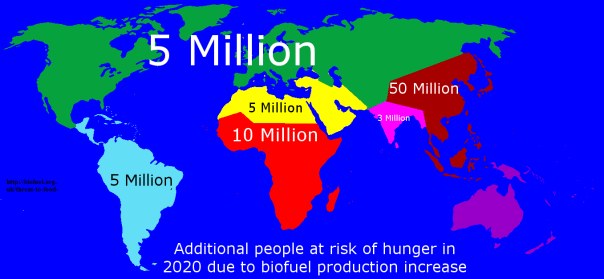


 Here is me picking up from where I left off with my Africa is NOT rising article which is a featured presentation from Mr. AlI Mfuruki from Tanzania. The presentation was done at a Tedx event late last year. This is in fact part 3 of a 3 series post dedicated to his presentation (Simply because his assessment of the “Africa rising” media propaganda was so relevant and accurate for anyone wanting to build the continent). In case you have not had the chance to go through the first 2 posts, here you go:





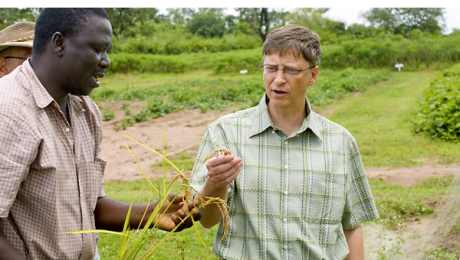
 Addee Asli Oromo: The first woman in the history of Ethiopian Empire that sentenced to death because of her political vision about Oromo people but released after 18 years in prison as a result of international communities campaign.
 Addee Urjii Dhaabaa: Is one out of many Oromo Women that survived sexual aggression of Ethiopian government military force, police and security agents.

 Ethiopia is the tenth largest country in Africa and it is the second most populated country in Africa with projected population of 100 million by 2020. It has a number of nations/ nationalities with distinct culture. Ethiopia consists of peoples speaking more than 80 different languages (CSA, 2006)
 Oromo people are egalitarian society. Historically their democratic system of government known as “Gadaa” governed the social, economic political affairs of the Oromo people. Under Gadaa, Oromo women developed their own unique institution known as “Siiqee”. Oromo women used Siiqee institution to defend their rights, promote their interests and challenge male domination. After the Oromo people are colonized in 1880s all Oromo institutions are either totally banned or incapacitated. Since then the Oromo people are denied the right to determine on their social, economic, political and cultural affairs. For example, banning or incapacitating Siiqee hindered the Oromo women defending their rights. The colonial power not only banned and incapacitated Oromo institutions but also introduced and/or widened gender hierarchy and discriminatory social practices. This conditioned Oromo women to bear double burdens (i.e. colonial and male domination) and exposed them to sexual violence.
 The definition and the scope of sexual violence is a major problem in communications as it can be defined either narrowly or broadly. Here are four selected exemplary definitions of the term for the purpose of this presentation. The United Nations Declaration on the Elimination of Violence against Women (UN, DEVAW, 1993)
 The third one is expertise definition of DeGue and DiLillo (2005)
 Despite a wide spectrum of sexual violence, there is strong limitation to get enough information in Oromia, Ethiopia. This because of the fear of social exclusion or fear of being marginalized by society, which will bring serious consequences. Occasionally survivors are silent because they felt they would never achieve any redress. Indeed, no individual perpetrators such as soldier or security officer appears to have been, or is ever likely to be, held to account. In World Health Organizations (WHO) multi-country study on domestic violence and women’s health conducted in ten countries including Ethiopia
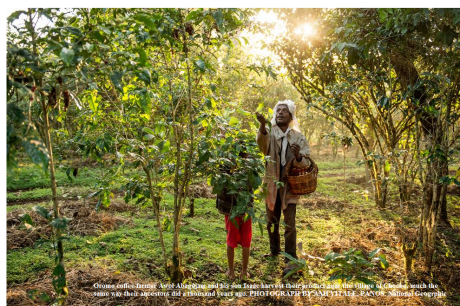
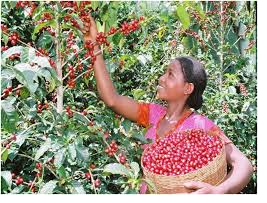



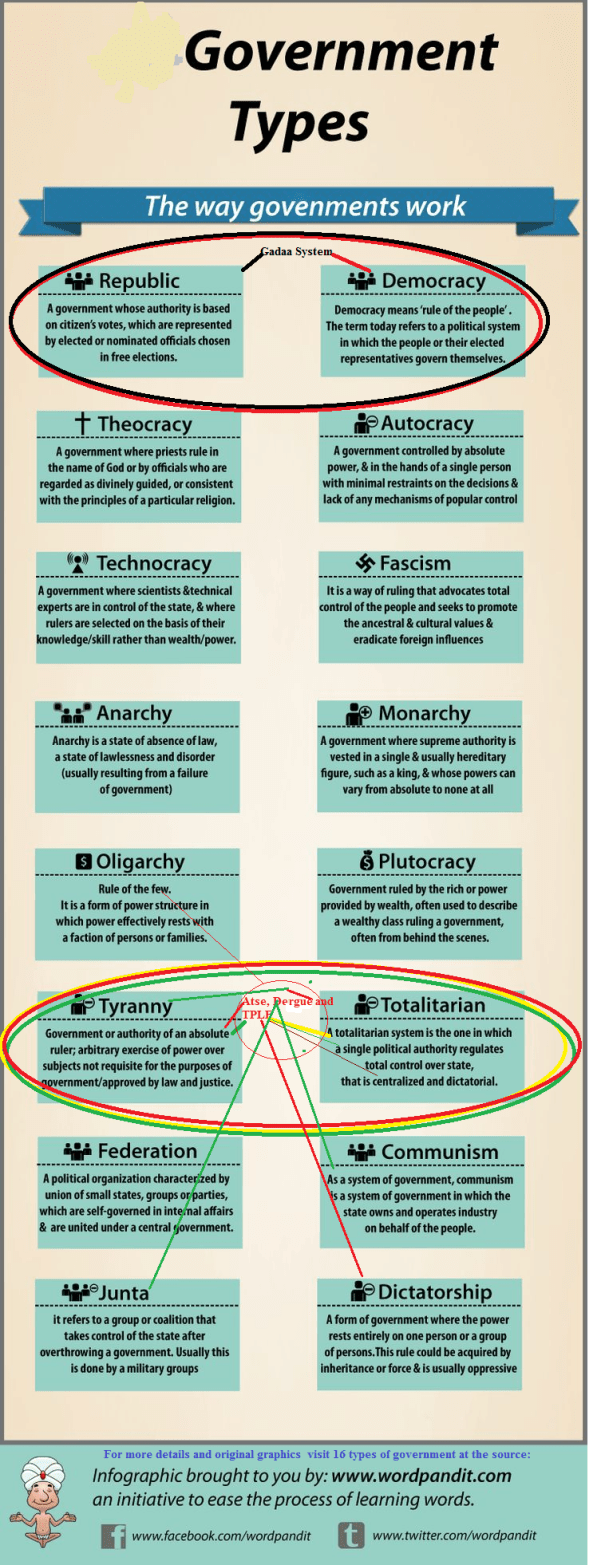
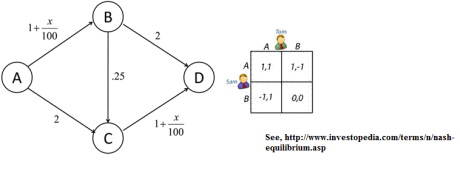

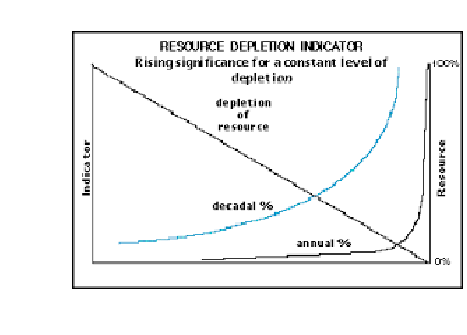

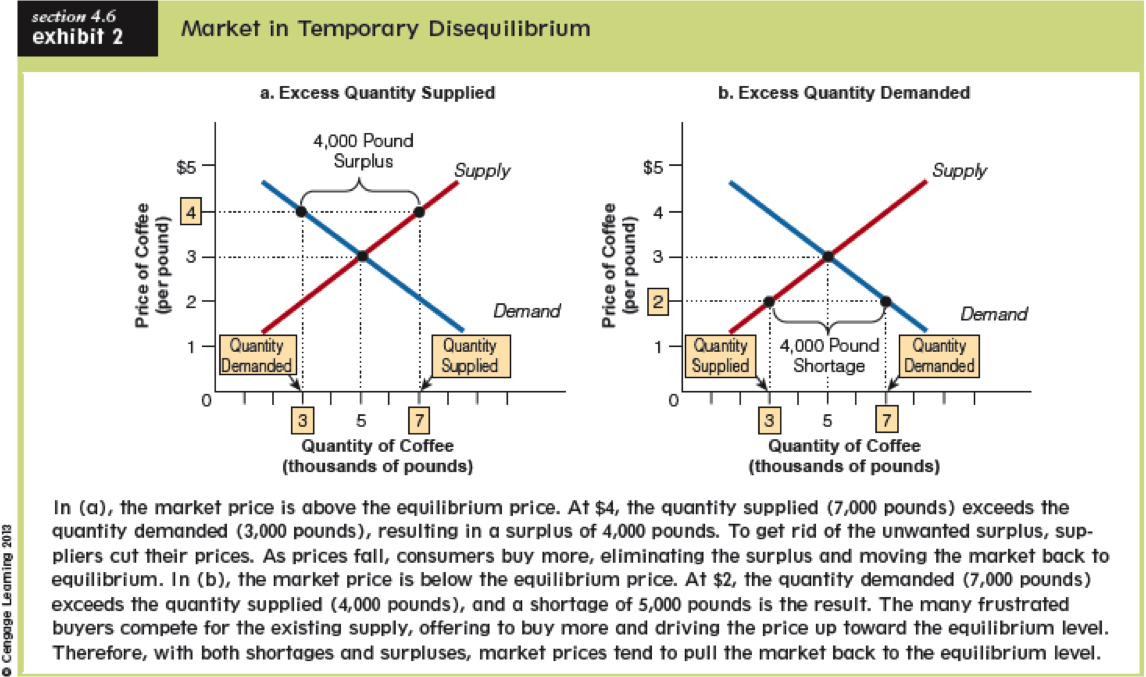
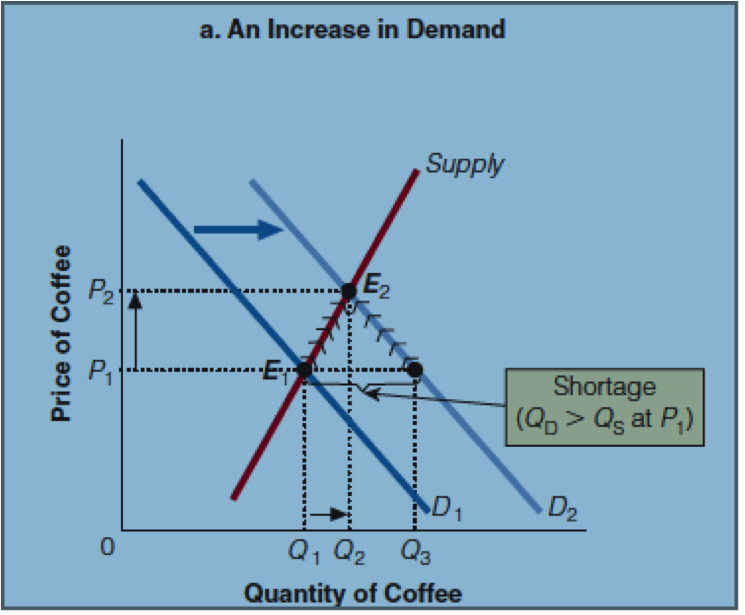
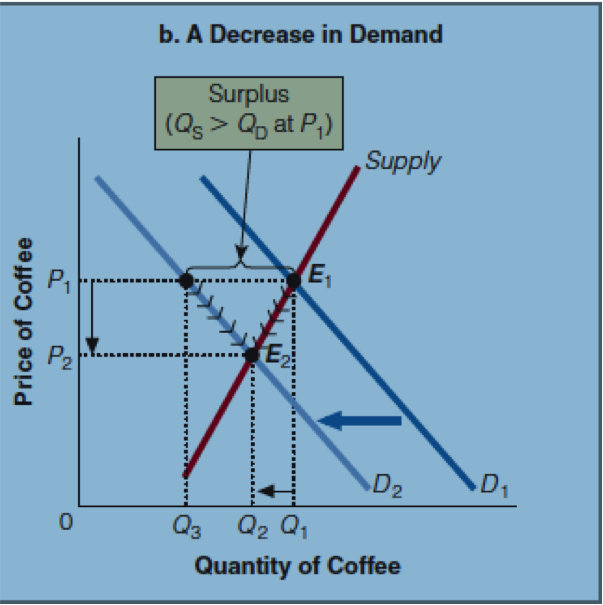
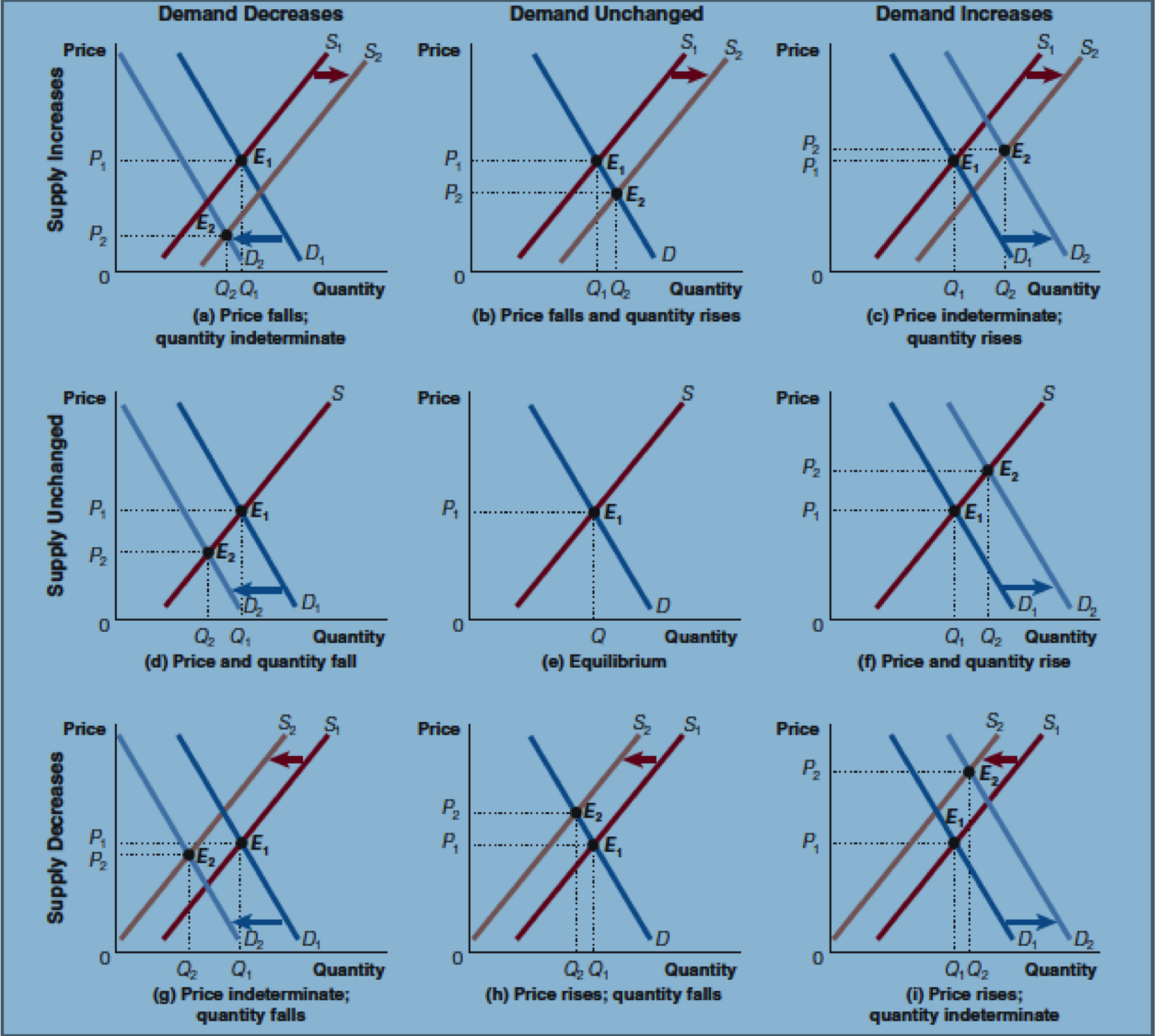
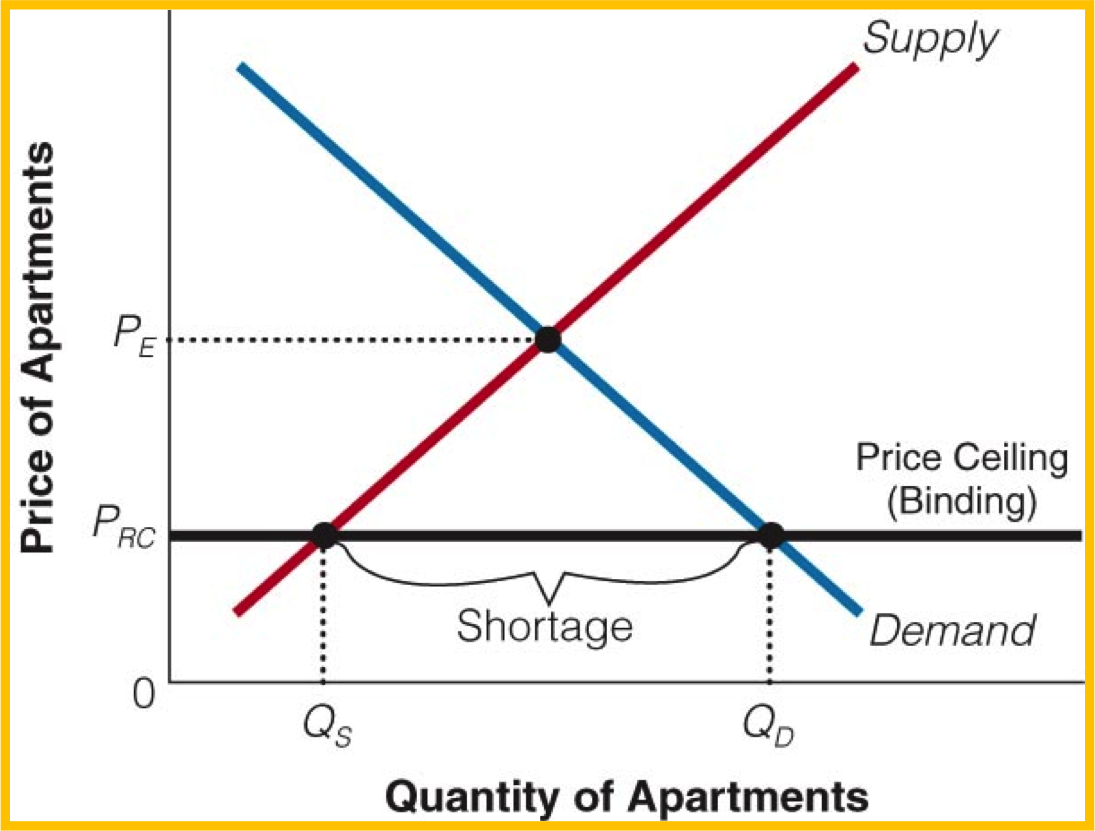

 HRLHA Urgent Action
 By doing this the Ethiopian Government has blatantly violated international humanitarian law and international human rights law principles including international human rights standards.