Economic and development analysis: Perspectives on economics, society, development, freedom & social justice. Leading issues in Oromo, Oromia, Africa & world affairs. Oromo News. African News. world News. Views. Formerly Oromia Quarterly
MARSABIT: The Kenya Defence Force (KDF) has moved its armoured vehicles and tanks from the Odha Military Camp in Moyale to Sololo following an invasion by Ethiopian forces who killed three police officers.
MARSABIT (The Standard): The development last evening follows a fierce gun battle earlier in the day between Kenya police and Ethiopian forces at Anona and parts of Sololo Township in Kenyan territory.
Marsabit County Police Commander Bernard Kogo said three Kenyan security officers were killed but declined to reveal the casualty on the Ethiopian side. “We lost three officers at the border (Sololo) and I do not know what happened on their (Ethiopian) side,” said Mr Kogo. On Thursday, a senior provincial administrator identified a senior chief who was gunned down by allegedly rebels from the Oromo Liberation Front (OLF). Ethiopia is fighting the rag-tag OLF rebels in Ethiopia and parts of Marsabit County that it claims hosts their rivals. OLF is opposed to Ethiopia’s ruling regime and claims it has marginalised the majority of Oromia-speaking people who include the Borana, also found in Kenya. At dawn Friday, Ethiopian forces in full military attire invaded villages in Sololo District where locals led by area MP Roba Duba said at least 24 Kenyans were abducted. “Eleven people were rounded up and taken away by Ethiopian soldiers. Before that they beat up everyone in their sight with gun butts, kicks and blows,’’ said Adan Jirma, a resident of Sololo South.
See also: Ethiopian soldiers cross to Kenya, kill three policemen, five missing At around midday Friday, Ethiopians soldiers made a second invasion in the two centres while backed by armoured vehicles.
This prompted administration and regular police, backed by Kenya police reservists, to engage the foreign army in a shootout. As the gun battle between the two sides raged up to about 4pm Friday, KDF’s army multi-unit detachment from Odha in Moyale, about 100km away, rolled its armoured cars and tanks that were deployed at the border, stretching a distance of about 15km. Sololo OCPD Benjamin Mwanzia said the military had been deployed to guard against further incursion but declined to give details. National Hospital Insurance Fund Chairman Mohamud Ali called on the Kenya Government to protest what he called frequent invasion by Ethiopian forces into Kenyan territory. “We are a sovereign state and this (invasion) is bad because Ethiopia is considered a friendly neighbour. It is high time our government sends a strong signal to them,” said Ali. Mid this year, Ethiopian forces invaded Kenyan territory on three occasions — at Illeret, Sololo and Moyale.
Read more at: http://www.standardmedia.co.ke/article/2000183121/kdf-deployed-at-border-after-ethiopian-forces-kill-officers
Related:-
Ethiopia risks diplomatic row after its soldiers enter Kenya and kill local police officers.
NAIROBI will seek an explanation from Addis Ababa after Ethiopian soldiers killed three Kenyan police officers in foreign territory, Kenyan media reported Sunday.
November 16, 2015His Excellency President Uhuru Kenyatta
Office of the President
The Republic of Kenya
Harambee Avenue
P.O. Box 74434 – 00200
Nairobi, Kenya.Appeal Regarding the Disappearance of Mr. Dabassa Guyo
Your Excellency President Kenyatta,
I am writing this letter on behalf of the Oromo Community Organization (OCO) of Washington DC Metro Area. OCO was founded as a non-profit organization with the main objective to help Oromo Diaspora, to promote the development of the Oromo language and culture through education and to advocate for the human rights of the Oromo in Diaspora and their relatives in the Horn of Africa.
It is with great shock that we learned the disappearance of Dabasa Guyo – a prominent Oromo Cultural and religious leader residing in Nairobi, Kenya. Mr. Dabassa Guyo was born and raised in the Borana region of Oromia, Ethiopia. Since the Derg and TPLF governments came to power to the present, hundreds of thousands of Oromo and other nationals have run away from arbitrary detentions, degrading tortures and violent killings in Ethiopia to save their lives by seeking refuge in the Republic of Kenya and other neighboring countries. Mr. Dabassa Guyo, has moved to Kenya several decades ago for his safety and due to the persecution of the Oromo people in Ethiopia. Mr. Guyo has been residing in Nairobi for the last thirty-five years until his sudden and mysterious disappearance on September 27, 2015.
Mr. Guyo is an indigenous Oromo philosopher and cultural expert. During his entire life, he has been a peacemaker and has developed a philosophy of peaceful living and coexistence among the human race. He has traveled to the United States of America, and several countries in Asia, Europe and Latin America to teach ways of peaceful living and the resurrection of Oromo culture and ancient civilization, including the Gadaa System (Oromo democracy). Mr. Guyo is a founding father of Oromo civic institution known as Argaa-Dhageeti and a walking encyclopedia of the Gadaa System. In particular his profound knowledge of the Gada system – an indigenous Democratic system of governance- has placed him among the few irreplaceable Oromo experts in the Horn of Africa. Over the last three decades, thousands of Oromo refugees have attended his cultural education center in Nairobi, Kenya, to learn about Oromo culture, history and an indigenous religion. His former students are now scattered all over the world. Mr. Dabassa Guyo is a family man and a prominent teacher of the Oromo people.
Mr. Dabasa Guyo took part in the celebration of Irreecha on September 2015- an annual Oromo thanks giving day – where he delivered his annual thanks giving blessings to his fellow Oromo country men. On this day, he was kidnapped while on his way from the ceremony
We are shocked by his sudden disappearance. Family members, relatives and his formers students have been trying to learn his whereabouts for over six weeks with no results. It is puzzling that someone would attempt to hurt or abduct such a peaceful person and an elder who had been preaching peace all his adult life. But based on a document which the Ethiopian government submitted to your government, which we recently learned from public sources, and other numerous acts of violence that the Ethiopian government has been perpetrating against Oromo refugees in the Horn of Africa, we suspect that Mr. Guyo was abducted by Ethiopian security agents. The letter to your government lists Mr. Guyo at top of 131 Oromo refugees residing in your country whom the Ethiopian government considers terrorists and wants to be repatriated. In fact, threats, illegal and criminal acts of violence against Oromo refugees by the Tigrayan-led Ethiopian government is not new. It has been engaging in terrorizing and killing the Oromo people in general and the Borana Oromo in particular for the last twenty four years. In 1992, the Ethiopian government sent its security agents and assassinated Mr. Jatani (Mebeatsion) Ali, a prominent Oromo and former administrator of the Boraana region in Ethiopia. Furthermore, the government has been sending its security agents to Kenya to abduct other prominent Oromos that it suspects to be national leaders and opinion makers among the Oromo society. For example, Engineer Tesfahun Chamada was abducted, tortured and killed in Ethiopian prison in 2013. We fear that Mr. Guyo may have been a victim of similar act of violence conducted by the Ethiopian government. He may have been abducted to be tortured and killed. Sadly, if our worst fear proves to be true, it will be a huge tragedy and an immense disappointment for the Oromo people and for all peace loving peoples of the world. In short, it is a great loss to the world’s humanity.
Therefore, we appeal to you, so that you could use your presidential power to find the whereabouts of Mr. Dabassa Guyo and return him to his peaceful daily life and his family, so that he could continue his contributions to the development of peace-making and education of his people and others about indigenous Oromo civilization. As a longtime resident of your country, Mr. Guyo and his family deserve the highest protection afforded to all refugees under international law.
We request that you and your government protect Oromo refugees in Kenya and stop the Ethiopian government from harassing Oromo refugees and engaging in gross human rights. Particularly, we request you to take urgent actions to find the whereabouts of Mr. Dabassa Guyo, secure his immediate release and return to his family safely.
Sincerely,
Desta Yebassa, PhD
Board President
Oromo community Organization (OCO)
6212 3rd St NW,
Washington DC 20011
Phone: (office):202-234-1151
(Mobile): 202-422-8971
CC:
Ministry of Justice, National Cohesion and Constitutional Affairs
PO Box 56057-00200, Co-operative Bank House, Nairobi
Mr. Antonio Guterres United Nations High Commissioner for Refugee (UNHCR)
Case Postale 2500 CH-1211 Geneve 2 Depot Suisse
Email. infoDesk@ohchr.org;GUTERRES@unhcr.org Attention
The UNHCR Representation in Kenya
P.O. Box 43801-00100 GPO, Nairobi, Kenya
Email: kenna@unhcr.org
Office of the UN High Commissioner for Human Rights United Nations Office at Geneva 1211 Geneva 10, Switzerland
E-mail: tb-petitions@ohchr.org
(Mail & Guardian Africa): ANGOLA marked its 40th birthday this month and while the south African country blew off the candles, there’s one situation it would be happy the world didn’t pay much attention to.
The “Republic” of Cabinda has even set up its own de facto government, but Angola has no doubt about who the area falls under, having steadfastly held that it is sovereign territory administered from Luanda.
The geography, and history, however stokes the debate: not only is the area completely separated from Angola by a narrow strip of territory belonging to the Democratic Republic of the Congo, but it was also only a protectorate of the Portuguese (called Portuguese Congo) and was only formally integrated into Portuguese Angola in the 1950s. In 1963, the Organisation for African Unity – now the African Union – recognised the distinction between Angola and Cabinda by ranking Cabinda as the 39th state. Internationally though, the area is recognised as part of Angola.
Following independence from the Portuguese, the self-determination movements in Cabinda carried on in the activities of FLEC (Front for the Liberation of the Enclave of Cabinda), this time against their African colonisers. The Cabinda people have not given up, even though the region has now become the country’s most militarised area as a way of control. FLEC continues to carry out a low-level insurgency in the area, with sporadic attacks on army patrols and oil workers – one high profile attack included a bus carrying the Togolese football team in 2010.
So why won’t Angola let go? Though Cabinda represents just a tiny part of Angola’s overall territory – it’s about the same size as The Gambia – it holds vital economic importance to the country producing most of Angola’s oil wealth – up to 70%—and therefore the revenue on which the government survives.
Cabinda is not alone. Across Africa there are areas which have famously called for secession such as Western Sahara, Somaliland and Puntland – functioning with their own governments and in some cases getting increased international recognition, but there are still others which fly low below the radar…where their “African masters” like to keep them:
Barotseland
The people and royal household of Barotseland, in western Zambia, have been agitating for the region’s independence. They accuse the Zambian government of ignoring a 1964 treaty which established Barotseland’s position within Zambia as an autonomous region, in place of the earlier agreement between Barotseland and the British Government.
Barotseland, the kingdom of the Lozi people ruled by the Litunga (king or paramount chief), was a protectorate under British colonial rule and became part of Zambia at the country’s independence in 1964. In 2012, a group of traditional Lozi leaders, calling itself the Barotseland National Council, declared that Barotseland was now free to pursue its own peaceful “self-determination and destiny.”
Zambia was quick to quash these declarations and in December 2014 the administrator general of the Barotseland transitional government, Afumba Mombotwa, and three other secessionists were arrested for treason. If they are found guilty they will be hanged. Their trial, which began in August 2015 is still underway though petitions have been handed to the UN demanding the release of the political prisoners.
So why won’t Zambia let go of the Kingdom? Barotseland is in the upper Zambezi valley which means it has very fertile land. The floodplain is also something of a tourist attraction but the main reason could be because the region has oil potential, in addition to other minerals. In 2011 the government awarded the first petroleum exploration licence to a Zambian company, Barotse Petroleum Company, to explore oil and gas in the province.
Free Republic of Rehoboth
Chances are that you’ve not heard of this one.
The Rehoboth Basters, descendants of Cape Colony Dutch settlers and African women, number about 35,000-55,000 people and live in an area of 14.216 sq.km south of Windhoek, the capital of Namibia. They claim they settled in the late 1860s and developed their own legislation, years before the Germans installed their colonial rule over Namibia in 1885, giving them a right to independence.
With Namibia’s independence in 1990 they lost their status, which they have been demanding back. The United People`s Movement (UPM) was established in 2009 to unite the Baster People and provide them with a political voice, pushing for autonomy of their political affairs.
However, in the case of the Basters, it’s not that the government doesn’t want to let the area go – they are simply not seen as being of consequence because of their small numbers. Their traditional authority is not being recognised anymore and the Namibian government has registered Rehoboth as commercial land.
Ogoniland
Under the Movement for the Survival of the Ogoni People (MOSOP), founded in 1990, the people of Ogoni are attempting to disengage from Nigeria having declared independence in 2012. They also presented a Bill of Rights to the Government of Nigeria calling for political control of Ogoni affairs by Ogoni people. It states that the Ogoni people seek, “political autonomy to participate in the affairs of the Republic as a distinct and separate unit (by whatever name called), provided that this autonomy guarantees political control of Ogoni affairs by Ogoni people”.
MOSOP claims that the Ogoni people’s independence was first violated by British colonialism and then “handed over to some other Nigerian ethnic groups in October 1960.” The problem is in 1957 Shell Oil Company struck oil in Ogoniland, which set in motion a process transformed both Ogoni society and Nigeria as a whole. Today, oil accounts for over 90% of Nigeria’s export earnings and some 80% of government revenue, controlling the entire Nigerian economy.
The independence movement is driven by the community feeling inadequately compensated for the take-over of their land by the oil companies and the environmental damages they suffered.
Nigeria has also seen activism around Biafra, for which hundreds of people marched this week, as marginalisation grievances swirl over an area that caused a major civil war in the 1960s.
Oromia
In Ethiopia the Oromo people – the country’s largest community with 30 million members, constituting 34.49% of Ethiopia’s population – lay claim to the country of the Oromo, called Biyya-Oromo or Oromia. Oromia is described as one of the free nations in the Horn of Africa until its colonisation and occupation by Abyssinia at the end of the nineteenth century. Their self-determination movement is being pushed by the Oromo Liberation Front, or OLF, an organisation established in 1973.
Their attempts for secession however are being fought by a central government that cannot afford to lose this bread basket, with human rights groups saying there have been excesses. Oromia is the region where coffee first originated, today it accounts for more than 65 % of the country’s total coffee growing land and coffee is the country’s largest export.
Casamance
The Senegalese region has also since the 1980s waged low-level resistance over what it says is marginalisation. Successive peace deals have been signed, and the central government has pushed economic plans to stamp out the disquiet, which has been quiet for the last few years.
Alarm bells are ringing for a food emergency in Ethiopia. The UN says 15 million people will need help over the coming months. The government, wary of stigma and therefore hesitant to ask for help, has nevertheless said more than eight million Ethiopians need food assistance. Extra imports to stem the crisis are already pegged at more than a million tonnes of grain, beyond the government’s means. Inevitably, comment and media coverage compare the current situation with 1984 – the year Ethiopia’s notorious famine hit the headlines. Reports suggest this is the worst drought in 30 years. One declares it a“code red” drought. So how bad actually is it?
The country of close to 100 million people is huge, spread over an area of more than a million square kilometres that ranges from semi-desert to swamp to mountain ranges and fertile farmland. The weather systems and agricultural patterns are diverse and complex. Even within the higher-altitude areas of the country, the most densely populated, the typical rainy seasons vary and crops are grown at different times of the year. This year, the weather has been prone to even greater variation due to the global climate phenomenon El Niño, last seen in 1997-1998.
Ethiopia produces more than 90 percent of its own food. Last year, the cereal harvest was estimated to be 23 million tonnes, but imports in recent years averaged 1.2 million tonnes – just five percent of that. So even if 2015 and 2016 are bad years (the impact of a poor harvest is felt months later as food stocks run out), the vast majority of Ethiopian people will support themselves and eat produce from their own country. But in a giant like Ethiopia, 15 percent of the population is 15 million people – more than the entire humanitarian caseload of the Syrian crisis. An extra five percent of cereals is another 1.2 million tonnes.The costs and logistics become formidable at this scale.
WEATHER
The weather is only one part of the equation in whether people go hungry. Politics, economics, the availability of seeds and fertiliser, conflict, trade and labour markets, population pressure, social habits, and a host of other factors matter too.
While the science and sociology of food security is complex and layered, international agencies working on drought and hunger-prone countries, including Ethiopia, use a scheme called the Integrated Food Security and Humanitarian Phase Classification Framework (IPC) to simplify the mass of underlying data into a five-step scale – from minimal food security pressure to famine. Some parts of northern Ethiopia are already flagged as being in “Phase 4”, one step from the worst category. More are expected to follow, unless sufficient resources can halt the slide.
Even getting a single view of one year’s weather, let alone human interaction with it, is no simple matter.
For more than 30 years, meteorologists have gathered a giant archive of satellite data for Ethiopia. US satellites, in particular METOP-AVHRR, churn out petabytes of data. Triangulating that with other sources, including ground-based measurement, farm assessments, nutrition, and price monitoring provides a rich toolkit to estimate vegetation, rainfall, soil moisture and temperature – ultimately giving an idea of food on the table.
Considering all the variables, the drought and famine watchdog FEWS NET, established in the wake of the 1984 famine, has used direct, but not alarmist, language to describe the prospects: its latest report for Ethiopia is titled “Large-scale food security emergency projected for 2016”. The UN’s Food and Agriculture Organization, meanwhile, warned: “food security conditions sharply deteriorated.”
Political sensitivity, donor pressures, logistics, media distortion, inefficiency and scepticism may yet conspire to tip more Ethiopians into “Phase 4.” Even in the best-case scenario, the financial resources will be hard to find – $270m is still needed for 2015 alone, according to UN’s emergency aid coordination body, OCHA, and needs are set to rise sharply (the US, the UK and China have pledged relatively early to the response, according to the government).
To illustrate the complexity of weather patterns in Ethiopia and attempt to demonstrate a link with El Niño, IRIN analysed 30 years of satellite imagery to provide some visual evidence of the complex and erratic picture of weather in the Horn of Africa. Read more in the following link
The thirty-three case studies shed light on the tremendous success of agroecological agriculture across the African continent. They demonstrate with facts and figures how an agricultural transformation respectful of the farmers and their environment can yield immense economic, social, and food security benefits while also fighting climate change and restoring soils and the environment.
What is Agroecology?
Agroecology is the application of ecological science to agriculture and agroecosystems. It encompasses a wide-variety of practices, which are coherent with key principles of environment preservation, social fairness, and economic viability. Therefore, agroecology combines parameters of sound ecological management, like minimizing the use of toxics by using on-farm renewable resources and privileging endogenous solutions to manage pests and disease, with an approach that upholds and secures farmers’ livelihoods.
Local Context, Long-Term Impact
While agroecology promotes low use of external inputs, it is a very knowledge-intensive system. Transmission of this knowledge, adaptation to local contexts, and appropriation by farmers and government technicians, are essential steps for farmers and communities to reap the benefits of agroecology. The case studies demonstrate how the expansion of agroecological practices will generate a rapid, fair and inclusive development, that can be sustained for future generations.
It is doubtful if all those who exalt democracy understand it in the same way. For this reason, let us see if we can find a common ground for Oromo activists. As the son of the last Gadaa practiced in his birthplace, no one, this writer believes, will contest his Gadaademocratic heritage. But so what? What matters is only if he practices and defends it. The word democracy (demockratia), they say, came from two Greek word “demos” for people, and “kratia” for government. The words of Abraham Lincoln in modern times expresses better the Western concept of democracy, which is “a government of the people by the people for the people …” This is notwithstanding the framework in which it is practiced in different countries. From what we observe, genuine democracy is a difficult dream to be realized. Even Gadaa or Oromo democracy, which was more inclusive, was not perfect. Evaluating democracy has to start from structure and function of an organization. An organization is its setup, its kaayyoo and its members who have pledged to struggle for a common cause respecting its laws and regulations; any democratic member or leader is judged by one’s integrity, one’s commitment to the organization, priority one gives for comrades’ concerns, and respect for organizational laws and procedure, and how much one understands national and international human and technological developments.
For this writer, democracy is a way of life where all people are seen as equals irrespective of social position, education, skill, race, ethnicity, etc. All genuine democrats accept the rule of law, encourage participation of members in decision making, and do not try to silence dissenting voices. That distinguishes them from autocrats, oligarchs and totalitarians. Leadership in democracy is based on election with time limit. In certain cases, elected leaders could turn autocratic or oligarchic abandoning organizational rules and objectives that demand all-inclusive teamwork. Autocracy is a rule by an individual. Oligarchy, on the other hand, is a rule by an elite group or clique. In both systems, there are some who initially come through election, but ignoring rules and regulations that had brought them to power, they start to rule by whim. Such usurpation of power cannot be enduring, but the devastation it could cause may be realized later. That is how Hitler came to power, and we know what happened to Germany and the world; Wayyaanee is on the same course and is on its way out. Therefore, there is a lot to worry when someone starts to stray from lawful practices. He or she may get away with it once, but that does no good for the struggle and future member relations unless corrected.
The first schism in OLF was between young brothers who claimed of being more Oromo than the other instead of showing patriotism commensurate with their kaayyoo. The unexpected is, all that came later in senior years who wanted to prove who could faster find out a way to win aliens favor irrespective of own political loss. That is how diaspora Ethiopianists became vocal and daring in a never-seen way. The struggle against oppression is not advancing; individual activists leading it are not materially benefiting yet – and are not searching for a way out. If errors are pointed out, every one is fast to take a position for self-defense and viewing comrades as adversary. What is going on is difficult for a quick analysis. At present, one can smell prolusion in the activist ranks. All the agitation for liberation, all the condemnations of treachery are now forgotten with temptations from colonial masters, even to a great surprise of former pariahs.
All the spilt blood of sisters, brothers and comrades are erased from memory. Some of them are suffering from the struggle’s fatigue; there seems no stamina or honor left in them. It reminds one the two Wayyaanee men and musicians who surrendered and started to give out secrets they held to the Darg during its waning days in return for some protection and comfort. But the fanfare did not last long, the defectors and Darg had to run for their lives. Numbed Oromo politicians are also hurrying to the same end. They will surrender to leaders of the empire and their running dogs to flee again soon, now with their hosts. No one can stay mentally healthy and in peace betraying the Oromo legitimate cause.
Elections usually create bodies that are individually and collectively responsible to the electorate. For that purpose, there is a division of labor and accountability governed by rules and regulations among them. But leaders who have autocratic tendencies break those rules of procedure deceptively and take the law to their hands. In most cases, organizations have executives and a policy-making council or Parliament, which has a supreme power. All power that is not clearly mandated belongs to this council. For autocrats, this mandate is time-wasting and unnecessary. Such autocrats are prone to a third-party influence. Third parties pursuing their own interests prefer partners whose hands are not tied by democratic procedures and accountability. That is how the objective principles of democratic organizations are derailed and distorted by self-seeking individuals in cahoots with sinister interests. For example, that is how Wayyaanee ended up serving individual leaders and foreign interests instead of peoples who elected it.
Legal procedures are laid down so that each division of an entity plays as a check-and-balance on each other. The executive is mandated to implement policies based on guidelines policymakers lay down for it. Chairperson’s duty is to coordinate the work of members of the executive and act as the public face for the organization and do other duties clearly mandated to them by the higher body. That does not mean they cannot suggest new ideas, but it needs approval of their comrades. Members and other functionaries can be asked for their opinions or be informed on the state of their organization, but cannot vote on policy issues outside their competence. Such practice existed only in direct democracy, not representative one.
In representative democracies, leaders may take to the mass members or to those the issue on hand concerns to put pressure on the policymakers though they have no legal significance and do not justify circumventing legally established procedures. However noble the reason for circumventing might be it cannot outweigh abiding by the law in the long run. For instance, in OLF, a body that represents the National Kora as the supreme policymaker is the National Council. If the executive take action on matters that are under council’s jurisdiction without its authorization that does not worth a penny, and is not binding on anyone, but only holds the perpetrator accountable. All deliberations require quorum to be valid. The chairman is a member of the executive committee. Relevant decisions are made through the committee. Such is how decisions are supposed to be made by this organization that has sacrificed so much for democratic rights.
By their oath of office, elected members have committed themselves to be answerable to their constituency individually and severally. And they cannot remain neutral when organizational laws and regulations are transgressed. They ought to struggle for rectification and a redress mechanism when wrongs are done. Disloyalty to the organization and its instruments show contempt for principles it is based on and the goals it aimed at. By doing so, they are making the force behind the organization’s creation irrelevant. That would seem as if they have found a new function and a new loyalty for it. Procedures are laid down to curb authoritarian tendencies which are common to human nature and protect the organization from turning against itself. But that could remain a wish when members are not politically conscious enough, and mobs are turned against to harass them. In Gadaa tradition, elected leaders can be recalled for slight deviations. Not now. The enemy and its agents want Oromo activists to get engaged in internal bickering and schisms, as to make them not bother with the status quo in the empire. This has to be avoided and focus must be on implementation of organizational program in any way possible. The imperial status quo has to crumble whether they like it or not.
If not led by those committed to the cause, it will be naiveté to expect a strong and democratic organization. Without strong organization it will be difficult to win a war or to deliver what one promises. The major causes for weaknesses and dissensions in OLF so far, despite the great potential it could mobilize, are leaders not adhering to organizational objectives, rules and procedures and lacking dedication for the cause. Weak leaders of organizations sometimes seek for strength from external sources rather than internally. That is sure to adulterate all aspects of the organization and its struggle. OLF has a declared anti-colonial agenda. All its relations must be based on this agenda, not on refurbishing the empire state. To remain OLF, understanding current world situation, current Oromo youth demands and maintain independence of the organization is needed.
Unfortunately, devotion to the cause or original kaayyoo, consistency of outlook, unwavering commitment to Oromummaa, determination to sacrifice and valor are becoming rare commodities for many. When OLF shows some hopeful trends, there were those who stampede each other for favors; and when things are not favorable, there are those highly flexible whose conscience doesn’t scratch them a little bit, but hide under faith and region – and try to throw stone at it. On the other hand, Oromiyaa has produced some leaders who are allergic to criticisms – who give ears for alien propaganda, but deaf to members’ comments contrary to theirGadaa heritage. They generally fail to realize that dodging the truth will have always far-reaching consequences for the struggle. For this, no one has more experienced than the OLF. As a remedy, those engaged in the struggle must believe that OLF is greater than anyone of its members and no individual whim can replace it; no one has the right to silence member’s voice from expressing one’s opinion and no one should be hindered from exercising one’s rights and duties. If this is done, there could be internal harmony and there is no reason for the organization not to be strong. Strong organization can approach the world in unison and in one voice, and form alliances in accordance with its political program. But who wants a strong OLF?
A weak organization becomes only an embarrassment for the nation. As a nation with Gadaa heritage, Oromo takes democracy as a way of life where dialog is practiced rather than dictation. Inequality, discrimination, favoritism marginalization, deceit and partiality have no place in democracy. It is a system where the law is supreme over individual’s idiosyncrasies. Leaders and members must reflect democratic Gadaa values at all times in private and official lives. They have to show commitment and dedication for fulfillment of the national Kaayyoo. For a national organization, the motto should always be “Nation’s Interest First.”
The first known democratic system of the world which gave the concept for the government of the people was for equals or free men. Women, slaves and foreigners were not included. It had stayed so for centuries. Voting rights for women did not yet become universal. There is also no perfect model for democracy where people live in harmony with each other and natural environment, enjoying fruits of liberty. Unless the attitudes towards women are changed, it will be like working with one hand amputated. Women are the most important members of human society, and no less productive and resourceful than men. Denying them equal rights with men is probably the most absurd thing that humans have done.
Gadaa system may have no rival – concerning the paying attention to the marginalized, including women in relative terms. That this truth is not mentioned by historians of the world makes history of democracy incomplete. The Oromo do not fit into their classification of society as savage or barbarian. They are shy to call them not civilized like some ignoramus, because in their hearts they know that Oromo civilization precedes theirs. Gadaa is a democratic system ala Oromo that existed from time immemorial.
Oromo society is divided into five Gadaa parties and periods. Each citizen belonged to a Gadaa to which his father belonged. They are those five Gadaa that take responsibility of ruling the nation in turns. Each Gadaa stays in power only for eight years. A Gadaa grade prepares itself from childhood until the stage of Raabaa-Doorii – where it will be ready to take power from the ruling Gadaa orgogeessa Luba before it. Therefore, there is no chance for aGadaa to stay in power a day over eight years without jeopardizing the working of the system. Electing their leaders is the duty and responsibility of each Gadaa.
All male members of the Oromo society are divided into age groups or hiriyaa (peer) separated by eight years. Each hiriyaa group has a social, economic, and political role to play for eight years in aGadaa tier. Grooming for leadership starts at early age and goes own until the time of taking over political responsibility. Thus, all male members are involved in all affairs of their society from birth to death. That is what we call Gadaa democracy. Hiriyaa above 8 years of age are given the roles in aiding adults, serving as scouts, military training and fighting, and ruler ship and administration of justice. Relevant formal and informal education is given at every tear. Thus, an Oromo adult was a well versed person in all aspect of societal knowledge and duties. Now since collective formal and informal education has ceased, one has to use those who got chance to go to modern educational institutions; just like the ancients used the highly enlightened Raagaa.
Women had legal and ritual roles to play in their own right though governing is men’s duty. The Siiqqee institution depicts these roles of women in Gadaa democracy. There are political and social rituals which cannot be completed without their involvement. The Siiqqeeis a sacred stick, symbol of women power through which they find their ways through social webs, and get their human rights respected. Let alone in the ancients, even in modern Western world, women got voting rights relatively very recently. The UN adopted, “Convention of the Elimination of All Forms of Discrimination Against Women” in 1979. Even today, these rights are not recognized by all or are recognized with restrictions. Compared to those, ancient Oromo women were in a better position than them with their Siiqqee prerogatives.
For governance, there were elected legislative and executive bodies. Their functions include also the administration of justice under Gaaddisa (Shade). Though the administration of justice is not separately organized like in modern Western systems, it is said to be the most impartial and well thought. Qaalluu, which was hereditary institution, had also significant role in society. The first two are elected and filled with Luba hiriyaa group. Justice, in most cases, is said not to be left to one Gadaa generation, but mostly entrusted to the hayyuu or jaarsa, wise men of society. Every member of society is bound by law, rules and regulations of finnaa, or state. Oromo had also ethical and moral rules known as safuu. Breaking rules of safuu amounts to renouncing Oromummaa. There are few that tarnish the good Oromo tradition and defame even outstanding Oromo patriots in the name of supporting a group or an outlook. Such groups or individuals in whose name the law ofsafuu is broken by social scums have the moral obligation to officially distance themselves from such acts if they themselves believe in decency. In Gadaa, no individual or group is above the law. Breaking the law, in particular by high level leaders, could lead to uprooting. That was the way of Oromo forefathers. Thus, adherence to democracy, and respecting and causing rules ofsafuu to be respected are marks of Oromummaa.
Oromo lost such marvelous political culture and forced to live under the mercy of an alien colonial rule for more than a century. Those who were mentally liberated organized themselves into a movement defying alien domination and rejecting its laws. But the model under which they were brought up is still haunting some of them. Instead of reverting to Gadaa democratic principles, those found it easy to imitate their masters and mentors. For this reason, consensus on the national kaayyoo is affected. As a result, they are wavering between the independence courses and reducing the struggle to individual rights. That means accepting people’s rights not being more than group rights such as of clubs, associations, etc. in tune with the enemy. The enemy propagates this to oppose decolonization and the right to freedom of Oromiyaa, Southern and Nilotic peoples.
Oromo are being harassed not as individuals alone, but more so as a group for mere reason of being Oromo. That is why they see at both rights in their right perspective. Both individual rights and peoples’ rights are inseparable human rights. No one of them can be fulfilled if the other is denied. The right of Oromo as a nation is denied as not to accept their separate identity from Ethiopia. That the Oromo have different culture, language and history is difficult to be denied by anyone. Therefore, it must be understood that just having more fire power does not give anyone the right to erase the identity of the other to stick one’s own in its place. Oromo identity has survived for more than a century under dire situation, and it will survive for many more.
Peoples right, individual right, democracy and self-determination are all universally recognized (UN Charter of 26 June 1945 – Article 1.2.) – not only a plea of the colonized. See the following:
1. The subjection of peoples to alien subjugation, domination and exploitation constitutes a denial of fundamental human rights, is contrary to the Charter of the United Nations and is an impediment to the promotion of world peace and co-operation.
2. All peoples have the right to self-determination; by virtue of that right they freely determine their political status and freely pursue their economic, social and cultural development. (UN Resolution 1514 (XV) 14 December 1960, (Article 1.1, The International Covenant on Civil and Political Rights, 1966))
The General Assembly, … Affirms the legitimacy of the struggle of peoples under colonial and alien domination recognized as being entitled to the right of self-determination to restore to themselves that right by any means at their disposal; (UN Resolution 2649, 30 November 1970)
The General Assembly reaffirms that the universal realization of the right of all peoples, including those under colonial, foreign and alien domination, to self-determination is a fundamental condition for the effective guarantee and observance of human rights and for the preservation and promotion of such rights; (UN Resolution 43/105 December 8, 1988)
It has taken the Habashaa over half a century to recognize rights of the oppressed colonial peoples by Article 39 of their constitution. They did that not because they believed in it, but to cool down Oromo furry in demanding for independence after a century of dependence. Otherwise, they had never practiced freedom and democracy even for their own people. Tigray, Tigriny and Amaaraa elites still maintain that. But they better focus on their own affairs if they want to avoid what their kin and kith say “Stretching to take down what is on the raft, she dropped what was in her armpit.”Habashaa elites are divided in opinion on how to govern the empire. The two schools are that of the Wayyaanee and that of those the Wayyaanee defeated in the battlefields. The Wayyaaneechose to declare Ethiopians and non-Ethiopian subjects of the empire as separate entities that deserve the rights to national self-determination contrary to remnants of the fallen Nafxanyaa and the Eritrean leader. They do not understand that the myth of their colonial empire is ending. Henceforth, they may reorganizeHabashaa Ethiopia, and start negotiating for good neighborliness with Oromiyaa and other colonies. Waaq willing, that will be the last stage of Habashaa Colonialism before the master distorters are all gone.
Gadaa system is among the advanced democracies of the world. Genuine democracy is a difficult dream to be realized. Even Oromo democracy which was more inclusive was not perfect. Human beings are all born equal. Differences after birth, concerning character, class, education, position, skill and other capabilities should not allow anyone to justify being more equality than the other. Thus, democracy is a way of life where all people are seen as equals. Accepting the rule of law distinguishes democrats from autocrats, oligarchs and totalitarians. True Oromo liberation movement is not breeding ground for undemocratic elements. But sometimes, there could be a glitch due to human frailty; if that happens, it should be nipped in the bud. It is only unity of the people and strong independent organization that can lead the struggle to victory and make it a reliable ally for anyone. Over and above their ritual role, it remains for Oromo women to claim full democratic rights. Together Oromo women and men shall throw away shackles of colonialism and finish modernizing the Gadaademocratic process disrupted by the enemy long ago by establishing democratic People’s Republic Oromiyaa. Oromo youth will not abandon Oromo revolution started by their elders. Independent Oromiyaa shall be realized! Gadaa democracy shall revive! Down with reactionary elements in the Oromo struggle!
Kanneen demokraasii ol kaasanii ilaalanhundi, akka tokkott qayyabachuun saanii mamsiisaa dha. Kanaaf mee qabsaawota Oromoof yoo ilaalcha waloo ni arginaaf tahe haa ilaaluu. Akka ilma Gadaa naannaa saatt yeroo dhumaaf shakalameett dhaalmaa demokraasii Gadaa qabaachuu saa, barreessaa kun kan ittiin mormu jiraataa itt hin fakkaatuu. Yoo tahewoo? Kan dhimma baasu yoo ofii shakalee fi utubeen qofa. Qooqi demokraasii (demokratia) qooqota Greekii lama “demos” ummata fi “kratia” mootummaa, irraa dhufe jedhama. Jechi Abraham Lincoln “Mootummaan ummataa ummataaf ummataan …” jedhu bara si’anaa rimsama demokraasii sirriitt ifsa. Kun biyya biyyatt mikkillee inni keessatt shakaIamu utuu hin dagatinii. Waan hubannu irraa demokraasiin dhugaa abju dhugoomuun saa rakkisaa tahe. Demokraasiin Oromoo yk Gadaa kan hunda haammatullee muda hin qabnee mitii. Demokraasii madaluun kan eegalamuu qabu, dhaaba, caasaa fi jiruu jarmaa saa irratii. Jaarmaan dhaaba, miseensota kaasaa waloof qabsaawan, kaayyoo, seeraa fi dambiilee saa kabajuuf kakaa seenan dabalataa. Miseensi yk hogganni demokratawaan kan madaalamu qulqullooma keessa ofii, dudhama dhaabicha qabu, durfannoo dhimmama jaalaa kennuu, seeraa fi tartiiba dhaabaaf ulfina kennuu fi hagam guddina ilmaan namaa fi teknolojii sabaawaa fi sabgiddu akka hubateenii. Leadership in democracy is based on election with time limit. In certain cases elected leaders could turn autocratic or oligarchic abandoning organizational rules and objectives that demands all-inclusive team work.
Barreessaa kanaaf demokraasiin akkaataa jireenya hundi adda addummmaa barumsaan, ogummaa fi dandeettii biraa haa qabaatan malee, walqixummaan walliin jiraatanii. Demokraatoti dhugaa hundi seeraan bulmaata ni fudhatuu, murtii dabarsuu keessatt qooda fudhannaa miseensotaa ni jajjabeessu; akkasumas sagalee mormii ukkaamsuu hin yaalanii. Kanatu ofaangessaa, bulchiyaroo fi halleto’ataan adda isaan godha. Demokraasii keessatt hoggansii kennata yeroo murtaawee irratt hundaawaa. Alii ali hogganooti filaman dambilee fi tartiiba dhaabaa, kan hojii garee hunda hammataa gaafatu lakkisanii ofaangessaa yk bulchiyaroott of jijjiiruu dandahu. Ofaangessaan olhantummaa nama tokkotii. Gara biraan bulchiyaroon murna gurguddoo yk sadootaan gaggeeffama. Sirna lamaanuu keessatt tokko tokko jalqaba kennataan aangott dhufanuu seeraa fi qajeelfama angoott isaan fide lagatanii fedha ofiin bulchuu eegalu. Taahitaa finqilchaan dhufe akkasii hin waaruu. Badiisi sanaan gahus booda hubatama. Hitiler akka sanatt aangoo qabatee, Jarmanii fi addunyaa irraan maal akka gahe argineera; Wayyaaneenis karaa sanan walfakkii irra bu’ee sussukaa jiraa. Kanaaf nammi tokko shaakala seerawaa irraa yoo cehu kan nama yaaddesssu hedduu dha. Al tokko daguun ni dandahama, garuu qabsichaa fi hariiroo miseensaa egereef sirratu malee bayeessa hin tahu.
ABO keessatt baqaqi jalqabaa, jaalbiyyumaa kaayyoo saaniin walgituun utuu hin tahin, obbolaa safila, anatu si calaa Oromoo dha waliin jedhan gidduutt gahe. Kan hin yaadamin kanneen sana booda bara manguddummaa dhufan hedduun, kisaaraa malbulchaa ofii utuu hin hedin, eenyutu shafffisaan karaa leelloon halagaa itt argamutt baha kan jedhan tahani. Akkasittii, si’ana Badii keessatt Itophistooti haala kanaan dura hin beekamnett sagaalee olkaasanii dubbachuu fi ugga agarsiisutt kan kahani. Qabsoon cunqursaa irratt tolfamu achi hin siqne; Qabsaawoti sna gaggeessan mata mataatt bu’aa waatatta argachaa hin jirani garuu karaa keessaa bahanis yoo soqan hin mullatu. Yoo dogoggoratt qubi qabames hundi ofirraa faccisuuf ariitiin bakka qabatee, jaala hunda akka hamajaajiitt laaluutt ka’a. Waanti deemaa jiru xiinxala shaffisaaf nama rakkisa. Si’ana qondaalota qabsoo keessatt fooliin falama ciinca’aa jira. Bilisummaaf dammaqsi tahe hundi, balaaleffannaan gana irratt gaggeeffamaa ture, suduudaan yk harka lafa jalaan kolomsiisa gooftolii koloneeffatoon sadarkaa kanneen dur balaaleffatamaa turan malalchiisutt dagatamaniiru.
Dhiigi obbolaa fi jaallewwan dhagala’an rakkoo malee qaabannoo keessaa haqamaniiru. Kaan kaan bututaa qabsoon dhibamaniiruu; annisaa haatahu ulfinni keessatt hafe kan hin jirre fakkaata . Sun bara Dargii gara dhumaa namoota lamaa fi ogneesitoota harka kennatanii iccitii qaban eegumsaa fi bahsananaa tokko tokkoof dabarsanii kennan nama yaadachiisa. Garuu dhiichisi hedduu hin turree miliqoo fi Dargiin lubbuu ofiif baqa eegalanii. Malbulchesitooti Oromoo hadoodan dhuma walfakkiitt arreedaa jiru. Ammas isaanuma waliin utuu hin turiin baqatt ka’uuf hoggana empayeraa fi kittillayyoo saaniitt harka kennachuuf waga jiru. Kaasaa Oromoo seerawaa tahe ganee eenyuu fayyaa fi nagaa sammuun hin jiraatu.
Kennati yeroo hedduu qaamota abba abbaa fi waloon kan kennateef itt gaafatama qaban uuma. Sanaaf hirmaanni hojii fi itt gaafatammi seeraa fi dambileen bulan jiru. Garuu hogganootii gara abbaa humnummaatt duufan dambiilee tartiibaa sana dagaan cabsanii seera harkatt galfatu. Gara caaluu jaarmoti hojii raawwachiiftuu fi gumii aangoon hunda caaluu imaammata baasu yk Caffee qabu. Angoon taliilaan hin kennamne hundi kan gumii kanaati. abootii humnaaf kenni kun yeroo balleessaa fi hin barbaachifnee dha. Abbaa humnooti akkasii dhiibaa qaama sadaffaaf banamoo dha. Qaammi sadaffaan fedha ofii qofa hordofan miltolii harki saanii tartiiba demokraasii fi itt gaafataman hin hidhamne filatu. Akkasitti kan kan kaayyoon dhaabota demokraatawoo namoota ofjaallatoon fedhoota hamoo waliin tahaniin mucuceeffamanii fi roga dhabsiifamani. Fakkeenyaaf, akkasitt Wayyaaneen namoota isaan filan dhiisanii hogganoota abba tokkee fi fedha halagaa tajaajiluun kan raawwate. Tartiibi seerawaan kan diriirfaman murnaasi addaanjiraato tokkoo akka to’ataa fi madaalaa walgidduutt uumuufii. Humnii Shanee Hoji Raawwachiiftuuf (HR) kenname qajeelfama imaammata kan baasaniin akka sararaa masaka kennameett hojiirra olchuu dha. Dirqammi abbaadha barcumaa jiruu HR qindeessuu, akka fuula dhaabichaatt tajaajiluu fi jiruu qaama olhaanuun ifatt kennamuuf hojjechuu dha. Sana jechuun yaada haaraa hin dhihessu hin dandahu jechuuf mitii garuu walii galte jaallewwan saa gaafta jechuuf dha. Miseensoti yk qondaaloti biraa haala dhaabi isaanii irra jiru iyya’amuufii ni dandaha, garuu qabattee imaammataa dandeettii saanii ala tahett irba hin kennan. Shaakalli akkasii demokraasii suduudaa keessatt malee kan bakka bu’ootaa keessatt hin baramne.
Demokrasii bakka buhootaa keesssatt hogganootii miseensa ballaatt yk kanneen qabateen harka jiru dhimma saanii tahett kanneen imaammata baasan irratt akka dhiibbaa tolchan dhiheessuu ni dandahu taha. Garuu sun seeraan aangoo hin qabatuu yk tartiiba seeraan diriirfame irra cehuuf sababa tahuu hin dandahu. Dhimmisaa hagam barbaachisaa yoo tahellee tartiiba seera finqilchuun wanti gahuu jiraachuu hin qabu. Fakkeenyaaf ABO keessatt Kora Sabaa kan bakka bu’ee shaakalu Gumii Sabaatii. Hayyama malee hojii raawwachistuun aangoo gumii kan taheen tarkaanfii yoo fudhate gatii hin qabu, eenyuu sarmuuf dirqama hin qabu. Garuu kan sana godhetu itt gaafatama. Murtiin marii hunda aangoo qabaachuuf mijuu gaafata. Dura taa’aan/teessuun miseensa HRtii. Murtiin barbaachusu shanicha keessaan darba. Dhaaba mirgoota demokraasiif aarsaa guddaa baase kana keessatt, murtiin akkasitt fudhatamuutu hedama.
Kakaa waajjiraa fudhataniin miseensoti kennataman waliinjiroo saaniif abba abbaa fi waloon gaafataamoo akka tahan of dudhaniiru. Kanaaf yeroo seeraa fi danbileen dhaabaa irra cehaman callisanii ilaaluu hin qabanii. Daba qajeelchuu fi mala hamaan itt sirraawu argamsiisuuf qabsaawuutu irraa eegama. Dhaabaa fi dhooftuu saaf amanamummaa dhabuun tuffii akeekota inni irratt hundaawee fi itt gala inni agammateef qaban agarsiisa. Kanaan humna dhaabicha uumuu duuba turan gatii hin qabnee godhu. Sana gochuun waan jiruu fi amanamummaa haaraa arganiif fakkeessisu. Tartiibi kan diriiraniif abbaa hirrummaa fedha uumaa namaa keessa jiru hankaaksuu fi dhaabichi akka ofitt gara hin galle gochuufii. Garuu sun bakka miseensoti gahaatt ofbara malbulchaa hin qabnett tuutii itti kakaafamanii sodaachisuu waan dandahaniif hawwa duwwaa tahee hafaa. Dudhaa Gadaatt, hogganooti kennataman karaa irra mucucaacha xinnoon deebi’anii waamamuu dandahu. Amma garuu mitii. Diinnii fi keettoliin saa qabsaawoti Oromoo akka qoccolloo fi babbaqaqa keessaatt qabamanii haala empayeraa keessa jiruuf dhimma hin qabanne gochuu fedhu. Kun dhaabbatee, jaallatanis jibbanis karaa dandahamu hundaan xiyyeeffannoon sagantaa dhaabaa irratt tahuu qaba.
Yoo namoota kaasichaaf dudhaa qabaniin hin hogganamne, dhaaba jabaa fi demokraatawaa eeguun gowwummaa dha. Dhaaba jabaa malee waraana injifachuun haa tahu kan irbuu seenaniif dhiheessuun salphaa hin tahu. Hamma yoonaa, humna riphaa guddaa hiriirsu qabatuyyuu, kaasaan dadhabinaa fi gargar ta’inaa ABO keessaa, hogganooti kaayyoo, dambilee fi tartiibota dhaabaatt cichuu fi kaasichaa fi of kenna dhabuu dha. Hoogganooti dhaabaa dadhaboo tahan alii al of keessa dhiisanii jabina madda alaa irraa soqa dhaqu. Sun gara halleen dhaabichaa fi qabsoosaa xureessuu hin oolee. ABOn bu’uura farra kolonii labsate qaba. Hariiroon saa hundi bu’uura kana irratt malee empayera suphuu irratt hundaawuu hin qabu. ABO tahee hafuuf haala addunyaa si’anaa, gaafii dargaggoo Oromo qayyabachuu fi walabummaa dhaabichaa eeguu barbaachisa.
Akka carraa tahe kaasichaa yk kaayyo ganamaaf of kennuun, kan qabanitt cichuu, Oromummaaf dudhama hin daddaaqne, wareegamuuf murteeffachuu fi jannummaan, kaan kaaniif meeshaa hin argamne tahaa jiru. Yero ABOn faara abdachiisaa tokko tokko agarsiisu leelloo argachuuf kan walcaccabsan, yeroo faarri itt badu amantee fi ganda jala dhokatanii kan dhagaa itt guuruu yaalan, seexaan saanii xinnoollee isaan hin quuqne dhommoqina guddaa agarsiisan hedduu dha. Karaa biraammoo Oromiyaan hogganoota qeeqii rifachiisaa taheef; kanneen faallaa dhaalmaa Gadaa saanii alatt, halagaatt gurra yoo qeensan yaada miseensotaaf duuchatan hortee jirtii. Dhugaa jalaa miliquun yeroo hundaa hamaa hin yaadamne guddaa dhaqabsiisuu akka dandahu hubachuu dadhabu. Kana kan ilaalutt ABO caalaa muxannoo kan qabu hin jiru. Akka falaatt kanneen qabsoo keessatt qooda fudhatan ABOn miseensota saa kamuu caalaa guddaa akka tahee fi fedha abba tokkee kamu akka isa bakka buhuu hin dandeenye amanuu qabu. Eenyuu sagalee miseensotaa akka of hin ibsinett ukkaamsu akka hin qabnee fi eenyuu mirgaa fi dirqama saa akka hin shaakalle godhamuun irra hin jiru. Yoo kun tahe atommi keessaa waan jiraatuuf dhaabichi jabaa taha. Dhaabi jabaan tokkummaan addunyaatt bahe dubbachuu fi akka sagantaa dhaabatt kan fedheen walii tumsuu dandaha. Eenyutu ABO jabaa fedha?
Dhaabi dadhabaan saba ofiitii waan qaanii taha. Akka sabaa dhaalmaa Gadaa qabuutt Oromoon demokrasii akka akkaataa jireenyaa, ajaja irra, ilaa fi ilaameen dhimma itt bahamutt fudhata. Wal caalmaa, faanfana, leellifachummaa, moggeessa, sobaa fi loogiin demokraasii keessatt bakka hin qabani. Demokraasiin sirna miira abba abbaa caalaa seerri Olaanaa itt tahe. Hogganootii fi miseensonni yeroo hundaa, dhuunis qondaalamanis seexaa demokraasii Gadaa calaqisuu qabu. Fiixaan baha kaayyoo sabichaaf of kennaa fi dudhama agarsiisuu qabu. Dhaaba sabaawaa fi dhaadannoon saa “Fedhii sabaa haa dursu” kan jedhu tahuu qaba.
Sirni demokraasii addunyaa beekaman dura kan rimsammi “mootummaa ummataa” irraa madde dhiirota walqxootaa fi birmaduufii. Dubartii, garbootaa fi halagaa hin dabalatu ture. Jaarroleef akkasumatt jiraate. Irbi dubaroof ammayyuu gumeessawaa hin taane. Fakmishoon demokraasii mudaa hin qabnee kan namooti atoomaan walii fi naannaa uumaa waliin firii bilisummaan basha’anii jiraatan ammallee hin jiru. Firoomsaan kan itt gaalchan akka jara Lixaa faa jiru. Ilaalchi dubartiif jiru hin jijjiiramu taanaan akka kaan cite harka tokko qofaan hojjechuu taha. Dubaroon miseensota hawaasa ilmoo namaa keessaa hedduu barbaachisoo fi homishaawummaa fi waa maddisiisuuf dhiiraa gad hin taanee. Mirga walqxxummaa isaan dhowwachuun waan ilmaan namaa godhan keessaa kan maljecha hin qabne.
Sirni gadaa firomsaan kanneen moggeeffamaniif dubartoota dabalatee dhimmama agarsiisuutt kan ittiin dorgomu hin jiru taha. Dhugaan kun argaa dhageett addunyaan bira dabamuun seenaa demokraasii haanquu godha. Oromoon hirmaata isaan hawaasaaf akka namdiidaa fi buubaatt ilaalan keesaatt bakka itt sutan dhabu. Akka daallota tokko tokkoo qarooma hin qaban jechuufis garaa saaniitt qaroommi Oromoo kan isaaniin duraa tahuu waan beekaniinf ni qaqana’uu. Gadaan akaakuu demokraasii Oromoo bara hin qaabatamnee kaasee jiru.
4) Labsiin Magaalota Oromiyaa dhihoo kana bahe shira Maastar Pilaanii Oromoon mormu kana kara biraatin hojiirra oolchuuf kan saganteeffame waan ta’eef ni balaaleffanna.
Jilli UNesco Ayyaana irreecha Malkaa Hora Harsadii kan Bara 2015 irratti argamee odeeffannasi godhe.
Millions of Oromians, and visitors from around the world, converged in Bishoftu, Oromia, by Hora Arsadi (Lake Arsadi) on 4th October 2015, to celebrate this year’s Irreecha Birraa (‘Oromo Thanksgiving’) Festival, which is the largest such public event in Africa. Millions celebrated at Malkaa ateetee, Gafarsaa, Buraayyuu, at Odaa Bulluq (Horroo Guduruu) and Malkaa Sabbataa, Oromia on 11th October 2015. The celebrations of Irreecha Birraa at Malkaa Hawaas (Awash valley, in the cradle of humanity) and 0n 18th October 2015 at Malkaa Boyyee in Jimma (Western Oromia, the birth place of Coffee (Buna) was joyful and colorful with massive attendance. In similar situation Irreecha Malkaa celebrated in Naqamtee city at Haroo Adiiyaa on 8th November 2015.
Irreecha Birraa( Malkaa) Oromo celebrated in Midaaqanyi (Central Oromia) on 15 November 2015. Over one million people in attendance.
UNesco representative attended the festival at Hora Harsadi, Bishoftuu, Oromia.
Irecha marks the end of the rainy season and the beginning Jesen Foawer traveled thousands of spring, along with hopes for an abundant harvest. of miles to celebrate Irecha in Bishoftu
Adorned with snow white colourful costumes, turbans, and hides of wild animals as well as holding spears and a special stick that bespeaks the Gada system, thousands of celebrants from Ethiopia’s largest ethnic group, the Oromo, last Sunday gathered at the south east town of Bishoftu, Hora Arsadi, some 25-kms to the south of Finfinne, the capital city to celebrate Irecha festival. Almost all celebrants from both gender were catching newly cut green lash grasses that bespeak of fertility and soaking it the lake water.
The Oromo’s from different parts of the country for long have been meeting flocking to celebrate to praise their creator for his blessings.
Irecha marks the end of the rainy season and the beginning of spring, along with hopes for an abundant harvest. Irecha has been observed on the shore of Lake Hora annually for not less than a millennial.
Also according to sources, the Gada system, in which Irecha is a component, is due to be registered by UNESCO as a world intangible heritage. The Ethiopian Heritage Conservation Authority is working with the UN body to make this a reality.
It is evident that the Gada system is a fabulous and greatest home-born democratic socio-political system of the Oromo people. The Ethiopian proposal is technically completed and the next step is nomination for decision in November or December.
Jesen Foawer traveled thousands of miles to celebrate Irecha in Bishoftu. He is from the United States of America,Washington DC. Approached by The Ethiopian Herald, he said: “It is for the third time I celebrate this cultural anniversary. Following suit celebrants I saw during my previous visit, this time I am adorned with this cultural garment. It is an amazing celebration. I think it is a wonderful holiday for the Oromo people and beyond. I think it is an important cultural festival for Ethiopia too. It is fantastic and it is getting recognition by the UNESCO. It is amazing to see a massive crowd. It is incredible. I am hoping to come again with friends and relatives.”
“This is an excellent celebration and I hope it continues to be. It will be widely celebrated in the future. So, I definitely advise people to enjoy firsthand Irecha,” Foawer added.
Waaqa
Akka amantii Waaqeffannaatti, Waaqni uumaa waa maraati. Uumama qoollo kana keessa jiraatu kanneen lubbu qabeeyyii fi maleeyyii ta’an hunda kan uumee fi tiksee kan jiraachisu Waaqa dha.
Waaqni fulla’aa beelii-belel. Hin dhalu, hin dhalchu, kan hin dulloomnee fi hin duune jiraataa bara baraati. Hiriyaa fi morkataa kan hin qabne ta’uutti amanna. Waaqeffannaan amantii Waaqa tokkichatti buluu fi amanuudha. Akka amantii kanaatti Waaqni waan hunda kan uumee fi madda jireenyaa ta’uu dhugeeffanna. Waaqeffannaan amantii waggoota 6000 oli turee fi osoo amantiiwwan kanneen akka Kiristaanaa fi Isilaamaa gara gaanfa Afrikaa hin seeniin dura kan ture, amantii ummata Kuush isa duraa fi hundee amantiiwwan maraati.
Waaqeffatoonni seera uumaa fi uumman qajeelfamuu. Kabaja Waaqaf, jaalala uumamaf qabaachuu, dubbii hamaa fi cubbuu irraa fagaachuu fi lagachuun hundee amantichaati. Kana bu’uura godhachuun kaayyoon amantii Waaqeffannaa Safuu, Laguu, Hooda, Seeda, Aadaa fi Duudhaa Oromoo fi warra Kuush eeguu , kunuunsuu fi guddisuu irratti hojjechuudha. Gama biraan hordoftoonni Waaqeffannaa amantii fi aadaa saba biraaf kabajaa qabaachuu, elaa fi elaameen waliin hojjechuu qaban. Sirna Waaqeffannaa keesssatti, sabni Oromoo uuumaa isaatif Irreessa galchuun iddoo guddaa kennaaf. Kanaafu aadaa ummata Oromoo keessaa inni mul’ataa fi guddaan kabaja ayyaana Irreesaati. Amantii fi Aadaan waan hedduun walkeessa jira ykn walitti hidhataadha. Sabni ykn biyyi hundi amantii hordofuu fi aadaa jabeeffatu qaba. Kanneen lamaan akkaataa wal hin faallesiineen ittiin jiraatan. ” Sabni aadaa hin qabne garbicha” jedha, hayyuun argaa-dhageettii obbo Dabbasaa Guyyoo. Akkas jechuun sabni akka sabaatti bilisa ta’ee jiraatu aadaa saba biraa irraa waan adda isa godhu qaba. Yoo bilisa hin taane garuu, kan ofii gatuun aadaa warra isa gabroofateen liqimfama jechuudha.
Egaa ayyaanni irreechaa, kaleessa ykn waggoota digdamman darban keessa kan uumame osoo hin taane, amantii Waaqeffannaa waliin kan ture, aadaa Oromoon Waaqaa fi Uumaa isaa kan ittiin galateeffatuu fi isa fuulduraaf immoo kan itti kadhatudha. Ayyaanni Irreessaa akka duudhaa ganamaatti, ilmaan Oromoo naannoo jiraatan hundatti haalaa fi yeroo adda addaatti raawwatu. Haa ta’u malee dhiibbaa sirnooti darbanii fi amantiin biroon irraan gahaa turanin bakka hedduutti dhorkame ykn akka hin mul’anne golgame Ayyaanni irreecha birraa magaalaa Bishooftuu, Hora Arsadeetti kabajamaa jiru hambaawwan bakka bakkatti hafanii kabajamaa jiran yoo ta’u, baroota dhihoo keessa tattaaffii jaalatoonni aadaa Oromoo godhaniin beekamaa fi guddataa dhufee yeroo ammaa ummata kumaatamaan hedamu kan hirmaachisu, Afrikaa keessatti isa guddaa ta’ee kan mul’atuu fi ummata alagaa hedduu kan hawwataa dhufe dha. Ummati Oromoo, amantii, kutaa fi siyaasaan osoo walhin qoodiin tokkummaan eenyummaa isaa akka mul’isu kan godhe aadaa guddaa ta’uu isaa argina.
Yeroo ammaatti Irreechi aadaa moo amantiidha? kan jedhu gaaffiin ka’aa akka jiru hubanna. Akkuma olitti ibsame aadaa fi amantiin waan hedduun walitti hidhata. Akka aadaa Oromootti ammoo sirna raawwatu hunda keessatti osoo maqaa Waaqaa hin dhahiin waanti raawwatu hin jiru. Sirna gumaa, gaa’ela, araara ykn jaarsummaa fi waan kana fakkaatu irratti Coqorsa ykn marga jiidhaa qabachuun wal eebbisa ykn Waaqa kadhata. Coqorsi ykn margi mallattoo nagaa fi araaraati. Coqorsi ykn lataan qabatan irreecha jedhama. Haala kanaan irreechi aadaadha, amantiidhas. Yeroo irreeffannaaf Malkaa bu’an ykn Tulluu bahan Waaqeffatootaaf aadaa fi amantii yoo ta’u, warra amantii biraa keessa jiraniif ammoo aadaadha. Yeroo irreechaatti siiqqeen, caaccuu fi kaallachi, bokkuu fi meeshaaleen dhalaa fi dhiirri qabatu, uffati aadaa uffatamuu fi walleen achitti mul’atu marti aadaa fi seenaa Oromoo calaqqisa. Kanaaf ummati miliyoonaan lakkaa’amu, Isilaama, Kiristaanaa fi Waaqeffataan gamtaan walcina hiriiree Irreeffataa kan jiru. Haaluma kanaan jabaatee akka itti fufuu fi irreechi kan Oromoo qofa osoo hin taane, ummati Afrikaa marti kan ittiin boonuu fi waliin kabaju ta’uuf akka jiraatu abdii qabna. Kun akka ta’uuf Waaqni nu haa gargaaru, nutis ciminaa fi gamtaan waliin haa jabeeffannu.
Oromia’s Irreecha Festival – A Revival of an Ancient African Culture – An Attempt to Understand and Explain
By Mekuria Bulcha, Ph. D.
Irreecha (also spellled Irreessa), the Oromo equivalent of Thanksgiving, was traditionally celebrated bi-annually in different parts of the Oromo country. The Irreecha Birra festival is celebrated in the month of September and Irreecha Arfaasaa in the month of April. Although it was a non-political festival, the irreecha was suppressed by Ethiopian regimes. Brought back to life by a struggle for cultural revival which the Oromo have waged during the last fifty, the festival is now playing a significant role in the manifestation and preservation of Oromo national identity. The festival in its traditional form is celebrated in different localities across Oromia. At the national level, it is an event that brings millions of Oromos from all over the Oromo country and non-Oromo visitors from other parts of the world to the shores of Hora (Lake) Arsadi in the city of Bishoftu in central Oromia. As such, it has no parallel in Africa. The festival is celebrated not only in Oromia, but has become an event which is observed transnationally by tens of thousands of Oromos settled in many countries around the world.
This paper aims to shed light on the role of the irreecha festival in the expression of Oromo unity and national identity. It is said that a collective identity is constructed not only in and of its present life, but also in reconstructing the collectivity’s earlier life. I will describe the role of numerous pan-Oromo socio-cultural and historical symbols and artefacts which the festival has brought to light, in awakening the Oromo sense of belonging to a community. The pan-Oromo democratic tradition is reflected in the artefacts displayed in the irreecha parade, in the blessings of elders who officiate it, in the environmental ethics articulated and in the performances of artist who entertain the celebrants.
Elements of a reviving culture packed up in a festival
In the pre-colonial past, the IrreechaBirra marked the end of the rainy season and the beginning of harvest season. It is an Oromo custom to gather on the river banks and the shores of lakes and give thanks to Waaqa (God) for all his bounty and pray for Nagaa (peace) and Araara (reconciliation) among humans and with God. Today, the festival has come to mark the end of the rainy season, and more. It marks the end of the cultural trauma which had affected the Oromo for about a century. It heralds and confirms that the time when the Oromo culture was seen as “pagan and primitive” is gone for good. It denotes victory over a history of cultural denigration.
The elders of the nation, their counsel and benediction
Like in the past, the haayyuu (elders, wisemen, the learned – both singular and plural) thank God and bless the nation as their ancestors did. They bless the nation; they remind their audience to uphold the Oromo ethics of safuu and nagaa (respect and peace), reconcile among themselves and pray to God to reconcile with them. Although many of the Oromo concepts, vocabulary and semantics thehaayyuu use are archaic, the meanings of their blessing and sagacious counsel are comprehensible to their audience. The following is a rough translation of an excerpt from the counsel and blessing of a haayyuu who officiated an irreecha festival outside the city of Naqamtee in 2013.
Shall evil have no place amongst you?
Shall hate have no place amongst you?
Shall truth find you?
Is this your testimony before God?
Let peace be among all!
Let peace be among adults!
Let peace be among the youth!
Let peace be with the livestock!
He reminded the participants the connection that the occasion has with the Oromo heritage and counsels and commands them to confirm the authenticity of the occasion. He asked them whether spirit of the celebration is aligned with the spirit of Oromo traditions as reflected in the laws of the five major Odaas: Odaa Nabee (in central Oromia), Odaa Bisil (in western Oromia), Odaa Bulluq (in north-western Oromia), Odaa Roobaa (in south-eastern Oromia) and Odaa Bultum (in eastern Oromia). He asked them whether the traditions of Madda Walaabuu are respected. The five Odaaswere centers of the ancient gadaa republics where the Oromo met and elected their leaders and reviewed their laws and made new ones every eight years according to the constitution of the nation, and Madda Walaabuu was the seat of Abba Muuda, the high priest of traditional Oromo religion Waaqefannaa. The response of the celebrants is in the affirmative. This was followed by another moment of blessing which, roughly translated, said the following
You shall not conspire against one another
You shall not betray one another
Let God be at peace with you
Let the Earth be at peace with you
The significance of this ritual is not that the counsel of the haayyuu is translated into action, but the historical and cultural knowledge it conveys and the consciousness it raises in the minds of the audience. The past is memorized and communicated not only by the haayyuu but is also stored and reflected in the array of artefacts and costumes that decorate the irreecha parade. Combined with sagacious words of the haayyuu, the rich symbols of the Oromo gadaa culture – that attire the multitude who march in total harmony – reveal the dignity and pride with which the Oromo nation is re-asserting its culture and identity.
The poetic interpretations of artists
The collective memories of the nation, preserved in the ritual and symbols, then expressed in the words of the haayyuu, are supplemented by young artists who herald the revival of their heritage with songs and dances. Some of songs such as Galaanee Bulbulaa’s “Kottaa ni hirreefannaa, aadaa bade deeffannaa” which means (“Come let us celebrate Thanksgiving; Let us revive our banned culture”, Giftii Dhadhii’s Oromoon seera qabaa (“The Oromo have laws”), Abdoo Badhaasoo’s Irreecha irreeffanna (“We will celebrate Thanksgiving”), Gaaddisee Shamsadin’s Beenu Oromia, irreechi irree keenya (“Go on Oromia, irreecha is our power”) and Amartii Waarii’s Kottaa ni kabajna kuni aadaa keenyaa (“Come, let us celebrate our culture”), which were performed at the irreecha festivals and elsewhere, connect the Oromo present with the past. They herald the recovery, revival and survival of the Oromo culture from the destruction to which it was doomed by conquest and colonization. In short, they reflect the feelings which underpin the ongoing Oromo recovery from a century of cultural trauma. The “green” leitmotif of luxuriant vegetation and abundant water against which the artists perform, provides a symbolic connection with God and nature that suggest that the Oromo are and will be at peace, with God, and also with nature. Their lyrics imply that the earth, the forests, rivers, lakes, animals and all the other living things are both natural and divine. Their implicit message is that what hurts the eco-system hurts humans also.
The dynamics that are at work during the irreecha festivals and what the participants experience is more than what the eye can see or the ear can hear. It is a joy and sense of belonging and experience of being part of a community that cannot be expressed fully in words. It is more. What the participants experience is a resurrection of a nation and a reconstruction of collective memory through the festival and the array of artefacts it displays. The occasion creates a collective “reality” and history. This collective reality connotes a state of being of the same mind, sharing a collective memory about a shared past and, just as importantly, an aspiration for a common future. This is more than a product of individual perception or understanding. When asked by a journalist fromChina Central TV Africa (CCTV) what he was thinking about the irreecha celebration at the 2014 festival in Bishoftu, a young celebrants replied
I have don’t have a word to express what I see or feel. I believe that this is my culture and religion at the same time. This is what was forwarded to us by our ancestors; and it is what I will forward to my children.
This individual is not alone in having that “feeling” about the festival. His feeling is shared by other Oromo participants around him and those who watch the process on TV. They may or may not express what they see and feel with words, but most of them, share with him the experience that what they see is their culture symbolized in the festival. When human communities attach symbols to words, concepts and artefacts that signify their collective experience, they share a vision. A society cannot exist without a degree of this sort of vision shared by a majority of its members. The young respondent cited above says that what he sees is his culture and religion which was passed to him by his ancestors and which he will pass over to his children. In other words, what he sees reflects his identity and that of others around him. My point is that the irreecha festival is one of the ways in which the Oromo society “recognizes itself”, that is to say imagines, feels, experiences or knows about its own existence. As an occasion and venue for the symbolic expression of Oromo history and culture, the irreecha festival connects the Oromo to a common past through the tangible artefacts on displays in the massive parades.
It important to note here that the Oromo celebrate the irreecha irrespective of their religious backgrounds. Whether they are Waaqeffataa, Christians or Muslims they participate in the festival. The moral counsel and ideals officiated by the haayyuu do not contradict the essence of any of the three religions. In fact the haayyuu who officiate it are from all the three religions on most occasions. The festival unites the Oromo and harmonizes their thoughts and voices. It creates a “mental state” shared by the entire Oromo nation. Whether one interprets the occasion culturally or politically, the significance of the prayer, counsel and blessing of the haayyuu and the songs of the artists in raising Oromo consciousness and unifying the nation cannot be overlooked. It is important to stress, however, the fact that the aim of the counsel of the haayyuu and the songs of the artists is not to “mobilize” the participants for collective political action on the spot. The occasion is to celebrate a tradition and its revival. The traditional Oromo ethics of safuu and nagaa, or respect for and peace with God, humans and the natural world pervade the atmosphere in which the festival is conducted. As I will explain in more detail below, the tranquillity which the occasion demands is respected.
Tranquility underpinned by tension and ethically controlled anger
It is important to note here that the tranquillity that has characterized the Bishoftu irreecha parade of millions of men, women and children during the last few years is not a sign that the participants are satisfied with their situation or the status quo. The tranquility reflected in the massive annual parades should not give us the impression that Oromia is a peaceful territory and that Ethiopia is a stable polity. In fact, the benedictions of the haayyuu who officiate the festival are often underpinned by restrained feelings of dissatisfaction. The songs of the artists who entertain the participants contain anger felt against the prevailing political conditions. During the 2014 irreechafestival, for example, the prayers of the elders were marked by a feeling of grief for the Oromo students who had been cruelly killed by the agents of the regime because they were opposing the so-called Addis Ababa Master Plan. The “crime” for which students were killed, as we all know, was participation in a peaceful protest against the eviction of the Oromo people from their land en masse. The haayyuu were not calling their audience to make war, but praying for the restoration of justice and for Oromo victory over all those who are harming or will harm them. Concern about human rights’ violations committed by the TPLF regime was also reflected through slogans which called for “Respect to Oromo humanity and sovereignty” and “Respect Oromo Rights to their Territory” from the crowd. In short, the bright colors, the melodious songs and entertaining dances we observe in the irreecha parades do not signify Oromo satisfaction with their present situation in Ethiopia. We cannot expect a people whose youth are killed cruelly by a dictatorial regime, or, a people who are evicted from their homes and land, or, a people who are rounded up routinely and are thrown into jail en masse without the rule of law, to be satisfied. The celebrants of the irreechafestival were immensely dissatisfied with the Tigrayan regime. But, as Asmarom Legesse has remarked, “among the Oromo, war is war and peace is immensely tranquil” (see Gadaa Democracy, 2000, p. 77). The irreecha festival is an occasion that requires such tranquility. To feel anger about the injustice is normal and expected, but to express it would violate the spirit of a sacred occasion that Oromos greatly value. As a journalist from CCTV Africa who visited the festival in 2014 described it “the irreecha is a sort of family gathering.” Indeed, the festival is a sacred come-together for the different branches of the Oromo nation. It would be considered immoral to disturb it. However, given that the ruling Tigrayan elite are nervous about every Oromo gathering and that they have shown unprecedented impunity against the Oromo people, the possibility of interference by its security forces that can turn the tranquil “family gathering” into a bloody scene cannot be disregarded. During the last ten years the peace was disturbed by measures taken against participants of the festival: visitors were beaten, and many were imprisoned. Some of them were wounded by bullets fired by the police. During the 2010 festival 120 young participants were imprisoned accused of being “terrorists”; the gadaa cultural costume they wore was interpreted as a symbol of the Oromo Liberation Front (personal communication). Yet the Oromo have continued to come to Lake Arsadi in an ever increasing numbers to continue with the revival of their ancient culture.
Artefacts that symbolize the “staying power of Oromo institutions”
After decades of suppression, the spontaneity with which irreecha, and other Oromo traditions, have come back to life during the last two decades has proved the resilience of Oromo culture. This shows that the majority of the Oromo people have successfully maintained a collective identity different from an identity which the Ethiopian ruling elites have been trying to impose on them in an effort to create a people with “one culture (Abyssinian), one religion (Orthodox Christianity), one language (Amharic) and one nation (Ethiopia)” out of a colonial empire.
The symbols that the irreecha festival has brought together are ancient and pan-Oromo reflecting what Asmarom Legesse has famously referred to as the “staying power” of the gadaa cultural heritage (ibid. p. 103). They symbolize justice, peace, and sovereignty which the Oromo of the gadaarepublics enjoyed in the past. In fact, the bokkuu which are carried by men and siqqee carried by women, as well as a range of other pre-colonial pan-Oromo gadaa symbols which are lined-up prominently by participants in the irreecha parade, reinforce the memories and values shared by the multitude gathered at the festival sites as well as those who are following the event in the media from afar, whether in Oromia or in the diaspora. The bokkuu and siiqqee are the symbols of the democratic ethos of the gadaa system. The bokkuu, a scepter which is carried by elderly men, is the symbol of the gadaa system, signifying both power and justice. As a symbol of gadaa democracy thesiiqqee stood for the inalienable rights of Oromo women and the inviolability of their human dignity. It is a symbol for an institution within the gadaa system. A woman is “accepted” into such an institution on her marriage day and thenceforth she is protected by it against any violation of her rights or human dignity, be it by her husband or other men. The siiqqee entitles Oromo women to prticipate in many instances of decision making, in conflict resolution and other important matters that concern their society. The authenticity of the irreecha festival is reflected not only in the artefacts displayed in the parade or the blessings conducted by the hayyuu and songs sung by the artists, but is also in the amazing harmony which pervades the gathering of millions of people: the festival is serene; it proceeds peacefully and ends without incidents.
To go back to symbols, nations need symbols to frame their self-identification: that is symbols which help them to recognize themselves as collectivities, or that they exist as a “We”. Those who claim belongingness to such a collectivity share a culture, the elements of which are given significance in ritual practice. Thus, the array of symbols, such as the ones displayed in in the irreecha parades, constructs a narrative which holds together the imagination of a people and provides bases of harmonious thought and collective action. Nations around the world organize parades for different reasons. Some organize them to commemorate historical events such as their victories in battles or day of national independence. Others use parades to exhibit their cultural achievements or display technological progress. The irreecha festival, in the form it takes in Bishoftu today is, by and large, a national parade organized to celebrate the revival of Oromo culture. It heralds Oromo victory over ethnocide, or the attempted destruction of their culture by Ethiopian regimes. The costumes which the majority in the parade wear and the artefacts they carry reflect the culture and history which the different branches of the Oromo nation had shared and preserved. It is a history and culture which they rejoice with pride and will revive and defend. For the Oromo people, the consequences of the Abyssinian conquest was prolonged cultural trauma. The irreecha festival heralds that the Oromo are now leaving behind that trauma.
The irreecha is taking the place of the ancient muudaa pilgrimage
What is very significant about the festival is that the multitude of men and women who converge on Bishoftu city from all over the Oromo country celebrate a culture that was denigrated, despised and suppressed for about a century. Such a massive gathering is reminiscent of another aspect of Oromo culture. The spontaneous pan-Oromo participation in the festival suggests the manner in which the ancient pilgrimage to Abbaa Muuda was undertaken by thousands of jila (pilgrims) from the different gadaa federations. The pilgrimage to the holy muuda shrines attracted every eighth year tens of thousands of men who represented every Oromo clan from every corner of the Oromo country. Today, the irreecha festival celebrated on the shores of Lake Arsadi is playing a similar role.
The jila pilgrimage was both a religious and a political undertaking. Those who traveled on foot for months every eight years to the muuda shrines from regions which are far apart, were drawn together by a myth of origin from one ancestor, Orma. This was reinforced by a common language, a common religion through a strong attachment to their spiritual leader Abba Muuda, a common system of law, a shared attitude toward the natural world as well as their democratic character – all gave the Oromo who lived in different gadaa republics a sense of a single nation. The muudainstitution maintained the moral unity of the Oromo nation until it was banned in 1900 by Emperor Menelik. The ban exacerbated the traumatic disruption of Oromo culture which I have mentioned above. The revival of the irreecha festival is a major step in dispelling the distortion of Oromo self-perception as a nation that was created by the disruption of conquest and colonization.
It is important to recollect here that it was the Macca Tuulama Association (MTA) that paved the way to take the Oromo nation into the present phase of their history. It is a well known fact that the activities of the MTA launched the recovery of the Oromo nation from the cultural and political traumas of conquest and colonization. It became the first forum to gather members of the Oromo branches from different parts of their country for a common purpose decades after the jilapilgrimages were banned by the imperial Ethiopian government. The MTA itself was banned by a successor of Menelik in 1968; but its work was resumed by the Oromo Liberation Front (OLF) beginning in the mid-1970s. It was also by the initiative of the MTA members that the Lake Arsadiirreecha festival was revived in the mid-1990s overcoming the restrictive surveillance of the present Ethiopian regime. The MTA was banned and its leaders were imprisoned for the second time in 2004, but the irreversible work of Oromo cultural revival that had started fifty years ago has continued on a large scale as reflected in the Irreecha festival.
Although the aim of the journey taken by Oromo masses to Lake Arsadi today is not exactly the same as those which stimulated the pilgrimage to the muuda shrines in the past, the effects are similar. It brings people from every corner of the Oromo country to one place. The irreecha festivals have re-established the sense of belonging to a single nation by the different branches of the Oromo nation in the way that the jila pilgrimage did in the past. The national consciousness created by the irreecha festival may be even deeper than the awareness that was created by the muudapilgrimages and kept the Oromo nation intact in the past. Covered by mass media which takes the festival home to millions of Oromos at home and transnationally, the annual event makes Oromo imagination of their national community more vivid, immediate and real than it had ever been in the past.
For the Oromo their land is holy to all religions
As a cultural and religious site Lake Arsadi is located in a district which, de facto, was a holy land for the Oromo. Odaa Nabee, one of the oldest and most historic and ritually significant sites of thegadaa assemblies, is located about 15 km north of the lake. Tulluu (Mount) Cuqqaalaa (Ziquala in Amharic), Tulluu Erer, Tulluu Bosati, Tulluu Furii, Tulluu Eegduu, Tuluu Foyataa, Tullu Galaan and TulluWaatoo Daalachaa which were called Saddetan Tulluu Waaqayoo (the eight mountains of God) in Oromo tradition are also located in the district within less than 30 km distance from the lake. Scholars of Oromo studies have argued that mountains were seen as ceremonial grounds in the past and that the tops of the mountains mentioned here were used for that purpose. In fact, the shores of a crater lake on Mt. Cuqqaalaa was a site for the irreecha festival for centuries. In short, the proliferation of ritual sites indicates the importance which the region has in the religious and political lives of the Oromo.
It is well known that Abyssinian kings and Orthodox clergy built churches in the lands they conquered to serve their soldiers and settlers, and in some cases also to Christianize the conquerd peoples. It seems that the Oromo region of Ada’a in which Bishoftu city is located was given more attention in this respect than normal. The conquerors did not stop with building churches and converting the indigenous population; the intention seems to have been Christianizing the land and changing its Oromo identity as well. Biblical names such as Debre Zeit to Bishfotu and Nazret (Nazreth) to Adama. Farther south, two islands in Lake Zway were also called Galila Daseet (Galilee Island) and Debre Sina. The change of these place names in a region which is seen as sacred by the Oromo to Semitic Biblical names is perhaps to “Semiticize and Abyssinize” the region, deny its idigenous Oromo identity and claim it as a “holy” land proclaiming that it belonged to their Christian empire since ancient times. However, the policy did not succeed; the place names were reversed back to Oromo names in the 1970s, and now the irreecha festival is reviving the cultural identity of the district. Waqeffannaa, the traditional Oromo religion, with which the irreecha is culturally aligned, is also reviving. This does not meant there is no opposition to the re-instution of the Oromo heritage. According interviews given by Abba Abdiisaa Dhaabaa, Hunddataa Waqwayyaa and Kaasaa Balchaa to a journalist from the Oromia Media Network recently (OMN TV, September 13, 2015), the opposition of the Orthodox clergy against the Bishoftu irreecha festival is still persistent. The denigration of the Oromo religious festival has not stopped.
The opposition of the Orthodox clergy seems to be even more marked against the celebration of the Spring irreecha on the shores of the crater lake on Mount Cuqqalaa. As mentioned above, the shores of that crater lake is an ancient site where the Oromo festival was celebrated for centuries. A monastery run by Orthodox Christians had also existed since the twelvth century on the same mountain. Its clergy had co-existed with the Oromo who follow their own religious tradition and celebrated irreecha festival on the shores of the crater lake. On the part of the Oromo, who do not see the co-existence of the different religions as a problem, this is not surprising. What is remarkable is the decision of the Orthodox clergy to share the shores of a small lake for ritual purposes with a people their church considers as heathen. According to oral tradition the remarkable co-existence was a result of an agreement made with the Oromo by a bishop who founded the monastery. The condition which forced the bishop to accept the coexistence of the two religion is not clear. Ironically, the tolerance which the Orthodox clergy have shown over the centuries has changed into irrational opposition in recent years and the co-existance between the two religious communities is distrubed. According to my informant, the Oromo have been forbidden to celebrate the irreecha festival on Mount Cuqqaalaa since 2010. It is reported that a stelae calledsida Nabee (Nabee’s statue) which stood for centuries and was associated with Oromo traditions was also destroyed recently. According to the same source, the resistance of the clergy is against the revival of the Oromo religious culture. However, given the number of people of Oromo “pilgrims” who visit the irreecha celebrations, it is plausible to suggest that the revival of Oromo religious and cultural traditions is unstoppable. Above all, based on the religious backgrounds of the millions of people who participate in the irreecha festival and the haayyyuu who officiate it, one can say that today Bishoftu is a sacred place not only for Waaqeffataa (followers of the traditional Oromo religion), but also for Christians and Muslims. That shows that in Oromia people from all religious background are welcome. But, religious fanaticism is not. It is detested.
Refutation of Oromo misrepresentations and misconceptions
The festival refutes many of the misconceptions which are created by Ethiopianist narratives. As I have pointed out my recent book The Contours of the Ancient and Emergent Oromo Nation (see Bulcha, 2011, Chapter 8), there are Ethiopianist writers who posit that the Oromo “have never had a sense of collective identity based on popular memory,” that the Oromo have no common historical symbols that are emotionally appealing to them or which could serve as primary symbols of their national identity and that they do not have a collective consciousness “rooted in myths and symbols.” The range of pan-Oromo symbols and artefacts, which are mentioned above, refute these propositions. They contradict the argument, which says the Oromo “do not possess a sense of belonging to a single societal community who shared important past experience and a common historic destiny.” The enthusiasm with which the Oromo are reviving the irreecha shows not only the resilience of this element of their traditional culture but also the revival of Oromummaa (being Oromo) in contradiction to the imposed culture of Ethiopiyawinet (Ethiopian-ness) with unexpected speed and vibrancy. Contradicting the picture of a “chaotic” people depicted in the Ethiopianist discourse, the festival also proves that the Oromo are a people who have a culture capable of bringing together millions of men, women and children from different religious backgrounds in one place to celebrate their ancient traditions with utmost harmony and peace. The revival of theirreecha festival in such a manner and on such a scale confirms, among others, that time when the Oromo were made to feel shame about their history, culture and identity; and the time when they strived to behave like or speak the language of their conquerors in order to be taken as Ethiopians is gone.
It is also interesting to note here the profound refutation the festival offers to the Ethiopianistmisconception of Oromo history, culture and identity. It refutes the misconception that the Oromo are a mixed bag of different tribes who do not share a common past or have a collective identity. As I have discussed at length elsewhere (see above), literature on Ethiopia – still in use – asserts the ‘fragility’ of Oromo socio-cultural features in contrast to the ‘tenacity’ of Abyssinian traditions. It has been argued by Ethiopianist historians that the Oromo lack a sense of community and solidarity and possess no collective memory or corporate history. For those who will understand Oromo culture and history it suffices to watch the irreecha festival. It narrates a cultural history shared by an entire nation. It does not narrate stories about kings and emperors who conquered and subjugated other people; it mirrors a heritage that is different from the Abyssinian heritage which the Ethiopianist historiographers have in mind when they talk about peoples “who lack history”.
Conclusion
Given what is said about the irreecha in this article, the following can be concluded. From the historical point of view, a recent and clear manifestation of the resilience of Oromo cultural heritage is that the Oromo have, in the face of a vicious colonial repression, preserved the irreecha. This achievement shall be added to the preservation of important aspects of the Oromo gadaa system and the traditional Oromo religion, Waaqefannaa.Indeed, this confirms that time when the Oromo were made to feel shame about their culture is gone for good, and the time has arrived when the Oromo culture assumes the place it deserves as a noteworthy cultural heritage of Africa and a significant contribution to global culture.
Taking into account the colorful costumes of its celebrants, it is clear that the festival has brought out expressions, colors, and art forms that are uniquely Oromo but which were hidden from public sight in the past. It is incumbent on Oromo artists, designers, scholars and organizers of festivals and Oromo events to polish and create quality out of the treasure of Oromo arts, artefacts and narratives that have been preserved by their people and are now manifested in abundance in Oromo oral literature and cultural traditions, including in the irreecha festival. In short, the festival is an occasion that can be used by the Oromo to introduce themselves and their unique African culture to the world community.
As a parting word, I would like to point out that as an event which attracts millions of participants from near and far, the Bishoftu irreecha festival is becoming a major income generating event. Unfortunately, most of the beneficiaries are not Oromo. Frantz Fanon has reminded us that the poverty of a colonized people, national oppression and the inhibition of their culture are one and the same thing (see his Wretched of the Earth). This has been the fate of the Oromo. Because of the policy of the previous Ethiopian regimes, the majority of property owners in and around the city of Bishoftu are no longer Oromo. The present regime’s land policy which is encroaching on the district and displacing the Oromo from the area and is worsening their predicament. The income generated by the lease or sale of their land to local and international contractors along with the value generated by their cultural significance is not benefiting the Oromo. For the irreecha festival to benefit them, the displacement of the Oromo should cease, and the so-called Addis Ababa Master Plan (AAMP), which is encroaching on the district from the north, should be stopped. If the Plan continues, the irreecha festival will soon end up celebrated in a territory bereft of its Oromo inhabitants and culture.
———————-
Mekuria Bulcha, PhD and Professor of Sociology, is an author of widely read books and articles. His most recent book, Contours of the Emergent and Ancient Oromo Nation, was published by CASAS (Centre for Advanced Studies of African Society), Cape Town, South Africa, in 2011. He was also the founder and publisher of The Oromo Commentary (1990-1999). He is an active member of the OLF and has served in the different branches of the national movement since the 1970s.
QOPHII AYYAANA IRREECHAA MALKAA KAN BARA 2015 (Events Planning):-
We continue update this page since the celebration of the blessing event takes the month
(A4O, 3 September 2015) It is with great pleasure that to invite you to the annual Irreecha Birraa festival, Oromo National Thanksgiving day, of the year on Sunday 4 October 2015.
Irreechaa Birraa is a celebration that repeats once in a year-in birraa and involves special activities or amusements as it has a lot of importance in our lives. It symbolizes the arrival of spring and brighten season with their vibrant green and daisy flowers.
It’s a day all Oromian’s celebrate and cherish due to our ties to our root: Oromo Identity and country. It’s a time for reflection, celebration and a good connection with our best heritage, Oromummaa.
Theme: Moving Forward: A Year of Networking
This year’s Oromian Irreechaa Festival is going to be bigger and better than ever, with a whole theme park devoted to diverse Oromian cultural Identity. The theme of this national Thanksgiving Day is “Moving Forward: A Year of Networking ” in which it aims to celebrate Irreechaa festivals as a medium for bringing all Oromias togetherto follow and promote our tradition and religion in society, to create public awareness where Oromo cultural and religious issues will be discussed, to provide a better understanding of Oromo culture and history, to pave the way for promotion of the Oromo culture, history and lifestyle and to celebrate Oromo Irreechaa, a national Thanksgiving Day.
We celebrate Irreechaa to thank Waaqaa for the blessings and mercies we have received throughout the past year at the sacred grounds of Hora Harsadi (Lake Harsadi), Bishoftu, Oromia. The Irreechaa festival is celebrated every year at the beginning of Birraa (the sunny new season after the dark, rainy winter season) throughout Oromia and around the world where Diaspora Oromos live.
We celebrate Irreechaa not only to thank Waaqaa (God) also to welcome the new season of plentiful harvests after the dark and rainy winter season associated with nature and creature. On Irreechaa festivals, friends, family, and relatives gather together and celebrate with joy and happiness. Irreechaa Festivals bring people closer to each other and make social bonds.
Moreover, we are celebrating this auspicious event to mark the end of rainy season[1], known as Birraa, was established by Oromo forefathers, in the time of Gadaa Melbaa[2] in Mormor, Oromia. The auspicious day on which this last Mormor[3] Day of Gadaa Belbaa[4]-the Dark Time of starvation and hunger- was established on the 1st Sunday of last week of September or the 1stSunday of the 1st week of October according to the Gadaa lunar calendar ‐‐ has been designated as our National Thanksgiving Day by modern‐day Oromo people. Oromo communities both at home and abroad celebrate this National Thanksgiving Day every year.
Irreechaa as a medium for bringing all Oromias together
The Oromian Irreechaa Festival will not only serve as a medium for bringing all Oromias together, from all its diasporas, as one voice, but will also focus on promoting and enhancing Oromummaa in freedom struggle, tourism, arts and crafts, business, restaurants and hospitality, and entertainment. Moreover as a moving and flourishing heritage, Irreechaa also connects our Oromo identity with the global civilization in which the industrial and manufacturing sectors of heavy and light machinery of natural resources and raw materials.
During the event, we will be serving with Oromo foods and featuring with traditional dances by Oromo children, youth and dance troupes. Irreechaa is about a lot more than just putting on shows, it encourages engagement and participation from everyone in the greater community across our great city, country and the globe.
Please join and experience Oromo culture.
[1] Rainy season symbolized as a dark, disunity and challenging time in Oromia.
[2] Gadaa Melbaa was established before 6400 years ago at Odaa Mormor, North-west Oromia.
[3] Mormor in Oromo means division, disunity, chaos.
Irreecha Birraa 2015, Oromo Thankisgiving, FrankFurt, 19 September 2015
– Waamicha Qophii Ayyaana Irreechaa Malkaa Kan Bara 2015: Waldaa Hawaasa Oromoo Awuroopaa (WHOA)/ Oromo Community Association In Europe (OCAE) e.V. (Inc.)
(UN News Centre): With Ethiopia experiencing its worst drought in decades the United Nations is reporting deepening food insecurity and “severe emaciation and unusual livestock deaths” as the Organization’s humanitarian wing has allocated $17 million in emergency funding to help the Government tackle climate challenges and ensure timely food relief.
A recent report published by the Food and Agriculture Organization (FAO) warned that severe drought, driven by the El Niño phenomenon, has not only caused livestock deaths especially in pastoral areas, but it has also deteriorated food security conditions in recent months, as food insecure people have almost doubled from August to October this year.
While cereal prices dropped last month thanks to the carryover stocks from previous year, the report also indicated the soaring prices of dairy and vegetables, as a result of food inflation.
Meanwhile, the UN Office for the Coordination of Humanitarian Affairs (OCHA) allocated $17 million last week from the UN Central Emergency Response Fund (CERF), aiming to reach those in the areas hard-hit by the drought with immediate food assistance and relief.
“A timely response to the emergency is critical,” said Stephen O’Brien, Under-Secretary-General for Humanitarian Affairs and Emergency Relief Coordinator, warning that “if we don’t act today, we face an even graver situation tomorrow, with more immense needs in 2016.”
This emergency funding will be provided to the UN World Food Programme (WFP), for supporting some 1.37 million Ethiopians with food, and providing specialized nutritional supplements to 164,000 malnourished women and children.
Some 8.2 million people currently need emergency food assistance – up almost 3 times compared to last year – and the number will likely double at the start of 2016, according to the Ethiopian Government.
The CERF pools donor contributions in a single fund so that money is available to start or continue urgent relief work anywhere in the world. Since its inception in 2006, 125 UN Member States and dozens of private-sector donors and regional Governments have contributed to the Fund. In 2015, CERF has allocated over $27 million to support humanitarian operations in Ethiopia.
Related:-
WHO warning over Ethiopia climate change risks
THE HEALTH BODY HAS SAID THAT CLIMATE CHANGE COULD WORSEN HEALTH PROBLEMS IN AFRICAN COUNTRY.
The World Health Organization (WHO) is warning that climate change is threatening to exacerbate health problems in Ethiopia.
The World Health Organization (WHO) is warning that climate change is threatening to exacerbate health problems in Ethiopia.
The WHO released details in its Climate and Health Country Profile 2015 on Tuesday (17 November 2015).
“Increased temperatures, intense heat waves, more extreme rainfall, floods and landslides, are expected to intensify existing challenges of communicable diseases, food insecurity and poverty unless timely action is taken,” according to a WHO statement.
Ethiopia’s country profile is one of the first 15 country reports the WHO is releasing.
“Ethiopia is vulnerable to many of the effects of climate change, including increases in average temperature and changes in precipitation. This threatens health, livelihoods and the progress that Ethiopia has made in recent years,” the WHO added.
The international body claims that by 2030, almost 250,000 people in Ethiopia will be at risk from annual river floods.
WHO Director-General Dr. Margaret Chan said: “Our planet is losing its capacity to sustain human life in good health”. She called for “strong, flexible and resilient health systems” as a defense against the impact of climate change.
We have been sold this “Ethiopia rising” meme for years now. The Ethiopian government keeps projecting this narrative 24/7. State media have been preoccupied with plastering images of construction projects and GDP rates on the minds of citizens; and Global “Experts on Africa” have added the “Ethiopia rising” meme to their already existing “Africa rising” meme as well.
The “Ethiopia rising” meme has become pernicious in part because it is half-truth. Construction projects are indeed visibly “booming”. We can at least see the Addis Ababa light rail with our own eyes. Sophisticated international economists tell us the latest GDP figures as well. Local, Bole resident, developmental government minions and cadres echo these GDP figures too; along with their fellow traveler, foreign born drive by reporters who are mostly based in Addis Ababa; They go out on field missions on few occasions and believe new buildings and a new light rail in Addis Ababa is the same as development of an entire country of 94 million people.
For such people, their echo chamber is filled with the “Ethiopia rising” noise. As a result, “Ethiopia rising” is the answer to everything. They have been so primed with this meme that they might even answer the question “What is 1 + 1?” with “Ethiopia rising”. Ask them if bricks can be bread or if starving children can eat a train and they will have no answer. (Or maybe they’ll just answer you with “Ethiopia rising”)
In addition, Ethiopia is now facing yet another severe drought and looming famine catastrophe ; the worst it has seen in 30 years and estimated 15 million people will likely need food assistance in 2016. UNICEF figures indicate a 27% increase in the number of children treated for Severe Acute Malnutrition already; 197 woredas had measles outbreaks; 14,300 suspected and 11,700 confirmed measles cases so far. Once again, the international community has started its never ending task of feeding hungry Ethiopians who are failed by their own government; yet another evidence for why the “Ethiopia rising” meme remains half-truth, if not a complete lie.
The extent of lives lost due to the ongoing drought is an unknown know reality for the moment. The government has suppressed report on mortality rates. Although public health information is incomplete without such vital statistics, UNICEF’s situations reports on the current humanitarian crisis bear no mortality rates. Even zero deaths should be reported in well-respected information sources such as the UNICEF. But that’s not the case here. UNICEF seems to have adopted a position that says “If the government says there are no children who died of starvation, then there are not children who died of starvation”. Yet, one BBC report states “The United Nations say two babies are dying of starvation every day in one area”. However, the government insists “No one has died or displaced due to lack of food in the areas affected by the drought”.
Without vital information such as mortality rates from independent sources, given the extent of Ethiopia’s previous famine disasters, previous and current governments’ denial and cover up on the extent of such disasters, and in spite of the “Ethiopia rising” meme, it’s hard to tell how bad the situation is. It might even be comparable with the 1984 famine.
The EPRDF government officials are repeatedly denying the current famine that around fifteen million people are facing In Ethiopia. International media are busy reporting about the famine showing the pictures of emaciated children; the dead bodies of hundreds of animals and telling stories of mothers who lost their children due to starvation. It is funny to hear what the government officials say regarding the drought and famine that is causing the death of many people and animals. Some of the government officials are even accusing these media (BBC for example) that tried to showcase the extent of the problem to the world saying that they have sensationalized reports about the drought in Ethiopia.
The EPRDF leaders say Ethiopia is food self sufficient; needs no aid from outside. They say there is no problem, no famine, no drought and no death. Other time they say, there is drought in some parts of the country and it is under control. Still, they say, only very insignificant number of people (15 million people out of 90 million people) are affected by the drought. Oh, my God, how on earth they say that 15million people are very insignificant? These people are gone out of their mind; the life of a single person matters let alone the life of 15 million people.
Recently, we have learned that the government is building very modern houses with 154million birr for six retired EPRDF officials. What a paradox! People are dying because they have nothing to eat while the government is allocating all this money for building houses for its corrupt retired officials who have been amassing unimaginable wealth over the last two decades.
Why does this government likes denying the facts on the ground? Why is it they are hiding the famine? is it because it contradicts with their 11% economic growth for 10 consecutive years?Please, guys come to your sense, tell the world the truth about the scale of the problem; mobilize all the citizens and gather the resources needed to save the millions of people who are on the verge of death. At least for now, forget the politics and do the right thing-saving the lives of people should be given a priority.#Ethiopiafamine
Ethiopia and Somalia have a long history of mutual distrust and acrimony roughly similar to the history of India and Pakistan. Somalia has border dispute with both Ethiopia and Kenya whose roots are in colonial impositions. It would be just as cynical and foolish for Ethiopia to send troops to Somalia as for India to send troops to Waziristan intending to stabilize its relation with Pakistan.
Regarding democratic elections in Ethiopia, Susan Rice could not contain herself fromchuckling cynically about the regime’s 100% claim of victory. How she could reconcile her sarcasm with her impassioned speech during the mourning for the late Prime Minster, Meles Zenawi, is puzzling. She called those who oppose Meles fools and idiots. After the violence and rigged election of 2005, hopes for any democratic transfer of power in the country have been dashed.
There are also questions raised on the sustainability of the much publicized double- digit economic
growth of Ethiopia, despite the current dramatic makeover of Addis Ababa: the government seems oblivious to the fact that 80% of Ethiopians are peasants even asfamine now threatens 15 million Ethiopians. The impact on the country of the foreignland grab, with its environmental cost and human displacement and the destruction of the pastoralist life style, has received wide coverage. A fertile area the size of Belgium has been leased cheaply to Indian and Saudi investors in the name of development. Along with the environmental costs, the displacement of indigenous pastoralists is enormous.
Mary Harper in her report says that inequality gap in Ethiopia is one of the narrowest in the world. However, a quick search shows that inequality in Ethiopia is one of the highest in the world. Ethiopia’s positioning in UN’s Human Development Index (HDI) is 173rd of 187 countries for the 2013 data. Transparency index ranks Ethiopia 111th of 177 countries for corruption, “with a score of 33 on a scale where 100 means very clean and 0 means highly corrupt.” The country suffers from high levels of bribery and those with access to state power act in brutally self-interested and exploitative ways. By most accounts, polarized ethnic divisions in the country have led to winner-take-all situations.
In an ideal scenario, the brotherly people of Eritrea, Ethiopia, Sudan, Djibouti and Somalia, whose fates are intertwined by geography and history, need cooperation and trade between and within themselves based on mutual respect for basic human rights and due regard for the health of the environment. Increased militarization and fragmentation will only entrench existing cycles of violence, death, displacement, environmental degradation and famine. http://www.huffingtonpost.com/yohannes-woldemariam/the-ethiopian-regime-is-d_b_8507642.html
The Ethiopian Regime Is Destabilizing the Horn of Africa Region
huffingtonpost.com
By Yohannes Woldemariam, Associate Professor of International Relations and Environmental Studies at Fort Lewis College
The Ethiopian Prime Minister Hailemariam Desalegn claims Al-Shabab is diminishing with Ethiopian support to the Somali government. He also told BBC Africa editor, Mary Harper, that “Ethiopians are satisfied with the system of government in the country.”
During the interview, PM Desalegn painted a very rosy picture of the situation in Ethiopia and its dealings with the region. The regime seems to be on a charm offensive with the Western media. According to Mary Harper, PM Desalegn requested for the interview, which was conducted impromptu. After listening to the interview, I wished Ms. Harper had scrutinized the PM a bit more on Eritrea and Somalia as she did with his domestic human rights violations. For example, the PM was never confronted on the important issue of the boundary demarcation with Eritrea. He freely pontificated on the issue of refugees without being challenged about the role of the Ethiopian regime in refugee production.
One can easily make a case that in fact Ethiopia is destabilizing the region through its interventions in Somalia and its insidious refusal to implement the verdict of the International Court of Justice (ICJ) on the border dispute between Eritrea and Ethiopia. Ethiopia has chosen to blackmail Eritrea with impunity through a “no war, no peace” strategy assisted by successive U.S. administrations. As a result, Eritrean survival as a state is increasingly threatened, exacerbating the acute issue of refugee flows.
The Eritrean regime’s response of indefinite conscription of its population into the military is having disastrous consequences. Eritrea is hemorrhaging and experiencing unsustainable brain drain. A whole generation is being wasted in refugee camps in Ethiopia and Sudan, and those who made it farther are suffering all the tragic consequences of life-in-exile. The Ethiopian regime, while claiming the moral high ground, appears to be enjoying humiliating Eritreans by every means available.
Mr. Girma Asmerom, who is the Eritrean envoy to the UN, dubiously claims that the reason for the exodus is economic and that the pull factor from Europe exerts a “pull factor” when it “freely” grants asylum to Eritreans. He also blames Eritrea’s suffering on a conspiracy by Western countries to weaken the regime. It is true, as Mr. Asmerom also asserts, that many African countries in addition to Ethiopia are experiencing unprecedented migrations of their own; neverthelsss, the Eritrean exodus is numerically more alarming and qualitatively different from other migrations in Africa.
To dismiss it as motivated primariy by economics is to wallow in a dangerous self-serving denial. Indeed, there can be no doubt that a major cause of the refugee exodus is the indefinite military conscription by the Eritrean regime and by the loss of even basic freedoms for the people. The Eritrean government has declared a self-defeating war on the Eritrean people while deceptively affording the same Ethiopian government the opportunity to play the magnanimity game.
It is also true that the U.S. continues to reward the Ethiopian government despite its intransigence in the face of accusations of human rights abuses and other flagrant violations of international law. The U.S. wrongly and stubbornly assumes that Ethiopia is a stabilizing force for the region.
Faced with isolation from the world community as well as by UN sanctions and Ethiopian belligerence, the Eritrean regime appears to be looking to strengthen its alliances with Egypt, Saudi Arabia and the Gulf states. There are reports that Eritrea is “making available…its land, territorial waters and airspace to conduct military operations” against the Houthis in Yemen in exchange for fuel and monetary compensation. About 400 Eritreans are also said to be embedded with troops from the UAE/Saudi campaign in the Yemeni civil war.
If true, this is a dramatic turnaround after the rumors that Eritrea was serving as an Iranian conduit for the transfer of weapons to the Houthis. It appears that the latent Ethiopian ambition to snatch and annex the port of Assab, its refusal to demarcate the border between the two countries, and the effectiveness of Ethiopian campaign to isolate the Eritrean regime may have driven it to entangle itself in the Yemeni conflict. The Yemeni conflict started out as a local civil war but is increasingly a proxy war between Iran and Saudi Arabia.
According to Howard French, a keen observer of Africa, writing in The Atlantic and quoting Samantha Power, says that Rice has a “Cold War” approach to African politics, who supports African strong men whom she approves of — regardless of their human rights track record and complete disregard for international law. Salem Solomon, writing an Op-Ed piece in the New York Times articulates the destructive role that Susan Rice has played with the Eritrea Ethiopia dispute.
Decisions by the likes of Susan Rice impact the lives of so many like we witness with the youth exodus from Eritrea. It should be noted that Ethiopia has a population approaching 100 million while Eritrea’s population is approximately 5-6 million. I fear that increasing Ethiopian bravado over U.S. support may cause more states to collapse in the Horn of Africa. U.S. military involvement in Africa is much deeper than is generally acknowledged. The U.S. has a base in Arba Minch, Ethiopia, which it uses to unleash drone operations in Somalia, in addition to camp Lemonnier in Djibouti.
The U.S. encouraged Ethiopian intervention in Somalia in 2006 with disastrous implications. Any one with a cursory understanding of the region knows that Ethiopian intervention only strengthened the extremists in Somalia, resulting in the emergence of Al-Shabab. Even as PM Desalegn was claiming in his interview that Al Shabab is “diminished,” it struck with a suicide attack in Mogadishu against a well-fortified hotel which hosts foreign journalists and important Somali political and military figures. The violence shows no sign of abating. If anything, it has expanded into the neighboring countries of Kenya and Uganda.
Ethiopia and Somalia have a long history of mutual distrust and acrimony roughly similar to the history of India and Pakistan. Somalia has border dispute with both Ethiopia and Kenya whose roots are in colonial impositions. It would be just as cynical and foolish for Ethiopia to send troops to Somalia as for India to send troops to Waziristan intending to stabilize its relation with Pakistan.
Regarding democratic elections in Ethiopia, Susan Rice could not contain herself fromchuckling cynically about the regime’s 100% claim of victory. How she could reconcile her sarcasm with her impassioned speech during the mourning for the late Prime Minster, Meles Zenawi, is puzzling. She called those who oppose Meles fools and idiots. After the violence and rigged election of 2005, hopes for any democratic transfer of power in the country have been dashed.
There are also questions raised on the sustainability of the much publicized double- digit economic
growth of Ethiopia, despite the current dramatic makeover of Addis Ababa: the government seems oblivious to the fact that 80% of Ethiopians are peasants even asfamine now threatens 15 million Ethiopians. The impact on the country of the foreignland grab, with its environmental cost and human displacement and the destruction of the pastoralist life style, has received wide coverage. A fertile area the size of Belgium has been leased cheaply to Indian and Saudi investors in the name of development. Along with the environmental costs, the displacement of indigenous pastoralists is enormous.
Mary Harper in her report says that inequality gap in Ethiopia is one of the narrowest in the world. However, a quick search shows that inequality in Ethiopia is one of the highest in the world. Ethiopia’s positioning in UN’s Human Development Index (HDI) is 173rd of 187 countries for the 2013 data. Transparency index ranks Ethiopia 111th of 177 countries for corruption, “with a score of 33 on a scale where 100 means very clean and 0 means highly corrupt.” The country suffers from high levels of bribery and those with access to state power act in brutally self-interested and exploitative ways. By most accounts, polarized ethnic divisions in the country have led to winner-take-all situations.
In an ideal scenario, the brotherly people of Eritrea, Ethiopia, Sudan, Djibouti and Somalia, whose fates are intertwined by geography and history, need cooperation and trade between and within themselves based on mutual respect for basic human rights and due regard for the health of the environment. Increased militarization and fragmentation will only entrench existing cycles of violence, death, displacement, environmental degradation and famine. As it stands, the egoistic leaders are making the region dangerous and vulnerable to intensive neocolonialist extractive exploitation by the U.S., China, Canada, India, Turkey, Saudi Arabia and others.
The purpose of this paper is to make known historical development of written Afaan Oromo to 1900. The study draws upon primary and secondary sources. The primary data are drawn from oral and archival sources. Books and articles in Afaan Oromo and in other languages about Afaan Oromo were consulted. Many of these sources are not only indicators of the status of written Oromo but also of situations that the Oromo people have endured over decades and centuries. The paper reveals how the assimilation activity targets above all the language of the society to be assimilated and how Afaan Oromo had been able to survive such assimilation policy of successive Ethiopian regimes. In addition, it puts an overview on how the missionaries, foreign travelers, religious personalities and some Ethiopians attempted to reduce Afaan Oromo into written language. It gives an idea about the beginning of writing Afaan Oromo in the early 17th century. The study also indicates the school founded in those problematic periods to teach in Afaan Oromo and the translations of many books into Afaan Oromo.
INTRODUCTION
Literature is linguistically documented facts and ideas through which people used to preserve their deeds and worldviews from one generation to the other (Owamoyala, 1993). It is also important to note that one cannot separate language and culture from literature that define them. Language is therefore, a pedestal in the evolution of literature as it is one of the typical ingredients in one’s awareness of her/his culture, identity, custom and history. The sources to study the historical movements of human beings have come from the study of languages that were spoken by the preceding generations as a proto language. This is because, language harbors human culture, knowledge, arts, history and others (Isichei, 1995; Yule, 1996; Ehret, 2008). This is also true for Oromo language what the Oromo prefer to call Afaan Oromo (henceforth Afaan Oromo). Among the Cushitic language families to which it belongs, Afaan Oromo ranks first by the number of its speakers. It is the third among the widely spoken languages in Africa next to Swahili and Hausa Languages. It is a common language among many nationalities, like the Harare, Bartha, Shinahsa, Anuak, Sidama, Gurage (Mekuria, 1994), Koma, Yam, Kaficho, Dawuro, Gedeo, Konso, Somali, Afar, Amhara, and others (Feyisa, 1996). The indigenous speakers are uninterruptedly distributed from Southern Tigray in the North to Northern Kenya in the South, and from Harar in the East to Gidaamii in the West (Gada, 1998; Richard, 1995; Baxter, 1978). They form the largest homogenous culture sharing common descent, history and psychological makeup (Baxter, 1978). Geographically, except in the Northern, Afaan Oromo is found in Eastern, Southern, Central and Western Cushitic Language families by retaining its homogeneity. The Oromo of all these areas could communicate in this language without dialectical barriers (Ibid.). Despite these facts, it is denied official status and no comprehensive scholarly study conducted on it.
Some Facts as a Precursor to Written Oromo Language
Recent sources are reveal the neglected history of Afaan Oromo under its past consecutive Ethiopian rulers. The attempts of the rulers to lock up Afaan Oromo’s outlets where they had been are now being wearied away by discovering of the sources which were masked by the scholars of Ethiopian history under the influences of her rulers. Jackson who made anthropological and historical studies of the civilizations of the Middle East and Northeast African states that Afaan Oromo is the purest living specimen of primitive Babylonian languages. He asserts that when the other languages have since been mixed up with other languages, Afaan Oromo in Ethiopia and Mahra in South Arabia have been able to maintain their purity without significant changes. As he put it:
In regard to the language of the primitive Babylonians, the vocabulary is undoubtedly Cushite (Cush Ethiopia), belong to that of tongue which in the sequel were everywhere more or less mixed up with the Semetic languages, but of which we have probably the purest modern specimens is the Mahra of South Arabia and the [Oromo] of Ethiopia (John G. Jackson, 1974)
Šihãb ad Din Ahmad bin Abd al-Qãder, Chronicler of Imam Ahmad bin Ibrahm al-Gahz and an Arab writer, indicates that the Yejjuu Oromo had been well established in Walloo before the war of Imam Ahmad bin Ibrahim alGahz. According to Šihãb ad Din, the Imam ordered his soldiers to speak only Yejjuu (Oromo) language as the area was populated by the Yejjuu Oromo. Even, the Imam recruited more than three thousand Yejjuu Oromo into his soldiers (Lester Stenhouse, 2003). This indicates that Afaan Oromo was a popular language in northern Ethiopia before the alleged Oromo expansion of the sixteenth century began. Similarly, Abbaa Bahrey (1993) who is said to have been the author of “Zenaw Lahula (Oromo)” written in 1593 employed many Oromo names and terminologies like gadaa, malbaa, muudana, Tuulama, Maccaa, Galaan, walaabuu and many cultural concepts. Moreover, the book leads us to raise an argument that there was at least one person who knew both Geez and Oromo languages to have produced the book. Otherwise, as Jan Vansina (1995) states it is difficult for someone to collect oral tradition of the society whose language he/ she did not know. At the very least, it would have been impossible to get oral information embodied in the book without Abbaa Bahrey’s using the services of Oromo with good knowledge of the Geez language. Whether Abbaa Bahrey knew Oromo or used the services of others, the literature of the book written by him is another instance of an indirect entrance of Oromo into written literature. Early Printed Sources of Written Oromo Language In the middle of seventeen century, Hiob Ludolf, in his linguistic production, wrote a few Oromo words with its parallel translation in Geez and Latin. According to Ludolf (1682), the Oromo words were told to him by Abbaa Gregory between 1652 and 1658 which again gives clue that Abbaa Gregory was well versed in Oromo language. This book in which Oromo words were written appeared in 1682. It is the first written words of the Oromo language we have at our disposal. James Bruce, who visited Ethiopia, did some work related to Afaan Oromo. (Jumce Bruce, No year of publication) In his journey to discover the Source of Blue Nile, Bruce had the opportunity to be among the Oromo of Walloo. Bruce was the first traveler and second European writer next to Hiob Ludolf to record the Oromo language in his account as one of the major languages he had come across. According to his report, he had wished to get ready made written literature for the languages; but he points out that he could not get even one because of the traditional law that forbade the translation of any religious documents into any language other than Geez (Ibid.). The act was religiously condemned and became immoral. As he puts it: …there is an old law in this country (Ethiopia), handed down by tradition only, that whoever should attempt to translate the holy scripture into Amharic, or any other language, his throat should be cut after the manner in which they kill sheep, his family sold to slavery, and his house razed to ground…it was great obstacle to me in getting those translations of the song of Solomon made which I intended for specimens of different language of those distinct relations (Ibid.). Daringly breaking that traditional law, he translated Solomon’s alleged praise for the Queen of Sheba into Afaan Oromo by using Geez characters on a page of his work. This is the second early tangible evidence of the beginning of writing in Afaan Oromo. Afaan Oromo was a palace language during the reign of Iyoas who was monolingual in Afaan Oromo (Richard Greenfield, 1965). The employment of 3,000 soldiers as palace guards (Tesfaye Zergaw, 2001; Trimngham, John, 1965) helped to make Afaan Oromo virtually the official language of the palace (Martial De Slavic, 2008).
The occupation of the position of Ras Bitwedid by the Yejjuu lords from the middle of 1770 onwards (Ibid.). Further exalted the use of Oromo language in the state system. On the other hand, many Oromos who were sold into slavery attempted to make Afaan Oromo popular under the opportunities got to be Christian preachers (Ibid.). Although the origin of Alaqa Zannab, Chronicler of emperor Tewodros, there were many freed Oromo slaves participated in the translation of the scripture before the popular Abba Gammachis (Onesmos Nasib), Zannab , Ruufoo, Waaree, Jagaa, Soolaan and Liban (Wolbert Smidt, 2002) are few among many. The translation of the Scriptures into Oromo language continued. On June 30, 1877, Menilek ordered Alaqa Zannab to translate the books of Jeshewa, Judge Ruth, and Samuel to use the translation for himself for revision after Hebrew. However, the works did not see light of the day due to the death of Krapf, who used to publish Alaqa Zannab’s works, in 1881 and the unstable political situation between the interior and the coast. Nevertheless, R. Pankhurst, who has written about these materials, does not explain why Menilek II preferred Afaan Oromo to Amharic for the revision of the Hebrew Bible (Pankhurst, 1976). But the reason is clearly stated by Hudeson “It is a curious fact that, although so many of the great Abyssinian officers are pure [Oromo], and although nearly every Abyssinian know[s] [Oromo] as well as Amharic, yet they do not care to speak [Oromo] in public. This can only be ascribed to a kind of false pride, as in private they will talk it readily” (Hudeson and Walker, 1922). To have indigenous religious scholars who could study Oromo language scientifically and translate the religious scripture into the language, the Catholic missionaries invested lots of their efforts on Afaan Oromo. Abbaa Massaja intensively continued to request the opening of (Oromo) College in France. It was great for Massaja to get land for the construction of (Oromo) College on 18 January 1866 in Marseille. On 15th April, 1866, St. Michael Oromo College was officially inaugurated by Massaja Marseille, France. By February 1869, the college was reported to have enrolled about twenty-nine Oromo students collected especially from ransom slaves (Abba Antonios Alberto, 1998). For the first three years, the Oromo College was functional to teach theology and linguistics with the focus on Oromo language under the direction of Fr. Emanuel and Louis de Gonzangue Lassere. However, it was unfortunate that the Oromo students of the College could not acclimatize well with the weather and many of them died (Ibid.). This forced Massaja to try to establish another College in the homeland of the students in order to fulfill the pastoral missions of the vicariate. Following his requests, the Capuchin of propaganda Fide allowed Massaja to build another (Oromo) College in the Oromo country in 1868. As soon as he received the letter of permission, Massaja left for Shawaa accompanied by his four Marseille Oromo students and instructors. After forty-eight days of tiresome journey, they reached Liche, the king’s court at the time on March 11, 1868 (Ibid.). Based on Menilek’s advice Massaja sent Fr. Tuarin, the vice-perfect of the mission to Finfinnee with some of the Oromo students on 11 September 1868. Immediately they began constructing Catholic Church of St. Marry at Birbirsaa with the assistance of some Oromo people (Ibid.). Birbirsaa (Oromo) College was officially inaugurated on 25 July 1869. The former instructor of the Marseille Oromo College, Fr. Emanuel and Fr. Louis de’ Gonzague were sent to teach at the college but Fr. Emanuel died on the way to Shawa. Louis de’ Gonzague became the director of (Oromo) college of Birbirsaa in 1873 (Ibid.). At this College, Fr. Tuarin prepared religious texts in Oromo language for church and academic services. Attempts were made to produce religious and academic literature both in Oromo language (Ibid.). At the college, many recruits and some freed Oromo slaves, enrolled and became literate. The trained Oromo also participated in productions and translations of Oromo language literature as both writers and assistants to the foreigners. Nonetheless, the progress of Catholic Missionaries’ expansion and its roles in the development of written Oromo literature were impeded by Emperor Yohannes’s suspicious policy of king Menilek’s secrete contact with the Europeans. Yohannes feared that Menilek might have earned ample firearms through the contact.
Consequently, Yohannes ordered Menilek to stop contacting Europeans independently and the two sealed this in one of the articles of the Liche Agreement signed in 1878. The agreement forced Menilek to expel Europeans including all the Catholic missionaries from Shawaa. (Elio Ficquet, 2003) After thirty years of evangelical activity and Oromo language study in Ethiopia, Massaja was expelled (Tewelde Beyene, 2003). The mission station and the (Oromo) College of Birbirsaa had to close down. In 1897, the St. George Church was built on the site of the college by the order of Menilek (Alberto, 1998). Despite these challenges and obstacles, the catholic missionaries had never given up their mission of evangelizing the Oromo and translating books into Oromo language. Mgr. Cahagne, who became Vicariate Apostolic of the Oromo following the resignation of Massaja on 3 October 1879, designed another way to enter the Oromo land. Mgr. Cahagne and his compatriots were able to pass through Zeila and established themselves at Harar in 1881. In Harar, they established two schools; one for freed slaves and the other for missionaries. In both schools Afaan Oromo and Arabic languages were intensively given. Fr. Andre Jarosseau was busy in studying Afaan Oromo and Arabic in Harar during 1882- 1883, which could be a key for his future apostolate among the Oromo. (Kevin, O’Mahone, and Wolbert Smidt, 2003). Parallel with the establishment Oromo College and missionary station, the Catholic Missionaries embarked on collecting Oromo words, studying its grammar. They also translated their religious scriptures into Oromo language. In addition to the 1853 of catechism translation, Abbaa Jacob had translated the gospel of Matthew into Oromo language. He published the book which was 135 pages long at the printing house of Banasfus in Carcassonne in 1900. The main constituent of the translation is 28 chapters of Matthew, Morning and Evening Prayers, Revelation of Sin, and the Ten Commandments. Like his translation of 1853, the book has the problem of precise representation of Oromo sounds which is difficult only for the non-native learners but also for the natives themselves. His orthographical usage is based on the accent of French language. Otherwise, Jacobi had the concept of Oromo words that are long or stressed (Abba Antonios Alberto, 1998). The attempt of translating and composing Oromo language continued. In 1887, Ettore Viterbo an Italian scholar published Afaan Oromo grammar in Italian language under the title Grammatica Della Lingua Oromonica in Ermanno. The grammar consists of about 397 pages majority of which is devoted to the discussion in Italian language. The first hundred pages are devoted to Oromo grammar, from 103- 266 to Oromo-Italian and from 267-397 to ItalianOromo vocabularies where as the rest is left for Kaficho, Yem and the other Southern nations’ grammar. In the book Oromo words, phrases and sentences written in Latin script are cited as an example under each explanation of the grammar with it transcriptions into Italy. As he states in his grammar, his Oromo-Italian and Italian-Oromo bilingual vocabularies were aimed at easing twoway translations that was to benefit both the Oromo and Italian speakers. (Abune Jacobi, 1900) Nonetheless, as his approach of both the grammar and the vocabularies orthographic representation of Oromo sounds are the corruptions of Italian sounding system that it is difficult to pronounce Oromo words correctly for both the Oromo and nonnatives. Similarly, Franz Praetorius a German scholar, published Zur Grammaticka der Gallasparche in 1893 in Berlin. Praetorius’ 130 pages of Oromo grammar in Germany employed Geez script for the Oromo words, phrases and sentences cited in the book to show the practicality of the discussion. (Franz Praetorius, 1993) In this grammar, the focus he made on Oromo language is not worth as most part of the account is left for the German.
Conclusions
Although Oromo nation has been one of the largest ethno nations in Ethiopia, the attention given to study their language particularly from historical aspect is remains minimal. Policy of marginalization was also exercised for the purpose of building a country of one language, religion and culture. Promotion for the language was inspected and strictly forbidden. Therefore, the Oromo language in general and written Oromo literature in particular remained less studied. Until recently, Afaan Oromo lacked developed written literature and has insignificant written and printed materials. In spite of this pressures, some literate Ethiopians, foreigners, religious men and sold Oromo slaves to Europe tried to document some sketches of Afaan Oromo whenever they got any opportunity they came across. These efforts enabled us to take down the origin of written Oromo literature down to 17th century.
Kenya put to task over missing Oromo leader Dabassa Guyo Saffaro
By STELLA CHERONO, Daily Nation
The African Commission on Human and People’s Rights is seeking information from the Kenyan government over the disappearance of Oromo leader Dabassa Guyo Saffaro who was under UNHCR protection.
BANJUL – Africa’s top human rights body on Monday put Kenya to task over the disappearance of Oromo community leader Dabassa Guyo Saffaro.
Mr Saffaro, according to ACHPR Commissioner Maya Sahli Fadel, has been missing since September 27, with his family claiming the government may know where he is.
She said the Ethiopian refugee, who moved to Kenya in the early 1970s fleeing political persecution, lived in Mlolongo, Machakos County with some members of his family.
“It is alleged that the government had on several occasions accused him of being a leader of an Oromo community that practiced terror,” she said.
Mr Saffaro lived under the protection of the United Nations High Commissioner for Refugees (UNHCR) and was in the process of renewing his expired Kenyan identity card and travel documents when he disappeared. His family has been asking the UN refugee agency to help trace him.
The government representatives at the forum are on Tuesday, expected to respond to the questions directed to them by the commissioners who seemed to delve mainly on extrajudicial killing, access to information, freedom of the press, the rights of prisoners and the rights of persons living with disabilities.
Ironically, while Ethiopia is facing a hunger crisis and making urgent appeals for aid, tonnes of food are actually leaving the country. This illogical development is due to the fact that the regime in Addis has sold large tracts of arable land to a range of foreign investors and corporations in transactions described as “land grabs.” The process also involves “villagization,” a government-led program which entails the forcible relocation of indigenous communities from locations reserved for large, foreign-owned plantations. Reports by rights groups list a plethora of human rights violations, including murders, beatings, rapes, imprisonment, intimidation, and political coercion by the government and authorities. A report by the Oakland Institute (OI), a prominent international human rights organization, vividly describes how via “strongarm tactics reminiscent of apartheid South Africa, the Ethiopian regime has moved tens of thousands of people against their will to purpose-built communes that have inadequate food and lack health and education facilities to make way for large, foreign-owned commercial agricultural projects.” Notably, the program has also led to food insecurity, a destruction of livelihoods and the loss of cultural heritage of ethnic groups.
Food insecurity is one of the most pressing humanitarian issues in the Horn of Africa, and the situation is expected to deteriorate further over the coming months. Ethiopia, in particular, is faced with a massive crisis. According to the European Commission, “the situation in Ethiopia is at present the most alarming, where the number of food insecure people has increased from 2.9 million at the beginning of the year to 8.2 million by early October. It is foreseen that these numbers will further rise up to 15 million by the end of 2015. Rates of acute under-nutrition are well above emergency thresholds in many parts of the country, while the response to this situation is hampered by an important shortage of nutrition supplies. In the worst affected areas in the Northern, Central and Eastern regions of the country hundreds of thousands of livestock deaths are reported.” Moreover, UNICEF warns that a large number of those facing hunger will be children; approximately 5 million children will “require relief food assistance during the last quarter of 2015,” with hundreds of thousands urgently requiring treatment for acute severe malnutrition.
The crisis is largely being attributed to the El Niño weather phenomenon and the underperformance of two consecutive rainy seasons, which have combined to negatively affect the country’s agricultural harvest cycle. During the last two months, prolonged, erratic and insufficient rainfall has led to poor vegetation conditions in southern Ethiopia, and widespread drought, which has severely impacted ground conditions.
However, although environmental factors have been significant, it is important to examine the crisis within a broader framework. The roots of hunger are multidimensional and complex; beyond immediate environmental causes, hunger involves a variety of factors including, amongst others, socio-political and governance dynamics. According to scholar Tim Hitchcock, “famines aren’t about the lack of food in the world. They aren’t about the lack of aid. We know that the harvest is going to fail in Eastern Africa once every 12 to 15 years. If you have a working state and your harvest fails, you raise the cash and you buy food and ship it in, and you make sure it is distributed. You don’t allow people to starve.” In Ethiopia, “[hunger and] food insecurity stems from government failures in addressing major structural problems” (Siyoum, Hilhorst, and Van Uffelen 2012).
The European Union (EU) has provided over €1 billion in humanitarian aid to the Horn of Africa since 2011, much of which has gone to Ethiopia. Annually, Ethiopia receives hundreds of millions of dollars in aid from a variety of bilateral and multilateral sources; across the 2004-2013 period, the country was the world’s 4thlargest recipient of foreign assistance, receiving nearly US$6 billion, while in 2011 alone, its share of total global official development assistance – approximately 4 percent – placed it behind only Afghanistan. However, even while it has long-been one of the leading recipients of foreign, humanitarian, and food aid in the world, the country continues to face crises. Why? One influential factor is the debilitating mix of domestic corruption and poor governance. According to prominent development scholar and international economist Dambisa Moyo (2009), aid is often closely linked to corruption and poor governance, and “aid flows destined to help the average African…[get] used for anything, save the developmental purpose for which they were intended.” Moreover, “a constant stream of ‘free’ money is a perfect way to keep an inefficient or simply bad government in power.” In the 1980s, during widespread famine and drought, Ethiopia’s brutal Dergue regime, led by Colonel Mengistu Hailemariam, diverted millions in humanitarian aid to the military, while under the despotic rule of Meles Zenawi, aid was frequently utilized as a political tool of manipulation and repression. Several months ago, leaked emails revealed that the Ethiopian regime, which is now making appeals for aid and external support, was paying the Italian surveillance firm, Hacking Team, to illegally monitor journalists critical of the government.
Corruption and poor governance remain deeply embedded within Ethiopia’s socio-political structure, and the country consistently scores extremely poorly on the World Bank’s Worldwide Governance Indicators, especially within the areas of corruption, rule of law, and governance (Kaufmann, Kraay, and Mastruzzi 2010; World Bank 2014). The indicators, based upon a variety of perceptions-based data sources, provide measures for various states, with scores ranging from around –2.5 (low) to around 2.5 (high). Table 1 illustrates that corruption, rule of law, and governance are significant problems within Ethiopia.
Another area of considerable concern is democracy and civil liberties. Ethiopia has been consistently criticized by an array of international rights groups for its broad range of human rights abuses including its harsh repression of minorities and journalists, press censorship, draconian anti-terror laws that are utilized to silence all forms of dissent, and brutal crackdowns upon opposition groups and protestors.
According to the Polity IV Project (Marshall and Gurr 2013), which is widely used in international comparative analyses of democracy, governance, and human rights practices, Ethiopia is one of the most authoritarian, autocratic states in the world. The Polity IV Project codes the political characteristics of states, using an array of data sources, to rank states from –10, representing least democratic and most autocratic states, to 10, representing most democratic states. Table 2 displays that Ethiopia’s scores place it within the autocratic, authoritarian category. The applicability of this categorization is underscored by the fact that, mere months ago, the government in Addis Ababa won 100 percent of parliamentary seats in a widely discredited national election that involved massive irregularities and intimidation, crackdowns, and arrests of the opposition.
Importantly, scholars and analysts have pointed to the existence of an intricate relationship between democracy, civil liberty, and hunger or famine. According to internationally renowned development and human rights scholar Amartya Sen, “no democracy has ever suffered a great famine” (1999: 180-181). Specifically, Sen notes that throughout history famines have been avoided in democratic states because these states’ promotion of political and civil rights afford people the opportunity to draw forceful attention to their general needs and to demand appropriate public action through voting, criticizing, protesting, and the like. Authoritarian states, which curtail democracy and free press, sustain much less pressure to respond to the acute suffering of their people and can therefore continue with faulty policies. Sen’s discussion of many of the great famines within recent history – including those in Ethiopia, Somalia, Sudan, China, the former USSR, and North Korea – helps emphasize the fundamental relationship between democracy, civil liberties, and widespread famine and hunger (Sen 1999).
Ironically, while Ethiopia is facing a hunger crisis and making urgent appeals for aid, tonnes of food are actually leaving the country. This illogical development is due to the fact that the regime in Addis has sold large tracts of arable land to a range of foreign investors and corporations in transactions described as “land grabs.” The process also involves “villagization,” a government-led program which entails the forcible relocation of indigenous communities from locations reserved for large, foreign-owned plantations. Reports by rights groups list a plethora of human rights violations, including murders, beatings, rapes, imprisonment, intimidation, and political coercion by the government and authorities. A report by the Oakland Institute (OI), a prominent international human rights organization, vividly describes how via “strongarm tactics reminiscent of apartheid South Africa, the Ethiopian regime has moved tens of thousands of people against their will to purpose-built communes that have inadequate food and lack health and education facilities to make way for large, foreign-owned commercial agricultural projects.”
Notably, the program has also led to food insecurity, a destruction of livelihoods and the loss of cultural heritage of ethnic groups.
Essentially, the Ethiopian regime’s participation in “land grabs” represents a dire lack of leadership, prioritization, and proper governance. It has caused terrible disruption to local communities and greatly harmed food security in the name of economic development. Such failure is reminiscent of previous humanitarian crises in the country. As described by Mosse (1993), during the 1960s and 1970s, the nomadic Afars of Ethiopia were displaced from their pasturelands in the Awash valley. The Awash River was controlled in the 1960s to provide irrigation for Dutch, Israeli, Italian, and British firms to grow sugar and cotton. Consequently, the annual flooding of the river, which covered the valley with rich soil and provided grazing lands for the Afars, was disrupted. The Afars went in search of new pastures and attempted to make a living on the ecologically fragile uplands, which were poorly suited to their nomadic lifestyle. Cattle found less to eat and the Afars began to starve. Subsequently, when drought struck Ethiopia’s Wollo region in 1972, between 25 and 30 percent of the Afars perished. The problem was not due to particular inadequacies of the Afars – who had flourished for centuries; rather, the problem was with the attempt to develop the Afar lands and bring them into the mainstream economy, without any regard for their actual needs. Ultimately, the pursuit of economic growth or development, if not sensitive or responsive to local needs, can so damage existing local populations and communities that substantial harm, poverty, deprivation, and hunger are created as a result (Mosse 1993).
Ethiopia’s hunger crisis is an important humanitarian issue meriting immediate attention and concern. In order to fully understand the crisis it is imperative to recognize that while the environment has been an important contributing factor, a range of other structural socio-political and governance dynamics, including corruption, the lack of rule of law or democracy, poor governance, failures in long-term planning, and misplaced national and development priorities have also been highly influential.
International Indigenous Terra Madre-2015 (an international gathering of indigenous cultural communities organized by Indigenous Partnership) started in Shillong University, India. It brings over a 100 national groups and tribes from 58 countries across the world-already kicked off on 3rd November 2015 in Shillong, Meghalaya, India. The event will run till 7th of November 2015. Oromo representatives from Ethiopia and Kenya among the cultural crew showcasing their ingenious heritages on the international event.
600 International Delegates at Indigenous Terra Madre 2015, Including Ethiopian Tribes and Communities 23 Oct 15
Representatives of Ethiopian tribes and communities will contribute to the event by sharing their knowledge and experiences
A large delegation of representatives of indigenous communities from the Slow Food Terra Madre network and beyond will be participating in Indigenous Terra Madre (ITM 2015), which will take place from November 3 to 7, 2015 in Shillong (Meghalaya, India). The event is the result of a collaboration between Slow Food, the Indigenous Partnership for Agrobiodiversity and Food Sovereignty (Indigenous Partnership) and the North East Slow Food and Agrobiodiversity Society(NESFAS).
International representatives will be coming to the event from five continents, from 14 Africancountries, 17Asian countries, 8 European countries, 12 American countries and 7 Oceaniancountries.
Representatives from several Ethiopian communities will be attending:
– the Konso community (south-central Ethiopia). The origins of Konso culture are intertwined with the domestication of the moringa tree and its introduction in the highlands. Moringa leaves have joined the Slow Food Ark of Taste. The trees provide shade for coffee, the most valuable cash crop in the highlands. In fact the association of the two plants, moringa and coffee, exists only in the Konso area as it is a specific cultural expression of the deep link between the Konso and their ecosystem.
– the Hortribe (southwest Ethiopia, north of Lake Stephanie Basi). An agro-pastoral community with a population of 6,000, mainly pastoralists and fishers. They plant different type of sorghum and raise sheep, goats and cattle, acting as custodians of rare local varieties.
– the Guji-Oromo community (Guji zone in the Oromia region). They are among the indigenous Oromo tribes sharing borders with the Sidama, Gedeo and other ethnic groups in southeastern part of the country. The Guji people are pastoralists in lowland areas and farmers in the highlands. In the highlands they produce honey, coffee, cereals and other crops, whereas in lowland they raise camels, sheep, goat and cattle. They govern themselves using the Gada system.
– the Gedeo community (southern Ethiopia between the Sidama and Boran zone of the Oromia region). They are sedentary cultivators, focusing on a food crop, ensete (Ethiopian banana), and a cash crop, coffee. They are unique among the ensete-growing peoples, as they plant the ensete, elsewhere largely a homestead crop, in the fields. They are the only people to intercrop their ensete with coffee. The Gedeo are also renowned for their conservation of natural resources. Using ensete, the Gedeo are able to produce food, livestock feed and wood from the same plot.
– the Hadiya community. Mainly shifting cultivators.
– the Gamo community. They are agro-pastoralist people and grow cereals, root crops and livestock on a mountain landscape.
Representatives of several groups and organizations from Ethiopia will also attend the event, including the Woyera-Moringa Suppliers Association (a cooperative which unites mostly female members of the Konso community who work with moringa leaves); the Baaboo (a local NGO which focuses on ensete development—planting, processing, and marketing—and on Gedeo ensete cuisines; the Tena Agar Traditional Foods and Utensils Protection and Promotion Association (established in 2011, it studies, documents, promotes and supports the production, preparation, supply and distribution of traditional foods and drinks and their utensils); the Daanchee Gedeo Ensete Cuisines Baaboo Development & Relief Association (whose mission is to promote Gedeo ensete cuisines through food shows, cultural events and its mobile kitchen) and Addis Ababa University.
Indigenous Terra Madre 2015 gratefully acknowledges funding support from the International Fund for Agricultural Development (IFAD), The Christensen Fund and the Government of Meghalaya. Indigenous Terra Madre 2015 is also thankful for the contributions made by Tamalpais Trust, Swift Foundation,AgroEcology Fund, Bread for the World and the Food and Agriculture Organization of the United Nations (FAO).
Terra Madre is a worldwide network, launched by Slow Food in 2004, which unites small-scale producers from 163 countries involved in the sustainable production of food. Among these, to date the Indigenous Terra Madre Network comprises 372 indigenous food communities, 41 indigenous Presidia projectsand308 indigenous Ark of Taste products. For more information:http://slowfood.com/international/149/indigenous-terra-madre-network
Slow Food involves over a million of people dedicated to and passionate about good, clean and fair food. This includes chefs, youth, activists, farmers, fishers, experts and academics in over 158 countries; a network of around 100,000 Slow Food members linked to 1,500 local chapters worldwide (known as convivia), contributing through their membership fee, as well as the events and campaigns they organize; and over 2,500 Terra Madre food communities who practice small-scale and sustainable production of quality food around the world.
The views expressed in this post (blog) are those of the author/authors and do not necessarily reflect the position of OromianEconomist. Posting does not imply endorsement of views by the author/ authors.
The following is a call for papers from the International Oromo Lawyers Association (IOLA).
INTERNATIONAL OROMO LAWYERS ASSOCIATION (IOLA)
12711 Mankato Street NE Blaine, MN 55449; USA
Email: iola@oromolawyers.org
IOLA call for Papers: Mid-Year Conference London, 1 April, 2016
Theme: The State of Rule of law, Human Rights and Democracy in Ethiopia
Continuous efforts have been made to create a modern state and the legal basis that underpins its formation in Ethiopia for about one century. The adoption of the 1930 constitution and the 1955 revised constitution which is followed by series of law making attempts that produced half a dozen of codified laws over a space of 10 years in the mid twentieth century. The 1991 Transitional Charter and more importantly, the 1995 constitution of the Federal Democratic Republic of Ethiopia could be taken as one of the most radical marking point and complete departure from the past in the legal and political history of Ethiopia. This new constitution brought about a new state formation and instituted the formation of nine Regional States with their respective state structures. Politicians and the academia fiercely debate on the legal and political implication of the rights of the nations and nationalities enshrined in this constitution.
IOLA seeks to reflect on the underlying reasons that necessitated the adoption of major legal documents that constitute today’s Ethiopia and to discuss the level of success of such legislative attempts. It would like to take the opportunity to reflect on the legacies of past and present constitutive moments.
With that in mind, IOLA would like to invite interested individuals from the academia and politics to present research papers in which they attempt to explore recurring theoretical and empirical issues that have dominated the Ethiopian political landscape from different disciplinary perspectives.
Possible topics include, but not limited to:
– The power relationship between the Centre (Federal) and its constituting Regional Sates under the 1995 FDRE Constitution: theory and practice;
– The position of Oromia Regional State regarding the capital city (Addis Ababa or Finfinnee);
– Electoral politics in Ethiopia: the role of the opposition and civil society;
– Federalism as a solution for Self-determination of people/nations;
– The current state of law enforcement and justice systems in Ethiopia: comparative analysis to the rule of law and universal human rights norms;
– Freedom of the press and the media landscape in contemporary Ethiopia.
Interested participants are urged to submit their respective abstracts and a biography of no more than 150 words to iola@oromolawyers.org by 30th December 2015. A limited number of partial bursaries towards travel/accommodation may be available for participants from Ethiopia.
Call for Papers | OSA’s Midyear Conference to stay in Europe | London will host the conference on April 2 & 3, 2016
The Oromo Studies Association’s (OSA’s) 2016 Midyear conference will take place at the London School of Economics (LSE) in London on April 2 and 3; the following is the Call for Papers (keep in mind the deadlines, and act accordingly). The theme of the Conference will be “The Oromo in the Global Political Economy.” For the latest update, visitOromoStudies.org
OROMO STUDIES ASSOCIATION – 2016 MIDYEAR CONFERENCE
LONDON SCHOOL OF ECONOMICS AND POLITICAL SCIENCE (LSE), LONDON, UNITED KINGDOM
APRIL 2-3, 2016
CALL FOR PAPERS
THEME: The Oromo in the Global Political Economy
The Oromo Studies Association invites paper abstracts and panel proposals for its 2016 midyear conference to be held at the London School of Economics (LSE) in collaboration with the LSE Africa Initiative.
The conference provides a platform for examining major changes, challenges and opportunities that impact the Oromo via the global political economy. The theme sets a broader context in which to examine the power dynamics and major actors and beneficiaries of global political economy in Ethiopia. We are also interested to examine how these dynamics and actors inform the questions of economic and political justice, history, law, leadership, and environmental challenges. Global trade, finance, and geopolitical interests over the last few decades seem to have shaped both inter-state relations and regional political economy. From the Oromo perspective, these subjects are critical to the process of mapping knowledge across multiple disciplines with a view to seeking direct global alliances and partnerships.
Research papers are sought for this midyear conference that builds on existing scholarship and research generated within Oromo Studies. Panels and papers should concentrate on a deeper understanding of structures, trends, theoretical and analytical tools that explore pressing issues in global political economy on multiple levels related to the Oromo in Ethiopia.
The event presents an opportunity to explore unique and exciting themes that will broaden understanding of the Oromo nation through research and dissemination of findings globally. With such a diverse range of interest focusing on the Oromo in global political economy, the famous London School of Economics and Political Science (LSE) presents an excellent ideal academic environment for OSA’s midyear conference.
Please submit an abstract no more than 200 words proposing a paper or panel. Themes of the conference include:
– The place of the Oromo in the geopolitics of the Horn;
– Federalism; Oromo land and property security: natural resource ownership;
– Economic justice, state/party-capitalism and conglomerates in Ethiopia;
– The ‘developmental state, constitution and constitutionalism
– China-Africa Trade Policy and Implication for the Oromo
– Global events/turning points in modern history & the Oromo, 1935/36, 1974, 1991)
– Imperial Ethiopia, local alliances and global connections;
– Finfinnee, Oromo hinterlands and the fate of Oromo national identity;
– Climate change and its impact on ecological health, sustainable development, renewable energy in Oromia;
– Historical wrongs and the pursuit of justice and reconciliation;
– Regional networks, alliances & political projects: the Oromo & the rest of the South
– Ethiopia’s counter-archives: narrative, memory, history
– The identity/alterity nexus in the Oromo-Ethiopia dualism
– The politics of othering and the othering of politics
– The next chapter in the political economy of Oromia and Ethiopia
– Other topics related to the conference theme are welcome …
We look forward to papers addressing the various themes based on empirical data and research findings that will sharpen the values and perspectives of Oromo studies and scholarship. Specifically, we encourage papers from Oromia/Ethiopia.
ABSTRACT DEADLINE:
o Please submit abstracts of no more than 200 words on or before November 30, 2015 by midnight (US Eastern Standard Time) using the OSA online submission form prepared for this purpose. Please follow this link to submit your abstract. Preference will be given to early submissions.
OSA will inform you the decision on whether your abstract has been accepted no later than December 15, 2015.
DEADLINE FOR PAPER SUBMISSION:
o A draft paper of no more than 8000 words will be due by March 20, 2016 (Midnight US Eastern Time).
ENQUIRY:
If you have any question about the conference, please send an email to Henok G. Gabisa, President of Oromo Studies Association at admin@oromostudies.org or GabisaH@wlu.edu
Journalist Martin Schibbye who was imprisoned in Ethiopia together with his colleague Johan Persson heard strange noises.In the next cell was subjected dissident poet and his cellmate Chala Hailu Abata of torture. They got in touch and it was the start of a friendship that eventually took Martin and Chala to Färila in Hälsingland.
Ethiopia ranked 126 out of 142 countries on a new prosperity index, and 137th in a sub-category that measures Entrepreneurship & opportunity. The index ranked Ethiopia 132nd in education.
The index was released by the London based The Legatum Institute on 2nd November 2015. According to the institute, the index assesses how prosperous an economy is based on more than just macroeconomic factors – it also takes into account wellbeing. Using rigorous research and in-depth analysis, the Index ranks countries based on their performance in eight sub‐indices—Economy, Entrepreneurship & Opportunity, Governance, Education, Personal Freedom, Health, Safety & Security and Social Capital.
The Index assesses 142 countries, representing more than 96% of the world’s population and 99% of the world’s GDP.
The latest ranking has named Norway as the world’s most prosperous economy. Norway topped the list for the seventh consecutive year. Along with Norway, three other Scandinavian countries (Denmark, Sweden, and Finland) made the top 10, and Iceland (another Scandinavian country) coming in at number 12, behind the United States, in the top 20.
Ethiopia ranks 126, coming in at 17 of the bottom 20 least most prosperous countries. Ethiopia is ranked between Nigeria (125th) and Republic of Congo (127). The bottom 20 nations are mostly sub Saharan African countries, with the exception of countries like Afghanistan (141), Syria (136), Yemen (135), Pakistan (130), and Iraq (123).
The least prosperous nation of all the 142 nations sampled for the second year in a row is the Central African Republic.
In terms of specific sub categories of performance, the following countries were ranked number 1 in the world:
1. Economy: Singapore
2. Entrepreneurship& Opportunity: Sweden
3. Governance: Switzerland
4. Education: Australia
5. Health: UnitedStates
6. Safety & Security: HongKong
7. PersonalFreedom: Canada
8. SocialCapital: NewZealand
See interactive rankings table in the following link:-
The Oromo Federalist Congress (OFC) has written a letter to the various organs of the Ethiopian government – urging the government to stop the genocidal Finfinnee (Addis Ababa) Master Plan, whose goal is to evict millions of Oromo farmers from their ancestral land in the name of ‘development’ around the city of Finfinne; in the same letter, OFC has also urged the Ethiopian government to respect the constitutional rights of the people, especially Article-49 of the Constitution – which deals with the special interests of the State of Oromia over Finfinnee.
OFC will also hold a public meeting in Burraayyuu town in Oromia at the town’s stadium on Sunday, 8th November 2015 – from 9am to 1pm to discuss with the public about the genocidal Finfinnee (Addis Ababa) Master Plan.
Sheik Mohammed Rashad was a very prominent scholar celebrity among the Oromo people. The alphabet he prepared developed from the Latin and is easier to use. One particular advantage his alphabet has, it can be typed using English typewriter.
The second group of students who travelled abroad for studying include all youth who by their own free will decided to travel. They were not sponsored by any government or non governmental organization. They had no scholarship grant. They did not know where to go, what to study, for how long, and what the expense was. The only thing they had was the desire to learn. They travelled on foot; crossed borders and reached a neighbouring country. From there, only a few got the oppertunity to reach a destination in the Middle East. A number of those who travelled on foot did not even cross the border. Death was their fate, because of hunger, disease, or attack from wild animals. Most who traveled in this way were Muslims and among them who successfully completed his studies and contributed a lot to his people was Dr. Shek Mohammed Rashaad.
Sheik Mohammed Reshad was born at Laga Arbaa, Carcar district, West Hararge zone in East Oromia. At school age he started learning Islamic education from his father who was his teacher. Rashad was a fast learner who completed basic and intermediate education in a short period of time. He was a nationalist who rejected the suffering of the Oromo under the repressive Neftenya regime. When he grew to be a teen ager, his father allowed him to travel to learn and seek knowledge. One day, he decided to travel with his friend. They started their journey on foot from Laga Arbaa. Along their way they have travelled through many villages and towns, but he mentions only two i.e. Chiro and Harar. When asked why he mentioned only the two his answer was as follows. “When I reached the town of Chiro I saw Abyssinian soldiers performing their routine parade. I saw a similar thing in Harar too. At that time, I thought the enemy soldiers subjugating the Oromo were encamped only at those two places and one needs to get rid of those soldiers to free the Oromo people. Therefore, I decided that I and my friend should travel abroad, meet with Muslims, explain the situation of our people, ask for arms, get armed with fire arms and hand grenades, return back home, one of us to Harar and the other to Chiro, set an agreed upon date and time, launch a pre-emptive attack, finish the enemy army and liberate our people. That was what I thought to accomplish at that young age. This makes his purpose of travel abroad a dual one: education and politics. First he crossed the border and entered Djibouti on foot. From there he crossed the Red sea by boat and reached Yemen. From Yemen he travelled through the Arabian Desert and finally made it the city of Medinah in Saudi Arabia where he settled for some time. During this long travel, he faced many difficulties and obstacles some of which were undoubtedly fatal. Had it not been for the help of Allah he would have not reached his adult hood to tell the story. Following a brief period of stay in Saudi Arabia, he travelled to Syria where he started his studies. Upon completion of his studies he was congratulated but was seen off without a diploma or a certificate. Because of this and the counseling he received from his friends he travelled to Egypt where he got registered at Al Azaar University. He continued his studies and graduated with BA and then MA degrees. His major was religion but he has taken several courses in sociology, psychology and counseling, logic and linguistics.
Dr. Rashad was not only a scholar who proved himself with his knowledge, but a nationalist who showed himself with what he did for the nation. At the University of Al Azaar there was a department where foreign languages were taught. Among the courses one was the Amharic language. He could not believe his ears when he heard it first until he confirmed that it was true. At that time, he prepared an official request and presented it to the department to include Oromo language in their courses. His request was denied and he asked why it was denied. The answer given to him through an indirect body was “Because the Oromo language has no alphabet.” He got the answer from an indirect source. It won’t be difficult to guess what this has triggered in him. He felt very bad and decided that all his efforts so far were for himself the rest should be for his people. He believed that the Oromo language should have an alphabet and must be a written language. He took this responsibility upon himself and began his work towards the goal. First he studied the efforts of Aanniyyi and Danniyyi and the work of Bekri Saphalo. He analyzed both and tried to understand the pros and cons of both alphabets if used for Oromo language. Finally he set three fundamental criteria to fulfill before any alphabet can be chosen. The three criteria are:
1) The alphabet should completely represent the Oromo phonemes
2) The people who can teach it should be available easily and everywhere
3) Typewriters and printing press must be readily available
Both alphabets were found not to fulfill the criteria. The Arabic alphabet could not fulfill all the three. Its symbols do not represent the entire phonemes because it is short by eight symbols. It means it does not have symbols representing eight sounds which are currently represented by: “ /C/, /CH/, /DH/, /G/, /NY/, /PH/, /X/ and /Q/. Because of the Oromo accent and the presence of sounds loosely close to them we can disregard the last two i.e. /X/ and /Q/ To explain the six sounds for which the Arabic alphabet has no symbols nothing is better than the example produced by Dr. Rashad himself. It goes, ask any Arab to pronounce the following sentence: “Dhagaa caphsii cirracha nyaadhu” and see for yourself that he/she cannot. Similarly you cannot write that sentence using the Arabic alphabet. Symbols can be modified to represent those sounds but no typewriters or printing presses are readily available for use. Because of this reason the Arabic alphabet as it is cannot be chosen for Afaan Oromoo.
Oromia Support Group Australia (OSGA) has voiced its concerns about the plight of Oromo refugees with the United Nation’s key refugee agency, the UNHCR.
This is the second time that OSGA has had the opportunity to submit a report for the UNHCR’s consideration; its first submission was made last year.
The organisation, which is one of Diaspora Action Australia’s diaspora partners, raises awareness of human rights issues affecting the Oromo and other oppressed people in Ethiopia. It advocates against abuses and violations and supports displaced people and refugees from Ethiopia. One of OSGA’s ongoing projects is to collect and publicise human rights abuses by recording people’s stories.
OSGA was one of several Australian-based organisation to make written and verbal submissions to the Refugee Council of Australia (RCOA), which presented the information at the UNHCR- NGO (Non Government Organisation) Consultations in Geneva in June.
RCOA delegates raised the issues in meetings with senior UNHCR representatives, including the Africa, Middle East and North Africa bureaux, and senior officers for the Horn of Africa, Yemen and Kenya.
Marama Kufi from OSGA said their report focused on the experiences of Oromo people who are seeking refuge in Horn of Africa countries.
He said security measures in refugee camps and personal safety were a major concern as there have been reports of physical attacks, harassment and kidnapping. There were also reports of asylum seekers being forcibly returned to Oromia.
Marama explained that OSGA gathered information and first-hand accounts from its network of contacts who are located in surrounding countries. OSGA compiled 87 detailed accounts of abuse and harassment, which were used to inform the report, he said.
It is puzzling that Africa’s middle class remains small when wealth on the continent has grown quickly, more than doubling over the past 15 years to some $1.63 trillion. One reason is that Africa’s growth has not been distributed evenly—the continent’s richest, 0.2% of the population, control over 30% of the region’s wealth.
A refugee from Ethiopia stranded on a boat in the Mediterranean
(ICMC News, Geneva, 23 October 2015 – Abu Kurke Kabeto is a young man from the Oromo region of Ethiopia. He currently lives in the Netherlands with his wife and his two years-old child. When you look at him, the first thing that immediately strikes you is his friendly smile and his positive attitude. You would never imagine what he has gone through in his life.
Escaping from discrimination and repression against Oromo people in his country, Abu Kurke left Ethiopia in 2008 and went to Sudan. Through the Sahara desert he then reached Libya in 2009. From there, he made various attempts to cross the Mediterranean in search of a better life in Europe. In 2010, he embarked on a rubber boat and made it to Lampedusa, Italy. However, the boat was pushed back to Libya by the Italian authorities. He ended up spending 8 months in prison in Libya.
In March 2011, he found himself again on a dinghy boat that attempted the sea crossing from Libya to Lampedusa with 72 migrants on board. After 19 hours at sea, the boat started running low on fuel, and people were beginning to feel anxious. They called Father Mussie Zerai, an Eritrean priest based in Europe, asking for help. After receiving the distress call, Father Zerai immediately alerted the Italian coast guard and NATO command in Naples. The Italian coast guard sent out an alert to all vessels in the area, asking for intervention.
The captain of the migrants’ boat suddenly received a call from the Italian authorities, who were asking for the GPS coordinates. Shortly after the call, the phone battery of the captain ran out. To make things worse, the boat completely ran out of petrol.
Abu recalls: “On the second day, the sea was getting very rough. That night two helicopters approached our boat. We saw them flying above us. We clearly recognized the word ‘Army’ written in English on one of them. Three white soldiers were on board. We thought we would be saved. But instead of rescuing us, the soldiers dropped water and some biscuits towards us. There were 72 people on the boat and, within three minutes, there was no water and no biscuits left.
We were communicating with them with our hands, as the noise of the helicopters was very loud. We showed them the two babies we had on board, and urged them to take them. But they said they couldn’t and they would come back later. We insisted, please please please, take the babies! They went away, and we never saw them again.
Three days later, two jet fighters came close to the boat. They went around us two times, the military officials took even pictures of us. In the meantime, the babies had died. We showed them their bodies, but they didn’t do anything. They went away.”
With no petrol left, no phone battery, the migrants were stranded in the middle of the Mediterranean for two weeks. Abu explains that people were going crazy. Some migrants jumped in the ocean, in despair. He started eating toothpaste in order to have the feeling to have something in his mouth. “Toothpaste is good food during these tough times” the captain said to Abu. Abu was badly suffering from an eye infection due to a sunburn. “When I ate the toothpaste, my eyes suddenly opened again”.
“It was horrible to see so many people dying in front of me, and not being able to do anything. But the worst thing was to hear the babies crying for so long and not being able to give them food, and eventually see them dying. Even today, I can’t forget the babies crying for food”.
Two weeks later the boat reached the coast. “We thought we were arriving in Italy and would finally be in Europe, but then we saw the Libyan sea flag and we realized that the boat had been drifted back to where it had started. We were back to Libya.” Abu and the other 9 survivors were very weak and needed medical care. “But instead of providing us access to medical facilities, they put us in prison”.
“Finally, it was the Catholic Church in Libya which provided us with medical care, as soon as we had been released from prison”. From Libya, he attempted the crossing again in July 2011 on a fishing boat, together with his wife. They finally made it to Lampedusa. From there, they reached the Netherlands, but were eventually arrested because of their double asylum requests in the European Union. Following the Dublin Regulation procedure, the Dutch authorities sent them back to Italy. Finally, thanks to the personal help of a Dutch Parliamentarian, Abu and his wife were finally able to get refugee status in the Netherlands.
Abu’s wife gave birth to their son in the Netherlands. Currently, the family receives a modest contribution from the government for accommodation, food, and education. Abu takes classes to learn Dutch and goes to college with the aim of getting a diploma in logistics. His wife took up training to become a nurse.
“Today, as I see many more people going through the same experience – like little Aylan Kurdi who was found dead on a beach in Turkey – my heart is broken. I feel very sad about what is still happening. The international community can do something to stop this situation. There is a solution: world leaders must remove dictators and ensure that people have rights in their countries, so that they are not forced to leave.”
Video
Watch the video of Abu Kurke Kabeto as he tells his story during the Global Forum on Migration and Development, held in Turkey from 12 to 16 October 2015.
82↓ Freedom on the Net Score
(0=BEST, 100=WORST)
↑ = Score improvement
↓ = Score decline
Quick Facts
Population:
Internet Penetration:
2.9 percent
Social Media/ICT Apps Blocked:
Yes
Political/Social Content Blocked:
Yes
Bloggers/ICT Users Arrested:
Yes
Press Freedom Status:
Not Free
Key Developments:
JUNE 2014—MAY 2015
A significant number of service interruptions in the name of routine maintenance and system updates resulted in worsening service across the country. Internet services on 3G mobile internet networks were reportedly unavailable for more than a month in July and August 2014 (see Restrictions on Connectivity).
A growing number of critical news and opposition websites were blocked in the lead up to the May 2015 elections (see Blocking and Filtering).
Six bloggers of the prominent Zone 9 blogging collective arrested in April 2014 were officially charged with terrorism in July 2014; two of the bloggers were unexpectedly released and acquitted in July 2015, joined by the four others in October (seeProsecutions and Arrests).
A university political science teacher known for his Facebook activism and another blogger were arrested and charged with terrorism in July 2014, among three others (see Prosecutions and Arrests).
Online journalists in the Ethiopian diaspora were attacked with Hacking Team’s sophisticated surveillance malware (seeTechnical Attacks).
Introduction:
Ethiopia, the second most populated country in sub-Saharan Africa, has one of the lowest rates of internet and mobile phone connectivity in the world. Telecommunication services, in general, and the internet, in particular, are among the most unaffordable commodities for the majority of Ethiopians, as poor telecom infrastructure, the government’s monopoly over the information and communication technologies (ICTs) sector, and obstructive telecom policies have significantly hindered the growth of ICTs in the country, making the cost of access prohibitively expensive.
Despite the country’s extremely poor telecommunications services and a largely disconnected population, Ethiopia is also known as one of the first African countries to censor the internet, beginning in 2006 with opposition blogs.[1] Since then, internet censorship has become pervasive and systematic through the use of highly sophisticated tools that block and filter internet content and monitor user activity. The majority of blocked websites feature critical news and opposition viewpoints run by individuals and organizations based in the diaspora. In the lead up to the May 2015 general elections, a growing number of critical news and opposition websites were blocked, while select tools, such as Storify and a popular URL shortening tool Bitly, remained blocked throughout the year. The government also employs commentators and trolls to proactively manipulate the online news and information landscape, and surveillance of mobile phone and internet networks is systematic and widespread.
In 2014–15, the Ethiopian authorities increased their crackdown on bloggers and online journalists, using the country’s harsh laws to prosecute individuals for their online activities and quash critical voices. The Zone 9 bloggers arrested in April 2014 were charged with terrorism in July 2014 and subsequently subjected to a series of sham trials through mid-2015. In July 2015, two of the imprisoned Zone 9 bloggers were unexpectedly released and acquitted of all charges, which observers attributed to U.S. President Barack Obama’s official visit to the country later that month. The four remaining Zone 9 bloggers were acquitted in October. Nevertheless, five other critical voices and bloggers who were arrested in July 2014 and charged with terrorism remain in prison. During the numerous Zone 9 trials throughout 2014–2015, several supporters were temporarily arrested for posting updates and pictures of their trials on social media via mobile devices.
Obstacles to Access:
A significant number of service interruptions in the name of routine maintenance and system updates resulted in worsening service across the country. Internet services on 3G mobile internet networks were reportedly unavailable for more than a month in July and August 2014.
Availability and Ease of Access
In 2015, access to ICTs in Ethiopia remained extremely limited, hampered by slow speeds and the state’s tight grip on the telecom sector.[2] According to the International Telecommunications Union (ITU), internet penetration stood at a mere 3 percent in 2014, up from just 2 percent in 2013.[3] Only 0.5 percent of the population had access to fixed-broadband connections, increasing from 0.25 percent in 2013.[4] Ethiopians had more access to mobile phone services, with mobile phone penetration rates increasing from 27 percent in 2013 to 32 percent in 2014,[5] though such access rates still lag behind an estimated regional average of 74 percent,[6] and cell phone ownership is much more common in urban areas than rural areas. Meanwhile, less than 5 percent of the population has a mobile-broadband subscription as of the latest available data from 2013.[7] In March 2015, Ethiopia’s single telecoms provider, the state-owned EthioTelecom, announced it had launched 4GLTE mobile technology in the capital Addis Ababa,[8] but the service is reportedly only available to a mere 400,000 subscribers.[9] Radio remains the principal mass medium through which most Ethiopians stay informed.
While access to the internet via mobile phones increased slightly in the past year, prohibitively expensive mobile data packages still posed a significant financial obstacle for the majority of the population in Ethiopia, where per capita income stood at US$470 as of the latest available data from 2013.[10] Ethiopia’s telecom market is highly undeveloped due to monopolistic control, providing customers with few options at arbitrary prices, which are set by the state-controlled EthioTelecom and kept artificially high.[11] As of mid-2015, monthly packages cost between ETB 200 and 3,000 (US$10 to $150) for 1 to 30 GB of 3G mobile services.
The combined cost of purchasing a computer, setting up an internet connection, and paying usage charges makes internet access beyond the reach of most Ethiopians. Consequently, only 2 percent of Ethiopian households have fixed-line internet access in their homes.[12] While access via mobile internet is increasing, the majority of internet users still rely on cybercafes to log online. A typical internet user in Addis Ababa pays between ETB 5 and 7 (US$0.25 to $0.35) for an hour of access. Because of the scarcity of internet cafes outside urban areas, however, rates in rural cybercafes are more expensive.
For the few Ethiopians who can access the internet, connection speeds are known to be painstakingly slow and have not improved in years, despite rapid improvements everywhere else around the world. Logging into an email account and opening a single message can still take as long as six minutes at a standard cybercafe with broadband in the capital city—the same rate reported over the past few years—while attaching documents or images to an email can take as long as eight minutes or more.[13] According to May 2015 data from Akamai’s “State of the Internet” report, Ethiopia has an average connection speed of 1.8 Mbps (compared to a global average of 3.9 Mbps).[14]
Despite reports of massive investments from Chinese telecom companies in recent years,[15] Ethiopia’s telecommunications infrastructure is among the least developed in Africa and is almost entirely absent from rural areas, where about 85 percent of the population resides. There are only a few signal stations across the country, resulting in frequent network congestions and disconnections, even on state controlled media.[16] Consequently, many people often use their cell phones as music players or cameras. In a typical small town of Ethiopia, individuals often hike to the top of their nearest hills to access a signal for a mobile phone call. Frequent electricity outages also contribute to poor telecom services.
Restrictions on Connectivity
The Ethiopian government’s complete control over the country’s telecommunications infrastructure via EthioTelecom enables it to restrict access to the internet and mobile phone services. Ethiopia is connected to the international internet via satellite, a fiber-optic cable that passes through Sudan and connects to its international gateway, and the SEACOM cable that connects through Djibouti to an international undersea cable. All connections to the international internet are completely centralized via EthioTelecom, enabling the government to cut off the internet at will. As a result, the internet research company Renesys classified Ethiopia “as being at severe risk of Internet disconnection,” alongside Syria, Uzbekistan, and Yemen in a February 2014 assessment.[17]
There were a significant number of service interruptions throughout the year in the name of routine maintenance of network infrastructure and system updates across the country, resulting in worsening service. Numerous users reported extremely slow internet and text messaging speeds during the coverage period, and internet services on EVDO and CDMA networks were reportedly unavailable for more than a month in July and August 2014.[18]
In a sample test conducted in March 2015 to measure the frequency and pervasiveness of mobile network interruptions, 40 to 60 percent of phone calls dropped in the middle of conversation.[19]Nearly 70 percent of the time, testers needed to make prolonged and repeated attempts for their calls to go through. Text messaging services were also found to be extremely poor and slow. The same sample test found that it took an average of six minutes to send a text message to ten individuals, while replies varied from one to six minutes. Approximately 30 percent of text messages were not delivered to the intended recipient at all. The test further found that 60 percent of mobile phone users frequently ran out of their prepaid mobile data allowances prematurely.
ICT Market
The space for independent initiatives in the ICT sector, entrepreneurial or otherwise, is extremely limited,[20] with state-owned EthioTelecom holding a firm monopoly over internet and mobile phone services as the country’s sole telecommunications service provider. Despite repeated international pressure to liberalize telecommunications in Ethiopia, the government refuses to ease its grip on the sector.[21]
China is a key investor in Ethiopia’s telecommunications industry,[22] with Zhongxing Telecommunication Corporation (ZTE) and Huawei currently serving as contractors to upgrade broadband networks to 4G in Addis Ababa and to expand 3G across the country.[23] The partnership has enabled Ethiopia’s authoritarian leaders to maintain their hold over the telecom sector,[24] though the networks built by the Chinese firms have been criticized for their high cost and poor service.[25] Furthermore, the contracts have led to increasing fears that the Chinese may also be assisting the authorities in developing more robust ICT censorship and surveillance capacities.[26] In December 2014, the Swedish telecom group Ericsson emerged as the latest partner to improve and repair the quality of Ethiopia’s mobile network infrastructure,[27] though China’s ZTE still maintains the lion’s share of the telecom infrastructure investment sector.
Meanwhile, onerous government regulations stymie other aspects of the Ethiopian ICT market. For one, imported ICT items are tariffed at the same heavy rate as luxury items, unlike other imported goods such as construction materials and heavy duty machinery, which are given duty-free import privileges to encourage investments in infrastructure.[28] Ethiopians are required register their laptops and tablets at the airport with the Ethiopian customs authority before they travel out of the country, ostensibly to prevent individuals from illegally importing electronic devices, though observers believe the requirement is an effort to keep tabs on the ICT activities of Ethiopian citizens.[29]
Local software companies in the country have also suffered from heavy-handed government regulations, which do not have fair, open, or transparent ways of evaluating and awarding bids for new software projects.[30] Government companies are given priority for every kind of project, while smaller entrepreneurial software companies are completely overlooked, leaving few opportunities for local technology companies to thrive.
Meanwhile, cybercafes are subject to onerous operating requirements under the 2002 Telecommunications (Amendment) Proclamation,[31] which requires cybercafe owners to obtain an operating license with EthioTelecom via a murky process that can take months. In the past few years, EthioTelecom began enforcing its licensing requirements more strictly in response to the increasing spread of cybercafes, reportedly penalizing Muslim cafe owners more harshly. Violations of the stringent requirements, such as a prohibition on providing Voice-over-IP (VoIP) services, entail criminal liability, though there have been no reported violations to date.[32]
Regulatory Bodies
Since the emergence of the internet in Ethiopia, the Ethiopian Telecommunications Agency (ETA) has been the primary regulatory body overseeing the telecommunications sector. In practice, executives in the government have complete control over ICT policy and sector regulation.[33] The Information Network Security Agency (INSA), a government agency established in 2011 and controlled by individuals with strong ties to the ruling regime,[34] also has significant power in regulating the internet under the mandate of protecting the country’s communications infrastructure and preventing cybercrimes in the country.
Limits on Content:
Dozens of critical news and opposition websites and blogs were blocked as the country prepared for the general elections in May 2015. Over 100 websites remained blocked overall. The activities of progovernment commentators noticeably increased during the coverage period.
Blocking and Filtering
The Ethiopian government imposes nationwide, politically motivated internet blocking and filtering that tends to tighten ahead of sensitive political events. The majority of blocked websites are those that feature opposition or critical content run by individuals or organizations based in the country or the diaspora. The government’s approach to internet filtering generally entails hindering access to a list of specific internet protocol (IP) addresses or domain names at the level of the EthioTelecom-controlled international gateway. Deep-packet inspection (DPI) is also employed, which blocks websites based on a keyword in the content of a website or piece of communication (such as email).[35]
During the coverage period, over one hundred websites remained inaccessible in Ethiopia.[36] Blocked sites included Ethiopian news websites, political party websites, blogs, television and online radio websites, and the websites of international digital rights organizations, such as the Electronic Frontier Foundation and Tactical Technology Collective. Select tools such as text messaging apps and services on Google’s Android operating system on smartphones were inaccessible at irregular intervals but for unclear reasons.
Online censorship intensified as the country prepared for the May 2015 general elections, with new blocks on dozens of social media pages, blogs, and diaspora-based opposition websites that were created to report on the general election.[37] A diaspora-operated website called AddisVoice, which published a series of critical articles about the educational qualifications of government officials, was a top target for blocking in 2014-2015.[38] International news outlets were also targeted. In June 2014, the Ethiopian authorities were accused of jamming the satellite operations of the BBC, Deutsche Welle, France 24, and the Voice of America, blocking a few of the stations’ websites as well.[39] Al Arabiya, a Saudi Arabia-based media outlet, and Al Jazeera’s Arabic and English websites were intermittently blocked throughout the coverage period.[40]
Blogs are also a prime target for blocking. In 2007, the government instituted a blanket block on the domain names of two popular blog-hosting websites, Blogspot and Nazret, though the authorities have since become more sophisticated in their censorship techniques, now blocking select pages such as the Zone9 independent blog hosted on Blogspot,[41] as opposed to the entire blogging platform. Nazret, however, remained completely blocked as of June 2015.
Facebook and Twitter platforms were otherwise generally accessible, although some individual Facebook groups belonging to opposition individuals remained blocked altogether when accessed via the unencrypted (HTTP) URL pathway. However, the social media curation tool Storify—first blocked in July 2012[42]—remained blocked during the coverage period,[43] in addition to the URL shortening tool Bit.ly.[44] Circumvention tools are also blocked, including Tor—an online tool that enables users to browse anonymously—which has been blocked since May 2012.[45]According to an independent source, key terms such as “proxy” yield no search results on unencrypted search engines,[46] reflecting the government’s efforts to limit users’ access to circumvention tools and strategies.
Some restrictions are also placed on mobile phones, such as the requirement for a text message to obtain prior approval from EthioTelecom if it is to be sent to more than ten recipients.[47] A bulk text message sent without prior approval is automatically blocked, irrespective of the content of the message.
There are no procedures for determining which websites are blocked or why, precluding any avenues for appeal. There are no published lists of blocked websites or publicly available criteria for how such decisions are made, and users are met with an error message when trying to access blocked content. This lack of transparency is exacerbated by the government’s continued denial of its censorship efforts. Meanwhile, the decision-making process does not appear to be controlled by a single entity, as various government bodies—including the Information Network Security Agency (INSA), EthioTelecom, and the ICT ministry—seem to be implementing their own lists, contributing to a phenomenon of inconsistent blocking. Government officials flatly deny the blocking of websites or jamming of international satellite operations while also stating that the government has a legal and a moral responsibility to protect the Ethiopian public from extremist content.
Content Removal
In addition to increasing blocks of online content, politically objectionable content is often targeted for removal, often by way of threats from security officials who personally seek out users and bloggers to instruct them to take down certain content, particularly critical content on Facebook. The growing practice suggests that at least some voices within Ethiopia’s small online community are being closely monitored. For instance, during the various legal proceedings of the Zone 9 bloggers throughout 2014-2015 (see “Prosecutions”), friends and reporters who posted pictures and stories of the trials on social media were briefly detained and asked to remove them.[48]
Media, Diversity, and Content Manipulation
Lack of adequate funding is a significant challenge for independent online media in Ethiopia, as fear of government pressure dissuades local businesses from advertising with politically critical websites. A 2012 Advertising Proclamation also prohibits advertisements from firms “whose capital is shared by foreign nationals.”[49] Launching a website on the local .et domain is expensive and onerous,[50] requiring a business license from the Ministry of Trade and Industry and a permit from an authorized body.[51] While the domestic Ethiopian blogosphere has been expanding, most blogs are hosted on international platforms by diaspora community members.
Despite extremely low levels of internet access, the authorities employ progovernment commentators and trolls to manipulate the online news and information landscape. There was a noticeable increase in the number of progovernment commentators in the last few years, as confirmed in a June 2014 report by the Ethiopian Satellite Television Service (ESAT) that detailed the government’s efforts to recruit and train progovernment citizens to attack politically objectionable content online. According to the ESAT report, hundreds of bloggers reporting directly to government officials had been trained on how to post progovernment comments and criticize antigovernment articles on social media platforms.[52]
Meanwhile, increasing repression against journalists and bloggers has had a major chilling effect on expression online, particularly following the arrest of the Zone 9 bloggers in April 2014 and their ongoing trials throughout 2014-2015 (see “Prosecutions”). Fear of pervasive surveillance has also led to widespread self-censorship, and many bloggers publish anonymously to avoid reprisals.[53] Local newspapers and web outlets receive their independent news and information from regime critics and opposition organizations in the diaspora, and few Ethiopian journalists work for either domestic print media or overseas online outlets due to the threat of repercussions.
Digital Activism
Despite very low internet penetration in the country, tech-savvy Ethiopians are increasingly using social media for campaigning and social activism. Digital activism was particularly pronounced and widespread following the arrest of six Zone 9 bloggers and three journalists for their alleged affiliation with the Zone 9 collective (see “Violations of User Rights”). Ethiopian bloggers and social media users flocked online to spread the #FreeZone9Bloggers hashtag in a campaign that quickly swept across the social media sphere and garnered widespread support from around the world throughout 2014-2015. In the first five days of the campaign, the #FreeZone9Bloggers hashtag was tweeted more than 8,000 times.[54]While the international campaign elicited no official response from the government, sustained digital activism throughout the year continually informed the international community of the Zone 9 case, pushing high level diplomats to condemn the Ethiopian government’s actions, which many believe helped lead to the release of two of the bloggers in July 2015.
Following the prominence of the Zone 9 blogger campaign, hashtag campaigns on social media have become one of the most popular methods of activism in Ethiopia, enabling citizens to demand for social change and justice on a variety of issues. Two hashtag campaigns in late 2014 were particularly active on Ethiopian social media. One campaign, #BecauseIamOromo, stemmed from the release of an Amnesty International report on repression and human rights violations in the Oromo region of Ethiopia,[55] building momentum across a three-day Twitter campaign, which attracted a significant number of followers.[56] Another campaign, #Justice4Hanna, demanded justice for a 16 year old high school girl who was gang-raped and then later died from associated injuries in Addis Ababa in October 2014.[57]
Digital activism was also prominent in the lead-up to the May 2015 general elections, though calls for protest came mostly from the Ethiopian diaspora rather than from local activists who feared the government’s violent crackdowns against protest movements. State media stepped up its campaign against the press, in general, and the use of social media, in particular, claiming that foreign agents and terrorists were using social media to destabilize the country.
Violations of User Rights:
The limited space for online expression continued to deteriorate alongside an increasing crackdown on bloggers. The Zone 9 bloggers arrested in April 2014 were charged with terrorism in July 2014 and subsequently subjected to a series of sham trials through mid-2015. In July 2015, two of the imprisoned Zone 9 bloggers were unexpectedly released and acquitted of all charges, leaving four in prison alongside five other individuals who were arrested in July 2014 and charged with terrorism for their various ICT activities. Independent journalists in the diaspora were targeted with Hacking Team surveillance spyware.
Legal Environment
The 1995 Ethiopian constitution guarantees freedom of expression, freedom of the press, and access to information, while also prohibiting censorship.[58] These constitutional guarantees are affirmed in the 2008 Mass Media and Freedom of Information Proclamation, known as the press law, which governs the print media.[59] Nevertheless, the press law also includes problematic provisions that contradict constitutional protections and restrict free expression, such as onerous registration processes for media outlets and high fines for defamation.[60] The Criminal Code also penalizes defamation with a fine or up to one year in prison.[61]
In 2012, the government introduced specific restrictions on an array of ICT activities under amendments to the 1996 Telecom Fraud Offences Law,[62] which had already placed bans on certain communication applications, such as Voice over Internet Protocol (VoIP)[63] like Skype and Google Voice, call back services, and internet-based fax services.[64] Under the 2012 amendments, the penalties under the preexisting ban were toughened, increasing the fine and maximum prison sentence from five to eight years for service providers, and penalizing users with three months to two years in prison.[65] The law also added the requirement for all individuals to register their telecommunications equipment—including smartphones—with the government, which security officials typically enforce by confiscating ICT equipment when a registration permit cannot be furnished at security checkpoints, according to sources in the country.
Most alarmingly, the 2012 Telecom Fraud Offences Law extended the violations and penalties defined in the 2009 Anti-Terrorism Proclamation and criminal code to electronic communications, which explicitly include both mobile phone and internet services.[66] The anti-terrorism legislation prescribes prison sentences of up to 20 years for the publication of statements that can be understood as a direct or indirect encouragement of terrorism, a vaguely defined term.[67]
According to a December 2014 news report by Ethiopian State Television, a draft Computer and Internet Crime Bill is currently in the works by the Information Network Security Agency (INSA). The news report featured remarks by the INSA director, who insisted that the draft cybercrime law aimed to strengthen the government’s powers to prevent, control, investigate, and prosecute cybercrimes, including on social media. Observers are concerned that the law will empower state agencies to monitor private social media activities without oversight.[68]
Prosecutions and Detention for Online Activities
Ethiopia is among the world’s top five jailers of journalists.[69] In 2014-2015, the authorities intensified their crackdown against bloggers and online journalists, using the country’s harsh laws to arrest and prosecute individuals for their online activities and silence dissent. Most alarmingly, six bloggers from the critical Zone 9 blogging collective and three journalists with alleged associations to Zone 9 were arrested in late April 2014. The arrests occurred just days following a Facebook post announcing the group’s plans to resume its activism after taking a seven-month hiatus due to “a considerable amount of surveillance and harassment” the bloggers had previously suffered at the hands of security agents for their writings and social media activism.[70]
Initially held for three months without charges, the bloggers were charged in July 2014 with terrorism under the harsh Anti-Terrorism Proclamation for conspiring with the banned opposition group Ginbot 7, which the government classifies as a terrorist group.[71] The bloggers were further accused of encrypting their communications to disseminate seditious writings with the intent of overthrowing the government, the latter of which is an offense under the criminal code.[72] The government reportedly submitted 30 pages of phone and surveillance records spanning a period of three years as evidence of the terrorism charges,[73] alongside email communications and digital security handbooks.[74]
Despite widespread international condemnation of the Zone 9 arrests, the detainees were denied bail and brought to court dozens of times without any progress to their case for more than a year.[75]They remained in jail throughout the first half of 2015 until early July, when two of the bloggers and three associated journalists were unexpectedly released without charges. The four remaining Zone 9 bloggers were acquitted in October.[76] During the trials between June and November 2014, at least three other individuals were arrested temporarily for posting updates and pictures of their trials on social media via mobile devices.
Several other critical bloggers and online activists were arrested in July 2014, including Abraha Desta and Zelalem Workagegnehu, both academics and bloggers who were held without charges for four months until October 2014 when they were charged for their alleged support of the opposition group Ginbot 7.[77] They were also charged with using social media to contact members of Ginbot 7.[78] Widely known for his Facebook posts criticizing the ruling party, Abraha Desta was reportedly beaten brutally before being taken to an unidentified prison.[79] Three other individuals—Yonatan Wolde, Abraham Solomon, and Bahiru Degu—were also arrested around the same time for allegedly applying for an internet security and social media training abroad.[80] At a court hearing in August 2015, the defendants’ cases were delayed until November.[81]
Meanwhile, the well-known dissident journalist and blogger Eskinder Nega is still carrying out an 18-year prison sentence handed down in July 2012 under the anti-terrorism law.[82]
Surveillance and Anonymity
Government surveillance of online and mobile phone communications is pervasive in Ethiopia, and evidence has emerged in recent years that reveal the scale of such practices. According to 2014 Human Rights Watch research, there are strong indications that the government has deployed a centralized monitoring system from the Chinese telecommunications firm ZTE, known as ZXMT, to monitor phone lines and various types of communications, including mobile phone networks and the internet.[83] Known for its use by repressive regimes in Libya and Iran, ZXMT enables deep packet inspection (DPI) of internet traffic across the EthioTelecom network and has the ability to intercept emails and web chats.
Another ZTE technology, known as ZSmart, is a customer management database installed at EthioTelecom that provides the government with full access to user information and the ability to intercept SMS text messages and record phone conversations.[84]ZSmart also allows security officials to locate targeted individuals through real-time geolocation tracking of mobile phones.[85] While the extent to which the government has made use of the full range of ZTE’s sophisticated surveillance systems is unclear, the authorities frequently present intercepted emails and phone calls as evidence during trials against journalists and bloggers or during interrogations as a scare tactic.[86]
There has been an increasing trend of exiled dissidents targeted with surveillance malware in the past few years (see “Technical Attacks”). Recent Citizen Lab research published in March 2015 uncovered the use of Remote Control System (RCS) spyware against two employees of the diaspora-run independent satellite television, radio, and online news media outlet, Ethiopian Satellite Television Service (ESAT), based in Alexandria, Virginia, in November and December 2014.[87] Made by the Italian company Hacking Team, RCS spyware is advertised as “offensive technology” sold exclusively to law enforcement and intelligence agencies around the world, and has the ability to steal files and passwords, as well as to intercept Skype calls and chats. [88]
While Hacking Team claims that they do not deal with “repressive regimes,”[89] the social engineering tactics used to bait the two ESAT employees made it clear that the attack was targeted. Moreover, analysis of the RCS attacks uncovered credible links to the Ethiopian government, with the spyware’s servers registered at an EthioTelecom address under the name “INSA-PC,” referring to the Information Network Security Agency (INSA), the body established in 2011 to preside over the security of the country’s critical communications infrastructure.[90] INSA was already known to be using the commercial toolkit FinFisher—a device that can secretly monitor computers by turning on webcams, record everything a user types with a key logger, and intercept Skype calls—to target dissidents and supposed national security threats.[91]
Given the high degree of online repression in Ethiopia, political commentators use proxy servers and anonymizing tools to hide their identities when publishing online and to circumvent filtering, though the ability to communicate anonymously has become more difficult. The Tor Network anonymizing tool has been blocked since May 2012.
Anonymity is further compromised by strict SIM card registration requirements. Upon purchase of a SIM card through EthioTelecom or an authorized reseller, individuals must provide their full name, address, government-issued identification number, and a passport-sized photograph. EthioTelecom’s database of SIM registrants enables the government to cut-off the SIM cards belonging to targeted individuals and to restrict those individuals from registering for new SIM cards. Internet subscribers are also required to register their personal details, including their home address, with the government. In 2013, an inside informant leaked worrying details of potential draft legislation that seeks to mandate real-name registration for all internet users in Ethiopia, though there are no further details of this development as of mid-2015.[92]
While the government’s stronghold over the Ethiopian ICT sector enables it to proactively monitor users, its access to user activity and information is less direct at cybercafes. For a period following the 2005 elections, cybercafe owners were required to keep a register of their clients, but the requirement has not been enforced since mid-2010.[93] Nevertheless, some cybercafe operators revealed that they are required to report any “unusual behavior” to security officials, and officials often visit cybercafes (sometimes in plainclothes) to ask questions about specific users or to monitor user activity themselves.[94]
Intimidation and Violence
Government security agents frequently harass and intimidate bloggers, online journalists, and ordinary users for their online activities. Independent bloggers are often summoned by the authorities to be warned against discussing certain topics online, while activists claim that they are consistently threatened by state security agents for their online activism.[95] Prior to their imprisonment in April 2014, the Zone 9 bloggers reported suffering a considerable amount of harassment for their work, leading them to go silent for several months. Shortly after the bloggers announced a resumption of activities on Facebook in April 2014, six Zone 9 bloggers were arrested and sent to a federal detention center in Addis Ababa where they were reportedly mistreated and tortured to give false confessions throughout the year.[96] The active Gmail accounts belonging to several of the Zone 9 bloggers while in detention suggests that they may have been forced give their passwords to security officials against their will.[97]
Ethiopian journalists in the diaspora have also been targeted for harassment, according to one reporter of the diaspora-based website ECADF, who received death threats from an alleged government spy in Netherlands for his reporting.[98]
Technical Attacks
Opposition critics and independent voices face frequent technical attacks, even when based abroad. In recent years, independent research has found evidence that the Ethiopian authorities use sophisticated surveillance malware and spyware, such as FinFisher’s FinSpy and Hacking Team’s Remote Control Servers (RCS), to target exiled dissidents. The most recent attack was recorded in December 2014 by researchers at Citizen Lab, who discovered RCS spyware in attached documents sent in emails to journalists with the Ethiopian Satellite Television Service (ESAT), an independent TV, radio, and online news outlet run by members of the Ethiopian diaspora in Virginia.[99] Having been targeted with the RCS spyware before,[100]the journalists did not download the attachments that would have installed the spyware and enabled the attackers to access files on the infected computers. The journalists believe the attack was an effort by the authorities to ascertain ESAT’s sources within Ethiopia.
Meanwhile, a technical attack in late 2012 and early 2013 on an exiled dissident (and American citizen) is currently the basis of an ongoing legal case at a U.S. District Court filed by the Electronic Frontier Foundation (EFF).[101] In April 2013, EFF sued the Ethiopian government in a U.S. court on behalf of the anonymous Ethiopian dissident for implanting malicious FinSpy malware on the individual’s computer. Linked to a server belonging to EthioTelecom, FinSpy had secretly recorded dozens of Skype calls, copied emails the individual had sent, and logged a web search conducted by his son on the history of sports medicine for a school research project.[102]
Notes:
[1] Rebecca Wanjiku, “Study: Ethiopia only sub-Saharan Africa nation to filter net,” IDG News Service, October 8, 2009, http://bit.ly/1Lbi3s9.
[2] Tom Jackson, “Telecoms slow down development of Ethiopian tech scene – iceaddis,”humanipo republished on Ethioconstruction, October 22, 2013, http://bit.ly/1ZlzWhw.
[3] International Telecommunication Union, “Percentage of Individuals Using the Internet, 2000-2014,” http://bit.ly/1cblxxY.
[4] International Telecommunication Union, “Fixed (Wired)-Broadband Subscriptions, 2000-2014,” http://bit.ly/1cblxxY.
[5] International Telecommunication Union, “Mobile-Cellular Telephone Subscriptions, 2000-2014,” http://bit.ly/1cblxxY.
[11]Ethiopia – Telecoms, Mobile, Broadband and Forecasts, Paul Budde Communication Pty Ltd.:June 2014, http://bit.ly/1ji15Rn.
[12] International Telecommunication Union, “Ethiopia Profile (Latest data available: 2013).”
[13] According to tests by Freedom House consultant in 2015.
[14] Akamai, “Average Connection Speed: Ethiopia,” map visualization, The State of the Internet, Q4 (2014), http://akamai.me/1OqvpoS.
[15] Aaron Maasho, “Ethiopia signs $700 mln mobile network deal with China’s Huawei,”Reuters, July 25, 2013, http://reut.rs/1OpDgVj.
[16] Endalk Chala, “When blogging is held hostage of Ethiopia’s telecom policy,” in “GV Advocacy Awards Essays on Internet Censorship from Iran, Venezuela, Ethiopia,” Global Voices, February 3, 2015, http://bit.ly/1OpDvzz.
[17] Jim Cowie, “Syria, Venezuela, Ukraine: Internet Under Fire,” Renesys (blog), February 26, 2014, http://bit.ly/1R2z0IT.
[19] Conducted by Freedom House consultant, March 2015.
[20] Al Shiferaw, “Connecting Telecentres: An Ethiopian Perspective,” Telecentre Magazine, September 2008, http://bit.ly/1ji348h.
[21] “Ethio Telecom to remain monopoly for now,” TeleGeography, June 28, 2013,http://bit.ly/1huyjf7.
[22] Paul Chapman, “New report explores the Ethiopian – telecoms, mobile and broadband – market insights, statistics and forecasts,” WhatTech, May 1, 2015, http://bit.ly/1L46Awu.
[25] Matthew Dalton, “Telecom Deal by China’s ZTE, Huawei in Ethiopia Faces Criticism,”The Wall Street Journal, January 6, 2014, http://on.wsj.com/1LtSCkD.
[26] Based on allegations that the Chinese authorities have provided the Ethiopian government with technology that can be used for political repression—such as surveillance cameras and satellite jamming equipment—in the past. See: Addis Neger, “Ethiopia: China Involved in ESAT Jamming,” ECADAF Ethiopian news & Opinion, June 23, 2010, http://bit.ly/1LtSYI9; Gary Sands, “Ethiopia’s Broadband Network – A Chinese Trojan Horse?” Foreign Policy Blogs, Foreign Policy Association, September 6, 2013, http://bit.ly/1FWG8X1.
[27] ENA, “Ericsson to take part in telecom expansion in Ethiopia,” Dire Tube, December 18, 2014, http://bit.ly/1PkZfvA.
[31] “Proclamation No. 281/2002, Telecommunications (Amendment Proclamation,” Federal Negarit Gazeta No. 28, July 2, 2002, http://bit.ly/1snLgsc.
[32] Ethiopian Telecommunication Agency, “License Directive for Resale and Telecenter in Telecommunication Services No. 1/2002,” November 8, 2002, accessed October 20, 2014,http://bit.ly/1pUtpWh.
[33] Dr. Lishan Adam, “Understanding what is happening in ICT in Ethiopia,” (policy paper, Research ICT Africa, 2012) http://bit.ly/1LDPyJ5.
[34] Halefom Abraha, “THE STATE OF CYBERCRIME GOVERNANCE IN ETHIOPIA,” (paper) http://bit.ly/1huzP0S.
[35] Daniel Berhane, “Ethiopia’s web filtering: advanced technology, hypocritical criticisms, bleeding constitution,” Horns Affairs, January 16, 2011, http://bit.ly/1jTyrH1 .
[36] Test conducted by an anonymous researcher contracted by Freedom House, March 2015. During the test, some websites opened at the first attempt but were inaccessible when refreshed.
[45] “Ethiopia Introduces Deep Packet Inspection,” Tor (blog), May 31, 2012,http://bit.ly/1A0YRdc; Warwick Ashford, “Ethiopian government blocks Tor network online anonymity,” Computer Weekly, June 28, 2012, http://bit.ly/1LDQ5L2.
[46] A 2014 report from Human Rights Watch also noted that the term “aljazeera” was unsearchable on Google while the news site was blocked from August 2012 to mid-March 2013. According to HRW research, the keywords “OLF” and “ONLF” (acronyms of Ethiopian opposition groups) are not searchable on the unencrypted version of Google (http://) and other popular search engines. Human Rights Watch, “They Know Everything We Do,” March 25, 2014, 56, 58,http://bit.ly/1Nviu6r.
[47] Interview with individuals working in the telecom sector, as well as a test conducted by a Freedom House consultant who found it was not possible for an ordinary user to send out a bulk text message.
[49] Exemptions are made for foreign nationals of Ethiopian origin. See, Abrham Yohannes, “Advertisement Proclamation No. 759/2012,” Ethiopian Legal Brief (blog), September 27, 2012, http://bit.ly/1LDQf5c.
[50] “Proclamation No. 686/2010 Commercial Registration and Business Licensing,” Federal Negarit Gazeta, July 24, 2010, http://bit.ly/1P3PoLy; World Bank Group, Doing Business 2015: Going Beyond Efficiency, Economy Profile 2015, Ethiopia, 2014, http://bit.ly/1L49tO6.
[51] Chala, “When blogging is held hostage of Ethiopia’s telecom policy.”
[52] “Ethiopia Trains Bloggers to attack its opposition,” ECADF Ethiopian News & Opinions, June 7, 2014, http://bit.ly/1QemZjl.
[53] Markos Lemma, “Disconnected Ethiopian Netizens,” Digital Development Debates(blog),November 2012, http://bit.ly/1Ml9Nu3.
[54] “#BBCtrending: Jailed bloggers spark Ethiopia trend,” BBC Trending, April 30, 2014,http://bbc.in/1kpaTDX.
[55] Mahlét Solomon, “Because I am Oromo,” Facebook page for campaign, November 15, 2014, http://on.fb.me/1VJOKag.
[56] Amnesty International, Ethiopia: Because I am Oromo’: Sweeping repression in the Oromia region of Ethiopia, October 28, 2014, http://bit.ly/1QenAS6.
[57] Melody Sundberg, “A 16-Year-Old’s Death Is Forcing Ethiopia to Confront Its Sexual Violence Problem,” Global Voices, January 16, 2015, http://bit.ly/1OqziKr.
[63] The government first instituted the ban on VoIP in 2002 after it gained popularity as a less expensive means of communication and began draining revenue from the traditional telephone business belonging to the state-owned Ethio Telecom. In response to widespread criticisms, the government claimed that VoIP applications such as Skype would not be considered under the new law, though the proclamation’s language still enables the authorities to interpret it broadly at whim.
[64]“Telecommunication Proclamation No. 281/2002, Article 2(11) and 2(12),” Federal Negarit Gazeta No. 28, July 2, 2002, accessed July 25, 2014, http://bit.ly/1jTCWkV. As an amendment to article 24 of the Proclamation, the Sub-Article (3) specifically states, “The use or provision of voice communication or fax services through the internet are prohibited” (page 1782).
[72] Endalk Chala, “What You Need to Know About Ethiopia v. Zone9 Bloggers: Verdict Expected July 20,” Global Voices Advocacy, July 17, 2015, http://bit.ly/1jTDO9b.
[73] Jared Goyette, “For this group of Ethiopian journalists, the Hacking Team revelations are personal,” Public Radio International, July 8, 2015, http://bit.ly/1UN64ID.
[74] “Federal High Court Lideta Criminal Bench court, Addis Ababa.”
[75] Ellery Roberts Biddle, Endalk Chala, Guardian Africa network, “One year on, jailed Ethiopian bloggers are still awaiting trial,” The Guardian, April 24, 2015, http://gu.com/p/47ktv/stw; “Nine Journalists and Bloggers Still Held Arbitrarily,” Reporters Without Borders, “Nine Journalists and Bloggers Still Held Arbitrarily,” August 21, 2014, http://bit.ly/1P3TW4I.
[82] Such trumped-up charges were based on an online column Nega had published criticizing the government’s use of the Anti-Terrorism Proclamation to silence political dissent and calling for greater political freedom in Ethiopia. Nega is also the 2011 recipient of the PEN/Barbara Goldsmith Freedom to Write Award.“That Bravest and Most Admirable of Writers: PEN Salutes Eskinder Nega,” PEN American Center (blog), April 13, 2012, http://bit.ly/1Lm89Y7; See also, Markos Lemma, “Ethiopia: Online Reactions to Prison Sentence for Dissident Blogger,” Global Voices, July 15, 2012, http://bit.ly/1OpKaKf; Endalk Chala, “Ethiopia: Freedom of Expression in Jeopardy,” Global Voices Advocacy, February 3, 2012, http://bit.ly/1jfIEO3.
[83] Human Rights Watch, “They Know Everything We Do,” 62.
[84] Human Rights Watch, “They Know Everything We Do,” 67.
[86] Committee to Protect Journalists, “Ethiopian Blogger, Journalists Convicted of Terrorism,” January 19, 2012, http://cpj.org/x/47b9.
[87] Bill Marczak et al., Hacking Team Reloaded? US-Based Ethiopian Journalists Again Targeted with Spyware, Citizen Lab, March 9, 2015, http://bit.ly/1Ryogmr.
[89] Declan McCullagh, “Meet the ‘Corporate Enemies of the Internet’ for 2013,” CNET, March 11, 2013, accessed February 13, 2014, http://cnet.co/1fo6jJZ.
[90] Marczak et al., Hacking Team Reloaded? US-Based Ethiopian Journalists Again Targeted with Spyware.
[91] Fahmida Y. Rashid, “FinFisher ‘Lawful Interception’ Spyware Found in Ten Countries, Including the U.S.,” Security Week, August 8, 2012, http://bit.ly/1WRPuap.
[92] Interview conducted by Freedom House consultant.
[93] Groum Abate, “Internet Cafes Start Registering Users,” The Capital republished Nazret(blog), December 27, 2006, http://bit.ly/1Lm98aX.
[94] Human Rights Watch, “They Know Everything We Do,” 67.


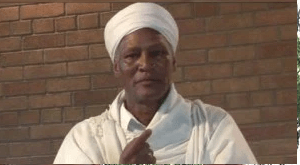

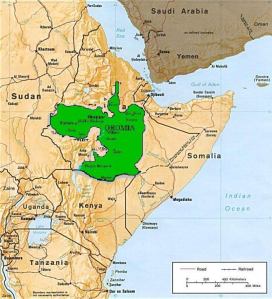

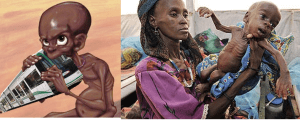
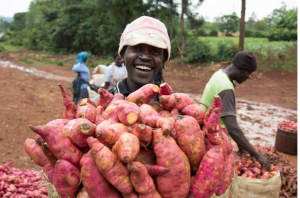



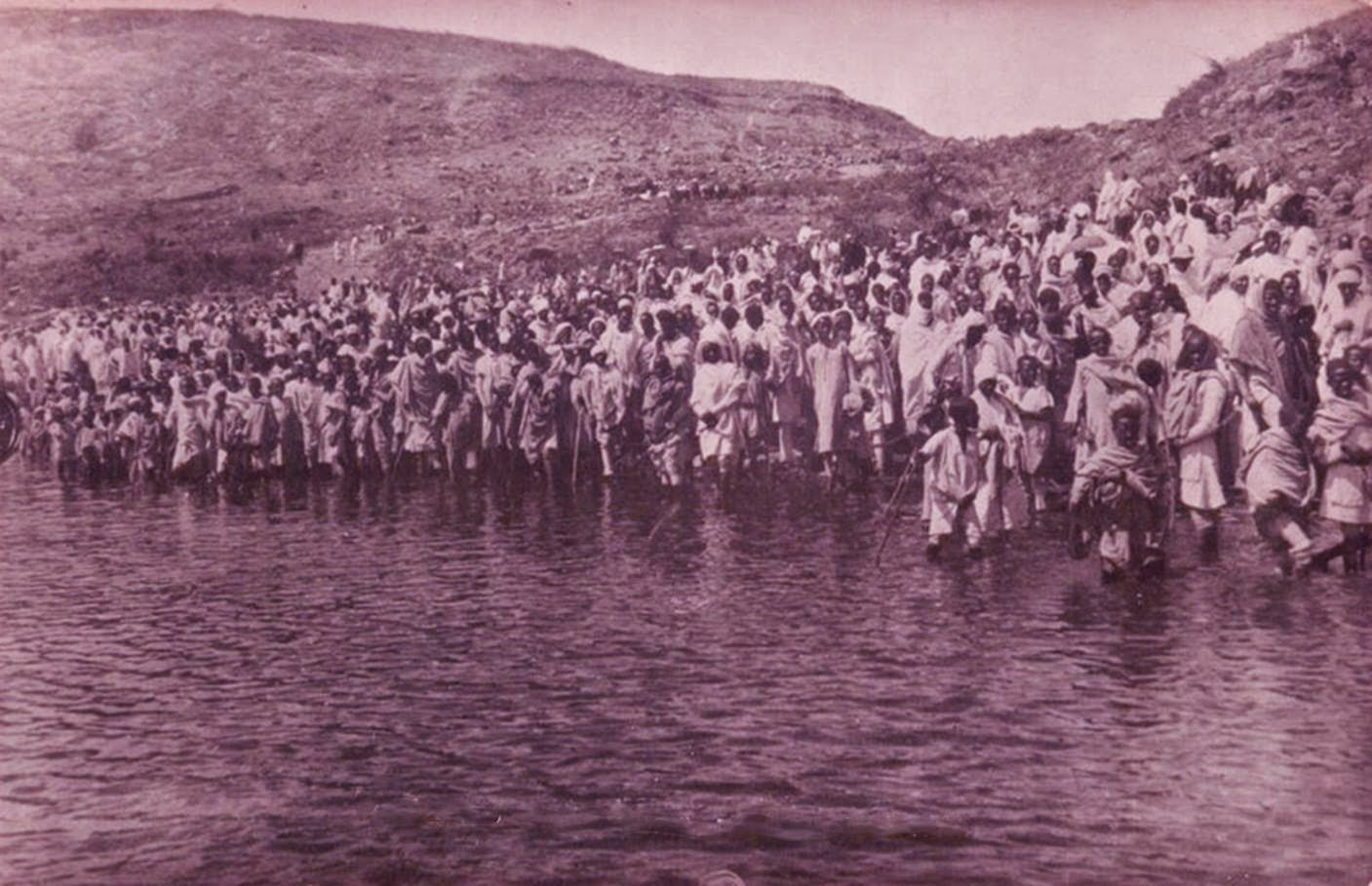


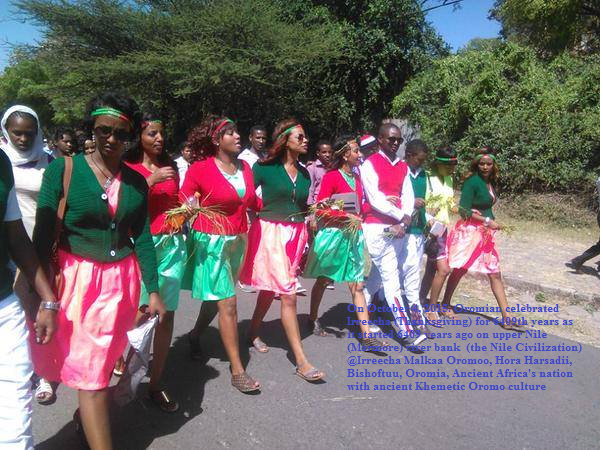


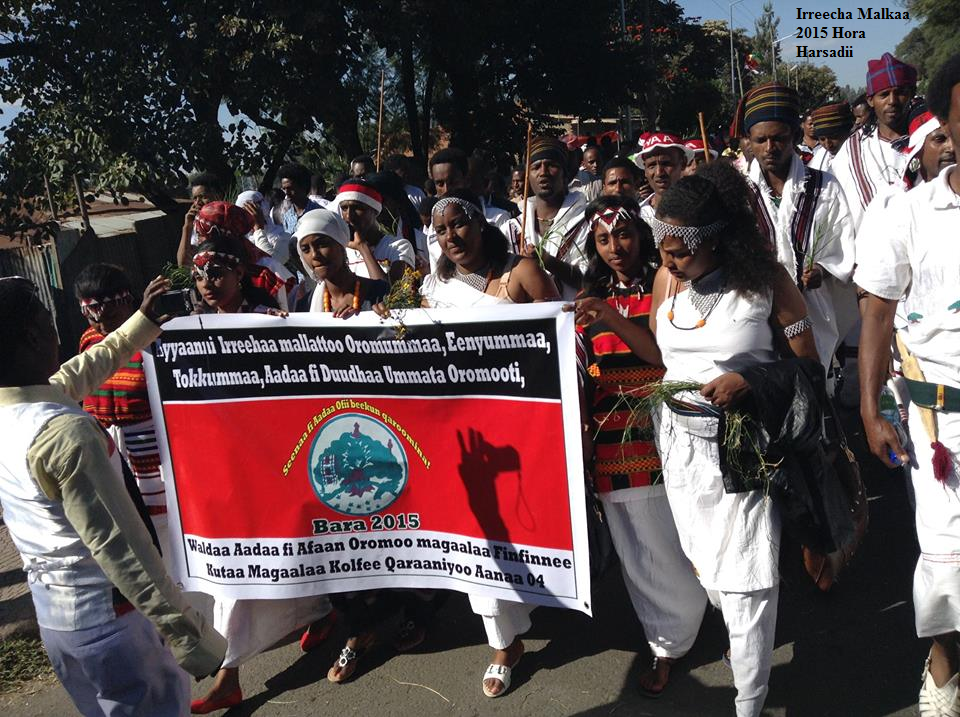
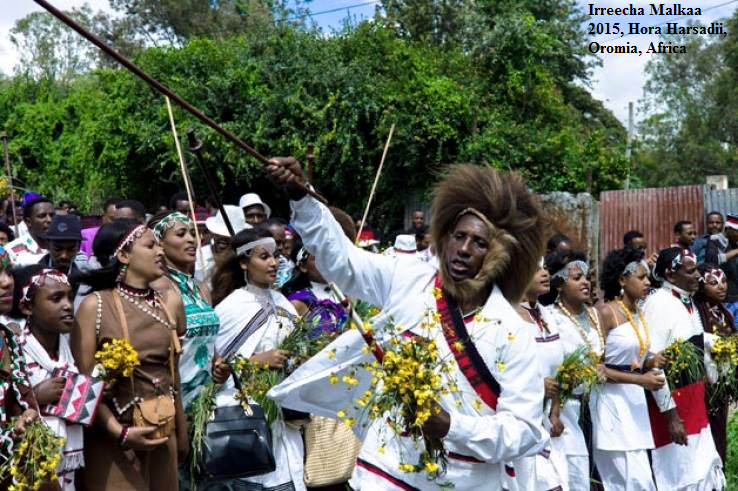

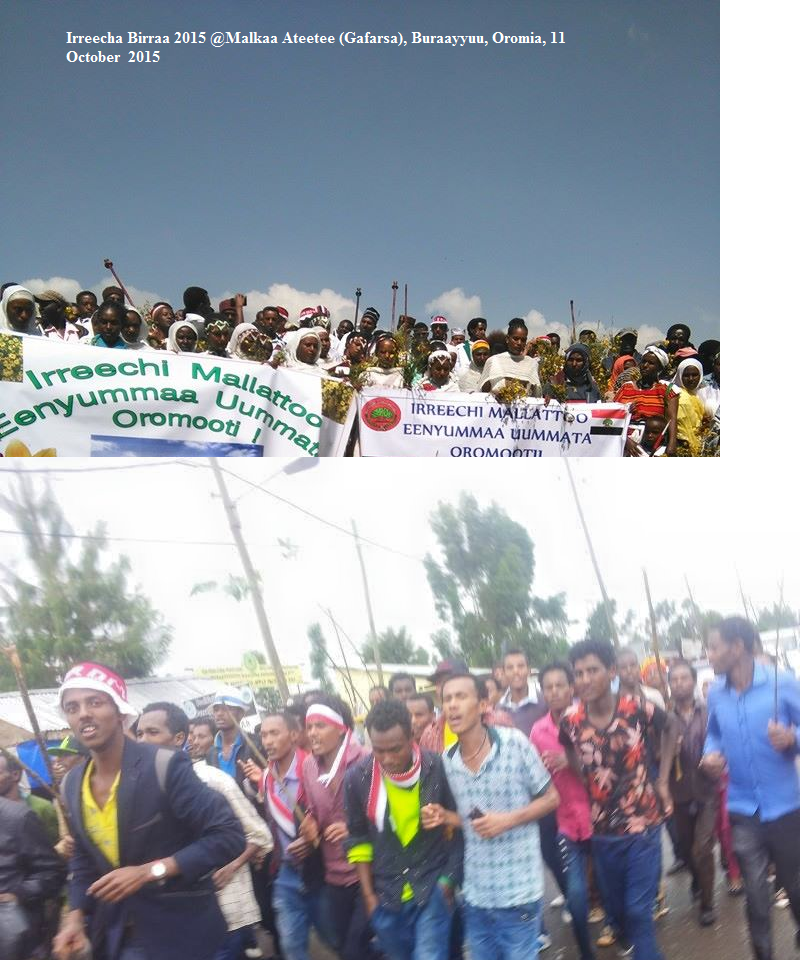
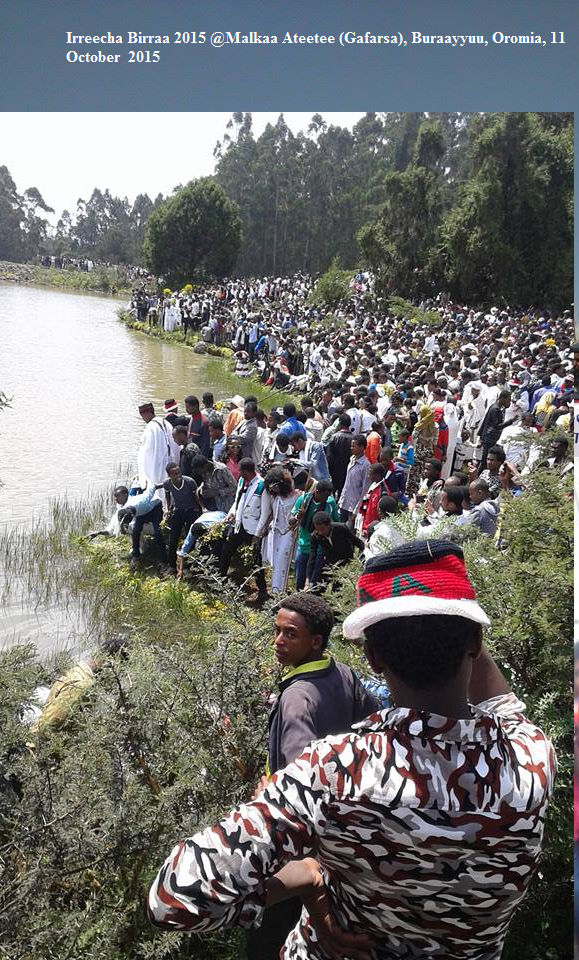
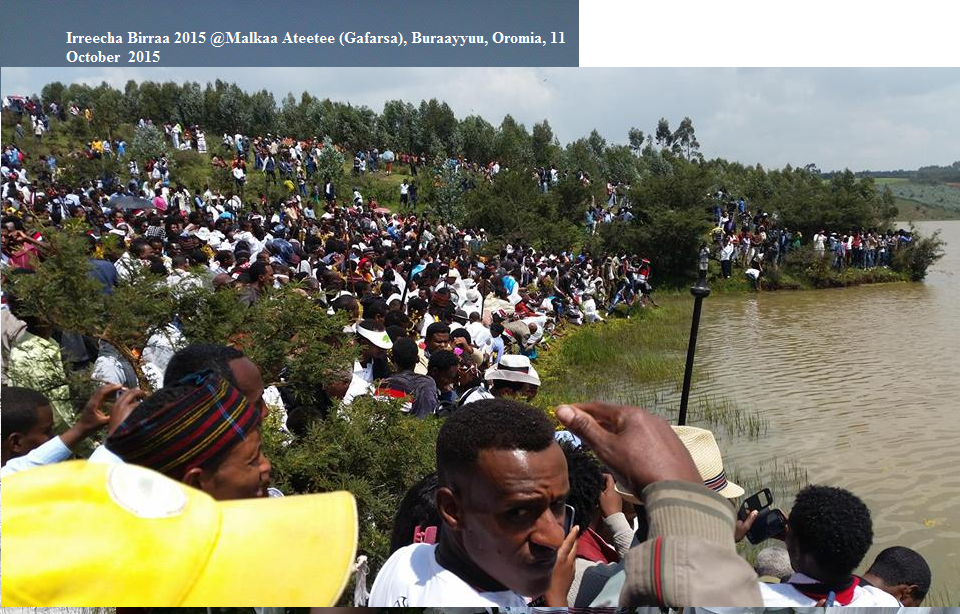

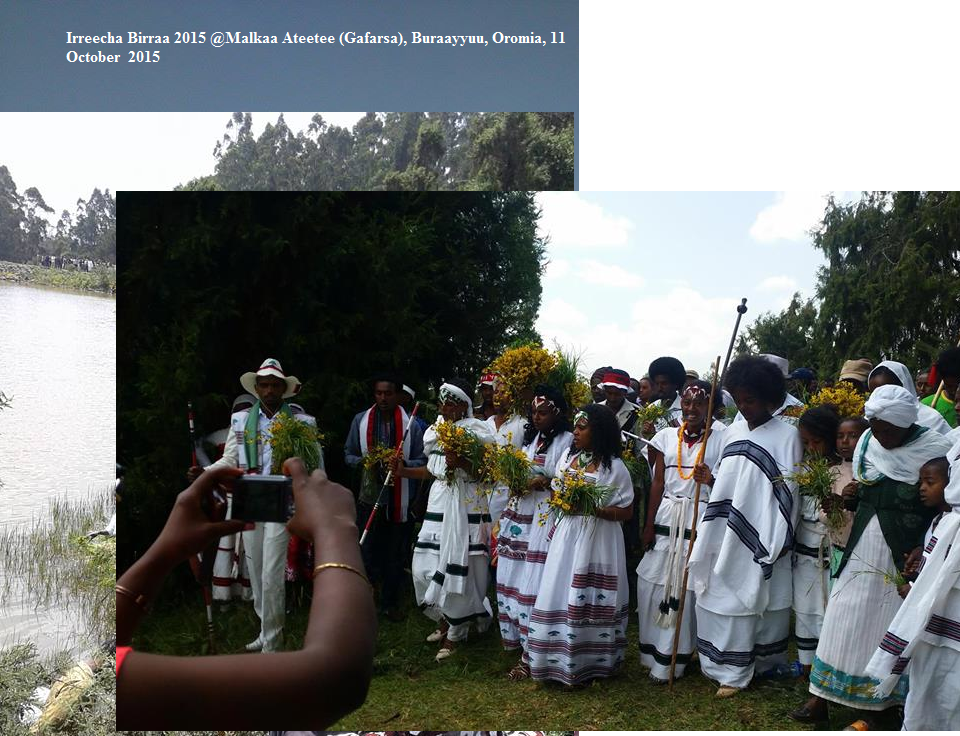
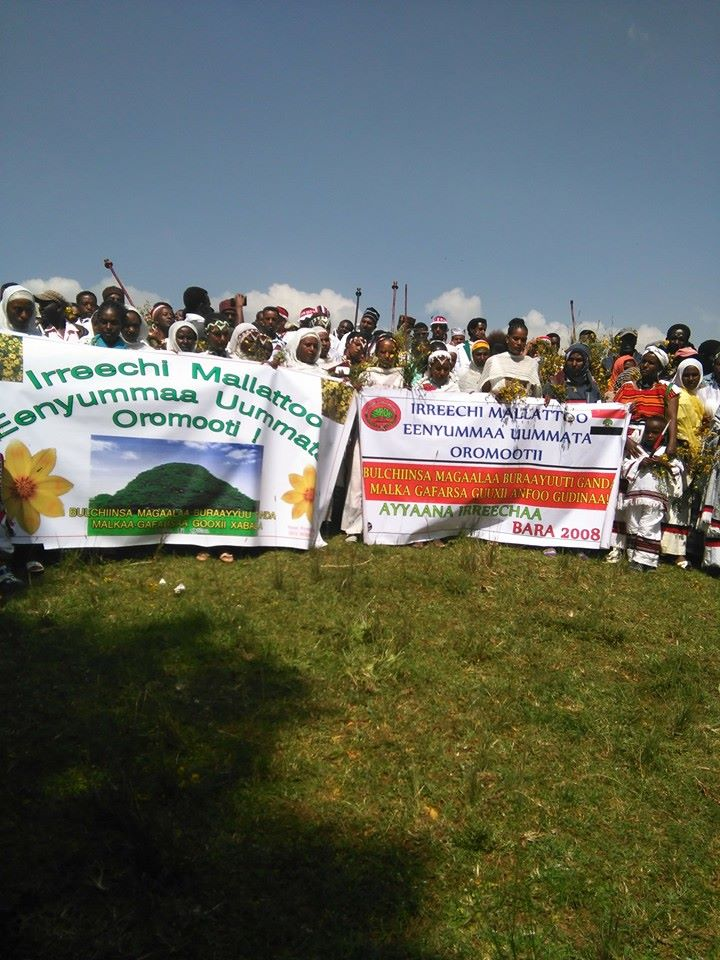
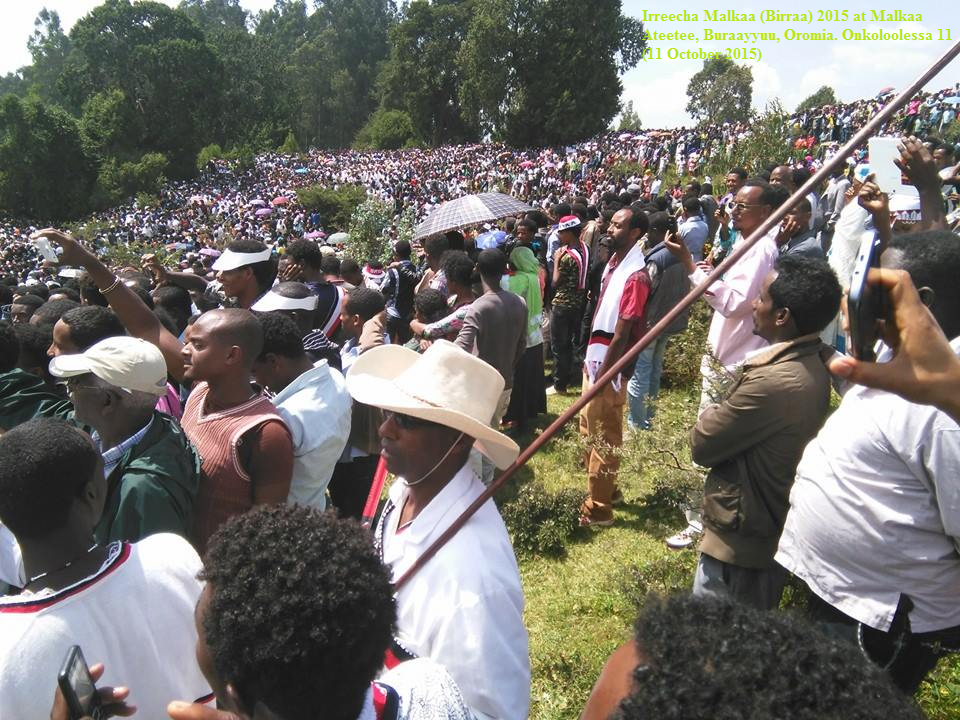
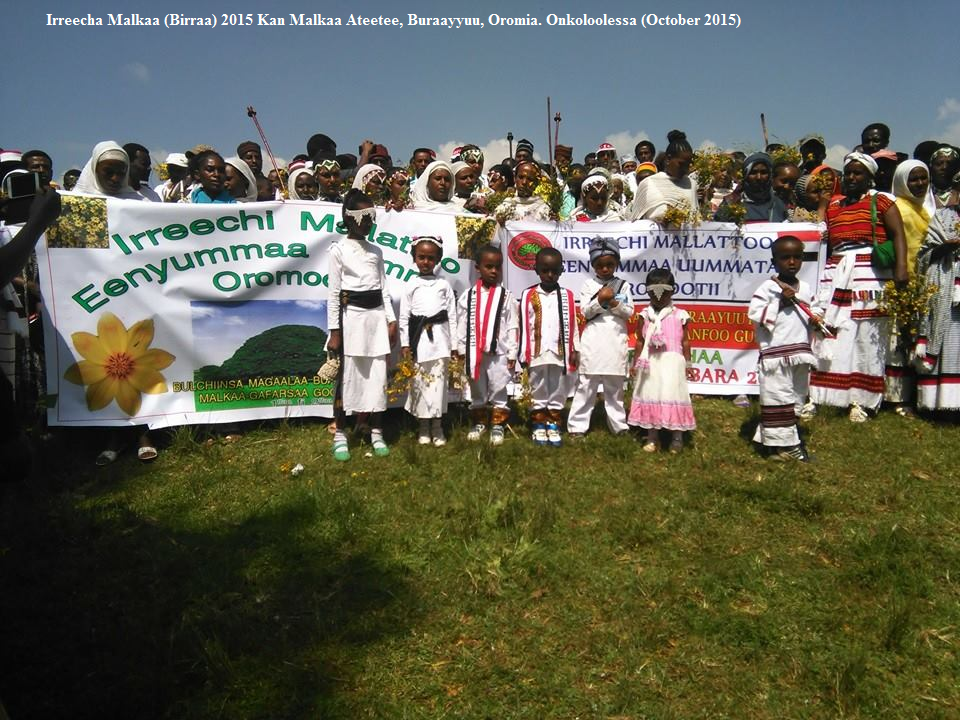

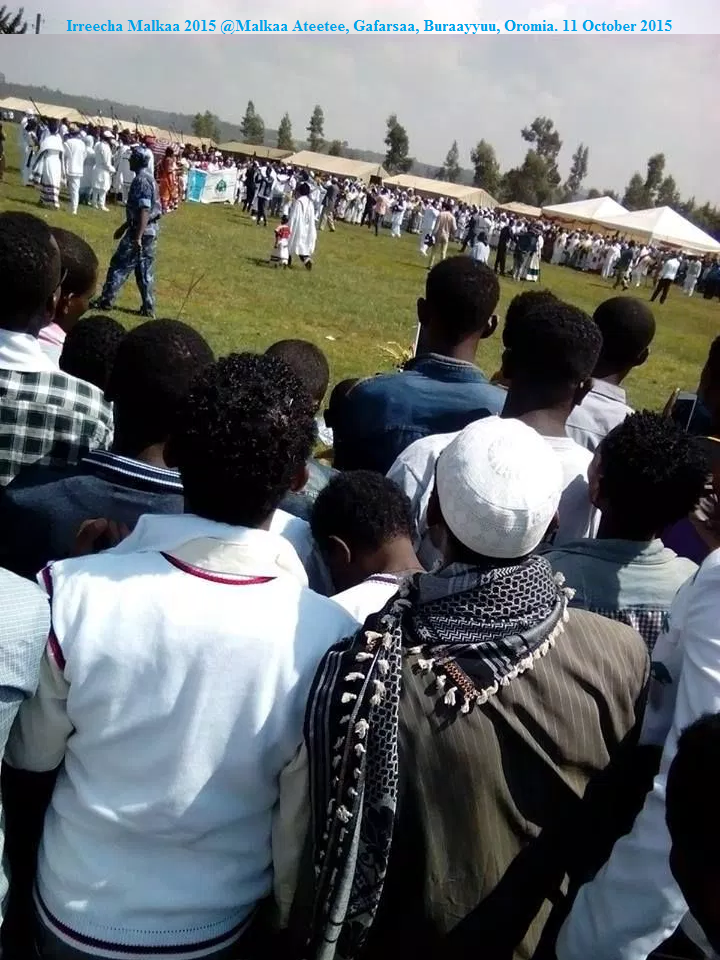
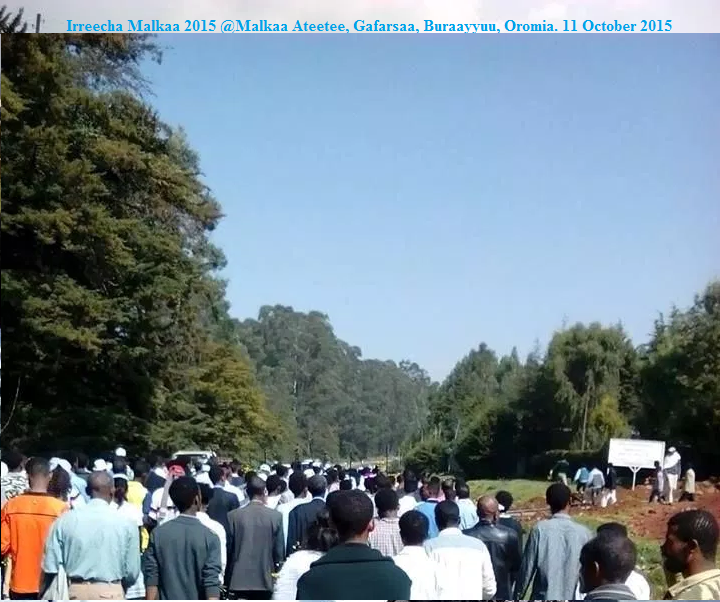
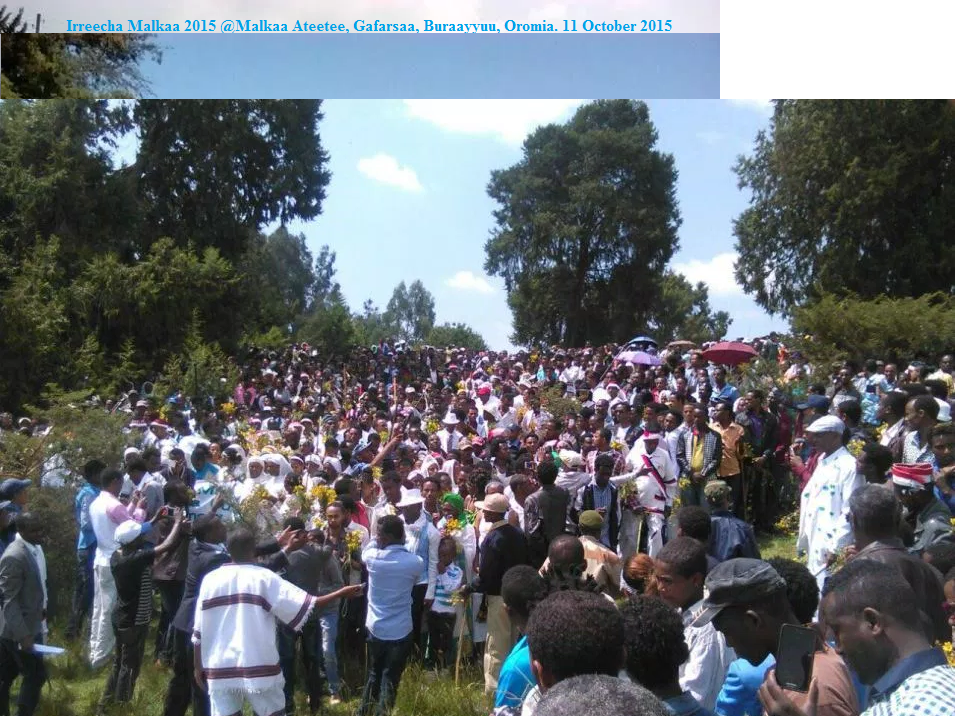
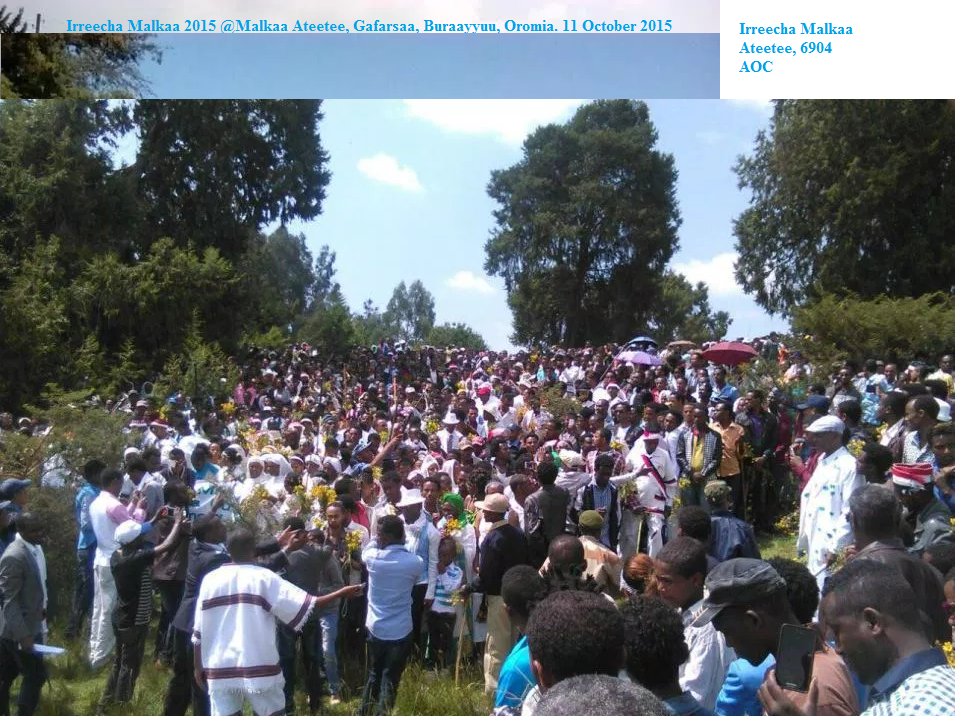
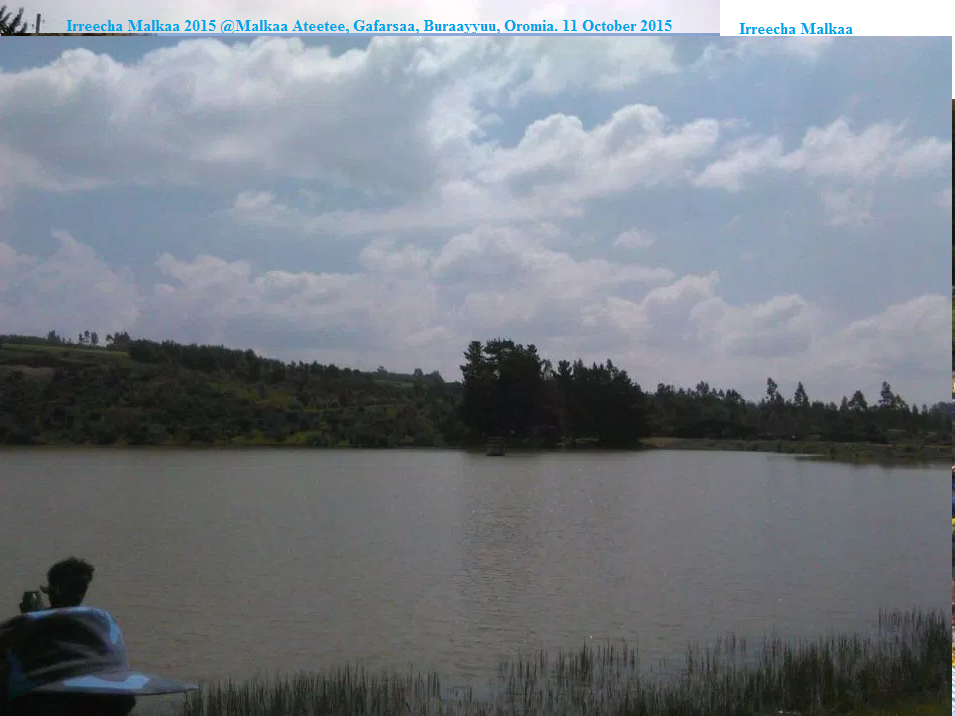
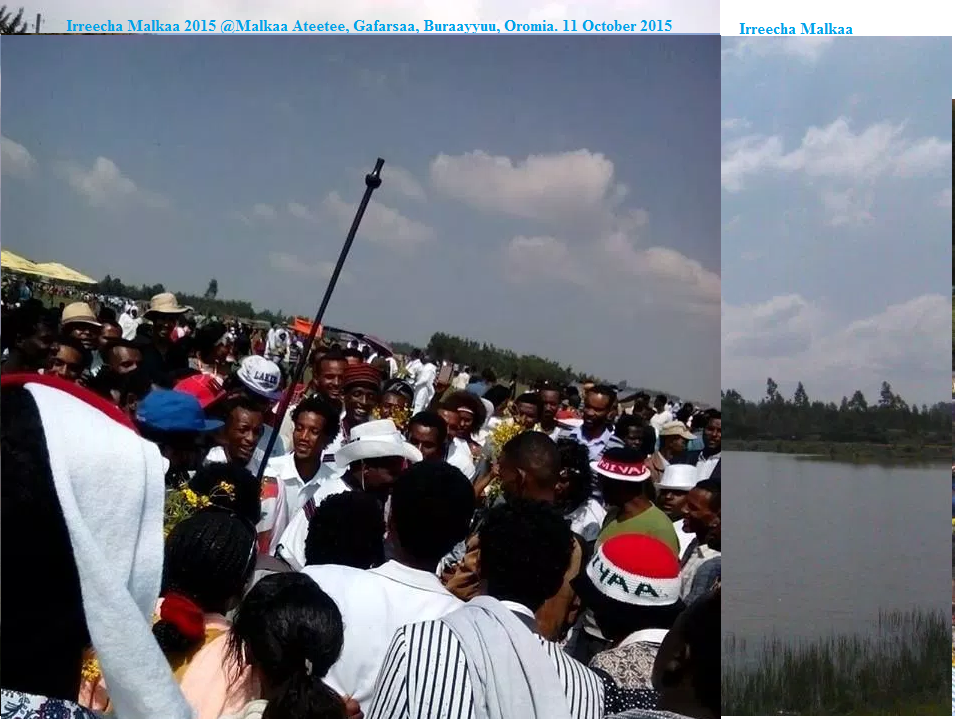
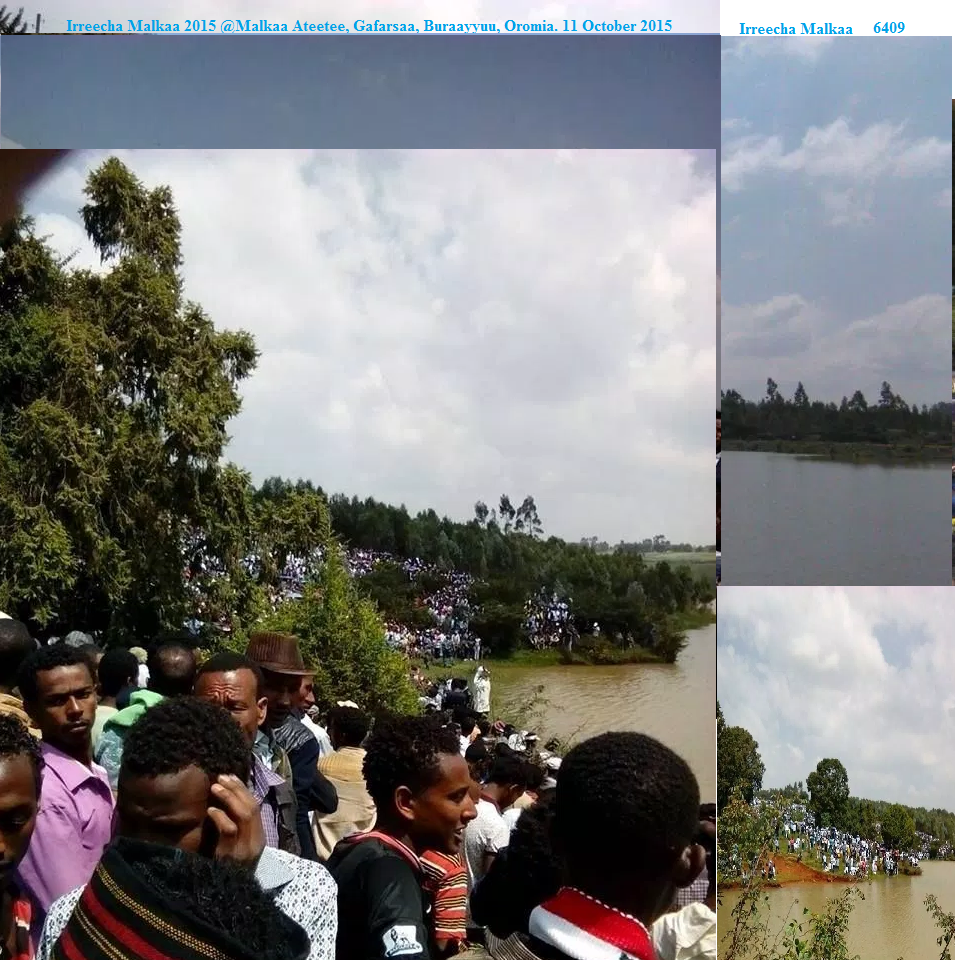
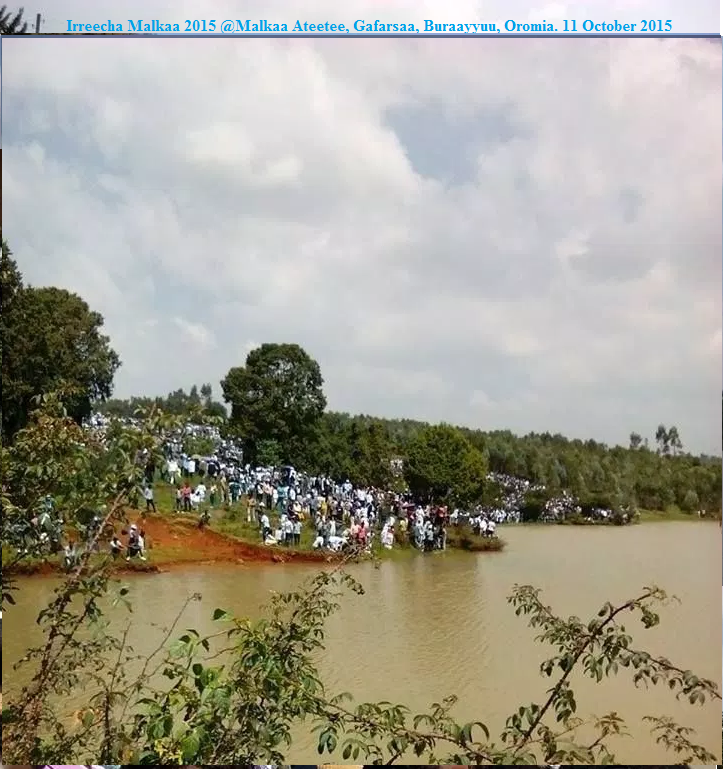
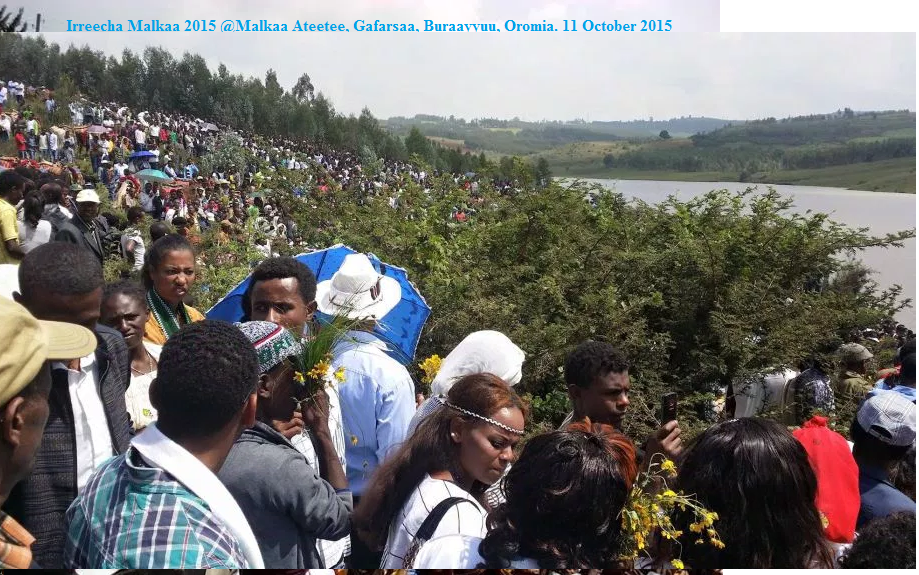
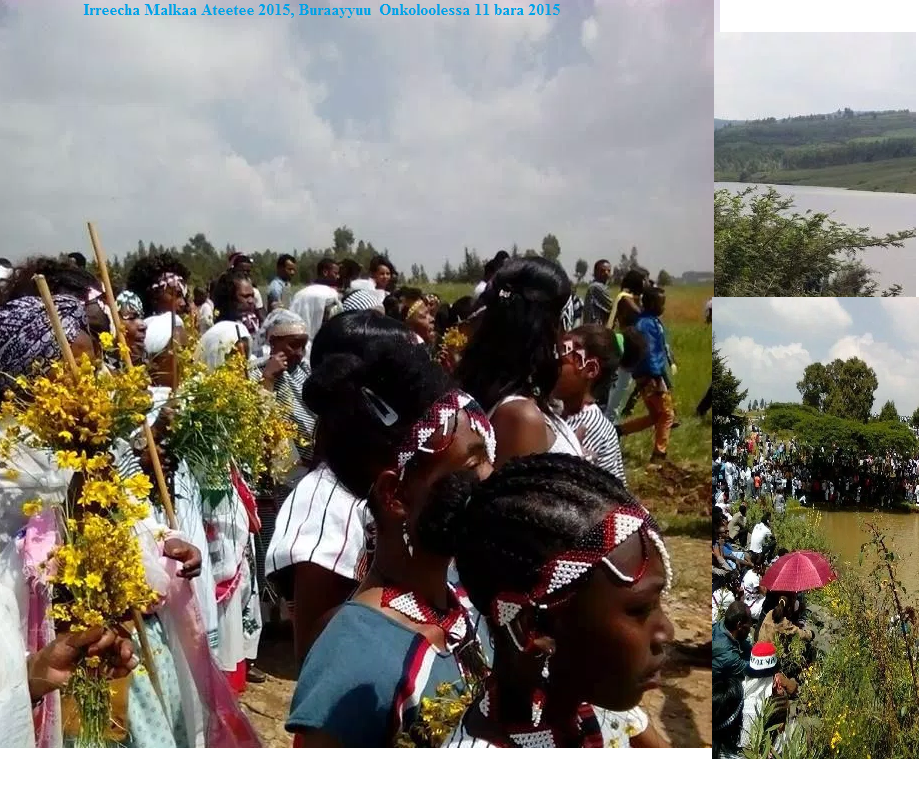
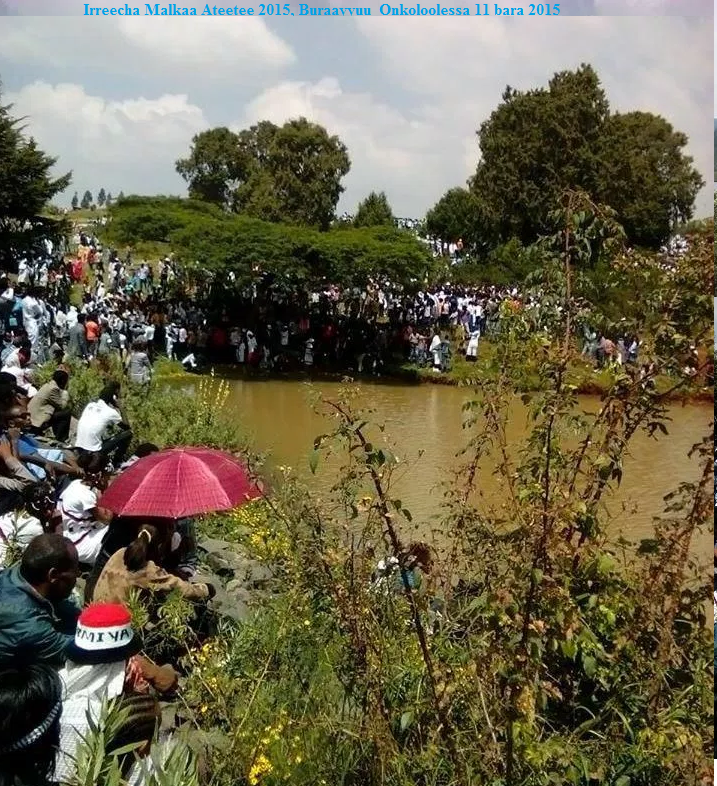
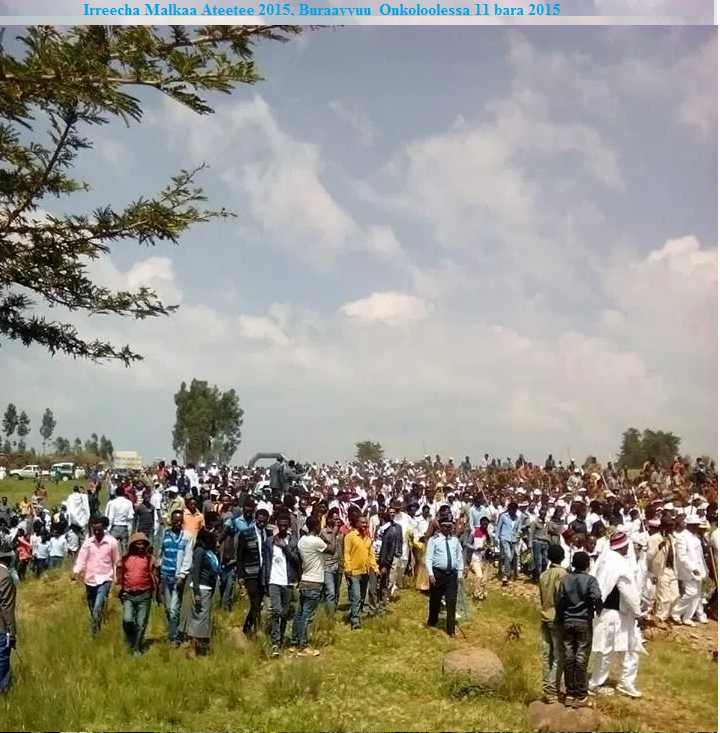
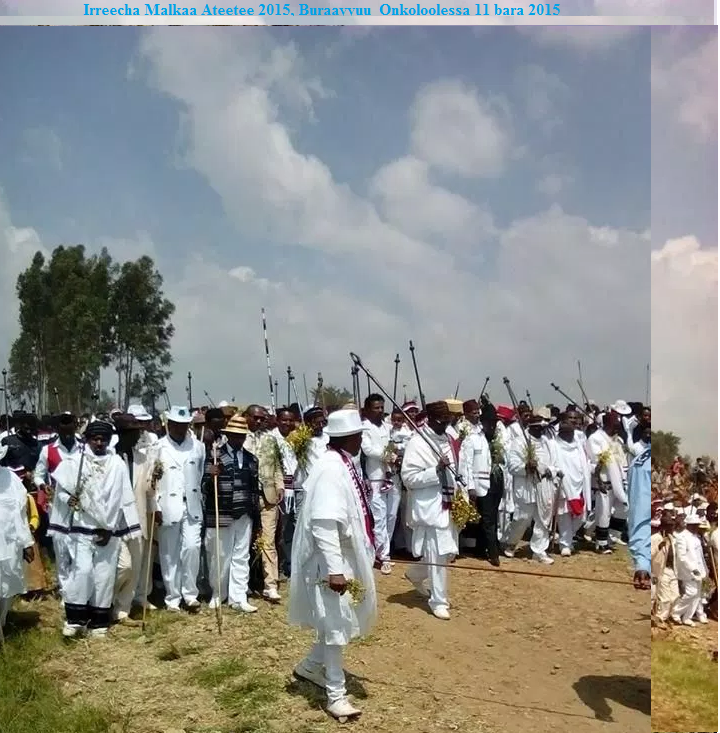

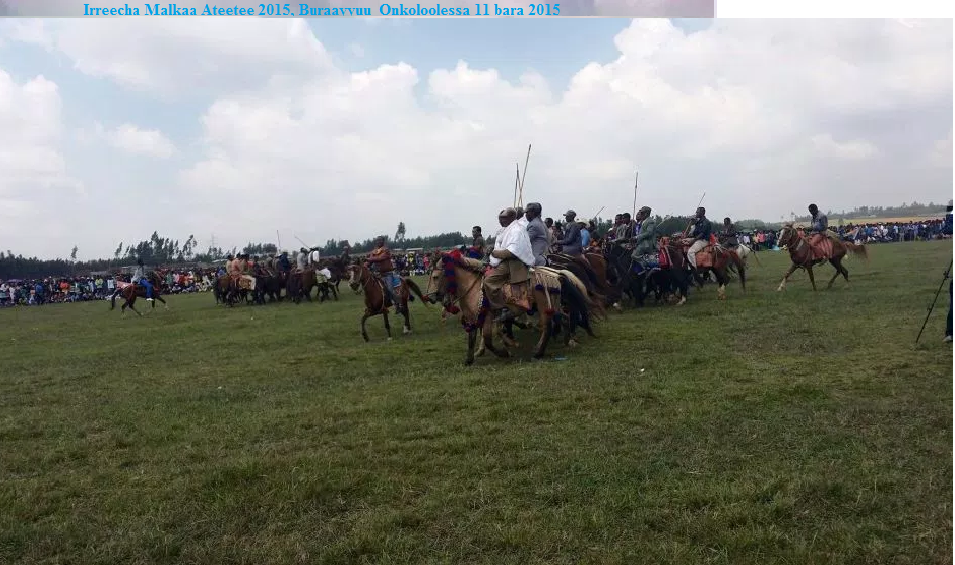

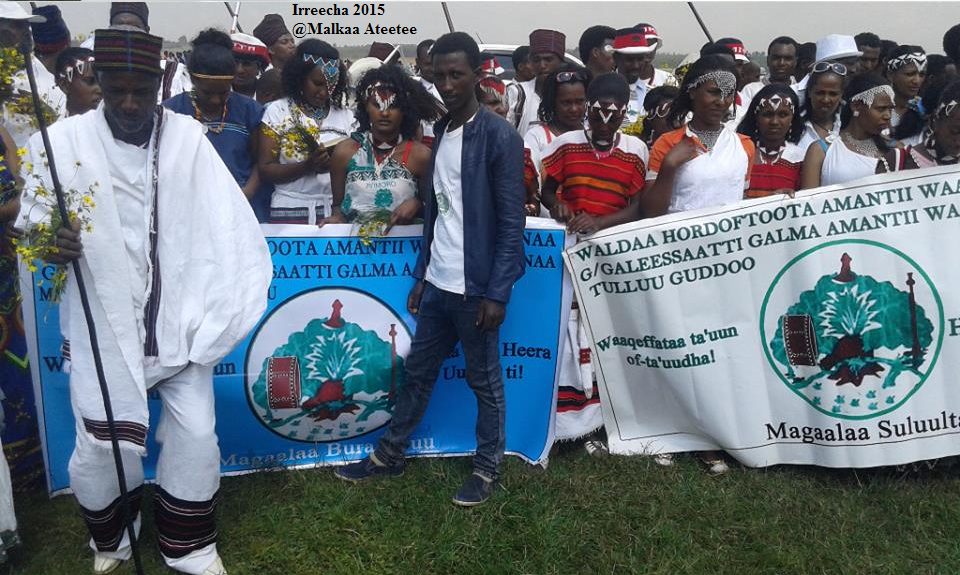
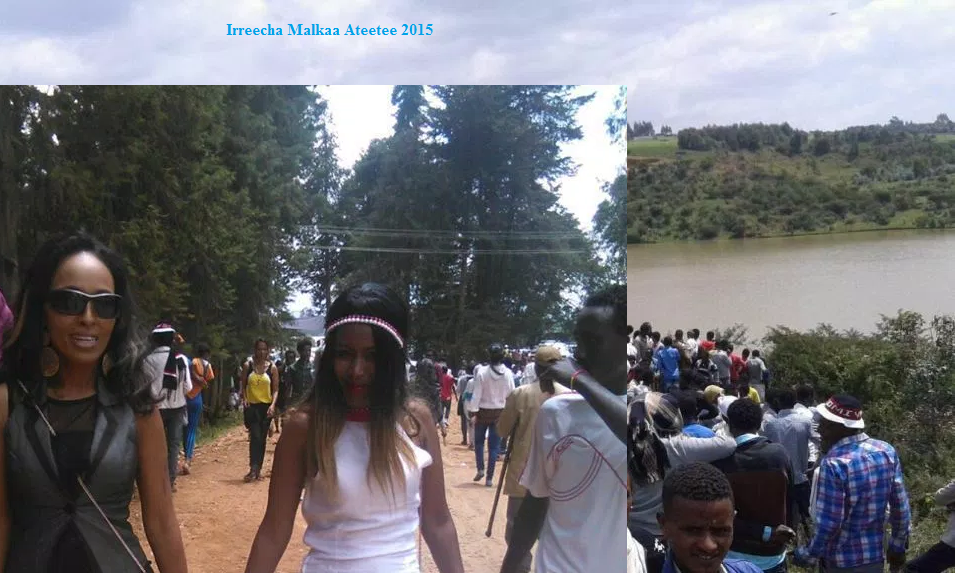

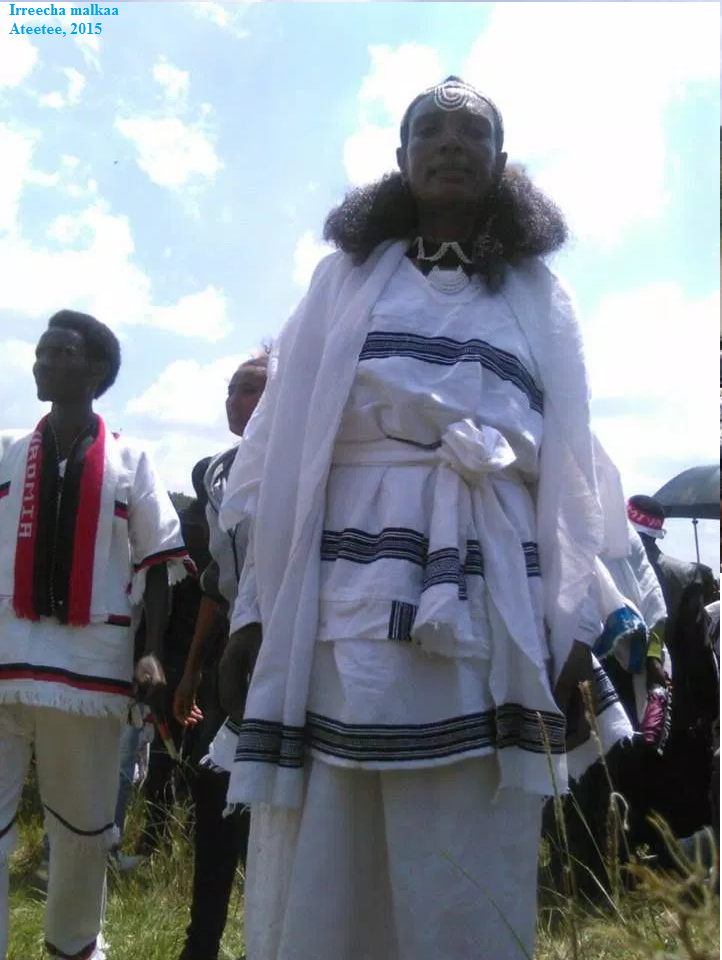


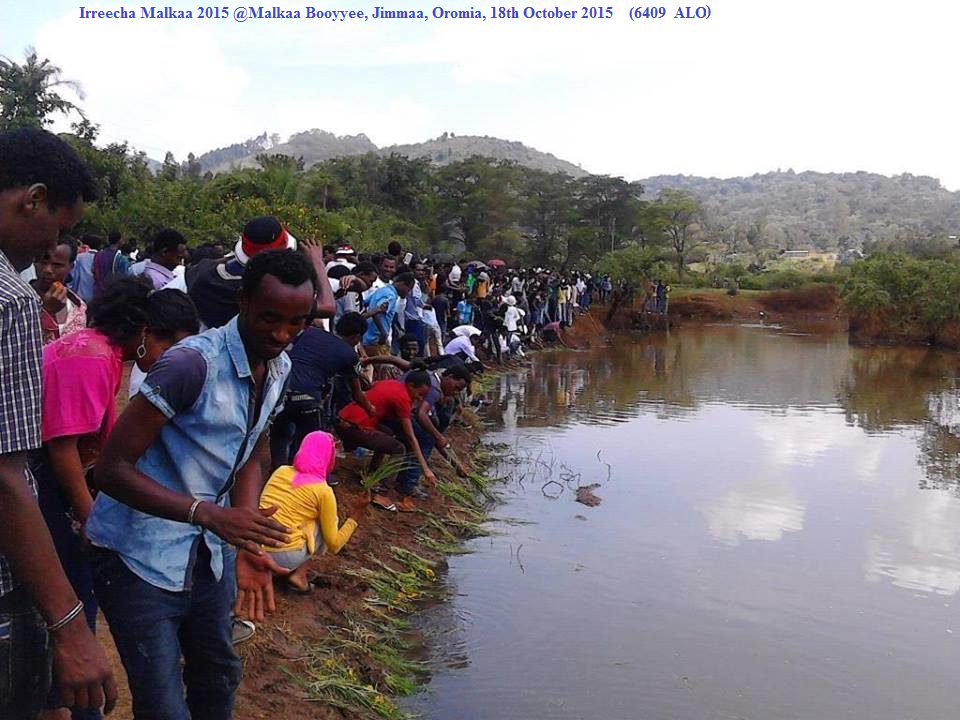


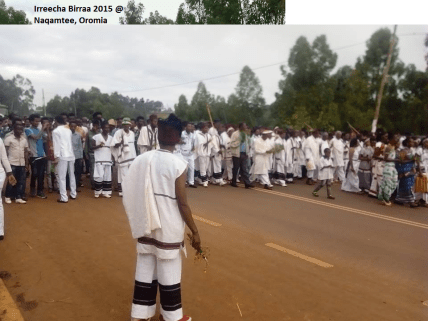

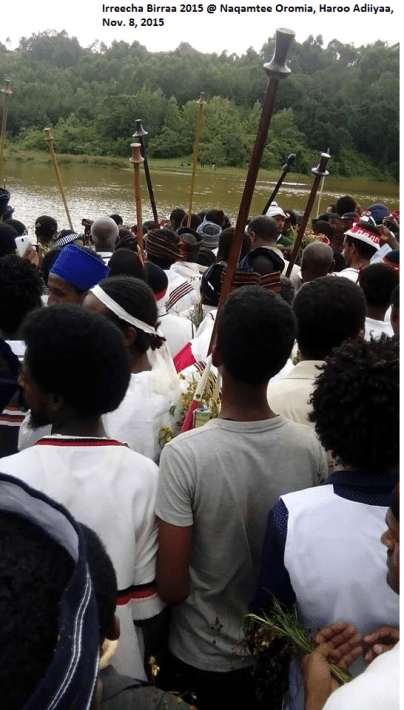
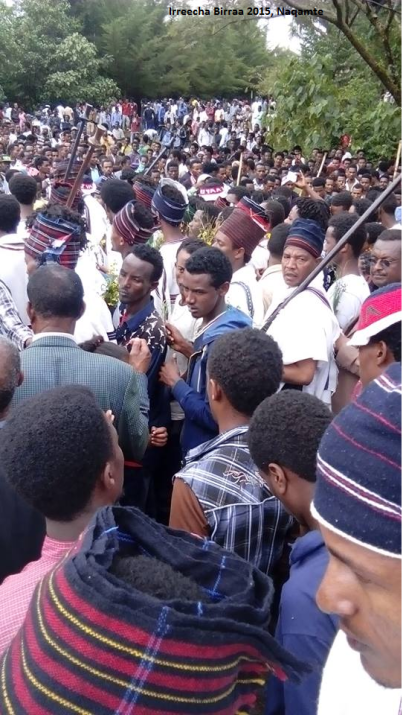


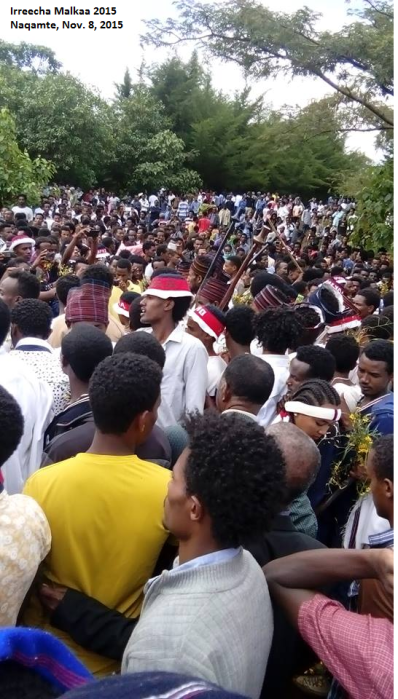

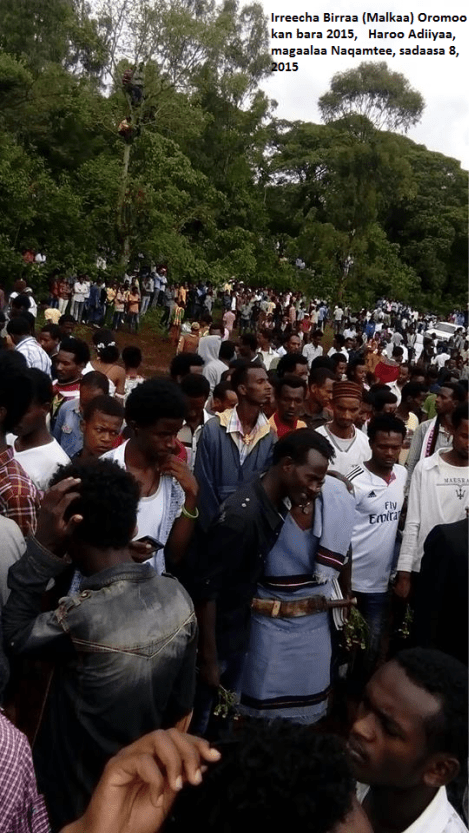


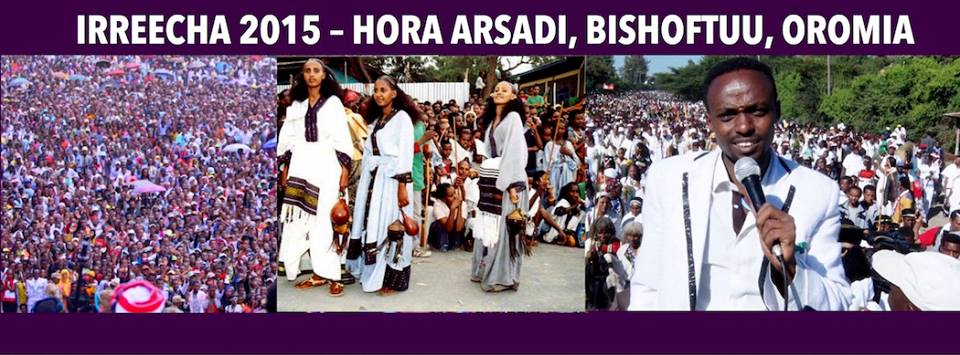

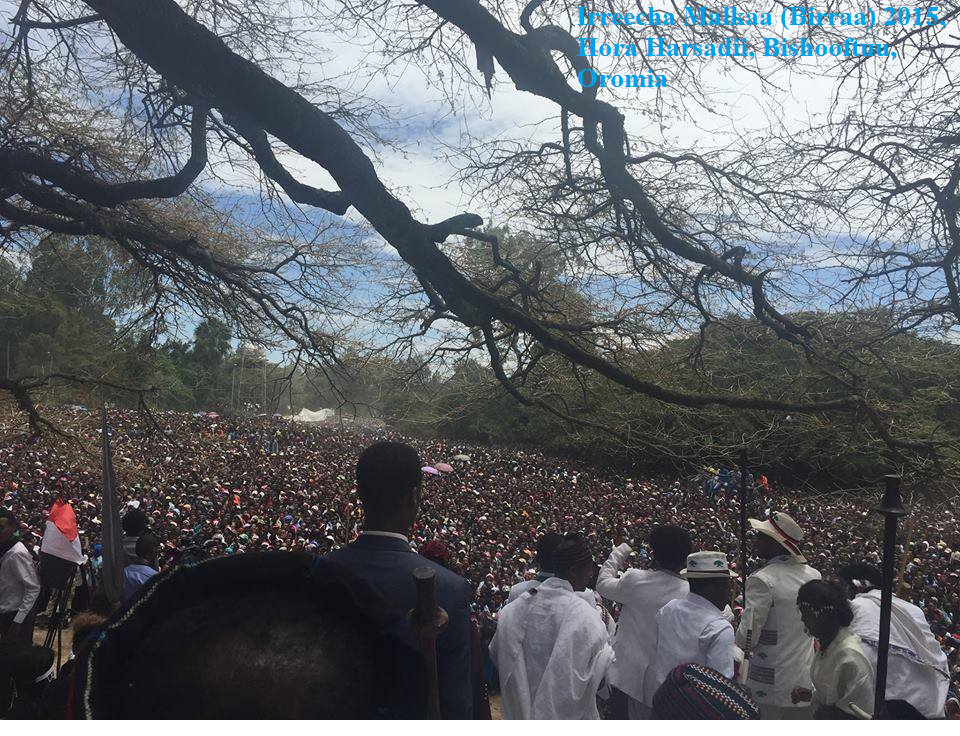


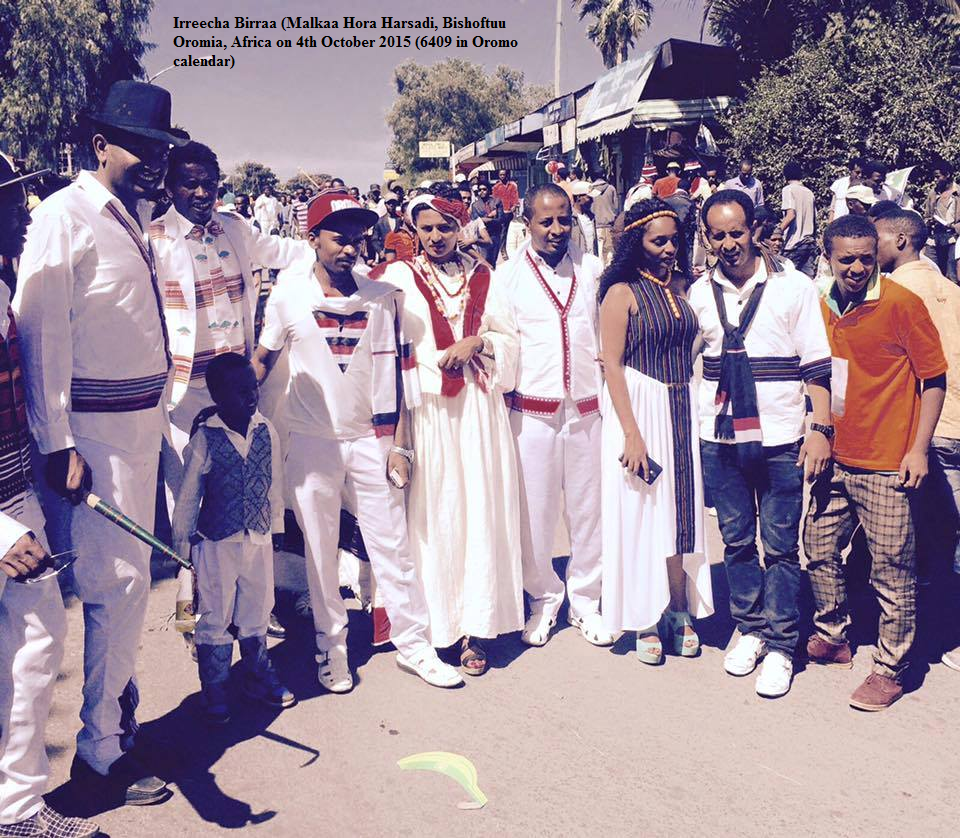
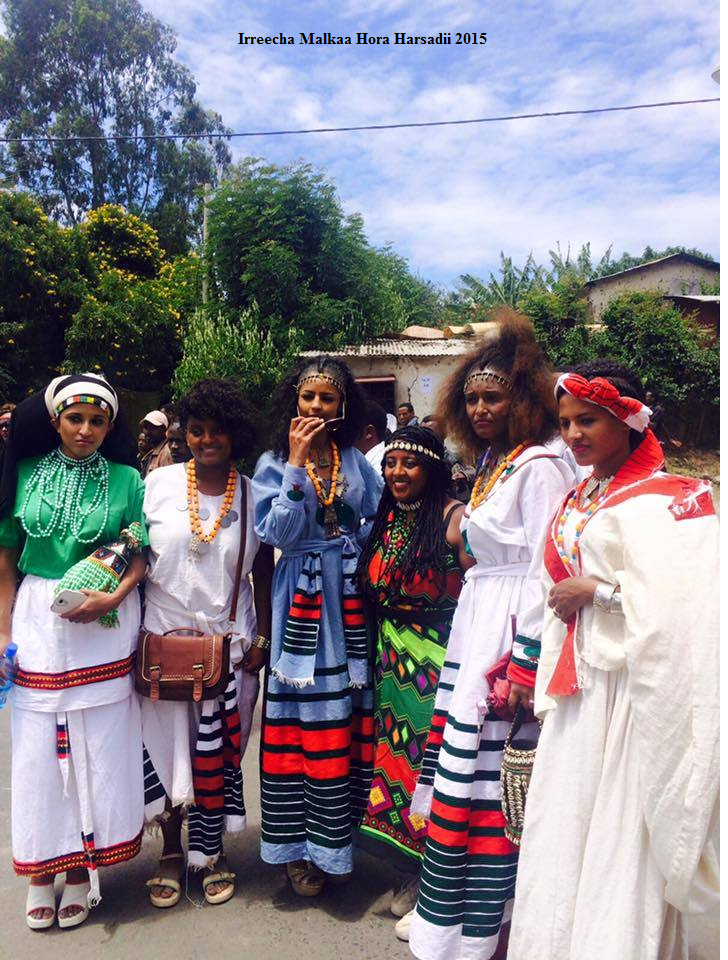


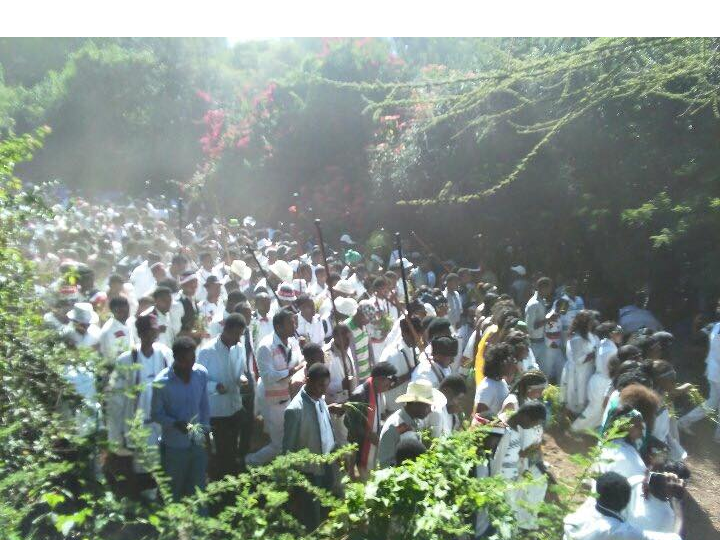


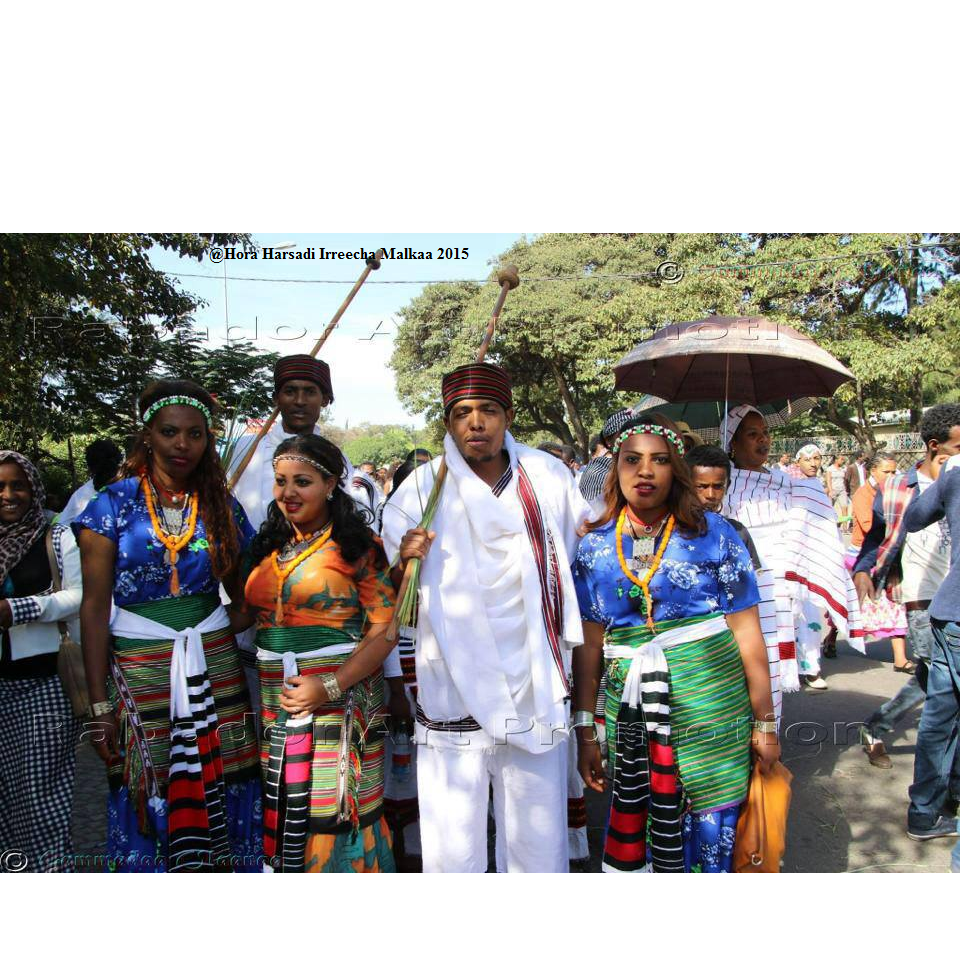
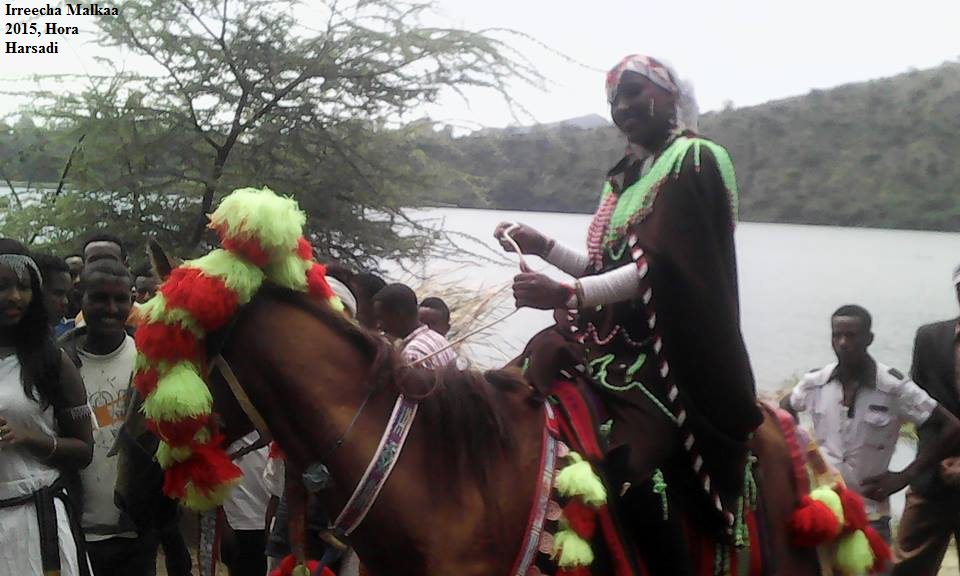


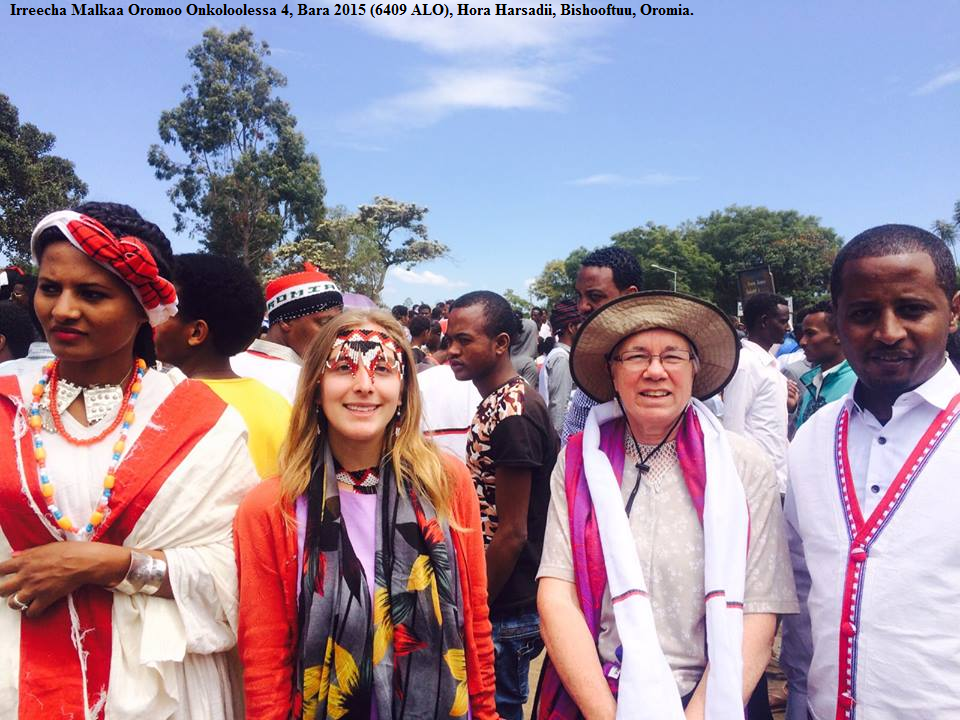
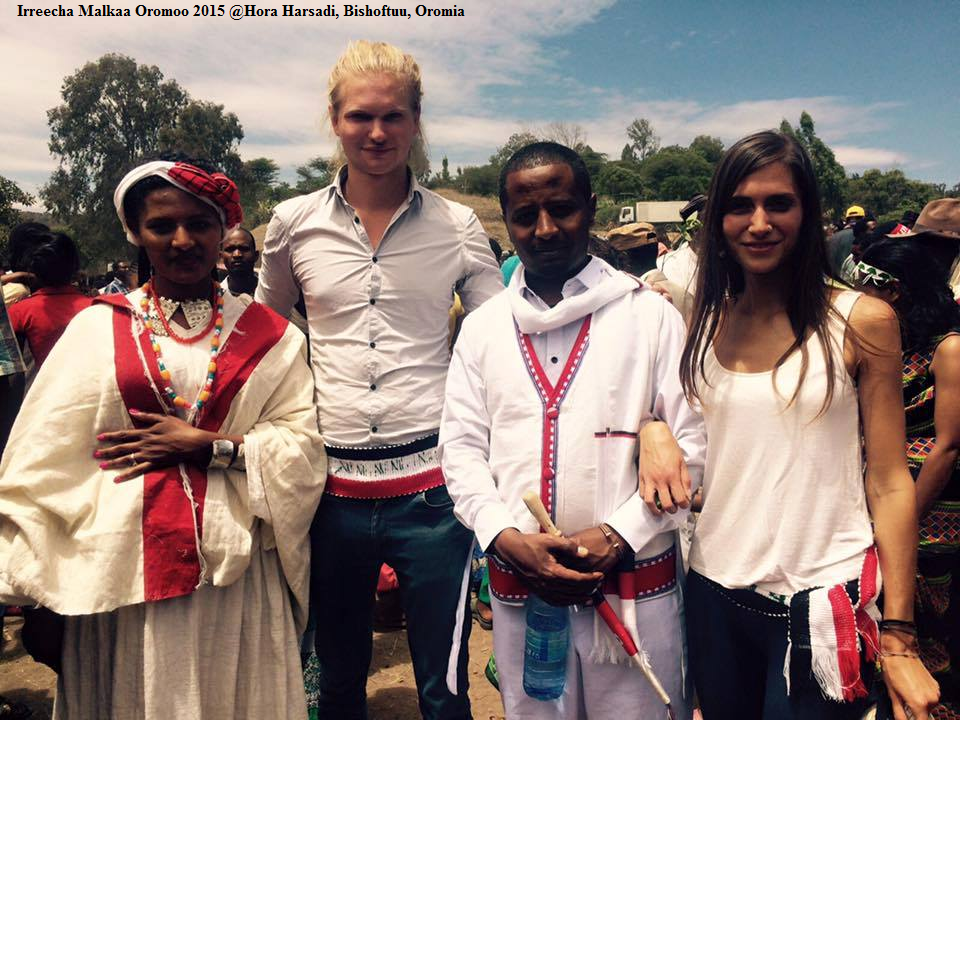
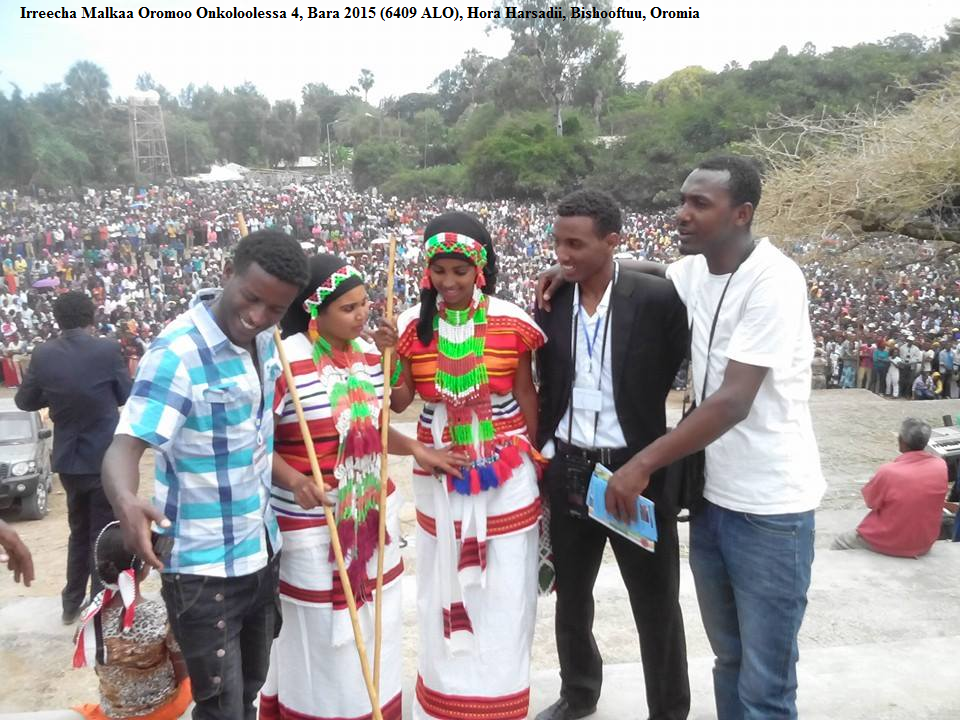

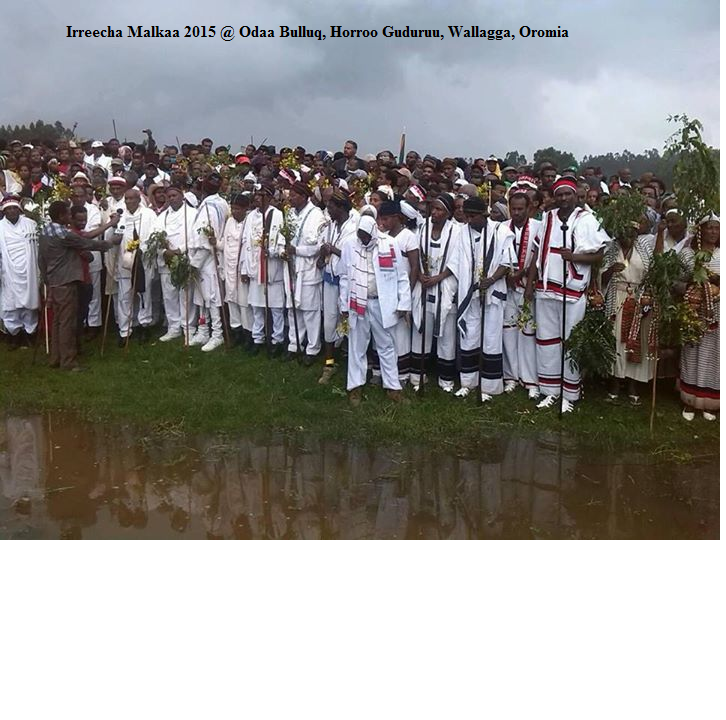
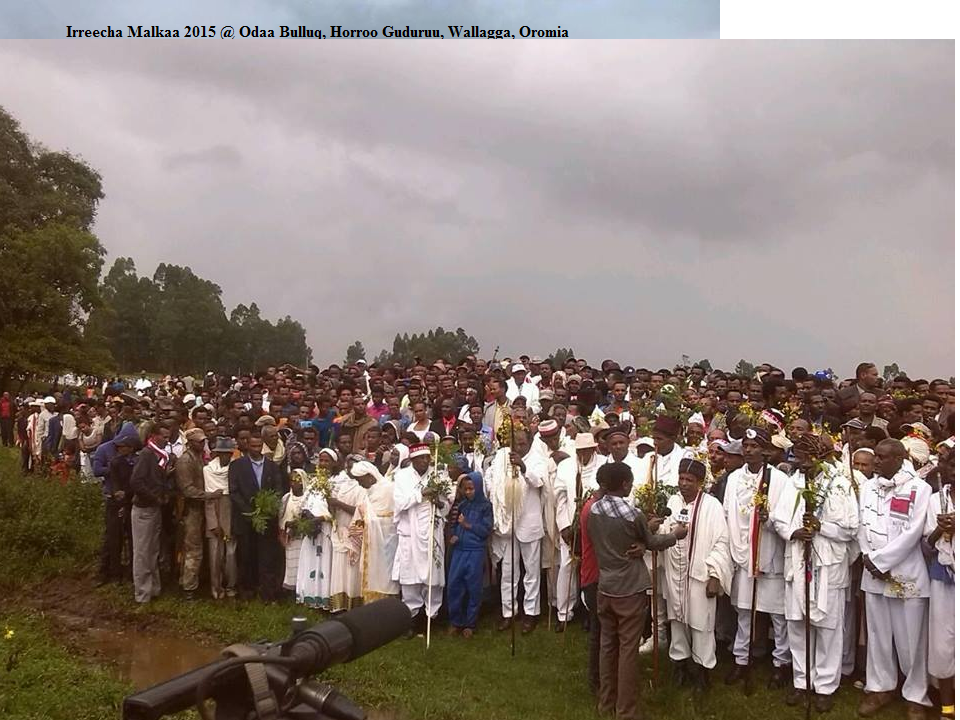
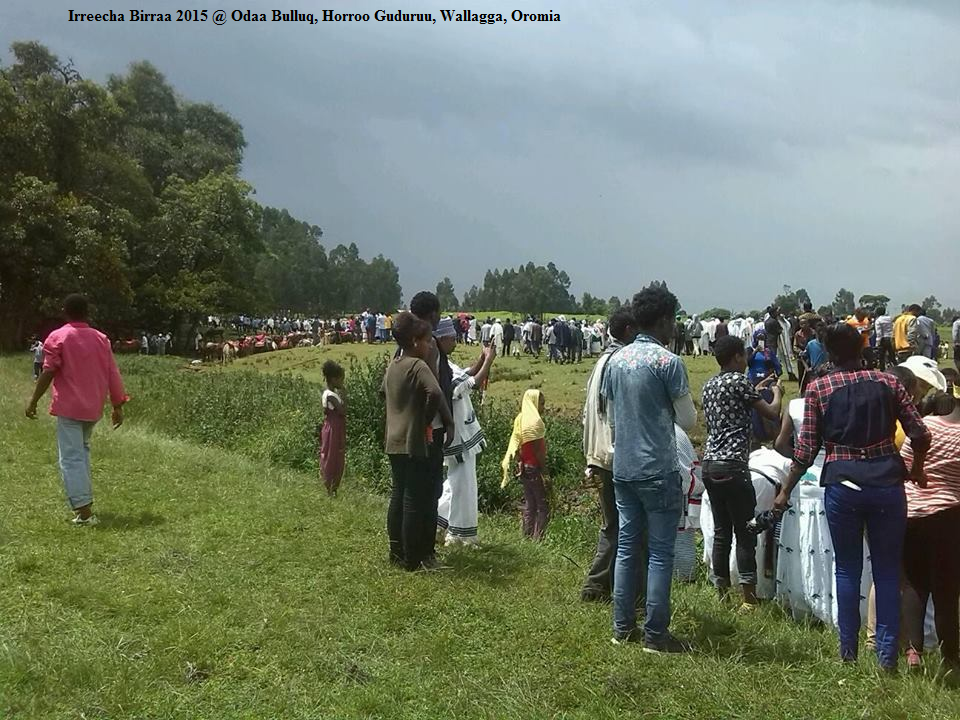
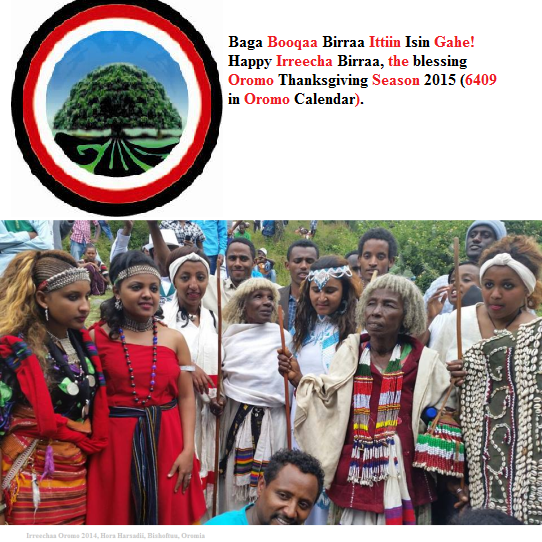


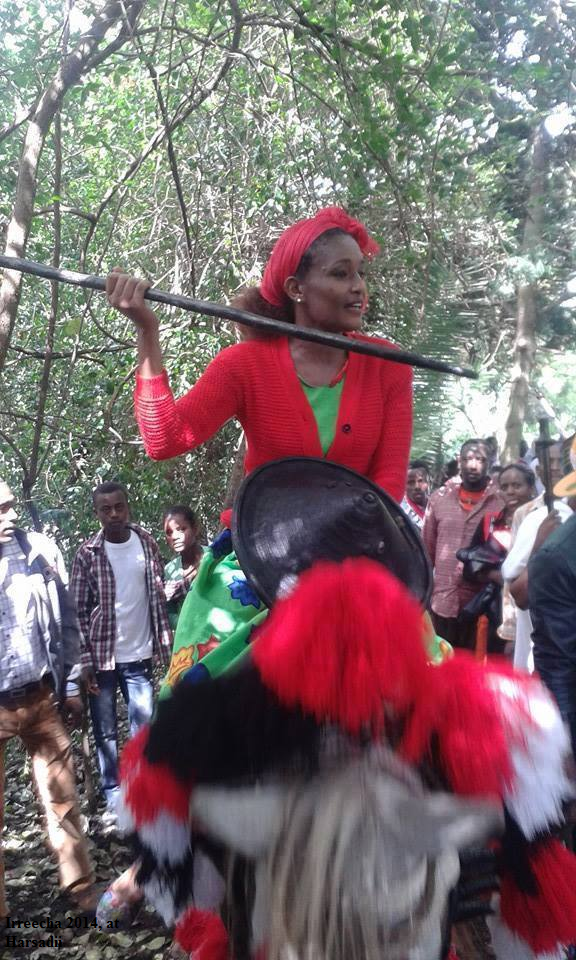

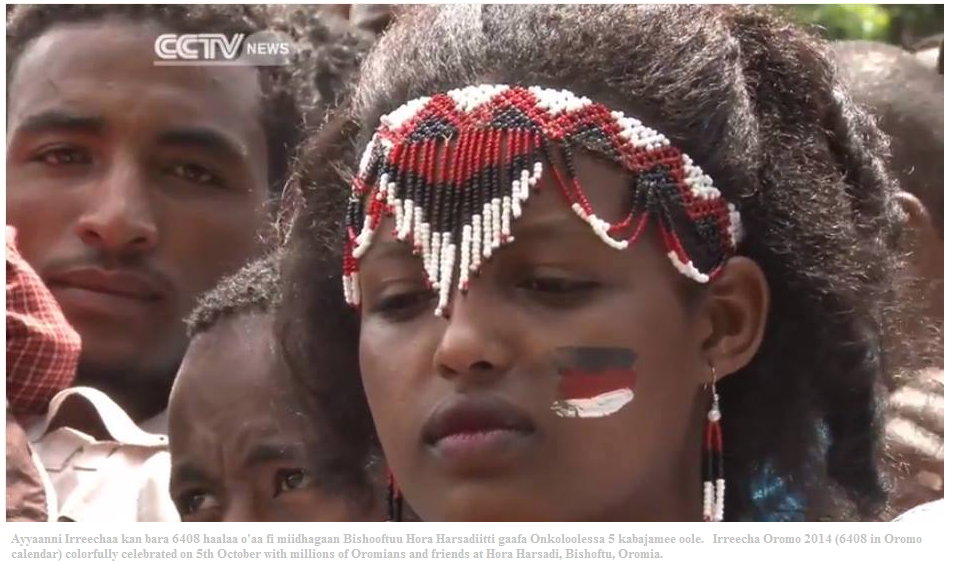

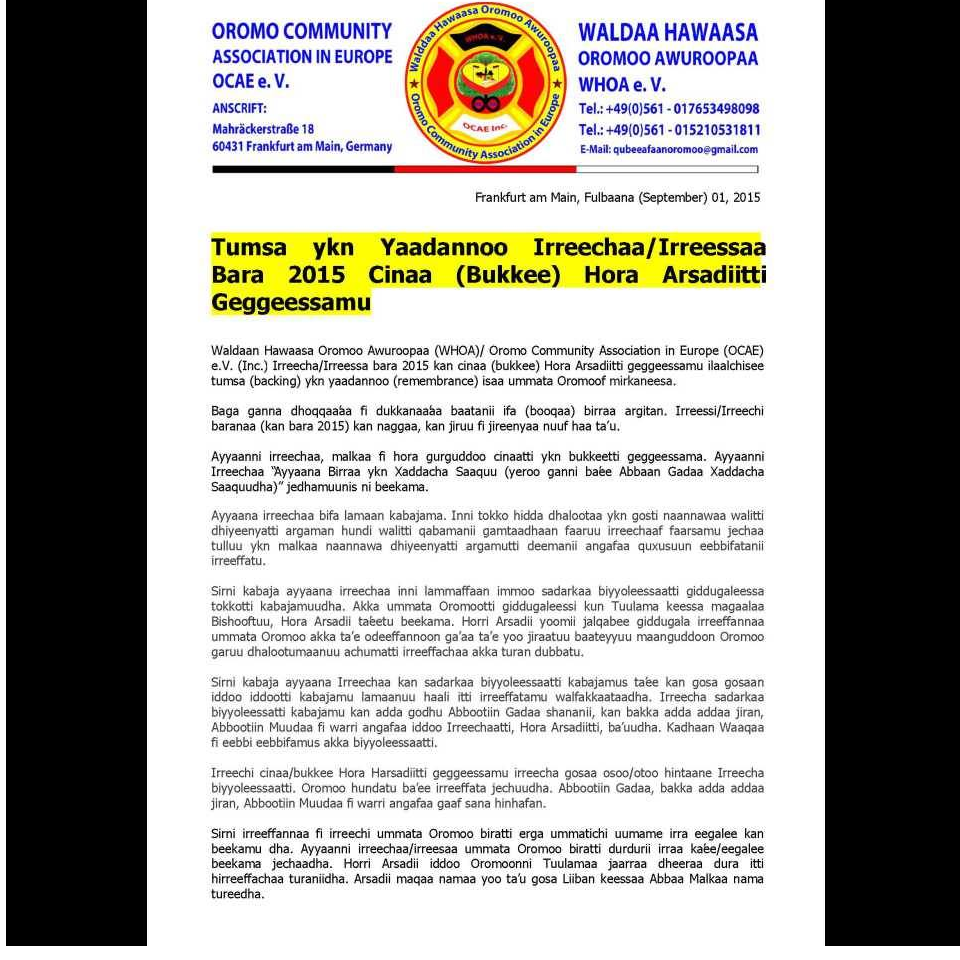
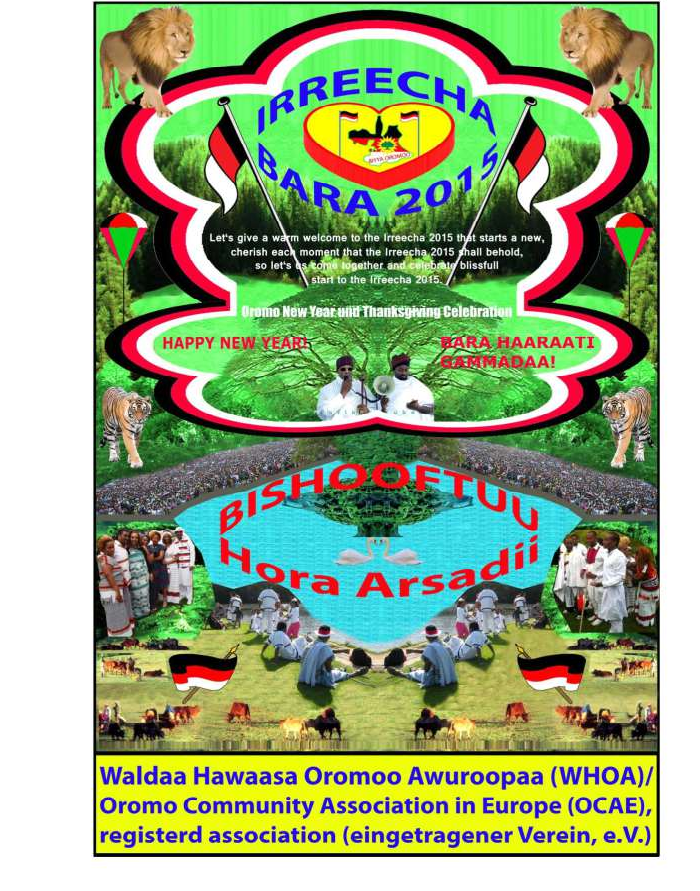

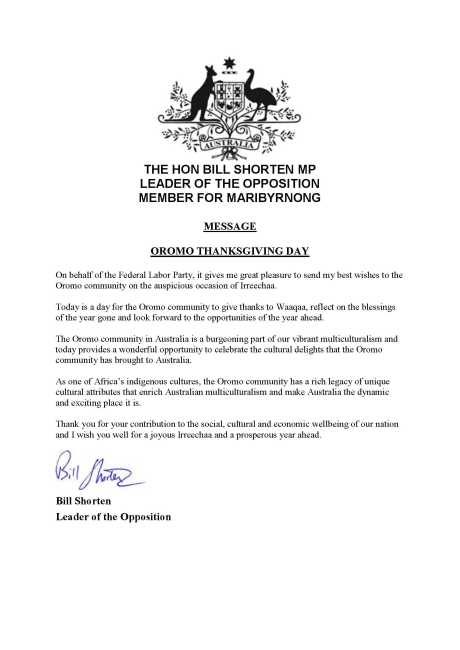


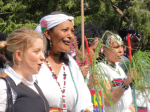
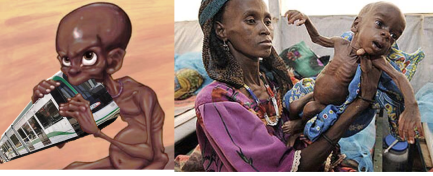
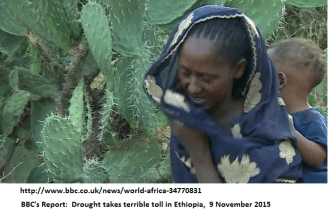
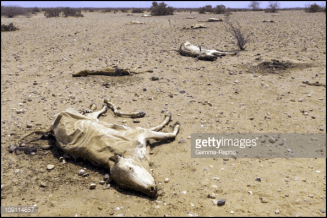

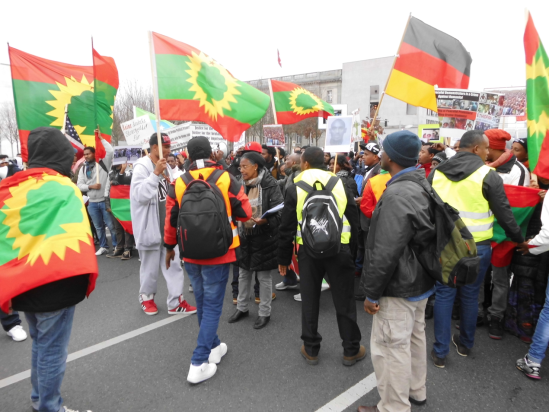

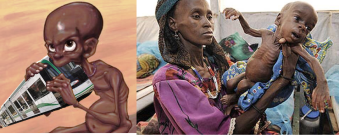
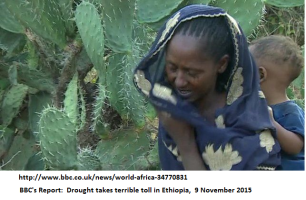
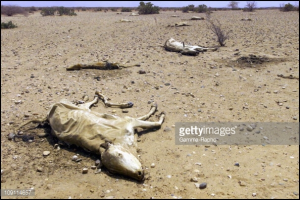
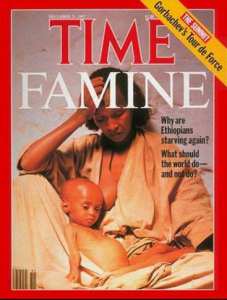
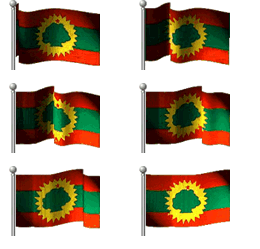
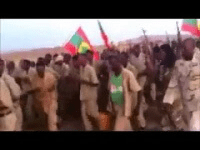
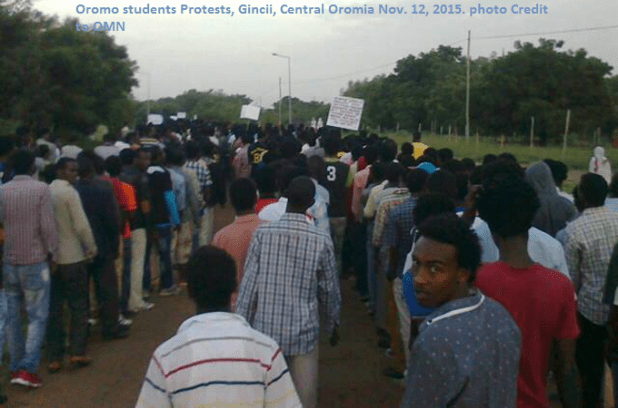

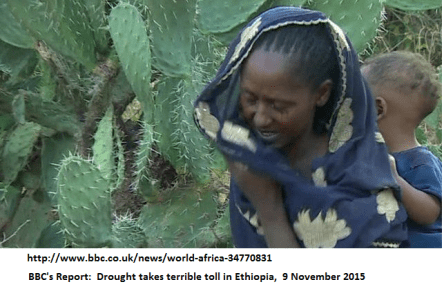




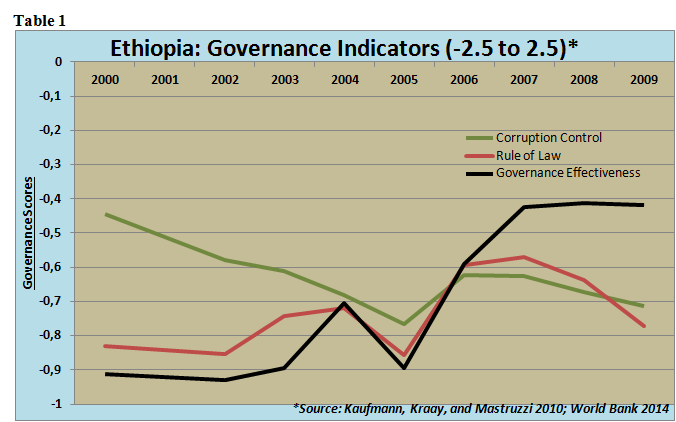
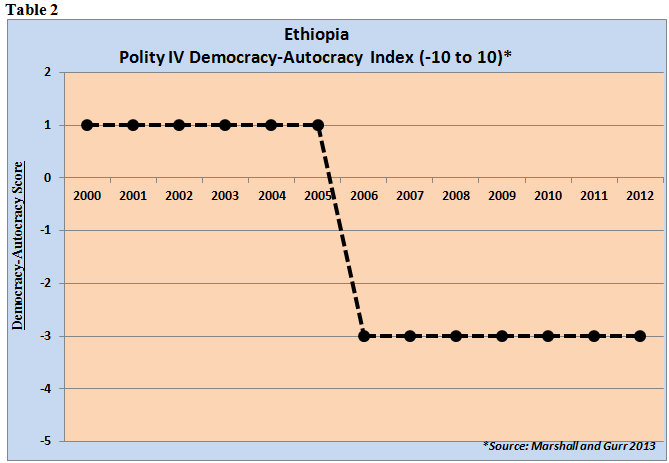


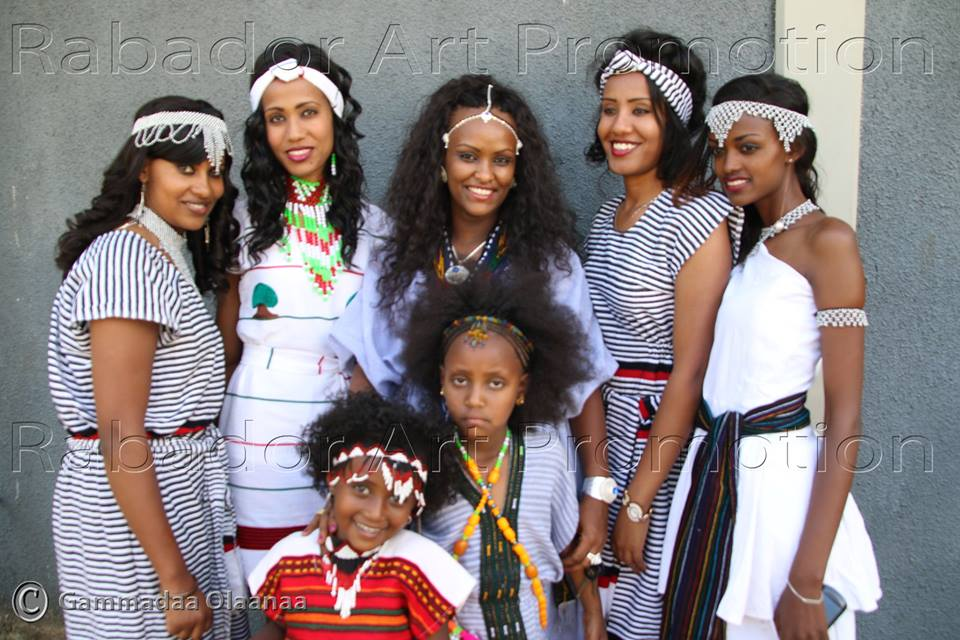
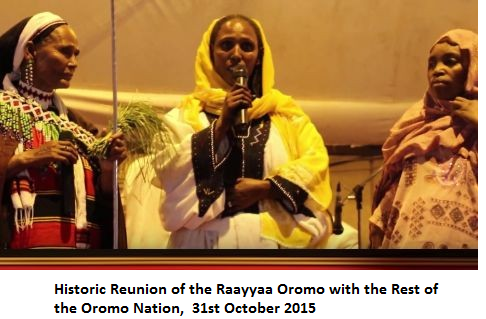
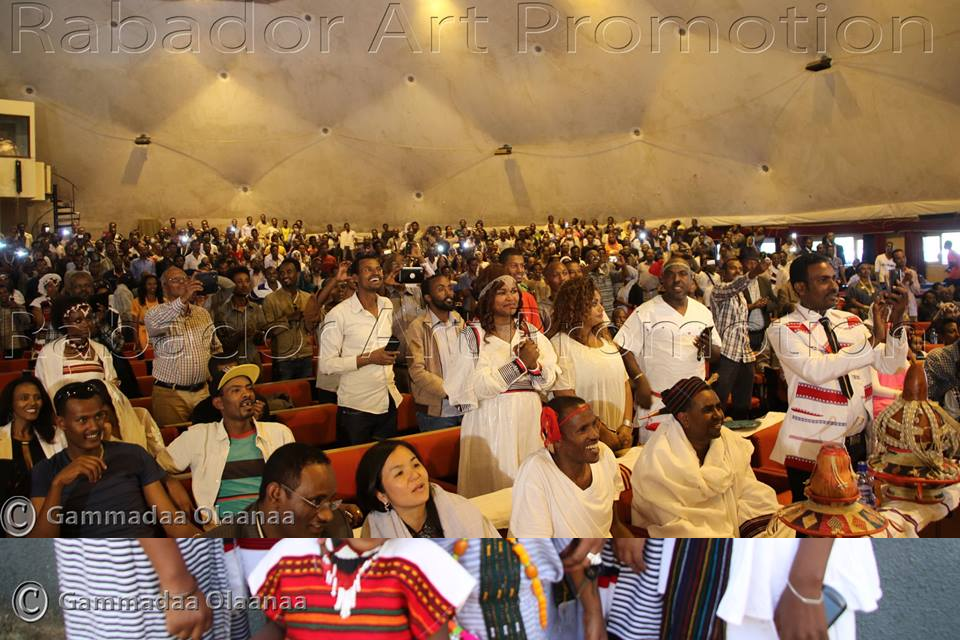
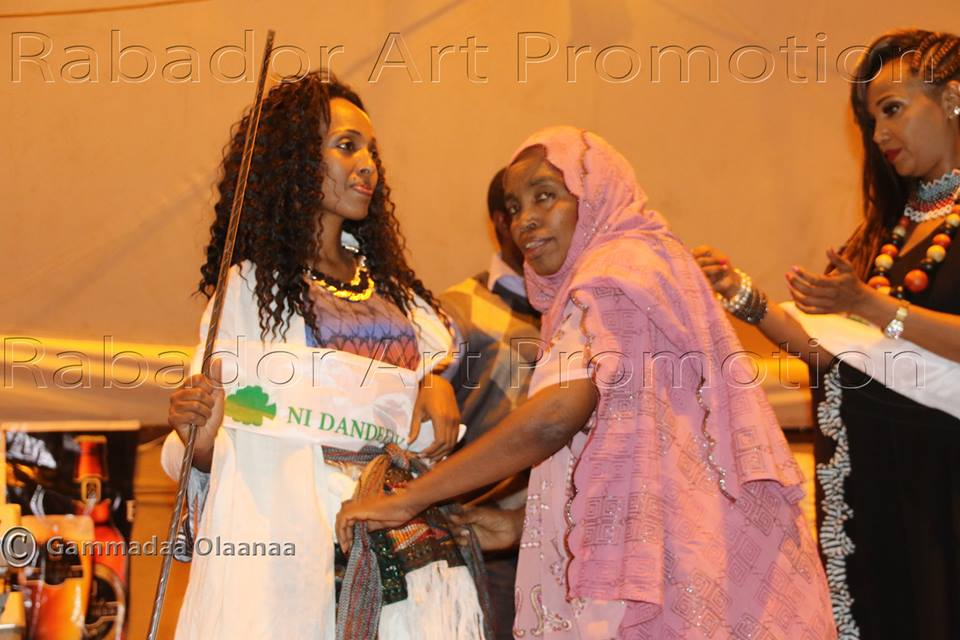
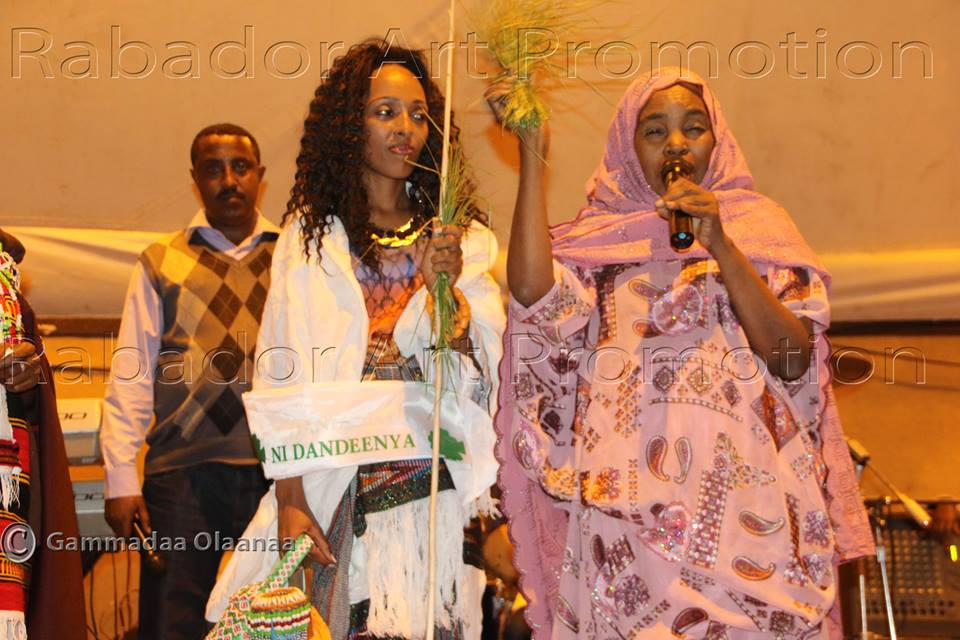
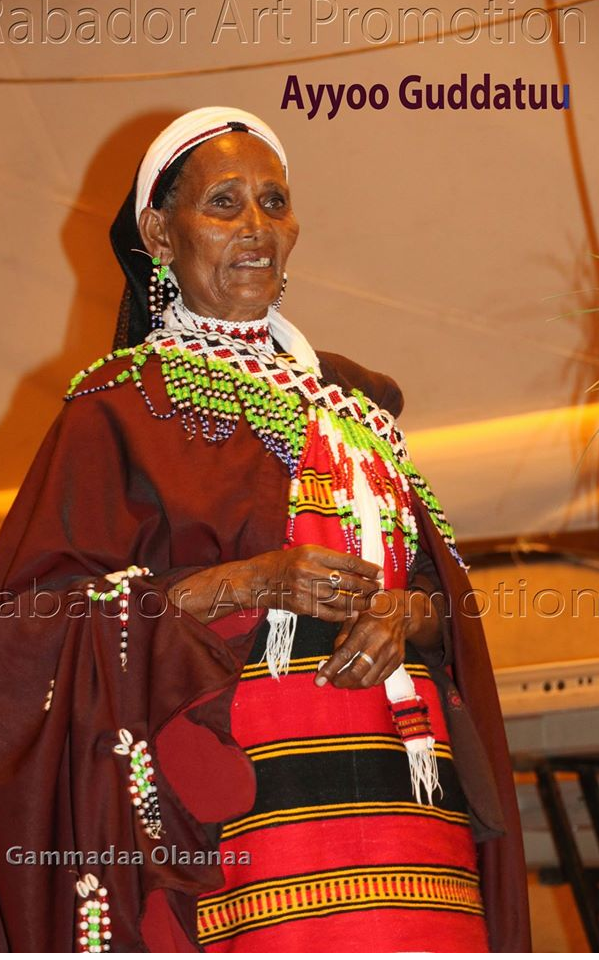
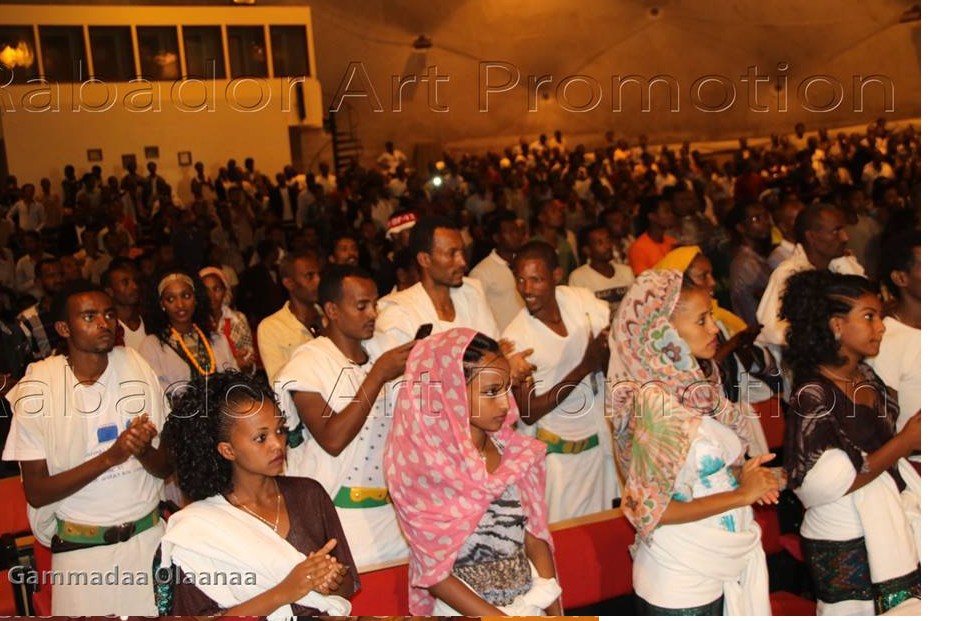
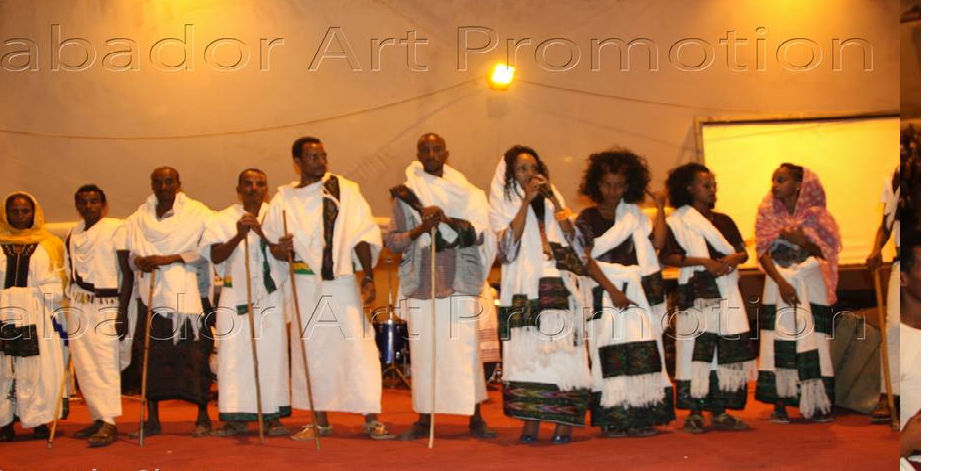
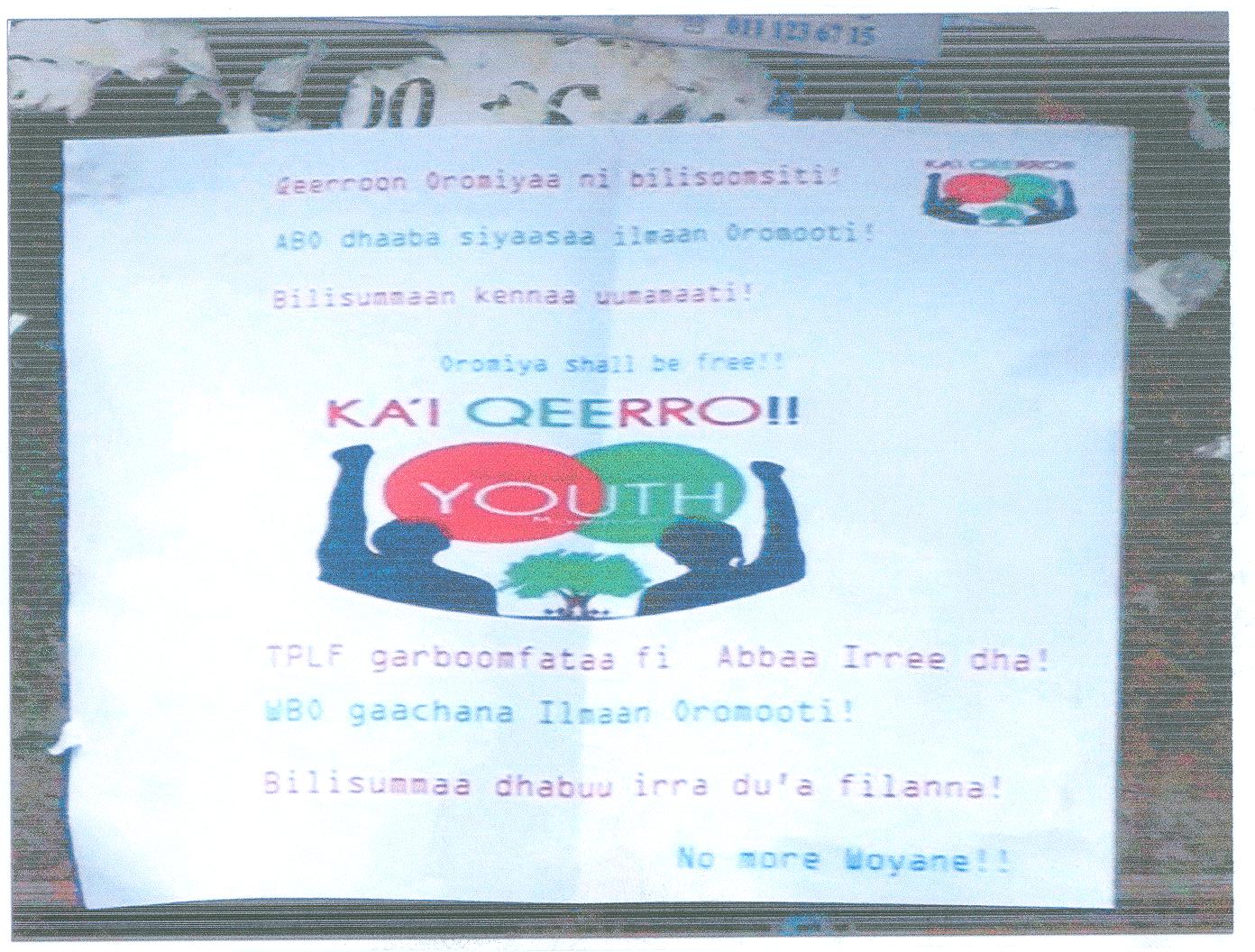

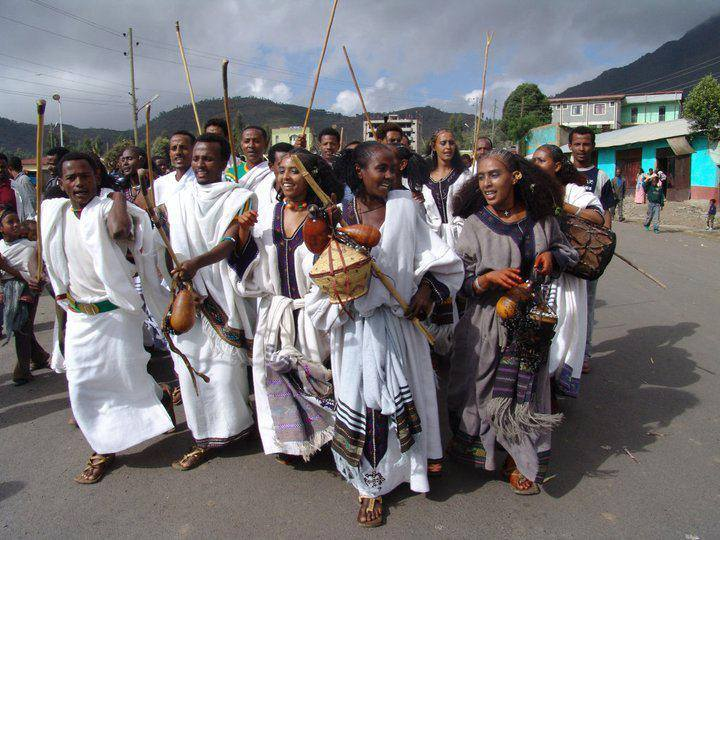






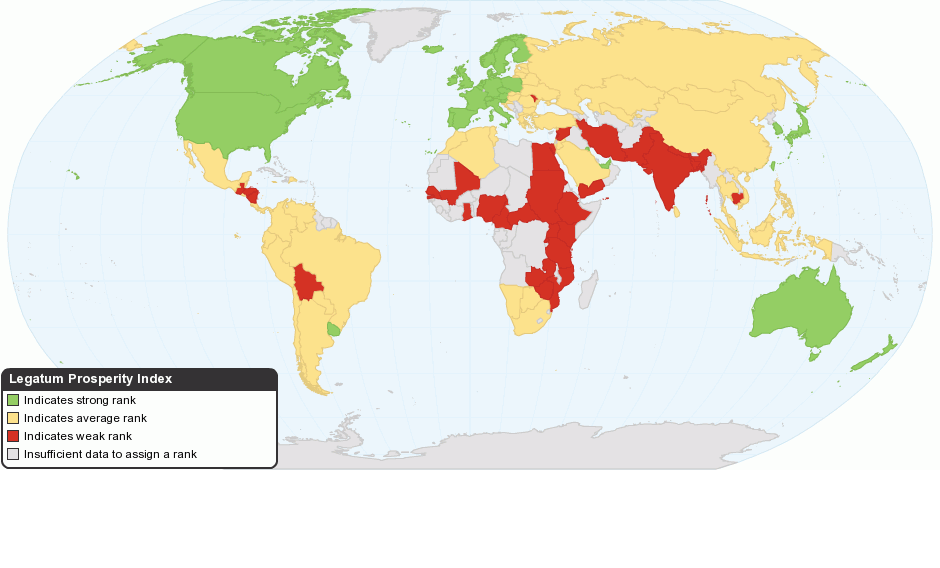
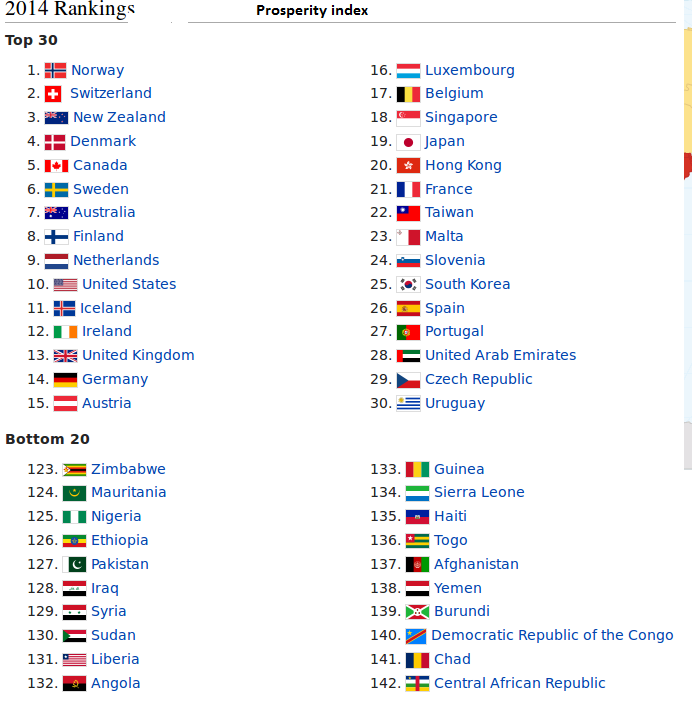

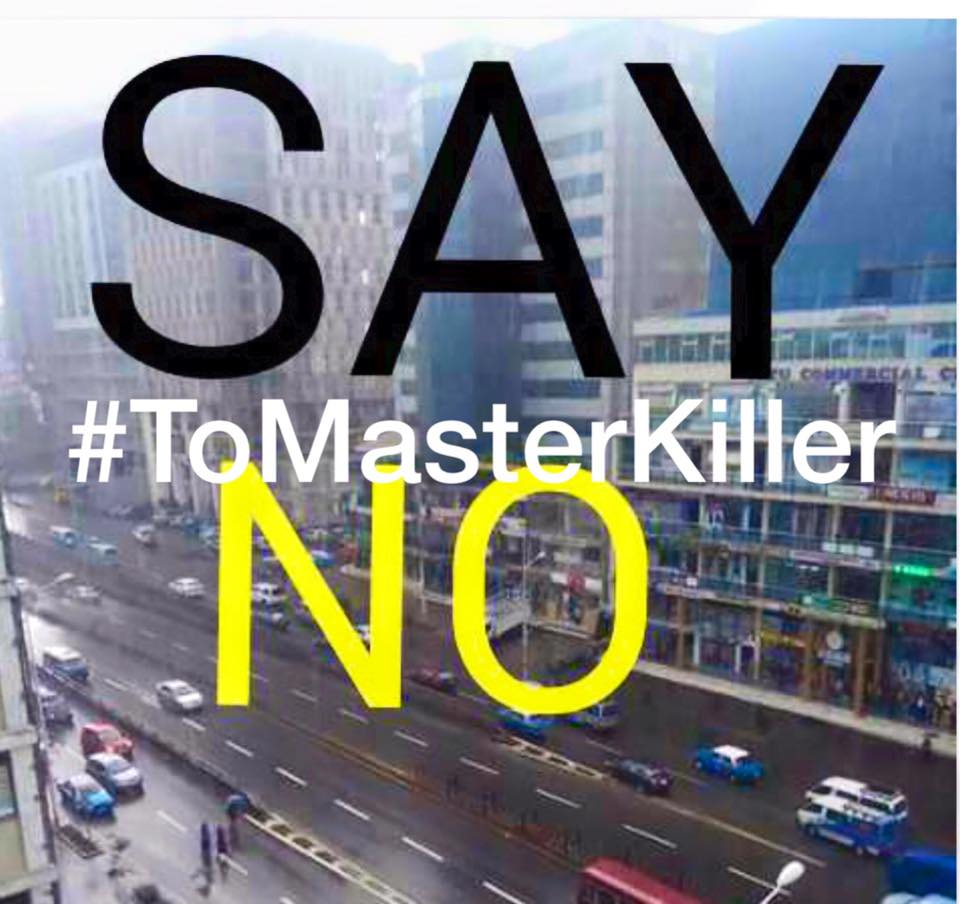
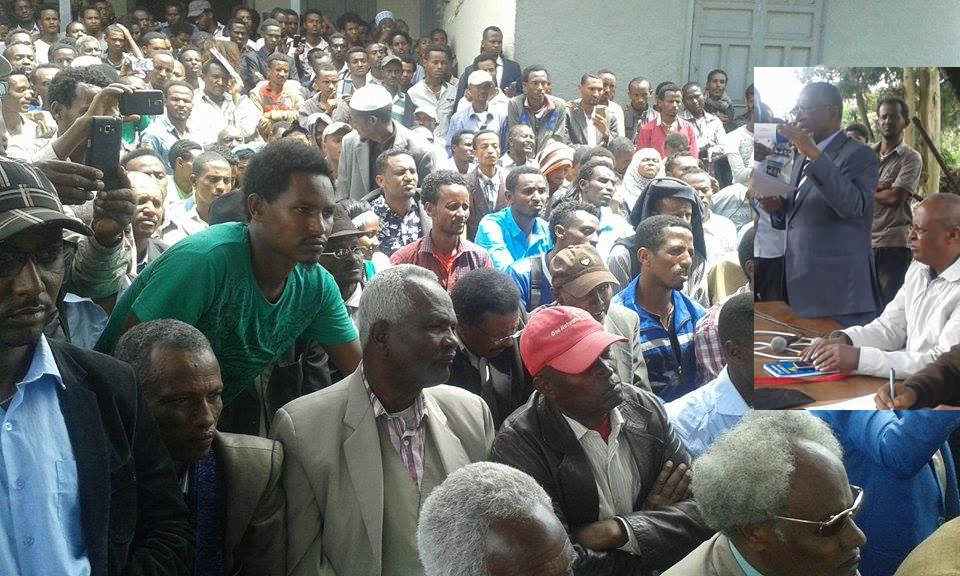
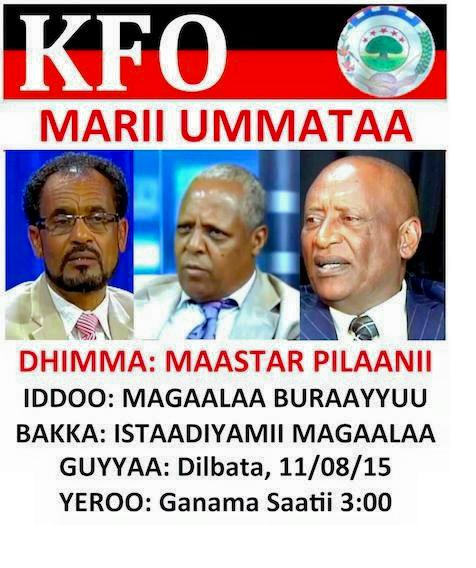
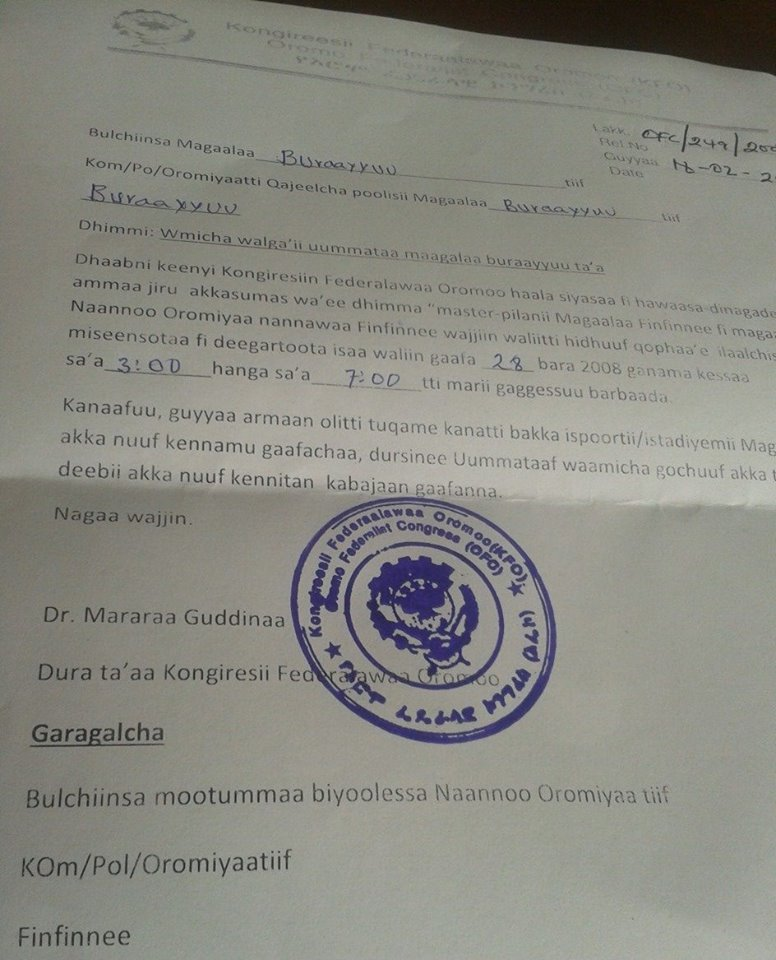
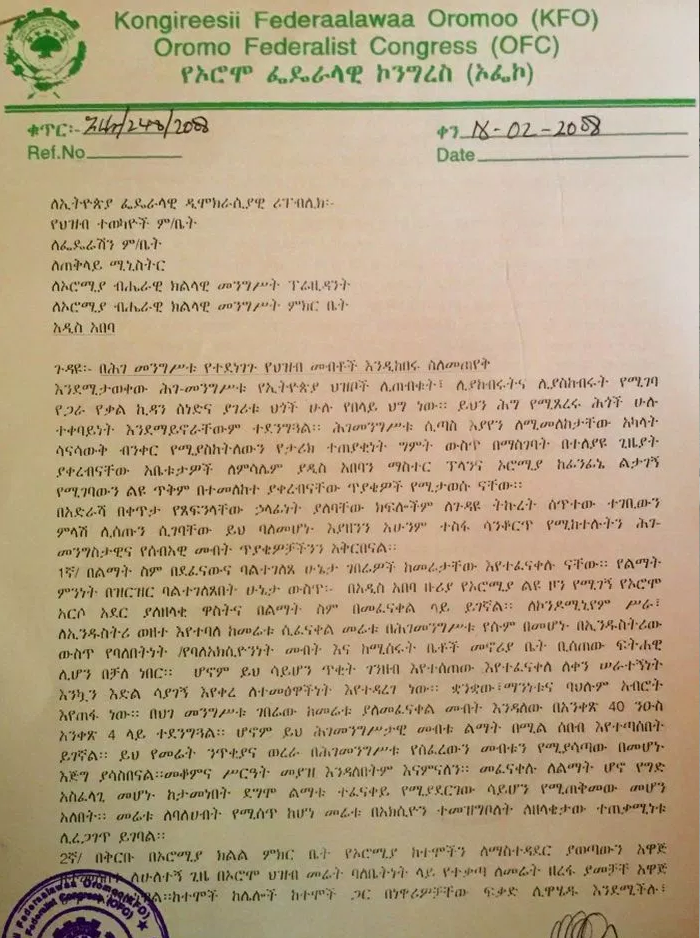
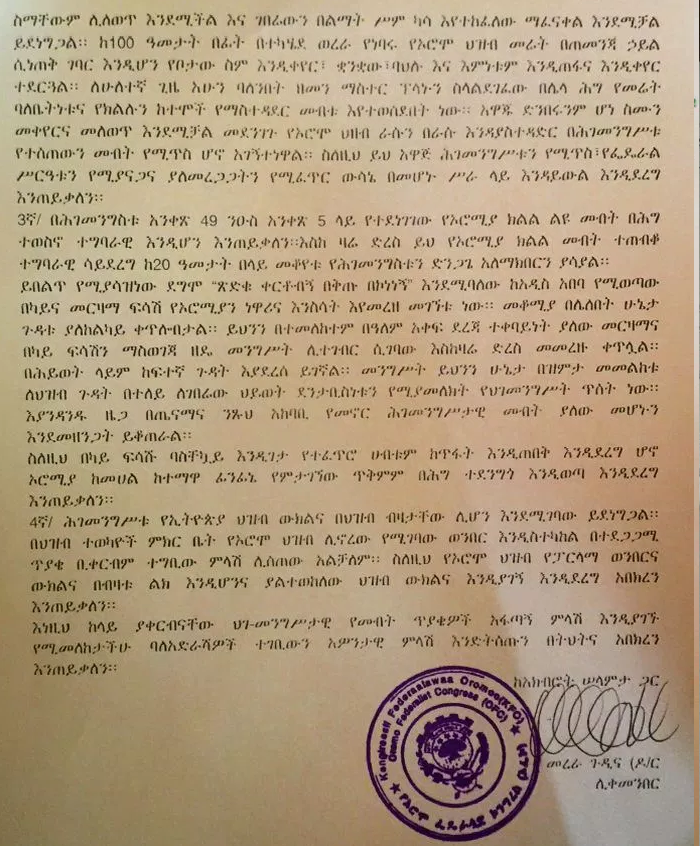
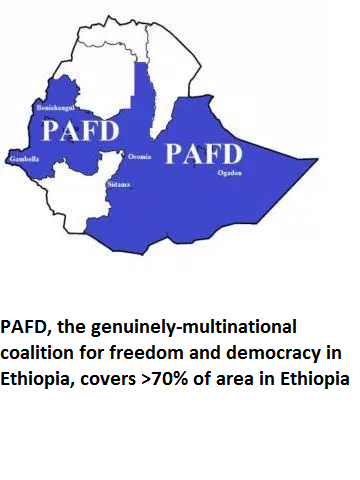
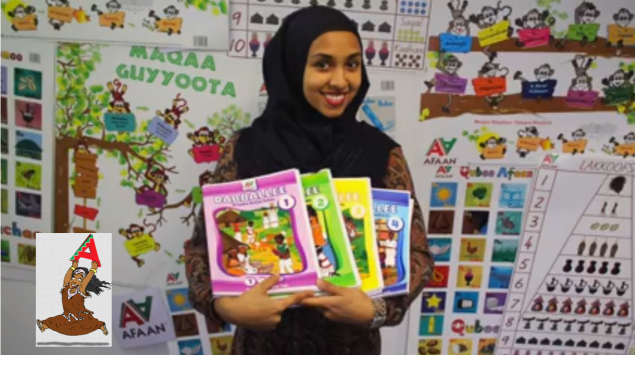

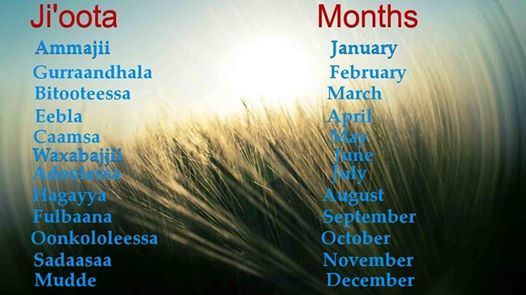


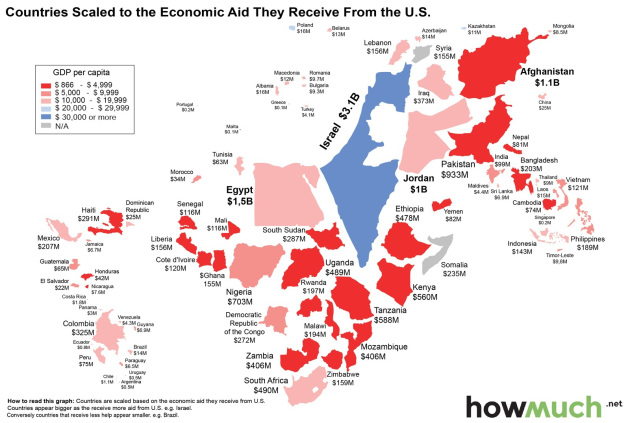

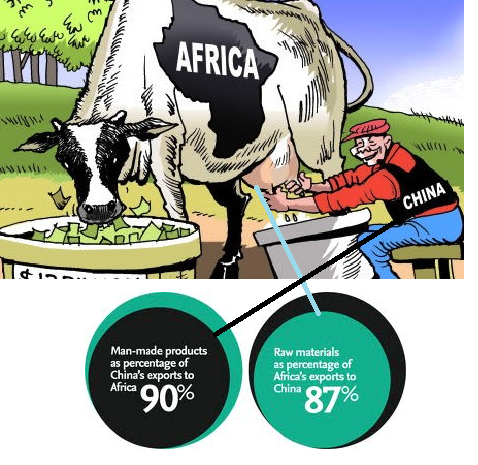


 Oromian Economist
You must be logged in to post a comment.