Economic and development analysis: Perspectives on economics, society, development, freedom & social justice. Leading issues in Oromo, Oromia, Africa & world affairs. Oromo News. African News. world News. Views. Formerly Oromia Quarterly
‘As recent research has shown, the problem with celebrity causes is that they tend to de-politicise policy and activism. They too often obfuscate the complex dynamics of power and socioeconomic relations in favour of a simple, catch all, solution. Celebrities can improve this situation by bringing back into the debate more stakeholders, researchers and local voices.
Thus celebrities speaking truth to power, rather than half-truths that may inadvertently serve the interests of power, may be a more promising way forward if celebrity advocacy relating to Africa is to lead to meaningful socioeconomic change.
The celebrity advocacy circuit for change in Africa lacks celebrity participation in bottom-up movements, as opposed to top-down advocacy. Bottom-up celebrity advocacy, à la Charlotte Church and Russell Brand, should itself not be void from criticism.’
Two remarkable developments during the past 10 days that could have a significant impact in many countries are worth a lot more attention in Canada and the United States.
First, a major research document published by five top economists at theInternational Monetary Fund (IMF)admitted that the strong pro-capitalist policies at the centre of its activities in developing countries for the past 30 years do not work.
One of the IMF’s main roles in recent years has been to bail out countries during financial crises. In return for loans, some 60 mostly poor countries have been forced to follow strict rules, such as privatizing government resources, deregulating controls to open markets to foreign investment, and restricting what they can spend in areas such as education and health care.
Now the paper, Causes and Consequences of Income Inequality: A Global Perspective, says there needs to be a shift and that greater income equality in both developing and developed countries should become a priority.
Dutch told to act on emissions
The other significant but unrelated development which received scant attention, concerns a ground-breaking decision from judges in the Netherlands. They ordered the Netherlands government to slash greenhouse gas emissions by at least a remarkable 25 per cent by 2020.
The ruling came after almost 900 Dutch citizens, headed by the group Urgenda, took their government to court in April in a class action lawsuit to force a reduction of greenhouse gas emissions to tackle climate change. Netherlands has been lagging behind other European countries in tackling climate change.
Significantly, the challenge was based not on environmental law, but on human rights principles. Urgenda asked the courts to “declare that global warming of more than two degrees Celsius will lead to a violation of human rights worldwide.”
The court said, “The state should not hide behind the argument that the solution to the global climate problem does not depend solely on Dutch efforts … Any reduction of emissions contributes to the prevention of dangerous climate change and as a developed country the Netherlands should take the lead in this.”
“A courageous judge. This is fantastic,” said Sharona Ceha, a member of the climate change group Urgenda. “This is for my children and grandchildren.”
The international community is attempting to set limit global warming to 2 degrees Celsius over pre-industrial levels. Countries are to publish their own undertakings to reduce greenhouse gas emissions ahead of a hoped-for global deal to be agreed in Paris in December.
While the Dutch government can appeal the ruling to a higher court, lawsuits against governments and companies in Europe have increasingly been seen as a way to press for action against climate change.
The Amsterdam-based group said the case was the first in Europe in which citizens attempted to hold the state responsible for its potentially devastating inaction and the first in the world in which human rights are used as a legal basis to protect citizens against climate change.
The landmark case could very well set an important precedent for public interest groups in other countries. Cases are already being brought forward in Belgium, Norway and the Philippines.
Perhaps this is a course Canadian environmental groups should consider. Diane Saxe thinks so. As the Toronto-based environmental lawyer told the CBC’s The Current, “The more I read the Dutch court decision, the more I’m getting excited about it, because the arguments made by the three judges could be made in Canada…I think it eventually will happen.”
IMF denounces “trickle-down” economics
In the other story, the IMF report contradicted its long-held position of following hard-nosed capitalist guidelines. It said that the dreaded concept of “trickle-down” economics — which it forced on developing countries and which is practiced by the Harper government — should be abandoned.
“To tackle inequality, financial inclusion is imperative in emerging and developing countries, while in advanced economies, policies should focus on raising human capital and skills and making tax systems more progressive,” concludes the report. Wages and living standards for the bottom 20 per cent should be raised, worker protections improved, and environmental standards implemented.
The practices and policies of the IMF have been controversial for many years.
The rich and powerful countries that control the IMF have used the body’s loans program to force their preferred economic policies on poor countries, even though rich countries themselves did not employ the same strict measures on themselves when they were developing.
The report’s critical analysis also applies to neo-liberal economic policies practiced by most Western governments, including the United States, Canada and several European countries.
The document was enthusiastically received by IMF critics, who have accused the world body of hindering, not helping, development in several poor countries over the years.
“Fighting inequality is not just an issue of fairness but an economic necessity,” saidNicholas Mombrial of Oxfam International in response to the report. “And that’s not Oxfam speaking, but the International Monetary Fund.”
“By releasing this report, the IMF has shown that ‘trickle-down’ economics is dead; you cannot rely on the spoils of the extremely wealthy to benefit the rest of us. Governments must urgently refocus their policies to close the gap between the richest and the rest if economies and societies are to grow,” said Mombrial.
Austerity increases poverty
Critics strongly object to austerity measures that have been forced upon most of the 60 countries where the IMF has been providing loans.
“Such belt-tightening measures increase poverty, reduce countries’ ability to develop strong domestic economies and allow multinational corporations to exploit workers and the environment,” argues Global Exchange, an international human rights organization.
Global Exchange charges that the IMF contributes to poverty instead of alleviating it: “Nearly 80 percent of all malnourished children in the developing world live in countries where farmers have been forced to shift from food production for local consumption to the production of export crops destined for wealthy countries.”
It’s very likely that the IMF will change some of its policies concerning developing countries. However, change may be slow. The IMF is a huge and complex organization where the wheels grind slowly. Secondly, the Western countries that control the organization tend to be strongly influenced by powerful and wealthy people who benefit from “trickle down” economics.
When the IMF finally makes significant policy changes, and if countries were to follow its lead in their own economic planning, many countries could experience a significant change in income distribution. Perhaps it will result in the one per cent no longer owning 48 per cent of the world’s wealth.
Nick Fillmore is a Canadian freelance journalist and blogger who specializes in environmental, finance, and developing country issues. He is a founder of the Canadian Association of Journalists. This article first appeared on The Tyee.
On July 6, Ethiopia’s Federal High Court convicted leaders of the Ethiopian Muslims protest movement on charges of terrorism and conspiracy to create an Islamic state in Ethiopia. The verdict — against two Muslim journalists, 10 activists and six members of the Ethiopian Muslims Arbitration Committee — came after three years of a politically motivated trial whose outcome was long ago determined. Sentencing is scheduled for Aug. 3.
The trial and the verdict against the Muslim leaders is a political spectacle designed to conceal the regime’s reindoctrination campaign and silence long-standing grievances of the Muslim population. The crackdown on Muslim activists is part of the ruling party’s larger crusade against journalists, bloggers, activists and opposition leaders and supporters.
A peaceful movement
The Ethiopian Muslims movement was organized around the community’s three core demands: ending the government’s continued control of the Ethiopian Islamic Affairs Supreme Council, the official Islamic authority in Ethiopia; terminating the controversial reindoctrination of Ethiopian Muslims launched by the government in July 2011; and reopening the Awoliya College, the country’s only Muslim college. Authorities closed the institution in 2011, alleging it had become a breeding ground for radicals.
While the government has always controlled the council, it was Awoliya’s closure and the coercive reindoctrination campaign that triggered the confrontation. The government denies allegations of interference and control of religious institutions, but a leaked audio from the initial indoctrination sessions shows that it has invited preachers from Lebanon to introduce Al-Ahbash, a supposedly moderate sect of Sunni Islam, to Ethiopia.
Authorities arrested members of the Arbitration Committee in July 2012 after negotiations with the government failed, and they were charged with “intending to advance a political, religious or ideological cause” by force, signaling the impending criminalization of the peaceful movement.
Repressive political ends
Since the disputed 2005 elections and the mass arrests of opposition leaders and journalists, the use of court proceedings for repressive political ends has become one of the signature traits of the Ethiopian government. The primary purpose of these administrative acts disguised as criminal proceedings is the elimination of political opposition and critical voices. These trials function not to adjudicate legal disputes but to remove actors from the democratic sphere. The judicial machinery is set in motion not to determine guilt or innocence but to sustain and consolidate the government’s authoritarian stranglehold on its people.
In order to build a coherent narrative, the government often recasts genuine grievances as a national security threat and reconfigures activism as criminal offenses. For example, it accused the jailed Muslim leaders of working in tandem with foreign terrorist groups to destabilize Ethiopia and undo its economic progress. By dramatizing the impending danger and alleged links to regional militant groups such as Somalia’s Al-Shabab and Nigeria’s Boko Haram, the defendants’ prolonged trial was used to create an alternative reality manufactured by the ruling Ethiopian People’s Revolutionary Democratic Front (EPRDF).
The accused Muslim leaders see their actions as a defense of the constitution and their trial as persecution — a dubious plot to delegitimize their peaceful protests against the injustices of the state.
The government presented various forms of evidence — including documents, audio and video of sermons and speeches by the defendants, witness testimonies and material obtained through surveillance. However, most of the evidence was presented in closed sessions, and the accused were not given adequate opportunities for cross-examination. The government has deployed stealth propaganda to incriminate the defendants. Since the committee members’ arrests, authorities have produced two fake documentaries intended to generate images and narratives of terrorism to scare Christian Ethiopians and Western observers, in flagrant violation of the presumption of defendants’ innocence until proven guilty.
The verdict of history
The accused Muslim leaders see their actions as a defense of the constitution and their trial as persecution — a dubious plot to delegitimize their peaceful protests against the injustices of the state. The government misrepresented their cause in a desperate attempt to suppress their aspiration and consolidate its control over religious institutions and doctrines.
As the judge read out the verdict, one of the committee members accused the judge of being complicit in the perversion of justice and reading a judgment “written by the security establishment,” according to defense lawyers. “We appear before this court not because we thought that this court is an institution of truth and justice that judges without fear of favor but to clarify the historical record,” another defendant said.
The trial has been an occasion for the defendants to mount their objection to the government’s oppressive narratives and expose its abuse of institutions of truth and justice. As part of their struggle over the historical record, the committee members petitionedAfrica’s top human rights watchdog, the African Commission on Human and Peoples’ Rights, to intervene in the matter. Given the justice system’s lack of independence, the defendants are seeking to present their version of events before an independent international institution, contesting the allegations and images the government created in a trial in which it is both prosecutor and judge. In February 2015 the commission granted a provisional measure, asking Prime Minister Hailemariam Desalegn to undertake a full investigation into allegations of torture and other violations of due process rights.
The EPRDF is using counterterrorism as carte blanche to consolidate its authoritarian control over the country. Meanwhile, the United States, Ethiopia’s close ally in the global war on terrorism, has turned a blind eye to the misuse and abuse of its counterterrorism funding. President Barack Obama’s upcoming trip to Addis Ababa would be seen as yet another seal of approval for the regime’s repressive practices and the ruling party’s landslide victory in the recent elections. Ethiopia’s sudden and unexplained release of journalists and bloggers ahead of Obama’s visit later this month is a strategic move meant to assuage Washington’s concerns and to minimize the bad publicity around their continued incarceration.
Regardless of the outcome of these trials, history’s judgment will be different. In the verdict of history and the archives and repertoires of the oppressed, these individuals, like many who came before them, will be seen as victims of a grotesque system of justice.
Awol Allo is a fellow in human rights at the London School of Economics and Political Science.
Appeal Letter to President Obama from OCA-NA, an Umbrella Organization of NA Oromo Communities.
July 07, 2015President Barack Obama
The White House
1600 Pennsylvania Avenue NW
Washington, DC 20500 http://www.whitehouse.gov
Tel: (202) 395-2020
Subject: Your Plan to Visit Ethiopia in July, 2015
Dear President Obama,
On behalf of the Oromo Communities in the United States, we, the Board of Directors and the Executive Committee of the (OCA-NA), are writing this urgent letter regarding your plan to visit Ethiopia in July 2015. OCA-NA is an umbrella organization of the Oromo communities, and represents thousands of citizen and legal residents of Oromo origin in the United States. It is organized to advocate for the human rights of the Oromo in Diaspora and those at home, in the Horn of Africa.
Like the majority of US citizens and the global community, we were excited when you were elected as the president of the United States in 2008 and expected huge progress for all freedom loving people in the world. Your statement in Ghana, during your first visit to Africa in 2009, in which you promised your administration’s commitment to support “strong and sustainable democratic governments” in Africa and to deny assistance to corrupt and dictatorial regimes confirmed our hopes and widened our imaginations. Despite moments of frustration, over the last seven years, we have continued to hope for your strong support for democracy and freedom in Ethiopia. On several occasions, the Oromo communities have appealed to your administration and to you personally, regarding the repressive acts of the Ethiopian regime. Incidentally, the Oromo residents of Washington, DC Metropolitan Area and representatives of communities from many states were holding a peaceful rally in front of the White House when they learned the announcement of your planned visit to Ethiopia.
It is with shock and profound sadness that we received this message. We are afraid that your visit sends the wrong messages to both the government of Ethiopia and the people suffering from government’s repressive policies. First, your visit emboldens the dictatorial EPRDF regime and encourages it to implement even more destructive and undemocratic policies. Portraying your visit as an endorsement of its misguided actions, the regime intensifies the violence against innocent people, continues violation of human rights, further suppresses dissidents, stifles legitimate grievances of citizens, and displaces farmers, the youth and intellectuals. Your meeting and photo ops with Ethiopian government officials will be exploited to the maximum by the regime to subdue the people claiming that your administration fully supports its dictatorial practices and the unbelievable 100 percent victory in its sham elections. Second, the Oromo in particular, and the Ethiopian people in general, would lose hope. They would feel the most powerful nation and its president, whose speeches and actions they passionately follow and expect highly from his administration, have ignored their plight. Your meeting in Addis Ababa with Ethiopian officials, who torment innocent people daily, will deepen the people’s disillusionment and frustrations. Third, the Oromo communities in US are extremely concerned that your visit will have negative implications for the policy objectives of your administration and the long term interests of United States in the region.
The Ethiopian government distorts facts, manipulates the reality, and represents itself as democratic. But, human rights organizations including Amnesty International, Human Rights Watch, Survival International, Human Rights League of the Horn of Africa and the annual human rights reports of the State Department have attested to the massive human rights violations of the EPRDF regime. The well documented long list of imprisoned students, journalists, bloggers, and members of opposition political parties fully confirm the undemocratic nature of this regime. In a country like Ethiopia, with complicated and highly contested political issues, the recent 100 percent victory in the national elections is totally unbelievable, and leaves no doubt about EPRDF regime’s dictatorial rule. Finally, the Ethiopian government also exploits global and regional security issues. Declaring its support for the war on global terrorism and posing as an ally of the United States, the government uses resources it receives from big powers for suppressing dissent, terrorizing innocent people, and for subverting democratic processes. It should be clear that a regime that terrorizes its citizens cannot be a reliable ally to fight extremism.
Mr. President,
For these reasons, we are puzzled by your decision to visit Ethiopia and meet government officials who contradict your convictions and the principles of American democracy. First, we are strongly appealing to you to reconsider your planned trip to Ethiopia. Second, if your visit to the African Union headquarters in Addis Ababa is absolutely necessary, we are strongly urging you not to meet Ethiopian government officials in public and not offer them the opportunity to use your visit for their domestic propaganda. Third, we also request you to make it clear to the people in public that the Ethiopian regime’s undemocratic practices are unacceptable. We believe the United States will not ignore the atrocities perpetrated against the 95 million people in favor of the oppressive regime in the name of alliance against global terrorism.
Sincerely,
Oromo Communities’ Association in North America (OCA-NA)
Godina Baalee, Aanaa Gaasaratti, lafeeleen namoota dhiiba tokkoo olii argame. Skeletons of more than 100 human bodies found buried together in Bale, Gaasara district, Dambal locality, Oromia
(Addis Standard, 9 July 2015), At least six Oromo university students were also among three journalists and two bloggers released from Ethiopian prison yesterday, according to various reports.
The freed Oromo university students include Adugna Kesso, Bilisumma Dammana, Lenjisa Alemayo, Abdi Kamal, Magarsa Warqu, and Tofik Rashid. All were students who were arrested by security agents from various universities located in the Oromiya regional states. No charges were brought against many of them in the last year and three months.
Student Bilisumma Dammana
The arrest of unknown numbers of Oromo University students followed a May 2014 brutal crackdown by the police against university students who protested when a master plan for the expansion of Addis Abeba, the city originally home to the Oromo, was introduced by the federal government.
Student Tofik Rashid
The 10th Addis Abeba and Oromia Special Zone Integrated Development Master plan, which was in the making for two years before its introduction to the public, finally came off as ‘Addis Abeba and the Surrounding Oromia Special Zone Integrated Development Plan.’
The government claims the master plan, which will annex localities surrounding Addis Abeba but are under the Oromiya regional state, was aimed at “developing an internationally competitive urban region through an efficient and sustainable spatial organization that enhances and takes advantage of complementarities is the major theme for the preparation of the new plan.”
The students protested against the plan and the federal government’s meddling in the affairs of the Oromiya regional state, which many legal experts also say was against Article 49(5) of the Ethiopian Constitution that clearly states “the special interest of the State of Oromia in Addis Abeba.”
Charges against university student Nimona Chali were dropped without explanation and he was released some two months ago.
Two months ago, student Nimona Chali, one of the detained students, was released from jail without charges. Student Aslan Hassen died in prison in what the government claimed was a suicide. However, many believe he was tortured to death. No independent enquiry was launched to investigate his death.
Alsan Hassan died while in police custody. Government says it was a sucide, but many say he died of torture.
By the government’s own account, eleven people were killed during university student demonstrations in many parts of the Oromia regional state. However, several other accounts put the number as high as above 50.
Over the last few years, sub-Saharan countries have seen significant economic growth. Seven of the ten fastest growing economies in the world between 2011-2015 come from Africa.
But this economic growth has not quite translated into significant poverty reduction. As analysts point out, the number of people on the continent living under $1.25 a day has risen from 358 million in 1996 to 415 million in 2011.
Tanzania for example, which saw an average of 6% GDP growth over the last several years, has grappled with this disconnect. “At the macro-level, we may be doing well, but it does not touch the unemployed or those involved in the informal economy,” a former cabinet minister told Quartz.
However, the latest data from the Pew Research Centre shows that there has been significant poverty reduction in some African countries.
The reduction of poverty and increase in the ranks of the slightly better-off “low-income” category is good news, but the challenge remains that many African countries have not been able to transition people into the middle class.
Africa is still the poorest region in the world overall: With nine out of 10 people either poor or low-income, the continent his home to 20% of the world’s poor, the data show. In some countries virtually the entire population is poor or low-income. The picture is somewhat brighter in Seychelles, Tunisia, South Africa, Morocco and Egypt, where 20% are either middle income or better
(Gulf News, NEW YORK, 10 July 2015): The dramatic lurch of hundreds of millions of people from poverty since the millennium began has not resulted in a truly global middle class, a new report says.
Instead, the improvement in living conditions for almost 700 million people has been a step forward from the desperate existence of $2 or less a day into a low-income world of living on $2 to $10 daily, the Pew Research Center says.
Its report, released Wednesday, looks at changes in income for more than 110 countries between 2001 and 2011, the latest that data for such a large range of countries was available.
The report comes just two days after the United Nations announced success in key development goals adopted by world leaders at the start of the millennium, including the lifting of more than one billion people out of extreme poverty.
Also worth noting: Europe and North America’s global share of the upper-middle income population fell from 76 per cent to 63 per cent by 2011 as the Asia-South Pacific region got richer. Africa remained the poorest region, with 92 per cent of its population either poor or low-income by 2011, and in Cote d’Ivoire, Kenya, Madagascar and Zambia, “poverty actually increased significantly.”
For years, reaching middle class has been held out as a goal for people in a growing number of countries. China’s rise in particular, with 203 million people there moving into a middle-income life over the decade starting in 2001, has resulted in what the report calls a “pivot to the east.”
More than half of the world’s middle-class population was living in the Asia and South Pacific region by 2011. That’s a jump from 31 per cent to 51 per cent in a decade. Largely because of Asia, the report says the world’s middle-income population nearly doubled over that time, from 399 million to 784 million.
But the gains are hardly seen everywhere. The report shows that while commodity-rich South America and a strengthening Eastern Europe, including Russia, also made strides into the middle class, Africa, India and many parts of Asia have yet to do the same.
The Pew report calls its overall findings “the uneven geography of the emerging middle class.”
The poverty rate for India, Asia’s other population giant, fell from 35 per cent to 20 per cent over the report’s period, but its middle class only grew from 1 per cent to 3 per cent. The report notes that India’s economic reforms began in 1991, 13 years after China, though the scope and pace of the countries’ reforms have varied.
South America almost reached the point where half of its population is at or above middle-income, at 47 per cent.
And despite China’s rise, more than three-fourths of its people were still poor or low-income. The only other countries seeing a significant shift into the middle class, where the poverty rate fell by at least 15 per cent and the middle-income population grew by at least 10 per cent, were Bhutan, Moldova, Ecuador, Argentina and Kazakhstan.
Among countries with a large number of high-income people, or those living on more than $50 a day, the United States stood out from its Western peers by slipping as its economy stalled. Its high-income population actually edged down, from 58 per cent in 2001 to 56 per cent in 2011.
Factors like conflict and falling oil prices likely have affected the findings for some economies, such as Russia’s, in the past few years, the report notes.
Washington wants a stable partner in the Horn of Africa. But cozying up to the repressive regime in Addis Ababa isn’t the way to go about finding one.
Later this month, President Barack Obama will become the first sitting United States president to ever visit Ethiopia, Africa’s second most populous country, and a nation viewed by many as a bastion of stability in a region otherwise beset with civil strife. The trip — which will also include a stopover in Kenya — is being billed as part of the Obama administration’s regional efforts “to accelerate economic growth, strengthen democratic institutions, and improve security.”
These are indeed laudable goals and should be actively pursued by the U.S. government. But the timing and tenor of the visit to Addis Ababa sends a worrying signal that Washington’s priorities — not only in Ethiopia, but on the entire continent — are actually at odds with the president’s oft-repeatedrhetoric about advancing human rights and strengthening African democracy and institutions.
Let’s be clear: Ethiopia is not a model of democracy that should be rewarded with a presidential visit.
Let’s be clear: Ethiopia is not a model of democracy that should be rewarded with a presidential visit. The long-ruling Ethiopian People’s Revolutionary Democratic Front (EPRDF), now in power for 25 years, claimed a landslide victory inlegislative polls held in May, winning all 547 parliamentary seats, which places it among the ranks of North Korea and Saddam Hussein’s Baathist Iraq in terms of the sheer efficiency of its electoral sweep. The results should not have come as a surprise: theEPRDF swept the last four elections, including in 2010,in which it took a whopping 99.6 percent of the vote. This time around, Washington and the European Union did not even bother sending election observers, knowing full well that anEPRDF victory was a foregone conclusion.The lead up to the May 24 vote saw a widespread crackdown on journalists, human rights activists, and opposition supporters. What’s worse, Obama’s trip was announced on June 19, the same week it was revealed that threeopposition party members were murdered in the country, all under highly suspicious circumstances.
So why is President Obama visiting a country where democracy is in such a sorry state and where human rights violations remain systemic and widespread? Because, despite the obvious lack of political rights and civil liberties in Ethiopia, and its status as one of the top jailers of journalists in the world, Prime Minister Hailemariam Desalegn is palatable to Washington and other Western donors precisely because of who he is not: a retrograde dictator in the mold of his regional counterparts, Isaias Afwerki of Eritrea or Omar al-Bashir of Sudan. The brutal and oft heavy-handed oppression exhibited by the latter two regimes is brazen, whereas Desalegn and the EPRDF work within the (regime-controlled) judicial system, giving their repression a veneer of legality.
A former academic, Desalegn’s elevation to the highest office in Ethiopia came courtesy of the sudden death in 2012 of Ethiopia’s strongman, Meles Zenawi, who had ruled the country for two decades. Zenawi was a favorite in Washington: Though he brutally crushed political opponents and implemented a series of draconian laws meant to muzzle the press and stifle dissent, he also managed to establish an image of Ethiopia as a stable and growing economy in the troubled Horn of Africa. Zenawi’s Western allies, particularly the United States, applauded the country’s modest economic growth and the regime’s willingness to endorse the so-called “War on Terror.” As a result, leaders in Washington routinely turned a blind eye to the EPRDF’s rampant human rights abuses and its ongoing suppression of civil society, the media, and political opposition.
Several key Obama advisers were close associates and personal friends of the late prime minister. Susan Rice, Obama’s national security advisor and former top diplomat at the United Nations, for instance, made no secret of her esteem for and friendship with Zenawi, whom she eulogized as “a servant leader.” Another top Obama aide, Gayle Smith — the current nominee to lead the United States Agency for International Development (USAID), which provided Ethiopia nearly $500 million in 2013 — was also never shy about her admiration for Zenawi.
Desalegn, largely seen as a compromise candidate for the shaky, ethnicity-based EPRDF coalition, has continued to rule in the same mode — and Washington’s perverse need to embrace a dictator in technocrat’s clothing has continued. This March, two months before Ethiopia’s sham elections, U.S. Undersecretary for Political Affairs Wendy Sherman publicly praised Ethiopia’s “democracy” during a visit to the country, which a state department spokesperson further bolstered by saying “her statements fully reflect the U.S. Government’s positions.” Even a cursory glance at Ethiopia’s abysmal human rights record would turn this bogus claim on its head.
On June 25, the State Department released its annual human rights reporton Ethiopia, citing widespread “restrictions on freedom of expression,” “politically motivated trials,” “harassment and intimidation of opposition members and journalists,” “alleged arbitrary killings and torture,” “limits on citizens’ ability to change their government,” and restrictions on freedom of assembly, association, and movement. Yet Ethiopia’s donors, including the United States, which provides nearly half of Ethiopia’s national budget, have continued to ignore these signs of trouble. The facade of economic growth and the West’s eagerness for a “development success story” to tout on the international stage has seemingly precluded genuine diplomatic pressure to reform.
To be sure, deeply afflicted countries surround Ethiopia. Despite recent progress, Somalia faces credible and ongoing threats from the al-Qaeda affiliated militant group, al-Shabab. South Sudan has devolved into an intractable civil war with no end in sight. Kenya has yet to fully overcome the ramifications of post-election violence in 2007–2008, not to mention its inability to ward off al-Shabab’s cross border attacks. Eritrea, dubbed by some as the North Korea of Africa, remains a highly repressive police state from which hundreds of thousands continue to flee. Further afield, Yemen is in a state of bloody lawlessness. By contrast, Ethiopia has remained largely stable.
Despite this outward veneer of stability and progress, Ethiopia’s current system is unsustainable. A one-time vocal opposition has been systematically weakened. Ethnic discontent is rife. Religious revival has been met with brutal state repression. Economic prosperity is not widely shared and inequality continues to rise. Nepotism and corruption plague an already bloated bureaucracy. Youth unemployment is a persistent and serious challenge. Independent media, the human rights community, and civil society writ large have been decimated. And countless citizens arebeing displaced from their ancestral lands under the guise of development. These factors, taken together, may ultimately sow the seeds of a tangled conflict that could reverberate across an already troubled and tense region.
In this context, Obama’s upcoming visit to Ethiopia sends the wrong message on Washington’s stated commitment to strengthening democratic institutions — not strongmen — in Africa. What is more, turning a blind eye to widespread human rights abuses for the sake of counterterrorism cooperation and so-called “regional stability” may prove to be a self-defeating strategy that is bad in the long term for the United States, as well as for citizens throughout the Horn of Africa.
If the United States wanted to help strengthen democratic institutions and stand in solidarity with Africans, who are now more than ever demanding democracy, then Nigeria would have been a much better alternative model. Nigeria, Africa’s most populous nation and its largest economy, held landmark elections this March, in which an opposition candidate ousted an incumbent who then graciously accepted defeat. In Ethiopia, this scenario remains a pipe dream for its 96 million citizens. The EPRDF is now set to lord over the country at least until 2020, allowing the party to further entrench its repressive machinery and to extend its dominance long beyond its current mandate.
It is unlikely that Obama and his handlers will change the itinerary of his upcoming trip. However, it is not too late for the president, and for the United States government, to speak honestly to the people of Ethiopia, making it clear that the historic visit is not intended to validate or otherwise endorse the EPRDF’s autocratic dominance. Rather, Obama should be clear with EPRDF leadership, both in private and most importantly, in public that the United States appreciates the complex challenges facing the country and that repression is not an acceptable means of addressing them.
Obama and his staff should also meet openly with Ethiopia’s political opposition and civic leaders, including those based in the country and abroad in Kenya, where many have been forced to relocate due to increasing oppression at home. Obama should additionally raise the issue of the recently murdered opposition members, as well as the many cases of journalists, activists, and political prisoners who have been wrongly jailed and arbitrarily detained under a raft of draconian laws that have criminalized dissent.
In the long-term, the U.S. government should redouble its commitment to Ethiopia’s beleaguered civil society. Obama’s 2016 budget request includes more than $400 million in assistance to the country, of which less than 1 percent is allocated for democracy and human rights programming — an actual improvement from last year, when zero was devoted to this vital sector, much of the spending going towards health and humanitarian aid. A robust, reenergized, and empowered Ethiopian civil society, in which human rights groups are free to operate, is central to deepening democratic principles, not only in Ethiopia, but also throughout the East and Horn of Africa.
Overall, Obama must firmly reiterate that stability and security, and respect for basic human rights and the legitimacy of civil society, are not mutually exclusive objectives in Ethiopia, or elsewhere. Rather, he should be unequivocal — in both rhetoric and in practice — that, together, these issues help form an unshakable and long-term pillar for U.S. engagement on the African continent.
Hogeessi Fayyaa OMN dubbise akka jedhanitti// Keemikaaloti akkasii kun Yoo soorataman dhukkuba Tiruu fi Kaanserii dhiigaa namarraan ga’uu Maluu jedhan.
Itti gaafatamaan Waajjira poolisii aanaa Diggaa Komaander Tashoomaa Mootummaa akka OMN tti himanitti, namni kun barmeela 18 Keemikaala Zayitii nyaataa Fakkeessuun Gurgurtaaf otuu gara Magaalaa Gimbiitti geessaa Jiruuti kan Qabame.
Waanti Zayitii nyaataati jedhamee fe’amee deemamaatti ture kun qorannoof gara Hospitaala Paasteritti akka ergame kan dubbatan Komander Tashoomeen, erga qoratamee booda Zayita Nyaataa akka hintaane nuu ibsaniiru.
Komaander Tashoomaan gaaffii fi deebii OMN waliin taasisaniin,
“Maalummaan keemikaala Sanaa sirriitti qoratamaa jira. Namni yakka sana dalages qabamee to’annaa mootummaa jala jira.”
Dhimma kana ilaalchisuun waa’ee rakkoolee Keemikaaloti waliin isaanii hinbeekamne kun namarraan ga’anii irratti Ogeessa Fayyaa Dr Abdulsamed Mohammed dubbisneerra.
Dr Abdulsamed hunda dura Maalummaan Keemikaala Sanaa qoratamee beekamuu akka qabu erga nuu himanii booda, Keemikaaloti amala Zayitii qabanii fi akka salphaatti zayita nyaataa waliin wal makatan hedduun jiru. Isaan kun kan qaama Namaa irratti balaa geessisanis ta’e hingeessisne ta’uu maluu Jedhan.
Hata’uutii Keemikalli sun kanneen fayyina namaa miidhan yoo ta’e dheerina yeroo keessa Madda dhukkuba Tiruutii fi Dhukkuba Kaanserii dhiigaa namatti fiduu malu akka Dr Abdulsamed Jedhanitti.
Dr Abdulsamed, Kaanseriin dhiigaa Maal akka ta’e erga nuu ibsanii booda, Isa kana addaan baafachuuf qorattooti, Keemikaalli sun Keemikaala attamii akka ta’e sirriitti qorachuu isaan feesisaa jedhan.
Dr Abdulsamed Mohammed, Itti dabaluunis Keemikaala sana qorachuu qofaa osoo hintaane, tarii Keemikaalli sun yeroo dheeraaf gabaarra kan ture ta’uu waan danda’uuf, iddoowwan Keemikaalli kun itti geessamaa turanii fi naannoon sun guutummaatti sirriitti hubatamee, Jiraattoti naannoo Sanaa Haalli Fayyaa isaanii maal akka fakkaatuu gadi fageenyaan qorachuun barbaachisaadhaa Jedhan.
Documents obtained by hackers from the Italian spyware manufacturer Hacking Team confirm that the company sells its powerful surveillance technology to countries with dubious human rights records.
Internal emails and financial records show that in the past five years, Hacking Team’s Remote Control System software — which can infect a target’s computer or phone from afar and steal files, read emails, take photos and record conversations — has been sold to government agencies in Ethiopia, Bahrain, Egypt, Kazakhstan, Morocco, Russia, Saudi Arabia, South Sudan, Azerbaijan and Turkey. An in-depth analysis of those documents byThe Intercept shows Hacking Team’s leadership was, at turns, dismissive of concerns over human rights and privacy; exasperated at the bumbling and technical deficiency of some of its more controversial clients; and explicitly concerned about losing revenue if cut off from such clients.
An email from a person linked to several domains allegedly tied to the Meles Zenawi Foundation (MZF), Ethiopia’s Prime Minister until his death in 2012, was published Sunday evening as part of the cache of files taken from Hacking Team.
In the email, Biniam Tewolde offers his thanks to Hacking Team for their help in getting a high value target.
Around the time the email was sent, which was eight months after the Prime Minister’s death, Tewolde had registered eight different MZF related domains. Given the context of the email and the sudden appearance (and disappearance) of the domains, it’s possible all of them were part of a Phishing campaign to access the target. Who the high value target is, remains unknown.
An invoice leaked with the Hacking Team cache shows that Ethiopia paid $1,000,000 Birr (ETB) for Hacking Team’s Remote Control System, professional services, and communications equipment.
Meeshaalee fi tajaajili dhaabbanni kun Mootummotaa fi dhaabbiilee basaasaaf kennu dhimmoota dhuunfaa dhaabbiilee qoratootaa fi Miidiyaalee keessa seenuun miidhaa geesisaa jira.
Dhaabbanni Reporters Without Borders kaampaanii basaasaa Hacking Team kana toora kaampaanota diina Interneetii ittiin jedhe galmeessee bubbuleera.
Dhaabbanni nama hatuu ofii isaatiin nan hatama jedhee yaadee hin beeku kan jedhe gabaasichi,akka ragaa amma argame kanaan faayiloota ,Imeelota dokumantoota adda addaa argatan ifa gochaa jiru.
Akka gabaasa Human Rights Watch tti Dhaabbanni Hacking Team Mootummaan Sudan yuuroo kuma 400 fi kuma 80 dhaabbata kanaaf kennuu isaa kanaan dura kan haale oggaa ta’u, amma garuu ragaa kanaan ifattii saaxilameera.
Dhaabbanni Mootummota Gamtoomanii tibba sana Mootummaan Sudaan dhimma kana akka qulqulleessuuf xalayaan kan gaafate yemmuu ta’u, gocha sana hin raawwannee jechuun Sudaan haaltee turuun ishee ni yaadatama.
Daabbanni Mirga dhala namaaf falmu Human Rights Watch Bitootessaa bara 2015 ibsa baaseen,Mootummaan Itoophiyaa meeshaale basaasa spyware jedhaman biyya alaatii galchuun yaada walabaa lammiilee isaa ukkamsaa jira.
OLF Statement on President Obama’s Planned Visit to Ethiopia
Obama’s Planned Visit to Ethiopia is Incompatible with Claims of Democratic Principles of the U.S. Government
Statement from the Oromo Liberation Front (OLF)
OLF Statement
The Oromo Liberation Front (OLF) strongly opposes the planned visit to Ethiopia of the U.S. President Barack Obama on the end of July 2015. As Ethiopia is one of the most brutal regimes of the world, OLF believes that such a visit will result in strengthening the dictatorial minority regime, will boost the regime’s confidence to strengthen its ruthless human rights violations, will give a green light to the regime to continue its repression, economic exploitation, and marginalization of various nations and nationalities of the country under its usual pretense of democracy. OLF also believes that a lasting national and security interest of the U.S. is better protected not by blessing and supporting such a well-known ruthless regime, but by being on the side of the people, supporting the struggle of the peoples of the country for freedom, democracy and justice by using its leverage through exerting the necessary pressure on the regime on power.
In 1991, when the dictatorial military regime of Mengistu Hailemariam was overthrown by the combined struggle of the oppressed peoples of Ethiopia and a Transitional Government was about to be established, a commitment given from the U.S. government to the Ethiopian people was an assurance of “no democracy, no cooperation.” It was the then U.S. Assistant Secretary of State for African Affairs, Herman Cohen, who gave such assurance in public. However, the TPLF/EPRDF group, which took over the government not only by using the military upper hand it had, but also using the blessing of the U.S. official Herman Cohen, demonstrated its anti-democratic nature in practice in a matter of less than one year. Several organizations which struggle for the right of their people, including the Oromo Liberation Front (OLF), opposed the tyrannical and authoritarian practices of the TPLF/EPRDF party as the dominant force and left the then Transitional Government of Ethiopia.
Today, 24 years have passed under the totalitarian TPLF/EPRDF regime erected and protected by the West, mainly the United States of America. It is impossible to enumerate the widespread political repression, economic exploitation, and monopoly of a minority regime in all sectors political, economic and social life. Among many other reports, the repeated reports of human rights organizations, such as Amnesty International, Human Rights Watch, the Human Rights League of the Horn of Africa, and including the Country Report U.S. State Department all shed light to the atrocities of the current Ethiopian regime committed on the peoples of the country, mainly on the Oromo people. Nonetheless, it has to be noted that all these and many other reports show only a small fraction of the repression and brutalities perpetrated by the regime. Most of the political killings, barbaric acts of torture, politically charged arrests, abductions and disappearances carried out by the regime are hidden and remain unreported. The OLF has ample evidence that most acts of ruthlessness committed on the Oromo nationals in several parts of Oromia are not reported at all.
Overall, although some knowingly or unknowingly deny or diminish the repressive nature of the current Ethiopian regime, the truth is that the basic democratic and human rights and freedom of peoples of the country is denied in Ethiopia. While Ethiopia has never seen democratic election in its history, the undemocratic and fake nature of so called “election” carried by the current regime has no parallel even in the Ethiopian standard. Over the last 24 years, the Ethiopian people have been forced to “elect” the TPLF/EPRDF party under the barrel of the gun. The 2015 so called “election” is a clear evidence that, for the people of the country, let alone electing whoever they want, any suspicion about electing the opposition parties the government conveniently put in the election drama has been a crime subjecting citizens to severe punishment. While the so called election drama and its result in which the TPLF/EPRDF declared 100% victory are officially over, as we speak, thousands of Oromo and other nationals are being hunted down and thrown into jail for suspicion of “electing” the few opposition who didn’t even win a single seat in the parliament.
If the U.S.’s claims of strengthening democratic process were true, what is expected of President Obama at the moment was not to plan an official visit to Ethiopia, but to use his leverage to put pressure on the minority Woyane (TPLF) regime to stop terrorizing its citizens, and hold democratic election by openly condemning the process and rejecting the results of the current sham election. It is disturbing that, to the contrary, the U.S. government, looking at the temporary benefit it may or may not get from alliance with the brutal regime and ignoring the suffering of the peoples of the country, is encouraging the regime towards committing more crimes and rewarding the regime for the endless atrocities it has already committed. This is not what is expected of a country which claims to be democratic and acts as the “police” of our planet.
It is to be recalled that, the U.S. Under Secretary for Political Affairs Wendy Sherman, appeared in Finfinnee (Addis Ababa) on one of the days leading to the regime’s “election” drama of 2015, and endorsed the election by suggesting that “Ethiopia had made great strides toward an open and inclusive electoral process.” She went on saying that the U.S. hopes the then upcoming election would be “free, fair, inclusive, and peaceful.” Her endorsement and blessing of the so called “election” as an official U.S. position came at a time when the regime was completing its preparation to run a sham election marred with harassment, arrests, intimidation, and several schemes of vote rigging. The irresponsible blessing and approval by Wendy Sherman of an election which is universally well-known to be full of fraud was condemned by many human rights and other international organizations. Clearly, the endorsement and blessing of this U.S. official has bolstered the confidence of the government to continue its crackdown on dissenting voices, blatantly harass the entire public, and finally, committed naked election fraud and now shamelessly declared 100% victory. The current planned visit of President Obama has no benefit to the peoples of Ethiopia or the region. To the contrary, it is another endorsement and blessing of an election which is very well known by the Ethiopian people and the entire world to be bogus.
The Oromo Liberation Front (OLF) earnestly appeals to the U.S. government to reconsider its position and cancel the planned visit to Ethiopia of President Barack Obama. The OLF would like to reiterate that, although such a visit of a U.S. President could temporarily seem to reinforce the confidence of the brutal regime on power, it will never reverse or pull back the struggle the oppressed peoples of the country are waging to gain their freedom. The history of the struggle of the peoples of the region confirms that no external force can reverse the just fight of people against dictators. Sooner or later, brutal regimes will disappear like a dust. It is only a matter of time.
Victory to the Oromo People!
Oromo Liberation Front
July 4, 2015
Daaw’annaan Obaamaa Gara Itoophiyaatti Saganteeffame Imaammata Sirna Dimokraasii Faallessa
Ibsa Adda Bilisummaa Oromoo
ABOn daaw’annaan Prezidant Obaamaan dhuma baatii Adoolessaa 2015-tti Itophiyaatti adeemsisuuf karoorfate, abbootii irree kan jajjabeessu, bittootni hacuuccaa fi saaminsa ummatoota irratti gaggeessan akka itti fufaniif kan hamilchiisu waan taheef jabeessee morma. Bara 1991 Itoophiyaa keessatti oggaa mootummaan Abbaa Irree Dargii qabsoo ummatootaan aangoo irraa darbamee Mootummaan Cehumsaa kan yeroo hundeeffamu waadaan U.S. irraa dhagahamaa ture yoo sirni dimokiraatawaan mirkanaawe malee gargaarsi gama Ameerikaa irraa hin jiraatu (“No dimokraasii, no cooperation,”) kan jedhu ture. Waadaa U.S. kana ifatti kan dubbatan I/A Gaafatamaa Haajaa Alaa U.S. oggasii Herman J. Cohen turan.
In fact, my standard advice to graduate students these days is “go to the computer science department and take a class in machine learning.” There have been very fruitful collaborations between computer scientists and statisticians in the last decade or so, and I…
DAMBALII, a new Afaan Oromoo drama series on Oromia Broadcasting Service (OBS), premiered on 28th June 2015, in Finfinnee at Waltajjii Oromoo ( Oromo Cultural Center). Here are PREVIEW of DAMBALII on OBS and some pictures of the beautiful event.
Fiilmiin (Draamaan) Afaan Oromoo haaran Dambalii jedhamu Waxabajjii 28 Finfinnee galma Waltajjii Oromootti eebbifame. Eebba Dambalii irratti uummanni Oromoo heddumaan waan irratti qooda fudhateef galma guutee irraa hafe. Ummanni Oromoo Finfinnee artistoota Oromoo fi aartii Oromoo amma biqilee dagaagaa jiru deeggaruuf akkanatti qooda irratti fudhachuun isaanii kan hedduu nama boonsu dha. Itti dabaleesi sab quunnamtii adda addaatiin namoonni hedduun eebba kana caqasuun haala kanatti akka hedduu itti gammadan hubatamee jira.
The Oromo Liberation Front (OLF) was established in 1973/1974 by Oromo nationalists in the heart of Oromia, Finfinne (Addis Ababa) to exercise the Oromo people’s inalienable right to national self-determination to terminate a century of oppression and exploitation, and to form independent republic of Oromia, or where possible, a political union with other peoples based on equality, respect for mutual interests and the principle of voluntary association. Today OLF has grown and expanded to all parts of Oromo land (Oromia). During the last 40 years, the organization has transformed itself to one of the leading political force in the region. It has brought about or influenced several positive changes in the Oromo society where it has the unparalleled support from all sectors of the population.
The Oromo constitute more than 40% of Ethiopia’s projected 98.9 Million inhabitants. Oromos maintain distinct and homogenous culture and common language, history, descent, and separate territory from Abyssinians who created the Ethiopian empire state. During their long history, the Oromos developed their own cultural, social and political system known as the Gadaa system. The Gadaa is a democratic political and social institution that governed the life of every individual in the society for life long until it was systematically suppressed by the occupiers.
The UNPO General Assembly,
Underlining the persistent violation of human rights in Oromia, Ethiopia that includes arbitrary killings, disappearance, torture, beating, abuse, and mistreatment of detainees by security forces, life-threatening prison conditions, arbitrary arrest and detention; detention without charge and lengthy pre-trial detention, privacy rights including illegal searches; land grabbing, restrictions on academic freedom, restrictions on freedom of assembly and association, freedom of expression and movement; alleged interference in religious affairs, violence and discrimination against women and abuse of children.
Realizing similar reports showing a systematic nature of human rights violations targeting particular people, the Oromo having been the main victim over many years. The Committee for the Elimination of Racial Discrimination (CERD), a UN organ, in 1997 stated that “ … military and police forces have been systematically targeting certain ethnic groups, in particular the Anuak and the Oromo peoples, and [further asserting the prevalence of] summary executions, rape of women and girls, arbitrary detention, torture, humiliations and destruction of property and crops of members of those communities.”
Reflecting on Human rights researcher Professor Tronvoll Kjetill ‘s well-founded claim about a systematic flagrance of human rights in Ethiopia. His study asserts ethnic identity in Ethiopia as a political stigma. Based on primary data mined from major human rights organizations and country reports spanning over ten years he has to say, “from 1995 to 2005, the majority of the reported human rights violations in Ethiopia have occurred in the Oromia regional state, [adding that in all those] years but one, extra-judicial killings and arbitrary arrests have been reported, [and that no any] other regional state has such a consistency of reported human rights violation during this time period.”
Giving consideration to a recent report corroborating these systematic violations. In March 2014, Human Rights Watch‘s report under the title “They Know Everything We do: Telecom and Internet Surveillance in Ethiopia” which highlighted that the government in its pursuit of restricting the rights of the citizens to “freedom of expression, association, and peaceful assembly[ through the application of repressive laws] to decimate civil society organizations and independent media and target individuals with politically motivated prosecutions, [that the Oromo people] particularly affected, with the ruling party using the fear of the ongoing but limited insurgency
Remembering the adoption of very aggressive and unpopular laws such as the press proclamation, the Charity and Civic society Proclamation and the Anti-Terrorism proclamation followed by persistent charges brought against members of the free press and opposition figures,
Noting the situation regarding human rights, the rule of law, democracy and governance in all countries of the Horn of Africa has been of great concern to the Intergovernmental Authority on Development (IGAD), African Union (AU), European Union (EU) and United Nations (UN) for many years;
Whereas there are credible reports of arbitrary arrests, forced labour, torture and maltreatment of prisoners, as well as persecution of journalists and political repression in the region,
Referring to the Genocide Watch report released on 12th of March 2013 that considered Ethiopia has already reached Stage 7, genocidal massacres, against many of its peoples, including the Anuak, Ogadeni, Oromo and Omos, Amnesty International report of October 2014 that indicated a widespread and systematic repression of the Oromo people2 . As the title of the report itself convenes for special concern, saying: “Sweeping repression in the Oromia region of Ethiopia” only “BECAUSE I AM AN OROMO” , the recorded 61 deaths and 903 wounded of Oromo mainly students during peaceful protests in April/May 2014 against the drafted Addis Ababa Master Plan4 and
Reaffirming the US State Department Country Reports on Human Rights Practices for 2014 on Ethiopia “Prison and pre-trial detention centre conditions remained harsh and in some cases life threatening” and the deep concern of the UN Committee Against Torture in its 2010 report about “the routine use of torture” by police, prison officers, and other members of the security forces–including the military–against political dissidents and opposition party members, students, alleged terrorists,…”. The recorded death of student Nuredin Hassen, Galana Nadhii and Nimona Tilahun after severe torture indicates that no any tendency of improvement in maltreating of the prisoners.
Regretting that the EPRDF demonstrated its continued dominance in nationwide elections for local and city council positions held in 2013 and National Election held in May 2015. EPRDF affiliated parties won all but five of approximately 3.6 million seats; 33 opposition parties boycotted the elections. It also fully controlled and declared a landslide victory of the May 2015 National Election.
Understanding further that in its latest report the Committee to Protect Journalists, based on empirical evidence, put Ethiopia the fourth worst place in the world for journalists and one of “the 10 most censored countries” and “ the top 10 worst jailers of journalists worldwide.”
Considering 17 Oromo journalists that have been fired from Oromia Radio and Television Organization (ORTO) since June 25, 2014 Proclaiming the adoption of the National Policy on Women (1993) and the National Action Plan on Gender Equality (2006-2010) and some commendable provisions of the National Constitution discrimination and sexual violence against Oromo women in Ethiopia is still widespread5 , notably in rural areas.
Emphasising to take all necessary measures to ensure any violence against women is prosecuted and punish adequately and that the victims have immediate means of redress and protection, by the CEDAW Committee 2004 recommendation. More generally, to ensure that all the CEDAW Committee 2004 recommendations be fully implemented
Affirming the Human and democratic rights enshrined in the constitution of Federal Republic of Ethiopia that grants the citizen to practise,
Fully believing the international community has a conventional moral duty to inquire the Ethiopian government to a bid to its constitution and international bill of rights it signed,
Appreciating the right groups such as AI, Human Rights Watch, HRLHA, Genocide Watch, OSG, OSGA and etc. that operated under significant government restrictions and managed to outreach the curtailed atrocities committed by EPRDF regime. a ruling regime that remains in power for 25 years by blocking every opportunity of transformation to genuine democracy and blatant disregard and denial for free and fair election.
Condemning boundless human atrocities such as extrajudicial killings, Disappearance, Torture, arbitrary arrests of innocent people, prolonged detention without trial, sexual violence, eviction from their land6 committed by Ethiopian government,
Expresses its grave concern at the continuing imprisonment Oromo students, journalist and political leaders, without having been tried by a court of law, and demands the immediate releases;
Therefore, we, the UNPO General Assembly:
Solemnly affirms that the government of Ethiopia is systematically committing massive human rights violations against the Oromo people
Requests to ensure that those responsible for killings, beatings, torture and other grave human rights violations be brought to justice
Calls upon the Ethiopian government to fully respect human rights and fundamental freedoms, including freedom of association, freedom of expression, freedom of media and freedom of conscience;
Calls on the EU, UN, AU and democratic governments to reconsider their approach to Ethiopia if no progress is made towards compliance with the essential elements of various international agreements in particular on core human rights issues such as access to the International Committee of the Red Cross (ICRC) to visit prisons, release of the political prisoners and etc.;
Deplores the unlawful use of lethal force by the government security force. A sexual violation that destabilise the family and eviction of the Oromo from their ancestral land that is designed to uproot the indigenous people.
Condemns the ever more frequent attacks of armed forces, Police and security agents on peaceful demonstrators.
Insists that in the wake of participation by the European Union and international community in resolving the political problem of the country
Urges the Ethiopian authorities to review the press law, Civil Society Law and Anti-Terrorist proclamation adopted in 2009
Urges the Ethiopian authorities to investigate the allegations of harassment and arbitrary arrests affecting the opposition and civil society organisations and to bring those responsible to trial;
Urge and Encourages Ethiopian authorities to release Oromo political prisoners languishing in prisons for many years unconditionally
Instructs UNPO its President to forward this resolution to the Ethiopian government, to the Council, the Commission and Parliament of EU, to the PanAfrican Parliament and the Executive Council of the African Union, to UN and some democratic governments.
Macha-Tulama Association – USA, Inc
811 Upshur ST NW
Washington, DC 20011
contact@machatulama.org
July 2, 2015
President Barack Obama
The White House
1600 Pennsylvania Avenue
NW Washington, DC 20500
Your Excellency President Obama,
The Board of Directors of the Macha-Tulama Association (MTA), U.S.A., is writing this urgent letter regarding your plan to visit Ethiopia in July 2015. The MTA is a non-profit organization incorporated in the U.S.A. because it was banned in Ethiopia. It advocates for human rights and for social justice for the Oromo and others in the Horn of Africa and beyond. For almost a quarter of a century, Ethiopia has been ruled by the Tigre People’s Liberation Front, which calls itself the Ethiopian People’s Revolutionary Democratic Front. This minority regime has been engaging in sham elections, which are elections only in name. The regime disregards all the principles and practices of democracy in spite of its pretension to be democratic since 1991. The regime’s promise of democratization by restructuring the state, liberalizing the economy, and respecting and protecting human rights has been subverted. While claiming to be a democratic government in order to receive ‘development aid’ and to gain political legitimacy, this regime has killed, imprisoned and tortured the Oromo and other ethno-national groups who have struggled for democracy, national self-determination, human rights, and social justice. In fact, the Oromo people have been mainly targeted for elimination and repression because they are the largest national group in Ethiopia, and they have started to recover, manifest, and exercise their rights to culture, history, and language, which have been repressed by the state of Ethiopia for over a century.
According to a recent Amnesty International report, entitled ‘Because I am Oromo: Sweeping Repression in the Oromia Region of Ethiopia,’ between 2011 and 2014 alone, at least 5000 Oromo were arrested, tortured, and sentenced with extra-judicial executions because of being Oromo and for also peacefully demonstrating against the regime’s land grabbing policies and the so-called Addis Ababa Master Plan, intended to evict millions of Oromo farmers from their homelands in and around Addis Ababa (which the Oromo call Finfinnee), the capital city of Ethiopia. Since 1992, several human rights organizations have been reporting that Oromo prisoners have been predominantly populated Ethiopian prisons and other detention places. As a result these prisons and concentration camps speak Afaan Oromo (the Oromo language), as testified by many nonOromo prisoners.
Mr. President,
It is with shock and profound sadness that we received the message of your intention to visit Ethiopia in July. As the leader of a great country that subscribes to the principles of democracy and fundamental rights and liberties for all human beings, and as the leader of a country whose foreign policy in principle is committed to promoting the ideals of human rights, the rule of law, and democracy around the world, we believe your visit will send a wrong message to the regime and its likes across the globe that they can get away with grotesque violations of human and democratic rights as long as they remain ‘strategic allies’ to the United States.
Mr. President,
Because of these reasons, we earnestly request that you rethink your intention to visit Ethiopia. We believe your visit to the country also sends three messages: First, it encourages the Ethiopian government to continue intensifying its repressive policies. If your government continues to support and finance the regime regardless of what it does, the regime will see no reasons for changing its violent and dictatorial policies. Second, your visit to Ethiopia demonstrates to the affected people that the United States government only gives lip service to democracy and human rights while supporting the dictatorial minority regime of Ethiopia. To the 90 million people who are facing massive human rights violations in Ethiopia, particularly to the over forty million Oromo, your visit will mean that the U.S.A. does not care for the aspiration to live in a free, open, and democratic society. Your visit will also mean that human rights and democratic self-governance are not part of the list of U.S. priorities in Africa and beyond. Third, it convinces the people in Ethiopia and beyond that your policy is not different from some of your officials, such as Undersecretary of State Wendy Sherman, who recently undermined the process of democratization in Ethiopia by endorsing the regime’s record whose democracy, she said, is ‘improving.’ The Undersecretary has been roundly criticized, and we believe, rightly so.
In closing, we would like to bring to your attention that when, in July 2009, you visited Ghana, you made a speech in which you promised that the U.S.A. does not, and will not, support dictatorship and strongmen, and that you seek to assist the development of “strong and sustainable democratic governments” everywhere in Africa. We believe it is only appropriate now to request that you do not ignore your commitment and promise of that historic speech you made in Accra, Ghana, by visiting Ethiopia, the graveyard and prison house of thousands of men and women who have been killed, imprisoned, tortured, maimed, and disfigured only because they have aspired to exercise their God-given rights and to live in a democracy by demanding national self-determination and democratic rights in their own country.
Sincerely,
Asafa Jalata, PhD.,
Chairman of the Board of Directors of the Macha-Tulama Association &
Professor of Sociology and Global and Africana Studies
I would like to bring to your attention the latest disgraceful plan of the Ethiopian government to divide the Oromo people’s worldwide communities under the banner of ‘Oromo Diaspora Day’ from 3rd August 2015 to 10th August 2015. This disguised and sugarcoated plan may sound attractive to some, but it is an old poisonous tactic commonly played by all dictators to divide and rule their subjects. We, members of the Australian Oromo community, completely denounce this day and urge the Oromos and friends of Oromo to refuse to celebrate this day with the Ethiopian dictatorship regime that continues to perpetrate heinous crimes against our people. Celebrating this day with the Ethiopian dictatorship regime is rewarding this government that murders women, children and elderly; that imprisons and tortures our youth, intellectuals and business people; and that confiscates our farmland and leaves our farmers destitute and beggars. We call all Oromos to not be fooled by the dictator’s plan with a hidden agenda to further subdivide us, and reduce us to humiliation and subjugation. It’s very appalling to disregard the sufferings of our people in Oromia and celebrate with the tyranny. We condemn any fake investment plan that comes with the ‘Oromo Diaspora Day’ that will lead to the displacement and the suffering of Oromo farmers and residents in Oromia.
Oromia is under occupation, and our people are under a colonial rule in Ethiopia. Our people are subjected to unimaginable sufferings unparalleled in the history of the Ethiopian empire. Our people have been persecuted, and thousands of Oromos have been killed; thousands have been abducted and disappeared; and thousand have been tortured; thousand have run for their lives and have become refugees. Our farmers have been pushed out of their land, and our people have been marginalized – and Oromia has been put for sale. Oromo has suffered direct and systematic subjugation under this government. The Australian Oromo Community does not recognize anyone or any group that takes part in this very dishonorable ‘Diaspora Day’ in the name of Oromo, for we don’t recognize people who betray their nation for selfish gains.
The August 3-10 ‘Oromo Diaspora Day’ celebration with dictatorship is an appalling day!
Yours Sincerely,
Yadata Saba
President, Australian Oromo Community Association in Victoria Inc
Interventions from neighbours have not brought Somalia the promised peace.
By Abukar Arman*, Aljazeera, 09 May 2014
One of the most potent intoxicants in Africa today is the canned phrase “African solutions for African problems”.
While “ASAP” is an acronym that connotes a timely and efficient result, most if not all, operations that are veiled with the romantic motto, have proven that they are not indigenously conceived, funded or driven.
Since this phrase entered the African lexicon in 2007, it has proved to be of no substantive value to the continent or its people. Contrary to what it was originally intended, the phrase has been taken hostage by domestic political sloganeers and foreign elements eager to advance zero-sum interests. It also became the ideological impetus that helped establish multi-national African forces such as AMISOM.
As is clear in Somalia, this kind of politico-military system – especially when neighbouring states are directly involved – routinely contain or “solve” a problem by creating several newer ones that perpetuate dependency, exploitation and indeed subjugation.
“When one asks a powerful neighbour to come to aid and defend one with his forces…These forces may be good in themselves, but they are always dangerous for those who borrow them, for if they lose you are defeated, and if they conquer you remain their prisoner,” forewarned Niccolo Machiavelli several centuries ago.
In Somalia, not only did our current leadership, and that of the last decade, fail to heed the aforementioned warning, they obediently competed and outperformed each other to prove themselves as unyielding loyal subjects. It is clear that no Somali can pursue a political career in his own country without first getting Ethiopia’s blessings. Already, Ethiopia has installed a number of its staunch cohorts in the current government and (along with Kenya) has been handpicking virtually all of the new regional governors, mayors, etc.
Byproduct of vicious fratricide
Recently, while reading on poverty, I came across the anthropologist Oscar Lewis’ (controversial) theory “the culture of poverty” in which he argues that while poverty might be systemic and generational, it fosters unique self-perpetuating value system that ultimately becomes engrained in the poor person’s way of life.
People who are altered by that attitudinal phenomenon commonly have “a strong feeling of marginality, of helplessness, of dependency, of not belonging. They are like aliens in their own country… (and) have very little sense of history”.
I could not help but reflect on our own self-defeating, self-perpetuating predicament.
As in Stockholm syndrome, a good number of the Somali leadership have become emotionally and politically bonded with the very power that abused them and fuelled enmity between them (off and on) since the seventies.
Capitalising on that psychological advantage, Ethiopia has managed to get the exclusive right to set up an embassy inside the Villa Somalia (government compound), independent “consulates” in Somaliland and Puntland, and independently operating intelligence command centres in each of these balkanised political entities. To further complicate matters, Ethiopia has signed independent “military treaty” with each of these political entities.
Yet, the current leadership – as those before them – seems content with such arrangement. That, needless to say, motivated Kenya to follow the same effective strategy – isolate the centre from the periphery, and lure the latter entities into deals that they can’t refuse.
Exposing the lame ducks
Only a few weeks into the Ethiopia-led (AMISOM) military operation, the UNSGR warned the next violence that targets the UN may force it out of Somalia.
“I am deeply conscious that if we make a mistake in our security presence and posture, and suffer a significant attack, particularly on the UN, this is likely to mean to us withdrawing from Somalia,” said UN Special Representative Nicholas Kay.
To underscore his message, he adds this: “There are scenarios in which if we take further significant losses, then that would have a strategic effect on our mission.”
Was this a reckless telegraphing intended to implicitly dare al-Shabaab with a “Go ahead, make my day; force us back to Nairobi” message? Or was it a cryptic warning intended to preempt the Ethiopia/Kenya tag-team from getting too creative in their covert operations intended to manipulate facts on the ground?
While you ponder, consider adding this into your calculus: The UN deliberately bypassed AMISOM when it commissioned a Ugandan contingent of over 400 Special Forces to guard its facilities and staff. This particular contingent is neither officially part nor does it take any orders from AMISOM. Why?
Because, the controversial implanting of Ethiopia and Kenya into AMISOM has changed its dynamic from a peacekeeping force into a political vehicle.
Ambassador Kay is too experienced to make haphazard security-related statements. He was well aware of what he was saying and where he was saying it. He affirms that awareness in his presentation. Between the lines he was signalling his frustration with the Ethiopia-driven AMISOM, and how he and UNSOM ended up biting the dust. I have argued before that the Ethiopia/Kenya and US/UK interests are in an imminent collision course. read more at:-
British Ambassor: Ethiopian election results bad for democracy
July 3, 2015 Ethiopia(Horn Affairs) — Britain’s Ambassador said: “It is starting to sound as if the ruling party and its allies will have a 100 percent of the seats in parliament. And I think that is not good for democracy; that is what you get in places like North Korea. But actually in Ethiopia you need some diversity of opinion in parliament.”
The Ambassador made the remark during an interview with the English-weekly The Reporter. The interview, published in the weekend, was conducted days before the officially announcement of final election results last Friday. Nonetheless, a total win by the ruling party EPRDF and its allies was widely expected since the last week of May.
Western diplomats in Addis Ababa, unlike elsewhere, seldom remark on domestic politics, especially since the 2005 post-election crisis that impacted relations with a couple of diplomatic missions.
Here is the Ambassador’s comment:
Question: What is your take on the recent election in which the ruling party won all the 547 seats in parliament? Would you characterize it as free, fair and credible?
Beekan Guluma Erena was born in April 24, 1984 at West Oromia, East Wollega zone, in a district called Nunu Kumba. He was born in a very extended family. His father had three wives of which Beekan’s mother was the third. Finally, he had 16 children from those three wives. There were only few children that got educational opportunity. Most of them remained farmers. Beekan faced many ups and downs of life due to the number of his brothers and sisters and unbalance of resource with the number of family households.
Most of the time, his brothers and sisters had continues conflict on the issue of land. This made Beekan face great challenges until he joined Jimma University, Ethiopia for his BED degree. He even remembers that there was a time at which he was forced to drop his education because he couldn’t continue. He was educated without the support of his family.
When he was primary school student, he used to purchase commodities like coffee, salt, lemon and so on and bring them to the market from a distant area walking more than 30 kilo metres on his feet. The he sells the commodities and makes use of its benefit. He spend some years on street with homelessness.
After he joined University to attend higher education, somebody gave his a photo camera called “Yashka.” This was good opportunity for Beekan. Then he used the device for commercial purpose in the campus free times and this was the only financial source he had in the University.
Beekan was medium student at primary education level. Though he made sure that he had educational potential, the bad situation he lived in restricted his ability not to be released. Whatever his situation was, he firmly believed that the best tool to eradicate poverty is education.
He had many memories of what he contributed for his society. To mention one, when he was grade 9 student, he made a tent whose width was only about 2 metres and began to teach uneducated people in his area. Because most of his students were farmers, the only conducive time for this activity was from 5:00 am to 6:30 am. He taught more than 78 people who never got the education opportunity to go to school. At last, 40 students could successfully be promoted to grade two. Now they are in the university. The local government that understand his innovative works supported him by providing him necessary materials like chalk and books. Finally, Mr. Guluma Erena—Beekan’s father—disallowed him not to teach people in his compound because he was afraid that the government may take the land from him and build school there. He got a certificate for this contribution. Finally, Beekan disappear from the area for the difficulties he face many times. Then after his mother passed away and he grown up without family.
Beekan had a dream to be lecturer when he was only grade 7. Fortunately, his childhood dream was realised and he became a lecturer in Ambo University, Ethiopia. Having taught for one years in Ambo University, he was sent to Addis Ababa University to pursue his second degree. He received his M. ED by Oromo language teaching and literature from there and got back to Ambo University. Based on his successful performance, the University after teaching three years sent him again to Addis Ababa for for his PhD education. He is one of the students from the department of Documentary Linguistics and Culture. He is conducting research on a title called ‘Documenting oral poetry and its semantic analysis.
Besides his teaching profession, he is also successful writer. He remembers that he used to write what was in his mind during his primary education. He wished to be a good writer and now he has realised that. Currently, he wrote and published 28 books in his mother tongue that is Oromo. He has been edited more than 60 books which also written in Afaan Oromo. His literary focus is politics, language skills and indigenous oral tradition. His contribution in Oromo literature is bidirectional. First, he wrote many books and made it available for the Oromoo people. Second, he has motivated and supported hundreds of young people to write what is in their mind. As a result, many young people became good writers. Most of his books were published by businessmen and Beekan got no financial support from them. This is because of his financial limitation. Whatever it is, he is happy to give his books to business men because his attention is to help his people rather getting money.
Finally, Beekan has received many trainings and certificates for his multidirectional contribution for his people in one way or another (see his CV attached). But due to his scholarship and cultural and literary activism, the leading political party in Ethiopia has placed him on a blacklist. The current Ethiopian government heavily censors Oromo writers from writing about the political circumstances of the Oromo people. He currently living under a lot of mental and emotional stress and worrying about his safety and life because of the threats he has been receiving from different individuals. These threats to his safety and life are hindering his Ph.D studies at Addis Ababa University. He cannot focus on his studies. He feel afraid and terrorized and he do not move around freely. Sometimes he leave home and go home in a very timely manner out of fear that something will happen to him. Those who are threatening him believe that there is nothing he can do to defend himself from them, and so they continue to threaten. It is as if these men have been appointed official judges and have passed a death sentence on him, without any interrogative examination or involvement of the court. Currently, he is on writing ofNovels, short stories and reference books in Afan Oromo (his mother tongue).
all of his books are available at www.borofa.com. You can order them now.
Obama’s Visit To Ethiopia Sparks Controversy, Concerns Nigeria Was Snubbed
BY SAHARA REPORTERS, NEW YORK
Mr. Akuetteh stated that “as an activist I am not happy when the United States supports dictators or that President Obama is visiting the Ethiopian regime” however “my reading of the trip is that President Obama is going to meet with African Union leaders, which happens to be located in Addis Ababa.”
President of the United States Barack Obama
Activists and some media organizations have expressed concern that President of the United States, Barack Obama, will visit Ethiopia but not Nigeria during his Africa trip next month. Many have pointed out that Nigeria just experienced an historic democratic transfer of power while Ethiopia has a deplorable human rights record.
In addition to the recent democratic transfer of power Nigeria plays a crucial role in African security and is the US’s largest trading partner on the continent. The US also announced a 5 million dollar commitment to Nigeria’s fight against Boko Haram.
According to Nii Akuetteh, an independent Africa analyst, who spoke with SaharaReporters, people should not see President Obama’s decision as “a huge slap in the face to Nigeria.”
Mr. Akuetteh said that “planning a presidential trip abroad is extremely cumbersome” and “one month is too short notice to prep a major trip like this.” He also said that “many in Washington DC would not admit it but they are happy that [former President] Jonathan is no longer in power” and that Obama would not have planned for a trip to Nigeria if he was in power.
President Obama plans to visit Kenya, the country of his father’s birth, for a global entrepreneurship summit before flying to Ethiopia. It should also be noted that Kenya has an abysmal human rights record, with police death squads and ethnic discrimination against Somali communities routine.
Mr. Akuetteh stated that “as an activist I am not happy when the United States supports dictators or that President Obama is visiting the Ethiopian regime” however “my reading of the trip is that President Obama is going to meet with African Union leaders, which happens to be located in Addis Ababa.”
The White House Press Secretary, Josh Earnest, said something similar that Obama “will build on the success of the August 2014 U.S. – Africa Leaders Summit by strengthening ties with our African partners and highlighting America’s longstanding commitment to investing in Africa.”
Nigerian President, Muhammadu Buhari, will visit President Obama in mid-July during his first official visit as President to the United States. It is expected that President Obama and President Buhari will discuss security, terrorism, and trade between the two countries.
The above is from World Bank source which is conventional (income based) method of poverty analysis
According to the Economist’s latest (25 June 2015) multidimensional poverty analysis, 9 countries that have registered 80% and above of their population as multidimensionally poor are all in Africa: Ethiopia, Somalia, Burundi, South Sudan, Guinea, Niger, Burkina Faso and Chad.
MOST measures of poverty just focus on income. About 1 billion people live on less than $1.25 a day. But a new report from Oxford University looks at poverty levels in 101 developing countries, covering 5.2 billion people, or 75% of the world’s population. The report understands poverty in a different way from how economists usually do.
The economists measure “multidimensional poverty”. This complements measures based on income and reflects the many different problems people can face all at the same time. These include bad health and a lack of education. In all, they identify ten indicators; if people are deprived in at least one-third them, they are multidimensionally poor. The authors estimate that 1.6 billion people fit this description.
In some countries the difference between the conventional and unconventional measures is stark. In Mexico, Pakistan and Egypt, for instance, there are twice as many multidimensionally poor as there are conventionally poor. –
Great observation.
‘Here I saw people living on 1 dollar per day. And they are not beggars. They work and earn their 20-25 birr (around 1 $) per day and they pay 40% taxes to the government.’
……………………………………………
There are also these empty concrete and glass buildings in the capital, built out of prestige while people can’t afford renting the space there. So it is Ethiopia, African country without African fun and joy. The most un-African of all South Saharan African countries.
Just several decades ago they had their emperor and their Eritrea. Haile Selassie lived in a luxury and denied the reality of famine. There were no starving people in his country and live skeletons walking the streets. The emperor was old. The Lion was no longer the lion. He used to be a hero, when his country was liberated from Italian occupation. But not when he was too old to hold power. Rumors say that he was killed in his sleep.
In 1974 the Revolution took place and the Dergue military committee seized the power. Many people were tormented and killed. In mid 80th people were starving again. In 1991 communists were replaced by so called democrats, but you can still buy dollars only on the black market in Ethiopia.
Just several decades ago they had their emperor and their Eritrea. Haile Selassie lived in a luxury and denied the reality of famine. There were no starving people in his country and live skeletons walking the streets. The emperor was old. The Lion was no longer the lion. He used to be a hero, when his country was liberated from Italian occupation. But not when he was too old to hold power. Rumors say that he was killed in his sleep. The dynasty claiming its descent from the King Solomon and the Queen of Sheba had thus ceased to exist.
In 1974 the Revolution took place and the Dergue military committee seized the power. Many people were tormented and killed. In mid 80th people were starving again. In 1991 communists were replaced by so called democrats, but you can still buy dollars only on the black market in Ethiopia…
An educational system and its curricula are shaped by the culture and epistemology in which it is embedded. It is influenced by the societal knowledge, but it also instrumental in shaping the knowledge of the society. Culture influences learning style. Based on cultural diversities and social needs, different societies have distinct curricula. As such, Oromo students ought to be taught now to interrogate the colonial epistemology and ideology as well schooled in the ways of dismantling the hegemony. However, in many cases, they are simply taught to reproduce the knowledge, culture, power structure, thinking and the worldview of colonizers. This means that education, which is supposed to be about critical inquiry and social transformation has been used to indoctrinate or brainwash some students. Such colonial educational curricula have invalidated the knowledge of indigenous Oromo people and compromised their needs. This type of education system, instead of empowering the students and their society, has incapacitated them. For the Oromo people, such curricula have distorted their history, image, identity, and damaged their social fabric. In this paper I argue that, colonial knowledge and education system is not in a position to bring about social transformation among Oromo people; on the contrary it disrupts their peace (nagaa), health (fayya) and (tasgabii) social order.
(Fox News NY) Biiftu Duresso was the valedictorian this year at Wilson Magnet High School in Rochester. She gave a moving tribute to her parents in her speech this weekend. Her father Jamal Abdullahi raised Biiftu while working as an assistant custodian at his daughter’s high school.
“My parents Jamal and Zubaida made their way to Rochester, New York from Ethiopia in the 80’s and 90’s,” Biiftu said in her speech. “They had the audacity to imagine something better for me and my siblings.”
It was a long journey. Her father escaped Ethiopia for Somalia and eventually got refugee status from the U.S. government and headed to New York. Biiftu is headed to Columbia University’s Barnard College in the fall. She homes to become a doctor and open a clinic in Ethiopia to help the people who are not as fortunate as her family.
Ethiopian Election 2015: Is Democracy Prosperous or Destitute?
HRLHA Press Release
June 28, 2015
Public, For Immediate Release
Ethiopia holds general elections every five years; the most recent one was held on May 24, 2015. The ruling TPLF/EPRDF party, which has been in power for the past twenty-four years, officially announced on this past Monday, June 22, 2015 that the government and its allies ((political organizations created by EPRDF) won a landslide victory in the country’s parliamentary elections. In the announcement, the ruling party proudly declared itself, not just the winner, but that it was also more victorious than ever before by taking all seats in both the federal and regional parliaments with its allies. In the months and weeks leading to the elections, under very restrictive conditions and in some places even where detentions were common, campaigns by the opposition parties were very intense, and the public response in support of the parties was far beyond expectations.
Unfortunately, all of that was to no avail. Looking at the end results of the elections, all that could be said is that the huge public rally behind the opposition parties instead alerted the ruling party- it prepared itself and came up with more and newer tactics to rig the elections. Heavily equipped armed forces were deployed in different areas including the surroundings of the capital, Addis Ababa/Finfinne.
As has been the case during the previous elections, hundreds of opposition party candidates, and observers were hunted down and detained at different places prior to the polling day under the pretext that they created obstacles to the process of election or were suspected of being members of political organizations labeled terrorist by the EPRDF government, groups such as the Oromo Liberation Front (OLF), Ogadenean Nation Liberation Front (ONLF) and Ginbot 7.
Thousands of Oromo Federalist Congress (OFC) candidates and observers in Oromia Regional State, including Bule Hora (Guji Zone) South Oromia, Makko and Darimu (Illu Abba Bora), Gimbi and Gulisso (Wallagga) West Oromia, Ginir and Goro (Bale), South Oromia were arrested and intimidated by the government security forces. OFC members Mr. Dula Matias and Mr. Zelalem Shuma in Dambi Dola (Wallagga), the Western Oromia Regional State were among those detained.
There have been cases of misinforming and misguiding voters, especially regarding voting times and places. Although it was announced ahead of the election day that there were plenty of voting cards, Oromo electors in some particular parts of the region were told that there were no voting cards left. In other areas of Oromia it has been confirmed that the voting cards were distributed to the people hours after the election has already started.
For example, in the following photo the EPRDF representative on the Toke Kutaye District (Ambo) was distributing voter cards on May 24, 2014.
Worst of all was the stealing of the ballot boxes after they were filled with voting cards in order to give all the votes to the candidates of the ruling party, regardless of whom the voter cards belonged to. The above mentioned incidents happened mainly in Eastern and Western Hararge, Dire Dawa, in various parts of central Shawa, in the Oromia Zone of Wallo, particularly at Wallo University, in Illu Abbabor, at Mettu University, in different parts of Wallaga, in Guji and Borana zones of the regional state of Oromia.
Accordingly, as proven in the announcement made by the National Election Board, the ruling TPLF/EPRDF Party stole most of the votes and, by so doing, systematically eliminated all opposition parties from the political game, leaving both the regional and federal parliaments without any alternative voices and differing political opinions. It is so worrisome that the country is once again back under a one-party monopoly of everything – political, economic, and social. All the rhetoric during the past two decades regarding the flourishing of democracy in Ethiopia has now proven to have been lies and deceptions- the reality is that democracy has been diminished.
Regardless of the unpopular results of the elections, both the Ethiopian peoples and all the opposition political parties should never feel that they lost. They should be rewarded for doing the best job that they have done – very peaceful election campaigns were conducted by the opposition parties and, in response, similar rallies and supports were shown by the general public. Both the Ethiopian peoples and the opposition parties have demonstrated and exercised genuine democracy in an oppressive political environment where democracy did not exist. Above all, the reaction of the population during the campaigns clearly demonstrated to the world that fundamental changes are needed in that country.
While the local observers were silenced by various types of harassment and intimidation, foreign and international independent observers such as the European Union and various human rights agencies chose to stay away knowing that, based on experiences from the past elections, their presence would make no difference except giving legitimacy to such a fake election. The decision taken by international observers not to participate in such a fake election could be described as a step in the right direction, a sign of rejection and refusal which showed that preconditions the government of Ethiopia followed for the election was wrong. However, a lot more needs to be done to bring about positive political changes in Ethiopia.
The Human Rights League of the Horn of Africa is deeply concerned about the human rights situation in Ethiopia which keeps deteriorating over time. Ethiopia is a party to numerous instruments of international and regional human rights, humanitarian and other laws[1]. The Ethiopian government has accepted, signed and ratified most of the international human rights standards. It has an obligation to adhere to those agreements and their implementations. However, the government of Ethiopia has repeatedly failed to implement those standards, including the Ethiopian constitution of 1995. On the contrary, the government adopted anti- terrorism legislation and NGO law which it has used to criminalize the democratic rights of the people.
The Ethiopian government has been given a number of recommendations from UN Human Rights Council sessions to adhere to the international instruments it has signed and ratified, including at the Universal Periodic Review (UPR) assessment outcome of 2014, where the country was given 252 recommendations to improve its human rights infringements it has committed against its people. The Ethiopian government also was advised to implement in full its constitutional protection for freedom of expression, assembly and association, and to encourage political tolerance
The parliamentary election of May 2015 in Ethiopia confirms that the country is heading towards a mono- political system of government. To change this, the Ethiopian government needs to:
Adhere to International, Regional and Domestic human rights and their implementation, humanitarian rights and its own constitution
Abolish the Anti-terrorism Proclamation of 2009
Remove NGO law 2009
Reforming the Freedom of the Mass Media and Access to Information Proclamation of 2009
Repealing the provisions shielding public officials from criticism
Therefore, the Human Rights League of the Horn of Africa (HRLHA) calls upon the international diplomatic and human rights agencies to join hands with the democratic-thirsty Ethiopian peoples and opposition political parties in their efforts to put pressure on the ruling TPLF/EPRDF party so that it abides by democratic principles as well as international laws and respects fundamental human rights so that genuine democracy can flourish.
The early Egyptians settled along the fertile Nile valley as early as about 6000 BC, and they began to record the patterns of lunar phases and the seasons, both for agricultural and religious reasons. The Pharaoh’s surveyors used measurements based on body parts (a palm was the width of the hand, a cubit the measurement from elbow to fingertips) to measure land and buildings very early in Egyptian history, and a decimal numeric system was developed based on our ten fingers. The oldest mathematical text from ancient Egypt discovered so far, though, is the Moscow Papyrus, which dates from the Egyptian Middle Kingdom around 2000 – 1800 BC.
It is thought that the Egyptians introduced the earliest fully-developed base 10 numeration system at least as early as 2700 BC (and probably much early). Written numbers used a stroke for units, a heel-bone symbol for tens, a coil of rope for hundreds and a lotus plant for thousands, as well as other hieroglyphic symbols for higher powers of ten up to a million. However, there was no concept of place value, so larger numbers were rather unwieldy (although a million required just one character, a million minus one required fifty-four characters).
Ancient Egyptian method of multiplication
The Rhind Papyrus, dating from around 1650 BC, is a kind of instruction manual in arithmetic and geometry, and it gives us explicit demonstrations of how multiplication and division was carried out at that time. It also contains evidence of other mathematical knowledge, including unit fractions, composite and prime numbers, arithmetic, geometric and harmonic means, and how to solve first order linear equations as well as arithmetic and geometric series. The Berlin Papyrus, which dates from around 1300 BC, shows that ancient Egyptians could solve second-order algebraic (quadratic) equations.
Multiplication, for example, was achieved by a process of repeated doubling of the number to be multiplied on one side and of one on the other, essentially a kind of multiplication of binary factors similar to that used by modern computers (see the example at right). These corresponding blocks of counters could then be used as a kind of multiplication reference table: first, the combination of powers of two which add up to the number to be multiplied by was isolated, and then the corresponding blocks of counters on the other side yielded the answer. This effectively made use of the concept of binary numbers, over 3,000 years before Leibniz introduced it into the west, and many more years before the development of the computer was to fully explore its potential.
Practical problems of trade and the market led to the development of a notation for fractions. The papyri which have come down to us demonstrate the use of unit fractions based on the symbol of the Eye of Horus, where each part of the eye represented a different fraction, each half of the previous one (i.e. half, quarter, eighth, sixteenth, thirty-second, sixty-fourth), so that the total was one-sixty-fourth short of a whole, the first known example of a geometric series.
Ancient Egyptian method of division
Unit fractions could also be used for simple division sums. For example, if they needed to divide 3 loaves among 5 people, they would first divide two of the loaves into thirds and the third loaf into fifths, then they would divide the left over third from the second loaf into five pieces. Thus, each person would receive one-third plus one-fifth plus one-fifteenth (which totals three-fifths, as we would expect).
The Egyptians approximated the area of a circle by using shapes whose area they did know. They observed that the area of a circle of diameter 9 units, for example, was very close to the area of a square with sides of 8 units, so that the area of circles of other diameters could be obtained by multiplying the diameter by 8⁄9 and then squaring it. This gives an effective approximation of π accurate to within less than one percent.
The pyramids themselves are another indication of the sophistication of Egyptian mathematics. Setting aside claims that the pyramids are first known structures to observe the golden ratio of 1 : 1.618 (which may have occurred for purely aesthetic, and not mathematical, reasons), there is certainly evidence that they knew the formula for the volume of a pyramid –1⁄3 times the height times the length times the width – as well as of a truncated or clipped pyramid. They were also aware, long before Pythagoras, of the rule that a triangle with sides 3, 4 and 5 units yields a perfect right angle, and Egyptian builders used ropes knotted at intervals of 3, 4 and 5 units in order to ensure exact right angles for their stonework (in fact, the 3-4-5 right triangle is often called “Egyptian”).
See more at : – http://www.storyofmathematics.com/egyptian.html
Related:-
Scientific System, Mathematics and Ancient Kemetic Traditions
The Oromo community met recently in Eastleigh estate to discuss critical issues that for the last month, have been affecting their community.
They believe that there are people who have been sent to kidnap Oromo residents and take them back forcefully to Ethiopia where ethnic Oromo are subject to arbitrary arrest, detentions without access to lawyers, repeated torture and even targeted killings to crush dissidence.
So far, approximately 70 people have been forcefully taken back in this manner.
Many of the respondents said they had been detained in prisons, police stations, where they are subjected to repeated torture.
They listed a myriad human rights problems they faced including arbitrary killings, allegations of torture and mistreatment of detainees by security forces, harsh and at times life-threatening prison conditions, arbitrary arrest and detention, detention without charge, a weak and overburdened judiciary subject to political influence, infringement on citizens’ privacy rights including illegal searches, as well as restrictions on academic freedom and freedom of assembly, association and movement. They also alleged interference in religious affairs, violence and societal discrimination against women, abuse of children, trafficking in persons and societal discrimination against persons with disabilities.
“We are here expressing the problems we Oromo refugees are experiencing here in Kenya. We have fled our home country due to political persecution and execution targeted by the ruling government of Ethiopia, but I feel the Kenyan government are not taking concern of refugees protection seriously. We are being arrested by police and taken back to Ethiopia unlawfully. I believe our rights as refugees are not recognized fully. We have cases of our women being raped and our men taken to Ethiopia,” said Daki Waso.
“ Last Saturday some spies who are believed to come from Ethiopia were taken to the police station but at midnight they were terrorizing the community. Those who reported are not aware which criteria they used to come out from the police station since they are in the country illegally,” said Jabir Sheik-Ismail.
Just ten years ago, Ghana had the most reliable electricity supply in all of Africa and the highest percentage of households connected to the grid in all of Africa – including South Africa. The Volta River Authority, the power producer and distributor was, in my very considerable experience, the best run and most efficient public utility in all of Africa. Indeed it was truly world class, and Ghana was proud of it.
Obviously the sight of truly successful public owned and run enterprise was too much of a threat to the neo-liberal ideologues of the IMF and World Bank. When Ghana needed some temporary financial assistance (against a generally healthy background) the IMF insisted that VRA be broken up. Right wing neoliberal dogma was applied to the Ghanaian electricity market. Electricity was separated between production and distribution, and private sector Independent Power Producers…
A survey says the al-Bashir & Fifa scandals and the xenophobic attacks have damaged the country’s image.
Media Tenor conducted a 20 day analysis of overseas news outlets this month looking at the major stories emanating from this country. Picture: AFP.
– A survey has found that South Africa’s image overseas has suffered substantially due to a number of major news stories with sport being the country’s only positive media export.
Media Tenor conducted a 20 day analysis of overseas news outlets this month looking at the major stories emanating from this country.
It says the stories on Sudan’s Omar al-Bashir and the xenophobic attacks have made world headlines substantially damaging the country’s image.
The research included 1,000 reports from 15 TV shows.
This involved major broadcasters in countries including the US, Britain, Italy, France, Germany and China.
The hasty exit by Sudan’s president, contrary to a court order, achieved the most South African coverage overseas, with the Fifa scandal and corruption also making news headlines.
Prior to the al-Bashir scandal and xenophobia, the Oscar Pistorius murder trial also made news headlines worldwide, adding to negative publicity.Media Tenor says the only notable good news about South Africa was the cricket World Cup in January and February with the Proteas making notable progress, but losing to New Zealand.
We spoke today with Ms. Veta Byrd-Perez of WhenAndWhereIEnter.org about the on-going struggle of African women in Latin America, and with Dr. Fido Ebba about the Oromo people in East Africa all in the context of what continues to be misrepresentations of White supremacist symbolism and violence.
From the start of Christianity introduction to Ethiopia, the North Western Cushitic Agaw people was suffering from multidimensional socio-economic prospective (such as religion, politics, social, economic, culture and language) for over 1600 years. With the rising and expansion of Christianity in the fourth century, the majority of Agaw were forced to accept Christianity following the conversion of the two Agaw king brothers, Aezana and saezana and received Christian name as Aberha and Atsibeha. Those who resisted and adhered to their original and former belief (Judaism and paganism) fled from North to South and South-East direction along Tekeze River and settled in Gondar and around Gondar and Lasta and gradually to North Shewa, Jemma and Abay rivers and beyond. The Agaw population who resisted for centuries long the state religion after conversion of majority had been divided into smaller enclaves (Awi, Kementy, Himita, Blen, Alien/Falasha and more others)…
Affordable and reliable electricity underpins every aspect of social and economic life. But Sub-Saharan Africa has an energy crisis that demands urgent political attention. Two in every three Africans, around 621 million in total, have no access to electricity at all.
Ethiopia, with a population of 94 million, consumes one-third of the electricity supplied to the 600,000 residents of Washington D.C. Greater London consumes more electricity than any country in Africa other than South Africa. By international standards much of Africa’s energy infrastructure is dilapidated, reflecting several decades of under-investment. According to the IEA, the average efficiency of Sub-Saharan Africa’s gas-fired power plants is around 38 per cent. Similarly, most of Africa’s coal-fired power plants employ sub-critical technologies, rather than the super-critical technologies that could generate far more electricity from the same amount of fuel. Recent super-critical coal-fired power plants built in China generate on average 30 per cent more electricity than those operating in Africa. Economic growth has intensified pressure on Africa’s creaking energy infrastructure. One symptom of that pressure is a boom in leasing of emergency power. Unable to meet base-load demand through the grid, governments are turning to high-cost energy providers using technologies designed to meet emergency needs. Low levels of power generation are both a symptom and a cause of wider development challenges. In part, Africa’s limited power generation is the product of low average incomes. But it is also a contributory factor in keeping incomes low. In that context, the widening energy gap between Africa and other regions is a matter of concern. There is a very real sense in which today’s inequalities in energy are tomorrow’s inequalities in economic growth, international trade and investment.
Unreliable power supply has created a buoyant market in diesel-powered generators. Around 40 per cent of businesses in Tanzania and Ethiopia operate their own generators, rising to over 50 per cent in Kenya.15 In Nigeria, around four in every five SMEs install their own generators.16 On average, electricity provided through diesel-fuelled back-up generators costs four times as much as power from grid.17 Diesel fuel is a significant cost for enterprises across Africa, even in less energy-intensive sectors such as finance and banking. According to McKinsey, diesel fuel represents around 60 per cent of operator network costs for mobile-phone operators.18 High cost and unreliable supply add to the cost of doing business in Africa, with damaging consequences for economic growth, investment and tax revenues. The World Bank has estimated the losses at 2-4 per cent of GDP.19 Lack of reliable and cost-effective electricity is among the top constraints to expansion in the manufacturing sector in nearly every Sub-Saharan country.20 Small and medium enterprises account for most of the job creation but face particularly severe problems, with around half citing the high cost and unreliability of supply as a barrier to enterprise development. Lack of electricity reinforces the poverty trap Restricted access to electricity has direct and damaging consequences for household poverty. Africa’s poor typically pay higher unit costs for energy than the rich. This is partly because the rich are subsidized, but also because the poor use inefficient energy sources including batteries, candles, and charcoal.If the poor could use more efficient energy sources they could reduce the share of income that they spend on energy and free up resources for other priority areas. It could also reduce the amount of time that women and girls spend collecting firewood and cooking. Households across Africa, including very poor households, spend a significant share of their income on energy. Data from 30 countries showed that the average share of household spending directed to energy was 13 per cent.21 The poorest households typically spend a larger share of their income on energy than richer households. In Uganda, the poorest one-fifth allocated 16 per cent of their income to energy, three times the share of their richest counterparts. Women and girls spend a lot of time collecting firewood and cooking with inefficient stoves. Factoring in the costs of this unpaid labour greatly inflates the economic costs that come with Africa’s energy deficits. Estimates by the World Bank put the losses for 2010 at US$38 billion or 3 per cent of GDP.
“We all witnessed the brutality and nihilism of the horrific attacks by Pakistani Taliban and Boko Haram on schoolchildren, the assassinations of Charlie Hebdo journalists, and numerous outrages and killings carried out by ISIL. The rise of ISIL was in part a consequence of, and illustrated the dangers of, atrocities committed by the government of Syria and failures of inclusive governance in Iraq. Meanwhile, governments in China, Egypt, Eritrea, Ethiopia, Iran, Russia, and Saudi Arabia, among others, continued to stifle free and open media and the development of civil society through the imprisonment of journalists, bloggers, and non-violent critics. In Thailand, the military overthrew a democratically-elected government, repealed the constitution, and severely limited civil liberties; subsequent efforts by the military government to rewrite the country’s constitution and recast its political intuitions raised concerns about lack of inclusivity in the process. In the face of all this, the human aspiration for political liberty and honest, non-abusive governance remained strong.” – Secretary’s Preface
Ethiopia is a federal republic. The ruling Ethiopian Peoples’ Revolutionary Democratic Front (EPRDF), a coalition of four ethnically based parties, controls the government. In 2012, following the death of former prime minister Meles Zenawi, parliament elected Hailemariam Desalegn as his successor. In national parliamentary elections in 2010, the EPRDF and affiliated parties won 545 of 547 seats to remain in power for a fourth consecutive five-year term. Although the relatively few international officials allowed to observe the elections concluded technical aspects of the vote were handled competently, some also noted an environment conducive to free and fair elections was not in place prior to the election. Authorities generally maintained control over the security forces, although Somali Region Special Police and local militias sometimes acted independently.
Other human rights problems included alleged arbitrary killings; alleged torture, beating, abuse, and mistreatment of detainees by security forces; reports of harsh and at times life-threatening prison conditions; arbitrary arrest and detention; detention without charge and lengthy pretrial detention; a weak, overburdened judiciary subject to political influence; infringement on citizens’ privacy rights, including illegal searches; alleged abuses in the implementation of the government’s “villagization” program; restrictions on academic freedom; restrictions on freedom of assembly, association, and movement; alleged interference in religious affairs; limits on citizens’ ability to change their government; police, administrative, and judicial corruption; violence and societal discrimination against women and abuse of children; female genital mutilation/cutting (FGM/C); trafficking in persons; societal discrimination against persons with disabilities; clashes between ethnic minorities; discrimination against persons based on their sexual orientation and against persons with HIV/AIDS; limits on worker rights; forced labor; and child labor, including forced child labor.
Impunity was a problem. The government, with some reported exceptions, generally did not take steps to prosecute or otherwise punish officials who committed abuses other than corruption.
Factions of the Ogaden National Liberation Front (ONLF), an ethnically based, violent, and fragmented separatist group operating in the Somali Region, were responsible for abuses.
Section 1. Respect for the Integrity of the Person, Including Freedom from:Share
a. Arbitrary or Unlawful Deprivation of Life
Members of the security forces reportedly committed killings.
On April 30, a peaceful student protest in Ambo, west of Addis Ababa, escalated into violence and resulted in the deaths of at least eight persons. Human Rights Watch (HRW) reported that “witnesses said security forces fired live ammunition at peaceful protesters.”
There were no new developments in the credible allegations detainees died in detention as a result of arrests during the August 2013 Eid al-Fitr celebrations.
Scattered fighting continued between government forces–primarily regional government-backed militias–and elements of the ONLF. Clashes between ethnic groups resulted in injury and death.
On October 13, gunmen reportedly killed more than 40 security forces in Southern Nations, Nationalities, and Peoples Region (SNNPR), according to local press and NGOs in the town of Gambella. According to reports, the clash occurred between a group of ethnic Majanger and Ethiopian national and local security forces.
b. Disappearance
Unlike in previous years, there were fewer credible reports of disappearances of civilians after clashes between security forces and rebel groups.
There were no developments in determining the whereabouts of 12 residents of Alamata town detained in January 2013 by security forces following protests against government plans to demolish illegal housing units.
c. Torture and Other Cruel, Inhuman, or Degrading Treatment or Punishment
The constitution and law prohibit such practices; however, there were reports security officials tortured and otherwise abused detainees.
In April, two journalists/bloggers affiliated with the Zone 9 activist group accused police of beating and mistreating them. One journalist reported police beat him across the face, while another stated police beat the undersides of his feet (see section 2.a.). The Federal High Court regularly sought explanations from prison officials on allegations of mistreatment.
Sources widely believed police investigators often used physical abuse to extract confessions in Maekelawi, the central police investigation headquarters in Addis Ababa. HRW reported abuses, including torture, occurred at Maekelawi. In an October 2013 report, the HRW described beatings, stress positions, the hanging of detainees by their wrists from the ceiling, prolonged handcuffing, pouring of water over detainees, verbal threats, and solitary confinement at the facility. Authorities continued to restrict access by diplomats and NGOs to Maekelawi, although some NGOs reported limited access.
In 2010 the UN Committee Against Torture reported it was “deeply concerned” about “numerous, ongoing, and consistent allegations” concerning “the routine use of torture” by police, prison officers, and other members of the security forces–including the military–against political dissidents and opposition party members, students, alleged terrorists, and alleged supporters of violent separatist groups such as the ONLF and the Oromo Liberation Front (OLF). The committee reported such acts frequently occurred with the participation of, at the instigation of, or with the consent of commanding officers in police stations, detention centers, federal prisons, military bases, and unofficial or secret places of detention. Some reports of such abuses continued during the year. Based primarily on interviews with Oromo refugees in Uganda, Somaliland, and Kenya, Amnesty International (AI), which had been denied access to Ethiopia since 2011, reported thousands of ethnic Oromos, whom the government accused of terrorism, were arbitrarily arrested and in some cases tortured.
Prison and Detention Center Conditions
Prison and pretrial detention center conditions remained harsh and in some cases life threatening. There were reports that authorities beat and tortured prisoners. Medical attention following beatings reportedly was insufficient in some cases.
Physical Conditions: In 2012 there were 111,640 persons in prison, of whom approximately 2,500 were women and nearly 600 were children incarcerated with their mothers. Authorities sometimes incarcerated juveniles with adults. Male and female prisoners generally were separated.
Severe overcrowding was common, especially in prison sleeping quarters. The government provided approximately nine birr ($0.45) per prisoner per day for food, water, and health care, although this amount varied across the country. Many prisoners supplemented this amount with daily food deliveries from family members or by purchasing food from local vendors, although there were reports officials prevented some prisoners from receiving supplemental food from their families. Medical care was unreliable in federal prisons and almost nonexistent in regional prisons. Prisoners had only limited access to potable water, as did many in the country. Also water shortages caused unhygienic conditions, and most prisons lacked appropriate sanitary facilities. Many prisoners had serious health problems in detention but received little or no treatment. Information released by the Ministry of Health in 2012 stated nearly 62 percent of inmates in jails across the country suffered from mental health problems as a result of solitary confinement, overcrowding, and lack of adequate health-care facilities and services.
The country had six federal and 120 regional prisons. A local NGO ran model prisons in Adama and Mekele, with significantly better conditions than those found in other prisons. There also were many unofficial detention centers throughout the country, including in Dedessa, Bir Sheleko, Tolay, Hormat, Blate, Tatek, Jijiga, Holeta, and Senkele. Most were located at military camps.
Pretrial detention often occurred in police station detention facilities, where conditions varied widely. Reports regarding pretrial detention in police stations indicated poor hygiene and police abuse of detainees.
Administration: Due to the lack of transparency regarding incarceration, it was difficult to determine if recordkeeping was adequate. Authorities did not employ alternative sentencing for nonviolent offenders. Prisons did not have ombudspersons to respond to complaints. Legal aid clinics existed in some prisons for the benefit of prisoners. Authorities allowed the submission by detainees of complaints to judicial authorities without censorship. Courts sometimes declined to hear such complaints. The Ethiopian Human Rights Commission (EHRC) and the Federal Police Commission sometimes investigated allegations of abuse, although there were reports detainees’ discussions with them were not carried out in private, which could inhibit their ability to speak freely.
The law permits prisoners to have visitors, although in some cases police did not allow pretrial detainees access to visitors (including family members and legal counsel). For example, the attorney for Arena Tigray party leader Abraha Desta detained in early July had been able to visit his client only once in a 28-day period. Family members of prisoners charged with terrorist activity alleged blocked access to the prisoners. There were also reports authorities denied those charged with terrorist activity visits with their lawyers or with representatives of the political parties to which they belonged. Prison officials continued to limit the number of individuals permitted to visit journalist Reyot Alemu.
Prisoners generally were permitted religious observance, but this varied by prison, and even by section within a prison, at the discretion of prison management. There were some allegations authorities denied detainees adequate locations in which to pray. Prisoners could voice complaints about prison conditions or treatment to the presiding judge during their trials.
Independent Monitoring: During the year the International Committee of the Red Cross visited prisons throughout the country. The government did not permit access to prisons by international human rights organizations.
Regional authorities allowed government and NGO representatives to meet regularly with prisoners without third parties present. Civil society representatives and family members were reportedly denied access to prisoners by prison officials, including access to individuals detained in undisclosed locations. The government-established EHRC, which is funded by parliament and subject to parliamentary review, monitored federal and regional detention centers and interviewed prison officials and prisoners in response to allegations of widespread human rights abuses. A local NGO continued to have access to various prison and detention facilities around the country.
Improvements: Some government and prison authorities cooperated with NGO efforts to improve prison conditions. Reports indicated some prison conditions, including the treatment of prisoners, improved upon completion of an NGO-sponsored local legal aid clinic in 2013, although specific data was not available.
d. Arbitrary Arrest or Detention
Although the constitution and law prohibit arbitrary arrest and detention, the government often ignored these provisions. There were many reports of arbitrary arrest and detention by police and security forces throughout the country.
Civilians, international NGOs, and other aid organizations operating in the Somali Region reported government security forces and local militias committed abuses such as arbitrary arrest.
Role of the Police and Security Apparatus
The Federal Police reports to the Ministry of Federal Affairs, which is subject to parliamentary oversight. The oversight was loose. Each of the country’s nine regions has a state or special police force that reports to the regional civilian authorities. Local militias operated across the country in loose coordination with regional and federal police and the military, with the degree of coordination varying by region. In many cases these militias functioned as extensions of the ruling party.
Security forces were effective, but impunity remained a serious problem. The mechanisms used to investigate abuses by federal police were not known. There continued to be reports of abuse, including killings, by the Somali Region Special Police. The government rarely publicly disclosed the results of investigations into abuses by local security forces, such as arbitrary detention and beatings of civilians.
The government continued to support human rights training for police and army personnel. In 2013-14 the EHRC conducted training sessions for 1,622 police officers and 577 prison police on basic human rights concepts as well as rights of detained individuals as provided in the National Human Rights Action Plan. The government continued to accept assistance from certain NGOs and the EHRC to improve and professionalize its human rights training and curriculum by including more material on the constitution and international human rights treaties and conventions.
Arrest Procedures and Treatment of Detainees
Although the constitution and law require that detainees be brought to court and charged within 48 hours of arrest, authorities did not always respect this requirement. With a warrant, persons suspected of serious offenses may be detained for 14 days without charge and for additional 14-day periods if an investigation continues. Under the Anti-Terrorism Proclamation (ATP), police may request to hold persons without charge for 28-day periods, up to a maximum of four months, while an investigation is conducted. The law prohibits detention in any facility other than an official detention center; however, local militias and other formal and informal law enforcement entities used dozens of unofficial local detention centers.
A functioning bail system was in place. Bail was not available for persons charged with terrorism, murder, treason, and corruption. In most cases authorities set bail between 500 and 10,000 birr ($25 and $500), which most citizens could not afford. The government provided public defenders for detainees unable to afford private legal counsel, but only when their cases went to court. There were reports that while some detainees were in pretrial detention, authorities allowed them little or no contact with legal counsel, did not provide full information on their health status, and did not allow family visits.
Arbitrary Arrest: Authorities regularly detained persons without warrants. For example, on April 30, security officials in Addis Ababa detained Zekarias Yemanebirhan, Addis Ababa chairman of the opposition political party Unity for Democracy and Justice (UDJ), and Nebiyu Hailu, a journalist for UDJ’sFinote Netsanet newspaper, for allegedly violating zoning restrictions while mobilizing supporters in advance of a UDJ protest. On May 12, authorities released both without charge.
Pretrial Detention: Some detainees reported being held for several years without charge and without trial. Information on the percentage of the detainee population in pretrial detention and the average length of time held was not available. Trial delays were most often caused by lengthy legal procedures, the large numbers of detainees, judicial inefficiency, and staffing shortages.
Amnesty: On September 11, in keeping with a long-standing tradition of issuing pardons at the Ethiopian New Year, the federal government pardoned 995 prisoners. Regional governments also pardoned persons. For example, in 2013 the SNNPR regional government pardoned 1,984 prisoners, the Oromia regional government pardoned 2,604, and the Amhara regional government pardoned 2,084.
e. Denial of Fair Public Trial
The law provides for an independent judiciary. Although the civil courts operated with a large degree of independence, the criminal courts remained weak, overburdened, and subject to political influence. The constitution recognizes both religious and traditional or customary courts.
Trial Procedures
By law accused persons have the right to a fair public trial by a court of law within a “reasonable time,” a presumption of innocence, the right to be represented by legal counsel of their choice, and the right to appeal. The law provides defendants the right not to self-incriminate. The law gives defendants the right to present witnesses and evidence in their defense, cross-examine prosecution witnesses, and access government-held evidence. The government did not always allow defendants to access evidence it held. The court system does not use jury trials. Judicial inefficiency and lack of qualified staff often resulted in serious delays in trial proceedings and made the application of the law unpredictable. The government continued to train lower-court judges and prosecutors on effective judicial administration. Defendants were often unaware of the specific charges against them until the commencement of their trials; this also caused defense attorneys to be unprepared to provide an adequate defense.
The Public Defender’s Office provided legal counsel to indigent defendants, although its scope and quality of service remained limited due to the shortage of attorneys. Numerous free legal aid clinics around the country, based primarily at universities, provided advice to clients. In certain areas of the country, the law allows volunteers, such as law students and professors, to represent clients in court on a pro bono basis.
On February 3, the Federal High Court re-opened to the public the trial of 19 Muslims identified with July 2012 protests. The trial proceedings were previously closed for alleged national security and witness safety concerns.
Many citizens residing in rural areas generally had little access to formal judicial systems and relied on traditional mechanisms for resolving conflict. By law all parties to a dispute must agree to use a traditional or religious court before such a court may hear a case, and either party may appeal to a regular court at any time. Sharia (Islamic law) courts may hear religious and family cases involving Muslims. Sharia courts received some funding from the government and adjudicated the majority of cases in the Somali and Afar regions, which are predominantly Muslim. In addition other traditional systems of justice, such as councils of elders, continued to function. Some women stated they lacked access to free and fair hearings in the traditional court system because they were excluded by custom from participation in councils of elders and because of strong gender discrimination in rural areas.
The Access to Justice and Legal Awareness (AJLA) project, at Haramaya University, began in June 2013. The AJLA provided previously unavailable legal redress and protection for the neediest populations across East/West Hararghe Zones in Oromia and the Harari Region. By the end of the year, 128,357 vulnerable persons (73,905 women and 54,452 men) had benefited from these previously nonexistent legal services.
Political Prisoners and Detainees
Estimates by human rights groups and diplomatic missions regarding the number of political prisoners varied widely. The government did not permit access to prisoners by international human rights organizations. There were NGO reports of individuals held in unofficial detention centers throughout the country, particularly in military barracks, but also in private offices and homes.
All of the journalists, opposition members, and activists previously convicted and jailed under the ATP remained in prison.
In February the Federal Court of First Instance in Addis Ababa convicted Asrat Tassay, a prominent member of the UDJ, of contempt of court after he wrote in an opinion piece, “We should not expect justice from [Ethiopian] courts.” The judge sentenced Asrat to five months’ imprisonment but immediately suspended the sentence, opting for a two-year probationary period instead.
On July 9, police detained four opposition political-party leaders in Addis Ababa and the northern city of Mekelle in separate operations. Police reportedly did not bring Habtamu Ayalew, Daniel Shibeshi, Yeshiways Assefa, and Abraha Desta before a judge within 48 hours of their detention, as required by law. The group’s defense attorney and other political party leaders alleged police denied them access to the detainees. Police had not brought formal charges against the four defendants by year’s end.
In 2012 the government asked the Federal High Court to freeze the assets of Eskinder Nega and Andualem Arage, both convicted of terrorism and treason, while investigating whether their assets were used in conjunction with commission of the crimes for which they were convicted. The Federal High Court had not issued a decision by year’s end.
Civil Judicial Procedures and Remedies
The law provides citizens the right to appeal human rights violations in civil court. No such cases were filed during the year.
f. Arbitrary Interference with Privacy, Family, Home, or Correspondence
The law requires authorities to obtain judicial warrants to search private property; police, however, often ignored the law, and there were no reports of courts excluding evidence obtained without warrants.
There were reports throughout the year police carried out nighttime raids of Muslims’ homes in Addis Ababa to collect evidence against persons they alleged to be terrorists. The government claimed the police had warrants.
Opposition political party leaders reported suspicions of telephone tapping and other electronic eavesdropping, and they alleged government agents attempted to lure them into illegal acts by calling and pretending to be representatives of groups–designated by the parliament as terrorist organizations–interested in making financial donations.
The government reportedly used a widespread system of paid informants to report on the activities of particular individuals. Opposition members reported ruling party operatives and militia members made intimidating and unwelcome visits to their homes and offices.
Security forces continued to detain family members of persons sought for questioning by the government.
The national and regional governments continued to put in place “villagization” plans in the Afar, Benishangul-Gumuz, Gambella, SNNPR, and Somali regions. These plans involved the relocation by regional governments of scattered rural populations from arid or semiarid lands vulnerable to recurring droughts into designated clusters. The stated purposes of villagization were to improve the provision of government services (i.e., health care, education, and clean water), protect vulnerable communities from natural disasters and attacks, and change environmentally destructive patterns of shifting cultivation. Some observers alleged the purpose was to enable the large-scale leasing of land for commercial agriculture. The government described the villagization program as strictly voluntary.
International donors reported assessments from more than 18 visits to villagization sites since 2011 did not corroborate allegations of systematic human rights violations in this program. They found problems such as delays in establishing promised infrastructure. Communities and individual families appeared to have agreed to move based on assurances from authorities of food aid, health and education services, and land, although in some instances communities moved before adequate basic services such as water pumps and shelter were in place in the new locations. International human rights organizations, however, continued to express concern regarding the villagization process. A 2013 report by the Oakland Institute claimed the military forcibly relocated communities and committed human rights violations in the Omo Valley. The report noted that during a 2012 assessment in the South Omo Valley, donor representatives heard testimony from community members of human rights abuses.
Section 2. Respect for Civil Liberties, Including:Share
a. Freedom of Speech and Press
The constitution and law provide for freedom of speech and press; however, authorities arrested, detained, charged, and prosecuted journalists and other persons whom they perceived as critical of the government. Some journalists, editors, and publishers fled the country, fearing probable detention. At year’s end at least 16 journalists remained in detention; of these, 10 were arrested and charged during the year, and all but one were denied bail and remain detained; four journalists and publishers were charged, tried, and convicted in absentia.
Freedom of Speech: Authorities arrested and harassed persons for criticizing the government. NGOs reported cases of torture of individuals critical of the government. The government attempted to impede criticism through various forms of intimidation, including detention of journalists and opposition activists and monitoring and interference in the activities of political opposition groups. The authorities pressed charges against several journalists, bloggers, and independently run publications. Some persons feared authorities would retaliate against them for discussing security force abuses.
Press Freedoms: The government continued to take action to close independent newspapers. On August 4, the Ministry of Justice issued a statement accusing independently run publications Enqu, Fact, Addis Guday, Lomi, Jano, and Afro Times of “repeated acts of incitement” intended “to cause a violent overthrow of the constitutional order.” In most cases articles cited as examples of incitement were mainly critical of government action. Some called for protests of such actions but rarely, if ever, for violent action. One week after issuing the initial statement, the government began pressing criminal charges against the publications and their staff. On October 7, the Federal Court tried and sentenced, in absentia, the managers of Addis Guday, Lomi, and Factmagazines. The managers were charged with inciting violent revolts, printing and distributing unfounded rumors, and conspiring to abolish unlawfully the constitutional system of the country. Their sentences ranged from three years and three months to three years and 11 months.
The remaining 18 independent newspapers had a combined weekly circulation in Addis Ababa of more than 144,000. Most newspapers were printed on a weekly or biweekly basis, with the exception of the state-owned Amharic and English dailies and the privately run Daily Monitor.
The government controlled the only television station that broadcast nationally, which, along with radio, was the primary source of news for much of the population. Six private FM radio stations broadcast in the capital, one private radio station broadcast in the northern Tigray Region, and at least 19 community radio stations broadcast in the regions. State-run Ethiopian Radio had the largest broadcast range in the country, followed by Fana Radio, which was affiliated with the ruling party.
Government-controlled media closely reflected the views of the government and the ruling EPRDF. The government periodically jammed foreign broadcasts. The law prohibits political and religious organizations and foreigners from owning broadcast stations.
Violence and Harassment: The government continued to arrest, harass, and prosecute journalists. This included the continuing prosecution of three persons associated with the defunct Muslim Affairs magazine under the antiterrorism proclamation. There were also allegations some journalists were tortured in Maekelawi prison.
On April 25-26, police detained six bloggers affiliated with the Zone 9 activist group and three independent journalists in Addis Ababa and Ambo, a town west of the capital. Police subsequently searched the detainees’ homes and seized personal property, including laptops, and prohibited family members and supporters from visiting them in detention. The Federal High Court charged the group under the ATP in July and denied the defendants bail. The trial continued at year’s end.
On October 27, a court sentenced Temesgen Desalegn to three years in jail for “provocation and dissemination of inaccurate information.” In 2012 the authorities initiated court proceedings against Desalegn, former editor in chief of the defunct Feteh newspaper.
Censorship or Content Restrictions: Government harassment caused journalists to avoid reporting on sensitive topics. Many private newspapers reported informal editorial control by the government through article placement requests and calls from government officials concerning articles perceived as critical of the government. Private sector and government journalists routinely practiced self-censorship.
Libel Laws/National Security: The government used the ATP to suppress criticism. Journalists feared covering five groups designated by parliament in 2011 as terrorist organizations (Ginbot 7, the ONLF, the OLF, al-Qaida, and al-Shabaab), citing ambiguity on whether reporting on these groups might be punishable under the law. Several journalists, both local and foreign correspondents, reported an increase in self-censorship.
The government used libel laws to suppress criticism.
On February 11, police temporarily detained Daniel Tefera, the former UDJ organization affairs head, for questioning in relation to allegations of defamation following Tefera’s involvement in the writing of a former parliamentarian’s biography. Police did not file formal charges.
On January 28, the Sidama Zone High Court in the southwestern city of Hawassa (Awassa) acquitted the editor in chief, managing editor, and publisher of the newspaper Ethio-Mihdar on defamation charges. Officials from Hawassa University had filed the charges against the Amharic-language weekly in response to a June 2013 article reporting allegations of corruption by university employees. According to media reports, the judge said the defendants “did the right thing by exposing faulty practices committed by public institutions.”
Internet Freedom
The state-owned Ethio Telecom was the only internet service provider in the country. The government restricted access to the internet and blocked several websites, including blogs, opposition websites, and websites of Ginbot 7, the OLF, and the ONLF. The government also temporarily blocked news sites such as al-Jazeera. Websites such as Facebook, Twitter, and Yahoo! were inaccessible at times. Several news blogs and websites run by opposition diaspora groups were not accessible. These included Addis Neger, Nazret, Ethiopian Review, CyberEthiopia, Quatero Amharic Magazine, Tensae Ethiopia, and the Ethiopian Media Forum. Authorities took steps to block access to Virtual Private Network providers that let users circumvent government screening of internet browsing and e-mail. Authorities monitored telephone calls, text messages, and e-mails. There were reports such surveillance resulted in arrests. According to the International Telecommunication Union, approximately 1.9 percent of individuals used the internet in 2013.
In 2013 Citizen Lab, a Canadian research center at the University of Toronto, identified 25 countries, including Ethiopia, that host servers linked to FinFisher surveillance software. According to the report, “FinFisher has gained notoriety because it has been used in targeted attacks against human rights campaigners and opposition activists in countries with questionable human rights records.” A “FinSpy” campaign in the country allegedly “used pictures of Ginbot 7, an Ethiopian opposition group, as bait to infect users.”
Academic Freedom and Cultural Events
The government restricted academic freedom, including through decisions on student enrollment, teachers’ appointments, and curriculums. Authorities frequently restricted speech, expression, and assembly on university and high school campuses.
The ruling party, via the Ministry of Education, continued to give preference to students loyal to the party in assignments to postgraduate programs. Some university staff members commented priority for employment after graduation in all fields was given to students who joined the party.
Authorities limited teachers’ ability to deviate from official lesson plans. Numerous anecdotal reports suggested non-EPRDF members were more likely to be transferred to undesirable posts and bypassed for promotions. There were unspecified reports of teachers not affiliated with the EPRDF being summarily dismissed for failure to attend party meetings. There continued to be a lack of transparency in academic staffing decisions, with numerous complaints from individuals in the academic community alleging bias based on party membership, ethnicity, or religion.
According to multiple credible sources, teachers and high school students in grade 10 and above were required to attend training on the concepts of revolutionary democracy and EPRDF party ideology. In August the Ministry of Education announced a requirement that the 116,000 new and 250,000 existing university students attend mandatory government policy training.
A separate Ministry of Education directive prohibits private universities from offering degree programs in law and teacher education. The directive also requires public universities to align their curriculum offerings with the ministry’s policy of a 70/30 ratio between science and social science academic programs. As a result the number of students studying social sciences and the humanities at public institutions continued to decrease; private universities focused heavily on the social sciences.
Reports indicated a pattern of surveillance and arbitrary arrests of Oromo University students based on suspicion of holding dissenting opinions or participation in peaceful demonstrations. A 2014 AI report indicated students were also expelled or suspended as a result of such suspicions.
b. Freedom of Peaceful Assembly and Association
Freedom of Assembly
The constitution and law provide for freedom of assembly; however, the government did not always respect this right. Organizers of large public meetings or demonstrations must notify the government 48 hours in advance and obtain a permit. Authorities may not refuse to grant a permit but may require the event be held at a different time or place for reasons of public safety or freedom of movement. If authorities determine an event should be held at another time or place, the law requires organizers be notified in writing within 12 hours of the time of submission of their request.
The government denied some requests by opposition political parties to hold protests but permitted other requests for demonstrations. According to the Addis Ababa City Administration, during the year political parties made 22 requests to conduct peaceful demonstrations, of which the city administration granted 13 of the requests and rejected nine. Organizers in most cases alleged government interference, and authorities required several of the protests to move to different dates or locations from those the organizers requested. Protest organizers alleged the government’s claims of needing to move the protests based on public safety concerns were not credible. During April and May, demonstrations occurred on university campuses throughout the Oromia Region against a draft development plan for Addis Ababa that would expand the capital city into towns previously controlled by the surrounding Oromia Region. There were reports of security forces beating and killing protesters at these demonstrations.
Local government officials, almost all of whom were affiliated with the EPRDF, controlled access to municipal halls, and there were many complaints from opposition parties local officials denied or otherwise obstructed the scheduling of opposition parties’ use of halls for lawful political rallies. There were numerous credible reports owners of hotels and other large facilities cited unspecified internal rules forbidding political parties from utilizing their spaces for gatherings.
Regional governments, including the Addis Ababa regional administration, were reluctant to grant permits or provide security for large meetings.
The government arrested persons in relation to opposition demonstrations. For example, on January 30, police temporarily detained Semayawi Party members as the party announced plans to hold a demonstration on February 2 in Gondar, as well as UDJ members as they announced plans for a public rally in April.
In January according to media reports, government officials in the northern city of Adigrat temporarily detained two members of opposition political party Arena Tigray and then beat other party members as Arena Tigray announced plans to hold a party conference on January 26. Arena Tigray member Asgeda Gebreselassie was reportedly admitted to a hospital with injuries caused by government officials.
In March police temporarily detained UDJ members meeting in a private home in the southern town of Wolaita Sodo and accused them of holding an illegal meeting. Police reportedly destroyed the detainees’ cell phones by dipping them in chemicals.
On July 18, police detained 14 persons, primarily Muslim worshippers, and two Semayawi Party members following protests at the Anwar Mosque. After nearly one month, the detainees, some of whom reportedly suffered injuries during clashes with police, were released on bail.
Freedom of Association
Although the law provides for freedom of association and the right to engage in unrestricted peaceful political activity, the government limited this right.
A report of the UN special rapporteur on the rights to freedom of peaceful assembly and association stated, “The enforcement of these [the CSO law] provisions has a devastating impact on individuals’ ability to form and operate associations effectively.”
The CSO law bans anonymous donations to NGOs. All potential donors were therefore aware their names would be public knowledge. The same was true concerning all donations made to political parties.
International NGOs seeking to operate in the country had to submit an application via Ethiopian embassies abroad, which the Ministry of Foreign Affairs then submitted to the Charities and Societies Agency.
d. Freedom of Movement, Internally Displaced Persons, Protection of Refugees, and Stateless Persons
Although the law provides for freedom of internal movement, foreign travel, emigration, and repatriation, the government restricted some of these rights.
The government cooperated with the Office of the UN High Commissioner for Refugees (UNHCR) and other humanitarian organizations in providing protection and assistance to internally displaced persons (IDPs), refugees, returning refugees, asylum seekers, stateless persons, and other persons of concern; however, at times authorities or armed groups limited the ability of humanitarian organizations to operate in areas of insecurity, such as on the country’s borders.
Humanitarian organizations reported 32 incidents that impeded humanitarian work in the first half of the year, compared with 36 such incidents during the same period in 2013. The majority of these cases were in the Somali Region. The incidents included hostility toward and violence against humanitarian personnel, theft of assets, interference with the implementation of humanitarian programs, and restrictions on importation of personnel and goods into the country for humanitarian work. This data referred broadly to humanitarian work and was not limited to activities focusing on IDPs or refugees.
Access to Nogob (formerly Fik) Zone in the Somali Region improved during the year. Authorities permitted several government-led, multi-agency missions including UN and NGO representatives to visit the area. Access to other parts of the Somali Region, particularly those bordering Somalia, worsened due to security concerns stemming from reports of an increase in al-Shabaab terrorists operating in these areas. In several cases NGOs delayed travel to program sites and could not assess needs. Following credible information about a possible terrorist threat against international staff, UN agencies temporarily withdrew some of their international staff from Dollo Ado in June but began to return them in August. Attacks on vehicles carrying humanitarian personnel, assault on humanitarian staff members, and harassment, including arbitrary detention, reportedly continued.
In-country Movement: The government continued to relax but did not completely remove restrictions on the movement of persons into and within the Somali Region, continuing to argue that ONLF and al-Shabaab terrorists from neighboring Somalia posed a security threat (see section 2.d., Internally Displaced Persons). Security concerns forced a temporary halt of deliveries of food and medicine in the limited areas affected by fighting. The government continued a policy that allowed refugees to live outside of a camp. According to the Administration for Returnees and Refugee Affairs (ARRA), which managed the out-of-camp program, as of August there were2,993 individuals living outside the camps (2,806 in Addis Ababa and surrounding areas and 187 from Shire), compared with 3,412 in 2012. Prior to this policy, the government gave such permission primarily to attend higher-education institutions, undergo medical treatment, or avoid security threats at the camps.
Foreign Travel: A 2013 ban on unskilled workers travelling to the Middle East for employment continued in effect at year’s end. The ban did not affect citizens travelling for investment or business reasons. The government stated it issued the ban to prevent harassment, intimidation, and trauma suffered by those working abroad, particularly in the Middle East, as domestic employees.
On March 21, National Intelligence and Security Service officials at Bole International Airport in Addis Ababa prevented Yilekal Getnet, chairman of the political opposition Semayawi Party, from travelling abroad for an exchange program sponsored by a foreign government.
Exile: Several citizens sought political asylum in other countries or remained abroad in self-imposed exile.
Internally Displaced Persons (IDPs)
The International Organization for Migration (IOM) estimated there were 426,736 IDPs in the country as of June, an increase of 51,091 from June 2013. According to the IOM, an estimated 71.4 percent of all IDPs were considered “protracted” IDPs, for whom durable solutions (return to home areas, local integration, and resettlement in other parts of the country) were not possible at the time. This was due to lack of resolution of conflicts, lack of political decisions or resources to support local integration, or undesirability of resettlement to other areas of the country.
Categories and totals of IDPs experiencing protracted displacement included victims of interclan and cross-border conflict (304,707), flooding (1,477), and volcanic eruptions (1,800). Seventy-two percent of the IDPs (308,770) resided in Somali Region; 10.3 percent (44,094) were in Oromia; 9.7 percent (41,489) in Gambella; 1.1 percent (4,580) in Harar; 0.6 percent (2,501) in SNNPR; and 5.9 percent (25,302) were in Afar Region.
Significant populations of IDPs experiencing protracted displacement included an estimated 3,500 households displaced in July 2013 in East Hararghe Zone, 1,310 households displaced in February 2013 in West Hararghe Zone, and nearly 2,000 households displaced in 2008 and 2009 in the border town of Moyale. Approximately 12,000 IDPs remained in the Gambella Region after fleeing conflicts that occurred in 2009.
Conflicts and natural disasters contributed to a rise in the number of IDPs. Conflict in the SNNPR’s South Omo Valley displaced 300 households. In March, following violence between Guji and Borena communities in the Oromia Region, approximately 120 persons were killed and another 30,700 persons displaced. In April conflict arose between Afar and Somali populations around Siti Zone, reportedly leading to the displacement of 900 households and the destruction of homes and other local infrastructure. In mid-September at least 600 households were displaced in Majang Zone of Gambella due to intercommunal violence between ethnic Majang and highlanders. In addition, storms caused flooding, which led to displacements in Afar, Gambella, SNNPR, and Somali Regions.
Following a change in Saudi Arabia’s foreign labor legislation, between mid-November 2013 and mid-March, Saudi Arabia unexpectedly deported 163,018 Ethiopian migrants. At the peak of the operation in November and December 2013, approximately 7,000 Ethiopians returned from Saudi Arabia per day. Humanitarian organizations worked with the government to provide medical care, water, food, and transportation for the returnees. The government collaborated with the Saudi Arabian government to ensure proper delivery and protection of the returnees’ possessions. As of mid-March, 94 percent of the returnees had received postarrival assistance. The government also assigned a significant number of personnel to coordinate the return operation and posted full-time staff at the transit sites set up with the help of the international community.
The government, through the Disaster Risk Management Food Security Sector (DRMFSS), continued to play an active role in delivering humanitarian assistance to IDPs. Federal and local DRMFSS officials collaborated with the IOM and its partners in monitoring IDP populations. In addition the Somali Regional State-level Disaster Prevention and Preparedness Bureau, in collaboration with the IOM and other international actors, set up a Durable Solutions Working Group to seek sustainable solutions for the protracted IDP caseload in the Somali Region.
Protection of Refugees
Access to Asylum: The law provides for the granting of asylum or refugee status, and the government has established a system for providing protection to refugees.
According to the UNHCR, by late December the country hosted 644,168 refugees. The majority of refugees were from South Sudan (248,580) and Somalia (244,066), with others coming from Eritrea (111,321), Sudan (35,606), and other countries (4,595), particularly Kenya.
The UNHCR, the ARRA, and humanitarian agencies continued to care for Sudanese arrivals fleeing from conflict in Sudan’s Blue Nile State. The government also extended support to South Sudanese asylum seekers from South Sudan’s Jonglei and Upper Nile states. As of December more than 193,960 individuals had sought refuge in Ethiopia due to the political conflict that erupted in South Sudan in December 2013.
Eritrean asylum seekers continued to arrive in the country. This included a large number of unaccompanied minors. Many Eritreans who arrived in the country regularly departed for secondary migration through Egypt and Sudan to go to Israel, Europe, and other final destinations.
Employment: The government did not grant refugees work permits.
Access to Basic Services: The UNHCR and the ARRA, with support from NGOs, provided refugees in camps with basic services including health, education, water, sanitation, and hygiene. For those outside of camps, there were no reports of discrimination in access to public services.
Durable Solutions: The government granted refugee status to asylum seekers from Eritrea, Somalia, South Sudan, and Sudan. The government welcomed refugees to settle permanently in the country but did not offer a path to citizenship or facilitate integration. It permitted Eritrean refugees to live outside refugee camps provided they sustained themselves financially. The government provided some support for Eritreans who were pursuing higher education. As of December, 6,553 refugees had departed the country for resettlement.
Section 3. Respect for Political Rights: The Right of Citizens to Change Their GovernmentShare
The constitution and law provide citizens the ability to change their government peacefully. The ruling party’s electoral advantages, however, limited this ability.
Elections and Political Participation
Recent Elections: In August 2012, following the death of Prime Minister Meles Zenawi, the ruling EPRDF elected Hailemariam Desalegn to take Meles’s place as chairman of the party and subsequently nominated him for the post of prime minister. In September 2012 parliament elected Hailemariam as prime minister.
In the 2010 national parliamentary elections, the EPRDF and affiliated parties won 545 of 547 seats to remain in power for a fourth consecutive five-year term. Government restrictions severely limited independent observation of the vote. Although the relatively few international officials allowed to observe the elections concluded technical aspects of the vote were handled competently, some also noted the lack of an environment conducive to free and fair elections prior to election day. Several laws, regulations, and procedures implemented since the 2005 national elections created a clear advantage for the EPRDF throughout the electoral process. There was ample evidence unfair government tactics, including intimidation of opposition candidates and supporters, enlarged the EPRDF victory. In addition voter education was limited to information about technical voting procedures and was provided by the National Electoral Board just days before voting began.
The African Union, whose observers arrived one week before the vote, deemed the elections to be free and fair. The EU, some of whose observers arrived a few months before the vote, concluded the elections fell short of international standards for transparency and failed to provide a level playing field for opposition parties. The EU observed a “climate of apprehension and insecurity,” noting the volume and consistency of complaints of harassment and intimidation by opposition parties was “a matter of concern” and had to be taken into consideration “in the overall assessment of the electoral process.”
The EPRDF demonstrated its continued dominance in nationwide elections for local and city council positions held in 2013. EPRDF-affiliated parties won all but five of approximately 3.6 million seats; 33 opposition parties boycotted the elections.
Political Parties and Political Participation: Political parties were predominantly ethnically based. The government, controlled by the ruling EPRDF, restricted media freedom and arrested opposition members. Constituent parties of the EPRDF conferred advantages upon their members; the parties directly owned many businesses and were broadly perceived to award jobs and business contracts to loyal supporters. Several opposition political parties reported difficulty in renting homes or buildings in which to open offices, citing visits by EPRDF members to the landlords to persuade or threaten them not to rent property to these parties.
There were reports authorities terminated the employment of teachers and other government workers if they belonged to opposition political parties. According to Oromo opposition groups, the Oromia regional government continued to threaten to dismiss opposition party members, particularly teachers, from their jobs. Government officials alleged many members of legitimate Oromo opposition parties were secretly OLF members and more broadly that members of many opposition parties had ties to Ginbot 7. At the university level, members of Medrek and its constituent parties were able to teach. There were reports unemployed youths not affiliated with the ruling coalition sometimes had trouble receiving the “support letters” from their kebeles (neighborhoods or wards) necessary to get jobs.
Registered political parties must receive permission from regional governments to open and occupy local offices.
Participation of Women and Minorities: No laws or cultural or traditional practices prevented women or minorities from voting or participating in political life on the same basis as men or nonminority citizens, although women were significantly underrepresented in both elected and appointed positions. The Tigray Regional Council included the highest proportion of women nationwide, at 48.5 percent.
The government’s policy of ethnic federalism led to the creation of individual constituencies to provide for representation of all major ethnic groups in the House of People’s Representatives. There were more than 80 ethnic groups, and small groups lacked representation in the legislature. There were 24 nationality groups in six regional states (Tigray, Amhara, Beneshangul-Gumuz, the SNNPR, Gambella, and Harar) that did not have a sufficient population to qualify for constituency seats based on the 2007 census; however, in the 2010 elections, individuals from these nationality groups competed for 24 special seats in the House of People’s Representatives. Additionally these 24 nationality groups have one seat each in the House of Federation.
Women held three of the 22 federal government ministerial positions, including one of three deputy prime minister positions and 152 of 547 seats in the national parliament.
Section 4. Corruption and Lack of Transparency in GovernmentShare
The law provides criminal penalties for corruption by officials. Despite the government’s prosecution of numerous officials for corruption, some officials continued to engage in corrupt practices. Corruption, especially the solicitation of bribes, remained a problem among low-level bureaucrats. Police and judicial corruption also continued to be problems. Some government officials appeared to manipulate the privatization process, and state- and party-owned businesses received preferential access to land leases and credit.
Corruption: The Ministry of Justice has primary responsibility for combating corruption, largely through the Federal Ethics and Anticorruption Commission (FEACC).
The FEACC continued criminal proceedings against the director general of the Ethiopian Revenues and Customs Authority, his deputy, and other government officials and private business leaders for alleged corrupt practices. On January 10, Yaregal Ayesheshum, former president of the Benishangul Gumuz Regional State, was sentenced to seven years in prison and fined 20,000 birr ($1,000) for “abuse of power” and corruption.
Financial Disclosure: The law requires all government officials and employees to register their wealth and personal property officially. The president and prime minister registered their assets. By June approximately 80,000 government officials had registered their assets as required by law (the 2010 Asset Disclosure and Registration Proclamation).
The FEACC held financial disclosure records. According to law any person seeking access to these records may do so by making a request in writing, although access to information on family assets may be restricted unless the FEACC deems the disclosure necessary. The law includes financial and criminal sanctions for noncompliance.
Public Access to Information: The law provides for public access to government information, but access was largely restricted. The law includes a sufficiently narrow list of exceptions outlining the grounds for nondisclosure. Responses generally must be made within 30 days of a written request, and fees may not exceed the actual cost of responding to the request. The law includes mechanisms for punishing officials for noncompliance, as well as appeal mechanisms for review of disclosure denials. Information on the number of disclosures or denials during the year was not available.
The government publishes laws and regulations in the national gazette prior to their taking effect. The Government Communications Affairs Office managed contacts between the government, the press, and the public; the private press reported the government rarely responded to its queries.
Section 5. Governmental Attitude Regarding International and Nongovernmental Investigation of Alleged Violations of Human RightsShare
A few domestic human rights groups operated but with significant government restrictions. The government was generally distrustful and wary of domestic human rights groups and international observers. State-controlled media were critical of international human rights groups such as HRW.
The CSO law prohibits charities, societies, and associations (NGOs or CSOs) that receive more than 10 percent of their funding from foreign sources from engaging in activities that advance human and democratic rights or promote equality of nations, nationalities, peoples, genders, and religions; the rights of children and persons with disabilities; conflict resolution or reconciliation; or the efficiency of justice and law enforcement services. The law severely curtailed civil society’s ability to raise questions of good governance, human rights, corruption, and transparency, and forced many local and international NGOs working on good governance and human rights to either close or cease advocacy. In 2012 the UN high commissioner for human rights expressed concern that civil society space “has rapidly shrunk” since the CSO law’s enactment. By year’s end approximately 3,056 NGOs had registered under the CSO law. Of these, however, only four groups were actively engaged in human rights-based advocacy.
Some human rights defender organizations continued to register either as local charities, meaning they could not raise more than 10 percent of their funds from foreign donors but could act in the specified areas, or as resident charities, which allowed foreign donations above 10 percent but prohibited advocacy activities in those areas.
One of several sets of the law’s implementing regulations, commonly known as the 70/30 rule, caps administrative spending at 30 percent of an organization’s operating budget. The regulations define training of teachers, agricultural and health extension workers, and other government officials as an “administrative” cost, contending the training does not directly affect beneficiaries, thus limiting the number of training programs that can be provided by development assistance partners who prefer to employ train-the-trainer models to reach more persons. The government addressed application of this regulation on a case-by-case basis. A Civil Society Sector Working Group, cochaired by the Ministry of Federal Affairs, three civil society organizations, and representatives of the donor community, convened periodically to monitor and discuss challenges that arose as the law was implemented.
The government denied most NGOs access to federal prisons, police stations, and undisclosed places of detention. The government permitted a local NGO, one of four organizations granted an exemption enabling them to raise unlimited funds from foreign sources and to engage in human rights advocacy, to visit prisoners. Some NGOs played a positive role in improving prisoners’ chances for clemency.
Due to security concerns, authorities limited access of human rights organizations, the media, humanitarian agencies, and diplomatic missions to conflict-affected areas, although it continued to ease such restrictions. Humanitarian access in the Somali Region in particular continued to improve; however, due to security concerns, some restrictions remained. The government lacked a clear policy on NGO access to sensitive areas, leading regional government officials and military officials frequently to refer requests for access to the federal government. Officials required journalists to register before entering conflict regions. There were isolated reports of regional police or local militias blocking NGOs’ access to particular locations on particular days, citing security concerns. Some government agencies limited project activities for security reasons.
Some persons feared authorities would retaliate against them if they met with NGOs and foreign government officials who were investigating allegations of abuse.
The United Nations or Other International Bodies: Requests to visit the country from the UN special rapporteur on torture and other cruel, inhuman, or degrading treatment or punishment remained unanswered.
Government Human Rights Bodies: The EHRC investigated human rights complaints and produced annual and thematic reports. The commission operated 112 legal aid centers in collaboration with 22 universities and two civil society organizations, the Ethiopian Women Lawyers’ Association and the Ethiopian Christian Lawyers Fellowship. The commission also signed cooperative agreements with Axum, Wolayta, Debre Berhan, and Jijiga universities.
The EHRC reported to parliament that in 2013-14 it had accepted 1,037 human rights-related grievances and completed investigations into 134 cases (13 percent of the total). In addition the EHRC claimed to have provided counseling services to 463 individuals, resolved 107 cases through negotiation, and referred 306 grievances (30 percent of the total) to the relevant government offices.
The Office of the Ombudsman has authority to receive and investigate complaints with respect to administrative mismanagement by executive branch offices. From September 2011 to September 2012, the office received 2,094 complaints. Of these, the ombudsman opened investigations into 784, and the office reported it resolved the remaining cases through alternative means. The majority of complaints dealt with social security, labor, housing, and property disputes. The Office of the Ombudsman did not compile nationwide statistics.
Section 6. Discrimination, Societal Abuses, and Trafficking in PersonsShare
The constitution provides all persons equal protection without discrimination based on race, nation, nationality or other social origin, color, gender, language, religion, political or other opinion, property, birth, or status, but the government did not fully promote and protect these rights. The constitution does not address discrimination based on disability, sexual orientation, or gender identity.
Women
Rape and Domestic Violence: The law criminalizes rape and provides for penalties of five to 20 years’ imprisonment, depending on the severity of the case; the law does not expressly address spousal rape. The government did not fully enforce the law, partially due to widespread underreporting. Recent statistics on the number of abusers prosecuted, convicted, or punished were not available.
Domestic violence is illegal, but government enforcement of laws against rape and domestic violence was inconsistent.
Domestic violence, including spousal abuse, was a pervasive social problem. Depending on the severity of damage inflicted, legal penalties range from small fines to imprisonment for up to 10 to 15 years.
Although women had recourse to the police and the courts, societal norms and limited infrastructure prevented many women from seeking legal redress, particularly in rural areas. The government prosecuted offenders on a limited scale.
Domestic violence and rape cases often were delayed significantly and given low priority. In the context of gender-based violence, significant gender gaps in the justice system remained, due to poor documentation and inadequate investigation. Gender-based violence against women and girls was underreported due to cultural acceptance, shame, fear, or a victim’s ignorance of legal protections.
“Child friendly” benches hear cases involving violence against children and women. Police officers were required to receive domestic violence training from domestic NGOs and the Ministry of Women, Children, and Youth Affairs. There was a commissioner for women and children’s affairs in the EHRC.
Female Genital Mutilation/Cutting (FGM/C): FGM/C is illegal, but the government did not actively enforce this prohibition or punish those who practiced it. The government strategy for combatting this practice was focused on community education rather than punitive measures, which had been seen to drive the practice underground in other countries (see section 6, Children).
Other Harmful Traditional Practices: The most prevalent harmful traditional practices other than FGM/C included uvula cutting, tonsil scraping, milk tooth extraction, early marriage, and marriage by abduction.
Marriage by abduction is illegal, although it continued in some regions despite the government’s attempts to combat the practice. A 2009 Population Council study of seven regions found that 2.6 percent of married female youth reported their marriages occurred through abduction. Of that number, the study found the rate to be 12.9 percent in the SNNPR, 4.4 percent in Oromia, 3 percent in Afar, and less than 1percent in Beneshangul Gumuz. The study did not include the Gambella or Somali Regions. Forced sexual relationships accompanied most marriages by abduction, and women often experienced physical abuse during the abduction. Abductions led to conflicts among families, communities, and ethnic groups. In cases of marriage by abduction, the perpetrator did not face punishment if the victim agreed to marry the perpetrator.
Sexual Harassment: Sexual harassment was widespread. The penal code prescribes penalties of 18 to 24 months’ imprisonment, but authorities generally did not enforce harassment laws.
Reproductive Rights: Individuals and couples have the right to decide freely and responsibly the number, spacing, and timing of children; to have the information and means to do so free from discrimination, coercion, and violence; and the right to attain the highest standard of reproductive health. The government fully supported reproductive rights and worked actively to ensure equitable access to reproductive health services throughout the country. Orthodox and Muslim church leadership actively promoted use of health services, including family planning if desired, to ensure healthy families. A “mini” Demographic and Health Survey (DHS) was conducted during the year to measure progress in contraceptive prevalence, total fertility rate, maternal health, and nutrition. The mini-DHS indicated a modern contraceptive prevalence of 40 percent nationwide among married women, up from 27 percent three years prior. The mini-DHS also showed delivery with a skilled birth attendant had risen from 10 to 16 percent. Modeling completed by the government with support from the Gates Foundation and UN agencies indicated the number of women dying during pregnancy and childbirth had dropped from 676 deaths per 100,000 live births to an estimated 420 deaths per 100,000 live births, indicating the country had met its UN Millennium Development Goal target of reducing maternal mortality by 70 percent since 1990. Abortion is illegal but with numerous exceptions. The incidence of illegal, unsafe abortions had declined since legislation changed, which accounted in part for the drop in maternal mortality. All maternal and child health services were provided free of charge in the public sector; however, challenges persisted in accessing quality services in more remote areas of the country due to transportation problems.
Discrimination: Discrimination against women was a problem and was most acute in rural areas, where an estimated 85 percent of the population lived. The law contains discriminatory regulations, such as the recognition of the husband as the legal head of the family and the sole guardian of children more than five years old. Courts generally did not consider domestic violence by itself a justification for granting a divorce. Irrespective of the number of years a marriage existed, the number of children raised, and joint property, the law entitled women to only three months’ financial support if a relationship ended. There was limited legal recognition of common-law marriage. A common-law husband had no obligation to provide financial assistance to his family, and consequently women and children sometimes faced abandonment. Traditional courts continued to apply customary law in economic and social relationships.
According to the constitution, all land belongs to the government. Both men and women have land-use rights, which they may pass on as an inheritance. Land law varies among regions. All federal and regional land laws empower women to access government land. Inheritance laws also enable widowed women to inherit joint property they acquired during marriage.
In urban areas women had fewer employment opportunities than men, and the jobs available did not generally provide equal pay for equal work. Women’s access to gainful employment, credit, and the opportunity to own or manage a business was further limited by their generally lower level of education and training and by traditional attitudes.
The Ministry of Education reported female participation in undergraduate and postgraduate programs rose to 172,237 women in 2012-13 from 144,286 women in 2011-12, continuing the trend of increasing female participation in higher education.
Children
Birth registration: Citizenship is derived from one’s parents. The law requires all children to be registered at birth. Children born in hospitals were registered while most children born outside of hospitals were not. The overwhelming majority of children, particularly in rural areas, were born at home.
Education: As a policy primary education was universal and tuition-free; however, there were not enough schools to accommodate the country’s youth, particularly in rural areas. The cost of school supplies was prohibitive for many families, and there was no legislation to enforce compulsory primary education. The number of students enrolled in schools expanded faster than trained teachers could be deployed. Orchestrating government, NGO, and donor resources, the government had opened 5,322 new primary schools and 715 new secondary schools since 2009.
Child Abuse: Child abuse was widespread. The African Report on Child Wellbeing 2013, published by the African Child Policy Forum, found the government had increased punishment for sexual violence against children. “Child friendly” benches heard cases involving violence against children and women. There was a commissioner for women and children’s affairs in the EHRC.
Early and Forced Marriage: The law sets the legal marriage age for girls and boys at 18; however, authorities did not enforce this law uniformly, and rural families sometimes were unaware of this provision. In several regions it was customary for older men to marry girls, although this traditional practice continued to face greater scrutiny and criticism. The government strategy to address underage marriage was focused on education and mediation rather than punishment of offenders.
According to the 2011 DHS, the median age of first marriage among women surveyed between the ages of 20 and 49 was 17.1 years. The age of first marriage appeared to be rising. In 2005 the median age of marriage for women surveyed between ages 20 and 24 was 16.5 years, and while 39 percent of women between 45 and 49 reported being married by age 15, only 8 percent of girls and young women between 15 and 19 years of age reported being or having been married.
In the Amhara and Tigray regions, girls were married as early as age seven. Child marriage was most prevalent in the Amhara Region, where the median first marriage age was 15.1 years, according to the 2011 DHS, compared with 14.7 years in 2005. Regional governments in Amhara and, to a lesser extent, Tigray offered programs to educate girls and young women on problems associated with early marriage.
Female Genital Mutilation/Cutting (FGM/C): FGM/C is illegal, but the government did not actively enforce this prohibition or punish those who practiced it. The majority of girls in the country had undergone some form of FGM/C, although the results of the 2009 Population Council survey suggested its prevalence had declined. Of female respondents ages 21 to 24, 66 percent reported they were subjected to FGM/C, compared with 56 percent of those ages 15 to 17. Of the seven regions surveyed, the study found the rates to be highest in Afar (90.3 percent), Oromia (77.4 percent), and the SNNPR (74.6 percent).
FGM/C was much less common in urban areas, where 15 percent of the population lived. Girls typically experienced clitoridectomies seven days after birth (consisting of an excision of the clitoris, often with partial labial excision) and infibulation (the most extreme and dangerous form of FGM/C) at the onset of puberty. The penal code criminalizes the practice of clitoridectomy, with imprisonment of at least three months or a fine of at least 500 birr ($25). Infibulation of the genitals is punishable with imprisonment of five to 10 years. No criminal charges, however, had ever been brought for FGM/C. The government’s strategy was to discourage the practice of FGM/C through education in public schools, the Health Extension Program, and broader mass media campaigns rather than prosecute offenders. International bilateral donors and private organizations were active in community education efforts to reduce the prevalence of FGM/C, following the government’s lead of sensitization rather than legal enforcement.
Other Harmful Traditional Practices: Societal abuse of young girls continued to be a problem. Other harmful practices included early marriage, marriage by abduction, and food and work prohibitions, uvula cutting, tonsil scraping, and milk tooth extraction.
Sexual Exploitation of Children: The minimum age for consensual sex is 18 years, but authorities did not enforce this law. The law provides for three to 15 years in prison for sexual intercourse with a minor. The law provides for one year in prison and a fine of 10,000 birr ($500) for trafficking in indecent material displaying sexual intercourse by minors. The law prohibits profiting from the prostitution of minors and inducing minors to engage in prostitution; however, commercial sexual exploitation of children continued, particularly in urban areas. Girls as young as age 11 reportedly were recruited to work in brothels. Customers often sought these girls because they believed them to be free of sexually transmitted diseases. Young girls were trafficked from rural to urban areas. They also were exploited as prostitutes in hotels, bars, resort towns, and rural truck stops. Reports indicated family members forced some young girls into prostitution.
Infanticide or Infanticide of Children with Disabilities: Ritual and superstition-based infanticide continued in remote tribal areas, particularly South Omo. Local governments worked to educate communities against the practice.
Displaced Children: According to a 2010 report by the Ministry of Labor and Social Affairs, approximately 150,000 children lived on the streets, of whom 60,000 were in the capital. The ministry’s report stated families’ inability to support children due to parental illness or insufficient household income exacerbated the problem. These children begged, sometimes as part of a gang, or worked in the informal sector.
A 2010 Population Council Young Adult Survey found that 82.3 percent of boys who lived or worked on the streets had been to or had enrolled in school, 26.4 percent had lost one parent, and 47.2 percent had lost both parents. Among these boys, 72 percent worked for pay at some point in their lives. Government and privately run orphanages were unable to handle the number of street children.
Institutionalized Children: There were an estimated 4.5 million orphans in the country in 2012, according to statistics published by the UN Children’s Fund. The vast majority lived with extended family members. Government orphanages were overcrowded, and conditions were often unsanitary. Due to severe resource constraints, hospitals and orphanages often overlooked or neglected abandoned infants. Institutionalized children did not receive adequate health care.
International Child Abductions: The country is not a party to the 1980 Hague Convention on the Civil Aspects of International Child Abduction. For country-specific information see the Department of State’s website at travel.state.gov/content/childabduction/english/country/ethiopia.html.
Anti-Semitism
The Jewish community numbered approximately 2,000 persons. There were no reports of anti-Semitic acts.
The constitution does not mandate equal rights for persons with disabilities. The law prohibits discrimination against persons with physical and mental disabilities in employment and mandates access to buildings. It is illegal for deaf persons to drive.
The law prohibits employment discrimination based on disability. It also makes employers responsible for providing appropriate working or training conditions and materials to persons with disabilities. The law specifically recognizes the additional burden on women with disabilities. The government took limited measures to enforce the law, for example, by assigning interpreters for hearing-impaired civil service employees (see section 7.d.).
The law mandates building accessibility and accessible toilet facilities for persons with physical disabilities, although specific regulations that define the accessibility standards were not adopted. Buildings and toilet facilities were usually not accessible. Landlords are required to give persons with disabilities preference for ground-floor apartments, and this was respected.
Women with disabilities were more disadvantaged than men with disabilities in education and employment. The 2010 Population Council Young Adult Survey found young persons with disabilities were less likely to have ever attended school than young persons without disabilities. The survey indicated girls with disabilities were less likely than boys with disabilities to be in school; 23 percent of girls with disabilities were in school, compared with 48 percent of girls without disabilities and 55 percent of boys without disabilities. Overall, 47.8 percent of young persons with disabilities surveyed reported not going to school due to their disability. Girls with disabilities also were much more likely to suffer physical and sexual abuse than girls without disabilities. Of sexually experienced girls with disabilities, 33 percent reported having experienced forced sex. According to the same survey, approximately 6 percent of boys with disabilities had been beaten in the three months prior to the survey, compared with 2 percent of boys without disabilities.
There were several schools for hearing and visually impaired persons and several training centers for children and young persons with intellectual disabilities. There was a network of prosthetic and orthopedic centers in five of the nine regional states.
The Ministry of Labor and Social Affairs worked on disability-related problems. The CSO law continued to affect negatively several domestic associations, such as the Ethiopian National Association of the Blind, the Ethiopian National Association of the Deaf, and the Ethiopian National Association of the Physically Handicapped, as it did other civil society organizations.
National/Racial/Ethnic Minorities
The country has more than 80 ethnic groups, of which the Oromo, at approximately 35 percent of the population, is the largest. The federal system drew boundaries approximately along major ethnic group lines. Most political parties remained primarily ethnically based.
Clashes between ethnic groups resulted in injury and death. For example, in late April and May, demonstrations on university campuses throughout the Oromia Region broke out following reports that a draft development plan for Addis Ababa would expand the capital city into towns previously controlled by the surrounding Oromia regional officials. On April 30, a peaceful student protest in Ambo, west of Addis Ababa, escalated into violence and resulted in the deaths of at least eight persons. HRW reported that “witnesses said security forces fired live ammunition at peaceful protesters.”
Authorities in the western region of Benishangul-Gumuz forcibly evicted as many as 8,000 ethnic Amhara residents from their homes; some of those evicted alleged police beat and harassed them because of their ethnicity. The regional president publicly stated the evictions were a mistake and called on the evictees to return. Government officials also stated that victims would be compensated for lost property and any injuries sustained. Authorities dismissed several local officials from their government positions because of their alleged involvement in the evictions and charged some of the officials with criminal offenses.
Acts of Violence, Discrimination, and Other Abuses Based on Sexual Orientation and Gender Identity
Consensual same-sex sexual activity is illegal and punishable with three to 15 years’ imprisonment under the law. No law prohibits discrimination against lesbian, gay, bisexual, and transgender (LGBT) individuals. There were some reports of violence against LGBT individuals; reporting was limited due to fear of retribution, discrimination, or stigmatization. There are no hate crime laws or other criminal justice mechanisms to aid in the investigation of abuses against LGBT persons. Persons did not identify themselves as LGBT persons due to severe societal stigma and the illegality of consensual same-sex sexual activity. Activists in the LGBT community stated they were followed and at times feared for their safety.
The AIDS Resource Center in Addis Ababa reported the majority of self-identified gay and lesbian callers, most of whom were male, requested assistance in changing their behavior to avoid discrimination. Many gay men reported anxiety, confusion, identity crises, depression, self-ostracism, religious conflict, and suicide attempts.
HIV and AIDS Social Stigma
Societal stigma and discrimination against persons living with or affected by HIV/AIDS continued in the areas of education, employment, and community integration. Persons living with or affected by HIV/AIDS reported difficulty accessing services. Despite the abundance of anecdotal information, there were no statistics on the scale of the problem.
Section 7. Worker Rights
a. Freedom of Association and the Right to Collective Bargaining
The constitution and law provide workers, except for civil servants and certain categories of workers primarily in the public sector, with the right to form and join unions, conduct legal strikes, and bargain collectively, although other provisions and laws severely restrict or excessively regulate these rights. The law specifically prohibits managerial employees, teachers, health-care workers, judges, prosecutors, security service workers, domestic workers, and seasonal and part-time agricultural workers from organizing unions.
A minimum of 10 workers is required to form a union. While the law provides all unions with the right to register, the government may refuse to register trade unions that do not meet its registration requirements and unilaterally cancel the registration of a union. Workers may not join more than one trade union per employment. The law stipulates a trade union organization may not act in an overtly political manner. The law allows administrative authorities to appeal to the courts to cancel union registration for engaging in prohibited activities, such as political action. While the law prohibits antiunion discrimination by employers and provides for reinstatement for workers fired for union activity, it does not prevent an employer from creating or supporting a workers’ organization for the purpose of controlling it.
Other laws and regulations that explicitly or potentially infringe upon workers’ rights to associate freely and to organize include the CSO law, Council of Ministers Regulation No. 168/2009 on Charities and Societies to reinforce the CSO law, and Proclamation No. 652/2009 on Antiterrorism. The International Labor Organization (ILO) Committee of Experts on the Application of Conventions and Recommendations noted the CSO law gives the government power to interfere in the right of workers to organize, including through the registration, internal administration, and dissolution of organizations, and that the Antiterrorism Proclamation could become a means of punishing the peaceful exercise of freedom of expression and the right to organize.
While the law recognizes the right of collective bargaining, this right was severely restricted. Negotiations aimed at amending or replacing a collective agreement must be completed within three months of its expiration; otherwise the provisions on wages and other benefits cease to apply. Civil servants, including public school teachers, have the right to establish and join professional associations but are not allowed to negotiate for better wages or working conditions. Furthermore, the arbitration procedures in the public sector are more restrictive than those in the private sector. The law does not provide for effective and adequate sanctions against acts of interference by other agents in their establishment, functioning, or administration of either the workers’ or employers’ organizations.
Although the constitution and law provide workers with the right to strike to protect their interests, the law contains detailed provisions prescribing excessively complex and time-consuming formalities that make legal strike actions difficult to carry out. The law requires aggrieved workers to attempt reconciliation with employers before striking and includes a lengthy dispute settlement process. These provisions apply equally to an employer’s right to lock workers out. Two-thirds of the workers concerned must support a strike for it to be authorized. If a case has not already been referred to a court or labor relations board, workers retain the right to strike without resorting to either of these options, provided they give at least 10 days’ notice to the other party and the Ministry of Labor and Social Affairs and make efforts at reconciliation.
The law also prohibits strikes by workers who provide essential services, including air transport and urban bus service workers, electric power suppliers, gas station personnel, hospital and pharmacy personnel, firefighters, telecommunications personnel, and urban sanitary workers. The list of essential services exceeds the ILO definition of essential services. The law prohibits retribution against strikers, but also provides for excessive civil or penal sanctions against unions and workers involved in unauthorized strike actions. Unions may be dissolved for carrying out strikes in “essential services.”
The informal labor sector, including domestic workers, is not unionized and is not protected by labor laws. Lack of adequate staffing prevented the government from effectively enforcing applicable laws for those sectors protected by law. Court procedures were subject to lengthy delays and appeals.
Freedom of association and the right to collective bargaining were not respected. Although the government permits unions, the government established and controlled the major trade unions. As it had for more than four years, the government continued to use its authority to refuse to register the National Teachers’ Association (NTA) on the grounds a national teachers’ association already existed and that the NTA’s registration application was not submitted in accordance with the CSO law. According to the Education International report to the ILO in 2011, government security agents subjected members of the NTA to surveillance and harassment, with the goal of intimidating teachers into abandoning the NTA and forcing them to give up their long-standing demand for the formation of an independent union. In March the ILO’s Committee on Freedom of Association expressed its concern with regard to serious violations of the NTA’s trade union rights, including continuous interference in its internal organization that prevented it from functioning normally, as well as interference by way of threats, dismissals, arrests, detentions, and mistreatment of NTA members. In May 2013 the ILO mission made a working visit and signed the Joint Statement with the Ministry of Labor and Social Affairs, according to which the government was ready and committed to register the NTA in accordance with the CSO Law. The committee continued to urge the government to register the NTA without delay and to undertake civil service reform to protect fully the right of civil servants to establish and join organizations of their own choosing. During the year the ILO experts committee reported the government was “ready and committed” to register the NTA under the Charities and Societies Proclamation.
While the government allowed citizens to exercise the right of collective bargaining freely, representatives negotiated wages only at the plant level. It was common for employers to refuse to bargain. Unions in the formal industrial sector made some efforts to enforce labor regulations.
Despite the law prohibiting antiunion discrimination, unions reported employers fired union activists. There were reports most Chinese employers generally did not allow workers to form unions and often transferred or fired union leaders, and intimidated and pressured members to leave unions. Lawsuits alleging unlawful dismissal often take years to resolve because of case backlogs in the courts. Employers found guilty of antiunion discrimination were required to reinstate workers fired for union activities and generally did so. While the law prohibits retribution against strikers, most workers were not convinced the government would enforce this protection. Labor officials reported that high unemployment and long delays in the hearing of labor cases made some workers afraid to participate in strikes or other labor actions. Antiunion activities occurred but were rarely reported.
b. Prohibition of Forced or Compulsory Labor
The law prohibits most forms of forced or compulsory labor, including by children, but it also permits courts to order forced labor as a punitive measure. The government did not effectively enforce the forced labor prohibition, and forced labor occurred. Both adults and children were forced to engage in street vending, begging, traditional weaving, or agricultural work. Children also worked in forced domestic labor. Situations of debt bondage also occurred in traditional weaving, pottery making, cattle herding, and other agricultural activities, mostly in rural areas.
c. Prohibition of Child Labor and Minimum Age for Employment
By law the minimum age for wage or salary employment is 14 years. The minimum age provisions, however, only apply to contractual labor and do not apply to self-employed children or children who perform unpaid work. Special provisions cover children between the ages of 14 and 18, including the prohibition of hazardous or night work. The law defines hazardous work as work in factories or involving machinery with moving parts or any work that could jeopardize a child’s health. Prohibited work sectors include passenger transport, work in electric generation plants, underground work, street cleaning, and many other sectors. The law expressly excludes children under age 16 attending vocational schools from legal protection with regard to the prohibition on young workers performing hazardous work. The law does not permit children between the ages of 14 and 18 to work more than seven hours per day, between 10 p.m. and 6 a.m., on public holidays or rest days, or on overtime.
The government did not effectively enforce these laws. The lack of labor inspectors and controls prevented the government from enforcing the law. The resources for inspections and the implementation of penalties were extremely limited. Despite the introduction of labor inspector training at Gondar University in 2011, insufficient numbers of labor inspectors and inspections resulted in lax enforcement of occupational safety and health measures and in increased numbers of children working in prohibited work sectors, particularly construction. The National Action Plan to Eliminate the Worst Forms of Child Labor was signed at the end of 2012.
While primary education is tuition-free, it is not compulsory, and net school enrollment was low, particularly in rural areas. To underscore the importance of attending school, joint NGO and government-led community-based awareness raising activities targeted communities where children were heavily engaged in agricultural work. The government invested in modernizing agricultural practices and constructing schools to combat the problem of child labor in agricultural sectors.
Child labor remained a serious problem. In both rural and urban areas, children often began working at young ages. Child labor was particularly pervasive in subsistence agricultural production, traditional weaving, fishing, and domestic work. A growing number of children worked in construction. Children in rural areas, especially boys, engaged in activities such as cattle herding, petty trading, plowing, harvesting, and weeding, while other children, mostly girls, collected firewood and fetched water. Children worked in the production of gold. In small-scale gold mining, they dug their own mining pits and carried heavy loads of water. Children in urban areas, including orphans, worked in domestic service, often working long hours, which prevented many from attending school regularly. They also worked in manufacturing, shining shoes, making clothes, as porters, directing customers to taxis, parking, public transport, petty trading, and occasionally herding animals. Some children worked long hours in dangerous environments for little or no wages and without occupational safety protection. Child laborers often faced physical, sexual, and emotional abuse at the hands of their employers.
d. Discrimination with Respect to Employment or Occupation
The law prohibits discrimination on the basis of race, ethnicity, national origin, gender, marital status, religion, political affiliation, pregnancy, socioeconomic status, and disability. The law specifically recognizes the additional burden on women with disabilities (see section 6.) Sexual orientation, gender identity, and HIV-positive status are not specifically protected. The government took limited measures to enforce the law.
Discrimination in employment and occupation occurred with respect to women, who had fewer employment opportunities than men, and the jobs available did not provide equal pay for equal work.
Discrimination against migrant workers also occurred (see section 7.e.).
e. Acceptable Conditions of Work
There is no national minimum wage. Some government institutions and public enterprises set their own minimum wages. Public sector employees, the largest group of wage earners, earned a monthly minimum wage of approximately 420 birr ($21). The official estimate for the poverty income level was 315 birr ($15.75) per month.
Only a small percentage of the population, concentrated in urban areas, was involved in wage-labor employment. Wages in the informal sector generally were below subsistence levels.
The law provides for a 48-hour maximum legal workweek with a 24-hour rest period, premium pay for overtime, and prohibition of excessive compulsory overtime. The country has 13 paid public holidays per year. The law entitles employees in public enterprises and government financial institutions to overtime pay; civil servants receive compensatory time off for overtime work. The government, industries, and unions negotiated occupational safety and health standards. Workers specifically excluded by law from unionizing, including domestic workers and seasonal and part-time agricultural workers, generally did not benefit from health and safety regulations in the workplace.
The Ministry of Labor and Social Affairs’ inspection department was responsible for enforcement of workplace standards. In 2013 the country had 291 labor inspectors, down from 380. According to the Ministry of Labor and Social Affairs, the decrease was the result of high turnover and limited financial resources. Due to lack of resources, the labor inspectors did not enforce standards effectively. The ministry’s severely limited administrative capacity; lack of an effective mechanism for receiving, investigating, and tracking allegations of violations; and lack of detailed, sector-specific health and safety guidelines hampered effective enforcement of these standards. In addition penalties were not sufficient to deter violations.
Compensation, benefits, and working conditions of seasonal agricultural workers were far below those of unionized permanent agricultural employees. The government did little to enforce the law. Most employees in the formal sector worked a 39-hour workweek. Many foreign, migrant, and informal sector workers worked more than 48 hours per week.
Workers have the right to remove themselves from dangerous situations without jeopardizing their employment. Despite this law most workers feared losing their jobs if they were to do so. Hazardous working conditions existed in the agricultural sector, which was the primary base of the country’s economy. There were also reports of hazardous and exploitative working conditions in the construction and fledgling industrial sectors.


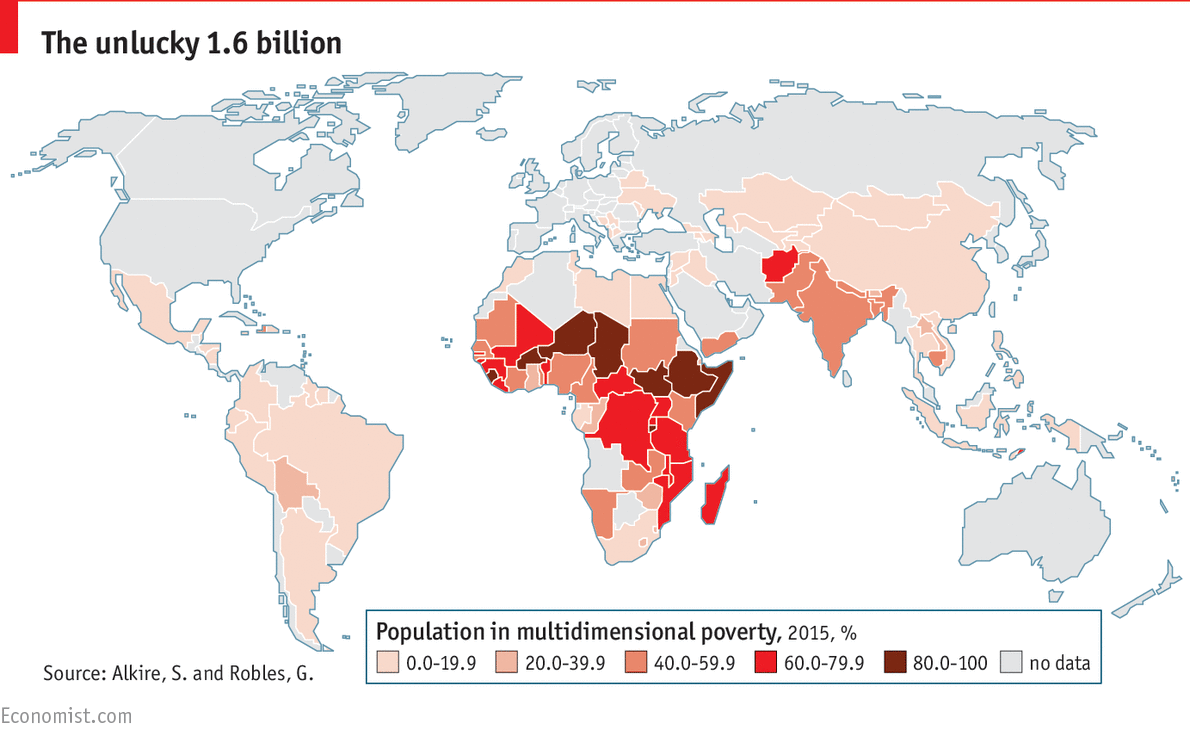
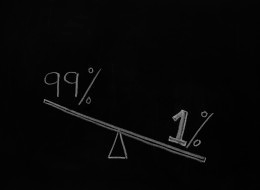

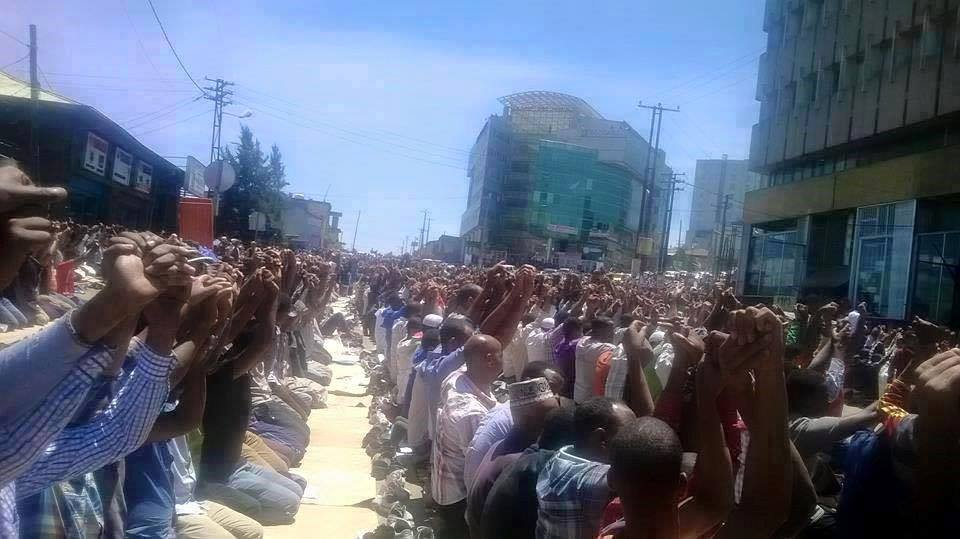


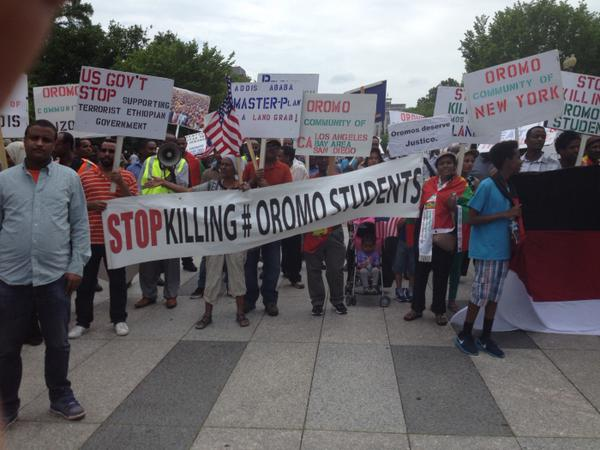


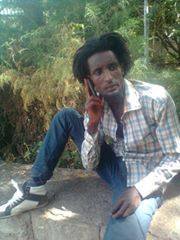 Student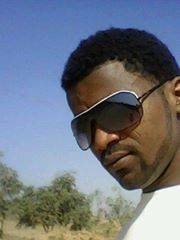
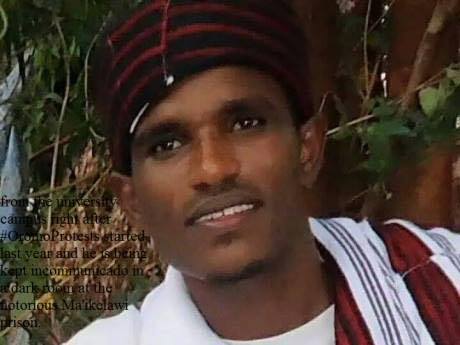
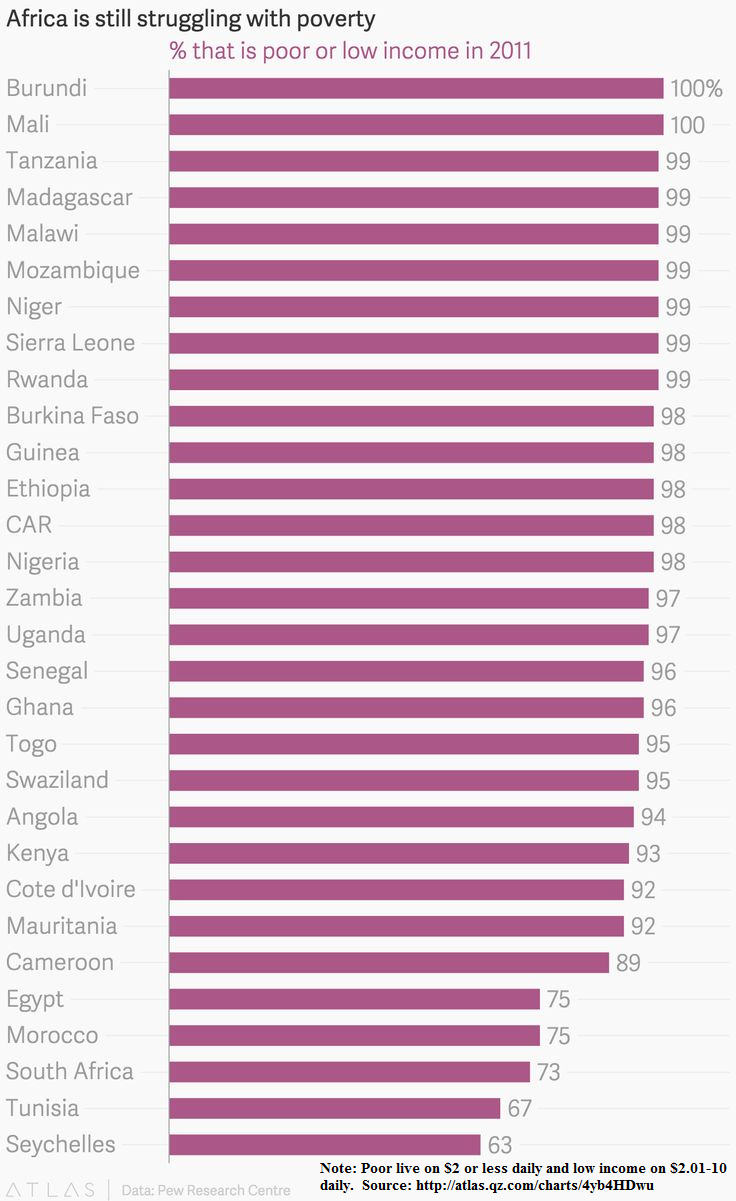
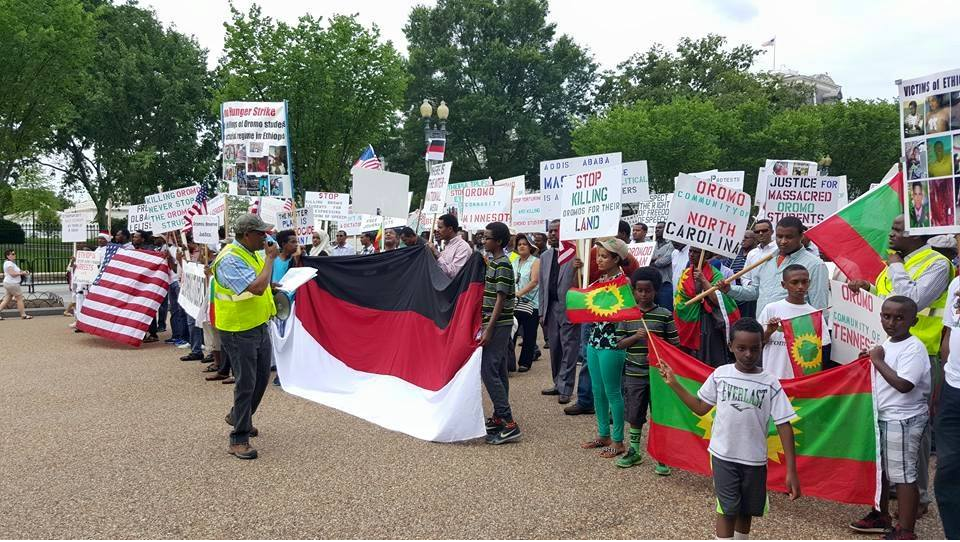
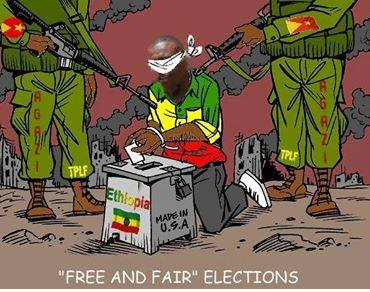


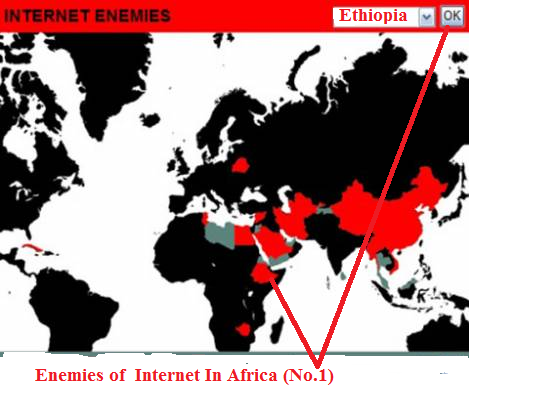

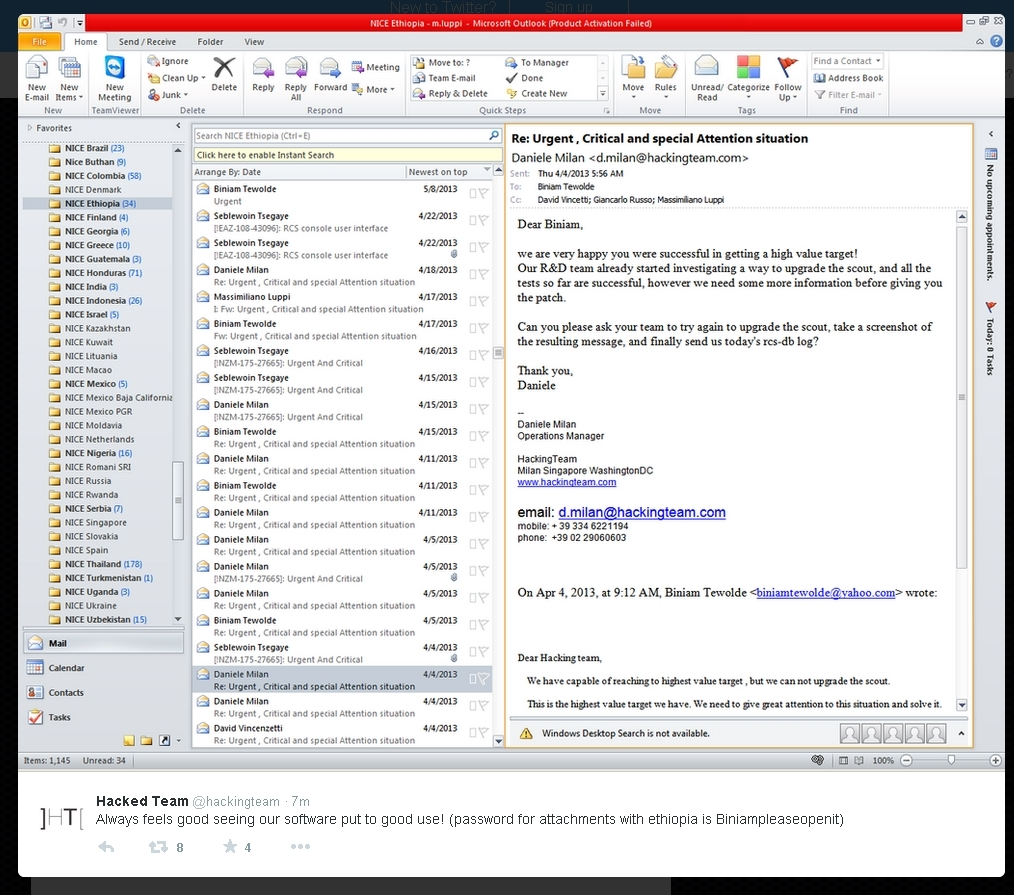





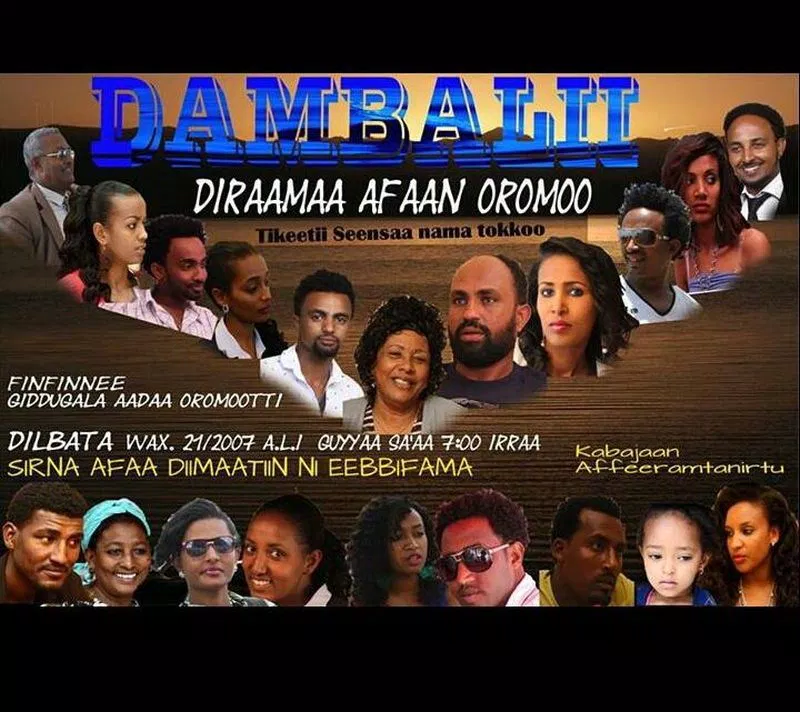
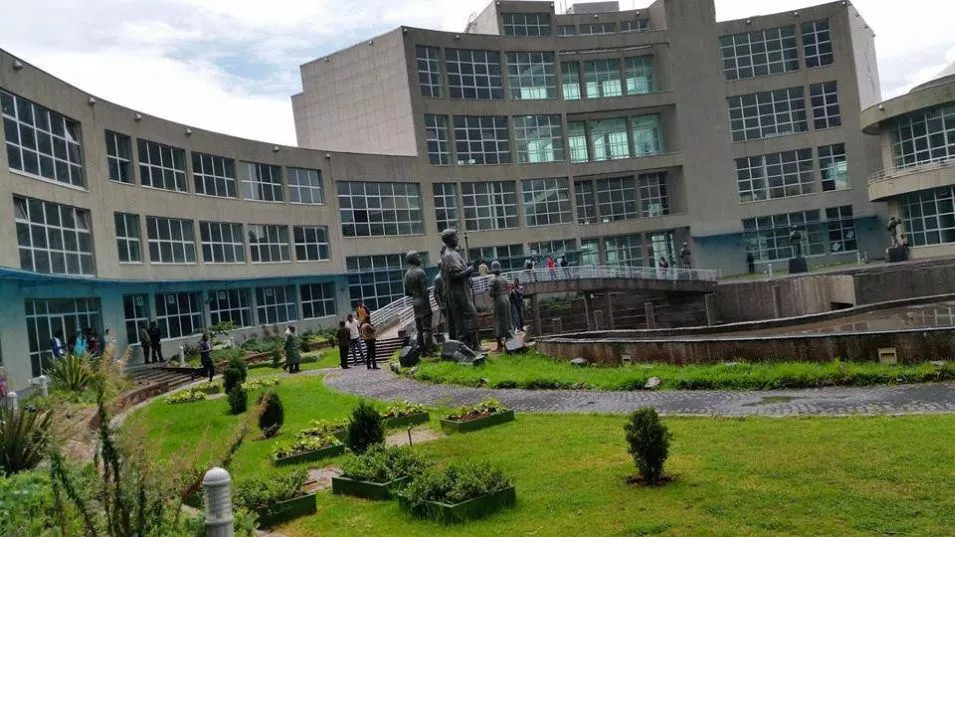
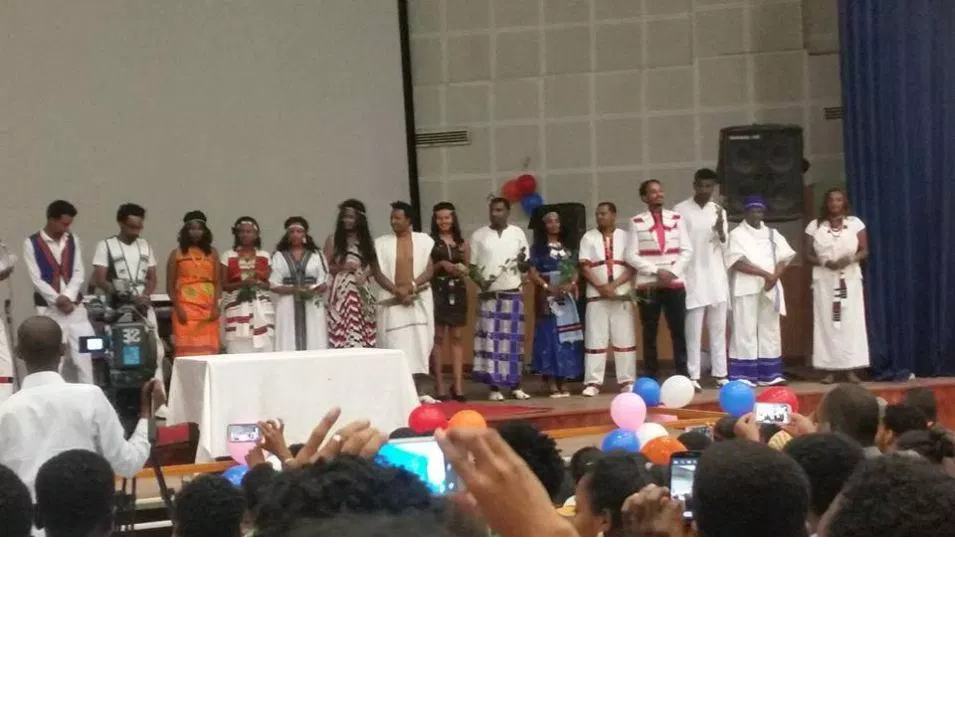
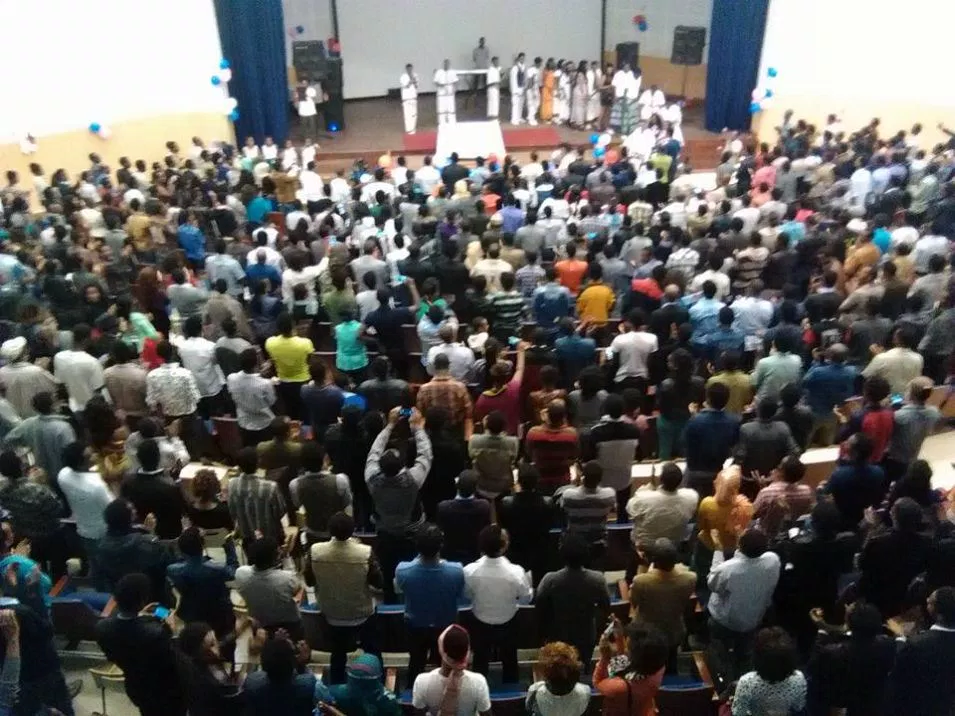
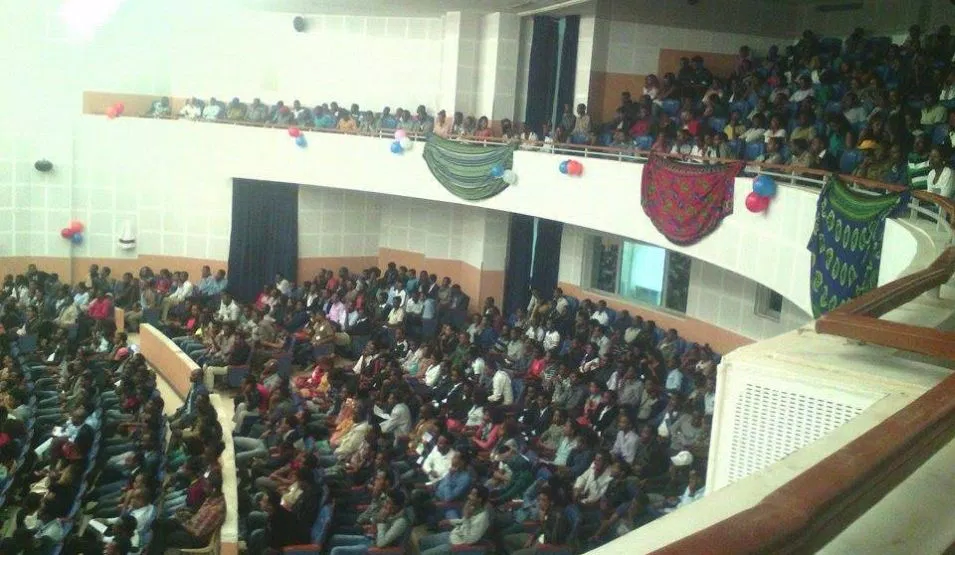
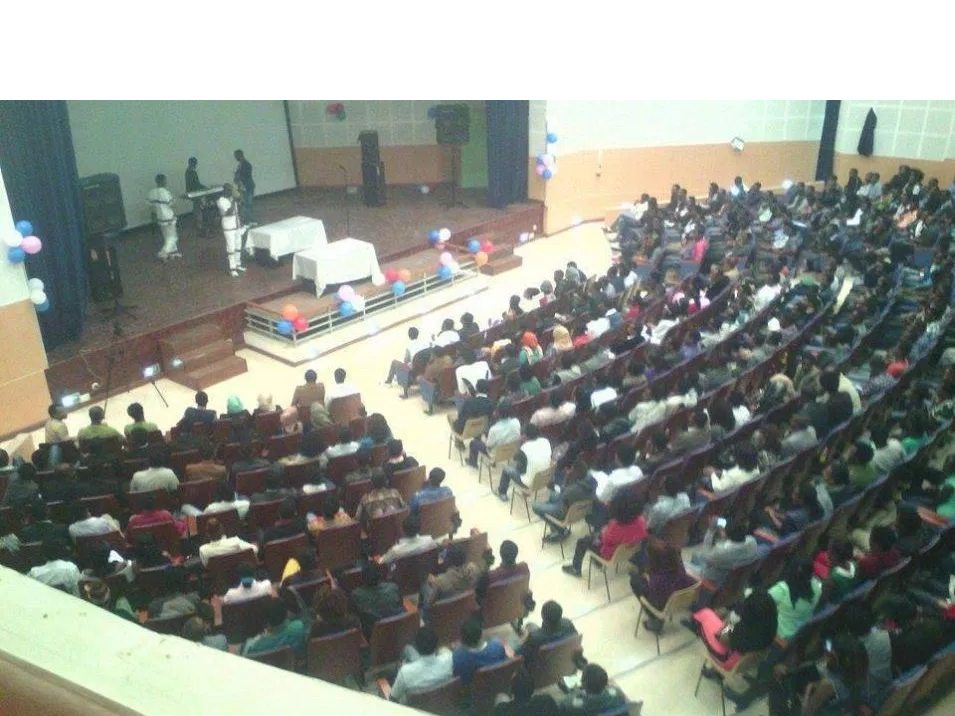
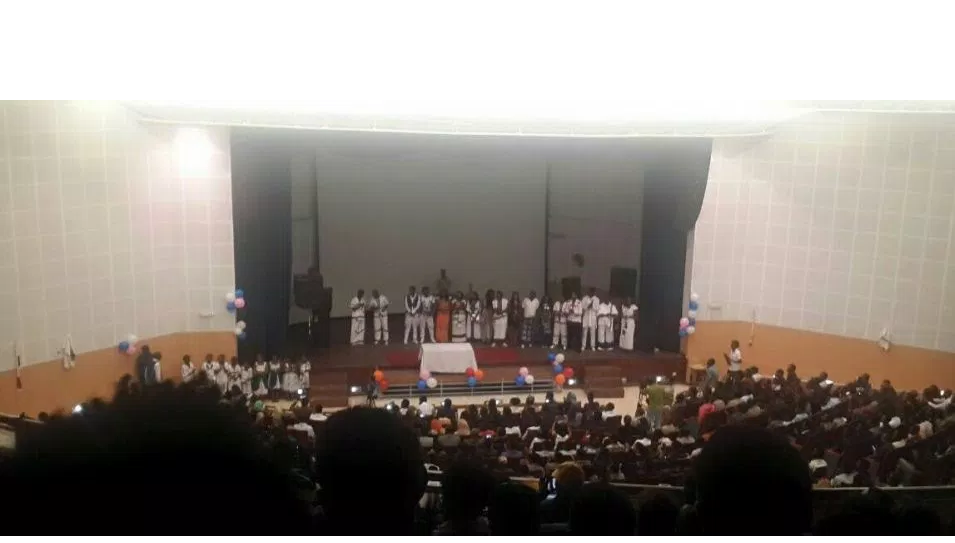
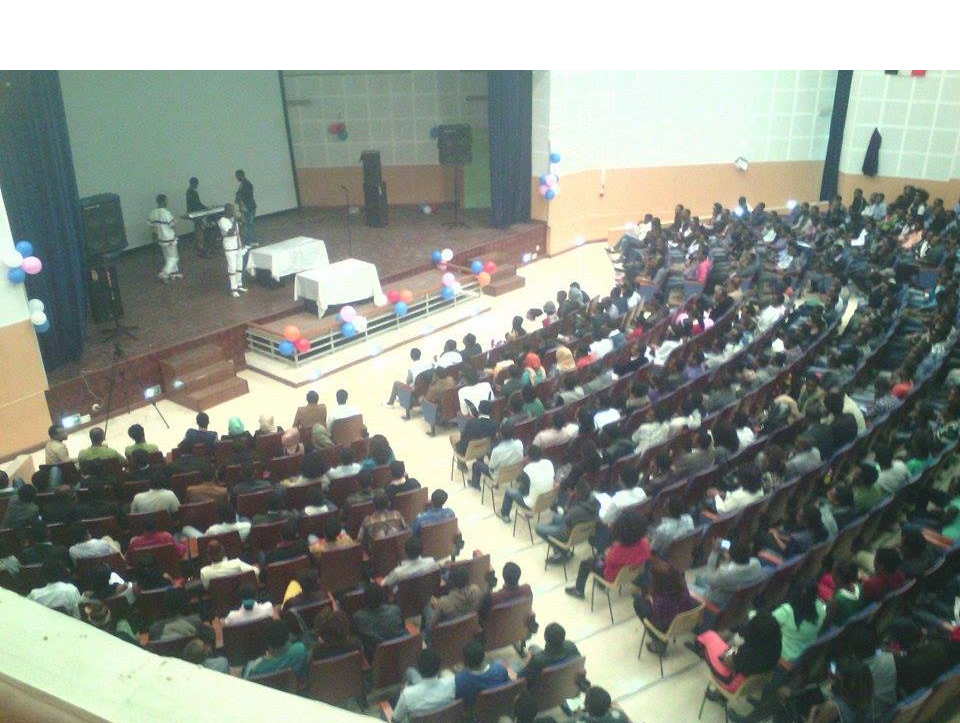
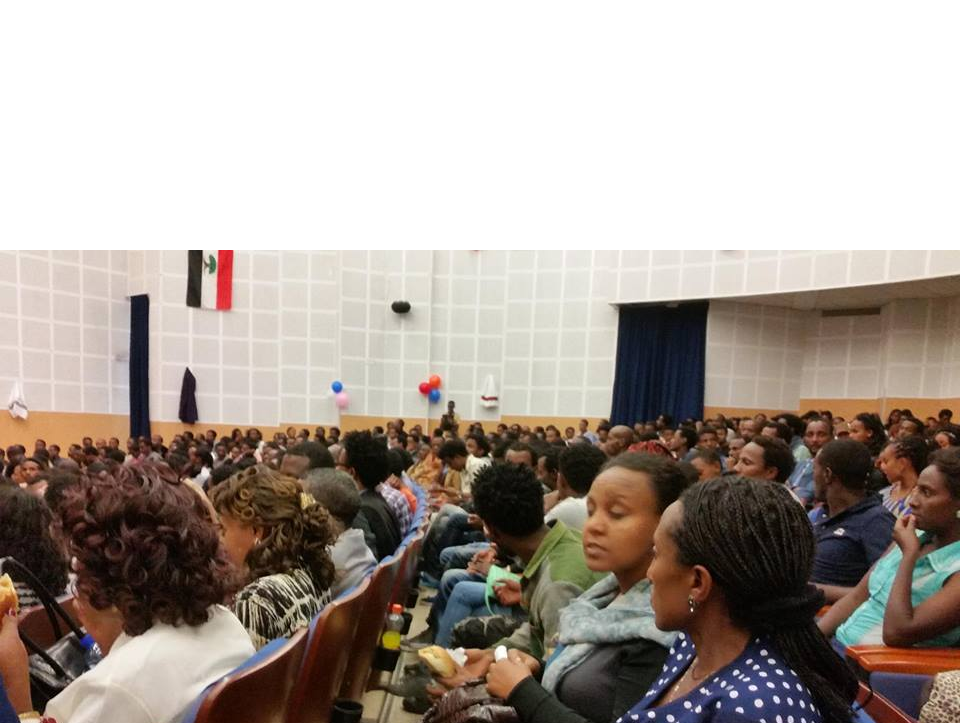
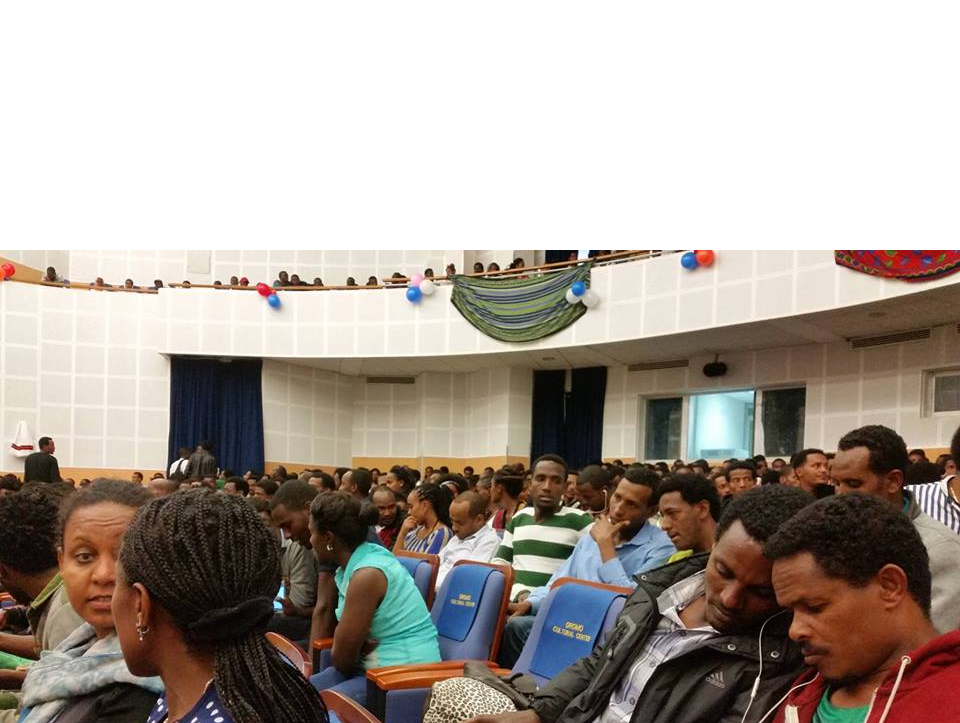


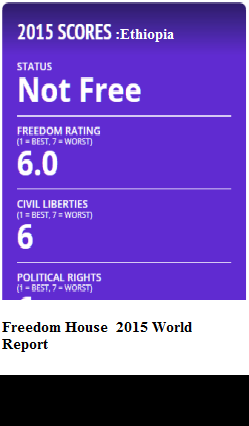


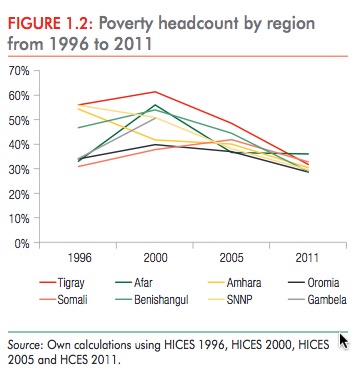
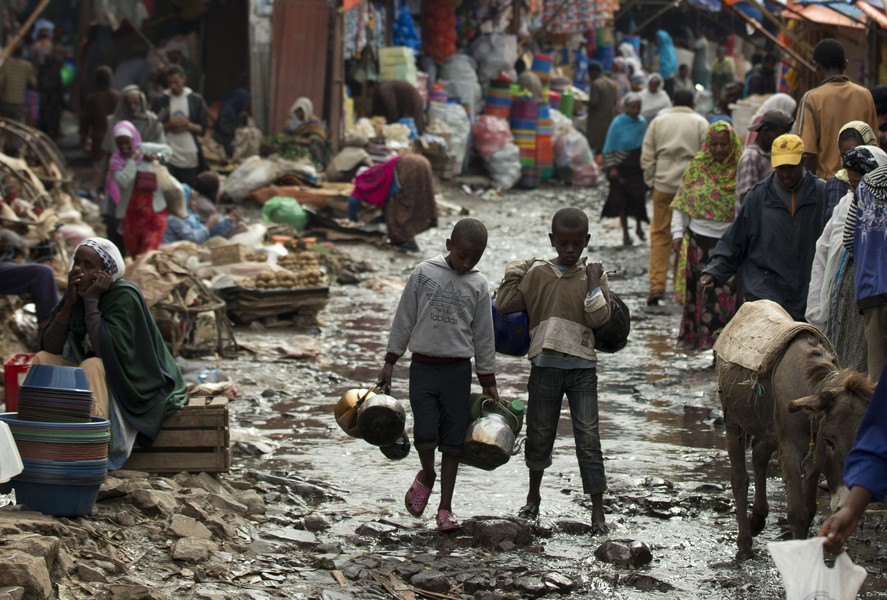

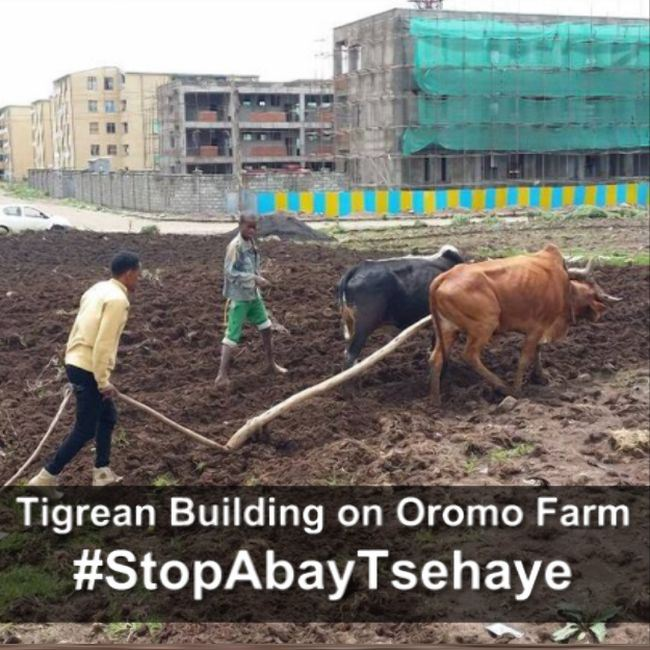




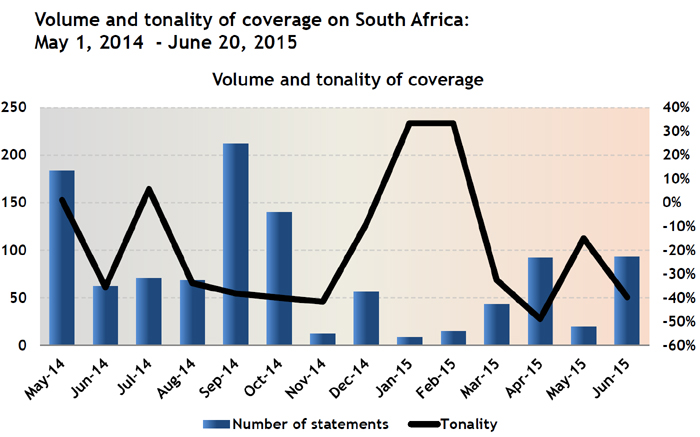
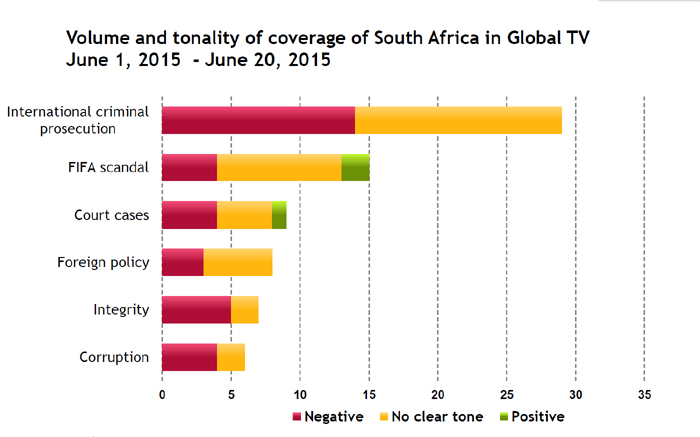



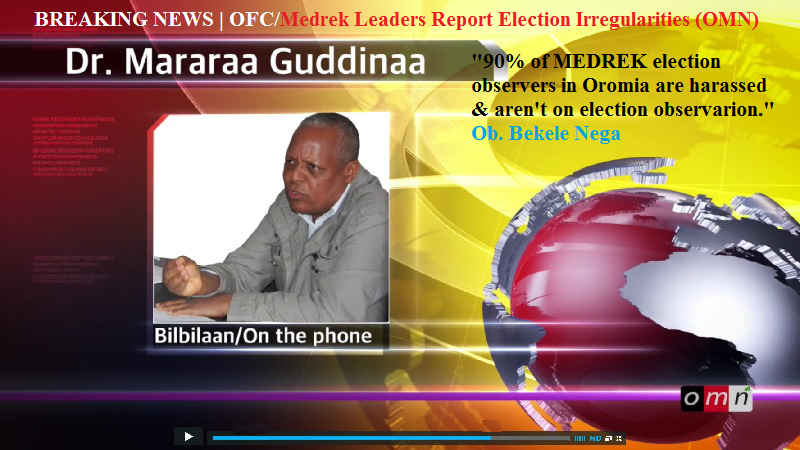


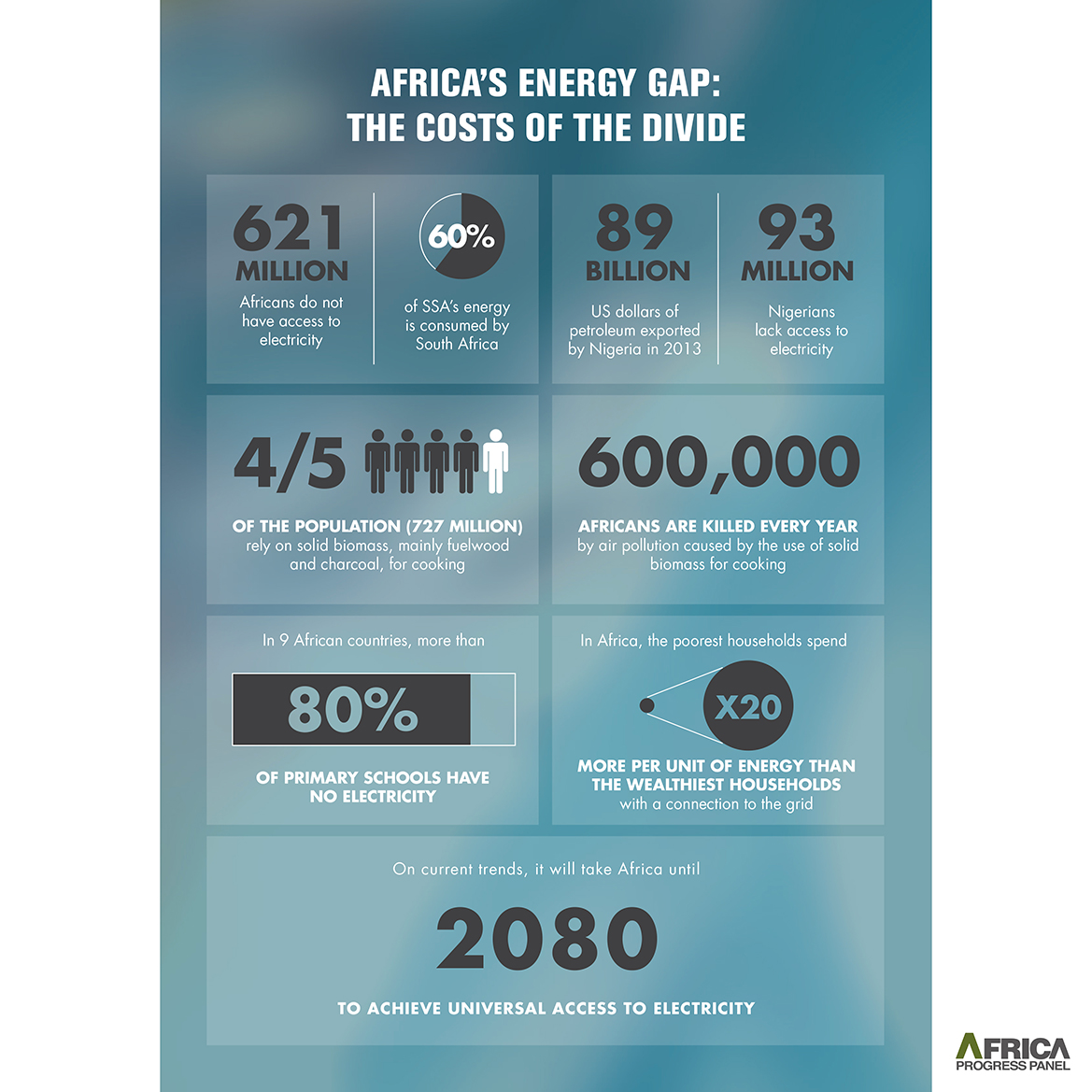
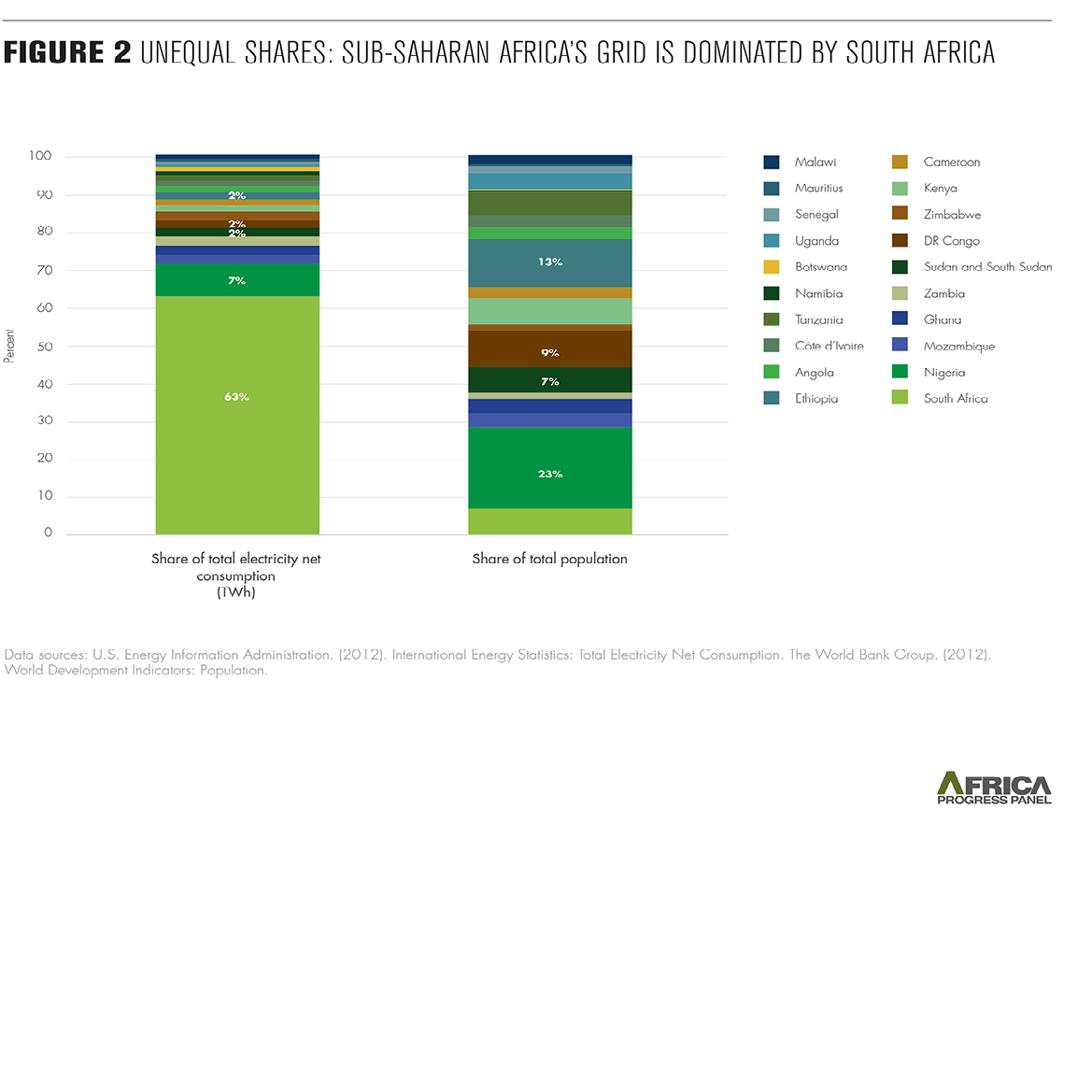
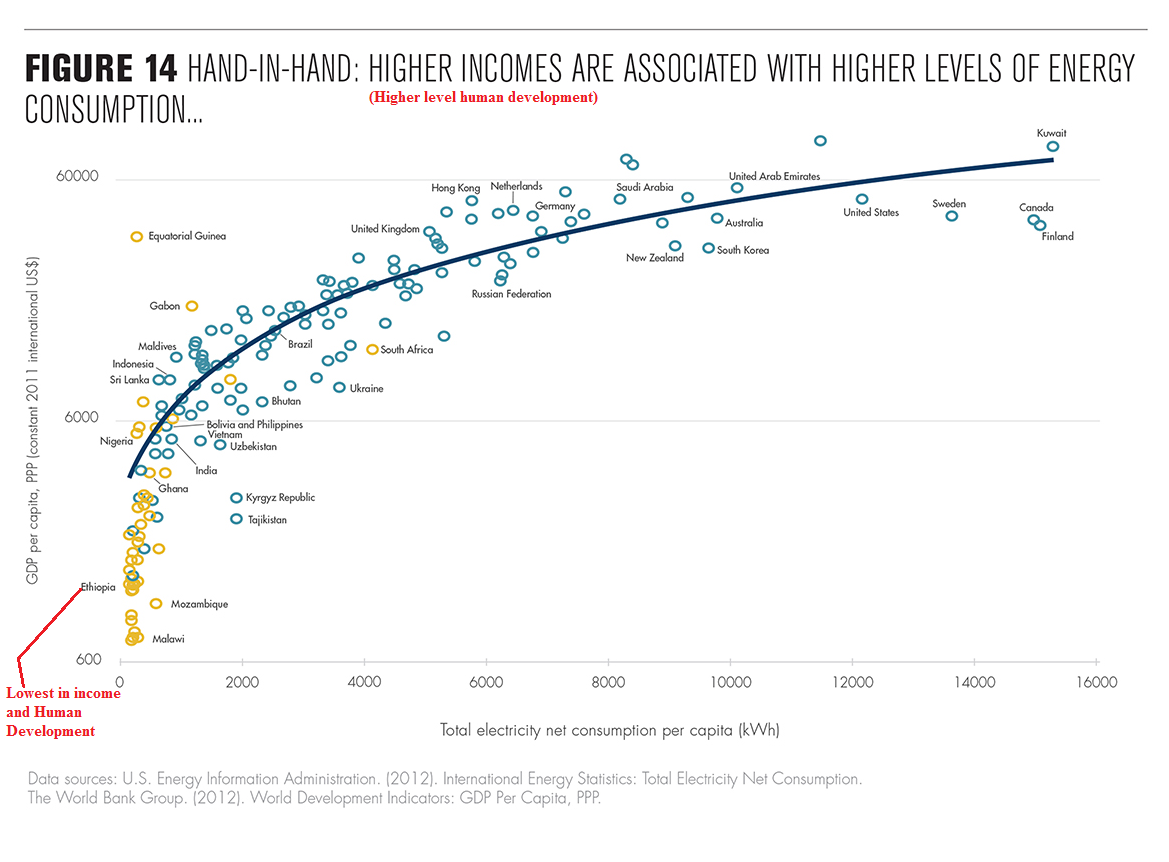
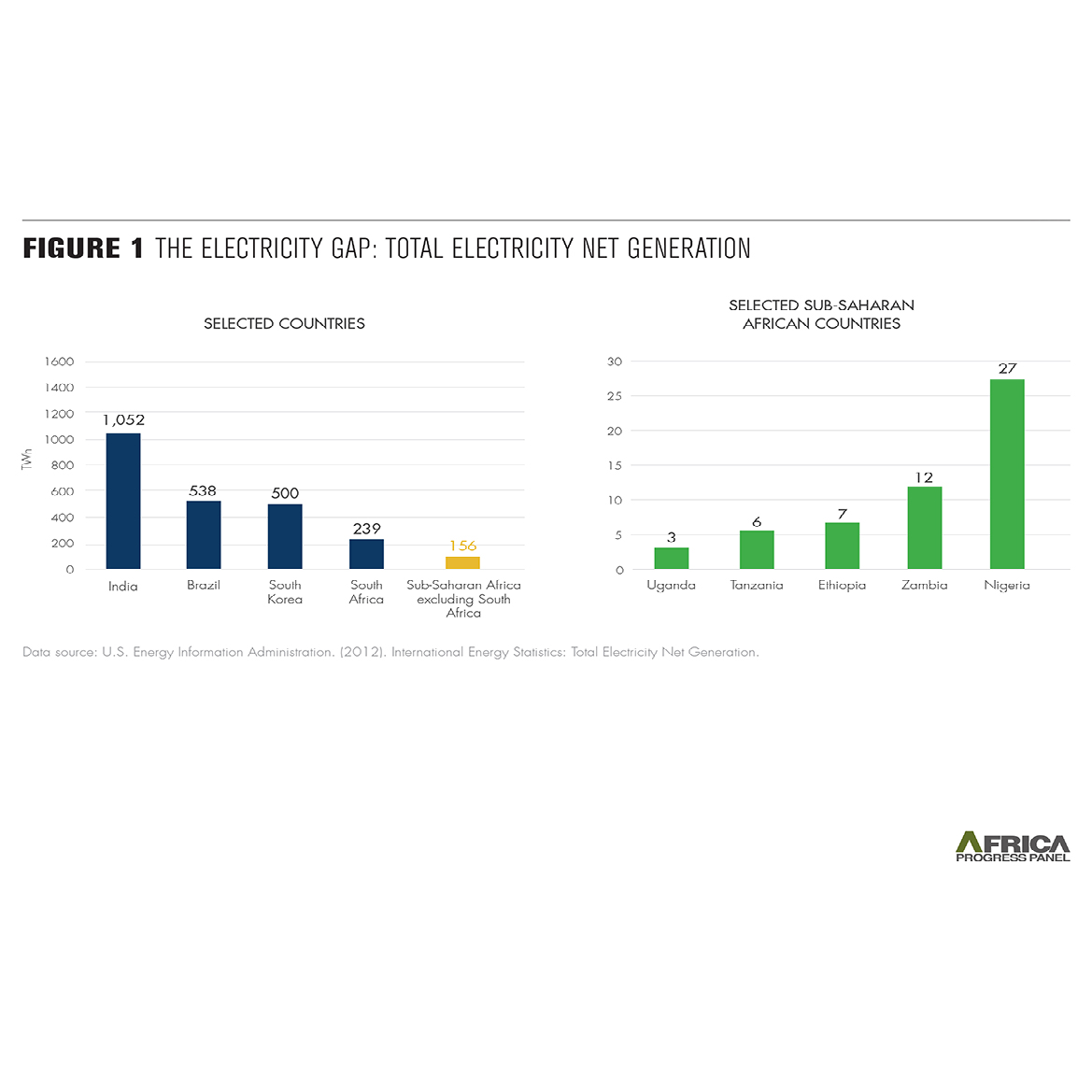
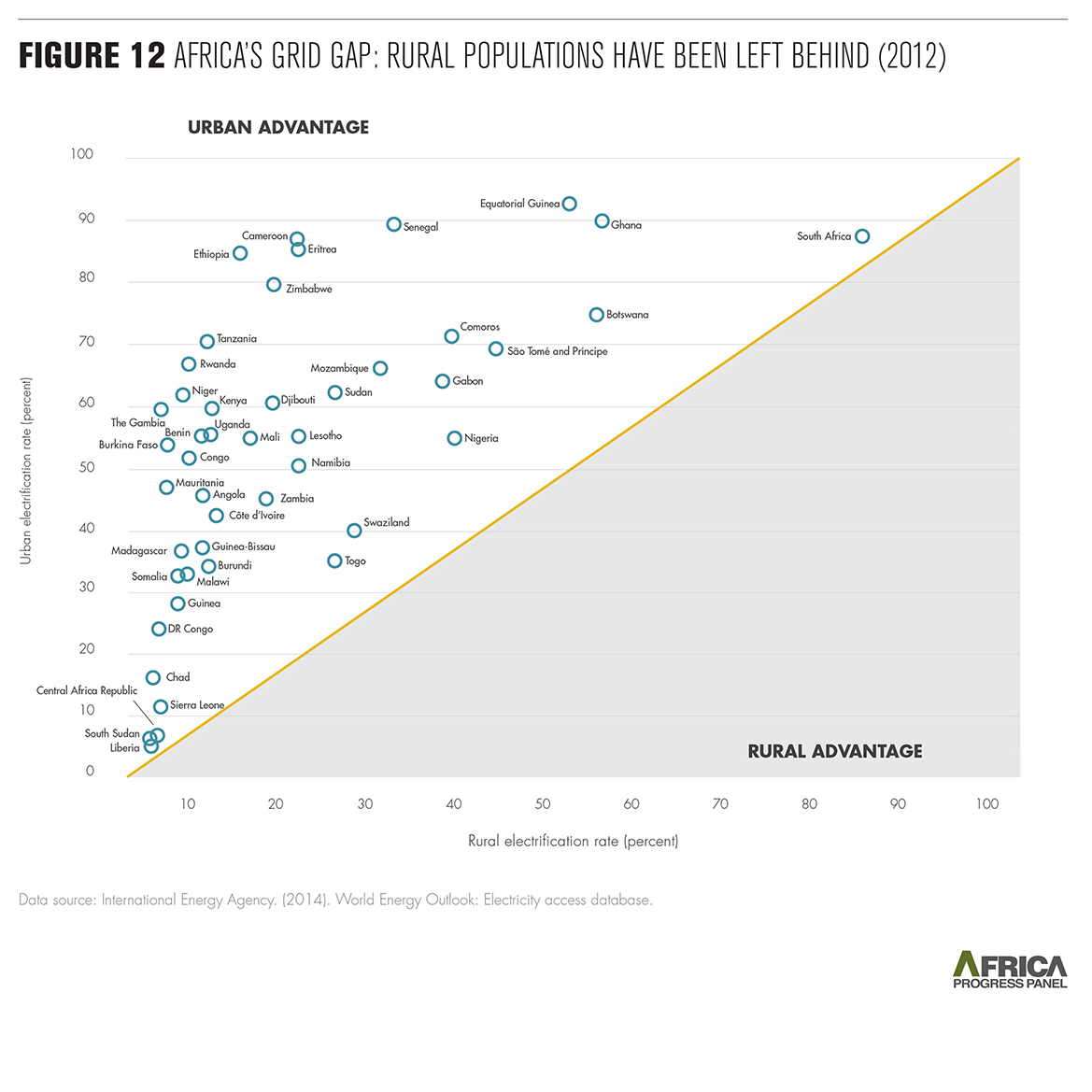
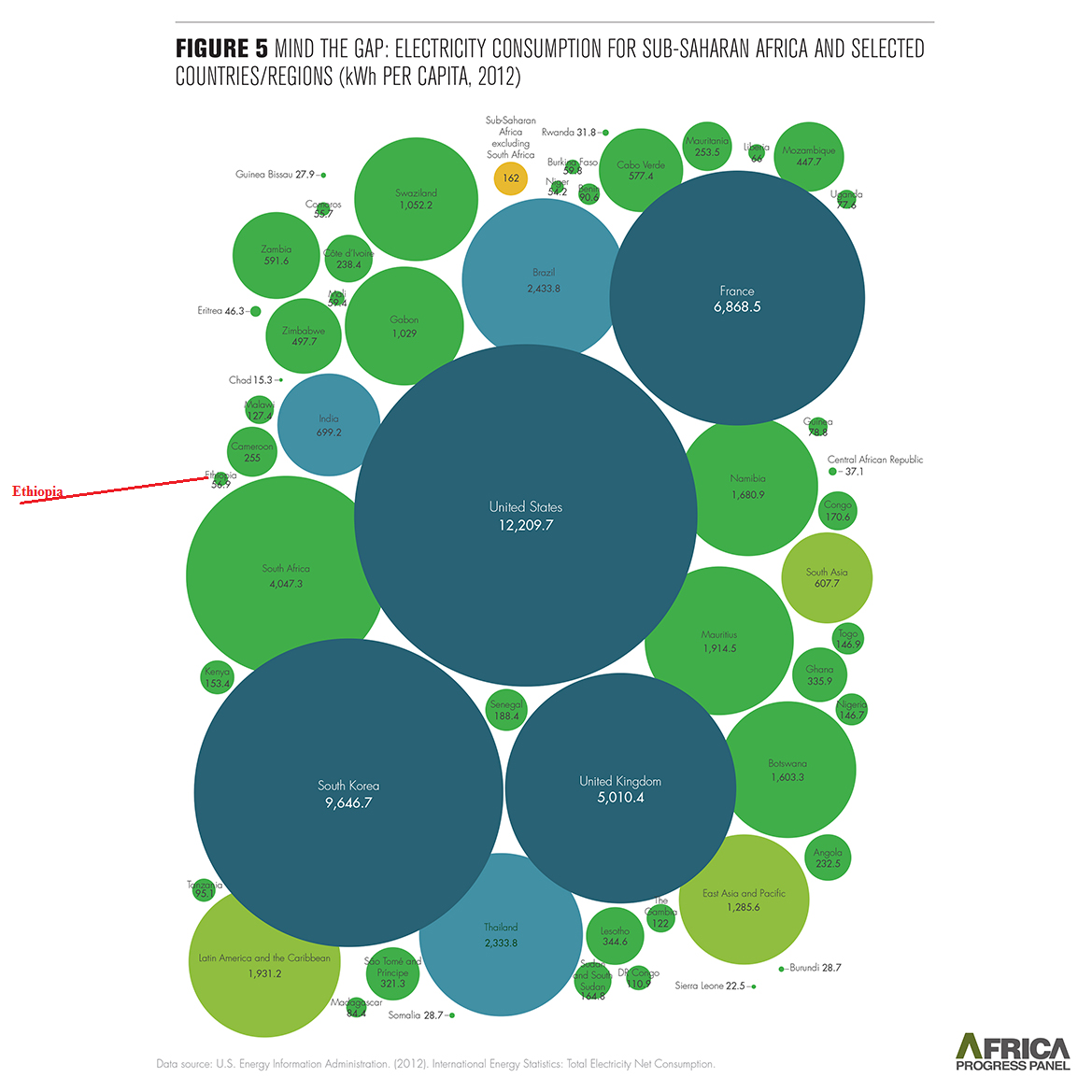


 Oromian Economist
Oromia: Macha-Tulama Association Requests President Obama to Rethink Visit to Tyrannical, Undemocratic Ethiopia July 6, 2015
Posted by OromianEconomist in Uncategorized.Tags: Africa, Freedom House in response to comments by Under Secretary for Political Affairs, Macha-Tulama Association Requests President Obama to Rethink Visit to Tyrannical Ethiopia, Obama's plan to visit Ethiopia criticised as 'gift' for repressive government, Oromia
add a comment
The following is a letter to President Obama from the Macha-Tulama Association-USA, Inc.
Macha-Tulama Association – USA, Inc
811 Upshur ST NW
Washington, DC 20011
contact@machatulama.org
July 2, 2015
President Barack Obama
The White House
1600 Pennsylvania Avenue
NW Washington, DC 20500
Your Excellency President Obama,
The Board of Directors of the Macha-Tulama Association (MTA), U.S.A., is writing this urgent letter regarding your plan to visit Ethiopia in July 2015. The MTA is a non-profit organization incorporated in the U.S.A. because it was banned in Ethiopia. It advocates for human rights and for social justice for the Oromo and others in the Horn of Africa and beyond. For almost a quarter of a century, Ethiopia has been ruled by the Tigre People’s Liberation Front, which calls itself the Ethiopian People’s Revolutionary Democratic Front. This minority regime has been engaging in sham elections, which are elections only in name. The regime disregards all the principles and practices of democracy in spite of its pretension to be democratic since 1991. The regime’s promise of democratization by restructuring the state, liberalizing the economy, and respecting and protecting human rights has been subverted. While claiming to be a democratic government in order to receive ‘development aid’ and to gain political legitimacy, this regime has killed, imprisoned and tortured the Oromo and other ethno-national groups who have struggled for democracy, national self-determination, human rights, and social justice. In fact, the Oromo people have been mainly targeted for elimination and repression because they are the largest national group in Ethiopia, and they have started to recover, manifest, and exercise their rights to culture, history, and language, which have been repressed by the state of Ethiopia for over a century.
According to a recent Amnesty International report, entitled ‘Because I am Oromo: Sweeping Repression in the Oromia Region of Ethiopia,’ between 2011 and 2014 alone, at least 5000 Oromo were arrested, tortured, and sentenced with extra-judicial executions because of being Oromo and for also peacefully demonstrating against the regime’s land grabbing policies and the so-called Addis Ababa Master Plan, intended to evict millions of Oromo farmers from their homelands in and around Addis Ababa (which the Oromo call Finfinnee), the capital city of Ethiopia. Since 1992, several human rights organizations have been reporting that Oromo prisoners have been predominantly populated Ethiopian prisons and other detention places. As a result these prisons and concentration camps speak Afaan Oromo (the Oromo language), as testified by many nonOromo prisoners.
Mr. President,
It is with shock and profound sadness that we received the message of your intention to visit Ethiopia in July. As the leader of a great country that subscribes to the principles of democracy and fundamental rights and liberties for all human beings, and as the leader of a country whose foreign policy in principle is committed to promoting the ideals of human rights, the rule of law, and democracy around the world, we believe your visit will send a wrong message to the regime and its likes across the globe that they can get away with grotesque violations of human and democratic rights as long as they remain ‘strategic allies’ to the United States.
Mr. President,
Because of these reasons, we earnestly request that you rethink your intention to visit Ethiopia. We believe your visit to the country also sends three messages: First, it encourages the Ethiopian government to continue intensifying its repressive policies. If your government continues to support and finance the regime regardless of what it does, the regime will see no reasons for changing its violent and dictatorial policies. Second, your visit to Ethiopia demonstrates to the affected people that the United States government only gives lip service to democracy and human rights while supporting the dictatorial minority regime of Ethiopia. To the 90 million people who are facing massive human rights violations in Ethiopia, particularly to the over forty million Oromo, your visit will mean that the U.S.A. does not care for the aspiration to live in a free, open, and democratic society. Your visit will also mean that human rights and democratic self-governance are not part of the list of U.S. priorities in Africa and beyond. Third, it convinces the people in Ethiopia and beyond that your policy is not different from some of your officials, such as Undersecretary of State Wendy Sherman, who recently undermined the process of democratization in Ethiopia by endorsing the regime’s record whose democracy, she said, is ‘improving.’ The Undersecretary has been roundly criticized, and we believe, rightly so.
In closing, we would like to bring to your attention that when, in July 2009, you visited Ghana, you made a speech in which you promised that the U.S.A. does not, and will not, support dictatorship and strongmen, and that you seek to assist the development of “strong and sustainable democratic governments” everywhere in Africa. We believe it is only appropriate now to request that you do not ignore your commitment and promise of that historic speech you made in Accra, Ghana, by visiting Ethiopia, the graveyard and prison house of thousands of men and women who have been killed, imprisoned, tortured, maimed, and disfigured only because they have aspired to exercise their God-given rights and to live in a democracy by demanding national self-determination and democratic rights in their own country.
Sincerely,
Asafa Jalata, PhD.,
Chairman of the Board of Directors of the Macha-Tulama Association &
Professor of Sociology and Global and Africana Studies