Economic and development analysis: Perspectives on economics, society, development, freedom & social justice. Leading issues in Oromo, Oromia, Africa & world affairs. Oromo News. African News. world News. Views. Formerly Oromia Quarterly
Nigerians once again dominate this year’s list in terms of entries, followed by Kenyans; For the first time the list is gender balanced; Four covers featuring Mo Salah, Bogolo Joy Kenewendo, Denis Mukwege and Ahmed Abiy.
For the first time since publishing the list, there is an equal amount of men and women featuring in this year’s one hundred. Although this year’s listing is dominated by entries from Nigeria and Kenya, outstanding personalities from several other African countries are also featured.
The December issue is published with four different covers featuring: Ethiopia’s Prime Minister, Ahmed Abiy, arguably Africa’s person of the year; the 2018 Nobel Peace Prize co-winner DR Congo’s Dr Denis Mukwege; Botswana’s 32-year old Minister of Trade Investment Bogolo Joy Kenewendo; and Egypt’s soccer superstar, Mo Salah whose influence goes well beyond football.
The annual list has become an industry and the magazine readers’ much-awaited collation – revealing Africans who contributed in shaping the African narrative in the concluding year and envisaged to play a big role in the coming year, both on the continent and in the Diaspora.
Collated by and from its global network of correspondents and industry insiders, this year’s listing consists of some regular names, and some of them returning for the second, even third year. The final 2018 tally sees a drop in the number of entries for politicians, but an increase in the Arts and culture section at 16 and 22 entries respectively.
When whittling down the nominees and choosing our hundred, we ended with an equal number of women and men
In terms of countries, entries are led by Nigeria with18 names followed by Kenya (11) South Africa (10) Egypt (8) and Ethiopia (7).
“One yardstick which we often employ when coming up with the final list is to emphasise that influence is not about popularity and popularity is not always influential. The influencer’s impact on public, social and political discourse, however, is what largely helps us determine their influence. Most importantly we focus mainly on people who have been influential for Africa’s good,” says reGina Jane Jere – Editor of the magazine’s sister publication – New African Woman, who leads and oversees the 100 Most Influential Africans project.
With many reports indicating how gender parity improves the quality of governance and accelerates development, and in a year that has seen the emboldening of gender issues, with countries such Ethiopia even taking a lead in achieving gender parity in Cabinet, and appointing its first ever female President under its new reformist Prime Minister Ahmed Abiy, the magazine felt it apt to produced a 50/50 ratio in this year’s list. According to the editor of the magazine, Anver Versi, this happened as much by chance as it did by design. “When whittling down the nominees and choosing our hundred, we ended with an equal number of women and men. That was the premise of this year’s ranking but it happened naturally!”
One other outstanding feature of this year’s list is the increased inclusion of people of African descent making their mark at a global level in the African Diaspora. “This is a clear indication of the wealth of talent that our continent possesses and shows that given the slightest opportunity, our men and women can eclipse their peers worldwide in their chosen fields of endeavor,” explains Versi.
Also of note is the inclusion of men and women in the seemingly unglamorous fields such as conservation and climate change, whose work is often overlooked by the media.
The December issue of New African is available on newsstands in 75 countries and via the app store and the magazine’s digital channels.
Why are TPLFites using Benishangul-Gumu as new proxy?
– It is part of Getachew Asefa’s strategy of destablizing the country to make the federal government busy putting off fire rather than chase him. – Much of the fertile land in Benishangul-Gumuz have been taken, in the name of investment, by retired Tigrean military and intelligence officers. They fear they will loose this loot if the change takes root in the region. So they finance Getachew Asefa’s operations.
The fed, Oromia and Benshangul states made serious of lousy mistakes creating vacuum being exploited.
TPLF/ Getachew might be exploiting these weaknesses. But these are just tactical gains but strategic blunders. They are digging their own grave deeper. The feds will now take the gloves off !!
That Meles dude took the password with him leaving TPLF as headless chicken. It remains so even after loosing its 2 trenches now endangering the last 🙂 TPLFites think the last battle will be fought in Kamashi. Wrong. it will be at their last trench !!
The West has now become the new frontier for TPLF’s proxy war on OPDO. Last year it was the East. Back then they were using Abdi Illey’s liyu police. Now they are using former Ethiopian army soldiers as mercenary fighting force.
The U.S. State Department is set to impose travel, assets and financial sanctions against the fugitive former Ethiopian Intelligence chief Getachew Assefa under the Global magnitsky act.
The US has imposed a travel ban travel and assets freeze on the fugitive former Ethiopian Intelligence head Getachew Assefa.
The sanctions follow the House of Representatives (HR) 128 Billpassed by the US Congress against Mr Getachew’s violation of human rights.
The request to the State Department was made by the House of Representatives’ Mike Coffman (R), who sponsored the HR 128 bill and finally got it passed by the Congress.
Gang Rape
Mr Getachew is accused for orchestrating the assassination attempt on the Prime Minister Abiy Ahmed in Addis Ababa during the rally called in support of the reformist leader. The charges against him also include crimes against humanity on thousands of prisoners across the country such as allowing gang rape of both males and females, torturing and killings using different techniques in secrete jails.
The US federal prosecutor recently indicated that many secrete prisons used for torturing inmates had been found in Ethiopia, seven of which were in Addis Ababa.
While about a dozen former intelligence officers were arrested recently, Mr Getachew, whose face was not known by the public, was reportedly hiding in Tigray region.
Reports show that billions of dollars have been stolen from Ethiopia and stashed abroad over the past few decades, mainly by officials who run political party mega businesses and their affiliates, including holders of foreign passports.
Illicit Money
Over $2 billion was reportedly stolen from Metal Engineering Corporation, owned by the military.
Ethiopia lost $11.7 billion in illegal capital flight from 2000 through to 2009, according to Global Financial Integrity report released in 2011.
More worrying, according to the study, is that Ethiopia’s losses due to illicit capital flows were on the rise. In 2009, illicit money leaving the economy totalled $3.26 billion, which was double the amount in each of the two previous years and more than its $2 billion annual export earnings at the time.
As Ethiopia went through political crisis and instability over the past few years, the amount of money that left the country was estimated to exceed far more than was the case in 2009.
Birtukan Mideksa, a former judge and leading opposition figure, named head of the National Electoral Board of Ethiopia (NEBE). @PMEthiopia/Twitter
There was good news from Ethiopia as former opposition leader, lawyer and judge Birtukan Midekssa was named head of the National Electoral Board of Ethiopia (NEBE). Following years of almost completely closed political space, Ethiopia’s government continues to institute an important series of reforms. The appointment of a highly respected – and crucially, independent – new elections chair is another step in the right direction.
The NEBE, like many of Ethiopia’s supposedly independent institutions has been regularly criticized for being controlled by the ruling coalition and political interference in party and candidate registration has been a long-standing problem.
Birtukan understands all too well the ruling Ethiopian People’s Revolutionary Democratic Front’s (EPRDF) stifling political control. Following the 2005 elections, she was sentenced to life imprisonmenton politically motivated charges. After receiving a pardon in 2007, she founded and became the chair of the opposition Unity for Democracy and Justice (UDJ) party. But in 2008, she was again detained and only released after the 2010 elections, when the EPRDF won 99.6% of parliamentary seats. Birtukan had been living in exile ever since.
Birtukan’s nomination is also another win for women’s rights in Ethiopia, following a number of appointments of women to senior government positions, including Sahle-Work Zewde to the post of President and Meaza Ashenafi to head the Supreme Court. Dr Abiy Ahmed, Ethiopia’s prime minister who came to power in April, has now achieved gender parity in his cabinet, which used to be made up almost exclusively of male party loyalists.
But Birtukan has her work cut out for her. While there have been many positive reforms since Dr Abiy took power, Ethiopia still faces enormous challenges. The last seven months have seen a rise in violence and ethnic tensions in many parts of the country, contributing to the displacement of some 1.4 million people from their homes between January and June. This is compounded by a growing breakdown in law and order and increasing flows of firearms. Birtukan will oversee crucial and potentially volatile local elections scheduled for 2019 and national elections scheduled for 2020.
Creating an environment where Ethiopians have faith in the electoral process and in institutions like the electoral board is critical, and Birtukan’s appointment is a step towards creating that reality. But whether much needed reforms to electoral laws will be made and she will be given the tools to create a more inclusive elections system will be another test of the government’s true commitment to reform.
Access constraints continue to prevent humanitarian partners from reaching some 57,000 displaced persons within Oda (15,000) and Kamashi (42,000) zones of Benishangul Gumuzregion. Due to continuing security concerns in Benishangul Gumuz region, only government officials, with armed escort, were able to provide a one-time humanitarian assistance to IDPs in the two zones. Government and partners were able to provide limited assistance to some 182,000 people who have been displaced from Benishangul Gumuz region to East Wollega(101,000) and West Wollega (81,000) zones of the neigbouring Oromia region. The National Disaster Risk Management Commission (NDRMC) has delivered first-round emergency relief food to IDPs in East and West Wollega, but resource shortfall remains. Meanwhile, the humanitarian country team encouraged partners to mobilize additional human resources and also increase prepositioning in Assosa to allow speedy response once access is possible. This will help to address critical needs of food and nutrition, NFIs,WaSH, Health and education services of IDPs in Benishangul Guzmuz region. An estimated 240,000 people who were displaced from Benishangul Gumuz region are in urgent need of humanitarian assistance. The unprecedented violence that started in Kamashi zone on 26 September and continued through October and November forced. FOR MORE CLICK HERE
Recap of Monday’s shocking news of the unfolding TPLF’s corruption, crimes and political scandal in #Ethiopia via Mohammed Ademo, Executive director of Oromia Broadcast Network (OBN) :
♦ 63 suspects accused of corruption and human rights abuses appeared in court on Monday. 27 of the detainees, including former METEC deputy CEO B/Gen. Tena Kurunde, are accused of years of embezzlement at the state-owned conglomerate; whereas 36 are former officials at the National Intelligence and Security Service (NISS), federal and Addis Ababa police officers, and prison administration officials implicated in egregious rights violations.
♦- Per Addis Fortune, one of the suspects brought before the judge today was a spouse of Yared Zerihun, former deputy head of NISS. She’s accused of (attempt) to help her husband flee arrest.
♦- A federal judge on Monday evening denied all of the suspects the right to bail. Investigators were granted 14 days to finish investigation/file charges. More arrests (reportedly higher up the chain) are expected in the days (and weeks) ahead.
♦- Ethiopia’s Attorney General @BerhanuTsegaye alleges senior leaders of NISS orchestrated the Meskel Square plot to kill PM Abiy Ahmed in June using paid Oromo agents. Pretext: The killing of the PM, an ethnic Oromo, by an Oromo would give the impression that his own constituents did not support him.
♦- A five-month long investigation by the AG’s office uncovered 7 CIA blacksite-style secret prisons (villas and houses) across Addis Ababa that were used by NISS agents to torture victims —particularly terrorism suspects and political opponents — in order to extract false confessions.
♦- Opposition party members were tortured at the 7 secret dungeons until they withdrew their memberships. Those who refused were severely beaten. Some died from the torture. Suspects were forced to confess to owning illegal weapons and to sign documents admitting to various crimes.
♦- Torture methods: Electric shock, pulling male genitals with pins or hanging bottle waters on them, rape, hanging suspects on a tree and beating them, tying naked suspects to trees and leaving them in the forest overnight, waterboarding, pulling fingernails, putting pen in suspects noses, etc.
♦- Suspects were held alongside wild beasts. Female interrogators peed on the faces of male suspects. Detainees were routinely forced to drink a pee and gang raped. Victims were denied medical attention for life threatening injuries. Some were amputated, paralyzed as a result.
♦- On METEC: internal and external procurement, $2 billions worth in 6yrs, made without any formal bidding. Traffickers, who are relatives of government officials and who were paid commission, intervened in procurement decisions at times demanding and forcing a 400 % price increase.
♦- METEC imported used cranes from Singapore and China without any bidding (ጨረታ). One of the five cranes is now being used by an individual. Individuals, companies and merchants known as “affiliates” were routinely called by phone to purchase materials at highly inflated prices.
♦- METEC purchased two old ships valued at $3.3 million from Ethiopian Shipping Lines at a reduced price…to use the ships to transport heavy metals. It renovated the ships at the cost of 513 million birr. But the ships may have been used to transport weapons and other contraband between Somalia and Iran.
♦- The Ethiopian flag bearing ships apparently had temporary permits only to move between ports for maintenance. Yet they made several unauthorized and illegal voyages, including to China, for unknown missions. METEC eventually sold the ships for $2.6 million but the money was never deposited into the company’s corporate account.
♦- METEC allegedly purchased a number of airplanes without any formal bid. The private rides were used by government officials, primarily METEC chair Gen. Kinfe Dagnew. At least one of the airplane is now untraceable. The extravagant purchase left the state-owned corporation at least 24 million birr in the red.
♦- In sum, the detained METEC officials are suspected of money laundering, illegal hotel purchase, organized corruption and other grand thefts. In court, the suspects reportedly complained they were arrested without a court warrant after being called to attend a meeting. During a subsequent operation, police recovered bombs, other weapons, house deeds and car titles. Many incl. Kinfe are still on the loose.
*Folks, this is but the tip of the iceberg of the heinous rights abuses, grand national theft and institutionalized robbery. More scary, mind-numbing and dizzying details expected to come to light as the investigation unfolds. Buckle up..!
More from Oromian Economist sources:-
On METEC: internal and external procurement, $2 billions worth in 6yrs, was done without any formal bidding. Traffickers, who’re relatives of government officials and were paid commission, intervened in procurement decisions at times demanding and forcing a 400 % price increase. pic.twitter.com/rxZkennWDN
Update: Handcuffed & surrounded by heavily armed military men, B/General Kinfe Dagnew, former CEO of #MeTEC, a multi-billion dollar corporate run by the military & is at the center of grand corruption probe, has arrived in #AddisAbeba this afternoon. Vid: https://t.co/oqpN5noiI6pic.twitter.com/lbRYWdKqsb
Update: The fed AG office released list of detainees containing 36 names. 33 of the 36 are from the intelligence, security sectors & police investigators. It includes heads and directors of federal and regional states of intelligence & security offices https://t.co/lIYpR0pHTopic.twitter.com/djbziEkypL
1/6 Fantastic to hear about the arrests of individuals accused of serious human rights violations. As @hrw has repeatedly stated accountability for past abuses is critical in #Ethiopia & such a commitment has been notably absent from Dr Abiy’s speeches. https://t.co/m7viycoHlw
5) Attached herewith, find the letter written (in Jan 2013) by Ambassador @SuleimanDedefo to @DrTedros, the then Minister of Foreign Affairs of Ethiopia to stop these illegal and illicit trades that TPLF Generals at MeTEC were undertaking. #Ethiopiapic.twitter.com/r6KGsDXlB0
In July, the US-based Ethiopian Satellite Television (ESAT) station broadcast a video which it said showed ethnic Oromos in Ethiopia pushing the bodies of ethnic Somalis into a shallow grave.
It claimed that the footage was taken in Ethiopia’s Oromia region, where there has been deadly violence between the two groups this year.
What impact did it have?
Image copyrightYOUTUBEImage captionThe film showed bodies being rolled into a shallow grave
The BBC’s Afaan Oromo language service reported that the broadcast and subsequent widespread circulation of the video on social media in Ethiopia resulted in deadly attacks on ethnic Oromo people living in neighbouring Djibouti and Somalia.
Oromo refugees in neigbouring Djibouti told the BBC that they had been beaten and their shops looted after the video was aired there.
How do we know it was fake?
After an uproar on social media with many questioning its authenticity, ESAT admitted that the video was not real and described it as “deliberately misleading” in an official apology on its YouTube channel.
The same unverified video had been widely shared in June on social media in relation to the current conflict between Anglophone separatists and the government in Cameroon, some 3,000km (1,800 miles) west of Ethiopia.
The video aired on ESAT TV had apparently also been doctored, with audio of what were supposedly Oromo youths chanting inserted on top of the video’s original sound.
Lelisa Desisa started with cool judgment, held on with stern resolve, and finished with blazing passion to win the New York City Marathon today. The Ethiopian’s 2:05:59 is the second fastest time in the race’s 48 years. His training partner and protégé, Shura Kitata, chased him to the last drop of willpower up the draining final incline to Tavern on the Green, and will follow Desisa in the record book, as the third fastest ever on this demanding course, 2:06:01.
RELATED STORY
Haven’t Heard of Shura Kitata? Here’s What to Know
Both disappeared after the finish into a gleeful three-man hug with their coach, Haji Adillo Roma. They had plenty to celebrate. It was Ethiopia Strikes Back, a dramatic riposte against what until today seemed total Kenyan dominance of the world men’s marathon in 2018.
Mary Keitany, Lelisa Desisa Win 2018 New York City Marathon
by Runner’s World US
Everyone read this race wrong, except Desisa. Prerace, Geoffrey Kamworor of Kenya was universally the hot favorite. He was the defending champion, possessed of stellar track and road times, close friend of the godlike world-record holder Eliud Kipchoge, whom he has recently matched in training. Through 24 miles, moving smoothly, he appeared to have things under control, just as we all expected.
We were wrong. While Kamworor was leading the anxious-looking Desisa through Central Park with three miles to go, he seemed to be holding the pressure, waiting for his moment to break the chain. In cold stats reality, in mile 24 Kamworor slowed to 4:45, after running 4:29 for mile 23. He was hurting. It was Desisa who chose the moment. Near mile 25, as we waited for Kamworor to thrust in the sword, Desisa looked ahead, tossed away his woolen hat, and threw in the fierce surge that seized the race.
RELATED STORY
Mary Keitany Wins Her Fourth Title at NYC Marathon
Desisa knew what he wanted, and only he believed possible. He has twice won the Boston Marathon, and is beloved there for returning his 2013 medal to the city as a gesture of support after the bombings that year. But in five attempts at New York, he has always been the gallant loser, three times standing on the podium, without a victory. He neatly summed up his New York history after the race, in willing but less than perfect English.
“I think this year to be champion,” he said. “In New York, I am number 2, number 3, one year I did not finish, again number 3. This year I decide to be the champion. I am tired for champion here. This is my dream.”
While Desisa has been winning marathons since 2013, Kitata is the rising force. He hit the headlines in April as the surprise challenger and runner-up to Kipchoge in London in a personal best of 2:04:49, burned a fast solo 59:16 half marathon in Philadelphia in September, and started out today with youthful confidence and aggression. Perhaps youthful folly. It’s not often that anyone risks putting a gap on a world-class field up the quite steep first mile on the Verrazzano-Narrows Bridge.
“I did everything my coach told me,” Kitata said through an interpreter. “I was extremely confident of a fast time, so I was happy to lead the race. Later I felt that effort in my legs, so dropped behind Lelisa and Geoffrey. But when my legs felt better, I was confident I could be second.”
Lelisa Desisa falls to the ground after claiming his first NYC Marathon victory.
Kamworor had no response, though he has the consolation that his 2:06:26 for third is the fourth-fastest New York time ever, and four minutes faster than his winning time in 2017. At the postrace media conference, Kamworor looked more disappointed than he was willing to admit.
“I am happy. I gave out the best I could,” he said. But he will need a bit more of the Kipchoge magic if he is to emulate his mentor.
Or perhaps Kamworor was simply outsmarted by a well-drilled team. The early miles were a display of collaborative running by the Ethiopians. At three miles, they had the first four places. Kitata was usually out front by about 30 yards, arms pumping, smiling cheerfully, sometimes even seeming to interact with Ethiopian spectators. Training buddies Desisa and Tamirat Tola sometimes moved alongside, most often when Kitata slowed at drink tables, exchanging hand signals. All are coached in Addis Ababa by Roma, who told Runner’s World before the race “they are all well prepared.”
Desisa described how carefully they ran their accelerating race.
“We ran halfway on pace for 2:06-plus. Then we increase after halfway, especially after 35K,” Desisa said. The “we” is significant. Kamworor had no Kenyan company, once former London champion Daniel Wanjiru drifted back at halfway, and then the little-known Festus Talam just before 20 miles.
The Ethiopia/Kenya rivalry in major marathons is unofficial and usually unnoticed, but when Desisa won Boston in 2013 and 2015, the way he worked with his compatriots shaped both races. This time it looked as if Kitata, 22, was the star, and the older Desisa, 28, was there to support and protect him.
Wrong again. When Kamworor first attacked at 22 miles, it was Desisa who moved right with him, and Kitata who drifted. In the last 800 meters, when the resurgent Kitata swept past Kamworor into second, and closed within strides of Desisa, it took one glance for Desisa to dig even deeper and drive himself to the tape, two seconds clear. It was the closest men’s finish at New York since 2005.
“At 800 to go, I saw him. I know him. We train together. He is a young and strong guy. I am afraid of him. But this is my dream,” Desisa said.
Desisa won $100,000 for the victory, plus a $45,000 bonus for going sub-2:06.
More from Oromian Economist sources,
Lelisa Desisa, who won the Boston marathon in 2013 minutes before the bomb attack and in a loving gesture gave his medal to the city and then return back to win it again in 2015. Won the NYC marathon today! This is what hero’s look and act like! pic.twitter.com/E2kdwz1tfT
<span title="The 2018 TCS New York City Marathon was fast, historic, and decisive. ">El maratón 2018 TCS New York City fue rápido, histórico y decisivo. <span title="The 2018 TCS New… https://t.co/WjCPHdkgro
The Council of Southern Nations region yesterday accepted Sidama Zone’s request to become a state and restructured other administrative districts.
A referendum in the zone of perhaps four million people now needs to be organized before August. London-based activist Seyoum Hameso believes the course is set for the Sidama to form the tenth federal state.
“The demand for regional status is long-standing. It is the first time in over two decades the democratic and constitutional order is being implemented. The reformist government of Dr Abiy Ahmed is walking the talk to democratize Ethiopia and uphold the rule of law,” he said in an interview.
Ethiopia’s federal constitution provides for “unconditional” self-determination including secession for communities that share a “large measure” of language, culture or other traits and inhabit the same territory.
A request to pursue statehood was accepted by zonal authorities on July 18, although the campaign also reached that stage in 2006.
Federal restructure
SNNP’s Council restructured the region of around 20 million people and more than 80 groups, adding three zones and 44 woredas. Konso was made a zone in a split from Segen Zone, which was itself a 2011 amalgamation of three special woredas. Alaba Zone was created from out of Kembata Tembaro Zone and Gamo-Gofa Zone has been split into two.
Ethiopia has nine federal regions and two self-governing cities, Addis Ababa and Dire Dawa. Each state has its own legislative chamber and revenue-raising powers. They range in size from Oromia’s population of around 40 million to Harari, which has less than 300,000 people. Zonal authorities are generally responsible for planning services, while woredas primarily delivery them. Elections for woreda leaders and also for the councils of kebeles, the lowest administrative tier, were postponed this year due to instability. Ethiopia’s four-party region-based ruling coalition and affiliated parties virtually monopolize the federation’s millions of elected seats. According to a 2007 census, the population of Sidama Zone, which has an area of 10,000 square kilometers, was three million people who were 93 percent Sidama. The district is bordered by Oromia region and SNNP’s Gedeo Zone on the south, Wolayta Zone to the west, and on the north and east by Oromia. Click here to read more
Breaking: The #SNNP Regional State Council has decided #Sidama Zone’s request for a regional state to be implement in line with the Constitution. AS learned that the Council okayed the request after securing more than 2/3 of the required votes pic.twitter.com/Q5PAxszq94
#Sidama Region becoming official. The next will be Wolaita Regional State formation. CONGRATULATIONS to all My Brothers of Sidama Origin pic.twitter.com/NI9FYfgcBS
They were tortured for their political beliefs. They saw friends shot dead by security forces. They were forced to cut their hair and give up other cultural traditions. This year, they say, they caused a revolution.
Young men from Ethiopia’s Oromo, the country’s largest ethnic group, proudly declare “we won” when describing their role in the rise of 42-year-old reformer Abiy Ahmed, also an Oromo, to become prime minister.
Across the Oromiya region, many of those young men claiming victory now want Abiy to deliver – and fast. The “Qeerroo”, an Oromo term meaning “bachelor” adopted by politically active young men, are demanding answers.
Will there be justice for friends who died during strikes and protests over the past three years? Will their rights as Oromos be respected? When will Abiy’s pledges of change help their impoverished communities?
Whether Abiy can answer those demands without favouring his home region over the rest of the country will dictate whether the young men remain an asset to him or become a dangerous liability. Before he came to power, the Oromo youths had already demonstrated they could shut down parts of the country with protests and strikes, and that pressure on the ruling EPRDF culminated in the resignation of Abiy’s predecessor in February.
Even as they celebrate Abiy, the Oromo youth are still frustrated with life under the EPRDF, a one-time Marxist-Leninist movement which has controlled nearly every aspect of Ethiopians’ lives since seizing power 27 years ago.
Frustration has spilled into violence. In September, Oromo youths were reported by Amnesty International to have carried out deadly mob attacks on other ethnic groups near Addis Ababa. Police said 28 died.
Elsewhere in Oromiya, young men are starting to challenge the state. They want local officials sacked and have booed them out of rallies.
“I appreciate Abiy for the reform he brought, and blame him for not removing those corrupt and evil killers from their positions and bringing them to court,” said unemployed accountant Dambal Dejene, 26, at a rally in the town of Woliso.
Abiy became prime minister in April after the EPRDF decided reforms were essential for its survival.
His appointment was a small step towards breaking the power of the Tigrayan elite who have controlled the state since they took power in 1991 and founded the EPRDF as a coalition with other ethnic political parties.
Youths wearing traditional Oromo costumes attend an Oromo Liberation Front rally asked what they want from the government, more than a dozen young Oromo men told Reuters:
“Freedom.”
“No more torture.”
“Justice.”
“Economic opportunity. Jobs.”
“End to corruption and unfair land deals.”
“Respect for our culture. Dignity.”
“Democracy.”
“Free and fair elections.”
A man wearing traditional Oromo costume rides a horse during an Oromo Liberation Front rally.
Abiy announced reforms several months ago but these have stalled in part due to a spike in ethnic violence.
More than one million people have been forced to flee their homes since Abiy took office. In the most serious violence, Oromo communities have clashed with other groups.
Acknowledging a breakdown of the rule of law, the EPRDF said last month: “Anarchy is witnessed in the country.” In a speech to parliament, Abiy said: “Lawlessness is the norm these days. It is something that is testing the government.” He has reshuffled his cabinet and formed a “Ministry of Peace”.
Gelana Emana (right), 36, the leader of a group of politically active youth from the Oromo ethnic group, sits in a cafe with fellow activists Alemu Kumarra (center), 26, and Dinaol Dandaa, 27.
Some young Oromos seem emboldened to settle old ethnic scores, said Felix Horne, Ethiopia researcher at Human Rights Watch.
“Since Abiy came to power, things have changed,” he said. “The ethno-nationalist narrative is much more dominant than it used to be … a lot of the young Oromos are not willing to take ‘second place’,” Horne said.
“The youth have already shown that they can be very influential. How they choose to be influential is an important question,” said a senior western diplomat in Addis Ababa. “Their support, or non-support, for the reform agenda will directly impact how quickly and how well the reform agenda succeeds.”
Abiy’s chief of staff, Fitsum Arega, did not respond to requests for comment.
A spokesman for Abiy’s political party said changes were needed at the grassroots.
“Anyone who was slapping you, shouting at you, seeing that face may dissatisfy the people. We feel it,” said Taye Dendea, public affairs head for the Oromo Democratic Party.
He requested patience from the youths while the ruling coalition implements change.
Magarsa Kanaa teaches in his classroom.
But like many young Oromos, Magarsa Kanaa, a 28-year-old teacher, said he is still very upset at the crimes committed by security forces against his friends.
He named one who was shot dead at a protest last year, and said he and other young men “are starting a committee to seek justice for him and other guys”.
Magarsa Kanaa stands on a hill.
Proud to be wearing his hair in an Afro, he spoke bitterly of how the government had not allowed Oromos to practice their culture. Men his age, he explained, like to wear their hair in the shape of the “Odaa”, the Oromo word for the sycamore tree that is significant as the site of rituals and meetings to resolve disputes.
Instead, he said: “We were forced to cut our hair.”
The 32-year-old with 1.4 million Facebook followers returned to Ethiopia in August from the United States. He told Reuters that although he used social media to coordinate Oromo youths in strikes and protests, he also “built a solid ground network” in every town in the region. Jawar is the movement’s hero.
“Jawar Mohammed is my pride,” said Dambal, the accountant. “He took the Oromo struggle to the next level. We were lacking someone to lead the youth … he made us line up all together all over Oromiya and win.”
Interviewed in a villa in Addis Ababa surrounded by bodyguards provided by the government, Jawar justified Oromo nationalism: “When the state particularly represses an ethnic identity, you are forced to defend it.”
But his “Qeerroo” are disciplined, he said, and will stick to non-violent resistance.
At a rally in the town of Kemise, north of the capital, Jawar told thousands of young men chanting “Qeerroo’s Father is here!”: “Obey Abiy. Don’t be emotional in order to help the reforms.” But on social media, his language is often less restrained.
Speaking to Reuters, he argued that Ethiopia is experiencing a “promising and terrifying” moment where the “power of the people” is rising and the state’s legitimacy has collapsed.
“People power” – particularly from the Oromo – is a strength for Abiy, but rebuilding and controlling the state is an urgent problem, Jawar said.
“If (Abiy) doesn’t move quickly to take full control of state power, so that he can use it to answer some of the demands of the youth … these people will turn against him.
“They think this is their government … So it’s just a ticking time bomb. We’ve gotta move fast,” he said, referencing elections that are due in 2020. He said Abiy “has good intentions, but he has no plan, no deadline.”
“The youth moved the struggle we have been undertaking for the last 50 years one step forward,” said Merera Gudina, 62, leader of the Oromo Federalist Congress. “The PM makes a lot of promises. If he cannot walk his talk, then he’ll face the youth, definitely.”
French president Emmanuel Macron (R) and Ethiopian Prime Minister Abiy Ahmed are both keen to present themselves as reformist leaders
French President Emmanuel Macron on Monday hailed “unprecedented” moves by Ethiopian Prime Minister Abiy Ahmed to transform his country as the young African leader makes his first trip to Europe.
Abiy, 42, has won global praise for forging peace with neighbouring Eritrea, announcing economic reforms and reaching out to dissidents, but is grappling with bloody ethnic disputes which have displaced some 1.4 million people.
Macron offered “all my support and that of France” in reforming Ethiopia and “in calming domestic tensions”, telling Abiy at a press conference in Paris: “You have here a country which loves yours but also admires the transformation you are carrying out”.
“I know how much he has risked to see these reforms through and how much these reforms are fraught with difficulties, but also how much Prime Minister Abiy Ahmed has chosen a courageous path,” Macron told reporters.
“The political, economic, social and cultural transformation that you are in the process of carrying out and that you’ve committed to in Ethiopia is unprecedented,” added Macron, another leader keen to present himself as a reformer.
Abiy vowed to tackle the violence gripping Ethiopia, saying it would be resolved through “greater peace-building in the whole country”.
“The communal conflicts cannot undo the reform agenda,” he added, arguing that economic reforms would help end the violence by bringing greater prosperity.
“The reform process is contributing to greater peace in the country,” he said.
Analysts see no single cause for the killing that has stretched from the countryside to the capital and left scores of Ethiopians dead.
But they say Abiy, who inherited a vast, ethnically diverse nation used to the iron-fisted rule of his predecessors, has his work cut out for him as he seeks to impose his leadership without tipping into authoritarianism.
French officials signed a string of cooperation deals with their counterparts from Africa’s second most populous nation, in areas ranging from transport and energy to culture.
French experts are set to advise Ethiopian officials on how to open the national palace, dating back to the rule of Haile Selassie who was emperor until 1974, to tourists.
Related, Oromian Economist sources,
Ethiopian Prime Minister Abiy Ahmed has started his tour of Europe. He will start in France where he will meet with President Emmanuel Macron. Ahmed will then proceed to Germany to attend the G-20 meeting. CGTN’s Girum Chala has more…
He was received by German’s Chancellor Angela Merkel.
The Prime Minister is expected to have bilateral discuss with Merkel shortly.
The Premier will address 25,000 Ethiopians drawn from different European countries in Frankfurt tomorrow.
Moreover, he will attend the second edition of the Compact with Africa (CwA) meeting schedule to take place later today. At least 12 African heads of state will also attend the event.
The CwA was initiated under the German G20 Presidency to promote private investment in Africa, including in infrastructure.
The CwA’s primary objective is to increase attractiveness of private investment through substantial improvements of the macro, business and financing frameworks.
It brings together reform-minded African countries, international organizations and bilateral partners from G20 and beyond to coordinate country-specific reform agendas, support respective policy measures and advertise investment opportunities to private investors.
The initiative is demand-driven and open to all African countries. Since its launch in 2017, the CwA has sparked great interest.
So far, 11 African countries have joined the initiative- Benin, Côte d’Ivoire, Egypt, Ethiopia, Ghana, Guinea, Morocco, Rwanda, Senegal, Togo and Tunisia. Click here to read from the source, Fana
— FBC (Fana Broadcasting Corporate S.C.) (@fanatelevision) October 30, 2018
HE PM Abiy Ahmed had a productive discussion with Chancellor Angela Merkel. #Germany committed to support #Ethiopia’s reform process. The partnership includes cooperation on the reintegration of former combatants, agricultural mechanization, financial & technical cooperation. pic.twitter.com/0oN7eNi9UM
HE PM Abiy Ahmed attend the #G20 Investment Summit in #Berlin where he made a case for investing in Ethiopia. He outlined key priorities for #Ethiopia including the urgent need to create more and better jobs through an expanded space for the private sector. #Ethiopia. pic.twitter.com/KS1BI1uPvG
In this second instalment of Ethiopia Insight’s podcast, William Davison talks with Addis Standard‘s Editor-in-Chief Tsedale Lemma about Ethiopia’s media landscape and the impact of social media.The podcast was recorded exactly a month ago on Sep. 26. That was not long after the confusing and deadly events that occurred around the time of the OLF and G7 rallies in Addis Ababa, which generated plenty of heated exchanges.
We go over the negative and positive aspects of the online conversation on Ethiopia current affairs and consider how the issue of a weak private press contributes to the more problematic elements.
Looking ahead, we discuss what the Government can do to improve its communications and the environment for the media, and talk about the prospects for such positive change occurring in time to affect the 2020 elections. Click here to listen to the Audio
Marathoner who sought exile after making protest gesture at 2016 Olympic Games returns amid political reforms at home.
Feyisa: ‘I knew this day was coming because I know the blood spilled by all these people was not going be in vain’ [File: Athit Perawongmetha/ Reuters]
An Ethiopian marathon runner who made global headlines with an anti-government gesture at the Rio de Janeiro Olympics finish line has returned from exile.
Feyisa Lilesa’s return on Sunday came several months after Prime Minister Ahmed Abiy took officein the East African nation and announced sweeping political reforms.
The runner held his arms over his head, wrists crossed, as he finished second in the 2016 Olympicsin solidarity with protesters in his home region, Oromia.
He sought asylum in the United States, saying he feared he would be imprisoned or killed if he returned home.
On Sunday, Foreign Minister Workneh Gebeyehu received Feyisa at Addis Ababa’s airport, where relatives – clad in traditional attire from the Oromia region – and fans had also gathered.
Athlete Feyisa Lilesa, the man who brought the voice of Ethiopians to the ears of the world, is back home after 25 months of exile in the US. #Ethiopia
PHOTO CREDIT: @ebczenapic.twitter.com/gd1Jm9Cmot
Feyisa said the new government is “a result of the struggle by the people” and he hopes it will address concerns after years of repression.
“I knew this day was coming because I know the blood spilled by all these people was not going be in vain,” the medal-winning runner told the Reuters news agency upon arrival.
‘Loved by my people’
The unrest in Ethiopia was originally triggered by protests over a government development plan for Addis Ababa, which critics said would lead to expropriation of farmland in the surrounding Oromia region.
Hundreds were subsequently killed by security forces as the demonstrations evolved into rallies against perceived political and economic marginalisation of ethnic Oromos.
In April, the EPRDF coalition which has ruled the country since 1991, elected Abiy – a 42-year old ethnic Oromo – as prime minister.
“I knew the dictatorship would eventually fall down,” Feyisa said. “I was expecting this day, but I did not know if it would be today or tomorrow, but it has been clear in my mind that I would go back to my father’s land alive.”
As well as making peace with neighbour Eritrea, Abiy has pursued a reconciliation strategy, extending an olive branch to dissidents and rebel groups, although the changes have not stopped bouts of ethnically charged violence.
After Rio, 28-year old Feyisa competed in a number of marathons, winning some. He told reporters he planned to focus on training for his sport.
“I can still bring good results for my country in my field,” he said. “I was loved by my people because I am a sportsman not because I am a politician. I only brought their suffering to global attention by using my profession.”
More from Oromia Economist sources:-
The best news of the day.
791 days after he protested the Ethiopian government for his #Oromo people while crossing the finish line at the 2016 Olympics, Feyisa Lilesa has returned home to Ethiopia.
#Ethiopia: #FayisaLelisa, who brought the story of #OromoProtest to the global attention at the finish lines of #RioOlympics & subsequently lived in exile, has arrived home today. He was welcomed by Foreign & Finance Ministers Workneh Gebeyehu Ahmed Shide & thousands of his fans pic.twitter.com/jtLRB0xsLL
Marathoner Feyisa Lilesa, who held his arms over his head, wrists crossed, as he finished second in the marathon in the 2016 Rio de Janeiro Olympics, has returned home from exile. #NTVAtOnepic.twitter.com/OwMpwXMojr
Welcome home Feyisa Lilesa Gemechu . You gave a global voice to the struggle. Your contribution was this success has been immeasurable! Nagaayan biyyaa abbaa isaatti galeera. pic.twitter.com/0GEAlXWkxf
Our Hero Feyisa Lilesa Gemechu is back home. He is not only an Athlet but also a Freedom Fighters. Congratulations to his family and the #OromoNationpic.twitter.com/3RvIzk3XES
“I knew this day was coming." Ethiopia's Feyisa Lilesa, exiled since making a protest gesture against government violence at the 2016 Olympics in Rio, returns home amid reforms https://t.co/UAehapl9xr
Inaugural conference of Finfinnee Renaissance Association –a civic organization of Oromos from Finfiinnee, 14 October 2018, huge turnout at Oromo Cultural Center.
Ulaagaan hoggantoonni muudaman kunneen ittiin filatamanis ga’umsa isaanii qofa akka ta’e Ministirri Muummee Dr. Abiy Ahimad himaniiru, BBC Afaan Oromoo
Ethiopia’s new cabinet is now a record 50 percent female, including the country’s first woman defence minister, after legislators unanimously approved the nominations put forward by Prime Minister Abiy Ahmed. Al Jazeera News
Addis Abeba, Oct. 16/2018 – For the second time since becoming Ethiopia’s Prime Minister, Abiy Ahmed formed a new cabinet today. But unlike the first one, PM Abiy has downsized the number of ministers from 28 to 20 and equalized the gender composition to 50% women and 50% men; he also gave key positions, such as minister of peace and defense, to women ministers, a move applauded by many.
The prime minister presented his new cabinet members to the House of People’s Representatives (HPR) this morning, and secured the house’s unanimous approval for the new draft bill No. 1097/2018, authorizing the power and responsibilities the new executive organ.
Breaking:PM #AbiyAhmed due to announce his new cabinet. The new ministerial portfolio will have a record number of female ministers consisting 10 out of the 20 ministers. This include the position of ministry of defense, which will be held by a woman for the first time in history
Accordingly the following are list of the ten women ministers
Muferiat Kamil -Minister of Peace
Aisha Mohammed – Minister of Defense
Adanech Abebe – Minister of Revenue
Fetlework Gebregziabher – Minister of Trade and Industry
Dagmawit Mogess – Minister of Transport
Hirut Woldemariam (PhD) – Minister of Science and Higher education
Yalem Tsegaye Assfaw -Minister of Women’s’, Children’s’ and Youth
Ergoge Tesfaye (PhD) -Minister of Labour and Social Affairs
Hirut Kassaw (PhD) -Minister of Culture and Tourism
Fitsum Assefa (PhD) – Minister of Planning and Development Commission
The following are list of the ten men ministers
Workneh Gebeyehu (PhD) – Minister of Foreign Affairs
Ahmed Shide -Minister of Finance and Economy
Umer Hussien – Minister of Agriculture
Amir Aman (PhD) – Minister of Health
Dr Getahun Mekuria -Minister of Innovation and Technology
Engineer Seleshi Bekele (eng.) Minister of Water, Irrigation and Electricity
Jantirar Abay -Minister of Urban Development and Construction
Samuel Hurko (PhD) – Minister of Mines and Petroleum
Berhanu Tsegaye – Attorney General with the Rank of a Minister
Tilaye Gete (PhD) – Minister of Education
In addition to appointing the reshuffled cabinet, the new draft bill No. 1097/2018 mandated the new ministry of peace to be led by former house speaker Muferiat Kamil to oversee the National Intelligence & security Service (NISS); Information Network Security Agency (INSA); Federal Police Commission; & Finance Security & Information Center; National Disaster Risk Management Commission; the Administration for Refugee and Returnee Affairs; Ethiopian Foreign Relations Strategic Studies Institute; and the Main Department For Immigration & Nationality Affairs. Ministry of Peace will also assume the roles and responsibilities of former Federal & Pastoralist Development Affairs.
The bill also placed the following agencies under the auspices of the House of People’s Representatives (HPR): Ethiopian News Agency (ENA); Ethiopian Broadcasting Authority (EBA); Ethiopian Press Agency (EPA); Federal anti corruption commission; & Ethiopian Broadcasting Corporation.
Breaking:HPR speaker Muferiat Kamil will assume the new ministerial portfolio, Ministry of Peace; Workneh Gebeyehu will remain as minister of Foreign Affairs; and Ahmed Shide will become minister at Ministry of Finance,where he was a state minister before moving to communication pic.twitter.com/nZJ6Cuur8l
Addis Standard@addisstandard
Breaking: PM #AbiyAhmed dissolved the Government Communication Affairs Office, which was led by Ahmed Shide with ministerial portfolio and instated it under the Prime Minister’s office. Ahmed Shide will be announced the new minister of finance. Parliament is in session. pic.twitter.com/39ia7v17y5
The other major reshuffle is the dissolving of the Federal Government Communication Affairs office led by Ahmed Shide with ministerial portfolio. GCAO is no more and its mandate is restructured as press secretariat under the prime minister’s office. AS
Read more from the Oromian Economist sources:-
Ethiopia’s New Cabinet 50 Percent Women, Including Defense, The New York Times
Women win half of Ethiopia’s cabinet roles in reshuffle
Prime minister Abiy Ahmed creates new peace ministry in the latest in a string of changes, The Guardian
Two years ago, the state branded him a terrorist. Now, after years in exile, activist Jawar Mohammed is back – and determined to see democracy in his country
Global development is supported by
A man holds an Oromo Liberation Front flag as people in Addis Ababa celebrate the triumphant return of Oromo activist Jawar Mohammed. Photograph: Tiksa Negeri/Reuters
Jawar Mohammed never travels alone. When the US-based Ethiopian activist returned to his home country on 5 August, he was treated like royalty. A posse of sharply suited young men hovered by him at all times. Jeeps carrying security guards patrolled his hotel in central Addis Ababa, the Ethiopian capital. Supporters from the provinces arrived in droves to pay their respects. Over the course of a two-week visit he held about 25 to 30 meetings a day, according to an exhausted aide.
After meeting with the Guardian in his hotel suite he rushed off to give a lecture at the capital’s main university, entourage in tow.
Nothing demonstrated the breathtaking transformation in Ethiopian politics over the past four months quite like the red-carpeted return of a figure who was once the ruling Ethiopian People’s Revolutionary Democratic Front’s (EPRDF) most wanted man.
From a studio in Minneapolis, where he founded the controversial Oromia Media Network, Jawar has spent the past decade agitating over social media for political change back home in Ethiopia, which he left as a scholarship student in 2003. This was his first time in Ethiopia since 2008.
Jawar Mohammed addresses a news conference upon arriving in Addis Ababa in August. Photograph: Tiksa Negeri/Reuters
So effective was he as an activist that by late 2016, as anti-government protests billowed across the country compelling the EPRDF to impose a state of emergency, the Oromia Media Network was labelled a terrorist organisation and Jawar accused of crimes against the constitution.
By early 2018 the revolutionary fervour had grown so loud that Hailemariam Desalegn was forced to resign as prime minister, paving the way for his enormously popular successor Abiy Ahmed, a young reformist from Oromia, Jawar’s home and the country’s largest and most populous region.
The Oromia Media Network, along with some smaller outlets and activists, has used social media to devastating effect over the past few years, coordinating boycotts and demonstrations and bringing Ethiopia’s large and often brutal security apparatus close to its knees.
“We used social media and formal media so effectively that the state was completely overwhelmed,” Jawar says. “The only option they had was to face reform or accept full revolution.”
During the course of a triumphant homecoming, the former terrorist (charges were dropped in May) toured the country, mostly around Oromia, where he was welcomed by vast and jubilant crowds. On his first day he led a tub-thumping rally in the capital’s main concert hall.
Later he travelled to Ambo, the epicentre of the Oromo protest movement – a struggle for political freedom and for greater ethnic representation in federal structures, which Jawar played a main role in orchestrating. Tens of thousands arrived to greet him, more than when Abiy visited the town shortly after his inauguration in April.
As Jawar had promised his supporters – mostly young, politically active Oromo men known as the Qeerroo – he took off his shoes and walked prophet-like through the streets of the city. He then planted a tree at the site where a young man was killed by security forces nearly 15 years ago, long before the rise of the movement that threw him into the national spotlight.
“They used to make me so happy and proud with what they did,” he said of Ambo’s Qeerroo. “So I told them: ‘One day I will come to your city and show my respect by walking barefoot.’ That day came and I had to deliver.”
Few doubt the importance of Jawar in recent Ethiopian history. Perhaps more than any other single individual, he took the once-marginal politics of Oromo nationalism and made it mainstream. Today, Oromos – the country’s largest ethnic group – dominate the highest offices of state, and Jawar enjoys significant personal influence over the country’s new leaders, including Abiy himself.
In a recent interview with local media he claimed – to the dismay of many Ethiopians – that the country now effectively has two governments: one led by Abiy, the other by the Qeerroo. This puts him in a position of extraordinary responsibility, since he is “one of the Qeerroo” and “a significant portion of the country listens to me”, he admits.
Many are uncomfortable with the whiff of demagoguery that accompanies Jawar. One Ethiopian journalist (who asked to remain anonymous) notes his “Trumpian sense of truth when inconvenient facts surface”.
He has been accused of inflating the numbers of protesters killed by security forces and, infamously, telling his followers (73,000 on Twitter and more than 1.4m on Facebook) that army helicopters fired live bullets at civilians during the tragic stampede that occurred during an Oromo cultural festival in October 2016. Independent journalists present confirmed this did not happen. He has a history of smearing journalists he disagrees with as government “agents”.
He has also been accused of inciting ethnic and religious violence. In a 2013 video, for example, he is heard saying: “My village is 99% Muslim. If someone speaks against us, we cut his throat with a machete.” Jawar says the clip was doctored, adding that he would not say such a thing because his father was a Muslim and his mother a Christian.
In recent years, he has whipped up his supporters against the Tigrayan People’s Liberation Front, the once dominant ethnic Tigrayan wing of the ruling coalition, which critics argue led to attacks against Tigrayan civilians as well as those of other ethnic groups. Jawar says that he has long sought to steer his supporters towards “non-violent resistance”, and adds that “even when TPLF was in power and actively killing our civilians we ensured Tigrayan civilians were not subject to attacks”.
These days, Jawar comes across as a more moderate and conciliatory figure. He says he plans for the Oromia Media Network to set up offices across Ethiopia and become a professionalised outfit. He points to the BBC and NPR as models. He insists he has no intention to enter formal politics, preferring to remain an activist.
“I want to help us in the next couple of years transition to democracy. And for that I want to use my influence over the population so that they can calm down, contain themselves, and ensure peace while the political leadership works out arrangements for transition,” Jawar says.
The last point is especially significant. In recent weeks instability across Ethiopia has escalated sharply, especially in his own region. The day after his interview with the Guardian a rally in the town of Shashamene turned violent, as a crowd of Jawar followers publicly hung a man they suspected of carrying a bomb. Two more died in the carnage that followed. Many Ethiopians blame him for the unrest, and he was compelled to cancel the rest of his tour.
Jawar nonetheless remains optimistic about the country’s future, and about the prospect of a peaceful politics free from violent expressions of ethnic identity. “I do believe if we democratise the Ethiopian state – allowing people of all ethnicities to participate in the political process and to get a fair share of power and wealth – there is a possibility the next generation will be proud Oromo and proud Ethiopian at the same time. I think that is possible.”
This story was amended on 21 August to include a response from Jawar Mohammed and to clarify claims against his organisation.
The Brazilian government has introduced the compulsory study of African History and Yoruba Language into the primary and secondary schools curriculum; should this be a welcome development for Africa?
It is no news that there is an age-long relationship between Brazil and the Yoruba Language. Yoruba is a language spoken across West Africa, it is the main language of the people from the Oyo Empire, and was exported to communities along the West African coast as far as Liberia, through trade and military expansion. According to ‘Metzler Lexikon Sprache,’ written by Helmut Gluck, Yoruba is the native language of about 30 Million Africans.
Although the relationship between the language and Brazilian heritage dates as far back as the Pre-colonial era, adopting it as an official language was indeed a bold step by the Brazilian authorities.
The Brazilian Minister of Culture, Dr Sérgio Sá leitão, while speaking at the Institute of African Studies, University of Sao Paulo, in Brazil paraded important dignitaries including Nigerian artists and historians, as well as professors of arts and African studies at a lecture on the importance of Yoruba language in the Brazilian culture and tradition.
According to him, the inclusion of African History and Yoruba Language in the curriculum would help bring the African Brazilian people close to their roots, and thus encourage the understandings of the language among other important languages in Brazil apart from Portuguese which is the official language.
The Minister highlighted the role played by Brazil during the festival of arts and culture, ‘FESTAC 77’, held in Lagos, Nigeria in 1977; the constant intercultural programmes between Nigeria and Brazil; the annual carnival of arts, music and cultural displays featuring prominent African artists and Yoruba writers such as Yinka Shonibare, Adeyinka Olaiya, El Anatsui among many others, including the highly respected Yoruba writer, Professor Wande Abimbola.
Brazilian Minister of Culture flanked by 1986 Nobel Prize in Literature Winner, Professor Wole Soyinka | Photo Credit: Konbini.com
Also speaking at the event, Peruvian Nobel Laureate, Prof. Mário Vargas Llosa made mention of the African community in Peru where the African Peruvians are settled till date. Vargas Llosa, who won the Nobel Prize in Literature in 2010, is known as one of Latin America’s most significant novelists and essayists, and one of the leading writers of his generation.
According to Vargas Llosa, Yoruba people and their culture have helped the universe. He said the Yoruba language should no longer be approached as an ethnic language, but a universal language that is alive in the culture and tradition of African and her roots around the universe.
Speaking in Yoruba and Portuguese, Prof Katiuscia Ribeiro of the Institute of African Studies drew attention to the African philosophical practices introducing the constant representation of the Yoruba culture and religion in the Brazilian traditional beliefs.
A Nigerian carnival artist, painter and illustrator, Adeyinka Olaiya, also expressed the benefits the Yoruba language would bring to the Brazilian culture if fully integrated into the Brazilian educational curriculum.
According to Olaiya, living in Salvador, Brazil, is like living in any of the western states of Nigeria where the Yoruba are predominantly located.
He said:
“Most of the cultures and traditions in evidence in Brazil are all of the heritages brought along to the Latin American country by the majority Yoruba families, victims of the BARCO NEGREIROS, the NEGRO BOAT that forcefully brought the enslaved West Africans to Brazil in the 13th century.
“The Yoruba heritage that represents the majority of the African cultural practices in Brazil today is having several words in Yoruba roots. Akara, Dendê, Iyalode, Babalawo, Iyalawo and lots more are all derived from the Yoruba roots.”
Many Africans, both those living in the continent and in the diaspora have welcomed the news saying it will give the ‘lost sons’ of Africa in Brazil a sense of belonging.
Occasionally, the Nobel Committee gives a prize which is unexpected, surprising, yet deft in how it points out underappreciated research. This year, they did no such thing. Both William Nordhaus and Paul Romer have been running favorites for years in my Nobel betting pool with friends at the Federal Reserve. The surprise, if anything, is that the prize went to both men together: Nordhaus is best known for his environmental economics, and Romer for his theory of “endogenous” growth.
On reflection, the connection between their work is obvious. But it is the connection that makes clear how inaccurate many of today’s headlines – “an economic prize for climate change” – really is. Because it is not the climate that both winners build on, but rather a more fundamental economic question: economic growth. Why are some places and times rich and others poor? And what is the impact of these differences?…
As a continuation of the celebration of Oromo national and Cultural Holiday annual season, massive people turned out on 7th October 2018 to celebrate the colorful Irreechaa season at Malkaa Ateetee, in Buraayyuu. The event was colorfully and peacefully held and concluded with full of joy at Hora Gafarsaa in Buraayyu, Oromia, 10 km west to Finfinnee, the capital of Oromia. This is the 2nd biggest Irreecha Birraa celebration a week after the grand festival at Hora Harsadii, Bishoftuu, on 30th September 2018.
The Gamo people also celebrated Irreecha at Malkaa Ateetee with Oromo people.
Irreechi Malkaa Ateetee Onkoloolessa 7 bara 2018 haala bareedaa fi nagayaan irreeffatame. #Irreecha2018
“የቡራዩ የመልካ አቴቴ ኢሬቻ በሰላምና በፍቅር ተጠናቋል። የአከባቢው አሮሞ ህዝብ ከጋሞ ወንድሞች፣ እህቶችና ከሌሎችም ወንድሞች ጋር አብረው አክብረዋል.” Milkeessaa Miidhagaa
Torban Irreecha Hora Arsadeetti kabajametti, Irreecha Malkaa Ateetee Buraayyuutti, Irreecha Biyya Ameerikaa kutaa Miniyaapoolis magaalaa Lakkuutti, Awustraaliyaa magaalaa Melboornitti, akkasumas kan Keenyaa Naayiroobii ammoo Siitii Paark bakka jedhamutti kabajamee ooleera.BBCAfaan Oromoo. Goodayyaa suuraaHirmaattota Irreecha Keeniyaa magaalaa Naayiroobii, kan bara 2018Irreecha namoota 6 irraa hanga miiliyoona 6ttiIrreecha Arfaasaa AwustiraaliyaattiIrreecha biyyoota addunyaa gara garaa keessatti
Irreecha Hora Arsadee bara kanaas kan adda taasisan taateewwan hedduutu jiru. Isaan keessaas:
Sabaaafi sablammoonni obbolaan Oromoo hedduun irratti hirmaachuudha. Gareedhaan gurmaa’anii uffataafi waan eenyummaa isaanii calaqqisiisuun faayamanii sabaafi sablamoonni Kibbaa irratti argaman, saba Sidaamaa, saba Koonsoofi saba Alaabaa akka jiran gabaafnee turre.
Lakkoofsi namootaa irreecha Hora Arsadee bara kanaarratti argamees dabaluun olitti namoonni sababa gara garaan biyyaa baqatanii turan wagoota hedduun booda deebiyanii irratti argamanii galata galfataniiru.
Irreecha bara kanaa waanti adda taasisu kan biraan namoonni gaa’ela isaanii guyyaa galataa kana raawwatan baayyeen jiraachuudha.
Goodayyaa suuraaHirmaattota Irreecha Hora Arsadee kan bara 2018 keessa
Namoota Irreecha Hora Arsadee kanarratti cidha isaanii raawwatan keessaa misirroonni nuti dubbifne maaliif akka guyyaa kana filatan yeroo dubbatan, guyyaa tokkummaafi jaalalaa waan ta’eef jedhu.
Itti karoorfatanii Jimmarraa akka dhufan kan dubbatan warri walfuudhan kun, carraa namoonni miliyoonaan lakkaa’aman amaamota isaaniif ta’ellee ni dubbatu.
Irreecha 2018: Horri Finfinne hora jahan keessaa isa angafaati.
Irreechi bakkawwan kabajame maratti galata galfachuun alatti ergaan tokkumma cimsachuu, jaalala qabaachuufi quba walqabaachuu akka ta’e hirmaattonni Irreecha kan Naayiroobii irratti hirmaatan ni dubbatu.
Irreechi waltajjii aadaafi eenyummaa ta’uurra darbees kan tokkummaafi jaalalaa ta’uu isaatiinis maqaa gaarii horachaa deemuun dagagaa jiraachuu hirmaattonni ragaa ba’u.
VIIDIYOO ‘Irreecha’ Naayroobii VOA Afaan Oromoo irraa as tuquun ilaalaa.
Irreecha Aanaa Ammaayyaa Horaa Gaangooti irreeffatameera. https://www.facebook.com/tesfaye.assefa.739/posts/2357724517788071Irreecha malkaa Sabbataa haala gaariin Irreeffatame.
As confirmed by multiple media outlets and government officials, tens of thousands have been displaced and several killed in Western Oromia, Ethiopia. The whereabouts of many family members (children, pregnant women, elders and disabled) who were unable to escape is still unknown. The number of victims is rising quickly, and those who escaped need immediate humanitarian assistance at temporary sites. Click HIRPHA here to support the displaced in Western Oromia:
HIRPHA (Humanitarian Initiative to Relieve the Plight in the Horn of Africa) International is an independent, non-profit organization whose effort is solely to provide humanitarian assistance to victims of natural and man-made disasters in the Region by collecting donations from its supporters. It is registered with non-profit status under IRS Publication 557 Section 501(C), and headquartered in Minneapolis, Minnesota (USA). For more information please visit www.hirpha.org/.
The latest round of deadly ethnic violence in Ethiopia is said to have hit the western Benishangul-Gumuz region – specifically in the Kamashi zone. The incident is said to have happened last week.
Turkish media outlet, Anadolu Agency, AA, cited a government official as confirming that 20 people had been killed with about 60,000 others displaced.
“The number of deceased could be much higher because some of the clashes occurred in far-off rural areas,” head of Oromia regional state communication bureau, Negeri lencho, told local press. He added that the perpetrators had also destroyed properties.
Reports said the cause of the clashes was after officials of Benishangul-Gumuz were reportedly murdered by unidentified gunmen. The assailants are said to have been operating disguised like the Oromia – based, Oromo Liberation Front, OLF.
OLF is an erstwhile terrorist group that was de-listed months back by the federal government. Originally operating from Eritrea, the now ex-rebel group agreed to return from exile and participate in peaceful politics.
OCHA_Ethiopia@OCHA_Ethiopia
More than 70,000 people displaced from Benishangul Gumuz region due to ethnic conflicts need urgent humanitarian assistance:https://bit.ly/2Ixzh9Y
Ethiopia’s overall internal insecurity has directly contributed to growing internally displaced figures which indicate that the country has about 1.4 million displaced – 200,000 more than Syria, according to Geneva-based International Displacement Monitoring Center, IDMC.
Ethiopia’s figures included: 171,000 persons displaced by floods in four regions. New conflict in West Guji and Gedeo zones, along the border between the Oromia and Southern Nations, Peoples and Nationalities (SNNPR) regions, triggered more than a million new displacements.
Intercommunal violence along border areas of the Oromia and Somali regions also played a role. Going by the figures, the overall number of new displacements increased sharply compared to the 213,000 reported during the same time period last year.
Somali regional state experienced its share of violence as government went in to oust former leader, and more recently in Oromia’s Burayu on the outskirts of the capital, Addis Ababa.
Benishangul-Gumuz region has had its fair share of violence in the first half of this year with 10 people being killed in its regional capital, Asosa.
The region is multi-ethnic and hosts the country’s flagship hydroelectric project, the Grand Ethiopian Renaissance Dam, GERD. It will be the biggest dam in Africa after its completion. It is however the focus of a diplomatic back and forth between Ethiopia and Egypt as well as Sudan.
#Ethiopia: We call on the government to investigate the killing of at least 40 people in Kamashi Zone, Benishangul and bring to justice those responsible for killings and assassination of 4 Zone officials during the conflict. Cc @fitsumaregaapic.twitter.com/b4jE5bymJY
More than 70,000 people displaced from Benishangul Gumuz region
A new wave of violence in Kamashi zone of Benishangul Gumuz has left more than 70,000 people displaced to East Wollega and West Wollega zones of Oromia region according to a statement made by the Oromia Region Government Communication Affairs office. People displaced by the violence are seeking for immediate food and non-food assistance.
Reportedly, more than 20 people were killed due to the ongoing violence. As the number of displaced continues to grow, the Oromia Region Disaster Prevention and Preparedness
Office is working to find the actual number of the displaced and needs associated with it.
The recent clash was triggered by the killings of four high ranking Benshangul Regional
State officials on 26 September along the Ghimbi-Kamashi route (in Oromia near the
regional boundary). The officials were heading back home after attending an inter-regional security meeting between Oromo and Benshangul regional states. The Oromia Regional Government will dispatch a team (on 02 October) to assess the situation. Humanitarian partners are also monitoring the situation and will continue to work with the Government in assessing the needs and providing assistance.
The blessing and colorful Irreecha Thanks Giving Annual season that started in mid August and continue to be celebrated in Birraa (September- October). Over six million from all over Oromia, Sidama, Konso, Burji, Gaamo, Alaba, Aga’u and other nations have attended Hora Harsadi (Bishoftuu, Oromia) with success on Sunday 30 September 2018. Irreecha of peace, love and unity is the symbol of multicultural, peace and unity in diversity of ethnic federal Ethiopia. Irreecha is the most important annual event in Oromo people national calendar. #Irreecha2018.
Irreecha jaalalaa fi Tokkummaa: Irreecha (Irreessa) Birraa Oromoo kan Bara 2018 (akka lakkoobsa Oromootti kan Bara 6412) akka gaariitti karooreffatamee, haala oo’aa fi bareedan kabajamaa jira. Haaluma kanaan kan Hora Harsadi Birraa 30 Bara 2018 nagaan irreeffatameera. Saboonni Kush kan akka Sidaamaa, Koonsoo, Aga’u, Alaabaa, Burjii fi Gaamoo aadaa isaanii guutuun irratti argamuun bareedinatti bareedina dabalanii jiruu.
HE PM Abiy Ahmed sends warmest wishes on the occasion of Irreecha—Thanksgiving day of the Oromo people. As we celebrate Irreecha, let’s all cherish our rich cultural heritages and unite in a shared purpose to build a bright future for our children.#Ethiopia. pic.twitter.com/Sl3CBVYvZD
Irreecha (Irreessa) Birraa Oromoo kan Bara 2018 (akka lakkoobsa Oromootti kan Bara 6412) Fulbaana 30 Bara 2018 Hora Arsadeetti Irreeffatama. Irreecha Oromo Thanksgiving 2018 (6412 in Oromo Calendar) Celebration at Hora Arsadee, Bishoftuu, Oromia, on Sunday 30 September 2018.
Abiy Ahmed (PhD), Prime Minister of Ethiopia, and leader of the ruling EPRDF & OPDO, delivering a message of peace & unity. Key moments so far: reflecting on Oromo struggle, acknowledging struggle stalwarts such as Baro Tumsa and Haile Fida. pic.twitter.com/jjg249lxJo
Oromia State Pres. Lemma Megersa underscores the importance of OPDO’s 9th Congress in an opening address. It’s a new chapter for his party as it rebrands by changing its name and party emblem. Other regional presidents, opposition reps and diaspora activists among observers. pic.twitter.com/GHnqX2PwoA
Until the full ownership and territorial integrity of Oromia is fully and completely restored on Addis Ababa as an Oromia city, the Oromia Regional State and the Oromo people should start taking the following preliminary measures to force the submission of the prodigal city of Addis Ababa to the full legislative, executive and judicial power of Oromia National Regional Government, with immediate effect.
1. Oromia National Regional State should immediately and unilaterally delimit and demarcate the boundary between this prodigal city and Oromia National Regional State based on the 1991 border of this city, and ban this city from collecting any form of tax outside its borders and jurisdiction.
2. Oromia National Regional State should immediately adopt Afaan Oromo as the working language for all official and business communications with this prodigal city.
3. Oromia National Regional State should stop using Addis Ababa as the market hub for all Oromia business, and relocate to Oromia cities. All Oromia markets including but not limited to grain markets, vegetable and fruit markets, meat and live animal markets, coffee markets, hid and skin markets and all other resources of Oromia should be relocated to Oromia cities. Oromia should license Oromia based exporters for all Oromia resources and products; and ban Addis Ababa-based exporters from exporting Oromia commodities, goods, and products.
4. Oromia National Regional State should immediately stop using Addis Ababa general distributors and wholesalers, and start licensing Oromia general distributors and wholesalers to distribute imported goods and services throughout Oromia. Oromia National Regional State should immediately license Oromia importers of all goods and services sold in Oromia markets.
5. Oromia National Regional State should immediately issue laws that will impose tariff, taxes and sale price on water and electricity supplies Oromia provides to Addis Ababa, and start rebuilding Oromia from these proceeds.
6. Oromia National Regional State should immediately impose a toll on all Addis Ababa licensed cars including private and commercial cars, taxis, trains and buses that use Oromia roads. The proceeds collected from these road tolls will be used to rebuild Oromia infrastructures and maintain Oromia roads.
7. Oromia National Regional State should immediately issue laws that will impose dry port service fees for all imports and exports passing through the inland dry port at Mojo to Addis Ababa.
8. Oromia National Regional State should start charging lease and real estate taxes on all Addis Ababa owned properties located in Oromia including factories, businesses, and other facilities.
9. All Addis Ababa waste disposal facilities in Oromia should be closed until the health effect and environmental sustainability of those facilities are studied and Oromia determines the appropriate cost and fees Addis Ababa should pay to continue using these facilities, if at all.
10. Oromia National Regional State should issue laws that will totally ban Addis Ababa from getting any land either in the form of a lease or sale from private or government entities in Oromia except through limited term rent!
Millions converged at Hulluuqoo Kormaa, Dirree Masqalaa (Meskel Square) in Finfinnee (Addis Ababa) from all corners of Oromia to welcome OLF/ OLA top leader. 15th September 2018. Former rebels in triumphant return to Ethiopia
The awesome Oromo horseman (Obbo Siidaa Dabalee) is the picture of the day on this very jubilation and victory day for freedom, democracy, unity in diversity and multinationalism for the oppressed nations in Ethiopia.
Oromoo fi firooni saba Oromoo miliyoona hedduun lakkaawaman Finfinnee, Hulluuqoo Kormaatti walga’un ABO/WBO gammachuun simatan. Fulbaana 15 Bara 2018.
7 million strong freedom-loving #Oromo have converged on Dirree Masqalaa (Meskel Square) in Finfinnee (Addis Ababa) from all zones of #Oromia to welcome the top leadership of rebel OLF and members of its army (OLA) returning home from #Eritrea after 26yrs of exile #Ethiopiapic.twitter.com/kEa95LTfPI
Impressed with the increased maturity the leaders of different opposition groups are showing . Ato Dawuid has pronounced that his party will pass on the responsibility of defending current gains and building on it to the public . A lot of work ahead of us but hugely encouraging! https://t.co/HhniQFGocA
7. Tokkummaa mul’isaa, suuraan fi Vidiyoon guyyaa sana waraabamu sabaahimaalee Addunyaa hedduu irratti waan darbuuf Wanta saba oromoo Qeeqsisu hin hojjetinaa.
8. Kanneen farda Gulufsiistanii fi konkolaachistoonni warra lafoof Eegumsa godhaa.
9. Wal dhaggeeffadhaa Abba Abbaan hin fiiginaa. Suuta socho’aa.
10. ABO dhaaba Qabsoo Ganamaa jaallatamaa fi sabi oromoo yoo itti hirkate shakkii irraa hin qabne ta’uusaa mul’isaa.
ERGAA KANA YOO XIQQAATE NAMA 20F QOODI. SABASAAF MEDIA TIIN KAN QINDAA’E. YAADI FI ODEEFFANNOON KAN ROOGEYYII FI SABAAHIMAALEE GARAAGARAA IRRAA WALITTI QABAME.
Ethiopia arrests ex-Somali region head over rights abuses
Abdi Mohamed Omar arrested on charges of human rights abuses and stoking deadly ethnic clashes in restive region. Click here to read Aljazeera news
Update: The police have said they have found five Kalashnikov and four pistols at the house where former #Somali state president Abdi Iley was arrested earlier. The fire arms were placed under police jurisdiction. pic.twitter.com/ZfDn69tsXd
HRW on arrest of ex Prez of Somali Regional State,"Hopefully, arrest of Abdi Illey is start to justice for victims of serious crimes in region.Other officials who directed n supported abuses, incl crimes against humanity&war crimes, shld also be held to account- @MariaHRWAfrica
Today’s arrest of Abdi Iley is a step in the right direction towards accountability and justice for all those who have suffered under his brutal dictatorship. He has left a bitter legacy of pain & suffering for which the noble people of the Ogaden region must be healed. pic.twitter.com/e6GeUcuAid
Ethiopia must end its political, economic and social exclusion and marginalization of Afaan Oromo speakers from federal institutions and the Addis Ababa city administration claiming non-existing language laws and language policies as the basis of these exclusions.
Ethiopia never had formal language laws and language policy in its history to exclude the use of Afaan Oromo. The so-called language related provision in the federal constitution is not self-executing law. It needs language policy and language law for it to be legally enforced in the court of law or followed by any government institutions.
Alternatively, even if one claims that there is constitutional self-executing law, it does not bar the use of Afaan Oromo by federal institutions and Addis Ababa City Administration.
More importantly, Addis Ababa city administration does not need any federal authorization to adopt right away Afaan Oromo as its working language on equal footing with Amharic.
There are many Ethiopia’s own language use practices that will enable the federal government to adopt Afaan Oromo as its working language without needing any law or policy.
For instance, there is no law or language policy that says Ethiopia will use English in its international communication. Yet, the country is using English in its international communication in spite of the absence of language law or language policy.
Similarly, if we look at Ethiopia’s medium of instruction both at secondary and university levels, there is no language law or language policy issued to mandate Ethiopian academic institutions to teach in English.
If we look at the past practices of the Ministry of Education, there is no law that mandated the inclusion of Geez, a language used in church liturgy with zero living speakers, on Ethiopian School Leaving Certificate Exam(ESLCE) while willfully excluding Afaan Oromo or other languages with tens of millions of speakers from ESLCE.
If there is any legal basis for all these unregulated language uses, the only document one may find is the educational curriculum prepared by the Ethiopian Ministry of Education. That means, all these messes were done at the free will of unelected and unauthorized experts at the Ministry of Education whom the Ethiopian people have zero knowledge even about their existence.
Similarly, there is no clearly drawn language use policy that regulates the Ethiopian federal media outlets to broadcast in any given languages including in Afaan Oromo. It is pretty much the discretionary decision of these entities.
If unelected, unauthorized and obscure curriculum developing experts at the Ministry of Education or media companies were given so much power in deciding on what languages our educational system or media uses or not uses; we expect our elected, legally authorized and publically known officials including the Ethiopian federal parliament, the federal judicial and executive organs to use Afaan Oromo in conducting their business.
Afaan Oromo speakers who constitute more than 50% of the Ethiopian population cannot wait until the constitution is amended or language use laws or policies are issued to get services from the federal government and Addis Ababa city administration.
The degree of exclusion and marginalization of the Oromo people in Ethiopia is unbearable. The Oromo people cannot remain excluded from their own country. All cities, religious institutions, media outlets and federal government entities in Oromia, including in Addis Ababa, must serve the Oromo people in Afaan Oromo.
Furthermore, since both the federal government institutions and Addis Ababa City Administration are exclusively located in the Oromia National Regional Government where the working language is legally Afaan Oromo, there is no federal law or policy that prohibits the federal government and the Addis Ababa City Administration from conducting their Business in Afaan Oromo.
In fact, both the federal institutions and the Addis Ababa City Administration must use Afaan Oromo, the official working language in Oromia, to conduct their business in Oromia Region according to the Ethiopian federal constitution which recognizes the rights of regional governments to use the language of their choosing as their working language.
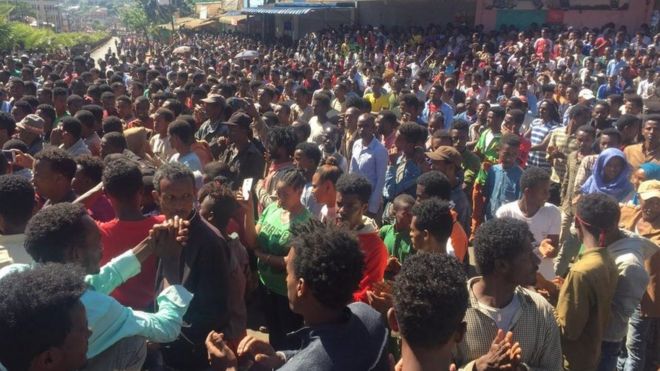
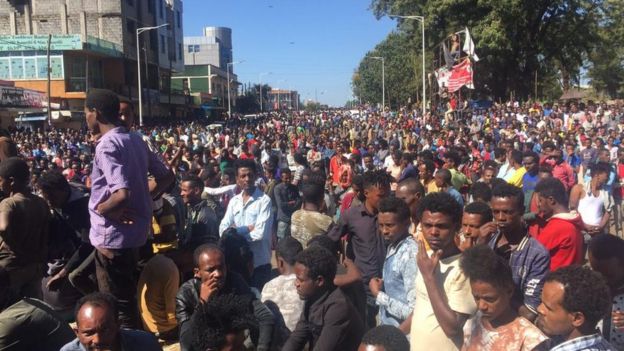



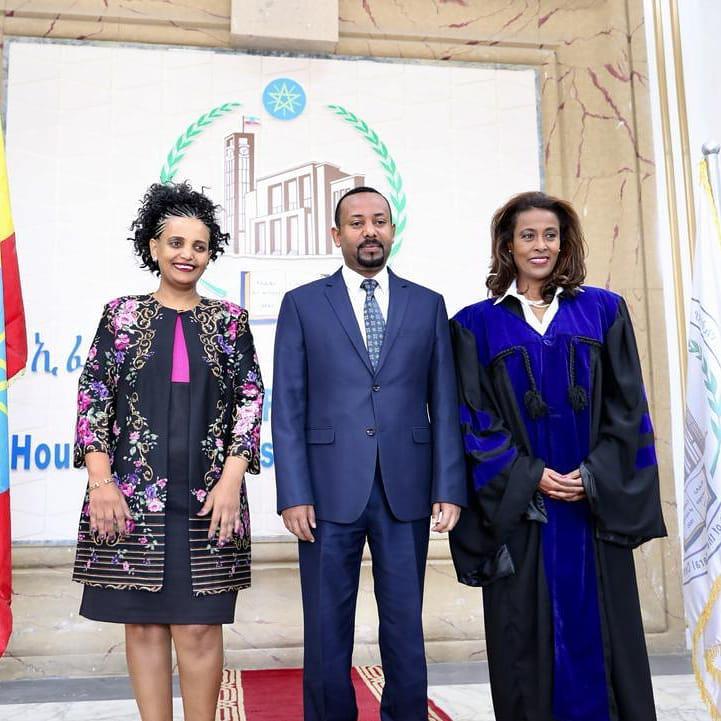

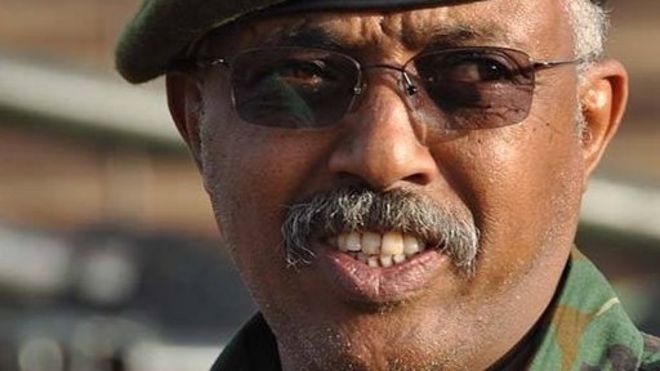


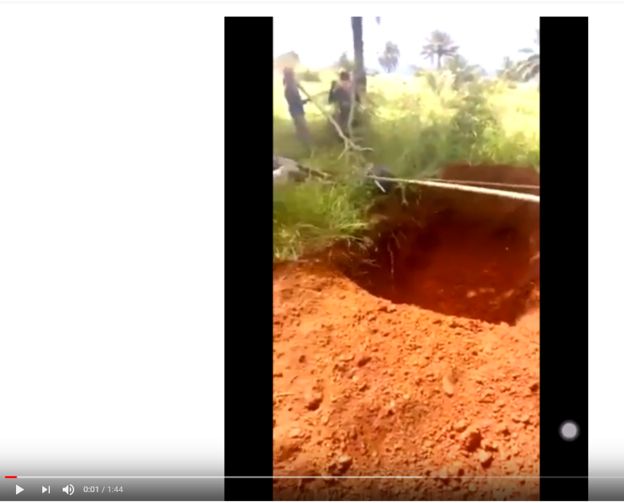



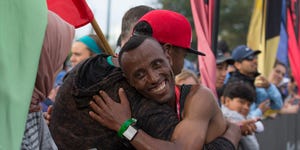


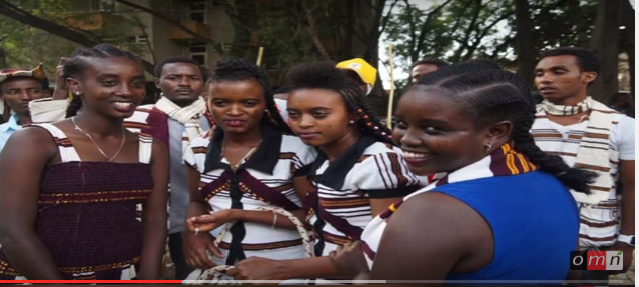

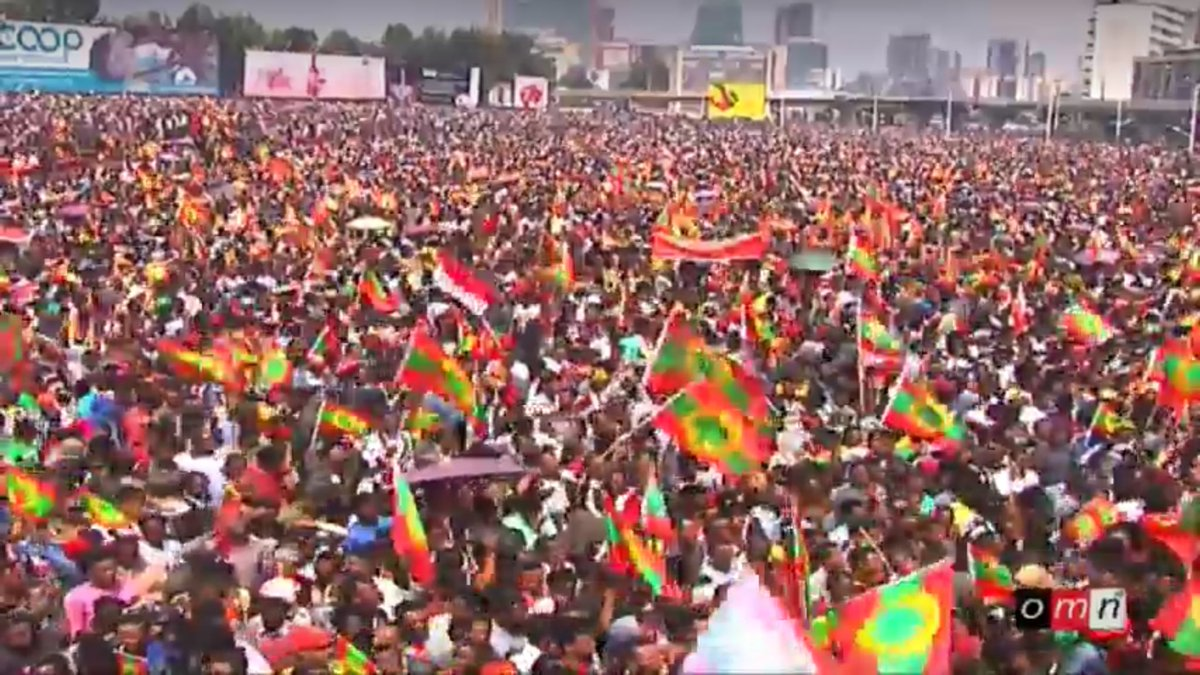
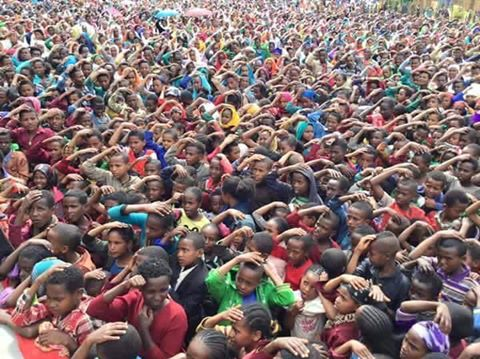

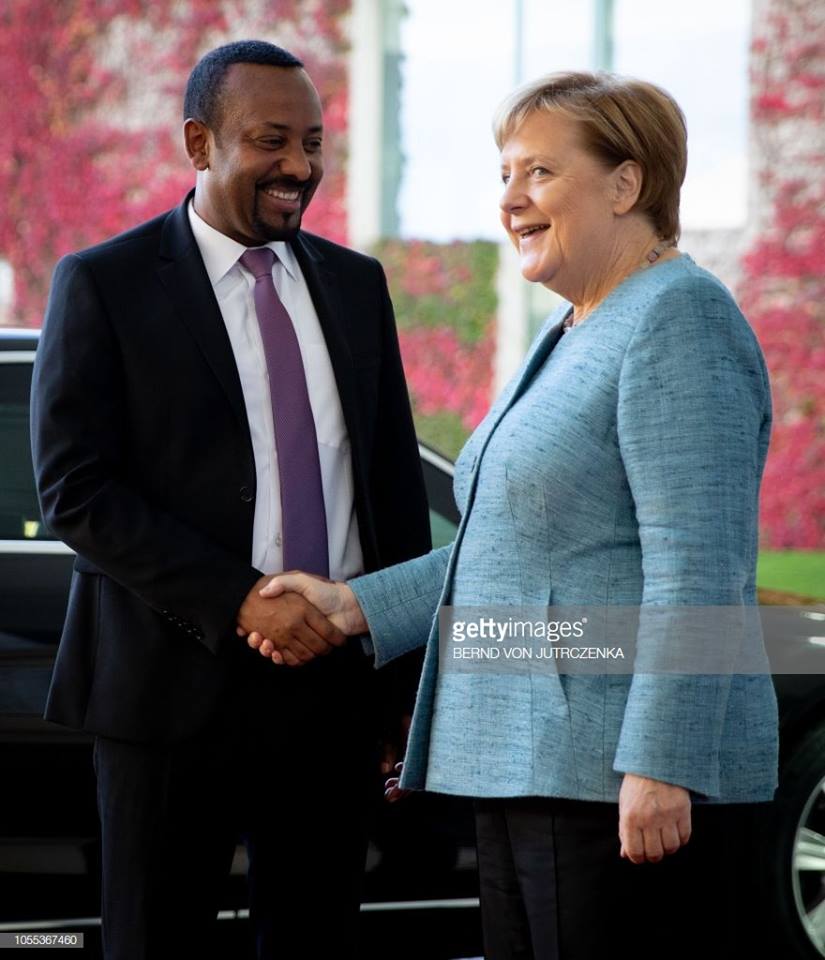

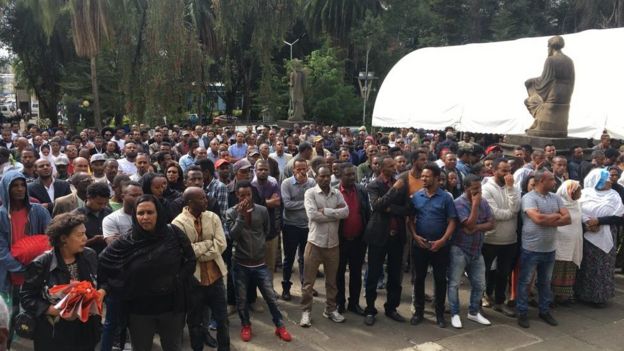
![Feyisa: 'I knew this day was coming because I know the blood spilled by all these people was not going be in vain' [File: Athit Perawongmetha/ Reuters]](https://www.aljazeera.com/mritems/imagecache/mbdxxlarge/mritems/Images/2018/10/21/59afe31f71ed4a50819d23ea85d3bc82_18.jpg "Ethiopia: Exiled Olympic runner Feyisa Lilesa returns home")


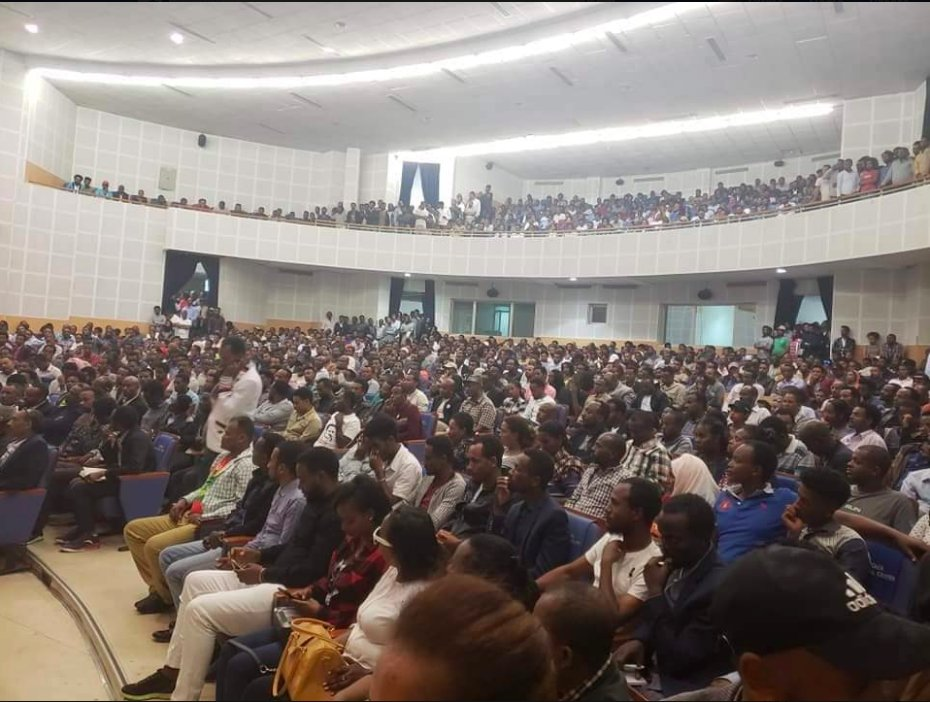
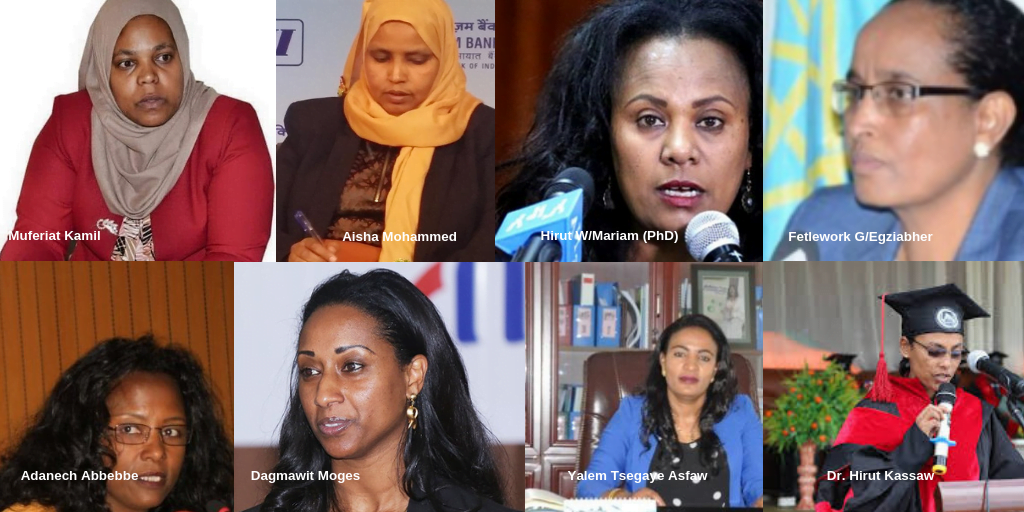
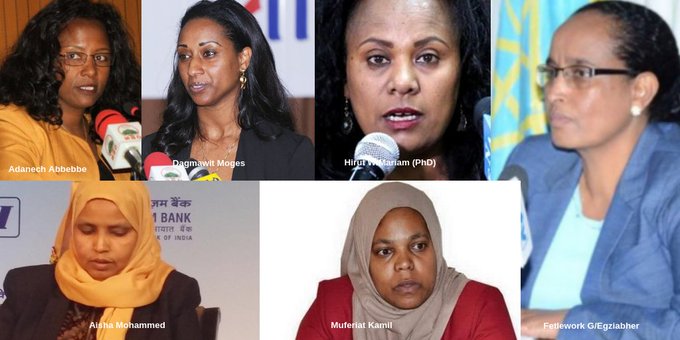


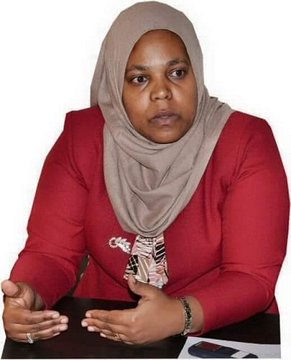
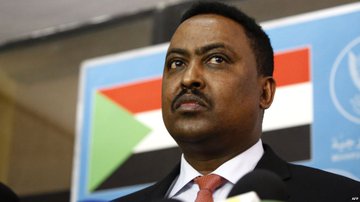
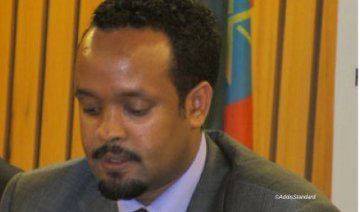
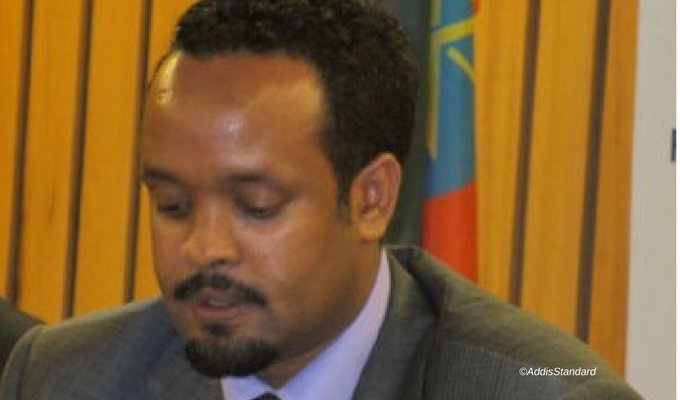
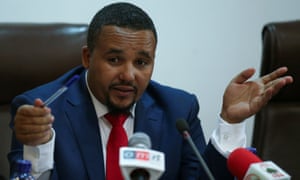




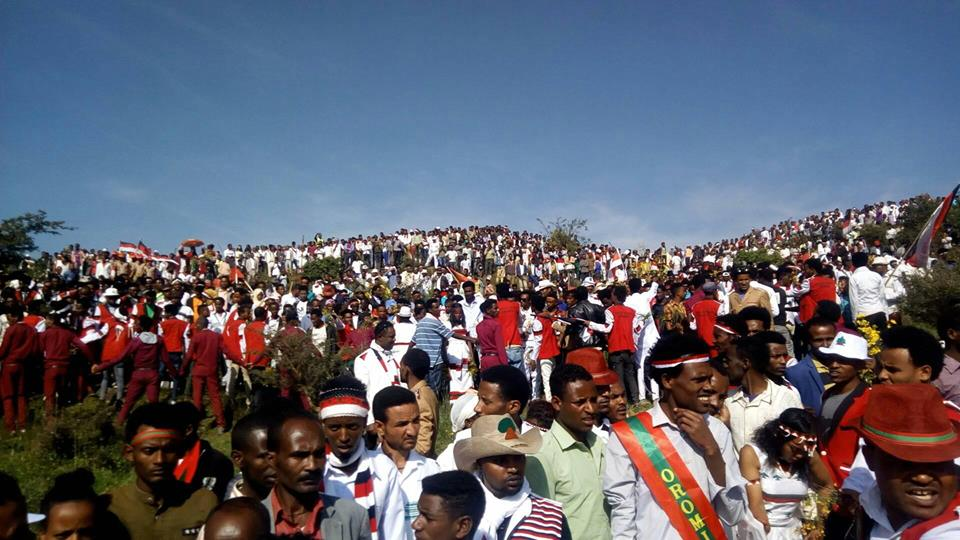

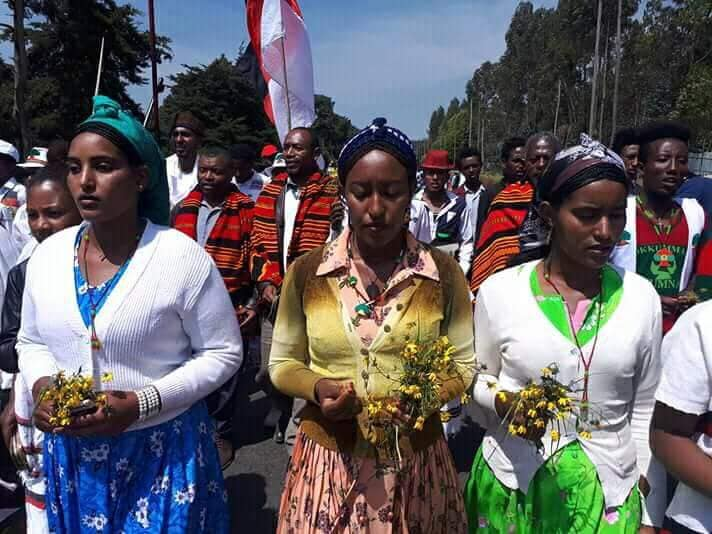
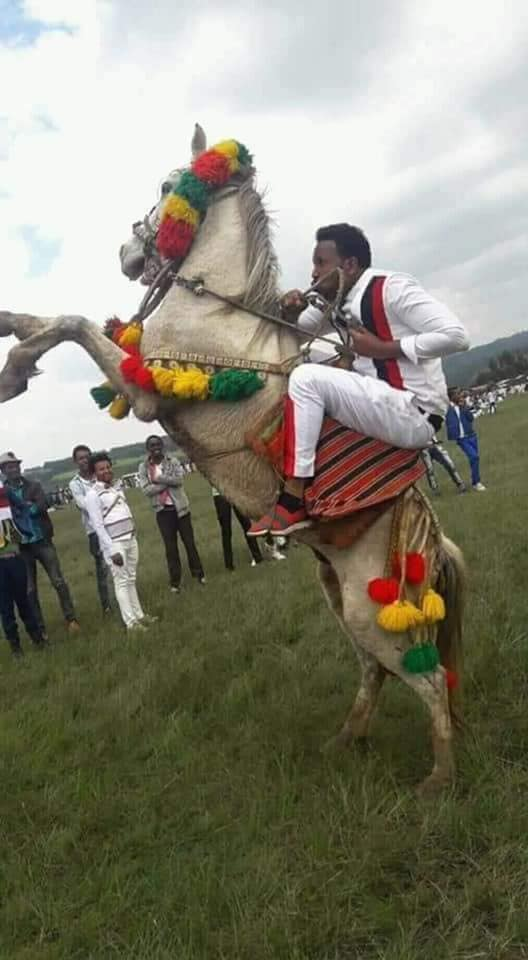
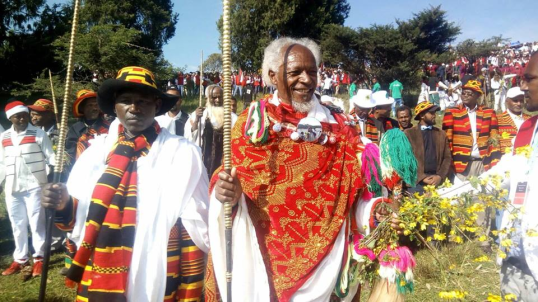

 Torban Irreecha Hora Arsadeetti kabajametti,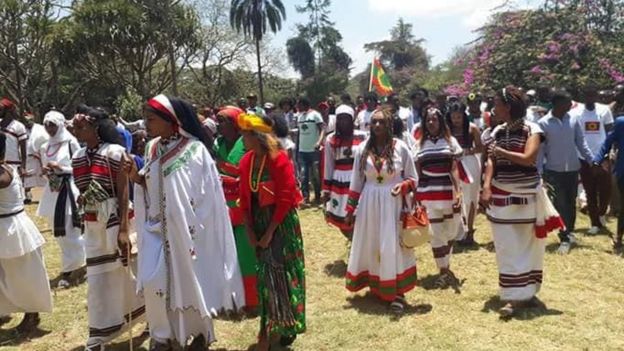
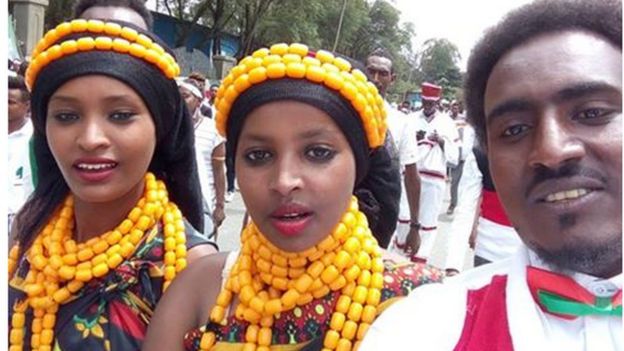


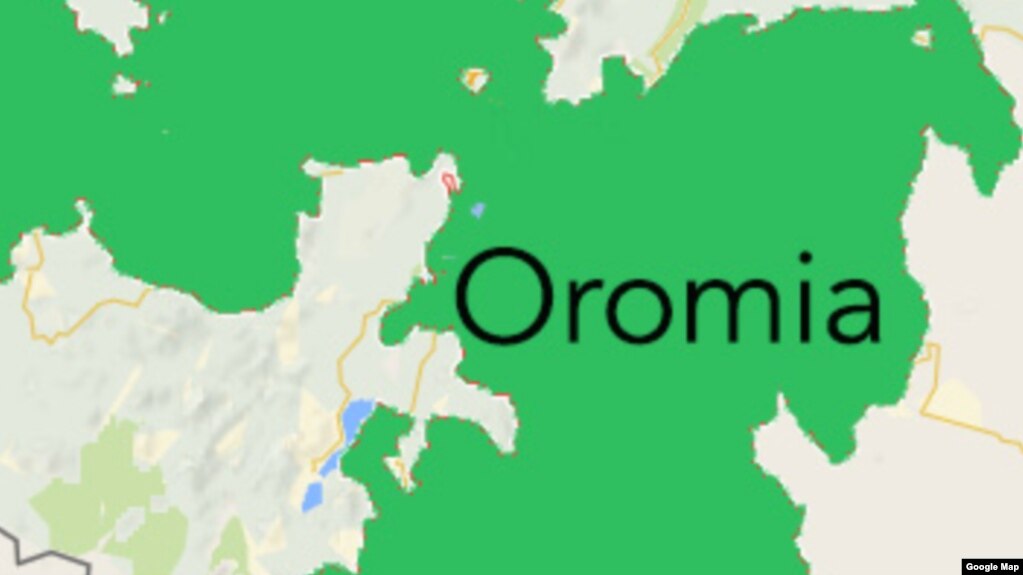
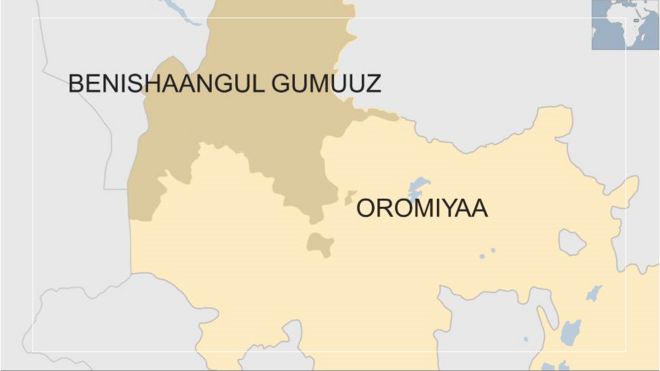
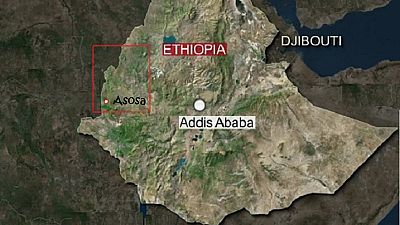




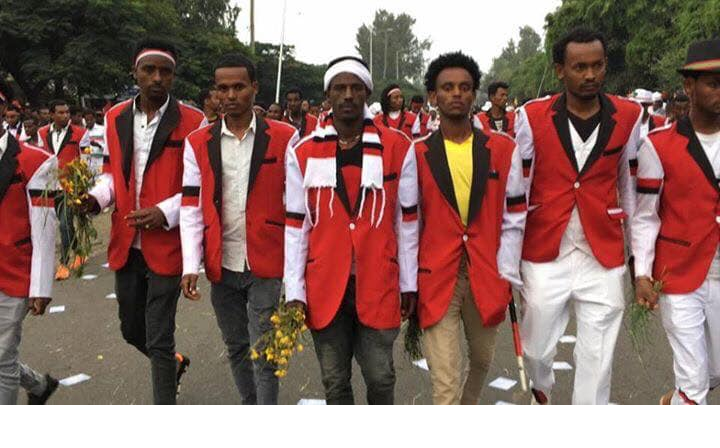
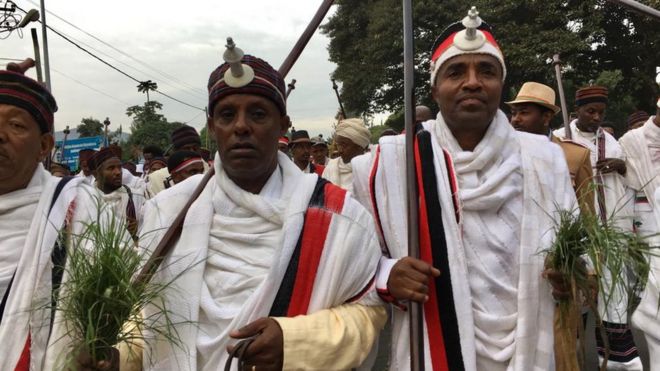
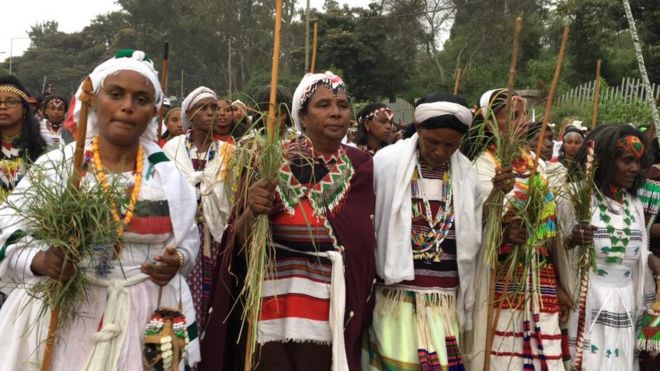
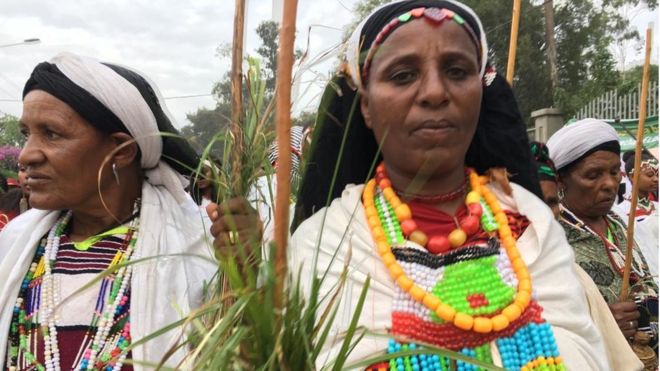
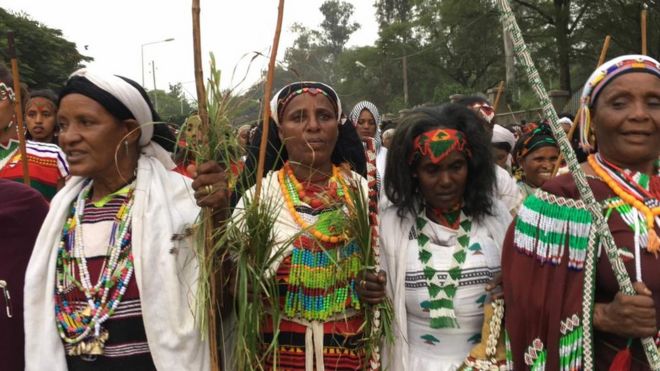
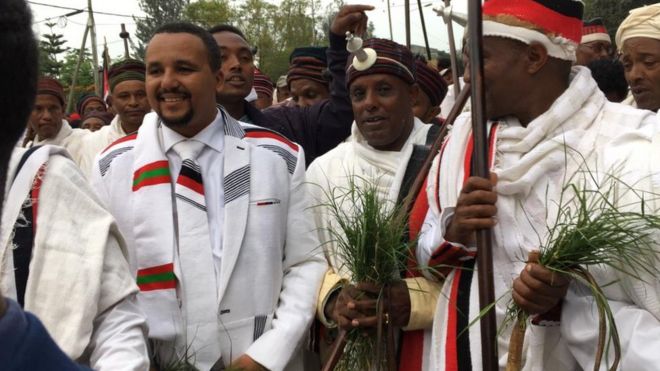

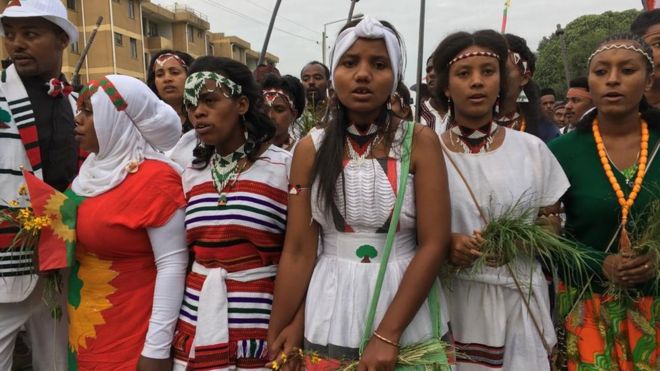
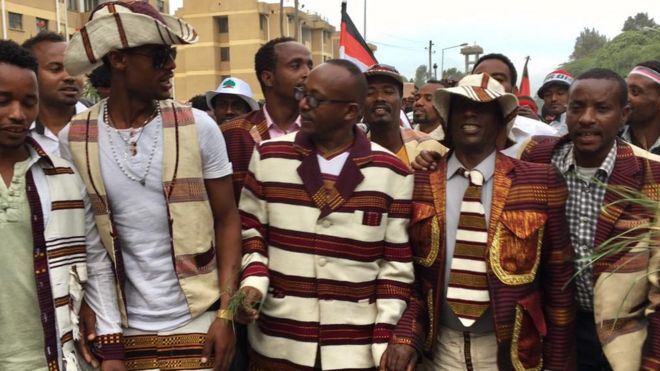


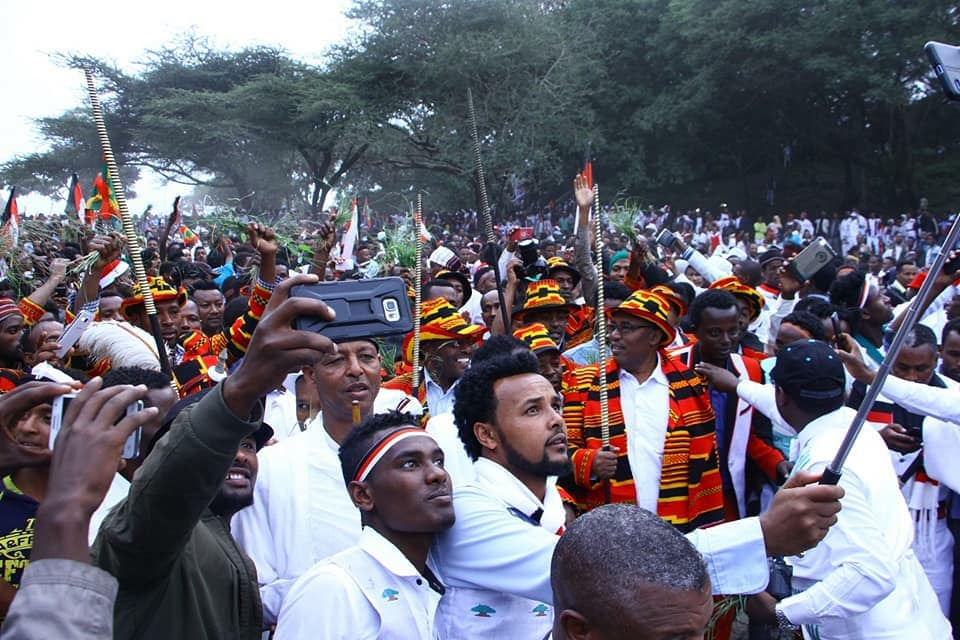
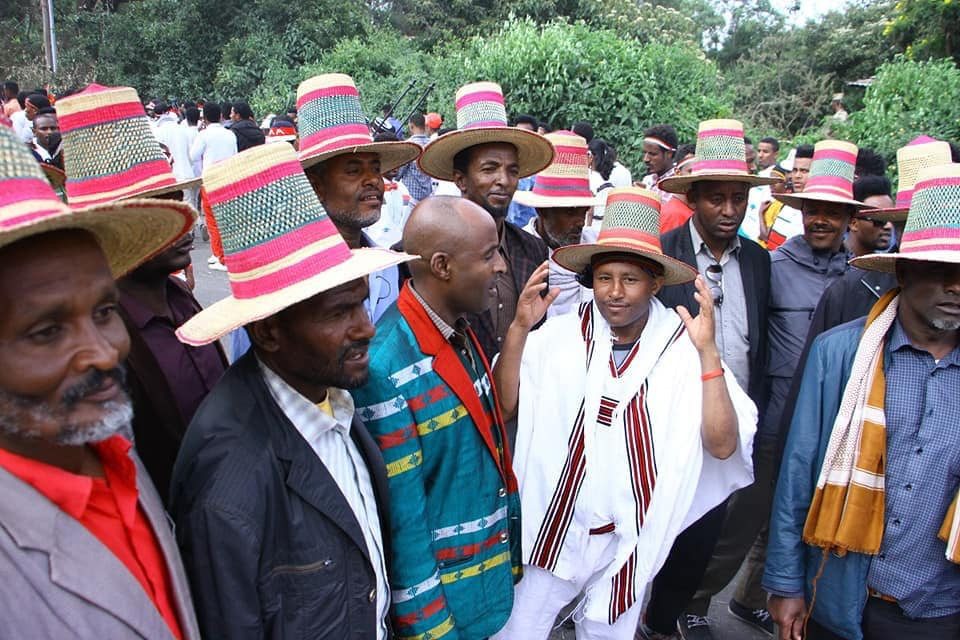

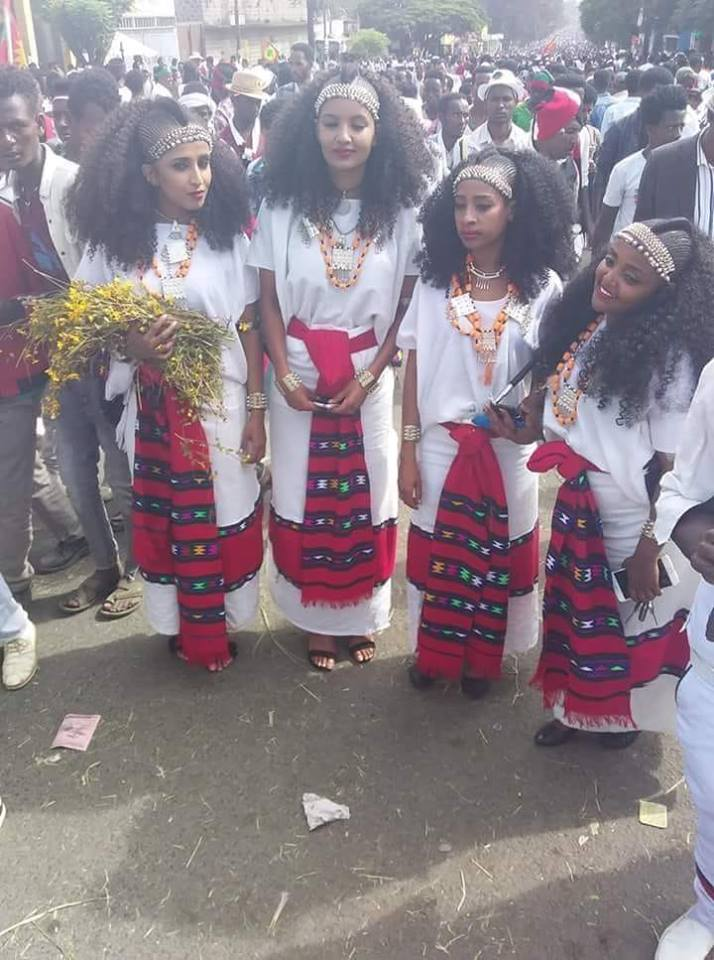
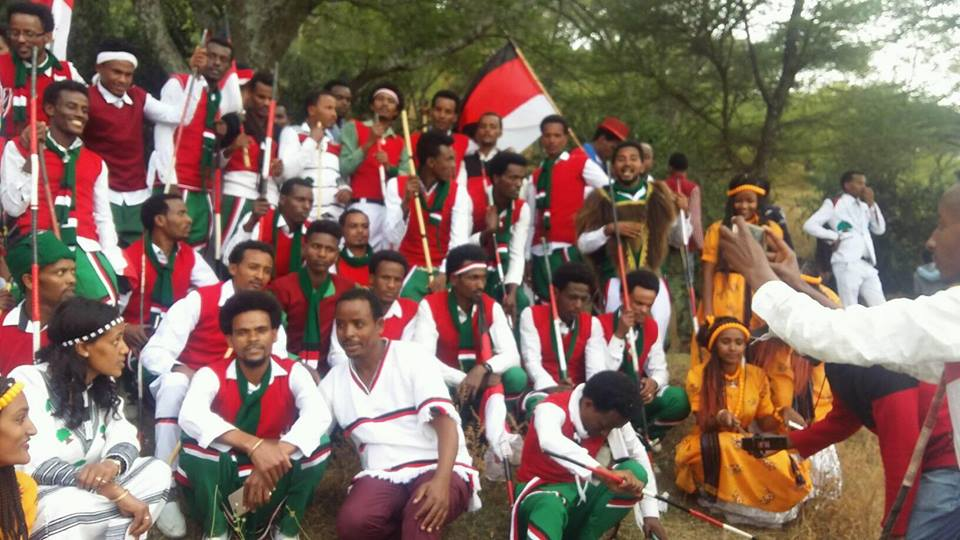

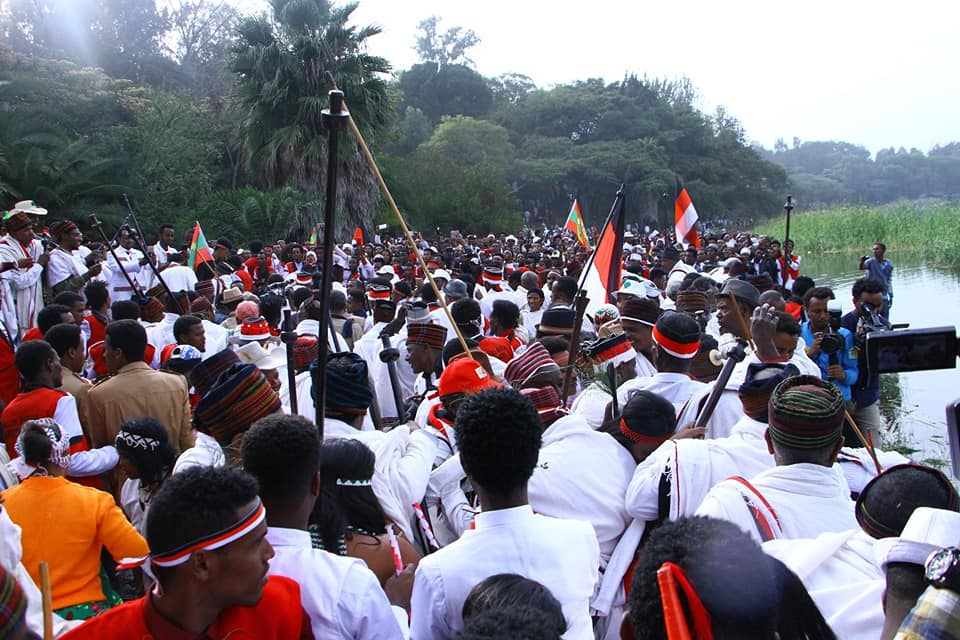

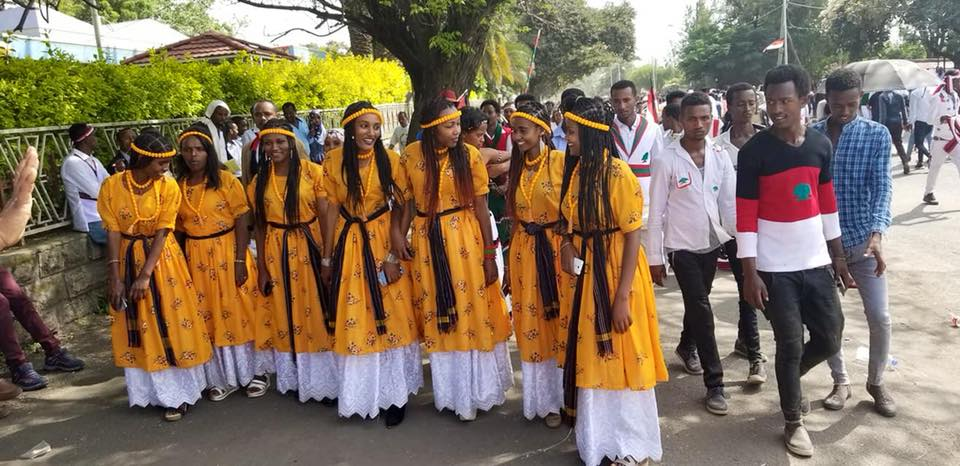
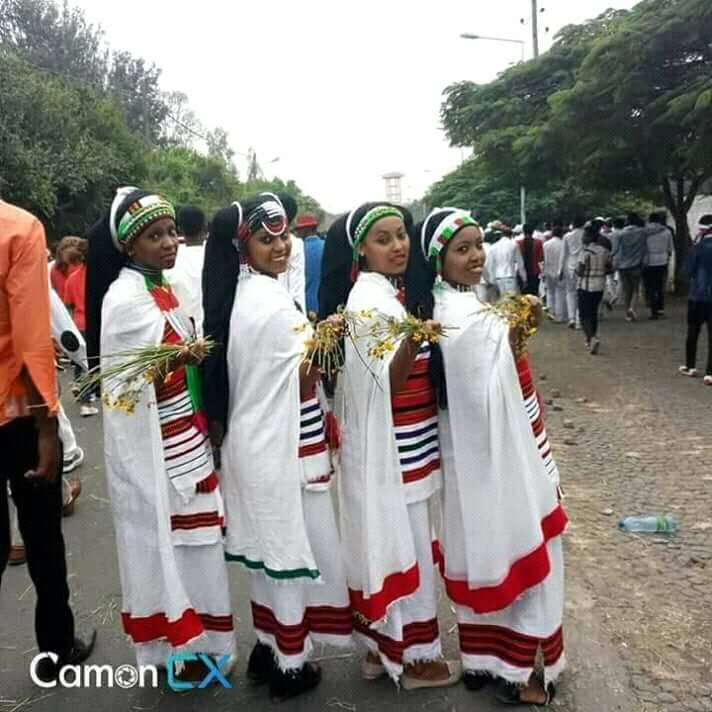
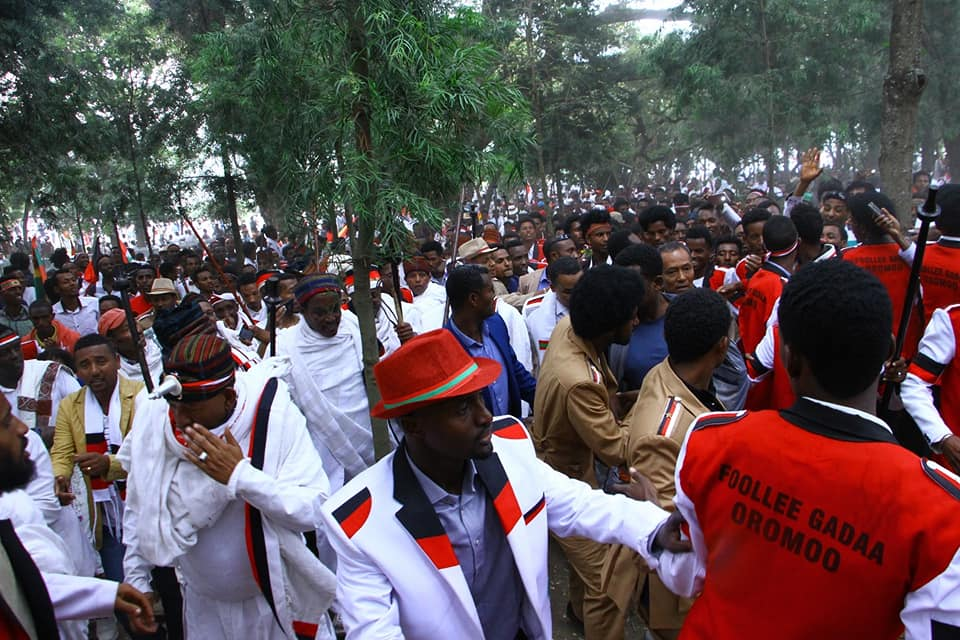


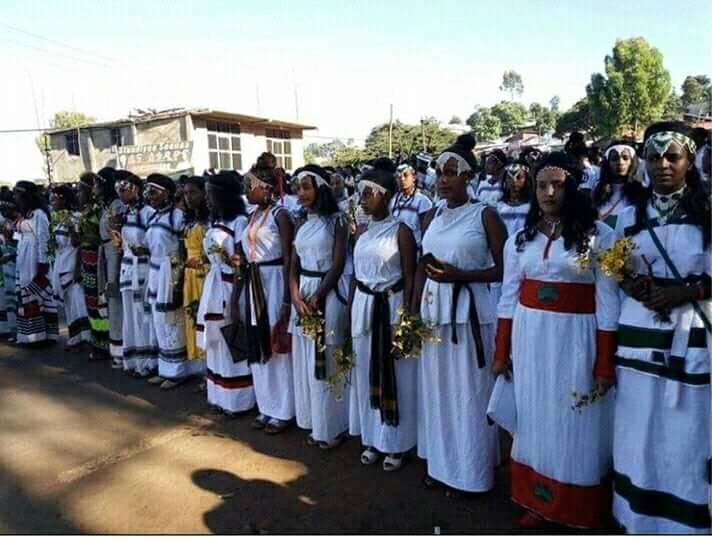
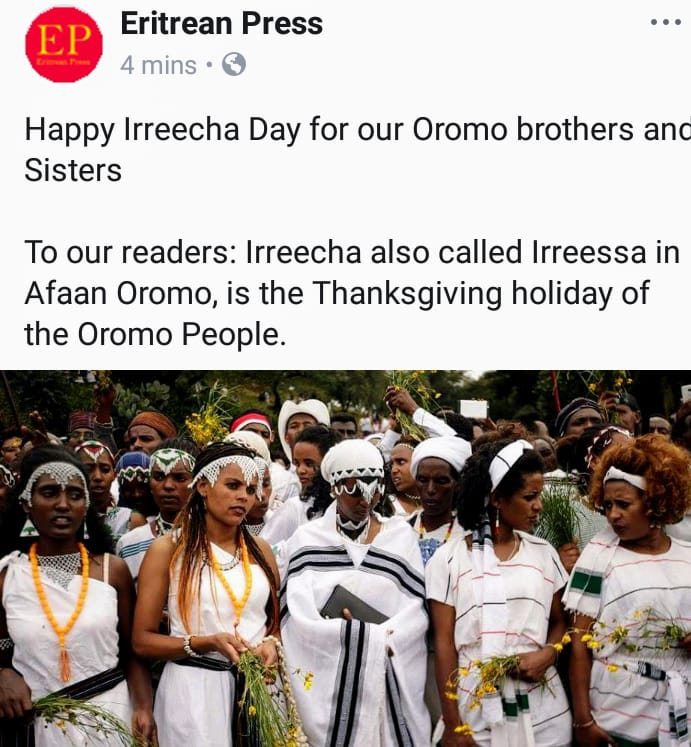
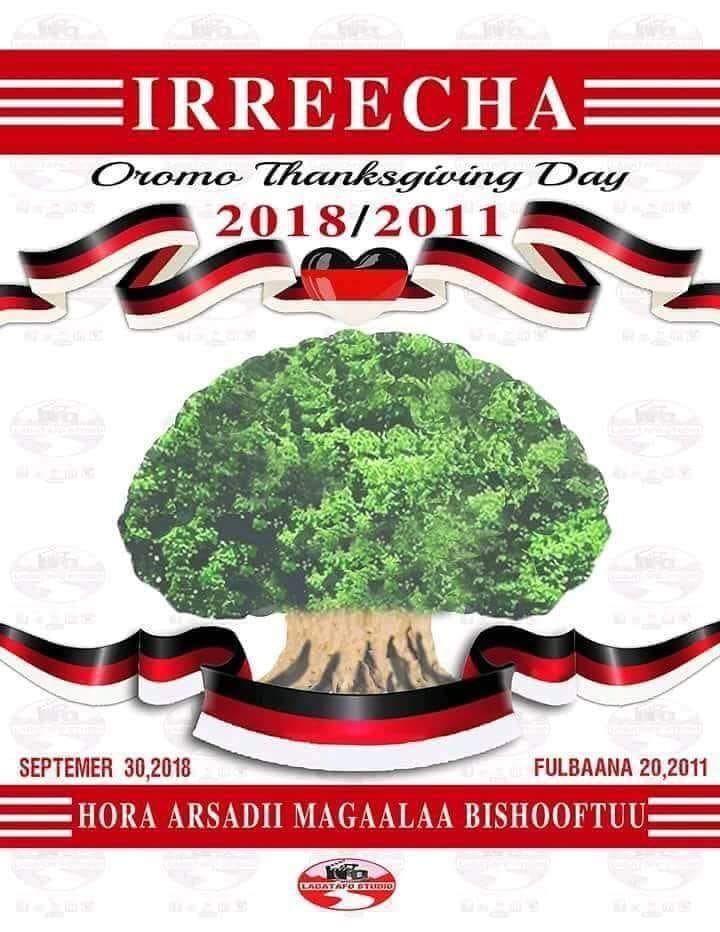

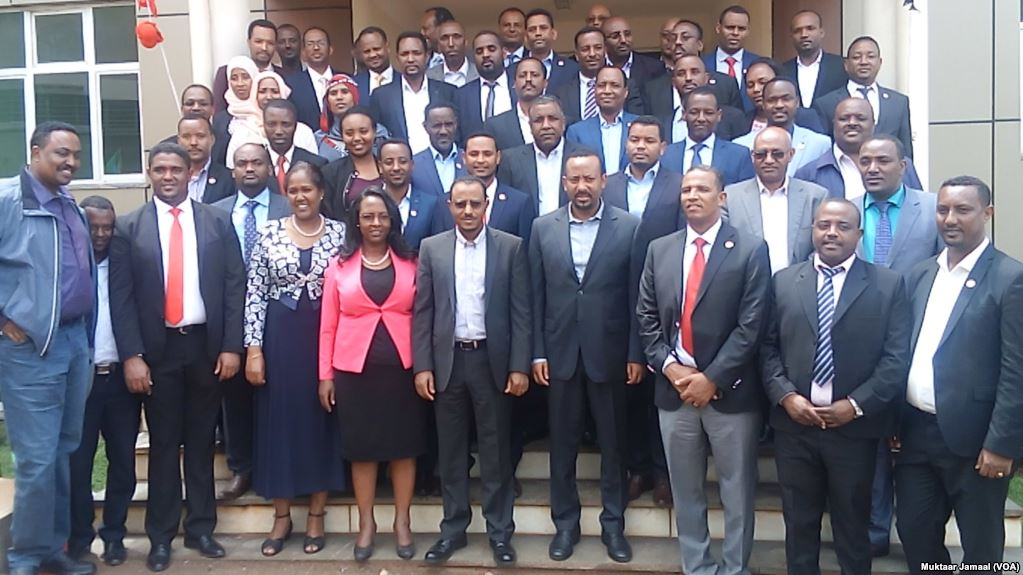
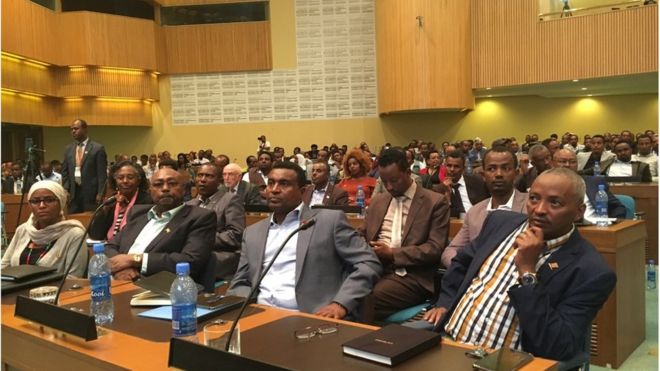

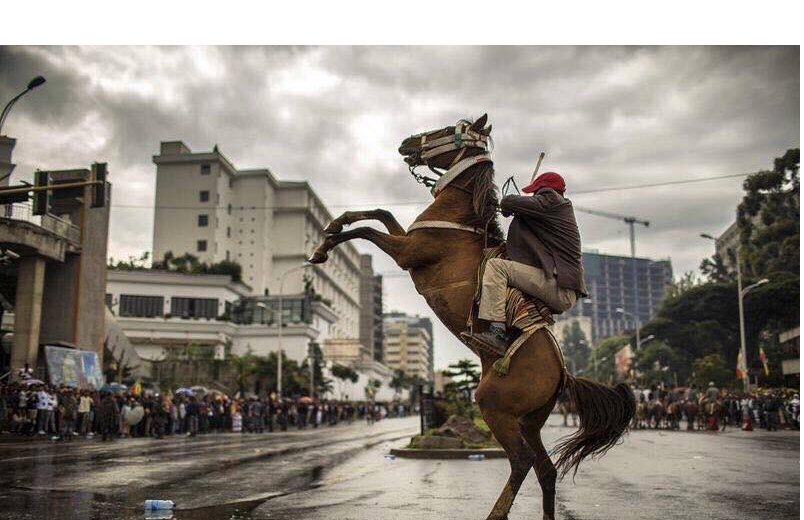
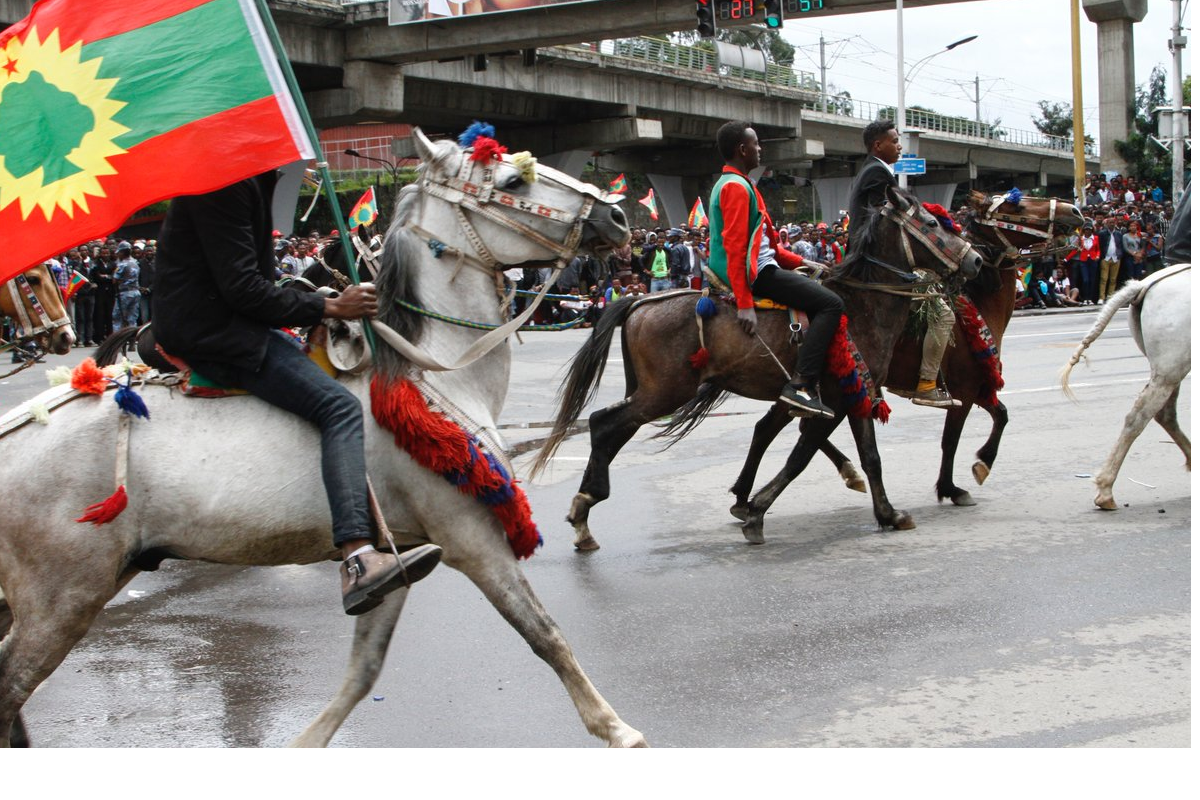


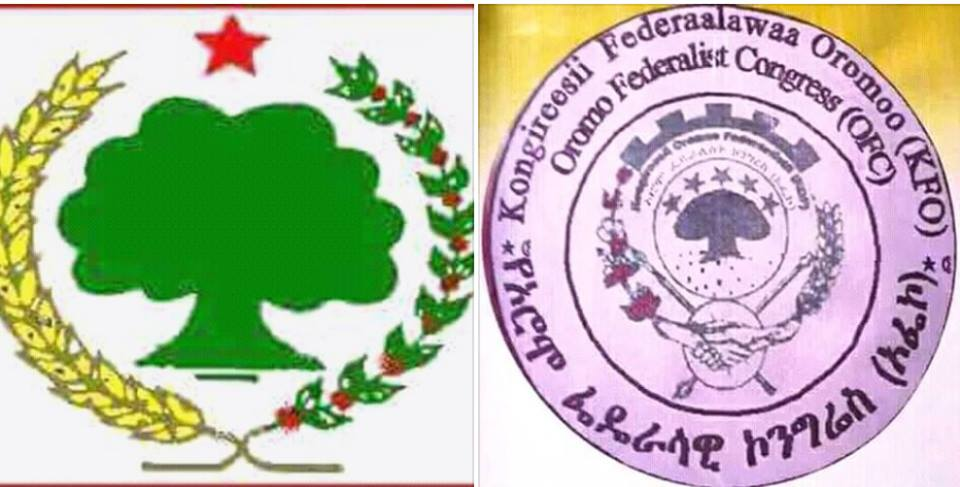
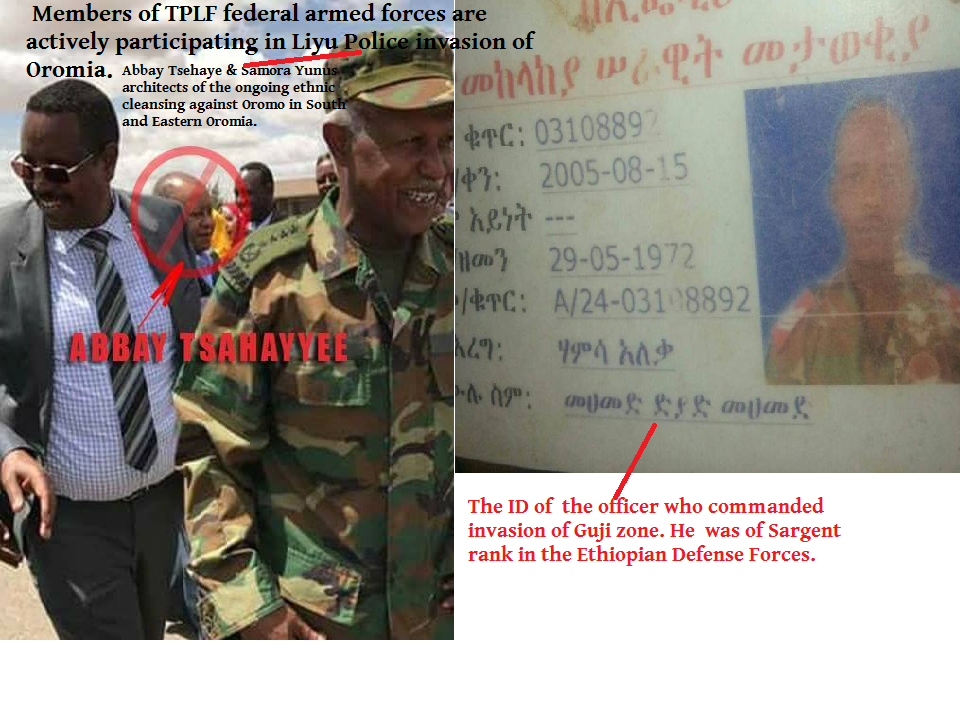
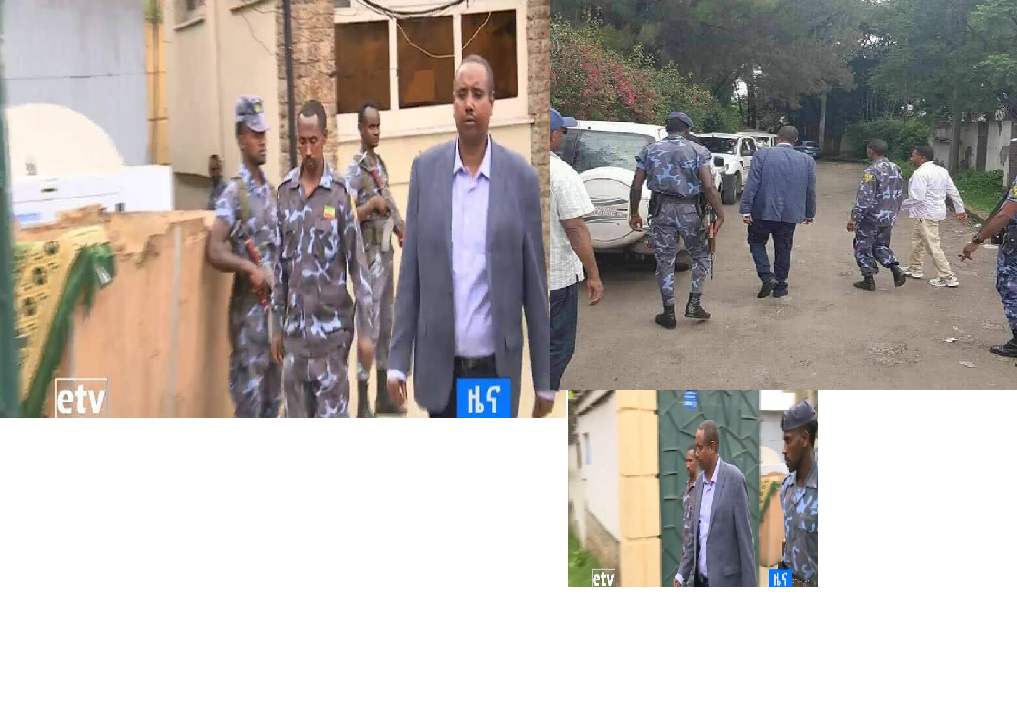


 Oromian Economist
You must be logged in to post a comment.