Economic and development analysis: Perspectives on economics, society, development, freedom & social justice. Leading issues in Oromo, Oromia, Africa & world affairs. Oromo News. African News. world News. Views. Formerly Oromia Quarterly
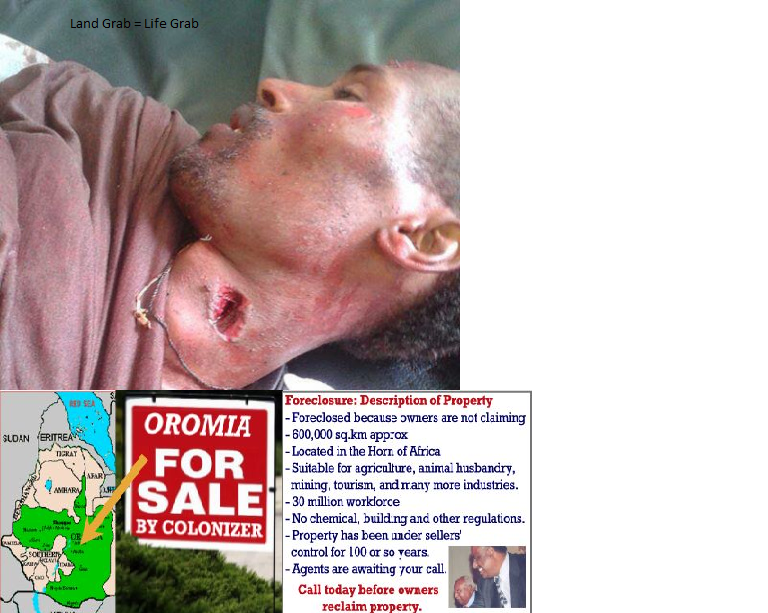
Attracting investment to Ethiopia by offering large plots of land to agricultural investors is a development strategy being aggressively pursued by the Ethiopian government. The government announced this strategy in 2009, stating it planned to lease 3 million hectares1 of land to foreign and domestic investors for agriculture use over a period of three years in order to increase productivity and earn foreign exchange (McClure 2009, 1). The simplest motivation for these actions is macroeconomic. In 2009, the IMF issued a staff report stating that the balance of payments in Ethiopia for the 2009-2010 year was “troubling” due to the global recession taking a toll on remittances, exports, and direct foreign investment. The impact of rising oil prices and decreasing foreign assistance was also expected to have an impact (IMF 2009, 5). In response to these prospects, the Ethiopian government created the Federal Land Bank to facilitate the acquisition of land by investors looking to acquire large tracts for cultivation. The foreign investors are mainly coming from India and Saudi Arabia, but also from Germany, Israel, the Netherlands, Italy, China, and recently, even the National Bank of Egypt (Makki and Geisler 2011, 13). In addition, about half of the investors are domestic, representing Ethiopian diaspora or wealthy Ethiopian highland residents (Vidal 2011). The investors are mainly interested in growing crops to export to their home markets or in cultivating agrofuels, crops which are used to create biofuels. While some 1 Approximately 7.4 million acres A THIRSTY THIRD WORLD Page 7 of 74 companies promise to sell some produce on the domestic market, there are no contractual obligations to do such. The issue of transferring land and its productive uses from domestic cultivators to foreign interests is particularly concerning in Ethiopia as it is a country that has often made headlines for famines, and the underlying issue, droughts. Despite having a great deal of water in certain areas, sporadic rainfall and poor collection techniques make water security a central issue of concern for the country. Many of the countries that are choosing to grow crops in Ethiopia are countries that face water insecurities of their own. They are seeking to stabilize their food security, but the impact that this will have on water access and quality for Ethiopians who depend on subsistence agriculture for survival is not being addressed in the deals that have been made. Anders Jågerskog, a leading scholar on the issue of water and land deals from the Stockholm International Water Institute (SIWI) has noted that, “The risk from poorly supervised land acquisitions is that a wealthy economy simply exports its water “footprint” elsewhere” (SAPA 2012). It is especially concerning that the design and implementation of this policy is having a stratified, possibly intentional, impact on the different ethnically divided regions of the country. The region experiencing the heaviest concentration of land deals is Gambella, a comparatively tiny region in the southwestern part of the country, bordered by newly formed South Sudan to its west. This area has had 42 percent of its land leased out to investors. Gambella also has had a difficult and increasingly violent relationship with the federal government. There have been numerous instances of the government targeting this region with oppressive tactics, violence, and biased policies. It is also one of the areas that has been identified for the latest wave of villagization, a process of relocation that is being undertaken to “increase service delivery.” However, Gambella’s villagization program appears to be being pursued with greater intensity than other regions’ programs as the government has stated it intends to relocate every indigenous, rural household in Gambella (HRW 2012, 22). The scale and intensity of these land grabs in this region coupled with the fervor of villagization is very concerning and merits much closer attention. – Emily-Ingebretsen.-A-Thirsty-Third-World
Afan Oromo, the single most widely spoken language in Ethiopia, is also spoken in Kenya, Somalia, Djibouti and Eritrea which will give the BBC wider audience than any other language, making it the largest broadcasting and media market in Africa. Furthermore, the Horn of Africa, as one of the most volatile and democratically deficient regions of Africa, needs an impartial and independent mass media outlets that will provide credible and trustworthy news and information services that promote democracy, economic development, and mutual-coexistence of various cultures, religions, and values.
(UNPO) – In response to the BBC’s decision to launch new services to Ethiopia and Eritrea, the Oromo people from across the world have begun a petition, demanding the opening of an Afan Oromo Radio Programme. http://unpo.org/article/18564
We, the Oromo Diaspora in the United Kingdom and the rest of the world, the Oromo people in Ethiopia and the Horn of African countries, and the friends of the Oromo People and Afan Oromo speaking people across the world, welcome the recent announcement by the BBC to launch news services to Ethiopia and Eritrea. In this connection, we would like to draw the attention of the BBC Board of Trustees, the BBC Board of Directors, and the government of the United Kingdom on the vital significance of starting medium- and short-wave Afan Oromo Radio Program that will broadcast to Ethiopia, Eritrea, Somalia, Kenya and Djibouti.
Afan Oromo, the single most widely spoken language in Ethiopia, is also spoken in Kenya, Somalia, Djibouti and Eritrea which will give the BBC wider audience than any other language, making it the largest broadcasting and media market in Africa. Furthermore, the Horn of Africa, as one of the most volatile and democratically deficient regions of Africa, needs an impartial and independent mass media outlets that will provide credible and trustworthy news and information services that promote democracy, economic development, and mutual-coexistence of various cultures, religions, and values.
The Afan Oromo speaking population, which constitutes close to half of the estimated 98.9 million inhabitants of Ethiopia (over 30 million of whom are mother tongue speakers), remains among the most affected with the prevailing democratic deficiency in the region. As a result, there is no single independent and impartial Afan Oromo newspaper, news website, and radio or television station. This democratic deficiency is depriving Afan Oromo speakers, particularly the youth which constitutes about 74% of the total population, access to any credible, impartial, and independent news outlets. The danger this poses on the national and regional peace and stability, poverty eradication and economic development is self-evident; and needs urgent attention from policy makers and all interested parties including the BBC and the government of the United Kingdom.
Consequently, we call upon the BBC governing bodies and the government of the United Kingdom to make an urgent policy decision to reach out to this highly disenfranchised and marginalized Afan Oromo speaking population of Ethiopia and the Greater Horn through the radio programs. It is hoped that this will also help to advance the United Kingdom’s global economic development and poverty eradication policies as well as to promote free expression, peace and stability in the Horn of Africa.
Needless to say, to launch programs broadcast to the region in other languages and not launch one in Afan Oromo would mean contributing to the privileging of the less widely spoken languages in the region and to sanction the existing inter-linguistic asymmetry created by the States’ national media. Not to fall into this trap, it would be ideal decision if the BBC decides to broadcast in three languages widely spoken in Ethiopia – Afan Oromo, Amharic and Tigrigna following the VOA’s model.
Petition
Therefore, we the undersigned, the Oromo Diaspora in the United Kingdom and the rest of the world, the Oromo people in Ethiopia and the Horn of Africa, and friends of the Oromo People and Afan Oromo speaking peoples across the world, call up on the BBC Shareholders, the BBC Trustees, the BBC Board of Directors, and the government of the United Kingdom to mandate the BBC to launch Afan Oromo Radio Program as a matter of urgency and as top priority to meet the urgent need of providing trustworthy and credible information and news services that attends to the day-to-day living conditions of tens of millions of Afan Oromo speakers.
When an elite drawn from small minority ascends to power, the process of consolidation brings about two developments that are complementary and conflicting at the same time. On one hand, as they try to consolidate power by fending off potential rivals, they develop an exclusionist policy that leads them to accumulate disproportionately high wealth and power. On the other, such exclusionist policy leads to developments of resentment among excluded groups which would be expressed through generalized hostility towards the privileged group as whole. These two developments enable the regime to increase internal cohesion. The control of huge resource among the minority elites allows them to spread it around hence reducing internal competition and conflict. More importantly the ever increasing hostility of elites of the ‘other’ towards the privileged group in general creates sense of collective insecurity and solidarity making ‘sticking together’ an inevitable reaction.
This is basically what has been happening in Ethiopian politics in the last two and half decades. Tigreans who make up no more than 6% of the population have come to monopolize the meager wealth and power that country has. The TPLF regime has control over national resource that can be spread around the Tigrean elite reducing competition and conflict among them. The repression and exclusion of the rest has led to ever intensification of vocal hostility towards Tigreans. In such situation, even those Tigreans who might not support the regime policy and are not attracted to wealth and power would have to join the mothership due to shared sense of existential threat to the collective.
The return of the Tigrean rebels to TPLF camp might be shocking to those who have been counting on them to serve as reliable ally. However for those who has followed recent development carefully, this event could hardly be surprising. In the last few years, particularly since Meles’ death, we have been witnessing re(unification) of Tigrean forces and Molla Asgedom’s decision to abandon opposition politics and rejoin the mothership is part of this trend.
1) Those who were purged during the the 2001 have either officially rejoined ( eg. Bitew Belay), or become active supporters of the regime ( Generals Tsadkan G/Tensai & Abebe Teklehaymanot) or have muted their criticism ( Seeye Abreha who has quit politics and took up a UN job. Even Gebreu Asrat has reduced his opposition to infrequent soft criticism).
2) Those intellectuals and media personnels who were once fierce critiques are slowly returning to the…
HARGEISA, 11 August 2015 (IRIN) – Qader and Abdi are two weeks into their journey. Carrying only one empty plastic water bottle each, flattened, with no liquid to return it to its cylindrical shape, the two men figure they will be walking for another month-and-a-half before they reach the sea. From there, they will take a smuggler boat the short distance to Yemen, where another 600-kilometre walk lies ahead before they may reach their final destination, Saudi Arabia.
The pair – members of Ethiopia’s largest ethnic group, the Oromo, which activists charge is systematically disenfranchised by the government – are walking along an uncrowded road connecting the capital of Somaliland, Hargeisa, to a northern port city. They walk because they cannot afford the roughly $150-200 that a series of smugglers would charge to take them from the Ethiopian border east through Somaliland to the port of Bosaso in the neighbouring semi-autonomous region of Puntland.“We will walk until we become weak,” said 30-year-old Qader, who withheld his last name to protect his identity. He and his 19-year-old companion are dressed in dirtied long-sleeve shirts to shield them from the early morning sun, which will become unbearable by midday. They have made it this far off the good will of Somalilanders who offer them small change or meals as they pass.There is a small risk they could be arrested so they veer off the paved road near checkpoints but quickly return so as not to lose their way. Although walking along roads in Somaliland – a self-declared nation that the international community still classifies as a region of Somalia – puts migrants like them at increased risk of robbery or assault, Somalilanders generally do not wish the duo ill will. Government officials have even been known to stop and provide food and drink to migrants despite their illegal status in the country.
When they reach Bosaso the help will likely come to an end and Qader and Abdi will have to pay. Unlike on land, which the destitute can traverse without charge as long as they can avoid arrest, the sea is only passable by ships operated by smugglers, who are more than happy to continue transporting people to war-torn Yemen for a fee.
Ever more dangerous journey
Migration to and through Yemen – historically the backdoor for migrants and asylum seekers from the Horn of Africa trying to reach Saudi Arabia – has always put people at risk of death and inhumane treatment. Last year, there were numerous drownings in the Gulf of Aden and Human Rights Watch released a report in 2014 documenting “torture camps” where smugglers held newcomers for ransom.
But a civil war, precipitated by the departure of Yemen’s internationally-recognised government and a Saudi Arabian-led bombing campaign to restore its legitimacy, has made an already perilous journey for migrants all the more death-defying.
“It’s very dangerous, and I cannot stress that enough,” said Teddy Leposky, an external relations officer for the UN’s refugee agency, UNHCR, in Yemen.
Not only has the war given smugglers license to act more ruthlessly than before, but also the ability of aid agencies to provide services to migrants and refugees has been severely compromised and the conflict’s violence has been indiscriminate. Five migrants were caught in shelling near the Saudi border in May and, at the end of March, a camp for displaced people camp was bombed, killing at least 45.
But as migrants and refugees know, the grinding poverty, political persecution or violence that typically push them out of the Horn of Africa, do not conveniently abate as wars break out in their path. So they continue to risk life and liberty and end up on Yemen’s shores. According to figures from UNHCR, more than 10,500 people have arrived in Yemen since March when the bombing campaign began. Although some of those might be part of the 51,000 who are now also leaving, as war in Yemen has created a circular flow in the region.
Exhausted survivors of the Gulf of Aden crossing wait for help on a beach in Yemen (file photo)
“I know it’s a high risk, but I will take it,” said Fila Aden, 24, in a café in Hargeisa. He is familiar with what lies ahead. This is the second time he left home in Ethiopia for work in oil-rich Saudi Arabia. Although he struggles to provide a precise timeline of events, he estimates he was deported from the kingdom about a month ago after working there for almost a year.Hiding the risks
Some aid officials believe that boat smugglers in Bosaso and Djibouti (for the Red Sea route to Yemen) may be downplaying the conflict in Yemen or flat-out lying to clients about the dangers they have seen.
Fila Aden in Hargeisa doesn’t doubt smugglers are sugarcoating forecasts, but he thinks the conflict in Yemen might actually work to his advantage. He is reassured by news that one of his friends just traversed Yemen and slipped unnoticed across the border with Saudi.
“We worry about Yemen. We could be accused of fighting [for a certain side] in the conflict. People are more paranoid now,” he said. “But looking at it from the Saudi perspective, they aren’t concerned about us. They are fighting a war in Yemen.”
As long as those like Aden are willing to go, there is money to be made. Several sources said the smugglers had doubled their asking price in Bosaso, which pre-war ran from $60 to $120 for the sea crossing. Omar, who asked that a pseudonym be used, smuggles Ethiopians from the border into Somaliland. He is fairly new, joining the ranks of the illicit business just five months ago. But the job has proven lucrative. He saw a drop in numbers around the time war broke out in Yemen, but Ramadan (which straddled June and July this year) was profitable, suggesting an uptick in those still willing to go to Yemen.
“People know damn well that they are taking a risk,” he said, when IRIN asked if smugglers were taking advantage of the war and luring clients under false pretenses. But he said smugglers too were taking extra risks, and more and more fearful of arrest. “I feel bad sometimes but what can I do? I have to make a living.”
No refuge any more
While Omar continues to facilitate a migrant march east, deteriorating conditions in Yemen have destroyed a refuge that many once sought.
Abdulqader Ahmed, a 17-year-old Ethiopian migrant, arrived in Yemen in March from Djibouti right as street battles began to erupt in the southern port city of Aden. He made his way to the UN-sponsored al-Kharaz camp nearby, too afraid to begin his journey north to Saudi Arabia. He watched as the camp ran short of food and water, with aid agencies unable to get supplies in. Finally, he managed to secure passage on a ship that evacuated him to Somaliland.
At a migrant response center in Hargeisa, where he was waiting to be repatriated back to Ethiopia, Ahmed said the war in Yemen had helped him reach the realisation that his goal of getting to Saudi Arabia would likely cost him his life. He now intends to return to farming with his father in Ethiopia, even though it will be almost impossible to earn a living.
For UNHCR’s Leposky, Yemen’s collapse is particularly concerning because of the country’s history of opening its borders to refugees and asylum seekers. He told IRIN that those arriving now in Yemen are making the costly journey across the sea only to find themselves in a similar situation, if not worse.
“It’s so unfortunate that a country that has provided protection and asylum to people for so many years is now in dire straits.”
“From Britain to the Czech Republic, European nations have been restoring rivers to their natural state — taking down dams, removing levees, and reviving floodplains. For a continent that long viewed rivers as little more than shipping canals and sewers, it is a striking change.”
Undamming Rivers: A Chance
For New Clean Energy Source
John Waldman and Karin Limburg, Environment 360, 6 August 2015
Many hydroelectric dams produce modest amounts of power yet do enormous damage to rivers and fish populations. Why not take down these aging structures, build solar farms in the drained reservoirs, and restore the natural ecology of the rivers?
Hydroelectric power is often touted as clean energy, but this claim is true only in the narrow sense of not causing air pollution. In many places, such as the U.S. East Coast, hydroelectric dams have damaged the ecological integrity of nearly every major river and have decimated runs of migratory fish.
This need not continue. Our rivers can be liberated from their concrete shackles, while also continuing to produce electricity at the site of former hydropower dams. How might that occur? A confluence of factors — the aging of many dams, the advent of industrial-scale alternative energy sources, and increasing recognition of the failure of traditional engineering approaches to sustain migratory fish populations — raises fresh possibilities for large rivers to continue to help provide power and, simultaneously, to have their biological legacies restored.
The answer may lie in “sharing” our dammed rivers, and the concept is straightforward. Remove aging hydroelectric dams, many of which produce relatively small amounts of electricity and are soon up for relicensing. When waters recede, rivers will occupy only part of the newly exposed reservoir bottoms. Let’s use these as a home for utility-scale solar and wind power installations, and let’s employ the existing power line infrastructure to the dams to connect the new solar and wind power facilities to the grid. This vision both keeps the electricity flowing from these former hydropower sites, while helping to resurrect once-abundant fish runs, as has recently happened in Maine….
Burkina Faso: The sting in the tail of the counter-revolution
SIMON ALLISON, DAILY MAVERICK
17 SEP 2015
When the much-feared Presidential Guard stormed into a cabinet meeting to arrest Burkina Faso’s interim President and Prime Minister, we should not have been surprised. Until now, the country’s revolution has been – superficially at least – a little too clean, a little too orderly. In hindsight, another setback was always inevitable. By SIMON ALLISON.
As revolutions go, Burkina Faso’s was relatively tidy. President Blaise Compaoré chose not to fight to the death, scurrying into exile instead; and while violence was used to disperse popular protests, the casualty count remained in the single digits.
But as always, things behind the scenes were a lot more complicated. While interim President Michel Kafando was a civilian, his Prime Minister, Lieutenant Colonel Zida, was drawn from the upper echelons of the elite presidential guard (theRégiment de sécurité présidentielle, or RSP), the primary enforcers of the Compaoré regime. The army, meanwhile, continued to play a major role in political affairs ahead of the general election scheduled for 11 October.
Compaoré may have disappeared, but the state he created remained alive and well – and violently resistant to change.
These tensions exploded into the open on Wednesday, when members of the presidential guard stormed a cabinet meeting and arrested both President Kafando and Prime Minister Zida. State television and radio were taken off air. Nervous citizens stayed at home in anticipation of more trouble, and shops have closed their doors.
On Thursday, the RSP confirmed everyone’s worst fears: this was more than just intimidation tactics. This was a coup. In a public address, a military official said that the interim government had been disbanded, to be replaced with “a national democracy council tasked with organising democratic and inclusive elections” – whatever that means.
Two things prompted this sudden escalation in hostilities. First was the government’s decision to exclude members of the Compaore regime from contesting the upcoming elections. In the statement, the military said that this was not inclusive or democratic and therefore provided legitimate grounds for a coup. It is likely that Compaore’s former party, the Congress for Democracy and Progress, either supported or played a role in orchestrating the coup (tellingly, its leaders have refused to condemn the coup).
Second, and probably more pertinent, was the recommendation by the national Truth and Reconciliation Commission to disband the RSP. This represented an existential threat to the very institution that has now seized power.
“The presidential guard has always been the backbone of power, and within the new political dispensation the new political authorities have made it clear they want to reduce the influence of that unit within the army, if not suppress it completely,” said David Zounmenou, a senior researcher at the Institute for Security Studies.
Leading the campaign against the RSP was Prime Minister Zida, who went from the unit’s second-in-command to its most vociferous opponent. It is likely that personal animosity between Zida and General Gilbert Diendéré, the head of the unit, is also a factor in the current unrest. Although General Diendéré tends to avoid the spotlight, he was often described as Compaore’s right-hand man, or the power behind the throne.
Attention turns now to what comes next. Will the military really organise new elections? Who will take charge in the meantime? And will the people of Burkina Faso – who have already removed one leader through popular protests – accept the takeover?
“Unconfirmed rumours are that General Diendéré would be the new man in power, even if behind the scenes,” said Eloïse Bertrand, a researcher with the University of Warwick and an expert on Burkinabé politics. “The population, however, seems ready to resist this new coup, and I really think there is a wide consensus against the RSP. I think there is a real possibility that things will become violent as the coup leaders seem to have nothing to lose, and would probably repress violently massive protests.” Already, Reuters reported that soldiers fired warning shots to disperse a crowd of more than 100 people gathered in Ouagadougou’s Independence Square on Thursday morning.
Another important question concerns Compaoré himself. If his allies are calling the shots, is the exiled leader likely to return?
“While the RSP is definitely linked to the Compaoré regime, I would be very shocked to see a return of Compaoré himself. History demonstrates that once a military leader has taken power, he is unlikely to hand it to another leader. Therefore, while this is possibly a counter-revolution – or as I would prefer, a ‘counter-coup’ – in that it has returned power to the bloc that previously ruled the country, I do not foresee the return of Compaoré, or the return of democracy,” said Frank Charnas, Daily Maverick contributor and CEO of risk analysis firm Afrique Consulting.
Charnas added: “This coup places the international community in a precarious position. Kafando and Zida were not democratically elected, and while they were set to hold elections in the near future, their mandate was no more legitimate than that of the coup leaders. As was demonstrated following the overthrow of Compaoré, the international community is unlikely to take any concrete action beyond public denouncement of the coup.” DM
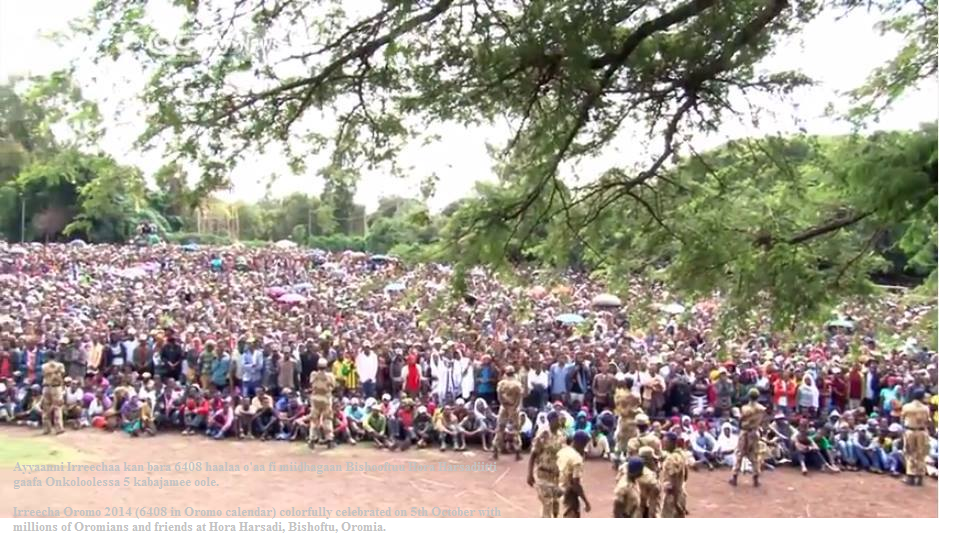
A Pilgrimage to Oromummaa Roots | The Colorful Irreecha at Bishoftu | A More Complete Video of Irreecha 2014 (Bishoftu, Oromia), see more at:- http://finfinnetribune.com/Gadaa/2015/09/a-pilgrimage-to-oromummaa-roots-irreecha-at-bishoftu-a-more-complete-video-of-irreecha-2014-bishoftu-oromia/
Shiller, a behavioral economist, closely tracks investors’ feelings about the market. He believes that emotions can hold the key to market movements. When I saw Shiller late last week for an interview about his new book on the economics of deception (“Phishing for Phools,” written with Fed Chair Janet Yellen’s husband George Akerlof), he told me more investors are worried that the market is over-valued than at any time since the peak of the dotcom bubble in 2000.
“Interest rates have been at zero” for a long time, says Shiller. “The economy has been viewed as sluggish, and yet [corporate] earnings have been growing and prices have been growing at a rapid pace.” That kind of “irrational exuberance,” says Shiller, is exactly what bubbles are made of.
So, why haven’t we seen a major sell-off, one more lasting than the dip we saw a few weeks back, after which the markets quickly rebounded? Because, says Shiller, investors are caught between two dueling narratives about the market.
First, there’s the “New Normal,” story, which is that we’re in a period of low interest rates that will last a long time, and that’s what’s kept markets up. This creates a sense of unease that our recovery isn’t real, but has somehow been genetically modified by central bankers.
“The aggressive monetary policy, which developed as kind of a new approach to managing [the economy] and was largely international, brought us these very low interest rates,” says Shiller. What’s more, “long rates are low, which represents some kind of public attitude that this [new normal] is going to go on for a long time.” As I have written many times, long periods of easy money always create bubbles. Meanwhile, says Shiller, “there’s another not so commonly-raised factor in connection with understanding the market: concern about inequality, which is rising, and also related to that a concern about information technology replacing jobs.”
Both of those things add to the sense that there is bad news lurking underneath those seemingly strong corporate earnings data of the last several years. That makes investors jittery.
But there’s another narrative. America is still the prettiest house on the ugly block that is the global economy. Where else can people park their money, if not in U.S. blue chips? Shiller adds that the growing sense that bad news may be looming can also “encourage people to accept high prices for houses and the stock market because they need to have something for the future.” Rising markets are supported by investors and consumers whoneed them to rise, because it makes them feel richer. “And they’re not going to say, “Oh, this price is too high, I’m going to consume this,” says Shiller. Rather, they accept the higher and higher asset prices – until they don’t anymore. That’s when the bubble bursts.
Those two dueling narratives may be one reason that markets have been volatile of late. People who hold equities have earned a lot of money — the stock market has gone way up. You could conclude, says Shiller, “I’ve got so much money, let’s go on a cruise! Let’s have a lark.” That sentiment drives consumer spending at the higher level. “But maybe you don’t because you’re worried. You have the sense that [things could change] — or maybe you’re worried about your children,” says Shiller. “In 20 or 30 years, I don’t know what they’re going to be doing. I’m just worried. Or maybe they’ll be doing horribly. So let’s keep that stock.” That in turn buoys markets. It’s a somewhat bipolar cycle that fits with the level of volatility we’ve seen all this year, which is much higher than last.
So what happens now? At some point, the market will receive some important new signal. It could be a rate hike from the Fed this week. Or it could be another raft of bad news from China. At that point, we’ll likely see another sell-off. The question then is whether it becomes a stampede. There’s no metric that will answer that question for sure. Emotions, as much as data, hold the key to what the markets will do. No wonder Shiller won the Nobel for saying as much.
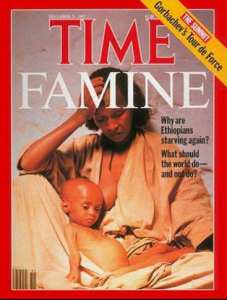
The essay I am reproducing below is a reply to a comment made in my blog by OromianEconomist regarding the pictures and short essay on my blog (You can find them HERE.) in which I referred to the Ethiopian drought of the early 1970’s. This was his comment:
“The same is going on right now in Ethiopia. Authorities are either hiding the presence of famine or stealing the food aid.”
I wrote this initially short reply to the Oromian Economist’s comment on my blog, but then I seemed to just keep writing and writing until it turned into an essay of sorts. The facts are from memory and I realize I need to do some further research and I’d…
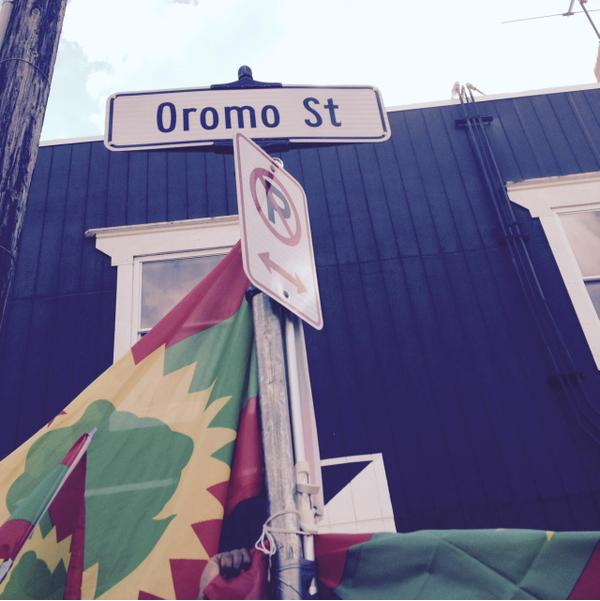
(Advocacy4Oromia, 11 September 2015) Minnesota Oromos get their very own street under their community’s name-Oromo Street, today, 11 of September 2015.
Little Oromia’s ‘Oromo Street’ was officially inaugurated on September 12, 2015.
Minnesota of United States of America is widely known as “Little Oromia” among Oromos with an estimated 40,000 Oromos who flee from their homeland,Oromia, East Africa, due to political persecution.
The Oromo are the single largest national group in Ethiopia, constituting nearly half of the country’s 98 million population.
“Minnesota Oromos get their very own street under their community’s name today! How Awesome!,” said Demitu Argoon her Facebook timeline.
“It is official that the most anticipated commemoration of #Oromo and #Somali street is happening this coming Saturday. Cheers to all my East African immigrants! In celebration, the WestBank communities are hosting 1st Annual Block party. Here is the program breakdowns on Saturday 12, 2015. Can’t wait to park on Oromo street!,” said Edao Dawanoon his Facebook timeline.
“Oromo Street is in effect in Minneapolis, Minnesota. Can’t wait to visit. Thank you America for recognizing the people you saved for the brutal Ethiopian government,” said Birhanie Beka Geleto on her Facebook with a feeling hopeful, from Washington, DC, United States ·
“Minneapolis to officially designate Oromo street in a ceremony on Saturday,” said on its Facebook OPride.com.
Background
This street name was proposed by Abdi Warsame who was born in Somalia and grew up in the United Kingdom of Great Britain where he studied and obtained a B.Sc. in Business and a Masters Degree in International Business.
Following that proposal, the Minneapolis City Planning Commission held a public hearing on Jan. 12 to decide on Council Member Abdi Warsame’s application for commemorative street names along the city’s Cedar riverside area.
Warsame’s proposal called for 4th Street South between Cedar Avenue and 15th Avenue South to be named “Oromo Street,” and for the stretch between 6th Street and Cedar Avenue to 15th avenue South to be called “Somali Street.”
Carmelo Imbesi—APMigrants wait to disembark from the Irish Navy vessel LE Niamh at the Messina harbor in Sicily, on Aug. 24, 2015. Source:- http://time.com/4031569/migrant-crisis-europe-african-refugees/
There is growing concern that Europe may unwittingly divide migrants into two distinct classes
With E.U. leaders finally working on a Europe-wide refugee policy, there is growing concern among some migrants and aid officials that the new policies might unwittingly divide the migrants into two distinct classes—with two different kinds of welcomes.
First, the hundreds of thousands of Syrians fleeing the war back home, whose stunning flight into Europe has seized world attention; and second, the hundreds of thousands of much poorer, less educated newcomers who have also fled dire circumstances in Africa.
As EU officials prepare to meet in Brussels on Monday to hash out an emergency plan, the details are sketchy as to how the continent will integrate the massive influx of migrants who have crossed into Europe from Asia, Africa, and the Middle East. On Wednesday the European Commission President Jean-Claude Juncker made it clear to the EU Parliament that the union’s 28 countries were duty-bound to help host the 160,000 asylum-seekers currently stuck in Greece, Italy, and Hungary, and emphasized that all would be treated equally. “Europe has made the mistake in the past of distinguishing between Jews, Christians, Muslims,” he said. “There is no religion, no belief, no philosophy when it comes to refugees.”
Yet, for some of the 80,000 or so who have landed in Sicily this year—the vast majority African—the promise of fairness for all sounds unconvincing.
Africans who have fled deadly, often forgotten conflicts, or various kinds of persecution—including religious and anti-gay violence—say they believe it could take years to win refugee status or residence in Europe, if they ever receive it at all. Those simply fleeing poverty, and there are many, are not eligible for asylum.
Instead, many predict a long, tough road towards acceptance and employment somewhere on the continent. Several African asylum-seekers in Sicily described overwhelming bureaucratic hurdles towards those goals — a far different picture than the tens of thousands of Syrians whom the E.U. and U.S. now appear willing to host.
Yet both sets of newcomers share one experience: life-threatening journeys to Europe. “”We risked everything to cross the Mediterranean,” says Samate, a tall 17-year-old from Senegal, sitting in a detention center in the Sicilian town of Messina on Wednesday. He said he fled his home last February after separatist rebels in the disputed Casamance region where he comes from tried to draft him into battle. The Italian Coast Guard rescued him and other migrants as they tried to cross the Mediterranean on in late July, and brought them to Sicily.
About half of those who have landed on Europe’s shores this year have been Syrian, according to the U.N. refugee agency, most crossing from Turkey to Greece, before moving quickly on to Austria, Germany and Sweden. But a large portion of the rest are Africans who have crossed from Libya to Italy—a more lethal sea route that has so far killed more than 2,200 migrants this year. Most have arrived after hair-raising treks across the vast, searing Sahara, and then weeks in Libya’s migrant jails. Samate’s five-month journey included working for traffickers in Niger and Libya at meager wages.
Far different from the Syrians clambering off boats in Greece, the Africans land in Sicily penniless and empty-handed. When I ask to see what they carried with them, most look puzzled, then point to the clothes on their back. “I arrived with nothing, not even my documents,” said Mandjo, 16, from Guinea, who fled when religious violence destroyed his village. What little he grabbed as he fled was lost to bandits along the way.
Now, the plight of African refugees like Mandjo risks getting lost amid the Syrian refugee crisis in Europe, aid officials say. “It’s important to us that Europe is now beginning to talk about opening their borders and welcoming refugees,” says Giovanna Di Benedetto of Save the Children in Sicily. “But it is not only Syrians who have to be welcomed.”
To underscore her point, Di Benedetto whips out her iPhone to show me photos of dead African infants whose bodies washed ashore on a beach off Zuwara, Libya on August 28, when their smugglers’ boat capsized. About 200 people drowned when the ship overturned.
Five days later, a photo on a beach off Bodrum, Turkey showed another dead toddler: Aylan Kurdi, a three-year-old Syrian boy. That image finally jolted EU leaders into action. “Syrians of course need help, but they are not the only ones,” Di Benedetto says. Shaking her head at the photos of dead African children on her phone, she says she wonders whether Aylan’s “white skin” made the difference.
On Wednesday, Juncker, the European Commission President, announced a new €1.8-billion fund for Africa that will be financed from the EU’s operating budget. The fund is meant to address “root causes of illegal migration in Africa,” and Juncker expects individual European countries to “pitch in” with more money to effectively persuade Africans to stay at home, rather than move to Europe. He said the money would help generate jobs in Africa, thus reducing “destabilization, forced displacement and illegal migration.”
Such programs, sorely needed, could take generations to work, however. In the meantime, thousands of African migrants await settlement inside Europe’s borders.
How the EU will address this more immediate problem that problem is less clear than the issue of the new Syrian arrivals. “The EU is talking about the Syrians,” says Valeria Morace, an Italian working in the Messina center for unaccompanied minors. “But politicians don’t talk about Africans in general, because they are not really doing anything for them.”
“The alienated consciousness is correlative with a money economy. Its root is the compulsion to work. This compulsion to work subordinates man to things, producing at the same time confusion in the valuation of things and devaluation of the human body. It reduces the drives of the human being to greed and competition… The desire for money takes the place of all genuinely human needs. Thus the apparent accumulation of wealth is really the impoverishment of human nature, and its appropriate morality is the renunciation of human nature and desires – asceticism. The effect is to substitute an abstraction, Homo Economicus, for the concrete totality of human nature, and thus to dehumanize human nature. In this dehumanized human nature man loses contact with his own body, more specifically with his senses, with sensuality and with the pleasure-principle. And this dehumanized human nature produces an inhuman consciousness, whose only currency…
BBC’n tamsaasa eegaluuf karoorfachuun alatti afaan tamsaasni isaa ittiin darbu afaan kam kam akka ta’uuf deemu ammatti wanti ibse hinjiru. Kan fuulleffate Itoophiyaafi Eertiraa irratti waan ta’eef Amaariffaafi Tigriffi nihafa jedhee kan yaadu hinjiru. Jidduu kanatti kan dagatamuuf jiru, akkuma ummata isa dubbatuu, Afaan Oromooti.
Rakkoon BBC’n nifura jedhee yaadu kanniin irra jireessatti kan dhadhamaa jiru Oromoodha. Oromoon kan dubbatuufi kan qajeelatti hubatu afaan isaati. Kanaaf BBC’n rakkoo furuu ykn qaawwala cufuuf deemu san qajeelatti cufuu fedha yoo ta’e, bifa kamiinuu Afaan Oromoo dagatuun irra hinjiraatu. Afaan Oromoo afaan BBC’n ittiin tamsaasu ta’uun kan fayyadu Oromoofi kanniin Afaan Oromoo dubbatan qofaa miti. Kaayyoon BBC’s akka salphatti galma gayuu ykn milkaayuu kan danda’au tamsaasnin yaadame kuni Afaan ummanni miliyoona 40 olitti tilmaamamu dubbatutti yoo dhimma baye. Afaan Oromoo dhiisanii afaan lamaan qofaan tamsaasuu jechuun garaacha gara alaa miicanii isa gara keessaa dhiisuu wolfakkaata. Miicuun yoo hinoolle luf godhaniiti.
BBC’n Afaan Oromootiin akka tamsaasuu waamicha kan dhiheessan Dr. Birhaanamasqal Abbabaa Sanyii fi Girmabbaacabsaati. Sodaa ykn shakkii BBC’n Afaan Oromoo nidagata jedhu ta’uu hinoolle kan Dr. Birhaanamasqal faa gara murtii dursanii waamicha dhiheessuutti isaan geesse. Hirmaannaan hunda keenyaa Afaan Oromoo gara BBC’tti fiduu akka danda’u hinshakkinaa. Tamsaasa Afan Oromoo BBC irraa darbu kan dhagayuu hawwu hundi waamicha godhameef kana awwaachuu qofa kan isarraa eeggamu. Waamicha BBC’f godhame irratti hirmaachuu kan feetan as bira cuqaasa.
No tanker trucks needed, no pipelines, no roads, no utilities, no security forces to defend them, and no government back-room-deals with oil and gas companies.
Notes on Cinnamon Country and the “Peace of Jamjam”: Towards a Reconstruction of Ancient Oromo History
Daniel Ayana PhD & Professor
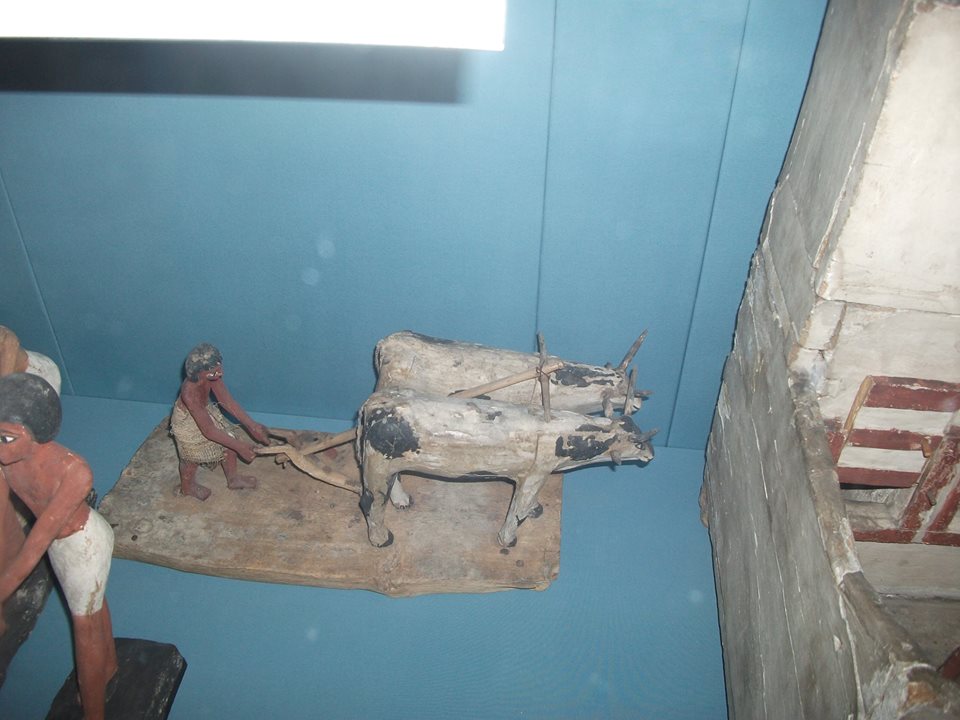
This article is a summary of my presentation at a recent OSA conference. It is posted here in response to requests from the audience. The topic attempts to answer two interrelated questions: what do ancient Greek, Latin, and Arabic sources say about the Oromo? When did a written source first report a functioning Gadaa System? Keywords: Bia-Punt, Harusi, Jamjam, cinnamon, Cinnamon Country, Ilmawaaq, social construction, harusi ada, mna daho A variety of sources indicated the Oromo played a significant role in the ancient world, dating back to Egyptian New Kingdom times (1570-1069 B.C.E.) and here we refer to them as Proto-Oromo. Greek and Latin sources emerged following Alexander the Great’s conquest from the Mediterranean Sea to India (336-323 B.C.E). The nineteenth century classist Sir Harry Johnston has posited that first Egyptian Pharaohs, then the Persians and finally the Greeks ruling Egypt relied on the ancestors of the Oromo for information on the sources of the Nile River. The desire to learn the source of the Nile was not a mere curiosity. The Greeks in particular were interested in gathering commercial and geographic intelligence about African coasts of the Red Sea and Gulf of Aden for two reasons. The first was the search for the origins of spices: frankincense, myrrh and cinnamon. These spices were expensive as gold because they were in high demand for uses in religious rituals and to fumigate the homes in the crowded ancient cities. While frankincense and myrrh were obtained from ancient South Arabia (today’s Yemen) and northern Somali maritime zone, the source of cinnamon, burguda, was a mystery. This is because the South Arabian intermediaries concealed the sources of cinnamon to maintain a monopoly on its commerce. Alexander’s successors in Egypt were naturally interested in finding direct access to the source of cinnamon. The second was to capture live elephants to use in warfare, just as the Indians did against Alexander and the Greek army. Thus, the Greeks ruling over Egypt established trapped-elephant collecting stations along the African Red Sea littoral, today’s northern Somali coast, as far as Cape Guardafui. The geographic and commercial intelligence gathered in these projects provided new information that shed light on the regional environment, resources, cultural and political situations. This information were subsequently compiled into books. Many of these books were lost but some have survived. In the surviving sources today’s Oromo land is referred to as the Cinnamon Country.
Hedduun keenya ob.Baqqalaa Garbaa osoo inni hinhidhamin dura irra jireessatti oduudhaan beekna. Yeroo inni mana hidhaa tureefi mana murtii deddeebi’us daran isa barre, waa’ee isaa kan odeeffamus hanga tokko dhageenye. Baqqalaa qajeelatti kan barre, akka yaada namoota hedduutti, erga inni mana hidhaatii bayee asi.
Ob. Baqqalaan sabboonaa Oromoo isa dhugaati. Isa waan itti amanu hojjatuufi isa saba isaaf jedhee lubbuu isaafi jireenya maatii isaa hallayyaa irraan tiratu. Baqqalaan nama rakkoo Oromoo hubatuufi nama ammas daandiin hallayyaa rakoofi qaanii kana keessaa ittiin baanu itti mul’atu. Baqqalaan sabboonaa figoota Oromoo qofa osoo hintaane gamnaafi nama siyaasni galeef. Egaa Woyyaaneen murataafi dhimma oromoo irraa akkas dubbataa kana kan ganna hedduuf nurraa hiitee dararaa turte. Oromoof namni gaariin hinbarakatu. Kan mataa olqabate, dhugaa qabatee waa’ee saba isaan quuqamaa dubbate mootummaan usee hin ilaalu. Namni ummtaaf firaa mootummaaf diina. Mootummaan yeroo hunda isa ummnni jaalatuufi abdatu kan hidhee itti taphatu. Kan abshaalummaafi bilchinaan fundura isaa dhabbate mootummaan ilkaan itti qarate.
Even as the United States government continues to push for the use of more chemically-intensive and corporate-dominated farming methods such as GMOs and monoculture-based crops, the United Nations is once against sounding the alarm about the urgent need to return to (and develop) a more sustainable, natural and organic system.
The cover of the report looks like that of a blockbuster documentary or Hollywood movie, and the dramatic nature of the title cannot be understated: The time is now to switch back to our natural farming roots.
The New UN Farming Report “Wake Up Before It’s Too Late.”
The New UN Farming Report “Wake Up Before It’s Too Late.” Click here to read it.
The findings on the report seem to echo those of a December 2010 UN Report in many ways, one that essentially said organic and small-scale farming is the answer for “feeding the world,” not GMOs and monocultures.
According to the new UN report, major changes are needed in our food, agriculture and trade systems, with a shift toward local small-scale farmers and food systems recommended.
Diversity of farms, reducing the use of fertilizer and other changes are desperately needed according to the report, which was highlighted in this article from the Institute for Agriculture and Trade Policy.
It also said that global trade rules should be reformed in order to work toward these ends, which is unfortunately the opposite of what mega-trade deals like the proposed Trans Pacific Partnership (TPP) and the U.S.-EU Trade and Investment Partnership (TTIP) are seeking to accomplish.
The Institute noted that these pending deals are “primarily designed to strengthen the hold of multinational corporate and financial firms on the global economy…” rather than the reflect the urgent need for a shift in agriculture described in the new report.
Even global security may be at stake according to the report, as food prices (and food price speculating) continue to rise.
“This implies a rapid and significant shift from conventional, monoculture-based and high-external-input-dependent industrial production toward mosaics of sustainable, regenerative production systems that also considerably improve the productivity of small-scale farmers,” the report concludes.
You can read more about the report from the Institute by visiting their website here.
One of the most common misconceptions about the challenges in food security (the term used to describe getting people consistent access to the food they need), is that it exists due to a lack of food. That’s just not true. In fact, the world already produces more than one and a half times enough food to feed everyone on the planet. So what gives?
First, it’s important to understand that being food insecure isn’t just about lacking enough food to put on the table. It’s also about lacking access to diverse nutrient-dense foods like fresh produce. In this way, some people who are obese can actually be considered food insecure if the food they consume isn’t nutritious.
Here’s a rundown of the factors leading to food insecurity.
1) The most obvious is that people can’t afford nutritious food. While it’s up to governments to ensure that healthy, affordable food is available at all times, addressing the root causes of inequality will also go a long way towards empowering people to earn higher incomes.
2) Another barrier that stands in the way of food security is a lack of access. Around the world, people can find themselves in one of two dangerous situations: they live in areas so remote that there are limited options nearby, or they live in food deserts (urban neighborhoods or towns that lack ready access to fresh, healthy, and affordable food.) When the latter is true, families end up buying their food from convenience stores (think 7-11) and fast food chains- both which are filled with unhealthy, processed food.
3) Distribution can be just as much of a challenge when you consider all of the things that can go wrong between food leaving its point of production to its point of sale. In the developing world, many of the roads are poorly maintained and there are few high-quality railways to transport goods to a centralized market. Imagine a one-lane dirt road in the middle of a heavy rainstorm. If a truck is delayed and it lacks adequate temperature control, much of the food could go bad before arriving at its destination. That’s a problem for the farmer, and the consumer.
4) As the planet has grown warmer and prone to more extreme weather events, small-scale farmers are paying the price. Droughts and heavy rainfall affect crop yields, and poor farmers can’t bounce back the same way that large agribusiness can. This affects consumers as well, who end up paying more when food becomes scarce. To protect farmers and consumers, world leaders and governments need to work with local farmers to fix the existing systems that leave small-scale farmers vulnerable.
5) Conflict and political instability have the power to wreak havoc on already fragile systems by interrupting distribution and isolating people. Food aid can help, but it must be done the right way- with consideration of what the local people eat, and with the intention of minimizing dependence on foreign aid.
6) Lastly, too many small-scale farmers aren’t empowered to reach their full potential– especially women. In many countries, laws exist that prevent women from inheriting the land they’ve spent their entire lives working on when their fathers or husbands pass. Similarly, women are often prevented from purchasing land, and prevented from selling their food at the market. By empowering women, more families will have the opportunity to thrive, especially since women invest more of their income in their families than men.
Furthermore, men and women alike need access to education to learn the most effective ways to grow and sell food, and they need the resources to implement the strategies they’ve learned. Without these changes, small-scale farmers are missing out on a tremendous opportunity to not only lift their families out of poverty but also to provide their communities with delicious, healthy food.
While it might feel daunting to consider how many barriers stand in the way of food security, the silver lining is that it isn’t some mystery. Experts understand what needs to be done to feed the world’s people- it’s just a matter of building support and implementing proven strategies.
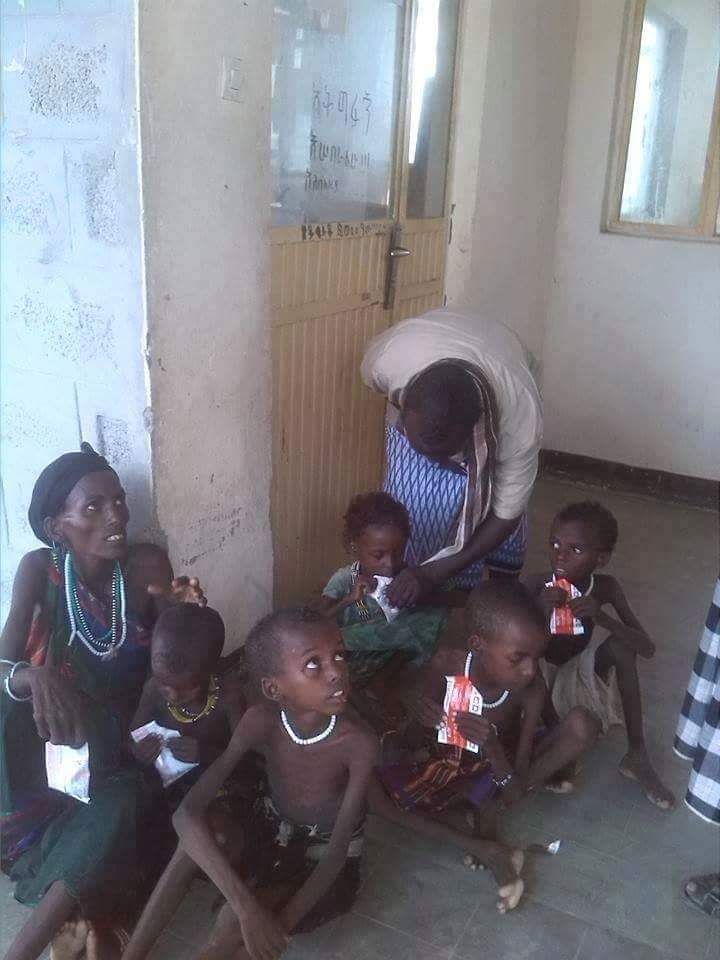
Ethiopia says it is managing crisis though UN says number in need has increased by more than 55 percent this year.
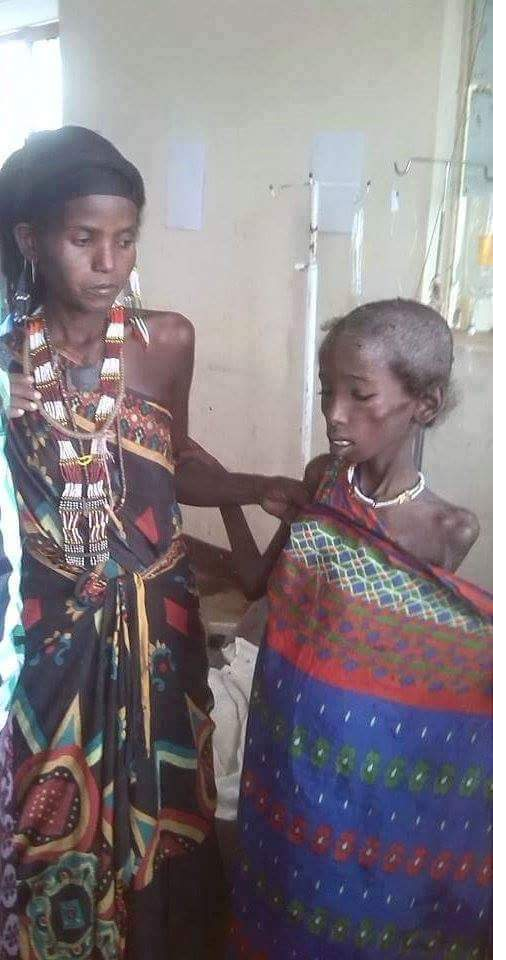
(Al Jazeera, 5th September 2015) – Around 4.5 million Ethiopians could be in need of food aid because of a drought in the country, the UN has said.
Hardest-hit areas are Ethiopia’s eastern Afar and southern Somali regions, while pastures and water resources are also unusually low in central and eastern Oromo region, and northern Tigray and Amhara districts.
Reacting to the UN’s claims that the number in need had increased by more than 55% this year, Alemayew Berhanu, spokesperson for Ministry of Agriculture, told Al Jazeera that Ethiopia had “enough surplus food at emergency depots and we’re distributing it”.
“When we were informed about the problem, the federal government and the regional state authorities started an outreach programme for the affected people,” he said.
In August, the Ethiopian government said that it had allocated $35m to deal with the crisis that has been blamed on El Niño, a warm ocean current that develops between Indonesia and Peru. The UN says it needs $230m by the end of the year to attend to the crisis.
“The absence of rains means that the crops don’t grow, the grass doesn’t grow and people can’t feed their animals,” David Del Conte, UNOCHA’S chief in Ethiopia, said.
One farmer in the town of Zway told Al Jazeera that he was selling personal belongings to stay alive.
“There is nothing we can do. We don’t have enough crops to provide for our families. We are having to sell our cattle to buy food but the cattle are sick because they don’t have enough to eat,” Balcha, who has a family of nine, and grows corn and wheat, said.
El Niño
The onset of El Niño means the spatial distribution of rainfall from June to September has being very low. According to the UN children’s agency (Unicef), the El Niño weather pattern in 2015 is being seen as the strongest of the last 20 years.
Experts say it could be a major problem for the country’s economy, as agriculture generates about half of the country’s income.
Climate shocks are common in Ethiopia and often lead to poor or failed harvests which result in high levels of acute food insecurity.
Approximately 44% of children under 5 years of age in Ethiopia are severely chronically malnourished, or stunted, and nearly 28% are underweight, according to the CIA World Factbook.
Unicef says that about 264 515 children will require treatment for acute severe malnutrition in 2015 while 111 076 children were treated for severe acute malnutrition between January and May 2015
The Afar were denied their fundamental right to vote for and elect their representatives and leaders. They are no exception in today’s Ethiopia. That is they have to fight together with the rest of the Ethiopians to dismantle this apartheid regime that has denied them their basic civil and democratic rights.
PRESS RELEASE
Afar Revolutionary Democratic Unity Front (ARDUF)
Over the past one quarter century of its rule the TPLF mafia group has created a number of puppet organizations to represent various national groups in Ethiopia particularly in the so called backward regions of Somali, Ben Shangul, Gambela and Afar. But none is loyal to its masters in Mekele than the Afar regional leaders in Samara, as the regional capital is now known, none is glued as an appendix to TPLF than APDPA or ADE as it is known locally.
This particular relation between TPLF and ADE has its own reasons. Some are historical others are due to the fact that the Afar region occupies in long range strategy of the TPLF. This “QADE” mafia gang originally was part of TPLF itself. They brought them or assigned them into the power by TPLF to make the Afar politically unpredictable, economically weak and infrastructurally underdeveloped, and to impose Tigray ethnic hegemonic control forcibly over the Afar people. The three regional leaders who came with TPLF are Ismail Ali Sirro, Awal Seyoum and Mohamed Anbatta are still in power in the Afar region. One as President, one as Security Official and the third as speaker of the regional Parliament. The longest serving region leader Ismail Ali Sirro is already elected to the National House of Representatives. So by definition he is not liable any more to be President of the Afar region.
The current Executive Committee of the ruling Party (ADNP) has disgracefully failed to elect a new President for the region due to the deep political division and corruption caused by the outgoing puppet President Ismail Ali Sirro who claims that the Afar will be at each other’s throat if he quits. The fact is that the rampant corruption, bad governance, maladministration, discrimination and tribalism policies planted by TPLF in the puppet officials of the Afar region is going to put the Afar region into violent chaos and anarchy, but not because Ismail Ali Sirro is replaced. The Executive Committee left for Mekele as they do every time, they are not able to settle their differences. Every Afar official in Samara has his own lord in Mekele with whom he shares the money he pockets from his corrupt practices. The three puppets are afraid not to be accountable for their crimes, but one day they will have to face the reality. They want to make sure that their cronies are placed in their places. Recently, over a hundred innocent people are arbitrarily and unlawfully arrested in the Afar region because they protested against those practices.
Constitutionally, all federal regional states are equally accountable to the Federal Constitution, while the Afar Regional State is accountable to the Tigrai Regional State and it ruled from Mekele directly. Afar people have no say in deciding their own destiny. It is a fact that, corruption, famine, insecurity and instability which are currently facing the Afar is directly linked to the climate of unethical, unskilled and inexperienced leadership inability of the so called Afar Democratic National Party (ADNP). While the whole Ethiopia and probably the world is worried about the hunger and starvation which killing both the livestock and human beings in the Afar region, the regional officials are in standoff as they were not able to elect the Executive Committee.
They are waiting an arbiter from Mekele to arrive. The Afar were denied their fundamental right to vote for and elect their representatives and leaders. They are no exception in today’s Ethiopia. That is they have to fight together with the rest of the Ethiopians to dismantle this apartheid regime that has denied them their basic civil and democratic rights.
Victory to the Ethiopian people!
Victory to the heroic ARDUF/UGUUGUMO
Military Command Centre (MCC)
Information Desk
Afar Revolutionary Democratic Unity Front (ARDUF)
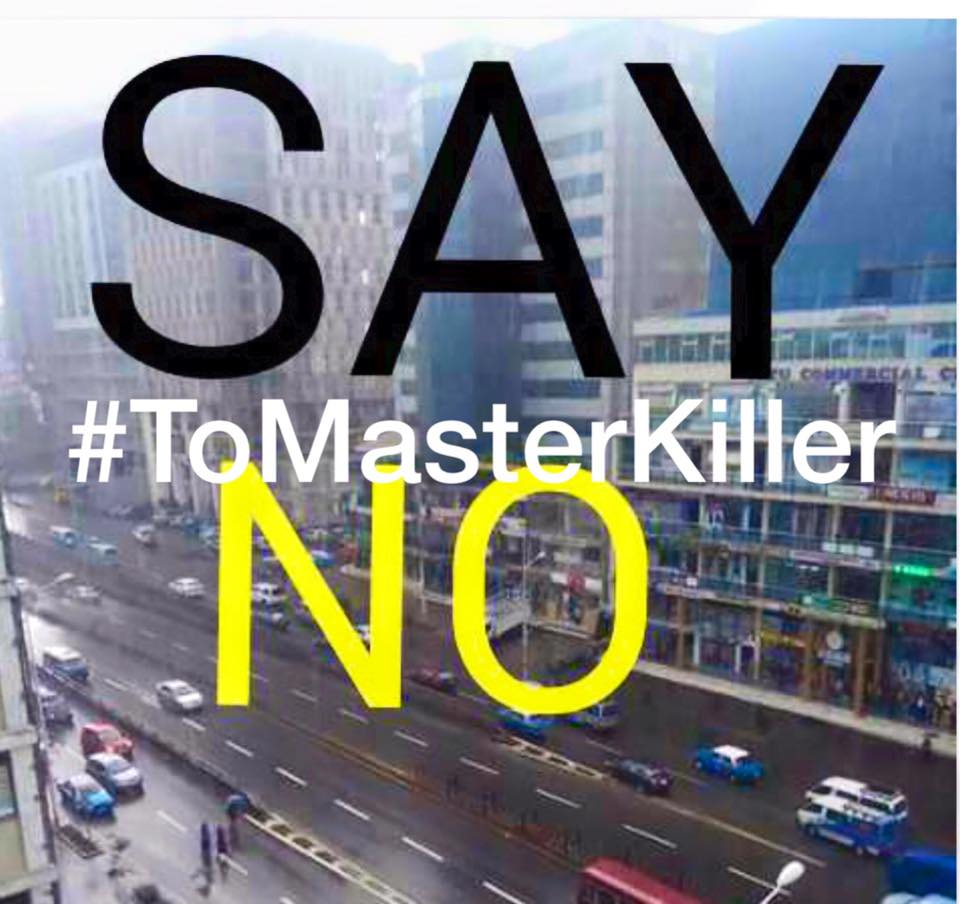
Say no to the master killer. Addis Ababa master plan is TPLF’s grand genocidal plan against Oromo people.
”As we have heard #TheMasterKiller implementation is just around to evict thousands of Oromos from their land and homes. More then that to destroy Oromummaa as well. In addition also The So Called Master Killer will cut Oromiyaa into two like Gaza and West-bank. Guess what will happen then?. We must all stand together and stop this, remember last time mostly students were participated but this time around we must all prepare for inclusive resistance (all of us) to save guard Oromiyaa and Oromummaa. Remember without OROMIYAA NO OROMOS!” OFC
Exposed: Forced evictions in Ethiopia – what the UK government tried to cover up.
Survival International, 3 September 2015
The UK government has tried to suppress evidence of gross human rights violations in Ethiopia’s Lower Omo Valley, such as the forced resettlement of the Bodi and other tribes.
The U.K. government tried to suppress evidence of gross human rights abuses in Ethiopia to appease the government there, a new investigation by Survival International, the global movement for tribal peoples’ rights, has revealed.
The U.K. authorities refused to release the missions’ reports under the Freedom of Information Act, saying their disclosure would significantly prejudice international relations. But Survival then appealed to the European Commission, which has released them.
The reports reveal:
– That the Ethiopian government has not obtained the consent of tribes of the Lower Omo to their resettlement;
– It has pressured and threatened them into leaving their lands – in some cases in fear for their lives;
– One tribal group told the donors, “before you come back next year, the government will come to kill and finish us”;
The reports of two donors missions to the Lower Omo Valley reveal that land grabs deny the tribes access to the river banks they need for cultivation.
– That land grabs associated with large scale plantations deny the tribes access to ancestral grazing and farming lands on which they depend for survival, and to the river banks they need for cultivation;
– On the conditions in one resettlement site the report states, “Their situation during our visit was deplorable; the absence of sanitation means the villagers are suffering from diseases such as bloody diarrhoea, malaria and unspecified headaches … Despite the dire circumstances in [name redacted], residents say the Government does not allow this impoverished and vulnerable group to move
out”;
– Donor guidelines designed to ensure that resettlement complies with international law have been routinely ignored.
Survival International has been urging the international donors to freeze further aid to the Lower Omo Valley until the human rights abuses are stopped, but virtually no action has been taken. The U.K.’s 2014-15 aid budget to Ethiopia exceeds £360 million.
Survival’s Africa campaigner Elizabeth Hunter said today, “It took DFID almost two years to investigate allegations of serious human rights violations in the Lower Omo. The reports it desperately tried to prevent the British public from reading show just how far it will go to cover up gross human rights abuses carried out by a regime which receives hundreds of millions of pounds of UK taxpayers’ money. While entire tribes are subjected to violence, the destruction of their homes and livelihoods, and the theft of their land on a staggering scale, the UK government turns a blind eye in the name of political and economic expediency.”
Background:
Around 200,000 tribal people live in the Lower Omo. Many have suffered from brutal repression, forced relocation, and prejudice from a government that views them as “backward” and in need of “modernization.” One expert has warned that the loss of their land and resources will lead to a “humanitarian catastrophe,” and one of the mission reports warns that the influx of more than 500,000 workers into the area is “likely to significantly increase the risk of conflict.”
Survival has received reports that the Kwegu are starving following the construction of the Gibe III dam.
The central findings of the donor missions were covered up in a letter to the Ethiopian government, published in February 2015. The letter sanitised the reports’ conclusions to the extent that the Ethiopian press was able to claim that the donor missions had “found no evidence of people being forced to move for either resettlement for agricultural development projects in the areas they visited,” and that it “found none of the problems claimed by Survival International or Human Rights Watch and others …”
In March 2015, Survival received disturbing reports that many of the small Kwegu tribe are starving as a result of the destruction of their forest and the death of their river following the construction of the Gibe III dam and associated irrigation schemes.
– Download the full reports of the donors’ visits to South Omo and Bench Maji in the Lower Omo Valley
My experience with some Habeshas is that they lack awareness of what offends and what does not offend others. They say things without thinking about others’ feelings. Gossiping about others (especially dark skinned persons) is a day to day duty for some Habeshas. In fact, badmouthing dark skinned individuals is encouraged and supported by others in Habashas’ culture. The Anyuaks, on the other hand, despise gossiping so much that it is almost a taboo in their culture. The Anyuaks’ cultural norms forbid them from saying things that may offend others. Badmouthing some one, especially if he/she is not present, is met by immediate condemnation by others in Anyuak culture. Thus, individual Anyuaks barely say bad things about others. With so many ignorant and narrow minded population of her own, my fear for Ethiopia is that one day she will break into pieces. My biggest fear is that one day the rest of the ethnic groups in Ethiopian will get fed up with the ignorance and the unwillingness to learn by some Habeshas and breakaway from Ethiopia. I call on all Habeshas who have not yet come to terms with the reality of the world to start permitting themselves for learning, because the 21st century offers no excuse for choosing to remain ignorant.
The difference between being an Ethiopian and being Habesha
By Magn Nyang, Sudan Tribune, February 17, 2009
Recently, a 22-year old young girl from Anyuak of Gambella won the beauty contest of Ms. Ethiopia. Lots of responses went out on media from Ethiopians all over the world about her win. Even though, most respondents seemed very knowledgeable about the differences between being an Ethiopian and being Habesha, few seemed confused about the differences. In their writings, the confused ones, wrote as if they own Ethiopia and as if being an Ethiopian means being Habesha. This article seeks to show the differences between being an Ethiopian and being Habesha.
The Habesha are those people who are from the North part of Ethiopia, specifically, the Tigre, the Agew, the Beta Israel and the Amhara. The Anyuaks of Gambella are from Southwest of Ethiopia. These two groups led their lives and their history seperately. The Anyuaks had their own history in the Southwest dating back to 2,000 years.
Some 2,000 years ago, the Anyuak country, as it was called, was situated between Southwestern Oromo land, present day part of Ethiopia to Pibor River and to the West up to Nyium, present day Nasir in the Sudan.
The Anyuak country was divided by four main Rivers- the Akobo, Openo, Alworo, and Gillo. The Anyuaks had seven administration states- Adongo, Ciro, Nyikaani, Lul, Tier Naam, and Openo under one Nyeya (king) rule. Each state had its own autonomous administration. They had rights to choose from the two Anyuaks’ political systems- Nyech (kingship) or Kwar (headman-ship). The fact of the matter is Anyuak country was never part of Ethiopia or Sudan before 1902. The integrity of Anyuak country came to an end when it came under nominal British control from 17th to the 18th century followed by Ethiopian invasion. On May 15, 1902, after complicated and prolonged negotiations, Emperor Menelik II of Ethiopia signed the Anglo-Ethiopian agreement that established his Western frontier with the Anglo-Egyptian Sudan. This treaty divided the Anyuak land in two, portioned it amongst the bordering countries Sudan and Ethiopia, without the consent of its leaders. The Southwestern part remained under British control as part of Sudan and the Eastern part became part of Ethiopia under the name Gambella. The word “Gambella” means “Catching a male Tiger with bare hands” in Anyuak.
The Habesha history goes back to the Axumite Empire in the first century A.D. It was documented that around first century A.D., some Hamitic-Semitic peoples (Sabaean traders) from South Arabian came into contact with native people and intermarried. Their off-springs were referred to as “Habesha”, which means “people of mixed blood”. Their land (Tigray, Begemdir, Gojam, Northern Shewa, and Welo) was later termed Abyssinia. It was only when the Abyssinia state exhausted its scarce resources that its leaders expended its frontiers South and Westward in order to amass the resources needed to feed their subjects. Per advice from Count Pietro Antonelli, an Italian with geographic Society mission in Abyssinia, the state of Abyssinia combined with the newly added states of the South and the West, were later referred to as “Ethiopia”
Since the Anyuak country was portioned to Ethiopia in 1902 under the name of Gambella, the Anyuaks became Ethiopians, not Habeshas. The Anyuaks, like the rest of Ethiopians (Afar, Adari, Oromo, Somalis, Gurage, Koman, Kunama, Sidama, Berta, Kembata, Amhara, Tigre, and so on—) are proud Ethiopians. And as long as the contest was held for Ethiopians, not for Habeshas, the Anyuaks have all the rights to participate in it. After all, they were called upon to fight side by side with their Ethiopian fellow citizens to defend Ethiopia in times of need. Therefore, why would they not participate in Ethiopians’ beauty contest?
And if some uneducated Habesha foolishly believe that they are the owners of Ethiopia and get offended instead of applauding when their fellow Ethiopian from Gambella wins the beauty contest, I suggest that they start holding their own Habesha beauty contest and we, the non-Habesha Ethiopians will not participate in it. What some ignorant Habeshas need to know is that the Anyuaks are Ethiopians by the virtue of geographical birth. By being born within the geographical area of Ethiopia, the Anyuaks are Ethiopians.
No Ethiopian is more Ethiopian than the other. One is only an Ethiopian, no more, no less. Some Habeshas, however, seem to see themselves as more Ethiopians than the others. What they don’t seem to understand is that one can not quantify one’s citizenship. One can only be Ethiopian. Not more Ethiopian.
One thing I learned from my education and professional background is that those who put others down or those who think of themselves as superiors, are actually suffering from inferiority complex unconsciously. One who is self assured and confident sees no need to put others down to feel good about himself/herself. Some Habashas suffer from inferiority complex. They are always bent on looking for ways to put others down in order to feel good about themselves. And the outrage responses we recently witnessed from some Habeshas about the winning of Ethiopians’ beauty contest by a young girl from Gambella was not only a manifestation of ignorance, it was also a manifestation of inferiority complex.
In my youth, I lived in Addis Ababa. I even went to high school there (I spent my teenage years in Addis Ababa). I can say with confidence that I know both the Anyuaks and the Habeshas very closely. My experience with some Habeshas is that they lack awareness of what offends and what does not offend others. They say things without thinking about others’ feelings. Gossiping about others (especially dark skinned persons) is a day to day duty for some Habeshas. In fact, badmouthing dark skinned individuals is encouraged and supported by others in Habashas’ culture. The Anyuaks, on the other hand, despise gossiping so much that it is almost a taboo in their culture. The Anyuaks’ cultural norms forbid them from saying things that may offend others. Badmouthing some one, especially if he/she is not present, is met by immediate condemnation by others in Anyuak culture. Thus, individual Anyuaks barely say bad things about others.
With so many ignorant and narrow minded population of her own, my fear for Ethiopia is that one day she will break into pieces. My biggest fear is that one day the rest of the ethnic groups in Ethiopian will get fed up with the ignorance and the unwillingness to learn by some Habeshas and breakaway from Ethiopia. I call on all Habeshas who have not yet come to terms with the reality of the world to start permitting themselves for learning, because the 21st century offers no excuse for choosing to remain ignorant.
The writer is a son of Gambella and can be reached at magnnyang@yahoo.com
Oromia Insight Prof Asafa Jalata Oromo and Oromumma
Oromia Insight Prof Hamdesa The mythical Ethiopia and the real Ethiopia Part One
Oromia Insight (OVR): PART-2 – Conversation with Legal Experts Dr. Awol Allo and Tsegaye R. Ararssa on the Speech of Abay Tsehaye & Implications
This week (23rd February 2015), Aliye Geleto, the host of OVR English Program, Oromia Insight, talks to two Special Legal Experts: Dr. Awol Allo and Tsegaye R. Ararssa on the Speech of Abay Tsehaye & Implications.
Dr. Awol Allo is LSE Fellow in Human Rights at the Centre for the Study of Human Rights and Department of Sociology. He holds degrees from Addis Ababa University (LLB) and the University of Notre Dame (LLM, International Human Rights Law), and completed his PhD at the University of Glasgow; and Mr. Tsegaye R. Ararssa is Doctor of Philosophy (PhD) Graduate Research Student at the University of Melbourne. http://advocacy4oromia.org/2015/02/25/oromia-insight-ovr-conversation-with-two-legal-experts/






























 Oromian Economist
“The same is going on right now in Ethiopia. Authorities are either hiding the presence of famine or stealing the food aid.”
He included the below link to an article written about the current drought which I suggest you read. https://oromianeconomist.wordpress.com/2015/08/27/the-cause-of-ethiopias-recurrent-famine-is-not-drought-it-is-authoritarianism/ My comments follow below.
Leaves in a Dry Wind