Economic and development analysis: Perspectives on economics, society, development, freedom & social justice. Leading issues in Oromo, Oromia, Africa & world affairs. Oromo News. African News. world News. Views. Formerly Oromia Quarterly
The Oromo Federalist Congress (OFC/Medrek) campaign tour has continued in south and south western Oromia. On the 19th and 20th May 2015 , the campaign tour made a stop at Beddelle in Illuu Abbaa Boora, South Western Oromia (led by Baqqalaa Garbaa) and in Shaakkiso & Bule Hora in Guji/Borana, Southern Oromia (led by Baqqalaa Nagaa).Yet again, the OFC rally drew massive turnouts in thousands as potential voters, who braved the constant harassment and intimidation of Ethiopia’s tyrannic TPLF regime to express their solidarity with OFC/Medrek. https://www.oromiamedia.org/2015/05/omn-oduu-caamsaa-19-2015/ Here are some of the pictures from Bule Hora viral in social media:- Deeggarsi Caamsaa 19 fi 20 bara 2015 Magaalaa Bulee Horaatti Barreessaa Olaanaa Koongirensii Federaalawaa Oromoo Obbo Baqqalaa Naggaaf Godhamaa Ture Hedduu Kan Nama Gammachiisuu fi Nama Boonsu Dha.
Oromo culture from ancient to present, Irrechaa time
Oromo nation and Gadaa system
Please do not call the Oromo people (the Oromians) a tribe and by extension all African nations and nationalities:
You know Why?
Read the following: What Achebe wrote referring to his Igbo people is equally applicable to the Oromo.
Chinua Achebe the renowned African novelist and poet, the author of Things fall apart, the best known and best selling novel ever in his book Home and exile (Oxford University Press, 2000, pp.3-5) says the following:
“The Igbo people of south eastern Nigeria are more than ten million and must be accounted one of the major peoples of Africa. Conventional practice would call them a tribe, but I no longer follow that convention. I call them a nation. ‘Here we go again!,’ You may be thinking. Well, let me explain. My Pocket Oxford Dictionary defines tribe as follows: ‘group of people (esp. primitive) families or communities linked by social , religious or blood ties and usually having a common culture and dialect and a recognized leader.’ If we apply the different criteria of this definition to Igbo people we will come up with the following results:
a. Igbo people are not primitive; if we were I would not be offering this distinguished lecture, or would I?;
b. Igbo people are not linked by blood ties, although they may share many cultural traits;
c. Igbo people do not speak one dialect; they speak one language which has scores of major and minor dialects;
d. and as for having one recognized leader, Igbo people would regard the absence of such a recognized leader as the very defining principle of their social and political identity.
Therefore, all in all, Igbo people would score very poorly indeed on the Oxford dictionary test for tribe.
My little Oxford dictionary defines nation as, ‘ a community of people of mainly of common descent, history or language, etc, forming a state or inhabiting a territory. This may not be a perfect fit for the Igbo, but it is close. In addition I like it because, unlike the word tribe, which was given to me, nation is not loaded or derogatory, and there is really no good reason to continue answering a derogatory name simply because somebody has given it to you.”
We see the word everywhere: throughout news reports of African struggles, in old films and on the latest television shows. You’ve probably even heard it used in a recent class covering topics related to history or anthropology.
“Tribe” has become a well-known, frequently used word to describe a particular group of people, specifically within a non-Western nation. The word seems to predominantly flood media outlets when an African ethnic group is involved in conflict or famine.
According to the Oxford Dictionaries’ newest definition of the word, a tribe is described as, “A social division in a traditional society consisting of families or communities linked by social, economic, religious, or blood ties, with a common culture and dialect, typically having a recognized leader.”
But what exactly are we implying when we use the word “tribe?” In an African context, when did this word originate and what words can we use as alternates?
Assan Sarr, assistant professor of history at Ohio University, says the word tribe first began spreading throughout Africa during the Scramble for Africa, or the period of European colonization of the continent.
“For much of Africa it seems that the word tribe became associated with the continent more during the 19th century, which means that it coincided with European imperialism,” Sarr says. “So, for Africans, the use of the word is really wrapped up in colonialism and that is one of the major reasons why Africans, or scholars who work on Africa, do not prefer the use of the term tribe to describe Africans.”
With a powerful history and past, the word “tribe” reflects social theories of the 19th century regarding stages of evolution and primitivism.
Even today, many negative connotations and falsities have continued with the use of the term to describe certain peoples within continents like Africa. The fallacies provoked by this pejorative language can include visuals of ethnic groups as clusters of half naked, barbarous, uncivilized and uneducated individuals with long feathers in their hair or spears in hand.
Definitions of the word also seem to point toward a society that exists outside of the state, one that is simple, small and static, and without the same structure as that which may be found in other complex societies and civilizations.
Sarr says the discrepancies are easily noticeable when comparing a commonly labeled tribal group, such as the Igbo, with that of Flemings, or the Flemish. The Igbo and Flemings are similarly categorized by their language and culture, and the Igbo are actually drastically greater in size — yet only the Igbo are considered a tribe.
“You don’t hear of the Irish tribe, or the Italian tribe, or the Spanish tribe. It’s always the various Arab tribes, or the Indian tribes, or the African tribes and that, for me, is one of the most potent issues that we need to be aware of. Here we are essentializing these people, we’re making them look distinctive,” Sarr says. “You are using it to refer to a group of people that share a certain historical experience, certain cultural traits, a language. This seems to me to be the perfect definition of an ethnic group, so why use the word tribe?”
Americans and Westerners are not the only people using this term, as some Africans refer to themselves as a part of a tribe. However, Sarr says that Africans do not use this word with the same assumptions and implications as those who brought it to the continent in the 19th century, or as those who may use it today in Westernized states.
In fact, as mentioned in Talking About Tribe by Africa Action, when some Africans are taught English, they are told that the correct, recognizable word to describe their ethnic group is “tribe.” In their own language, such as Zulu, the word used to describe their ethnic group actually translates to “people” or “nation.”
People and nation are two alternatives of tribe that can also be used in English to portray these multifaceted groups. Using the term “ethnic group” is also acceptable, or just simply calling them by their names – the Mende, the Wolof, the Hausa and so on.
“If they call themselves Igbo that means that word itself has a cultural meaning that the people themselves can associate with, rather than this foreign concept, this idea, that is used by others to describe them that does not capture all of their complex sets of ideas and histories and relationships,” Sarr says.
Using words like tribe and continuing to view places such as Africa as one place with one culture and one type of people is common, yet very detrimental. It is vital to be conscious of the history of the language we are using, and what our words may be negatively implying or stereotyping.
“How do we talk about Africa in a more intelligent, culturally sensitive, and helpful way? It’s this idea of unpacking all of the things that one acquired and grew up with,” Sarr says. “You have all these assumptions, these Eurocentric views, but once you start unpacking that and seeing that this is not true, then you begin to see some real interesting facts about the world.”
Oromo historian Obbo Edao Boru narrates the life of Badhoo Dachaasaa and Muhe Abdo. Muhe Abdo was one of Oromo Liberation Front (OLF) senior leaders and founders. It was Muhe Abdo who wrote the first OLF manifesto.
Badho Dachaasaa was the first to join the Oromo Liberation armed struggle lead by Jarraa Abbaa Gadaa, Baaro Tumsaa and Lenchoo Lataa.
Hayyuun seena Obbo Edao Boru akka jedhanitti, Muhe Abdo warra ABO dhaabanii fi calqaba ogganuun nama tajaalilan keesa isa tokko. Labsa ABO calqbaa kan barreesse Muhe Abdo akka ta’e Obbo Edao Boru ibsan. Badhoo Dachaasaa sabboontota Oromoo calqaba WBO seenani qabsoo geggeesan keessa isa tokko.
This is the state terrorism of the TPLF-led Ethiopian regime that continues to drive thousands of Oromo and other nationals in the Ethiopian empire to seek refuge in uninhabitable, volatile and inhospitable corners of the world. During today’s incident (watch the video below), it’s only because Finfinne is the Capital (with many international watching eyes) that the Tigrean regime’s elite killing squad had not used live bullets to violate the mourners’ freedom of assembly. Almost a year ago, on April 30, 2014, in Ambo (some 100 or so kilometers away from the Capital), the same federal militarized police force used deadly force during a nonviolent Oromo students protest against the ‘Addis Ababa Master Plan’ for Oromo Genocide; in a single day, more than 100 Oromo students and non-student civilians were killed by the federal security force in Ambo on April 30, 2014.
On April 20, 2015, Oromos in Ambo defied TPLF’s ban of Oromo’s freedom of assembly and filled a stadium, where Dr. Merera Gudina, Chairman of the Oromo Federalist Congress (OFC), was campaigning for the upcoming election (watch the video below). It’s to be noted that the TPLF regime tried to subdue Ambo a year ago during the Oromia-wide #OromoProtests against the ‘Addis Ababa Master Plan’ for Oromo Genocide. Almost a year ago, on April 30, 2014, more than 100 Oromo students and non-student civilians were killed by the Tigrean regime’s elite killing squad known as the Agazi Force; and thousands have been arrested just because they are Oromos, as an Amnesty International report revealed in October 2014. Shortly after April 2014, TPLF imposed on Oromia a sort of martial law where Oromos have been prohibited from assembly. On April 20, 2015, Ambo once again showed that it can never been subdued into submission by the TPLF state-sponsored terror by defying TPLF’s ban on Oromo’s freedom of assembly – and holding a rally to express support for OFC.
Meanwhile, another top OFC official, Obbo Baqqalaa Nagaa, is on campaign tour overseas to solicit support for his organization. According to the schedule, Obbo Baqqalaa Nagaa will be meeting with supporters in Las Vegas on April 23, 2015, and in Seattle on April 25, 2015.
OFC/Medrek Election Campaign in Ambo with Dr. Merera Gudina:
OFC/Medrek Election Campaign in Gindeberet:
Read more at: http://walabummaa43.blogspot.no/2015/04/ambo-defied-tplfs-ban-of-oromos-freedom.html
(Oromo Refugees in Aden) – Yemen seeking for international attention to the excessive discrimination made against us, in particular all the last two decades. The right delayed is the right denied.
Subject: problem of the Oromo Refugees in Yemen remains unsolved, while Other refugees enjoy with fair protection and the rights (to live or move with free, education, health, resettlement out of Yemen just for better changes of life etc) which the Oromo refugees are denied even, after more than 17 years of deprivation and discrimination. And now under fire of the war
Who is behind and why is this all about? Is it sensible to think or say that such huge discrimination and inhuman treatment against the Oromo refugees, in particular is made out of the sight of or, does the international community including the relevant law intends to discriminate against the Oromo refugees? And what will the outcome or effects of the closed eyes (of the governments, human rights etc) to the abuses facing the Oromo refugees in Yemen be on future of the human rights?
Despite the prevailing situation is serious in general and probable to deteriorate our situation from bad to worse or to expose us more to the dangers anticipated/ intended, but it is not seemed however to be much different from the war of the excessive discriminations inflicted on us, in particular since more than 17 years as refugees in Yemen. As Oromo refugees we were under constant threats, intimidation, systematical discrimination and deprivation of the rights as refugees and, or the right to seek /claim against or for fair protection and treatment as equal as the other refugees in Yemen.
Specific details
Threats: harassment and extortion the Oromo refugees with UNHCR mandates (in the streets, at their work places and even, in their home etc) by the police just for they are” Oromo refugees” that compelled the Oromo to hide under the pretense of Somalis on need (during movement out of the living area etc). Intimidation: frightening the Oromo refugees by threatening situation or forcibly deportation for claiming for the right to protection, equal treatment to other refugees, Or for claiming against the abuses. Systematical discrimination: whenever we seek for the right to (protection, education, etc), the response for this by UNHCR (national staffs) in Aden is to say that we are not allowed to have or to seek for these rights in Yemen because the authority doesn’t recognize or that it does consider the Oromo refugees as illegal.
We are honest that we should respect the irregular policy of the Yemeni government towards us because it has been clear to be unwilling to grant the Oromo refugees as others. But we are seriously pointing to UNHCR which fails a pinnacle of its obligation towards us by procrastination with our refugee protection.
Oromo refugees particularly, in Aden are trapped in the moist of systematical pressures and deprivation by UNHCR , which was and still having political outlook towards us and practicing very scathing criticism( as to blame us as though we behave to contravene against the law etc) and misinformation against us excessively as a pretext to disprove or deny as well as to blur the international attention towards the well-founded and flagrant threats facing the Oromo refugees, in particular in Yemen. Whatever we seek or claim for (e.g. Refugee protection, assistance, the rights etc as refugees) is distorted as being for resettlement (: as if our entire claim intends for resettlement) even though it is for specific assistance. On the contrary, UNHCR is giving resettlement in third countries just for better change, for non-Oromo refugees those are granted all the rights as equal as the host community. Sometimes UNHCR claims that they are treating the Oromo refugees as same as the others by offering them assistance needed including resettlement. And at the same time they contradict what they’ve already mentioned by saying that ‘our refugee status has been deaden for belonging to the (OLF), which has lost its political legitimacy in the world. But they are still unable to respond to the question says “ how could the Oromo Refugees in Aden – Yemen seeking for international attention to the excessive discrimination made against us, in particular all the last two decades. The right delayed is the right denied. failure of the” OLF” policy in the world effect on only the refugees in Yemen apart from those in other countries of asylum”?
We are under influence of the national staffs who struggle hard to hide and confuse the actual facts related to our prolonged sufferings. UNHCR expatriate doesn’t perceive severity / situation facing us, because we are denied the right to access to persons of concern, and any written letter is interceded by the staffs intend to fail our reasonable claim before reaching the person of concern. So, they use to deter and eliminate us even, our committee leaders by their guards or the police. The staffs just then give the expats distorted information and persuade them wrongly about our intention.
What kind of the humanity is this, of which the deserving people are deprived while offered for those who should be considered as secondary concern?
In spite of such flagrant abuses, unkind treatment and discrimination treated against Oromo refugees, but the international community uses to turn a blind eye towards us by relying on the distorted information given by its customers (UNHCR) concern problems of the Oromo refugees.
All this discrimination is made to us because we are defenseless and without advocate, although the situation necessitates because the general attention to the refugee protection has become less and complicated unless international advocacy is made on behalf of these refugees according to the relevant laws. But the silence of the international community, Human Rights watch etc towards these inhuman treatments against the Oromo in particular has discouraged humanity and courage much more the abusive policy of the Ethiopian government against Oromo in Yemen.
UNHCR has played very crucial role in getting the Oromo refugees deprived of not only the rights as refugee in Yemen, but also of humanitarian intervention endeavored by some government interests and supports humanity such as( the government of Canada, which made great attempts two consecutive years [ 2004, 2005 ] willingly intending to give the Oromo refugees citizenship. But UNHCR in Aden denied the two times missions preventing them even, from visiting location of the Oromo refugees. However, we never forget the praiseworthy attempts intended by government of Canada.
The prolonged deprivation or discrimination treated against us has now been affecting our children those were born under the flag of UNHCR in Yemen. If the law itself discriminates against the parents, isn’t there any of the laws which support the right of the children?
This is not for the first time but we wrote a lot of petition to you since 2004 but never brought any positive change. Instead, we have been made to face worse and badly overreacted pressures resulted from the petitions applied, because no intervention or attention has been made towards us, excepting the amnesty’s very humanitarian Endeavour which should never be forgotten. But UNHCR blocked the process before reaching destination.
Comment on the Oromo communities in (the global continents) On behalf of the Oromo refugees living under appalling condition in Yemen, we would like to mention fraternal regards to all the Oromo communities in the world and we hope for you great success in your efforts aiming for the Oromo problems inside and outside of Oromia in general and for the Oromo Refugees in Aden – Yemen seeking for international attention to the excessive discrimination made against us, in particular all the last two decades. The right delayed is the right denied. Refugees those have threatened by the abusive policies emanating from the despotic government of Ethiopia in countries of asylum.
As we believe Oromo has lots of intellectuals in many countries in the word but we are disappointed and surprising about their silence on the sufferings of their people (refugees). What is the main role they have played in bringing a possible solution for their threatened refugees particularly, those in the Arab countries although a massive petition to you has been applied? We hope this time should not be as before.
You are aware of what is going on in Yemen that has compelled the international community to take its peoples from Yemen. Refugees (Somalis) have been leaving and others even, the Eritrean refugees have been promised by the Ethiopian authority to be taken from Yemen. But what about the Oromo refugees who have nowhere to return although Oromo is the most vulnerable, the most threatened refugee in Yemen? UNHCR in Aden also has left us heedlessly and without even, a piece of advice concern the dangers surrounding despite we are the most liable refugees to any possible threats on the ground more than any others.
Effects expected from this deterioration towards us: Oromo refugees in Yemen are beset by Ethiopian abusive policy through the Saudi which is striking on Yemen.
As we know the last aggressive deportation process made against thousands of Ethiopian from Saudi Arabia was carried out by the request from the Ethiopian authority through its friendly relationship with kingdom of Saudi. And now it is controlling completely all over Yemen and it is intending to deploy its forces that can be very harmful to us in Yemen. It is believable that Saudi will carry out forcibly deportation against us on the request of Ethiopia. In addition there is rumor information that some political faction in Yemen uses to recruit and exploit peoples (refugees) in struggling. And this can make us target to any possible revenge.
As remembered last year on 7 March 2014 Ethiopian authority came to our settled area called Basateen with Yemeni authority to make plane how to deport Ethiopian refugees In Aden/ Yemen. The other side is the Ethiopian government is planning and made agreement with Djibouti government to deport Oromo refugees in Yemen by sea if by the plane is impossible, as we hearing information and we seen in this month they taken 30 Ethiopian embassy community from Aden to Ethiopia by the sea.
Therefore, we are writing this urgent appeal letter to international community( US government, human rights organizations and others) seeking your urgent attention and assistance to get us rid of this threatening situation as soon as possible.
Finally, we would like to insist you( the Oromo communities and representatives wherever they are) to give a good support to this petition and enable it reach to all peoples of concern and governments possible to give us lasting solution as humanitarian.
Thank you
You can contact to: Abdulmalik Mohamed Ahmed. Mobile No, +967-771361374
Ahmed Kamal Abdalla, Mobile No. +967-771605410/+967-734420407
Over 250,000 East African refugees trapped in Yemen
Many refugees and asylum-seekers from Somalia, Ethiopia and Eritrea say they have nowhere else to go
Tens of thousands of East African refugees and asylum-seekers are at risk of being left behind in Yemen’s roiling violence, deprived not only of safe options for evacuation but also of a home country that might take them in, activists and U.N. officials said this week.
Since pitched fighting between Yemen’s Houthi rebels and forces loyal to the ousted president erupted in March, escape from the country has been arduous even for foreign citizens and wealthy Yemenis. Airports are under fire and commercial transportation cut off, forcing the most desperate to charter simple power boats and make harrowing journeys across the Red Sea.
But for the over 250,000 registered Somali, Ethiopian and Eritrean refugees and asylum-seekers, the situation is even more trying. The U.N. High Commissioner for Refugees (UNHCR) and its partners have a contingency plan to receive 100,000 refugees in Somalia’s relatively stable regions of Somaliland and Puntland, and another 30,000 in Djibouti, but that process will unfold over the next six months. And it is barely underway.
“The reality is that there are limited options for people to get out,” said Charlotte Ridung, the Officer-in-Charge for the UNHCR in Yemen. “Some have fled by boat, but many ports are closed, and fuel is an issue so the options for escape are indeed limited.”
As gunbattles and aerial bombardment engulf the port city of Aden, at least 2,000 people have fled urban areas to take shelter in the nearby Kharraz refugee camp, Ridung said. Thousands more refugees and Yemenis alike have begun to make the dangerous voyage across the water, including 915 people who fronted $50 each for boats from the Yemeni port of Mukha to Somalia — among them Somalis returning home for the first time in decades.
There, the UNHCR registered “women and children who arrived extremely thirsty and asking for water,” Ridung said. They included a pregnant woman who was immediately transferred to a hospital to deliver her baby.
Meanwhile, asylum-seekers and migrants traveling in the opposite direction from East Africa continue to arrive in war-wracked Yemen. Last Sunday, the UNHCR registered another 251 people, mostly Ethiopians and Somalis, who arrived by boat at the port city of Mayfa’a. Whether they were unaware of the violence in Yemen or hopeful mass evacuations from the country might take them somewhere safer is unclear.
“Many people think when they reach Yemen they’ll get passage to Europe right away, but it is wrong information,” said Sana Mohamed Nour, 21, an Eritrean refugee and community leader in the Yemeni capital city of Sanaa. “We are trying our best to get out.”
For those like Nour, whose parents brought her to Yemen from politically oppressive Eritrea when she was just an infant, Yemen’s violence has made the daily hardships of refuge that much worse. Many refugees, who are only able to find informal work as maids, construction workers or day laborers, have lost their jobs in recent weeks as businesses shut down and people hole up in their homes. The closure of ports means food and other supplies are dwindling in the country, which imports roughly 90 percent of its food. “At night, we can’t sleep,” she said. “And when we go out during the day, we’ll be asked for ID or passport [by security forces], and there’s a lot of people [being] taken to prison.”
The options for escaping Yemen are somewhat more acceptable to Somalis, the largest refugee contingent in Yemen at over 236,000, according to UNHCR estimates. While violence has plagued Somalia since the early 1990s — including the Al-Qaeda-linked Al-Shabab insurgency that still terrorizes pockets of the country — many Somali refugees have taken the war in Yemen as their cue to finally return, if not to their home towns then to the Somaliand and Puntland regions.
The situation is different for political refugees, who include most of the over 14,000 Eritrean and Ethiopian refugees or asylum-seekers left in Yemen. They say returning home would mean political persecution, imprisonment or violence. “The Somali refugees can go back to their home country, because there was no problem, and it will take them,” said Abdulmalik Mohamed Ahmed, a 42-year-old ethnic Oromo refugee from Ethiopia, who lives in Aden with his five children. “But we have no place or country to welcome us. We are just waiting.”
Ahmed said many of the estimated thousands of Oromos in Yemen are fearful that the Ethiopian government, which denies it persecutes Oromos and considers them economic migrants, will try to use evacuation efforts to whisk his people back home and perhaps into prison. In recent days Ethiopian embassy officials have deployed in Oromo neighborhoods in Aden, hoping to round up volunteers for government-run charter flights back to Ethiopia, he said.
But the idea of relocating anywhere in the Horn of Africa, as the U.N. is planning, is unfeasible, Ahmed said. Somalia, which borders Ethiopia to the east, is within reach of the government in Addis Ababa that imprisoned Ahmed once and still holds his father. “If we go back it is clear, we will face our fate there,” he said.
The U.N. has told refugee community leaders that it is “working on” getting them out, Nour said, but there has been little sign of progress. Members of the Eritrean diaspora have been called upon to help negotiate transportation for refugees, but she fears “no one else is talking about refugees in Yemen.”
“We are waiting, and every day the situation gets worse.”
Aadde Ayyaluun Waldaa Machaa fi Tuulamaa keessatti kallattiin hojii aadaa fi seenaa guddisuu raawwataa turte. Haaluma kanaan otoo jirtuu, bara 2004 yeroo hooggantaatnii fi Baratootni Oromoo yuunversiitii fi gaazixeessonni Oromoo hidhaman, Aadde Ayyaluunis maatii ishee nama lama waliin gara mana hidhaa Maa’ikelaawwiitti darbamte.
Aadde Ayyaluun erga hidhaadhaa baatees doorsisaa fi sodaachisoo wayyaaneef harka otoo hin kennine socho’aa waan turteef dhuunfaanis ta’e waajjira kam iyyuu hojjechuu akka hin dandeenye wayyaanotaan waan itti murtaa’eef hanga gaafa lubbuun ishee dabartuutti gargaarsa maatiin jiraachuu turte.Achiinis hooggantootaa WMT fi shamarreen qabsaa’ota Oromoo bebbeekamoo kan akka Aslii Oromoo, Feeruzaa Abdii, Sinqee…., Ayishaa…… jedhaman faa waaliin Karchallee Finfinnee, fi Mana hidhaa Qaallittii erga turtee booda bara 2007 hidhaa waggaa sadii booda bilisaan hiikamte. Sanaa boodas yeroo adda addaatti hiriyyoonni ishee biyyaa akka baatu itti himan illee biyya abbaakoo diinaa gadhiisee hin bahu jechuun harkatti didaa turte.
Aadde Ayyaluun dubartoota qaqqaalii qabsoon Oromoo horate keessaa tokko fi mana dhaabuun bilisummaa booda amantaa jedhu kan qabduu fi hanga lubbuunshee darbe kanatti mana kan hin dhaabbanne ta’uu seenaan ishii ragaa baha.
Aadde Ayyaluun dhukkuba tasaatiin Ebla 12 bara 2015 Finfinneetti addunyaa kana irraa addaan baate; sirni awwaalcha ishii Ebla 14 bara 2015 bakka firoottanii fi jaallan ishii argamanitti qeée dhaloota ishiitti raawwate.
Aadde Ayyaluun nama hawaasa keessatti jaalatamtu turte; Waaqayyo maatii fi jaalleewwan qabsoo isheef jajjabina haa kennu.
A Summary of Oromos Killed, Beaten and Detained by the TPLF Armed Forces during the April 2014 Oromo Protest Against The Addis Ababa (Finfinne) Master Plan
Compiled by: National Youth Movement for Freedom and Democracy (NYMFD) aka Qeerroo Bilisummaa
” “Assyrians themselves are shown to have been of a very pure type of Semites, but in the Babylonians there is a sign of Kushite blood. … There is one portrait of an Elmite king on a vase found at Susa; he is painted black and thus belongs to the Kushite race.” The myths, legends, and traditions of the Sumerians point to the African Cushite as the original home of these people (see. Perry, 1923, pp. 60-61). They were also the makers of the first great civilisation in the Indus valley. Hincks, Oppert, unearthed the first Sumerian remains and Rawlinson called these people Kushites. Rawlinson in his essay on the early history of Babylonian presents that without pretending to trace up these early Babylonians to their original ethnic sources, there are certainly strong reasons for supposing them to have passed from Cushite Africa to the valley of the Euphrates shortly before the opening of the historic period: He is based on the following strong points: The system of writing, which they brought up with them, has the closest semblance with that of Egypt; in many cases in deed the two alphabets are absolutely identical. In the Biblical genealogies, while Kush and Mizrain (Egypt) are brothers, from Kush Nimrod (Babylonian) sprang. With respect to the language of ancient Babylonians, the vocabulary is absolutely Kushite, belonging to that stock of tongues, which in postscript were everywhere more or less, mixed up with Semitic languages, but of which we have with doubtless the purest existing specimens in the Mahra of Southern Arabia and the Oromo.” https://oromianeconomist.wordpress.com/…/oromia-untwist-th…/
The Sumerians were one of the earliest urban societies to emerge in the world, in Southern Mesopotamia more than 5000 years ago. They developed a writing system whose wedge-shaped strokes would influence the style of scripts in the same geographical area for the next 3000 years. Eventually, all of these diverse writing systems, which encompass both logophonetic, consonantal alphabetic, and syllabic systems, became known as cuneiform.
It is actually possible to trace the long road of the invention of the Sumerian writing system. For 5000 years before the appearance of writing in Mesopotamia, there were small clay objects in abstract shapes, called clay tokens, that were apparently used for counting agricultural and manufactured goods. As time went by, the ancient Mesopotamians realized that they needed a way to keep all the clay tokens securely together (to prevent loss, theft, etc), so they started putting multiple clay tokens into a large, hollow clay container which they then sealed up. However, once sealed, the problem of remembering how many tokens were inside the container arose. To solve this problem, the Mesopotamians started impressing pictures of the clay tokens on the surface of the clay container with a stylus. Also, if there were five clay tokens inside, they would impress the picture of the token five times, and so problem of what and how many inside the container was solved.
Subsequently, the ancient Mesopotamians stopped using clay tokens altogether, and simply impressed the symbol of the clay tokens on wet clay surfaces. In addition to symbols derived from clay tokens, they also added other symbols that were more pictographic in nature, i.e. they resemble the natural object they represent. Moreover, instead of repeating the same picture over and over again to represent multiple objects of the same type, they used diferent kinds of small marks to “count” the number of objects, thus adding a system for enumerating objects to their incipient system of symbols. Examples of this early system represents some of the earliest texts found in the Sumerian cities of Uruk and Jamdat Nasr around 3300 BCE, such as the one below. http://www.ancientscripts.com/sumerian.html
So, then, how was Africa decolonized, if the UN knew what it meant by self-determination, but it did not know what is a people? What happened is that the UN did not look at peoples, but instead looked at what it called Non-Self-Governing Territories, accepting the territorial boundaries as they were at the time – essentially, the colonial boundaries.
Whatever those boundaries were – they did not follow ethnic lines. When Rhodes conquered Rhodesia, there were no Rhodesians living there. The colonial boundaries were determined in Berlin in 1885 – with no African involvement whatsoever and without regard of what African peoples may have wanted.
I think what the UN did at the time was understandable given the circumstances and it was widely supported in Africa as well. But not universally: in 1958, the first All-African People’s Conference denounced “the artificial boundaries drawn by imperialist powers” [1].
A few years later, in 1963, the OAU charter made no mention any more of self-determination, but instead defended the territorial integrity of its member states. Ali Mazrui has called this ‘pigmentational self-determination’ [2]:
African leaders were in favour of self-determination, but only to the extent that it concerned independence from European domination. However, they did not realize that respecting European boundaries in fact also helped to preserve their dependence on their former colonial masters.
In 1981, the OAU adopted the African Charter on People’s and Human Rights (also known as the Banjul Charter). In Article 20, it states: “All peoples (…) shall have the unquestionable and inalienable right to self-determination. They shall freely determine their political status and shall pursue their economic and social development according to the policy they have freely chosen.”
So – the UN does recognize the right to self-determination and this right is also recognized by the African Union. This leads to only one possible conclusion: African countries have achieved independence, yes.
But African peoples, by and large, have not been asked for their opinion. In other contintents, people were asked, though it did not happen very often. Recent examples from Europe include the 1990 referendum which led to the independence of the Slovenian people and the 2014 referendum in which the Scottish people elected to stay part of the UK.
If we accept that peoples have the right to self-determination – then it is clear that many African peoples have not yet been able to enjoy this right. When will the peoples of Africa get the right to self-determination?
Almost everybody will have heard about the right ho self-determination. It is said that this is a right all peoples have. But where does this right come from and what does it mean? Wat does it mean in an African context? That is what I will try to explore in this post.
Origins
The right to self-determination is enshrined in the Charter of the United Nations, as adopted in 1945, immediately after the end of the Second World War. Four African countries were amongst the first 50 signatories of this Charter: Egypt, Ethiopia, Liberia and South Africa.
In Article 1, the Charter states that the UN is based on ‘respect for the principle of equal rights and self-determination of peoples’. This is nice, and peoples all over the world to this day are defending their claims to independence based on this principle. But has it always been like this? What does it mean? Where does this idea come from?
To understand the origins of the idea of a right to self-determination, we have to go back to the First World War of 1914-1918 and to the United States and its President at the time, Woodrow Wilson. The US had sought to understand the causes that led to the War and it wanted to establish a number of ideas and proposals that would prevent a new war. One of those ideas was the principle of self-determination.
Note that before the First World War, most nations in fact were multi-ethnic and the peoples in them did not have any such right. Going back to Pharaonic times or before, rulers generally received their legitimacy from God or the Gods and the people or peoples ruled by them were supposed to obey and be content.
In the words of the British monarchy: “Honi soit qui mal y pense” – evil is he who thinks evil of it. Countries like Poland and Ukraine were formed after the war. In part, the concept of self-determination was introduced to try to thwart the impact of the 1917 Russian revolution, which sought to establish a multi-ethnic proletarian dictatorship.
So – this principle of self-determination is a relatively new phenomenon. It is not something that comes from African, Asian or European political thought. Perhaps it should not come as a surprise that the idea was born in the US – a country which itself obtained its independence from Britain through war. It is important to realize that before 1918, no such formal principle existed – not in Africa, not in Europe, nowhere.
This resolution provided the formal underpinning for Africa’s decolonization, as monitored by the Special Committee on Decolonization, which was established in 1961.
Meaning
So – under international law as it stands now, peoples have the right to self-determination. But what does self-determination mean? This has in fact been elaborated on in the same UN resolution. The resolution specifies that a people should be free to choose what it wants: either free association with an independent State, integration into an independent State, or independence. All three are legitimate options that comply with the principle.
To understand the full meaning of the principle, then, what remains is to understand what the word ‘people’ means in this context. Unfortunately, it is precisely this essential bit that has never been resolved. Wikipedia says: “A people is a plurality of persons considered as a whole, as in an ethnic group or nation.”
That seems a bit circular – people is a nation, but then what is a nation? A people? Merriam-Webster gives a more precise definition: a people is “a body of persons that are united by a common culture, tradition, or sense of kinship, that typically have common language, institutions, and beliefs, and that often constitute a politically organized group”.
Self-determination in Africa
So, then, how was Africa decolonized, if the UN knew what it meant by self-determination, but it did not know what is a people? What happened is that the UN did not look at peoples, but instead looked at what it called Non-Self-Governing Territories, accepting the territorial boundaries as they were at the time – essentially, the colonial boundaries.
Whatever those boundaries were – they did not follow ethnic lines. When Rhodes conquered Rhodesia, there were no Rhodesians living there. The colonial boundaries were determined in Berlin in 1885 – with no African involvement whatsoever and without regard of what African peoples may have wanted.
I think what the UN did at the time was understandable given the circumstances and it was widely supported in Africa as well. But not universally: in 1958, the first All-African People’s Conference denounced “the artificial boundaries drawn by imperialist powers” [1].
A few years later, in 1963, the OAU charter made no mention any more of self-determination, but instead defended the territorial integrity of its member states. Ali Mazrui has called this ‘pigmentational self-determination’ [2]:
African leaders were in favour of self-determination, but only to the extent that it concerned independence from European domination. However, they did not realize that respecting European boundaries in fact also helped to preserve their dependence on their former colonial masters.
A reader may ask if I am more clever than the UN and if I in my turn can offer a clear definition of what a people is – and of what that would mean in practice for Africa. That is a point.
Even though I think that Western ethnologists have done more to divide than to unite the peoples in Africa – I cannot myself offer anything better than the still vague Merriam-Webster definition. I would venture though that if a group of persons chooses to call and manifest itself as a people – it probably is.
In 1981, the OAU adopted the African Charter on People’s and Human Rights (also known as the Banjul Charter). In Article 20, it states: “All peoples (…) shall have the unquestionable and inalienable right to self-determination. They shall freely determine their political status and shall pursue their economic and social development according to the policy they have freely chosen.”
So – the UN does recognize the right to self-determination and this right is also recognized by the African Union. This leads to only one possible conclusion: African countries have achieved independence, yes.
But African peoples, by and large, have not been asked for their opinion. In other contintents, people were asked, though it did not happen very often. Recent examples from Europe include the 1990 referendum which led to the independence of the Slovenian people and the 2014 referendum in which the Scottish people elected to stay part of the UK.
If we accept that peoples have the right to self-determination – then it is clear that many African peoples have not yet been able to enjoy this right. When will the peoples of Africa get the right to self-determination?
Post By
Bert is a Dutchman who was trained as a social scientist. He has been active in the environment and development movement in the Netherlands and else where, starting his ‘career’ in the Anti-Apartheid movement. Bert has lived in Kenya for four years and is passionate about anything related to culture and intercultural communications. He is a world citizen with a particular interest in Africa, loved for its diversity and richness.
—
[1] Cited in: Changing African Perspectives on the Right of Self-Determination in the Wake of the Banjul Charter on Human and Peoples’ Rights, Kwaw Nyameke Blay, Journal of African Law Vol. 29, No. 2 (Autumn, 1985), pp. 147-159. Cambridge University Press.
[2] A. Mazrui, Towards a Pax Africana, London, 1967, p 15.
A Tigrean Oldie that seems misunderstanding the trend of history was heard bellowing from somewhere in Awaasaa anti-Oromo stance as if the Oromo were still those of yester years that Yohaanis had cut their tongues to impose his will. Since the colonization of Oromiyaa, Oromoo movements towards liberation had come being sabotaged by those that originated from her bosom and registered for serving the enemy knowingly or unknowingly. Oromo by nature are effective and efficient in all fields of engagement. As fighters they were known for bravery that thousands could not subdue. Believing that the colonizer gave priority to hiring them for fields that require guts and open mindedness. For internal and external conflicts including against the Oromo, it used to deploy mostly such hirelings. Those forget even the ethical and cultural obligation of their ancestors once their belly is full. In their cultural setting they used to brag by their father’s name, as galtuu to brag by the master’s name become their source of pride.
Many none Oromo anticolonial activists take the Oromo as force of reaction merely from the number of galtuu (runaways) mobilized against them. These days, those ashamed of serving the enemy are increasing. Gone are the days the Oromo join colonial camp in masse hired to strengthen colonial forces. The trend is joining liberation force to empower subjugate nations. The objective of Oromoo liberation movement that was set by the vanguard OLF is not only to liberate the land but also includes liberation of the enslaved minds. As long as there are those brainwashed, Oromiyaa will remain a forest from where everybody cuts shafts for their spears. For this reason whenever we talk about organization that are formed in the name of Oromo this should not be forgotten. To leave behind one’s nationals behind will be pilling up shame for the nation. They have to be told daily that enemy organization is not compatible with their identity. Stripping them or adding curs to humiliation they are already suffering in hands of the enemy is of no use for the nation. That should be the way progressives think. Progressivism is not a monopoly of a class or a party; it is the determination of individuals or groups from all walks of life that stand for change to betterment of society. Negotiations are possible but the nation’s kaayyoo is not negotiable.
The Tigreans are occupying Oromiyaa by changing their ancestors’ tactics keeping the major strategy constant. They had contact with Oromo activists when both were in struggle for liberation but failed to enroll them for their major mission. However it was then that they were exposed to strong and weak points of Oromo struggle. That helped them to devise ahead the means by which to thwart it. Though the basic objective is to lure and recruit from among the Oromo it was not as glaring recruitment for servitude as their forebears. But they created a pseudo organization for Oromummaa seemingly with equal status as theirs. The tither attached to it was not as discreet as they thought but was visible to the naked eye. In that way a fake organization, OPDO was molded for POW galtuu. They formed a similar “PDO” for the Amaaraa and others and created EPRDF under the leadership of TPLF that is now reigning. OPDO means Tigrean ruling Oromiyaa with mask of Oromummaa on. Thus TPLF that came pretending to be a progressive force was exposed as the most reactionary batch of all past autocratic rulers of the empire.
Those that are now called members of the OPDO are mere servants like olden times galtuu and never represent Oromiyaa. Some Oromo persons had their doubts to call openly OPDO is mere servant. But others has given it an adjective “Maxxannee”(appendage). To assure its continued loyalty periodically OPDO was called for “gimgamaa” (assessment) meeting chaired by the masters. With this “gimgamaa” members of OPDO were subjected to insults, reprimand, threat, and harassment, being chased out, disappearance and imprisonment up to this day. This time, knowingly or unknowingly sour relations between the colonizer and OPDO was leaked from a meeting hall. A Tigray oldie who gathered his “Maxxannee” leaders in an Awaasaa meeting hall was heard swearing and reprimanding them. Unless he was not drunk he would not dared provoking swarm of bees.
He treaded over sovereignty of Oromiyaa claimed to have been recognized by their constitution. The fire was not limited to OPDO alone but jumped to the people they originated from. His reprimand to his “Maxxannee” was not surprising, but what made the Oromo rise together in furry was his demand from servants to hogtie and handover the Oromo people to him. Even those in the meeting roared with laughter at his below, it seems. Oromo liberation movement had its own pre drawn program on how to handle enemy machination. Rumbling of the person seemed new because of foot drugging of Oromo revolution. His doings brought forth the true nature of EPRDF to the open and excited Oromo that were giving it benefit of the doubt; otherwise it did not surprise those that knew its nature. The oldie verified the truth for those that had doubts of OPDO being an Addeet forged arm of TPLF not of the Oromo.
Though those threatened are runaways it was because of their Oromummaa that they were sworn at. It was looking down up on Oromummaa in the open market that provoked nationalists’ anger. Many Oromo and ordinary members of OPDO might have never thought that those leaders of the organization would be censured like small kids. It was told that OPDO was equal partner of the organization that rule the empire but that was like the saying “Hoodwinking the hen they entangled her with cable to put her down”. Now their defective relations are made very public, to quietly overlook is shame. Oromo says “shame is worse than death”.
Modern technology enables one to hear what is whispered in room in Awaasaa from Shaashamannee. The Wayyaanee oldie forgot or from contempt he has for the people he pushed the Maxxannee into a corner and bellowed on them. He told them to give up their nation’s land or he will show them their size. The choice is since death is inevitable to die honorably or to kiss their feet and continue in shame. That equality of member organization is false is officially heard from true ruler of Oromiyaa. Everybody knew that relation between OPDO and EPRDF was not what is in writing but that between master and servant. If relation that had existed for the last twenty five years could accidentally leak and make all nationals to rise in fury there is no reason for it to cool off. That could guard from being kicked around by minority forever. For that reason instead of being caught by surprise and reacting to provocation of the enemy year in year out, it is high time that one firmly sticks to own program. For the time being let us sing with artist Gaaddisaa “Qeerroon mataa tuutaa hin jarjartu suuta” (The hairy head youth moves without haste). But, for how long should we drag our foot?
Habashaa government has come down kicking and suppressing Oromo and other nations with help of Oromo runaway as instrument since the last decades of 19thcentury. The Oromo can never be free from alien contempt until those who are Oromo stop serving as arm of the enemy. The Habashaa that used to shun mentioning the name Oromo now when time got harsh on them started to claim equal participation of Oromo in their administration citing services of individual runaways and POW as if the Oromo nation has ever made a pact with them to participate in their governance. All past world empires had recruited great armies from their colonies for own purposes. For example, when the British defeated the Italians and reinstituted Hayila Sillaasee to his throne except for few officers all it deployed to war fronts were persons from colonies of their own and other European countries’. From among them those from the Sudan, Congo and Asia can be mentioned. The Italians also used fighters from Eritrea, Somalia and Libya when they forced the emperor to flee his empire. Those participated not representing their countries but as individuals. Whether it is for bad or good their countries are not responsible .To say they ruled Britain and Italy together will be laughable. What is attributed as part played by Oromo individuals in Ethiopian administration was not different from those.
OPDO and its present day members are different in nature. TPLF built OPDO and filled its rank and file with demoralized prisoners of war in its captivity and those supplied it by EPLF. Those captives looked upon it with fear as their God and lived kowtowing for it for sparing them after butchering most of their comrades. Most captives survived to this day after losing stamina and lots had been purged. Now only few are left at the top. They were those that rebuke of the oldie thundered on these days. It seems the need for them is waning and they may even be considering to be replaced by better group. Because they have gained knowledge of the country and the language they might have felt no more need for a surrogate. Most OPDO members are recent recruits and are younger. They did not receive the hardship that their seniors experienced. For this reason the type of brainwashing they are subjected to is different. Unlike their elders it is not only with their belly but if they want there could be a bit of grey matter remaining in their head to think with. That there are those that comply with orders by luring or forcing and those that refuse to comply can be deduced from words of the oldie. He yelled at those he took as not conforming to his silly orders.
Most OPDO members are blamed for being opportunists. Opportunism can be viewed in two ways. One is those that went into it in masse not the chance of filling their belly. The others are those that believed it could be a short cut to find solution for problems of their people. Freedom has no short cut one has to sweat, bleed and be maimed to reach it. But they may get experience to realize their naiveté from the road they started to travel. That might give them the experience to realize their naiveté. They may also realize that objective of the guest is not only to plunder resources and honor of the nation but also to erase its identity. If that could not propel them to patriotic move nothing could. With steel strong discipline, revolutionary commitment for national cause and determination to achieve principal goal of Oromummaa, let alone Wayyaanee Mountain will not dare stand in their way. There is nothing valuable than one’s life. But no one can avoid death. For this reason it will be honorable to die cultivating priceless freedom than to live in perpetual humiliation. Even those that salivate for Ethiopianism will be respected if only they could first become themselves and stand on their feet. Then only they will be listened to respectfully. The oldie and friends that came wiping nits that struggle of liberation infested them with got not only chubby chicks and bulging belly but were also listened to and respected by the world because they had among others strong dependable rear.
It is expected from the wronged to be ever prepared rather than spontaneously boiling by periodical provocations of the enemy. Belching of the oldie after over eating should not be a point of irritation. What does “We shall reduce them to their size” means? Does it mean turning them to dust and level them with the ground? What is the unit of measure of said size? Could it mean massacring and reducing size of population to their own? So far they have never spared them; could it be possible that they got new more efficient weapons this time? Could it be that the oldie accepted Master Isaayyaas Afawarqii’s advice and going to erase article 39 of their constitution? There was nothing they did not do to tighten their domination on the Oromo. However Oromo youth had assured them that they cannot move back Oromo revolution one finger. Africa belongs to the future generation; the role of those that are in their last phase should have been reviewing and evaluating their past rather than making distortions they created transcend their time and create obstacles to bright future and understanding of coming generation. Lamenting about archaic Ethiopian empire is a backward idea. Without distinction Africans need review colonial chronic. Not leaders that see country, people and themselves as entities independent of each other but the African peoples should come forward and impose their will in reconstructing their continent. Groups that fought their ways to freedom should know how to maintain it not itching to control and enslave others in their turn. Abusing gains registered by sacrifices of thousands is dishonoring not only the nation that suffered much for it but also to memory of those patriots. They should have the courage to regret for past misdeeds and stop endless killings or herding citizens to prisons. By doing so whom are they serving, for what end? This will only send their names down to garbage bin of history with Quisling, Mussolini and Hitler. Failing to heed they know what peoples’ storm could bring. Bellowing of the oldie did not add anything different to the existing conflict, but it is possible for it to leave stigma to relations of future generation of the region.
Honor and glory for the fallen heroines and heroes; liberty equality and freedom for the living and nagaa and araaraa for the Ayyaanaa of our fore parents!
The Calanqoo Massacre Memorial Monument Inaugurated on March 21, 2015.
The Calanqoo Massacre Memorial Monument was inaugurated on March 21, 2015, in the presence of thousands of attendants. The Calanqoo Massacre was perpetrated on the Oromo people and other neighboring peoples on January 6, 1887. During this day-long atrocious killing of thousands of innocent Oromos and others, King Menelik of Abyssinia was himself presented as a leader of his Neftegna army.
See more at Finfinne Tribune and Gadaa.com, Bitootessa/March 21, 2015
The 2015 Commemoration of Odaa-Bultum (One of the Major Oromo Gadaa System’s Administrative Centers)
Finfinne Tribune | Gadaa.com
Oromos from all corners of Oromiyaa have converged at the once-banned Odaa-Bultum, one of the major Oromo Gadaa System’s administrative centers and located in Eastern Oromiyaa, to celebrate Odaa-Bultum and witness the peaceful power-transfer to the newAbbaa-Gadaa; the celebration will last for eight days, starting on January 28, 2015. According to sources, the new Abbaa-Gadaa of Odaa-Bultum will be inaugurated at this week-long celebration.
Odaa-Bultum, together with the other Odaa’s across Oromiyaa, was banned by the invading Habesha army at the end of the 19-century. Though the banning was meant to destroy and erase people’s memory of the Oromo Gadaa heritage, the strong collective societal memory of the Gadaa System continues to propel the ongoing Renaissance of the Gadaa System across Oromiyaa.
The African land question is replete with issues of increasing landlessness, insecure tenancy, eviction and conflict. Portrayed against the backdrop of African Land Tenure and Foreign Land Ownership, commonly referred to as Land Grabs, this article raises questions as to whether such a phenomenon poses a threat or provides opportunity for sustainable development in Africa. More specifically, our thesis contends that the current land acquisitions by foreign investors have put the land question in Africa back on the global development agenda and also argues that land ownership and land use in Africa is a highly contentious, yet emotive, and worthy of critical analysis.
The concept of land is complex and incorporates many different aspects. Even when land is narrowly defined as a question of control over agricultural and pastoral land (rather than rights to natural resources such as water, minerals or forests, which are linked to, and to a large degree, embedded within the question of land rights), the land question is multi-dimensional, with economic, political, social and spiritual dynamics – it is as one civil society activist put it, “When someone loses their land not only do they lose their livelihood, but they also lose their identity”.
During the period 2007 to 2008, when the food insecurity crises pervaded the globe, the land question took on a new meaning and direction. Africa became the new frontier for global food and agro-fuel production. Currently, billions of dollars are being mobilised to create the infrastructure that will connect more of Africa’s farmland to global markets, and billions more are being mobilised by investors to take over those farmlands to produce for foreign markets.
In a rapidly globalising world, land demands are to an increasing extent driven by factors anchored exogenously. Products derived from land use are often not consumed where they are produced. The globalisation of the economy implies that local land use changes are increasingly driven by demands for products that are part of commodity chains with a large geographical span. Local human needs and local capital input are not necessarily as important determinants for land as was the case in many land use systems before the phenomena of globalisation swept the world. In this respect, the land question in Africa has come to the fore, once again. However, this time around, Africa has become the new frontier of land acquisitions – not by local people, but by foreign financial institutions, specifically multinational corporations.
Various terminologies have been used to describe the phenomenon of land outsourcing in Africa and other developing countries. Terms such as “commercialisation”, “colonisation”, “new imperialism”, neo-colonialism”, “land grabbing”, “agro- investments” and “new land invasions” are being used to describe the land acquisition process in Africa. Some investigators contend that the direct control of land by foreign companies is only part of a general trend towards the commodification of land in Africa. They warn that in this period of globalisation, a new inherent tension of security of property rights is born in a hegemonic form, and this in turn, is based on the right to exclude and alienate land. In this respect, it is the peasantry which suffers the most, especially being alienated and evicted from their customary land, once again.
A combination of higher and more volatile global commodity prices, demand for green energy, population growth, urbanisation and globalisation and its overall effects on economic development are the main macro-level factors that have contributed to the land grab phenomena. More specifically, though, the strategic programmes for land acquisition are of food security, particularly in the investor countries, bio-fuels for energy markets in the developed world, finance and hedge funds for land speculation, and more recently, biochar production for the carbon market accreditation.
Given the financial meltdown of 2008, all sorts of players in the finance and food industries, investment houses that manage workers’ pensions, private equity funds looking for a fast turnover, hedge funds which are driven off the now collapsed derivatives market and grain traders seeking new strategies for growth are turning to land, for both food and fuel production – as a new source of profit. Traditionally, land itself is not a typical investment for many of these transnational firms. Indeed, land is so fraught with political conflict that many countries don’t even allow foreigners to own it. And land doesn’t appreciate overnight like gold.
To get a return, investors need to raise the productive capacities of the land. Moreover, the food and financial crises of 2008 combined have turned agricultural land into a new strategic asset. Globally, food prices are high and land prices are low and most of the “solutions” to the food crisis talk about pumping more food out of the land that is available. Clearly, there is money to be made by getting control of the best soils, near available water supplies, as fast as possible.
While the benefits for land-seekers are obvious, the benefits to African countries may not be as apparent. For example, one of the most important patterns to notice in these transnational land acquisitions is the limited importance of financial transfers. Recent reports by the Food and Agricultural Organisation (FAO) reveal that the main benefit to the host country is perceived to be investor commitments like employment creation and infrastructure development. Similarly, other reports indicate that such land agreements can provide macro-level benefits such as GDP growth and greater government revenue, raise local living standards, and bring technology, capital and market access. In addition, improving the productivity of African agriculture undoubtedly serves as a huge point of interest for governments seeking foreign investment and in turn transnational land leases.
Despite the possibility for benefits associated with such land transfers, reactions from land-based movements, civil society organisations and organisations like the Oakland Institute and GRAIN have been highly critical and the perceived costs to the local land users appear high. Complaints about the lack of transparency in land agreements are widespread, a problem which can easily spur corruption and unfair negotiations. Many reports describe unbalanced power relationships where rich governments or international corporates have an obvious advantage in negotiating with African nations that may not always be politically stable or respectful of the rights of their citizens and may lack the institutional frameworks necessary to enforce contracts.
Similarly, the issue of land tenure comes up repeatedly, as African governments are criticised for failing to protect their agricultural workers from exploitation in this regard and accused of leasing land that they only “nominally own.” Land deals are often done in secret without informing the current land users, which causes them to be suddenly dispossessed.
Land garbs are also beginning to pose other threats and risks. Many global analysts predict that the biggest security threats in the twenty-first century may centre on disputes over water and the food that earth’s dwindling water supply is able to produce. The greatest threat to our common future, writes Lester Brown, President of the Earth Policy Institute, “is no longer conflict between heavily armed superpowers, but rather spreading food shortages and rising food prices—and the political turmoil this would lead to.”
Commodity speculation in food staples has created huge profits for companies such as the American investment firm Goldman Sachs, which is regarded as one of the world’s leaders in the trading of crop futures. Many other international banks are also heavily involved. The United Kingdom–based public interest group World Development Movement (WDM, now renamed Global Justice) estimates that Barclays, for example, has made up to £340 million a year from speculating on food prices. The WDM also found that financial speculation on food had nearly doubled in the preceding five years, from $65 billion a year to $126 billion a year worldwide.
Even ‘prestigious’ universities are joining the queue to invest in these new hedge funds. A new report on land acquisitions in seven African countries suggests that Harvard, Vanderbilt and many other US colleges with large endowment funds have invested heavily in African land in the past few years. Much of the money is said to be channelled through London-based Emergent asset management, which runs one of Africa’s largest land acquisition funds, run by former JP Morgan and Goldman Sachs currency dealers.
Land grabs—whether initiated by multinational corporations and private investment firms, sovereign wealth funds in the Middle East or state entities such as China and India—are now in the news constantly.
Land grabs in the contemporary period are reminiscent of the colonial era with foreign nations again staking a claim on the continent. Moreover, since African governments are partnering with foreign investors in the land grab, onlookers are left to question if this is another case of corrupt African leaders selling their citizens short or simply governments pursuing an economic development opportunity. Evidence suggests a marked disparity in the benefits received by those involved in and affected by these transnational land acquisitions, particularly for those originally dwelling on the land.
Such a problem deserves both increased international attention and country-level debate to ensure these agreements provide more equal benefits to all parties involved.
The new phenomenon of land outsourcing spawns it own discourses and prescriptions as to how land should be held and how disputes and conflicts should be adjudicated and the institutional frameworks that should underpin such systems. Thus holistically viewed, land outsourcing has to be understood within the context of two mutually inclusive processes, i.e. the macro level (global, regional and national levels) and the micro level (the peasantry and the intermediary administration). In this respect, it is essential to understand nuances and narratives at the intersections of the two, in order to establish what is really going on within the land acquisition process.
The possibility of volatile land conflicts also loom large within the context of the land acquisition process. Given that most of these acquisitions are for macro scale crop production, it is highly likely that a large number of vulnerable rural inhabitants will be displaced. As long as the African peasantry feel and experience economic exclusion, they are more likely to protest politically about their lack of access to land.
Given the recent history of colonial exploits, we contend that the new phenomenon of land acquisition begs the question of how to make the new agreements consensual endeavours as opposed to unwelcomed “land grabbing” that infringes upon the rights of local land holders. While there are definite possibilities for macro level economic benefits for African countries from foreign investment in agriculture and land development, these gains may not be felt by those originally dwelling on the land. The issue must be seriously and immediately debated by African governments, civil society organizations, policy makers, politicians and scholars.
Finally, the authors are of the sincere conviction that business schools, if they are ‘worth their weight in salt’ and bear any testimony to the intrinsic values of social entrepreneurship should assist in unveiling the exploitative tentacles of insidious financial institutions and multinational corporations. In this respect, business educators can contribute significantly by introducing issues of social responsibility, social justice and ethics in their programmes, especially when they deal with investment portfolios of the new hedge funds and multinational companies. This must of necessity be the founding principle of mission statements of all business schools in Africa and other emerging economies.
Certainly investors can make huge profits through investments in new international hedge funds which focus on land, but at what cost? Let us be reminded, once again by Dalrymple’s visionary account of the history of the East India Company – “its story has never been more current”. The new wave of ‘looting’ of land and other natural resources will continue on a scale hitherto unknown. We need to think of the thousands of people in Africa and other emerging nations who are and will become landless in the countries of their birth by an act which is transcribed by a pen on a piece of paper, and then ‘transported’ by a click of a button, thousands of kilometers away to be sanctioned and acted upon. The negative multiplier effects of such acts are too horrendous to contemplate. Remember Dalrymple’s prophetic words!
Source: From part of the article:
Hedge funds and corporate raiders in Africa: Space invaders of the third kind by Dhiru Soni, Ahmed Shaikh, Anis Karodia and Joseph David, 2015-03-16, Issue 718
Ahmed Shaikh, is a senior Faculty and the CEO of REGENT Business School. Anis Karodia, is senior Faculty and Director of the Centre of Health Care Management at REGENT Business School. Joseph David, is senior Faculty and Director of the Centre for Public Sector Management at REGENT Business School. Dhiru Soni, is a researcher and consultant to the higher education sector
This historical Irreechaa celebration was captured 112 years ago- 1903 at Lake Hora, Bishoftu town. Irreechaa is one of the indigenous Oromo culture by which Oromos are getting together to thank their Creator called Waaqaa or God for the reason that He helped them to turn a year. For a reason that God or Waaqaa transferred them from the rainy and difficult season to a shiny and enjoyable season Oromos are getting together and give their thanks for the Great Lord I .e. Waaqaa or God. It was then banned and the banning era was ended with the fall down of Mengistu’s regime in 1991. The Oromo people celebrate Irreechaa to thank Waaqaa (God) for the blessings and mercies they have received throughout the previous year. The thanksgiving is celebrated at the sacred grounds of Hora Harsadi (Lake Harsadi), Bishoftu, Oromia. The Irreechaa festival is celebrated every year at the beginning of Birraa (the sunny new season after the dark, rainy winter season). Irrecha is celebrated throughout Oromia and around the world where diaspora Oromos live especially North America and Europe. The Oromo people consider the winter rainy season of June to September as the time of difficulty. The heavy rain brings with it lots of things like swelling rivers and floods that may drown people, cattle, crop, and flood homes. Also, family relationship will severe during winter rain as they can’t visit each other because of swelling rivers. In addition, winter time could be a time of hunger for some because of the fact that previous harvest collected in January is running short and new harvest is not ripe yet. Because of this, some families may endure food shortages during the winter. In Birra (the season after winter in Oromoland), this shortage ends as many food crops especially maize is ripe and families can eat their fill. Other crops like potato, barley, etc. will also be ripe in Birra. Some disease types like malaria also break out during rainy winter time. Because of this, the Oromos see winter as a difficult season. However, that does not mean the Oromo people hate rain or winter season at all. Even when there is shortage of rain, they pray to Waaqaa (God) for rain. The Oromo people celebrate Irreechaa not only to thank Waaqaa (God) but also to welcome the new season of plentiful harvests after the dark and rainy winter season associated with nature and creature. On Irreechaa festivals, friends, family, and relatives gather together and celebrate with joy and happiness. Irreechaa festivals bring people closer to each other and make social bonds. Moreover, the Oromo people celebrate this auspicious event to mark the end of rainy season, known as Ganna, was established by Oromo forefathers, in the time of Gadaa Melbaa in Mormor, Oromia. The auspicious day on which this last Mormor Day of Gadaa Belbaa – the Dark Time of starvation and hunger- was established on the 1st Sunday of last week of September or the 1st Sunday of the 1st week of October according to the Gadaa lunar calendar has been designated as National Thanksgiving Day by modern-day Oromo people.
Oromo: HRLHA Plea for Release of Detained Peaceful Protestors
February 8, 2015 By Stefania Butoi Varga, Human Rights Brief, Center for Human Rights & Humanitarian Law*
From March to April 2014, members of Ethiopia’s largest ethnic group, the Oromo, engaged in peaceful protests in opposition to the Ethiopian government’s implementation of the “Integrated Regional Development Plan” (Master Plan). The Oromo believe that the Master Plan violates Articles 39 and 47 in the Ethiopian Constitution, by altering administrative boundaries around the city of Addis Ababa, the Oromia State’s and the federal government’s capital. The Oromo fear they will be excluded from the development plans and that this will lead to the expropriation of their farmlands.
In response to these protests, the Ethiopian government has detained or imprisoned thousands of Oromo nationals. In a January 2005 appeal, theHuman Rights League of the Horn
of Africa (HRLHA) claimed that the Ethiopian government is breaching the State’s Constitution and several international treaties by depriving the Oromo prisoners of their liberty. Amnesty International reports that some protestors have also been victims of “enforced disappearance, repeated torture, and unlawful state killings as part of the government’s incessant attempts to crush dissent.”
Under the Ethiopian Constitution, citizens possess the rights to liberty and due process, including the right not to be illegally detained. Article 17 forbids deprivation of liberty, arrest, or detention, except in accordance with the law. Further, Article 19 provides that a person has the right to be arraigned within forty-eight hours of his or her arrest. However, according to the HRLHA, a group of at least twenty-six Oromo prisoners were illegally detained for over ninety-nine days following the protests. The HRHLA claims that these detentions were illegal because the prisoners were arrested without warrants, and because they did not appear before a judge within forty-eight hours of their arrest. The Ethiopian authorities’ actions also disregard the United Nations International Covenant on Civil and Political Rights (ICCPR), which requires that no one be subject to arbitrary arrest, and that those arrested be promptly brought before a judge. Ethiopia signed and ratified the ICCPR in 1993, and is thus bound to uphold the treaty.
Additionally, the Ethiopian Constitution deems torture and unusual punishment illegal and inhumane. According to Article 18, every citizen has the right not to be exposed to cruel, inhuman, or degrading behavior. Amnesty International reports that certain non-violent Oromo protestors suffered exactly this treatment, including a teacher who was stabbed in the eye with a bayonet for refusing to teach government propaganda to his students, and a young girl who had hot coals poured onto her stomach because her torturers believed her father was a political dissident. Amnesty International further recounts other instances of prisoners being tortured through electric shock, burnings, and rape. If these reports are an accurate account of the government’s actions, the Ethiopian authorities are not only acting contrary to their constitution, but also contrary to the United Nations Convention Against Torture (CAT). According to Article 2 of the CAT, a State Member must actively prevent torture in its territory, without exception. In addition, an order from a high public authority cannot be used as justification if torture is indeed used. Ethiopia ratified the CAT in 1994, and is thus obligated to uphold and protect its principles.
The HRLHA pleads that the Ethiopian government release imprisoned Oromo protesters. This would ensure that the intrinsic human rights of the Oromo people, guaranteed by the Ethiopian Constitution and several international treaties ratified by Ethiopia would finally be upheld. Furthermore, it would restore peace to and diminish the fear among other Oromo people who have abandoned their normal routines in the wake of government pressure, and have fled Ethiopia or have gone into hiding.
*The Human Rights Brief is a student-run publication at American University Washington College of Law (WCL). Founded in 1994 as a publication of the school’s Center for Human Rights and Humanitarian Law, the publication has approximately 4,000 subscribers in over 130 countries.
In Ethiopia they live like animals, relentlessly persecuted, hunted down like games, killed at will and incarcerated en masse. No mercy is shown even to women and children. They are the Oromos — the largest ethnic group, the most marginalised in Ethiopia and arguably one among the most oppressed people in our planet. Despite their numerical majority, the Oromos, much like the Palestinians, are facing xenophobic oppression.
Amnesty International’s report on the state of existence of the Oromos, published last year, has been damning. It painted a chilling picture of the brutality unleashed by Ethiopian government on the hapless community to which the country’s President, Mulatu Teshome, belongs. The rights group, based in London, said: “At least 5,000 Oromos have been arrested based on their actual or suspected peaceful opposition to the government”. And most of them have been “subjected to treatment amounting to torture and other cruel, inhuman or degrading treatment”.
Amnesty researcher Claire Beston has been scathing. She said, “The Ethiopian government’s relentless crackdown on real or imagined dissent among the Oromo is sweeping in its scale and often shocking in its brutality. This is apparently intended to warn, control or silence all signs of ‘political disobedience’ in the region”. Beston, in her report, said in no uncertain terms that she saw “signs of torture, including scars and burns, as well as missing fingers, ears and teeth” on those Oromos she interviewed.
The scenario in the country is perhaps far more terrifying. The United States, in its 2013 Human Rights Report, has pointed out that at least 70,000 persons, including some 2,500 women and nearly 600 children are incarcerated with their mothers, in severely overcrowded six federal and 120 regional prisons. “There also were many unofficial detention centres throughout the country, including in Dedessa, Bir Sheleko, Tolay, Hormat, Blate, Tatek, Jijiga, Holeta, and Senkele,” the report added further.
Plurality, respect for basic democratic values and tolerance for dissent have never been the fortes for which Ethiopia is known in the world. It is for reasons on the contrary the country has already earned a massive notoriety internationally. Corruptions are rampant and behind the façade of development the government in Ethiopia is infamous for selling out the country to the western world and foreign corporations and, of course, for its blatant violation of basic human rights.
What defines Ethiopia today is the greed and corruption of its politicians, especially those in power. The brazenness with which the government is trying to sell out Omo Valley to foreign corporation is a shame and a heinous crime. Twice the size of France and UNESCO World Heritage Site, Omo Valley is known as the ‘cradle of mankind’ which, according to ancient-origins.net, has the world’s largest alkaline lake as well as the world’s largest permanent desert lake.
The Ecologist says, Lake Turkana in Omo Valley was a prehistoric centre for early hominids. Some 20,000 fossil specimens have been collected from the Turkana Basin. Anthropological digs have led to the discovery of important fossilised remains, most notably, the skeleton of the Turkana Boy, (or Nariokotome Boy). Finding Turkana Boy was one of the most spectacular discoveries in palaeoanthropology. His reconstruction comes from the almost perfectly preserved skeleton found in 1984 at Nariokotome near Lake Turkana.
Discovery of the fossilised Turkana Boy, aged between seven and fifteen who lived approximately 1.6 million years ago was a milestone in the study of our origin and ancestry. Yet, to the corrupt, shameless and avaricious Ethiopian government it is of no significance. And neither is the welfare of the indigenous people of the valley who are believed to be the living descendants of the early hominids.
Alas! Ethiopian government wants to sell out this important archaeological treasure trove to foreign corporations where they want to develop sugar, cotton and biofuel plantations. A shameless land grab is underway in Omo Valley where hundreds of more fossilised skeletons of our forefathers are expected to be found and retrieved.
Misrule, human rights violations, hubris, arrogance and corruption plagues Ethiopia. Continuous demagoguery against the Oromos has made Ethiopia sit atop a huge mound of gun powder waiting for a spark to explode. The Oromo Liberation Army (OLA), the armed wing of the Oromo Liberation Front (OLF) is getting ready for yet another armed struggle to overthrow the present political dispensation in power.
And given the history of insurgency in Ethiopia the country today seems to be heading fast towards a fresh bout of armed insurrection.
A low intensity struggle has already started as the Oromos are no more in mood to take the oppression, they are in no mood to suffer in silence their marginalisation. The ethnic fire the Ethiopian government has been stoking is gradually turning into an inferno.
We know human stupidity is endless and that of Ethiopia is infinite and dark. It cannot achieve growth and progress keeping its people delegitimised and aggrieved. The oppressed and tortured shall one day erupt to claim what legitimately belongs to them as well.
The author is the Opinion Editor of Times of Oman. All the views and opinions expressed in the article are solely those of the author and do not reflect those of Times of Oman. He can be reached at opinioneditor@timesofoman.com
Book Signing and Panel Discussion with Seenaa G-D Jimjimo
ayyaantuu.com
Title: The In-Between
Author: Seenaa Jimjimo
On February 23, 2015 at 5:30pm-7:30pm CST
Venue: THE ART MART, 422 E. Monroe St., Springfield, IL, 62702, Phone: 217-744-3301
February 20, 2015 (Illinois Times) — iOut of Africa Heritage Center (OOAHC), an art gallery featuring an eclectic mix of hand-crafted African sculptures, paintings, books, and crafts created by local African-American artists, is pleased to announce that visiting author and University of Illinois Chicago graduate. Ms. Jimijimo will be conducting a book signing and cultural discussion regarding the relationships, American experience, and cultural divide between African’s and African American’s from an African-Oromo woman’s point of view.
The book signing/panel discussion will be held February 23, 2015 starting promptly at 5:30pm-7:30pm CST. In The Art Mart located at 422 E. Monroe Street Springfield, Illinois 62702.
Seena Godano-Dulla Jimjimo was born in Adaba in Bale Zone. From a very young age, she felt grieved over the injustices she saw perpetrated against Oromo, particularly against Oromo-Arsi women. Wanting to help, she studied political science, public administration, and public health at University of Illinois in Chicago as well as in Springfield. While there she was Senator at Large and treasurer for the African Student Organization. Ms. Seenaa is a dedicated human right activist. She is most proud of founding the Danboboodu Scholarship Foundation, dedicated to educating women in Africa.
“While the purpose of OOAHC is to highlight unknown or relatively-known African-American artists, individuals from all social and cultural backgrounds are invited and welcome to join in the efforts to bridge cultural divides while celebrating the arts. “We are honored and fortunate to have such a dynamic accomplished visiting young author being part of the artistic partnering and community outreach initiative” says Williamson.
Anyone interested in joining our artisan initiatives or attending any workshop/class should email Lynn Williamson at outofafricahertiate@yahoo.com . For more information about the Out of Africa Heritage Center, please visit the website at http://www.outofafricaheritage.org, or call 678.851.8888. The Out of Africa Heritage Center is a member of the Springfield Business Chamber of Commerce and a proud addition to the downtown Springfield business and artisan community.
My name is Seenaa Jimjimo. I established Danboobiduu Foundation in 2014 to promote education in a community where girls are often neglected to take part in the decision making process. In rural parts of Oromia such as Bucha-Rayya, young girls are recruited and many times sent to labor at very young ages. Those who managed to stay in school will more than likely drop out at some point before they graduate from secondary school. As we know all too well, girls’ education is not only important for themselves but for the whole family and the entire community. Danboobiduu’s Foundation mission is to promote and finance girls’ education and to provide an after-school program where girls are taught a life sustaining skills.
Ethiopia: stealing the Omo Valley, destroying its ancient Peoples
Megan Perry* / Sustainable Food Trust
A land grab twice the size of France is under way in Ethiopia, as the government pursues the wholesale seizure if indigenous lands to turn them over to dams and plantations for sugar, palm oil, cotton and biofuels run by foreign corporations, destroying ancient cultures and turning Lake Turkana, the world’s largest desert lake, into a new Aral Sea.
What is happening in the lower Omo Valley shows a complete disregard for human rights and a total failure to understand the value these tribes offer Ethiopia in terms of their cultural heritage and their contribution to food security.
There is growing international concern for the future of the lower Omo Valley in Ethiopia. A beautiful, biologically diverse land with volcanic outcrops and a pristine riverine forest; it is also aUNESCO world heritage site, yielding significant archaeological finds, including human remains dating back 2.4 million years.
The Valley is one of the most culturally diverse places in the world, with around200,000 indigenous people living there. Yet, in blind attempts to modernise and develop whatthe government sees as an area of ‘backward’farmers in need of modernisation, some of Ethiopia’s most valuable landscapes, resources and communities are being destroyed.
A new dam, called Gibe III, on the Omo River is nearing completion and will begin operation in June, 2015, potentially devastating the lives of half a million people. Along with the dam, extensive land grabbing is forcing thousands from their ancestral homes and destroying ecosystems.
Ethiopia’s ‘villagisation’ programme is aiding the land-grab by pushing tribes into purpose built villages where they can no longer access their lands, becoming unable to sustain themselves, and making these previously self-sufficient tribes dependent on government food aid.
A total disregard for the rights of Ethiopia’s Indigenous Peoples
What is happening in the lower Omo Valley, and elsewhere, shows a complete disregard for human rights and a total failure to understand the value these tribes offer Ethiopia in terms of their cultural heritage and their contribution to food security.
There are eight tribes living in the Valley, including the Mursi, famous for wearing large plates in their lower lips. Their agricultural practices have been developed over generations to cope with Ethiopia’s famously dry climate.
Many are herders who keep cattle, sheep and goats and live nomadically. Others practice small-scale shifting cultivation, whilst many depend on the fertile crop and pasture land created by seasonal flooding.
The vital life source of the Omo River is being cut off by Gibe III. An Italian construction company began work in 2006, violating Ethiopian law as there was no competitive bidding for the contract and no meaningful consultation with indigenous people.
The dam has received investment from the Industrial and Commercial Bank of China, and the hydropower is primarily going for export rather than domestic use – despite the fact that 77% of Ethiopia’s population lacks access to electricity.
People in the Omo Valley are politically vulnerable and geographically remote. Many do not speak Amharic, the national language, and have no access to resources or information. Foreign journalists have been denied contact with the tribes, as BBC reporter Matthew Newsome recently discovered when he was prevented from speaking to the Mursi people.
There has been little consideration of potential impacts, including those which may affect other countries, particularly Kenya, as Lake Turkana relies heavily on the Omo River.
At risk: Lake Turkana, ‘Cradle of Mankind’
Lake Turkana, known as the ‘Cradle of Mankind’, is the world’s largest desert lake dating back more than 4 million years. 90% of its inflow comes from the Omo. Filling of the lake behind the dam will take three years and use up to a years’ worth of inflow that would otherwise go into Lake Turkana.
Irrigation projects linked with the dam will then reduce the inflow by 50% and lead to a drop of up to 20 metres in the lake’s depth. These projects may also pollute the water with chemicals and nitrogen run-off. Dr Sean Avery’s report explains how this could devastate the lake’s ancient ecosystems and affect the 300,000 people who depend on it for their livelihoods.
Tribal communities living around the lake rely on it for fish, as well as an emergency source of water. It also attracts other wildlife which some tribes hunt for food, such as the El Molo, who hunt hippo and crocodile. Turkana is home to at least 60 fish species, which have evolved to be perfectly adapted to the lake’s environment.
Breeding activity is highest when the Omo floods, and this seasonal flood also stimulates the migration of spawning fish. Flooding is vital for diluting the salinity of the lake, making it habitable. Livestock around the lake add nutrients to the soil encouraging shoreline vegetation, and this is important for protecting young fish during the floods.
Lake Turkana is a fragile ecosystem, highly dependent on regular seasonal activity, particularly from the Omo. To alter this ancient ebb and flow will throw the environment out of balance and impact all life which relies on the lake.
Severely restricted resources around the lake may also lead to violence amongst those competing for what’s left. Low water levels could see the lake split in two, similar to the Aral Sea. Having acted as a natural boundary between people, there is concern that conflict will be inevitable.
Fear is already spreading amongst the tribes who say they are afraid of those who live on the other side of the lake. One woman said, “They will come and kill us and that will bring about enmity among us as we turn on each other due to hunger.”
Conflict may also come from Ethiopians moving into Kenyan territory in attempts to find new land and resources.
A land grab twice the size of France
The dam is part of a wider attempt to develop the Omo Valley resulting in land grabs and plantations depending on large-scale irrigation. Since 2008 an area the size of France has been given to foreign companies, and there are plans to hand over twice this area of landover the next few years.
Investors can grow what they want and sell where they want. The main crops being brought into cultivation include, sugar, cotton, maize, palm oil and biofuels. These have no benefit to local economies, and rather than using Ethiopia’s fragile fertile lands to support its own people, the crops grown here are exported for foreign markets.
Despite claims that plantations will bring jobs, most of the workers are migrants. Where local people (including children) are employed, they are paid extremely poorly. 750km of internal roads are also being constructed to serve the plantations, and are carving up the landscape, causing further evictions.
In order to prepare the land for plantations, all trees and grassland are cleared, destroying valuable ecosystems and natural resources.
Reports claim the military have been regularly intimidating villages, stealing and killing cattle and destroying grain stores. There have also been reports of beatings, rape and even deaths, whilst those who oppose the developments are put in jail. The Bodi, Kwegi and Mursi people were evicted to make way for the Kuraz Sugar Project which covers 245,000 acres.
The Suri have also been forcibly removed to make way for the Koka palm oil plantation, run by a Malaysian company and covering 76,600 acres. This is also happening elsewhere in Ethiopia, particularly the Gambela region where 73% of the indigenous population are destined for resettlement.
Al-Moudi, a Saudi tycoon, has 10,000 acres in this region to grow rice, which is exported to the Middle East. A recent report from the World Bank’s internal watchdog has accused a UK and World Bank funded development programme of contributing to this violent resettlement.
For many tribes in the Omo Valley, the loss of their land means the loss of their culture. Cattle herding is not just a source of income, it defines people’s lives. There is great cultural value placed on the animals. The Bodi are known to sing poems to their favourite cattle; and there are many rituals involving the livestock, such as the Hamer tribe’s coming of age ceremony whereby young men must jump across a line of 10 to 30 bulls.
They will no longer be independent but must rely on government food aid or try to grow food from tiny areas of land with severely reduced resources.
Ethiopia’s food security
Ethiopia is currently experiencing economic growth, yet 30 million people still face chronic food shortages. Some 90% of Ethiopia’s national budget is foreign aid, but instead of taking a grass-roots approach to securing a self-sufficient food supply for its people, it is being pushed aggressively towards industrial development and intensive production for foreign markets.
There is a failure to recognise what these indigenous small-scale farmers and pastoralists offer to Ethiopia’s food security. Survival of the Fittest, a report by Oxfam, argued that pastoralism is one of the best ways to combat climate change because of its flexibility.
During droughts animals can be slaughtered and resources focused on a core breeding stock in order to survive. This provides insurance against crop failure as livestock can be exchanged for grain or sold, but when crops fail there can be nothing left. Tribal people can also live off the meat and milk of their animals.
Those who have long cultivated the land in the Omo Valley are essential to the region’s food security, producing sorghum, maize and beans on the flood plains. This requires long experience of the local climate and the river’s seasonal behaviour, as well as knowledge of which crops grow well under diverse and challenging conditions.
Support for smallholders and pastoralists could improve their efficiency and access to local markets. This would be a sustainable system which preserved soil fertility and the local ecosystem through small-scale mixed rotation cropping, appropriate use of scarce resources (by growing crops which don’t need lots of water, for example) and use of livestock for fertility-building, as well as for producing food on less productive lands.
Instead, over a billion dollars is being spent on hydro-electric power and irrigation projects. This will ultimately prove unsustainable, since large-scale crop irrigation in dry regions causes water depletion and salinisation of the soil, turning the land unproductive within a couple of generations.
Short of an international outcry however, the traditional agricultural practices of the indigenous people will be long gone by the time the disastrous consequences becomes apparent.
*Megan Perry is Personal and Research Assistant to SFT Policy Director, Richard Young.
A native African language has been brought to the pages of children’s textbooks for the first time by a Melbourne educator. More than 40 million people speak the Oromo tongue but, until now, it’s been largely passed down by word-of-mouth.
Torture survivor inspired by Elie Wiesel’s ‘Night’
By Feyera Negera Sobokssa*
February 10, 2015 (Washington Jewish Week) — I am a torture survivor who was persecuted by the government of Ethiopia because I was advocating for the Oromo ethnic group in the country. I suffered so much between 1991 and 1996; even now I feel the severe trauma of what I experienced at the hands of torturers. I was trying to search for the right vocabulary to explain what happened to me.
After traveling to the United States in 2000, I came across a book called Night by Holocaust survivor Elie Wiesel. This book helped me describe the human brutality and the need to speak out for others who did not have the same opportunity.
This paragraph in Night (p. viii) helped inspire me to become a voice for other victims of torture. Wiesel wrote about the importance of becoming:
“a witness who believes he has a moral obligation to try to prevent the enemy from enjoying one last victory by allowing his crimes to be erased from human memory.”
When I was a young boy in the 1950s and 60s, I witnessed how the government treated my people, the Oromos. The Oromos are the largest ethnic group in Ethiopia, more than one-third of the population. They have their own culture and traditions; our language, Afan Oromo, was banned in schools, government offices and the courts. As a child, I remember seeing Oromo boys beaten if they spoke the language. Even today, the ruling elites in Ethiopia still use the term “galla” to refer to Oromos. “Galla” is a horrible, derogatory word used to dehumanize Oromos and to keep them in a low position.
I was distributing a book called “History of the Galla” in 1991 the first time government agents arrested me. They grabbed me by the arms and took me to a military camp. They forced me to drink something, probably a hallucinogenic drug, and made me dance in front of the soldiers. They wanted to know what types of books I was reading, besides “History of the Galla,” I told them Exodus by Leon Uris was one of my favorite books.
My worst torture experience was in a military camp in 1995. Soldiers inflicted a terrible kind of torture called “Code Number Eight.” They tied my elbows together, causing terrible pain in my chest and damaging my ligaments and muscles. Then they suspended me on a metal object and kept me like that for long hours for two nights. It was so horrible I remember asking the security forces to kill me. They said “We don’t want you to die, we want you to suffer.”
I finally escaped Ethiopia in the year 2000, leaving my children behind. My wife was in a special refugee camp in Germany which used to be a Nazi concentration camp. I immediately was granted political asylum. Shortly after that I discovered the Torture Abolition and Survivors Support Coalition (TASSC). TASSC is a place that helps survivors give meaning to their lives. They assigned me a case manager who talked to me about PTSD, she listened and cared about me. She also helped my family by writing a recommendation to bring my daughter from Ethiopia to Washington. Today, TASSC provides counseling, housing, health care and pro bono legal services to survivors in the Washington area. It also has an advocacy program where survivors meet congressional staff to create awareness about the impact of torture on victims and their families.
I have always thought the Oromos and the Jewish people have a lot in common because Oromos were persecuted just like the Jews. I realized this a long time ago after readingExodus and visiting the Holocaust museum. It was unbelievable to read about the gas chambers and what happened in Auschwitz and other concentration camps. But Exodus also gave me hope. People who were persecuted can rise from the depths of despair to be free. That made me think that one day Oromos can be free too.
Last April, TASSC organized a Passover Seder that focused on the universal desire for freedom by honoring survivors and their journey from persecution to freedom. The Bible teaches us the story of Moses, Pharaoh and the Exodus. I brought Night to the seder and shared what the book means to me with the Jews and the other survivors. The Seder was a wonderful connection for survivors because it helped us transform our pain into strength.
Ultra-nationalistic totalitarian movements brought Nazism and Fascism to Germany and Italy, creating hatred for minorities. Many people do not know that we also have a totalitarian regime in Ethiopia controlled by a small ethnic group who are oppressing the Oromos and other ethnic groups. We have to fight these kinds of movements everywhere in the world. According to the human rights group Genocide Watch, Ethiopia has already committed “genocidal massacres against many of its peoples.”
Elie Wiesel was right when he said “Silence helps the perpetrators, not the victims.” For this reason, over the last ten years, I have become a TASSC “truth speaker,” going to schools, universities and churches to speak about torture and create awareness about the persecution of the Oromo people. If given the chance, I would welcome the opportunity to connect with the Jewish community in Washington by visiting synagogues and Jewish groups.
*Feyera Sobokssa is a torture survivor from Ethiopia who received political asylum in 2001. He began his political activities as a young man employed as an accountant by Ethiopian Airlines, helping to distribute publications about the Oromo ethnic group and their history of persecution by the Ethiopian government. Feyera is now a spokesman against torture with the Torture Abolition and Survivors Support Coalition (TASSC). He is a strong advocate for human rights and for raising awareness about the plight of the Oromos in Ethiopia.
Sexual violence with special emphasis on sexual aggression in Oromia Regional State in Ethiopia*
By Dr. Baro Keno | February 6, 2015
Love and Honour for our living and fallen heroes who resisted any barbarian act against Oromo nation
Addee Asli Oromo: The first woman in the history of Ethiopian Empire that sentenced to death because of her political vision about Oromo people but released after 18 years in prison as a result of international communities campaign.
Addee Urjii Dhaabaa: Is one out of many Oromo Women that survived sexual aggression of Ethiopian government military force, police and security agents.
Thank you Mr, Chairman
Your excellences member of the European parliament, Dear participants, Ladies and Gentlemen, my most heartfelt thanks are extended to the Organising Committee of this seminar. I am particularly grateful to my informants Asli Oromo, Urjii Dhaabaa, Ilfinesh Qano and Dinkinesh Dhereessaa whom I am able to speak to about the agony they endured and who also morally supported of the Oromo women survivors of sexual violence who able to speak to them while their stay in Ethiopian Prison.
Ladies and Gentlemen,
Ethiopia is the tenth largest country in Africa and it is the second most populated country in Africa with projected population of 100 million by 2020. It has a number of nations/ nationalities with distinct culture. Ethiopia consists of peoples speaking more than 80 different languages (CSA, 2006)[1]. Currently, Ethiopia is classified into nine regional states. Oromia is the largest regional state in land mass and population. Ecologically and agriculturally Oromia region is the richest region in the Horn of Africa. Oromos are accounted for more than 45% of the population of the Ethiopian empire. The population size of the Oromo people and their resources makes Oromia the heart of Ethiopia. Failure and progress in Oromia regional state is grossly contribute to the failure and progress to Ethiopia.
Oromo people are egalitarian society. Historically their democratic system of government known as “Gadaa” governed the social, economic political affairs of the Oromo people. Under Gadaa, Oromo women developed their own unique institution known as “Siiqee”. Oromo women used Siiqee institution to defend their rights, promote their interests and challenge male domination. After the Oromo people are colonized in 1880s all Oromo institutions are either totally banned or incapacitated. Since then the Oromo people are denied the right to determine on their social, economic, political and cultural affairs. For example, banning or incapacitating Siiqee hindered the Oromo women defending their rights. The colonial power not only banned and incapacitated Oromo institutions but also introduced and/or widened gender hierarchy and discriminatory social practices. This conditioned Oromo women to bear double burdens (i.e. colonial and male domination) and exposed them to sexual violence.
Ladies and Gentlemen,
The definition and the scope of sexual violence is a major problem in communications as it can be defined either narrowly or broadly. Here are four selected exemplary definitions of the term for the purpose of this presentation. The United Nations Declaration on the Elimination of Violence against Women (UN, DEVAW, 1993)[2], defines violence against women as: ‘any act of gender-based violence that results in, or is likely to result in, physical, sexual or psychological harm or suffering to women, including threats of such acts, coercion or arbitrary deprivation of liberty, whether occurring in public or private life.
The second definition of violence which is worthy to consider is one that is found in the Protocol to the African Charter on Human and Peoples’ Rights on the Rights of Women in Africa, better known as the Maputo Protocol, which was adopted by the African Union in 2003 in Maputo, Mozambique and entered into force in 2005 (AU, Maputo Protocol, 2003)[3]. As per this protocol, violence against women means: “all acts perpetrated against women which cause or could cause them physical, sexual, psychological, and economic harm, including the threat to take such acts; or to undertake the imposition of arbitrary restrictions on or deprivation of fundamental freedoms in private or public life in peace time and during situations of armed conflicts or of war” (AU, Maputo Protocol, 2003: article 1.b. paragraph. 8)
The third one is expertise definition of DeGue and DiLillo (2005)[4]. They classified these unwanted sexual behaviours into four categories: sexual offense, sexual coercion, sexual assault, and sexual aggression. According to their definition sexual aggression is referred to as perpetrating unwanted sexual intercourse through the use of physical force (DeGue & DiLillo, 2005).
The fourth one is the Security Council resolutions (1325, 1820, 1888, and 1960) that fundamentally changed the concept of considering sexual violence not as a second class crime but as a tactic of war.
In 2008, U.N. Security Council Resolution 1820 affirmed that sexual violence can constitute a war crime, a crime against humanity. In several ongoing conflicts in Africa, notably those in DRC, Darfur, and Ethiopia’s Oromia and Ogaden region, sexual violence has reportedly been used by one or more conflict parties as a tool of war.
Ladies and Gentlemen,
Despite a wide spectrum of sexual violence, there is strong limitation to get enough information in Oromia, Ethiopia. This because of the fear of social exclusion or fear of being marginalized by society, which will bring serious consequences. Occasionally survivors are silent because they felt they would never achieve any redress. Indeed, no individual perpetrators such as soldier or security officer appears to have been, or is ever likely to be, held to account. In World Health Organizations (WHO) multi-country study on domestic violence and women’s health conducted in ten countries including Ethiopia[5], indicated in rural Ethiopia, nearly half of the women had tolerated and didn’t talk the incident to anybody. Very few (6%) had fought back to defend themselves, and other 30% had left home on one or more occasions to escape from violent husbands/partners. In addition, the WHO study confirmed that between 19% and 51% of victims had ever left home for at least one night and between 8% and 21% reported leaving 2–5 times[6].
Ladies and Gentlemen,
The practices of sexual aggression or perpetrating unwanted sexual intercourse through the use of physical force in Oromia, Ethiopia is mainly politically motivated rape to destabilize the Oromo social system, ill-treatment or torture, as a reward for soldiers, for extracting of information and social humiliation.
Torture or ill- treatment
Torture and ill-treatment have been used by Ethiopia’s police, military, and other members of the security forces to punish a spectrum of perceived dissenters, including university students, members of the political opposition, and alleged supporters of insurgent groups. Human Rights advocators have documented incidents of torture and ill-treatment by the Ethiopian security forces in a range of settings. Gang rape against women is one of the frequent patterns of abuse by the security agents, soldiers and police officers of the federal and state governments involving commanding officers. In several cases information from rape survivors reveals the involvement of military commanders.
Rape in the area of insurgent zones
Rape committed during war is often intended to terrorize the population, break up families, destroy communities, and, in some instances to change the ethnic make-up of the next generation. It is rumoured that the Ethiopian government security forces use rape to deliberately infect women with HIV or render women from the targeted community incapable of bearing children. In rural areas where OLF armed forces are operating after any combat unlawful killings, gang rape, torture, beating, and abuse and mistreatment of the nearby villagers by security forces is quite common. The soldiers have collected young Oromo girls and women into their camps or base and gang raped them in front of their relatives, fathers, brothers, and husbands. This is done to humiliate and demoralize the women and the Oromo people.
Pre-trial rape or in detention centres, Military camps and unofficial prisons
Amnesty International (AI) reported in almost all its annual reports on Ethiopia’s human rights status reveals that women’s rape is an act of torture used as a form of coercion or punishment. Rape also occurs as a result of security services exploiting situations where women are held arbitrarily, incommunicado and sometimes in unofficial places of detention – in all places where women are beyond the protection of the law and at heightened vulnerability to sexual violence. For example, in its October, 2014 report describedrape including gang rape is one of the most frequently reported methods of torture.
Ladies and Gentlemen,
To be a specific I will mention the experience of few out of the many women reported their experiences and observations.
Women reporting rape against themselves and others:
Ladies and Gentlemen, I communicated with one of the victim of sexual aggression committed to her by members of Ethiopian defence force. Aaddee Urjii Dhaabaa.
Urjii is currently residing in Colorado, USA. Since 1993 until 2005 she was consistently arrested, detained without Court warranty. On our personal communication she reported during her detention in High School of Dire Dawa, Hurso, Mana Iyasuu of Gara Mul’ata and other detaining centres she said: ‘I was raped at every place of detentions now and then by six to ten armed forces every day.
The barbarity of Ethiopian troops was beyond imagination they repeatedly gang-raped her every night until she could no longer walk. She told they inserted broken beer bottle in to her genital body. They were burning a candle on her vagina. Urji told she was bleeding following the rape. Making her long story short, she subsequently developed a fistula and has urinary incontinence currently using diapers for her daily life. A woman named Haadha Oromo who currently residing in Canada faced the same problem like that of Urji because of her sympathetic expression for Urji.
Oromia Support Group (OSG), 2012[7] reported about some Oromo women victims of sexual aggressions. For instance:-
Biftu: she was detained in Dire Dawa police station, together with her sister-in-law, just after the May 2005 elections. She was raped by five policemen every night for 20 days. Her sister-in-law was also raped. She was told ‘We will do this every day until you bring your brother.’ She is now infertile because of a gynaecological infection.
Amina: estimated to be only 11 or 12 when, in 1993, soldiers took away her parents and three siblings from their home in Masala, near Chiro in West Hararge. Two soldiers took her into the forest and raped her. She was abandoned there and found by strangers from a nearby village next day.
Kadija: was only about 14 years old when three soldiers took away her mother in Kemise, Wollo, in 1991. Another soldier remained behind, threatened her with a pistol and raped her in her house
Abiba Ali Was born in Wachile, Arero, Borana Region and she was a housewife and street vendor (clothes, matches, sugar, small items). Her husband was a supporter of the OLF but not a member. He was arrested in 2004 and taken to Harero and then disappeared. She has looked for him ‘in every jail’.
Seven days after her arrest, eight uniformed soldiers came to her house demanding to see OLF documents. They took her to the bush with her one year old twin boys. From 8.00 p.m. to 12.00 midnight, the eight soldiers raped her in front of her sons and left her there. She was unable to walk and was found by neighbours 9.00 a.m. next morning. Since that time she has frequency of urination – about every 10 minutes. (OSG Press release nr.46, 2010)
Reports extracted from AI October 2014:
AI report 28 Oct 2014 reported about a woman who was released from prison. Subsequently arrested again and spent nearly three months detained without charge in Dalo Mana, in Bale Zone. She was subjected to torture, including rape, in an attempt to force her to reveal her husband’s whereabouts. At the end of this period, she told AI, she signed a condition of release that she would report her husband’s whereabouts within one month or she would be shot. She fled the country after release. In the same report AI mentioned that it interviewed over 15 people who reported one or more incidents of rape. Interviewees also reported to AI incidents of rape taking place in people’s homes, and in detention centres and perpetrated by the members of the military or police forces and by the members of the security services who came to threaten or intimidate them, search for evidence or demand information.
Rape is used as a form of torture against the victim to threaten them or their relatives, as punishment for the alleged activities of her relatives or to coerce her into giving information. In a number of these cases, women were raped by two or more perpetrators and it occurred on repeated occasions. Several of them have reported that they had had children as a result of rape and two women who were visibly pregnant during interviews told Amnesty International their pregnancies resulted from rape by security services in detention or in their homes:
One woman arbitrarily detained without charge for nine months in a military camp in Shinile told Amnesty International: “During the interrogation, I was thoroughly beaten. I cried for help saying that I was not guilty and should not be killed. One night three men came to my cell and said that I was being taken for interrogating but they just took me to a room and all raped me. After that, they just threw me back into the cell. I was not the only one – they would do the same to the other women there.”
“I was raped by three men – one after the other. I remember them very clearly and can identify them. Rape happened several times over the nine months. This was not unique to me; the other women in the cell had the same experience. There were so many soldiers in the camp and they were all taking advantage of the situation. They had no shame.”
Women reported incidents of rape against others:
Asli Oromo:
Asli was in prison for more than 18 years (from 1992 to 2010). After13 years in prison, Ethiopian government gave her death penalty. She was the first Oromo woman or the first woman in Ethiopian Empire to be sentenced to death penalty for her political and national vision. She was released with the influence of international community and fled the country and currently residing in Texas, USA. From my communication it is completely difficult to provide the information I received about her sufferings and the conciliation she did to her fellow Oromos with this little time and words. She was detained in Dire Dawa, Hurso, Sarkam, Zuway and Qaliti. For most part she was kept in confined solitary room or toilets. She was interrogated and tortured by higher military and police Officials such as General Samora, Hasan Shifaa and Military judge Liul. She was severely tortured with all miserable torture systems reported.
She is now infertile because of these sever torture mainly poking on her abdomen with barrel. She witnessed that in her stay in Hurso and Qaliti many Oromo women told her that before their arrival to the place they were gang raped. An Oromo women whom she did not want to give her name are currently residing in USA is infected by HIV as a result of gang rape.
Ilfnesh Qannoo:
Ilfnesh is a beloved professional singer of popular songs. She has been detained several times by EPRDF regime. She is currently residing in Bergen, Norway. In our communication she witnessed the case of Mrs Aberash Dabala.
Mrs. Aberash Dabala was born and lived in Chancho town about 40kms north of Finfinnee until her death on 14 December 1993 at the age of 22. Before her death she was in detention centre and raped by military officers and she was pregnant from this rape by the time of her death.
Dinkinesh Dhereessaa:
Currently residing in Washington D.C USA who was a long time prisoner in Karchale and known to many human rights advocators in which the court ruling was reversed by officials of the government told me that in prison she met some Oromo women who shared the misery they faced in Hurso sometimes before by being raped every night by the members of government armed force as a punishment.
Sexual aggressions in Refugee camps
Ethiopia has bordering neighbours: Somalia, Djibouti, Sudan, South Sudan, Kenya and Eritrea. Thousands of Oromos have subsequently fled from Oromia, Ethiopia, to these neighbouring countries either to escape the economic hardship that is the result of government discrimination and marginalization or following threats to their lives or their families for their political, media, or civil society work. Thus, this people without their intention are forced to flee their beloved Oromia to save their lives by leaving their families and possessions. As a result of lobbying and intergovernmental relation of Ethiopia’s government with neighbouring countries, in countries of asylum, the Oromo are faced with similar prejudices and discrimination in all refugee camps by security agents of Ethiopian government and/or hosting country.
For instance on 16 February 1997 the Kenyan Human Rights Commission released a report, titled “The Forgotten People”: Human Rights Violations in Moyle and Marsabit Districts, which includes accounts and testimonies of detention, torture, murder, disappearance and rape by Kenyan police on Oromo in Kenya.
Sexual aggression in human trafficking
An anonymous woman revealed that she became the victim of sex slavery after she attempted to find work as a domestic worker in Saudi Arabia. Alem Dechasa committed suicide in April 2012 in Lebanon, where she apparently sexually abused.
Infection by HIV/AIDS Virus
In Ethiopia, women account for a larger share of those directly affected by HIV/AIDS. In 2006, the national HIV prevalence was estimated to have been 3% among males and 4% among females. In the same year, 55% of the estimated1.32 million People Living with HIV/AIDS were women. They accounted for 54.5% of AIDS related deaths and 53.2% of new infections.
The ‘Single Point HIV Prevalence Estimate issued by MOH and HAPCO(2007) [8]vividly shows the gender dimension of HIV/AIDS in Ethiopia in relation to prevalence rate of the virus, the number of HIV positive, new infections with the virus and annual HIV deaths. The 2008[9], 2009[10] and 2010[11] estimates also show that the gap in HIV prevalence rate, rate of new infections with the virus and HIV death between men and women would continue. What these estimates suggest is that HIV/AIDS has become more and more a disease of the women in Ethiopia as in most countries in the Sub-Saharan region (UNFPA)[12]. War and instability are major contributing factors in the spread of the HIV/AIDS in Africa, and most military personnel are known to be HIV positive (Harker, 2001).
Benga F. Dugassa (2009)[13] analysing HIV/AIDS from the framework of human rights revealed that social, economic, political marginalization of women are social ills, which create conditions that can exacerbate biological process to the disease. On his research on Oromo women he concluded that the HIV/AIDS epidemic disproportionately affects more women than men. The fact is that, as with many other diseases, HIV/AIDS has its own social pathways. The higher number of HIV/AIDS patients among women reflects their subordination, illiteracy, and poverty level. Whether or not the resources of the country are vast or limited, they should be fairly distributed. Women should be empowered and have equal say in the social, economic, and political affairs of the country.
Impact on Victims and Communities:
Survivors of sexual violence often suffer from short-term and long-term consequences with regard to their health, psychological well-being, and social integration.
In addition to physical injuries, potential health consequences include:
Sexually transmitted diseases (including HIV/AIDS), miscarriages, forced pregnancy, and traumatic fistula—debilitating tears in the tissue of the vagina, bladder, and rectum[14].
Access to treatment and follow-up care is insufficient, location is limited, and victims were intimidated by military/security forces.
The legal provisions regarding gender based violence are specified in the gender based violence section.
Legal Framework:
The Constitution of the Federal Democratic Republic of Ethiopia ratified in 1995, made all the international conventions part of the domestic law, requires the interpretation of the human rights provisions of the Constitution to be in conformity with international conventions. The Constitution under Article 25 provides for the right to equality before the law without discrimination and under Article 35 proclaims the equal rights of women, including in marriage, and the right to be free from harmful traditional practices. Moreover, Ethiopia is a party to the Convention on the Elimination of All Forms of Discrimination against Women (CEDAW), which in Article 16 requires states parties to take appropriate measures to eliminate discrimination against women in all matters relating to marriage.
Articles 558 and 599 of the 1957 Ethiopian Penal Code allowing abductors and rapists to escape punishment through marriage contravene both the Constitution of Ethiopia and the international conventions to which Ethiopia is a party.
Article 35 of the FDRE constitution, though never specific about GBV, outlaws any custom and tradition that results in mental or bodily harm to women. Under the same article, the state also assume obligation to enforce the right of women to eliminate the influences of harmful customs.
There are also basic supportive legal grounds conducive for combating the HIV/AIDS pandemic and other related infectious diseases, among which, the following are the major ones. Article 34 (4) and article 35 (9) of the Constitution[16] provide the right to health care and the right to protection from harmful customs and practices. Moreover, Article 35 (7) of the Constitution provides equal rights for women with regard to inheritance and property rights. On the other hand, article 514 of the Penal Code[17] makes any deliberate or negligent act to transmit any kind of disease to a person punishable by law.
However, Ethiopian government always failed to comply with its constitution and covenants which it decorated on paper for the purpose of foreign aid. While arresting and intimidating Oromo women and other nationals.
Conclusion and Recommendations
Sexual violence has serious consequences for women’s physical and mental health. It affects their reproductive health i.e. unwanted pregnancy, increased HIV infection and other sexually transmitted diseases as well as complications linked to pregnancy and post-maternal. It hinders their self-steam cause depression or loss of self-confidence. It also causes injuries disability and even death.
Sexual violence is a violation of human right to liberty and freedom from fear, and torture. Human rights violation affects the physical and social wellbeing and it is now recognized as a priority public health issue. Sexual coercion exists along a continuum from forcible rape to nonphysical forms of pressure that compel girls and women to engage in sex against their will.
Culturally limited access to family planning services, high fertility, low reproductive health and emergency obstetric services, and poor nutritional status and infections all contributed to elevate maternal mortality. Although changing international and national laws are major steps towards finding lasting remedies and ending sexual violence are important, they cannot be successful without a fundamental change in the Ethiopian human rights records and in the attitudes of people towards the sexual abuse of women. On its turn this cannot be achieved until the Ethiopian government abides its own constitution and implement the principles set in ethno/national federalism and resolve the deep rooted political conflicts. Hence I recommend:-
Regarding the social, economic, political and cultural rights of the Oromo people is essential to find the lasting remedy to sexual violence in Oromia.
If the political/cultural rights of Oromo people are respected, Oromo woman would freely re-institutionalize Siiqee. At the same time, the Oromo people would develop their indigenous democratic governance Gadaa and allow the voice of women to be heard. This will reduce gender hierarchy and delegitimize harmful cultural practices.
Genital mutilation and gender hierarchy are introduced and/or widened following the colonial cultural impositions. If the cultural rights of Oromo people are respected they will be in a better position to critically evaluate the harmful practices imposed upon them and change. For example, to enhance people’s knowledge about human rights i.e. sexual violence, it is necessary to develop free media. Through free media i.e. radio, newspaper, TV and social media we can effectively educate regard for human rights and raise awareness the impacts of sexual violence.
If economic rights of the Oromo people are respected they will more effectively use their resources in raising awareness about sexual violence, support the victim and enhance recovery and rehabilitation in Oromia and in all neighbouring countries.
We need to encourage and assist Oromo women organisation in Oromia and Diaspora to make a fruitful contribution in societal change at home and abolish all forms of discrimination in Ethiopia in general and Oromia in particular.
Exert a diplomatic pressure on Ethiopian government to end impunity for perpetrators of sexual violence and seek justice for victims;
Protecting and empowering civilians who face sexual violence in conflict areas, in particular women and girls who are targeted disproportionately;
Strengthening coordination and ensuring a more coherent response from the UN system on its member states;
Increasing recognition of rape as a tactic of war as a crime against humanity;
and;
Finally the ultimate remedy for politically motivated sexual aggression is to exert a pressure on Ethiopian government to solve the deep rooted political conflict of the empire by respecting the right of people to self-determination that paves way to build a broad based peace through the initiative and ownership of the people themselves.
(M.L.King: True peace is not merely the absence of tension; it is the presence of justice).
Thank you,
——————————–
[1] Central Statistics Agency CSA. (2006) Ethiopia demographic and health survey 2005. Addis Ababa: CSA.
[2] UN Declaration on the Elimination of Violence against Women General Assembly Resolution 48/104 of 20 December 1993
[3] AU. (2003). The Protocol to the African Charter on Human and Peoples’ Rights on the Rights of Women in Africa, better known as the Maputo Protocol, adopted by the African Union.
[4] DeGue, S., & DiLillo, D. (2005). “You would if you love me”: Toward an improved conceptual and etiological understanding of nonphysical male sexual coercion. Aggression and Violent Behaviour, 10(4), 513–532
[5] WHO Multi-country Study on Women’s Health and Domestic Violence against Women
[6] WHO Multi-country Study on Women’s Health and Domestic Violence against Women summary report 005
[7] Oromia Support Group Report 48 May 2012 Djibouti: destitution and fear for refugees from Ethiopia
[8] MOH and HAPCO (2007), “Single Point HIV Prevalence Estimate”, Addis Ababa, Ethiopia
[9] Federal Democratic Republic of Ethiopia/HAPCO. 2008. Report on Progress towards Implementation of the UN Declaration of Commitment on HIV/AIDS. HAPCO: Addis Ababa.
[10] FMoH, 2008/09 Administrative Report and HAPCO, 2010 Report
[11] FMoH, 2008/09 Administrative Report and HAPCO, 2010 Report
[13] Women’s Rights and Women’s Health During HIV/AIDS Epidemics: The Experience of Women in Sub-Saharan Africa Begna F. Dugassa
[14] United Nations, In-Depth Study on All Forms of Violence against Women: Report of the Secretary-General, U.N.document A/61/122/Add.1, July 6, 2006, esp. pp. 47-49. See also CRS Report RS21773, Reproductive Health Problems in the World: Obstetric Fistula: Background Information and Responses, by Tiaji Salaam-Blyther.
[15] See, for example, LaShawn R. Jefferson, “In War as in Peace: Sexual Violence and Women’s Status,” in HRW, World Report 2004; MSF March 2009; and others
[16] FDRE (1995) the Constitution of the Federal Democratic Republic of Ethiopia. Addis Ababa.
[17] Penal Code of the Empire of Ethiopia, Proclamation No. 158 of 1957, Negarit Gazeta
According to the recent study reported in National Geographic New Science Brief, the mainly Oromia’s (Ethiopian) traditional shade coffee farms are the world’s highest relative bird friendly. It is also known that geographically and categorically Oromia is the birth place of coffee and traditional shade coffee farms have been the dominate form of coffee production practice in the state.
“Oromia is the region where coffee first originated and it is by the Oromo people that the usage of coffee as a food started in the beginning of the 5th century. Oromia is approximately located between 3 degree and 15 degree North latitude and 33 degree and 40 degree longitude. The region is known for its unique native vegetation as well as for being the center of diversity for many different species of plant. The region is the birth place of coffee. The Oromo’s use coffee as food, drink, trade, spiritual nourishment and as a tool for peace-keeping.” http://www.oromiacoffeeunion.org/
The details of study reports from National Geographic as follows:
A new study found high biodiversity on traditional coffee farms.
Shady coffee plantations in Ethiopia, where coffee has been grown for at least a thousand years, hold relatively more forest bird species than any other coffee farms in the world, new research shows.
The research suggests that traditional cultivation practices there support local forest bird biodiversity better than any other coffee farms in the world.
In Ethiopia, coffee is traditionally grown on plantations shaded by native trees. These farms boasted more than 2.5 times as many bird species as adjacent mountain forest, according to a study slated for publication February 11 in the journal Biological Conservation.
“That was a surprise,” says study co-author Cagan H. Sekercioglu, a biologist at the University of Utah and a National Geographic Society grant recipient. Further, “all 19 understory bird species we sampled in the forest were present in the coffee farms too, and that just doesn’t happen elsewhere.”
Other studies have shown that shade coffee farms provide better bird habitat than full-sun plantations, but the effect may be more prominent in Ethiopia because farmers there tend to use native trees instead of the exotic species popular elsewhere.
Coffee cherries, the fruit that contains the coffee beans, are seen up close on the plant in Ethiopia.
PHOTOGRAPH BY AMI VITALE, PANOS
Why It Matters
The new study may be the first of bird biodiversity on Ethiopian coffee farms, because the country is relatively remote and poor. Ethiopian coffee farmers face pressure—as in many countries—to convert more coffee production to full-sun plantations.
Growing coffee in the sun can reduce the risk of fungal disease, cuts labor, and can yield more coffee beans, but at the costs of lower-quality coffee that fetches less per pound and degraded habitat for wildlife, says Sekercioglu.
The Big Picture
Scientists found all but one of nine species of migratory birds on the coffee farms, but not in adjacent forest. Sekercioglu suspects that the open structure of the farms was more inviting to the birds than the denser natural forest because it more closely resembles the habitat they are used to in the north.
Still, Sekercioglu cautions that “coffee farms cannot simply replace forest for habitat.” Although all forest understory bird species were also represented on the farms, their number of individuals was about 80 percent lower. (See how coffee changed America.)
Birds such as the blue-breasted bee-eater can be found on Ethiopia’s shade coffee farms.
PHOTOGRAPH BY CAGAN SEKERCIOGLU, NATIONAL GEOGRAPHIC CREATIVE
What’s Next
The team would like to measure how birds in the canopy above the coffee farms are faring, since they only measured birds caught in the understory, or the first ten feet above the ground. The scientists also want to study long-term the breeding success and population changes of birds in forest versus shade coffee.
Sekercioglu also suggests that the Smithsonian Migratory Bird Centeror the Rainforest Alliance, which certify bird-friendly coffee from other countries, should consider extending their programs to Ethiopia. Certification allows farmers to recoup a price premium, which can help deter the impulse to convert farms to full sun or otherwise develop their land.
Correction: An earlier version of this story suggested the Ethiopian farms had the highest bird biodiversity anywhere, but it has been updated to clarify that the farms have the highest relative bird biodiversity.
Being and Becoming A Global Nation: The Oromo of East Africa
By Dorii Abbaa Fugug,
ayyaantuu.com
Globalization is a phenomenon that has been metamorphosing from negative imperialistic connotation background to more positive, progressive and cherished representation. However, it is still suffering from cynicism and prejudice as some group of nations continuously prospering on the expense of others mortification. Long before the existence of the term globalization and when the concept of globalization is not as comprehensive as today people were fighting over the dominance and some of them with the only rudimentary awareness of the glob and aspired to dominate the world mainly to maximize their sphere of influence or revenues. Others had mainly focused in strongly defending their territory and live in peace and tranquility for many centuries. The Oromo people were among those strong, democratic and peaceful nations in the region.
However, their unshakeable power in the region for many centuries prior to European conquest was deranged; and with help of colonizers’ superior armaments; the once dying Abyssinian enclave happened to control the mighty Oromo nation. Thus with extraordinary weaponry supplies and unrelenting advice of their masters, this “dependent colony” strived and maintained its power over the Great Nation for over a century.
During this time, the Abyssinians tried their best not only to completely eradicate the Oromo identities (language, cultural, etc.), but they had also committed ethnic cleansing in which the Oromo population was reduced in half. They prohibited the Afaan Oromo from spoken in public or in offices and further worked hard to make the Oromo totally ignorant of the world around them. In other words they destroyed all traditional relationships with their neighbors and effectively blocked their interaction with them and the entire world at large.
For instance, until the Italian period in 1935-41, the Oromo males were not allowed to go to market (magalaa/gaba’aa/ katama) as they were killed by Naftangas as “cursed and unruly enemies”. On the other hand, the Oromo were also neither surrendered their dignity easily or stopped fighting them during this time. Patriotic Oromos like Muce Ahmed Muce was remembered by countless banana trees he planted on the graves of Naftanyas he killed. He is also remembered by eating Minelik’s commander, waldegebriel Aba Seyxan’e ear. I am very sure many Oromos from different corners of the Country have similar stories to tell.
During the emperor period and afterwards, the Oromo were discouraged to have any access to outside world be it in terms of business, education or any travels. They were geven, derogatory mistrusting nomenclatures like Aligaza bay “galla” (unruly “gella”) during Menilek; Banda(collaborators) during Hailesillasie; sargogab ( infiltrators) during Mengistu and OLF during Melles Zenawi (wayyane) regime only for the purpose of justifying the killing or robbing of the innocent Oromos. Yet, the Oromo continued to abjure such Abyssinian aspersion and illegally trekked to the neighbouring Somalia, Yemen, Sudan and other Arab countries.
These assiduous and risky defiant encounters resulted in creating Oromo heroes like Waqo Gutu, Jarra Abba Gada, Elemo Qilxu and many, many others who were the key for the formation of Oromo Liberation Army. History also witnesses thousands of Oromo who were captured and massacred by Abyssinian militias while crossing the border. Some of them were even followed and killed in neighboring countries. People like Ayyub Abubake, Jahatani Gurmu, Mullis Ababa Gada, etc, are the case in point. It was in this defiant and antipathy of Abyssinian anathema that the most precious Oromo freedom fighters, the eleven members the top OLF leaders, perished in the hands of hostile Ogadenian bandits, while travelling to Somalia for diplomatic purposes.
However, with EPRDF policy of killing some Oromos and expelling other from the country, thousands of Oromians took flight out of the country, all for the purpose of defending the Oromo nation right for self-determination and to become one of free world nation. In a nut shell, the Oromo have paid ultimate sacrifice for their independence not less than Algerians or Eritreans in any standards which most of us should be proud of. As I tried to mention above I don’t mean in anyways that globalization is a trend or a phenomenon that Africans have benefited from and as a result we cherish it. No, not at all. My point is that While becoming a victim of globalization, in general, is a bad thing, yet being deprived of your national identity, as Oromo, in the globalized world, is the worst thing ever and the opposite is true.
My other point here is that although the Oromo as a nation with its own national boundary and sovereign rule is in waiting, our diaspora efforts are already making Oromians a global citizen/nation in short cut. Today the Oromo have very strong community organization, vibrant civic and political organizations in Diaspora. Most importantly the majority of the Oromo have long been mentally liberated and completely forgotten Ethipiawinet.
Now that, we have seen how the Oromo were defiantly absconding the country sadistically since the beginning of the Abyssinian colonialization of Oromia and particularly during the 1950s and 1960s of Jarra Abba Gada-Waqoo Guutuu generations, which brought about the Oromo freedom fighting that continued to swelter like conflagration .
On the other hand, unprecedented new fashion of defiant flees or mass exodus of Oromo happened after 1991-2 Revolution. While few OLF left the country through Bole many thousands had flocked to the different corners of the countries’ border. As it goes, if we cannot succeed through Bole we will be making it through Bale became a motto. Anyway, most of these people destined to refugee in neighboring countries only to seek eventual resettlement to the third countries (to western world). As a result most of these refugees succeeded in resettling in countries like Australia, Germany, Denmark, Finland, Norway, Sweden, the Netherland, the UK, The United States and Canada. Although the trauma of refugee camps and establishing in new counties are not simple matter, many of these refugees are quickly established themselves and involved in the doing Oromummaa projects.
Although deserting the country especially by few top OLF leader during the crisis was seen as an abhorrent historical disaster for the Oromo struggle for independence, there are people who believe that leaving the countries enabled the Oromo people to be free of oppressive government and work for the Oromo struggle from outside of the country. Leaving the former for history, we are witnessing the latter becoming the reality.
That doesn’t mean however every Oromo in Diaspora is working for the benefit of Oromians, there is a group of Diaspora Oromo that chose to seek yet another Ethiopiawinet citizenship. How on earth someone can seek a new citizenship in the country where he was born and where the citizenship right in the county is already by birth.
On the contrary, however, those who left the country for the genuine pursuit of Bilisumaa continued working on a plethora of Oromummaa projects here in Diaspora. For example, all the proliferated Oromo free Medias, strong community organizations and other civic organization like OSA, OSG, ORA, HRLHA, Mada Walabu, IOYA, Barnoota and many other organizations are only the tip of the iceberg. These actives are undoubtedly becoming the reliable means for the Oromo to being and becoming the global nation. Furthermore, these are the outcomes of the Oromo defiance against the Abyssinians policy of concealment, camouflaging and containment. It is also a remarkable confirmation of the total failure of Abyssinian century old struggle against the Oromo or the demise of Ethipiawinet for good.
Thus, the assiduous process of reintroducing or reconnection of the Oromo nation to the world community as independent entity, of course, has reached the stage where no one can relapse it. We can see a multifaceted movement in continuums. The diaspora Oromo Students Organizations, Oromo community associations, the OLF and OSA and Oromo Medias are the leading champions of these developments.
The OMN which is envisioned by young Oromo student Obbo Jawar Mohammed and his friends started its role as a giant media outlet. They mobilized the diaspora Oromo behind the mission and the OMN has successfully been launched in March 2014. The OMN not only informs about what is going on in the world concerning the Oromo and the Horn of Africa’s natios but is also instilled the moral and spiritual connection of the Oromians all over the world as well as demonstrated that the Oromo can do so many great things when worked together. It also showed the Oromo that for every problem they are suffering from now, the solutions are always right in their hand.
The other promising Oromo project of our time in diaspora is Toltus Tufa’s’ Education project(Afaan). Toltu Tufa is an outstanding Australian born Oromo girl who envisions the greatness of educating her people in diaspora. Started with small project in Melbourn, Adde Tultu expanded the horizon of her vision to reach all the Oromo children in every corner of the globe. Currently she is touring around the world to distribute the children books she authored.
Totlu project is so crucial for the Oromo people in diaspora for several reasons: First, Oromiffaa/Afaan Oromoo is one of the few languages that survived the language genocide. Please refer to the UN Genocide Convention definitions,( Art. 2b & 2e), which clearly stipulates what the linguistic genocide means, and how it occures. So Toltu’s project of teaching Afaan Oromoo is not only helps us to survive our languages from the threatening foreign media and scholastic language genocide in diaspora; but it makes our children be active future leader and inheritors of our struggle for independence. Secondly, it preserves Oromo identity as intact as it was. Toltu, herself, is a role model and charismatic leading light for our young foreign born Oromians.
There are many other emerging young talented Oromo leaders of Qube Generation like Toltu and Jawar whose achievements in the field of Oromumma are yet to be witnessed. As they are marching on natural course of actions( for a just cause), these young leaders are always successful to the detriment of those time-worn old gantuus Oromos who are derailed from the right trajectory.
The other acclaimed successful diaspora Oromo achievements are the naming of Minneapolis Oromo Street and the Melbourne Oromo community, hosting Oromo flag (right beside the Australian National flag) on Melbourne Street only to represent the Oromo nation as a distinct entity. These are shining Oromo community achievements in diaspora which shows the being and becoming of global nation. The OLF participation on “world stateless nations” conference in last year was nothing more than a confirmation for the world community that we are the nation without the state. Indirectly that means we are a state in exile or Oromia is the state in waiting.
Generally the Oromo in diaspora do actually know the fact that strengthening their organizational capacities and becoming viable global citizen enables them to revive and reconnect to their age older brotherly relationship with East African nations to work hard for the demise of the crumbling Ethiopian Empire. Many neighbouring nations have already joined hand in hand against tyrannical Ethiopian regime. Thus the disintegration of Ethiopia Empire will definitely paves the way for the integration and re-alliance of eastern African loving nations.
Mind you, while the Abyssinian in Washington reaffirmed their deep-rooted hatred to the Oromo her in the USA, the Somali and Oromo in Minneapolis demonstrated their Cushitic ties by working to together to make their dream of enshrining their names on the street of Minnesota. This trend of working together with brotherly spirit for the revitalization of old Cushitic bonds should continue with other East African communities.
Finally, we must be well aware of the multiple opportunities ahead of us to make difference in making the great Oromo Nation more known to the world communities and for the ultimate of Bilisummaa Oromoo. Each Oromo community association in diaspora has to bear the responsibility of doing at least one thing in their cities that make Oromo lined up among free nations. We become one of the independent World nations in our own rights!!!!
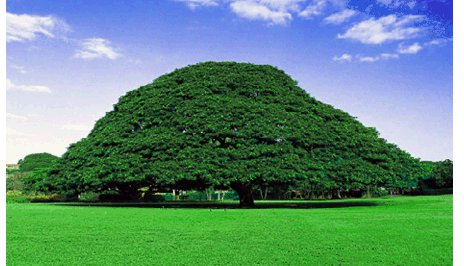


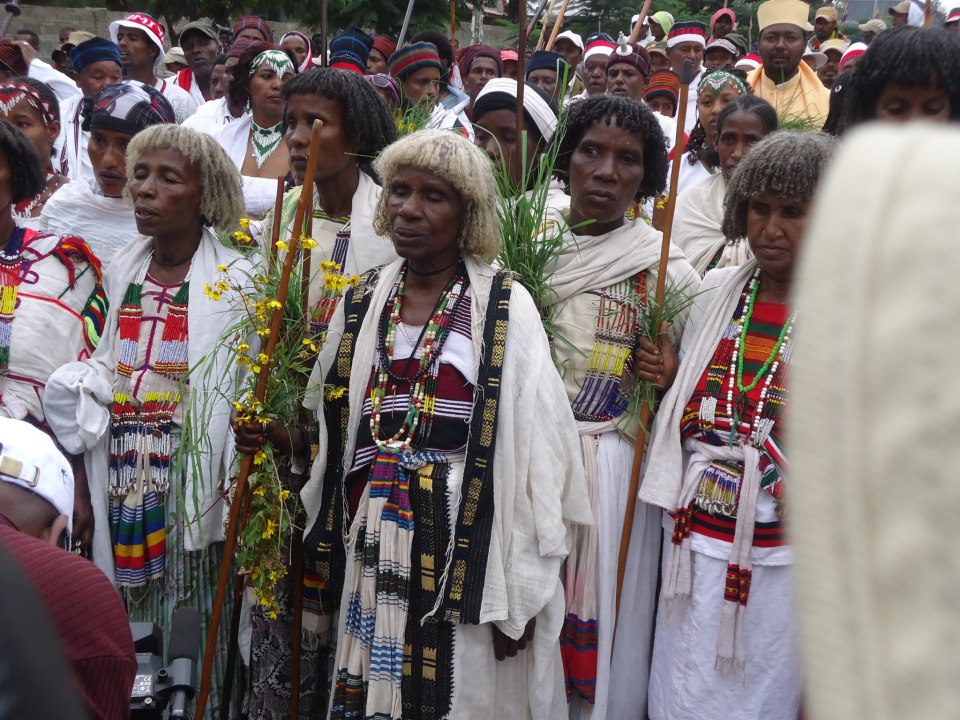


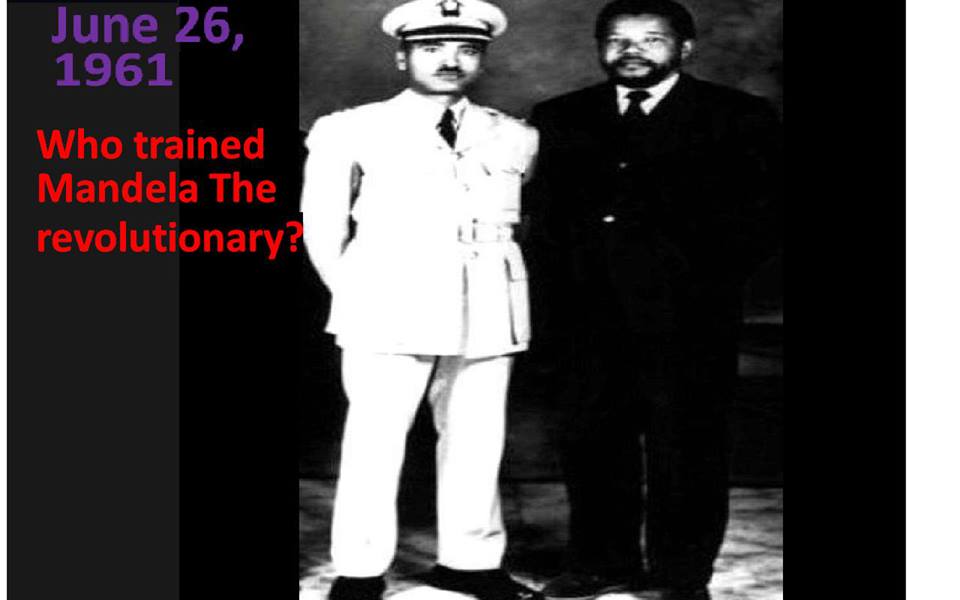
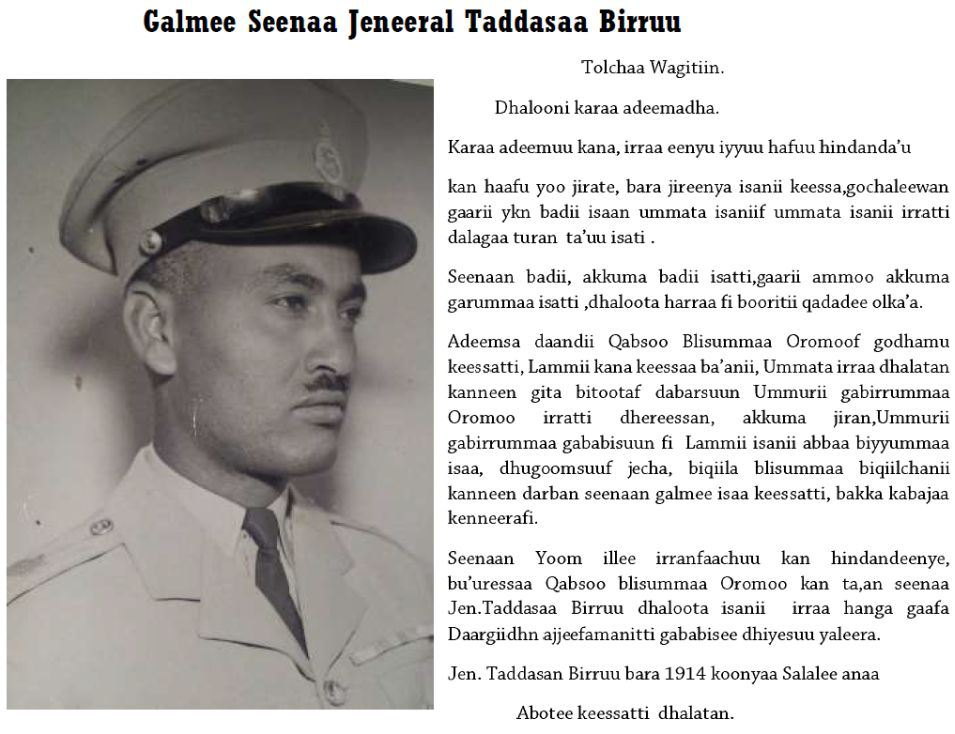


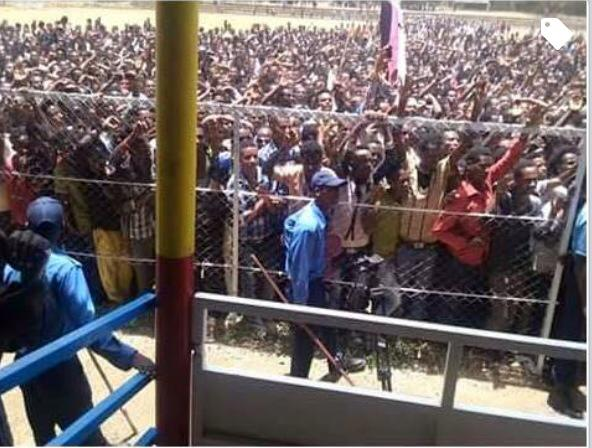
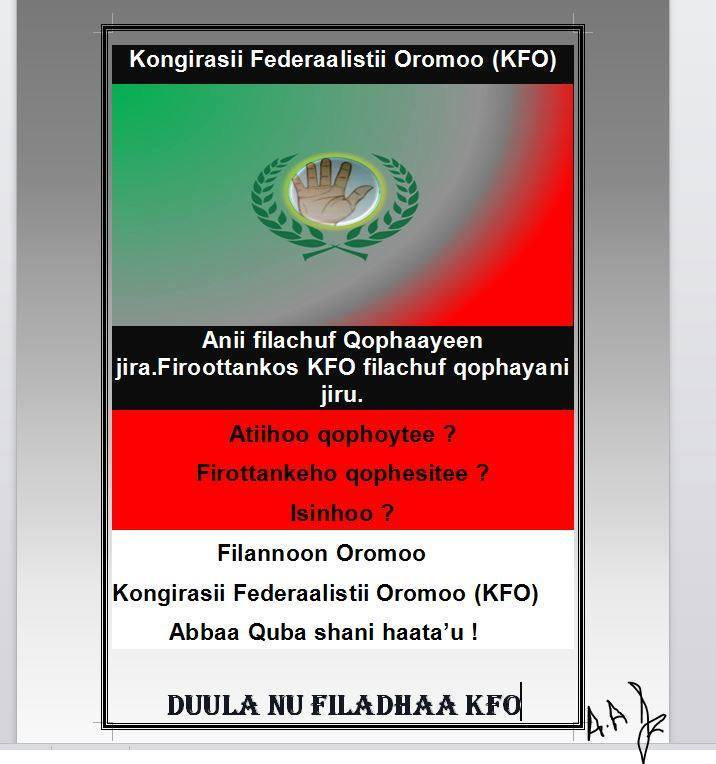
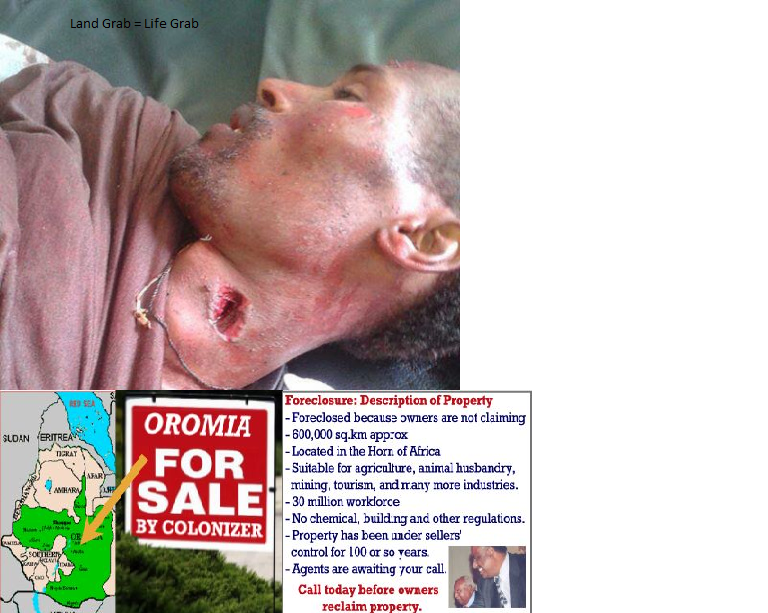
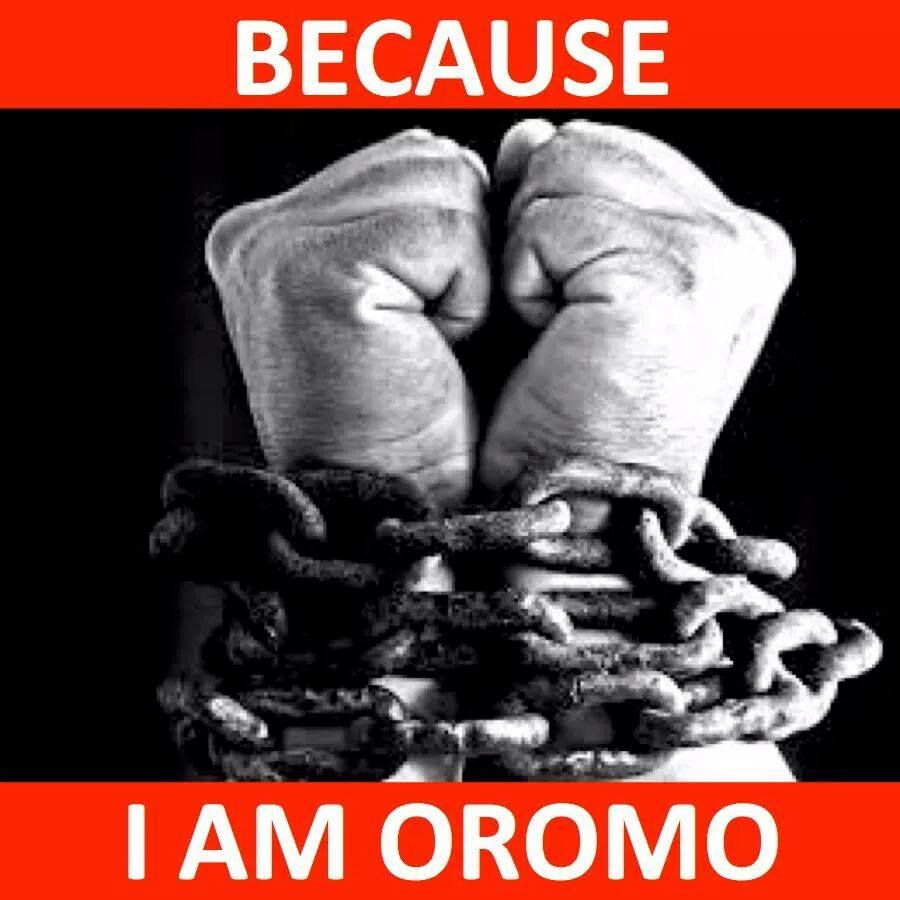
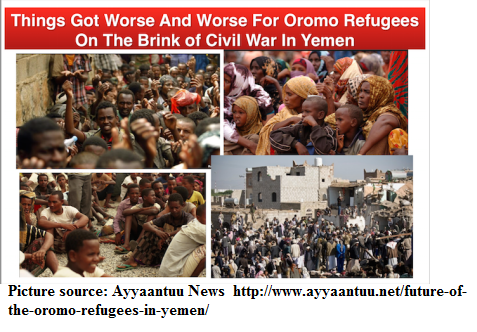


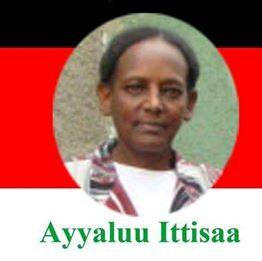
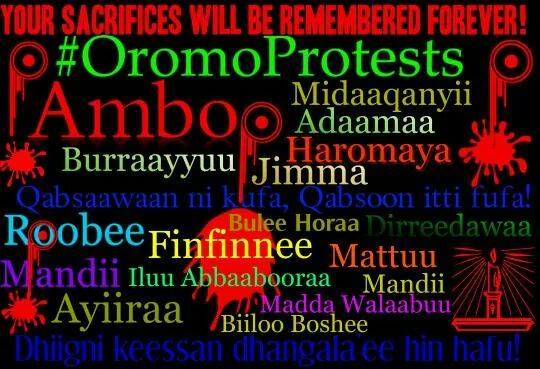
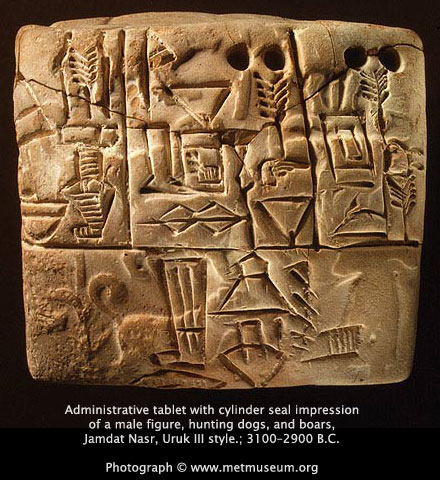

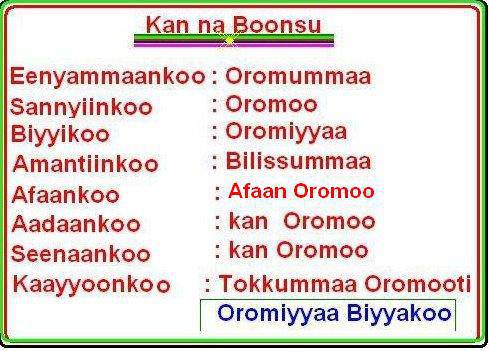
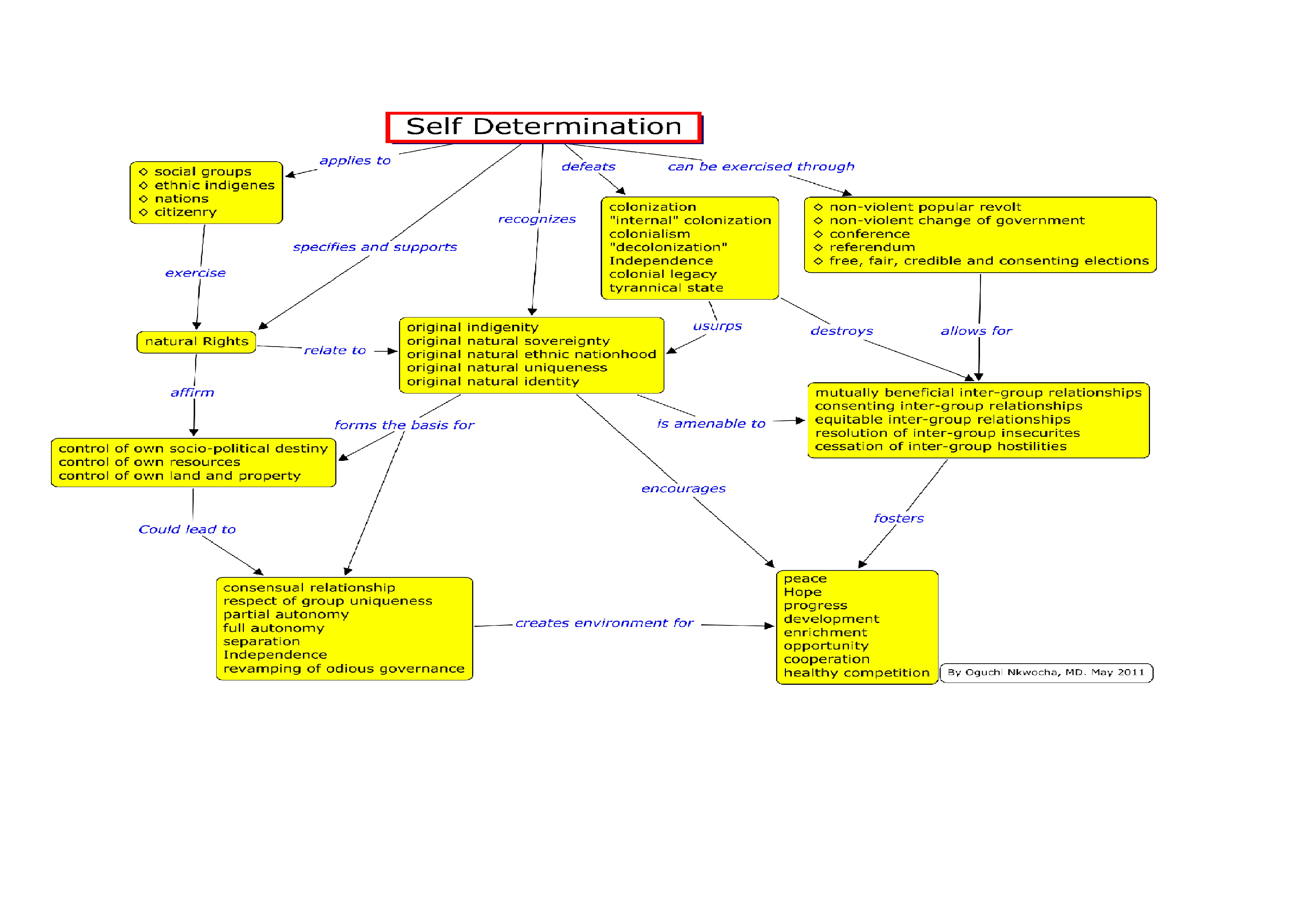
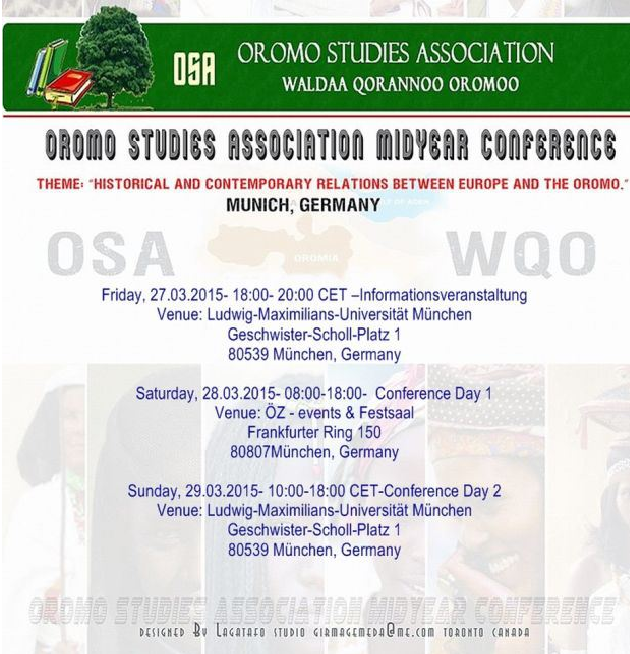
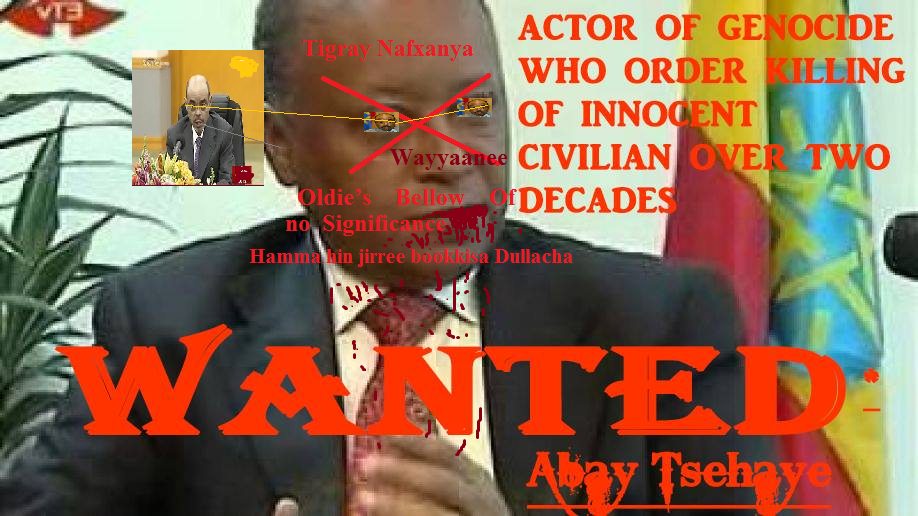


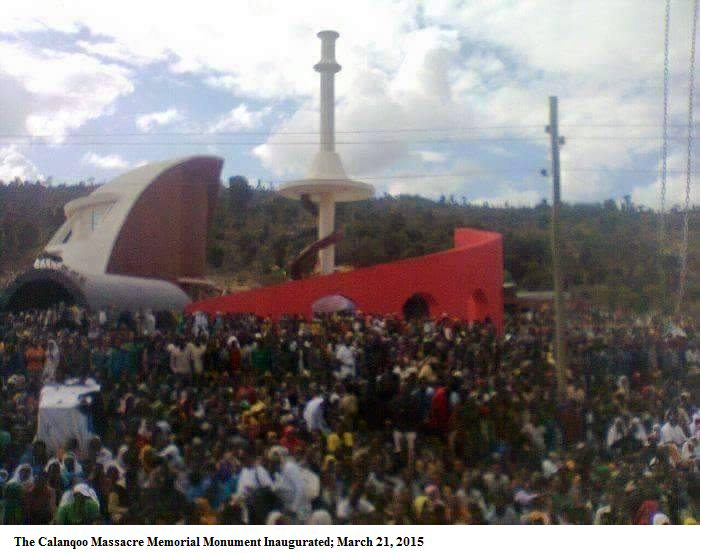
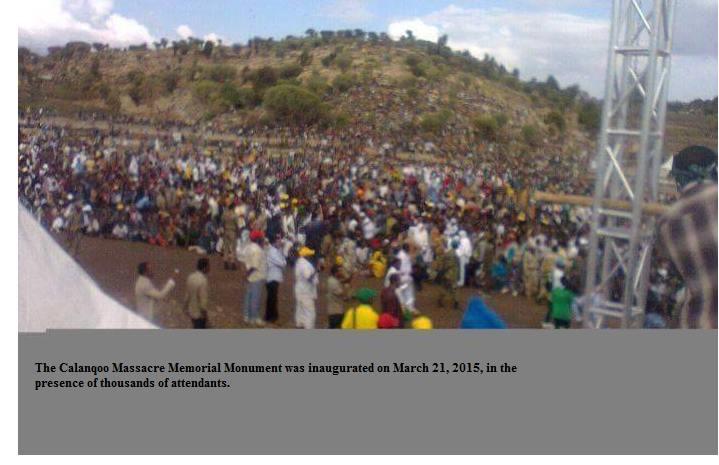
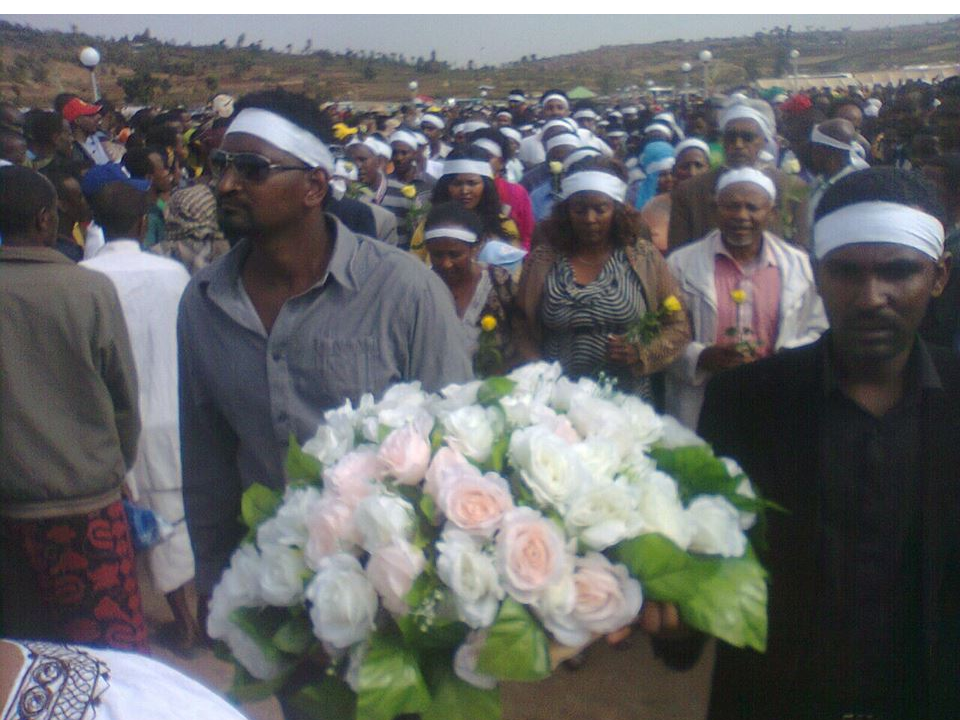

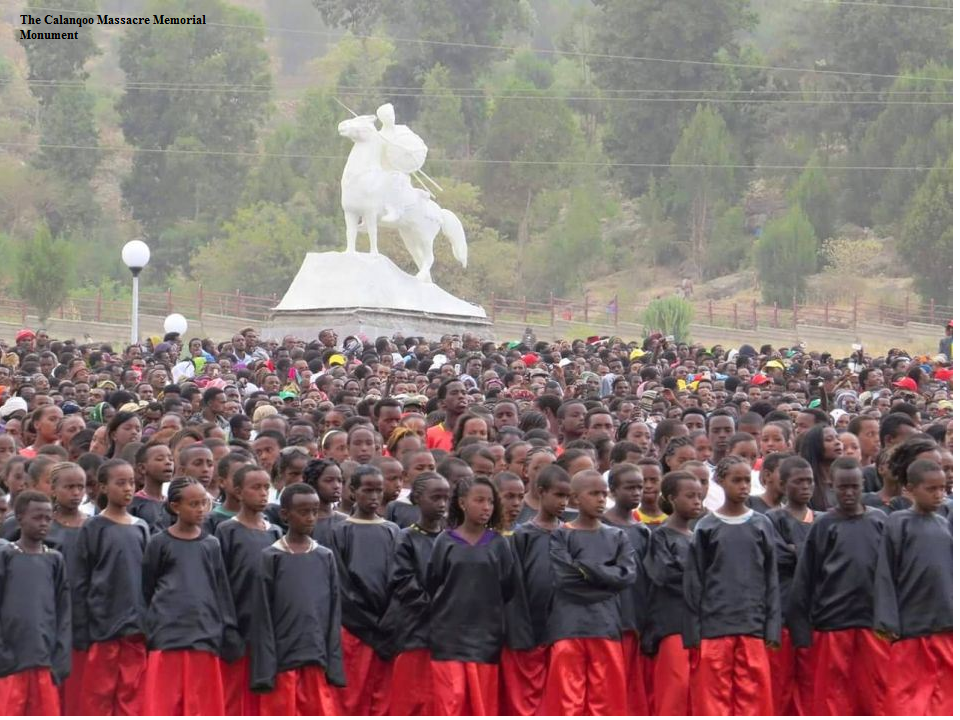

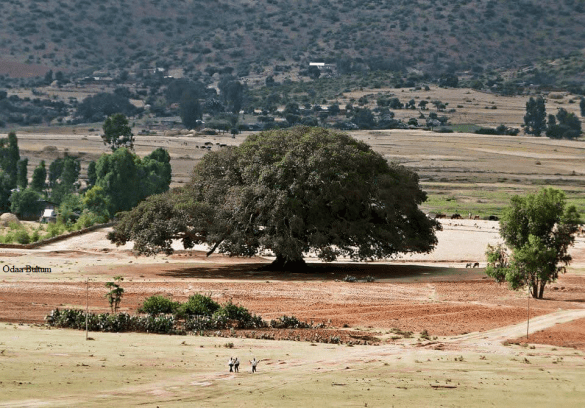


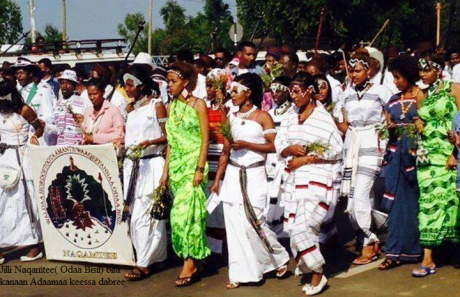
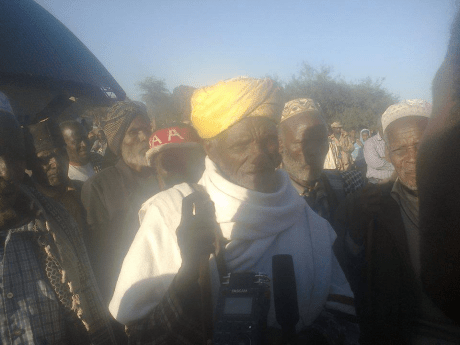


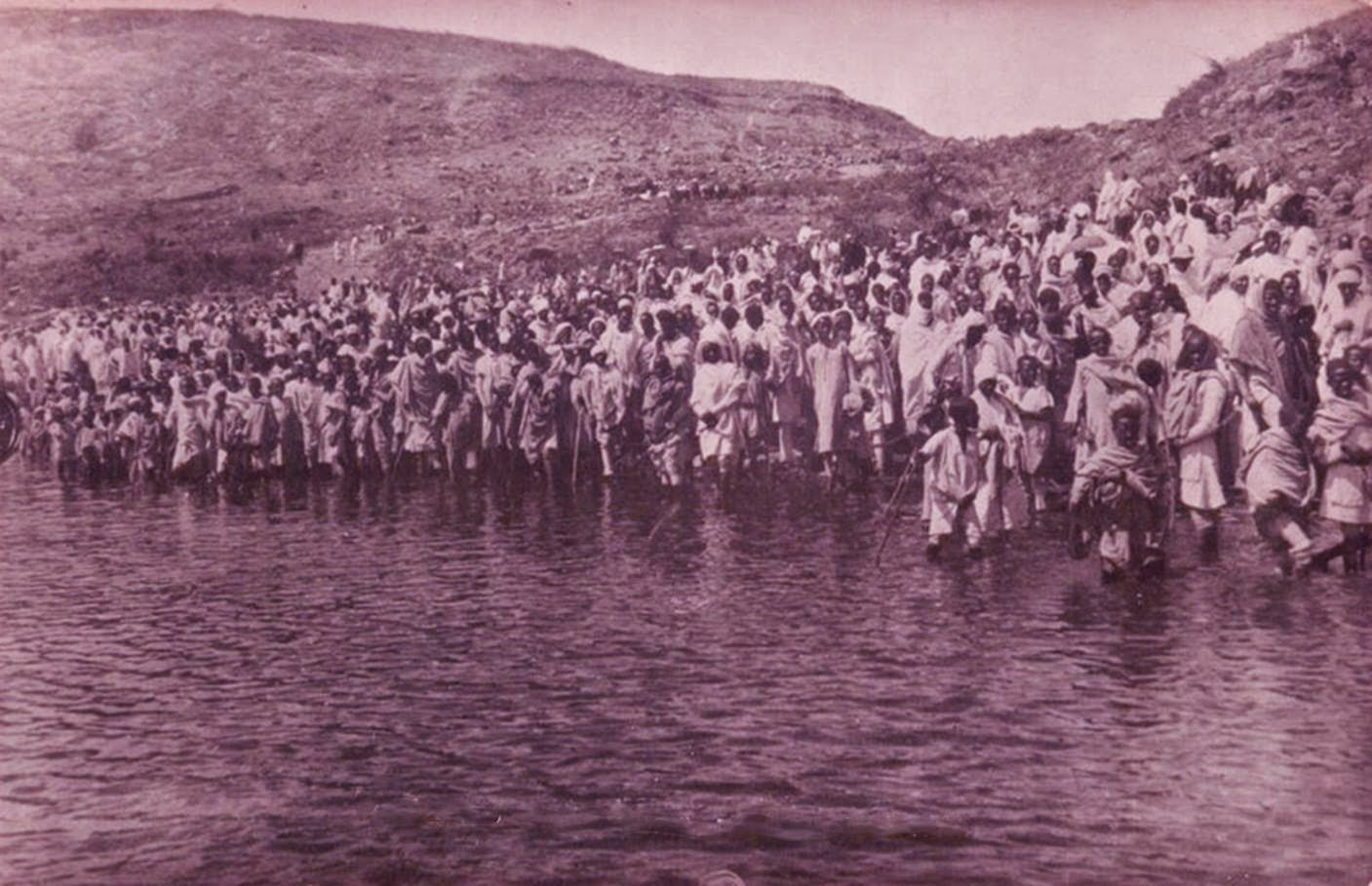





 Title: The In-Between
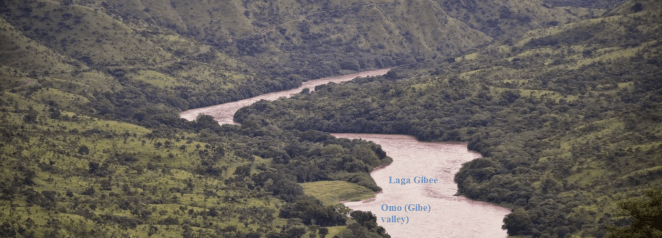
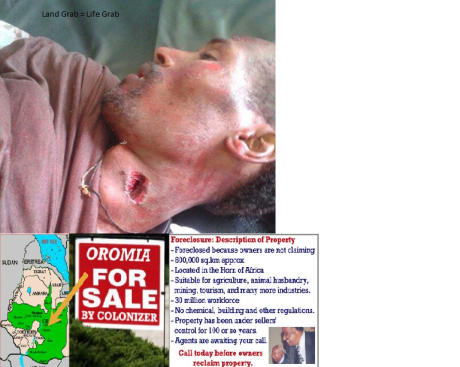
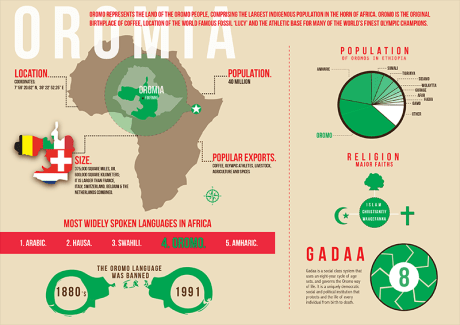
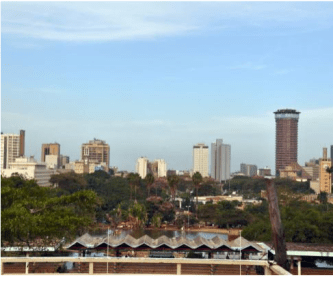


 Addee Asli Oromo: The first woman in the history of Ethiopian Empire that sentenced to death because of her political vision about Oromo people but released after 18 years in prison as a result of international communities campaign.
 Addee Urjii Dhaabaa: Is one out of many Oromo Women that survived sexual aggression of Ethiopian government military force, police and security agents.

 Ethiopia is the tenth largest country in Africa and it is the second most populated country in Africa with projected population of 100 million by 2020. It has a number of nations/ nationalities with distinct culture. Ethiopia consists of peoples speaking more than 80 different languages (CSA, 2006)
 Oromo people are egalitarian society. Historically their democratic system of government known as “Gadaa” governed the social, economic political affairs of the Oromo people. Under Gadaa, Oromo women developed their own unique institution known as “Siiqee”. Oromo women used Siiqee institution to defend their rights, promote their interests and challenge male domination. After the Oromo people are colonized in 1880s all Oromo institutions are either totally banned or incapacitated. Since then the Oromo people are denied the right to determine on their social, economic, political and cultural affairs. For example, banning or incapacitating Siiqee hindered the Oromo women defending their rights. The colonial power not only banned and incapacitated Oromo institutions but also introduced and/or widened gender hierarchy and discriminatory social practices. This conditioned Oromo women to bear double burdens (i.e. colonial and male domination) and exposed them to sexual violence.
 The definition and the scope of sexual violence is a major problem in communications as it can be defined either narrowly or broadly. Here are four selected exemplary definitions of the term for the purpose of this presentation. The United Nations Declaration on the Elimination of Violence against Women (UN, DEVAW, 1993)
 The third one is expertise definition of DeGue and DiLillo (2005)
 Despite a wide spectrum of sexual violence, there is strong limitation to get enough information in Oromia, Ethiopia. This because of the fear of social exclusion or fear of being marginalized by society, which will bring serious consequences. Occasionally survivors are silent because they felt they would never achieve any redress. Indeed, no individual perpetrators such as soldier or security officer appears to have been, or is ever likely to be, held to account. In World Health Organizations (WHO) multi-country study on domestic violence and women’s health conducted in ten countries including Ethiopia
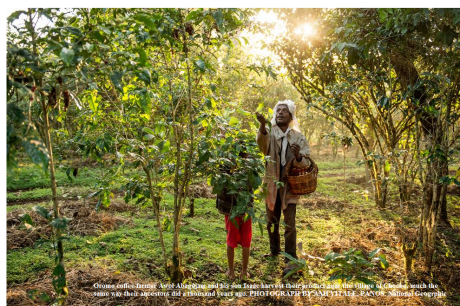


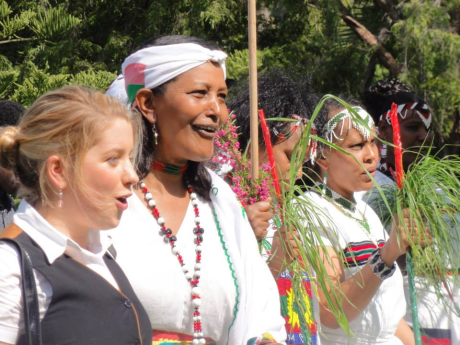


 Oromian Economist
Oromia: Oromo Federalist Congress: Obbo. Baqqalaa Nagaa Campaign Rally for OFC/Medrek in Bule Hora southern Oromia May 20, 2015
Posted by OromianEconomist in Sham elections.Tags: Africa, African Studies, Ethiopia's sham elections, Freedom House in response to comments by Under Secretary for Political Affairs, Oromia, Oromo Federalist Congress, Oromo Federalist Congress (OFC) Criss-crossing Oromia with Huge Turnouts at Campaign Rallies, Oromo people, Oromummaa
add a comment
https://www.oromiamedia.org/2015/05/omn-duula-filannoo-kfoofc-caamsaa-20-2015/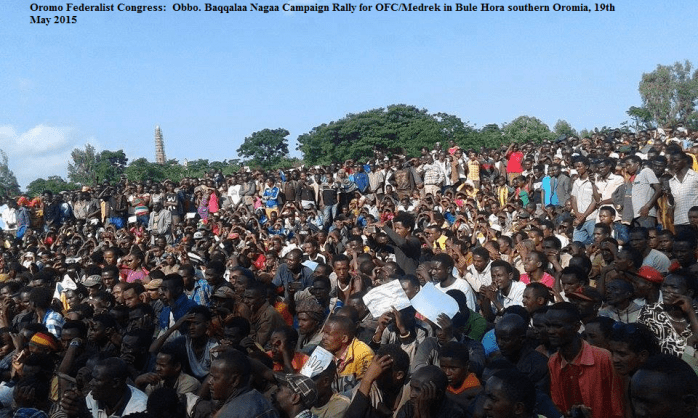 https://www.oromiamedia.org/2015/05/omn-oduu-caamsaa-19-2015/ Godina Wallaggaa Aanaalee Jimmaa Arjoo fi Waayyuu Qilxuu Keessatti Diddaan Uummataa Jabinaan Itti Fufe,Ummannis Wagahii Duula Filatnoo Wayyaanee Guututti Lagate. May 20, 2015 Gabaasa Qeerroo Caamsaa 19,2015 Naqamte
http://qeerroo.org/2015/05/20/godina-wallaggaa-aanaalee-jimmaa-arjoo-fi-waayyuu-qilxuu-keessatti-diddaan-uummataa-jabinaan-itti-fufeummannis-wagahii-duula-filatnoo-wayyaanee-guututti-lagate/