Economic and development analysis: Perspectives on economics, society, development, freedom & social justice. Leading issues in Oromo, Oromia, Africa & world affairs. Oromo News. African News. world News. Views. Formerly Oromia Quarterly
Bara Boorannii Gadaan bulaa bahe bara 1,456 bara addunyaan maan keessa jirti?Amerikaan maqaa guddoo tun qabdu tun bara sun keessaa USA jedhamtee yaamamuufuu ganna 320 hafaaf.
The Borana Oromo have elected Kura Jarso, 30, as their 71st Abba Gadaa in an elaborate, week long ceremony attended by tens of thousands of people in Badhaasa, southern Oromia.
Spectators and invited guests started arriving at Arda Jila Badhaasa (the Badhasa ceremonial place) several days ahead of Jarso’s inaguration. The mood here was euphoric all week long and Badhaasa is packed with people from every corner of Oromia. This is where the Borana Oromo leaders have exchanged power peacefully and in a democratic manner every eight years for more than 560 years. Click here to read more at OPRIDE.
True Knowledge is wisdom. The Oromo value wisdom to the highest degree: ‘Rather than to be kissed by foolish man, I prefer to slapped by a wise man.’ How is true knowledge acquired? The Oromo proverbs answers: By inference, by study, through suffering, by moulding another person, by heart. ‘ One who does not understand an inference will never understand the thing as it is.. … But the great school of knowledge is experience, long life and old age. … The Oromo proverb offers no definition of knowledge; they are not interested so much in nature of knowledge as the type of knowledge they propose as a model for man-in-society, and it is clearly a knowledge obtained through experience through proximity to the object, as ‘the calf is known by the enclosure to have become a bull.’ See Claud Summer, Ph.D., Dr.h.c (1995), Oromo Wisdom Literature, Volume I , Proverbs Collection and Analysis.
Makmaaksa Oromoo (Oromo proverbs):
Abba hin qabdu akaakyuuf boochi
Abbaa iyyu malee ollaan namaa hin birmatu
Abbaan damma nyaateef ilma hafaan hin mi’aawu
Abbaatu of mara jedhe bofti hantuuta liqimsee
Abjuun bara beelaa buddeena abjoota
Addaggeen hamma lafa irra ejjettu nama irra ejjetti
Afaan dubbii bare bulluqa alanfata
Afaan gaariin afaa gaarii caala
Afaanii bahee gooftaa namaa ta’a
Akka madaa qubaa, yaadni garaa guba
Akka abalun sirbaan boquu nama jallisa
Akkuma cabannitti okkolu
Akukkuun yeroo argate dhakaa cabsa
Alanfadhuuti gara fira keetti garagalii liqimsi
ama of komatu namni hin komatu
Amartiin namaa hin taane quba namaa hin uriin
Ana haa nyaatuun beela hin baasu
Ani hin hanbifne, ati hin qalbifne
arrabni lafee hin qabdu lafee nama cabsiti
Asiin dhihoon karaa nama busha
“Aseennaa natu dide, kennaa warratu dide otoo nabutanii maal ta’a laata”,jette intalli haftuun
Badduun fira ishee yoo hamattee, baddubaatuun niiti ishee hamatti
Bakkka oolan irra bakka bulan wayya
Bakka kufte osoo hin taane, bakka mucucaatte bari
Balaliitee balaliite allaattiin lafa hin hanqattu
Bara bofti nama nyaate lootuun nama kajeelti!!
Bara dhibee bishaan muka namatti yaaba
Bara fuggisoo harreen gara mana, sareen gara margaa
Barri gangalata fardaati
Beekaan namaa afaan cufata malee hulaa hin cufatu
Biddeena nama quubsu eelee irratti beeku
Billaachi otoo ofii hin uffatiin dhakaatti uffisti
Bishaan gu’a gahe nama hin nyaatiin, namni du’a gahe si hin abaariin
Bishaan maaltu goosa jennaan waan achi keessa jiru gaafadhu jedhe
Bishingaan otoo gubattuu kofalti
Boru hin beekneen qad-bukoon ishee lama
Boftii fi raachi hanga ganni darbutti wal faana jiraattu
Bulbuluma bulbuli hangan dhugu anuu beeka
Buna lubbuuf xaaxa’u warri naa tolii kadhatu
Cabsituun tulluu amaaraatiin giraancee jetti
Citaan tokko luqqaasaniif manni hin dhimmisu
Dabeessa uleen (jirmi) shani
Daddaftee na dhungateef dhirsa naa hin taatu jette sanyoon
Dawaa ofii beekan namaa kudhaamu
Deegan malee waqayyo hin beekani
dhalli namaa otoo nyaattu diida laalti
Dhirsi hamaan maaf hin nyaatiin jedha niitii dhaan
Dhirsaa fi niitiin muka tokko irraa muramu
Dugda hin dhungatan, hunda hin dubbatani
Durbaa fi jiboota garaa gogaa lenjisu
Iyyuuf bakkeen naguma, dhiisuuf laphee na guba
Dhuufuun waliin mari’atanii dhuufan hin ajooftu
Diimina haaduun nyaatani,diimaa arrabaan nyaatu
Dinnichi bakka gobbitetti hordaa cabsiti
Doqnaa fi garbuu sukkuumanii nyaatu
Du’aan dhuufaa jennaan kan bokoke dhiisaa jedhe
Dubbii baha hin dhorkani galma malee
Dubbii jaarsaa ganama didanii galgala itti deebi’ani
Duulli biyya wajjinii godaansa
Eeboo darbatanii jinfuu hin qabatani
Edda waraabessi darbee sareen dutti
Fagaatan malee mi’aa biyyaa hin beekani
Farda kophaa fiiguu fi nama kophaa himatu hin amaniin
Firri gara firaa jennaan kal’een gara loonii jette
Foon lafa jira allaatti samii irraa wal lolti
foon lakkayi jennaan rajijjin tokko jedhe
fokkisaan nama qabata malee nama hin kadhatu
Fuula na tolchi beekumsi ollaa irraa argamaa jette intalli
Gaangeen abbaan kee eenyu jennaan eessumni koo farda jette
Gaangoonn haada kutte jennaan oftti jabeessite jedhani
Gabaan fira dhaba malee nama dhabinsa hin iyyitu
Galaanni bakka bulu hin beekne dhakaa gangalchee deema
Gaalli yoom bade jennaan, gaafa morma dheeratu bade
Gama sanaa garbuun biile (asheete) jennan warra sodaanne malee yoom argaa dhabne jedhe jaldeessi
Gamna gowomsuun jibba dabalachuu dha
Ganaman bahani waaqa jalaahin bahani
Gara barii ni dukkanaa’a
Garaa dhiibuu irra miila dhiibuu wayya
Garbittii lubbuuf walii gadi kaattu, warri qophinaafi se’u
Jaalalli allaatti gara raqaatti nama geessa
Gaashatti dhuufuun daalattii dha
Gogaa duugduun yoo dadhabdu saree arisaa kaati
Gola waaqayyoo itti nama hidhe lookoo malee ijaajju
Goomattuuf goommanni hin margu
Goondaan walqabattee laga ceeti
Gowwaa wajjin hin haasa’iin bakka maleetti sitti odeessa, karaa jaldeesaa hin hordofiin halayyaa nama geessa
Gowwaan ballessaa isaa irraa barat, gamni balleessaa gowwaa irraa barata
Gowwaan bishaan keessa ijaajjee dheebota
Gowwaan gaafa deege nagada
Gubattee hin agarre ibiddatti gamti
Guulaa hin bitiin jiilaa biti
Gowwaa kofalchiisanii, ilkee lakawu
Gowwaa fi bishaan gara itti jallisan deemu
Haadha gabaabduu ijoolleen hiriyaa seeti
haadha laalii intala fuudhi
Haadha yoo garaa beekan ilmoo jalaa qabani
Halagaa ilkaan adii, halangaan isaa sadi
Hanqaaquu keessa huuba barbaada
Haati ballaa (suuloo) ya bakkalcha koo jetti
Haa hafuun biyya abbaa ofiitti nama hanbisa
Haati hattuun intala hin amantu
Haati hattuun intala hin amantu
Haati kee bareeddi jennaan, karaa kana dhufti eegi jedhe
Habbuuqqaa guddinaaf hin quufani
Hagu dhiba jette sareen foksoo nyaatte
Hagu dhiba jette sareen foksoo nyaattee
Halagaa gaafa kolfaa fira gaafa golfaa
Hantuunni hadha ishee jalatti gumbii uruu bartii
Harka namaatiin ibidda qabaa hin sodaatani
Harki dabaruu wal dhiqxi
Harkaan Gudunfanii, Ilkaaniin Hiikkaa Dhaqu
Harree ganama badee, galgala kur-kuriin hin argitu
Harree hin qabnu, waraabessa wajjin wal hin lollu
Kan harree hin qabne farda tuffata
Harreen nyaattu na nyaadhu malee bishaan ol hin yaa’u jette waraabessaan
Harreen yoo alaaktu malee yoo dhuuftu hin beektu
Hidda malee xannachi hin dhiigu
Hidda mukaa lolaan baaseetu, hidda dubbii farshoo (jimaa)n baase
Hidhaa yoo tolcha, gadi garagalchanii baatu
hin guddattuu jennaan baratu dhumee jedhe
Hiriyaa malee dhaqanii gaggeessaa malee galu
hiyyeessaf hin qalani kan qalame nyaata
Hoodhu jennaan diddeetu lafa keenyaan hatte
Hoolaan abbaa abdatte, diboo duuba bulchiti
Hoolaan gaafa morma kutan samii(waaqa) arkiti
Ija laafettiin durbaa obboleessaf dhalti
Ijoollee bara quufaa munneen ibidda afuufa
Ijoollee hamtuun yoo nyaataaf waaman ergaaf na waamu jettee diddi
Ijoolleen abaa ishee dabeessa hin seetu
Ijoolleen quufne hin jett, garaatu na dhukube jetti malee
Ijoolleen quufne hin jettu beerri fayyaa bulle hin jettu
Ijoolleen niitii fuute gaafa quuftu galchiti
Ijoollee qananii fi farshoo qomocoraa warratu leellisa
Ijoollee soressaa dhungachuun gabbarsuu fakkaatti
Ilkaan waraabessaa lafee irratti sodaatu
Ilmi akkoon guddiftu dudda duubaan laga ce’a
Intalli bareedduun koomee milaatiin beekamti
Intallii haati jajju hin heerumtu
Itti hirkisaan kabaa hin ta’u
Ittiin bulinnaa sareen udaan namaa nyaatti
Jaamaan boru ijji keen ni banamti jennaan, edana akkamitin arka jedhe
Jaarsi dhukuba qofaa hin aaduu, waan achisutu garaa jira
Jaarsii fi qalqalloon guutuu malee hin dhaabatu
Jabbiin hootu hin mar’attu
Jaalalli jaldeessa yeroo fixeensaa garaa jalatti, yeroo bokkaa dugda irratti nama baatti
Jaalala keessa adurreen ilmoo nyaatti
Jaalalli allaatti gara raqaatti nama geessa
Jarjaraan re’ee hin horu
Jarjaraan waraabessaa gaafa ciniina
Jibicha korma ta’u elmaa irratti beeku
Jiraa ajjeesuun jalaa callisuu dha
Kadhatanii galanii weddisaa hin daakani
Kan abbaan gaafa cabse halagaan gatii cabsa
Kan abbaan quba kaa’e oromi(namni, halagaan) dhumdhuma kaa’a
Kan afaanii bahee fi kan muccaa bahehin deebi’u
Kan bishaaan nyaate hoomacha qabata
Kan citaa qabaa tokko namaa hin kennine mana bal’isii gorsiti
Kan dandeessu dhaan jennaan gowwaan galee nitii dhaane Adaamiin ollaa hagamsaa jiru bara baraan boo’aa jiraata
Kan gabaa dhagahe gowwaan galee niitii dhokse
Kan hanna bare dooluutu sosso’a
Kan hordaa natti fiiges, kan haaduun natti kaates bagan arge jette saani du’uuf edda fayyitee booda
Kan humnaan lafaa hin kaane yaadaan Sudaanitti nagada
Kan ilkaan dhalchu kormi hin dhalchu
Kan namni nama arabsi irr, kan abbaan of arabsutu caala
kan qabuuf dabali jennaan harreen laga geesse fincoofte
Kan of jaju hin dogoggoru
Kan quufe ni utaala, kan utaale ni caba
Kan tolu fidi jennaan, sidaama biyya fide
Kan tuffatantu nama caala, kan jibbanitu nama dhaala
Kan tuta wajjin hin nyaanne hantuuta wajjin nyaatti
Kan waaqni namaa kaa’e cululleen hin fudhattu
Karaa foolii nun hin jedhani jette wacwacoon
Karaan baheef maqaan bahe hin deebi’u
Karaan sobaan darban, deebi’iitti nama dhiba
Karaa dheeraa milatu gabaabsa, dubbii dheeraa jaarsatu gabaabsa
Karaa fi halagaatu gargar nama baasa
Keessummaan waan dhubbattu dhabde mucaa kee harma guusi jetti
Keessummaan lolaa dha abbaatu dabarfata
Keessa marqaa boojjitootu beeka
Kijiba baranaa manna dhugaa bara egeree wayya
Kokkolfaa haati goota hin seetu
Kormi biyya isaatti bookkisu biyya namaatti ni mar’ata
Kursii irra taa’anii muka hin hamatani
Lafa rukuchuun yartuu ofiin qixxeessuu dha
Lafa sooriin du’e baataatu garmaama
Lafaa fuudhuutti ukaa nama bu’a
Lafti abdatan sanyii nyaatee namni abdatan lammii nyaate
Laga marqaa jennaan ijoolleen fal’aanaan yaate
Lama na hin suufani jette jaartiin qullubbii hattee
Leenci maal nyaata jennaan, liqeeffatte jedhe, maal kanfala jennaan, eenyu isa gaafata jedhe
Lilmoon qaawwaa ishee hin agartu, qaawwaa namaa duuchiti
Lukkuun(hindaaqqoon) haatee haateealbee ittiin qalan baafti
Maa hin nyaatiin jedha dhirsi hamaan
Maal haa baasuuf dhama raasu
Mammaaksi tokko tokko dubbii fida tokko tokko dubbii fida
Mana haadha koon dhaqa jettee goraa bira hin darbiin
Mana karaa irra kessumaatu itti baayyata
Manni Abbaan Gube Iyya Hin Qabu
Maraataa fi sareen mana ofii hin wallalani
Maraatuun jecha beektu, waan jettu garuu hin beektu
Marqaa afuufuun sossobanii liqimsuufi
Marqaan distii badaa miti, irri ni bukata, jalli ni gubata
Marxoon otoo fiiganii hidhatan otuma fiiganii nama irraa bu’a
Mataa hiyyaassaatti haaduu baru
Midhaan eeguun baalatti hafe
Mucaa keetiin qabii mucaa koo naa qabi jettehaati mucaa
Muka jabana qabu reejjiitti dhibaafatu
Morkii dhaaf haaduu liqimsu
Nama foon beeku sombaan hin sobani
Namni akka fardaa nyaatu, gaafa akka namaa nyaate rakkata
Namni beela’e waan quufu hin se’u
Namni dhadhaa afaan kaa’an, dhakaa afaan nama kaa’a
Namni gaafa irrechaa duude, sirba irreechaa sirbaa hafa
Namni guyyaa bofa arge halkan teepha dheessa
Namni hudduu kooban galannii isaa dhuufuu dha
Namni mana tokko ijaaru citaa wal hin saamu
Namni nama arabsu nama hin faarsu
Namni badaan bakka itti badutti mari’ata
Namni gabaabaan otoo kabaja hin argatiin du’a
Namni qotiyyoo hin qabne qacceen qalqala guutuu dha
Nama kokkolfaa nama miidhuu fi bokkaan aduu baasaa roobu tokko
Niitiin dhirsaaf kafana
Niitiin marii malee fuudhan marii malee baati
Niitiin afaan kaa’aami’eeffatte yoo kabaluuf jedhan afaan banti
Nitaati jennaan harree qalle, hin tatuu jennaan harree ganne, qoricha jennaan isuma iyyuu dhaqnee dhabne
Obboleessa laga gamaa mannaa gogaa dugduu(faaqqii) ollaa ofii wayya
Obsaan aannan goromsaa dhuga
Obsan malee hn warroomani
Ofii badanii namaa hin malani
Of jajjuun saree qarriffaan udaani
Ofi iyyuu ni duuti maaliif of huuti
Ofii jedhii na dhugi jedhe dhadhaan
Okolee diddu okkotee hin diddu
Ollaa araban jira akkamittin guddadha jette gurri
Ollaan akkam bultee beeka, akkatti bule abbaatu beeka
Ollaafi garaan nama hin diddiin
Ollaa fi kateen nama xiqqeessiti
Ol hin liqeessiin horii keetu badaa, gadi hin asaasiin hasa’aa keetu bushaa’a
Otoo beeknuu huuba wajjin jette sareen
Otoo garaan tarsa’e jiruu, darsa tarsa’eef boossi
Otoo farda hin bitiin dirree bite
Otoo fi eegeen gara boodaati
Otoo garaan dudda duuba jiraate, qiletti nama darbata
Otoo sireen nama hin dadhabiin tafkii fi tukaaniin nama dadhabdi
Qaalluun kan ishee hin beektu kan namaa xibaarti
Qaban qabaa hin guunnee gad-lakkisan bakkee guutti
Qabbanaa’u harkaan gubnaan fal’aanan
Qabanootuharkaa, hoo’itu fal’aanaan
Qabeenyi fixeensa ganamaati
Qalloo keessi sibiila
Qalladhu illee ani obboleessa eebooti jette lilmoon
qaaqeen yoo mataan ishee marge bade jetti
Qarri lama wal hin waraanu
Qeesiinwaaqayyoo itti dheekkam, daawwitii gurgurtee harree bitatte
Qoonqoon darbu, maqaa hin dabarre nama irra kaa’a
Qoonqoon bilchina eeggattee, qabbana dadhabde
Qorichaofii beekan namaa kudhaamu
Qotee bulaa doofaan, miila kee dhiqadhu jennaa, maalan dhiqadha borus nan qota jedhe
Qurcii dhaan aboottadhu jennaan, qophoofneerra jedhe
Raadni harree keessa ooltedhuufuu barattee galti
Sa’a bonni ajjeese ganni maqaa fuudhe
Saddetin heerume jarjarrsaa akka baranaa hin agarre jette jaartiin, salgaffaa irratti waraabessi bunnaan
Salphoo soqolatte soqolaa gargaaru
Saree soroobduun afaan isheef bukoo ykn. dudda isheef falaxaa hin dhabdu
Sabni namatti jiguu irra gaarri (tulluun) namatti jiguu wayya
Sareen duttu nama hin ciniintu
Sanyii ibiddaa daaraatu nama guba
Sareen warra nyaattuuf dutti
Seenaa bar dhibbaa baruuf bardhibba jiraachuun dirqama miti
Shanis elmamu kudhanis, kan koo qiraaciitti jette adurreen
Sirbituu aggaammii beeku
Sii uggum yaa gollobaa, anaafoo goommani ni dorroba inni gurr’uu soddomaa jette jaartiin horii ishee gollobaan fixnaan
Sodaa abjuu hriba malee hin bulani
Soogidda ofiif jettu mi’aayi kanaachi dhakaa taata
Sombaaf aalbee hin barbaadani
Suphee dhooftuun fayyaa gorgurtee, cabaatti nyaatti
Taa’anii fannisanii dhaabatanii fuudhuun nama dhiba
Takkaa dhuufuun namummaa dh, lammmeessuun harrummaadha
Tikseen dhiyootti dhiifte fagootti barbaacha deemti
Tiksee haaraan horii irraa silmii buqqisaa oolti
Tokko cabe jedhe maraataan dhakaa gabaatti darbatee
tokko kophee dhabeetu booha, tokko immoo miila dhabee booha
Tufani hin arraabani
Udaan lafatti jibban funyaan nama tuqa
Ulee bofa itti ajjeesan alumatti gatu
Ulee fi dubbiin gabaabduu wayya
Ulfinaa fi marcuma abbaatu of jala baata
Waa’een garbaa daakuu fi bishaani
Waan ergisaa galu fokkisa
Waan jiilaniin kakatu
Waan kocaan kaa’e allaattiin hin argu
Waan namaa kaballaa malee hin quufani
Waan samii bu’e dacheen baachuu hin dadhabu
Waan uffattu hin qabdu haguuggatee bobbaa teessi
Waan warri waarii hasa’aan, Ijoolen waaree odeesiti
Wadalli harree nitii isaa irraa waraabessa hin dhowwu
Wal-fakkaattiin wal barbaaddi
Wali galan, alaa galan
Wallaalaan waan beeku dubbata, beekaan waan dubbatu beeka
Waaqaaf safuu jette hindaaqqoon bishaan liqimsitee
Warra gowwaa sareen torba
Waraabessi bakka takkaa nyaatetti sagal deddeebi’a
Waraabessi biyya hin beekne dhaqee gogaa naa afaa jedhe
Waraabessi waan halkan hojjete beekee guyyaa dhokata
Yaa marqaa si afuufuun si liqimsuufi
Yoo ala dhiisan mana seenan, yoo mana dhiisan eessa seenan
Yoo boora’e malee hin taliilu
Yoo ejjennaa tolan darbatanii haleelu
Yoo iyyan malee hin dhalchanii jedhe korbeesi hoolaa kan re’eetiin
Yoo suuta ejjetan qoreen suuta nama waraanti
yoo dhaqna of jaalatan fuula dhiqatu
Yoo namaa oogan eelee jalatti namaa marqu
yoo ta’eef miinjee naa taata jette intalli
The Obama administration’s top official promoting democracy and human rights,Tom Malinowski, says the Ethiopian government’s tactics in response to protests in the Oromia and Amhara regions of the country are “self-defeating”. Writing ahead of the arrival of U.S. Secretary of State John Kerry in Nairobi for talks on East African issues, including security, Malinowski says Addis Ababa’s “next great national task is to master the challenge of political openness.”
The United States and Ethiopia have years of strong partnership, based on a recognition that we need each other. Ethiopia is a major contributor to peace and security in Africa, the U.S.’s ally in the fight against violent extremists, and has shown incredible generosity to those escaping violence and repression, admitting more refugees than any country in the world. The United States has meanwhile been the main contributor to Ethiopia’s impressive fight to end poverty, to protect its environment and to develop its economy.
Because of the friendship and common interests our two nations share, the U.S. has a stake in Ethiopia’s prosperity, stability and success. When Ethiopia does well, it is able to inspire and help others. On the other hand, a protracted crisis in Ethiopia would undermine the goals that both nations are trying to achieve together.
The recent protests in the Oromia and Amhara regions present a critical challenge. They appear to be a manifestation of Ethiopian citizens’ expectation of more responsive governance and political pluralism, as laid out in their constitution.
Almost every Ethiopian I have met during my three recent trips to the country, including government officials, has told me that as Ethiopians become more prosperous and educated, they demand a greater political voice, and that such demands must be met. While a few of the protests may have been used as a vehicle for violence, we are convinced that the vast majority of participants were exercising their right under Ethiopia’s constitution to express their views.
Any counsel that the United States might offer is intended to help find solutions, and is given with humility. As President Barack Obama said during his July, 2015 visit to Addis Ababa, the U.S. is not perfect, and we have learned hard lessons from our own experiences in addressing popular grievances.
We also know Ethiopia faces real external threats. Ethiopia has bravely confronted Al-Shabaab, a ruthless terrorist group based on its border. Individuals and groups outside Ethiopia, often backed by countries that have no respect for human rights themselves, sometimes recklessly call for violent change.
Ethiopia rightly condemns such rhetoric, and the United States joins that condemnation. But Ethiopia has made far too much progress to be undone by the jabs of scattered antagonists who have little support among the Ethiopian people. And it is from within that Ethiopia faces the greatest challenges to its stability and unity. When thousands of people, in dozens of locations, in multiple regions come out on the streets to ask for a bigger say in the decisions that affect their lives, this cannot be dismissed as the handiwork of external enemies.
Ethiopian officials have acknowledged that protestors have genuine grievances that deserve sincere answers. They are working to address issues such as corruption and a lack of job opportunities. Yet security forces have continued to use excessive force to prevent Ethiopians from congregating peacefully, killing and injuring many people and arresting thousands. We believe thousands of Ethiopians remain in detention for alleged involvement in the protests – in most cases without having been brought before a court, provided access to legal counsel, or formally charged with a crime.
These are self-defeating tactics. Arresting opposition leaders and restricting civil society will not stop people from protesting, but it can create leaderless movements that leave no one with whom the government can mediate a peaceful way forward. Shutting down the Internet will not silence opposition, but it will scare away foreign investors and tourists. Using force may temporarily deter some protesters, but it will exacerbate their anger and make them more uncompromising when they inevitably return to the streets.
Every government has a duty to protect its citizens; but every legitimate and successful government also listens to its citizens, admits mistakes, and offers redress to those it has unjustly harmed. Responding openly and peacefully to criticism shows confidence and wisdom, not weakness. Ethiopia would also be stronger if it had more independent voices in government, parliament and society, and if civil society organizations could legally channel popular grievances and propose policy solutions. Those who are critical of the government would then have to share responsibility, and accountability, for finding those solutions. Progress in reforming the system would moderate demands to reject it altogether.
Ethiopia’s next great national task is to master the challenge of political openness, just as it has been mastering the challenge of economic development. Given how far Ethiopia has traveled since the days of terror and famine, the United States is confident that its people can meet this challenge – not to satisfy any foreign country, but to fulfill their own aspirations. The U.S. and all of Ethiopia’s friends are ready to help.
Tom Malinowski is the U.S. Assistant Secretary of State for Democracy, Human Rights, and Labor.
As history repeats itself, barefoot Oromo athlete Abbabaa Bqilaa (Abebe Bikila), winner of Rome Olympic Marathon in 1964.
Oromo athlete Etenesh Diro of Oromia, representing Ethiopia in Rio 2016 Olympics competes in the Women’s 3000m Steeplechase heat.
Oromo athlete Etenesh Diro of Oromia, representing Ethiopia in Rio 2016 Olympics competes in the Women’s 3000m Steeplechase heat.
Oromo athlete Etenesh Diro — one of the favourites in the women’s 3000m steeplechase — was sitting comfortably in first place about two-thirds into her heat at the Olympics when disaster struck.
Her heel was clipped by a falling opponent, sending her tumbling to the ground and removing her right shoe.
Etenesh Diro reacts after she competed in the Women’s 3000m Steeplechase. Picture: AFP
The 25-year-old stood and quickly tried to put it back on her foot, but the laces were tied tight and with no time to spare she cast it aside.
Realising she’d have a better chance of running barefoot, her sock went too — and the African set about attempting to fight her way back into a race where only the first three placegetters were guaranteed of progressing to the final.
Oromia’s Etenesh Diro competes in the Women’s 3000m Steeplechase.
To say the crowd at Rio’s Maracana Stadium got behind her was an understatement.
With every step of Diro’s barren hoof the energy went up a notch — and she responded by passing several runners in the final few laps to claim seventh.
After the race Diro dropped to the ground in disappointment as competitors offered their support.
She’d failed to qualify and lost the opportunity to improve on a sixth-placed finish in London. But then something heartwarming happened.
Three teams involved in the race protested.
Etenesh Diro (L) is helped by officials after she competed in the Women’s 3000m Steeplechase heat. Picture: AFP
Diro had been unfairly brought down and along with Jamaica’s Aisha Praught and Ireland’s Sara Treacy — who also fell after being impeded — would be given a place in the final, which expanded to 18 runners.
She will now be the fan favourite in the final, which also features Australian Genevieve LaCaze and starts at 12.15am Tuesday AEST.
(Oromedia, 13 Hagayya 2016) ABO fi QBO irratti shirri haaraa xaxamaa jiraachuu saaxile. Haata’uutii, ABO fi Ummatni Oromoo lammata shira akkasii akka hin keessumeessine ABOn gada jabeessee hubachiiseera.
Adda Bilisummaa Oromoo ibsa Hagayya 13 bara 2016 mata duree “Gaaffii fi Galii Siyaasaa Ummata Oromoo Caalaatti Ifa Gochuu” jedhuun baaseen karoorri haaraan qabsoo Oromoo dadhabsiisuuf qopheeffama ajiraachuu ibse.
Karoorri kun akak ABOn ibsetti, akkuma London Conference 1991 irratti godhame marraa lammataaf shira qabsoo Oromoo irratti akeekame, kan mirga hiree murteeffannaa Oromoo hin kabajne ta’uu addeesse.
“Akeekaa fi yaada farrummaa QBO kan mirga hiree murteeffannaa Oromoo hin kabajne kana ABO-Qeerroo fi ummatni Oromoo jabinaan dura dhaabbatu,” jedhee jira ABOn.
Itti dabaluunis, “mirgii fi dantaan ummata Oromoo alagaa fi humnoota alaa irraa kanneen dantaa aangoof bulaniin osoo hin taane ummata Oromoo abbaa dhimmaatiin murteeffamuu qaba,” jechuun ejajnnoo jabaan ibseera.
Reiterating the Oromo political Questions and Ultimate objectives of the Oromo struggle The OLF press release
The aims of the Oromo struggle led by the OLF is to realize the Oromo people’s selfdetermination right; to dismantle colonial system from Oromia and to free Oromo from subjugation and to establish free Oromia state. This can be achieved through the sole decision of the Oromo people who will choose either to establish a free Republic of Oromia or to make new political arrangement with neighboring nationalities based on interest, equality, mutual respect and democratic values and principles. This means that the OLF struggles to make an arrangement for Oromo people for free referendum rights.
The Oromo people has struggled and made huge scarifies to fulfill the aims and objectives of the Oromo struggle set out by the OLF. When the Oromo elites and committed individuals developed the OLF program, the central aim was to solve the fundamental political problem of the Ethiopian empire from its roots. The program was not only based on the interest of Oromo people but also considered the interests of other peoples in the Ethiopian empire who were colonized in a similar way and benefit from this struggle.
Thanks to Oromo heroes and heroines, today the Oromo people liberation struggle has reached the stage where every Oromo has gained a full confidence to achieve its long awaited freedom. Also millions of Oromo heroes and heroines are ready to sacrifice their lives for freedom until
the liberation of Oromia is realized. We have no doubt that with the sacrifices of committed Oromo heroes and heroines, the OLF vision, which is also the vision of vast Oromo people, will be achieved. However, we cannot deny that there are internal and external forces that want to give the Oromo liberation movement a blind eye and want to divert the Oromo genuine questions for their own political agenda and strategic interest.
‘People like TPLF leaders are those who never change no matter how much one tries to explain to them about the brutality of their ruling system and barbaric actions of their military and special commandos. This article expose the failed policy of the TPLF and their new destructive plan to slow-down the Oromo people movement for freedom.’
“The government’s repression of independent voices has significantly worsened as the Oromo protest movement has grown,” said Yared Hailemariam, Director of the Association for Human Rights in Ethiopia (AHRE). “The international community should demand the end of this state-orchestrated clampdown and the immediate release of peaceful critics to prevent the situation from deteriorating further.”
UNPO: Oromo: Protesters Achieve Postponement of University Exams
After an exam paper had been leaked by Oromo protesters, the Ethiopian Ministry of Education had to cancel upcoming university entrance exams. Mostly student-led protests over the rights of the country’s marginalized Oromo people have effectively led to the months-long closure of the region’s high schools. Therefore, Oromo students had less time to prepare than students in other parts of the country. The leak of exam papers by Oromo students, thereby buying more time for students to prepare for university entrance exams, is thus a major success for the beleaguered movement.
The Oromo people in Ethiopia have long complained of being marginalized. Addis Ababa expansion plans which sparked fresh protests have been scrapped but the conflict continues to simmer.
U.S. Senators Amy Klobuchar and Al Franken condemned the lethal violence used by the government of Ethiopia against hundreds of Oromo protesters. #OromoProtests
HRW: Foreign Policy In Focus: Deafening Silence from Ethiopia:The Ethiopian government is cracking down on journalists and NGOs. Where’s the outrage from the international community?
Why Have Oromo People Been Clashing With The Ethiopian Government For So Long? http://www.afrizap.com/en/why-have-oromo-people-been-clashing-with-the-ethiopian-government-for-so-long
France 24: Focus: Anger among Ethiopia’s Oromo boils over.
Residents protesting as the fascist Ethiopia’s regime is to demolish their houses in Hanna Furi, Finfinnee, 29 June 2016. Roads are blocked. ” ታሪኩ የተባልው የአፍራሽ ግብረ ሀይሉ መሪ በህዝቡ ተገድሏል.”
OromoProtests 29 June 2016: Oduun Waxabajjii 29 bara 2016 nannoo Finfinneeti qaxxamuree Asi ga’e akka ibsuuti humni polisii wayyaanee kan meeshaa waraanaa hidhatee jiru humna Ummata Oromoo kan meeshaa Uumama ykn dhagaa hidhate jiru wajjiin warrana gaggeeffamaa ture irratti loltun diina 17 ajjeefamanii hedduun immoo hojiin ala akka ta’an Odeessii gamaa sanaa ifa godhee jira. Garuu soba polisii amma kana miti kan du’e jechuun motummaan kan ufiin jettu fashitii wayyaanee wakkachuu akka jirtus himame.
17 Armed fascist Woyane officers killed and seven civilians injured in a clash at Hanna Furi Area, Lafto Subcity of Finfinnee (Addis Ababa). Residents have been protesting the governments decision to demolish some 30,000 houses in the area with the aim of giving the land to TPLF. The commander of the woyane police was ambushed and his motor cycle was burned down as you see below.
June 28 /29 2016: #Oromo protests in Oromia (finfinnee, Hanna Furi) as the regime engaged in destroying residential houses for land grabs.
This is not just a political slight of hand. This is downright tragic. This is simply brutal. This is an act of state terror. This is bureaucracy deployed to disrupt life and terrorize poor citizens. This is a heartless exposure of people to a miserable death on the streets in these dark rainy days. You can’t call out women and children to a meeting and yet demolish their houses in their absence. We say NO to this in the strongest possible terms! NO! to a continued infliction of unnecessary suffering to poor people! Tsegaye Ararssa.
Rakkooleen kun wayta adda addaatti jiraattota irratti raawwatamaa jiraachuu kan nuuf himani jiraattoonni inni ammaa kun haalaan hamaadha jedhanii jiru.
Godina Arsii aanaa Diksiis magaalaa Hamdaa keessatti guyyaa har’aa mormii barattoonni mana barumsaa sadarkaa tokkoffaa godhaa oolani.
Kana malees ummanni Magaalaa Asaasaa fi naannoo ishee mormiirra ooleera mormiilee isaanii keessatti ajjeechan gara jabeenyaa kan addatti ummata Oromoorratti raawwataa jiru haa dhaabbatu nuti wayyaanen hin bullu soba Wayyaanee hifanne jechaa oolaniiru, Arsii magaalota hedduu keessatti waraana akka cabbiitti gadi naquun ummata sochii dhoorgaa jiru.
TPLF’s delegates being escorted by police in Rotterdam, Netherlands after their planned event was forcefully cancelled by #OromoProtests, 25 June 2016.
Lukkee Wayyaanee bifa kanaan poolisiin Holland ummata jalaa baasee geggeesse.
Demonstratie in Rotterdam tegen ‘genocide’ Ethiopië
Demonstratie tegen de Ethiopische regering (Foto: Marianne van den Anker)
De emoties liepen hoog op toen ambassademedewerker met een busje vertrokken
Demonstratie tegen ‘genocide’ Ethiopië
Kinderen in de Ontdekhoek konden pas vertrekken na de demonstratie27 juni – oromo demonstratie
Honderden demonstranten blokkeerden zaterdag een zaal in Rotterdam waar leden van de Ethiopische ambassade aanwezig zouden zijn. De emoties liepen daarbij hoog op.
De activisten zijn woedend op de Ethiopische leiders. Die zouden zich schuldig maken aan ‘genocide’ op de Oromo, de grootste etnische groep in het land.
”Duizenden Oromo zijn gearresteerd en in hechtenis”, staat te lezen in flyers, die door demonstranten werden uitgedeeld aan de Tamboerstraat in Rotterdam.
Eieren De sfeer tijdens de protest was gespannen. De activisten bekogelden een busje met vertrekkende ambassademedewerkers met eieren.
Het vertrek van de Ethiopische functionarissen ging verder gepaard met veel gejoel en geschreeuw. De politie moest de aanwezige demonstranten in bedwang houden.
Voor de jonge bezoekers in het aangrenzende kinderwerkplaats de Ontdekhoek was de demonstratie even schrikken. Zij moesten enige tijd binnen wachten.
Veiligheidstroepen Mensenrechtenorganisatie Human Rights Watch sloeg eerder deze maand alarm over het gewelddadige optreden van veiligheidstroepen in het Afrikaanse land.
Zij zouden sinds november vorig jaar tijdens demonstraties zeker vierhonderd activisten hebben gedood. Ook zouden tienduizenden mensen zijn opgepakt.
De Oromo demonstreren volgens de activisten in Rotterdam tegen illegale landroof door de regering, die boeren hun land zou afpakken.
OromoProtests in Asaasaa, Arsi, Oromia, 25 June 2016.
Akkuma amaleeffatee fi baratee mootummaan wayyaanee fi ergamtuun wayyaanee OPDO’n ilmaan Oromoo bulchiinsa waraanaa jala jiran irratti loltoota agaazii bobbaasuun Oromoo nagaa hojjetatee of jiraachisuu fi mormii keessatti illee hin argamiin itti dhukaasanii ajjeesuu itti fufuun Shaamarree Oromoo kan hojii buna daandii irratti danfistee ittin of jiraachiftuu fi maatii ishee tajaajiltuu dubree Sabrina Abdallaa jedhamtuu Harargee Bahaa magaalaa Calanqootti itti dhukaasuun, lubbuun ishee wareegame jira.
Kana malees Godina Harargee Bahaa fi Lixaa keessatti bakkoota garaagaraatti yakki waraanaa ummata Oromoo irratti gaggeeffamaa jiraachuun walqabatee Qeerroo fi ummatni wal ta’uun addatti warraaqsa Biyyooleessa Oromiyaa FXG daran jabeessuun dura dhaabbachuu qofatu furmaata jechuun waamicha warraaqsaa waliif akkasumas guutuu barattoota, dargaggoota/qeerroo fi ummata Oromoo cufaaf dabarsaa jiraachuun ibsamee jira.
Injifannoon uummata Oromoof
.
#OromoProtests 22 June 2016: Ajjeechaan Sabrina Abdallaa kan dhagahe hunda Sabrii dhowwate. Ajjeechaan mucittii miskiina kana irratti hidhattoota mootummaatiin raaw’atame ergaa guddaa Oromoof dabarsa. Ajjeefamuuf Oromoo tahuun qofti gahaa akka tahe nutti hima. Sabriinaan dhagaa darbitee miti yookiis qawwee baattee hidhattootatti dhukaaftee miti kan ajjeefamte. Oromoo waan taateef qofa. Bakki ajjeechaan kun itti raaw’atame ammoo Calanqoo lafa lafeen Oromoo kumaatamaa lafa jala ciiftu. Tarkaanfiin Wayyaaneen Shashamannee fi Baha Oromiyaatti ummata Oromoo nagaa irratti fudhataa jirtu godaannisa madaa gaafa Calanqo fi Aanoolee daranuu billawa itti horfee dhiigsuun tarkaanfii maayyii fi murteessaaf Oromoo qopheessa malee hin callisiisu!
#OromoProtests 21 June 2016, the Road to Dire Dawa has been closed by commandeered bus at Chalanqo in protest against the barbaric killing of Sabrina Abdalla.
Daandiin gara Dire Dhawaa deemuu ganama kana Calanqorratti cufamee jira.
18 years old young Oromo woman Sabrina Abdalla was shot by fascist Agazi of the TPLF Ethiopia’s regime on 20 June 2016 in Chalanqo, East Hararge, Oromia. She has died at upon arrival at Harar hospital. She was shot in a small hut she uses to sell tea and coffee.
Body of Sabrina Abdalla (18 years), the 10th grade Oromo female student who was gunned down in the night of 20 June 2016 byfascist Ethiopia’s regime soldiers in Chalanqo, East Hararge, Oromia.
#OromoProtests 20 June (Waxabajjii) 2016: Students in Shamene staged mass protest against the killing of their classmate, Harun Haji Tusu, who was murdered by unknown assailants. The students marched through the town and paid a mass visit to Harun’s family. Students have demanded those responsible must be identified and held accountable at the court of law. Shashemene Police has announced arresting several.
#OromoProtests 20 June 2016: 12 grade students rally in Qobo town, East Hararage, Oromia complaining that the government is not providing with necessary support needed prepare for exam.
Waxabajjii 16-17/2016 Godina Lixa Shagar Ambootti Goototni Barattootni Oromoo M/B Amboo Sadarkaa 2ffaa Fi Qophaa’inaa Qormanni Kutaa 12ffaa Utuu Nuti Hin Baratiin Nuuf Kennamuuf Jiru Kun Kan Keenyaa Adda Ta’uun Nu Midhuuf Kan Karoorfamedha Jechuun Warraaqsaa
FXG Finiinsan.
Qormaatni Biyyoolessaa kutaa 12ffaa utuu hin baratiin nuuf kennamuuf jiru kun akka guutuu biyyattiitti j`alqaba baatii Adoolessaa kennamuuf kan jiru Kana Godina keenyaa Addatti M/B Amboo sadarkaa 2ffaa fi Qopha’inaa fi Maneen Barnootaa tokko tokkoo keessatti guyyaa adda ta’eetti kennuuf karoorfachuun kan nu miidhuuf karoorfamee fi nu shororkeessuu malee bu’aa tokkoo iyyuu hin qabuu waan ta’eef yoo kan qoramnu ta’ee haaluma wal fakkaatuun qoramna malee ofumaa itti fakkeessiif guyyaa adda ta’etti qabuun kun bu’aa hin qabu jechuun gaaffii mirgaa dhiyeeffachuun deebii waan dhorkatamaniif warraaqsaa keenyaa daran jabeessuun itti fufuun uummata Oromoo hundaaf furmnaata jechuun Warraaqsaa biyyoolessaa Oromiyaa FXG bifa adda ta’een Waxabajjii 16/2016 irraa eegaluun kan qabsiisaan guyyaa har’a Waxabajjii 17/2016 warraaqsaa FXG daran jabeessuun sagalee daadannoo guddaa gaaffii mirga abbaa biyyummaa fi kabajamuu mirgoota dimookiraasii fi dhala namaaf deebiin nuuf kennamuu qaba, abbaan irree qawween nu bulchaa jiruu aangoo irraa haa kaafamu jechuun mormii isaanii jabeessan.
Motummaan bakka bu’insa uummataa hin qabne abbaan irree Wayyaanee akkuma amala isaa loltoota agazii barattootatti ol seensisuun gaazii
summaa’aa nama imimmeessuun irratti dhukaasuun barattoota hedduu akka malee reebuu fi madeessuun, kaan immoo hidhatti ukkaamsuun gabaafame jira.
Director M/B sadarkaa 2ffaa fi Qopha’inaa kan ta’ee Namni Ambassee Tulluu jedhamuu waraana agaazii barattoota qalama malee waatu of harka hin qabnetti seensisuun yakka waraanaa barattoota irratti rawwachisaa jira. Namni Ambasee Tulluu jedhamu kun asiin Fuldura bara 2013 yeroo Directora Mana Barumsaa Geedoo sadarkaa 2ffaa fi Qophaa’ina turettis barattoota Oromoo 30 Ol barnootarraa guutummaatti kan arii’achaa turee fi bara kana illee Barattoota Oromoo 8 M/B Amboio sadarkaa 2ffaa fi Qopha’inaa irraa maqaa barattootni kun shororkeesitoota jedhuun dabarsee diinatti kennuun kaan hiisisee kaan barnootarraa arii’achuun daba daangaa hin qabnee barattoota Oromoo fi barsiisota Oromoo irratti dalaguun kan beekamu waan ta’eef uummatni Oromoo sabboontootni Oromoo lukkee diinaa kana irraa of eegachuu fi bakka argameetti gumaa barattoota Oromoo bara dheeraa akka bahaattan dhaamsii Oromomummaa isiniif dabarfamee jira. Warraaqsii itti fufa, garboomsaan ni kufa!!
#OromoProtests 11 June 2016: The Oromo and Ogaden protesters in action in Canberra, Australia; they forced cancellation of TPLF’s meeting, 11 June 2016. All ‘presidents’ forced to leave through emergency door….then the room was left only by protesters.
#OromoProtests 11 June 2016: Guyyaa Har’aa walgahii Wayyaanee Canberra, Australia’tti godhame hawaasni Oromoo fi Ogaaden harkaa fashaleessanii jiru.
three people have been arrested from Rift Valley University, Labu Campus today.
1. Chalchisa Damtew
2. Gololcha Bali ( Dean of the College, an Italian educated academic who returned to the country with hope of serving his people)
3. Abiyot Nugissie Head accountant
OromoProtests 9 June 2016: Residents Qarsa and Kontoma villages in Lafto Subcity of Addis Ababa who are facing eminent eviction from their homes marched to the prime minister’s palace to plead their case. But they were stopped near a place called ‘Total’ where several of them have been arrested. Its reported that the people have been protesting for the last four days. Over 7,000 homes have been marked for demolition.
OromoProtests 9 June 2016: The brave faces of Dill University Oromo students who were incarcerated at Maekelawi for four months and now being tried at local court in Dilla. Hundreds of students gathered at the court house but the session was adjourned without any hearing at the prosecutor continues to ask for extension.
Waxabajjii 9 bara 2016: Barattoonni Oromoo Yunivarsitii Dillaa kan baatii afurii oliif Maakkallawiitti rakkifamaa turanii gara mana murtii Dillaatti deebifman kunoo har’as dhihaatanii turan. Barattoonni hedduun mooraa mana murtiitti deeggarsaaf argamanii turan. Garuu abbaan alanagaa yeroo dabalataa waan gaafateef dhaddachi osoo hin taa’amin hafee jira.
#OromoProtests 9 June 2016: The emergency meeting of Oromia Regional Parliament ( Caffee) has removed presidents and vice president of the Supereme Court, Damoze Mame & Boja Tadesse. They have been replaced by Addisu Qabeneessa ( President of SW Shawa High Court) and Hussien Adam ( president of Arsi Supreme Court) , respectively. The change of guard at supreme court is a result of TPLF’s accusation of the Oromia judiciary of being lenient towards Oromo Protesters. The parliament also removed immunity for Zelalem Jemaneh, former OPDO executive committee member and head of the agricultural department.
#OromoProtests 9 June 2016 (Waxabajjii 9, bara 2016): Yuuniversitii Haromaayyaatti dhiyoo doormiin barattoota dhiiraa gubatuu irraa kan ka’e mooraan yuunniversitichaa humna waraana Wayyaaneen kan toohatamee fi buufata waraana tahe gabaasuun keenya ni yaadatama. Haala kanaan barattootni waggaa tokkkoffaa baratanis mootummaan wayyaanee akka galan dirqisiisee akka galan taasifameetu jira. Guyya doormiin barattootaa gubatee kaasee barattootni hedduunis yeroodhaa yerootti hidhaatti guuramaa jiraachuunis hubatamee jira.
barattootni hedduunis kan gara qe’ee galan mooraa alatti tika diinaan butamanii mana hidhaa darbamaa jiraatuunis Qeerroon gabaasee jira.
#OromoProtests 9 June 2016: Dhaamsa hatattamaa qeerroo guutummaa oromiyaa keessa jirtaniif .Konkolaataan abbaan qabeenyummaa isaa kan tujaarota tigirootaa ta’e kun gidduu kana magaalaa naqamtee keessatti tarkaanffiin irratti waan fudhatameef mootummaan wayyaanee sodaa guddaa keessa seenuun humnoota federaalaa konkolaatota kanaaf ramaduun akka isaan dirqiin oromiyaa keessa hojjetan gochaa jira.Nuti qeerroon guutummaa oromiyaa keessa jirrummoo konkolaataa kana duwwaa irratti xiyyeeffachuu hin qabnu.Maaliif yoo naan jettan konkolaattonni kanneen akka
star bus, sky bus, tata fi kanneen albuuda oromiyaa saamuuf kutatanii ka’an fakkeenyaa dhagaa daalattii kan jedhamu kan naannoo mandii keessaa ba’u .Dhagaan kun albuuda oromiyaan yeroo ammaa kana albuda qabdi jedhamee abdatamu keessaa isa guddaadha.Kanaaf nuti qeerroon guutuu oromiyaa keessa jirru yeroo kamiyyuu caalaa tarkaanffii qabeenyaa diinaa fi lukkee lee diinaa irratti fudhachuuf qoophii ta’uu qabna.Kanaaf adaraa keessan yeroo tarkaanffii fudhannu bifa qindoomina qabuun hojjechuummoo akka qabnu isiniif eeruun fedha.
#OromoProtests 8 June 2016: Naqamtetti Waxabajjii 08 bara 2016 qabeenyaa TPLF kan ta’ee fi SELAM BUS bakka kan bu’e Kan GOLDEN BUS jedhamu akka malee caccabsanii jiru. karaa Cinasaa fi Fuula duraan caccabee wajjira Polisii Ganda 07 fuldura dhaabachaa jira.
5. Ulee diinaa ta’uun Ilmaan Oromoo sadarkaa hundatti lafarraa fixaa kan jiran keessaa Muktaar Kadir, Bakar Shaallee, Asteer Maammoo, Kumaa Dammaqsaa, Abbaa Duulaa fi fakkaattoota isaanii ta’uu hubachuun sabboontootni ilmaan Oromoo sirnicha keessatti argamtan gadi fageenyaan caasaa sirna kanaan ijaarame irraa akka of eeggattan. Sirni kun akka diinaaf tolutti maqaa OPDO jedhamuun diinni namoota isaaf amanamoo fi ergamtuu ta’aniin ijaarrate kun ilmaan Oromoo kamiif iyyuu diina malee qaama mirga keessan kabachiisuu fi isin bakka bu’u akka hin taane hubachuun sirna badaa fi hirmii uummata keenyaa ta’e kana of irraa gara galchuu irratti akka fuulleeffattan dhaamsa keenya!!
6. Master Plan Finfinnee fi Magaalota addaa Oromiyaa ifaan ifatti ibsi fi labsiin baldhaan mootummaa Federaalaa irraa kennamee akka haqamu gadi jabeessuun gaafatna!!
7. Ilmaan Oromoo sababaa Oromummaa isaanii fi Sochii Warraaqsaa FXG Oromiyaa keessatti hirmaattee jirta jedhamuun sobaan himatamanii hidhaatti guuraaman hidhamtootni Oromoo hundi haalduree tokko malee hatattamaan akka hiikaman kallattii hundaan ilmaan Oromoo Poolisii, mana murtii, abbootii alangaa, abbootii seeraa hojjettoota fi ogeessootni sadarkaa garaagaraarratti argamtan dhiibbaa barbaachisu roga hundaan akka gootaan gadi jabeessuun waamicha lammummaa isiniif dabarsina!!
8. Manneen kondominium Magaalota naannawaa Finfinnee fi Naannawaa Finfinneetti Ijaaramanii jiran Hundaa kan hirmachaa jiruu fi carraa itti fayyadamuu kan argataa jiran sadarkaa 1ffaatti ilmaan Tigrota, sadarkaa 2ffaatti dabballootaa fi ergamtoota sirna wayyaanee dhalootaan Oromoo hin ta’iinitu itti fayyadamaa jira. Ilmaan Oromoo biyya abbaa isaanii irratti akka lammii 2ffaatti ilaalamuun hirmannaa qabeenya abbaa isaanii keessaa illee moggaatti dhiibaman. Oromoon sirnichuma keessatti ogummaa fi hojiilee garaagaraan argamu carraa kana dhorkatamee kan jiru ta’uun hubatamee waan jiruuf, Sochiin ijaarsa manneen kondominium fi ijaarsi kamuu fedhii uummata Oromoon alatti gaggeeffamaa jiru bakkuma jirutti akka dhaabbatuu fi manneen ummataa humnaan diiguun qe’ee irra buqqisaa waan jiranuuf uummata qe’ee irraa hin buqqaanu jedhee qe’ema isaa irratti dhumaa jiruuf dirmachuun qe’ee fi qabeenyaa isaa irratti sabni keenya wareegamee akka falmatuu fi carraan manneen kondominium ijaaramanii jiran carraan dursaa abbaa qe’eef akka eegamu ummatni keenya bakka hundaa harka wal qabatee ka’uun haa falmannu.
Injifannoon Ummata Oromoof!!
Gadaan Gadaa Bilisummaa Oromoo ti!!
Qeerroo Bilisummaa Oromoo
Oromiyaa, Finfinnee!!
Waxabajjii, 2016
#OromoProtests 7 June 2016: What could be the reason why OPDO gave 30 million birr to Mekelle Technical and Vocational Education and Training college? The source say its a payment for the demands made by ‘people of Tigrai’ during the organizations 25th anniversary which was when they were forced to admit they were founded in Adet, Tigray rather than Darra, Oromia. J.M.
#OromoProtests June 6, 2016: Fascist Ethiopia’s regime set fire on Kotobe University college on the night of 5 June 2016. Several Students were injured as fire razed the University College.
Tarkaanfii loltoota ishee irratti fudhatametti kan aarte wayyaaneen ABO tu itti gala waan ta’eef, bosonni kun gubachuu qaba waan jeetteef ummatni nu fixxu malee bosonni kun hin gubatu jedhanii akka dura dhaabbatan gabaafameera.
On 4th June 2016 Oromo national Tesfaye Erena Elema was killed by cruel fascist Agazi/TPLF Ethiopia’s regime forces bullets in Kattaa near Burrayyu at 7:30 PM.
#OromoProtests 5 June 2016: This piece of paper contains plight of four Dire Dawa University students who are being held underground at one of the military camps. They appeal to their fellow citizens to save them. The letter was found on street near the camp.
The letter lists four students, their department, year and place of birth)
1. Gada Ebisa, English 2nd yr ( from Mandi, West Walaga)
2. Amanuel Etefa, Sport 3rd yr ( Dambi Dollo, Qellam Walaga)
3. Oli Zewde, Law 2nd yr ( Mandi, West Walaga)
4. Bedhasa Endale, Biology 2nd year (Naqamte, EastWalaga)
#OromoProtests News (3 June 2016):In another dramatic turn of events, Bekele Gerba attended court naked ( only underwear) and not even shoes and socks. The took this unusual step after they were prevented from wearing black color cloths.
#OromoProtests News (3 June 2016): The TPLF regime expels the entire class of 1st year engineering students of Haramaya University. This decision is passed in the name of the university senate but sources tell us that the faculty including the president are strongly against it. The decision is attributed to the security command post using the chairman of Board of Governors Mr Sileshi ( Minister of Fish) to over rule the faculty. The students are vowing not to leave campus until the entire university is closed down. You might recall that students have been boycotting class for the last three weeks demanding release of their classmates and removal armed forces from campus.
The Oromo people in Ethiopia have long complained of being marginalized. Addis Ababa expansion plans which sparked fresh protests have been scrapped but the conflict continues to simmer.
U.S. Senators Amy Klobuchar and Al Franken condemned the lethal violence used by the government of Ethiopia against hundreds of Oromo protesters. #OromoProtests
HRW: Foreign Policy In Focus: Deafening Silence from Ethiopia:The Ethiopian government is cracking down on journalists and NGOs. Where’s the outrage from the international community?
Why Have Oromo People Been Clashing With The Ethiopian Government For So Long? http://www.afrizap.com/en/why-have-oromo-people-been-clashing-with-the-ethiopian-government-for-so-long
France 24: Focus: Anger among Ethiopia’s Oromo boils over.
U.S. Senators Amy Klobuchar and Al Franken condemned the lethal violence used by the government of Ethiopia against hundreds of Oromo protesters. #OromoProtests
HRW: Foreign Policy In Focus: Deafening Silence from Ethiopia:The Ethiopian government is cracking down on journalists and NGOs. Where’s the outrage from the international community?
Why Have Oromo People Been Clashing With The Ethiopian Government For So Long? http://www.afrizap.com/en/why-have-oromo-people-been-clashing-with-the-ethiopian-government-for-so-long
France 24: Focus: Anger among Ethiopia’s Oromo boils over.
Growing public dissatisfaction with ‘rent seeking’ and corruption in the ruling party and government culminated recently in the unprecedented Oromo protests.
Oromia & Ethiopia: #OromoProtests: With whom are the European Union, the United States, and the African Union Officials meeting to discuss and end the exclusion and marginalization of the Oromo people in Ethiopia? April 8, 2016
This is a hand written defense statement of Okello Ukuay, former president of Gambella region who was recently sentenced to 9 years imprisonment. In this defense statement he explains that he left his presidency in 2004 because Meles Zenawi and his regime pressured him to lie saying the massacre of over 400 people in the region was caused by enter-ethnic conflict between Agnuak and Nuer groups.Instead he asserts that the massacre was planned by TPLF leaders and carried out by the army. Okello also claims that the Ehtiopian regime was able to capture him in Juba ( South Sudan) by paying 23 million dollars to buy him and 6 Oromo refugees. This is an interesting read which gives us some insight about the ongoing conflict and mass killing in Gambella region. Source: Social Media and Jawar Mohammed
(SBO Bitootessa 19 Bara 2016) Koongirasiin Amarikaa Dhimma Dhiitamiinsa Mirga Dhala Namaa Oromiyaa keessatti geggeeffama jiru irratti bakka ummatin oromoo BiyyaAmarikaa Kutaa Bulchiinsa gara garaa, Biyya Kanadaa kutaa Ontaarihoo Magaalaa Ottawaa fi Torontoo argamanitti rakkoo Saba oromoo irra mootummaa TPLFn gahaa jiru dhaggeeffachuun mootummaan Amarikaa dhimma kana kan yeroo kamii caalaa xiyyeeffanaa itti kennuun akka faana bu’anu Kongiras Tom Lantos dubbatan.ummatin kumaatamaan waltti dhufe kun Daandiiwwan Washington DC gurgguddoo cufsiisuun Hiriira Nagaa guddaas geggeeffataniiru.
“There is nothing as powerful as an idea whose time has come. The Oromo’s time has come. What the Oromo did yesterday in Washington honored the sacrifices of the #OromoProtests in Oromia.”
Bonnie Holcomb
https://www.oromiamedia.org/2016/04/07/omn-oduu-ebla-7-2016/https://youtu.be/uwHhhlkGwBg#OromoProtests in Limmuu Saqaa, Jimmaa, Oromia, 7 April 2016#OromoProtests, 8 April 2016The administrative harassment of Oromo university students continues. Here is a notice in Amharic to a number of Jimma University Oromo students. Intimidating students into submission by threatening to dismiss them on political grounds is an old tactic used by authorities.
And yet THE RESISTANCE CONTINUES. Source: Tsegaye Ararsa, on social media
Qeerroon biyaa ambaa Bosaaso jiran mormii sanii dhageessisan. #OromoProtests 7 April 2016#OromoProtests, 7 April 2016 in Hirna, West Hararge, 3 people including Beyan Abas were shot and wounded. The people protested and disrupted celebration of OPDO’s 26th founding anniversary. Similar protest have been taking place all across the province in towns and rural areas of Xullo, Dobba, Daro Labu, Miesso and Burqa Tinitu districts.
Mormii Ebla 7 bara 2016 aanaa xuulloo magaalaa Hirnaatti godhamerrati namooni hedduun miidhamani akka jiranii fi kanis hidhamani akka jiran beekamee jira. Warra rasaasaan rukutame keessaa tokko Bayaan Abbaa kan jedhamu yoo ta’u yeroo ammaa kana hospitaal Ciroo keessatti waldhaanamaa jira. Mormiin kun ayyaana OPDO kan 26 hin feenu jechuun kan ka’e yoo ta’u aanaalee godinachaa hedduu keessatti godhamaa jira. Jiraattonni anaanalee Xuulloo, Mi’eessoo, Daaro Labuu, Doobbaafi Burqaa Tindhitu keessatti mormiin akka jiru gabaasni nu gahe ni garsiisa.
“Banned and forced out of Transitional Government”: Struggle for National Rights and Democracy, in the Era of a “New World Order” – the Case of OLF by Dr. Shigut Geleta full speech.
Dear Mr. Chairman,
Esteemed members of the Swedish Parliament,
Dear Honourable guest speakers,
Ladies and Gentlemen,
First of all, I would like to thank and convey my deepest gratitude to the organizing committee for inviting me to present a paper on this seminar on behalf of the Oromo Liberation Front, OLF. It is a great privilege and honour for me and my organization to be here today representing the Oromo people.
Ladies and Gentlemen,
The topic on which I am going to speak is “Banned and forced out of Transitional Government: Struggle for National Rights and Democracy – the Case of OLF”. My presentation is organized in five main parts:-
I will give some background on the Oromo people and Ethiopia.
I will elucidate the birth and grand objectives of the OLF and its formidable role in the past, today, and the future politics of Ethiopia.
I will try to indicate how the vision of “New world order” challenged by Global War on Terror (GWOT).
I will skim over the current situation in Oromia/Ethiopia, and finally,
I offer my organization’s view on the way forward.
The United States is deeply concerned by the Government of Ethiopia
On Ethiopia’s Charges of Terrorism Against Political Leaders
Press Statement
John Kirby Assistant Secretary and Department Spokesperson, Bureau of Public Affairs
Washington, DC
April 29, 2016
The United States is deeply concerned by the Government of Ethiopia’s recent decision to file terrorism charges against Oromo Federalist Congress (OFC) First Vice-Chairman Bekele Gerba and others in the Oromia region who were arrested in late 2015.
We again urge the Ethiopian government to discontinue its reliance on the Anti-Terrorism Proclamation law to prosecute journalists, political party members, and activists, as this practice silences independent voices that enhance, rather than hinder, Ethiopia’s democratic development.
We commend Ethiopian officials for pledging to address legitimate grievances from their citizens and acknowledging that security forces were responsible for some of the violence that took place during the protests in Oromia; however, the government continues to detain an unknown number of people for allegedly taking part in these protests and has not yet held accountable any security forces responsible for alleged abuses. This undermines the trust and confidence needed to produce lasting solutions.
We urge the Ethiopian government to respect due process of those detained by investigating allegations of mistreatment, by publicly presenting the evidence it possesses against them, and by distinguishing between political opposition to the government and the use or incitement of violence. We reaffirm our call on the government to protect the constitutionally enshrined rights of its citizens, including the right to participate in political parties, and we urge the Government to promptly release those imprisoned for exercising these rights.
Aspiring to Assist
Amane Wako, a UMD junior double majoring in accounting and international studies, is one of those students who has the desire to help others.
Lessons in Duluth
Amane has volunteered at the Damiano Center, a social services organization in Duluth, for years. She tutors children in math and reading at their Kid’s Café and she helps out homeless and low income people by serving meals in their kitchen.
She was impressed by the organization’s philosophy, and she wants to start her own non-profit organization, so she can help those in need someday.
That day came sooner than she ever imagined. This past winter, Amane helped 47 households in the Oromia region of Ethiopia.
Amane is originally from Oromia. She moved to United States with her mother and attended Cooper High School in Minneapolis. However, most of her relatives are still in Oromia, and she visits them regularly.
In December 2015, Amane watched television news and saw a protest by Oromo farmers and residents who wanted the government to stop taking their land. Security forces killed at least 40 people, hundreds were wounded, and thousands were detained during the three weeks of uprisings in Oromia.
Amane was upset and worried about the Oromo people. “I wanted to do something to help families back in my home region.”
Immediately she looked for ways to help get food and water to the people in Oromia. Amane talked with her professors and asked for a few minutes of class time to give presentations. UMD students donated hundreds of dollars to the cause.
When Amane went back to Minneapolis on weekends, she gave a presentation at a church and talked to friends to raise even more money.
By the time she went back to Oromia during the winter break, she had gathered over $1000. Amane was joined by her friends in Oromia to make deliveries. In spite of the dangers, she and her friends bought food and water to those most in need. They listened to the stories of the families affected by the violence.
“People in my home region suffered. Many were hungry, thirsty and homeless,” she said. “I want to do more to help them, but as a student, the only thing I can do now is to study harder.”
Amane has a plan though. “In the future, I want to build a place to serve free food, just like the Damiano Center does in Duluth,” she says.
Amane listened to stories of people affected by violence.
Contact: Jean Heyer (612) 701-3874 / heyerjeanmarie@gmail.com
Web: www.ilhanomar.com
April 25, 2016 – Ilhan Omar strongly condemns the brutal crackdown on innocent unarmed peaceful protestors during the previous and current Oromo Protests.
“I stand with the Oromo struggle for freedom, justice and democracy in Ethiopia,” said Omar. “I urge the United States Government to stand by peaceful protestors and sanction Ethiopia, in the event it continues the current state-led violence in Oromia.
“The current protests in Oromia are not new. In April 2014, students from the Oromia region began protesting against the new Addis Ababa Integrated Master Plan, which incorporates smaller towns surrounding Addis Ababa, displacing millions without compensation and endangering the economic livelihood of ethnic Oromo people in Oromia. This plan will ensure that millions of people in Oromia will be disposed of their land, their survival both in economic and cultural terms will be threatened. The Master Plan intends to expose Oromia’s natural habitat to risk, threaten economic livelihood and violate the Ethiopian constitution. As a result of the 2014 peaceful protests, over 140 people, mainly students, were mercilessly killed by Ethiopian security personnel. No independent investigation was conducted and civilians in Oromia were left burying their dead without any guarantee of justice.
“In November 2015, protests erupted again in the Oromia region. As a result, over 400 people have been killed in the past five months, thousands taken to detention camps, opposition leaders arrested and Martial Law was declared as a tactic to silence dissent. Ethiopia is an important strategic ally to the United States, but we must be wary of supporting governments that conduct in various human rights violations and condemn actions that equate to crimes against humanity.
“I call on public officials, the United States government and the international community to condemn the atrocities being committed against innocent unarmed civilians in Oromia, Ethiopia.”
A lot is happening in our part of the world. The last five months have been immensely eventful. We witnessed a series of tragic events unfolding successively one after the other, each more saddening than the one preceding it. These are truly hard times. Such times signal the urgency of prudent action. Reflexive action is the imperative of the time.
Over the weekend, when I was asked to comment on the ongoing Oromo protest in Ethiopia, I chose to reflect on the Oromo pursuit of social justice and political freedom, the pursuit of what Etienne Balibar calls ‘Equaliberty.’[1] In particular, I chose to reflect on the four critical phases of the Oromo struggle for national emancipation in order to express, if I can, solidarity with the national awakening we see in Oromia today. Specifically, I focused on the phases of survivance,[2] resistance, recovery, and reconstruction.
The primary aim for me personally is to pay attention and to remember and re-member. It is to pay tribute to the people, young and old, who have given and are giving their all in this most recent iteration of the Oromo national struggle for emancipation. The broader aim is to encourage all of us to look ahead into the future, where the Oromo will build walls of connection serving as a force for good in the region. It is aimed at encouraging us into the redemptive work of transformation of the entire Horn of Africa Region through a just peace, a peace that honours the ideals of Equality and Liberty (social justice and freedom). It is directed towards invoking what Ruti Teitel calls ‘Humanity’s Law,’[3] the law that emerged in consideration of the global inter-connectedness in the 21st century – and the law that enhances accountability for one’s actions in all corners of the world. I will argue that the success of this ongoing resistance, which some rightly call ‘Oromo National Awakening,’[4] depends on its capacity to engage with the world responsibly and re-constructively within the framework of Humanity’s Law.
Phases of the struggle for National Emancipation
Since the time of their incorporation into Ethiopia in the 19th century, the Oromo have undergone four phases in their expression of indignation and resentment to the hegemony of the Ethiopian state nationalism. These phases can be summarized as follows: a) Survivance; b) Resistance; c) Recovery; d) Reconstruction. I hasten to add that there is hardly a clear demarcation between these phases as they not only flow into one another but also overlap. At times, they occur simultaneously. When they do so, or whenever any two of these happen together, as in the current Oromo awakening, the more successful they become, the more explosive in their intensity, the more powerful in their impact. When they come coevally, they tend to birth a rupture, even a revolution.
Let us have a quick look at what each stage involves.
Survivance: Insisting on Presence
At this stage of reckoning with loss and lamenting humiliation, the Oromo was engaged in a quiet performance of Oromumma in the privacy of their homes and/or in the non-penetrated spaces of the rural environment. Among other things, this stage is marked by a quiet resistance to cultural and physical extermination. It was a season of adaptation and adjustment, a season of quiet retreat into one’s own way of life. It is a season of practising Oromumma in the non-public space (in the privacy of the home and in the isolated corners of unpenetrated Oromo hinterland). In urban areas, the Oromo tried to resist assimilation even as they performed a politics of passing and invisibility, making a gesture towards assimilation. In the rural areas, where the State was unable to penetrate the society, the resistance took the form of distancing oneself from the state. A typical practice in this regard is avoiding state schools for fear of being subjected to a repressive pedagogy of assimilation and erasure of their Oromo identity. The time from incorporation into the Ethiopian imperial state in the late 19thcentury to the 1960s can be characterized as a time of survival and of practising survivance.[5]
Resistance
This is the stage of refusal to be governed. This is the stage of saying NO, overtly and covertly. In its covert form, it sought to disperse the benefits of modern education and basic infrastructure among the Oromo without calling it an Oromo movement. This is what one sees in the early activities of the self-help association known as the Matcha-Tulama Association (MTA). Of course, this kind of covert resistance is undergirded by a keen sense of awareness of oneself as an Oromo and of appreciating the uneven distribution of basic social services in the empire.
The most overt form of resistance started in the acts of rebellion and organized armed resistance in the 1960s. The age of resistance that started with the MTA movement in urban areas of the centre was corroborated by the Bale Oromo resistance also charting out the route (also in part contributing) to the subsequent Ethiopia-wide social upheaval and revolution of 1974. The more mature phase of resistance, of course, took shape only after the formation of the Oromo Liberation Front in 1974 to launch an armed struggle.
Fast forward, when the military regime was eventually toppled by forces of the periphery in 1991, this phase of overt resistance came to a close only to start after a season of recovery. The Oromo self-assertion as a self-determining agent to have a role in the reconstitution of the Ethiopian state as a democratic, human rights-sensitive, caring and compassionate polity committed to multi-foundationalism, plurinationalism, and just peace[6] was met by a military reprisal under an insecure Ethiopian regime that was reluctant to lose power for the sake of transforming the polity on democratic and humanitarian bases. The transition to democracy faltered and ultimately got derailed altogether. The politics remained militarized. The state crisis continued to deepen. When the OLF left the transition, the transitional pact signed among various liberation fronts collapsed. The hope of transformation was deferred.
The Oromo self-assertion came to be viewed as a threat to the national security of Ethiopia. Oromumma became a securitized identity. The Ethiopian prisons and detention centres started to be congested byOromos charged with the non-existent crime of being ‘anti-peace elements’ (the incipient form of what later became the discourse of terrorism). The politics of co-optation and patronage had led to the creation of the Oromo People’s Democratic Organization (OPDO) to rule Oromia on behalf of the Ethiopian regime, which was now under the tight grip of the Tigray People’s Liberation Front (TPLF). In order to secure a semblance of legitimacy in Oromia, however, the regime adopted the OLF’s program of recovering the Oromo language (Afaan Oromo), Oromo identity, Oromo culture, Oromo history, and all there is in between.
The seeds of recovery were already in the phase of resistance. However, the actual work of recovery started to bear fruit as it was intensified even in the midst of a violent repression unprecedented in a long time. While the Ethiopian regime utilized its good relations with the international community to malign the Oromos as terrorists and to exclude them from the public space, the Oromo took solace in the possibility of using their language, practising their culture, and manifesting their identity in public—albeit only to a limited extent. Later on, this act of taking comfort and pride in using language, expressing culture, and manifesting identitycame to express itself in the cultural turn the Oromo resistance took in the face of the increasing closure of the public (political) space.[7]
Recovery
This phase was a stage of ‘drawing breath.’[8] Although at first it appeared a moment of loss and defeat, it actually became a moment of recovery. It is amoment of finding our way back to our Oromo selves. It proved to be a moment of experiencing resilience in its full bloom. Almost like a national recess, it served as a season of rehabilitating the Oromo self, recovering and projecting Oromo subjectivity. It was a moment of reclamation of voice for the Oromo.
In particular, it was a season of recovering the language, the identity, the history (the narrative, the memories, and the stories), the culture, and the cultural institutions of the Oromo. It was a season of refurbishing our way of being in the world, a moment of re-presenting ourselves, counteracting the forced absence of the Oromo from the Ethiopian public scene. It was a moment of imagining home from exile. In short, it was a season of restoring dignity to the Oromo (even in the darkness of the unprecedented state terror from 1992-todate).
Reconstruction
The fourth phase is probably the most critical of all. This stage marks the season for the Oromo to take their legitimate place in the world. It is a stage of reconstituting the Oromo self in the context of a globalized world infinitely interconnected with other peoples. It is a season of reconfiguring the Ethiopian state. The work at this stage can be nothing but transformative. It is a work of engaging with Ethiopia, the horn region, the African Union, the middle-east, and the wider world. It is a moment of projecting an Oromo self that intervenes in the world as a force for good, as a responsible regional actor, as a responsible ‘international citizen.’
At this stage, as a people, the Oromo shall hopefully overcome the brokenness of our past, the deep fractures in our relations with the other peoples of Ethiopia and the Horn. In particular, the Oromo must pay attention to the Ethiopian State with a view to engagement for its genuine transformation. The Oromo pursuit of justice must be complemented by a responsible pursuit of democracy, if only to harness the political power needed to transform the state. Oromo pursuit of equality in citizenship can be a rallying point for all of the ‘other’ peoples (who inhabit the Southern and the peripheral half of Ethiopia). This demand for equality is at its root a question of justice, but we have now learnt the bitter lesson that justice is the function of (mainly legislative and judicial) power. The task of reconstruction cannot be done without pursuing some form of transformative power. The Oromo quest for equaliberty becomes a synthesis of individual rights on the one hand and the right of collectivities (as well as classes and other categories) to universal social equality. In a sense, this self-conscious and reflexive pursuit of power is a pursuit of a ‘strong democracy.’[9] Pursuing a strong democracy in a country such as Ethiopia, pursuing transformative power in this context, requires a huge sense of responsibility to reckon with the other (all the Ethiopian others) with an eye on reconfiguring the terms of citizenship, to reconstruct the state, and to transfigure the state-society relationship. This process of pursuing and achieving transformative power is an engagement in the task of redemption (a process of turning the essentially illegitimate into legitimate). [10]
Granted, it is a painful task. It requires looking at historical evil squarely in the eye, reckoning with its impacts, accounting for it, remembering it, but choosing to forgive.[11]It requires an agonistic engagement with our plurinationality and the complexity thereof. It comes with cost and sacrifice. For the Oromo, the price of equaliberty is a sense of national responsibility. This is because the work of reconstruction in Ethiopia demands nothing less than redemption. From theological discourses, we know that redemption requires sacrifice that invests in the belief that the future will be different from the past. It is a process that unleashes anguish as we try to undo injustices of the past and hope for a fairer and more just future.
Transformative engagement with Ethiopia requires consideration of several concrete political realities such as international debts, borders, and military engagements in the neighbouring countries and in the UN Peace-keeping mission fields. More importantly, it requires a serious look into the trade, investment, and development partnerships that Ethiopia has gone into and the obligations that flow therefrom. The Oromo also needs to engage creatively and imaginatively with the institutions of the Ethiopian empire. One has to have a clear idea of what to do with its repressive security, intelligence, military, police, and prison institutions. One also needs to have a clear idea of what to do with abused constitutional institutions and arrangements (parliaments, elections, federalism, self-determination rules, constitutions, ‘rule of law,’ etc). The most urgent and pressing challenge that the Oromo needs to counter directly is the arrest and eradication of the intermittent famine that is caused and mismanaged by successive Ethiopian regimes.
In the endeavour to transform the state-society relation, the Oromo needs to change the hierarchic, centralized, and authoritarian political culture of the country. When it comes to the issue of handling plurinationality and the demand for ethno-cultural justice, the Oromo needs to appreciate that there will be no post-EPRDF moment in some ways and find more practical and just ways of satisfying legitimate national aspirations at all levels. For this, the Oromo needs to empower citizens, preparing them for the democracy to come both within Oromia and in the wider Ethiopia. One needs to prepare people for making an informed sovereign choice in the deliberations on sensitive issues of self-determination and constitutional secession. Throughout, one needs to beware of what we inherit: huge amounts of international debts; an interlocked and inter-dependent but conflicting and volatile neighbourhood; chronic poverty; malfunctioning institutions; budding corruption in a bubble economy;a generally neo-liberal-capitalist global society; a US-driven civilizational cleavage in the ‘war against terrorism’; a deeply divided society; a society that is traumatized by decades of state terrorism; etc.
In the work of reconstruction, the Oromo ought to enact wholeness, connectedness, into the future. The Oromo now ought to become the people of promise, the people of hope. The Oromo ought to draw on their traditional values and institutions to actively pursue justice. They only need to remember that they are a people of legality (seera and safuu), a people of egalitarian rule (Gadaa), a people of peace (nagaa), a people of substantive justice (sirna dhugaa fi haaqaa), and a people of reconciliation (araara). In all this, they act from the space of brokenness they inhabit as a people who know, from lived experience, what it means to be oppressed. In engaging with the world from the position of brokenness and suffering helps the Oromo create that moment of inter-subjectivity, the space in-between, born out of the historic vulnerability.As Hannah Arendt reminds us, this place in-between is where the world is constituted. “The world is between people,”[12] she once said.
At this stage of the national struggle, the Oromo engage in the act of rebuilding. We build walls of connection, solidarity, humanity, and co-equal/human responsibility. It is at this historical stage that the Oromo takes advantage of the contemporary world’s law. Ruti Teitel calls this body of global law ‘humanity’s law.’[13] It is composed of the trinity of international human rights law, the law of war (humanitarian law), and international criminal justice. The first is chiefly a protective body of law (firmly rooted in the fundamental human dignity and worth). The second is more a remedial type of law that gets activated in times of crisis as people conflict (going to war or engaging in other forms of political violence) and mistreat each other (in the context of war). The third is focused on ensuring responsibility for atrocities beyond one’s national borders. In this third category of law, the Oromo sees the International community as a truth bearing witness and a potential ally in the pursuit of their equaliberty. The third category, being mainly a post-sovereignty regime of law, also helps us overcome the weaknesses of traditional state-centred institutions of human rights and humanitarian law. It is this nature that makes it suitable to the concerns of sub-national entities that were routinely ignored or abused by the complicity of the national and the international actors whose conducts are anchored in the notion of sovereignty.
The Oromo of the 21st century, the brave new generation that is living this moment of awakening, has the task of reconstruction by paying attention to and taking advantage of the contemporary humanity’s law. Humanity’s law helps us achieve human rights, peace, and justice, all three of them together. This in turn consolidates just peace in the entire region. For the Oromo, apart from allowing us to engage the international (which was often neglected in the struggle although the latter was always attendant to our oppression from colonial times to cold war, and further on to this neo-liberal ‘global-capitalist’ age), helps us pursue equaliberty, i.e., both equality and liberty. The historic Oromo quest for freedom and social justice will then be achieved within this framework.
In the course of reconstruction, the Oromo engage in self-transcendence. They live out the imperative of paying attention as an act of solidarity with all oppressed people around them. They reach out to all their neighbours, especially the humble and the lowly. And these are in abundance in the region, be it in Ethiopia or in the wider Horn region. Without reaching out to these and working together with them, Oromia can hardly achieve freedom, justice, or peace.
Pursuing Equaliberty: The Imperative of Resistance, Recovery, and Reconstruction
The Oromo pursuit of equaliberty in the framework of humanity’s law, unlike what its detractors maintain, is not a quest for power. Nor is it just a quest for thin democracy as experienced in electoral practices. It is primarily a quest for social justice in a democratic environment that is grounded in a sense of responsibility for the protection and elevation of human dignity. In this process, the Oromo is going to go beyond resistance and self-recovery to achieve reconstruction with an eye on reconciliation. This is necessitated by the fact that both freedom and justice, both liberty and equality, are intensely relational. No time is more suited than now for us to proclaim, in the spirit of Ubuntu, that “I am because we are.” No place needs this spirit in abundance more than do Oromia and its neighbourhood.
After the Oromo Protest: the Imperative of Reconstruction
In the past few years, we have witnessed among the Oromo the simultaneous operation of the logic of recovery and resistance–sometimes alternately, sometimes simultaneously. The stronger the repression, the more powerful the momentum of the resistance. The generation that benefitted from the cultural rehabilitation has come of age to demand their right in their own terms. In the last five months we have become fortunate to see a generation that is mentally emancipated, a populace that knows how to conduct itself in the face of adversity, a people who act cohesively with a unity of purpose. We have seen the persistence in resistance.
We have seen a people determined to insist on justice. A people who turned (economic and electoral) despair into hope, loss (of land and livelihood) into gain, (electoral and military) defeat into (a genuinely substantive political) victory.
We have witnessed a people who, with their resilience, exposed the moral and political bankruptcy of a conceited regime. We observed a self-mobilized, self-directed, grassroots movement that virtually shamed and humiliated a seemingly invincible regime. We have seen people expose the limits of deceptive politics whose legitimacy is shored up through using election as a war by other means. We have seen a people who tested the limits of political double-speak. We have seen a people who exposed the true nature of the regime. They have rendered a region totally ungovernable. They have forced the regime to impose a military rule.[14]
We have seen a movement that conducted itself responsibly vis-à-vis other peoples even in the face of provocation and manipulation by the regime to foment horizontal conflicts.
This is an indication of the fact that the Oromo public is now ready to engage the wider Ethiopia, the entire region, and the world re-constructively, transformationally, redemptively within the framework of humanity’s law. The success of this National Awakening is to be completed when its leaders demonstrate thecapacity to make the generation to begin again, to start afresh, to remake the neighbourhood, to build new walls of interdependence, even from the ravages of our oppressed Oromo lives. The success is said to be complete when the Qubee Generation demonstrates its capacity to write a new history by emulating the Phoenix that “rises out of the ashes”, to go beyond the ruins imposed on it by a century of injustice to make a difference in the region.
For this, we need to start paying attention to connectedness, inter-dependence, and the need for acting in solidarity with others. After all, as Simone Weil reminds us, paying attention is an act of grace, the ultimate expression of solidarity. Like all the other peoples in Ethiopia, the Oromo ought to start learning to see through others’ lens. We have a fear to dispel. We have a trust to build. We have the responsibility to enchant the generation into hope and a better future.
Conclusion
The current Oromo awakening reminds us that the Oromo have survived. The age of being seen as an unwanted presence, as a vestige of a regrettable past in Ethiopia, is substantially on the decline. The work of national self-recovery has borne fruits.TheQubee generation is already here to make a difference.The children have arrived. Resistance has matured, especially in the way it conducts itself horizontally. But in the main, it has restored agency to the Oromo public, who in turn have made Oromia totally ungovernable to the regime. Mental emancipation has been achieved.
People now know how to act, and can act, even in desperate conditions. What remains now is to start engaging wisely with the world around us in the task of reconstruction. Prudence suggests that we can take advantage of humanity’s law. Prudence also suggests that we be mindful of the fact that in our times, lawful engagement is a necessity. Yes, law, too, can be effectively—albeit discerningly—be used as a spectre of resistance and a useful means of reconstruction. We need to remember that more often than not, law is deployed as ‘war by other means.’ It is this interlocked deployment of law in/and war that David Kennedy calls lawfare[15] (war by legal means), and perhaps rightly so. The flip side of this is that law can be deployed to build connections, relations, and peace thereof. I hope the Oromo national awakening will make optimal use of thislawful form of engagement with the world.
ED’s Note: Tsegaye Ararssa is from Melbourne Law School. He can be reached at:tsegayenz@gmail.com. The article was prepared as a remark for the ‘RIGHT TO FREEDOM’ event organized by Oromo Support Group Australia, 16-17 April 2016, Melbourne Australia
End Notes:
[1] Etienne Balibar, Equaliberty:Political Essays, Tr. James Ingram. (Duke University Press, 2014).
‘Survivance’ is used among scholars working on the issues of First Nations (also known as indigenous peoples). I came across the term for the first time in the work of Gerald Vizenor, Manifest Manners: Narratives on Postindian Survivance (Nebraska, 1999). The term means a lot more than mere survival. According to Vizenor, “Survivance is an active sense of presence, the continuance of native stories, not a mere reaction, or a survivable name. Native survivance stories are renunciations of dominance, tragedy and victimry.” In Derridan sense, survivance of course refers to “a spectral existence that would be neither life nor death.” The Oromo struggle in its first iteration soon after the conquest was more like survivance, especially in its quest for active presence in the Ethiopian polity.
[3] Ruti Teitel, Humanity’s Law (Oxford University Press, 2011). Teitel identifies three important components that constitute ‘Humanity’s Law’: International Human Rights Law; Laws of war (traditionally known as humanitarian law, i.e., the law IN war and the law OF war); and International Criminal Justice (following the creation of the International Criminal Court via the Rome Statute). Humanity’s Law, Teitel argues, is the new framework of understanding ‘transitional justice’ in the context of changing global relations. I follow her tack and suggest that this law lays the framework for solidarity and responsibility in an increasingly interdependent world.
[4] I am indebted to Nageessaa Oddo Dube for this phrase. Nageessaa used the phrase in his recent speech televised by Oromo TV on 16 April 2016, also available at https://www.youtube.com/watch?v=MF4SskY660A.
[5] One notes, however, that the formation of the Western Oromo Confederation in 1936 and its act of approaching the League of Nations for membership, or alternatively seeking a British Protectorate instead of submitting to the Italian invaders, was an early and short-lived expression of overt resistance to the hegemony of the Ethiopian empire and an assertion of Oromo subjectivity in the international system of the time. See Ezikiel Gebissa’s ‘The Italian Invasion, the Ethiopian Empire, and Oromo Nationalism: The Significance of the Western Oromo Confederation of 1936,’ 9 Northeast African Studies 3 (2002), 75.
[6] A commitment also inscribed in the 1991 Transitional Charter of Ethiopia and later in the preamble of the 1995 Constitution of Ethiopia. To an extent, this undelivered promise of the constitution was what made the political elite of Ethiopia’s South (including the Oromo) ambivalent in their reaction to the constitution. It was also this promise that TPLF used to co-opt several Southern nationalists.
[7] This increasing use of songs, cultural events (such as Irrecha), exhibitions, etc to express political disaffection is recently referred to as the ‘cultural turn’ in the trajectory of Oromo national struggle. See Ezekiel Gebissa, “Land, Life, and Leadership” [?] (Dec 2015, OSA Extraordinary conference on the Master Plan).
[8] Alison Phipps, ‘Drawing Breath: Creative Elements and their Exile from Higher Education’ Arts and Humanities in Higher Education, 9(1) (2010), 43.
[9] Benjamin Barber, Strong Democracy: Participatory Politics for a New Age (20thanniversary ed) (University of California Press, 2004).
[10]This is inspired by a thought in Richard Dehmel’s poem, Transfigured Night (Verklarte Nacht) (1998) in which the conception of a child by an adulterous wife is transfigured by the light of love, also represented by the moonlit night, to bring infinitely more joy and rejuvenation to the husband. I like to suggest that this kind of redemptive transfiguration helps us overcome ‘constitutional original sins’ in order for us to go beyond the original constitutive wrong.
[11] An imperfect but useful institutional model in this regard is presented to us in the example of the South African Truth and Reconciliation Commission.
[12] Hannah Arendt, Men in Dark Times (Harvest Publishers, 1970).
[13] Ruti Teitel, Humanity’s Law (Oxford University Press, 2011). See also her ‘Humanity’s Law: Rule of Law for the New Global Politics,’ (2002) 35 Cornell Journal International of Law(2), 356. Teitel tries to work out a new framework of accountability at the global level by going beyond her earlier work on Transitional Justice (Oxford 2000). This framework, I hope, will be useful for the Oromo both to pursue justice for the atrocities experienced and to engage with their neighbours responsibly. Coming as they do out of a long and deep crisis situation, the Oromo can also use this framework for building a sustainable peace grounded in justice and truth.
[14] Contrary to what many people assume, what exists in Oromia now is not Martial Law. It is a pure military rule devoid of any semblance of legality that one sees even in Martial law (a rule under the command of the highest military official that suspends or deposes political leaders because of a constitutional crisis or utter incompetence on the part of civilian political governance). In Ethiopia, what we see is an illegal dismissal of the state’s civilian administration by a Command Post chaired by the Federal Prime Minister who ordered, again illegally, eight divisions of the Army to “take a merciless and final measure” on protestors.
[15]David Kennedy, ‘Laware and Warfare’ in Cambridge Handbook of International Law, eds. James Crawford and Martti Koskenniemi (2012), 159, and David Kennedy,Of War and Law (Princeton University Press, 2006).
U.S. Senator Ben Cardin (D-Md.), Ranking Member of the Senate Foreign Relations Committee, introduced a resolution with 11 other Senators today condemning the lethal violence used by the government of Ethiopia against protestors, journalists, and others in civil society for exercising their rights under Ethiopia’s constitution.
The resolution calls for the Secretary of State to conduct a review of U.S. security assistance to Ethiopia in light of allegations that Ethiopian security forces have killed civilians. It also calls upon the government of Ethiopia to halt violent crackdowns, conduct a credible investigation into the killing of protesters, and hold perpetrators of such violence accountable.
“I am shocked by the brutal actions of the Ethiopian security forces, and offer condolences to the families of those who have been killed. The Ethiopian constitution affords its citizens the right to peaceful assembly and such actions by Ethiopian government forces are unacceptable,” Senator Cardin said. “The government’s heavy-handed tactics against journalists and use of the 2009 Anti-Terrorism and Charities and Societies Proclamations to stifle free speech and legitimate political dissent demonstrate a troubling lack of respect for democratic freedoms and human rights.”
“Peaceful protestors and activists have been arrested, tortured and killed in Ethiopia for simply exercising their basic rights,” Senator Rubio said. “I condemn these abuses and the Ethiopian government’s stunning disregard for the fundamental rights of the Ethiopian people. I urge the Obama Administration to prioritize respect for human rights and political reforms in the U.S. relationship with Ethiopia.”
Joining Cardin and Rubio as cosponsors of the resolution are Senators Maria Cantwell (D-Wash.), Christopher Coons (D-Del.), Dick Durbin (D-Ill.), Al Franken (D-Minn.), Amy Klobuchar (D-Minn.), Patrick Leahy (D-Vt.), Edward J. Markey (D-Mass.), Bob Menendez (D-N.J.), Patty Murray (D-Wash.), and Sherrod Brown (D-Ohio).
The United States works closely with Ethiopia on signature Administration initiatives including Feed the Future and the African Peacekeeping Rapid Response Partnership. It also provides funding for Ethiopia’s participation in the African Union Mission in Somalia.
“Given the challenges posed by the devastating drought and border insecurity, it is more important than ever that the government take actions to unify rather than alienate its people. It is critical that the government of Ethiopia respect fundamental human rights if it is to meet those challenges,” Cardin added.
Congresswoman McCollum addresses the Minnesota Oromo community.
WASHINGTON — This morning, Congresswoman Betty McCollum addressed a large delegation of the Minnesota Oromo community visiting Washington today to attend a briefing held by the United States House of Representative’s Tom Lantos Human Rights Commission. In her address, Congresswoman McCollum reiterated her concern about human rights abuses against the Oromo people in Ethiopia.
Congresswoman McCollum delivered the following remarks:
Greetings and welcome to Washington! Thank you for being here today in the U.S. House to add your voices to the cause of human rights in Ethiopia.
The Lantos Human Rights Commission briefing today is an important step to informing and educating Congress about the unacceptable treatment of Oromos in Ethiopia. The current situation in Ethiopia must not be allowed to continue. The Oromo people are suffering and I share your concern. Peaceful protesters are being imprisoned, they are being tortured, they are being killed.
The Ethiopian Government must be held accountable and it will take pressure from Congress and the Obama Administration to end the repression of the people of Oromia. Later this week I will be meeting with Ethiopia’s ambassador to the U.S. and the message that I will deliver is – stop the detentions, stop the repression, stop the killing – and respect human rights!
Ethiopia benefits greatly from its relationship with the United States. The American people provide hundreds of millions of dollars of food aid, health care funding, and agriculture assistance to Ethiopia. We must demand in return that human rights be respected. We must demand human rights for the Oromo people!
Friends, I am proud to represent so many Oromo Americans who live my district in Minnesota. Thank you for sharing your strong voices! Thank you for fighting for human rights!
Ethiopia: The TPLF Hidden Agenda of Reducing the Oromo Population Must be Stopped
HRLHA Appeal and Request for Immediate Action
Ethiopia: The TPLF Hidden Agenda of Reducing the Oromo Population Must be Stopped
HRLHA Appeal and Request for Immediate Action
For Immediate Release
April 17, 2016
Terrorist and Criminal attacks targeting Oromo youth, and children, and even pregnant women have continued unabated since the peaceful protest for justice and freedom began on 12th November 2015 In Oromia.The peaceful and legitimate protests against the injustices in Oromia, in which Oromo people of all walks of life have participated, had a simple and clear demand at the beginning: ” Stop Addis Ababa”s Integration of the Master Plan, and stop land grabbing in Oromia”.
Instead of responding justly to the protestors’ legitimate grievances and restoring their domestic and international rights, the Ethiopian government has chosen to deploy its special squad “Agiazi” and mercilessly crack down on the peaceful protesters. The ruthless Agiazi force used excessive force, killed many promos, beat and detained thousands to stop the protest, which spread to all corners of Oromia Regional State in a few weeks. Oromia towns and villages were turned into war zones as the special Agiazi force continued its random killings of students, children, men and women. During the first two months of the peaceful protests, more than two hundred (200) Oromos were murdered[1], including infants and pregnant women.
In violation of the “Convention on the Rights of the Child” and other international treaties [2]the current government of Ethiopia ratified on 14th May 1991,(see the other treaties ratified by the current of Ethiopian government from the link)[3]Oromo children, including non-schooled children, have been killed by the Agiazi force. Aliya,15 and her brother Nagassa, 8 (photo on right side) were shot in the leg on March 25, 2016[4] on the streets of Ambo town. Many minors/teenagers were killed and others wounded. by the Agiazi force in different parts of Oromia. Some are listed in the following table.
No
Name
Sex
Age
Place of Birth
1
Burte Badhadha Dabal
F
15
Jaldu district, West showa, Oromia
2
Tsegaye Abebe Imana
M
14
Jaldu District, West Showa, Oromia
3
Dereje Gadissa Taye
M
12
Chalia,District, East showa, Oromia
4
Dejene Chala
M
14
Gindeberet, West Showa, Oromia
These cruel and inhumane actions of the Agiazi force against Oromo did not stop the angry protesters from demanding their fundamental rights and freedoms.
Ethiopia Military Generls
The Oromia Regional State president Muktar Kedir and the TPLF security intelligence officer generals removed the civil administration and declared the unofficial martial law as of February 26, 2016. The Oromia Regional State has been subdivided into eight (8) military zones, each to be led by military generals
The merciless Agiazi force has been allowed officially to quell dissents in Oromia by force. On the day following the martial law declaration, the Agiazi squad started breaking into private homes and savagely started to kill and beat children, men and women, including pregnant women. On February 27, 2016 a seven- months pregnant mother of six, living in the West Arsi zone in Oromia state in Ethiopia, was shot down in her home by security forces who had come to her home looking for her husband. Another six- months pregnant woman Shashitu Mekonen was also killed and thrown into the bush in Horro Guduru Wallega, Oromia.
Schools and universities have served as military camps and battle grounds. The merciless Agiazi force broke into university dormitories, savagely killed, raped, beat and detained students (Wallaga University)
The Agiazi murderers intensified their repressions in all corners of Oromia. Since the November 2015 peaceful protest began, over 400 Oromo nationals have been killed, over fifty thousand (50,000) arrested and placed in different police stations, concentration camps, and military camps. Unknown numbers of students have been confined in the Xolay concentration camp where they are exposed to different diseases because of poor diets and sanitation. No medical attention has been given them and a number of prisoners are dying each day, according to information leaked from Xolay concentration camp. This represents the systematic elimination of the Oromo young generation. The late prime Minister Meles Zenawi, the architect of the current TPLF Empire, in 1992 vowed to destroy those he considered major threats to his rule, particularly the most populous nation in the country, the Oromo. He vowed to reduce Oromos to a minority and take over their natural resources.
Bedhadha Galchu
The longest protest (in terms of weeks and months) in the history of Ethiopia has been slowed down by the military crackdowns. When protestors returned home from the street, they started facing another form of atrocity. They were forced day and night to stay indoors, in a kind of house arrest. At night, the Agiazi force would walk into individual homes and pick up youth and kill them, leaving their dead bodies in front of their doors. On April 14, 2016, a university engineering department graduate from Gonder University was cold bloodedly murdered in the Oromia Gujii zone in Oddo Shakisso where he used to live with his parents.
Since Oromia is now under martial law, information, coming out of the Regional State of Oromia is restricted. All social media are being monitored by the military administration.
A number of cell phone users were arrested and their phones taken. Gross human rights abuses, killings, arbitrary arrests, torture and other human rights atrocities are happening in Oromia every day and night.
However, the information about these atrocities is not getting out, because the military has monitored almost all information outlets. The Ethiopian people hear only the well- crafted stories about Ethiopia being on the path to democracy. These stories come from the government mass media.
International and domestic human rights organizations have been reporting the atrocities, although their access to information in Ethiopia is very limited due to their researchers being banned from entering the country. But undercover investigative journalists still bring out the news of the genocide and ethnic cleansing committed in the name of development.
The current human rights atrocities in Oromia have been condemned by some western governments and government agencies, notably the EU and the USA, and UN experts/researchers. But still no meaningful action has been taken to stop the atrocities in Oromia.
When the regime has been pressured enough, they do make concessions and acknowledge the legitimacy of the protestors’ grievances. Indeed the Prime Minister, Hailemariam Dessalegn, has been known to apologize to the people. However, all this seems to be political posturing to deceive the world that is becoming increasingly aware of the atrocities. On the ground, there is no sign of the atrocities abating. There have been no gestures of conciliation. The regime’s force has actually stepped up its mass murders, mass incarcerations and mass rapes.
What is puzzling is that after all these tragedies, the world donor countries and organizations are still silent. It seems surreal. How many people must die before the world responds? How many millions must be jailed and tortured, how many must be gang- raped before this deafening silence is broken?
Can’t the world community learns from what happened in the past, in Rwanda in 1994, in Bosnia, in 1998 and what is happening in Syria ever since 2011? The genocidal act of armed force should not continue and must be stoped by someone, somewhere.
HRLHA is deeply concerned that if International Communities fail in responding to the merciless killings presently taking place in Oromia Regional State as soon as possible , this could lead to a genocide comparable to those in Rwanda (1994), in Yugoslavia (1998) and in Darfur, Sudan (2003).
Therefore, the HRLHA respectfully demands that governments of the west, especially who allies with the Ethiopian government to break their silence about the TPLF hidden agenda of promoting systematic genocide against the Oromo and other nations in Ethiopia and act swiftly as possible to halt the atrocity in Ethiopia.
Recommendations:
The World community must condemn the imposition of Martial Law in Oromia
The United Nations must intervene in Oromia to stop the unprecedented killings, torture and rape by the TPLF squad Agiazi force deployed under martial law
The US government, EU member states and UN must take meaningful measures against the Ethiopian government to stop it committing systematic genocide in Oromia, Ogaden, Gambela, and other southern Ethiopia regional states
Intervene to stop the killings in Oromia using the mandate of the three pillars of the responsibility to protect, as stipulated in the Outcome Document of the 2005 United Nations World Summit (A/RES/60/1, para. 138-140) and formulated in the Secretary – General’s 2009 Report (A/63/677) on implementing the responsibility to protect.
The State carries the primary responsibility for protecting populations from genocide, war crimes, crimes against humanity and ethnic cleansing, and their incitement;
The international community has a responsibility to encourage and assist States in fulfilling this responsibility;
The international community has a responsibility to use appropriate diplomatic, humanitarian and other means to protect populations from these crimes. If a State is manifestly failing to protect its populations, the international community must be prepared to take collective action to protect populations, in accordance with the Charter of the United Nations.
Copied To:
The US Department of State Secretary His Excellency Mr. John Kerry
WASHINGTON, D.C. HEADQUARTERS
(202) 895-3500
OFMInfo@state.gov
Office of Foreign Missions
2201 C Street NW
Room 2236
Washington, D.C. 20520
Customer Service Center
3507 International Place NW
Washington, D.C. 20522-3303
UK Secretary of State for Foreign and Commonwealth Affairs The Rt Hon Philip Hammond MP
Parliamentary
House of Commons, London, SW1A 0AA
Tel: 020 7219 4055
Fax: 020 7219 5851
Email: hammondp@parliament.ukDepartmental
Foreign and Commonwealth Office, King Charles
Street ,
London, SW1A 2AH
Tel: 020 7008 1500
Email: fcocorrespondence@fco.gov.uk
Minister of Foreign Affairs (Canada) His Excellency Stéphane Dion
Enquiries Service (BCI)
Global Affairs Canada
125 Sussex Drive
Ottawa, ON, Canada
K1A 0G2
Email: Enquiry Service – Online form
Minister for Foreign Affairs (Sweden) Her Excellency Margot Wallström
Switchboard: +46 8 405 10 00
Street address: Rosenbad 4
Postal address: SE 103 33 Stockholm
Minister of Foreign Affairs (Normway) His Excellency Børge Brende
Ministry of Foreign Affairs
E-mail: post@mfa.no
Phone: + 47 23 95 00 00
Address: 7. Juniplassen 1, N-0032 Oslo
UN Secretary – General His Excellency Mr. Ban Ki – Moon
Executive Office of the Secretary-General http://www.un.org/sg/
The UN Human Rights Commissioner Mr. Zeid Ra’ad Al Hussein
OHCHR address:
Office of the United Nations High Commissioner for Human Rights (OHCHR)
Palais Wilson
52 rue des Pâquis
CH-1201 Geneva, Switzerland.
Council of Europe Office of the Commissioner for Human Rights
67075 Strasbourg Cedex
FRANCE
+33 (0)3 88 41 34 21
+33 (0)3 90 21 50 53
African Commission on Human and Peoples’ Rights
31 Bijilo Annex Layout, Kombo North District
Western Region P.O. Box 673 Banjul
The Gambia
Tel: (220) 441 05 05, 441 05 06
Fax: (220) 441 05 04
E-mail: au-banjul@africa-union.org
OROMO STUDENTS SOLIDARITY PROTEST IN WASHINGTON, D.C. COURTESY OF CREATIVE COMMONS @CTJ71081.
“My name is Desta Edosa. I am 33 years old, married and a father of two sons. I am originally from Ethiopia, specifically from Oromia. I came to the United States in 2009 through a visa lottery, and I won. In February 2016, Caren Bedsworth from the American Red Cross called me and left me voice message saying I had a message from relative in Ethiopia. Listening to her voice message, I could not believe at first it was true as I did not know Red Cross gave such services. As Caren provided the office’s address, I looked on the internet and verified that the address mentioned was American Red Cross’s address. I called back Caren and asked who the person was. She delivered the letter to my home and I was so excited when I saw his handwritten letter. It had been about seven years since I last saw him.
“The name of my relative is Galataa Bazzaa. Galataa had just graduated from high school when he was captured by Ethiopian security forces and taken to a prison. He was a very outstanding student who was always known among his classmates and teachers as a straight A’s guy in his academics. By the time he was taken to prison, he had just been admitted to Addis Ababa Medical School to pursue his higher education. Only students of high caliber are given an opportunity to study medical sciences in Ethiopia and Galataa was one of the top.
“To understand the case of Galataa and why he was taken to prison, it is very important to know a little about Oromo people in Ethiopia. Oromo are the largest ethnic majority in Ethiopia which comprises about one third of the total population. Even though Oromo are the majority in Ethiopia, they have been marginalized both economically and politically since the establishment of the country. There was even a time when Oromo language was banned from state media and people were forced to change their Oromo name.
“As a result, Oromo people have been protesting this injustice for almost a century. Even at this time, the Ethiopian government has killed more than 400 Oromo people including kids, pregnant woman and elders because people peacefully demonstrated against land grabs and removal of Oromo farmers from their land due to the expansion of the capital city Addis Ababa (for more information on the Oromo protests, please click here or here).
“Galataa’s story is not different from thousands of Oromo students who are unjustifiably languishing in Ethiopian prison. He was just active both in his academic and among his society and communities. That’s the only reason he has been thrown into jail and sentenced to eight years. The Ethiopian government labels students who protest against it as anti-piece, anti-development and even terrorists if it wants to make the punishment sever. It is very common for Oromo students to be taken to prison in Ethiopia even for just speaking of their mind; that was what happened to Galataa.
“It had been about seven years since I heard from Galataa. I have been informed about his wellbeing by his sisters and brothers but never heard a word directly from him. Even though technology brought the world together these days, it’s still hard to be connected with loved one in a prison cell. The American Red Cross has done such excellent job connecting me directly with a person I care about a lot. I appreciate their service and their team a lot for connecting family over the globe when there is no other possible way. I hope they will keep doing such excellent job and help more Oromo families who lost track of their loved ones.”
Please join the Tom Lantos Human Rights Commission for a briefing on the current human rights situation in Ethiopia.
Home to the Oromo, Ethiopia’s largest ethnic group, the region of Oromia was witness to mostly peaceful student protests in November of 2015 against the Ethiopian Government’s plan to take over territory to expand the nation’s capital. However, this spontaneous outcry has developed into the country’s longest and most widespread protest movement since the ruling party took power in 1991. The government has since ceased border expansion plans, but the discontent has proven to transcend land rights and to extend beyond any one particular ethnic group. The government’s authoritarian structure and tight controls on the media have led many to feel that they have no voice. Peaceful opposition is frequently met with arrest and detention (using the country’s draconian anti-terrorist law) and police brutality too often results in death. Human Rights Watch has received reports of over 200 people killed and several thousand arrested (including many whose whereabouts are unknown), since protests began. Although the documented turmoil threatens to disrupt Ethiopia’s fragile political stability, Ethiopia’s strategic state partners have been relatively quiet.
This briefing will examine Ethiopia’s current human rights situation in light of the recent events in Oromia. Speakers will provide an overview of the human rights situation and challenges, including how Ethiopia’s anti-terrorism law is misused to stifle dissent, and will make recommendations as to what role the U.S. government can play in promoting stabilization by advancing and protecting human rights.
This briefing will be open to members of Congress, congressional staff, the interested public and the media. For any questions, please contact David Howell (for Rep. McGovern) at 202-225-3599 orDavid.Howell@mail.house.gov or Isaac Six (for Rep. Pitts) at 202-225-2411 orIsaac.Six@mail.house.gov.
Hosted by:
James P. McGovern, M.C.
Co-Chairman, TLHRC
Joseph R. Pitts, M.C.
Co-Chairman, TLHRC
Participants
Panelists
Anuradha Mittal , Founder and Executive Director of the Oakland Institute
Mohammed Ademo, Journalist formally with Al Jazeera America
Adotei Akwei, Managing Director, Amnesty International USA
Moderator
Lauren Ploch Blanchard, African Affairs Specialist, Congressional Research Service
Opening Remarks
Rep. Keith Ellison, Executive Committee Member, Tom Lantos Human Rights Commissio
INTERNET messaging applications such as WhatsApp haven’t worked for more than a month in parts of Ethiopia that include Oromia region, which recently suffered fatal protests, according to local users.
Smartphone owners haven’t been able to access services including Facebook Messenger and Twitter on the state-owned monopoly Ethio Telecom’s connection, Seyoum Teshome, a university lecturer, said by phone from Woliso, about 115 kilometers (71.5 miles) southwest of the capital, Addis Ababa.
“All are not working here for more than one month,” said Seyoum, who teaches at Ambo University’s Woliso campus. “The blackout is targeted at mobile data connections.”
A spokesman for Twitter Inc. declined to comment on the issue when e-mailed by Bloomberg on Monday. Facebook Inc., which bought WhatsApp Inc. in 2014, didn’t respond to an e-mailed request for comment.
Protests that began in November in Oromia over perceived economic and political marginalisation of Ethiopia’s most populous ethnic group led to a crackdown in which security forces allegedly shot dead as many as 266 demonstrators, according to a March report by the Kenya-based Ethiopia Human Rights Project.
The government has said that many people died, including security officers, without giving a toll. One social-media activist, U.S.-based Jawar Mohammed, disseminated information and footage from protests to his more than 500,000 followers on Facebook.
No explanation
Restricting access isn’t a policy and may be because of “erratic” connections, according to government spokesman Getachew Reda. “We have not yet found any explanation,” he said by phone from Addis Ababa on Monday.
The government has the technology to “control” the messaging applications, the Addis Ababa-based Capital newspaper reported on April 10, citing Andualem Admassie, Ethio Telecom’s chief executive officer. Andualem didn’t answer two calls to his mobile phone seeking comment.
Hawassa city in Ethiopia’s southern region has suffered similar difficulties in accessing applications for more than a month, said Seyoum Hameso, an economics lecturer at the University of East London. “We couldn’t communicate with relatives,” he said in an e-mailed response to questions on Monday.
By Belen Fernandez, Green Left Weekly, Saturday, April 9, 2016
Members of the Oromo community in Melbourne protest against the Ethiopian regime, Photos: Ali Bakhtiarvandi.
“This government is at least better than previous ones,” remarked a 74-year-old Eritrean man to me last month in the Ethiopian capital of Addis Ababa, his longtime residence.
As it turned out, his assessment of the relative superiority of the current Ethiopian administration was for good reason: two of his children had been killed by a previous ruling outfit, the Derg military junta that took power in 1974 and began eliminating suspected opponents in droves.
Although that particularly bloody epoch came to an end in 1991, many a resident of Ethiopia might nowadays still have cause to complain about homicidal activity by the state.
In the Oromia region surrounding Addis Ababa, for example, there are claims that more than 200 people have been killed by Ethiopian security forces since November 2015, when protests broke out in response to the government’s so-called “Master Plan” to expand the boundaries of the capital by a factor of 20.
As a Newsweek article explains, the Oromo inhabitants of the region viewed the plan as “an attempted land grab that could result in the forced eviction of Oromo farmers and the loss of valuable arable land in a country regularly plagued by drought.”
This was no doubt a valid concern given the government’s established tradition of wantonly displacing Ethiopians in the interest of “development” — that handy euphemism for removing human obstacles to the whims of international and domestic investment capital.
Apparently, torture has also been a difficult habit for security forces to break.
Comprising some 35% of the population, the Oromo are Ethiopia’s largest ethnic group and have regularly decried discrimination by the ruling coalition party, the Ethiopian People’s Revolutionary Democratic Front (EPRDF), which is dominated by ethnic Tigrayan interests.
Politically motivated detention, incarceration, and other abuses have long characterised the landscape in Oromia, and the current protests have seen children as young as eight arrested.
And while the government has opted to shelve the Master Plan for now, protests in Oromia have continued. When I recently visited the town of Woliso, one of many protest sites in the region, residents pointed out that cancelling the plan wouldn’t bring back the dead people.
Events in Oromia have been described as the worst civil unrest in a decade.
Even without the Master Plan, meanwhile, the government is doing a decent job of courting investors. As I travelled west from Addis Ababa toward Woliso – a journey of about two hours — I passed sprawling factory complexes, including one featuring a Turkish flag flying alongside its more indigenous counterparts.
Launched in 2010 with a price tag of US$140 million, the Turkish-owned Ayka Addis factory is said to occupy several hundred thousand square meters of land.
The website of the Ethiopian Investment Commission furthermore lists Ayka Addis as one of “a number of private Industrial Zones” in Ethiopia, described as “success stories.”
Indeed, the EPRDF can point to double-digit economic growth over recent years to justify plowing ahead with its development model. But there’s more to life than GDP – as sizable poverty-stricken sectors of the Ethiopian population can presumably confirm.
About 200,000 people were reportedly in danger of trachoma-induced blindness in Oromia alone.
We might also take a look at the estimated 10.2 million Ethiopians currently “in need of urgent food assistance” — as reported, perhaps ironically, in a March edition of the English-language Ethiopian newspaper Capital, “the paper that promotes free enterprise.”
Additional troublesome statistics are contained in a 2014 BBC dispatch titled “The village where half the people are at risk of blindness.” The village in question is Kuyu, located in the Oromia region; the risk is due to infectious trachoma, “the world’s leading cause of preventable blindness.”
In the end, a lot of people in Oromia and beyond might have greater priorities than, say, income tax immunity for international developers.
NAIROBI (HAN) March 31. 2016. Public Diplomacy & Regional Security News- “I prefer death to detention at Maekelawi,” prominent opposition leader Bekele Gerba has told a court after enduring appalling conditions in one of the chambers of hell at the notorious Maekelawi Prison in the Ethiopian capital.
The prison cell is sardine-packed: 30 prisoners in a 10×10 meter area. Because it is too crowded, respiration coupled with body heat drips back onto the prisoners from the ceiling. No need to divulge details of the hell-on-earth place called “Maekelawi” prison, where prominent political prisoners from the recent protests in Oromia are being held.
The horrible conditions led Bekele and other top OFC leaders to lauch a hunger strike, and on the fifth day on Sunday, when most of them were in critical health conditions, a small change was introduced: the number of occupants in Bekele’s cell was cut down to 17. Better than before but still brutal.
According to OFC Deputy chairperson, Mulatu Gemechu, prominent Oromo individuals who are at Maekelawi are Bekele Gerba, Dejene Taffa, Desta Dinka, Gurmesa Ayano, Addisu Bulala, Dereje Merga and Alemu Abdisa
This small area was so crowded not only with the human occupants but also personal belongings as well as sanitation goodies for the occupants who are not allowed to get air except very short timeouts at dawn and dusk.
Political prisoners suffer not only for torture or life in extremely appalling prison conditions. They are also handed lengthy appointments so that they would break down psychologically. The court has adjourned the prisoners case for another 28 days.
In another development, Mulatu said an unprecedented crackdown on Oromo people was in full swing throughout Oromia, and the mass arrests came in despite Prime Minister Hailemariam Desalegn’s recent speech sounded promising for the suffering majority. However, on the ground, a brutal massive crackdown is under way as the following list shows:
1. Shashemene, Western Arsi – Close to 1200 people have been taken away as prisoners and no one knows their whereabouts.
2. Chiro, Western Hararghe – Between 800 to 1000 people were hauled away by nine trucks. No one knows their whereabouts.
3. Gujji Zone – 150 people taken away.
4. Ambo, Western Shoa – 103 people taken away
5. Gimbi, Western Wellega – 60 people were arrested and taken to an unknown destination.
6. Qelem, Wellega – 54 people taken away.
7. Horo Gudru, Wellega – 39 people were taken away in one night.
8. Burayu (near Addis) – Two individuals taken away to an unknown destination.
Though Ethiopia is hemmoraging from the political crisis, the government is trying to use the prevalent “drought and famine” as a cover to wipe out dissent in Oromia and beyond.
Why Have Oromo People Been Clashing With The Ethiopian Government For So Long? http://www.afrizap.com/en/why-have-oromo-people-been-clashing-with-the-ethiopian-government-for-so-long
France 24: Focus: Anger among Ethiopia’s Oromo boils over.
Partial list of Oromos mainly students that have been killed by Ethiopian regime police, security agents, Special and armed force during peaceful demonstration of last three months (updated stand. March. 2016)
Partial list of Oromos mainly students that have been killed by Ethiopian regime police, security agents, Special and armed force during peaceful demonstration of last three months (updated stand. March. 2016)
ABC News: Right Group: Oromia: #OromoProtests: Ethiopia’s security forces carrying out serious rights abuses, killings and rapes in clashes with protesters in Oromia
Jirtoota magaalaa fi baadiyaa hundaa reebichaa dhalaa namaaf hin malle reebaa kan turan yoo ta’u,namooni hundi kan garaa keessa waan qabuf bartoota isaa gara mana barumsaa osoo hin erginii mana manasitti dhowee manneen barnootaas cufamanii jiru.
Guyyaa hara’aa immo bartoota fi jirtoota fi kanen mana magaala kireefatan hundi bartoota mana keessan kireessan jiran akka walga’ii qabatan dhiyaatan jechudhaa waarani magaala fi hidhatootni magaala fi baadiyaa mana mana irra deemudha ummata fi bartoota koota walga’ii deemaa jechudhaa dorsisaa kan turaa yoo ta’u,bartootnis jirtootnis namni tokko osoo hin ba’iin haafee jira.
Battala kanatti lola cimaa magaalaa Naqamtee keessatti adeemsifame kanaan daandiin Naqamtee gara Finfinnee kan cufame yeroo ta’u, Barattoonni mana barumsaa Daaloo sagal humna waraanaan ukkaamfamaniiru
#OromoProtests at Asella Teachers College, 28 March 2016 and continues on 29 March 2016.
students at Asella Teachers Training College stage demonstration for the second day in the ray. They were joined by students of the preparatory school.
Afaan qawween dorsifamuun kan duuba hin deebifne barattoonni Yuunibarsiitii Jimmaa Mooraa Arfanirraa Wal ga’uun Walakkaa magaalaa Jimmaa Bakka City centre jedhamutti sagaleesaanii dhageessifataa oolaniiruAkkasuma waamicha eenyummaa guutummaa magaalattii keessa ka jiran ilmaan Oromoo maraaf taasisaniiru.Hirirri kun har’a sa’a ja’arraa eegaluu miidhamni tokkollee osoo barataarra hin ga’in goolabame Dhaamsa Uummata Oromoo Magaalaa Jimmaaf
Nuti ilmaan Keessan osoo osin jirtanii dahoo dhokannee dhabnee yeroo gara yerootti dararaan nurra ga’a jiraachuu hubatanii,nu cina akka dhaabbattan sochiin eegalame hanga galma ga’utti waan itti fufuuf isinilleen nu cina dhaabbadhaa
1. Bulchiinsa waraanaa fi Shoroorkeessaa waraanaa Oromiyaa keessatti uummata keenya irratti gaggeeffamaa jiruu fi yakka duguuginsa Sanyii (genocide) mootummaan Wayyaanee uummata keenyaa fi nurratti gaggeessaa jiruu gadi jabeessuun ni balaaleffanna!!
2. Hiraarsaa fi dararaa Sammuu fi Qamaa (Psychological and physical torture) Bulchiinsii Yuunibarsiitii Jimmaa ergama mootummaa abbaa irree hojii irra olchuuf jechaa barattoota Oromoo Yuunibarsiitii Jimmaa irratti rawwachaa jiruu fi yeroo amma kana immoo barattoota Oromoo 102 irratti beeksisaa baasuun dararaa qor-qalbii gaggeessa jiru gadi jabeessuun kan balaaleffannuu fi Bulchiinsii Yuunibarsiitii Jimmaa fi humnootin tikaa fi Waraanaa yeroo kanatti Jimma irra qubatee jiruu itti gaafatamaa seenaa fi seeraa jalaa yakka isin hin baafnee dalagaa jiraachuu gadi jabeessuun hubachiisuun, gochaa diinummaa fi abbaa irruummaa mootummaa faashistii wayyaanee irra deeddeebiin ni balaaleffanna!!
3. Mootummaan wayyaanee hatattamaan ilmaan oromoo sababaa gaaffii mirgaa abbaa biyyummaaf ukkaamsee ariifatee gadi lakkisuu qaba, kanneen wareegamanii fi madaa’aniif gumaa kanfaluun qaamota aangawoota qajeelfama dabarsaan Hayileemriyaam Dassaleenyii , Abbayi Tsayee, Muktar Kadir, Aster Maammoo, Getachoo Radda, fi Ajajootni waraanaa fi tikaa wayyaanee Seeraatti dhiyaachuun itti gaafatamuu qabu!!
Guyyaa har’aa Bitootessa 22,2016 ganamaa irra egale hanga ammatti dhaaddannoo gargaaraa dhaggesisisaa kan ture yoo ta’u.ammaan kana immoo baratoota Sadarkaa 2ffaa fi qopha’iina mana barumsaa Kaachisitti kan jalaqabee barnooni bilisumaa booda jechudhaa dhaddanoo dhaggeesisisa kan olan mana barumsa Kachisii fuulduratti kan jalqabee yoo ta’udha.
University students who returned home for midterm paid a visit to family of Tolasa Dhufera, the 4th year electrical engineering student who was killed at Haromaya University in December.
#OromoProtests in Sibo town, Bure District, Ilu Ababor students walk out of class and stage a sit-in protest. The picture show district administrators trying to convince them to resume class.
#OromoProtests at Ambo University Walisoo Campus, 21 March 2016
Oromo youth Girma Dereje Ayana, an 11th grade student in Gidda town, Gidda Ayana District, East Walaga. He was badly beaten up by Agazi (TPLF, Ethiopia’s regime fascist ) forces in his hometown and passed away in Naqamte Hospital on 21 March 2016.
#OromoProtests (16 March 2016) continues in Jimma University technology Campus. Agazi has set fire to a dormitory in order to force barricaded students out. They are currently beating those students who escaped the fire and captured.
#OromoProtests continues in Adama University, Oromia, March 2016. fascist forces (Agazi) is attacking students.
#OromoProtests-(16.03.2016, Oromia)This is Abbas Roobaa Bulloo a 16 years old student who was gunned down by Agazi soldiers in Adaba town, West Arsi, today March 16, 2016.
#OromoProtests in Adaabbaa, Arsi, Oromia, March 2016. This is Abbaas Roobaa Bulloo, 16 year old boy killed by fascist TPLF Agazi forces.
Kun Abbaas Roobaa Bulloo, kan waggaa 16 ti. Abbaas guyyaa har’aa Arsii Lixaa magaalaa Adaabbaa keessatti waraan Agaaziitiin ajjeefame.
Bitootessa 16,2016) Godina Harargee Lixaa fi Harargee Bahaatti magalota kannen akka Baddeessaa fi Aanaa Baabillee fi Calanqootti FXGn mootummaa abbaa irree wayyaanee akkuma raasetti itti fufeetu jira. Hidhaa fi ajjechaan kan irratti babal’ataa jiru Godina Lixa Harargee keessaa gochi diinaan raawwatamu hammaataa ta’ullee, ummatni keenya murteeffatee jira.
– Ajjechaa fi hidhaan boodatti nun deebisu
– Dhiigni dhangala’e akkasitti hin hafu; gumaa isaa BILISUMMAADHAAN baasna
– Hidhamtootni hamma bahanii fi hamma bilisummaa fi walabumma keenya
mirkaneessinutti qabson keenya itti fufa kan jedhu waraqaan gidduu kana bittimfamee jira.
Barataan kamuu hirmaannaa barumsaa dhaabee gara FXGtti fuula isaa guutummaatti deebisee kan jiru godina Harargee lamaanuutti jabeeffatee jira. Ummannis barattoota waliin dhaabbatee FXG galmaan gahuuf kutatee ka’ee jira.
Akka Oromiyaatti yeroo ammaa humni waraana wayyaanee kan qubatee jiruu fi konkolaataan daandiirraa dhagaa kaasu kan waraana magaalotaa fi dhaabbilee barnootaa yuuniversitiitti xiyyeeffatun socho’aa jiruu dha.
#BilisummaaOromoo-(16.03.2016, #XumuraGarbummaa, Oromiyaa) Godina addaa naannawaa finfinnee magaalaa sabbataa mana barumsa sadarkaa lammaffaa fi qophaa’inaa Sabbataatti ammaan tana ijoollee Oromootin FDG qabsiifame itti deemamaa jira.Humni waraana agaazii barattoota tumaa jira.
Barattooti garuu diddaa fi mormii isanaii jabeessanii jiru!
#OromoProtests-(16 March 2016, Shambuu, Oromia): These are students in Shambu ( Horo Guduru Walaga) continue with their protests.
#BilisummaaOromoo-(Bitootessa 16 bara 2016, Shambuu, Oromiyaa) Kun Diddaa Oromoo kan Bitootessa 16,2016 Barattootni mana barumsaa qophaa’ina Shaambuutiin gaggeessame. Barattooti kunneen diddaa fi mormii isaanii karaa nagaatiin gaggeessuun gaaffii abbaa biyyummaa Oromoo akka deeggarran mirkaneessan. Didda akana booda dhaadannoo addaddaa dhageessisuun mana barumsaa cufanii galanii jiru.
Barattooti hedduunis sababa Kanaan hidhaatti guuramaa jiru.
#OromoProtests continues in Malkaa Balloo, Harawaacaa town, Hararghe, Oromia, March 2016.
March 14, 2016
Kaleessa mootummaan faashistoota TPLF Adama Yuuniversitii bifa kanaan cacabsuu fi gubuun barattoota Oromoo irratti gochaa Sheexxannummaa fi shorokeesumaa daangaa hin qabne raawwate. Maaltu maal ta’ee hanga ammaatti adda baafachuun hin danda’amne. Yakkii ilmaan Oromoo fi saboota biroo irratti hojjatame kan beekamu eega mootummaan kun kufeetti booda akka ta’uu mamii malee dha. Mootummaa badii fi sanyii duguugaan hiriyyaa hin qabne ta’uuf jiraata.
#OromoProtests in Kiramu, east Wallaggaa, Oromia, 15 March 2016
#FncilaXumuraGbrummaa
March 14, 2016
#Madda Odeeffannoo #Hangaasuu Bilisumaa Oromia Dha
odeefannoo haraa waliif dabarsa……………………………………..Qeerroo shawaa lixaa aanoolee Dandii(gincii), Jalduu, Gindabarat, Amboo, gudar, Gedo, Midaa Qanyi, Noonoo, Dirree incinnii, Ada’aa Bargaa, Bakoo fi Daanoo hojii haaraa wayaaneen to’achuu hin dandeenye in raawanna jedhu. keessattuu, hojetoonni motummaa hojii ni dhabnaa, guyyaa tokko sa’ati walfakatatti dandii guddaa aanaa keenyaa qaxamuruu irraa uffataa keenyaa qorraa fi firashii keenyaa afanee ciifna. kunis, hanga motummaan tplf aangoo gadii dhisuutti ykn gaffiin keenyaa heeraa motummaan mirkana’ee hanga deebi’utti itti fufa jedhu. agazii Osoo hin tanee magaziin iyyuu firashii keenyaa irraa nuu hin kasuu.
1. garuu, abbootiin qabeenyaa fi ummannii nyaata nuu dhiyessuun nuu gargaraa.
2. dargaggoonnii umuriin keessaan waggaa 15-50 tataan kamuu dhiraa dubartii osoo hin jedhiin nuu waliin karaa irraa ciccisuu nuu Barbara.
3. kun halkanii fi guyyaa osoo him jedhiin itti fufa. bilisummaan ummata bal’aaf
#OromoProtests Yeroo amma kanatti Godina Boraana keessatti OPDOn duute off amanu dadhabde bulchoota fi manajaroota ganda bobaasuun ulaaga offi bafaateen namoota adda bafaacha jirti. Kanaaf, off eegaa ha sochoonu.
Injiffannoon Ummata Oromoo Bal’aaf!!!
Fascist TPLF forces at Adama University, 14 March 2016
Amma Univeersitin Finfiinnee fi Adaamaa poolisiifi waranaan guutamtee argamtii
Fascist TPLFAgazi forces shooting #Oromprotsters in Babbile town, East Hararge, 5 March 2016
#OromoProtests#Happening_now Agazi soldiers firing on protesters in
Babbile town, East Hararge . Additional soldiers are seen speeding
towards that direction. March 15, 2016
Amma magaalaa baabbileetti Agaaziin dhukaasa uummatatti baneera.
Akkasumaa konkolaataawwan agaazii fe’an gara magaalattiitti seenaa jiru.
#OromoProtests – Global Solidarity Rally, March 11, 2016
March 11, 2016In North America, protest rallies took place in Washington, DC., Maryland and Virginia; Utah; USA Los Angeles, California; Minneapolis/St. Paul, Minnesota; Lansing, Michigan; Seattle, Washington; Sioux Falls, South Dakota; Syracuse, New York; Seattle, Washington; Phoenix, Arizona; Raleigh, North Carolina; Saskatoon, Calgary, Toronto, Canada and other cities.In Europe, rallies took place in Berlin, Germany; Brussels, Belgium; Rome, Italy; Oslo, Norway; Stockholm, Sweden; Paris, France; London, United Kingdom; and Berne, Switzerland.
‘Journalists in Ethiopia have for years faced obstacles to press freedom. Now, two ongoing news events — a drought in the Ethiopia’s eastern regions, and protests across the central Oromia region — have called for increased travel outside of the capital Addis Ababa, which has become difficult due to a high security presence.’ #OromoProtests
#OromoProtests: This is Dr. Jabessa Dhaba, a Vet. general practitioner who was working in Furda town, Bedeno district, E. Harerge zone. The regime arrested him in Bedeno accusing him of involvement in the #OromoProtests movement. His father, Ob. Dhaba Miressa, was also imprisoned two weeks ago for same reason.
Konso People Protests the tyranny of fascist TPLF Ethiopia’s regime, 8 March 2016
#KonsoProtests- (08.03.2016, #EndSlavery, Oromia) The Konso people have been protesting over the last several months against land grab, demanding self-governing province and improvement in basic development. Last week, the regime arrested leader of their elders council. This led to eruption of protests on Saturday when farmers from various villages marched to the city. The city is currently under military control.
A professor sent me this text ” Today there are more students at Naqamte Hospital than at Walaga University Campus. The 49 you reported earlier are those injured just only at one dormitory building. They attacked 6 buildings and injured several hundreds. The attack began after every slept so it created stampede. I just visited the hospital. Because all the beds and even floors inside are filled with those injured, they are now treating students at building normally used for storage. This is horrible. I cannot live like this let alone teach.” Jawar Mohammed, 8 March 2016
#OromoProtests 8 March 2016: The following students are among those injured at Wallaga University after Agazi raided dormitories last night
1. Malkamuu urgessaa Ararsoo
2. Dasaleeny Tasfaa Galataa
3. Malasee Dukaam Booraa
4. Guddisaa Addisuu Bultumee
5. Badhaasaa Margaa Duressaa
6. Dastaa Fiqaaduu Aagaaa
7. Habtamuu Tasfayee Dajaan
8. Wakjiraa Aimee Araamee
9. Huseenkadiir Hussein
10. Lalisaa Raffisaa waktolee
11. Rattaa Baqqalaa Ayyanaaa
12. Yaasiin moloyee yusuf
13. Hambisaa yaaddaa walgahii
14. Tafarii Dalasaa Gedefaa
15. Gadaa Kumarraa Malkaa
16. Baayisaa Mosee Dhabaaa
17. Tasfayee Getuu
18. Biftuu Hirphoo
19. Kadiir huseen
20. Tasfayee Takkalee
21. Magarsaa Guddataa
22. Malkamuu Hundee
23. Fayeraa Bantii
24. Guutu Fufaa
25. Badhsaa HirkooIn the night Agazi soldiers raided student dormitories at Wallaga University injuring 49 students who are currently being treated at make shift hospital.
#OromoProtests – In Finfinne and other places, March 8, 2016
Finfinnee (Addis Ababa) University Students Have Began Renewed their Protests on March 8, 2016. As students protesting in front of US embassy, forcefully dispersed by by fascist TPLF ‘federal’ police.
Yeroo ammaa kana barattootni university Finfinnee fuula embassy America kan finfinneetti argamuu fuulduratti hiriira mormii gocha ajiru. Mootummaan Ameerikaa sirna garboonfattuu deeggaruu akka dhaabu gaaftaa jiran.
Kun kanan osoo jiruu humnooti Agaazii fi waraana wayyaanee dirmachuun barattoota bittinneessaa jiru; barattoota hedduus rebanii miidhaa irraan gahaniiru; kanneen ukkaamfamanis ni jiru. Diddaan itti fufee jira!!
Ethiopian Students Demand End to Police Crackdowns in Rare Protest in Front of the U.S. Embassy in Finfinne | #ወያኔ_ተነቃንቋል | #OromoProtests
THE NEW YORK TIMES/REUTERS) – ADDIS ABABA — Dozens of university students protested in Ethiopia’s capital on Tuesday, demanding an end to police crackdowns that followed months of demonstrations over plans to requisition farmland in the country’s Oromiya region late last year.
The government wanted to develop farmland around the capital, Addis Ababa, and its plan triggered some of the worst civil unrest for a decade, with rights groups and U.S.-based dissidents saying as many as 200 people may have been killed.
Officials suggest the figure is far lower but have not given a specific number.
Ethiopia has long been one of the world’s poorest nations but has industrialized rapidly in the past decade and now boasts double-digit growth. However, reallocating land is a thorny issue for Ethiopians, many of whom are subsistence farmers.
Authorities scrapped the land scheme in January, but sporadic demonstrations persist and, on Tuesday, students from Addis Ababa University marched in two groups toward the embassy of the United States, a major donor, holding signs that read “We are not terrorists. Stop killing Oromo people.”
Such protests are rare in a country where police are feared as heavy-handed and the government is seen as repressive.
A government spokesman did not immediately respond to requests for comment.
Ethiopia’s Prime Minister Hailemariam Desalegn has promised to address grievances in the Oromiya region and says he blames rebel groups for stoking violence.
Opponents blame harsh police tactics.
“The aim was to highlight the abuses carried out in the region,” one student told Reuters, saying he did not want to be identified for fear of reprisals.
“We waved white cloth to indicate that we were peaceful protesters. But police started beating us up,” he said.
New York-based Human Rights Watch said last month that protesters it spoke to and who had been detained after the outbreak of demonstrations in November had been subjected to severe beatings and never appeared before a judge.
The group said women suffered sexual assaults and mistreatment. It said one 18-year-old student was “given electric shocks to his feet”.
Officials dismissed the report as not worthy of comment.
OromoProtests TPLF’s barbarism against Surma (the Suri people, the Mursi people and the Mekan people) of Lower Omo basin in Southern state. TPLF is torturing the kushitic people of Omo Valley (the Surma) in 21 century as their land is taken for woyanes sugar plantations, owned by a Tigrean.
Namoonni akkanatti Wayyaaneen hiraarfamaa jiran kun lammiilee saba Surmaa kan laga Oomoo irra galaniiti. Ummanni kun lafti isaanii irraa fudhatamee abbaa qabeenyaa Tigree tokko warshaa sukkaraa irratti dhaabuu waan mormaniifi.
#OromoProtests: Taxi and other drivers go on strike in Naqamte town, East Walaga March 4, 2016. They are demanding a the military withdraw from the city and halt the daily abuse.
No vehicle in Naqamte, East Wallagga March 4, 2014
Koreen Qeerroo Kalgaariis jalqaba Qeerroon yeroo hundeeffamu akkamitti akka ka`ee fi maaliraatti hundaaa`ee Qeerroon dhaabbatee, Diinni Biyya Abbaa keenyaa keessumatti Lafa Oromoo irratti waan Diinni gootee Ragaa qabatamaa fi mul`ataa ta`ee Viidiyoon Waan Qeerroon waraabee ol kaa`ee dhiyeessaniiru. Miidhaa fi Roorroo ummata keenya irraan diinni dhaqqabiisaa jiru kana dura dhaabbachuun Qeerroon Bilisummaas saba isaaf ittisaa fi Baamsii inni godhaa turee fi ammas tarkaanfii Qeerroon Fudhataa jirus Viidiyoon Ummataaf dhiyaateera.
Keessumatti Guyyaa ha`aa Gurnaadhala 27/2016 Ummatni Oromoo Kutaa Kanaadaa keessa Jiru Guyyaan inni Tumsaa fi tinisa Qeerroo Bilisummaaf gochuuf walitti dhufe kun Guyyaa Seena qabeesaa fi yoomuu yaadatamaa afudha jedhaniiru. sababni isaas Guraandhala 26/2016 Mootummaan Wayyaanee Bulguun Oromoo fi Oromiyaa Humna qawweetin buchuuf Bulciinsa Naannoo Oromiyaa diiguun Ajaja Waraanaa jala galchuun Ummata Oromoo fi Gutummaa Oromiyaa iratti lola labsuun ishee ni yaadatama.
Ummatni Oromoo labsii Waraana ummata Oromoo irratti godhame kanaaf Naasuu fi sodaa tokko malee Ummata Keenya Biyya keessaa diinaan dhumaa, ajjeefamaa fi hidhamaa jiru bira ni dhaabbanna! Jechuun aantummaan Onnee guutun Qeerroo Bilisummaa fi Ummata Oromoo bira dhaabbachuu fi gargaarsa godhuuf Tumsaa fi dirmannaa qabsoo godhu isaaniif galata Guddaa qabdu jedhaniiru.
Ummatni Oromoo lola waraanaa Ilmaan Tigiraayii Wayyaaneen irrati labsame kana Gamtaa fi tokkummaan Sabni Oromoo kan biyya keessa fi biyya alaa jiru Diina Nu weeraraauuf Lola nurratti labse kana ofirraa qolachuu fi dura dhabbachuuf qophii ta`uu isaa tokkummaa fi gamtaan mul`see jira.
Ummatni Oromoos Yaada Wal ga`ii kana irratti kennataniin, Nuti sabni Oromoo nagaa barbaanna. Qee fi qabeenya keenya tikfannee biyya Abbaa keenyaa Oromiyaa keessaatti nagaa fi tasgabbiin jiraachuu barbaadna. Nuti Sabni Oromoo saba qee isaa fi ollaa isaafillee nagaa hawwudha.
OromoProtests 1 March 2016 continues in Gujii province of Oromia, Anna Sorraa district Me’ee Bokko town.
Bitootessa 1 bara 2016 mormiin mirga Abbaa Biyyuummaa Oromoo fi qabeenna Oromoo godina Gujii Aanaa Sorraa Magaala Me’ee Bokkotti itti fufee oolee jira. Hirirtooti karaa cufuun buufatalee woraanaa fi Pooliisii idilees guban barbadeessan jiru, qabeenna Sheikh Alamudin hedduunis gubatee jira.
#OromoProtests in Horro Guduru Wallagga, Amuru, Oromia, 1st March 2016
#OromoProtests Guyyaa har’aa 01/03 2016 Godina Horro Guduru Wallagga Aanaa Amuru mana barumsa sad 1sada 2 fi BLTO Mormii Issani har’a boda barumsa hin baranuu jechuudha debi’ani galaniruu. Mgaalaan Amuuruu tun bakkoota mormiin baatii afran darbaniif osoo addaan hin citin cichaan itti geggeeffamaa jiru keessaa tokko.
#OromoProtests continues across Oromia so is the killing. Today Agazi forces killed two brothers Teka Qabata & Boja Qabata in Shukute town, Jaldu district, West Shawa March 1, 2016. Jaldu district suffered one of the worst massacre during the first phase of the protest in December where the regime killed over 20 people people. May they join our martyrs in heaven.
#OromoProtests (1st March 2016) In Chalanqo, East Hararge, Oromia, young woman confronted TPLF fascist forces and told them to get lost when they tried to stop and search her.
===========
Gootummaa intla Oromoo intala murti guutoo tanaa laalaa mee.Suuraan tun ganama kana hararge baha magaalaa Calanqotti kaafamte. Oromtittiin tun Agaazii kararratti isii dhaabee sakatta’uu yaalee ‘ati dhiiraa quba nati ladhu mee ni gartaa jaaten!!
#OromoProtests (1st March 2016) in Awaallee, East Hararghe, Oromia
Bitooteessa 1, 2016 Godina Harargee Bahaa magaalaa Awallee gandaa amboo bakka janii hirriraa bahani mormii cimaatu geggeeffamaa jira..Alaabaa ABO fudhatanii dhaadannoo ajaa’ibaa dhageessisaa oolan.
#OromoProtests in Mana Sibuu, Bengu’aa village, 1st March 2016
#Oromoprotests, Bitooteessa 1, 2016 Lixaa wallagaa Aanaa Mana sibuu, Gaanda Bengu’aatti barattooti mana baruumsa sad. 1ffaa hiriira taasisaa oolan.
#OromoProtests (1st March 2016) in Qarsaa town. Oromo nationals Muraadii and Kadir Siraj Ahmed killed by fascist Agazi forces.
Oromo people protesting against planned expansion of capital Addis Ababa in Oromia, Ethiopia’s largest stateEtana Habte
UK (IBTimes) — Protesters and activists in Oromia, Ethiopia’s largest state, have denied they have self-rule in the region, contrary to a governement’ statement given to IBTimes UK. Abiy Berhane, minister counsellor at the Ethiopian Embassy in London said earlier in March people already rule themselves in Oromia, they use Oromo as the official language, they have their own budget and a regional parliament that rules on all political, economic and social aspects.
Who are the Oromo people?
The Oromo people are Ethiopia’s largest ethnic group and their population amounts to more than 25 million (around 35% of Ethiopia’s total population).
Oromo people speak Afaan Oromoo, as well as Amharic, Tigrinya, Gurange and Omotic languages. They are mainly Christian and Muslim, while only 3% still follow the traditional religion based on the worshipping of the god, Waaq.
In 1973, Ethiopian Oromo created the Oromo Liberation Front (OLF), which stemmed from the discontent over a perceived marginalisation by the government and to fight the hegemony of the Amhara people, another large ethnic group in Ethiopia.
OLF – still active today – also calls for the self-determination of the Oromo people. It has been deemed as a terror organisation that carried out violent acts against people in Ethiopia, Somalia and Kenya. The group has always denied such allegations, claiming its mission is to terminate “a century of oppression” against the Oromos.
However, some Oromo people denied the claims made by the official. Activist, author and PhD candidate at London’s Soas University, Etana Habte, told IBTimes UK there is no self-rule in Oromia, where people do not trust the region’s ruling party coalition, Oromo Peoples’ Democratic Organization (OPDO).
“Opdo is an organisation of ex-war captives established by the TigrayanPeople’s Liberation Front (TPLF) inTigray in 1990, when the latter failed to co-opt the Oromo Liberation Front (OLF),” he alleged.
“Oromia’s regional council, Caffee Oromiyaa, has never had any history of independent decisions, it has been approving what is put on the table byTPLF. If Oromia has no self-rule, no regional council of itself, talking about budget and independent decisions is only a mere waste of time.”
Opdo has not responded to a request for comments on the allegations.
Climate of fear
Oromia has been rocked by the deadly protests that erupted in November 2015 against a government draft plan − later scrapped − that aimed to expand the boundaries of the capital Addis Ababa.
Activists claimed some 400 people, at least 200 according to a report by Human Rights Watch (HRW), have been allegedly killed by security forces. The government denied the allegations of violence and claimed legitimate protestshave been infiltrated by people who aim to destabilise the country.
Although the government scrapped the plan, demonstrations are continuing, with peoplecalling for self-rule, the liberation of political prisoners, the end of what they perceive as “military regime” in the region and the cessation of an alleged crackdown by security forces on “peaceful and unarmed” demonstrators, mainly students and farmers.
“The regime is using new strategies to punish Oromia. Amenities have been cut in most urban centres, the regime has brought down all independent TVs and radio broadcasts from overseas, closed selected websites and social media websites. It is doing this in an attempt to breakdown the nerve centre of the protests,” Habte alleged.
“There is a serious climate of fear in the public and there is no guarantee that any person would come back home safely once they leave. This situation has convinced people that the state targets you simply because you are Oromo. Amnesty International’s report published in October 2014 titled, Because I am Oromo: Sweeping Repression In The Oromia Region Of Ethiopia, is an absolute representation of unfolding realities.”
Habte also denied protesters are seeking secession, although it is a right guaranteed by the constitution. He denied that the government started public consultations, contrary to what Berhane told IBTimes UK.
“People are heard time and again saying: ‘We don’t want to be ruled by a government who has killed our loved and respected ones’. It seems too late, but if the regime wants to solve the current crisis, it has to address it at a national level and with national representation.”
Das Berliner Missionswerk setzt sich seit den 1970er Jahren für Menschenrechte und Gerechtigkeit in Äthiopien ein. Was sich gegenwärtig in Oromia abspielt, dem Landesteil Äthiopiens, in dem das Missionswerk über langjährige Partner verfügt, wird durch die hiesigen Medien kaum berichtet und ist darum auch nur Wenigen bekannt.
Das hat den Beirat „Horn von Afrika“ der Berliner Mission, Anfang des Jahres dazu veranlasst Briefe an alle im Bundestag vertretenen Parteien zu schreiben. Worauf sie sehr zustimmende Antworten bekommen haben, mit Ausnahme vom Außenministerium und vom Ministerium für wirtschaftliche Zusammenarbeit und Entwicklung.
Als weiteren Schritt wenden Sie sich nun mit einer Petition an die Öffentlichkeit. Die darin enthaltene Erklärung des Europäischen Parlaments lässt an Deutlichkeit nichts zu wünschen übrig und hoffen mit dieser Aktion dazu beizutragen, dass die Resolution in praktische Politik umgesetzt wird.
Die äthiopische Regierung setzt die Armee gegen friedliche Demonstranten ein. Mehr als 250 Menschen, die gegen Enteignungen und Vertreibungen sowie für die Selbstbestimmung Oromias demonstrierten, wurden bereits getötet. Das Parlament der Europäischen Union hat die äthiopische Regierung aufgefordert, die von ihr unterzeichnete UN-Charta der Menschenrechte zu wahren.
Sehr verehrte Frau Bundeskanzlerin Dr. Angela Merkel, frieren Sie deshalb die Militär- und Budget-Hilfe für Äthiopien ein, bis die äthiopische Regierung die Menschenrechte, vor allem die Meinungs- und Versammlungsfreiheit respektiert.
Die äthiopische Regierung hat einen „Masterplan“ vorgelegt, der eine Ausweitung der Bundeshauptstadt Addis Abeba auf Kosten des Bundeslandes Oromia vorsieht. Er hat bereits zur gewaltsamen Vertreibung von Tausenden von Bauern und ihren Familien geführt und hätte bei konsequenter Umsetzung die faktische geographische Teilung Oromias zu Folge. Dieser Plan hat seit November 2015 in Oromia zu zahlreichen Protest-Demonstrationen geführt. Diese wurden von der äthiopischen Regierung unter Einsatz von Bundespolizei und Militär blutig niedergeschlagen. Mehr als 250 Menschen wurden getötet. Hunderte wurden verwundet, Tausende verhaftet – Jugendliche, Aktivisten, Journalisten, Intellektuelle, Oppositionspolitiker. Menschen riskieren ihr Leben, wenn sie gegen Vertreibungen, Enteignungen und gegen die gewaltsame Einschränkung der in der Verfassung verbrieften Versammlungs-, Demonstrations- und Meinungsfreiheit demonstrieren.
Das Europäische Parlament hat am 21. Januar 2016 in einer Resolution zur Lage in Äthiopien (2016/2520 RSP) die äthiopische Regierung dringend und unmissverständlich aufgefordert, die von ihr unterzeichneten Menschenrechtserklärungen und die eigene Verfassung der Demokratischen Bundesrepublik Äthiopien vom 8.Dezember 1994 zu respektieren und zu praktizieren, insbesondere die Grundrechte und Grundfreiheiten, die Menschenrechte und die demokratischen Rechte.
Stattdessen hat die äthiopische Bundesregierung am 24.Februar 2016 alle kommunalen und regionalen Regierungen im Bundesland Oromia abgesetzt und die zivile Verwaltung durch das Militär ersetzt. Die Regierung Oromias ist faktisch machtlos und die föderale Verfassung Äthiopiens vollends außer Kraft gesetzt. Immer mehr, vor allem gut ausgebildete junge Leute verlieren die Hoffnung und verlassen das Land.
Deutschland unterstützt Äthiopien mit Militärhilfe und mit Haushaltszuschüssen. Die deutsche Bundesregierung unterstützt damit direkt die Unterdrückung der Oromo, den Krieg der äthiopischen Regierung gegen das eigene Volk, die Missachtung der Verfassung Äthiopiens und die vollständige Einschränkung der politischen Freiheiten und der Menschenrechte.
Mit dem Einfrieren der Militär- und Budget-Hilfen aus Deutschland und anderen Geberstaaten könnten wir die äthiopische Regierung zum Einlenken bewegen.
Der Beirat des Berliner Missionswerkes für das Horn von Afrika
In recent months, Ethiopia has seen its worst unrest in a decade. Members of Ethiopia’s Oromo ethnic group, which feels left out of the country’s booming economy, have taken to the streets in protest.
Protesters are calling for equal rights and an end to what they call corruption, land grabs and government oppression. Some Oromo families have been forced off their land, and the government refuses to officially recognise the Oromo language. The government has cracked down on the protests, and activists and human rights groups say over 200 people have been killed. FRANCE 24’s reporter spoke to the families of several victims.
Click on the video player above to watch FRANCE 24’s full report from Ethiopia.
We are saddened to the wide spread killings and imprisonments in Oromia. The killings and imprisonments are unjust and we believe that you are also saddened to the actions of the Ethiopian government security forces. The petition is planned to reach international organizations such as the UN and EU as well as countries that are providing financial assistance to Ethiopia i.e. the U.S.A, UK, Germany, France, Italia, Canada, Australia, Sweden, Norway, Belgium, Holland and others. The message of the petition is: Stop the Ethiopian government from using the international financial aids to kill Oromo women & children. To make sure your voices are heard we encourage you to sign this petition.
What it takes to sign the petition?
It takes two easy steps. To sign the petition you simply go to the link below and click on the file. When you open the file, on the right corner you will see: SIGN THE PETITION. In the space provided you enter your name, email address and the country where you reside and hit enter. If other family members or friends want to sign the petition you have to wait until the first person is signed out from the link.
Anyone who disapproves the killing of Oromo women, children and others can sign. For this reason you need to share the information with your friends, family, community, church, mosque and Waqeefaata members. Make sure to share the link and the information among your coworkers, neighbors and school friends and ask them sign.
How many people need to sign?
We are thinking to collect 10,000 signatures. The bigger is the better.
The reasons for the petition are as follow:
Dear Global Citizens,
We are writing on behalf of Oromo women and children who are dying and suffering in the hands of the Ethiopian government security forces. The Ethiopian government led by the Tigray Peoples Liberation Front (TPLF), a former guerrilla army, only represents six percent of the Ethiopian population. However, Oromo people who are the single largest ethnic/national group and represent 45 to 50 percent of the people in Ethiopia are denied the right to freely determine their social, economic, political, cultural and environmental affairs. In the absence of Oromo leadership, the TPLF government implemented policies that evicted millions of Oromo farmers from their farms and left millions of women, and children in poverty and famine.
Oromo people are an egalitarian society.Before the incorporation of Oromia into the Ethiopian empire, the Oromo people were ruled by democratically elected leaders known asGada and Siiqee system. Siiqee is an Oromo women’s institution, organized to bring checks and balances in gender relations. Therefore, the Oromo people believe that under consecutive Ethiopian rulers, they have made backward social changes. Moving back from freely electing their leader (governed by democratically elected groups) and flourishing Siiqee institution (fostering gender equity) to languishing under dictatorial regimes that have no progressive social policy or agenda for women’s rights. When the Oromos demand for self-rule, they are demanding to freely develop their institutions i.e. Gadaa and Siiqee and using these institutions in solving their problems.
The consecutive Ethiopian minority rulers denied the Oromo people the right to freely determine their social, economic, political, cultural and environmental rights. Violation of such rights is responsible for the famine, poverty, child and maternal mortality, higher illiteracy, and lack of clean water in Oromia. At present, over 18 million Ethiopians, mainly Oromos, are facing starvation and dependence on food aid. Oromo women and children are dying prematurely from starvation and preventable diseases. Oromo women who witness this are determined to change the political system that is putting them at risk and they are actively participating in peaceful demonstrations.
More potent than the hunger, malnutrition and disease is the brutality of the TPLF government of Ethiopia. Since November 2015 the Ethiopian government security forces have been indiscriminately killing peaceful demonstrators. The Ethiopian government is stifling any news on its own brutality in the killing of peaceful Oromo demonstrators, women and children indiscriminately.
Although, the European Union, USA, Canada and many other humanitarian organizations have expressed concerns and condemned these acts of killing the Ethiopian government has upgraded its attack against the Oromo, taking it to the proportion to genocide. As of today, about 400 Oromos have been killed, including many children and pregnant women. Many thousands have been maimed and over 12, 000 are imprisoned and tortured. Women and children are among the maimed, imprisoned and tortured. In the meantime, the Ethiopian government is still benefiting from the financial and political supports provided to it by Western governments. Their tax payers’ money is used to support the government that kills women, children, elderly people, and peaceful Oromo citizens.
We are writing to ask you join us to stop the Ethiopian government from killing, imprisoning and torturing women, children and other sectors of the Oromo society. We ask you join us in signing this petition to make sure that the tax payers’ money sent to the Ethiopian government is not used to kill children and women. We are asking you to do so and further influence your respective governments on behalf of the defenseless Oromo children, women and elderly.
Sincerely
See for more details
Sirnee was shot dead merely for shielding her child from the shooting Ethiopian soldiers. She was an Oromo mother who died along with her child. Oromo women are taking the brunt of the brutal military repression against peaceful Oromo protestors demanding the respect of their constitutional rights. The Ethiopian totalitarian regime has turned its defense forces against its own citizens.
Soldiers are shooting indiscriminately, killing, maiming, imprisoning and torturing unarmed protestors. Since Oromo protests started in November 2015, over 400 peaceful protestors have been murdered, including many children and pregnant women. Oromia is a bloodbath. Four months into the protests, the brutal bestiality shows no sign of relenting.
Soldiers are breaking into homes and university dormitories, terrorizing and savagely raping women and students. They are gang raping girls as young as 12. Women are particularly targeted for rape to emasculate men and break the spirit of Oromo protestors. But you won’t hear much of this because the brutal regime has effectively stifled all voices of dissent. It is now muzzling journalists to shut down any news of its atrocity that could come out of that country.
We call on all global citizens with a passion for human rights and fundamental freedoms to help us stop this bestiality against Oromo women. Will you join us?
Ethiopia – Oromo Protests and Ethiopian Repression: Overview
By Finfinne Tribune | Gadaa.com |Bitootessa/March 28, 2016
The current round of Oromo protests is a continuation of previous peaceful protests against the government’s illegal land grabbing. The Ethiopian government massacred over 78 university students in Ambo in 2014 but left their questions unanswered. The current protests ask the same unanswered questions but they also raise deeper grievances and longstanding issues of injustice, identity and fundamental human rights. They particularly focus on the brutalities of the last 25 years of totalitarian repression to which the international community has turned a blind eye.
Ethiopia and the World
Ethiopia is a darling of both the West and the East of the now unidentifiable Cold War divide. In the West, Ethiopia is praised for being a key ally in the war on terror and for hosting refugees. In the East and the Middle East, she is celebrated for opening up the country for land grabbing.
Both sides applaud Ethiopia for creating the fastest growing economy in Africa and for allowing their banks and companies access to land and investment for economic development.
What is hidden in the praise for hosting refugees is the mind-boggling number of refugees that Ethiopia herself produces by turning the country into a bloodbath for dissidents. What is hidden is that some of those who flee atrocity cannot make it to asylum or resettlement because the Ethiopian regime hunts them down and captures them, because they are eaten by wild animals, or because they drown in oceans and big seas in their desperate attempt to reach safety.
What is hidden in the praise for Ethiopia’s alliance against terrorism is the barbaric terrorism of the Ethiopian state itself. What is hidden is that Ethiopia uses its anti-terrorism proclamation as a weapon for silencing any form of dissent. What is hidden is that many thousands of innocent political opponents, journalists, artist, musicians and peaceful protestors are marked as terrorists and beaten, jailed, tortured, killed, or otherwise exiled.
What is drowned out in the applause of economic development is the staggering human cost of land grabbing and the brute bestiality of Ethiopian state terrorism to snuff out indigenous land claims. The savage massacre of thousands of innocent indigenous peoples in Gambella, Ogaden, Oromia, Tepi, and Wolkayet are only a few examples of genocidal ethnic cleansing and crimes against humanity that the Ethiopian government commits in the name of development.
Social Engineering: Minoritizing the Majority
Ethiopia is an incredibly diverse multinational and multi-faith state of 100 million people. The Ethiopian government is admired for its bold attempt at ethnic federalism in order to address the controversial national question and foster democratic relations among its diverse polity.
What is hidden, however, is that the so-called ethnic federalism is a sham and the incredibly beautiful diversity is eclipsed by the totalitarian repression of a single-party dominated by a handful of elite, namely the Tigray People’s Liberation Front (TPLF), from a minority national group from Tigray.
What is hidden is that this minority clique from Tigray clings on to power by pitting nations against nations, by muzzling free expression, and by jailing, killing and exiling its political opponents. What is hidden is that this repressive clique used iron fist over the last 25 years to entrench its exclusive empire. What is hidden is the extreme greed and lust for power that put a tight absolute control of the country in the hands of a few hand-picked TPLF members.
What is hidden is that Tigray, the nation from which the TPLF clique hails, makes only 6% of Ethiopia’s population but this clique takes exclusive absolute control over the politics, economy, military and media of the entire country. What is hidden is that Oromos constitute 90% of political prisoners while they are only 40% (close to 40 million) of Ethiopia’s population.
What is hidden is that the late Meles Zenawi, the architect of the current TPLF Empire, had vowed to destroy those he considered major threats, particularly the two most populous nations, Oromos and Ahmaras. He vowed to reduce Oromos to a minority because of their numerous population and their crucial demographic, geographic, and geopolitical centrality for the entire Horn of Africa region. As for Amharas, he vowed to break their dominance because he fostered vengeance against them for what he saw as their former ruling-elite chauvinism.
What is deeply hidden is that his policy of destruction is being carried out through the social engineering of mass evictions of people from ancestral lands, mass massacre of those who resist, permanent mass exile of those who manage to escape, mass incarceration and genocidal ethnic cleansing of those who remain. What is hidden is that fertile land from which indigenous peoples are massacred or illegally evicted without compensation is given to TPLF members or leased to foreign investors for some ridiculous 99 years. What is hidden is this silent TPLF take over, TPLF turning itself into a majority though social engineering and political vote-rigging.
What is not so hidden is that the shameless declaration of 100% election victory (read 0% dissent tolerance) in May 2015 by the cliquish ruling party is a suicidal pill at the culmination of its lust for power. What is not so hidden is that this victory is an utter failure incurred through merciless killing, jailing and harassment of people and broad-day robbery of their ballots. What is not hidden is that the 100% victory of 2015 is the grand finale of the 2005 election where this clique massacred over 200 opposition party protestors and robbed them of their election wins.
Troubling Impunity
One thing is deeply troubling: the TPLF clique is committing all the mind-boggling atrocities with utter impunity under the watching eyes of a world that fails to take any meaningful action to stop the carnage. What is troubling is that tyranny is rewarded as good governance, emboldening the regime to continue with its genocide and ethnic cleansing. What is troubling is Ethiopia’s economic development is celebrated even as its most vulnerable children are exposed to famine.
What has become obvious, however, is that all the praised economic development has not spared the cliquish regime from begging food aid for 20 million of its fellow citizens facing starvation. What is so obvious is that, although drought may be the result of El Nino and climate change, food scarcity is the result of the greedy clique gobbling up the wealth of the entire nation.
Impunity or not, the people seem to have discarded the regime. The peace-loving ordinary people of Ethiopia, people renowned for their strong forbearance and unlimited patience, have now run out of patience. These law-abiding people are confronted by a totalitarian clique that refuses to abide by any law, including its own constitution. The people have now said: enough is enough!
The peaceful protest triggered in the largest and most populous nation of Oromia is spreading to the entire country. People are turning its claim of 100% election victory inside out. They are demonstrating their overwhelming rejection.
Focus on Oromo Protests
March 12, 2016 marks exactly four months of the ongoing Oromo peaceful protests which started on November 12, 2015. The protests have rocked every corner of Oromia and they are spreading to other parts of Ethiopia. They started in response to the illegal land grabbing by the government, which left millions of indigenous Oromo farmers landless and homeless. This was in utter violation of their constitutional rights and fundamental human rights.
Primary and high school students, the children of the farmers who felt the pinch, started the peaceful protests which quickly engulfed the entire state of Oromia. Instead of listening to their legitimate grievances, however, the Ethiopian government responded by unleashing its military forces and mercilessly beating and killing unarmed peaceful protestors. Marking an entire nation as terrorist and turning its defence forces against its own citizens, the government dissolved civilian administration and imposed a martial law. The besieged state of Oromia is now ruled by eight of the country’s top war generals under the central command post of the Prime Minister.
Soldiers are now ravaging the Oromo communities. Over 450 peaceful protestors have been massacred, including many children and pregnant women. The death toll continues to rise as bodies are still being discovered in the ditches, forests and rivers. Mothers are killed while protecting their children. Elders as old as 80 are killed alongside children as young as 2. Many thousands are savagely beaten and maimed. Over 12, 000 are jailed and tortured. Mostly young students are being targeted. Soldiers are regularly breaking into university dormitories, beating students and raping young women. They are regularly breaking into private homes, beating men and raping women in front of their families. Girls as young as 12 are gang raped by soldiers.
The carnage continues today, four months into the protests. Ongoing appeals to donor nations resulted in some public condemnations of the atrocities but fell short of taking meaningful action. Sadly, western governments have pushed human rights and justice to the back burner, prioritizing security and the economy.
Please share this information with all who care about human lives and human rights. The claims made here are all documented in the accompanying Info Kit [pdf file] for your reference.
Continuous efforts have been made to create a modern state and the legal basis that underpins its formation in Ethiopia for about one century. The adoption of the 1930 constitution and the 1955 revised constitution which is followed by series of law making attempts that produced half a dozen of codified laws over a space of 10 years in the mid twentieth century. The 1991 Transitional Charter and more importantly, the 1995 constitution of the Federal Democratic Republic of Ethiopia could be taken as one of the most radical marking point and complete departure from the past in the legal and political history of Ethiopia. This new constitution brought about a new state formation and instituted the formation of nine Regional States with their respective state structures. Politicians and the academia fiercely debate on the legal and political implication of the rights of the nations and nationalities enshrined in this constitution.
IOLA seeks to reflect on the underlying reasons that necessitated the adoption of major legal documents that constitute today’s Ethiopia and to discuss the level of success of such legislative attempts. It would like to take the opportunity to reflect on the legacies of past and present constitutive moments.
Possible topics include, but not limited to:
– The power relationship between the Centre (Federal) and its constituting Regional Sates under the 1995 FDRE Constitution: theory and practice;
– The position of Oromia Regional State regarding the capital city (Addis Ababa or Finfinnee);
– Electoral politics in Ethiopia: the role of the opposition and civil society;
– Federalism as a solution for Self-determination of people/nations;
– The current state of law enforcement and justice systems in Ethiopia: comparative analysis to the rule of law and universal human rights norms;
– Freedom of the press and the media landscape in contemporary Ethiopia.
OSA’s Midyear Conference to stay in Europe | London will host the conference on April 2 & 3, 2016
The Oromo Studies Association’s (OSA’s) 2016 Midyear conference will take place at the London School of Economics (LSE) in London on April 2 and 3. The theme of the Conference will be “The Oromo in the Global Political Economy.” For the latest update, visitOromoStudies.org
OROMO STUDIES ASSOCIATION – 2016 MIDYEAR CONFERENCE
LONDON SCHOOL OF ECONOMICS AND POLITICAL SCIENCE (LSE), LONDON, UNITED KINGDOM
The Oromo Studies Association invites paper abstracts and panel proposals for its 2016 midyear conference to be held at the London School of Economics (LSE) in collaboration with the LSE Africa Initiative.
The conference provides a platform for examining major changes, challenges and opportunities that impact the Oromo via the global political economy. The theme sets a broader context in which to examine the power dynamics and major actors and beneficiaries of global political economy in Ethiopia. We are also interested to examine how these dynamics and actors inform the questions of economic and political justice, history, law, leadership, and environmental challenges. Global trade, finance, and geopolitical interests over the last few decades seem to have shaped both inter-state relations and regional political economy. From the Oromo perspective, these subjects are critical to the process of mapping knowledge across multiple disciplines with a view to seeking direct global alliances and partnerships.
The event presents an opportunity to explore unique and exciting themes that will broaden understanding of the Oromo nation through research and dissemination of findings globally. With such a diverse range of interest focusing on the Oromo in global political economy, the famous London School of Economics and Political Science (LSE) presents an excellent ideal academic environment for OSA’s midyear conference.
Themes of the conference include:
– The place of the Oromo in the geopolitics of the Horn;
– Federalism; Oromo land and property security: natural resource ownership;
– Economic justice, state/party-capitalism and conglomerates in Ethiopia;
– The ‘developmental state, constitution and constitutionalism
– China-Africa Trade Policy and Implication for the Oromo
– Global events/turning points in modern history & the Oromo, 1935/36, 1974, 1991)
– Imperial Ethiopia, local alliances and global connections;
– Finfinnee, Oromo hinterlands and the fate of Oromo national identity;
– Climate change and its impact on ecological health, sustainable development, renewable energy in Oromia;
– Historical wrongs and the pursuit of justice and reconciliation;
– Regional networks, alliances & political projects: the Oromo & the rest of the South
– Ethiopia’s counter-archives: narrative, memory, history
– The identity/alterity nexus in the Oromo-Ethiopia dualism
– The politics of othering and the othering of politics
– The next chapter in the political economy of Oromia and Ethiopia
It is uncertain how many people have died in clashes between security forces and protesters since November, when a series of demonstrations began.
Local estimates put the figure at between 80 and above 200. The New York-based Human Rights Watch has said that more than 200 people may have died in about six months, a figure the government denies.
“With regards to allegations from human rights groups or self-styled human rights protectors, the numbers they come with, the stories they often paint, are mostly plucked out thin air,” Getachew Reda, the information minister, told Al Jazeera.
Abi and Dereje’s mother was among those shot in January. She was hit by a bullet in the neck. Despite receiving medical treatment, she died of her wounds in March.
“The little girl cries and keeps asking where her mother is. We feel her pain,” said the children’s grandfather Kena Turi, a farmer. “The older one cried when his mother was shot and died, but now it seems he understands she’s gone.”
Oromo students began rallying to protest against a government plan they said was intended to expand the boundaries of Addis Ababa, the capital, into Oromia’s farmland.
Protests continue
Oromia is the country’s largest region, and many there believe the government did not want to redevelop services and roads, but that it was engaged in a landgrab.
Though the government shelved its “Integrated Development Master Plan” due to the tension, protests continued as the Oromo called for equal rights.
In February, another anti-government rally turned violent. Nagase Arasa, 15, and her eight-year-old brother Elias say they were shot in their legs while a demonstration happened near their home.
“I was in the back yard walking to the house when I was shot,” Nagase told Al Jazeera.
“My brother was in the house. I couldn’t walk I was bleeding. Then I was hit again when I was on the ground I felt the pain then my brother came to help me and he was shot too.”
Ethiopia has an ethnically-based federal system that gives a degree of self-rule to the Oromo people.
But the Oromo opposition, some of whose members have been detained, says the system has been corrupted by the ruling coalition, the Ethiopian People’s Revolutionary Democratic Front.
A ‘marginalised’ community
Merera Gudina, an Oromo politician, said that members of his community feel marginalised — excluded from cultural activities, discriminated against because of their different language, and not consulted in political or economic decisions.
With double-digit growth over the last decade, Ethiopia has one of the fastest-growing economies in the world, but the majority of the Oromo remain poor.
“Until the Oromo’s get their proper place in this country I don’t think it [dissent] is going to go. The government wants to rule in the old way; people are resisting being ruled in the old way,” Gudina said.
Reporting and recording human rights abuses is also risky, activists told Al Jazeera. Local and foreign journalists said attempts were made to intimidate them, with some detained.
Al Jazeera spoke with local reporters who said they were too afraid to even try and cover the issue.
“It’s very dangerous. Everybody is living in fear. They imprison people every day. People have disappeared. Doing this work is like selling my life,” a human rights activist told Al Jazeera, speaking on the condition of anonymity.
Government rejects claims
Kumlachew Dagne, a human rights lawyer, said there was a need for “public forums and consultation for debates on public policy issues” to allow for different views to be heard. He added that the protesters who were injured or killed had not been armed.
“Many of those people were killed after the protests took place many of the people were shot in the back some were shot in the head, which shows that these people were not armed,” he said.
“They were peaceful demonstrators. That is consistent with reports we had from victims’ families.”
The government rejects such claims as exaggerated or fabricated.
“People, whether they are civilians or security officials who have been involved in an excessive use of force, will be held responsible,” Reda said.
He said the government would consult with the Oromo people and “address the underlying problems”.
The European Union (EU) has once again voiced its concern over unrest that has been occurring in Ethiopia. In a media brief held at Desalegn Hotel on March 16, 2016, the EU expressed the need for dialogue to resolve the issues that escalated in Oromia Region and parts of Amhara Region.“We ask for more transparency – sharing information to know what is exactly happening there,” said Chantal Hebberecht (Amb.), Head of the EU delegation to Ethiopia.
The emerging conflict in Konsso, Southern Ethiopia was also raised. The delegation has already held discussion with the people from this specific area.
The press briefing also touched on the ongoing El Niño induced drought.
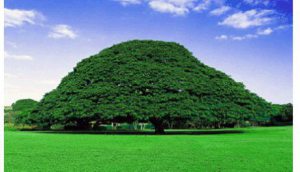
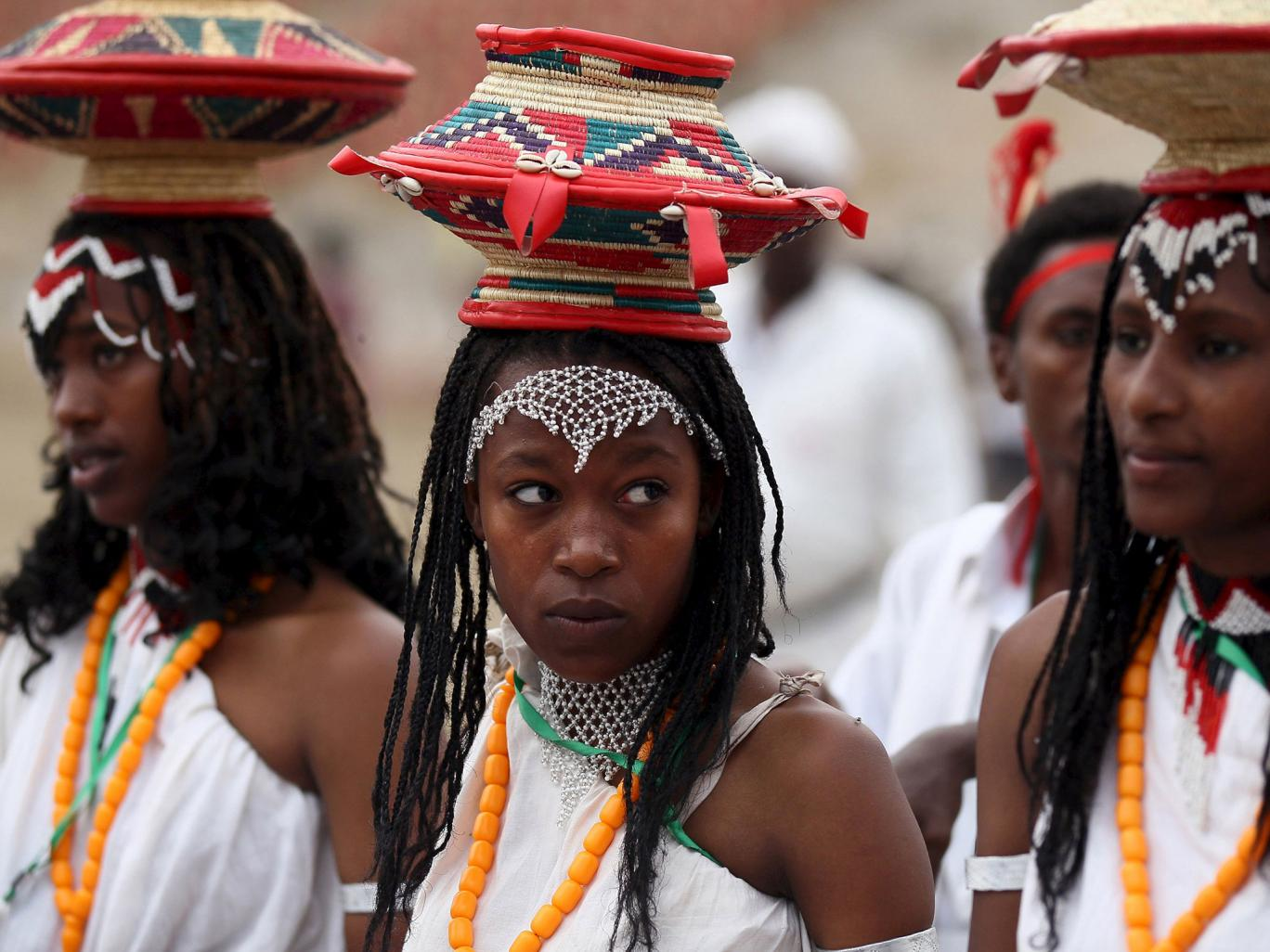
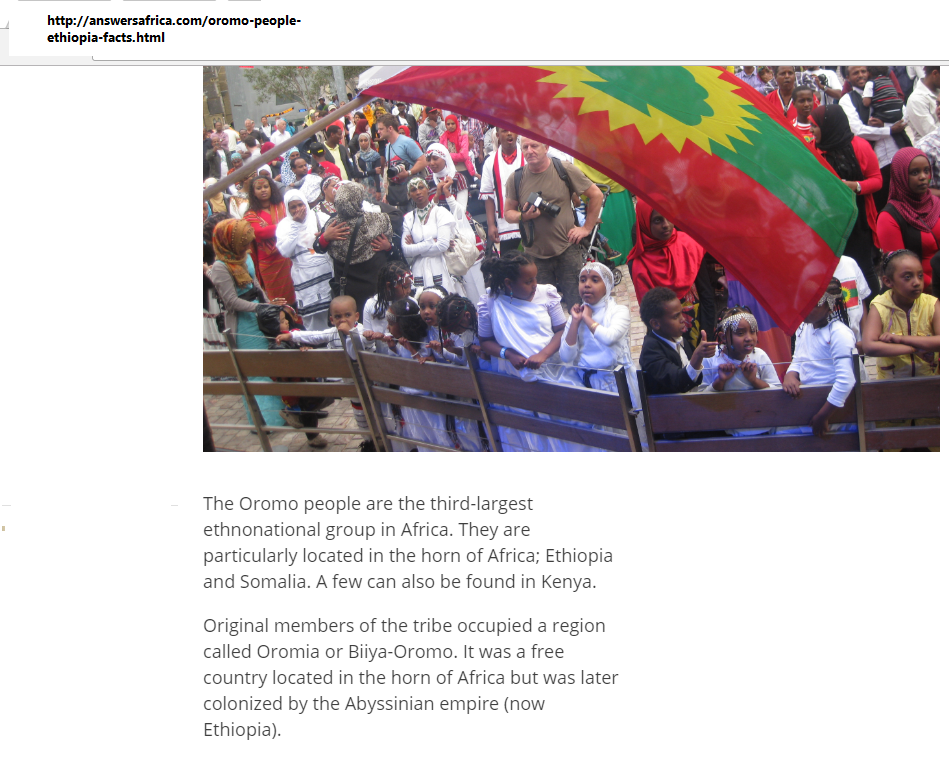
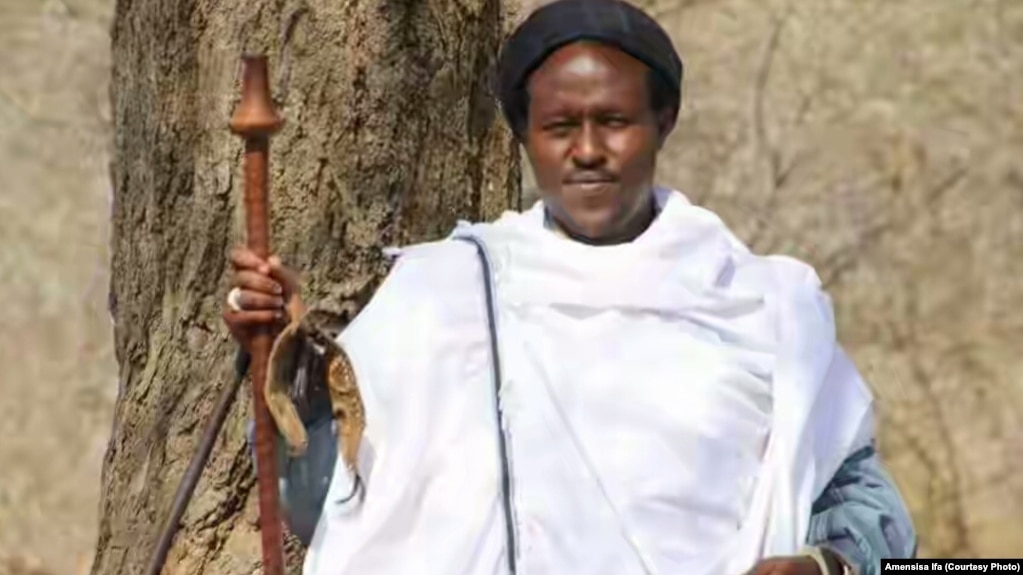
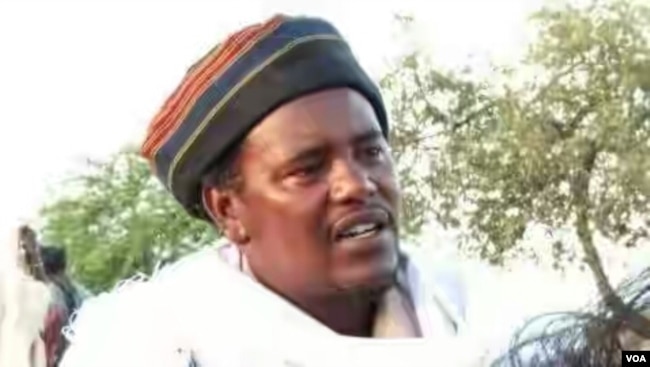
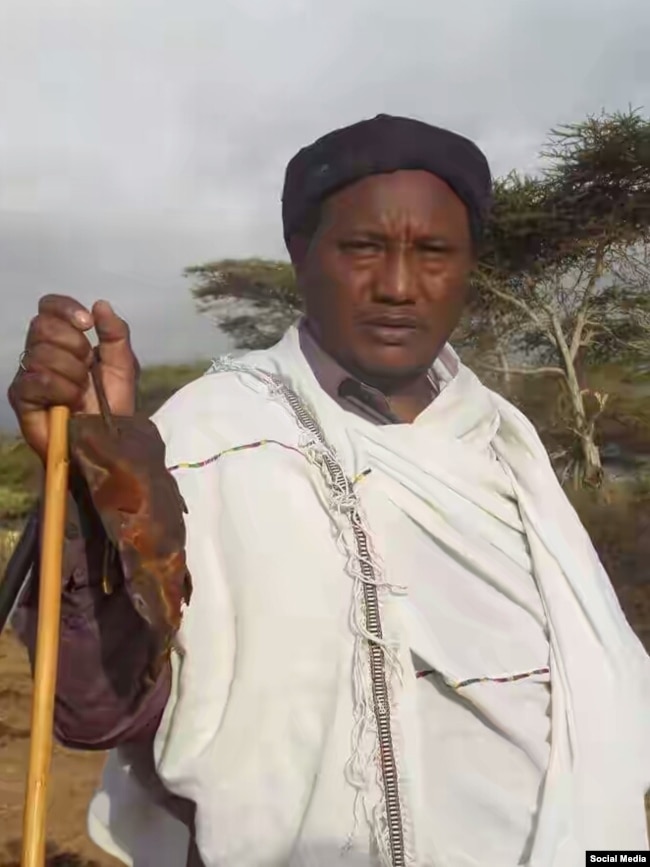
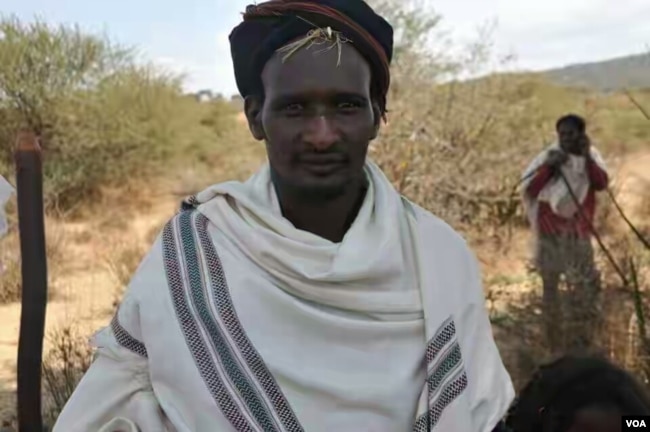
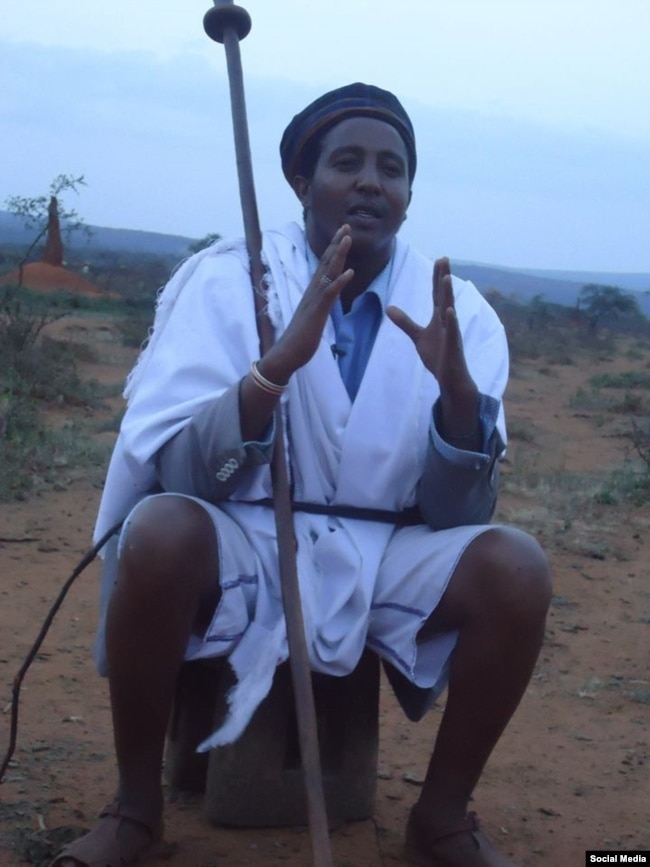

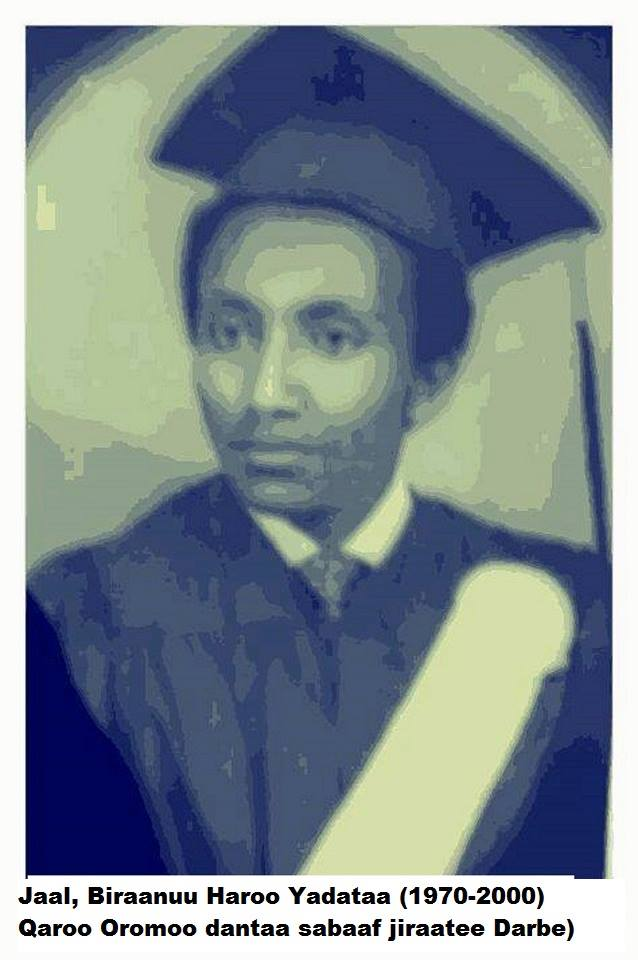



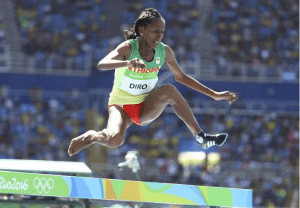
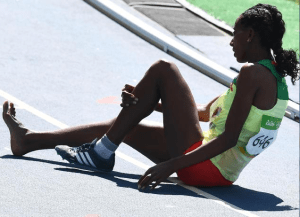

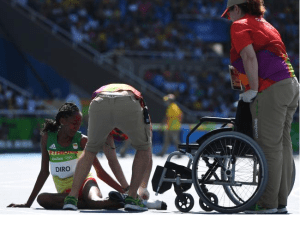


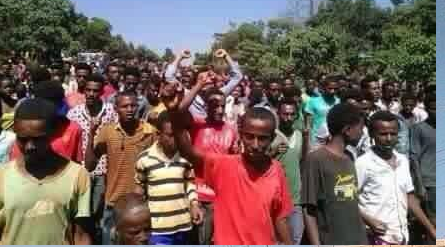


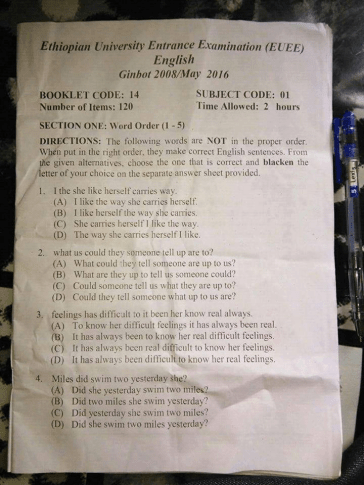
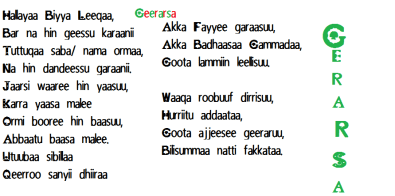


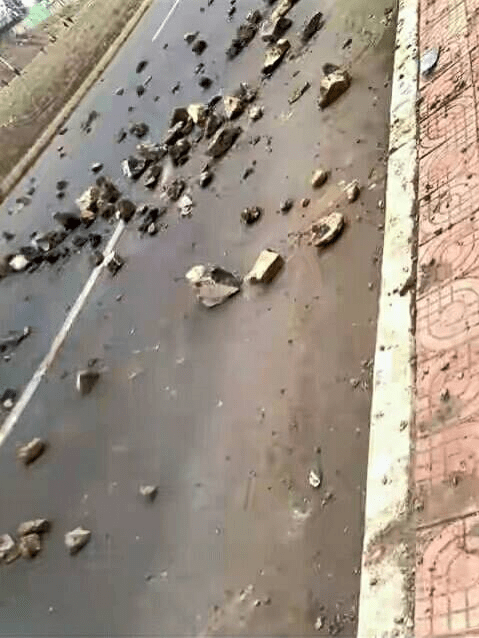


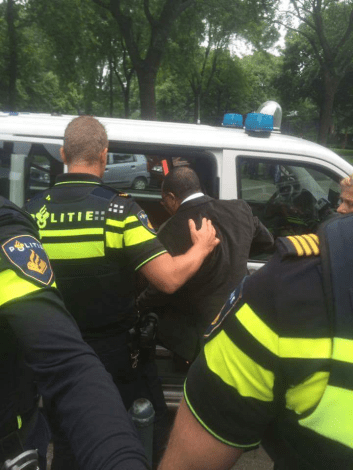
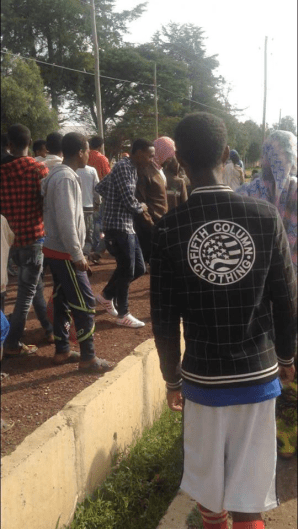

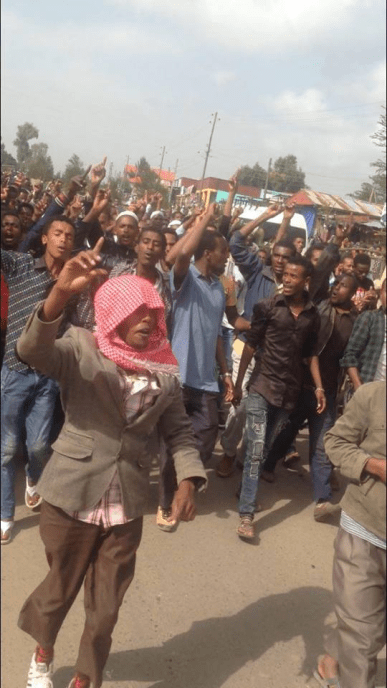
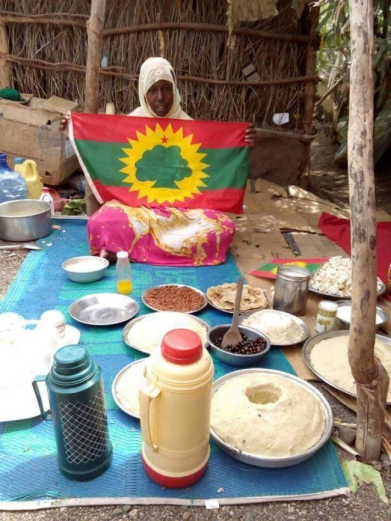



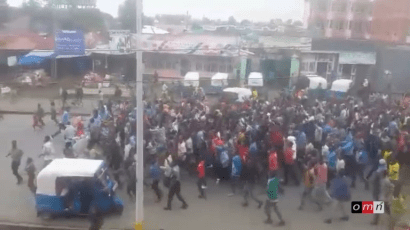


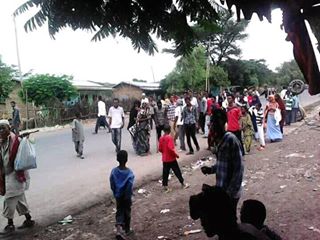


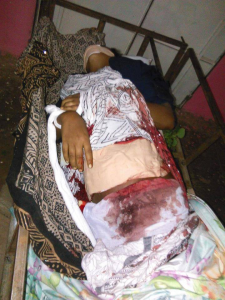


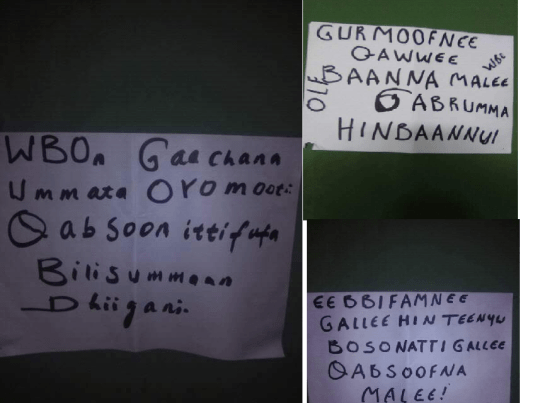

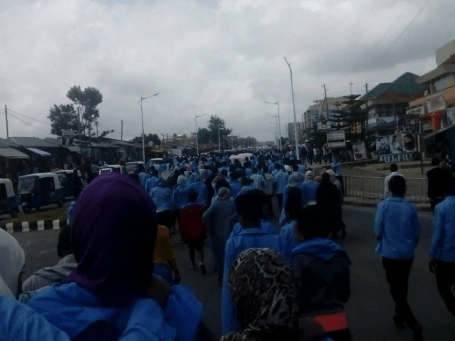
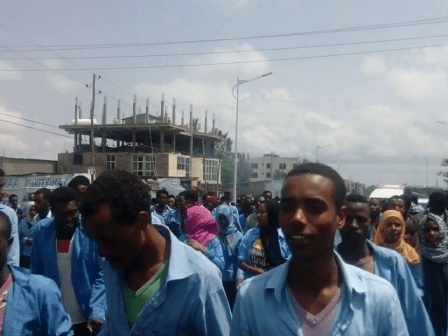

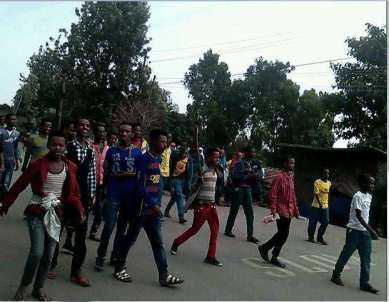

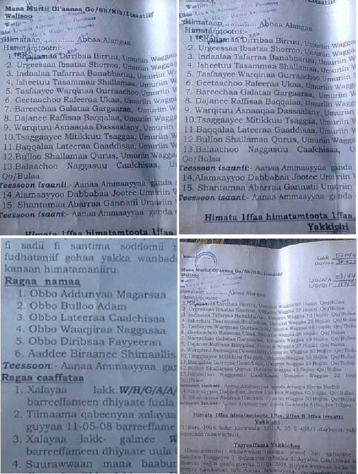
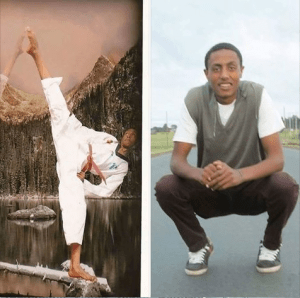
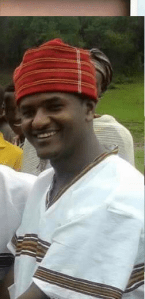


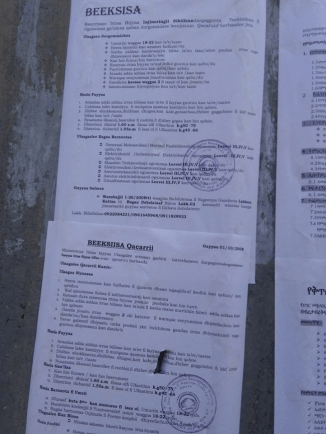


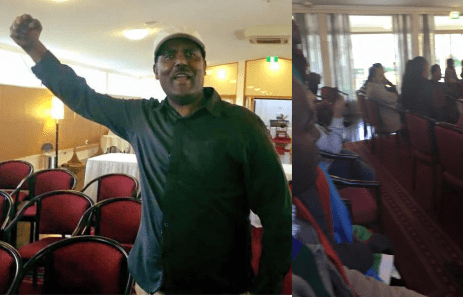


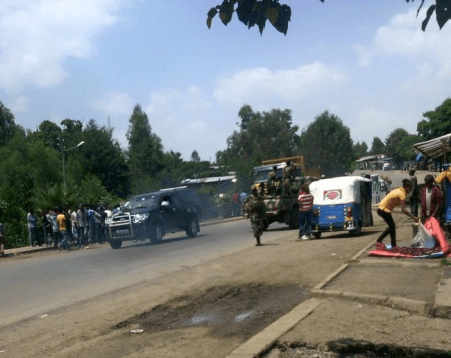


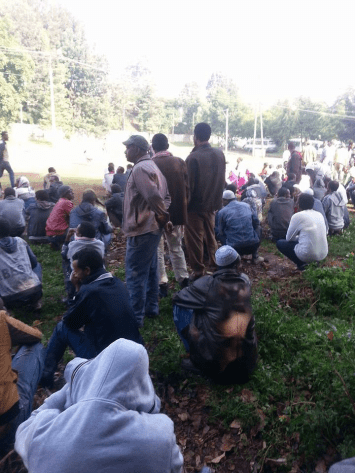
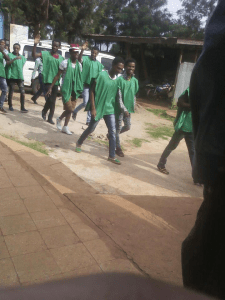
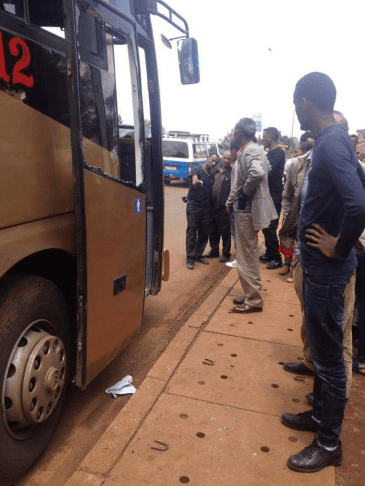


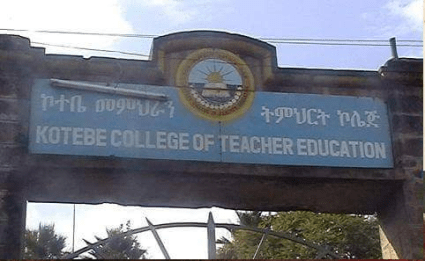


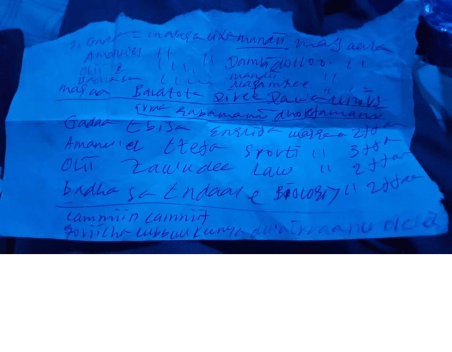
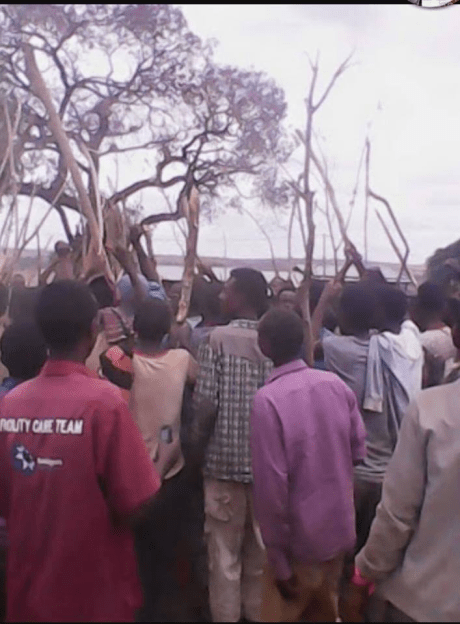

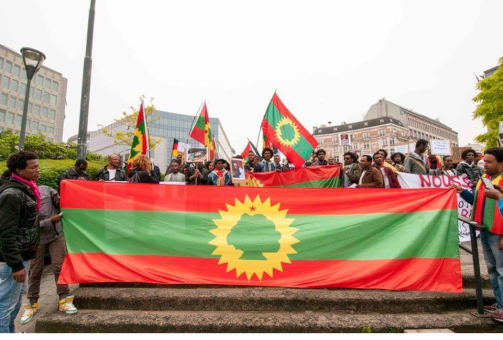
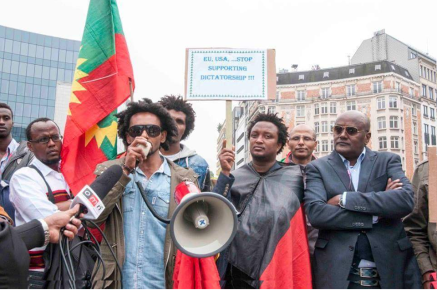
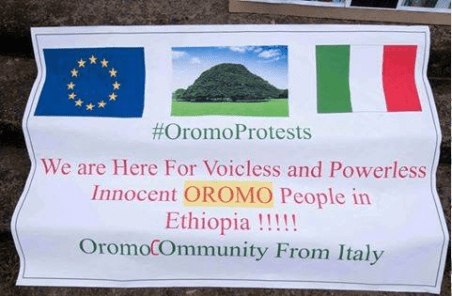
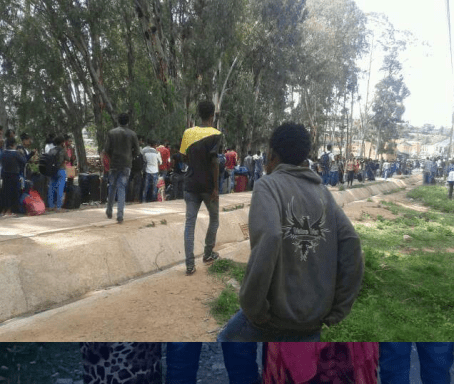


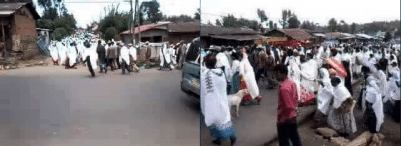



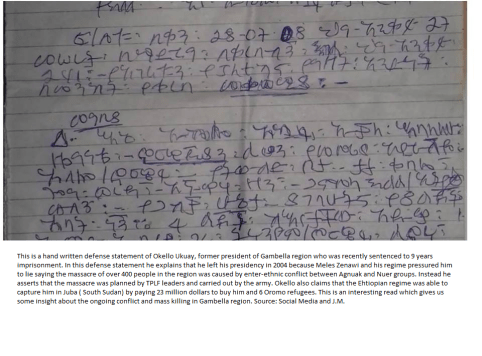


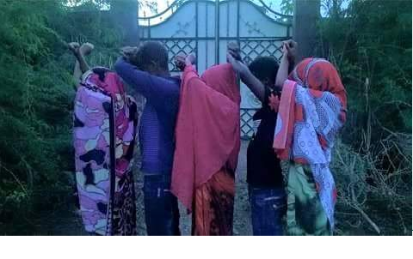
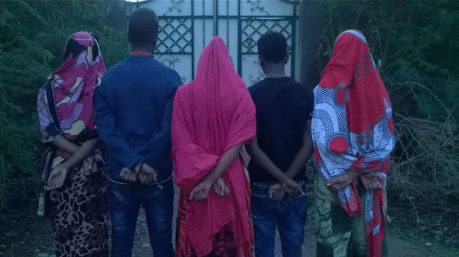
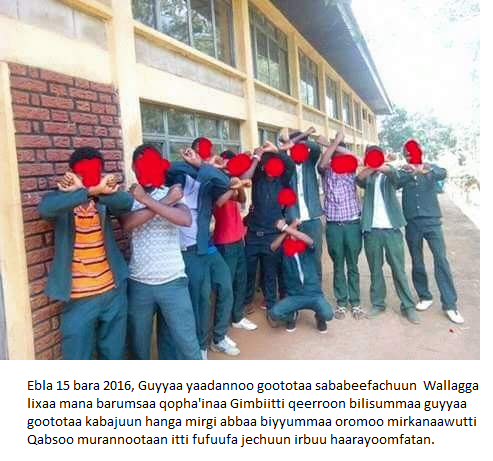


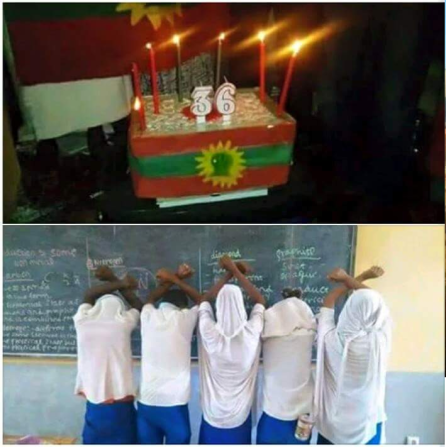




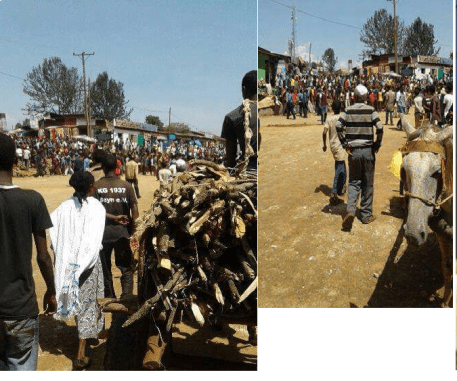
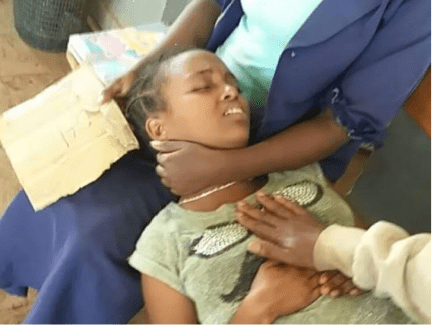


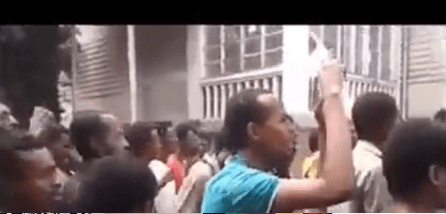
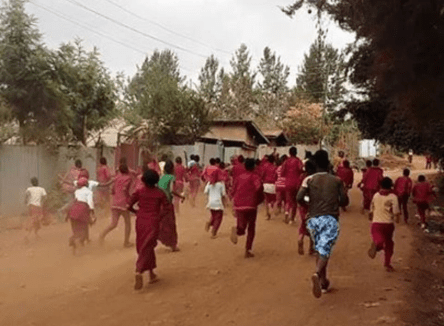
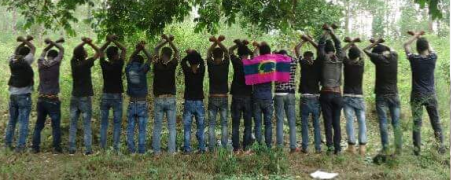


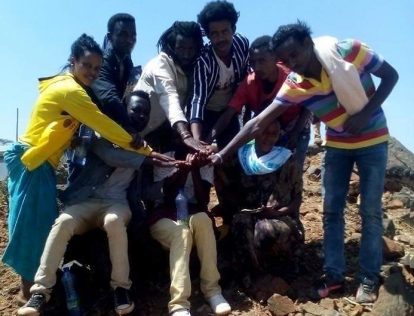
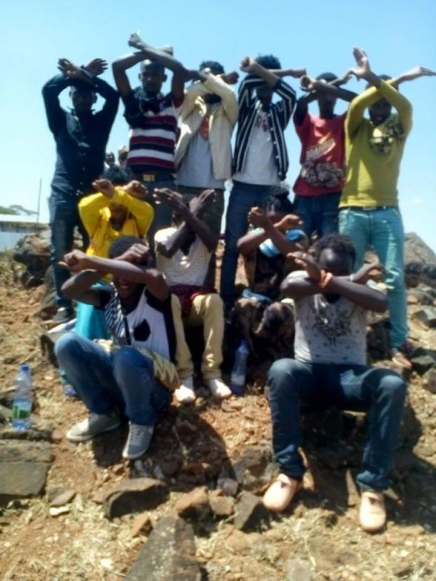



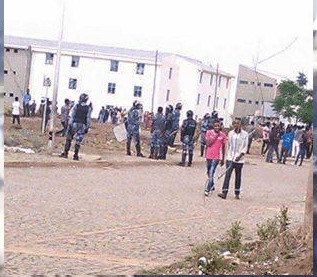
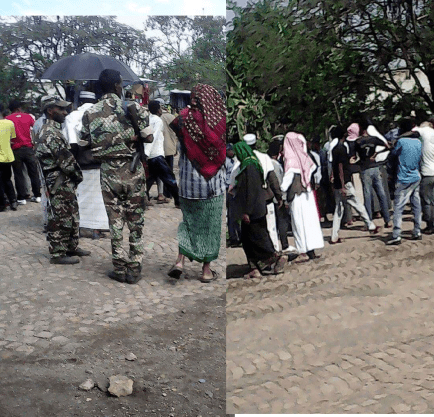
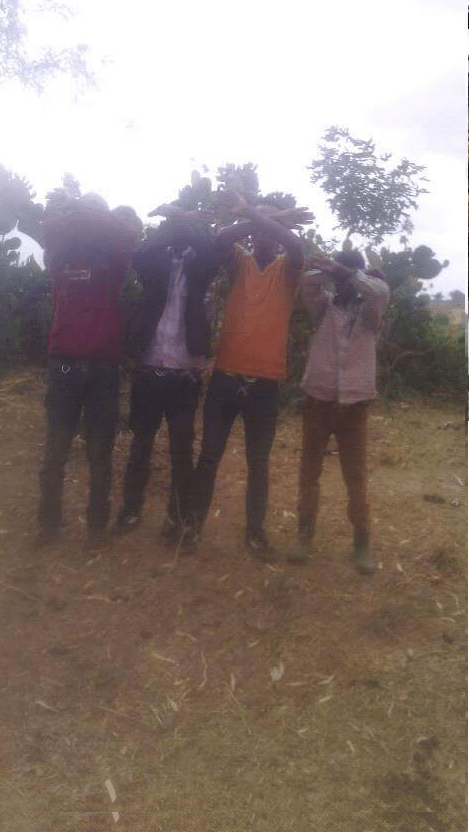
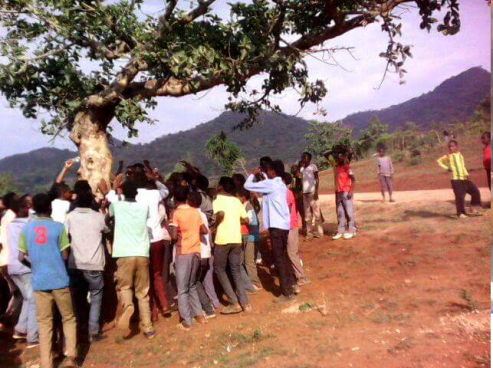
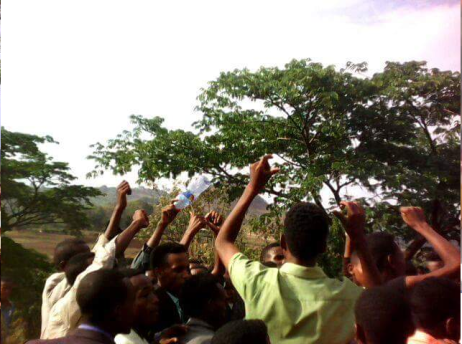
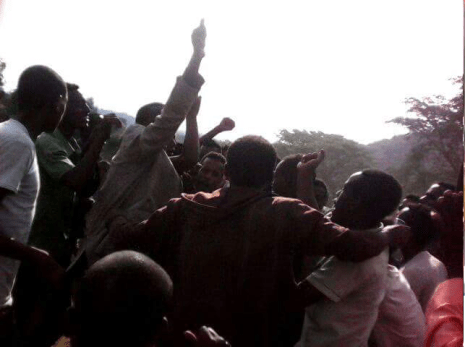
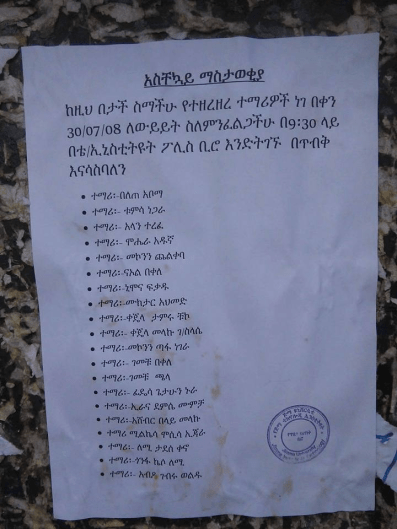

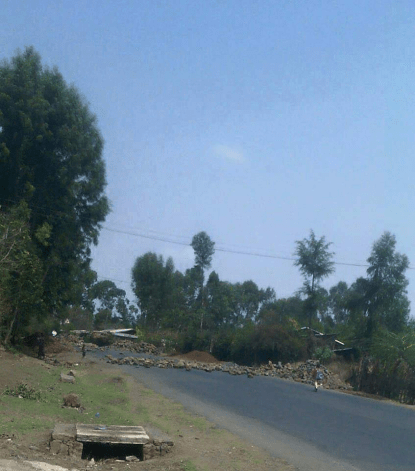


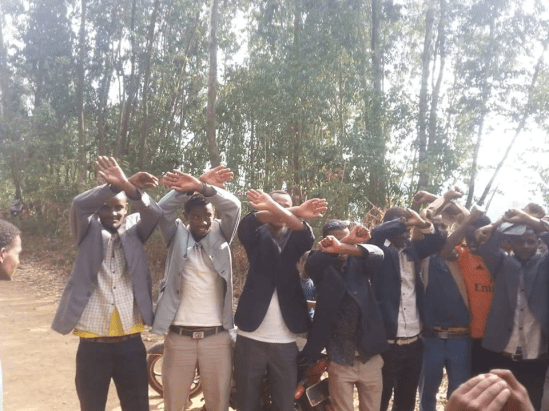


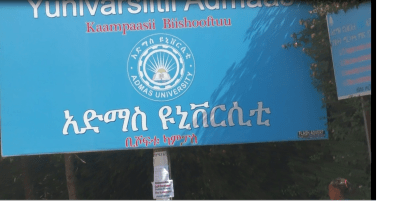
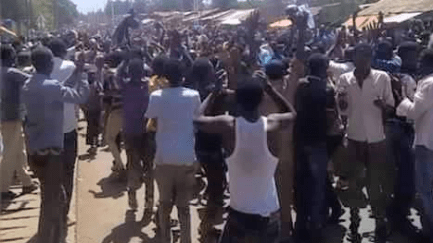




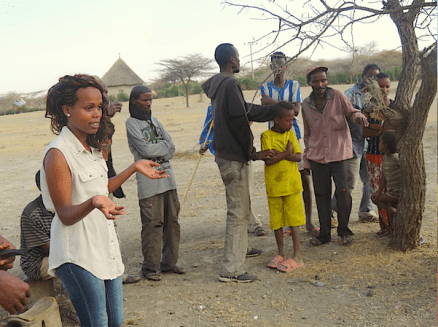







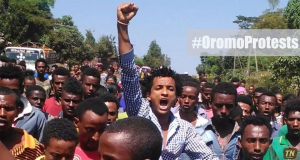

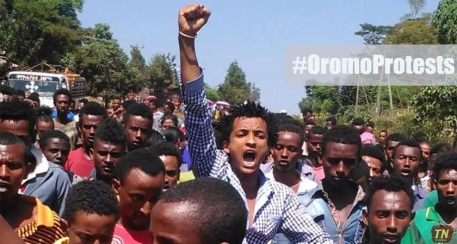


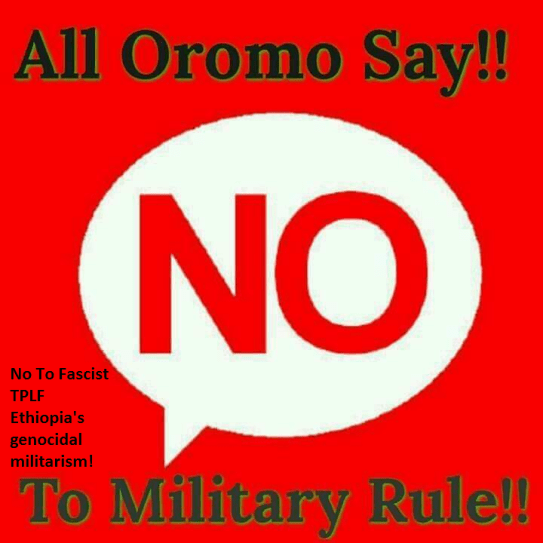
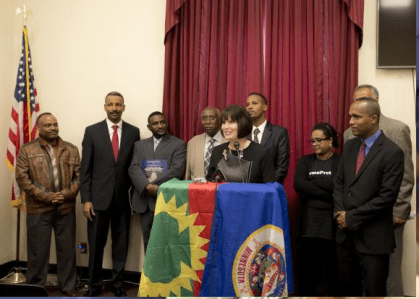


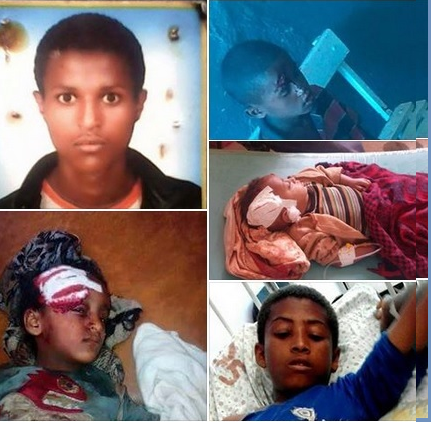
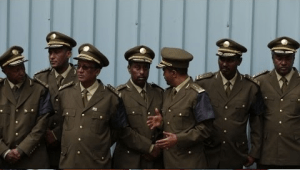



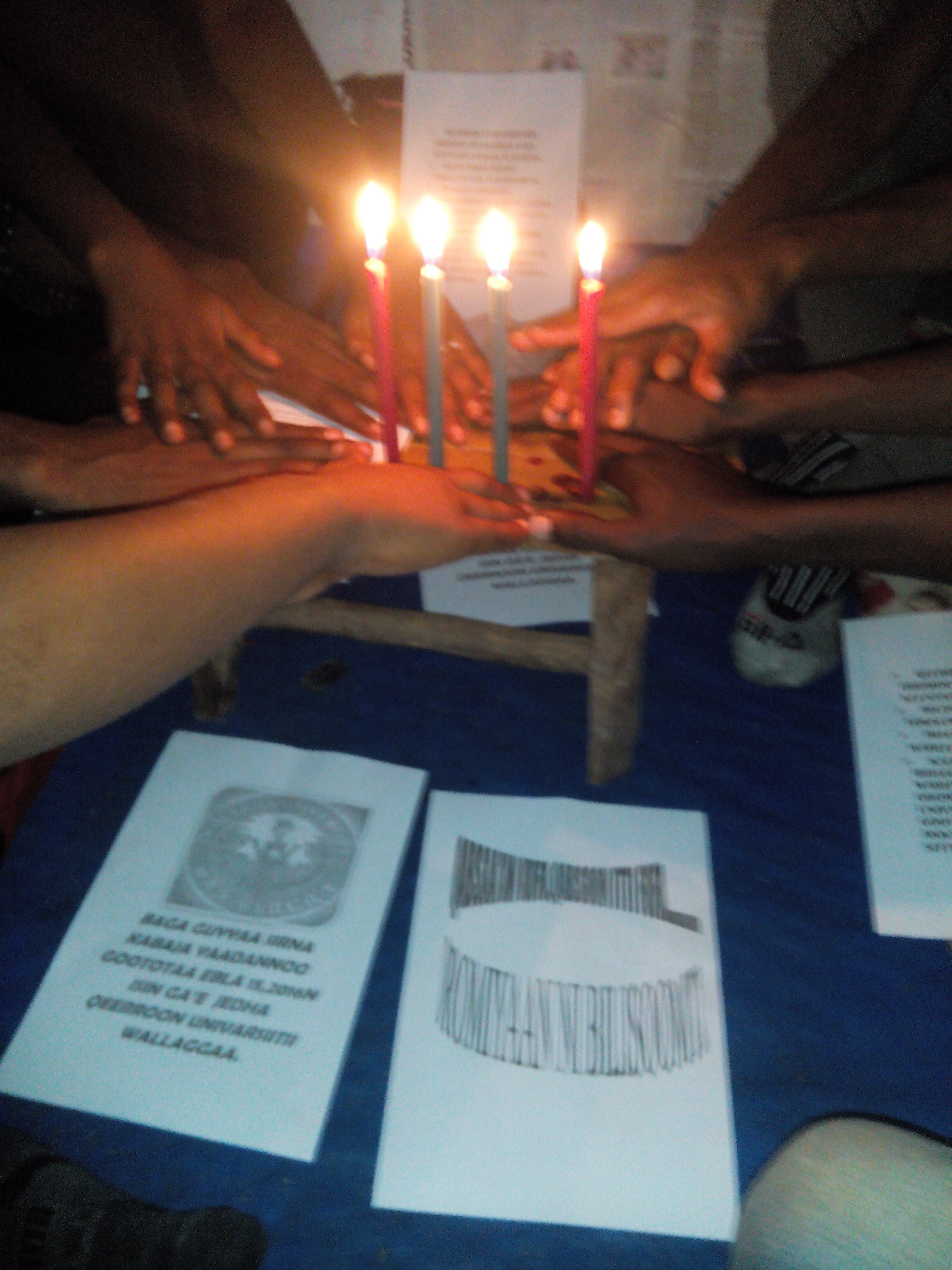


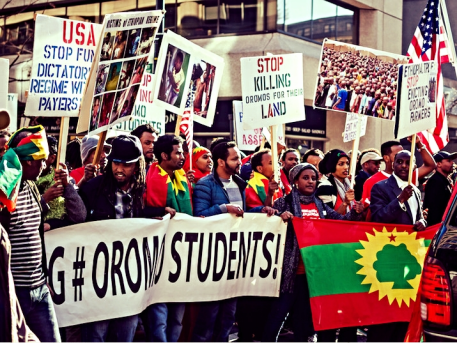


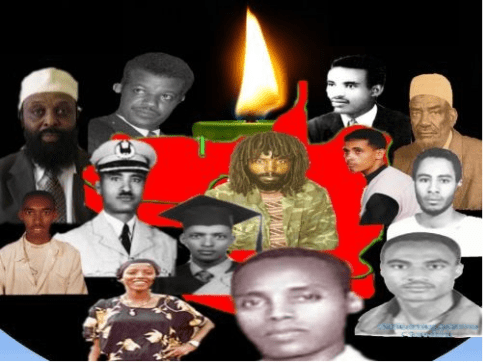


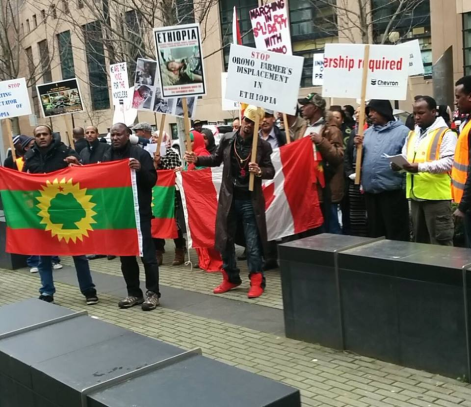
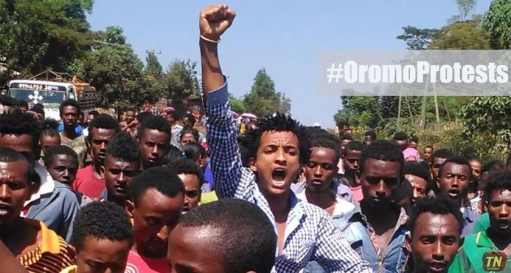
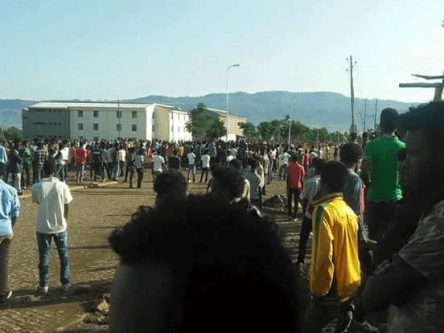


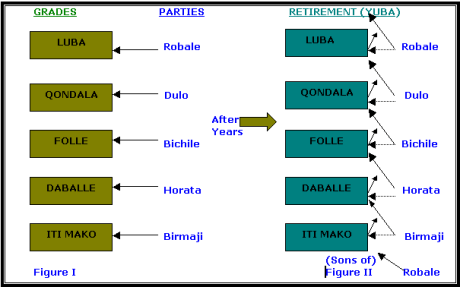
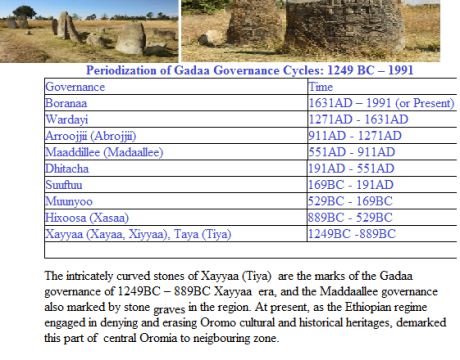



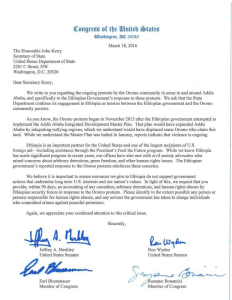

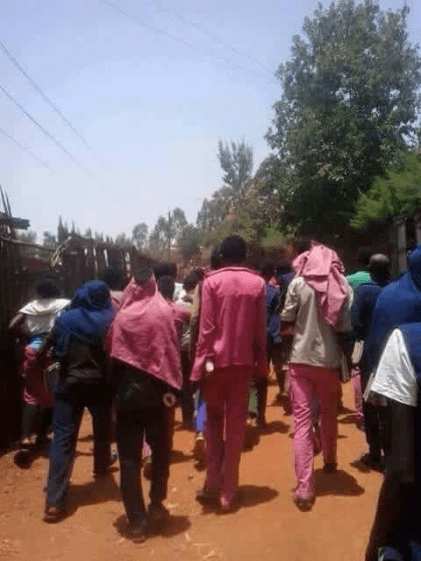


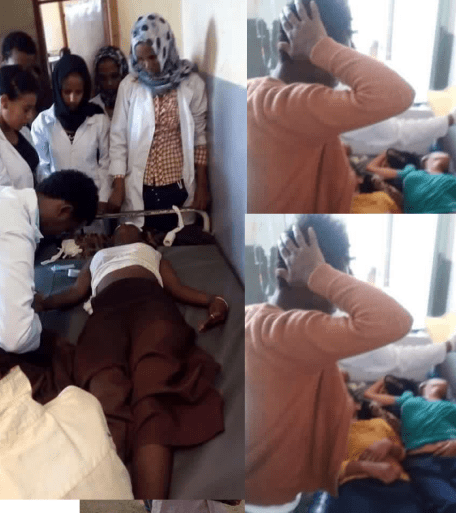
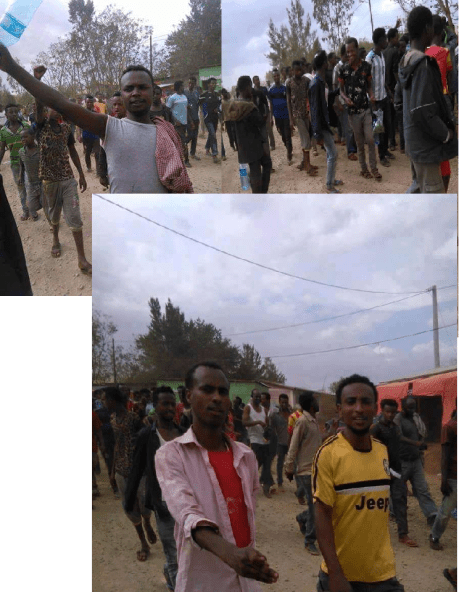

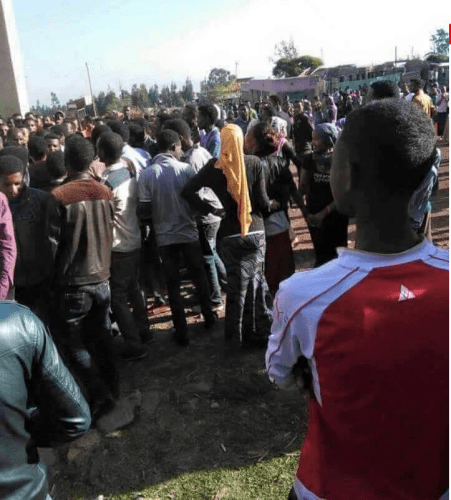

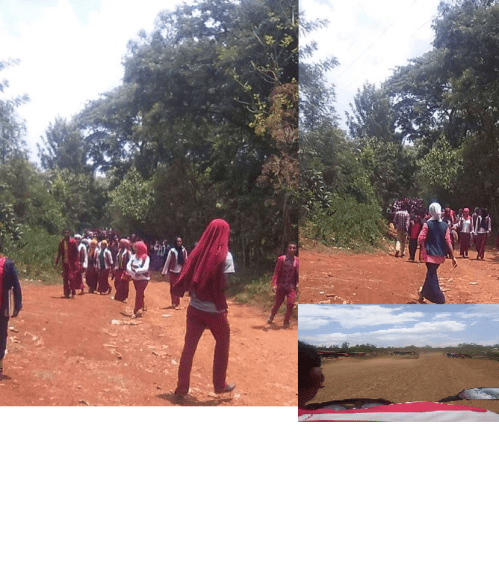


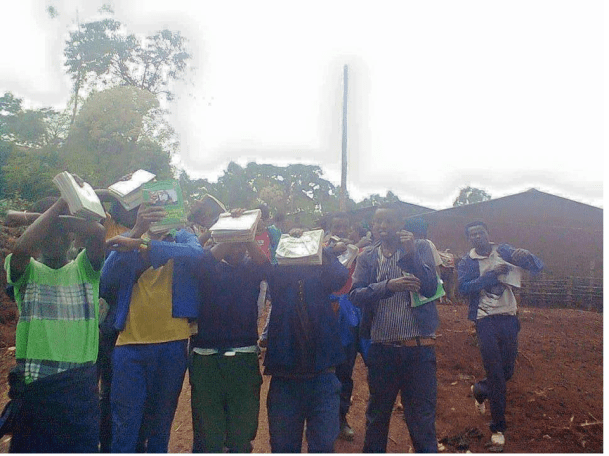


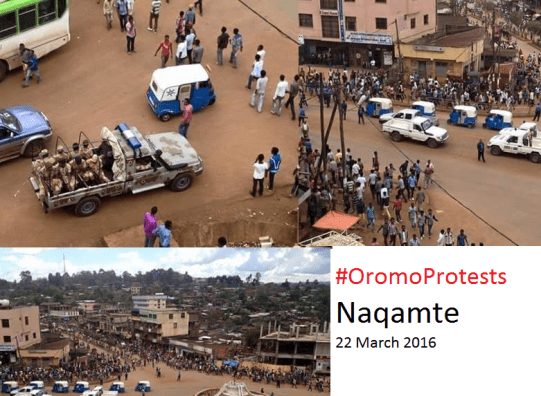
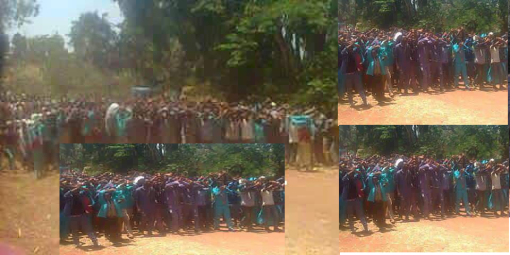
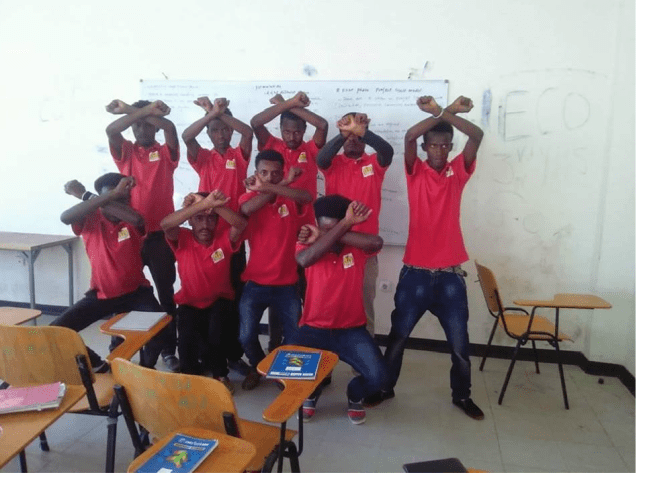

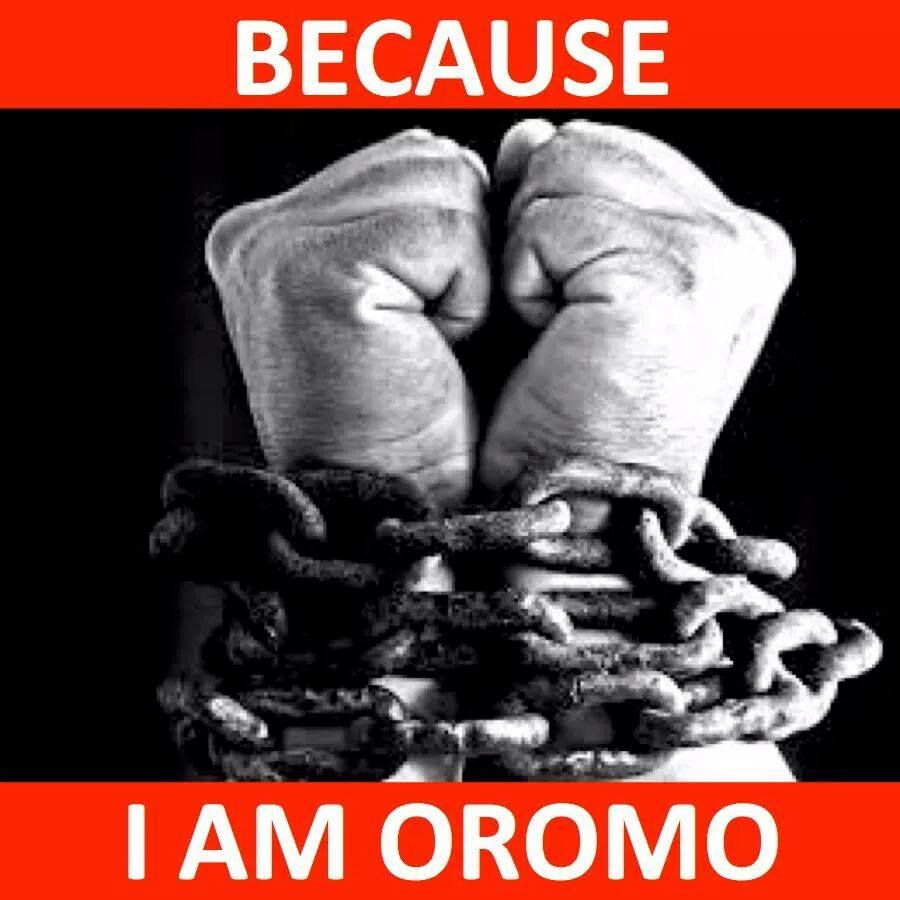


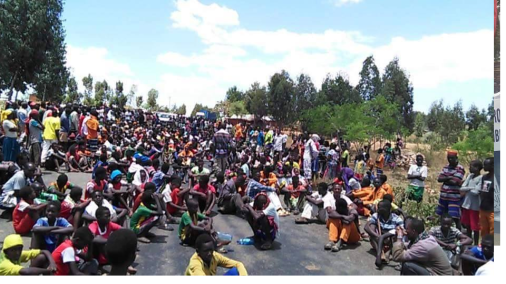
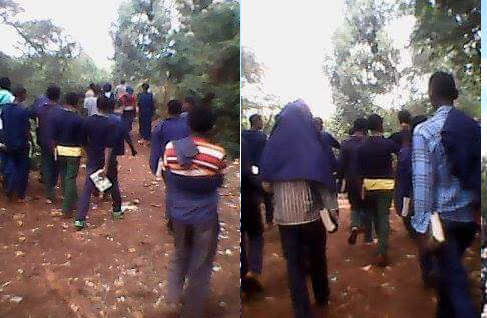


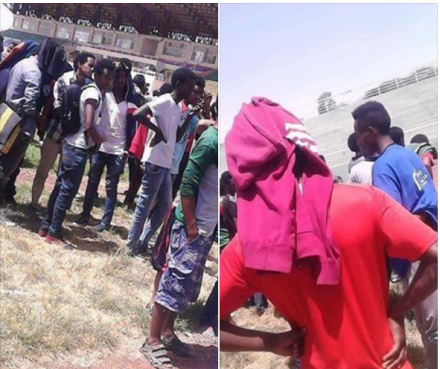
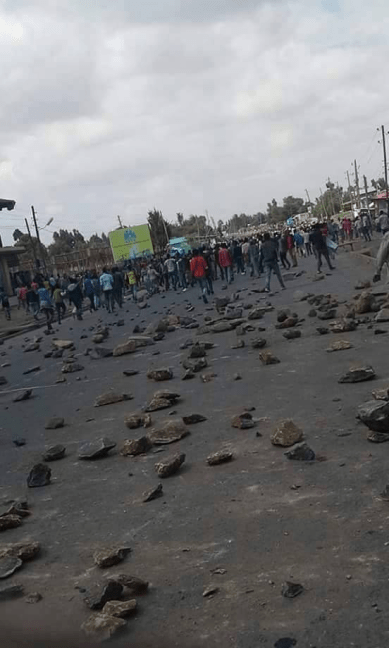
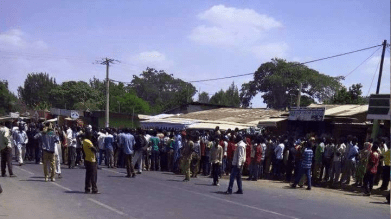
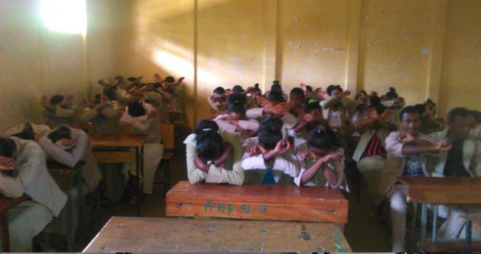
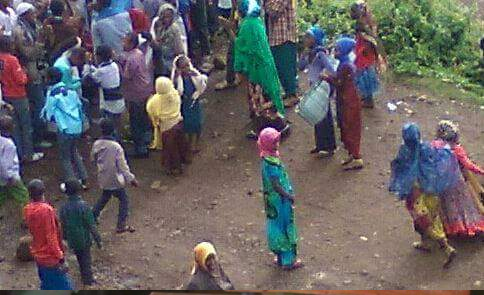
 en hiidhamaan

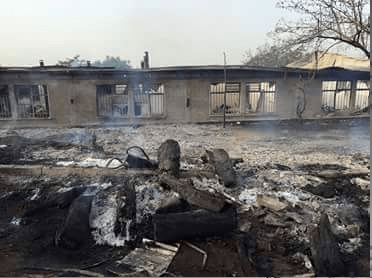
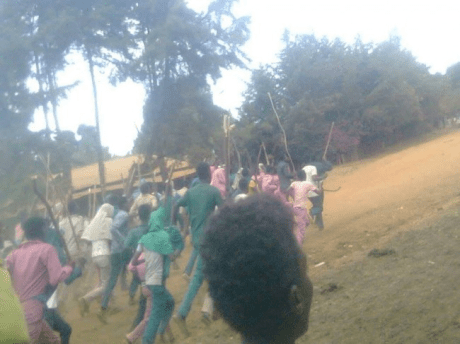
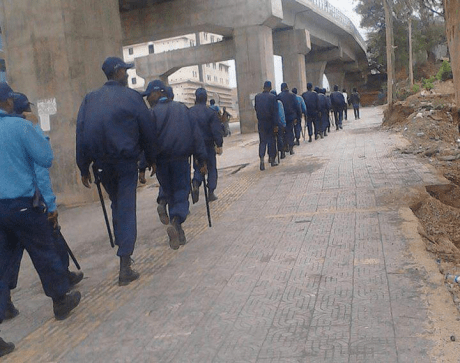
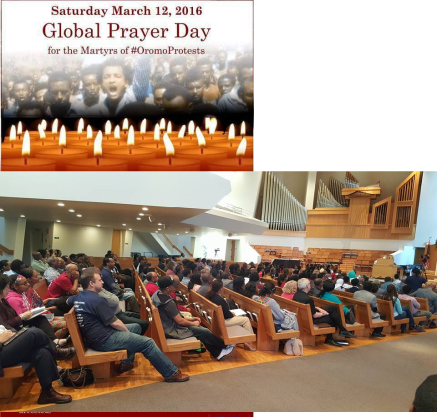
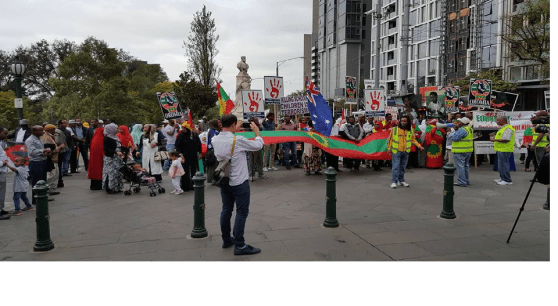

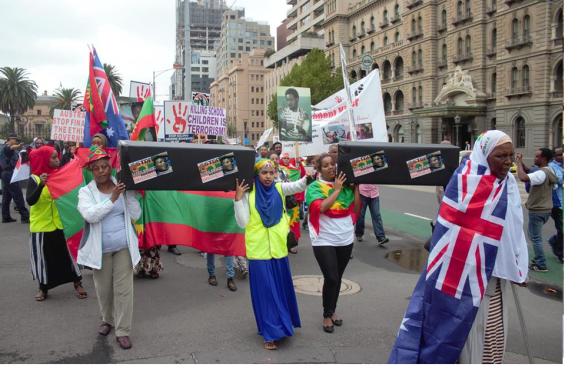

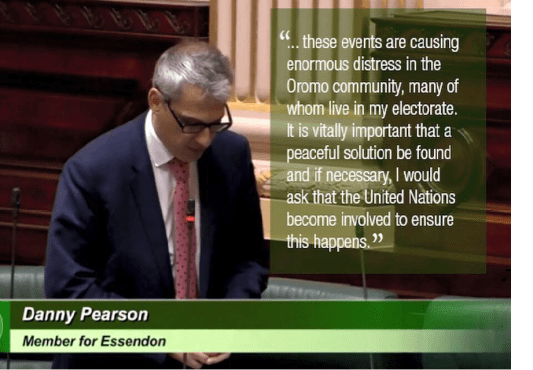
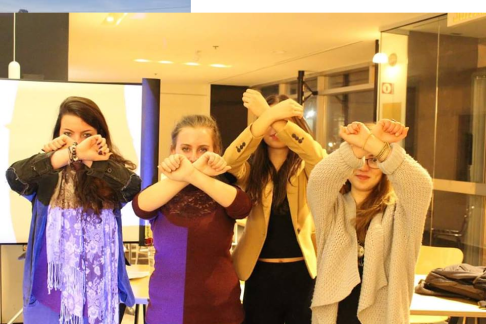
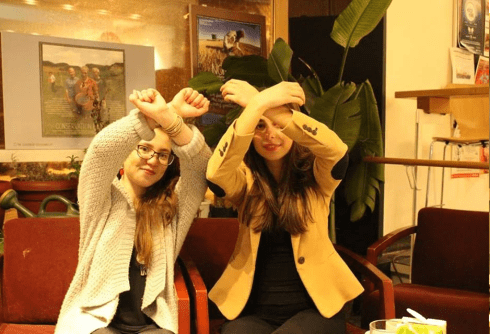
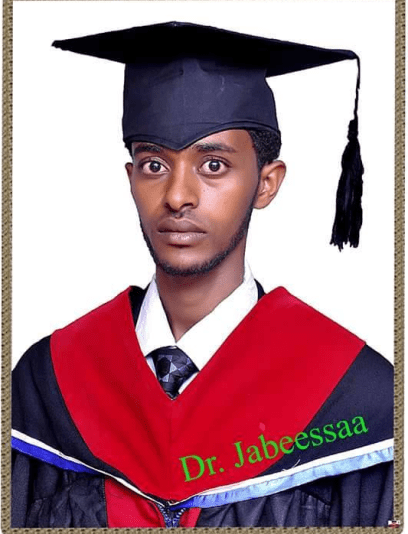
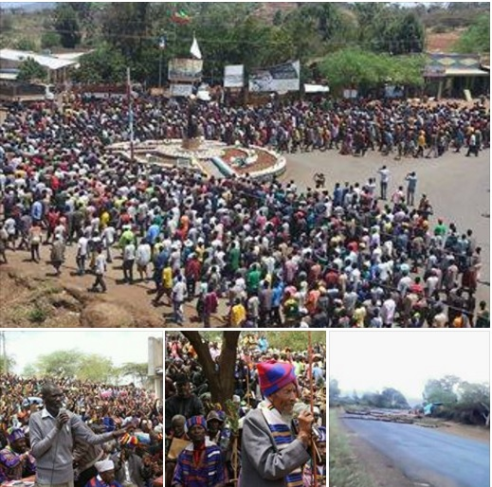
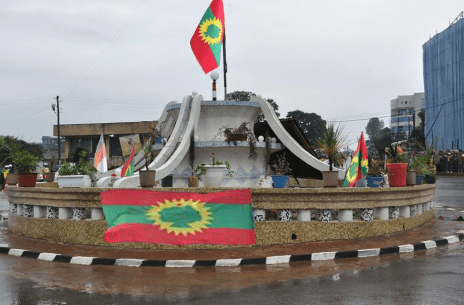


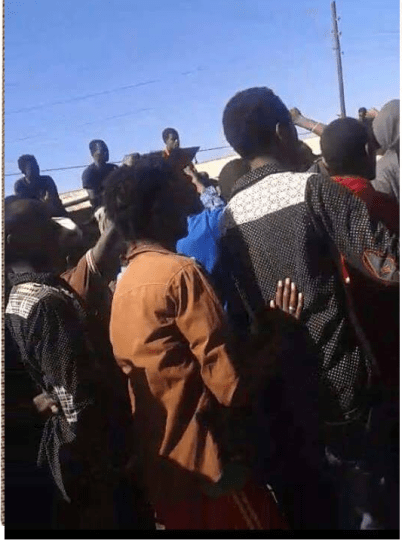
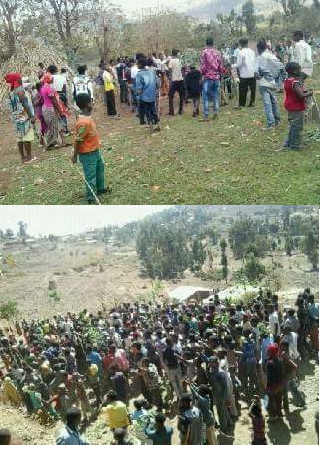
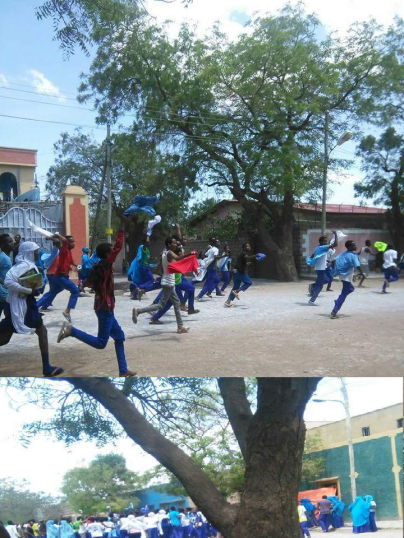
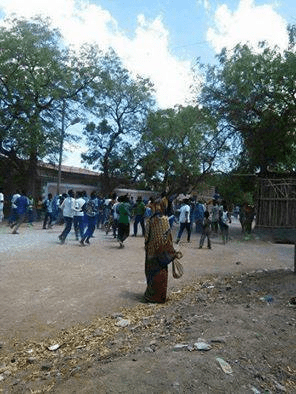


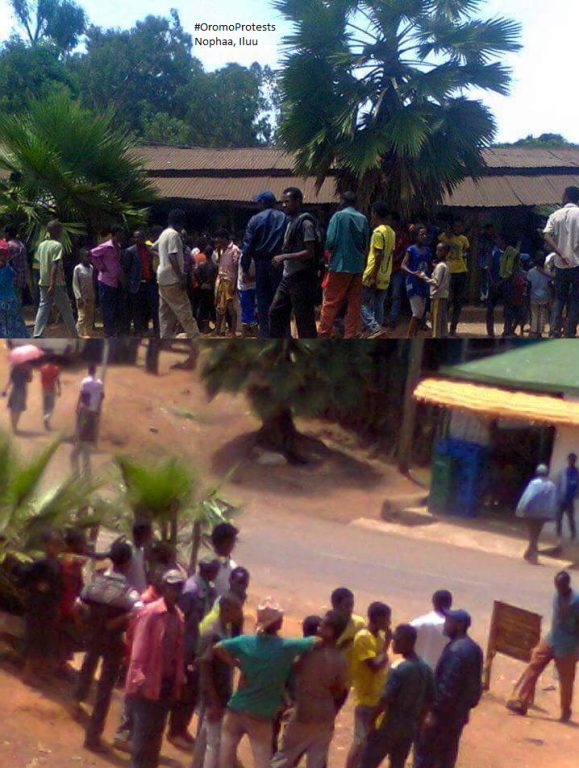
 Guyyaa Har’aa Bitootessa 8,2016 sa’a kanatti barattootni Yuuniversitii Finfinnnee dhibbaan lakkaawaman gara Embaasii Ameerikaa deemuun dhaadannoo dhageesisaa jiru, ammalle itti fufuudhaan naannoo gaar Inxooxxoo qabate qonnan bulaan gama Sulultaas bahuudhan daandi cufee mootummaa EPRDF hin barbaannu ofiin of bulchina, ABOn kallacha qabsoo keenyaati jechaa jiru.


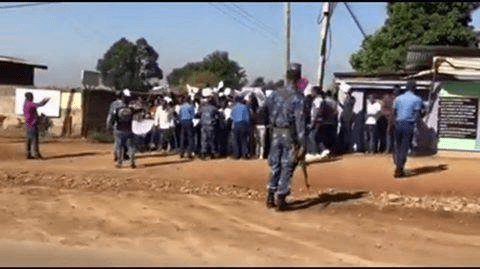


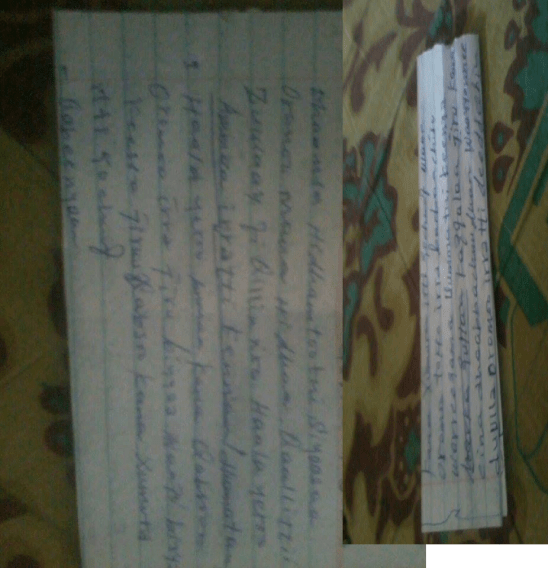
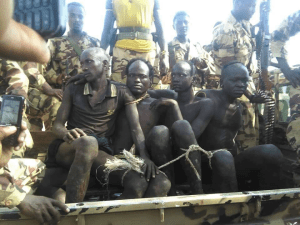

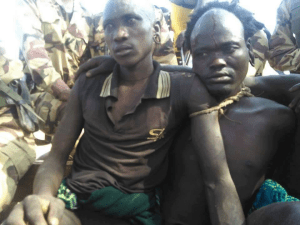
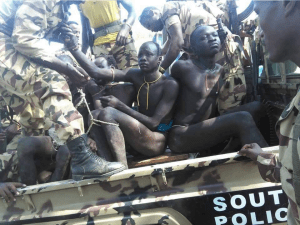


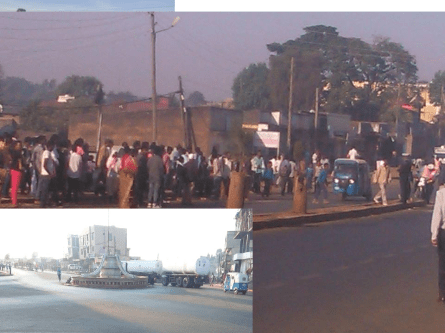


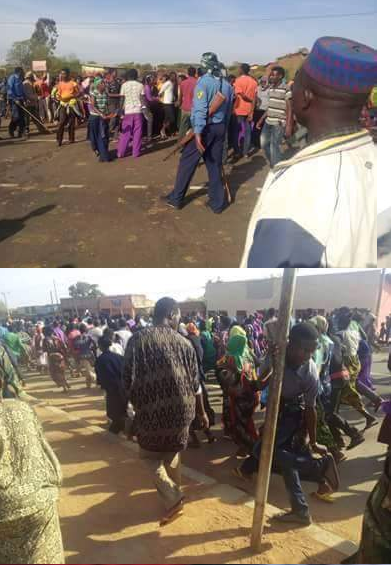


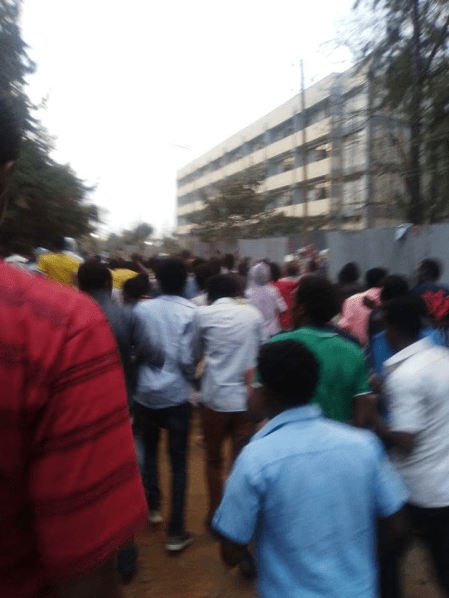


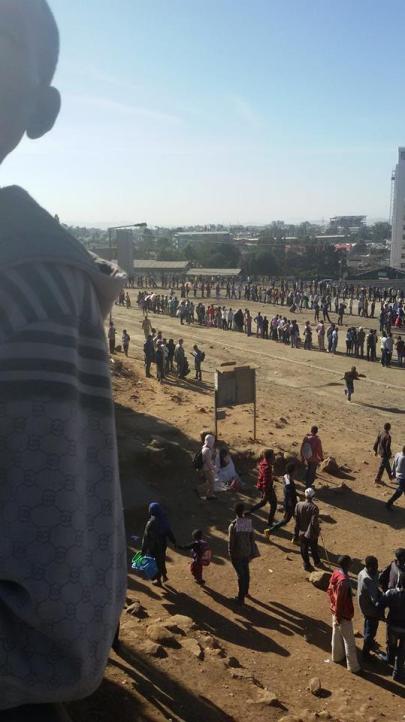


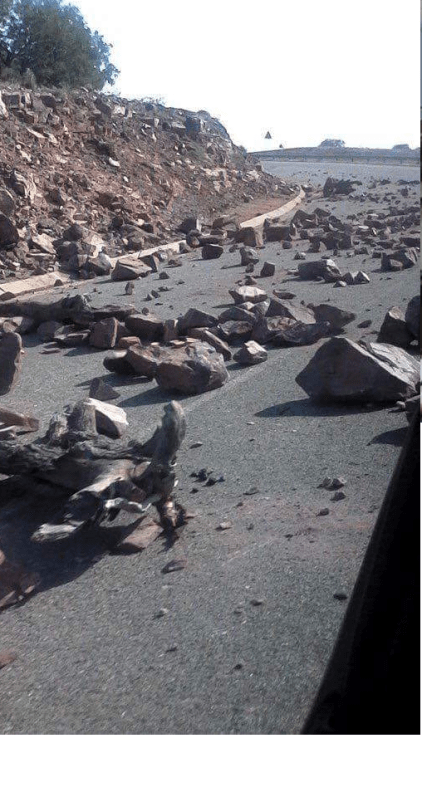
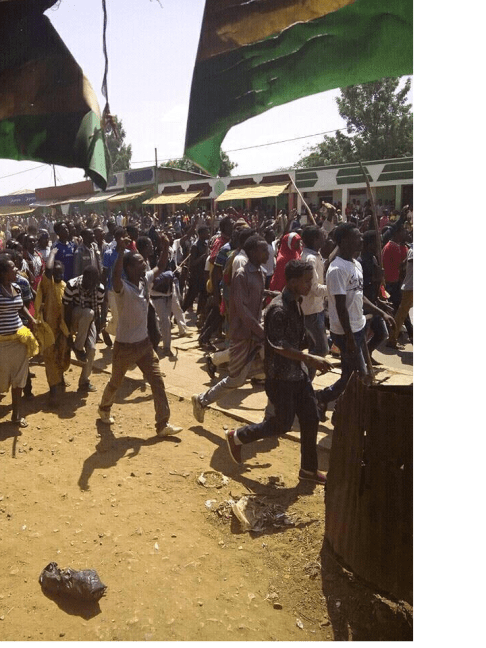
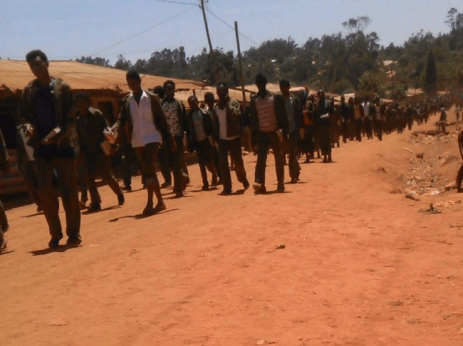
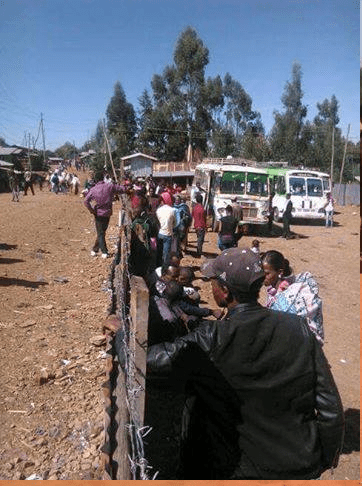
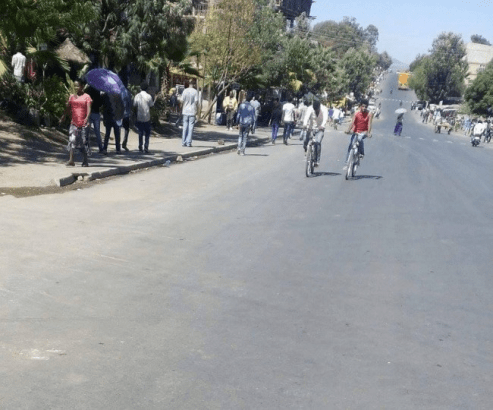
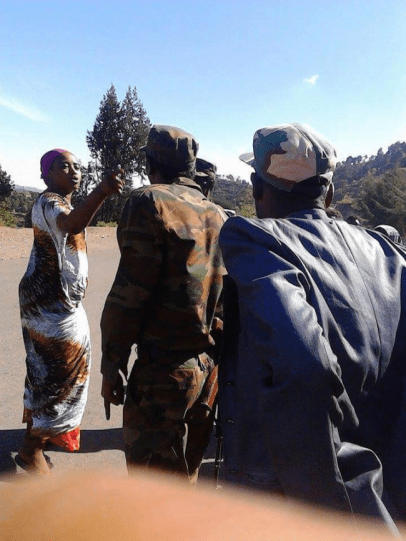
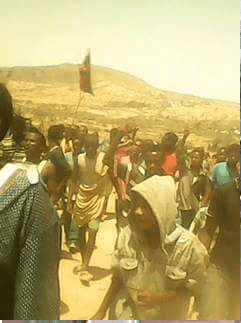
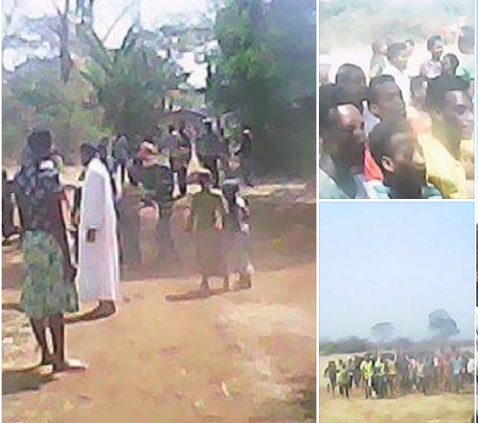
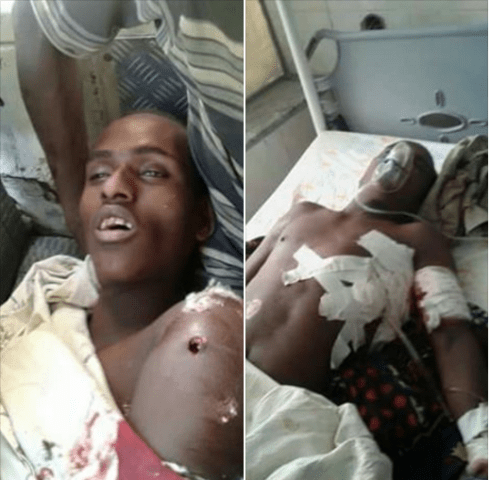

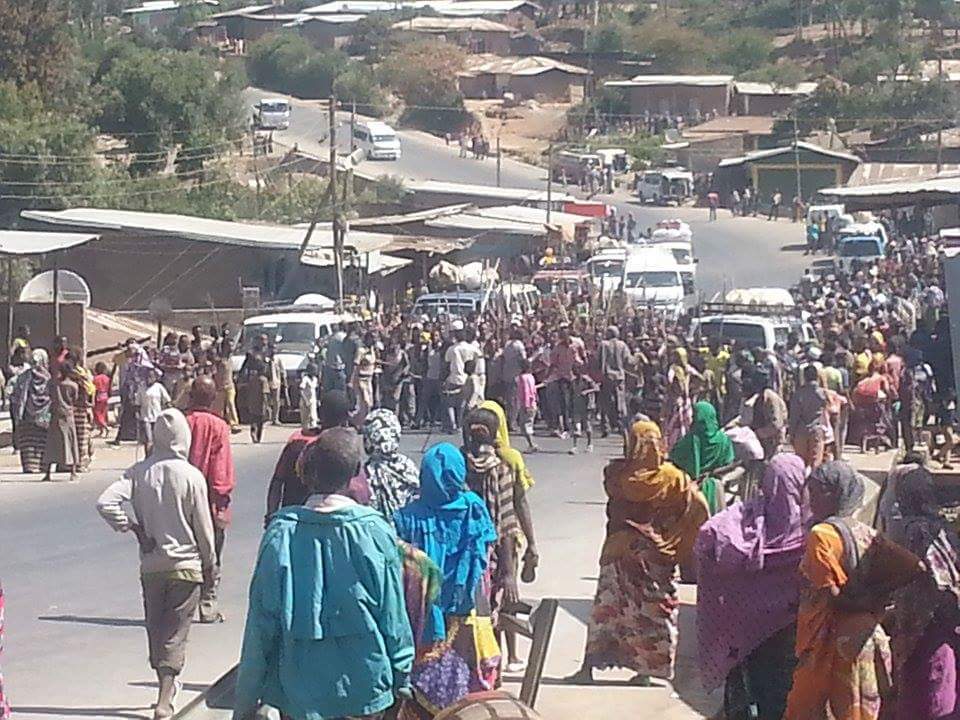


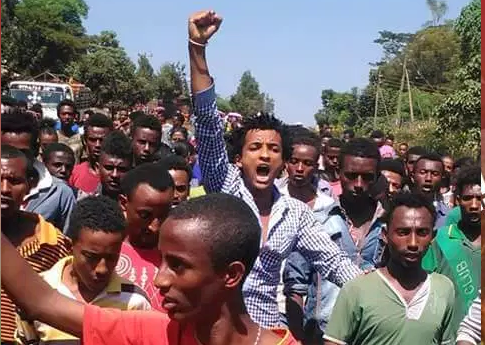
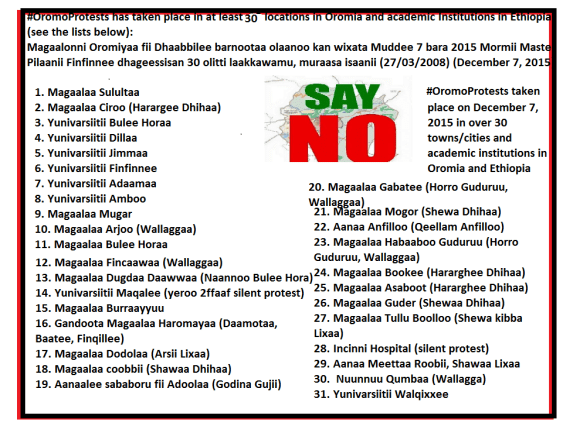

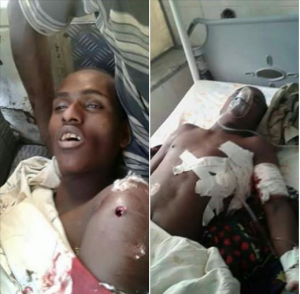



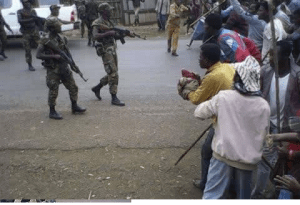

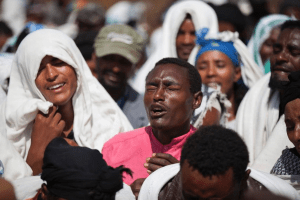
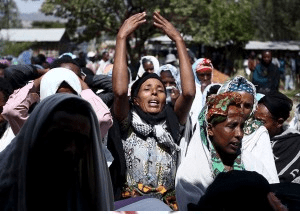
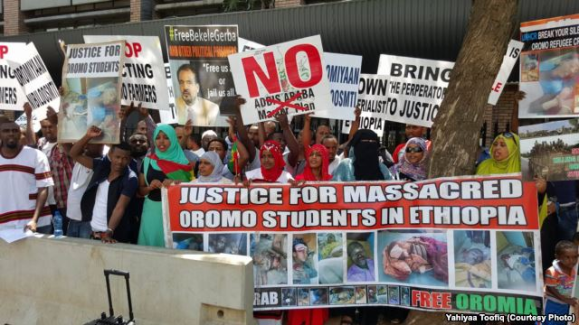

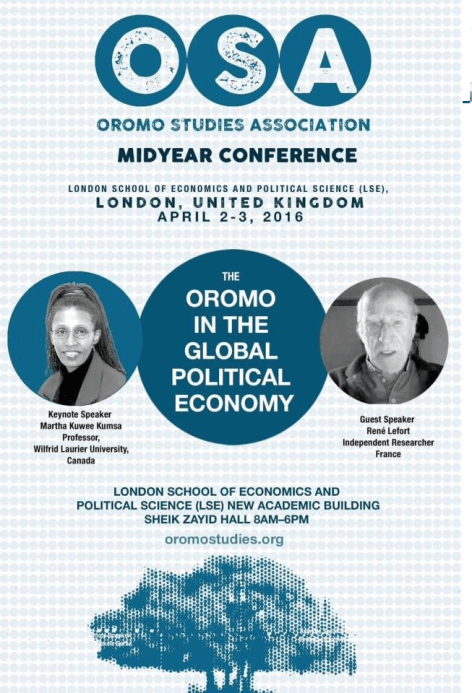



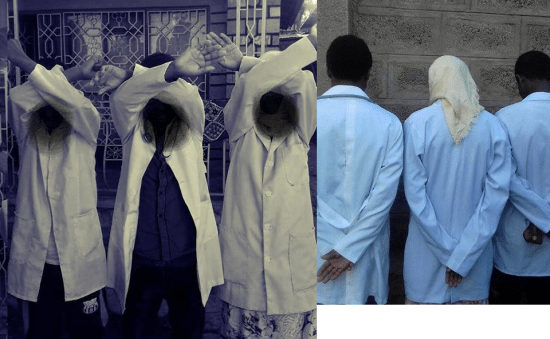
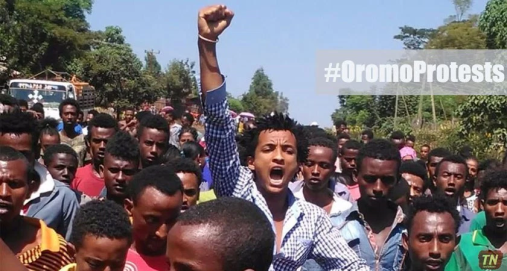
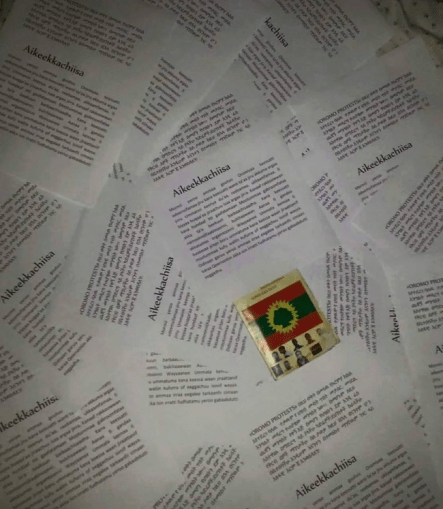


 Oromian Economist

You must be logged in to post a comment.